








Epiphany: The Three Kings Day (Jan. 6)
with ORO VALENTIO
A Celebration of Revelation, Light, and the Journey of Faith
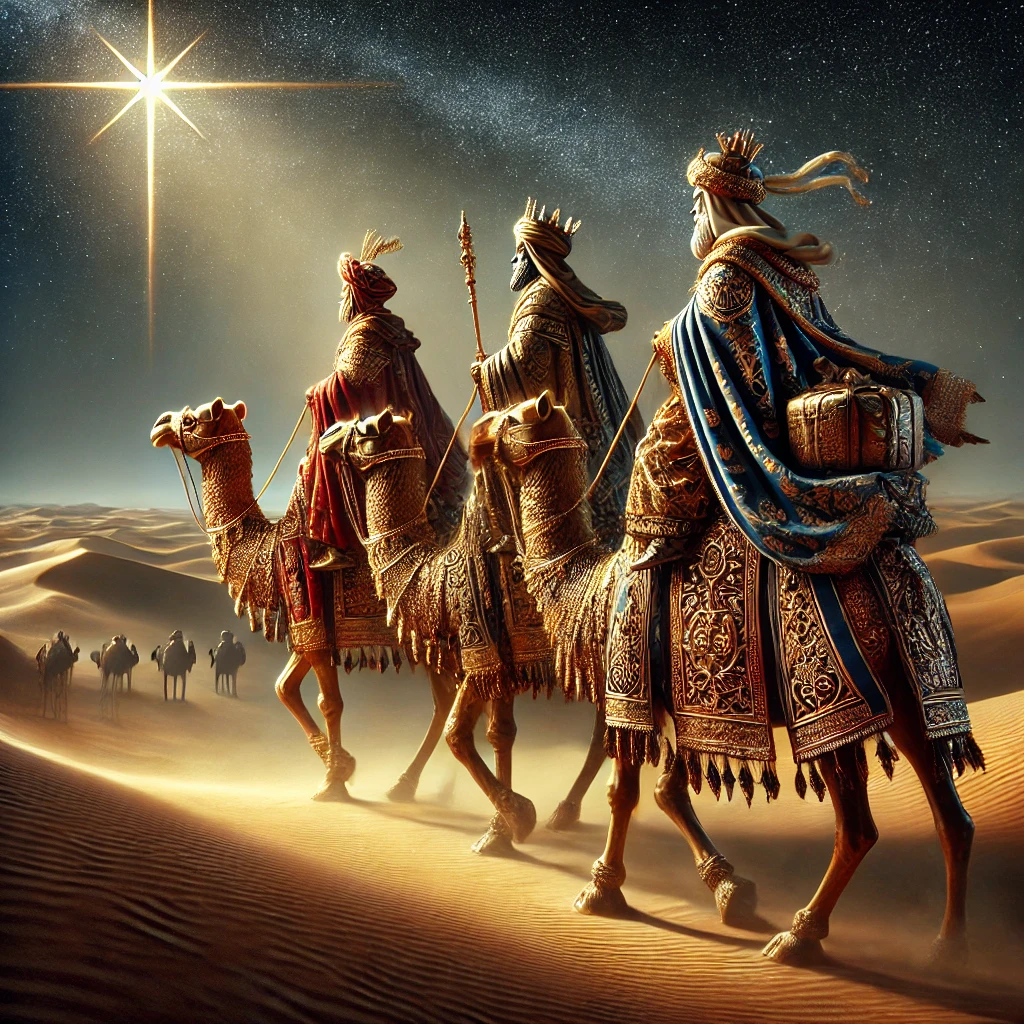
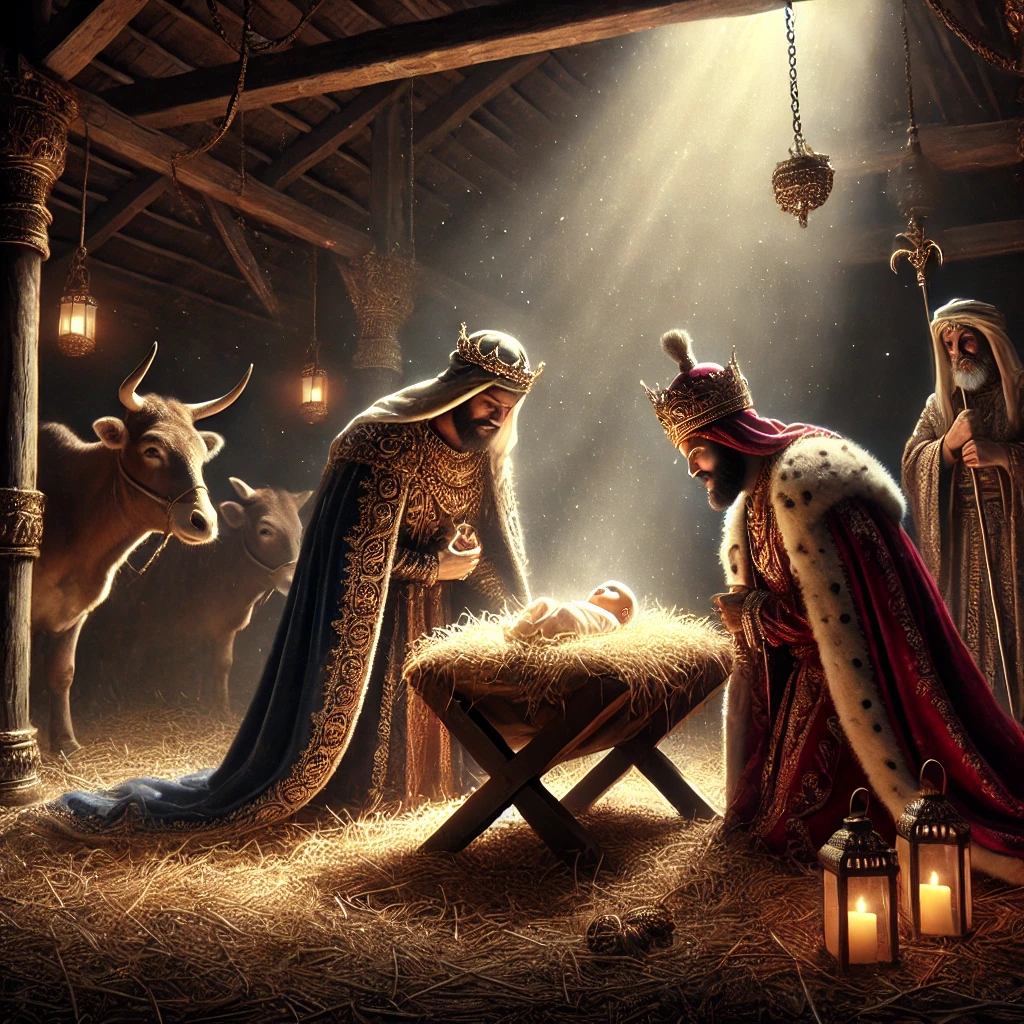
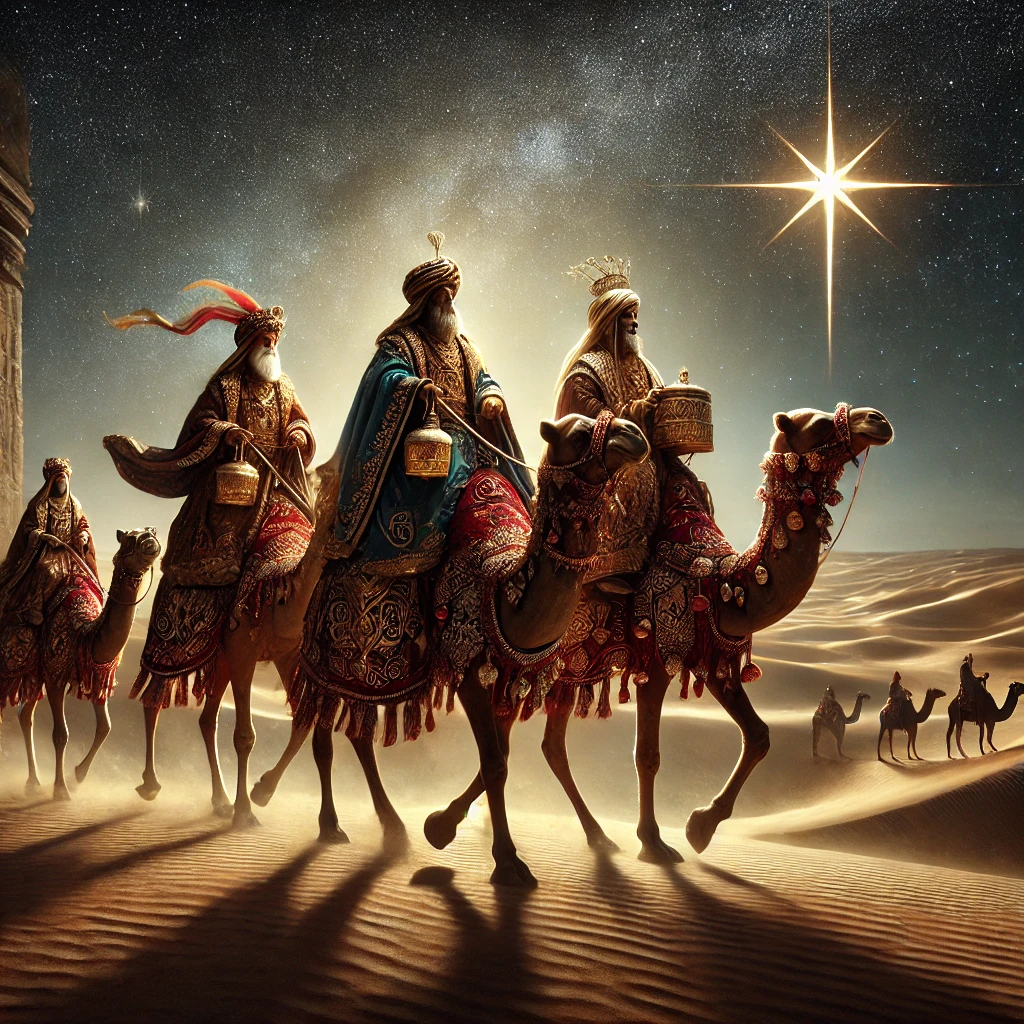
Epiphany—also known as Three Kings’ Day—is observed on January 6 as the celebration of Christ being revealed to the nations. The feast centers on the journey of the Biblical Magi, wise men from the East who followed a star to Bethlehem and offered homage to the child Jesus. Their arrival marks a profound turning point in the Christmas story: what was born in hidden humility is now openly recognized, not only by shepherds of Israel, but by seekers from beyond its borders.
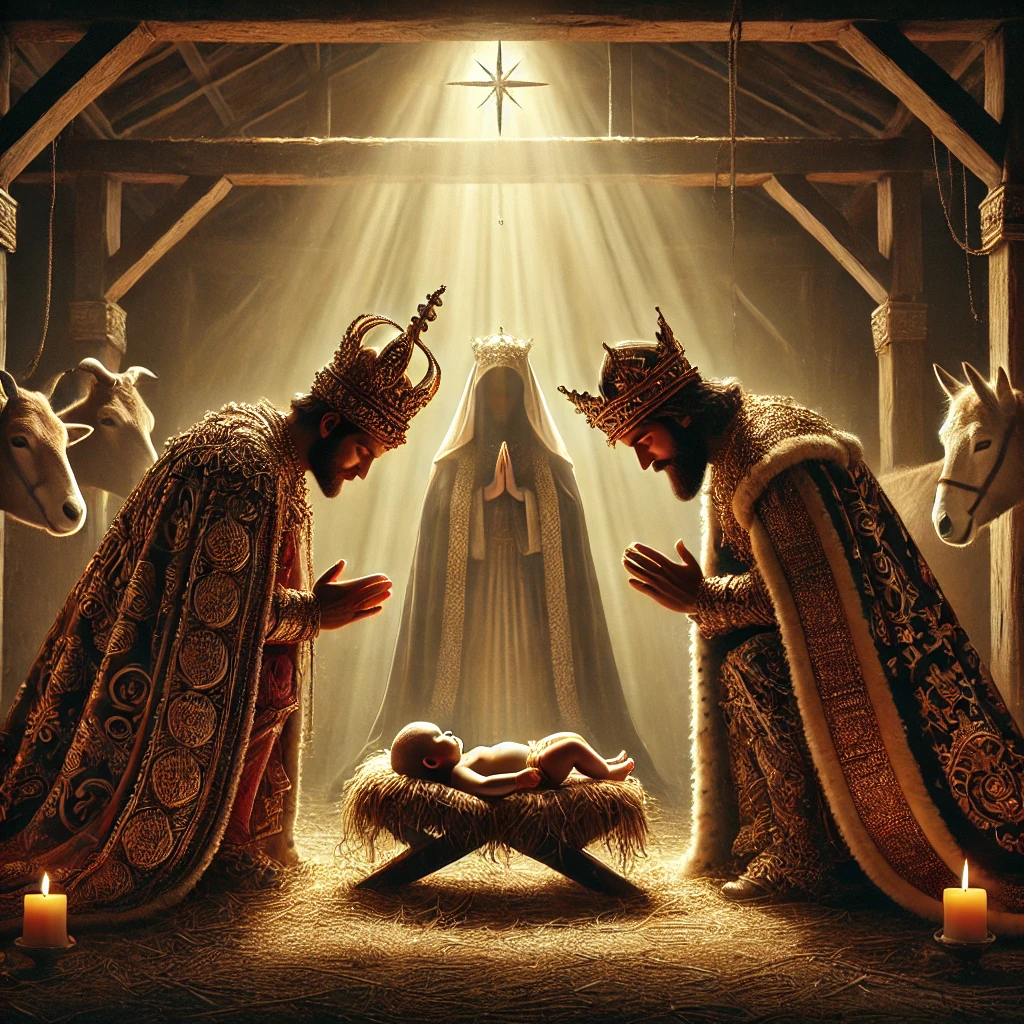
Historically, Epiphany emerged in the early Church as a feast of manifestation—a proclamation of who Christ truly is. While Christmas celebrates the Incarnation itself, Epiphany reveals its meaning. The Incarnation is not merely God entering human history, but God doing so through self-emptying love: choosing vulnerability, poverty, and dependence rather than power or distance. In the child before whom the Magi kneel, divine authority appears clothed in humility, signaling that redemption will come not through domination, but through sacrificial love freely given.
The Magi’s response captures the heart of Epiphany. Their worship acknowledges that this child is more than a king among kings—He is the meeting point of heaven and earth. Their gifts of gold, frankincense, and myrrh reflect an intuitive recognition of kingship, divinity, and suffering, foreshadowing a life that will culminate not in conquest, but in the ultimate gift of self. Epiphany thus reveals that the Incarnation carries a cost: love that enters the world fully intends to lay itself down for it.
To Close the Christmas Season
Traditionally, Epiphany marks the culmination of the Christmas season, turning attention from celebration to understanding. It is a feast that asks for response. Like the Magi, those who encounter this revelation cannot return unchanged. To recognize the Incarnation is to recognize a love that bends downward, a truth that reorders priorities, and a light that calls each person to walk a different path.
At its deepest level, Epiphany proclaims that divine love is not hidden, reserved, or distant. It is revealed openly, offered universally, and expressed through sacrifice. Three Kings’ Day stands as a reminder that the light of Christ shines for all—and that true wisdom is found not only in seeing it, but in bowing before it and allowing life to be transformed by the love it reveals.
Epiphany Traditions to Make Your Own
✨ Commemoration of the Magi
At the heart of Epiphany is the remembrance of the journey of the Biblical Magi. Churches and households reflect on their seeking, their recognition of Christ, and their worship. Epiphany traditions emphasize that wisdom is not passive—it moves, searches, and responds when truth is revealed.
🕯️ Light-Focused Worship
Because Epiphany is a feast of revelation, light plays a central role. Candlelit services, processions, and prayers emphasize Christ as Light made known to the nations. The use of light echoes the star that guided the Magi and symbolizes truth that illuminates rather than overwhelms.
🎄 Closing of the Christmas Season
In many traditions, Epiphany marks the formal conclusion of Christmas. Decorations are taken down, nativity scenes may be moved or completed with the Magi, and the celebratory tone gives way to reflection. This transition reinforces the movement from joy to understanding—from birth celebrated to meaning grasped.
🍰 Epiphany Foods & Kings’ Cakes
Across Europe, Latin America, and parts of the United States, Epiphany is marked with special foods, most notably:
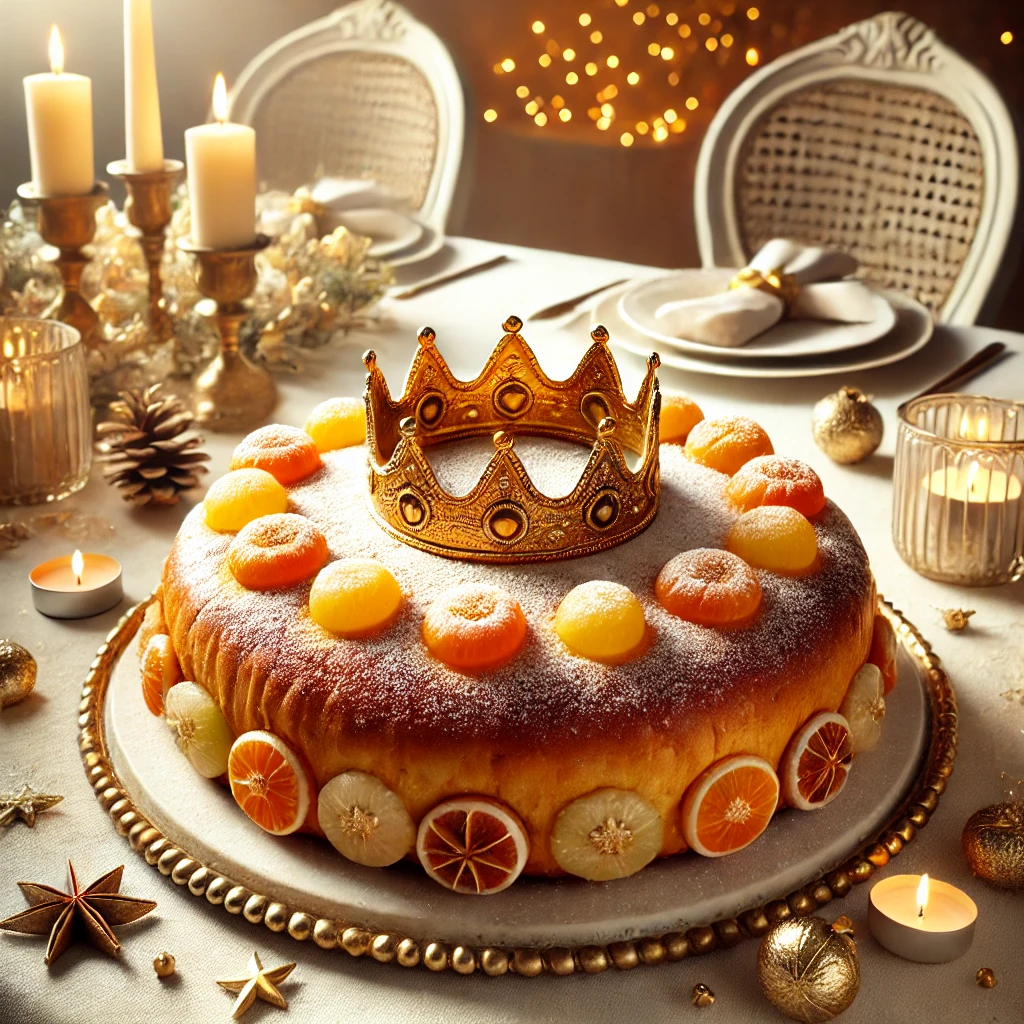
Kings’ Cake or Three Kings’ Bread, often ring-shaped
A hidden token or bean baked inside
Finding the token traditionally signifies blessing, responsibility, or hospitality in the year ahead. These foods reflect both festivity and symbolism—community gathered around shared meaning.
✍️ Home Blessings & Chalk Inscriptions
In some Christian traditions, homes are blessed on Epiphany using chalk inscriptions above doorways (e.g., 20 + C + M + B + 25). These letters are traditionally understood as both the names of the Magi and a Latin blessing meaning “Christ bless this house.” The practice signifies dedication of the household to the light revealed at Epiphany.
👑 Pageants & Processions
Especially in cultures with strong Epiphany traditions, processions, reenactments, or pageants depict the journey of the Three Kings. These public traditions reinforce Epiphany’s universal theme: revelation offered beyond borders, cultures, and classes.
🧭 Emphasis on a Changed Path
Scripture notes that the Magi returned home by a different route, and this detail has shaped Epiphany’s spiritual character. The feast invites self-examination and reorientation—acknowledging that genuine encounter with truth alters direction, priorities, and allegiance.
The Unifying Meaning
Epiphany traditions are not about arrival alone, but about recognition and response. They teach that light is given to guide, not simply to be admired, and that revelation calls for humility, discernment, and change.
Epiphany asks a quiet but enduring question:
Having seen the light, will we walk differently?
From Arrival, to Revelation, to Intention
Christmas marks the arrival of light into the world—
a holy interruption of darkness,
where hope takes flesh and enters quietly, without force.
Epiphany reveals the meaning of that light—
not hidden, not confined,
but offered to all who seek with humility and attention.
It is the moment understanding catches up to wonder.
The New Year then asks something of us in return.
Having received the light,
having recognized it,
we are invited to carry it forward—
to order our lives with intention,
to choose alignment over impulse,
and to begin again with clarity rather than haste.
Together, these days form a metaphorical arc:
Christ revealed, truth recognized, life reoriented.
Not an ending, but a commissioning—
to walk into the year ahead guided by what has been made known.
May the light that guided the Magi now rest quietly within us.
May the wonder of Bethlehem mature into wisdom,
the joy of Christmas into purpose,
and the gift received into a life rightly offered.
As the season turns and the decorations fade,
may clarity remain,
may humility deepen,
and may the light revealed continue to guide our steps
long after the star has passed from view.
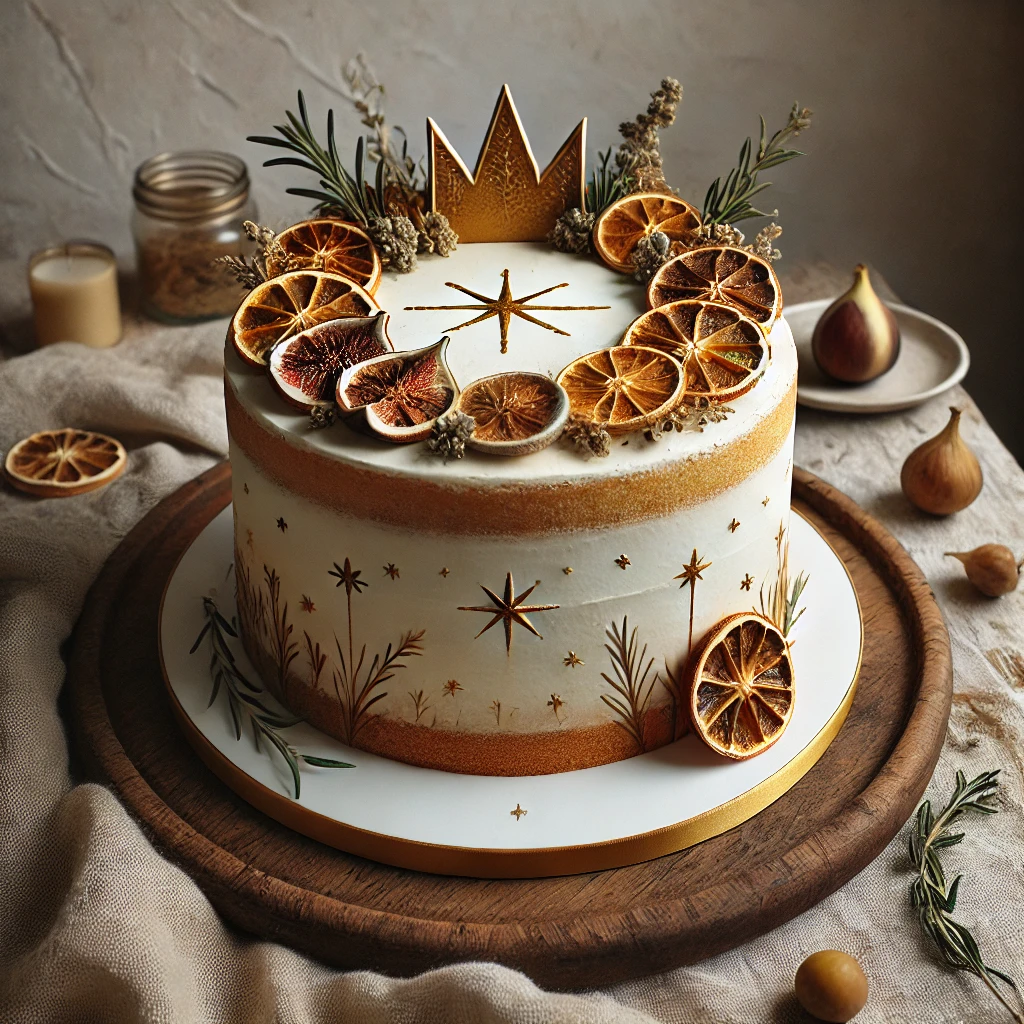
Epiphany Cake Decorating Ideas
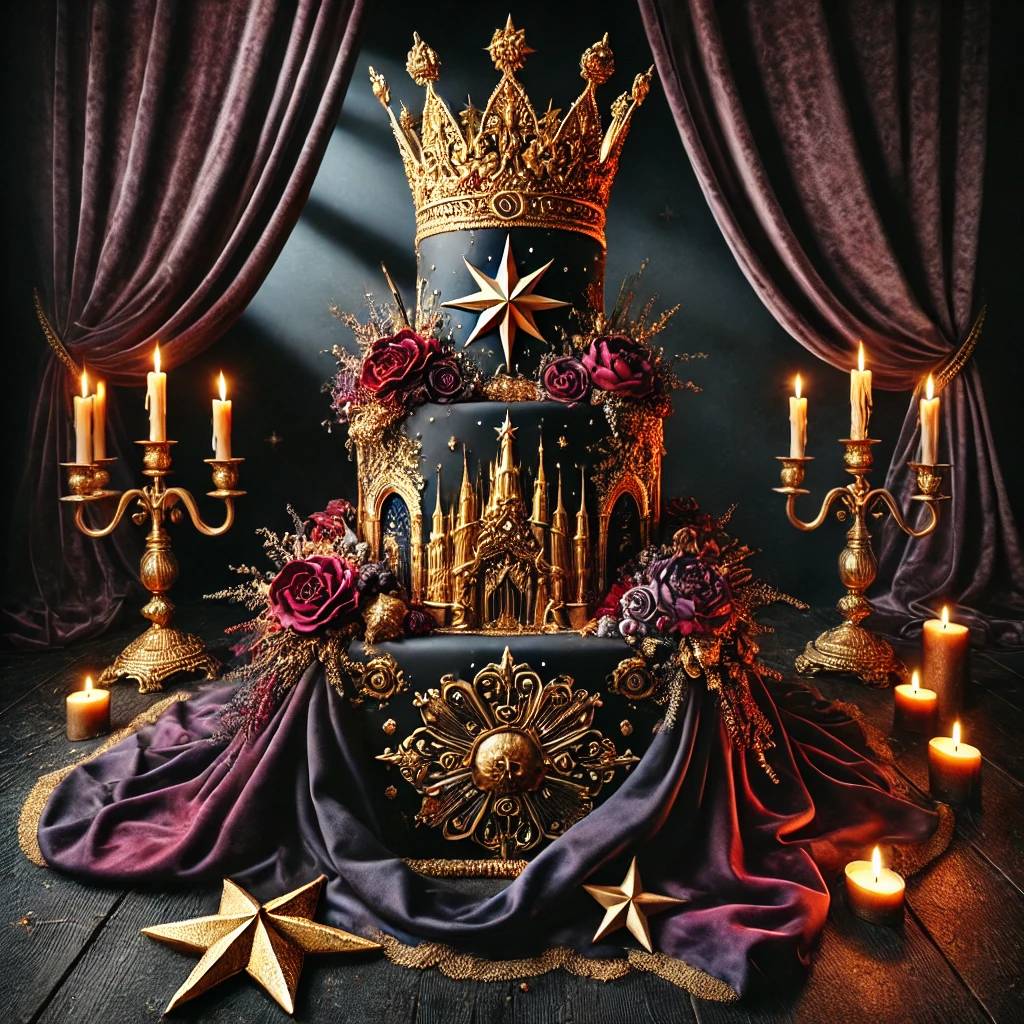
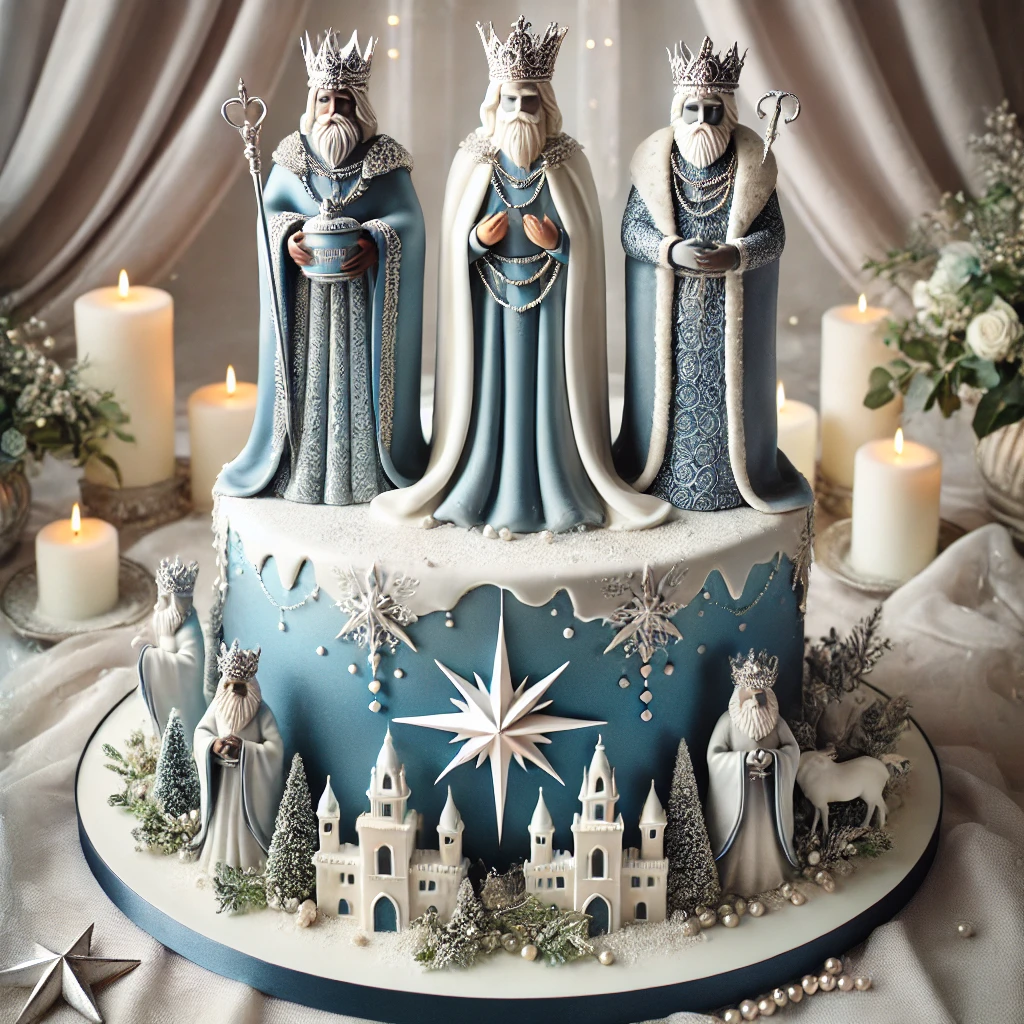
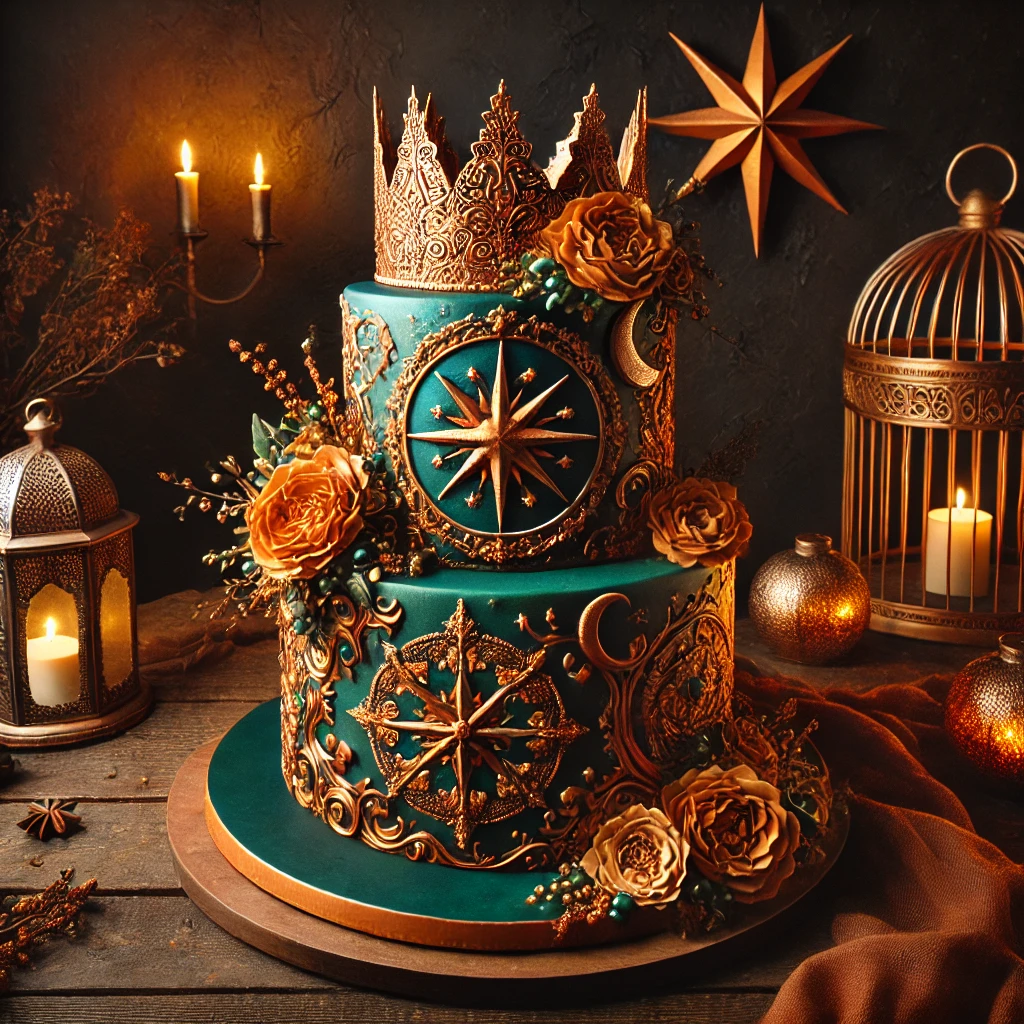
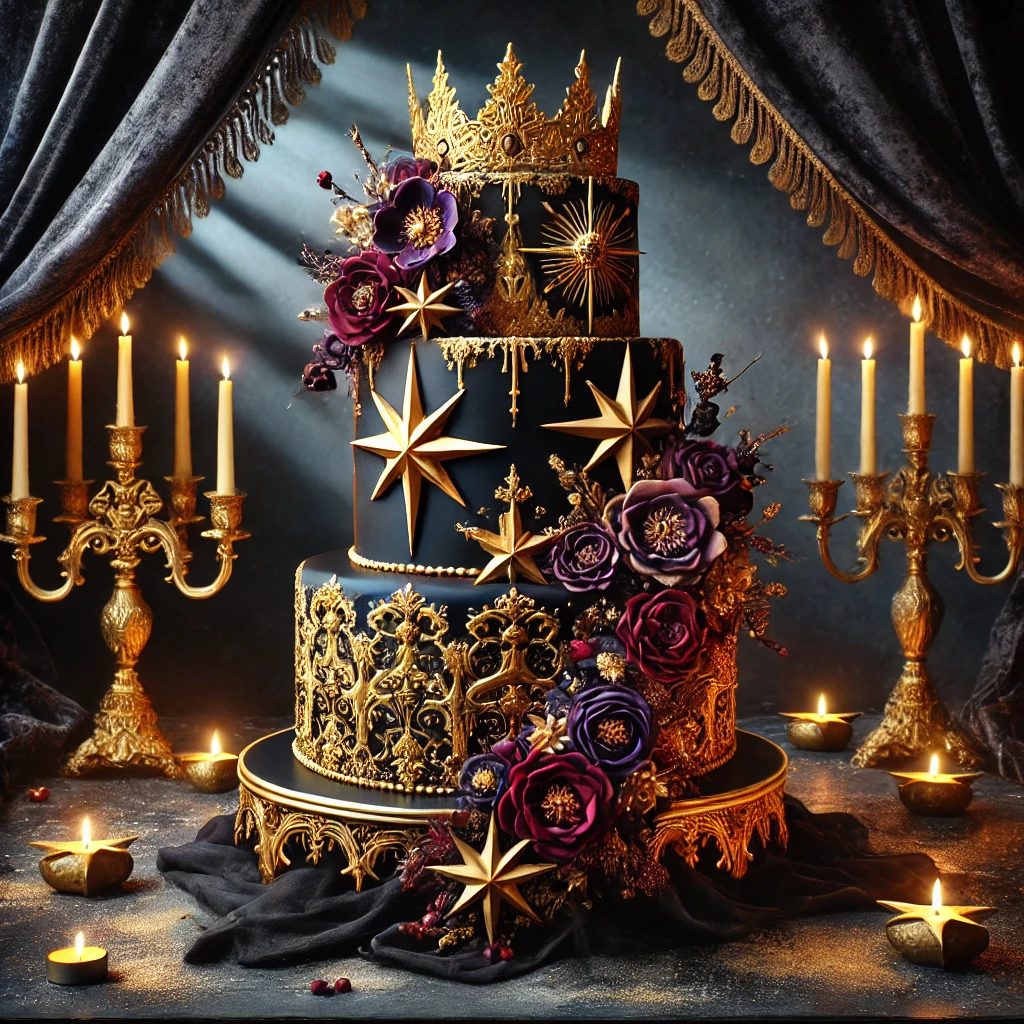
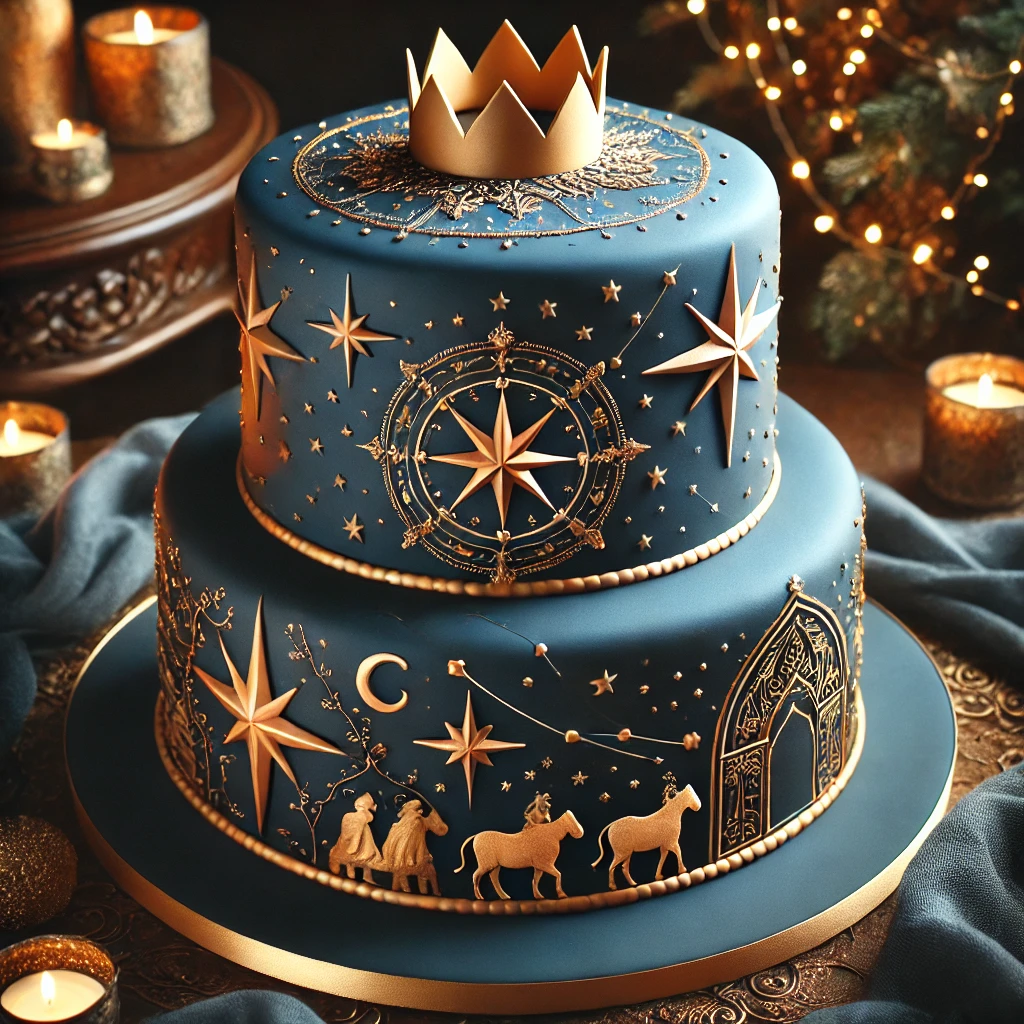
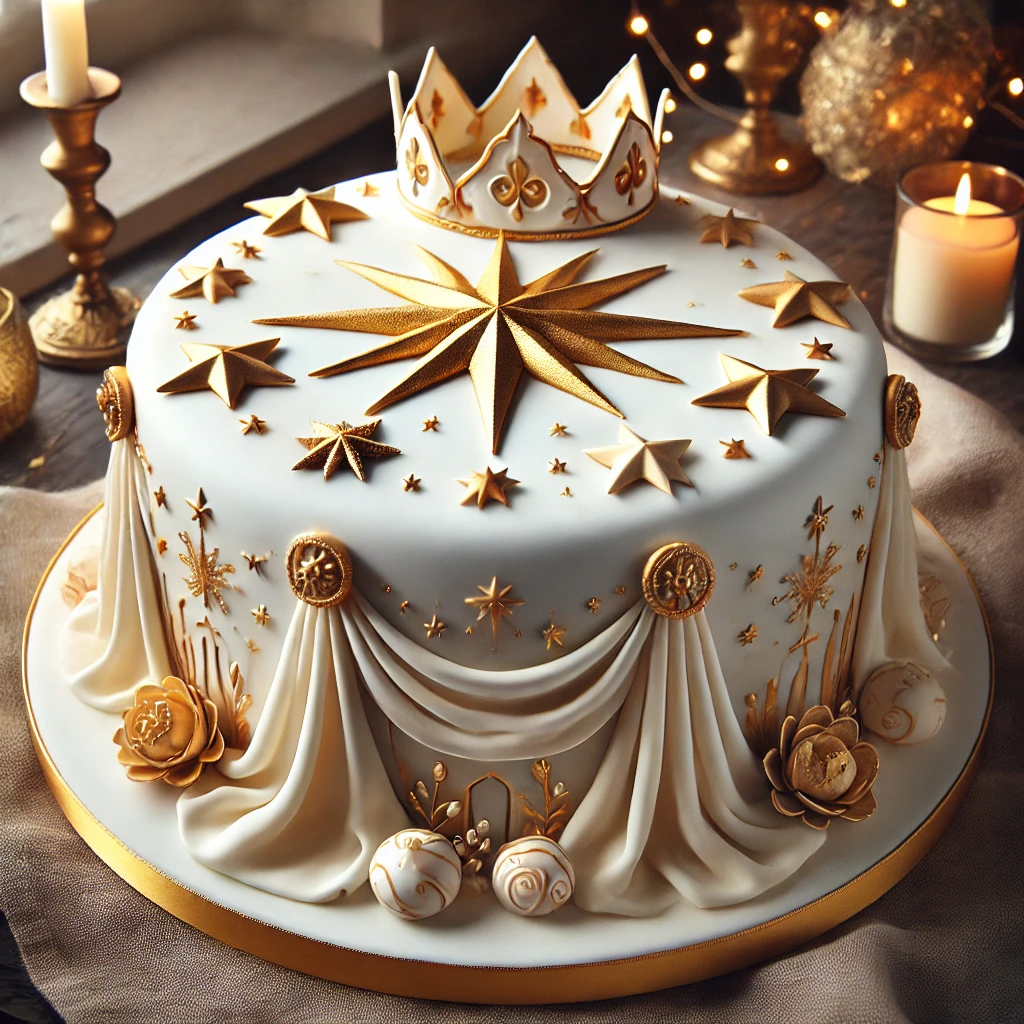
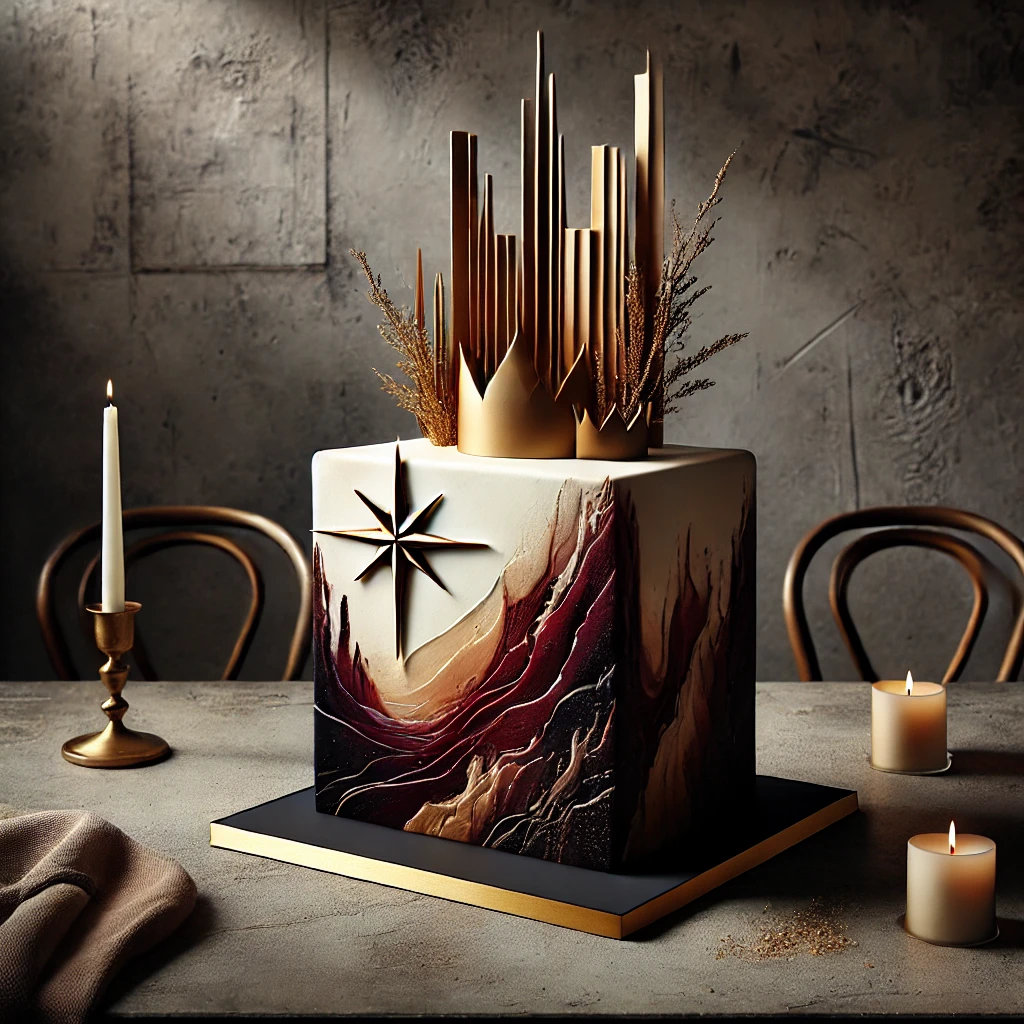
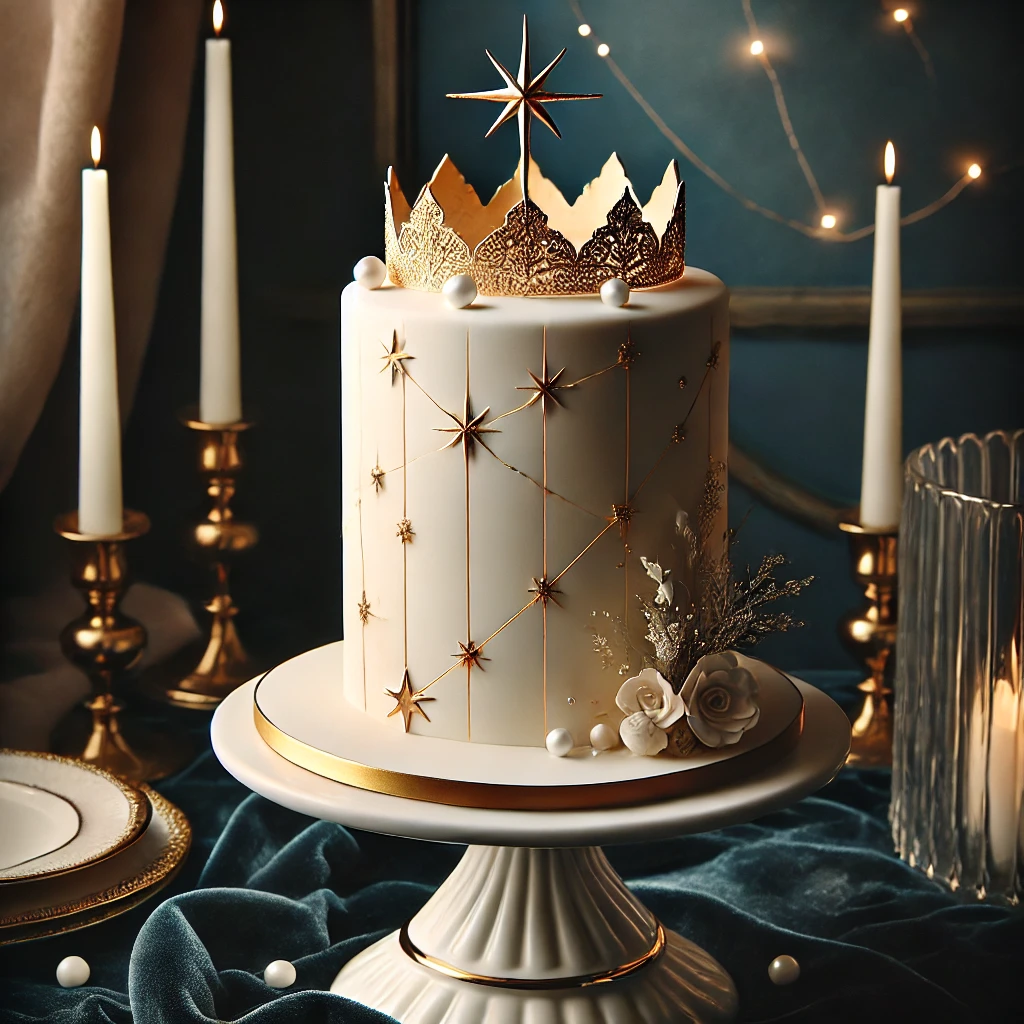
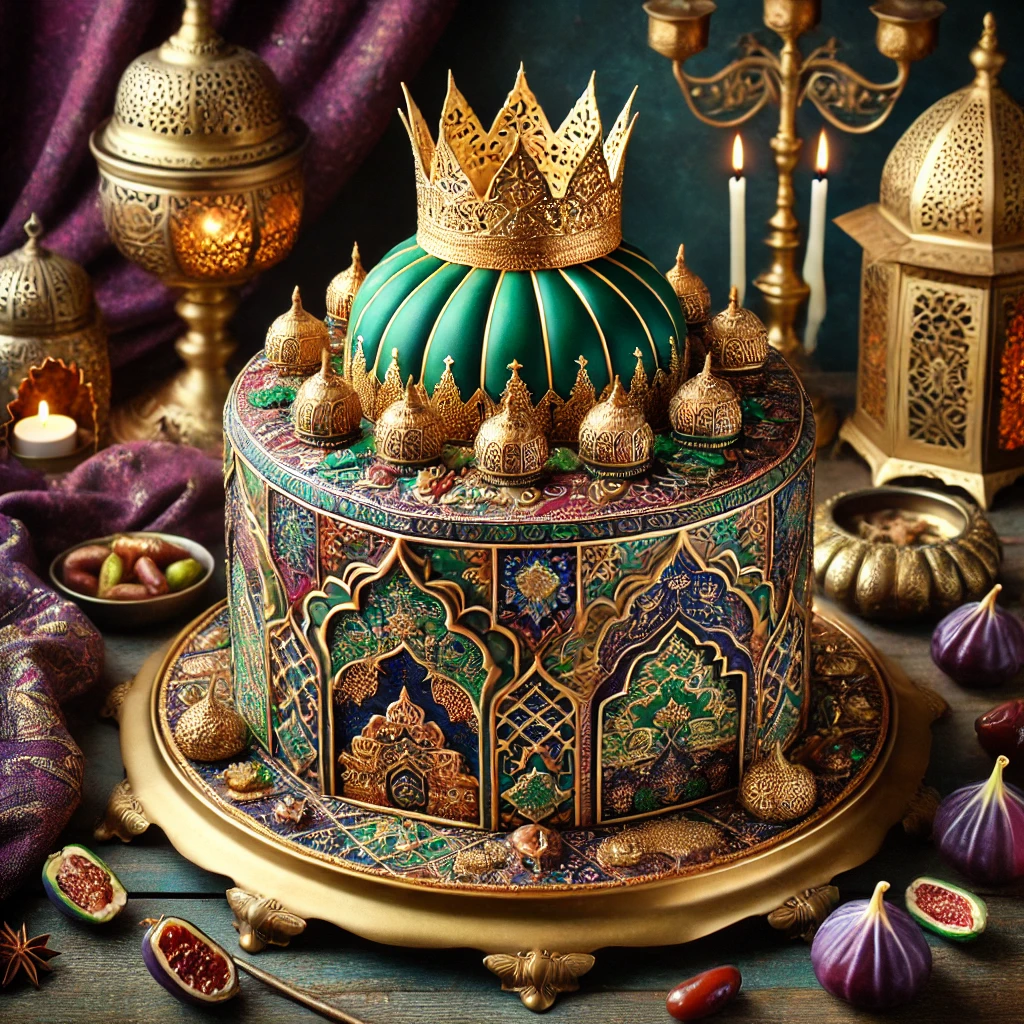
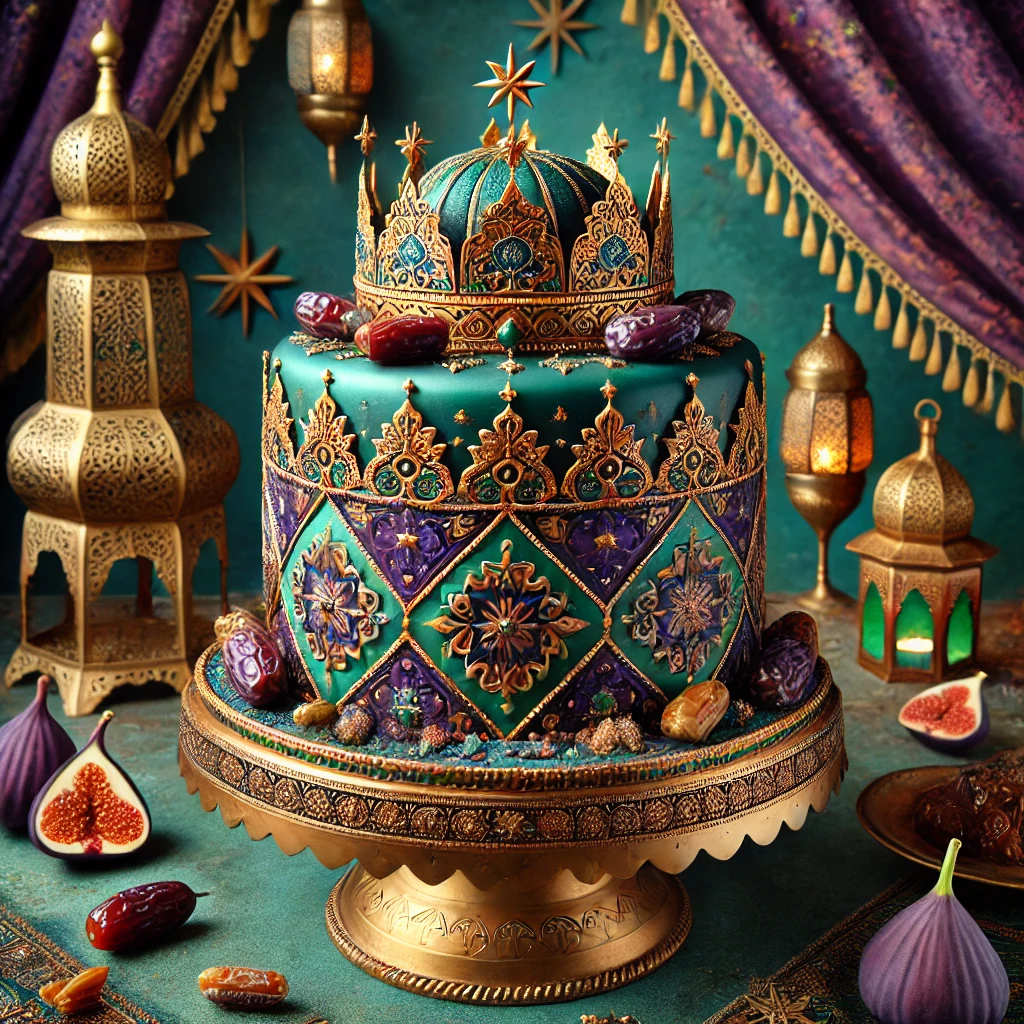
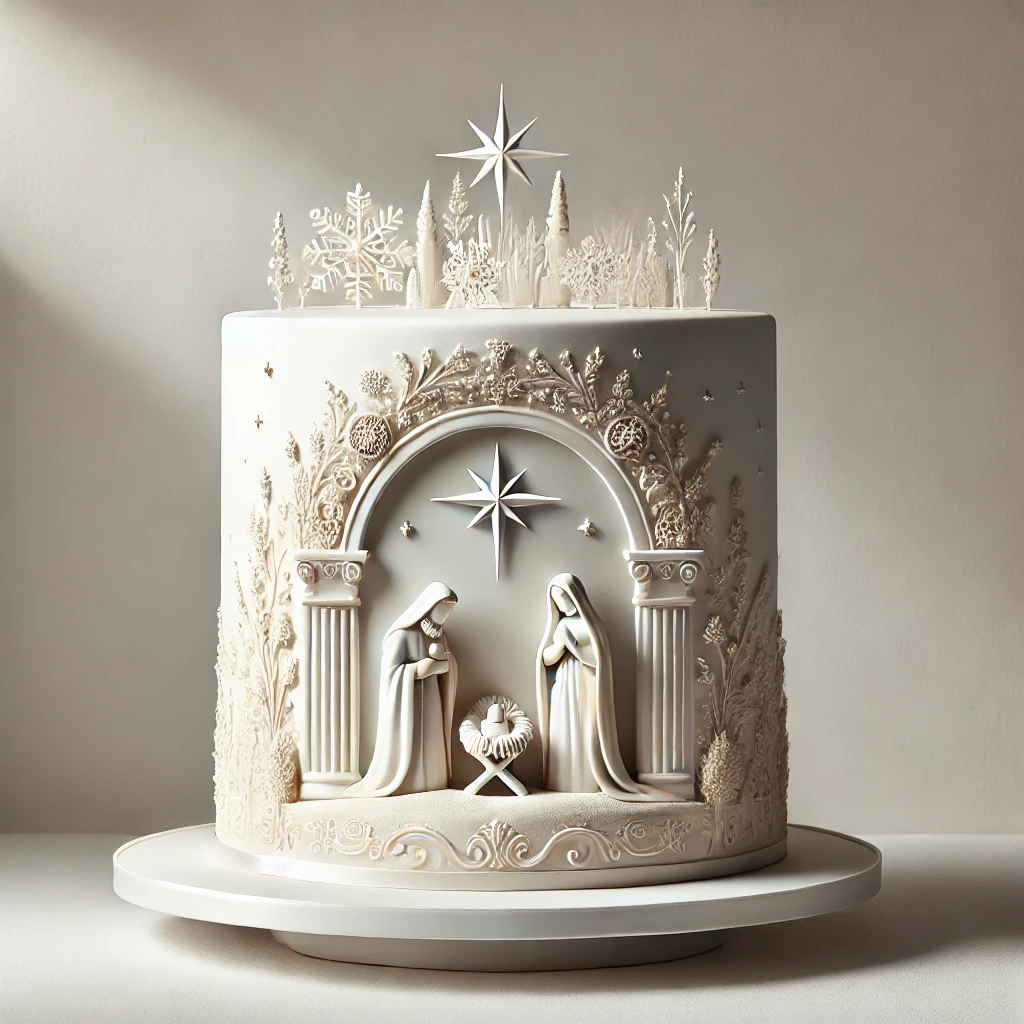
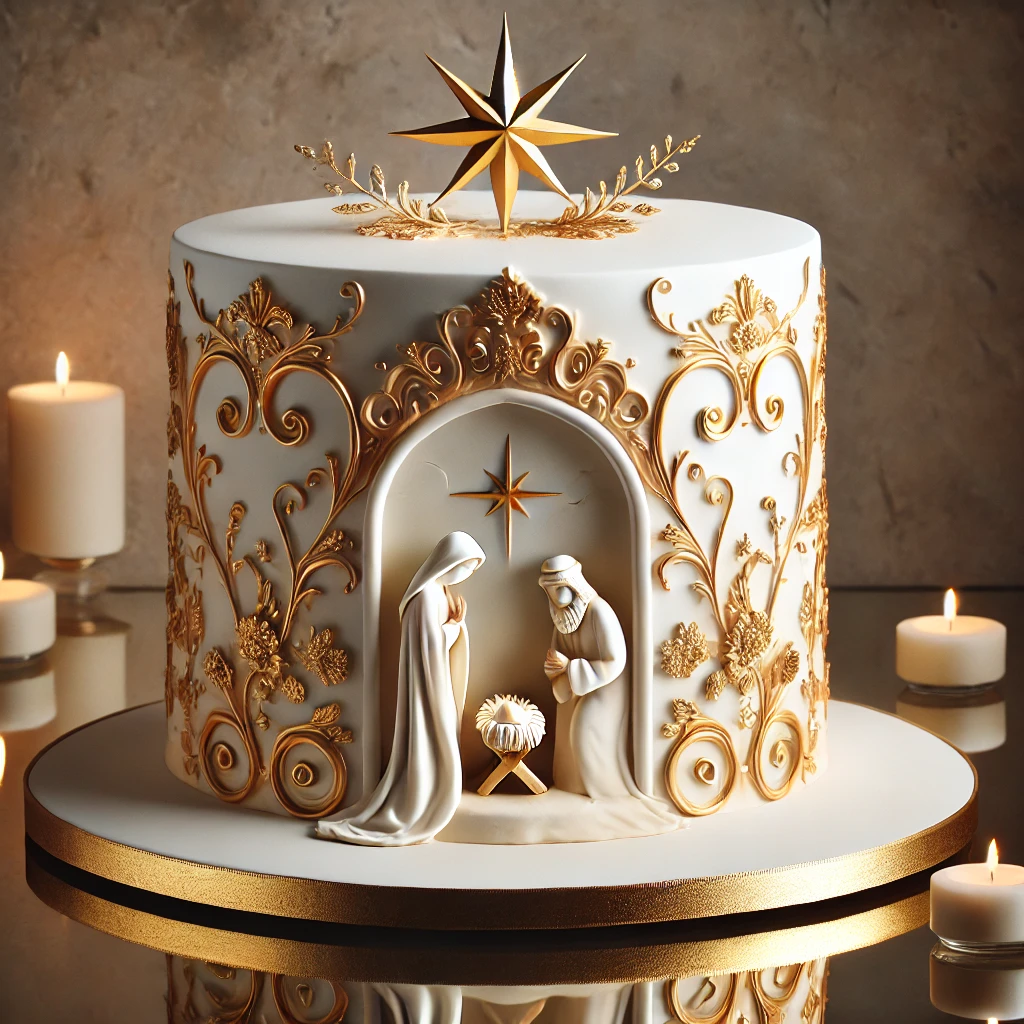
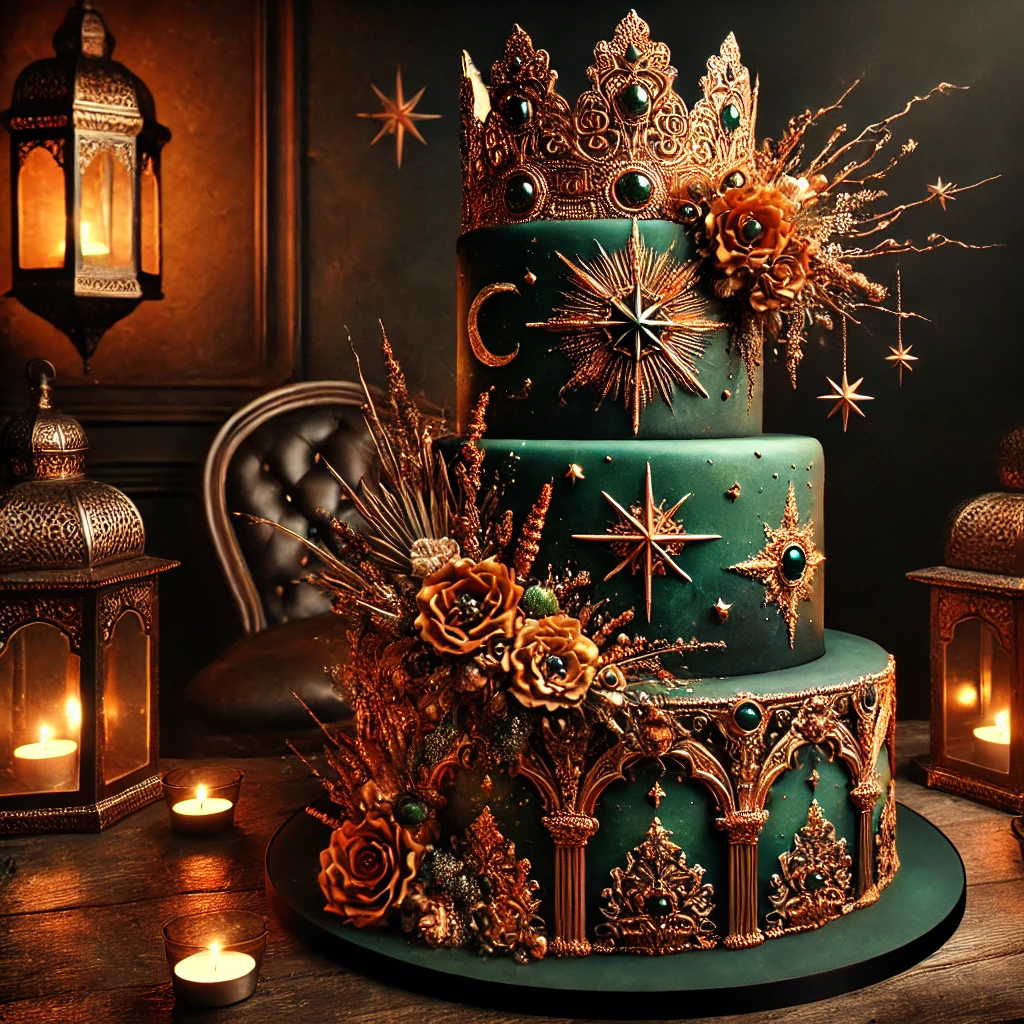
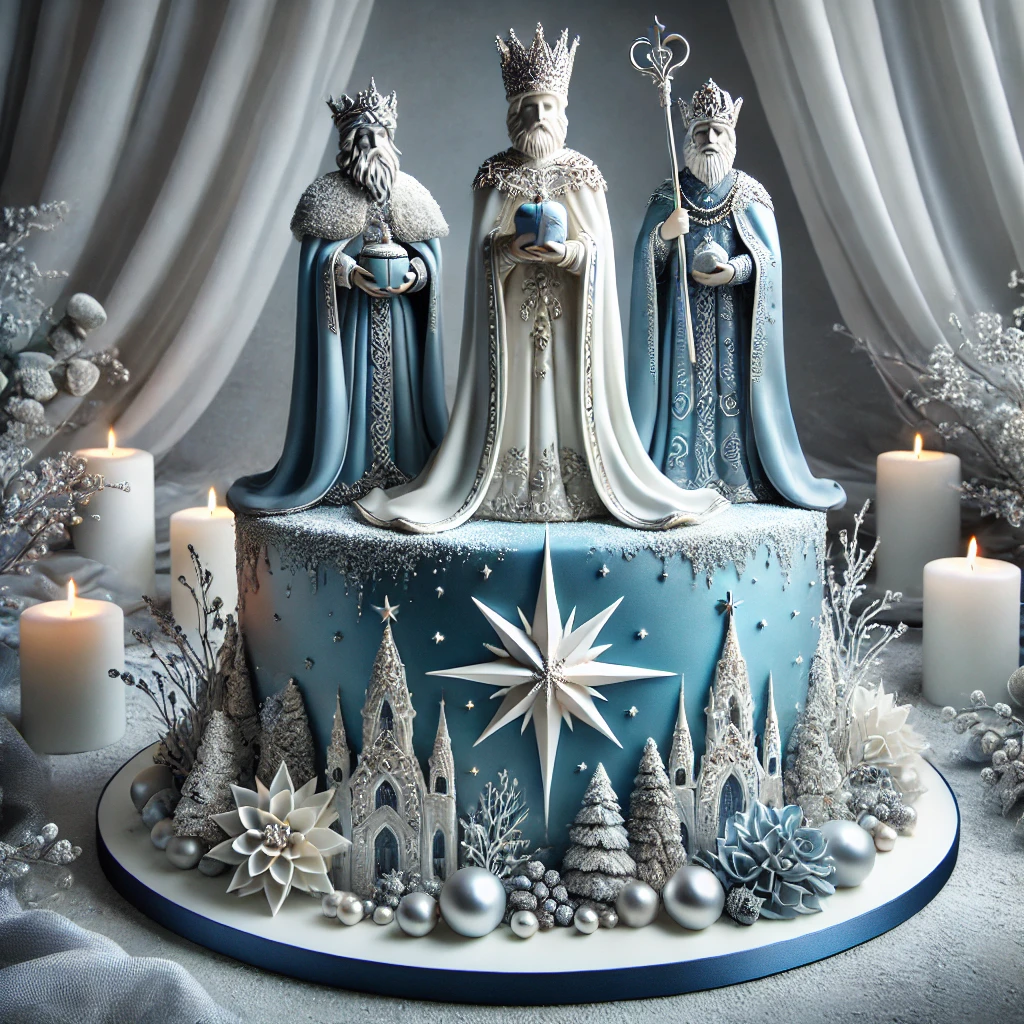
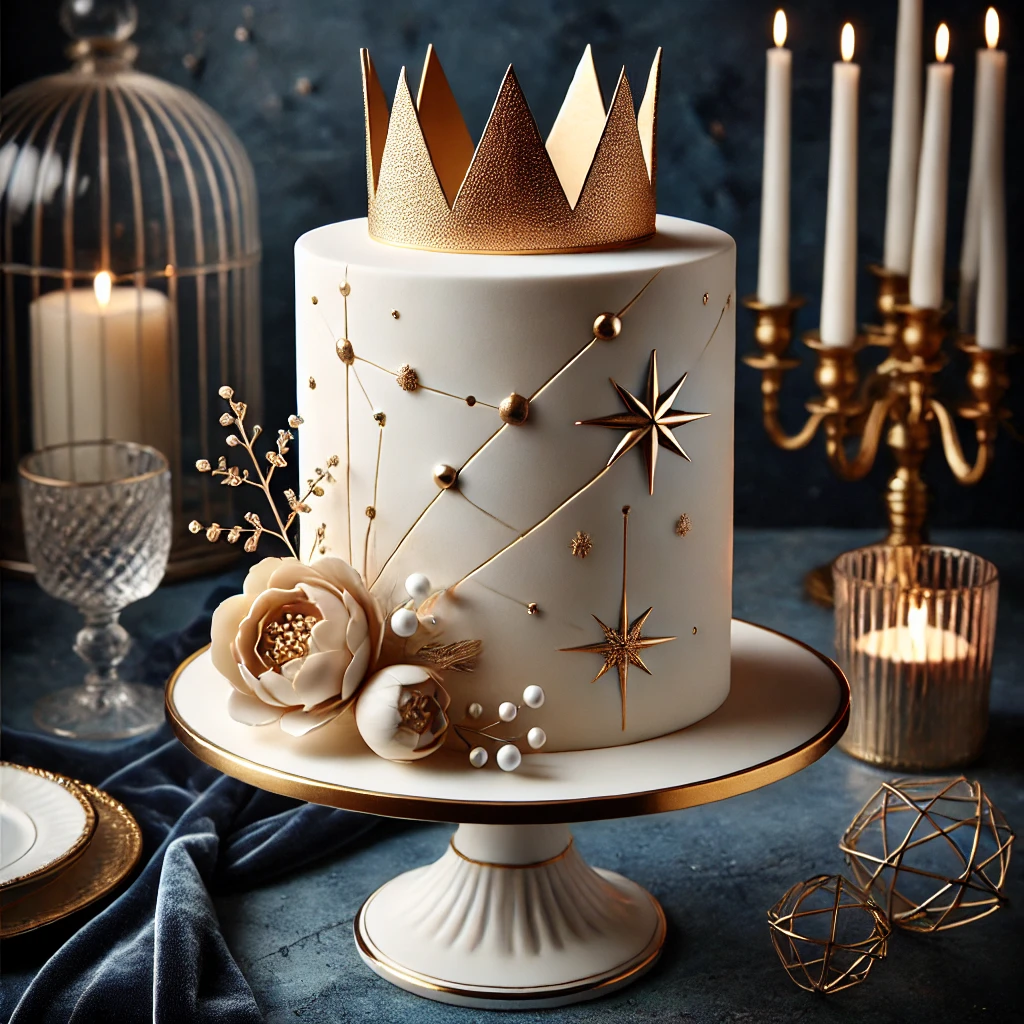
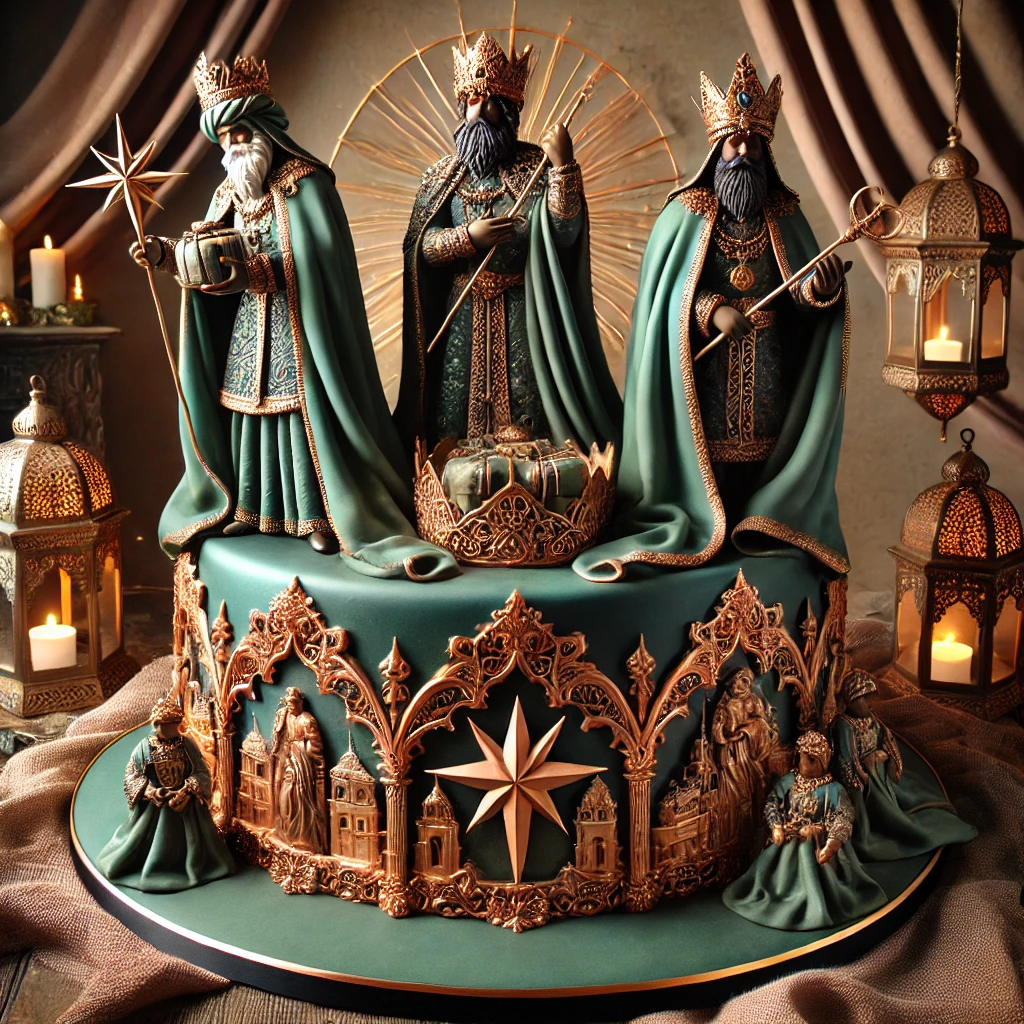
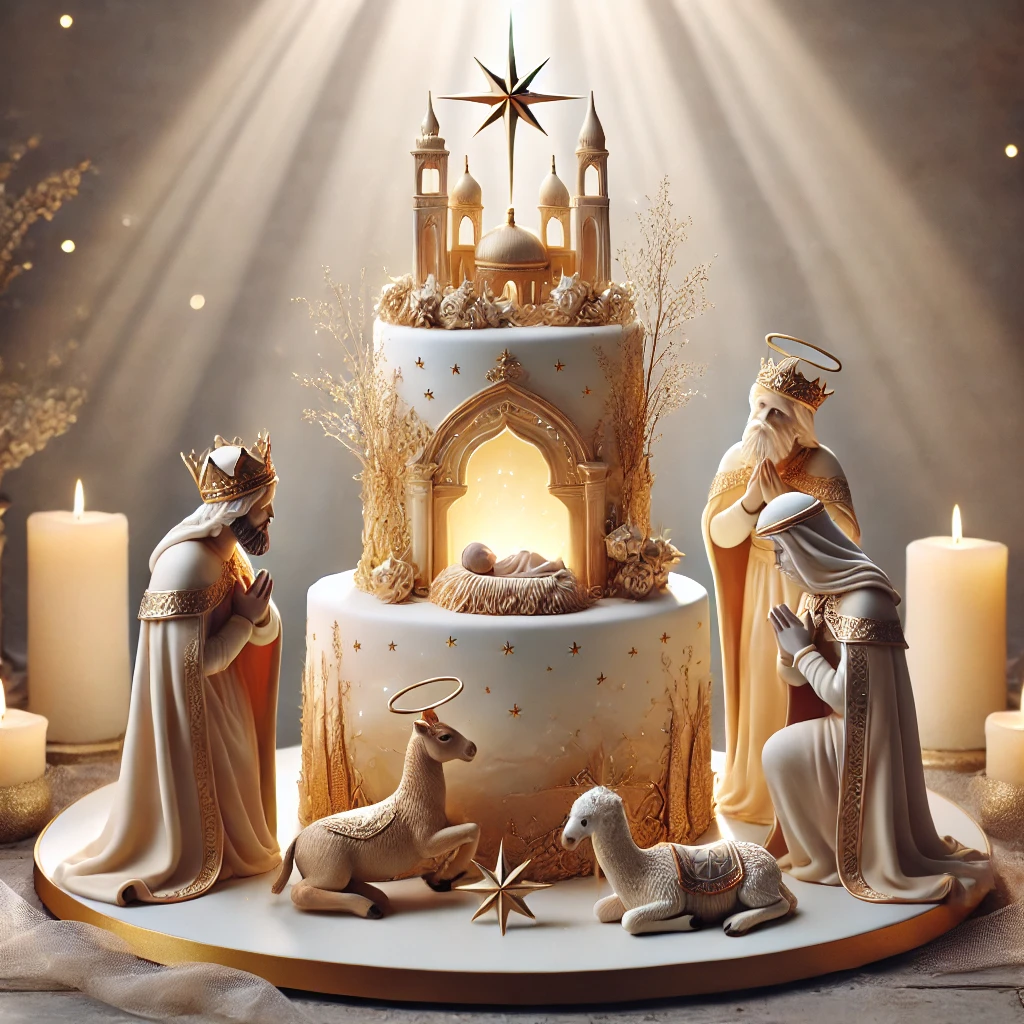
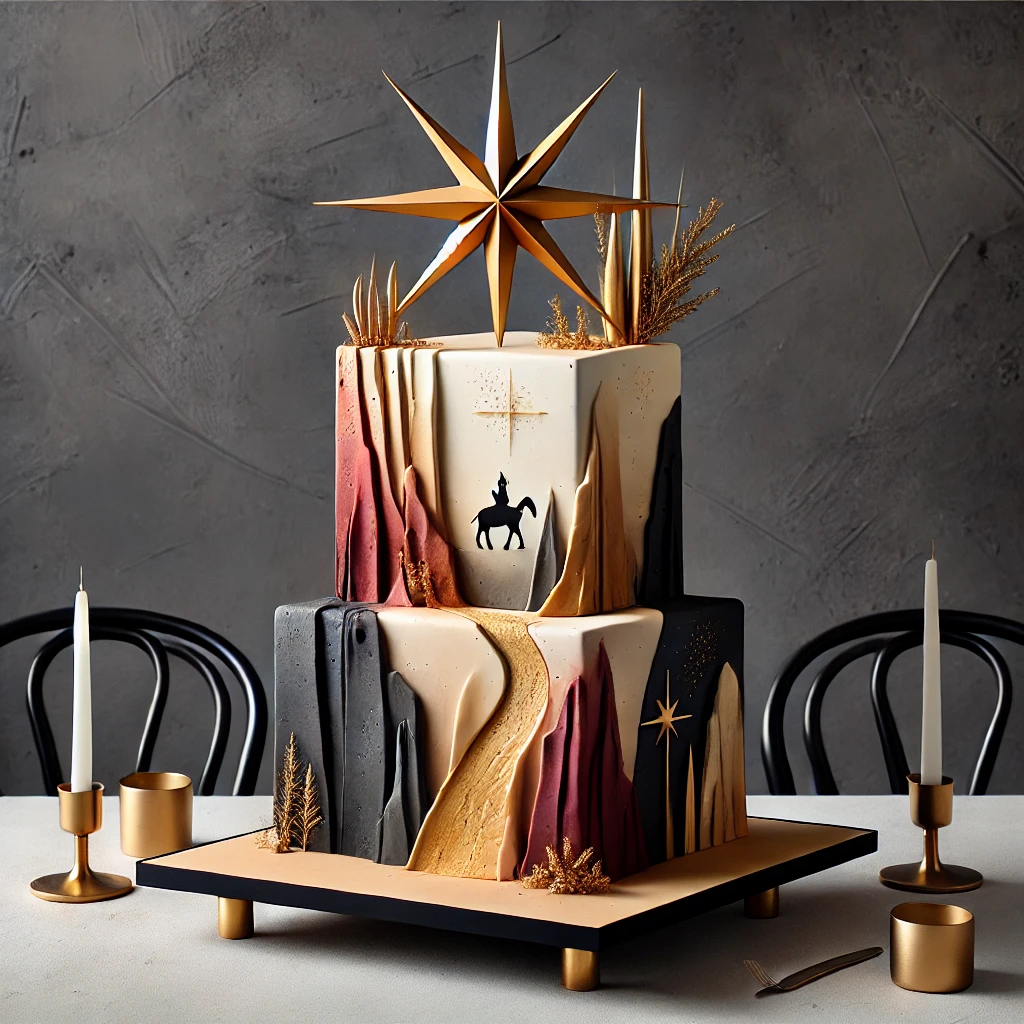
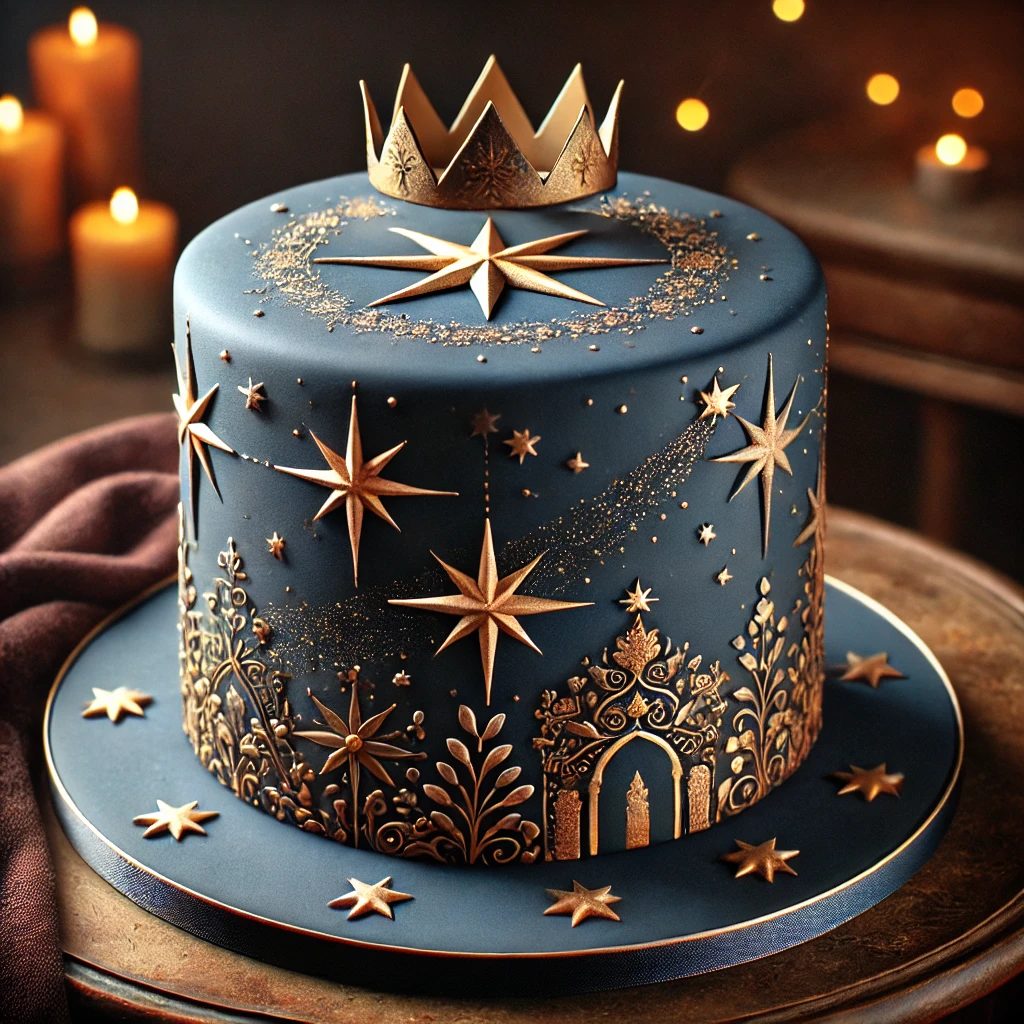
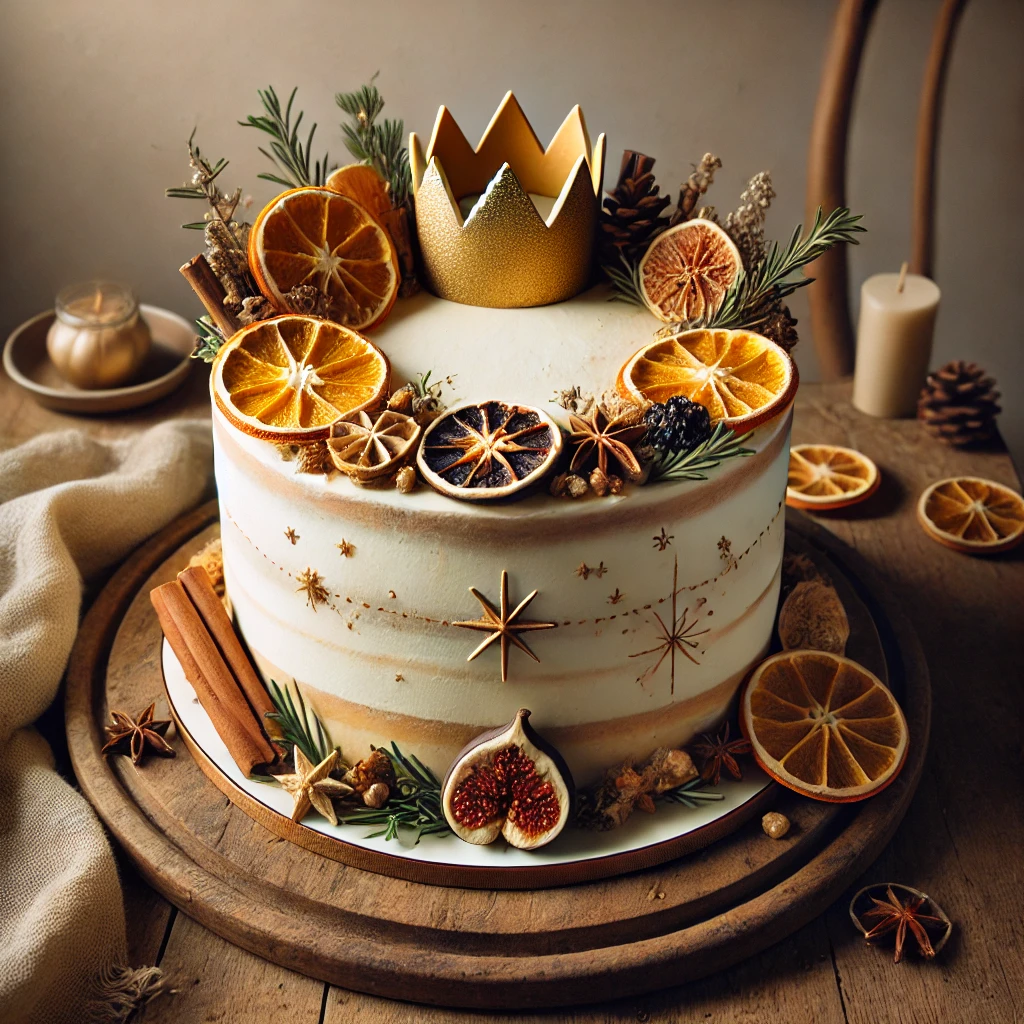
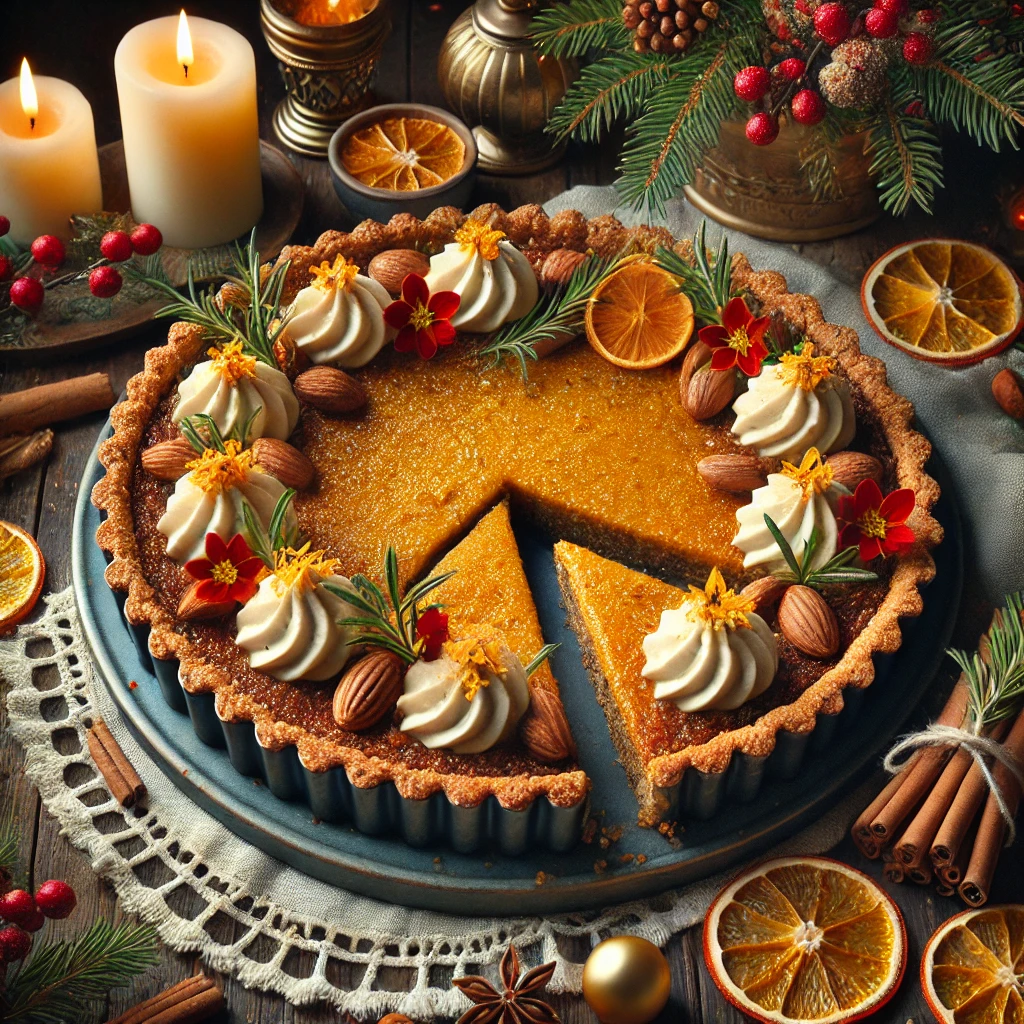
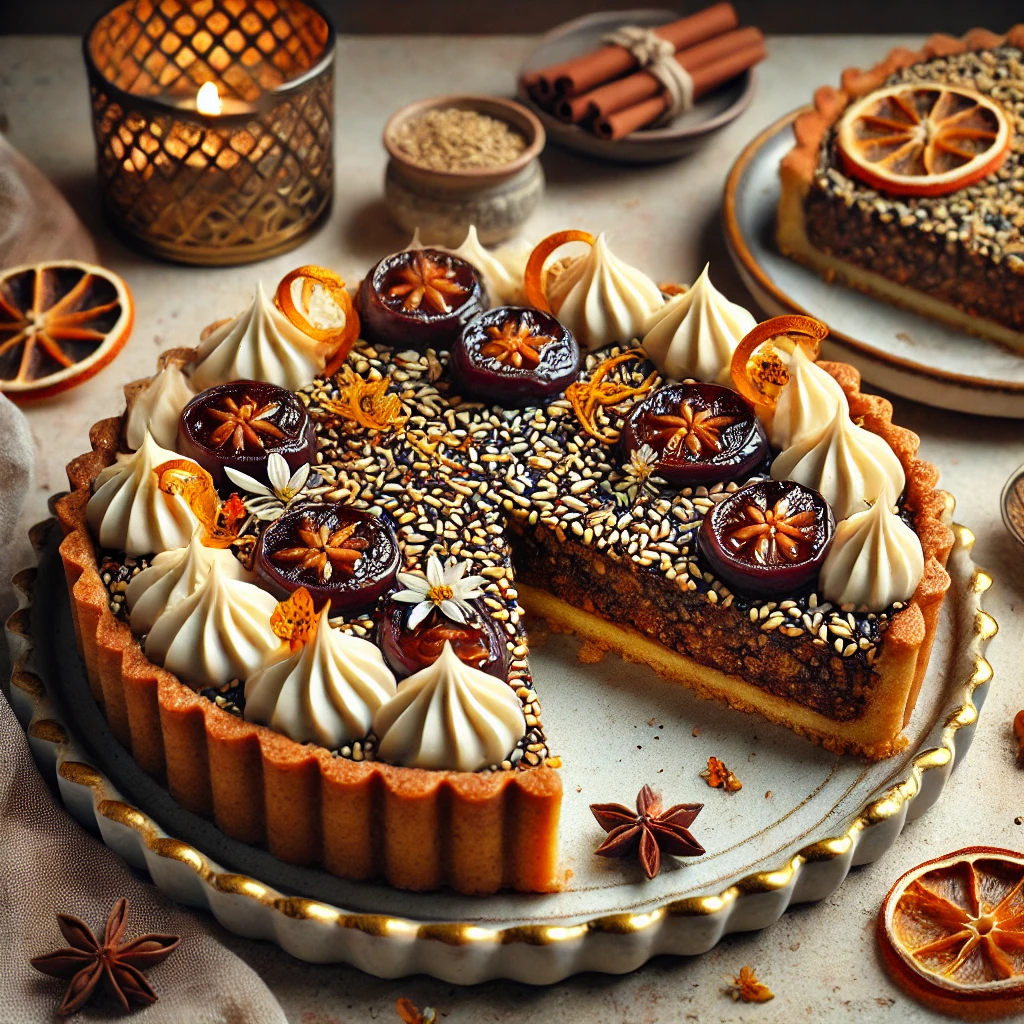
This section is meant to be more than Cake Decorating Ideas… it’s designed to spark inspiration and creativity, awaken tradition, and infuse your special occasions with style, identity, and atmosphere. A color palette becomes a theme. A design becomes a mood. Simple details—like sugared holly leaves or shimmering stars—can set the tone for a gathering and become part of cherished traditions and lasting memories melded with personal touch and love.
Traditional Epiphany Dishes
Traditional Foods of Epiphany (Three Kings’ Day)
Celebration, Revelation, and Shared Blessing
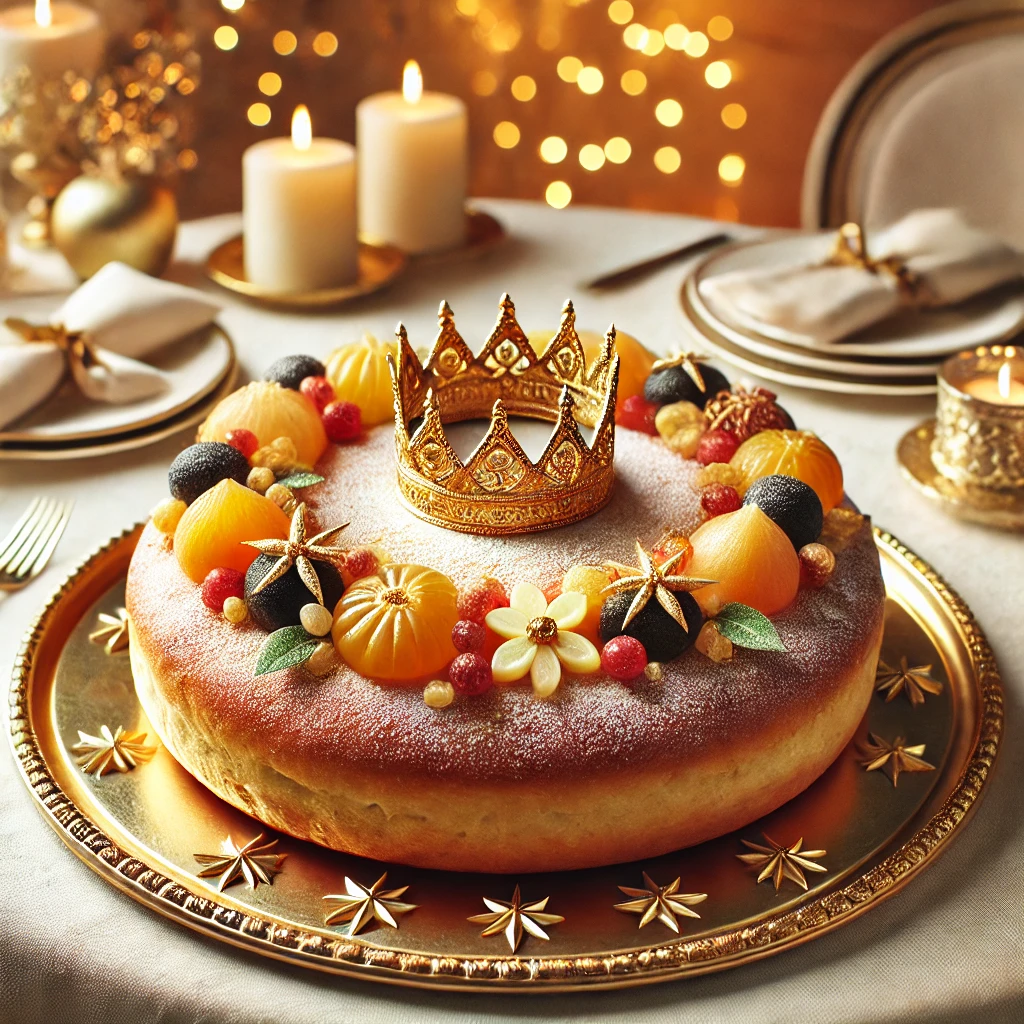
👑 Kings’ Cake / Three Kings’ Bread
The most widely recognized Epiphany food is Kings’ Cake (also called Three Kings’ Bread), found across Europe, Latin America, and communities influenced by those traditions.
Usually ring-shaped, symbolizing unity and eternity
Decorated simply or with dried fruit, sugar, or light icing
A small token (bean, coin, or figurine) baked inside
The person who finds the token is traditionally given a blessing or responsibility, often hosting the next gathering
This cake reflects Epiphany’s central theme: revelation brings responsibility.
🍞 Sweet Breads & Buns
Beyond Kings’ Cake, many cultures prepare sweet, enriched breads on Epiphany:
Brioche-style loaves
Fruit-studded breads
Braided or round loaves
These breads mark the final festive foods of the Christmas season before ordinary time resumes.
🍊 Fruits & Nuts
Because Epiphany falls in midwinter, traditional tables often included:
Citrus fruits (oranges, lemons)
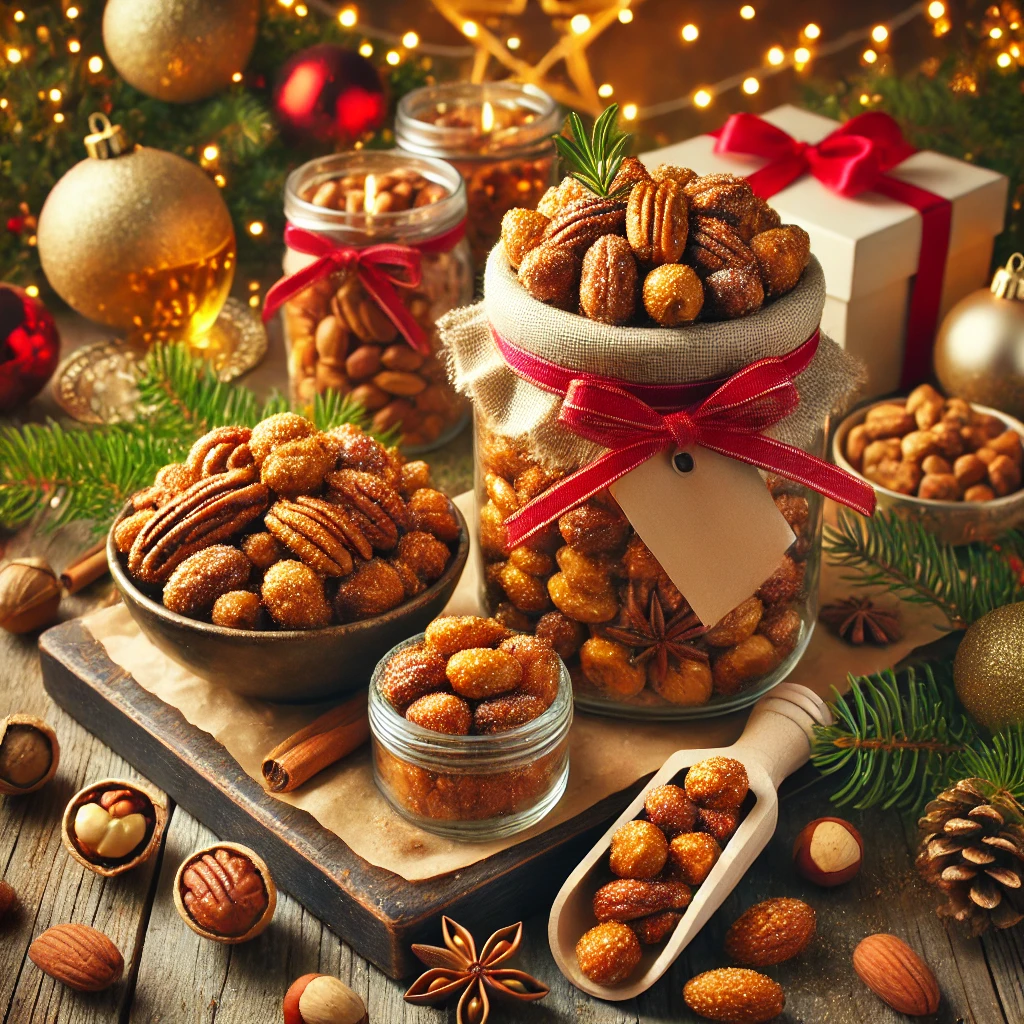
Dried fruits and nuts
These foods symbolized light, abundance, and provision during the darkest season.
🍷 Wine (Moderate & Symbolic)
Wine was often served in moderation, reflecting:
Joy without excess
Celebration tempered by reflection
It reinforced Epiphany’s balance between festivity and understanding.
🍽️ Simple Communal Meals
In many regions, Epiphany meals were communal and restrained, focusing on:
Bread, soup, or stew
Shared dishes rather than elaborate courses
The emphasis remained on gathering and recognition, not indulgence.
🌍 Regional Variations
France: Galette des Rois (almond-filled pastry)
Spain & Latin America: Rosca de Reyes
Italy: Sweet breads and pastries associated with La Befana
Eastern Europe: Simple festive meals concluding the Christmas season
Each variation preserved the same core meaning: joy shared after revelation received.
What Epiphany Foods Traditionally Were Not
❌ Excessive feasting
❌ Novelty or purely decorative foods
❌ Individual indulgence
Epiphany food traditions balanced celebration with closure and transition.
The Deeper Meaning
Epiphany foods exist to mark a moment when truth has been revealed and must now be lived. Sweetness is present—but measured. Celebration remains—but yields to responsibility.
Epiphany feeds the body as it prepares the soul to walk forward by a different path.