Special Occasions & Celebrations
with ORO VALENTIO
The Art of Engineering Life’s Most Meaningful Moments

Life is not something that simply happens. It is something that is continuously being shaped—either with intention or by default. Every life, whether consciously designed or unconsciously drifted, is built upon a framework of rituals. These rituals, both small and monumental, form the very architecture of our existence. They influence not only how we spend our time, but ultimately who we become. At the core of this philosophy lies a powerful truth: life is constructed in the accumulation of days, and crowned by the moments that rise above them.
Before there are milestones, celebrations, or defining life events, there is the day. Each day presents a fundamental choice—to engineer it with intention or to drift through it without direction. A daily schedule is often misunderstood as a tool of productivity alone. In reality, it is far more profound. It is a mechanism of alignment. It ensures that time—our most finite and valuable resource—is directed toward what truly matters. Within the philosophy of Luxxacation, time is not something to be spent casually. It is something to be intentionally allocated and honored. When an individual takes the time to plan their day, they are doing more than organizing tasks—they are defining priorities, shaping behavior, reinforcing identity, and directing momentum. In this way, a planned day becomes a ritualized system of advancement. When intentional planning is absent, life does not remain neutral—it defaults. And default systems are rarely aligned with purpose. Instead, they are shaped by external pressures, emotional impulses, distractions, and convenience. This creates what can be understood as a drift state—a condition in which one is no longer actively designing life, but merely reacting to it. Over time, this drift compounds. Days lose structure. Moments lose depth. Time becomes fragmented. And because life is built first in repeated days, this lack of intention gradually reshapes the entire trajectory of one’s existence.
The Architecture of Life
The Power of Time & Ritual for Elevation
The antidote to drift is ritual. Ritual transforms ordinary actions into meaningful practices. It converts time into structured intention and repetition into refinement. Through ritual, the day is elevated from a sequence of tasks into a consciously designed experience. This process reflects a foundational principle:
Take Time. Build Strength. Rise Above.
To take time is to pause, reflect, and align.
To build strength is to engage in disciplined, repeated action.
To rise above is to achieve clarity, purpose, and elevated function.
Daily rituals form the first layer of this system—but they are not the final one.
Beyond the Everyday: The Role of Special Occasions
While daily rituals shape the structure of life, special occasions define its depth. These are the moments that transcend the ordinary—moments that stand apart, not by accident, but by design. At Oro Valentio, special occasions are not viewed as simple gatherings. They are approached as formative experiences—intentional expressions of meaning that mark transitions, celebrate growth, honor relationships, and define identity. Without intention, even significant events can pass quickly and fade into memory. But when thoughtfully engineered, they become something far greater: memories etched deeply into the human heart.
Engineering Experiences: Intentional Moments Matter
Human beings do not remember time evenly. We remember emotionally charged experiences, meaningful interactions, and symbolic milestones. This is why intentional event planning holds such power. When a moment is thoughtfully designed, it allows for the shaping of emotional tone, the creation of immersive environments, and the alignment of experience with deeper meaning. Through sensory and symbolic elements, these moments become anchored in memory. In this sense, one is not merely hosting an event—one is designing a memory.
Milestones as Anchors of Identity
Certain occasions carry even greater significance. These are milestones—moments that mark transformation. They may represent personal achievements, life transitions, celebrations of union, or periods of reflection and recommitment. When intentionally crafted, these milestones serve as anchors within one’s life story. They provide reference points that remind us where we have been, what we have overcome, and who we are becoming. They offer strength, perspective, and continuity in the unfolding narrative of life.
Redefining Luxury: Depth, Presence, and Meaning
In a world that moves rapidly and often fragments attention, there is a growing desire for something deeper—experiences that are meaningful, immersive, and lasting. Modern luxury is no longer defined by excess alone. It is defined by depth, intention, and presence. True luxury is found in time well spent, moments fully experienced, and memories deeply felt. It is not about accumulation, but about alignment—living in a way that reflects purpose, clarity, and meaning.
Designing the Extraordinary
At Oro Valentio, we specialize in transforming occasions into experiential masterpieces. Our work goes beyond event planning. We design atmospheres that evoke emotion. We craft journeys that tell stories. We create symbolic experiences that resonate deeply. We build moments that endure. Every detail is intentional. Every element is aligned. Every experience is engineered with purpose. Because we understand that these occasions are not isolated—they are part of a greater system: a life well-lived.
A Life Designed, Not Drifted
When daily rituals are structured with intention, and special occasions are elevated with purpose, life transforms. It becomes more vivid, more meaningful, more aligned, and more memorable. Instead of drifting through time, one begins to shape it. Instead of reacting to life, one begins to design it.
The Invitation
Take time.
Design your days.
Celebrate the milestones.
Elevate your moments.
Because in the end, life is not measured simply by how much time we are given— But by how deeply it is lived.
The Art & Architecture of Event Planning
Designing Moments that become Memory

Event planning, at its highest level, is not simply about organizing details—it is about engineering experience. It is the intentional act of shaping time into something meaningful… transforming an ordinary gathering into a moment that is felt, remembered, and carried forward. In a world where time is increasingly fragmented, the ability to create a deeply immersive, thoughtfully designed event has become one of the most powerful expressions of modern luxury. True luxury is no longer defined by excess alone, but by meaningful, memorable experiences that enrich life and deepen connection.
Event Planning as Systems Design
At Oro Valentio, event planning is approached through a systems-based philosophy. Every event is a system composed of interconnected elements: Environment, Timing, Sensory experience, Human interaction, and Emotional tone. When these elements are aligned, the result is not just an event—it is a cohesive, elevated experience. This mirrors a broader principle found in systems engineering: when inputs are intentionally aligned with desired outcomes, the result is optimized performance and meaningful output. In event planning, the “output” is not simply execution— It is emotion, memory, and impact.
The Purpose Behind Every Event
Every meaningful event begins with a question: What is this moment meant to represent? Is it: Celebration, Transition, Honor, Connection, or Reflection? Without a clearly defined purpose, events risk becoming surface-level—pleasant, but forgettable. But when purpose is established first, every decision that follows becomes intentional: The setting reflects the meaning, The design supports the emotion, and The experience aligns with the story being told. This is how events move beyond logistics and become expressions of identity and value.
Designing the Experience
A well-designed event engages more than just sight—it engages the full human experience.
1. Atmosphere – The environment sets the emotional tone before a single word is spoken. Lighting, space, textures, and sound all contribute to how a moment is perceived and felt.
2. Flow of Time – Events are not static—they unfold. Careful planning ensures a natural progression: Arrival → anticipation. Engagement → connection. Peak moments → emotional impact. Closing → reflection. This flow transforms an event into a journey, rather than a sequence.
3. Sensory Detail – The smallest details often leave the deepest impressions: The warmth of lighting, The soundscape, The textures and materials, & The taste and presentation of food. These elements anchor memory through sensory association.
4. Human Connection – At its core, every event is about people. Thoughtful planning creates space for interaction, presence, and shared experience. Because ultimately, it is connection that gives an event its lasting significance.
The Role of Intentionality – Without intentional design, events default—just as unplanned days do. They become rushed, disconnected, and forgettable. But when approached with clarity and care, events become something far greater: They become milestones. This reflects a broader truth: when intentional effort is applied consistently, outcomes elevate. Without it, experiences tend to drift into disorder or mediocrity. Event planning, therefore, is an act of preventing drift—of ensuring that important moments receive the depth and attention they deserve.
Milestones and Memory
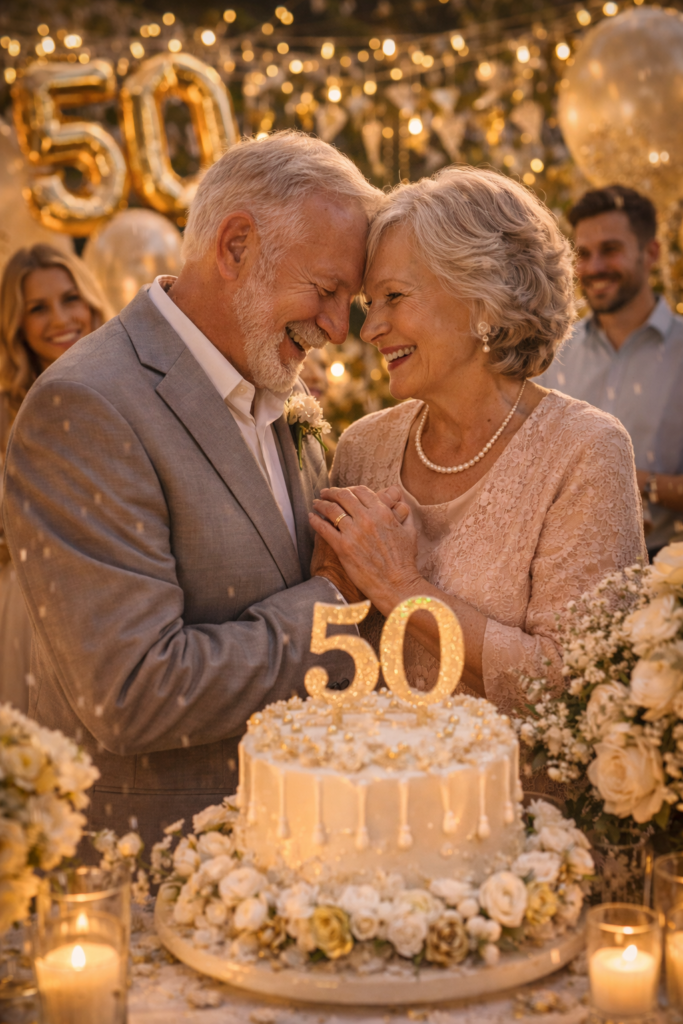
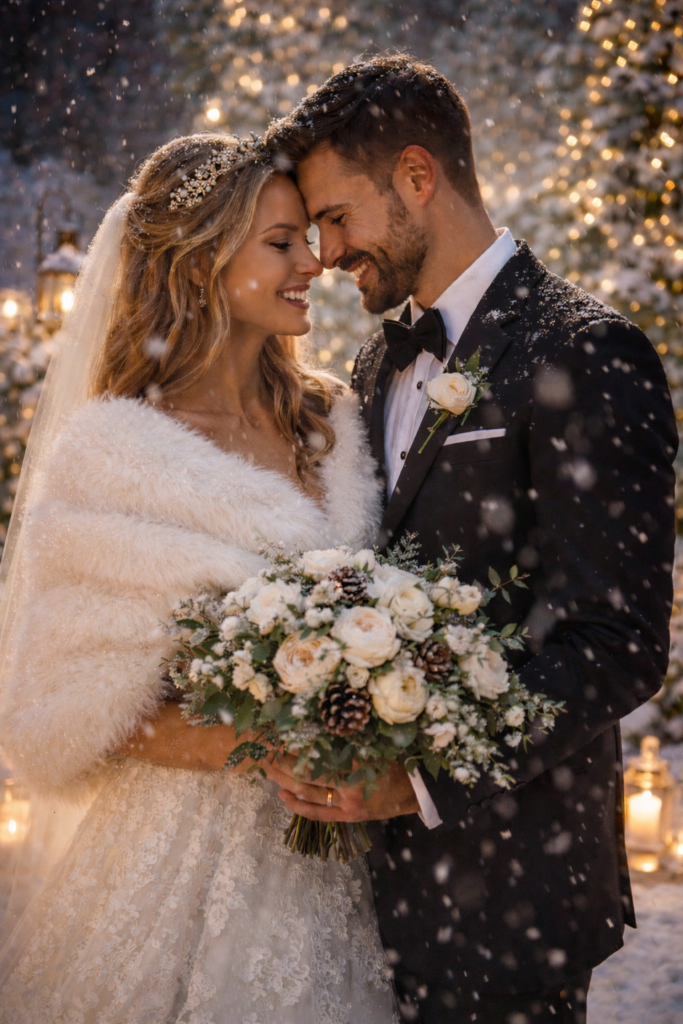
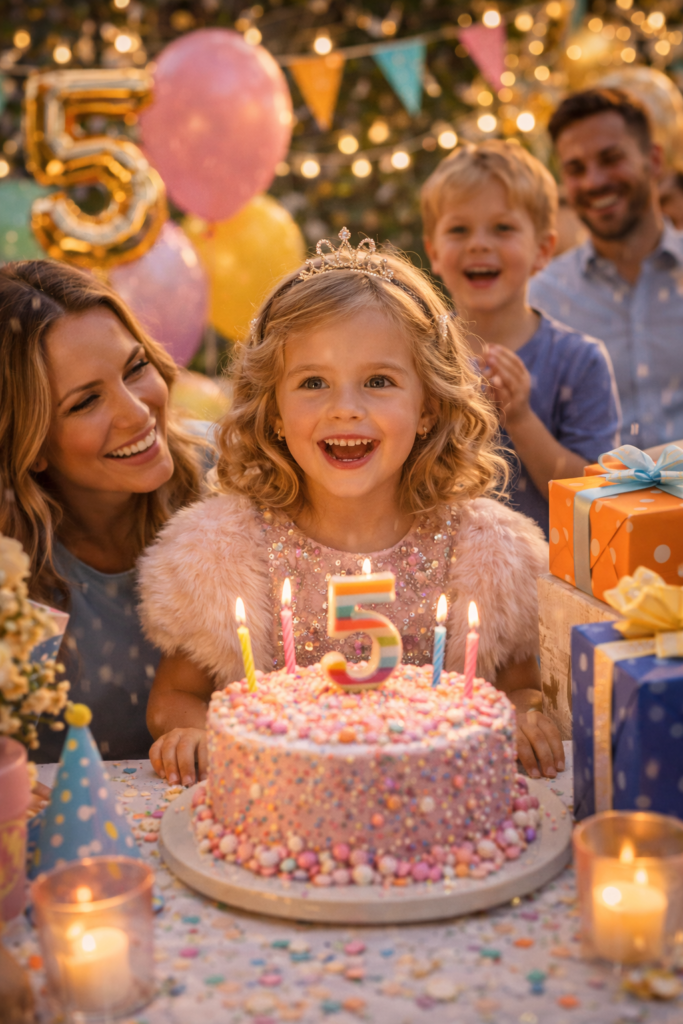
Not all moments in life carry equal weight. Certain events mark turning points: Weddings, Anniversaries, Birthdays, Achievements, or Gatherings of significance. These are not just events—they are anchors in the human story. When thoughtfully designed, they: Strengthen relationships, Reinforce identity, and Create lasting emotional resonance. They become reference points that individuals return to again and again throughout their lives.
The Emotional Architecture of a Moment
What people remember most is not what happened— But how it felt. Event planning at its highest level is the shaping of anticipation, joy, connection, and meaning. This is achieved not through excess, but through alignment. When every element supports the intended emotional outcome, the experience becomes seamless and powerful.
Elevating the Ordinary
One of the most transformative aspects of event planning is its ability to elevate even simple occasions. A small gathering, when thoughtfully designed, can become intimate, meaningful, and memorable. This aligns with the modern understanding of luxury: It is not always about grandeur or scale— but about depth, presence, and intentionality.
Event Planning as a Reflection of Life Design
Event planning is not separate from life—it is an extension of it. Just as daily rituals shape the structure of life, events shape its defining moments. Both require intention, design, and alignment. And both determine how life is ultimately experienced.
Oro Valentio: Crafting the Exceptional
At Oro Valentio, event planning is elevated into an art form by helping you:
Design environments that evoke emotion
Engineer experiences that tell a story
Create moments that endure
Every detail is intentional. Every element is aligned. Every experience is crafted with purpose. Because these moments are not temporary— They are imprints on the human heart.
Understand the Special Occasion being Celebrated
A Guide to Creating Memorable Events

Event planning is both an art and a discipline. At its highest level, it is the intentional process of transforming an idea into a fully realized experience—one that is structured, immersive, and meaningful. Without planning, events tend to default into disorganization, missed opportunities, and forgettable experiences. With intention, they become structured, meaningful, and memorable. Event planning is the process of taking time, applying structure, and elevating moments into experiences that matter. When done with clarity and intention, an event becomes more than a gathering— it becomes a lasting memory, thoughtfully designed and deeply felt. This guide outlines a step-by-step approach to planning events with clarity, purpose, and elevated execution.
Step 1: Define the Purpose
Every successful event begins with a clearly defined purpose.
Ask:
What is this event celebrating or recognizing?
What should guests feel during and after the experience?
What is the lasting impression you want to create?
Common purposes include:
Celebration (birthdays, anniversaries)
Transition (graduations, weddings)
Connection (family gatherings, reunions)
Recognition (achievements, milestones)
Why this matters:
A clearly defined purpose acts as the foundation for every decision that follows.

Step 2: Establish the Vision
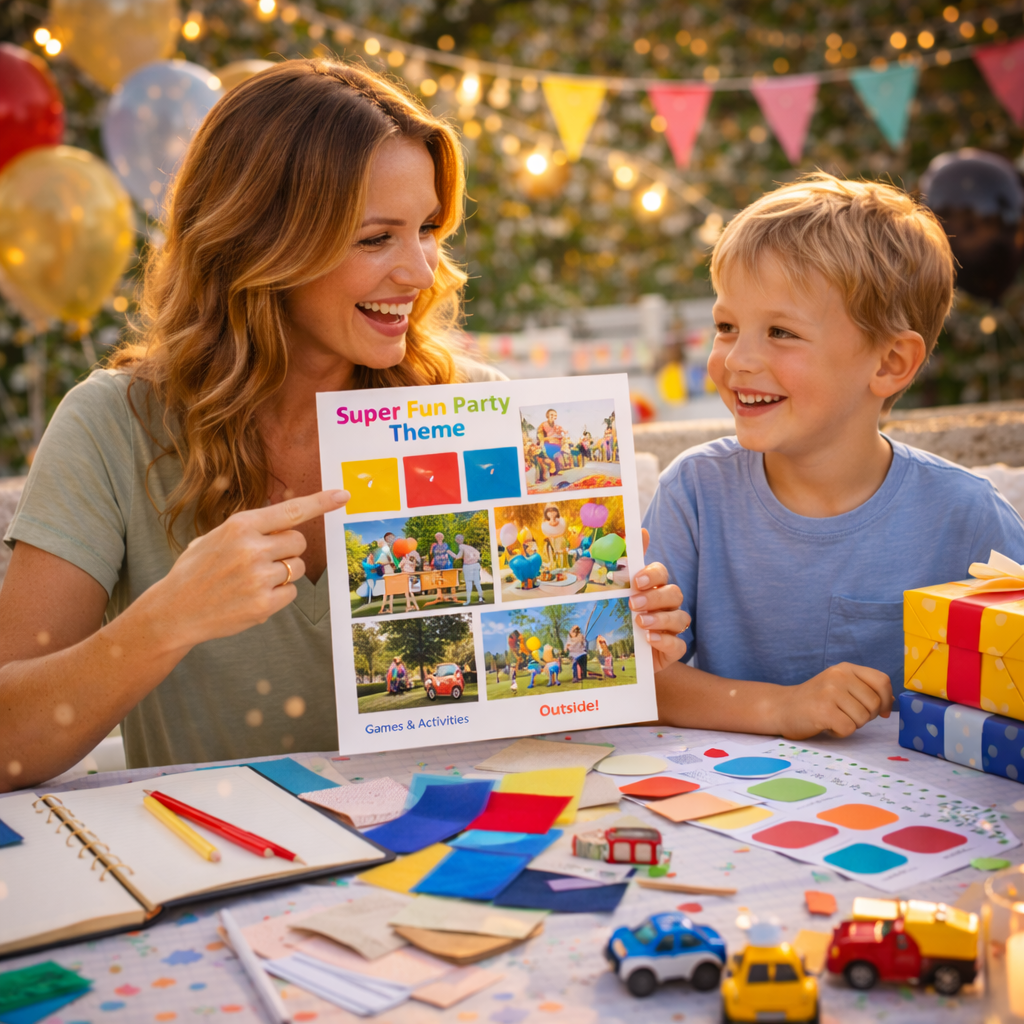
Once the purpose is defined, develop a cohesive vision.
This includes:
Theme or concept
Tone (formal, relaxed, elegant, playful)
Setting (indoor, outdoor, destination)
Color palette and aesthetic direction
The vision ensures that all elements feel aligned and intentional, rather than disconnected.
Step 3: Plan the Structure of Time
An event should be designed as a flowing experience, not a random sequence of activities.
Create a timeline that includes:
Arrival and welcome
Opening or introduction
Main experience (meal, ceremony, activities)
Highlight moments (speeches, cake cutting, first dance, etc.)
Closing and departure
Key principle: People remember the beginning, the peak moments, and the ending—design these carefully.

Step 4: Design the Environment
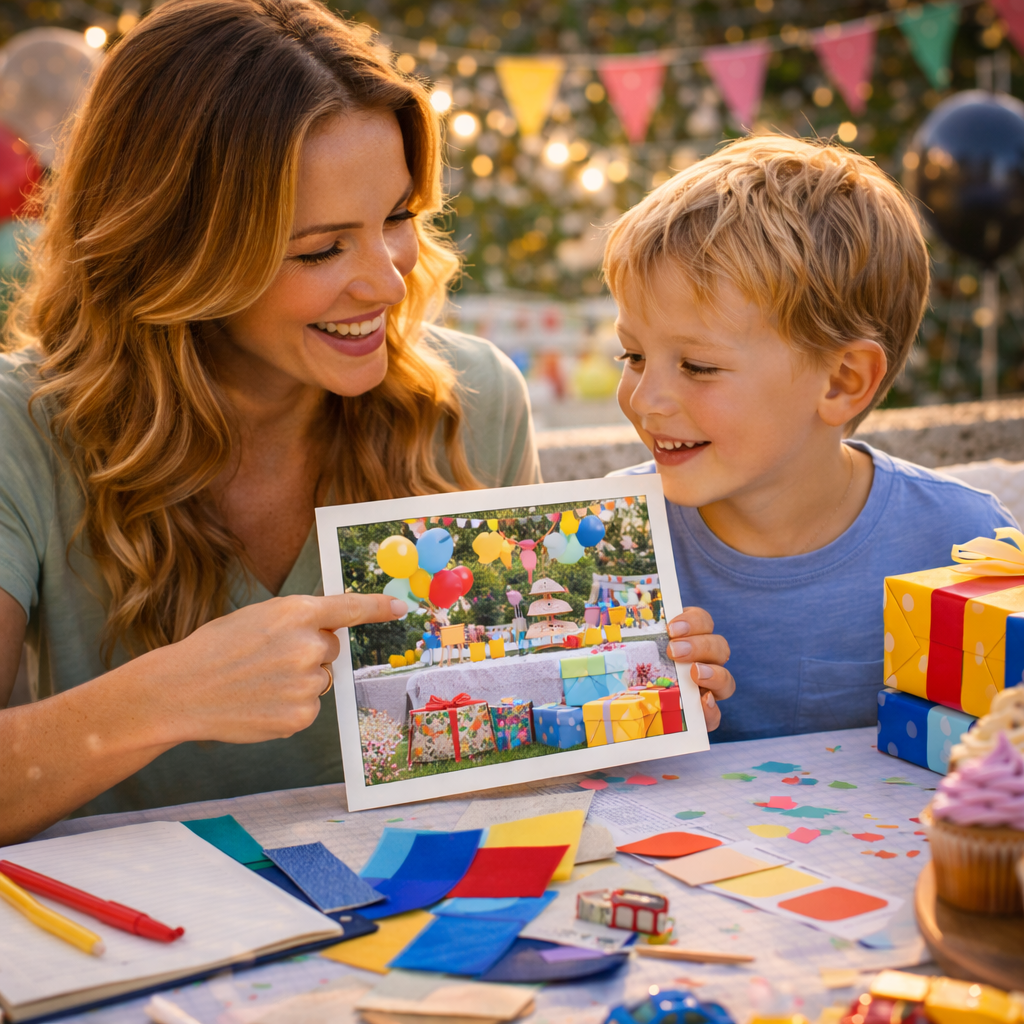
The environment sets the emotional tone.
Consider:
Lighting (soft, bright, natural, ambient)
Layout (seating, flow of movement)
Décor (florals, textures, materials)
Sound (music, acoustics)
The goal is to create a space that supports the purpose and enhances the experience.
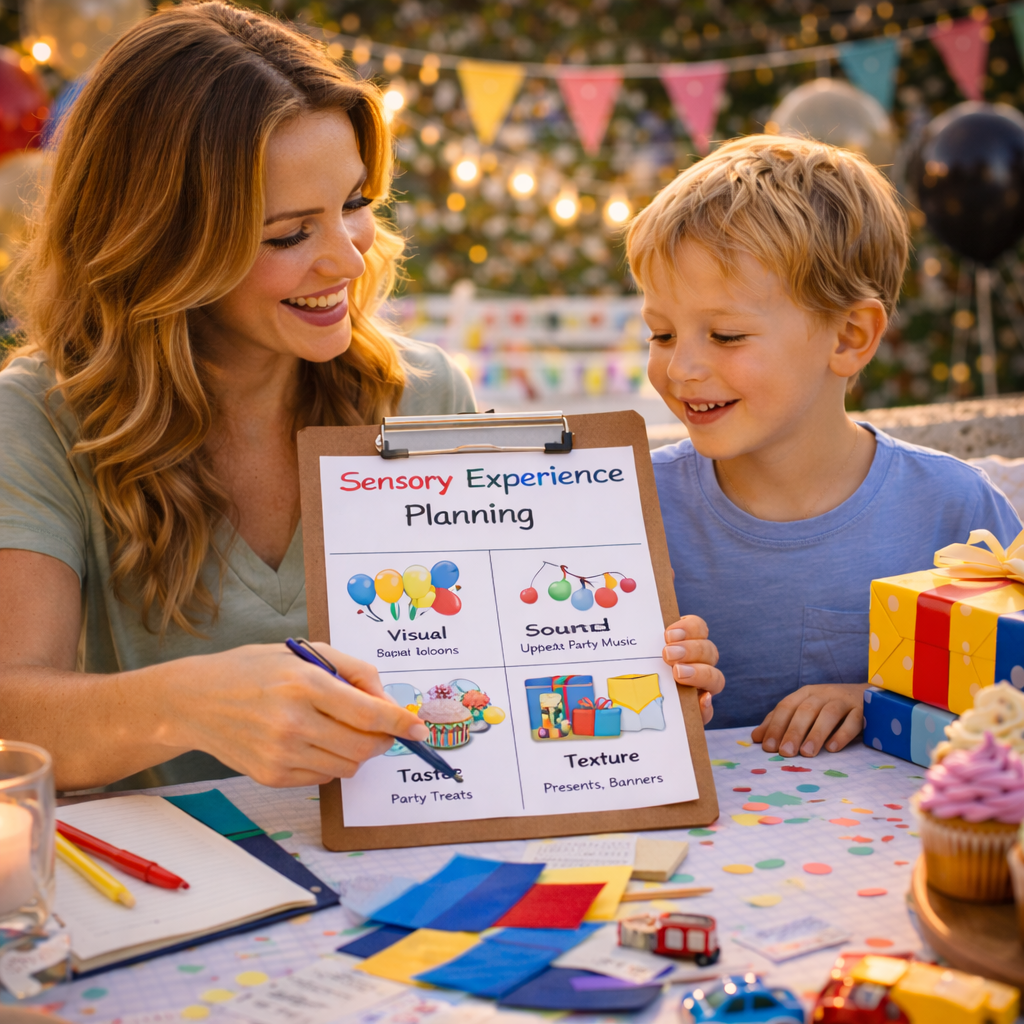
Step 5: Curate the Sensory Experience
Memorable events engage multiple senses.
Focus on:
Visual presentation (design, colors, details)
Sound (music selection, volume, timing)
Taste (food and beverage quality and presentation)
Texture (linens, materials, tactile elements)
Small details create lasting impressions.
Step 6: Coordinate Logistics

Behind every seamless event is careful logistical planning.
Key areas include:
Guest list and invitations
Budget and resource allocation
Vendors (catering, photography, rentals, etc.)
Setup and breakdown timing
Contingency plans (weather, delays, etc.)
Organization at this stage ensures that execution is smooth and stress-free.
Step 7: Prioritize Guest Experience
An event is ultimately about the people attending.
Ensure:
Guests feel welcomed and guided
Flow is intuitive (no confusion or downtime)
Comfort is considered (seating, temperature, accessibility)
Opportunities for connection are present
A well-planned event feels effortless to the guest.
Step 8: Create Meaningful Moments
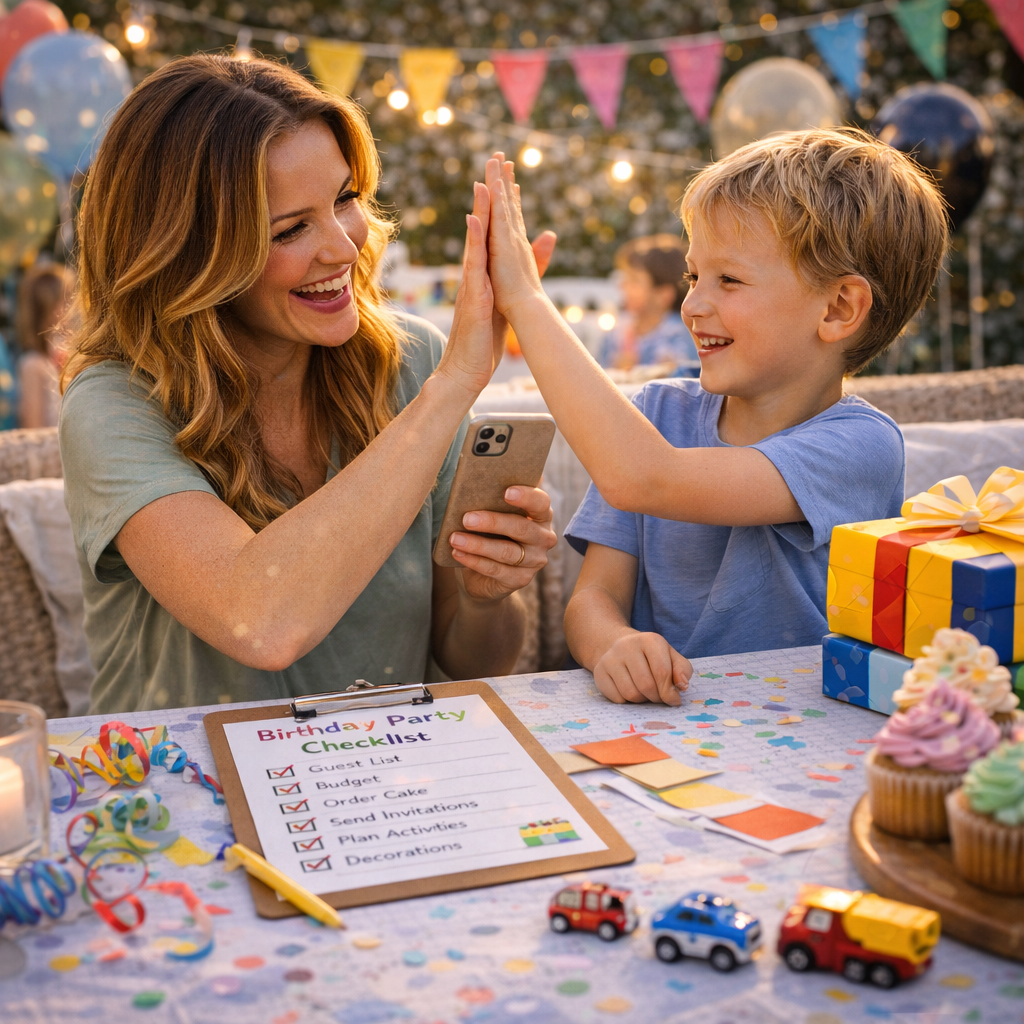
Identify and design key moments that will stand out.
Examples:
A heartfelt speech
A symbolic gesture or ritual
A surprise element
A shared group activity
These moments give the event emotional depth and memorability.
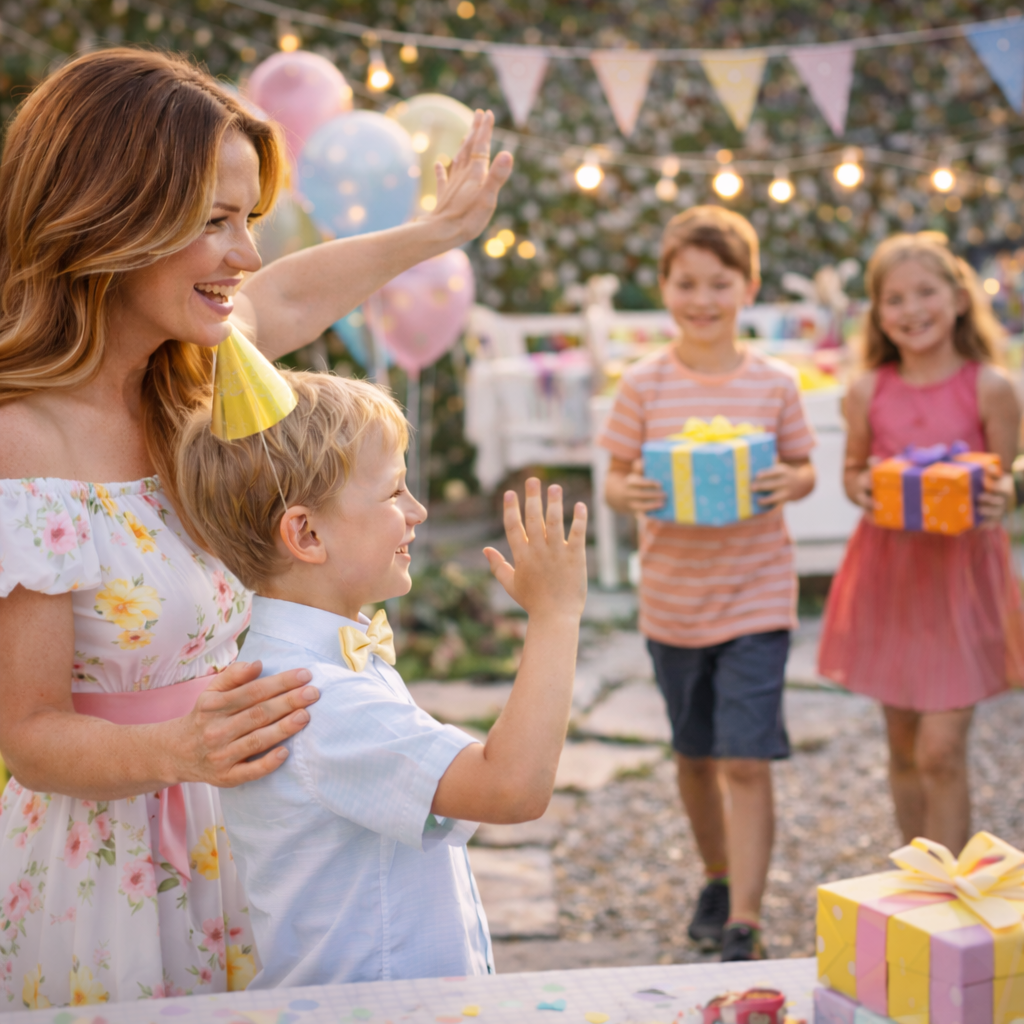
Step 9: Execute with Precision
On the day of the event:
Follow the timeline
Coordinate with vendors
Monitor flow and transitions
Stay adaptable to changes
Execution should feel seamless, even if adjustments are needed behind the scenes.
Step 10: Reflect and Preserve
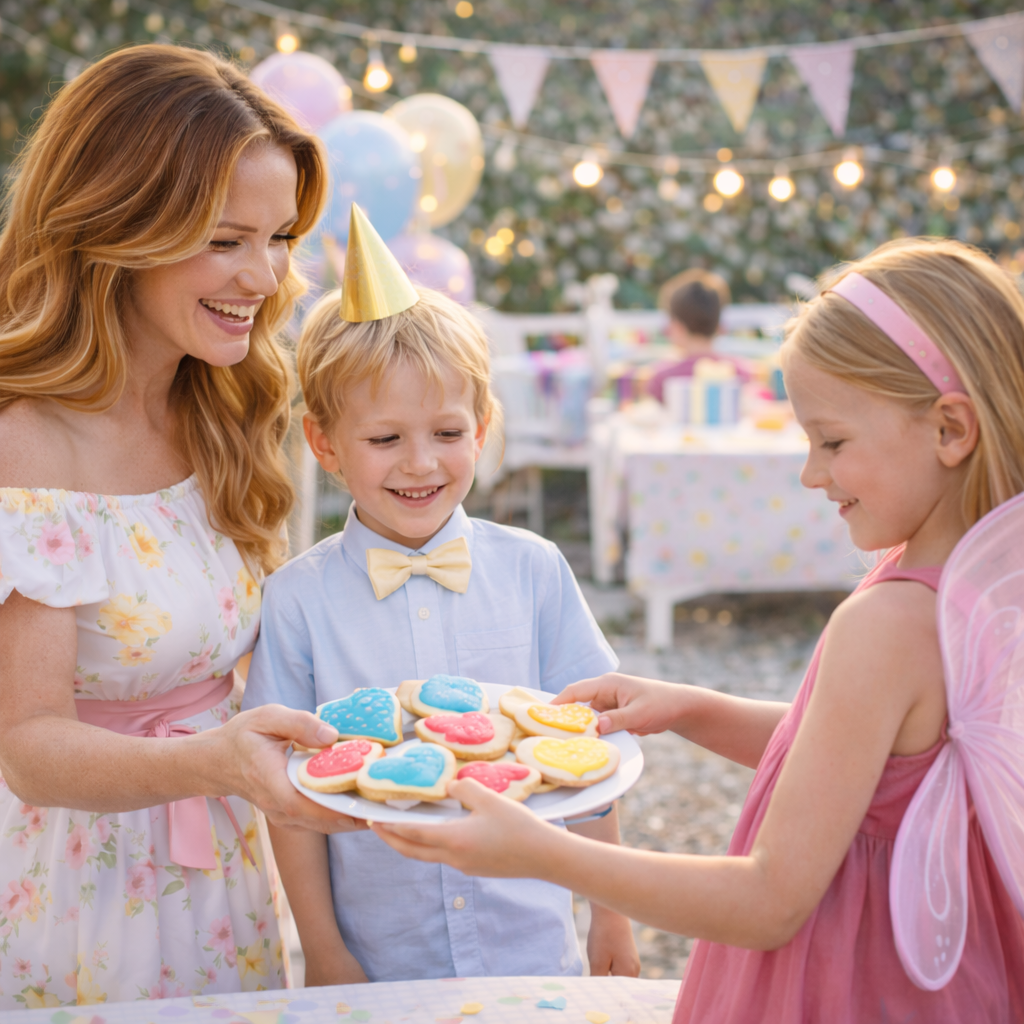
After the event:
-
Capture memories (photos, video, keepsakes)
-
Reflect on what worked well
-
Identify opportunities for improvement