



Indigenous Peoples Day

with ORO VALENTIO

2nd Monday in October

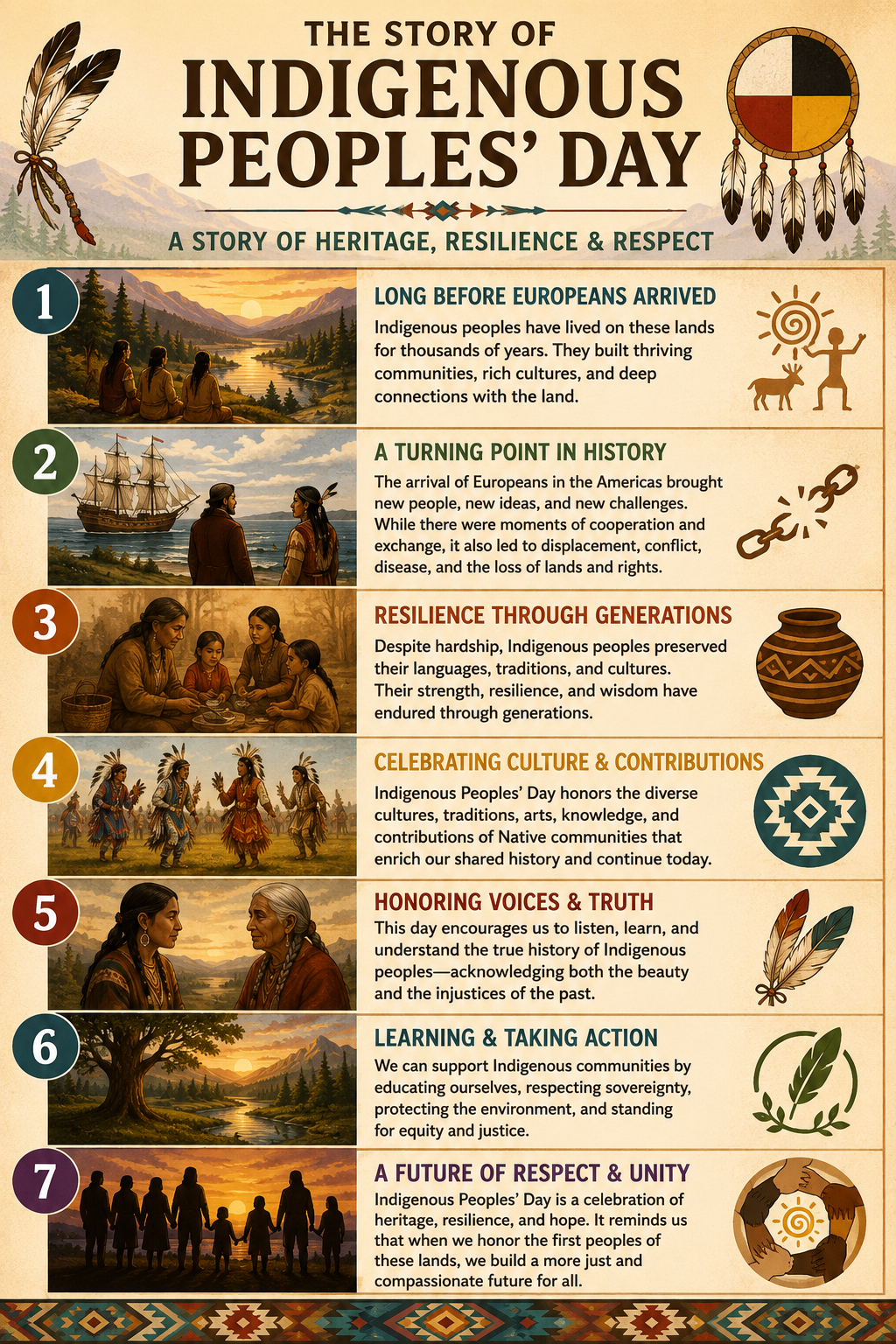
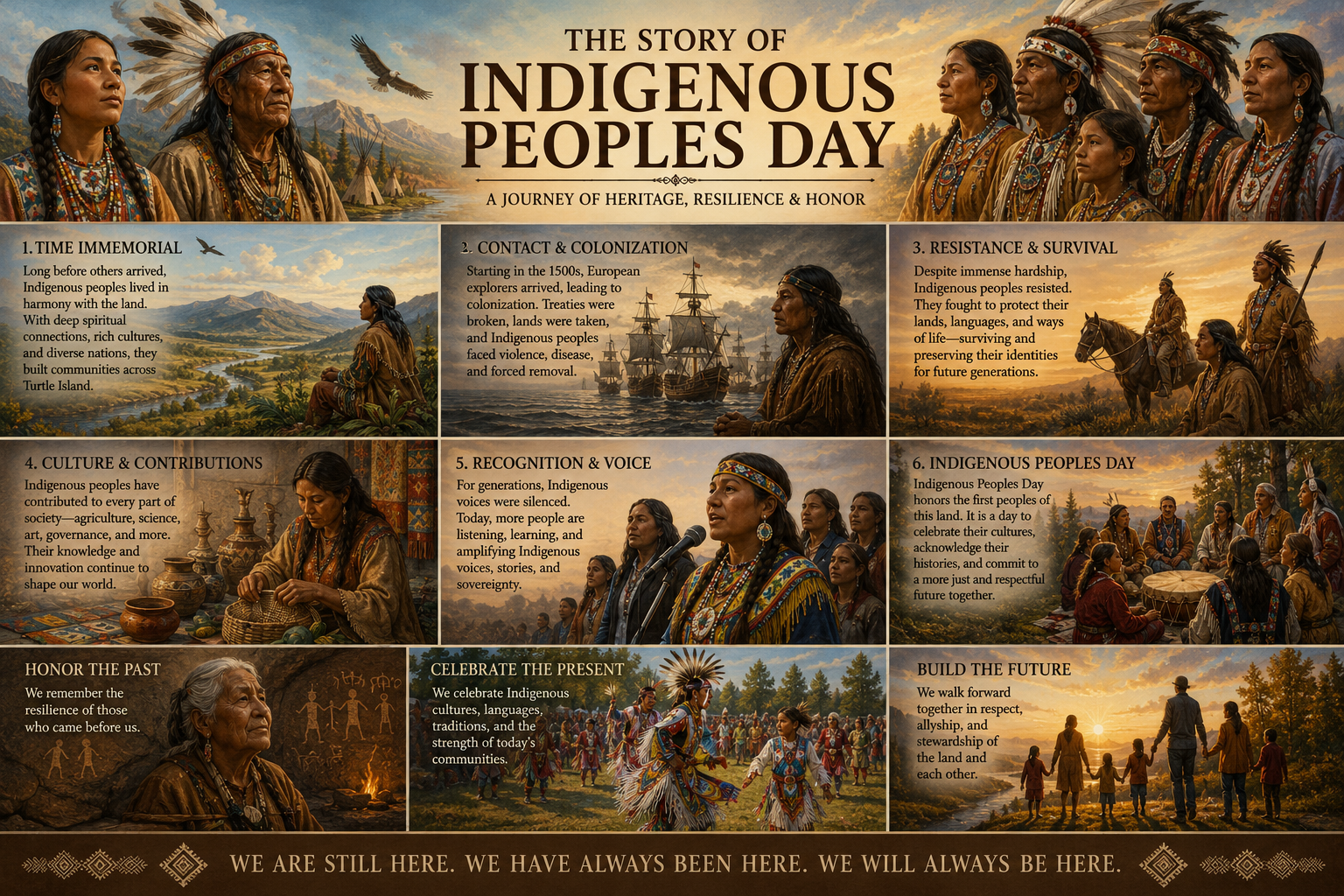
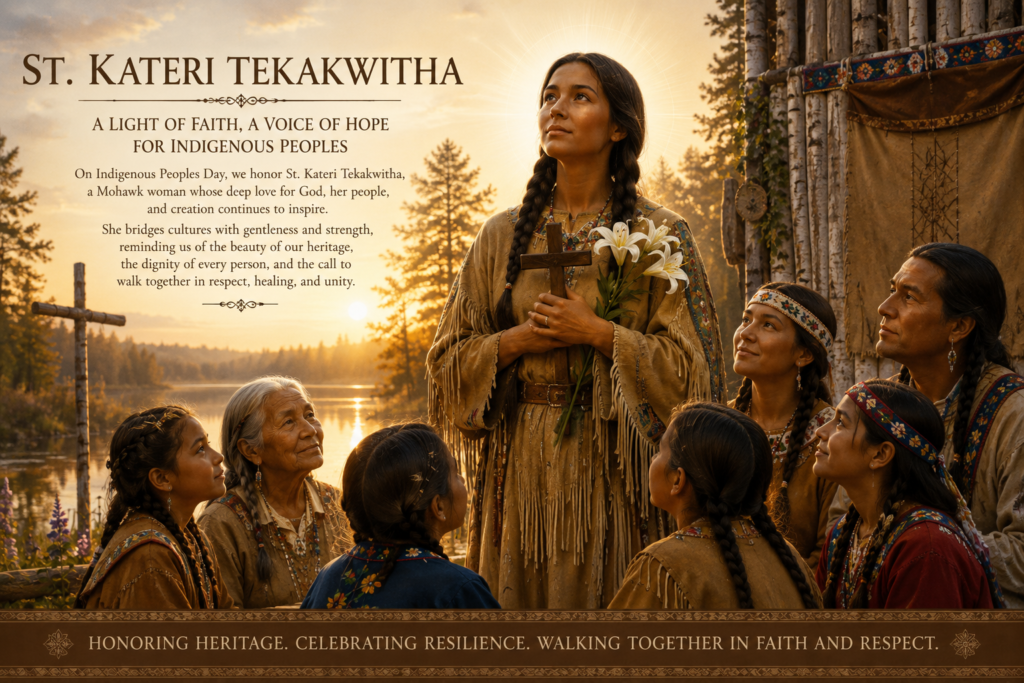
Indigenous Peoples’ Day is a time to recognize and honor the rich histories, cultures, traditions, and enduring contributions of the Indigenous peoples who have inhabited these lands for thousands of years. It celebrates the resilience, wisdom, and diversity of Native communities whose heritage continues to shape the identity and future of the Americas.
At its heart, the day is an opportunity to acknowledge the deep connection Indigenous peoples have maintained with the land, their communities, and their cultural traditions across countless generations. Their knowledge of the natural world, systems of governance, languages, art, and spiritual practices have enriched human history and continue to offer valuable perspectives on stewardship, community, and respect for creation.
Indigenous Peoples’ Day also serves as a moment of historical reflection. The arrival of Europeans in the Americas marked a turning point that profoundly affected Indigenous nations through displacement, conflict, disease, cultural suppression, and the loss of ancestral lands. While history includes moments of cooperation and cultural exchange, it also includes significant injustices whose effects continue to be felt by many Indigenous communities today. Recognizing these realities helps foster a more complete and honest understanding of the past.
In modern observance, Indigenous Peoples’ Day encourages both remembrance and appreciation. It invites people to learn about the histories and cultures of Indigenous nations, celebrate their ongoing contributions to society, and recognize the importance of preserving their languages, traditions, and sovereignty. The day also reminds us that meaningful reconciliation begins with listening, learning, and treating one another with dignity and respect.
Ultimately, Indigenous Peoples’ Day is a celebration of resilience, heritage, and hope. It encourages us to honor the first peoples of these lands, reflect honestly on history, and work toward a future built on understanding, mutual respect, and shared responsibility. By recognizing the strength and enduring legacy of Indigenous communities, we acknowledge that a fuller understanding of our past helps us build a more just and united future.

Honoring the First Peoples Celebrating Enduring Cultures

Indigenous Peoples’ Day is celebrated to honor the first peoples of the Americas and recognize their rich histories, diverse cultures, enduring traditions, and lasting contributions to society. It serves as an opportunity to acknowledge that Indigenous communities have lived on and cared for these lands for thousands of years, while also reflecting on the profound impacts that European colonization had on their nations, cultures, and ways of life. Today, the observance encourages people to learn about Indigenous history, celebrate the resilience and achievements of Native peoples, and foster greater understanding, respect, and appreciation for their ongoing role in shaping our communities. Ultimately, Indigenous Peoples’ Day is a reminder that recognizing both the accomplishments and the challenges of history helps build a future grounded in truth, dignity, and mutual respect.

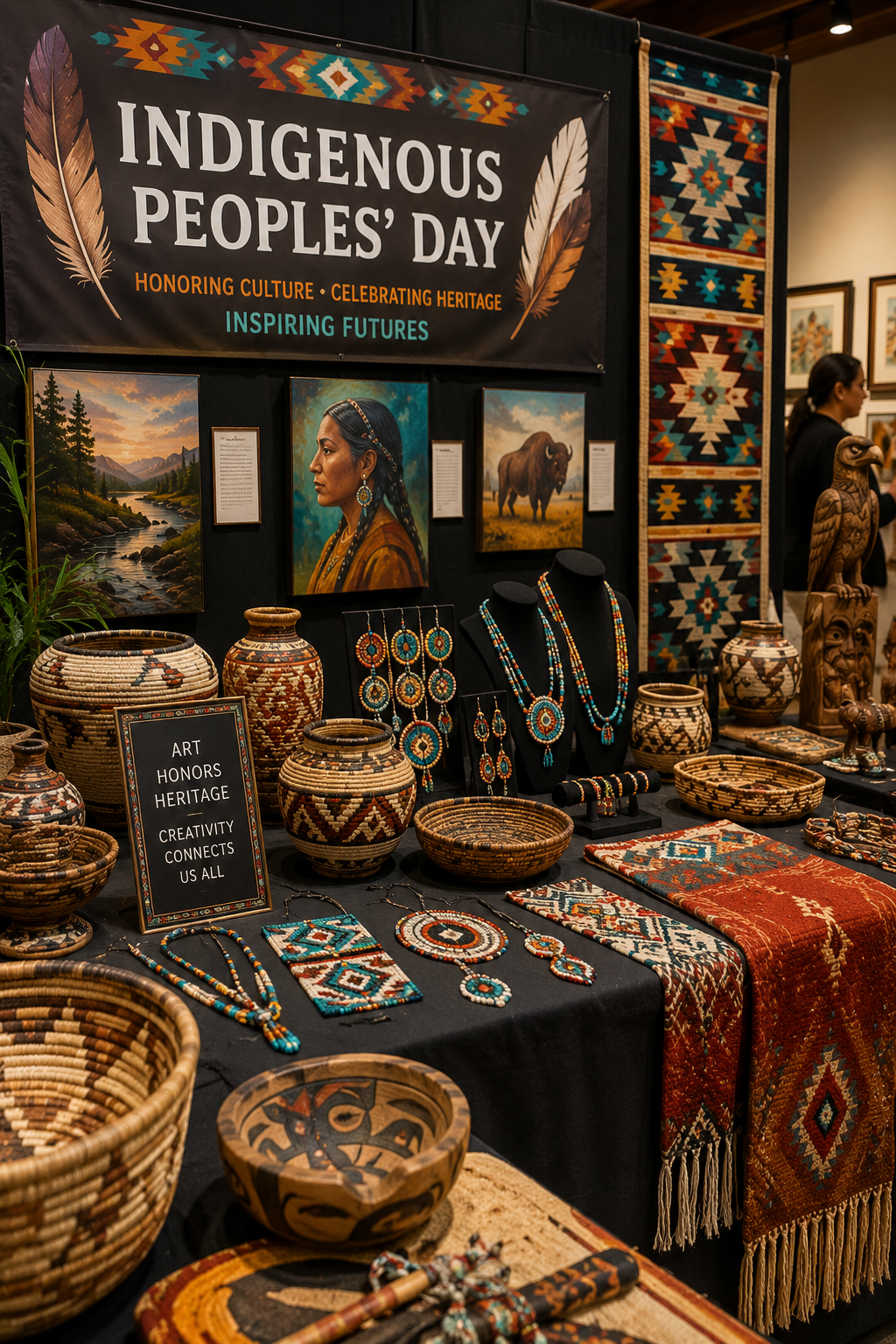
People visit or organize Indigenous art and craft exhibits to celebrate the creativity, craftsmanship, and cultural heritage of Indigenous peoples. These exhibits provide an opportunity to learn about traditional techniques, symbols, and stories expressed through beadwork, pottery, weaving, basketry, carving, paintings, jewelry, and textiles. They also help support Indigenous artists by showcasing and, in many cases, selling their work. Beyond appreciating beautiful artwork, these exhibits encourage cultural understanding, preserve traditional knowledge, and honor the generations of artisans who have passed their skills and traditions down through the centuries.

Columbus Day Traditions to Make Your Own

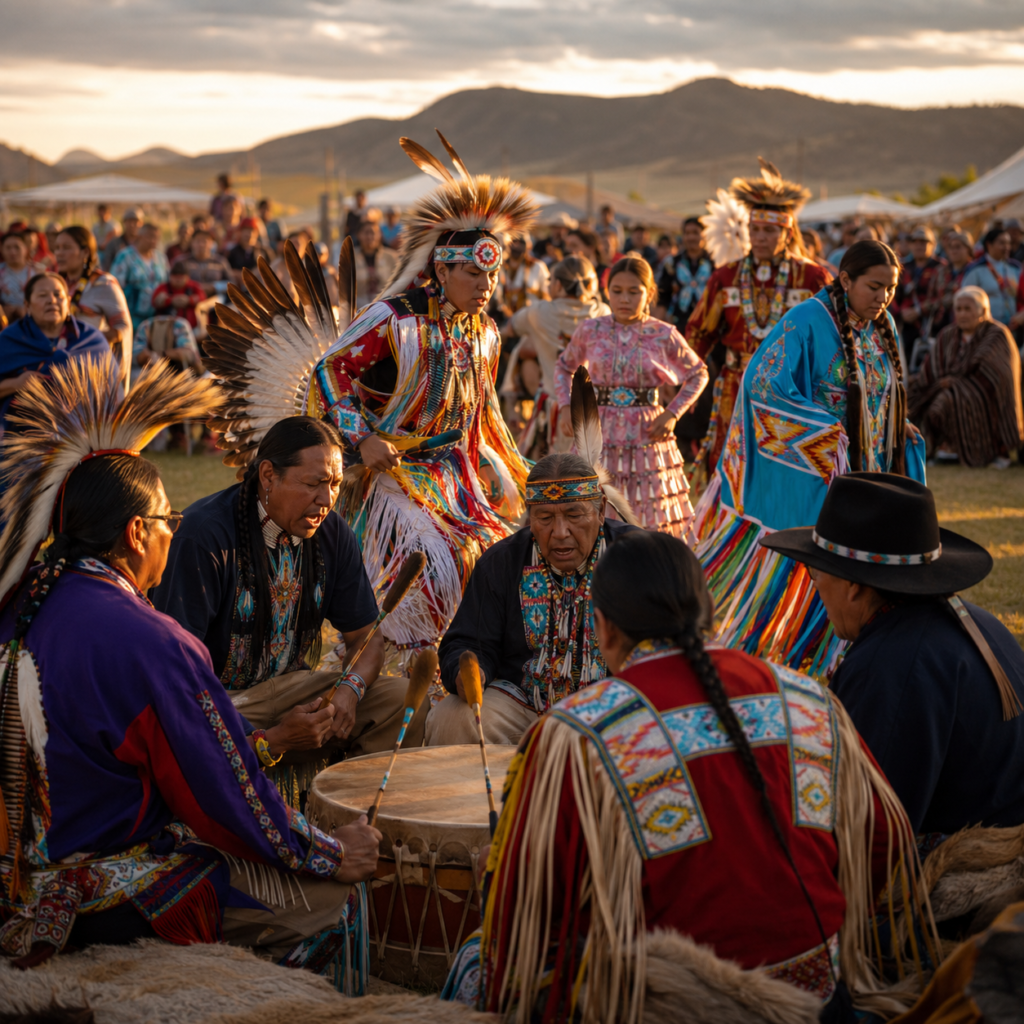
Community gatherings are important because they bring people together to celebrate Indigenous cultures, strengthen relationships, and share traditions across generations. They provide opportunities for families, elders, artists, and community members to connect through music, dance, storytelling, food, and conversation while preserving cultural heritage. These gatherings also encourage learning and mutual respect by welcoming people of all backgrounds to experience Indigenous traditions firsthand. By fostering unity, cultural pride, and understanding, community gatherings help ensure that Indigenous histories, values, and traditions continue to thrive for future generations.
Educational Programs
Schools, museums, libraries, and community organizations host presentations, workshops, and discussions that explore Indigenous history, cultures, and contemporary issues.
Cultural Festivals
Many communities celebrate with festivals featuring traditional music, dance, storytelling, food, crafts, and demonstrations that highlight Indigenous heritage.
Storytelling
Indigenous elders and community members share traditional stories and oral histories that preserve cultural knowledge and pass it on to future generations.
Traditional Music and Dance
Powwows, drum circles, and cultural performances showcase traditional songs, dances, and regalia while celebrating the diversity of Indigenous nations.
Art and Craft Exhibits
Museums, galleries, and local events feature Indigenous artwork, beadwork, pottery, weaving, carving, and other traditional and contemporary artistic expressions.
Community Gatherings
Families, tribes, and local communities come together to celebrate Indigenous cultures through meals, conversations, ceremonies, and shared experiences.
Nature and Land Stewardship
Many people honor the day by spending time outdoors, participating in conservation efforts, or reflecting on Indigenous traditions of caring for the land and natural resources.
Reflection and Learning
Individuals are encouraged to learn about the history, cultures, and contributions of Indigenous peoples while reflecting on the importance of respect, understanding, and reconciliation.

A Prayer for Indigenous Peoples Day

Heavenly Father,
on this day of remembrance and reflection, we come before You with grateful hearts. We thank You for the spirit of courage, discovery, and perseverance that has shaped the course of history and opened paths that were once unknown. Help us to recognize both the strength and the responsibility that come with such moments, and to carry that awareness with humility and wisdom.
Lord, guide us to seek truth in all things. Where history is complex, grant us understanding. Where there has been hardship, lead us toward compassion and healing. Teach us to honor the dignity of all people, to respect the stories that came before us, and to move forward with integrity and care for one another.
Bless our families and our communities as we gather together. May our conversations be meaningful, our hearts be open, and our actions reflect unity and respect. Let this day not only remind us of the past, but shape how we live in the present—choosing kindness, pursuing truth, and building a future rooted in justice and understanding.
Strengthen us, Lord, to walk with purpose. Help us to use the opportunities before us wisely, to lead with clarity, and to contribute to a world that reflects Your truth and light.
We place this day in Your hands, trusting in Your guidance and grace.
Amen.
We pray on a day like Columbus Day because it brings reflection into alignment with purpose. It is easy to remember history in a surface-level way, but prayer invites us to go deeper—to consider not only what happened, but what it means for how we live today. It becomes a moment to step out of routine and intentionally seek wisdom, clarity, and guidance. Prayer also helps us approach history with the right posture. Columbus Day carries both elements of courage and complexity, and prayer allows us to hold both with humility. It opens the heart to gratitude for progress and discovery, while also cultivating compassion, understanding, and respect for those who were affected along the way. Rather than reacting or overlooking, prayer centers us—helping us respond thoughtfully and truthfully. There is also a personal dimension. Through prayer, individuals ask for direction in their own lives—to move forward with integrity, to make decisions rooted in truth, and to carry themselves with strength and awareness. It becomes less about the past alone and more about who we are becoming in the present. Finally, we pray because it connects us to something greater than ourselves. It reminds us that while history is shaped by human action, our response to it can be guided by higher wisdom. Prayer becomes the bridge between remembrance and responsibility—helping us take what we acknowledge and turn it into how we live, lead, and treat others moving forward.

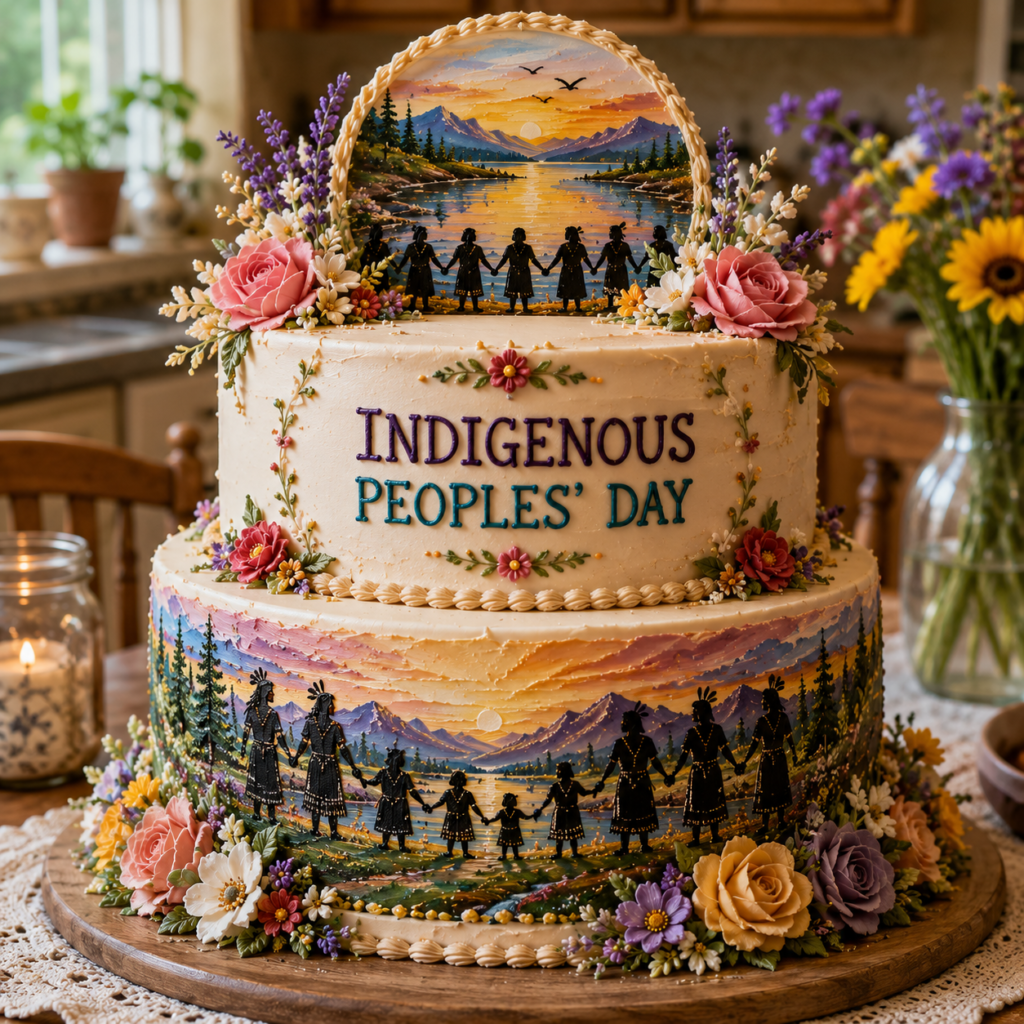
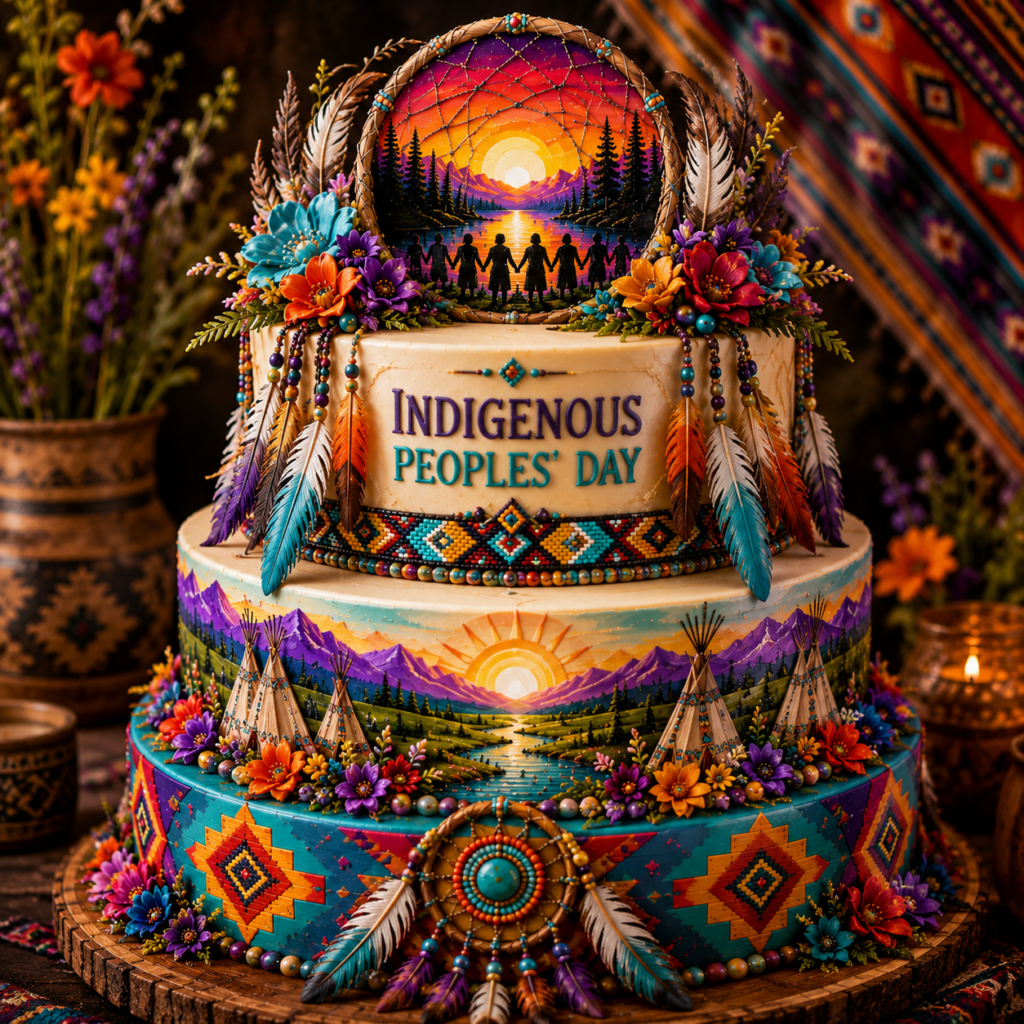
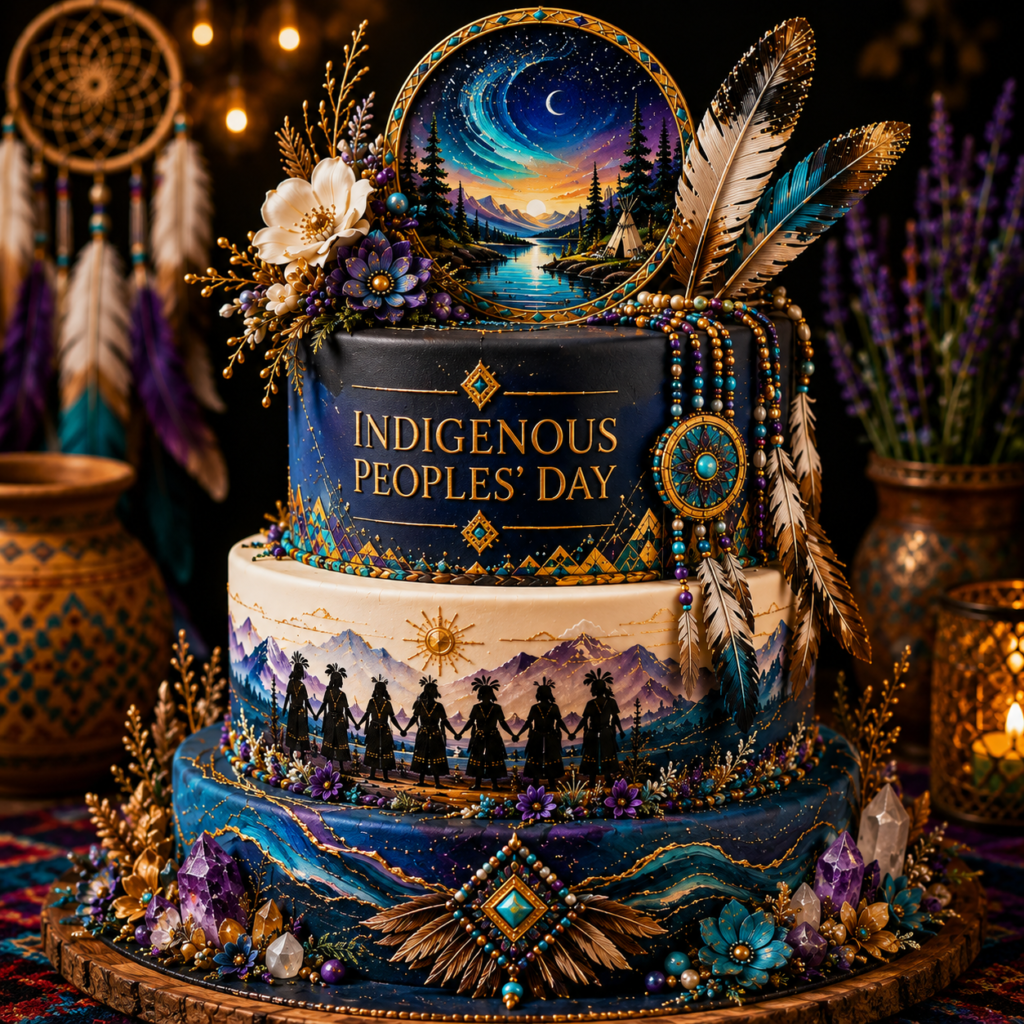
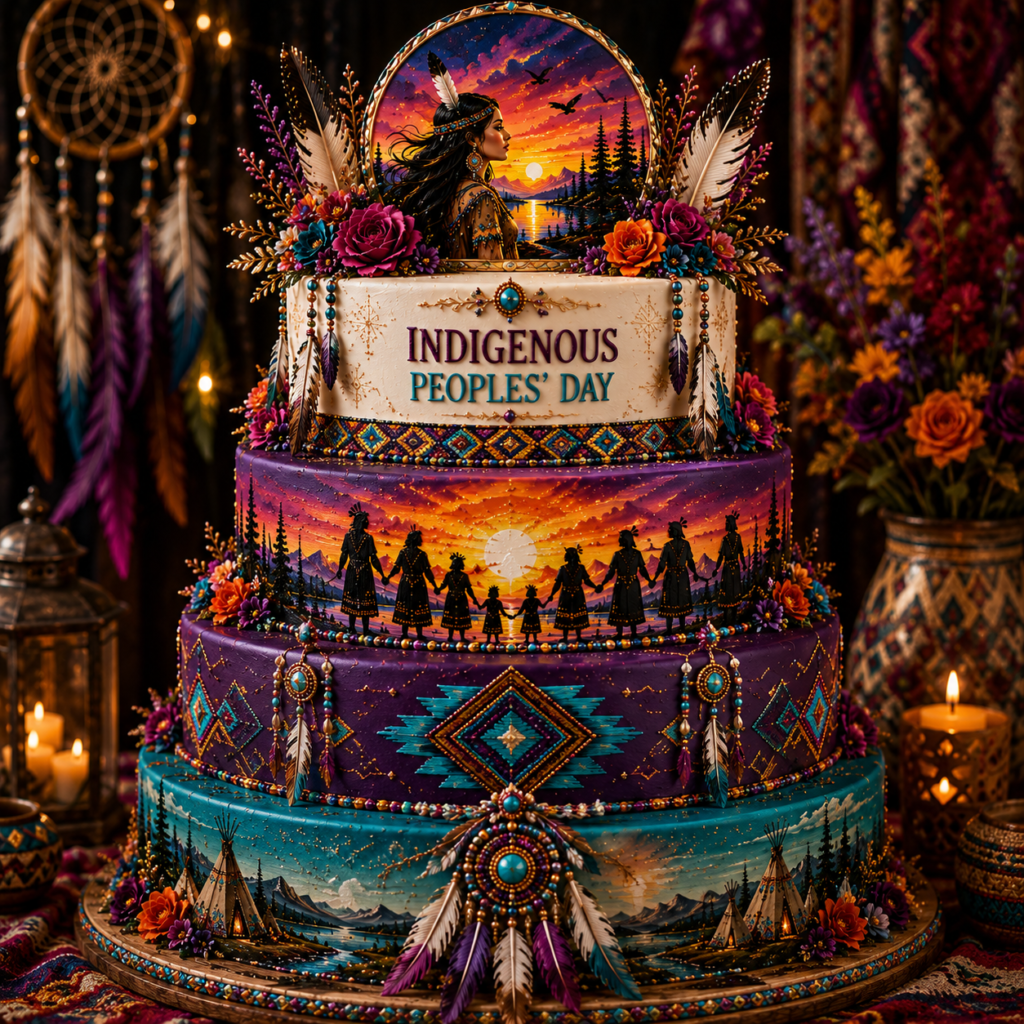
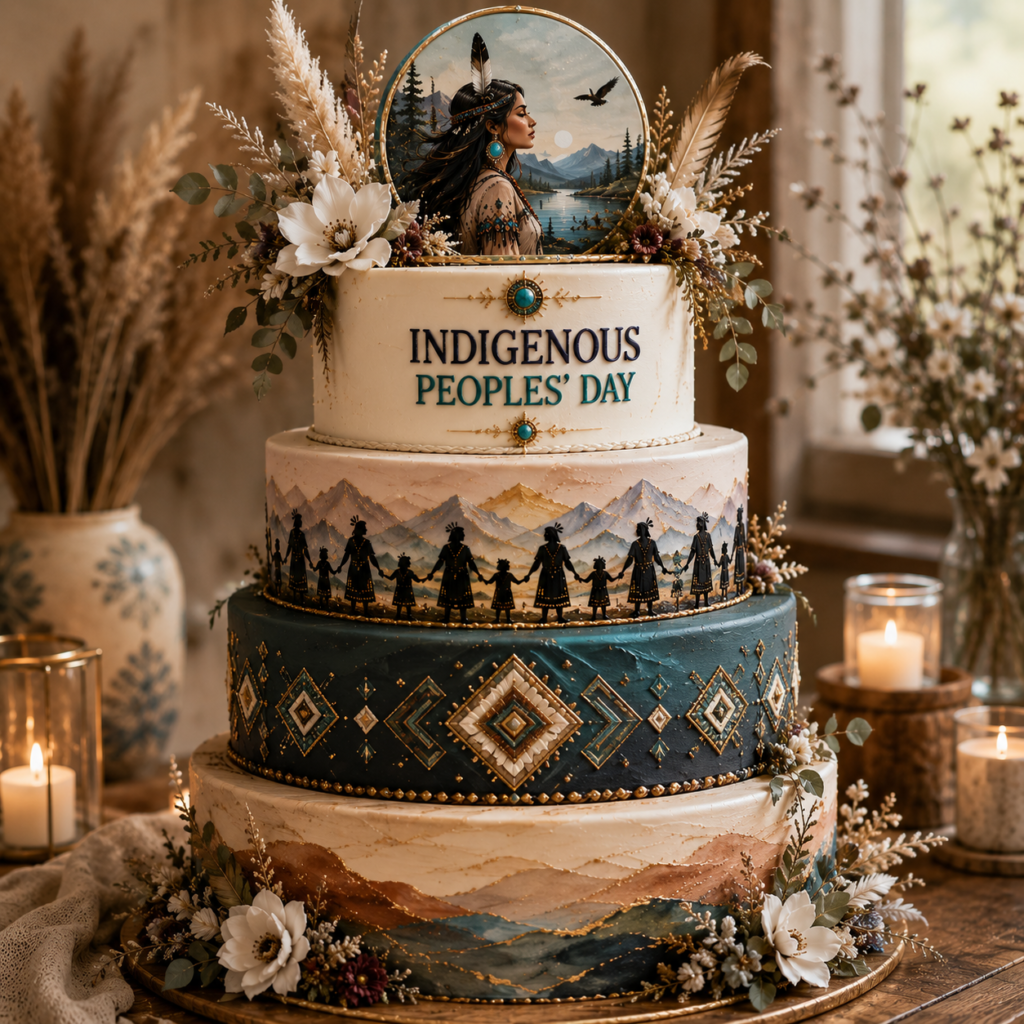
Columbus Day Cake & Atmosphere Ideas

Where style, memory, and celebration meet.

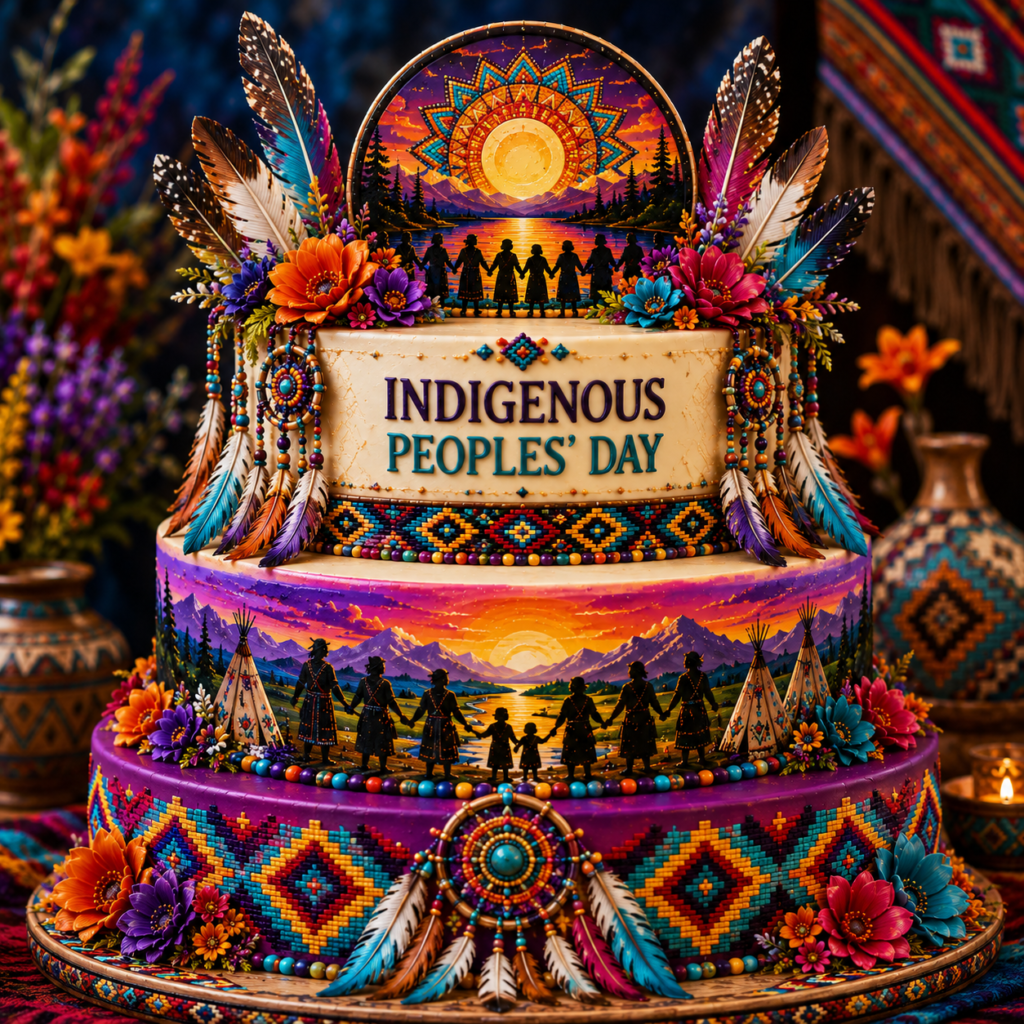
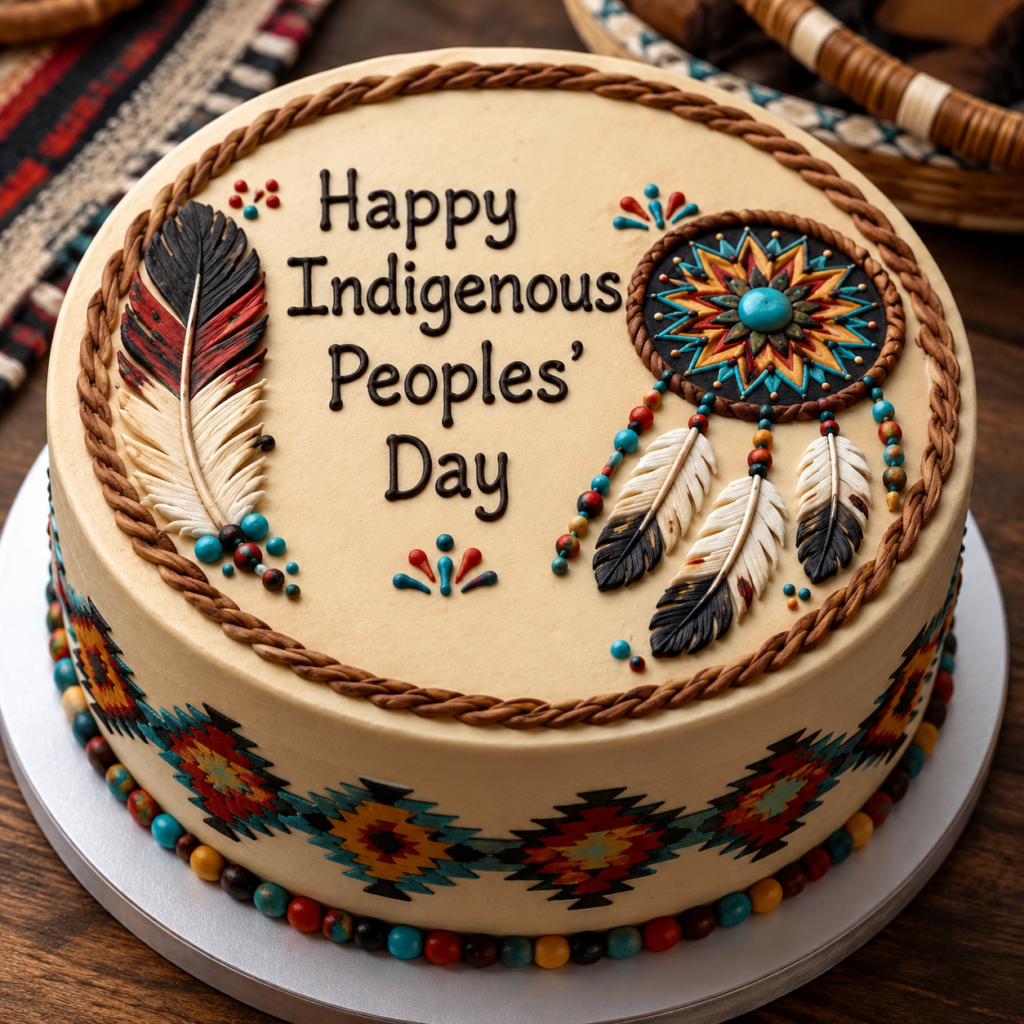
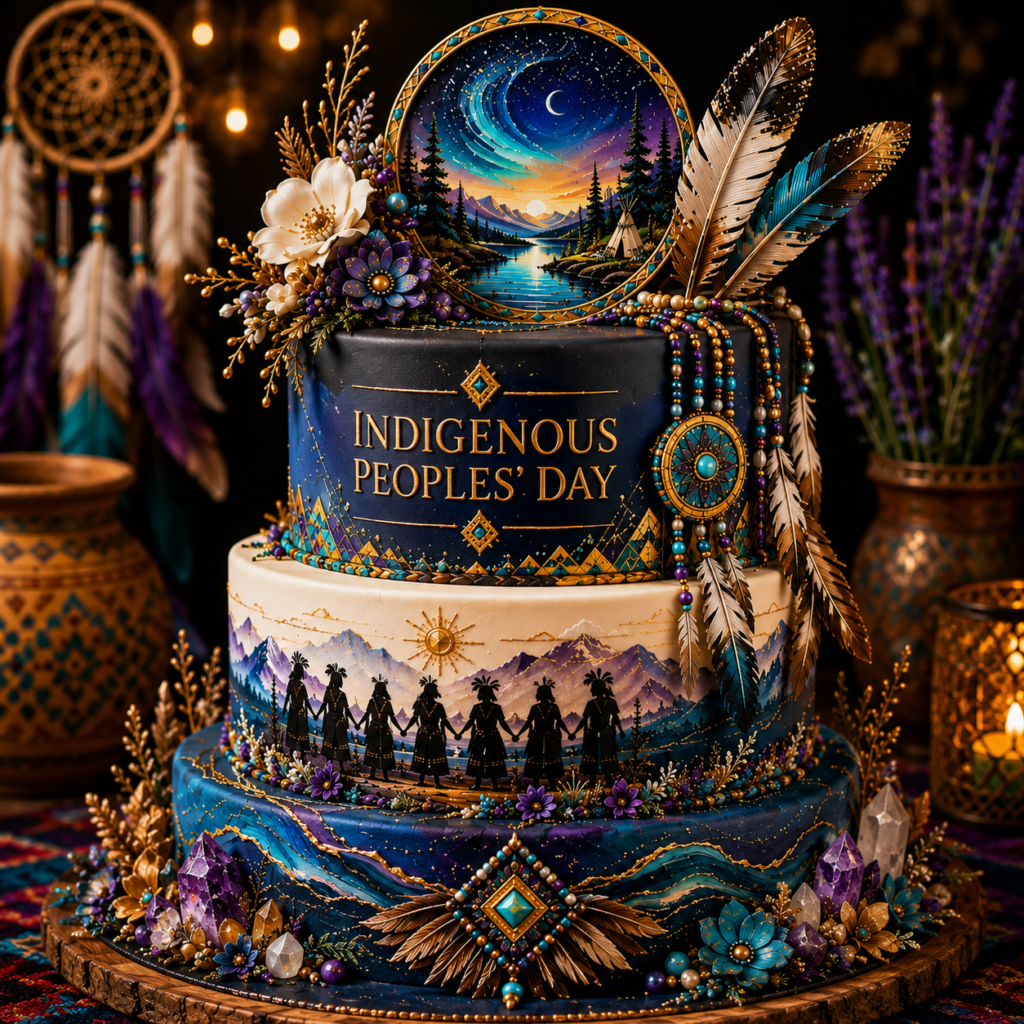
This section is meant to be more than Cake Decorating Ideas… it’s designed to spark inspiration and creativity, awaken tradition, and infuse your special occasions with style, identity, and atmosphere. A color palette becomes a theme. A design becomes a mood. Simple details—like sugared holly leaves or shimmering stars—can set the tone for a gathering and become part of cherished traditions and lasting memories melded with personal touch and love.

Traditional Columbus Day Dishes

Classic Italian Lasagna
Layered with rich meat sauce, creamy ricotta, and perfectly melted cheeses, lasagna serves as a centerpiece dish that reflects Italian heritage and tradition. Its depth of flavor and structure symbolize the layering of history, culture, and family.

Chicken Parmesan
Crispy breaded chicken topped with marinara and melted mozzarella offers both comfort and bold flavor. This dish represents the blending of tradition and adaptation—rooted in Italian cuisine while embraced widely in American culture.

Garlic Herb Focaccia Bread
Soft, golden focaccia infused with olive oil, garlic, and herbs provides a simple yet elegant addition to the table. It reflects the importance of bread in shared meals—symbolizing unity, sustenance, and togetherness.

Caprese Salad
Fresh tomatoes, mozzarella, and basil arranged with a drizzle of olive oil create a dish that is both vibrant and balanced. Its colors subtly echo the Italian flag, while its simplicity highlights quality ingredients and natural flavor.

Sausage and Peppers
Savory Italian sausage sautéed with sweet bell peppers and onions delivers bold, hearty flavor. This dish is often associated with street festivals and celebrations, bringing an energetic and communal feel to the meal.

Pasta with Olive Oil and Garlic (Aglio e Olio)
A simple yet refined pasta dish that emphasizes purity of ingredients—olive oil, garlic, and a touch of spice. It reflects the idea that strength and richness do not always require complexity, but intention and balance.

Tiramisu
This elegant dessert, layered with espresso-soaked ladyfingers and mascarpone cream, brings a refined sweetness to the table. Its name, meaning “lift me up,” aligns beautifully with the celebratory and uplifting nature of the day.

Italian Wedding Cookies (Powdered Sugar Cookies)
Light, buttery cookies dusted in powdered sugar offer a delicate finish. They symbolize celebration, joy, and the sweetness found in gathering and shared moments.

Recipes Engineered for that Autumn Glow