






























Autumn Winds of Change

with ORO VALENTIO

Fall is a Season of Grounding:
A Time to Nourish, Reflect & Recenter

Autumn invites us to slow down, savor, and settle into rhythm. As the air turns crisp and the colors shift, this season calls you to gaze inwardly- and to nourish your mind, body, and spirit with warmth, intention, and purpose.
Fall is a time of harvest and reflection, when your body naturally begins to crave grounding foods, deeper rest, and cozy rituals that promote inner calm and resilience. It’s a season to recenter, to align with what truly matters, and to prepare your whole being for the restorative months ahead.
Rather than pushing outward, fall invites you to turn inward—focusing on immune support, steady energy, and emotional clarity. This is the moment to embrace slowing down as a form of strength, and to fuel yourself with nutrient-dense foods, mindfulness, and soul-supporting practices that carry you with grace into the next cycle.
On this page, you’ll discover science-backed nutrition, seasonal wellness strategies, and restorative self-care rituals curated to help you feel vibrant, calm, and aligned with the richness of fall. Whether you’re looking to boost immunity, support emotional balance, or simply feel more grounded, you’ll find gentle, effective tools to help you thrive through the transition.

A Season of Harvest

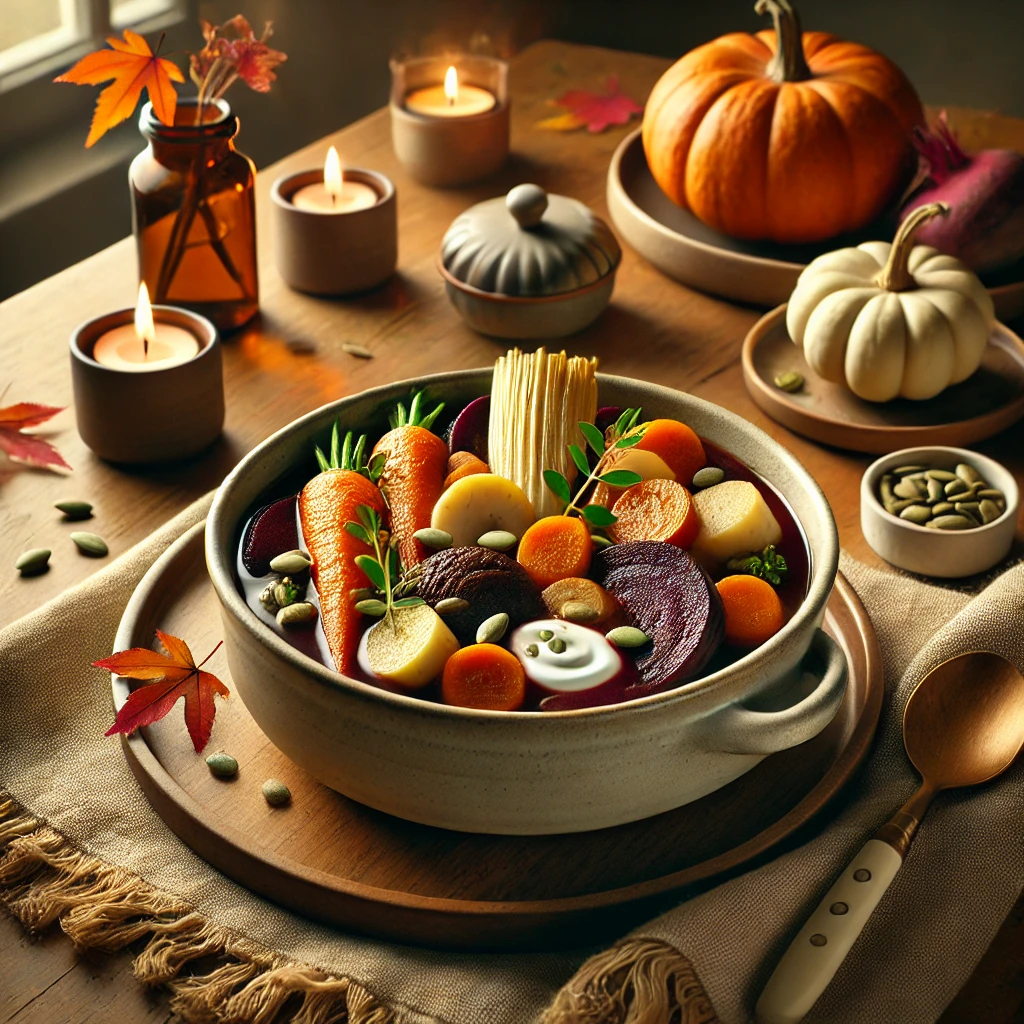
As the crispness of fall settles in, your body naturally craves warm, grounding foods that restore balance, support immune resilience, and prepare you for the cooler months ahead. Seasonal ingredients rich in fiber, antioxidants, and warming spices help nourish healthy digestion, stabilize energy, and support radiant skin and respiratory wellness.
Spending time with loved ones is not just emotionally fulfilling—it’s also incredibly beneficial for your health. Social connections play a crucial role in reducing stress, boosting mood, and enhancing overall well-being. Being around family and friends can increase the production of oxytocin, a hormone that fosters feelings of trust and bonding, while also lowering levels of the stress hormone cortisol. Regularly connecting with loved ones can also improve heart health, support a stronger immune system, and even extend longevity, making it a key aspect of a balanced, healthy life. The laughter, support, and positive interactions with those close to you are essential for both mental and physical vitality.
Apples
Crisp, juicy, and timeless, apples are one of autumn’s most beloved fruits. Naturally providing dietary fiber, including pectin, along with vitamin C and a variety of naturally occurring plant compounds, apples are a flavorful addition to a balanced diet. Their versatility makes them equally delicious enjoyed fresh, baked into desserts, simmered into sauces, sliced into salads, or paired with cheeses and roasted meats. With countless varieties ranging from sweet to tart, apples capture the comforting flavors of the harvest season.
Fall Tip: Slice fresh apples into oatmeal, salads, or yogurt, bake them with cinnamon for a simple seasonal dessert, or enjoy them with nut butter or sharp cheddar cheese for a satisfying autumn snack.
Pumpkin
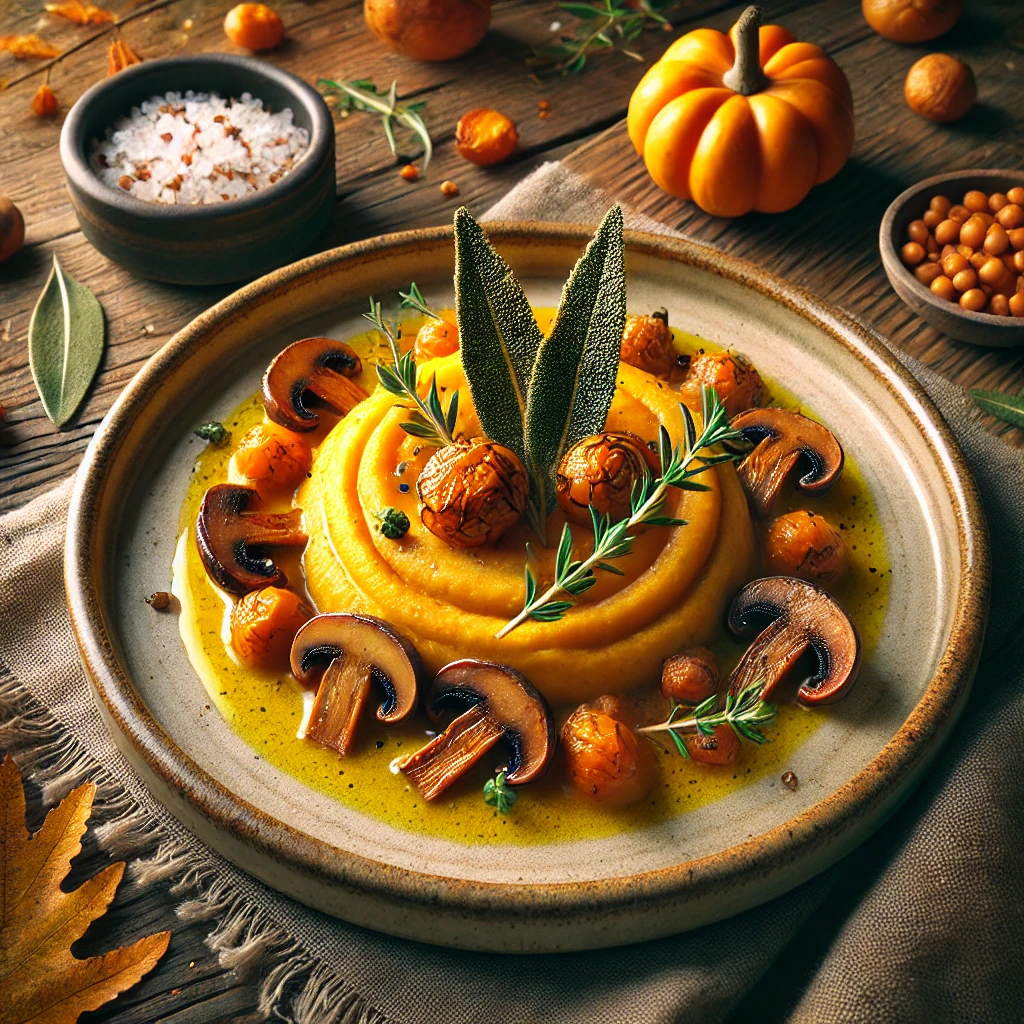
Pumpkin is an iconic symbol of autumn, celebrated for its naturally sweet flavor, vibrant orange color, and remarkable versatility. Naturally rich in dietary fiber and a source of vitamins and minerals, including vitamin A (from beta-carotene) and vitamin C, pumpkin is a nourishing addition to a balanced diet. Its smooth texture and subtle sweetness make it ideal for soups, baked goods, casseroles, side dishes, smoothies, and seasonal desserts.
Fall Tip: Roast fresh pumpkin until tender for a naturally caramelized side dish, blend it into creamy soups, stir pumpkin purée into oatmeal or smoothies, or incorporate it into muffins, pancakes, and breads for a comforting taste of fall.
Chaga Mushrooms
Chaga mushrooms have been traditionally enjoyed for centuries, particularly in northern climates where they are most commonly prepared as a rich, earthy herbal beverage. Valued for their naturally occurring polysaccharides, including beta-glucans, and a variety of antioxidant compounds, chaga has become a popular ingredient in teas, broths, and wellness-inspired beverages. Its smooth, woodsy flavor makes it a comforting choice during the cooler months of the year.
Fall Tip: Simmer dried chaga to create a warm, earthy tea, or blend brewed chaga with milk or a dairy-free alternative, cinnamon, and vanilla for a cozy autumn beverage. As with any botanical ingredient, consult your healthcare provider before use if you are pregnant, nursing, taking medications, or have a medical condition.
Sage
Sage is an aromatic culinary herb celebrated for its earthy, savory flavor and rich culinary tradition. A staple in autumn and holiday cooking, sage complements roasted vegetables, poultry, soups, sauces, stuffing, and hearty grain dishes. In addition to its distinctive flavor, sage naturally contains a variety of plant compounds that contribute to its characteristic aroma, making it one of the most treasured herbs of the season.
Fall Tip: Add fresh or dried sage to roasted squash, Brussels sprouts, mushrooms, potatoes, or browned butter for a warm, comforting flavor. Crispy fried sage leaves also make an elegant garnish for soups, pasta, and seasonal entrées.
Chaga mushrooms grow wild on birch trees in the world’s coldest forests—from Siberia to Canada and Alaska. Unlike typical mushrooms, chaga forms a dense, charcoal-black exterior with a rich amber-gold interior, admired for its naturally high content of antioxidants and its long history in traditional herbal practices. For centuries, chaga has been brewed as a dark, earthy tea and valued in northern cultures for its association with vitality, endurance, and balance during harsh winters. Interestingly, chaga isn’t a true mushroom fruiting body, but a sterile conk—a hardened mass of fungal tissue that forms in response to the tree’s environment. This rare partnership between fungus and birch embodies resilience, transformation, and nature’s quiet intelligence.

For Crisp Autumn Days

Feeling a little sluggish as the seasons shift? Replenish your energy naturally with grounding root vegetables and nutrient-rich roasted nuts and seeds. These warming, seasonal foods provide steady, sustaining fuel—no spikes, no crashes—just clean, comforting energy to keep you centered, nourished, and radiant through crisp autumn days.
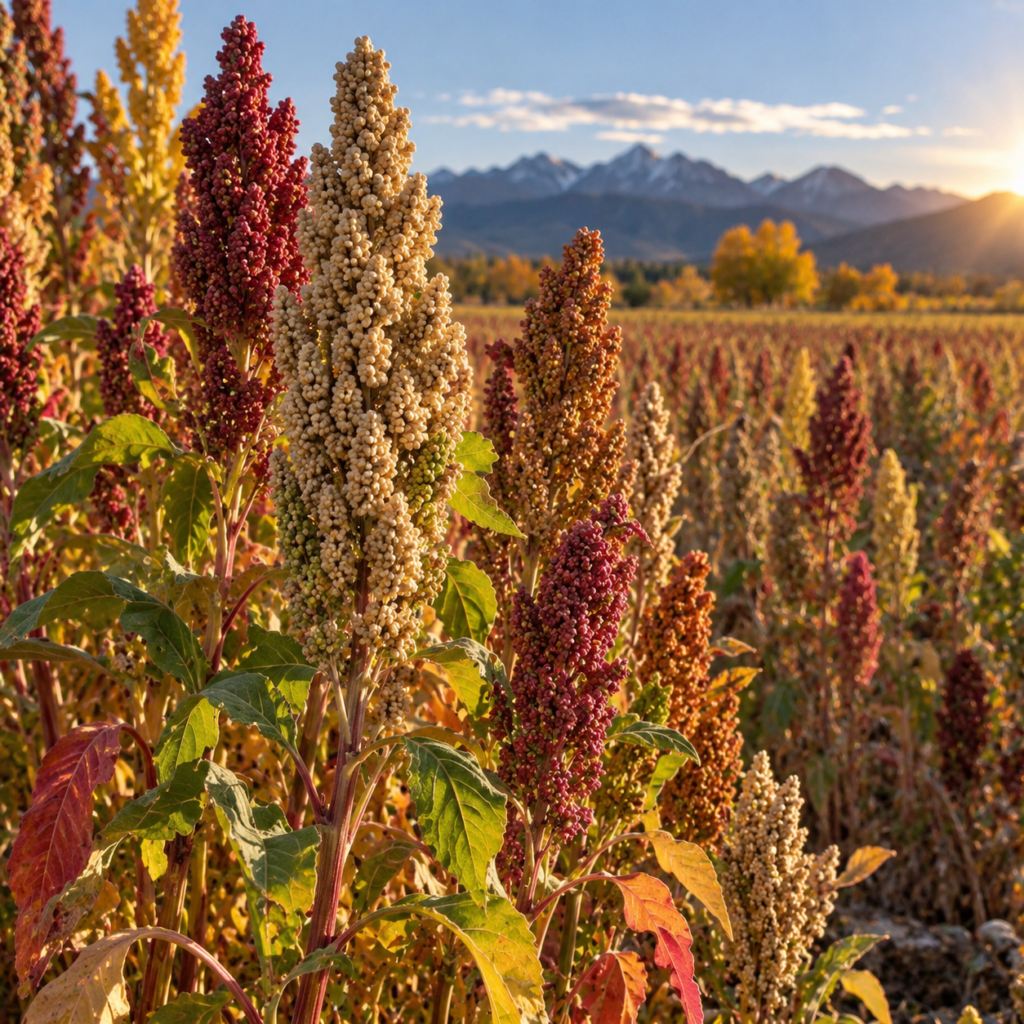
Quinoa (Chenopodium quinoa) is an ancient grain-like seed native to the Andes, where it has been cultivated for more than 5,000 years. Known as the “gold of the Incas,” quinoa was revered for its remarkable ability to thrive in high-altitude regions with rugged terrain and shifting climates. Before harvest, its fields glow with vibrant hues of red, purple, and gold—colors that mirror its naturally rich nutritional profile. Though technically a pseudocereal rather than a true grain, quinoa cooks and tastes much like one, offering a versatile base for both savory and sweet dishes. Packed with plant-based protein, fiber, and essential amino acids, quinoa continues to be celebrated as a symbol of resilience, nourishment, and cultural heritage in modern cuisine.
Quinoa
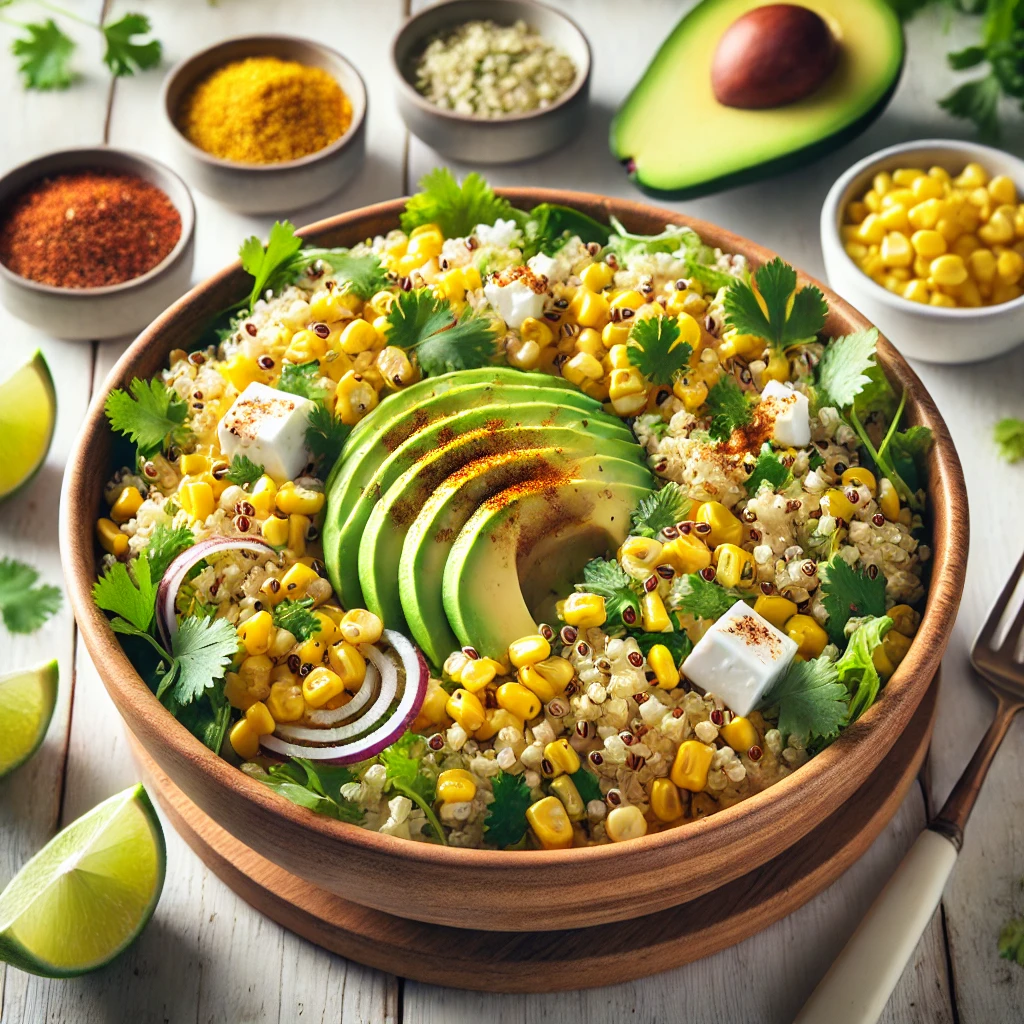
Quinoa is a versatile ancient grain celebrated for its light, fluffy texture and mild, nutty flavor. Naturally providing complex carbohydrates, plant-based protein, dietary fiber, and essential minerals such as magnesium, iron, and manganese, quinoa is a nourishing addition to a balanced diet. Its versatility makes it equally at home in hearty autumn grain bowls, soups, salads, casseroles, and warm breakfast porridges.
Fall Tip: Serve warm quinoa with roasted seasonal vegetables, fresh herbs, toasted nuts, or dried cranberries for a colorful autumn side dish, or use it as a wholesome base for grain bowls featuring roasted squash, mushrooms, and grilled chicken.
Sweet Potatoes
Naturally rich in vitamin B6, complex carbohydrates, and fiber, sweet potatoes support the body’s natural serotonin pathways, helping maintain balanced energy and a calm, steady mood.
Their gentle sweetness and warming nature make them ideal for emotional grounding and digestive comfort during the fall transition.
Fall Tip:
Roast with cinnamon and a drizzle of olive oil for a cozy, mood-nourishing side dish.
Skullcap
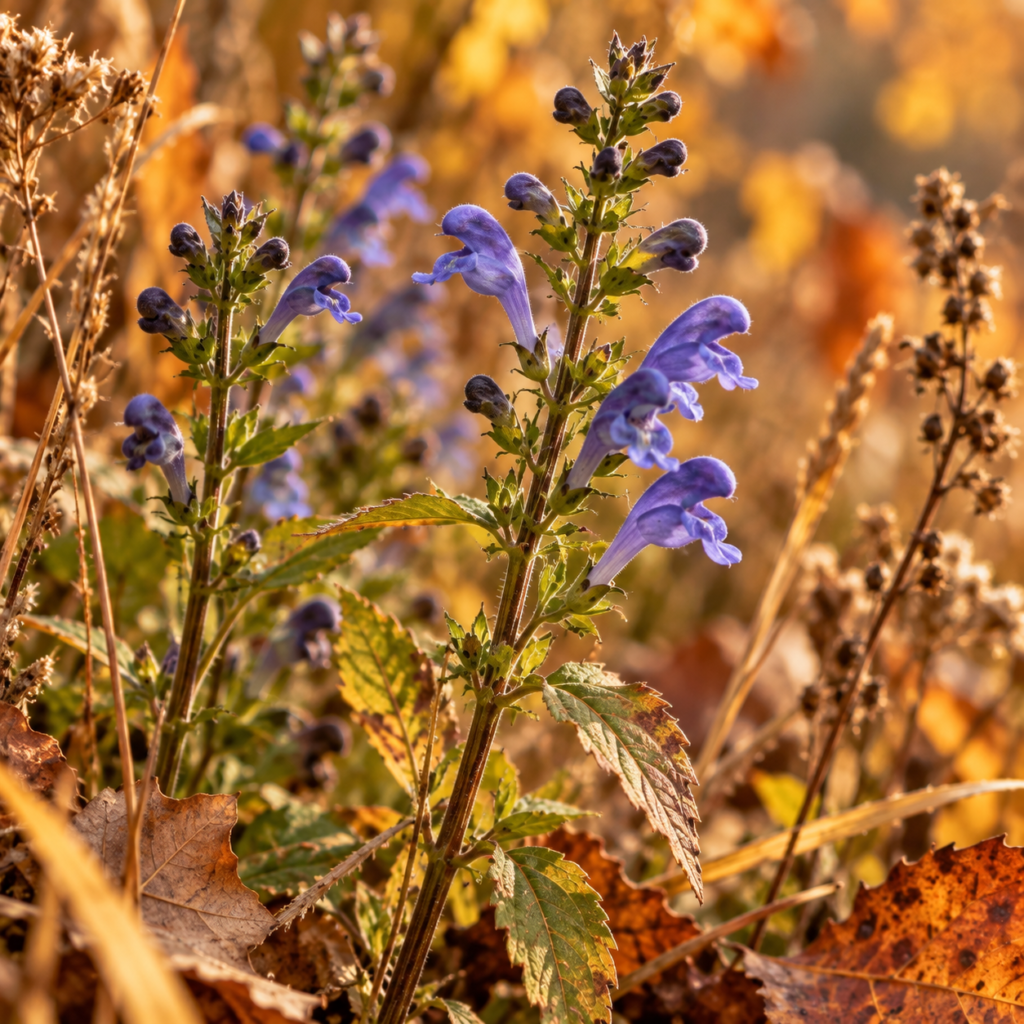
Skullcap is a traditional botanical herb that has been enjoyed for generations as a soothing herbal tea, particularly during times of seasonal transition. Valued for its mild, earthy flavor, skullcap is commonly incorporated into evening tea blends and wellness rituals that encourage moments of rest and reflection. Whether served on its own or blended with complementary herbs, it offers a warm and comforting way to slow down and savor the changing seasons.
Fall Tip: Brew dried skullcap as a warm herbal tea on crisp autumn evenings, or blend it with herbs such as chamomile, lemon balm, or cinnamon for a comforting seasonal beverage. As with any botanical herb, enjoy in moderation and consult your healthcare provider if you are pregnant, nursing, taking medications, or have a medical condition.
Chia Seeds
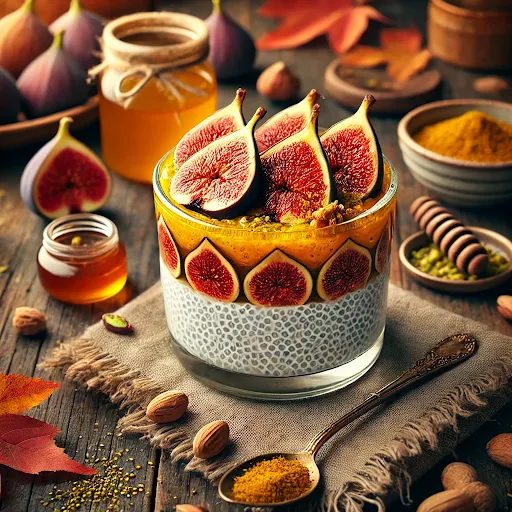
Tiny but remarkably versatile, chia seeds are a wholesome addition to a balanced diet. Naturally providing dietary fiber, plant-based protein, omega-3 fatty acids, and essential minerals such as calcium and magnesium, they are prized for both their nutritional value and unique ability to absorb liquid and create a smooth, pudding-like texture. Chia seeds blend effortlessly into smoothies, yogurt, oatmeal, baked goods, and homemade jams, making them a convenient pantry staple throughout the fall season.
Fall Tip: Stir chia seeds into warm oatmeal, blend them into smoothies, or prepare a simple chia pudding with milk and your favorite autumn spices. Sprinkle them over yogurt, salads, or roasted squash dishes for added texture and a wholesome nutritional boost.
Skullcap (Scutellaria lateriflora) is a captivating North American herb, known for both its graceful beauty and its deep roots in traditional herbalism and folklore. Its delicate blue-violet blossoms, shaped like tiny helmets, inspired its name — a nod to the “skull caps” once worn in medieval times. For centuries, skullcap has been cherished in traditional wellness practices as an herb associated with balance, restfulness, and composure. Often featured in calming teas and seasonal tonics, it’s admired for the sense of ease and centered energy it symbolizes. With its gentle presence and enduring history, skullcap remains a reminder of nature’s quiet strength and restorative harmony.

Radiate the Golden Glow of Fall

As cooler air and drier winds arrive with fall, your skin naturally craves deeper nourishment, protective antioxidants, and collagen-supporting nutrients to stay soft, resilient, and radiant. Seasonal transitions invite moisture-rich foods and warming ingredients that help maintain hydration, elasticity, and inner vitality—supporting your skin’s natural glow from within.
Butternut squash is not only a delicious fall favorite — it’s a nutrient-rich vegetable brimming with natural color, warmth, and vitality. Its vibrant orange hue comes from beta-carotene, a plant compound that supports overall wellness and contributes to the body’s natural glow. Rich in vitamin A and vitamin C, butternut squash provides essential nutrients that help the body maintain healthy function and resilience throughout the season. Its gentle sweetness and smooth texture make it a versatile addition to both savory and sweet dishes, while its natural fiber content supports balance and nourishment from within. This autumn treasure beautifully embodies the season’s spirit — comforting, restorative, and naturally golden.
Bone Broth
Rich in collagen, gelatin, and amino acids, bone broth is one of the most nourishing ways to support your skin’s natural resilience from within.
Collagen helps maintain elasticity and hydration, keeping skin supple during the seasonal transition.
The glycosaminoglycans in bone broth also support joint comfort and gut integrity—both key to overall vitality and radiance.
Fall Tip:
Sip a warm cup of homemade bone broth, or use it as a base for soups and stews to deeply replenish your body and skin from within.

Butternut Squash
A true autumn classic, butternut squash is brimming with vitamin A, vitamin C, and antioxidants that support collagen formation and defend against oxidative stress.
Its natural beta-carotene helps nurture and renew skin for a healthy, luminous glow, while vitamin C supports the body’s own collagen synthesis and protects against environmental stressors.
Fall Tip:
Roast butternut squash with a drizzle of olive oil and a hint of cinnamon for a rich, skin-nourishing side dish that feels as comforting as it is rejuvenating.
Sea Buckthorn
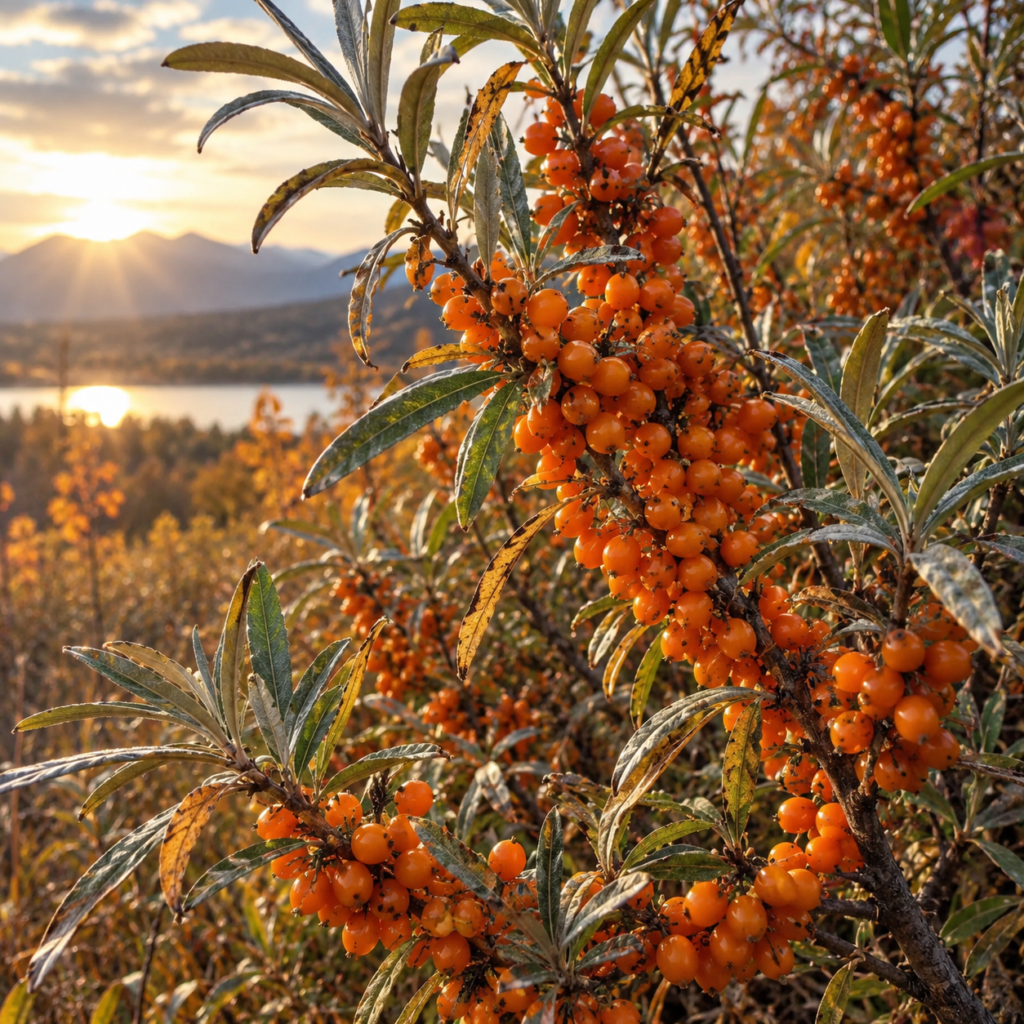
Sea buckthorn is a vibrant orange berry recognized for its bold color and naturally tart, citrus-like flavor. Traditionally used in parts of Europe and Asia, it grows in rugged coastal and mountainous regions and is valued for its resilience and adaptability. The berries naturally contain vitamin C, vitamin E, and plant-based fatty acids, including omega-7, contributing to their distinctive nutritional profile.
Its bright acidity makes sea buckthorn a dynamic ingredient in juices, syrups, sauces, vinaigrettes, and specialty beverages, where it adds both color and contrast.
Fall Tip:
Blend sea buckthorn purée into smoothies, whisk it into salad dressings, or swirl it into yogurt or sauces for a vibrant, tangy seasonal accent.
Brussels Sprouts
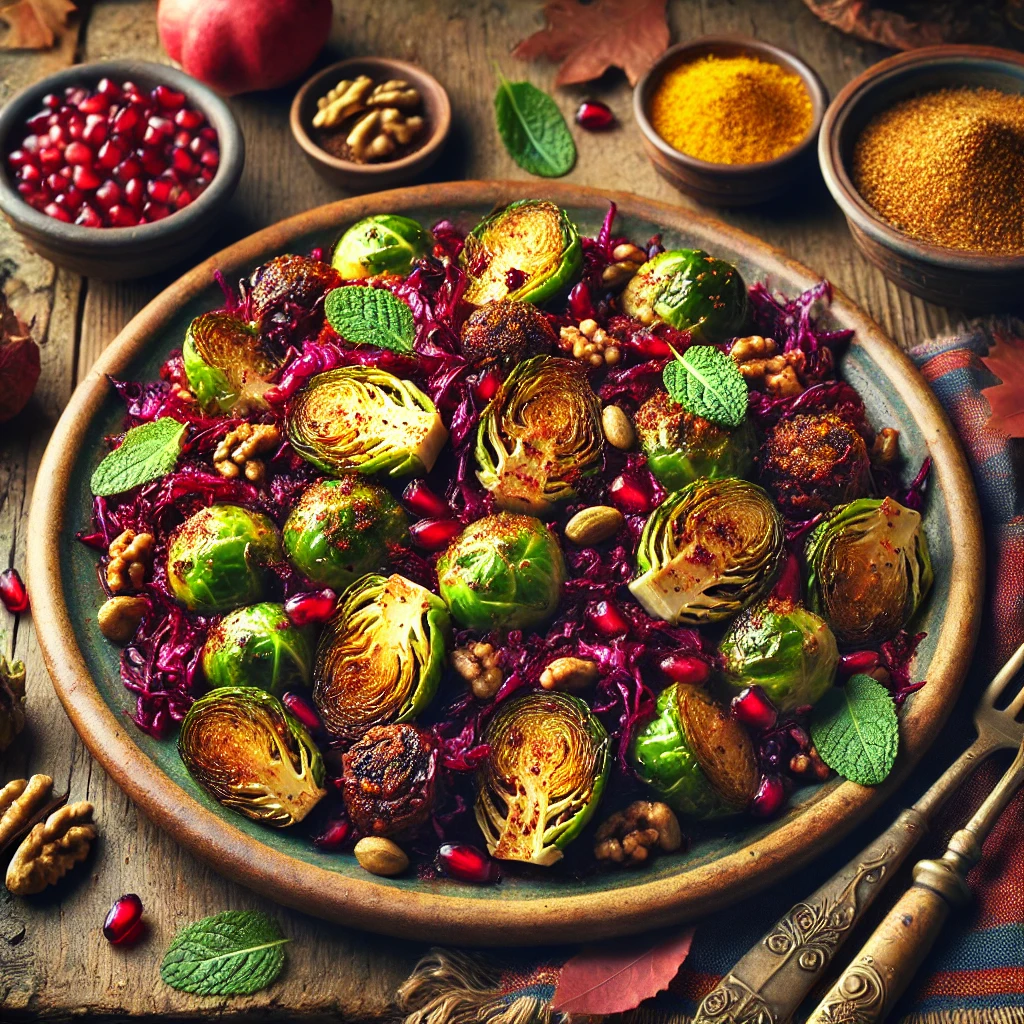
Brussels sprouts are a cool-weather favorite, celebrated for their hearty texture, subtly sweet flavor, and remarkable versatility. As members of the cruciferous vegetable family, they naturally provide dietary fiber, vitamin C, vitamin K, folate, and a variety of naturally occurring plant compounds that make them a flavorful addition to a balanced diet. Whether roasted until caramelized, sautéed, shredded into fresh salads, or added to seasonal side dishes, Brussels sprouts bring warmth and vibrant character to autumn meals.
Fall Tip: Toss Brussels sprouts with extra virgin olive oil, sea salt, cracked black pepper, and a touch of garlic before roasting until deeply caramelized. Finish with freshly grated Parmesan, toasted walnuts, or a drizzle of balsamic glaze for an elegant seasonal side that pairs beautifully with roasted meats, poultry, or hearty grain dishes.
Sea buckthorn is a vibrant orange berry known for its striking color and ability to grow in rugged environments—along coastal regions, at high altitudes, and in sandy soils. Traditionally used in parts of Europe and Asia, sea buckthorn is notable for its naturally occurring vitamin C, vitamin E, and plant-based fatty acids, including omega-7. Its bold, tart flavor makes it a distinctive ingredient in juices, syrups, sauces, and specialty products. From traditional preparations to modern culinary inspiration, this luminous berry is often associated with resilience and seasonal brightness.

The Season to Gather Strength

Fall is the season to gather strength—grounding your energy, steadying your mood, and nourishing your inner resilience. These warming, nutrient-rich foods support the body’s natural production of serotonin and dopamine, fostering emotional balance while gently fueling metabolism and sustaining focus as the days grow shorter.
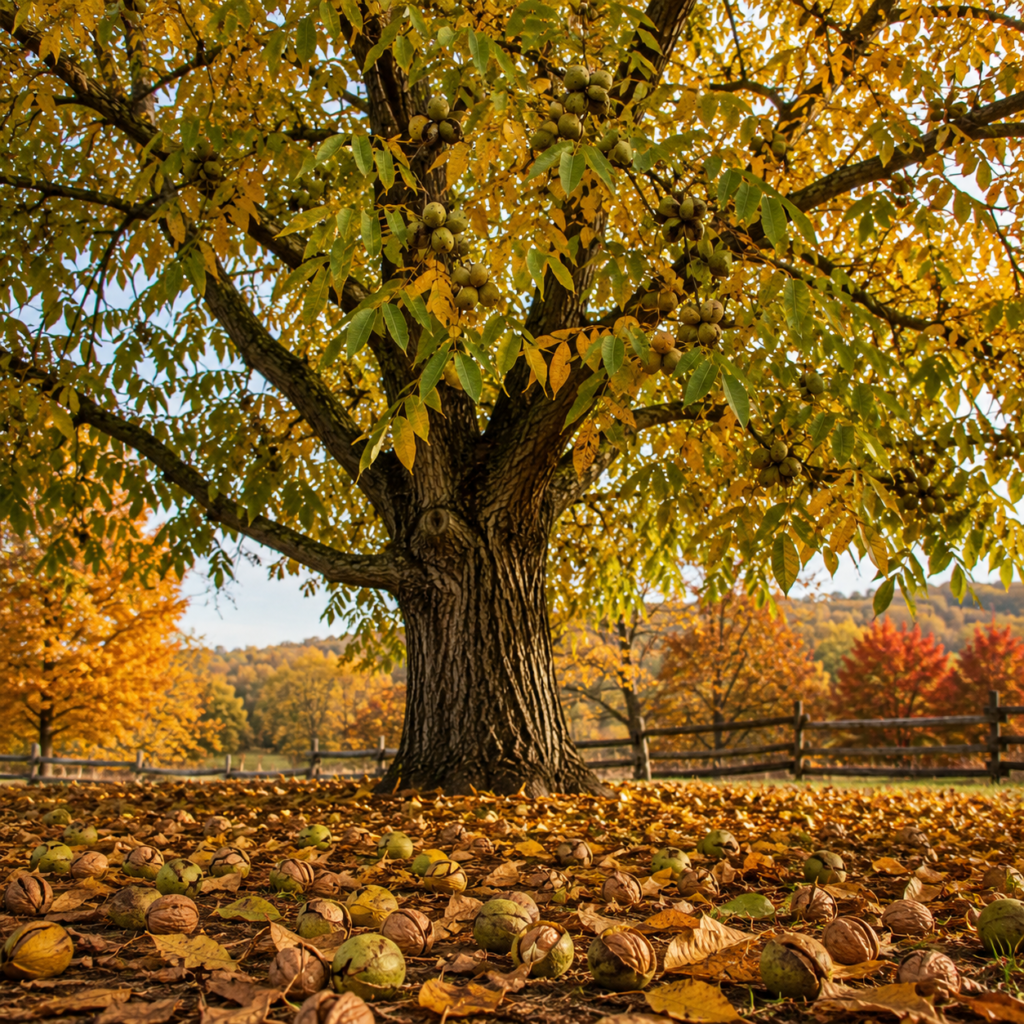
Walnuts are not only a delicious snack but also a remarkable source of nourishment, celebrated for their naturally rich content of plant-based omega-3 fatty acids. Long appreciated in culinary and wellness traditions alike, walnuts are associated with supporting clarity, balance, and sustained energy through their unique combination of healthy fats, antioxidants, and minerals. Their distinctive, brain-like shape has often been seen as a symbol of wisdom and insight—a poetic reflection of the focus and vitality they inspire. With their satisfying texture and depth of flavor, walnuts are a Golden Standard™ choice for mindful, nourishing living.
Walnuts
Walnuts are prized for their rich, buttery flavor and satisfying crunch, making them one of nature’s most versatile tree nuts. Naturally providing plant-based omega-3 fatty acids, protein, fiber, and essential minerals such as copper and manganese, walnuts are a delicious addition to a balanced diet. Their earthy flavor pairs beautifully with autumn fruits, leafy greens, cheeses, oatmeal, baked goods, and roasted vegetables.
Golden Tip: Enjoy a small handful of walnuts as a wholesome snack, sprinkle them over salads or yogurt for added texture, or lightly toast them to enhance their rich, nutty flavor before incorporating them into your favorite recipes.

Pumpkin Seeds
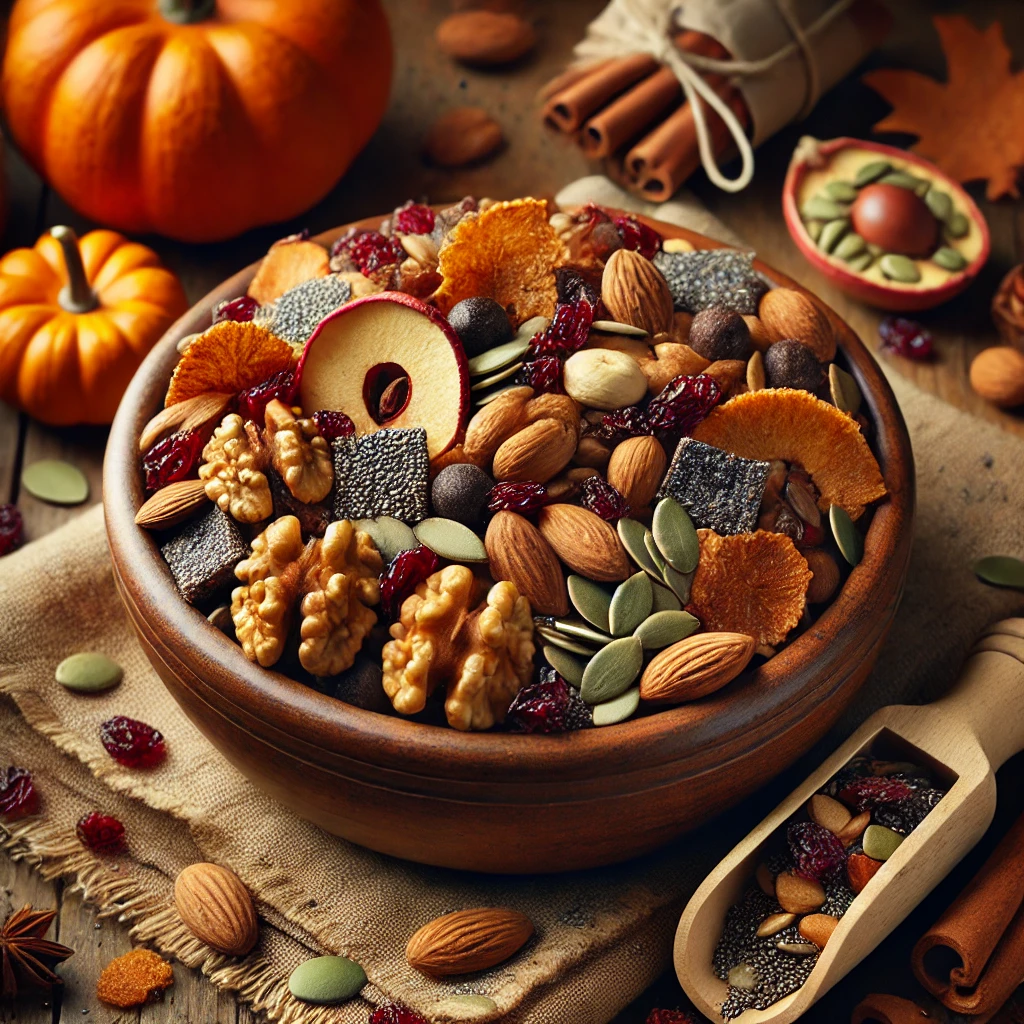
Pumpkin seeds are a delicious, nutrient-dense snack with a satisfying crunch and a rich, nutty flavor. Naturally providing healthy fats, plant-based protein, fiber, magnesium, zinc, iron, and other essential nutrients, they make a flavorful addition to a balanced diet. Their versatility makes them perfect for sprinkling over salads, stirring into yogurt, blending into homemade granola, or simply enjoying by the handful.
Golden Tip: Lightly toast pumpkin seeds with a pinch of sea salt and your favorite herbs or spices for a warm, savory snack, or sprinkle them over soups, roasted vegetables, and autumn salads to add texture, flavor, and a satisfying crunch.
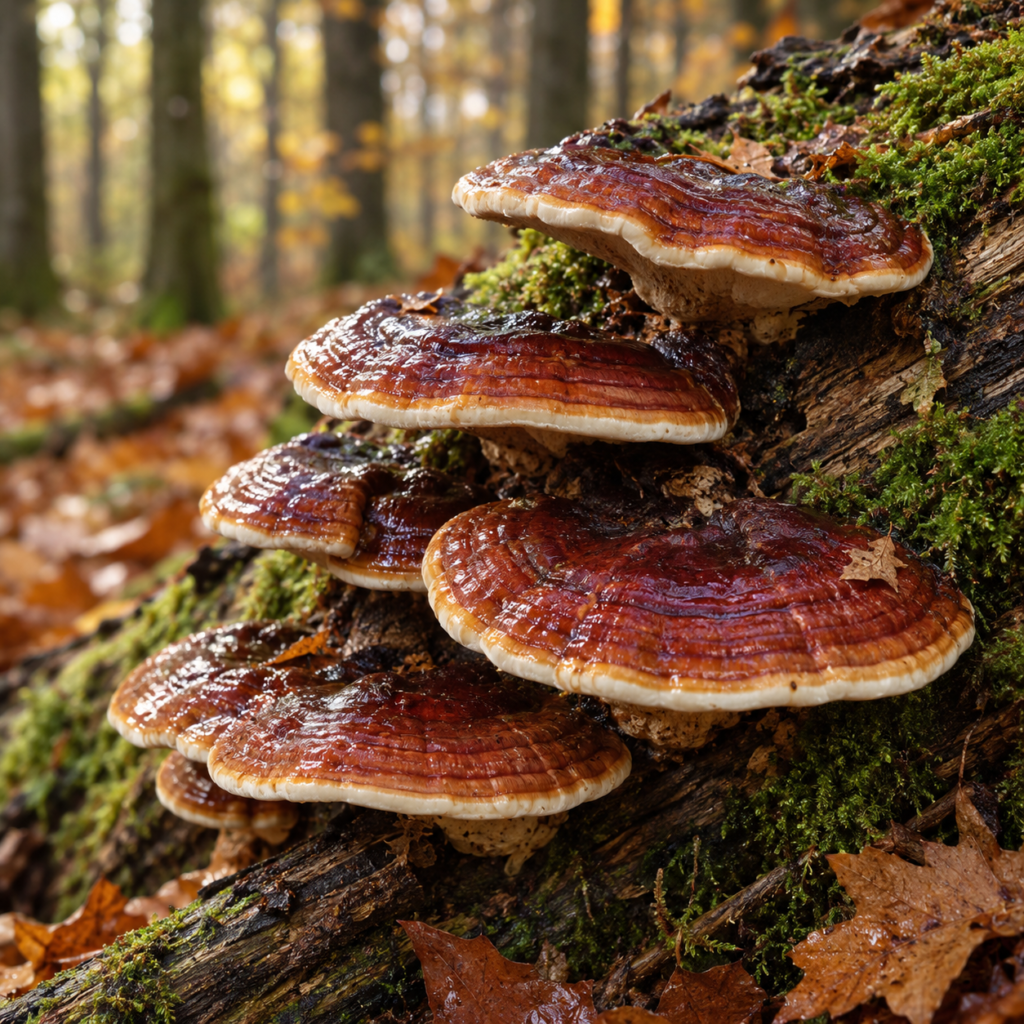
Reishi Mushrooms
Reishi is a woody mushroom traditionally used in teas, broths, and specialty food products. Known for its glossy, reddish-brown appearance, reishi has a naturally bitter, earthy flavor and is typically consumed as a decoction, powder, or extract rather than eaten fresh.
Reishi is commonly featured in herbal beverages and seasonal blends for its distinctive character and long history of traditional use. Because it is widely sold as a dietary supplement ingredient, individuals who are pregnant, nursing, taking medications, or managing a medical condition should consult a qualified healthcare professional before consuming reishi products.
Fall Tip:
Simmer sliced dried reishi in water for 20–30 minutes to create a deep, earthy infusion. Strain and enjoy warm on its own or blended into herbal tea. Use only culinary-grade products and follow manufacturer guidance.

Pears
Pears naturally contain dietary fiber and vitamin C, along with plant compounds that contribute to their subtle sweetness and aroma. Their soft texture makes them especially well suited to gentle cooking methods during cooler months.
Warming spices such as cinnamon and nutmeg add fragrance and depth, complementing the pear’s delicate flavor without overpowering it.
Fall Tip:
Poach sliced pears with cinnamon sticks and a drizzle of honey for a cozy seasonal dessert. Serve warm on their own or alongside yogurt or whole grains for a comforting autumn dish.
Reishi mushrooms (Ganoderma lucidum) are woody, shelf-like fungi that grow primarily on hardwood trees in warm and temperate climates. Recognized for their glossy, reddish-brown surface and lacquered appearance, they have been used for centuries in traditional herbal preparations, particularly as decoctions and teas. Because of their firm texture and naturally bitter flavor, reishi mushrooms are typically dried and simmered rather than consumed fresh. They contain naturally occurring compounds such as triterpenes and polysaccharides, which contribute to their distinctive taste and composition. Today, reishi is commonly found in specialty teas, powders, extracts, and culinary blends, valued for its historical significance and unique earthy profile.
Lion’s Mane mushrooms have long been revered in culinary and herbal traditions for their association with mental clarity and mindful focus. Often described as nature’s brain-inspired mushroom, this extraordinary fungus is celebrated for the way it invites awareness, balance, and calm reflection. As its earthy essence becomes part of your daily rhythm, it can serve as a gentle reminder that true nourishment isn’t always physical—it can be the stillness of thought, the return of focus, or a quiet moment of presence in a busy world.
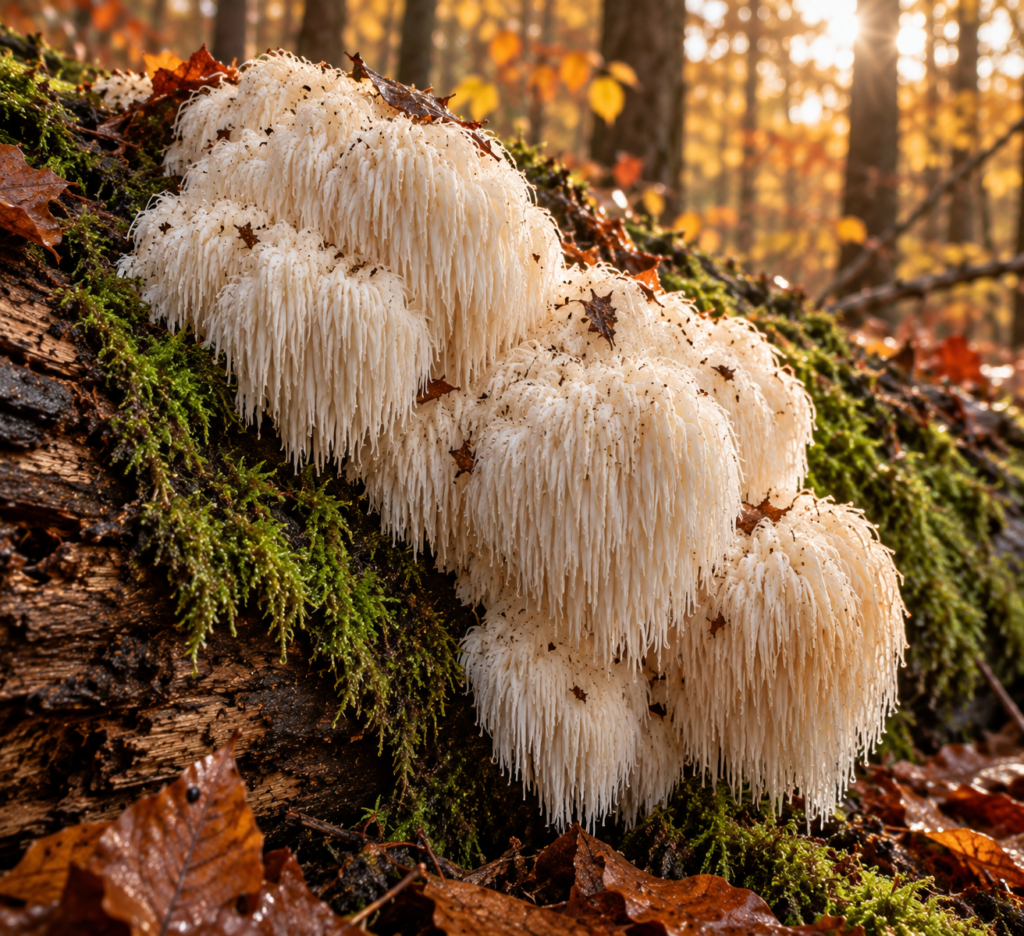
Lion’s Mane Mushroom
Celebrated in both traditional practices and contemporary nutrition, Lion’s Mane (Hericium erinaceus) is recognized for its distinctive cascading, white appearance and its growing popularity in functional food applications. This unique mushroom has been studied for its association with cognitive wellness and focus, and it is often featured in modern blends designed to support clarity and balanced daily performance.
Mild in flavor with a subtle seafood-like texture when fresh, Lion’s Mane is also valued as a culinary ingredient in savory dishes. In powdered or extract form, it is commonly incorporated into beverages and specialty foods for its earthy character and versatility.
Fall Tip: Stir Lion’s Mane extract into iced coffee, matcha, or smoothies for a subtle, earthy note that complements mindful routines and active days.

Tomatoes
Naturally rich in lycopene, a plant compound associated with skin radiance and resilience, tomatoes add color and nourishment to any summer meal.
They’re also a source of vitamin C, which contributes to overall skin vitality and a healthy glow.
Fall Tip: Enjoy fresh tomatoes with a drizzle of olive oil to complement their natural nutrients and enhance seasonal dishes.

Freaky Fall Special Feature

Cordyceps: The Creepy Adaptogen of Fall
As the days grow shorter and the shadows lengthen, meet Cordyceps—the fascinating fungi that thrives in the most unexpected places.
Known for its reputation as a stamina-supporting adaptogen, this mushroom offers natural vitality and focus as your body adjusts to the darker months ahead.
Its story is as eerie as it is extraordinary: Cordyceps grows on insects, transforming them from within—like something from a Halloween tale—before bursting forth with otherworldly energy. A reminder that power often emerges from the most mysterious places.
Cordyceps is celebrated for supporting endurance, oxygen efficiency, and overall vitality—making it a fitting fall companion for those seeking to stay steady, focused, and strong through seasonal transitions.
Fall Tip:
Stir Cordyceps powder into your morning brew or enjoy it in a warm adaptogenic latte to support focus and sustained energy.
Or, for a playful touch, feature Cordyceps in your fall entertaining to bring a little mystery and magic to the evening.
Cordyceps are among nature’s most fascinating fungi—revered as much for their extraordinary life cycle as for their long history of traditional use. In the wild, certain species grow symbiotically with insects, completing their life cycle in dramatic fashion—though cultivated forms like Cordyceps militaris are entirely vegan-friendly. For centuries, cordyceps have been valued in Tibetan and Chinese herbal traditions for promoting vitality and resilience. Modern enthusiasts admire them for their distinctive compounds, such as cordycepin, and for their role in supporting balance and well-being during times of physical demand. Their story continues to captivate herbalists, wellness practitioners, and those inspired by nature’s more mysterious creations.

Revitalizing Self-Care Rituals for Fall

Fall is the season to root down and replenish—from the inside out. As the days grow cooler and the light softens, it’s the perfect time to reflect, reset your rhythms, and nourish your body with grounding, seasonal foods. Embracing warmth, intention, and steady movement supports deep energy and emotional balance through the changing season. Prioritizing rest and self-care during autumn helps you feel centered, resilient, and connected—not just in body, but in spirit. Fall isn’t just about slowing down—it’s about doing so with purpose and vitality.
Pairing these autumn-aligned habits with grounding, nutrient-rich foods helps you feel centered, nourished, and vibrant all season long:
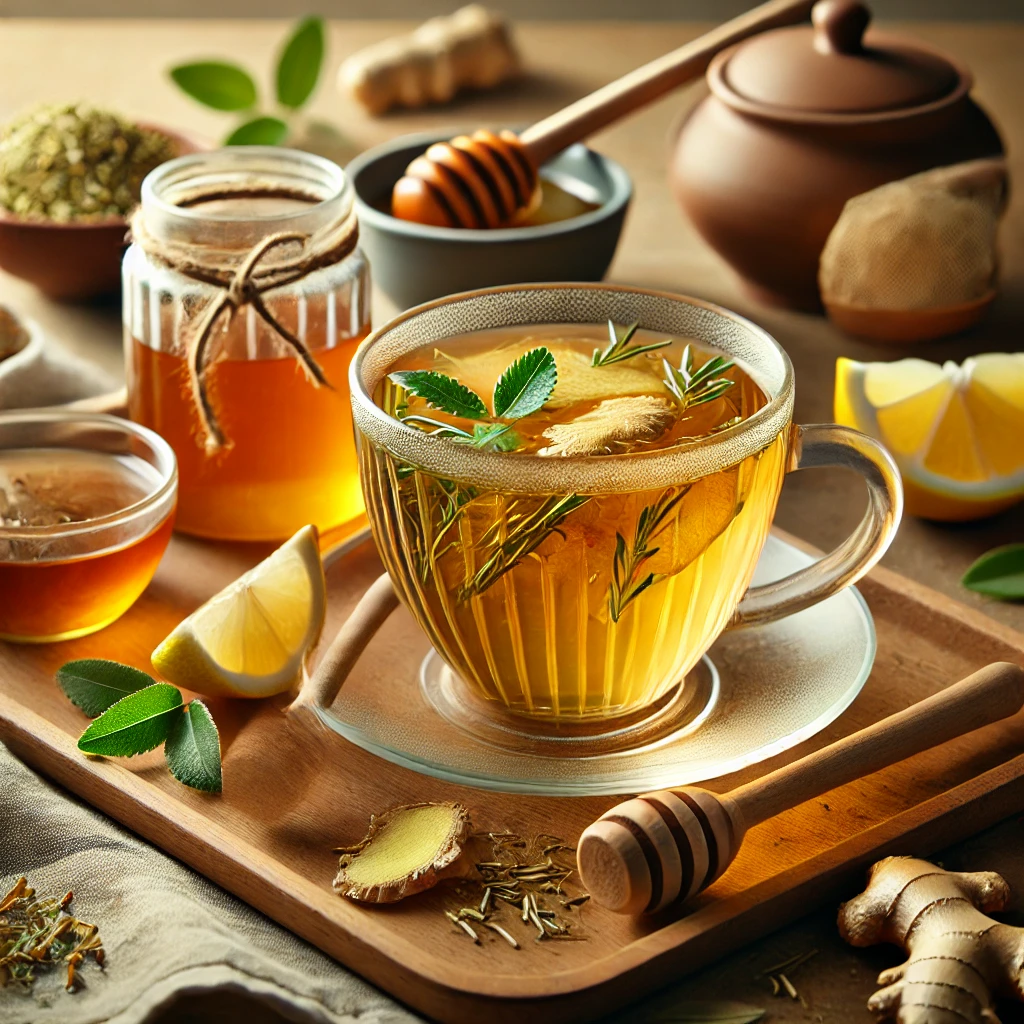
Sip Warming Herbal Brews – Enjoy teas infused with chai spices, ginger, or chaga for cozy comfort and digestive harmony.
Soak Up Golden Hour Light – Take in the gentle glow of morning or late-afternoon sun to nurture your natural rhythm, uplift mood, and encourage balance as days grow shorter.
Move with the Rhythm of Fall – Try brisk walks among changing leaves, gentle hikes, or restorative yoga to keep your body active and your mind refreshed.
Exfoliate with a Spiced Oat Scrub – Blend oats, honey, and cinnamon for a soothing exfoliant that renews your skin and comforts the senses.
Unwind with a Warm Herbal Foot Bath – Combine rosemary, thyme, and Epsom salt for a grounding ritual that relaxes the body and eases tension.
Dry Brushing + Warm Showers – Stimulate and revitalize your skin, then follow with a cozy shower to invite warmth and calm.
Nourish with Adaptogens – Explore herbs like cordyceps, reishi, or holy basil, traditionally valued for promoting balance, vitality, and seasonal resilience.
Honor Seasonal Sleep Cycles – Let the fading light guide you to unwind earlier, and enjoy soothing herbal teas such as lemon balm or skullcap to encourage restful evenings.
Forest Bathing or Garden Nesting – Spend time among trees or autumn foliage, breathing deeply and reconnecting with nature to restore clarity and calm.

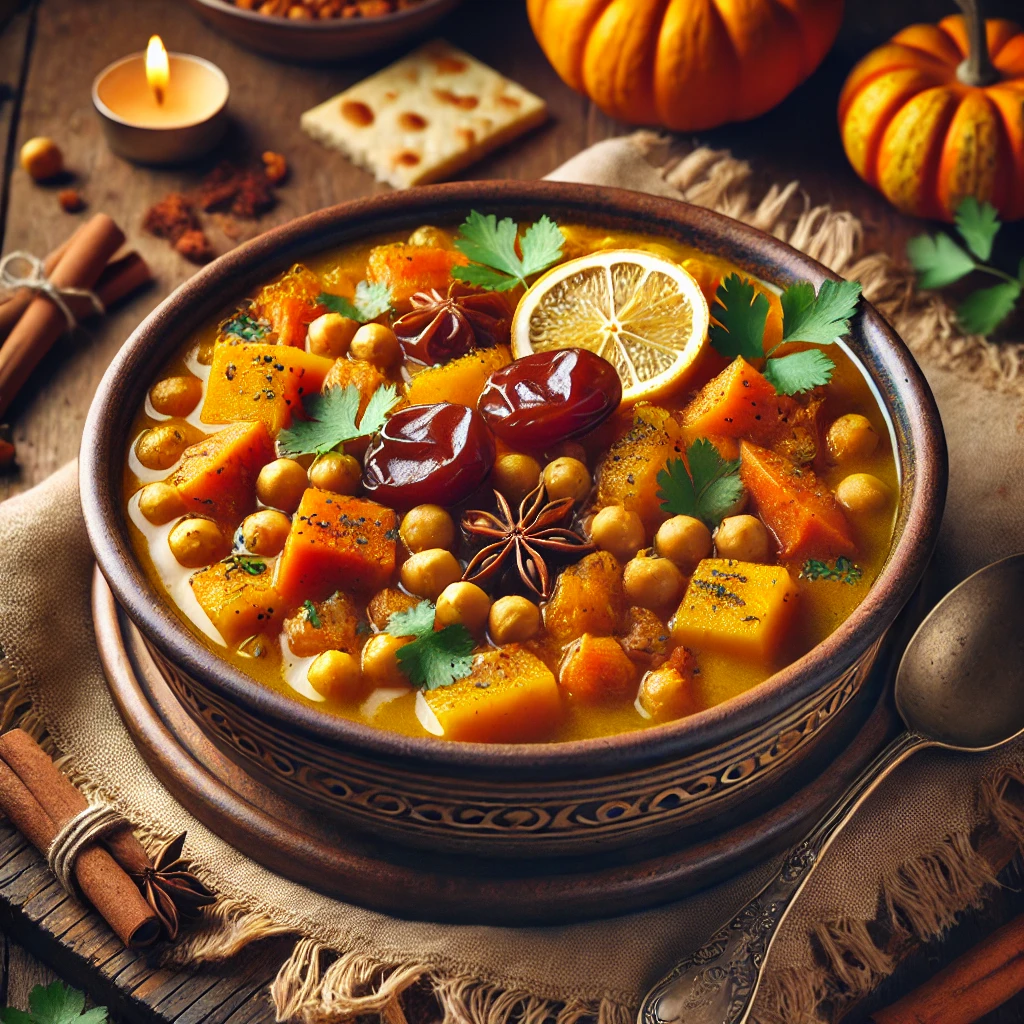
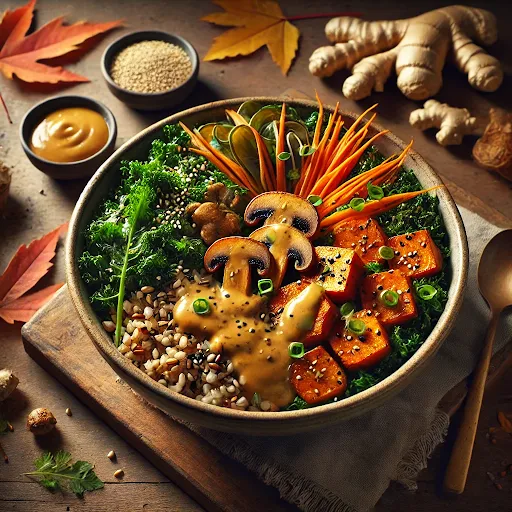
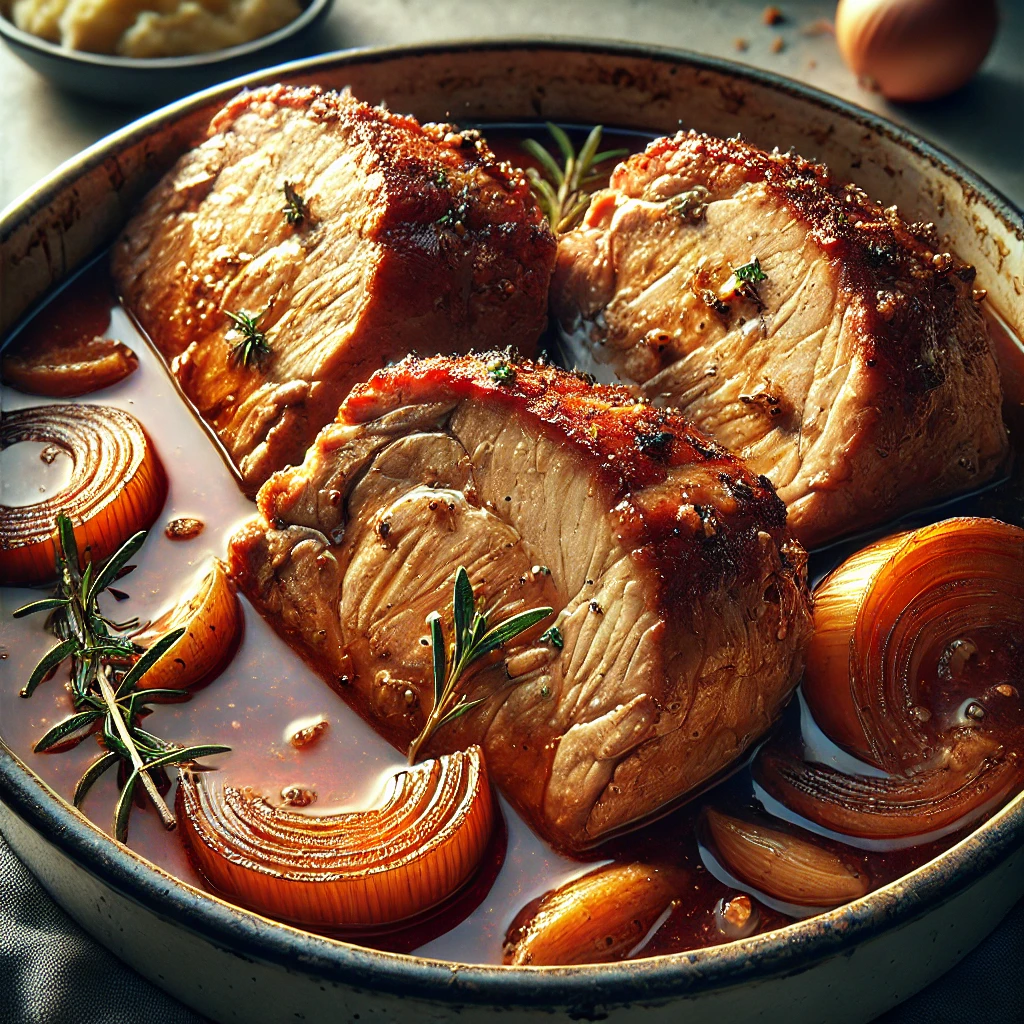
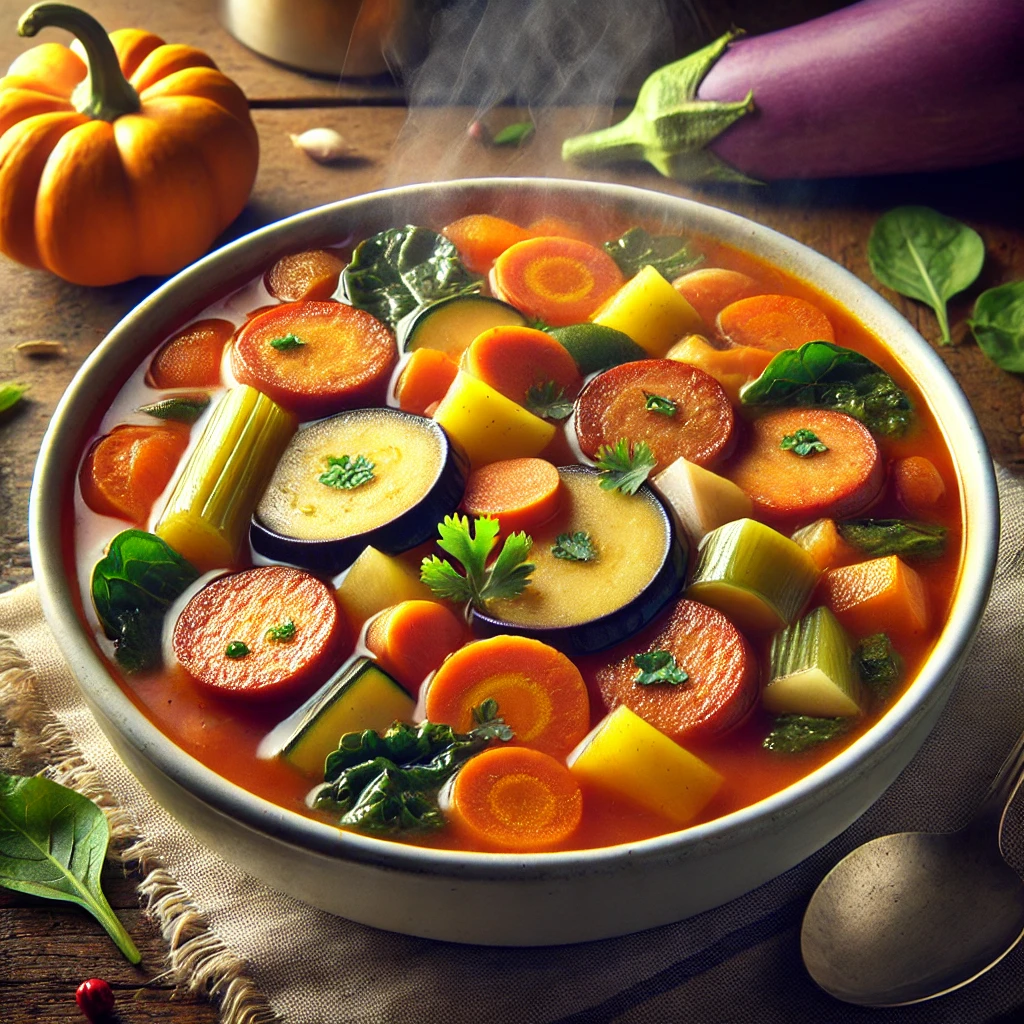
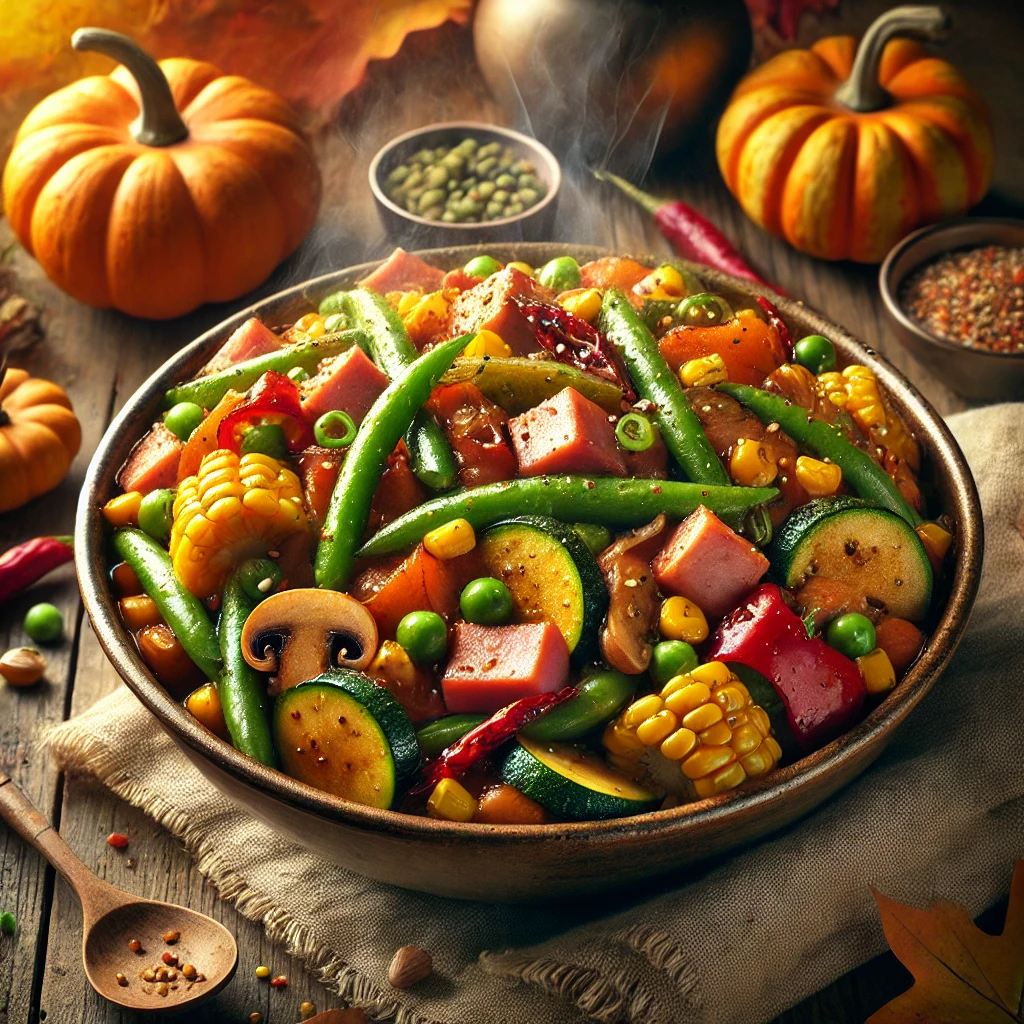
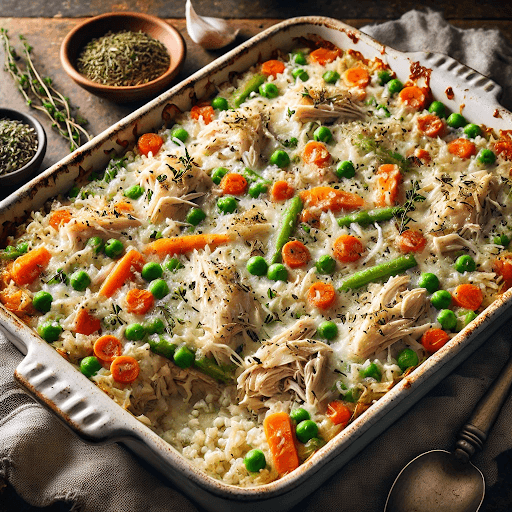
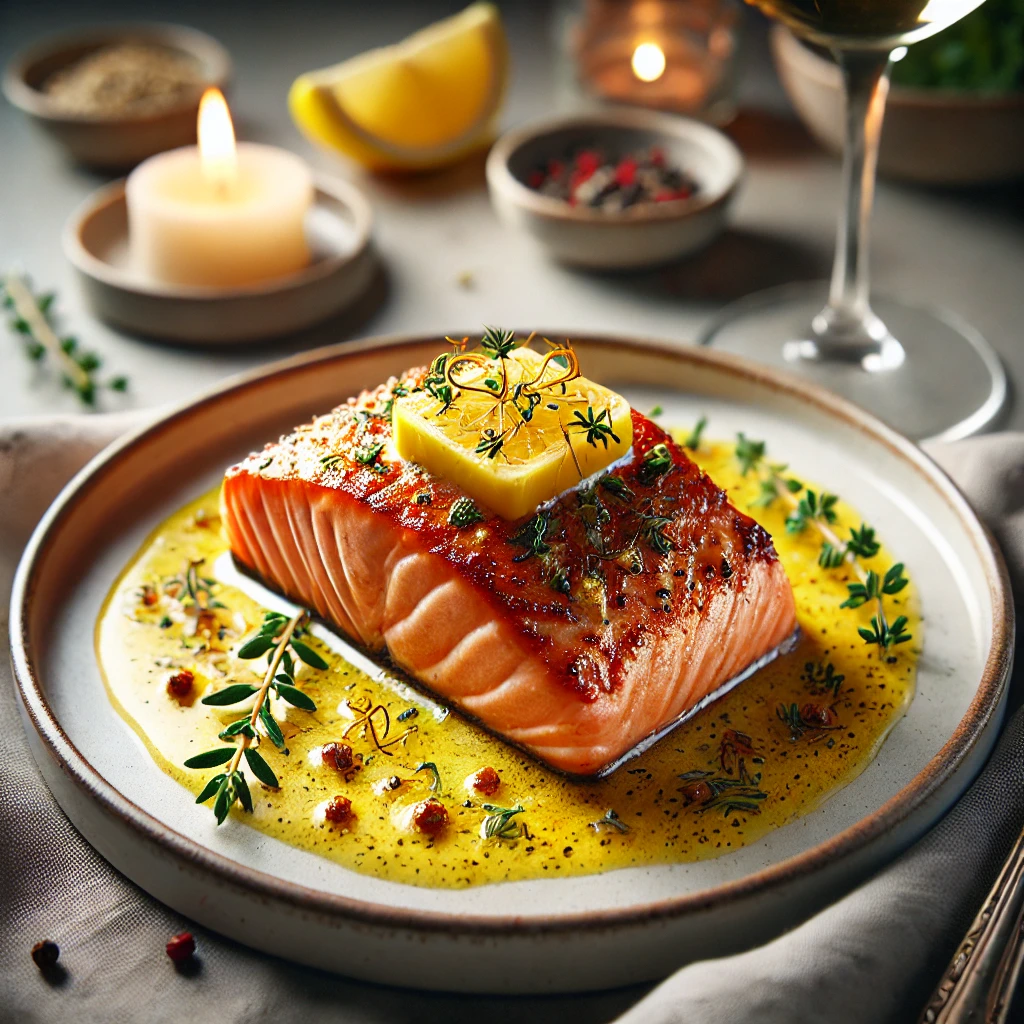
Recipes Engineered for Autumn Glory