










All Souls' Day

with ORO VALENTIO

November 2nd

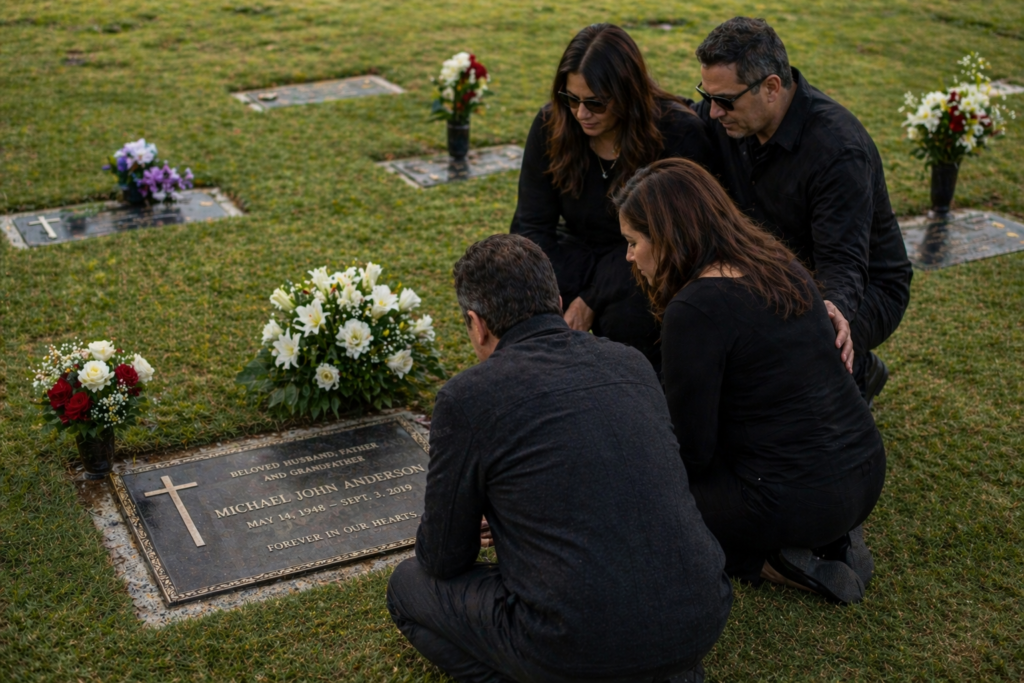
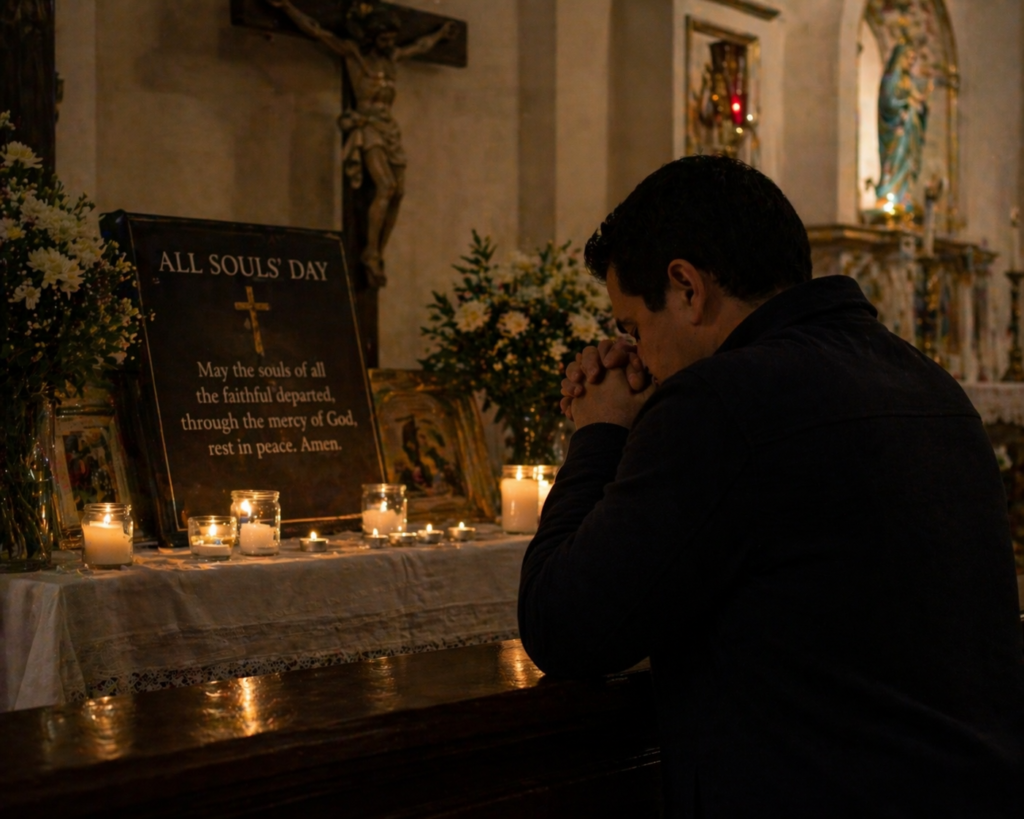
Some people visit the graves of their loved ones on All Souls’ Day because remembrance is meant to be lived, not just felt. It is one thing to think of those who have passed, but another to go in person—to stand in stillness, to kneel, to deliberately enter the place where their bodies rest. The act itself becomes a kind of presence, bridging what is visible and what is not, turning memory into something tangible and intentional. For many, this is an expression of love that continues beyond separation. Visiting a grave becomes a quiet way of saying, “You are not forgotten.” It affirms that relationships are not erased by death, but changed in form. The care shown—placing flowers, lighting candles, tending the site—reflects a recognition of the enduring dignity of the person who once lived, loved, and left a lasting imprint on others. There is also a deeper purpose within the act. These visits are often accompanied by prayer, directed toward the good of the one who has died. In this way, the physical act of going to the grave is joined to something spiritual and active. It is not only remembrance, but participation—an expression of the belief that love, when acted upon, still carries meaning and can still be given. At the same time, such moments shape the one who comes. Standing at a grave has a way of clarifying what is easily ignored. It quiets distraction and places life into proper perspective, drawing attention to what truly endures—how one lives, how one loves, and what one leaves behind. Reflection in that setting tends to be honest and unguarded, often leading to a renewed seriousness about one’s own path.
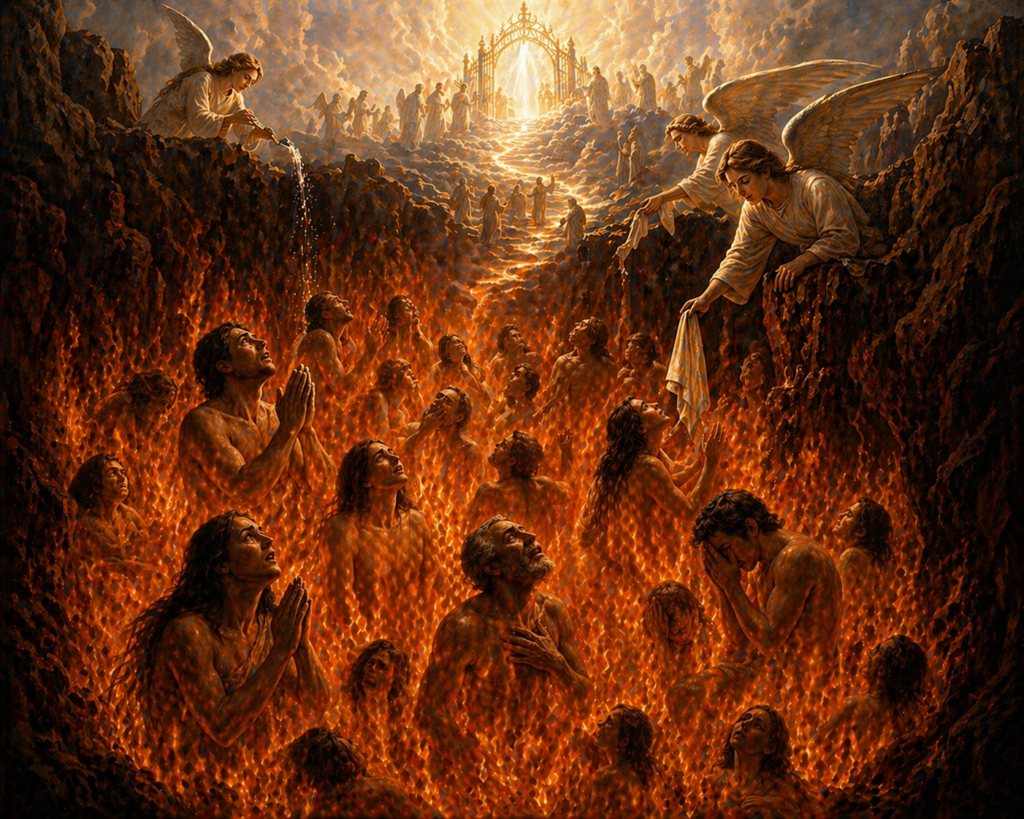
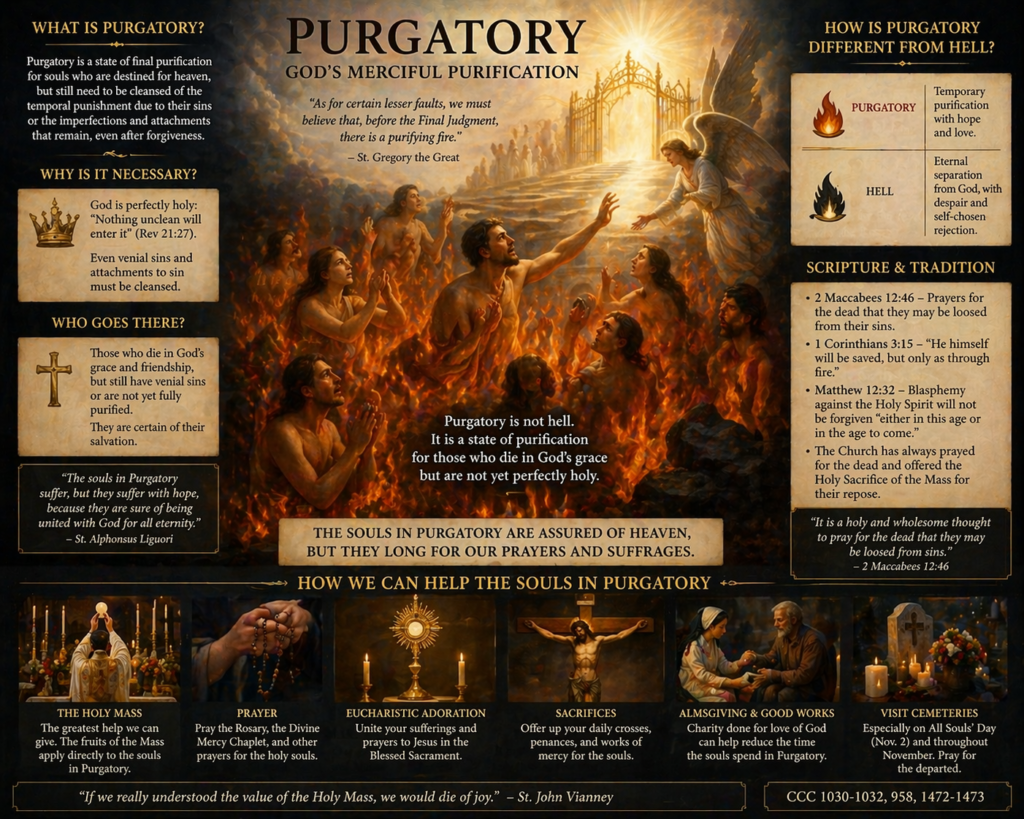
Purgatory is at the very heart of All Souls' Day, because it expresses a profound truth about both God’s justice and His mercy: that many souls who die in God’s grace are not yet perfectly purified, and so undergo a final cleansing before entering the fullness of heaven. This purification is not a second chance or a place of despair, but a state of hope—where the soul is assured of salvation, yet is being refined of all attachment to sin so as to stand fully in the presence of God, who is perfect holiness itself. The Church teaches, drawing even from Scripture such as 2 Maccabees 12:46, that it is “a holy and wholesome thought to pray for the dead,” because our prayers, sacrifices, and especially the offering of the Mass can assist these souls in their purification. Saints and spiritual writers have consistently emphasized this bond between the living and the dead; as taught in the Catechism, the faithful on earth can help those in Purgatory through acts of love, forming a real communion that transcends death. This is why All Souls’ Day carries such weight: it is not merely remembrance, but participation—an active expression of charity toward those who can no longer help themselves, reminding us that love does not end at death, and that what we do in this life has lasting consequences not only for ourselves, but for others even beyond the grave.
All Souls’ Day stands as a quiet yet profound moment in the rhythm of the year—a day set apart not for outward celebration, but for intentional remembrance marked by both weight and hope. It is a time when the living turn their hearts toward those who have gone before them, recognizing that the bonds of love are not ended by death, but transformed. In this sacred pause, prayer becomes more than memory—it becomes an act of real charity, a way of accompanying the departed as they are brought toward fullness, purification, and light.
There is a deep dignity in the stillness of this day. It invites reflection on the truth that life is not measured only by what is seen, but by what endures—virtue, sacrifice, faith, and love. The soul’s journey does not end at death but continues toward its final perfection, and in that journey, it can be aided by the prayers and offerings of others. In remembering the departed, we take part in something greater than ourselves: a communion that transcends time, where love remains active and responsibility does not cease at the grave.
This is not a day of despair, but of sober clarity and grounded hope. It acknowledges the reality that growth and purification are often necessary before fullness is attained, and that this process is neither meaningless nor solitary. Remembrance, then, becomes an act of cooperation—an offering of intention and intercession for those who are still being made ready for what lies beyond.
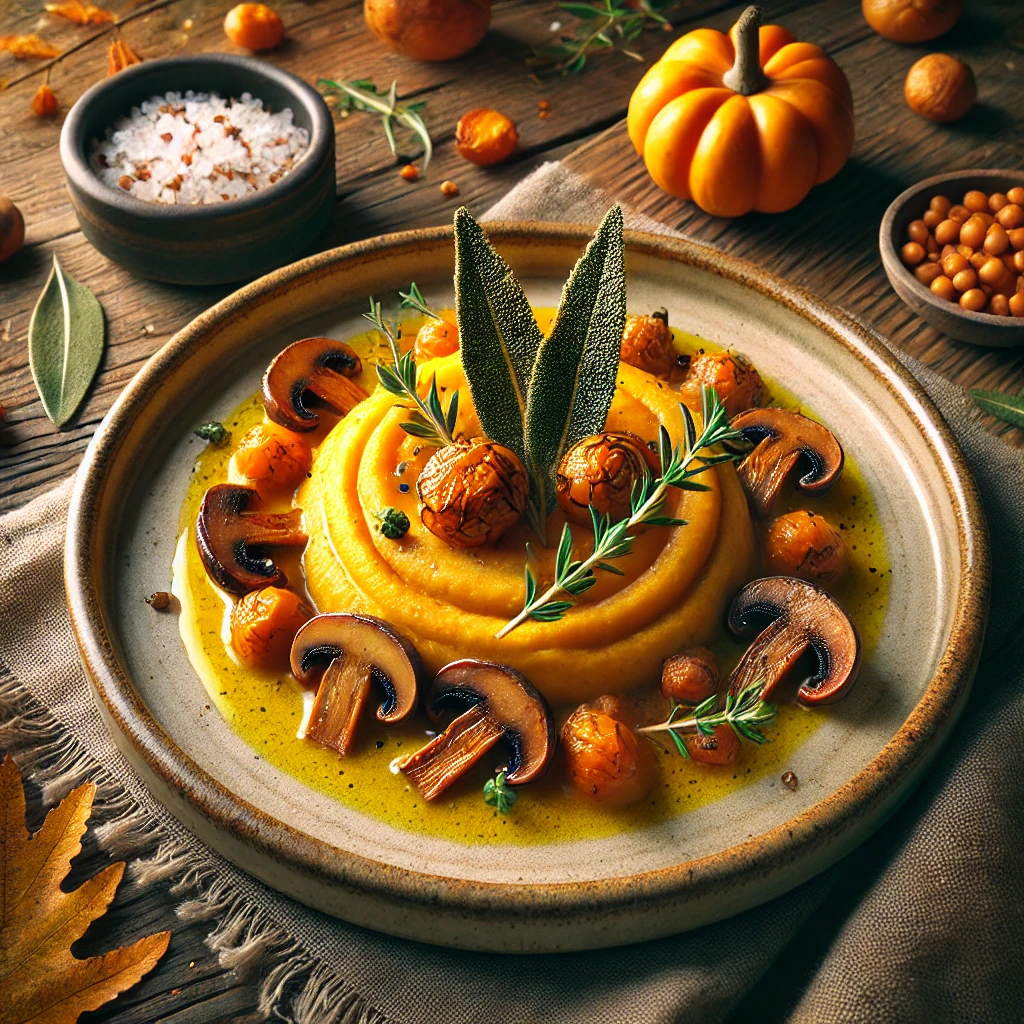
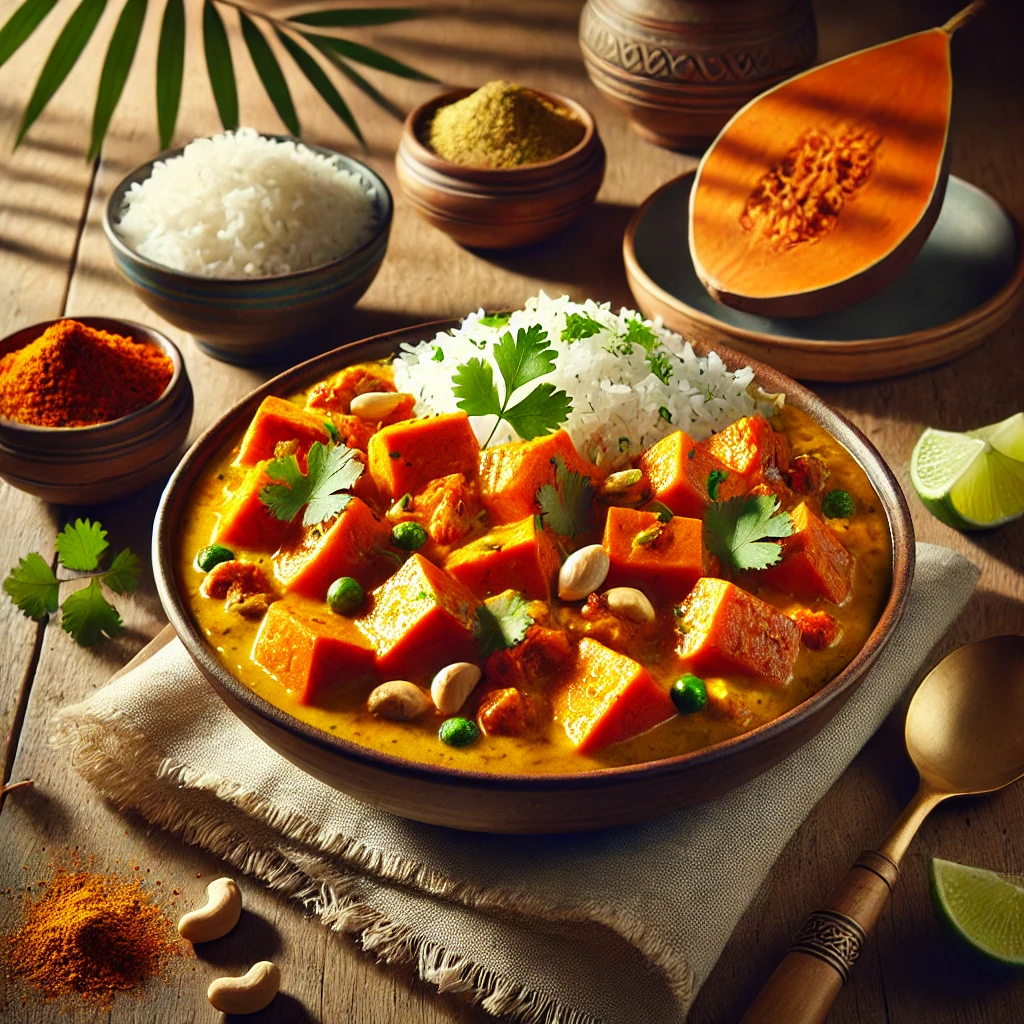
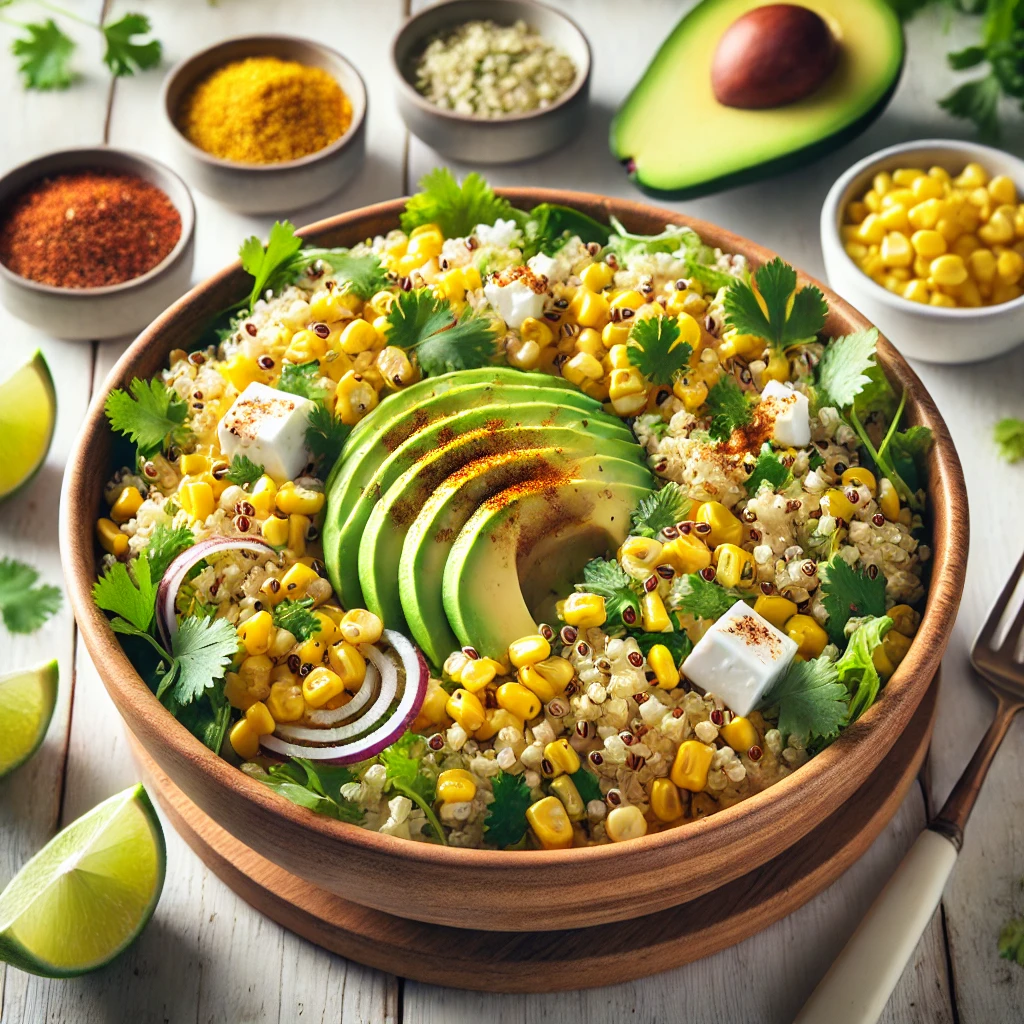
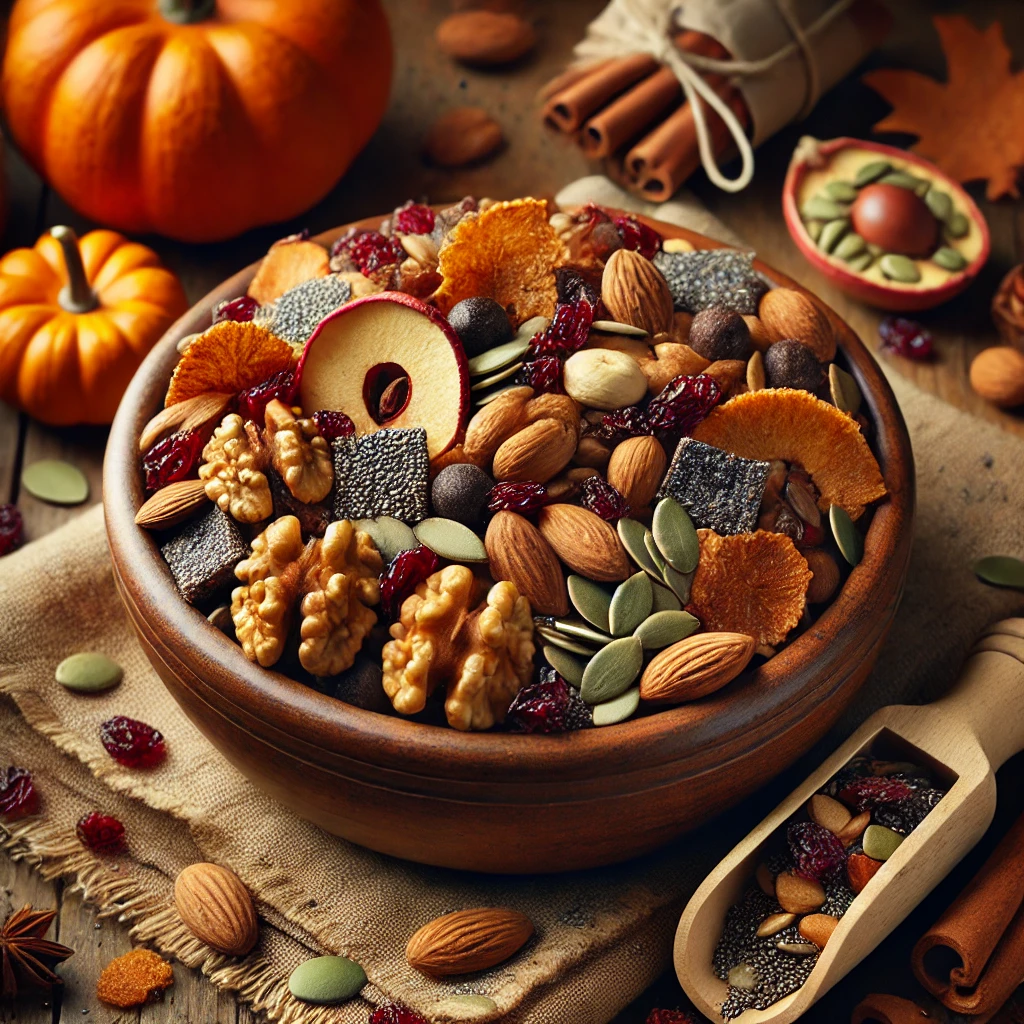
Traditions associated with this day reflect simplicity and reverence—visiting resting places, lighting candles, offering prayers, and gathering in quiet unity. These actions are not empty gestures, but outward signs of an inward truth: that the living remain connected to the departed in a bond that endures. Even the sharing of food, when it takes place, carries a deeper purpose. It becomes an extension of remembrance, drawing the living together while holding space for those no longer physically present. In this way, the table itself becomes a place of continuity, where memory and presence meet.
Ultimately, All Souls’ Day is a call to alignment—of mind, body, and spirit—with what endures beyond this life. It invites humility, responsibility, and a renewed seriousness about how one lives. In honoring the departed, we are also confronted with our own path: to live in such a way that what we leave behind is marked by truth, strength, and integrity. In this remembrance, we are not only honoring others—we are being shaped, refined, and quietly prepared for what awaits us as well.

Love Remembers, Mercy Endures

At its core is the recognition that the soul’s journey is not always completed in an instant. There can be a process of purification—a refining of what is still imperfect—so that the soul may fully enter into lasting light. We do not stand apart from this process. Instead, we take part in it, offering prayers, sacrifices, and intentions for those who can no longer act for themselves. In doing so, remembrance becomes something active and meaningful: an act of solidarity grounded in love.
This day also brings clarity to those who observe it. In remembering the dead, we are confronted with realities that are easy to ignore—the brevity of life, the weight of our choices, and the truth that what is formed within us matters more than anything we gather around us. It becomes a moment of alignment, inviting a more deliberate way of living, shaped by integrity and an awareness of what ultimately endures.
Ultimately, All Souls’ Day is observed because it reflects a profound truth: that mercy is not confined to this life, and that love, when lived authentically, carries both responsibility and effect. In honoring the departed, we affirm that no soul is insignificant, no life is without meaning, and no act of genuine care is ever lost.
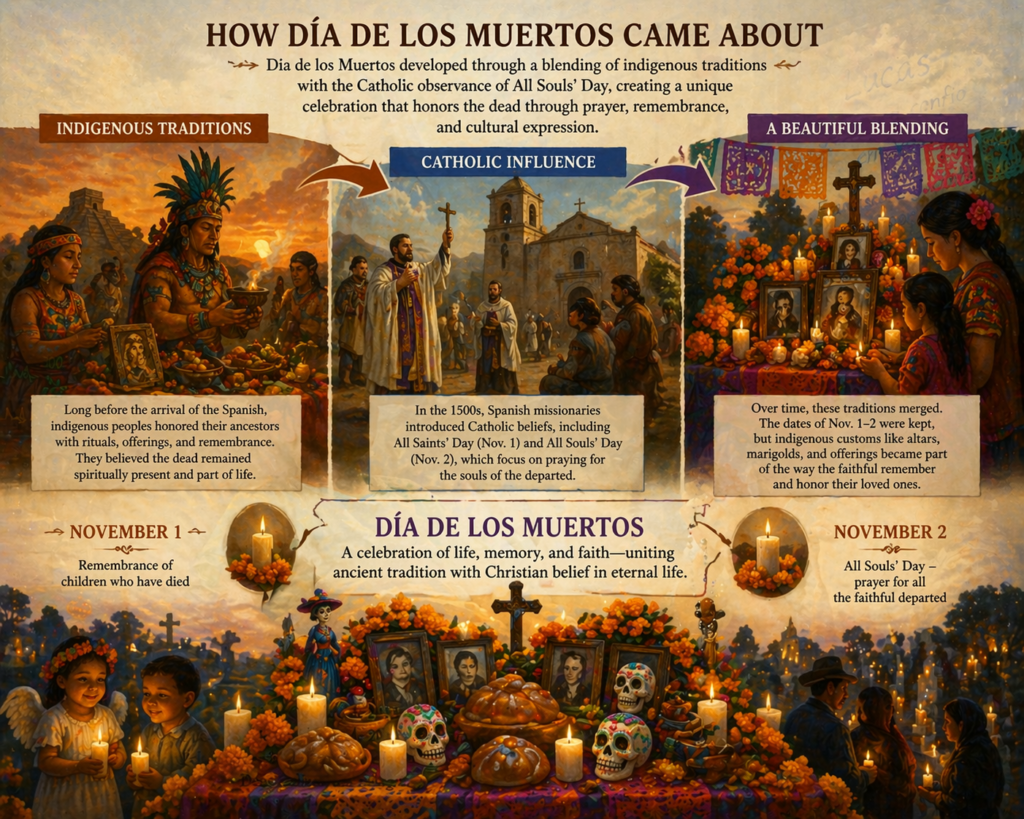
Día de los Muertos developed through a blending of indigenous traditions with the Catholic observance of All Souls' Day when Spanish missionaries arrived in Mexico and introduced the Christian practice of praying for the dead; rather than replacing existing customs, these missionaries encountered long-standing native rituals that honored ancestors through offerings, remembrance, and symbolic connection, and over time the two traditions merged, aligning indigenous festivals with November 1 and 2, the dates of All Saints’ and All Souls’ Day, resulting in a unique celebration that retains the Catholic emphasis on prayer for the departed while incorporating cultural expressions such as altars, marigolds, and offerings, creating a distinct but related tradition that reflects both theological belief and cultural identity.

All Souls' Day Traditions to Make Your Own

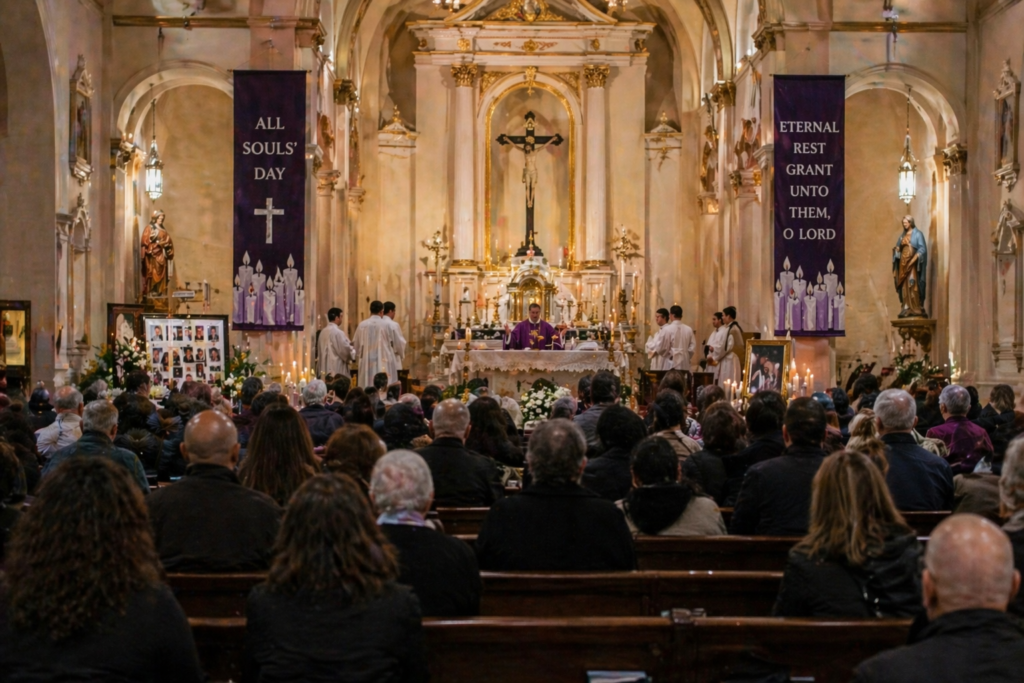
Some people attend Mass on All Souls' Day because it is the most complete and meaningful way to intercede for those who have passed. The Mass is not simply a gathering—it is understood as a sacred offering, where prayer, sacrifice, and remembrance are united in their highest form. In this setting, people believe they are doing something real and effective for the souls of the departed, not just remembering them, but actively assisting them. There is also a deep sense of responsibility rooted in love. For many, attending Mass is a way of continuing to care for their loved ones beyond death. Just as they once provided for them in life, they now provide spiritually—entrusting them to God with intention and devotion. It reflects a belief that love is not passive, but active, even across the boundary of death. At the same time, the Mass offers comfort and structure in grief. The prayers, readings, and rituals create a space where loss is acknowledged but not without hope. It reminds those present that death is not the end, and that there is a path toward restoration and eternal life. In this, the act of attending becomes both an offering for others and a strengthening of one’s own faith. Ultimately, some people go to Mass on this day because it allows them to participate in something eternal—to stand in a place where heaven and earth are believed to meet, and where love, expressed through prayer, continues its work beyond what can be seen.
Visiting the Graves
Families journey to the resting places of their loved ones, tending the ground with care—cleaning, arranging flowers, and restoring order. This act is not merely maintenance, but a visible expression of honor, showing that the person laid to rest is still remembered, still valued, and still loved.

Lighting Candles
Candles are placed on graves or in windows, their quiet flame symbolizing both prayer and hope. The light represents the soul’s journey toward eternal union with God, while also serving as a reminder that even in death, darkness is never final.

Offering Prayers and Mass Intentions
Prayer is the central tradition of the day. Many attend Mass specifically offered for the faithful departed, while others pray privately—rosaries, litanies, or simple spoken intentions. These prayers are given with purpose: to assist and uplift the souls in their final purification.

Creating a Place of Remembrance at Home
Some families set aside a small space with photos, candles, or meaningful objects connected to those who have passed. This creates a physical point of reflection within the home, reinforcing that remembrance is not confined to a single place, but carried into daily life.

Acts of Sacrifice or Charity
Fasting, giving alms, or performing acts of kindness are offered in honor of the departed. These actions extend beyond sentiment—they are intentional offerings, given with the belief that goodness done in love has lasting spiritual value.

Sharing a Quiet Meal
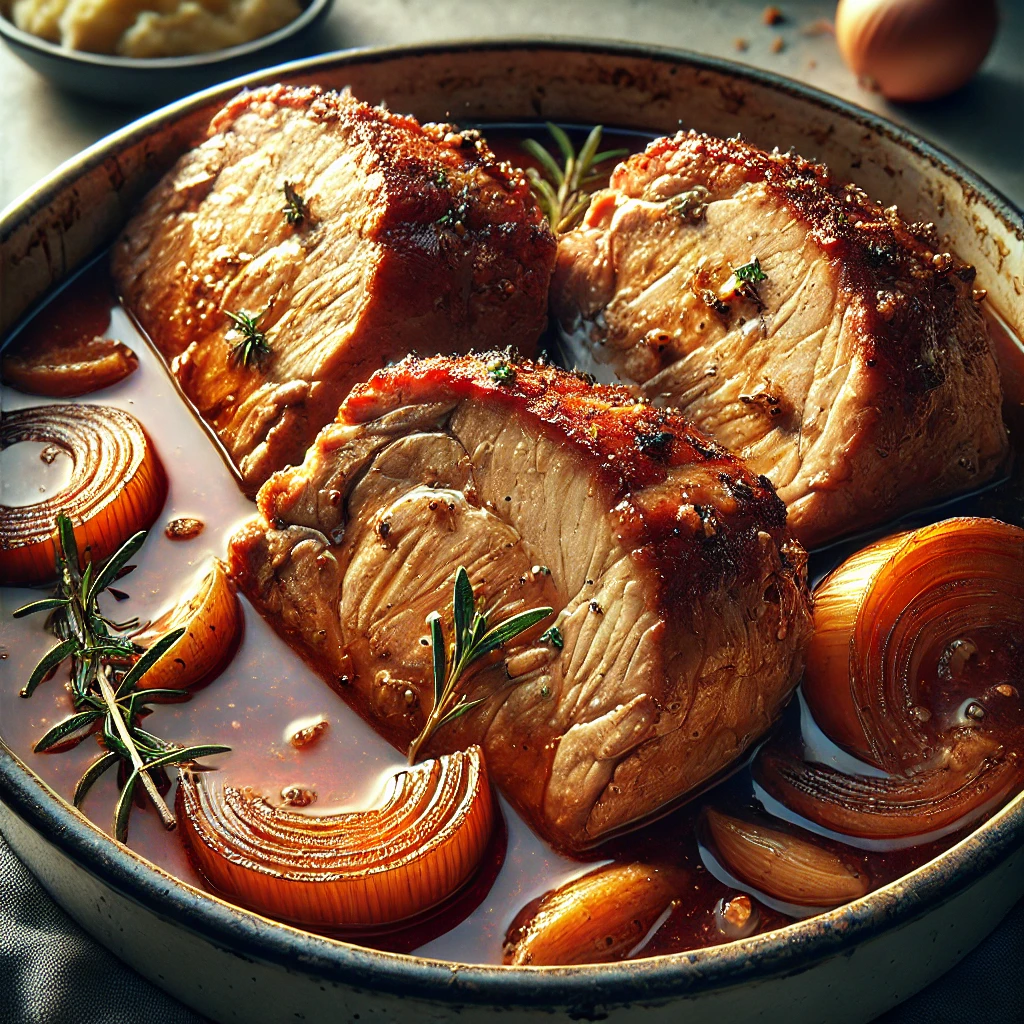
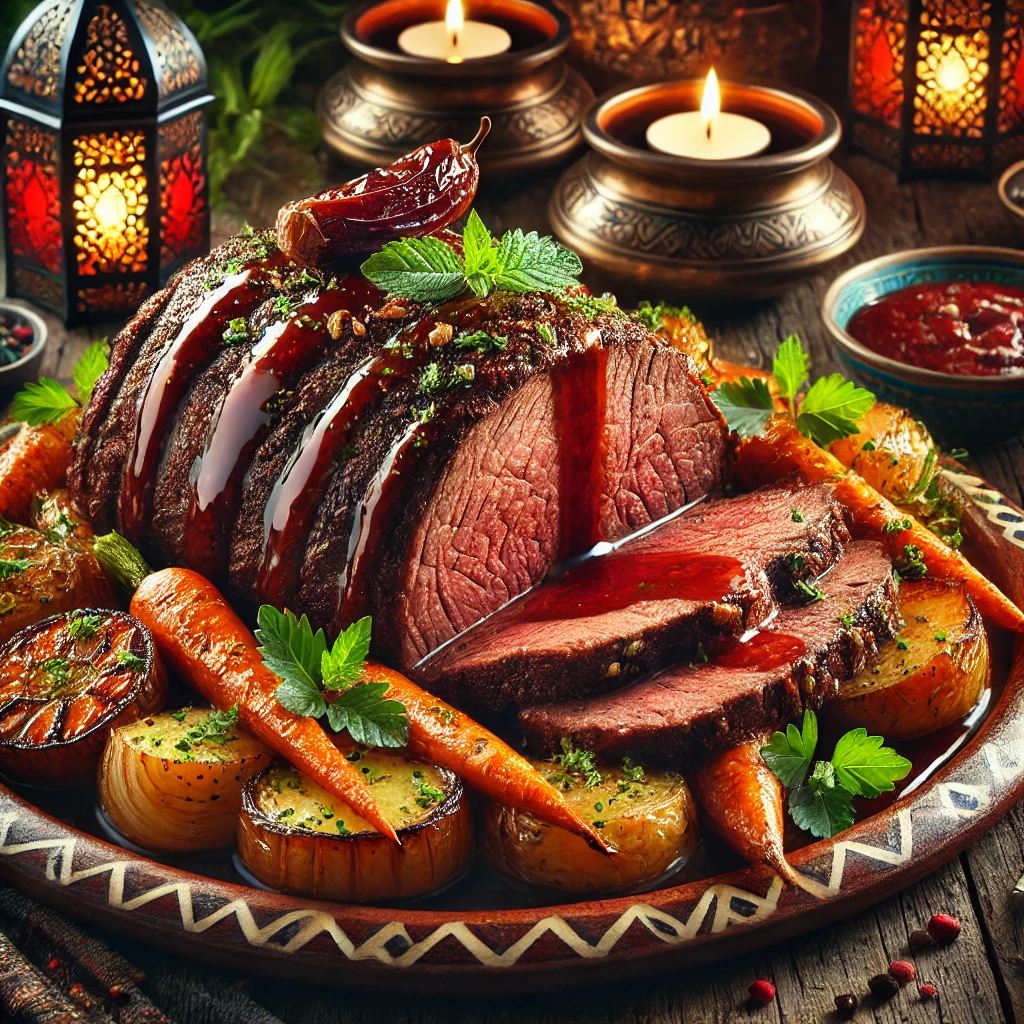
Families may gather for a simple, intentional meal. The tone is not celebratory, but unified—an opportunity to speak of those who have passed, to remember their lives, and to acknowledge their continued presence in memory and legacy. Even the food becomes part of the remembrance.

Moments of Silence and Reflection
Amid all traditions, there is often a deliberate embrace of stillness. Silence allows for deeper reflection, creating space to consider both the lives of the departed and one’s own path forward.

A Prayer for All Holy Souls

O God of mercy and eternal light,
we entrust to You all the holy souls
who have departed from this world.
Receive them into Your presence,
where sorrow is no more and peace is made complete.
Cleanse what remains unfinished,
refine what was begun in love,
and draw them ever closer to the fullness of Your glory.
Remember, O Lord, their faith,
their sacrifices, and the quiet good they carried through life.
Forgive what was imperfect,
and let Your mercy surpass all human measure.
Grant them rest where light does not fade,
where truth is fully known,
and where love is unbroken and eternal.
And as we pray for them,
shape our own hearts toward what is lasting—
that we may live with purpose,
walk with integrity,
and one day be united with You
and with all who have gone before us.
Eternal rest grant unto them, O Lord,
and let perpetual light shine upon them.
May they rest in peace.
Amen.
We pray for the souls of the departed on All Souls' Day because love, when it is real, does not become passive in the face of death—it continues to act. Prayer becomes the way that love remains active, intentional, and directed toward the good of those who have gone before us. At its deepest level, the prayer is an act of intercession. It reflects the belief that some souls are still being purified, still being prepared for the fullness of eternal life. In praying, we are not merely remembering them—we are assisting them, entrusting them to God’s mercy, and asking that whatever remains unfinished in them be brought to completion in light and truth. It is also an expression of faith in something greater than what is seen. To pray for the dead is to affirm that life does not end at the grave, and that our actions—especially those rooted in love—still carry meaning beyond this world. At the same time, prayer shapes the one who offers it. It draws the mind away from distraction and toward eternity, placing life into proper perspective. In praying for others, we are reminded of our own path, our own need for grace, and the importance of living with intention, integrity, and purpose. Ultimately, we pray because it fulfills a responsibility born of love: to care, to remember, and to act on behalf of those who can no longer act for themselves—trusting that no sincere prayer is ever lost, and that mercy extends further than we can see.

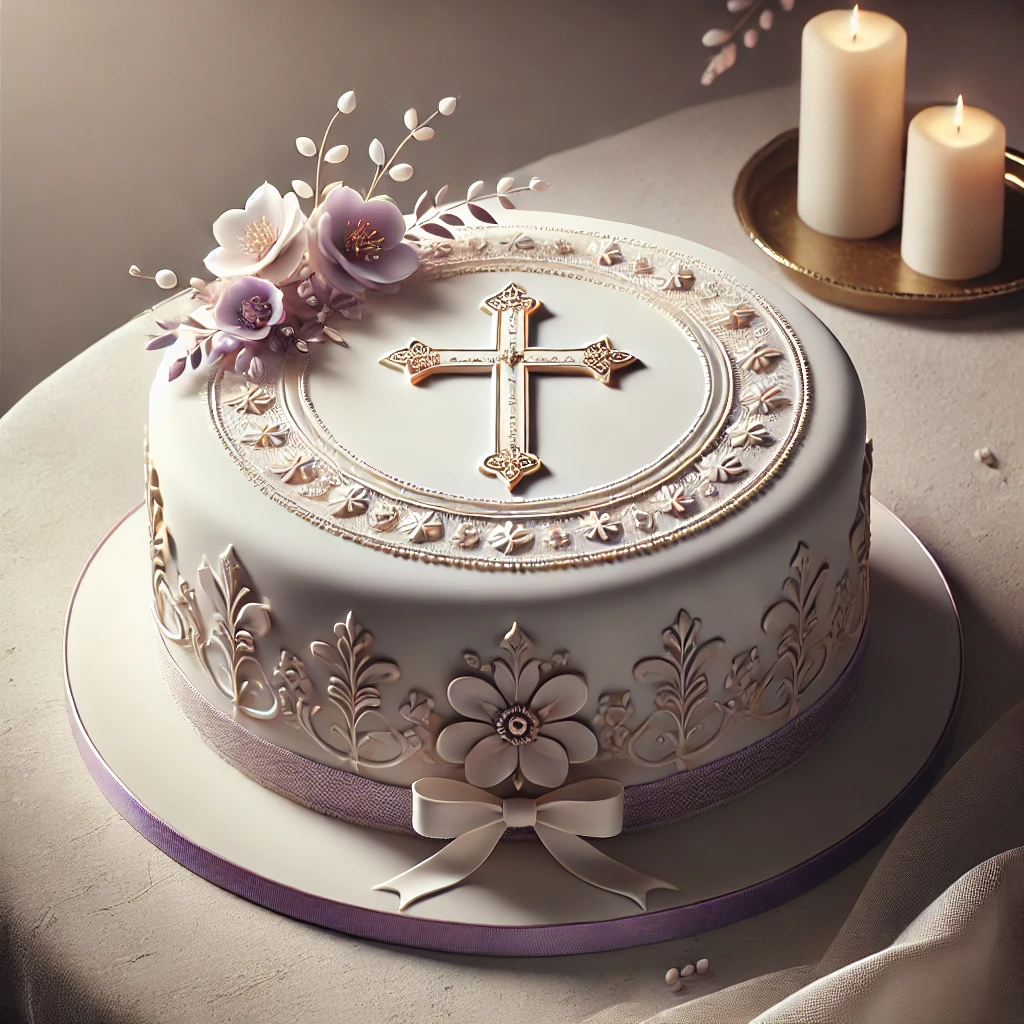
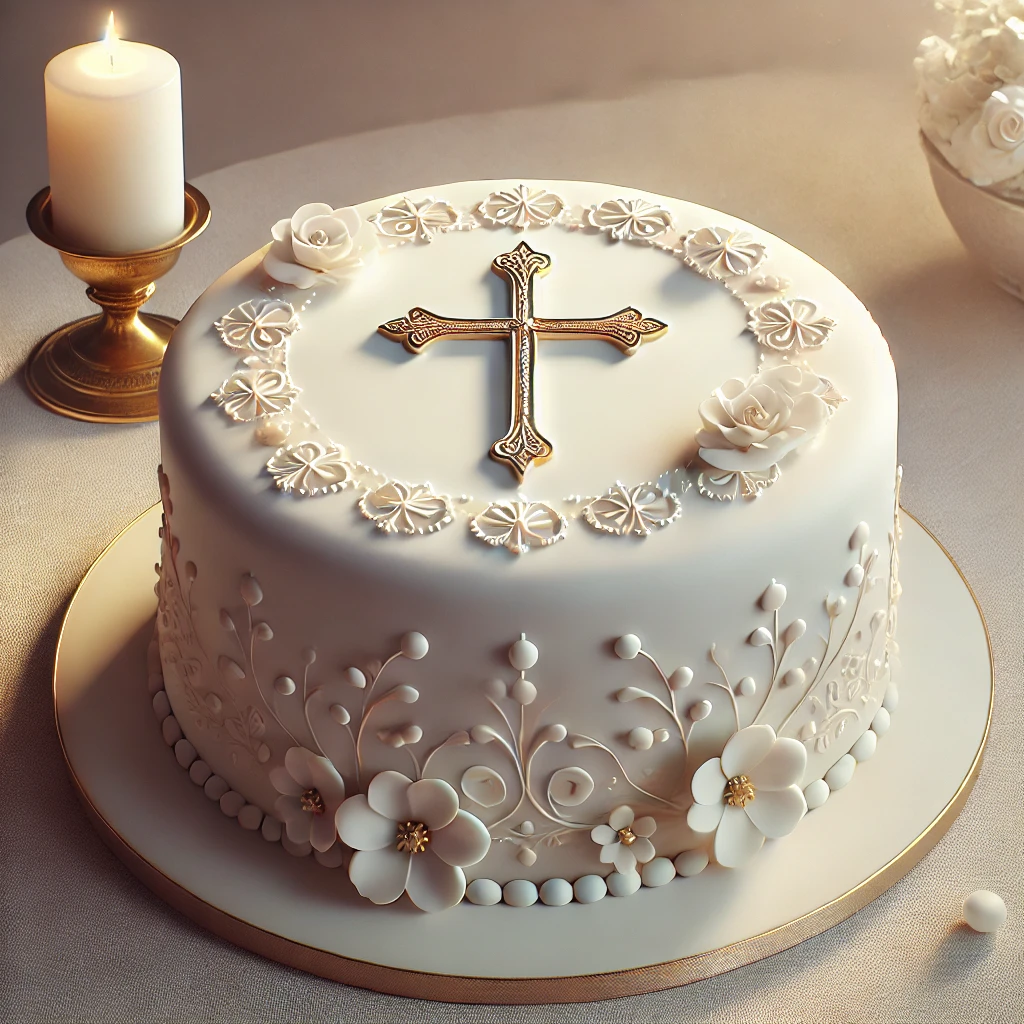
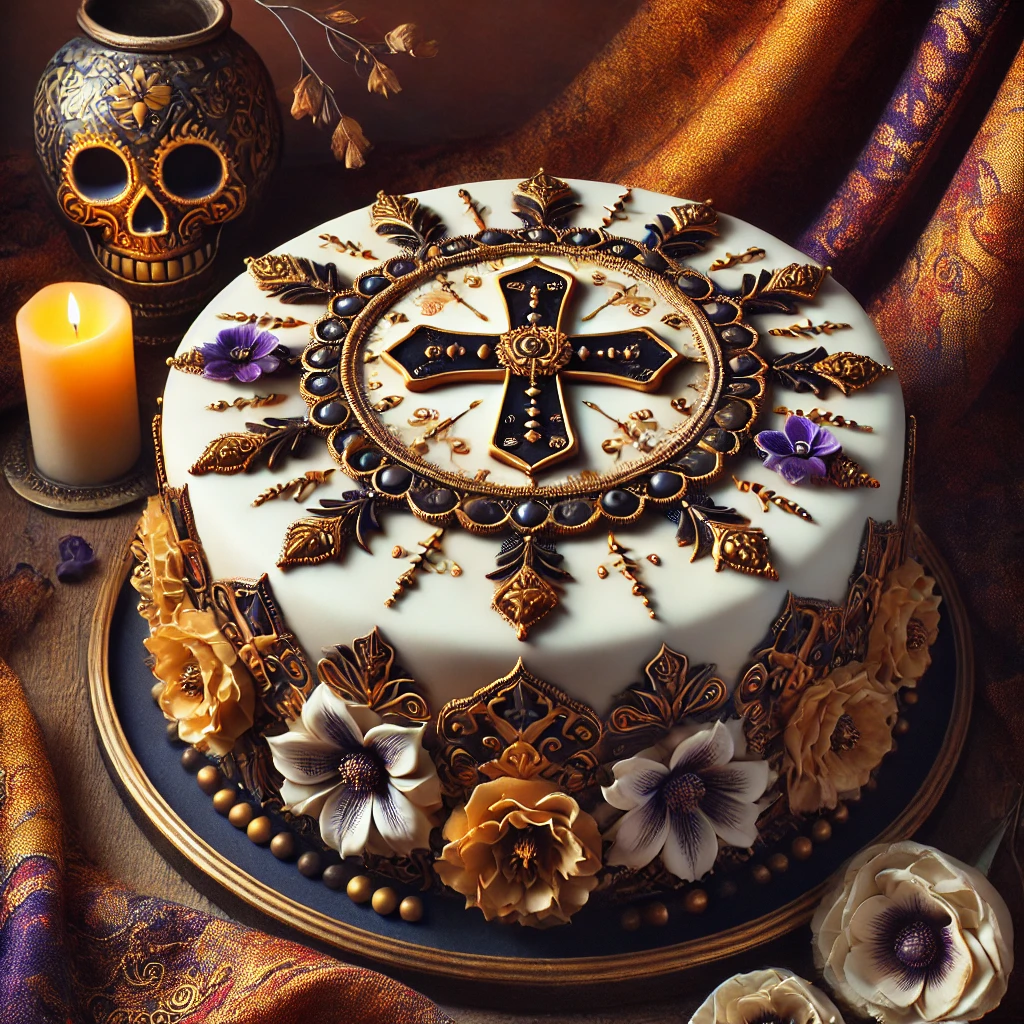
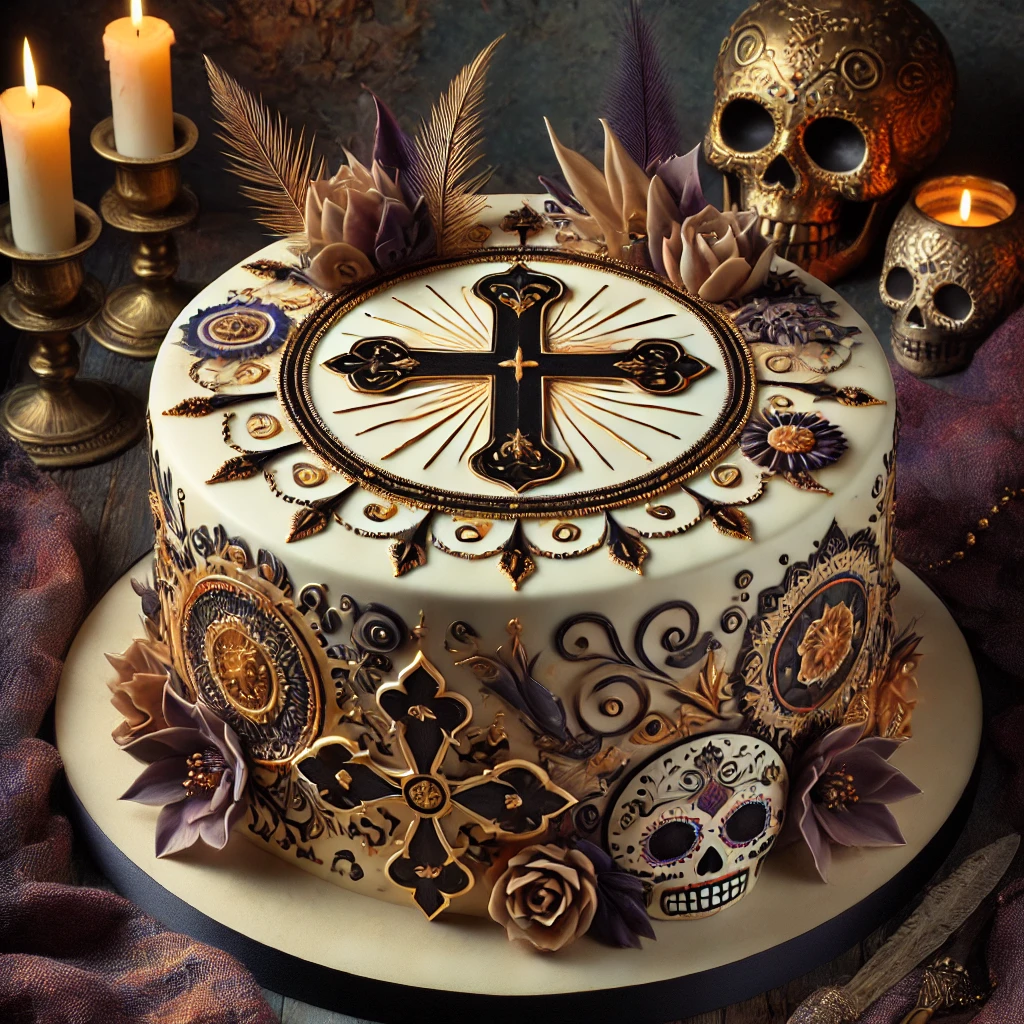
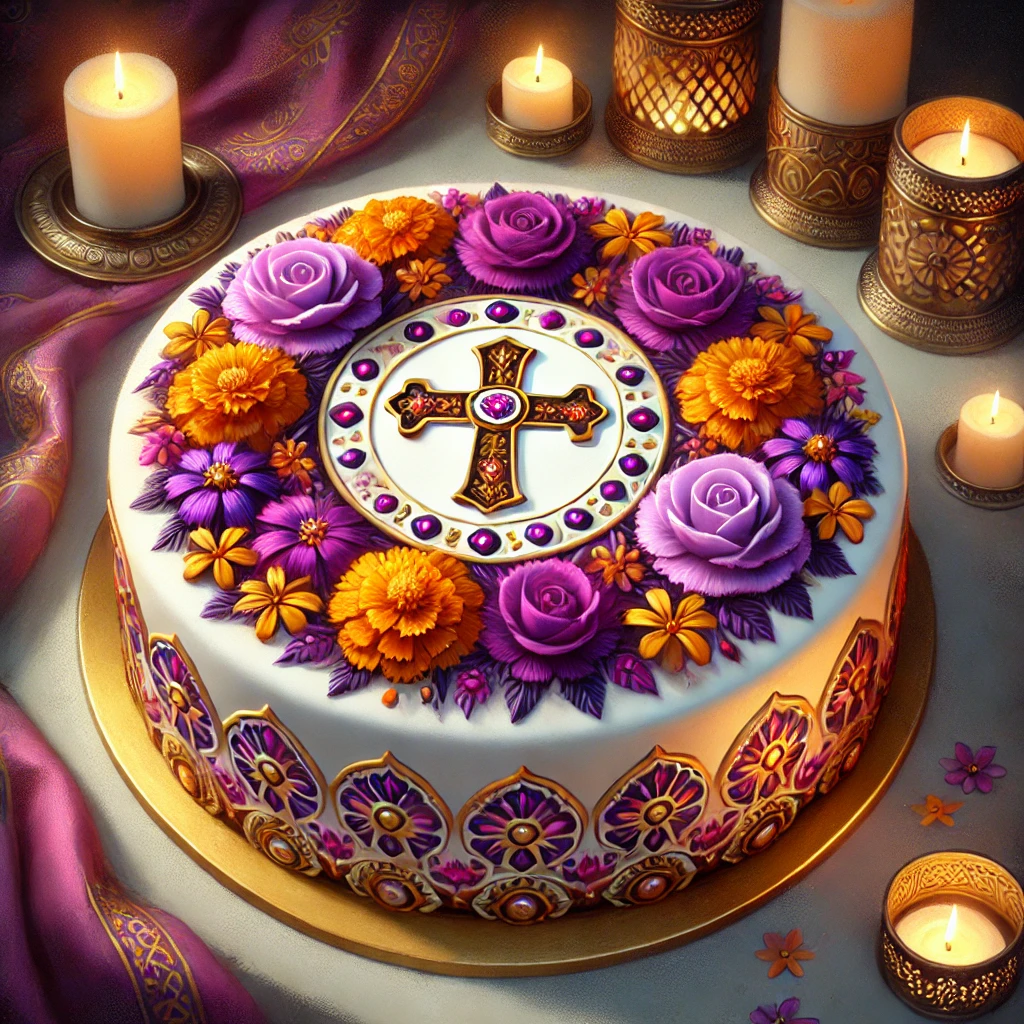
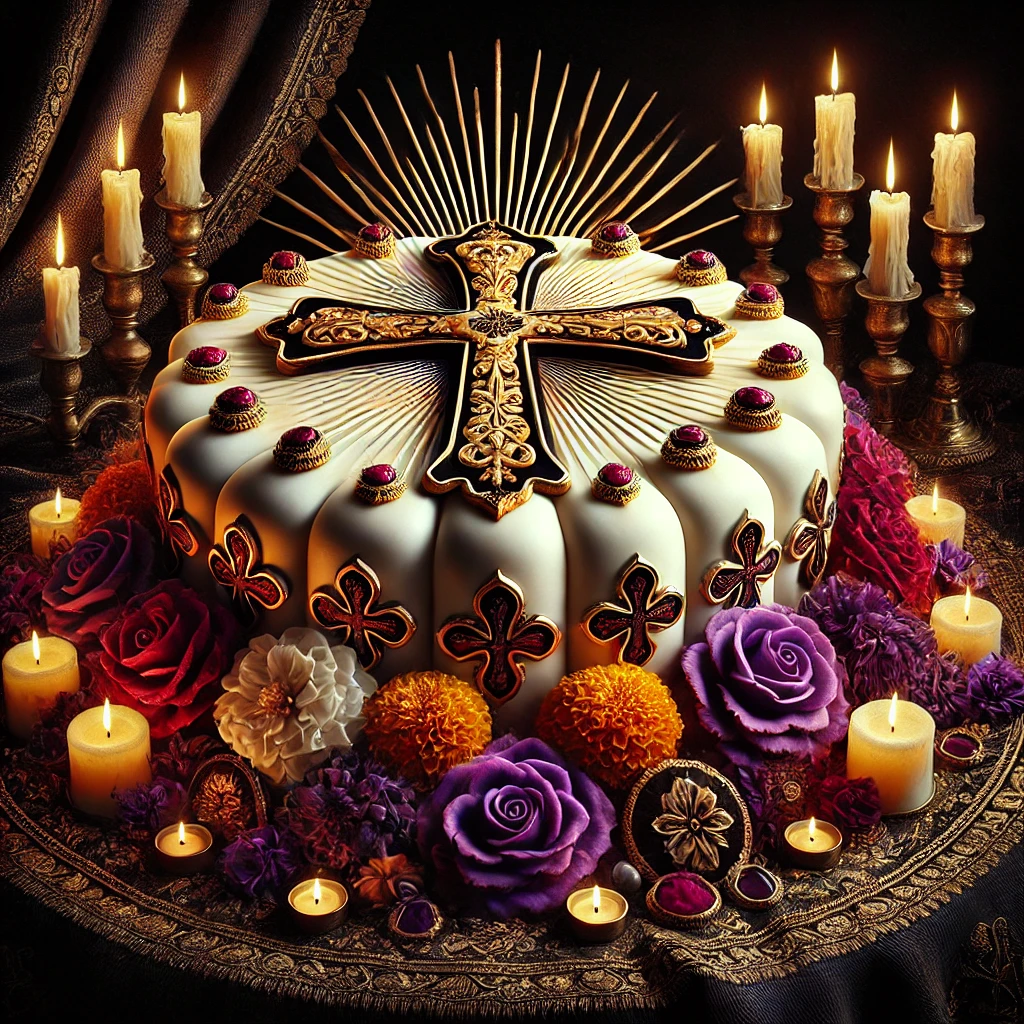
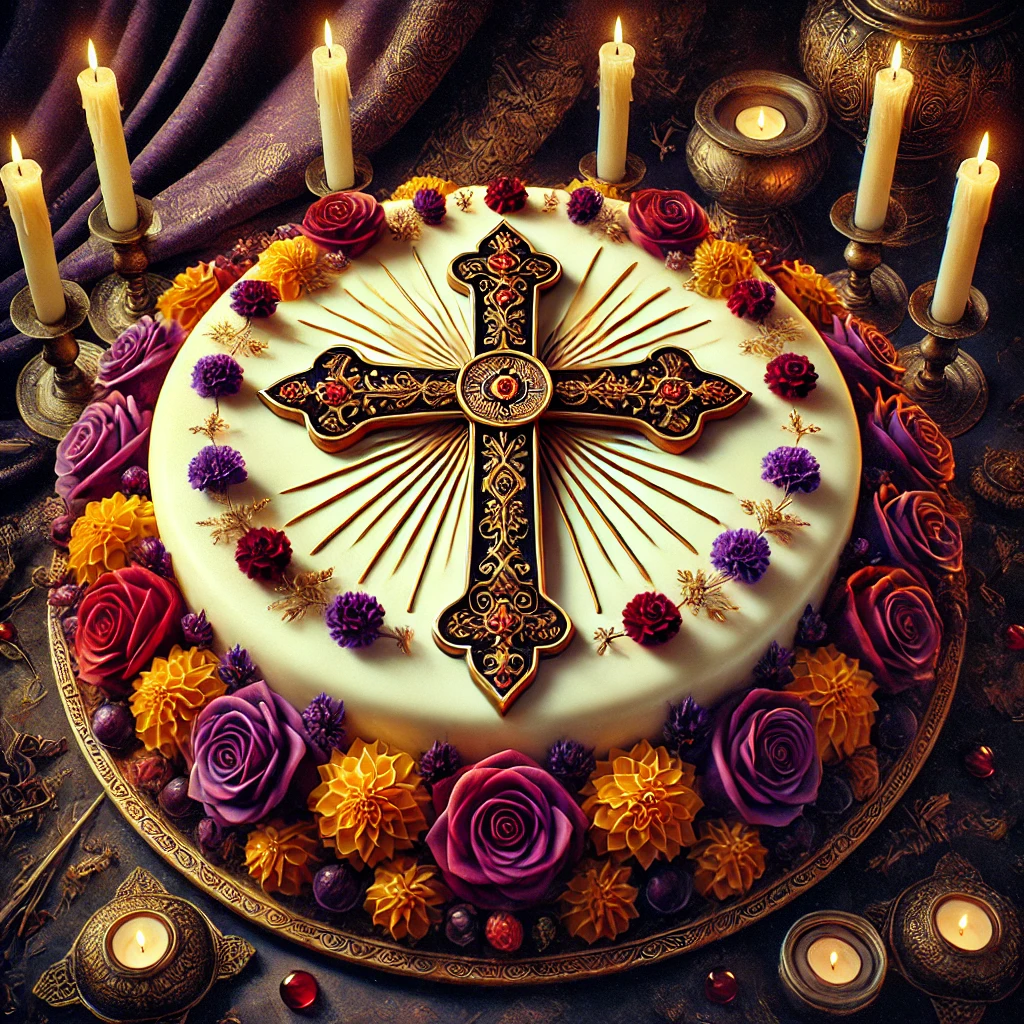
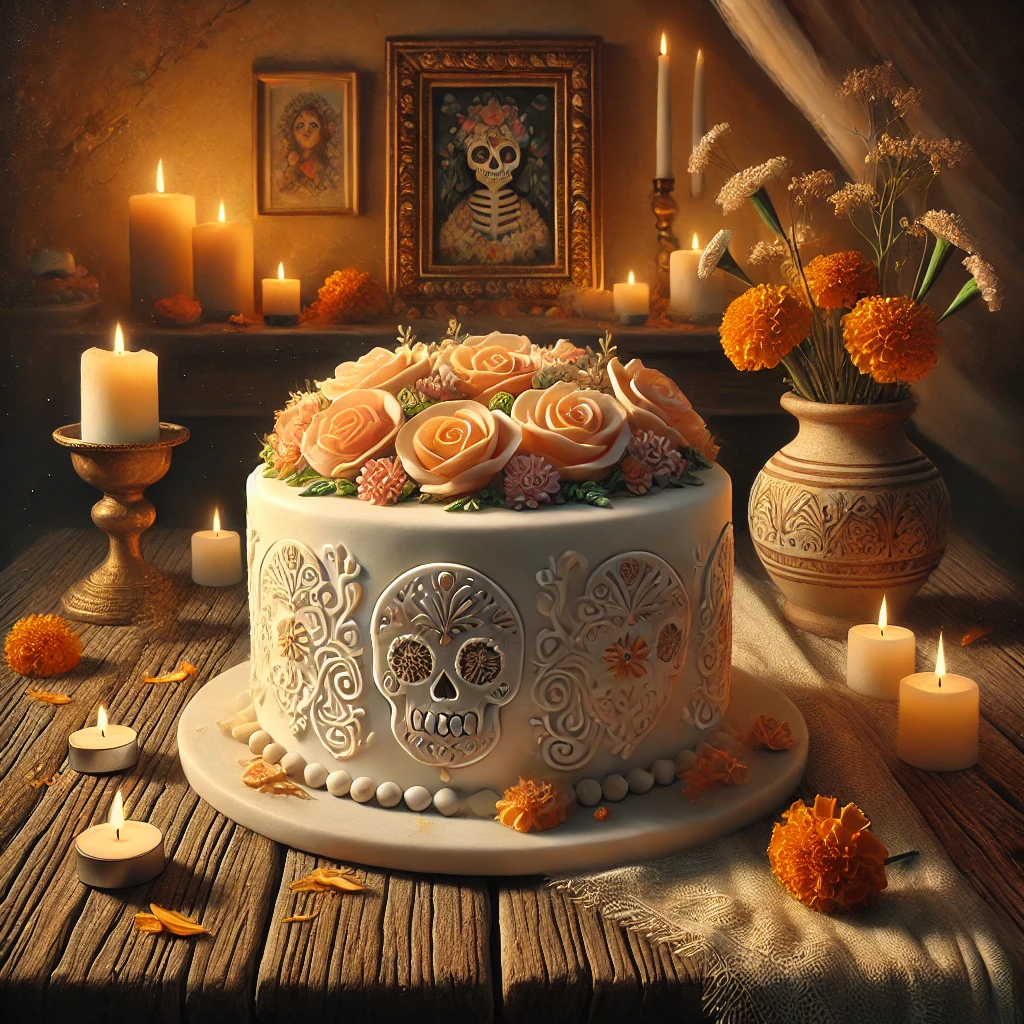
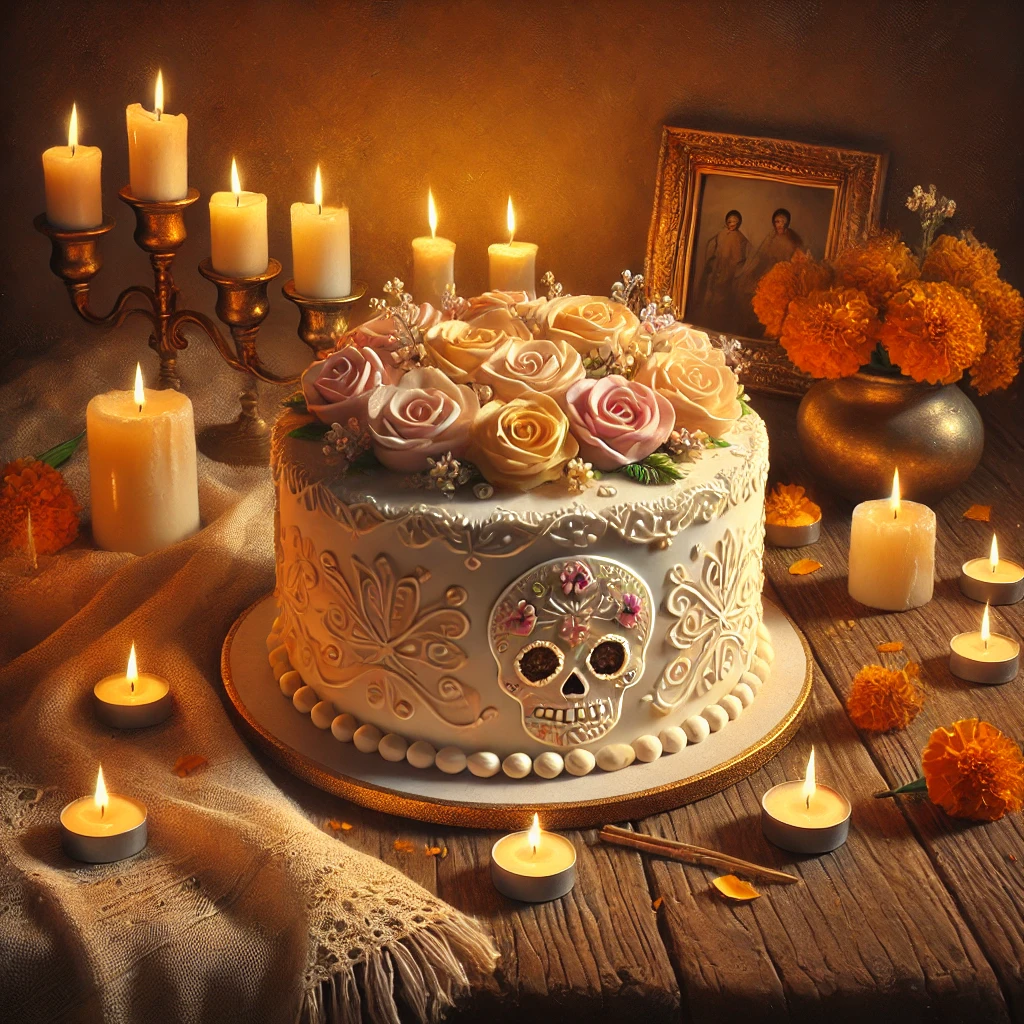
All Souls' Day Cake and Atmosphere Ideas

Where style, memory, and celebration meet.

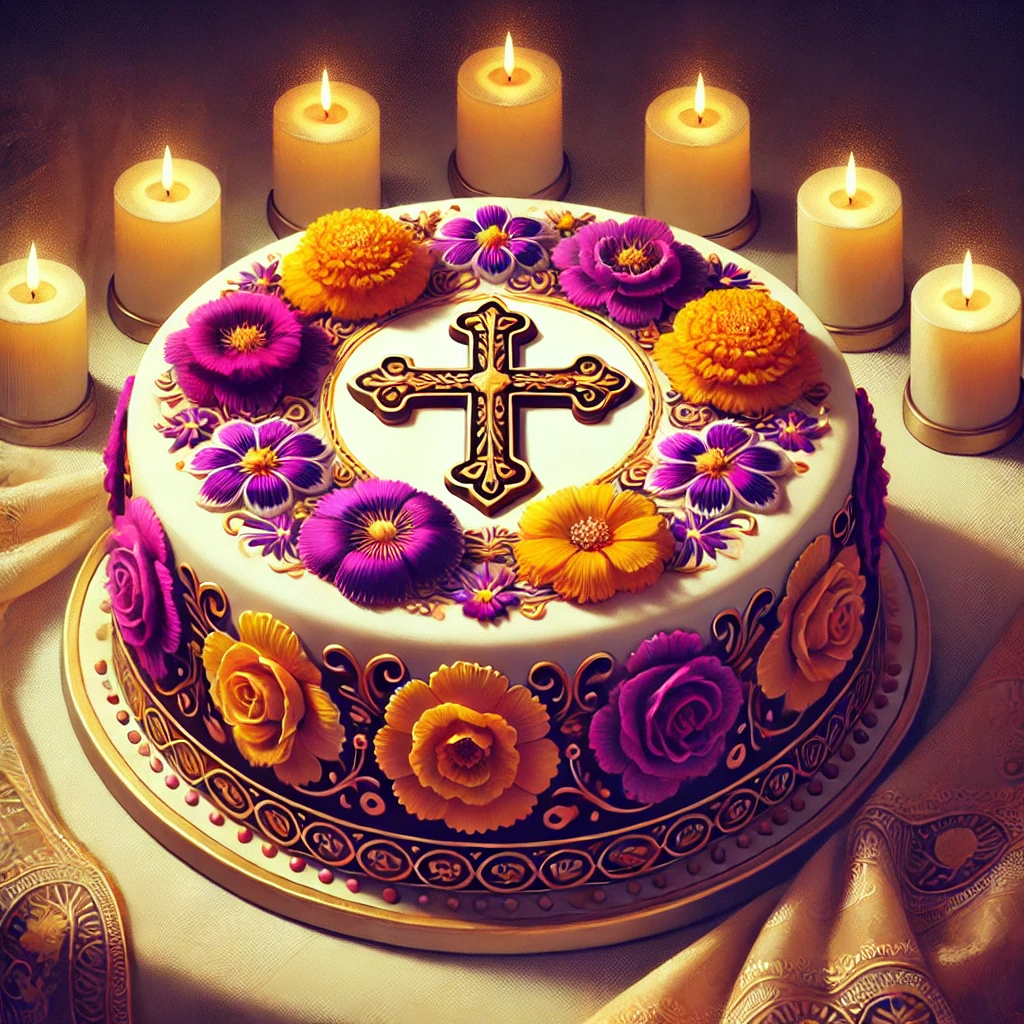
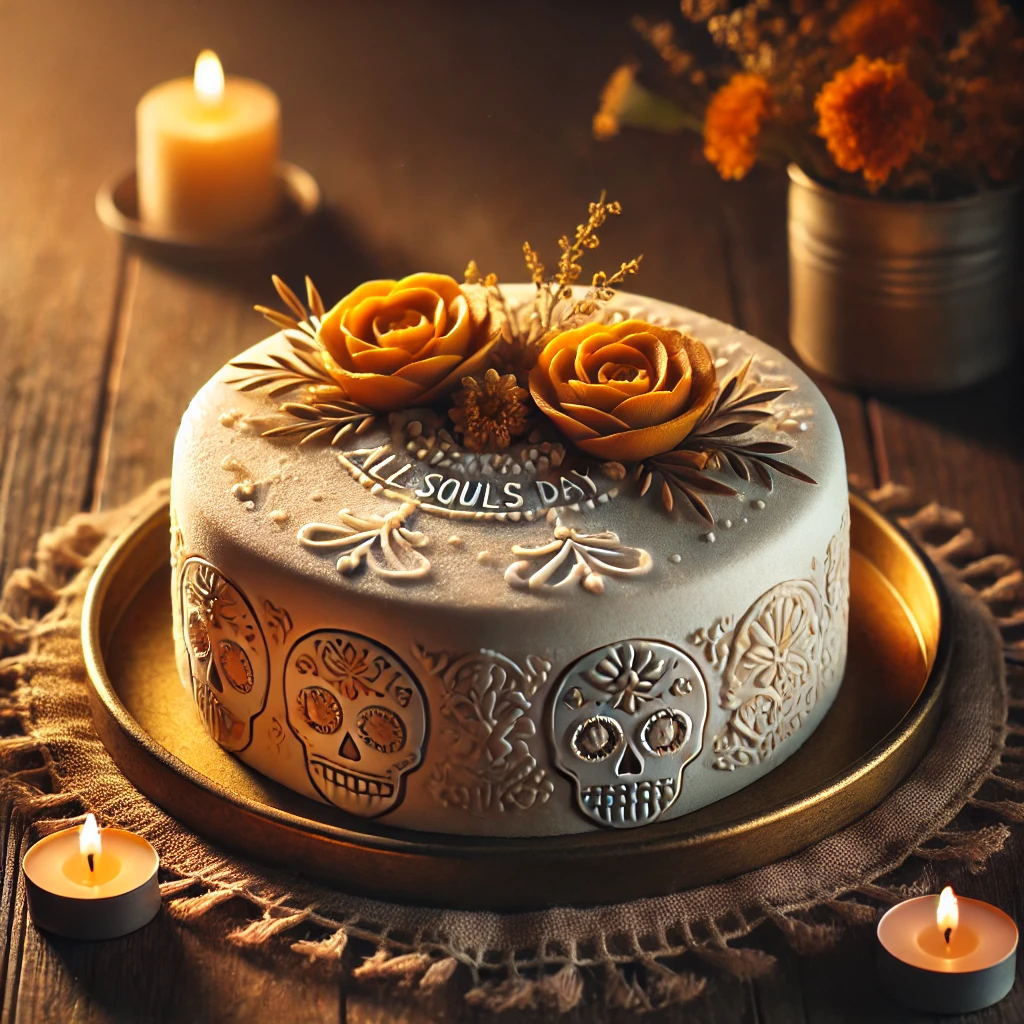
This section is meant to be more than Cake Decorating Ideas… it’s designed to spark inspiration and creativity, awaken tradition, and infuse your special occasions with style, identity, and atmosphere. A color palette becomes a theme. A design becomes a mood. Simple details—like sugared holly leaves or shimmering stars—can set the tone for a gathering and become part of cherished traditions and lasting memories melded with personal touch and love.

Traditional All Souls' Day Dishes

Soul Cakes (England & Ireland)
Small, lightly sweet spiced cakes often marked with a cross. Traditionally given in exchange for prayers for the dead, they symbolize both charity and remembrance. Their simplicity reflects humility, while their sharing reflects intercession.

Pan de Muerto (Mexico)
A soft, slightly sweet bread enriched with citrus and often shaped with symbolic “bones” across the top. It is prepared as an offering and shared among families, representing both the fragility of life and the hope of resurrection.

Colva (Eastern Europe)
A mixture of wheat berries, honey, nuts, and sometimes dried fruit. Wheat represents life and resurrection, while the sweetness signifies the promise of eternal joy. It is often blessed and shared in remembrance of the departed.

Fave dei Morti (Italy)
Almond-based cookies traditionally associated with remembrance. Their name, meaning “beans of the dead,” connects to ancient symbols of life cycles and continuity. They are delicate, slightly crisp, and intentionally modest.

Ossuary Bread or “Bones” Pastries (Various European regions)
Pastries shaped to resemble bones, often lightly sweetened. While visually symbolic, they are not meant to be macabre, but rather a reminder of mortality and the physical reality of life’s end—paired with the hope of what follows.

Simple Broths and Rustic Breads
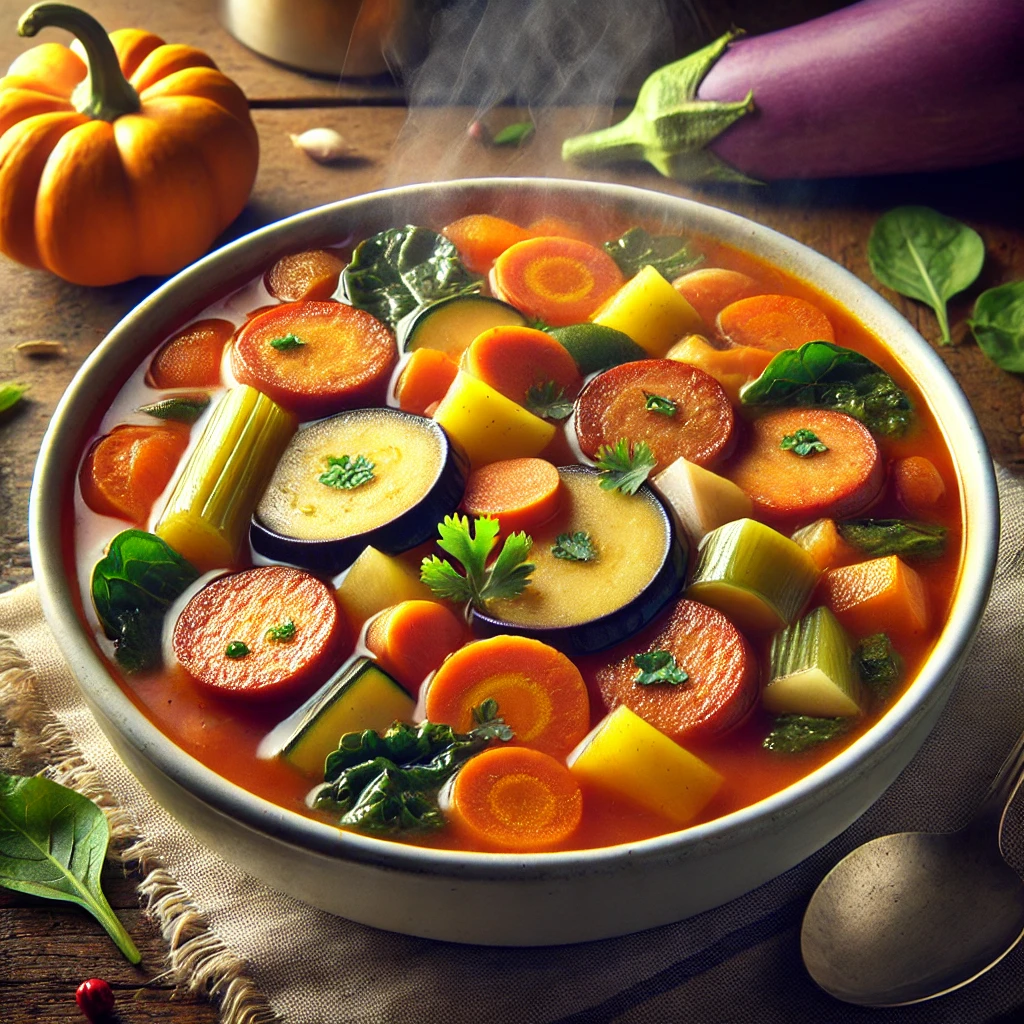
In many traditions, meals remain intentionally humble—soups, broths, and plain breads. These reflect restraint, grounding the day in reflection rather than indulgence, and emphasizing nourishment over excess.

Honey-Based Dishes
Foods incorporating honey—whether in breads, grains, or desserts—symbolize mercy and the sweetness of eternal life. They serve as a quiet contrast to the solemn tone of the day, pointing toward hope.


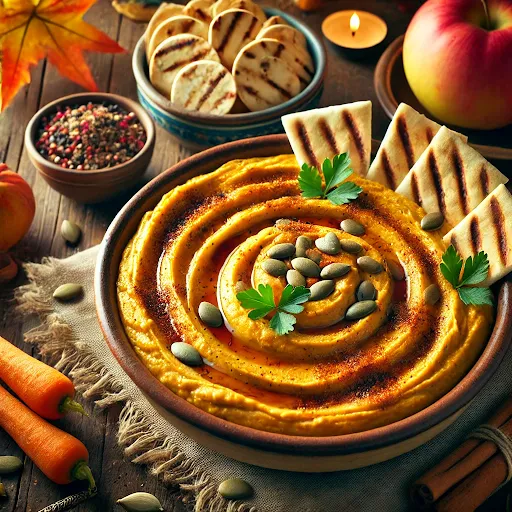
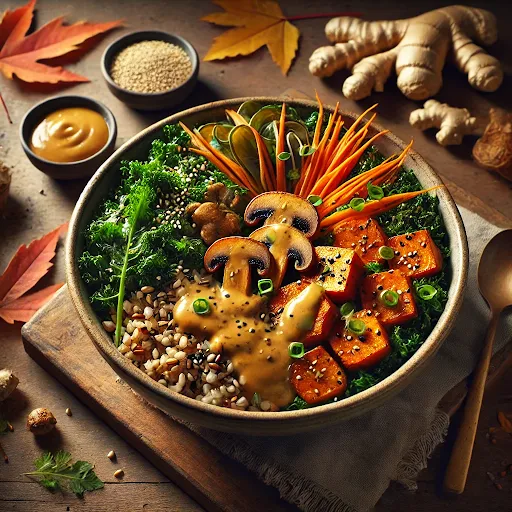
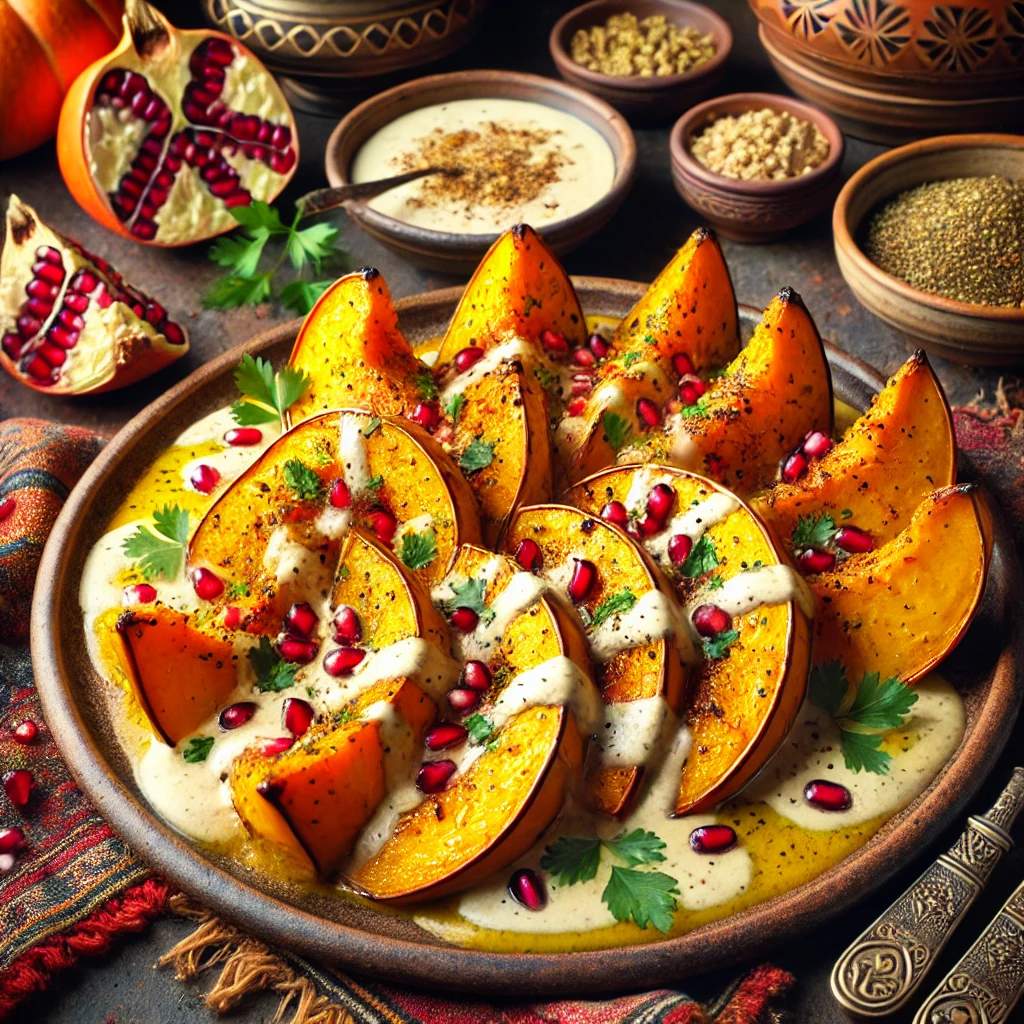
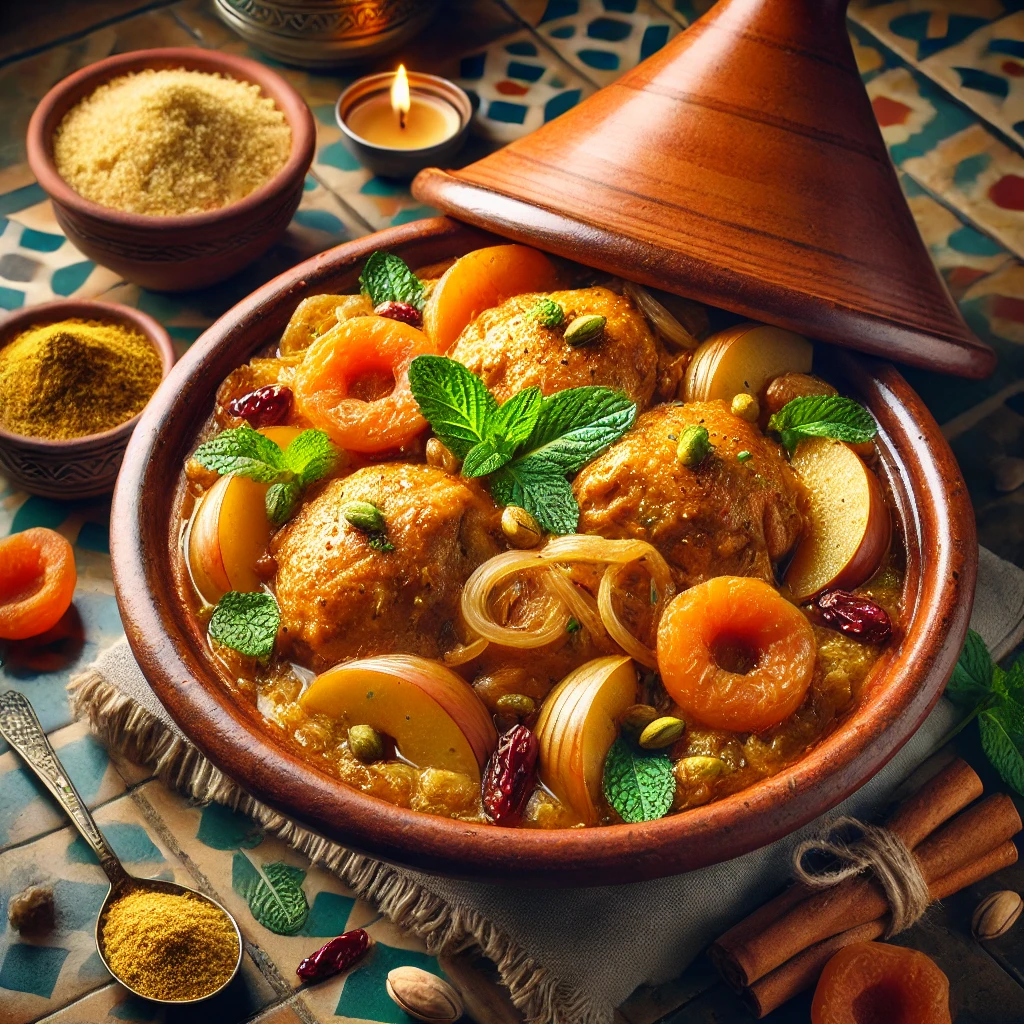
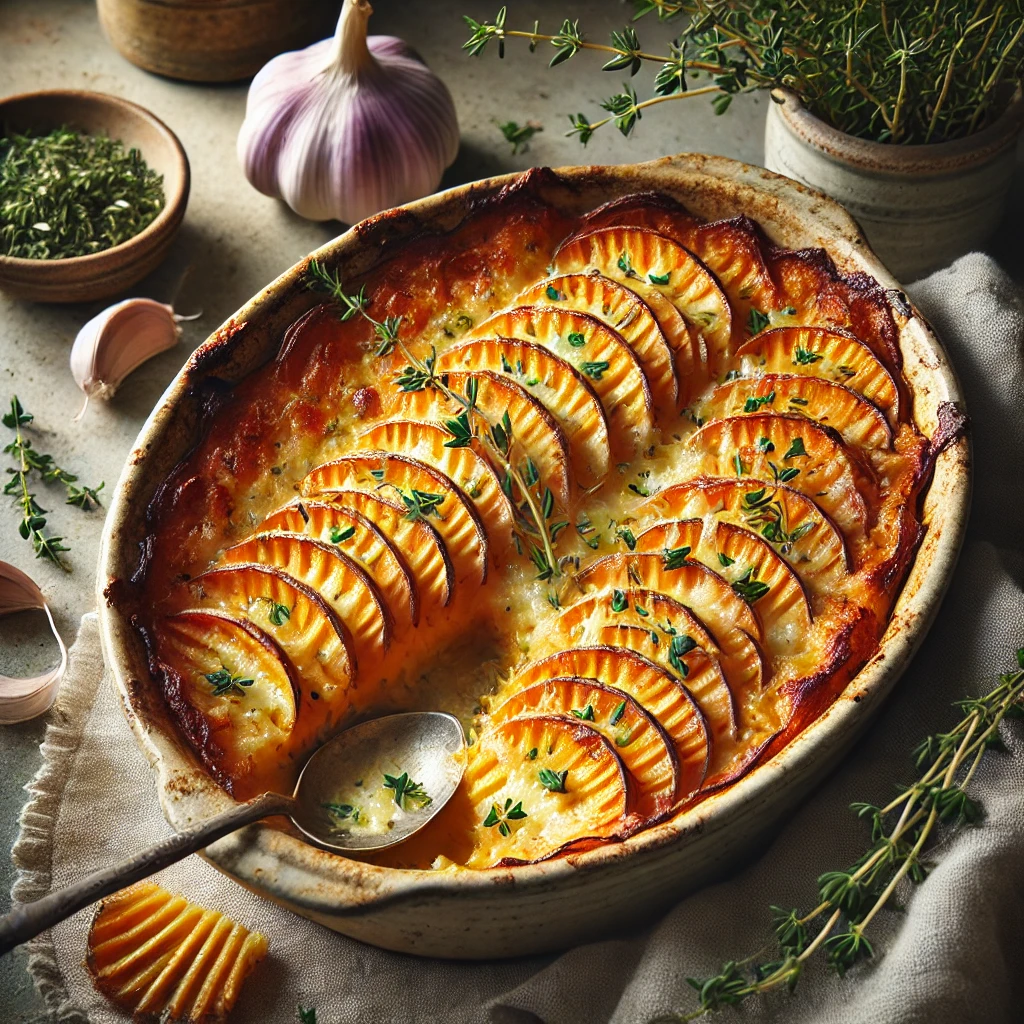
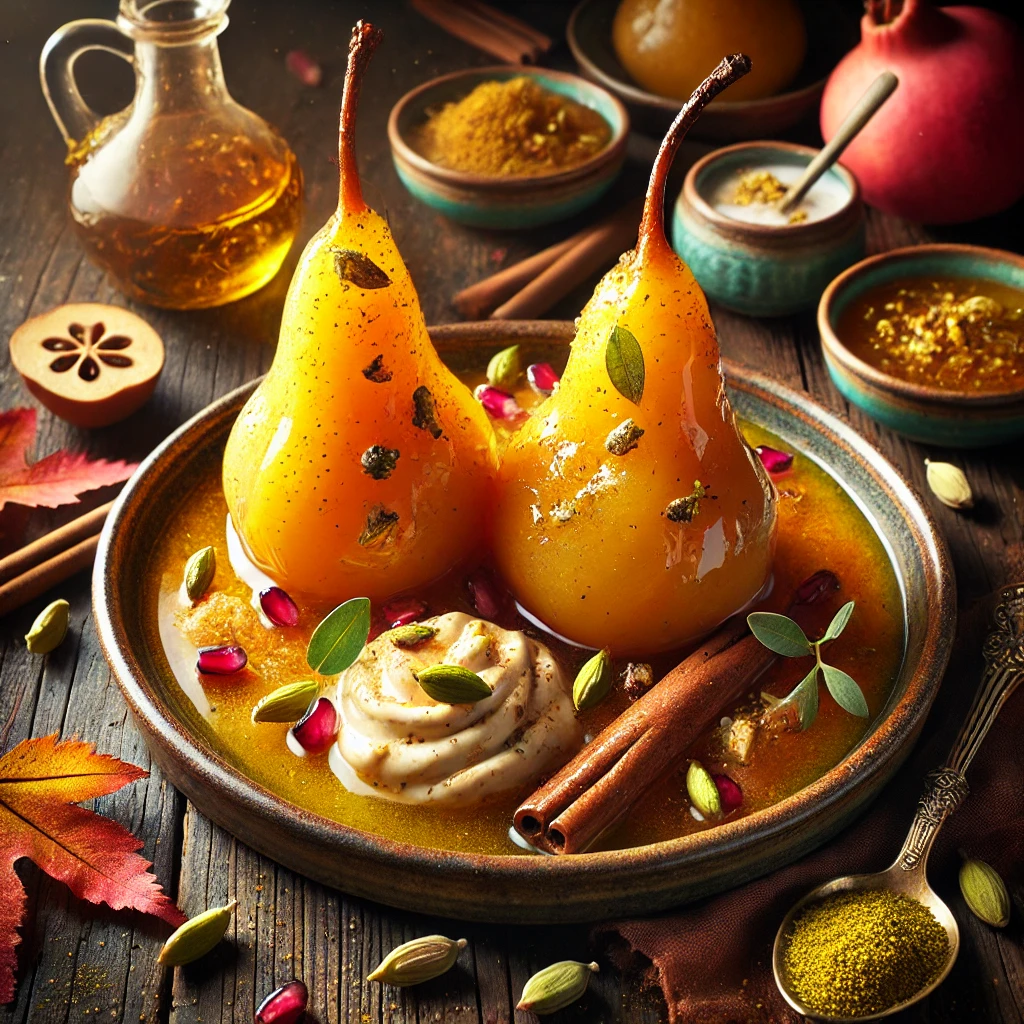
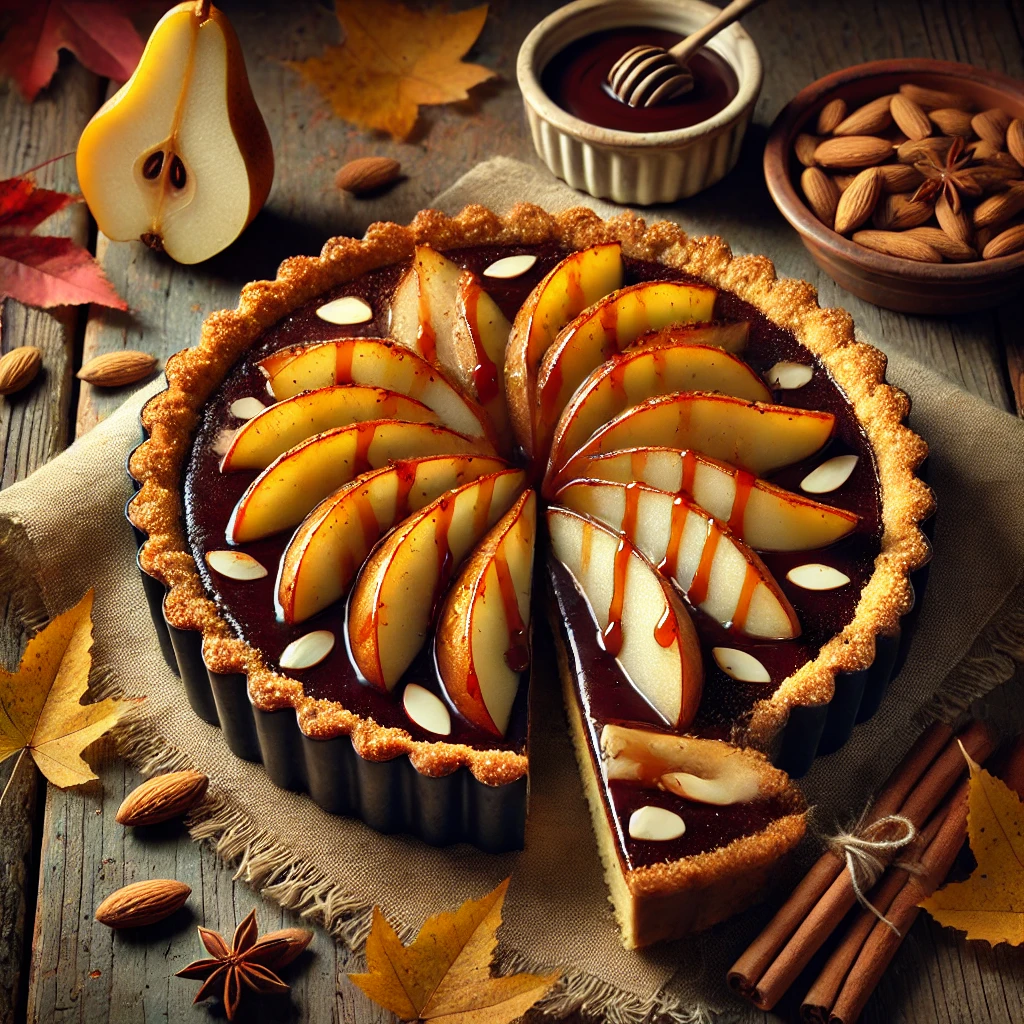
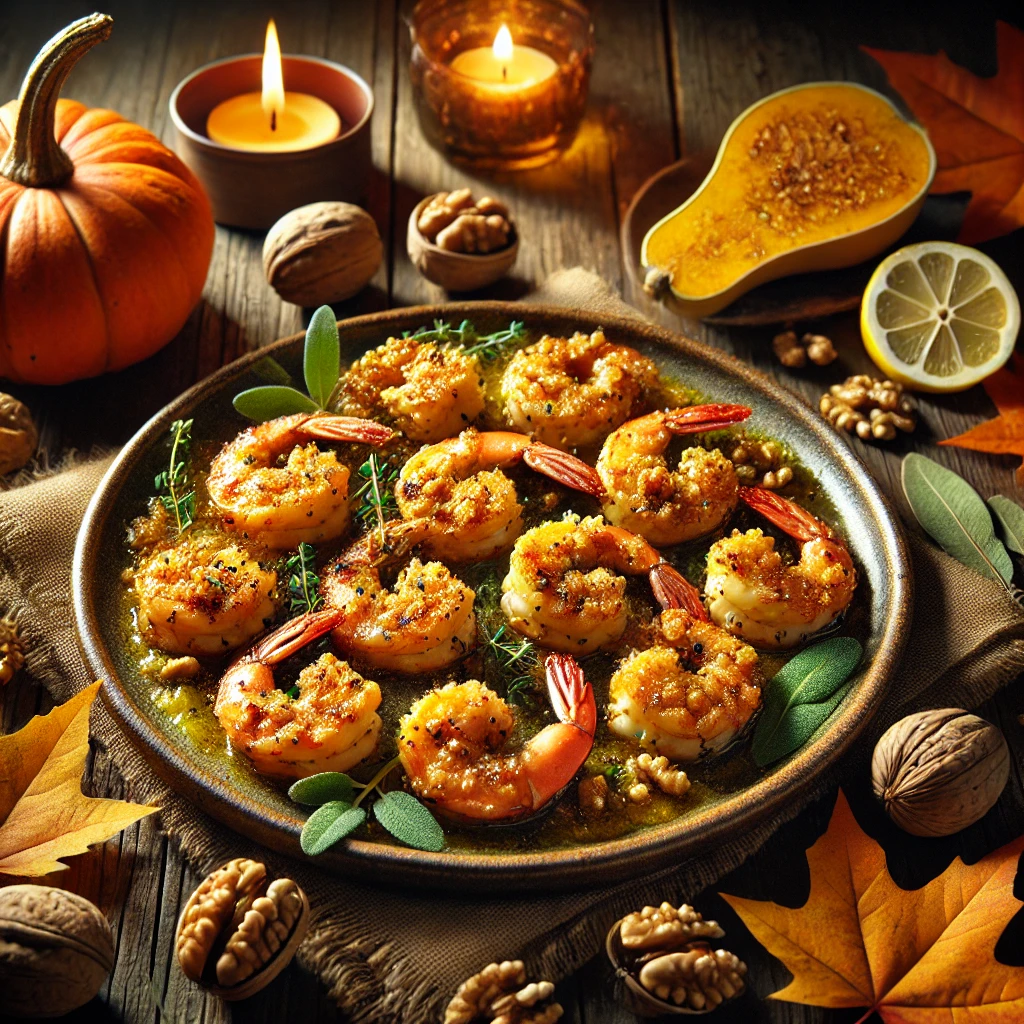
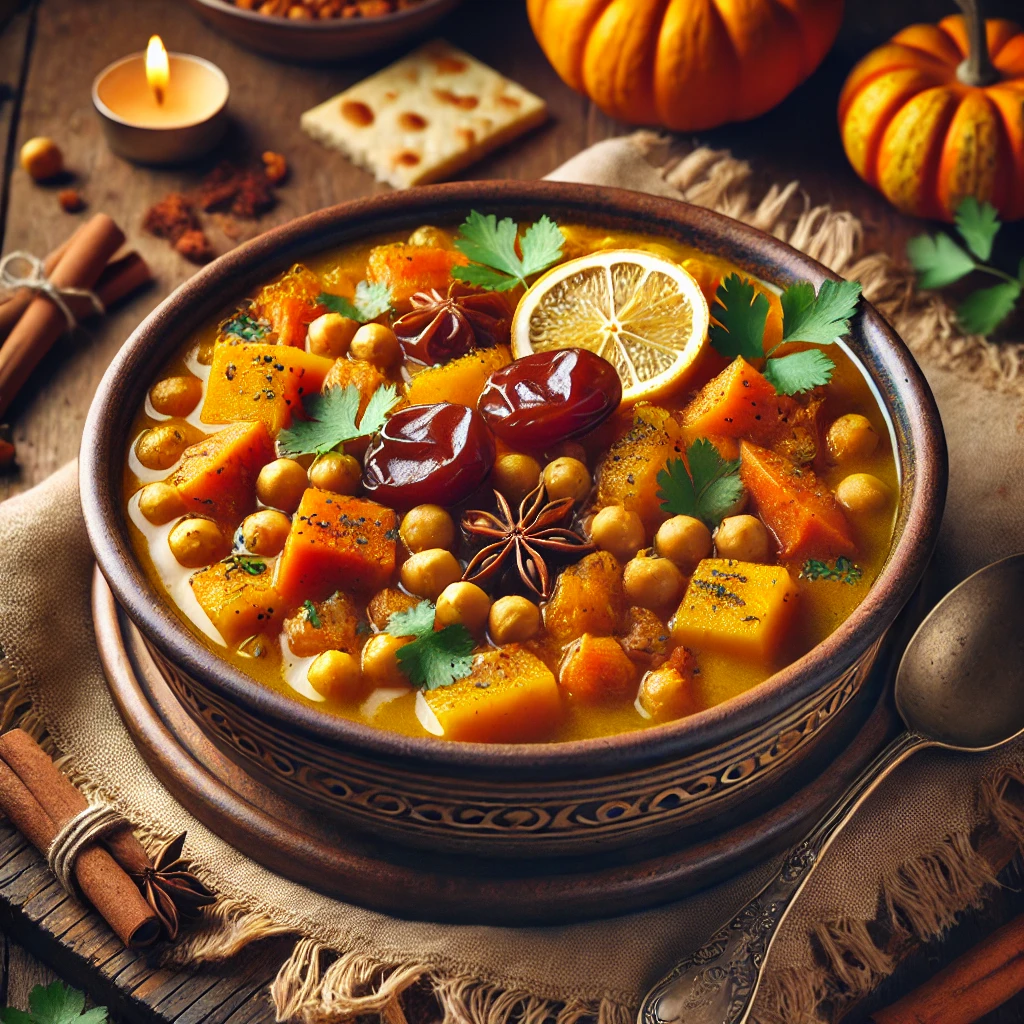
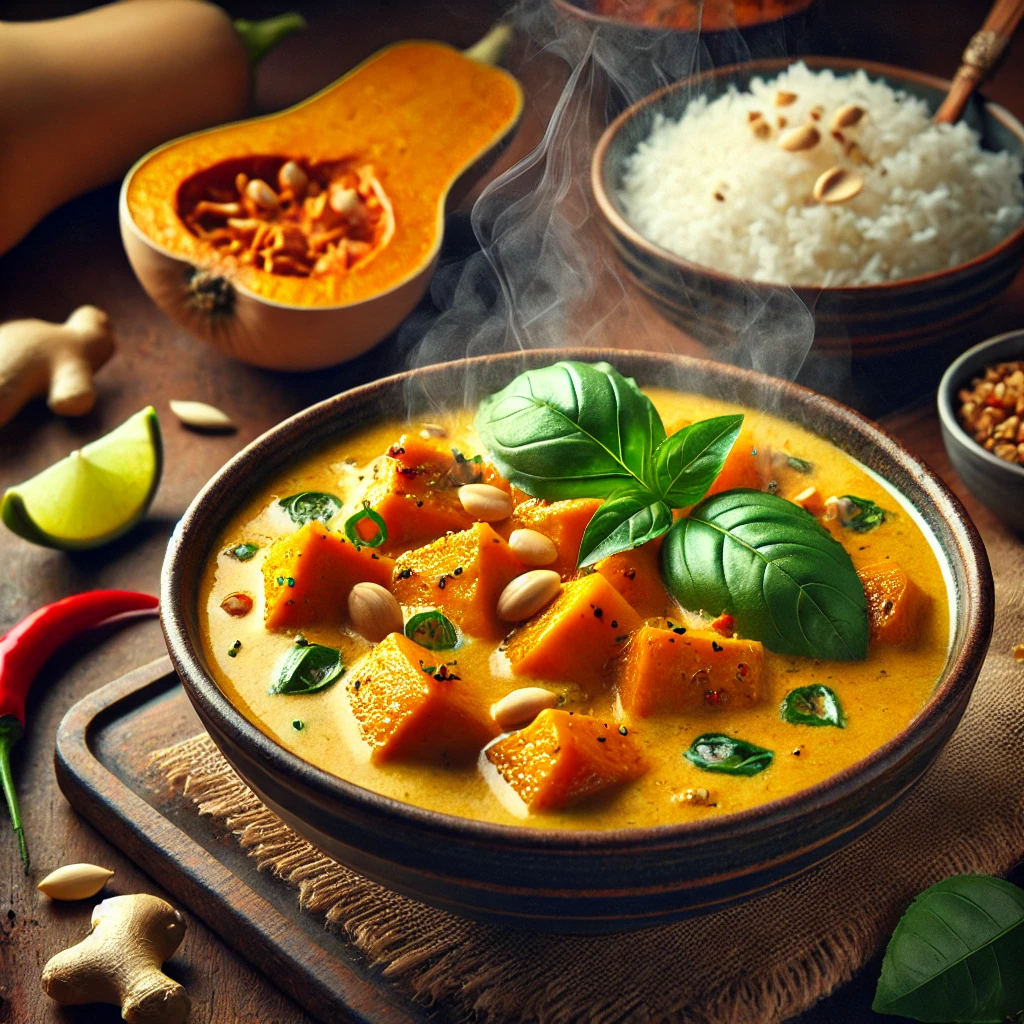
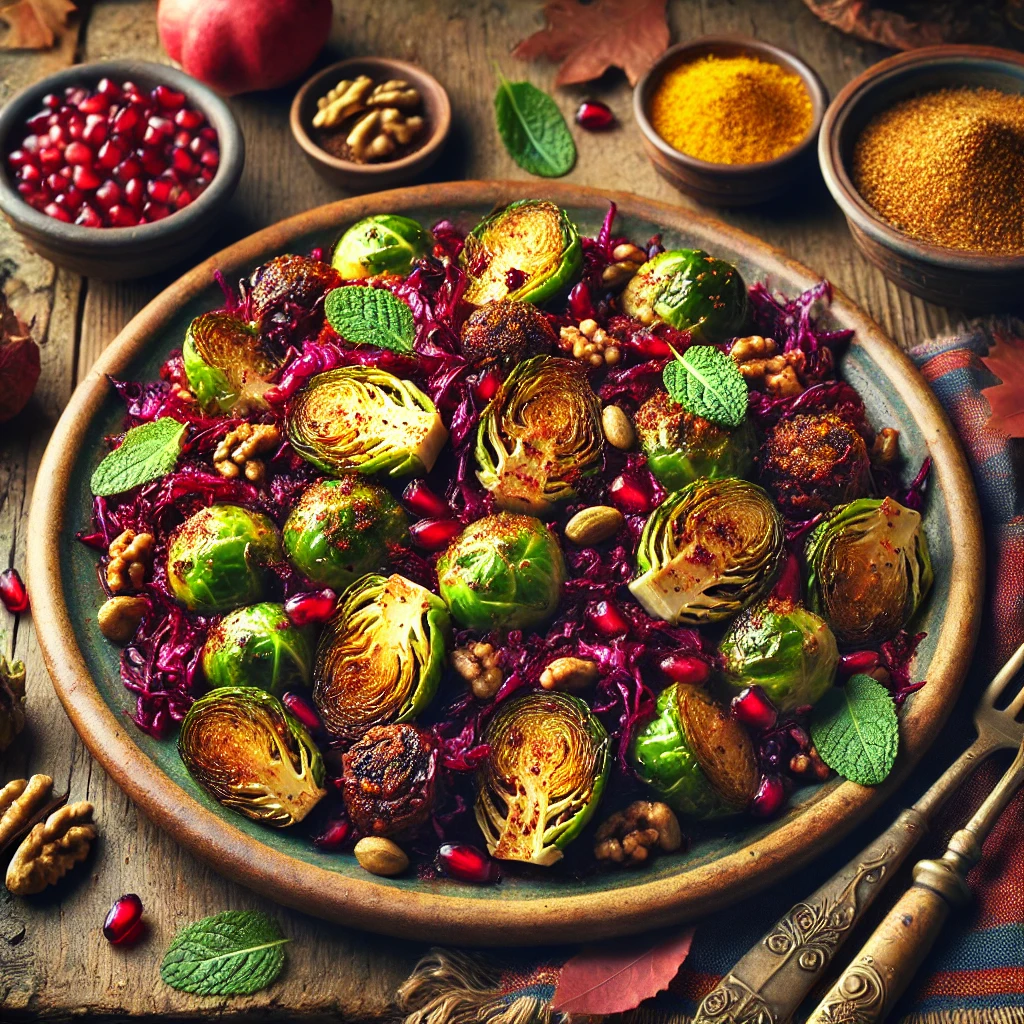
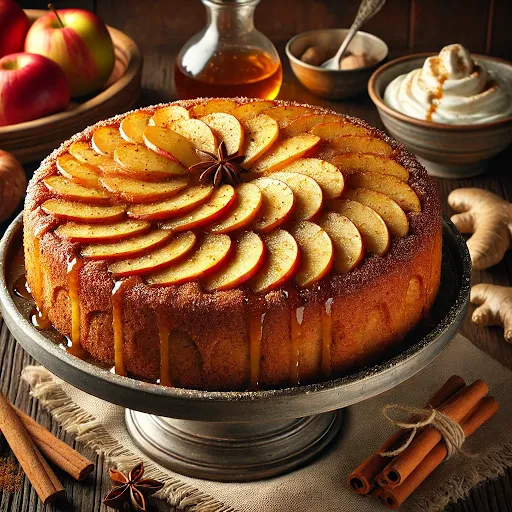
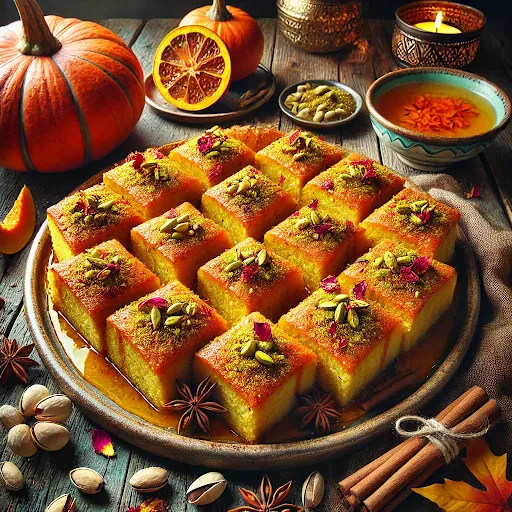
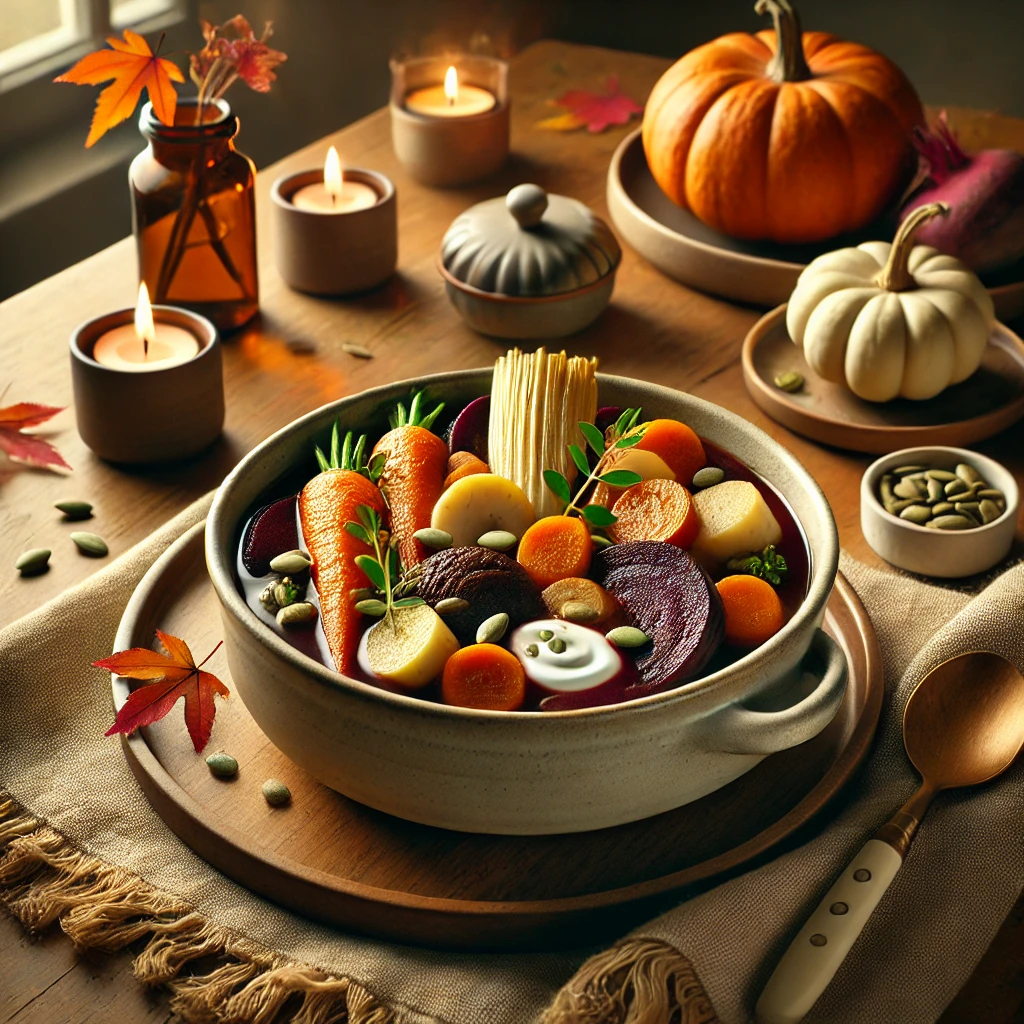
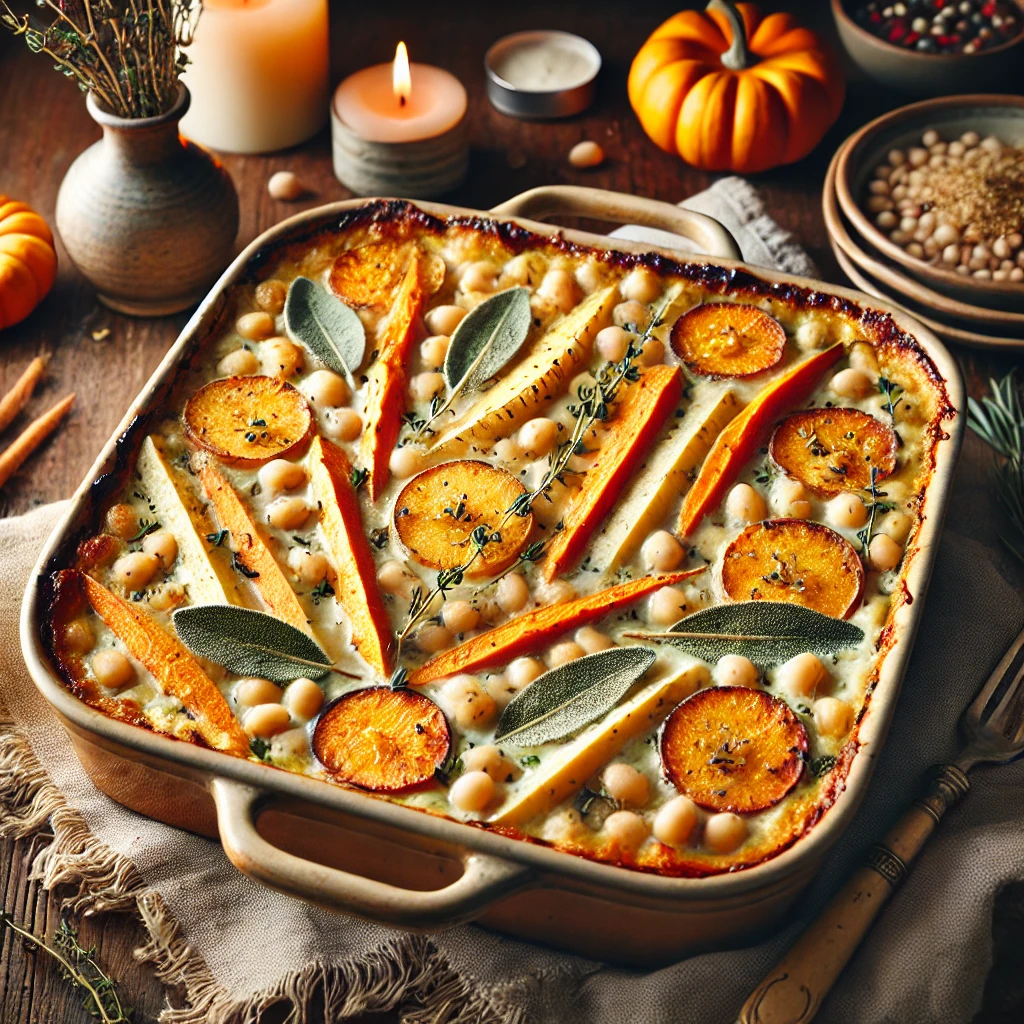
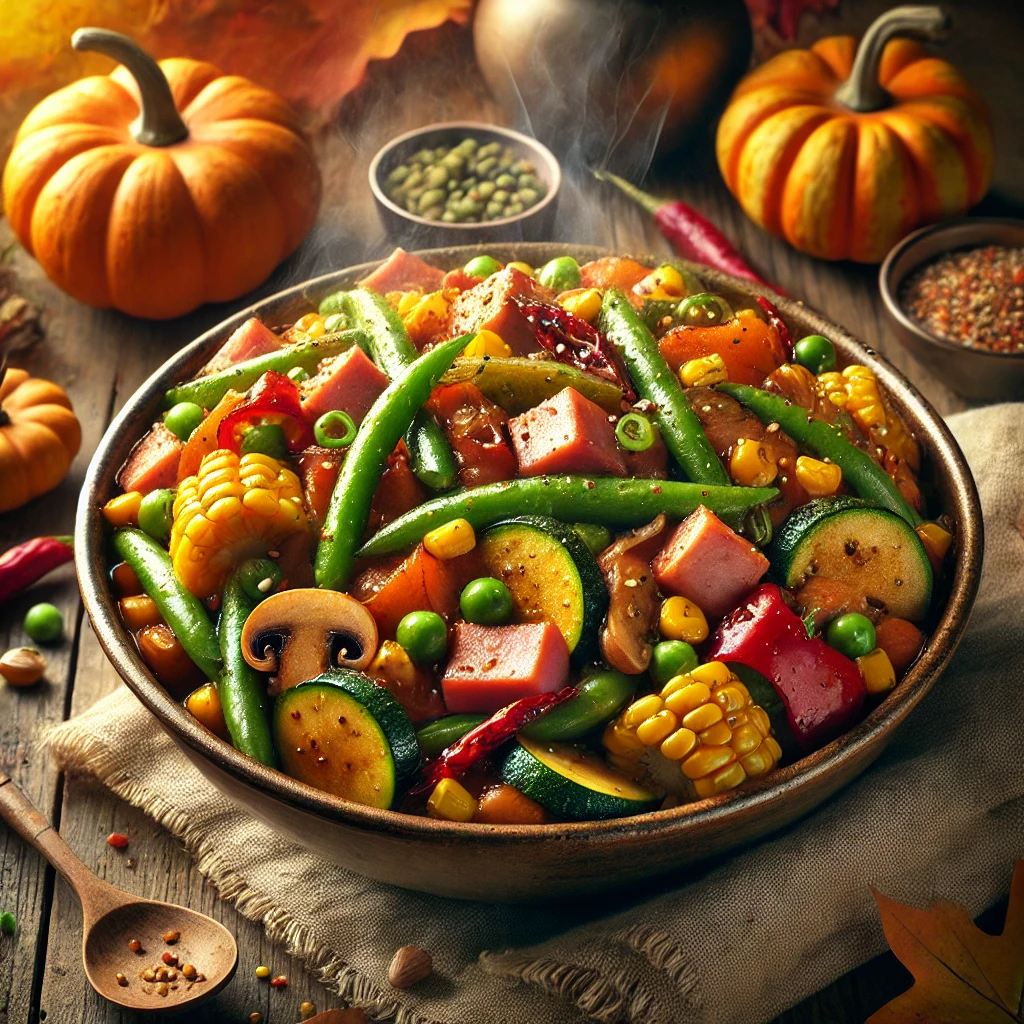
Recipes Engineered for that Autumn Glow