






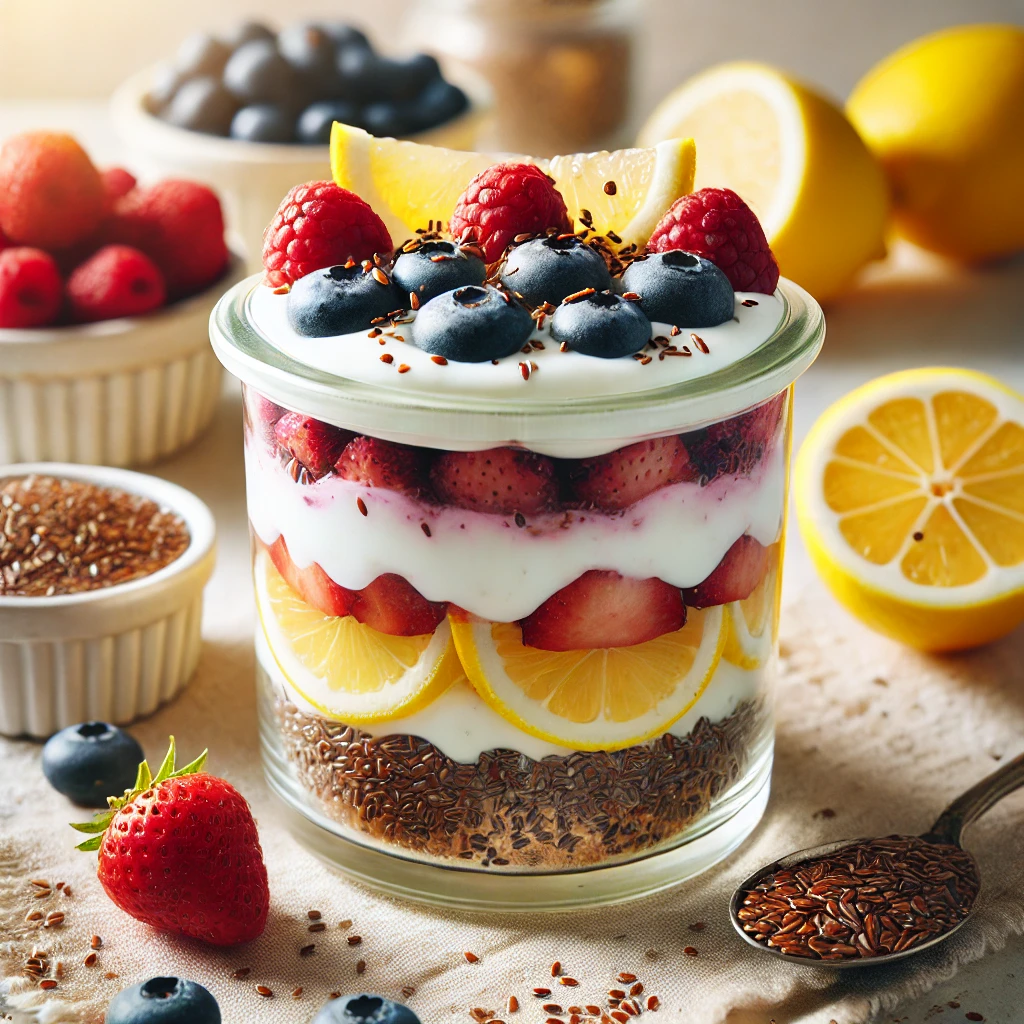

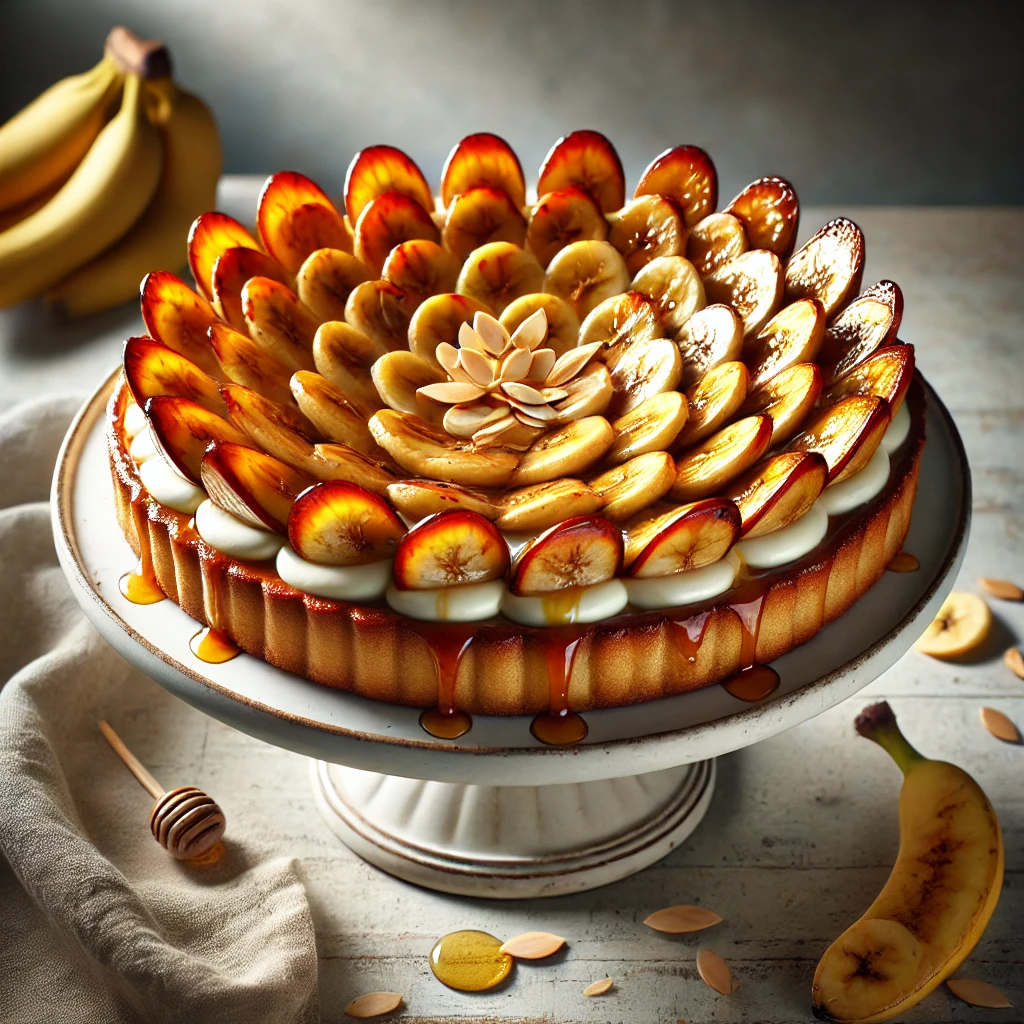
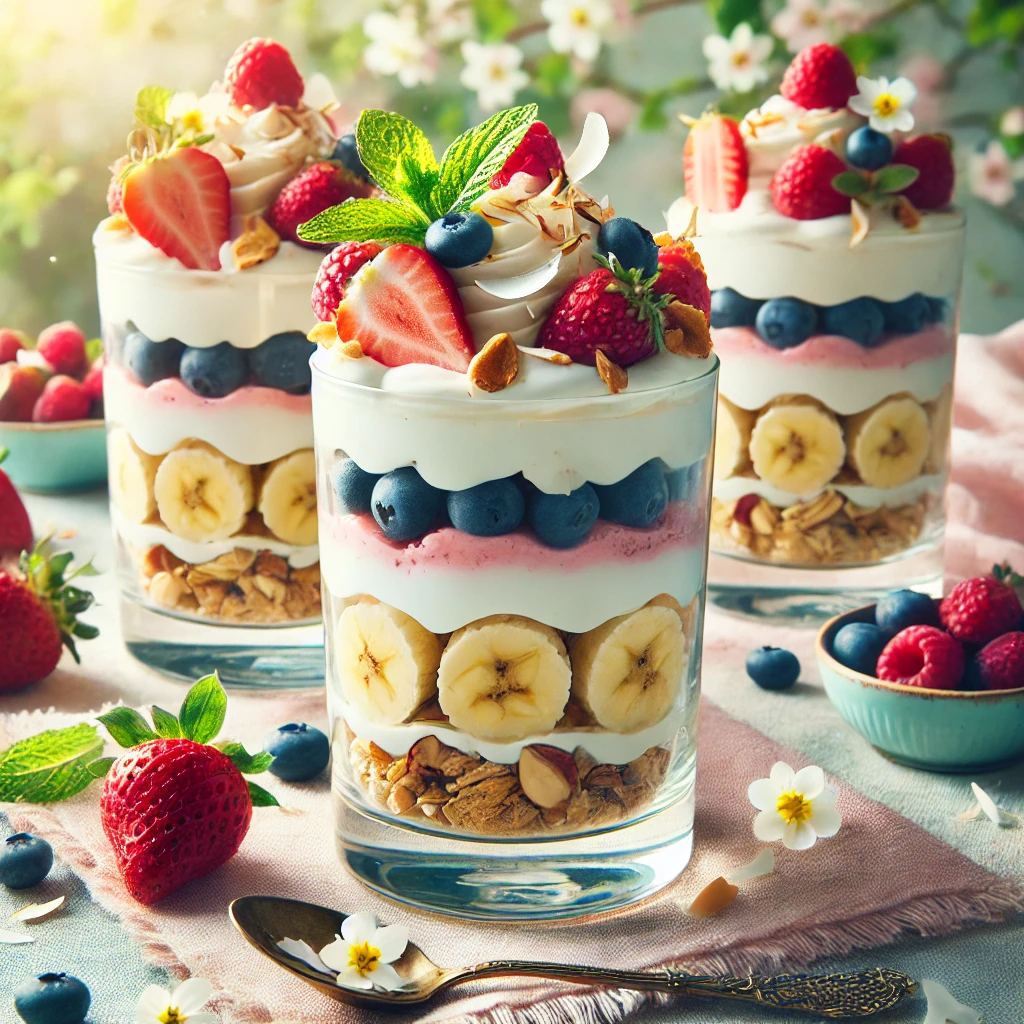
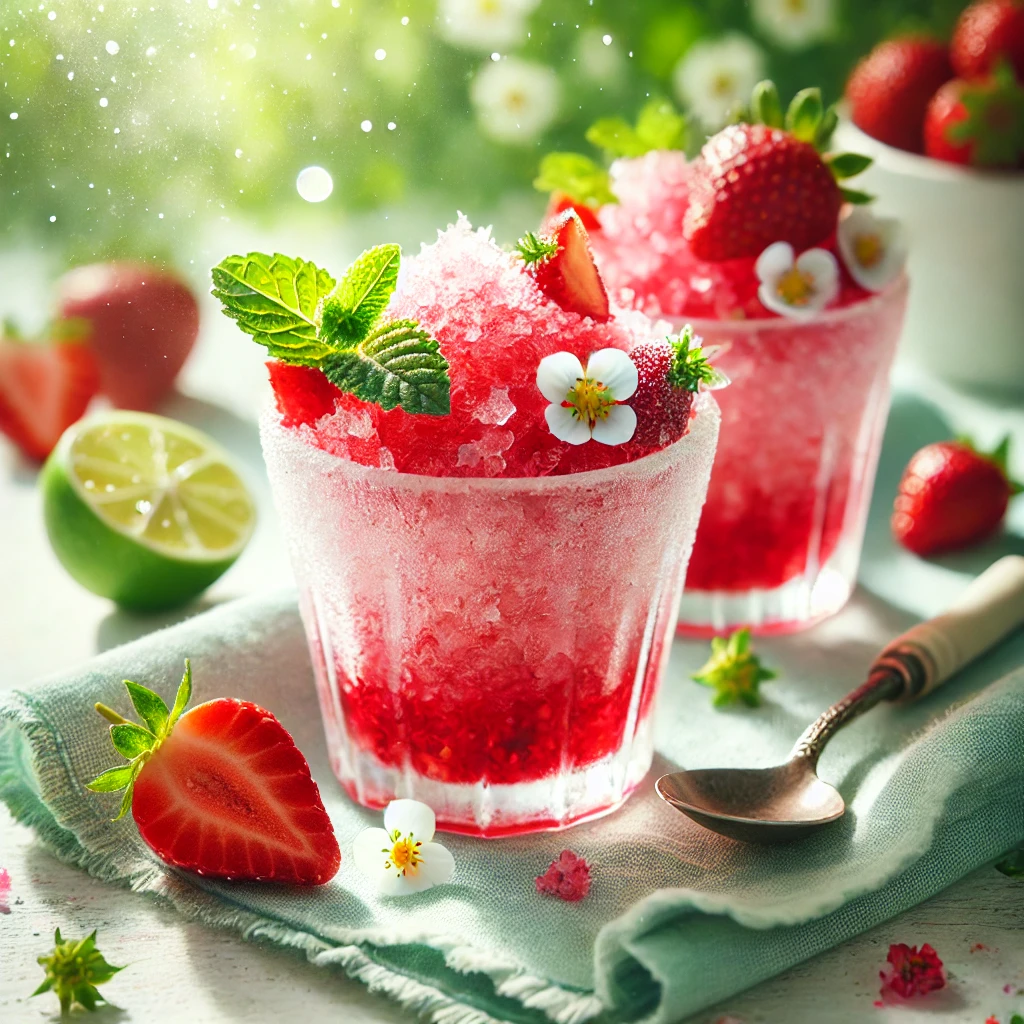









Revitalizing Spring

with ORO VALENTIO

Revitalize Your Mind, Body & Spirit — From the Inside Out Spring is more than a season — it is a recalibration.

As nature awakens from winter, it reminds us that renewal is not accidental — it is engineered. Just as the earth shifts toward light, growth, and vibrancy, your body and mind are naturally inclined toward restoration, clarity, and renewed strength.
This is your invitation to reset.
True revitalization begins internally. When hydration is optimized, when nourishment is intentional, and when self-care becomes structured rather than sporadic, the human system usually responds. Energy rises. Focus sharpens. Radiance returns.
On this page you’ll discover thoughtfully curated, science-informed foods and restorative rituals designed to support overall wellness, hydration, and balanced energy levels. When hydration is optimized and nourishment is intentional, many individuals experience improved clarity, steadier energy, and a greater sense of vitality. Because renewal is not about extremes — it is about alignment.
Oro Valentio™ embraces a systems-based perspective: when the inputs are elevated, the outcomes follow. Spring is your opportunity to refine your inputs, reset your rhythm, and rise lighter, clearer, and stronger.
Step into the season intentionally.
Revitalize from within.

Refresh From Within

As the seasons shift, many people naturally gravitate toward lighter, water-rich foods that feel refreshing after winter’s heavier meals. Spring is an opportunity to emphasize hydration, digestive comfort, and nutrient-dense simplicity. The following foods are often included in wellness-focused routines to support overall balance and vitality:
Enjoy fresh lemon water while spending intentional time outdoors — even in your own yard. Slow down and immerse yourself in the sights, sounds, textures, and subtle movements of the natural environment around you. This practice is often referred to as “forest bathing,” a term used to describe mindful time spent in nature. Researchers have explored how trees release aromatic compounds called phytoncides — naturally occurring plant oils that contribute to the distinctive scent of forests. While ongoing research continues to examine their potential influence on human physiology, many people simply report feeling calmer and more grounded after spending unhurried time outdoors. You don’t need a remote forest to experience this. • Step outside without your phone • Notice the breeze, sunlight, and bird sounds • Breathe slowly and naturally • Pair the moment with a simple hydration ritual, like warm lemon water At Oro Valentio™, renewal is not about extremes — it is about intentional inputs. Hydration and mindful time in nature are accessible practices that may support overall well-being and mental clarity as part of a balanced lifestyle.
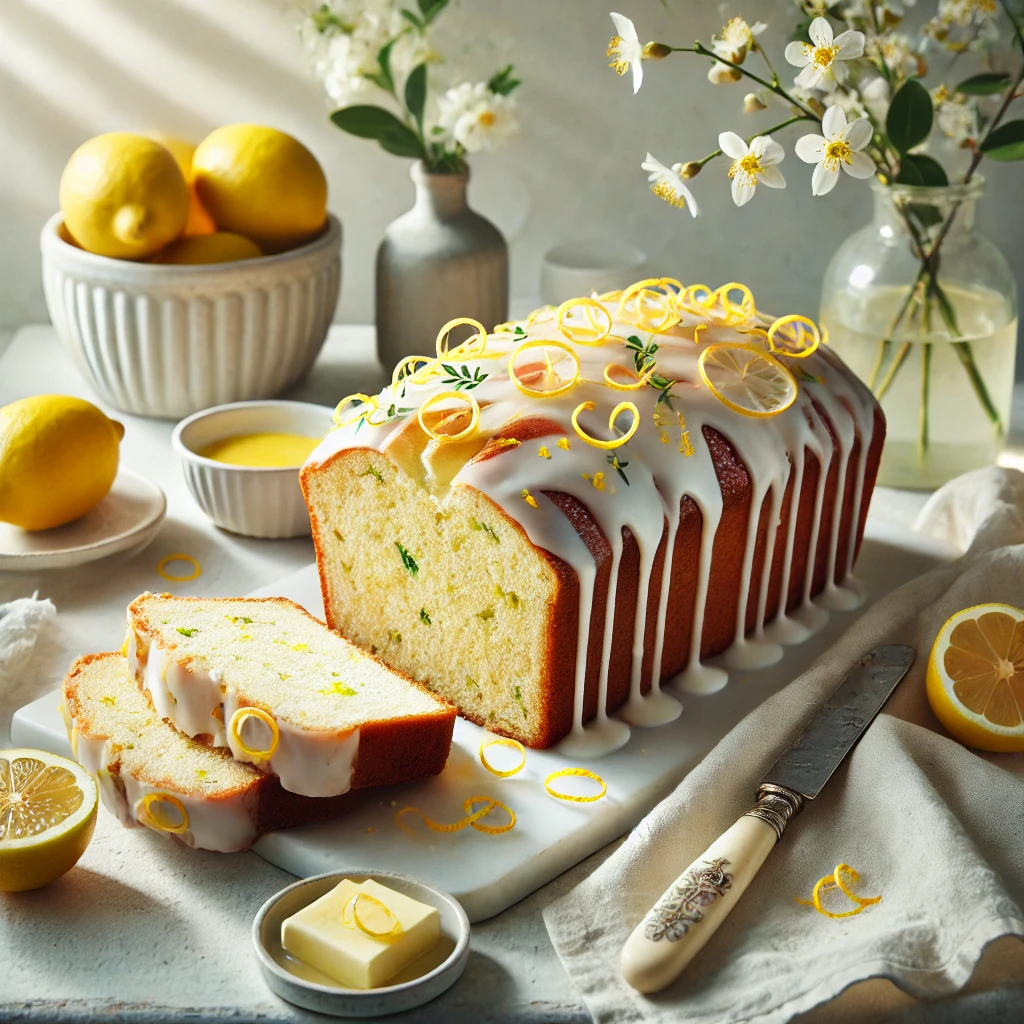
Lemon
A simple morning ritual that many people enjoy as part of a hydration-focused routine.
• Encourages daily fluid intake after sleep
• Provides vitamin C and plant compounds
• May help support comfortable digestion when paired with balanced meals
Spring Tip: Starting your day with warm lemon water can be a gentle way to prioritize hydration and intentional nourishment.

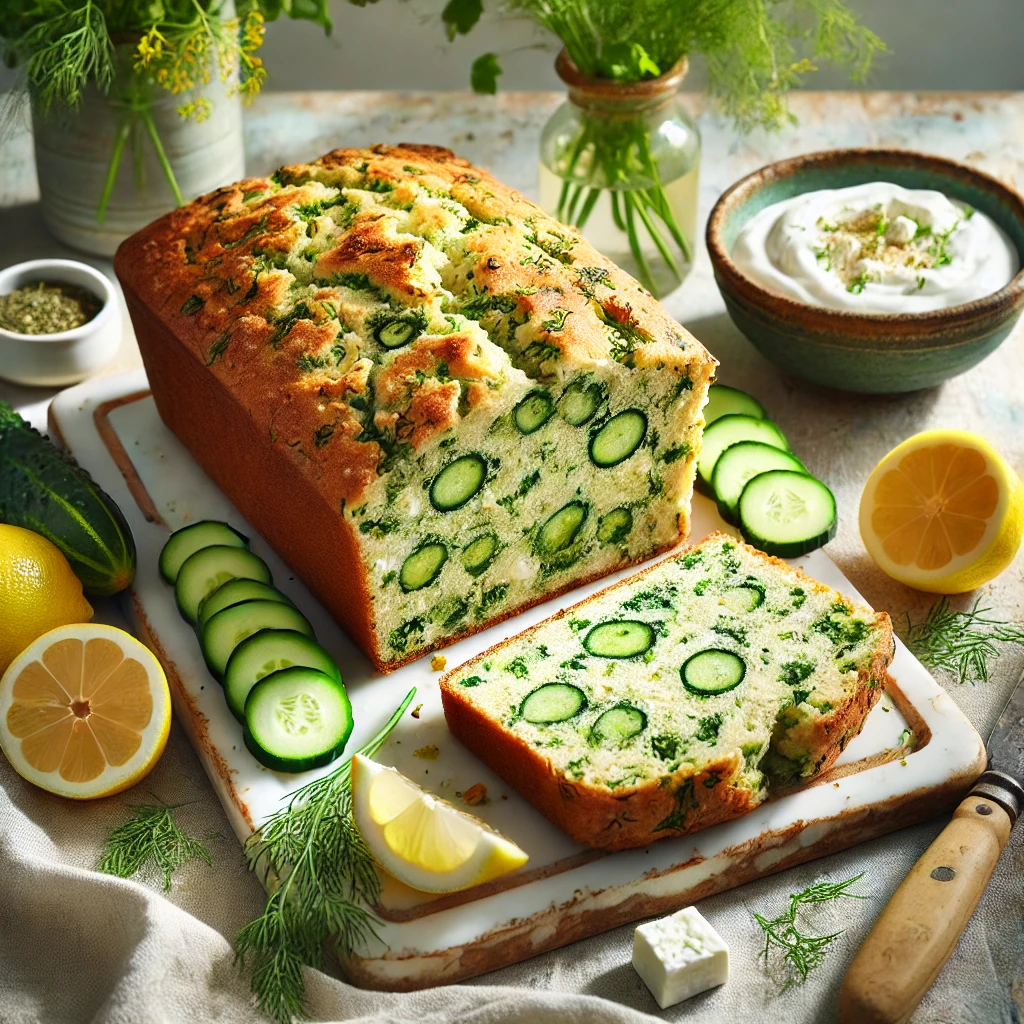
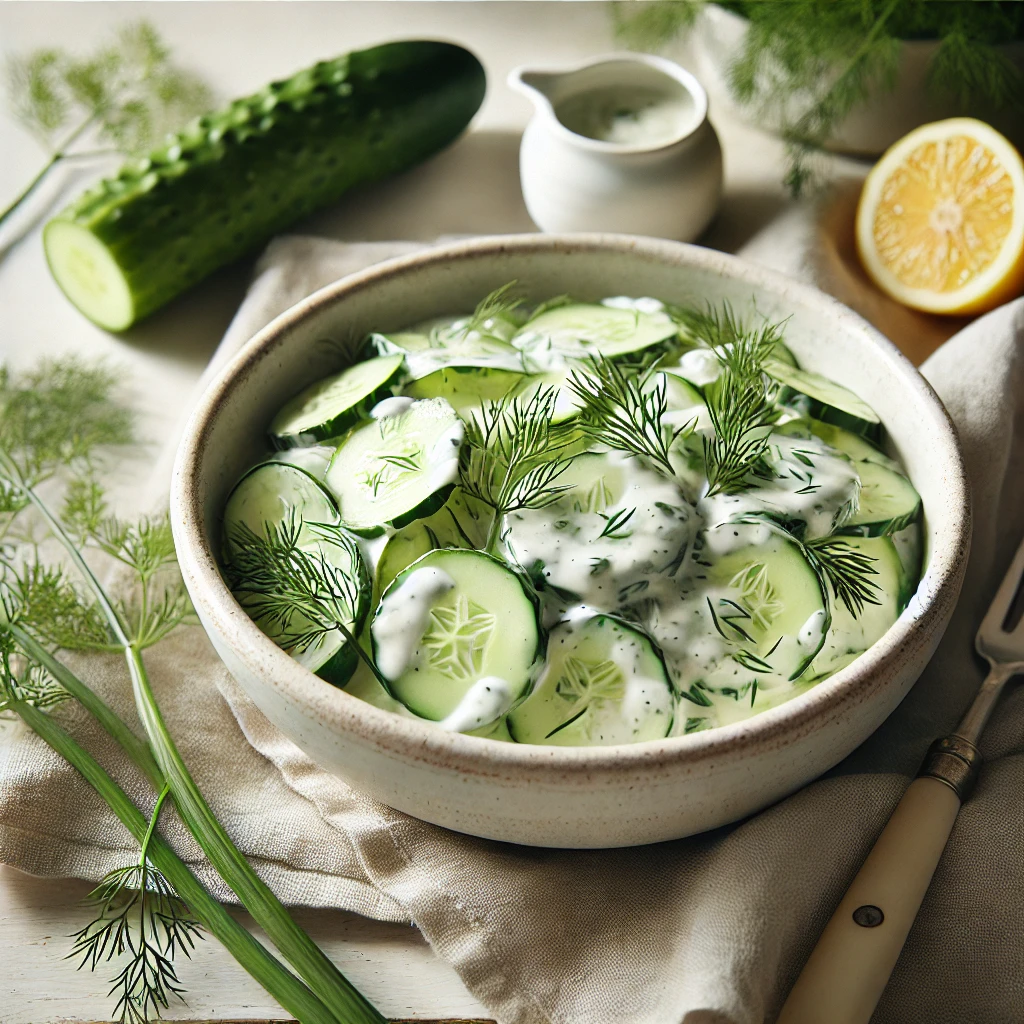
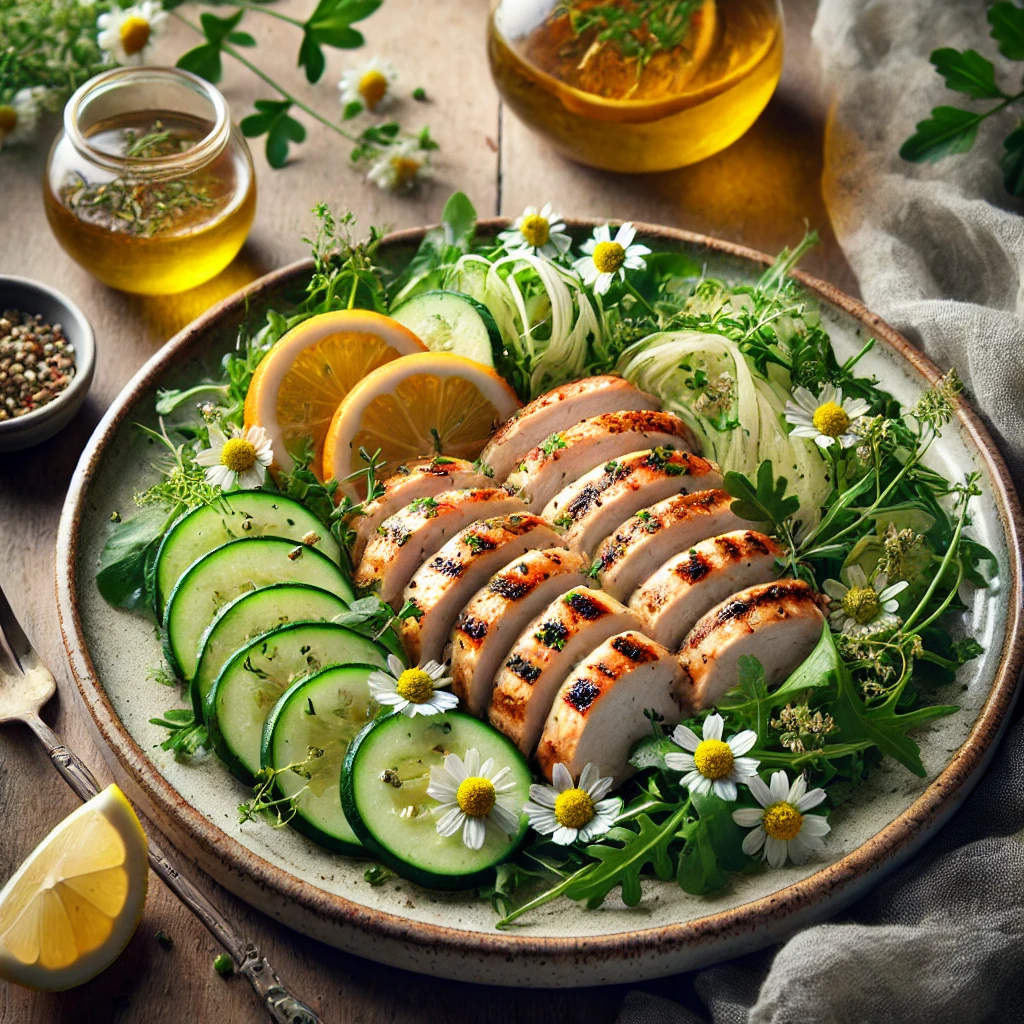
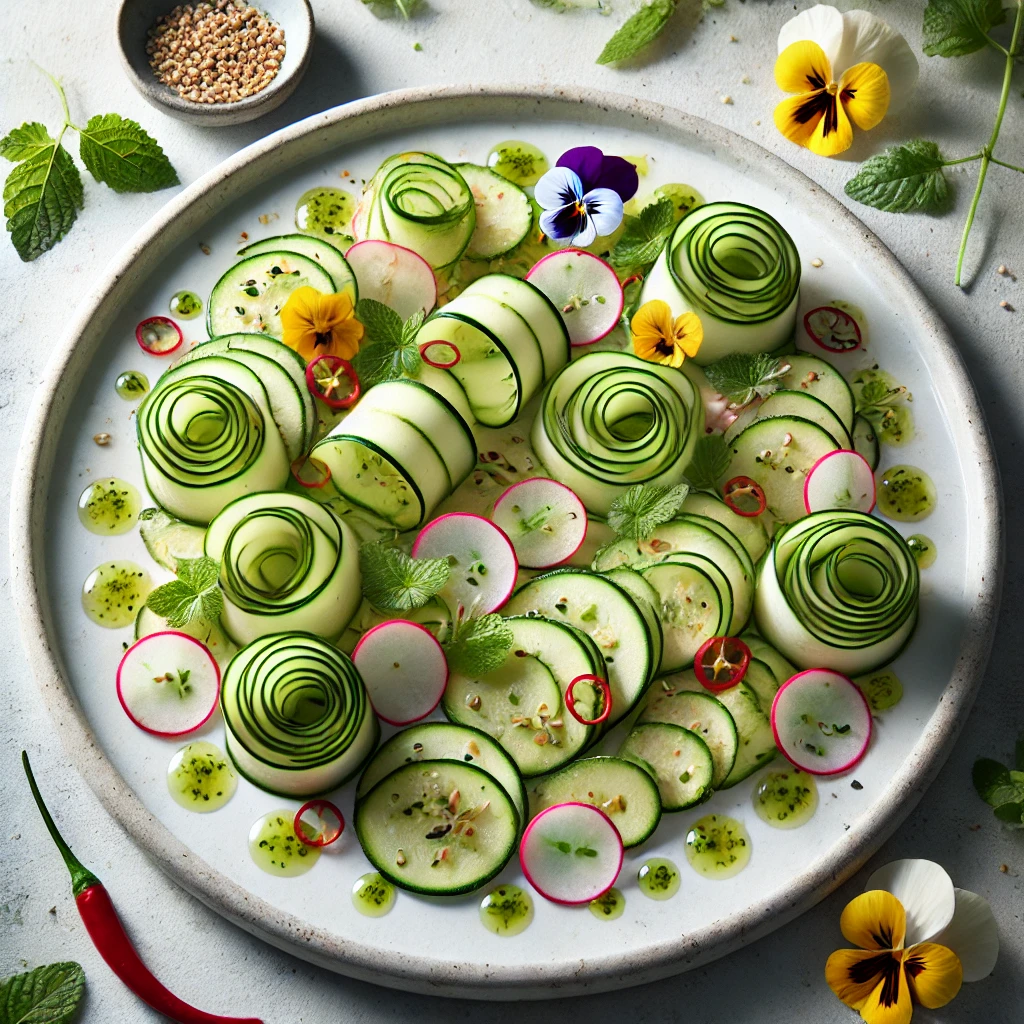
Cucumber
Light, crisp, and naturally water-rich.
• Approximately 95% water, contributing to hydration
• Contains trace minerals and plant compounds
• Often included in meals and beverages to promote a refreshing, light feeling
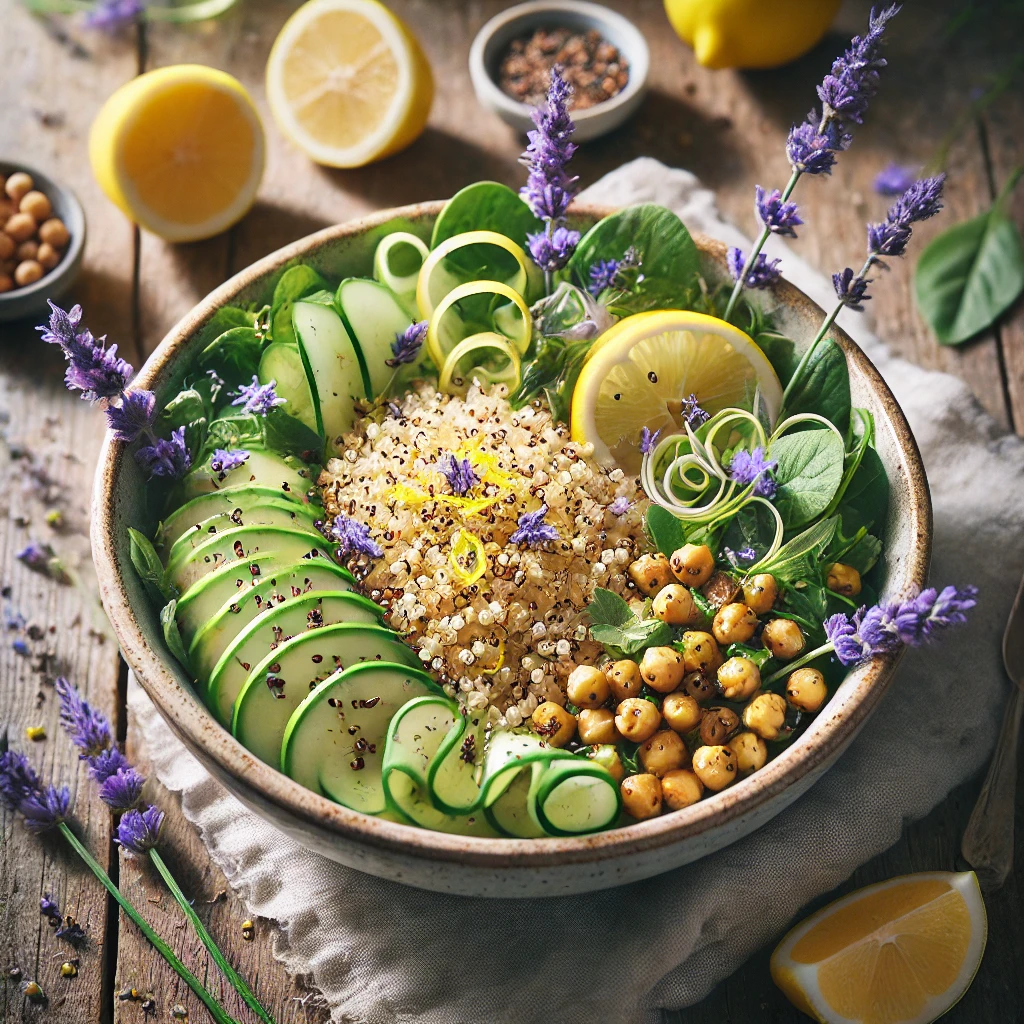
Cucumbers pair beautifully with leafy greens, herbs, and citrus for simple seasonal dishes.
Arugula
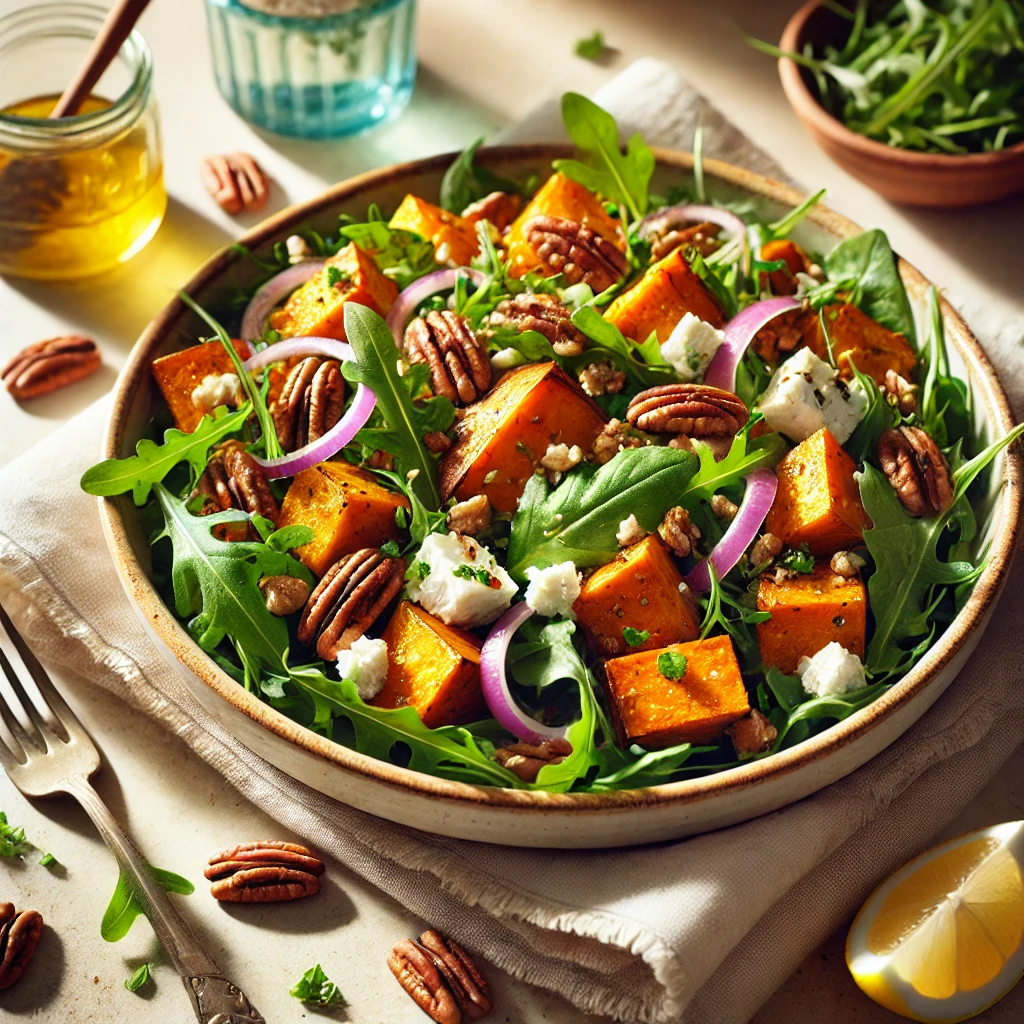
Arugula is a distinctive leafy green prized for its fresh, peppery flavor and tender texture. A favorite in Mediterranean cuisine, it brings vibrant character to salads, sandwiches, pizzas, grain bowls, and pasta dishes. Naturally providing dietary fiber, vitamin K, folate, and vitamin C, along with a variety of naturally occurring plant compounds, arugula is a flavorful addition to a balanced diet. Its bold taste pairs beautifully with citrus, berries, Parmesan cheese, roasted vegetables, nuts, and grilled meats, making it one of the most versatile greens of the season.
Spring Tip: Toss fresh arugula with strawberries, shaved Parmesan, toasted walnuts, and a light lemon vinaigrette for a bright seasonal salad, or scatter it over warm pizza just before serving for a fresh peppery finish.
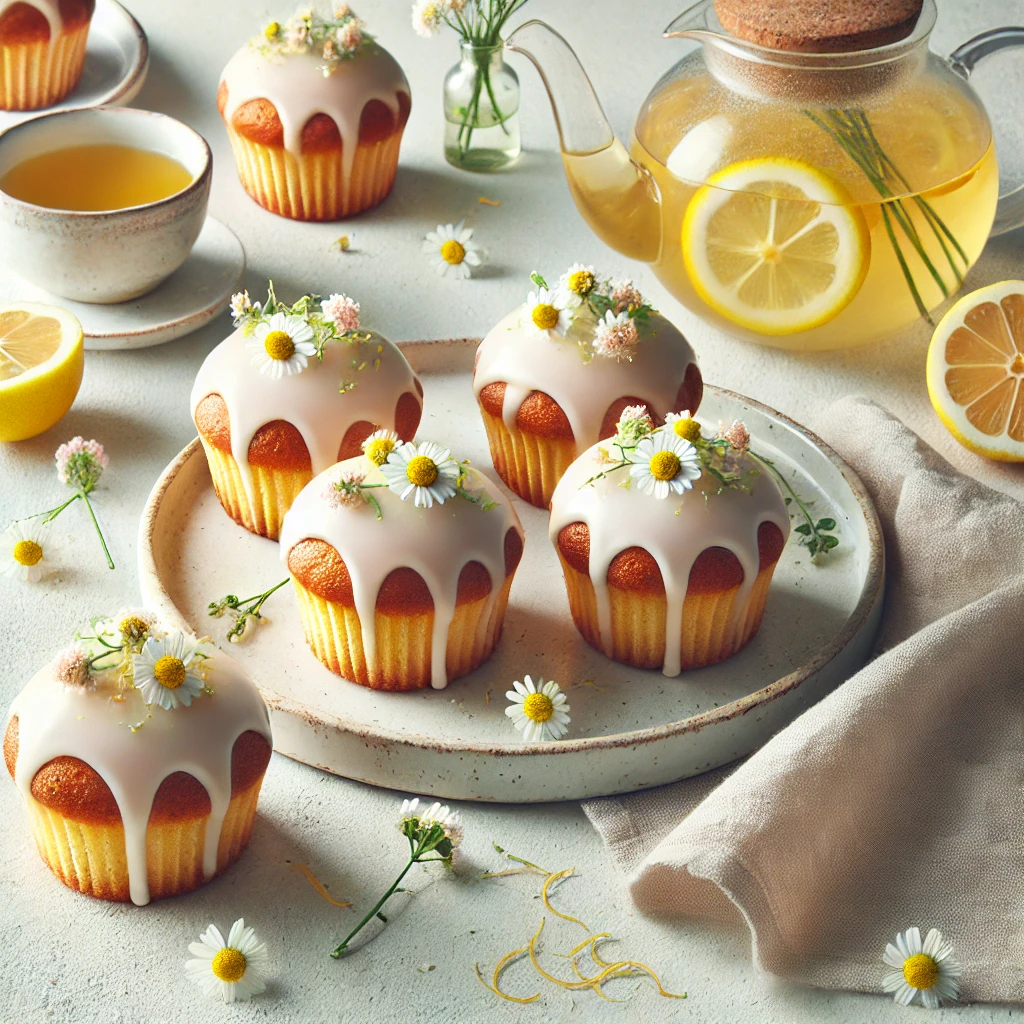
Chamomile
Chamomile is one of the world’s most cherished botanical herbs, celebrated for its delicate daisy-like blossoms, gentle floral aroma, and comforting flavor. Traditionally enjoyed as a naturally caffeine-free herbal tea, chamomile has long been part of evening routines and moments of relaxation. Its mild, apple-like fragrance also makes it a popular ingredient in culinary infusions, honey, desserts, and herbal beverage blends.
Spring Tip: Steep dried chamomile flowers to prepare a warm herbal tea, or serve it chilled with lemon and a touch of honey for a refreshing springtime beverage. As with any botanical herb, consult your healthcare provider before use if you are pregnant, nursing, taking medications, or have a medical condition.
Emerging research has explored how intentional time in natural environments may influence physiological and psychological markers associated with stress and well-being. Studies have observed that time spent in forest settings has been associated with: • Shifts in biological stress markers • Changes in heart rate and blood pressure patterns • Temporary changes in certain immune-related measurements • Self-reported improvements in mood • Reduced feelings of mental fatigue • Increased perceived focus and creative thinking It is important to note that these findings describe associations observed under research conditions. Individual experiences vary, and outdoor time should be viewed as a supportive lifestyle practice rather than a medical treatment. At Oro Valentio™, forest immersion is embraced not as therapy — but as a structured pause. A systems reset. A deliberate reduction of sensory overload in the modern environment.

Seasonal Energy Support

Feeling sluggish as the seasons change? Spring is an opportunity to emphasize vibrant, nutrient-dense foods that help support steady energy and overall vitality — without relying on stimulants or extreme measures. Rather than chasing quick spikes, Oro Valentio™ focuses on balanced nourishment designed to support sustained energy throughout the day.
Almonds
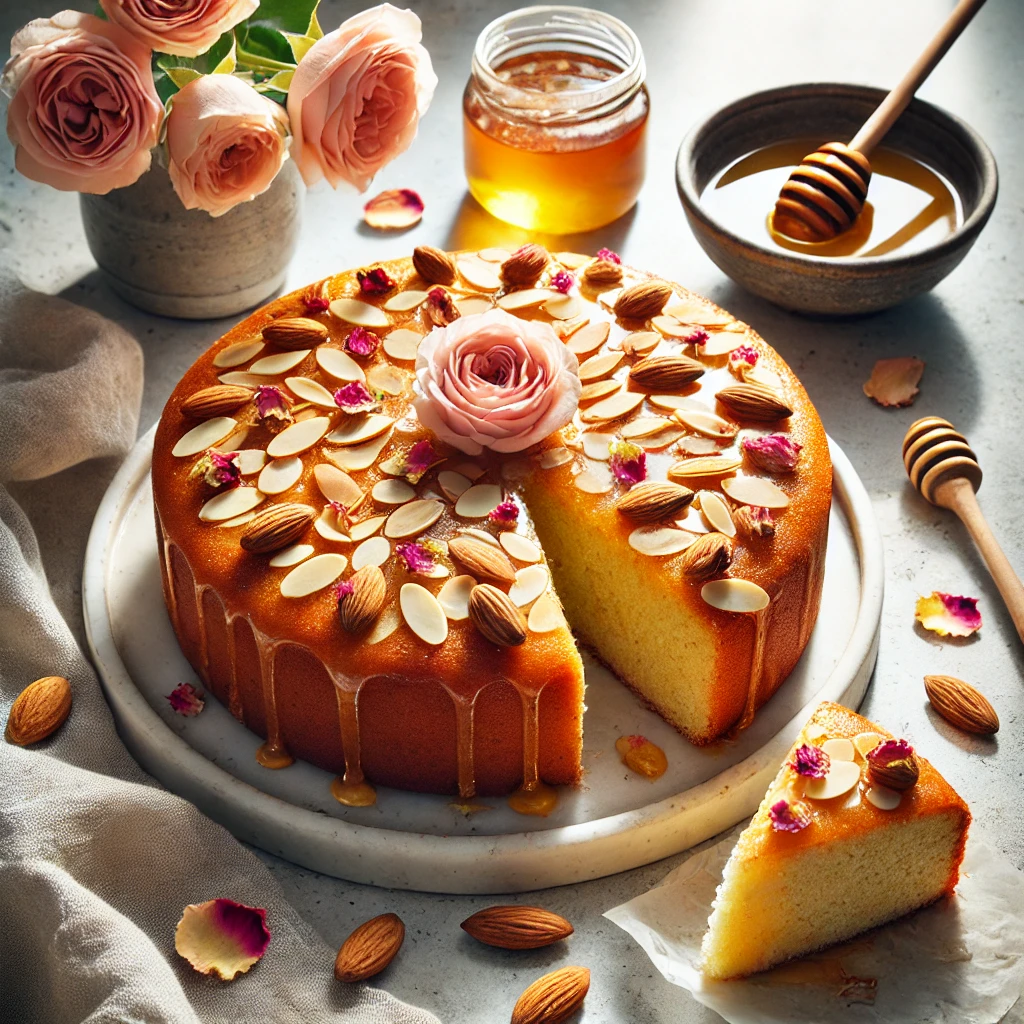
Almonds are one of nature’s most versatile and nutrient-dense tree nuts, prized for their delicate flavor, satisfying crunch, and culinary versatility. Naturally providing monounsaturated fats, plant-based protein, dietary fiber, vitamin E, magnesium, and other essential nutrients, almonds are a delicious addition to a balanced diet. Whether enjoyed by the handful, blended into smoothies, incorporated into baked goods, or sprinkled over salads and oatmeal, almonds add both nourishment and satisfying texture to countless recipes.
Spring Tip: Enjoy a handful of almonds as a wholesome snack, toast sliced almonds to enhance their rich flavor, or sprinkle them over fresh spring salads, yogurt, or roasted vegetables for added crunch and natural goodness.
Matcha
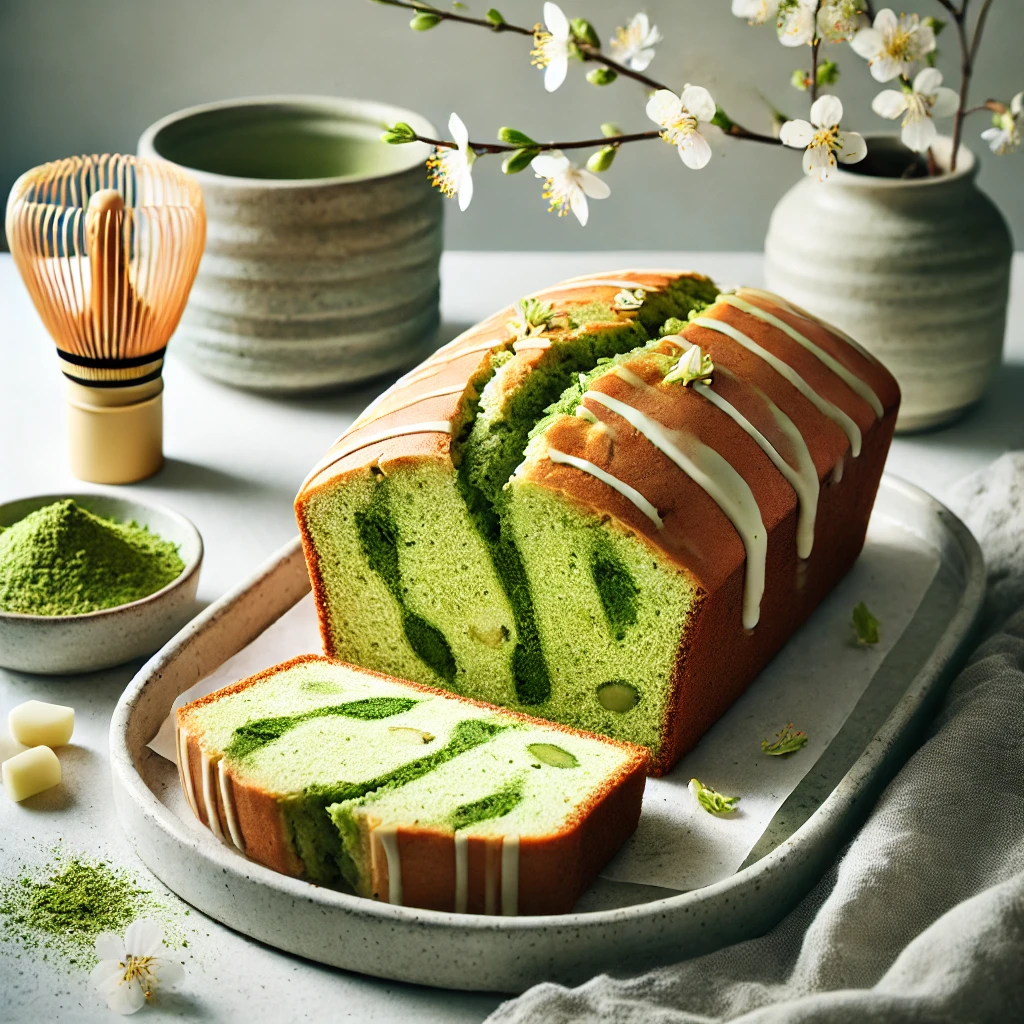
Matcha is a finely ground green tea powder that has been celebrated in Japanese tea culture for centuries. Because the entire tea leaf is consumed, matcha offers a distinctive earthy flavor, vibrant emerald-green color, and naturally occurring plant compounds, including catechins. It also naturally contains both caffeine and L-theanine, a combination many people enjoy as part of a mindful morning or afternoon ritual. Matcha is equally delicious prepared as a traditional tea, whisked into lattes, blended into smoothies, or incorporated into desserts and baked goods.
Spring Tip: Whisk matcha with hot water for a traditional tea, enjoy it as a creamy latte, or blend it into smoothies for a vibrant splash of color and flavor. Individual sensitivity to caffeine varies, so choose a serving size that best fits your personal preferences.
Almonds are a timeless example of nutrient-dense simplicity. Naturally rich in monounsaturated fats, they are commonly included in balanced eating patterns. Almonds provide vitamin E, an antioxidant nutrient, along with magnesium, a mineral involved in normal muscle and nerve function. They also contain plant-based protein and dietary fiber, contributing to their satisfying texture and versatility in meals and snacks. Whether enjoyed whole, sliced over seasonal dishes, or blended into almond butter, almonds offer both elegance and substance—aligning beautifully with a thoughtful, balanced approach to everyday nourishment. Above is a realistic illustration of an almond grove in full bloom—soft petals, serene light, and a fragrant spring atmosphere.

Nourishment for Radiance & Hydration

As the seasons change, many people notice shifts in their skin’s appearance and hydration levels. Spring is an ideal time to emphasize water-rich foods, healthy fats, and nutrient-dense produce as part of a balanced wellness routine. Rather than attempting to “fix” skin from the outside alone, Oro Valentio™ approaches radiance through internal nourishment and consistent hydration.
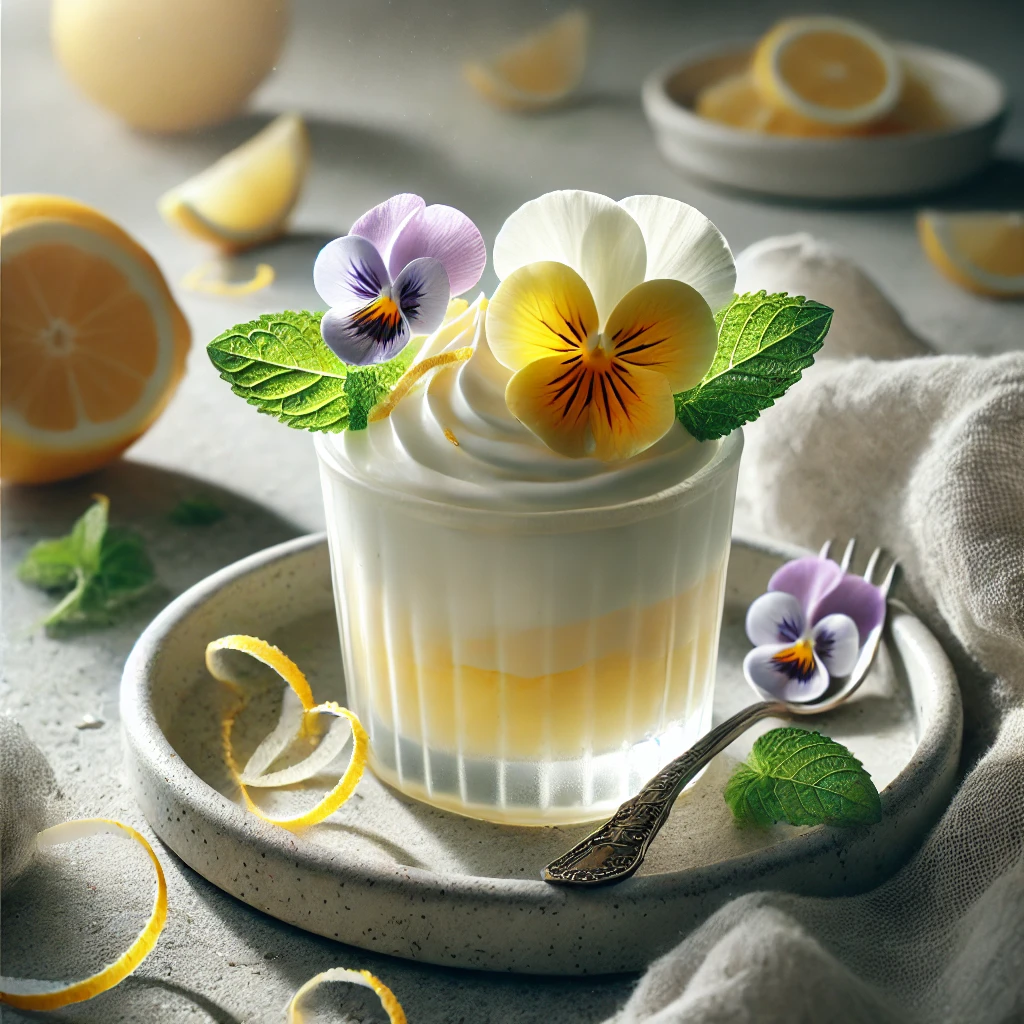
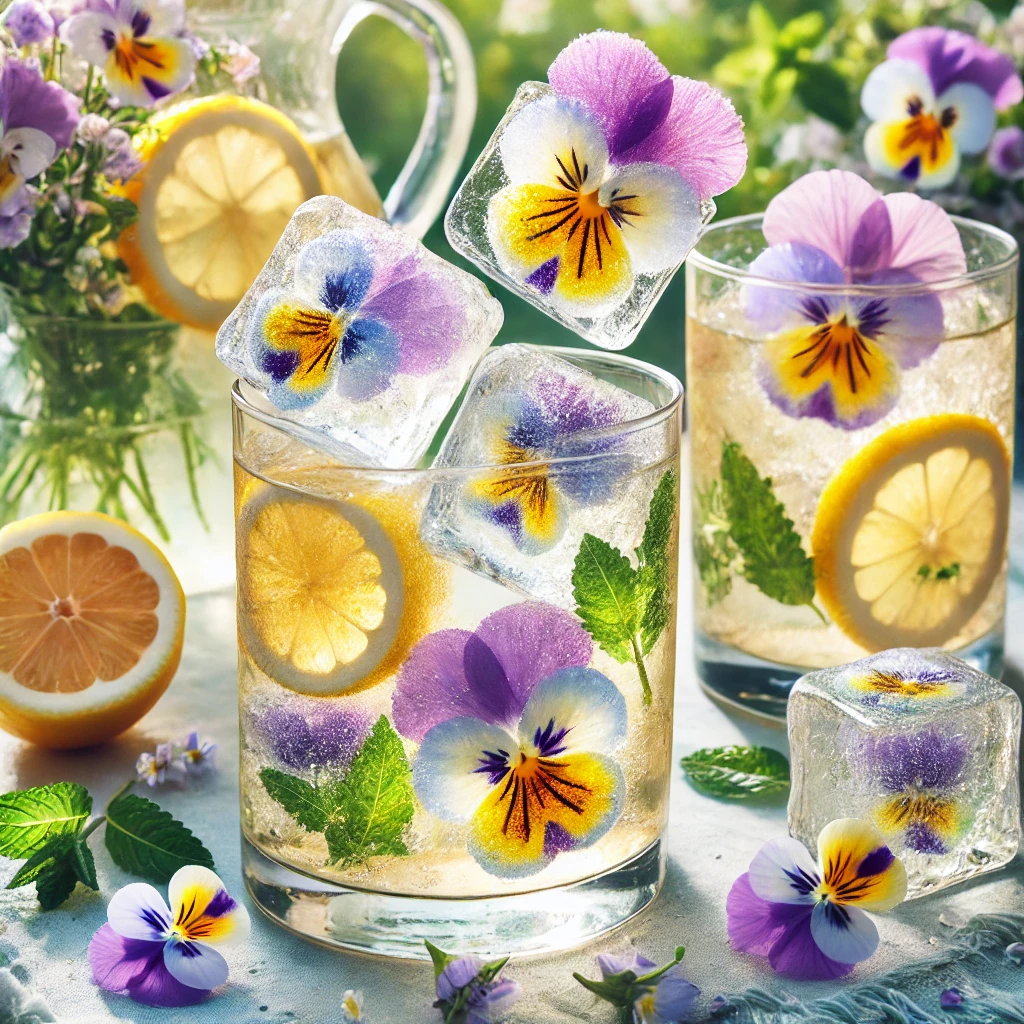
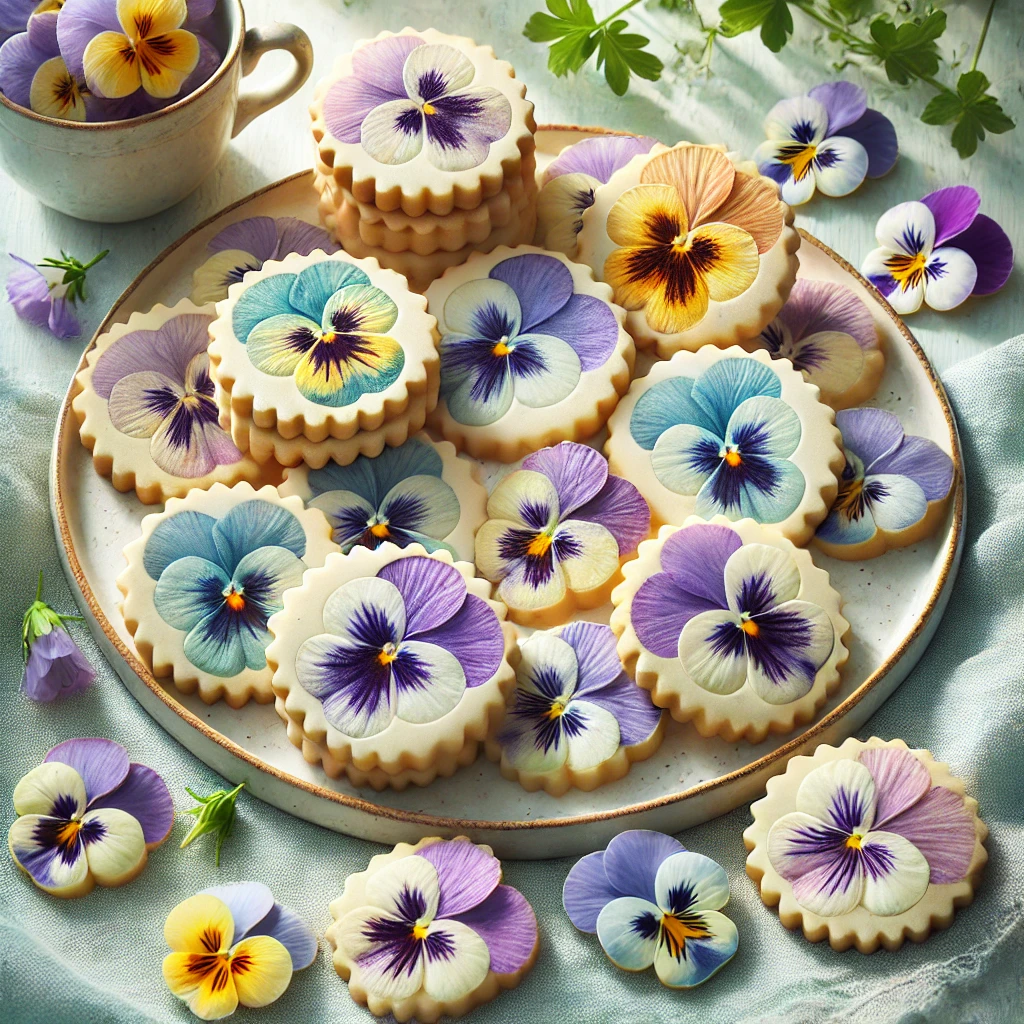
Violas are small, cool-season flowering plants within the Viola genus, closely related to pansies but typically more delicate in size and structure. Their blossoms appear in shades of violet, deep purple, soft yellow, white, and bi-color combinations, often with fine markings that add intricate detail. Violas thrive in mild temperatures and are commonly planted in spring and fall gardens for their resilience and long blooming period. When grown without pesticides and designated as food-safe, their petals are edible and have a mild, slightly sweet, and subtly grassy flavor. Because of their petite size and refined appearance, violas are especially valued in culinary presentation, where they add color, texture, and seasonal elegance to salads, desserts, cakes, and beverages.
Violas
Delicate, jewel-toned, and quietly elegant.
• Smaller and more intricate than pansies, offering refined detail and subtle visual texture
• Mild, lightly sweet flavor that complements both sweet and savory dishes
• Add natural color contrast without overpowering a plate
• Especially well suited for cool-season presentation and spring styling
Because of their petite size, violas are most effective when used in small groupings, creating visual rhythm and layered dimension across a surface. Their understated presence aligns naturally with spring’s lighter, more expressive aesthetic.
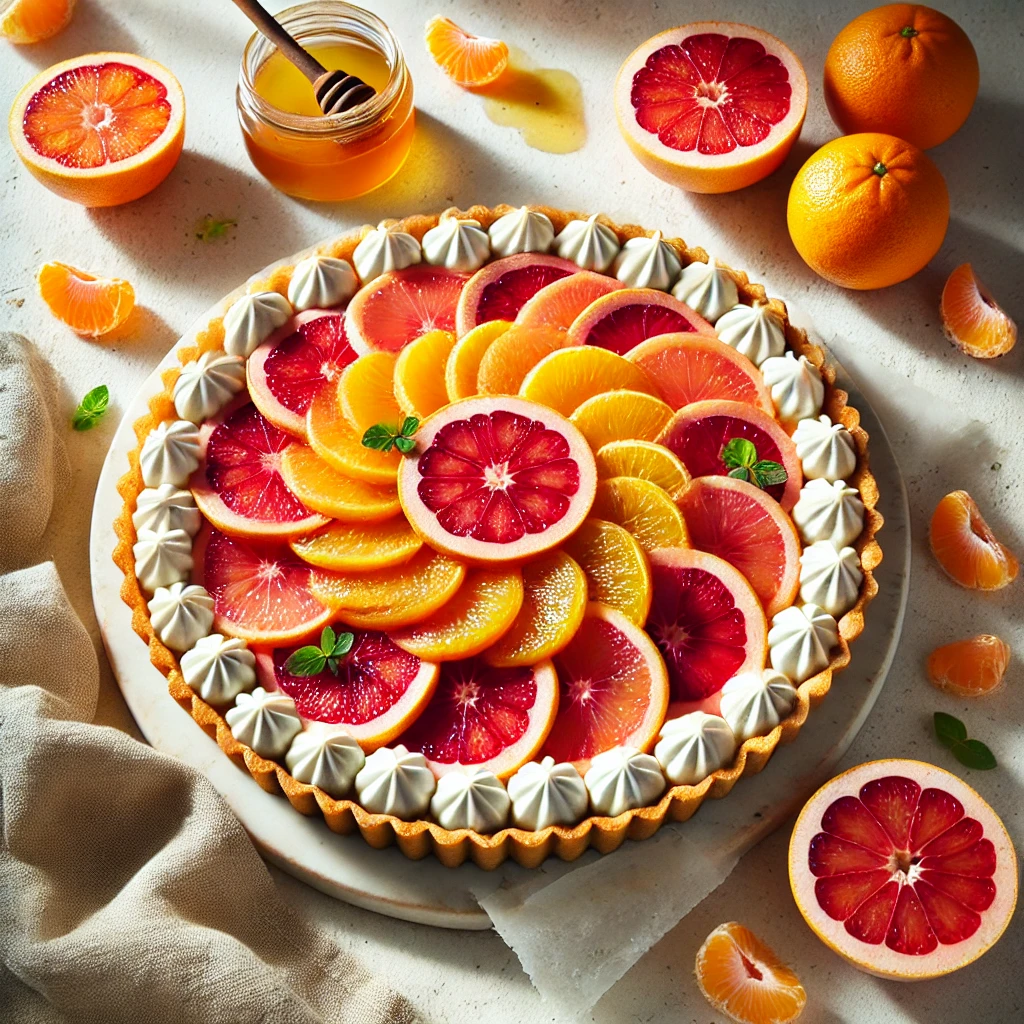
Citrus Fruits
(Oranges, Grapefruit, Pineapple, Kiwi)
Bright, refreshing, and naturally hydrating.
• Rich in vitamin C, an essential nutrient involved in normal collagen formation and overall wellness
• Contain naturally occurring fluids and minerals that contribute to hydration
• Provide natural carbohydrates that can help support energy needs
Kiwi and other citrus fruits are also commonly included in balanced eating patterns that support overall mood and vitality as part of a healthy lifestyle.
 
Coconut Water
Light, subtly sweet, and naturally refreshing.
• Contains electrolytes such as potassium and magnesium
• Contributes to fluid intake, especially during warmer weather or after physical activity
• Offers a lower-sugar alternative to many commercial sports drinks
Adequate hydration supports normal muscle function, energy levels, and overall fluid balance.
Spring Tip: Enjoy chilled after outdoor movement or mix with fresh lime for a bright seasonal refreshment.
Hemp Seeds
Small seeds with impressive nutrient density.
• Provide omega-3 fatty acids, essential fats involved in normal cellular function
• Contain fiber, which contributes to digestive regularity
• Offer plant-based protein and minerals
Omega-3 fatty acids are widely recognized as part of a balanced dietary pattern that supports overall health and skin integrity.
A spring beach scene with freshly cracked coconuts on the golden sand, coconut trees swaying in the ocean breeze, and tranquil turquoise waters. Coconuts offer both nourishment and refreshment, making them a versatile addition to seasonal wellness routines. Coconut water naturally contains electrolytes such as potassium and magnesium, which contribute to normal fluid balance and muscle function as part of overall hydration. Coconut meat provides healthy fats, including medium-chain triglycerides (MCTs), along with fiber to support digestive regularity within a balanced diet. Whether enjoyed fresh, blended into smoothies, or incorporated into whole-food recipes, coconut products can complement an intentional approach to hydration and nutrient diversity. When included thoughtfully, they bring both function and tropical refinement to a systems-based lifestyle.

Seasonal Nourishment

Spring often brings a sense of renewal and lightness. While no single food determines mood, balanced nutrition plays an important role in overall well-being. Rather than “boosting” emotions, Oro Valentio™ focuses on steady nourishment that may support cognitive clarity and emotional steadiness as part of a healthy lifestyle.
A tropical scene featuring a banana tree with vibrant foliage capturing that humid, earthy feel of a spring day in the tropics. You are on a roll — let’s keep the tone elegant, elevated, and fully compliant. Here is your Oro Valentio™-aligned paragraph on bananas, safely within your certifications: Bananas offer simple, grounded nourishment with natural sweetness and functional balance. They provide vitamin B6, a nutrient involved in normal neurotransmitter synthesis and energy metabolism, along with potassium, which contributes to normal muscle function and fluid balance. Bananas also contain fiber and naturally occurring prebiotic compounds that support digestive regularity as part of a varied diet. Their easily digestible carbohydrates make them a practical whole-food option before or after movement. When included within a balanced eating pattern, bananas deliver both convenience and nutrient density — aligning beautifully with a steady, systems-based approach to vitality.
Bananas
Simple, portable, and naturally sweet.
• Provide vitamin B6, which is involved in normal neurotransmitter synthesis
• Contain fiber and prebiotic compounds that support digestive health
• Offer natural carbohydrates that contribute to daily energy needs
Digestive health and overall nutrition patterns are increasingly recognized as important components of total well-being.
Blueberries
Blueberries are among nature’s most celebrated berries, prized for their sweet flavor, deep blue color, and remarkable versatility. Naturally providing dietary fiber, vitamin C, vitamin K, and a variety of colorful plant compounds, blueberries are a delicious addition to a balanced diet. Their naturally occurring anthocyanins give them their rich blue-purple hue, making them one of the most visually striking fruits of the season. Whether enjoyed fresh, frozen, baked into muffins, blended into smoothies, or sprinkled over yogurt and oatmeal, blueberries bring vibrant flavor and color to countless recipes.
Spring Tip: Add fresh blueberries to salads, parfaits, smoothies, or whole-grain pancakes for a naturally sweet burst of flavor. Freeze extra blueberries to enjoy their refreshing taste and beautiful color throughout the year.
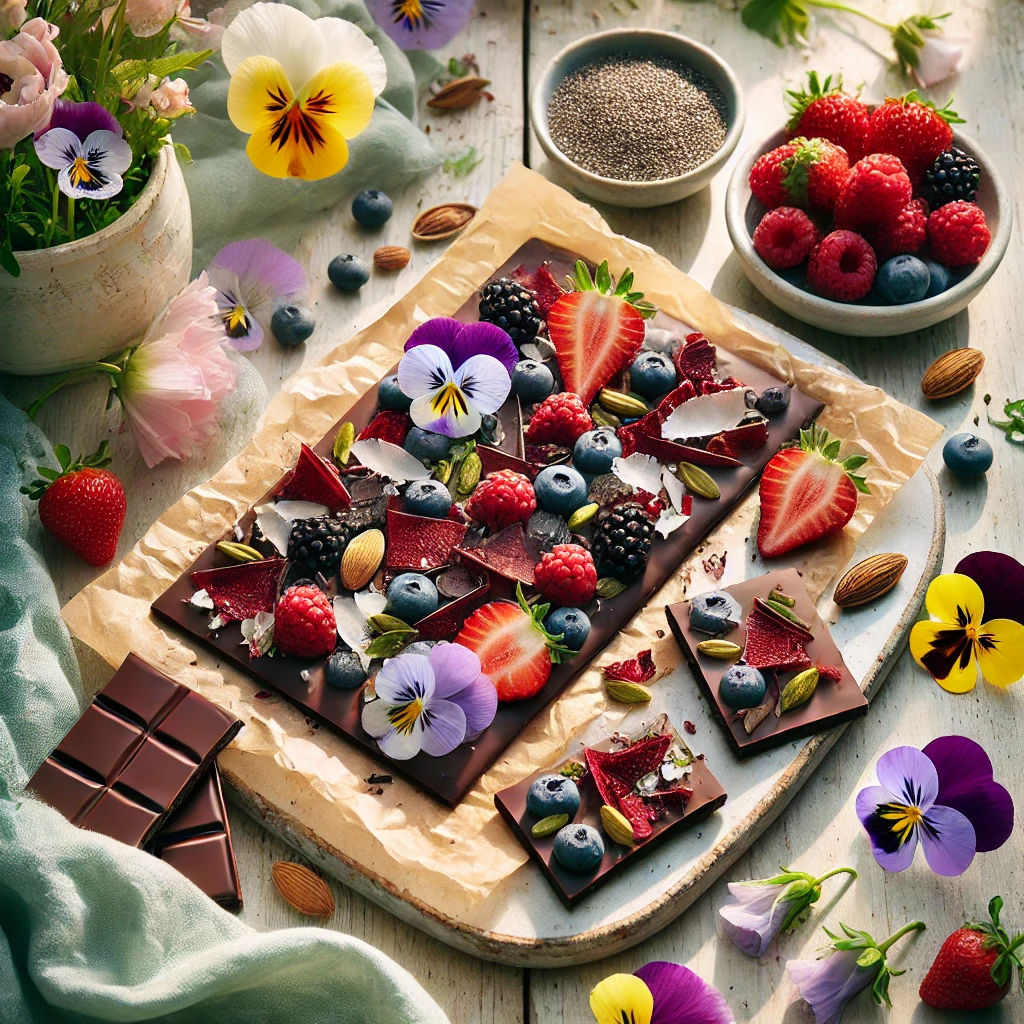
Dark Chocolate
Rich, satisfying, and naturally complex.
• Contains naturally occurring compounds such as flavonoids and small amounts of phenylethylamine (PEA)
• Provides magnesium, an essential mineral involved in normal nerve and muscle function
• When consumed in moderation, can be enjoyed as part of a balanced eating pattern
Many people associate dark chocolate with pleasure and mindful indulgence — an important component of sustainable wellness.
Spring Tip: Enjoy a small portion of 85%+ dark chocolate slowly and intentionally as part of a balanced routine.
Guava
Fragrant, tropical, and wonderfully refreshing, guava is a vibrant fruit prized for its sweet, floral flavor and aromatic character. Enjoyed fresh, juiced, dried, or blended into smoothies, guava adds a bright tropical touch to both sweet and savory recipes.
Guava is naturally rich in dietary fiber and is an excellent source of vitamin C, while also providing vitamins and minerals that contribute to a balanced diet. Its distinctive flavor pairs beautifully with citrus, berries, coconut, yogurt, fresh herbs, and tropical fruits, making it a versatile ingredient for snacks, desserts, beverages, and fruit salads.
Golden Tip: Enjoy fresh guava chilled for a refreshing snack, blend it into smoothies for a tropical flavor boost, or add diced guava to fruit salads and salsas for a naturally sweet, aromatic twist.
A realistic illustration of cacao trees—the beautiful plants that give us dark chocolate—with colorful pods growing right off their trunks in a lush, tropical setting. Cacao, the minimally processed form of cocoa, is prized for its rich flavor and naturally occurring plant compounds. It contains flavonoids, a class of antioxidants that help protect cells from oxidative stress as part of a balanced diet. Cacao also provides minerals such as magnesium and iron, which are involved in normal muscle function, energy metabolism, and oxygen transport. Traditionally valued in various cultures, cacao offers depth and complexity both nutritionally and experientially. When enjoyed in moderation and in its less processed forms, it can complement a thoughtful, nutrient-dense approach to seasonal vitality.

A Time of Gentle Awakening

Spring is a season of renewal, light, and gentle awakening. As the landscape softens and color returns, the season invites us to open windows, widen tables, and welcome freshness back into daily life. It is a time to embrace what is tender, vibrant, and newly emerging rather than what is stored or sustained.
Bright foods, crisp textures, and lighter preparations take on deeper meaning in spring. Through thoughtful selection and simple methods—blanching, tossing, layering, and lightly roasting—meals become expressions of renewal. Fresh herbs, early greens, citrus, and delicate vegetables bring clarity and lift to the table, helping us transition from stillness into movement with balance and grace.
Lavender (Lavandula angustifolia and related species) is a perennial flowering plant in the mint family, widely cultivated for its aromatic blossoms and silvery-green foliage. Native to the Mediterranean region, it thrives in well-drained soil and full sun, producing slender spikes of purple flowers during late spring and summer. In culinary use, only specifically labeled culinary-grade lavender should be used, as ornamental varieties may be treated with chemicals. The dried buds contain naturally occurring essential oils that give lavender its characteristic fragrance and flavor. Beyond the kitchen, lavender has long been appreciated in perfumery, sachets, and decorative applications, making it one of the most recognizable and versatile herbs in both culinary and botanical traditions.
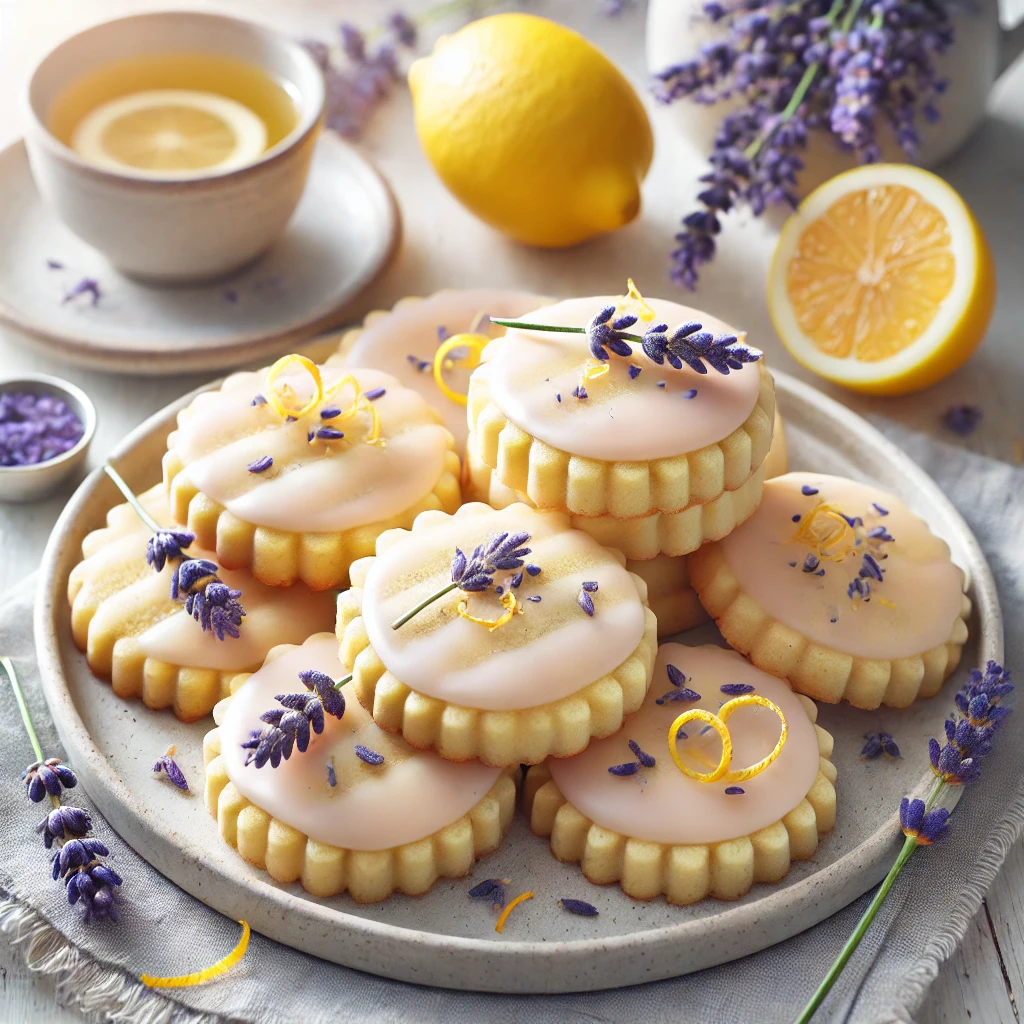
Lavender
Lavender is a fragrant flowering herb known for its soft purple blossoms and distinctive floral aroma. Traditionally cultivated in Mediterranean regions, it has long been used in culinary, aromatic, and decorative applications. Culinary-grade lavender offers a lightly sweet, herbal flavor with subtle citrus and mint notes, making it a unique addition to both sweet and savory preparations.
When used sparingly, lavender adds depth and elegance to baked goods, syrups, teas, and infused creams. Its aromatic profile pairs especially well with honey, lemon, berries, and vanilla.
Seasonal Tip:
Infuse dried culinary lavender into warm milk or simple syrup, then strain and use in lemonades, desserts, or whipped cream for a delicate floral accent.
Pansies
Vibrant, expressive, and seasonally luminous.
• Broad, velvety petals with distinctive “face-like” markings
• Bold color contrasts—purple, yellow, blue, white, and burgundy—that create natural visual drama
• Mild, slightly grassy flavor that complements both sweet and savory dishes
• Provide striking presentation impact while remaining delicate in structure
Pansies are most effective as fresh finishing elements, where their scale and color can elevate even the simplest preparation. Their presence aligns naturally with spring’s brightness, transforming everyday dishes into compositions of color, contrast, and light.
Borage
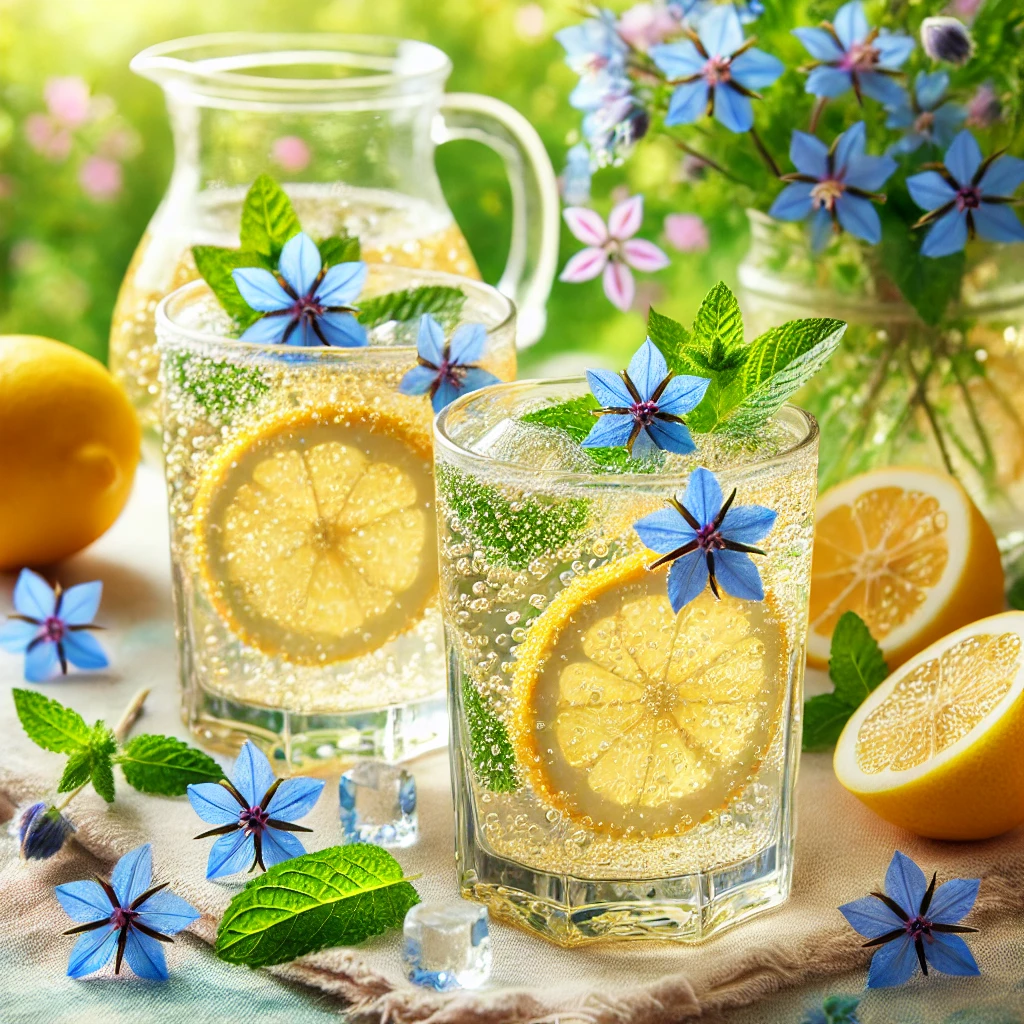
Borage is a quiet herald of spring—fresh, star-shaped, and vividly blue against tender green stems. Both its leaves and blossoms carry a subtle cucumber-like quality, offering brightness and lift without intensity. Its presence feels light and expansive, perfectly aligned with longer days and open-air tables.
Unlike heavier greens, borage brings delicacy rather than density. The young leaves lend a soft, herbal freshness to salads and chilled dishes, while the flowers provide visual clarity and gentle contrast. Borage favors simple preparation and thoughtful placement, enhancing a dish through nuance rather than dominance.
Spring Tip:
Scatter fresh borage blossoms over green salads, chilled soups, or soft cheeses just before serving. The young leaves can be finely chopped into yogurt sauces or folded into herb spreads for a subtle, garden-fresh accent.

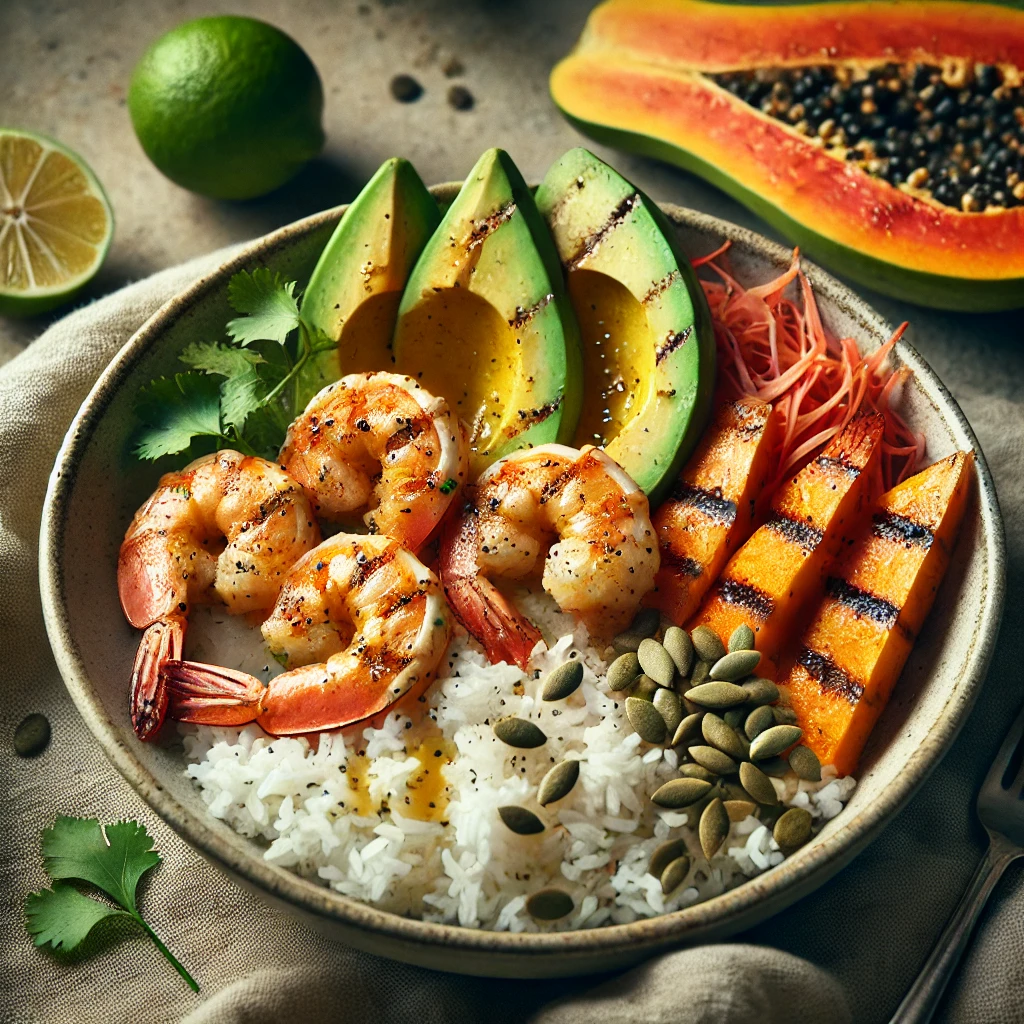
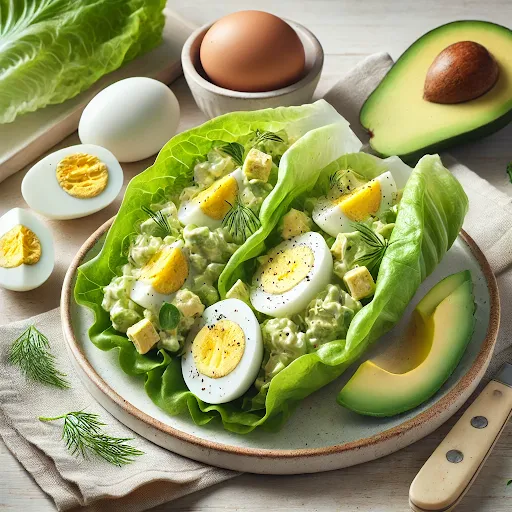
Avocado
Creamy, satisfying, and nutrient-dense.
• Rich in monounsaturated fats, which are involved in normal cellular structure
• Provides vitamin E, an antioxidant that helps protect cells from oxidative stress
• Adds both texture and nutrient density to meals
Healthy fats play an important role in overall nutrition and can support skin health as part of a well-rounded eating pattern.
Borage (Borago officinalis) is a fast-growing annual herb recognized for its vivid blue, star-shaped flowers and softly textured green leaves. Native to the Mediterranean region, it has long been cultivated in gardens for both ornamental and culinary use. The young leaves have a mild, cucumber-like flavor and can be used fresh in salads, herb blends, or infused beverages, while the blossoms are often used as edible garnishes for desserts and drinks. Borage thrives in well-drained soil and full sun, attracting pollinators such as bees throughout its blooming season. Its striking appearance and refreshing character make it especially well suited to spring and early summer dishes where lightness and visual appeal are desired.

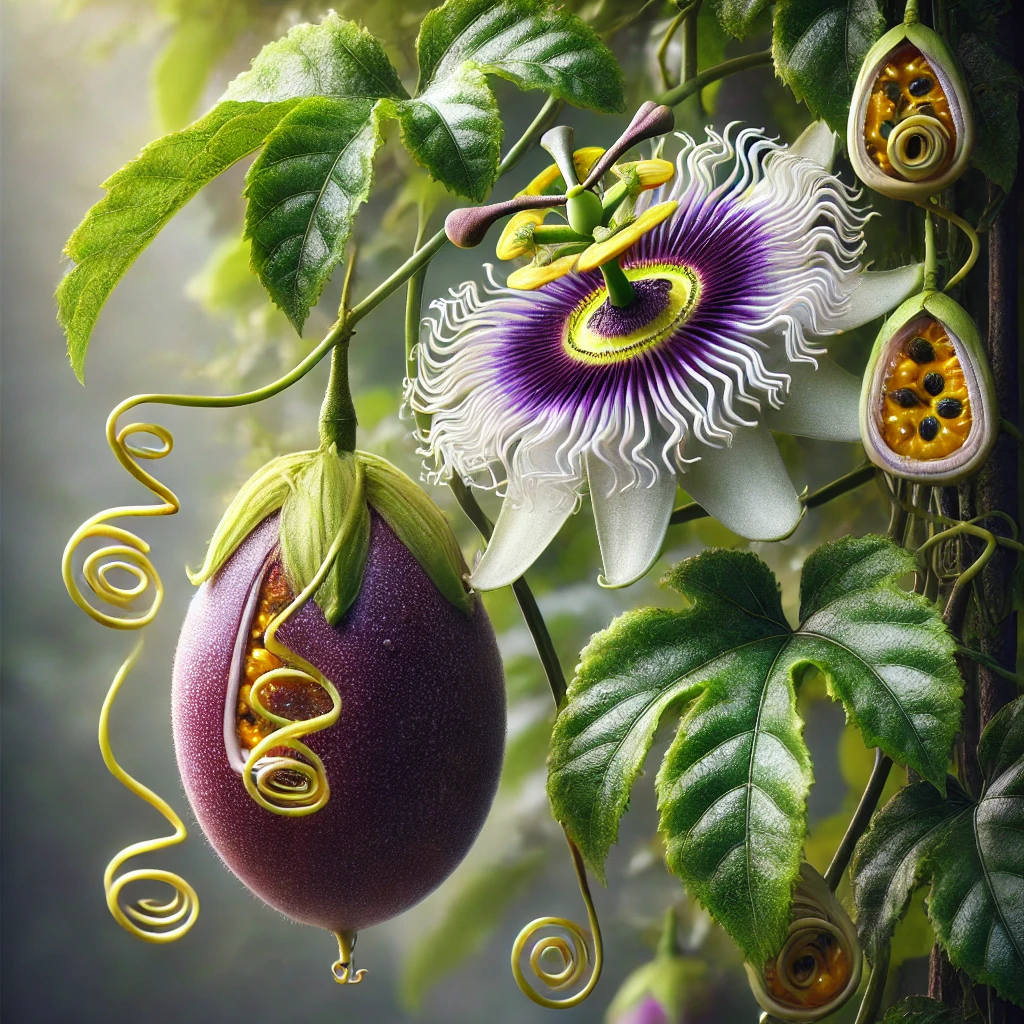
The Passionate Fruit & Flower of Spring

Parts of the passion flower plant (Passiflora) are edible—most notably the fruit, known as passion fruit, which has a sweet-tart flavor and is widely used in drinks, desserts, and sauces. In some cultures, the leaves are steeped to make gentle herbal teas, and while the flowers are rarely eaten, they’re occasionally used in teas or extracts for their delicate aroma and traditional association with relaxation. However, not all Passiflora species produce edible fruit, and some parts—such as unripe fruit or stems—can contain compounds that are toxic if not properly prepared. For that reason, it’s important to identify the species and use only known edible varieties when preparing passion flower for culinary or herbal use.
As spring settles in and sunlight stretches longer into the evening, meet passion fruit and passion flowers—a pairing that embodies the season’s warmth and vibrancy. Passion fruit, with its deep purple or sun-gold rind and intensely aromatic pulp, delivers a bold sweet-tart flavor that feels especially refreshing in the heat. Its bright golden interior, speckled with delicate edible seeds, brings lively texture and tropical radiance to spring dishes and drinks.
Celebrated for its fragrant complexity and balancing acidity, passion fruit adds lift to chilled desserts, sparkling beverages, and fruit-forward sauces. Its vivid hue evokes sunlit terraces, open-air gatherings, and tables dressed in bright linens where color and freshness take center stage. Just a spoonful can transform a simple preparation into something layered and expressive.
The passion flower—the intricate bloom of the Passiflora vine—adds another dimension of beauty. With its striking, architectural petals and radiant filaments, the blossom feels both exotic and ornamental. Though fleeting, it captures the spirit of spring: fresh, luminous, and unapologetically alive.
 Spring Tip: Spoon fresh passion fruit pulp into sparkling water with crushed ice and a drizzle of honey, or swirl it into chilled coconut yogurt for a vibrant finish. Garnish with fresh mint or edible passion flower petals (when food-safe and available) for a refined tropical presentation.

Rejuvenating Self-Care Rituals for Spring Renewal

Spring invites renewal — not through extremes, but through intentional refinement of daily habits.
This season is an opportunity to refresh routines, nourish the body thoughtfully, and cultivate a lighter, clearer mindset. When vibrant foods are paired with restorative practices, many people notice a greater sense of steadiness, vitality, and overall well-being.
Spring is not only about appearance — it is about alignment. Feeling balanced, energized, and present within your body and mind.

Daily Rituals to Complement Seasonal Nourishment
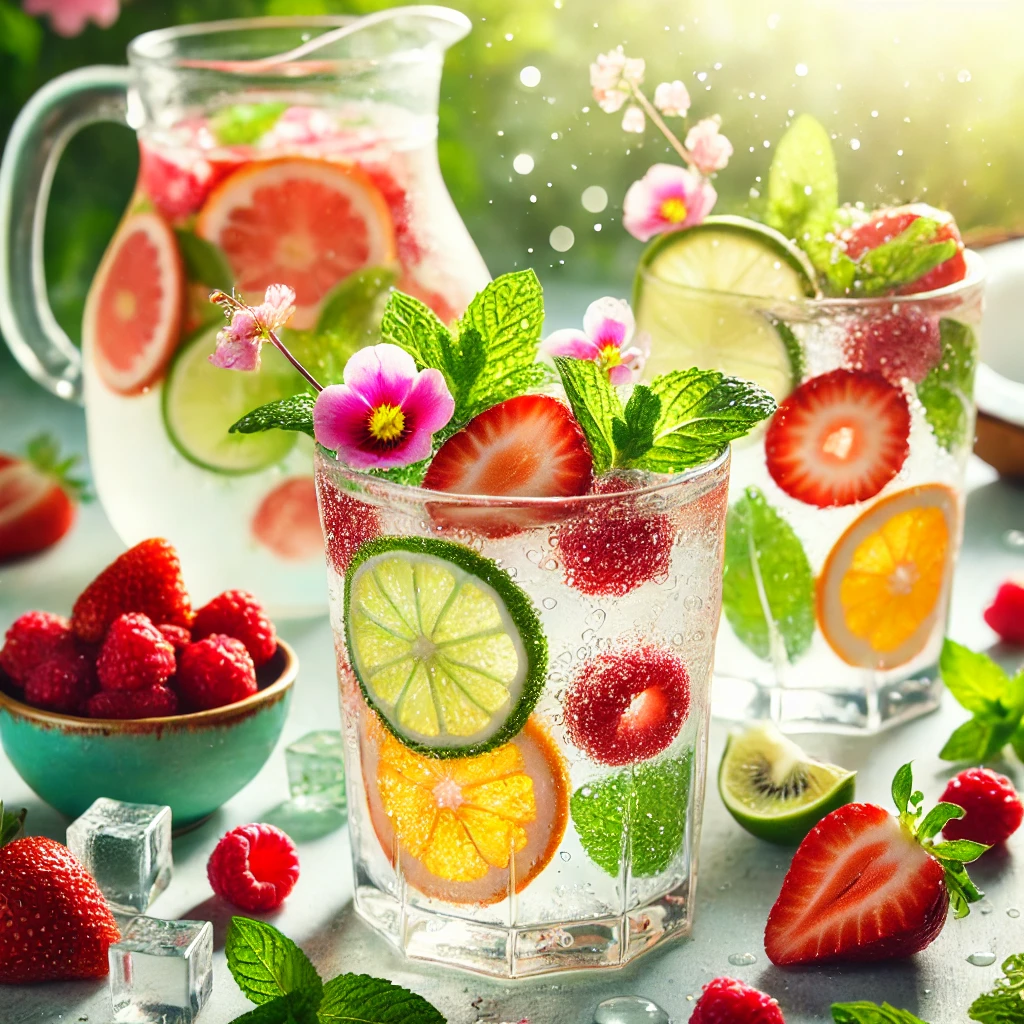
Hydrate with Infused Water – Add cucumber, mint, or lemon to your water for a refreshing twist that may encourage consistent hydration.

Spend Time Outdoors – Natural light exposure supports normal vitamin D production and helps regulate circadian rhythms. Even short periods outside can feel mentally refreshing.

Move Daily – Gentle yoga, stretching, or nature walks support circulation, joint mobility, and overall energy balance as part of an active lifestyle.

Dry Brushing – A traditional practice used to exfoliate the skin and stimulate surface circulation. Many individuals include it as part of their personal care routine before showering.

Epsom Salt Bath – Warm baths with Epsom salt are commonly used to encourage relaxation and post-activity comfort. Individual experiences vary.

Prioritize Sleep – Aim for consistent, sufficient sleep to support recovery, cognitive clarity, and overall wellness.

Forest Immersion – Intentional time in nature — sometimes called “forest bathing” — involves slowing down and engaging the senses in a natural environment. Many people report feeling calmer and more grounded after unhurried time outdoors.

A Systems Perspective on Renewal
True renewal emerges from integrated inputs:
• Hydration
• Nutrient diversity
• Movement
• Rest
• Sunlight exposure
• Mindful pauses
No single ritual creates transformation in isolation. However, consistent, balanced practices may support overall vitality over time.

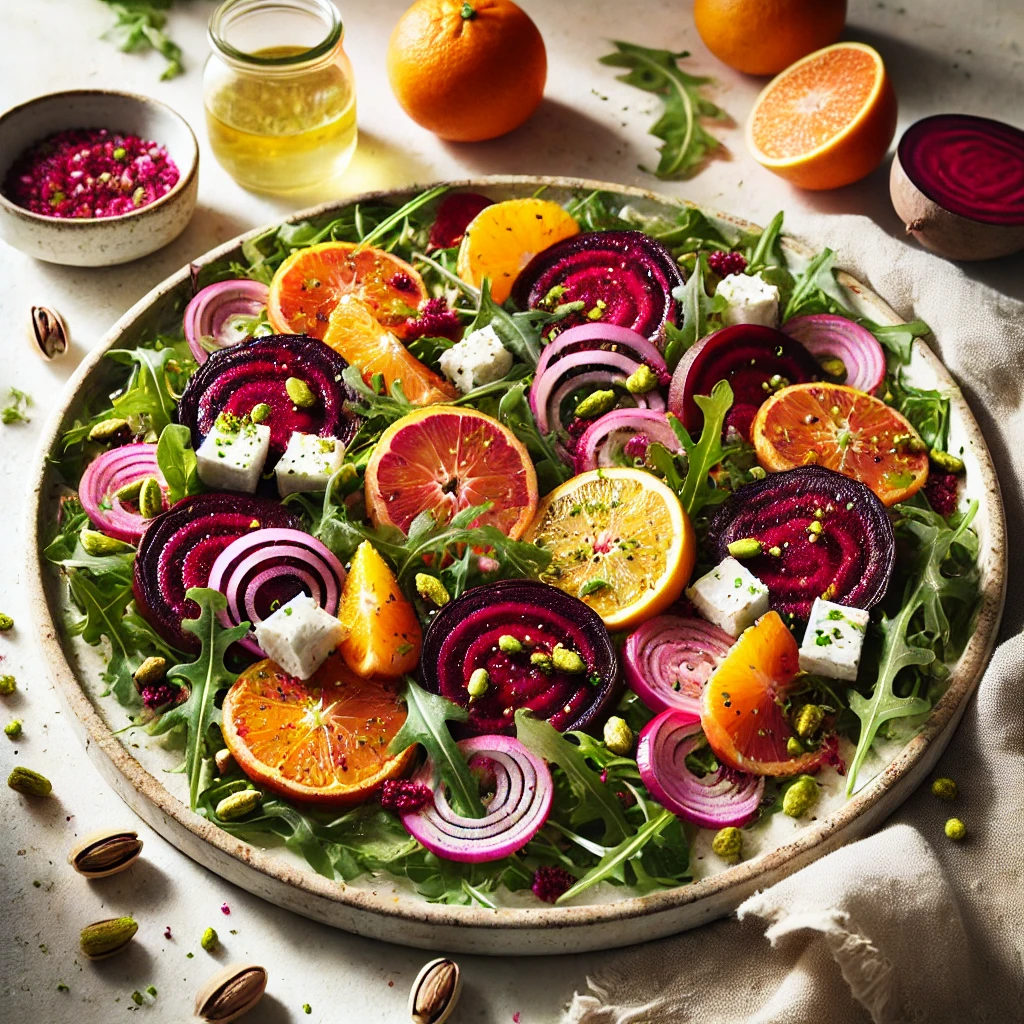
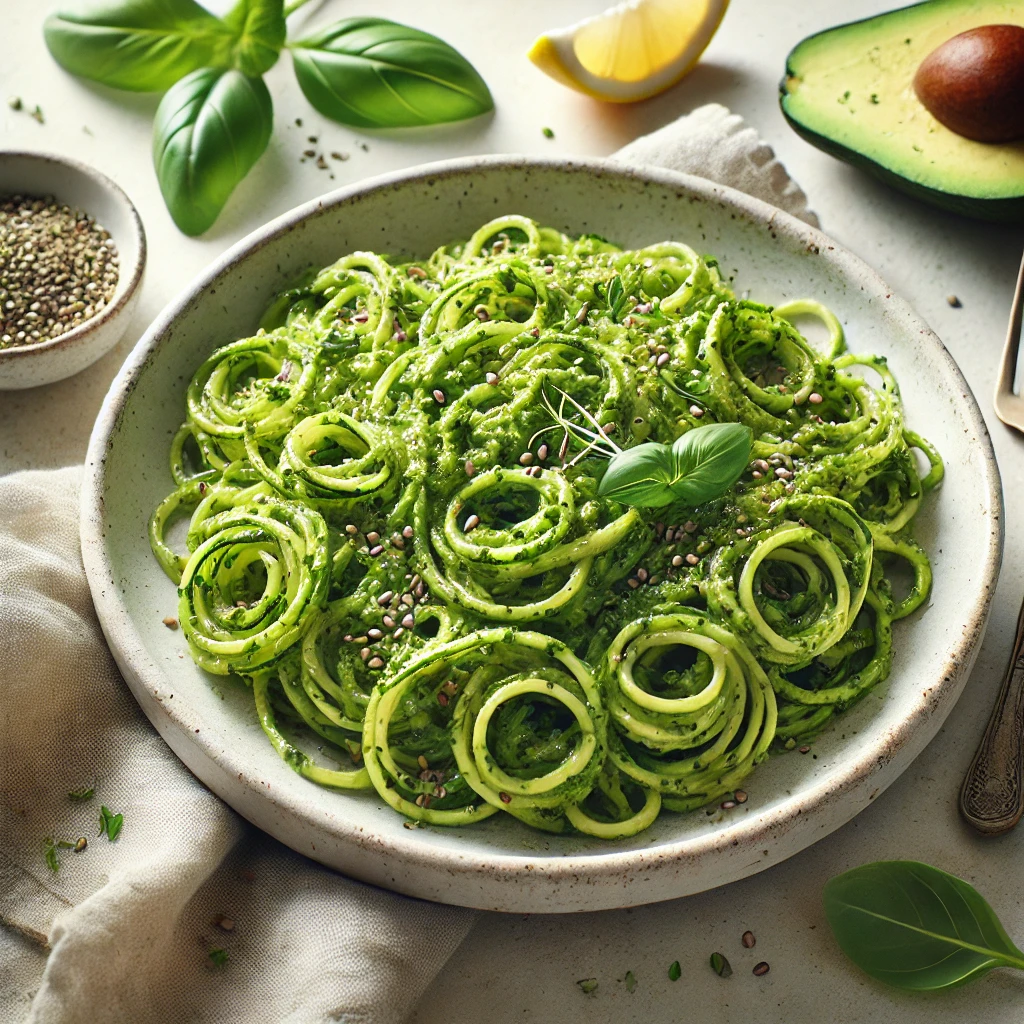
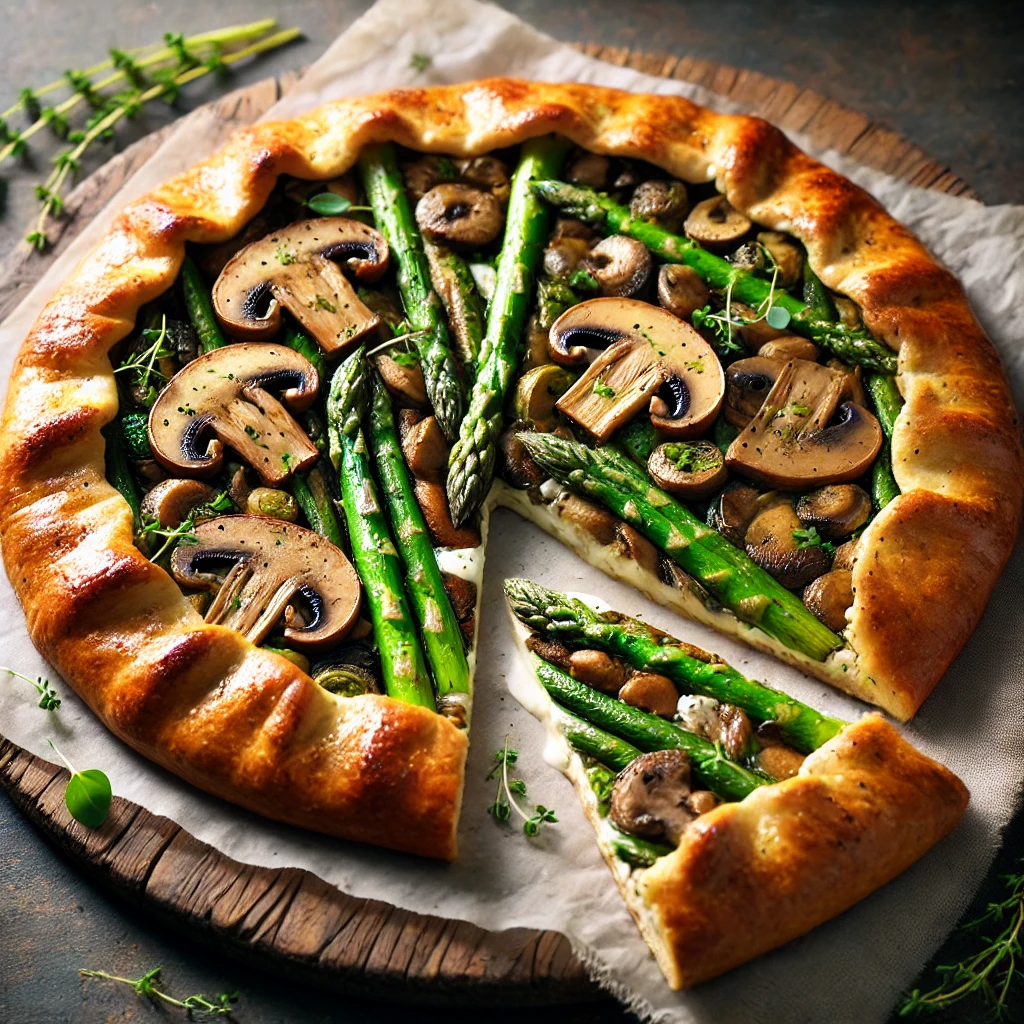
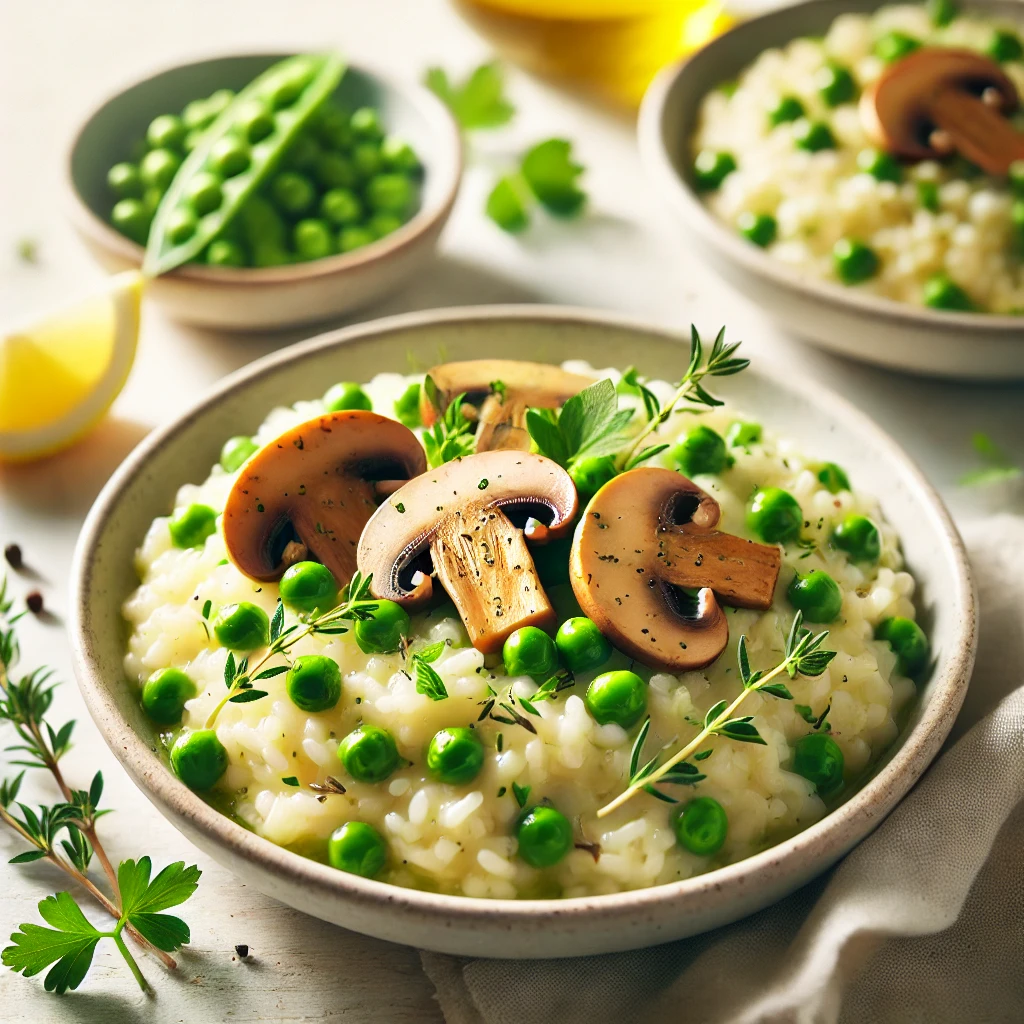
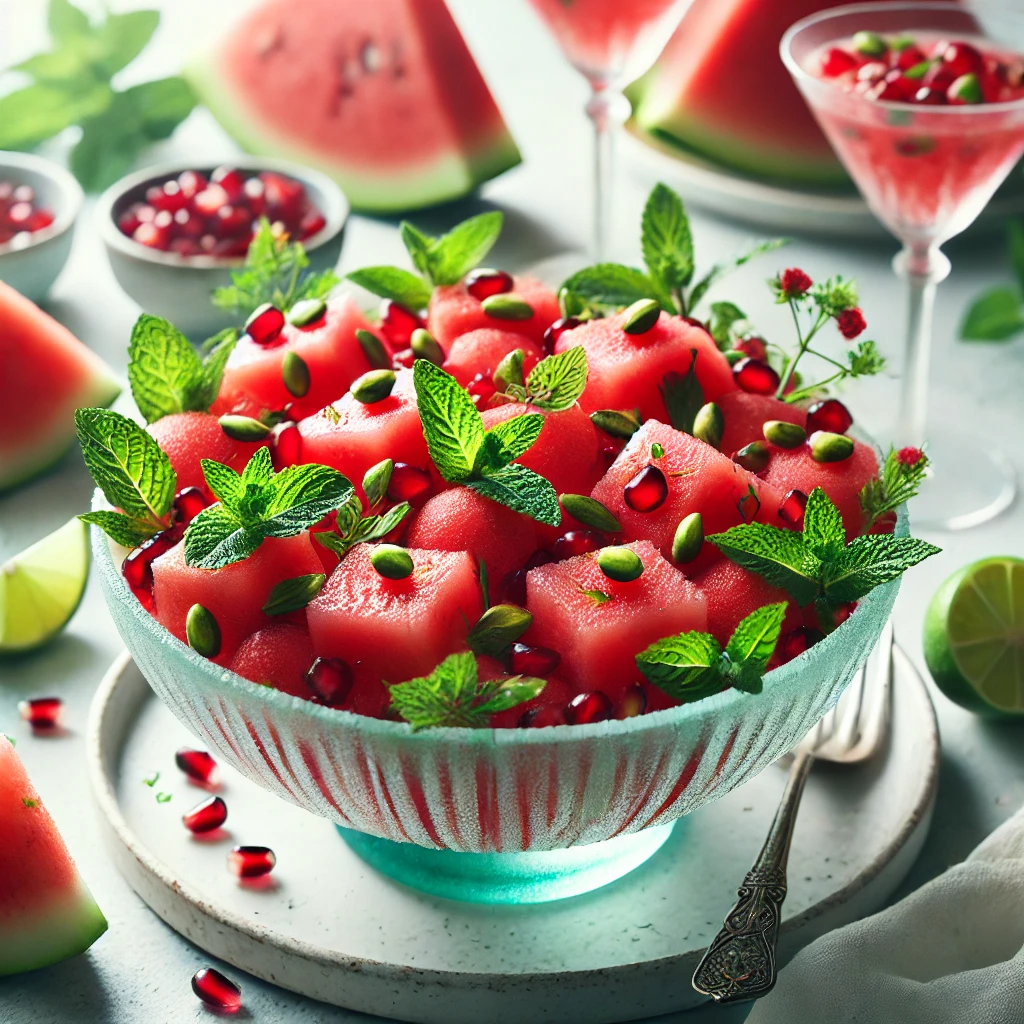
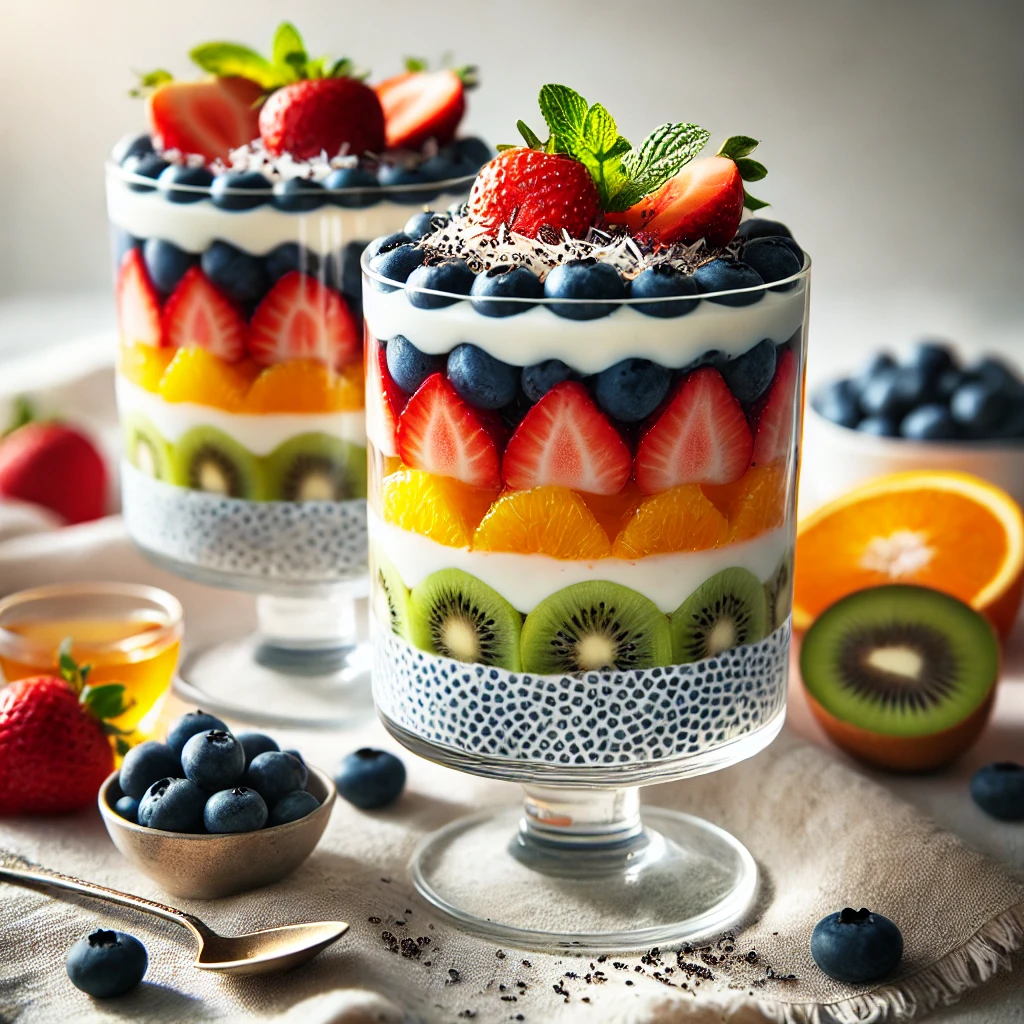
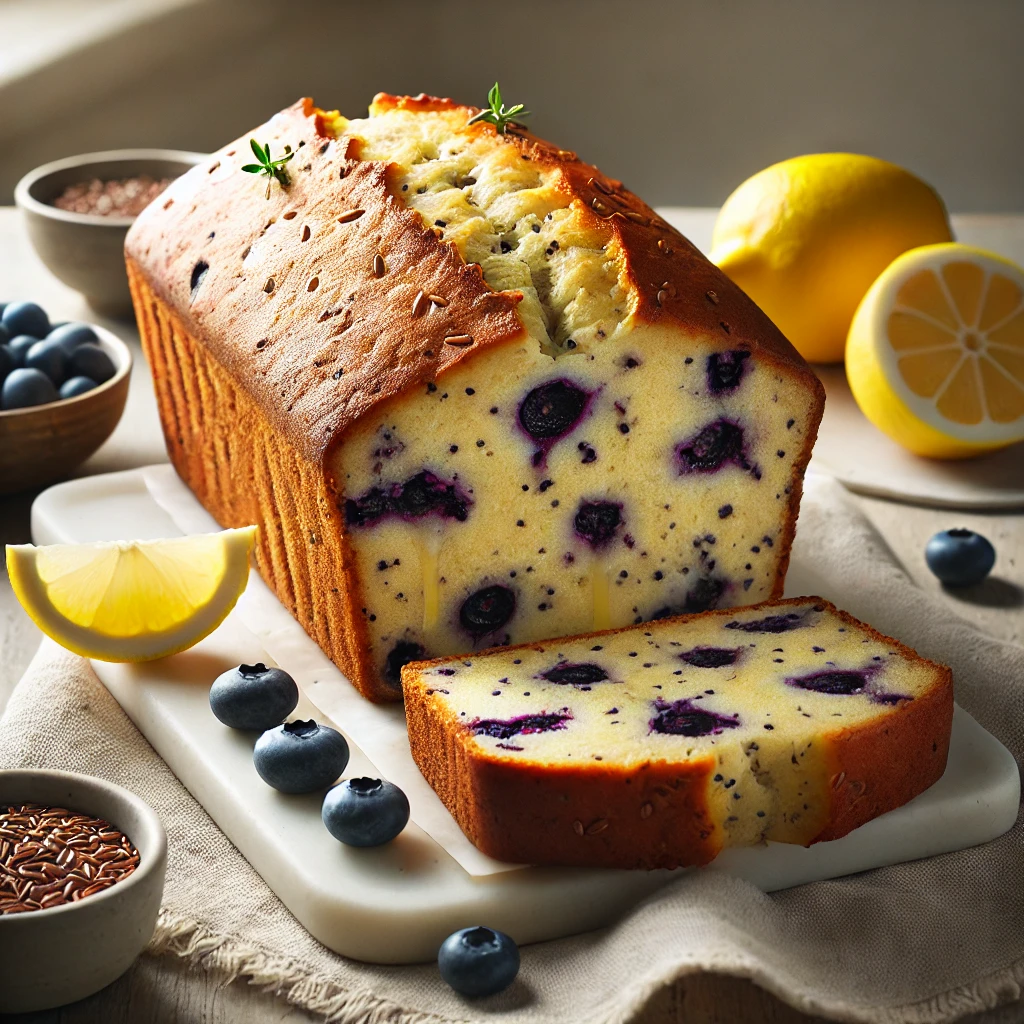
Recipes Engineered for that Spring Feeling