





























The Glow of Summer

with ORO VALENTIO

Summer is a Season of Radiance:
A Time for Your Mind, Body & Spirit to flourish.

Summer is the season of sun-kissed skin, open skies, and inner glow—a time to nourish your radiance from the inside out. With warmth and light all around, your body naturally calls for hydration, vibrant foods, and mindful moments that help you look and feel your most luminous.
It’s a season of vitality, radiance, and high energy—inviting refreshment, lightness, and balance in both body and mind. As the days grow longer and brighter, it becomes the perfect opportunity to recharge and realign, embracing the sunlight while nourishing your body through healthy meals, intentional movement, and restorative rituals.
This page explores science-informed nutrition, seasonal wellness insights, and self-care practices designed to help you feel vibrant, grounded, and in sync with the energy of summer. Whether you’re seeking to cool down, glow from within, or rediscover focus and joy, you’ll find thoughtful tools to help you reset, refresh, and thrive.

A Season of Beauty & Peak Performance

During the heat of summer, your body naturally gravitates toward refreshing, hydrating foods that help you stay cool and replenish nutrients lost through warmth and activity. These seasonal choices can help you feel balanced, revitalized, and hydrated—supporting your sense of energy, glow, and overall well-being.
Soak in the warmth of the sun and allow your body to naturally generate vitamin D—an essential nutrient known for its role in immune function, mood, and bone health. Just a few mindful moments in sunlight can help you feel grounded and attuned to the rhythms of the season. As sunlight touches your skin, it gently awakens the body’s own renewal processes, reminding you that not all nourishment comes from food—sometimes, it’s simply the light of a new day.
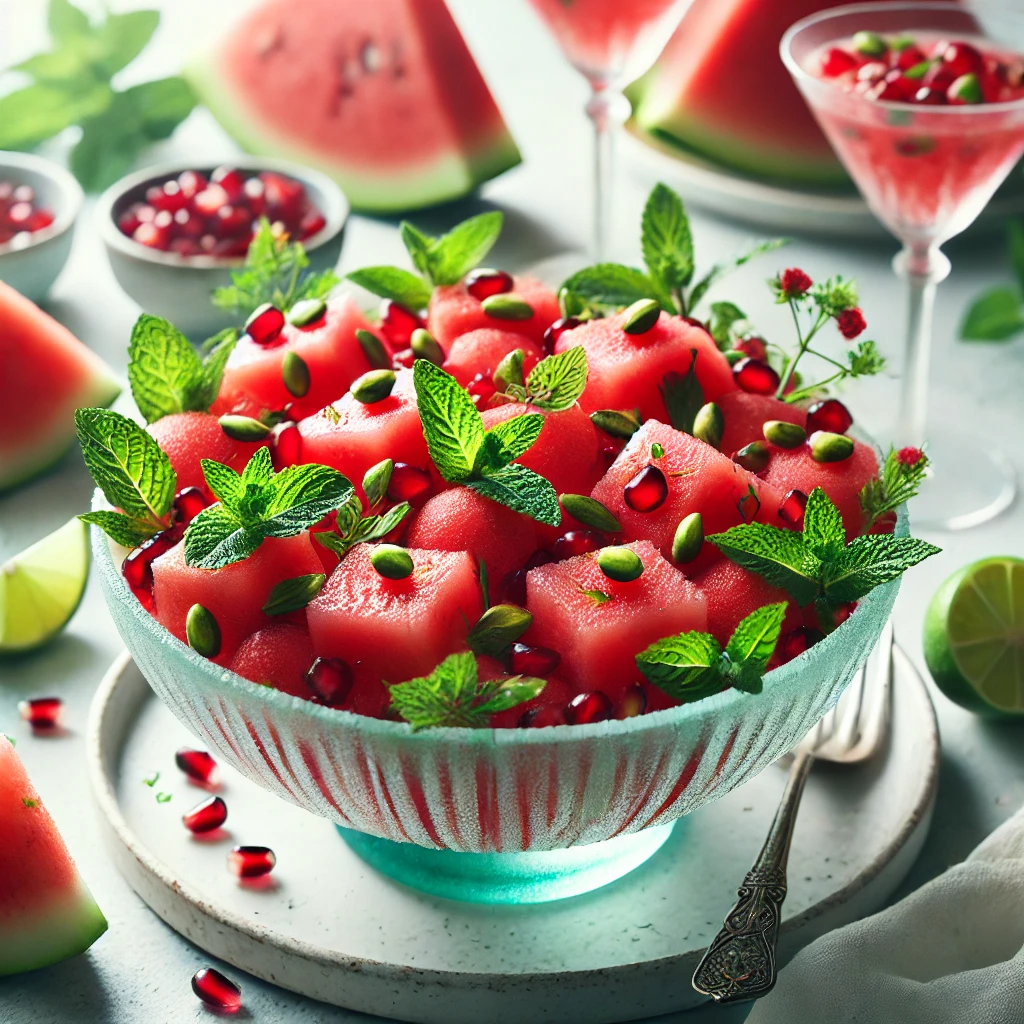
Watermelon
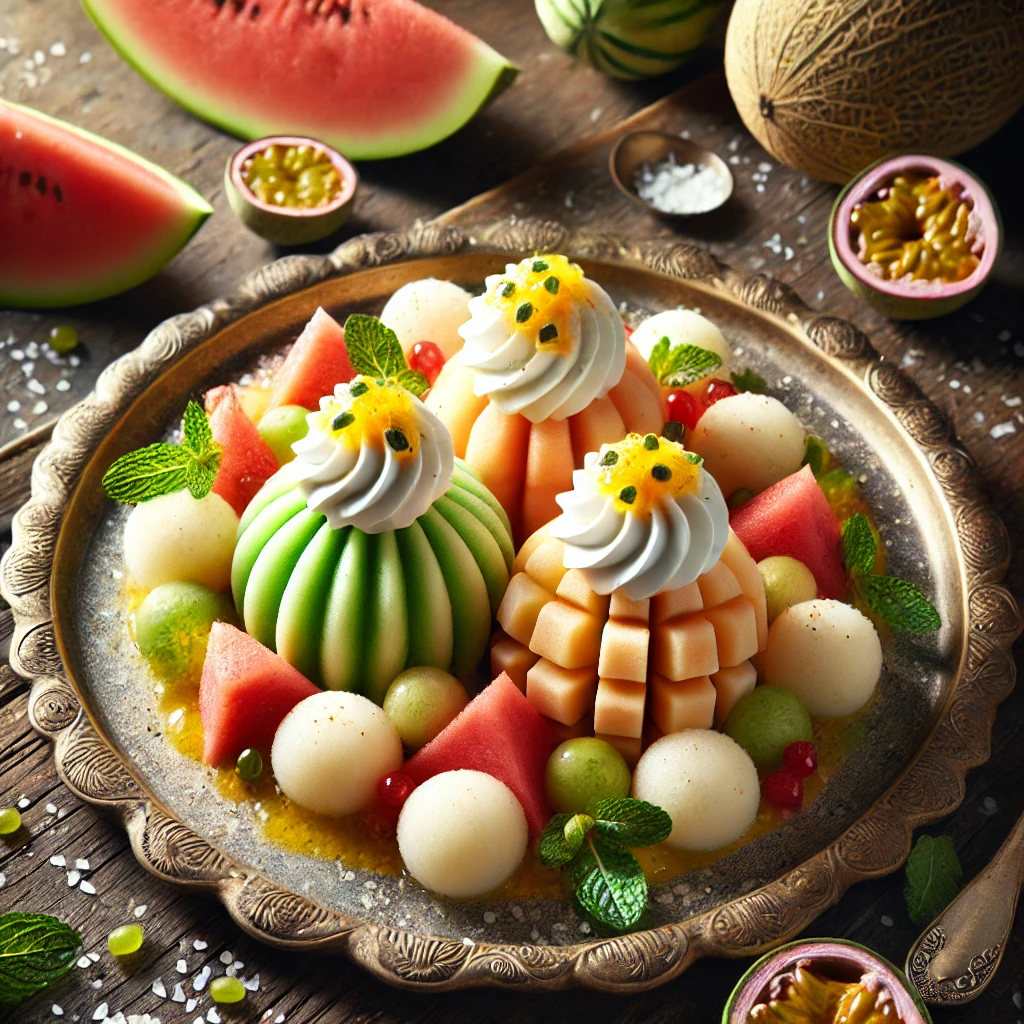
Watermelon is one of summer’s most refreshing fruits, celebrated for its crisp texture, naturally sweet flavor, and exceptionally high water content. Naturally providing vitamin C, vitamin A, and the plant compound lycopene, watermelon is a delicious addition to a balanced diet and a favorite for warm-weather gatherings. Whether enjoyed fresh by the slice, blended into smoothies, added to fruit salads, or paired with herbs and cheeses, watermelon captures the essence of summer with every bite.
Summer Tip: Chill watermelon before serving for maximum refreshment, or combine it with fresh mint, lime, or feta cheese for a bright and flavorful summer salad. Frozen watermelon cubes also make a naturally sweet addition to smoothies and blended beverages.
Strawberries
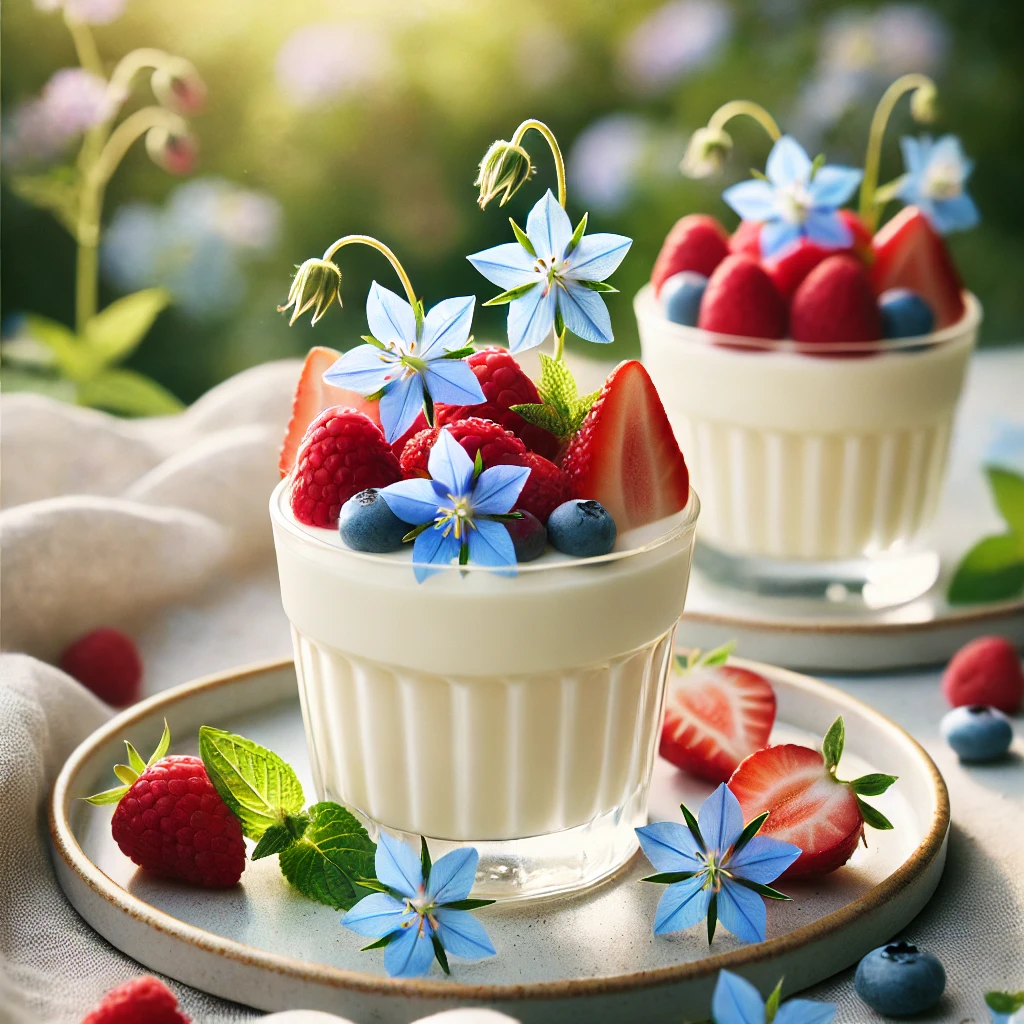
Strawberries are a beloved summer fruit known for their vibrant red color, sweet flavor, and juicy texture. Naturally providing vitamin C, dietary fiber, and a variety of colorful plant compounds, strawberries make a delicious addition to a balanced diet. Their versatility makes them perfect for fresh snacks, fruit salads, smoothies, yogurt parfaits, desserts, and homemade sauces, bringing bright color and refreshing flavor to countless seasonal recipes.
Summer Tip: Enjoy fresh strawberries chilled on warm days, layer them into yogurt parfaits, blend them into smoothies, or serve them with fresh mint and a drizzle of balsamic glaze for an elegant summertime treat.
Shiso
Bold, aromatic, and visually striking.
• Commonly used in Japanese and East Asian cuisine
• Offers a distinctive flavor often described as a blend of mint, basil, and subtle citrus
• Available in green and deep purple varieties, adding vibrant color to dishes
• Pairs well with rice, seafood, pickled vegetables, and chilled beverages
Shiso leaves contribute brightness and contrast to warm-weather meals, lending both fragrance and visual appeal. Their textured surface and serrated edges make them especially attractive as wraps, garnishes, or finely sliced accents.
Summer Tip:
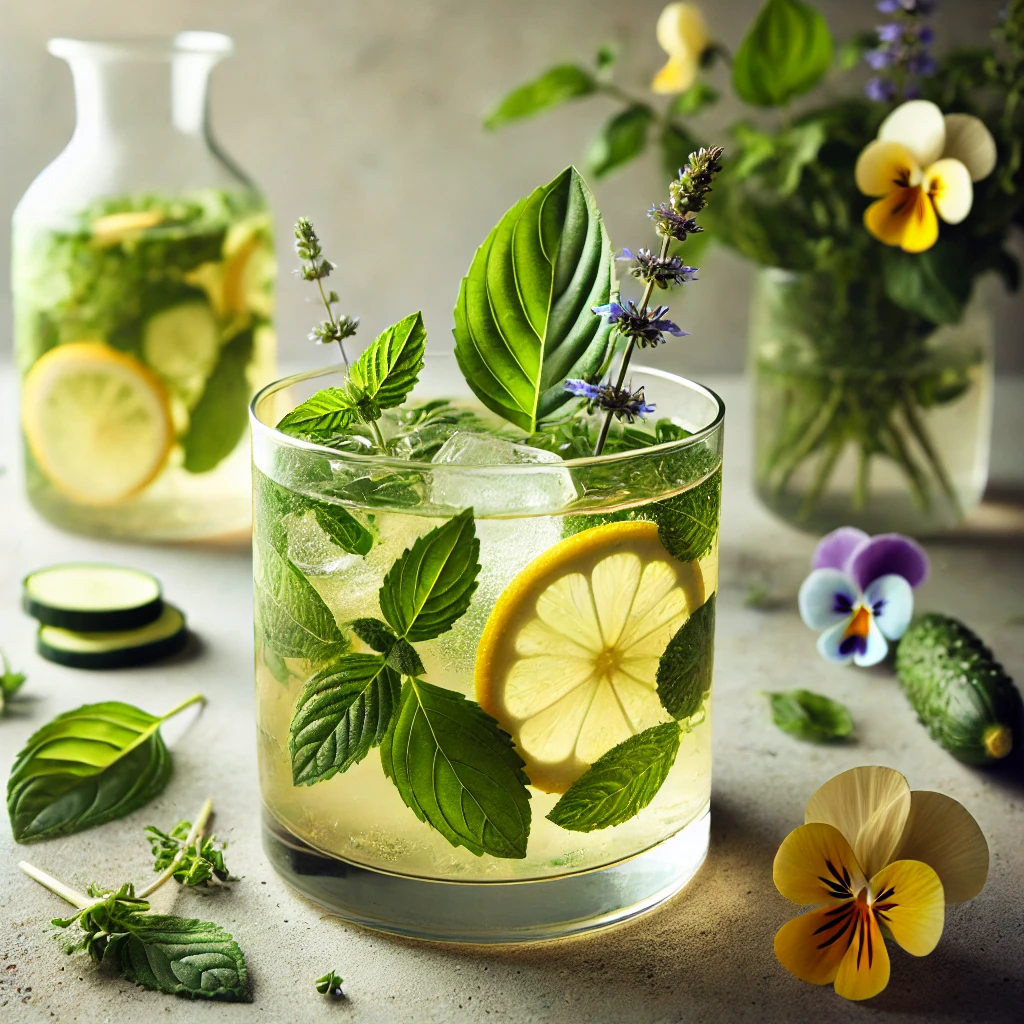
Use fresh shiso leaves to wrap sushi or grilled vegetables, chiffonade them into cold noodle salads, or muddle gently into sparkling water for a refreshing herbal note.
Zucchini
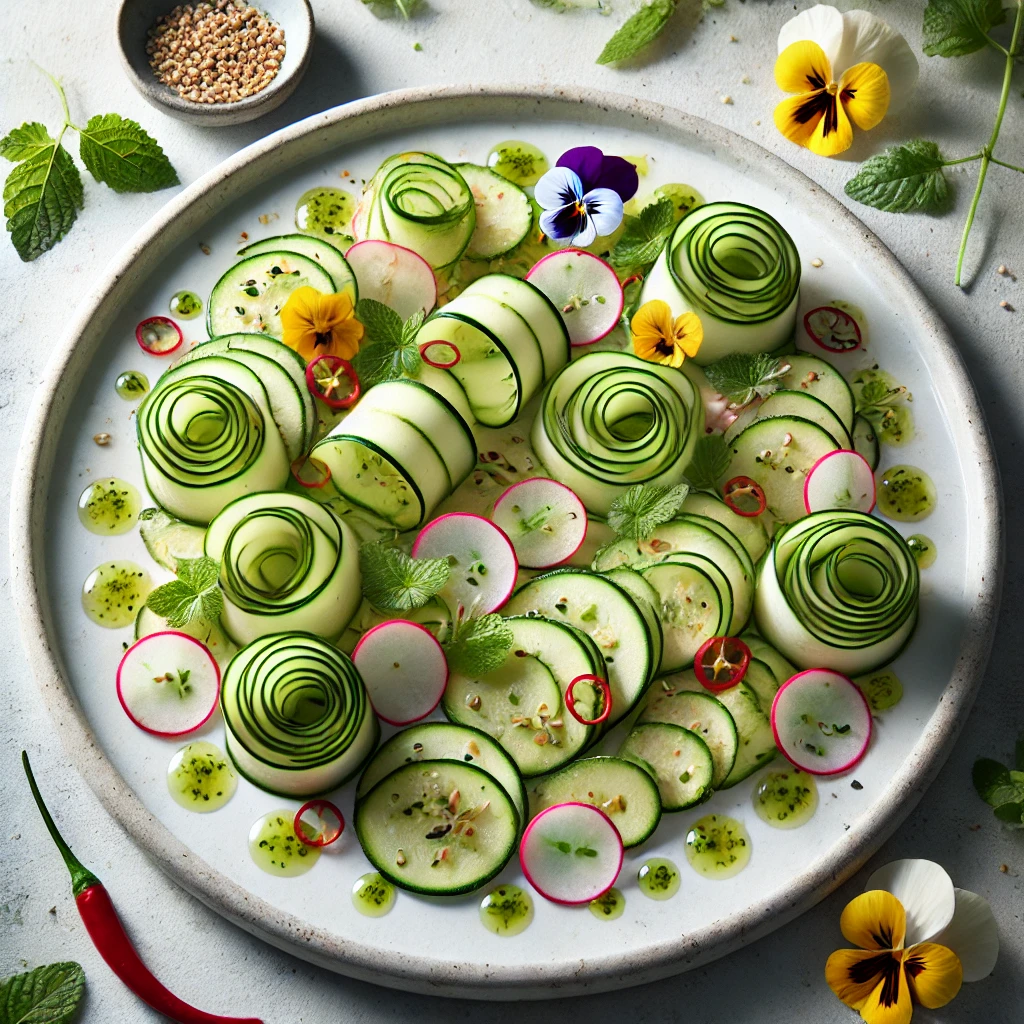
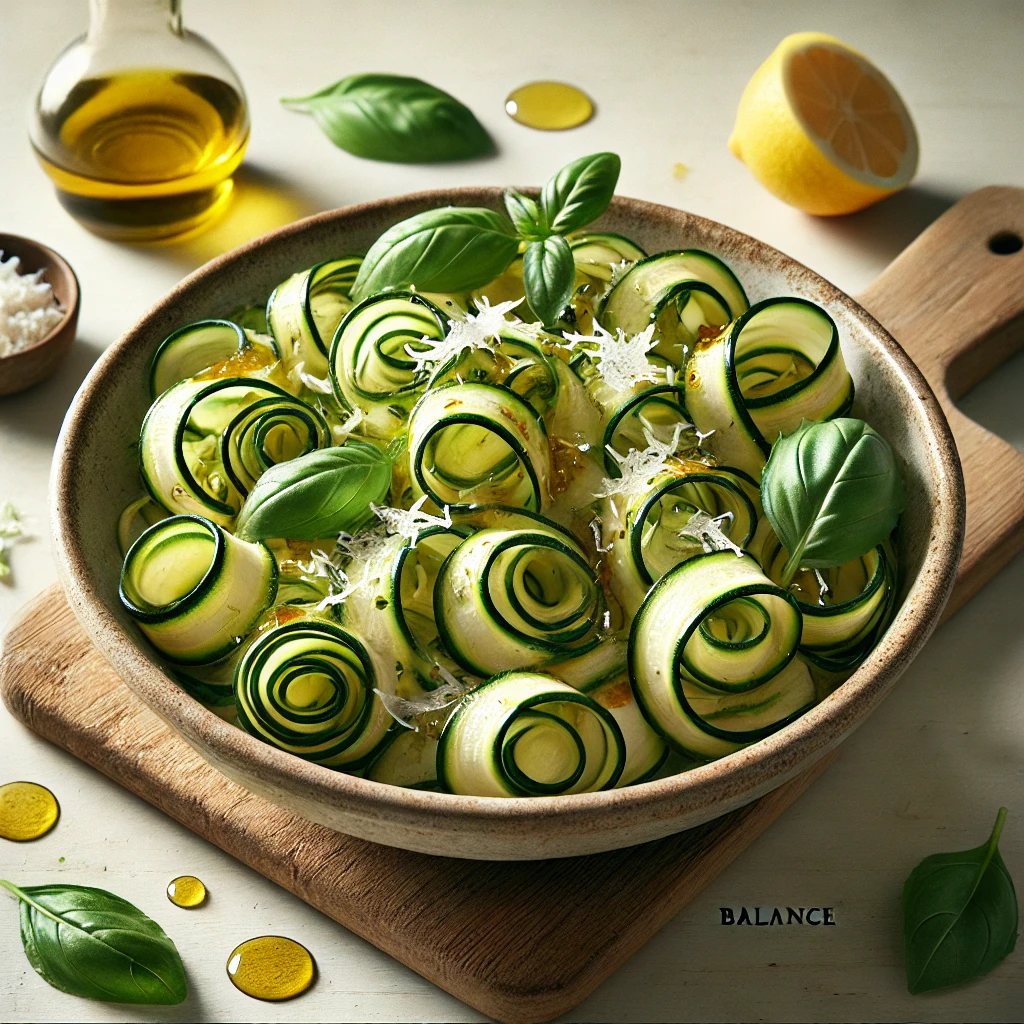
Zucchini is a versatile summer squash celebrated for its mild flavor, tender texture, and remarkable adaptability in the kitchen. Naturally providing dietary fiber, vitamin C, vitamin B6, potassium, and other essential nutrients, zucchini is a refreshing addition to a balanced diet. Whether grilled, roasted, spiralized into noodles, sautéed, or baked into breads and muffins, it readily absorbs the flavors of herbs, spices, and sauces while adding color and freshness to seasonal meals.
Summer Tip: Slice zucchini and grill it with extra virgin olive oil, garlic, and fresh herbs for a simple summer side, or spiralize it into “zoodles” as a light alternative to pasta. Fresh zucchini also adds moisture and tenderness to homemade breads, muffins, and casseroles.
Shiso (Perilla frutescens) is a leafy herb in the mint family widely cultivated in Japan, Korea, and other parts of East Asia. It is available in both green and purple varieties, each offering slightly different flavor nuances, though both are known for their aromatic profile and serrated, heart-shaped leaves. Green shiso (often called aojiso) is frequently used fresh in sushi, salads, and cold noodle dishes, while purple shiso (akajiso) is commonly used in pickling and to color preserved foods. The leaves have a complex flavor—herbal, lightly spicy, and subtly citrusy—which makes them versatile in both savory dishes and beverages. Shiso thrives in warm weather and grows easily in garden beds or containers, making it a popular seasonal herb for summer culinary use.

Recharge & Refresh

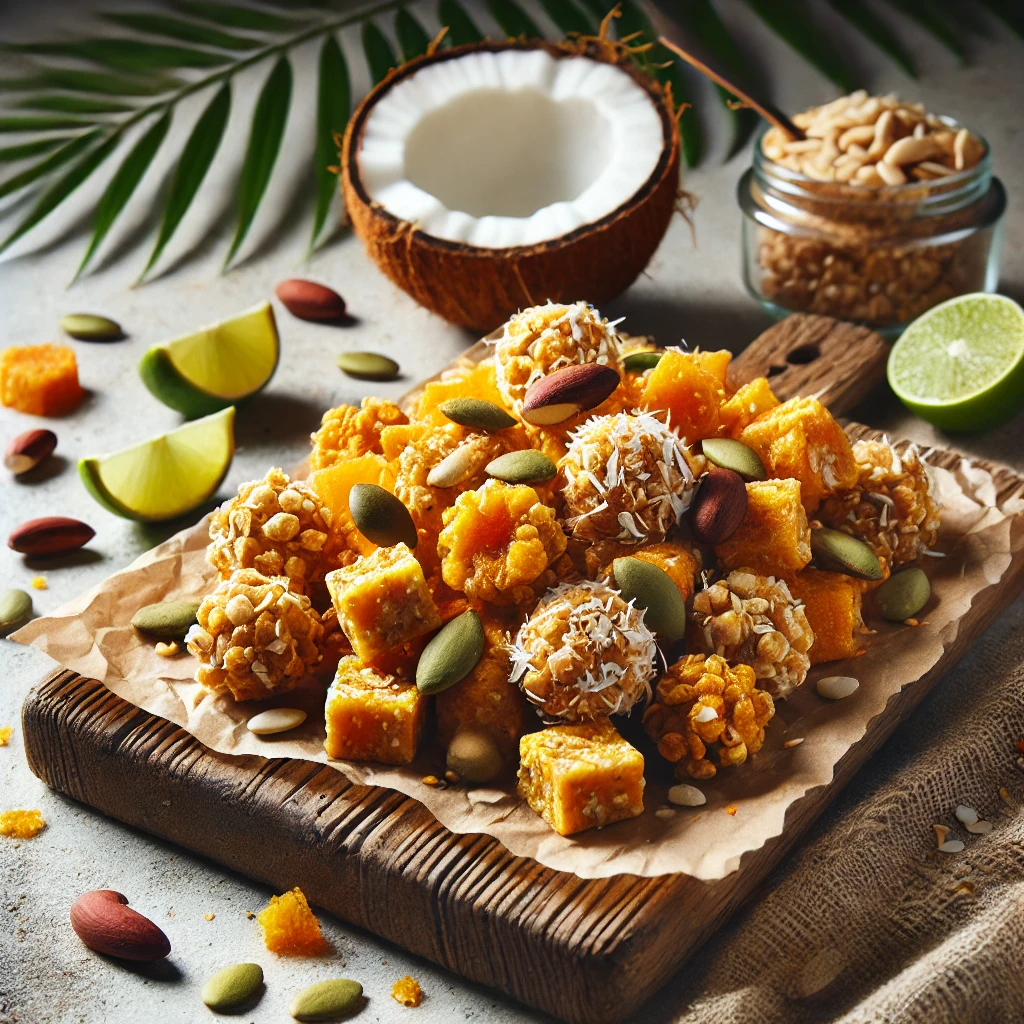
Feeling drained by the summer heat? Refresh your body and senses with hydrating melons, hibiscus tea, and tropical trail mix. These vibrant, naturally revitalizing foods bring brightness and balance to warm days—helping you feel refreshed, nourished, and ready to shine. Light, colorful, and full of seasonal vitality, they’re a delicious reminder that true energy begins with mindful nourishment and simple, natural choices.
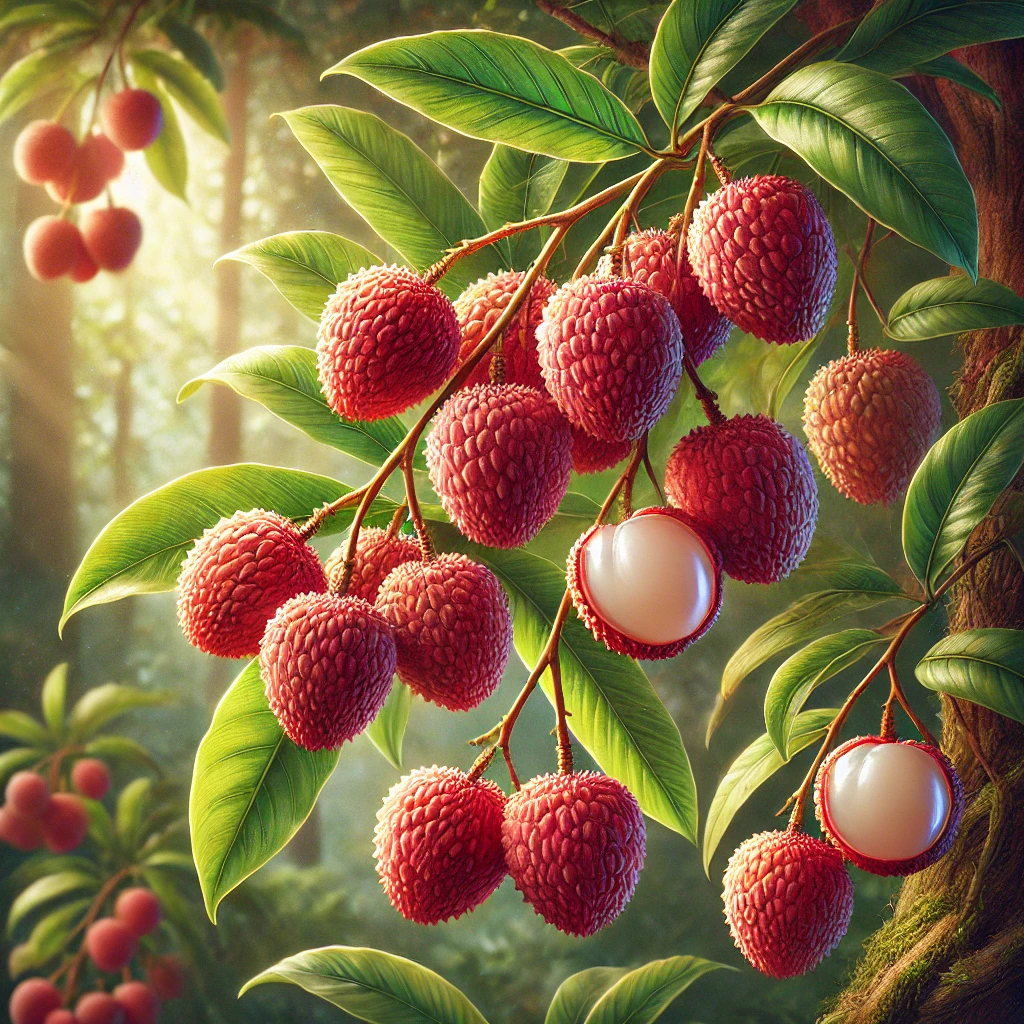
Lychee is a tropical fruit native to southern China, prized for its sweet, floral flavor and juicy texture. Naturally rich in vitamin C and beneficial plant compounds, lychee has long been appreciated in traditional cuisines for its refreshing and revitalizing qualities. It contains natural antioxidants such as polyphenols, which have been studied for their role in cellular protection and overall wellness. Lychee also offers potassium and other essential minerals that contribute to balance and hydration—making it as functional as it is flavorful. With its delicate, aromatic taste, lychee complements both sweet and savory dishes and is enjoyed fresh, canned, or dried across many global cuisines.
Lychee
Lychee is a prized tropical fruit known for its delicate floral aroma, juicy texture, and naturally sweet flavor. Beneath its textured pink-red shell lies translucent white flesh that is both refreshing and aromatic, making lychee a favorite in beverages, fruit salads, desserts, and tropical cuisine. Naturally providing vitamin C along with other vitamins and minerals, lychee is a flavorful addition to a balanced diet and a delightful way to enjoy the tastes of summer.
Summer Tip: Serve fresh lychee well chilled, blend it into smoothies or sparkling beverages, or pair it with citrus and tropical fruits for a refreshing fruit salad bursting with exotic flavor.
Mint
Mint is one of summer’s most refreshing herbs, celebrated for its crisp aroma, cool flavor, and remarkable versatility. Whether enjoyed fresh or dried, mint adds a bright, invigorating touch to beverages, fruit salads, savory dishes, desserts, and sauces. Naturally containing aromatic essential oils that give it its signature fragrance, mint has been cherished in culinary traditions around the world for centuries.
Summer Tip: Add fresh mint leaves to iced tea, sparkling water, lemonade, fruit salads, or watermelon for an instantly refreshing flavor. Mint also makes a beautiful garnish for desserts, smoothies, and chilled summer beverages, bringing both vibrant color and fresh herbal character.
Hibiscus
Hibiscus is a striking tropical flower celebrated for its brilliant crimson blossoms, pleasantly tart flavor, and vibrant ruby-red infusion. Naturally caffeine-free, it has been enjoyed for centuries in cultures around the world as a refreshing herbal beverage, especially during warm weather. Hibiscus is naturally rich in colorful plant compounds that give it its distinctive hue, making it a flavorful and beautiful addition to a balanced diet. Its bright, tangy flavor pairs wonderfully with citrus, berries, mint, honey, and tropical fruits in teas, lemonades, mocktails, and fruit-forward desserts.
Summer Tip: Brew hibiscus tea and serve it over ice with a squeeze of fresh lime and a sprig of mint for a bright, cooling beverage. Its naturally refreshing flavor and vibrant color make it a perfect companion for warm summer days.

Mango
Naturally sweet, vibrant, and bursting with tropical flavor, mango is a delicious fruit that brings sunshine to every bite. Its juicy texture and rich aroma make it a favorite for enjoying fresh, dried, blended into smoothies, or incorporated into both sweet and savory dishes.
Mango is a natural source of dietary fiber and provides vitamins and minerals, including vitamin C and vitamin A, making it a flavorful addition to a balanced diet. Its bright golden color and refreshing taste make it perfect for snacking, fruit salads, salsas, yogurt parfaits, or as a naturally sweet ingredient in desserts.
Golden Tip: Keep dried mango on hand for a convenient snack, or enjoy fresh mango chilled on warm summer days. It also pairs beautifully with lime, coconut, berries, grilled chicken, seafood, and fresh herbs for a vibrant tropical twist.
Hibiscus is more than a strikingly beautiful flower—it carries rich cultural, culinary, and symbolic meaning around the world. Thriving in tropical and subtropical regions, hibiscus blooms in vivid shades of red, pink, and yellow, and is often used in teas—especially Hibiscus sabdariffa, celebrated for its bright, cranberry-like flavor and ruby hue. In many cultures, hibiscus symbolizes beauty, femininity, and delicate strength—as in Hawai‘i, where it’s traditionally worn behind the ear to signify relationship status. Beyond its symbolism, hibiscus tea has long been appreciated in global herbal traditions and studied for its antioxidant-rich properties and potential cardiovascular benefits. Its vibrant petals are as captivating in a cup as they are in nature.

Keep Glowing All Day Long

As summer heat and sun exposure intensify, your skin naturally calls for extra hydration and nutrient-rich support to maintain its radiance, softness, and healthy glow.
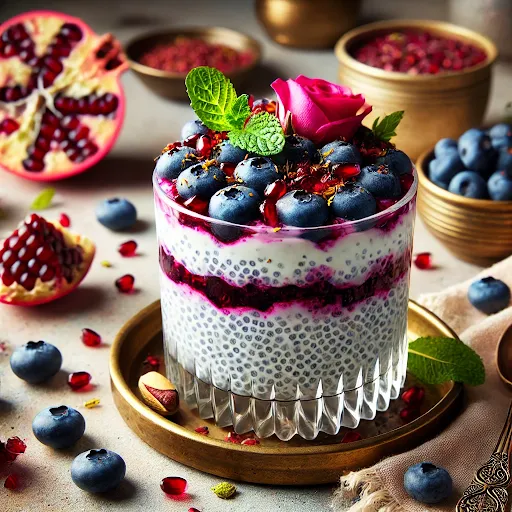
Pomegranates are among the world’s oldest cultivated fruits, often symbolizing life, fertility, and renewal across ancient cultures. Each fruit holds hundreds of jewel-like arils, naturally rich in **antioxidants—particularly punicalagins—**that have been studied for their role in supporting overall wellness and vitality. Originating from the Middle East and Mediterranean, pomegranates have been revered in traditional medicine and cuisine for centuries, appreciated for their refreshing taste and nutrient density. Fun fact: A single pomegranate can contain more than 600 seeds, making it a true treasure trove of color, culture, and natural nourishment.
Peaches
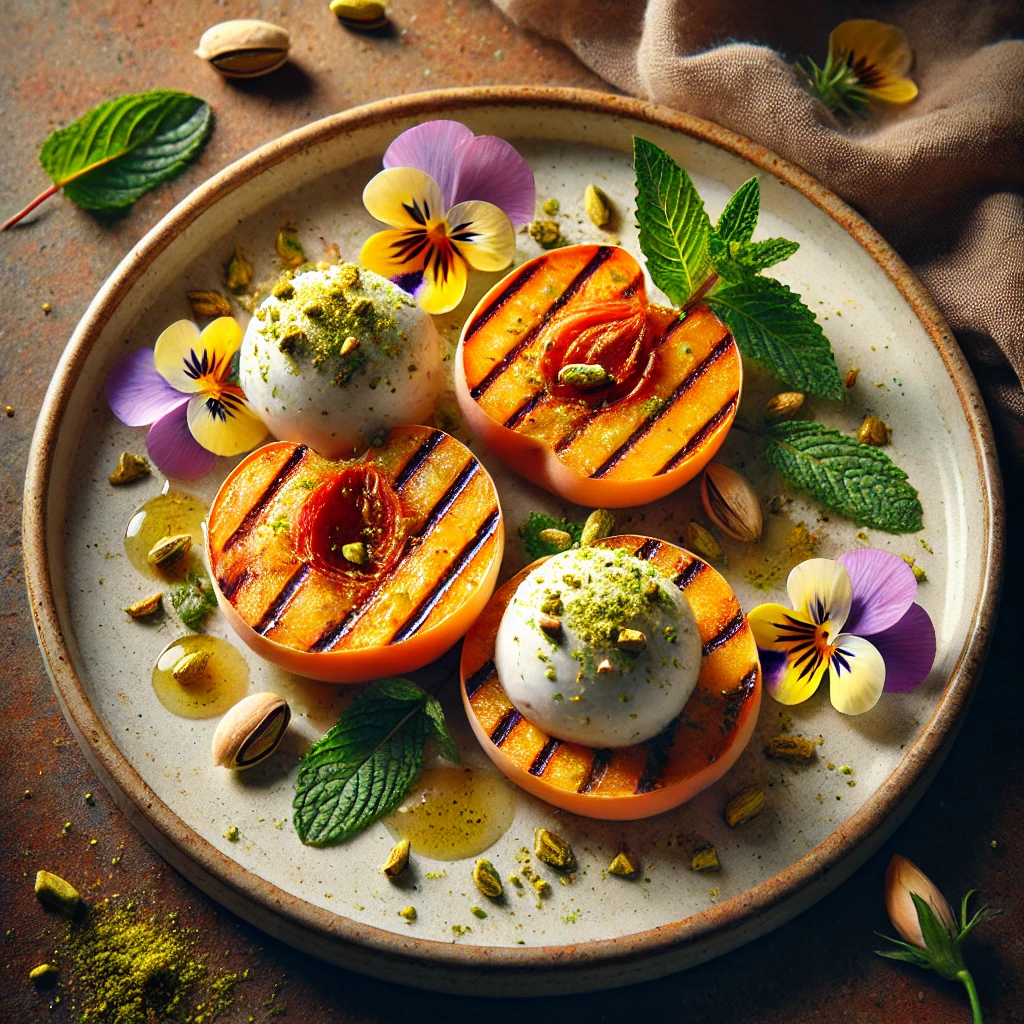
Peaches are one of summer’s most cherished fruits, celebrated for their juicy texture, fragrant aroma, and naturally sweet flavor. Naturally providing dietary fiber, vitamin C, vitamin A (from beta-carotene), and potassium, peaches are a delicious addition to a balanced diet. Their tender flesh and vibrant color make them equally at home in fresh fruit salads, smoothies, baked desserts, savory dishes, and refreshing summer beverages. Whether enjoyed fresh from the tree or lightly grilled to enhance their natural sweetness, peaches capture the essence of the summer harvest.
Summer Tip: Enjoy fresh peaches chilled on a warm day, slice them over yogurt or oatmeal, grill them alongside poultry or pork for a sweet and savory pairing, or blend them into smoothies and homemade iced teas for a refreshing taste of summer.
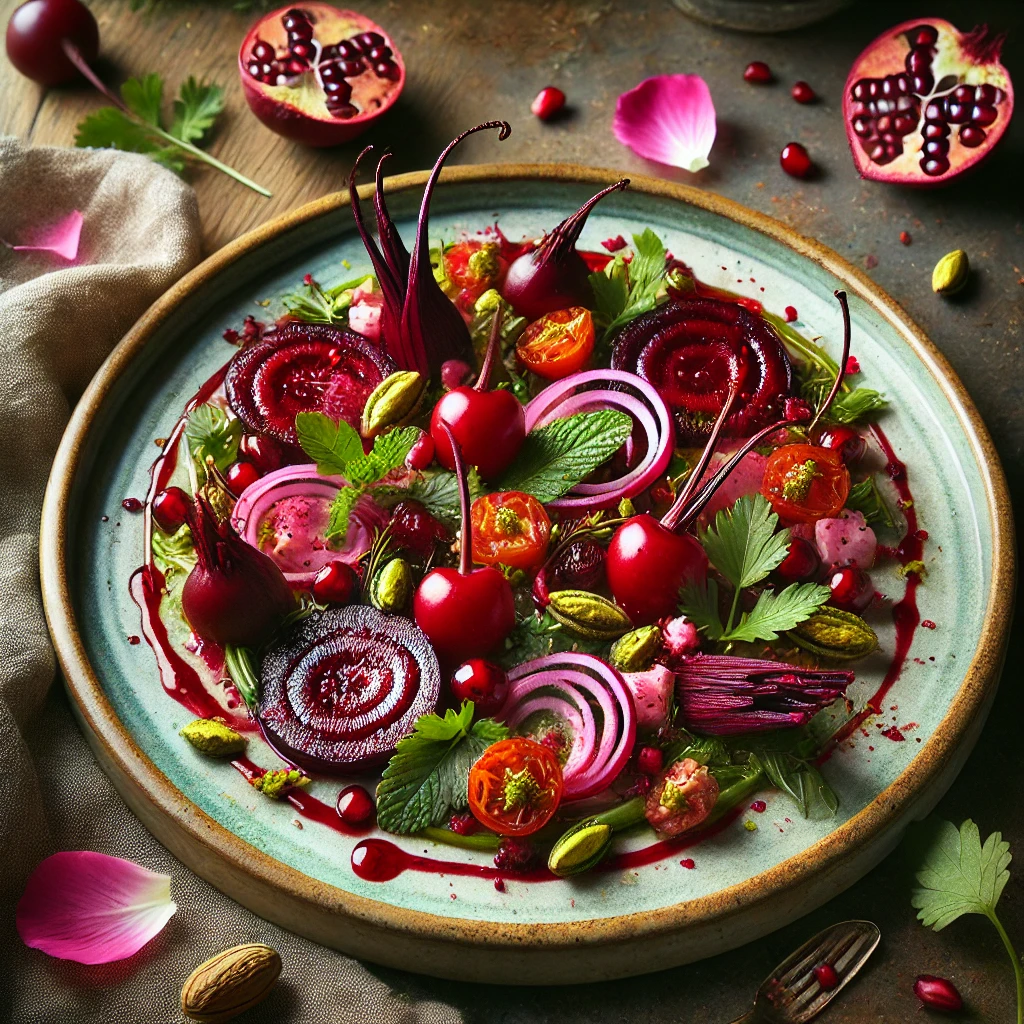
Pomegranate
Vibrant, jewel-like, and refreshingly tart-sweet, pomegranate is a striking fruit celebrated for its crisp, juicy arils and bold flavor. Enjoyed fresh, juiced, or sprinkled over dishes, pomegranate adds a burst of color and brightness to both sweet and savory recipes.
Pomegranate naturally provides dietary fiber, vitamin C, and a variety of plant compounds, making it a flavorful addition to a balanced diet. Its tangy-sweet profile pairs beautifully with leafy greens, yogurt, grains, roasted vegetables, and citrus, offering both visual appeal and a refreshing contrast in texture and taste.
Golden Tip: Sprinkle fresh pomegranate arils over salads, yogurt, or grain bowls for a vibrant finish, or enjoy them on their own as a crisp, refreshing snack.
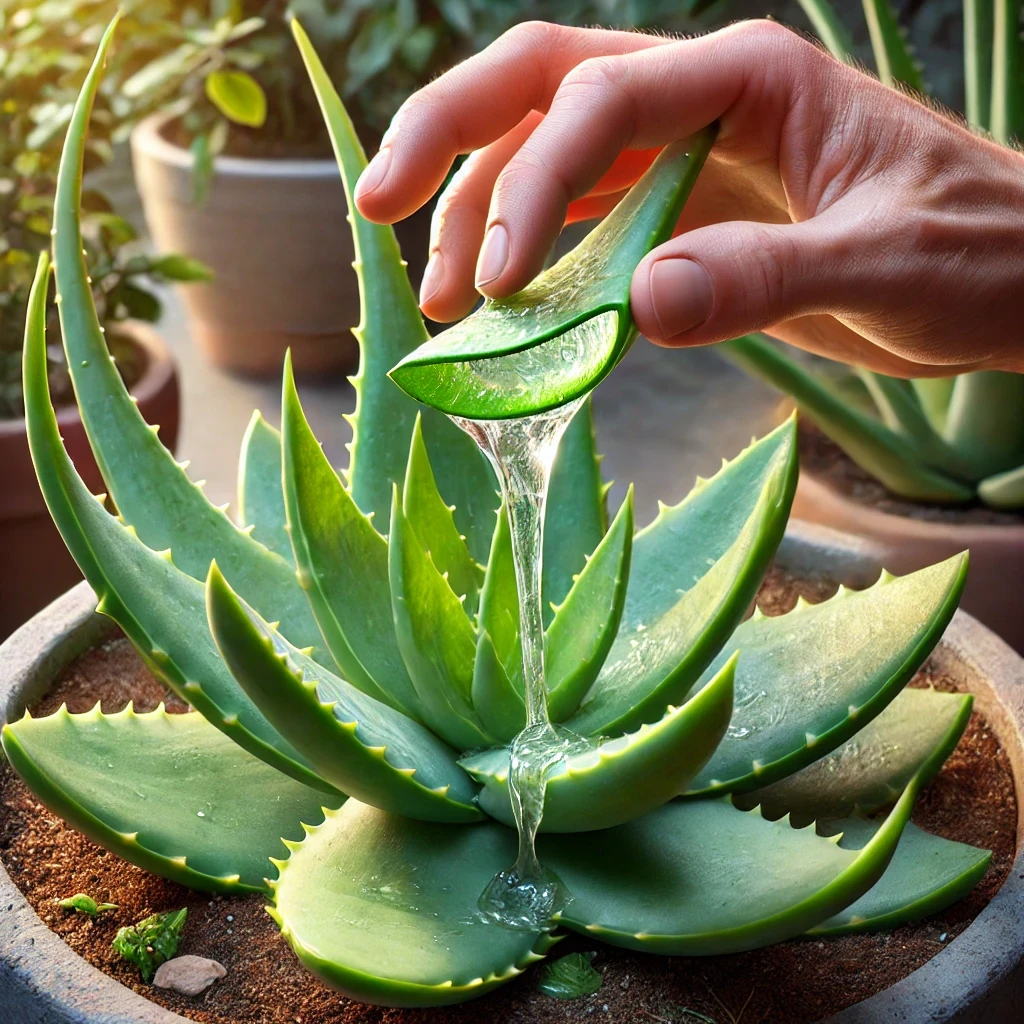
Aloe Vera Juice
Known for its naturally hydrating and soothing qualities, aloe vera juice has long been appreciated in wellness traditions for its refreshing, cooling character—especially in warm weather.
It provides vitamins A, C, and E, which are known to help nourish and revitalize the skin from within.
Summer Tip: Sip chilled aloe vera juice in the afternoon for a light, refreshing way to stay hydrated and balanced.

Guava

Fragrant, tropical, and wonderfully refreshing, guava is a vibrant fruit prized for its sweet, floral flavor and aromatic character. Enjoyed fresh, juiced, dried, or blended into smoothies, guava adds a bright tropical touch to both sweet and savory recipes.

Guava is naturally rich in dietary fiber and is an excellent source of vitamin C, while also providing vitamins and minerals that contribute to a balanced diet. Its distinctive flavor pairs beautifully with citrus, berries, coconut, yogurt, fresh herbs, and tropical fruits, making it a versatile ingredient for snacks, desserts, beverages, and fruit salads.

Golden Tip: Enjoy fresh guava chilled for a refreshing snack, blend it into smoothies for a tropical flavor boost, or add diced guava to fruit salads and salsas for a naturally sweet, aromatic twist.
Aloe vera juice, made by extracting the clear gel from the inner part of aloe leaves, is known for its cooling and soothing qualities and has been used for centuries in traditional wellness practices. Naturally rich in antioxidants, vitamins, and enzymes, aloe has long been appreciated for its hydrating and balancing character. It contains bioactive compounds such as acemannan and polysaccharides, which have been studied for their potential roles in digestive and skin wellness. When choosing aloe products, it’s best to select decolorized and purified varieties, as unfiltered aloe latex can have strong laxative properties. With its mildly bitter, herbal taste, aloe vera juice is often blended with citrus or fruit juices for a light, refreshing beverage that’s both traditional and modern in appeal.

Vibrant Foods to Radiate Energy, Joy, & Vitality

Summer is a season of color, freshness, and abundance—a time to enjoy nature’s vibrant harvest at its peak. From juicy tropical fruits to crisp garden vegetables and edible blossoms, these seasonal foods bring bright flavors, beautiful presentations, and a refreshing variety to every meal. Naturally rich in vitamins, minerals, fiber, and other beneficial plant compounds, they make a flavorful addition to a balanced diet. Whether enjoyed fresh, blended into smoothies, tossed into salads, or incorporated into creative recipes, summer’s bounty invites you to savor the season with every delicious bite.
Edible nasturtiums are among the few garden flowers prized as much for their flavor as for their beauty. Native to South America, these vibrant blossoms and their distinctive round leaves have been enjoyed in culinary traditions for centuries. Both the flowers and leaves offer a fresh, peppery flavor reminiscent of watercress or arugula, making them a colorful addition to salads, sandwiches, soups, herb butters, and elegant garnishes. Their brilliant shades of orange, red, and yellow transform everyday dishes into eye-catching creations. Whether scattered over a summer salad, paired with artisan cheeses, or used as a striking edible garnish, nasturtiums bring beauty, flavor, and a touch of garden elegance to every meal.
Nasturtiums
Bright, cheerful, and entirely edible, nasturtiums bring beauty and bold flavor to the table. Their vibrant blossoms and tender leaves offer a pleasantly peppery taste, similar to watercress or arugula, making them a delightful addition to salads, sandwiches, herb butters, and elegant garnishes.
Nasturtiums are valued in the kitchen for both their ornamental appeal and culinary versatility. The colorful flowers create eye-catching presentations, while the leaves add a fresh, peppery bite that complements vegetables, cheeses, eggs, seafood, and grilled meats. Their unique combination of beauty and flavor makes them a favorite among home gardeners and chefs alike.
Golden Tip: Scatter fresh nasturtium blossoms over garden salads, use the leaves in place of lettuce for a peppery accent, or garnish soups, appetizers, and charcuterie boards to add vibrant color and an elegant finishing touch. Always harvest flowers from plants that have been grown without pesticides and are intended for culinary use.
Papaya
Sweet, succulent, and wonderfully tropical, papaya is prized for its smooth texture, vibrant orange flesh, and refreshing flavor. Enjoyed fresh, blended into smoothies, added to fruit salads, or paired with savory dishes, papaya brings a naturally sunny character to the table.
Papaya is naturally rich in vitamin C and is also a source of vitamin A, folate, and dietary fiber, making it a flavorful addition to a balanced diet. Its tender flesh pairs beautifully with lime, citrus, coconut, berries, yogurt, seafood, and fresh herbs, while its subtle sweetness complements both tropical desserts and fresh salsas.
Golden Tip: A squeeze of fresh lime juice enhances papaya’s naturally sweet flavor. Enjoy it chilled for breakfast, blend it into smoothies, or dice it into fruit salads and tropical salsas for a refreshing burst of color and flavor. Choose ripe papayas with yellow-orange skin and a slight give when gently pressed for the best flavor and texture.
Edible Roses
Fragrant, delicate, and timeless in culinary tradition.
• Provide natural floral aroma and subtle sweetness
• Add soft texture and vibrant color to sweet and savory dishes
• Commonly used fresh, candied, or infused into syrups and rosewater
• Pair beautifully with honey, citrus, berries, pistachio, and vanilla
When used thoughtfully, edible roses bring elegance and visual refinement to desserts, beverages, and composed plates. Their presence is most impactful when applied with restraint, allowing their aroma and beauty to enhance rather than overpower surrounding flavors.
Seasonal Tip:
Scatter fresh petals over cakes and salads, infuse them into simple syrup for beverages, or crystallize them with sugar for a decorative finish.

Tart Cherries
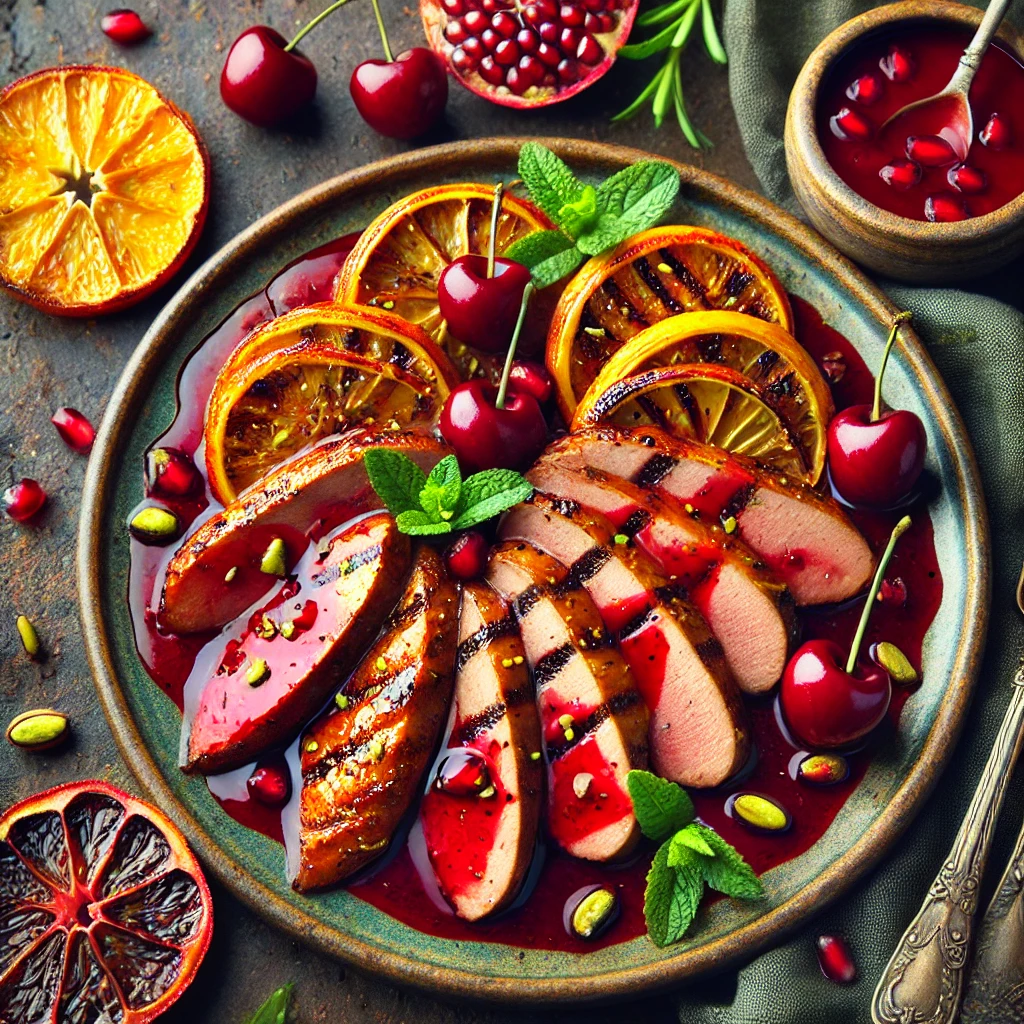
Tart cherries are celebrated for their vibrant color, tangy flavor, and natural richness in plant compounds.
They contain anthocyanins and polyphenols, which have been studied for their potential roles in supporting rest, recovery, and overall wellness.
Summer Tip: Blend frozen tart cherries into smoothies or enjoy as a chilled juice for a sweet, soothing refreshment.
Edible roses come from select varieties grown specifically for culinary use and must be free from pesticides or chemical treatments. The petals are the portion most often used, and the small white base at the bottom of each petal is typically removed due to its slightly bitter taste. Flavor intensity varies by variety and growing conditions, ranging from gently sweet to lightly citrusy or subtly spiced. Roses have been featured for centuries in Middle Eastern, Indian, and Mediterranean cuisines, particularly in the form of rosewater and preserves. Their layered petals and natural color gradients make them one of the most visually striking edible flowers available for culinary presentation.
Star fruit (Averrhoa carambola), also known as carambola, is a tropical fruit native to Southeast Asia and widely grown in warm regions around the world. The fruit is usually yellow to golden when ripe and has a distinctive shape with five ridges, so when it is sliced crosswise it forms star-shaped pieces, which gives the fruit its name. Star fruit has thin, edible skin and juicy flesh with a flavor that ranges from sweet to mildly tart, often compared to a mix of apple, grape, and citrus. It is commonly eaten fresh, added to fruit salads, used as a garnish, or made into juices and desserts. Nutritionally, star fruit is low in calories and rich in vitamin C, fiber, and antioxidants, though people with kidney problems are often advised to avoid it because it contains compounds that can be harmful to them.
Star Fruit (Carambola)
A bright and refreshing tropical fruit, star fruit is loved for its crisp texture and naturally vibrant flavor. With its distinctive ridges that form beautiful star-shaped slices, it adds both visual charm and a lightly sweet, tangy taste to summer dishes and drinks. Star fruit is also valued for its vitamin C, fiber, and antioxidants, making it a refreshing and nourishing choice for warm days.
Summer Tip: Add chilled slices of star fruit to fruit salads, sparkling water, or iced teas for a naturally refreshing tropical touch.

Bergamot
Bergamot is a fragrant citrus fruit prized for its bright aroma and distinctive, slightly floral flavor. The fruit is rich in natural plant compounds, including flavonoids and polyphenols, which have been studied for their potential roles in supporting overall wellness and balance. Its refreshing citrus profile makes it a popular ingredient in teas, beverages, and culinary creations.
Summer Tip: Add a splash of bergamot-infused syrup or a few drops of bergamot extract to sparkling water or iced tea for a crisp, citrusy refreshment.

Exotic Dragonfruit & Dragon Flowers

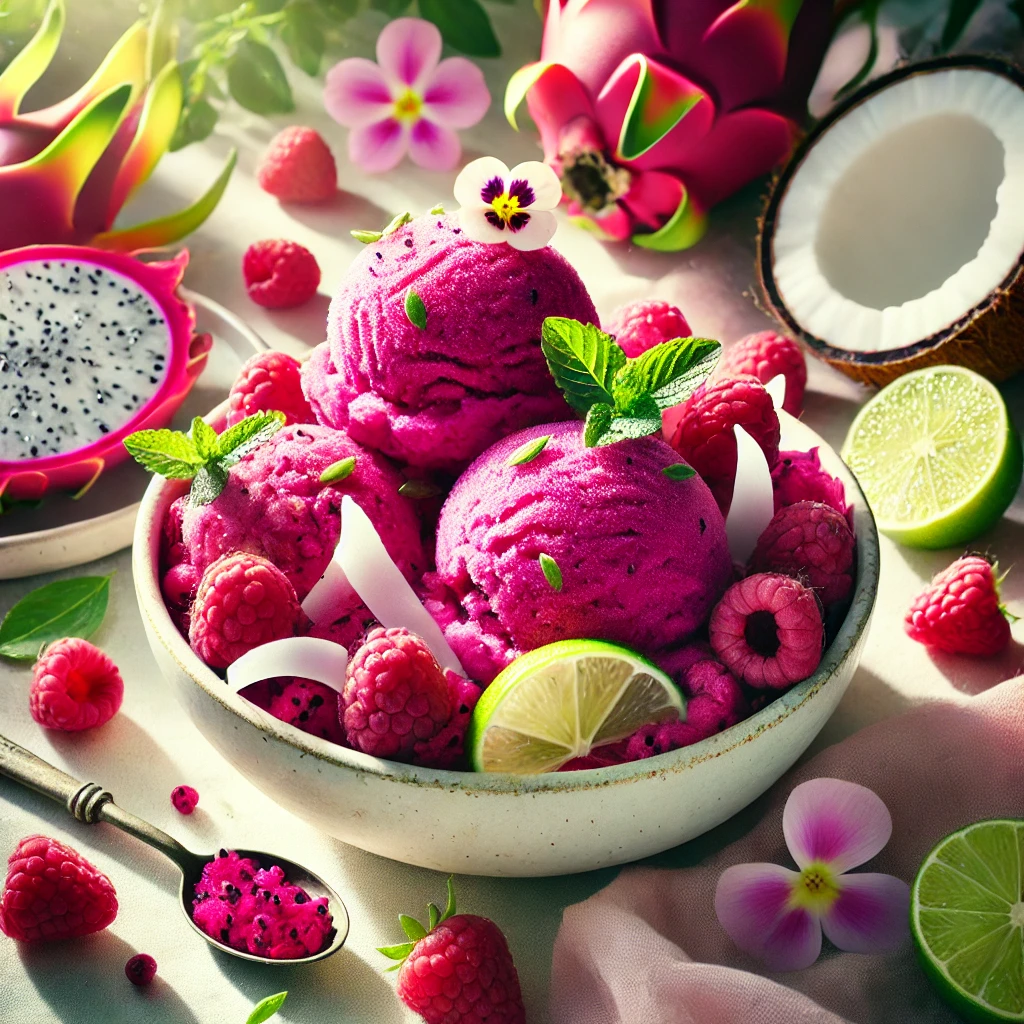
As summer unfolds and daylight lingers longer, meet dragonfruit—a luminous tropical fruit celebrated for its striking beauty and refreshing clarity. With its vivid fuchsia skin, speckled white or magenta flesh, and delicate sweetness, dragonfruit feels perfectly at home in the brightness of the season.
Often appreciated for its subtle flavor and crisp, juicy texture, dragonfruit brings freshness and intrigue to summer desserts. Its jewel-like appearance evokes blooming gardens, pastel tablescapes, and open-air gatherings where color and light take center stage.
The dragon flower—the night-blooming blossom of the cactus that bears dragonfruit—adds another layer of wonder to its story. Large, fragrant, and fleeting, the bloom opens briefly in dramatic display before giving way to fruit. In this way, dragonfruit becomes a symbol of summer itself: vibrant, expressive, and quietly extraordinary.
🌸 Summer Tip:
Blend fresh dragonfruit with coconut water and a splash of lime for a radiant pink refresher. Garnish with edible dragon flower petals (when available), thin citrus wheels, or fresh mint for an elegant presentation.
Serve chilled in clear glassware to showcase its natural color—dragonfruit brings brightness, refinement, and seasonal beauty to any summer gathering.
Dragon flowers and dragonfruit both come from climbing cactus species in the genus Hylocereus (also classified under Selenicereus). The dragon flower is a large, dramatic bloom that opens at night, often called a “night-blooming cereus.” Its white or pale cream petals surround a luminous center, and the blossom typically lasts only a single evening before closing. This brief, fragrant display is followed by the development of dragonfruit, also known as pitaya. Dragonfruit is recognized for its vibrant pink or yellow skin and speckled white or magenta flesh dotted with tiny black seeds. Its flavor is mild, lightly sweet, and subtly refreshing, making it well suited for fresh preparations such as fruit salads, chilled desserts, smoothies, and beverages. Naturally high in water content, dragonfruit offers a crisp texture and bright visual appeal without heaviness. Both the flower and fruit are valued not only for their culinary uses but also for their striking ornamental presence, symbolizing vibrancy, renewal, and the fleeting beauty of seasonal bloom.

Revitalizing Self-Care Rituals for Summer

Summer is the season to shine—from the inside out. With longer days and brighter skies, it’s the perfect time to refresh your habits, fuel your body with hydrating, sun-kissed foods, and embrace a mindset of warmth, joy, and movement. Prioritizing nourishment and self-care during this vibrant season helps you feel light, energized, and fully alive—not just in appearance, but in spirit. Summer isn’t just about looking radiant—it’s about living radiantly.
Pairing these summer-aligned habits with hydrating, nutrient-rich foods can help you feel light, refreshed, and balanced all season long:
Sip Cooling Infused Water – Add watermelon, basil, and lime for refreshing hydration and a touch of natural vitality.
Soak Up the Sun (Safely) – Gentle morning sunlight helps your body’s natural rhythm and brings warmth and brightness to your day.
Move in the Fresh Air – Try beach walks, sunrise stretches, or paddleboarding to keep energy flowing and circulation active without overheating.
Exfoliate with a Summer Sugar Scrub – Gently polish away dullness using coconut oil, sugar, and citrus zest to reveal a smooth, radiant glow.
Unwind with a Cool Foot Soak – Combine peppermint and Epsom salt for a refreshing way to soothe and revive tired feet after hot days.
Try Dry Brushing + Cool Showers – Stimulate your senses and leave skin feeling invigorated while helping the body feel cool and refreshed.
Aloe Vera Masks or Rosewater Spritzes – Naturally hydrating and calming, perfect for soothing summer skin.
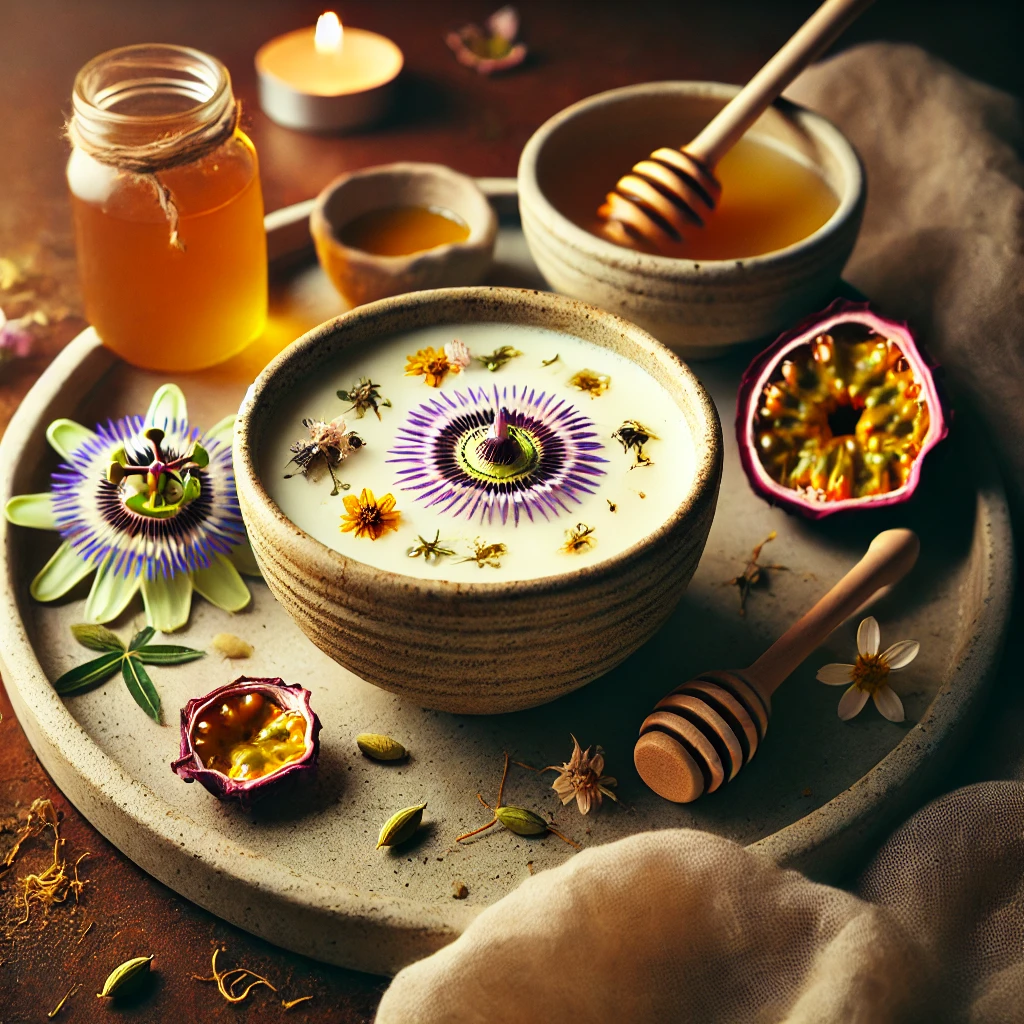
Sleep with the Rhythm of the Sun – Keep a consistent bedtime and wind down with iced herbal teas like chamomile or passionflower to stay restored and aligned with the season’s slower evenings.
Try “Sky Bathing” or Garden Resting – Lie under open skies, among flowers or trees, and let the sounds, scents, and colors of nature bring calm and reconnection.

Recipes Engineered for that Summer Glow