








The Assumption

with ORO VALENTIO

August 15th

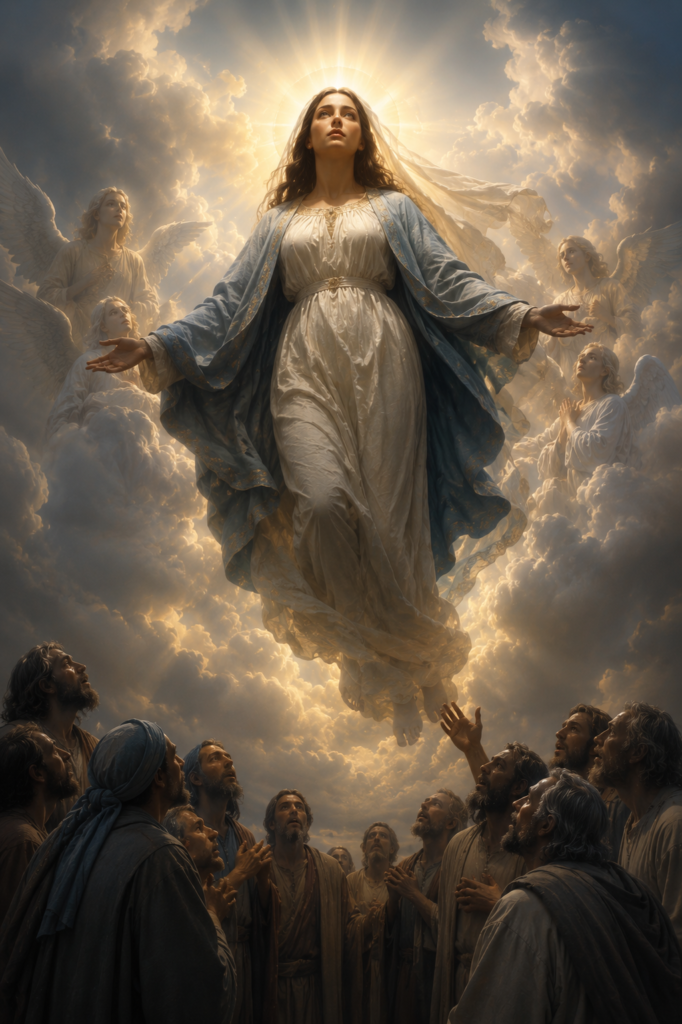
The Assumption of Mary, observed on August 15, stands as a profound moment within the Christian calendar, not only marking the completion of Mary’s earthly life but illuminating the ultimate destiny of the human person when fully aligned with divine purpose. Though the exact historical moment of her passing is not recorded in Scripture, the Church, through centuries of sacred tradition, recognizes this day as the culmination of a life lived in complete surrender, humility, and obedience to God. Mary’s Assumption—her being taken body and soul into heavenly glory—reveals a vision of wholeness, where the physical and spiritual are not divided but perfected together. This sacred observance invites reflection, purification, and renewed intention, echoing the deeper truth that transformation rarely occurs in a single instant but through a process of faithful alignment. Across cultures, this sacred time is honored not only through liturgy, but through beauty—flowers placed in churches, processions through towns, shared meals among families—each gesture reflecting reverence for what Mary represents: the elevation of the humble, the honoring of the faithful, and the promise that a life lived with integrity and devotion is not lost, but ultimately lifted into something eternal.
The Assumption of Mary, celebrated on August 15, is one of the most significant feasts in the Christian liturgical calendar. It commemorates the belief that the Virgin Mary, at the end of her earthly life, was assumed—body and soul—into heavenly glory. Unlike ordinary human death, which separates body and spirit, the Assumption represents a unique and sacred transition, where Mary is taken fully into heaven, reflecting both her purity and her singular role in salvation history.
At its core, the Assumption is not only about Mary herself, but about what she represents. She is seen as the perfect model of obedience, humility, and devotion to God, and her Assumption is understood as a divine affirmation of these virtues. It points forward to the ultimate destiny promised to all faithful believers: resurrection and eternal life. In this sense, the Assumption is both a celebration and a promise—what has been fulfilled in Mary is what is hoped for in all.
Historically, the belief in Mary’s Assumption developed over centuries of tradition and theological reflection. While not explicitly described in Scripture, it was widely held in early Christian communities and eventually defined as official doctrine by Pope Pius XII in 1950. This formal declaration emphasized that Mary, “having completed the course of her earthly life, was assumed body and soul into heavenly glory,” solidifying a belief that had long been cherished in both Eastern and Western Christianity.
The feast itself is celebrated with great reverence and joy around the world. In many countries, it is a holy day of obligation, meaning the faithful are called to attend Mass. Churches are often adorned with flowers, symbolizing Mary’s purity and beauty, and processions may take place in which statues of Mary are carried through towns and cities. In places like Italy, France, and parts of Latin America, Assumption Day is not only a religious observance but also a cultural celebration marked by music, feasting, and community gatherings.

The Dignity & Purpose Woven into the Human Design

Symbolically, the Assumption carries profound theological meaning. It reflects the idea that the human body is not merely temporary or disposable, but part of God’s eternal design. Mary’s bodily assumption affirms the dignity of the human person and the unity of body and soul. It also highlights the concept of divine grace—Mary’s life, free from sin and fully aligned with God’s will, culminates in her being drawn directly into His presence.
In a more personal sense, the Assumption invites reflection on one’s own life and direction. It calls individuals to consider what it means to live with purpose, faith, and integrity. Mary’s journey—from her humble “yes” at the Annunciation to her exaltation in heaven—serves as a reminder that greatness is not found in power or recognition, but in faithfulness and surrender to a higher calling.
Ultimately, the Assumption of Mary stands as a moment of profound hope. It lifts the eyes beyond the limitations of earthly life and points toward something greater—an existence transformed, fulfilled, and brought into perfect unity with God. It is both a celebration of Mary’s unique role and a powerful vision of what humanity itself is meant to become.
The Assumption of Mary also stands as a profound affirmation of the dignity and purpose woven into the human design. In a world that often separates the physical from the spiritual, this feast declares their unity—that the body is not merely temporary or disposable, but part of a greater, eternal intention. Mary’s being taken into heaven, whole and complete, reflects the restoration of what humanity was always meant to be: integrated, ordered, and aligned with divine truth. Her Assumption is not only a singular honor, but a revelation of possibility—a glimpse into what becomes of a life lived in clarity, discipline, and unwavering faith. It speaks to the quiet strength found in consistency, in choosing what is right over what is easy, and in maintaining integrity even when unseen.
At a deeper level, the Assumption invites a reorientation of perspective—away from the fleeting and toward the eternal. It challenges the mind to consider what is truly being built within one’s life: whether actions, habits, and thoughts are contributing to something lasting or dissolving into the temporary. Mary’s ascent is not portrayed as a sudden elevation without cause, but as the natural culmination of a life fully aligned with purpose. This offers a powerful framework for reflection: that elevation follows alignment, and fulfillment follows order. In honoring the Assumption, one is not only remembering a sacred event, but engaging with a principle—one that calls for refinement, intentional living, and a steady pursuit of what is good, true, and enduring.

Traditions for the Assumption

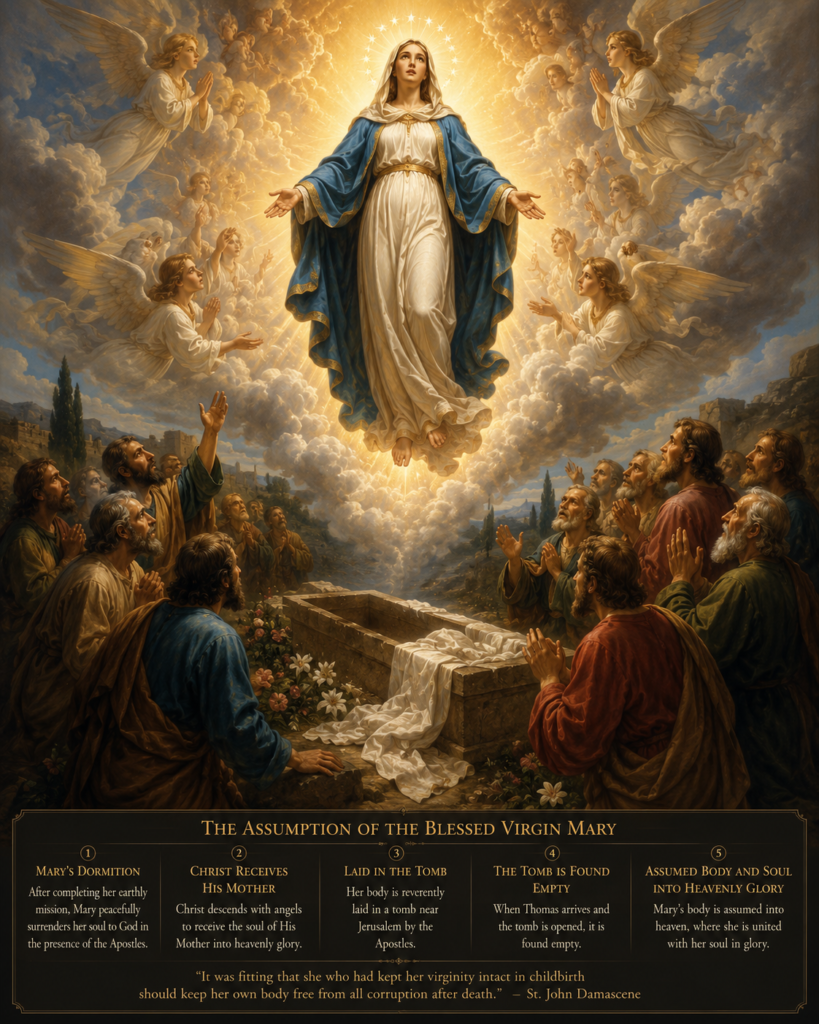
According to the most ancient and widely accepted tradition of the Church, after completing her earthly mission, the Blessed Virgin Mary entered into what the Eastern Church calls her Dormition, or "falling asleep in the Lord." Having been preserved from Original Sin and having lived in perfect union with God's will, her passing was not viewed as an ordinary death but as a peaceful transition into eternal life. Tradition holds that the Apostles, scattered throughout the world preaching the Gospel, were miraculously gathered to her bedside, where they witnessed her final moments and commended her soul to God. Ancient accounts describe Christ Himself descending with angels to receive the soul of His Mother, whom He had chosen from all eternity to bear Him into the world. After her passing, her sacred body was reverently laid in a tomb near Jerusalem. A few days later, when the tomb was opened—according to tradition at the request of the Apostle Thomas, who had arrived late—the Apostles found it empty. Her body, untouched by corruption, had been taken into heavenly glory. This belief became firmly rooted in both Eastern and Western Christianity, not merely because of these ancient accounts, but because of the Church's deep conviction that it was fitting that she who bore the Son of God in her womb, remained free from sin by a singular grace, and stood faithfully beneath the Cross should not experience the corruption of the grave. As St. John Damascene explained, it was fitting that the Mother who carried the Creator in her arms should dwell with Him in the heavenly tabernacles. Thus, Mary's Assumption is seen as the crowning mystery of her earthly life: the first full realization of the resurrection promised to all the faithful, a sign of hope for the Church, and a testimony that those who belong completely to Christ will one day share in His victory over sin, death, and the tomb.
Floral Offerings and Blessings
Flowers and herbs are often brought to church for blessing, symbolizing Mary’s purity, spiritual fruitfulness, and the beauty of God’s creation. Many families take the blessed arrangements home as reminders of grace and faith.
Processions of Honor
In many countries, statues of Mary are carried through the streets in festive processions adorned with flowers and fine garments. These events unite communities in public expressions of devotion and honor.
Feast Day Mass and Reflection
The celebration of Mass is the heart of the Assumption. Through Scripture, prayer, and sacred music, the faithful reflect on Mary’s glory and the hope of eternal life.
Shared Meals and Gatherings
Families and friends often gather for a special meal after Mass. These gatherings celebrate gratitude, unity, and the abundance of God’s blessings.
Acts of Renewal and Devotion
Many observe the day through prayer, reflection, or renewed spiritual commitments. The Assumption invites believers to grow closer to God and pursue holiness with greater purpose.
Decorating with Light and White
Churches and homes may be decorated with white, blue, and gold, colors associated with Mary. Candles and flowers create an atmosphere of peace, purity, and heavenly joy.

Strengthen our minds, that we may see clearly...

Heavenly Father,
we lift our hearts in gratitude for the glory revealed in the Assumption of the Blessed Mother,
a sign of what is possible when a life is lived in perfect faith and surrender to You.
Grant us the grace to follow her example—
to walk with humility, to act with purity,
and to remain steadfast in truth even when the path is difficult.
Refine our hearts, that we may desire what is good and enduring.
Strengthen our minds, that we may see clearly and live with intention.
Order our lives, that all we do may be aligned with Your will.
As Mary was lifted into heavenly glory,
draw us closer to You each day—
that our lives may be shaped not by the temporary,
but by what is eternal.
May we live with discipline, faith, and quiet strength,
so that what is built within us may endure beyond this life
and be made complete in Your presence.
Amen.
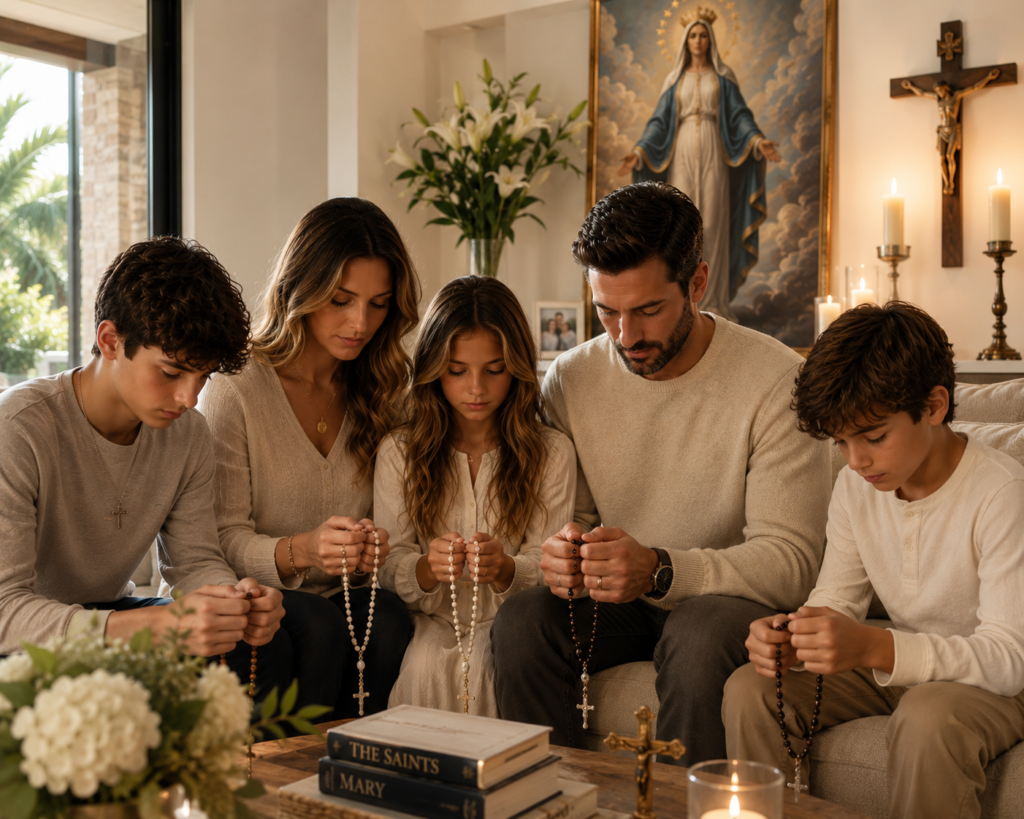
The Assumption reminds believers that the ultimate goal of the Christian life is union with God in heavenly glory. One of the most beautiful ways to reflect on this mystery is through the Rosary, which guides the soul through the key moments of Christ's life while also contemplating the unique role of Mary in God's plan of salvation. Far from worshipping Mary, Christians who pray the Rosary honor her as the Mother of Jesus and ask for her prayers, trusting that she always leads souls closer to her Son. The Assumption reveals the fulfillment of that journey: a life of humility, faithfulness, and surrender to God's will culminating in eternal glory. As the faithful meditate on the mysteries of the Rosary, they are reminded that Mary's Assumption is not only a privilege given to her, but also a sign of the hope promised to all who follow Christ. In this way, the Rosary becomes a prayer of hope, drawing hearts toward heaven and encouraging believers to keep their eyes fixed on the eternal promises of God.

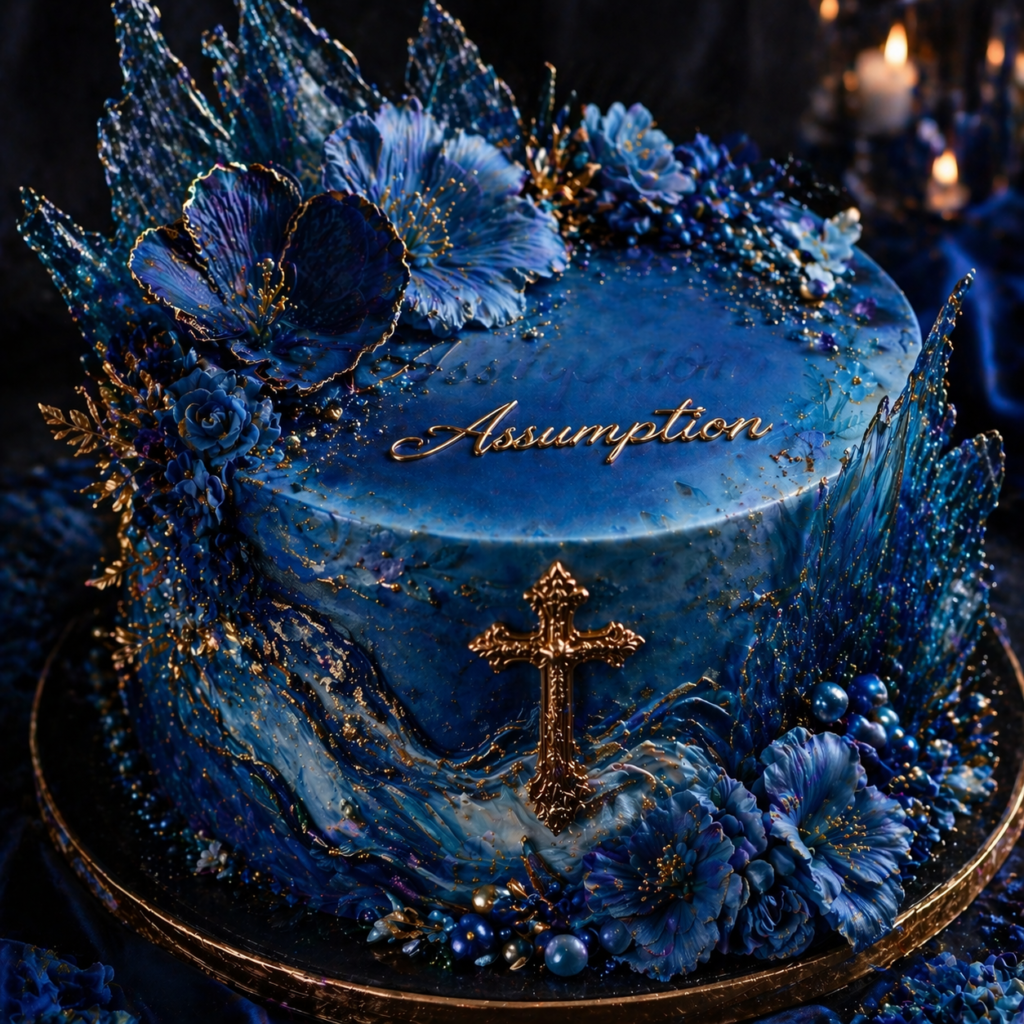
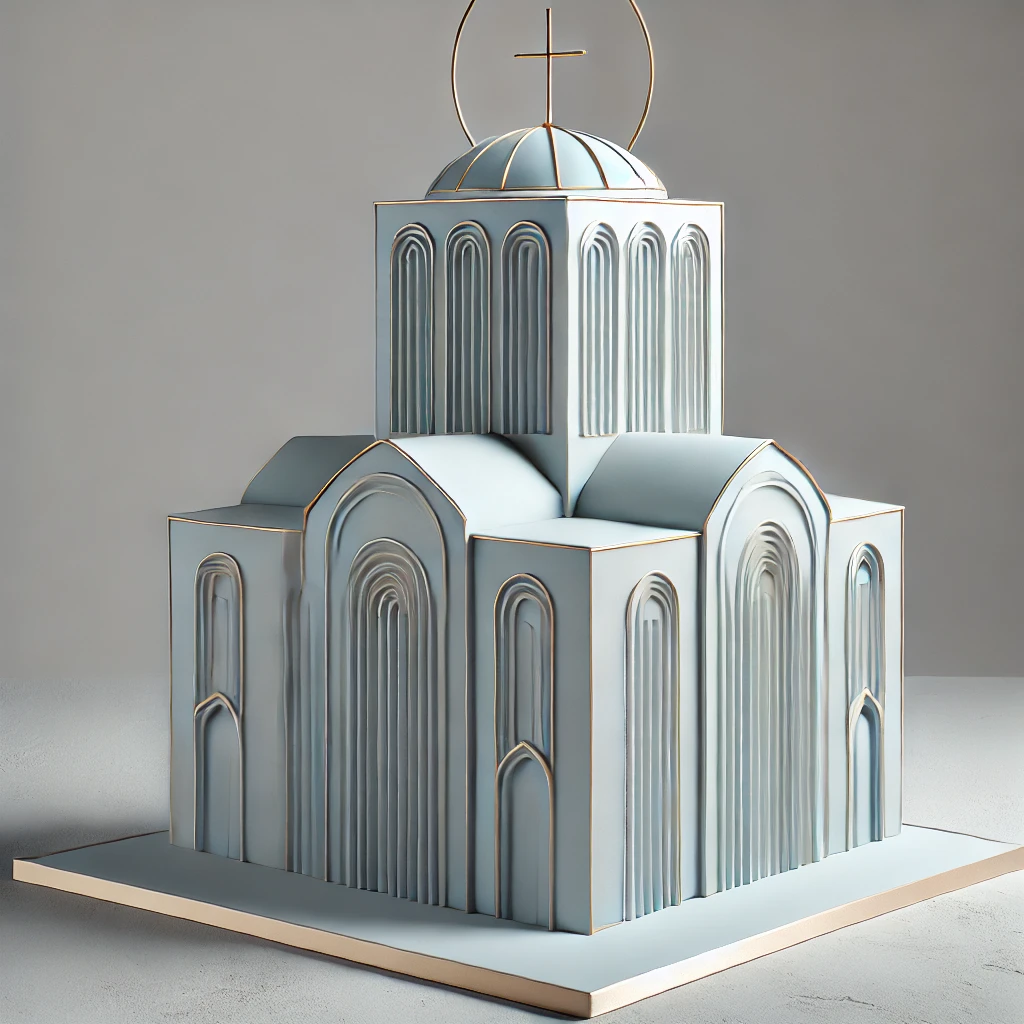
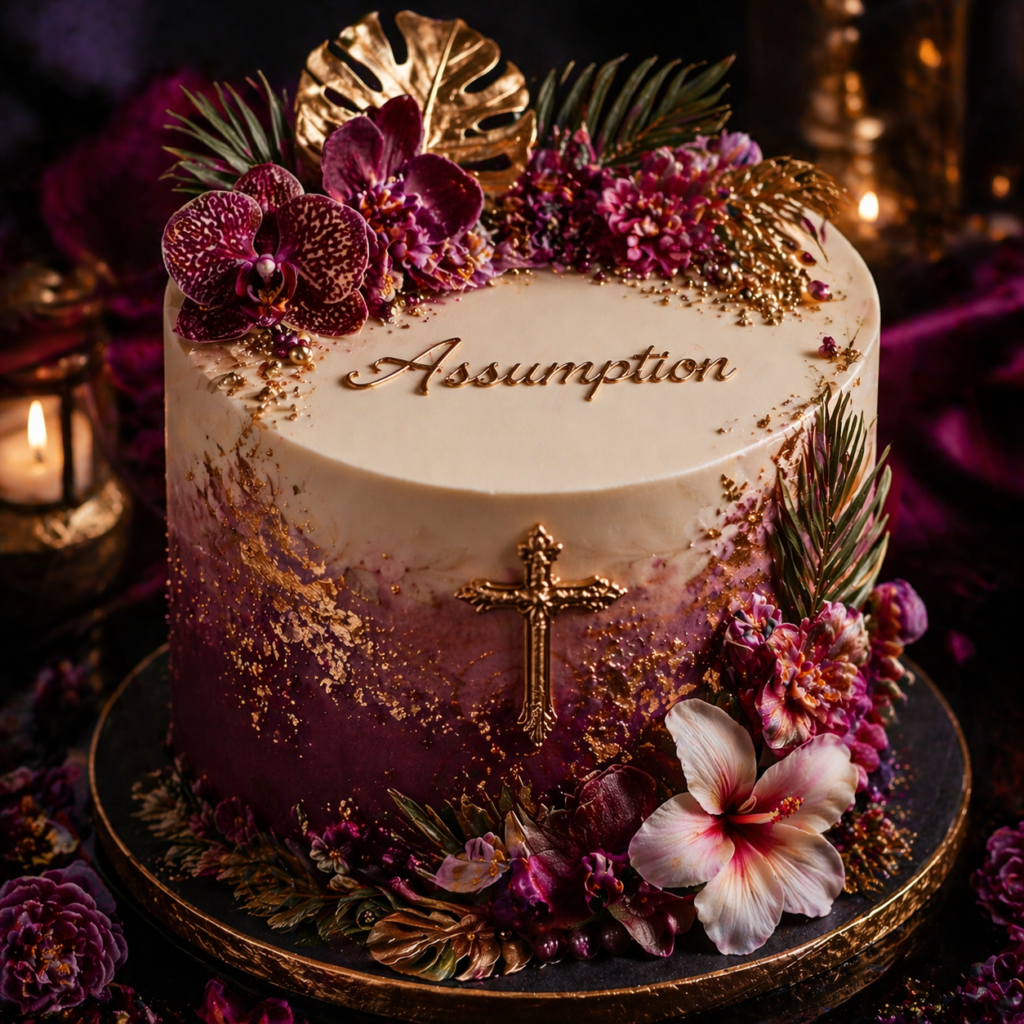
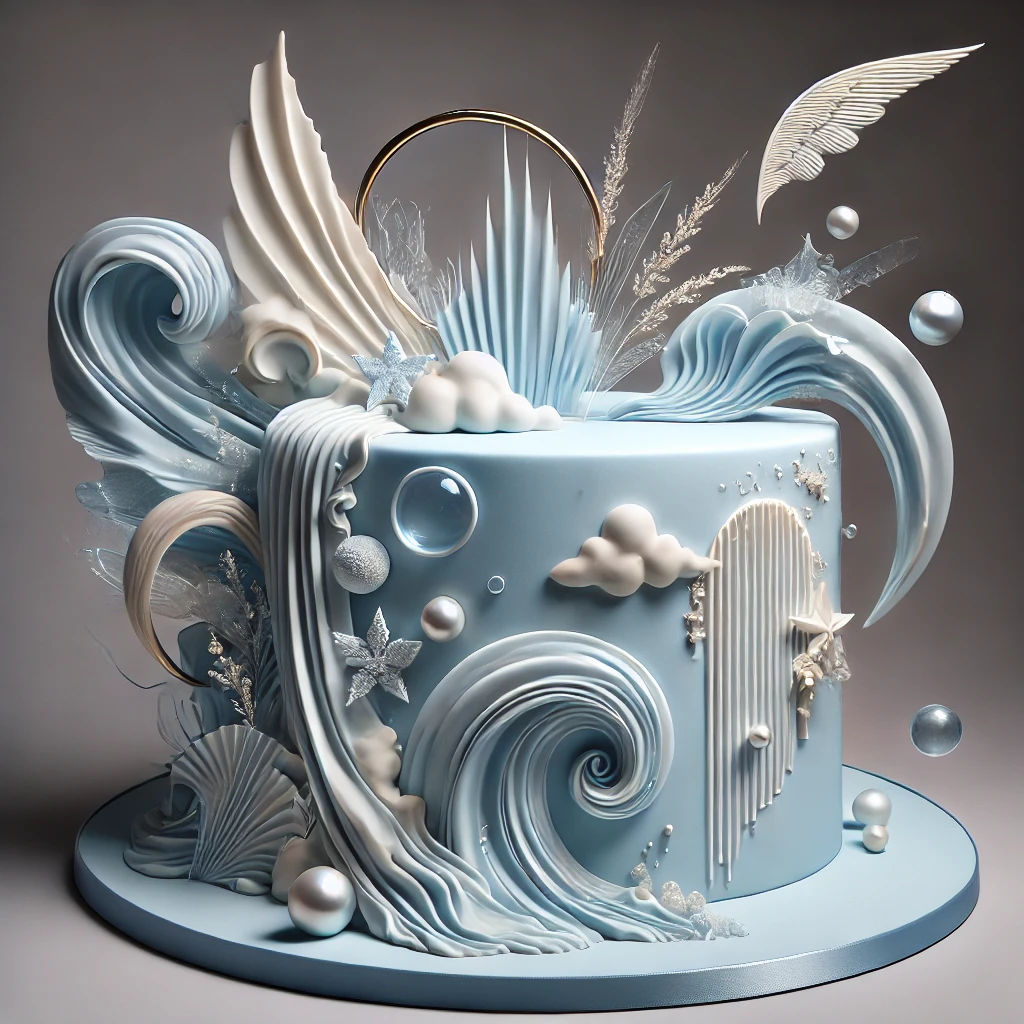
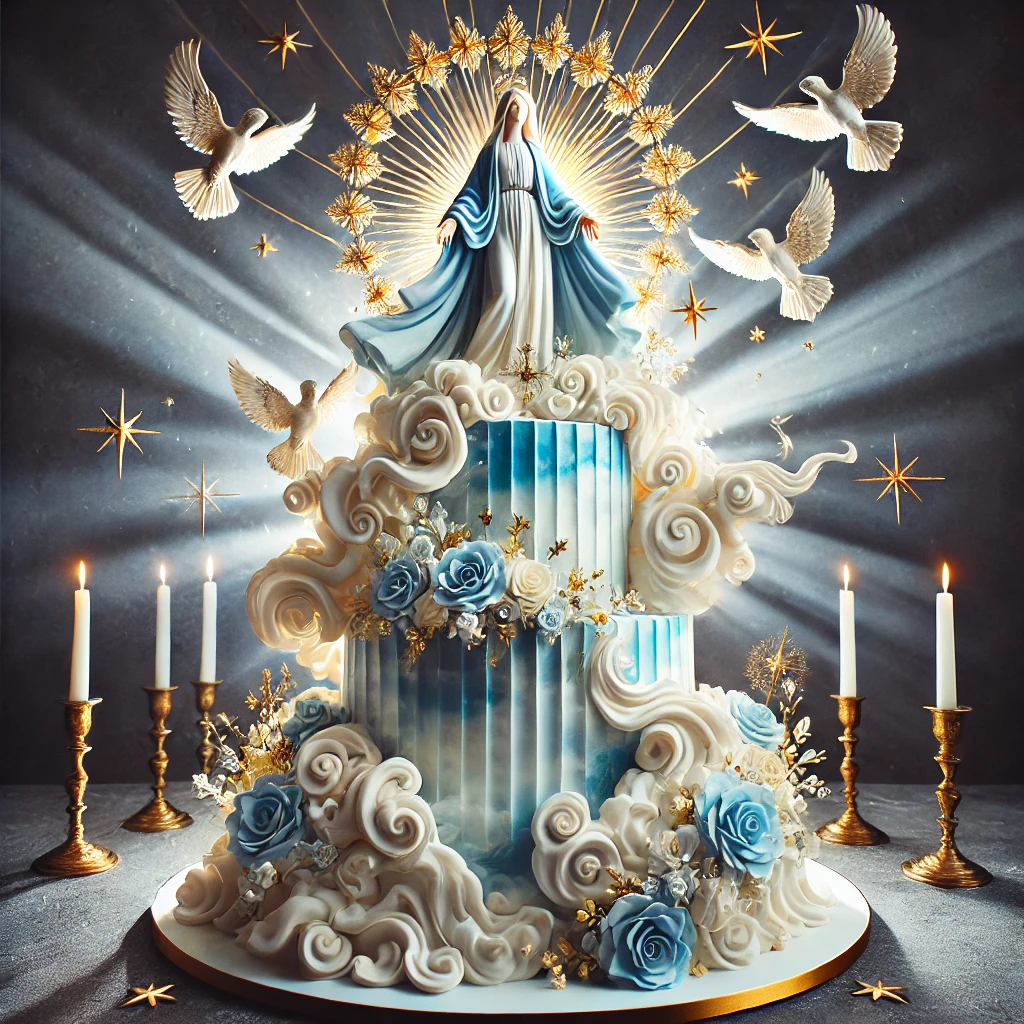
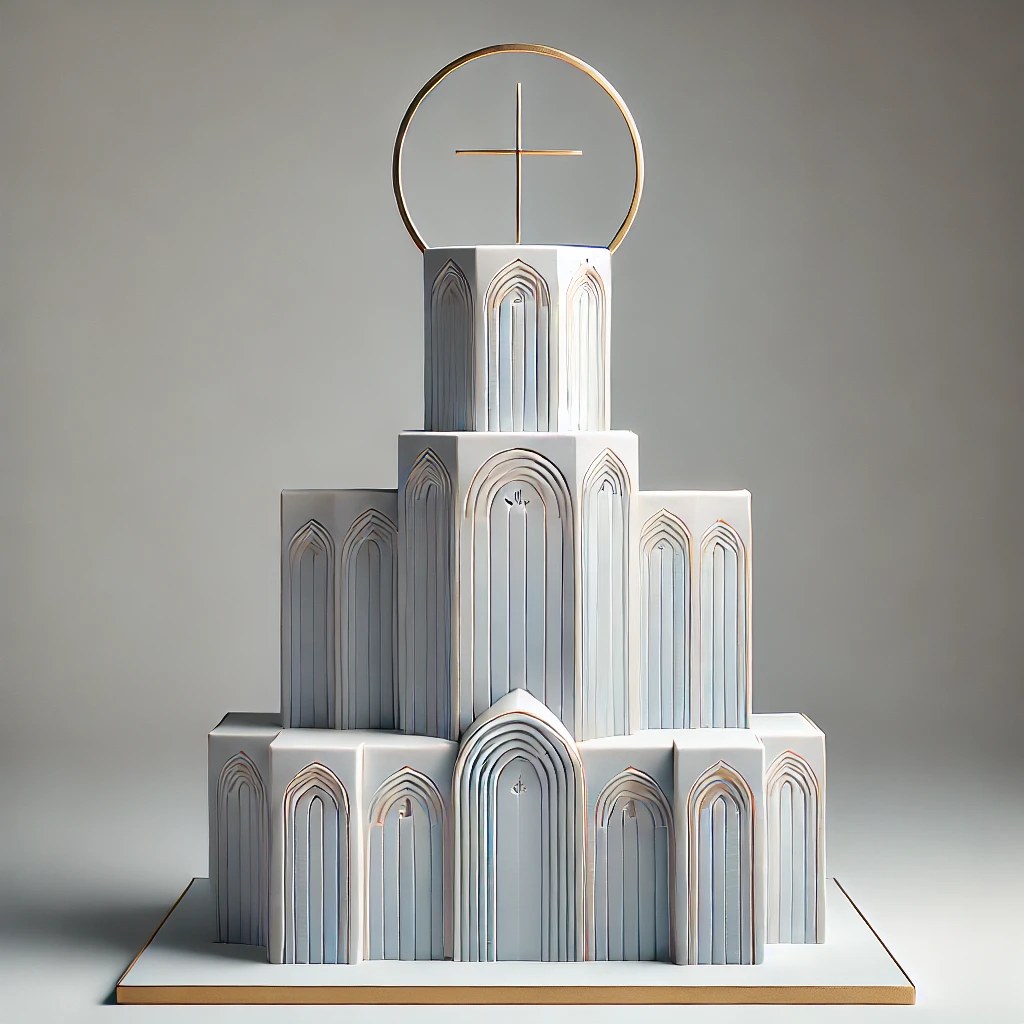
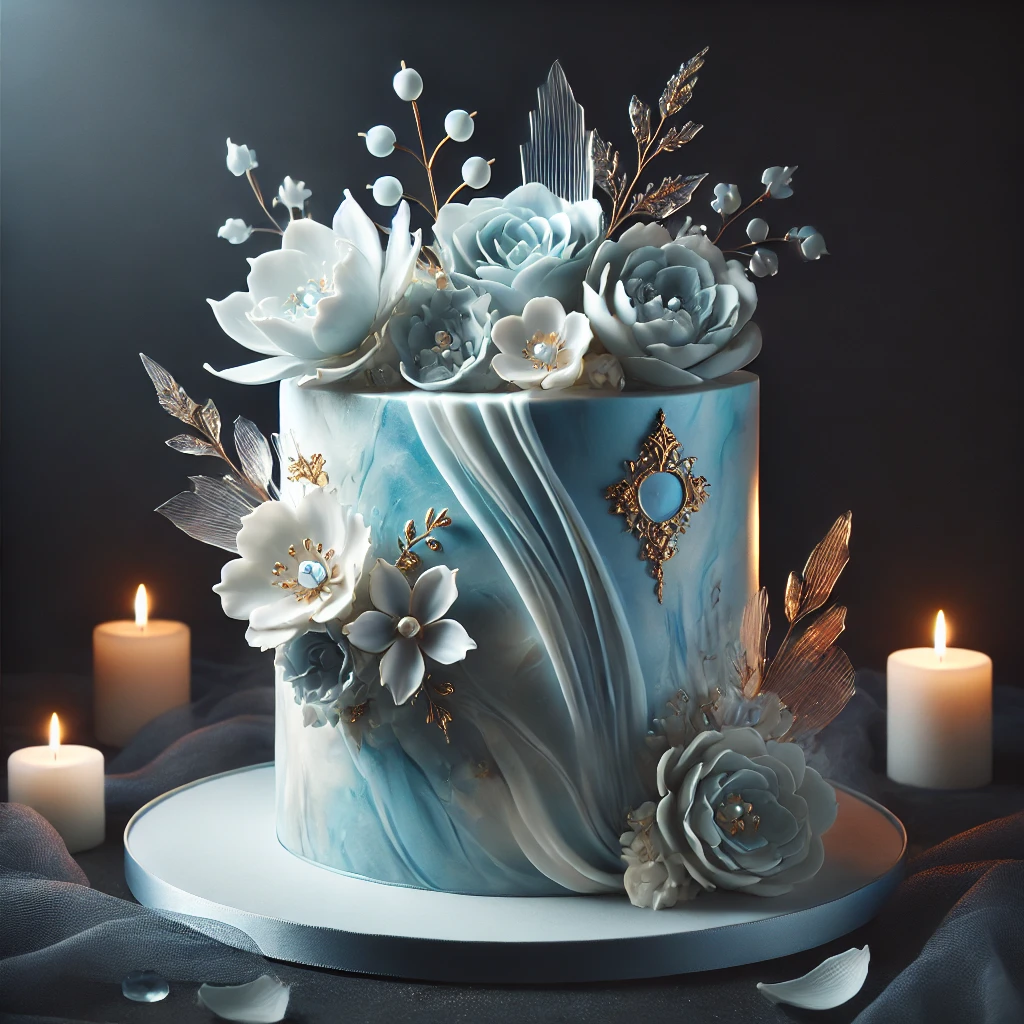
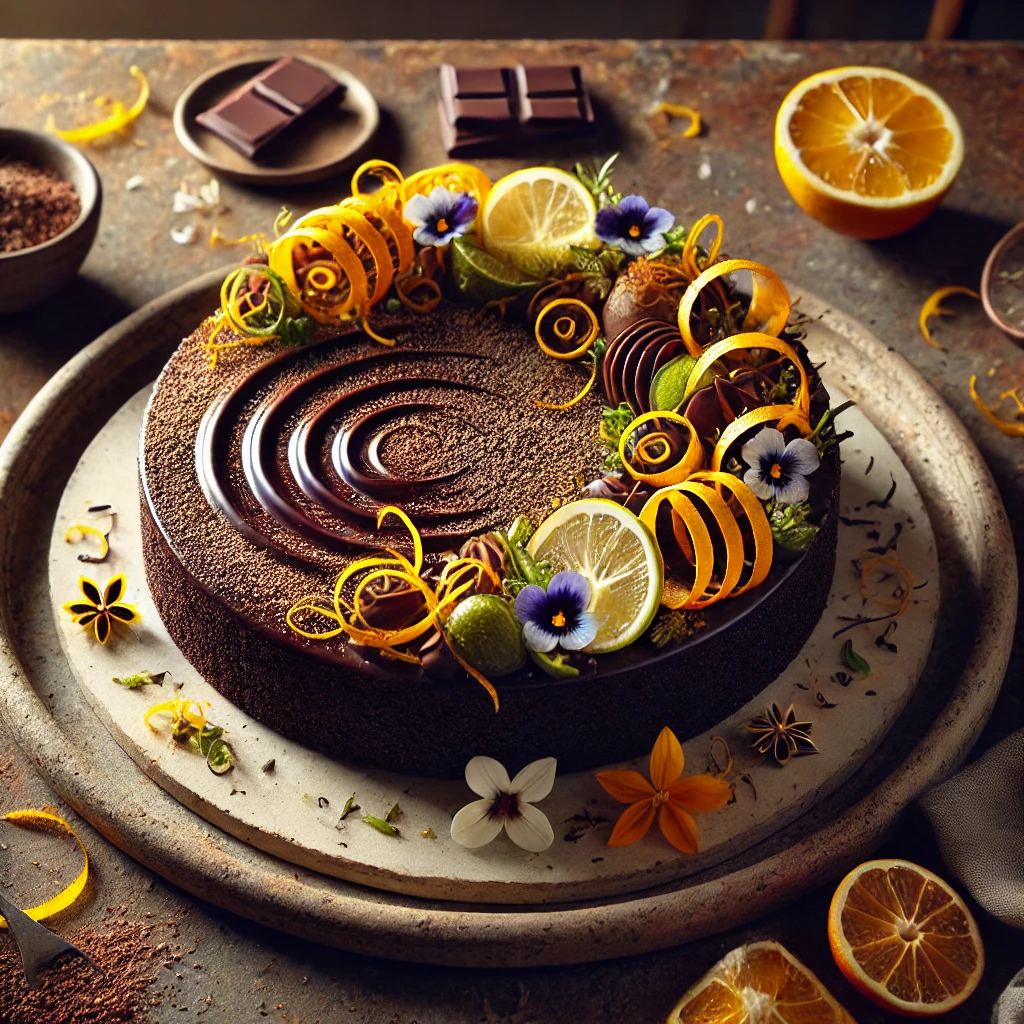
Assumption Cake and Atmosphere Ideas

Where style, memory, and celebration meet.

This section is meant to be more than Cake Decorating Ideas… it’s designed to spark inspiration and creativity, awaken tradition, and infuse your special occasions with style, identity, and atmosphere. A color palette becomes a theme. A design becomes a mood. Simple details—like sugared holly leaves or shimmering stars—can set the tone for a gathering and become part of cherished traditions and lasting memories melded with personal touch and love.

Traditional Dishes for the Assumption

Herb-Roasted Chicken with Lemon & Garlic
A classic centerpiece that reflects both simplicity and richness. Fresh herbs—rosemary, thyme, and parsley—tie directly into the tradition of blessed herbs and flowers, while the golden roasted finish symbolizes fullness and completion.

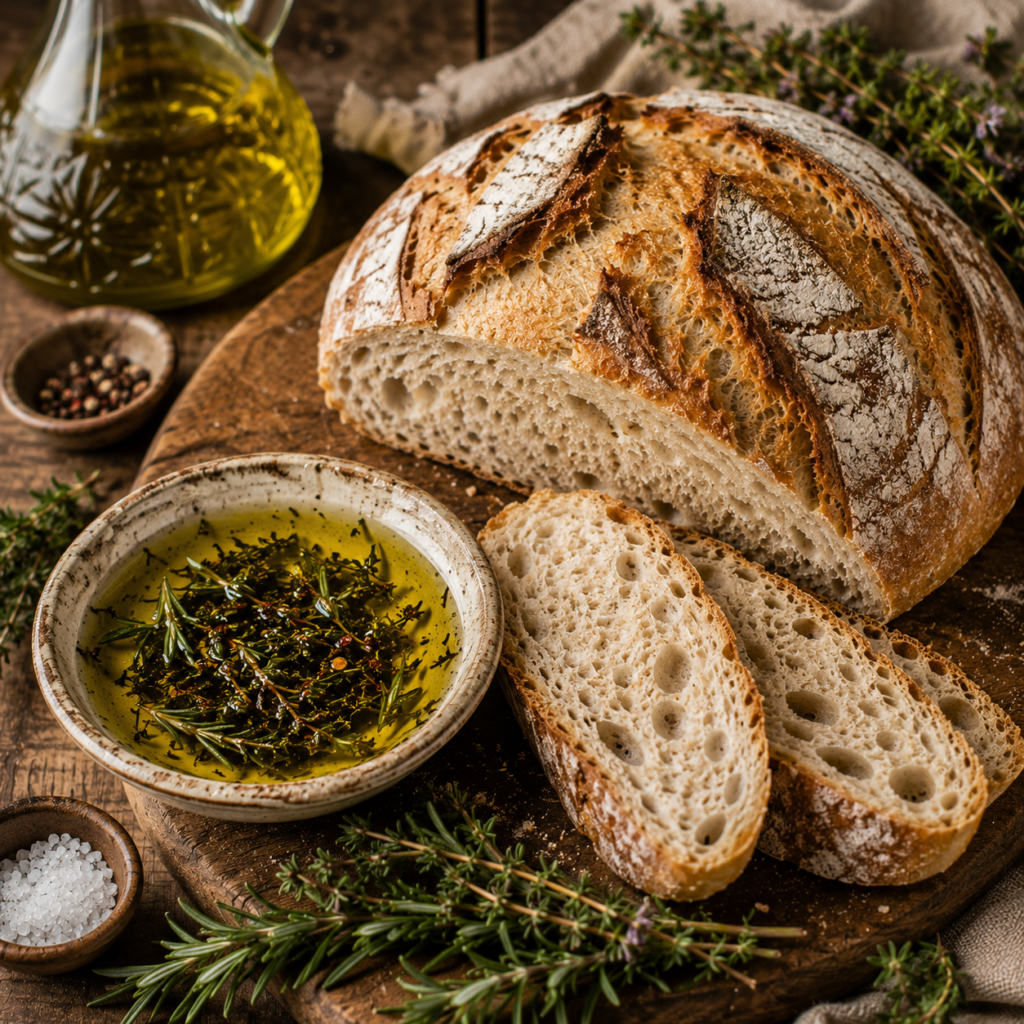
 Rustic Artisan Bread with Olive Oil & Herbs
Fresh bread served with high-quality olive oil infused with herbs offers a grounding, intentional element to the table. It reflects nourishment, tradition, and the beauty of simplicity elevated.

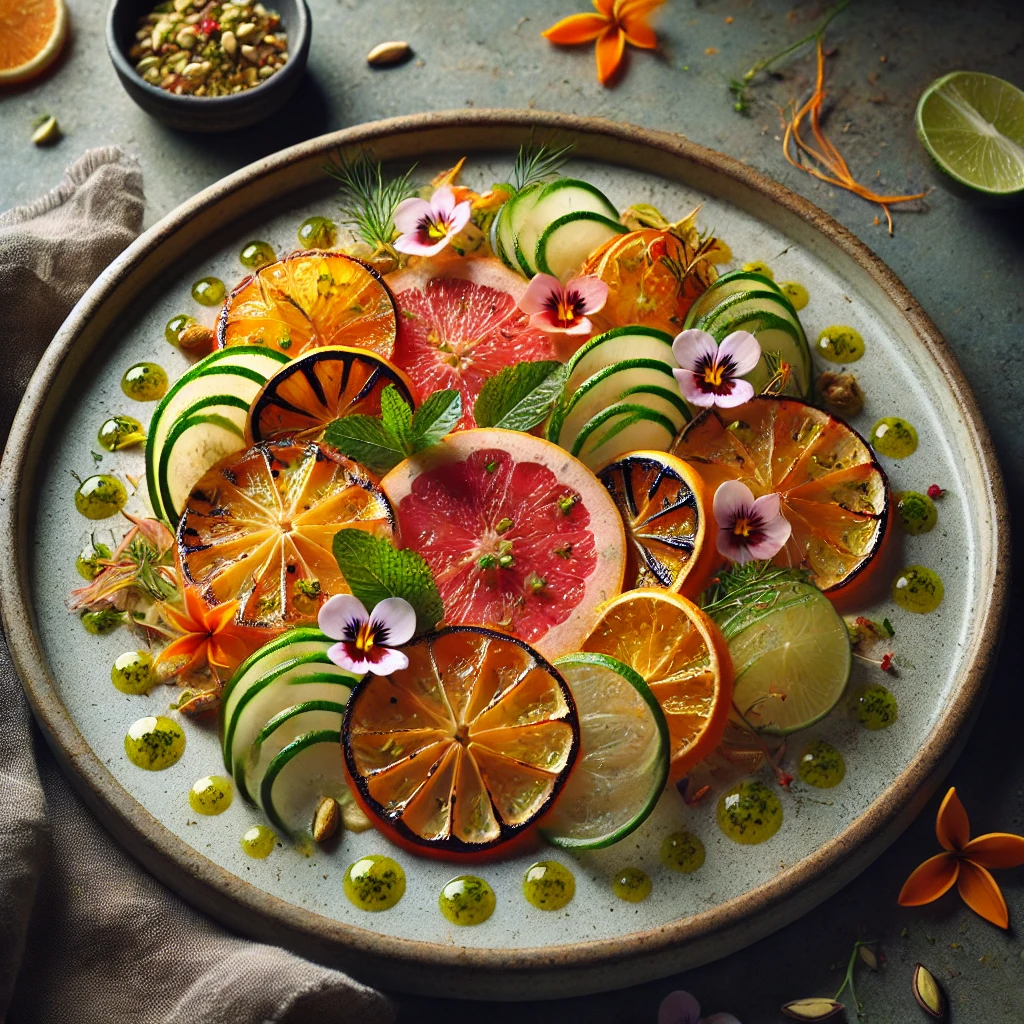
 Summer Harvest Salad
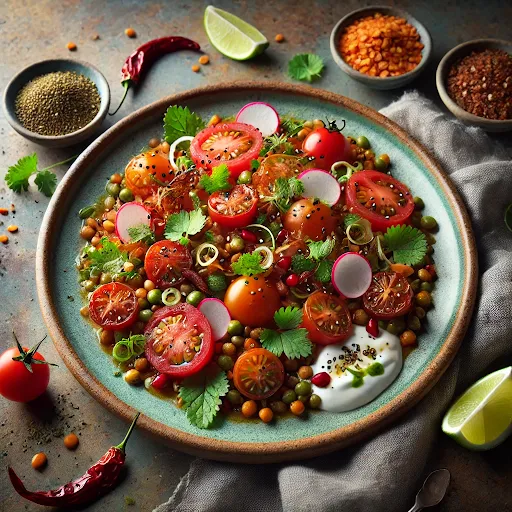
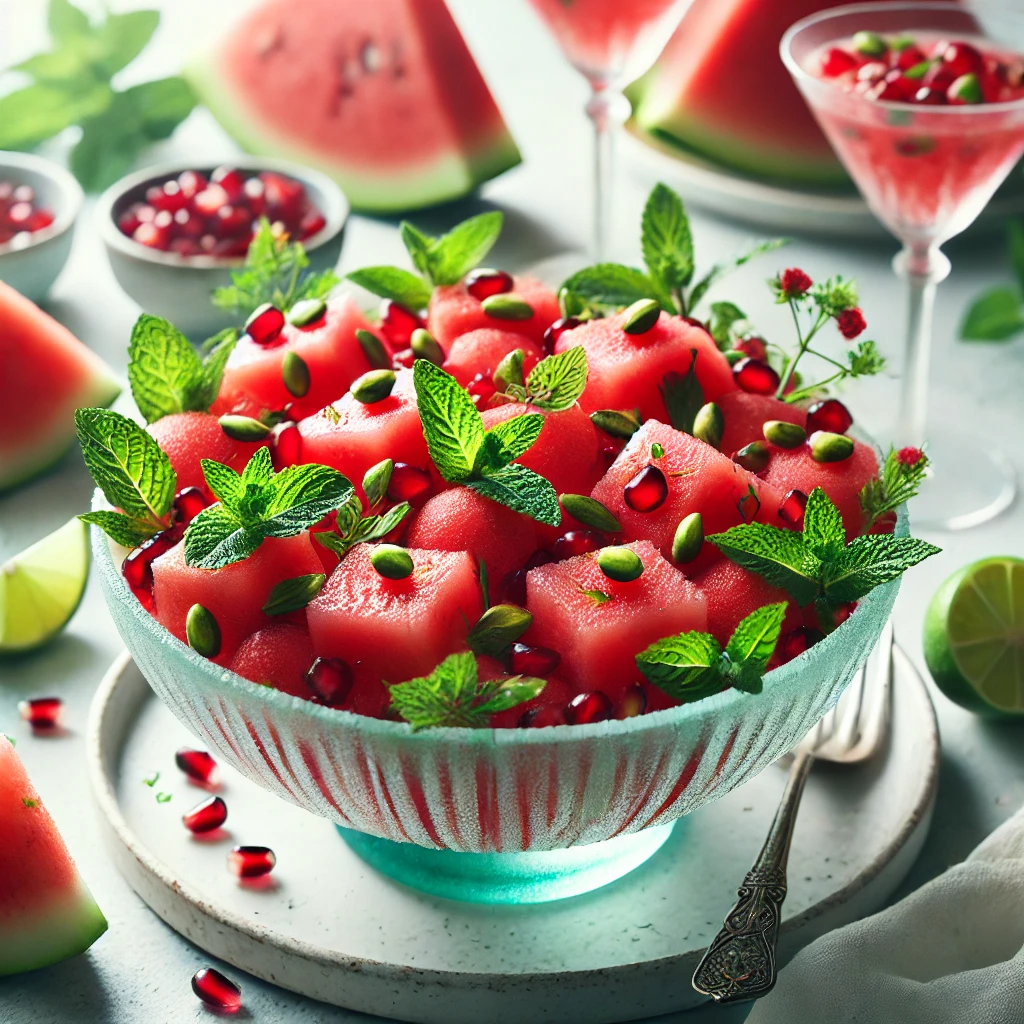
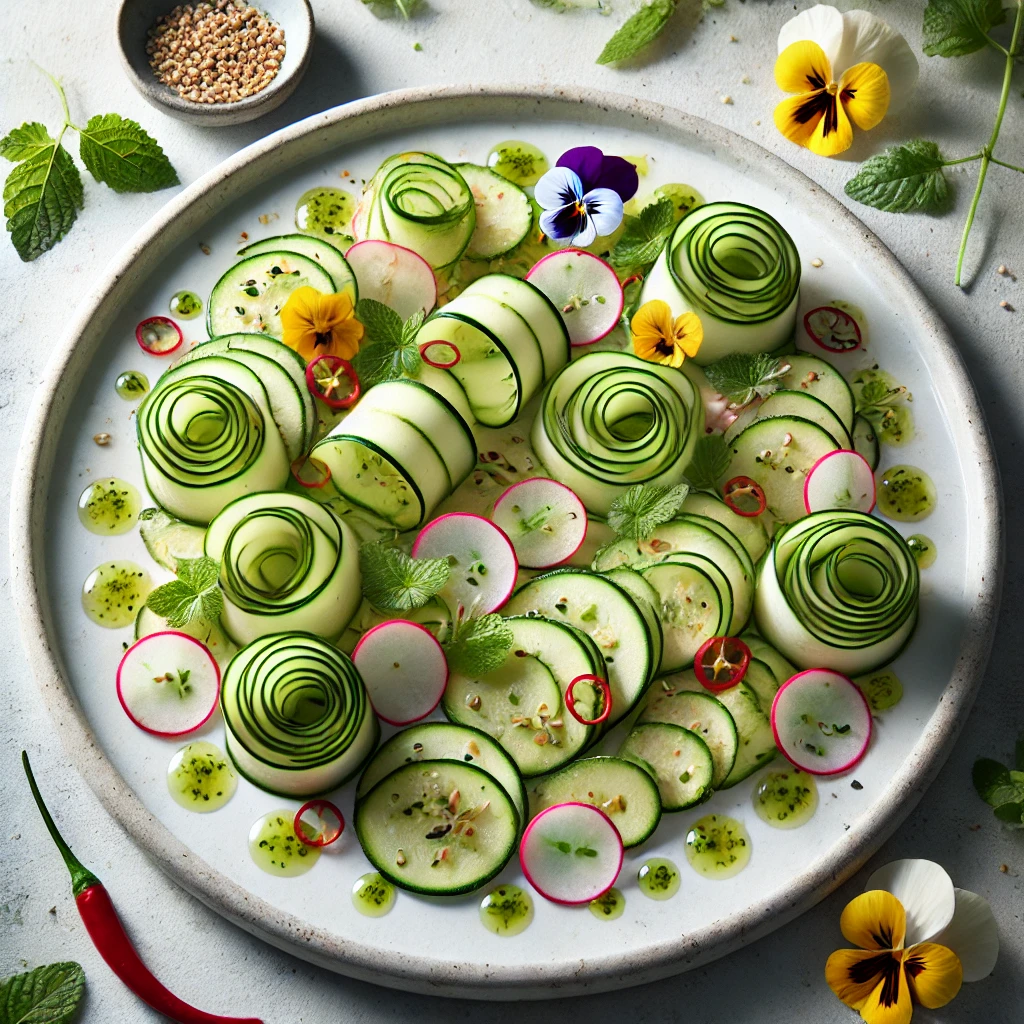
A vibrant mix of seasonal ingredients such as tomatoes, cucumbers, fresh greens, and herbs, lightly dressed with olive oil and citrus. This dish embodies the peak of the harvest season, aligning with the timing of the Assumption.

 Soft Cheeses with Honey & Fresh Fruit
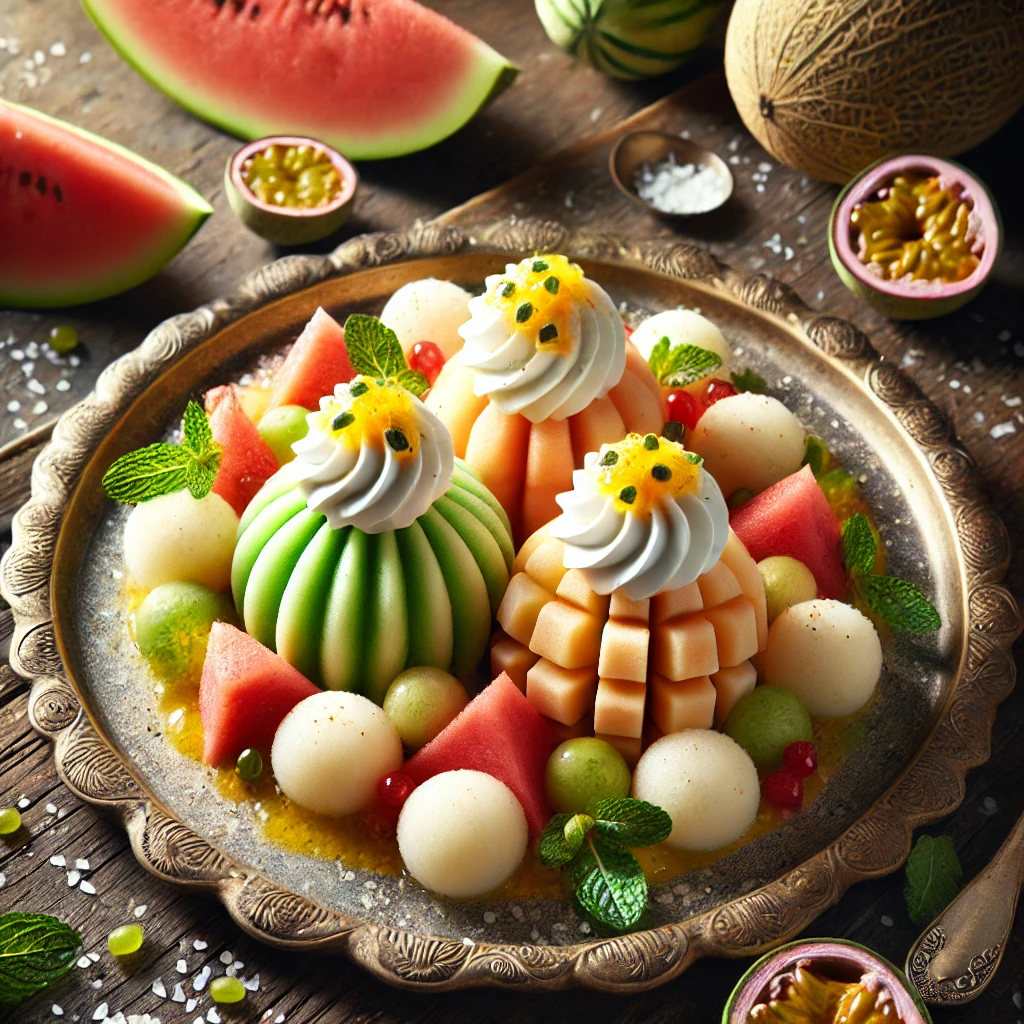
A refined platter of cheeses paired with figs, berries, or grapes and a drizzle of honey creates a balance of richness and freshness. It represents abundance without excess—controlled, intentional indulgence.

 Honey-Glazed Carrots or Root Vegetables
Lightly roasted vegetables finished with honey bring warmth and subtle sweetness, symbolizing blessing, nourishment, and the goodness of the earth.

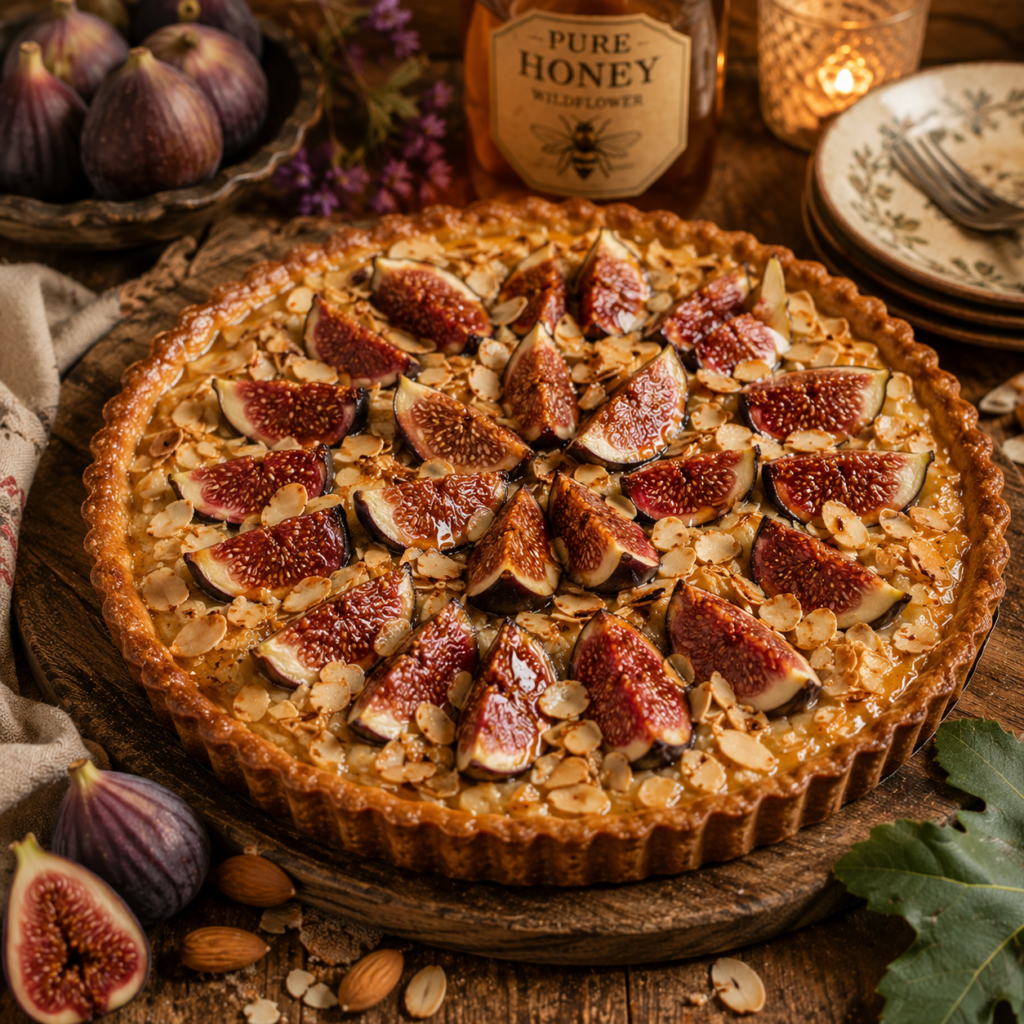
 Light Almond Cake or Honey Cake
A delicate dessert, often flavored with almond or honey, keeps the tone elevated and clean rather than heavy. It pairs beautifully with tea or coffee and maintains a sense of refinement.

 Optional: Wine or Sparkling Beverage
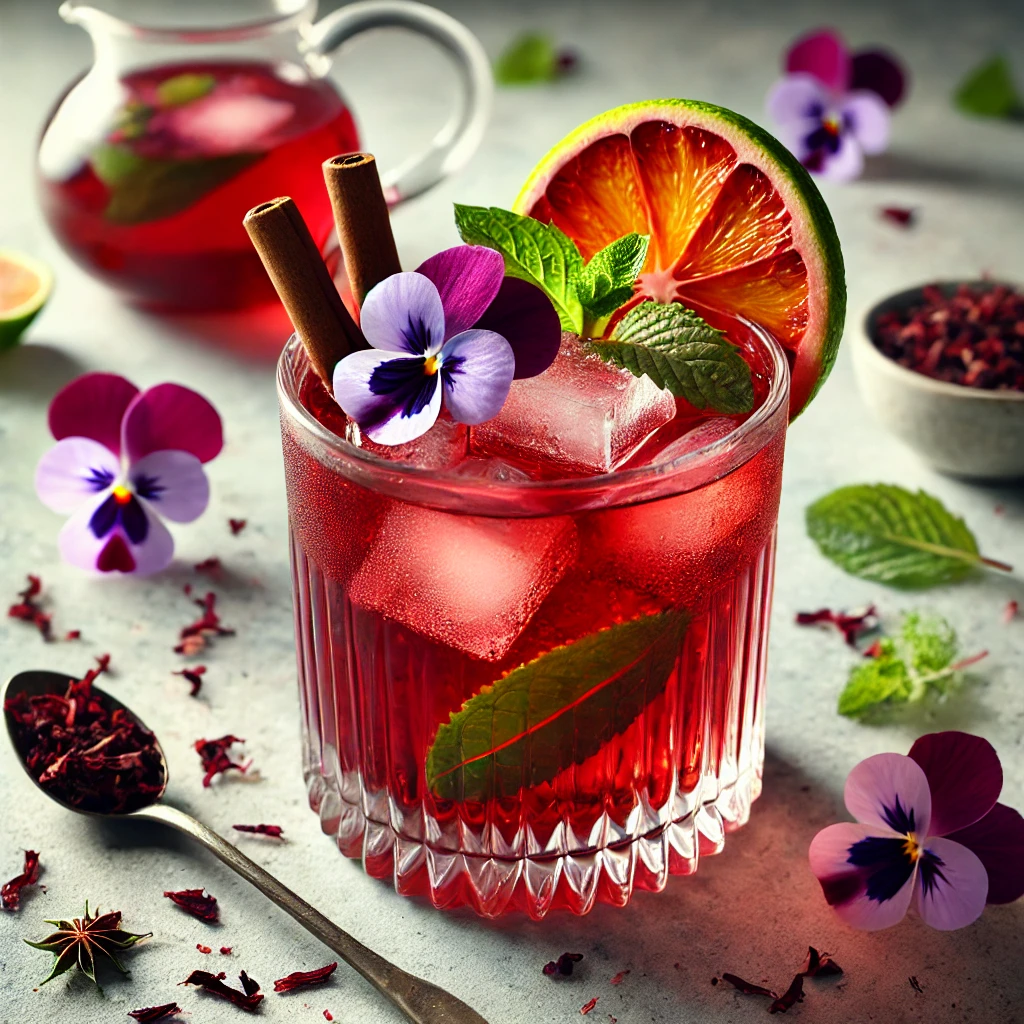
In many traditions, wine is included as a symbol of joy and celebration. A clean, crisp white wine or sparkling option complements the light, late-summer menu.

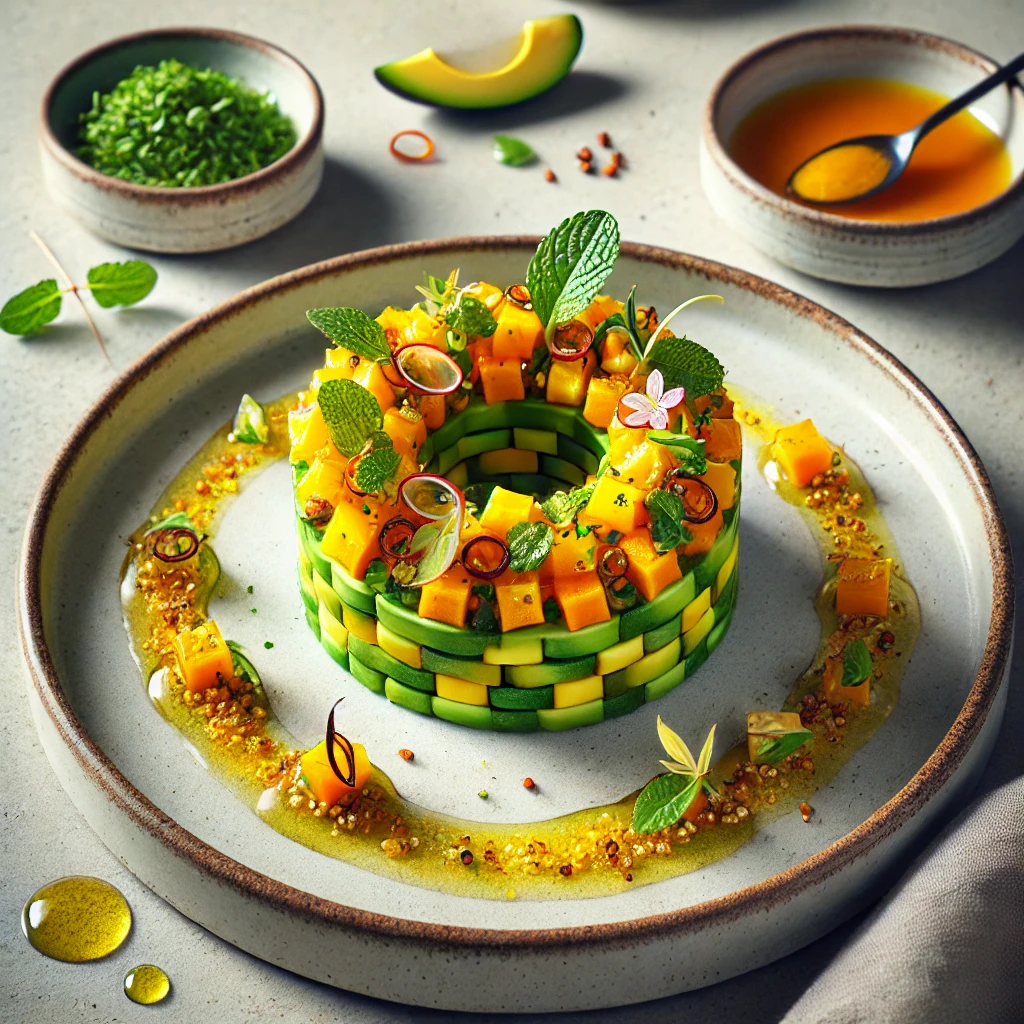
Recipes Engineered for Sweet Summer Days