






Corpus Christi

with ORO VALENTIO

The Thursday After Trinity Sunday

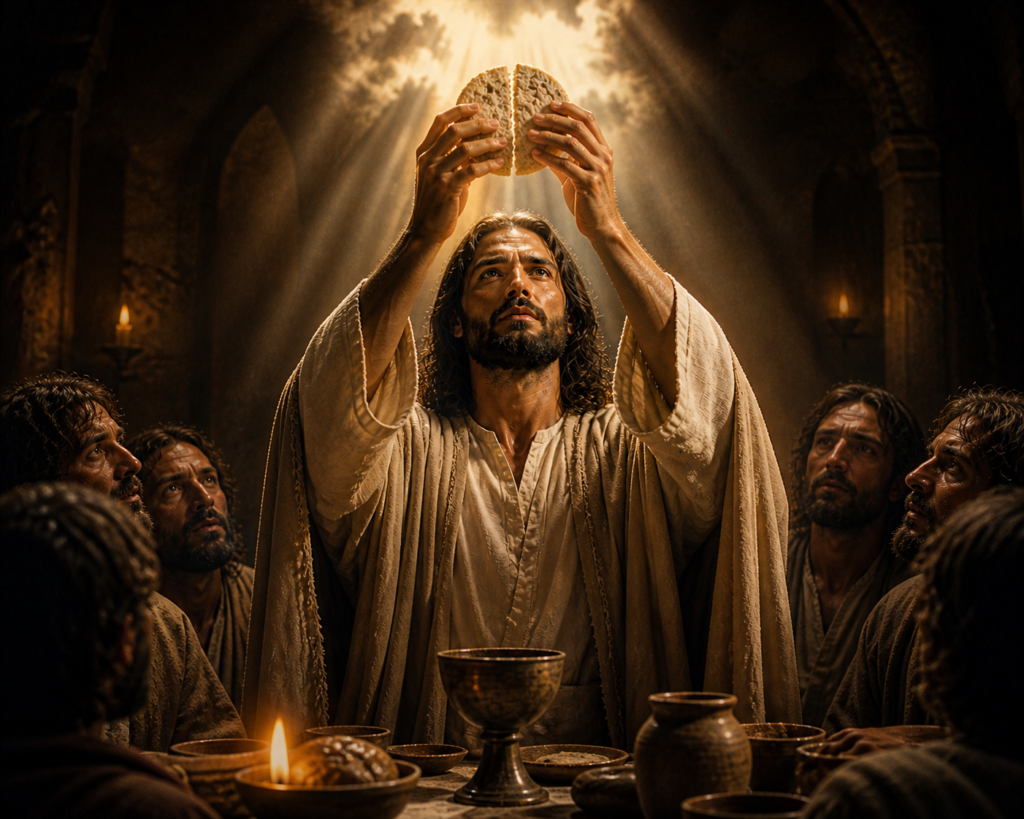
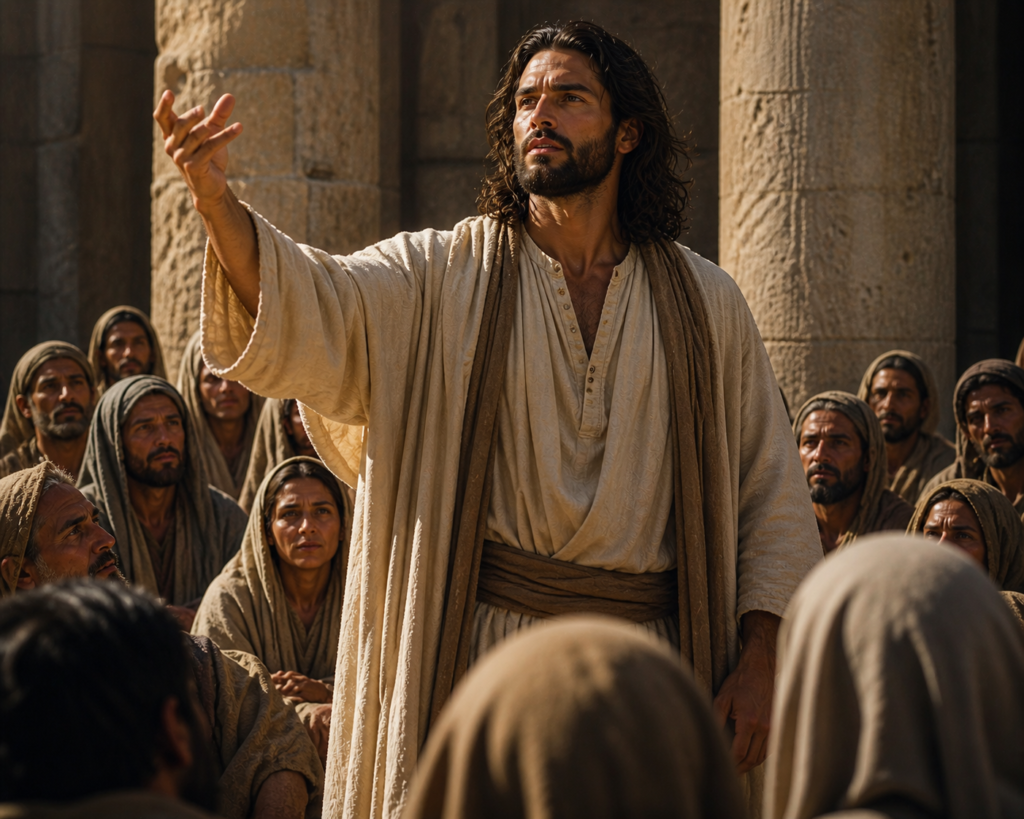
The moment depicted—Christ elevating the bread at the Last Supper—stands at the very heart of what the Church celebrates in the feast of Corpus Christi. In that sacred instant, Our Lord did not merely symbolize His presence, but instituted the Holy Eucharist, declaring the bread to be His very Body, thereby establishing the perpetual sacrifice of the Mass. Here, Christ moves beyond teaching into direct action. He takes bread, blesses it, breaks it, and gives it to His apostles saying, “This is my Body.” Then He takes the chalice and declares, “This is my Blood of the covenant, which is poured out for many.” The language is strikingly direct—He does not say “this represents” or “this symbolizes,” but “this is.” The Church has always understood this as the moment in which Christ institutes the Eucharist as a sacrament, making Himself truly present under the appearances of bread and wine. This is exactly the moment that fulfills what He taught earlier in John 6. As Thomas Aquinas explains, Christ first prepared the disciples’ understanding through teaching, and then perfected it through sacramental reality. Another deeply connected passage is in First Epistle to the Corinthians (1 Corinthians 11:27–29), where St. Paul warns that anyone who receives the Eucharist unworthily is “guilty of the Body and Blood of the Lord.” That warning only makes sense if the Eucharist is truly Christ Himself—not merely a symbol.The feast of Corpus Christi, later established in the Church through the visions of Juliana of Liège and promoted by Thomas Aquinas, exists precisely to honor and proclaim this mystery publicly: that the same Christ who was present in the Upper Room remains truly, really, and substantially present in the Eucharist today. Thus, the elevation of the Host in this moment is not only historical—it is eternally present in every Mass and triumphantly adored in every Eucharistic procession.
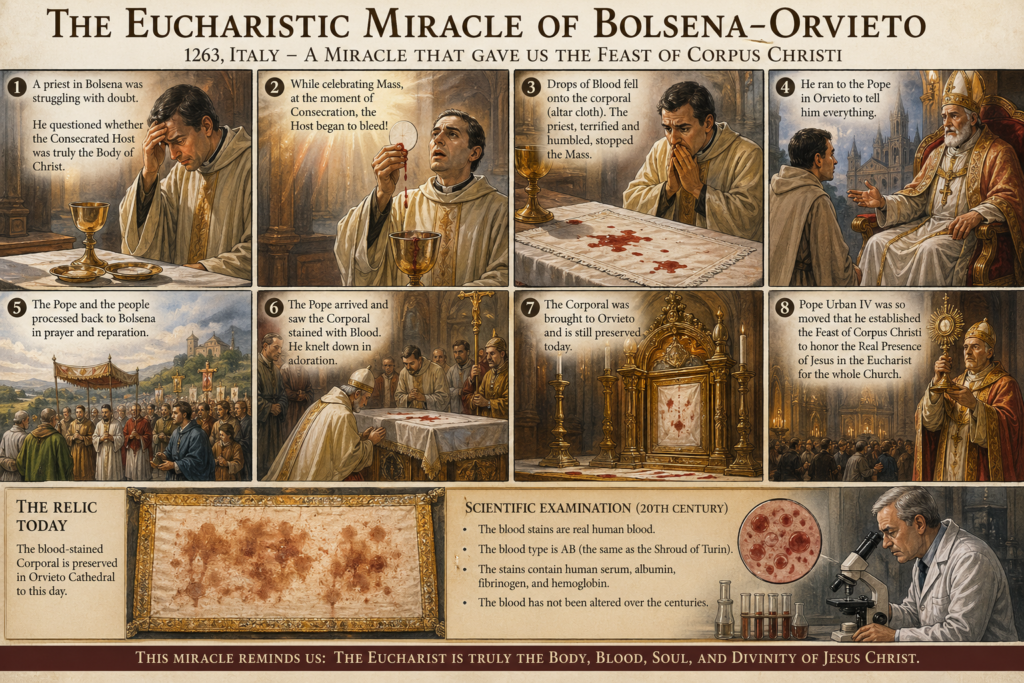
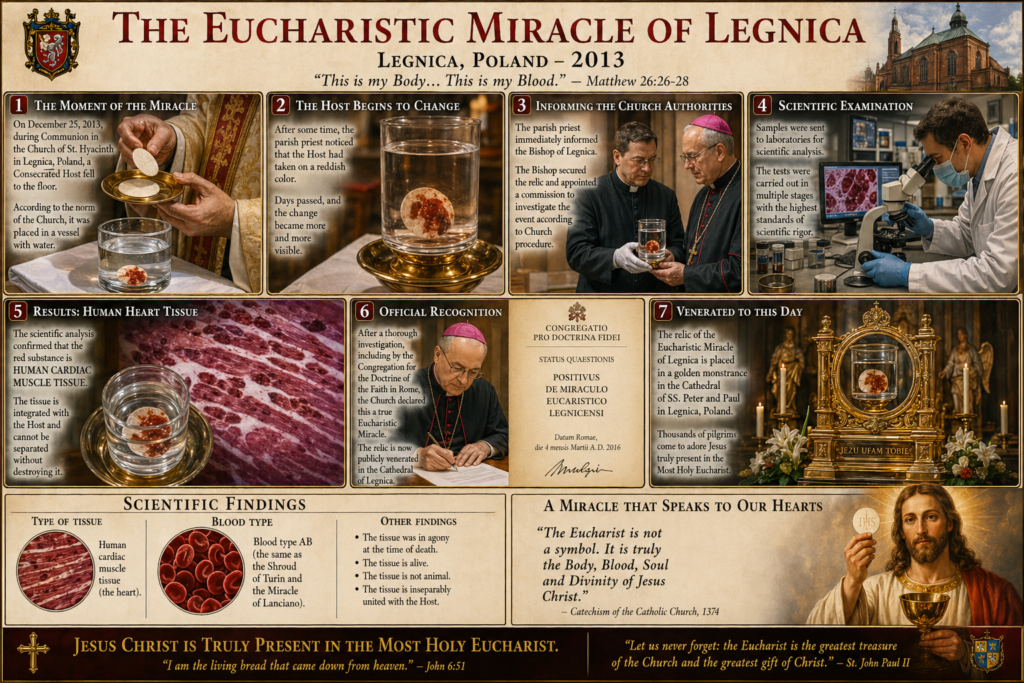
Corpus Christi, the Solemnity of the Most Holy Body and Blood of Christ, is a luminous and deeply theological feast that draws the Church into contemplation of one of its greatest mysteries: the true, substantial presence of Jesus Christ in the Eucharist. More than a commemoration, it is a proclamation—bold, public, and reverent—that Christ remains with His people not only spiritually, but sacramentally, under the appearances of bread and wine. The origins of this feast reach back to the 13th century, when a humble yet persistent desire began to stir within the heart of St. Juliana of Liège. From a young age, she experienced mystical visions in which the Church appeared as a radiant full moon marked by a single dark spot. Through prayer and discernment, she came to understand that this “missing light” represented the absence of a dedicated feast honoring the Eucharist. Though the Eucharist was celebrated daily in the Mass and remembered in a special way on Holy Thursday, there was no singular day devoted entirely to joyful adoration of Christ’s presence. St. Juliana spent years quietly advocating for such a feast, enduring resistance and hardship, yet never abandoning her conviction. Her efforts eventually bore fruit. Local celebrations began in parts of what is now Belgium, and the movement gained momentum. At the same time, a powerful and widely known miracle further stirred the Church’s attention: the Eucharistic Miracle of Bolsena. According to tradition, a priest struggling with doubt about the Real Presence was celebrating Mass when, at the moment of consecration, the Host began to bleed, staining the corporal with visible blood. This tangible sign of Christ’s presence deeply impacted the faithful and was brought to the attention of Pope Urban IV.
Moved by both the theological need and the spiritual signs of the time, Pope Urban IV instituted Corpus Christi as a universal feast for the Church in 1264. He also commissioned one of the greatest theological minds in Christian history, St. Thomas Aquinas, to compose the liturgical texts for the celebration. The result was a treasury of Eucharistic hymns and prayers of extraordinary depth and beauty—many of which are still sung today, such as Pange Lingua, Tantum Ergo, and Panis Angelicus. These hymns do not merely adorn the feast; they teach, express, and elevate the Church’s understanding of the Eucharist as both sacrifice and sacrament.
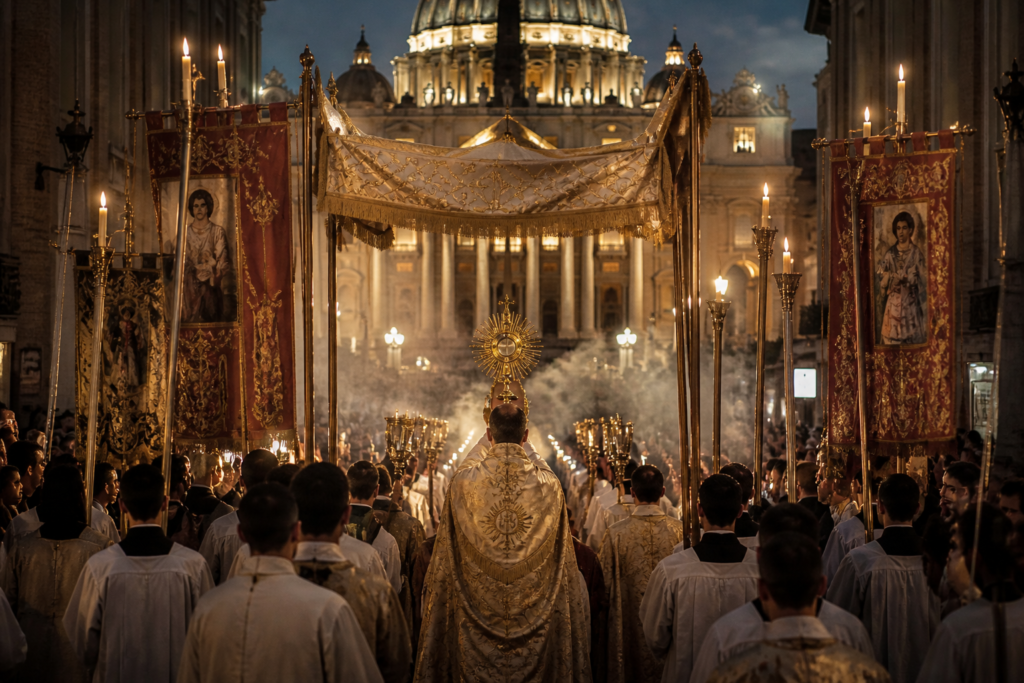
Corpus Christi is celebrated on the Thursday following Trinity Sunday, symbolically connecting the mystery of the Eucharist with the mystery of the Triune God. In many regions, it is observed on the following Sunday to allow more of the faithful to participate. Unlike the solemn remembrance of the Eucharist during Holy Week, this feast is marked by joy, splendor, and public devotion. It is a day when the Church turns outward, bearing witness to the world. One of the most striking expressions of this outward witness is the Eucharistic procession. In this sacred act, the consecrated Host—Christ Himself—is placed in a monstrance and carried through streets, fields, and towns. The faithful follow in prayer, often singing hymns, scattering flowers, and pausing at altars erected along the route. What is ordinarily hidden within the tabernacle is brought into the open, not as spectacle, but as testimony. The procession declares that Christ is not confined to church walls; He walks among His people, sanctifying the very ground they tread. Streets become sanctuaries, and ordinary life is momentarily transformed into liturgy.

The Reality of Divine Presence

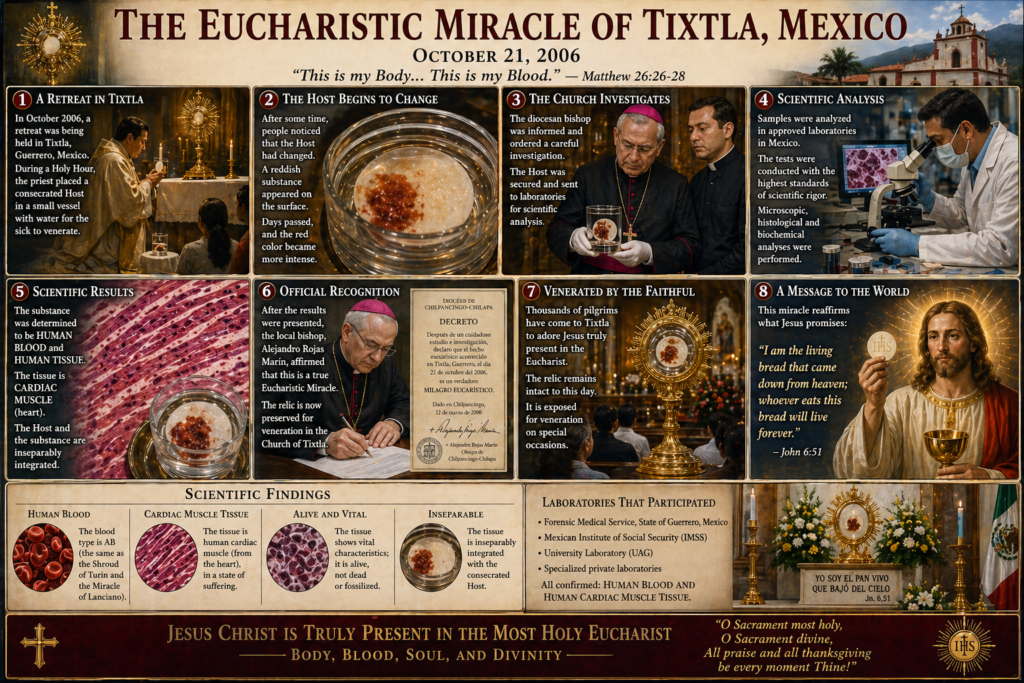
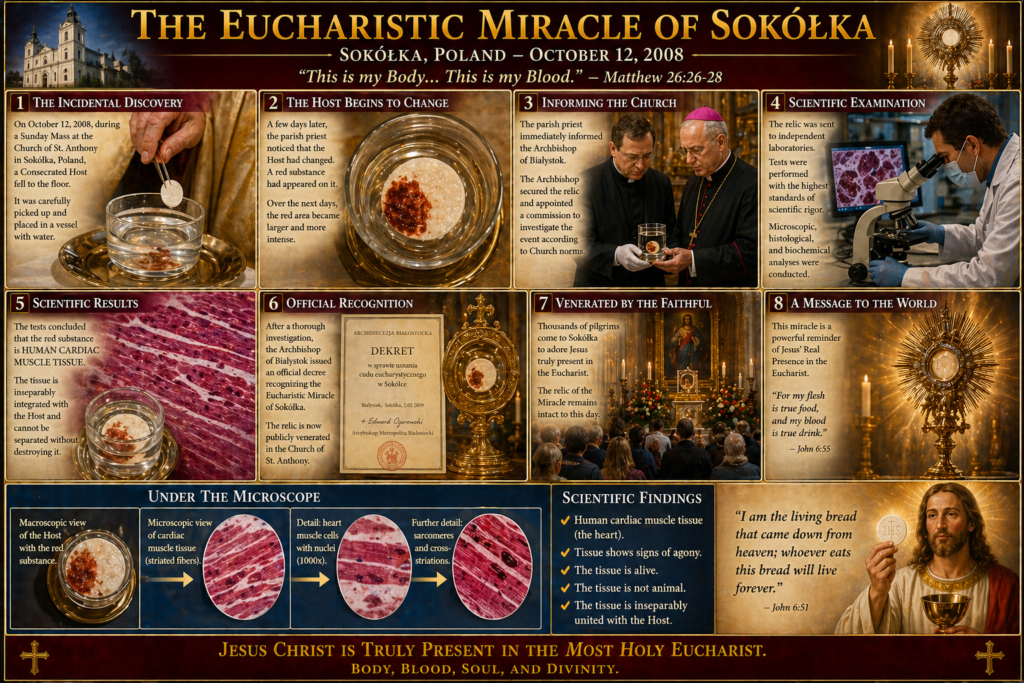
Theologically, Corpus Christi affirms the doctrine of transubstantiation—the belief that at the moment of consecration during the Mass, the substance of bread and wine is changed into the substance of Christ’s Body and Blood, even though the appearances (or “accidents”) remain the same. This teaching, clarified and defended over centuries, stands at the core of Eucharistic faith. The feast invites the faithful not only to intellectually assent to this mystery, but to encounter it with reverence, humility, and love. Spiritually, Corpus Christi is a call to deeper intimacy with Christ. It reminds believers that the Eucharist is not merely a ritual to be observed, but a gift to be received—a living encounter with the Lord who gives Himself entirely. In receiving the Eucharist, the faithful are drawn into communion not only with Christ, but with one another, forming the Body of Christ in the world. The feast challenges individuals to reflect: if Christ gives Himself so completely, how should we respond? How should we live? Historically and devotionally, Corpus Christi has inspired a rich variety of traditions across cultures. In some places, elaborate carpets of flowers or colored sawdust are created along procession routes. In others, entire communities gather in unified celebration, blending sacred liturgy with local expressions of beauty and craftsmanship. These traditions, though diverse, share a common purpose: to honor the presence of Christ and to make visible what is often unseen.
In the sixth chapter of the Gospel of John, often called the “Bread of Life Discourse,” Christ speaks with a clarity and intensity that startled His listeners: “unless you eat the flesh of the Son of Man and drink His blood, you have no life in you.” This moment follows the multiplication of the loaves, yet Jesus redirects the crowd from earthly bread to the supernatural reality of the Eucharist. Rather than softening His teaching when many struggled to accept it, He intensifies it, emphasizing that His flesh is true food and His blood true drink. As the Church teaches—and as saints like Thomas Aquinas later articulated—this passage reveals not a metaphor, but the literal promise of the Eucharist instituted at the Last Supper. Many disciples left Him over this teaching, underscoring its difficulty, yet Christ did not call them back, affirming the truth of His words.

What Blood Type is Found on the Shroud of Turin?

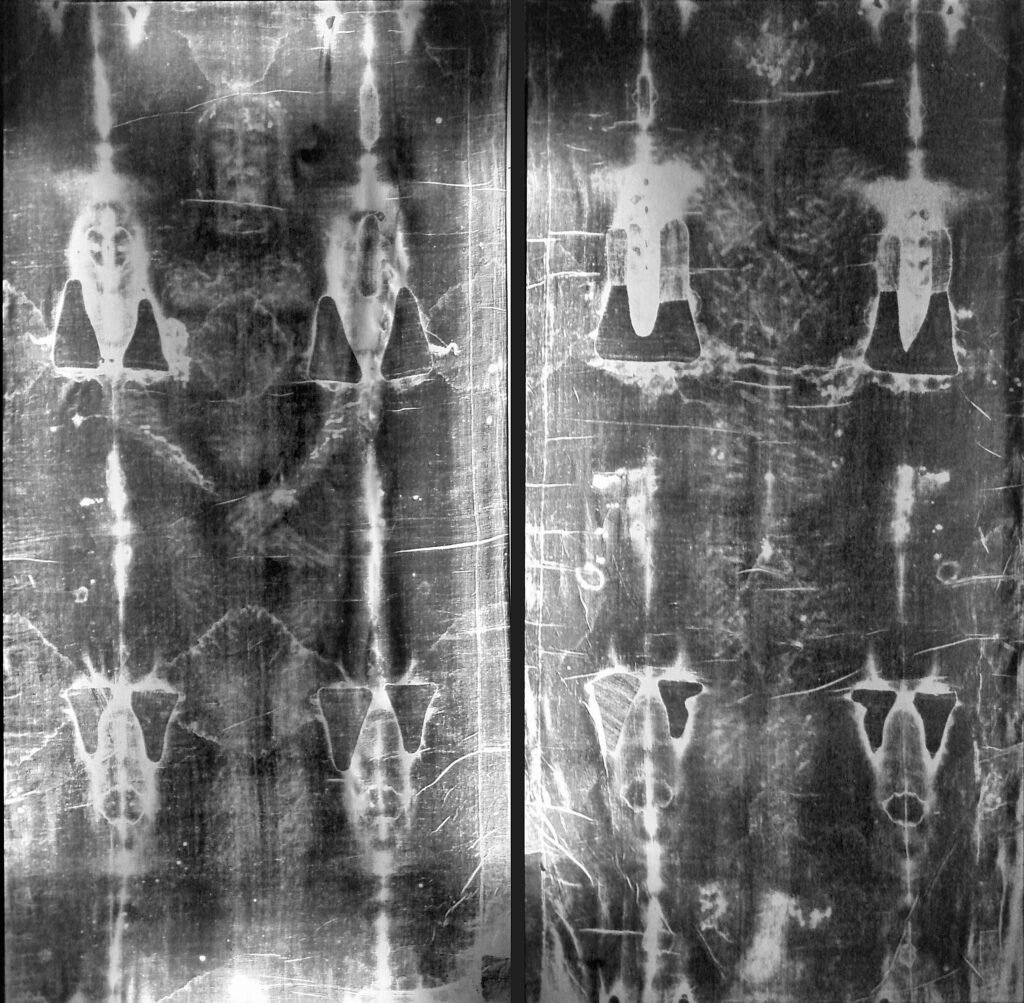
The Shroud of Turin bears distinct and highly detailed bloodstains that many researchers consider one of its most compelling features. These stains appear in patterns that closely correspond to the wounds described in the Passion of Christ, including marks on the head consistent with a crown of thorns, wounds at the wrists and feet aligned with crucifixion practices, a puncture in the side matching the Gospel account of the lance, and numerous scourge marks across the body. Scientific investigations, particularly by the Shroud of Turin Research Project (STURP), have found strong evidence that these are real human bloodstains rather than artistic additions, noting the presence of hemoglobin, signs of serum separation, and flow patterns consistent with gravity acting on a crucified body. Some studies have even suggested the blood type may be AB, though this remains debated. The presence of blood on the Shroud carries profound significance, as it visually reflects the reality of Christ’s suffering and sacrificial death, themes central to the faith and deeply emphasized by theologians such as Thomas Aquinas. Spiritual writers and exorcists like Gabriel Amorth and Chad Ripperger have also highlighted how such tangible reminders of Christ’s Passion can strengthen faith and underscore His victory over sin and death, making the Shroud not only an object of scientific interest but also a powerful aid to devotion.
The Shroud of Turin stands as one of the most compelling and mysterious artifacts in the history of Christianity. Preserved in the city of Turin, this ancient linen cloth bears the faint yet striking image of a man who appears to have undergone intense suffering consistent with crucifixion. For centuries, it has drawn the attention of scientists, historians, and the faithful alike, each seeking to understand its origin and meaning. The image on the Shroud is unlike any known artistic creation. It presents both the front and back of a human figure, marked by wounds that correspond closely to the Gospel descriptions of the Passion of Jesus Christ. The man depicted shows signs of scourging across the body, puncture wounds around the head suggestive of a crown of thorns, and injuries to the wrists and feet consistent with crucifixion. There is also a visible wound in the side, aligning with the account of Christ being pierced by a lance. What is especially remarkable is that the image is not composed of paint or pigment. Scientific examinations have demonstrated that it is a superficial discoloration of the linen fibers, affecting only the outermost layers, a phenomenon that has yet to be fully explained. Modern interest in the Shroud intensified in 1898, when Italian photographer Secondo Pia captured its image on photographic plates. Upon developing the negatives, he discovered that the image on the cloth functioned as a photographic negative, revealing a far more detailed and lifelike positive image. This unexpected discovery sparked a wave of scientific inquiry that continues to this day. In 1978, the Shroud of Turin Research Project (STURP) conducted an extensive examination of the cloth, concluding that the image could not be attributed to any known artistic technique involving paint, dye, or pigment. Despite these findings, debate over the Shroud’s authenticity remains. In 1988, carbon dating tests conducted by several laboratories suggested that the cloth originated in the medieval period, between the 13th and 14th centuries. However, these results have been contested by some researchers, who argue that the samples used may have been contaminated or taken from repaired sections of the cloth. As a result, no definitive scientific consensus has been reached regarding the Shroud’s age or the mechanism by which the image was formed. John Paul II famously described the Shroud as a “mirror of the Gospel,” reflecting the suffering and love of Christ in a tangible way. The realism of the image invites meditation on the physical and spiritual cost of redemption, echoing the theological reflections of saints such as Thomas Aquinas, who emphasized the necessity of Christ’s suffering for the salvation of humanity. 

Corpus Christi Traditions to Make Your Own

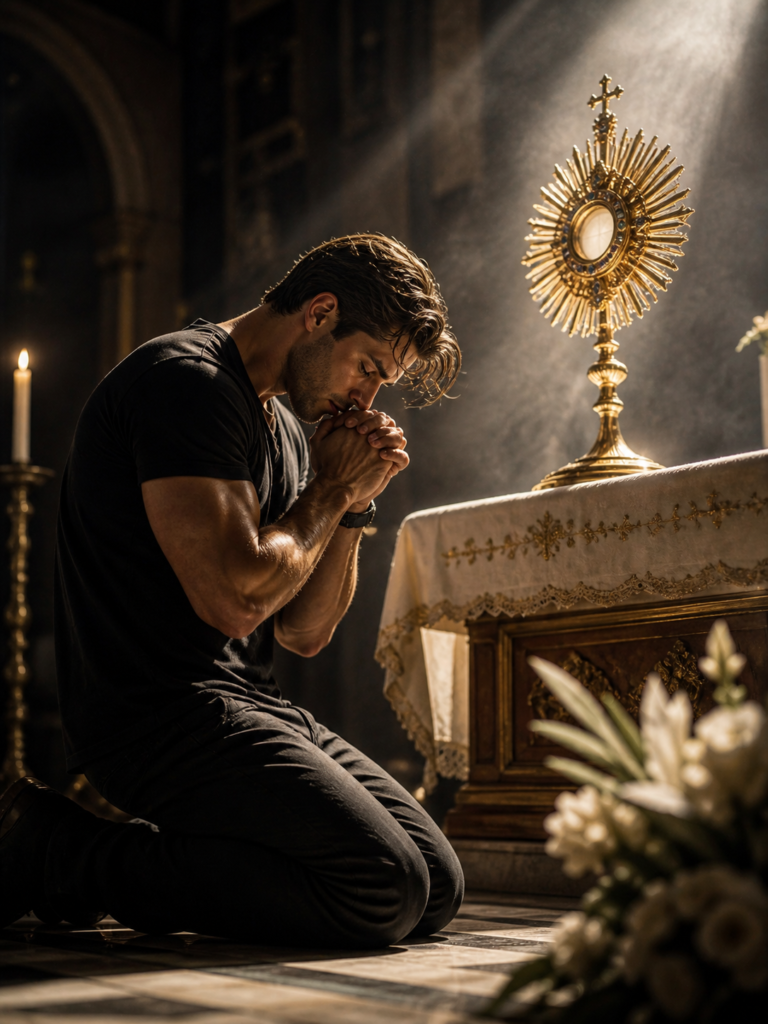
Prayer offered in the real, physical presence of Christ in the Eucharist carries a uniquely profound intensity because it is not merely directed toward God in a general sense, but made before Him truly present—Body, Blood, Soul, and Divinity. As the Church teaches and as saints like Thomas Aquinas affirm, the Eucharist is not a symbol but Christ Himself, veiled yet substantially present. To kneel before the Blessed Sacrament in a monstrance or tabernacle is therefore an act of living faith that mirrors the humility of the Magi or the disciples at His feet. Spiritual writers such as Chad Ripperger emphasize that this deliberate act—choosing to come before Christ rather than leaving Him alone—has real spiritual weight, because it honors His presence, consoles His Sacred Heart, and opens the soul more deeply to grace. While God hears all prayer, there is a special intimacy and power in adoration, where the soul responds directly to the reality of Emmanuel—“God with us”—rather than passing by Him hidden in the tabernacle.
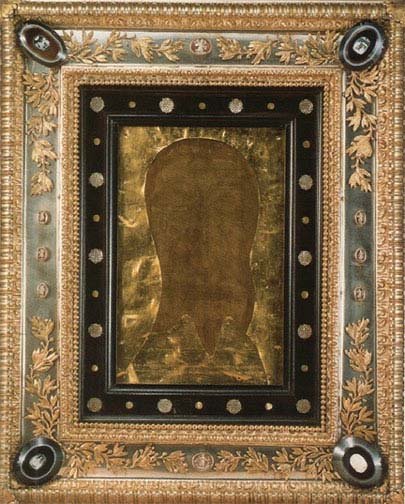
According to this tradition, as Christ carried His Cross to Calvary, a compassionate woman stepped out from the crowd and wiped His bloodied and suffering face with a cloth. In return, the image of His Holy Face was miraculously imprinted upon the veil—an intimate and powerful sign of both His humanity and His divine identity. While the Gospels do not record this event, it has been preserved through the Stations of the Cross, where Veronica’s act stands as a moment of courage, love, and reverence amid the brutality of the Passion. Historically, the identity of this woman is uncertain. Some early traditions refer to her as Seraphia, while the name “Veronica” likely developed later from vera icon, meaning “true image,” emphasizing the miraculous imprint rather than her personal identity. Over time, devotion to the Holy Face of Christ became closely associated with this veil, inspiring saints, artists, and theologians to meditate on the suffering countenance of the Savior. The veil thus came to symbolize not only an act of mercy but also the deeper truth that Christ allows Himself to be encountered—even in His humiliation—by those who seek Him with love. Spiritually, the Veil of Veronica carries profound meaning. It represents the soul who dares to approach Christ in His suffering, who does not turn away but instead offers what little comfort it can. In return, that soul receives something infinitely greater: the imprint of Christ Himself. This reflects a deeper reality—that those who love and serve Christ, especially in His suffering, are gradually conformed to His image. Devotions to the Holy Face, encouraged by various saints, echo this truth, calling the faithful to contemplate not only Christ’s glory, but His wounded love. In the context of Eucharistic devotion, the Veil can take on an even richer meaning. Just as Christ’s face was veiled yet truly present on the cloth, so too He is veiled under the appearances of bread in the Eucharist. The same Lord who allowed His image to be impressed upon the veil now gives Himself sacramentally, hidden yet fully real. Thus, the Veil of Veronica becomes a powerful bridge between the Passion and the Eucharist—inviting the faithful not only to gaze upon Christ, but to seek Him, console Him, and ultimately be transformed by Him.
1. Eucharistic Processions
The most iconic tradition of Corpus Christi is the public procession of the Blessed Sacrament. The consecrated Host is placed in a monstrance and carried by a priest through the streets, often under a canopy. The faithful follow in prayer, singing hymns like Pange Lingua and Tantum Ergo. In many places, bells ring, incense rises, and petals are scattered along the path. This tradition powerfully proclaims that Christ is not hidden—He walks among His people. Streets become sacred, and the world itself becomes a place of encounter.

2. Flower Petal Paths & Carpets
In many countries, especially in Europe and Latin America, people create elaborate designs on the ground for the procession to pass over. These can be made of flower petals, colored sawdust, sand or herbs. The designs often depict Eucharistic symbols like chalices, wheat, grapes, or crosses. It’s a form of devotion through beauty—offering the best of creation to honor Christ.

3. Outdoor Altars
During processions, there are often several stopping points where temporary altars are set up. At each altar:
  • Scripture is proclaimed
  • Prayers are offered
  • Benediction may be given
This creates a rhythm of movement and reverence, almost like bringing the presence of Christ to different parts of the community.

4. Eucharistic Adoration & Benediction
Many parishes extend the celebration with prolonged Adoration. The faithful spend time in silence before the exposed Blessed Sacrament, reflecting deeply on Christ’s presence. Benediction—where the priest blesses the people with the monstrance—is often the high point. This tradition emphasizes stillness and intimacy, balancing the outward procession with inward devotion.

5. First Communion & White Garments
In some places, children who have recently received First Communion participate in the procession. They often wear white clothing, scatter flower petals, and walk ahead of the Blessed Sacrament. This symbolizes purity, joy, and the beauty of receiving Christ for the first time.

6. Eucharistic-Themed Meals & Gatherings
After the liturgical celebrations, families and communities often gather for meals. Common symbolic foods include:
  • Bread (representing the Eucharist)
  • Wine or grape-based dishes
  • Grain-based foods
These meals reflect unity and thanksgiving, echoing the communal aspect of the Last Supper.

7. Bells, Incense, and Sacred Music
The sensory elements are especially strong on Corpus Christi:
  • Bells announce Christ’s presence
  • Incense symbolizes prayers rising to heaven
  • Sacred hymns express theology through beauty
Music plays a huge role, especially hymns written by St. Thomas Aquinas specifically for this feast.

8. Public Witness of Faith
More than anything, Corpus Christi is about bringing faith into the openUnlike many feasts that remain inside the church, this one moves outward—into streets, towns, and communities. It’s a bold, joyful declaration that Christ is present, real, and worthy of honor in every place.

May I Honor You Faithfully

Lord Jesus Christ,
truly present in the Most Holy Eucharist,
I adore You with all my heart. You give Yourself completely—
Body, Blood, Soul, and Divinity—
to nourish, strengthen, and transform me. Increase my faith in Your presence,
deepen my love for Your sacrifice,
and draw me closer to You each day. May I receive You worthily,
honor You faithfully,
and carry Your light into the world.

Amen.

As the Blessed Sacrament is carried through the streets, it becomes a visible witness to the truth that Jesus Christ—Body, Blood, Soul, and Divinity—is Lord over every aspect of human life, not just within the walls of a church. Saints like Thomas Aquinas emphasized that the Eucharist is the source and summit of the Christian life, and in procession, this mystery is brought into the public square, sanctifying the world itself. Spiritual writers such as Chad Ripperger also note that such acts of public reverence carry real spiritual power, pushing back darkness and affirming Christ’s victory, making the procession not only an act of devotion but a bold declaration of divine kingship.

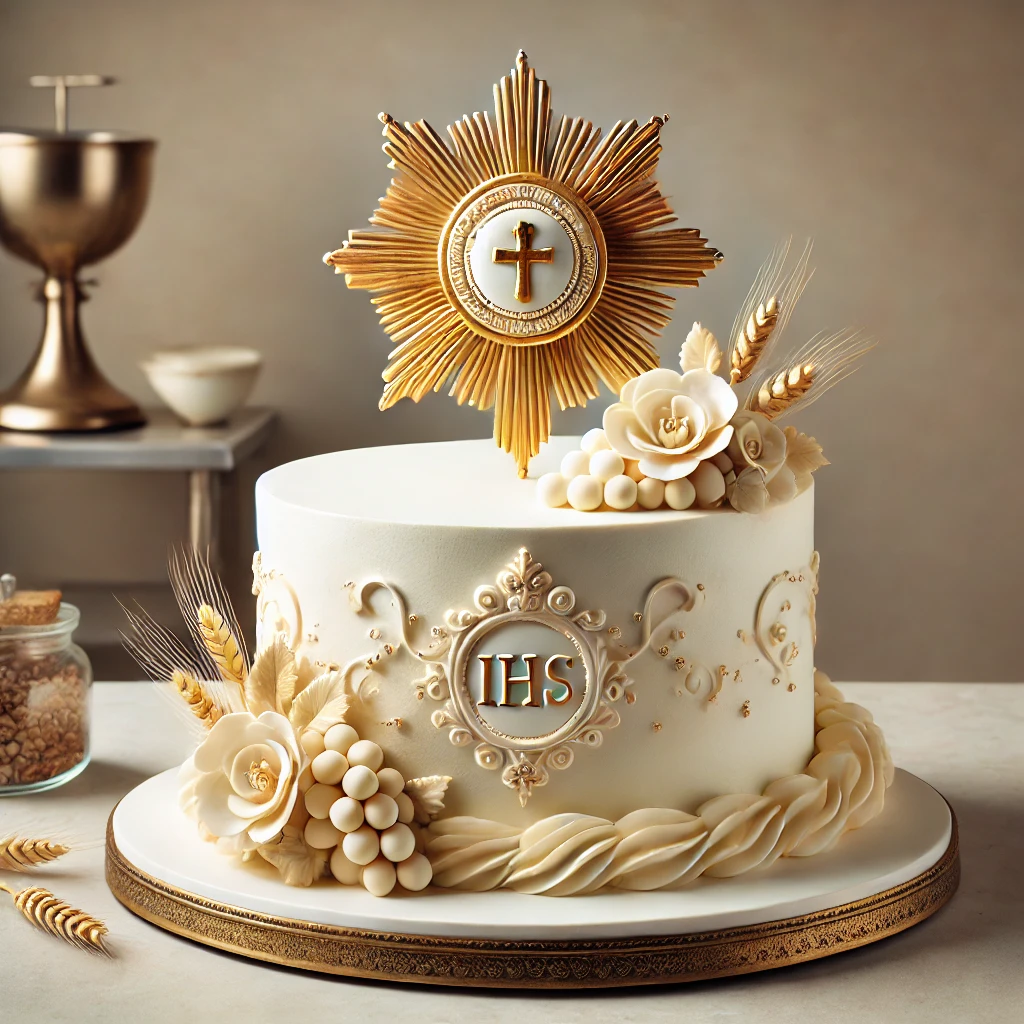
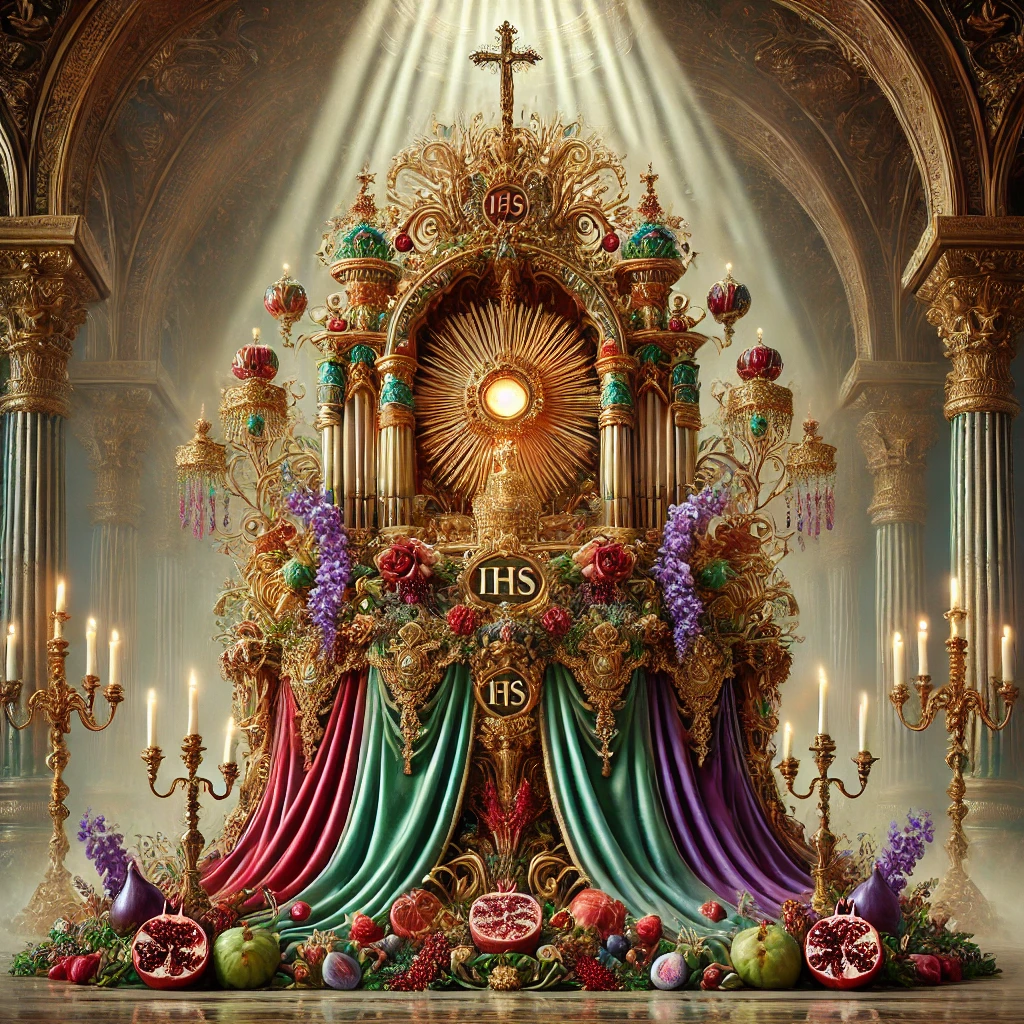
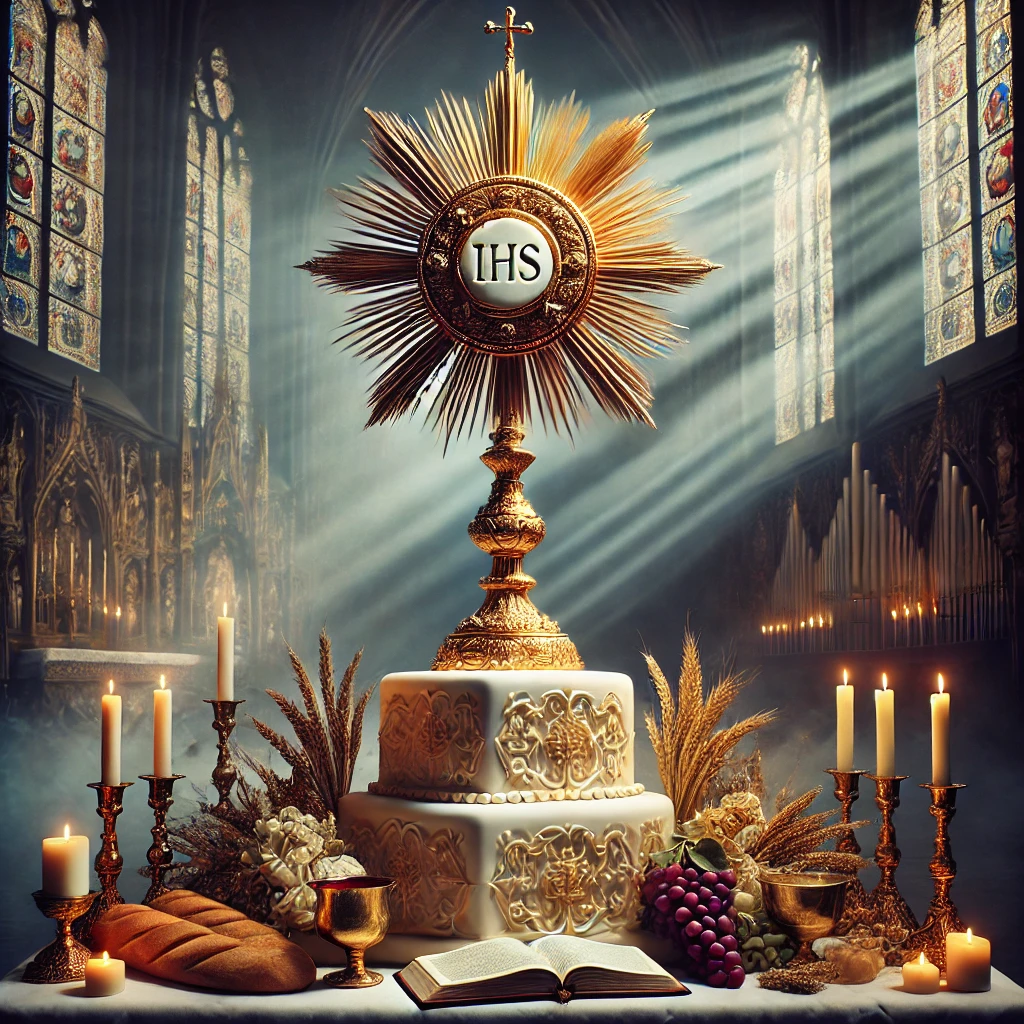
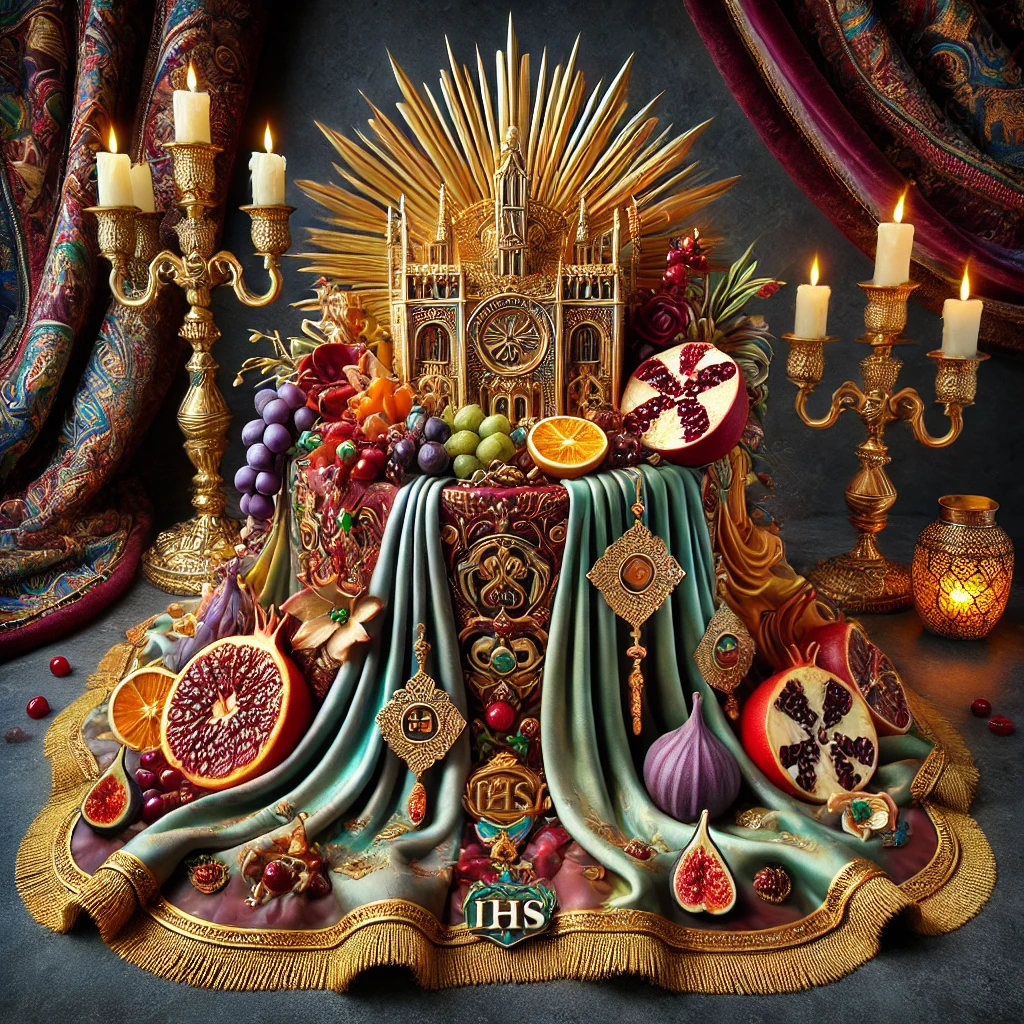
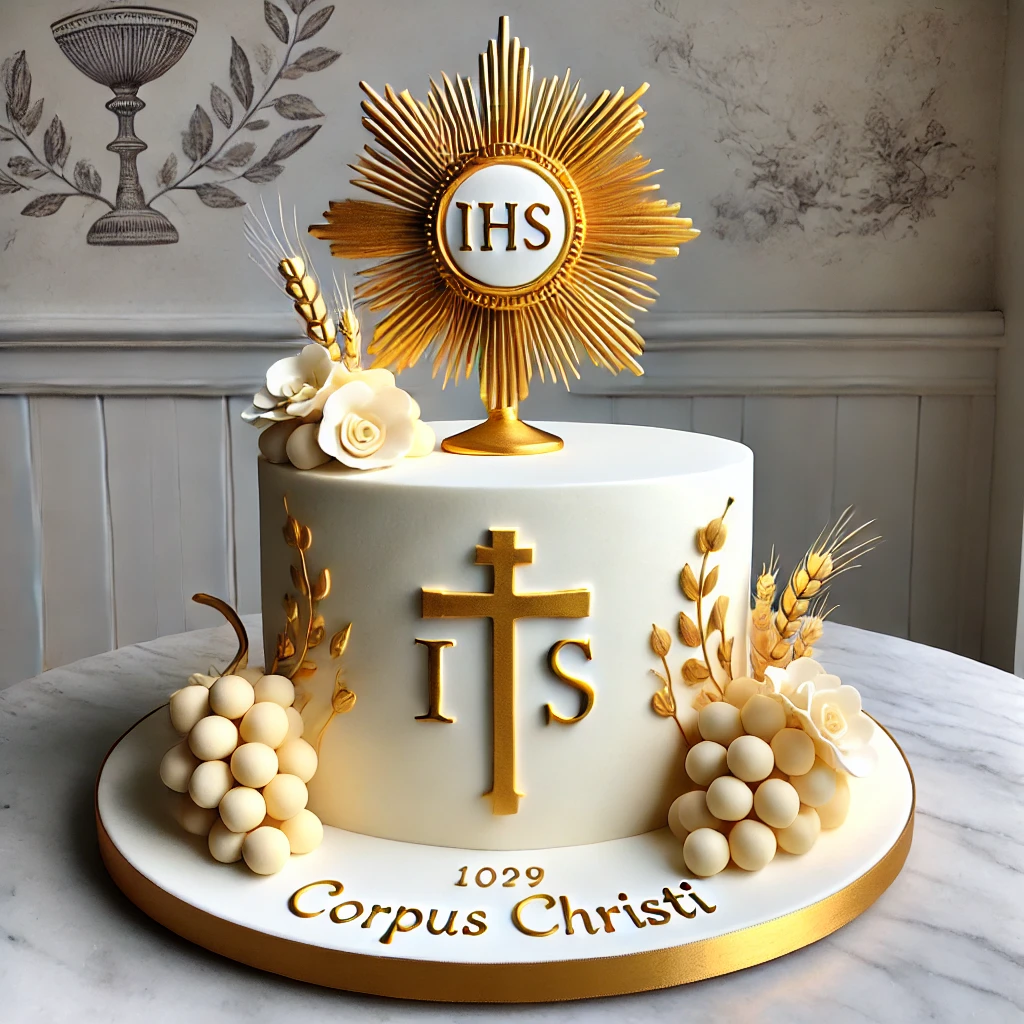
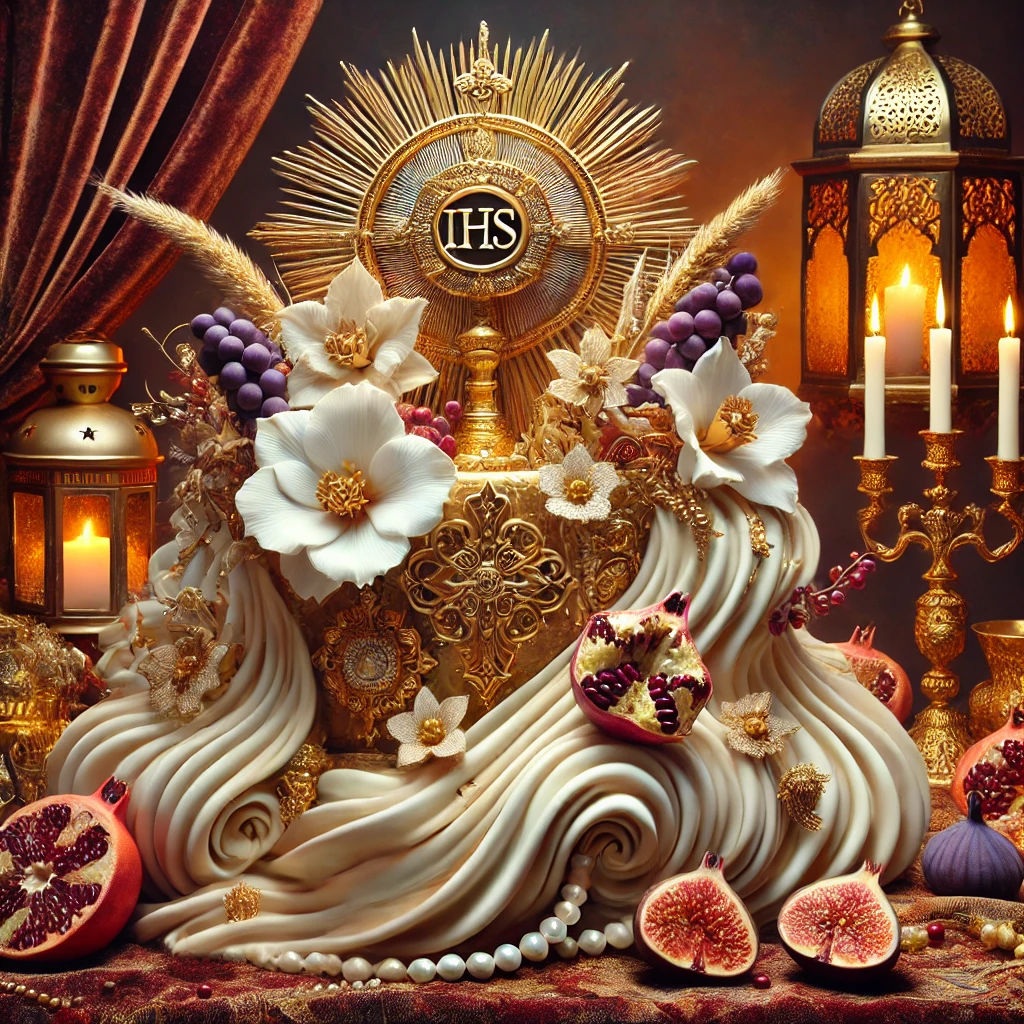
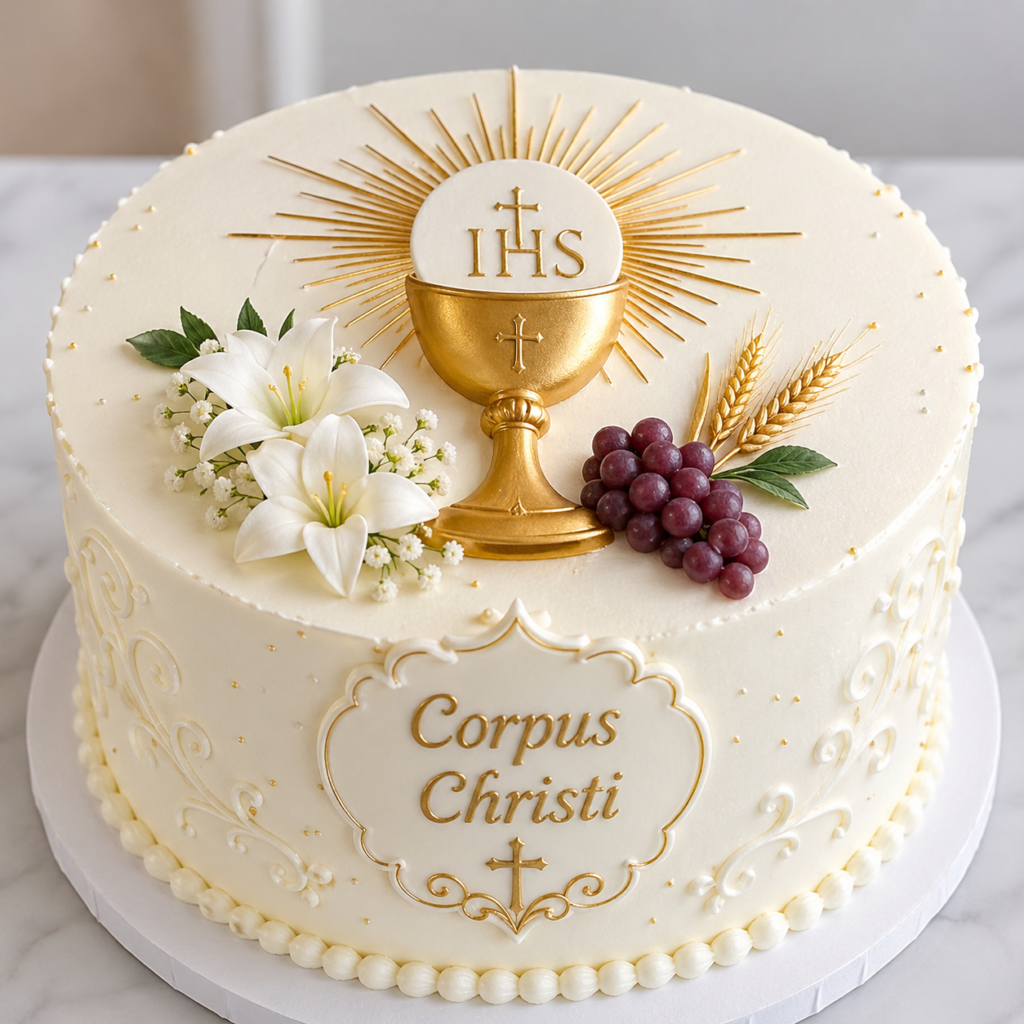
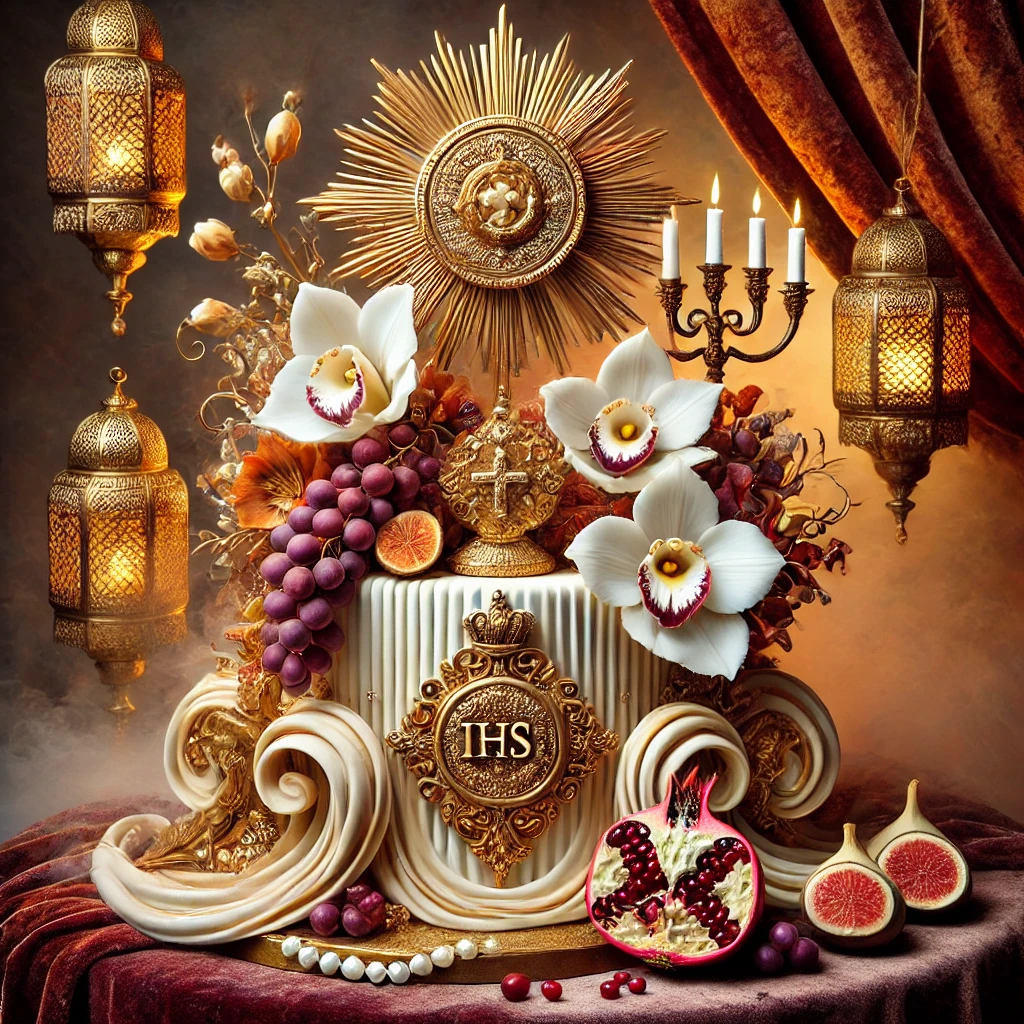
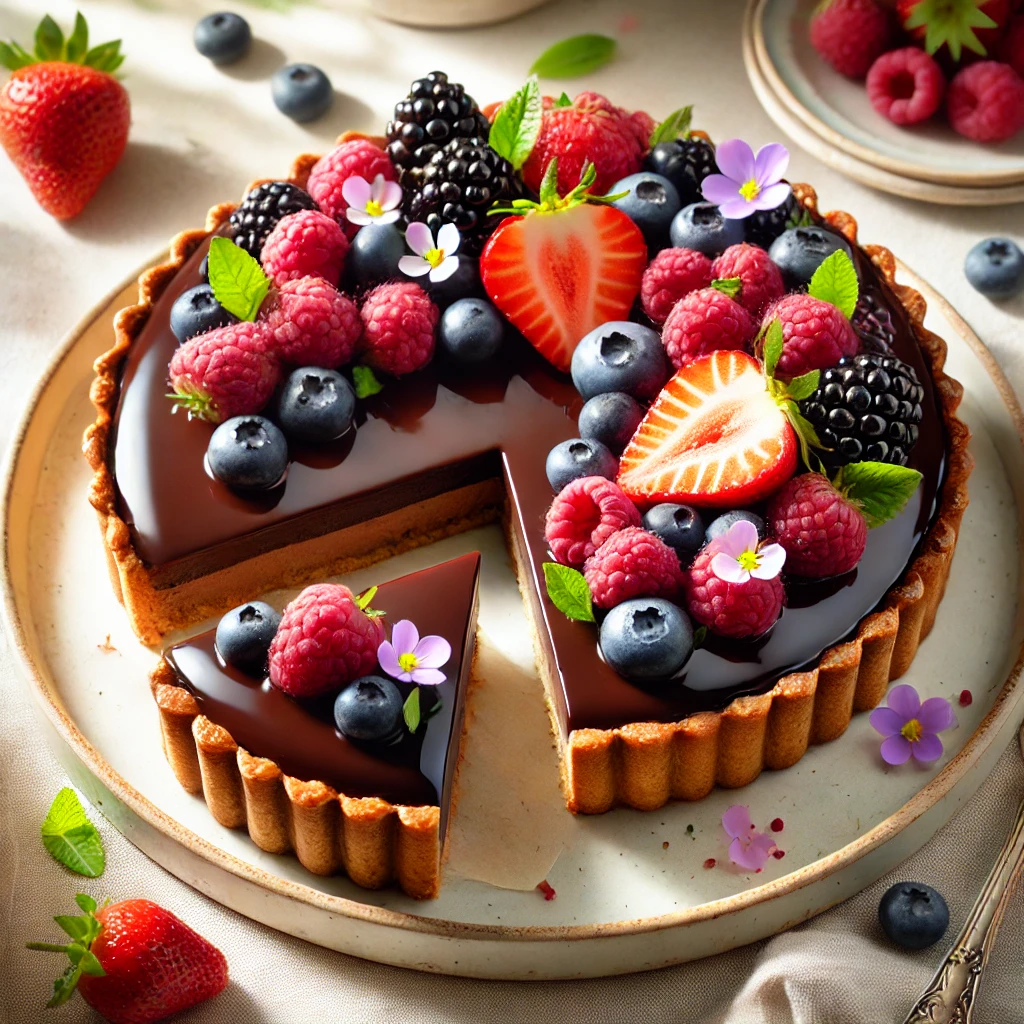
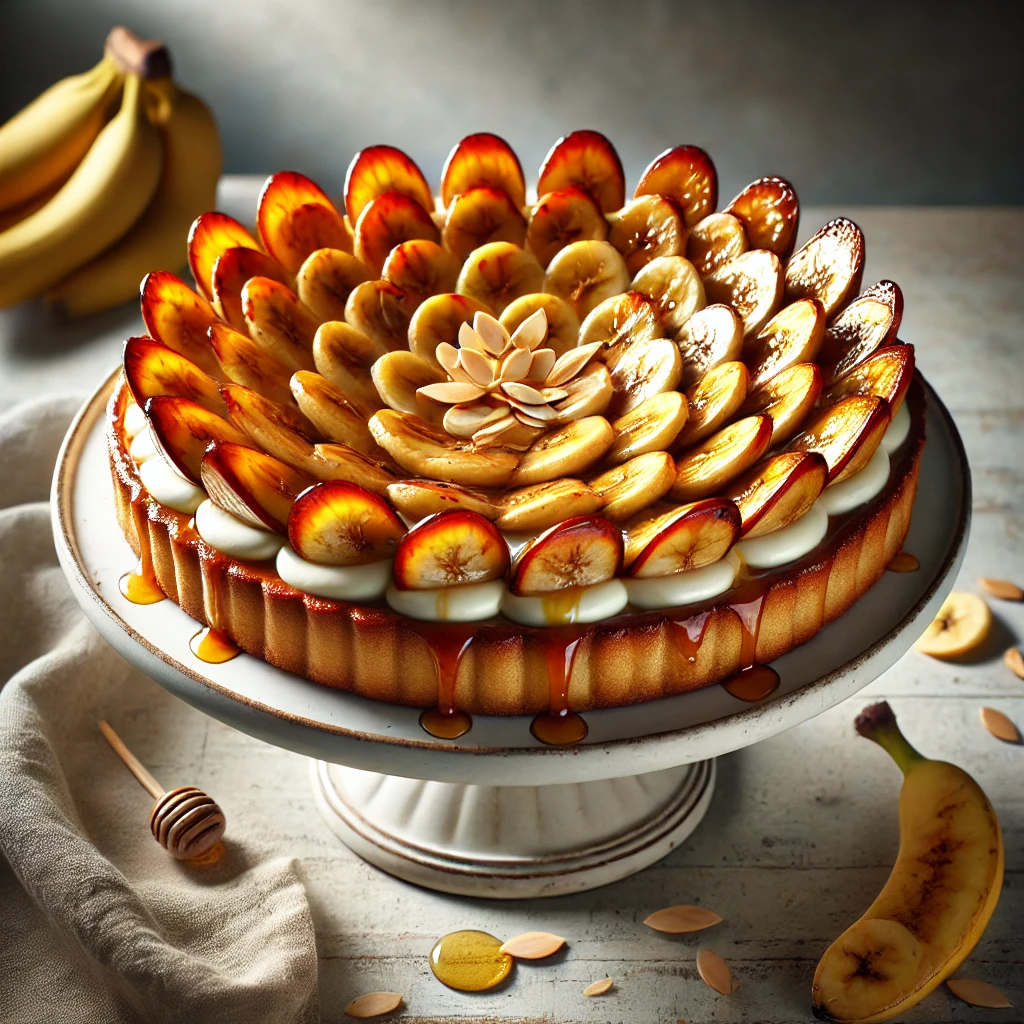
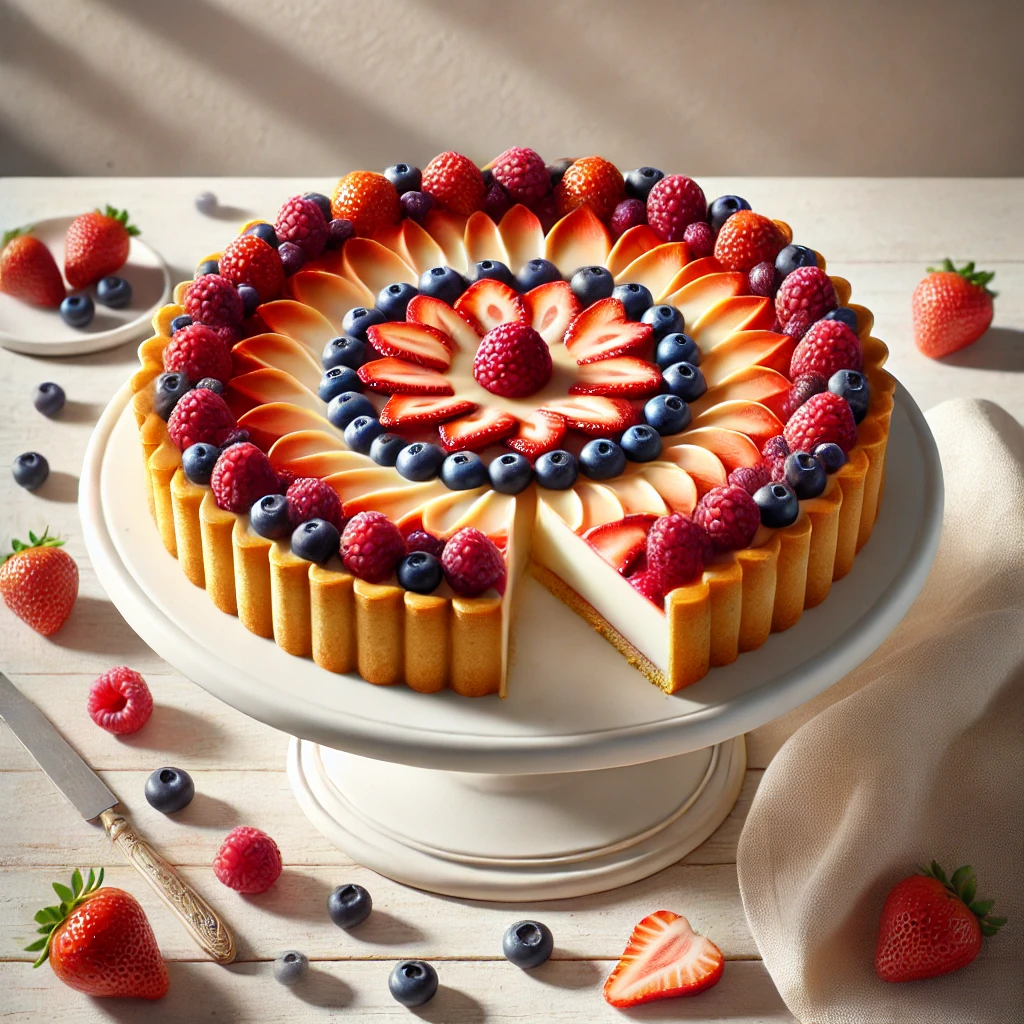
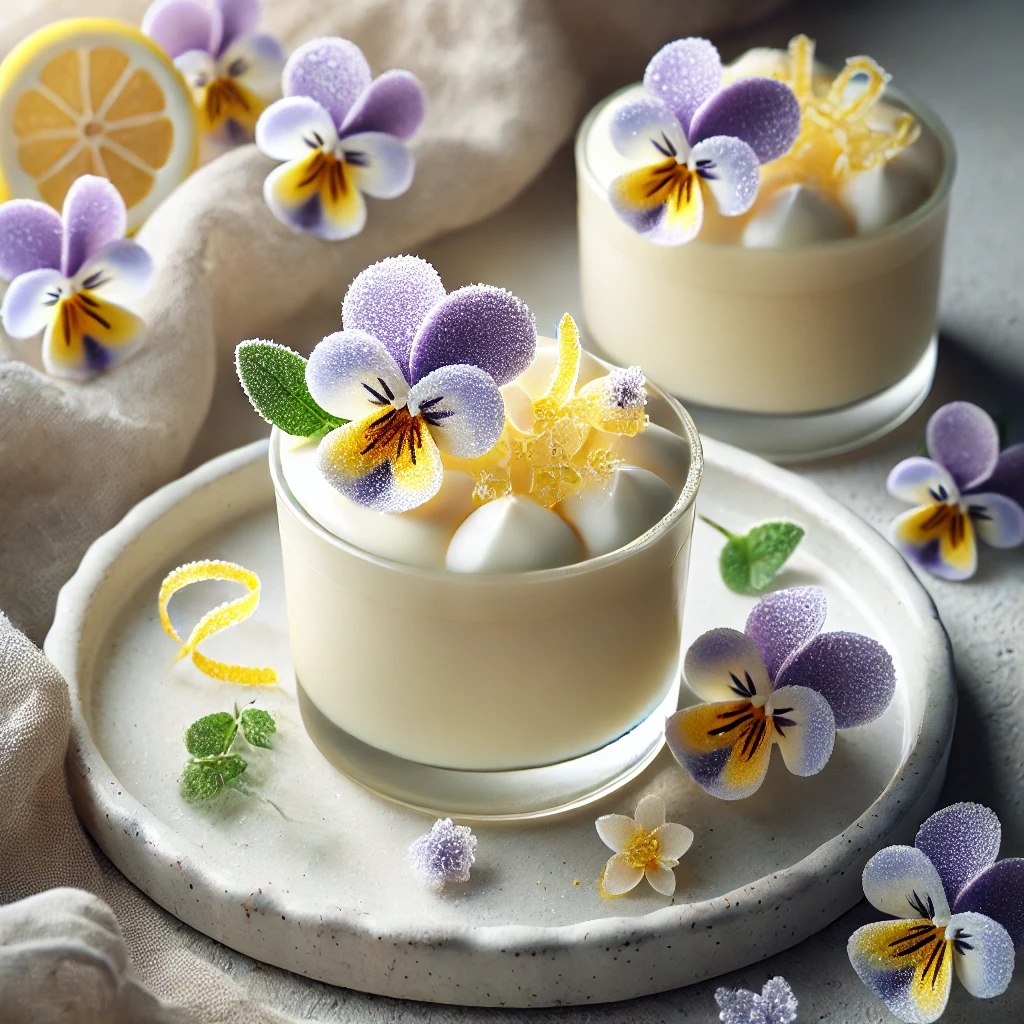
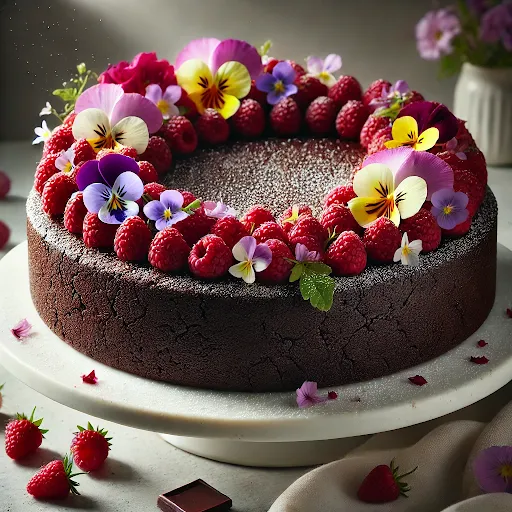
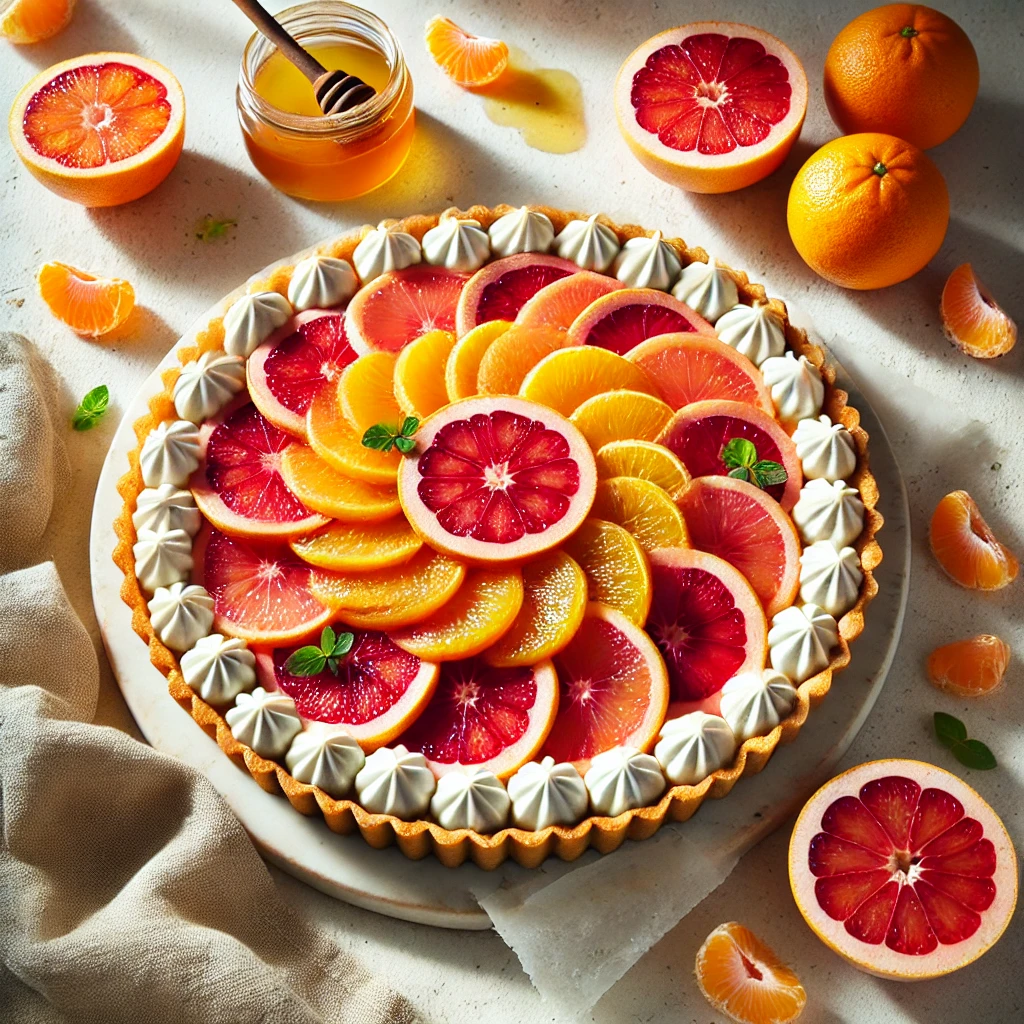
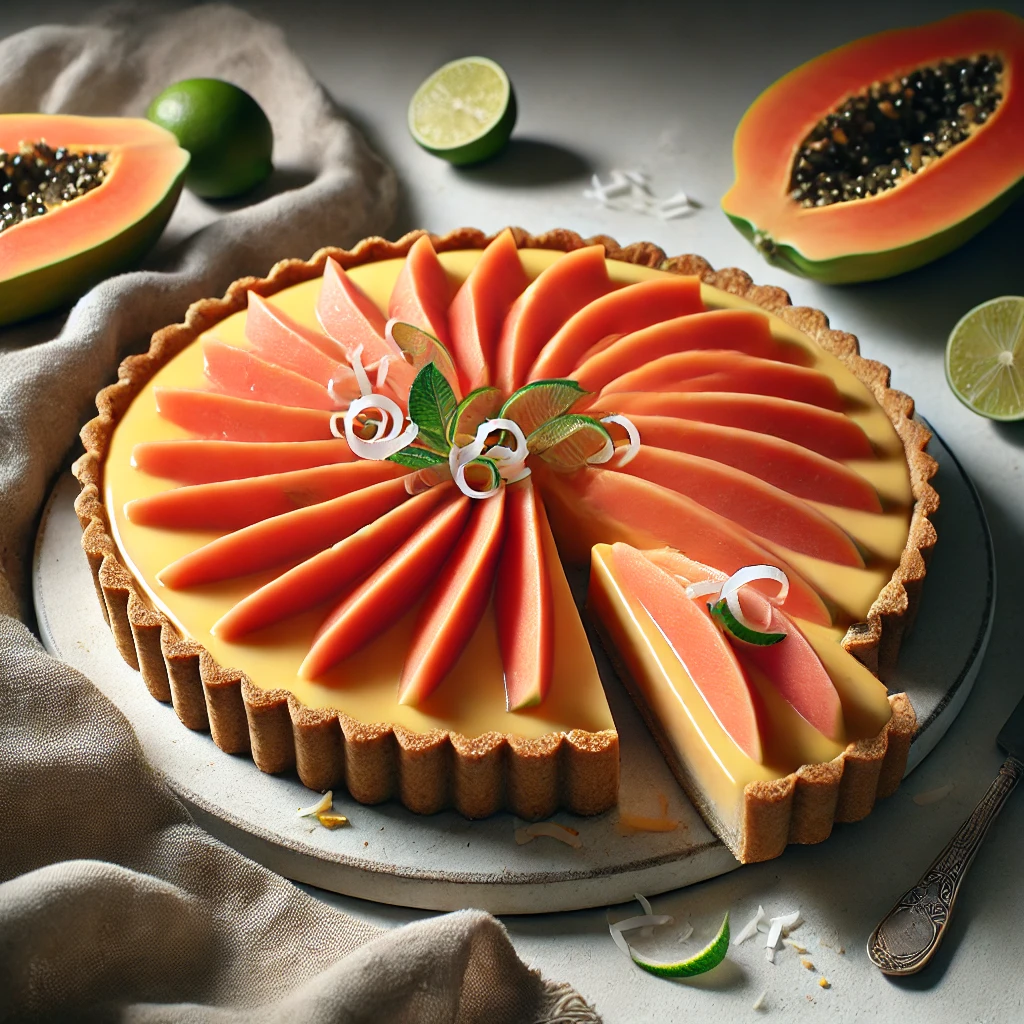
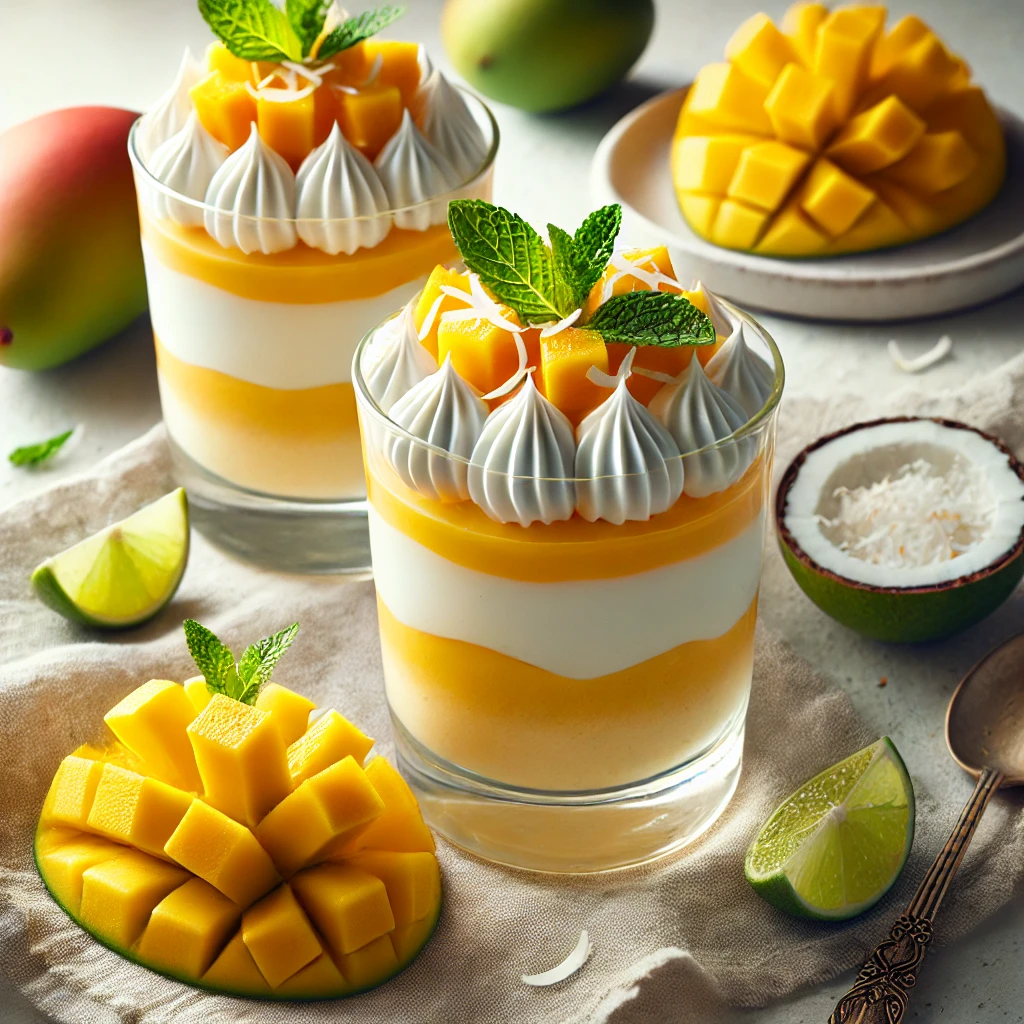
Corpus Christi Cake & Atmosphere Ideas

Where style, memory, and celebration meet.

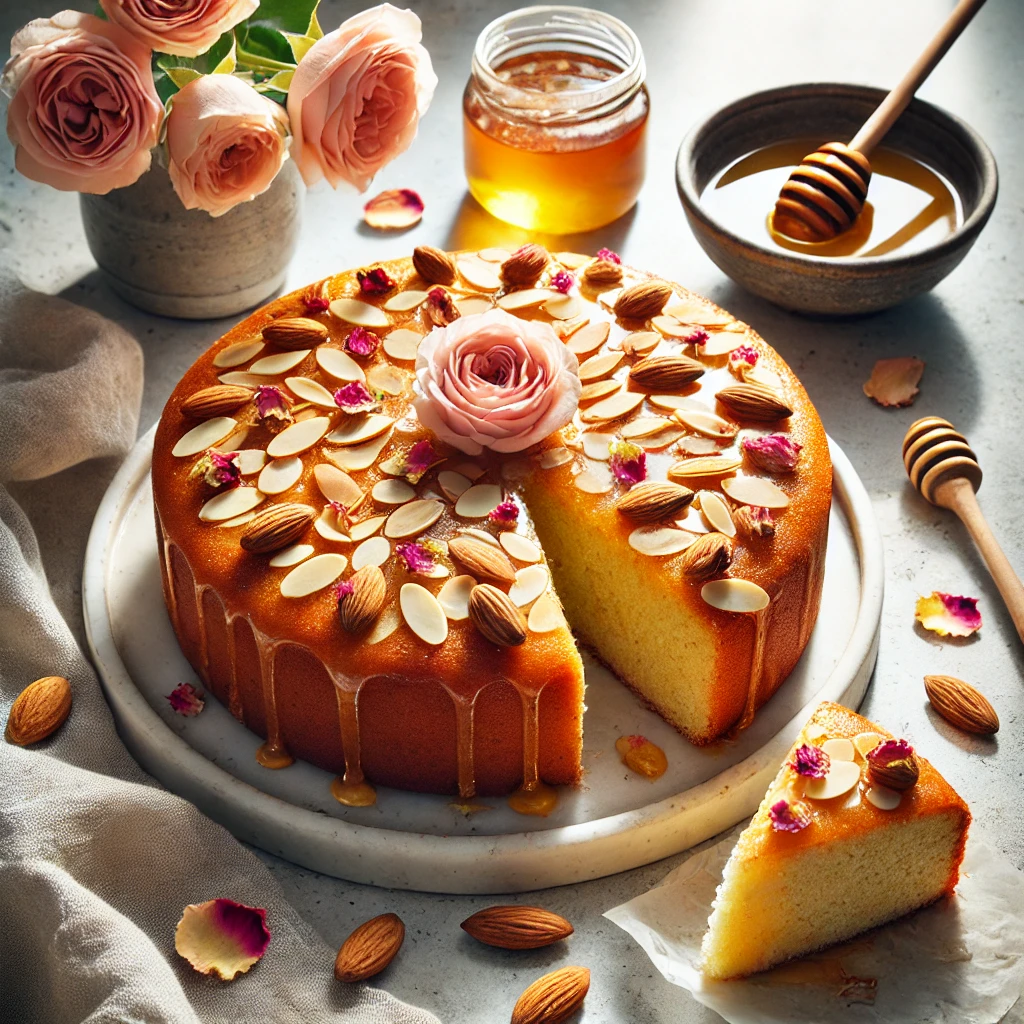
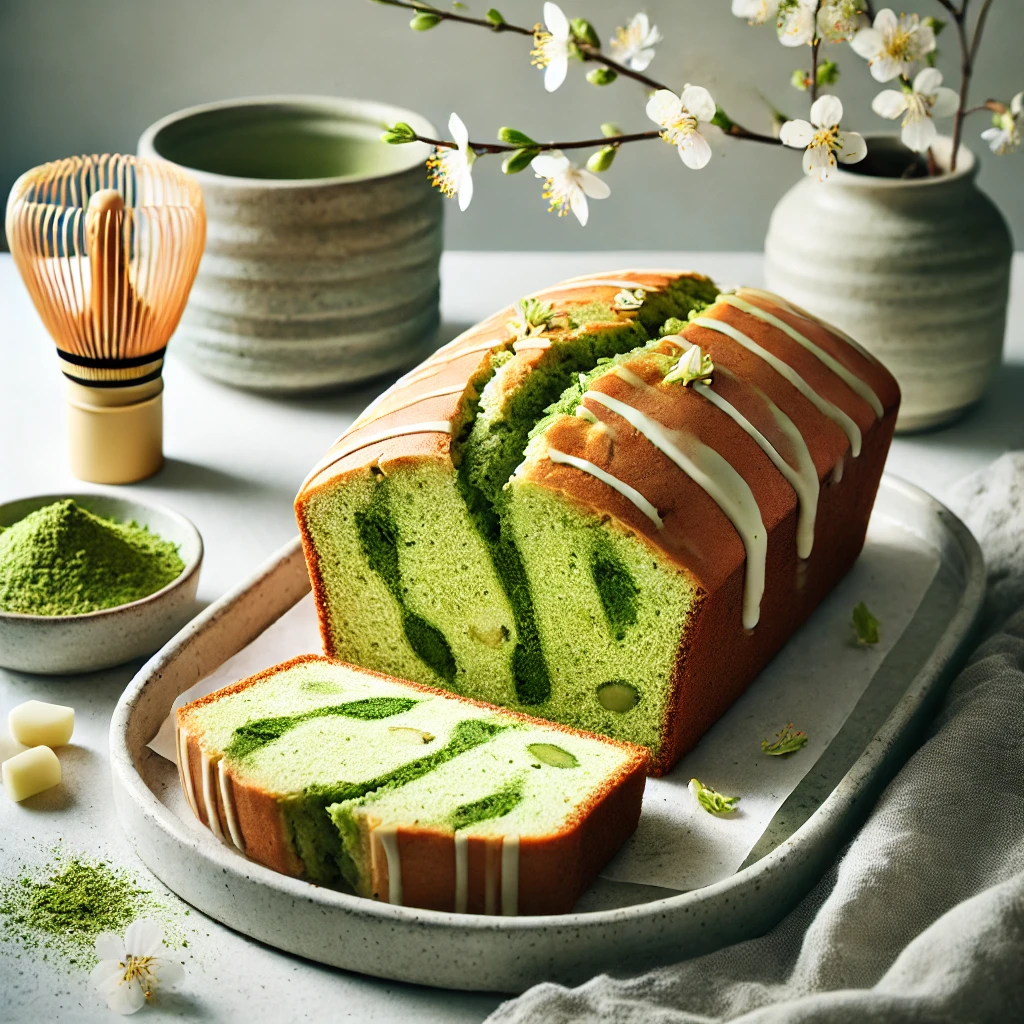
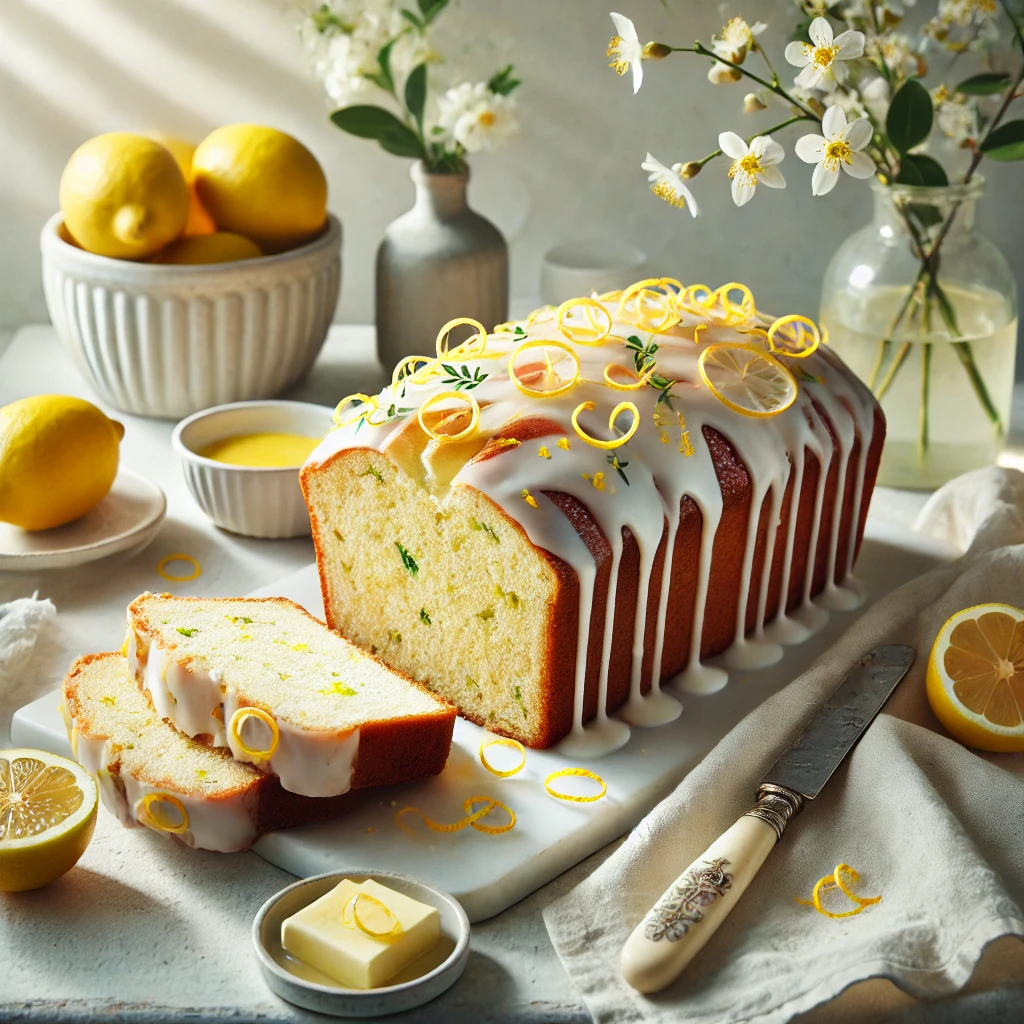
This section is meant to be more than Cake Decorating Ideas… it’s designed to spark inspiration and creativity, awaken tradition, and infuse your special occasions with style, identity, and atmosphere. A color palette becomes a theme. A design becomes a mood. Simple details—like sugared holly leaves or shimmering stars—can set the tone for a gathering and become part of cherished traditions and lasting memories melded with personal touch and love.

Corpus Christi Traditional Dishes

Spain
  • Coca (Catalonia) – a sweet flatbread, sometimes with fruit or cream
  • Rosquillas – small fried dough rings, lightly sweet
  • In Toledo and Seville, you’ll often find marzipan sweets and almond-based pastries
Portugal
  • Pão doce (sweet bread) and other enriched breads
  • Sometimes simple festive pastries shared after the procession
Italy
  • No single universal dish, but local specialties come out—often:
    • Sweet breads
    • Biscotti
    • Dishes using wheat (symbolic connection)
Poland
  • More modest food tradition, but families often prepare:
    • Cakes and pastries
    • Light celebratory meals after the procession
Latin America:
Mexico
  • Tamales (common for many feasts)
  • Atole (warm corn-based drink)
  • Sweet breads from local bakeries
Peru
  • In Cusco, Corpus Christi is huge:
    • Chiriuchu – a famous festival dish with multiple meats (chicken, guinea pig), corn, cheese, and seaweed
    • It’s symbolic and communal—very tied to the celebration
Guatemala
  • Festive foods alongside the alfombras:
    • Fiambre-style cold dishes (depending on region)
    • Sweet breads and traditional desserts
General themes across regions
  • Bread (wheat = Eucharistic symbolism)
  • Wine or grape-based elements
  • Shared meals after the procession
  • Local pastries and sweets rather than one universal “official” dish

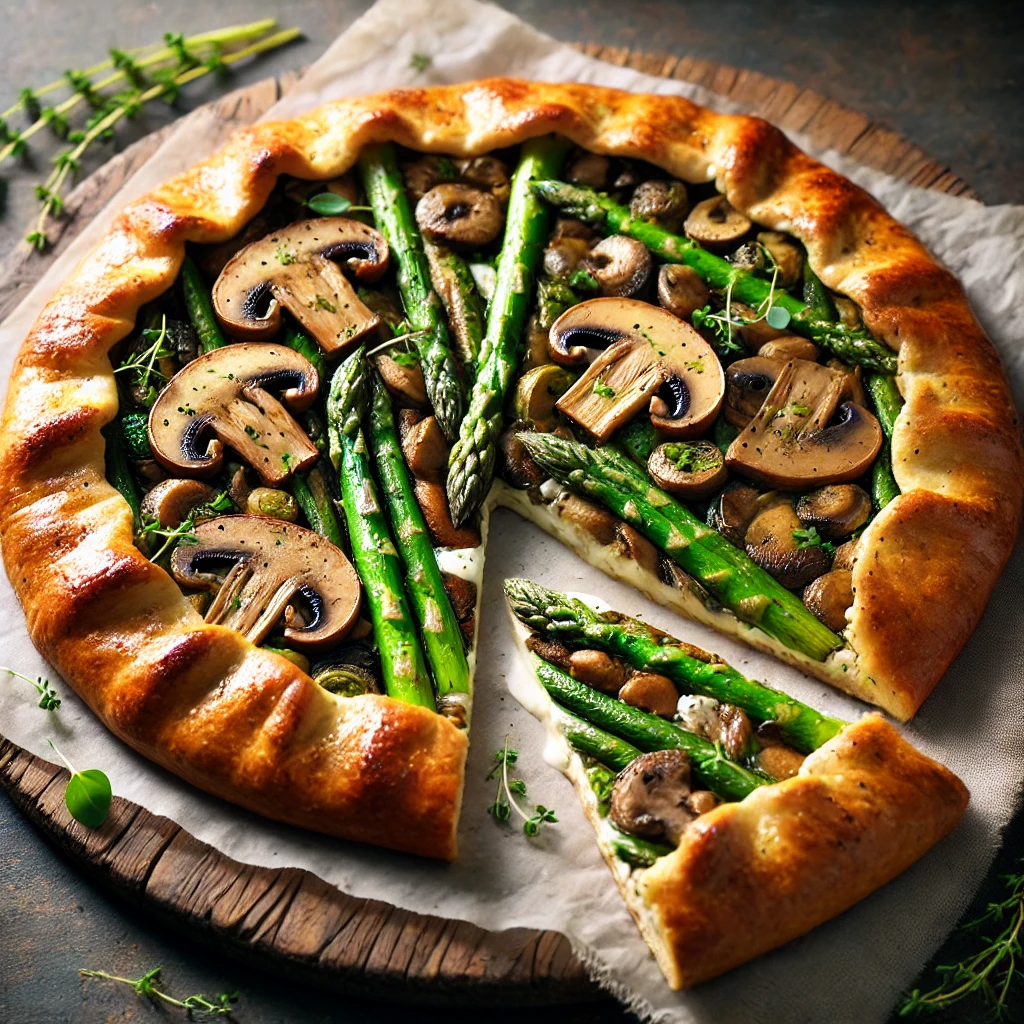
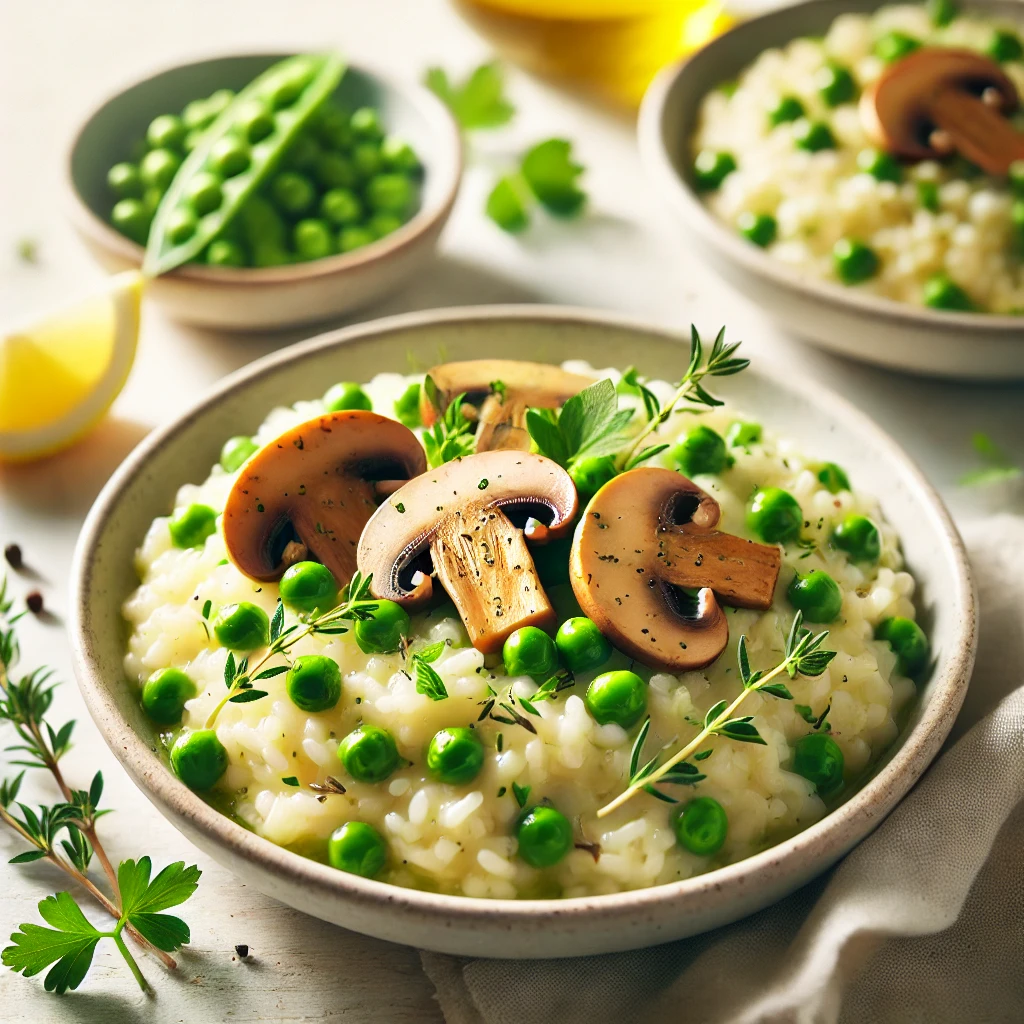
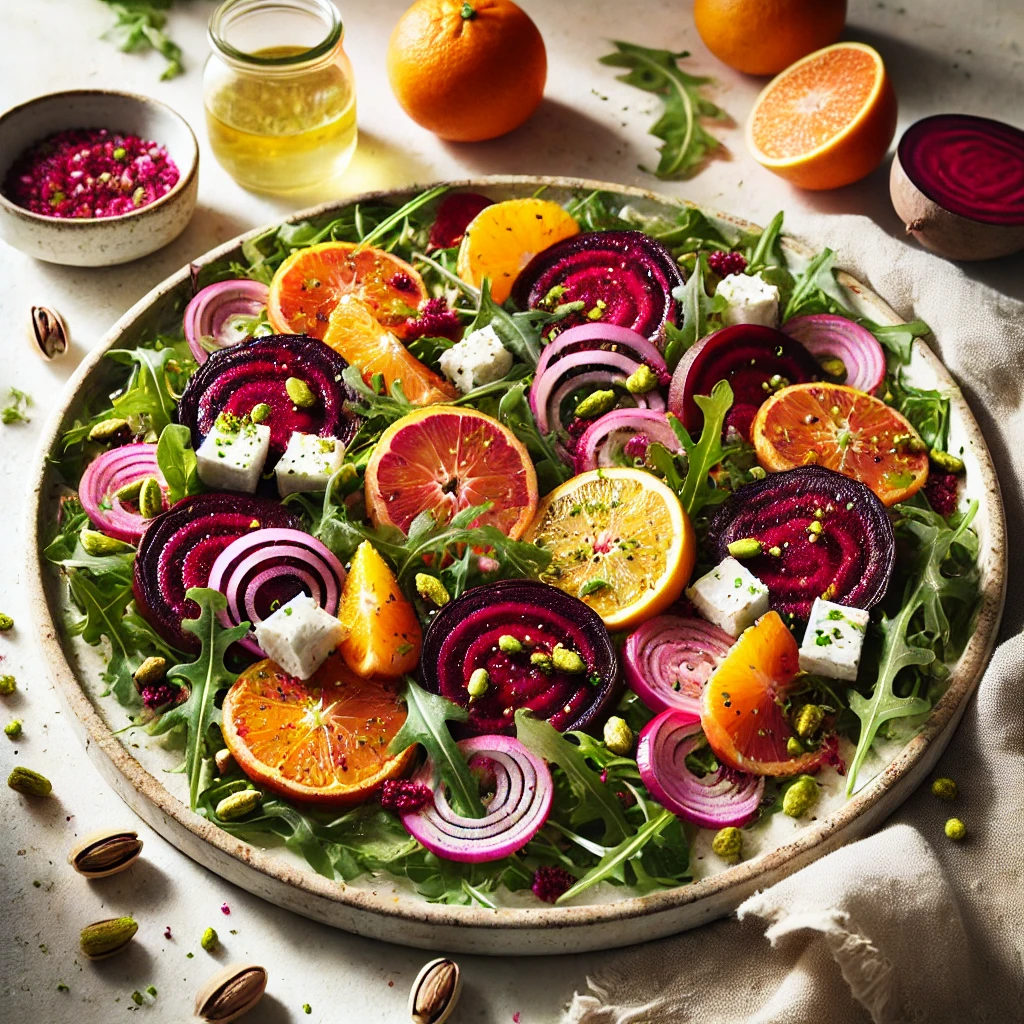
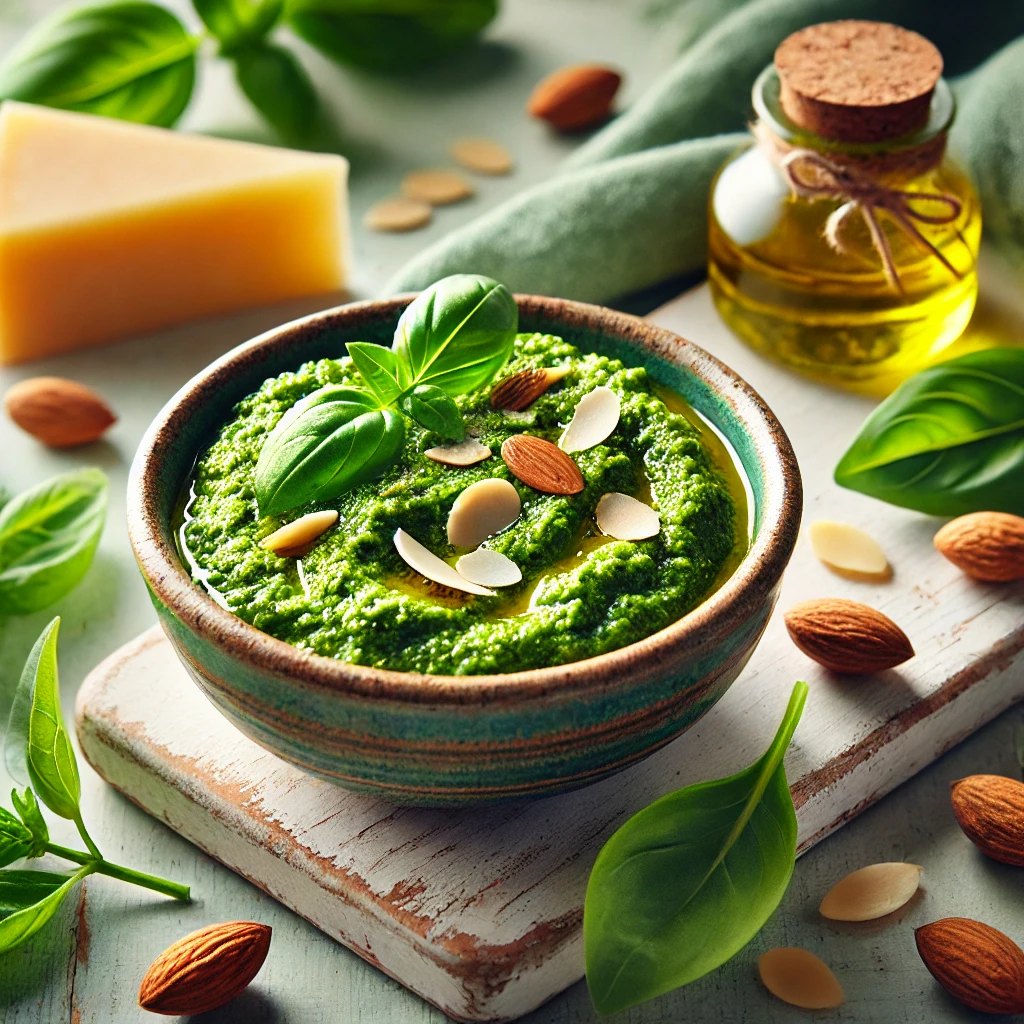
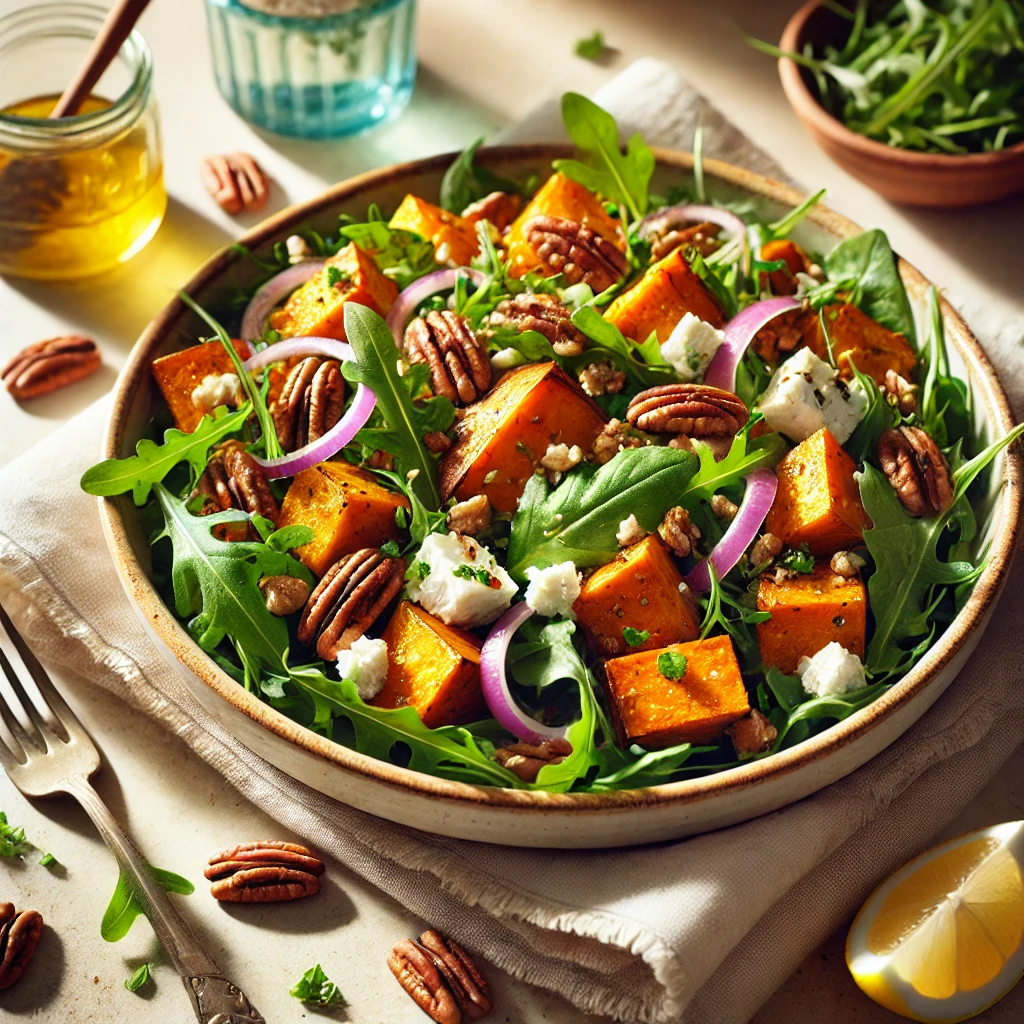
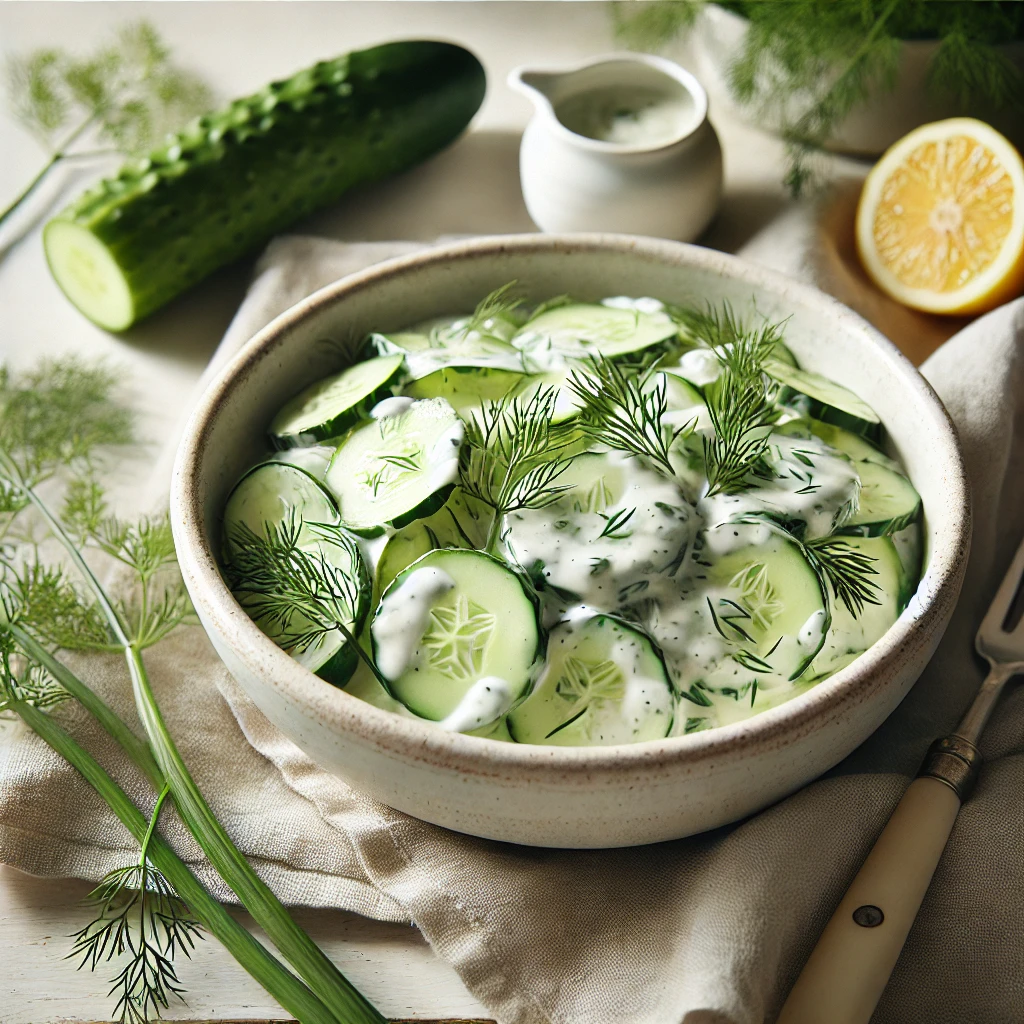
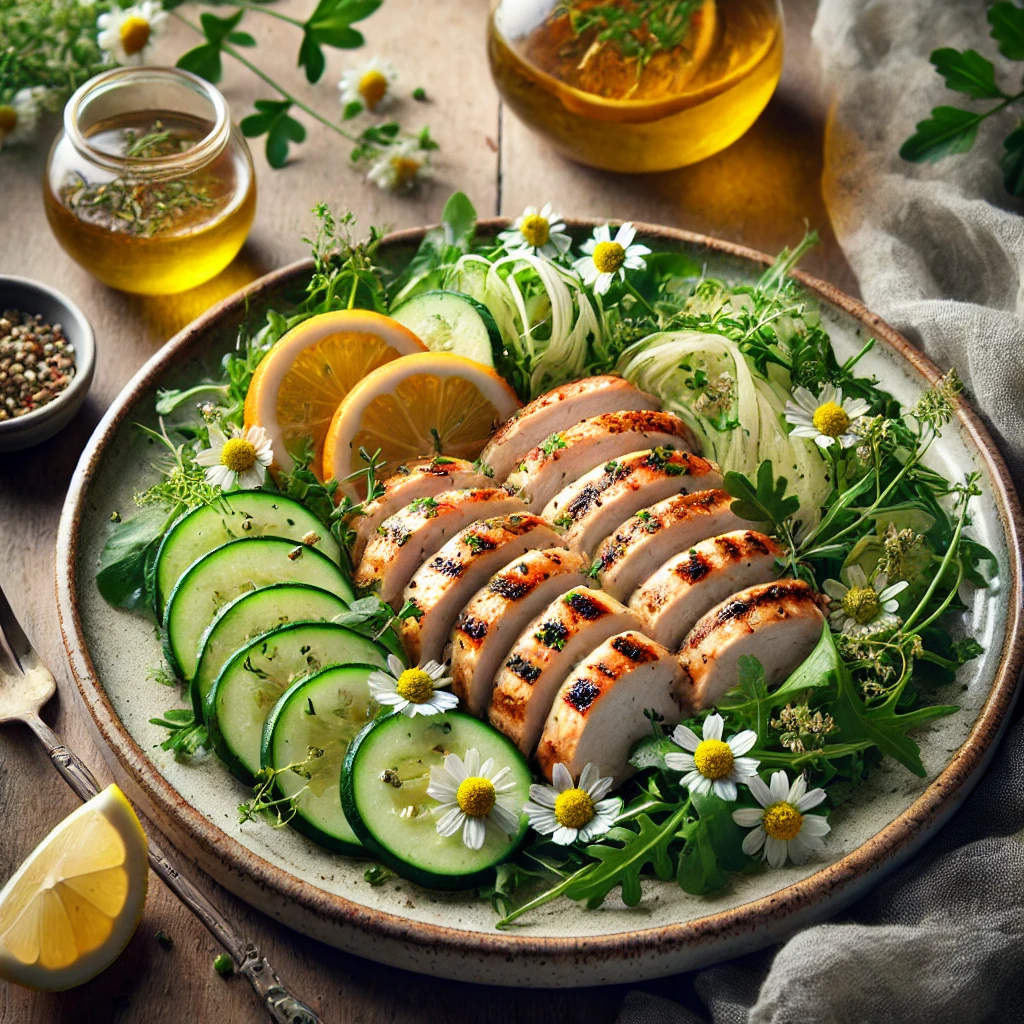
Recipes Engineered for Revitalization