







All Saints Day

with ORO VALENTIO

November 1st

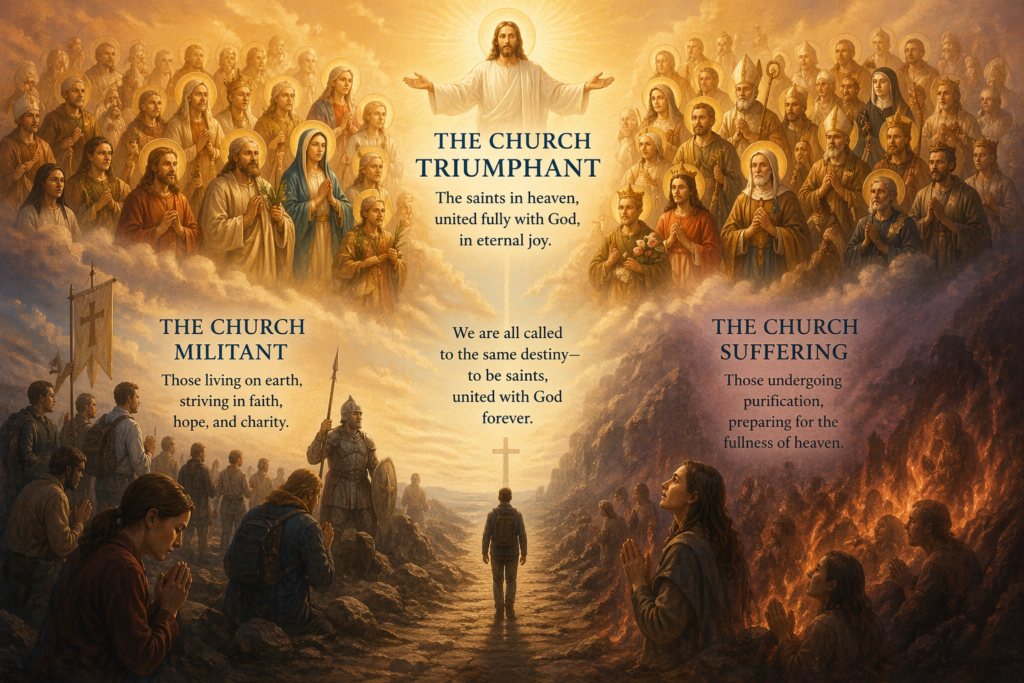
All Saints’ Day is deeply tied to the concept of Christ's Church in its threefold state: the Church Militant (those living on earth), the Church Suffering (those undergoing purification), and the Church Triumphant (the saints in heaven). This day focuses on the Church Triumphant—the fulfillment of the human journey, where the soul is united fully with God. Yet it also serves as a reminder that those on earth are still in motion, still engaged in the process of growth, refinement, and transformation. The saints, then, are not distant or unreachable figures; they are the completed version of what every person is called to become.
All Saints’ Day is one of the most profound and expansive celebrations in the Christian tradition, a day that draws the mind and heart beyond the visible world and into the fullness of eternity. Observed on November 1st in the Western Church, it is dedicated to honoring all saints—those canonized and widely known, as well as the countless holy souls whose names were never recorded, whose lives were quiet, hidden, and known only to God. It is not merely a remembrance of the past, but a living recognition of the unity that exists between heaven and earth, a unity often referred to as the communion of saints. This belief affirms that the faithful are not isolated individuals, but members of a single, enduring body that transcends time, death, and physical boundaries. The significance of this day lies in its sweeping vision of holiness. While many celebrations throughout the year honor specific saints—figures of extraordinary courage, intellect, or sacrifice—All Saints’ Day gathers them all into one unified recognition. It acknowledges that sanctity is not limited to dramatic acts or public recognition. Many saints lived simple lives: raising families, working diligently, serving quietly, enduring suffering with patience, and c​hoosing integrity in moments when no one else was watching. This day honors not only heroic virtue, but also faithful consistency—the kind of daily perseverance that forms the backbone of a life aligned with truth.

Whispers Among the Forgotten

At its core, All Saints’ Day is a celebration of victory—but not a victory defined by worldly power, status, or recognition. It is the triumph of virtue over vice, of truth over falsehood, of love over indifference. It is the victory of a life rightly ordered, a life lived with discipline, intention, and alignment with divine will. The saints are witnesses to what is possible when a person fully commits to that path. Some endured martyrdom, facing persecution and death with unwavering conviction. Others transformed entire communities through acts of charity, education, or leadership. Still others lived lives of hidden prayer and sacrifice, influencing the world in ways that cannot be measured by human standards. Spiritually, this day carries a deeply personal invitation. It calls each individual to reflect on their own life—not in comparison to others, but in relation to their own potential for growth and holiness. It asks questions that reach beneath the surface: What are you striving toward? What governs your decisions? Where are you being called to greater discipline, greater integrity, greater love? The saints do not stand as unreachable ideals meant to discourage; rather, they stand as living proof that transformation is possible. Their lives demonstrate that holiness is not reserved for a select few, but is the intended path for all.
Historically, the roots of All Saints’ Day reach back to the earliest centuries of Christianity. In a time when persecution was widespread, the Church commemorated martyrs—those who gave their lives rather than renounce their faith. These remembrances were often tied to the anniversaries of their deaths, seen not as an end, but as a birth into eternal life. As the number of martyrs and later saints grew, it became increasingly difficult to assign each one an individual feast day. By the 7th and 8th centuries, Church leaders established a universal feast to honor all saints collectively. Pope Gregory III is often credited with dedicating a chapel in Rome to all saints and setting the celebration on November 1st, a date that would later be observed throughout the Western Church.

All Saints Day Traditions to Make Your Own

All Hallows’ Eve, the night before All Saints’ Day, carries a depth that reaches far beyond modern costumes and festivity—it is a threshold moment, where the visible and unseen seem to draw closer together. Rooted in Christian tradition, it began as a vigil, a time of preparation for honoring the saints, inviting reflection on life, death, and eternity. The name itself comes from “Hallows,” meaning holy ones, and this evening was meant to orient the heart toward what is sacred, eternal, and true. Over time, it also absorbed elements from ancient seasonal observances, particularly those marking the end of harvest and the descent into winter, when the natural world itself seemed to enter a quieter, more mysterious state. Symbols like lanterns, candles, and even disguises emerged not merely for play, but as expressions of awareness—of mortality, of protection, and of the unknown. Today, while much of Halloween is lighthearted and celebratory, its deeper meaning still lingers beneath the surface: a reminder of the fragility of life, the reality of the spiritual world, and the call to move forward not in fear, but in clarity, courage, and alignment with what endures.
Attend Mass or Church Services
This is the central tradition of the day. Believers gather to honor all saints—known and unknown—and reflect on lives lived in holiness. The readings often focus on the Beatitudes, emphasizing the path to blessedness and virtue.

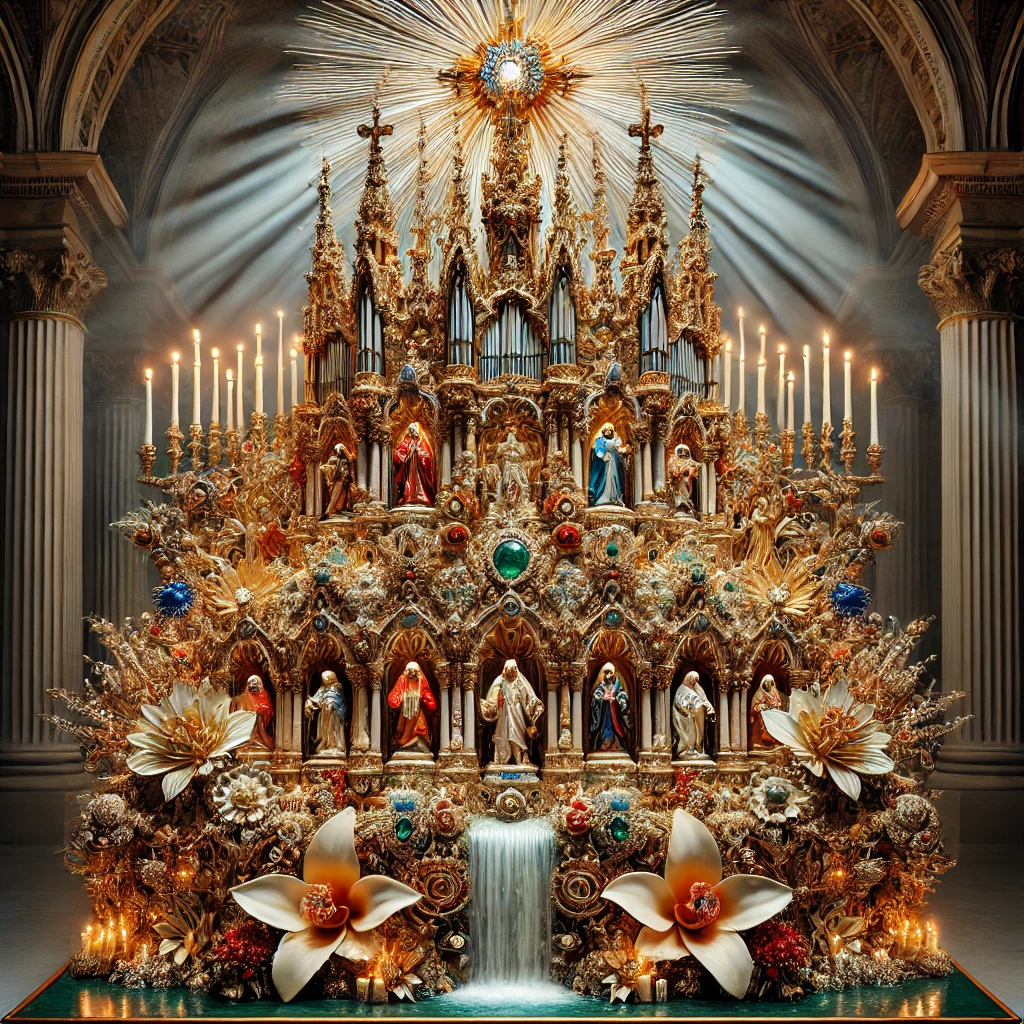
Lighting Candles
Candles are lit in homes, churches, or cemeteries as a symbol of the light of the saints and eternal life. Each flame represents remembrance, hope, and the enduring presence of those who have gone before.

Visiting Graves
Families visit cemeteries to clean, decorate, and honor the graves of loved ones. Flowers, especially chrysanthemums in many cultures, are placed as signs of respect, remembrance, and continuity between generations.

Praying the Litany of the Saints
This powerful prayer calls upon the saints collectively, asking for their intercession and guidance. It reinforces the idea that the faithful are not alone, but supported by a great spiritual family.

Sharing Meals and Hospitality
In many cultures, families gather for a meal, sometimes setting an extra place at the table in honor of the departed. This reflects unity across life and death and the idea that love continues beyond the grave.

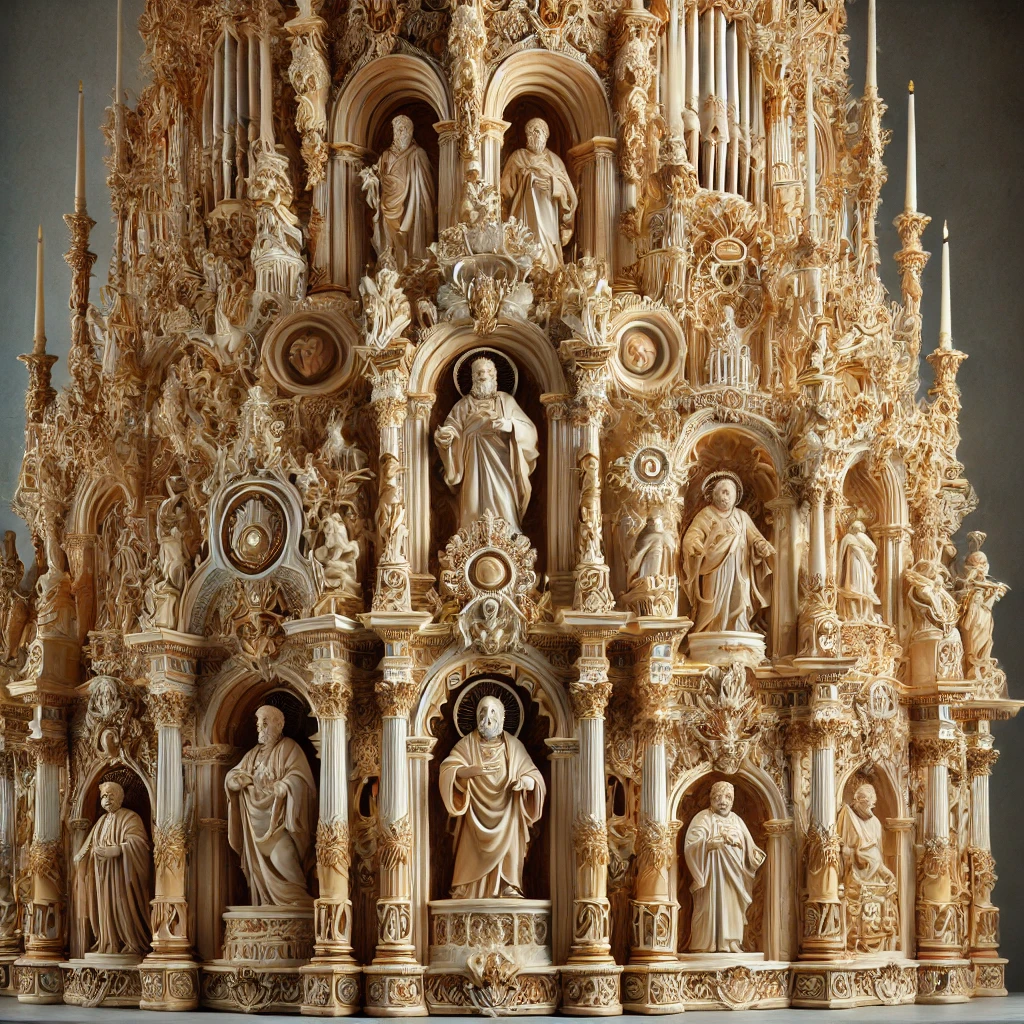
Creating Home Altars or Displays
Some households create small spaces with images of saints, candles, relics (if available), or photos of loved ones. These serve as a visual reminder of the communion of saints and a place for quiet reflection.

Reading Lives of the Saints
Families or individuals spend time learning about saints—their struggles, sacrifices, and virtues. This tradition is especially powerful for inspiration, showing how holiness can be lived in many different ways.

Acts of Charity and Service
Honoring the saints often includes imitating them. Many choose to perform acts of kindness, generosity, or service, reflecting the lives of those being celebrated.

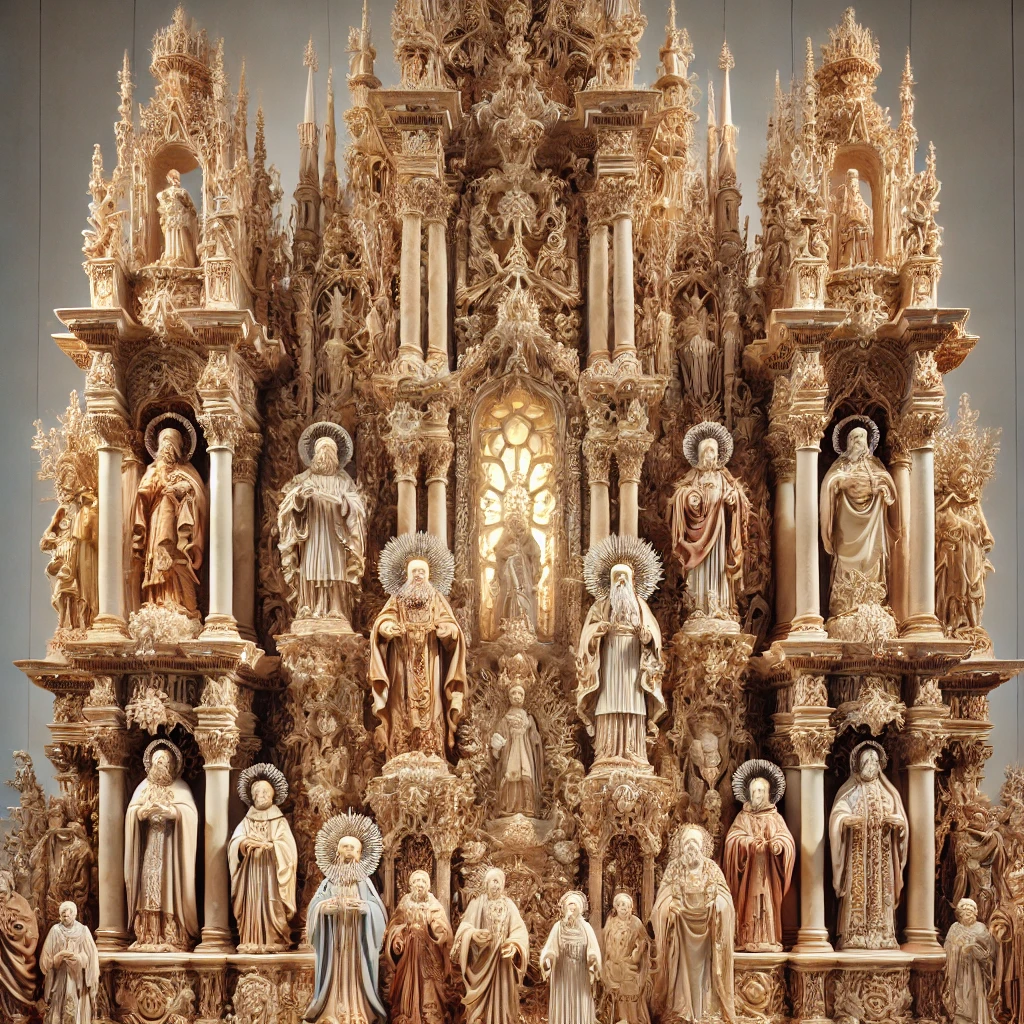
All Saints’ Processions
In some regions, communities hold processions with candles, icons, or statues of saints. These are solemn yet beautiful expressions of faith, unity, and reverence.

Dressing as Saints (Especially for Children)
Instead of Halloween costumes, some families encourage children to dress as saints, learning about their lives and embodying their virtues in a fun and meaningful way.

A Prayer for All Saints Day

Heavenly Father,
we give You thanks for the great cloud of saints
who have gone before us in faith, courage, and love. Through their lives, You have shown us
what it means to walk in truth,
to stand firm in goodness,
and to pursue holiness with unwavering hearts. Lord, grant us the grace
to follow their example—
to live with strength in times of trial,
to act with compassion toward others,
and to remain faithful in all things. May their prayers guide us,
their courage inspire us,
and their devotion draw us closer to You each day. Help us to become saints in our own calling,
living lives that reflect Your light
and bring glory to Your name. We ask this through Christ our Lord.
Amen.

All Saints’ Day is celebrated to honor the fullness of what humanity can become when it is lived in alignment with truth, virtue, and divine purpose. It is a day that recognizes not only the well-known saints who shaped history through remarkable acts, but also the countless hidden souls who lived faithfully, quietly, and with unwavering integrity. The celebration exists to remind us that holiness is not reserved for a distant few—it is the calling of every person. By remembering the saints, we are given living examples of courage, discipline, sacrifice, and love, showing that a life rooted in faith can overcome trials and rise above the ordinary. It is also a moment of unity, affirming that those who have gone before are not lost, but remain connected to us in a deeper, eternal way. Ultimately, All Saints’ Day is both a tribute and a challenge: a tribute to lives fully lived in pursuit of what is good, and a call for each of us to step forward and pursue that same path with strength, clarity, and purpose.

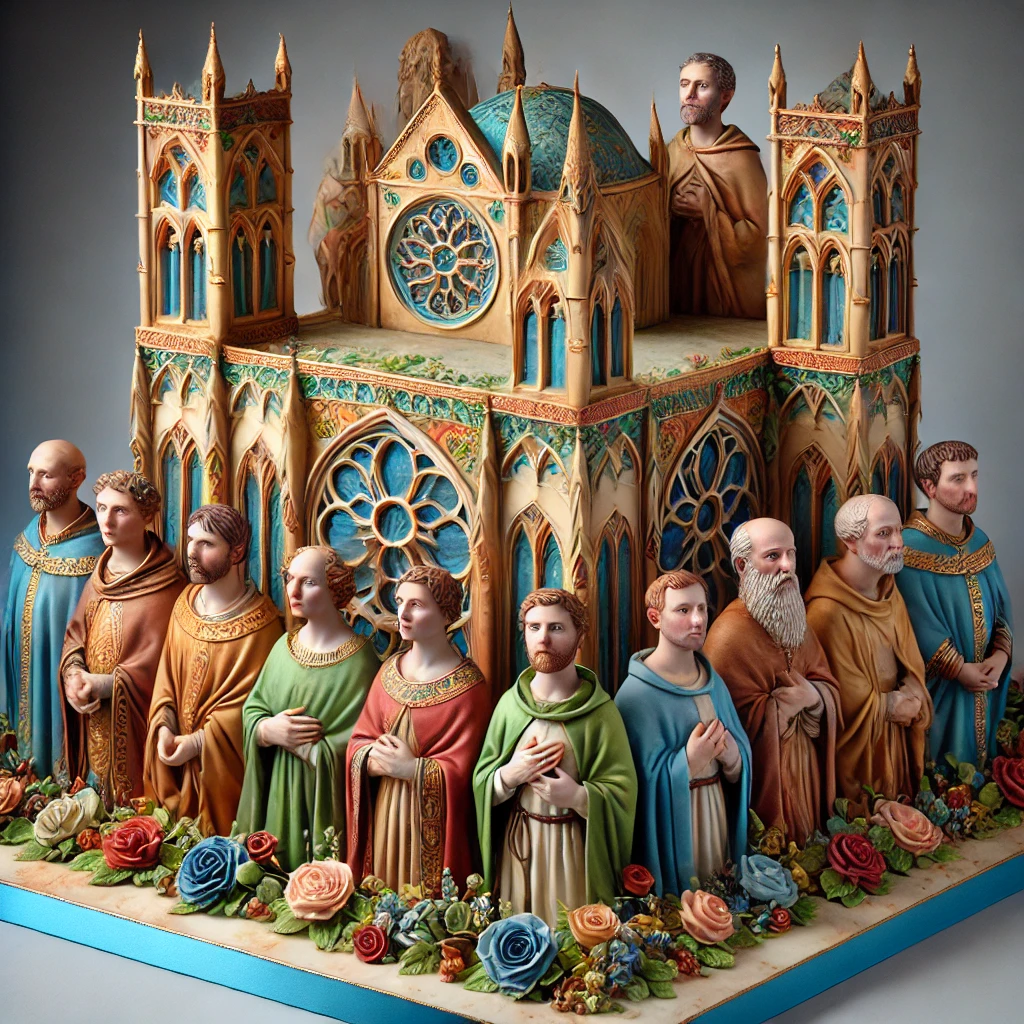
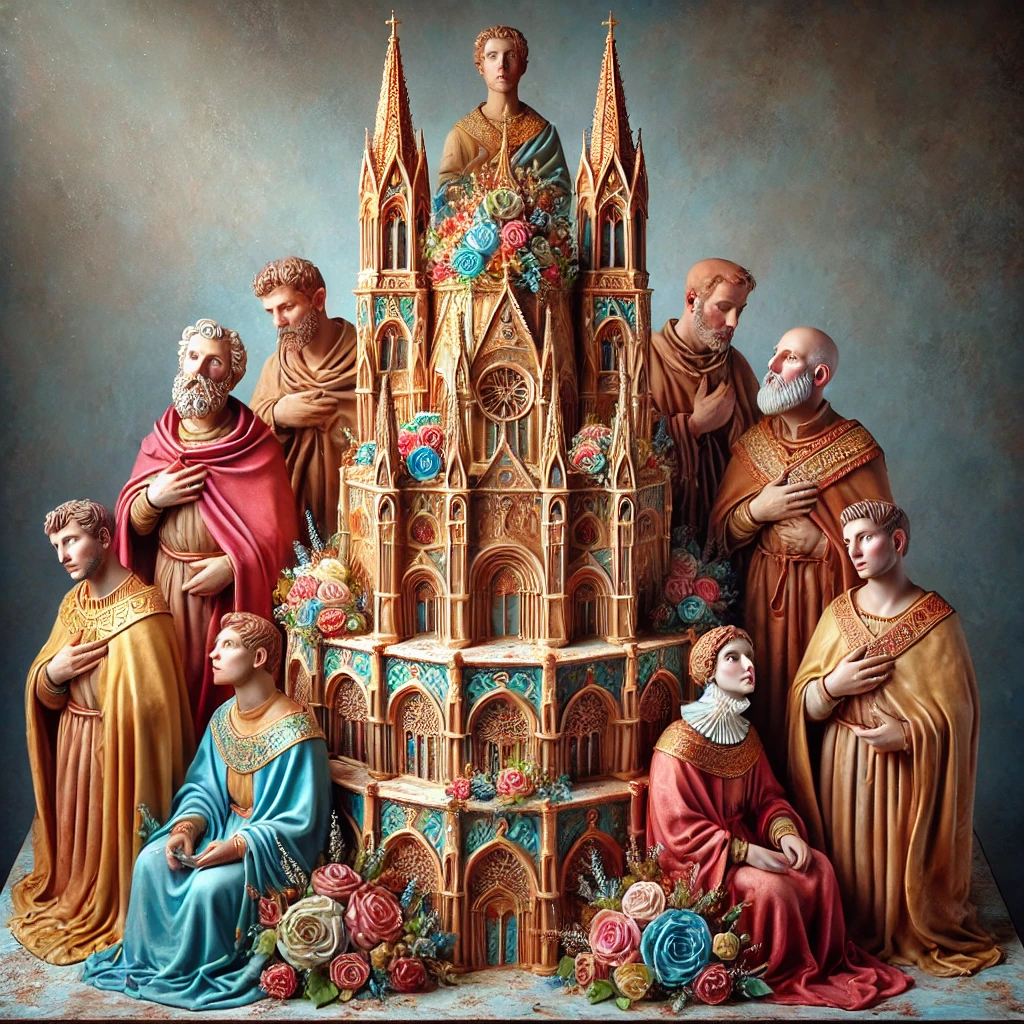
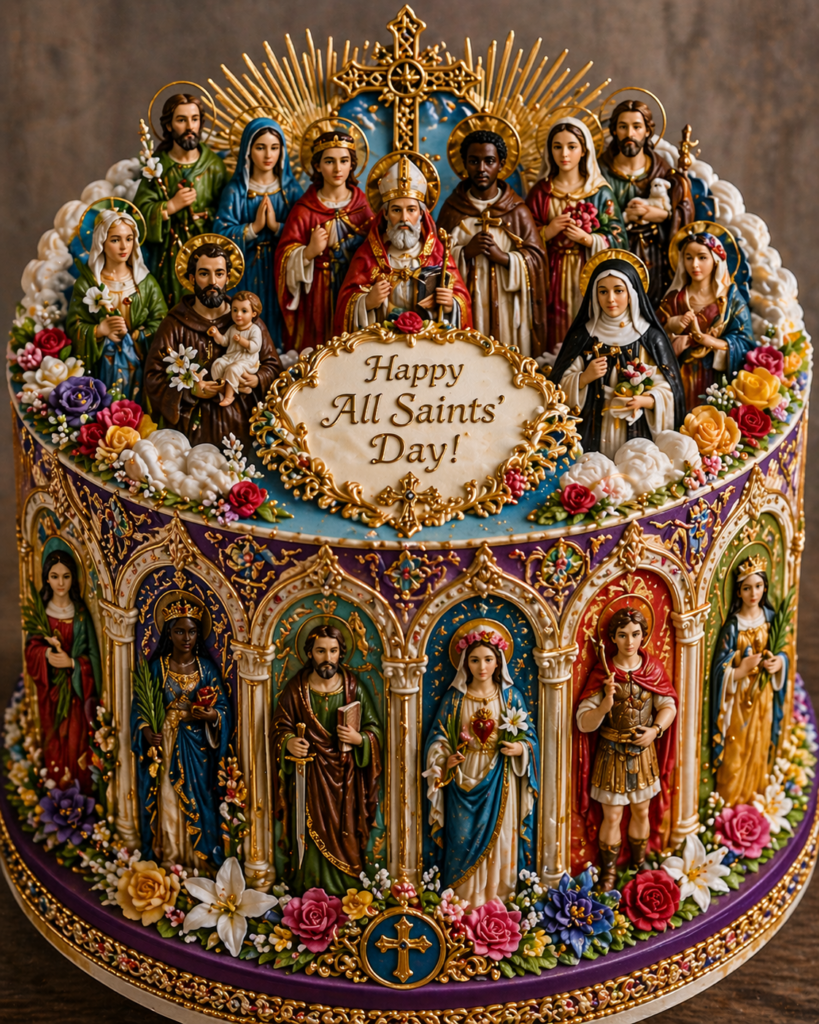
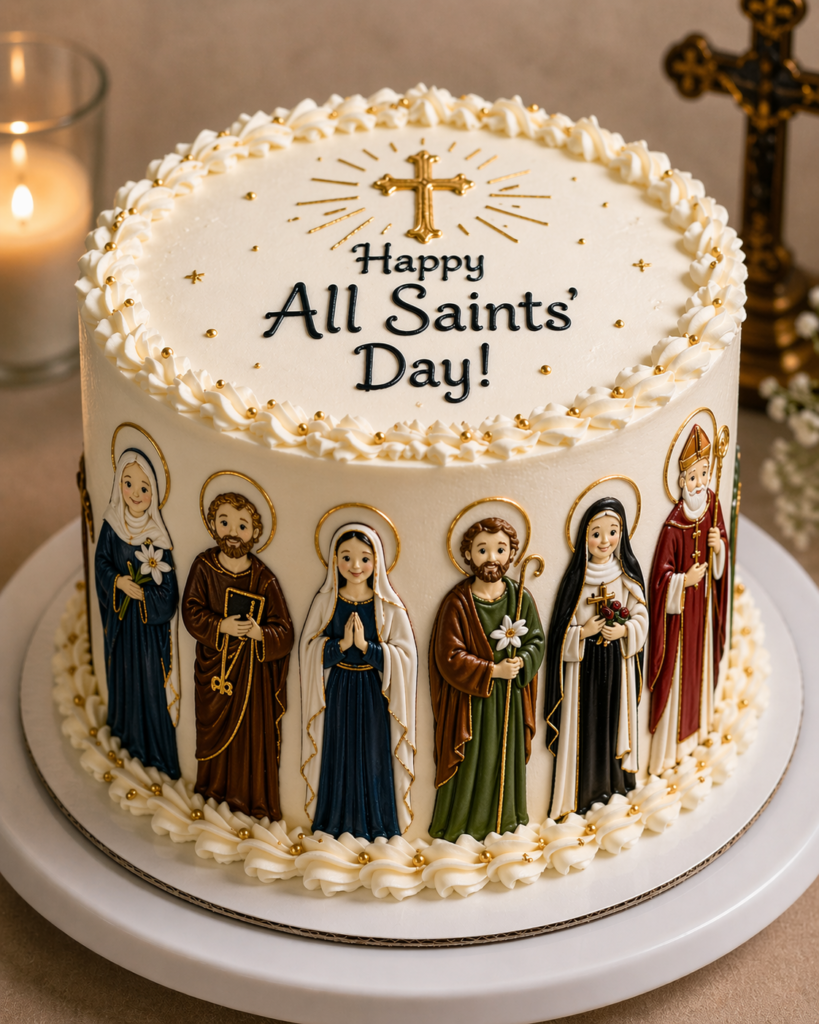
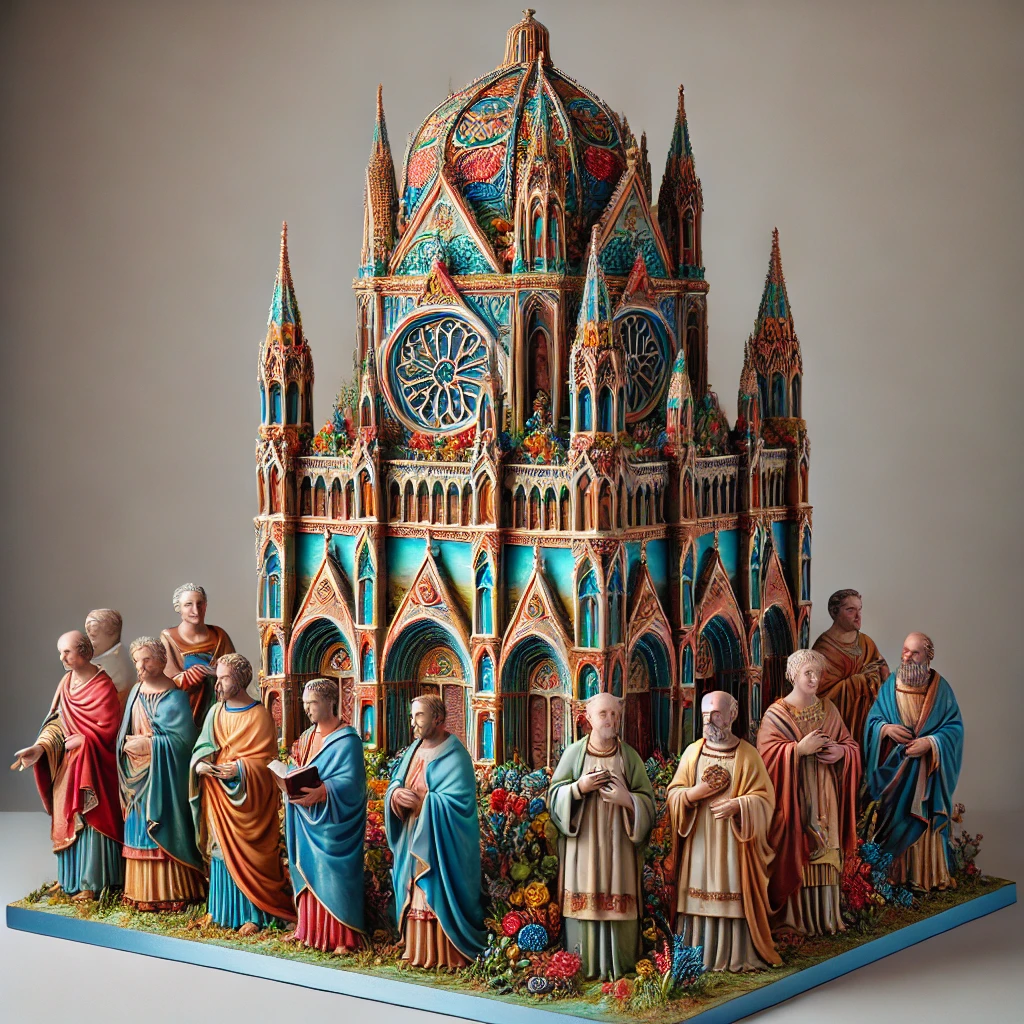
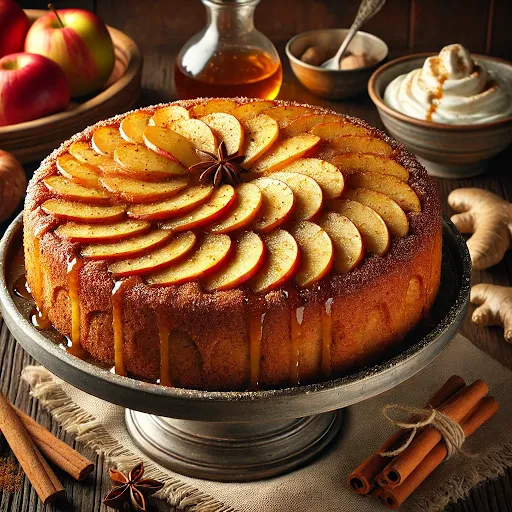
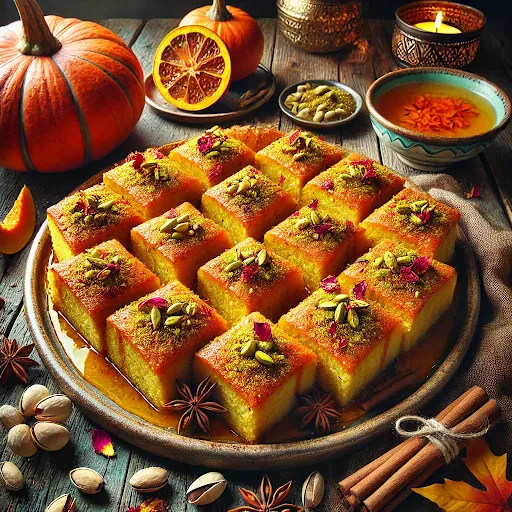
Cakes for All Saints Day

Traditional All Saints Day Dishes

Pan de Muerto (Bread of the Departed)
A soft, slightly sweet bread traditionally shaped with symbolic “bones” on top. It represents both remembrance and the sweetness of eternal life. Lightly flavored with citrus or orange blossom, it carries a sacred, ceremonial feel.

Soul Cakes
Small, round spiced cakes or cookies, often made with nutmeg, cinnamon, and raisins. Historically given out in exchange for prayers for the departed, they symbolize charity, connection, and spiritual generosity.

Almond Biscotti or Amaretti Cookies
These delicate, slightly crisp cookies are tied to Italian traditions of honoring the dead. Almonds symbolize enduring life and resurrection, making them especially fitting for the day.

Honey Cakes or Loaves
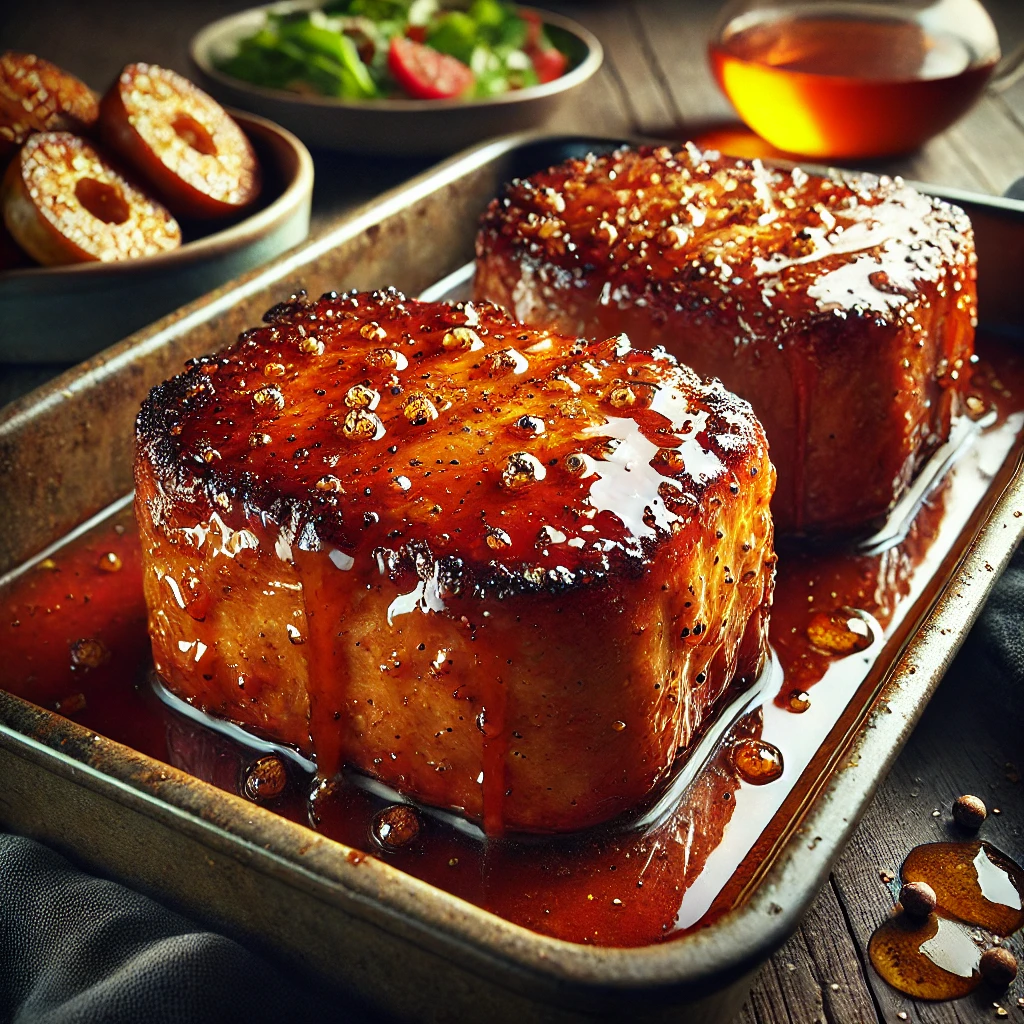
Sweetened with honey rather than refined sugar, these cakes represent purity and the goodness of a life well lived. They feel both rustic and refined, perfect for a sacred gathering.

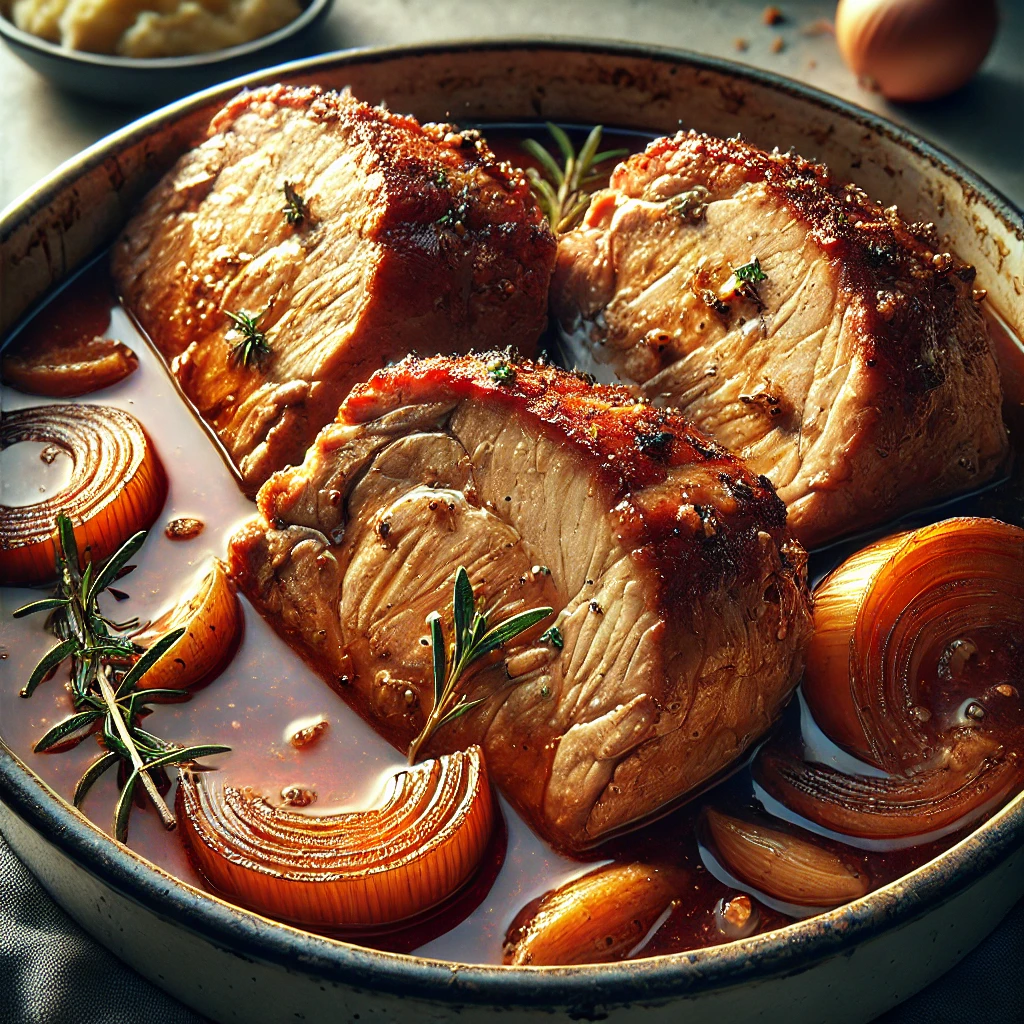
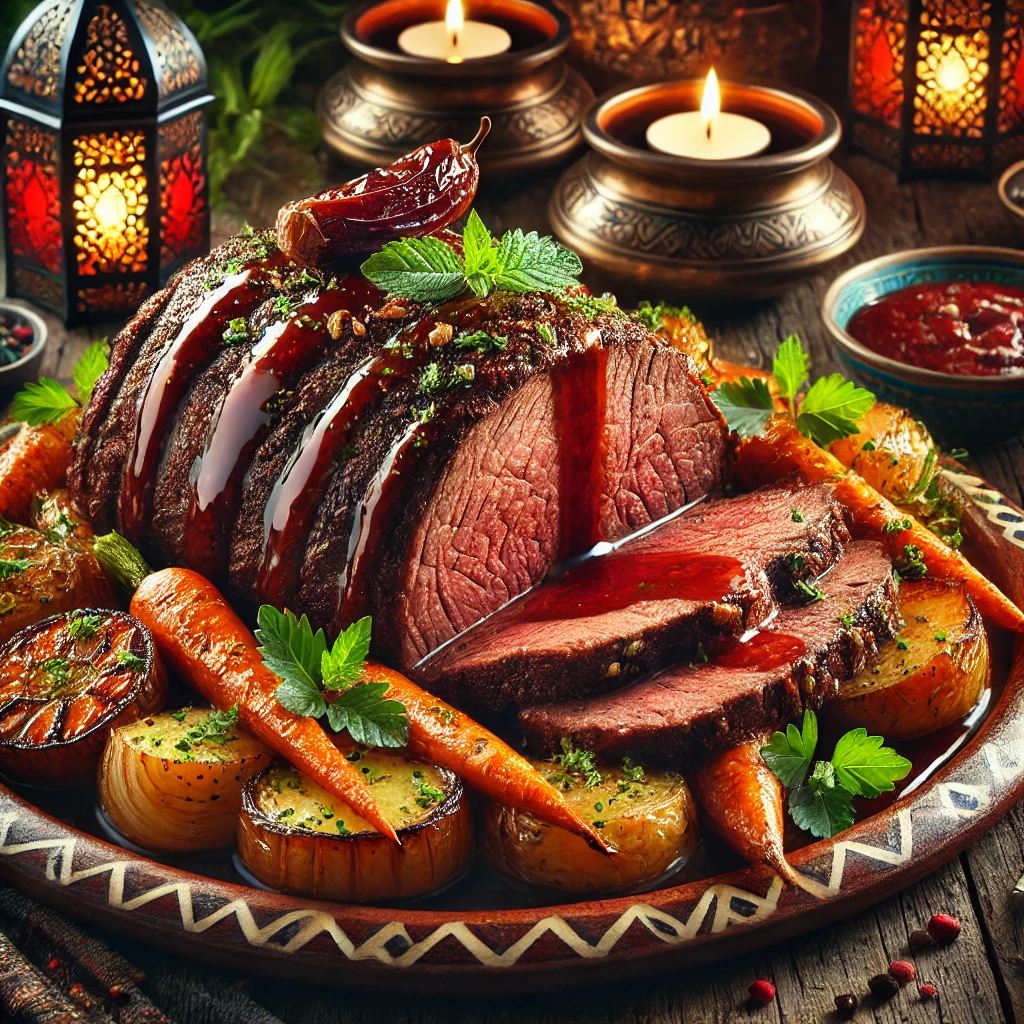
Roasted Meats with Herbs (Lamb or Chicken)
A simple but elegant main dish—often seasoned with rosemary, thyme, and garlic. Lamb especially carries deep Christian symbolism, representing sacrifice and purity.

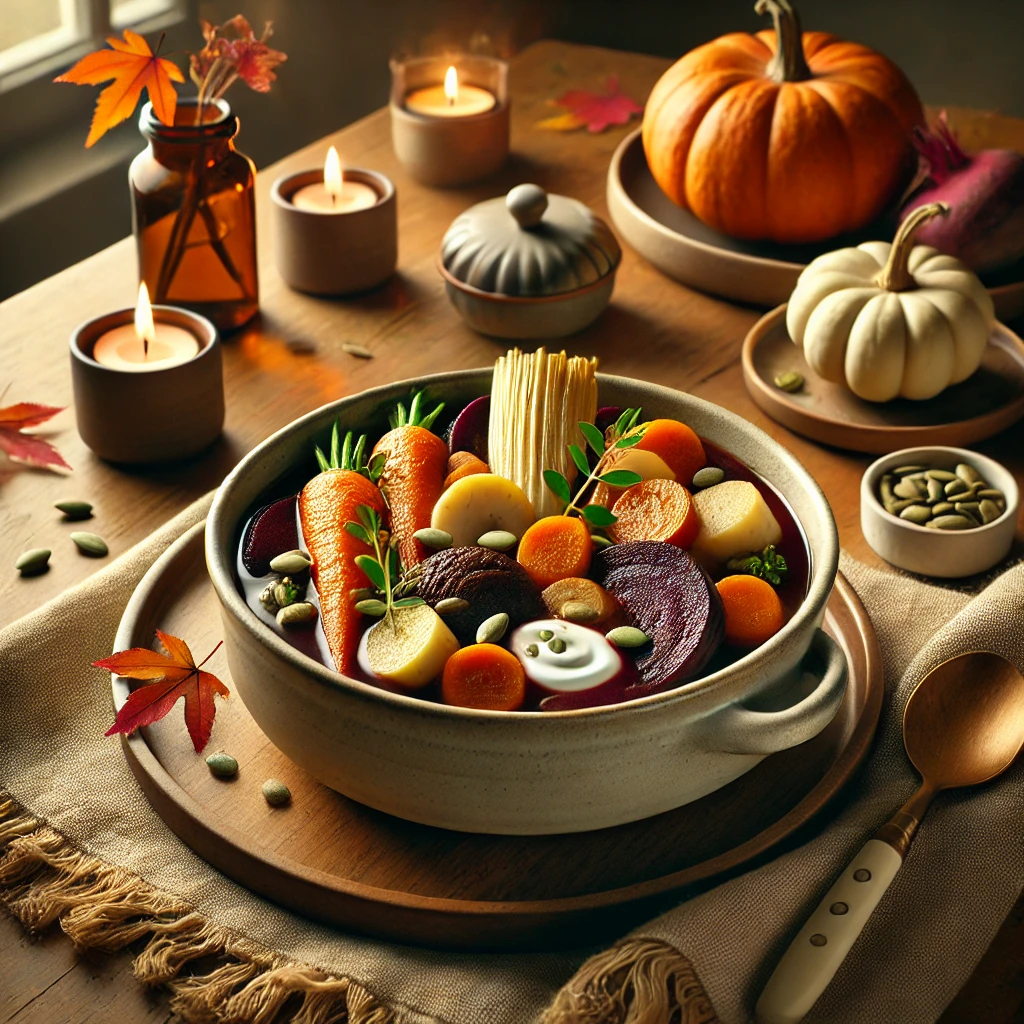
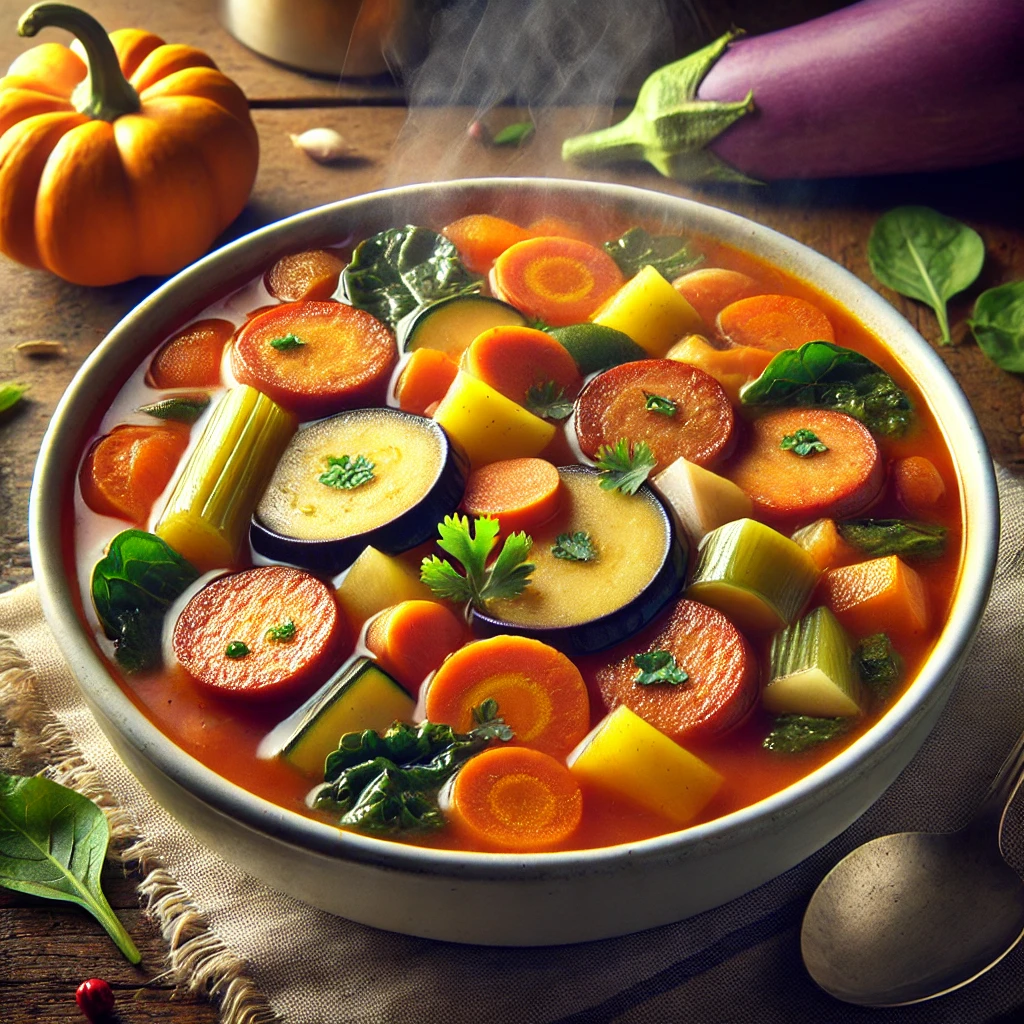
Root Vegetables with Olive Oil and Herbs
Carrots, parsnips, and potatoes roasted to a golden finish. These reflect the season (late harvest) and ground the meal in something earthy, stable, and nourishing.

Dark Wine or Grape Juice
Wine has long symbolized both sacrifice and celebration. A deep red wine or even a rich grape juice can tie the meal together beautifully and meaningfully.

Simple White Cake or Vanilla Custard Dessert
While not traditional everywhere, a clean, white-toned dessert can symbolize purity, light, and the glory of heaven—especially if styled elegantly.

Fresh Bread with Butter or Olive Oil
A foundational element—simple, timeless, and symbolic of provision, unity, and shared life.

If you wanted to take this to the next level (which I think would align perfectly with your style), you could frame the whole meal as something like:
“A Table of the Saints”
where each dish represents a virtue: purity, sacrifice, endurance, charity, and eternal life.

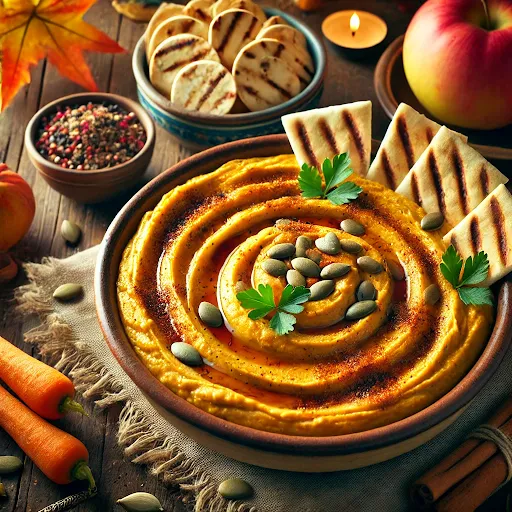
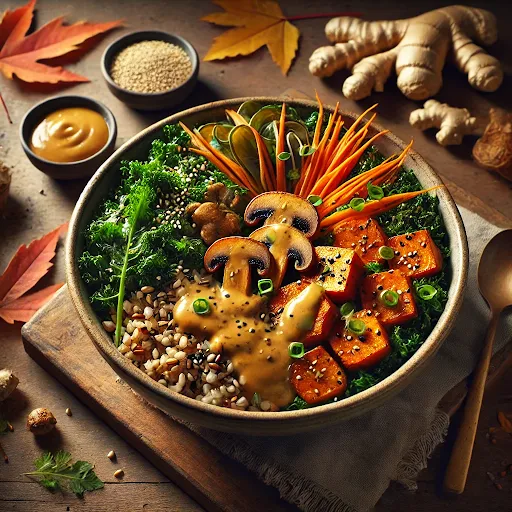
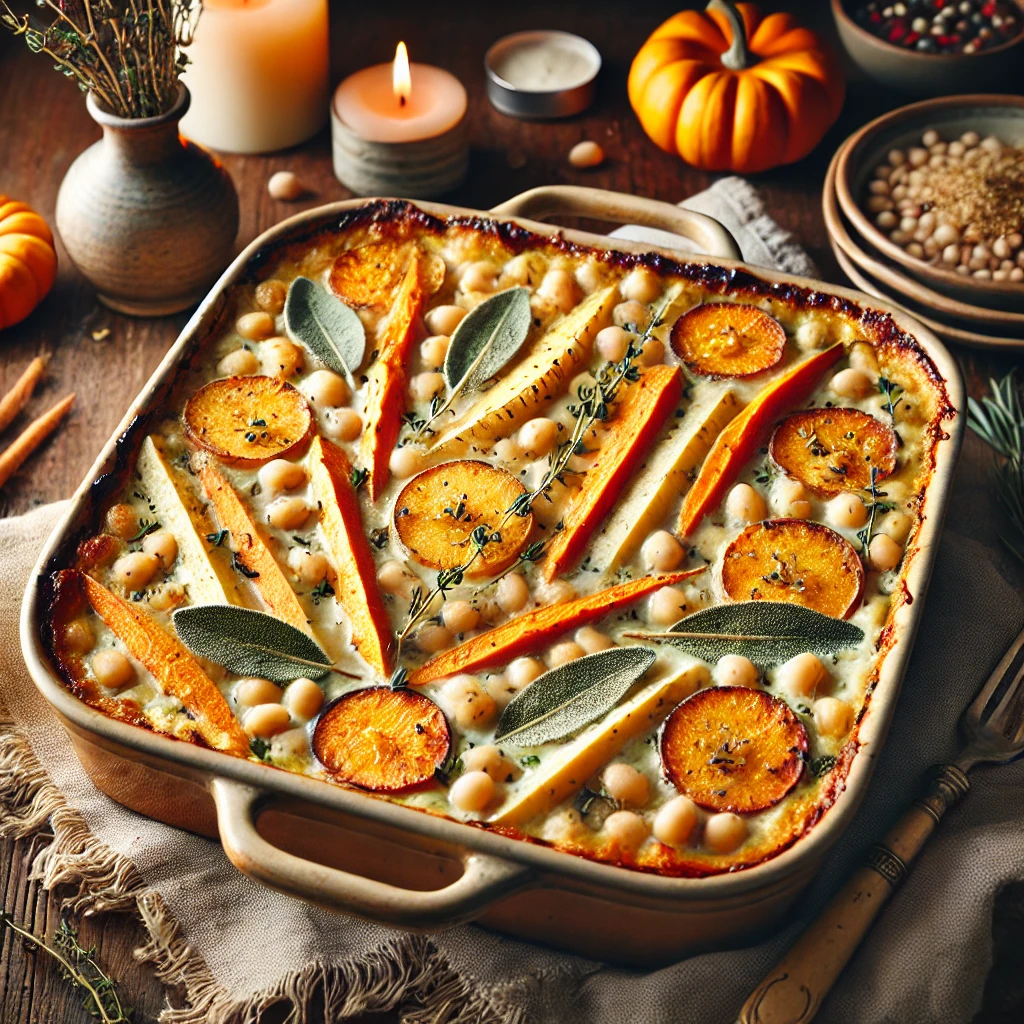
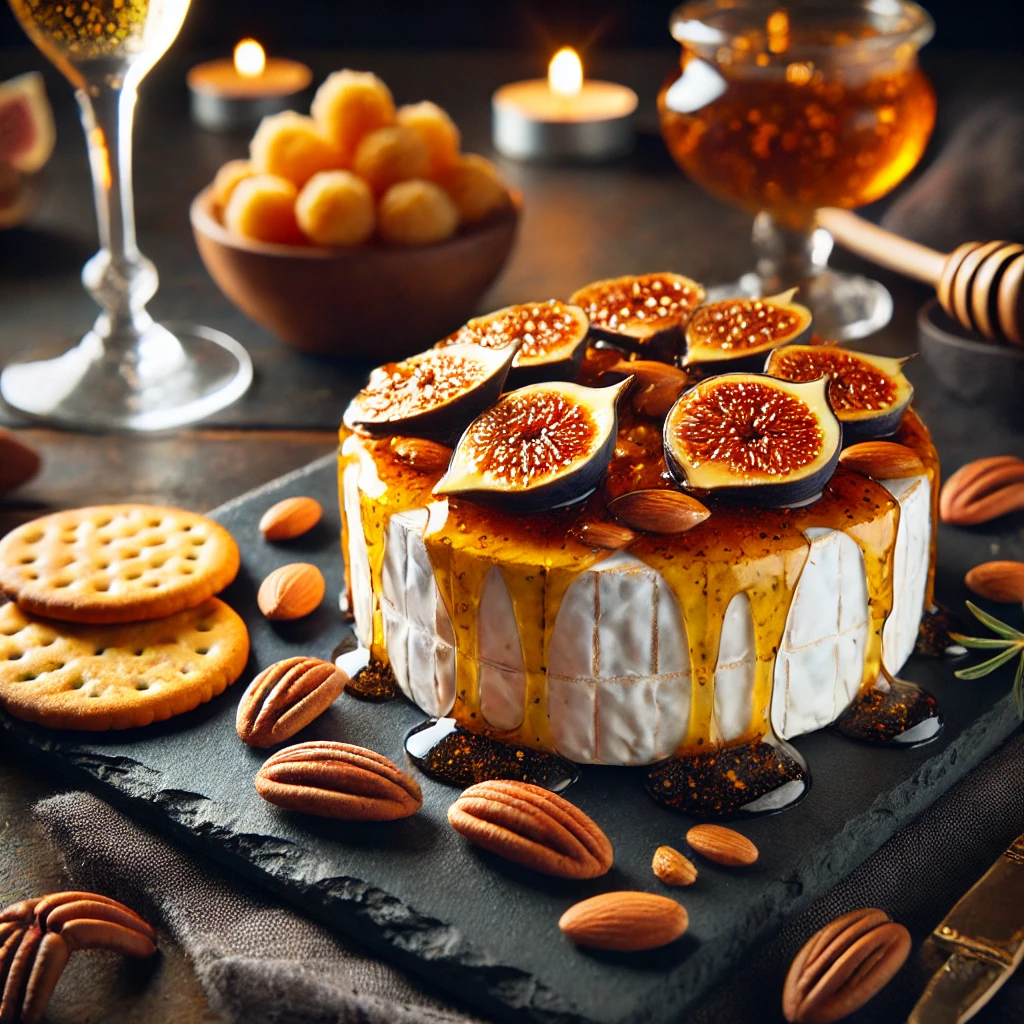
Recipes Engineered for that Autumn Glow