





















Columbus Day/Indigenous Peoples Day

with ORO VALENTIO

2nd Monday in October

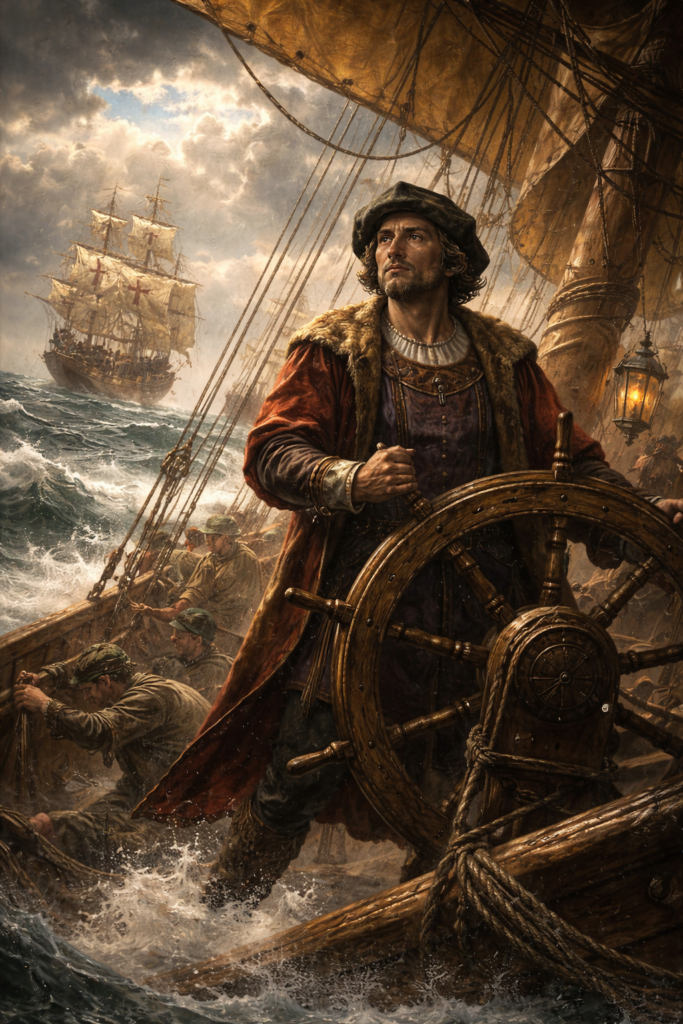
Christopher Columbus’s voyages were long, uncertain, and defined by both endurance and risk. Sailing across the Atlantic in the late 15th century meant venturing into waters that were largely unknown to Europeans, with no reliable maps, limited navigation tools, and constant exposure to the elements. The ships—such as the Niña, the Pinta, and the Santa María—were relatively small, wooden vessels that faced towering waves, shifting winds, and the ever-present threat of storms. Life aboard these ships was physically and mentally demanding. Crews lived in cramped quarters with little privacy, surviving on simple rations like salted meat, hardtack, and limited fresh water. As the journey stretched on, food could spoil, and disease or malnutrition became real concerns. The monotony of open ocean, combined with uncertainty about what lay ahead, often led to fear, doubt, and tension among the sailors. Navigation relied heavily on observation—using the stars, the sun, and rudimentary instruments like the astrolabe and compass. Even with these tools, there was no guarantee of accuracy, and miscalculations could mean being lost at sea. Despite this, the voyages required constant decision-making, leadership, and resolve to continue forward without clear assurance of success. At the same time, there was a powerful sense of purpose driving the journey. The voyages were fueled by the hope of discovering new trade routes, gaining wealth, and expanding influence. Each day carried both danger and possibility—the risk of failure alongside the potential for historic discovery. Overall, these voyages were marked by hardship, persistence, and uncertainty. They demanded resilience from both leader and crew, as they navigated not only the physical challenges of the ocean, but also the psychological weight of traveling into the unknown.
Columbus Day stands as a moment of historical reflection, marking the arrival of Christopher Columbus in the Americas in 1492—an event that reshaped the course of global history. It represents the beginning of sustained contact between Europe and the Americas, opening pathways for exploration, trade, and cultural exchange that would go on to influence the development of nations, economies, and identities across the world.
At its core, the day reflects themes of exploration, courage, and the pursuit of the unknown. Columbus’s voyage across the Atlantic was driven by vision and determination, navigating uncharted waters in search of new routes and opportunities. For many, Columbus Day has traditionally honored that spirit—the willingness to step beyond what is familiar and to pursue discovery with conviction.
At the same time, Columbus Day carries a deeper and more complex significance. The arrival of Europeans in the Americas marked not only connection, but also profound change for Indigenous peoples who had long inhabited these lands. It introduced new systems, cultures, and influences, but also led to displacement, hardship, and lasting impacts that continue to be acknowledged today. Because of this, the day has become one of reflection as much as recognition, encouraging a more complete understanding of history and its effects.
In modern observance, Columbus Day invites both appreciation and awareness. It offers an opportunity to consider the courage of exploration while also recognizing the importance of truth, respect, and understanding in how history is remembered. For some, it is a celebration of heritage and perseverance; for others, it is a time to honor Indigenous cultures and voices.
Ultimately, Columbus Day stands as a reminder that history is not one-dimensional. It calls for thoughtful reflection—on where we have come from, how actions shape the course of others, and how we can move forward with greater integrity, awareness, and unity.

Honoring the courage to explore, the truth of history, and the responsibility to move forward with unity and understanding

We celebrate Columbus Day as a moment to reflect on a turning point in world history—the encounter that connected Europe and the Americas and set into motion lasting exchanges of culture, ideas, goods, and people. It recognizes the spirit of exploration and the willingness to venture into the unknown, embodied by figures like Christopher Columbus, whose journey symbolized determination, vision, and the pursuit of new possibilities.
At the same time, the meaning of the day has grown deeper over time. It is not only about recognizing exploration, but also about understanding its consequences. The arrival of Europeans brought profound change to Indigenous peoples—impacting their lands, cultures, and ways of life. Because of this, the day has become an opportunity for thoughtful reflection as much as recognition, encouraging a more complete and honest view of history.
For many, the celebration also honors heritage—particularly Italian-American identity and contributions—highlighting resilience, culture, and the role of immigrant communities in shaping the nation. For others, it is a time to elevate Indigenous voices and acknowledge histories that were long overlooked.
Ultimately, we celebrate Columbus Day not as a simple remembrance, but as a moment to engage with history in its fullness—to recognize courage and consequence, to value heritage and truth, and to move forward with greater awareness, respect, and unity.
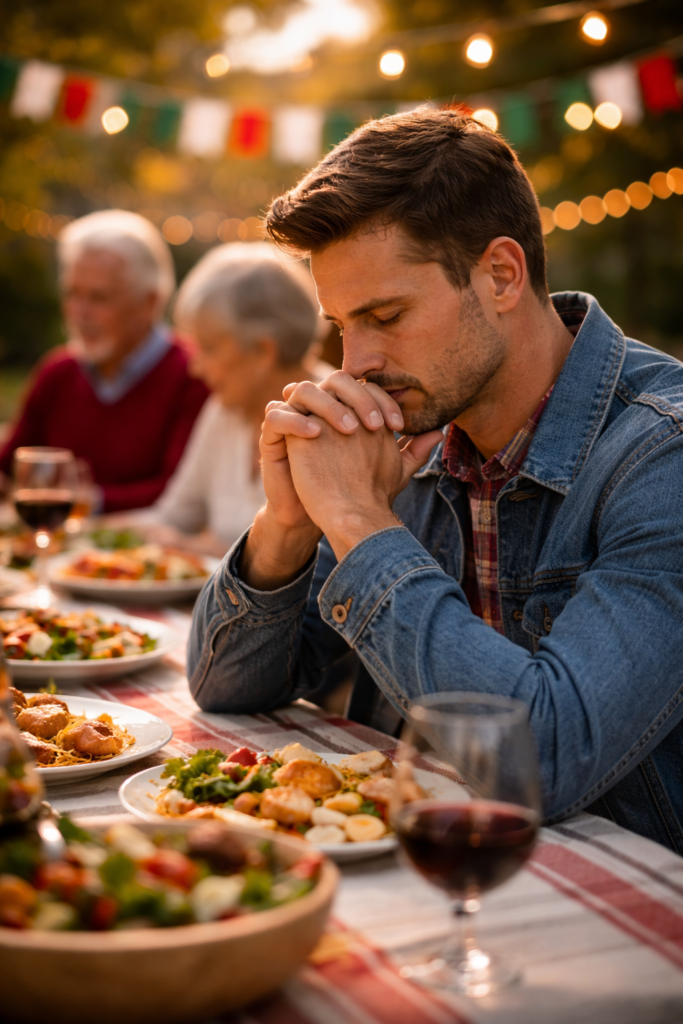
Gathering is one of the most meaningful ways people observe and connect with a day like Columbus Day, because it brings history, culture, and relationship into a shared, living experience. It is not simply about being in the same place—it is about intentionally coming together, setting aside the distractions of daily life, and creating space for connection, conversation, and reflection. At the heart of gathering is unity. Families and friends sit around the same table, share the same food, and participate in the same moment, reinforcing bonds that are often stretched by busy schedules and distance. It becomes a time to reconnect—not only with one another, but with heritage, tradition, and the stories that shape identity. Meals, laughter, and conversation become the threads that weave individuals into something stronger together than they are apart. Gathering also allows history to be experienced in a personal way. Rather than remaining abstract or distant, the meaning of the day is carried through storytelling, shared memories, and cultural expression. It is in these moments that traditions are passed down, values are reinforced, and a deeper understanding is formed—not through instruction alone, but through lived experience. There is also a sense of grounding that comes with gathering. In a world that moves quickly and often feels fragmented, coming together creates stability and presence. It reminds people of what is constant—family, community, and shared purpose. It provides a moment to pause, reflect, and appreciate both where one comes from and where one is going. Ultimately, gathering is about more than celebration—it is about connection. It transforms a historical observance into a meaningful, personal experience, where relationships are strengthened, identity is honored, and individuals are reminded that they are part of something enduring, supportive, and unified.

Columbus Day Traditions to Make Your Own

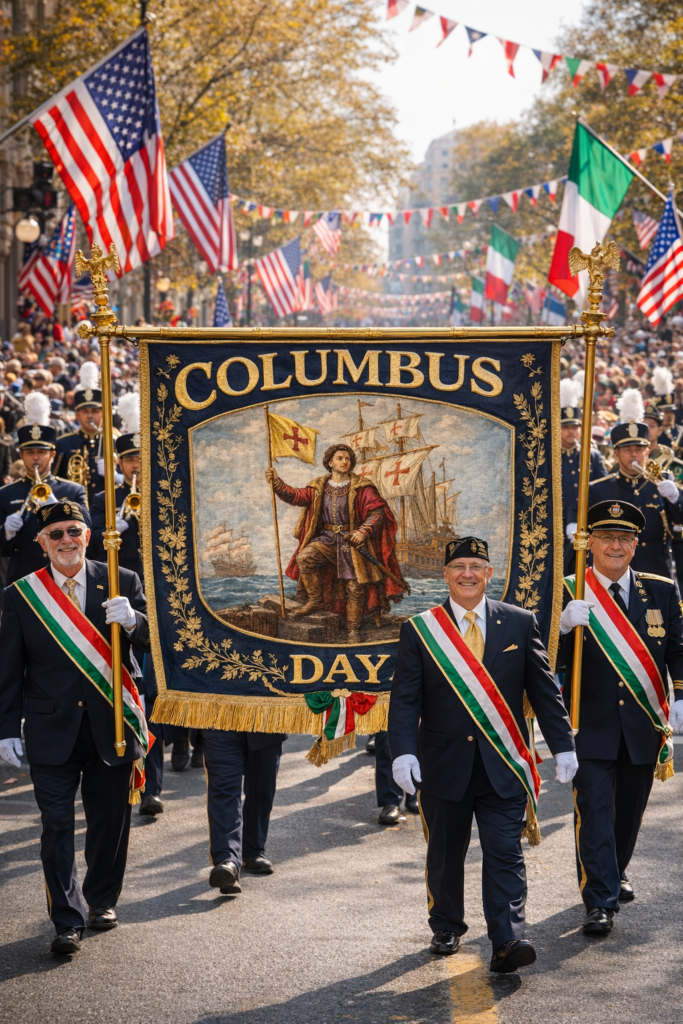
People attend parades because they offer a shared experience—an opportunity to step out of everyday routine and enter into something collective, visible, and celebratory. A parade brings people together in a way few other events do; it transforms streets into places of connection, where families, communities, and cultures gather side by side, united in a common moment. For many, attending a parade is about celebration and identity. It allows people to honor heritage, traditions, and history in a way that feels alive and tangible. Seeing flags, music, and coordinated movement creates a sense of pride and belonging—reminding individuals that they are part of something larger than themselves. It turns history into something experienced, not just remembered. There is also a sense of joy and anticipation that draws people in. The rhythm of marching bands, the color of banners, and the energy of performers create an atmosphere that is uplifting and engaging. For families especially, parades become meaningful memories—moments of excitement, togetherness, and shared enjoyment. At a deeper level, parades represent unity in motion. Different groups, backgrounds, and perspectives come together in a single procession, reflecting cooperation and collective expression. Whether someone attends for celebration, reflection, or simply enjoyment, the parade becomes a space where people can connect—to each other, to tradition, and to the spirit of the occasion. Ultimately, people attend parades because they offer more than entertainment—they offer connection, identity, and a moment of shared meaning that brings individuals into alignment with a broader community and purpose.
Parades and Public Celebrations
Many cities host parades featuring marching bands, cultural groups, and community organizations. These events often highlight Italian-American heritage, honoring the background of Christopher Columbus while bringing communities together in a festive and spirited atmosphere.

Cultural Festivals and Heritage Events
Columbus Day is frequently marked by festivals that celebrate Italian culture through food, music, art, and history. These gatherings emphasize tradition, family, and identity, offering a way for communities to share and preserve their cultural roots.

Educational Activities and Historical Reflection
Schools, museums, and organizations may hold lessons, exhibits, or discussions about Columbus’s voyage and its impact. In recent years, this has expanded to include broader perspectives—encouraging understanding of both exploration and its effects on Indigenous peoples.

Observance of Indigenous Peoples’ Day (in some areas)
In many places, Columbus Day is also recognized as Indigenous Peoples’ Day. This tradition focuses on honoring the history, culture, and contributions of Native American communities, creating space for reflection, respect, and a more complete telling of history.

Family Gatherings and Meals
Like many holidays, it is a time for families to come together. Meals may include traditional Italian dishes or seasonal foods, emphasizing connection, gratitude, and shared time.

Community Service and Reflection
Some individuals and groups choose to observe the day through acts of service or personal reflection—considering the lessons of history and how they can contribute to a more thoughtful and unified future.

A Prayer for Columbus Day

Heavenly Father,
on this day of remembrance and reflection, we come before You with grateful hearts. We thank You for the spirit of courage, discovery, and perseverance that has shaped the course of history and opened paths that were once unknown. Help us to recognize both the strength and the responsibility that come with such moments, and to carry that awareness with humility and wisdom.
Lord, guide us to seek truth in all things. Where history is complex, grant us understanding. Where there has been hardship, lead us toward compassion and healing. Teach us to honor the dignity of all people, to respect the stories that came before us, and to move forward with integrity and care for one another.
Bless our families and our communities as we gather together. May our conversations be meaningful, our hearts be open, and our actions reflect unity and respect. Let this day not only remind us of the past, but shape how we live in the present—choosing kindness, pursuing truth, and building a future rooted in justice and understanding.
Strengthen us, Lord, to walk with purpose. Help us to use the opportunities before us wisely, to lead with clarity, and to contribute to a world that reflects Your truth and light.
We place this day in Your hands, trusting in Your guidance and grace.
Amen.
We pray on a day like Columbus Day because it brings reflection into alignment with purpose. It is easy to remember history in a surface-level way, but prayer invites us to go deeper—to consider not only what happened, but what it means for how we live today. It becomes a moment to step out of routine and intentionally seek wisdom, clarity, and guidance. Prayer also helps us approach history with the right posture. Columbus Day carries both elements of courage and complexity, and prayer allows us to hold both with humility. It opens the heart to gratitude for progress and discovery, while also cultivating compassion, understanding, and respect for those who were affected along the way. Rather than reacting or overlooking, prayer centers us—helping us respond thoughtfully and truthfully. There is also a personal dimension. Through prayer, individuals ask for direction in their own lives—to move forward with integrity, to make decisions rooted in truth, and to carry themselves with strength and awareness. It becomes less about the past alone and more about who we are becoming in the present. Finally, we pray because it connects us to something greater than ourselves. It reminds us that while history is shaped by human action, our response to it can be guided by higher wisdom. Prayer becomes the bridge between remembrance and responsibility—helping us take what we acknowledge and turn it into how we live, lead, and treat others moving forward.

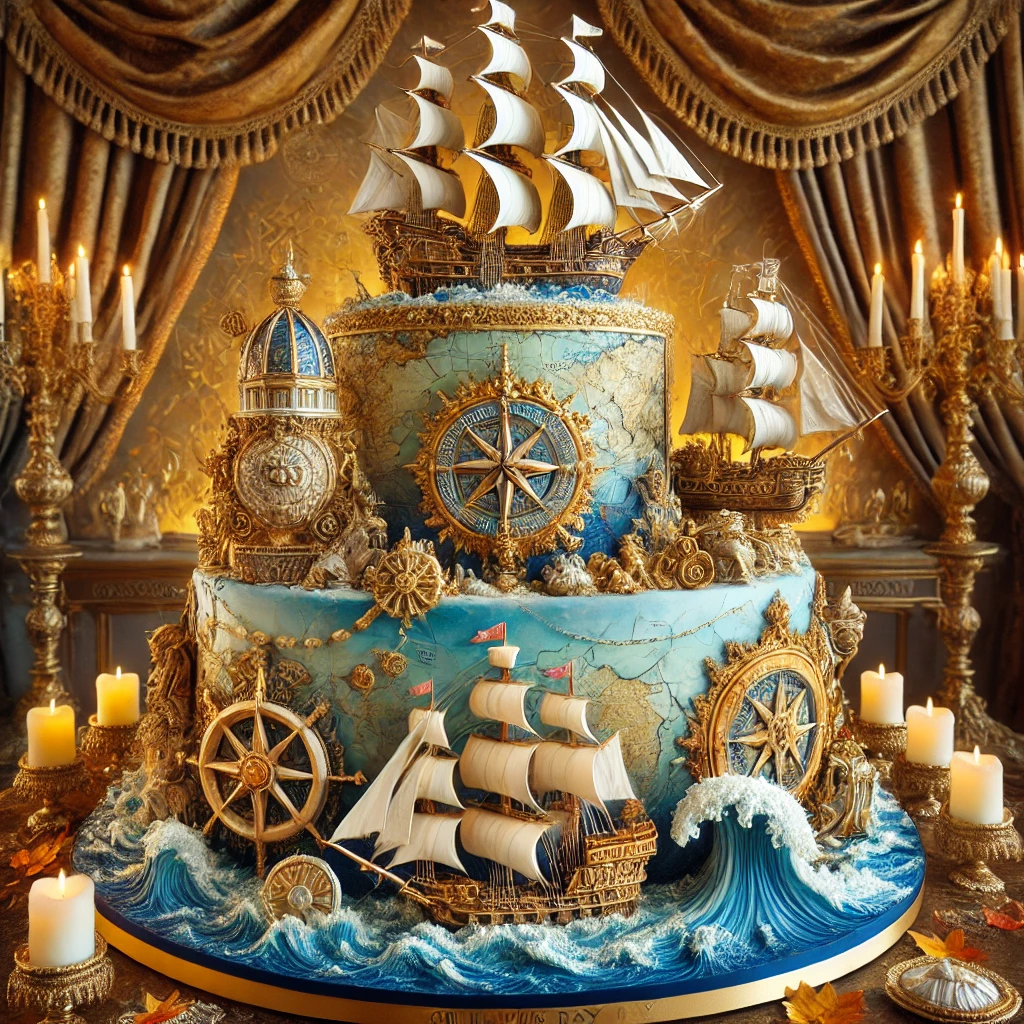
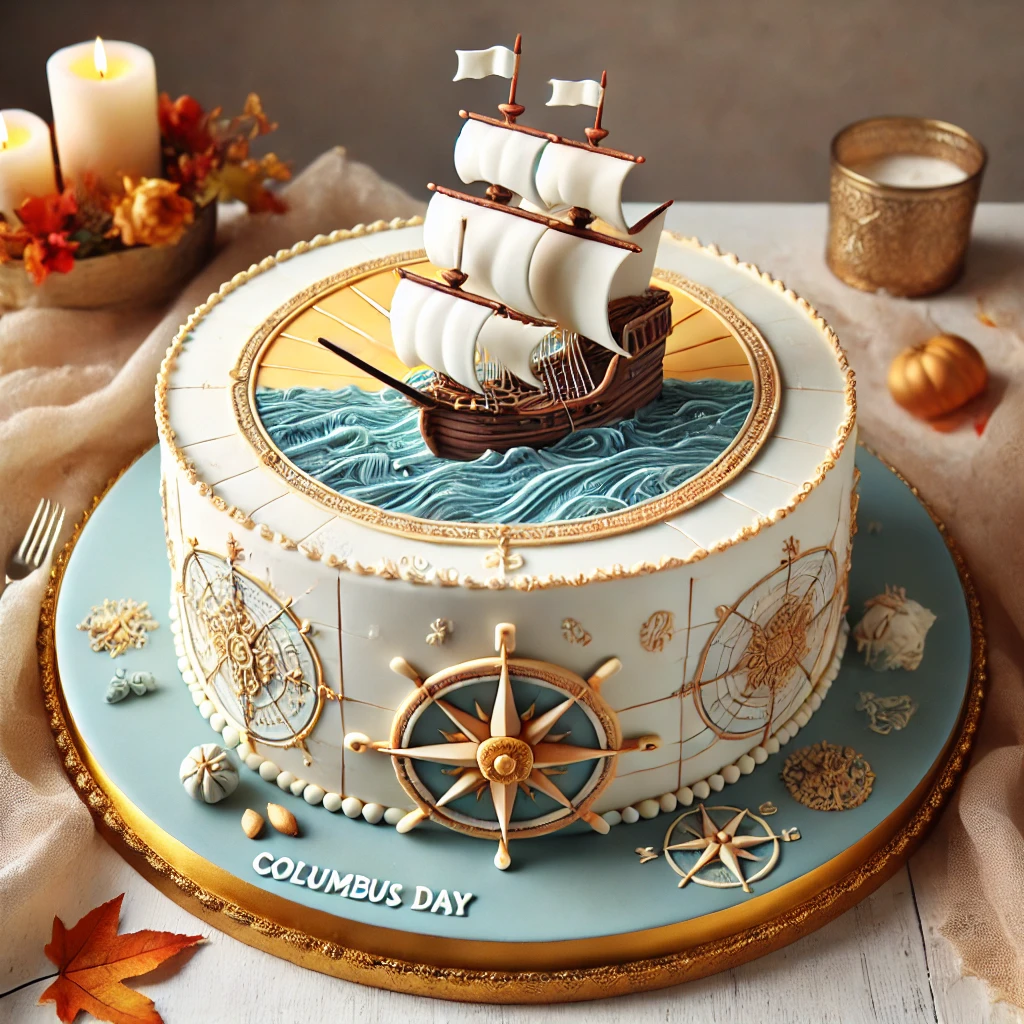
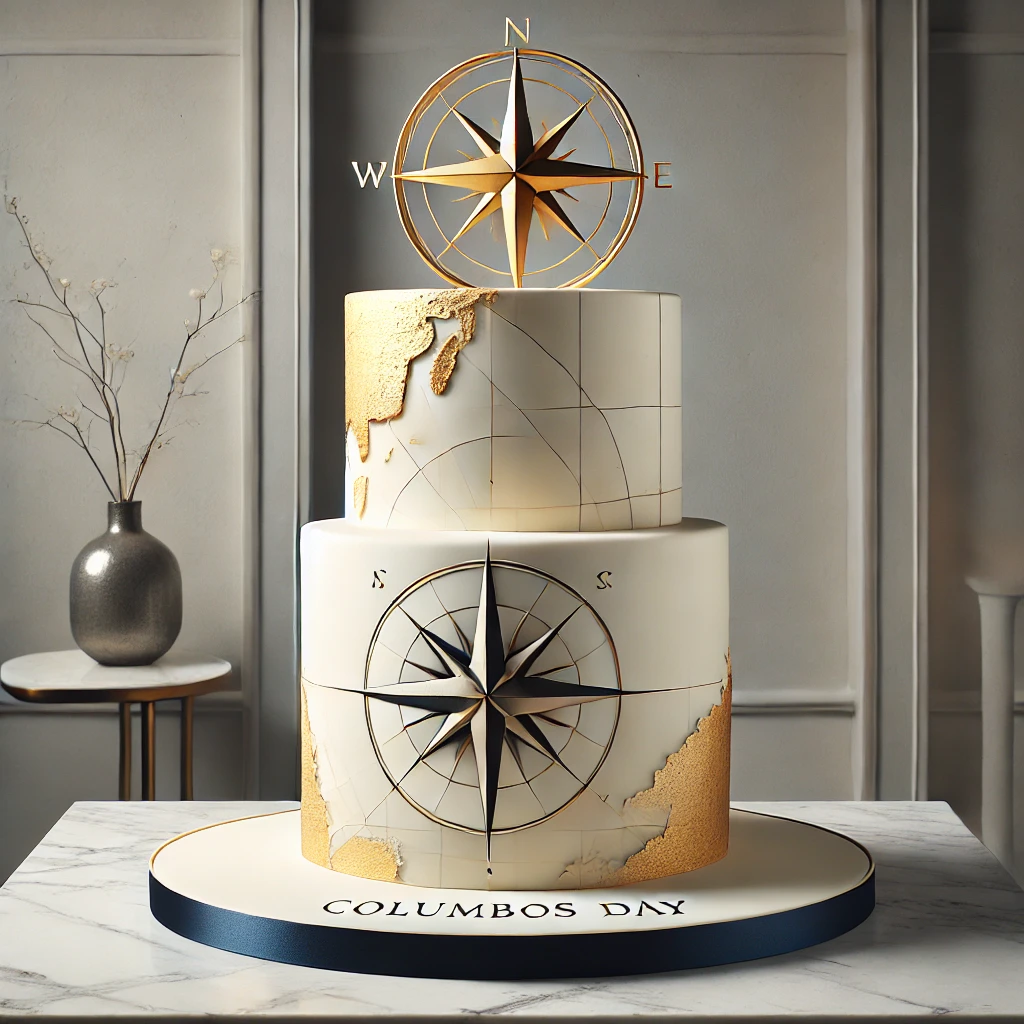
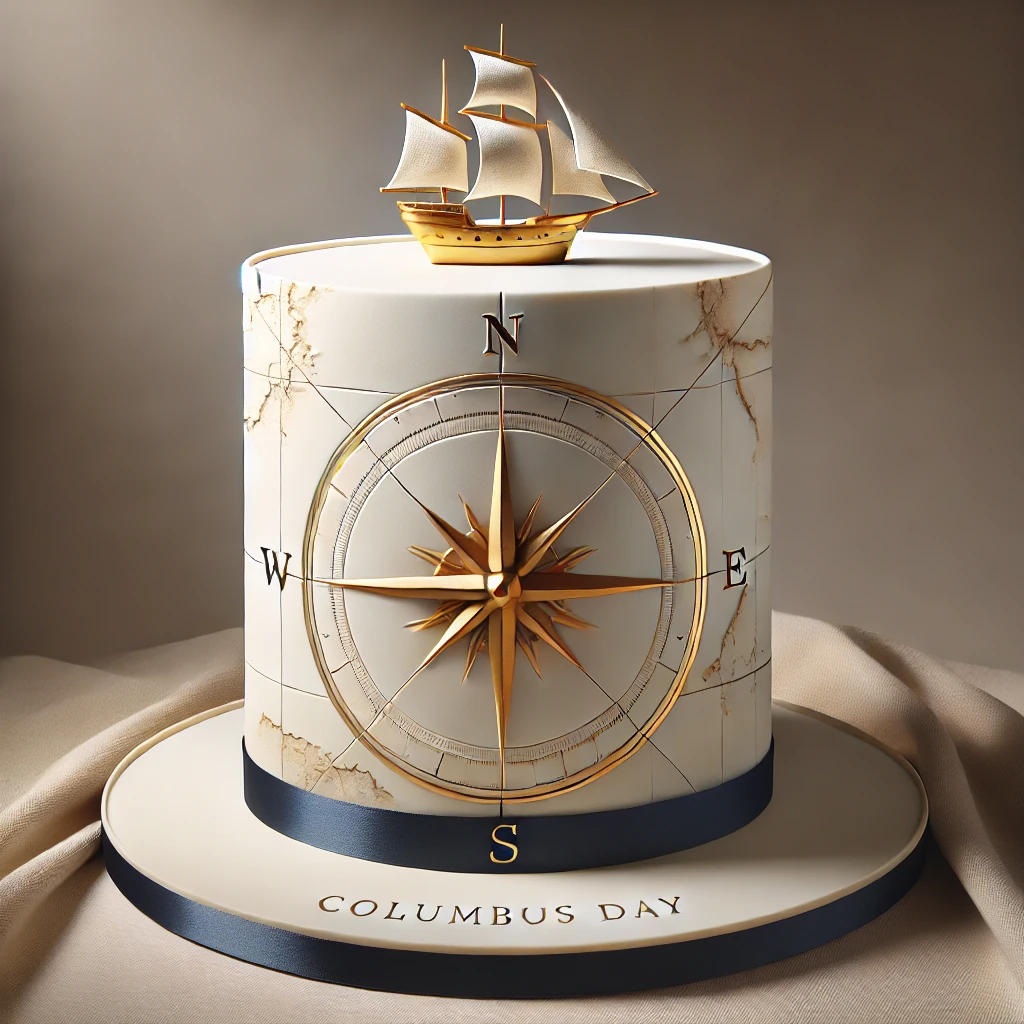
Columbus Day Cake & Atmosphere Ideas

Where style, memory, and celebration meet.

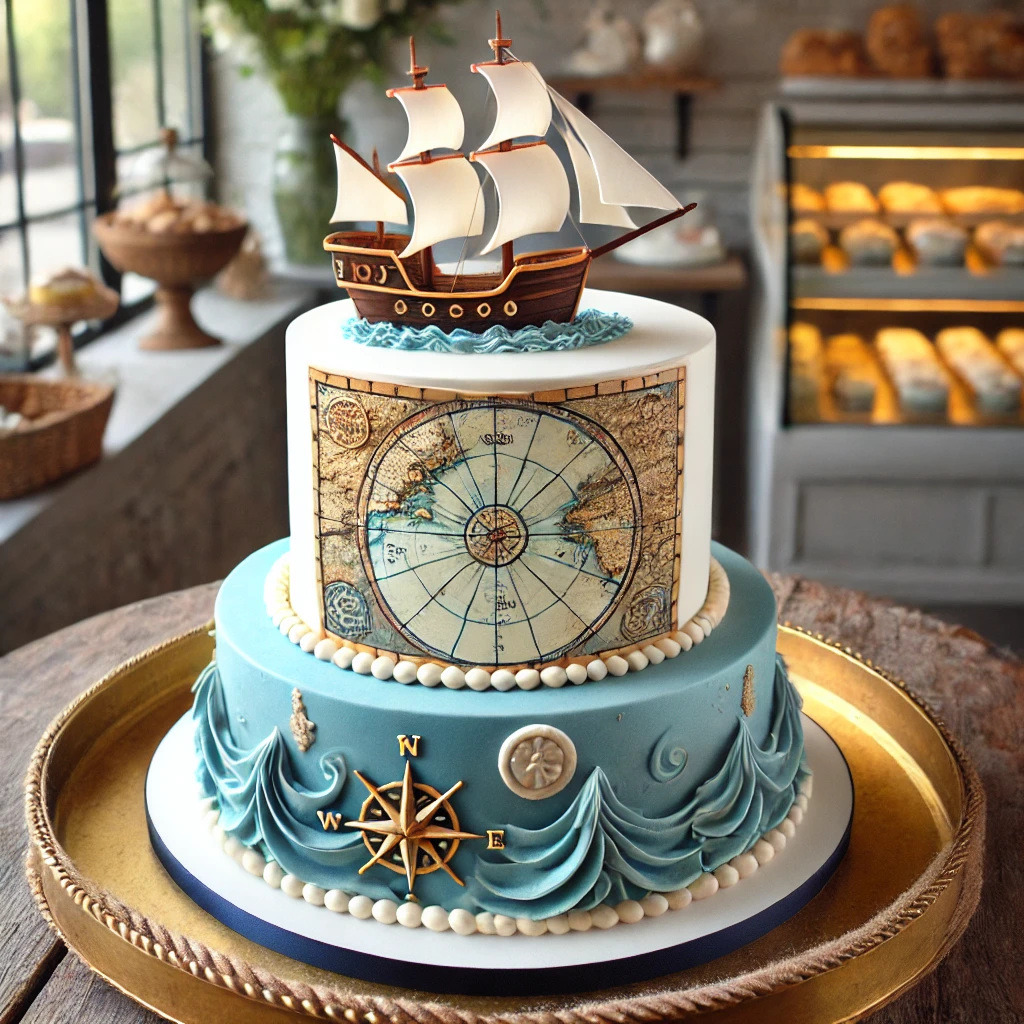
This section is meant to be more than Cake Decorating Ideas… it’s designed to spark inspiration and creativity, awaken tradition, and infuse your special occasions with style, identity, and atmosphere. A color palette becomes a theme. A design becomes a mood. Simple details—like sugared holly leaves or shimmering stars—can set the tone for a gathering and become part of cherished traditions and lasting memories melded with personal touch and love.

Traditional Columbus Day Dishes

Classic Italian Lasagna
Layered with rich meat sauce, creamy ricotta, and perfectly melted cheeses, lasagna serves as a centerpiece dish that reflects Italian heritage and tradition. Its depth of flavor and structure symbolize the layering of history, culture, and family.

Chicken Parmesan
Crispy breaded chicken topped with marinara and melted mozzarella offers both comfort and bold flavor. This dish represents the blending of tradition and adaptation—rooted in Italian cuisine while embraced widely in American culture.

Garlic Herb Focaccia Bread
Soft, golden focaccia infused with olive oil, garlic, and herbs provides a simple yet elegant addition to the table. It reflects the importance of bread in shared meals—symbolizing unity, sustenance, and togetherness.

Caprese Salad
Fresh tomatoes, mozzarella, and basil arranged with a drizzle of olive oil create a dish that is both vibrant and balanced. Its colors subtly echo the Italian flag, while its simplicity highlights quality ingredients and natural flavor.

Sausage and Peppers
Savory Italian sausage sautéed with sweet bell peppers and onions delivers bold, hearty flavor. This dish is often associated with street festivals and celebrations, bringing an energetic and communal feel to the meal.

Pasta with Olive Oil and Garlic (Aglio e Olio)
A simple yet refined pasta dish that emphasizes purity of ingredients—olive oil, garlic, and a touch of spice. It reflects the idea that strength and richness do not always require complexity, but intention and balance.

Tiramisu
This elegant dessert, layered with espresso-soaked ladyfingers and mascarpone cream, brings a refined sweetness to the table. Its name, meaning “lift me up,” aligns beautifully with the celebratory and uplifting nature of the day.

Italian Wedding Cookies (Powdered Sugar Cookies)
Light, buttery cookies dusted in powdered sugar offer a delicate finish. They symbolize celebration, joy, and the sweetness found in gathering and shared moments.

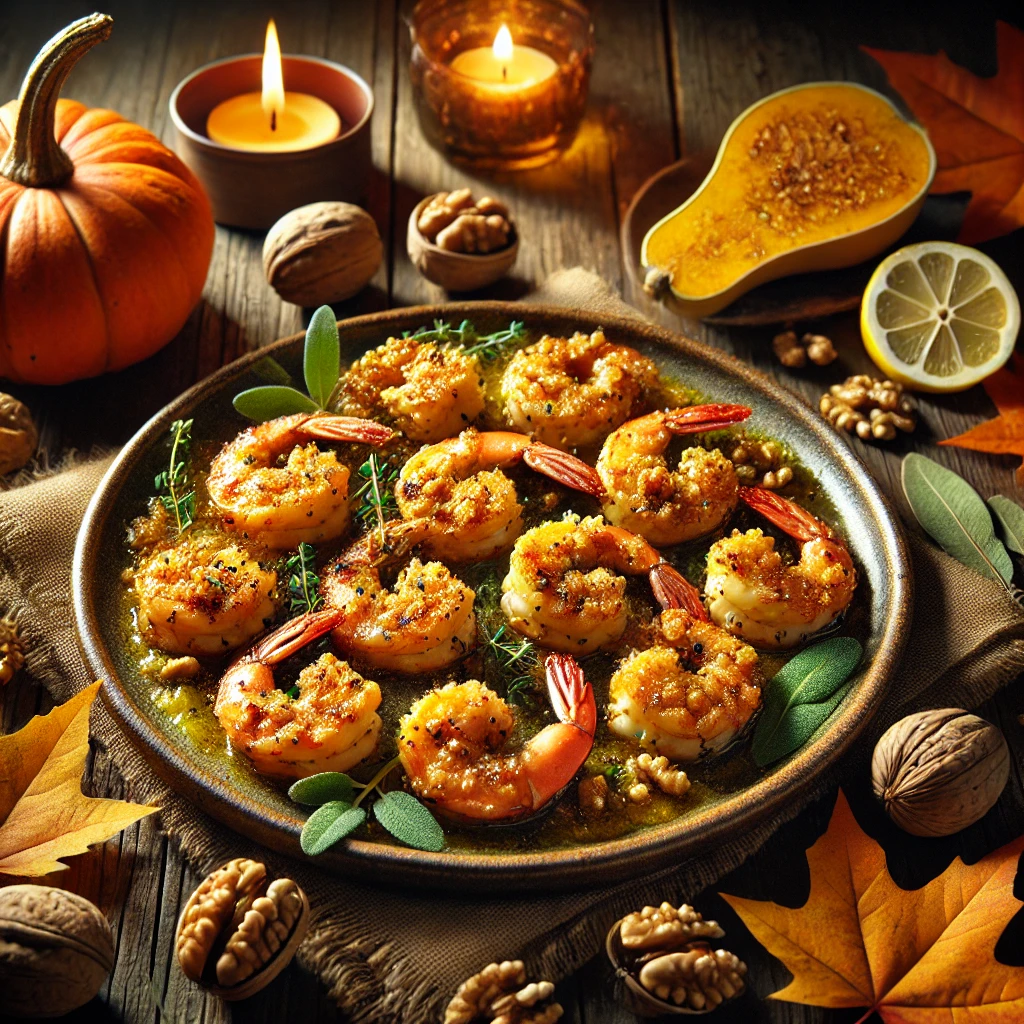
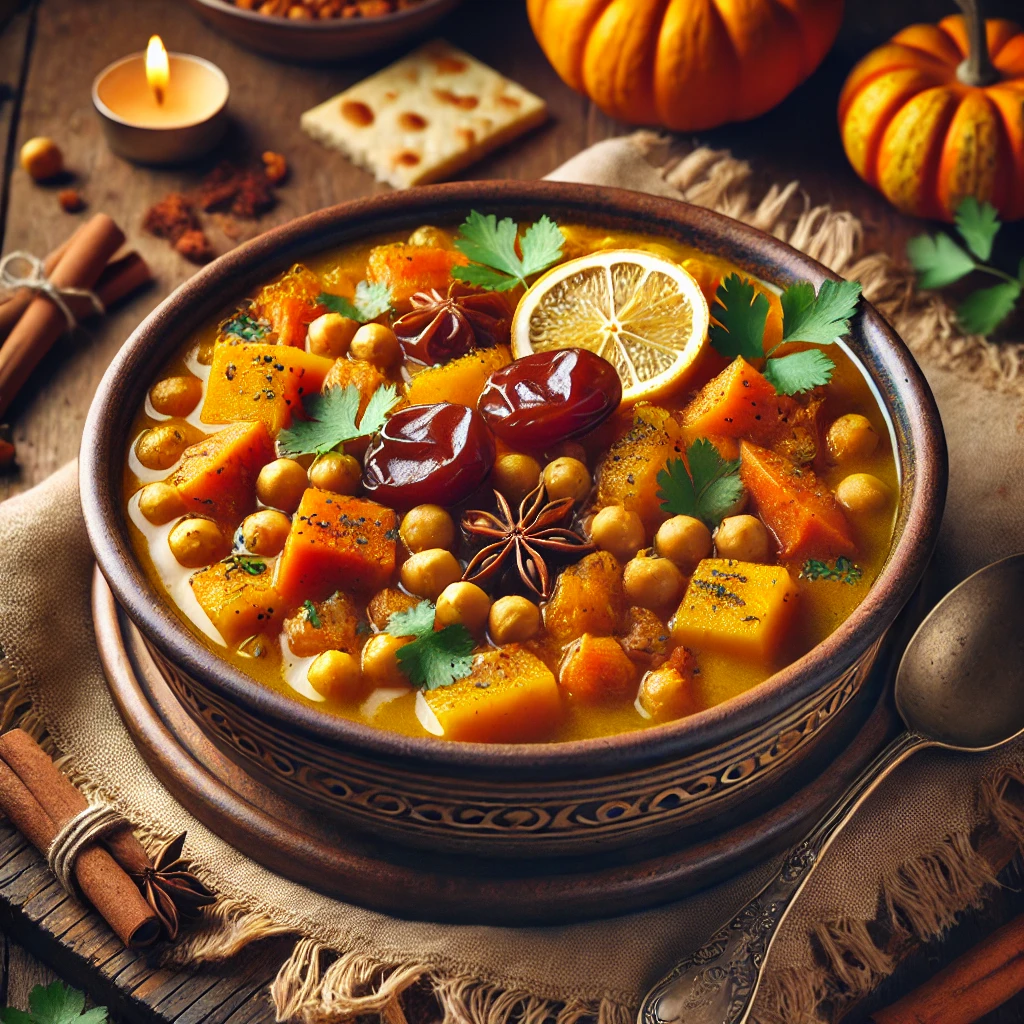
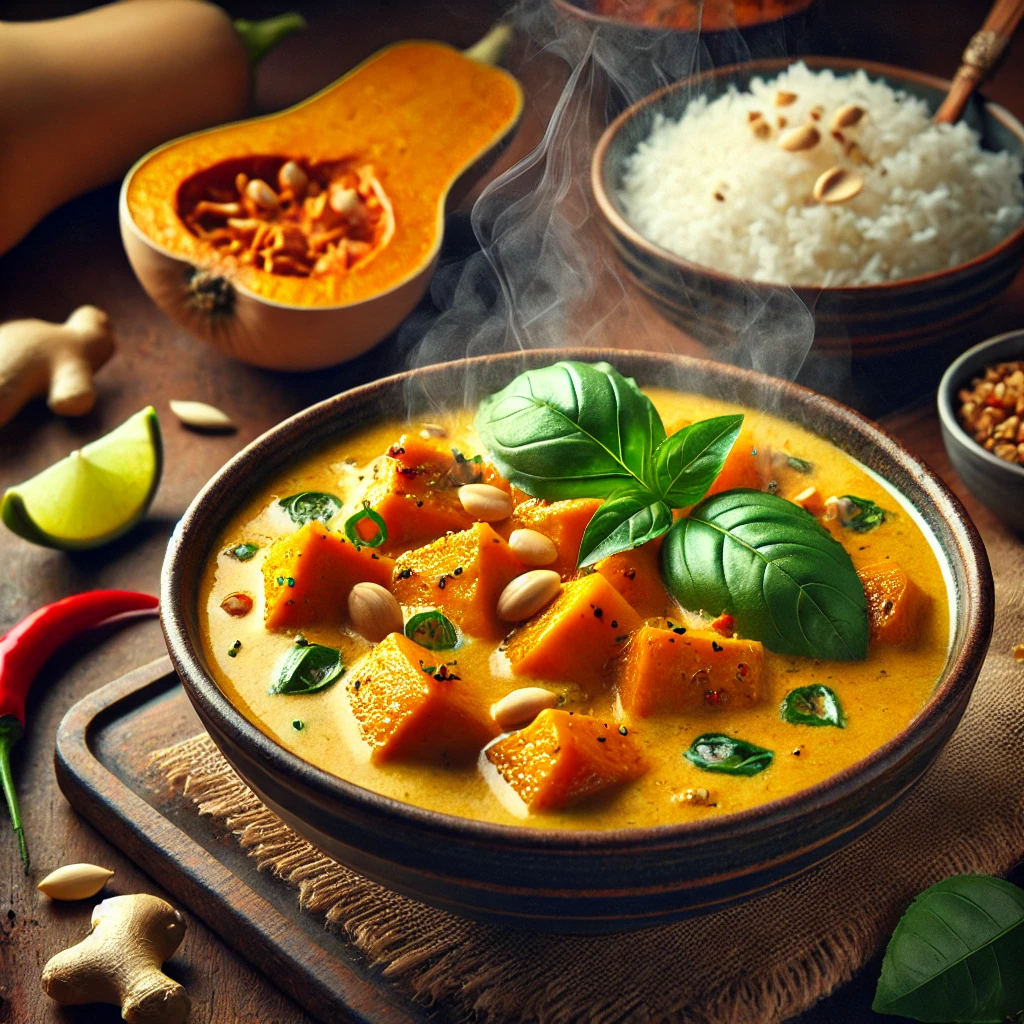
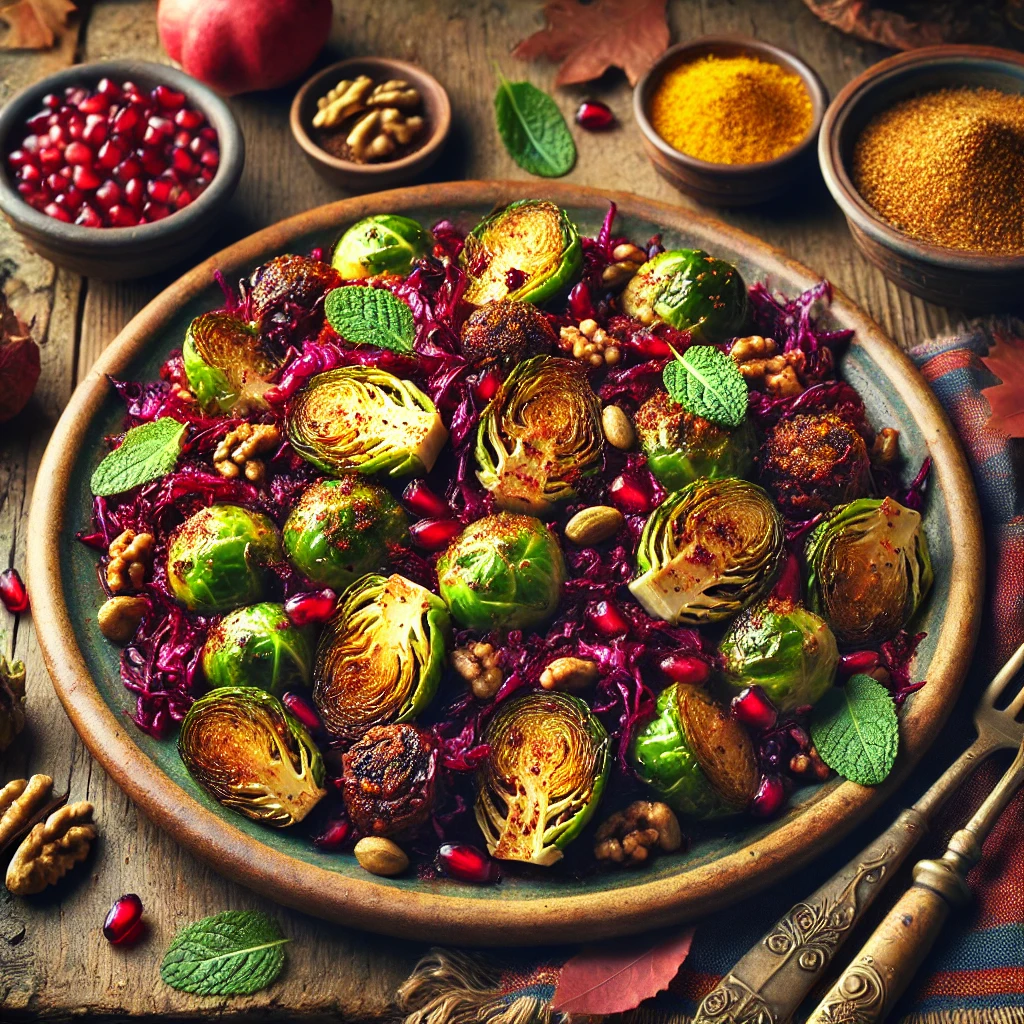
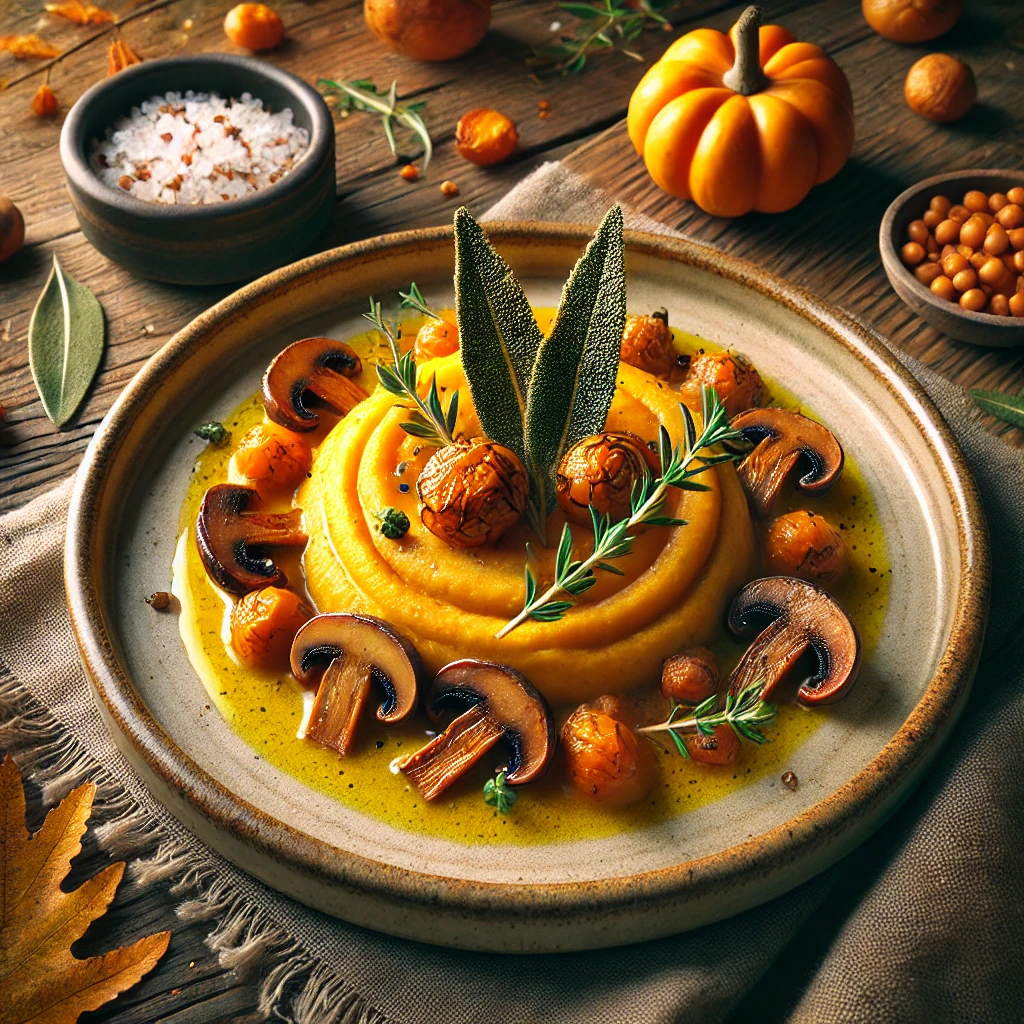
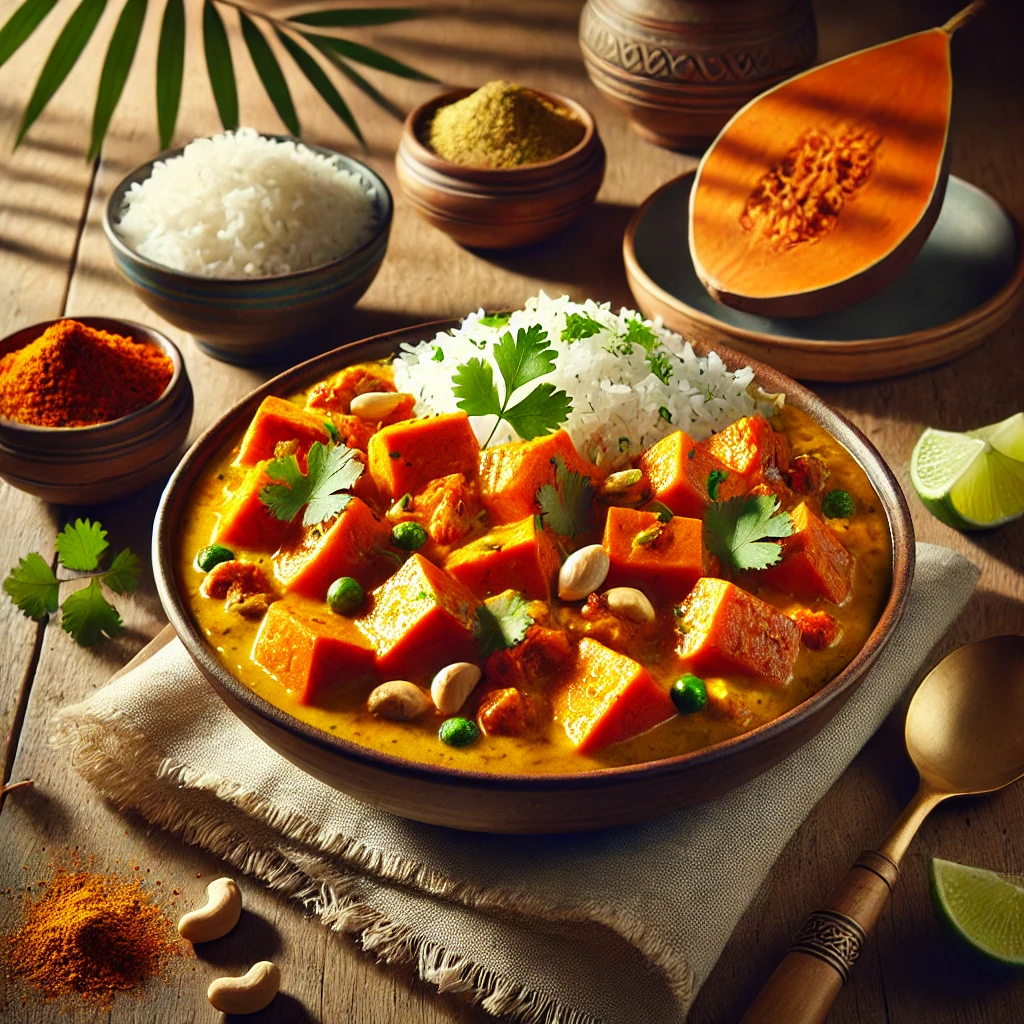
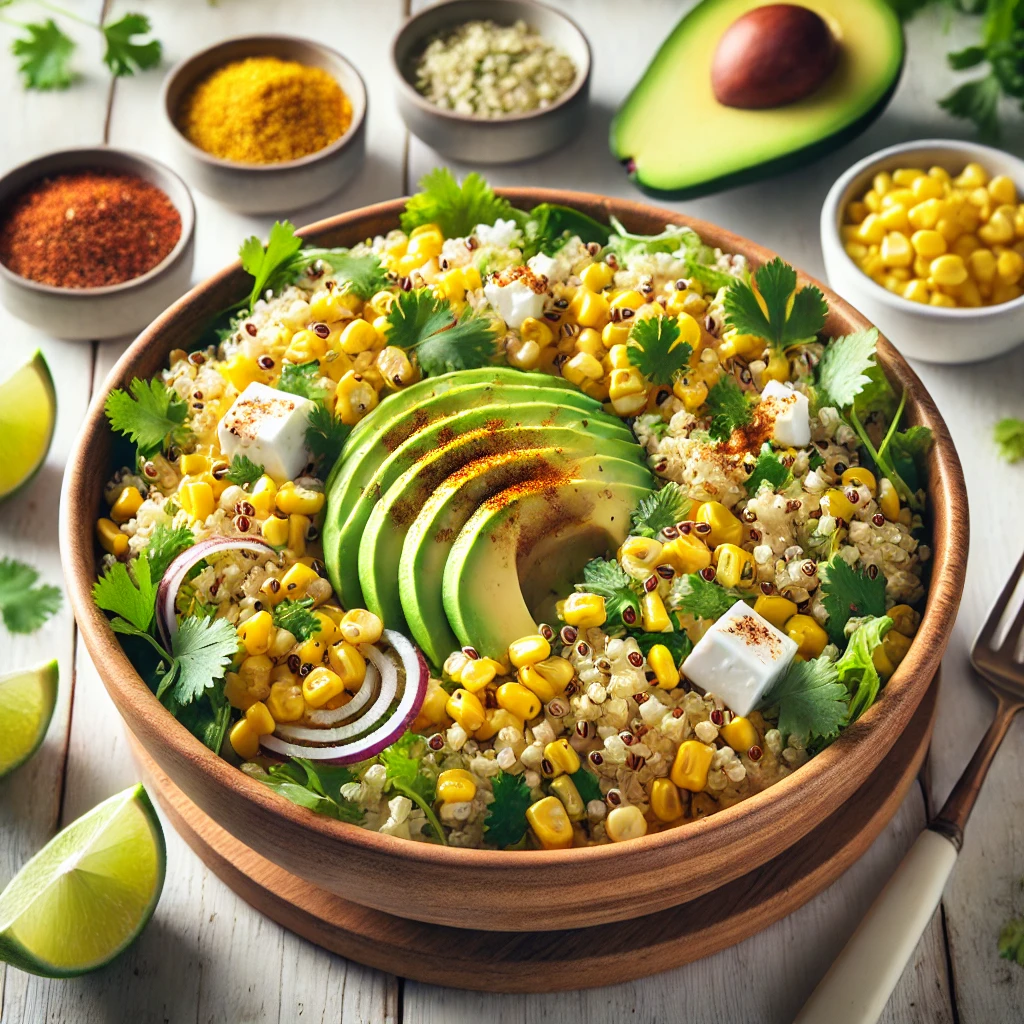
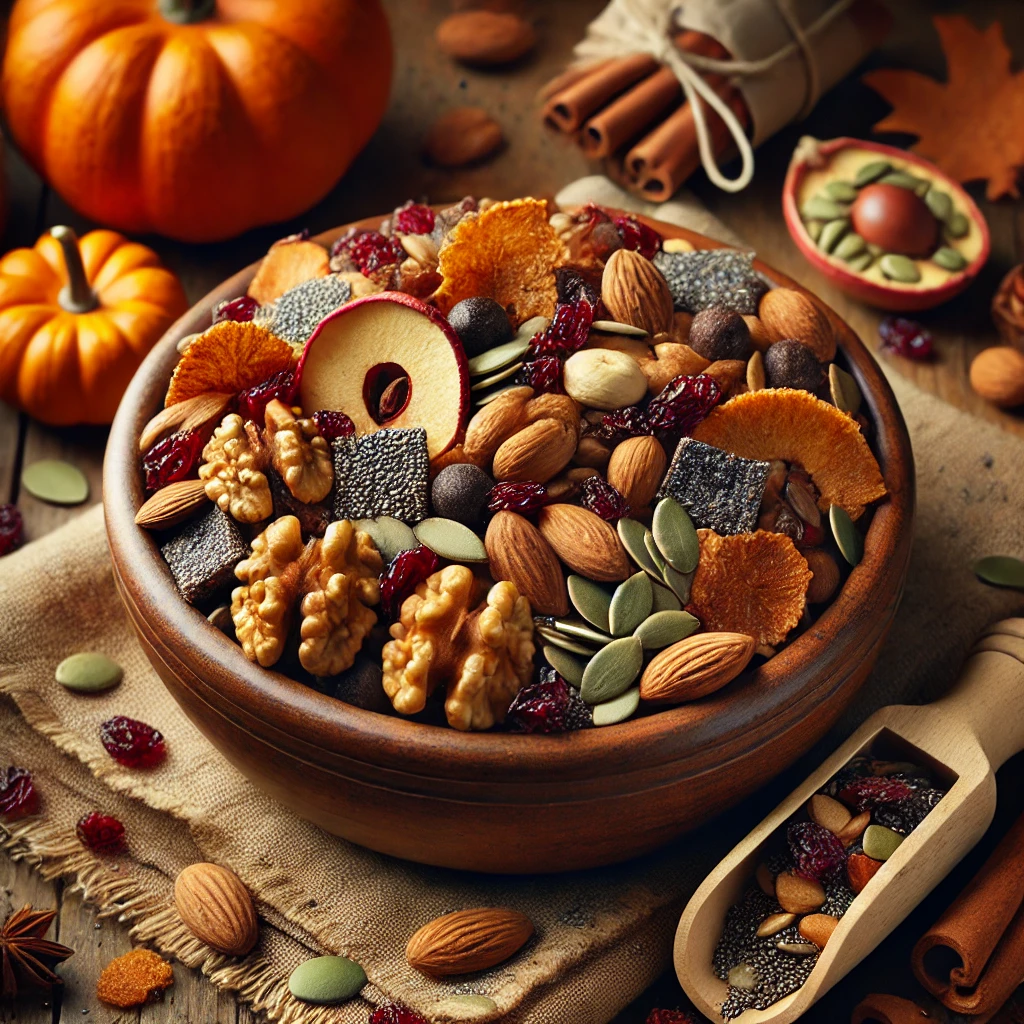
Recipes Engineered for that Autumn Glow