St. Padre Pio's Day
with ORO VALENTIO
September 23
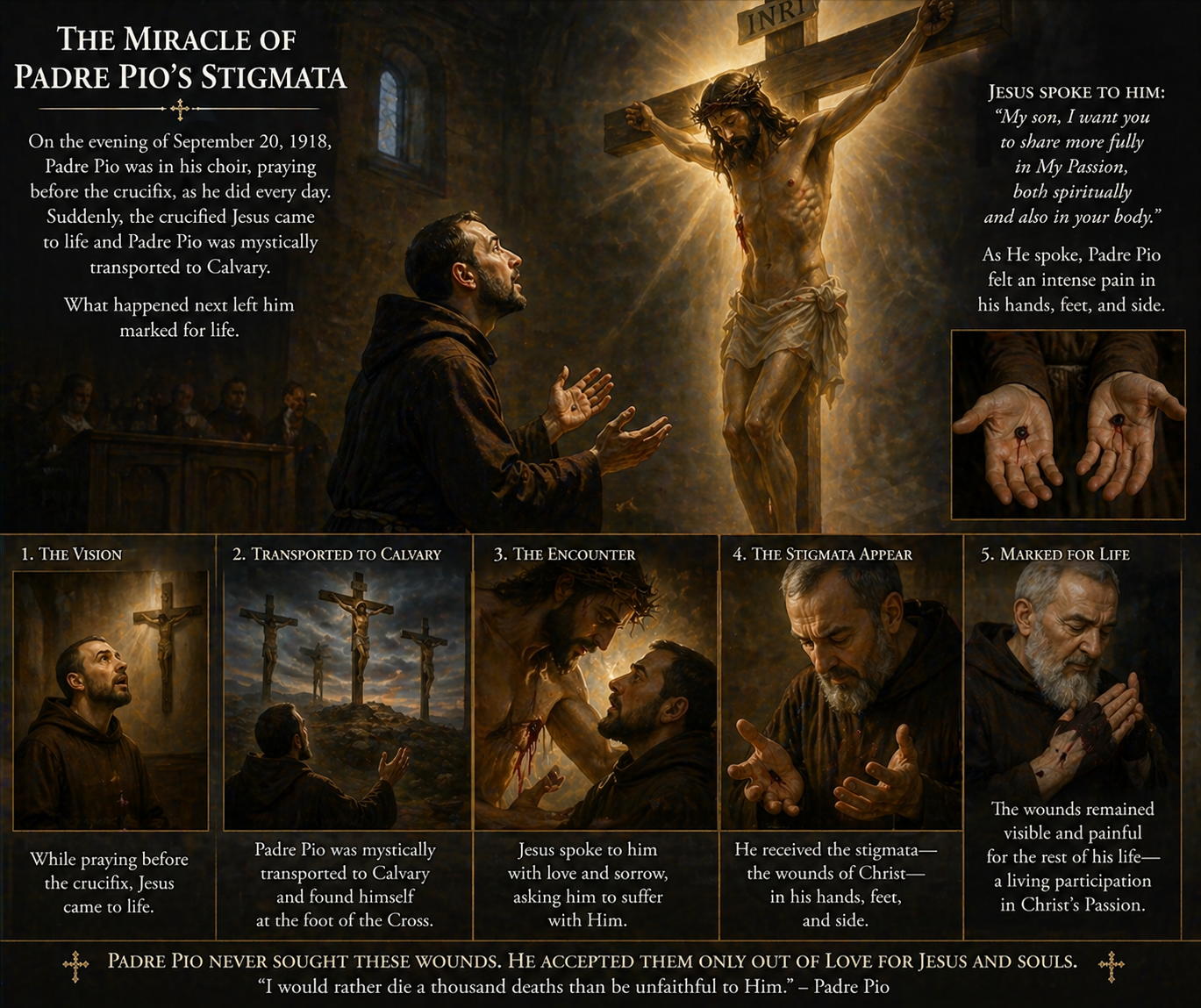
Saint Padre Pio of Pietrelcina (1887–1968) was a Capuchin friar, priest, mystic, and one of the most beloved saints of the modern era. Known for his profound union with Jesus Christ, Padre Pio devoted his life to prayer, sacrifice, and the salvation of souls. His spirituality was deeply rooted in the Passion of Christ, a reality made visible through the stigmata—the wounds corresponding to those of Christ’s Crucifixion—which he bore for fifty years.
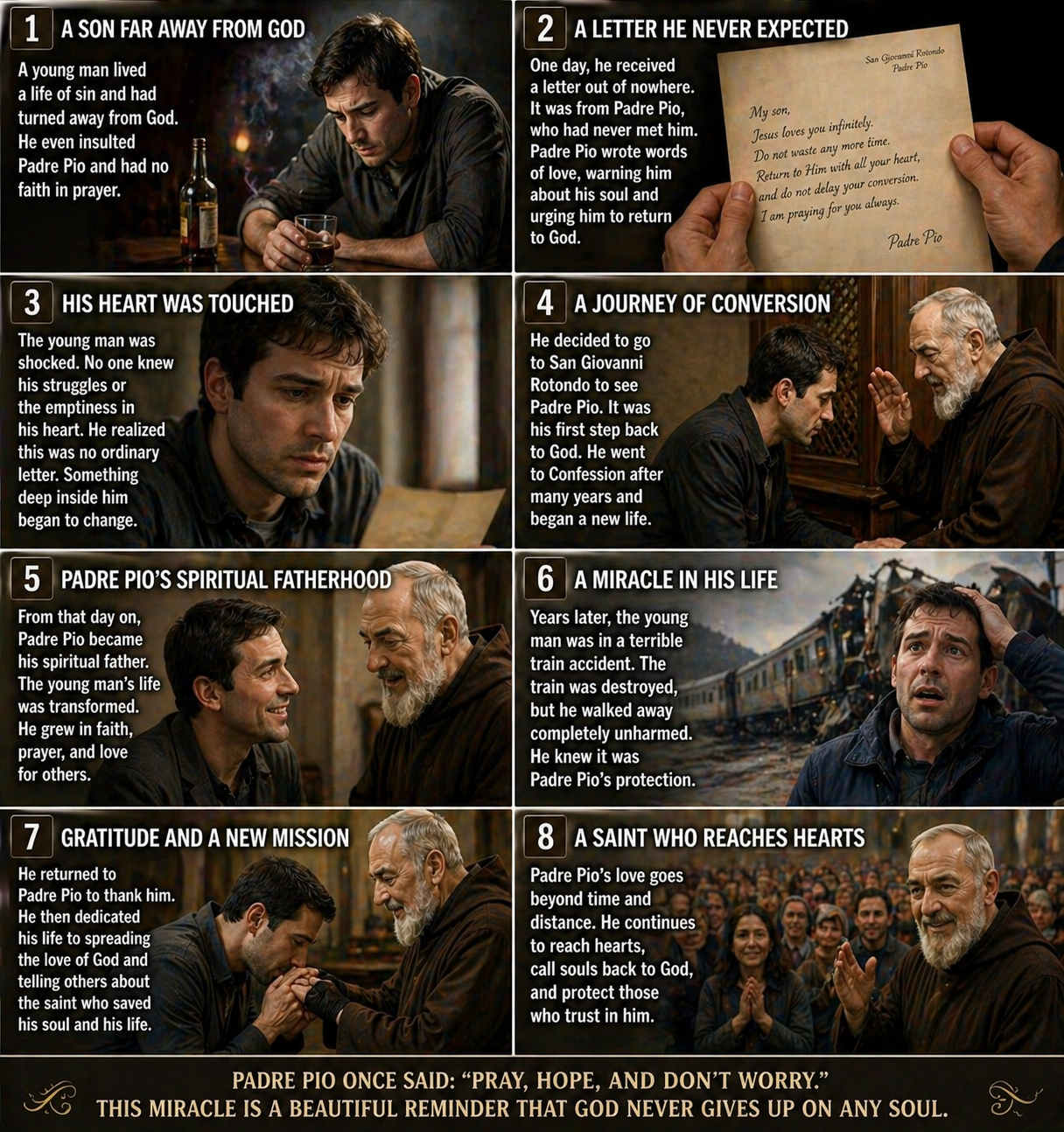
Born Francesco Forgione in Pietrelcina, Italy, Padre Pio entered the Capuchin Order at a young age and was ordained a priest in 1910. Throughout his priestly ministry, he demonstrated an extraordinary love for the Holy Eucharist and the Sacrament of Reconciliation. He spent countless hours hearing confessions, often discerning the spiritual needs of penitents with remarkable clarity and helping bring innumerable souls back to God through repentance and conversion.
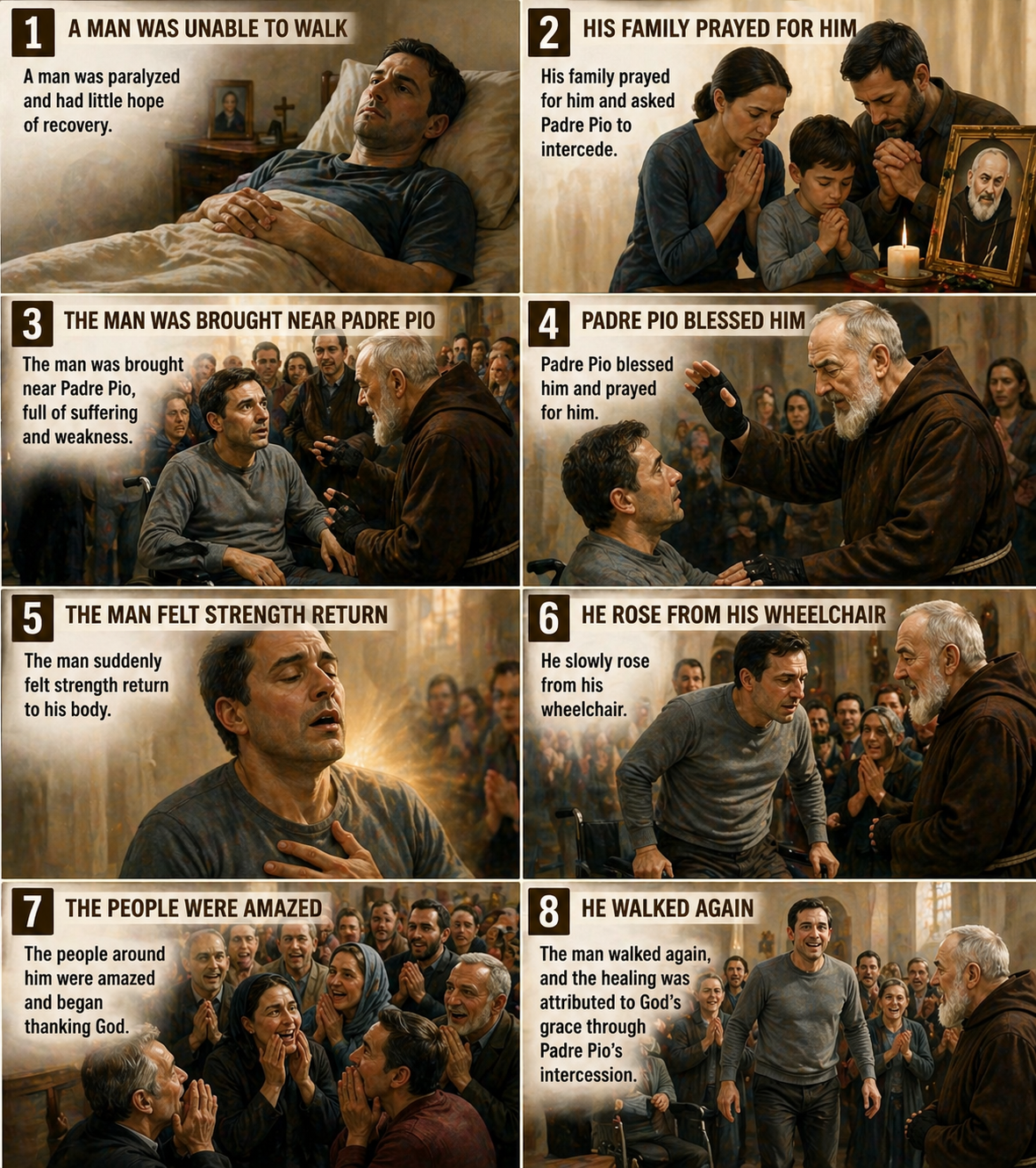
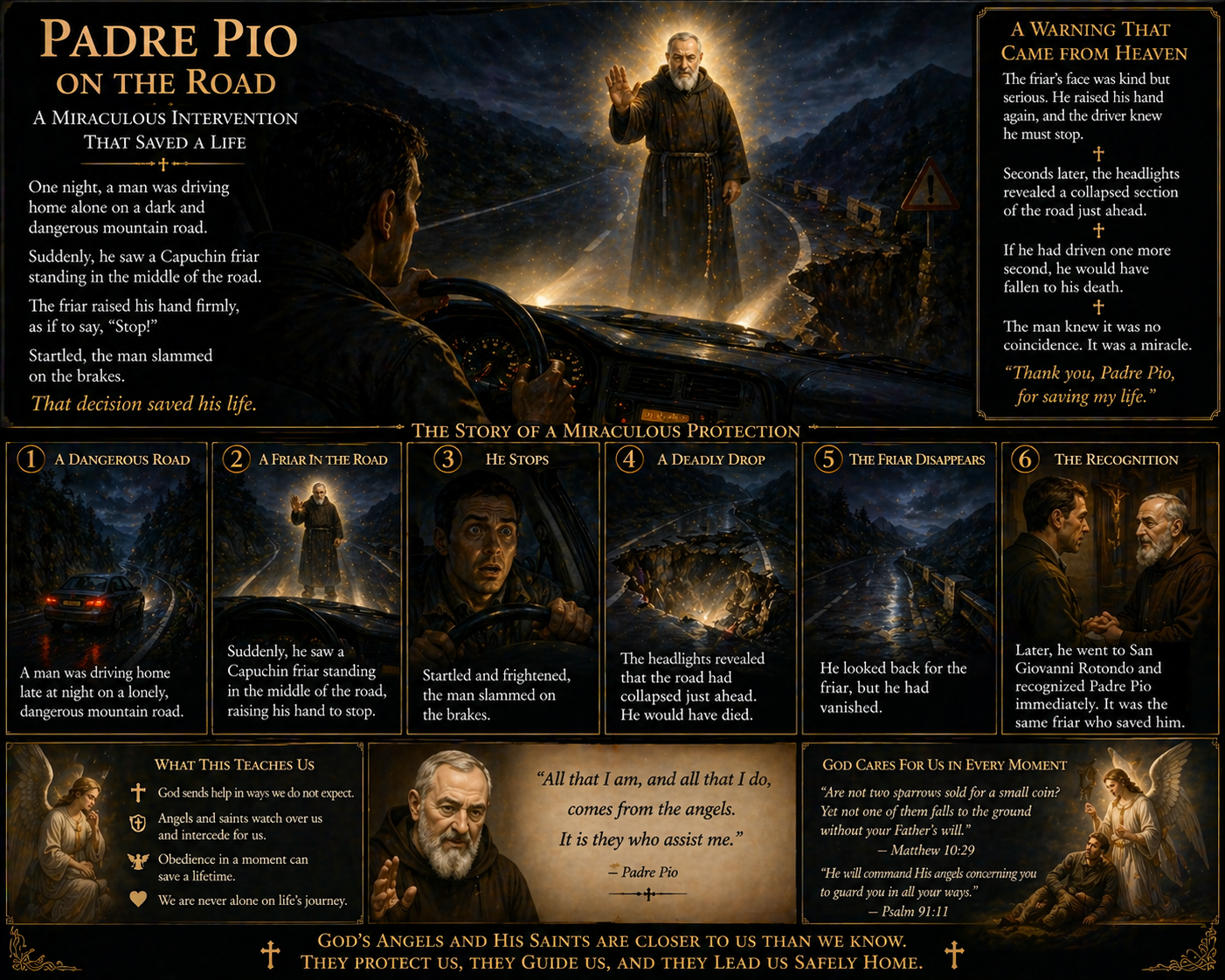
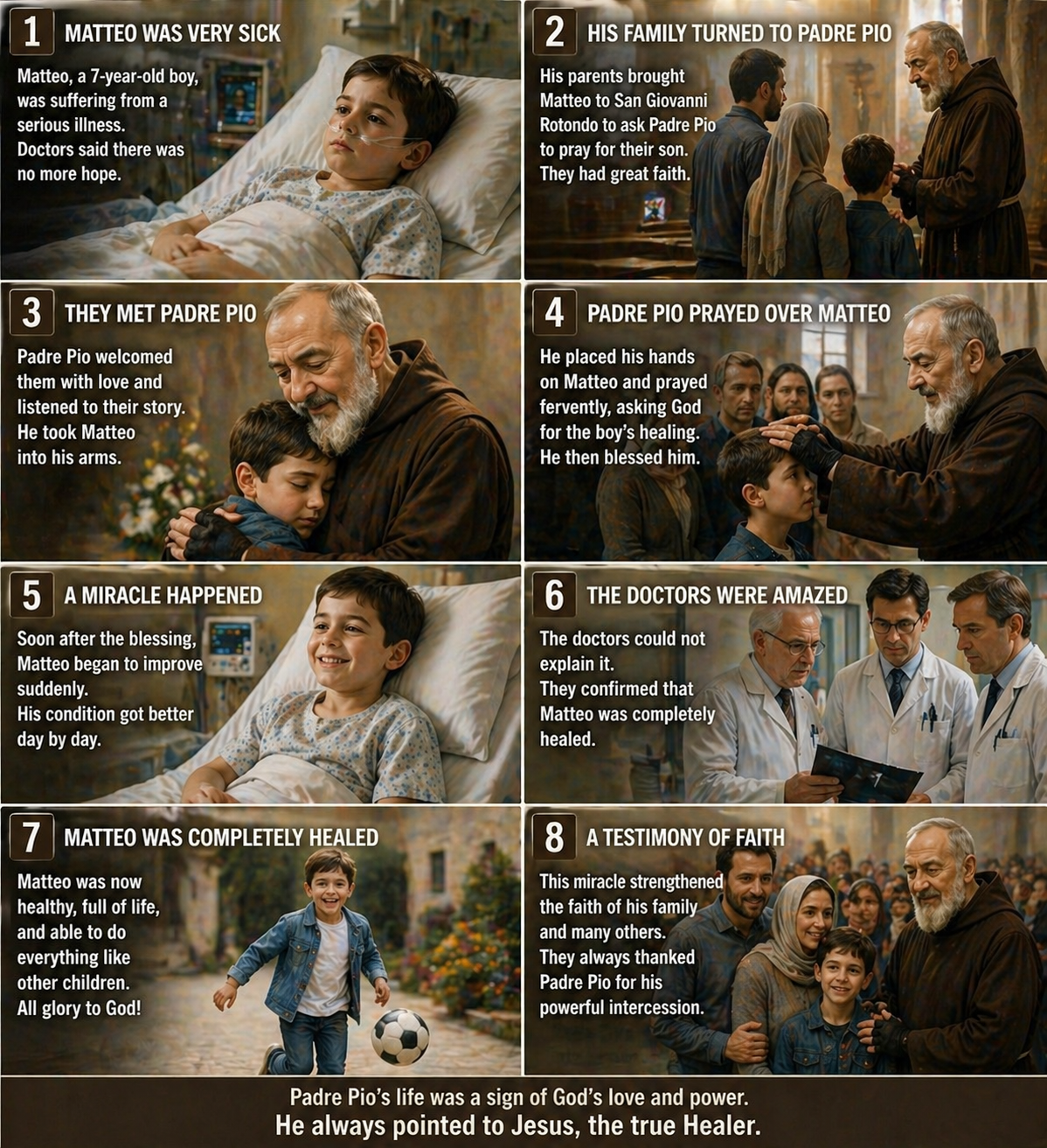
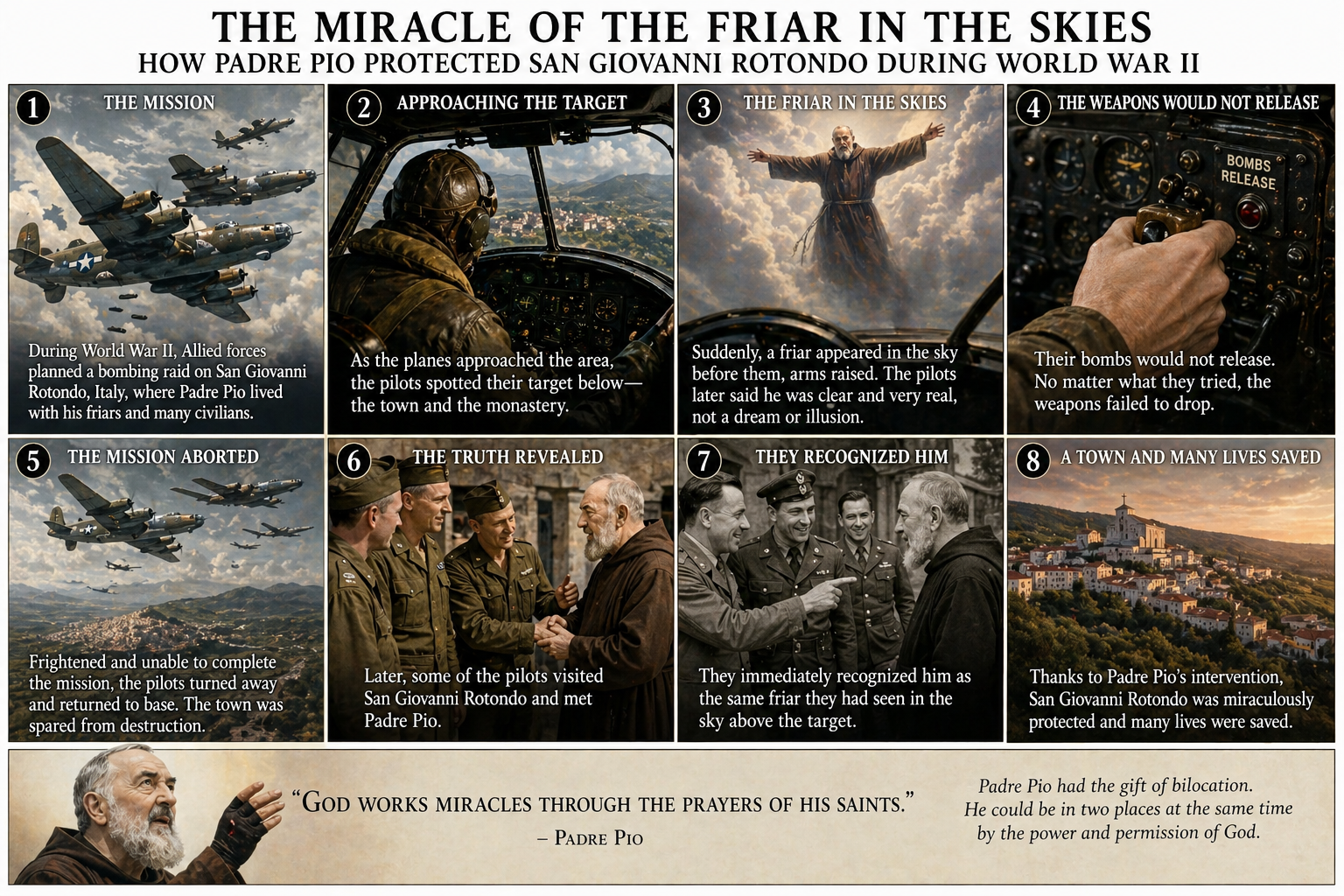
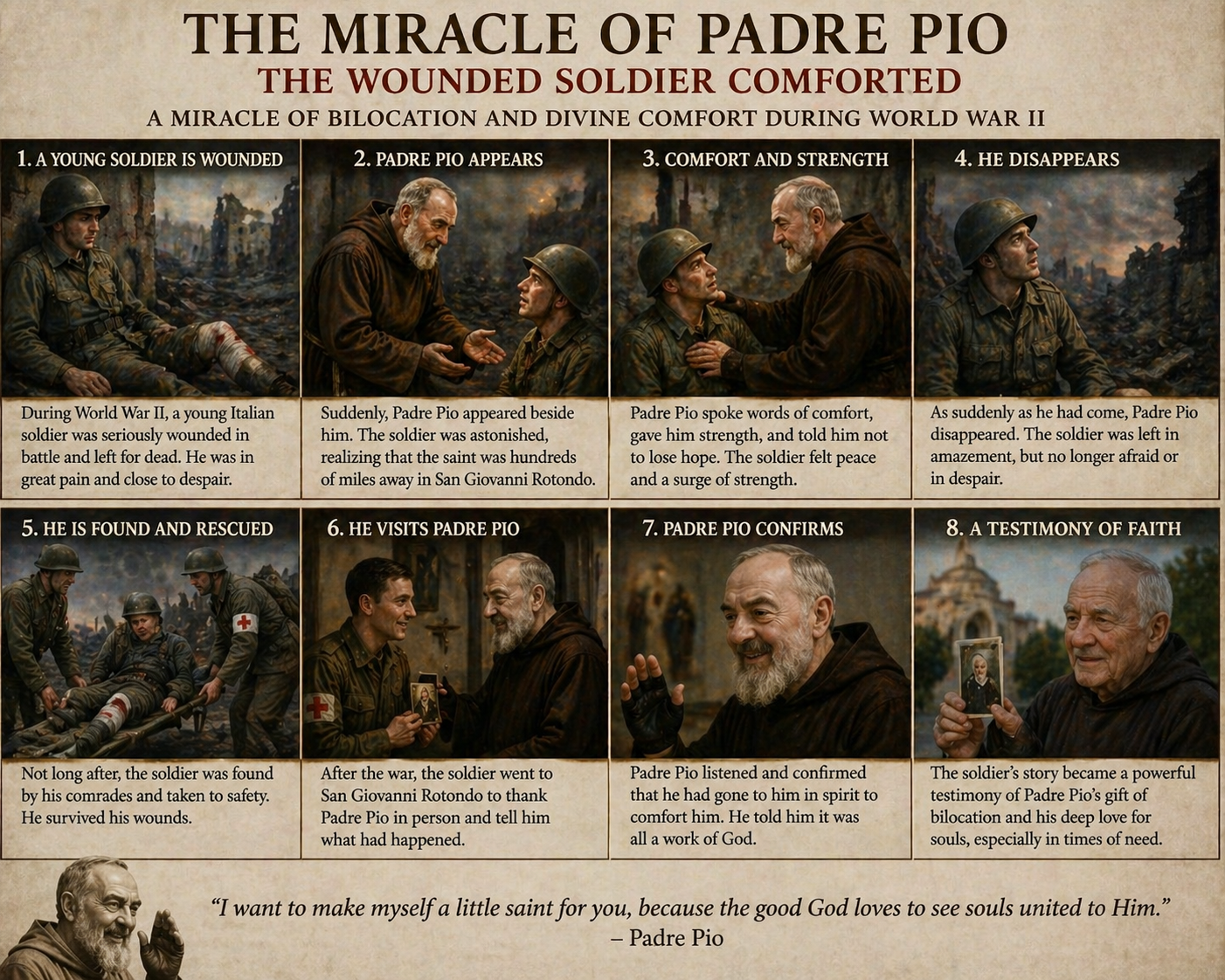
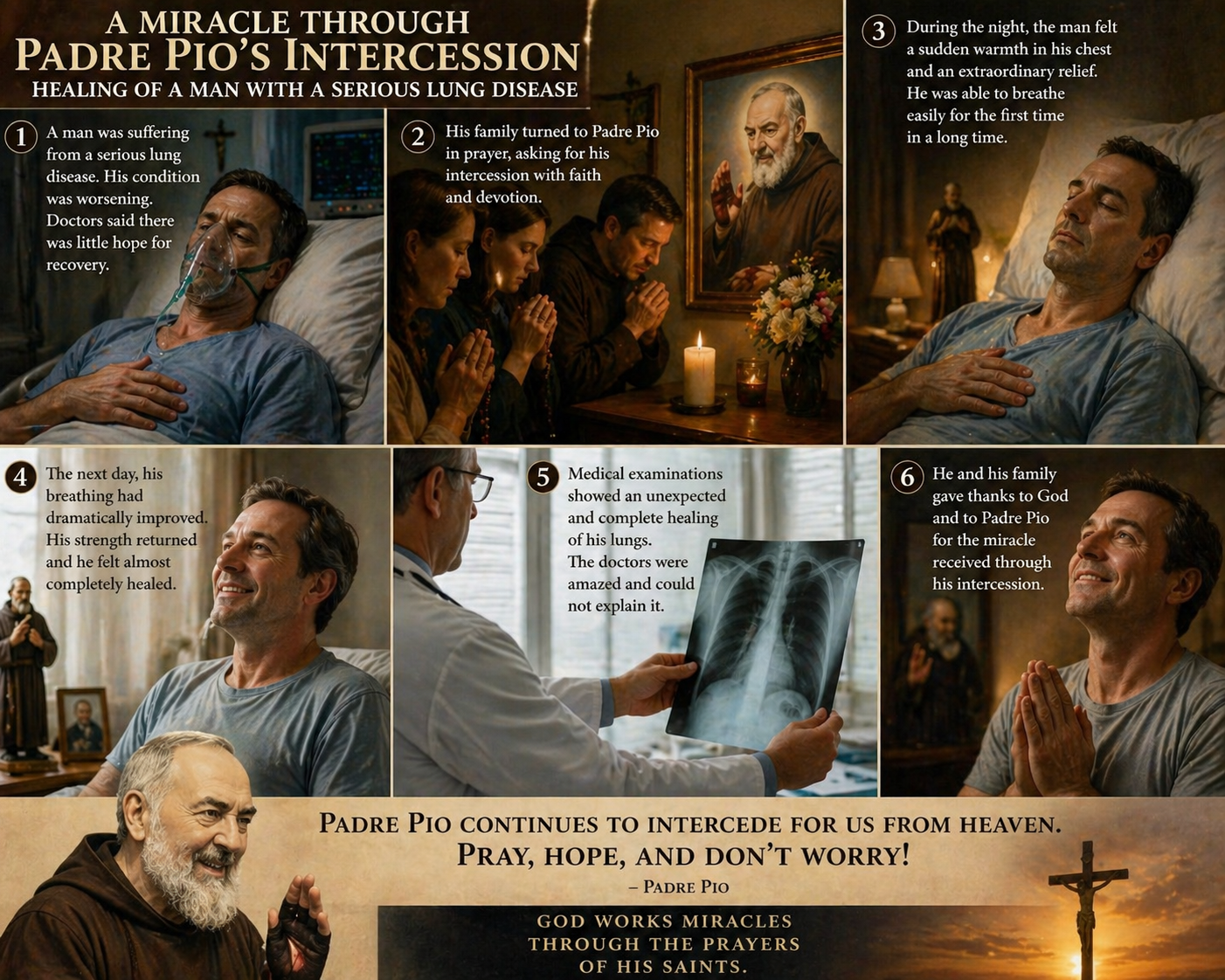
Padre Pio became renowned for extraordinary mystical gifts, including the ability to read hearts, bilocation, prophetic insight, and miraculous healings. Yet despite the attention these phenomena attracted, he consistently directed people away from the spectacular and toward a deeper relationship with God. He emphasized humility, repentance, obedience, prayer, and complete trust in Divine Providence. For Padre Pio, the greatest miracle was not a physical healing but a soul reconciled to God through grace.
His life was marked by intense physical and spiritual suffering. In addition to the pain associated with the stigmata, he endured periods of illness, misunderstanding, opposition, and spiritual trials. Through it all, he remained faithful to the Church and obedient to legitimate authority, offering his sufferings in union with Christ for the salvation of souls.
Padre Pio had a particular devotion to the Blessed Virgin Mary and tirelessly encouraged the faithful to pray the Rosary, which he called his “weapon.” His simple yet profound advice continues to inspire millions: “Pray, hope, and don’t worry.”
Recognizing his heroic virtue and holiness of life, Pope Saint John Paul II canonized Padre Pio on June 16, 2002. Today, he is remembered not primarily for the extraordinary signs that accompanied his life, but for his sanctity, his devotion to the Holy Mass, his tireless ministry in the confessional, and his unwavering call to prayer and conversion.
Battling the Powers of Darkness
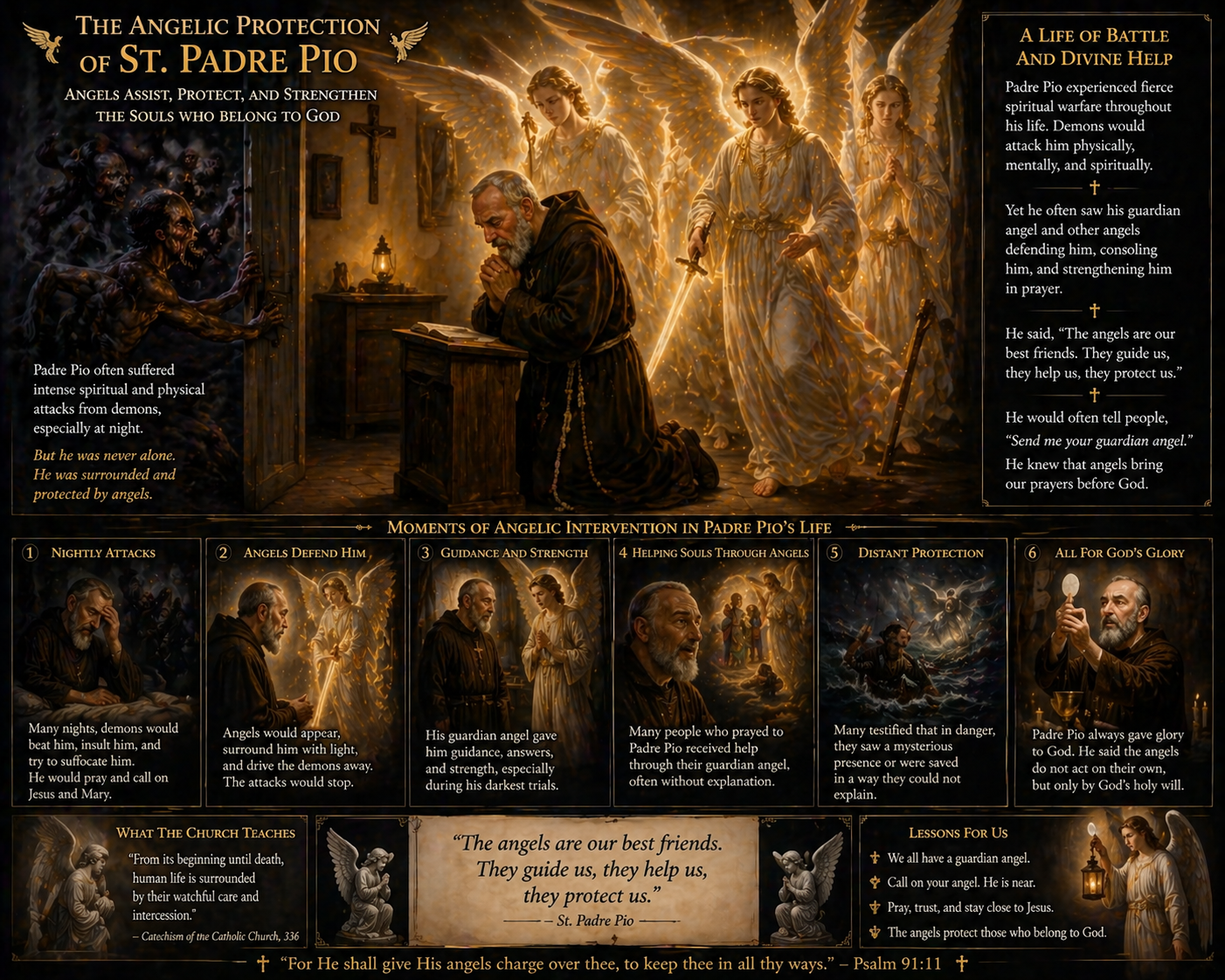
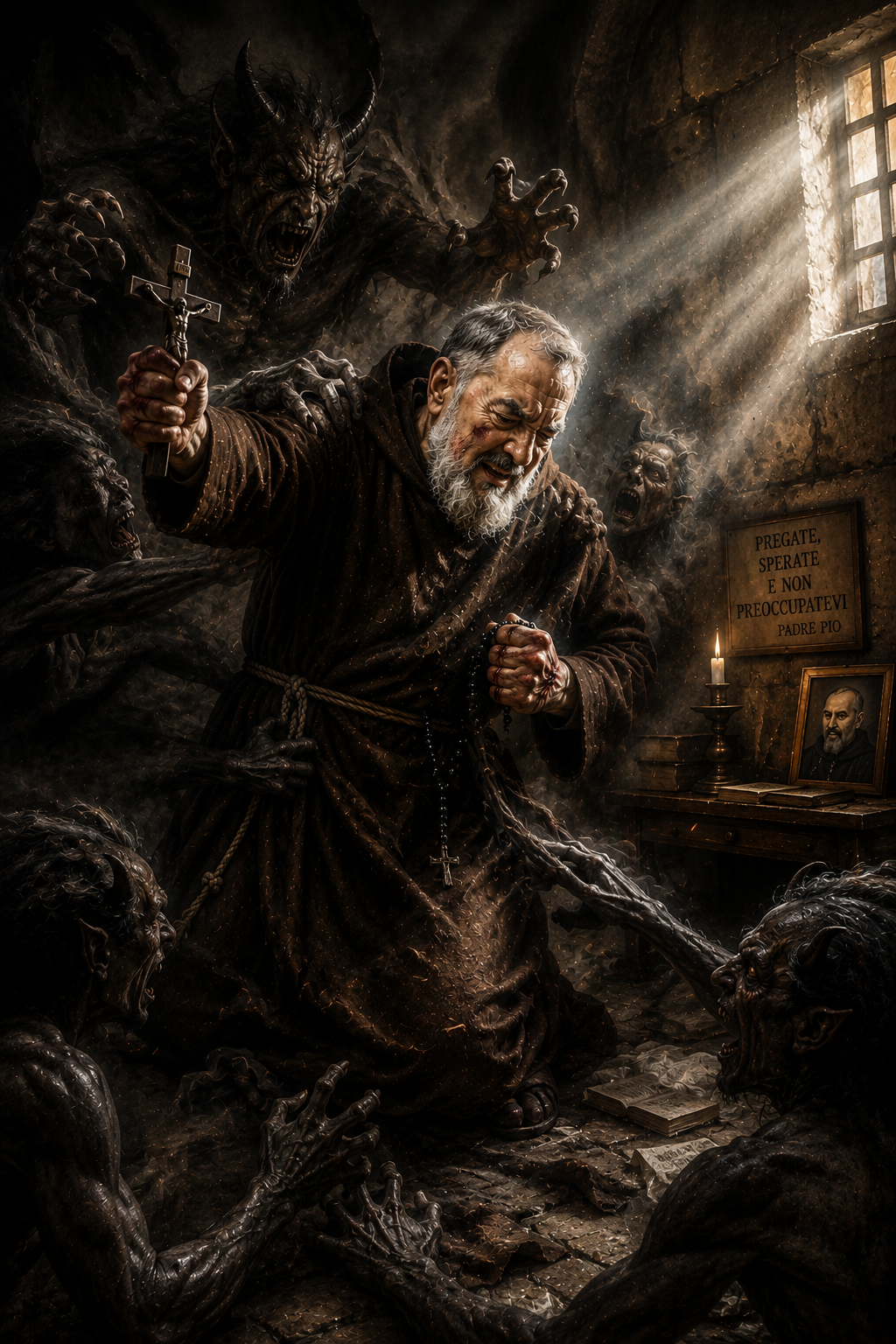
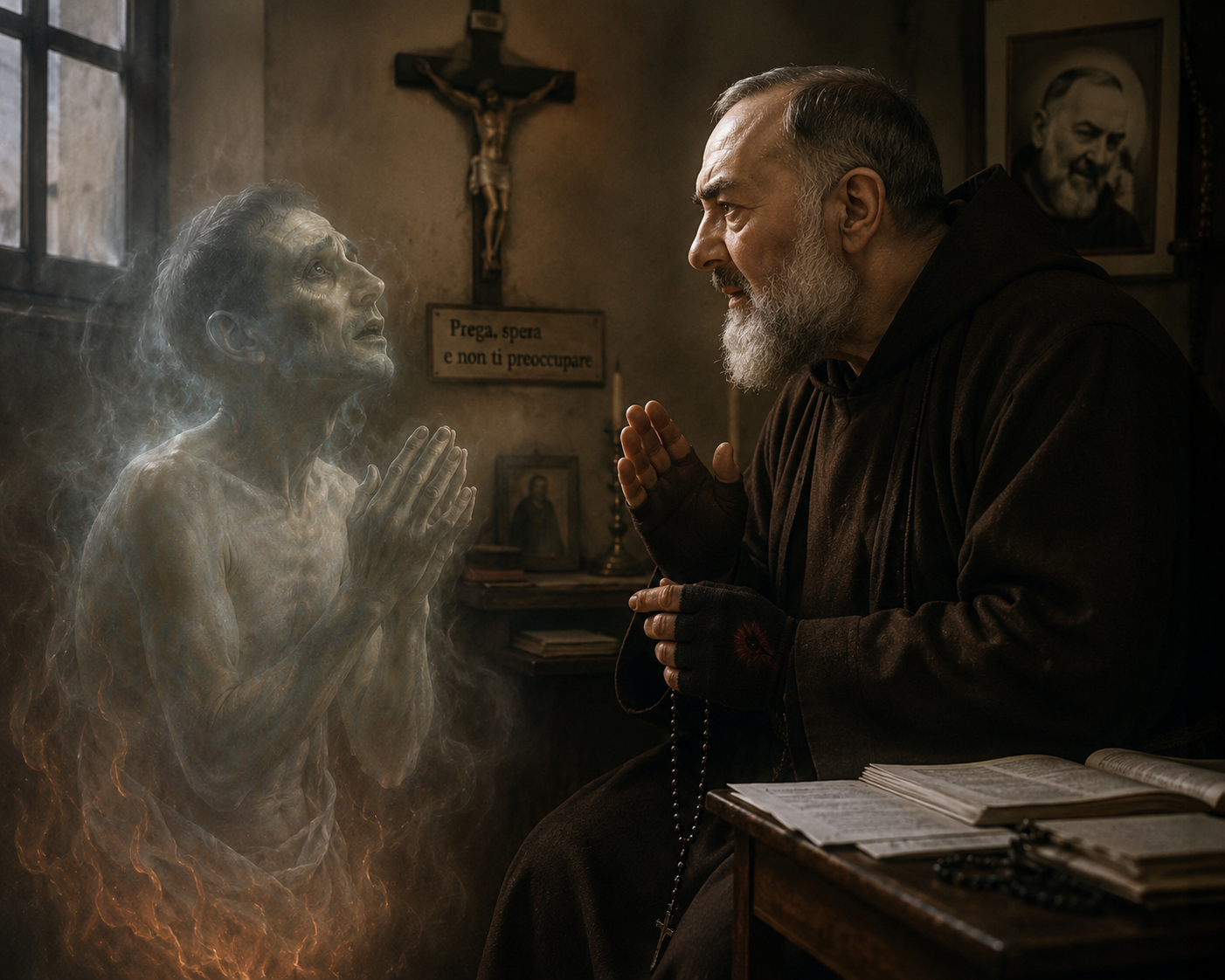
Throughout his life, Saint Padre Pio endured extraordinary spiritual warfare. According to his own letters and the testimony of fellow Capuchin friars, he was subjected to intense attacks from demonic forces that sought to discourage him from his mission of bringing souls to God.
These assaults were not limited to temptations or frightening visions. Padre Pio described being physically attacked during the night, thrown from his bed, struck, dragged across his room, and left bruised and exhausted. Fellow friars often reported hearing loud crashes, cries, and disturbances coming from his cell. On several occasions, those who saw him afterward observed injuries and signs of suffering that appeared consistent with a violent struggle.
Despite the severity of these attacks, Padre Pio never regarded them as a contest of personal strength. He understood them as part of the spiritual battle that every Christian faces, intensified because of his role as a priest, confessor, and victim soul united to the Passion of Christ. The devil sought to hinder the conversion of souls, while Padre Pio remained steadfast in his mission to lead sinners back to God’s mercy.
His weapons were not earthly ones, but the spiritual weapons of the Church: prayer, the Holy Eucharist, frequent Confession, devotion to the Blessed Virgin Mary, and especially the Rosary, which he often called his “weapon.” Through unwavering faith, humility, and obedience, he resisted every attack and entrusted himself completely to God’s protection.
Those who knew Padre Pio believed that the intensity of these assaults reflected the tremendous good he accomplished for souls. Yet he rarely spoke about such experiences and consistently redirected attention away from extraordinary phenomena and toward the ordinary means of sanctification: prayer, repentance, the sacraments, and trust in Divine Providence.
The story of Padre Pio’s spiritual battles serves as a powerful reminder that the Christian life involves real spiritual warfare. His example teaches that victory over evil is not achieved through human strength alone, but through steadfast faith in Jesus Christ, fidelity to prayer, and complete reliance on God’s grace.
Complete Trust in God's Mercy
The Feast Day of Saint Padre Pio is celebrated each year on September 23, the anniversary of his death in 1968. This day marks a saint’s entrance into eternal life and the fulfillment of a life lived in faithful union with God. For Padre Pio, it commemorates the completion of a remarkable journey marked by sacrifice, obedience, and profound participation in the sufferings of Christ.
Although best known as a Capuchin friar and mystic, Padre Pio also briefly served in the Italian military during the First World War. Drafted into service in 1915, he endured recurring illness and periods of hospitalization before ultimately being discharged for health reasons. While his time in uniform was short, it reflected the same spirit of obedience and self-sacrifice that would characterize his entire life. Whether as a soldier, a priest, or a suffering servant of God, Padre Pio accepted his duties with humility and trust in Divine Providence.
Today, people throughout the world honor his memory through the Holy Mass, Eucharistic Adoration, Confession, and the Rosary—the very devotions that formed the heart of his spiritual life. Nowhere is this celebration more evident than in San Giovanni Rotondo, Italy, where thousands of pilgrims gather annually at his shrine to pray, venerate his relics, and seek his intercession.
Padre Pio’s feast day is not primarily a celebration of extraordinary phenomena or miraculous gifts, but of a life wholly surrendered to God. It recalls his tireless work in the confessional, his devotion to the Eucharist, his love for Our Lady, and his unwavering commitment to the salvation of souls. His example reminds the faithful that true holiness is found not in extraordinary experiences but in daily fidelity to grace, perseverance through suffering, and complete trust in God’s mercy.
As the Church commemorates Saint Padre Pio each September 23, the faithful are invited to reflect on the virtues that defined his life: obedience, humility, redemptive suffering, devotion to prayer, and love for Christ in the Eucharist. Through his witness, Padre Pio continues to teach that the greatest miracle is a heart converted to God and a soul reconciled to Him through repentance, faith, and prayer.
St. Padre Pio Traditions to Make Your Own
Mass and Confession
The feast day of Padre Pio is centered on attending Mass and going to Confession. Since he spent countless hours reconciling souls to God, many people honor him by making a sincere, thorough confession and receiving the Eucharist with devotion.
The Rosary
Another major practice is praying the Rosary, which Padre Pio called his “weapon.” Many of the faithful pray multiple rosaries, either privately or in groups. His prayer groups around the world often gather for extended prayer and reflection.
Eucharistic Adoration
There is a strong focus on spending time before the Blessed Sacrament. This reflects Padre Pio’s deep love for the Eucharist and his profound union with Christ during prayer and Mass.
Pilgrimages and Relics
In places connected to him, especially San Giovanni Rotondo, people take part in processions, vigils, and veneration of relics. Pilgrims come to pray, give thanks, and ask for spiritual help.
Acts of Charity
Because Padre Pio cared deeply for the suffering and founded a hospital, many people honor him by visiting the sick, helping the poor, or offering sacrifices for others.
Spiritual Focus
The day emphasizes repentance, humility, perseverance in prayer, and trust in God. As taught by St. John of the Cross, true devotion leads to interior transformation.
St. Padre Pio, Intercede for Us
O glorious Saint Padre Pio, faithful son of Saint Francis and beloved servant of Jesus Christ, you carried in your body the wounds of the Savior and in your heart an unquenchable love for God and for souls.
You spent your life at the altar and in the confessional, leading countless men and women back to the mercy of God. Through your humility, obedience, and unwavering trust in Divine Providence, you became a living witness to the power of grace and the triumph of God’s love.
Holy Padre Pio, I turn to you with confidence and ask for your intercession before the throne of God. Obtain for me the grace I seek (mention your intention), if it be according to God’s holy will and for the good of my soul.
Help me to love Jesus in the Holy Eucharist, to approach the Sacrament of Reconciliation with sincerity and humility, and to remain faithful in prayer, especially through devotion to the Holy Rosary. Teach me to unite my sufferings with the Passion of Christ, to persevere through trials with courage, and to trust always in the mercy and goodness of God.
Saint Padre Pio, friend of the suffering, comforter of the afflicted, and guide of souls, pray for me that I may grow in holiness and one day share with you the joy of eternal life in the presence of the Most Holy Trinity.
Through your powerful intercession, may I receive the graces God desires to bestow upon me and remain steadfast in faith, hope, and charity.
Saint Padre Pio of Pietrelcina, pray for us.
Amen.
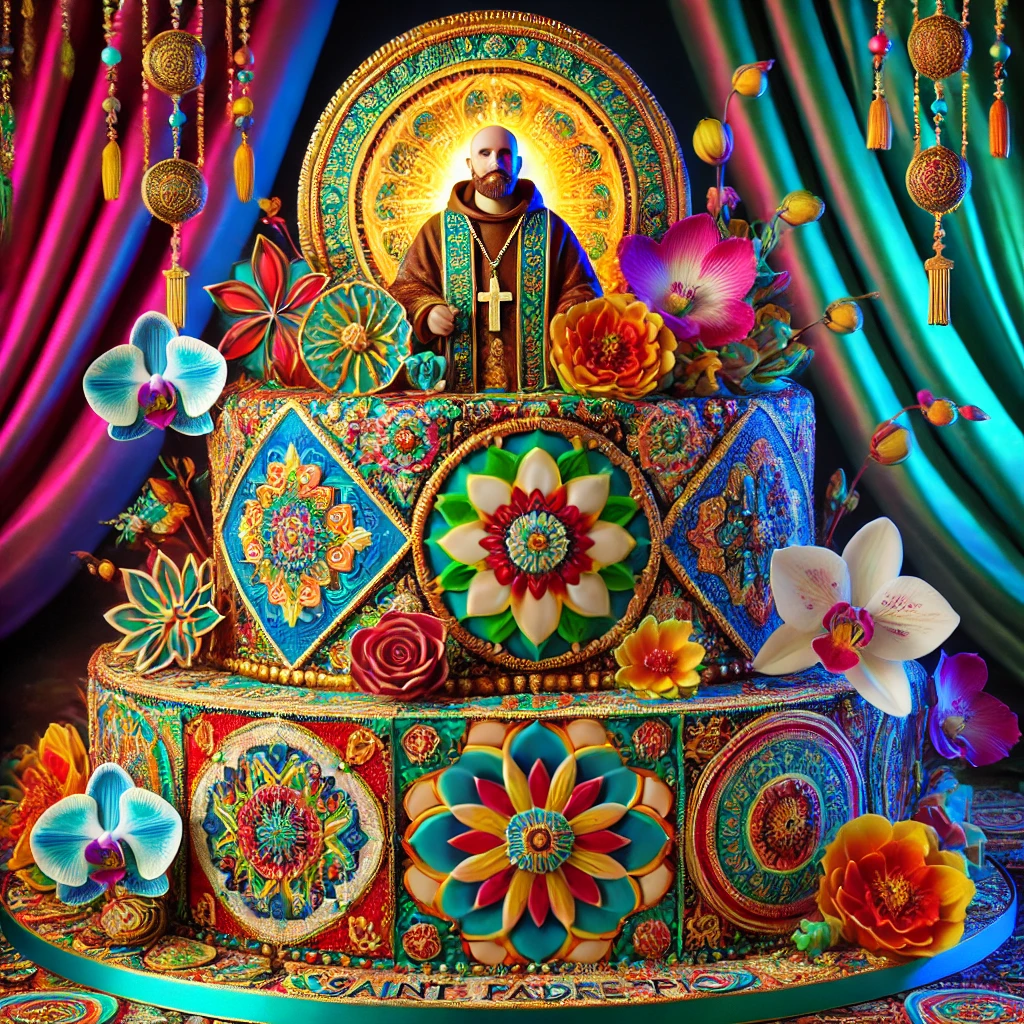
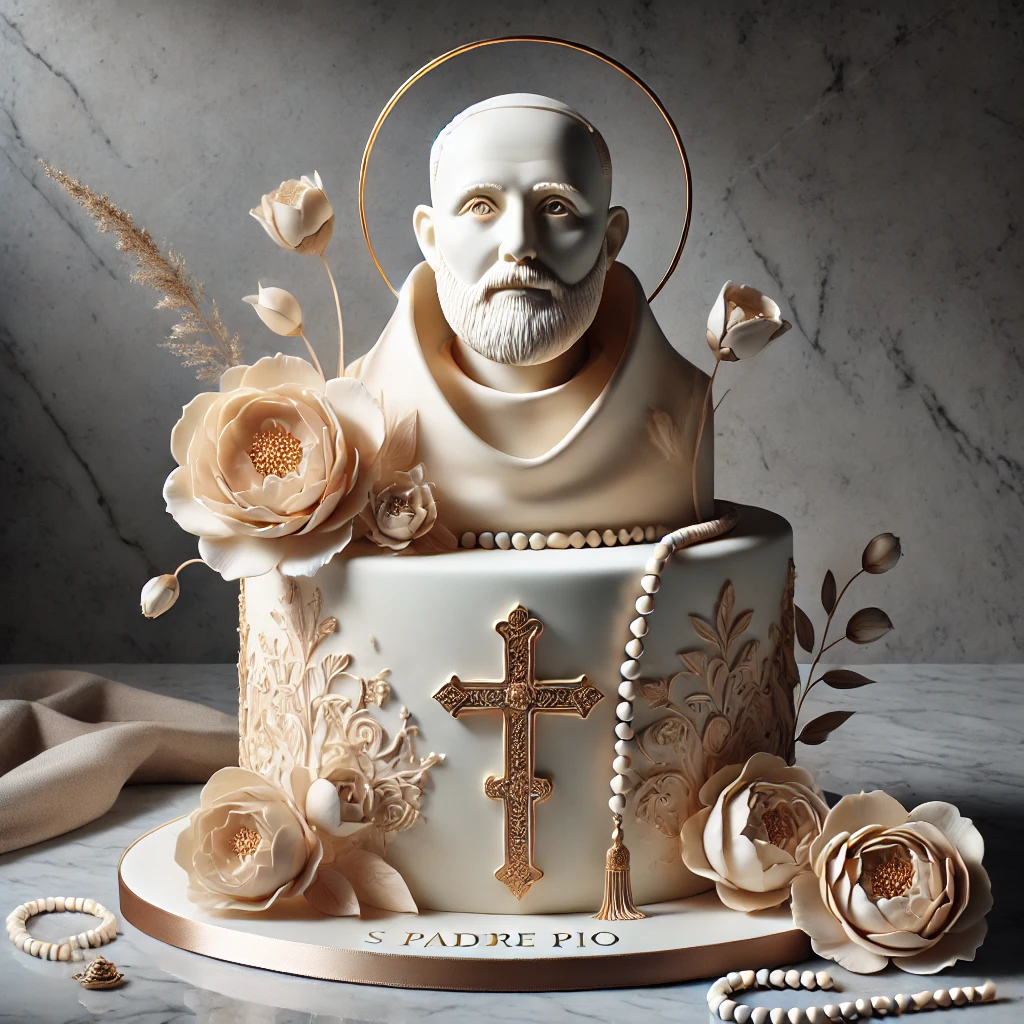
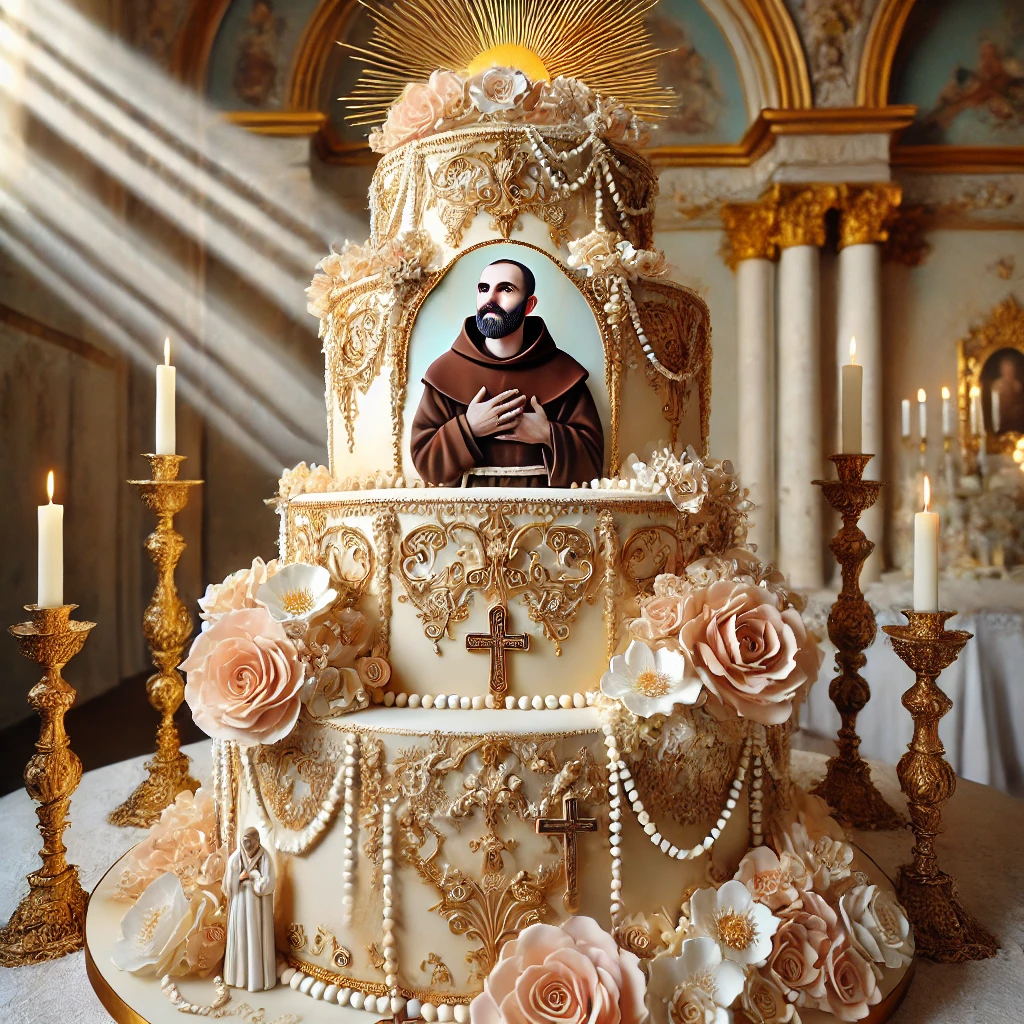
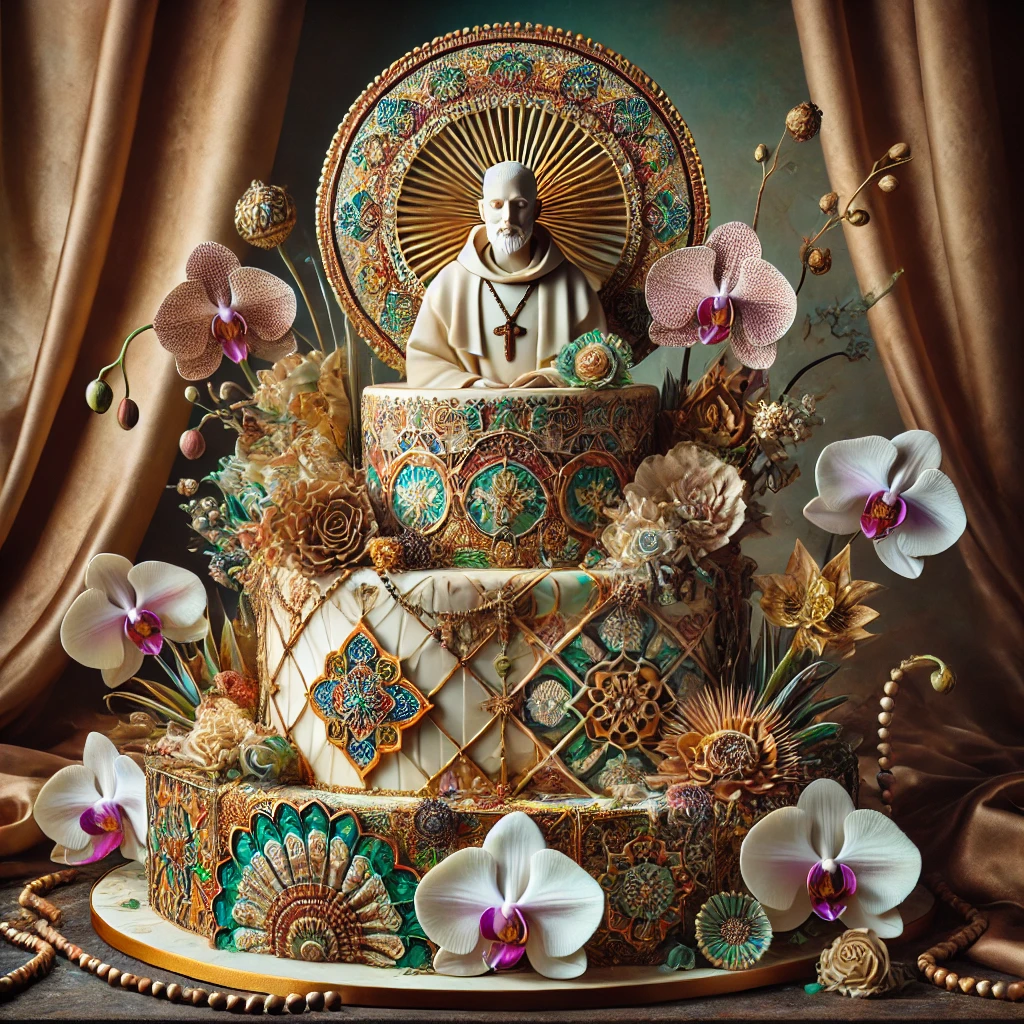
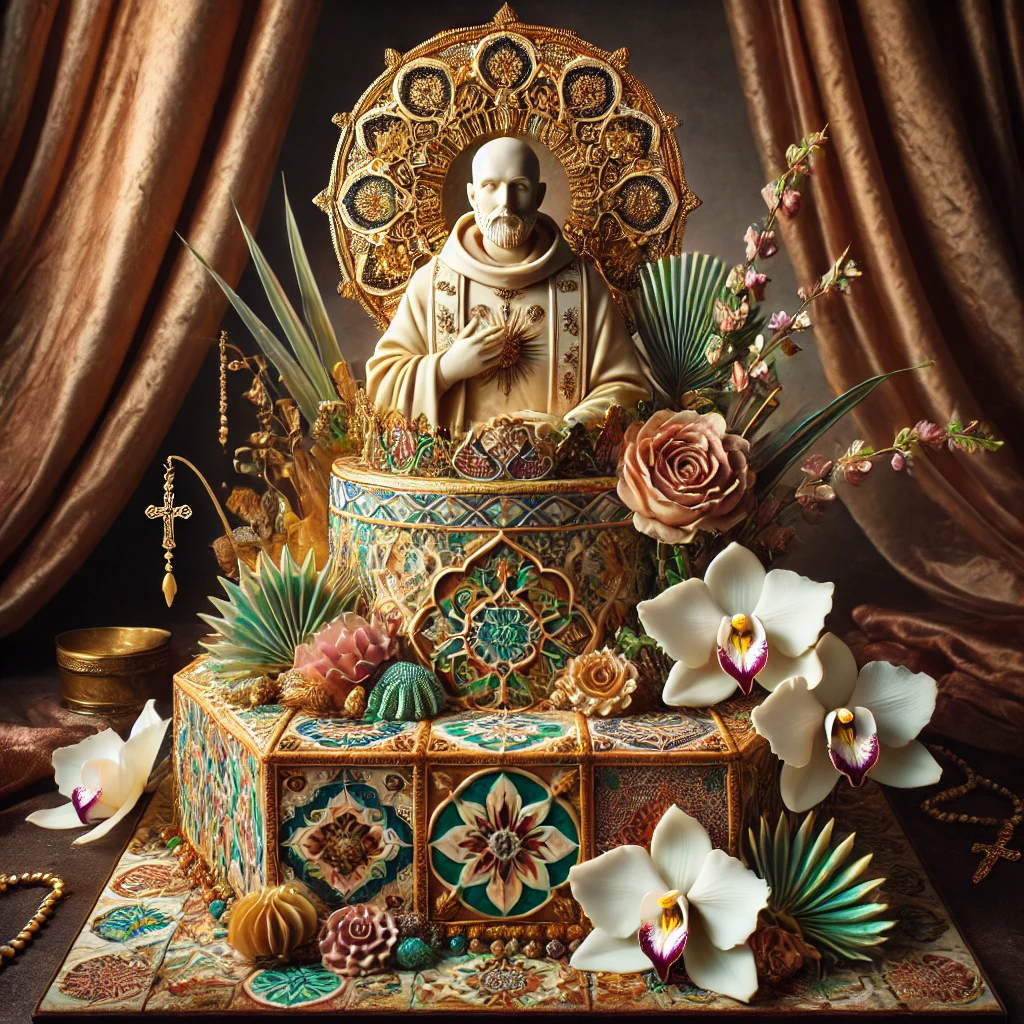
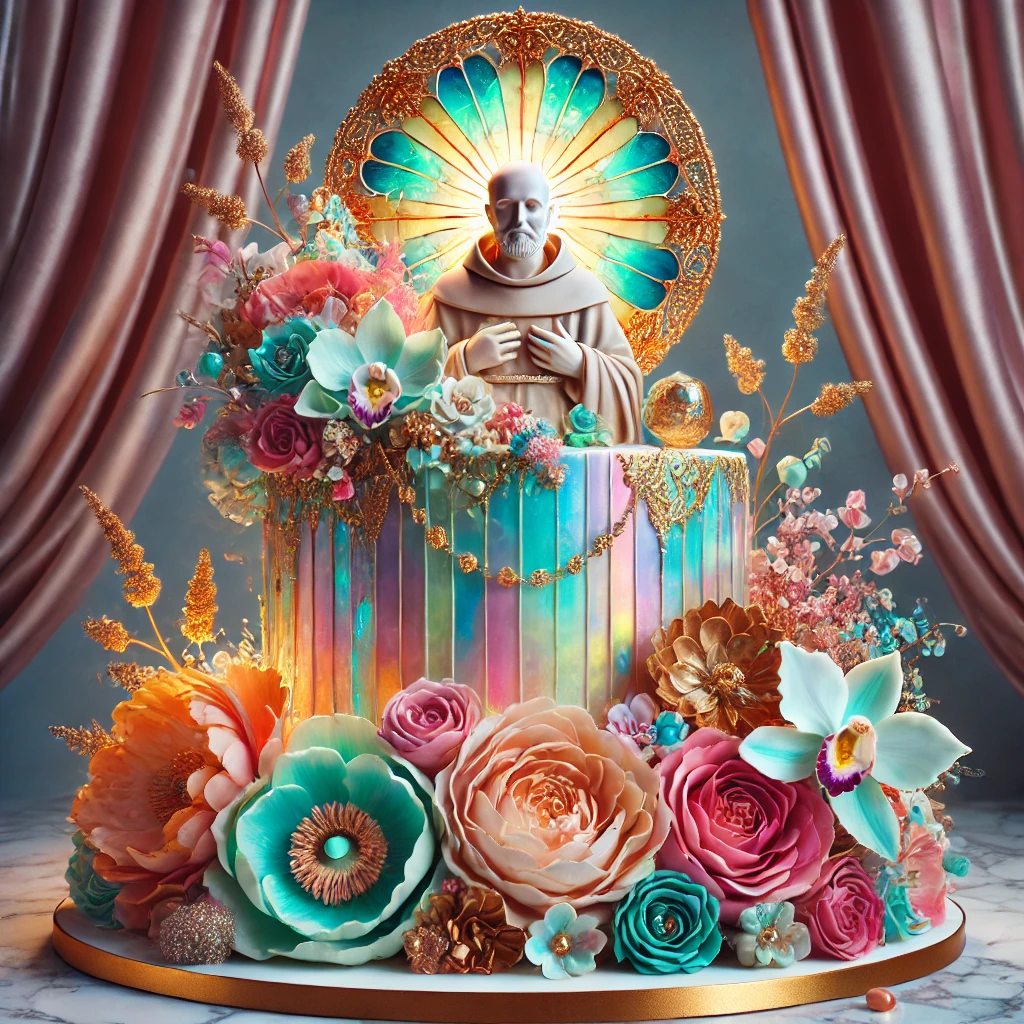
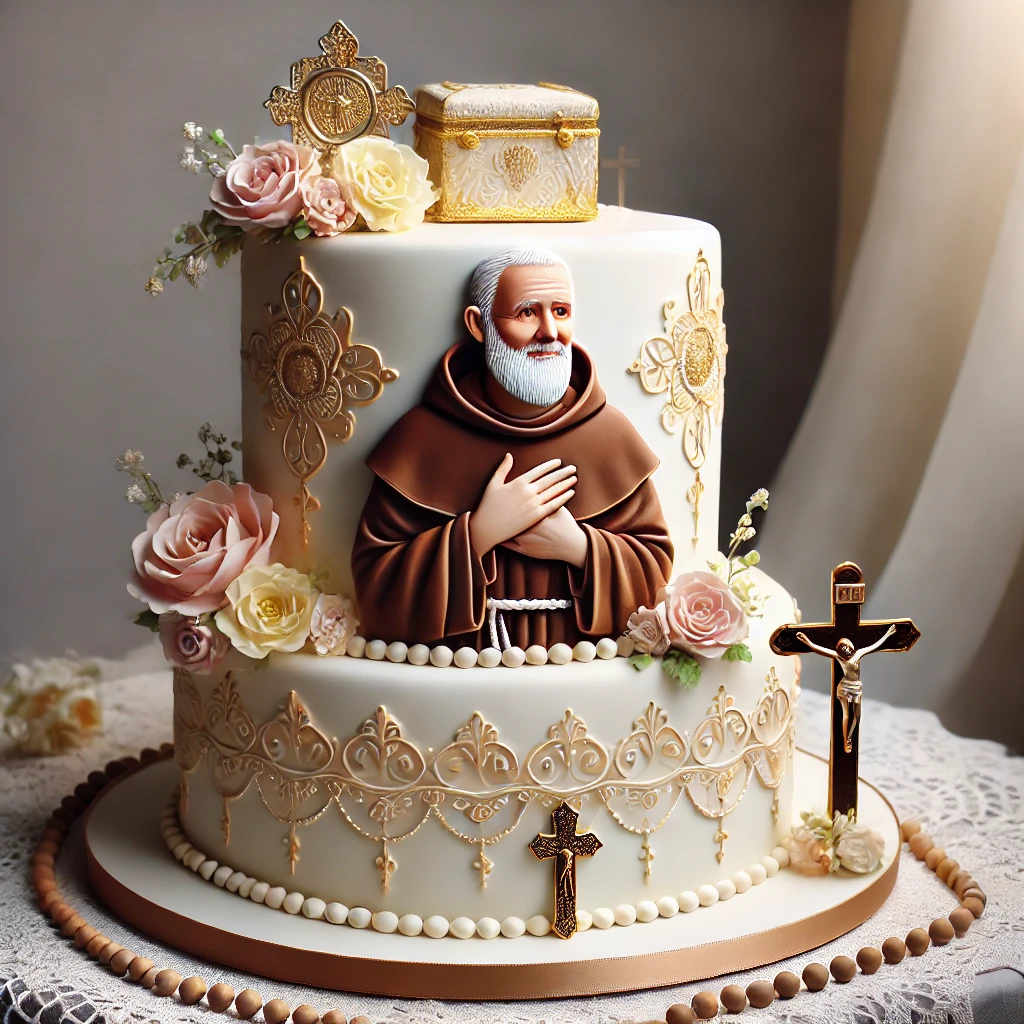
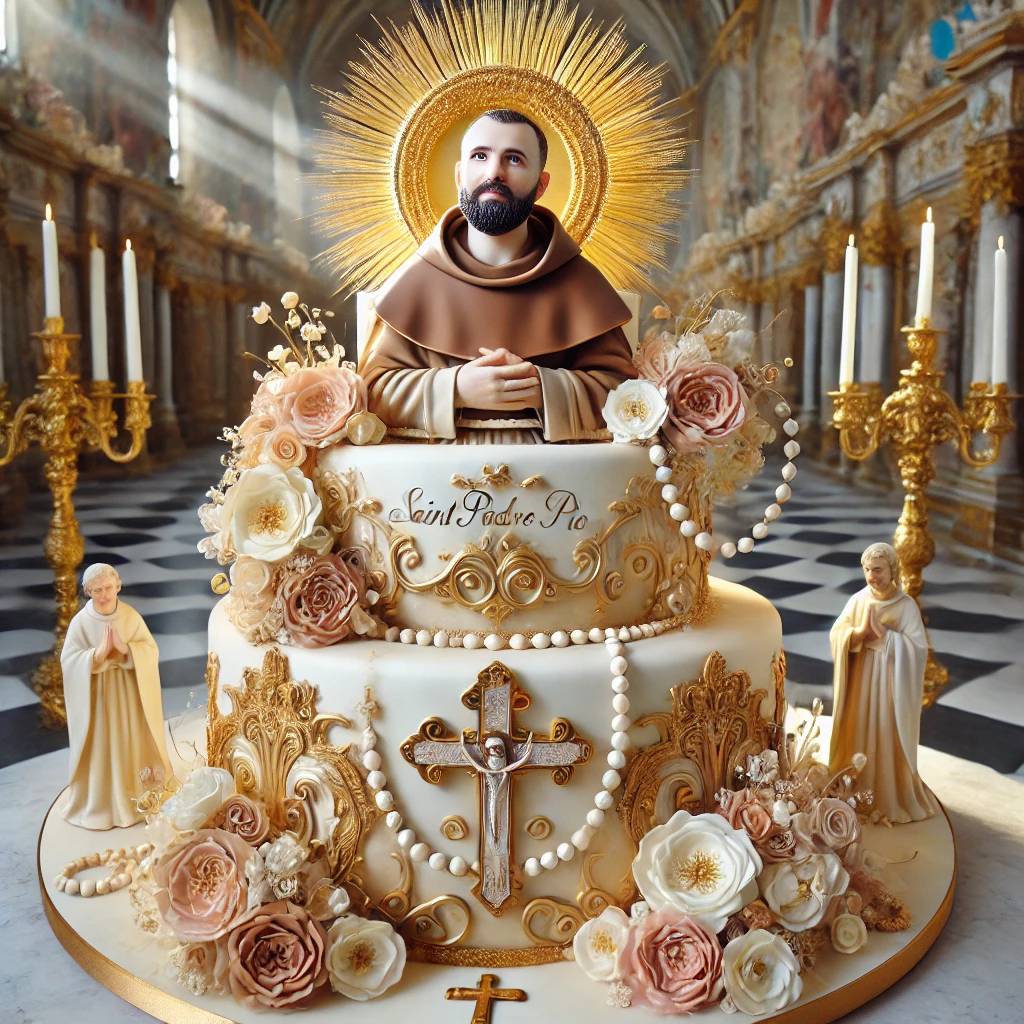
St. Padre Pio's Day Cake & Atmosphere Ideas
Where style, memory, and celebration meet.
This section is meant to be more than Cake Decorating Ideas… it’s designed to spark inspiration and creativity, awaken tradition, and infuse your special occasions with style, identity, and atmosphere. A color palette becomes a theme. A design becomes a mood. Simple details—like sugared holly leaves or shimmering stars—can set the tone for a gathering and become part of cherished traditions and lasting memories melded with personal touch and love.
Traditional St. Padre Pio's Day Dishes
Starters (Antipasti)
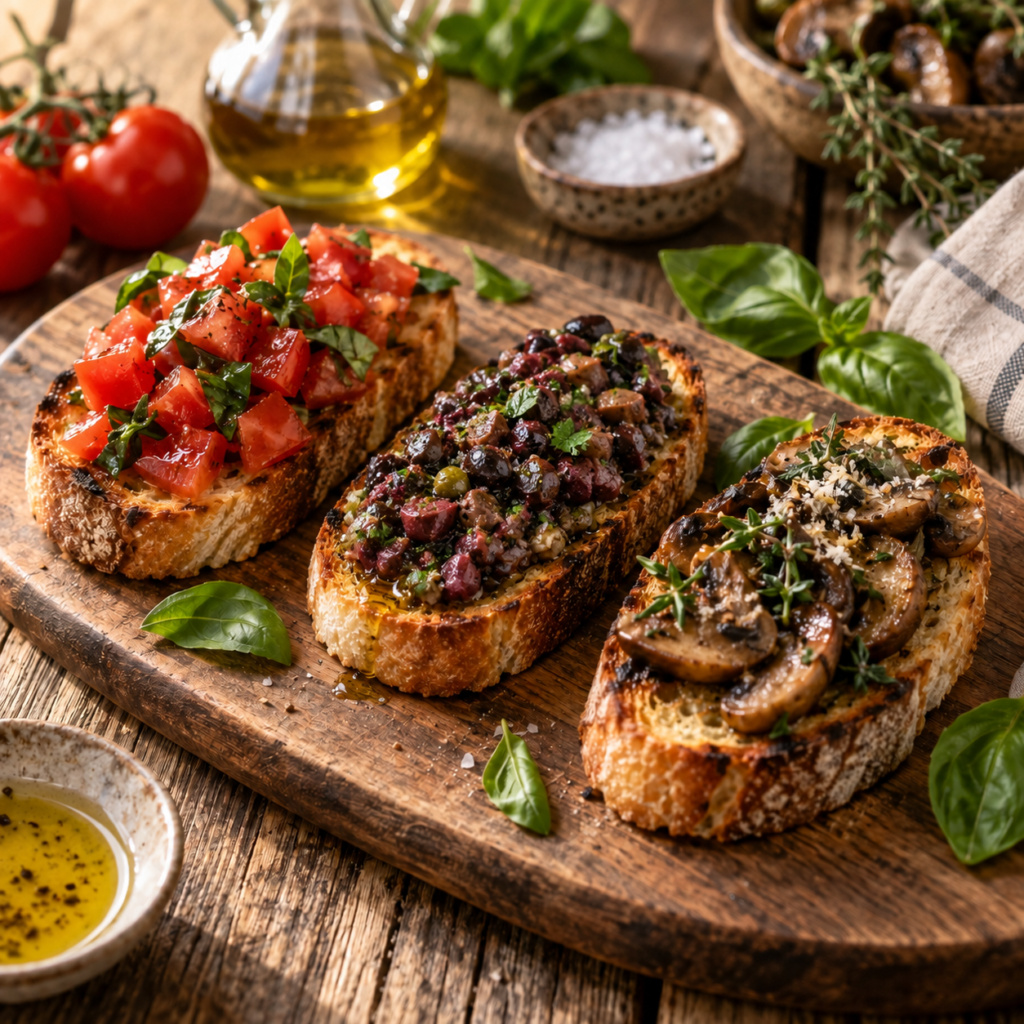
Bruschetta trio (tomato & basil, mushroom, olive tapenade)
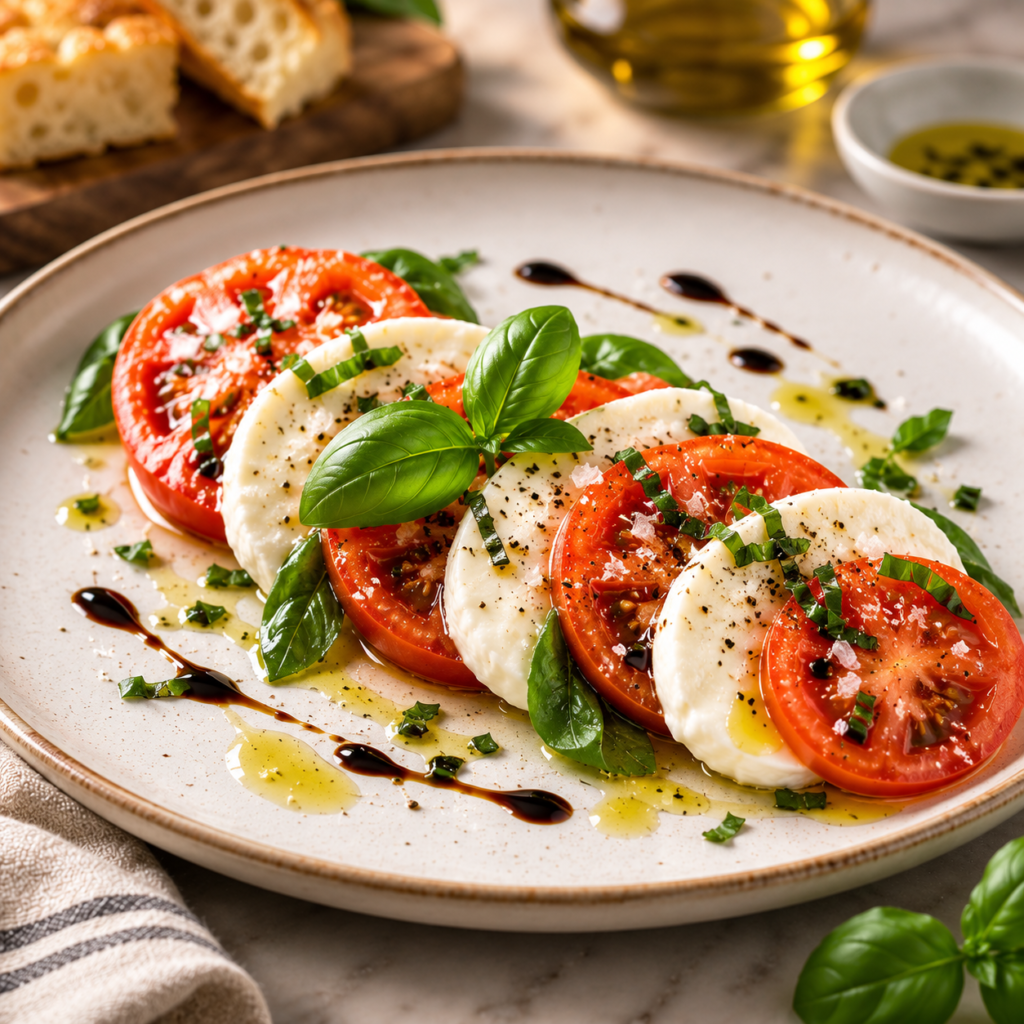
Caprese salad with fresh mozzarella, tomatoes, basil, olive oil
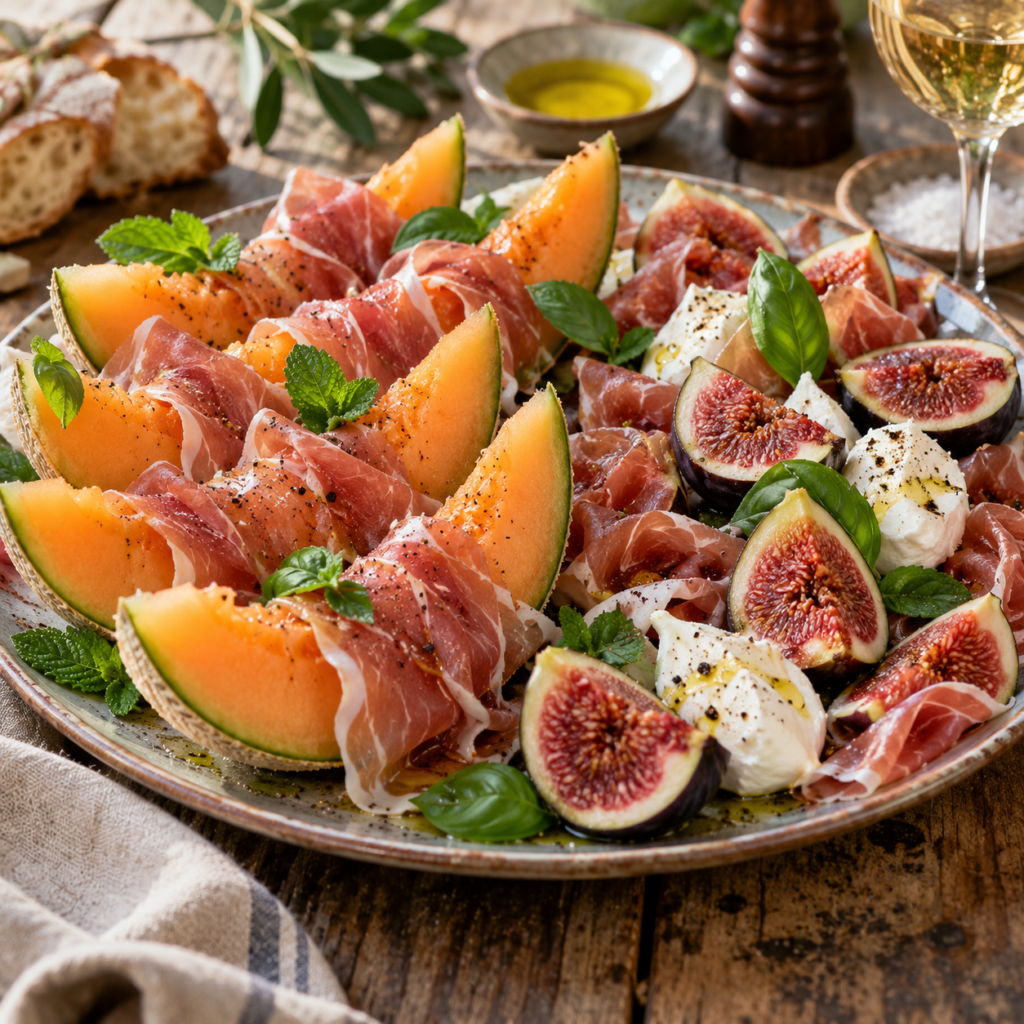
Prosciutto & melon or figs (sweet + savory balance)
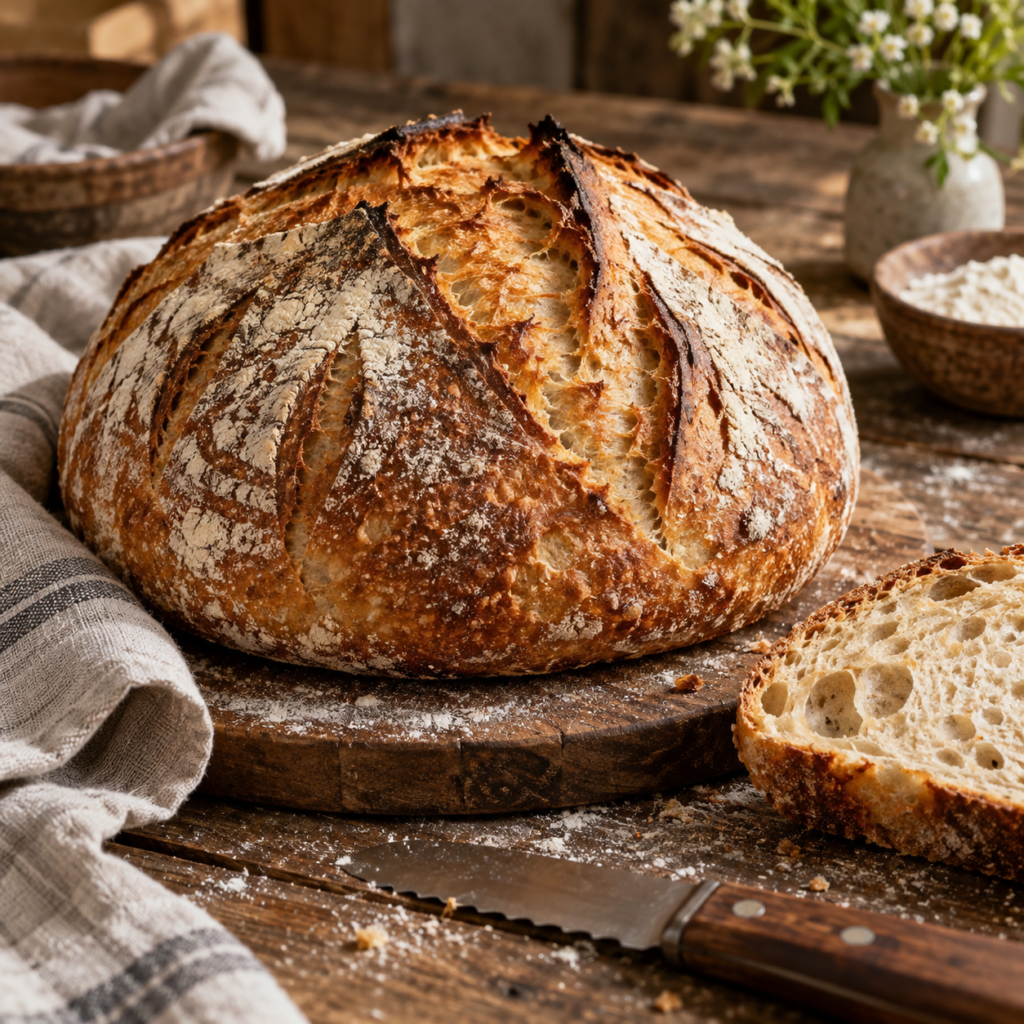
Italian cheeses & rustic bread board
Main Dishes
Keep it traditional Southern Italian (Padre Pio was from Pietrelcina):
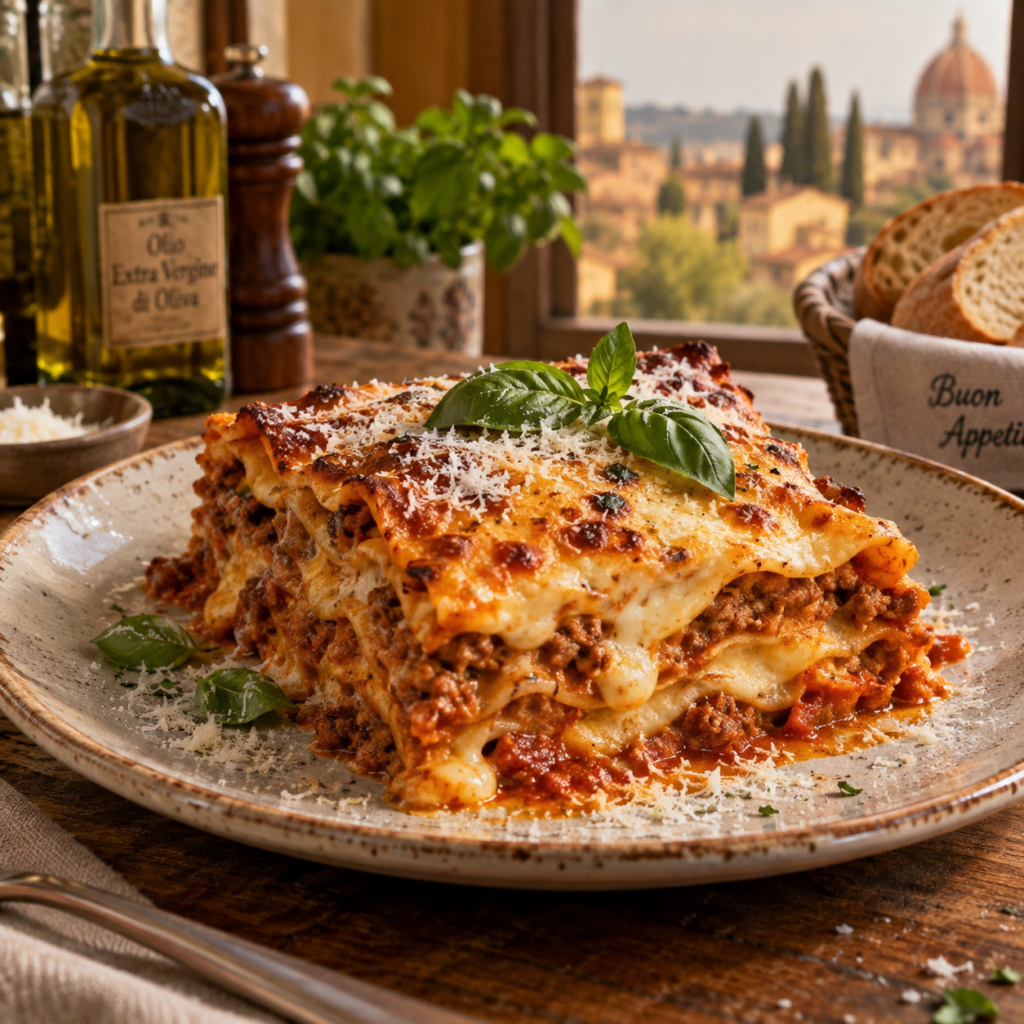
Lasagna al forno (classic, rich, celebratory)
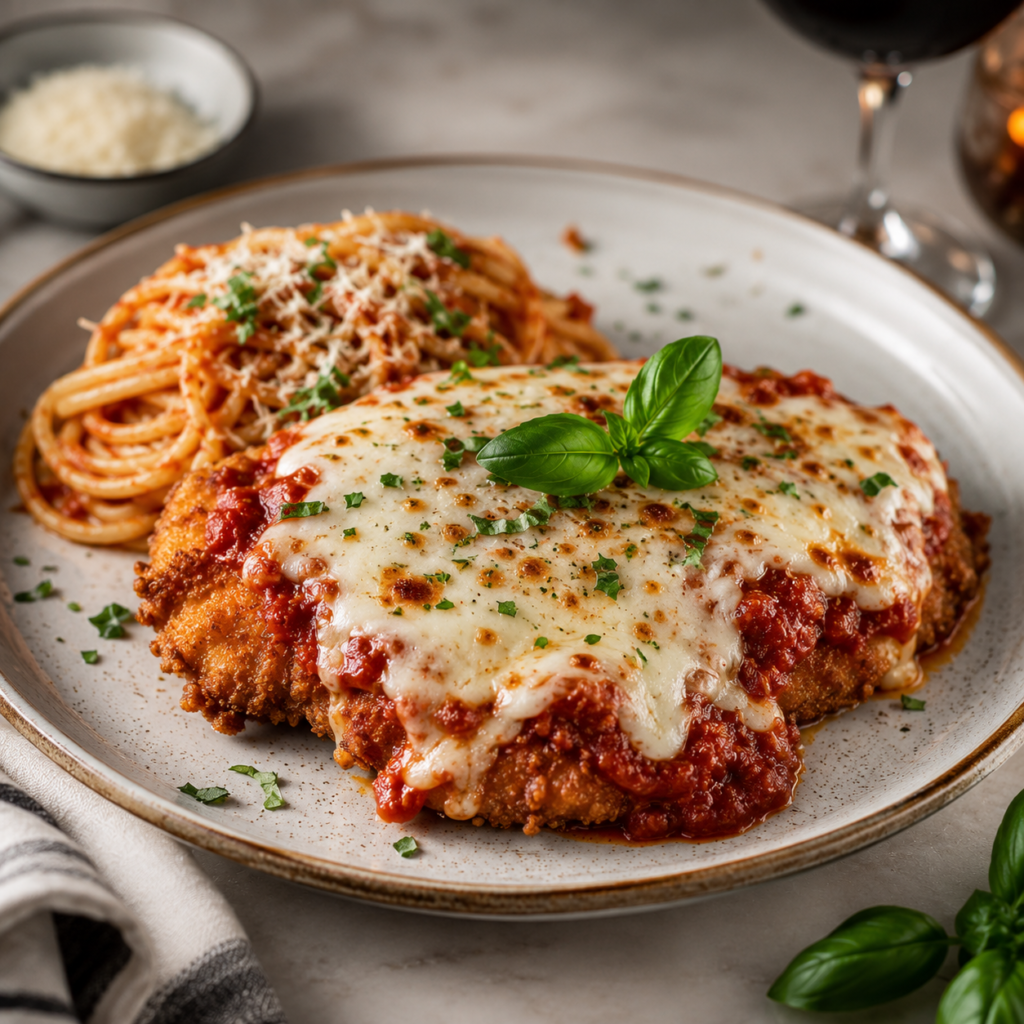
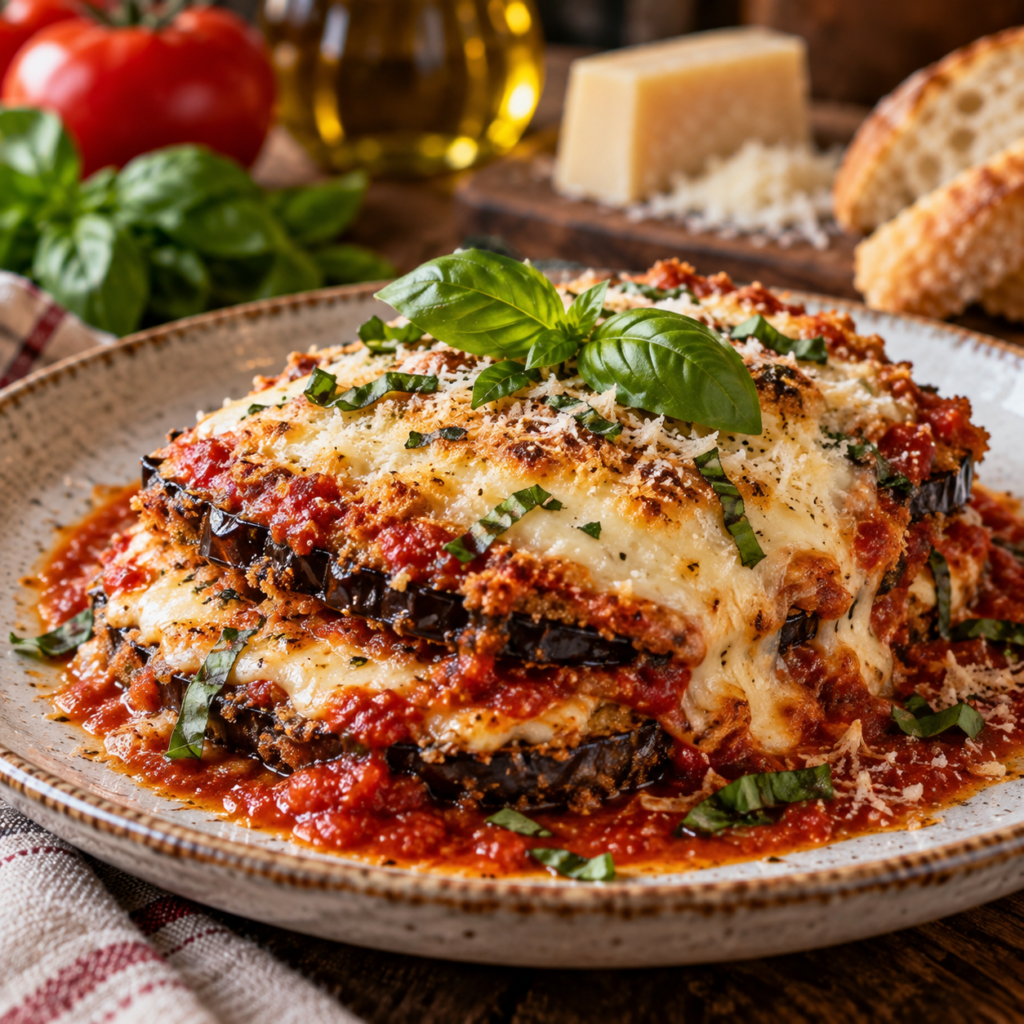
Eggplant Parmigiana (great vegetarian option)
Chicken or Veal Piccata (lemony, elegant)
Pasta with marinara or ragù
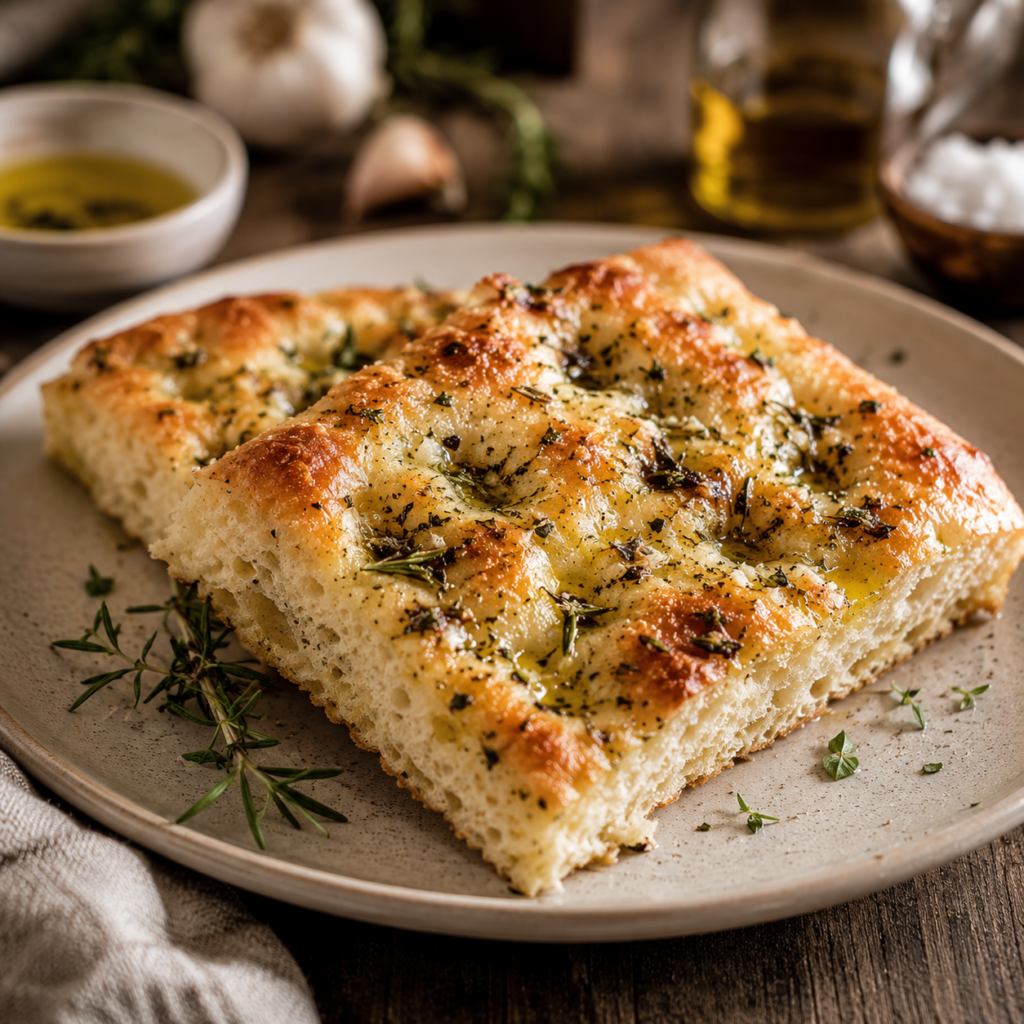
Fresh baked focaccia or ciabatta
Sides
Simple arugula salad with lemon vinaigrette
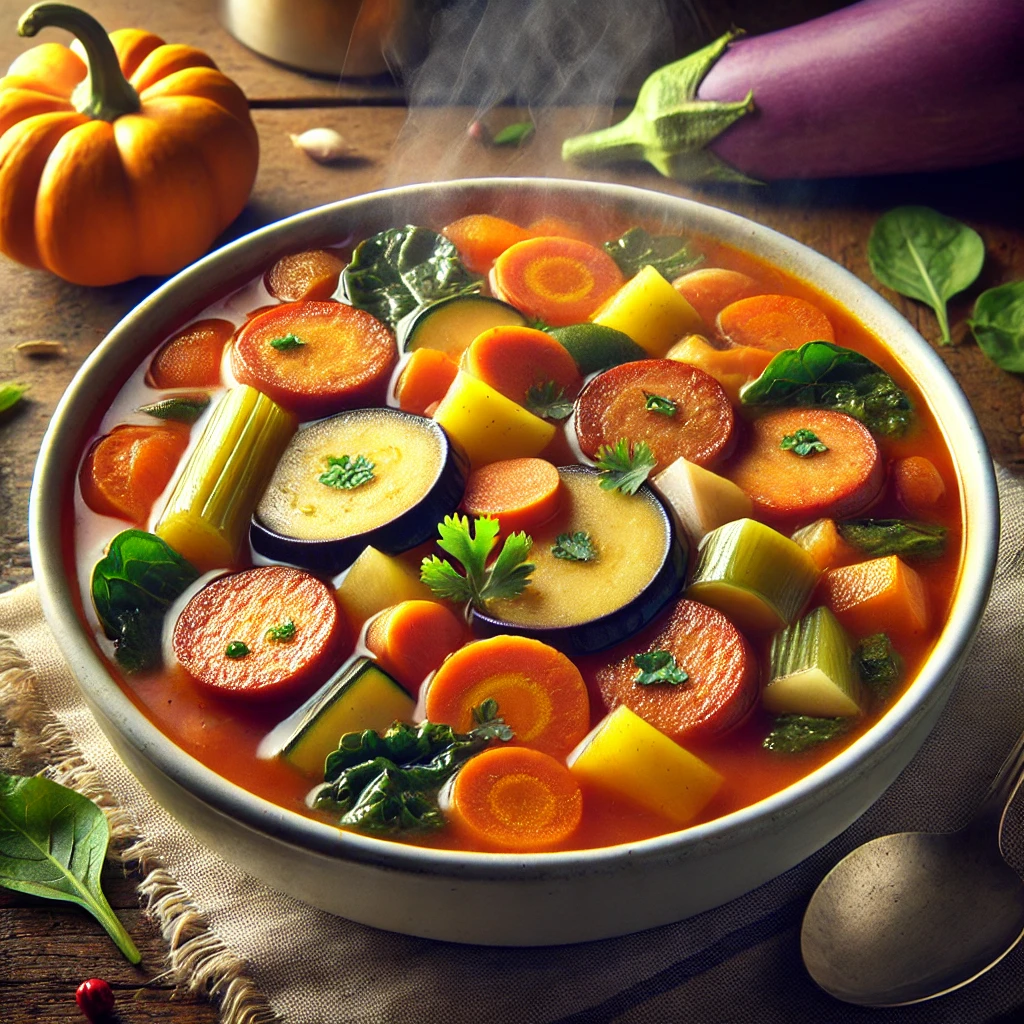
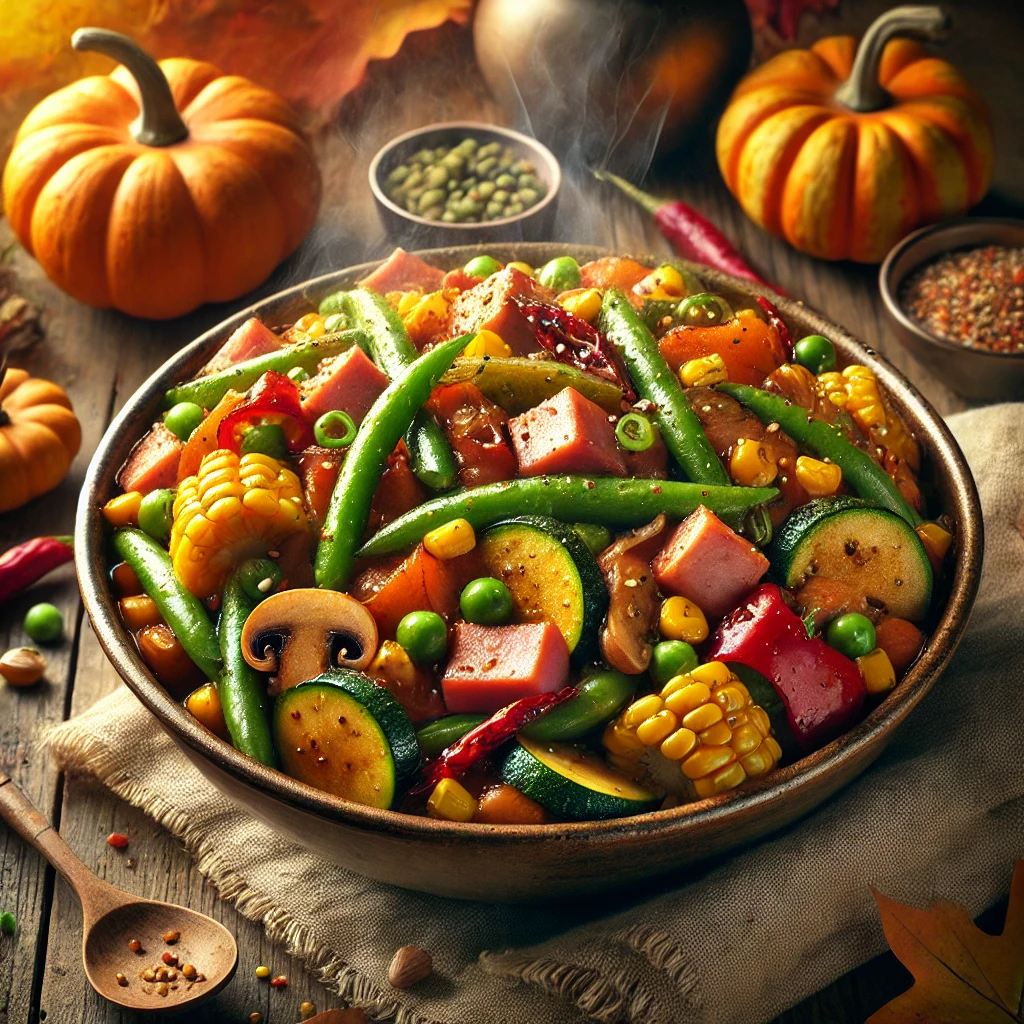
Roasted vegetables (zucchini, peppers, eggplant)
Garlic green beans or sautéed spinach
Desserts
Cannoli (very Italian and festive)
Tiramisu
Sfogliatelle or biscotti
Fresh fruit with honey
Drinks
Italian red wine (Chianti or Montepulciano)
Sparkling water with lemon
Espresso or cappuccino after dessert