


















New Year's Eve

with ORO VALENTIO

A Night of Anticipation, Light, and Collective Hope

New Year’s Eve is among the oldest human observances because it marks something universal and unavoidable: the passage of time itself. Across civilizations and centuries, people have paused at the edge of a new year not to predict the future, but to reckon honestly with what has already unfolded. Long before fireworks or festivities, this moment functioned as a threshold—a deliberate stopping point where memory, accountability, and reflection took precedence over anticipation. New Year’s Eve has never been primarily about what is coming next, but about acknowledging what has been carried, endured, learned, and lost. Only through that recognition does renewal become possible, making the turning of the year not an act of optimism, but one of truth, humility, and readiness to begin again.
In the United States, New Year’s Eve is a threshold moment—poised between reflection and expectation. It is a night defined not by excess alone, but by shared awareness: the closing of one chapter and the quiet, collective readiness to begin another. Across cities, towns, and homes, the evening gathers people together in anticipation, light, and ceremony.
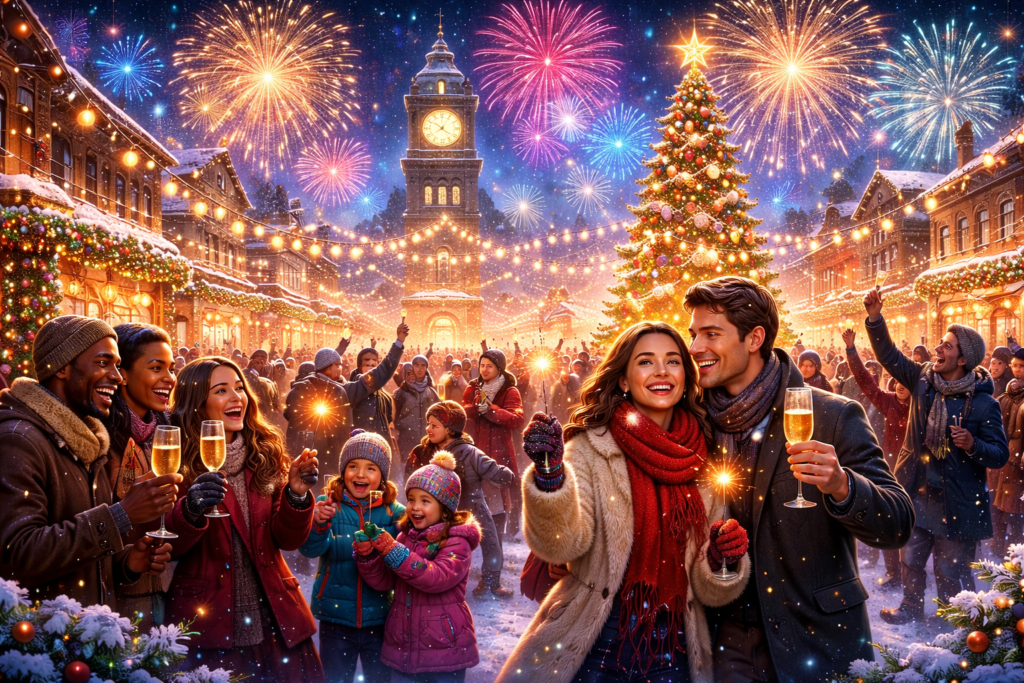
Public traditions anchor the national imagination. The descent of the illuminated sphere in New York City has become a modern rite, watched by millions as a symbolic marker of time’s passage. Fireworks bloom across skylines, bells toll, and countdowns unify voices across time zones—each second measured, each moment held.

Promises Renewed

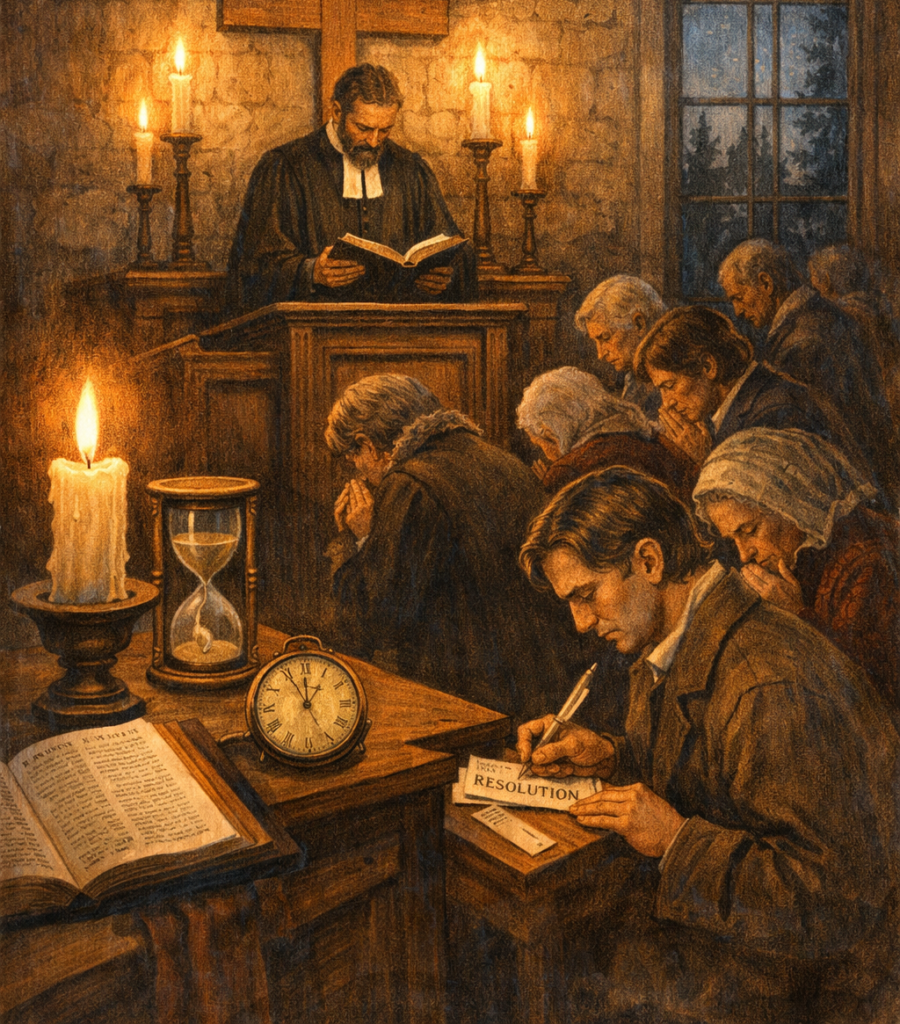
In earlier centuries, New Year’s Eve carried a weight that was both practical and moral, functioning as a clear civic boundary rather than a festive occasion. It was a night by which debts were settled, contracts concluded, rents paid, and oaths renewed, marking a firm close to the obligations of the outgoing year. This legal finality gave the date a seriousness that extended beyond symbolism—time itself demanded accountability. Reflecting this gravity, midnight was often observed in silence, not celebration. Instead of noise or spectacle, bells, prayers, or candlelight marked the moment, and silence was intentionally kept as an act of reckoning. It acknowledged that the year had passed beyond human control and that one stood momentarily exposed to truth, memory, and consequence. New Year’s Eve was therefore less about anticipation and more about closure—an honest pause where order was restored, obligations were faced, and the turning of time was met with humility rather than excitement.
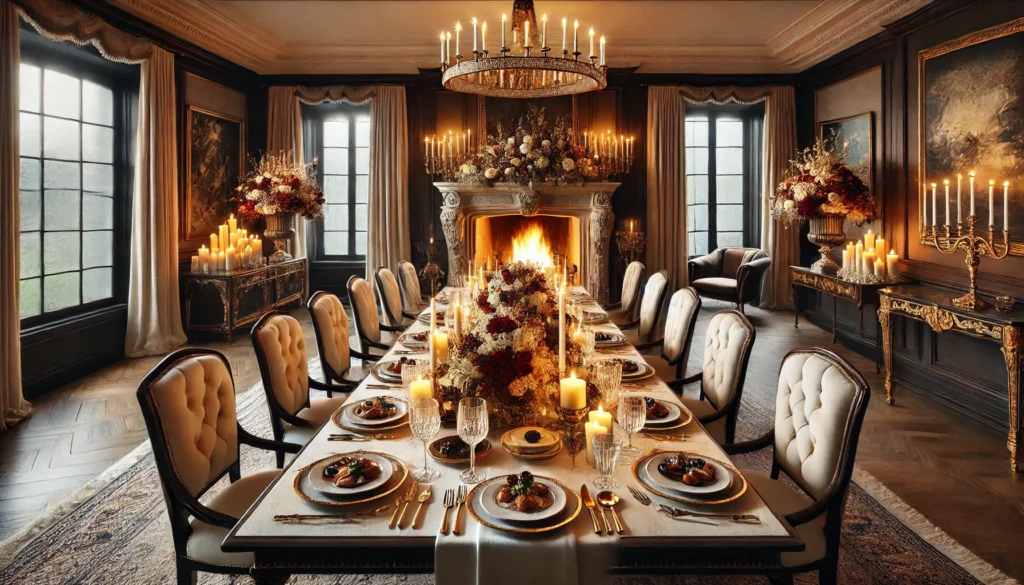
Within homes, New Year’s Eve often unfolds with intentional elegance. Tables are set with care, candles lit, and glasses raised not merely in celebration, but in acknowledgment. Champagne or sparkling wine marks the moment of transition, its effervescence echoing hope, clarity, and renewal. Music fills the space—sometimes lively, sometimes reflective—carrying the weight of memory and expectation alike.
As midnight approaches, Americans observe familiar gestures: counting down together, sharing embraces, exchanging well-wishes, and sealing the moment with a kiss. These acts, simple yet profound, affirm continuity—love carried forward, promises renewed, and community preserved across the turning of the year.
New Year’s Eve in America is ultimately a ceremony of light against the dark, of presence against passing time. It is the final gathering before the quiet work of renewal begins—a luminous pause, honoring what has been while welcoming what is yet to come.

New Year's Eve Traditions to Make Your Own

1. Reckoning with Time
  • New Year’s Eve has long functioned as a temporal boundary
  • Historically used to acknowledge what has passed rather than predict what is coming
  • Emphasized memory, accountability, and closure

2. Settling Accounts
  • Debts paid, contracts concluded, obligations resolved
  • Served as a legal and civic deadline in earlier societies
  • Reinforced responsibility before renewal
3. Watch Night Services
  • Overnight religious gatherings held through the final hours of the year
  • Practiced especially in Christian communities
  • Focused on prayer, repentance, gratitude, and recommitment
  • Midnight marked with prayer or silence rather than celebration

4. Silence at Midnight (Historical)
  • Midnight was once observed quietly
  • Represented humility before time and recognition of human limitation
  • Allowed space for reflection before the year turned
5. Ringing of Bells
  • Church bells rung to mark the passing of one year into another
  • Signaled order, continuity, and sanctified time
  • Later interpreted culturally as “driving away the old year”

6. Communal Signals of Transition
  • Bells, horns, or announcements used to mark the moment collectively
  • Ensured the transition was experienced as shared, not private
7. Renewal of Vows & Resolutions
  • Early resolutions were moral or spiritual vows
  • Focused on repentance, discipline, forgiveness, and fidelity
  • Entered the new year with intention rather than optimism alone

8. Communal Gatherings
  • Families and communities gathered to mark the transition together
  • Reinforced belonging and shared experience of time
New Year’s resolutions did not originate as personal improvement goals, but as solemn moral and spiritual vows. In early Christian practice, the turning of the year was treated as a moment of accountability before God rather than an opportunity for reinvention. During watch-night services, believers gathered to pray, confess, and renew commitments to repentance, forgiveness, and disciplined living. These resolutions were not aspirational wishes, but intentional promises—acts of conscience meant to reorder one’s life according to truth and responsibility. The emphasis was less on achievement and more on fidelity: keeping one’s word, repairing what had been broken, and entering the new year with moral clarity. Historically, resolutions were understood as covenantal acts, reminding individuals that renewal begins not with ambition, but with humility, honesty, and the courage to live differently. Watch Night services were overnight religious gatherings held on New Year’s Eve, rooted in early Christian practice and later strongly developed in Protestant traditions. Rather than celebrating with noise or festivity, communities gathered in churches to pray, reflect, confess, and wait through the final hours of the year together. The service emphasized vigilance—watching time pass in the presence of God—acknowledging that the year’s end called for moral reckoning, gratitude, and renewal of commitment. Scripture readings, hymns, silence, and sermons focused on repentance, forgiveness, and faithfulness were common, and midnight itself was often marked by prayer rather than celebration. Historically, Watch Night was understood as a sacred threshold: a moment to lay down the burdens and failures of the past year and to enter the new one with humility, discipline, and intention, recognizing time as a gift entrusted rather than a resource controlled.

A Threshold of Time, Reckoning, and Renewal

*Both Christmas Eve and New Year’s Eve developed as threshold nights—moments when humanity pauses at the edge of time itself. Long before modern calendars or celebrations, people understood that what happens before a beginning matters as much as the beginning itself. In ancient and medieval thought, transitions were not instantaneous; they unfolded through vigil, waiting, and reckoning. That is why both nights are marked by watchfulness, quiet, reflection, candlelight, and a sense that something is about to change. Christmas Eve represents a cosmic beginning: the Incarnation entering history. It is the night of waiting, vulnerability, and quiet arrival—when the world does not yet know what has come into it. New Year’s Eve represents a temporal beginning: the turning of measured time, the closing of accounts, and the readiness to step forward. Both nights ask the same human question: What must be laid down before something new can be received? Historically, this overlap is intensified by the ancient understanding that days begin at sunset, not at midnight. In that worldview, the “eve” is not a prelude—it is the beginning. Christmas does not start on the morning of December 25; it begins in the darkness of December 24. Likewise, the new year does not emerge out of noise and spectacle, but out of the final reckoning of the old. What differs is what is being born: Christmas Eve marks the birth of meaning entering time while New Year’s Eve marks the renewal of time itselfBecause both deal with beginnings that are unseen, both rely on vigil rather than celebration, silence rather than certainty, light rather than explanation. Over centuries, as cultural memory faded and celebration overtook reflection, the two nights began to feel interchangeable. But historically, they were never confused—they were parallel. In essence, both nights teach that beginnings are received in stillness, not announced in triumph. That’s why they feel alike. They are two faces of the same human instinct—to wait with intention at the edge of what is about to be born.

May what has been carried be laid down in peace,
and what remains be received with gratitude.
As this year comes to its close,
may wisdom be gathered, mercy remembered,
and hope kept ready for the dawn of what is to come.

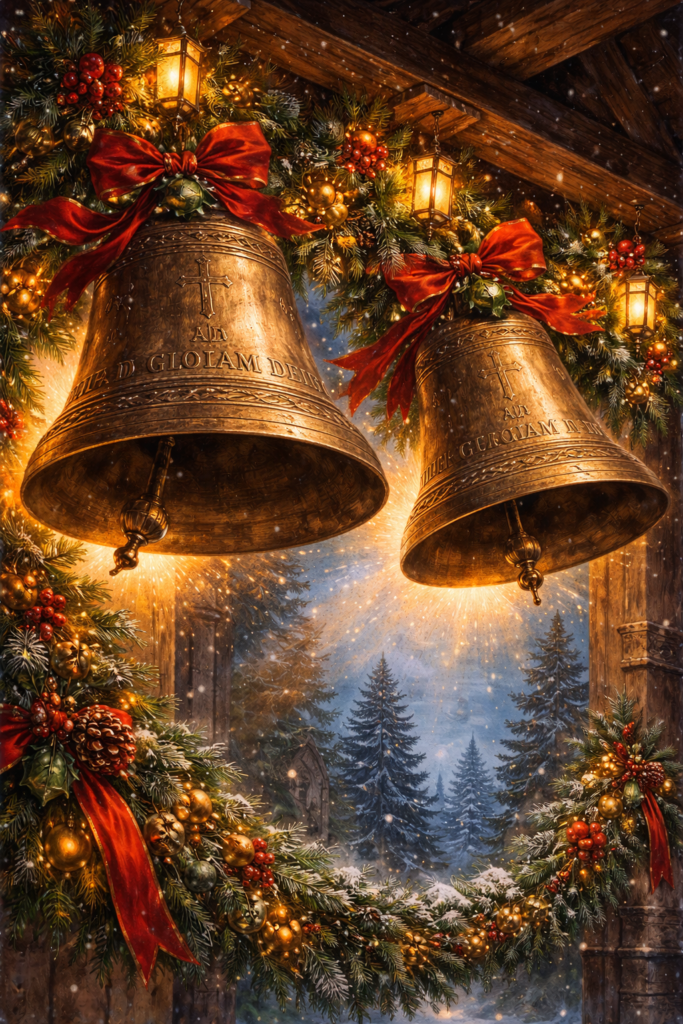
The ringing of bells at midnight on New Year’s Eve did not arise from crude superstition or fear-based folklore, but from a convergence of Christian liturgical practice and civic order, shaped by older human instincts about marking transitions in time. In medieval Christian societies, church bells were understood as instruments of order rather than magic: they marked sacred hours, summoned communities, and publicly acknowledged moments of moral and social significance. Ringing bells at the turning of the year proclaimed that one span of time had ended and another had begun under divine authority, not human control—sanctifying time rather than attempting to ward off spirits. While pre-Christian cultures had long used sound to mark thresholds such as solstices or harvests, Christianity reframed this impulse, transforming what had once been described as “driving away evil” into a declaration that disorder held no claim over the new year. Blessed and inscribed with prayers, bells functioned as the voice of the community itself, announcing accountability, continuity, and intention. Over time, as symbolic language faded, the practice was mischaracterized as superstition; in truth, it served as a ritual of boundary-setting—affirming that the old year no longer ruled, and that the new one began not in randomness, but in responsibility.

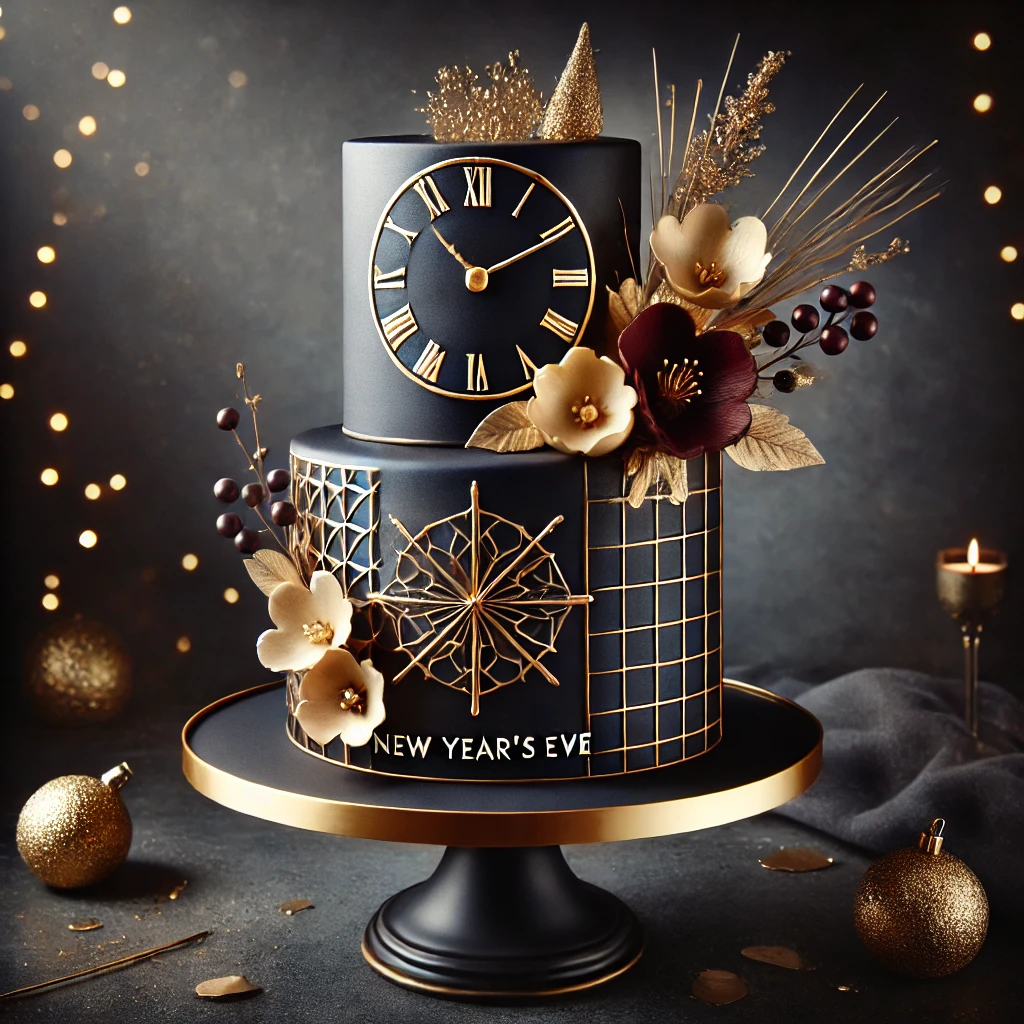
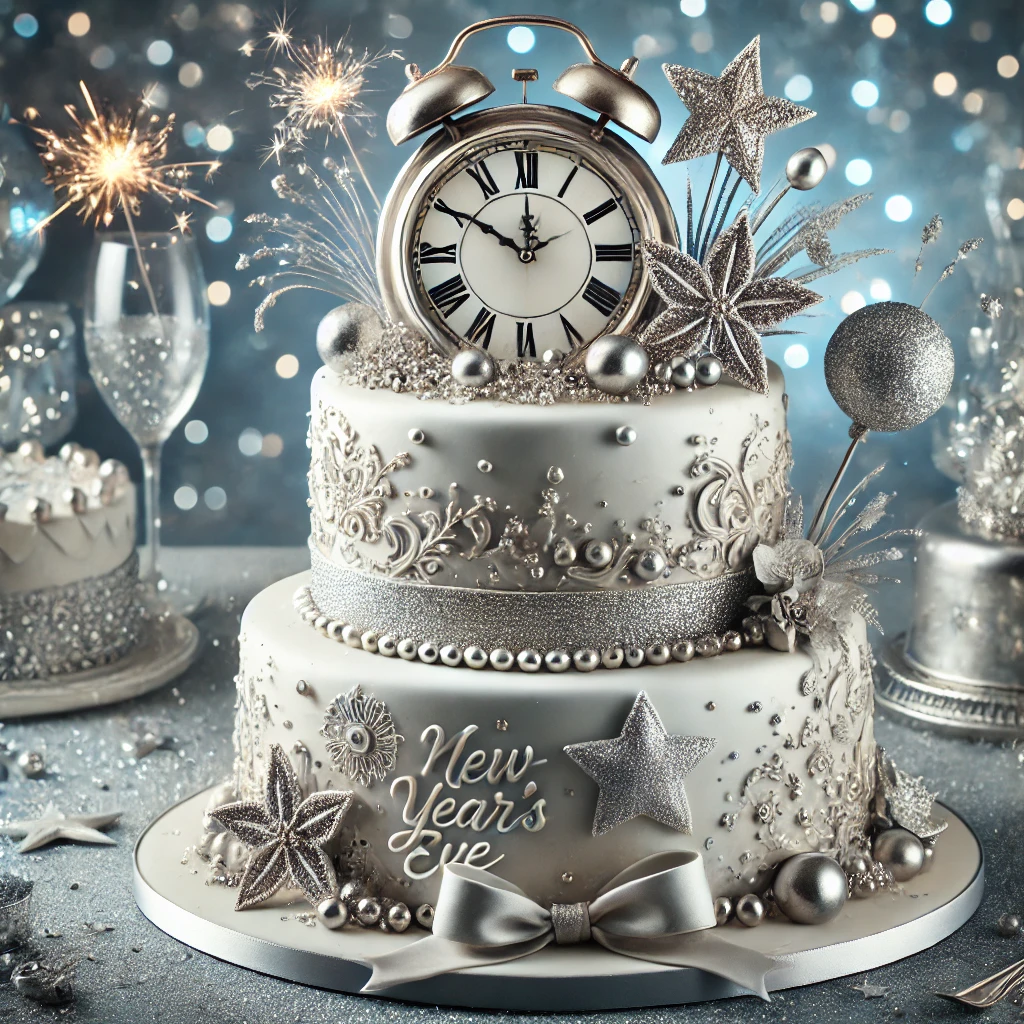
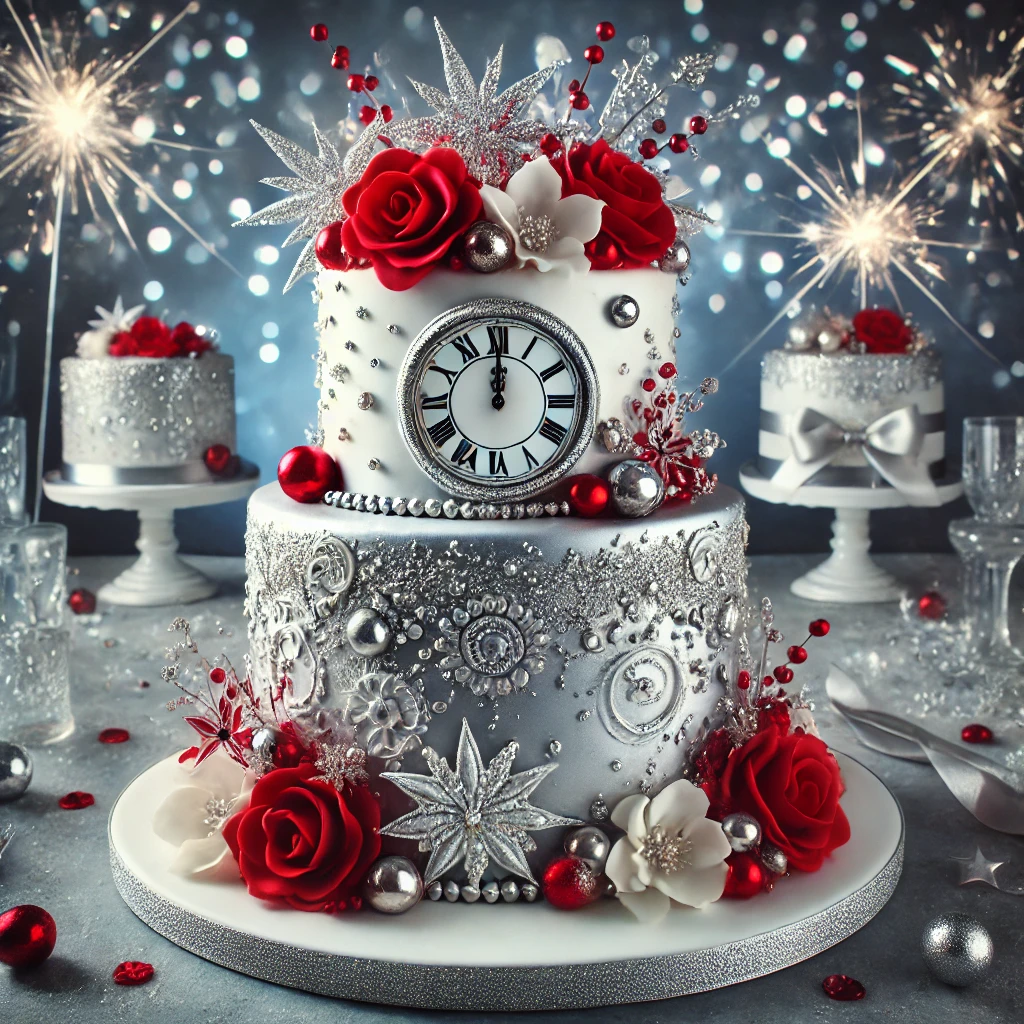
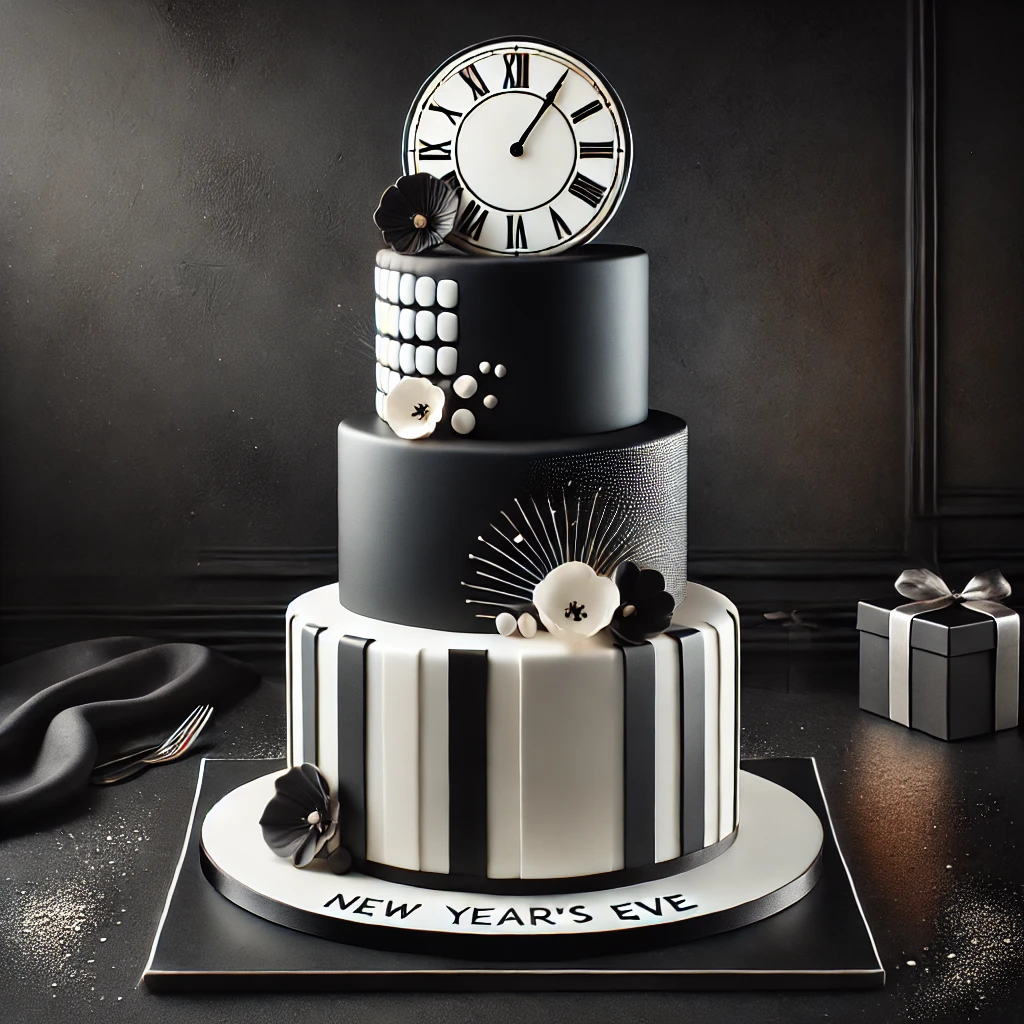
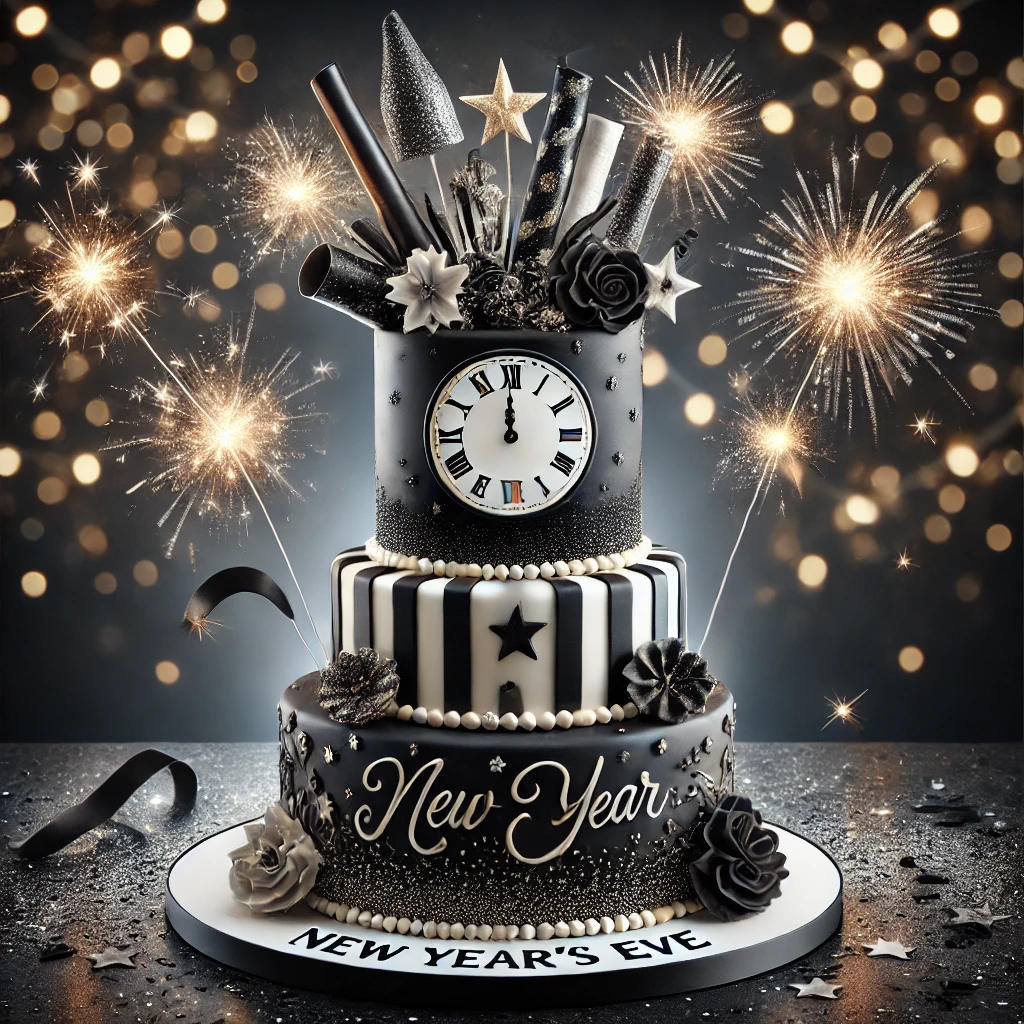
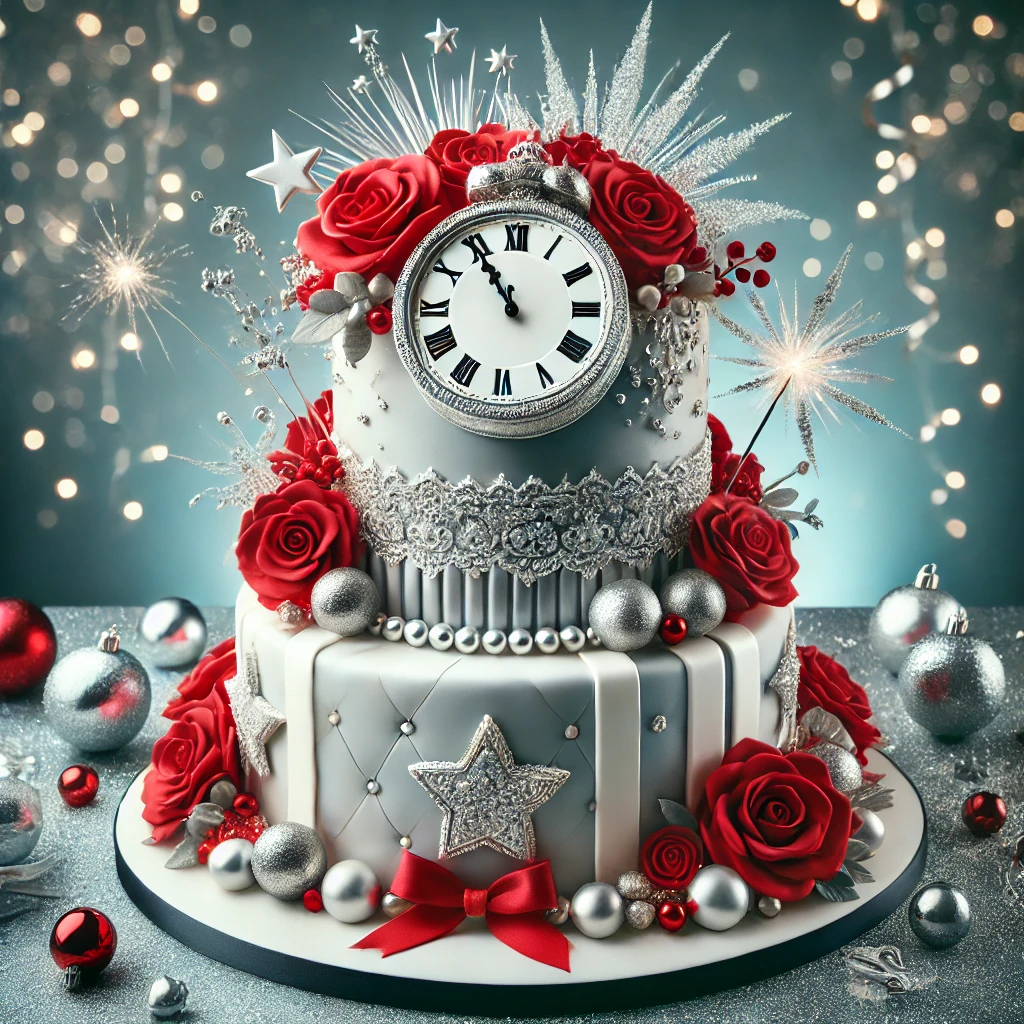
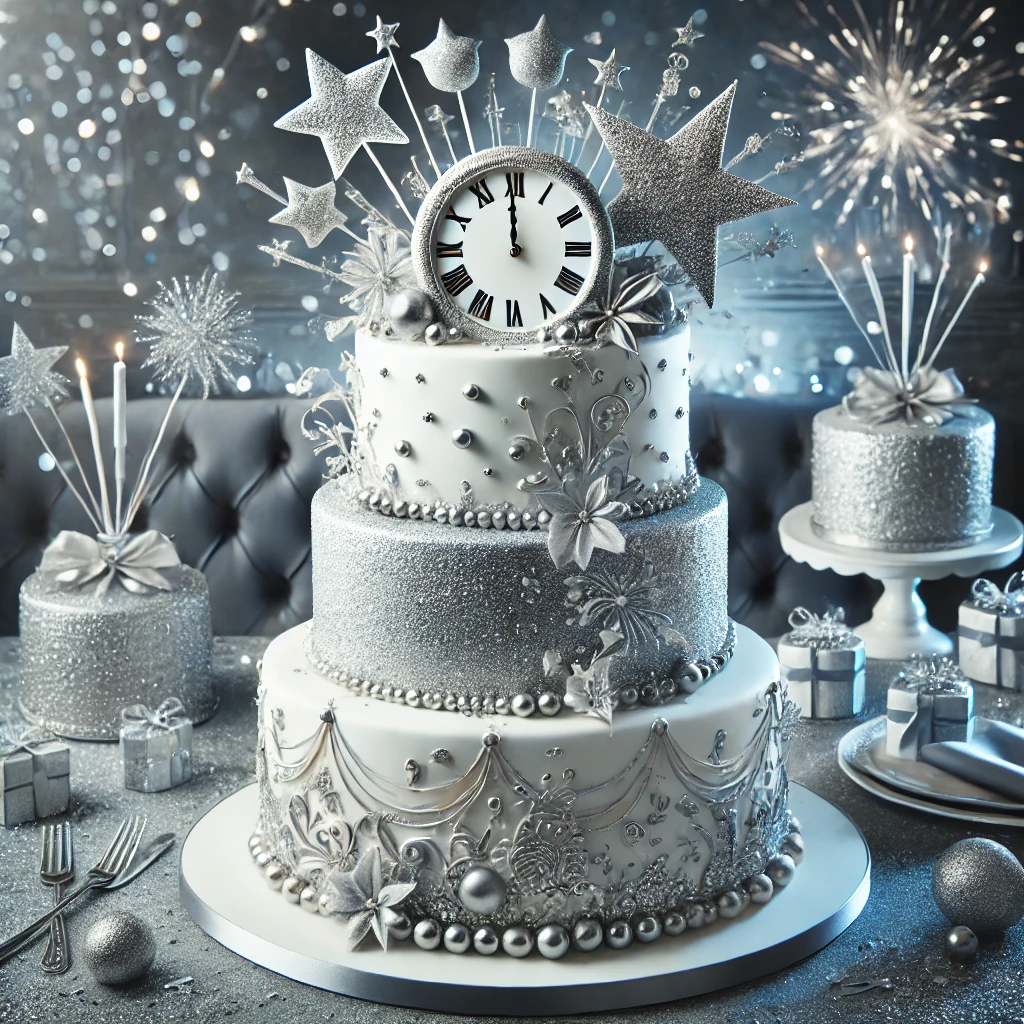
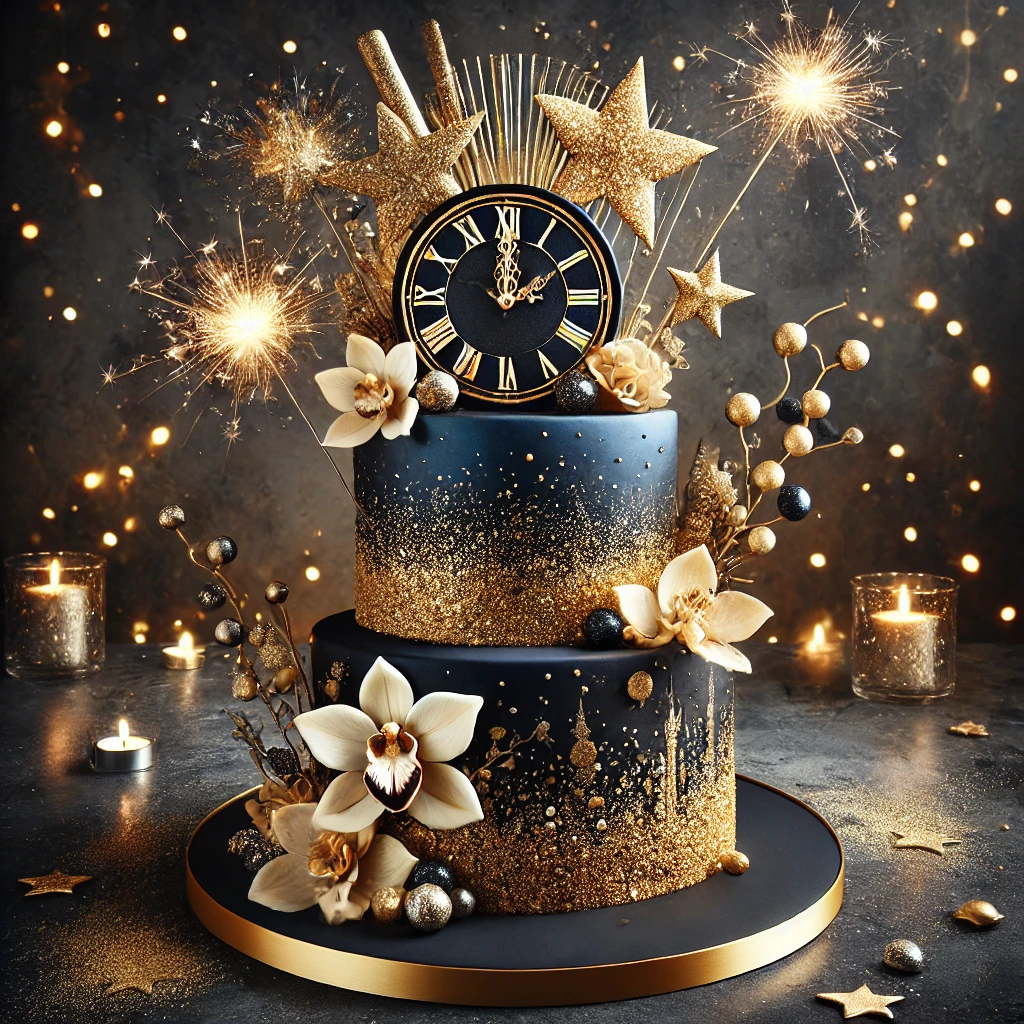
New Year's Eve Cake Decorating Ideas

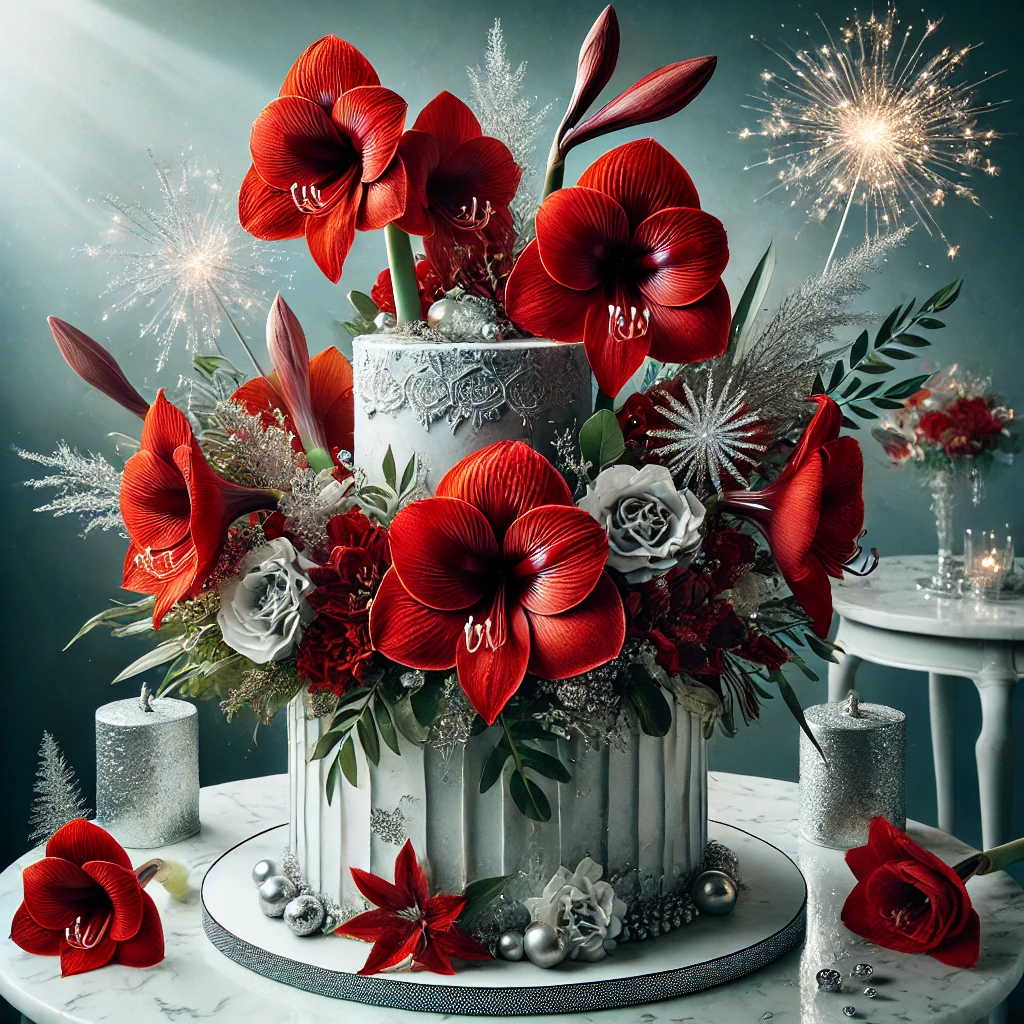
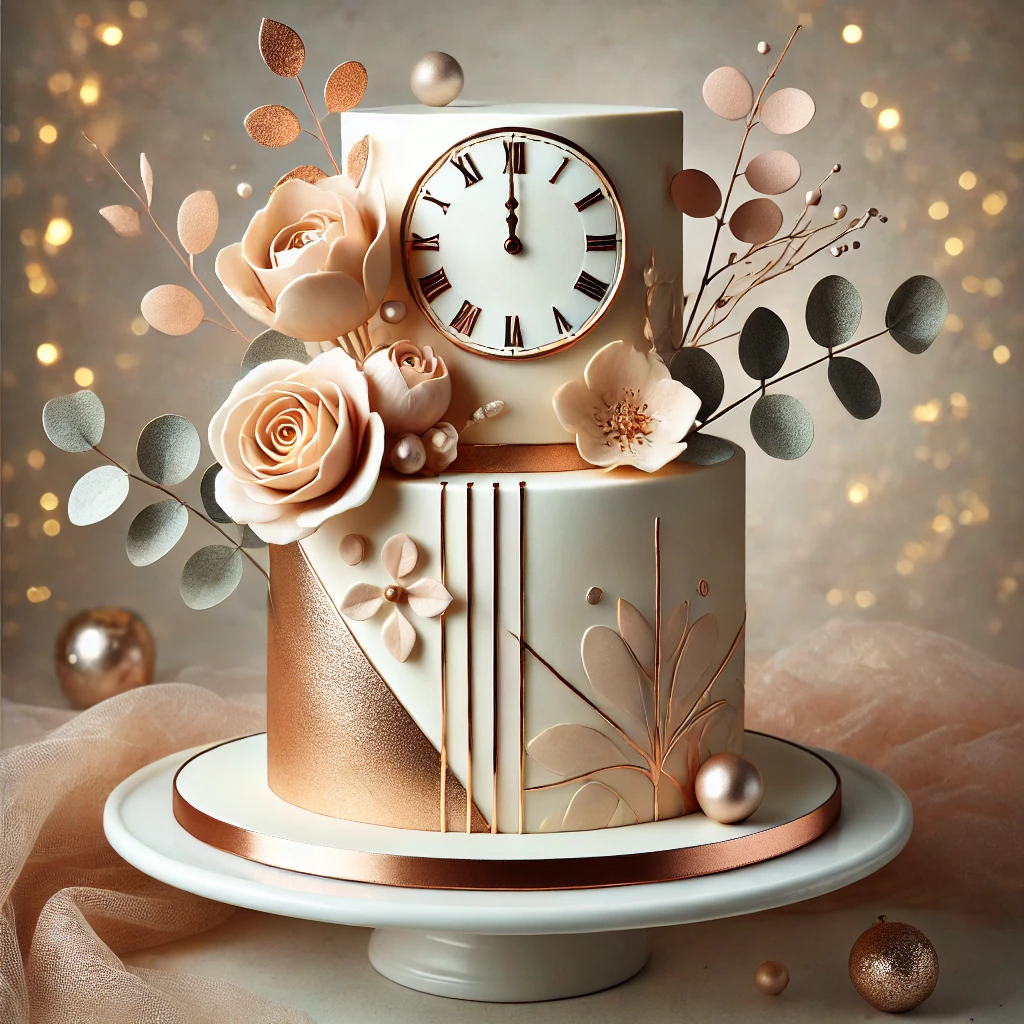
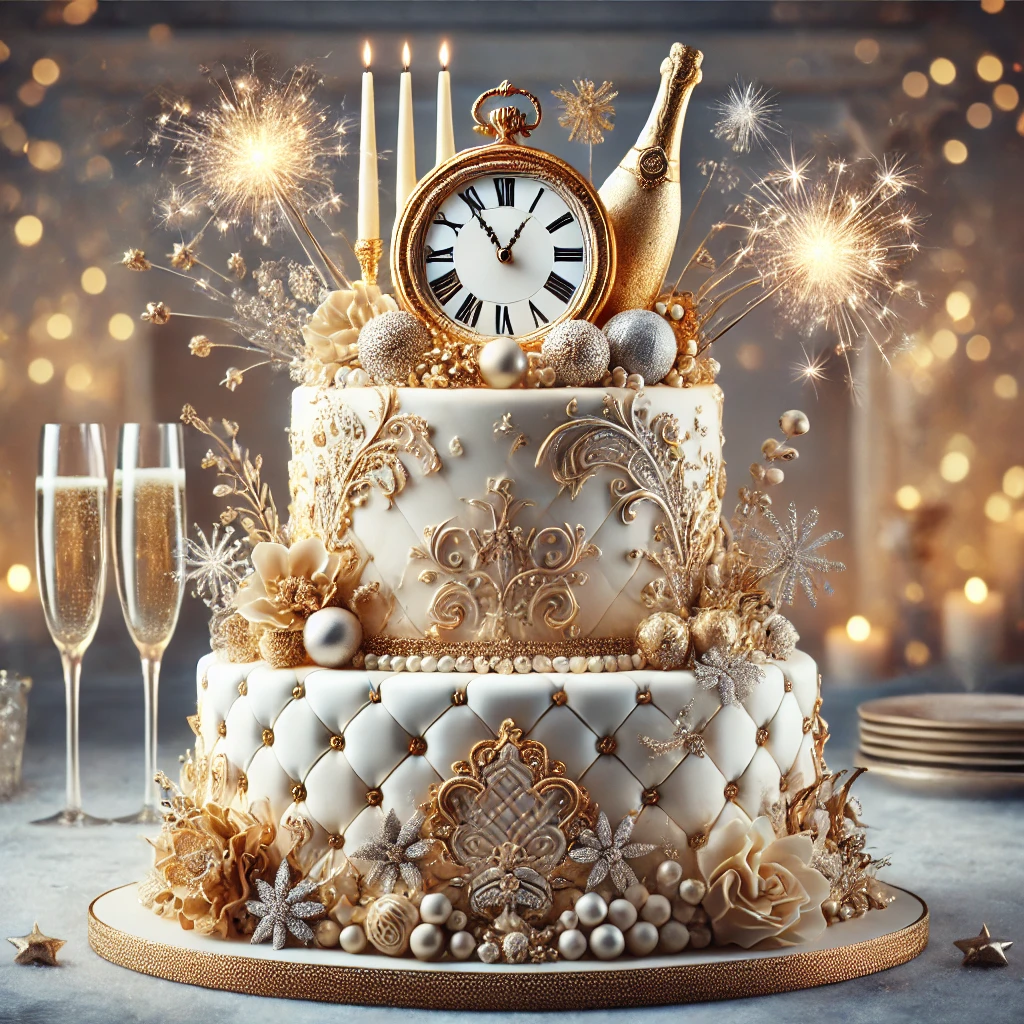
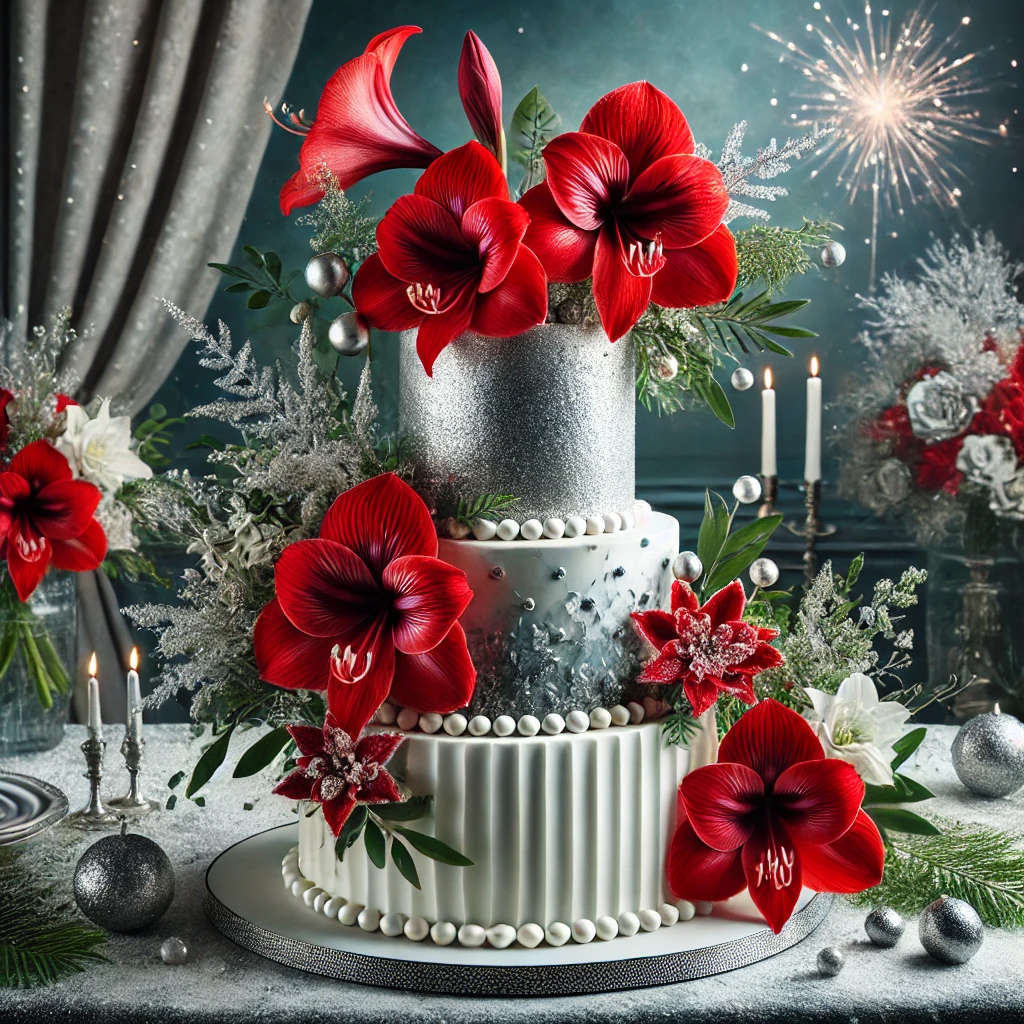
This section is meant to be more than Cake Decorating Ideas… it’s designed to spark inspiration and creativity, awaken tradition, and infuse your special occasions with style, identity, and atmosphere. A color palette becomes a theme. A design becomes a mood. Simple details—like sugared holly leaves or shimmering stars—can set the tone for a gathering and become part of cherished traditions and lasting memories melded with personal touch and love.

Traditional New Year's Eve Dishes

🇺🇸 United States
  • Party foods & finger foods:
    • Shrimp cocktail, deviled eggs, sliders, cheese boards, mini quiches
  • Champagne – the classic midnight toast
  • Appetizer spreads – dips, chips, and charcuterie
  • Sweet treats – cupcakes, cookies, chocolate-covered everything

🇪🇸 Spain
  • 12 grapes at midnight – one grape for each chime of the clock, symbolizing good luck in every month of the coming year
  • Cava – Spanish sparkling wine
  • Tapas – small plates of olives, jamón, cheese, seafood, and bread

🇮🇹 Italy
  • Cotechino with lentils – the lentils symbolize coins and wealth
  • Panettone or pandoro – rich, sweet holiday breads
  • Spumante – Italian sparkling wine

🇫🇷 France – Le Réveillon de la Saint-Sylvestre
  • Elegant, multi-course dinners:
    • Oysters, lobster, foie gras
    • Roast duck or beef
    • Champagne
    • Bûche de Noël (Yule log cake, if not eaten at Christmas)
  • Noisemakers and dancing at midnight

🇯🇵 Japan
  • Toshikoshi soba (“year-crossing noodles”) – eaten before midnight to symbolize letting go of the past and welcoming longevity
  • Tempura, sushi, and mochi are also common
  • Simple but meaningful dishes

🇩🇪 Germany
  • Pork and sausages – for good fortune
  • Sauerkraut – prosperity
  • Pretzels and breads shaped in rings – symbolizing coming full circle
  • Berliner (jam-filled doughnuts)
  • Sekt (German sparkling wine)

🇧🇷 Brazil
  • Lentils – for wealth
  • Rice with lentils and pork
  • Seven grapes or pomegranate seeds – for luck and prosperity
  • White clothing – worn to bring peace
  • Champagne and fireworks at midnight

🇷🇺 Russia
  • Olivier Salad – potato salad with meat, peas, pickles, eggs, and mayo
  • Herring under a fur coat – layered salad with beetroot and pickled herring
  • Champagne
  • Tangerines – a symbol of prosperity

🇲🇽 Mexico & Latin America
  • 12 grapes at midnight
  • Ponche Navideño – warm fruit punch with cinnamon and tejocotes
  • Tamales, bacalao (salt cod), or roast meats
  • Buñuelos – sweet fritters

🇵🇭 Philippines
  • 12 round fruits – for wealth and luck
  • Pancit – long noodles for long life
  • Sticky rice dishes – for family unity
  • Lechon – roasted pig, the centerpiece of many feasts

🍽️ Common Themes
  • Round foods – represent coins and luck
  • Pork – forward motion and abundance
  • Noodles – long life
  • Grapes, lentils, pomegranates – wealth, luck, fertility
  • Champagne or sparkling wine – celebration, joy, and abundance

Winter Recipes