


























St. Patrick's Day

with ORO VALENTIO

St. Patrick - A Real Man of Real Courage

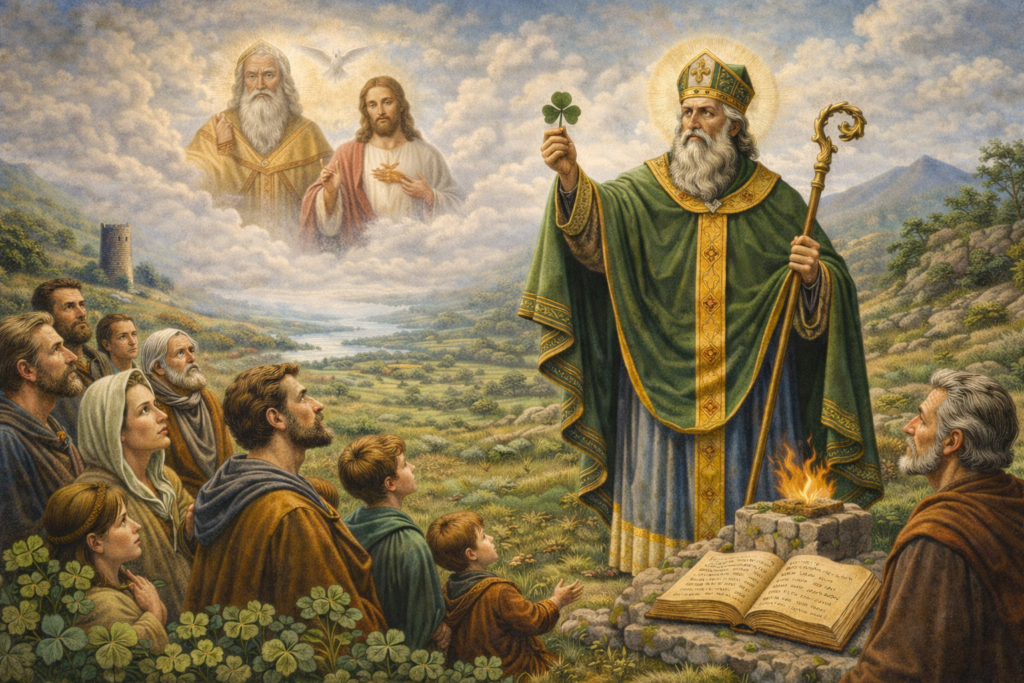
St. Patrick (c. 385–461 AD) is one of the most revered figures in Irish history, credited with bringing Christianity to Ireland. Born in Roman Britain, likely in present-day Wales or northern England, his early life was relatively ordinary until he was kidnapped by Irish raiders at the age of 16. He was taken to Ireland and sold into slavery, forced to tend sheep in the rugged, misty hills of what is now County Antrim. Alone and afraid, Patrick turned to constant prayer, finding solace in his deepening faith. After six years of captivity, Patrick had a vision from God, telling him that a ship awaited him to return home. Trusting the vision, he escaped and journeyed across Ireland, eventually finding passage on a ship. He returned to his family, but the dreams did not stop—one night, he had a vision of the Irish people calling him back, pleading: "We beg you, holy youth, to come and walk among us once more." This divine summons led him to become a priest and later a bishop, training in Gaul (modern-day France) before heeding the call to return to Ireland. When Patrick landed in Ireland around 432 AD, he began preaching to the people, converting thousands to Christianity. He traveled across the island, challenging the Druid priests, converting kings, and establishing churches, schools, and monasteries. His most famous act of defiance took place at Slane Hill, where he lit a Paschal fire in open defiance of the pagan High King Laoire at Tara. Instead of punishing Patrick, the king was so impressed by his courage that he allowed him to continue his mission. One of the most famous legends tells of how Patrick banished all the snakes from Ireland. The story goes that while he was fasting for 40 days on a mountaintop, he was attacked by a nest of snakes. In response, he drove them into the sea, never to return. While historians believe Ireland never had snakes, this legend is thought to symbolize his triumph over paganism, cleansing Ireland of its old beliefs and establishing Christianity.
Saint Patrick Day, celebrated each year on March 17, honors far more than Irish heritage or festive tradition—it commemorates the life and mission of a man whose story is rooted in faith, endurance, and transformation. Born in Roman Britain, Patrick was taken captive to Ireland as a teenager and lived for years as a slave. Through suffering and isolation, his faith deepened, shaping the vocation that would later call him back—not in anger or conquest, but in forgiveness and love—to serve the very people who once enslaved him.
Patrick’s mission in Ireland was marked by humility and wisdom. Rather than erasing local culture, he engaged it, translating the Christian faith into forms people could understand and receive. Over time, his work helped lay the foundation for a uniquely vibrant Irish Christianity—one that preserved learning, fostered community, and influenced much of Europe for centuries. While later traditions added symbols like the shamrock and legendary tales, the heart of St. Patrick’s Day remains the same: it is a celebration of faith lived with courage, mercy offered without condition, and truth communicated through everyday life.
Today, St. Patrick’s Day invites reflection as much as celebration. It reminds us that renewal often begins in hardship, that grace can take root in unexpected places, and that lasting transformation happens not through force, but through faithful presence. Whether observed through prayer, cultural remembrance, or simple joy, the day ultimately honors a legacy of hope—one that continues to inspire across generations and cultures.
His life, a blend of history, faith, and legend, remains one of the most celebrated in the Christian tradition. St. Patrick’s Day, originally a religious feast day, has since evolved into a global celebration of Irish culture, yet at its heart, it remains a tribute to the man who transformed a nation and inspired the world.

The Breastplate of St. Patrick

The Breastplate of St. Patrick, often called St. Patrick’s Lorica, is a powerful early Christian prayer traditionally attributed to Saint Patrick, invoking God’s protection in the face of danger, uncertainty, and spiritual struggle. Rooted in the biblical imagery of spiritual armor, the prayer calls upon the strength of the Trinity—Father, Son, and Holy Spirit—along with Christ’s life, death, resurrection, and ongoing presence, as a shield surrounding the believer. Whether or not Patrick himself composed the text in its final form, the prayer reflects the lived faith of early Irish Christianity: a trust in God that is not abstract but immediate, embodied, and fiercely resilient. The Breastplate weaves together heaven and earth, nature and grace, reminding those who pray it that divine strength does not remove hardship but surrounds and sustains the soul within it. For centuries, it has endured as a declaration of courage—faith worn not as ornament, but as armor.
Learn about the -M-PowerMen Supernatural Armor.

I arise today
Through a mighty strength, the invocation of the Trinity,
Through belief in the Threeness,
Through confession of the Oneness
Of the Creator of creation.

I arise today
Through the strength of Christ’s birth with His baptism,
Through the strength of His crucifixion with His burial,
Through the strength of His resurrection with His ascension,
Through the strength of His descent for the judgment of doom.

I arise today
Through the strength of the love of cherubim,
In obedience of angels,
In the service of archangels,
In hope of resurrection to meet with reward,
In prayers of patriarchs,
In predictions of prophets,
In preaching of apostles,
In faith of confessors,
In innocence of holy virgins,
In deeds of righteous men.

I arise today
Through the strength of heaven,
The light of the sun,
The radiance of the moon,
The splendor of fire,
The speed of lightning,
The swiftness of wind,
The depth of the sea,
The stability of the earth,
The firmness of rock.
I arise today

Through God’s strength to pilot me,
God’s might to uphold me,
God’s wisdom to guide me,
God’s eye to look before me,
God’s ear to hear me,
God’s word to speak for me,
God’s hand to guard me,
God’s way to lie before me,
God’s shield to protect me,
God’s hosts to save me
From snares of devils,
From temptation of vices,
From everyone who shall wish me ill,
Afar and near.

I summon today
All these powers between me and evil,
Against every cruel merciless power
That may oppose my body and soul,
Against incantations of false prophets,
Against black laws of pagandom,
Against false laws of heretics,
Against craft of idolatry,
Against spells of witches, and smiths, and wizards,
Against every knowledge that corrupts man’s body and soul.
Christ to shield me today
Against poison, against burning,
Against drowning, against wounding,
So that there may come abundance of reward.

Christ with me, Christ before me,
Christ behind me, Christ in me,
Christ beneath me, Christ above me,
Christ on my right, Christ on my left,
Christ when I lie down, Christ when I sit down,
Christ when I arise,
Christ in the heart of every man who thinks of me,
Christ in the mouth of everyone who speaks of me,
Christ in every eye that sees me,
Christ in every ear that hears me.

I arise today
Through a mighty strength, the invocation of the Trinity,
Through belief in the Threeness,
Through confession of the Oneness
Of the Creator of creation.
Amen.

St. Patrick's Day Traditions to Make Your Own

🍀 Honoring Saint Patrick
At its heart, St. Patrick’s Day commemorates Patrick’s life, mission, and death (March 17). Traditionally, the day began with prayer, church services, and reflection, especially in Ireland, where it was long observed as a solemn holy day—even during Lent.

🌿 Wearing Green & the Shamrock
Wearing green symbolizes Ireland and renewal. The shamrock became a cultural emblem over time, representing Irish identity and, in Christian symbolism, the mystery of the Trinity. Many people pin a sprig of shamrock to their clothing as a sign of heritage and remembrance.

🎺 Parades & Processions
Public parades are one of the most recognizable traditions today. Interestingly, large parades developed first among the Irish diaspora, especially in the United States, as a way to celebrate identity and resilience. Ireland later embraced the tradition on a national scale.

🍞 Traditional Irish Food
Classic foods associated with the day include: Irish soda bread, Colcannon (mashed potatoes with cabbage or kale), Stews made with lamb or beef. Historically, families shared a simple, hearty meal rather than a feast.

🍺 Lifting Lenten Restrictions
In Ireland, March 17 was one of the rare days during Lent when restrictions were relaxed, allowing families to enjoy meat or drink in moderation. This practical allowance later evolved—especially abroad—into a more festive (and sometimes excessive) custom.

🎶 Music, Storytelling & Dance
Traditional Irish music, storytelling, and folk dancing are deeply tied to the day, celebrating Ireland’s oral history, communal spirit, and artistic heritage.

🌍 Celebrating Irish Identity Worldwide
For millions of people worldwide—Irish by birth or by heart—St. Patrick’s Day is a celebration of identity, endurance, and belonging. Landmarks lit in green, cultural festivals, and community gatherings reflect this global embrace.

✨ A Day of Meaning Beneath the Festivity
At its core, St. Patrick’s Day isn’t about luck or spectacle—it’s about faith carried through hardship, culture honored rather than erased, and renewal that begins quietly and grows strong over time.
Croagh Patrick was already regarded as a sacred mountain long before St. Patrick ever climbed it. For centuries, it had been a place of ritual, pilgrimage, and encounter with the divine in pre-Christian Ireland. Rather than rejecting or erasing this deep spiritual memory, Patrick deliberately entered it. By praying and fasting there, he reclaimed the site—redirecting what people already understood as holy toward the true God. This approach reveals something quietly radical about Patrick’s mission: he did not seek to destroy Irish culture but to fulfill and transform it from within. By honoring existing sacred spaces, he showed profound respect for the people he served, allowing faith to take root organically rather than by force. In doing so, Patrick demonstrated that grace often builds upon what is already present, healing and elevating rather than wiping the slate clean.

May the Holy Spirit Awaken Courage in Your Heart

The famous story that Saint Patrick used a shamrock to explain the Trinity is beloved for good reason—but historically, it appears to be a later tradition rather than something we can verify from Patrick’s own time. The earliest sources closest to Patrick (including his two authentic writings, Confessio and his Letter to Coroticus) don’t mention shamrocks at all, and the earliest biographies and legends about him also develop over centuries in a way that mixes history, memory, and devotional storytelling. That doesn’t make the shamrock idea “fake” in a useless sense—it makes it a symbol that the Irish Christian imagination adopted because it fits so well: a simple, local, everyday plant that can naturally point to a profound mystery—three distinct leaves sharing one life and one stem. In other words, even if Patrick didn’t literally hold up a shamrock during a sermon, the symbol still captures something true about how the faith took root in Ireland: Christianity wasn’t only preached as abstract philosophy; it was translated into images people could see, touch, and remember, woven into the texture of Irish life. And that’s why the shamrock tradition endured—because it expresses a deeper reality about Patrick’s mission: the Gospel was communicated in a way that was understandable, local, and culturally resonant, so that what people already knew from their own world could become a doorway into what they were learning about God.
May the God who called Saint Patrick through exile and return
go before you to guide your steps,
stand behind you to guard your past,
and walk beside you in every uncertain road ahead.
May Christ surround you—above you and beneath you,
within you and around you—
strength in times of trial,
mercy in moments of weakness,
and light when the way grows dim.
May the Holy Spirit awaken courage in your heart,
root faith deep within your daily life,
and teach you to recognize the holy
in ordinary ground.
And may you go forth this day
clothed not in luck, but in grace;
not chasing blessing, but carrying it—
until all you touch is quietly transformed by love.
Amen. 🍀

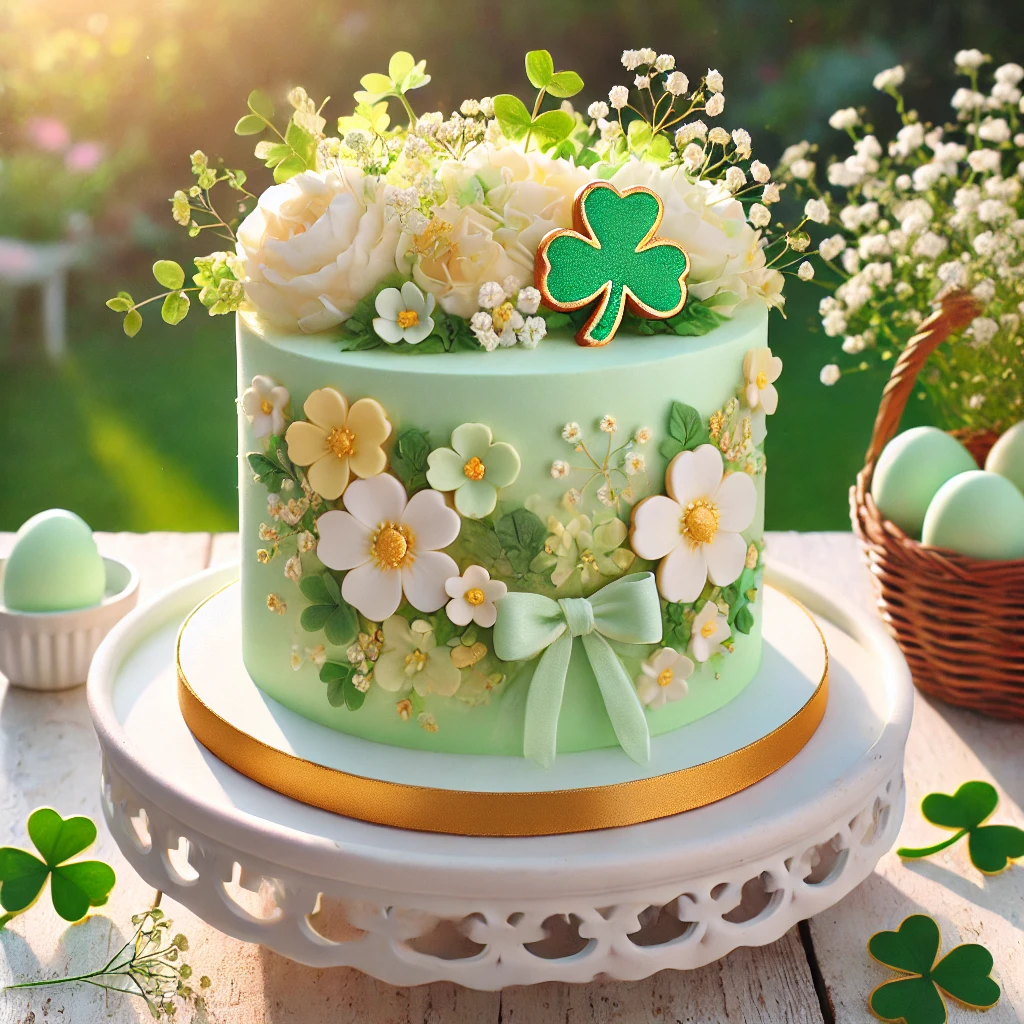
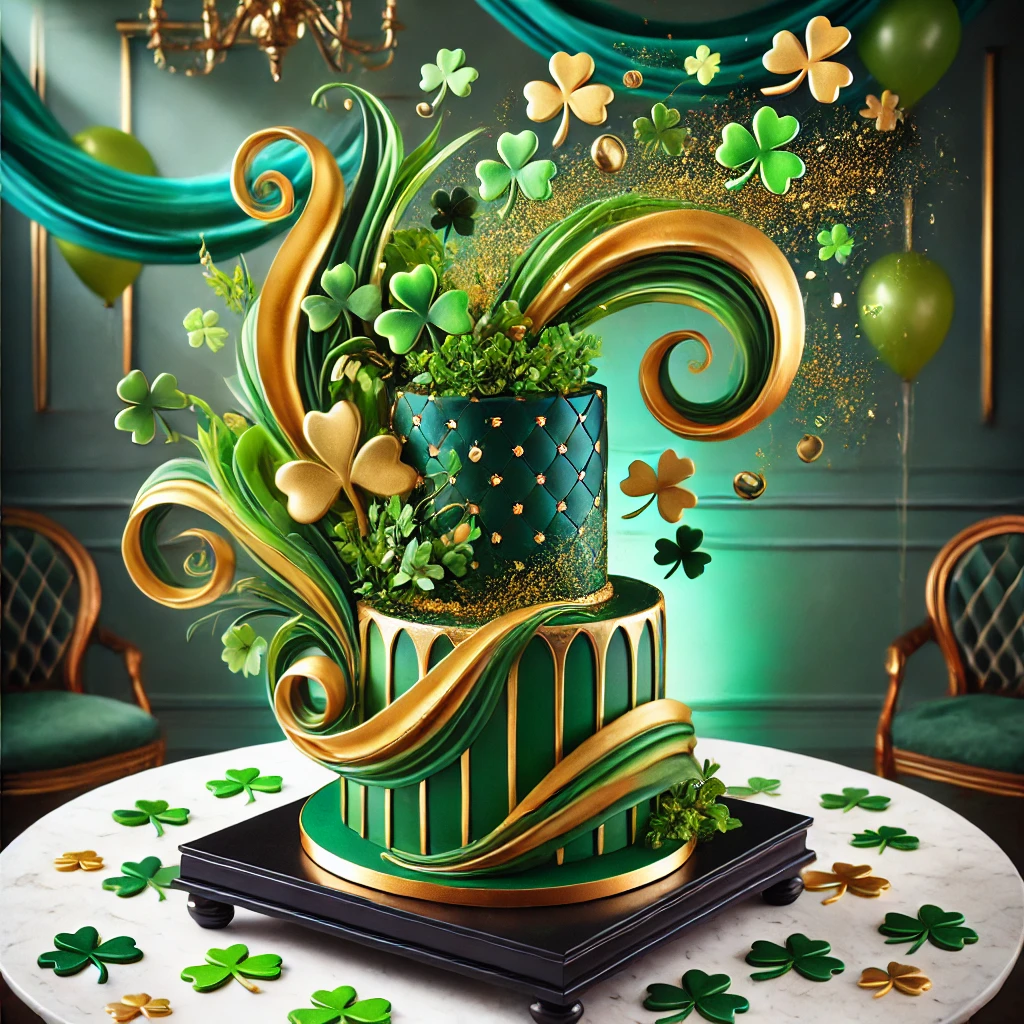
St. Patrick's Day Cake & Atmosphere Ideas

Where style, memory, and celebration meet.

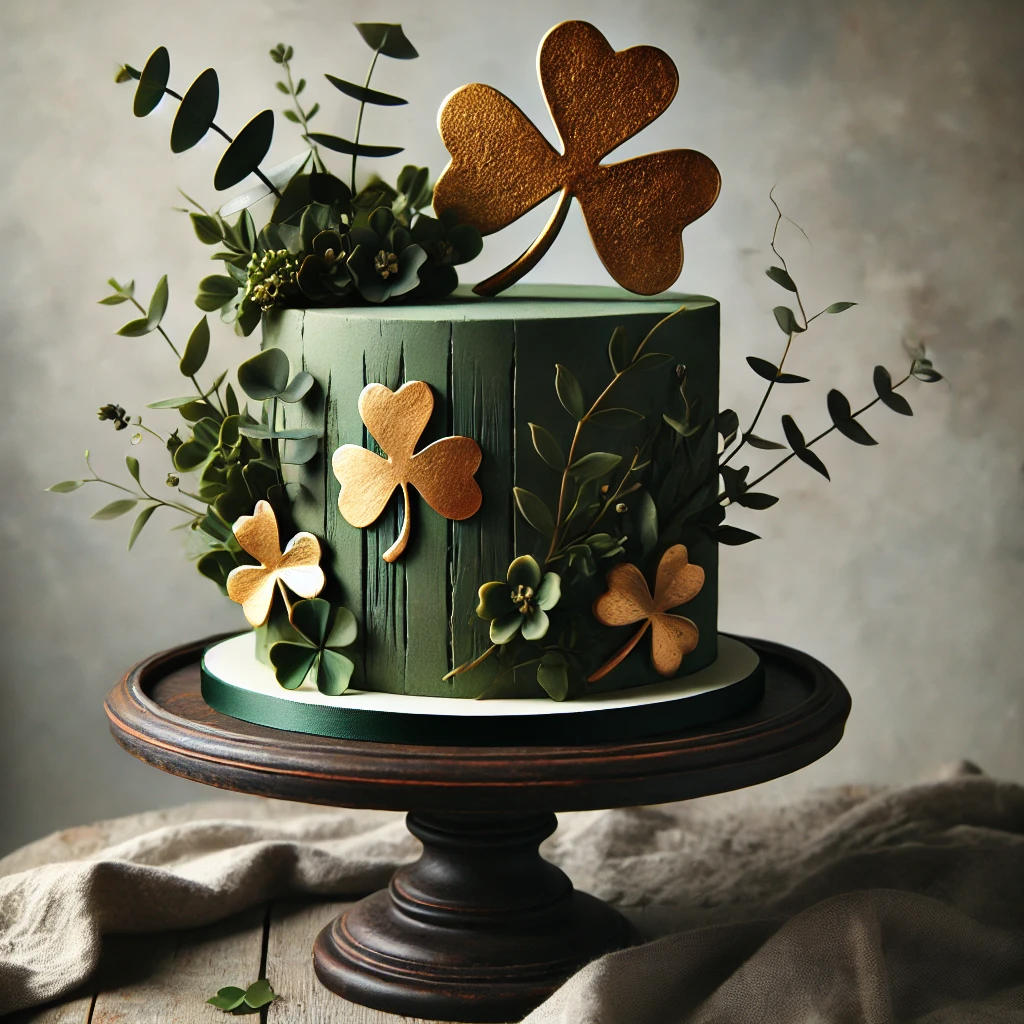
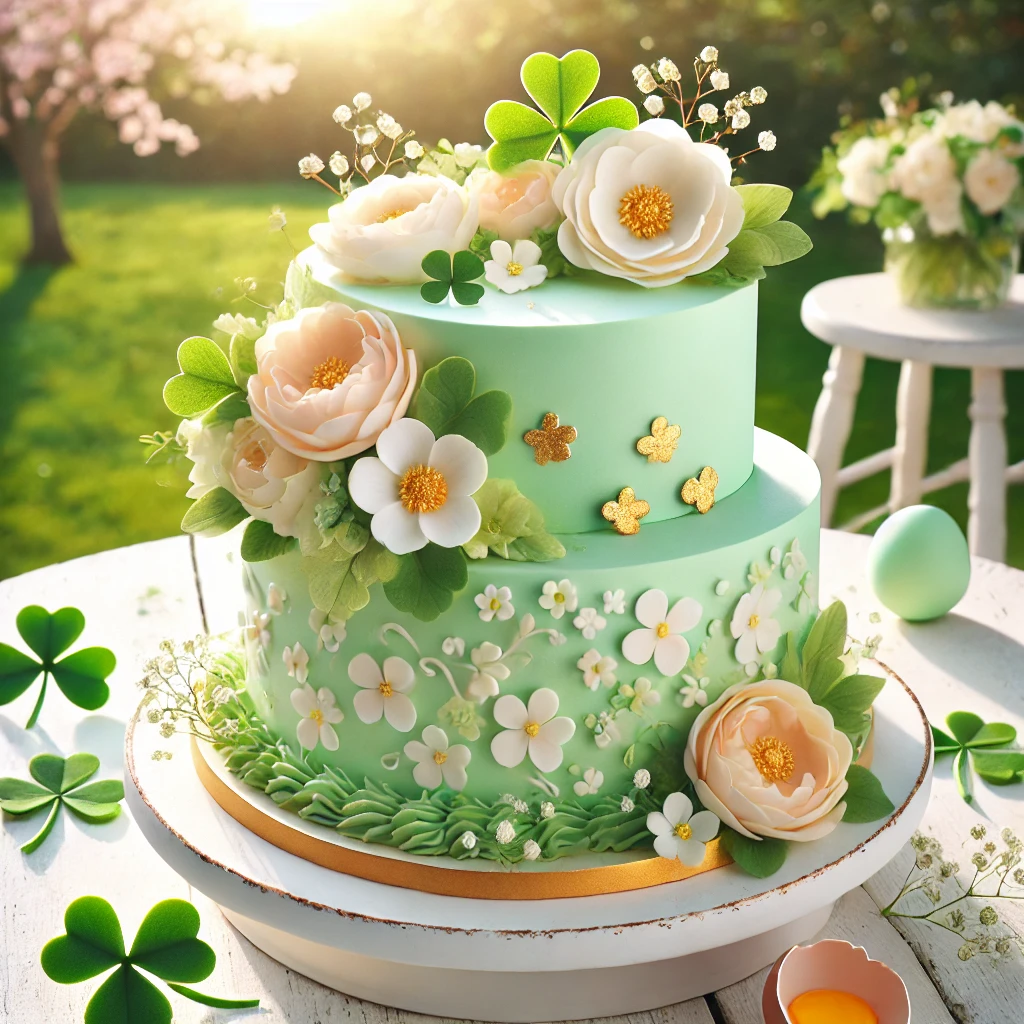
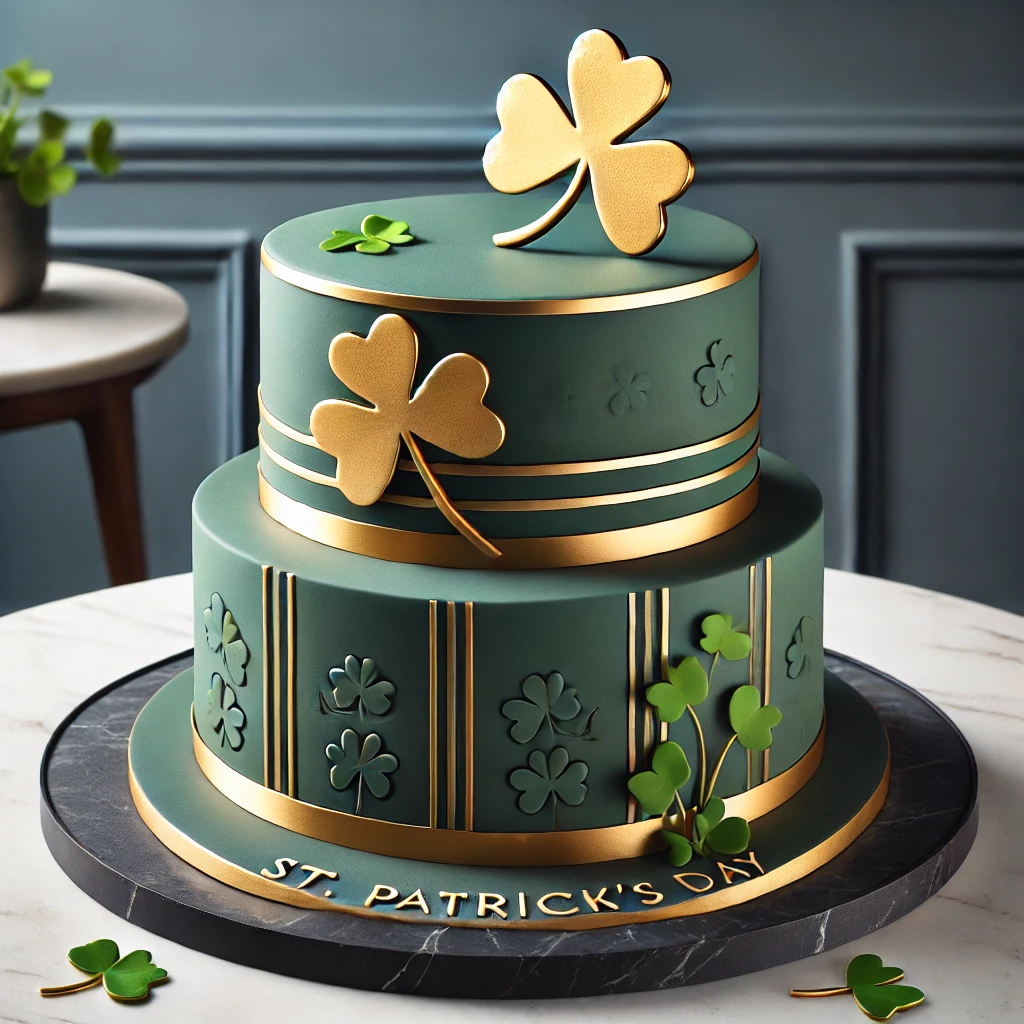
This section is meant to be more than Cake Decorating Ideas… it’s designed to spark inspiration and creativity, awaken tradition, and infuse your special occasions with style, identity, and atmosphere. A color palette becomes a theme. A design becomes a mood. Simple details—like sugared holly leaves or shimmering stars—can set the tone for a gathering and become part of cherished traditions and lasting memories melded with personal touch and love.

Traditional St. Patrick's Day Dishes

Traditional Foods in Ireland
These reflect everyday Irish cooking and what families historically ate around March 17:
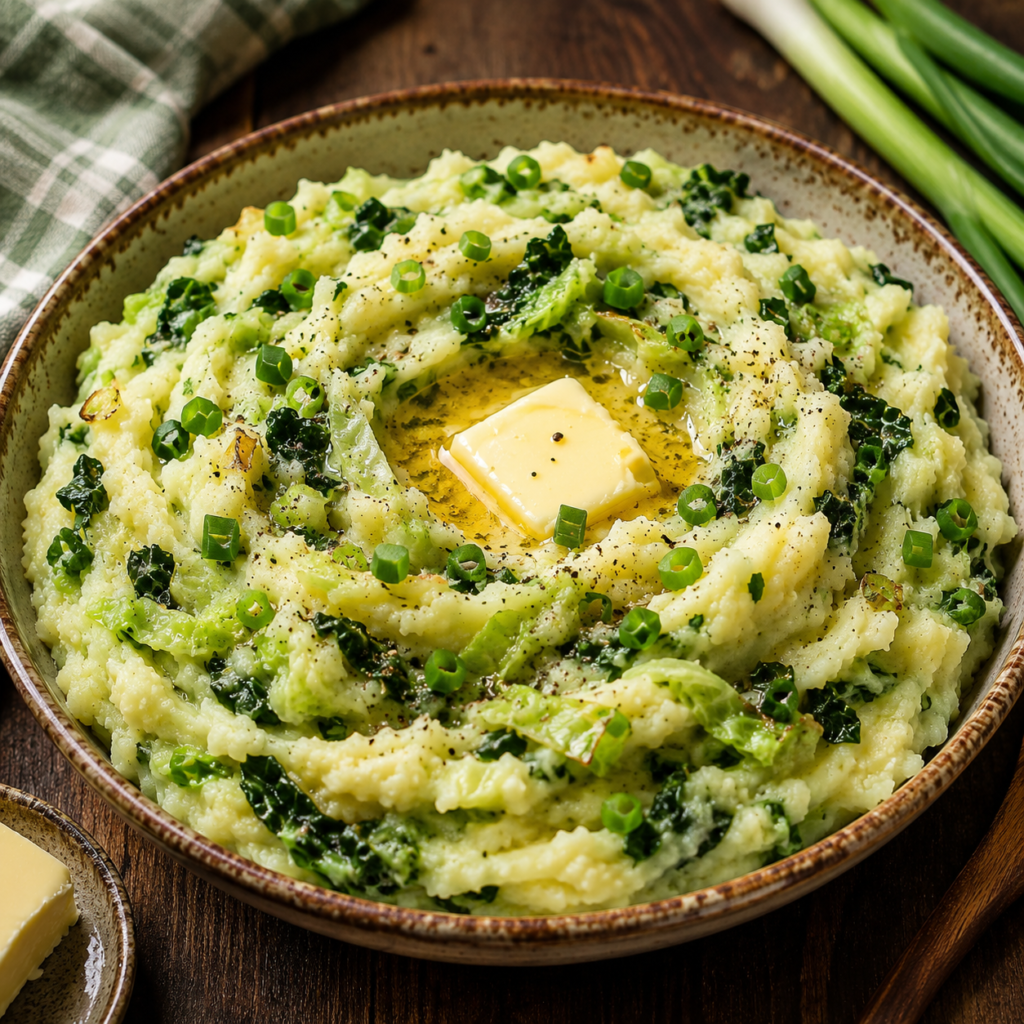
🥔 Colcannon
Mashed potatoes mixed with cabbage or kale, butter, and sometimes scallions. Simple, hearty, and deeply Irish.
🥓 Bacon and Cabbage
This is the true classic Irish St. Patrick’s Day meal. “Bacon” refers to cured pork (closer to ham than American bacon), served with boiled cabbage and potatoes.
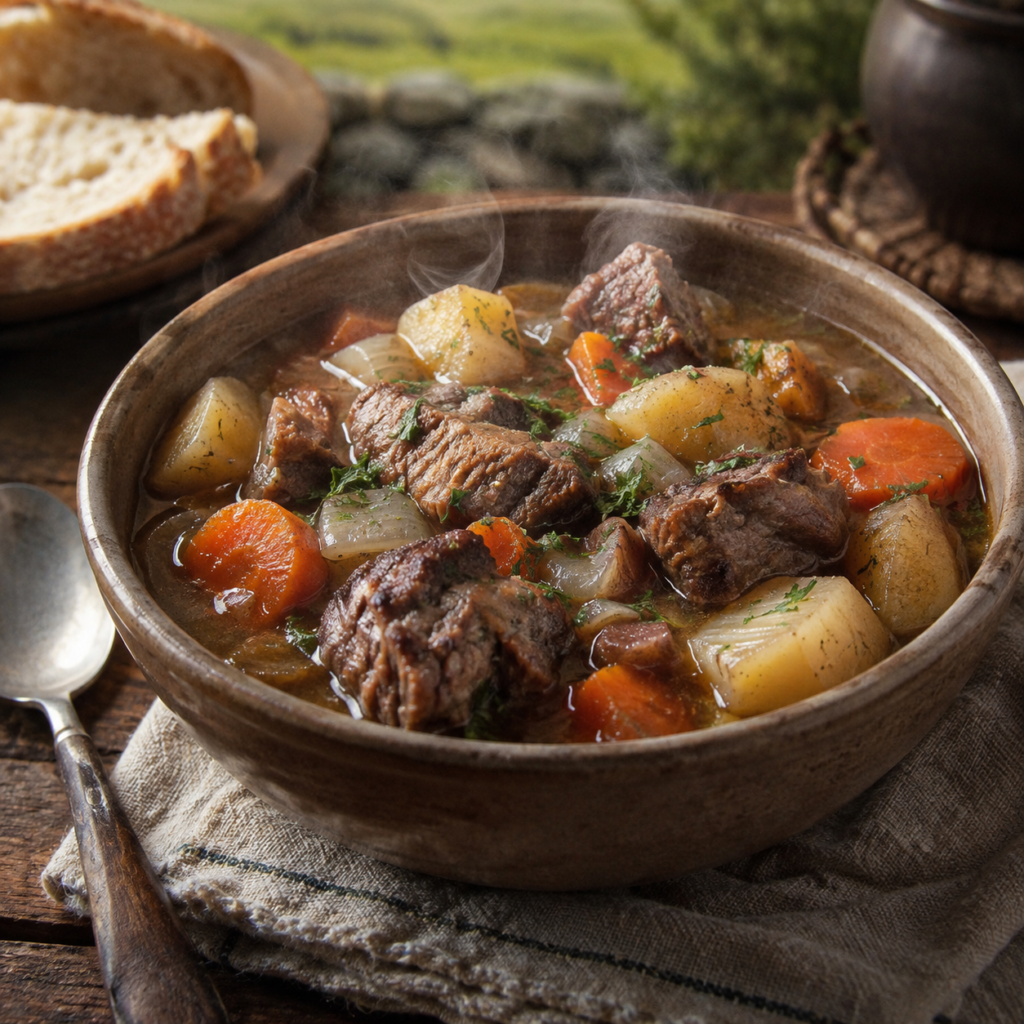
🍲 Irish Stew
Traditionally made with lamb or mutton, potatoes, onions, and herbs. Beef versions came later.
🥞 Boxty
Irish potato pancakes—crispy on the outside, soft inside—often eaten with butter or alongside savory dishes.
🍞 Irish Soda Bread
A staple bread made with baking soda instead of yeast. In Ireland, it’s usually plain or lightly sweet, not heavily studded with raisins.

🇺🇸 Irish-American Traditions
These became popular among immigrants and are now widely associated with the holiday:
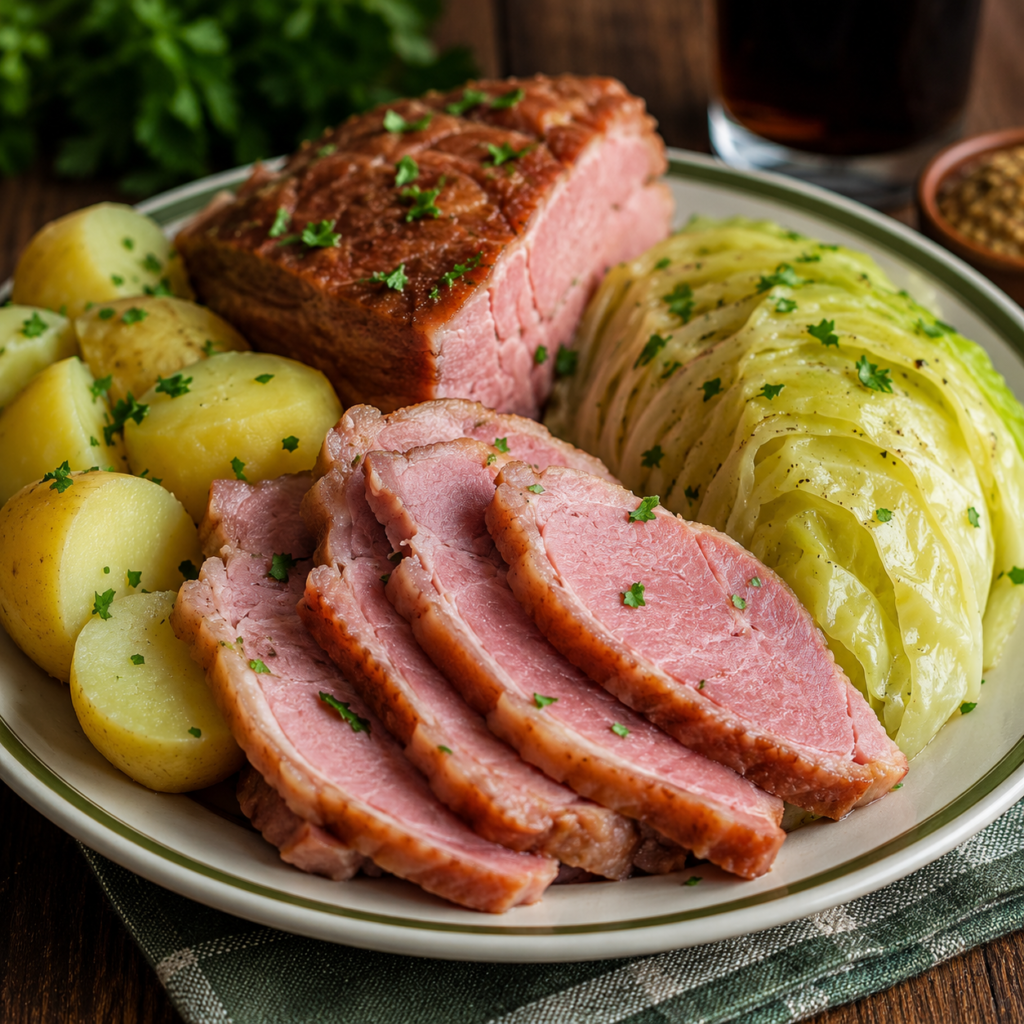
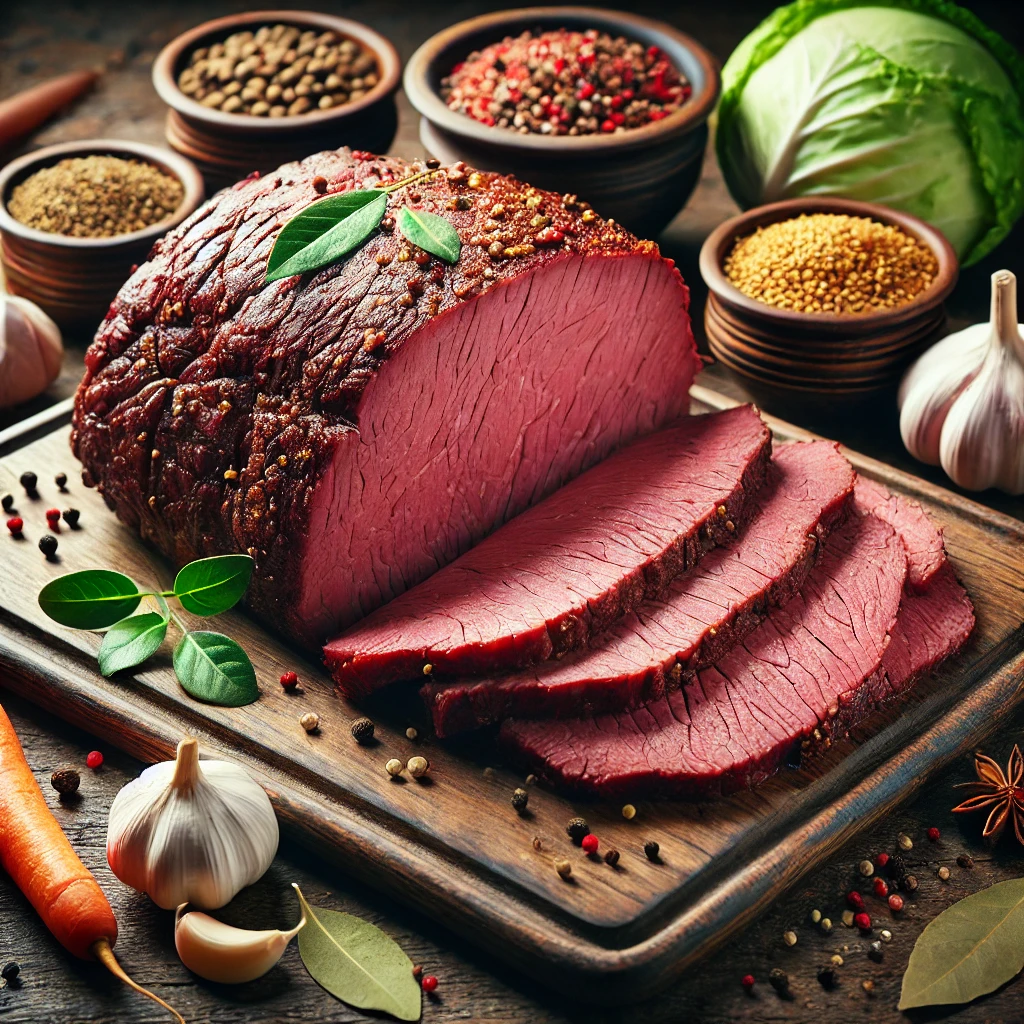
🥩 Corned Beef and Cabbage
This is not historically Irish—it developed in America when Irish immigrants substituted affordable corned beef for traditional pork.
🍺 Beer & Stout
Especially Irish stout, though heavy drinking is a much later cultural development and not part of the day’s original observance.

🍰 Simple Sweets
Historically, desserts were modest:
  • Soda bread with a bit of sugar
  • Apple-based dishes
  • Tea with baked goods
Elaborate desserts are a modern addition.

Winter Recipes