
































Father's Day

with ORO VALENTIO

The Third Sunday in June

Fatherhood carries a quiet strength.
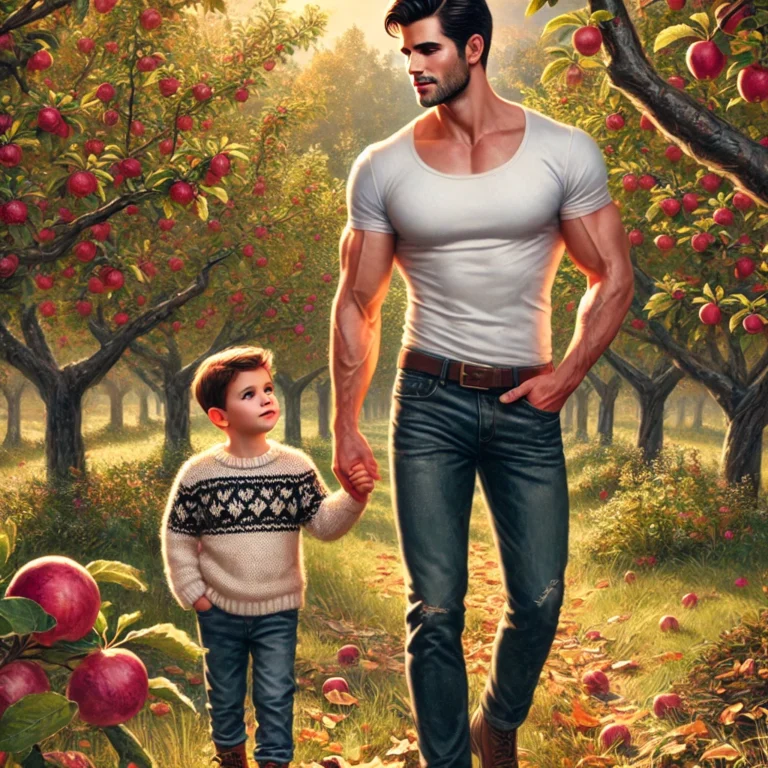
It is early mornings, late nights, steady hands, and unwavering presence. It is guidance given not only in words, but in example. Fathers build, protect, teach, repair, encourage, and stand firm when it matters most.
On Father’s Day, we recognize the men who show up.
We honor the dads who lead their families with integrity.
The grandfathers whose wisdom shapes generations.
The stepfathers, mentors, coaches, and guardians who choose responsibility and live it daily.
A father’s influence reaches far beyond what can be seen. It forms confidence, courage, and character. It becomes the foundation from which futures are built.
Today we say thank you — for the sacrifices made quietly, for the lessons repeated patiently, and for the love demonstrated through action.
 
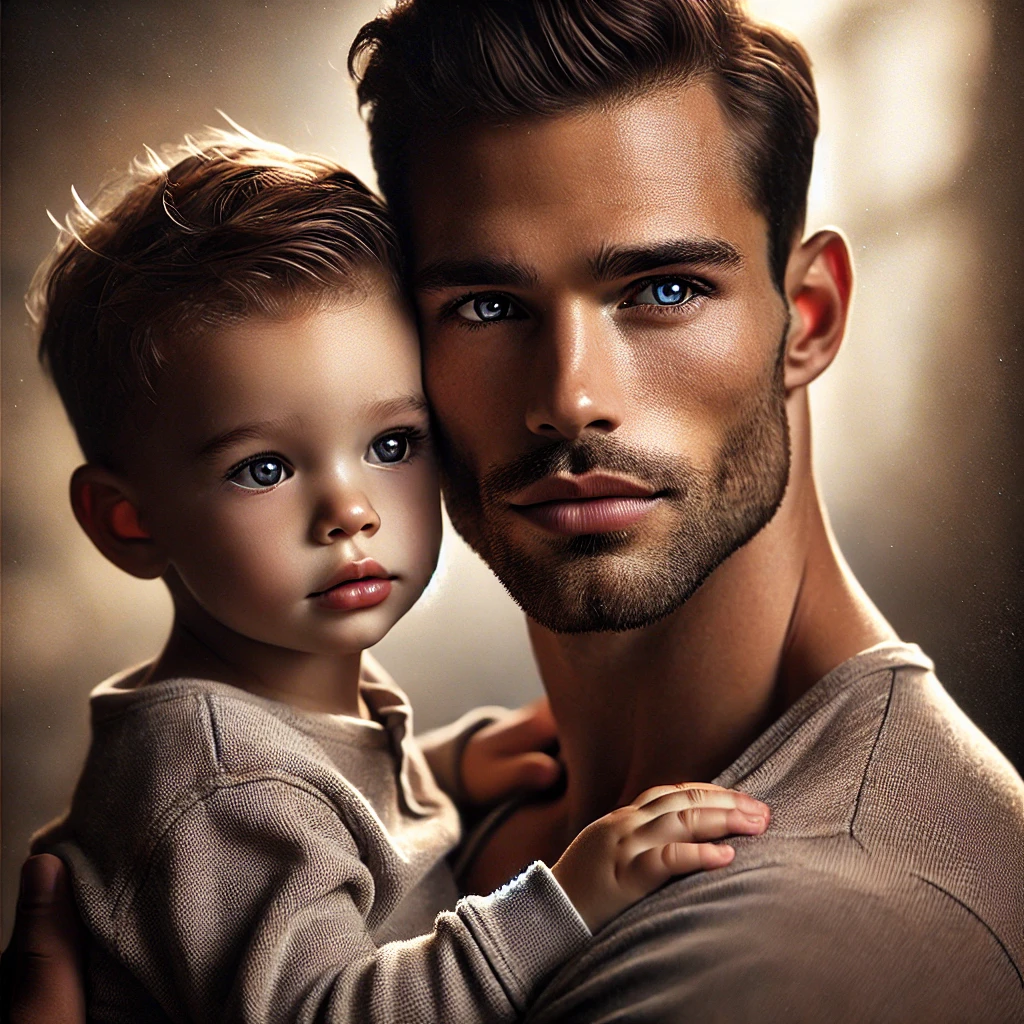
When a man bonds with his child, his biology adapts. Hormones associated with attachment and territorial protection—particularly vasopressin, along with oxytocin—become more influential in guiding behavior. These shifts heighten awareness of threat, increase motivation to guard, and strengthen the impulse to stand between the vulnerable and whatever would harm them. At the same time, the brain reorganizes. Networks involved in rapid decision-making, emotional control under stress, and future-oriented planning grow more active through repeated caregiving and protective engagement. The father becomes, in a literal neurological sense, practiced in courage. This is not theatrical bravery. It is trained readiness written into the nervous system. Over time, a man’s tolerance for risk on behalf of those he loves often increases. Fear does not disappear; rather, purpose outranks it. The presence of a child can transform hesitation into movement, uncertainty into resolve. Importantly, this is measurable adaptation, not romantic language. A father who has lived in responsibility cannot simply revert to indifference. His perception of the world has been altered. He scans for hazards differently. He weighs consequences differently. He steps forward more quickly. The child may not leave DNA in his tissues, but fatherhood leaves something else: a durable architecture of protection. Love, repeated in action, becomes courage.

The Indelible Mark of Fatherhood

Fatherhood leaves an indelible mark on a man—one that is not erased by time, circumstance, or season of life. From the moment a man recognizes the life entrusted to his protection and guidance, something permanent is impressed upon his being. This encounter with responsibility calls forth a response that reshapes his interior world: his priorities, his understanding of strength, his willingness to sacrifice, and his vision of love.
How a father receives and responds to this trust—whether with courage, generosity, hesitation, or resolve—profoundly forms him, because fatherhood is never neutral. It is deeply moral, deeply relational. To stand as protector, provider, teacher, and example for someone who depends upon him is to cross a threshold where duty becomes devotion and love becomes action.
Even long after childhood has passed and the years of daily oversight have faded, the mark remains. Fatherhood stretches a man beyond himself. It steadies him. It sharpens his sense of justice and awakens a lasting commitment to guard, to guide, and to build what will outlive him.
In this way, fatherhood is forever—not simply because a child walks the earth, but because the man himself is permanently transformed by the weight and privilege of having once stood responsible for a life placed in his hands.
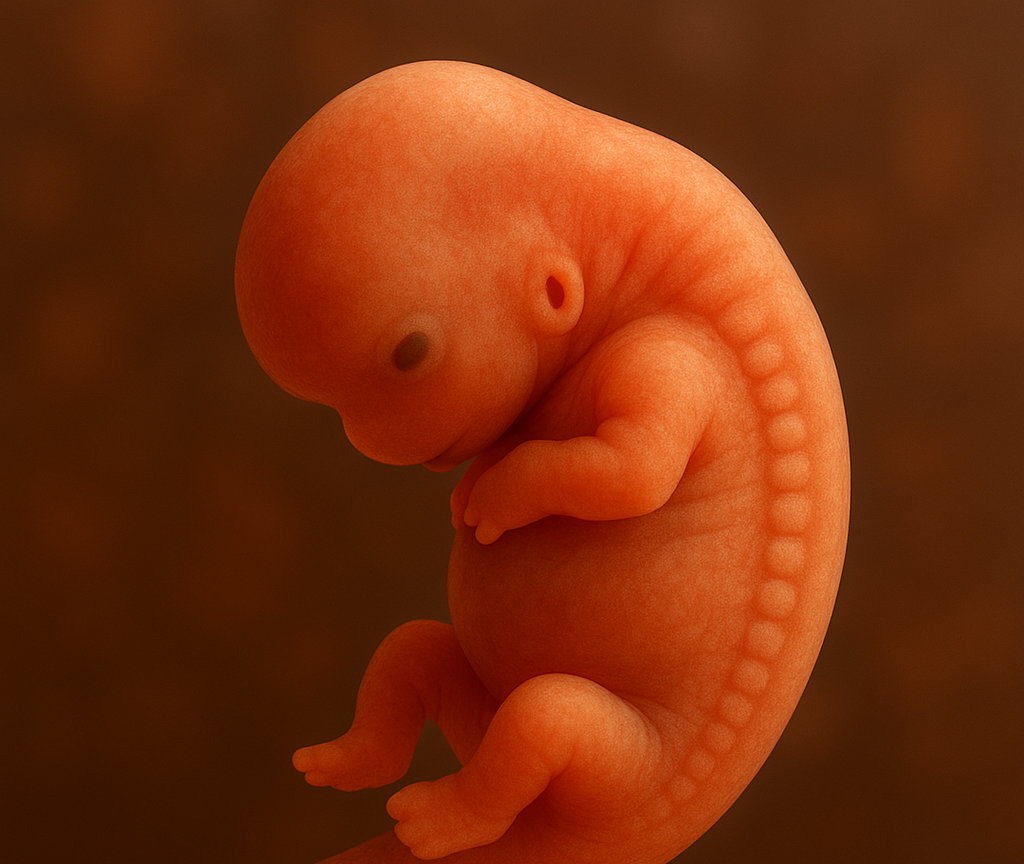
In medicine, pregnancy is counted from the first day of the woman’s last monthly cycle, not from conception. Because ovulation and conception usually occur about two weeks after that date, a pregnancy labeled as “4 weeks” is typically only about 2 weeks past conception. In other words, at “4 weeks pregnant,” the embryo has existed for roughly two weeks, even though the pregnancy clock says four.  This timing is especially striking because many women are just beginning to suspect pregnancy around the four-week mark, at the same time the embryo’s heart has already begun beating. Long before outward signs of pregnancy appear, the foundational structures of life are forming rapidly: the heart is beating, the neural tube (which becomes the brain and spinal cord) is developing, and the body plan is already established. This early window highlights just how swift and ordered human development is in its earliest days.
May God bless the fathers of the world—those who guard life with their strength, those who lift it in their arms, and those who carry it in their hearts.
May He fortify the man who chooses responsibility over ease, steadfast love over comfort, and faithfulness over retreat.
In placing his family first, may he be clothed with a quiet authority: a strength tempered through long days, patient endurance, and unseen acts of provision.
May his sacrifices deepen his courage, clarify his wisdom, and enlarge his heart, so that in giving himself away he is never diminished, but made more complete.
May his hands, marked by labor, become instruments of protection and peace; may his voice—firm in truth and rich in mercy—shape souls toward what is good, honorable, and lasting.
May he know that every small offering—every burden carried, every lesson repeated, every prayer spoken when no one sees—lays a foundation no storm can overthrow.
And may he stand confident in this: fatherhood is not distance but presence, not hardness but strength rightly ordered, not anonymity but enduring legacy.
May grace meet him in his fatigue, purpose steady him in his work, and hope rise from all he builds.
May he flourish in integrity and love, and may his children rise and call him blessed.

Father's Day Traditions to Make Your Own

Giving greeting cards or handwritten letters
A timeless way to express gratitude, recount memories, and put appreciation into words fathers can keep for years.
Children making handmade gifts or drawings
Simple, personal creations often become some of the most treasured reminders of a child’s love.
Serving breakfast in bed
Starting the day by letting Dad relax while the family prepares his morning meal in his honor.
Cooking a favorite family meal
Gathering around dishes he loves turns dinner into a celebration of comfort, memory, and togetherness.
Backyard barbecues or grilling
A relaxed, festive way to bring everyone together, often with Dad at the grill surrounded by family.
Giving practical gifts (tools, clothing, books, gear)
Presents chosen to match his daily life, hobbies, or work — useful and thoughtful.
Giving sentimental or memory-based gifts
Items that highlight shared experiences, milestones, or family history.
Spending the day together as a family
Uninterrupted time is often the gift fathers value most.
Fishing, hiking, camping, or outdoor adventures
Active traditions that create room for conversation, teaching, and bonding.
Watching sports or a favorite movie together
Relaxed shared enjoyment centered on something Dad loves.
Working on a project side-by-side
Building or repairing something together becomes a lesson in skill, patience, and partnership.
Calling or visiting grandfathers
Honoring the men whose guidance shaped the family across generations.
Honoring stepfathers and father figures
Recognizing mentors, guardians, and leaders who chose to stand in the role of dad.
Sharing family stories and memories
Remembering moments that reveal a father’s character, humor, and sacrifice.
Looking through photo albums or home videos
A visual reminder of years of presence, growth, and legacy.
Giving fathers the day to rest or choose activities
Letting him decide how the day unfolds as a sign of respect and appreciation.
Church services or prayers of blessing
Many families thank God for fathers and pray for strength, wisdom, and protection.
Acts of service done for Dad
Helping with chores, repairs, or responsibilities as a way of giving back.
Posting tributes on social media
Publicly honoring a father’s influence and expressing pride and gratitude.
Creating new family traditions for future generations
Marking the day with rituals that children may one day continue with their own families.
While fathers do not carry children within their bodies, science increasingly shows that fatherhood still leaves a lasting biological imprint. The transition into caring for a child reshapes a man not through gestation, but through relationship, responsibility, and attachment. Studies have found that when men become actively involved fathers, their hormonal patterns change. Testosterone often declines, which is associated with reduced mating effort and increased focus on caregiving. At the same time, hormones such as oxytocin, vasopressin, and prolactin—chemicals linked to bonding, protection, and nurturing behavior—become more active. These shifts help orient a father toward attentiveness, empathy, and readiness to respond to his child’s needs. Neuroscience also reveals structural and functional changes in the paternal brain. Regions associated with vigilance, emotional regulation, and social understanding can strengthen through repeated caregiving and interaction. The more a father engages—holding, teaching, protecting, comforting—the more deeply these neural pathways are reinforced. Though invisible, this process is powerful. Fatherhood gradually tunes a man’s instincts toward provision and defense. His awareness of risk sharpens. His sense of time stretches toward the future. Motivation reorganizes itself around legacy. In this way, fatherhood is not merely a social title; it is a lived transformation. The man who consistently gives himself in protection, guidance, and presence is, over time, biologically and psychologically shaped by that devotion. He may not carry the child in his body, but he is nevertheless changed by the life entrusted to him.

Honoring Fatherhood

History and modern psychology alike have recorded powerful moments in which fathers, confronted with sudden danger to their children, display strength and resolve that seem to surpass ordinary limits. In extreme emergencies, the body’s stress response can release a surge of adrenaline and related hormones, sharpening focus, increasing pain tolerance, and enabling rapid, decisive action. Combined with a father’s deeply rooted drive to defend those entrusted to him, this response can produce extraordinary feats—charging into danger, shielding with his own body, lifting, pulling, breaking, or enduring whatever is necessary to secure the safety of his child. While such moments are rare and often physically costly, they reveal that paternal protection is not merely an idea or a sentiment. It is embodied. Instinct, physiology, responsibility, and love converge into a single force aimed at preservation. These events show that fatherhood can awaken reservoirs of courage and power far beyond daily experience. When a man perceives that a life under his care is threatened, hesitation often yields to action. The call to guard becomes immediate, and the capacity to respond expands. In this way, paternal love reveals itself not only in provision and guidance, but in readiness—the willingness to stand between danger and the vulnerable, whatever the cost.
May this Father’s Day be filled with strength, gratitude, and steady joy.
May fathers be fortified in their sacrifices, renewed in their weariness, and affirmed in the love they give so faithfully.
May they know their leadership is seen, their presence is irreplaceable, and the legacy they build through devotion and example will endure.

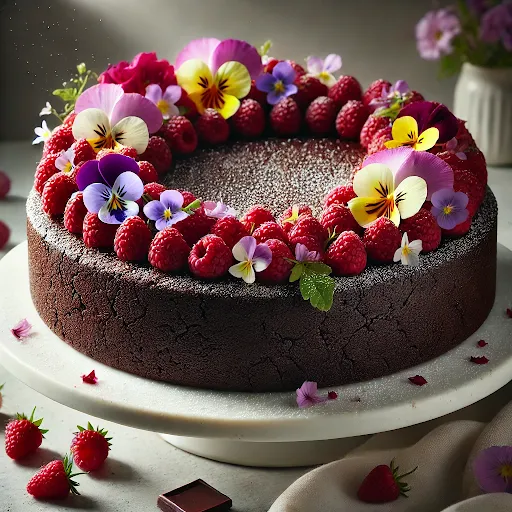
Father's Day Cake & Atmosphere Ideas

Where style, memory, and celebration meet.

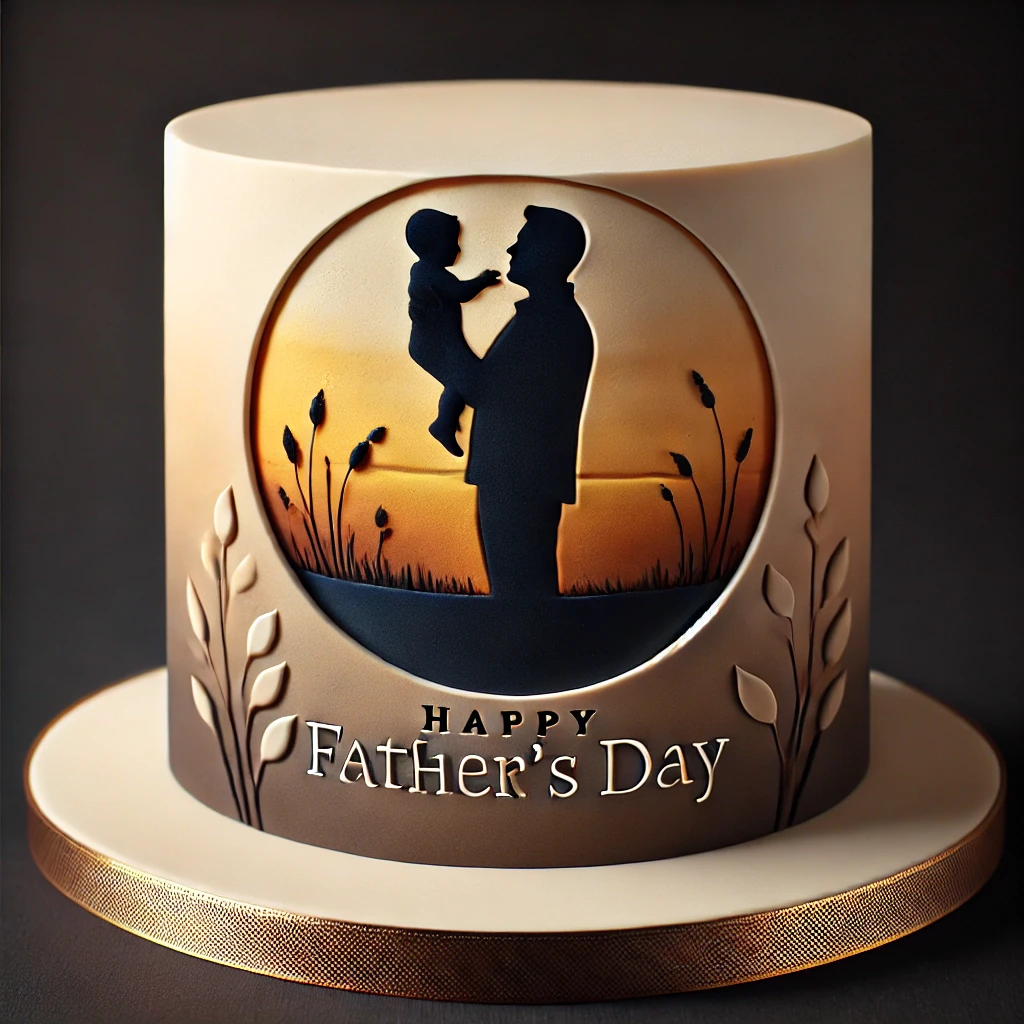
This section is meant to be more than Cake Decorating Ideas… it’s designed to spark inspiration and creativity, awaken tradition, and infuse your special occasions with style, identity, and atmosphere. A color palette becomes a theme. A design becomes a mood. Simple details—like sugared holly leaves or shimmering stars—can set the tone for a gathering and become part of cherished traditions and lasting memories melded with personal touch and love.

Traditional Father's Day Dishes

Grilled steak
A celebratory main dish and one of the most popular choices for honoring Dad.
Barbecue ribs
Slow-cooked, saucy, and rich — a classic centerpiece for gatherings.
Burgers
Casual, customizable, and perfect for family cookouts.
Brisket
Smoked or slow-roasted, often served when the day calls for something special.
Sausages or brats
Easy to grill and great for relaxed backyard meals.
Grilled chicken
A lighter option that still fits the outdoor cooking tradition.

Breakfast Favorites
Pancakes or waffles
A comforting start to the day, often made by the kids.
Bacon and eggs
Simple, hearty, and timeless.
Omelets
Customizable with Dad’s favorite fillings.
Breakfast potatoes
Crisp, savory, and filling.
Coffee
An essential companion to a slow Father’s Day morning.

Comfort Food Classics
Mac and cheese
Creamy, familiar, and loved across generations.
Meatloaf
Traditional, satisfying, and often tied to family memories.
Fried chicken
Crisp, flavorful, and perfect for sharing.
Chili
Hearty and ideal for feeding a crowd.
Pot roast
Slow-cooked comfort that brings everyone to the table.

Sides for the Cookout
Corn on the cob
Sweet, simple, and made for summer.
Potato salad
A staple at nearly every Father’s Day barbecue.
Coleslaw
Cool and crunchy balance to rich meats.
Baked beans
Smoky, sweet, and filling.
Pasta salad
An easy, crowd-pleasing addition.

Desserts & Treats
Chocolate cake
Rich and celebratory.
Apple pie
Classic, nostalgic, and perfect with ice cream.
Brownies
Simple, shareable, and always welcome.
Ice cream
A cool finish to a warm summer day.
Dad’s favorite sweet
Many families center dessert on whatever he loves most.

Winter Recipes