




























St. Joseph's Day

with ORO VALENTIO

March 19- The Italian Father's Day

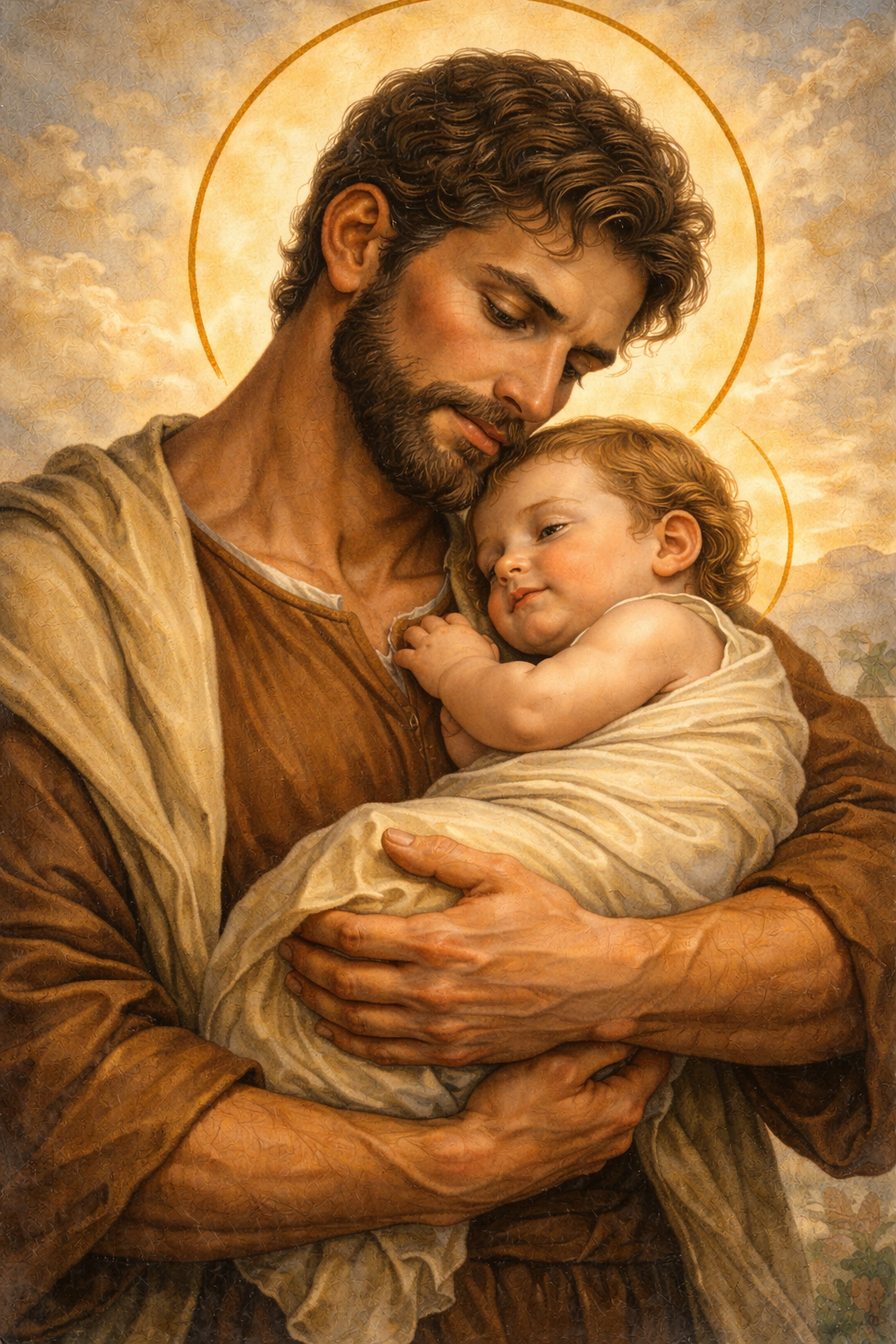
Saint Joseph’s Day is a celebration of quiet faithfulness, humble strength, and devoted guardianship. Observed each year on March 19, the day honors Saint Joseph, the protector of the Holy Family and a model of integrity, obedience, and steadfast love.
Joseph is remembered not for grand speeches or public acclaim, but for action. He listened, trusted, and carried responsibility with courage. In moments of uncertainty, he chose fidelity. In moments of danger, he chose protection. Through ordinary work and daily provision, he participated in an extraordinary mission.
Tradition often highlights his dignity as a laborer — a reminder that honest work, performed with care and offered in love, becomes a path to holiness. In homes, churches, and communities, Saint Joseph’s Day becomes an opportunity to recognize fathers, workers, and all who serve quietly behind the scenes.
Many families mark the day with prayer, acts of charity, and shared meals that express gratitude for God’s provision. It is a time to remember that greatness frequently appears in the form of reliability, patience, and presence.
Saint Joseph stands as a witness that strength does not always announce itself. It protects, builds, and guides without drawing attention, leaving a legacy that endures long after the work is done.
In Italy, Saint Joseph's Day has long been cherished as Father’s Day. The celebration grows from Joseph’s role as the faithful guardian and provider of the Holy Family — a man who loved a Son entrusted to him not by blood, but by divine calling. In honoring him, families recognize that fatherhood is defined not merely by biology, but by presence, protection, and self-giving responsibility. Many gather for Mass, share festive meals, and offer gestures of gratitude, seeing in their own fathers a reflection of Joseph’s humility and strength. His example also illuminates a deeper mystery. Just as Joseph received Jesus into his care, Christians understand themselves to be received by God as adopted sons and daughters. Love establishes belonging. Faithfulness creates family. What began as devotion to a carpenter of Nazareth becomes, in this light, a celebration of adoption itself — the holy truth that we are chosen, welcomed, and forever claimed.

A Quiet, Humble Man Chosen by God

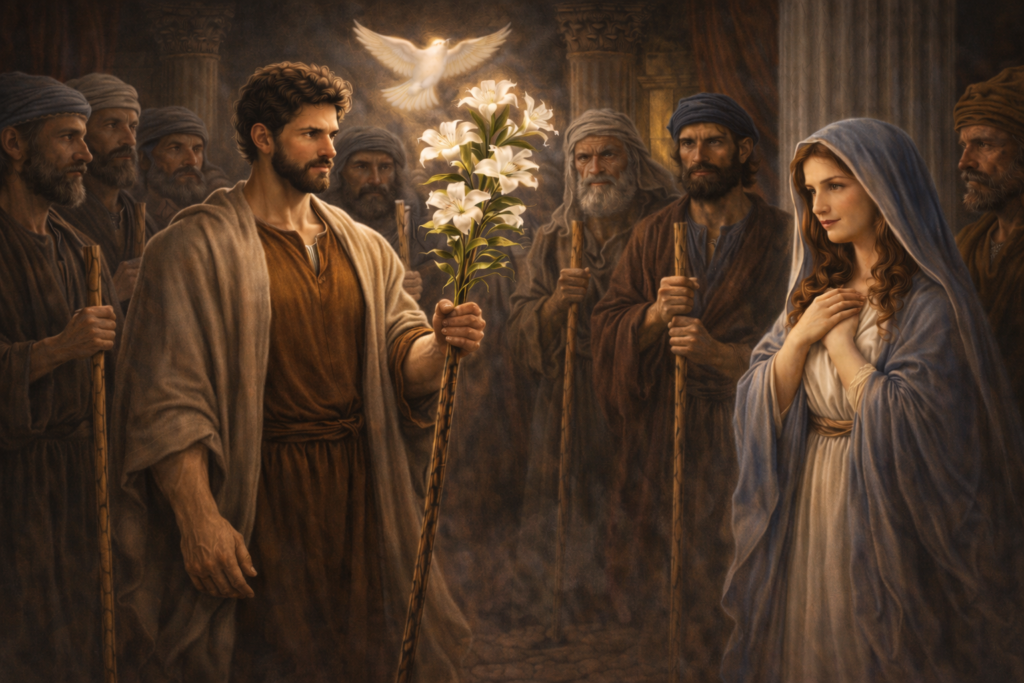
One of the most enduring symbols associated with Saint Joseph is the flowering lily — a sign of purity, divine favor, and chosen guardianship. According to ancient Christian tradition, when the time came to determine who would be entrusted with the care of the Virgin Mary, eligible men from the house of David were asked to present their staffs at the Temple. The story tells that Joseph’s rod miraculously burst into bloom, and in some versions a dove appeared as well. The flowering staff marked him as the one selected by God, not through ambition or status, but through grace. Because of this, artists through the centuries often portray Joseph holding white lilies. They speak of his chastity, his righteousness, and the quiet way he received a mission greater than himself. The bloom represents life springing from obedience. It reminds the faithful that Joseph’s strength was expressed not in display, but in fidelity — a heart ready to protect what God had made holy. In this way, the lily became more than decoration. It became a visual proclamation that Joseph was chosen to guard mystery with reverence and love.
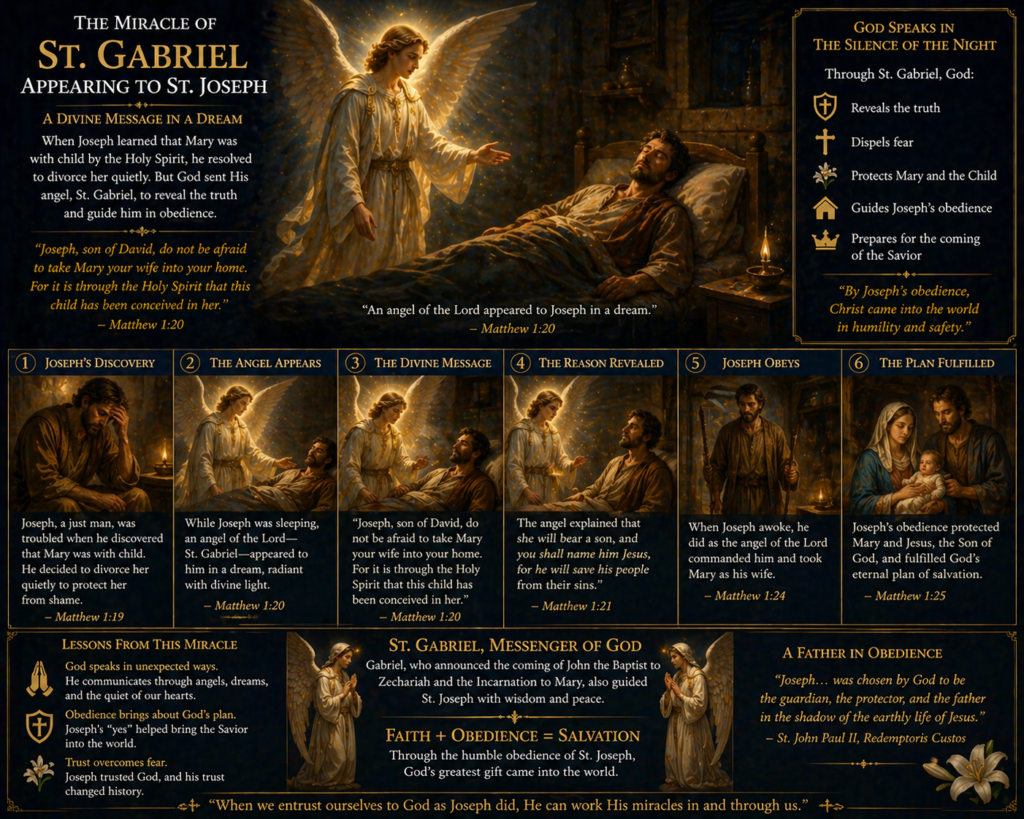
Saint Joseph’s decision to divorce Mary quietly was not born of suspicion or anger, but of deep reverence. As a just man—righteous before God—Joseph knew Mary’s purity and holiness. When he discovered her to be with child, he did not assume sin, but rather recognized that something divine had taken place beyond his understanding. Like Moses before the burning bush, he felt unworthy to draw near to so great a mystery. His desire to withdraw was an act of humility, not rejection. The angel’s words in Matthew 1:20, “Do not be afraid to take Mary your wife into your home,” confirm this: Joseph’s fear was not of scandal, but of stepping into a role he felt too small to bear. This interpretation, upheld by saints like Bernard of Clairvaux and Thomas Aquinas, preserves both Mary’s immaculate purity and Joseph’s profound holiness, showing that from the beginning, Joseph responded not with doubt, but with awe before the mystery of God’s work.
One of the most striking features of Saint Joseph’s life is his silence. Scripture preserves no spoken words from him, yet his presence resounds across the centuries through decisive, faithful action. He listens, rises, protects, provides, and obeys without recorded explanation or demand for recognition. In a world that often measures importance by visibility and voice, Joseph reveals another kind of greatness: obedience expressed through reliability, love demonstrated through duty, and leadership carried out without spectacle. His legacy reminds us that holiness is not always proclaimed in words; sometimes it is built quietly, choice by choice, in steadfast devotion to what has been entrusted to one’s care.

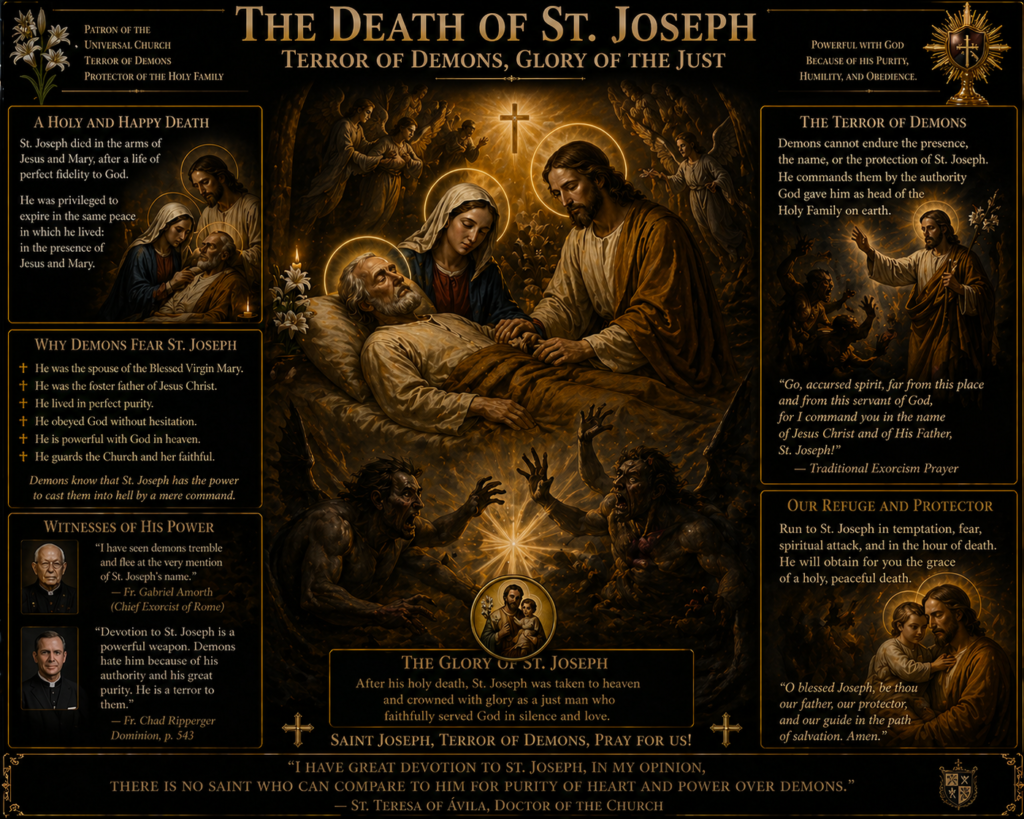
Terror of demons

Saint Devotion to Saint Joseph grew dramatically in times of desperation—not only in physical crises like drought and famine, but also in spiritual warfare. In medieval Italy, when crops failed and communities faced starvation, families turned in prayer to the quiet guardian who had once protected and provided for the Holy Family. They begged his intercession for rain, trusting that the one entrusted with Christ Himself could intercede with power. When the rains came and the land revived, their gratitude poured into celebration: altars were built, feasts prepared, and food shared with the poor in thanksgiving. Yet beyond physical provision, the Church came to recognize in Saint Joseph a mighty protector against the deadliest famine of all—the famine of grace caused by sin and demonic oppression. As "Terror of Demons," Joseph’s intercession does what Satan cannot endure: it brings order where there is chaos, purity where there is corruption, and fatherly strength where there is fear. What began as a plea for survival became an enduring witness—not only that heaven hears, but that Joseph’s patronage is a shield in both temporal and eternal battles.
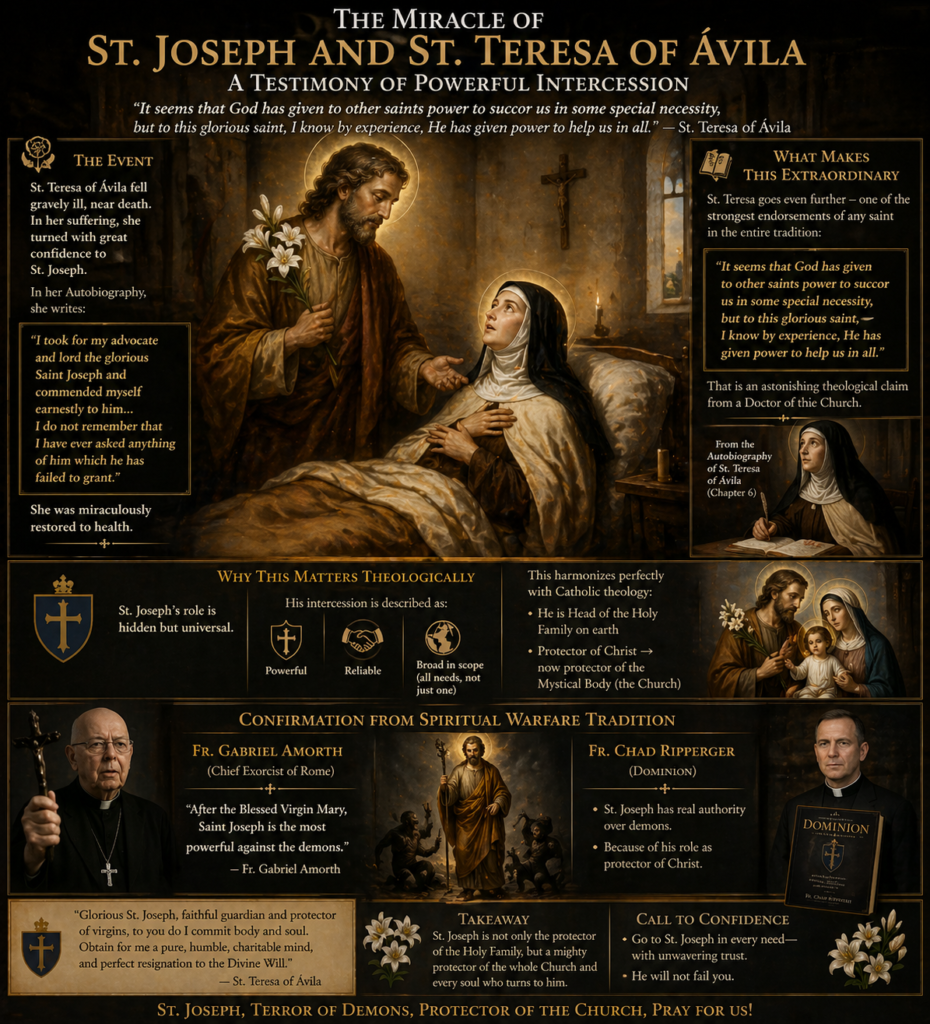
Joseph is called the “Terror of Demons” precisely because of his profound humility—the very humility that led him to consider withdrawing from the mystery of the Incarnation, not out of fear of scandal, but out of reverent awe. In the spiritual order, humility is the most feared virtue in Hell, because it is the direct opposite of Satan’s pride. The demons fell through pride—through the refusal to serve—and so when they are confronted with a soul utterly emptied of self and entirely obedient to God, they are disarmed and cast down.
Saint Joseph, though given immense authority as head of the Holy Family, never asserted his own will; instead, he submitted completely to God’s commands, acting swiftly and silently to protect Jesus and Mary. This total submission made him immensely powerful in the spiritual realm, even though he was hidden in the eyes of the world. As Father Chad Ripperger teaches in Dominion, authority in the spiritual order comes from God’s design and is activated through righteous use—and Joseph, as virginal father of Christ and spouse of the Immaculate, held a singular share in this divine authority.
Because Joseph used his God-given authority perfectly—in silence, obedience, chastity, and sacrifice—Satan and his demons tremble before him. They cannot accuse him, manipulate him, or even comprehend the depth of his purity. His humility is his invincibility. Thus, the Church rightly names him “Terror of Demons”—not because he shouted or struck, but because he was entirely aligned with the will of God, and no evil spirit can endure the presence of such holiness.

St. Joseph's Day Traditions to Make Your Own

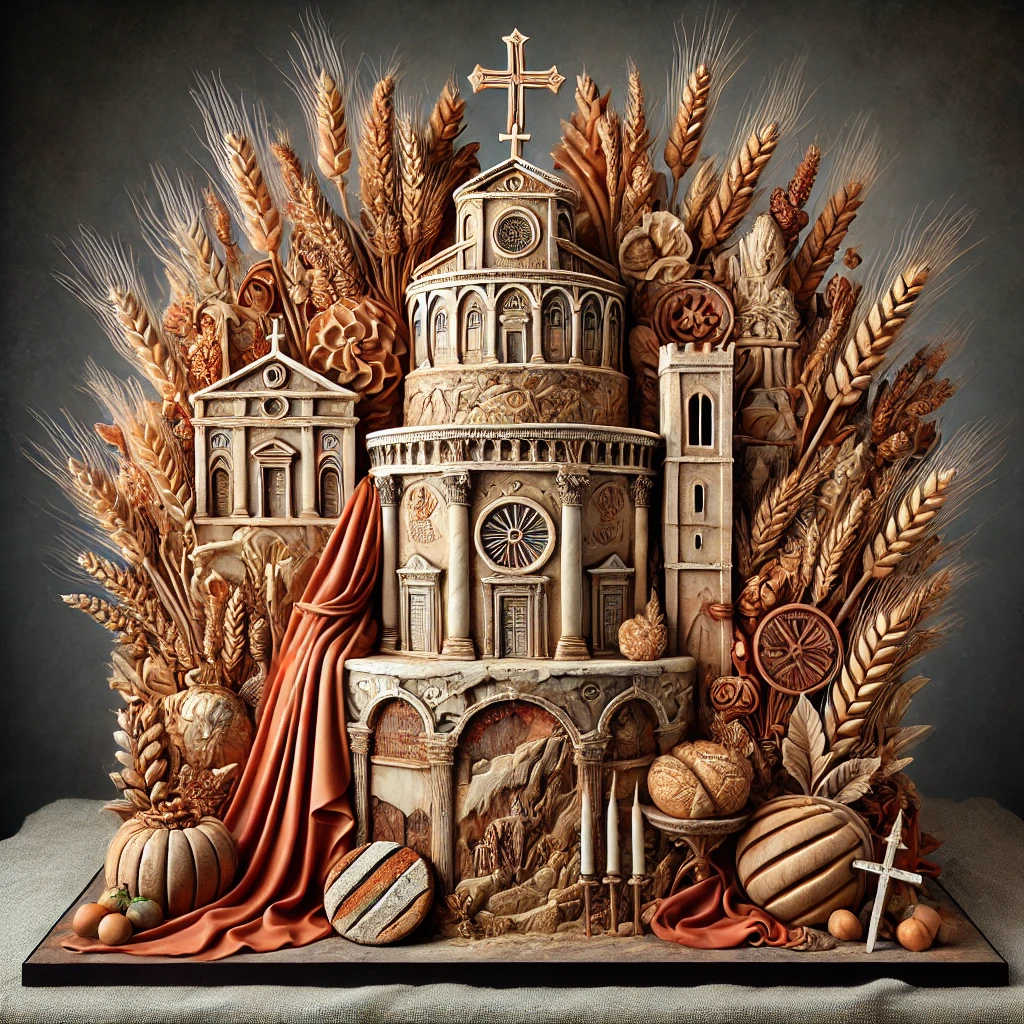
Building a St. Joseph Table
Families prepare an elaborate display of food, candles, flowers, and symbolic items, often arranged in tiers like an altar. After prayers, the food is shared with guests and those in need.
Serving the poor
A central element of the feast is generosity. Donations of food, money, or meals are offered in thanksgiving for blessings received.
Meatless meals
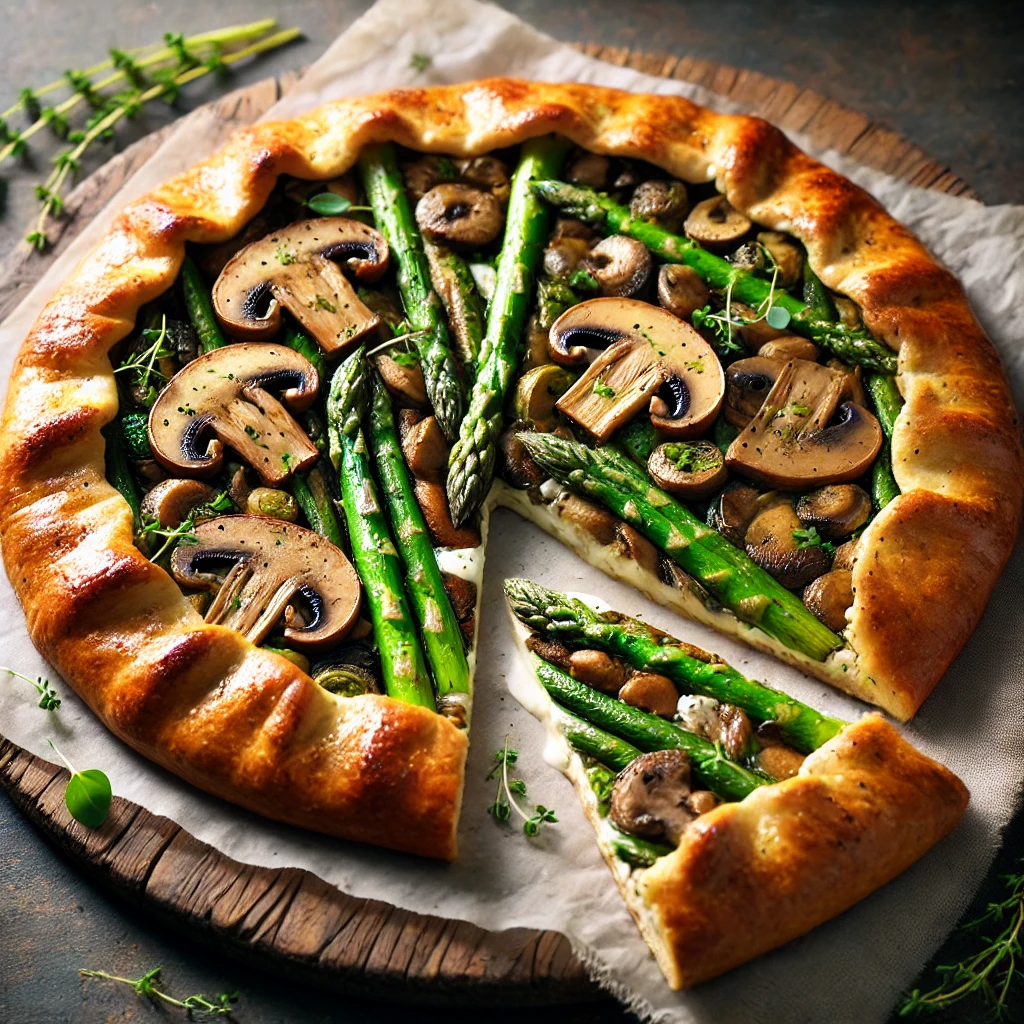
Because the feast usually falls during Lent, many families avoid meat and instead prepare fish, vegetables, breads, and sweets.
Blessed bread
Decorative loaves shaped like crosses, staffs, or carpenter’s tools symbolize Joseph’s work and care for the Holy Family.
Fava beans for good fortune
Remembering times of famine when this crop survived, families keep or serve fava beans as a sign of protection and providence.
Special pastries
In many Italian communities, zeppole or sfinge filled with cream are eagerly anticipated treats of the day.
Honoring fathers
Especially in Italy, the feast doubles as Father’s Day, with children thanking dads for their presence and sacrifice.
Processions and parish celebrations
Statues of Saint Joseph may be carried through neighborhoods, accompanied by prayer, music, and community gatherings.
Prayers for workers
Because Joseph is a model laborer, many ask blessings for employment, craftsmanship, and daily work.
Hospitality to strangers
Guests — sometimes representing the Holy Family — are welcomed and fed as an act of reverence.
A ruler’s jealousy had hardened into cruelty, and the Child’s life stood under sentence of death. After the visit of the Magi, Herod the Great, fearing the loss of his throne, resolved to destroy the newborn he believed to be a rival. Into this gathering storm, heaven spoke in the quiet language of a dream. Joseph was warned: rise, take the mother and the Child, and flee to Egypt. Remain there until you are told it is safe. There was no time to debate, no room for hesitation. The command demanded trust before understanding. What Joseph knew was both simple and immense — God had placed this family in his keeping. So he rose in the night. He awakened Mary, gathered what provisions he could, lifted the Child into safety, and stepped away from home toward the uncertainty of exile. The road ahead promised fatigue, foreignness, and danger, yet obedience moved his feet faster than fear. They left behind familiarity for wandering, security for dependence on providence. Still, in Joseph’s swift response we see the anatomy of courageous love. Revelation became action. Faith became direction. A father placed himself between violence and the vulnerable, and history advanced through his readiness to move when called. Beneath the weight of darkness, salvation was guarded by a man who listened — and rose to the call.

Honoring St. Joseph

From the moment of conception, fatherhood is a vocation—a divine summons—entrusted by God and demanding the full measure of a man's courage. In Saint Joseph, every man is shown what such courage looks like. When God's will interrupted his plans, Joseph did not hesitate. He did not ask for comfort, clarity, or control. He simply obeyed. He understood a sacred truth: obedience brings life, and to delay can risk far more than one’s own peace—it can endanger those placed in his care. So Joseph rose. He took the Virgin and the Child and went forward into the unknown, because he trusted that God’s provision follows faithfulness. This is the essence of holy fatherhood. A man stands as shield and shelter between threat and the vulnerable. He acts according to God's commands even if he doesn't understand fully. He acts not because he sees the whole path, but because he hears the voice of Heaven and knows it is enough. Courage, then, is not bravado or domination—it is the quiet, ready strength to act when God speaks. Because Joseph obeyed, death did not touch the Child. The Holy Family was protected. Peace—fragile yet real—was preserved through the obedience of a man who accepted the weight of responsibility without delay. This is the enduring call to every father: when life begins, rise. Do not wait to feel ready. The road may be uncertain, but grace meets the man who answers. Stand in the breach. And trust, as Joseph did, that God will supply.
May God, who entrusted His treasures to the care of Saint Joseph, strengthen all who protect, provide, and serve in quiet faithfulness.
May obedience guide their steps, courage steady their hearts, and humble work become a path to holiness.
And through the intercession of Saint Joseph, may our homes rest in peace and trust.
Amen.

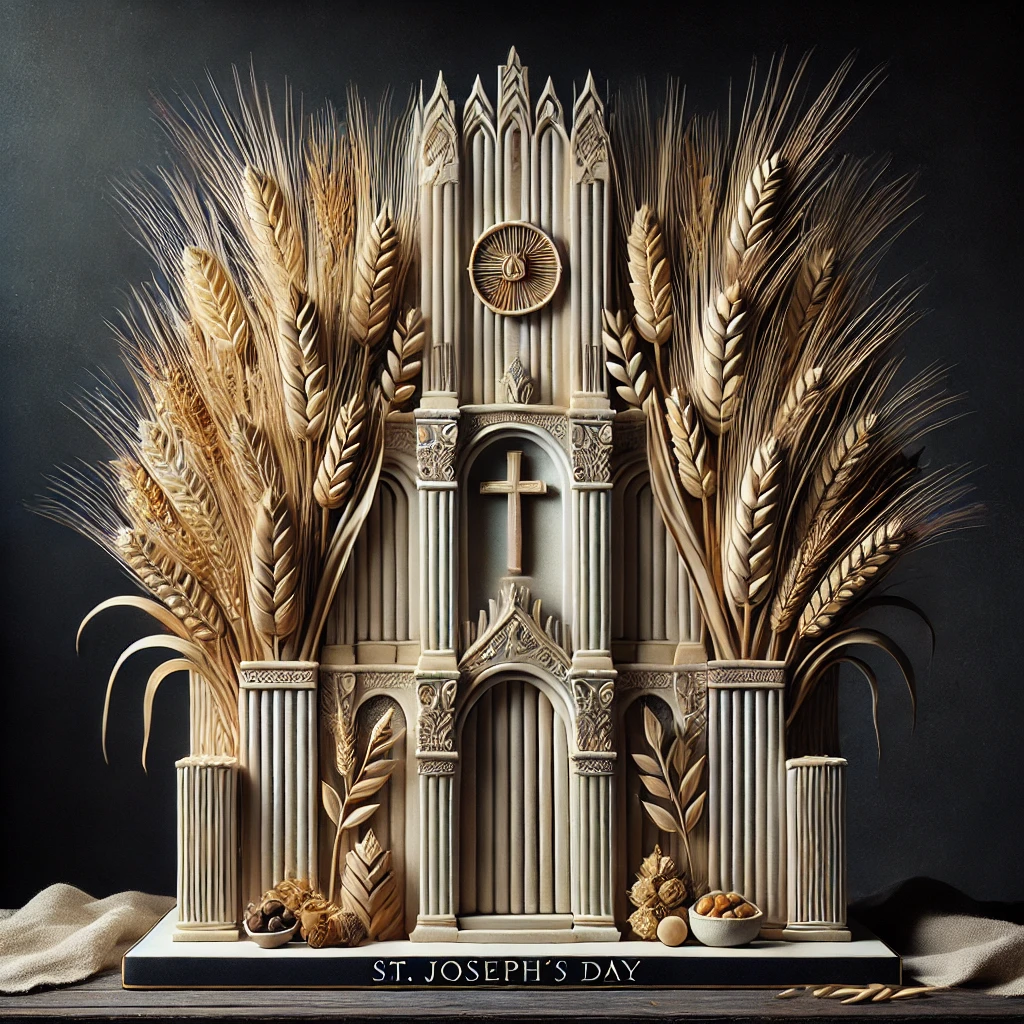
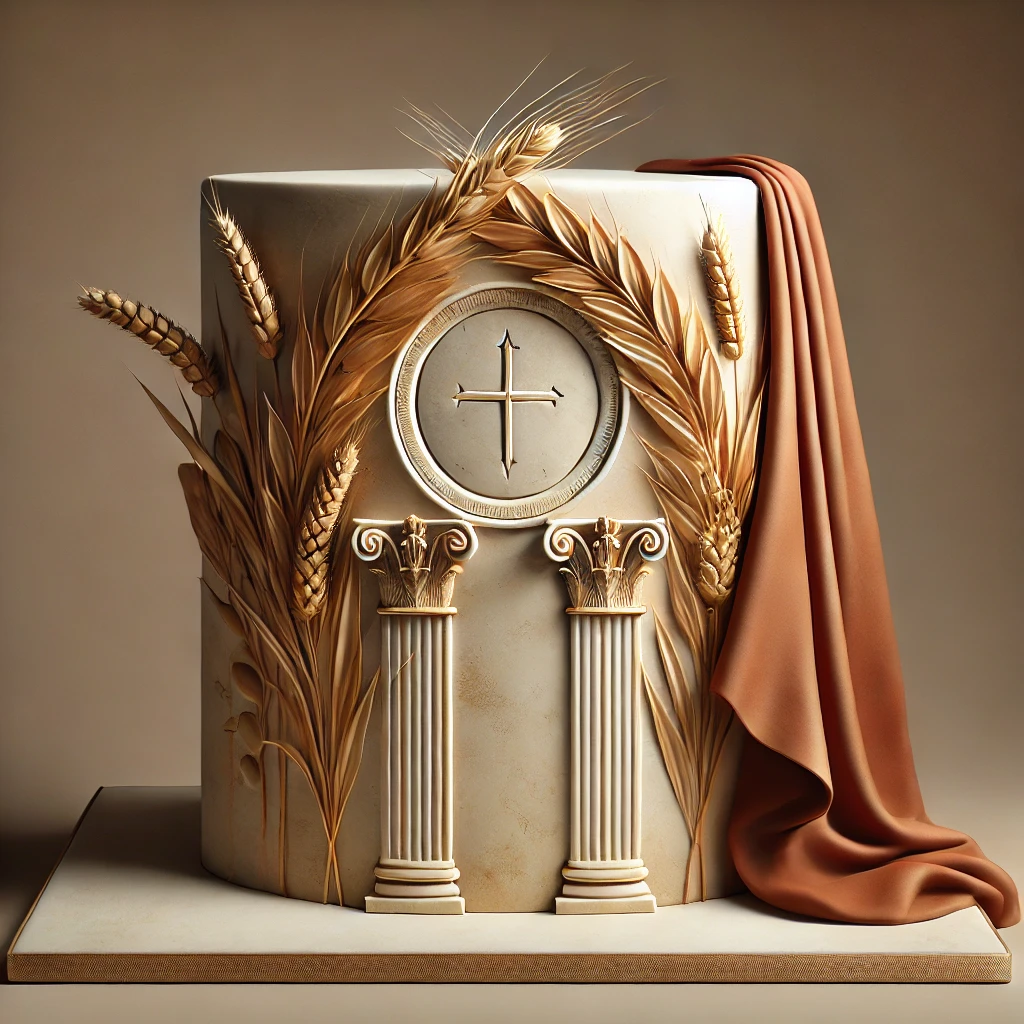
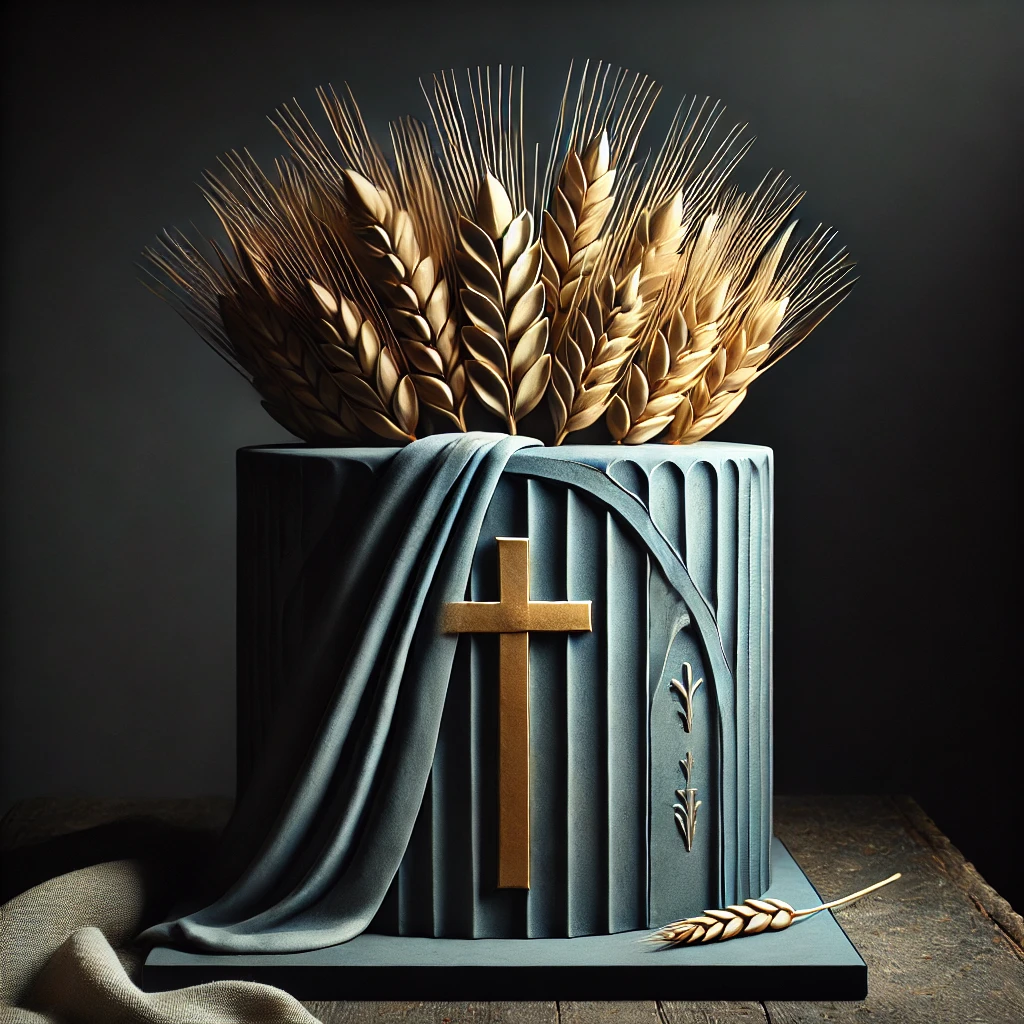
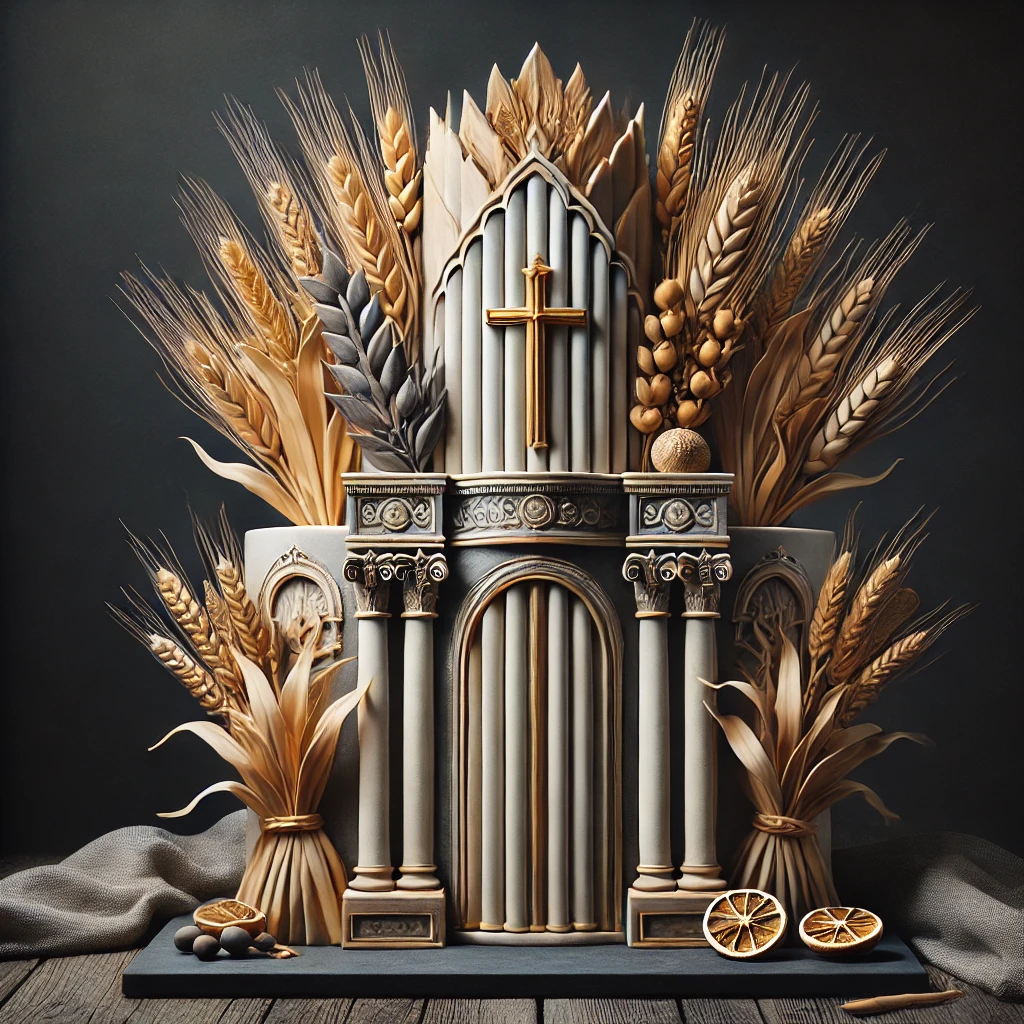
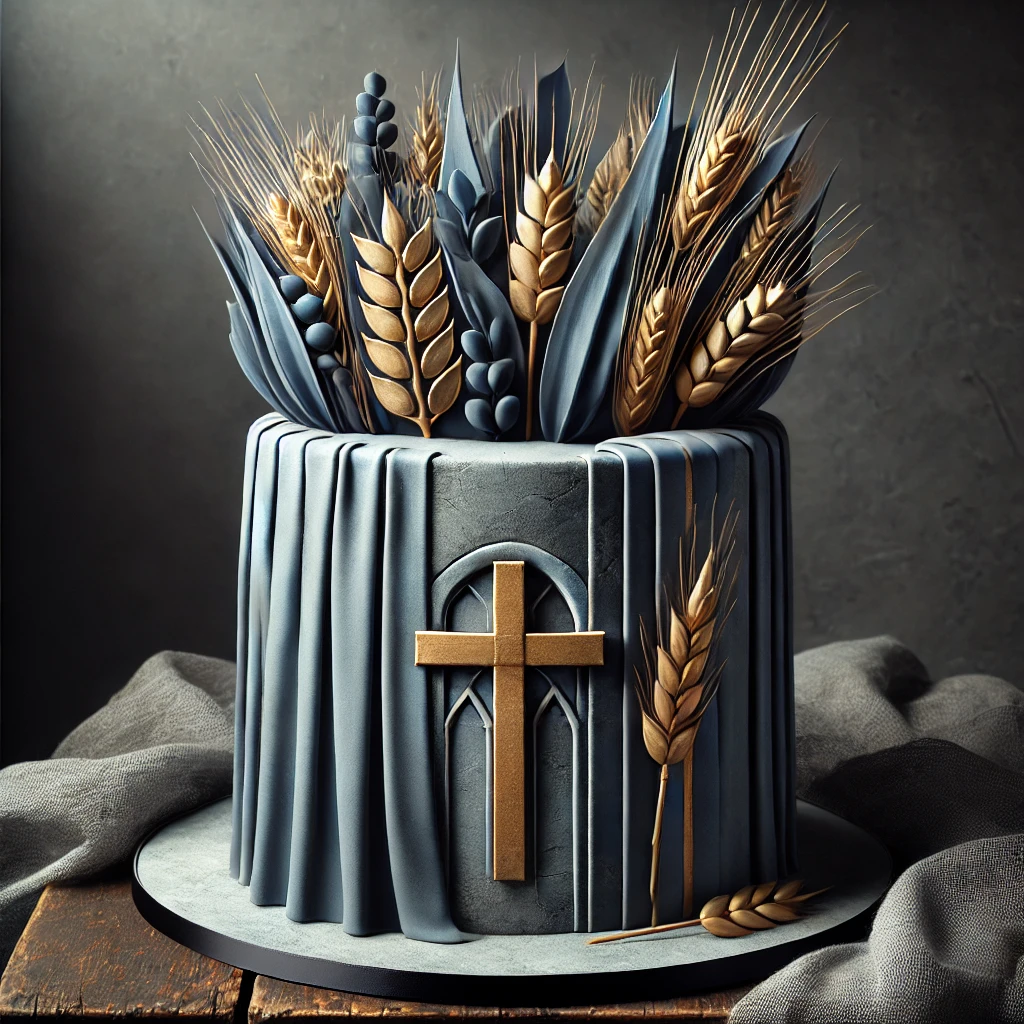
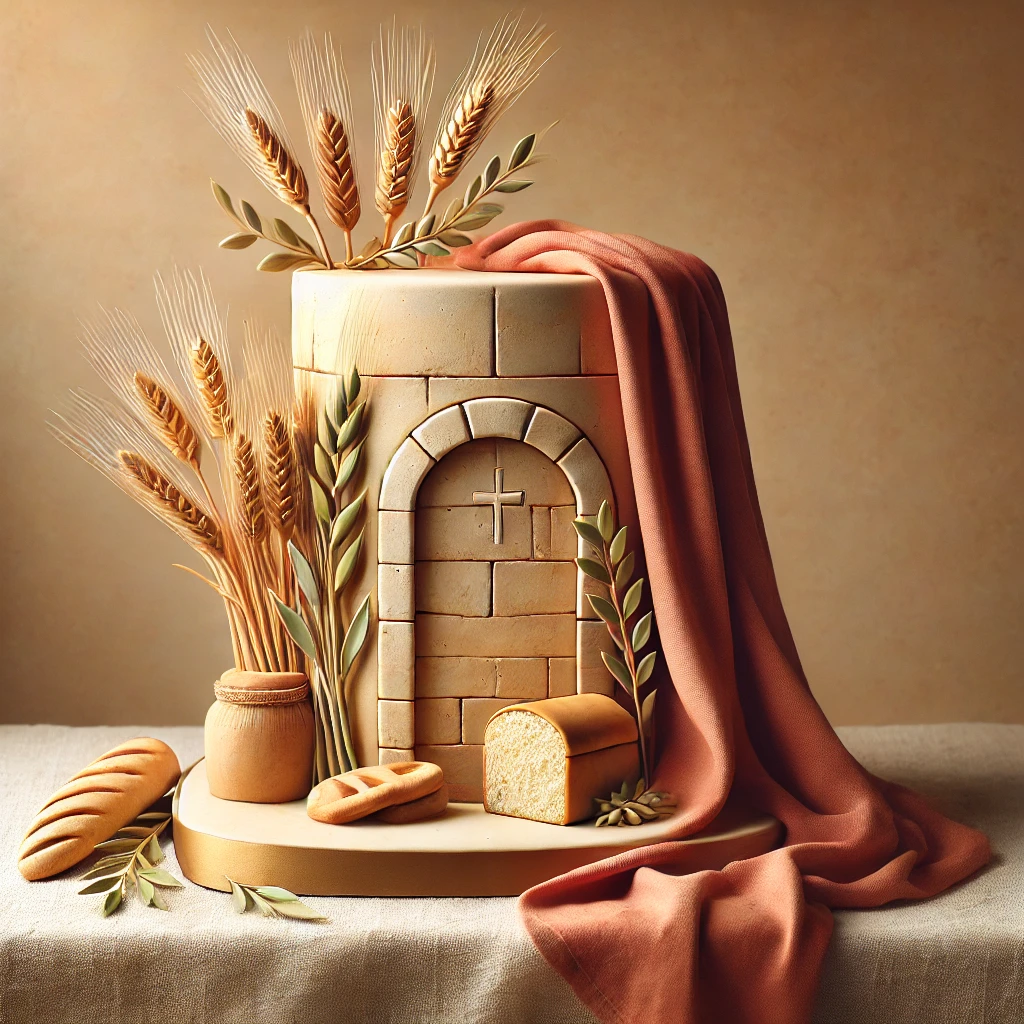
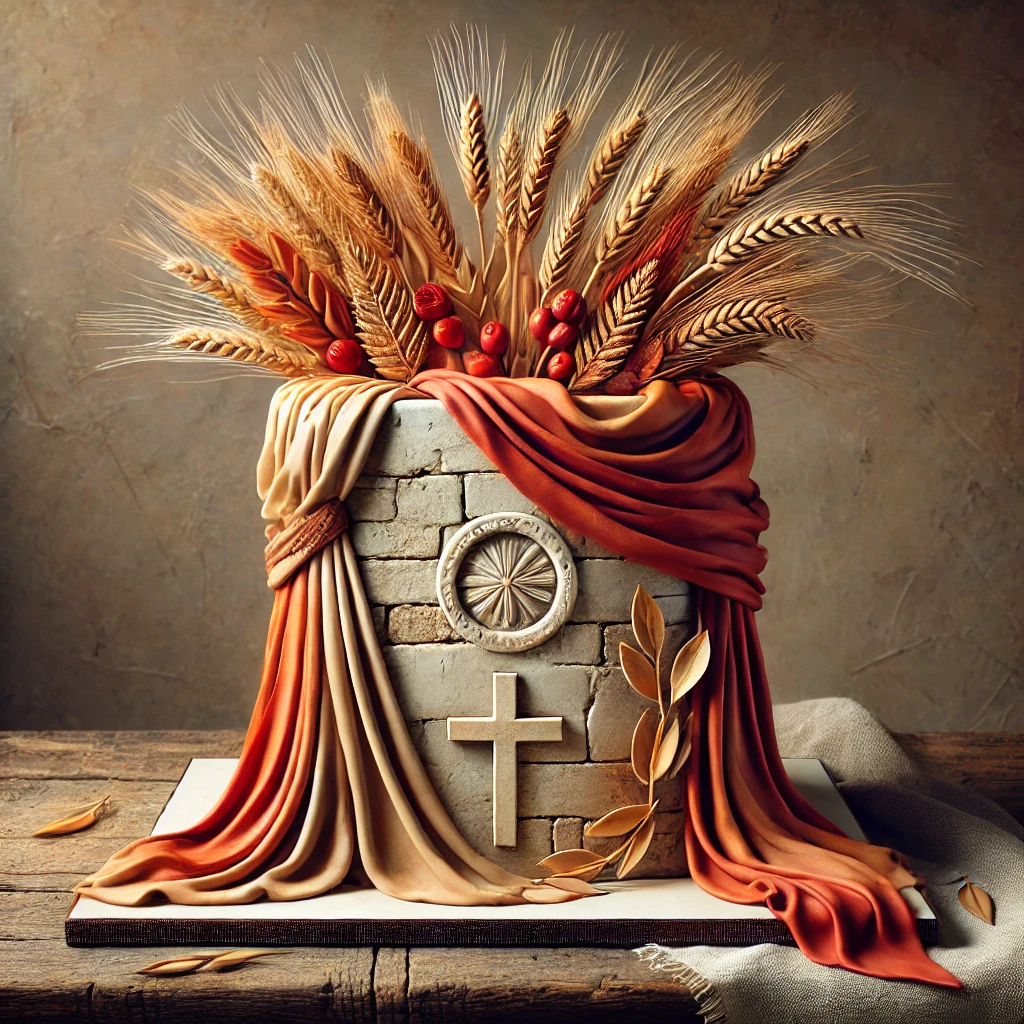
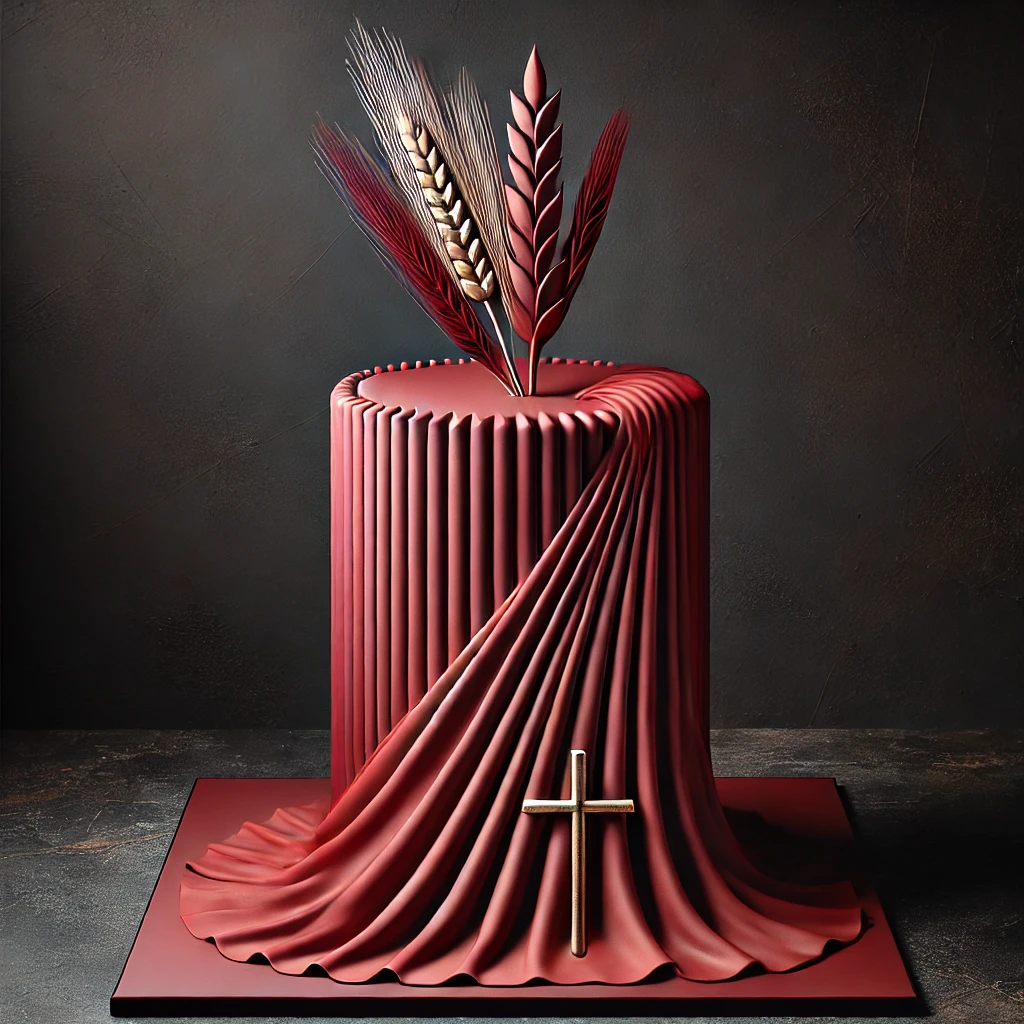
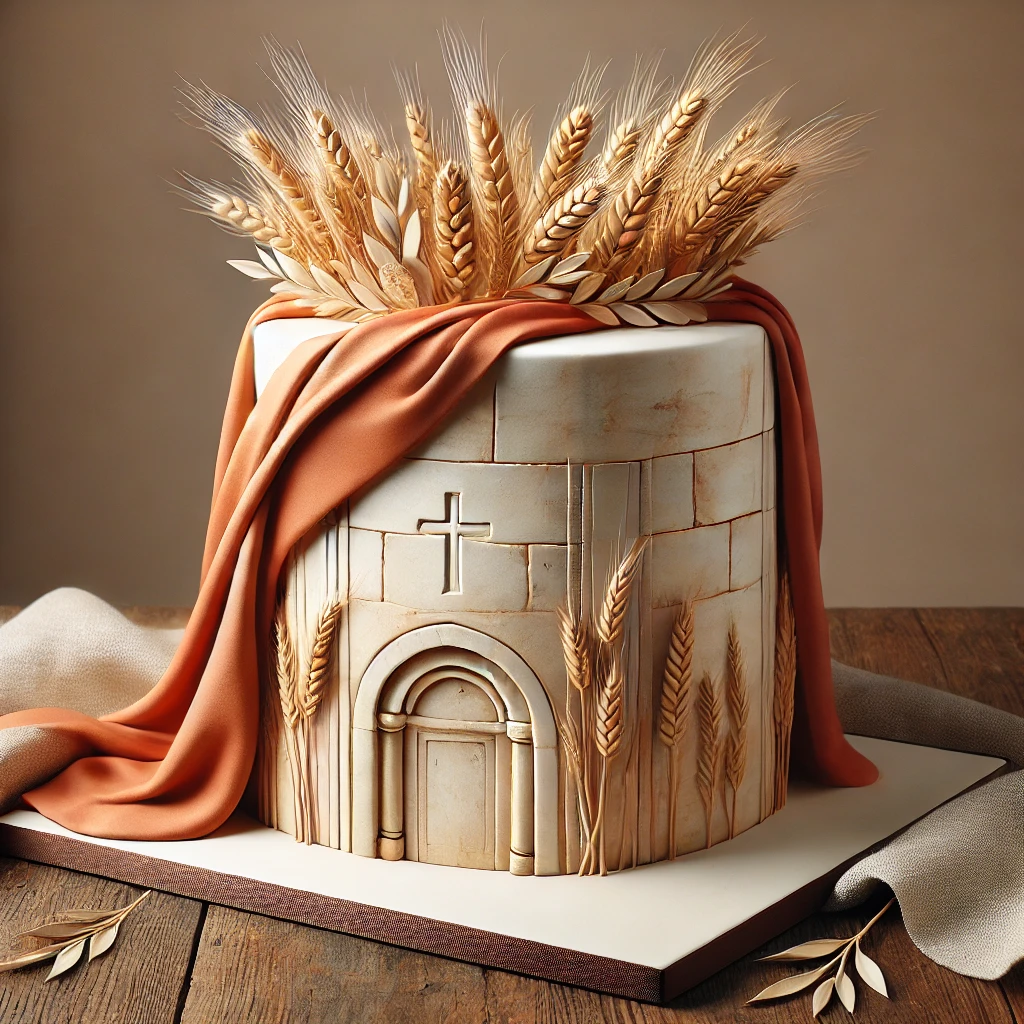
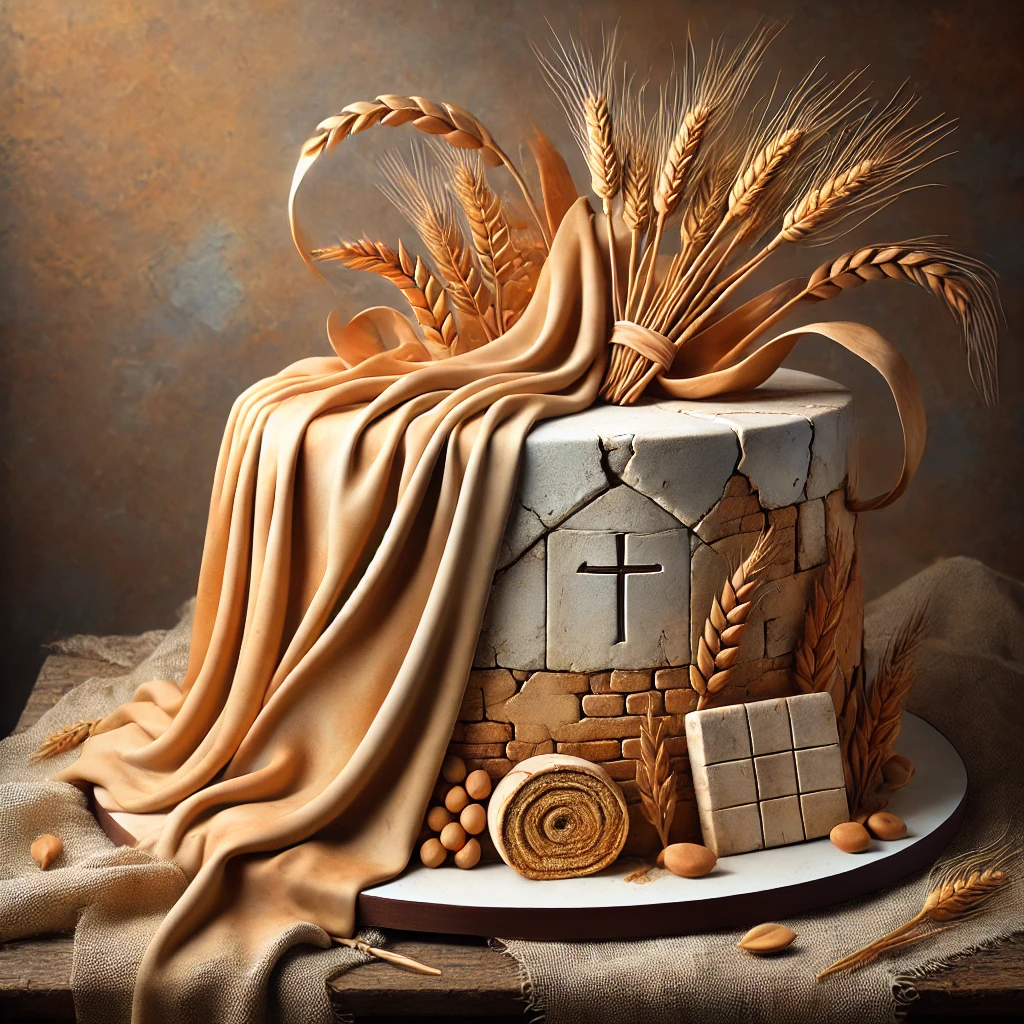
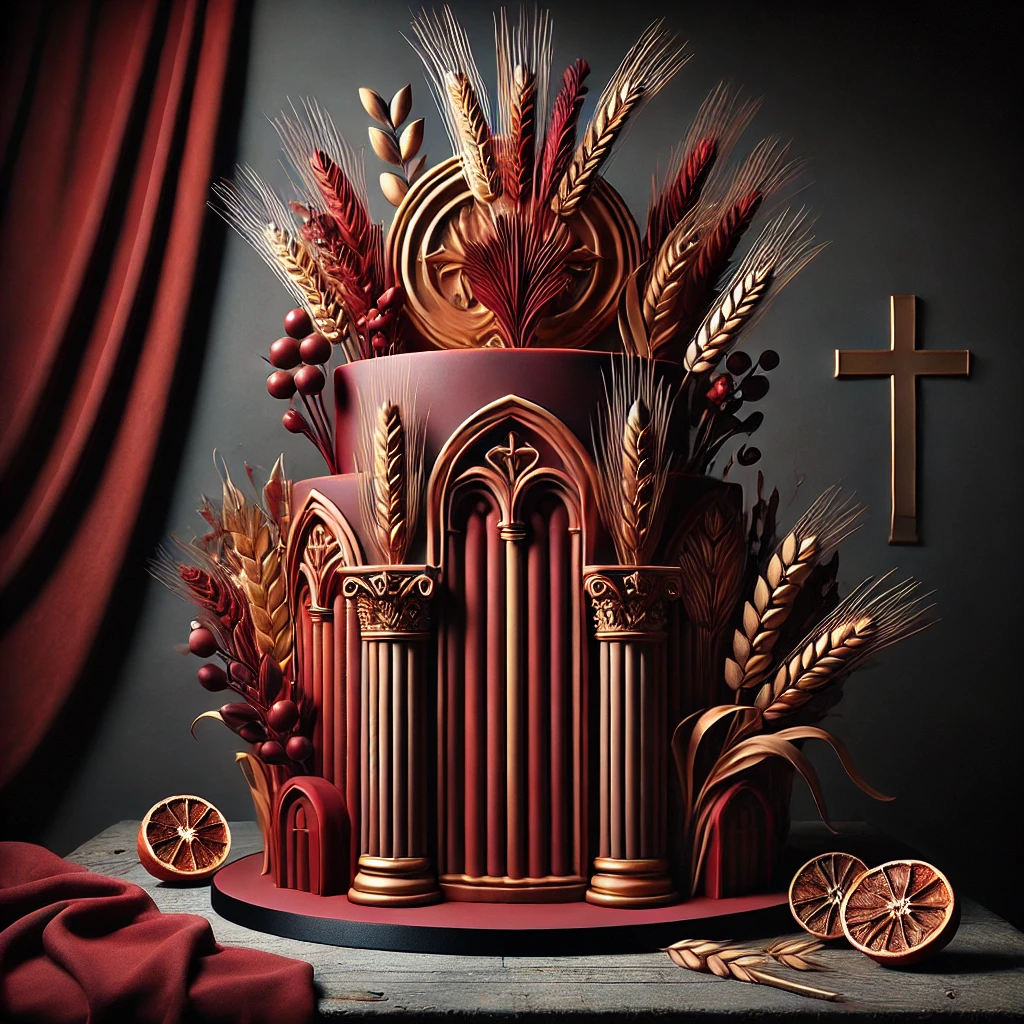
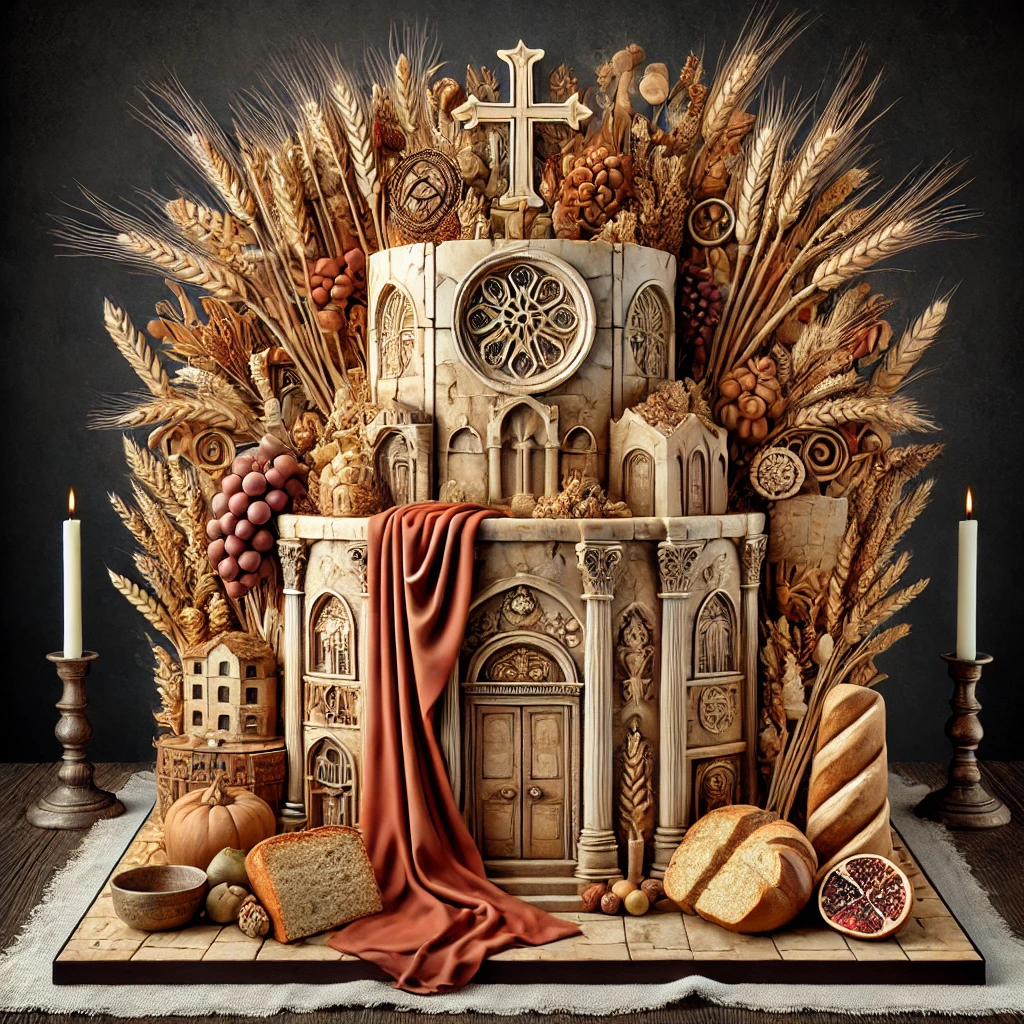
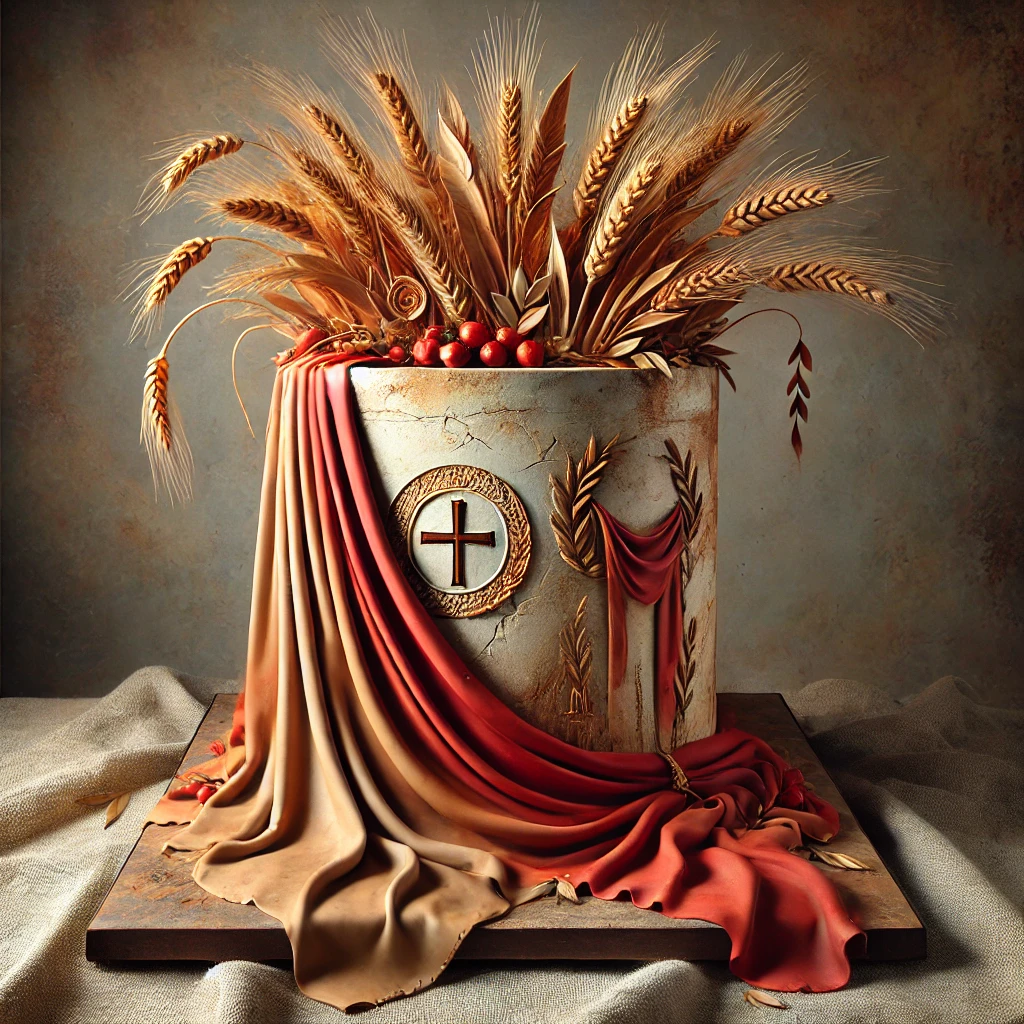
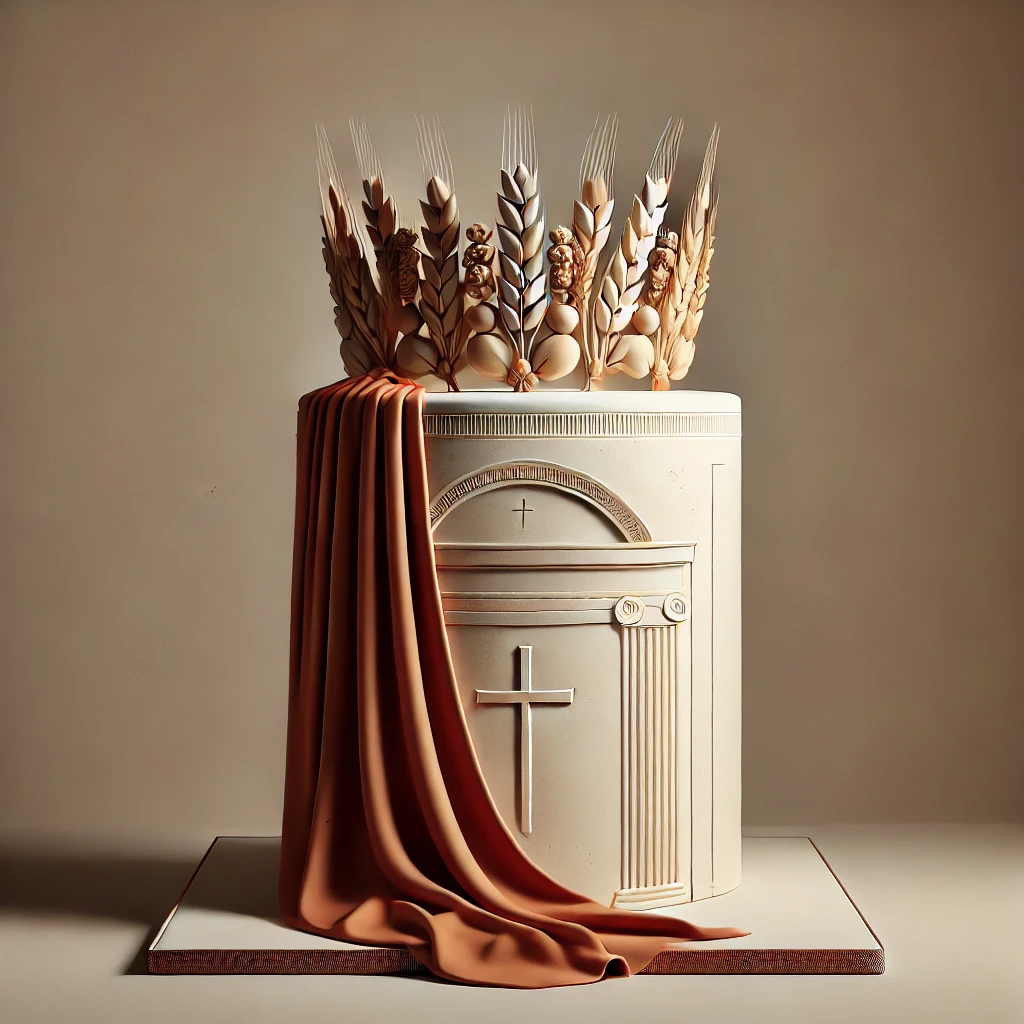
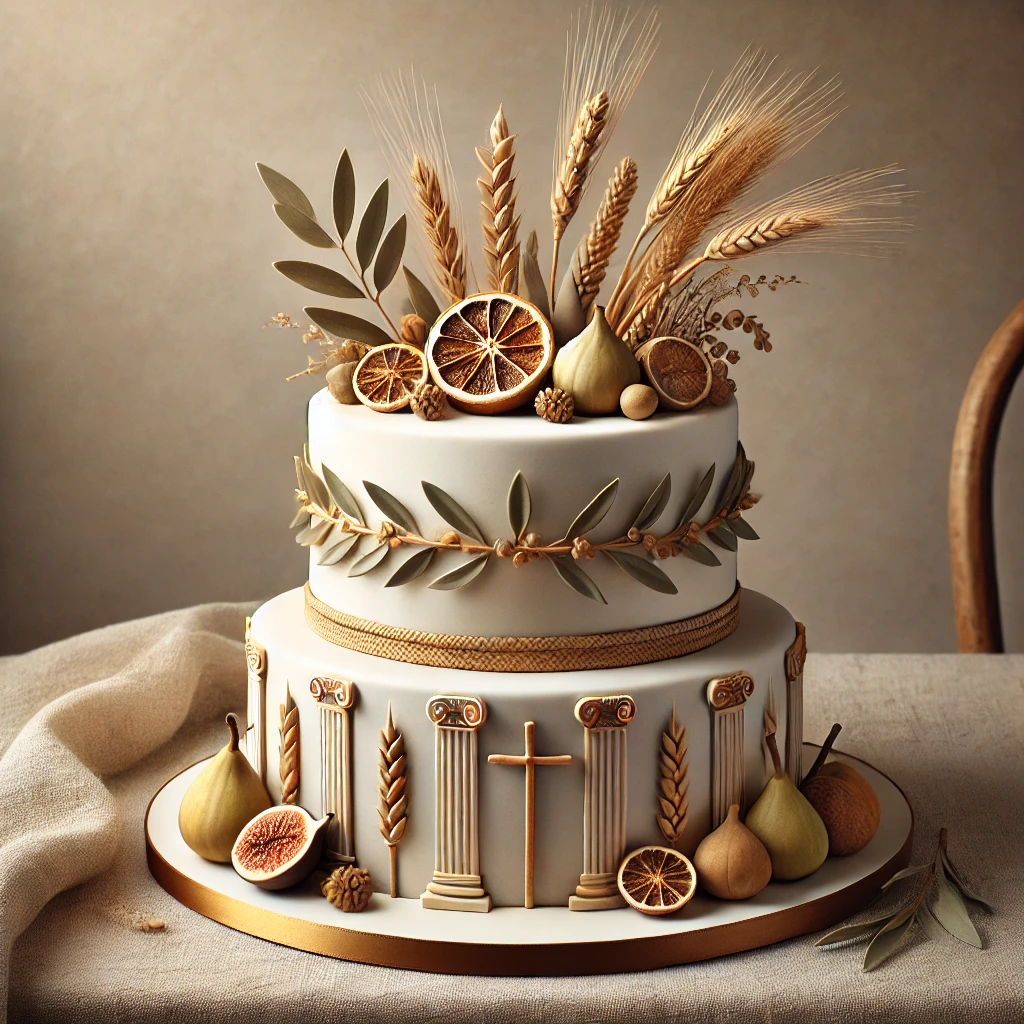
St. Joseph's Day Cake & Atmosphere Ideas

Where style, memory, and celebration meet.

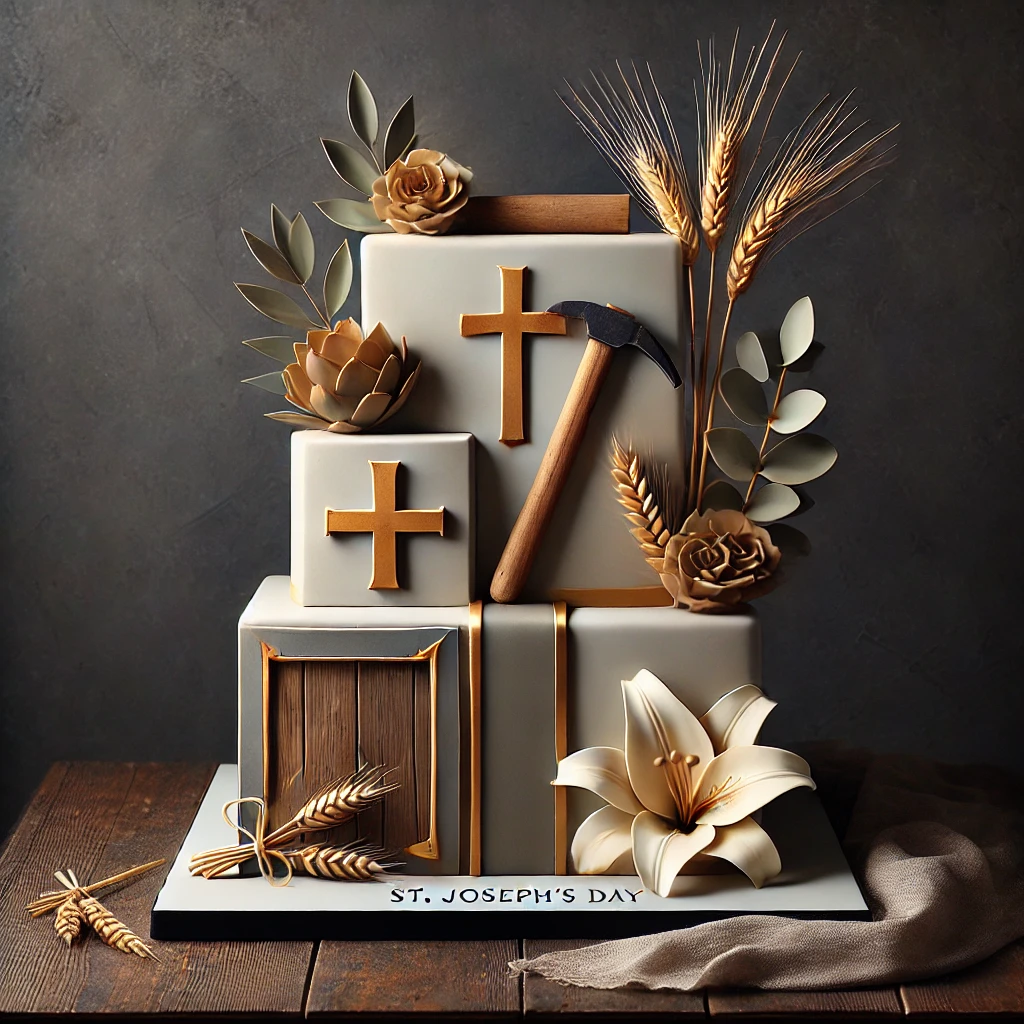
This section is meant to be more than Cake Decorating Ideas… it’s designed to spark inspiration and creativity, awaken tradition, and infuse your special occasions with style, identity, and atmosphere. A color palette becomes a theme. A design becomes a mood. Simple details—like sugared holly leaves or shimmering stars—can set the tone for a gathering and become part of cherished traditions and lasting memories melded with personal touch and love.

Traditional St. Joseph's Day Dishes

Here are the foods most often associated with the day.

St. Joseph’s Bread
Decorative loaves shaped like crosses, staffs, crowns, or carpenter’s tools. The bread represents both sustenance and Joseph’s role as provider.
Fava beans
A survival crop during historic droughts in Italy. They became a sign of protection and are sometimes kept in pockets or homes for blessing.
Pasta con le sarde
Pasta with sardines, fennel, raisins, and breadcrumbs — a Sicilian favorite tied strongly to the feast.
Breadcrumb-topped dishes
Breadcrumbs are called “St. Joseph’s crumbs” or “poor man’s cheese,” symbolizing humility and simplicity.
Zeppole
Fried or baked pastries often filled with custard or ricotta and topped with powdered sugar or cherries. Bakeries prepare them in huge numbers for the day.
Sfinge
Large cream-filled pastries, also especially popular in Sicilian communities.
Vegetable and fish dishes
Artichokes, greens, anchovies, cod, and other Lenten foods commonly fill the table.
Citrus and seasonal fruits
Arranged beautifully on the altar or served fresh as part of the meal.
Cookies and sweets
Fig cookies, biscotti, and honey pastries often appear among the desserts.

Winter Recipes