


















Pearl Harbor Remembrance Day

with ORO VALENTIO

December 7

Pearl Harbor Remembrance Day traces back to one of the most pivotal and sobering moments in American history—December 7, 1941. On that quiet Sunday morning in Hawaii, the United States naval base at Pearl Harbor was suddenly and devastatingly attacked by the Imperial Japanese Navy. Without warning, waves of aircraft descended upon the harbor, targeting battleships, airfields, and infrastructure. In less than two hours, the course of history was permanently altered. More than 2,400 Americans were killed, over 1,000 were wounded, and much of the Pacific Fleet was severely damaged or destroyed. Among the most solemn losses was the USS Arizona, which sank after a catastrophic explosion, entombing over 1,100 sailors within its hull—a resting place that remains sacred to this day. From Tragedy to National Awakening The attack was not only a military blow—it was a psychological shock that awakened a nation. The following day, President Franklin D. Roosevelt addressed Congress, calling December 7th “a date which will live in infamy.” Within hours, the United States formally entered World War II. What followed was a transformation: a nation unified, industries mobilized, and individuals stepping forward in service. Pearl Harbor became the moment where uncertainty gave way to resolve—where the American system recalibrated under pressure and rose with purpose. The Establishment of Remembrance Years later, December 7th was formally recognized as Pearl Harbor Remembrance Day in the United States. It is not a federal holiday (meaning most businesses remain open), but it is a national day of observance. Across the country—and especially at Pearl Harbor—ceremonies are held to honor those who lost their lives. Traditions include: Lowering the American flag to half-staff Observing moments of silence at 7:55 a.m. (the time the attack began) Placing flowers and leis into the water above the USS Arizona Military tributes and survivor commemorations A Living Memorial Pearl Harbor is not just remembered—it is experienced. The USS Arizona Memorial stands directly above the sunken battleship, where oil still slowly rises to the surface—often called the “tears of the Arizona.” It is a powerful, living reminder that history is not distant—it continues to echo. An Oro Valentio Reflection In the spirit of Oro Valentio, Pearl Harbor Remembrance Day is more than history—it is a systems moment. It reveals what happens when vigilance lapses, but also what emerges when a people realign with truth, courage, and disciplined purpose. It is a reminder that strength is not the absence of shock—but the response to it. We remember not to dwell in loss, but to refine readiness, to anchor integrity, and to ensure that when tested— we rise.
Pearl Harbor Remembrance Day stands as a solemn moment of clarity—an unwavering call to remember the cost of unpreparedness, the weight of sacrifice, and the unbreakable spirit forged in the face of sudden darkness. It is not merely a remembrance of a historic attack, but a recognition of the human system under pressure—tested, shaken, yet ultimately strengthened.
On December 7, 1941, the stillness of a Hawaiian morning was shattered. Yet from that fracture emerged something enduring: unity, resolve, and a collective awakening. This day reminds us that even in the most devastating disruption, there exists the potential for alignment—where courage meets purpose, and individuals rise beyond themselves to defend something greater.Pearl Harbor Remembrance Day is a reflection on integrity under fire. It calls us to examine our own readiness—mentally, physically, and spiritually. Are we prepared when life strikes without warning? Are we anchored in truth, discipline, and strength?
We honor those who stood firm not only by remembering their sacrifice, but by embodying their resilience. Through remembrance, we refine ourselves. Through reflection, we fortify our systems. And through disciplined living, we ensure that when tested, we too will stand—unshaken, unwavering, and aligned with purpose.
This is not just history.
This is a standard.

A Solemn Day of Remembrance

Pearl Harbor Remembrance Day is a day of stillness—where time seems to slow, and the weight of history is felt not as something distant, but as something deeply present.
It is a day defined by honor, reflection, and alignment.
Across the nation, and most profoundly at Pearl Harbor itself, the atmosphere shifts into quiet reverence. Flags are lowered. Voices soften. Moments of silence are observed—not out of routine, but out of recognition. Recognition of sacrifice. Recognition of courage. Recognition of lives given in a moment that changed everything.
In Oro Valentio spirit, this day is not only about remembering what was lost—it is about realigning with what must be preserved.
It calls each individual to pause and examine their own foundation:
Are we living with awareness?
Are we prepared in mind, body, and spirit?
Are we anchored in something strong enough to endure the unexpected?
Pearl Harbor Remembrance Day carries a unique duality—it is solemn, yet strengthening. Quiet, yet powerful. It reminds us that even in the face of sudden disruption, there exists the capacity for unity, discipline, and unwavering resolve.
This is a day where remembrance becomes refinement.
Not loud.
Not performative.
But deeply intentional.
A day to stand still—
so that when movement is required,
it is grounded in strength.
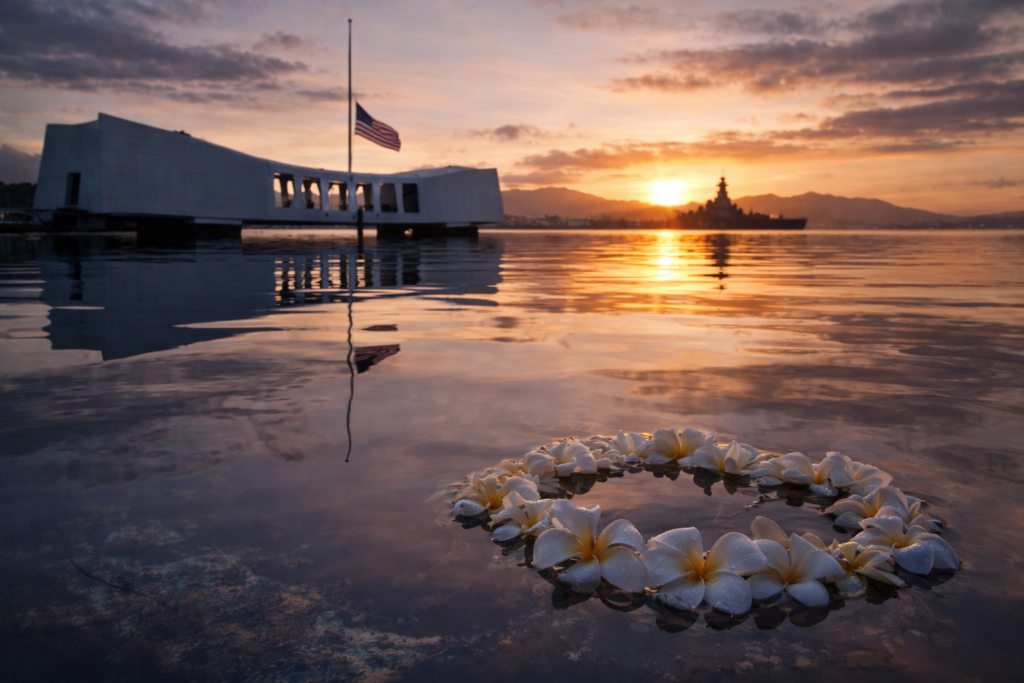
The floral wreath cast into the waters of Pearl Harbor is a quiet yet powerful act of remembrance, symbolizing honor, mourning, and enduring connection. Traditionally made with plumeria and native greenery, the wreath represents life, respect, and the beauty that endures even after loss. As it is gently released into the Pacific—often above the resting place of the USS Arizona—it becomes a tribute carried by the very waters that witnessed the tragedy. The motion of the wreath drifting outward reflects both a farewell and a remembrance, acknowledging those who never returned while affirming that their sacrifice continues to ripple through time. It is not an act of letting go, but of entrusting memory to something eternal—a gesture of reverence that unites past, present, and purpose.

Pearl Harbor Remembrance Day Traditions to Make Your Own

Pearl Harbor Remembrance Day is marked not by celebration, but by intentional acts of honor and reflection. Each tradition carries a quiet weight—designed to remember, respect, and realign.
Flag at Half-Staff
Across the United States, the American flag is lowered to half-staff from sunrise to sunset. This simple yet powerful gesture symbolizes national mourning and respect for those who lost their lives.
Moment of Silence (7:55 a.m.)
At the exact time the attack began—7:55 a.m. Hawaiian time—a moment of silence is observed. This pause reconnects the present to the precise moment history shifted, grounding remembrance in real time.
Wreath & Lei Ceremonies
Floral wreaths and leis are gently placed into the waters of Pearl Harbor, especially above the USS Arizona. This tradition symbolizes honor, remembrance, and an enduring connection to those who rest beneath the surface.
Military Honors & Gun Salutes
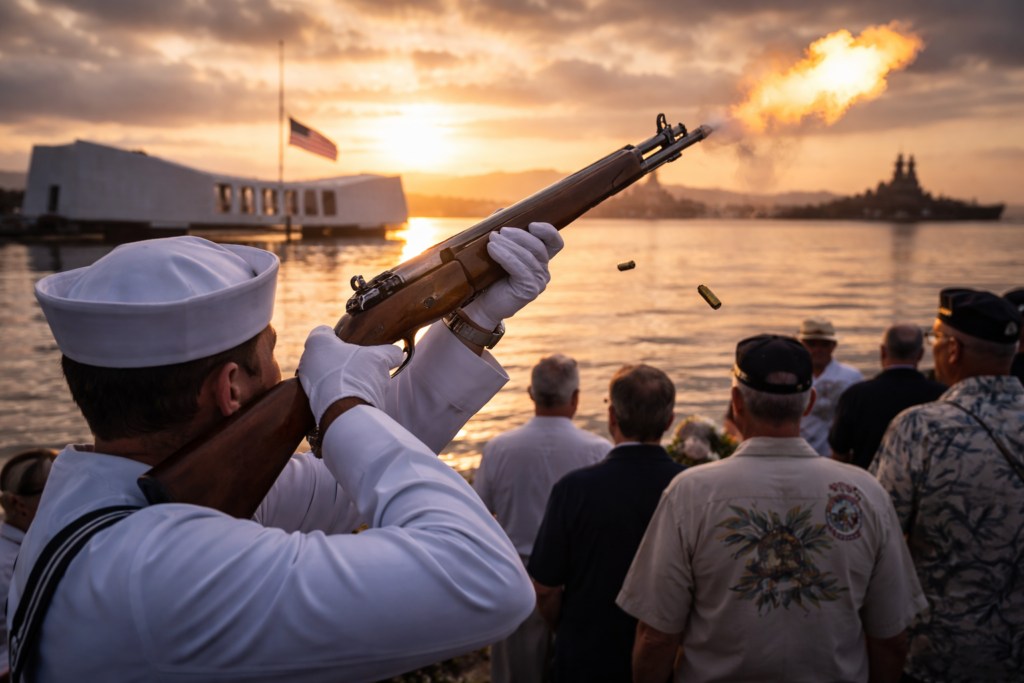
Ceremonies often include military tributes such as rifle volleys, ship bells, and honor guards. These acts reflect discipline, respect, and the continued legacy of service.
Survivor Recognition
As the years have passed, honoring the remaining survivors has become even more meaningful. Their presence—and stories—serve as living bridges between history and today.
Candlelight Vigils
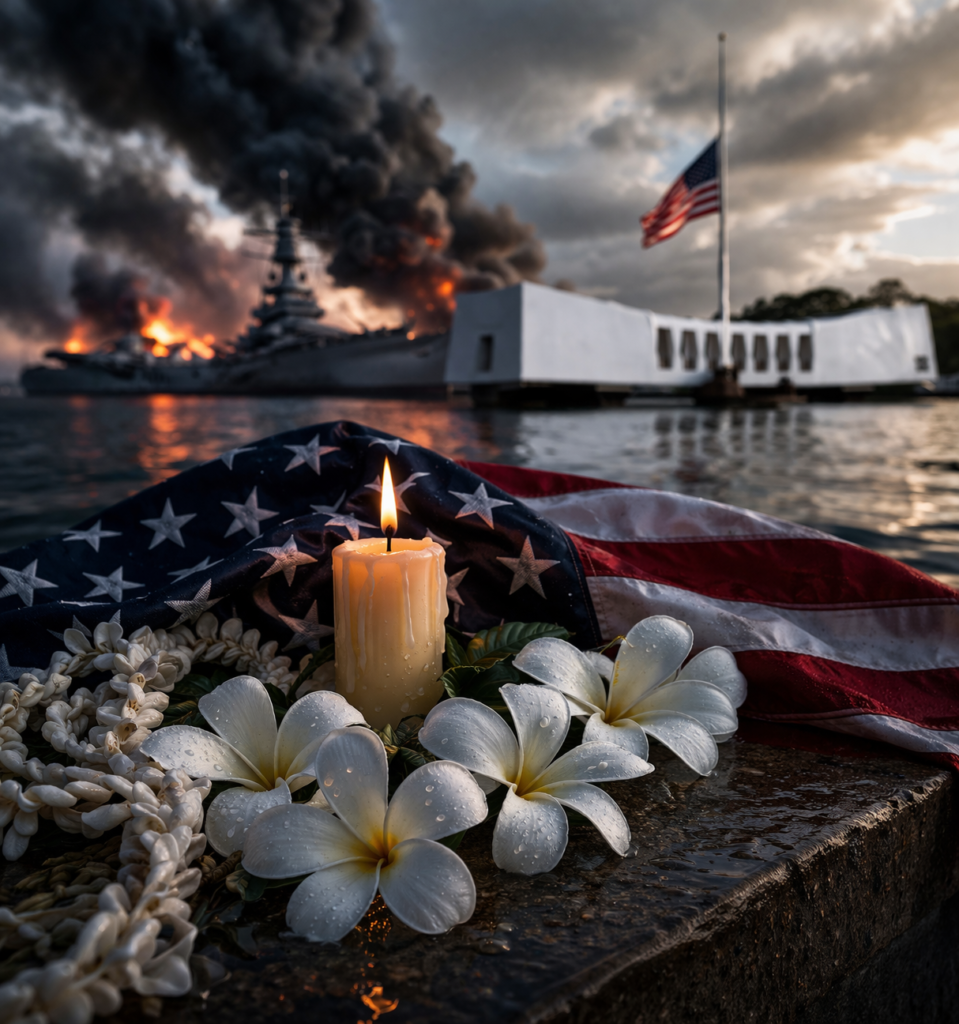
In some communities, candlelight vigils are held to create a quiet, reflective atmosphere. The light symbolizes remembrance, vigilance, and the enduring spirit of those lost.
The gun salute performed on Pearl Harbor Remembrance Day is a solemn act of honor, respect, and final tribute to those who gave their lives. Rooted in long-standing military tradition, the firing of rifles or artillery serves as a ceremonial expression of reverence—each shot echoing as a symbolic acknowledgment of sacrifice. Rather than an act of aggression, the salute represents discipline, unity, and remembrance, honoring fallen service members with precision and dignity. The sharp report of each round cuts through the silence, reminding all present that freedom has been defended at great cost. In this moment, the sound is not noise—it is a language of respect, carrying gratitude across time.

A Prayer for Pearl Harbor Remembrance Day

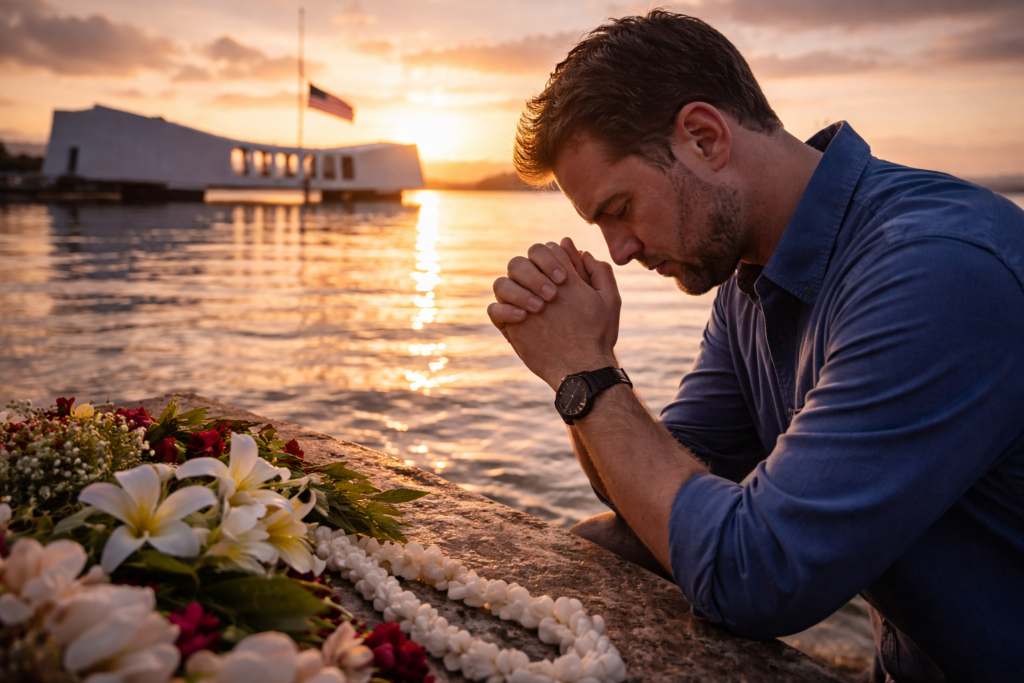
The prayer offered on Pearl Harbor Remembrance Day is a quiet act of humility, gratitude, and alignment with something greater than oneself. It is a moment where the noise of the world fades, and the heart turns toward honoring those who sacrificed everything. In that stillness, the prayer becomes both remembrance and renewal—lifting up the fallen into eternal peace while asking for strength, wisdom, and vigilance in the present. It is not only spoken with words, but expressed through posture, intention, and reverence. Through prayer, we acknowledge that true strength is guided, that freedom is not held by chance, and that we are called to live with purpose worthy of the sacrifice remembered.
Heavenly Father,
On this day of remembrance, we come before You in stillness and humility, honoring the lives given at Pearl Harbor. We remember the courage of those who stood without warning, the sacrifice of those who did not return, and the strength of a nation awakened in a moment of trial.
Lord, receive the souls of the fallen into Your eternal peace. May their sacrifice never be forgotten, and may their legacy live on in the hearts of those who seek truth, honor, and righteousness.
Strengthen us, Father, to live with vigilance and integrity. Teach us to be prepared—not only in body, but in spirit. Let us not drift into complacency, but remain anchored in purpose, ready to stand firm in the face of adversity.
Unite us in gratitude for the freedoms preserved through sacrifice. Guide our leaders with wisdom, our people with courage, and our hearts with humility.
May we carry forward the memory of this day not only in reflection,
but in how we live—
disciplined, aware, and aligned with what is good and just.
In Your holy name we pray,
Amen.

Traditional Pearl Harbor Remembrance Day Dishes

Simple American Meals (Most Common)
These emphasize home, unity, and gratitude:
  • Roast chicken with potatoes
  • Meatloaf with vegetables
  • Grilled steak with a simple side
  • Turkey or ham with classic sides
These are grounded, familiar meals—nothing flashy.
Hawaiian-Inspired Dishes (Location-Based Connection)
Since Pearl Harbor is in Hawaii, some incorporate respectful Hawaiian cuisine:
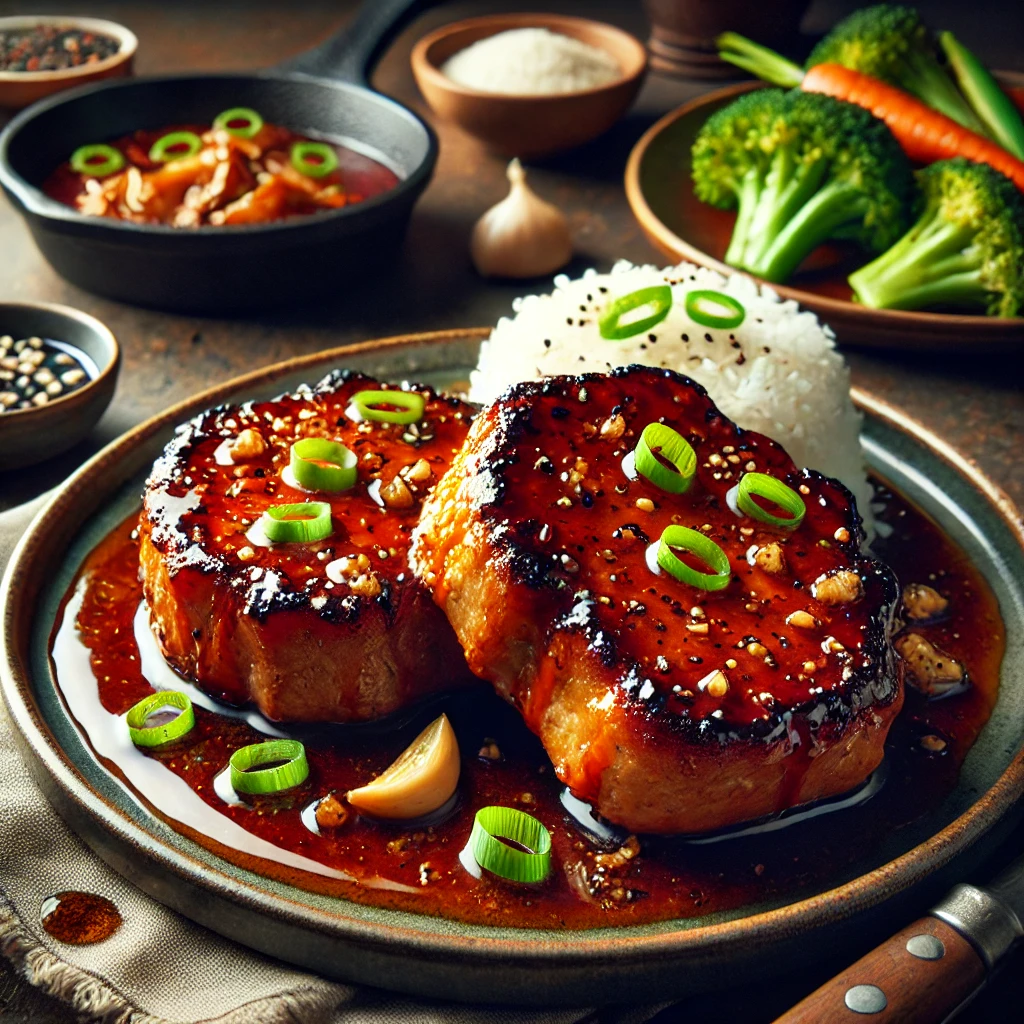
  • Teriyaki chicken with rice
  • Kalua pork and cabbage
  • Rice with grilled fish
  • Pineapple as a simple side or dessert
This ties the meal back to place and history.
Light, Reflective Meals
Some people prefer something quieter and more minimal:
  • Soup and bread
  • Salad with a protein
  • Tea with a simple dish
This aligns with a more contemplative, subdued atmosphere.
Gatherings with Veterans or Family
Meals may also be shared in:
  • Veteran organization gatherings
  • Family dinners with a moment of prayer or silence
  • Community remembrance events

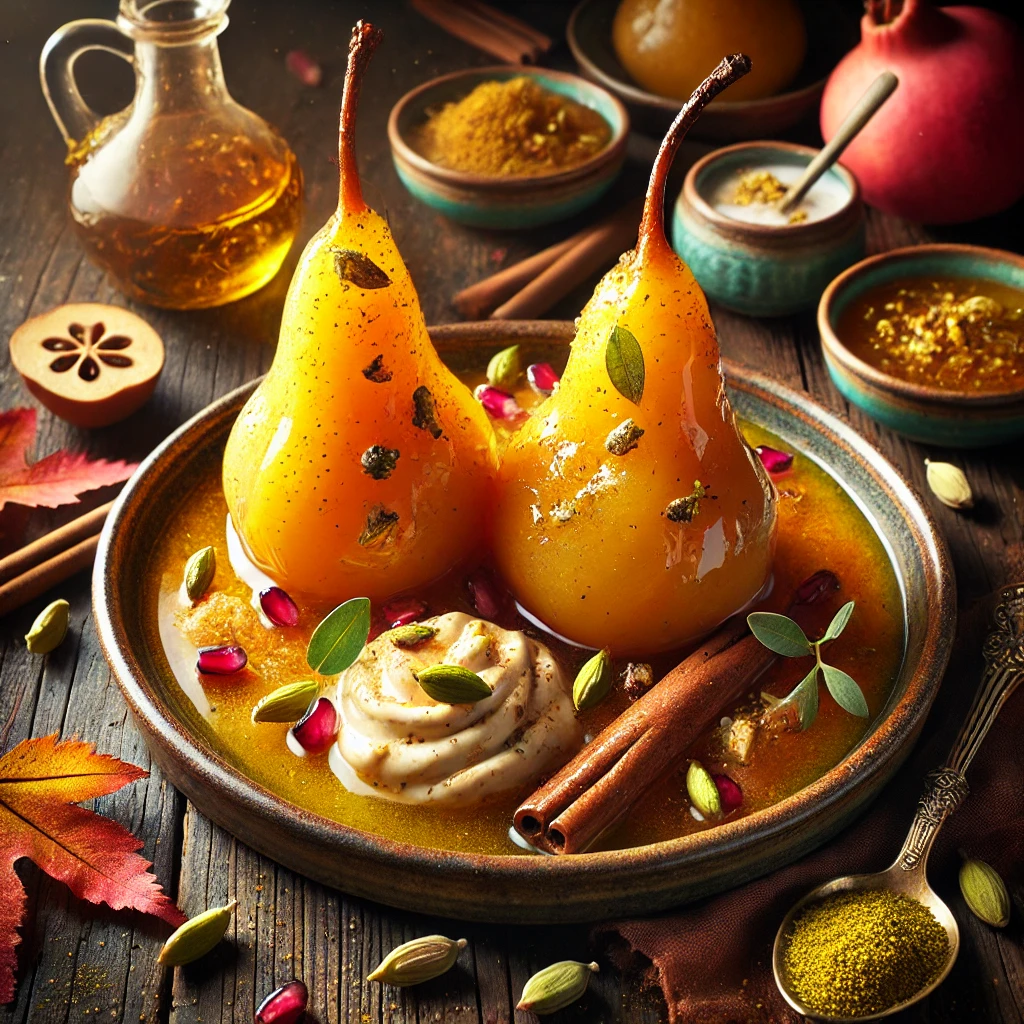
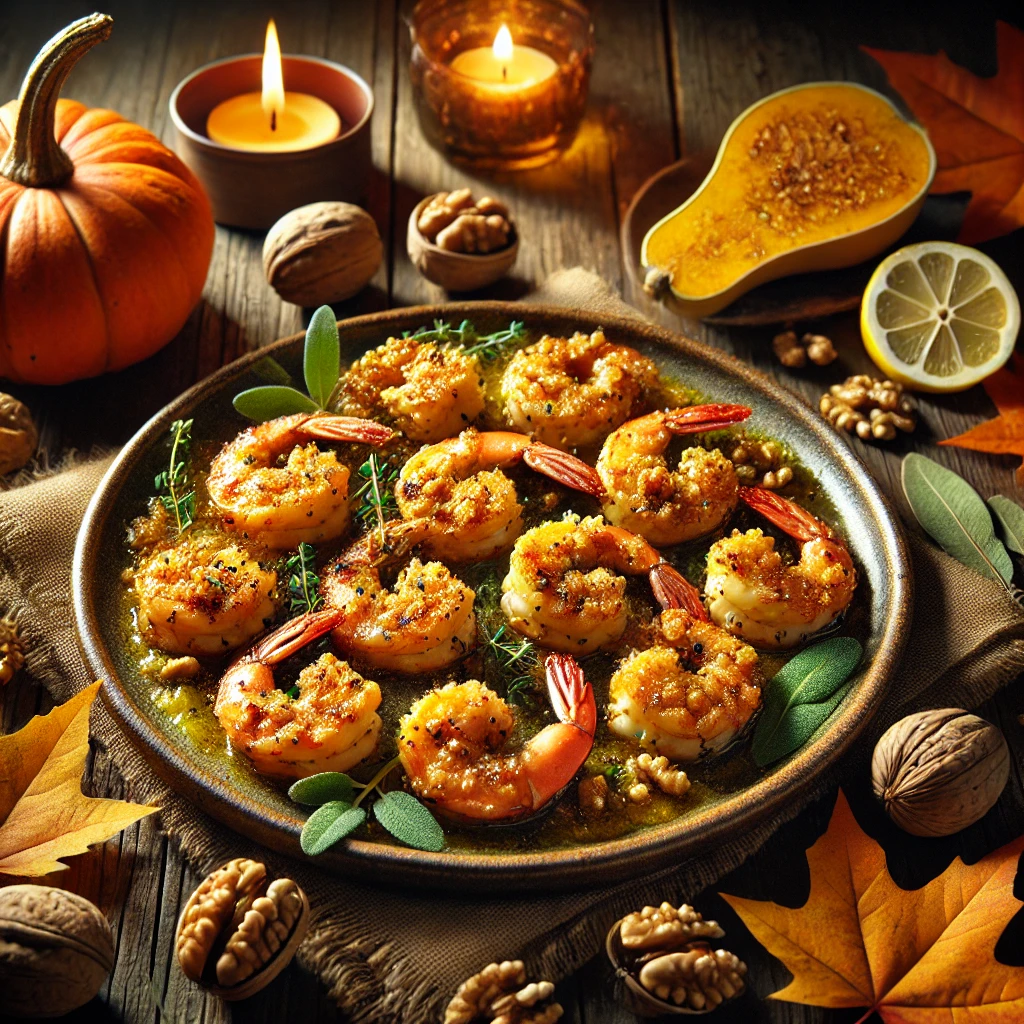
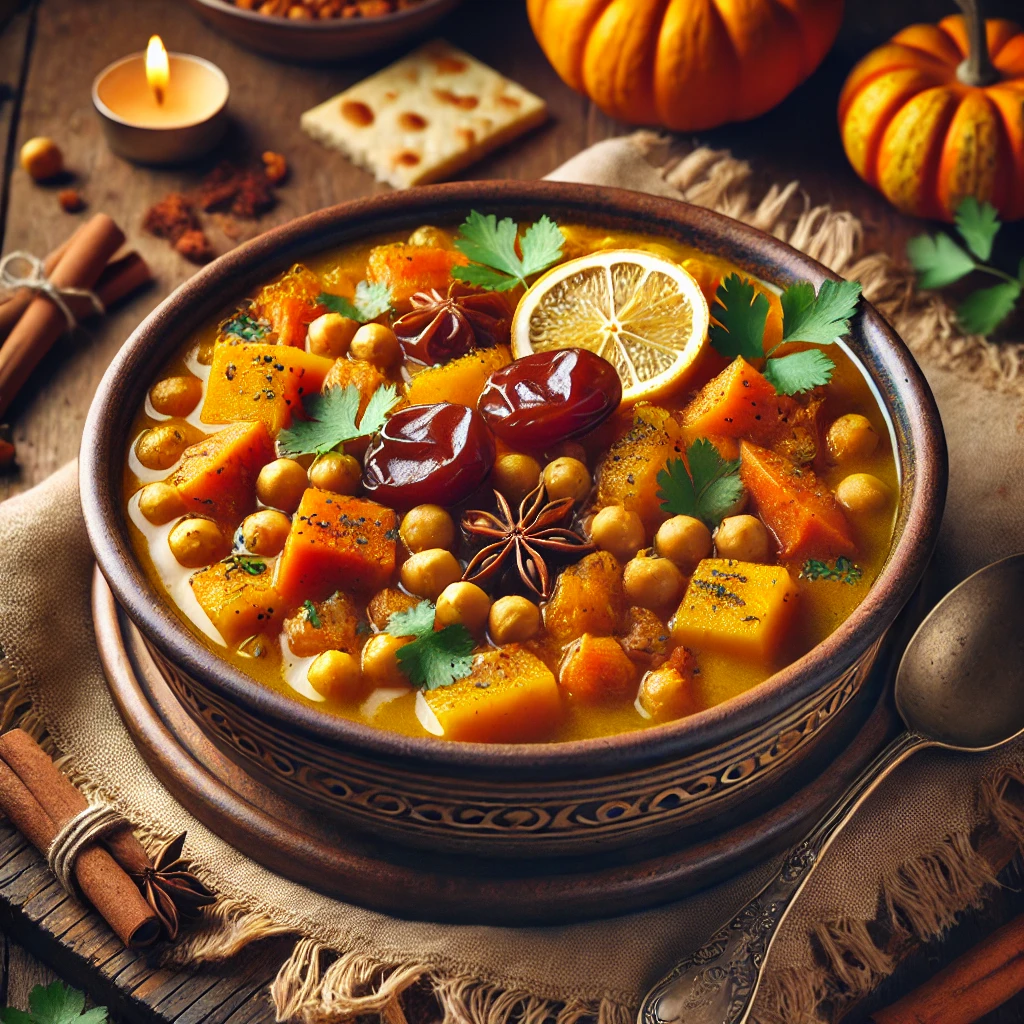
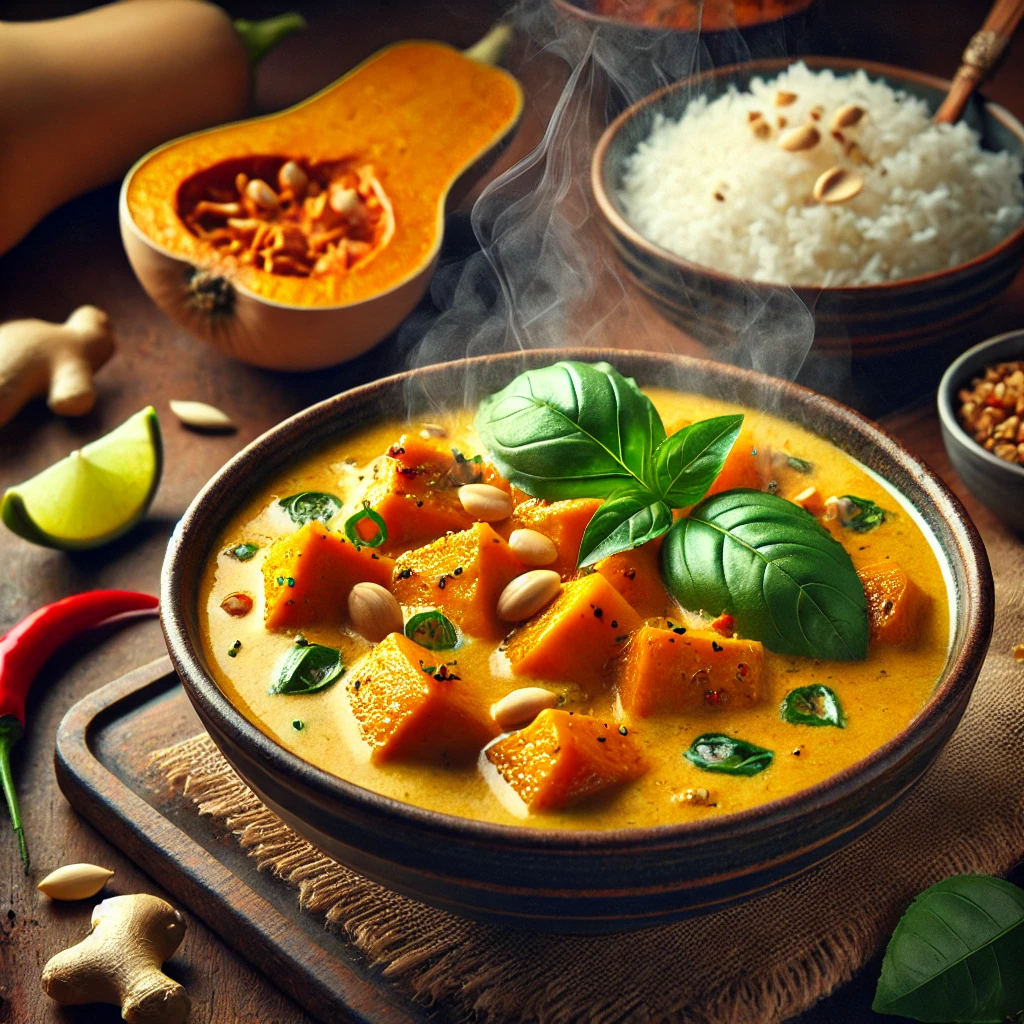
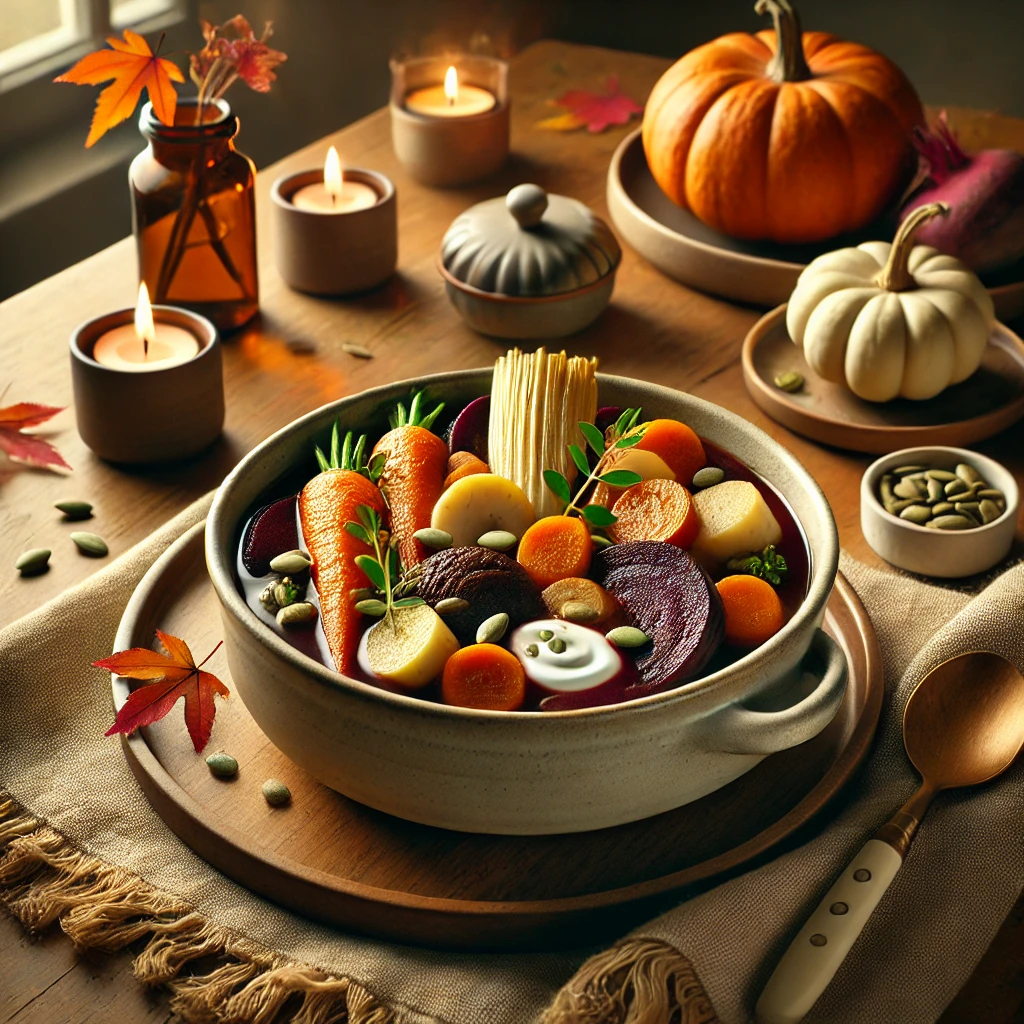
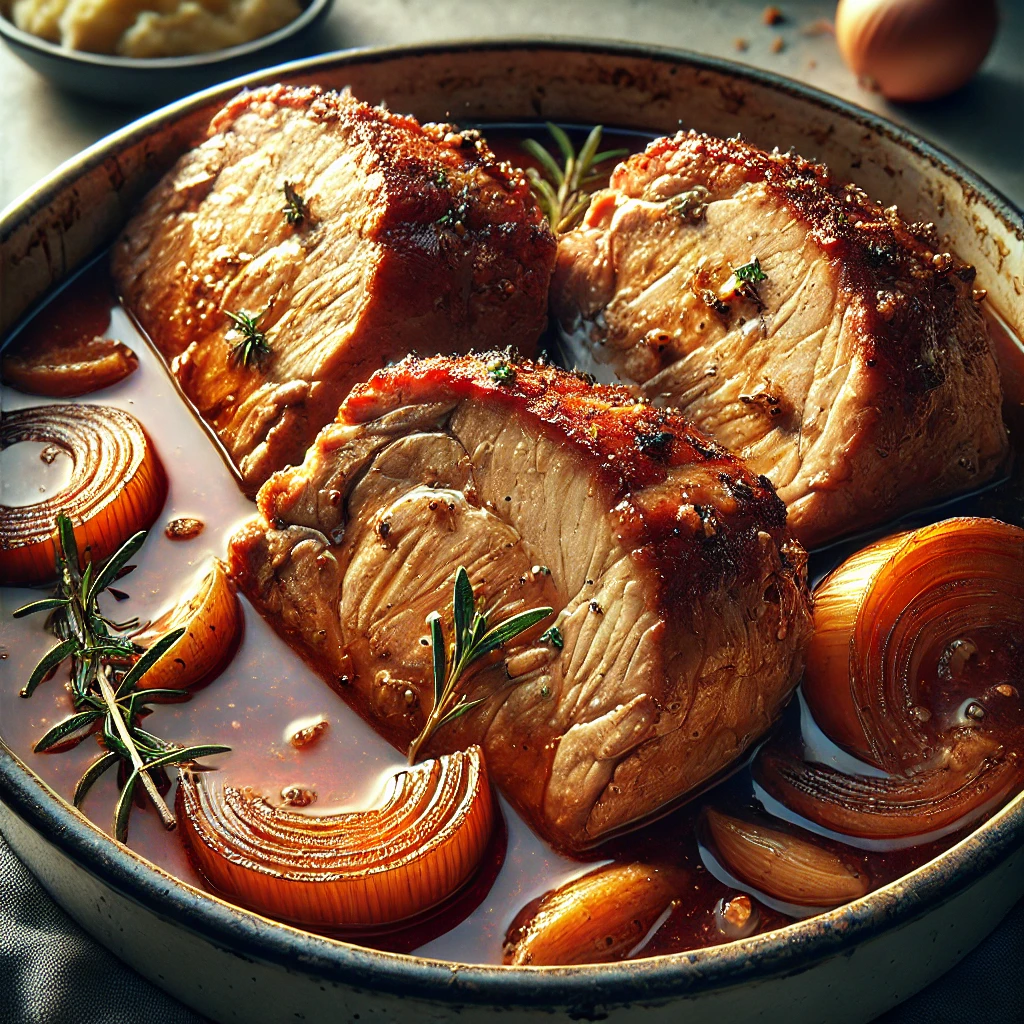
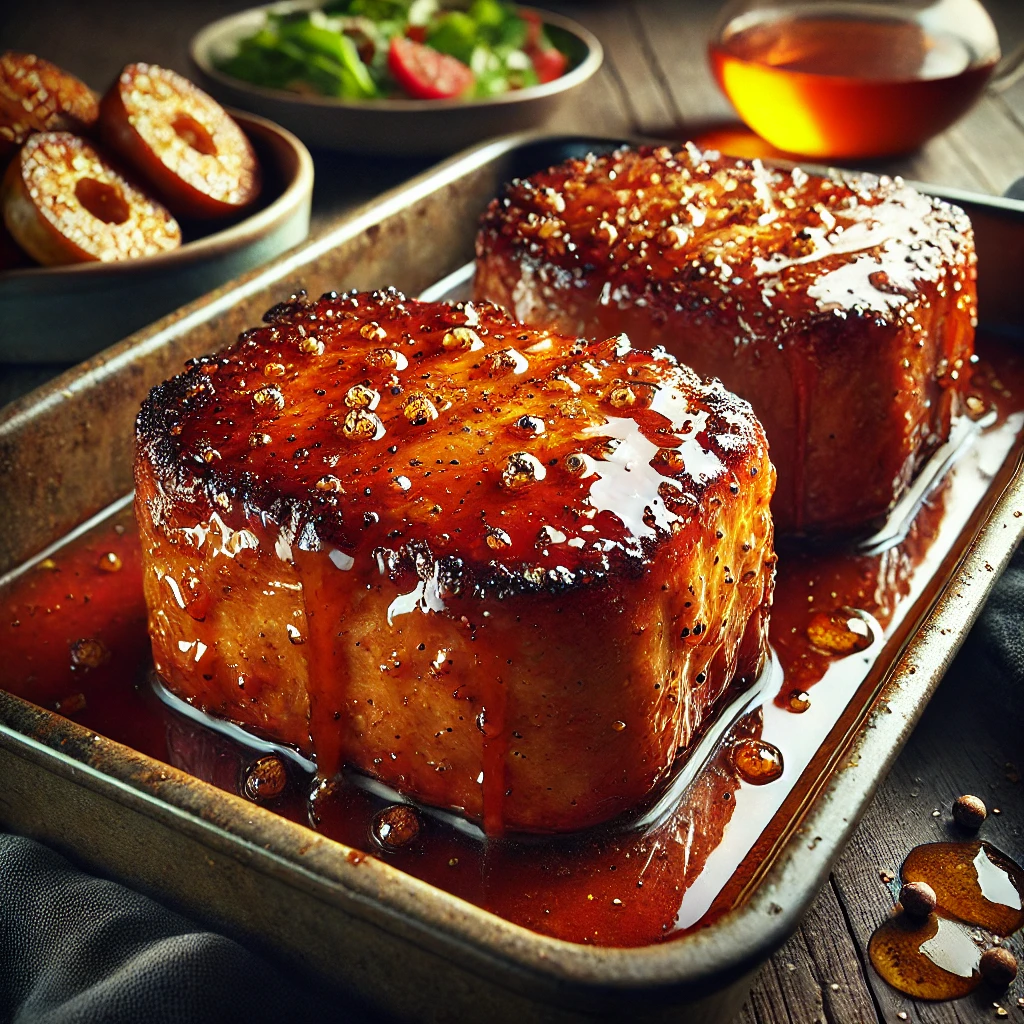
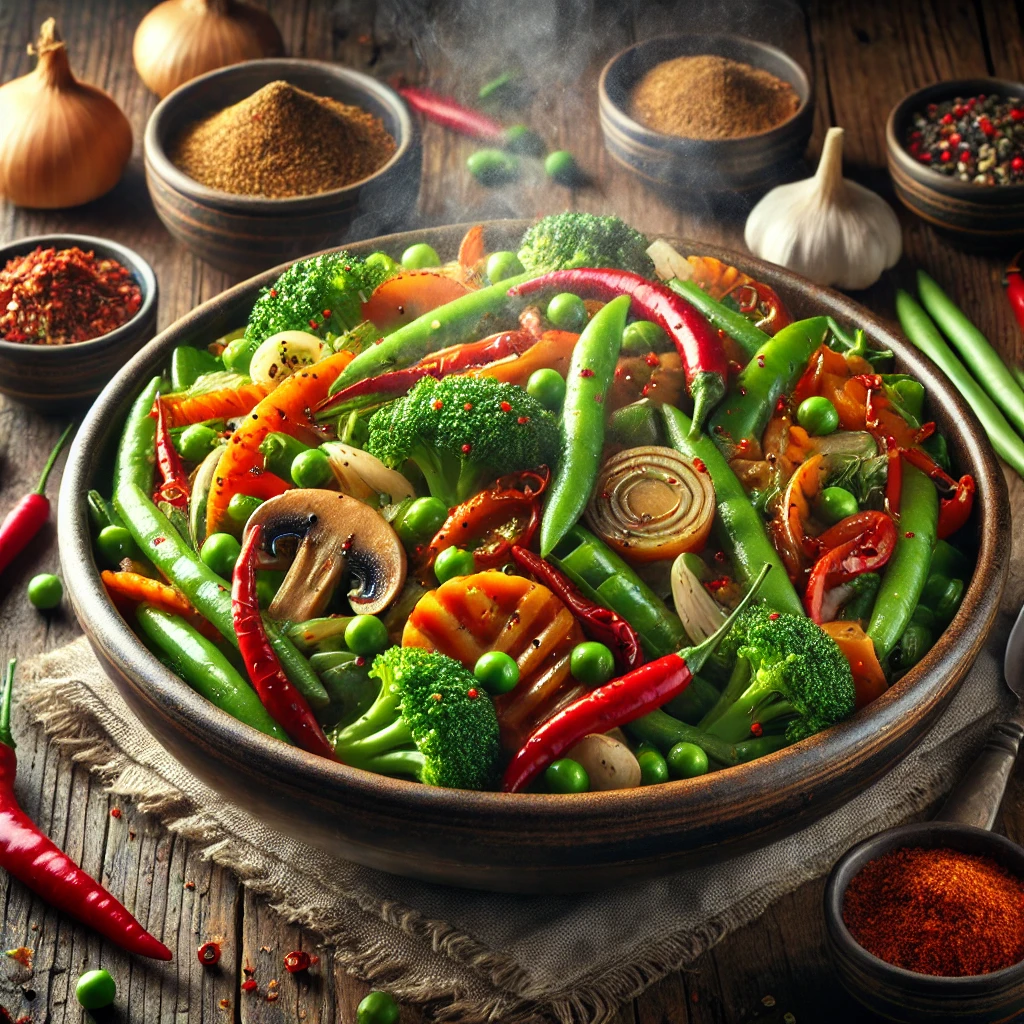
Recipes Engineered for Warmth as the Days Grow Cold