




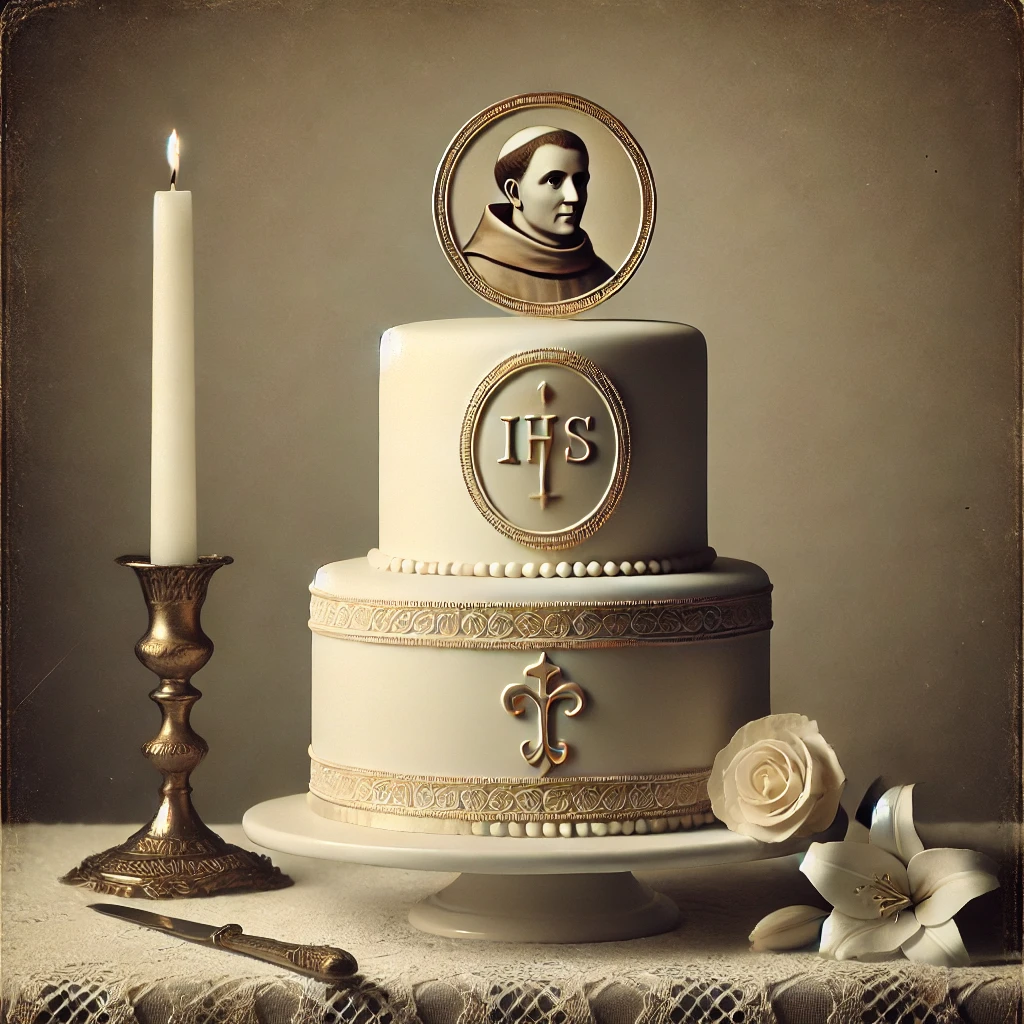
























St. Ignatius of Loyola's Day
with ORO VALENTIO
July 31st
The Feast of Saint Ignatius of Loyola, celebrated on July 31, stands as a powerful testament to what becomes possible when a human life is brought into full alignment with a higher calling. In the Oro Valentio sense—where refinement, strength, and intentional design converge—this day is not simply about remembrance, but about recalibration.
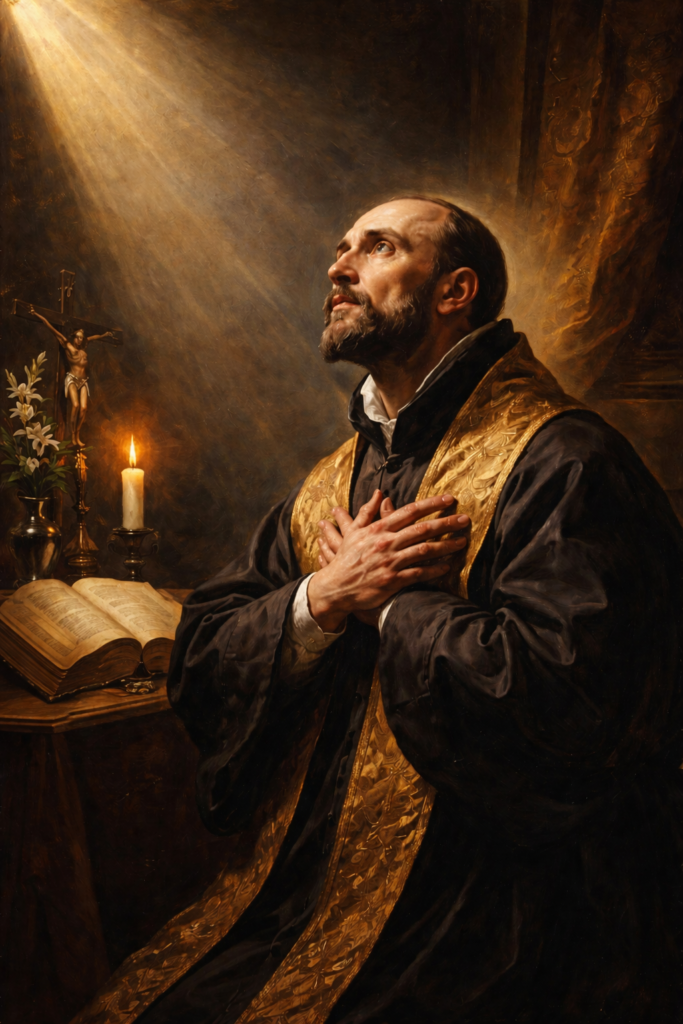
Ignatius was not always a man of spiritual depth. He began as a soldier—driven by honor, ambition, and the pursuit of worldly distinction. Yet it was through a moment of physical defeat, a devastating injury at Pamplona, that his life was redirected. Where the body was broken, the soul was awakened. During his recovery, he encountered the lives of Christ and the saints, and instead of passively admiring them, he chose to rebuild himself in their image.
This transformation was not emotional—it was engineered.
Ignatius developed the Spiritual Exercises, a disciplined system of reflection, discernment, and interior formation. These exercises were not meant to inspire fleeting motivation, but to cultivate lasting alignment—training the mind to think clearly, the will to act rightly, and the soul to remain anchored in truth. In this, he embodies a principle deeply aligned with Oro Valentio philosophy: that the highest form of strength is structured, intentional, and refined through practice.
From this foundation, he established the Society of Jesus—the Jesuits—an order defined by intellectual rigor, disciplined service, and global mission. Their work would go on to shape education, theology, science, and culture across the world, not through force, but through formation.
Saint Ignatius represents the disciplined architect of the self—the one who understands that a life of impact is not stumbled upon, but constructed. His legacy calls us to examine not only what we believe, but how we live, how we think, and how we act under pressure.
This feast is an invitation.
To step back.
To evaluate.
To refine.
To ask, with clarity and honesty:
Where am I misaligned? Where am I undisciplined? Where am I called higher?
Because in the end, the life of Ignatius teaches this—
that even the most driven among us must be reshaped,
and that true power is found not in control of the world,
but in mastery of the self, ordered toward God.
A life not left to impulse—but forged with intention.
From ambition to alignment—refined in purpose, disciplined in truth
The Feast Day of Saint Ignatius of Loyola celebrates far more than the life of a single man—it honors the transformation of the human soul when it is brought into full alignment with God’s will.
Observed each year on July 31, this day commemorates Ignatius not only as the founder of the Society of Jesus, but as a model of disciplined conversion, intentional living, and spiritual mastery. It marks the legacy of a man who moved from a life of worldly ambition to one of purpose, service, and profound interior strength.
At its core, the day celebrates conversion—the turning point where a person recognizes that true fulfillment is not found in external success, but in inner alignment with truth. Ignatius’ life reminds us that even the strongest and most driven individuals must undergo refinement, and that adversity is often the very tool that shapes clarity and purpose.
It also celebrates discipline—not as restriction, but as a pathway to freedom. Through his Spiritual Exercises, Ignatius introduced a structured way of training the mind and heart, teaching that growth is not accidental but cultivated through intentional practice. This feast honors that system of formation, which continues to guide millions in developing clarity, discernment, and direction.
Finally, the day celebrates mission—a life lived not for self alone, but for something greater. The work of the Jesuits, rooted in education, service, and global outreach, reflects the enduring impact of a life ordered toward higher purpose. It is a reminder that when one person becomes fully aligned, their influence can extend far beyond what they ever imagined.
In essence, this feast celebrates the reordering of a life—
from scattered to focused,
from driven to directed,
from self-centered to purpose-filled.
It is a call to pause and ask:
What am I living for? What am I building? What must be refined?
Because the day of Saint Ignatius is not only about honoring what was—
it is about awakening what can be.
Saint Ignatius of Loyola's Day Traditions to Make Your Own
1. Attending Mass
Many Catholics honor the day by attending Mass, where prayers and readings often reflect Ignatius’ life of conversion and mission. Special emphasis is placed on aligning one’s life with God’s will and renewing personal commitment to faith.
2. Practicing the Spiritual Exercises
A central tradition is engaging with Ignatius’ Spiritual Exercises—either in full retreat form or through shorter reflections. Individuals take time for self-examination, discernment of thoughts and actions, and prayerful meditation. This reflects Ignatius’ belief that growth comes through intentional inner work.
3. The Daily Examen
Many observe the day by practicing the Examen, a structured reflection prayer developed by Ignatius. It typically includes:
Gratitude for the day
Awareness of moments of strength and weakness
A renewed intention to improve
It’s a simple but powerful habit that embodies disciplined awareness.
4. Acts of Service
In honor of Ignatius’ mission-driven life and the work of the Society of Jesus, people often volunteer, help those in need, and offer time or resources to others. This reflects the idea that faith is not just internal—but lived out through action.
5. Study and Intellectual Reflection
Because the Jesuits are known for education and intellectual rigor, many mark the day by:
Reading spiritual or theological works
Studying Scripture
Engaging in meaningful discussion
It’s a tradition that honors both mind and soul.
6. Personal Recommitment
A more personal tradition is taking time to reassess one’s direction in life:
Setting goals aligned with higher purpose
Letting go of distractions
Renewing discipline in daily habits
This reflects the core of Ignatius’ legacy—a life continually refined.
7. Prayer for Discernment
Special prayers are often said asking for clarity, wisdom, and the ability to choose rightly. One of Ignatius’ most well-known themes is discerning between what merely appears good and what truly leads to fulfillment.
A prayer for St. Ignatius of Loyola's Day
Lord God,
Source of all truth, strength, and direction,
we come before You with a desire not only to believe,
but to be formed.
Through the example of Saint Ignatius,
teach us to examine our lives with clarity,
to recognize what is disordered within us,
and to have the courage to refine it.
Grant us discipline in our thoughts,
intentionality in our actions,
and steadfastness in our purpose.
Free us from all that distracts, weakens, or misleads,
and align our hearts fully with Your will.
Where we seek glory for ourselves,
redirect us toward what is eternal.
Where we hesitate in fear or comfort,
strengthen us to act with conviction.
Where we are divided,
bring us into unity of mind, body, and spirit.
Lord, train us as You trained Ignatius—
not for a life of ease,
but for a life of purpose.
May we become disciplined in truth,
refined in character,
and unwavering in our pursuit of what is good and right.
We offer You our thoughts, our actions, and our will—
that all may be ordered toward You.
Amen.
Traditional St. Ignatius of Loyola's Day Dishes
1. Spanish Tortilla (Tortilla Española)
A classic dish made with eggs, potatoes, and olive oil.
Simple, nourishing, and grounded—reflecting the disciplined and humble beginnings of Ignatius’ journey.
2. Rustic Lentil Stew (Lentejas)
A hearty lentil stew with vegetables and sometimes chorizo.
Lentils symbolize humility and sustenance—perfect for a day rooted in reflection and inner strength.
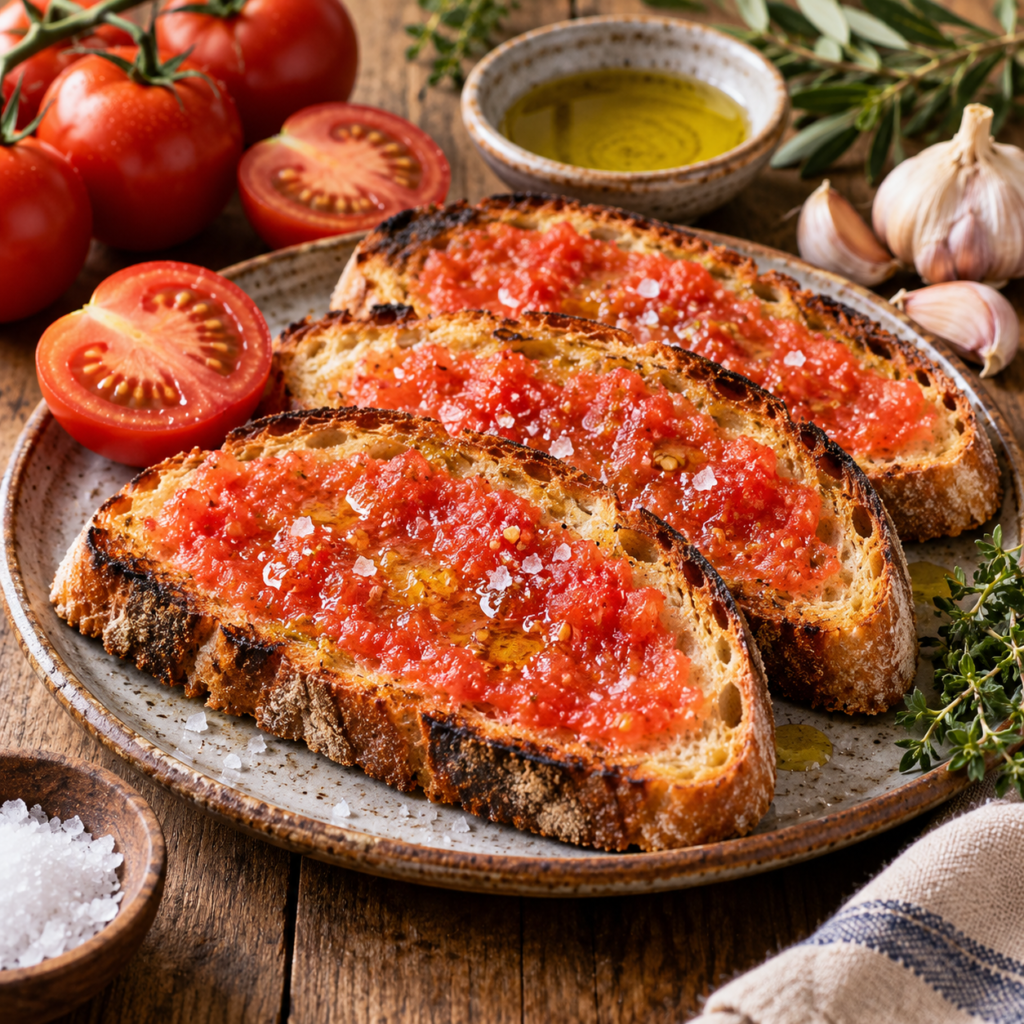
3. Pan con Tomate
Toasted bread rubbed with garlic, tomato, and olive oil.
A minimalist yet flavorful dish that represents doing simple things well.
4. Grilled Fish with Olive Oil and Herbs
Light, clean, and intentional.
Fish has long been associated with Christian tradition and offers a refined, purposeful meal.
5. Manchego Cheese with Olives
A traditional Spanish pairing.
Balanced, elegant, and communal—ideal for sharing and reflection.
6. Roasted Chicken with Garlic and Lemon
A classic, grounding main dish.
It brings warmth and substance while remaining rooted in traditional preparation.
7. Almond Cake (Tarta de Santiago)
A traditional Spanish dessert made with almonds, often marked with a cross.
This dish carries symbolic meaning—faith, heritage, and quiet beauty.
8. Simple Red Wine or Sparkling Water
Red wine (in moderation) reflects Spanish culture and celebration
Sparkling water offers a clean, refreshing alternative aligned with simplicity