




























Oro Valentio™ Legal, Health & Content Disclaimer
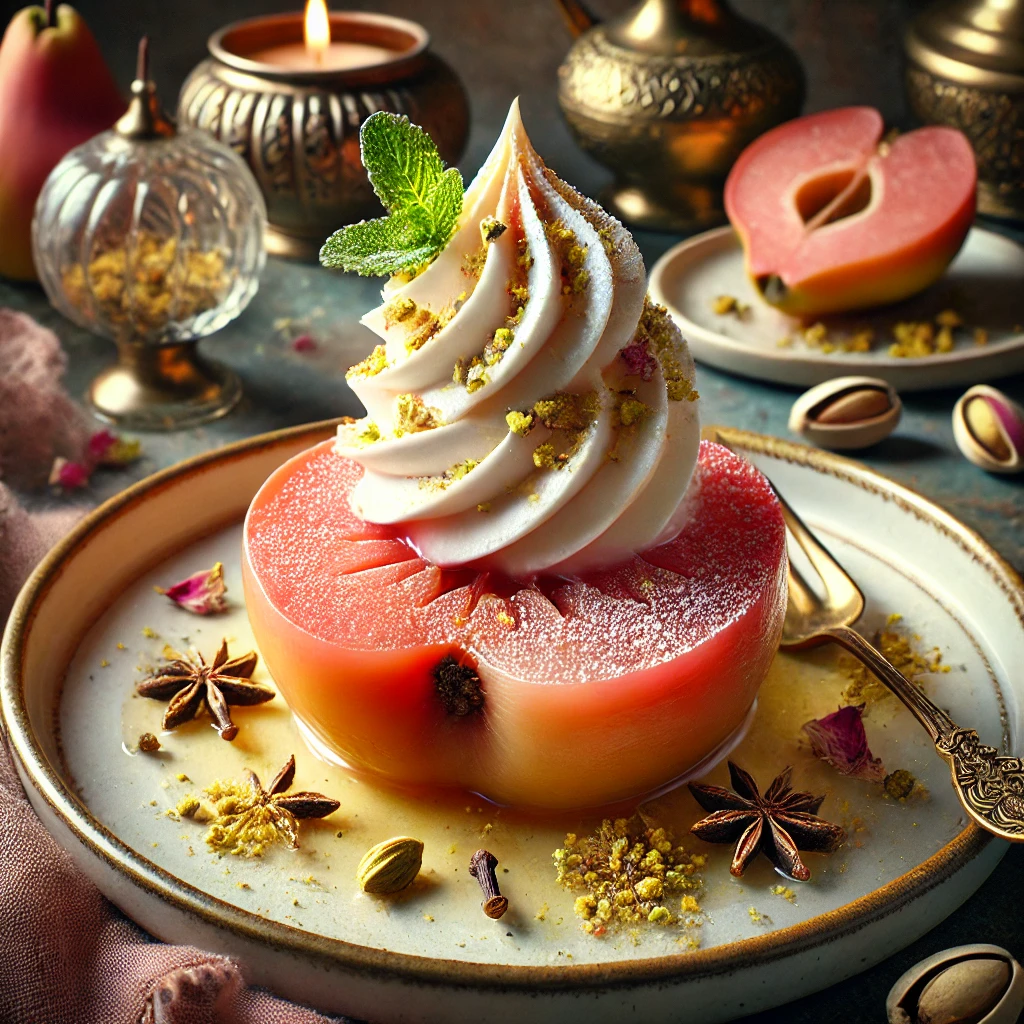
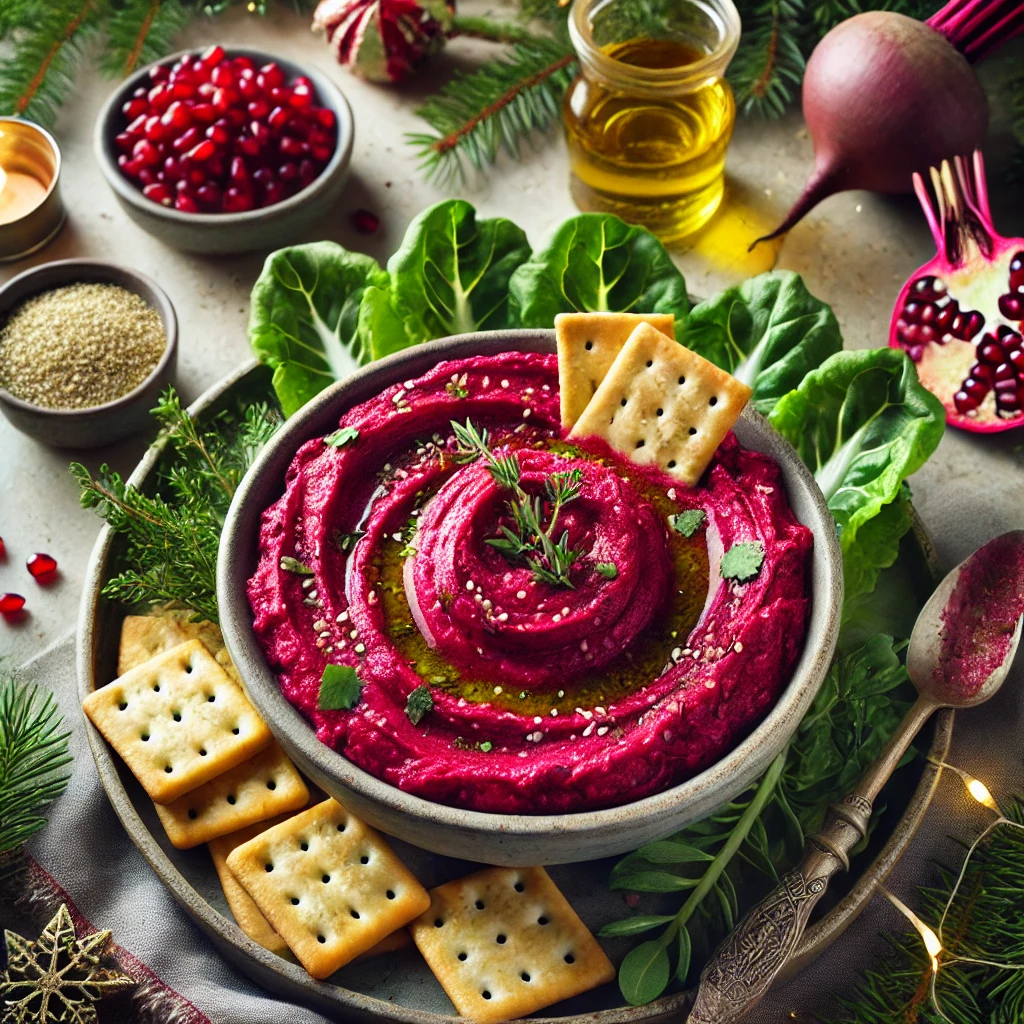
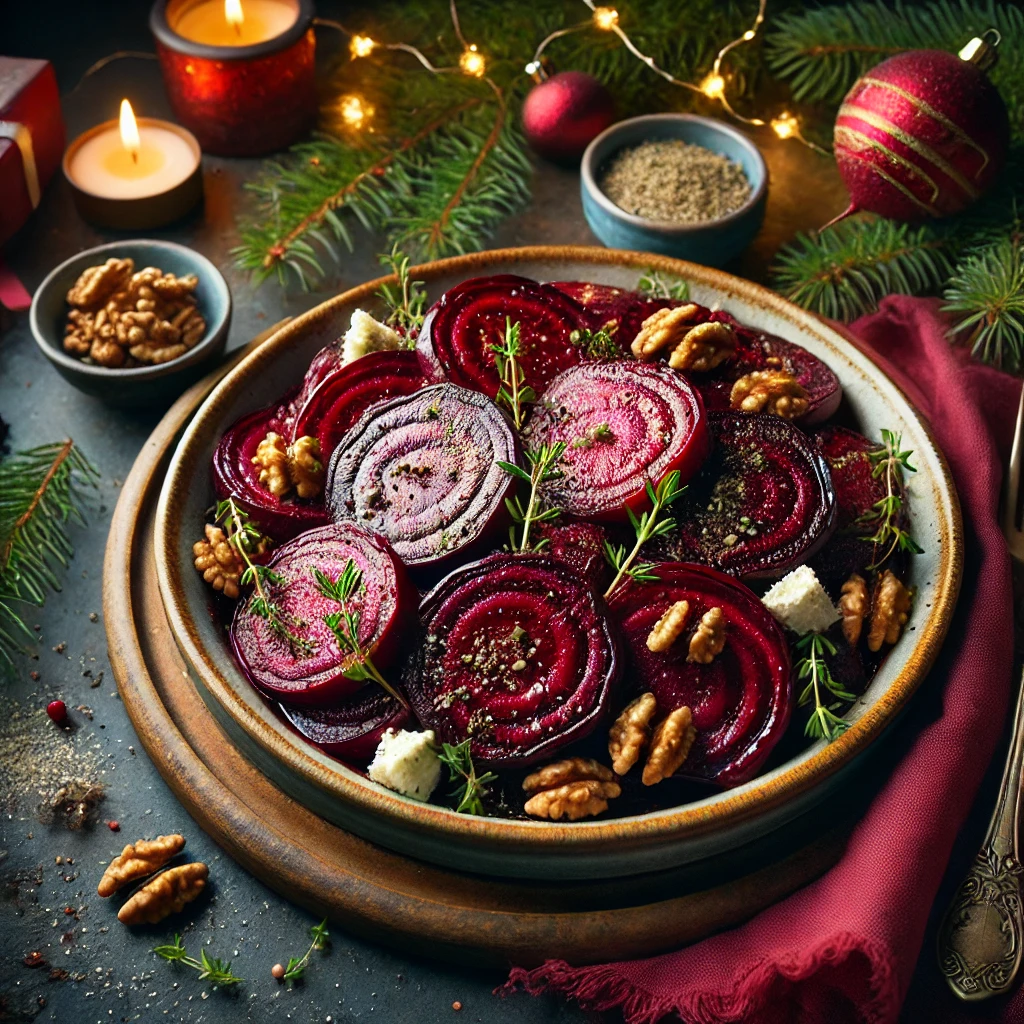
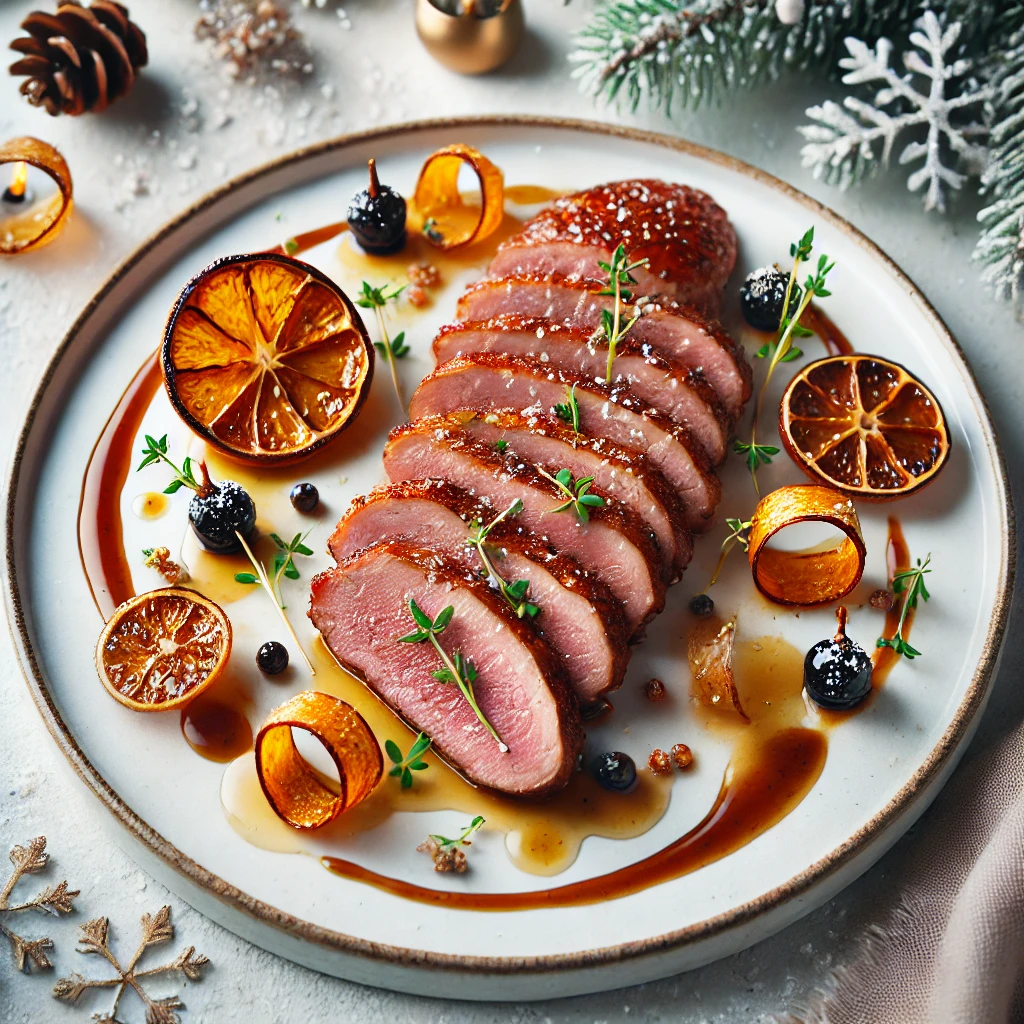
Some images or content on this website may be generated or digitally enhanced using artificial intelligence.
Oro Valentio™ is a DBA and brand of Sapphire Angel, LLC, a Montana-based for-profit company. Sapphire Angel, LLC also operates XSE Self Sculpt™, which utilizes systems-engineering methodologies originally developed by Independent Integration Systems Engineering, Inc. (XSE™). While these entities may share common ownership or conceptual origins, each is a distinct legal entity with separate operations, objectives, and responsibilities.
Golden Dolci™ and High Power Diet™ are trademarks of Sapphire Angel, LLC.
Brand mentions or references on this site do not imply endorsement or affiliation unless expressly stated. Links to third-party sites are provided for convenience only; Oro Valentio™ does not guarantee their accuracy or assume responsibility for their content, products, or policies.
Health, Fitness, Nutrition & Recipe Disclaimer
All fitness, nutrition, recipe, wellness, and lifestyle information provided by Oro Valentio™ is offered for educational and informational purposes only.
Content, coaching, and guidance:
Are not substitutes for medical nutrition therapy, professional healthcare, or licensed professional advice
Do not diagnose, treat, cure, or prescribe for any medical condition
Are not provided by licensed medical or dietetic professionals unless explicitly stated
Users should consult a licensed physician, dietitian, or qualified healthcare provider before making changes to diet, supplements, exercise, or lifestyle routines—especially if medical conditions are present or suspected.
Statements relating to health, nutrition, or supplements have not been evaluated by the FDA and are not intended to diagnose, treat, cure, or prevent any condition. Results may vary.
Recipe, Food Consumption & Activity Risk Notice
Recipes, food preparation suggestions, and wellness practices are provided for general informational use only.
Consumption of any recipe or food prepared using information from this site is undertaken entirely at the user’s own risk.
Users are solely responsible for evaluating allergies, sensitivities, intolerances, ingredient substitutions, cooking methods, food safety, sanitation, equipment, and environment. Improper preparation or individual sensitivities may result in illness or adverse reactions.
Liability, Reliance & Indemnification
All content is provided “as-is,” without warranties, express or implied. Users acknowledge that they do not rely on this content as professional, medical, or individualized advice.
Participation in any suggested activity or use of any information is voluntary and at your own risk. Oro Valentio™, Sapphire Angel, LLC, and their affiliates are not liable for injuries, illnesses, adverse reactions, damages, or losses arising from use of this website, its content, or related services.
By using this site, you agree to indemnify and hold harmless Oro Valentio™, Sapphire Angel, LLC, and their affiliates from any claims or demands arising from such use.
If you have any questions, please contact us.
Developed using XSE systems engineering principles and approved by an ISSA Nutritionist, Oro Valentio™ creations are designed to support general wellness, strength, vitality, and alignment of the human system as part of a balanced lifestyle.