


Cinco De Mayo
with ORO VALENTIO
May 5th
Cinco de Mayo is a celebration that carries both historical depth and cultural vibrancy, weaving together themes of courage, identity, and enduring spirit. Observed annually on May 5th, the day commemorates the remarkable Mexican victory over French forces at the Battle of Puebla, a moment that, though small in scale compared to global conflicts, echoes powerfully through history as a triumph of determination over seemingly insurmountable odds.
Historical Foundations: A Battle That Defied Expectation
In the early 1860s, Mexico faced immense financial hardship and political instability. Taking advantage of this vulnerability, France—under Emperor Napoleon III—sought to establish a foothold in Mexico and expand its influence in the Americas. French troops, considered among the strongest military forces in the world at the time, advanced toward Mexico City, expecting little resistance.
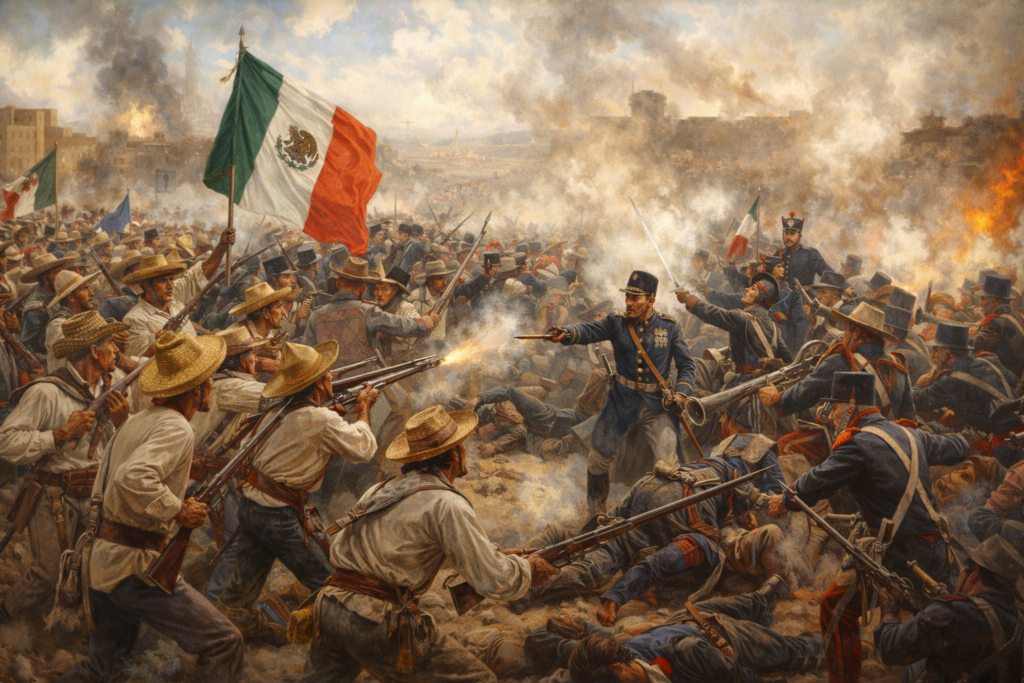
However, on May 5, 1862, near the city of Puebla, Mexican forces—led by General Ignacio Zaragoza—stood their ground. Despite being outnumbered and less equipped, the Mexican army fortified their positions and fought with fierce resolve. Against all expectations, they defeated the French troops, halting their advance and delivering a symbolic blow to a powerful empire.
While the victory at Puebla did not end the war (France would later occupy Mexico City before eventually being driven out), it became a defining moment—a testament to the strength of national unity and the will to defend sovereignty.
Distinguishing Cinco de Mayo from Independence Day
A common misconception is that Cinco de Mayo marks Mexico’s independence. In reality, Mexico’s independence from Spain is celebrated on September 16, honoring the beginning of the Mexican War of Independence. Cinco de Mayo instead commemorates a later chapter in Mexico’s ongoing struggle to preserve its autonomy and identity.
This distinction is important because it highlights Cinco de Mayo not as a founding moment of the nation, but as a reaffirmation of its resilience—a reminder that independence is not only gained once, but must be continually defended and preserved.
Observance in Mexico: A Regional but Meaningful Celebration
Within Mexico, Cinco de Mayo is not a nationwide holiday on the scale many might expect. Its most significant observance takes place in the state of Puebla, where the historic battle occurred. There, the day is honored with military parades, reenactments of the battle, educational programs, and civic ceremonies. These events serve not only as remembrance but also as education—connecting new generations to the courage and sacrifice of those who came before them. Schools, communities, and local governments participate in preserving the story of Puebla, ensuring it remains a living part of Mexico’s cultural memory. In the United States, Cinco de Mayo has taken on a broader and more expansive meaning. It has become a celebration of Mexican culture, heritage, and identity—particularly within Mexican-American communities. The day provides an opportunity to honor traditions, share history, and express cultural pride. Festivals often include traditional music such as mariachi and banda, folklórico dancing, vibrant decorations, and authentic cuisine. Foods like tacos, tamales, enchiladas, and mole poblano—originating from Puebla—are commonly enjoyed, connecting the celebration back to its historical roots. Over time, Cinco de Mayo has also become widely recognized beyond Mexican-American communities, evolving into a shared cultural celebration. While this widespread recognition has helped elevate awareness of Mexican culture, it also invites reflection on the importance of honoring the day with authenticity and respect for its origins.
Cinco De Mayo Traditions to Make Your Own
Parades and Reenactments
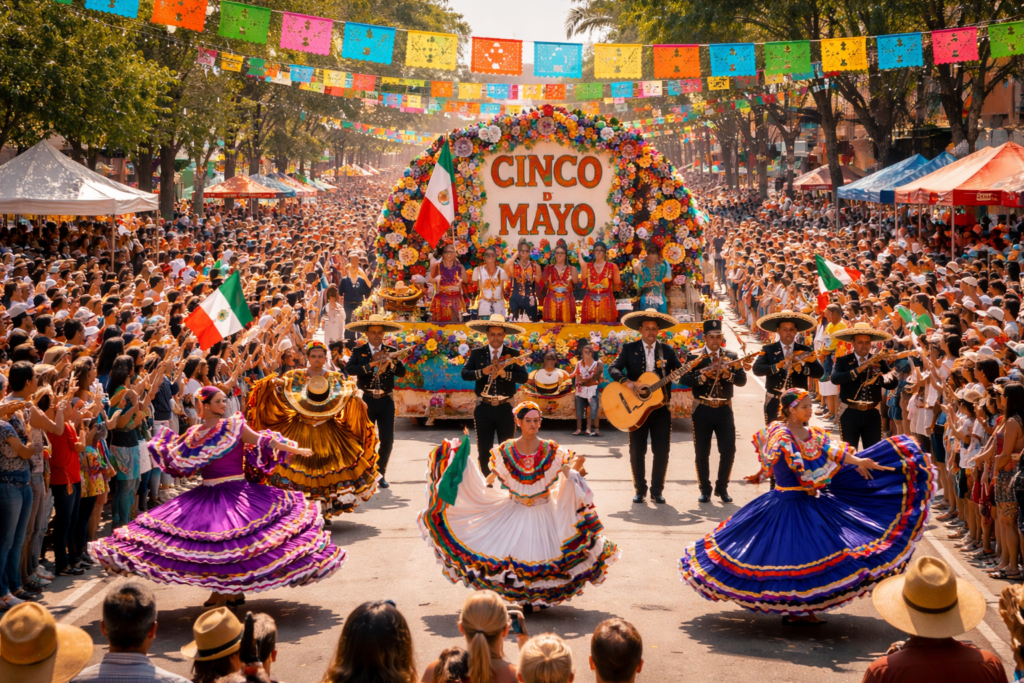
In the state of Puebla, where the historic battle took place, large parades are held featuring marching bands, military displays, and colorful floats. One of the most powerful traditions is the reenactment of the battle itself, where participants dress as Mexican and French soldiers to bring history to life. These reenactments serve as both education and tribute.
Traditional Music and Dance
Music is at the heart of Cinco de Mayo celebrations. Mariachi bands, folklórico dancers, and regional performers fill the air with energy and pride. Folklórico dancing, with its vibrant dresses and rhythmic footwork, reflects the diversity and richness of Mexican culture.
Sharing Traditional Foods
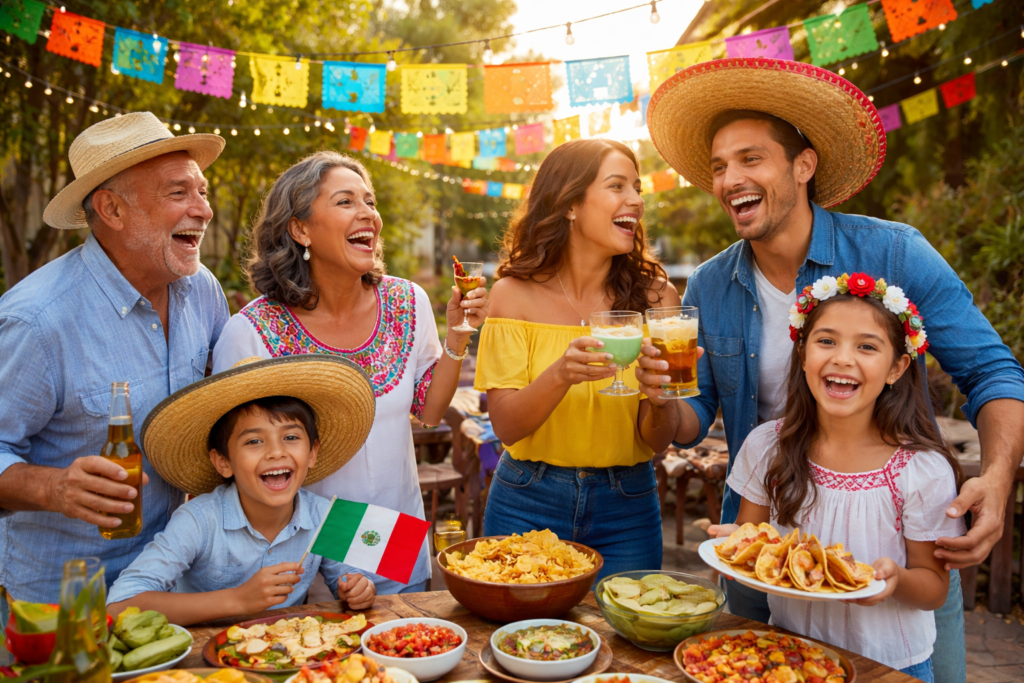
Food is a central part of the celebration, often bringing families and communities together. Common dishes include tacos, tamales, enchiladas, guacamole, and especially mole poblano—a rich sauce that originates from Puebla. Meals are often shared in a festive, communal setting, emphasizing togetherness and gratitude.
Festivals and Community Gatherings
Across the United States, cities host large Cinco de Mayo festivals featuring live performances, cultural exhibits, artisan vendors, and family-friendly activities. These gatherings celebrate Mexican heritage and provide an opportunity for people of all backgrounds to participate.
Cultural Decorations and Symbols
Celebrations are often decorated with bright colors—reds, greens, and whites of the Mexican flag. Papel picado (decorative cut paper banners), flowers, and traditional attire like embroidered dresses and sombreros are commonly seen, creating a lively and welcoming atmosphere.
Educational Events
Schools and cultural institutions often use Cinco de Mayo as a teaching moment. Students learn about the history of the battle, the leadership of figures like Ignacio Zaragoza, and the broader cultural significance of the day.
Moments of Honor and Reflection
Though often festive, many celebrations include moments of reflection to honor those who fought at Puebla. Speeches, ceremonies, or quiet acknowledgments are held to remember the courage and sacrifice behind the celebration.
Family Gatherings
At its core, Cinco de Mayo is a day for families to come together—sharing meals, stories, laughter, and cultural traditions. Whether large or small, these gatherings reinforce connection and identity.
Cinco De Mayo
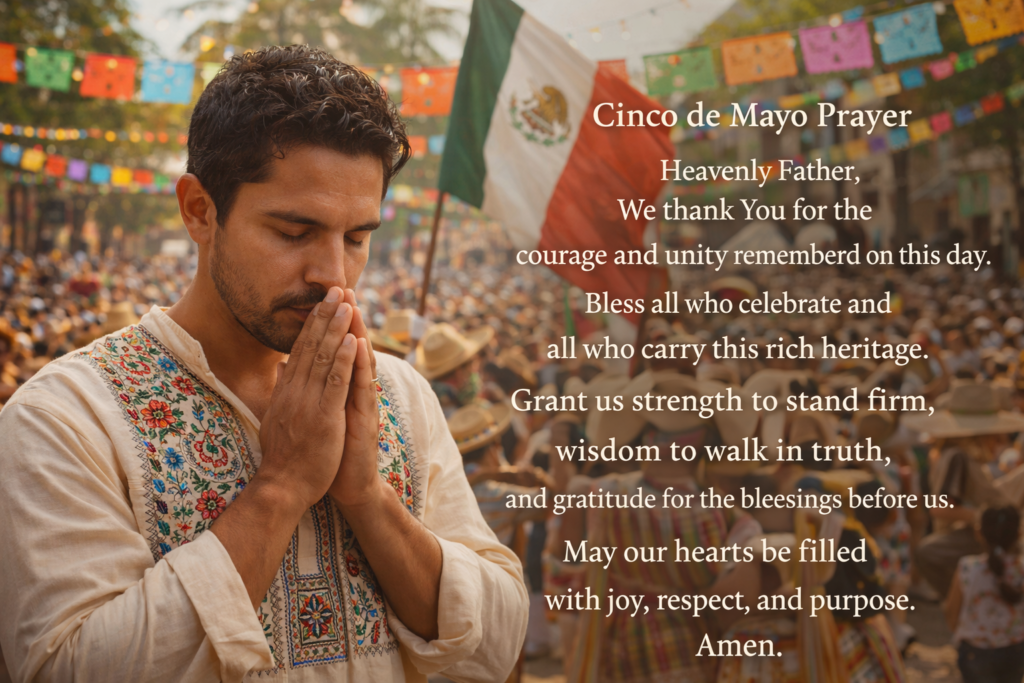
Heavenly Father,
We come before You with grateful hearts on this day of remembrance and celebration.
We thank You for the courage, strength, and unity shown by those who stood firm in the face of adversity,
and for the enduring spirit that continues to inspire generations.
Lord, bless the people of Mexico and all who carry its rich heritage.
May their traditions, faith, and perseverance shine brightly in the world.
Grant us the same courage to stand for what is right,
the same unity to stand together in times of trial,
and the same faith to trust in Your guidance.
As we gather with family and community,
may our celebrations be filled with joy, respect, and gratitude.
Help us to honor history with sincerity,
to cherish culture with appreciation,
and to live each day with purpose and strength.
Lord, may we never forget that true victory comes not from power alone,
but from faith, integrity, and the willingness to persevere.
We offer this prayer in humility and thanksgiving.
Cinco De Mayo Cake & Atmosphere Ideas
Where style, memory, and celebration meet.
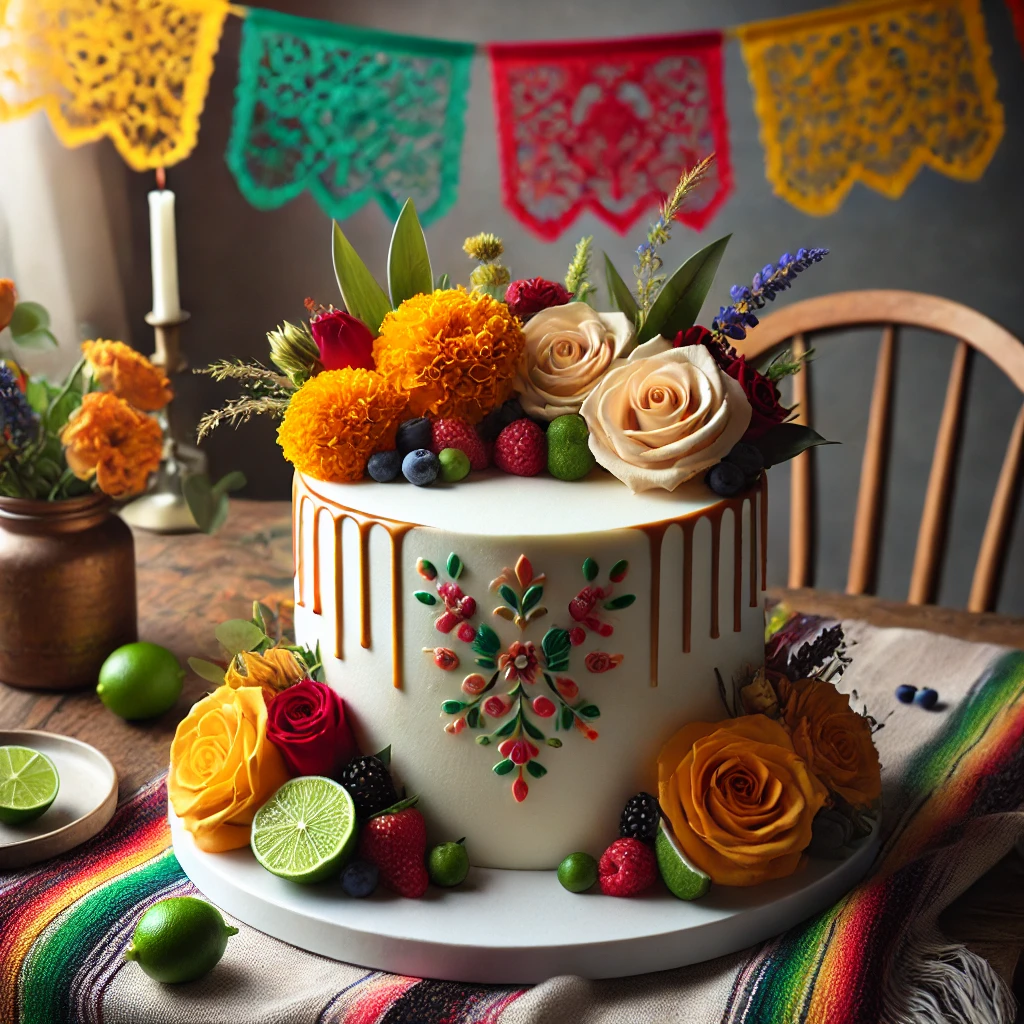
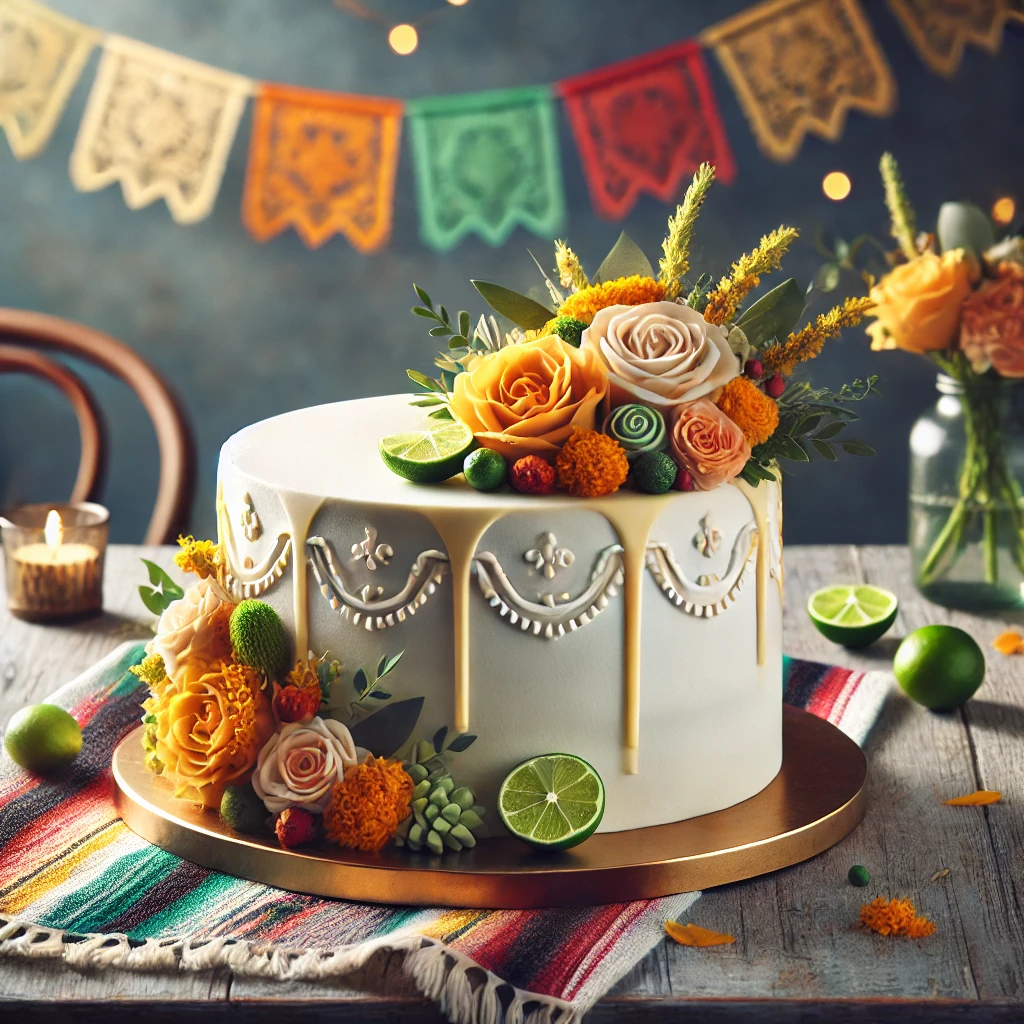
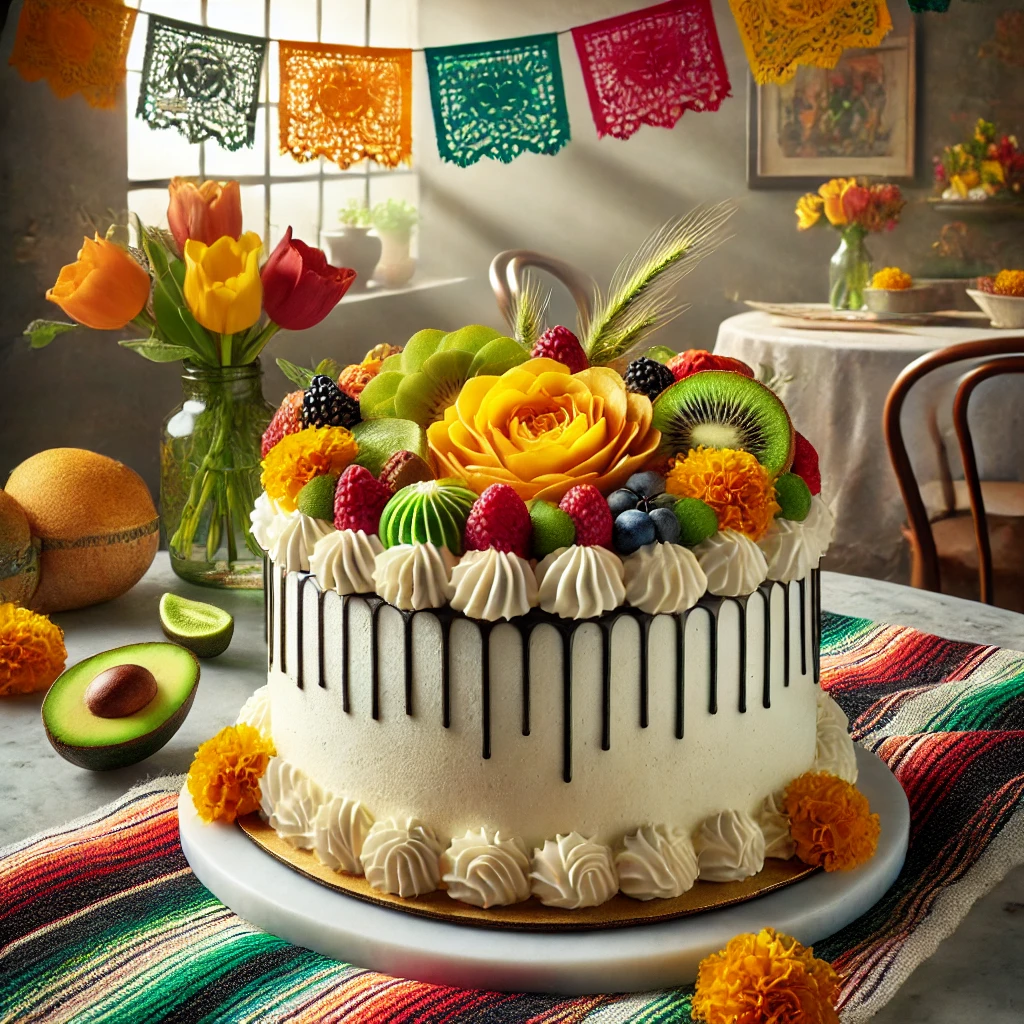
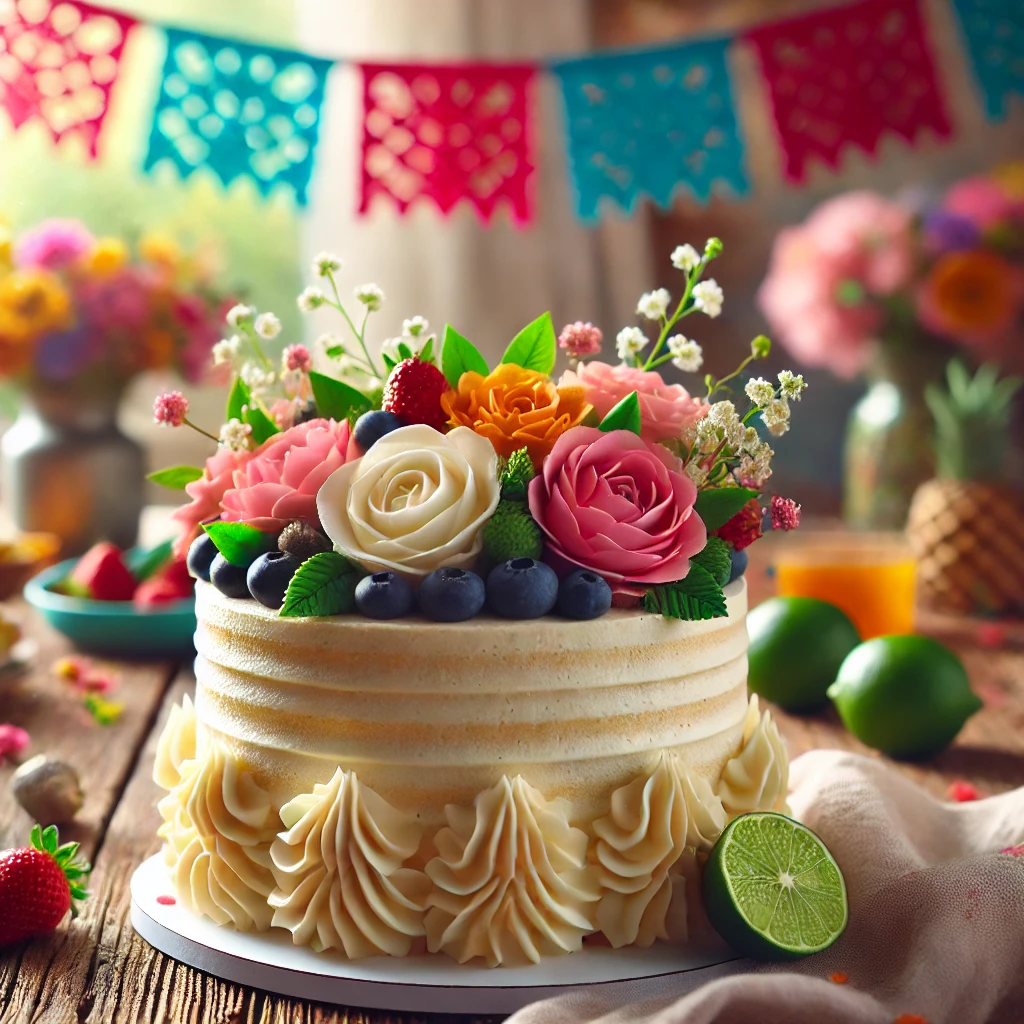
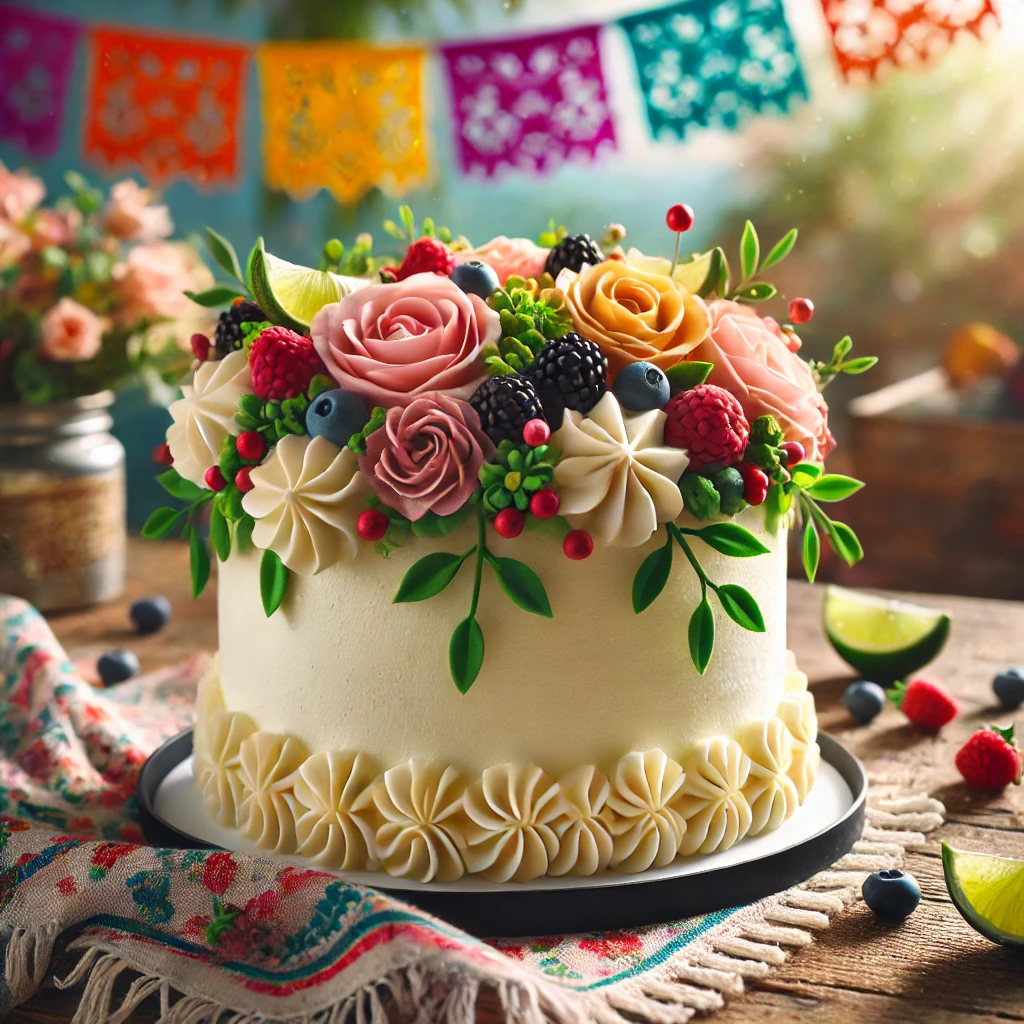
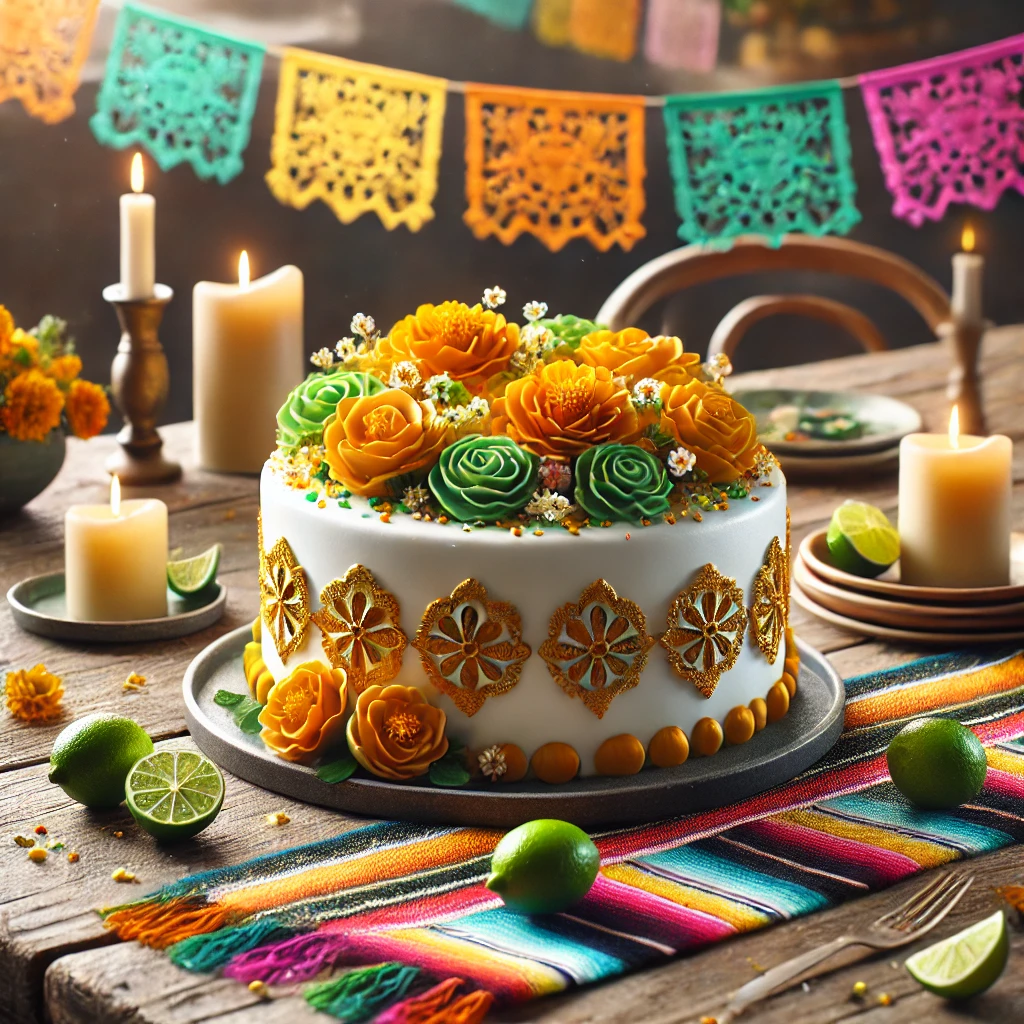
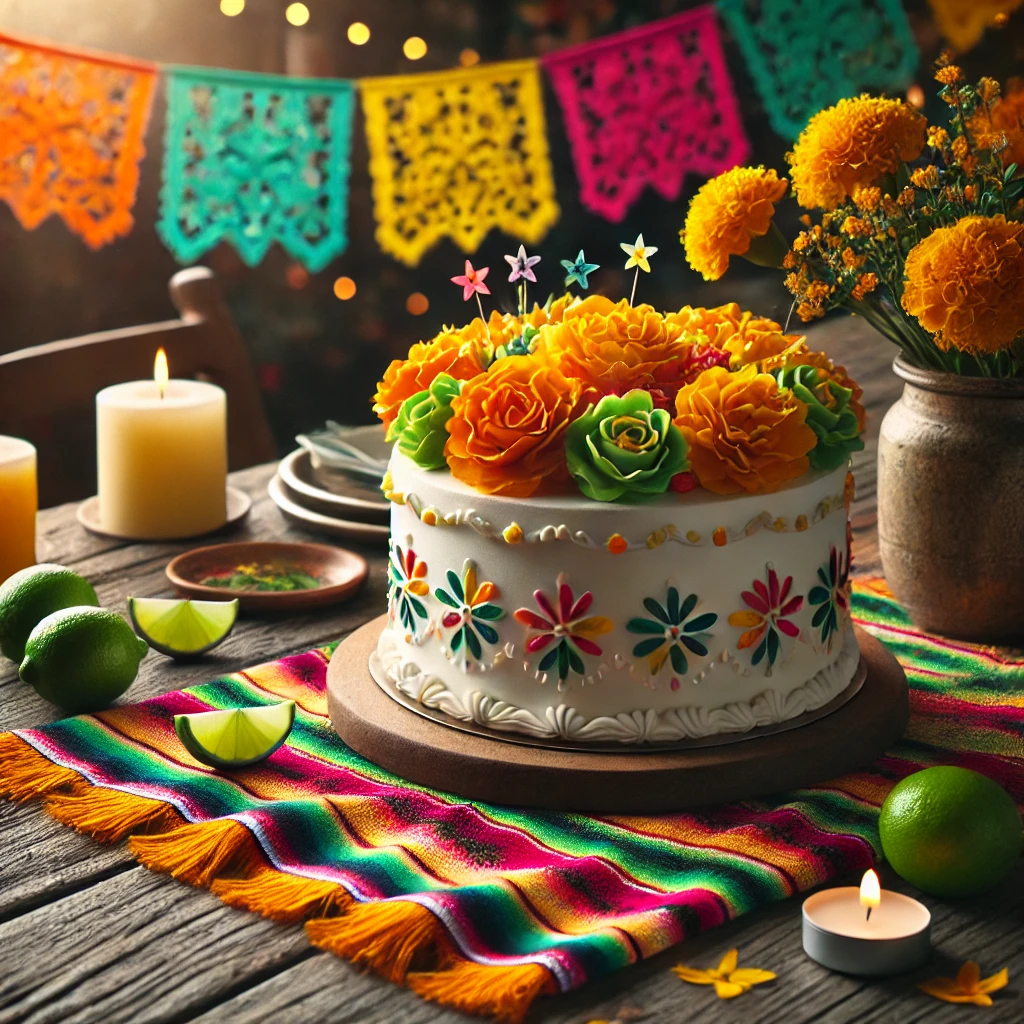
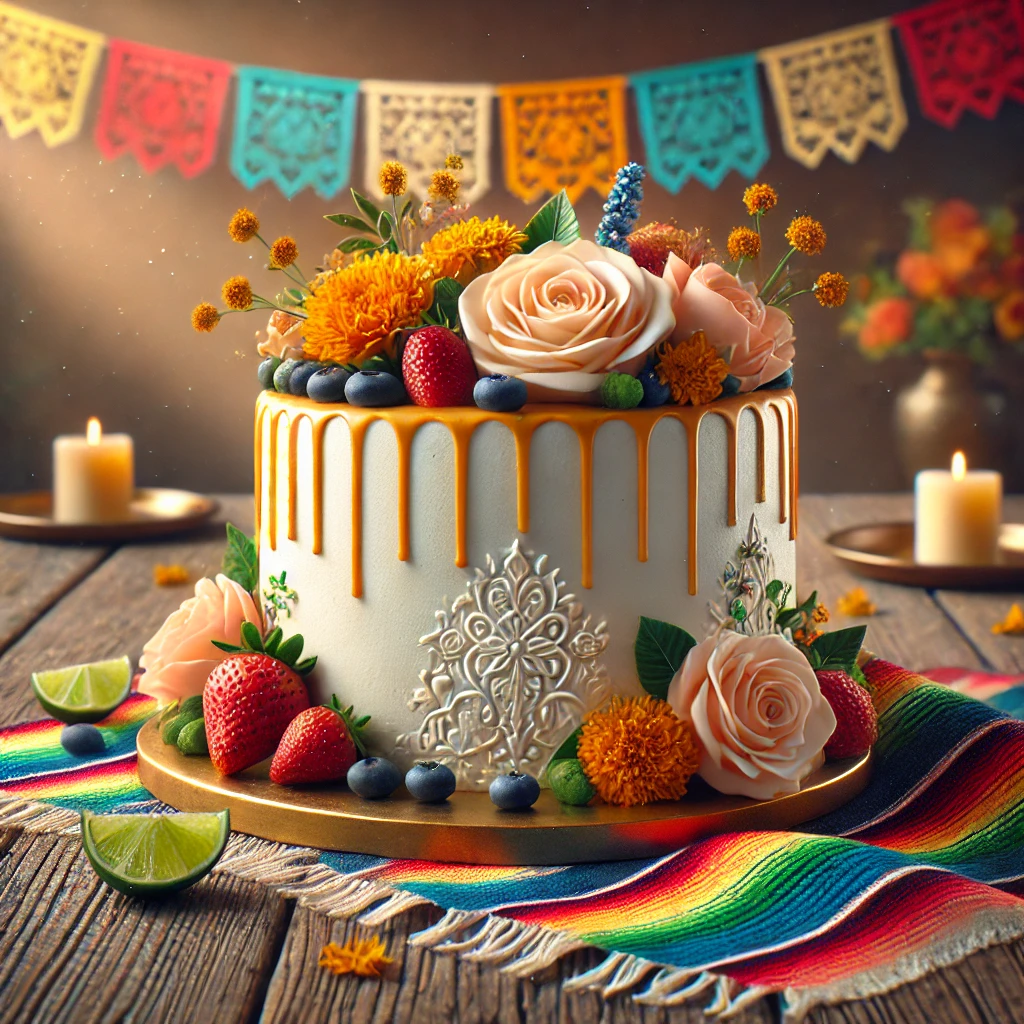
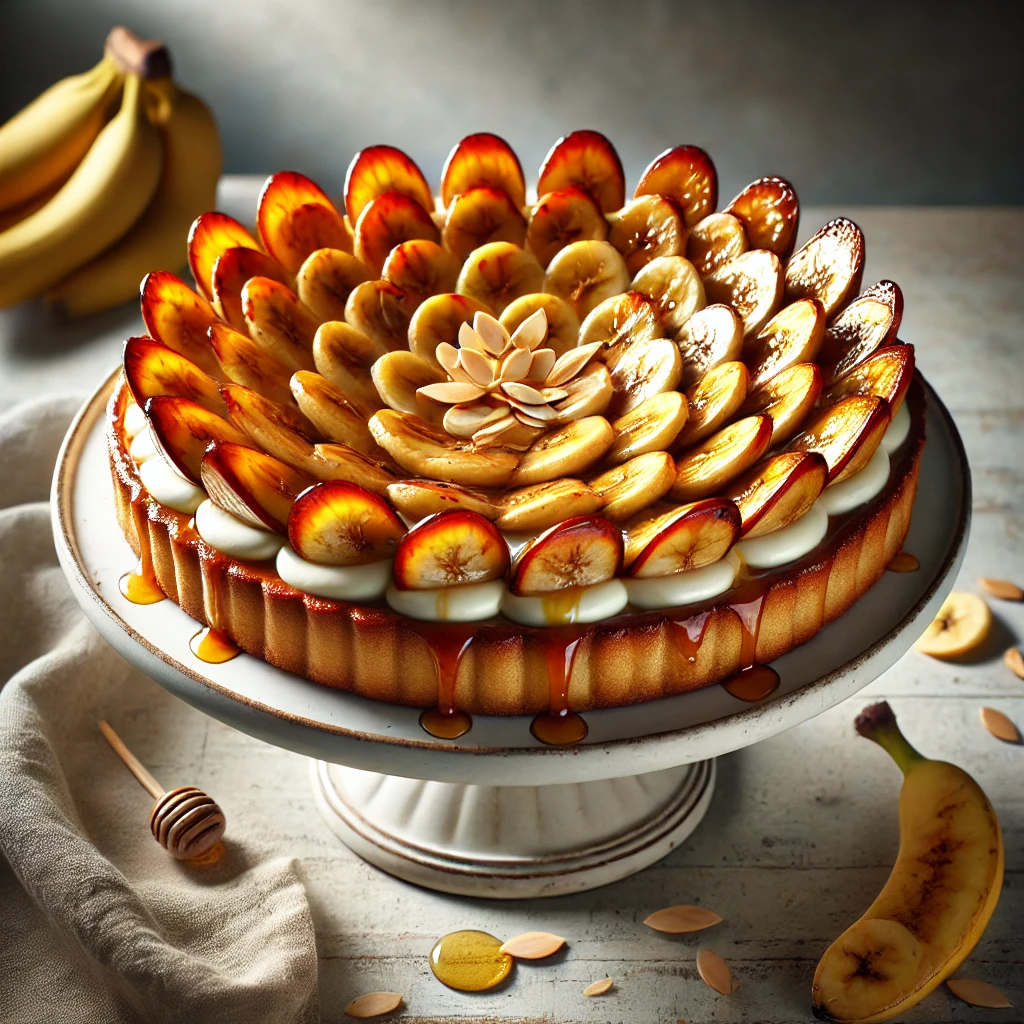
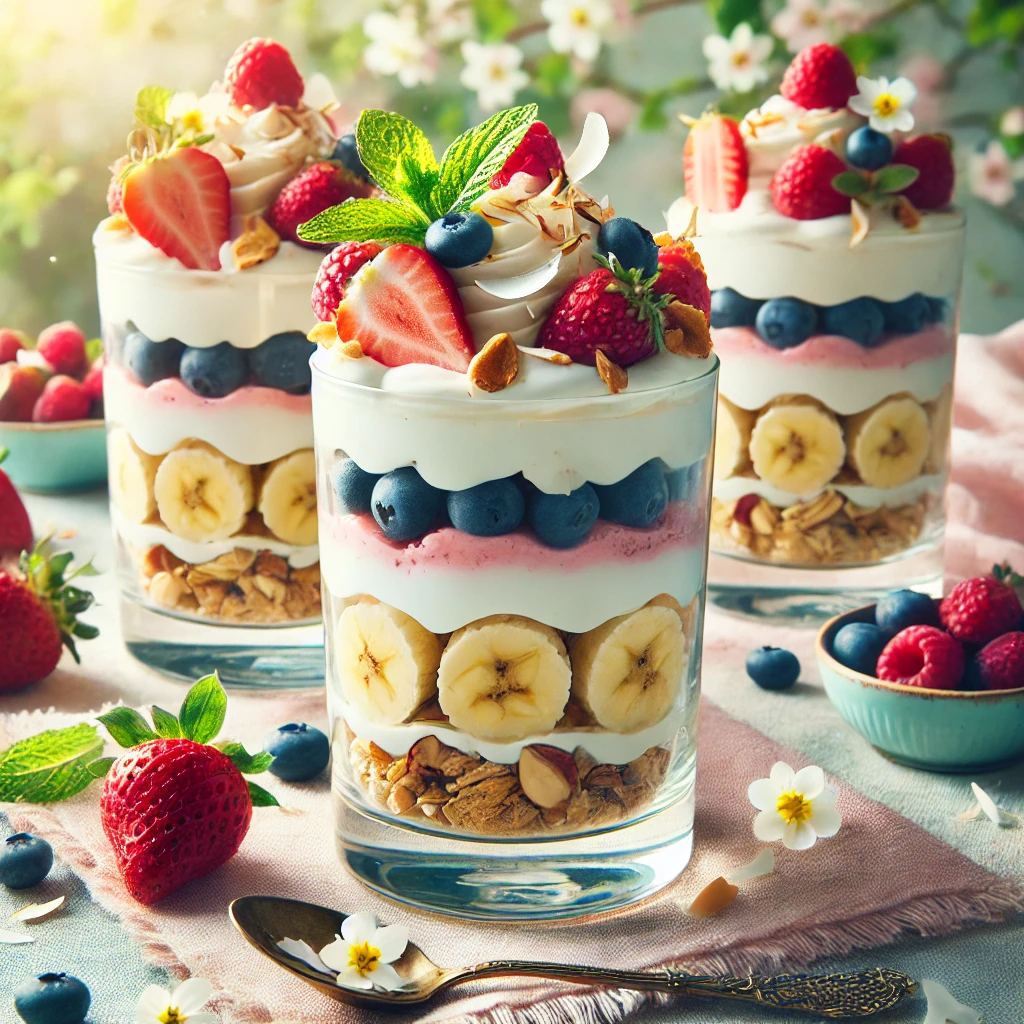
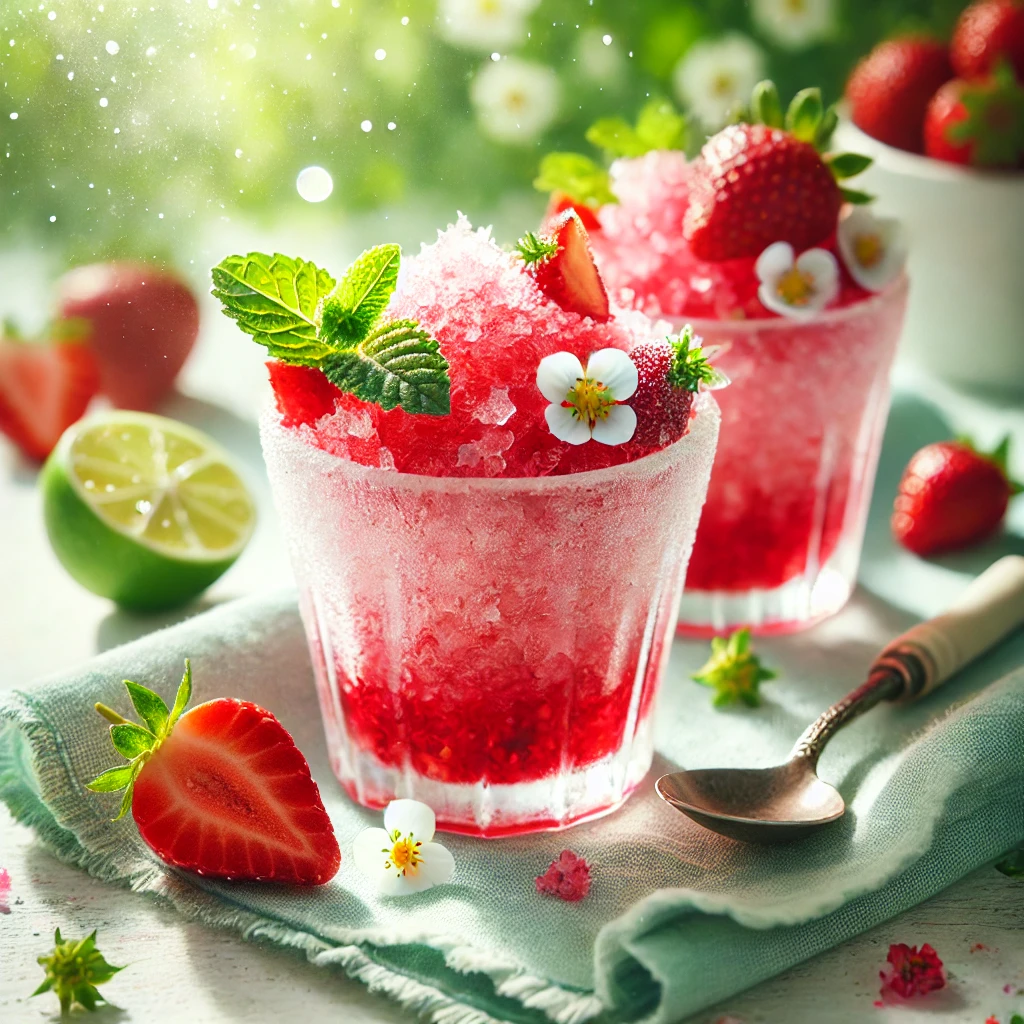
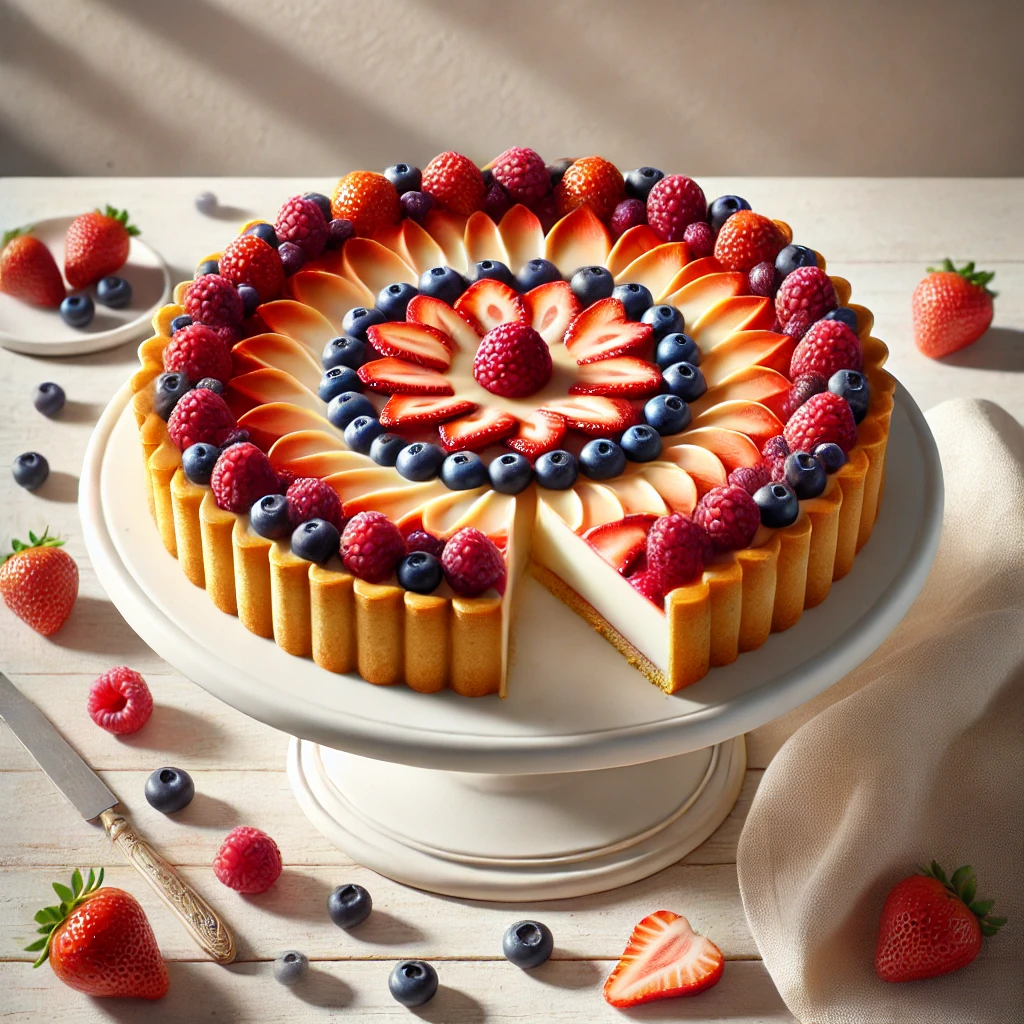
This section is meant to be more than Cake Decorating Ideas… it’s designed to spark inspiration and creativity, awaken tradition, and infuse your special occasions with style, identity, and atmosphere. A color palette becomes a theme. A design becomes a mood. Simple details—like sugared holly leaves or shimmering stars—can set the tone for a gathering and become part of cherished traditions and lasting memories melded with personal touch and love.