


















Divine Mercy Sunday
with ORO VALENTIO
Celebrated the Sunday Immediately Following Easter Sunday
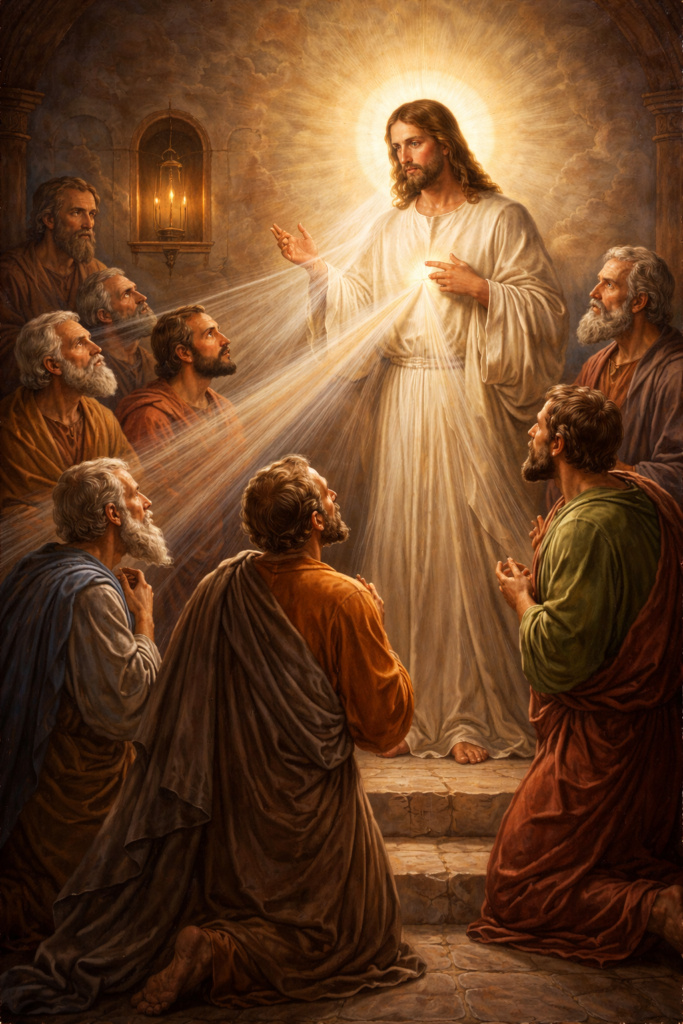
Divine Mercy Sunday is celebrated on the Sunday immediately following Easter, forming the radiant conclusion of the Easter Octave. The day reflects one of the central truths of the Christian faith: that the resurrection of Christ reveals not only victory over death, but the limitless mercy of God poured out for humanity. The Gospel traditionally read on this day recounts Christ appearing to His disciples after the resurrection, breathing peace upon them and entrusting them with the authority to forgive sins. In this moment, the risen Lord reveals that the redemption accomplished through His Passion and Resurrection is meant to reach every human heart through divine mercy.
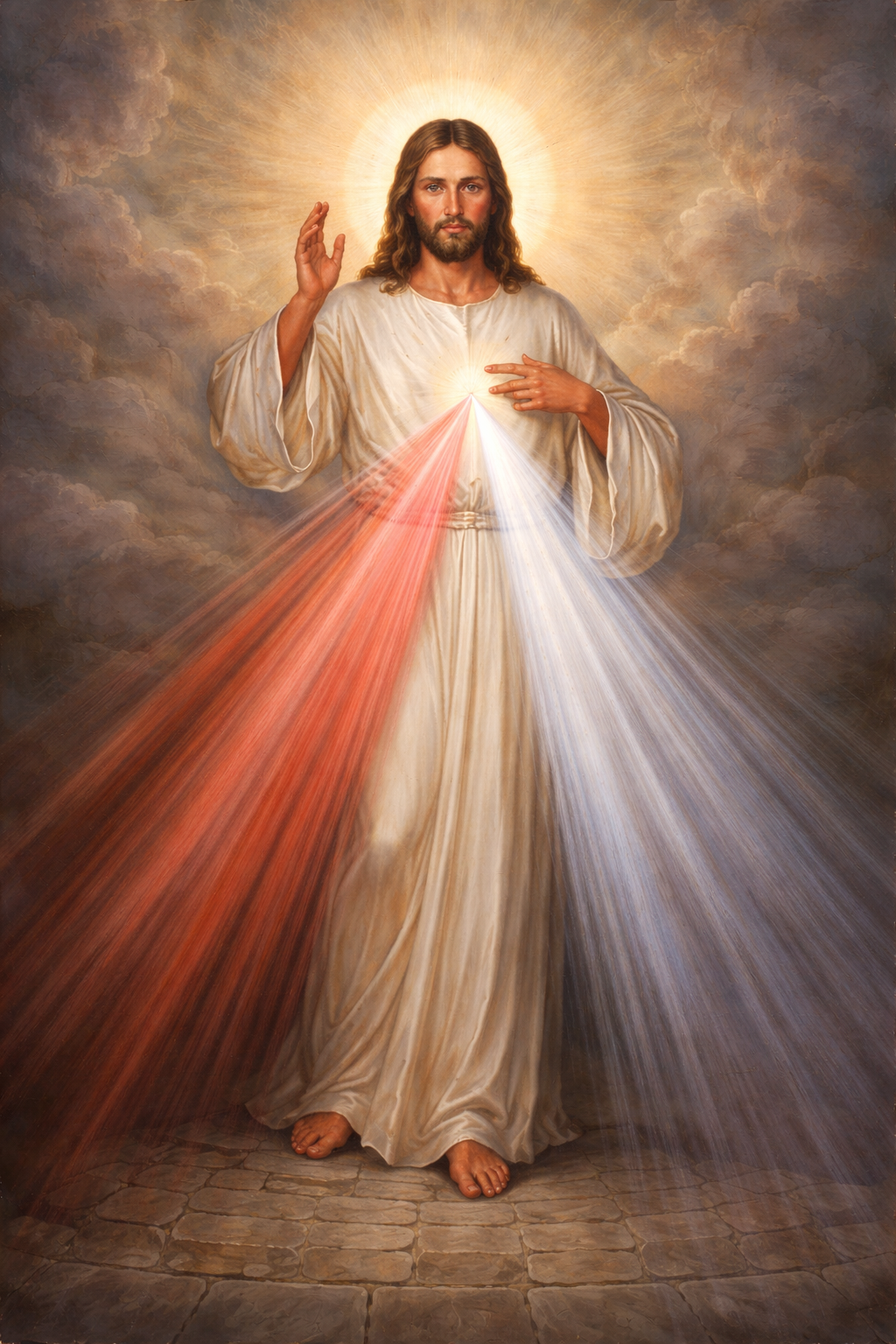
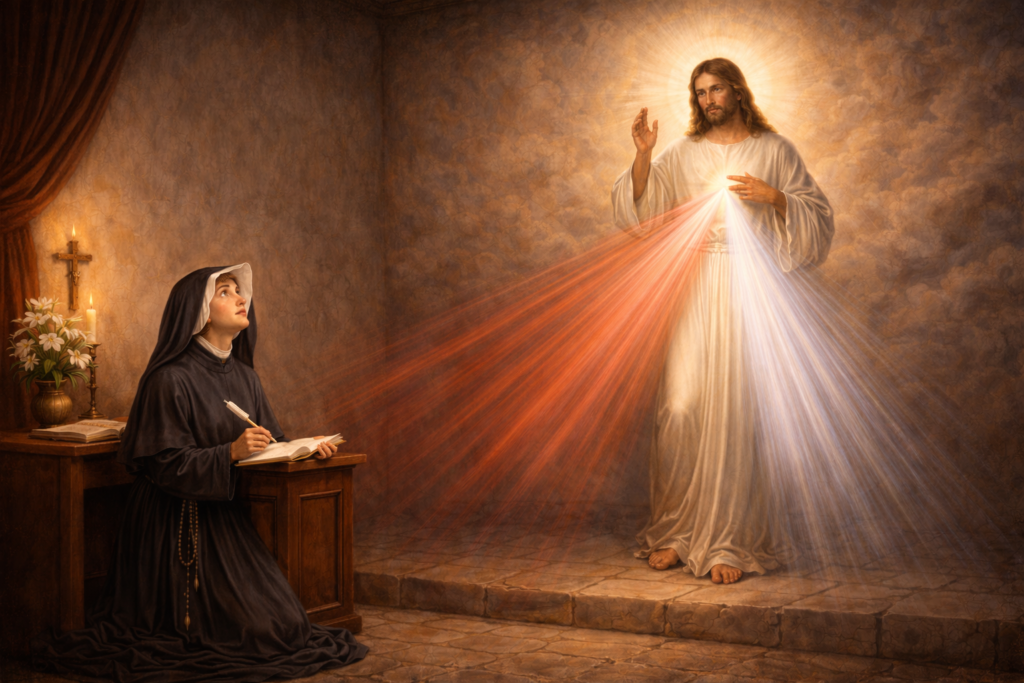
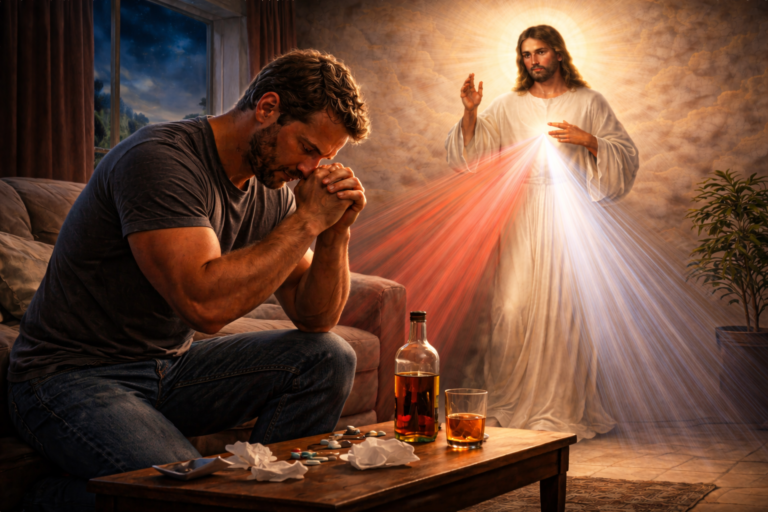
The devotion associated with Divine Mercy Sunday became widely known through the spiritual experiences of Saint Faustina Kowalska, a Polish religious sister in the early twentieth century. In the 1930s, she recorded in her diary a series of visions in which Christ emphasized His desire that the world recognize the depth of His mercy, particularly for those who feel lost or burdened by sin. One of the most recognized elements of this devotion is the image of Christ with two rays flowing from His heart—one pale and one red—symbolizing the blood and water that flowed from His side when it was pierced during the crucifixion. These rays represent the grace and mercy that flow from the sacrifice of Christ for the salvation of the world.
Although devotion to divine mercy grew gradually during the twentieth century, the feast was formally established for the universal Church in the year 2000 by Pope John Paul II, who had a deep personal connection to the message through his homeland of Poland. By placing Divine Mercy Sunday at the close of the Easter Octave, the Church highlights a profound theological truth: the resurrection is the ultimate revelation of God’s mercy. Christ did not rise from the dead to condemn the world, but to offer forgiveness, healing, and new life.
The Triumph of Mercy
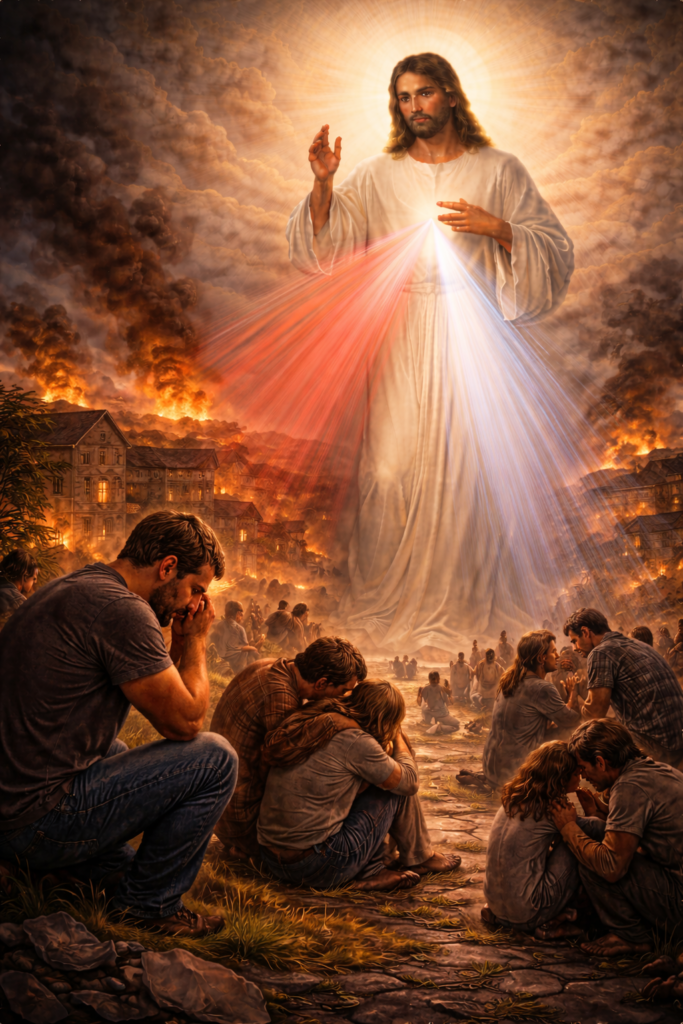
The spiritual message of this feast is simple yet deeply transformative. Divine Mercy Sunday reminds believers that no human weakness, failure, or past sin is greater than the mercy of God. The same Christ who passed through death and rose in glory now stands before humanity with open hands, offering forgiveness and inviting every person to trust in His mercy. In this way, the celebration serves not only as a continuation of the joy of Easter, but also as a powerful call to renewal—encouraging hearts to turn toward the mercy that restores, heals, and brings new life.
Peace Be with You
One of the most profound foundations for Divine Mercy Sunday is found directly in the Gospel account read on that day, John 20:19–31, which describes Christ appearing to His apostles after the Resurrection. The timing is deeply significant: the event occurs eight days after Easter, which places it precisely on the Sunday that the Church now celebrates as Divine Mercy Sunday. During this appearance, the risen Christ greets the apostles with the words, “Peace be with you,” and then performs a striking and deliberate action: He breathes on them and says, “Receive the Holy Spirit. Whose sins you forgive are forgiven them, and whose sins you retain are retained.” This moment echoes the creation of humanity in Genesis, when God breathed life into Adam, suggesting that Christ is now establishing a new creation—a restored humanity brought back to life through grace. By giving the apostles the authority to forgive or retain sins, Christ entrusts them with a real and ongoing participation in His own divine mercy. This authority was not merely symbolic; it required the apostles to hear and discern the sins of those seeking forgiveness, which forms the biblical foundation for the sacrament of reconciliation. In this light, Divine Mercy Sunday highlights a truth already embedded in the Resurrection narratives: the risen Christ did not return to condemn the world but to establish a means through which His mercy could continually reach every generation. The sacrament of reconciliation becomes one of the most tangible expressions of that mercy, allowing the forgiveness won on the cross to be personally applied to each soul that approaches God with repentance and trust. In this way, the Gospel of Divine Mercy Sunday reveals that the Resurrection itself inaugurated a living channel of forgiveness within the Church—a perpetual invitation for humanity to encounter the healing mercy flowing from the heart of the risen Christ.
Divine Mercy Sunday Traditions to Make Your Own
Praying the Divine Mercy Chaplet
Many believers gather to pray the Divine Mercy Chaplet, a prayer focusing on Christ’s sacrifice and the mercy flowing from His Passion. It is often prayed at 3:00 p.m., the Hour of Mercy, recalling the time of Christ’s death on the cross.
Confession and Holy Communion
A central practice of the feast is receiving the sacraments of reconciliation and the Eucharist. These are seen as powerful encounters with Christ’s mercy and are strongly encouraged as part of preparing one’s heart for the feast.
Veneration of the Divine Mercy Image
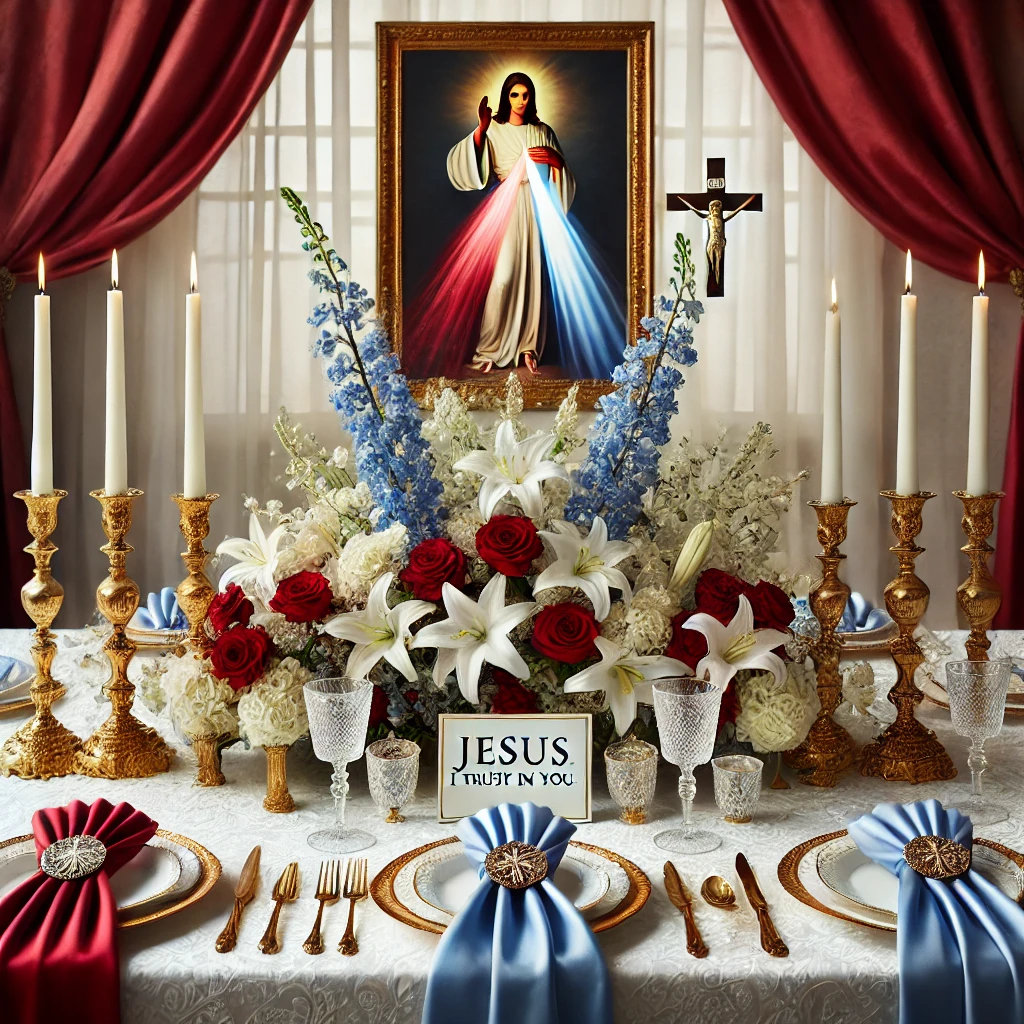
Churches frequently display the image of Jesus with red and pale rays flowing from His heart. The faithful may pray before the image, reflecting on the words associated with it: “Jesus, I trust in You.”
The Hour of Mercy
At 3:00 p.m., many pause for prayer, meditation on Christ’s Passion, or the recitation of the Divine Mercy Chaplet. This hour recalls the moment of Christ’s death and is considered a time especially dedicated to asking for mercy.
Acts of Mercy Toward Others
The devotion emphasizes practicing mercy in daily life. Believers are encouraged to perform acts of kindness, forgiveness, and charity toward others as a living reflection of the mercy they have received.
Divine Mercy Novena
A nine-day novena beginning on Good Friday leads up to Divine Mercy Sunday. Each day of prayer is offered for different groups of people, entrusting the entire world to God’s mercy.
Lighting Candles and Personal Prayer
Many families and individuals light candles before the Divine Mercy image or a crucifix while offering personal prayers of trust and repentance.
Trust in God’s Mercy
The central spiritual theme of the day is placing complete trust in Christ’s mercy. Many people repeat the simple prayer “Jesus, I trust in You” throughout the day as a reminder to rely on God’s compassion rather than their own strength.
Parish Devotions and Holy Hours
Some churches hold special devotions including Eucharistic adoration, sung chaplets, reflections on God’s mercy, and communal prayer services centered on the message of Divine Mercy.
Jesus, I Trust in You
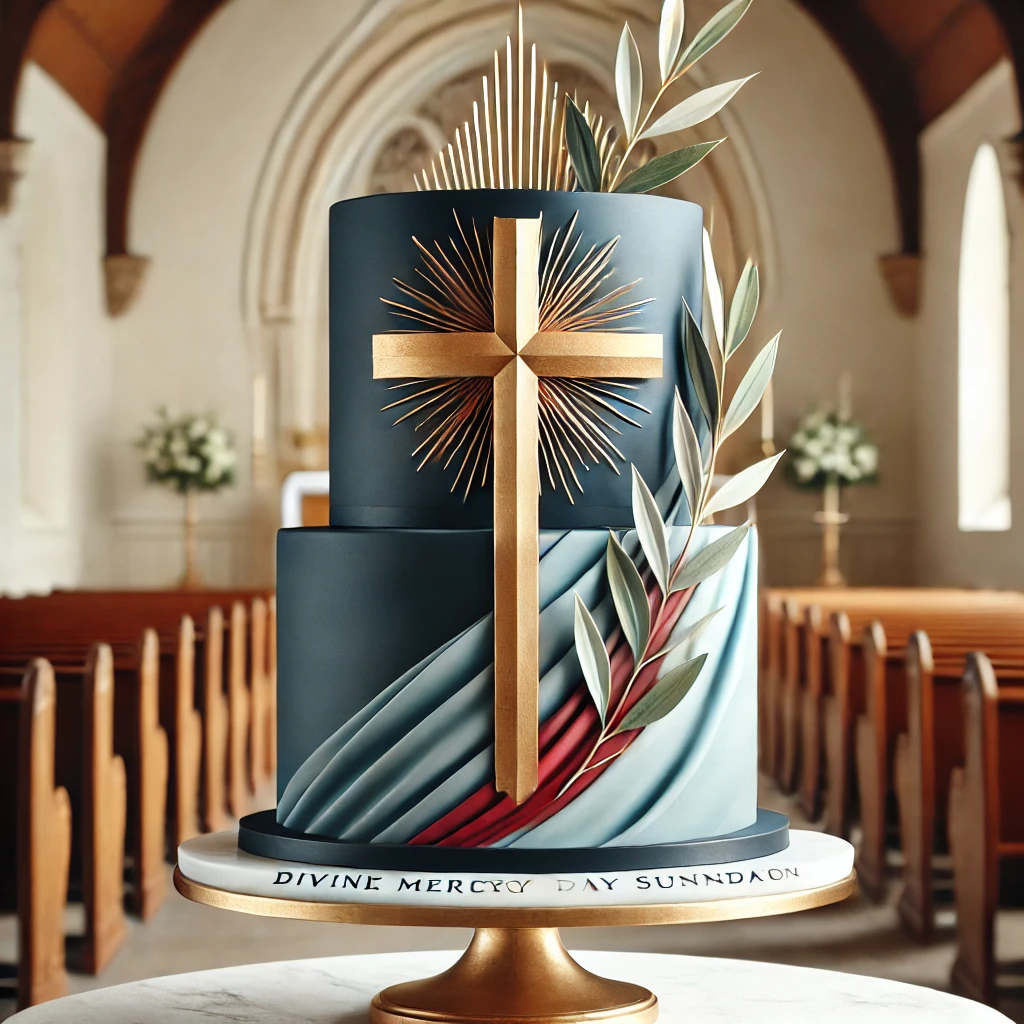
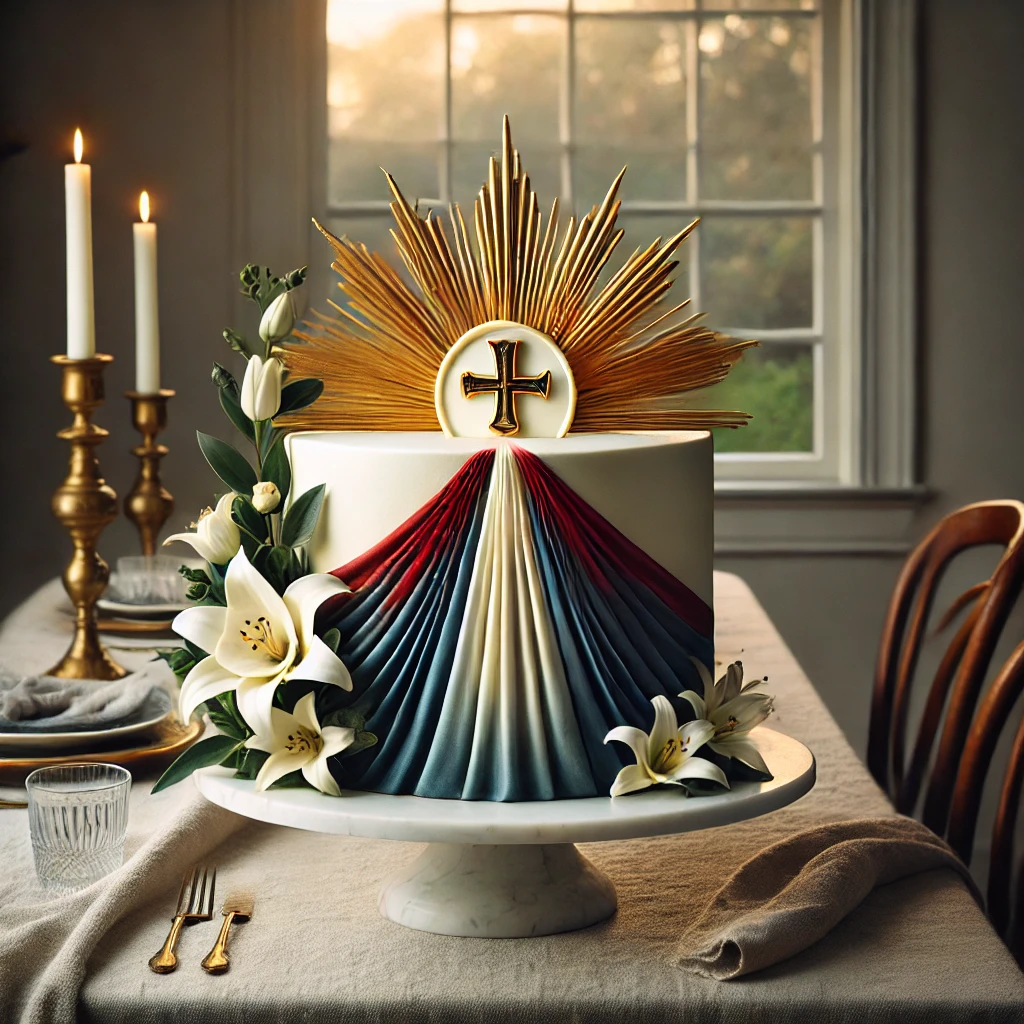
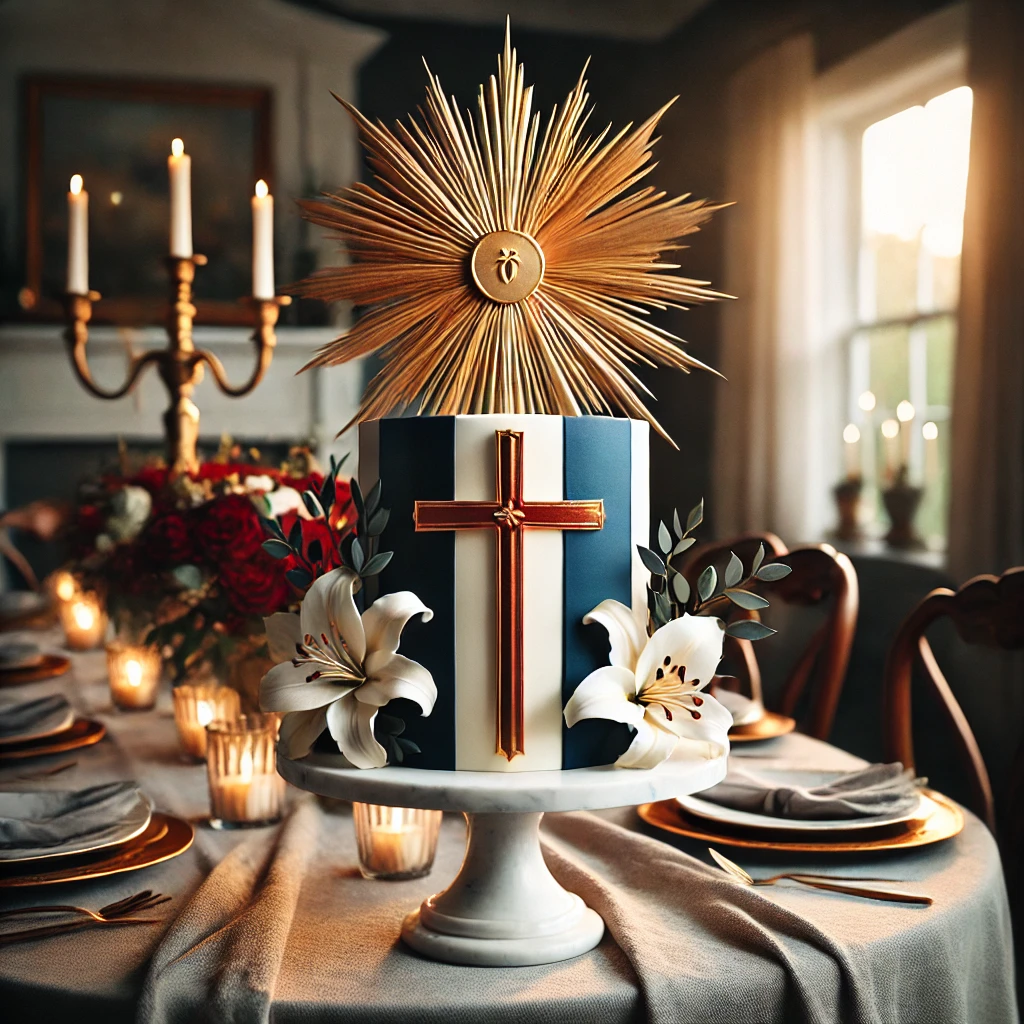
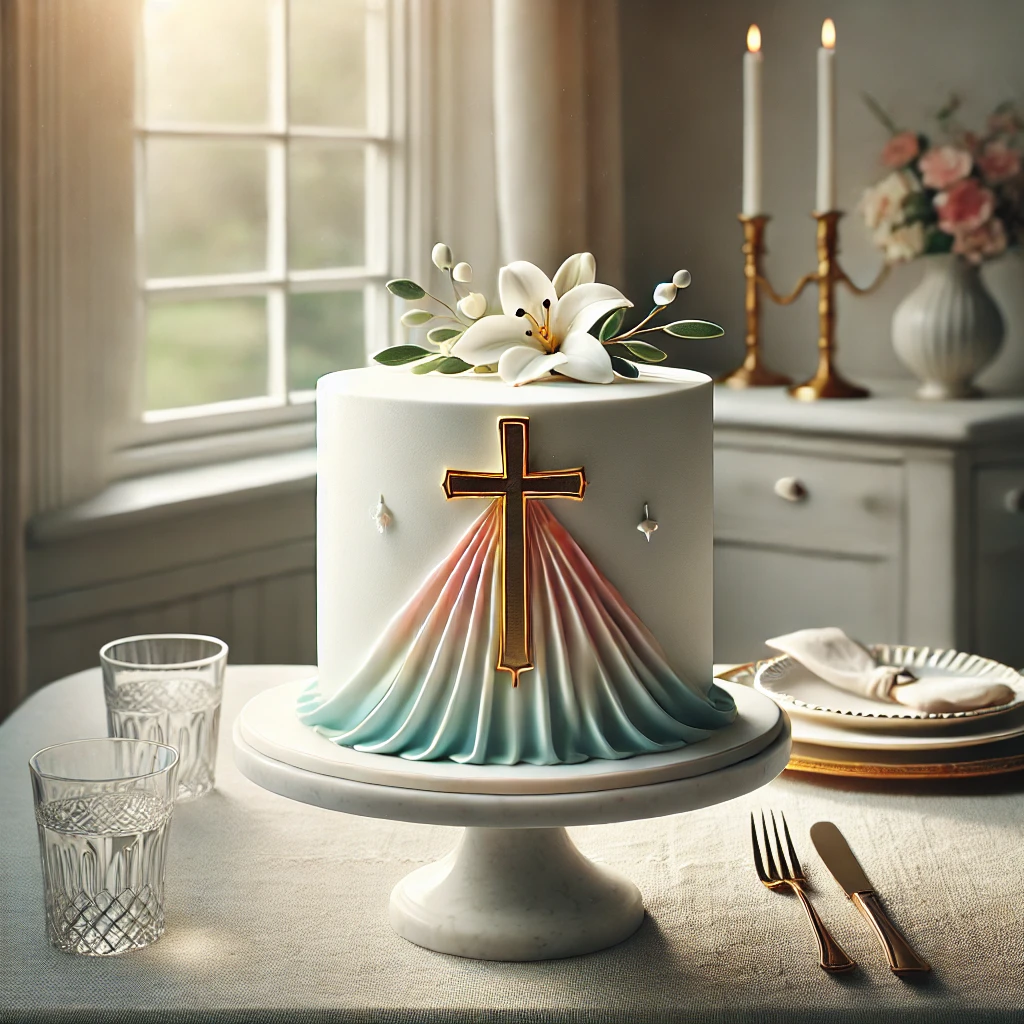
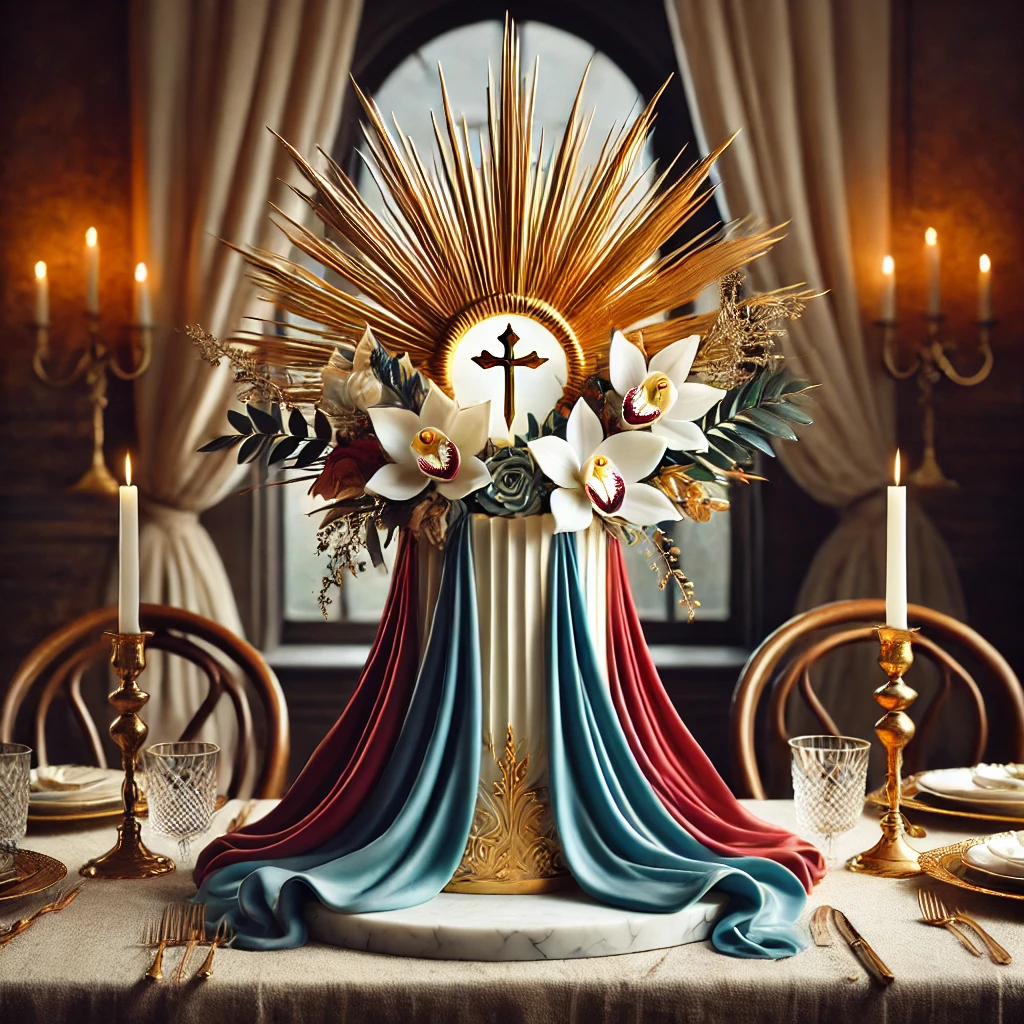
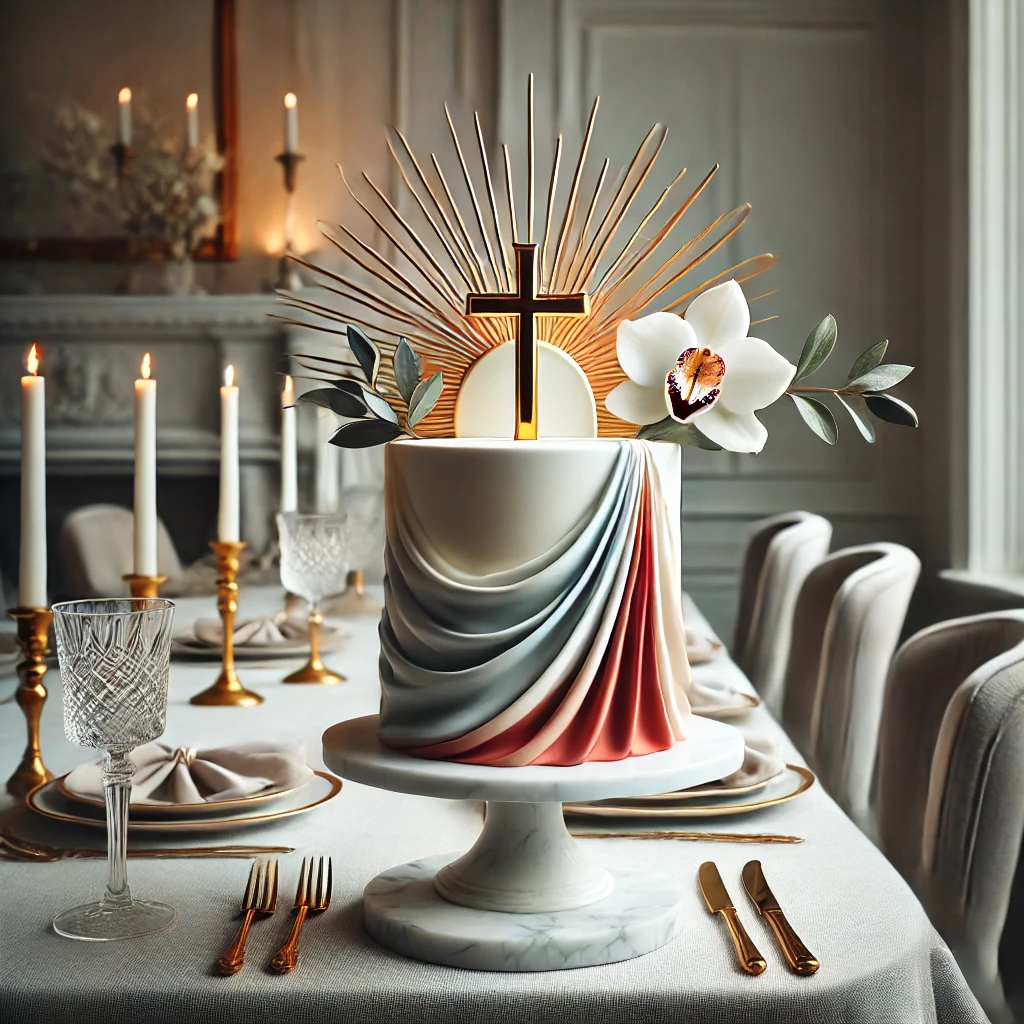
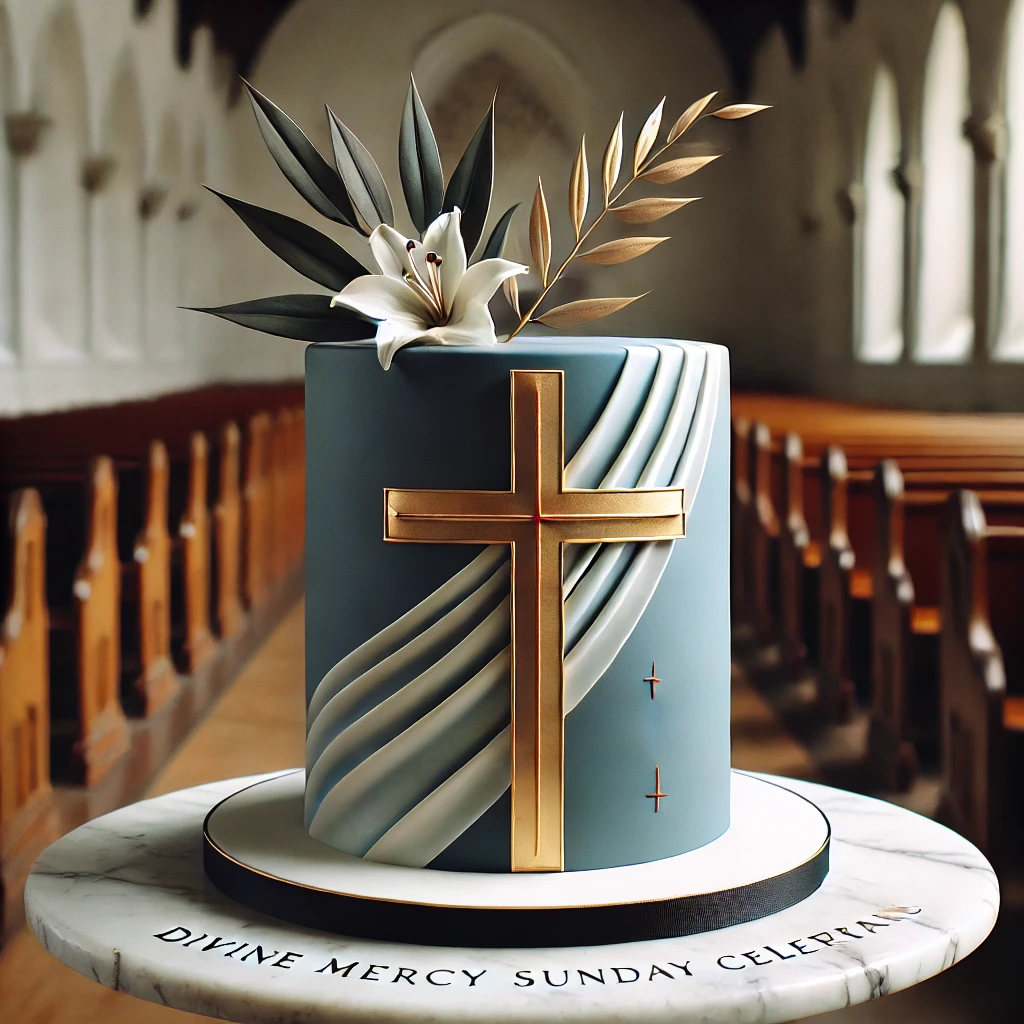
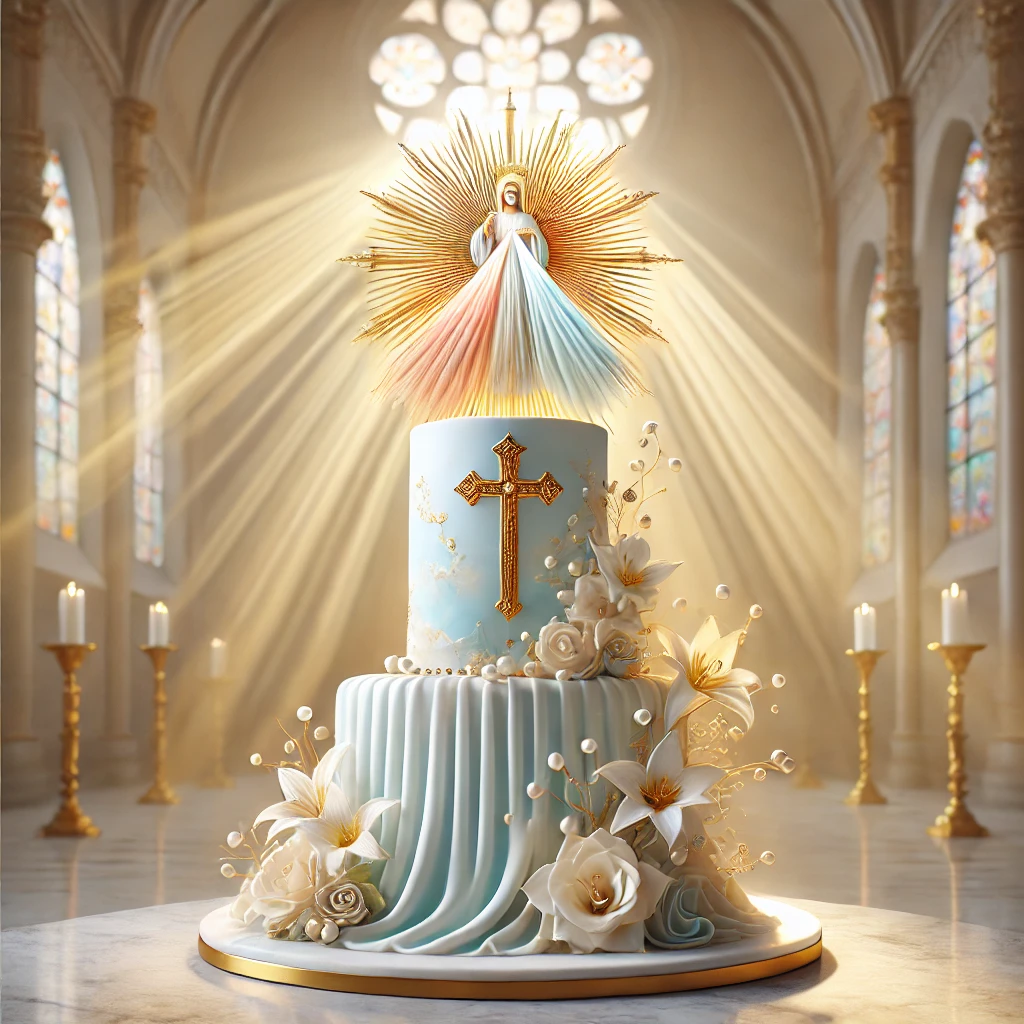
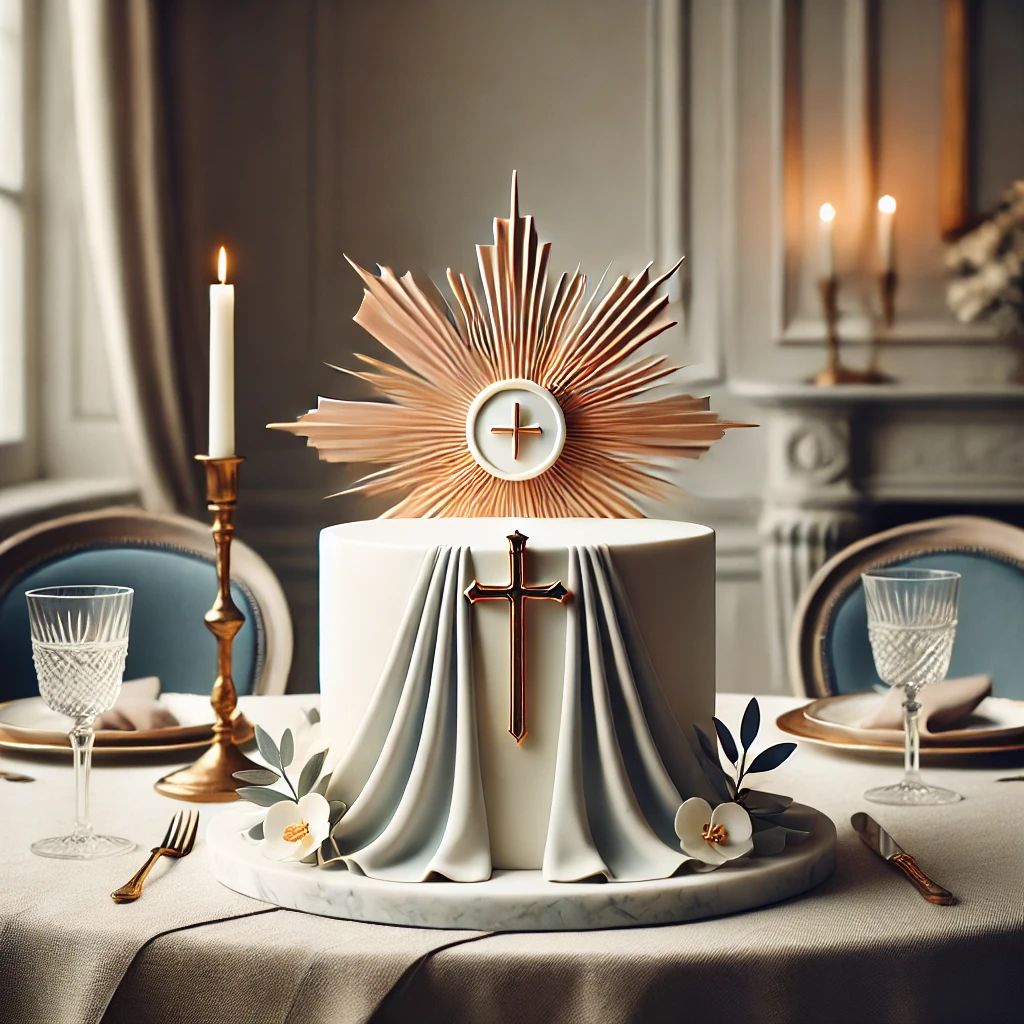
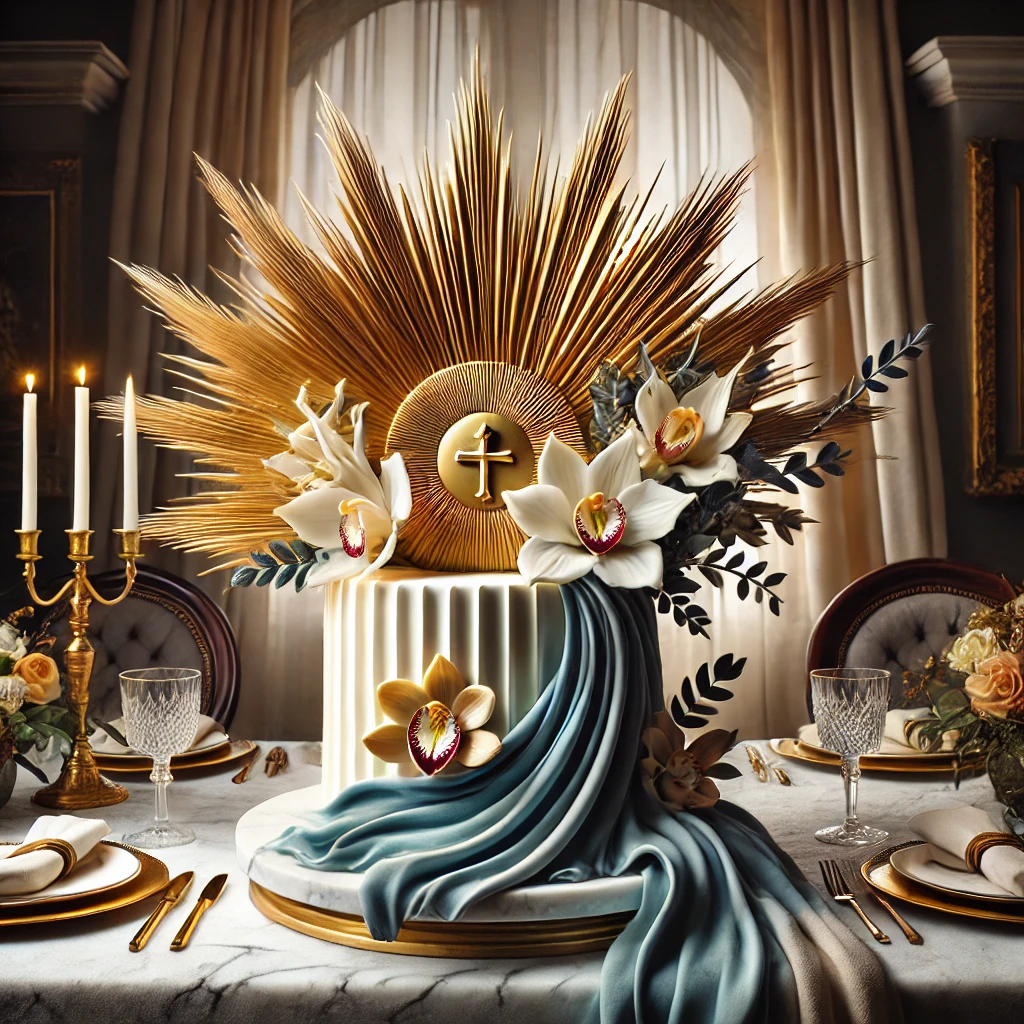
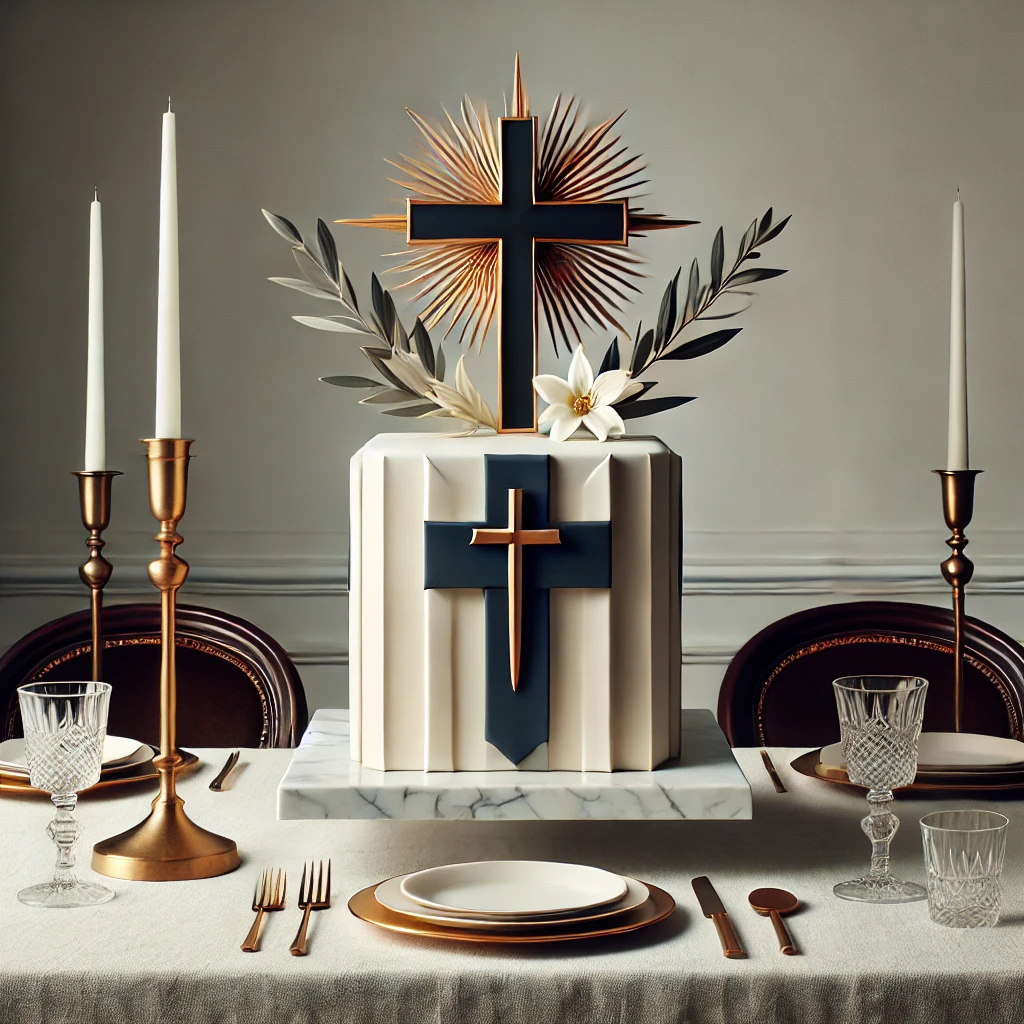
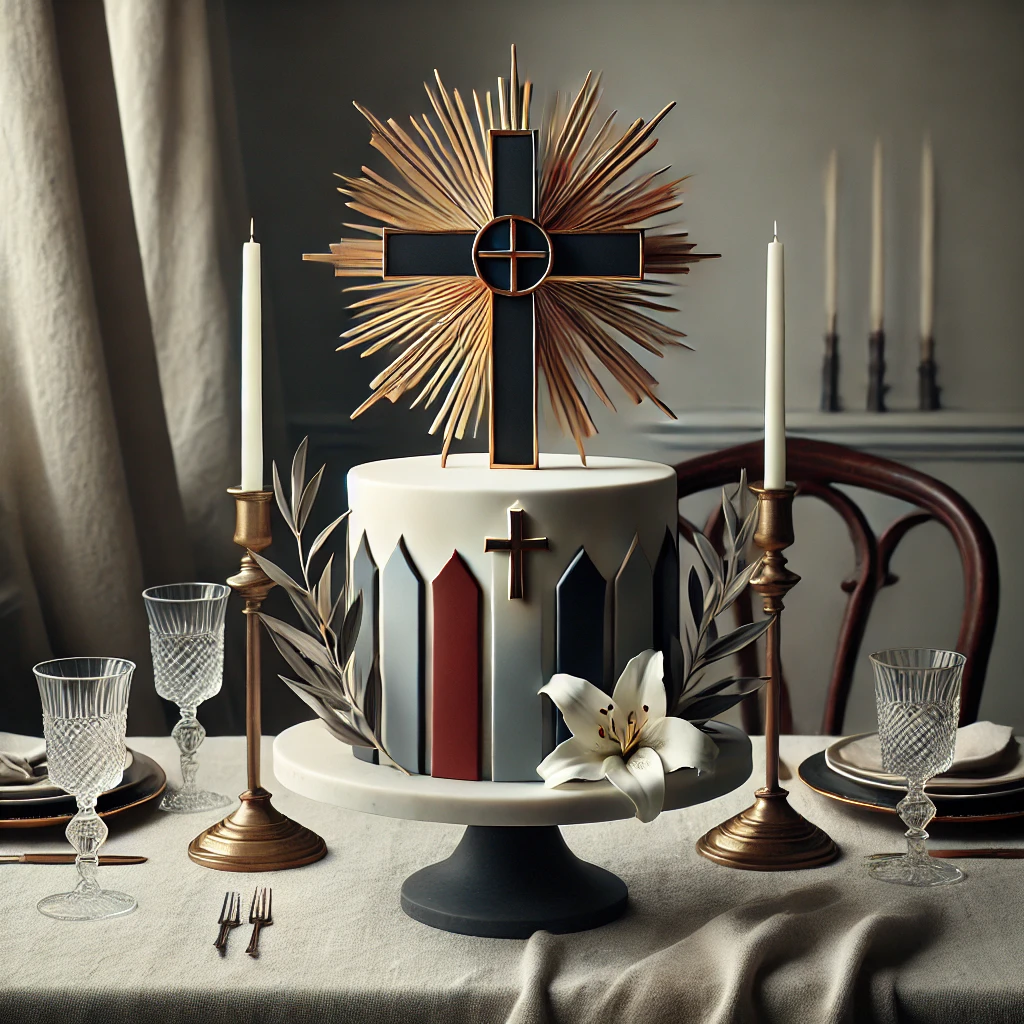
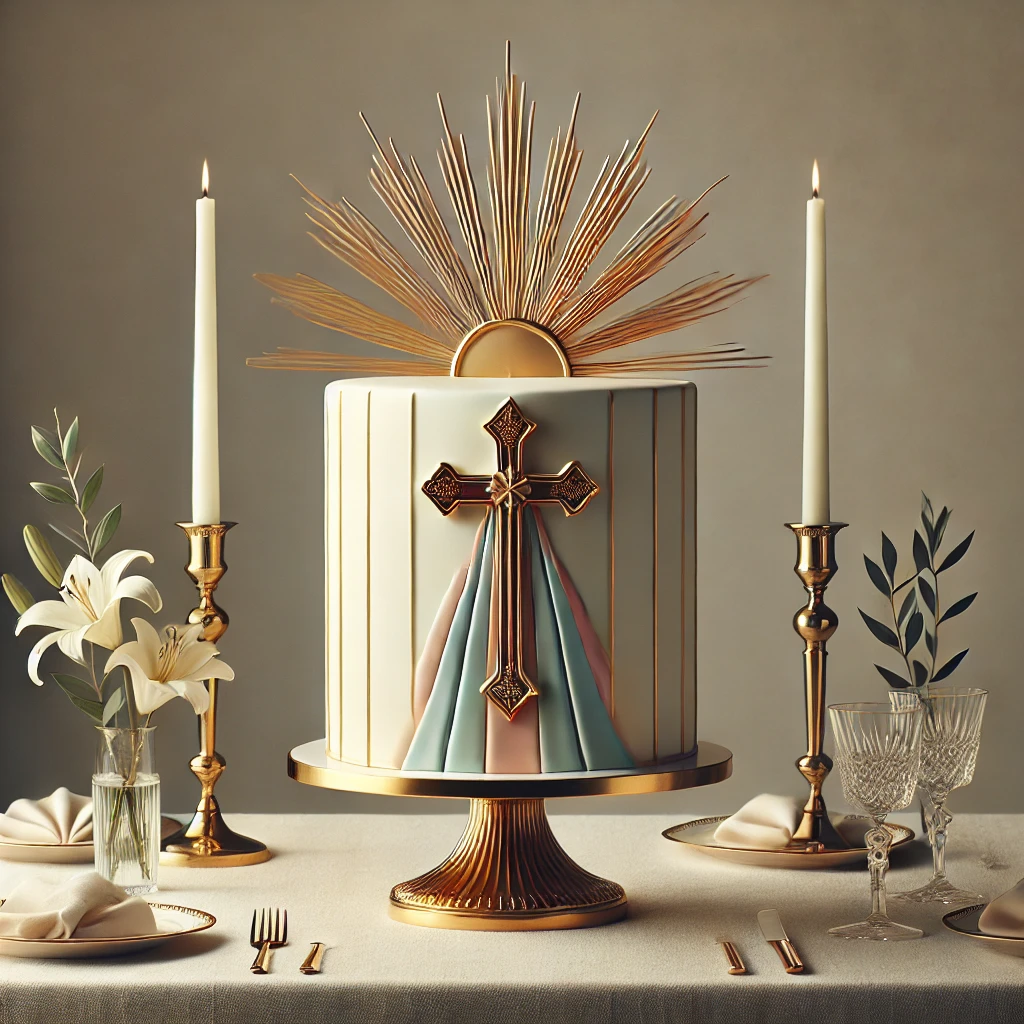
Divine Mercy Sunday Cake & Atmosphere Ideas
Where style, memory, and celebration meet.
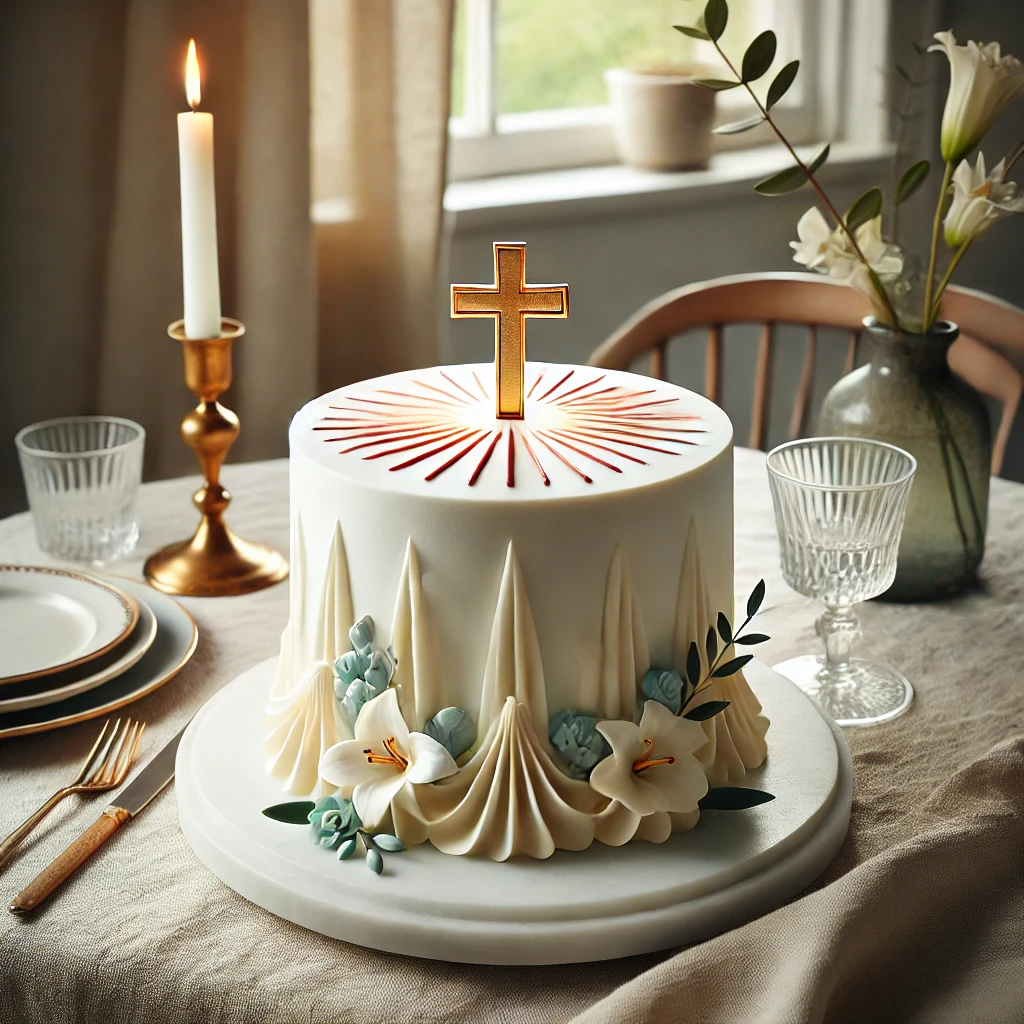
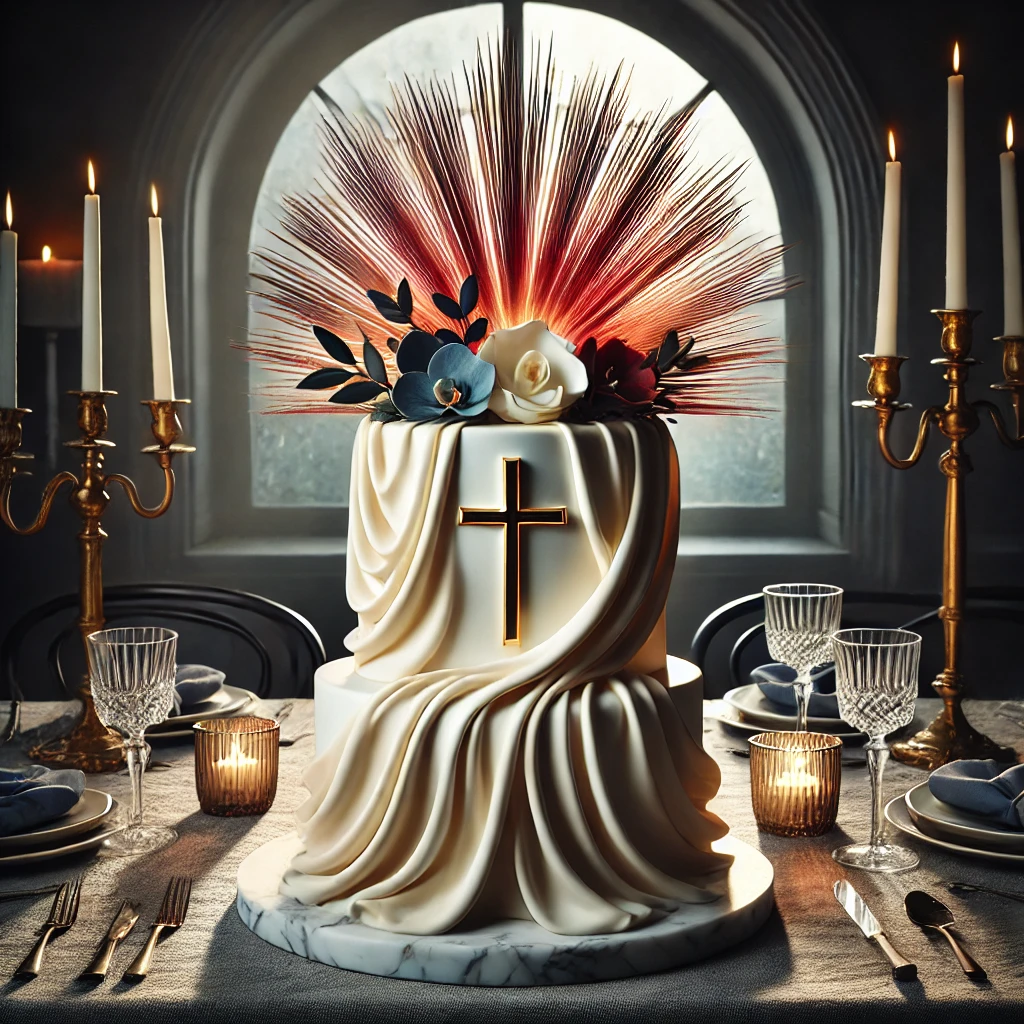
This section is meant to be more than Cake Decorating Ideas… it’s designed to spark inspiration and creativity, awaken tradition, and infuse your special occasions with style, identity, and atmosphere. A color palette becomes a theme. A design becomes a mood. Simple details—like sugared holly leaves or shimmering stars—can set the tone for a gathering and become part of cherished traditions and lasting memories melded with personal touch and love.