
























Good Friday

with ORO VALENTIO

Everlasting Love Beyond Comprehension

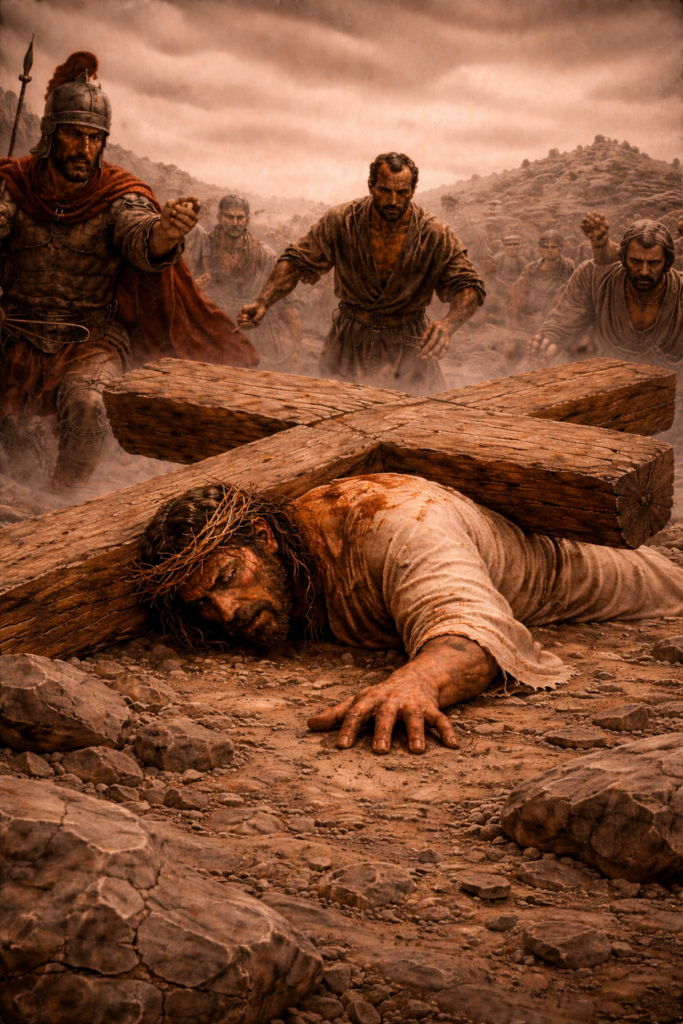
The tradition of Christ falling three times while carrying the Cross is not recorded explicitly in the Gospels, yet it has held profound theological weight in Christian reflection because it reveals truths the text implies but does not enumerate. The Church has long understood these falls not as moments of failure, but as windows into the mystery of redemption unfolding within human weakness. First, the falls emphasize the full reality of the Incarnation. In Jesus Christ, God does not redeem humanity from a distance or in abstraction. He redeems from within exhaustion, pain, humiliation, and physical collapse. The falls declare unmistakably that Christ did not carry suffering symbolically—He bore it in a body that could buckle under its weight. Salvation is not achieved through invulnerability, but through endurance freely embraced. Second, the number three has long been read symbolically as encompassing the fullness of human brokenness. By rising again each time, Christ reveals that redemption does not erase human frailty, but meets it repeatedly without withdrawal. He does not rise once and walk untouched thereafter; He rises again and again, showing that grace does not abandon the soul after repeated failure. Third, the falls confront the illusion that suffering must be efficient, strong, or dignified to be meaningful. Christ falls publicly, under ridicule, watched by indifference and hostility alike. In doing so, He sanctifies collapse itself—the moments when strength gives way and progress halts. The Cross is not only carried forward; it is borne through interruption, delay, and apparent defeat. This is essential for a wounded world, because it means that even when one falls under the weight of life, one has not stepped outside the path of redemption. Finally, the three falls speak to hope after sin and despair. Christ does not fall to stay down. Each rising is a silent proclamation that no fall—physical, moral, or spiritual—is final when love remains. He allows Himself to be seen in weakness so that no one who collapses under their own cross would believe they are beyond mercy. The victory of the Cross is not found in uninterrupted strength, but in love that continues to stand back up. In this way, the three falls are not a sidebar to the Passion; they are a revelation of its heart: that God saves not by bypassing human frailty, but by entering it so completely that even falling becomes part of the road to redemption.
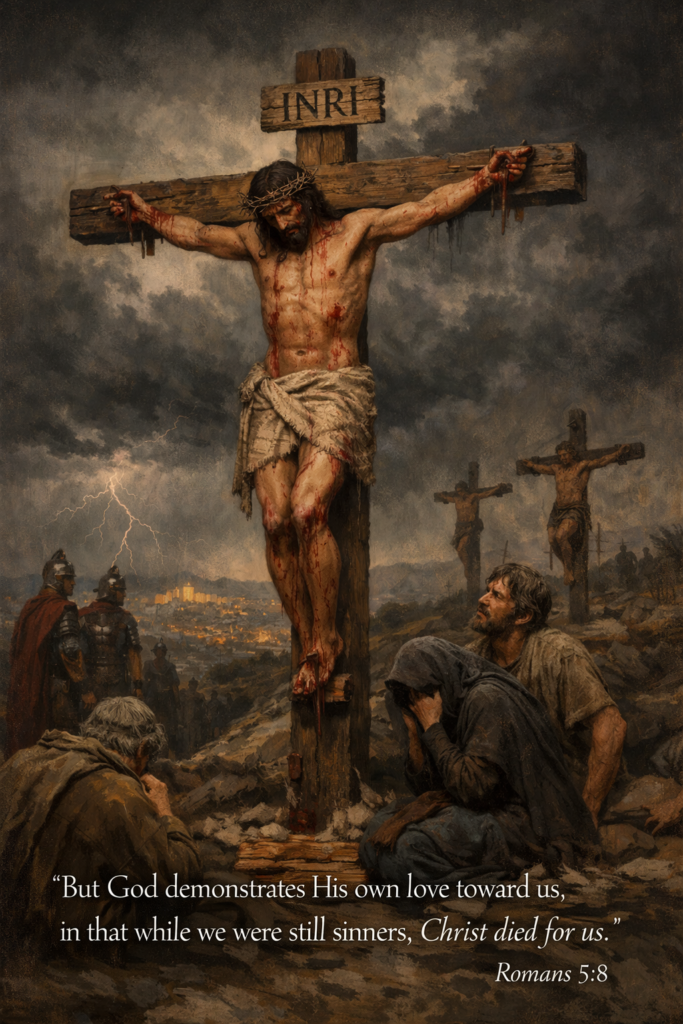
Good Friday is the most solemn day of the Christian year, not because hope has vanished, but because love has gone all the way to its end. On this day, Jesus Christ does not resist suffering, explain it away, or escape it—He enters it freely and fully. The cross is not an accident of history or a tragic misunderstanding; it is a deliberate act of self-gift. Good Friday reveals the cost of love in a broken world and the seriousness with which God takes both human freedom and human sin. Nothing is minimized, nothing is bypassed, and nothing is withheld.
Here, injustice is allowed to run its course, not because it is right, but because love refuses to answer violence with violence or hatred with force. Christ absorbs betrayal, mockery, abandonment, and cruelty without returning them in kind. In doing so, He exposes the full weight of sin—not to condemn humanity, but to heal it. The cross stands as the place where mercy and truth meet, where the depth of human darkness is revealed alongside the greater depth of divine compassion. Good Friday insists that suffering is real, that evil is serious, and that redemption is costly.
Yet this day is called good because it is not the triumph of death, but the defeat of it from within. What looks like loss is in fact obedience; what appears as weakness is strength restrained by love; what seems like silence is the completion of a promise. On the cross, Christ does not abandon the world—He holds it fast. Good Friday teaches that love does not save by avoiding pain, but by transforming it, and that no wound, no guilt, and no suffering carried in truth is beyond redemption. It is the day when love remains, even when everything else is stripped away—and that is why hope, though quiet, is already present.

The Cross as Satan's Defeat

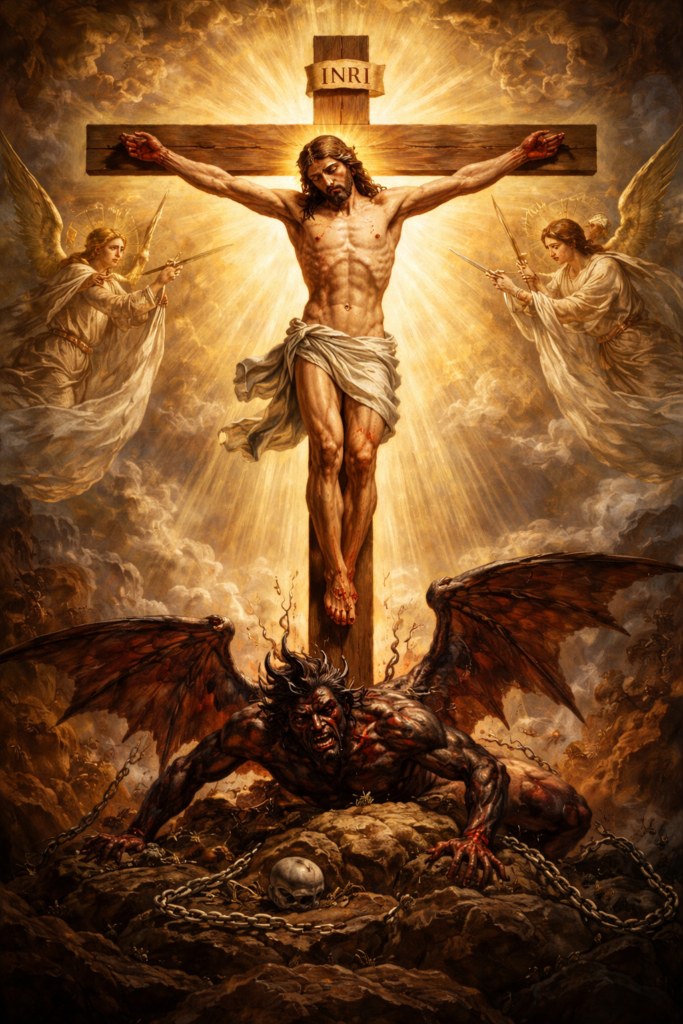
Fr. Gabriel Amorth, the former chief exorcist of Rome and one of the most experienced exorcists of the 20th century, consistently taught that the Cross of Christ is the definitive defeat of SatanIn his book An Exorcist Tells His Story, Fr. Amorth writes: “Satan is terrified of Christ’s power, especially when it is exercised through the Cross.” He repeatedly stresses that the Crucifixion, while appearing to the world as Christ’s utter humiliation and defeat, was in fact the moment of His greatest triumph—because in His obedience unto death, Christ undid the disobedience of Adam and crushed the head of the serpent. What looks like loss is really victory, because it fulfills God’s eternal plan to redeem and restore creation through sacrificial love.
St. Paul writes: “He disarmed the principalities and powers and made a public example of them, triumphing over them in Him [Christ].” — Colossians 2:15. This verse is often cited by exorcists to explain that the Cross is the moment when Christ publicly defeats and exposes the spiritual powers of evil. It is a cosmic victory, not merely a historical event. That destruction is achieved not by brute force, but by total self-giving obedience and love—which Satan neither understands nor can imitate. Exorcists say that demons fear most: the name of Jesus (especially when invoked in faith), the Cross (particularly when the crucifix is blessed), and the Blood of Christ, invoked during prayers of deliverance.
“Satan hates the Cross because it is the instrument of his defeat.” — Fr. Gabriel Amorth. He also emphasizes that in every exorcism, the power being exercised is the power of Christ crucified and risen, applied through the authority of the Church. The exorcist, in a sense, wields the victory of the Cross in real time. Fr. Amorth notes the irony that the devil believed he had won on Good Friday. By influencing Judas, the Sanhedrin, and the Roman powers, he thought he had destroyed the Son of God. But as the Fathers of the Church often said: “The Cross was the devil’s trap—and he fell into it.” 
In the book Dominion, an renowned exorcist explains that Christ’s Passion and death re-established divine order. This reordering of justice is what removes Satan’s legal claim over souls: “The Passion is the most powerful form of prayer and merit, because it was the most perfect act of obedience and love ever offered to the Father. It undoes all disobedience, and thus removes the foundation of the demon’s claim.” — Fr. Chad Ripperger, Dominion. He emphasizes that Christ’s obedience on the Cross is what legally disarms the demons, because sin (disobedience) is what gives them ground. Christ, being sinless, takes on our sin and pays its price in full, leaving Satan powerless against those who are united to Christ through baptism, the sacraments, and graceThe Cross is not only a past event—it is a living power. Therefore, faithful persons living in a state of grace and staying close to the Cross, can share in Christ’s victory and be protected against demonic influence.
What appeared, to every earthly measure, as Christ’s defeat on the Cross was in fact the precise moment of Satan’s decisive undoing. The power of evil rests on accusation, fear, and the lie that God withdraws when suffering begins. At Calvary, those lies are exposed and emptied from the inside. Jesus Christ does not save by overpowering His enemies with force, but by refusing to become like them. Satan’s strategy—violence answered by violence, pride answered by pride, death answered by despair—fails completely when confronted with a love that will not retaliate, manipulate, or flee. On the Cross, sin exhausts itself; hatred reaches its limit; death overreaches and loses its claim. By freely accepting suffering without surrendering love, Christ breaks the logic by which evil operates. The devil seeks dominion through fear and coercion, but Christ reigns through self-gift, turning the very instrument of shame into a throne of mercy. This is why the Cross is victory disguised as loss: evil does its worst and finds it cannot destroy love, cannot silence truth, and cannot sever communion between God and humanity. What the world saw as an ending was the collapse of Satan’s last weapon—the belief that suffering proves abandonment. From that moment forward, even death itself is no longer absolute, because it has been entered, endured, and emptied by love that refused to turn away.

Good Friday Traditions to Make Your Own

  • Solemn Commemoration of the Passion
    Churches gather to recount the Passion and Crucifixion of Jesus Christ, focusing not on celebration but on contemplation and reverence.
  • The Liturgy of the Lord’s Passion
    Instead of Mass, a unique service is held that includes Scripture readings, intercessory prayers for the world, veneration of the Cross, and the distribution of Communion consecrated the previous day.
  • Veneration of the Cross
    The faithful approach the Cross—often by kneeling, touching, or kissing it—as an act of gratitude, humility, and acknowledgment of Christ’s sacrifice.
  • Fasting and Abstinence
    Many Christians fast and abstain from meat, practicing restraint as a bodily participation in Christ’s suffering and self-gift.
  • Silence and Simplicity
    Churches are stripped bare, music is absent or minimal, and bells remain silent. The atmosphere reflects mourning, gravity, and reflection.
  • The Stations of the Cross
    A devotional walk through the events of Christ’s Passion, traditionally including His falls under the Cross, His encounters, and His death on Calvary.
  • Reading of the Passion Gospel
    The Passion narrative—often from the Gospel of John—is read aloud, sometimes with multiple voices, allowing the community to enter the story collectively.
  • Prayer at 3:00 PM (The Hour of Mercy)
    Many pause at the traditional hour of Christ’s death to pray, reflect, or observe a moment of silence.
  • Acts of Repentance and Confession
    Good Friday encourages examination of conscience, repentance, and reconciliation, recognizing the seriousness of sin and the depth of mercy offered.
  • Charitable Acts and Almsgiving
    In place of celebration, believers are encouraged to give generously to the poor, reflecting Christ’s total self-gift.
The public humiliation that Jesus Christ chose to endure was not incidental to His mission—it was embraced as part of it. Stripped, mocked, spat upon, crowned in ridicule, and displayed before the crowd, He allowed Himself to be reduced in the eyes of the world without defending His dignity, because His dignity did not depend on recognition. This was humiliation borne not in weakness, but in mastery of self; not as a victim of circumstance, but as an act of deliberate love. Christ entered the full exposure of shame so that no human being—no matter how disgraced, rejected, or publicly broken—could believe themselves beyond mercy. By refusing to answer mockery with power or insult with retaliation, He revealed a different kind of strength: the strength to remain truthful, loving, and obedient even when misunderstood and despised. In accepting humiliation without bitterness, Christ healed it from within, transforming shame into a place of redemption and proving that nothing the world uses to diminish a person can erase the worth bestowed by God. Humility is one of the most powerful forces against evil precisely because it dismantles the very logic by which evil operates. Evil depends on pride—on the desire to exalt the self, to dominate, to grasp what is not given. This is why Christian theology understands Satan’s fall as rooted not in weakness, but in exalted pride: the refusal to serve, the insistence on self-definition apart from God. Pride fractures reality; it turns power inward and love into possession. Humility, by contrast, restores order. It places the self in truth—receiving rather than grasping, serving rather than controlling, trusting rather than asserting. In Jesus Christ, humility becomes the direct undoing of pride’s lie. Christ does not confront evil by competing for dominance, but by emptying Himself. This is why humility is so threatening to evil: it cannot be manipulated, provoked, or corrupted by ego. Where pride seeks recognition, humility is free. Where pride demands victory, humility already possesses it by surrendering to truth. Evil loses its leverage over the humble because humility refuses the false premise that worth must be seized or defended. Most profoundly, humility closes the door through which evil enters the human heart. Pride isolates; humility opens to grace. Pride says “I will not serve”; humility says “let it be done.” In that consent, evil finds no foothold, because it cannot compel a will that has already freely chosen love. This is why the Cross—an act of perfect humility—becomes the site of ultimate victory. Evil exhausts itself against a love that does not rise to meet it on its own terms. Pride falls inward; humility stands firm. And in that quiet strength, the most ancient rebellion is finally undone.

"Satan hates the cross because it is the instrument of his defeat." -Late Chief Exorcist of Rome, Fr. Amorth

When Saint John Paul II taught that the most powerful force in human history is sacrifice united with prayer, he was naming what the Crucifixion reveals at the deepest level of reality. On the Cross, Jesus Christ does not merely suffer within time—He enters time to redeem it, gathering every moment of pain, loss, and endurance into an offering of love freely given to the Father. By uniting suffering to humility and prayer, Christ transforms what had been humanity’s greatest vulnerability into a channel of divine power. Time itself is healed from within, no longer a march toward decay but a field where love can be sown and eternity quietly begins. The Cross shows that suffering does not save by its intensity, but by its union: when borne in humility and offered in communion with God, it becomes participatory in redemption. This is why Christian suffering is never passive resignation—it is active, intercessory, and world-shaping. In the Crucified Christ, sacrifice prayed becomes stronger than violence, humility stronger than pride, and love stronger than death. What history could not repair by force, God restores by self-gift, granting human suffering—once meaningless—the power to heal, to redeem, and to draw time itself back toward its true end in love.

May the Cross of Jesus Christ stand before you not as a sign of loss, but as the throne of a victory the world could not recognize.
May you go forth knowing that love has already prevailed, that sin has been answered, fear has been broken, and death has been stripped of its final word.
And may the power of the Cross—silent, unyielding, and undefeated—guard your heart with peace, strengthen you with hope, and remind you always that where love is given fully, nothing is ever truly lost.

The Power That Remains
The Cross is not confined to the past. Its power is not symbolic or distant. It is living, active, and present.
Where Christ’s victory is embraced, evil loses its hold. Where repentance replaces pride, chains are broken. Where faith clings to the Crucified and Risen One, fear is driven out.
The Cross stands as a constant reminder: evil does not have the final word. Sin does not have the final claim. Death does not have the final victory.
What looked like defeat was the moment everything changed.
The Cross is not a sign of despair.
It is the declaration that love has already won.

Traditional Good Friday Dishes

🐟 Fish & Seafood-Based Dishes
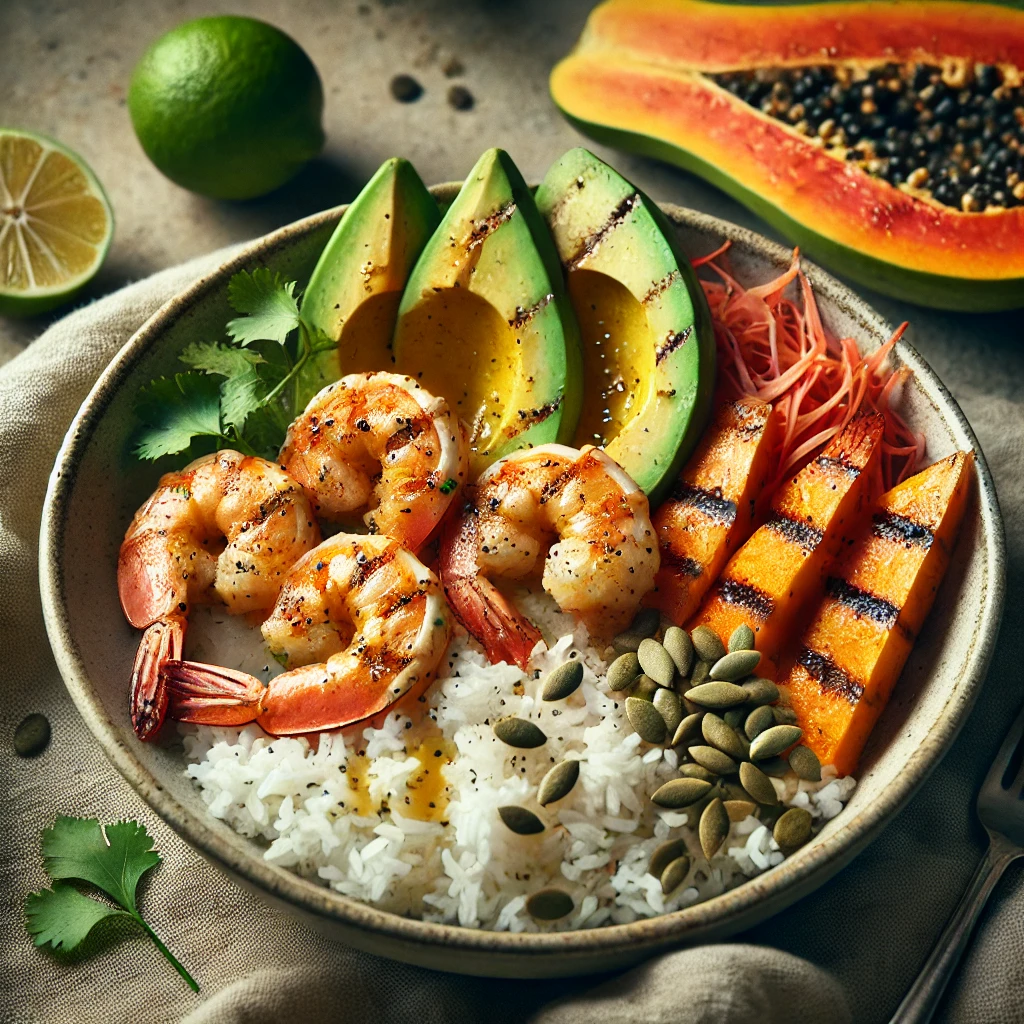
  • Baked or grilled fish (e.g. cod, haddock, tilapia, salmon)
  • Fish and chips (especially in the UK)
  • Tuna salad or tuna casseroles
  • Seafood pasta (with shrimp, clams, or mussels)
  • Shrimp tacos or fish tacos
  • Smoked or pickled herring (Eastern Europe)
  • Salt cod dishes (like bacalao a la vizcaína in Spain/Mexico or baccalà in Italy)
  • Seafood chowders or stews (like New England clam chowder or bouillabaisse)

🍞 Bread & Grain-Based Foods
  • Hot cross buns (spiced sweet buns with a cross on top — especially traditional in the UK and Commonwealth countries)
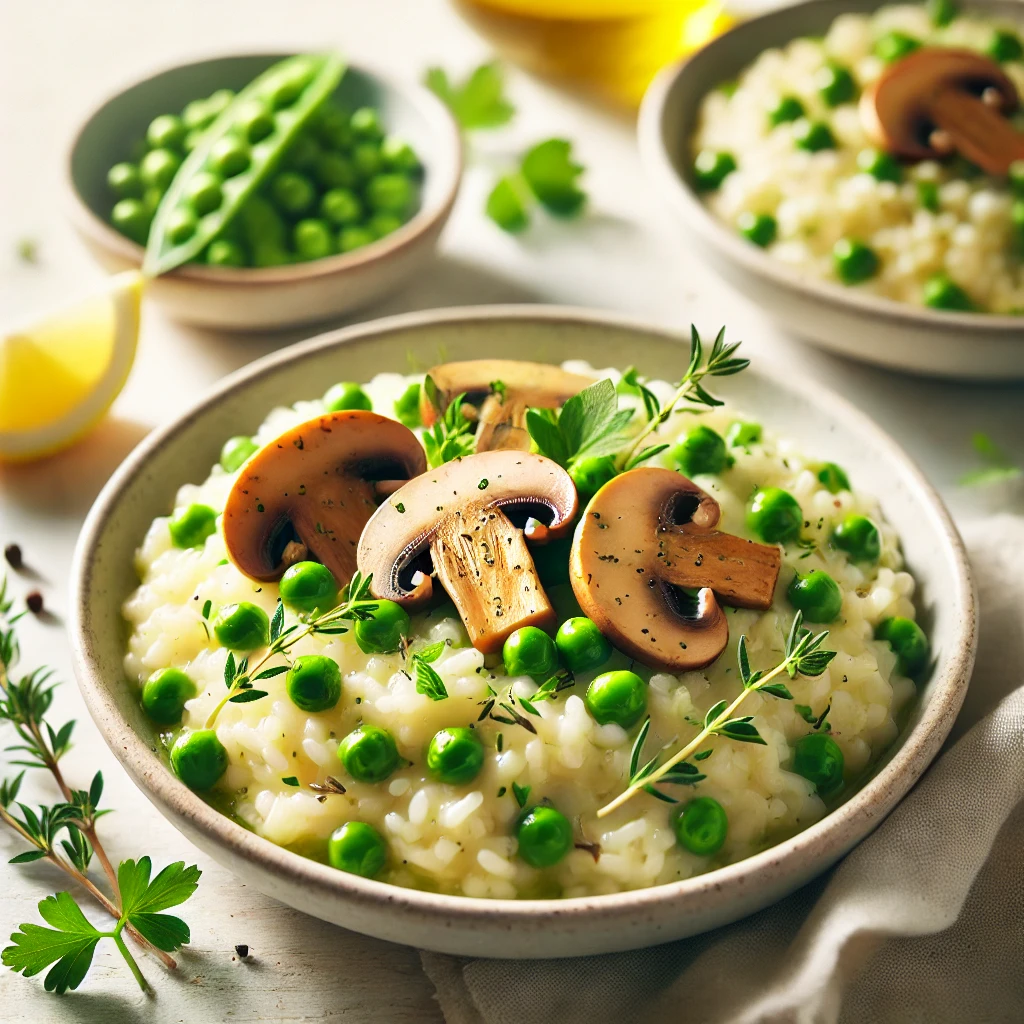
  • Simple rice dishes (e.g. vegetable risotto, rice and beans)
  • Flatbreads or pita with dips (like hummus or baba ghanoush)

🥗 Vegetable & Legume Dishes
  • Lentil soup or lentil stew
  • Vegetable soup or minestrone
  • Grilled or roasted vegetables
  • Stuffed peppers with rice and herbs
  • Bean salads or chickpea salads
  • Eggplant-based dishes (like eggplant parmesan or baba ghanoush)
  • Spinach pie or spanakopita (Greek tradition)

🧀 Dairy & Egg-Based Dishes (if not observing stricter fasting rules)
  • Cheese omelets or frittatas
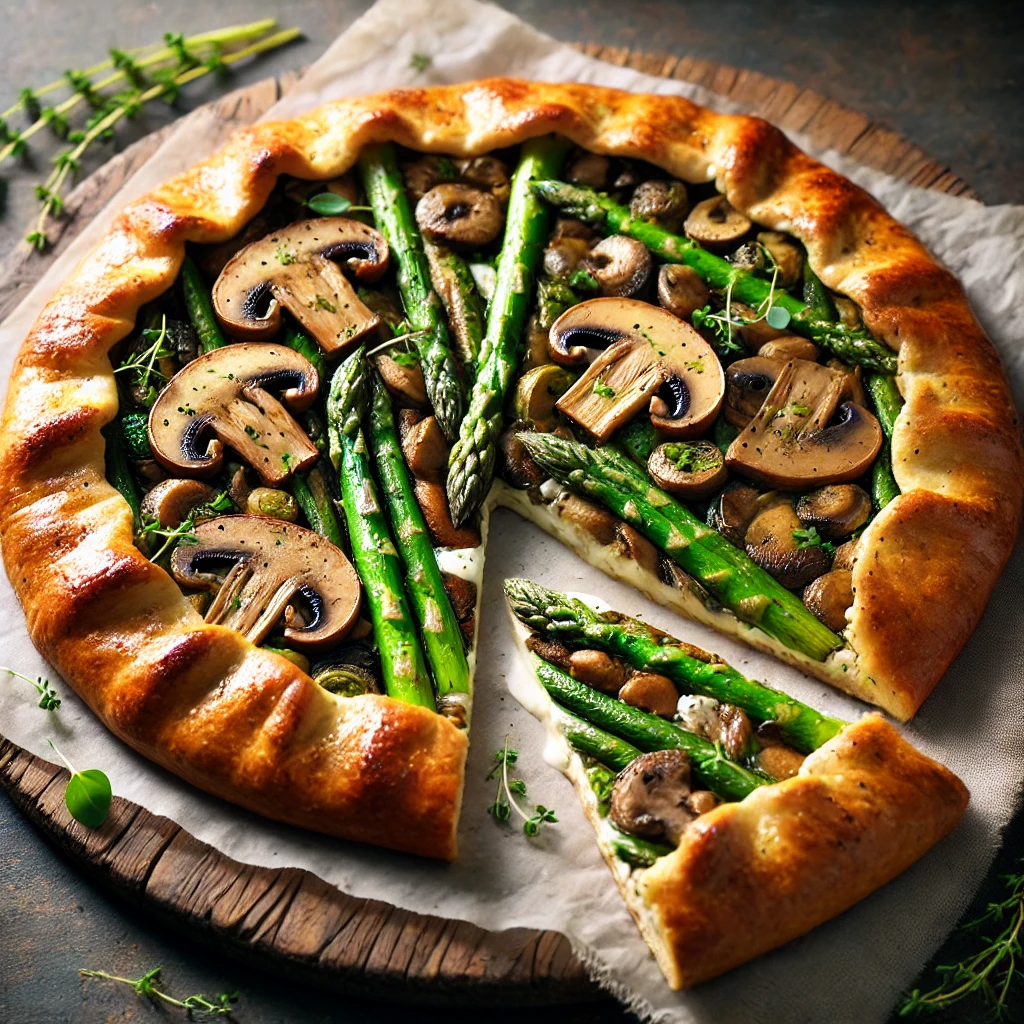
  • Quiches (vegetable-based)
  • Macaroni and cheese
  • Pierogi with cheese or potato fillings (Eastern European tradition)

🌍 International Good Friday Dishes
  • Italy: Zuppa di ceci (chickpea soup), baccalà dishes
  • Mexico: Tortitas de camarón (shrimp patties), romeritos (greens with mole and shrimp)
  • Philippines: Laing (taro leaves in coconut milk), ginataang gulay (vegetables in coconut milk)
  • Greece: Fasolada (white bean soup), gemista (stuffed tomatoes/peppers)
  • Poland: Pickled herring, potato pancakes

Winter Recipes