
Halloween

with ORO VALENTIO

October 31st

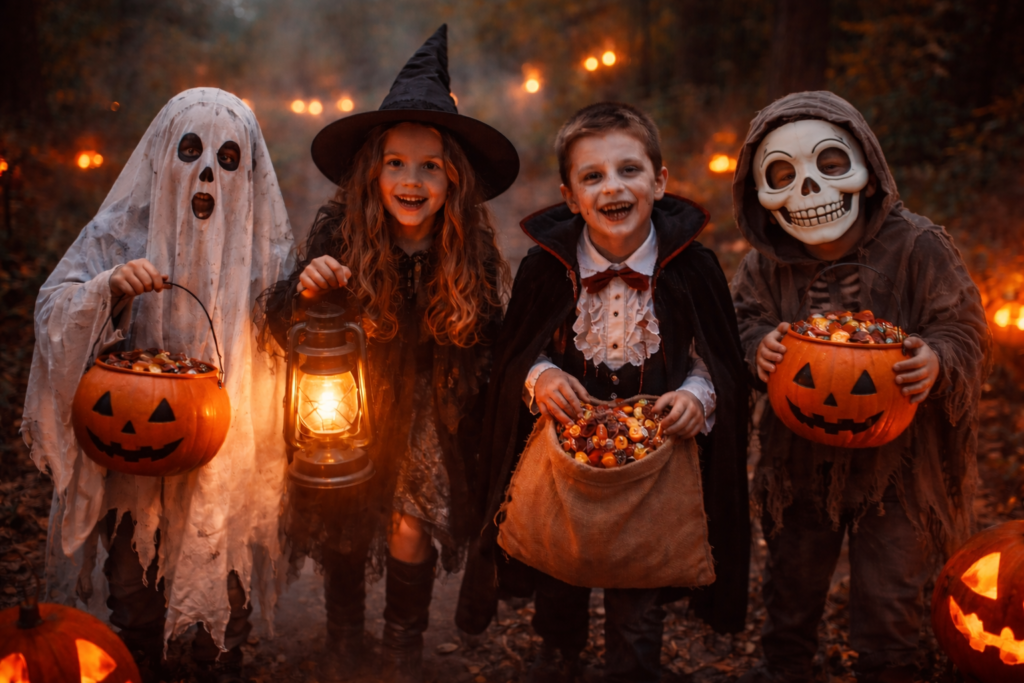
The tradition of wearing costumes on Halloween traces back over 2,000 years to the ancient Celtic festival of Samhain, a time marking the transition from the harvest season into the darker half of the year. The Celts believed that on this night, the boundary between the living and the spirit world became thin, allowing spirits—both benevolent and harmful—to cross into the human realm. To protect themselves, people would wear disguises made of animal skins and heads, masking their identity so wandering spirits could not recognize or harm them. As centuries passed and cultures blended, this practice evolved. During the early Christian period, particularly around All Hallows’ Eve (the night before All Saints’ Day), people began dressing as saints, angels, and even demons as part of religious plays and observances. In medieval Europe, a custom known as “mumming” or “guising” emerged, where individuals dressed in costumes and went door-to-door performing songs or acts in exchange for food or offerings—an early echo of modern trick-or-treating. When these traditions traveled to North America, they gradually transformed into something more playful and imaginative. By the late 19th and early 20th centuries, costumes shifted from protective or religious symbolism into expressions of creativity—ghosts, witches, monsters, and eventually superheroes and pop culture icons.

Halloween, cloaked in shadow and firelight, stands as a night where the veil between worlds grows thin and the unseen stirs with quiet intensity. It is not merely a celebration of fright, but a ritual of remembrance—of ancient instincts, of ancestral echoes, of the delicate balance between fear and fascination.
The air sharpens with autumn’s breath, leaves whisper beneath each step, and lanterns—carved with glowing expressions—stand as guardians against the darkness. This is a night where imagination takes form, where identity becomes fluid, and where the human spirit confronts both its shadows and its creativity. Masks are not just worn; they are invitations—to explore, to transform, to transcend.
 Halloween is a convergence of contrast: light within darkness, courage within fear, life within decay. It is a reminder that even in the unknown, there is beauty—raw, untamed, and deeply alive. The flicker of candlelight within a hollowed pumpkin mirrors the flame within the human soul: resilient, aware, and ever-reaching beyond the night.
Here, among bonfires of memory and mystery, we do not merely observe Halloween—we step into it, embracing the strength found in facing the unseen, and the power discovered in becoming more than what we appear.

From Ancient Culture to Modern Tradition

Halloween has not remained fixed in time—it has transformed, layer by layer, as each generation has reshaped its meaning. What began as Samhain, a sacred turning point between seasons and worlds, gradually merged with Christian observances like All Hallows’ Eve, blending spiritual reverence with communal ritual. In its earliest forms, Halloween carried a sense of mystery, protection, and remembrance—rooted in humanity’s awareness of both life and the unseen.
As it moved through medieval Europe and into North America, Halloween began to shift. The solemn gave way to the social. Traditions like souling and guising evolved into community-centered practices, and by the 19th and early 20th centuries, Halloween became increasingly focused on gatherings, storytelling, and neighborhood celebration. It transitioned from warding off spirits to bringing people together.
In modern times, Halloween has expanded into a celebration of creativity and expression. Costumes are no longer just disguises but reflections of imagination. What was once centered on spirits and folklore now includes heroes, pop culture, and entirely new identities. Decorations have grown more elaborate, traditions more playful, and participation more widespread across all ages.
Yet even with all its evolution, something of its original essence remains—a night where boundaries blur, where transformation is embraced, and where people step outside the ordinary to experience something different, if only for a moment.
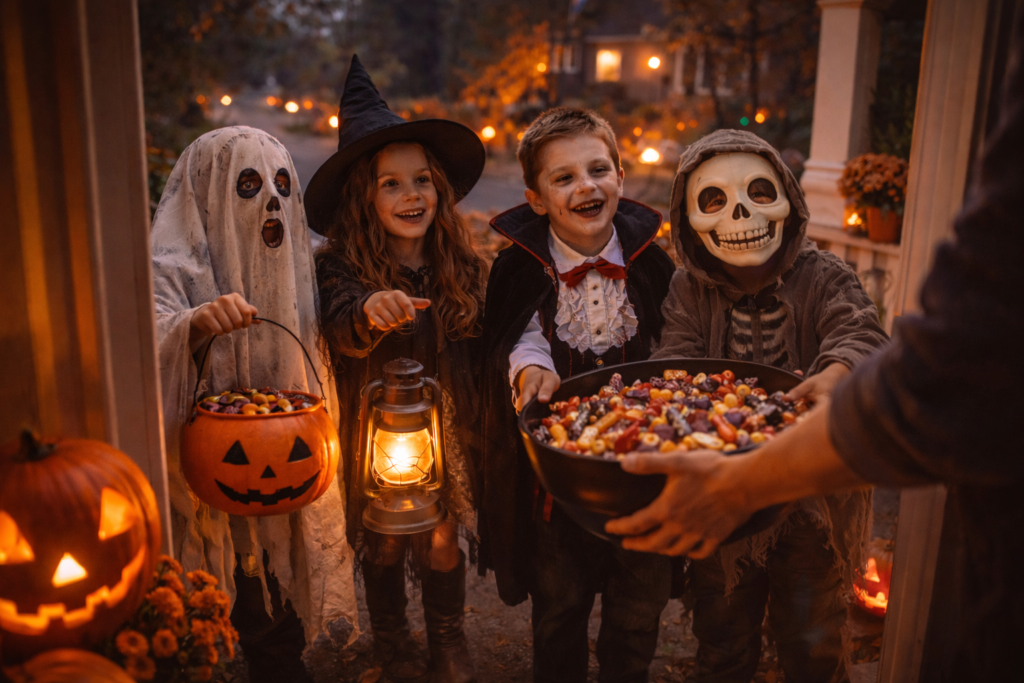
The tradition of trick-or-treating has roots that reach back to ancient customs of offering and exchange, long before candy-filled buckets and decorated neighborhoods. Its earliest origins can be traced to the Celtic festival of Samhain, where people would leave out food and offerings to appease wandering spirits believed to cross into the world of the living. In some cases, individuals would even go door-to-door in disguise, receiving food in return—both as a gesture of goodwill and protection. As time moved into the medieval Christian era, this practice evolved into what was known as “souling.” On All Souls’ Day, the poor would visit homes and offer prayers for the deceased in exchange for small cakes called “soul cakes.” This exchange—prayer for provision—carried both spiritual meaning and community connection. Around the same time, “guising” became popular in Scotland and Ireland, where children dressed in costumes and performed songs, jokes, or small acts in exchange for food or coins. When these traditions arrived in North America, they gradually transformed into the more lighthearted version we know today. By the early 20th century, communities began encouraging children to go door-to-door asking for treats as a way to foster unity and reduce mischief. The phrase “trick or treat” itself emerged as a playful bargain—offering kindness in exchange for sweets, with the implied alternative of harmless pranks. Trick-or-treating reflects more than a simple exchange—it embodies the rhythm of giving and receiving, of community trust, and of shared experience. It is a ritual of connection, where doors are opened not just to hand out candy, but to acknowledge one another in a night where imagination reigns. What began as offerings to unseen forces has become a celebration of presence—where generosity, joy, and a touch of mystery pass from hand to hand under the glow of autumn night.

Halloween Traditions to Make Your Own

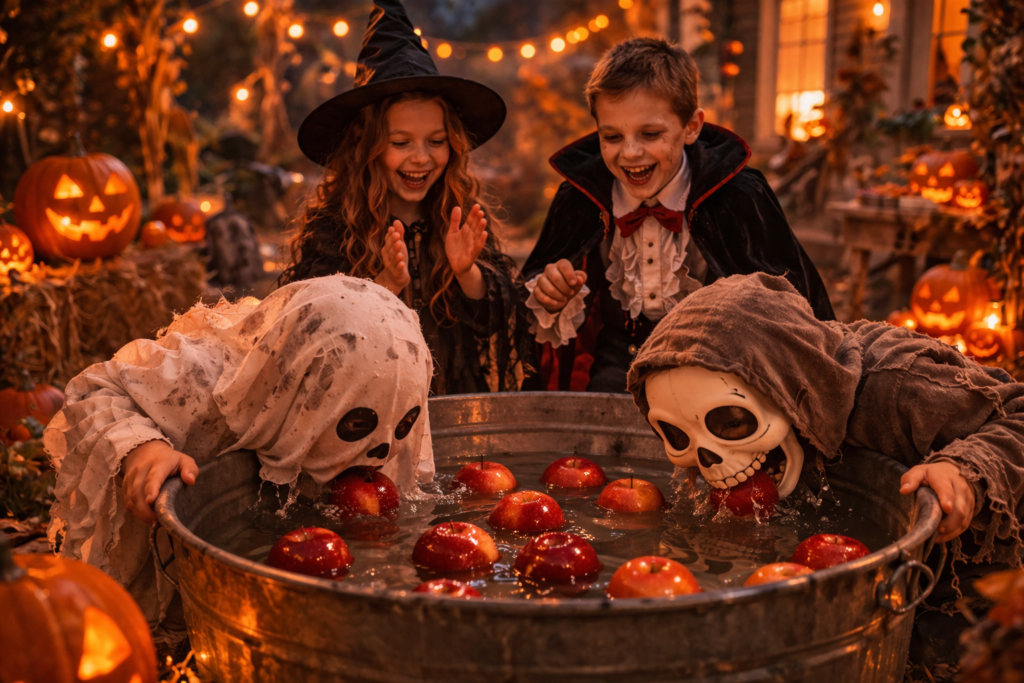
The tradition of bobbing for apples traces back to ancient harvest customs, particularly those tied to autumn festivals in Britain and Ireland. Apples held deep symbolic meaning—associated with life, abundance, and even the mystical. During seasonal celebrations like Samhain, they were often used in games meant to reveal fortunes, especially in matters of love and future relationships. One popular belief was that the first person to successfully bite an apple from water—without using their hands—would be the next to marry. In some variations, apples were marked or assigned to individuals, turning the game into a playful form of prediction. The water itself was thought to carry a reflective, almost mystical quality, reinforcing the idea that this simple game held deeper significance beneath its surface. As time passed, bobbing for apples moved from ritual to recreation. It became a staple of Halloween gatherings, especially in homes and community events, where laughter replaced superstition and the focus shifted to fun, challenge, and shared experience. Today, the tradition remains a lively symbol of Halloween’s connection to the harvest season. It captures a unique blend of history and play—where something once tied to mystery and meaning has become a moment of joy, bringing people together around a simple tub of water and a handful of floating apples.
Carving Jack-o’-Lanterns
Pumpkin carving comes from an old Irish legend about “Stingy Jack,” who was said to wander the earth with a carved turnip lantern. When Irish immigrants came to America, they began using pumpkins instead. Today, glowing jack-o’-lanterns are placed on porches to welcome guests—and symbolically ward off darkness.
Trick-or-Treating
Children dress in costumes and go door-to-door collecting candy with the familiar phrase “trick or treat.” This tradition grew from older customs like souling and guising, eventually becoming a fun, community-centered activity that brings neighborhoods together.
Wearing Costumes
Dressing up is one of the most iconic traditions. What started as a way to disguise oneself from spirits has become a way to express creativity—ranging from spooky characters like ghosts and witches to heroes, animals, and imaginative designs.
Haunted Houses & Ghost Stories
Telling ghost stories or visiting haunted attractions taps into Halloween’s mysterious roots. Whether it’s a backyard setup or a full haunted house experience, this tradition plays on suspense, imagination, and the thrill of fear in a controlled, fun way.
Bonfires & Gatherings
In earlier times, large fires were lit to mark the changing seasons and provide protection. Today, bonfires and gatherings still carry that sense of warmth, community, and shared experience during the crisp autumn night.
Apple Bobbing & Harvest Games
Old harvest traditions still live on through games like bobbing for apples. Apples were associated with fortune and romance, and these games were often used as playful ways to predict the future.
Decorating Homes
From cobwebs and skeletons to glowing lights and autumn displays, decorating homes has become a major part of Halloween. Some go simple and cozy, while others create elaborate, immersive scenes.
Seasonal Treats & Foods
Halloween is also tied to fall flavors—caramel apples, pumpkin-based treats, spiced drinks, and baked goods. These foods connect the holiday to the harvest season and bring a comforting balance to the eerie atmosphere.

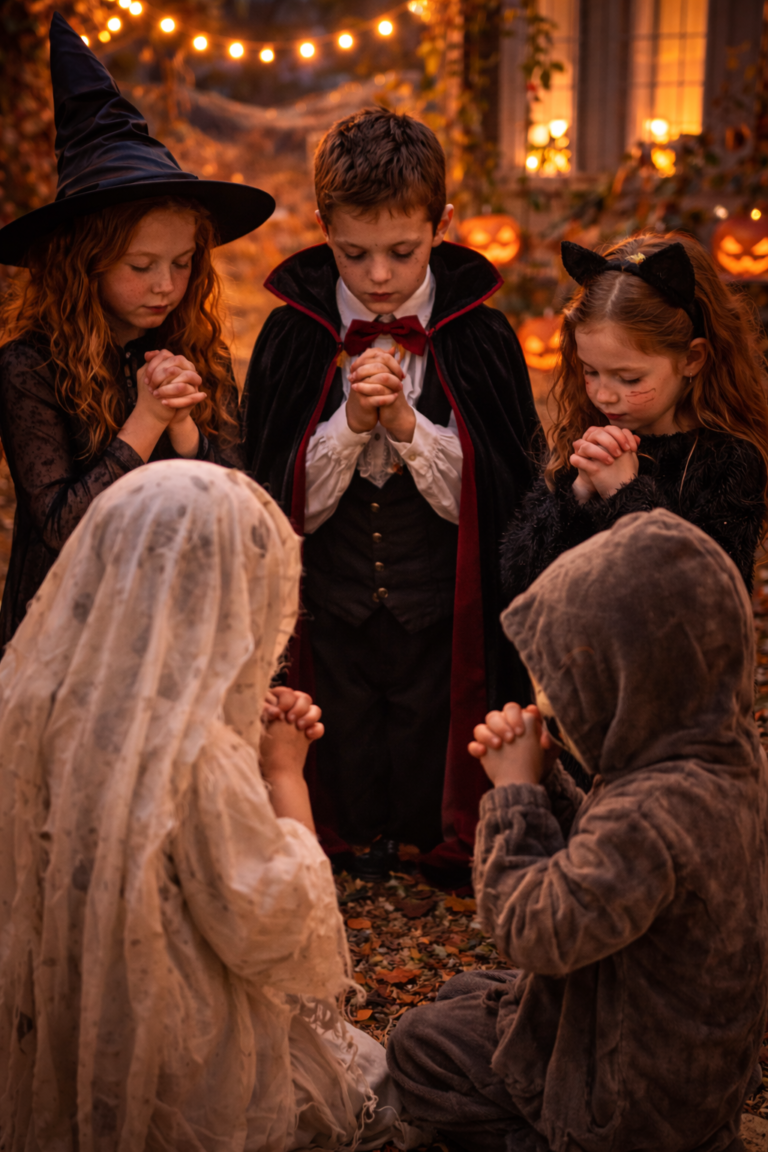
A Prayer for Halloween

Heavenly Father,
On this night of shadows and light,
we pause to remember that You are the source of all truth,
all goodness, and all protection.
As the darkness settles and imaginations awaken,
guard our hearts and minds.
Let no fear take root within us,
for we know that Your light is greater than any darkness.
Watch over our families, our children, and our communities
as they walk through this evening.
Keep them safe in body, mind, and spirit,
and surround them with Your peace.
Help us to choose what is good,
to walk in wisdom,
and to be a light to others—
even in moments that seem uncertain or unknown.
May this night be filled not with fear,
but with joy, laughter, and togetherness.
And may we always remember
that Your presence goes before us,
beside us, and within us.
In Your name we pray,
Amen.

The Halloween prayer serves as a grounding moment within a night often filled with excitement, mystery, and imagination. While Halloween is widely known for costumes, candy, and celebration, the prayer brings a sense of balance—inviting reflection, protection, and peace into the evening. Rooted in faith and intention, this type of prayer acknowledges both the symbolic darkness of the night and the greater presence of light. It centers the heart on safety, wisdom, and gratitude, especially as families and children take part in festivities. Rather than focusing on fear, it redirects attention toward trust, guidance, and the assurance that goodness is always stronger than uncertainty. It also carries a communal aspect, asking for protection not just for oneself, but for neighbors, friends, and all those participating. In doing so, it transforms Halloween from simply an outward celebration into something inwardly meaningful—where joy and awareness coexist. Ultimately, a Halloween prayer is a reminder that even on a night defined by shadows and disguise, there is clarity, purpose, and peace available. It allows individuals and families to step into the celebration with confidence, knowing they are covered, guided, and grounded in something greater than the moment itself.

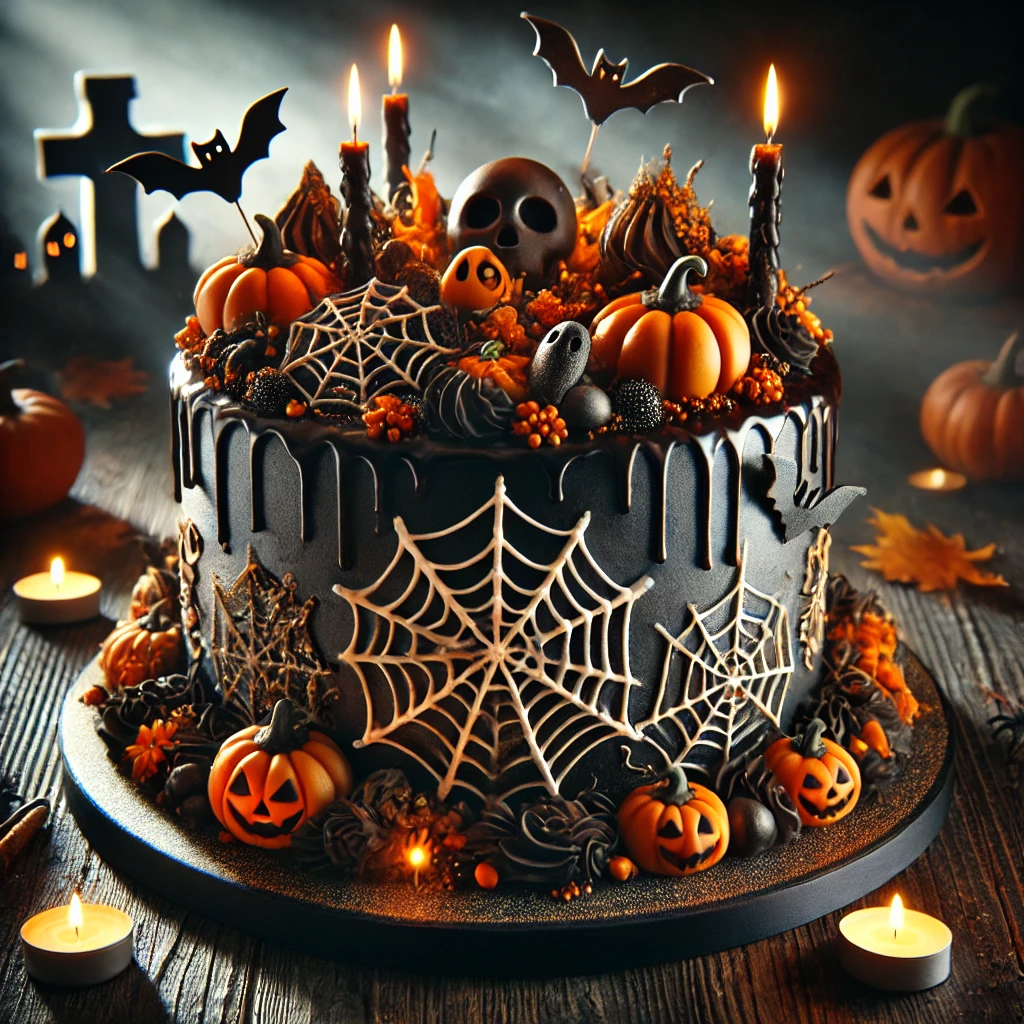
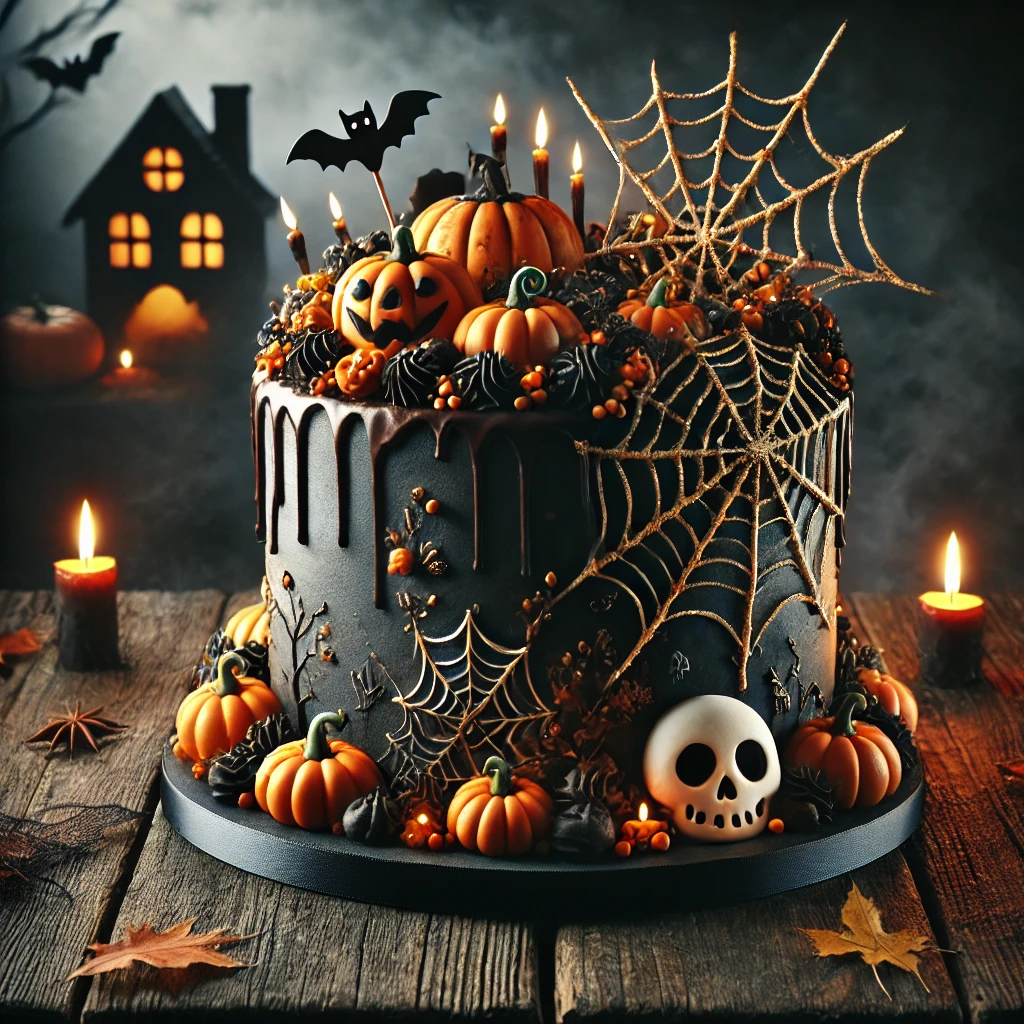
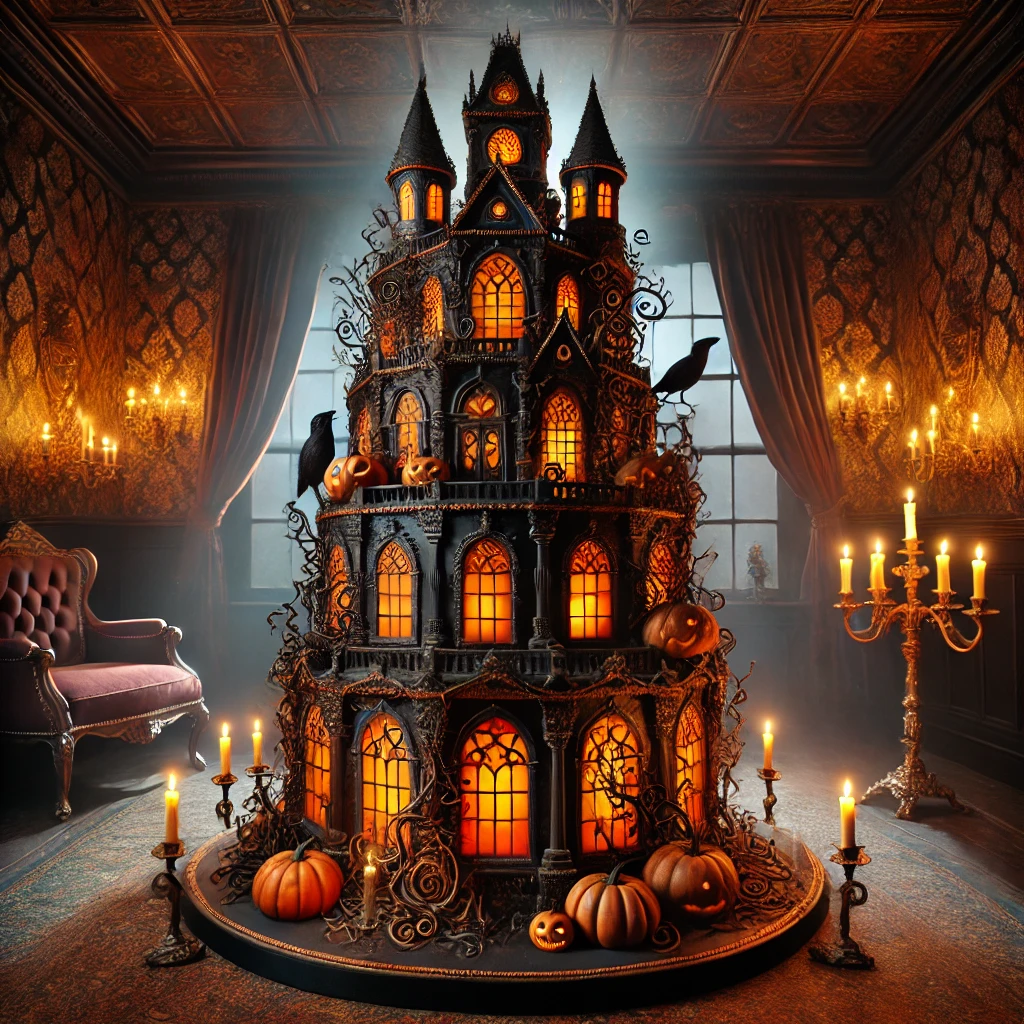
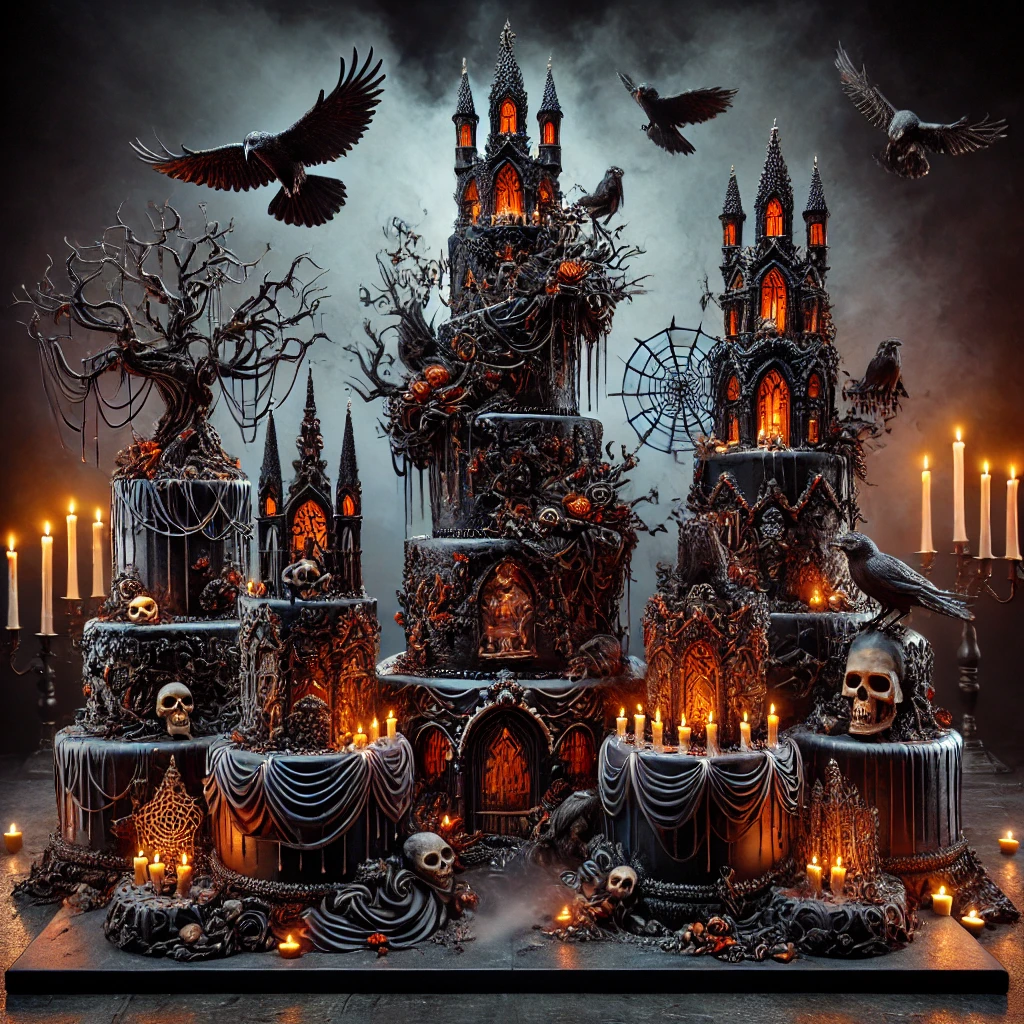
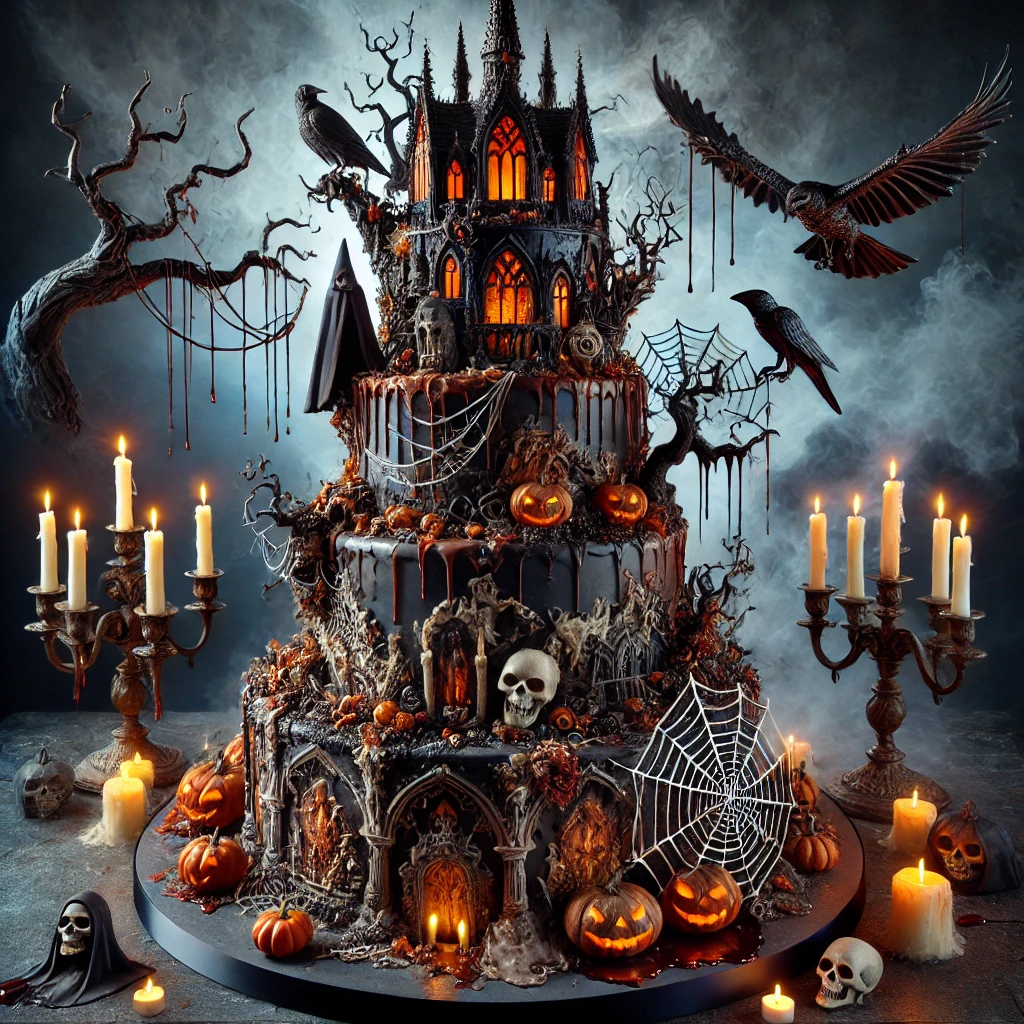
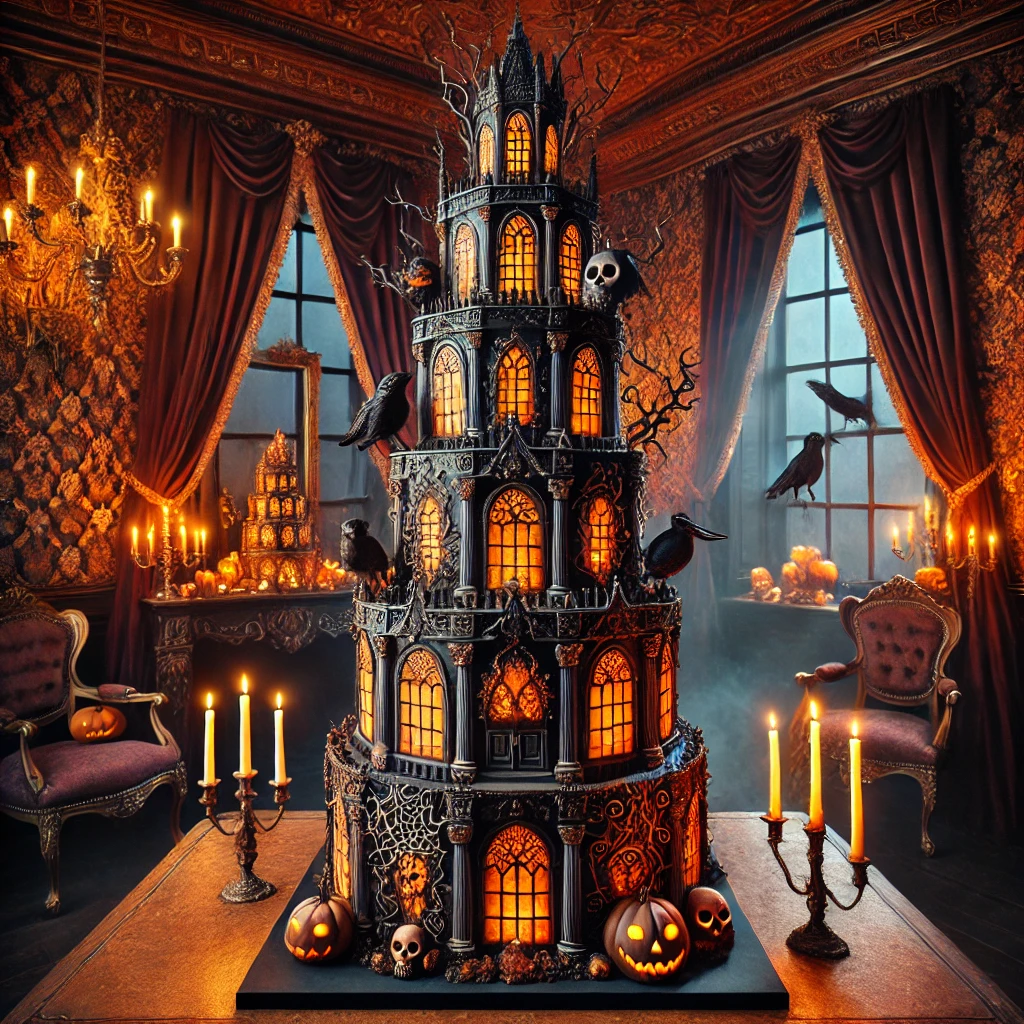
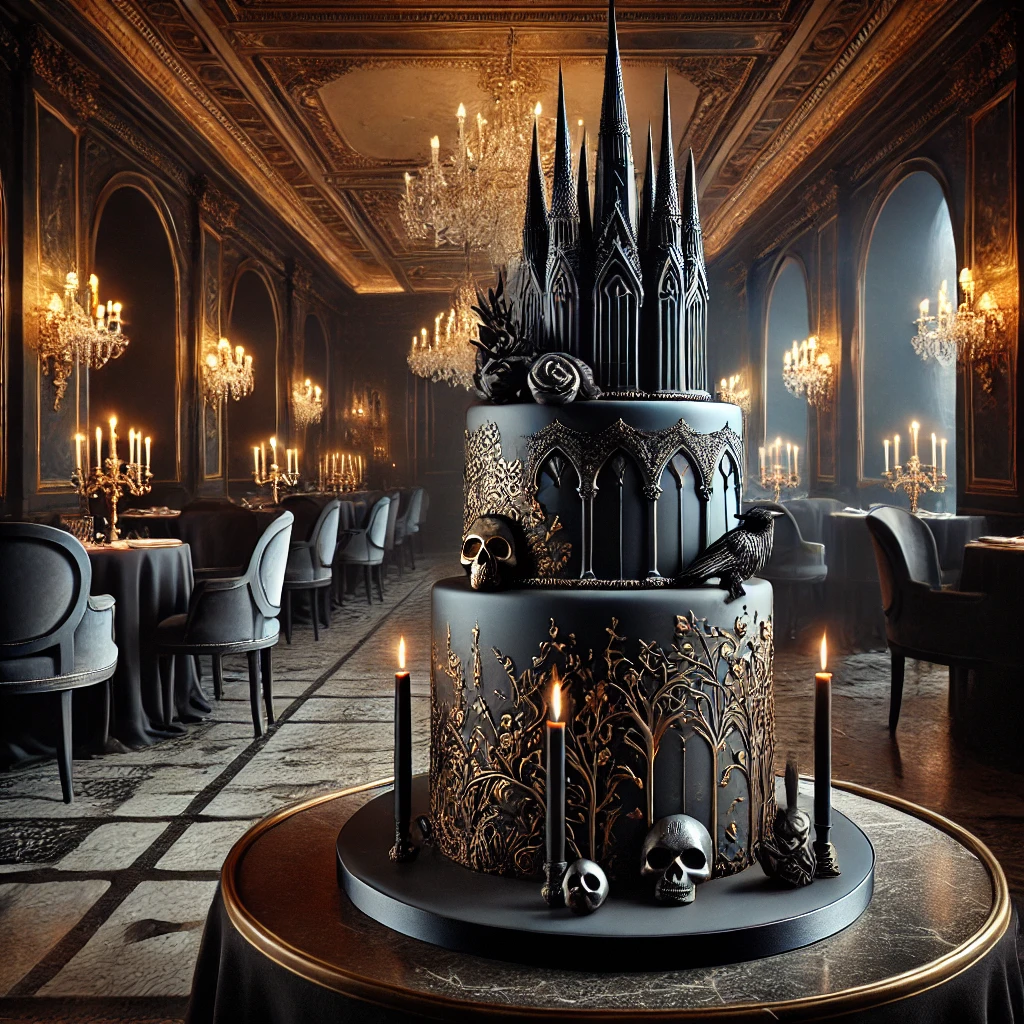
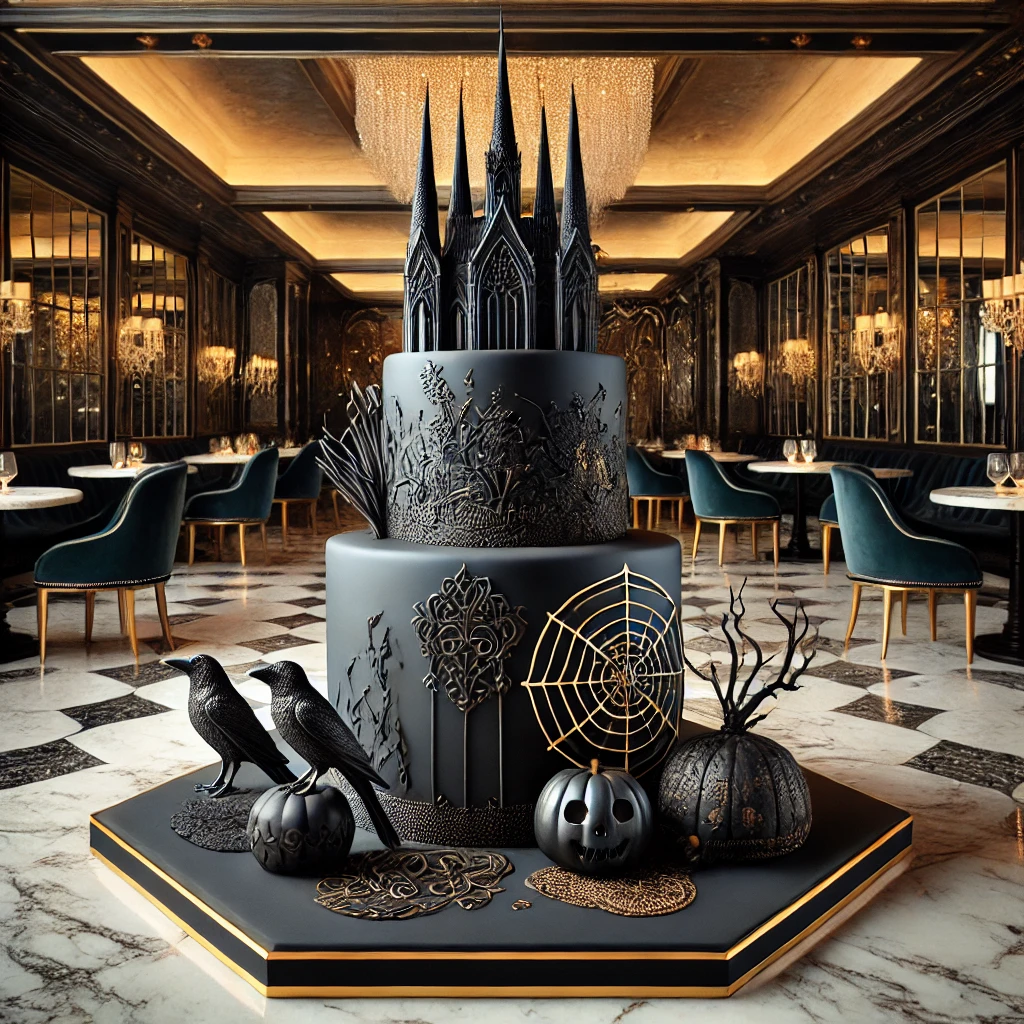
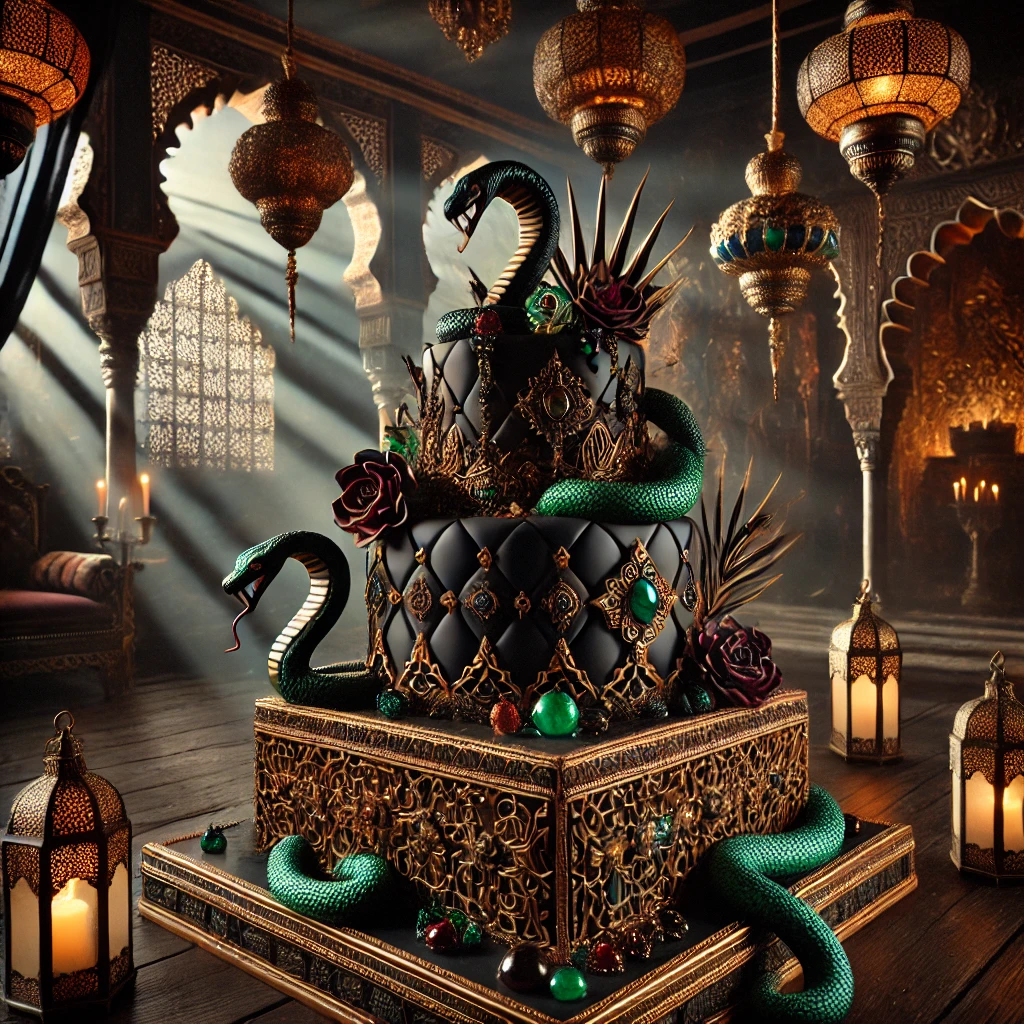
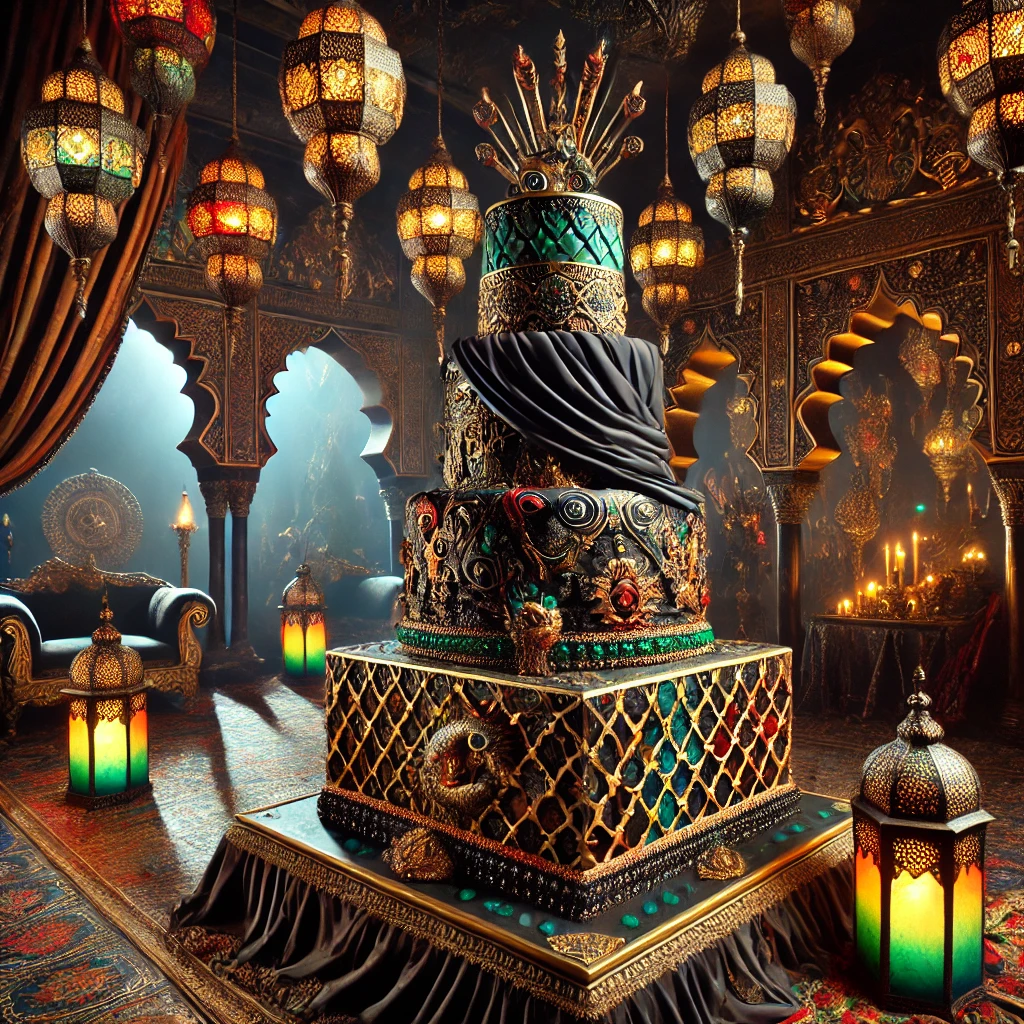
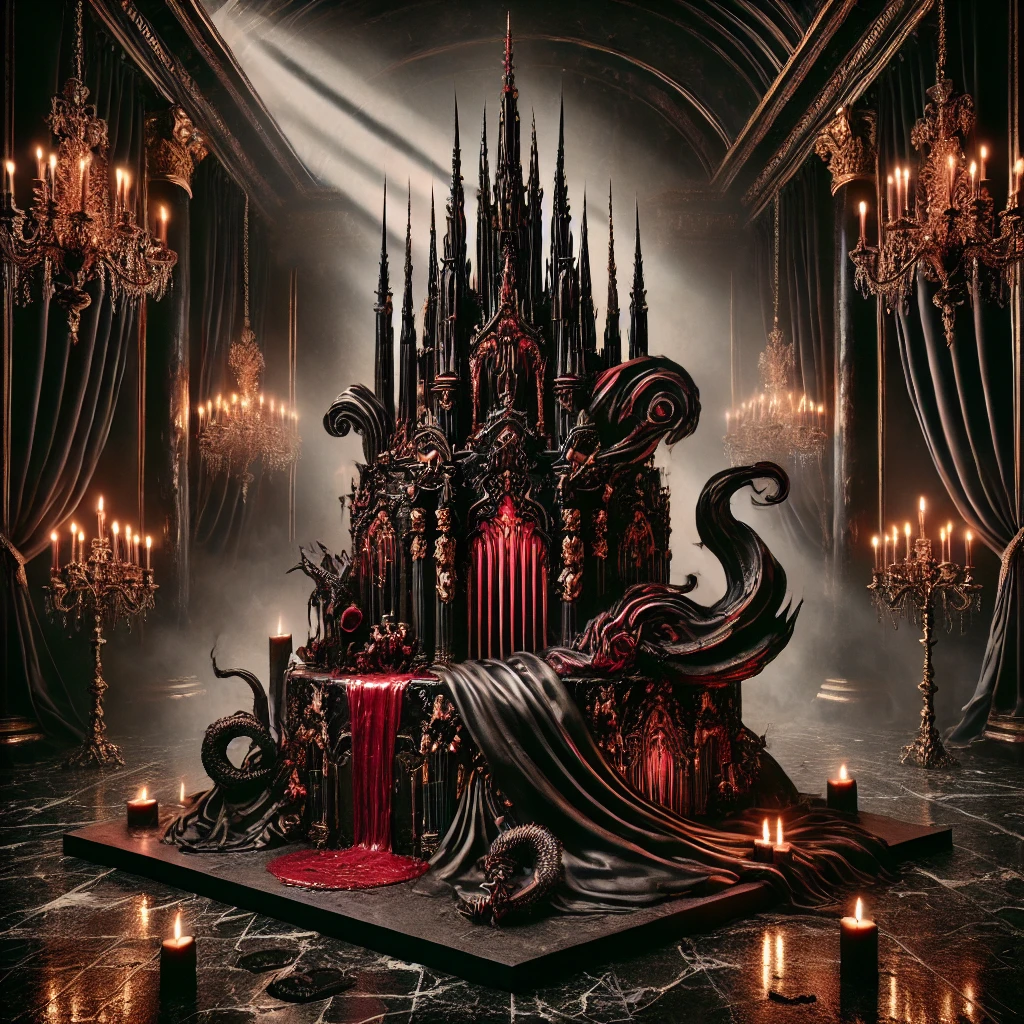
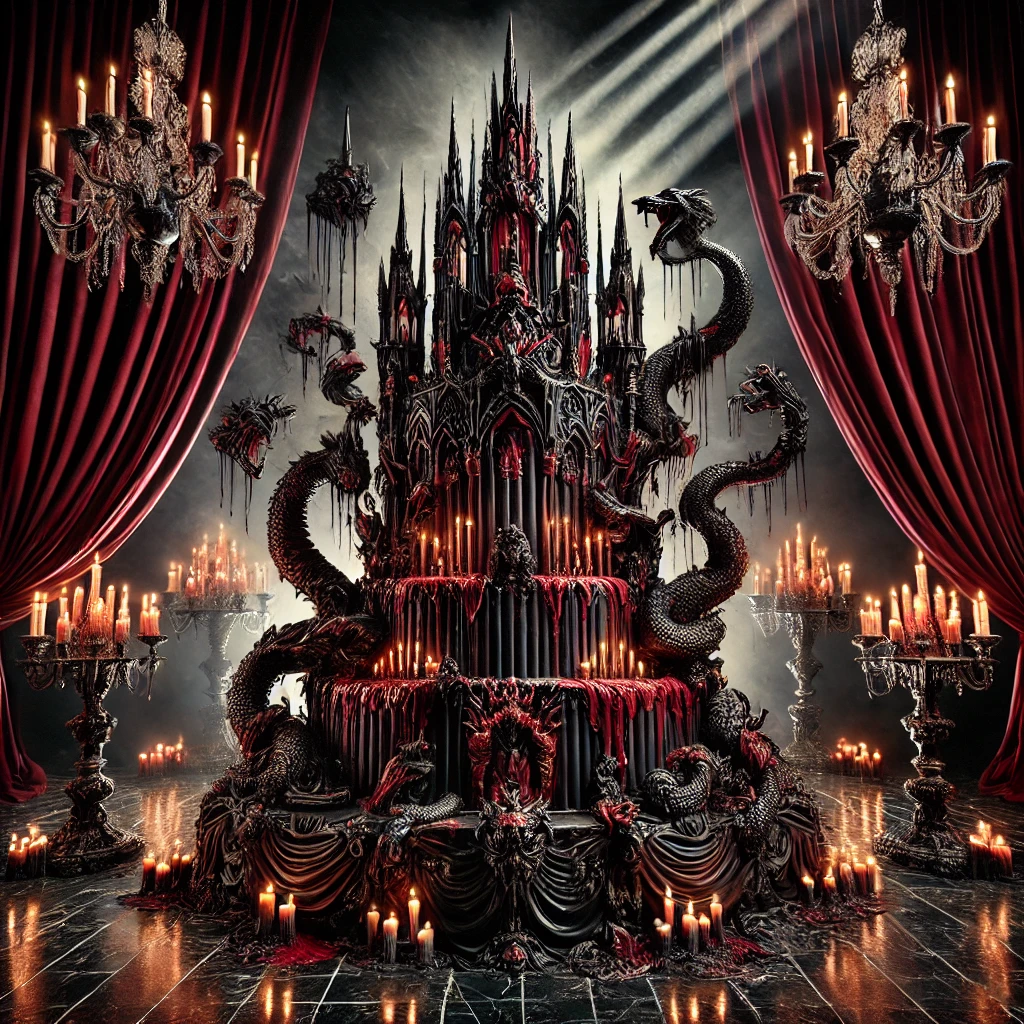
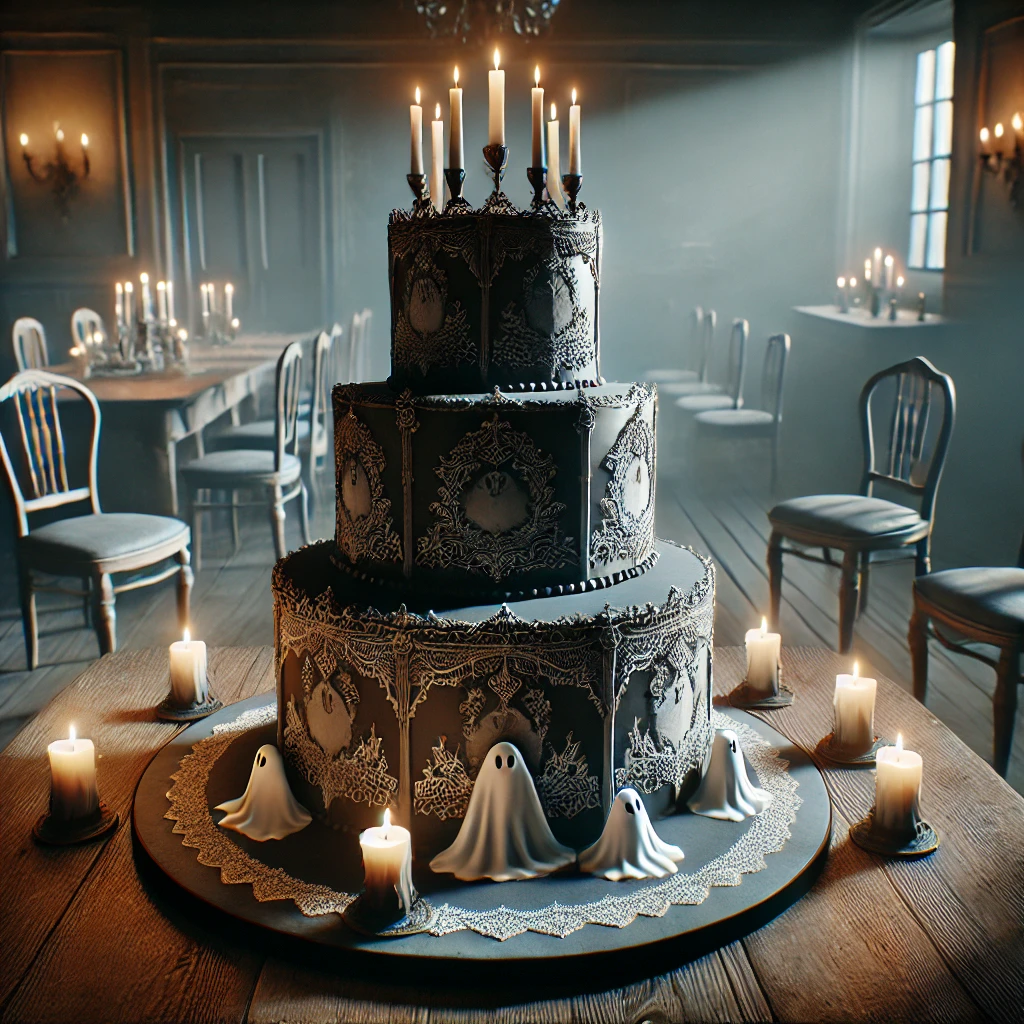
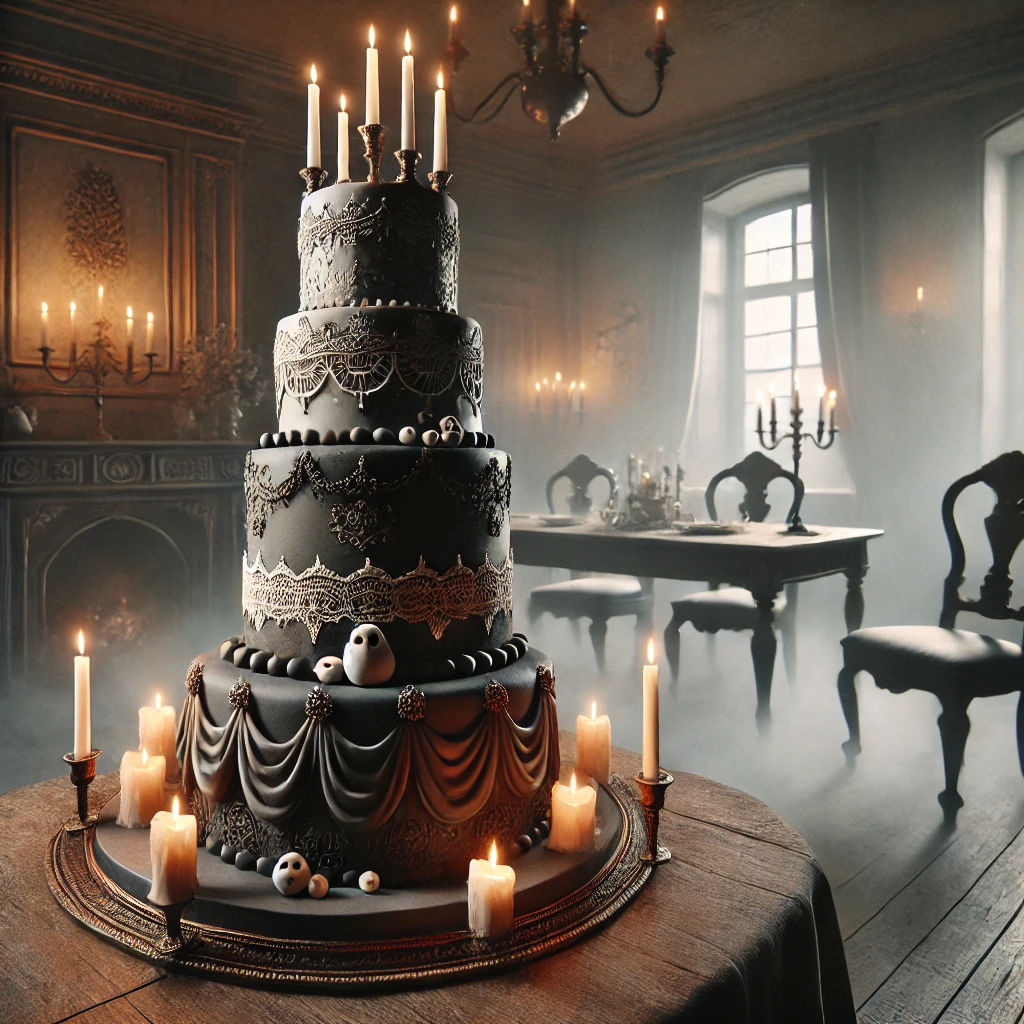
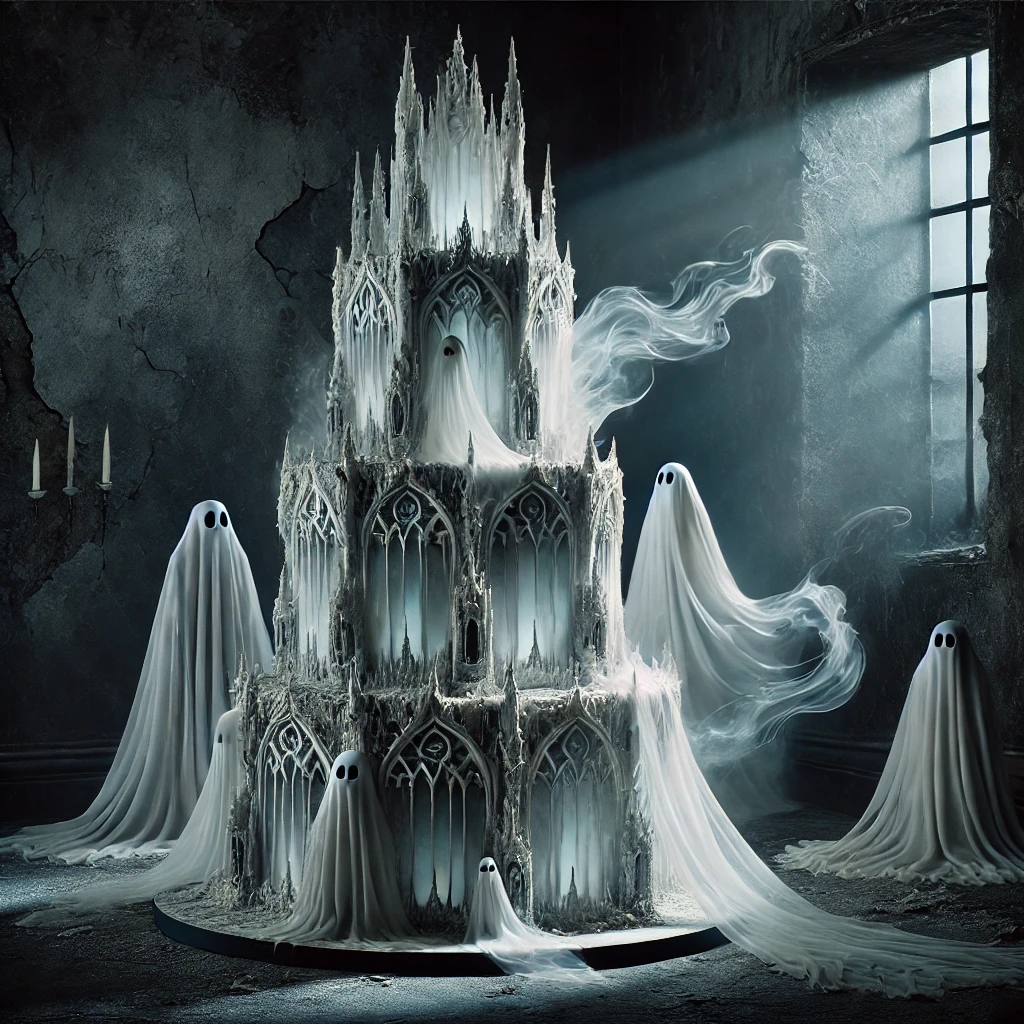
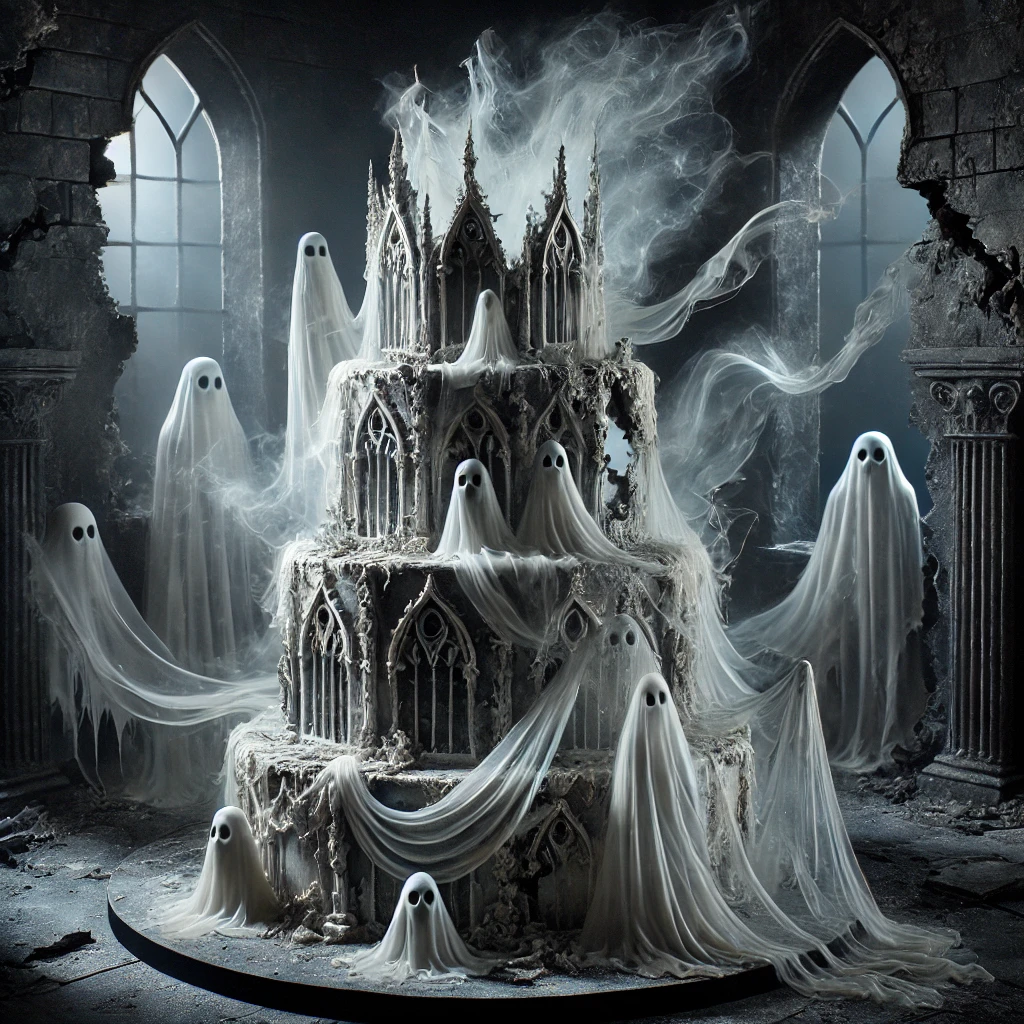
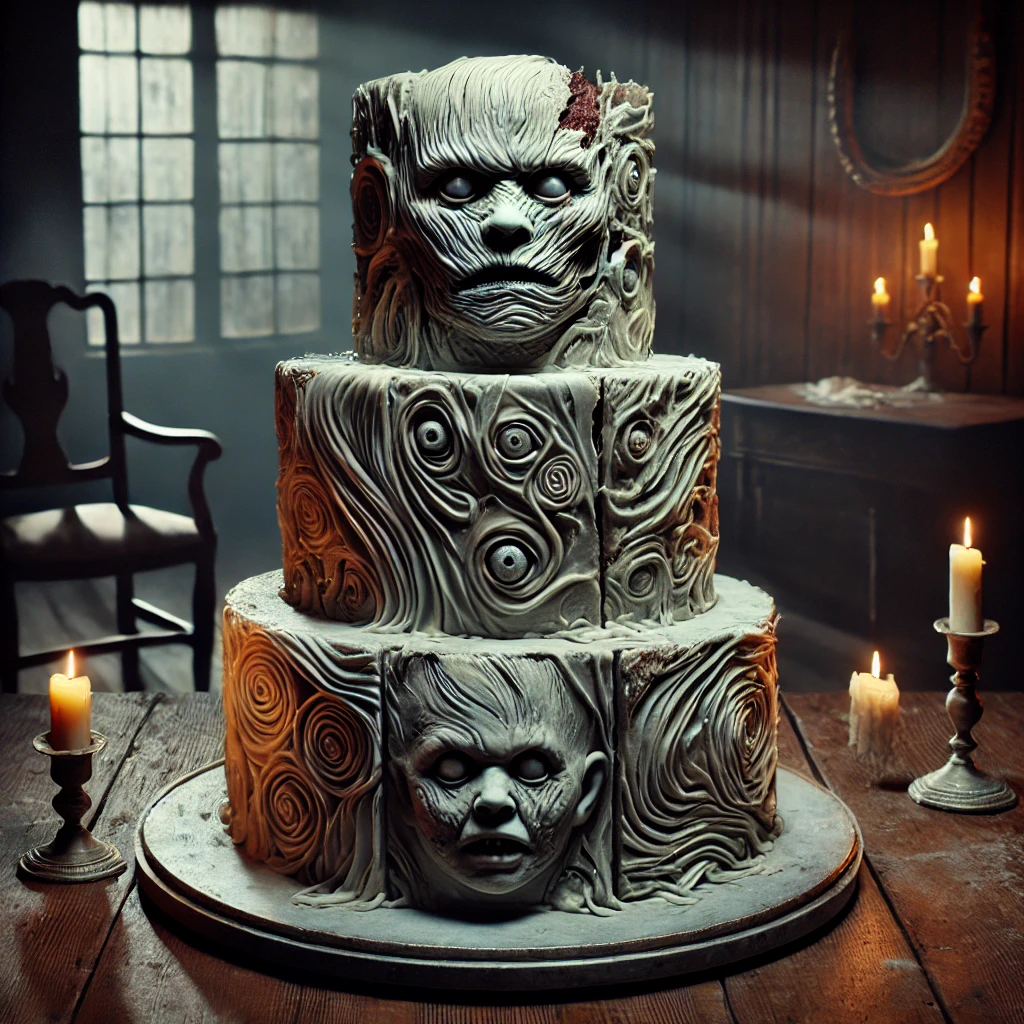
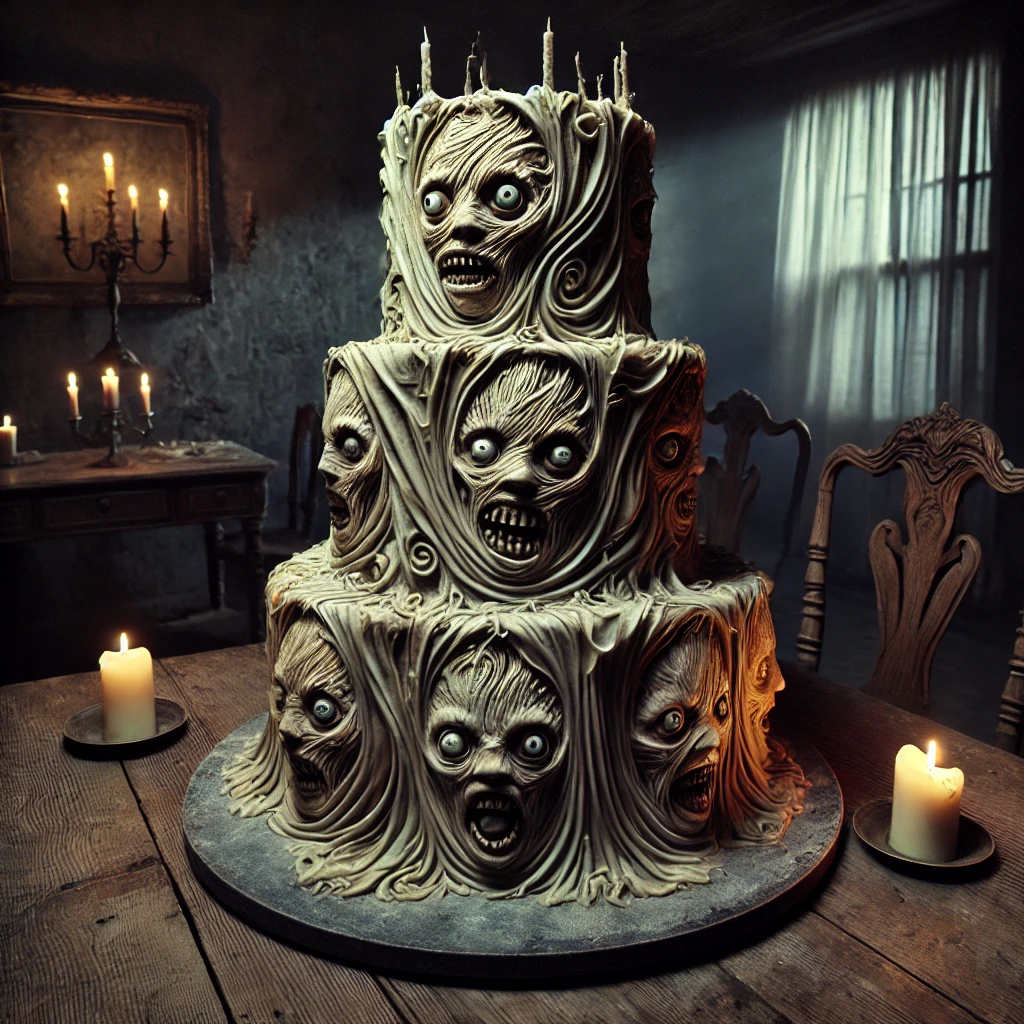
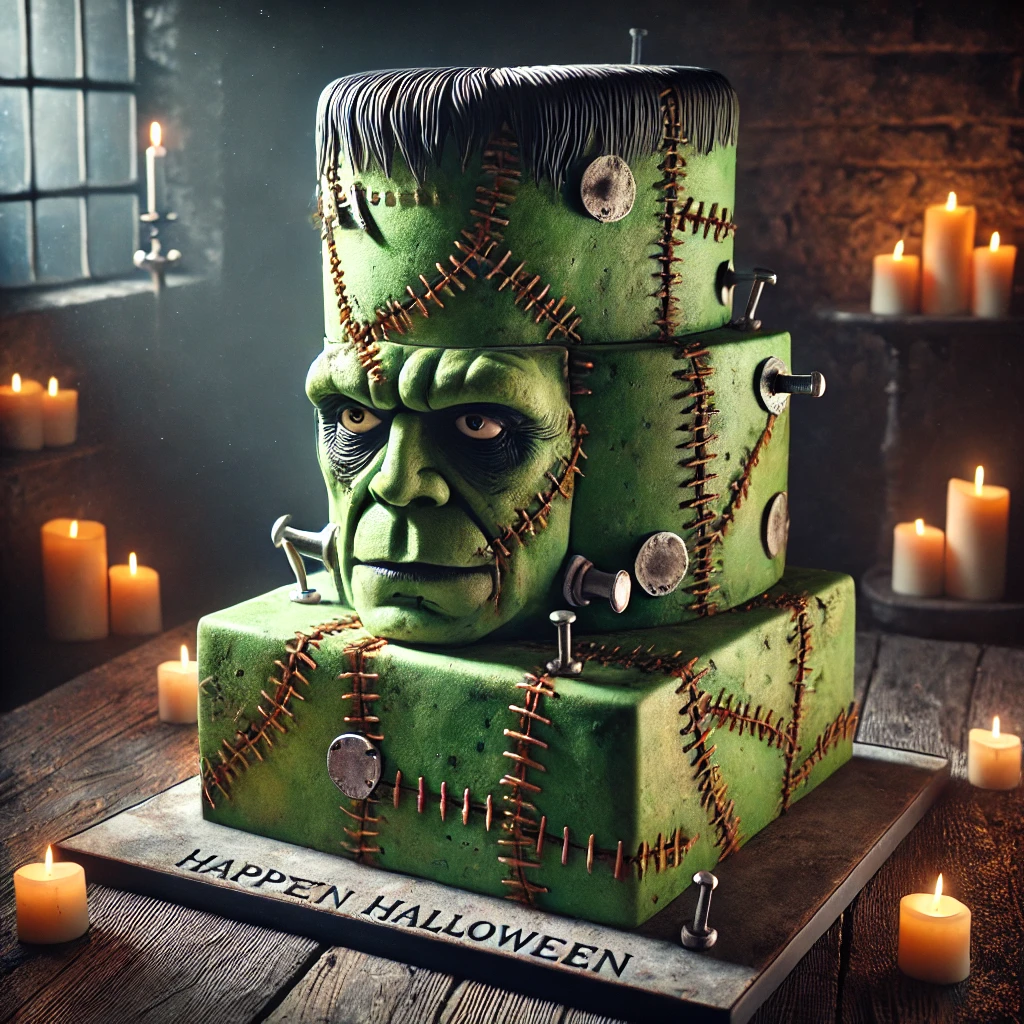
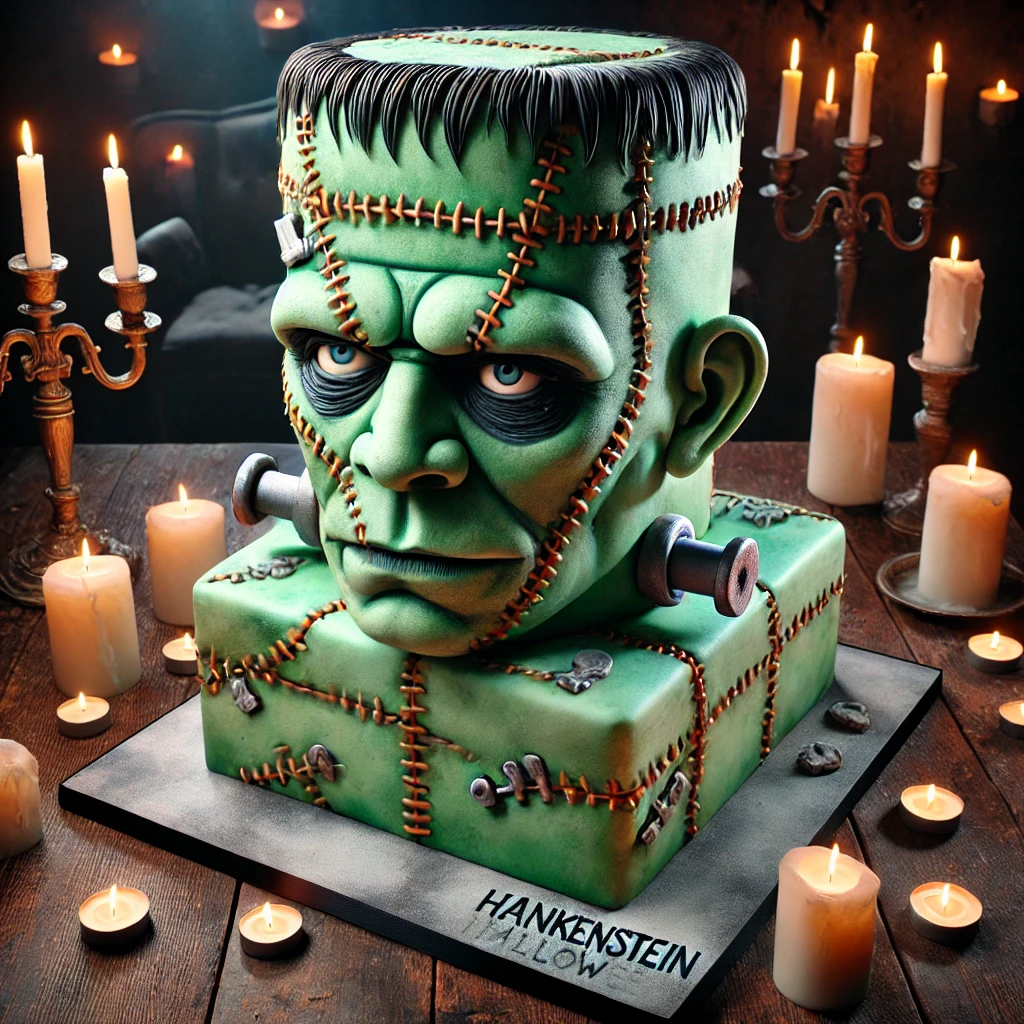
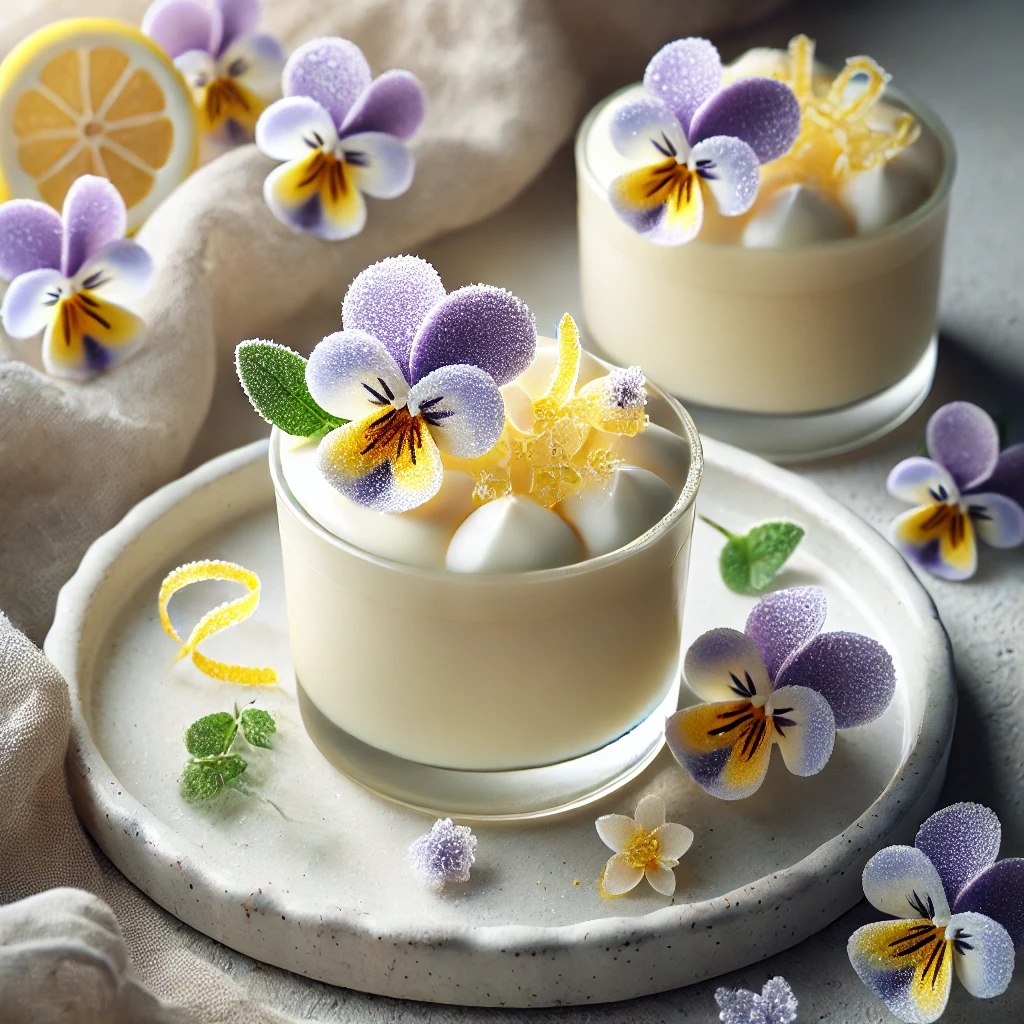
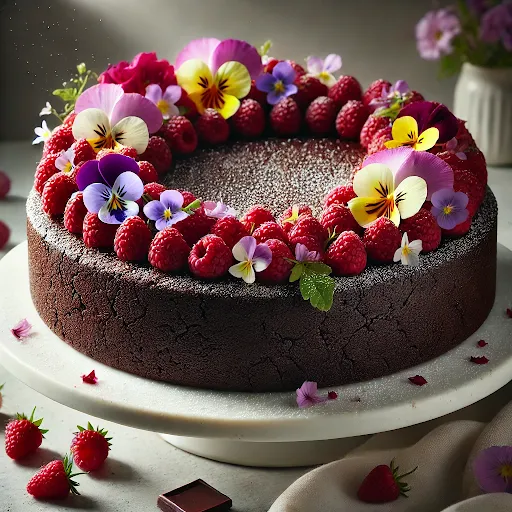
Halloween Cake & Atmosphere Ideas

Where style, memory, and celebration meet.

This section is meant to be more than Cake Decorating Ideas… it’s designed to spark inspiration and creativity, awaken tradition, and infuse your special occasions with style, identity, and atmosphere. A color palette becomes a theme. A design becomes a mood. Simple details—like sugared holly leaves or shimmering stars—can set the tone for a gathering and become part of cherished traditions and lasting memories melded with personal touch and love.

Traditional Halloween Dishes

Pumpkin-Based Dishes
  • Pumpkin Pie – One of the most iconic fall desserts, made with spiced pumpkin filling and a flaky crust
  • Pumpkin Soup – Warm, creamy, and savory, often seasoned with nutmeg, cinnamon, and garlic
  • Roasted Pumpkin Seeds – A classic snack made from carved pumpkins, seasoned and baked
Apple Dishes
  • Caramel Apples – Whole apples coated in caramel (sometimes chocolate or nuts)
  • Candy Apples – Bright red, hard candy-coated apples, a Halloween staple
  • Apple Cider – Served hot or cold, often spiced with cinnamon and cloves
  • Apple Pie – A harvest favorite that ties directly into autumn traditions
Sweet Treats & Candies
  • Candy Corn – A classic tri-colored Halloween candy
  • Toffee & Brittle – Made with sugar, butter, and nuts, popular in fall
  • Popcorn Balls – Sticky, sweet popcorn shaped into balls, often given as treats
 Traditional Breads & Cakes
  • Barmbrack (Ireland) – A fruit bread traditionally eaten around Halloween, sometimes baked with small objects inside for fortune-telling
  • Soul Cakes (Britain) – Small spiced cakes given to “soulers” in exchange for prayers for the dead
Savory Harvest Foods
  • Colcannon (Ireland) – Mashed potatoes mixed with cabbage or kale, sometimes with hidden charms for fun
  • Roasted Root Vegetables – Carrots, parsnips, and potatoes, reflecting the harvest season
Seasonal Drinks
    • Mulled Wine – Warm wine with spices like cinnamon and cloves
    • Hot Spiced Cider – A comforting fall drink often served at gatherings

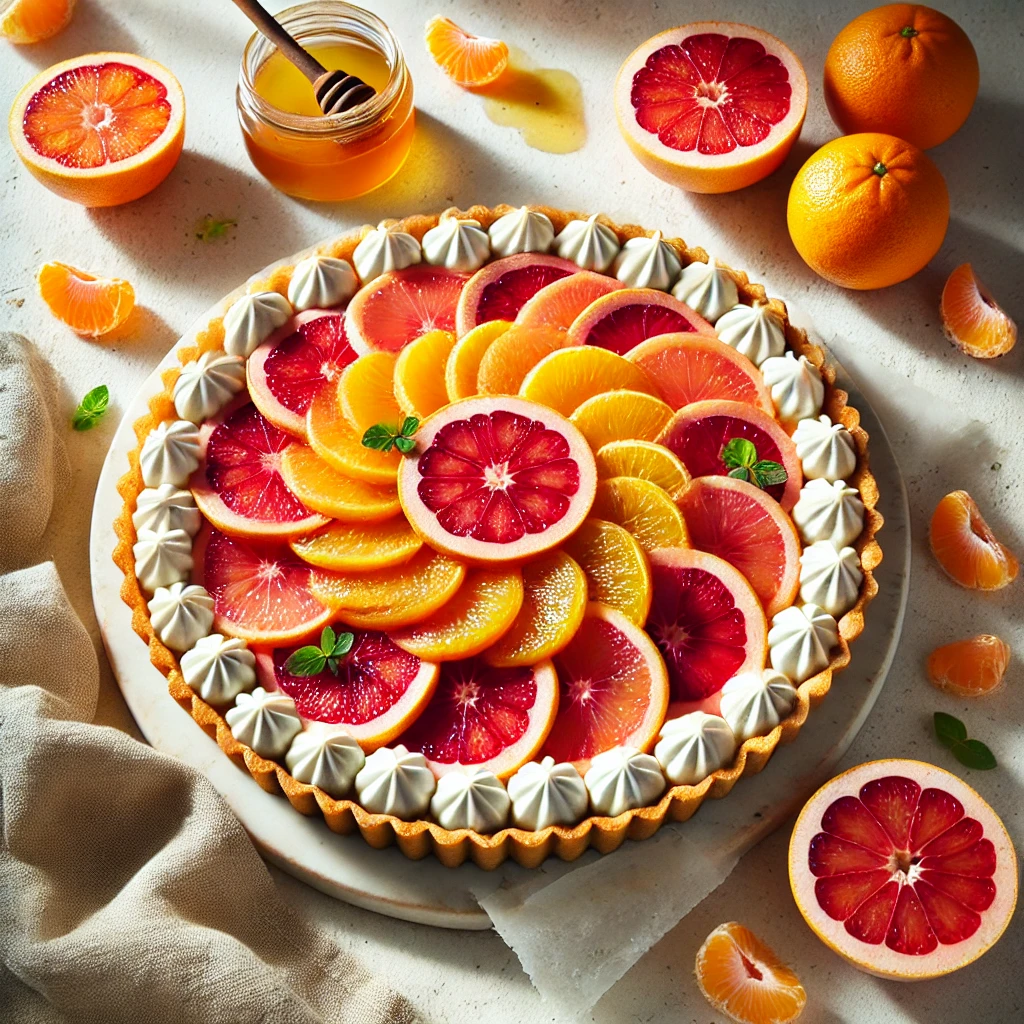
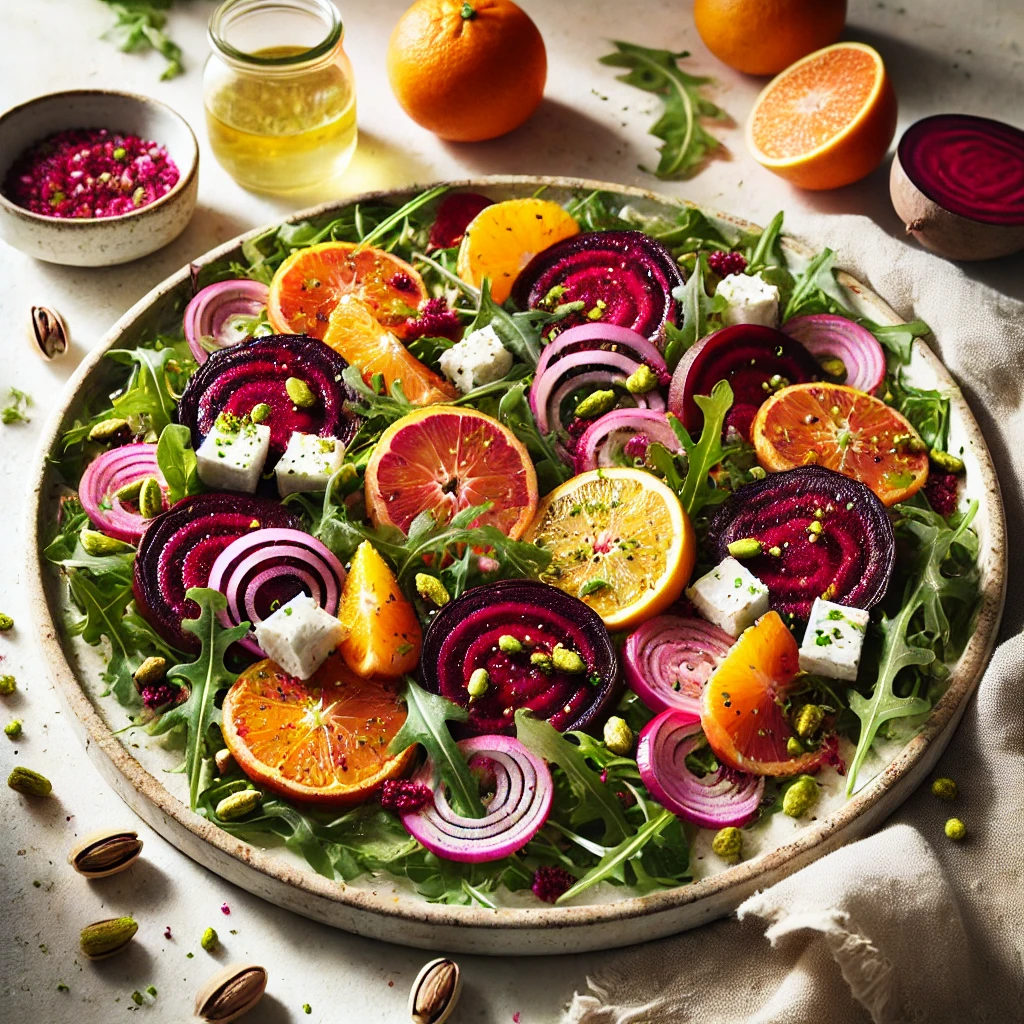
Recipes Engineered for Autumn Glory