














International Women's Day

with ORO VALENTIO

March 8

International Women’s Day is a global moment to honor the strength, dignity, and enduring contributions of women across every culture, generation, and vocation. It is a day to recognize not only the achievements women have secured through perseverance and courage, but also the unseen labor, quiet leadership, and steadfast faith that sustain families, communities, and societies around the world. From mothers and daughters to innovators, caregivers, builders, and visionaries, women have long been stewards of life, wisdom, and resilience—often shaping the future through sacrifice that history does not always record.
This day also invites reflection: on the responsibility we share to uphold respect, opportunity, and protection for women, and to ensure that progress never comes at the cost of dignity or truth. International Women’s Day is not merely about celebration, but about recognition—acknowledging the value of women not for what they produce alone, but for who they are. By honoring women’s roles in nurturing life, preserving culture, and advancing the common good, we reaffirm a commitment to a world where women are seen, respected, and empowered to flourish in integrity and strength.
Pope John Paul II went right to the heart of womanhood as articulated in his writings on a new feminism—a vision that speaks directly to the essence of womanhood by affirming feminine dignity, vocation, and strength without stripping women of their femininity or redefining them against their own nature. In this light, International Women’s Day can be fully celebrated not by erasing differences between men and women, nor by asking women to imitate masculine models of power, but by honoring womanhood in its full, distinctive reality. This includes affirming femininity, receptivity, relational strength, and especially motherhood—not as limitations, but as profound sources of cultural renewal. A new feminism recognizes that women possess a unique capacity to perceive and protect the human person, to uphold life where it is vulnerable, and to humanize systems that might otherwise become cold, utilitarian, or exploitative. Rather than framing dignity in opposition to motherhood, family, or embodied femininity, this vision insists that these realities are central expressions of a woman’s genius. International Women’s Day, understood this way, becomes a moment to affirm women not by detaching them from their nature, but by defending their right to live out their vocation—whether as mothers, professionals, consecrated women, leaders, or caregivers—without being diminished, instrumentalized, or forced to conform to models that deny their feminine identity. In this vision, progress never requires the loss of womanhood; instead, true progress emerges when society learns to receive and protect the uniquely life-giving strength women bring to the world.

Honoring Motherhood

International Women’s Day has outgrown its ideological origins. While it began within a socialist framework, the way the day is now celebrated globally—honoring motherhood, sacrifice, dignity, cultural inheritance, and the unseen labor of women—often reflects values that go beyond and even contradict early socialist assumptions. This is why it resonates so strongly with visions like John Paul II’s “new feminism”: the day has been reclaimed, consciously or not, as a recognition of women not merely as economic units or political actors, but as bearers of life, culture, and moral strength.
Motherhood stands at the very heart of what International Women’s Day seeks to honor, because it embodies the profound intersection of strength, sacrifice, and generative love that shapes both individuals and civilizations. Through motherhood—whether biological, adoptive, or spiritual—women participate in the formation of the future in its most literal and enduring sense, nurturing not only life itself but the values, identity, and moral foundation of the next generation. This role demands resilience, patience, courage, and an unwavering commitment that often unfolds quietly and without public recognition, yet its impact is immeasurable. In a world that frequently measures worth by visibility or productivity, motherhood reminds us that the most transformative work is often unseen: the shaping of hearts, the teaching of right and wrong, and the steady presence that allows others to flourish. Honoring motherhood on International Women’s Day affirms that caregiving, sacrifice, and life-giving love are not secondary contributions, but sacred and essential pillars of human progress, deserving of deep respect, protection, and gratitude.

International Women's Day Traditions to Make Your Own

  • Honoring women publicly through speeches, articles, awards, or acknowledgments that recognize women’s contributions in family life, work, education, culture, and service
  • Giving flowers, especially mimosa (traditionally in Italy), roses, or tulips, as symbols of respect, gratitude, and strength
  • Gathering for reflection or discussion, including panels, talks, or community conversations focused on women’s dignity, vocation, and well-being
  • Celebrating mothers and caregivers, acknowledging the unseen labor of nurturing children, families, and communities
  • Acts of service or charity directed toward women and girls, such as supporting shelters, maternal health initiatives, education programs, or local outreach
  • Sharing stories of women—past and present—who exemplify courage, wisdom, sacrifice, and leadership, especially those whose contributions were overlooked
  • Cultural or faith-based observances, including prayers, blessings, or moments of gratitude for women’s roles in preserving life, faith, and tradition
  • Family-centered celebrations, where children honor mothers, grandmothers, sisters, and daughters through cards, meals, or words of appreciation
  • Wearing symbolic colors (often purple, green, and white, or local cultural colors) to signify dignity, hope, and unity
  • Educational activities, such as school lessons or readings that highlight women’s achievements and the importance of respect and equality
  • Quiet acts of recognition, including personal notes, blessings, or intentional time set aside to thank women for their presence and influence
Modern science increasingly affirms what mothers have intuitively known for generations: the earliest months of life in utero are profoundly formative, and what a woman gives her child during this time shapes the child in lasting ways. From the earliest weeks of pregnancy, the mother’s body provides not only nourishment and oxygen, but also a finely tuned biological environment that influences brain development, immune strength, and stress regulation. Hormones such as cortisol and oxytocin, nutritional factors like essential fatty acids and micronutrients, and even the mother’s emotional state play measurable roles in how neural pathways form and how the developing child learns to respond to the world. Research in epigenetics shows that maternal care, health, and stress levels can affect how genes are expressed, leaving biological “signatures” that influence physical and emotional well-being long after birth. These findings underscore that pregnancy is not merely a period of passive growth, but an active, relational process in which a woman’s sacrifices, care, and presence help lay the foundation for resilience, security, and lifelong health—revealing the extraordinary significance of what a mother gives her child before that child ever takes a first breath.

Renewing Respect for Women

Neuroscience has shown that, on average, the female brain is wired in ways that enhance sensitivity to relational and emotional cues, helping many women more readily interpret voices, tones, facial expressions, and body language. Studies using brain imaging and behavioral analysis indicate that women tend to have stronger connectivity between areas responsible for emotion, language, and social perception, allowing for more nuanced integration of what is seen, heard, and felt. Women, on average, also demonstrate greater activation in regions associated with empathy and auditory processing, which supports finer discrimination of vocal tone and emotional inflection. This does not mean every woman or every man fits a single pattern, but at a population level, these differences help explain why women are often especially attuned to subtle shifts in mood, unspoken needs, and nonverbal communication. Far from being incidental, this neurological sensitivity plays a crucial role in caregiving, relationship-building, and social cohesion, equipping women with a unique capacity to perceive, respond to, and protect the emotional well-being of others—particularly infants and children who communicate long before words ever form.
May this day leave us with grateful hearts and renewed respect for the dignity of women.
May women be honored in their strength, protected in their vulnerability, and supported in every life-giving vocation.
May their wisdom, courage, and love continue to bless the world, today and always.

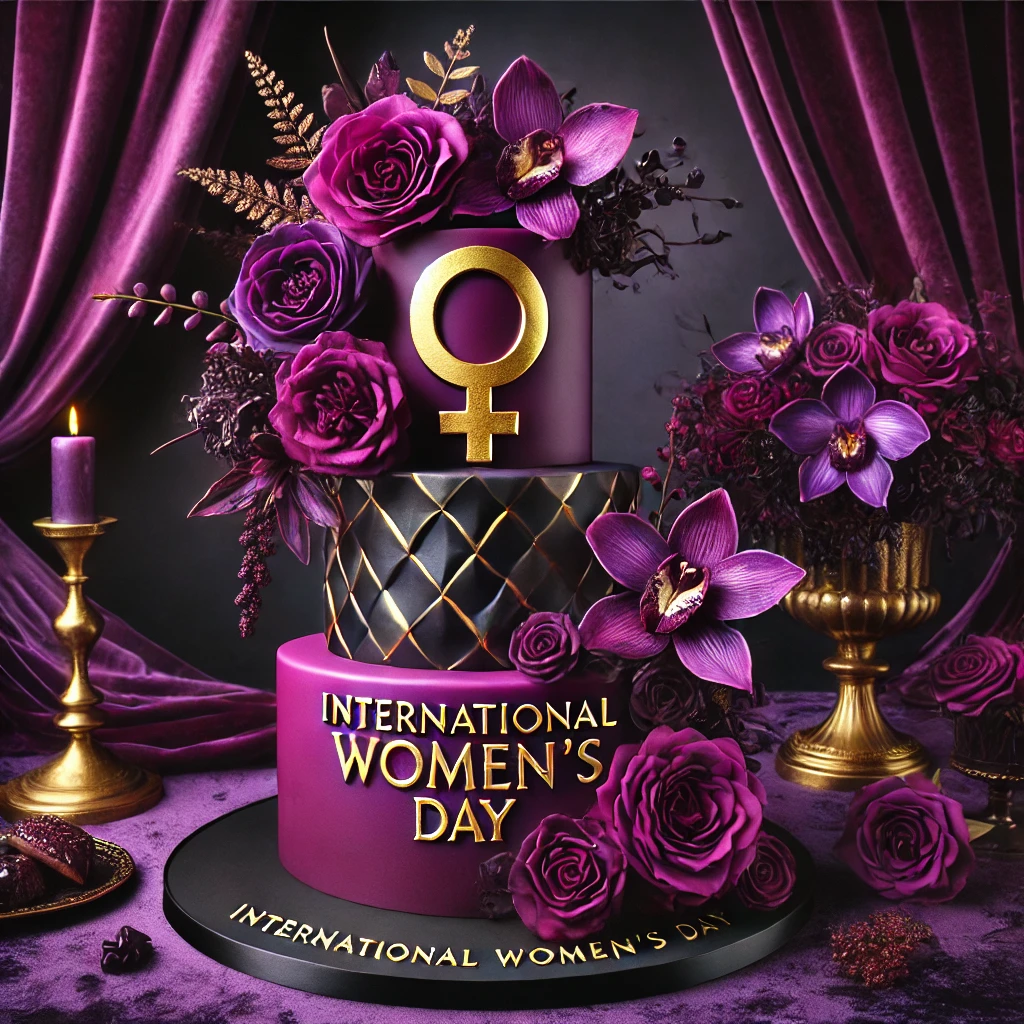
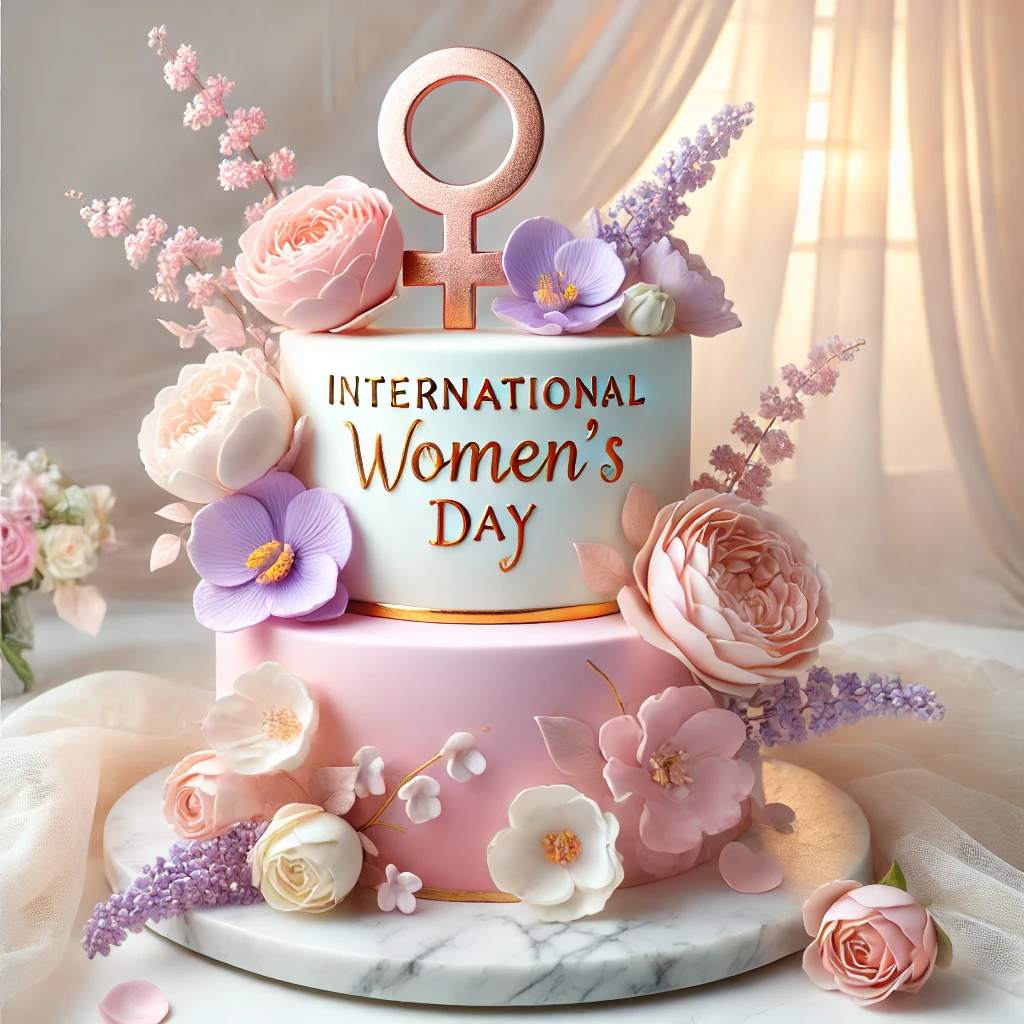
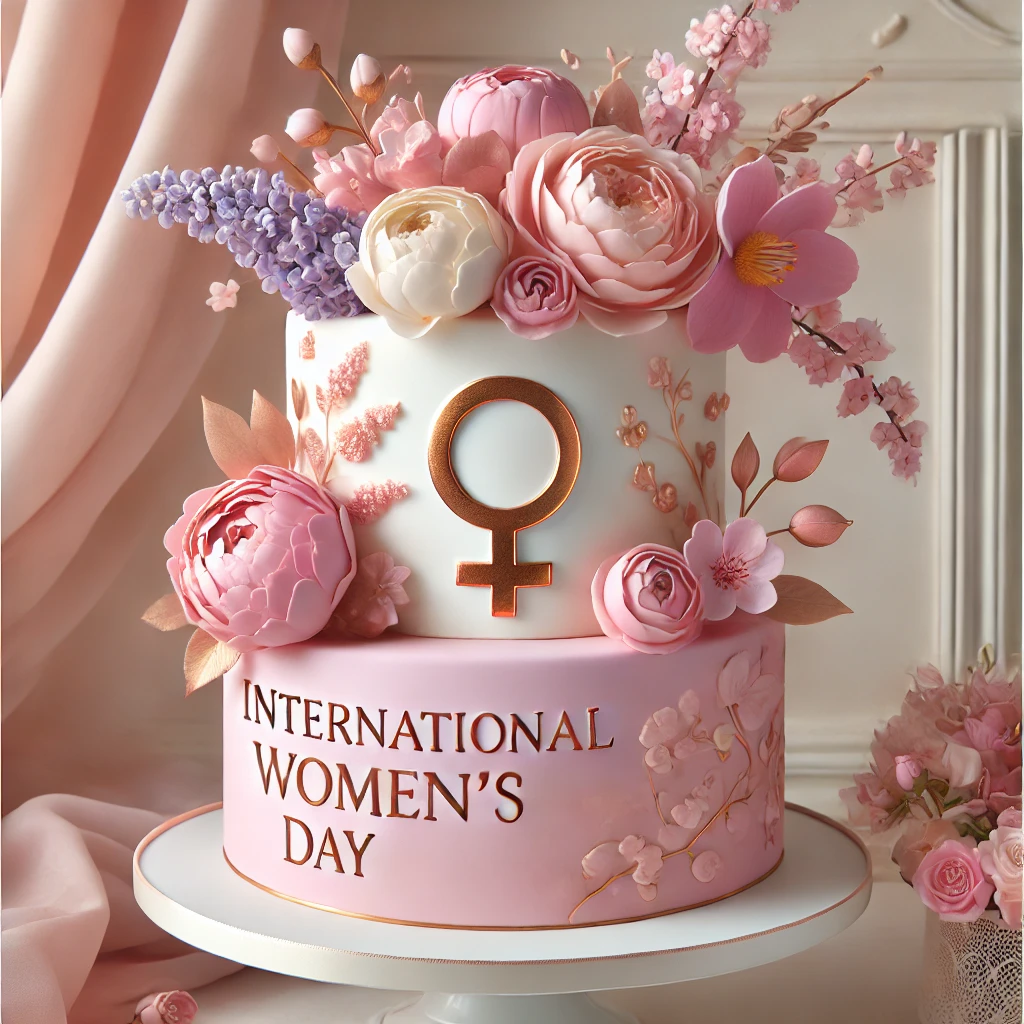
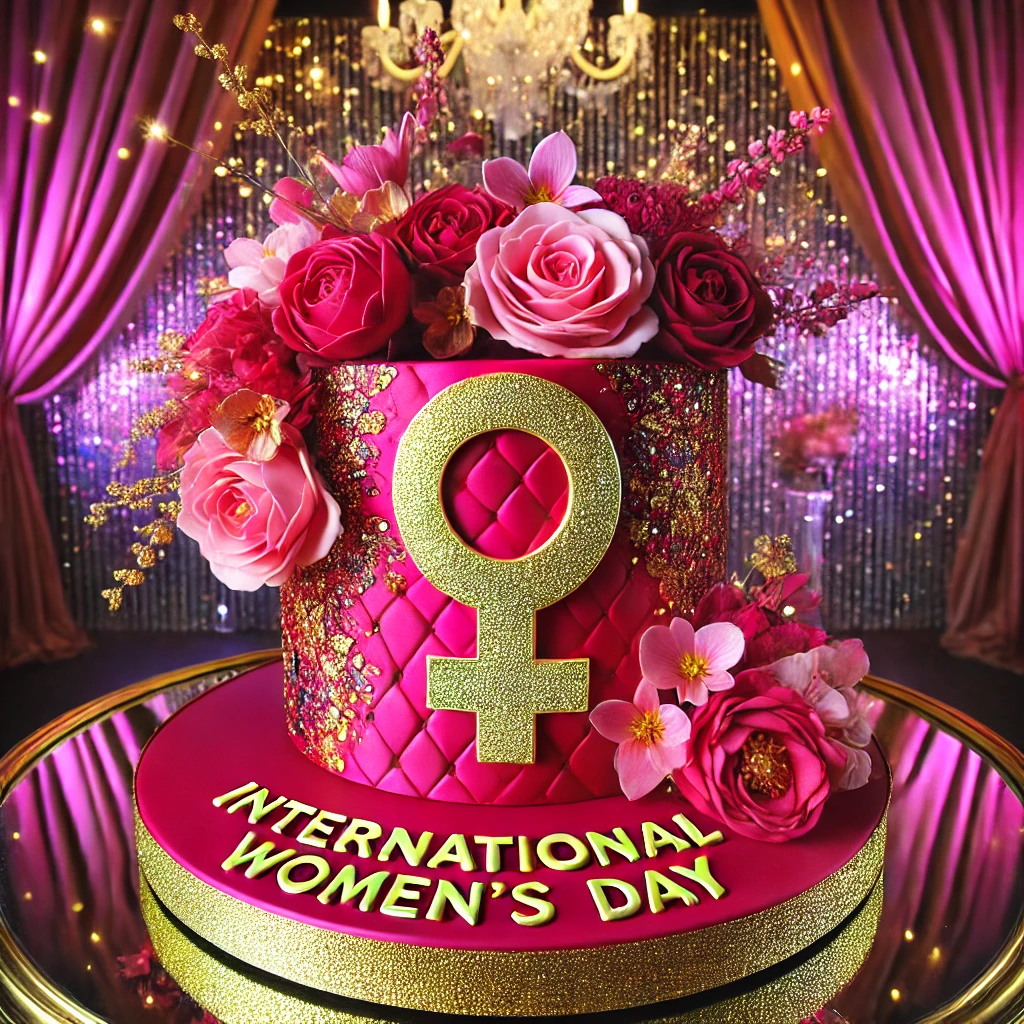
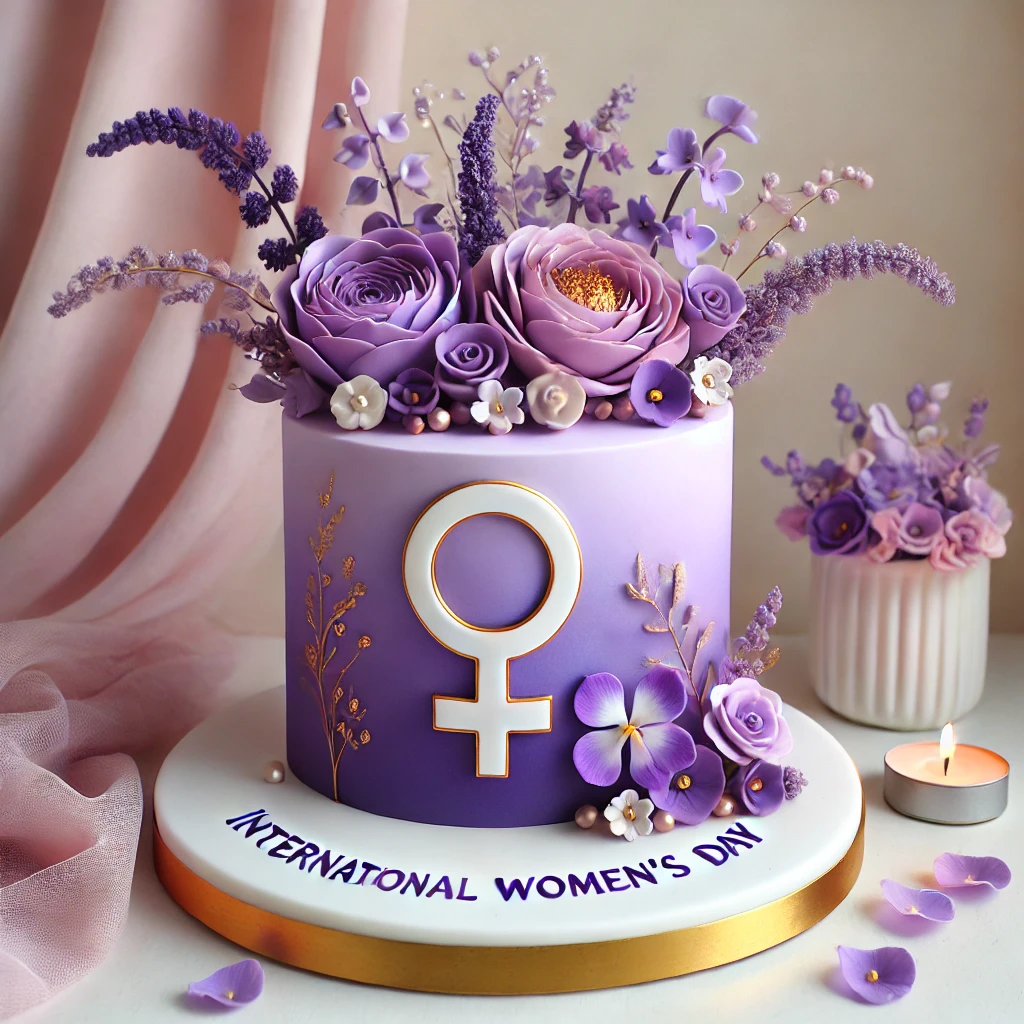
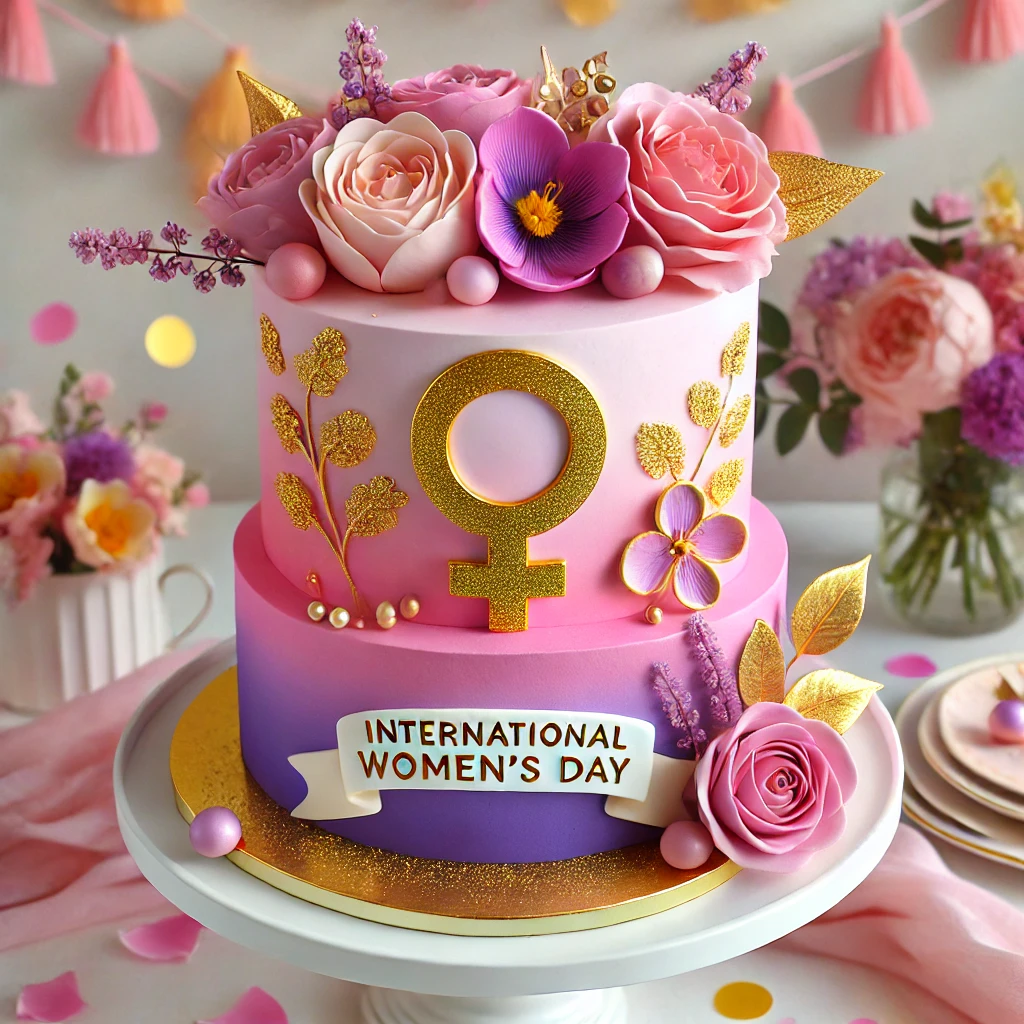
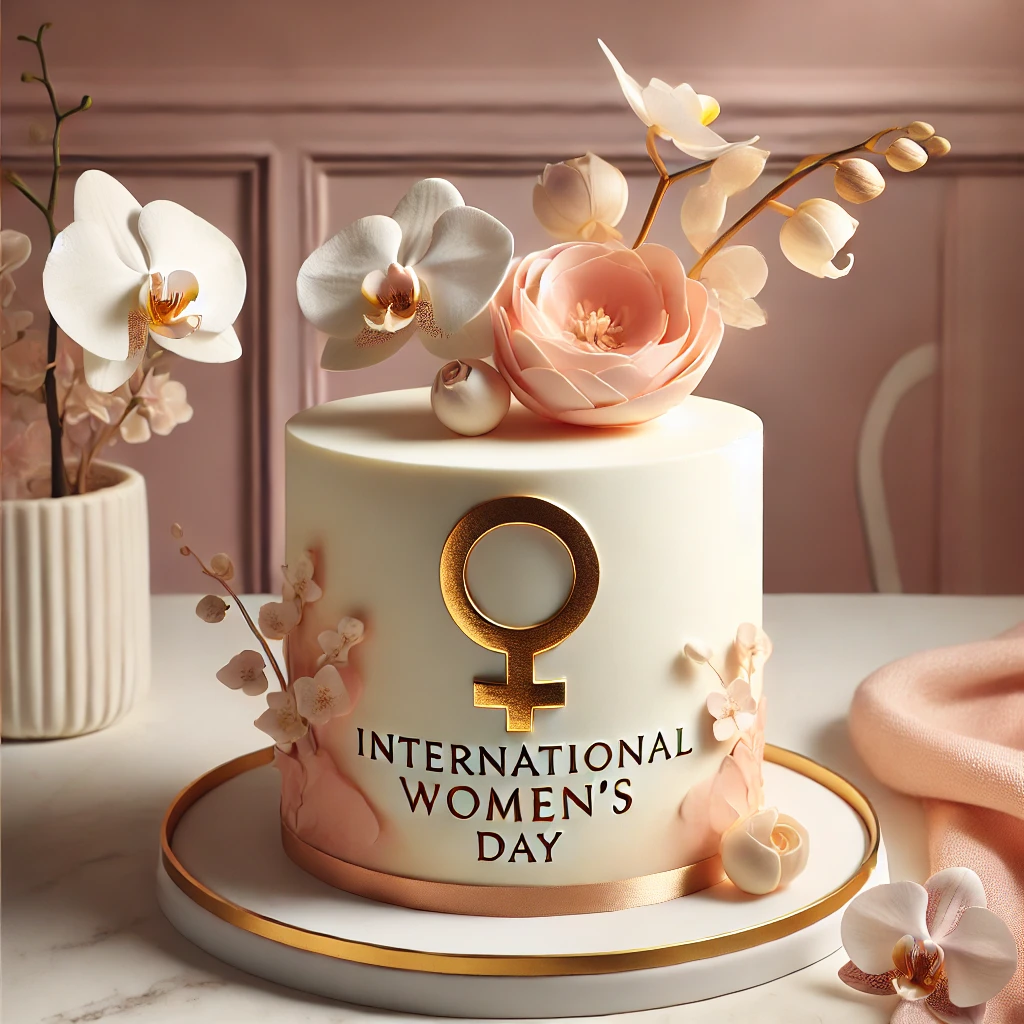
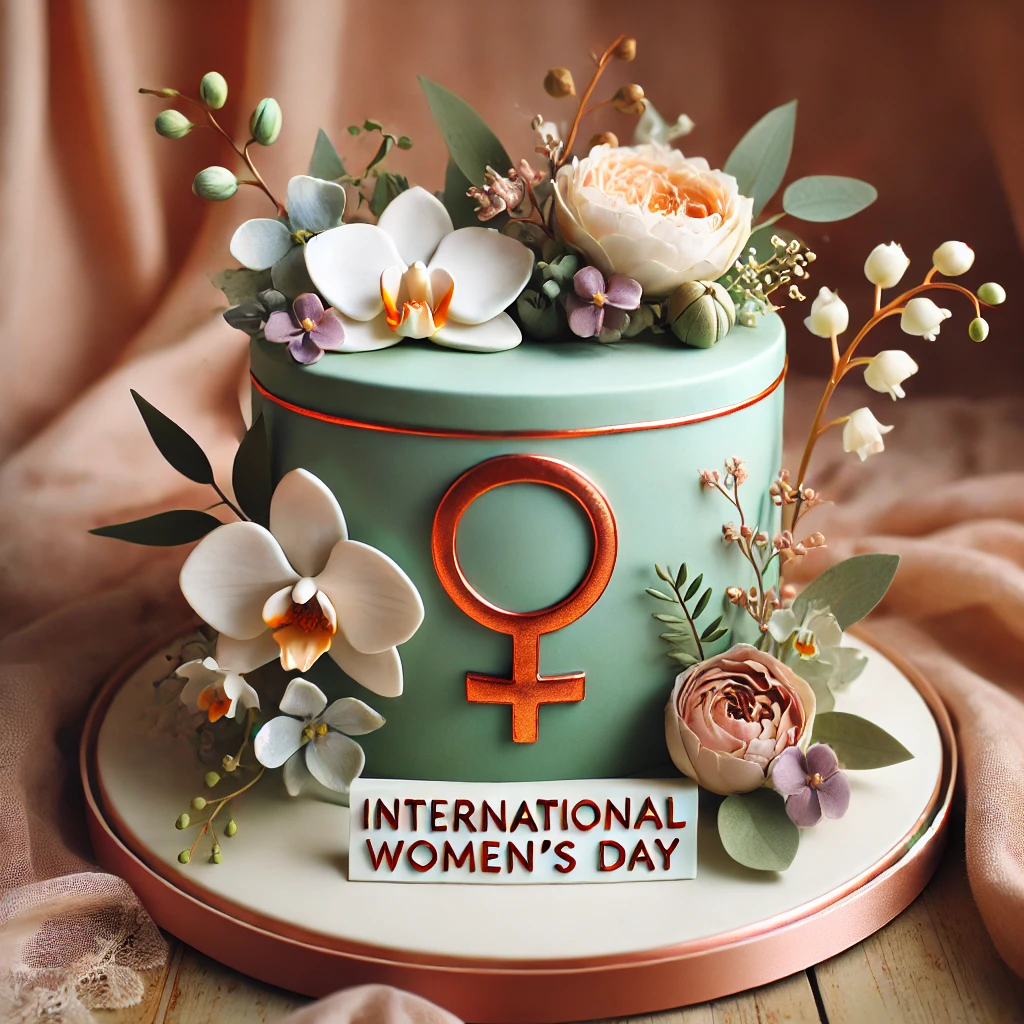
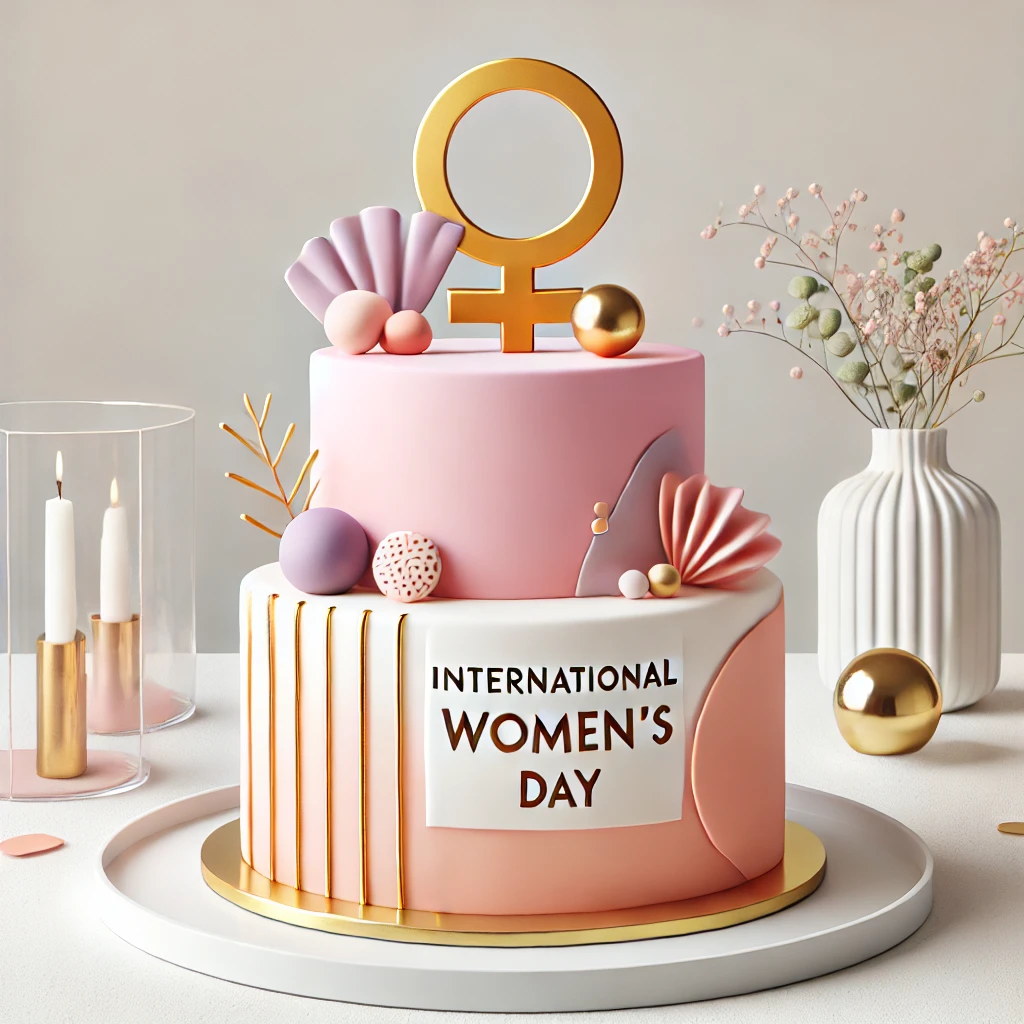
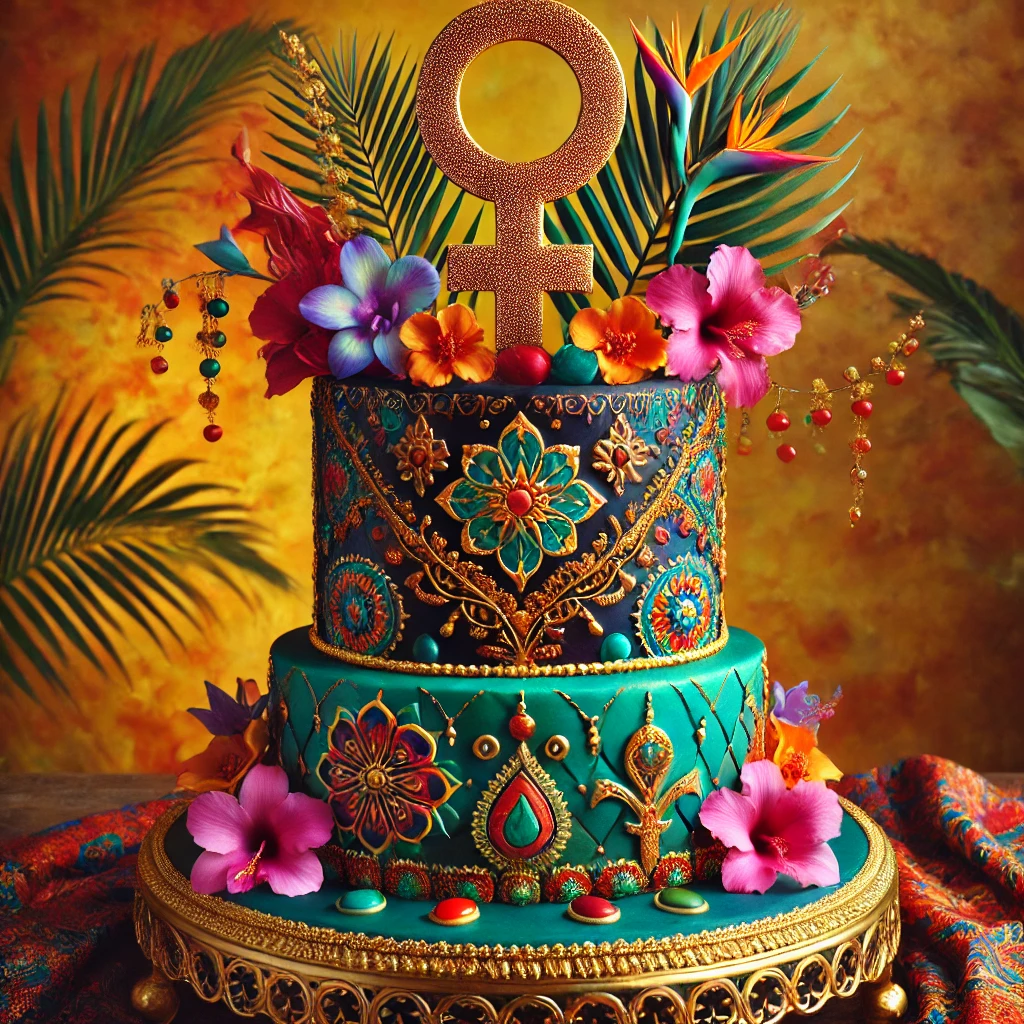
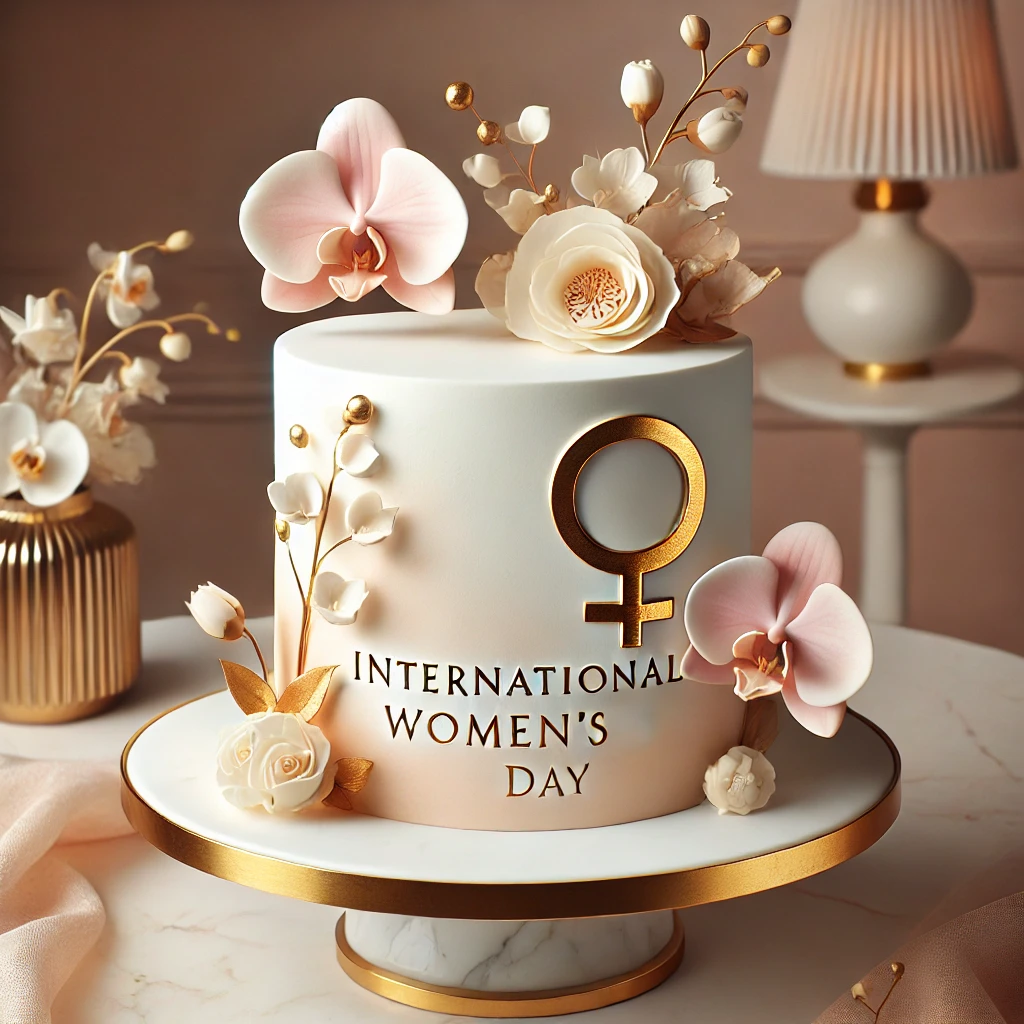
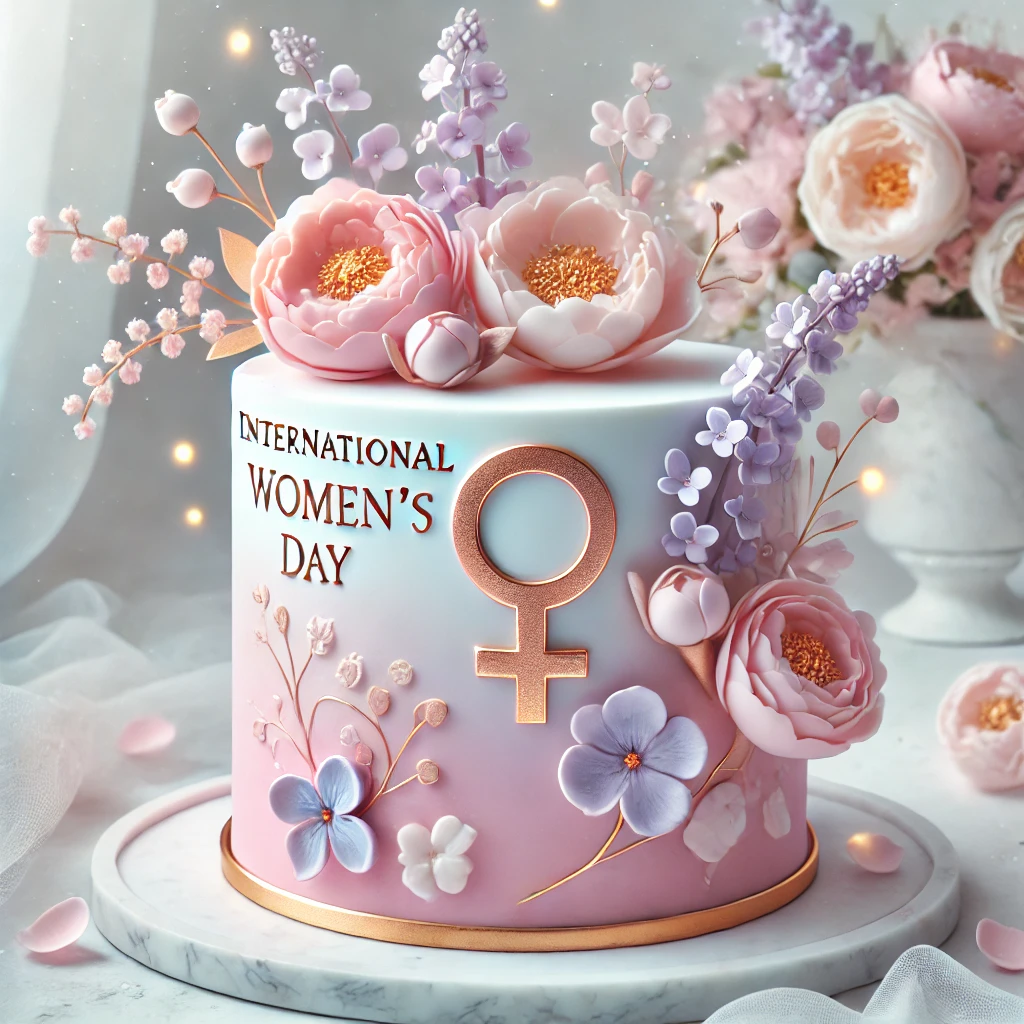
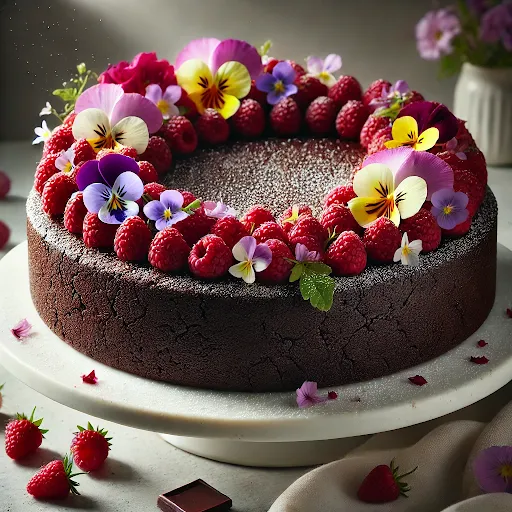
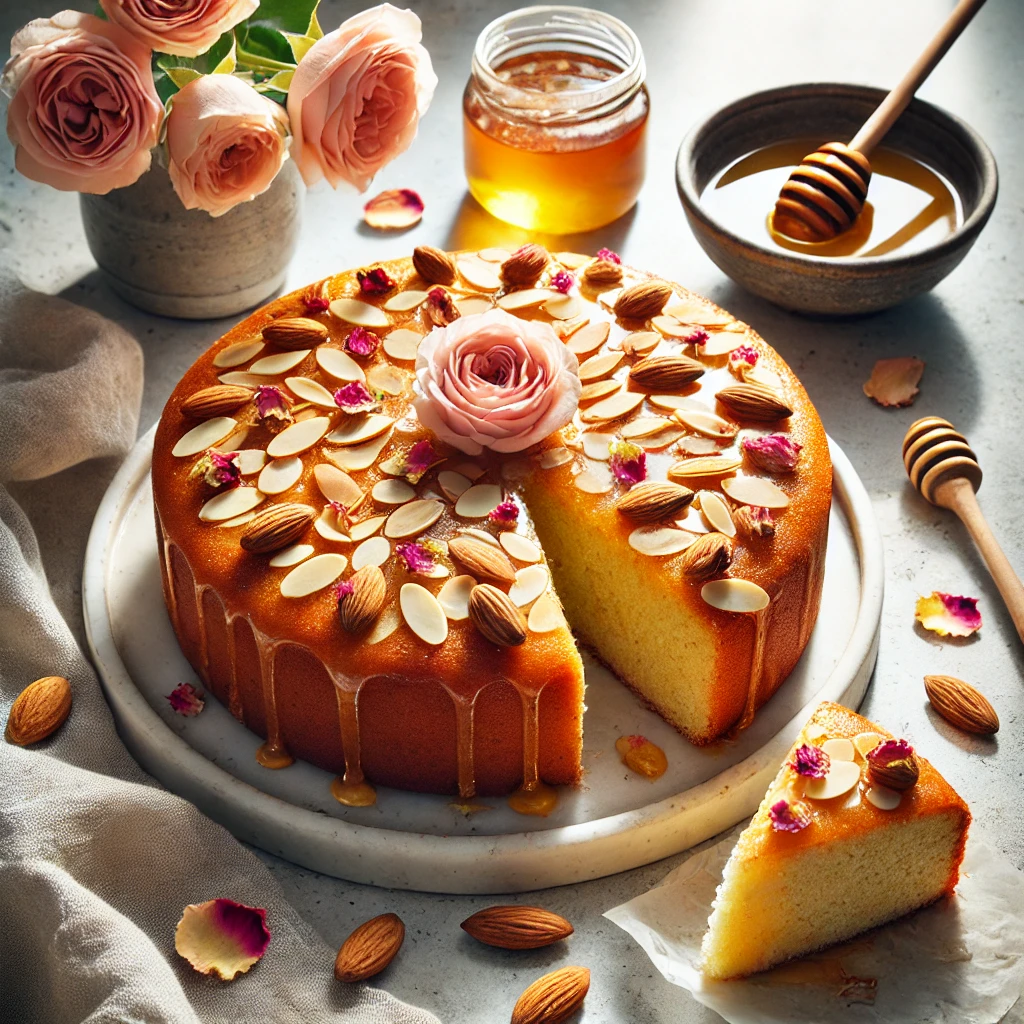
International Women's Day Cake & Atmosphere Ideas

Where style, memory, and celebration meet.

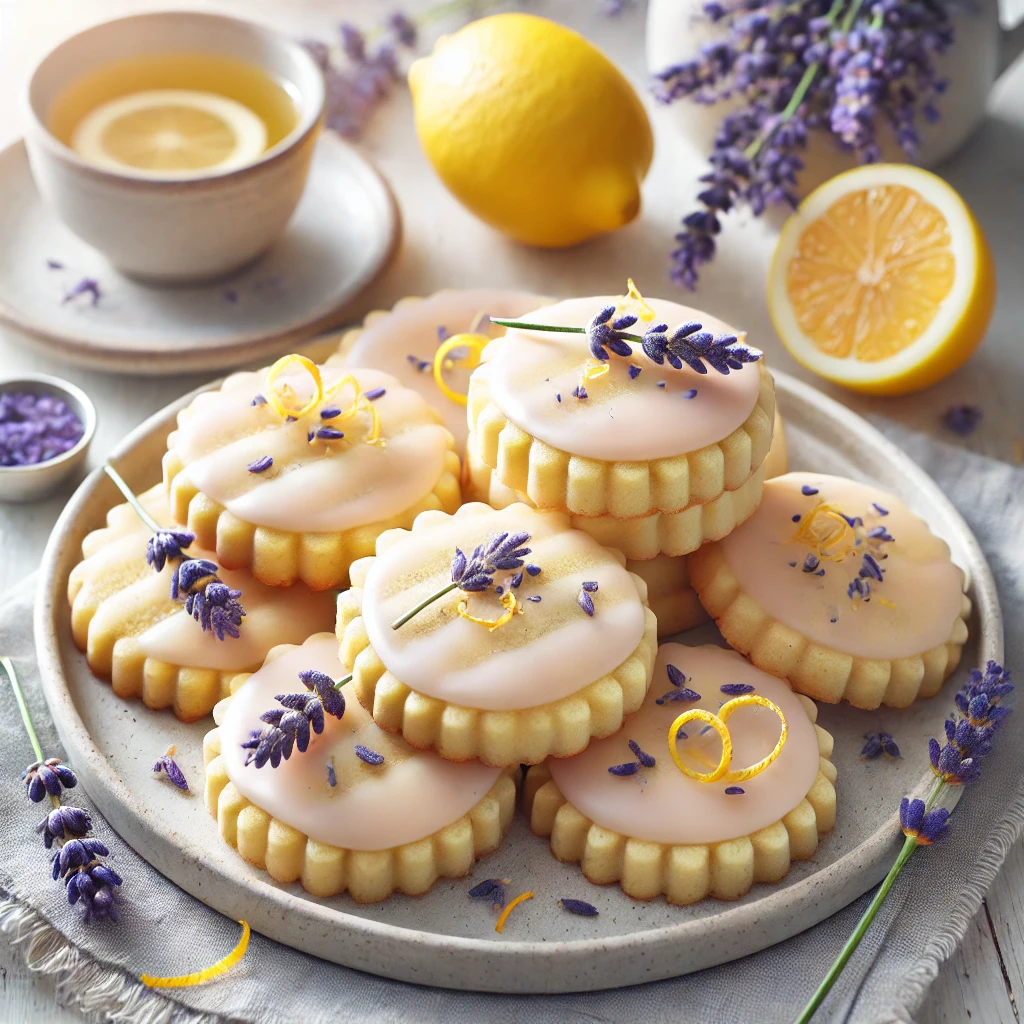
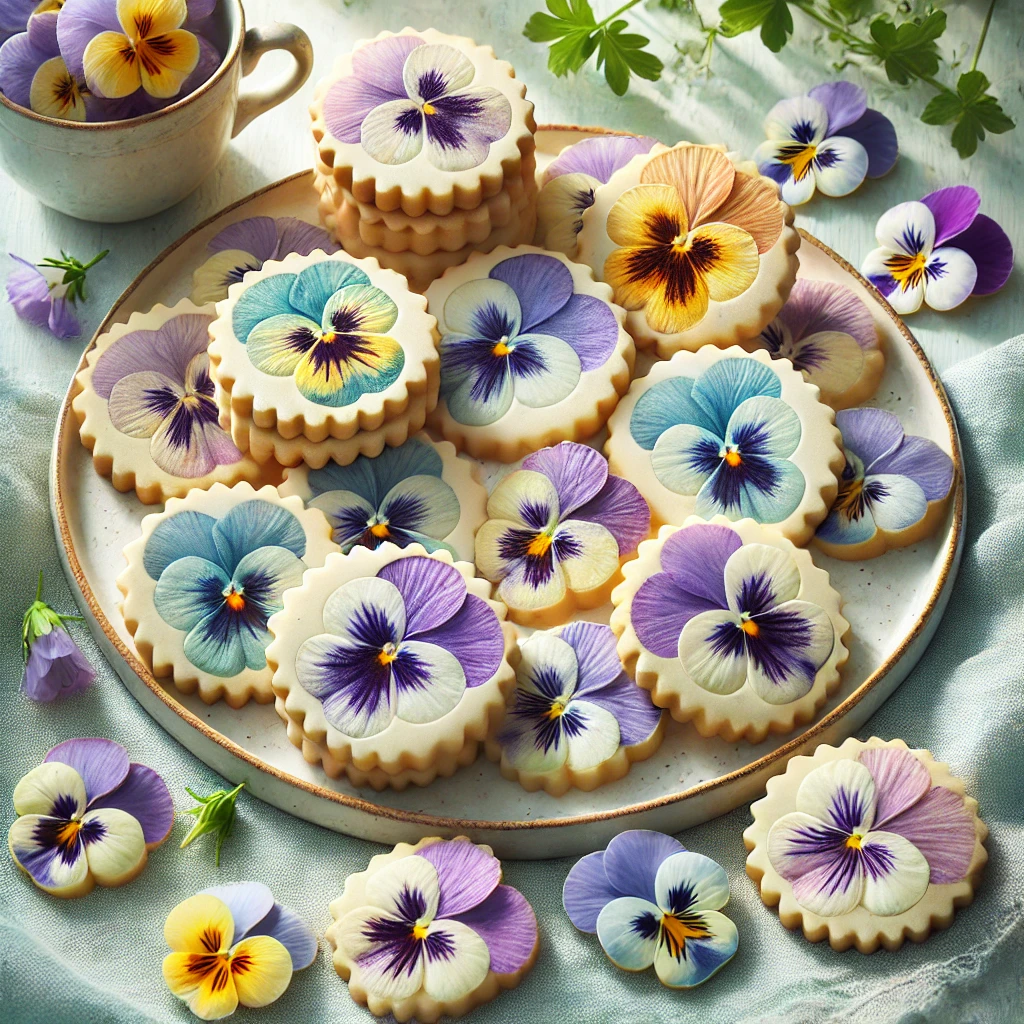
This section is meant to be more than Cake Decorating Ideas… it’s designed to spark inspiration and creativity, awaken tradition, and infuse your special occasions with style, identity, and atmosphere. A color palette becomes a theme. A design becomes a mood. Simple details—like sugared holly leaves or shimmering stars—can set the tone for a gathering and become part of cherished traditions and lasting memories melded with personal touch and love.

Traditional International Women's Day Dishes

  • ItalyTorta Mimosa (Mimosa Cake)
    A light sponge cake layered with cream and dusted with yellow crumbs to resemble mimosa flowers, the national symbol of the day. It represents warmth, strength, and femininity.
  • Russia & Ukraine – Elegant home-cooked meals
    Families traditionally prepare celebratory dishes such as salads, fish, pastries, and chocolates, often accompanied by flowers and sweets gifted to women.
  • Germany – Cakes, pastries, and coffee gatherings
    The day is marked by cafés, community events, and shared desserts rather than one specific dish.
  • China – Light celebratory meals and desserts
    Women may gather for lunches or teas; sweets and symbolic foods are common, especially where the day is treated as a partial holiday for women.
  • Spain & France – Pastries and shared meals
    Chocolates, baked goods, and convivial meals accompany cultural or social gatherings.
  • United States – Brunches, luncheons, and cakes
    Celebrations often include brunch-style foods, desserts, and themed meals at events honoring women’s achievements.

Winter Recipes