


























Juneteenth

with ORO VALENTIO

June 19th

The Emancipation Proclamation, issued by Abraham Lincoln on January 1, 1863, was a defining moment in American history that transformed the purpose of the Civil War. It declared that all enslaved people in the Confederate states were to be set free, shifting the war from a fight solely to preserve the Union into a moral and political stand against slavery. While it did not immediately free every enslaved person, it laid the foundation for lasting change, opening the door for African Americans to join the Union Army and paving the way for the eventual abolition of slavery through the 13th Amendment. More than a document, it was a turning point that aligned the nation more closely with the principles of freedom and human dignity.
Juneteenth stands as a powerful moment in American history—a day where truth arrived, where freedom was not newly created, but finally delivered. It marks June 19, 1865, when the last enslaved African Americans in Galveston, Texas, were informed of their freedom, more than two years after the Emancipation Proclamation had been issued.
This day carries a unique weight. It is not only about the end of slavery—it is about the perseverance of the human spirit through delay, injustice, and silence. It reminds us that freedom, though declared, must also be realized. And sometimes, realization comes later than it should—but when it arrives, it reshapes everything.
At its core, Juneteenth is a celebration of strength under pressure, hope through uncertainty, and dignity that could never be stripped away.
It invites reflection:
On the resilience of those who endured unimaginable hardship, on the importance of truth being spoken and heard, on the responsibility each generation carries to build forward from what was fought for.
There is a quiet but powerful message within this day:
Freedom is not just a moment—it is a continual practice of living with integrity, awareness, and purpose.
Juneteenth is often honored with gatherings, meals, music, and storytelling—acts that themselves symbolize life, culture, and connection. These are not just celebrations; they are affirmations. They say: We remember. We honor. We continue.
And in that continuation, Juneteenth becomes more than a historical marker—it becomes a living expression of progress.
A day to stand in gratitude.
A day to recognize strength.
A day to move forward—with clarity, with respect, and with purpose.

Where justice arrived, and freedom became real

We celebrate Juneteenth rather than just the Emancipation Proclamation because Juneteenth marks the moment when freedom was actually experienced by the last enslaved people, not just declared on paper. While Abraham Lincoln issued the proclamation in 1863, it only applied to Confederate states and depended on Union victory to be enforced. In many places—especially remote areas like Texas—enslaved people remained in bondage long after the proclamation was signed, simply because the news and authority had not yet reached them.
Juneteenth, June 19, 1865, represents something deeply human and tangible: the day when Union troops arrived in Galveston, Texas, and announced that those who had been enslaved were free. It is the moment when the idea of freedom became reality for those who had waited, endured, and hoped—often without knowing that freedom had already been declared.
In that sense, the Emancipation Proclamation is honored as a critical turning point, but Juneteenth is celebrated as a lived breakthrough. One is the beginning of change; the other is the arrival of it. Juneteenth carries the emotional weight of delayed justice finally delivered, and it honors not only a legal shift, but the resilience of people who held onto dignity even when freedom was withheld.
So we celebrate Juneteenth because it reminds us that freedom must not only be declared—it must reach people, be realized, and be lived.

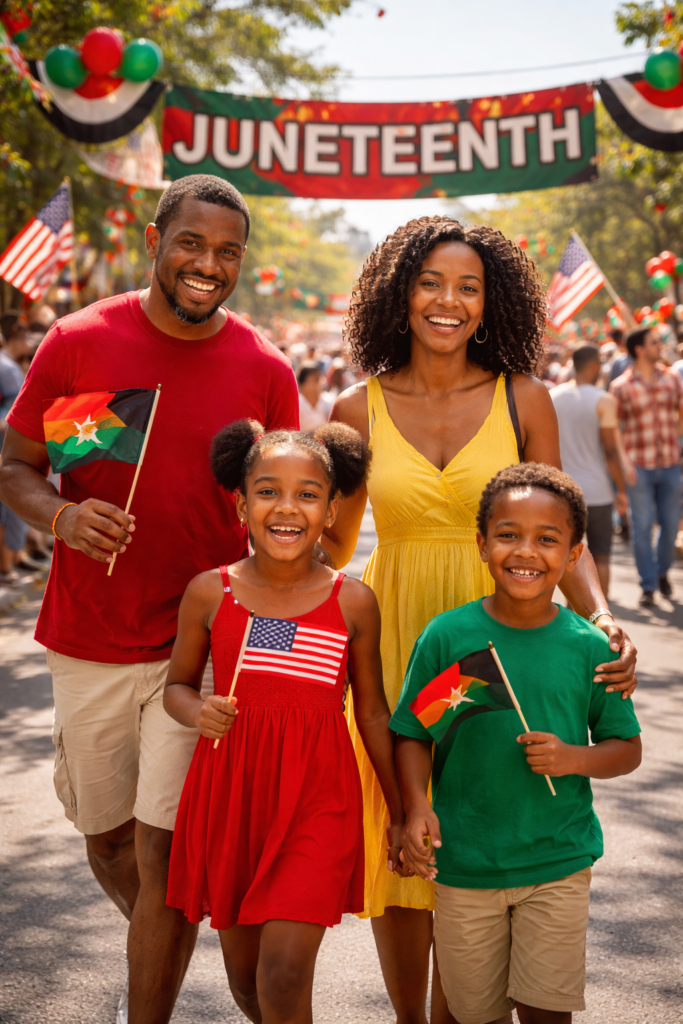
People attend Juneteenth parades for more than just the celebration—they go to be part of something meaningful, something shared, and something rooted in history and identity. These parades offer a space where individuals and families can come together in unity, honoring the journey from oppression to freedom while celebrating the strength and culture that endured through it. For many, it is a way to connect with community, to stand alongside others in remembrance and pride, and to experience history not as something distant, but as something alive and present. Parades also provide an opportunity to pass down traditions, allowing younger generations to see, feel, and understand the significance of Juneteenth in a way that is both engaging and memorable. There is joy in the music, the movement, and the gathering—but beneath it all is a deeper purpose: to remember, to honor, and to continue forward together.

Juneteenth Traditions to Make Your Own

Community Gatherings and Celebrations
Families and communities come together for festivals, parades, and reunions. These gatherings create a strong sense of unity, bringing people together to honor history while celebrating life and progress.
Shared Meals and Cookouts
Food plays a central role in Juneteenth. Barbecues, picnics, and family meals are common, often featuring traditional and comforting dishes that emphasize togetherness and cultural heritage.
Red Foods and Drinks
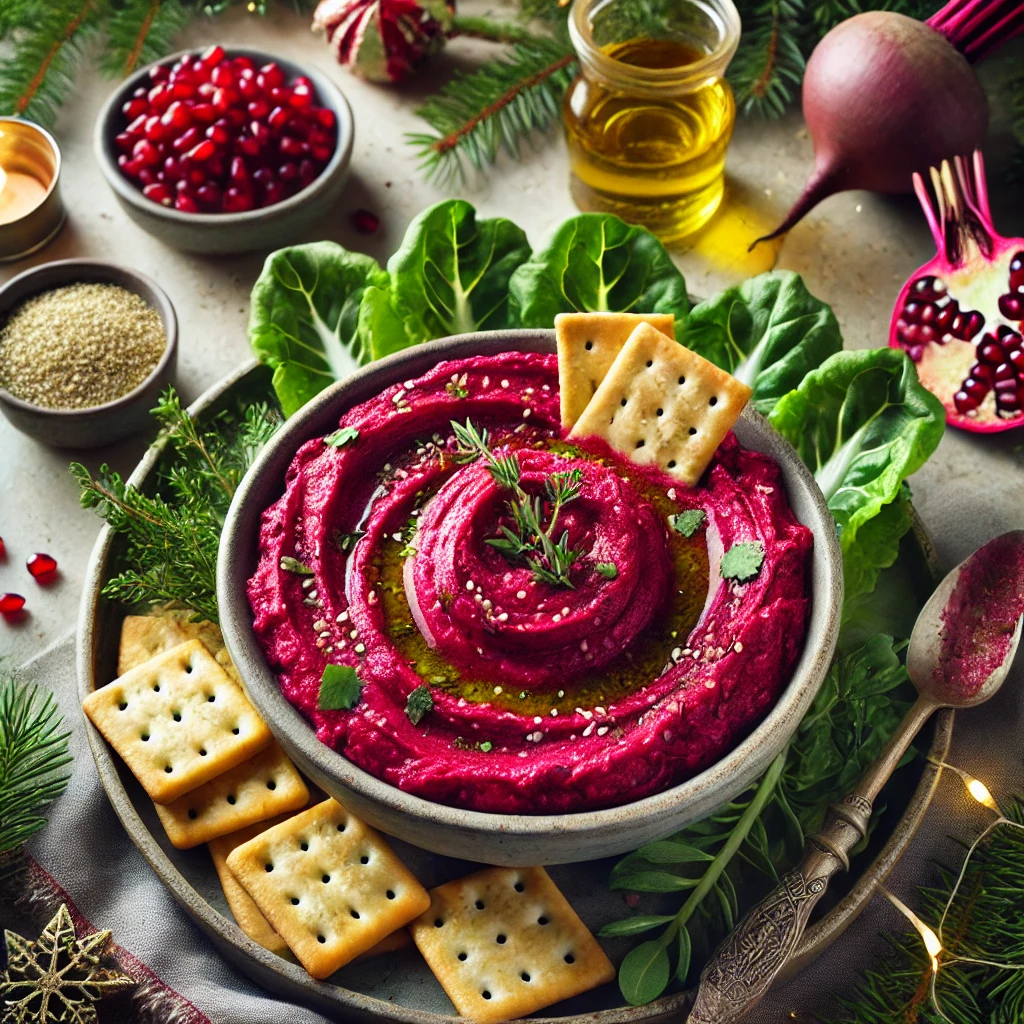
A meaningful tradition is the inclusion of red-colored foods and beverages, such as red velvet cake, watermelon, strawberries, and hibiscus drinks. The color red symbolizes resilience, strength, and the sacrifices made by those who endured slavery.
Music, Dance, and Cultural Expression
Music and movement are essential parts of the celebration. Gospel, jazz, blues, and other forms of cultural expression honor African American heritage and reflect joy, identity, and freedom.
Storytelling and Education
Juneteenth is also a time for learning and reflection. Historical readings, personal stories, and educational discussions help pass down the meaning of the day to future generations.
Faith and Reflection
Many observe the day with prayer services or quiet reflection, giving thanks for freedom, honoring those who came before, and seeking continued growth and unity.
Supporting Black-Owned Businesses
A growing tradition is the intentional support of Black-owned businesses, reinforcing economic empowerment and honoring the ongoing journey toward opportunity and equity.
The tradition of eating red foods on Juneteenth carries deep cultural and symbolic meaning. The color red represents resilience, strength, and the sacrifices of those who endured the injustice of slavery, honoring both the suffering and the perseverance that led to freedom. It also reflects cultural roots connected to West African traditions, where red-colored foods and drinks—often made from ingredients like hibiscus—were used in celebrations and ceremonies to symbolize life and vitality. On Juneteenth, these foods are more than a visual theme; they serve as a powerful way of remembering, honoring, and connecting across generations. Each dish becomes a quiet tribute, acknowledging the past while celebrating the endurance, culture, and progress that continue to shape the present.

A Prayer for Juneteenth

This prayer for Juneteenth is a reflection of gratitude, remembrance, and forward purpose. It acknowledges the pain and endurance of those who lived through the injustice of slavery while honoring their strength, faith, and unwavering hope in freedom. At the same time, it lifts the heart toward unity, justice, and responsibility, reminding us that freedom is not only something to celebrate, but something to protect and live out daily. The prayer calls for wisdom to choose what is right, courage to stand firm in truth, and compassion to serve others with dignity. It bridges the past and the present, giving thanks for how far we have come while asking for guidance in building a future where freedom, equality, and human worth are fully realized for all.

Heavenly Father,
We come before You with grateful hearts, remembering this day of freedom and the journey that brought it to life. We thank You for the strength, endurance, and faith of those who lived through hardship, yet never lost hope in the promise of freedom.
Lord, we honor the lives of those who suffered under injustice, and we lift up their legacy as a testament to courage, dignity, and perseverance. Let their story remain alive within us—not only as memory, but as purpose.
Grant us wisdom to walk in truth,
Strength to stand for what is right,
And humility to serve one another with love.
Help us to build a future where freedom is not delayed, where justice is not partial, and where every person is treated with the dignity You have given them.
May this day remind us that freedom is both a gift and a responsibility. Guide our hearts to protect it, to live it, and to extend it to others.
We thank You for how far we have come,
And we trust You for the work still ahead.
In Your name we pray,
Amen.

Traditional Juneteenth Dishes

Barbecue (Ribs, Chicken, Brisket)
Barbecue is a centerpiece of many Juneteenth gatherings. Slow-cooked and full of flavor, it represents community, outdoor celebration, and the coming together of family and friends.
Fried Chicken
A classic and beloved dish, fried chicken is often served at large gatherings. It reflects comfort, tradition, and the importance of shared meals.
Collard Greens
Cooked low and slow, collard greens symbolize growth, resilience, and prosperity. They are a staple side dish with deep roots in Southern and African American cooking.
Black-Eyed Peas
Often associated with luck and prosperity, black-eyed peas are commonly served as a meaningful addition to the meal.
Cornbread
Cornbread is a traditional side that complements many dishes. It represents resourcefulness and historical food traditions passed down through generations.
Macaroni and Cheese
Rich, creamy, and comforting, this dish is a favorite at gatherings and reflects warmth, family, and celebration.
Candied Yams or Sweet Potatoes
Sweet and rich, these dishes symbolize comfort and are often featured as a staple side during celebrations.
Red Velvet Cake
A signature dessert for Juneteenth, representing resilience and remembrance.
Watermelon
A refreshing and traditional fruit often served at gatherings, symbolizing celebration and summertime joy.
Strawberries and Red Fruits
Fresh and vibrant, these add both color and meaning to the table.
Hibiscus Tea or Red Punch
A traditional drink with roots in African culture, symbolizing life, strength, and connection to heritage.

Recipes Engineered for that Summer Glow