



New Year's Day
with ORO VALENTIO
Renewal, Reflection & New Beginnings
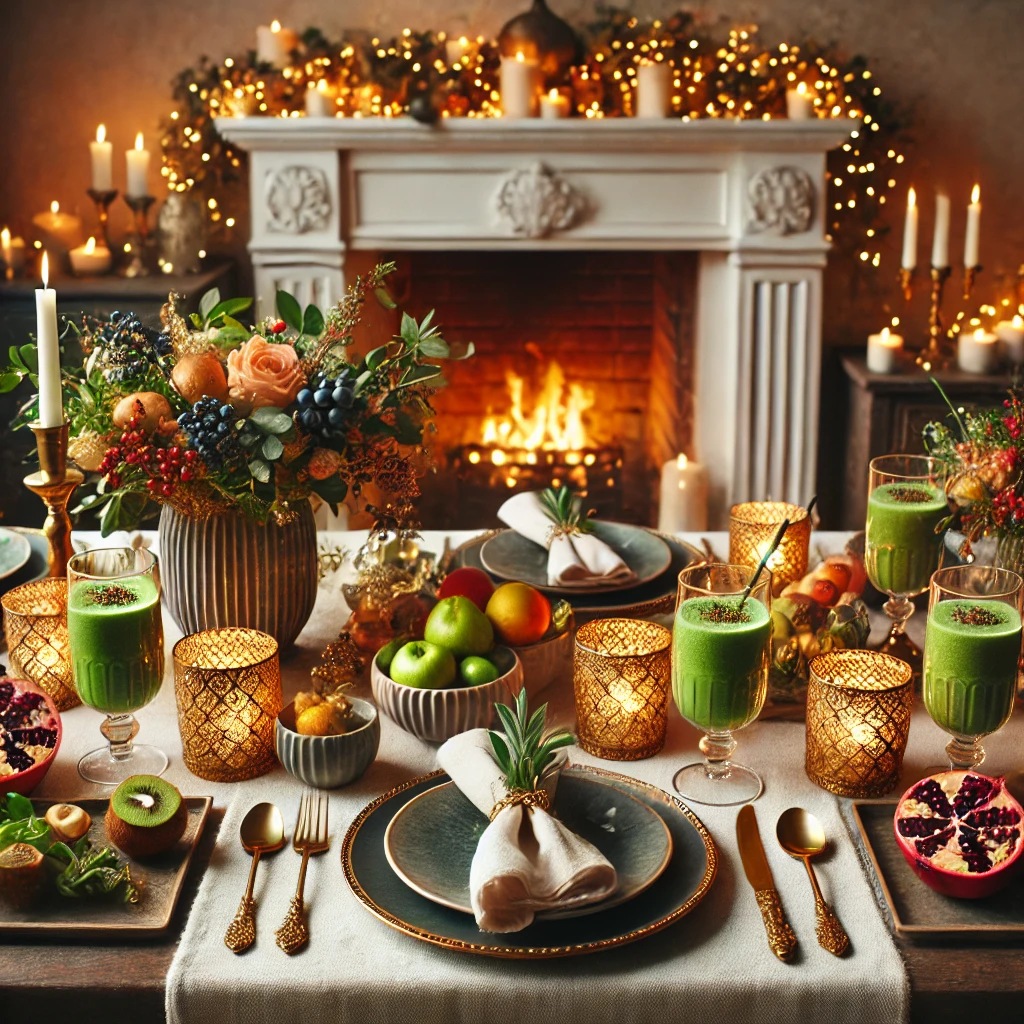
In the United States, New Year’s Day unfolds not as excess, but as intention. After the brilliance of the night before, the first day of the year is traditionally marked by calm rituals rooted in renewal, humility, and hope. Homes grow quieter, tables simpler, and attention turns inward—toward reflection, gratitude, and the deliberate shaping of the year ahead. It is a day less about spectacle and more about alignment: clearing space for what is to come.
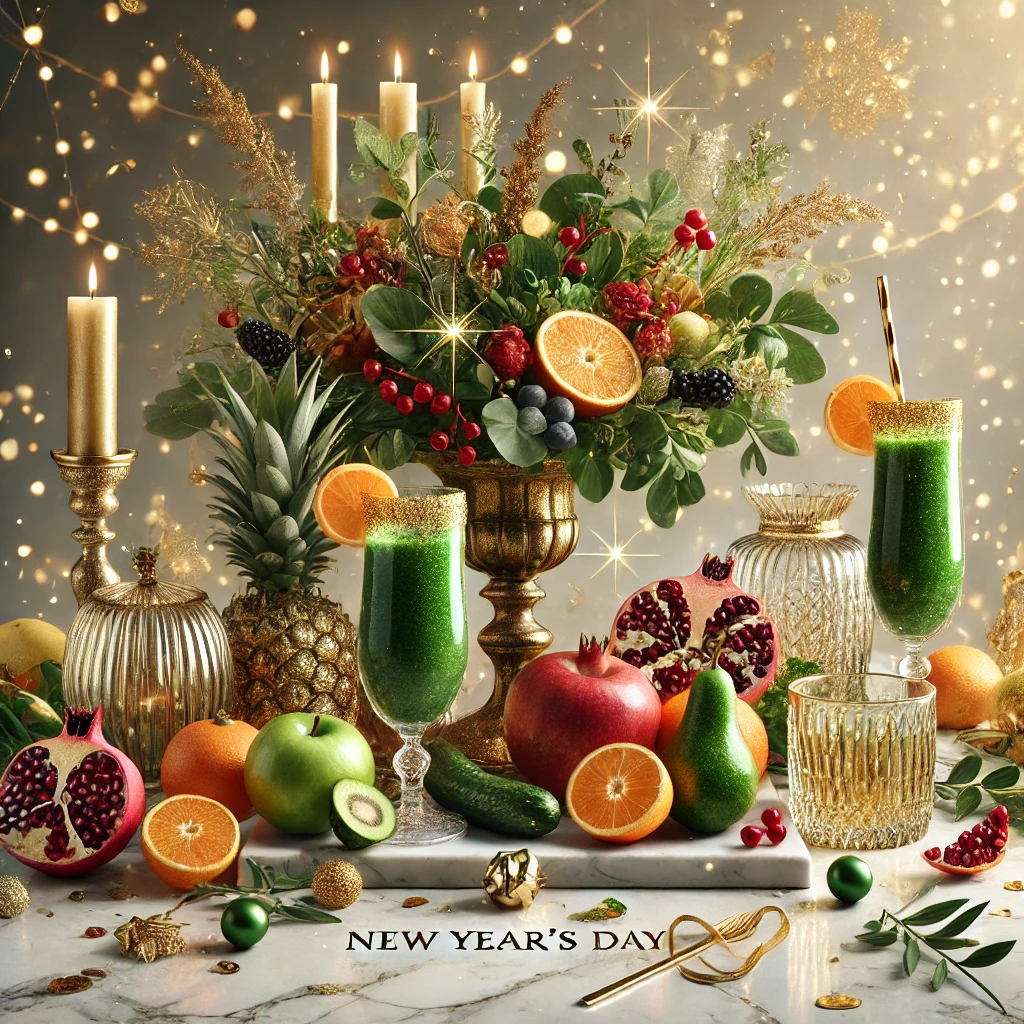
Across much of the country, symbolic foods anchor the day. Black-eyed peas represent prosperity, leafy greens signify wealth and growth, and cornbread—golden and grounding—suggests abundance. These humble dishes, especially cherished in the American South, reflect a national tradition of welcoming fortune through simplicity rather than indulgence.
Begin Clean, Begin Grateful, Begin with Purpose
New Year’s Day is also a time of spiritual grounding. Many Americans attend church services or spend time in private prayer, asking for guidance, protection, and wisdom for the coming year. Others observe the day through quiet personal rituals—writing resolutions, journaling intentions, or taking reflective walks—honoring the belief that how one begins the year sets its tone.
For some, renewal is expressed through bracing acts of vitality. Polar Bear Plunges—cold-water swims held across coastal and lakeside communities—have become a symbolic rite of courage and rebirth, a physical declaration of readiness to meet the year with strength.
Above all, American New Year’s Day traditions share a unifying ethos: begin clean, begin grateful, begin with purpose. It is a pause between what has been and what will be—a moment to reset the household, the heart, and the horizon.
New Year's Day Traditions to Make Your Own
Times Square Ball Drop – The most famous tradition, dating to 1907, where a glowing ball descends at midnight as crowds count down the final seconds of the year.
Midnight Countdown & Fireworks – Cities and towns across the country mark midnight with fireworks, public countdowns, and community celebrations.
Singing “Auld Lang Syne” – A Scottish song about remembrance and friendship, sung at midnight to reflect on the year past.
New Year’s Resolutions – Individuals set personal goals focused on self-improvement, health, discipline, or character.
Champagne Toasts – A celebratory drink at midnight symbolizing joy, success, and fresh beginnings.
New Year’s Eve Parties – Gatherings ranging from formal galas to casual house parties, often with themed décor and music.
Watching the Rose Parade” – A New Year’s Day morning tradition featuring elaborate floral floats, marching bands, and equestrian units.
College Football Bowl Games – Especially prominent on New Year’s Day, including major bowl games tied to the postseason championships.
Polar Bear Plunges – Brave participants dive into icy lakes or oceans on New Year’s Day to symbolize renewal and resilience.
Eating “Lucky” Foods – In some regions, foods like black-eyed peas, collard greens, pork, or cornbread are eaten to symbolize prosperity and good fortune.
Family & Quiet Reflection – Many Americans spend the day resting, watching football, journaling, or reflecting on goals rather than celebrating loudly.
Church Services & Prayer – Some Christian communities attend services on New Year’s Day to give thanks and entrust the coming year to God.
May Wisdom Guide Your Steps
*Both Christmas Eve and New Year’s Eve developed as threshold nights—moments when humanity pauses at the edge of time itself. Long before modern calendars or celebrations, people understood that what happens before a beginning matters as much as the beginning itself. In ancient and medieval thought, transitions were not instantaneous; they unfolded through vigil, waiting, and reckoning. That is why both nights are marked by watchfulness, quiet, reflection, candlelight, and a sense that something is about to change. Christmas Eve represents a cosmic beginning: the Incarnation entering history. It is the night of waiting, vulnerability, and quiet arrival—when the world does not yet know what has come into it. New Year’s Eve represents a temporal beginning: the turning of measured time, the closing of accounts, and the readiness to step forward. Both nights ask the same human question: What must be laid down before something new can be received? Historically, this overlap is intensified by the ancient understanding that days begin at sunset, not at midnight. In that worldview, the “eve” is not a prelude—it is the beginning. Christmas does not start on the morning of December 25; it begins in the darkness of December 24. Likewise, the new year does not emerge out of noise and spectacle, but out of the final reckoning of the old. What differs is what is being born: Christmas Eve marks the birth of meaning entering time while New Year’s Eve marks the renewal of time itself. Because both deal with beginnings that are unseen, both rely on vigil rather than celebration, silence rather than certainty, light rather than explanation. Over centuries, as cultural memory faded and celebration overtook reflection, the two nights began to feel interchangeable. But historically, they were never confused—they were parallel. In essence, both nights teach that beginnings are received in stillness, not announced in triumph. That’s why they feel alike. They are two faces of the same human instinct—to wait with intention at the edge of what is about to be born.
May this first day be ordered with clarity and peace.
May what is set down remain behind,
and what is taken up be carried with intention.
As the year opens quietly before you,
may wisdom guide your steps,
and may the days ahead be shaped by purpose,
gratitude, and resolve.
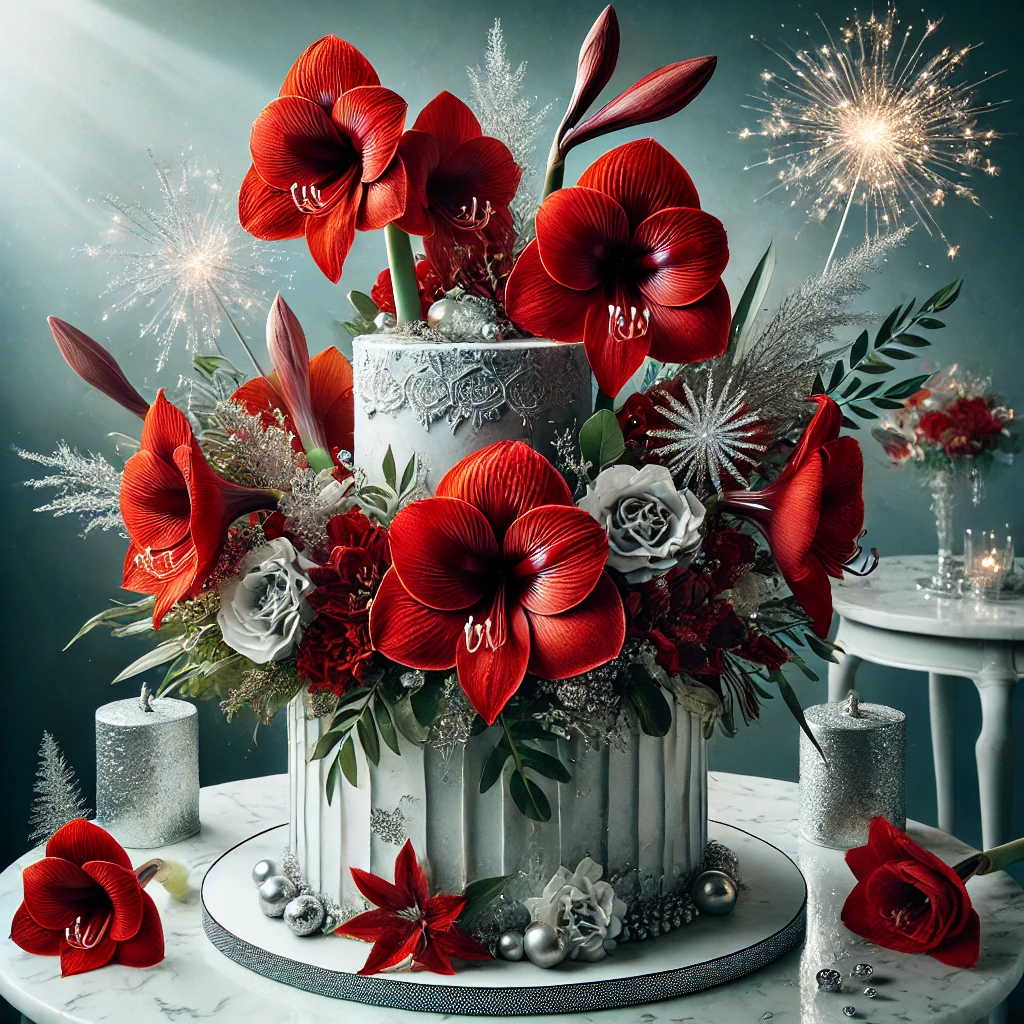
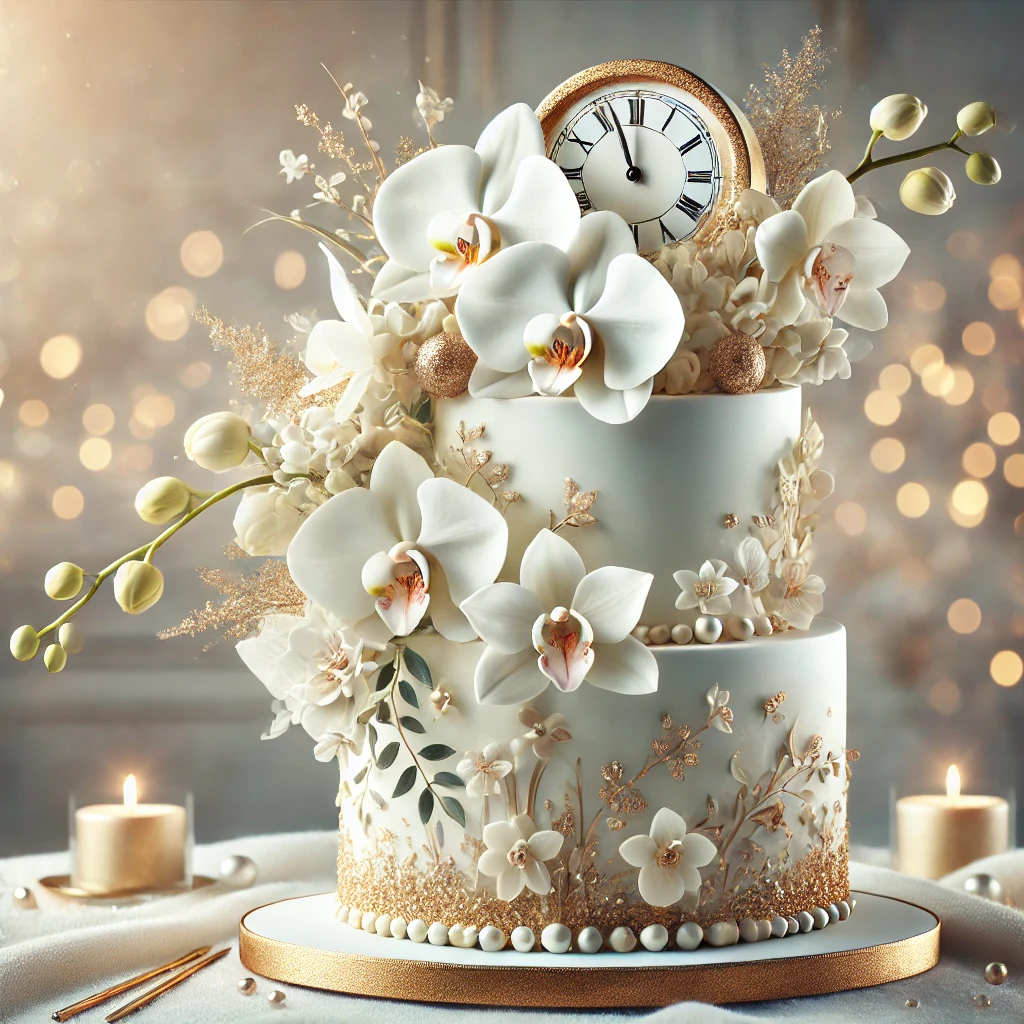
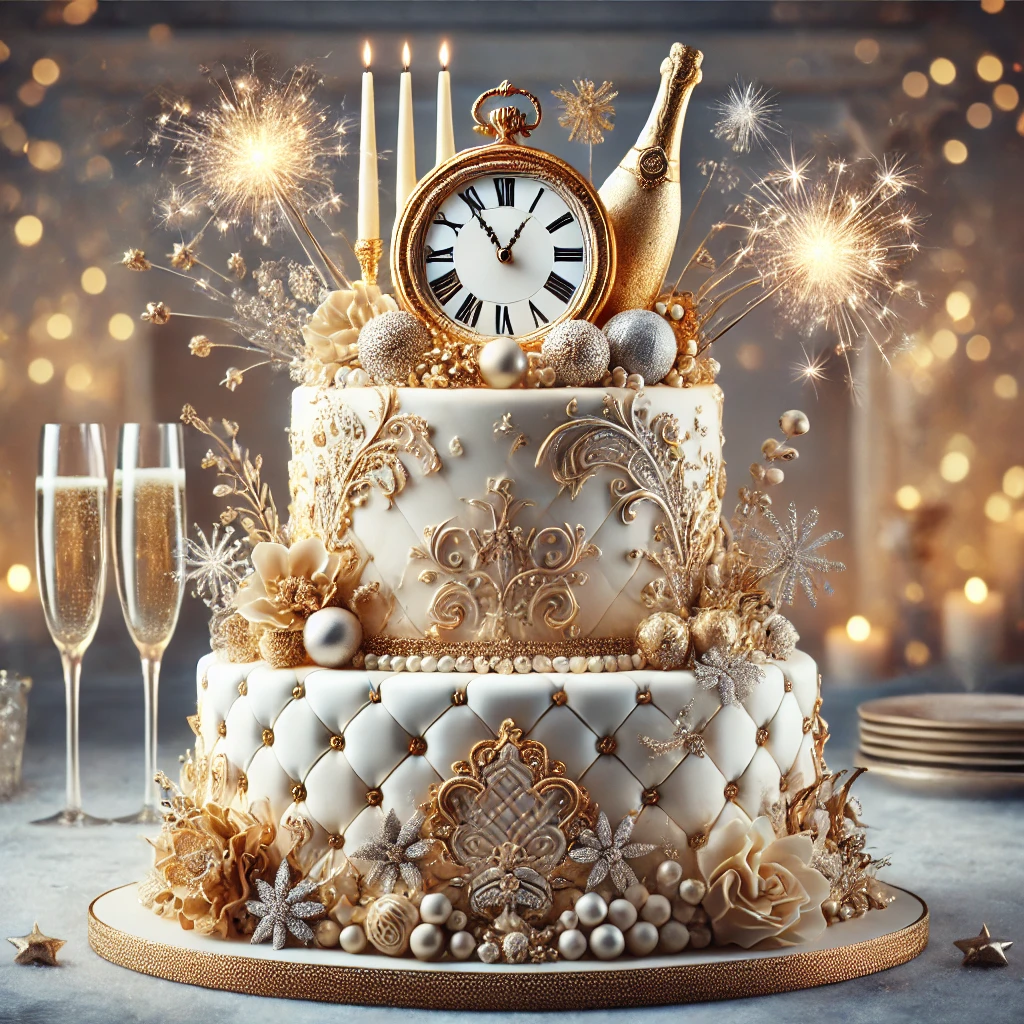
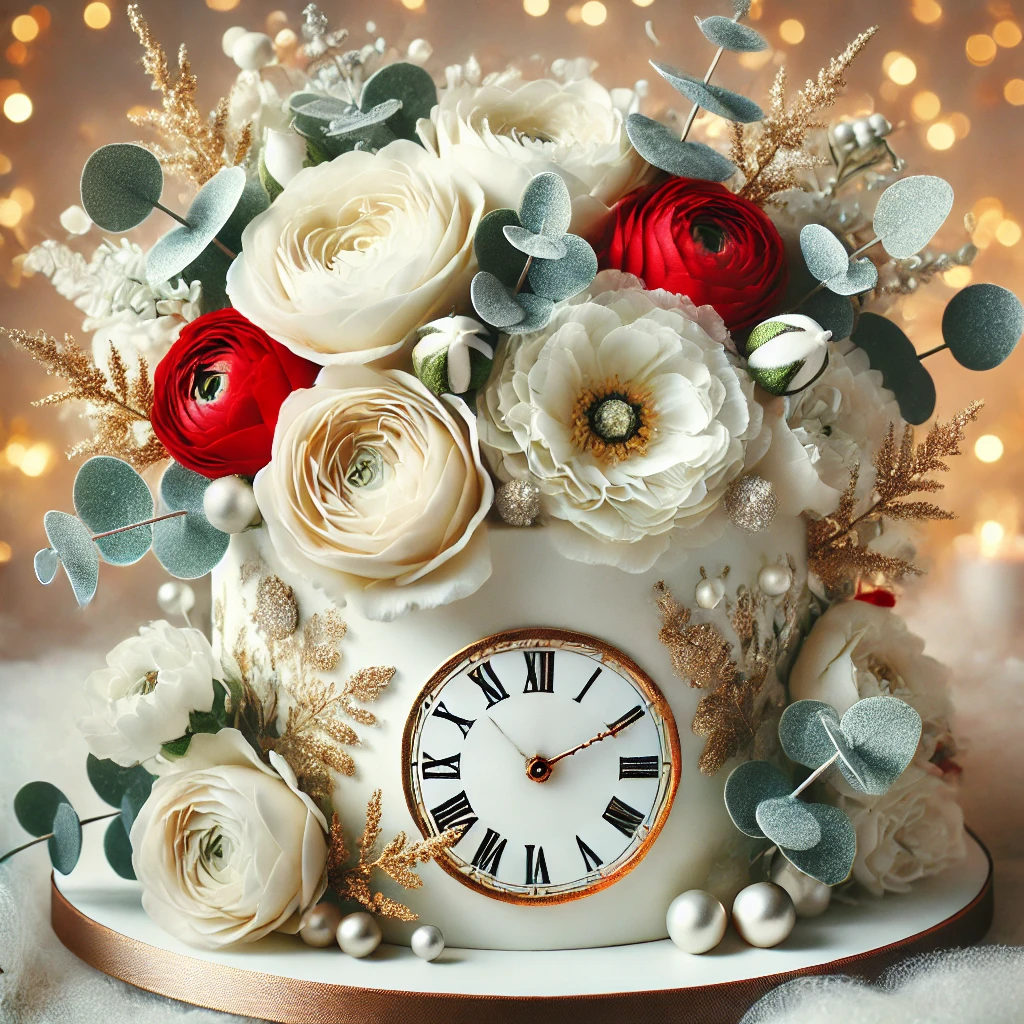
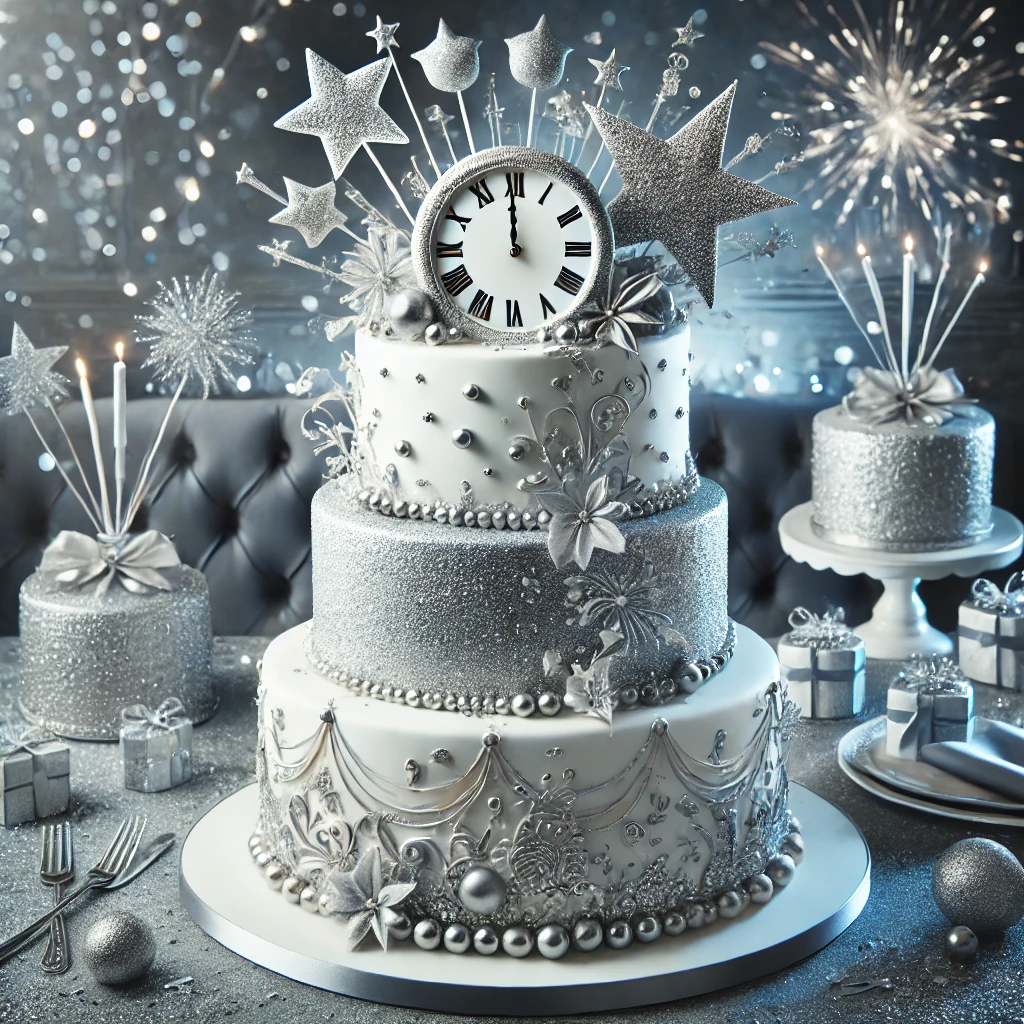
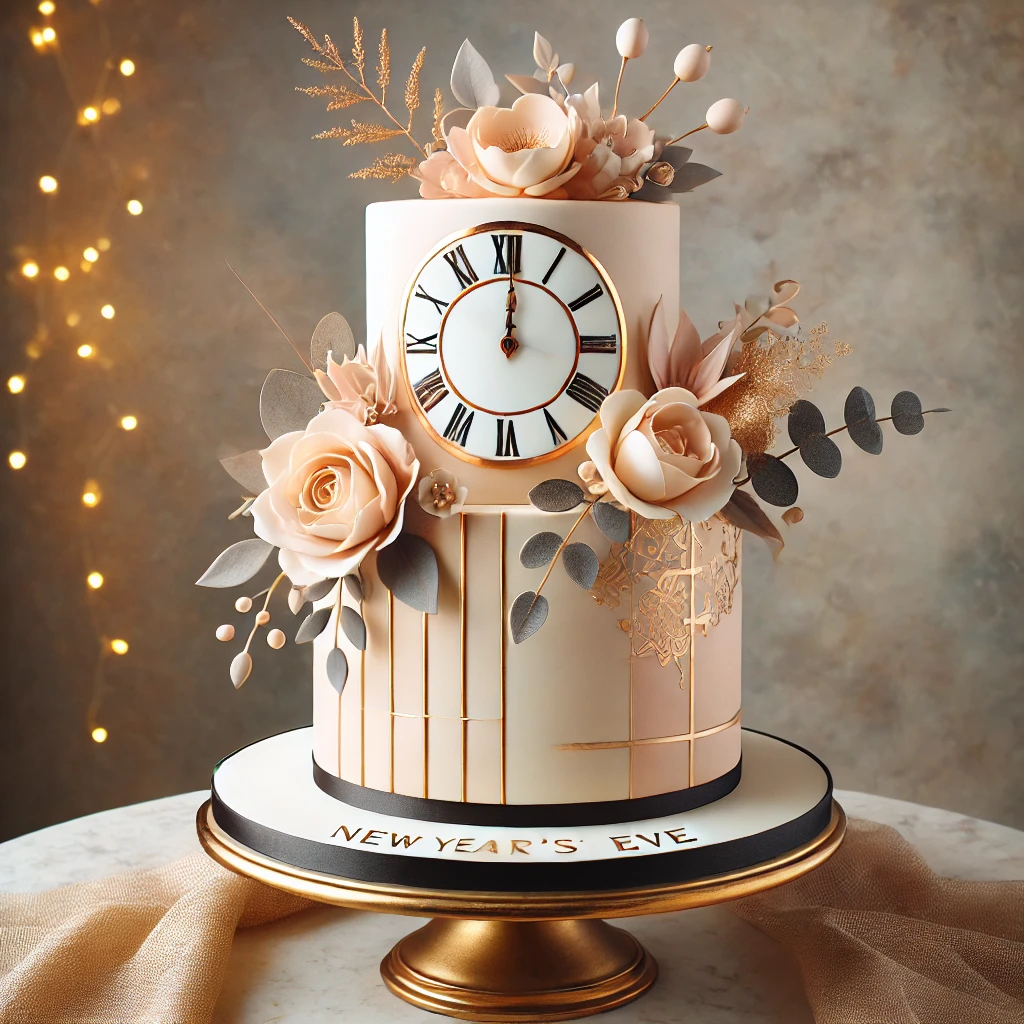
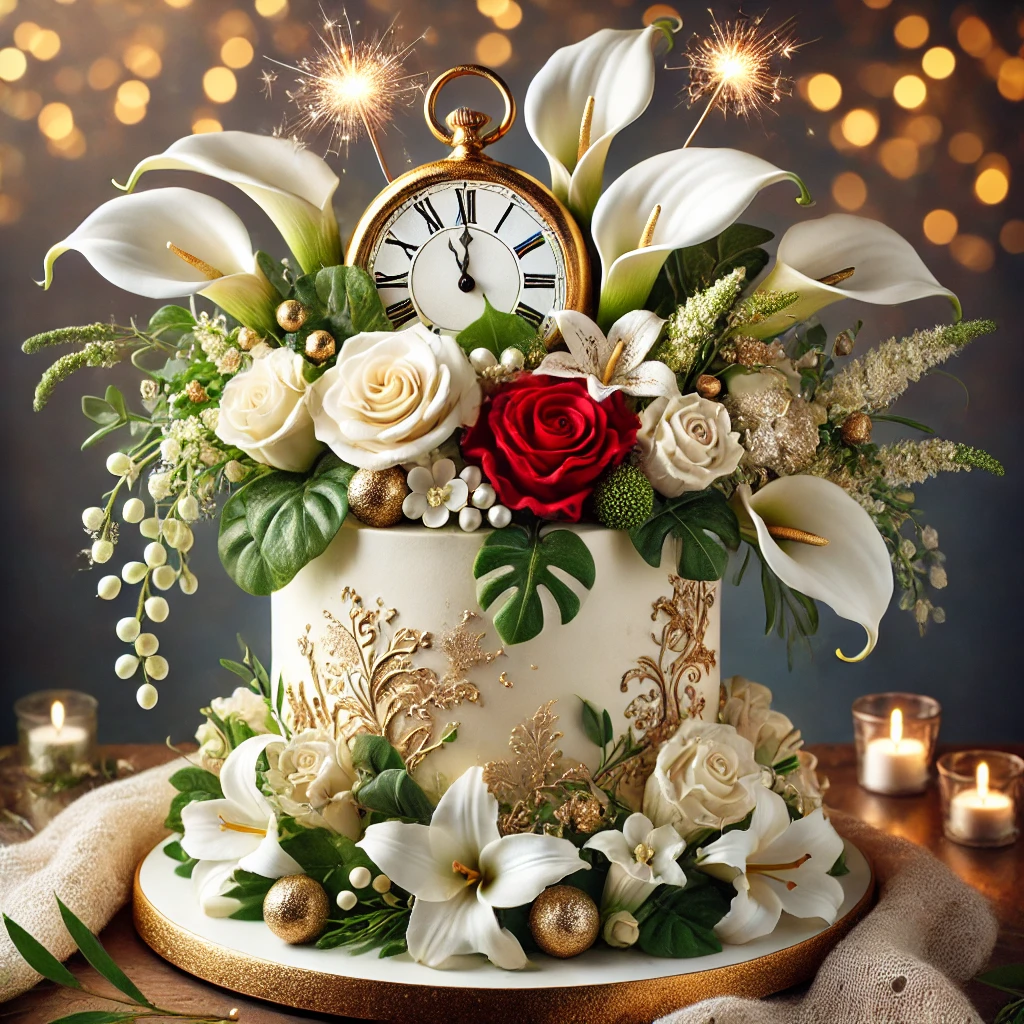
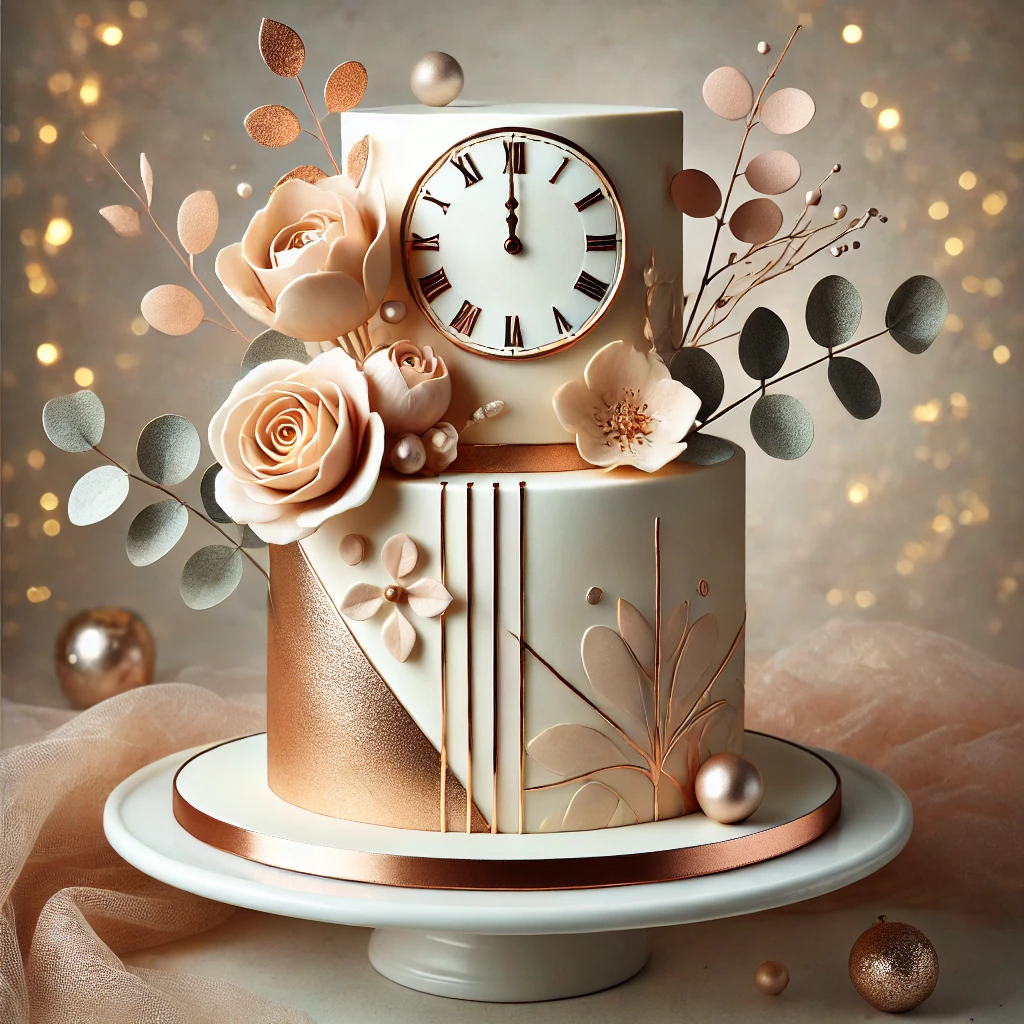
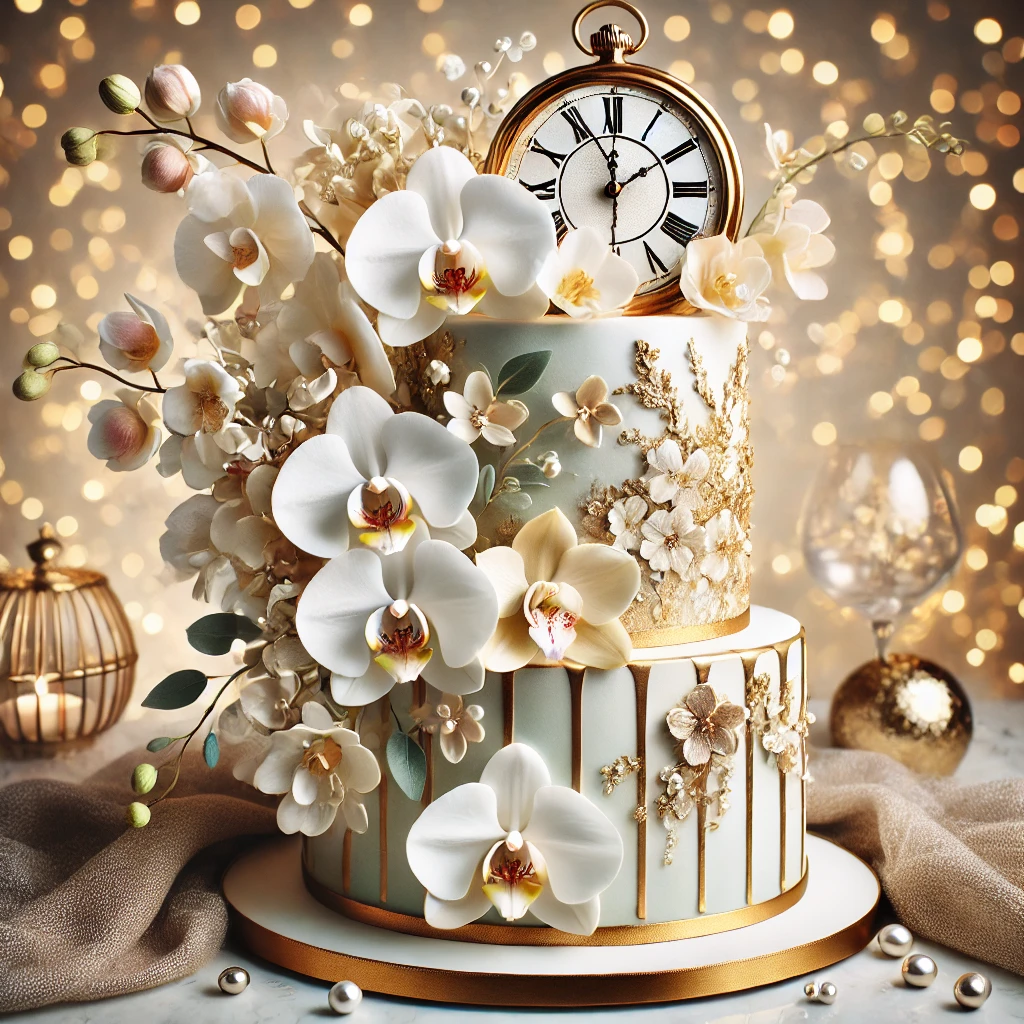
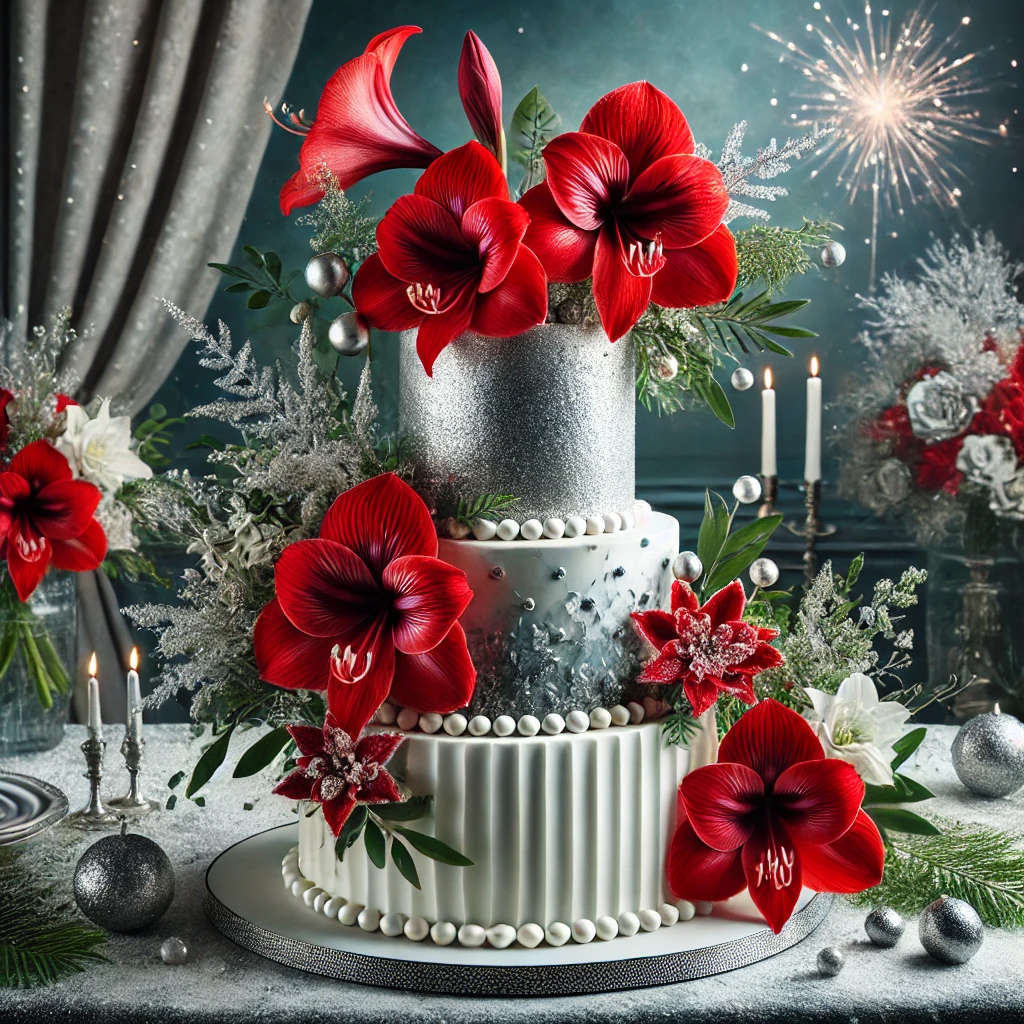
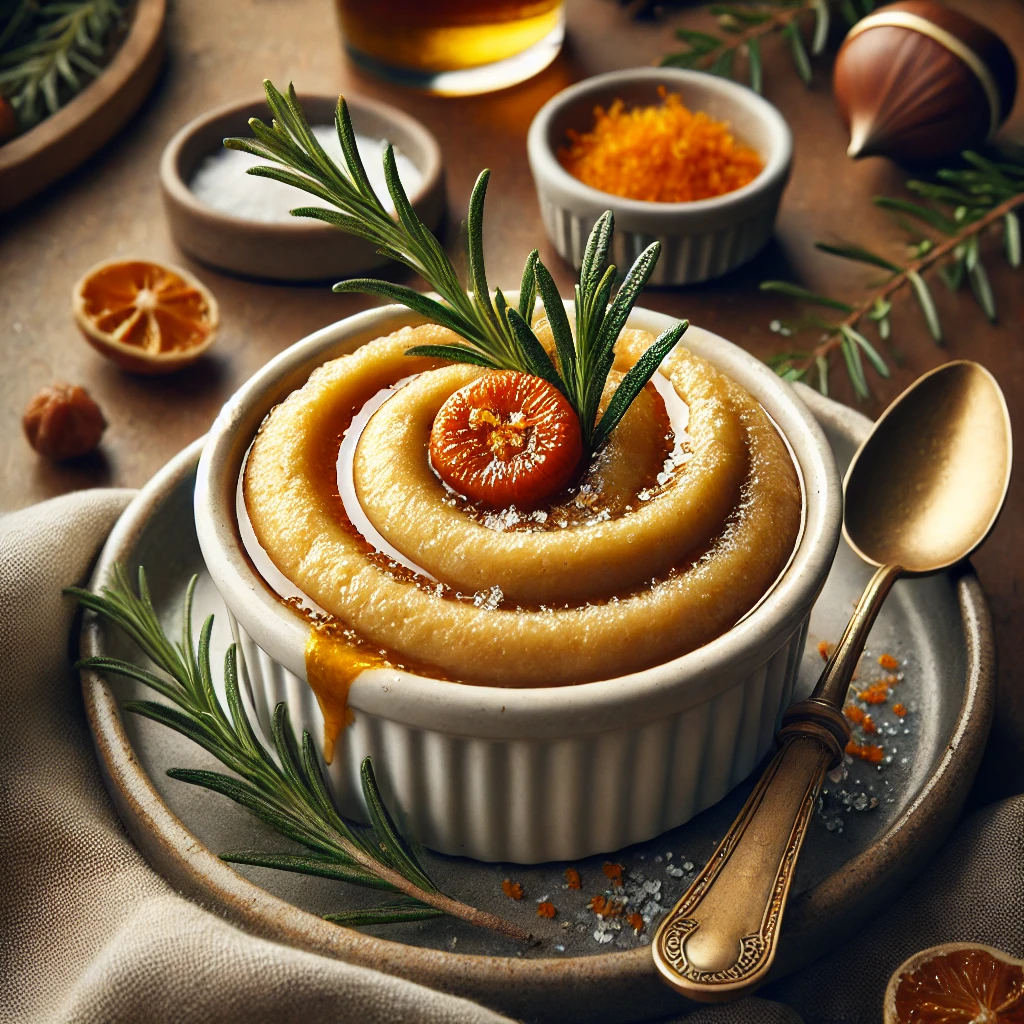
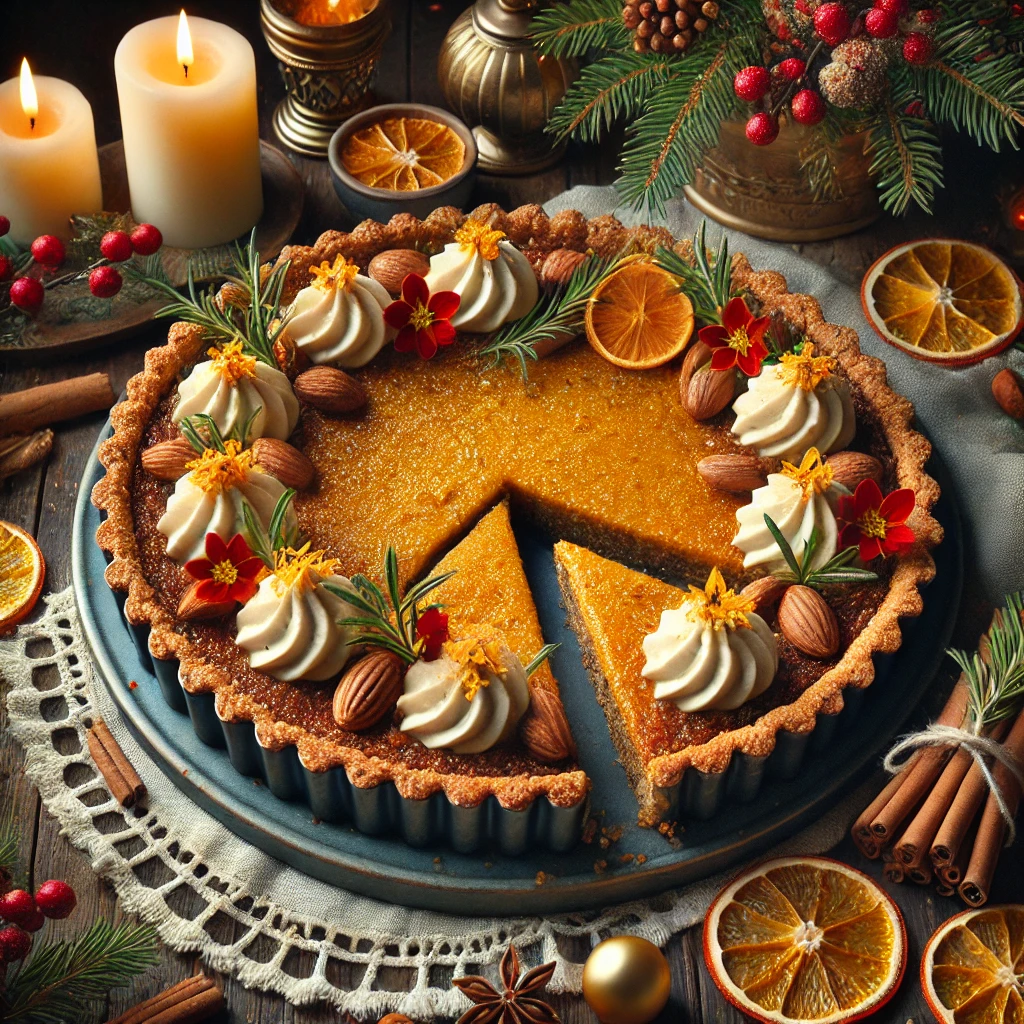
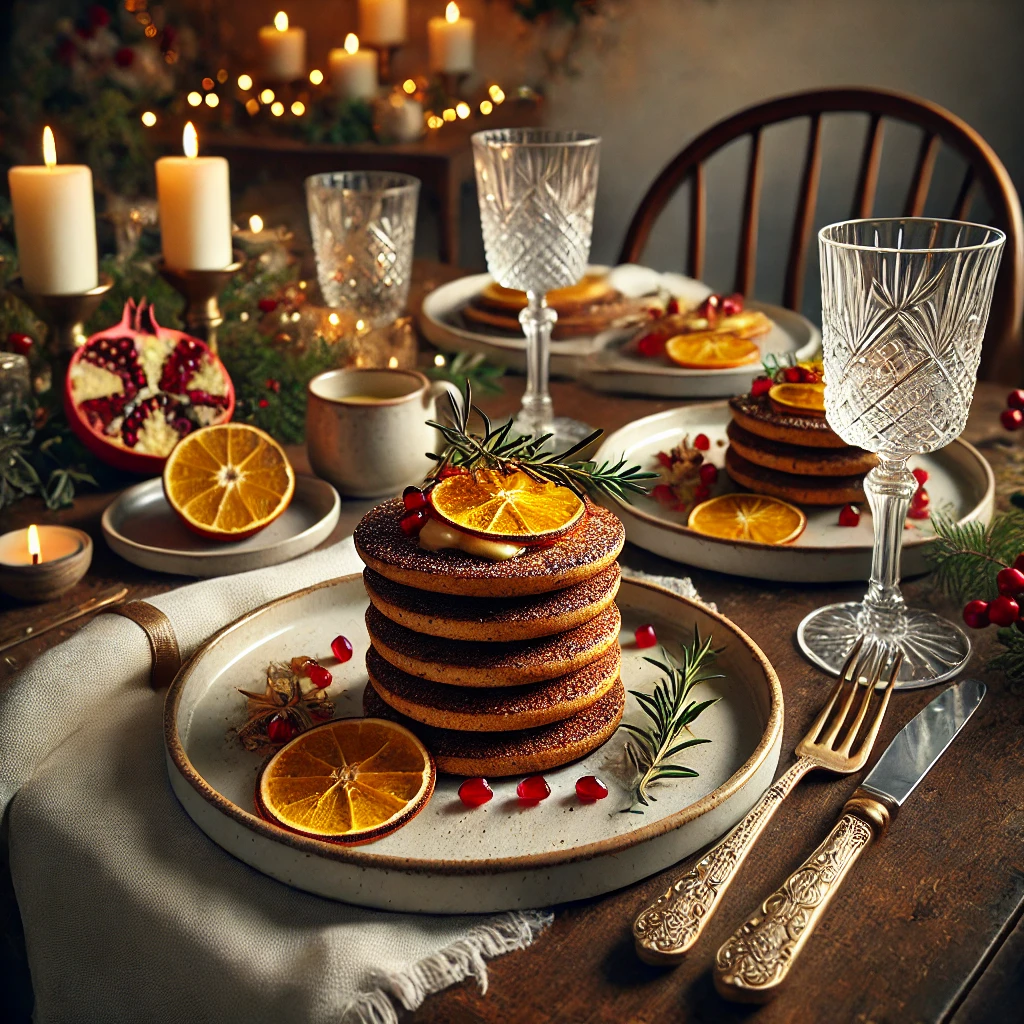
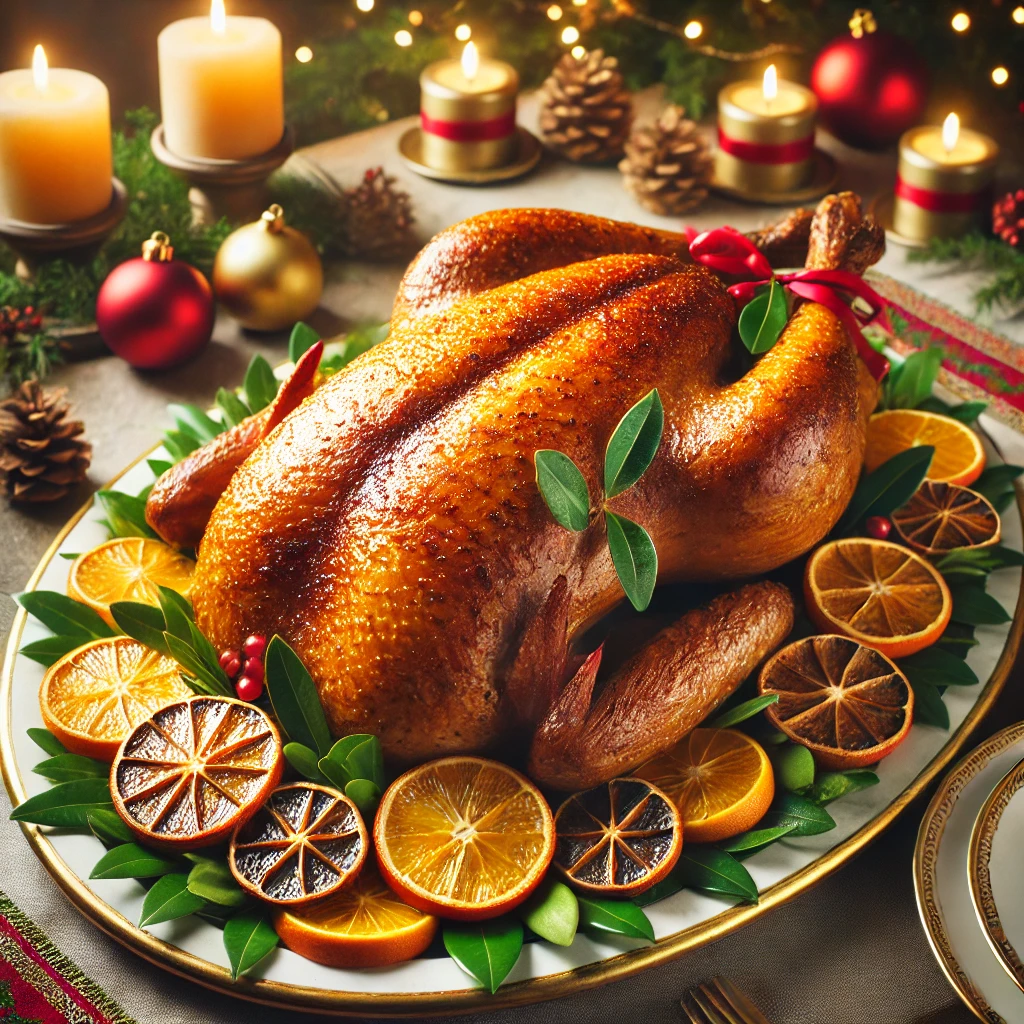
New Year's Day Cake & Atmosphere Ideas
Where style, memory, and celebration meet.
This section is meant to be more than Cake Decorating Ideas… it’s designed to spark inspiration and creativity, awaken tradition, and infuse your special occasions with style, identity, and atmosphere. A color palette becomes a theme. A design becomes a mood. Simple details—like sugared holly leaves or shimmering stars—can set the tone for a gathering and become part of cherished traditions and lasting memories melded with personal touch and love.
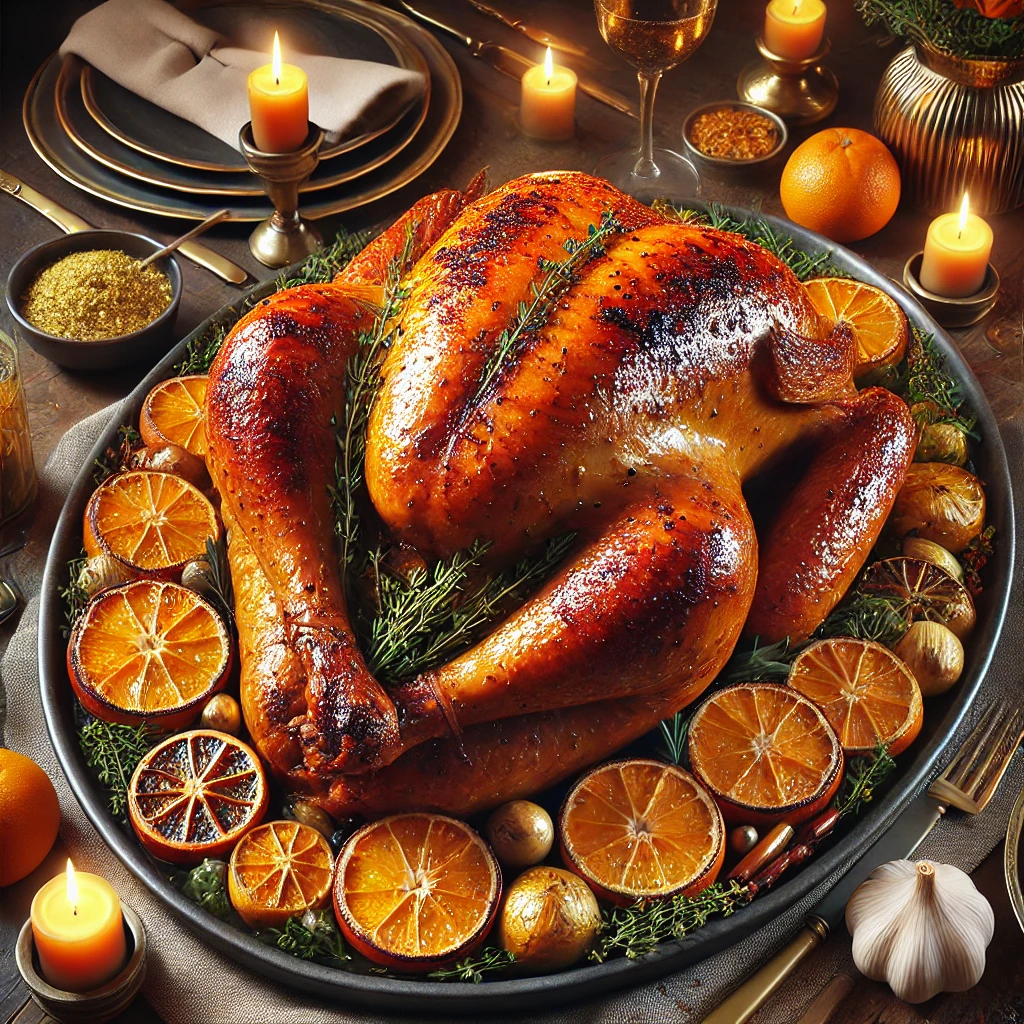
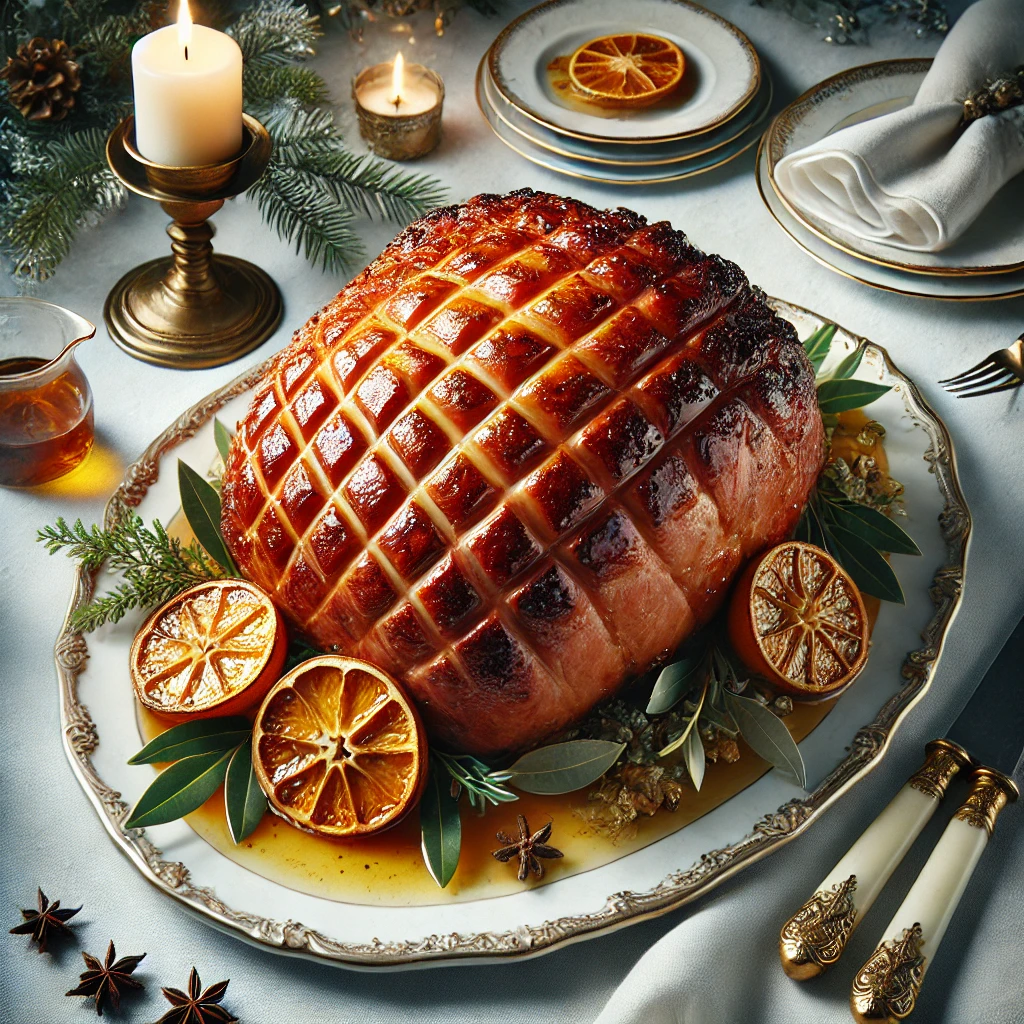
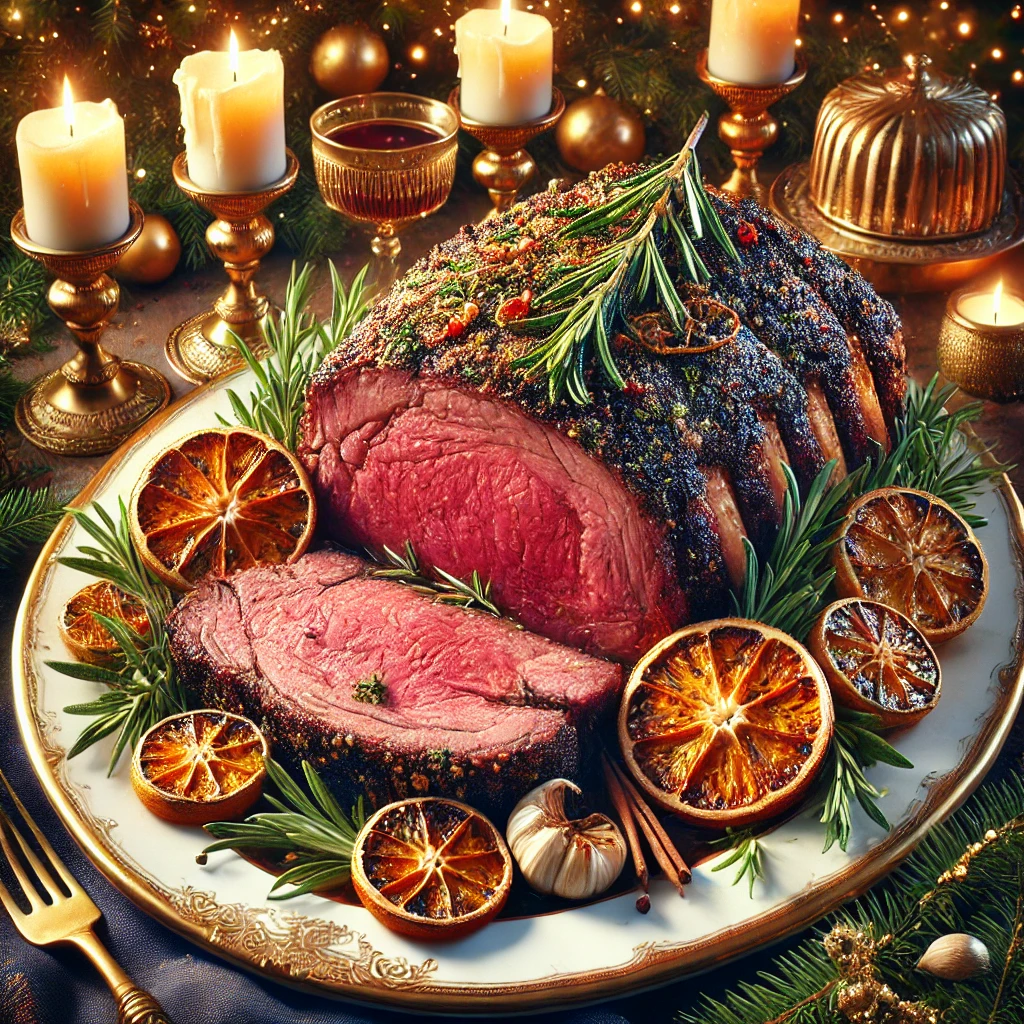
Traditional New Year's Day Dishes
🇺🇸 United States (especially the South)
Lucky foods:
Black-eyed peas – symbolizing coins or luck
Collard greens – represent paper money
Cornbread – gold/wealth
Pork – prosperity and forward progress
Hoppin’ John – a dish made with black-eyed peas, rice, and pork
Cabbage – wealth
🇩🇪 Germany
Pork or sausages – prosperity
Sauerkraut – long life and wealth
Lentil soup or stew – coins and money
Marzipan pigs (Glücksschwein) – good luck
Berliner doughnuts (filled pastries)
🇮🇹 Italy
Cotechino con lenticchie – rich pork sausage with lentils (lentils = coins/money)
Zampone – stuffed pig’s trotter
Panettone or Pandoro – sweet breads for dessert
Spumante – sparkling wine to toast the new year
🇪🇸 Spain
12 grapes at midnight – one for each stroke of the clock, bringing luck for each month
Cava – sparkling wine
Light tapas or seafood-based meals follow
🇯🇵 Japan – Osechi Ryori
Beautifully arranged dishes in bento-like boxes:
Kuro-mame (sweet black beans) – health
Kazunoko (herring roe) – fertility
Tazukuri (dried sardines) – a good harvest
Datemaki (sweet rolled omelet) – scholarship
Mochi rice cakes (in ozoni soup)
Toshikoshi soba – long noodles eaten on New Year’s Eve for longevity
🇨🇳 China (for Lunar New Year, but some follow traditions on Jan 1 too)
Dumplings – wealth (resemble old coin shapes)
Spring rolls – wealth (like gold bars)
Long noodles – longevity
Whole fish – abundance (“fish” sounds like “surplus” in Chinese)
Glutinous rice cake (nián gāo) – progress and higher success
🇧🇷 Brazil
Lentils – good fortune and prosperity
Rice with lentils or beans
Pork – luck (never eat chicken, as it scratches backward — bad luck!)
Seven pomegranate seeds – eaten and saved in wallets for wealth
🇫🇷 France
No specific symbolic foods, but meals are elaborate:
Foie gras
Roast meats or seafood
Cheese platters
Galette des Rois (King Cake) typically eaten on Jan 6 (Epiphany)
🇰🇷 South Korea
Tteokguk – rice cake soup (eating it symbolizes becoming a year older and brings luck)
Jeon (savory pancakes)
Braised short ribs and other side dishes
🇬🇷 Greece
Vasilopita – a New Year’s cake with a hidden coin; the person who finds it is blessed with luck
Roasted lamb or pork
Dips and breads
🇵🇭 Philippines
12 round fruits – represent wealth and luck for each month
Sticky rice dishes – family togetherness
Pancit – long noodles for long life
Lechon – whole roasted pig
🧧 Common Themes Across Cultures
Round foods = coins/wealth
Greens = paper money
Pork = forward movement & abundance
Legumes (lentils, beans, peas) = small coins = prosperity
Fish = abundance (especially whole fish for continuity)
Noodles = long life (never break them!)