

















Presidents' Day

with ORO VALENTIO

Celebrated on the third Monday in February

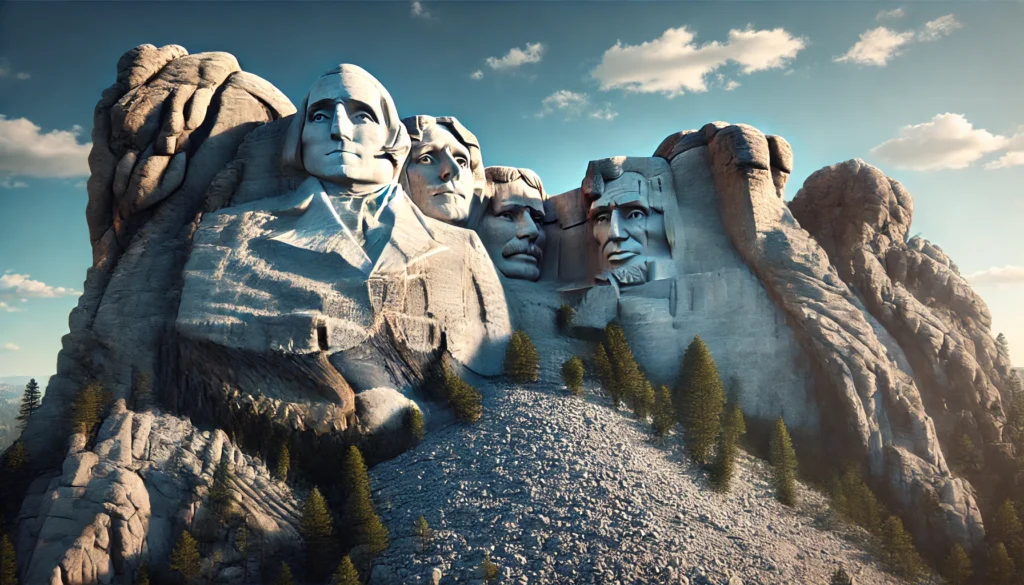
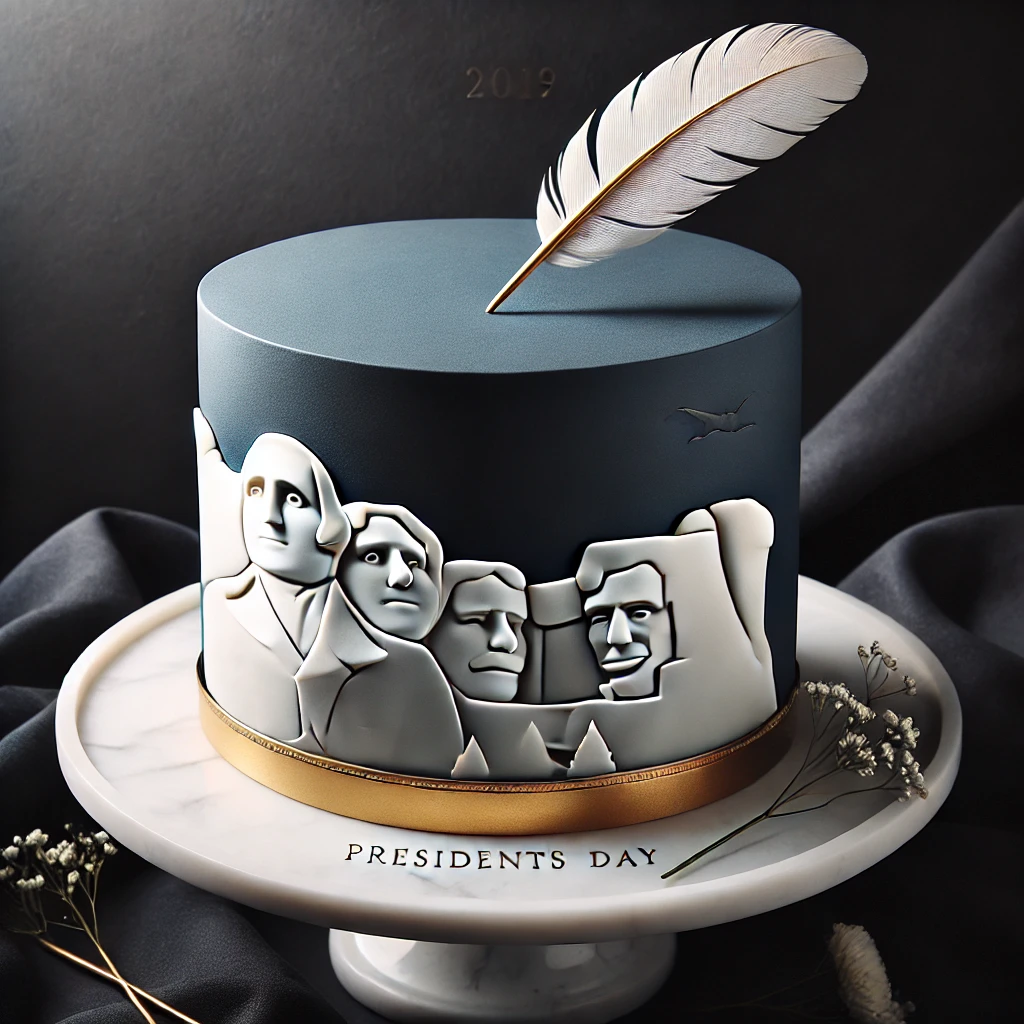
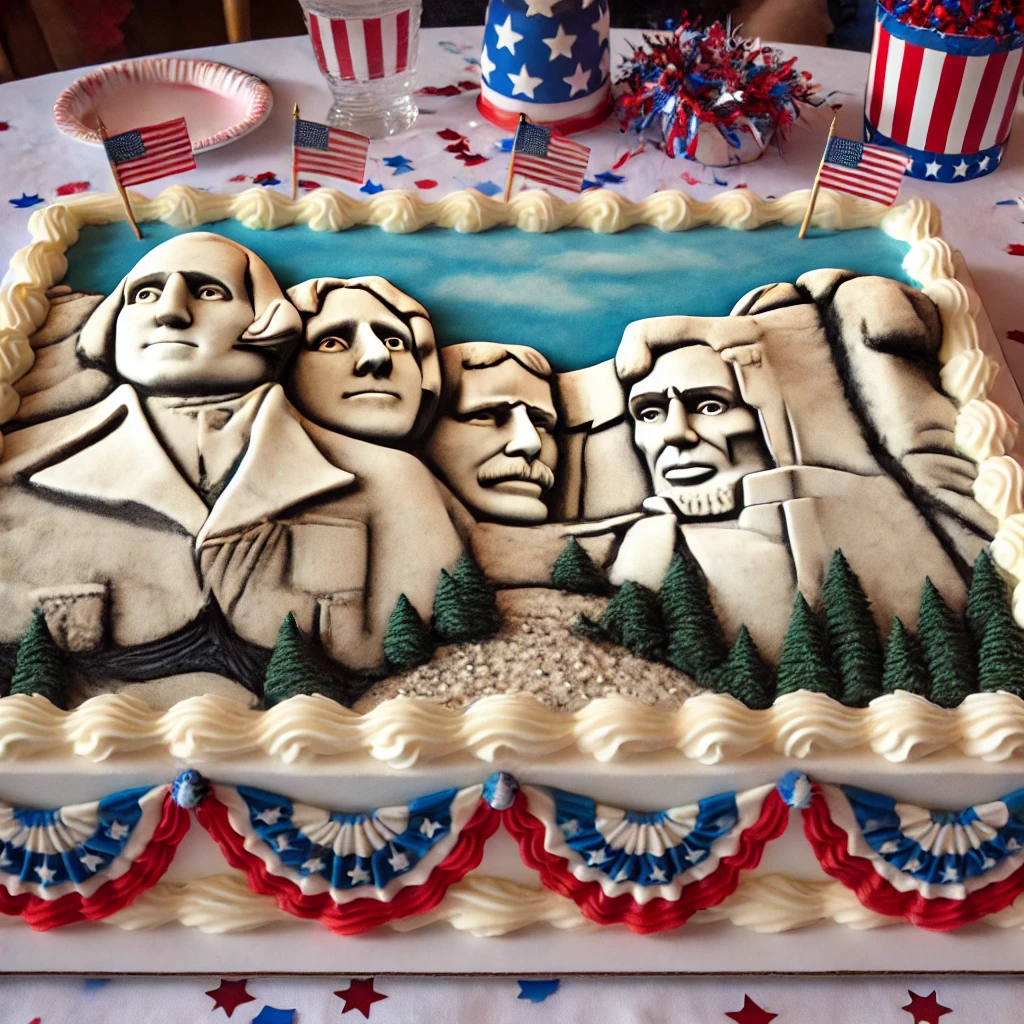
The Mount Rushmore is one of the most striking and complex monuments in the United States, blending art, engineering, symbolism, and controversy. Carved into the granite of the Black Hills in South Dakota, the monument features the 60-foot-tall faces of four U.S. presidents—George Washington, Thomas Jefferson, Theodore Roosevelt, and Abraham Lincoln—chosen to represent the nation’s founding, expansion, development, and preservation. Construction began in 1927 under sculptor Gutzon Borglum and took 14 years to complete, relying heavily on dynamite to remove massive amounts of rock with surprising precision; remarkably, no workers were killed during the carving. The granite faces were intentionally oriented to withstand erosion, and at their current rate of weathering, they are expected to last tens of thousands of years. Hidden behind Lincoln’s head is the unfinished Hall of Records, intended to store documents explaining the nation’s history for future civilizations. While Mount Rushmore has become a powerful national symbol, it is also deeply controversial, as the Black Hills are sacred land to the Lakota Sioux, and the monument’s creation is tied to broader histories of broken treaties and Indigenous displacement. Today, Mount Rushmore stands as both a monumental artistic achievement and a reminder that American history is layered—marked by ambition, innovation, ideals, and unresolved tensions that continue to shape the nation’s story.
In the United States, Presidents’ Day is observed not as spectacle, but as remembrance. It is a moment set aside to reflect on the individuals entrusted with the nation’s highest office—and on the enduring ideals of leadership, responsibility, and service that the presidency represents. Rooted in the birthdays of George Washington and Abraham Lincoln, the day has evolved into a broader contemplation of the office itself and the moral gravity it carries.
Unlike celebratory holidays marked by festivity, Presidents’ Day unfolds with restraint. Schools, institutions, and households turn their attention to history—reading speeches, revisiting founding principles, and examining the choices that shaped the nation’s course. It is a day that invites discernment: not the glorification of power, but an honest reckoning with leadership exercised under pressure, conflict, and consequence.
Presidents’ Day also serves as a reminder that the presidency is not a symbol of perfection, but of duty. Each administration reflects the tensions of its time, the character of its leader, and the enduring challenge of governing a diverse republic. In honoring presidents collectively, Americans acknowledge both triumph and trial—recognizing that progress is often forged through imperfect hands guided by enduring ideals.

Leadership, Legacy, and the Weight of Office

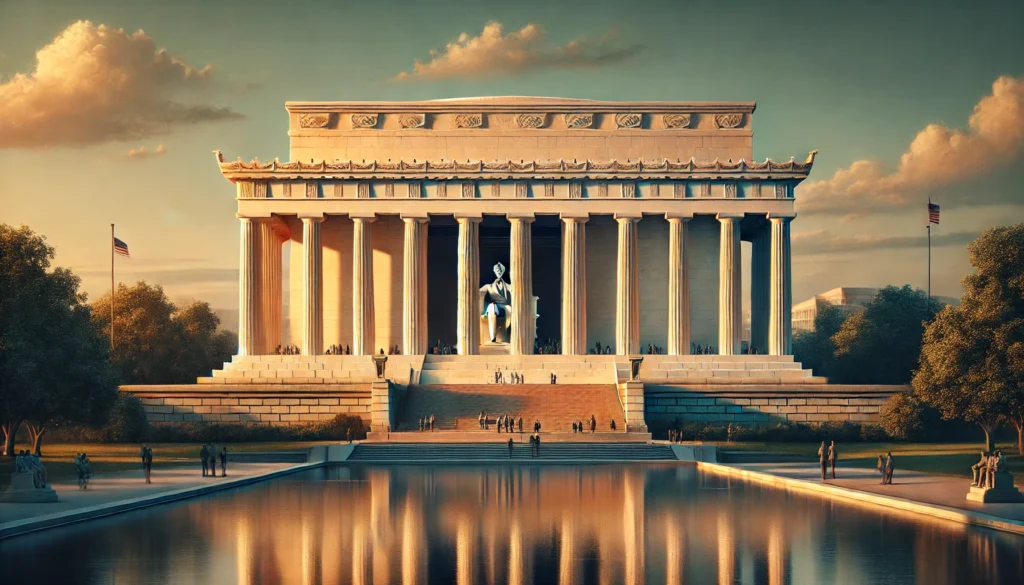
The Lincoln Memorial stands at the western end of the National Mall in Washington, D.C., as a solemn tribute to Abraham Lincoln and the ideals he defended during the nation’s most fragile hour. Dedicated in 1922, the memorial was designed in the style of a classical Greek temple to symbolize democracy, permanence, and moral order, with 36 exterior columns representing the states in the Union at the time of Lincoln’s death. Inside sits a towering 19-foot marble statue of Lincoln, seated and contemplative, gazing east toward the Capitol, embodying both strength and humility. Carved into the interior walls are the full texts of the Gettysburg Address and Lincoln’s Second Inaugural Address, chosen to reflect his vision of unity, sacrifice, and reconciliation rather than victory alone. Beyond its architectural power, the Lincoln Memorial has become one of the most significant stages in American civic life, serving as the backdrop for historic moments such as Marian Anderson’s 1939 concert and Martin Luther King Jr.’s “I Have a Dream” speech in 1963, cementing its role not only as a monument to a president, but as a living symbol of freedom, equality, and the ongoing pursuit of justice in the American story.
Presidents’ Day invites reflection not only on those who have held office, but on the constitutional character of leadership itself. The presidency was conceived not as a throne, but as a stewardship—bound by law, restrained by principle, and accountable to the people. From its earliest occupants onward, the office has carried the weight of precedent, requiring each president to govern within a framework designed to outlast any individual. In honoring the presidency, Americans are reminded that true statesmanship is measured not by authority exercised, but by restraint maintained; not by power accumulated, but by fidelity to the Constitution and the enduring ideals it enshrines. 
Power seeks expansion; stewardship accepts limits. The American presidency was intentionally shaped to resist the concentration of unchecked authority, recognizing that strength without restraint ultimately erodes the very liberty it claims to protect. Presidents’ Day calls attention to this distinction—reminding us that the highest exercise of power is often found in its careful restraint. True leadership within a republic is not defined by dominance or permanence, but by temporary service rendered with humility, accountability, and respect for institutions greater than oneself. In this way, the presidency stands not as a symbol of control, but as a trust—held briefly, exercised carefully, and surrendered willingly for the good of the nation.
At its heart, Presidents’ Day affirms a foundational American belief: that leadership matters and the course of a nation is shaped not only by laws and institutions, but by the character, integrity, courage, and restraint of those called to lead.

Presidents' Day Traditions to Make Your Own

1. Historical Commemoration
  • Originated to honor George Washington’s birthday
  • Recognition of early American leadership and the Founding era
  • Continued acknowledgment of Washington’s role as a model of presidential virtue

2. Educational Activities
  • School lessons on U.S. presidents, the Constitution, and civic leadership
  • Classroom projects, essays, and presentations on presidential history
  • Libraries and museums highlighting presidential biographies and documents

3. Ceremonies & Formal Observances
  • Wreath-laying ceremonies, especially at Mount Vernon
  • Public readings or discussions of founding documents
  • Speeches by historians, civic leaders, or public officials

4. Parades & Reenactments
  • Local parades celebrating American history and patriotism
  • Historical reenactments featuring early presidents or Revolutionary-era figures
  • Community events in towns with colonial or early American heritage

5. Museum & Historic Site Programs
  • Free or discounted admission to museums and monuments
  • Special exhibits focused on the presidency or specific presidents
  • Guided tours and lectures at historic homes and landmarks

6. Reflection on the Presidency
  • Media features, documentaries, and articles on presidential leadership
  • Public discussions on character, responsibility, and national unity
  • Consideration of both achievements and challenges faced by past presidents

7. Modern Cultural Traditions
  • A federal holiday creating a long winter weekend
  • Family gatherings, travel, or quiet time at home
  • One of the largest retail sale weekends of the year (cars, furniture, appliances)

8. Patriotic Expression
  • Displaying American flags
  • Wearing red, white, and blue
  • Community events celebrating national identity and continuity
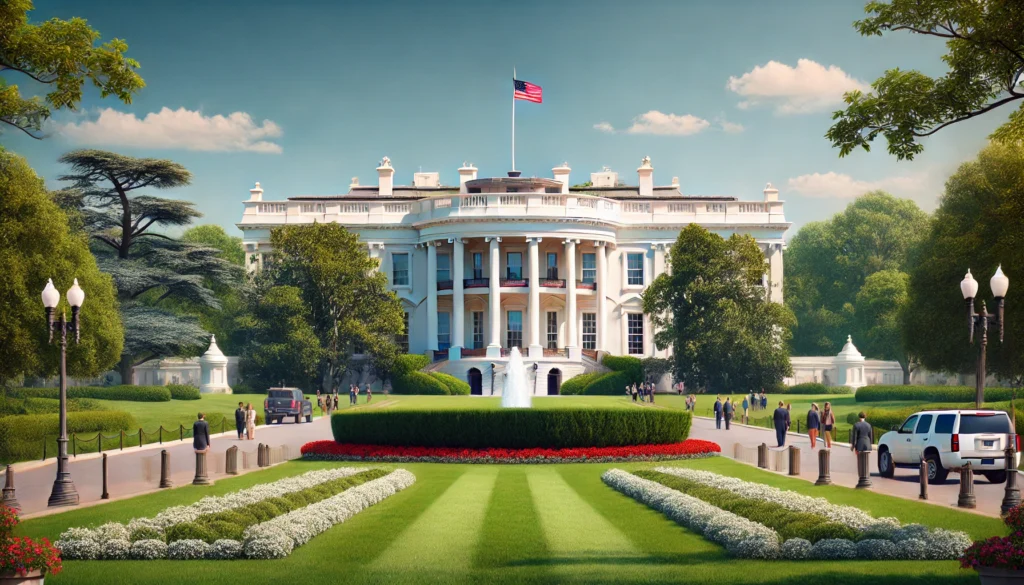
The White House is far more than a simple presidential residence, carrying layers of history, symbolism, and surprising details. Originally known as the President’s House or Executive Mansion, it officially became the “White House” in 1901, though the name had been used informally since the War of 1812, when British troops burned the building in 1814, leaving only its stone walls standing; it was rebuilt and later coated in protective white paint—today requiring roughly 570 gallons per repainting. Constructed in the 1790s with significant labor from enslaved African Americans alongside skilled European craftsmen, the building has evolved continually, even undergoing a complete interior reconstruction under President Harry Truman between 1948 and 1952 after decades of use left it structurally unsafe. Beneath its historic rooms lies a network of secure tunnels and bunkers, including the Presidential Emergency Operations Center, designed to safeguard national leadership during crises. Though elegant and iconic from the outside, the White House is vast within, containing 132 rooms, 35 bathrooms, six levels, 28 fireplaces, multiple elevators, and facilities such as a bowling alley and situation room. It has also long been a lived-in home, hosting an eclectic menagerie of presidential pets over the centuries, from dogs and cats to goats, ponies, raccoons, and even a briefly kept alligator. Even the surrounding grounds tell a story, with gardens and trees planted to commemorate presidents, alliances, and historic moments, making the White House not just a seat of power, but a living record of the American presidency.

On Moral Leadership

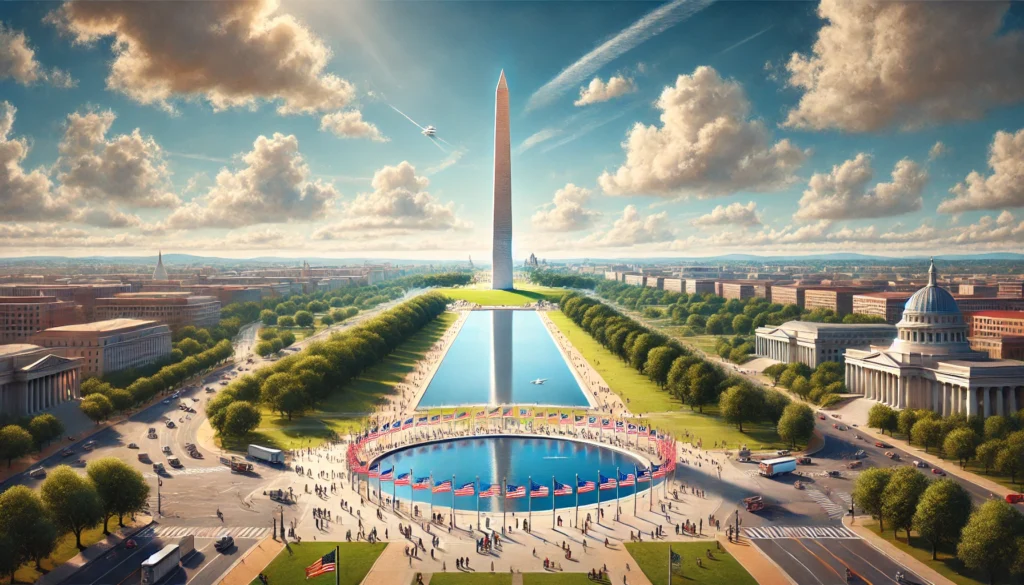
The Washington Monument is one of the most recognizable symbols in the United States and stands as a tribute to George Washington, the nation’s first president and a central figure in the American Revolution. Located on the National Mall in Washington, D.C., the monument takes the form of a massive Egyptian-style obelisk, symbolizing strength, endurance, and respect—qualities closely associated with Washington’s character and leadership. Construction began in 1848 but was interrupted for more than two decades due to funding shortages and the Civil War, resulting in a visible color change in the stone partway up the structure where building materials shifted when work resumed. Completed in 1884 and opened to the public in 1888, the monument rises approximately 555 feet, making it the tallest stone structure in the world and the tallest obelisk ever built. Inside, visitors can ascend via elevator or climb 897 steps, passing commemorative stones donated by states, cities, organizations, and even foreign nations, each reflecting the widespread admiration for Washington’s legacy. At the top sits an aluminum capstone—an extraordinarily valuable metal at the time of installation—engraved with inscriptions honoring God and country. Beyond its architectural prominence, the Washington Monument serves as a symbolic anchor of the capital’s layout, aligned with the Lincoln Memorial and the U.S. Capitol, visually reinforcing the continuity of American ideals from the nation’s founding through its ongoing democratic journey.
May leadership be guided by wisdom rather than ambition,
and authority exercised with humility and restraint.
May those entrusted with power remember its limits,
and those who follow remember their responsibility.
As we reflect on the presidency,
may the nation be strengthened by character,
preserved by principle,
and carried forward by a shared devotion to liberty, law, and the common good.

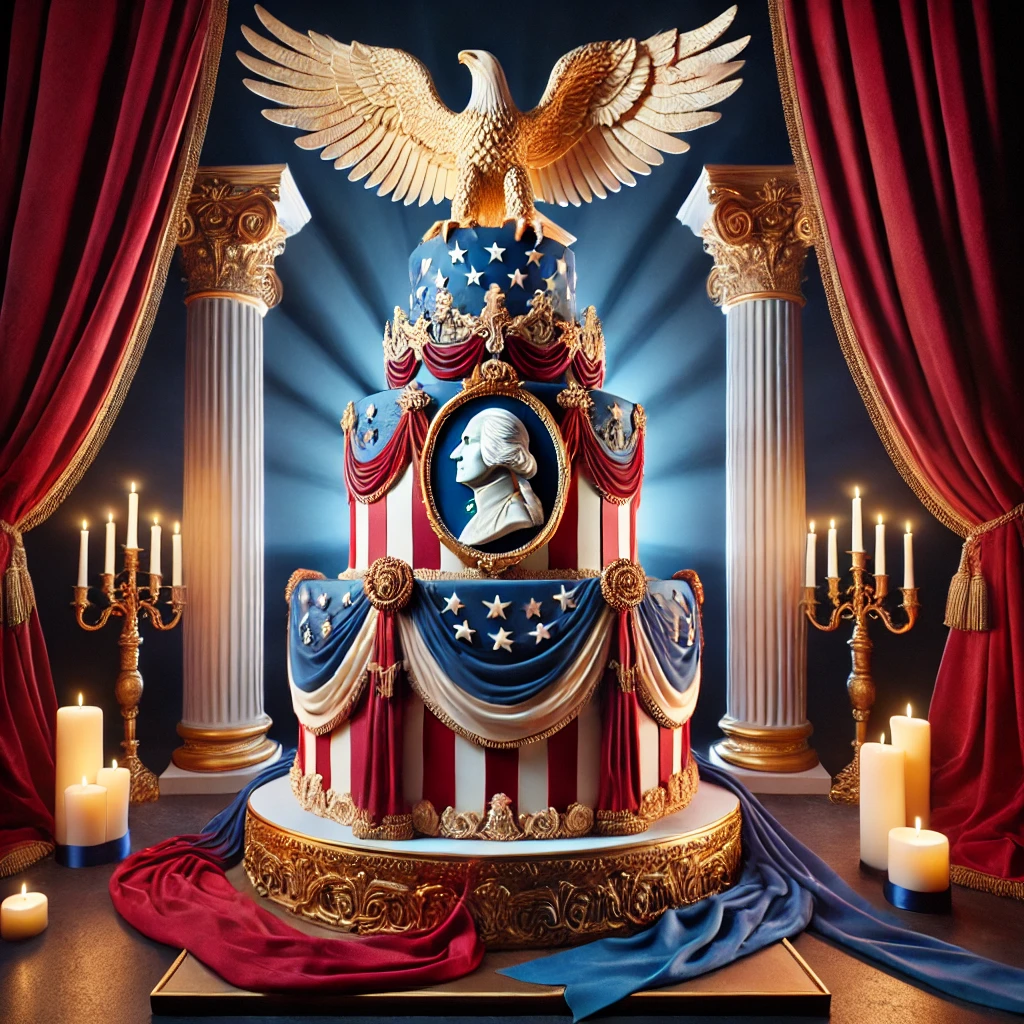
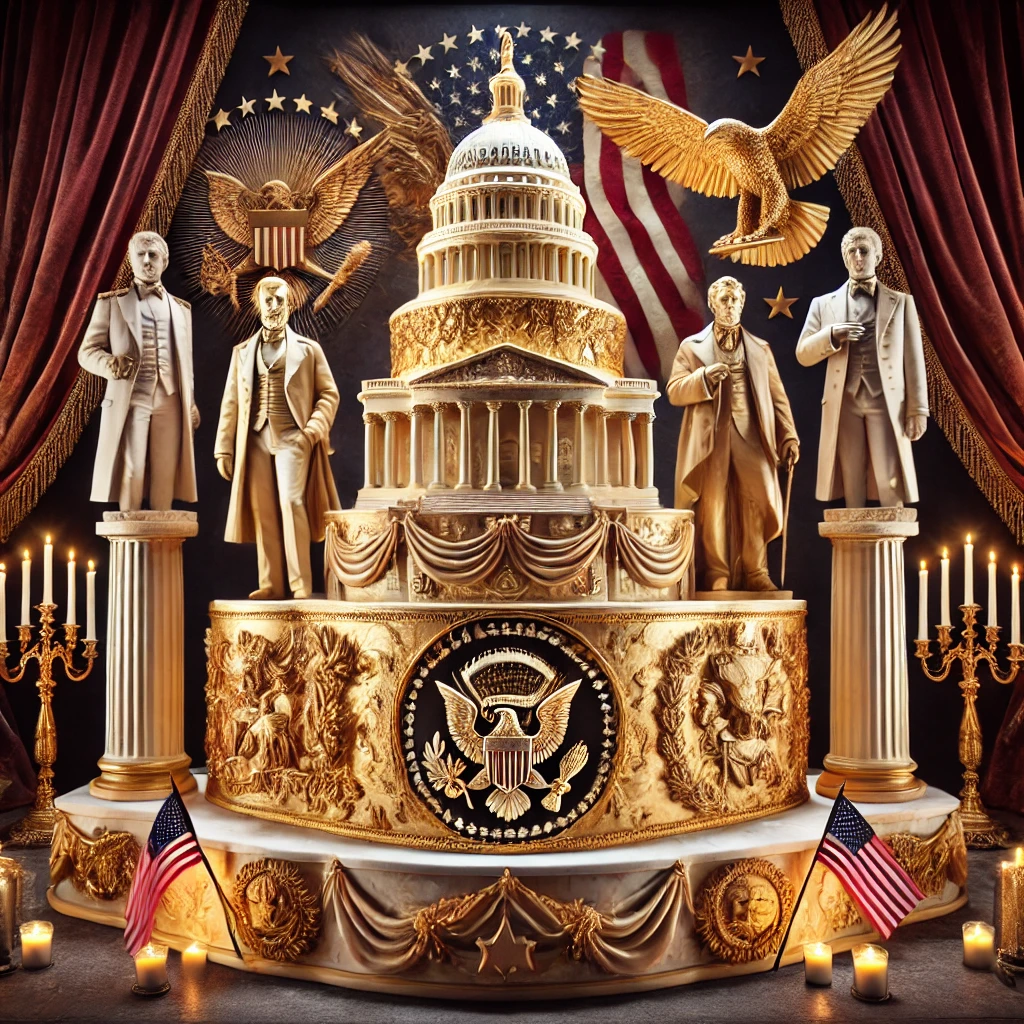
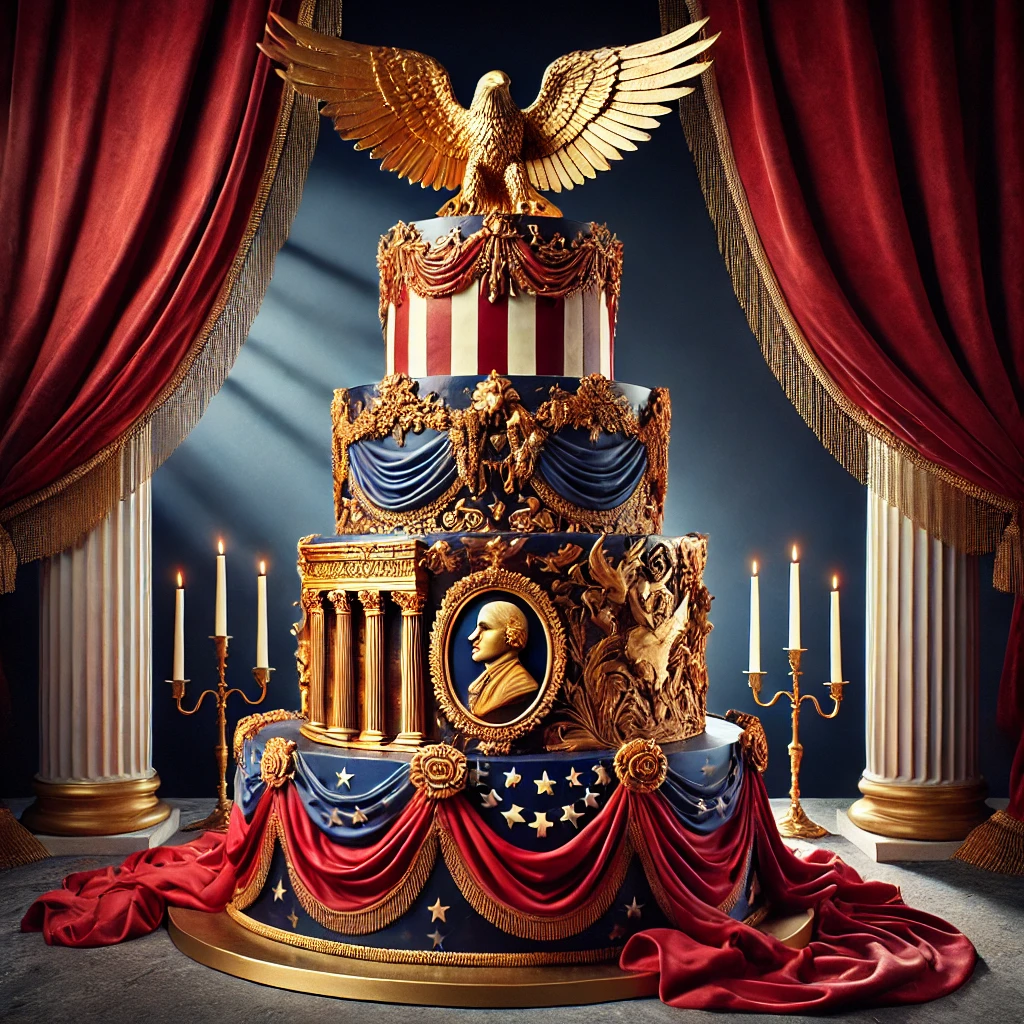
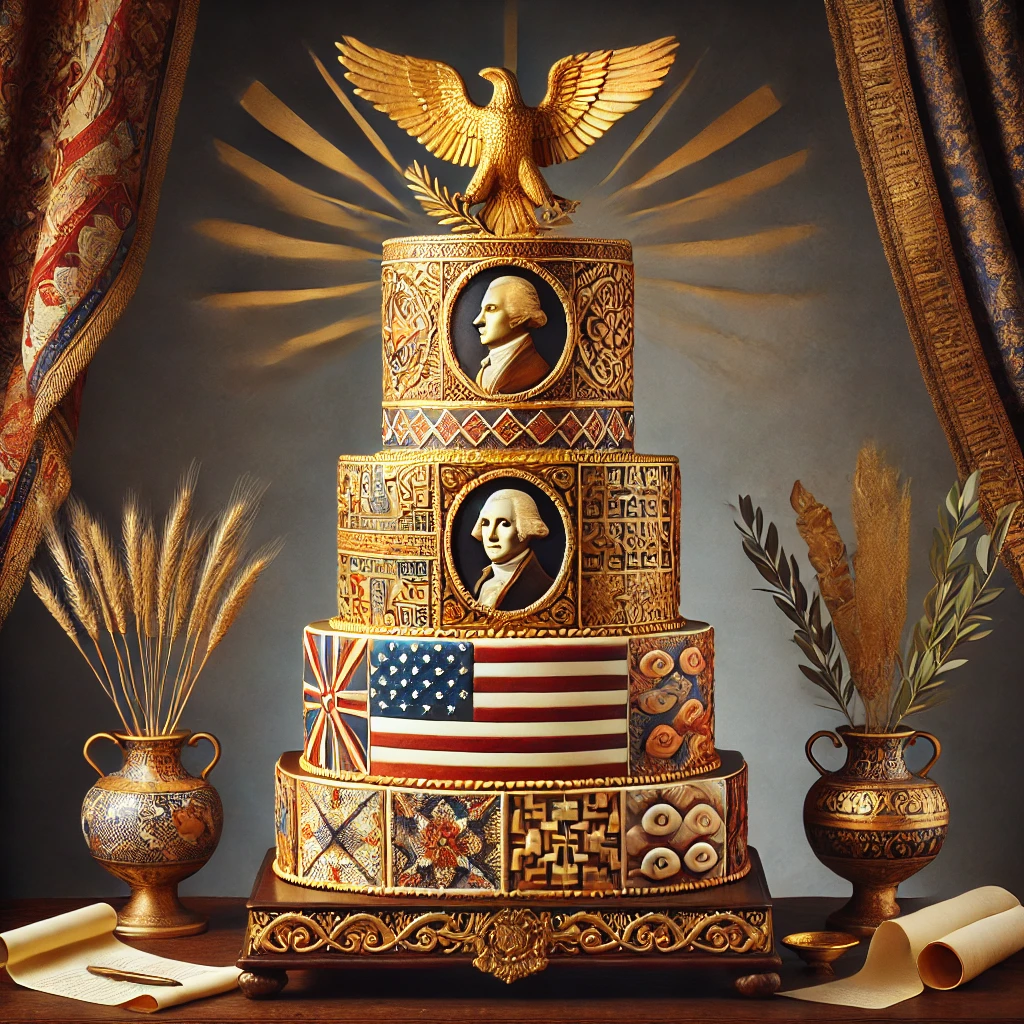
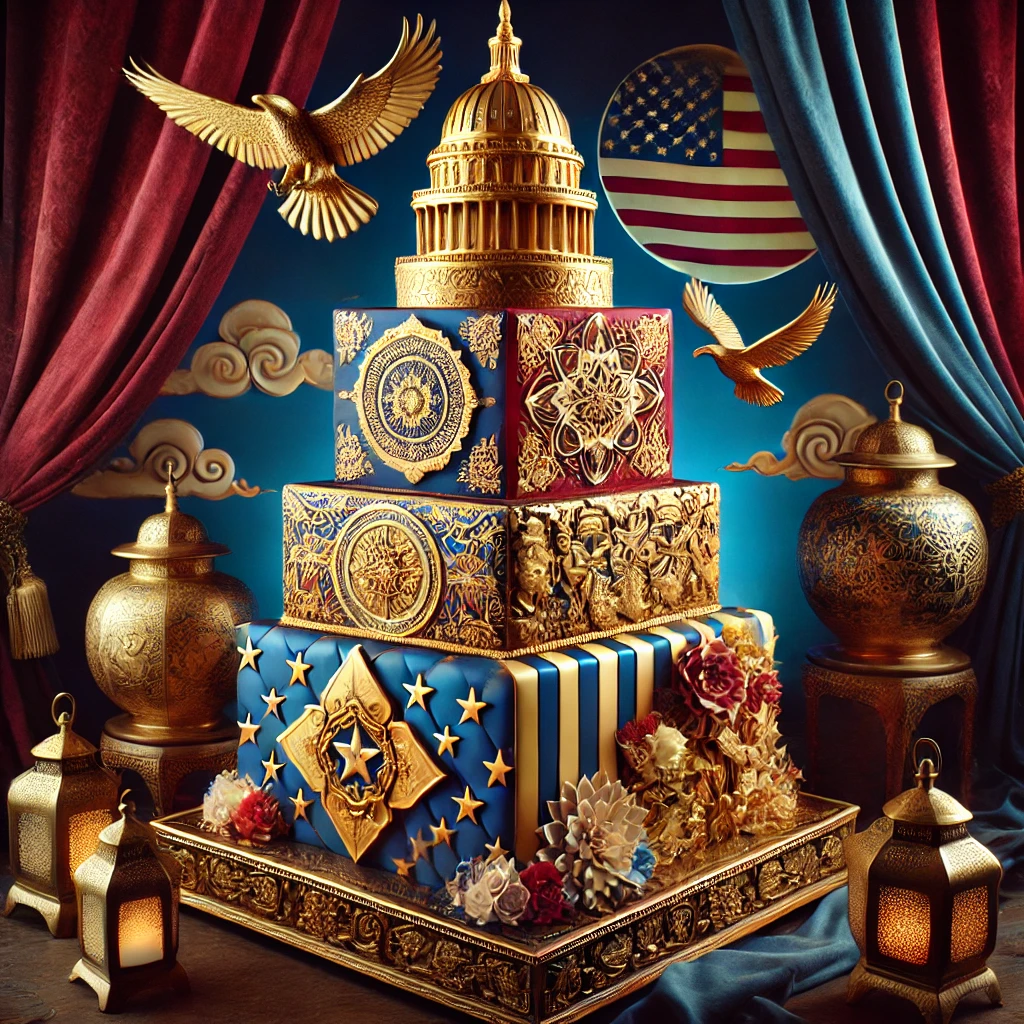
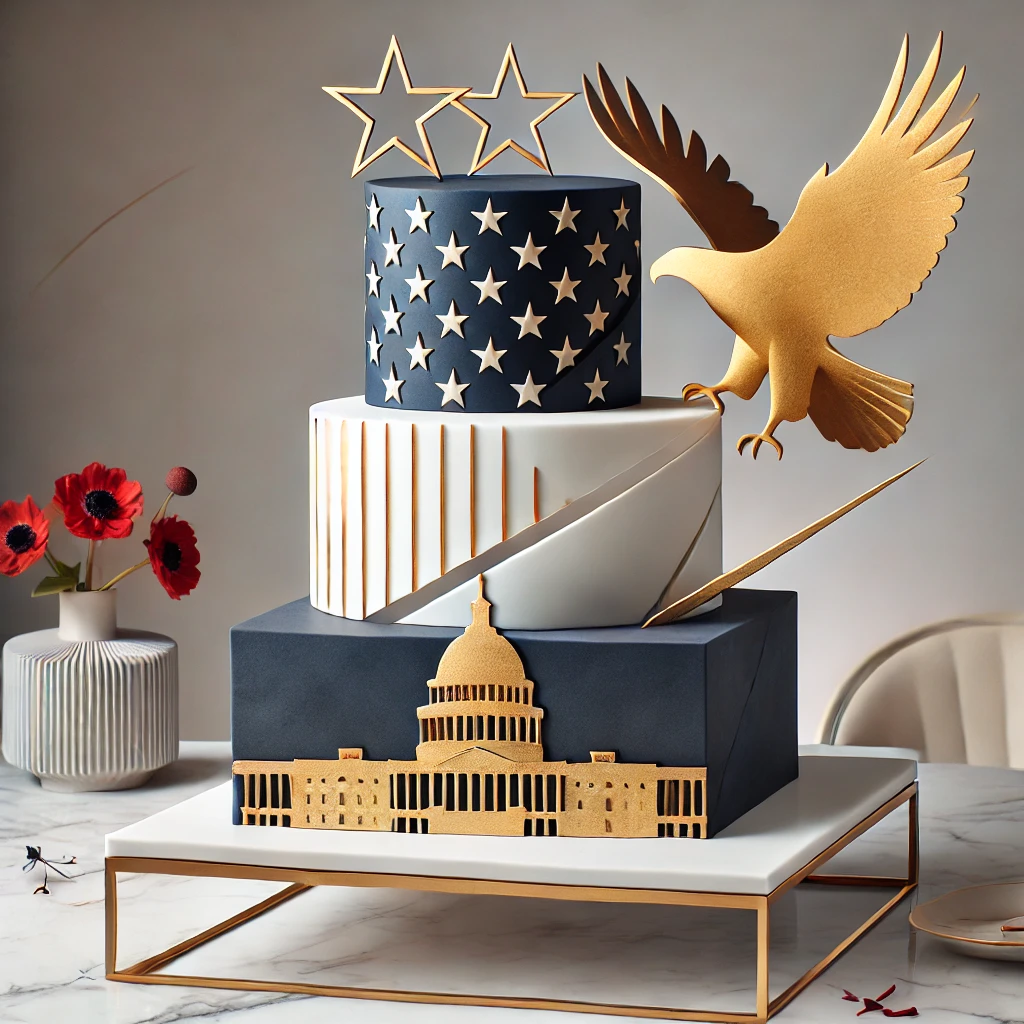
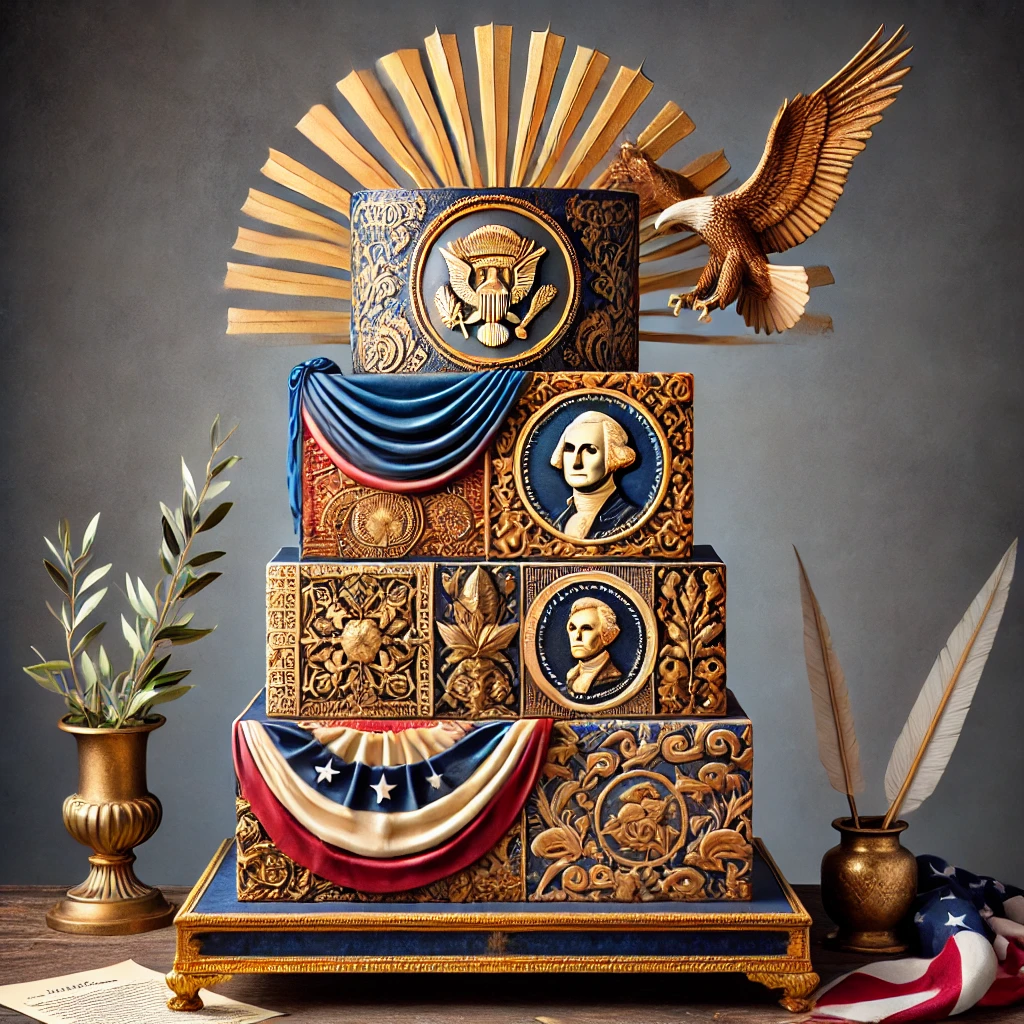
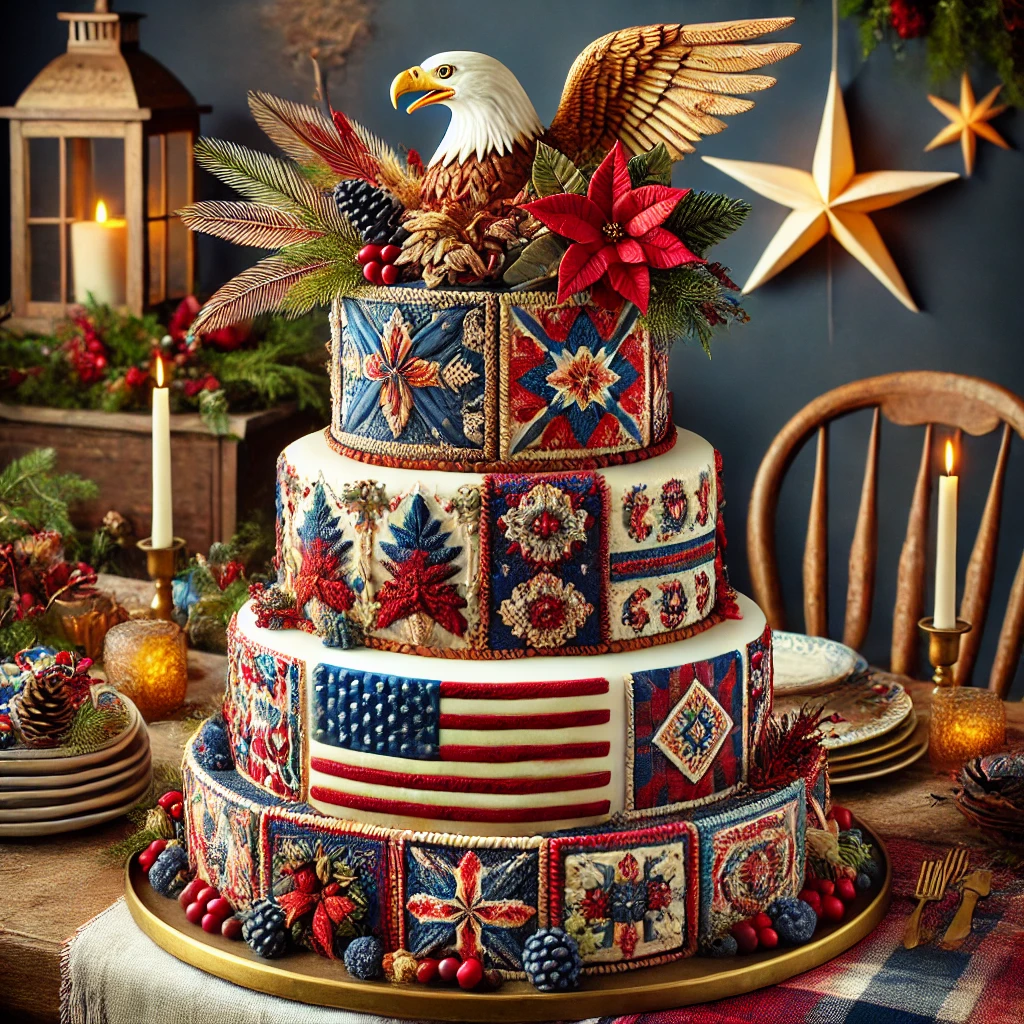
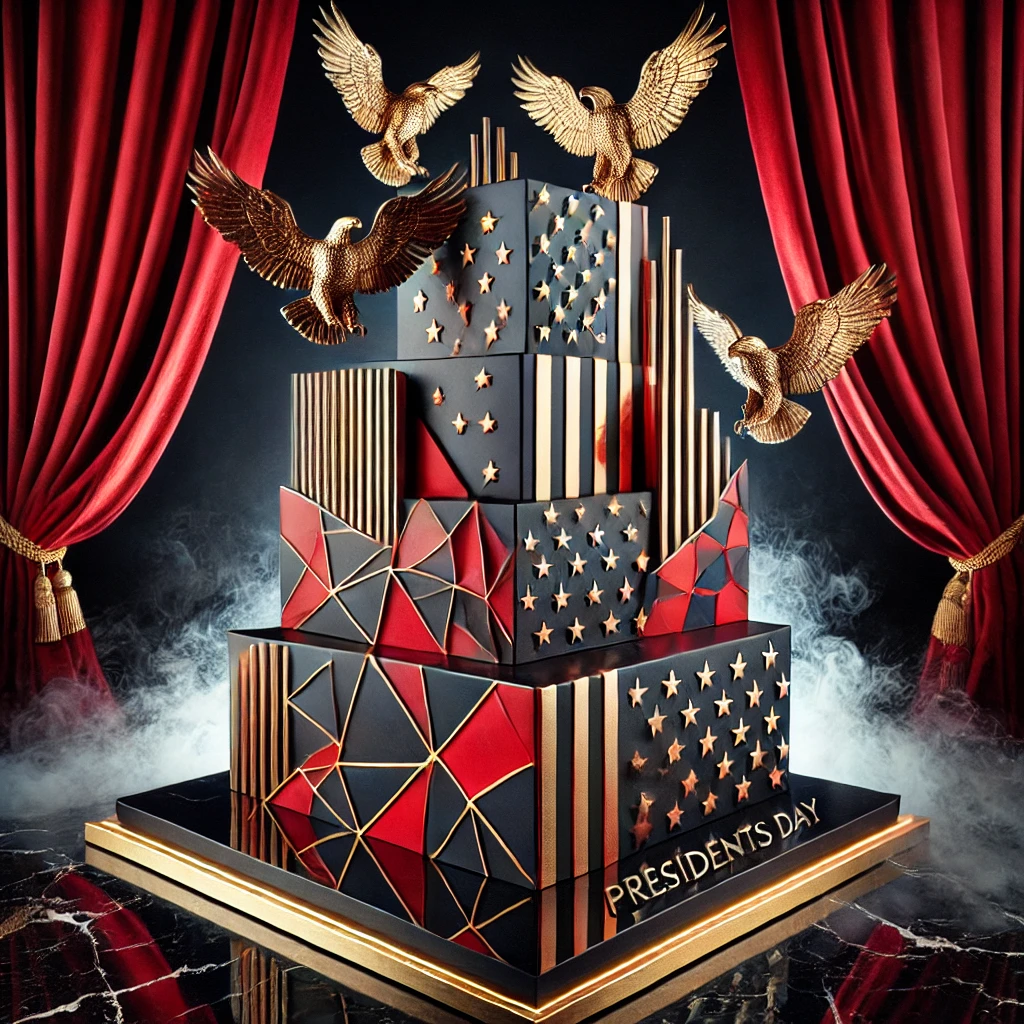
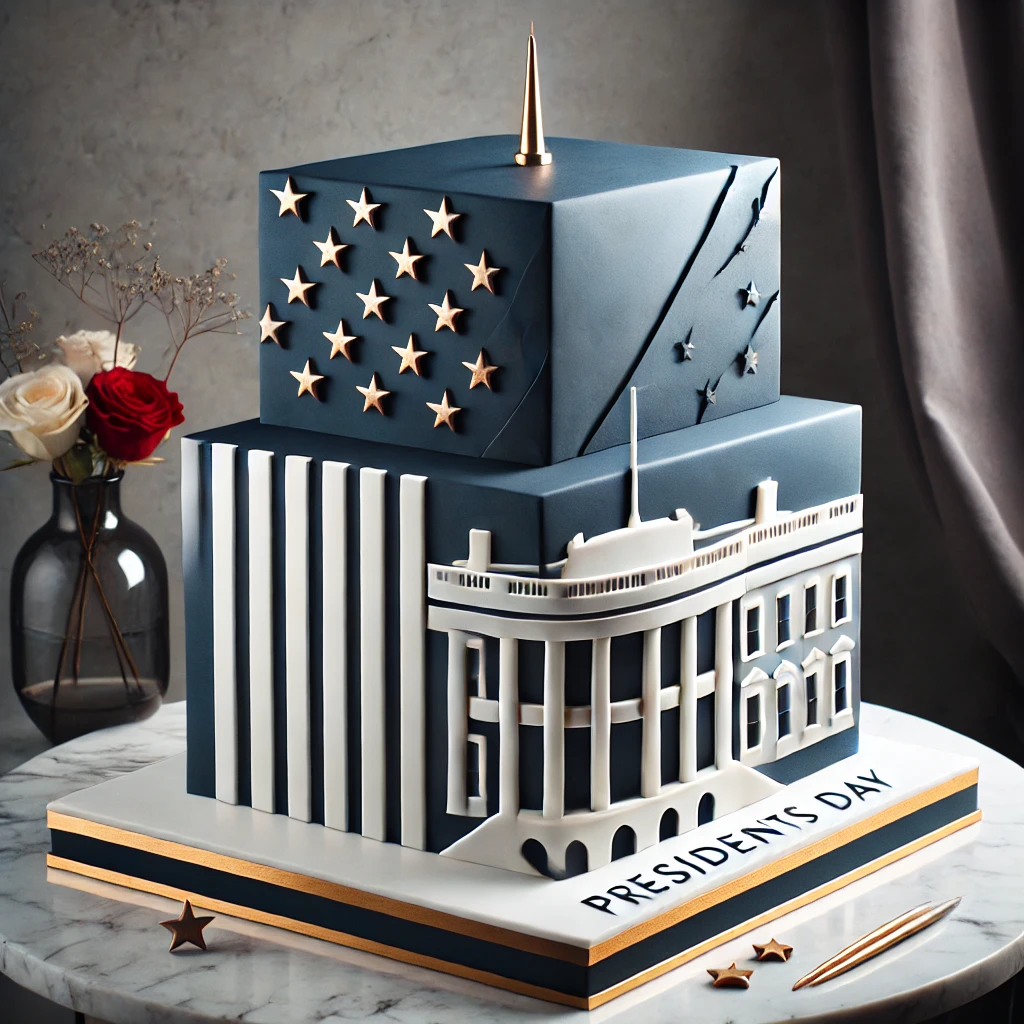
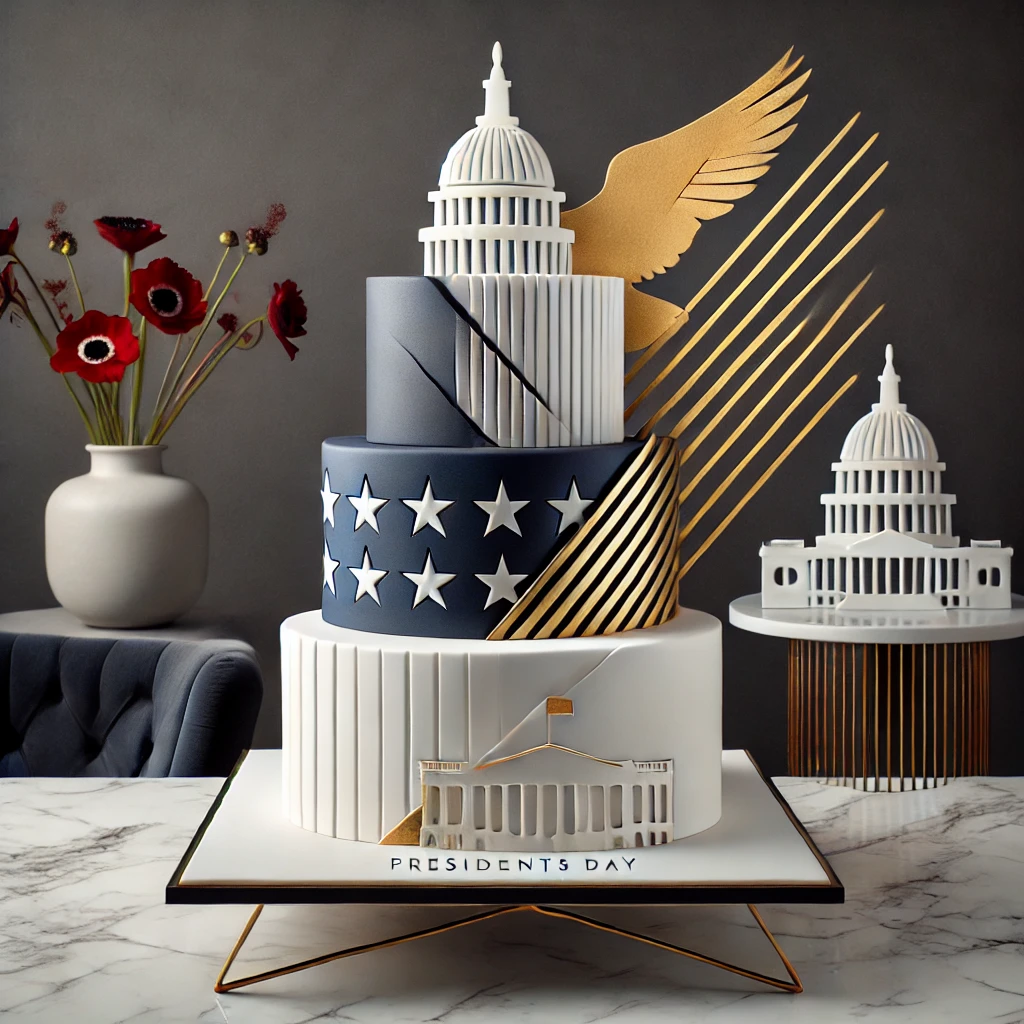
Presidents' Day Cake Decorating Ideas

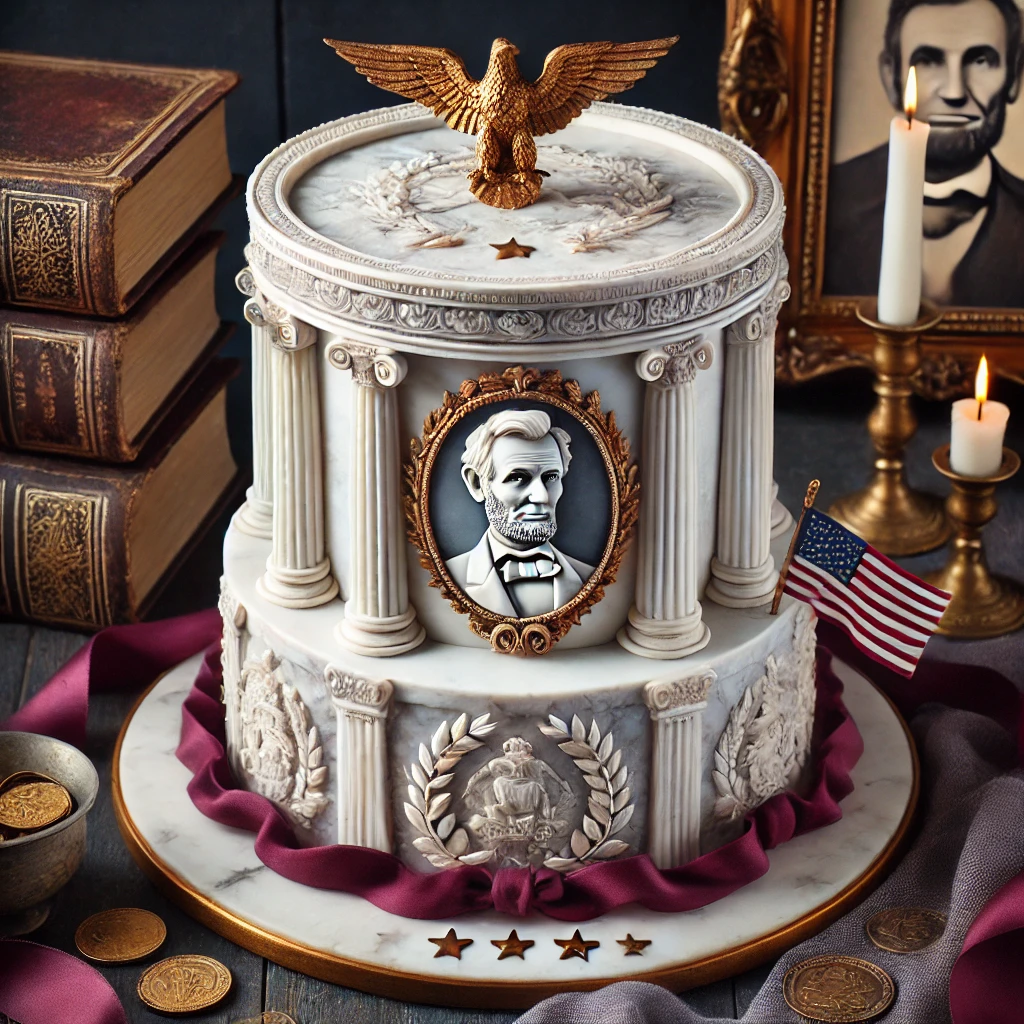
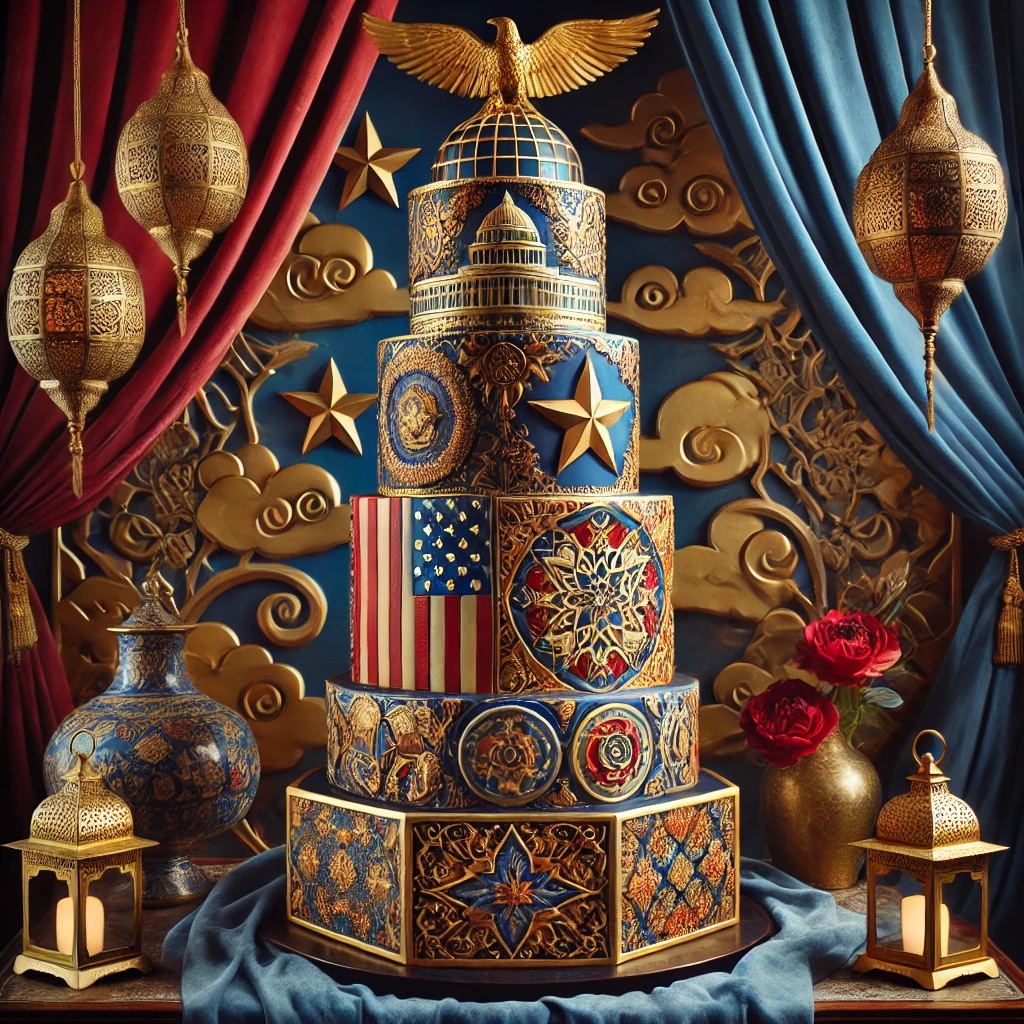
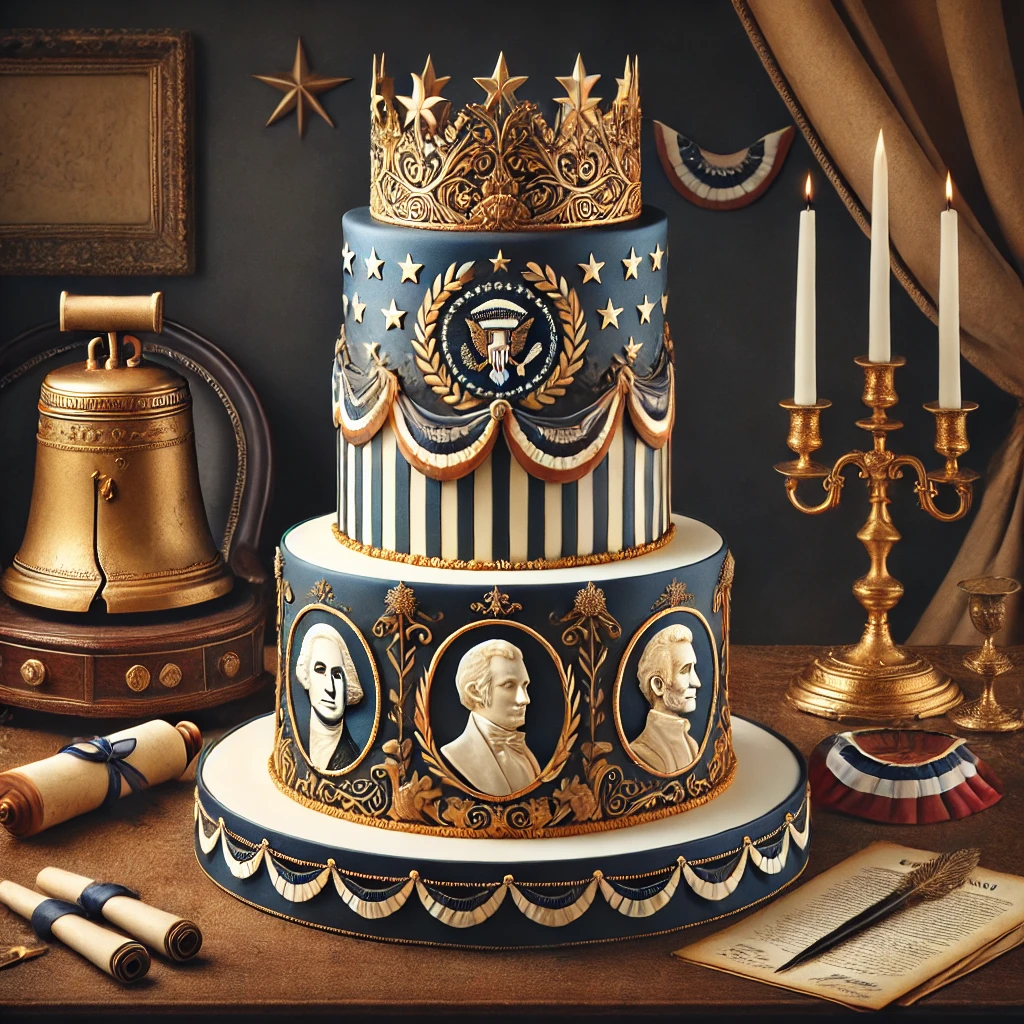
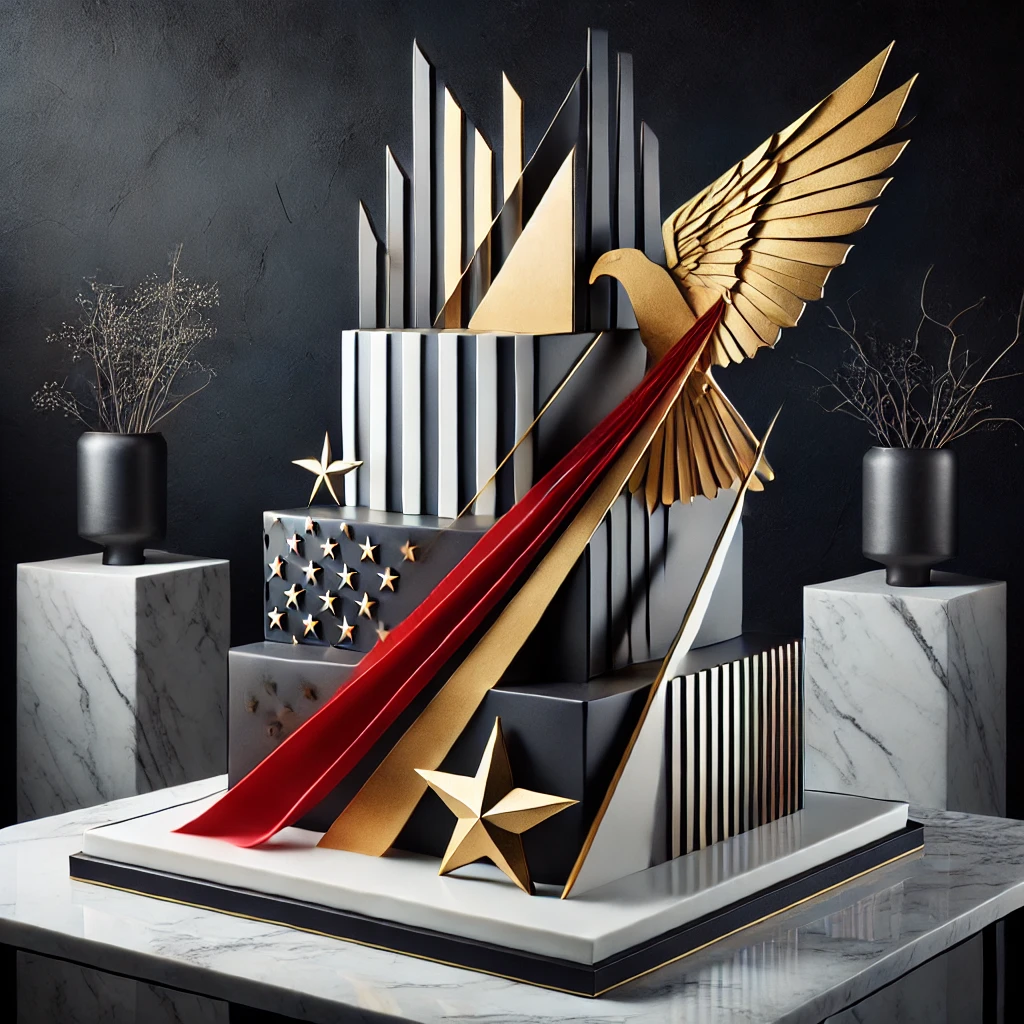
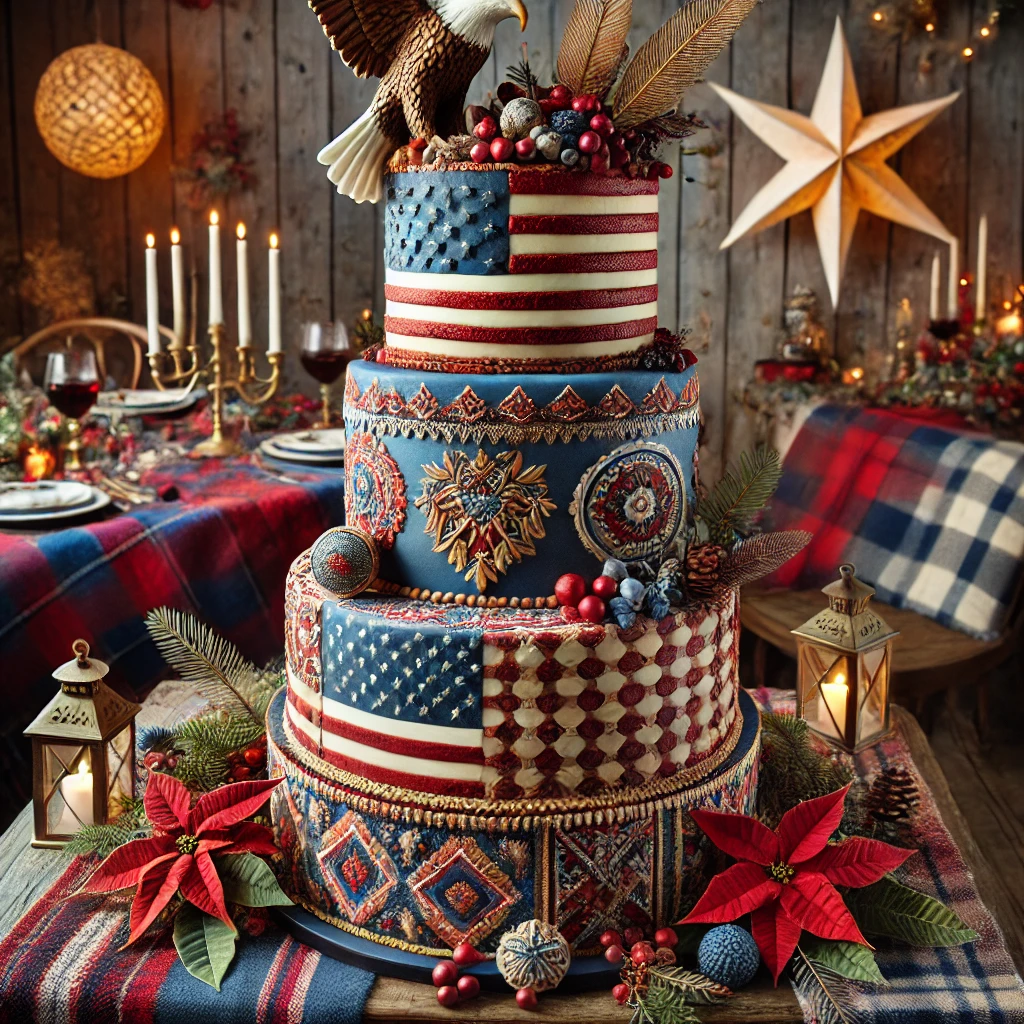
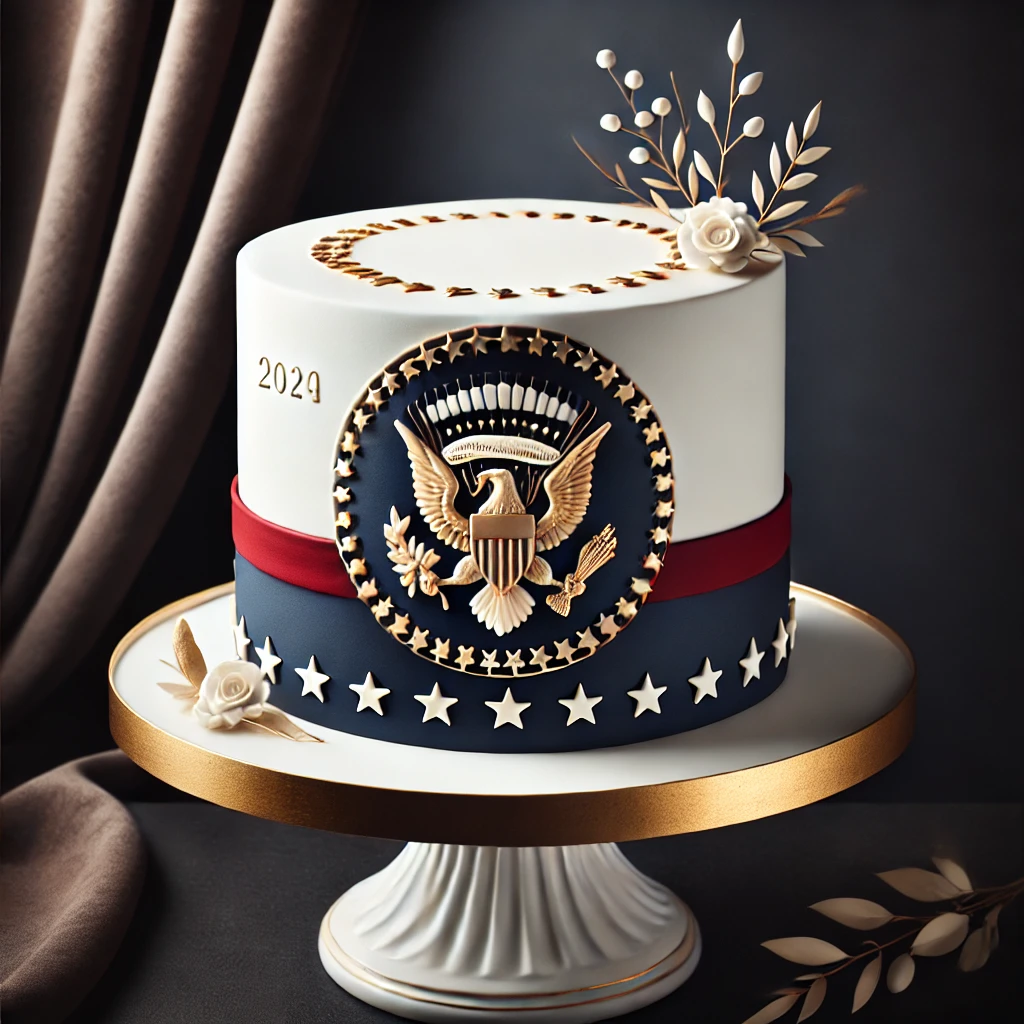
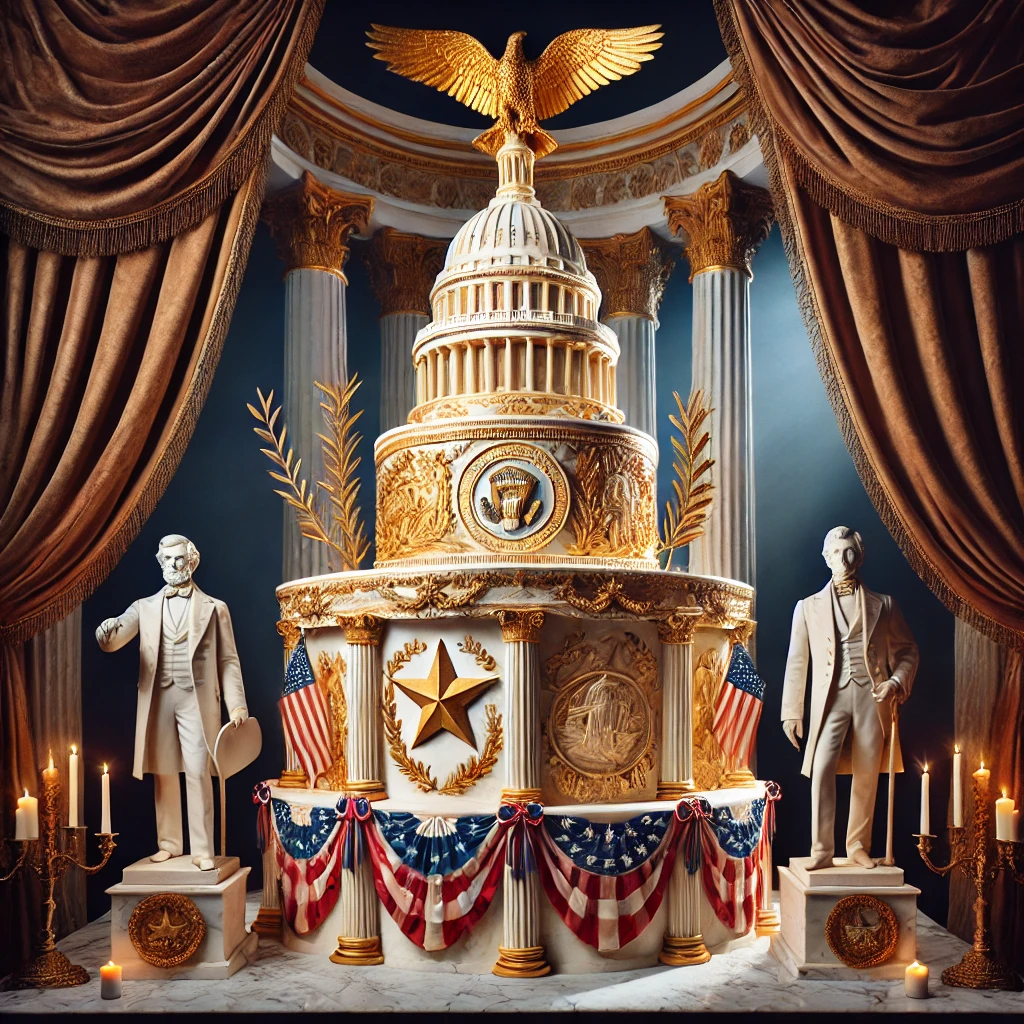
This section is meant to be more than Cake Decorating Ideas… it’s designed to spark inspiration and creativity, awaken tradition, and infuse your special occasions with style, identity, and atmosphere. A color palette becomes a theme. A design becomes a mood. Simple details—like sugared holly leaves or shimmering stars—can set the tone for a gathering and become part of cherished traditions and lasting memories melded with personal touch and love.

Traditional Presidents' Day Dishes

Foods Traditionally Associated with Presidents’ Day
1. Cherry Dishes
  • Cherry pie is the most iconic Presidents’ Day food
  • Linked to George Washington through the famous (though apocryphal) cherry tree story
  • Symbolizes honesty, virtue, and moral character

2. Colonial-Era American Foods
These reflect what early presidents would actually have eaten:
  • Roast meats (beef, pork, or turkey)
  • Root vegetables (potatoes, carrots, parsnips)
  • Cornbread or hearth-baked breads
  • Apple dishes (apple pie, baked apples, cider)

3. Corned Beef & Cabbage
  • Often associated with Abraham Lincoln and 19th-century American fare
  • Common in February and sometimes overlaps with early Irish-American traditions
  • Represents hearty, practical nourishment during winter

4. New England & Mid-Atlantic Classics
Reflecting early presidential regions:
  • Clam chowder
  • Baked beans
  • Brown bread
  • Fish and shellfish dishes

5. Presidential Favorites (Often Featured)
  • Peanut soup (associated with Thomas Jefferson)
  • Spoonbread and Southern dishes (Jefferson & Madison era)
  • Simple farmhouse-style meals highlighting American agriculture

6. Patriotic Desserts
  • Red, white, and blue cakes or cupcakes
  • Berry shortcakes
  • Flag-themed cookies or sugar cookies
  • Vanilla and chocolate combinations symbolizing simplicity and unity

7. Simple, Shared Meals
  • Family-style dinners
  • Potluck meals at schools or civic events
  • Foods meant to emphasize unity, humility, and shared national heritage

Winter Recipes