

























Birthdays

with ORO VALENTIO

A Celebration of Life

In earlier centuries, when disease, hardship, and uncertainty made survival far from guaranteed, reaching another year of life was itself an achievement worthy of communal gratitude. Families understood in a visceral way that time was fragile and that every birthday marked mercy as much as growth. While modern medicine and stability can make longevity feel ordinary, the truth beneath the celebration has not changed: each year remains a gift, not an entitlement. Every life continues to be rare, unrepeatable, and influential beyond measure. To mark a birthday, then, is to resist forgetfulness. It is to pause and say that this person’s existence is precious, their presence has altered the world, and the days granted to them should never be taken for granted.
A birthday is more than the turning of a calendar page. It is a yearly return to wonder — a reminder that a life once began and has continued to unfold with purpose, influence, and unrepeatable value.
To celebrate a birthday is to acknowledge the sanctity of human life. No person is accidental. Each arrival into the world introduces a presence that will shape families, friendships, communities, and history in ways both visible and hidden. Even the smallest acts of kindness, courage, or faithfulness ripple outward far beyond what can be measured.
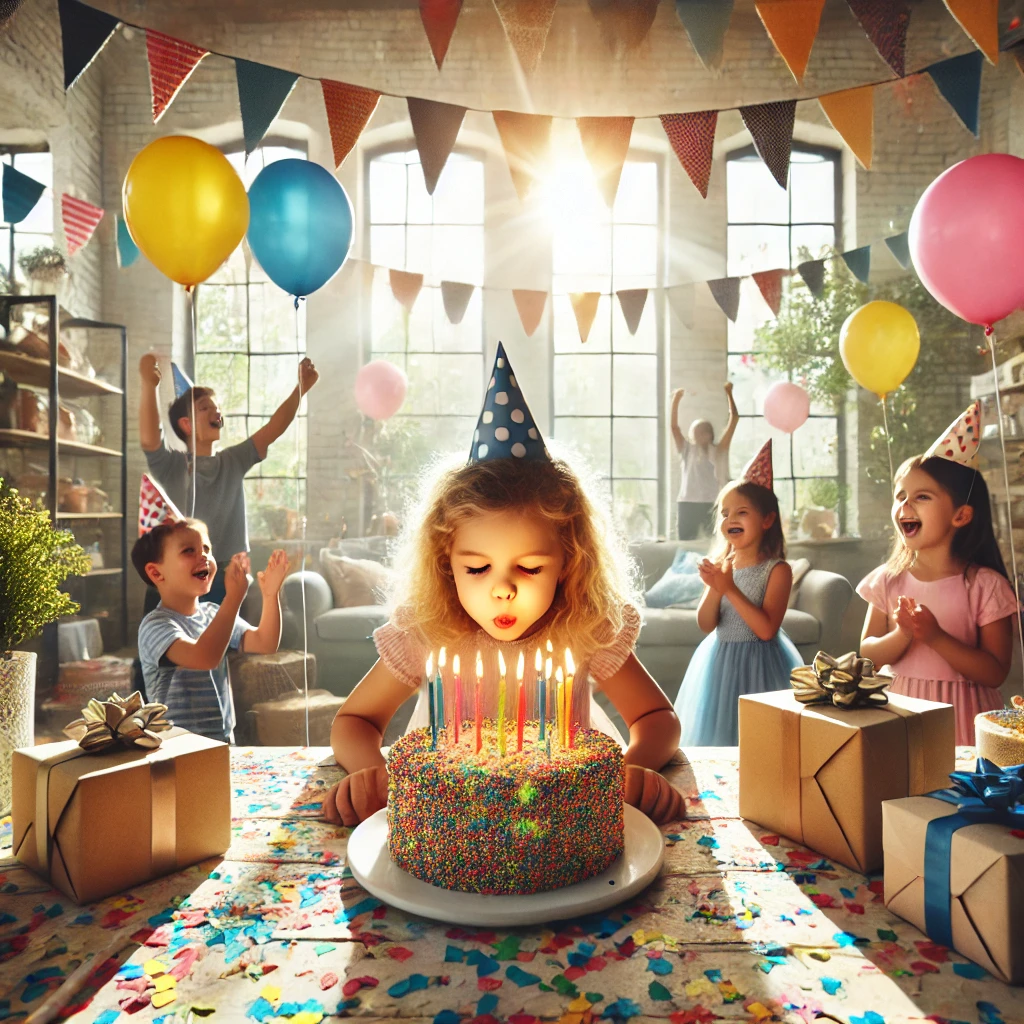
Tradition gives us a way to pause and recognize this mystery. Candles, meals, gifts, and gatherings become outward signs of an inward truth: someone is here, and because they are here, the world is different. Their voice, their work, their love, their choices — all of these leave marks that would not exist otherwise.
Birthdays also invite gratitude. They allow us to thank God for the gift of existence, for growth through trials and joys, and for the future that still waits to be written. They remind us that time itself is a mercy and that every year carries new opportunity to become more faithful, more generous, more fully alive.
When we honor a birthday, we are not merely celebrating age. We are celebrating impact. We are celebrating relationship. We are celebrating a life that matters.

Birthdays as Calling and Legacy

A birthday is more than a celebration of another year passed; it is a recognition that a life has been entrusted with purpose. While ancient customs sometimes surrounded birth anniversaries with anxiety about fate, Christian understanding gradually transformed the day into something far greater: gratitude for a person uniquely called to shape the world.
To be born is to be sent into history. No one arrives without consequence. Each voice influences others, each decision alters futures, each act of faithfulness or neglect leaves marks that echo beyond what can be seen. A birthday therefore becomes a yearly reminder that a person’s existence is not accidental — it carries vocation.
The familiar symbols remain. Candles shine, friends gather, gifts are exchanged. Yet beneath the celebration lies a deeper confession: this life has mattered, and it will continue to matter. The community pauses to acknowledge the responsibility and privilege of having been given time, relationships, talents, and opportunities to build something that outlives the moment.
In the United States especially, birthdays often become occasions for encouragement. Families speak identity over their children. Friends affirm character. Gratitude is offered for growth, protection, and the future still unfolding. What once might have been tied to luck is now rooted in blessing.
Seen this way, a birthday is not merely personal — it is generational. It asks: What will be built with the years ahead? Who will be strengthened by this life? What legacy will remain when the candles are long extinguished?
The celebration honors not only existence, but mission.
In the earliest centuries of Christianity, believers tended to place greater emphasis on a person’s death than on their birth. Earthly life was understood as a pilgrimage, often marked by hardship, persecution, and uncertainty, while eternal life with Christ was the true homeland. For this reason, the day a faithful Christian — especially a martyr — died was remembered as a “birthday into heaven,” the moment of safe arrival after the journey. Early writings and church calendars reflect this outlook, highlighting perseverance, courage under trial, and the joy of entering glory. The focus was not on when life’s struggle began, but on when victory was completed. In a world where suffering was real and survival was never guaranteed, such anniversaries were celebrated not with grief but with triumph. Earthly birthdays were not rejected; they simply held less importance than the hope that lay ahead.

Birthday Traditions to Make Your Own

Giving cards with written messages
A simple but meaningful way to express love, gratitude, and encouragement the person can keep.
Singing “Happy Birthday”
A shared moment that publicly recognizes and honors the individual.
Presenting a cake with candles
A festive centerpiece symbolizing celebration and the marking of another year.
Making a wish before blowing out the candles
A quiet pause to hope or pray for the future.
Giving gifts
Tokens of affection chosen to delight, support, or remember the person.
Hosting a party or gathering
Bringing together friends and family to affirm belonging and shared joy.
Decorating with balloons or banners
Visual reminders that the day is set apart and worthy of celebration.
Sharing a special meal
Food becomes a way of gathering hearts around the table.
Letting the person of honor choose activities
A gesture of respect that centers the day on what brings them happiness.
Taking photos to mark the year
Capturing growth and preserving memories for the future.
Calling or visiting from distant friends and relatives
Extending the celebration beyond geography through connection.
Posting tributes or memories
Public expressions of appreciation and recognition.
Creating keepsakes or memory books
Recording milestones, stories, and messages that endure.
Playing games or planning entertainment
Adding laughter and shared experience to the celebration.
Offering prayers or words of blessing
Acknowledging life as a gift and asking for guidance in the year ahead.
Reflecting on growth over the past year
Taking stock of lessons learned and progress made.
Setting hopes or goals for the year ahead
Looking forward with intention and optimism.
Acts of service done for the celebrant
Giving rest or help as a sign of love.
Wearing special clothing or crowns/sashes
A visible sign that someone is being honored.
Annual traditions unique to the family
Rituals passed down that strengthen identity and continuity.
The modern birthday party, especially the kind centered on children, is most clearly traced to German-speaking Europe in the eighteenth and nineteenth centuries. Historians often refer to these celebrations as Kinderfest, where families gathered around a cake topped with candles marking each year of life, sometimes with an additional flame expressing hope for the year to come. Gifts were given, songs were sung, and the child stood at the heart of the day. These communities were overwhelmingly Christian — Protestant and Catholic alike — and although the celebration was not an official church rite, it unfolded within a worldview shaped by faith. Life was understood as a gift from God, preservation another year was mercy, and the future rested in providence. This marked an important change from older patterns of thought. Rather than worrying about unseen forces or attempting to secure protection through ritual, families increasingly responded with gratitude: God had sustained this child, and thanksgiving was the natural reply. In this way, the atmosphere surrounding birthdays softened from anxiety to blessing. Through immigration and cultural exchange, these German family traditions strongly influenced Britain and later the United States, becoming the template for the celebrations many recognize today — intimate, affectionate, hopeful, and centered on the joy of a life still unfolding.

The Value of Life Across Time

Long before modern parties, balloons, and brightly lit cakes, people across the ancient world marked the anniversary of a birth with a sense of seriousness. To be alive another year was no small thing. Survival itself felt fragile, and many cultures believed that significant transitions in time — including the return of the day of one’s birth — carried spiritual weight. Some of the earliest documented birthday observances appear in royal settings, such as in ancient Egypt, where a ruler’s “birthday” could mark a kind of public renewal of status and destiny. Later, in Greece and Rome, celebrations expanded to include individuals and families. Feasts were prepared, gifts were offered, and light or fire sometimes accompanied the day. For many participants, these actions were not merely festive; they could be linked to hopes for protection, favor, or good fortune in the year ahead. Over centuries, these ideas traveled, blended, and evolved. By the time birthday parties began to resemble what we recognize today — especially through European and later American family culture — the gestures remained: gathering, cake, candles, wishes, gifts, songs. Yet the meaning beneath them continued to change. As Christian belief shaped societies, the focus shifted dramatically. Life was no longer preserved by correctly managing unseen forces. Instead, existence itself was understood as a gift from a loving and sovereign God. The appropriate response became gratitude rather than anxiety, prayer rather than technique. Candles could still glow, but now they symbolized thankfulness for the light of life. Wishes became prayers entrusted to divine care. The gathering of family and friends affirmed not a shield against fate, but belonging within a community sustained by love. The celebration pointed backward in remembrance and forward in hope. In United States, this transformation is especially visible. Birthday traditions often retain their festive shape while being interpreted through a lens of blessing. Families thank God for the person’s life, for growth and protection, and for the future entrusted to Him. The day becomes an opportunity to speak affirmation, to express love, and to recognize how one individual’s presence has changed the lives of many. What once may have carried hints of superstition has been overwhelmed by thanksgiving. The modern birthday, at its best, is therefore not an attempt to control destiny but a joyful confession: a life has been given, it has mattered, and it continues under grace. The candles shine not because they guard against darkness, but because they testify that light has already been given. 
May the God who gave you life continue to sustain it with purpose and peace.
May gratitude mark the years behind you, hope light the road ahead, and love surround you on every side.
And may the life you live be a blessing to many.
Amen.
For much of human history, the birth of a child was received with awe. In most societies, cultures, and within the great religious traditions, children represented continuity, hope, the family's future, and the survival of a people. To hold a newborn was to witness the fragile arrival of possibility in a world where disease, famine, and conflict were constant realities. Life was not assumed. It was marveled at. Because of this, fertility was frequently interpreted as a sign of divine favor. Families gave thanks to God for opening the womb, and descendants were described as a heritage, a reward, or a blessing. Infertility, by contrast, could be accompanied by grief, confusion, and sometimes social stigma. Without modern medical knowledge, people often searched for spiritual explanations for what they could not biologically understand. The emotional weight was immense precisely because children meant security, legacy, and the promise that one’s name would endure. Over time, modern culture introduced new pressures. Media, advertising, and digital life often amplify materialism, personal achievement, and encourage rapid satisfaction of desires, usually leading to feelings of isolation, depression, or inadequacy, even while material comforts increase. What remains constant across centuries is this: human beings still long to know that their lives matter and that they are connected to a purpose larger than themselves. The ancient joy at birth continues to whisper a truth modern hearts still recognize — life is a gift, and every person carries the power to shape others in ways that endure.

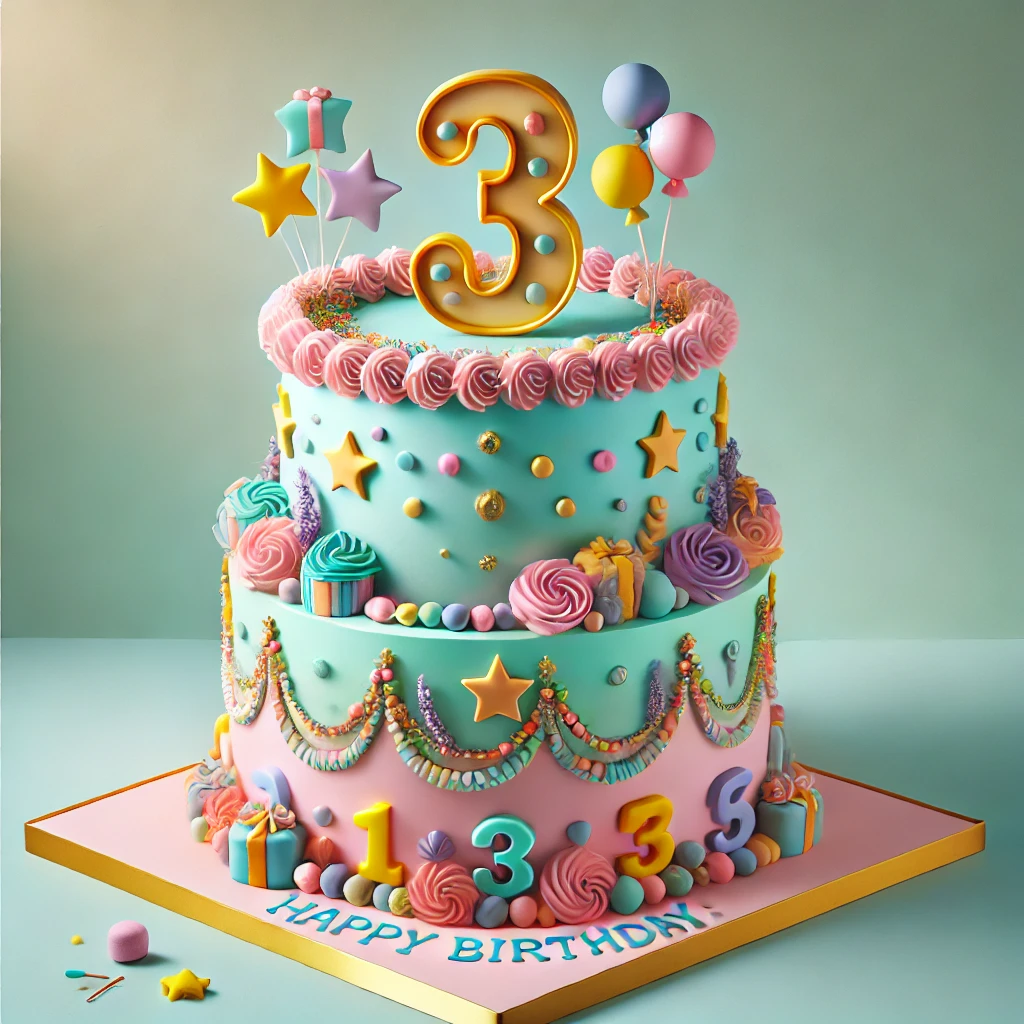
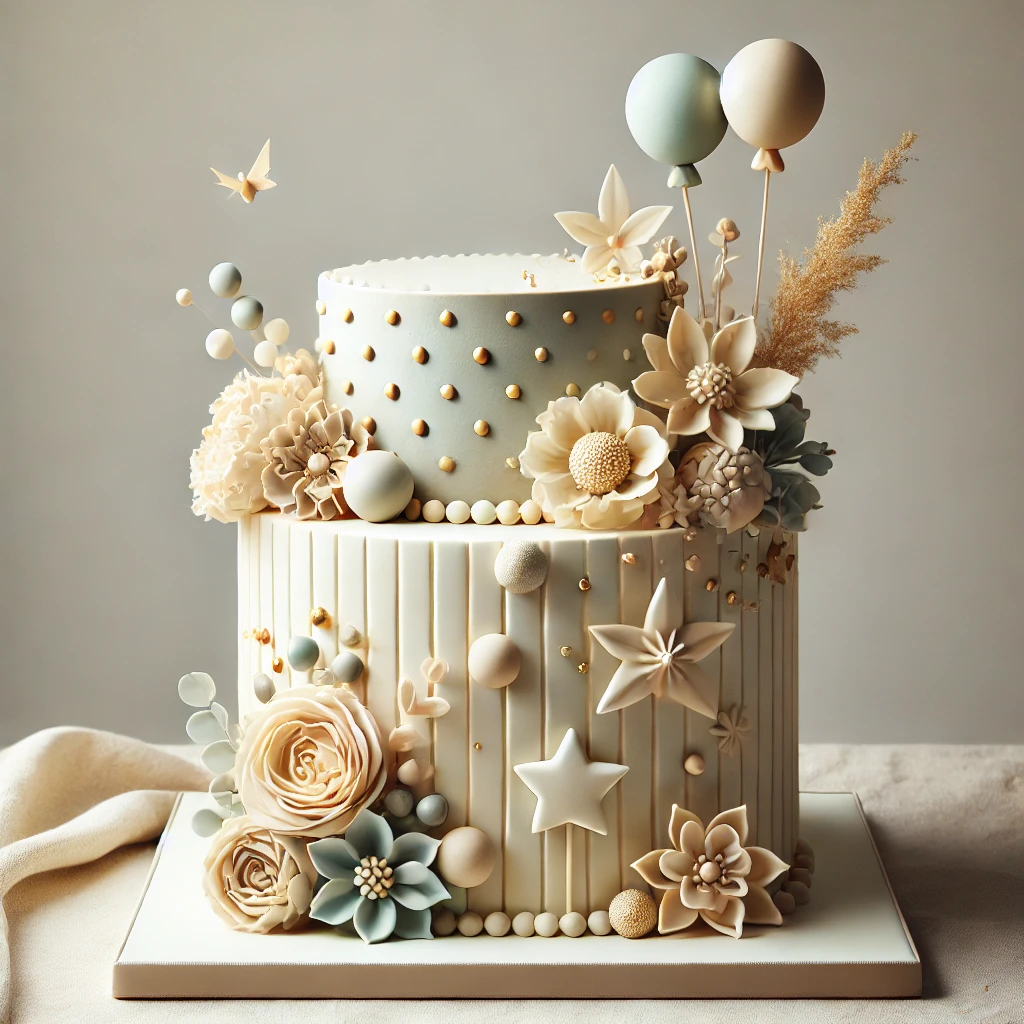
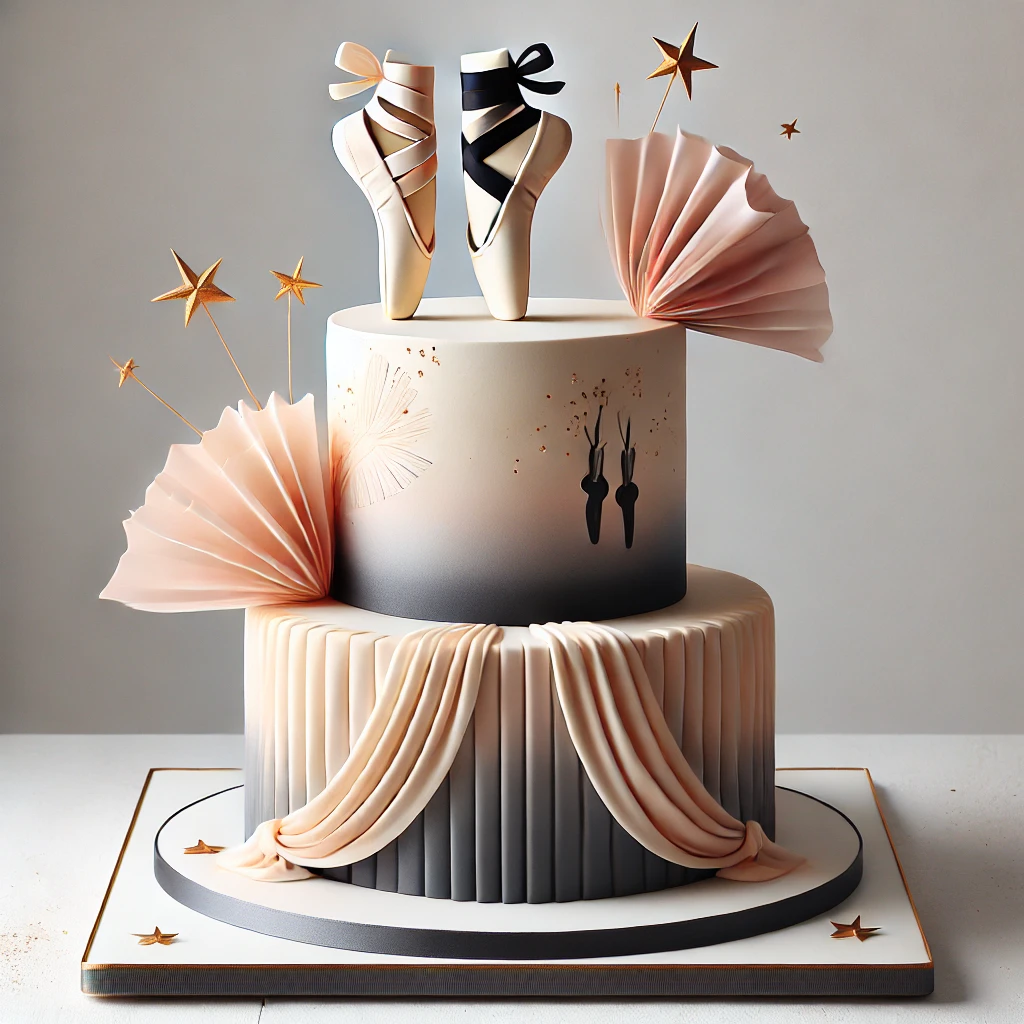
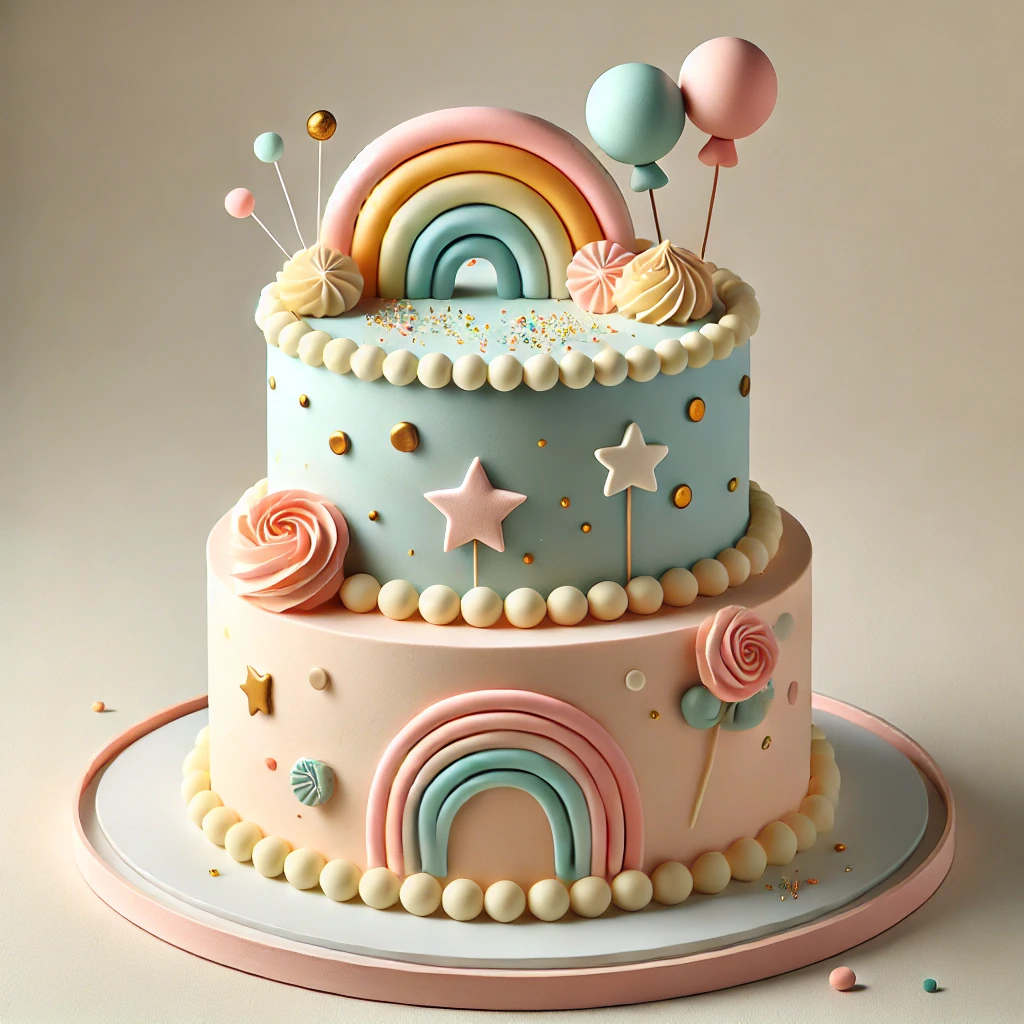
Birthday Cake & Atmosphere Ideas

Where style, memory, and celebration meet.

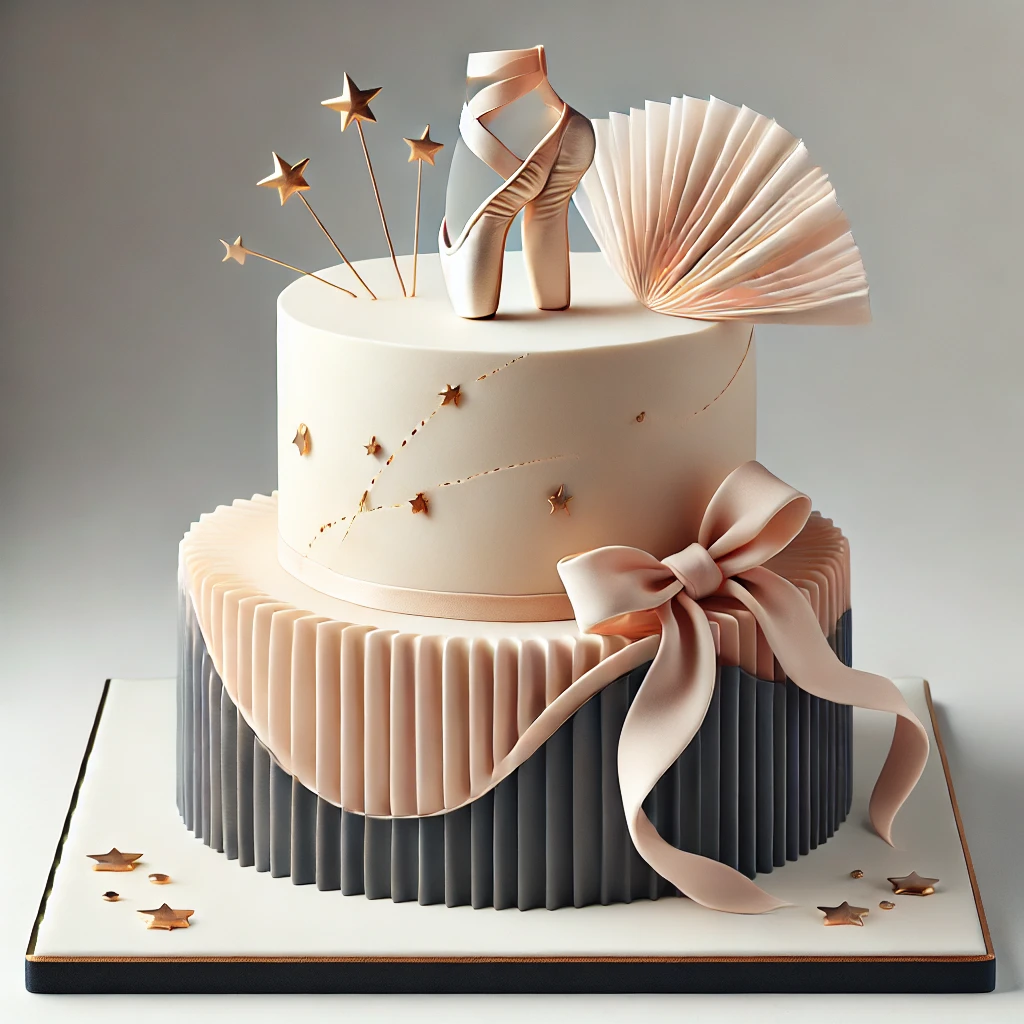
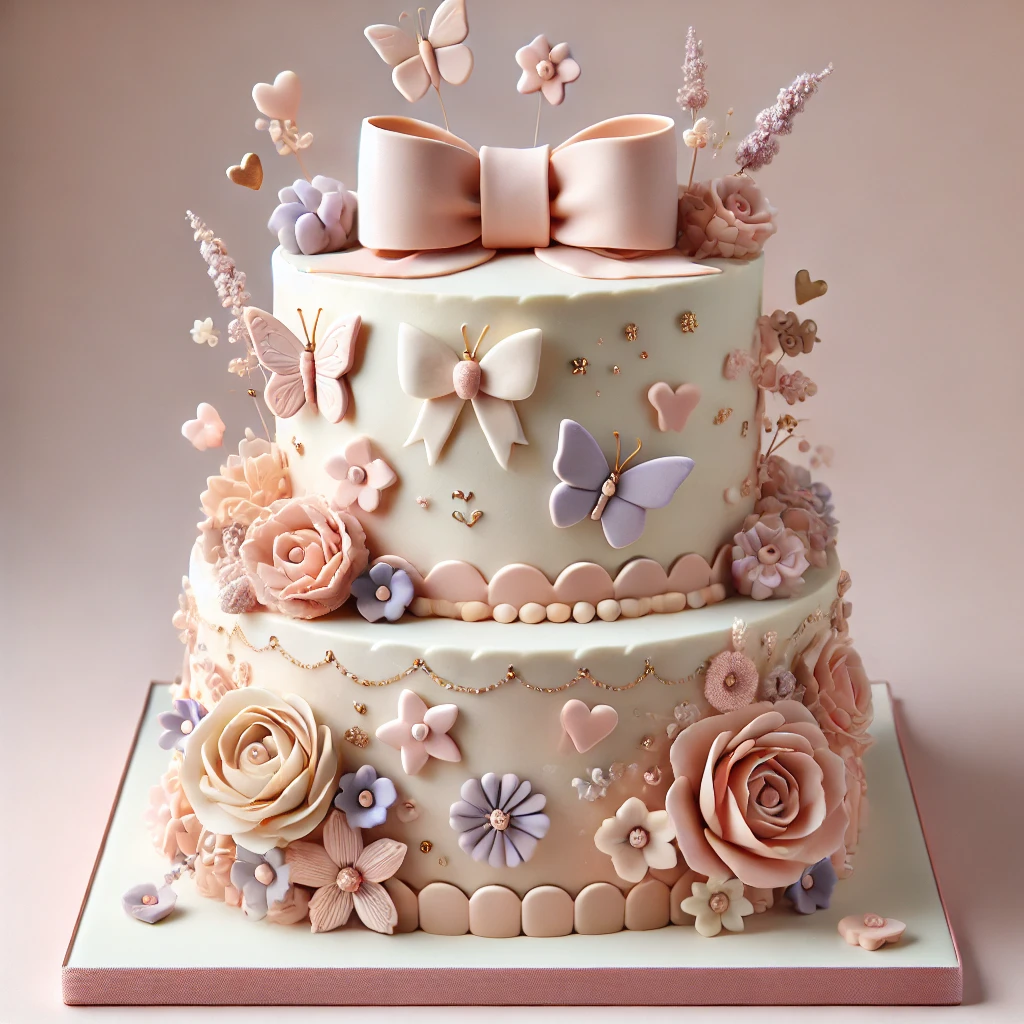
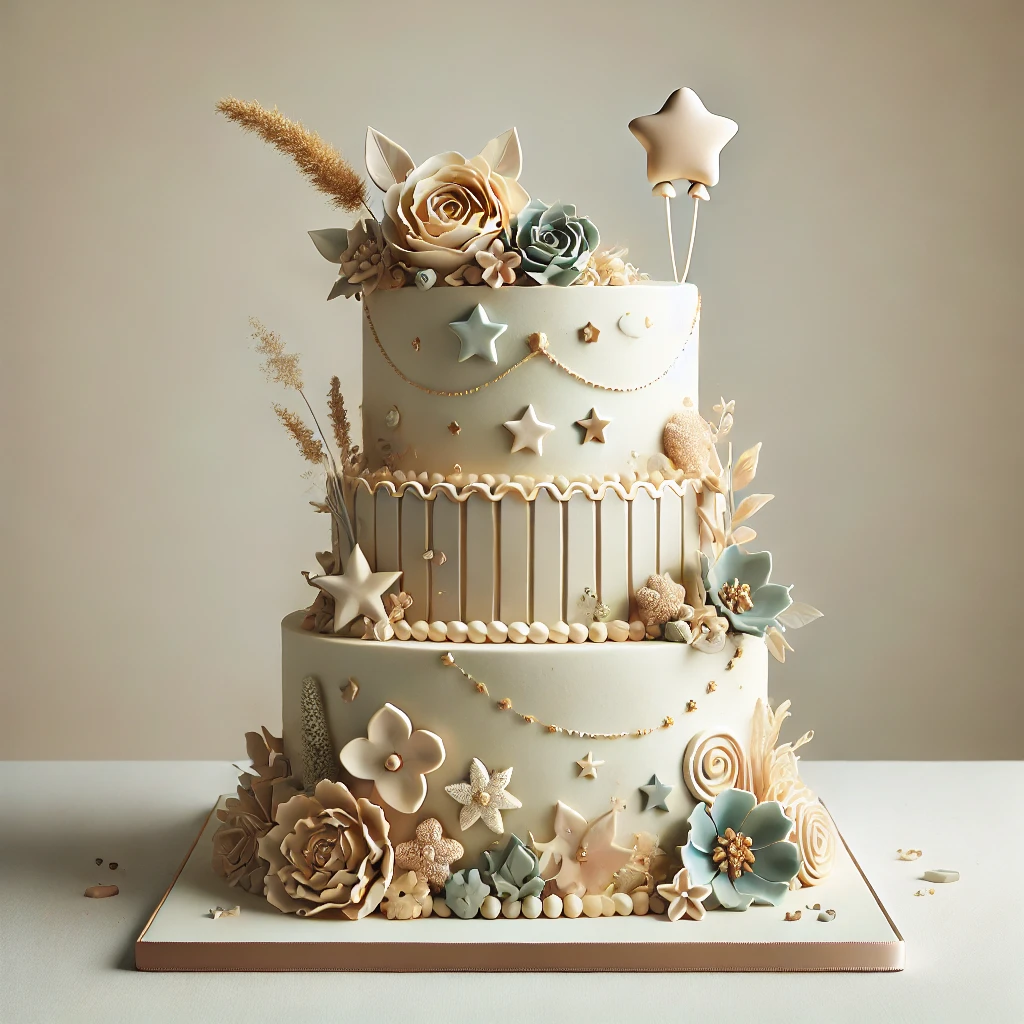
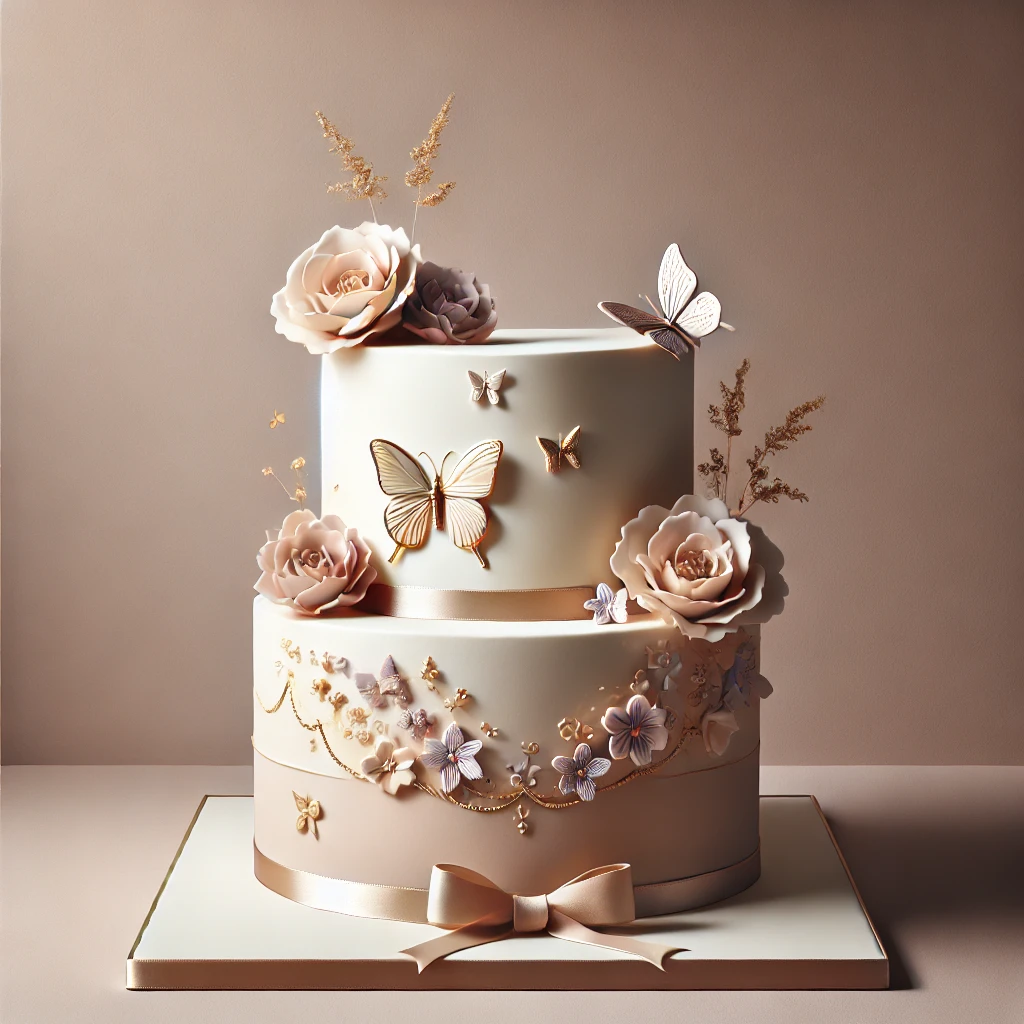
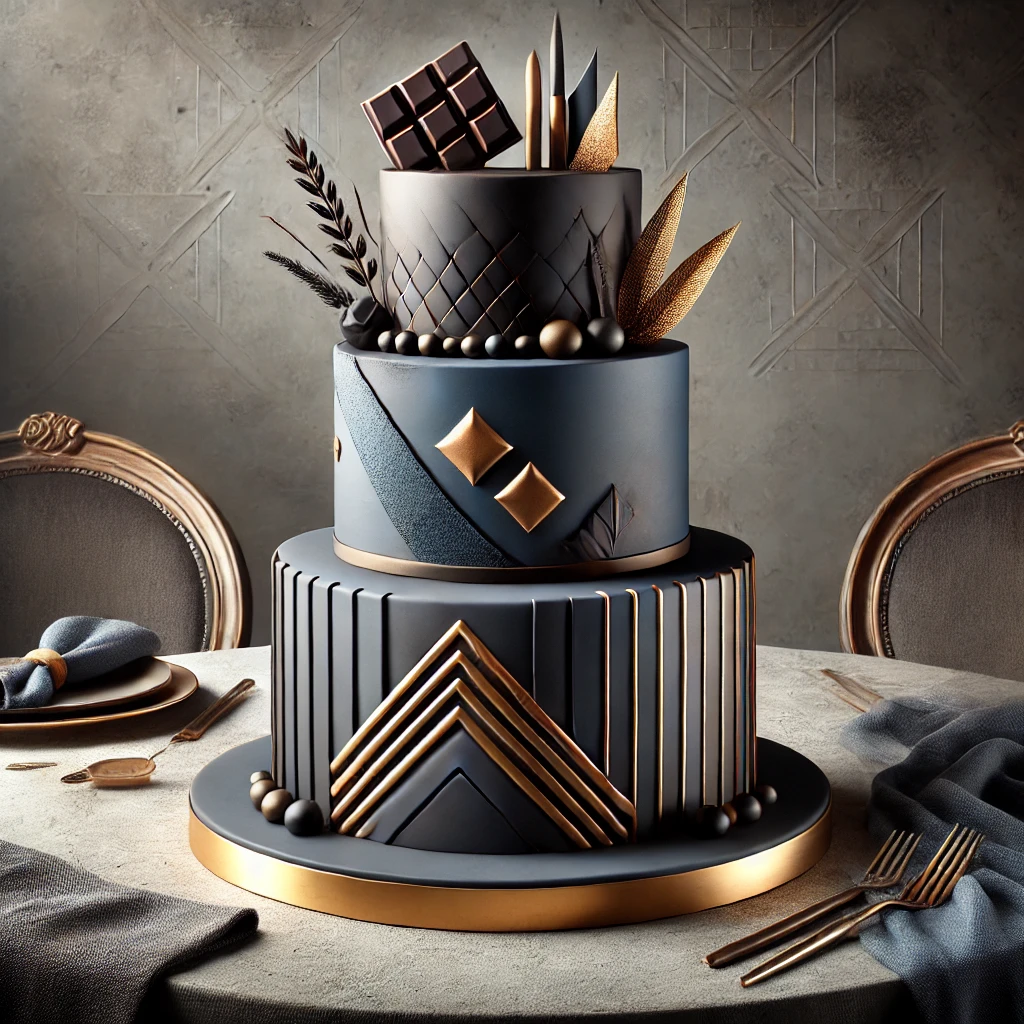
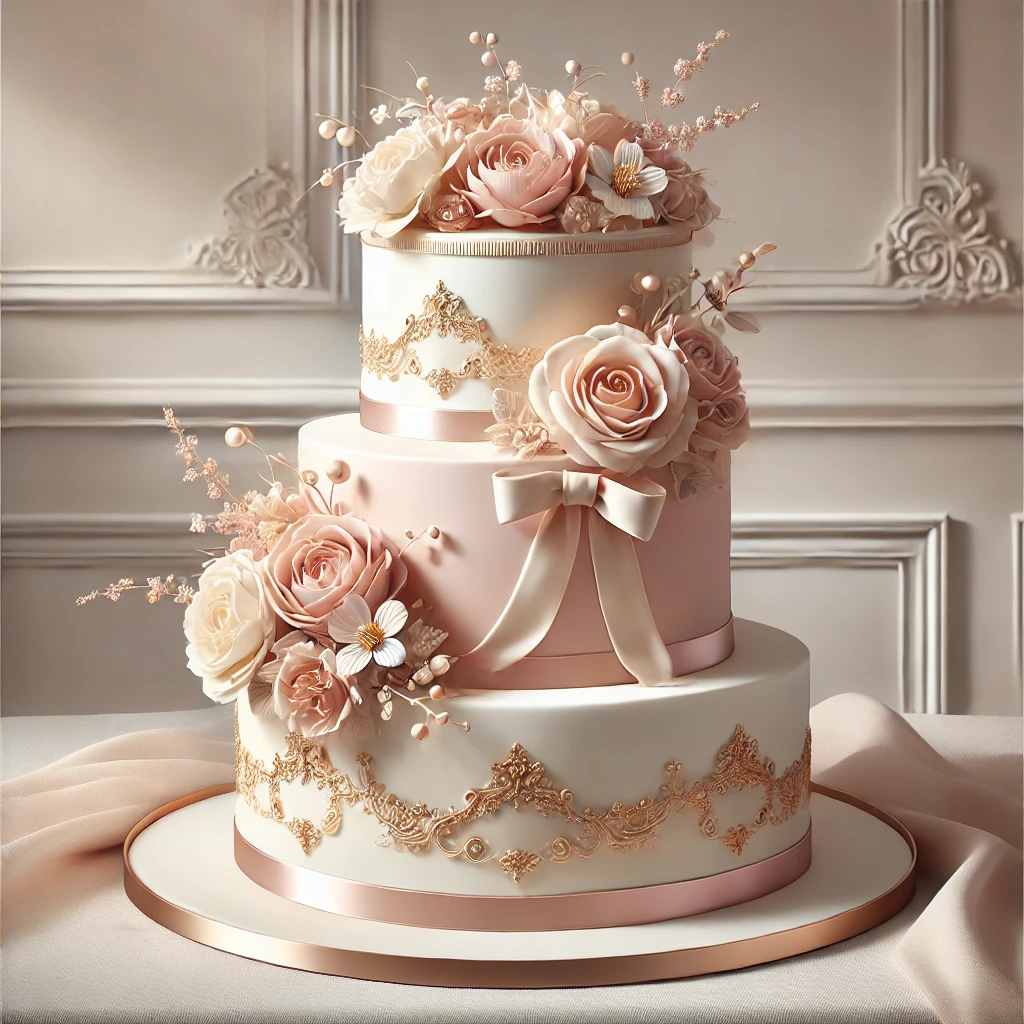
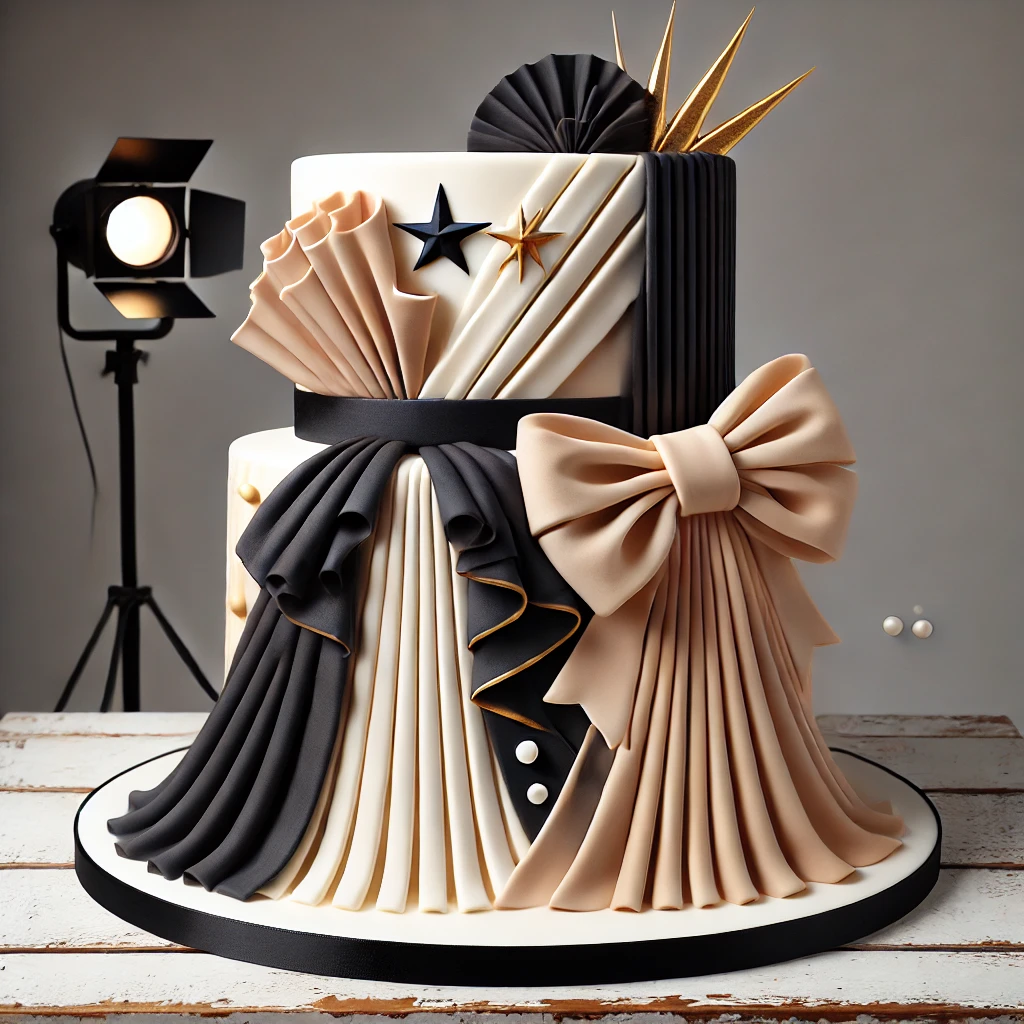
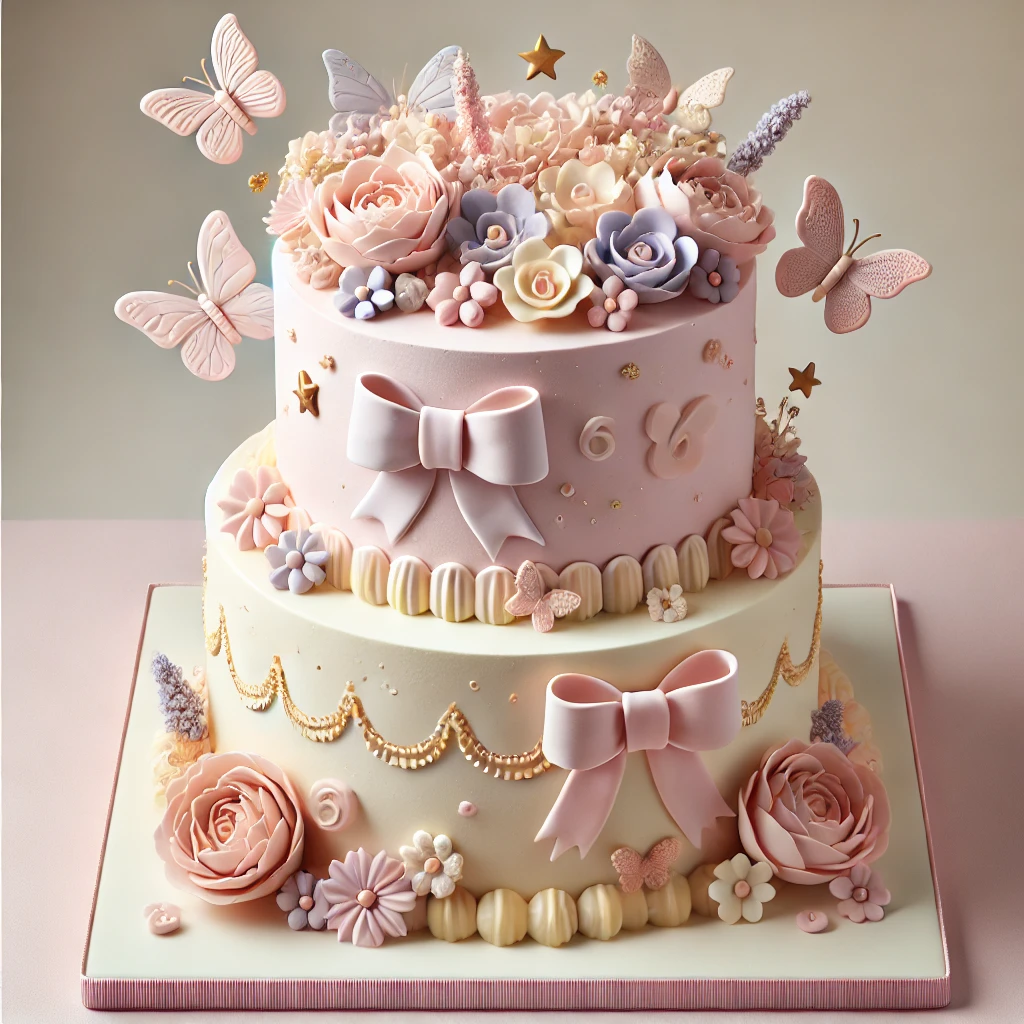
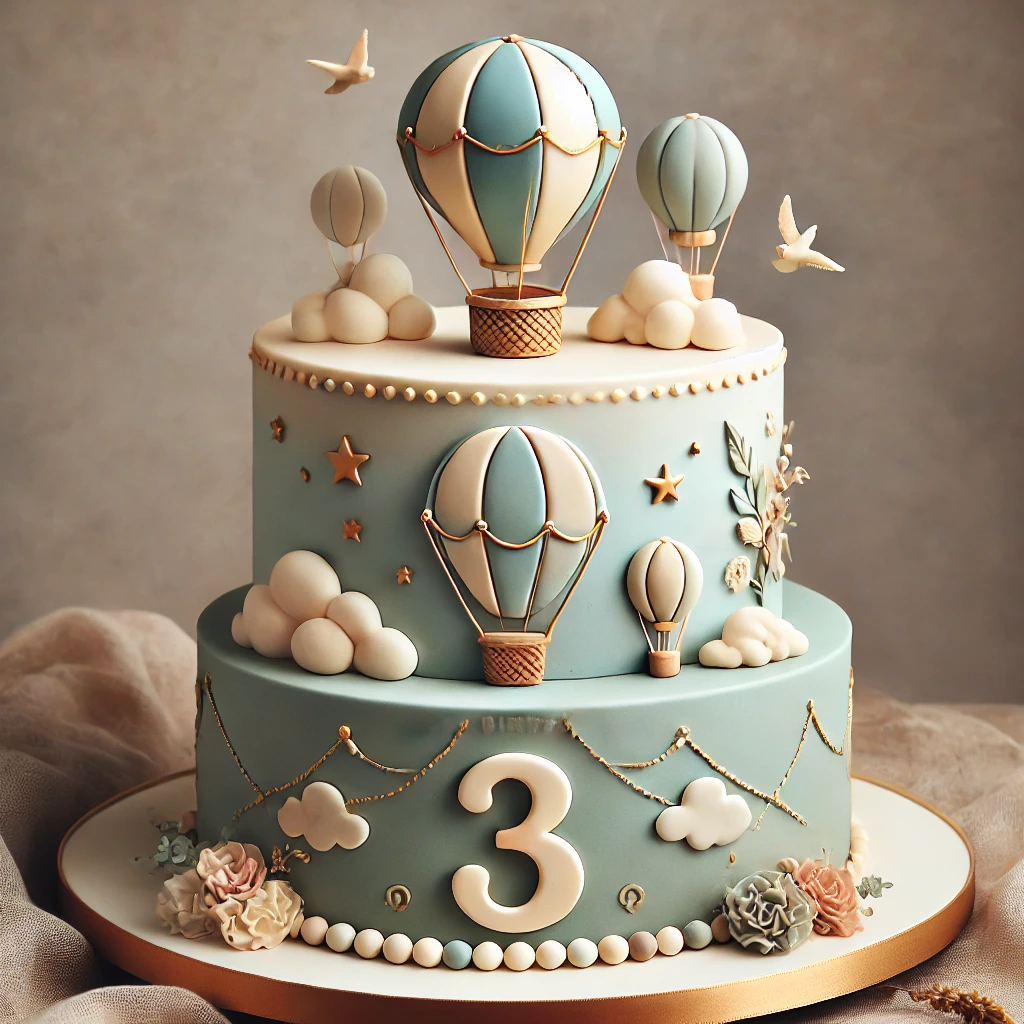
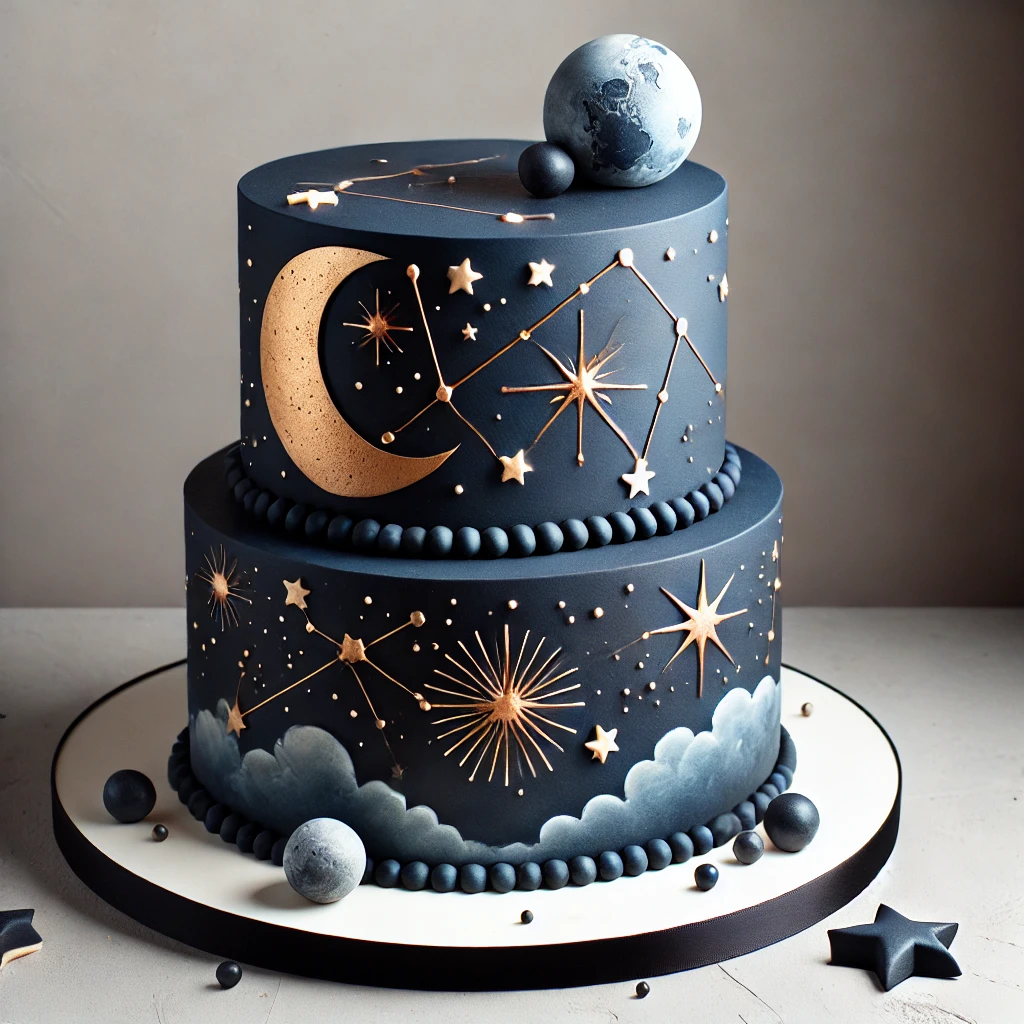
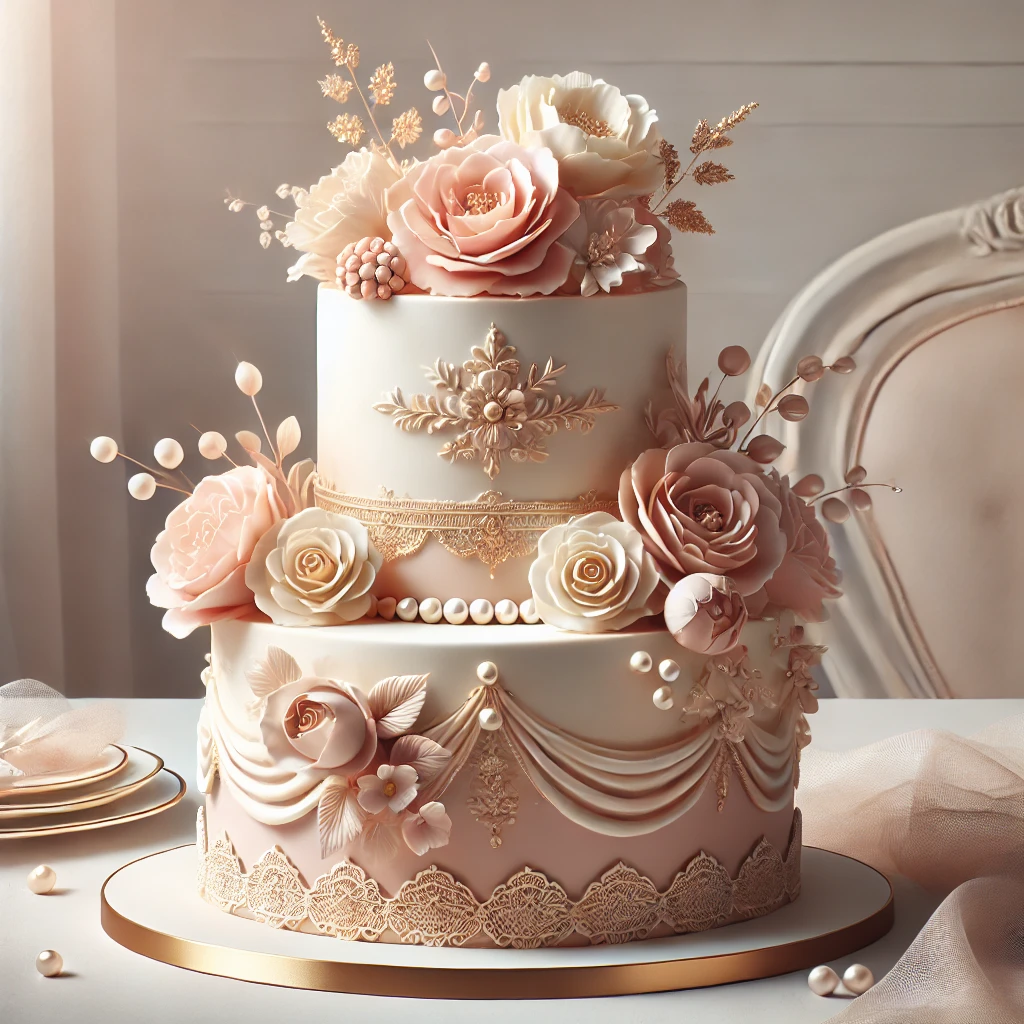
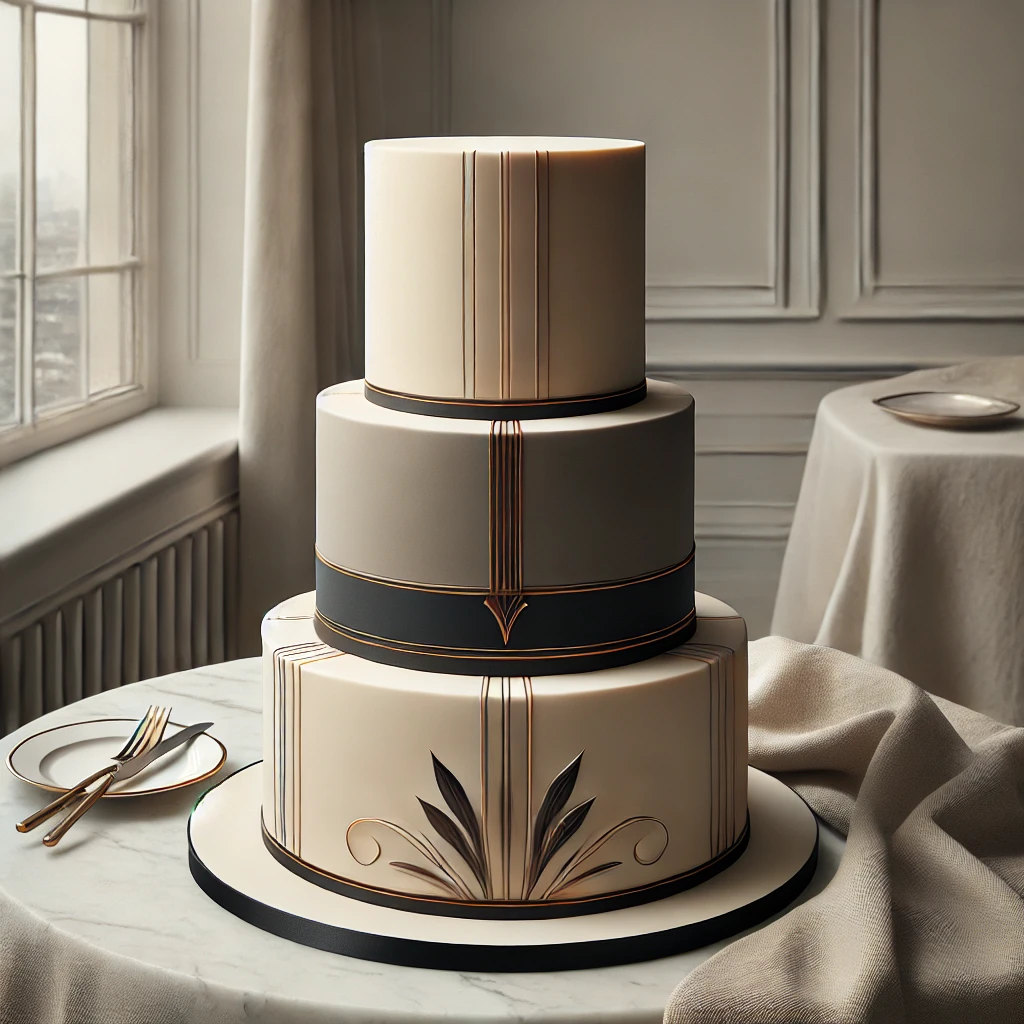
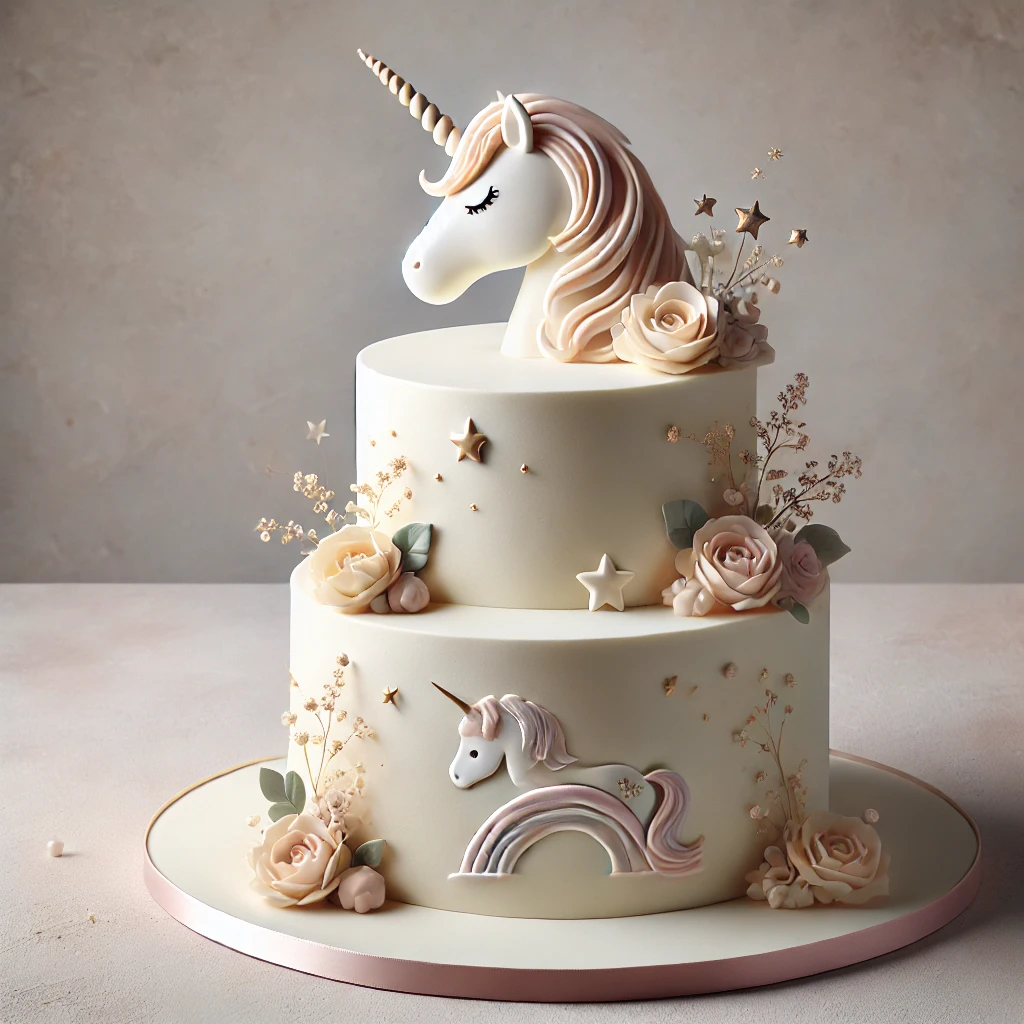
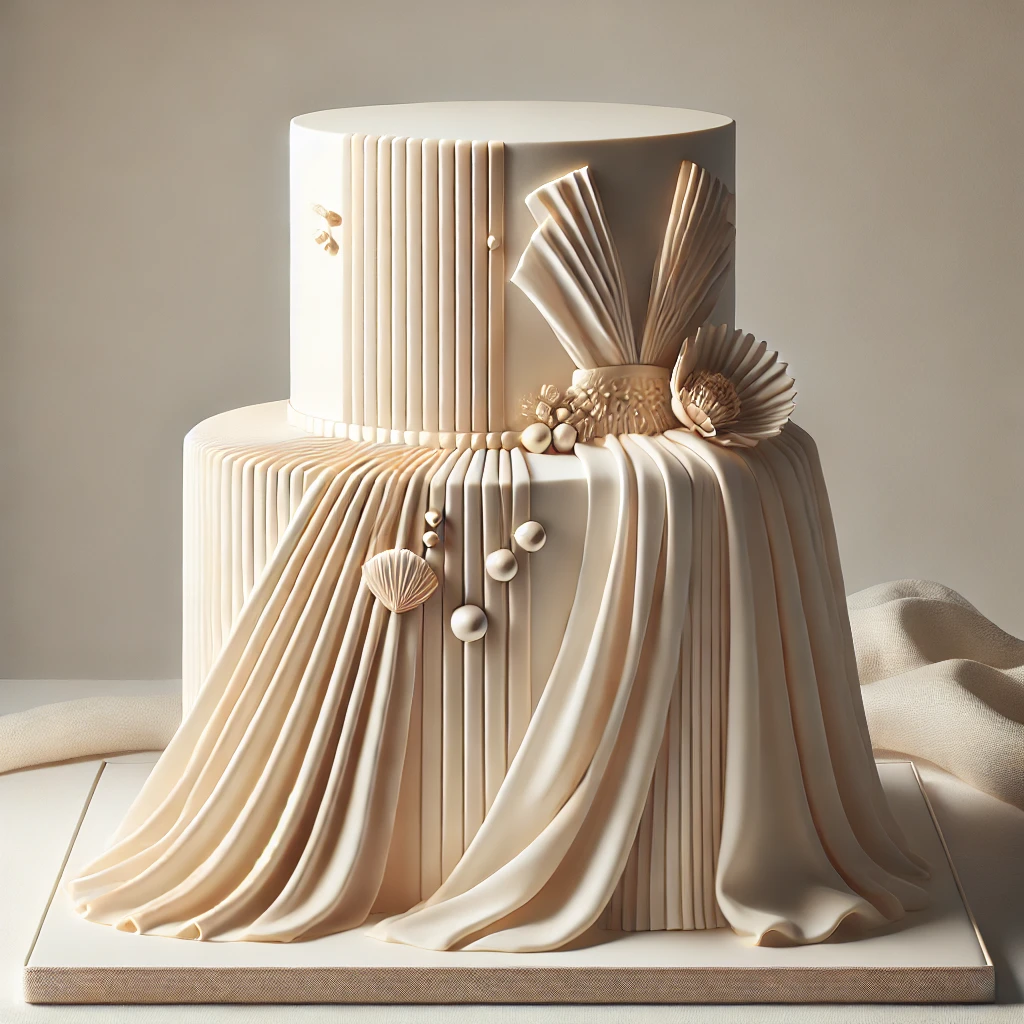
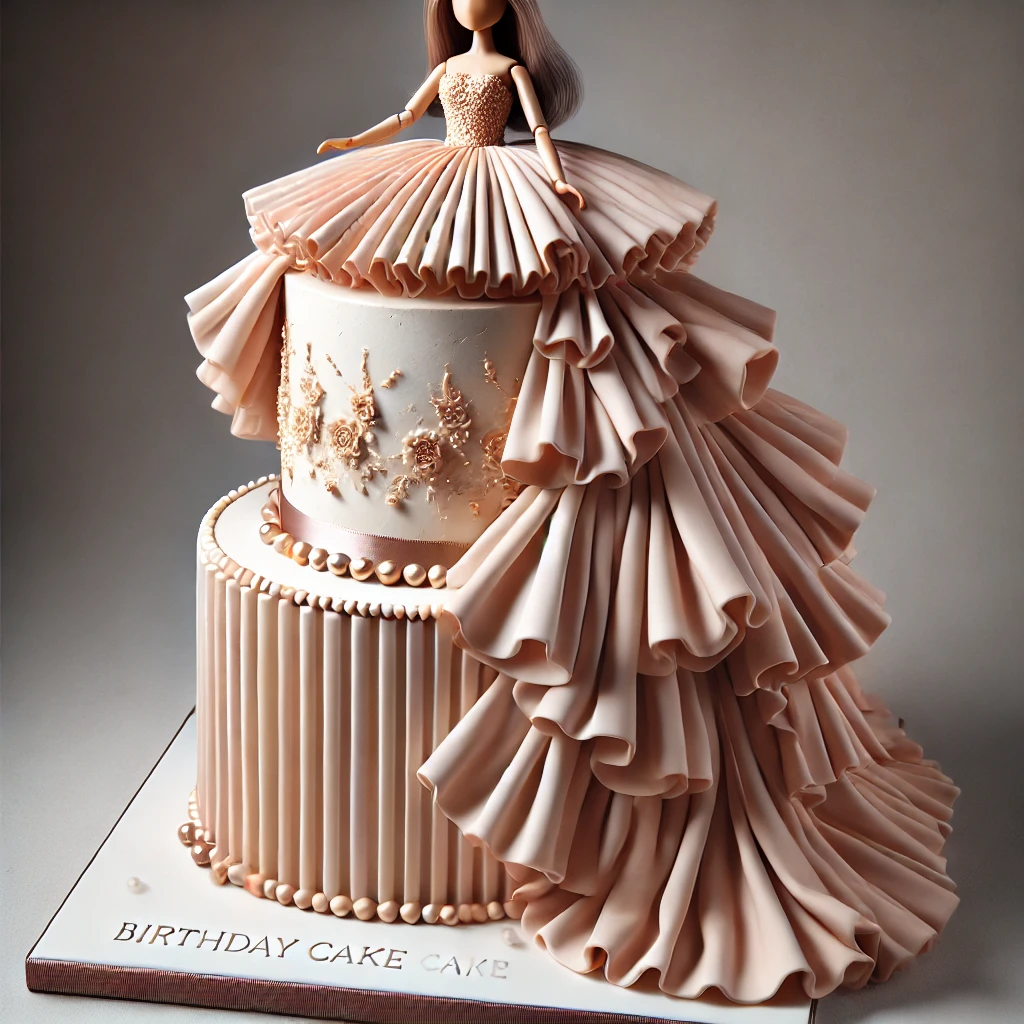
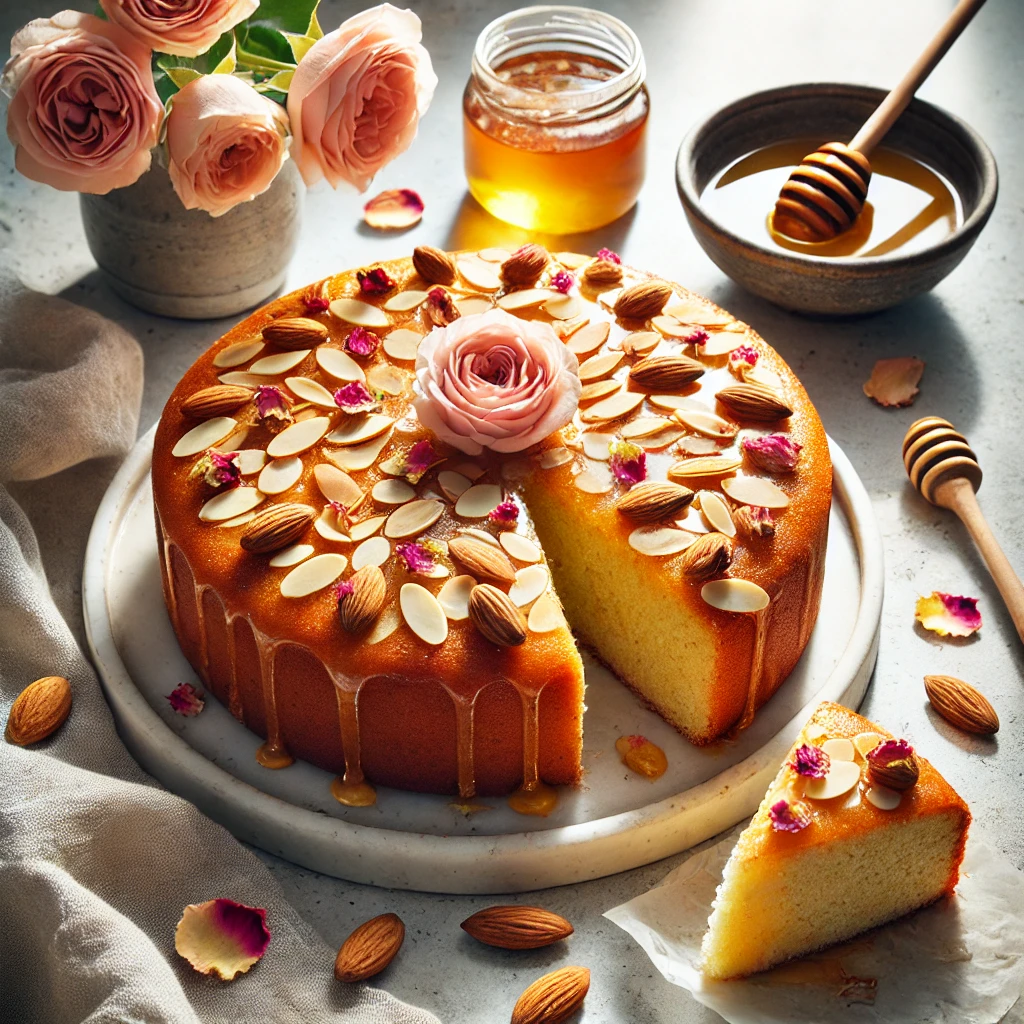
This section is meant to be more than Cake Decorating Ideas… it’s designed to spark inspiration and creativity, awaken tradition, and infuse your special occasions with style, identity, and atmosphere. A color palette becomes a theme. A design becomes a mood. Simple details—like sugared holly leaves or shimmering stars—can set the tone for a gathering and become part of cherished traditions and lasting memories melded with personal touch and love.

Traditional Birthday Dishes

Birthday cake
The iconic centerpiece, usually sweet, decorated, and served after candles and a wish.
Cupcakes
Individual versions of cake that are easy to serve at parties.
Ice cream
Often paired with cake, adding a cool and celebratory treat.
Pizza
A crowd-pleaser that makes feeding guests simple and fun.
Burgers and hot dogs
Common at backyard or summer birthday gatherings.
Fried chicken
A hearty, shareable favorite in many family celebrations.
Pasta dishes
Comforting options like spaghetti or lasagna that feed a group.
Buffet-style snacks
Chips, dips, sliders, and finger foods that encourage mingling.
Candy and sweets
Frequently included for children’s parties or dessert tables.
Fruit platters
A fresh, colorful balance to heavier treats.
The guest of honor’s favorite meal
In many homes, the most important tradition is simply making whatever the person loves most.

Recipes Engineered for Warmth