














































St. Benedict's Day

with ORO VALENTIO

July 11th

Saint Benedict’s Day, celebrated on July 11, honors one of the most influential figures in Christian history—Saint Benedict of Nursia. Though he lived in the 6th century, his legacy has quietly shaped centuries of faith, discipline, education, and community life across the world. This day is not simply about remembering a man, but about reflecting on a way of living that brings order to chaos, purpose to routine, and strength to the soul.
Benedict was born in Nursia, Italy, during a time when the Roman world was collapsing into instability. Instead of pursuing a life of status or comfort, he withdrew into solitude, seeking truth, clarity, and a deeper connection with God. What began as a personal search for holiness eventually grew into a structured way of life that would influence countless others. His most enduring contribution, the Rule of Saint Benedict, became a foundational guide for monastic living—balanced, practical, and profoundly human.
At the heart of Benedict’s teaching is a principle that feels as relevant today as it did centuries ago: “Ora et Labora”—pray and work. This simple phrase carries immense weight. It reminds us that life is not meant to swing wildly between extremes, but to be lived in harmony. Prayer cultivates the inner life—clarity, humility, and alignment. Work builds the outer life—discipline, contribution, and strength. Together, they form a rhythm that sustains both the spirit and the body.
Saint Benedict understood something deeply powerful about human nature: that structure is not restriction—it is freedom. His Rule established a daily rhythm of prayer, labor, study, and rest. It encouraged moderation instead of excess, humility instead of pride, and stability instead of restlessness. In a world often driven by noise and distraction, his approach calls us back to something quieter, steadier, and far more enduring.

A Life Anchored in Purpose

Benedict understood something that many overlook: A person does not rise to greatness by intensity alone—but by structure. His Rule was not written as a rigid law meant to control, but as a living framework meant to guide. It accounted for human weakness, encouraged growth, and emphasized consistency over perfection. It was not about becoming extraordinary overnight—it was about becoming steady, reliable, and aligned over time. This is a powerful truth: A disordered life weakens the spirit. A structured life strengthens it. Benedict’s approach was deeply practical. He did not separate the sacred from the ordinary—he unified them. Eating, working, resting, praying—all became part of a single, integrated life. Nothing was wasted. Nothing was meaningless.
Saint Benedict’s Day is therefore a celebration of order—not rigid control, but intentional living. It invites reflection on how we spend our time, how we discipline our thoughts, and how we build our lives day by day. It asks us to consider: Are we living with purpose? Are our habits strengthening us or weakening us? Are we aligned in mind, body, and spirit? There is also a profound sense of protection associated with Benedict. The Saint Benedict Medal, often worn or kept in homes, symbolizes spiritual defense against negativity and disorder. It represents not superstition, but a commitment to stand firm in truth, clarity, and moral strength. It is a reminder that a well-ordered life is not easily shaken.
Historically, Benedictine communities became centers of learning, agriculture, and preservation of knowledge during the so-called Dark Ages. Monasteries like Monte Cassino served as beacons of stability and progress, safeguarding texts, cultivating land, and fostering disciplined communities. In many ways, Benedict’s influence helped rebuild civilization—not through force, but through consistency, integrity, and quiet excellence. On this day, people honor Saint Benedict in ways that reflect his values. Some spend time in prayer or meditation, seeking clarity and renewal. Others commit to restoring order in their lives—cleaning their spaces, refining their routines, or setting new intentions. Many reflect on discipline not as punishment, but as a pathway to strength and freedom. Saint Benedict’s Day is ultimately a call to return to what matters. It is a reminder that greatness is not built in moments of intensity alone, but in the steady, faithful repetition of meaningful actions. It teaches that a strong life is not chaotic or scattered, but grounded, intentional, and aligned. In honoring Saint Benedict, we are not simply looking back—we are being invited forward. Toward a life of clarity. Toward a life of discipline. Toward a life where every action, no matter how small, contributes to something greater.

The Rhythm That Forms Strength

1. Attending Mass or Time of Prayer
Many begin the day by attending Mass or setting aside dedicated time for prayer. This reflects Ora—the inward alignment that Benedict emphasized. It is a moment to reset the mind, center the spirit, and begin the day with clarity rather than distraction.

2. Practicing “Ora et Labora” (Pray and Work)
A central tradition is intentionally living out the balance of prayer and work throughout the day. People may dedicate time not only to spiritual reflection, but also to focused, meaningful labor—whether that be work, study, or service—done with discipline and purpose.

3. Blessing or Wearing the Saint Benedict Medal
The Saint Benedict Medal is often blessed and worn or placed in the home. This tradition symbolizes protection, but more deeply, it represents a commitment to living a life of order, strength, and moral clarity.

4. Cleaning and Ordering One’s Space
In honor of Benedict’s emphasis on structure, many people take time to clean, organize, and simplify their environment. This is more than housekeeping—it is a physical reflection of inner order. A clear space supports a clear mind.

5. Reading the Rule of Saint Benedict
Some observe the day by reading passages from Benedict’s Rule. This practice allows individuals to reflect on discipline, humility, leadership, and daily structure—applying timeless principles to modern life.

6. Practicing Silence and Stillness
Setting aside time for silence is a powerful tradition. Whether through quiet meditation, reflection, or simply stepping away from noise, this practice helps restore clarity and strengthens self-awareness—key elements of Benedictine life.

7. Acts of Humble Service
Benedict taught that strength is expressed through humility. Many honor this by serving others—helping family, assisting someone in need, or performing quiet acts of kindness without seeking recognition.

8. Sharing a Simple, Intentional Meal
Meals on this day are often kept simple and shared with gratitude. The focus is not indulgence, but appreciation—recognizing that nourishment, like all things, is part of a balanced and disciplined life.

9. Strengthening Personal Discipline
Some use this day to reset habits—committing to better routines, improved focus, or greater consistency. It becomes a checkpoint: a moment to realign life with purpose and eliminate what weakens it.

10. Reflecting on Stability and Commitment
A quiet but powerful tradition is reflecting on where one is rooted—family, faith, work, or purpose. This aligns with Benedict’s principle of stability: building depth rather than constantly seeking change.
The traditions of Saint Benedict’s Day are quiet, intentional, and deeply rooted in the shaping of a disciplined life. They are not designed to impress outwardly, but to refine inwardly. Each action—whether prayer, work, silence, or service—reflects a commitment to living with purpose, structure, and clarity. At the heart of these traditions is a return to balance. Time set aside for prayer represents alignment of the mind and spirit, while meaningful work reflects effort, responsibility, and contribution. Together, they form a rhythm that strengthens both the inner and outer life, echoing the principle that a well-ordered day leads to a well-ordered life. There is also a strong emphasis on simplicity and intention. Cleaning and organizing one’s space becomes more than a task—it becomes a reflection of internal order. A quiet room, a made bed, a cleared desk—these are outward signs of discipline taking root within. In the same way, moments of silence are not empty, but purposeful, allowing clarity to rise and distractions to fall away. Wearing or blessing the Saint Benedict Medal carries symbolic meaning as well. It represents not only protection, but a conscious choice to live with integrity, strength, and awareness. It serves as a reminder that true stability is built from within, through consistent and disciplined living. Acts of service, often done quietly and without recognition, reinforce humility—the understanding that strength is not found in elevating oneself, but in serving with sincerity and purpose. Even shared meals reflect this mindset, emphasizing gratitude, moderation, and connection rather than excess. Ultimately, these traditions are not about doing more—they are about doing better. They guide a person toward a life that is steady rather than chaotic, intentional rather than reactive, and grounded rather than scattered. They are simple practices, but when lived consistently, they shape something powerful: A life that is structured, resilient, and aligned from the inside out.
These traditions are not about perfection—they are about direction. They are small, deliberate actions that shape a stronger life over time. They remind us that discipline is not restriction—it is refinement. And through these practices, Saint Benedict’s Day becomes not just something we observe— but something we live.

A Prayer for St. Benedict's Day

This prayer for Saint Benedict’s Day is a call to alignment—an intentional turning of the mind, body, and spirit toward a life of order, strength, and purpose. It reflects the core principles lived and taught by Saint Benedict of Nursia, not through complexity, but through clarity and discipline. At its heart, the prayer asks for structure within the soul. It recognizes that strength is not something given all at once, but something built—through daily choices, steady habits, and a willingness to live with intention. Each line draws attention to a different area of life: thought, action, stillness, and perseverance—bringing them into harmony rather than leaving them scattered. There is a deep emphasis on balance. The prayer reflects the Benedictine rhythm of prayer and work, reminding us that both are necessary. It seeks not escape from responsibility, but the ability to carry responsibility with clarity and strength. It reframes ordinary moments—work, rest, silence—as opportunities for growth and alignment. It also speaks to the inner battles people face. By asking for clarity in confusion, stillness in noise, and resolve in weakness, the prayer acknowledges that life is often disordered—but that order can be restored through discipline and faith. It becomes not just a request for help, but a declaration of direction. Humility and service are woven throughout as well. The prayer does not ask for status or recognition, but for the ability to live rightly—to act with sincerity, to serve without ego, and to grow steadily over time. It reflects a quiet strength, one that is built from within rather than displayed outwardly. Ultimately, this prayer is not just something to be spoken—it is something to be lived. It sets a tone for the day and, more importantly, for the life that follows. It invites the person praying to become structured, grounded, and purposeful in everything they do. It is, in essence, a blueprint for a life that is not chaotic or reactive, but deliberate, disciplined, and strong.
O God of order, strength, and truth,
on this day we remember Saint Benedict of Nursia,
a man who sought not greatness,
but a life aligned with Your will.
Grant us the discipline to live with purpose,
the clarity to see what is right,
and the strength to follow through with steady hearts.
Teach us to balance prayer and work,
to honor both the quiet moments and the active ones,
and to recognize that every part of our day
can be shaped into something meaningful.
In moments of noise, give us stillness.
In moments of confusion, give us clarity.
In moments of weakness, give us resolve.
Help us to build lives that are ordered,
not by pressure, but by purpose—
not by chaos, but by truth.
May we act with humility,
serve with sincerity,
and grow in strength through consistency.
Through the example of Saint Benedict,
guide us to become disciplined in mind,
steadfast in spirit,
and grounded in all that is good.
Protect us from disorder, distraction, and doubt,
and lead us into a life that is stable, focused, and strong.
And in all that we do—
in our work, our rest, our thoughts, and our actions—
may we reflect a life built with intention.
Amen.

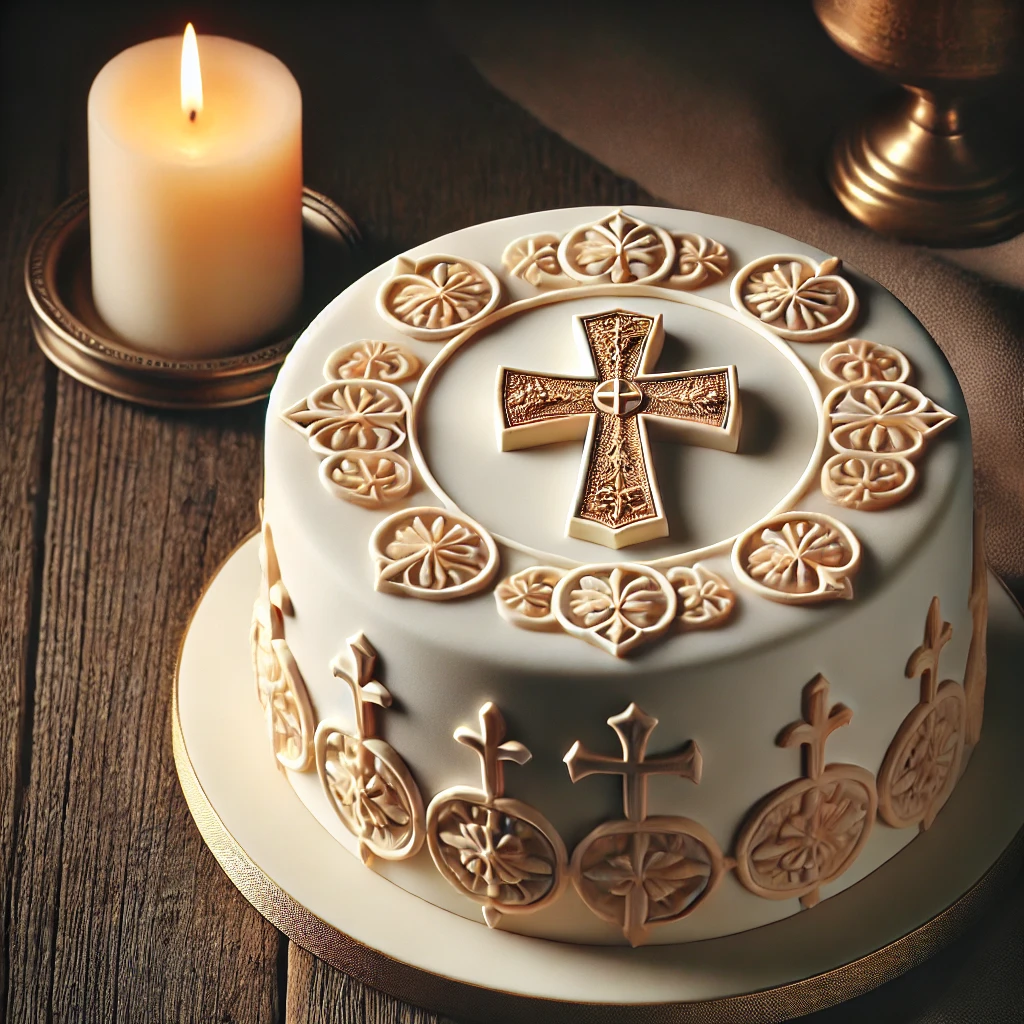
St. Benedicts Day Cake & Atmosphere Ideas

Where style, memory, and celebration meet.

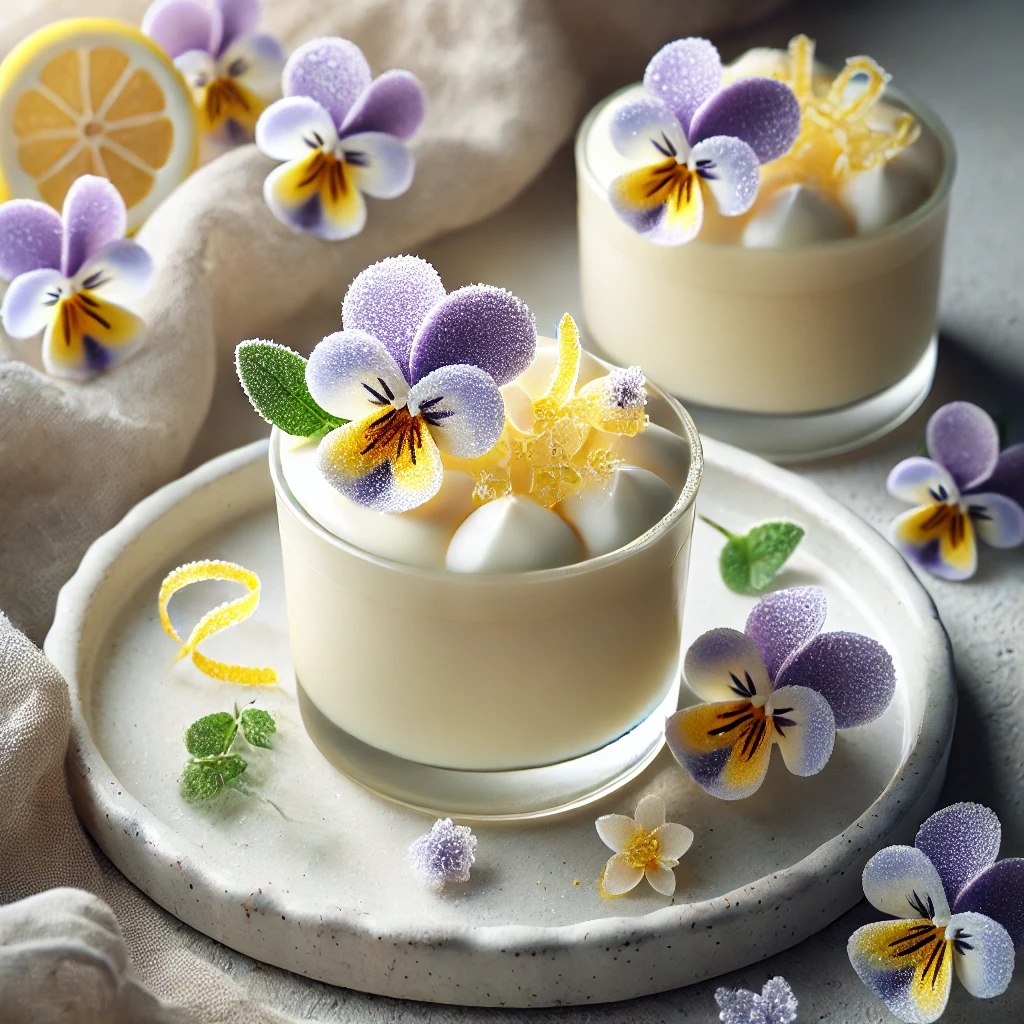
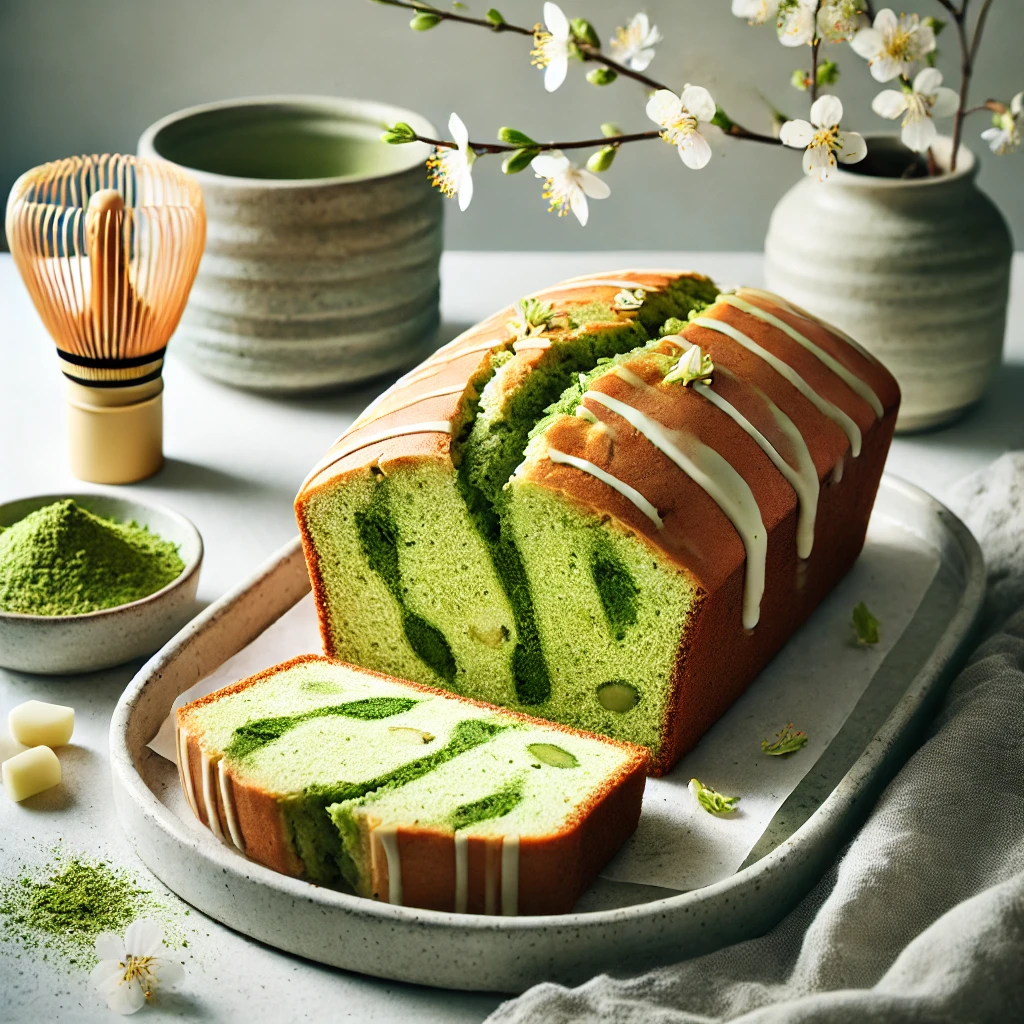
This section is meant to be more than Cake Decorating Ideas… it’s designed to spark inspiration and creativity, awaken tradition, and infuse your special occasions with style, identity, and atmosphere. A color palette becomes a theme. A design becomes a mood. Simple details—like sugared holly leaves or shimmering stars—can set the tone for a gathering and become part of cherished traditions and lasting memories melded with personal touch and love.

Traditional St. Benedict's Day Dishes

 Breads (very Benedictine)
  • Rustic sourdough loaf – symbolic of monastic baking
  • Herb focaccia (rosemary, olive oil)
  • Honey wheat bread – simple and traditional

 Main Dishes
  • Roast chicken with garlic & herbs – humble but celebratory
  • Lentil stew – classic monastic staple (very St. Benedict vibe)
  • Mushroom and barley soup – earthy and filling
  • Baked fish with lemon & olive oil – Mediterranean influence

 Sides
  • Cheese board (aged cheeses, nuts, figs)
  • Roasted root vegetables (carrots, parsnips, potatoes)
  • Olives and marinated vegetables
  • Simple garden salad with vinaigrette

 Desserts
  • Honey cake (very traditional and symbolic)
  • Almond & fig tart
  • Date and nut loaf
  • Simple fruit with cream or yogurt

 Drinks
  • Red wine or simple table wine (monastic tradition)
  • Herbal teas (mint, chamomile)
  • Spiced cider

Recipes Engineered for that Spring Feeling