




Christmas Eve
with ORO VALENTIO
The world often fails to recognize significance when it arrives without power, status, or demand.
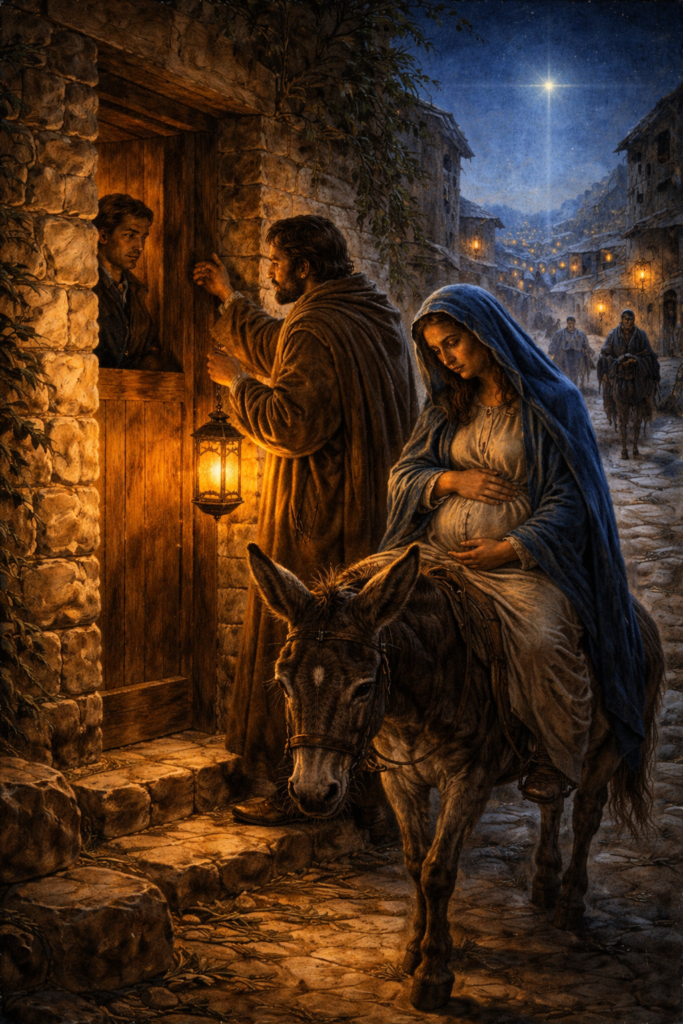
Christmas Eve unfolds not in warmth or welcome, but in rejection. As Mary and Joseph arrive in Bethlehem—tired, displaced, and carrying the weight of imminent birth—they encounter closed doors rather than compassion. The city is crowded, anxious, preoccupied with its own concerns. There is no room offered, no shelter prepared, no urgency felt for those in greatest need. The refusal is not cruel in spectacle, but quiet and ordinary—an absence of hospitality rather than an act of violence. And yet, this very absence becomes the setting for one of the most profound moments in human history.
In Christian memory, Christmas Eve is the night that reveals how easily necessity can be overlooked when it disrupts comfort. Mary, bearing life itself, is turned away while space is reserved for convenience and familiarity. Joseph, entrusted with protection, finds no provision among his own people. Their rejection exposes a timeless truth: the world often fails to recognize significance when it arrives without power, status, or demand. What comes humbly is easily dismissed.
As Mary and Joseph wandered the darkened streets of Bethlehem, weary from travel and burdened with the weight of imminent birth, each closed door must have echoed like a denial not just of shelter, but of the mystery they bore. The Queen of Heaven, carrying the Eternal Word made flesh, and her chaste spouse Joseph, protector of the Holy Family, found no room in the inns of men. Yet in that rejection, Heaven saw fitting to unfold its plan—not in palaces or comfort, but in poverty and humility. The very God who made the stars would be born in a stable, revealing from the beginning that divine glory shines most brightly in lowliness. As St. Alphonsus Liguori writes, “He chose to be born in a cave…to show us His love, to teach us detachment from earthly goods, and to humble the pride of man.”
Christ is born where He is received in humility—among animals, straw, and silence. The stable becomes a sanctuary, not because it is worthy, but because love enters fully into what is least.
Anticipation, Stillness, & Gathering
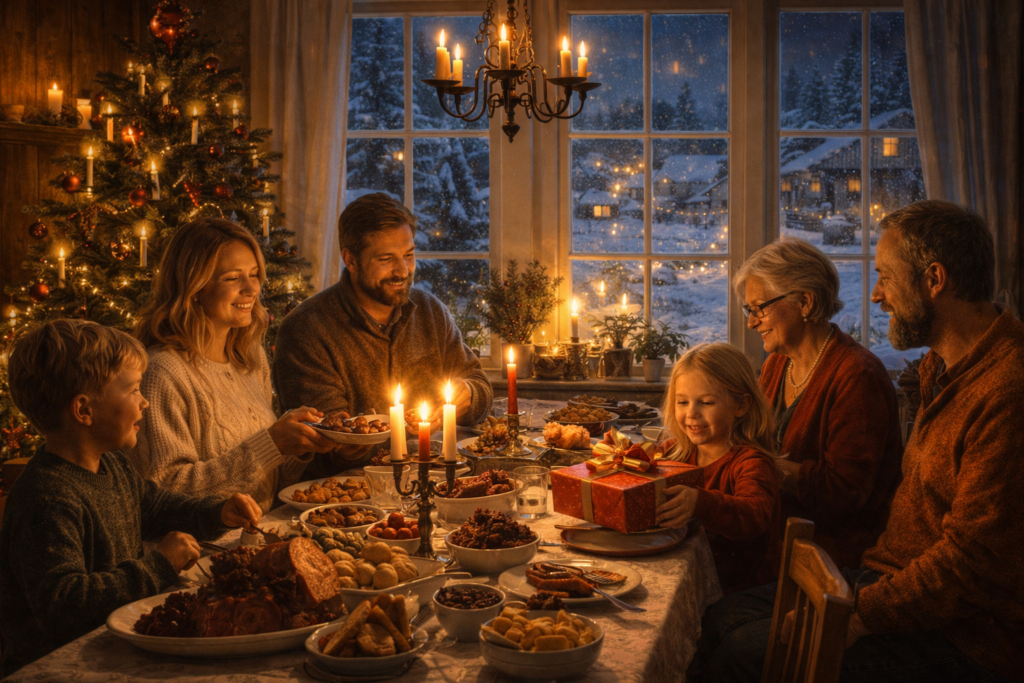
Christmas Eve is the quiet threshold of the Christmas season—a night defined less by celebration than by anticipation, stillness, and gathering. Historically and culturally, it has been observed as a time to slow the pace of life, draw close to family and community, and prepare inwardly for the joy of Christmas Day. Homes are lit softly, meals are shared deliberately, and traditions emphasize presence over abundance. Whether marked by candlelight services, shared prayer, music, or simple reflection, Christmas Eve holds a unique place in the calendar as a pause between promise and fulfillment. It is a night that invites waiting with intention, reminding us that meaning often arrives not in haste or noise, but in quiet moments when hearts are made ready to receive what is coming.
Christmas Eve Traditions to Make Your Own
Midnight Mass
Attending church services late on Christmas Eve, especially in Catholic and Orthodox traditions.
Family Dinner or Feast
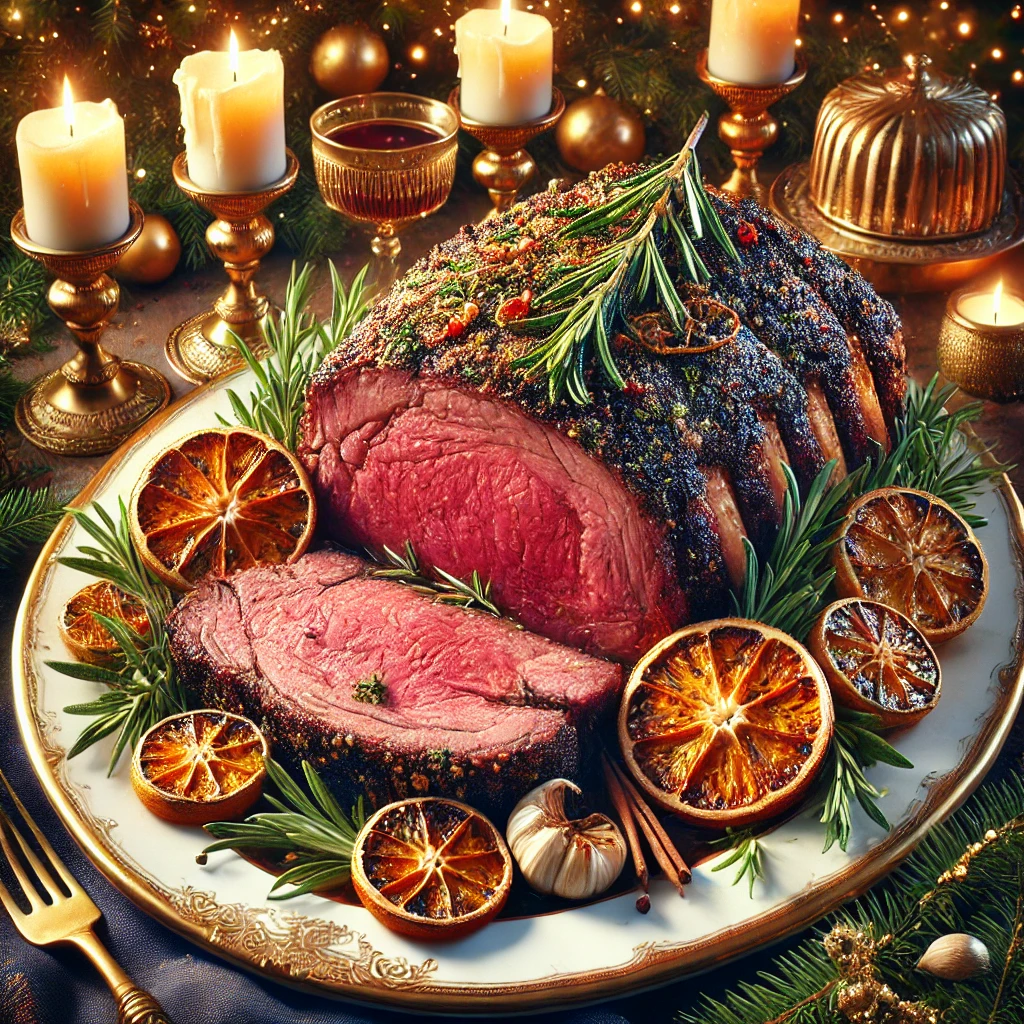
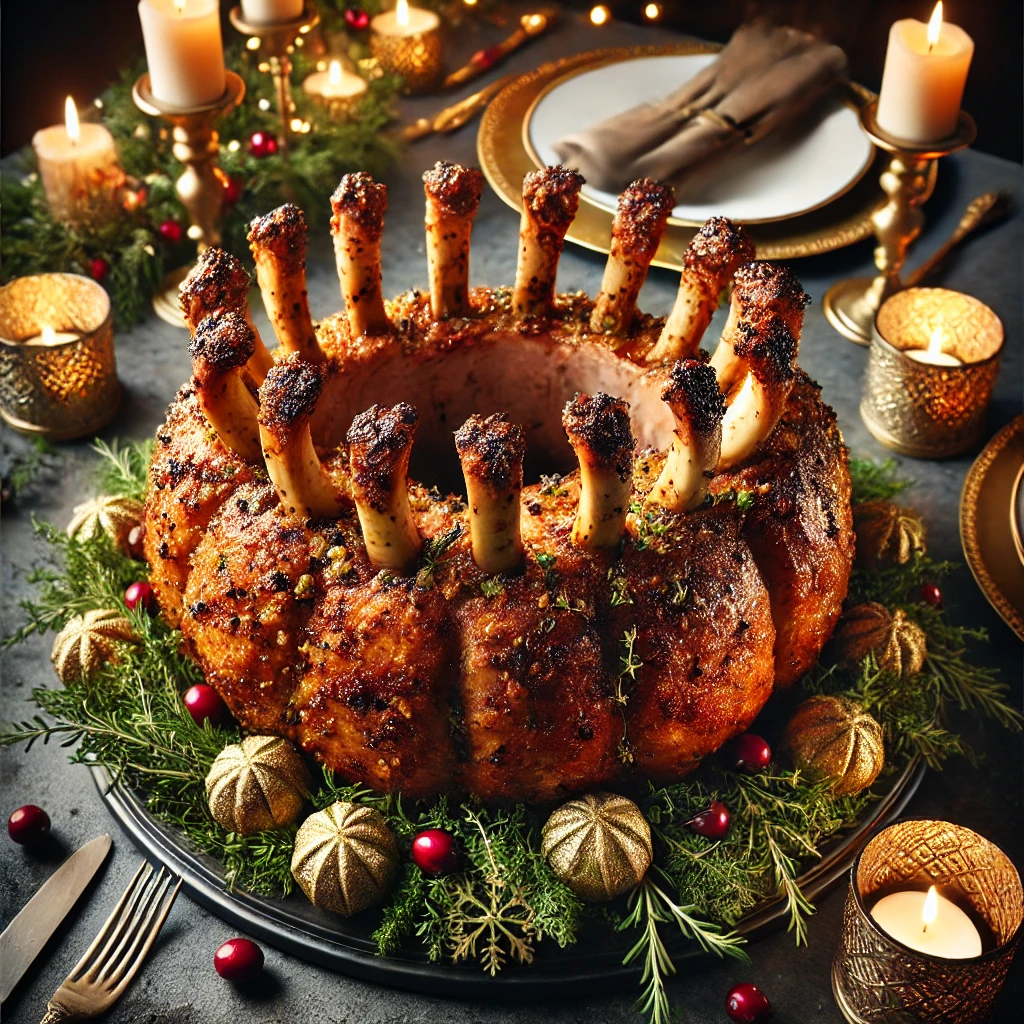
A special meal often featuring traditional foods (like roast meats, seafood, or regional specialties).
In many cultures (e.g., Italy’s Feast of the Seven Fishes), Christmas Eve dinner is meatless.
Gift Opening
Some families open one present on Christmas Eve, while others open all of them that night (common in Germany, Poland, and Scandinavian countries).
Reading Christmas Stories
Sharing classics like The Night Before Christmas, the Nativity story from the Bible, or family tales.
Caroling or Singing Christmas Songs
Going door to door, singing carols, or gathering at home around the piano or fire.
Baking Cookies or Making Treats
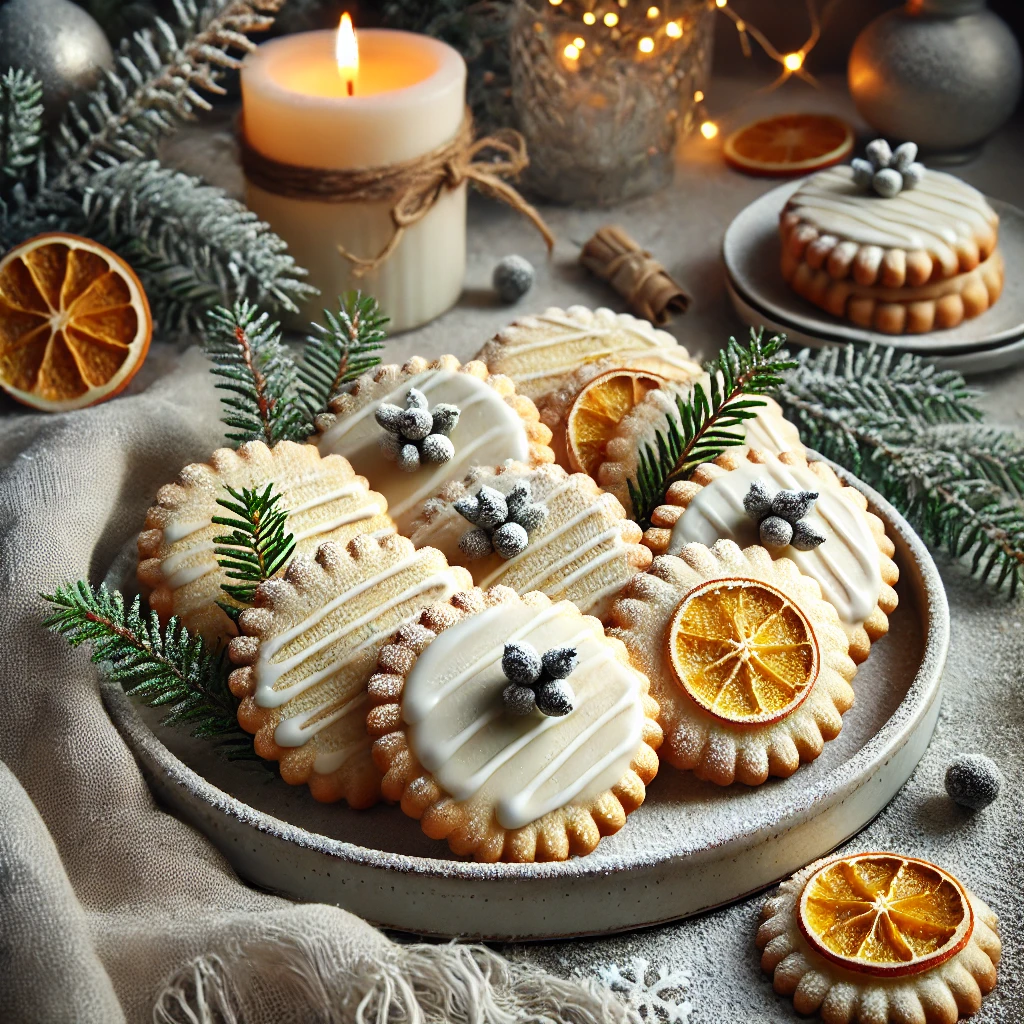
Preparing cookies for Santa or holiday sweets together as a family.
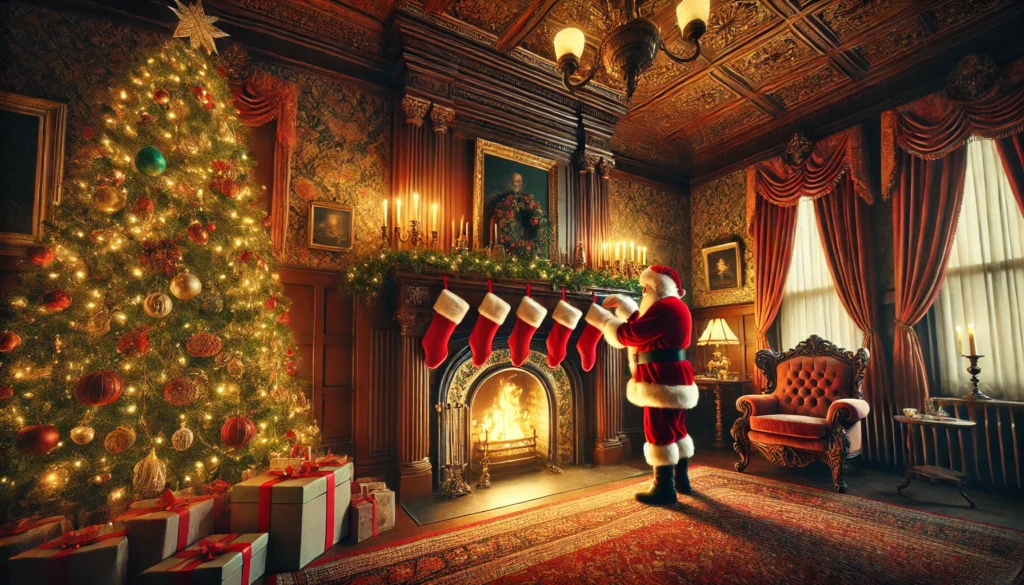
Leaving Out Stockings or Shoes
Hanging stockings by the fireplace or placing shoes out for Santa, St. Nicholas, or the Christkind.
Watching Christmas Movies
Family movie night with holiday classics like It’s a Wonderful Life, Home Alone, or A Charlie Brown Christmas.
Lighting Candles or Luminaries
Some families light a final Advent candle, place luminaries outside, or use candles to set a reverent tone.
Decorating the Christmas Tree
In some cultures (like Germany or Ukraine), the tree is decorated on Christmas Eve as part of the celebration.
Nativity Scene Setup
Placing baby Jesus in the manger on Christmas Eve to complete the nativity display.
Christingle Services (UK)
Children carry symbolic oranges decorated with candles, ribbon, and sweets in a special church service.
Bible Reading and Prayer
Reading the Gospel accounts of Jesus’ birth (Luke 2 or Matthew 1) and sharing a family prayer or blessing.
Fasting Before the Feast
Some Eastern European and Orthodox Christians fast on Christmas Eve until the evening meal.
The Joy of Christmas
*Both Christmas Eve and New Year’s Eve developed as threshold nights—moments when humanity pauses at the edge of time itself. Long before modern calendars or celebrations, people understood that what happens before a beginning matters as much as the beginning itself. In ancient and medieval thought, transitions were not instantaneous; they unfolded through vigil, waiting, and reckoning. That is why both nights are marked by watchfulness, quiet, reflection, candlelight, and a sense that something is about to change. Christmas Eve represents a cosmic beginning: the Incarnation entering history. It is the night of waiting, vulnerability, and quiet arrival—when the world does not yet know what has come into it. New Year’s Eve represents a temporal beginning: the turning of measured time, the closing of accounts, and the readiness to step forward. Both nights ask the same human question: What must be laid down before something new can be received? Historically, this overlap is intensified by the ancient understanding that days begin at sunset, not at midnight. In that worldview, the “eve” is not a prelude—it is the beginning. Christmas does not start on the morning of December 25; it begins in the darkness of December 24. Likewise, the new year does not emerge out of noise and spectacle, but out of the final reckoning of the old. What differs is what is being born: Christmas Eve marks the birth of meaning entering time while New Year’s Eve marks the renewal of time itself. Because both deal with beginnings that are unseen, both rely on vigil rather than celebration, silence rather than certainty, light rather than explanation. Over centuries, as cultural memory faded and celebration overtook reflection, the two nights began to feel interchangeable. But historically, they were never confused—they were parallel. In essence, both nights teach that beginnings are received in stillness, not announced in triumph. That’s why they feel alike. They are two faces of the same human instinct—to wait with intention at the edge of what is about to be born.
May the quiet wonder of this holy night fill your heart with peace.
May the light of the Christ Child guide your steps in love and hope.
And may the joy of Christmas, whispered in the stillness,
bless you and all you hold dear—now and always.
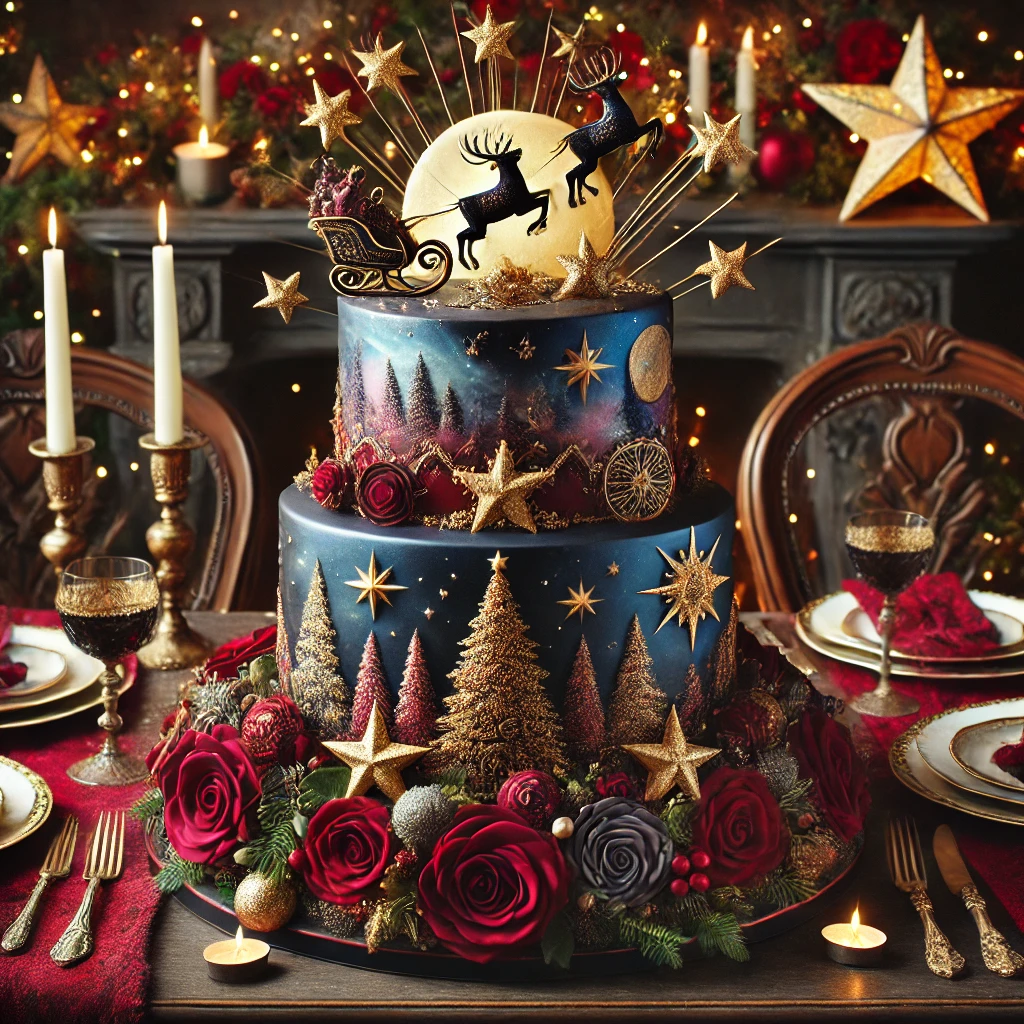
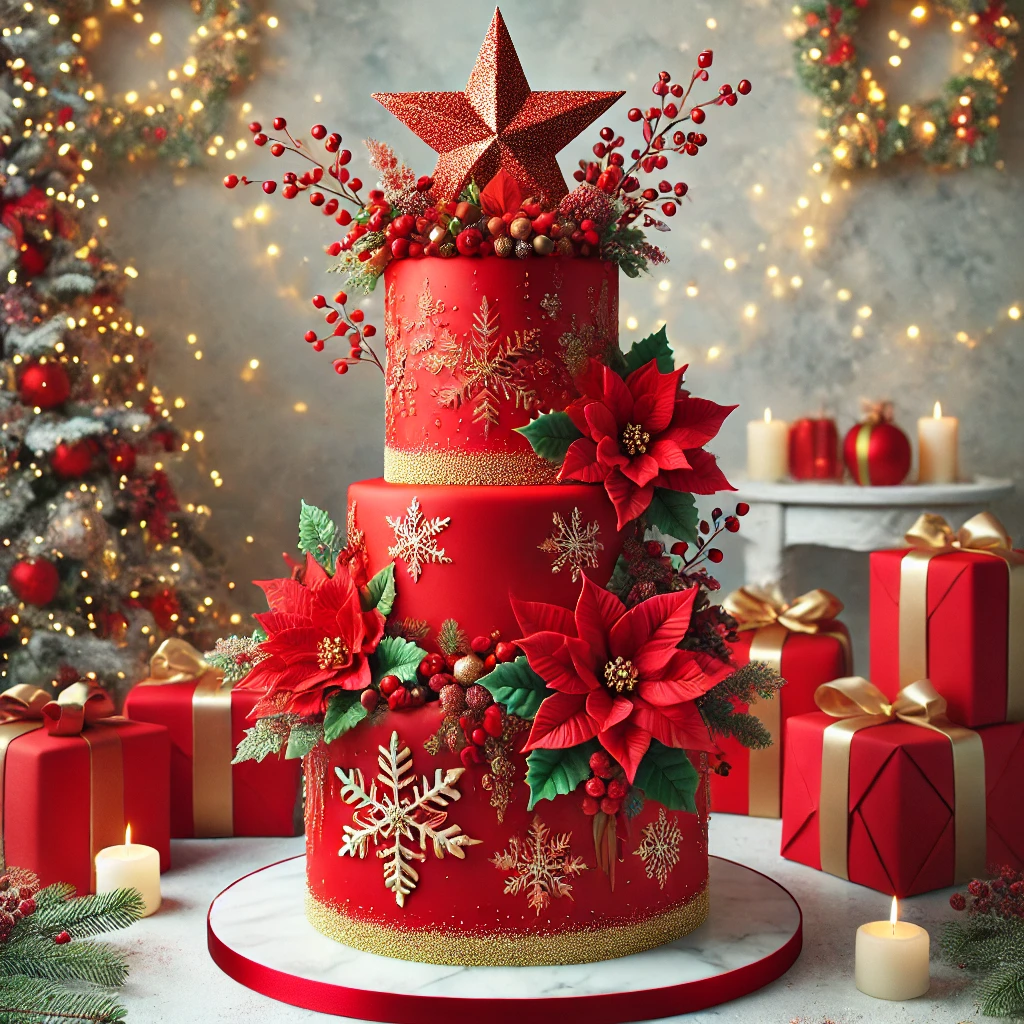
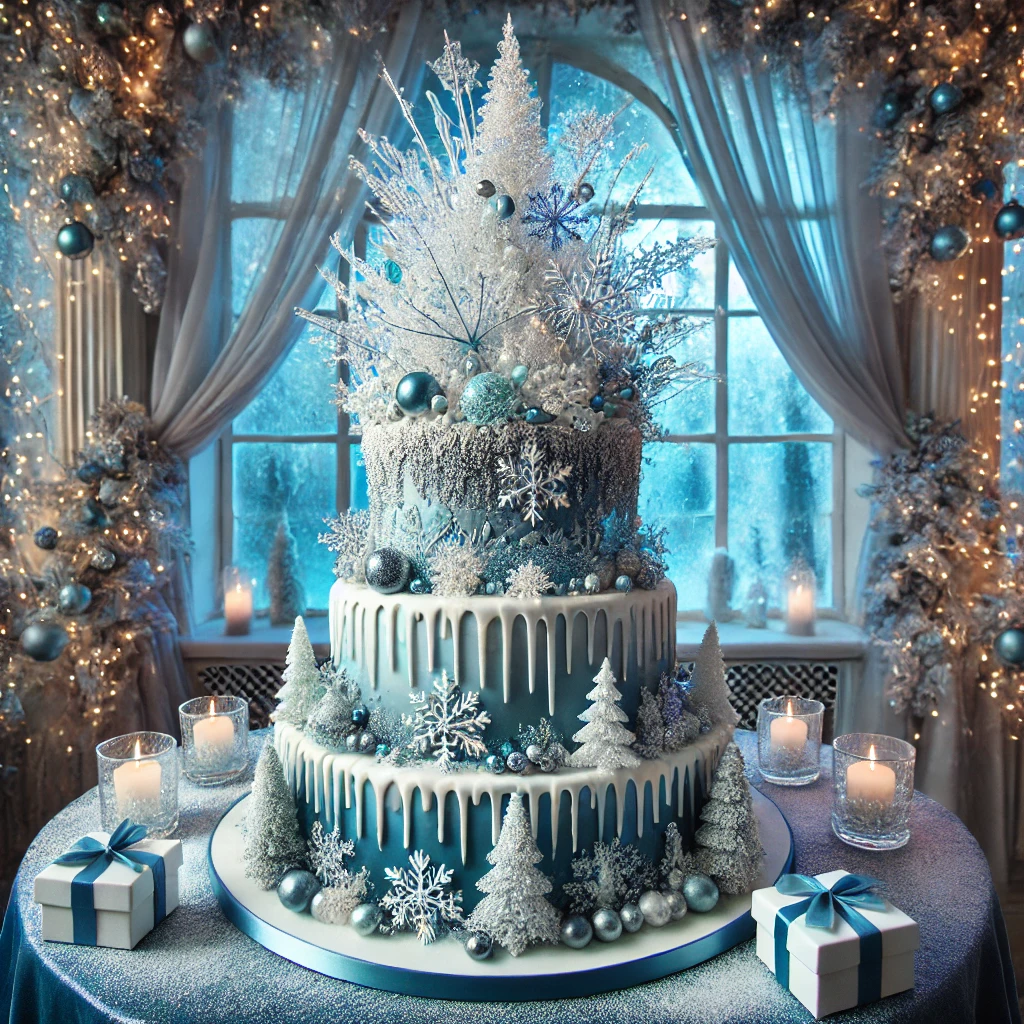
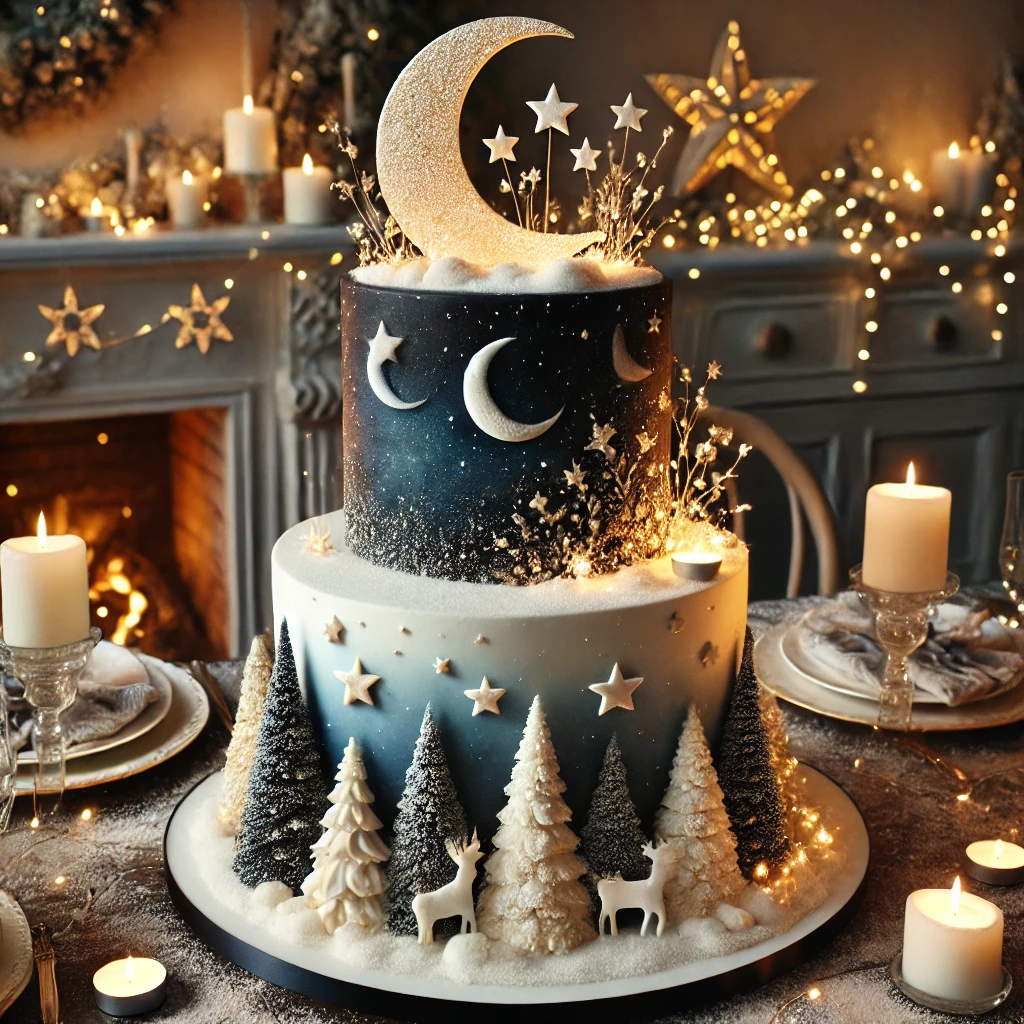
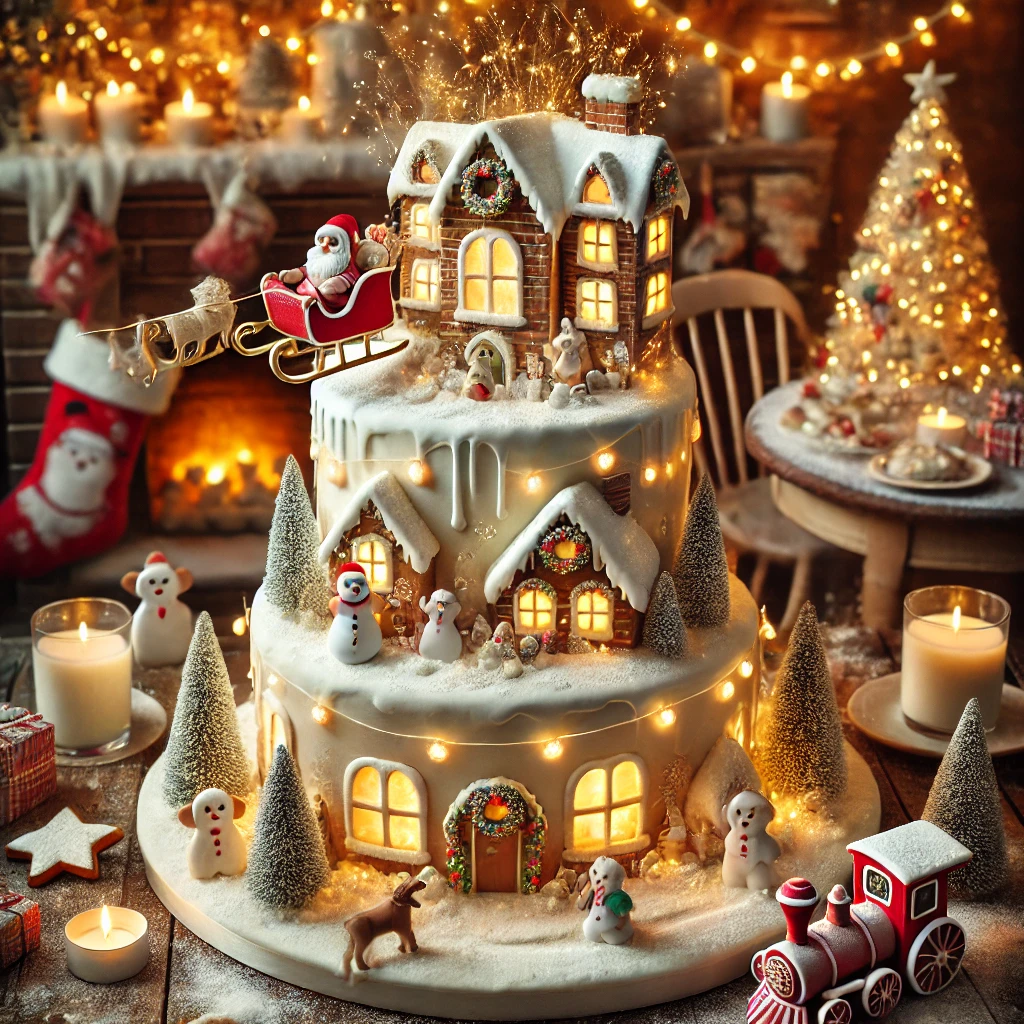
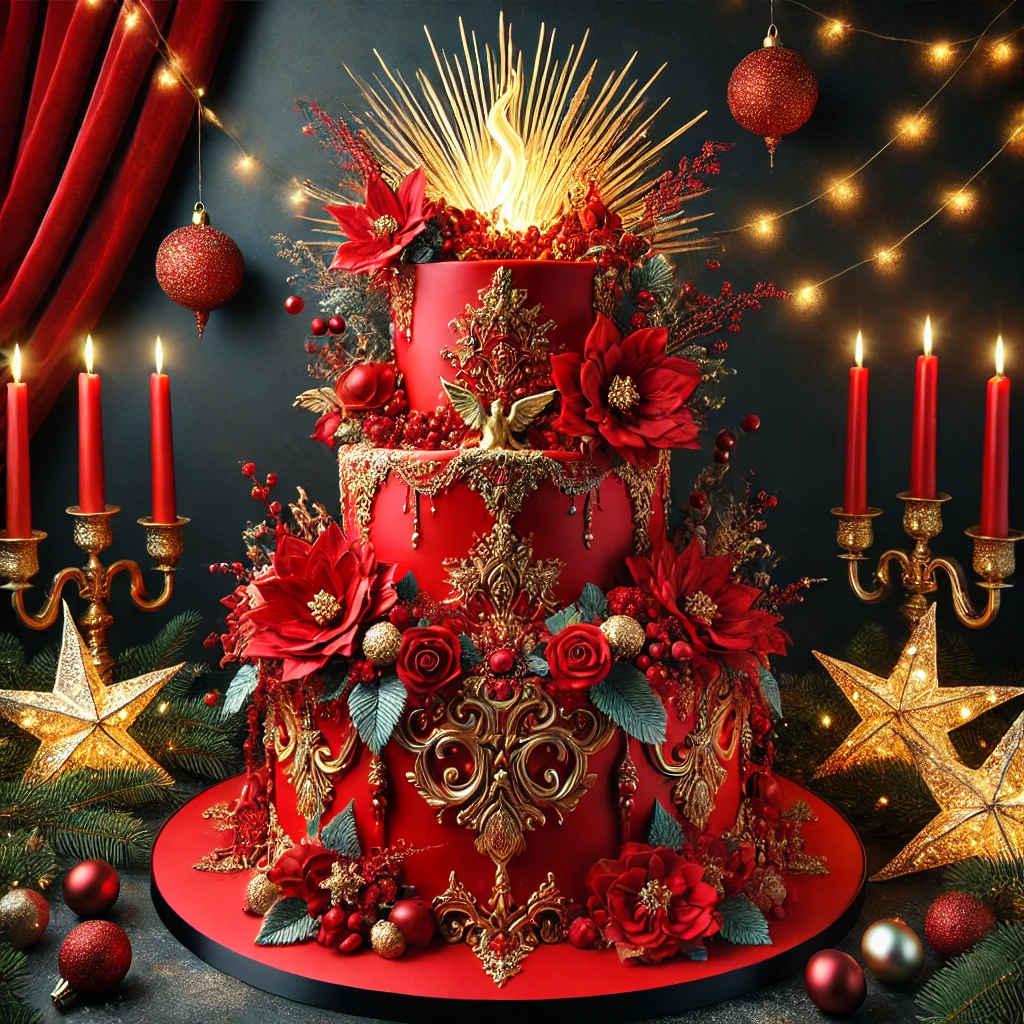
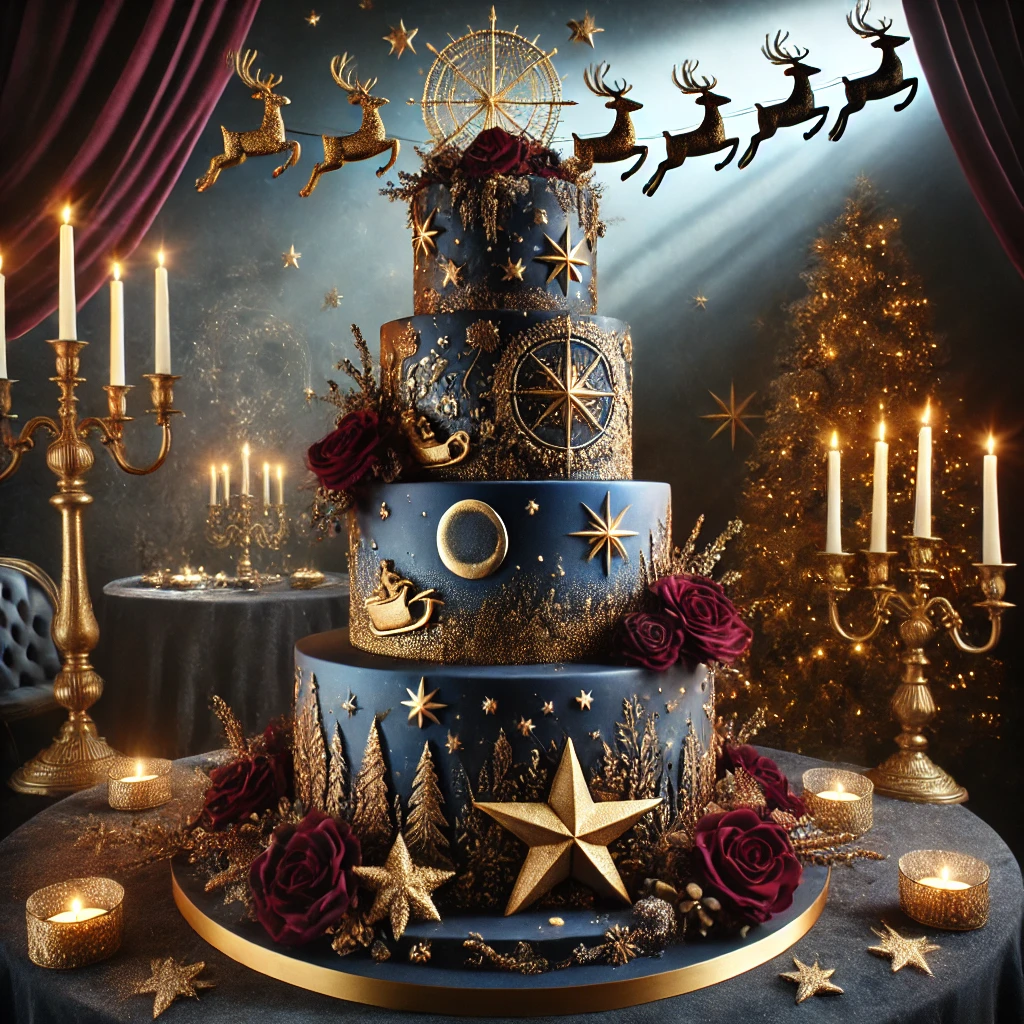
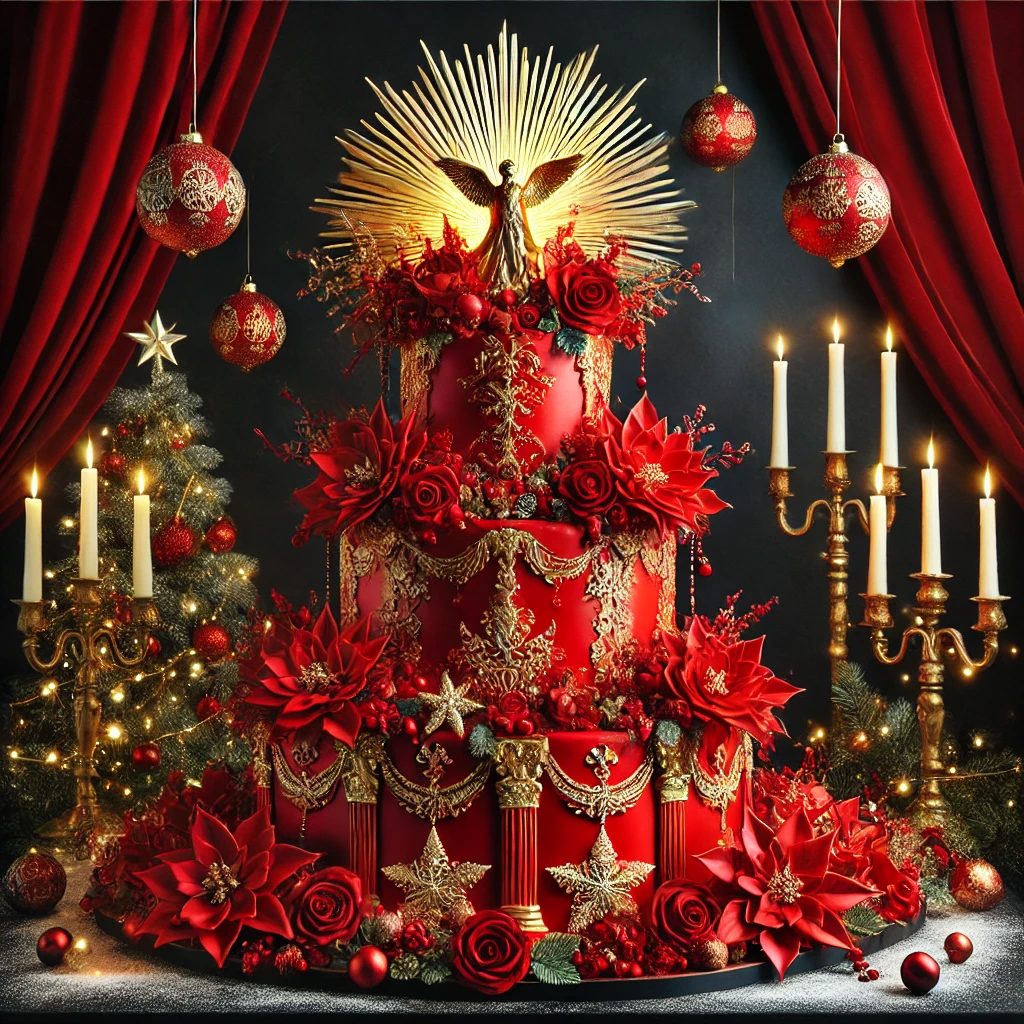
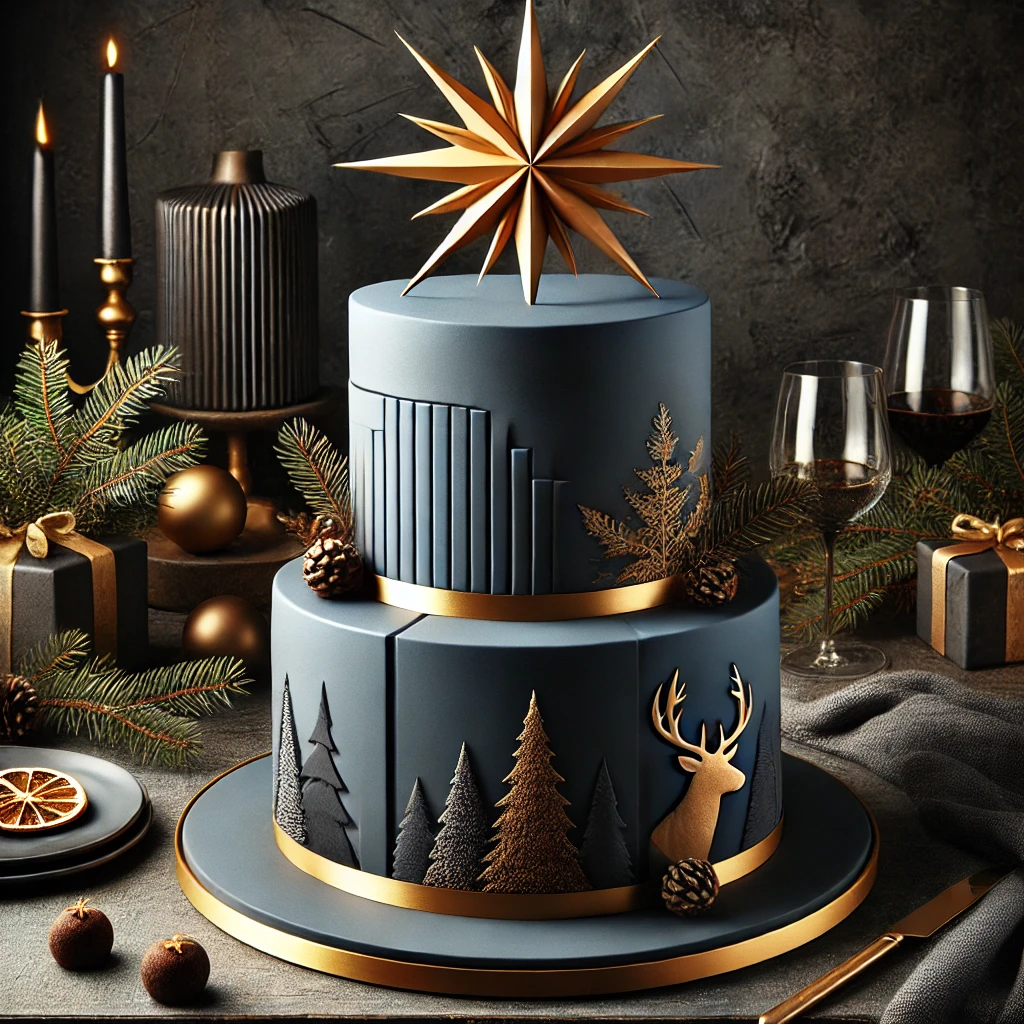
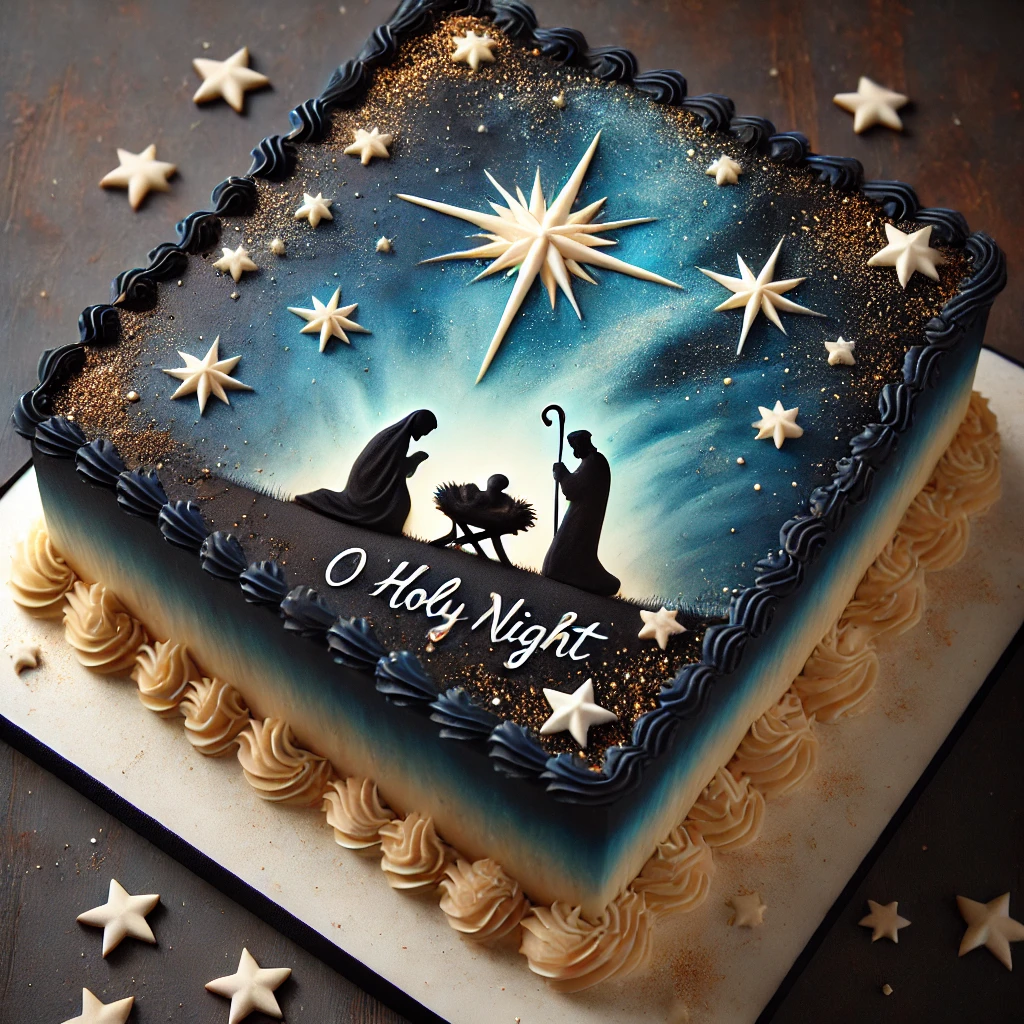
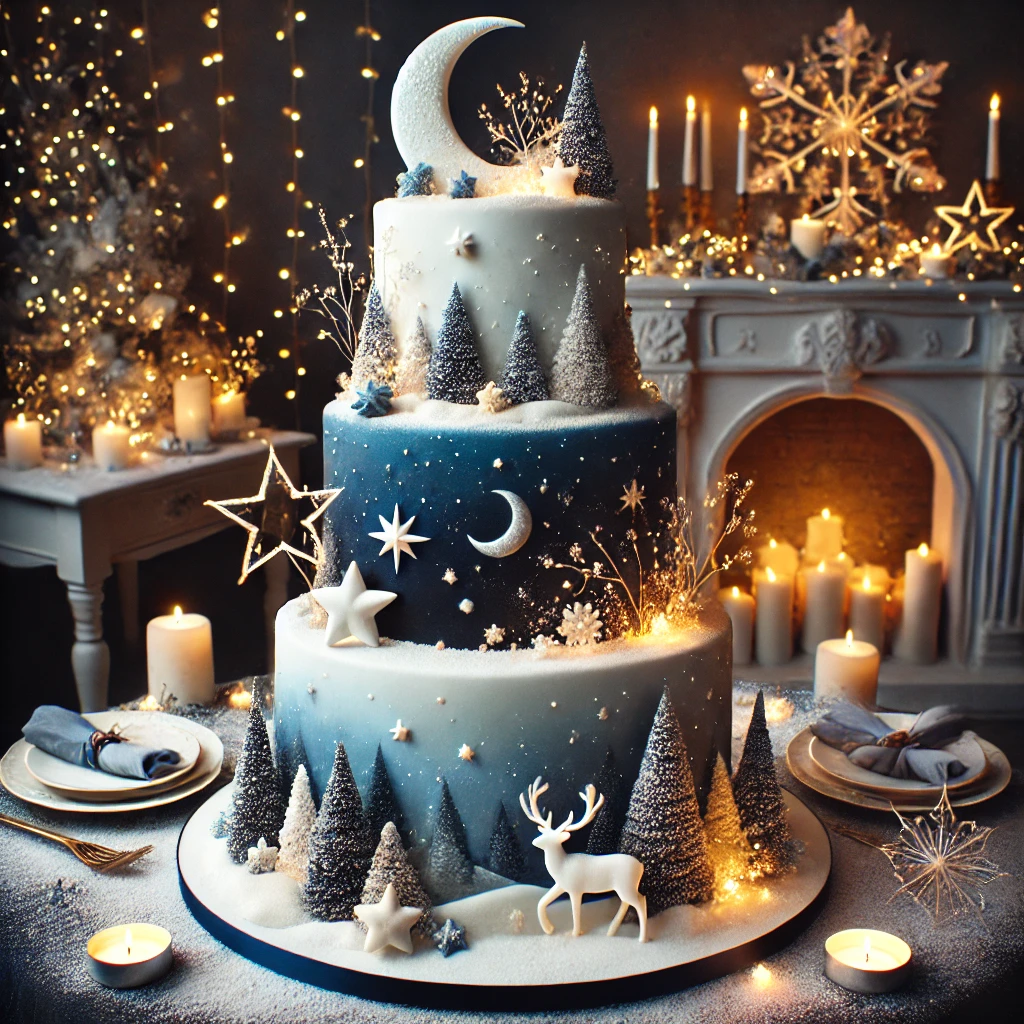
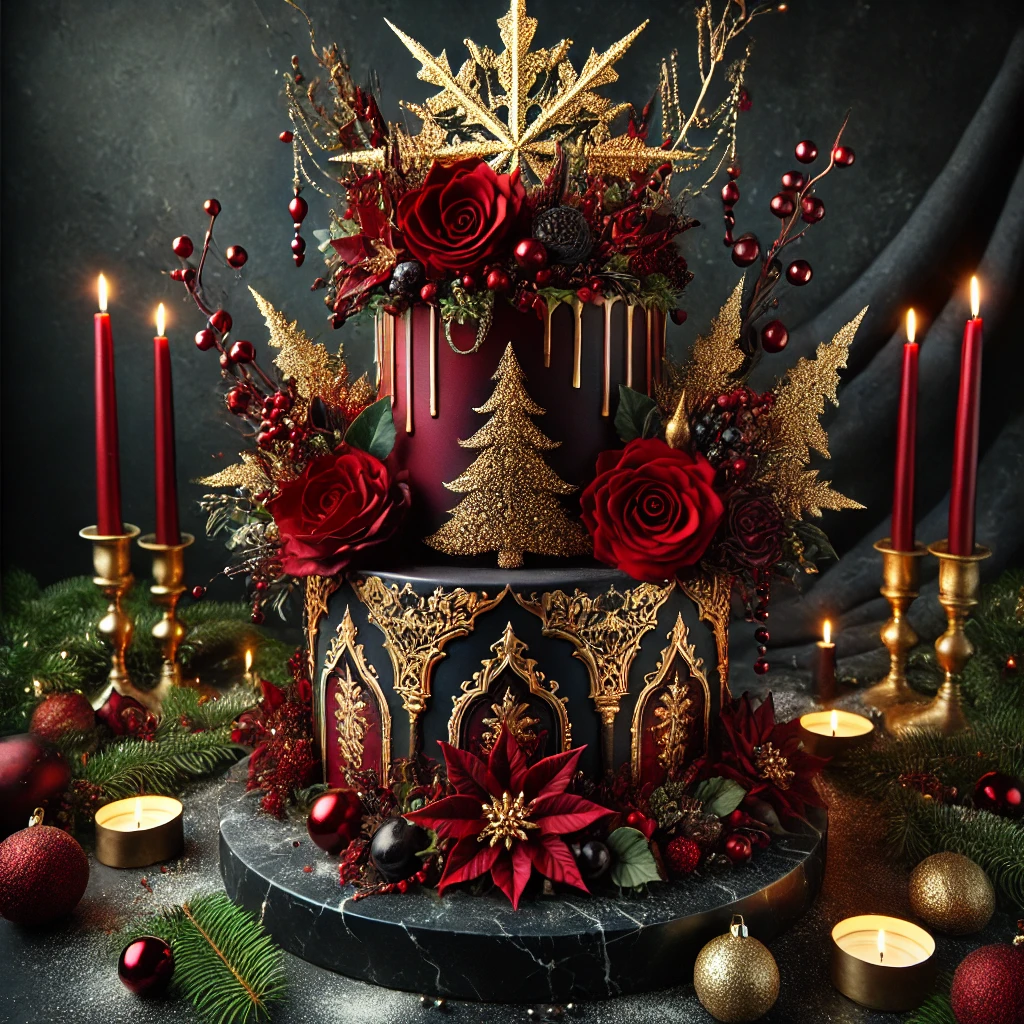
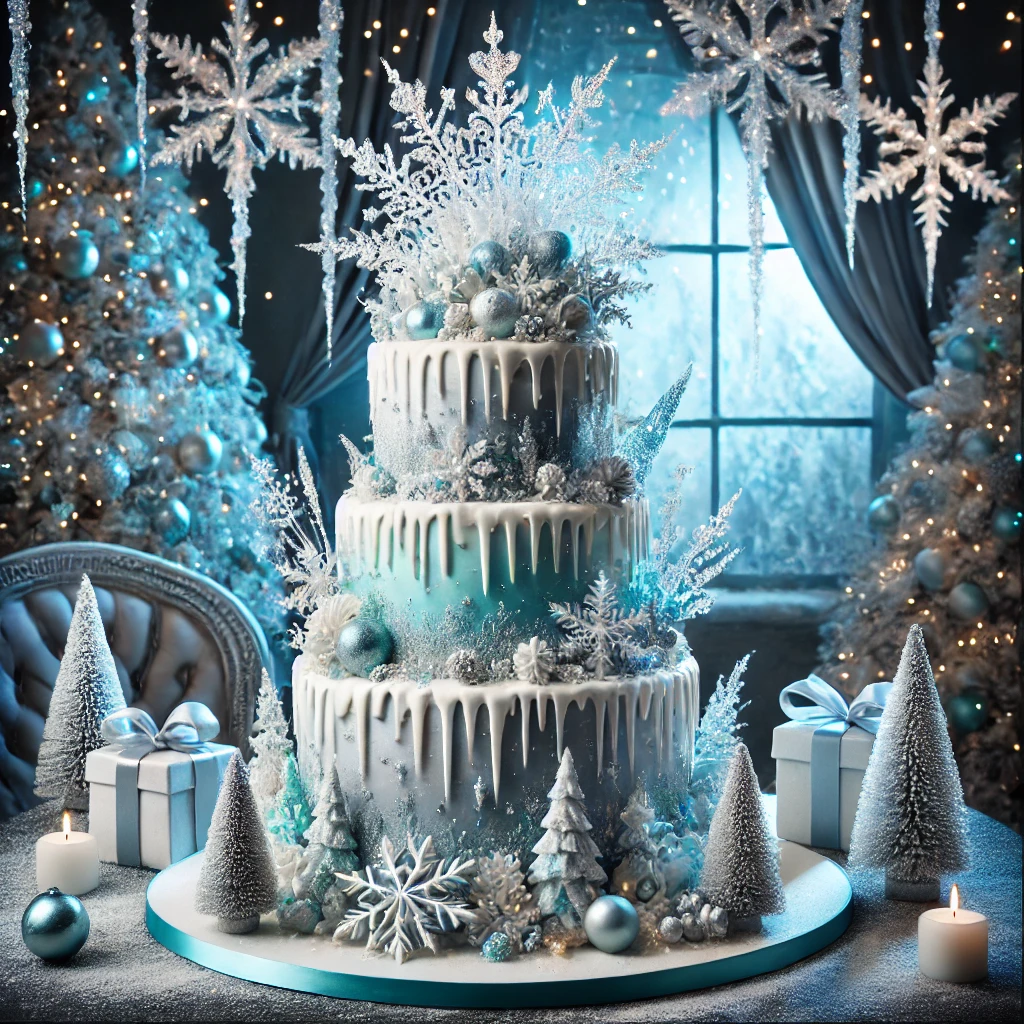
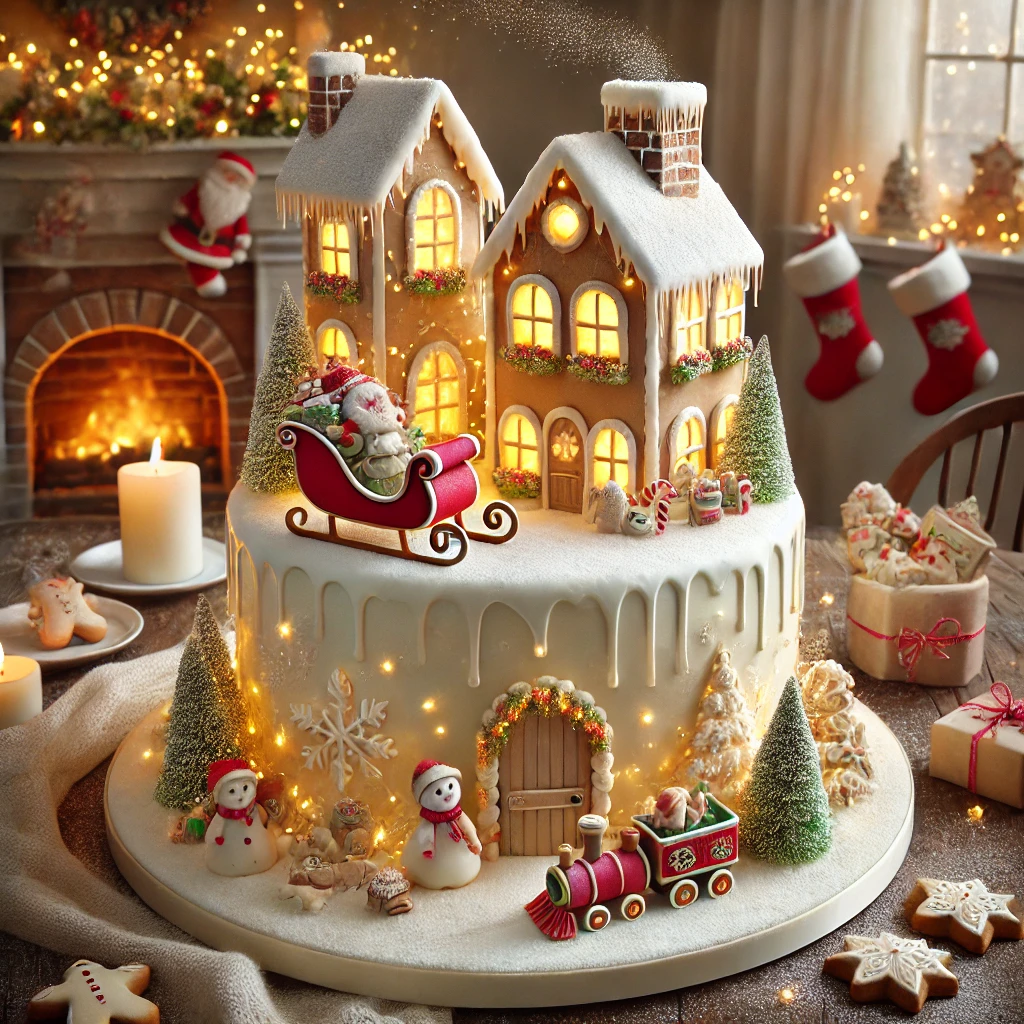
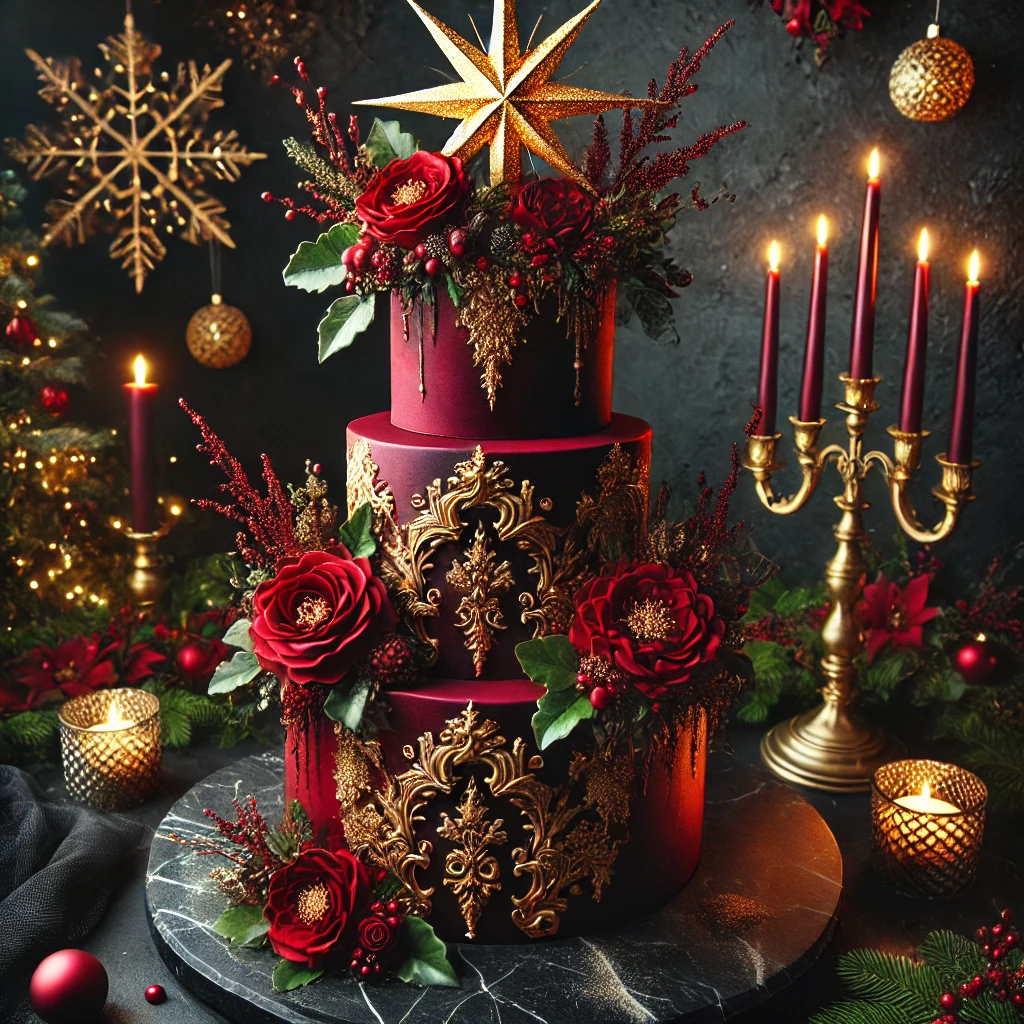
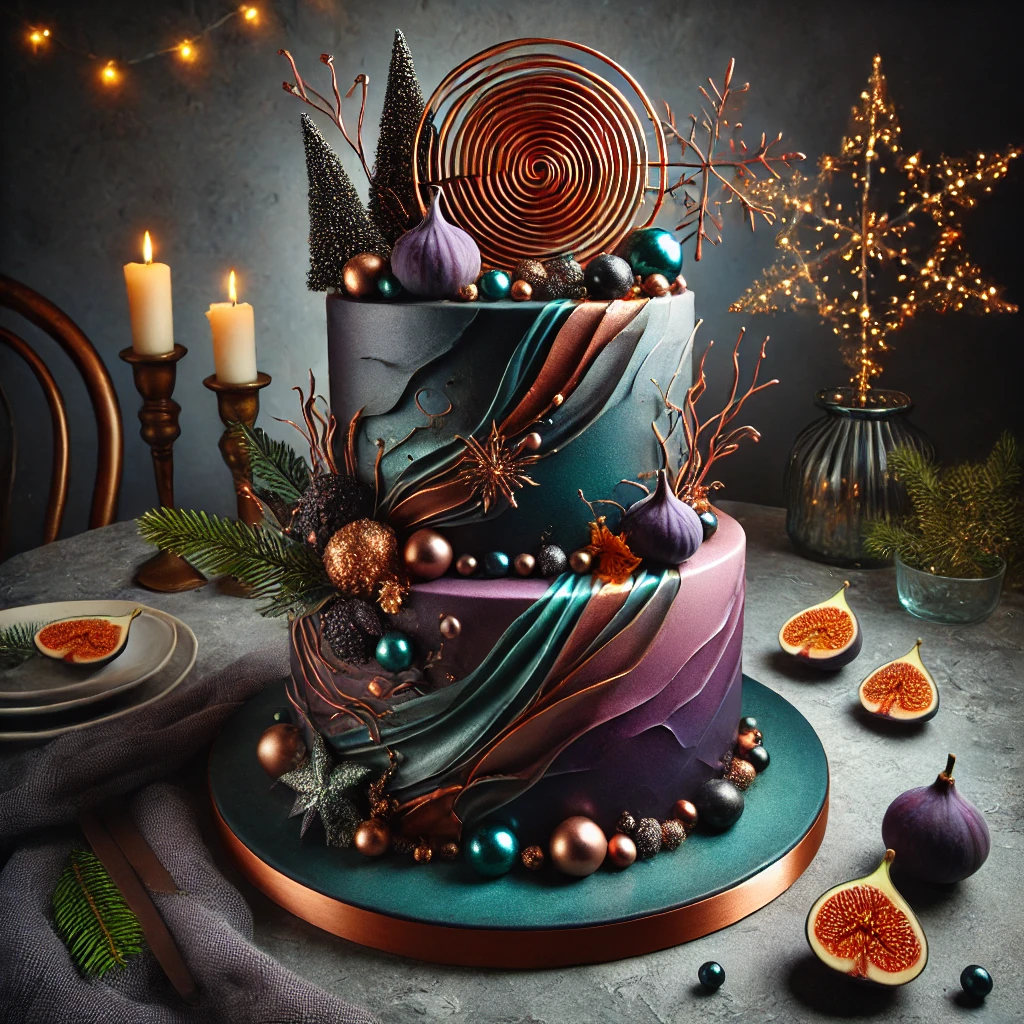
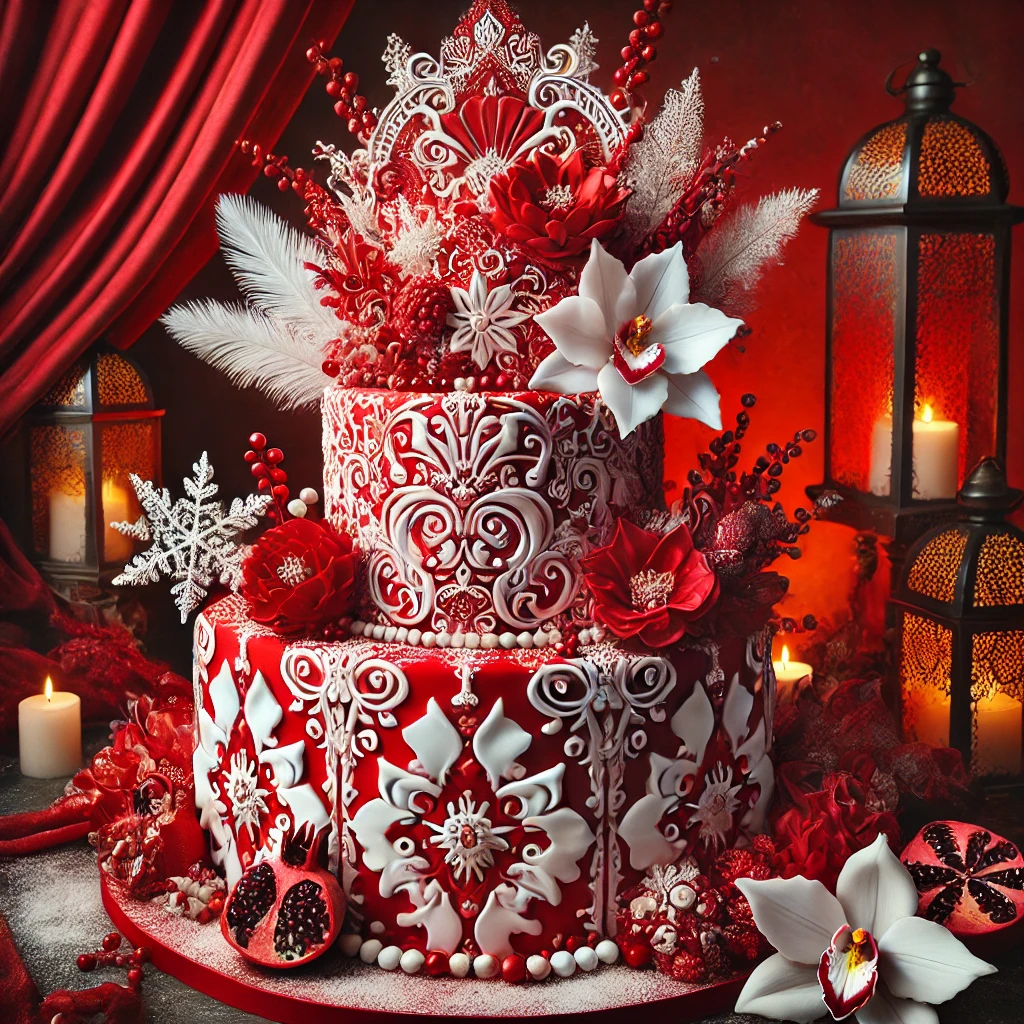
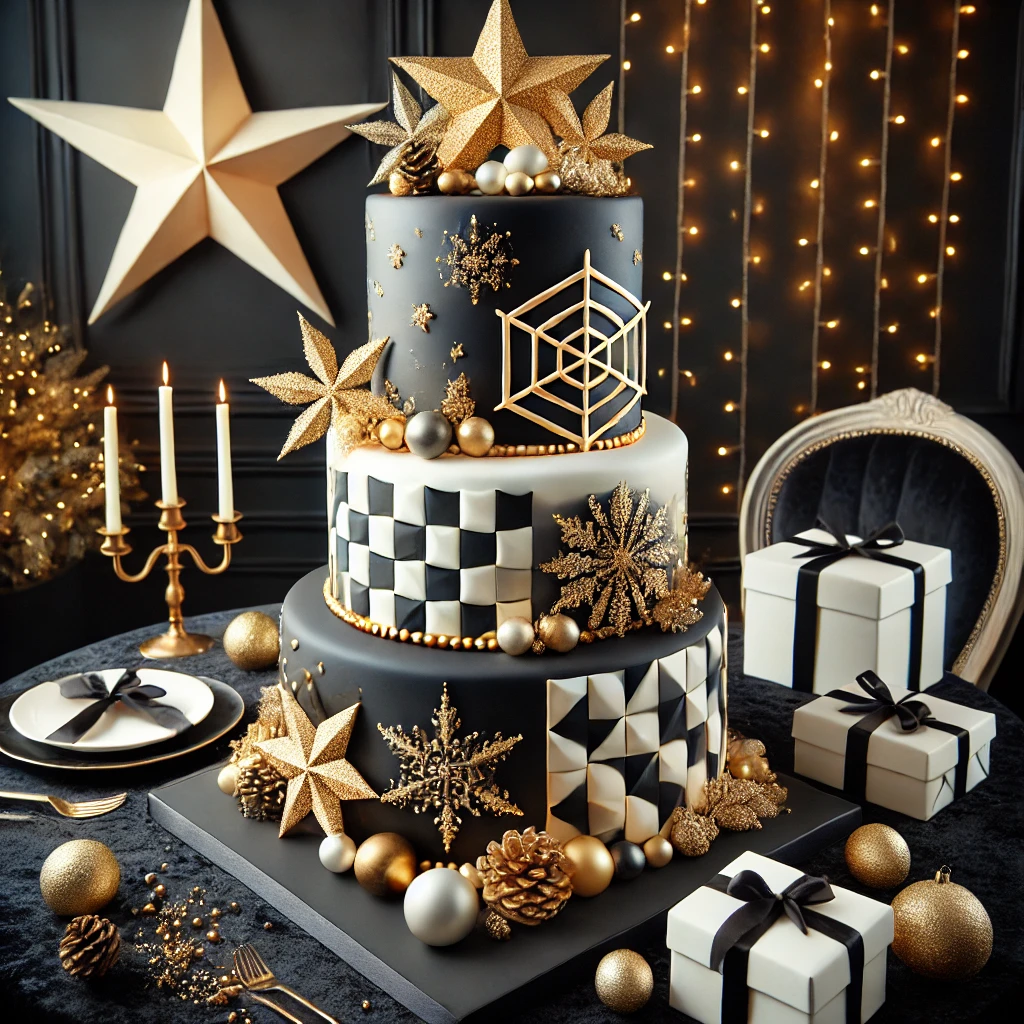
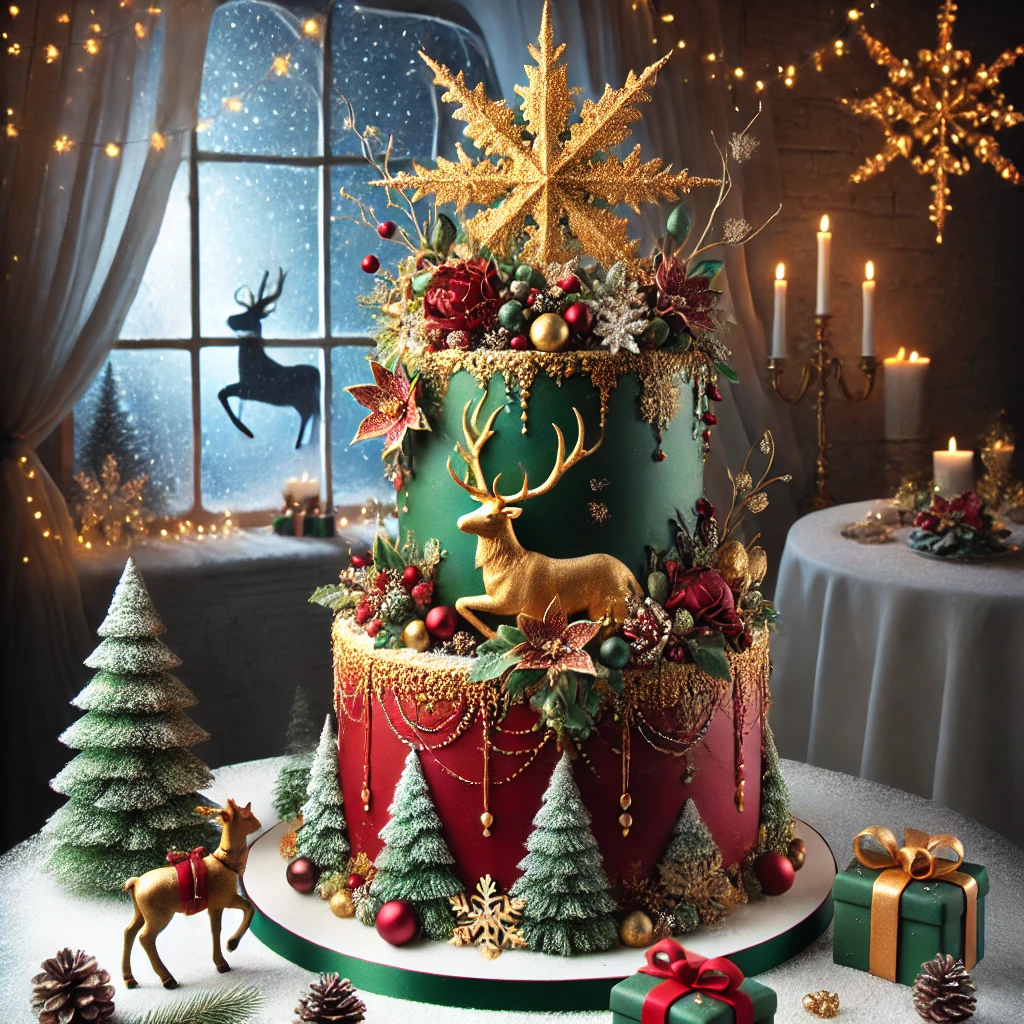
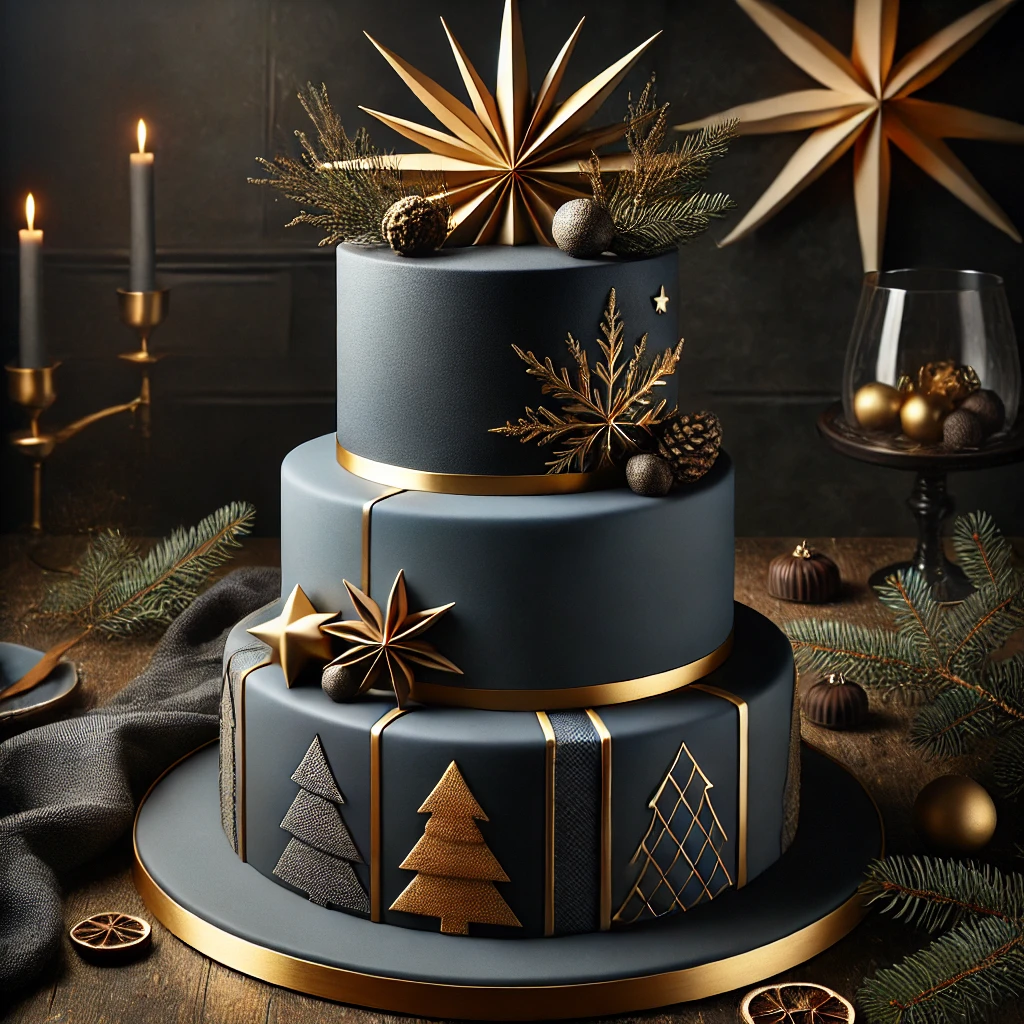
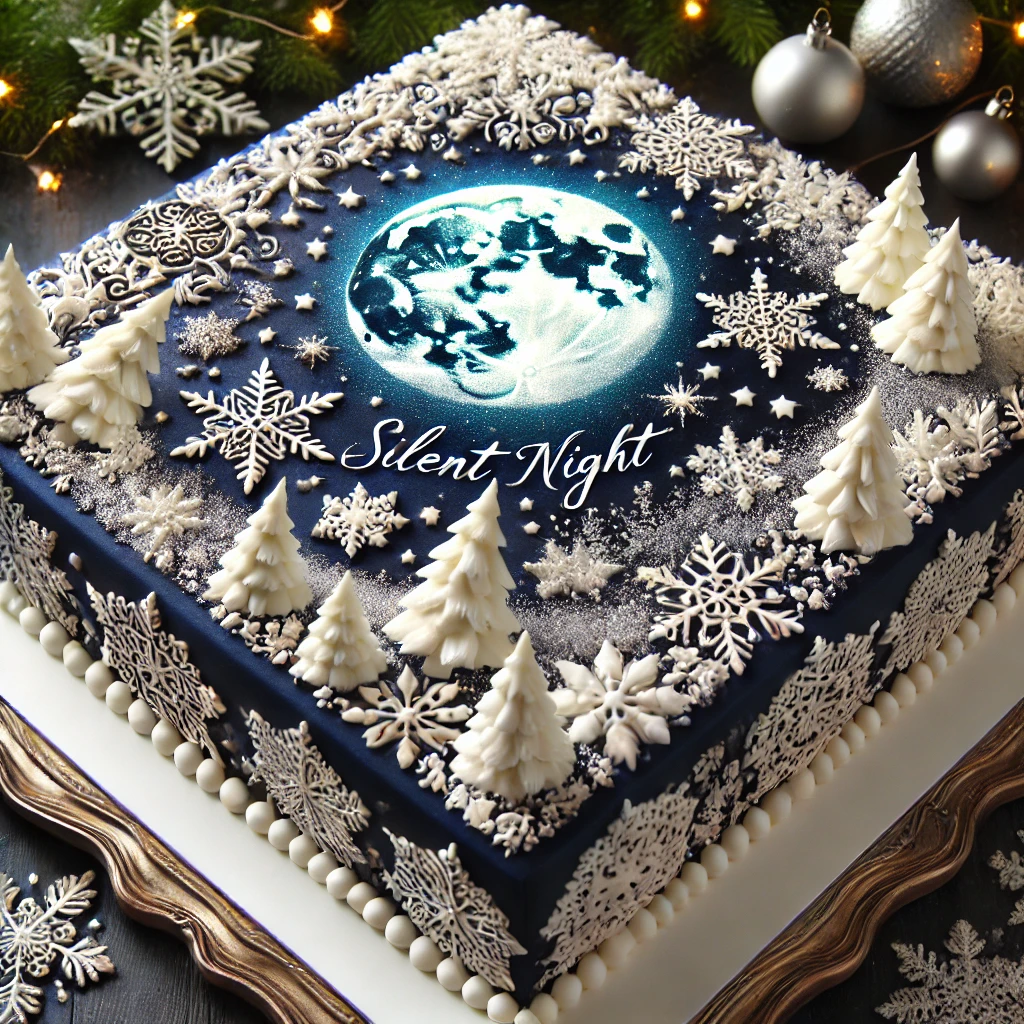
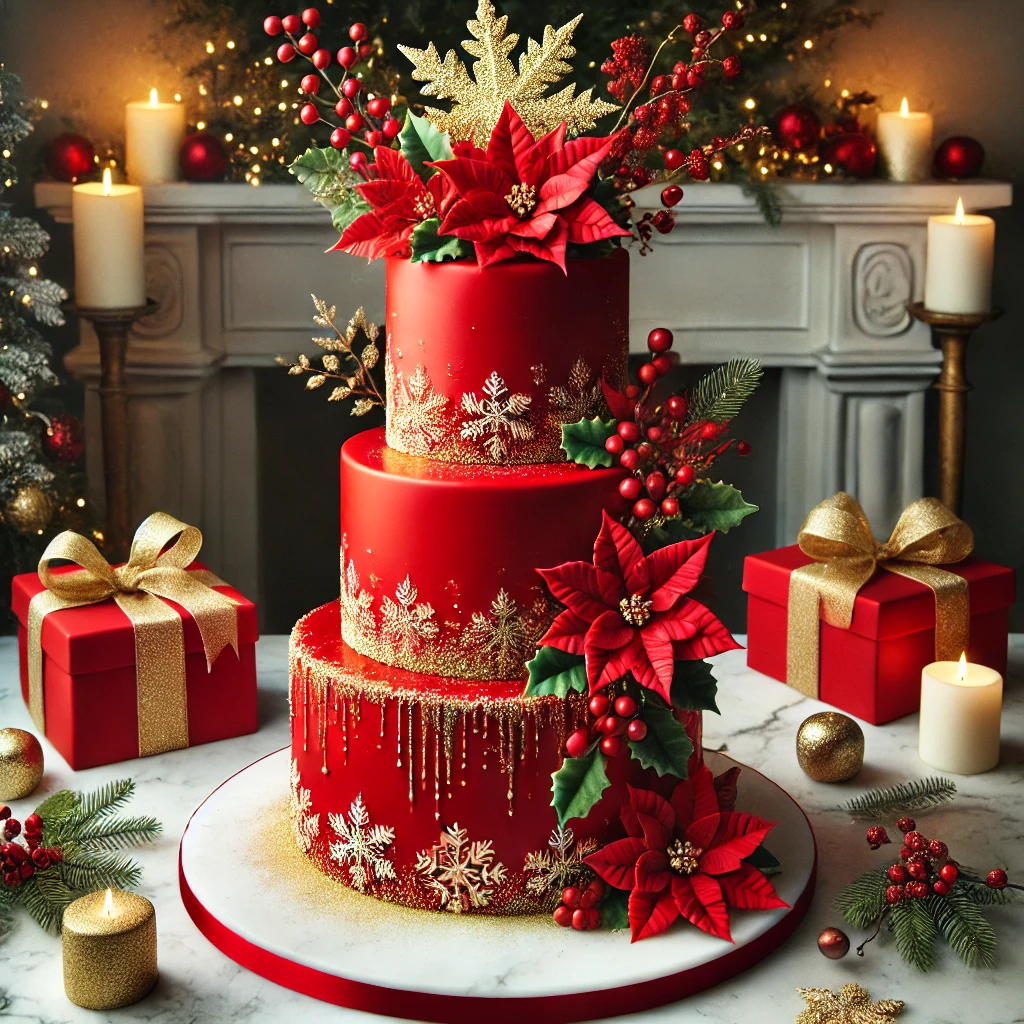
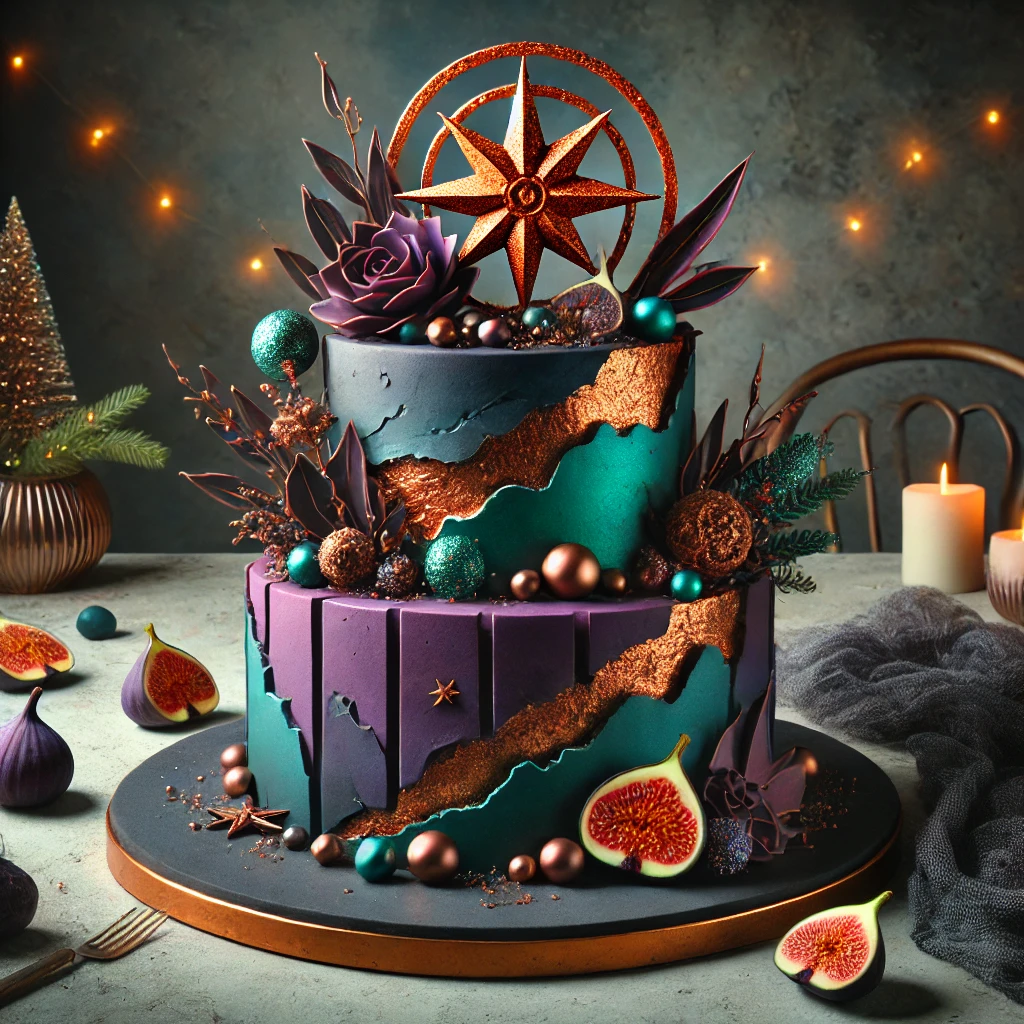
Christmas Eve Cake Decorating Ideas
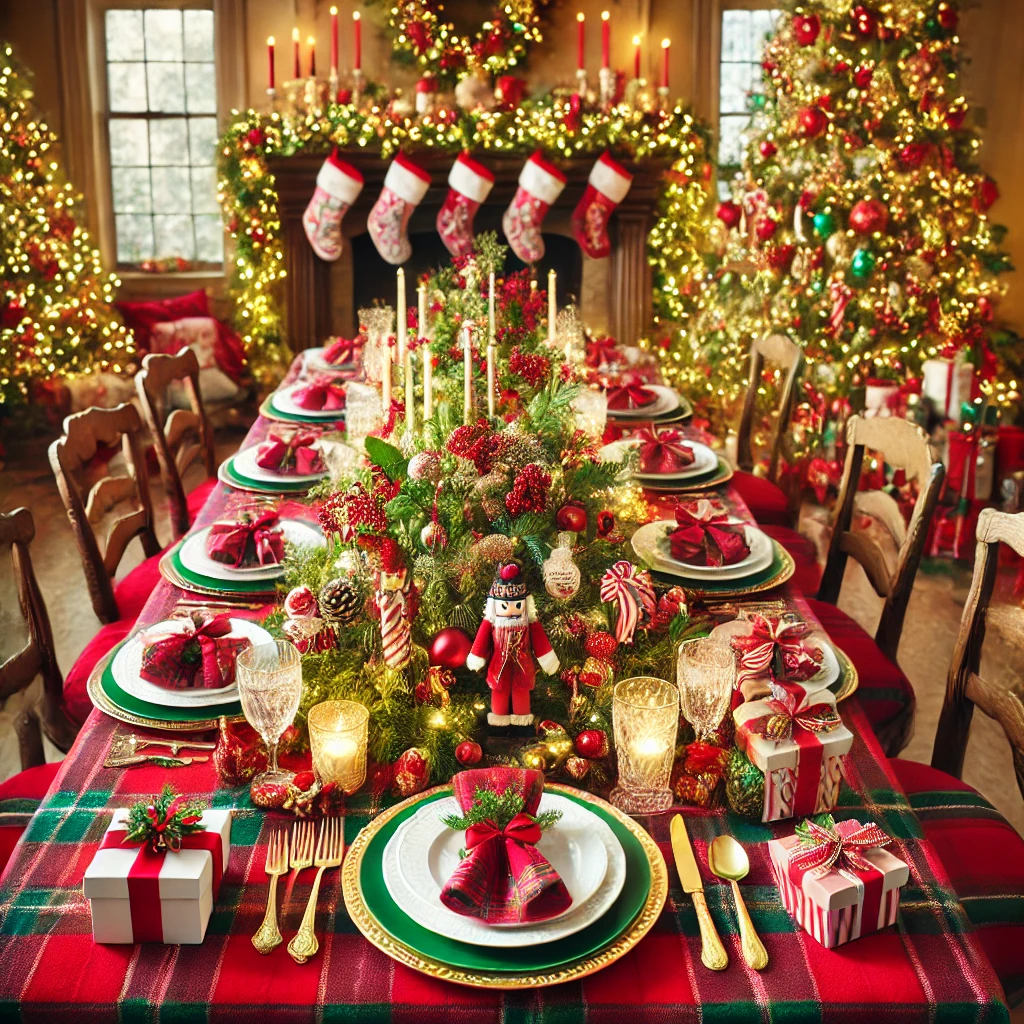
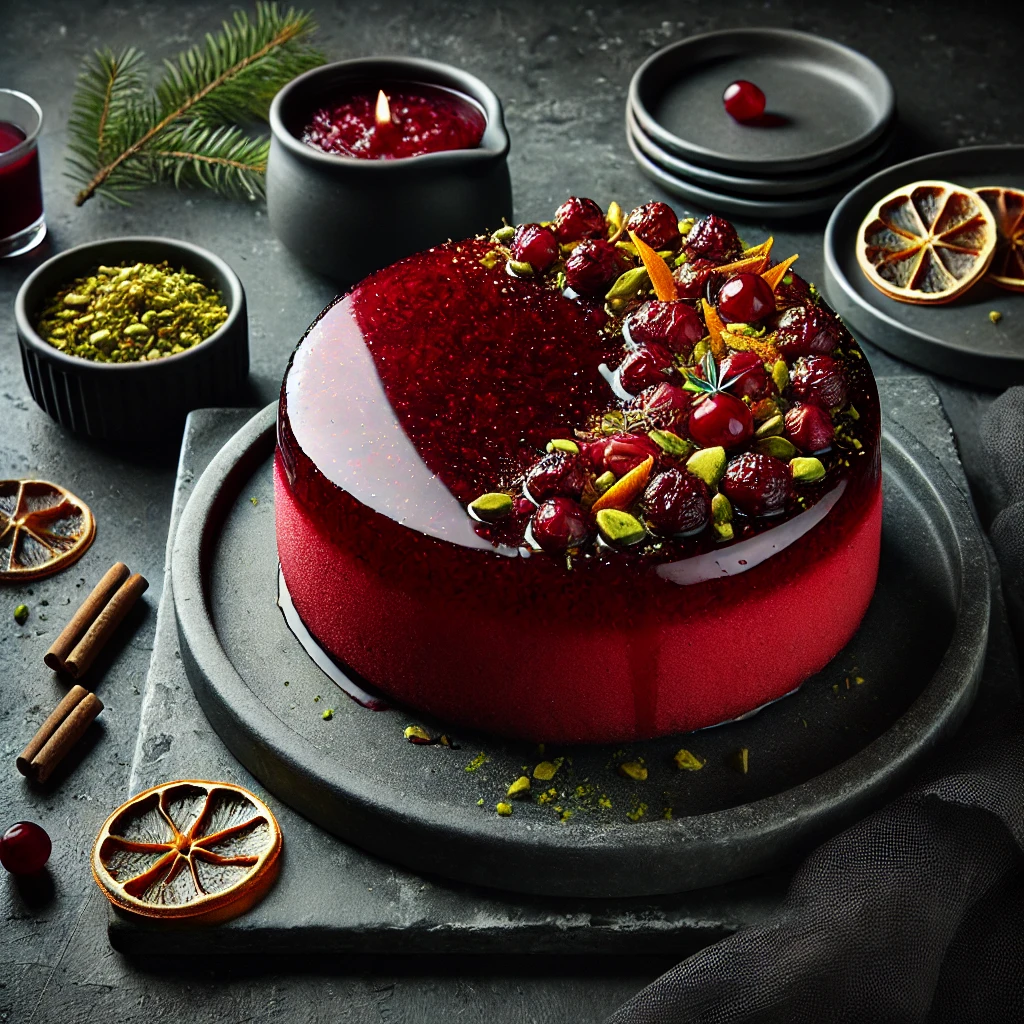
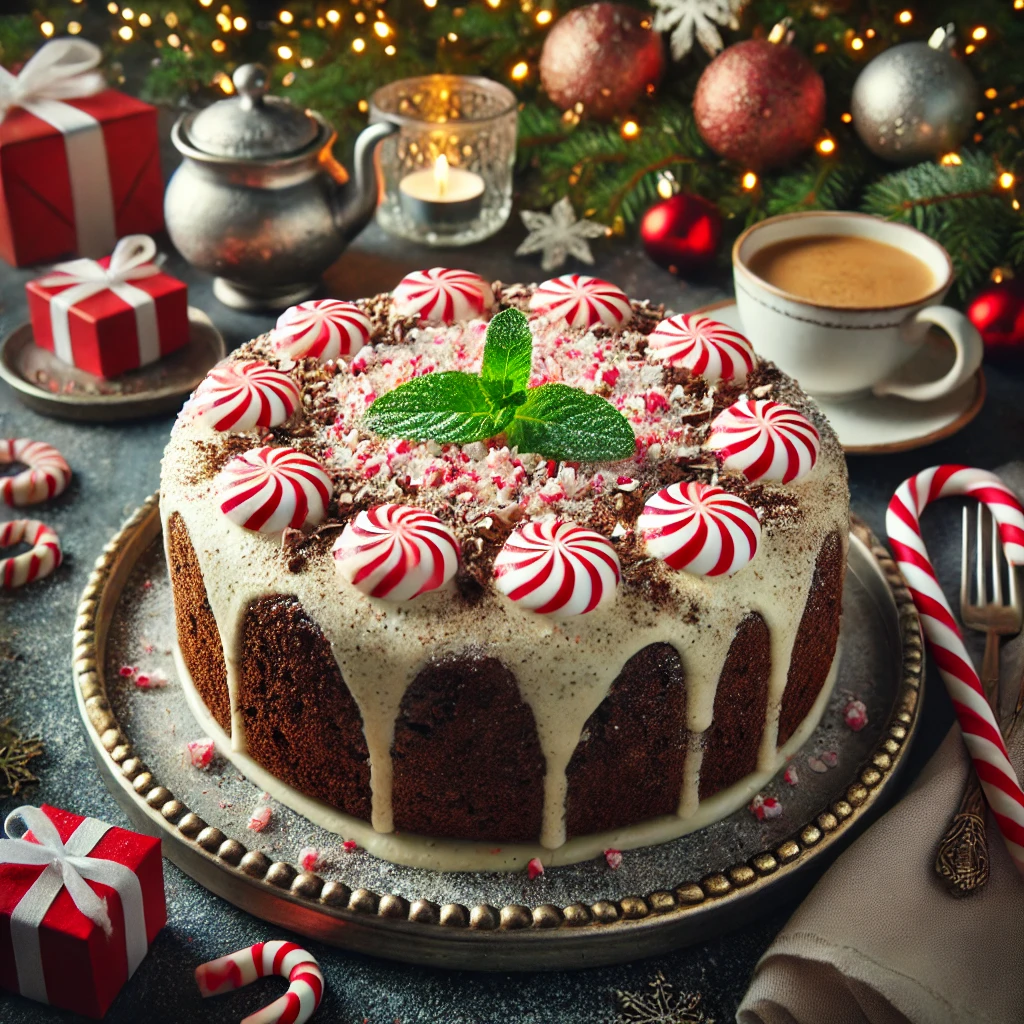
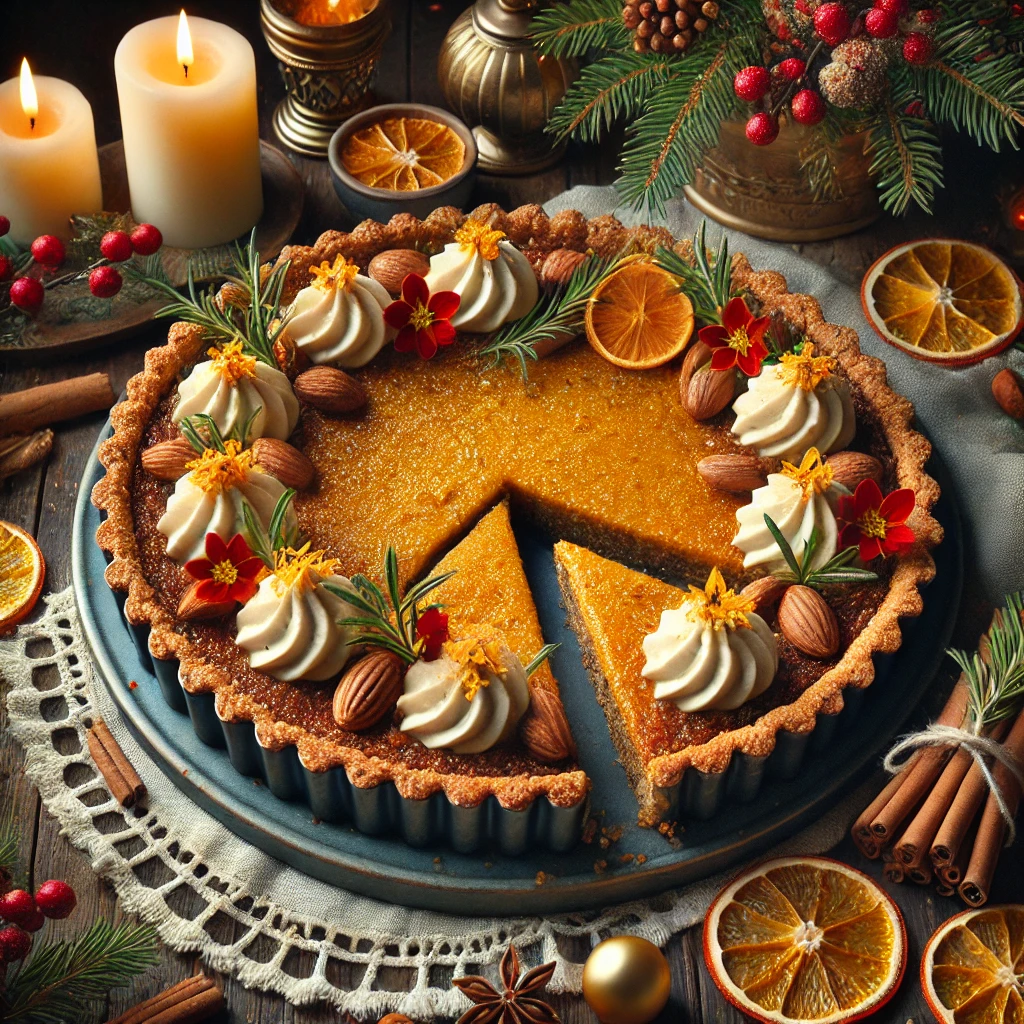
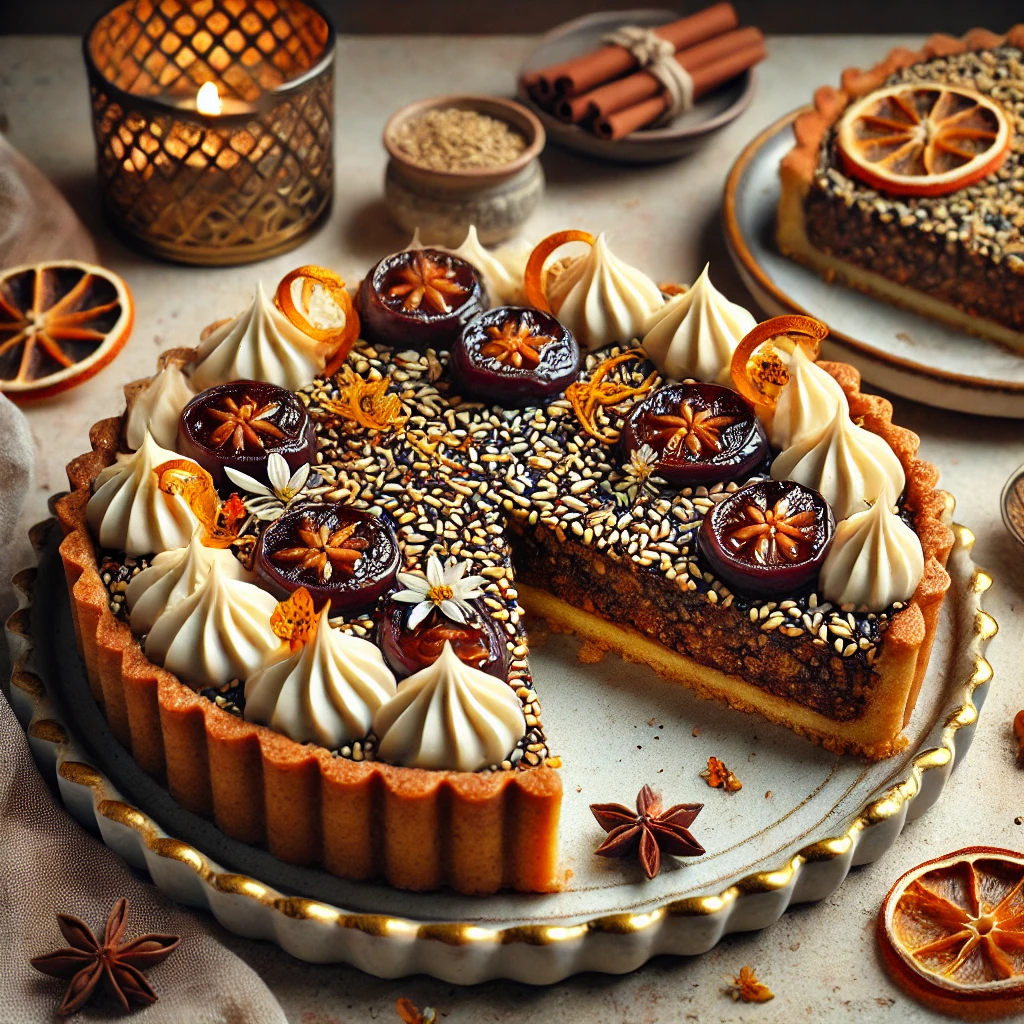
This section is meant to be more than Cake Decorating Ideas… it’s designed to spark inspiration and creativity, awaken tradition, and infuse your special occasions with style, identity, and atmosphere. A color palette becomes a theme. A design becomes a mood. Simple details—like sugared holly leaves or shimmering stars—can set the tone for a gathering and become part of cherished traditions and lasting memories melded with personal touch and love.
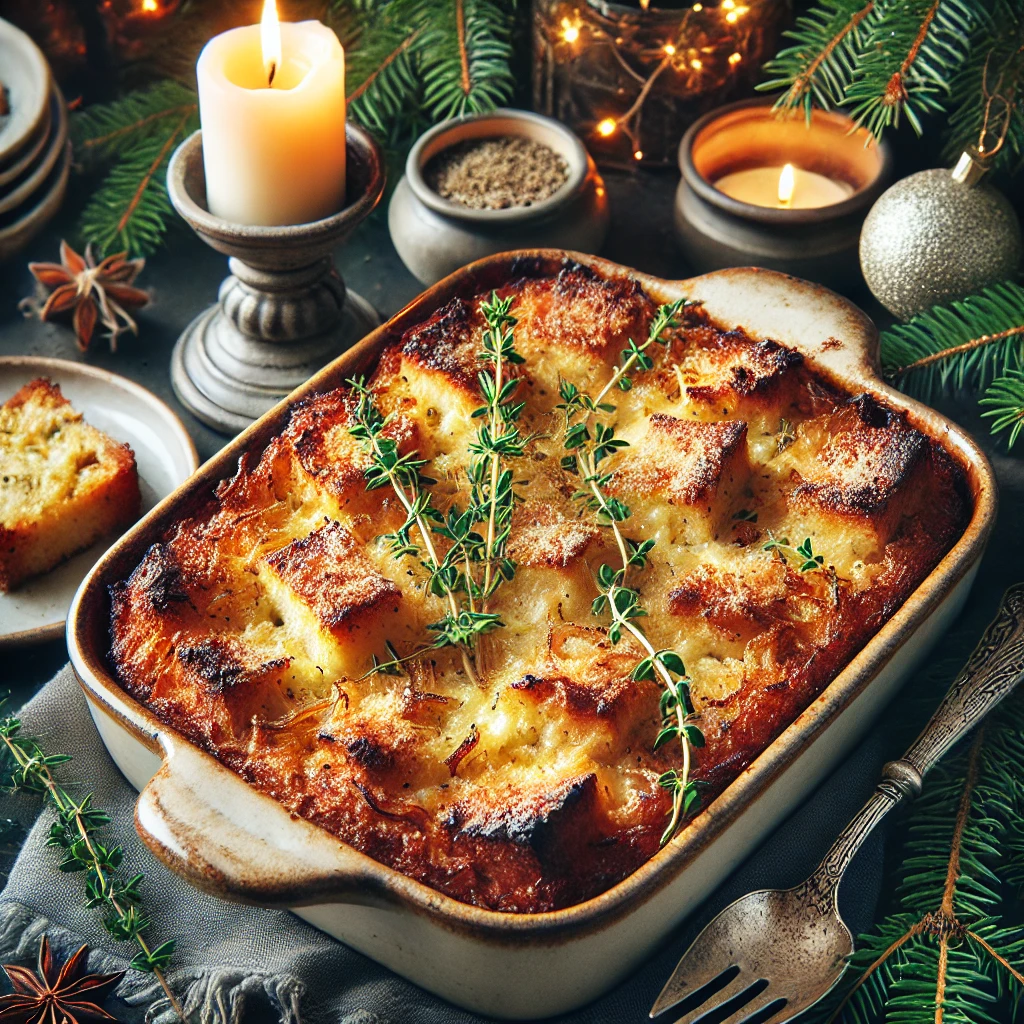
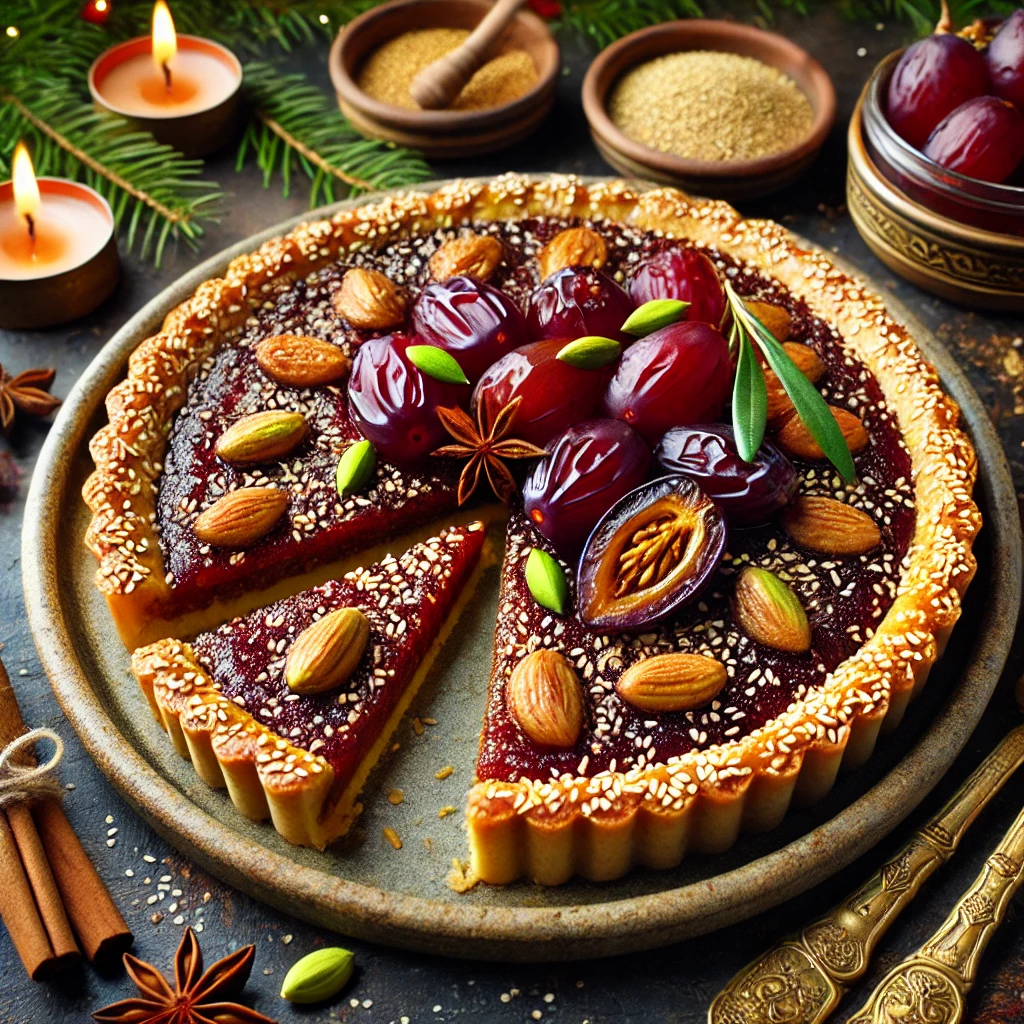
Christmas Eve Dishes
Common Christmas Eve Foods by Region/Culture
🇮🇹 Italy – La Vigilia (Feast of the Seven Fishes)
Baccalà (salt cod)
Fried calamari
Clams, mussels, shrimp, scallops, eel
Pasta with seafood (like linguine with clam sauce)
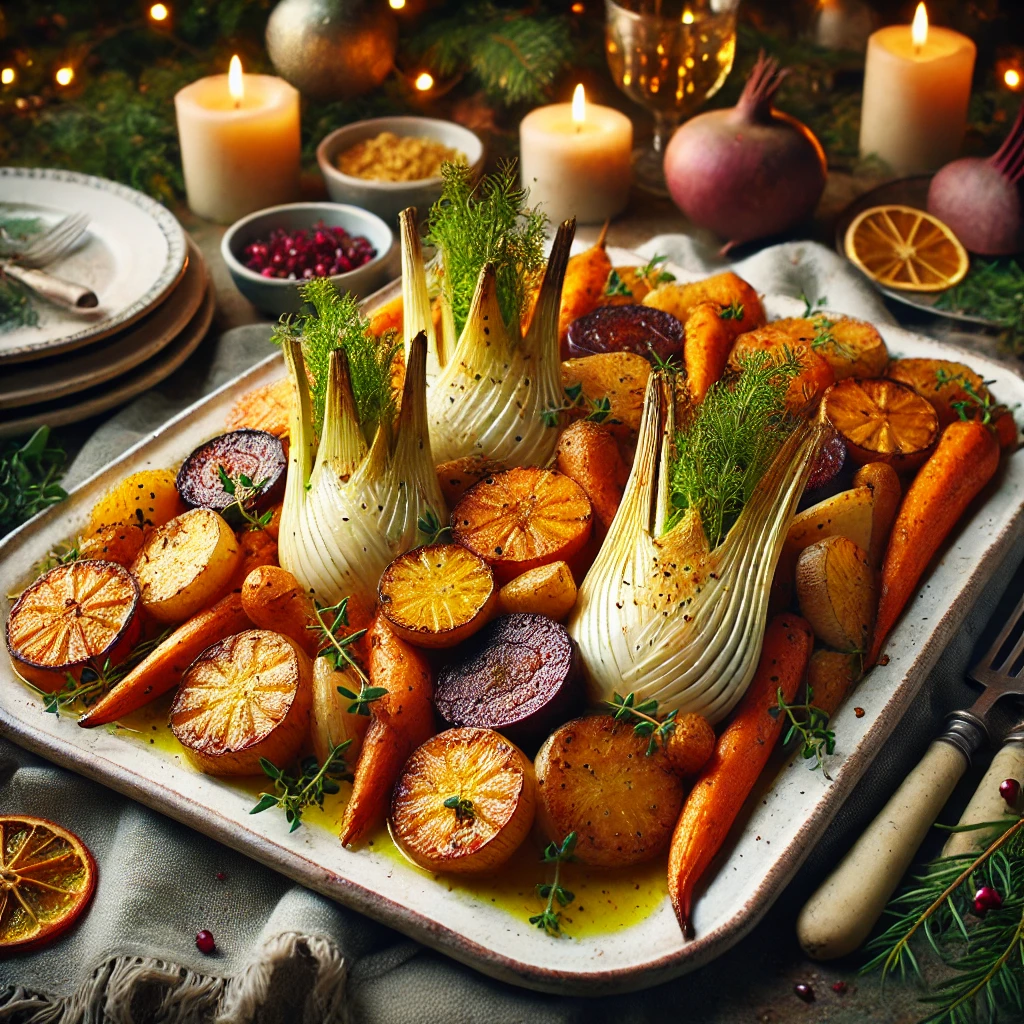
Roasted or grilled vegetables
Panettone or pandoro for dessert
🇵🇱 Poland – Wigilia
Meatless 12-dish meal, often includes:
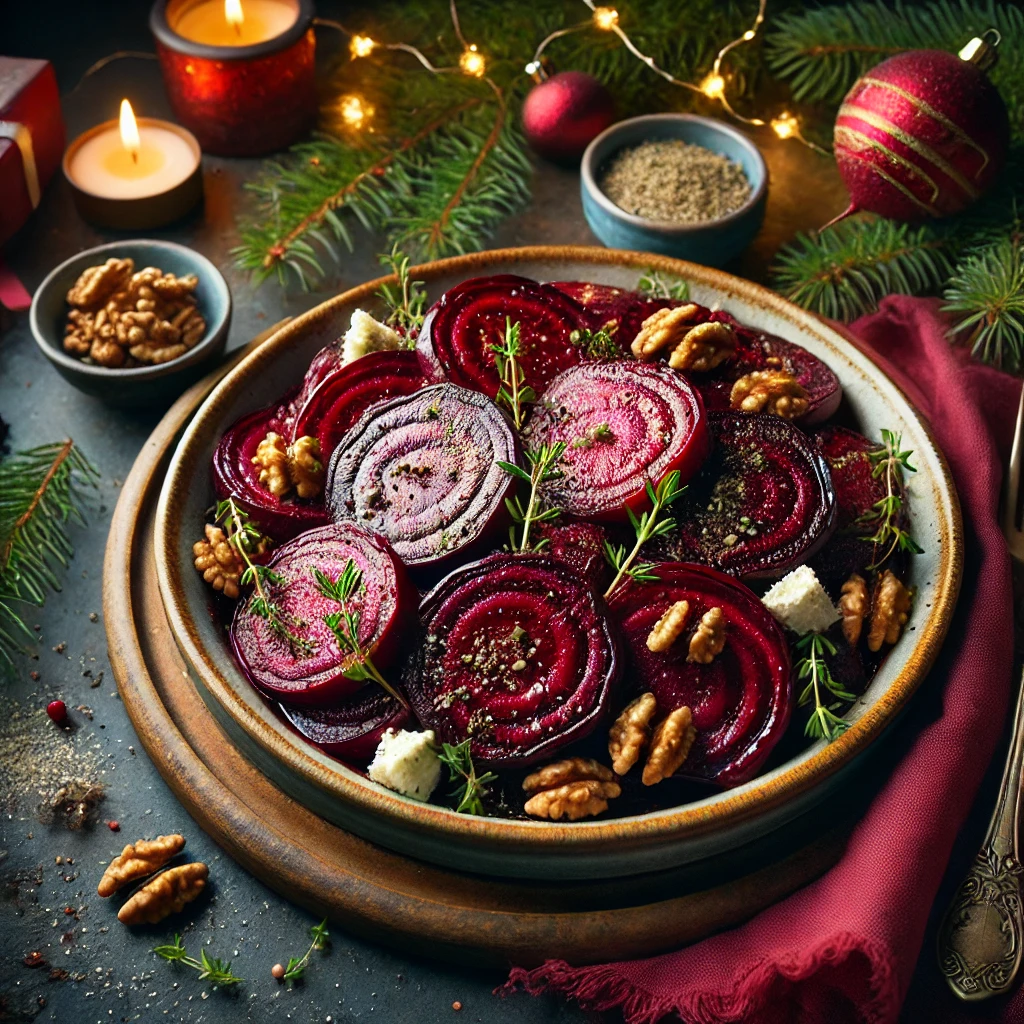
Barszcz (beet soup) with mushroom dumplings (uszka)
Carp (fried or baked)
Pierogi (dumplings with cabbage, mushroom, or cheese)
Herring in oil or sour cream
Sauerkraut with mushrooms
Poppy seed cake (makowiec) or kutia (wheat & poppy seed pudding)
🇷🇺 Russia / Ukraine – Orthodox Christian Traditions
Fasting until evening
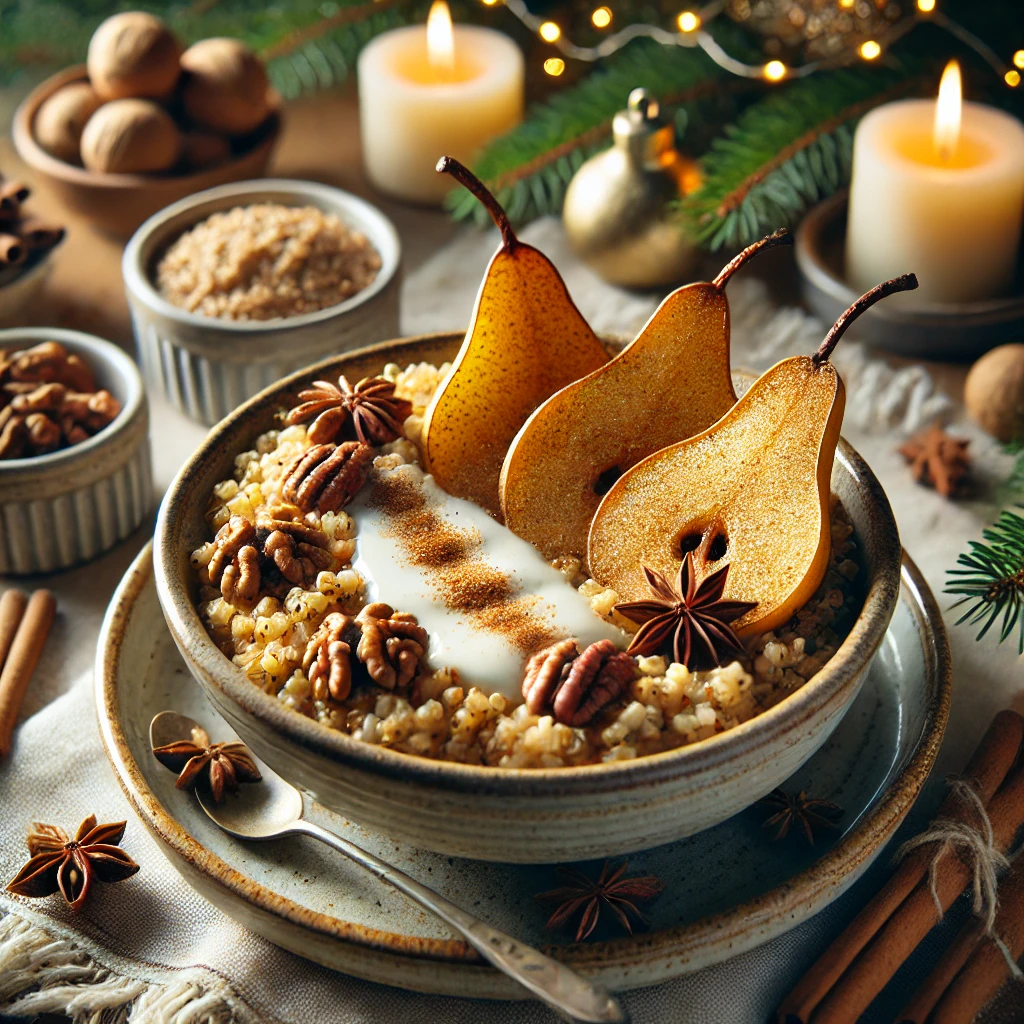
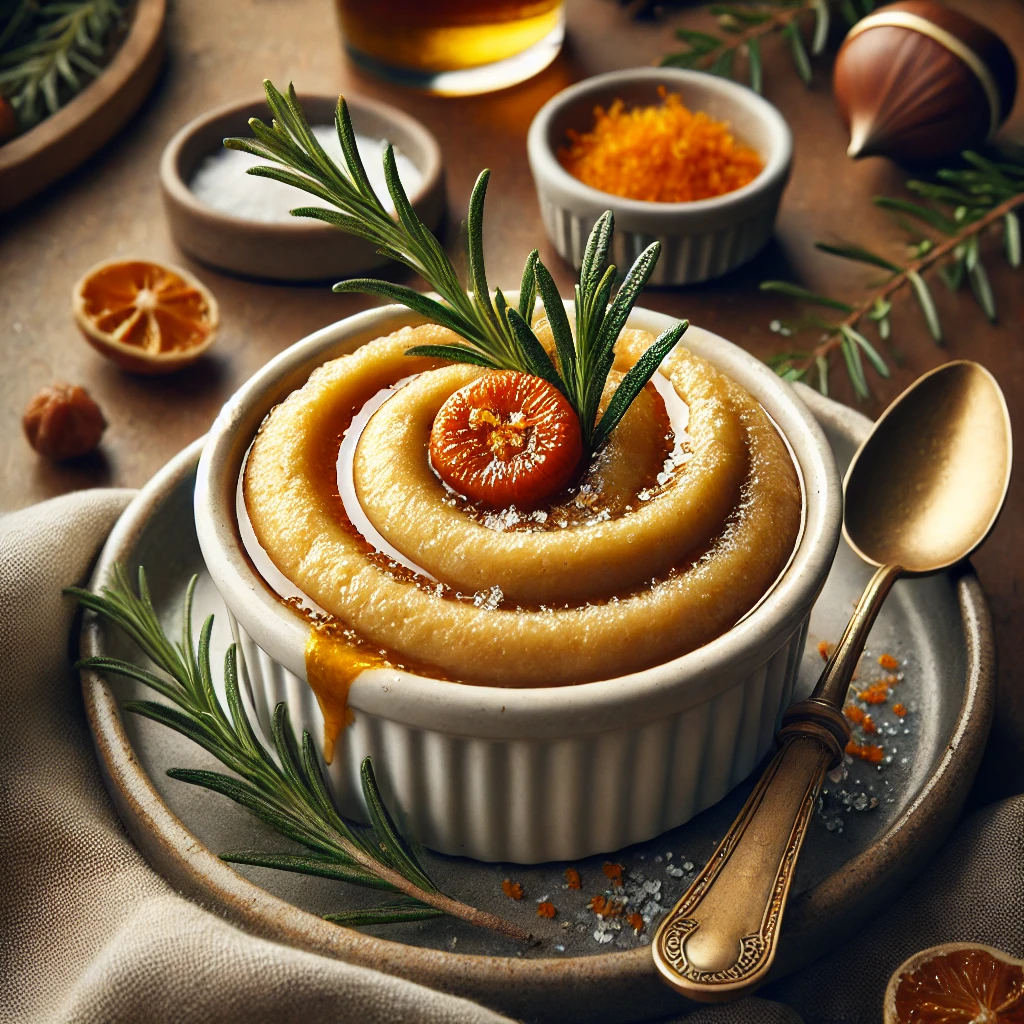
Kutia (sweet grain pudding with poppy seeds, nuts, honey)
Pickled vegetables
Mushroom or cabbage dishes
Varenyky (similar to pierogi)
Compote (fruit drink)
🇬🇧 United Kingdom
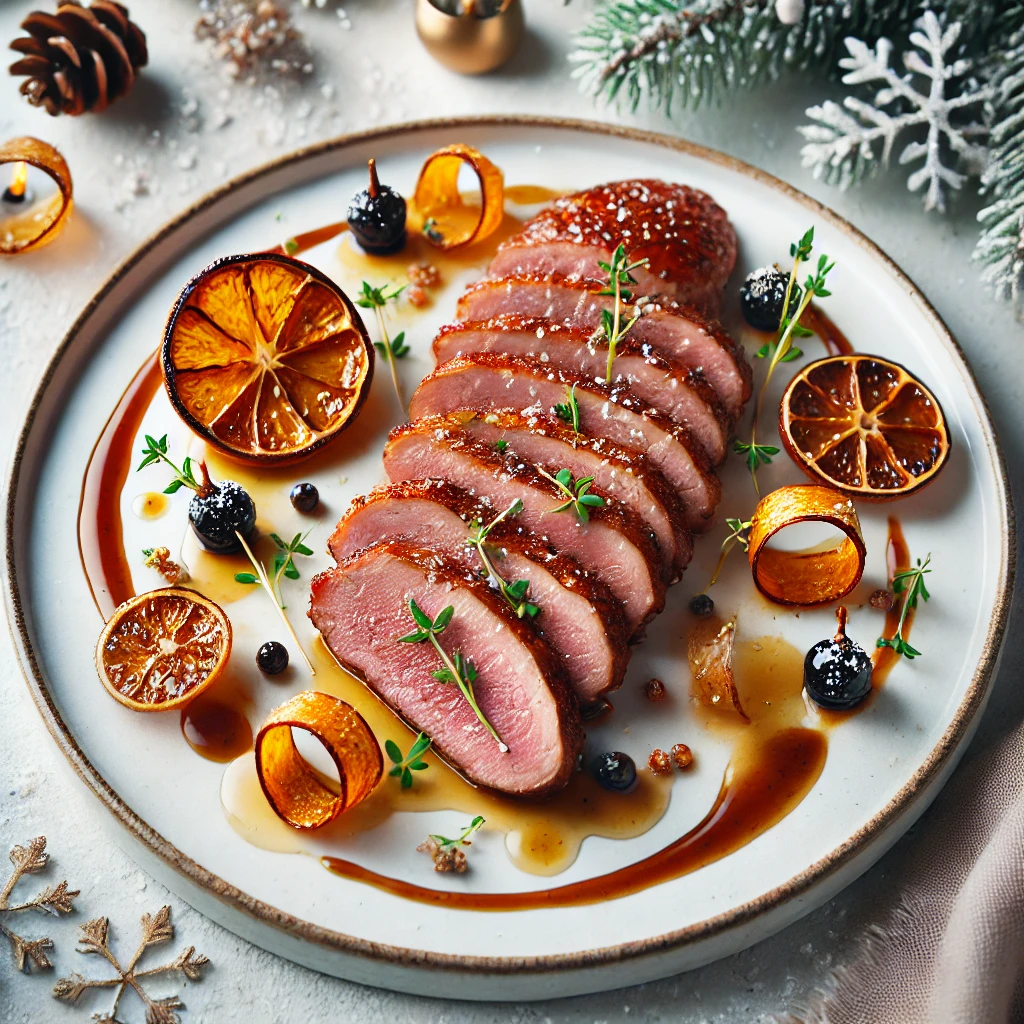
Roast goose or duck (though more common on Christmas Day)
Mince pies
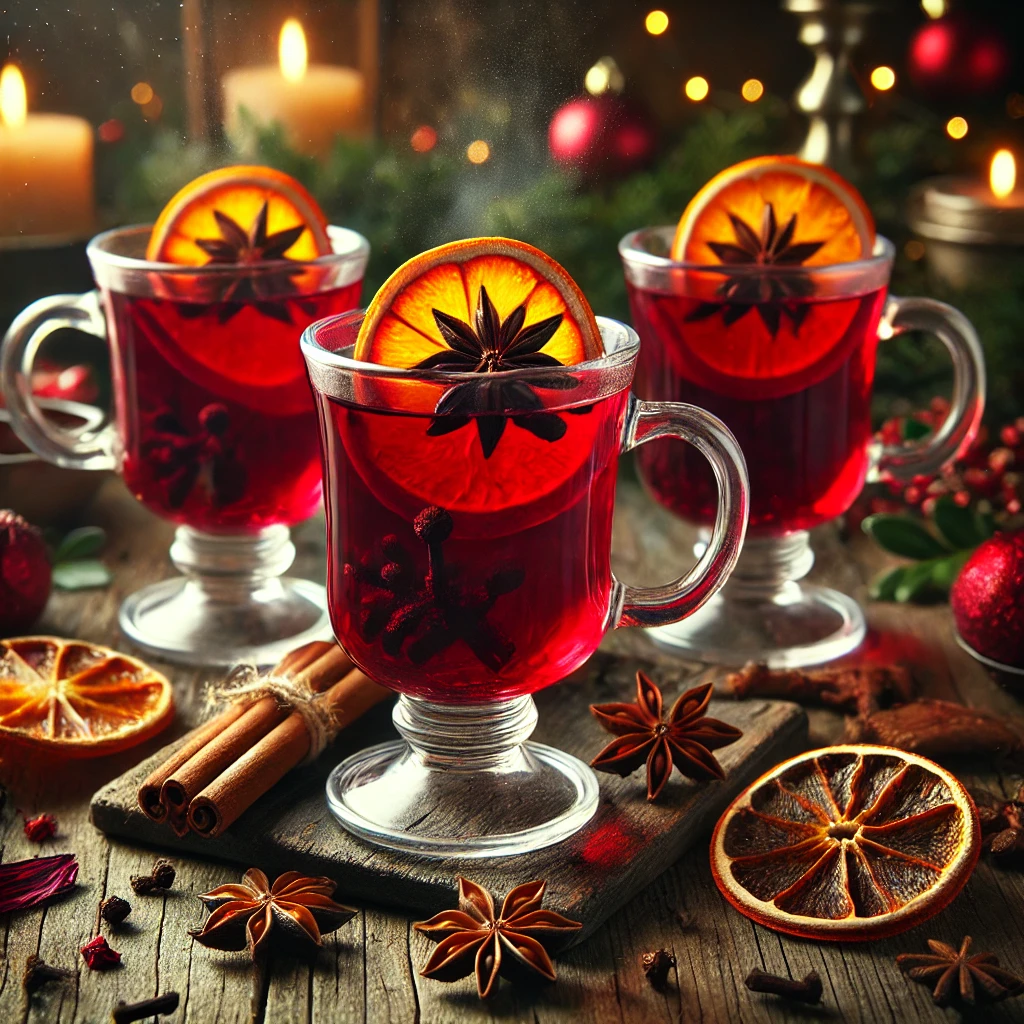
Mulled wine
Trifle
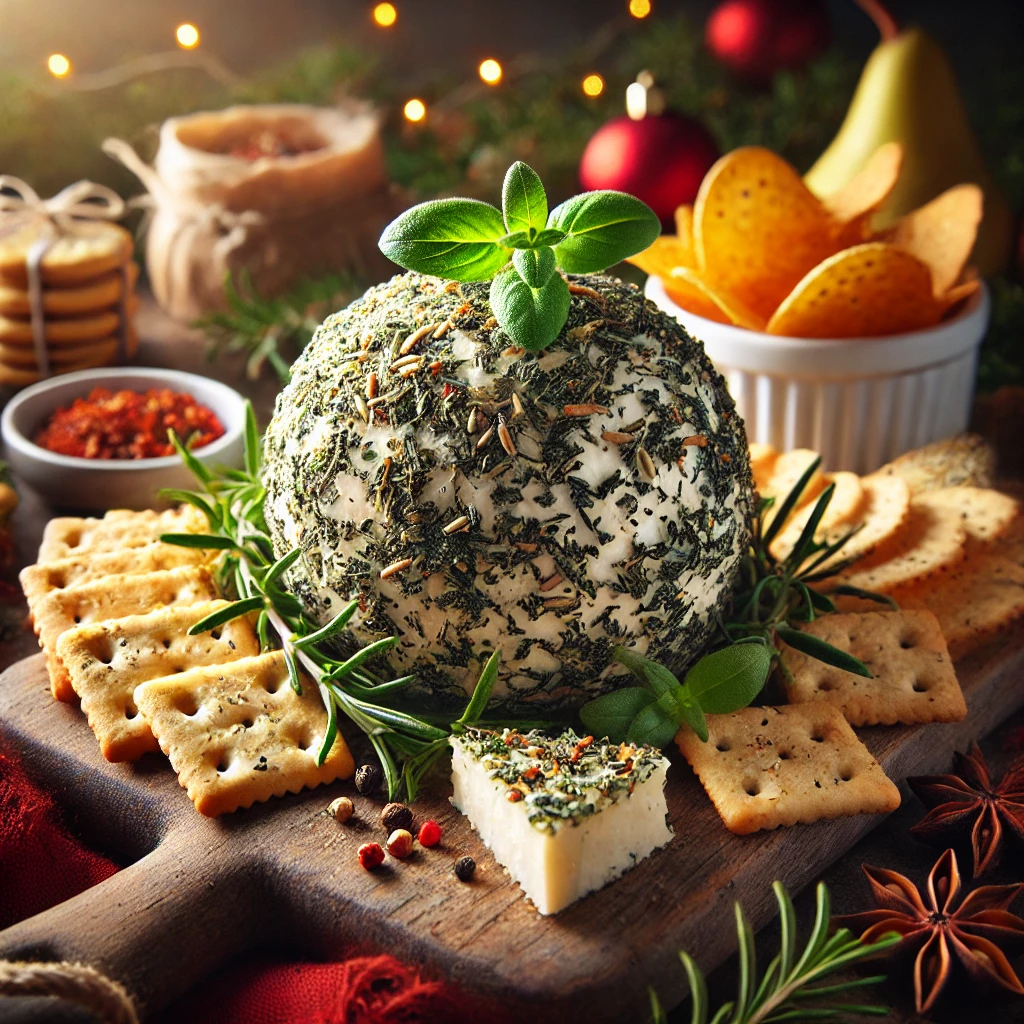
Stilton cheese with crackers
Sausage rolls or meat pies
🇩🇪 Germany
Roast carp or sausages
Potato salad with sausages (Würstchen und Kartoffelsalat) – a simple, beloved Christmas Eve meal
Stollen (fruit bread with marzipan)
Lebkuchen (spiced cookies)
Glühwein (mulled wine)
🇫🇷 France – Réveillon
Foie gras
Oysters
Lobster or scallops
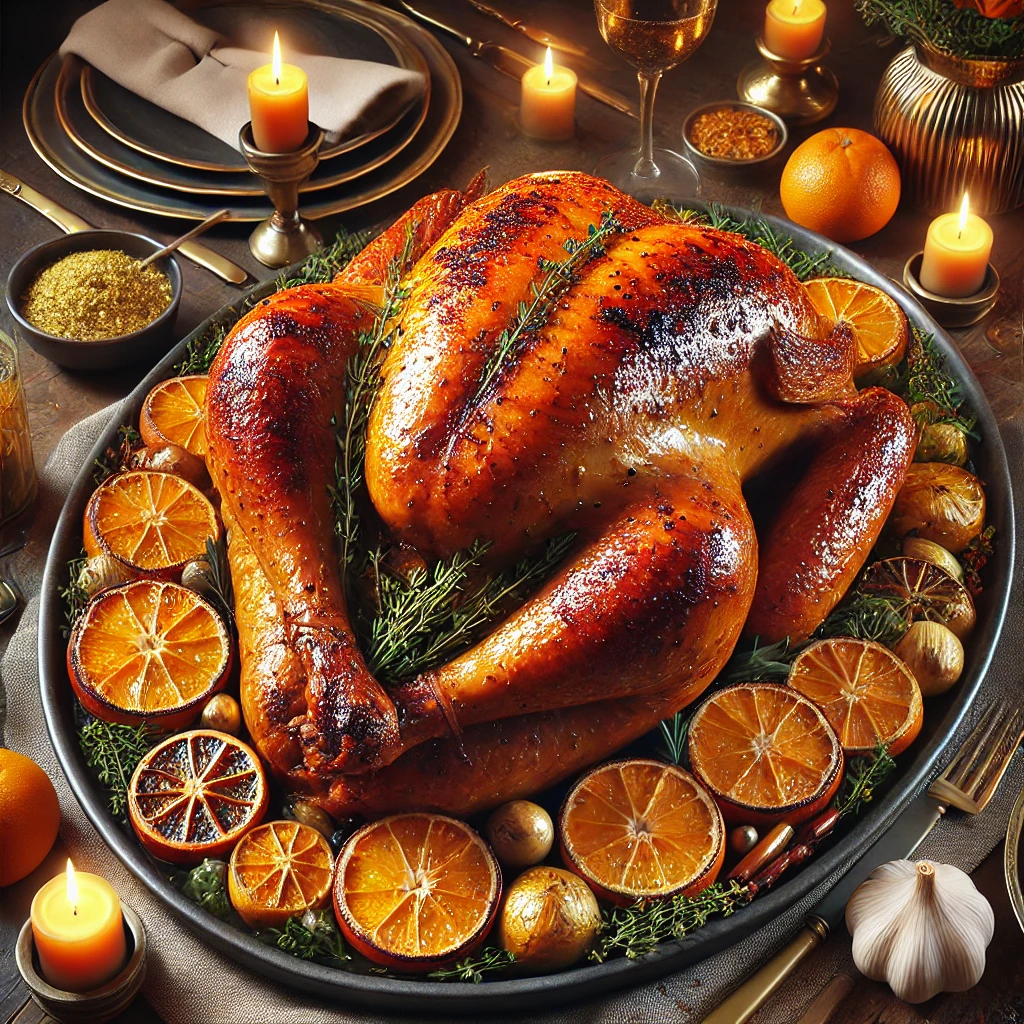
Roasted meats (duck, goose, turkey)
Cheese platter
Bûche de Noël (Yule log cake)
🇪🇸 Spain / Latin America – Nochebuena
Roast lamb or suckling pig
Bacalao (salt cod)
Tamales (in Mexico and Central America)
Hallacas (Venezuela)
Arroz con leche (rice pudding)
Turrón (nougat)
🇺🇸 United States & Canada
Varies widely based on family heritage:
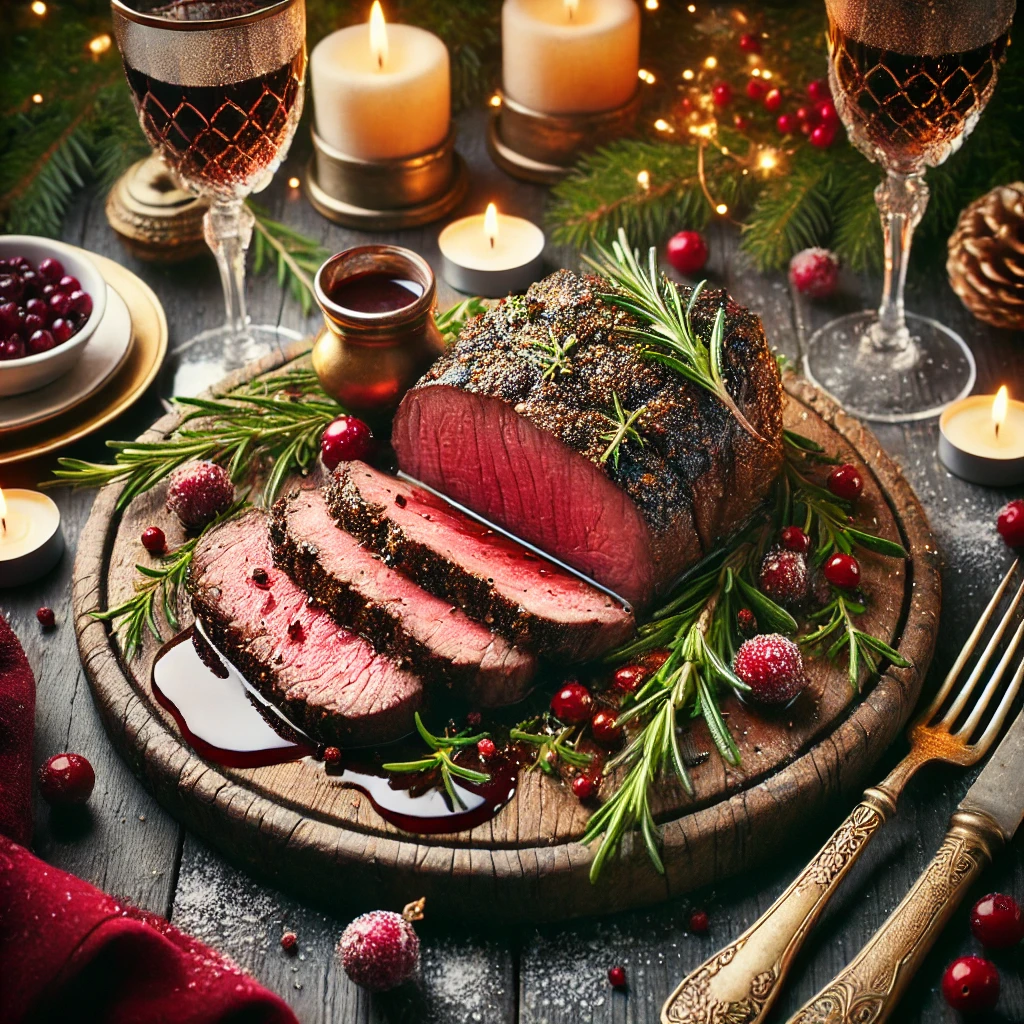
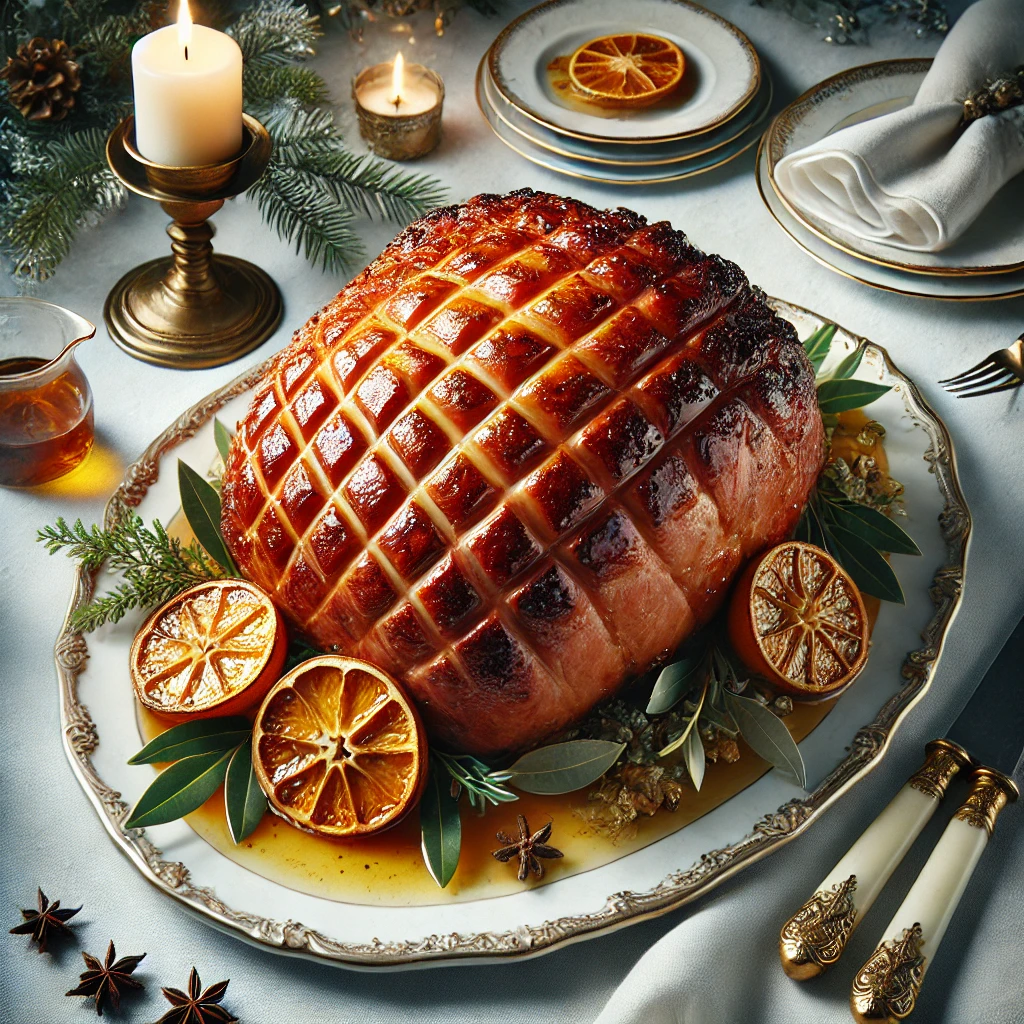
Ham, turkey, or roast beef
Mashed potatoes, stuffing, cranberry sauce
Green bean casserole
Sugar cookies, fudge, yule log cake
🍪 Universal Treats & Sweets
Gingerbread cookies
Christmas pudding (UK)
Candy canes
Fruitcake
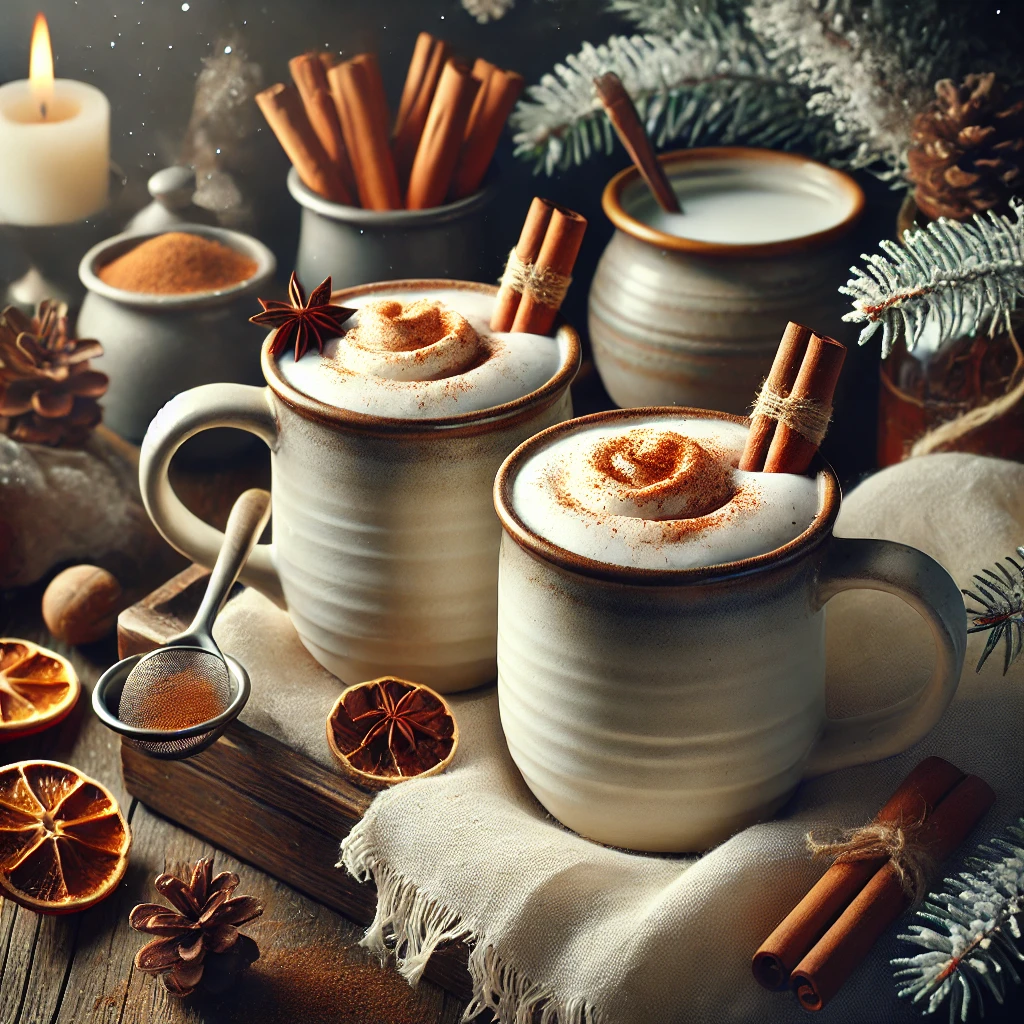
Hot cocoa or eggnog