Easter
with ORO VALENTIO
The first Sunday after the first full moon occurring on or after the vernal equinox (March 21).
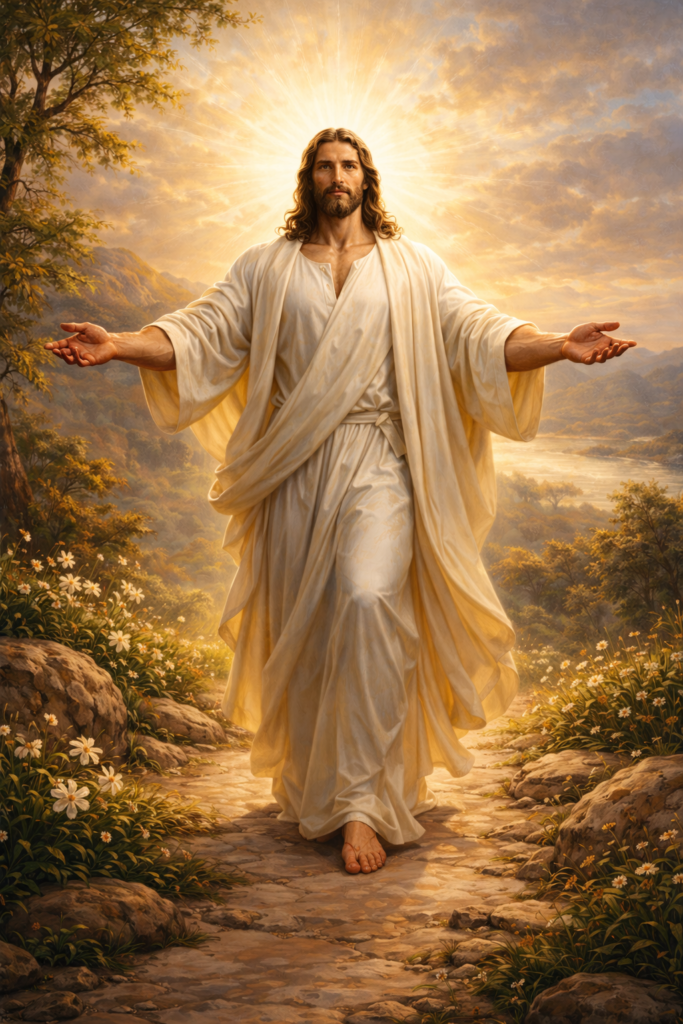
Easter is not merely a celebration of renewal, nor a poetic symbol of hope returning after hardship. It is the declaration that reality itself has been altered. At its heart, Easter proclaims that death—long accepted as the final authority—has been confronted and defeated. The Resurrection of Jesus Christ stands not as metaphor, but as rupture: a decisive moment in history where despair lost its permanence and meaning itself was restored.
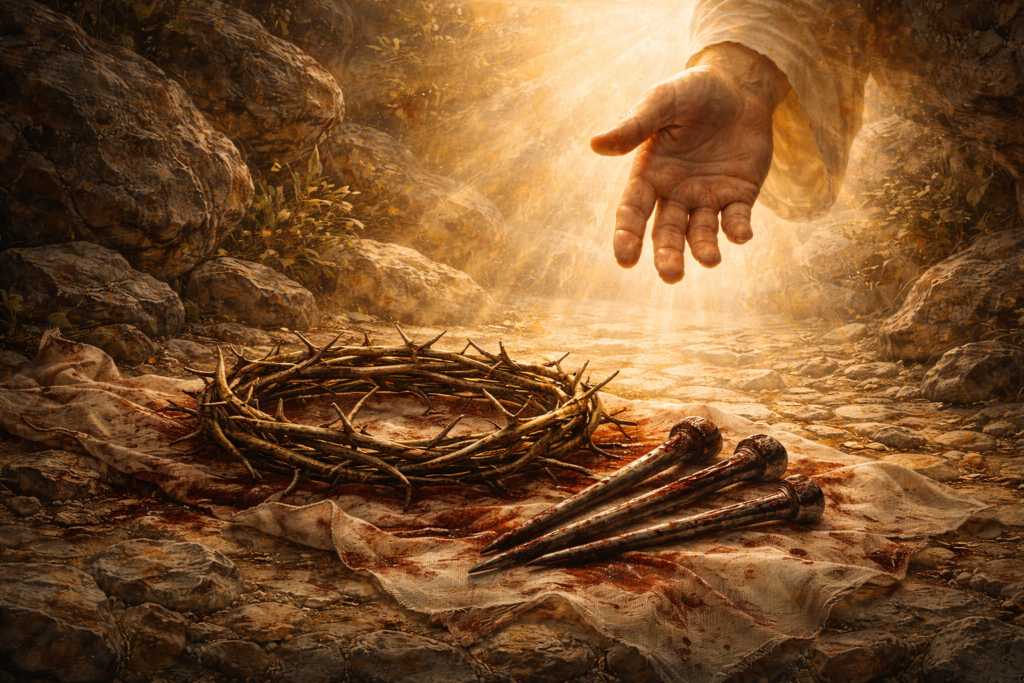
The world had learned how to endure suffering, but not how to overcome it. Easter answers that ache. It reveals that sacrifice is not wasted, that obedience is not forgotten, and that love poured out fully is never annihilated. The empty tomb does not erase the cross—it vindicates it. Pain is not denied; it is transformed. What appeared to be the end becomes the necessary passage through which life emerges stronger, clearer, and unbroken.
Easter also speaks quietly, but firmly, to the human heart. It tells us that darkness is not proof of abandonment, and silence is not absence. Growth often occurs unseen, beneath the surface, in places that look barren. Just as the stone was rolled away after a long night, so too does truth rise in its appointed time—unstoppable, undeniable, and radiant with purpose.
This is why Easter endures across centuries and cultures. It is not a seasonal comfort, but a foundational claim: that renewal is real, that justice ultimately prevails, and that love—when fully given—has the final word. It calls each person not only to celebrate life restored, but to live as witnesses to it: carrying hope with discipline, joy with responsibility, and faith with courage.
Easter is the victory that makes endurance meaningful and the promise that nothing given in truth is ever lost. It is the dawn that follows the longest night—and the assurance that light, once risen, cannot be undone.
Jesus Christ is Risen & Unrecognizable
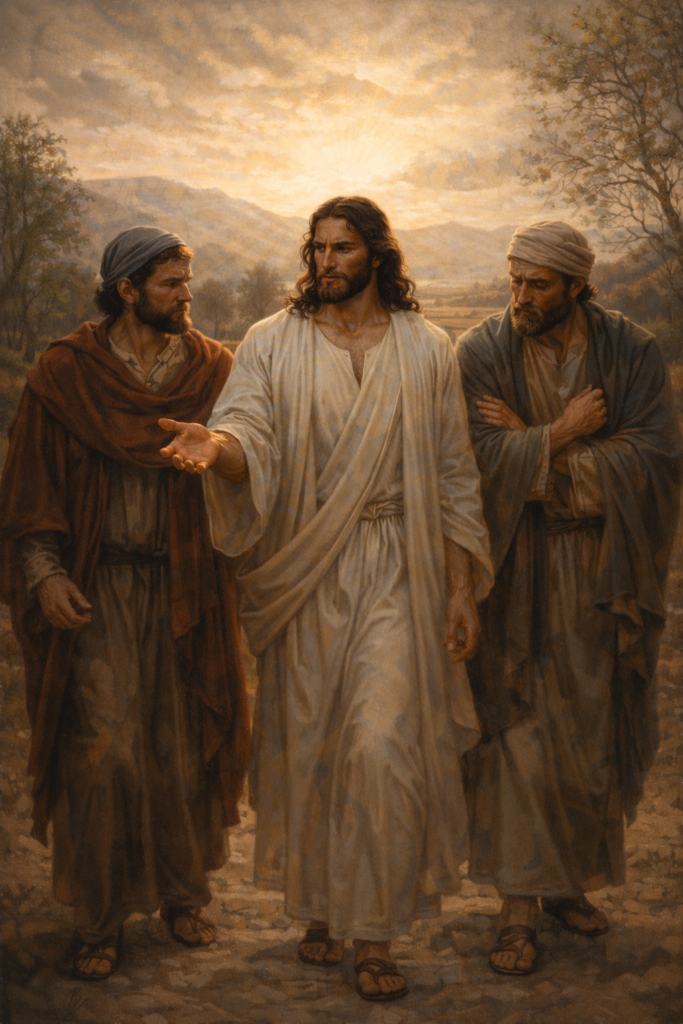
The risen Jesus Christ is unrecognizable to His friends not because He is disguised, but because resurrection changes how reality is perceived, not merely how bodies appear.
First, grief blinds before glory does. The disciples on the road to Emmaus are not neutral observers; they are wounded, disappointed, and convinced that hope has failed. Their expectations have collapsed inward. Resurrection cannot be recognized by eyes trained only to look for endings. Scripture even hints at this gently: “their eyes were kept from recognizing him”—not as punishment, but as mercy. Recognition would have overwhelmed hearts not yet ready to receive it.
Second, the resurrected body is continuous but transformed. Christ is the same Jesus—He eats, walks, speaks, bears wounds—but He now belongs to a mode of existence no longer limited by decay, fear, or death. Familiarity alone is no longer sufficient for recognition. The disciples are encountering not a restored past, but a fulfilled future. Their minds must be re-educated to see.
Third—and most profound—Christ is teaching them how He will now be known. If He were immediately recognizable by appearance, faith would remain anchored to memory. Instead, He becomes known through Scripture opened, truth patiently explained, and bread broken in communion. Recognition comes not when they look harder, but when they receive. Resurrection shifts knowledge from possession to participation.
Finally, there is a quiet tenderness in His restraint. Christ allows Himself to be misunderstood so that fear can speak freely, doubt can surface honestly, and hearts can burn before eyes are opened. He does not demand recognition; He invites readiness. When He is finally recognized, He vanishes—not to tease, but to make clear that He is no longer held by sight alone.
In short, Christ was unrecognizable because resurrection is not a return—it is an advance. And those who would recognize Him must learn to see not with nostalgia, but with transformed hearts.
Easter Traditions to Make Your Own
Sacred & Liturgical Easter Traditions
Sunrise Services – Worship held at dawn, recalling the discovery of the empty tomb and the rising of light over darkness.

Easter Vigil – An ancient nighttime service beginning in darkness and ending in light, symbolizing the passage from death to life.

Proclamation of the Resurrection – The joyful announcement that Jesus Christ is risen, often with the greeting “Christ is risen” / “He is risen indeed.”
Baptisms & Renewals of Baptismal Vows – Easter has long been the primary day for baptism, representing new life through resurrection.
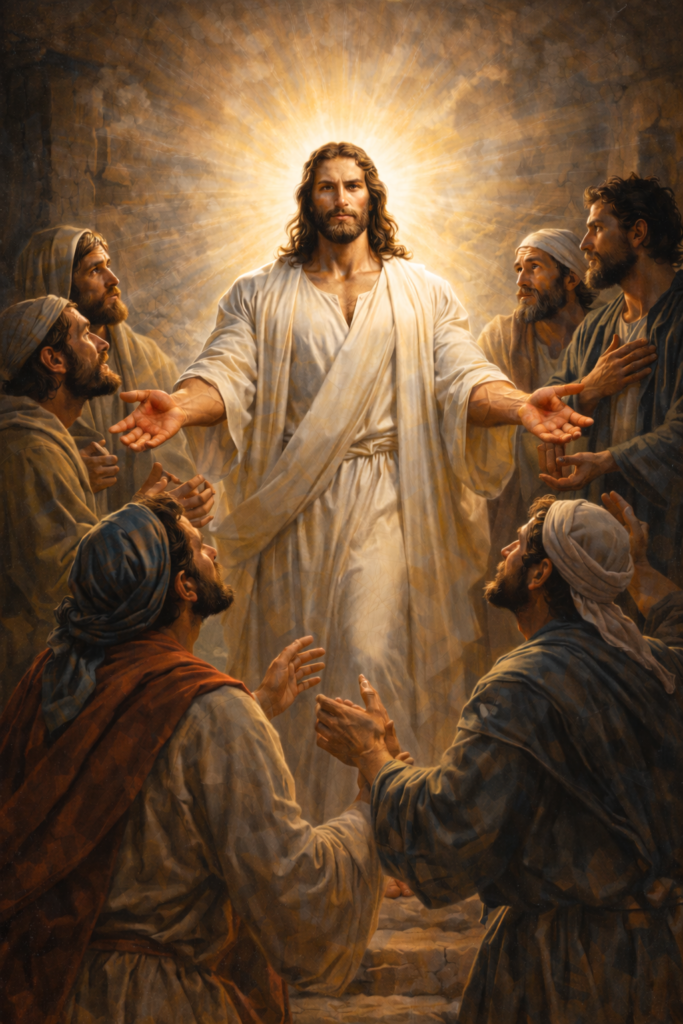
Reading of the Resurrection Gospel Accounts – Especially the appearances to Mary Magdalene, the road to Emmaus, and the gathered disciples.
Singing of Alleluia – The return of “Alleluia” after its absence during Lent, marking restored joy.
Home & Family Traditions
Easter Feast or Dinner – A celebratory meal following the restraint of Lent, often featuring lamb, ham, eggs, bread, and spring vegetables.
Blessing of Food – In many traditions, Easter foods are prayed over before being shared.
Lighting Candles – Symbolizing Christ as the light that overcomes darkness.
Family Scripture Reading or Benediction – Reflecting on the meaning of the Resurrection together.
Symbolic & Seasonal Traditions
Eggs (Dyed or Decorated) – An ancient symbol of new life and the sealed tomb opened.
White or Gold Clothing & Decorations – Representing purity, glory, and resurrection light.
Flowers (Especially Lilies) – Signs of life returning and the beauty of renewal.
Removing the Stone or Opening Doors – A symbolic gesture in some homes or churches to reflect the empty tomb.
Cultural & Community Traditions
Easter Egg Hunts – A playful custom rooted in the symbolism of hidden life being discovered.
Processions & Bells – Public expressions of joy, especially in historic Christian regions.
Greeting with Peace – Echoing Christ’s first words to the disciples: “Peace be with you.”
Acts of Charity & Visiting Others – Easter as a time to share hope outwardly, especially with the lonely or grieving.
A Unifying Theme
Across all traditions, Easter is not merely remembered—it is participated in. Each custom, whether solemn or joyful, points to the same truth: that loss is not final, love is not wasted, and life—once risen—cannot be undone.
Stronger than Fear, Deeper than Loss...
May the peace of the risen Jesus Christ stand quietly within you—stronger than fear, deeper than loss, and truer than death.
May hope rise where the stone once lay, love speak where silence lingered, and new life take root in every place you thought was finished.
Go in peace, for the light has dawned, and it cannot be undone.
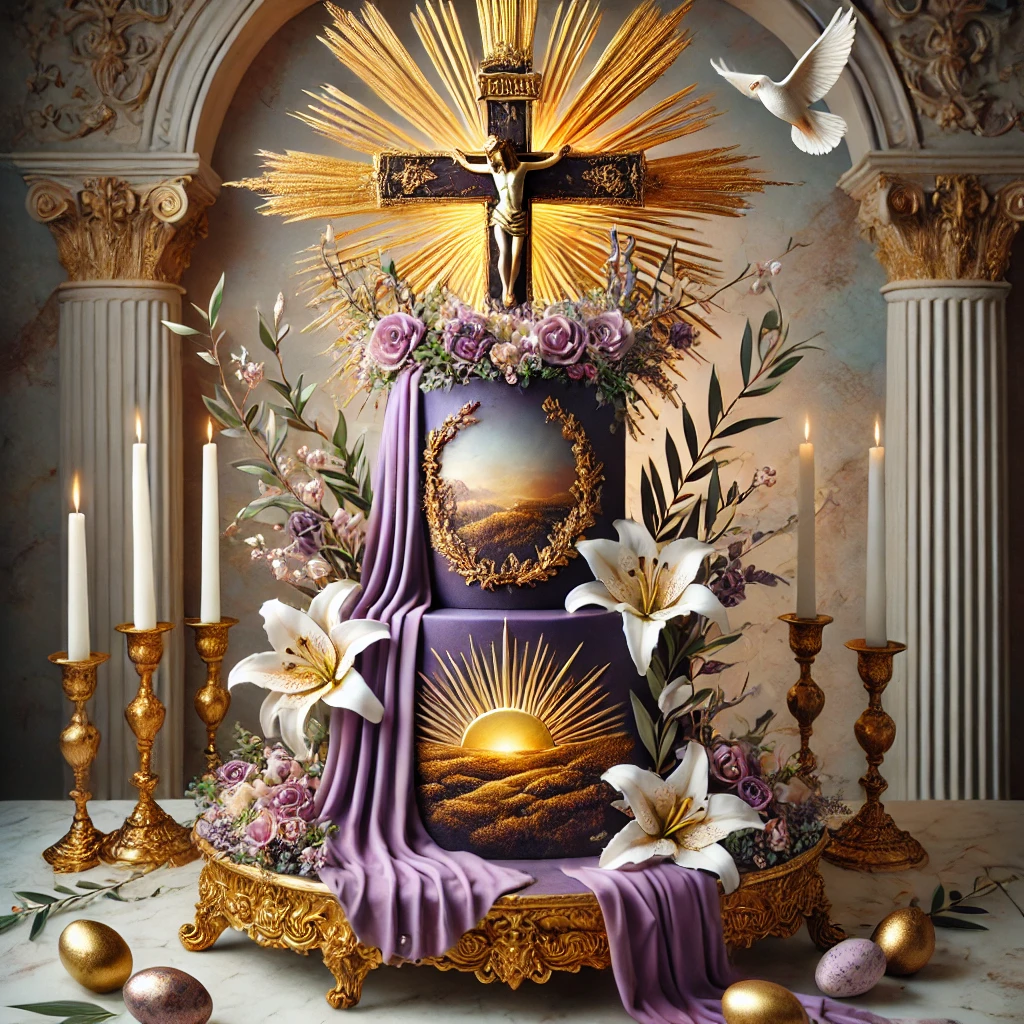
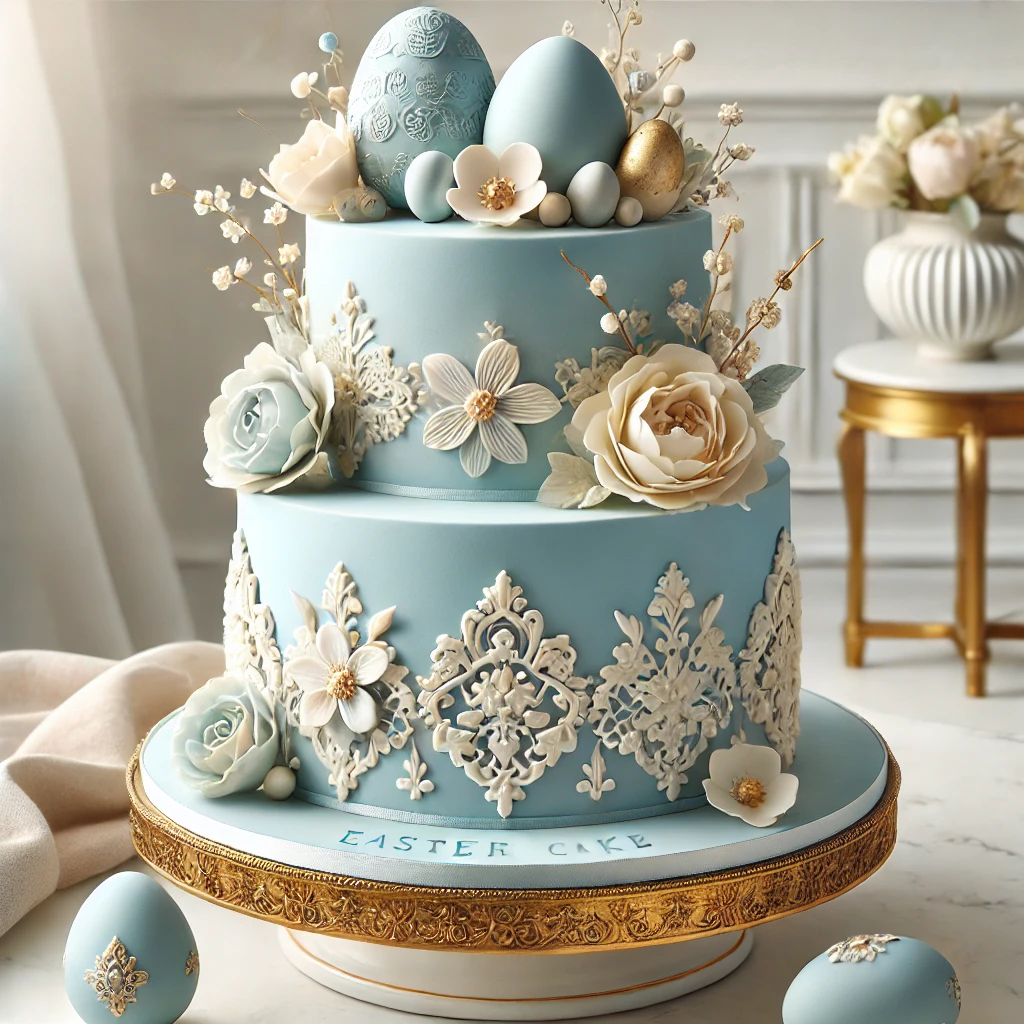
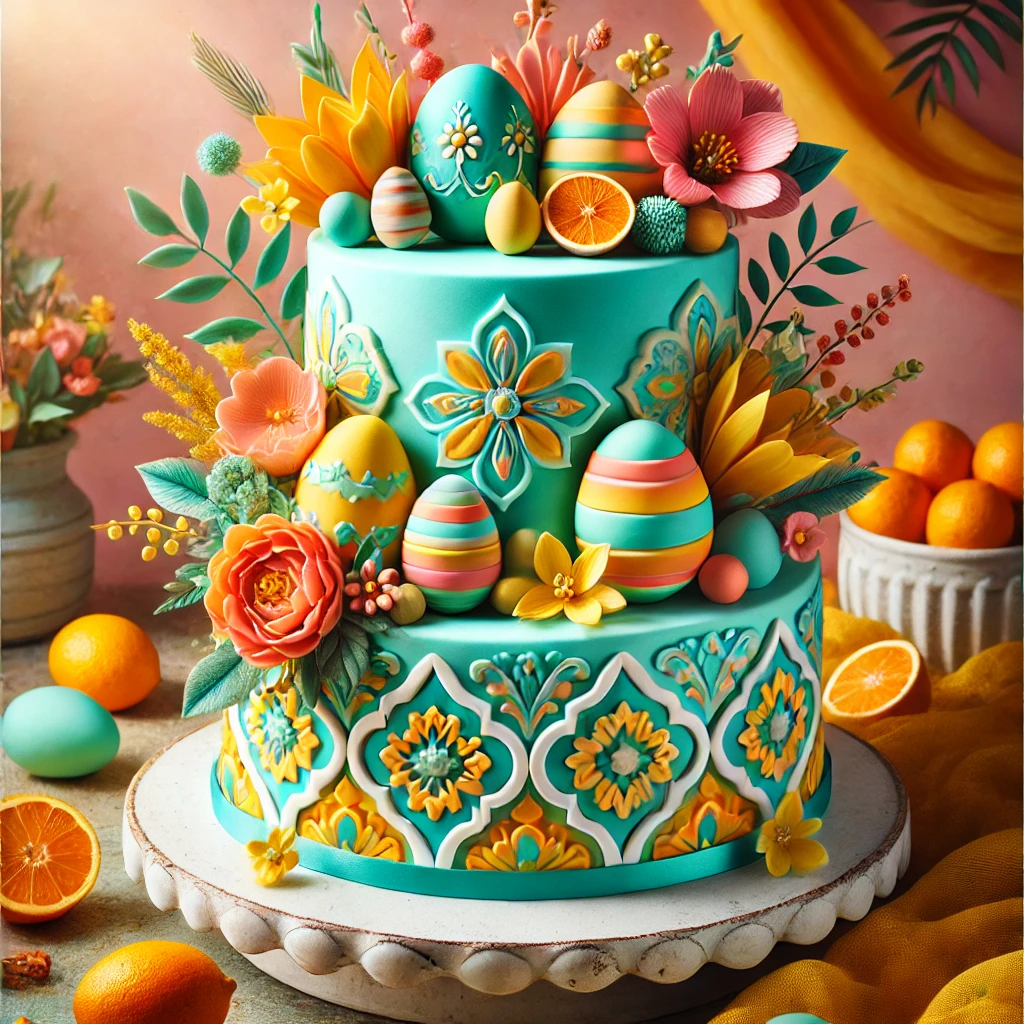
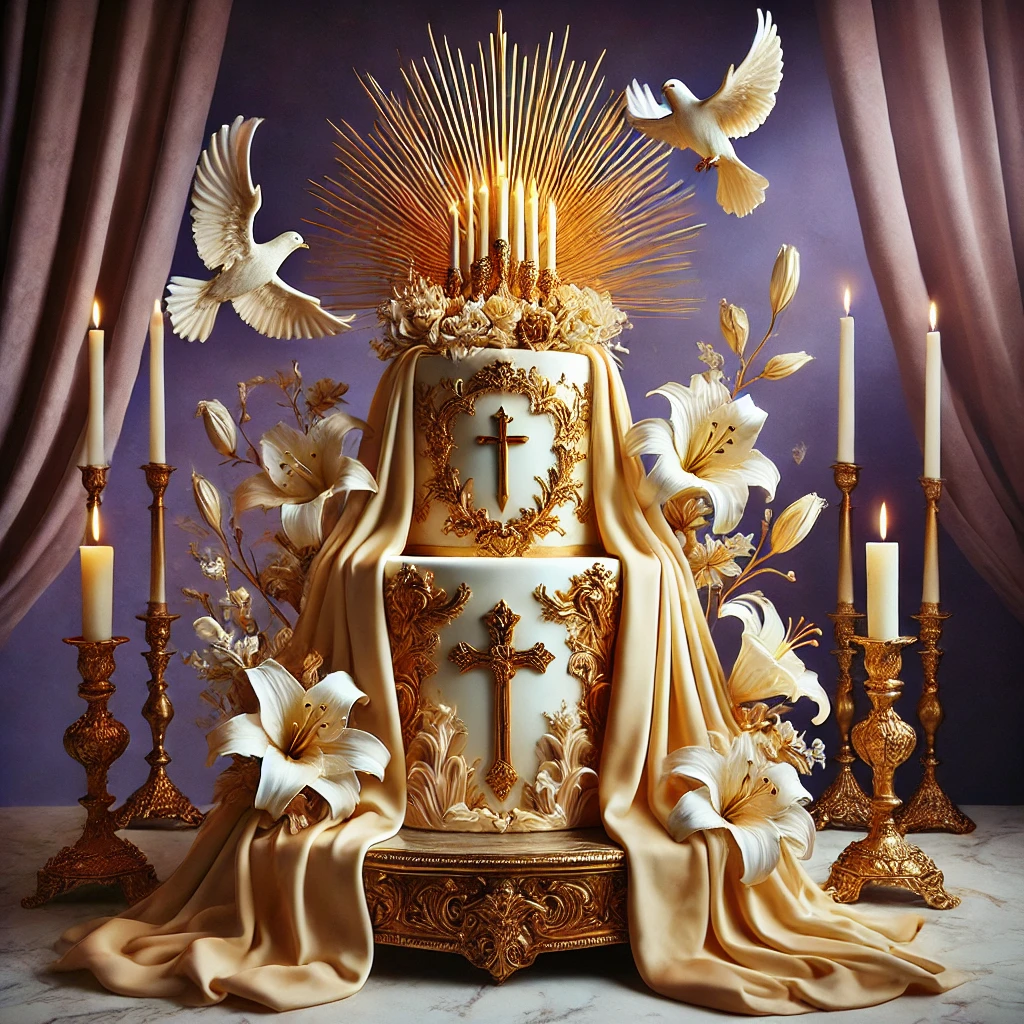
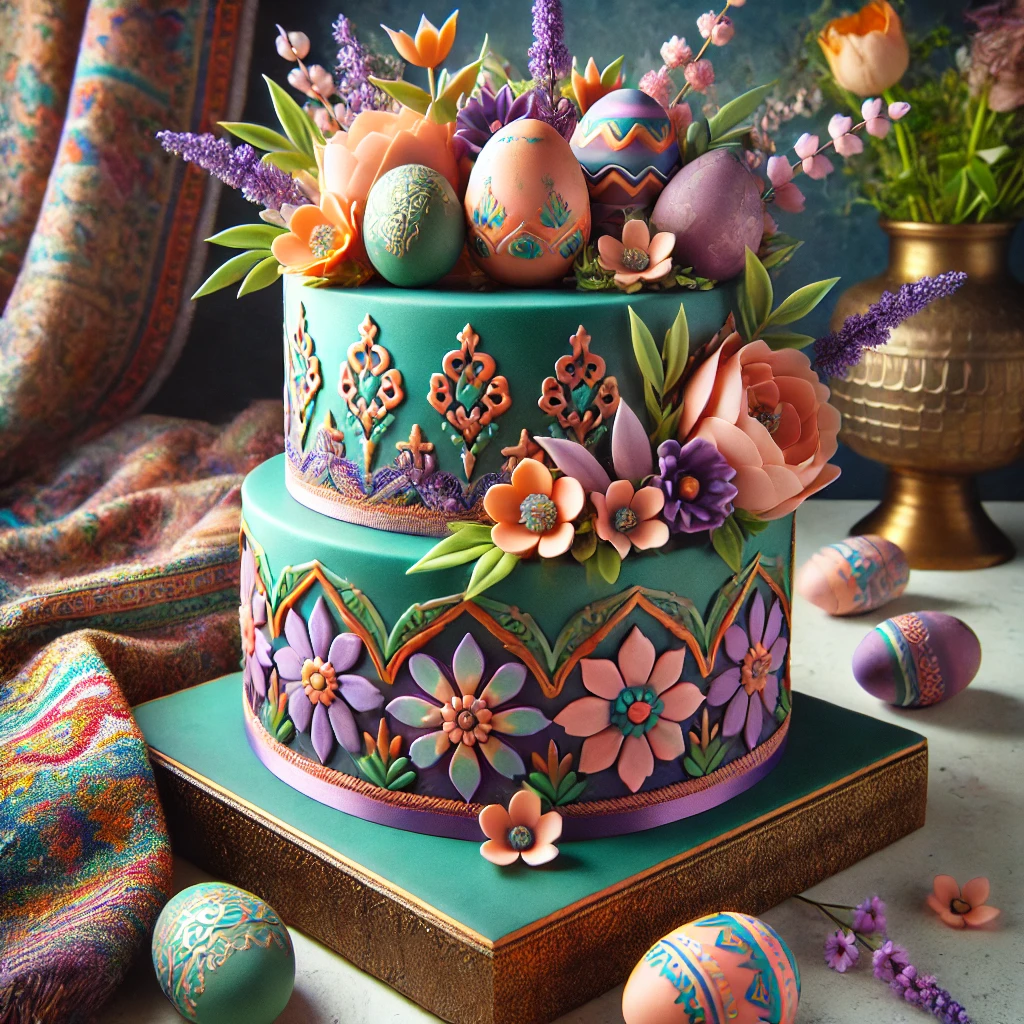
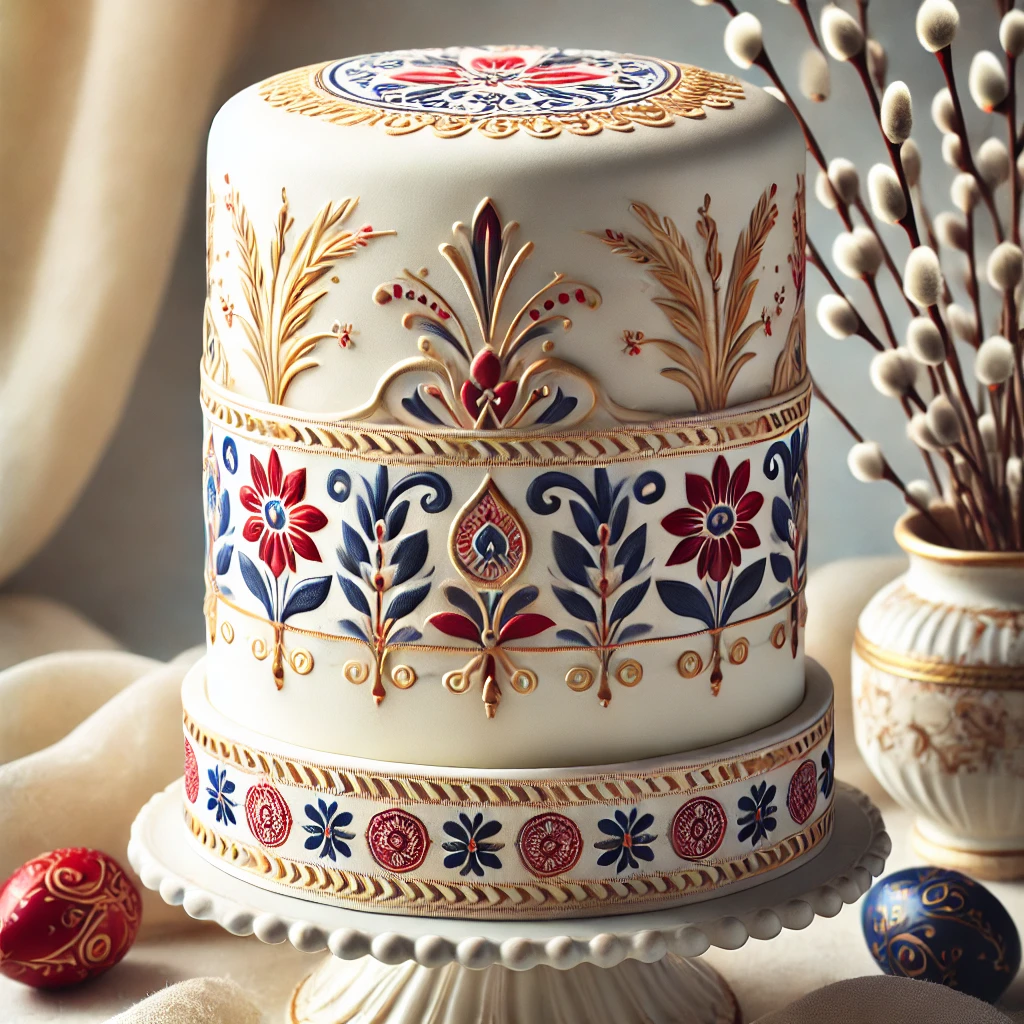
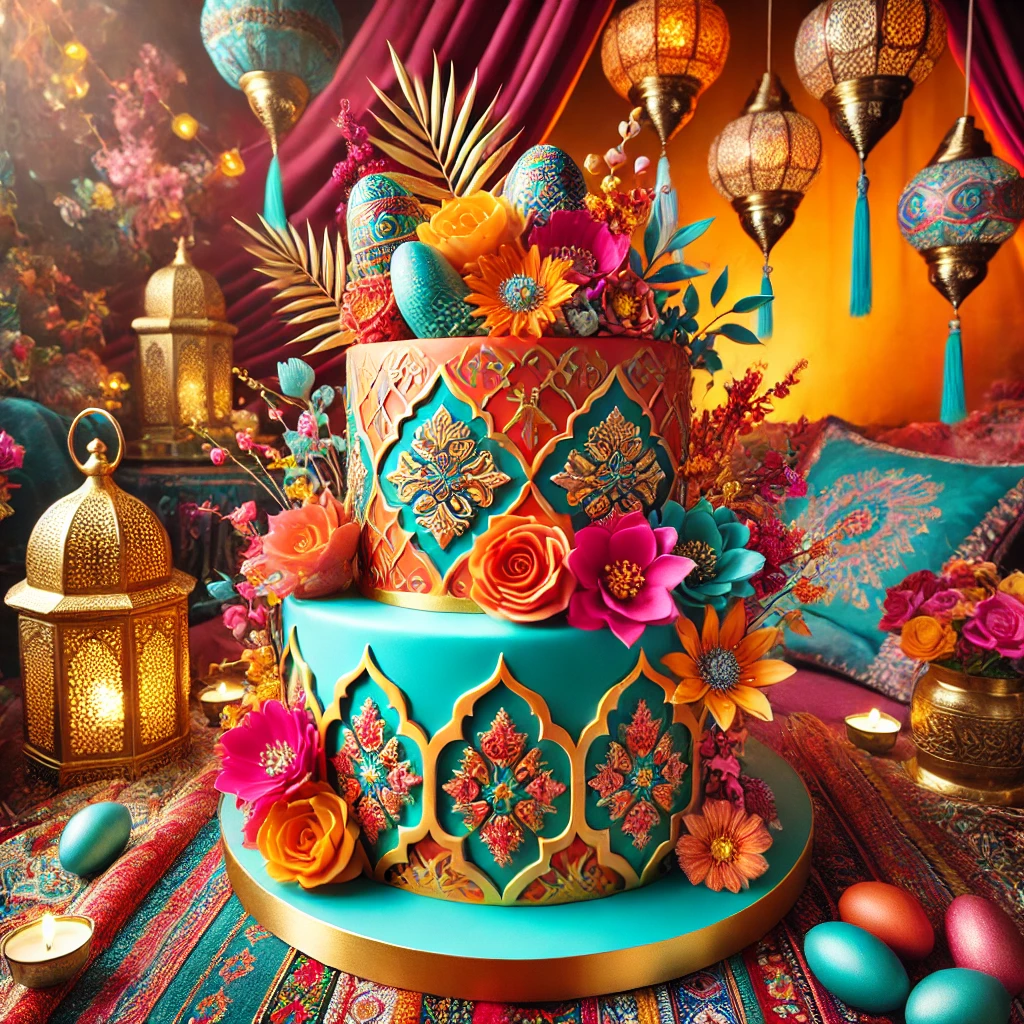
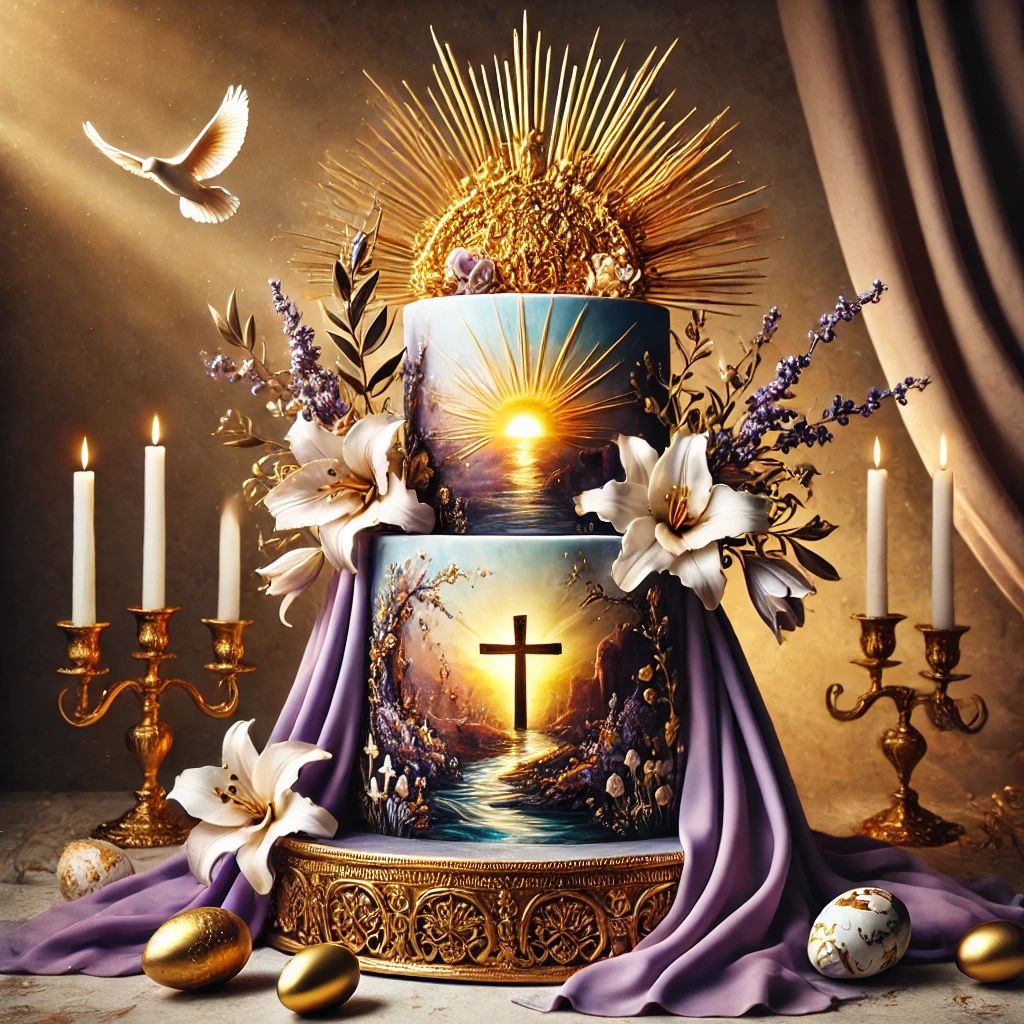
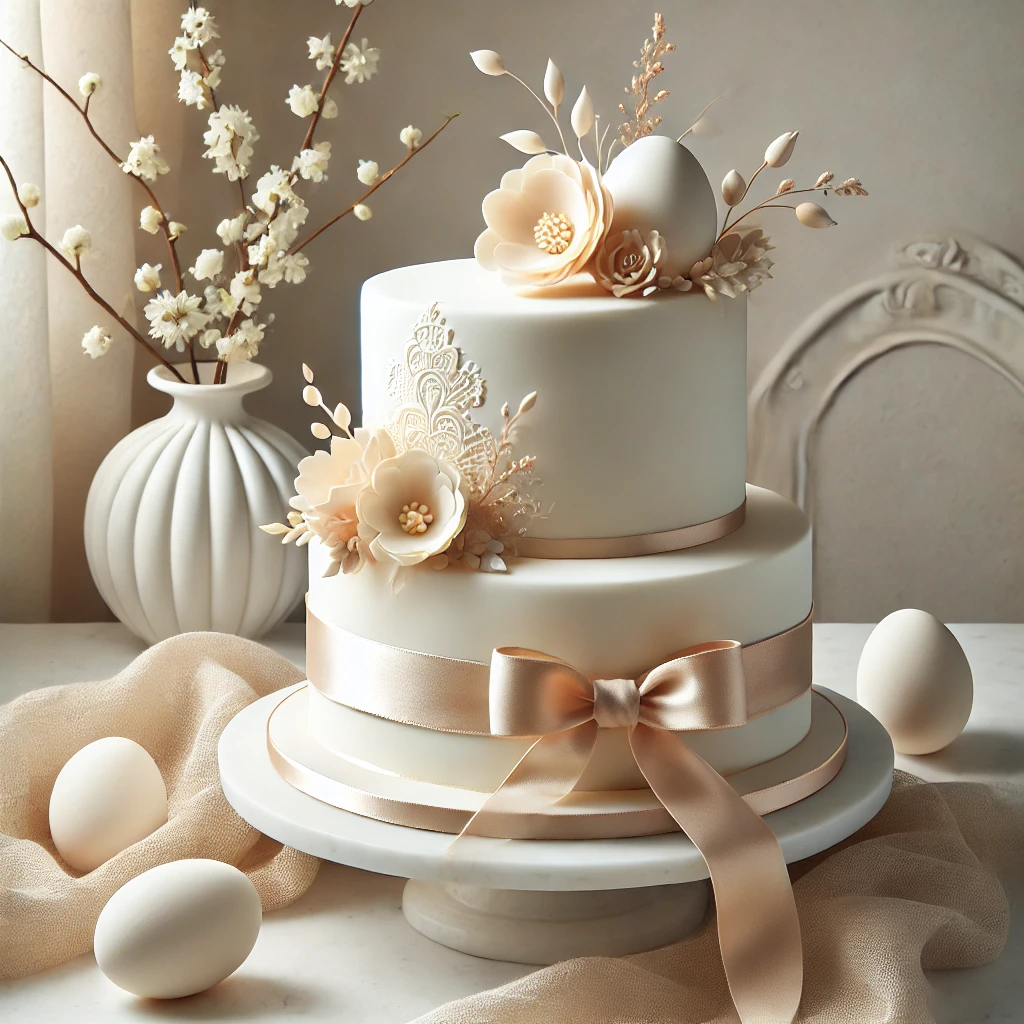
Easter Cake & Atmosphere Ideas
Where style, memory, and celebration meet.
This section is meant to be more than Cake Decorating Ideas… it’s designed to spark inspiration and creativity, awaken tradition, and infuse your special occasions with style, identity, and atmosphere. A color palette becomes a theme. A design becomes a mood. Simple details—like sugared holly leaves or shimmering stars—can set the tone for a gathering and become part of cherished traditions and lasting memories melded with personal touch and love.
Traditional Easter Dishes
Common Traditional Easter Foods (Christian & Cultural)
1. Roast Lamb
Symbolizes Jesus as the “Lamb of God” in Christian theology.
A tradition rooted in Jewish Passover and embraced by many Christian cultures.
Often served with herbs, potatoes, and spring vegetables.
2. Easter Breads
These vary by country but often feature:
Eggs (sometimes dyed or baked into the bread)
Sweet dough, often spiced or braided
Examples:
Italy: Pane di Pasqua, Colomba di Pasqua (shaped like a dove)
Greece: Tsoureki (braided with red-dyed eggs)
Russia/Ukraine: Kulich (tall, iced bread), often paired with Paskha, a sweet cheese spread
3. Eggs
Symbolize new life and resurrection
Commonly dyed, decorated, and used in egg hunts
Can be served deviled, boiled, pickled, or baked into dishes
4. Ham
Especially popular in the United States and Northern Europe

A practical post-Lenten meat (often cured over winter)
Glazed, roasted, or served cold with mustards and breads
5. Cheese Dishes
Particularly in Eastern European traditions
Paskha: A molded cheese dessert in Russia and Ukraine
Cheese-filled pies or breads are also common in Greek and Balkan cuisine
6. Spring Vegetables
Symbolize rebirth and new season
Often served roasted, steamed, or in salads:
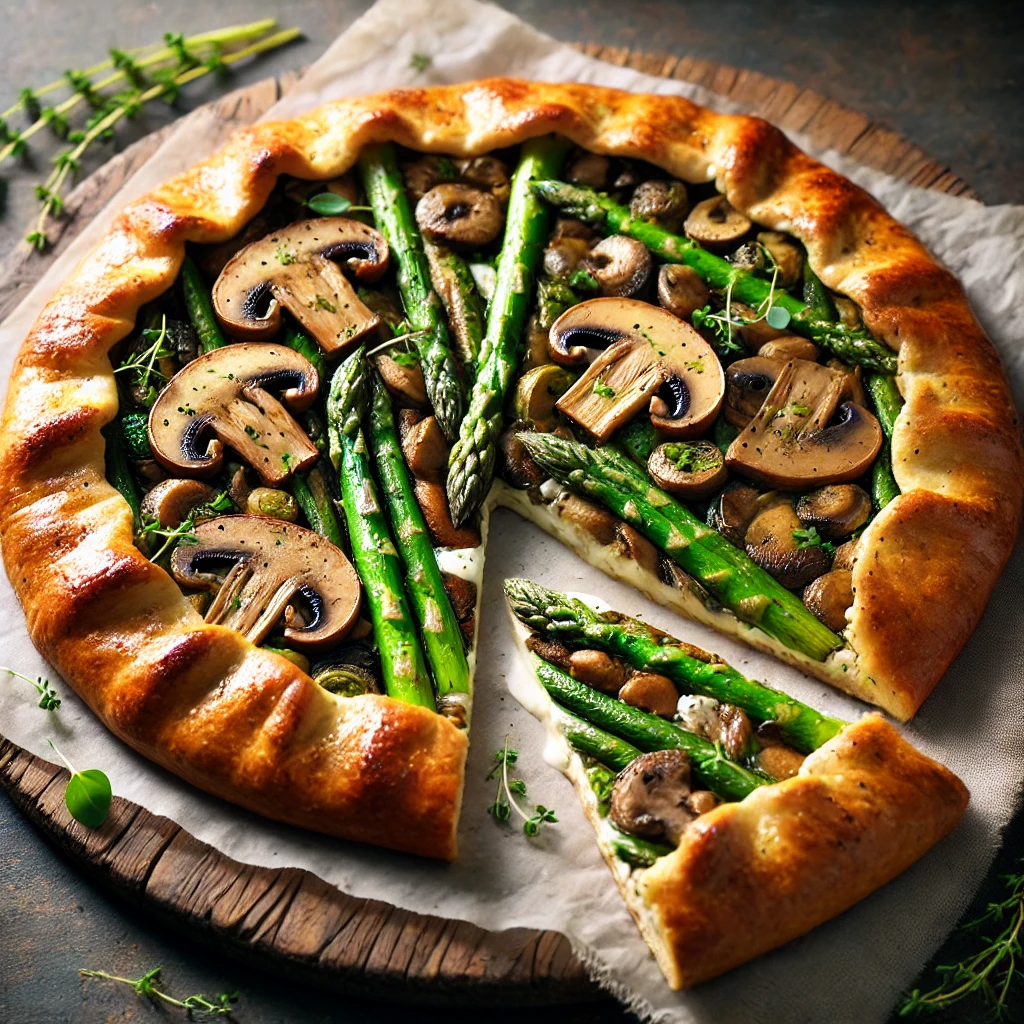
Asparagus
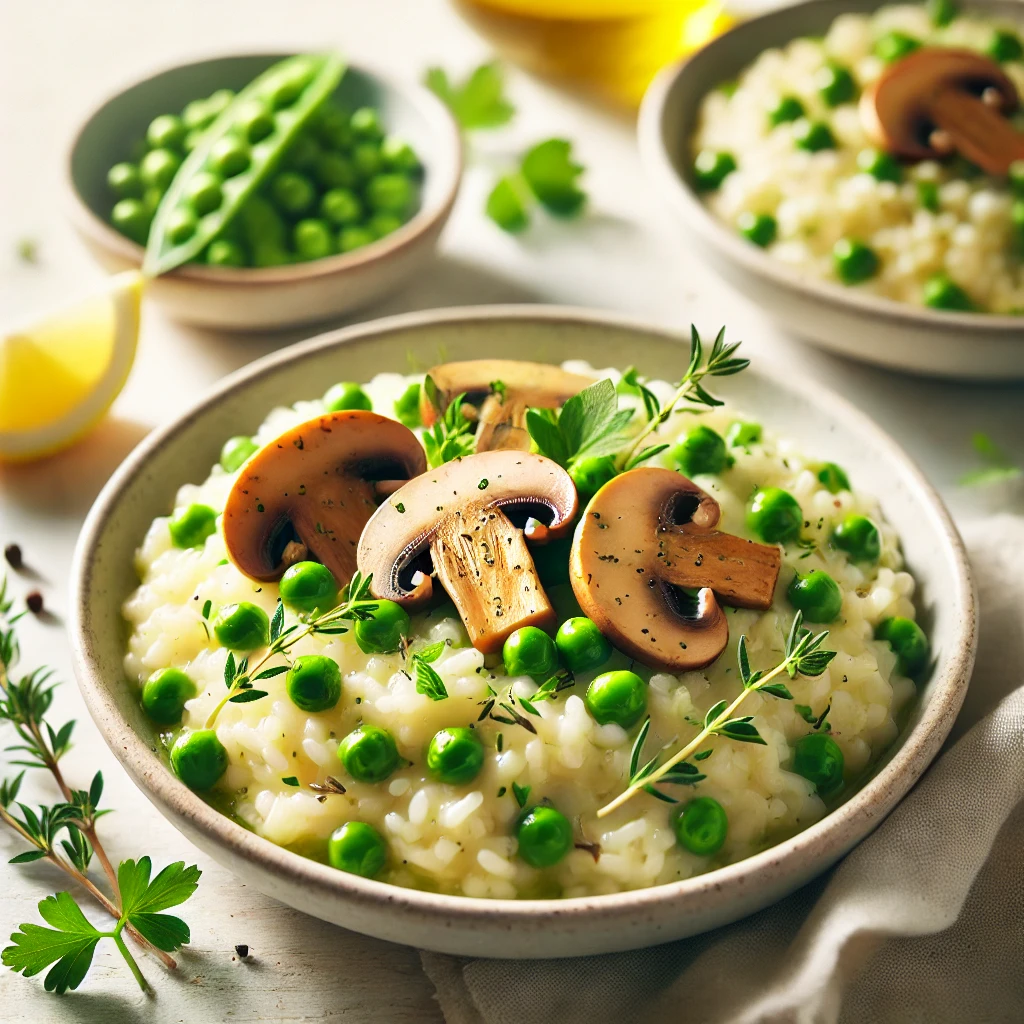
Peas
Carrots
Radishes
New potatoes
Traditional Easter Desserts
7. Chocolate Eggs & Bunnies
Modern, commercial traditions, especially in the U.S., U.K., and Europe
Symbolic of fertility and spring
8. Hot Cross Buns (U.K. and Commonwealth)
Spiced sweet buns marked with a cross
Traditionally eaten on Good Friday, but popular at Easter brunch
9. Simnel Cake (U.K.)
Light fruit cake with a marzipan layer and 11 marzipan balls on top (representing the apostles, minus Judas)
10. Pastiera (Italy)
A Neapolitan ricotta and grain tart flavored with orange blossom water
Easter Foods by Region
Greece
Roast lamb with herbs
Magiritsa (Easter soup made from lamb offal)
Tsoureki (sweet bread)
Red-dyed eggs
Russia & Ukraine
Kulich (tall, domed bread)
Paskha (sweet cheese mold)
Decorated eggs (pysanky)
Spain
Hornazo: meat-filled pastry
Torrijas: like French toast with cinnamon and honey
Mexico
Capirotada: spiced bread pudding with raisins, cheese, and syrup
Seafood and vegetable dishes on Good Friday
Easter Sunday often features meat again (roast lamb or pork)
United States

Glazed ham, deviled eggs, scalloped potatoes, green bean casserole
Carrot cake, lemon pies, and Easter-themed cupcakes
Symbolism of Easter Foods
Eggs: Resurrection and new life
Lamb: Christ and sacrifice
Bread: The body of Christ
Spring foods: Renewal, hope, and bounty