








Mother's Day

with ORO VALENTIO

The Second Sunday in May

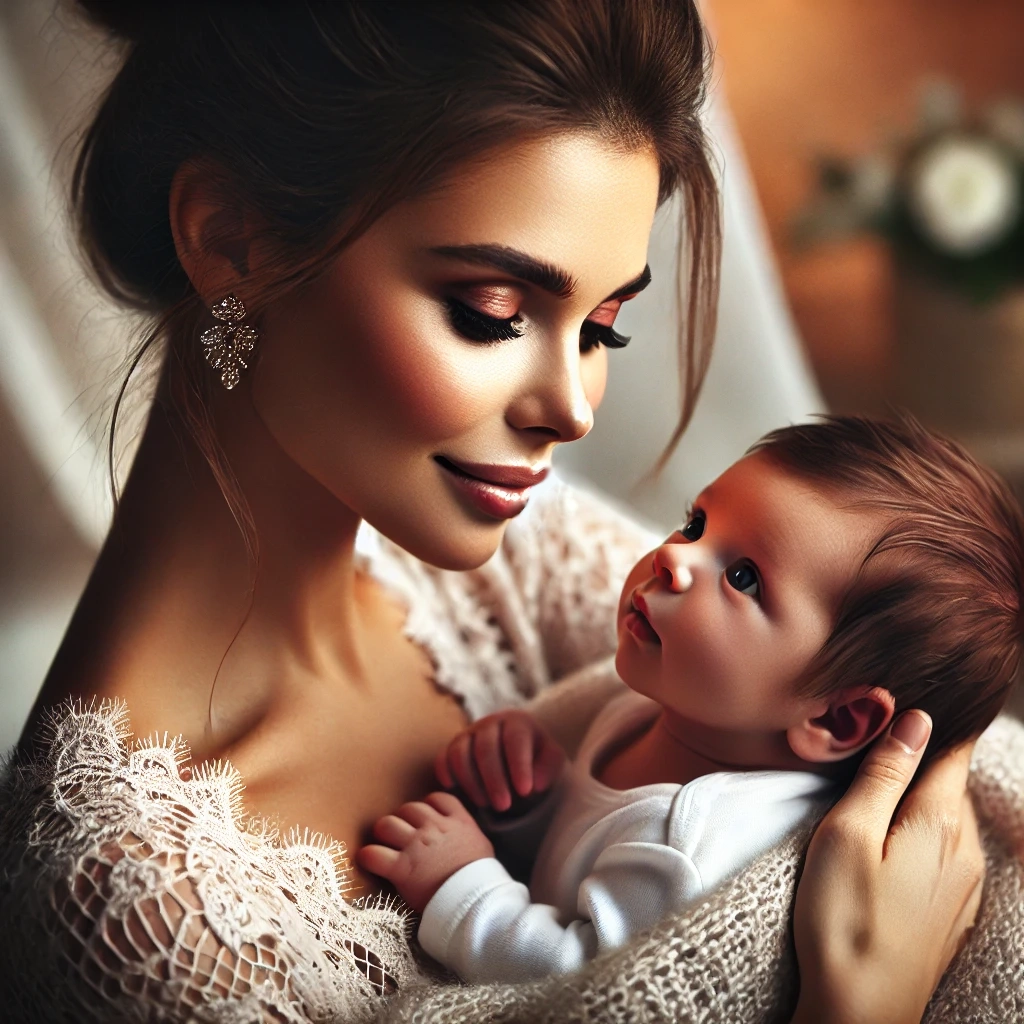
Mother’s Day is a moment set apart to honor the profound strength, love, and sacrifice of mothers—the women whose quiet devotion shapes lives, families, and the future itself. It is a day to recognize that motherhood is not merely a role, but a vocation rooted in self-giving love: the daily choice to nurture, protect, guide, and place another’s good before one’s own. Much of a mother’s work unfolds unseen—in sleepless nights, patient instruction, steadfast presence, and unwavering care—yet its influence reaches far beyond what can be measured or recorded.
This day also invites gratitude and reflection, reminding us that the foundation of society is formed first in the home, through the courage and constancy of women who give life and sustain it. Mother’s Day honors not only biological mothers, but also adoptive, foster, spiritual, and generational mothers whose love and wisdom continue to shape hearts and preserve culture. In celebrating mothers, we affirm that nurturing life, forming character, and sacrificing for the good of others are not small or secondary acts, but sacred and enduring contributions worthy of honor, protection, and deep respect—today and always.
During pregnancy, some of the baby’s cells cross the placenta and enter the mother’s body, a process known as fetal microchimerism. A portion of these cells travel through the bloodstream and can embed themselves in maternal organs, including the heart and the brain. Once there, some of them persist for decades—and in many cases, for the rest of the mother’s life—carrying the child’s distinct DNA with them. What’s even more remarkable is what these cells appear to do. Fetal cells behave much like stem cells: they can differentiate and integrate into damaged or stressed maternal tissue. There is growing evidence that they may contribute to tissue repair, wound healing, and regeneration—for example, gathering at sites of heart injury or inflammation. While research is ongoing, this suggests that pregnancy is not merely a one-way act of giving, but a biological relationship that permanently intertwines mother and child. Importantly, this is not poetic language—it is literal biology. A mother does not simply carry a child for nine months and then return to her previous state. Her body is forever changed, not only hormonally or emotionally, but at the cellular and genetic level. Part of her child remains with her, woven into her tissues, long after birth. It is one of the clearest scientific confirmations of what mothers have always known intuitively: the bond between mother and child is permanent—not only in love, but in the body itself.

The Indelible Mark of Motherhood

Motherhood leaves an indelible mark on a woman—one that is not erased by time, circumstance, or season of life. From the moment a woman becomes aware of the helpless, dependent life entrusted to her, something permanent is impressed upon her being. This encounter with vulnerability and need calls forth a response that shapes her interior world: her priorities, her capacity for sacrifice, her perception of strength, and her understanding of love. How a mother receives and responds to this life—whether with generosity, courage, fear, or resistance—profoundly forms her, because motherhood is not a neutral experience but a deeply moral and relational one. To carry and care for a life that cannot survive without her is to stand at a threshold where self-giving love is no longer theoretical but embodied. Even long after pregnancy and early years have passed, the mark remains: motherhood expands the heart, deepens empathy, and reorients a woman toward the protection of the weak and the nurturing of life. In this way, motherhood is forever—not simply because a child exists in the world, but because the woman herself is permanently transformed by the responsibility she once held toward the smallest and most defenseless human being entrusted to her care.
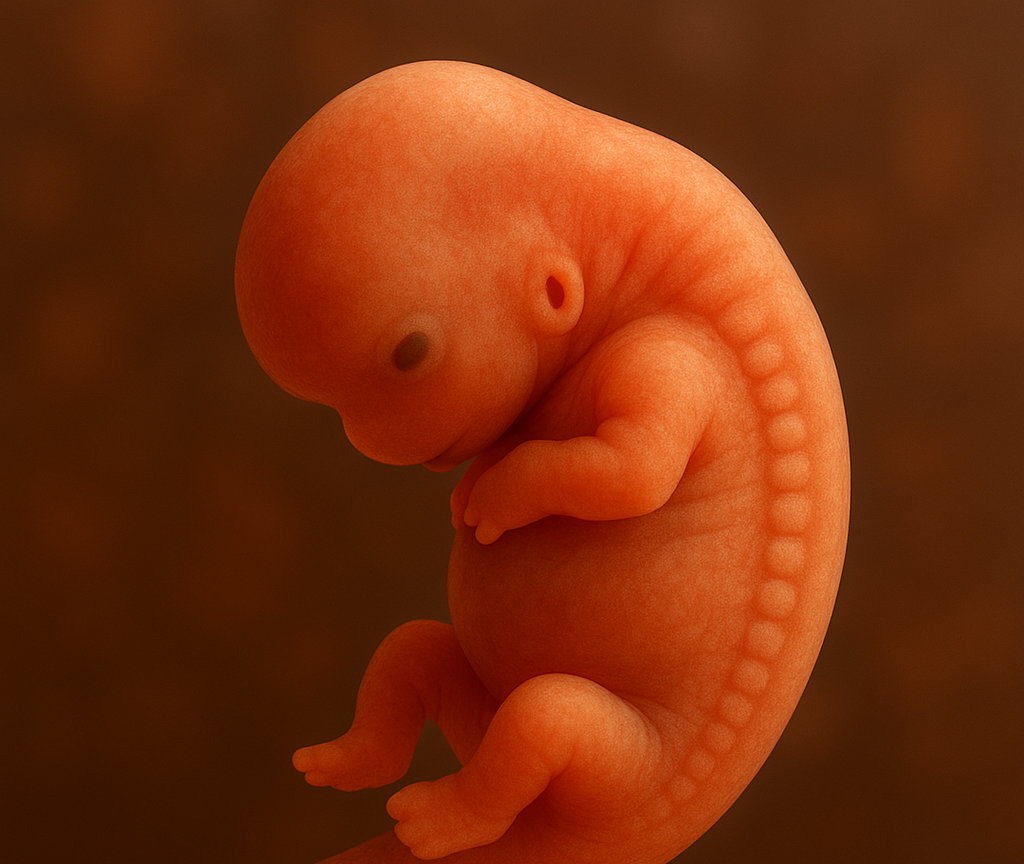
In medicine, pregnancy is counted from the first day of the woman’s last monthly cycle, not from conception. Because ovulation and conception usually occur about two weeks after that date, a pregnancy labeled as “4 weeks” is typically only about 2 weeks past conception. In other words, at “4 weeks pregnant,” the embryo has existed for roughly two weeks, even though the pregnancy clock says four.  This timing is especially striking because many women are just beginning to suspect pregnancy around the four-week mark, at the same time the embryo’s heart has already begun beating. Long before outward signs of pregnancy appear, the foundational structures of life are forming rapidly: the heart is beating, the neural tube (which becomes the brain and spinal cord) is developing, and the body plan is already established. This early window highlights just how swift and ordered human development is in its earliest days.
May God bless the mothers of the world—those who carry life in their bodies, those who carry it in their arms, and those who carry it in their hearts.
May He strengthen the woman who chooses love over comfort, sacrifice over self, and faithfulness over ease.
In placing her child first, may she be clothed with a quiet power: a strength that grows through sleepless nights, patient endurance, and unseen acts of devotion.
May her sacrifices deepen her courage, refine her wisdom, and enlarge her heart, so that in giving herself away she is never diminished, but made more whole.
May her hands, worn by service, become instruments of protection and peace; may her voice, steady in instruction and mercy, shape souls toward truth and goodness.
May she know that every small offering—every meal prepared, every tear wiped away, every prayer whispered in the dark—builds a foundation no storm can shake.
And may she be upheld in the knowledge that motherhood is not weakness but holy strength, not loss but transformation, not obscurity but sacred legacy.
May grace meet her in her weariness, joy rise within her labor, and hope take root in all she gives.
May she flourish in integrity and love, and may her children rise and call her blessed.

Mother's Day Traditions to Make Your Own

  • Honoring mothers with words of gratitude, through cards, letters, poems, or spoken tributes that acknowledge their sacrifices and love
  • Giving flowers, especially bouquets or spring blooms, symbolizing life, beauty, and appreciation
  • Sharing a special meal, such as breakfast in bed, brunch, or a family dinner prepared in her honor
  • Acts of service, where children and family members take on chores or responsibilities to give mothers rest and care
  • Family gatherings, bringing together generations to celebrate mothers, grandmothers, and maternal figures
  • Gifts with personal meaning, including handmade items, keepsakes, photographs, or meaningful tokens rather than extravagance
  • Honoring all forms of motherhood, including adoptive, foster, spiritual, and surrogate mothers
  • Remembering mothers who have passed, through prayer, visits to gravesites, lighting candles, or sharing stories
  • Church or faith-based blessings, where communities offer prayers or recognition for mothers and their vocation
  • Children’s participation, such as school projects, drawings, crafts, or performances dedicated to their mothers
  • Quiet time and rest, intentionally giving mothers space for peace, reflection, or enjoyment of the day
During pregnancy, a woman’s body undergoes an extraordinary exchange of life and renewal that science is only beginning to fully understand. To support the developing child, her body will actively mobilize nutrients—most notably calcium and minerals—from her own reserves, including her bones, prioritizing the growth and formation of the baby even at personal cost. At the same time, pregnancy triggers a remarkable biological response involving stem cells: both maternal stem cells increase in activity, and fetal stem cells cross the placenta and enter the mother’s bloodstream, a phenomenon known as microchimerism. These cells have been found to integrate into maternal tissues—such as the heart, skin, and even the brain—where they may contribute to tissue repair and regeneration. While the demands of pregnancy are real and often taxing, this simultaneous process of giving and renewal reveals a profound biological reciprocity, in which the mother’s sacrifice is accompanied by subtle revitalizing effects. Far from being a one-way depletion, pregnancy is a deeply dynamic state in which a woman’s body adapts, strengthens, and is biologically reshaped by the life growing within her, leaving lasting marks of both cost and renewal.

Honoring Motherhood

History and modern psychology alike have recorded remarkable moments in which mothers, faced with sudden danger to their children, act with a strength that appears to exceed ordinary human limits. In extreme emergencies, the body’s stress response can trigger a powerful surge of adrenaline, temporarily increasing muscle recruitment, pain tolerance, and reaction speed. Combined with what is often called the “mother bear” instinct—the deep, biologically rooted drive to protect one’s offspring—this response can enable actions that would normally be impossible, such as lifting heavy objects, breaking restraints, or sustaining extraordinary physical effort to save a life. While these feats are rare and taxing on the body, they illustrate how maternal protection is not merely emotional but deeply embodied, uniting instinct, physiology, and love into a single, decisive force. These moments reveal that motherhood can awaken reserves of strength far beyond everyday capacity, underscoring the profound power that emerges when a woman is called to defend the life entrusted to her.
May this Mother’s Day be filled with grace, gratitude, and quiet joy.
May mothers be strengthened in their sacrifices, comforted in their weariness, and affirmed in the love they give so freely.
May they know their devotion is seen, their presence is irreplaceable, and their legacy of love endures.

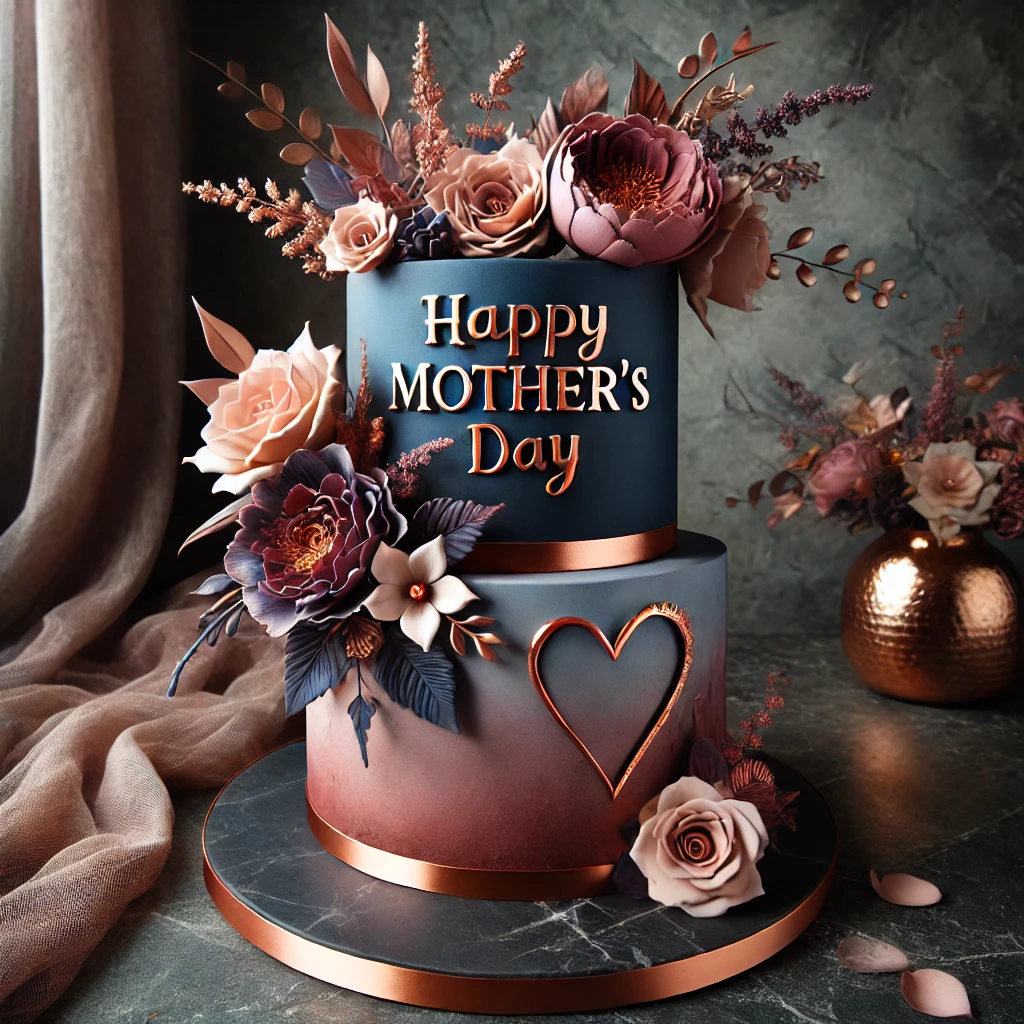
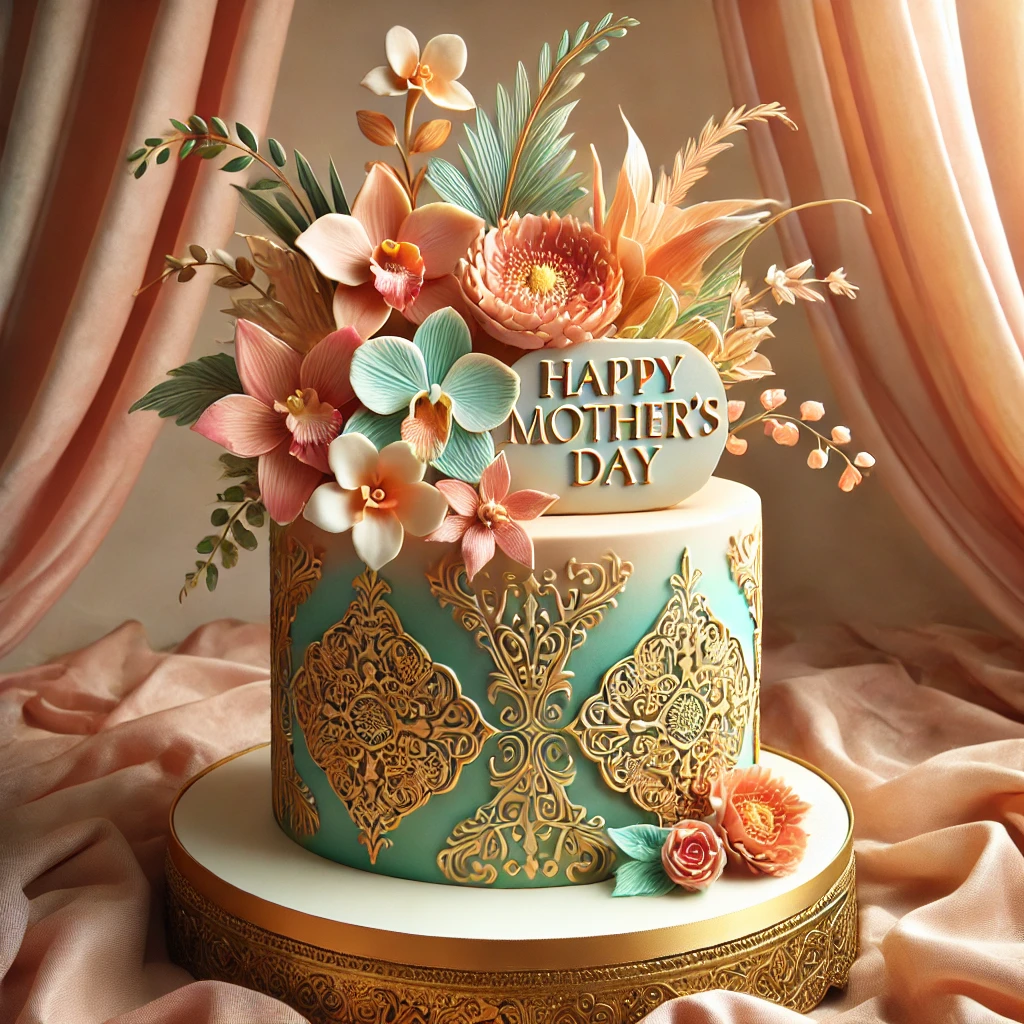
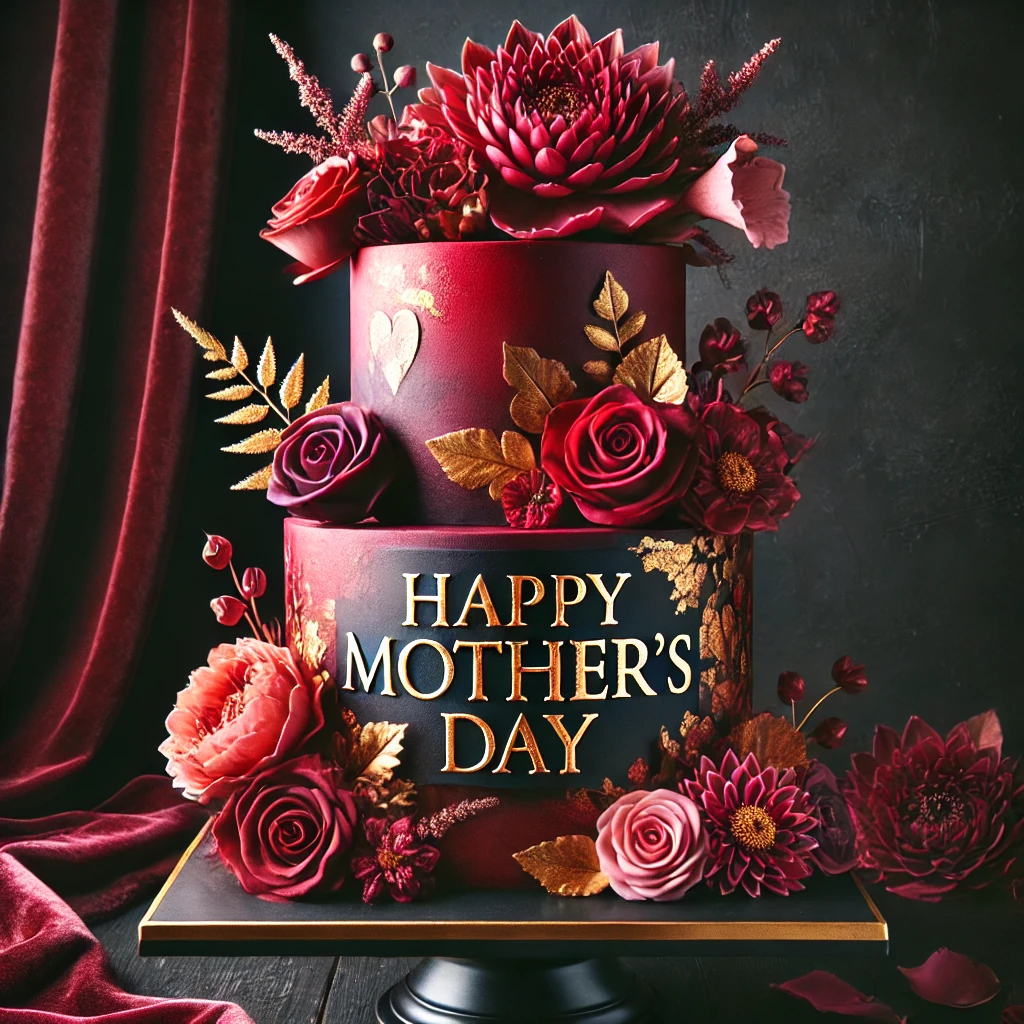
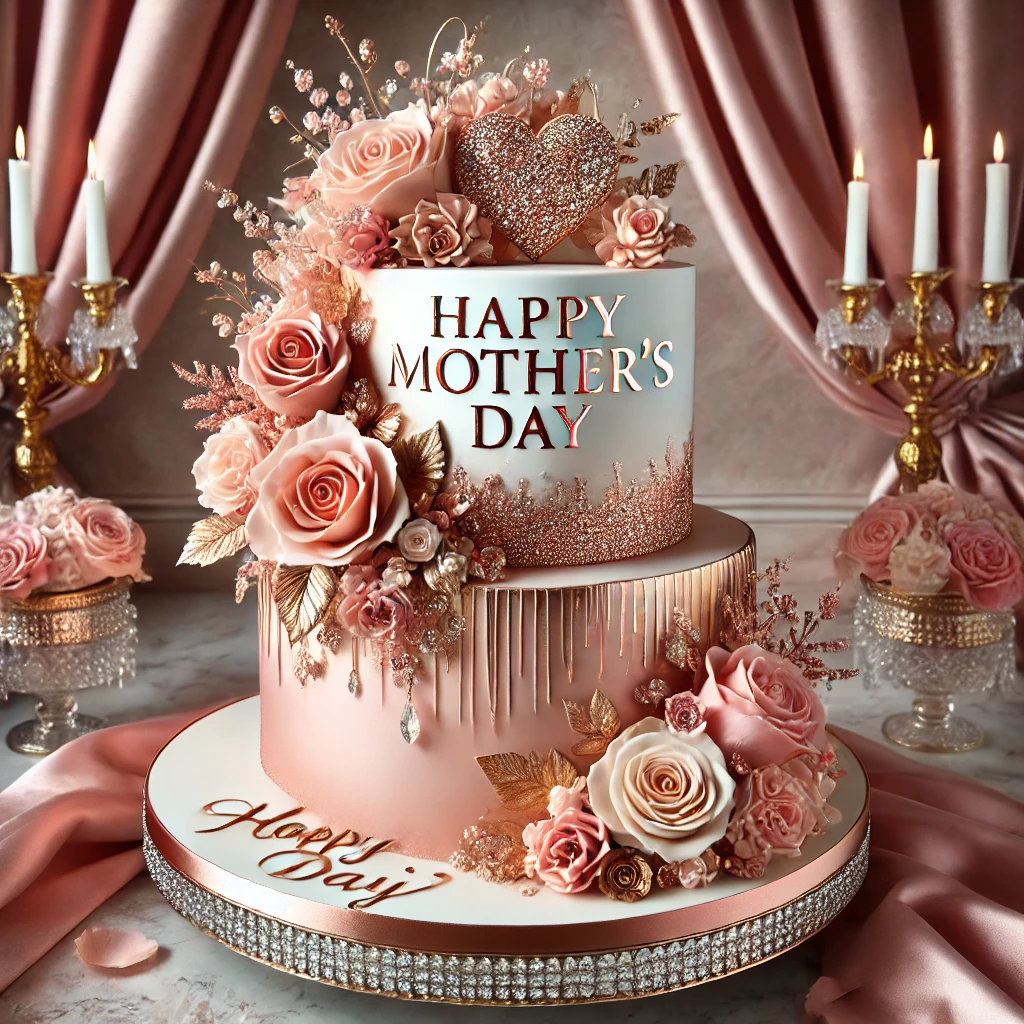
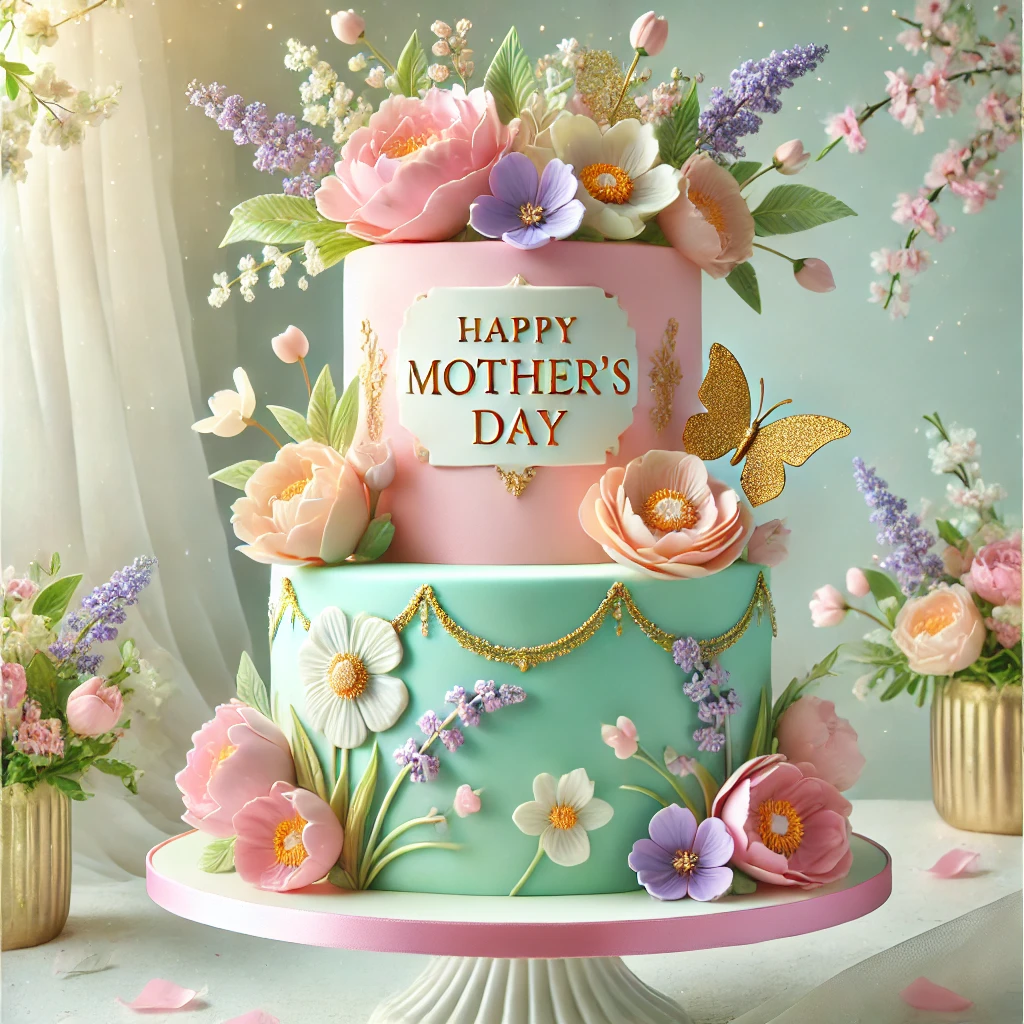
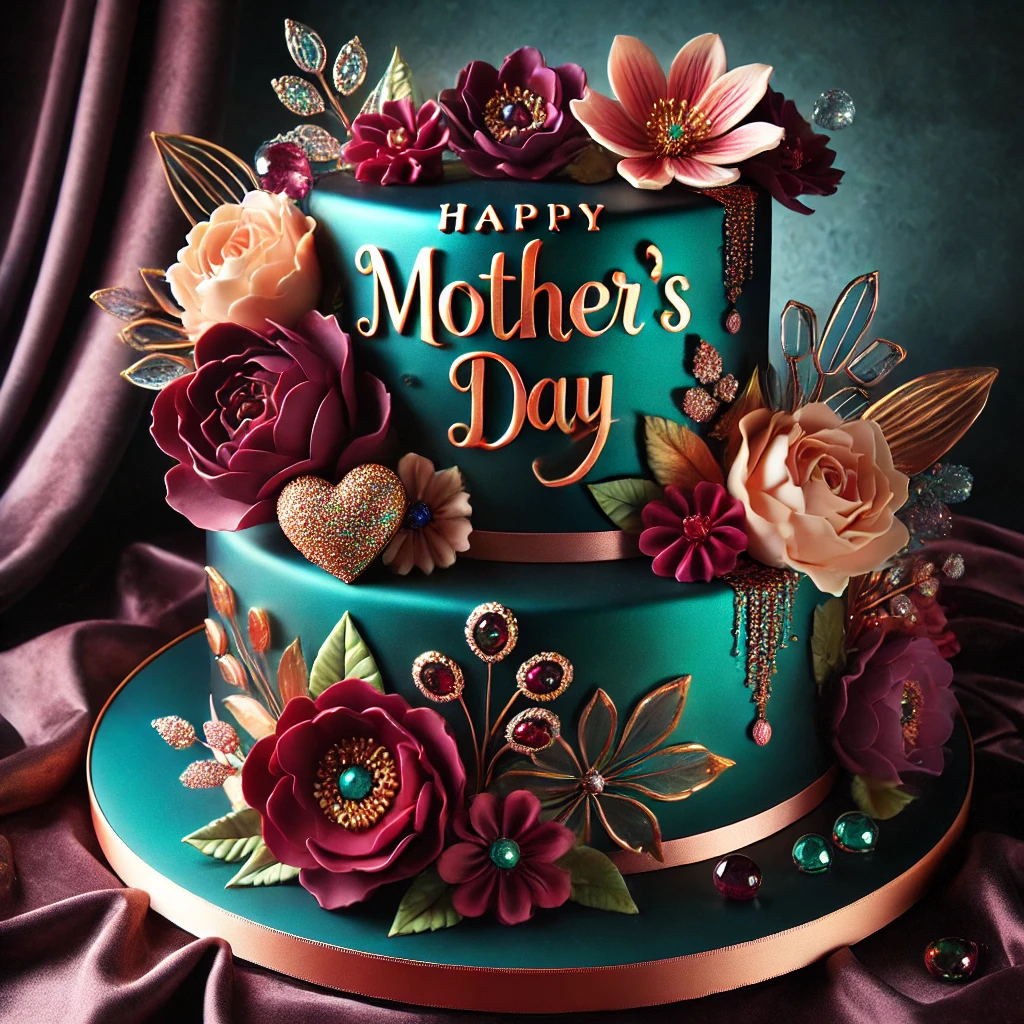
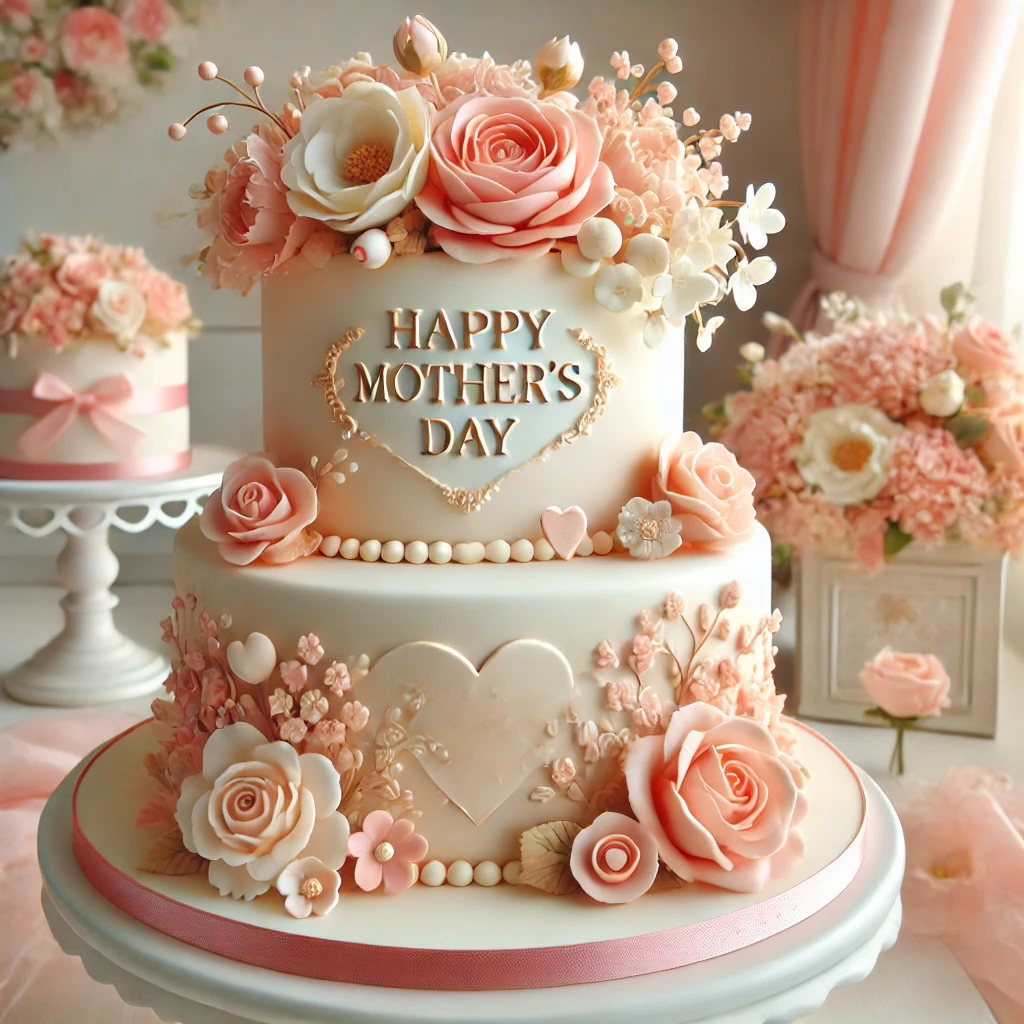
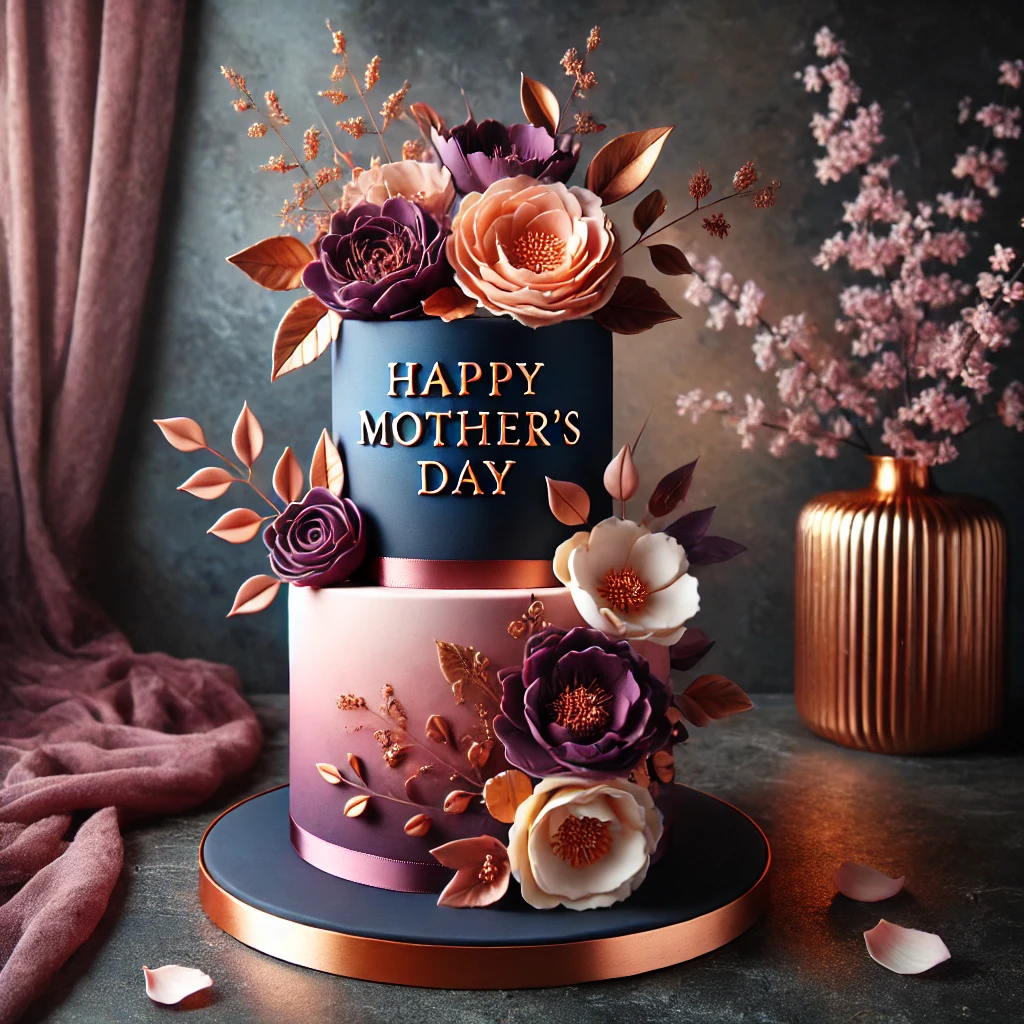
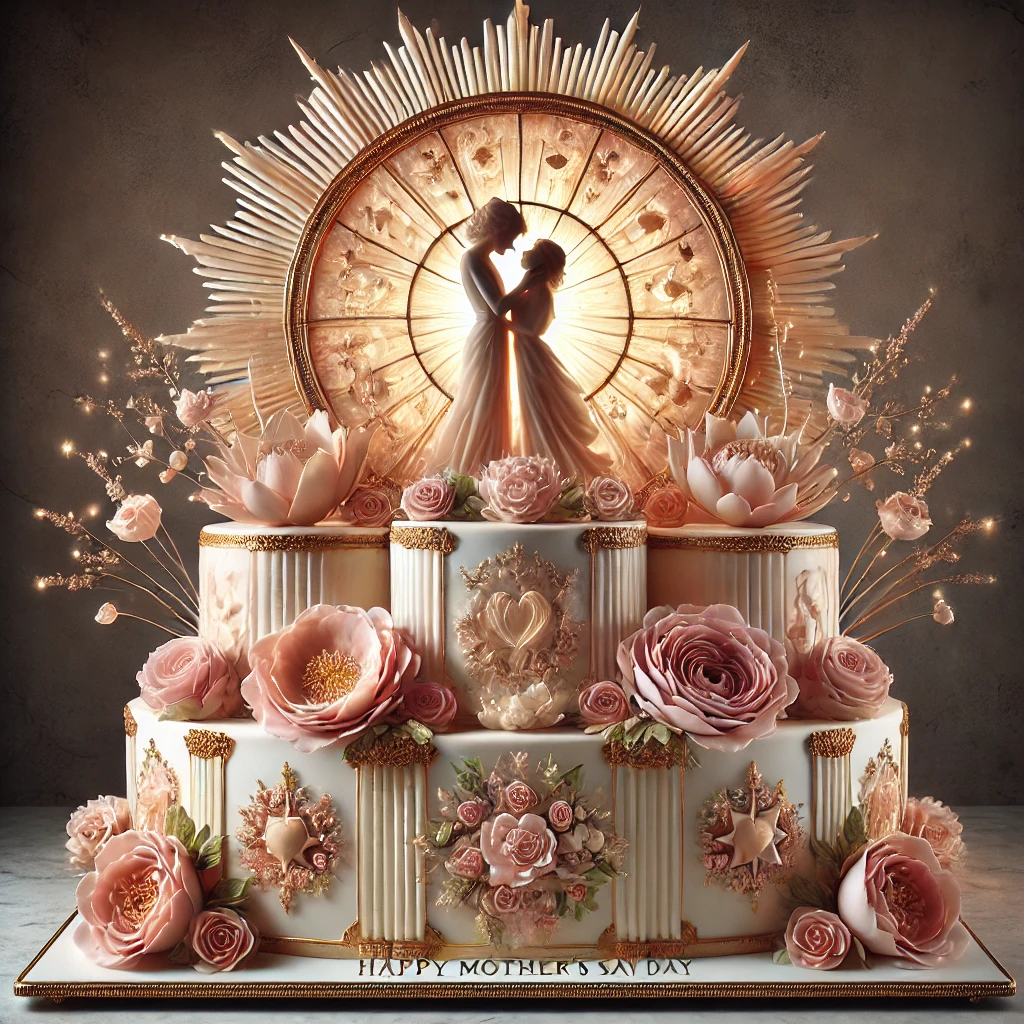
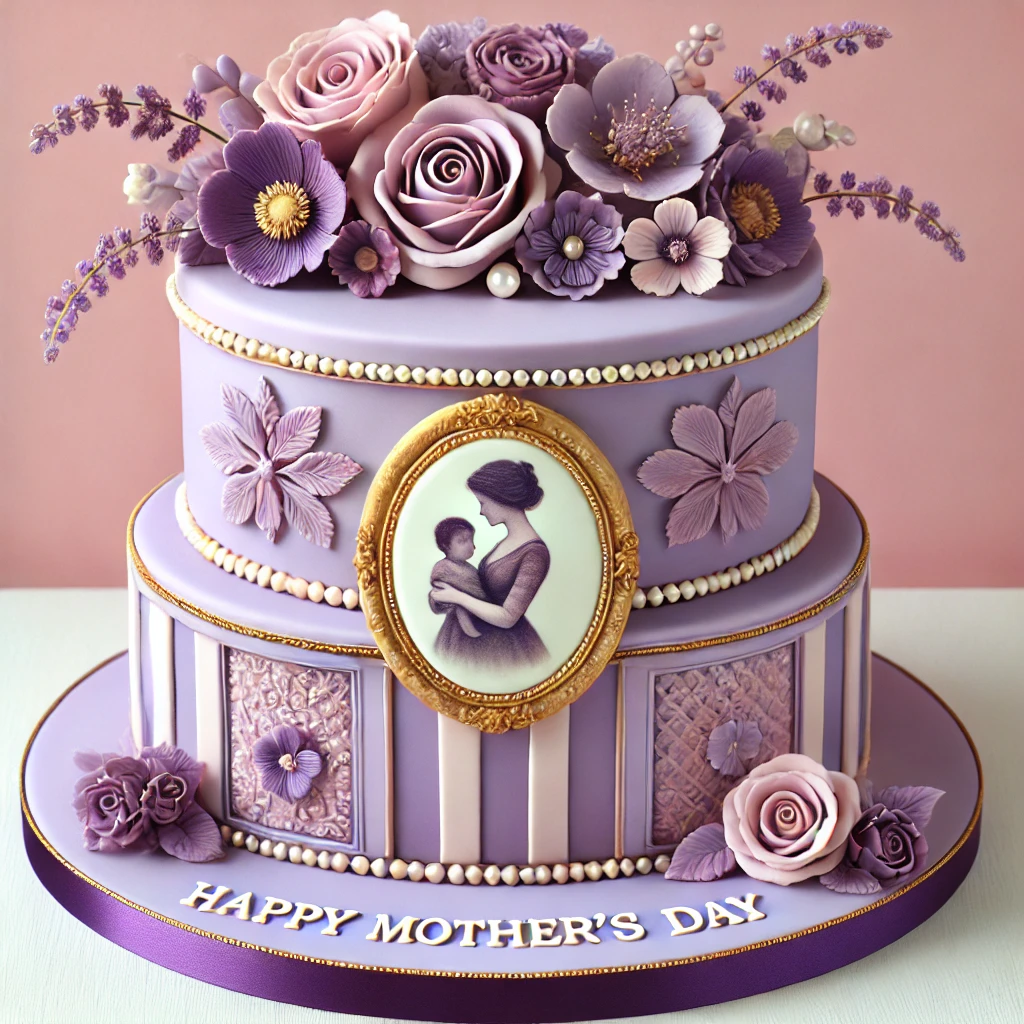
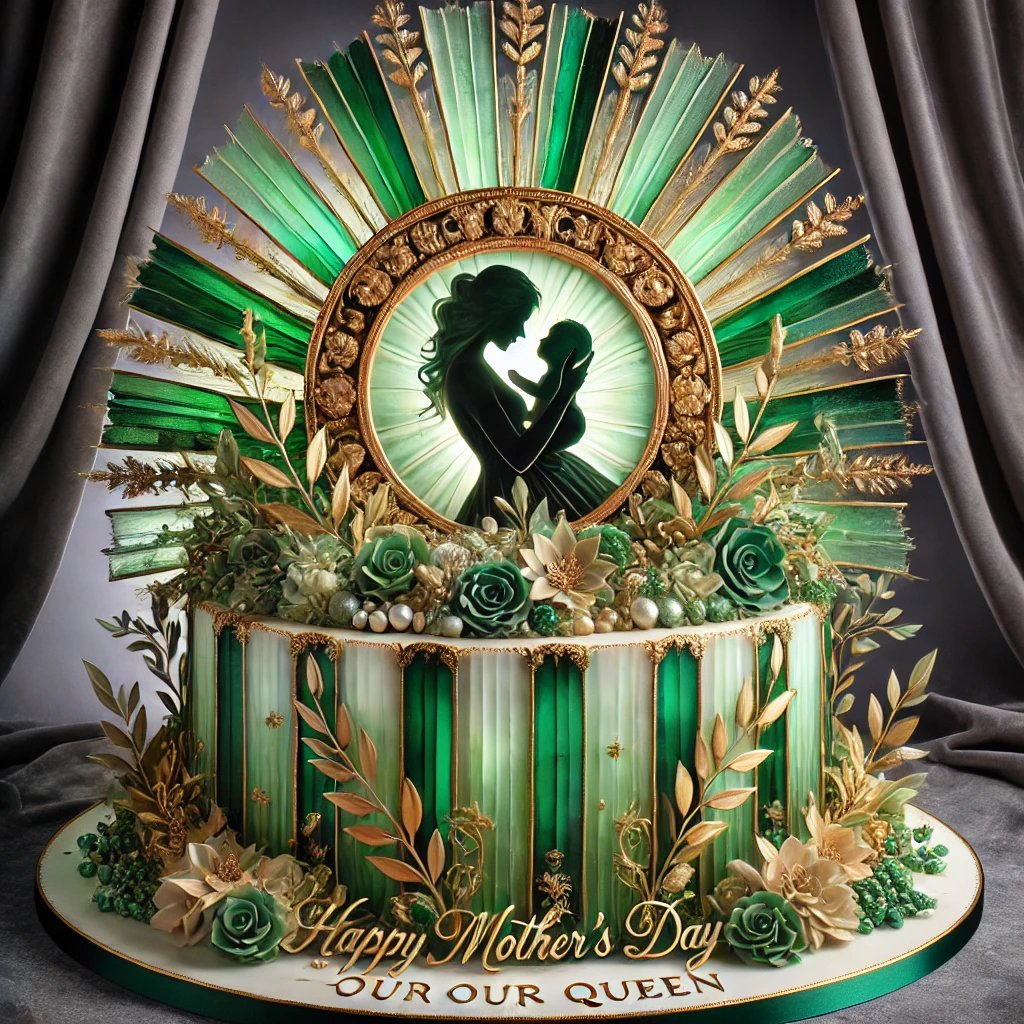
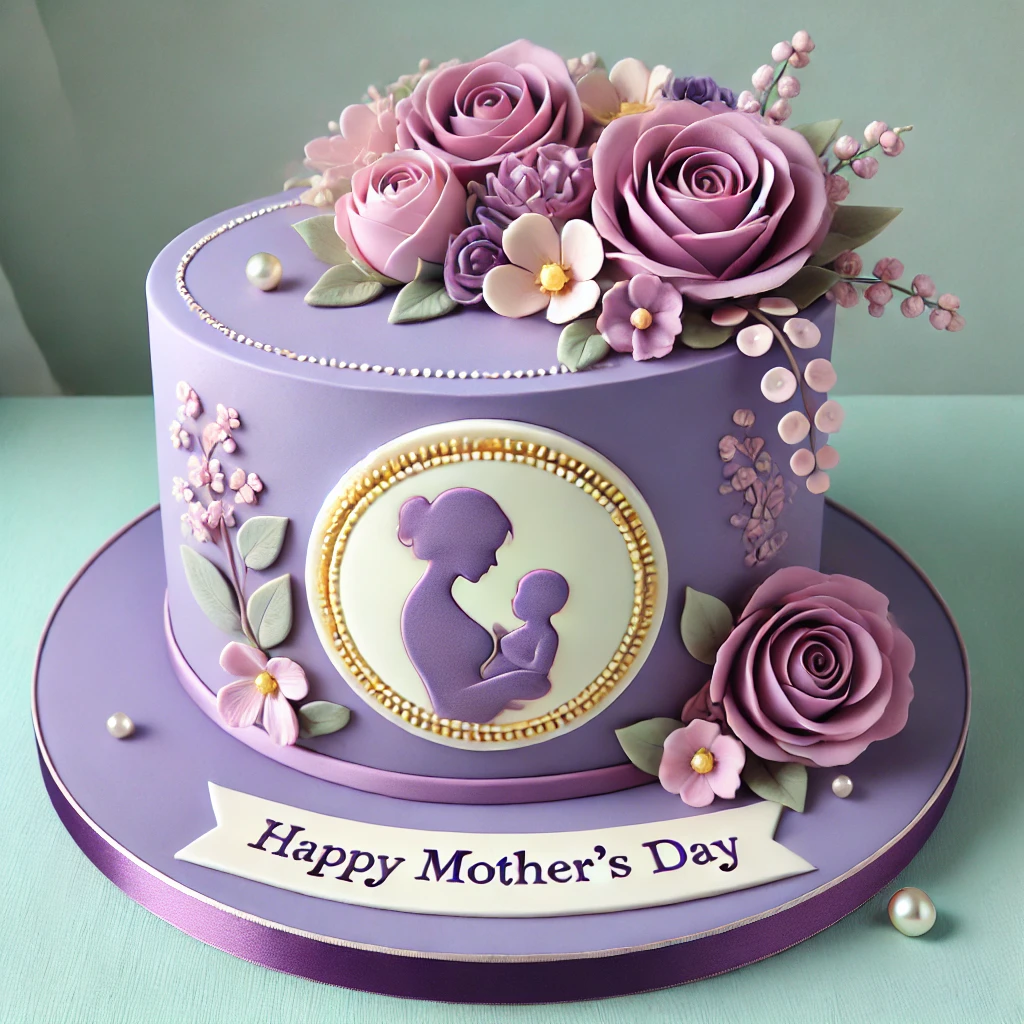
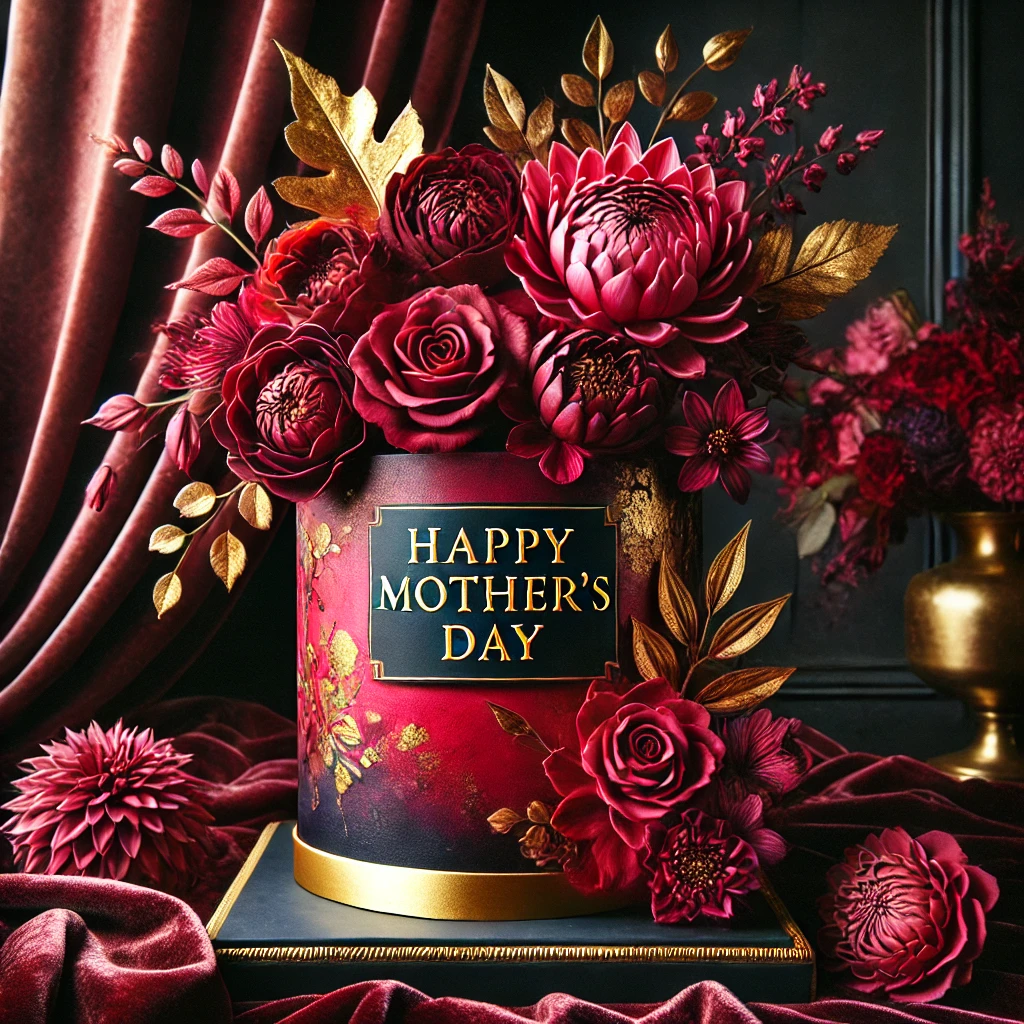
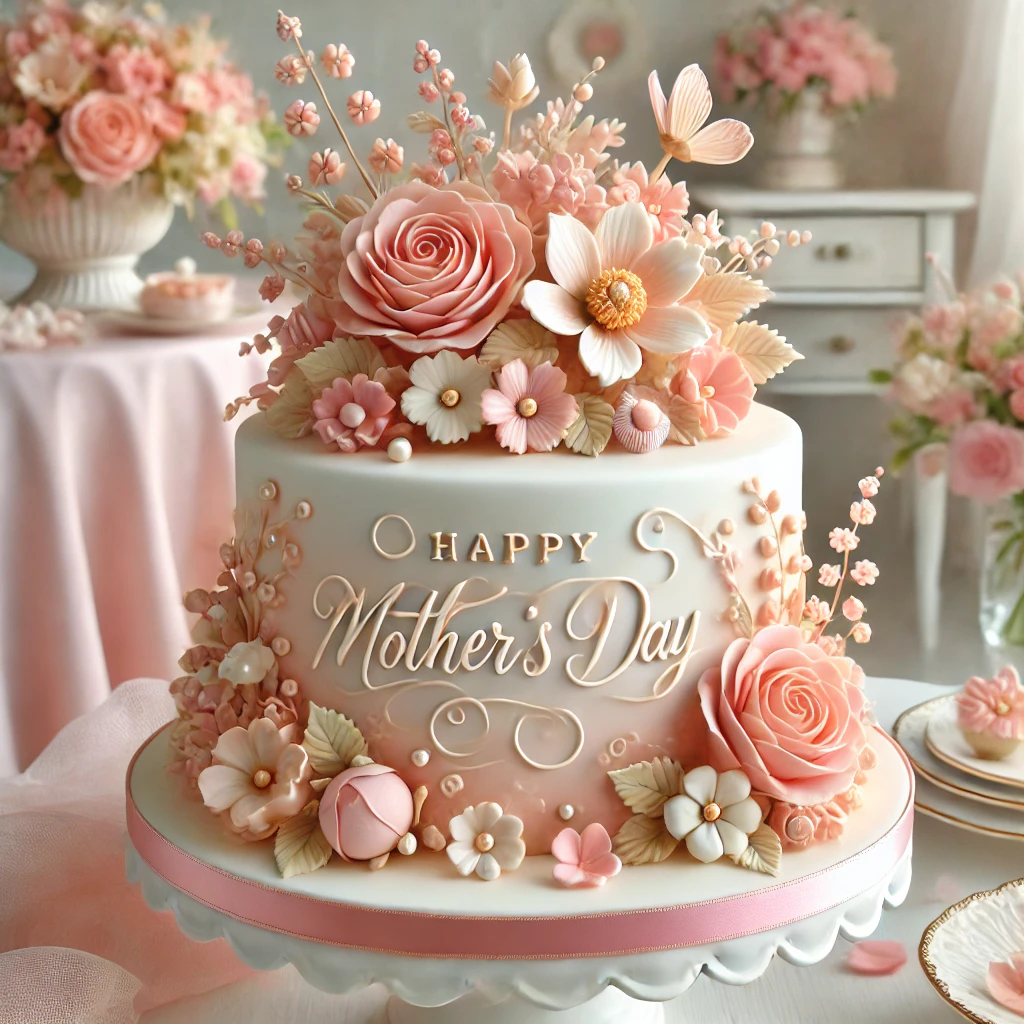
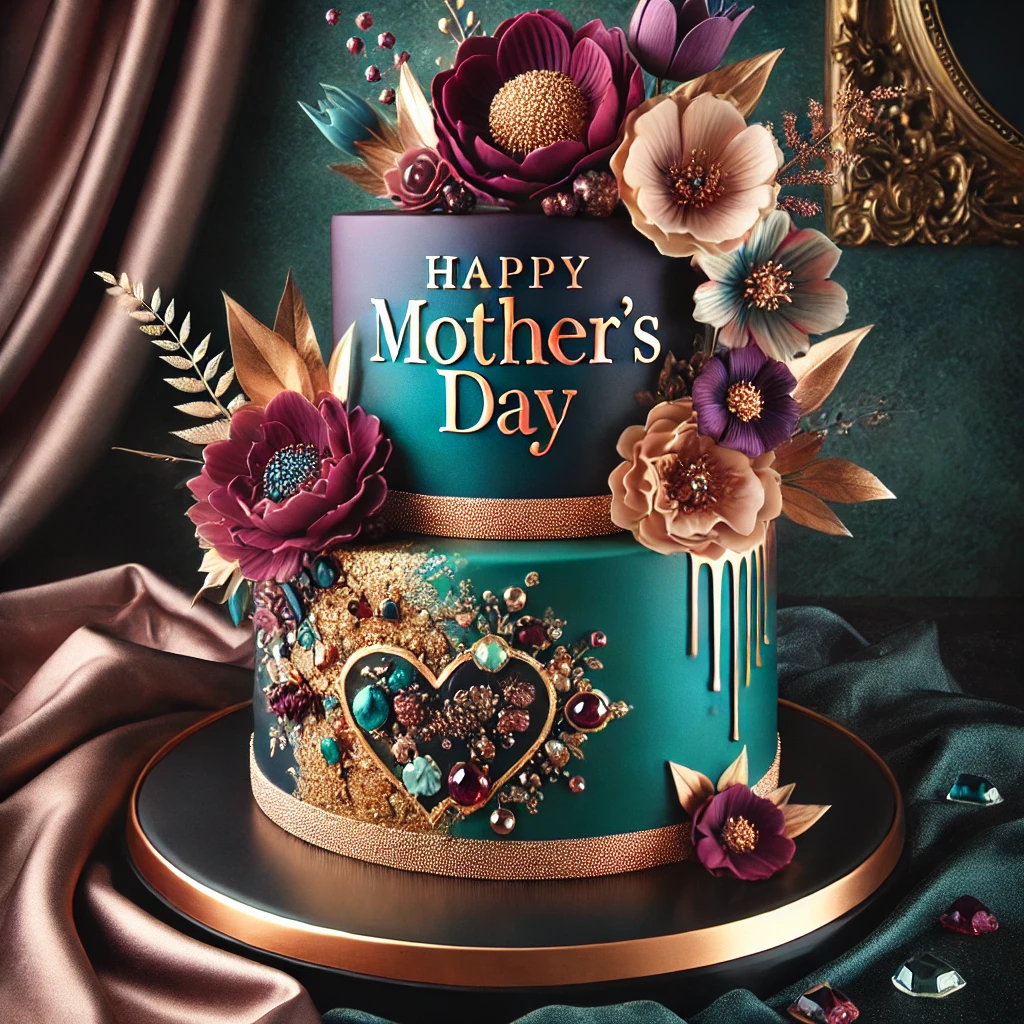
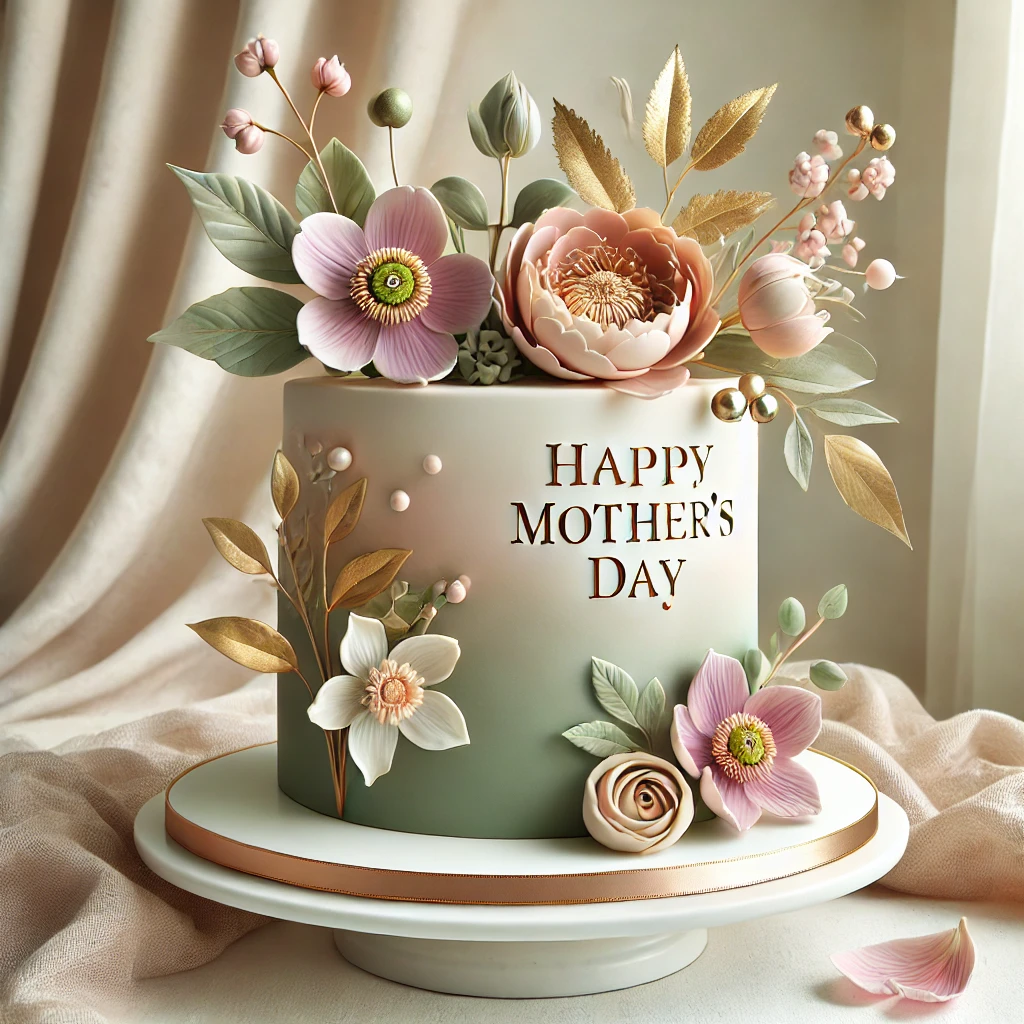
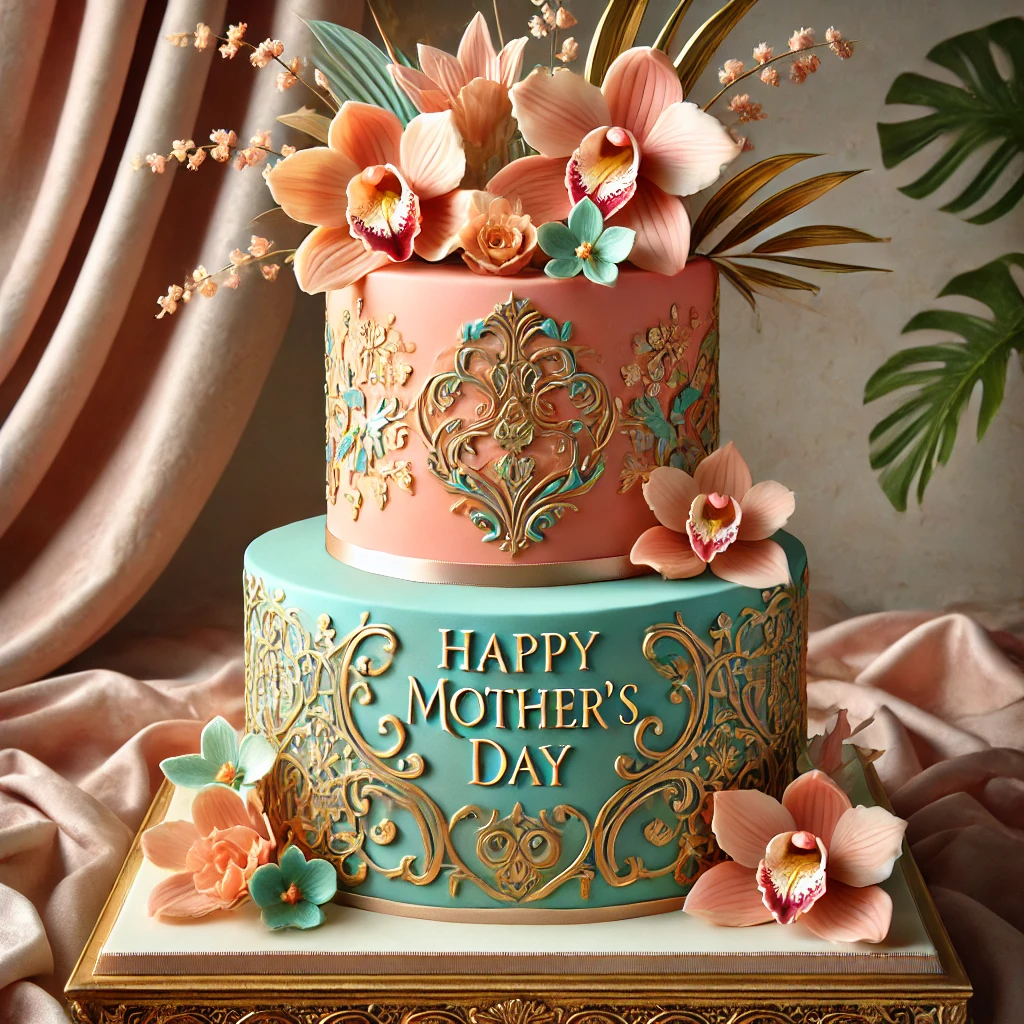
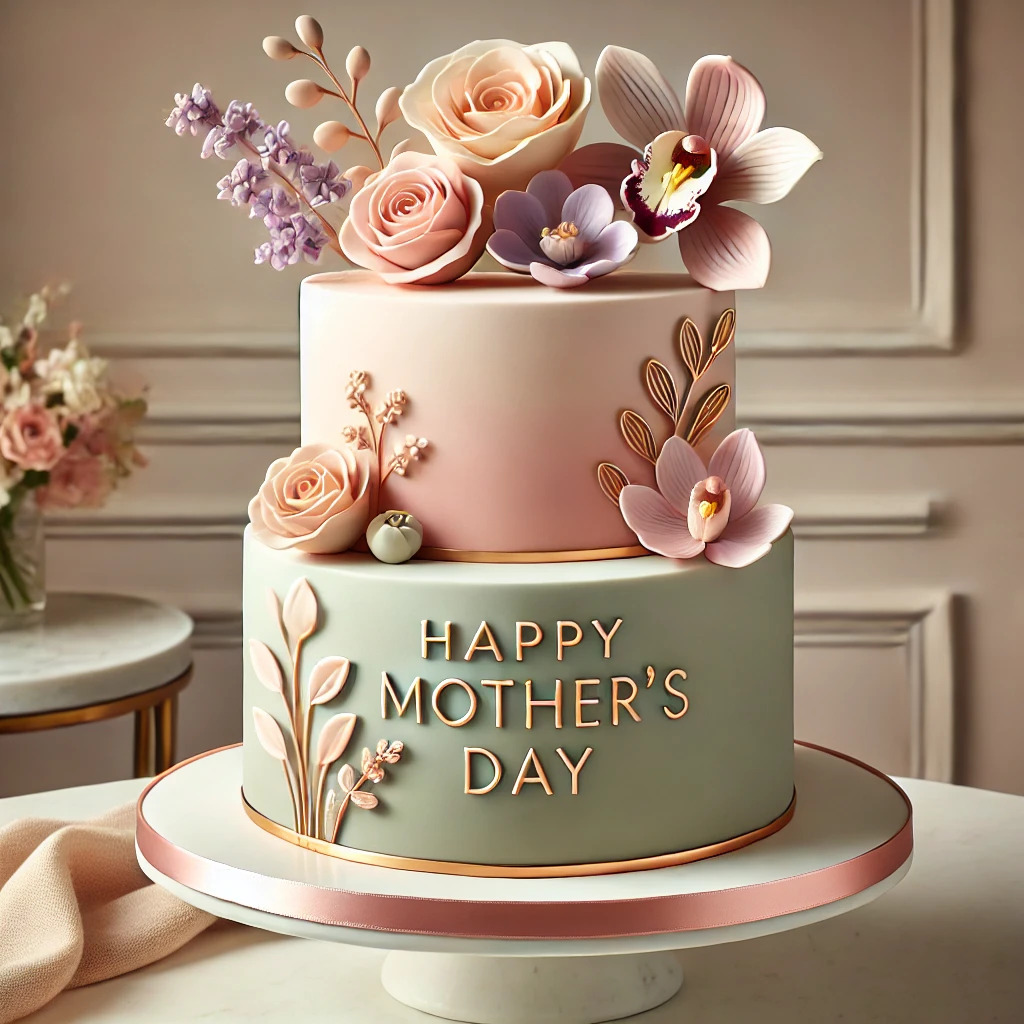
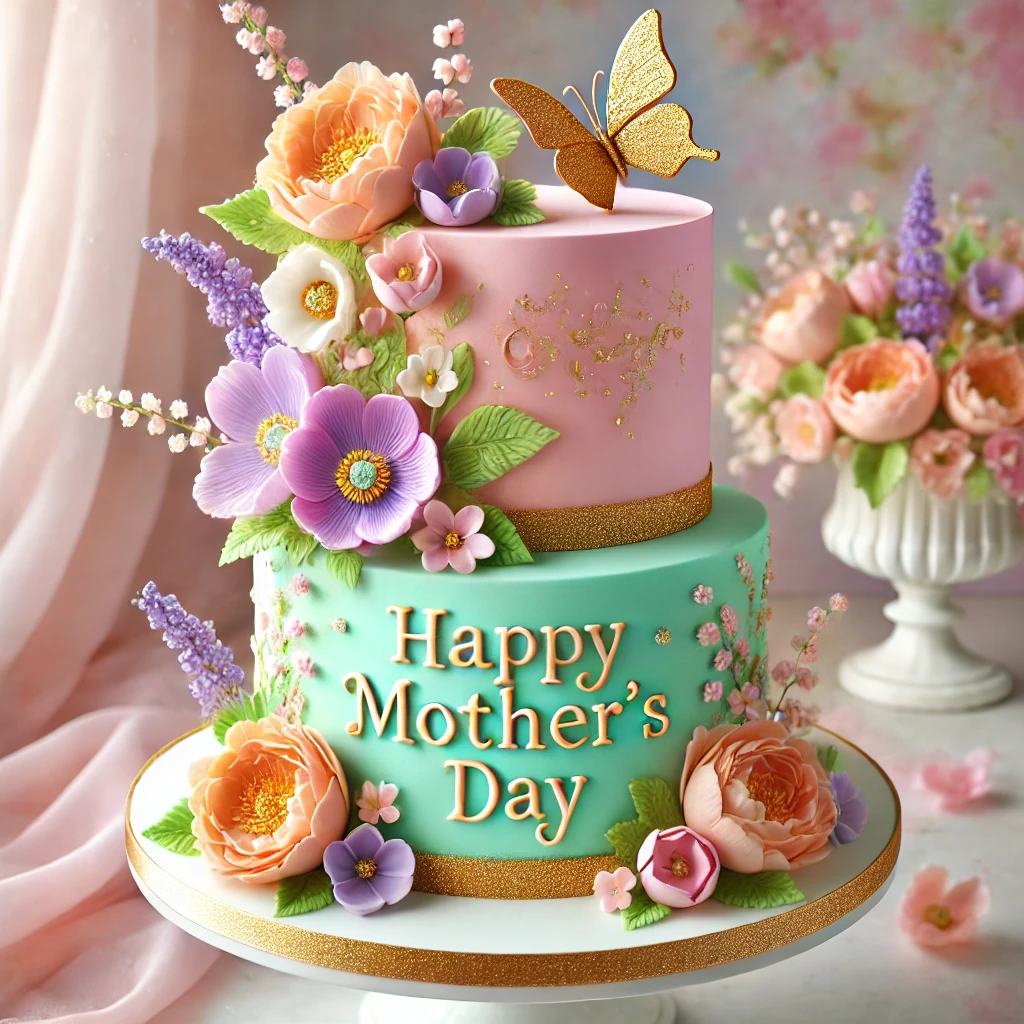
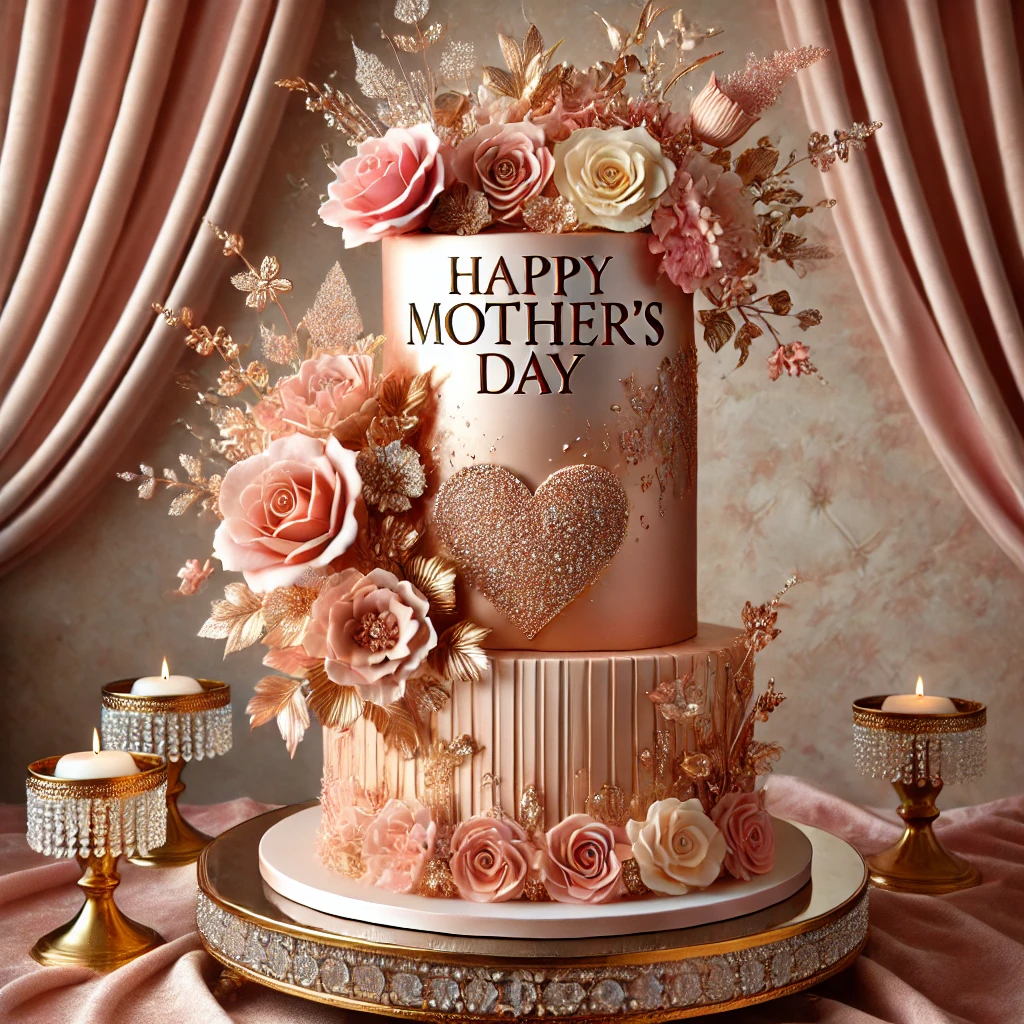
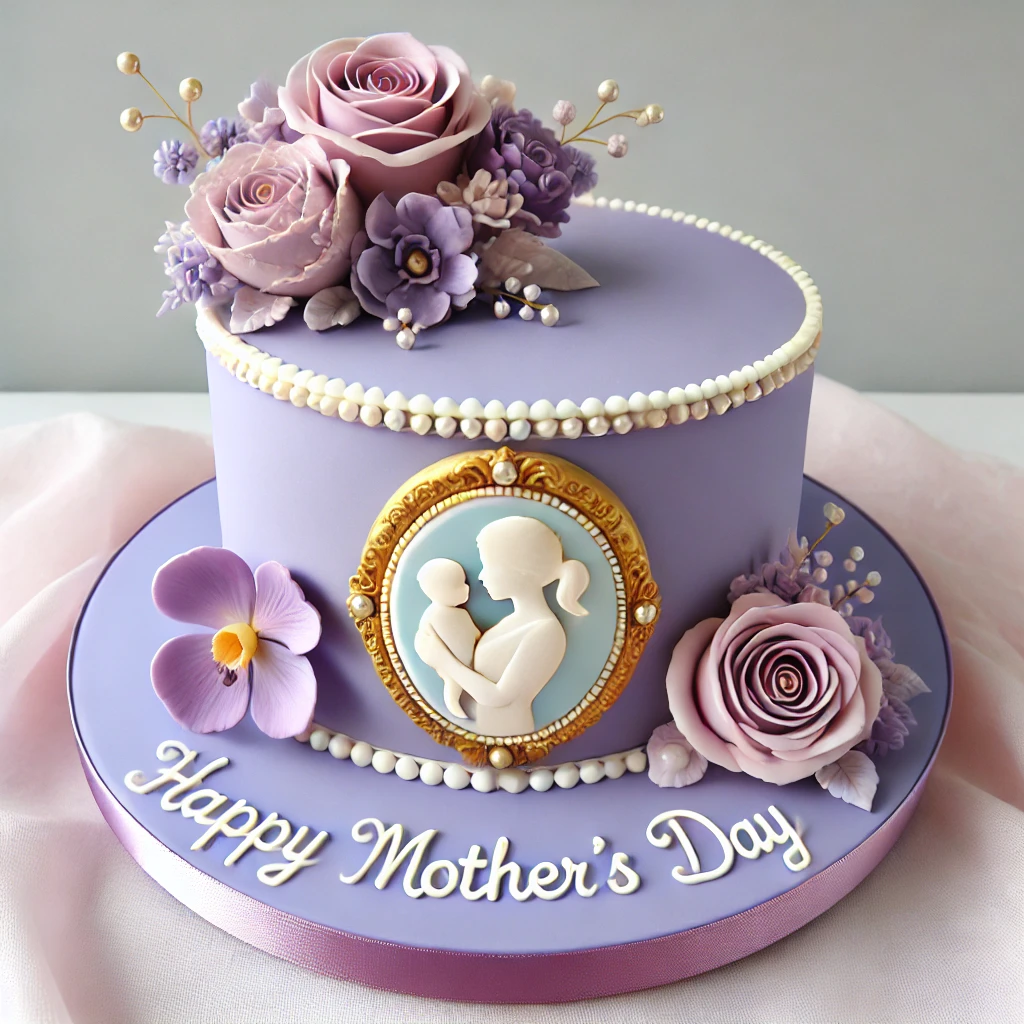
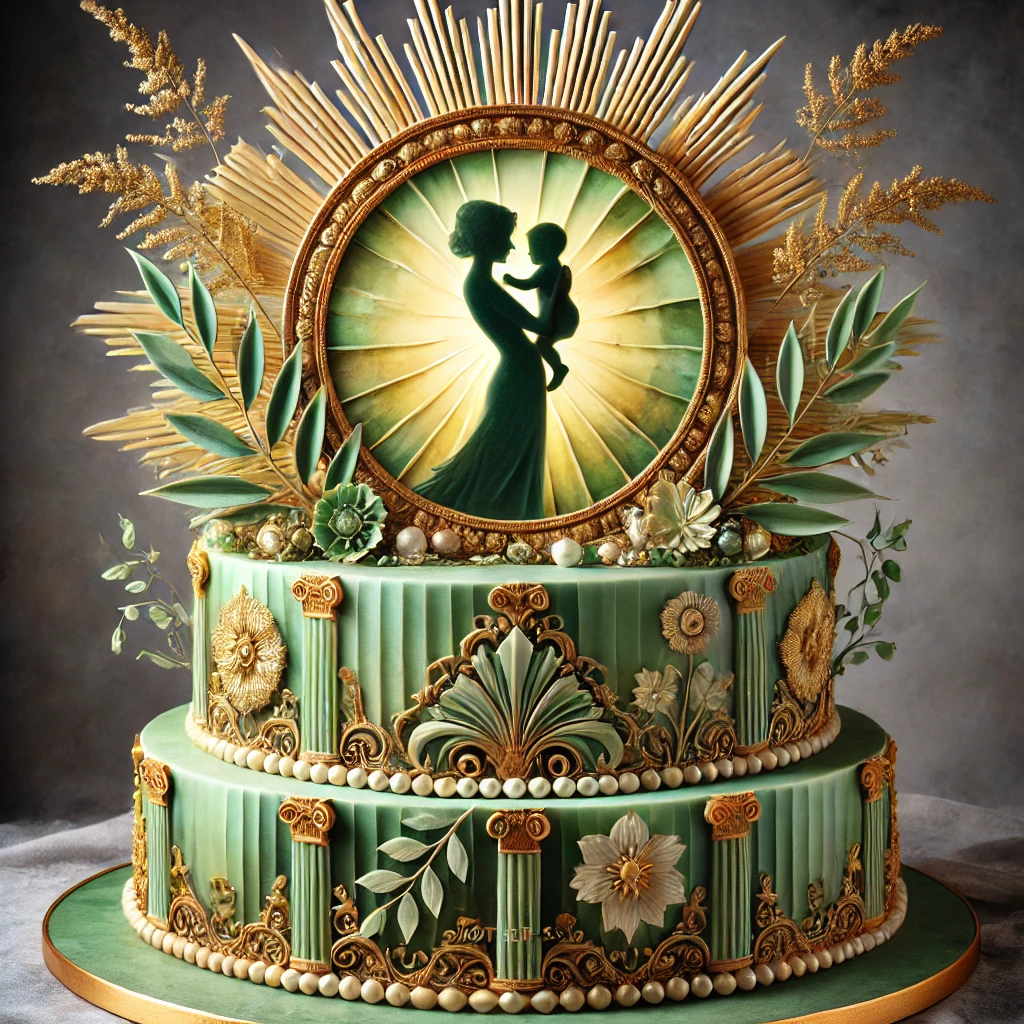
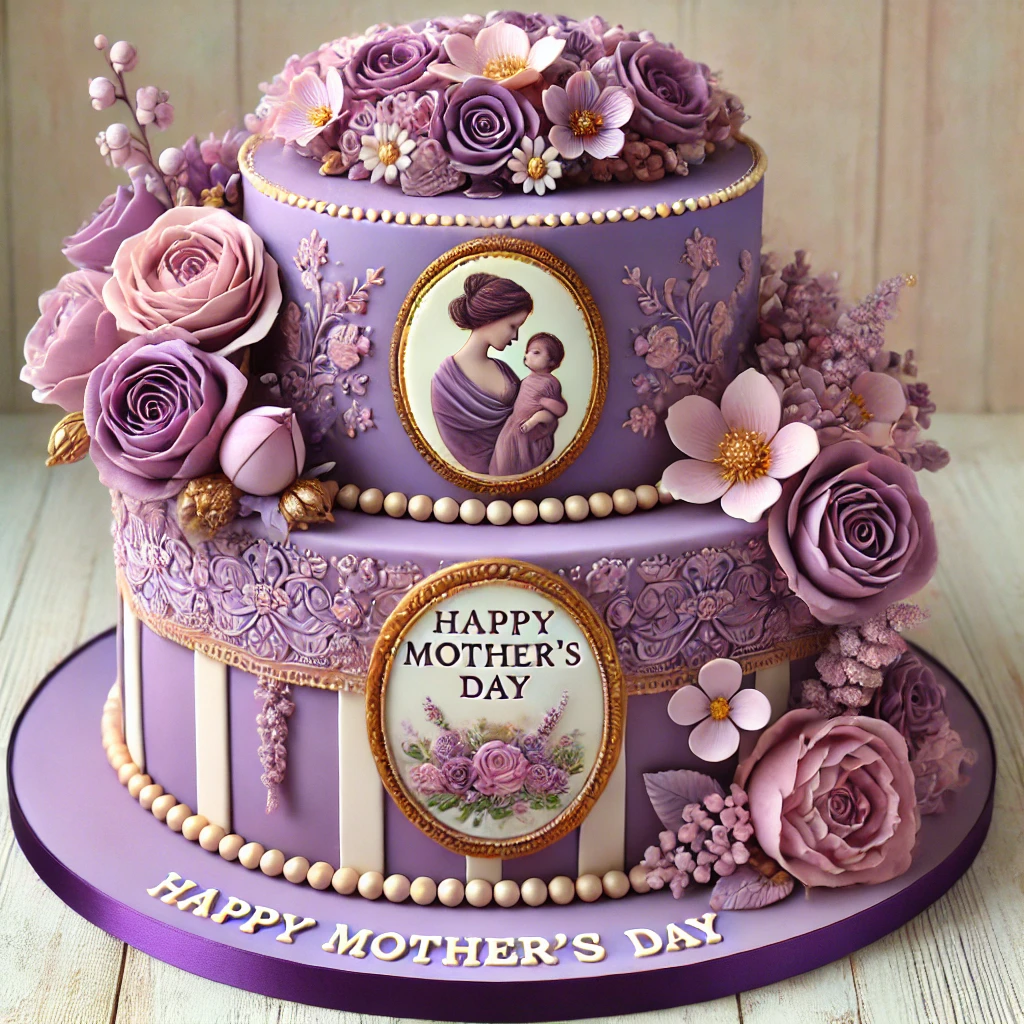
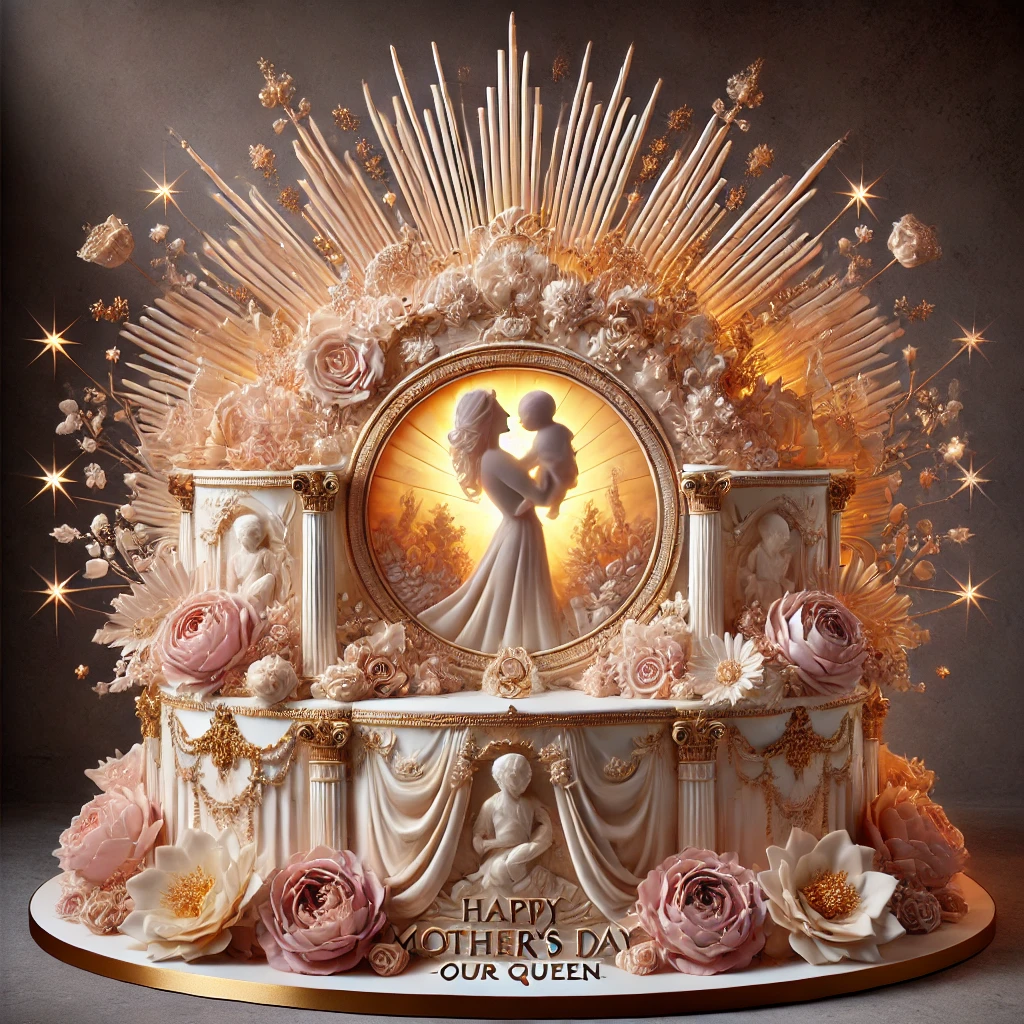
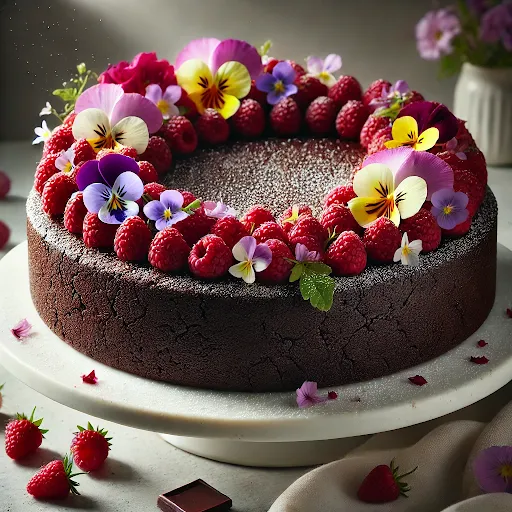
Mother's Day Cake & Atmosphere Ideas

Where style, memory, and celebration meet.

This section is meant to be more than Cake Decorating Ideas… it’s designed to spark inspiration and creativity, awaken tradition, and infuse your special occasions with style, identity, and atmosphere. A color palette becomes a theme. A design becomes a mood. Simple details—like sugared holly leaves or shimmering stars—can set the tone for a gathering and become part of cherished traditions and lasting memories melded with personal touch and love.

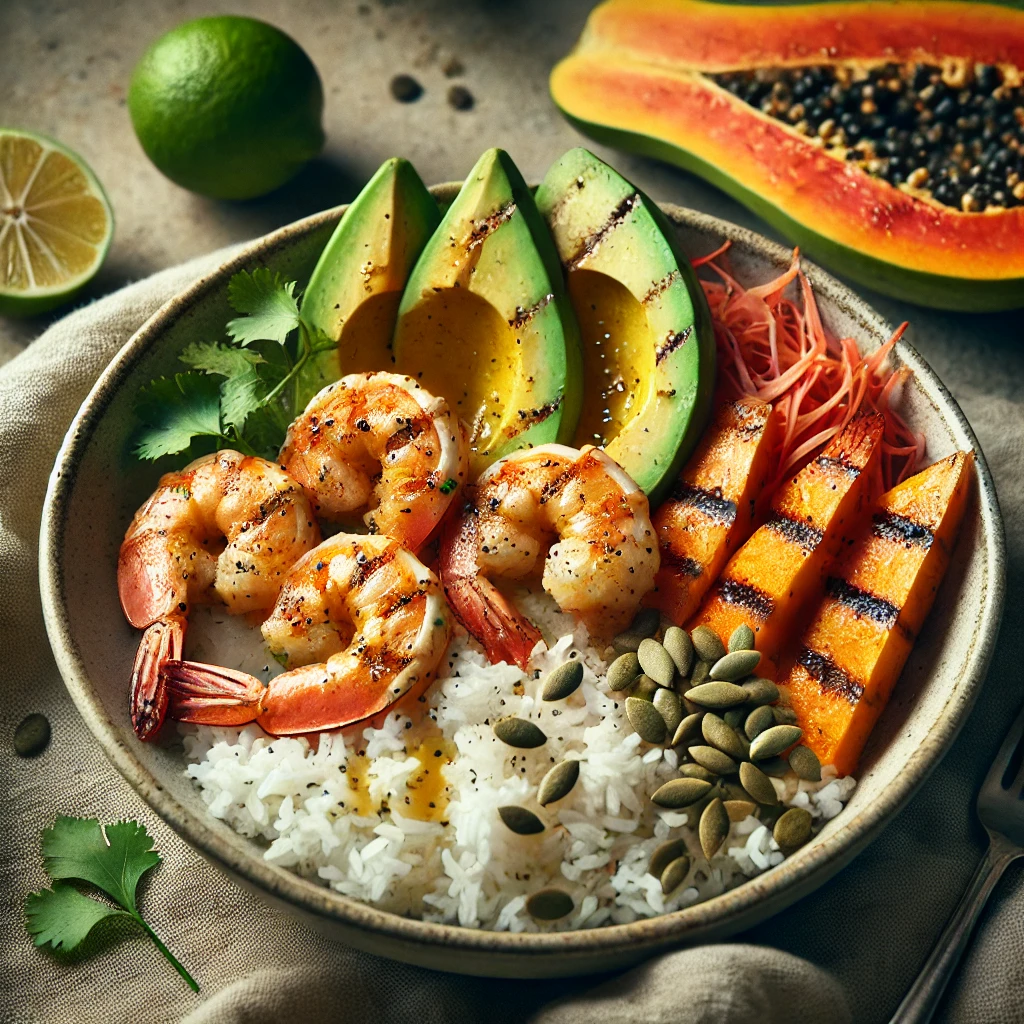
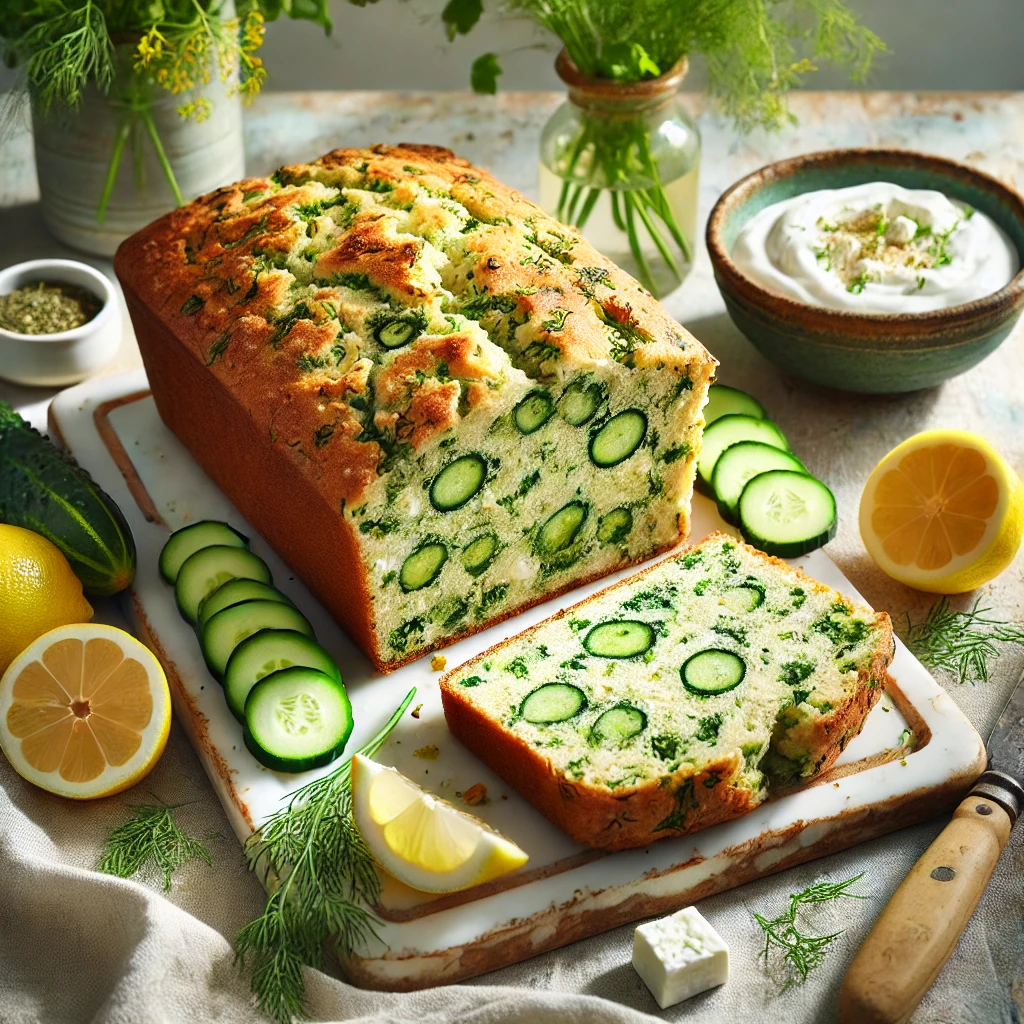
Traditional Mother's Day Dishes

Mother’s Day doesn’t have one single traditional dish worldwide, but it is strongly associated with gentle, celebratory, and lovingly prepared foods—often meals that mothers don’t have to make themselves. Common traditions include:
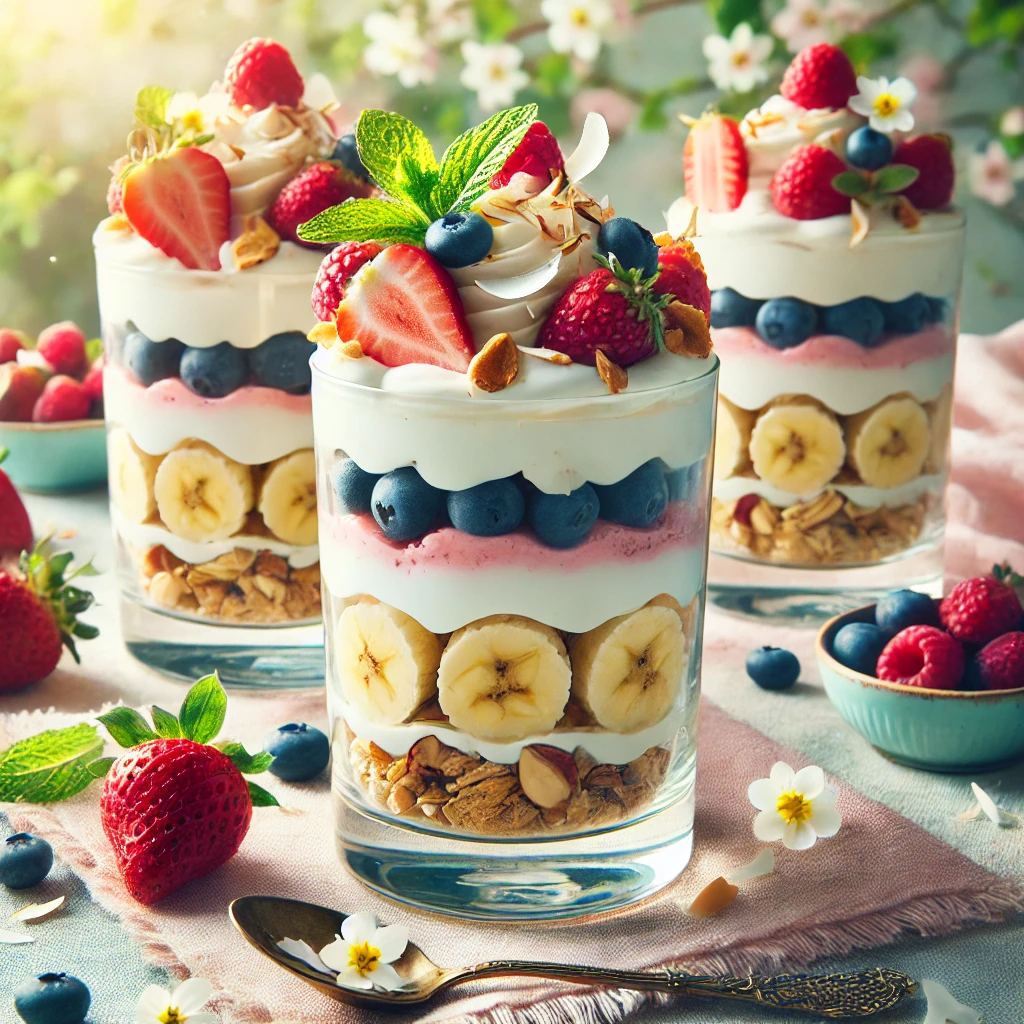
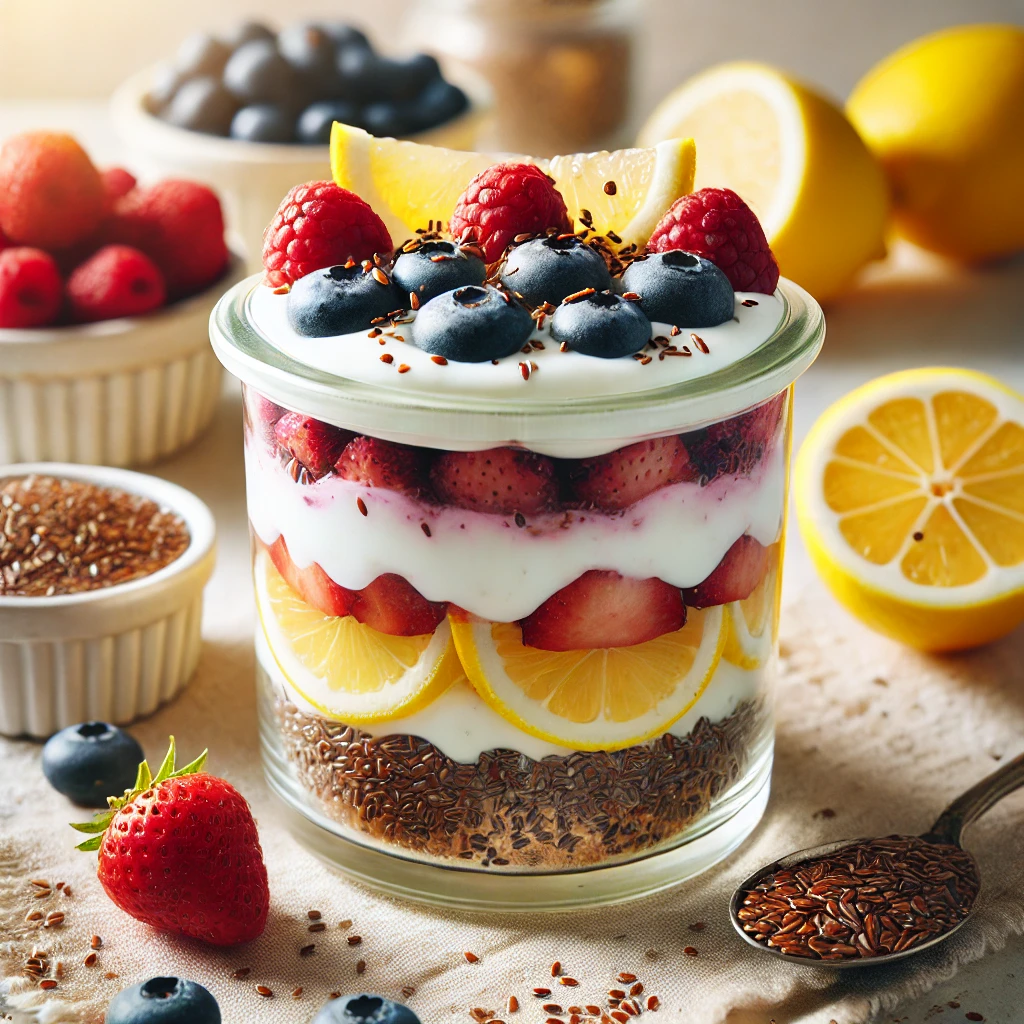
  • Breakfast in bed, featuring items like pancakes, waffles, French toast, eggs, fresh fruit, yogurt, pastries, coffee, or tea
  • Brunch foods, such as quiches, frittatas, smoked salmon, avocado toast, muffins, scones, and fresh juices
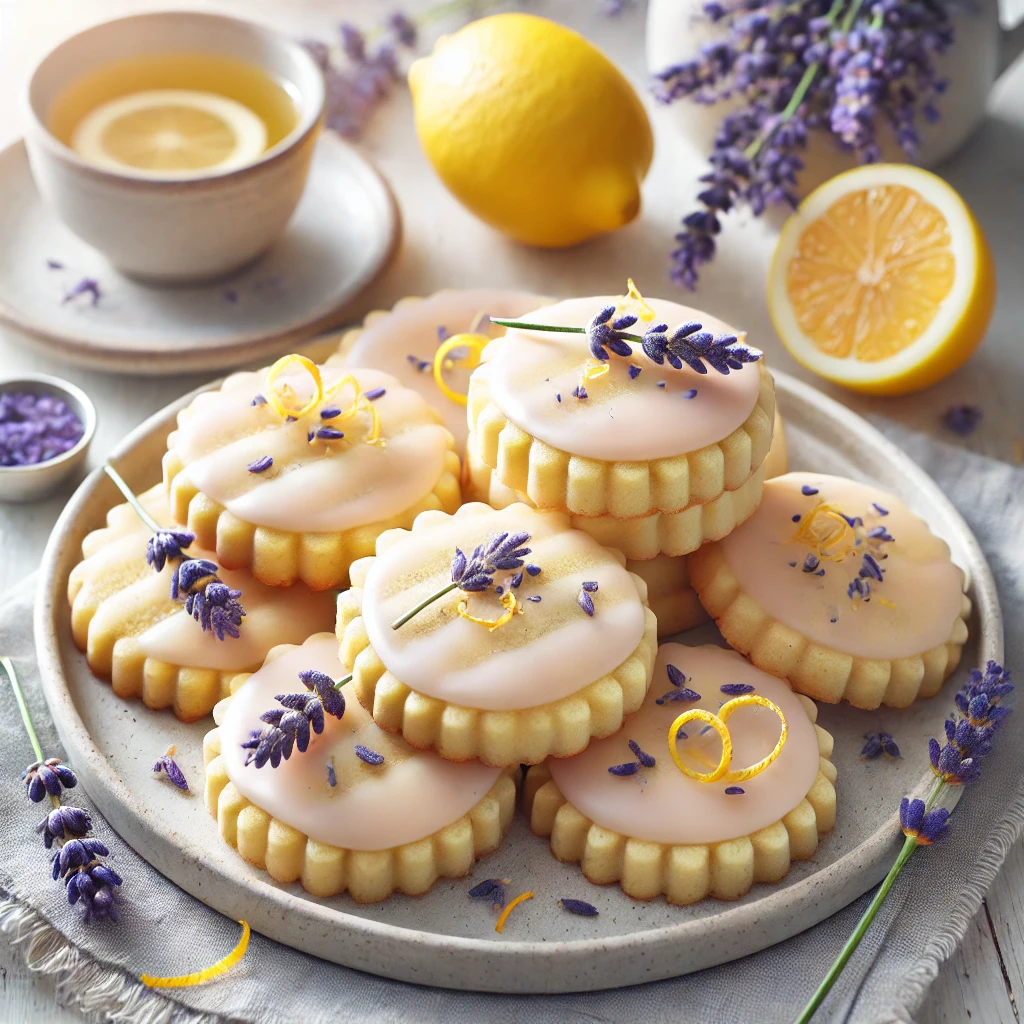
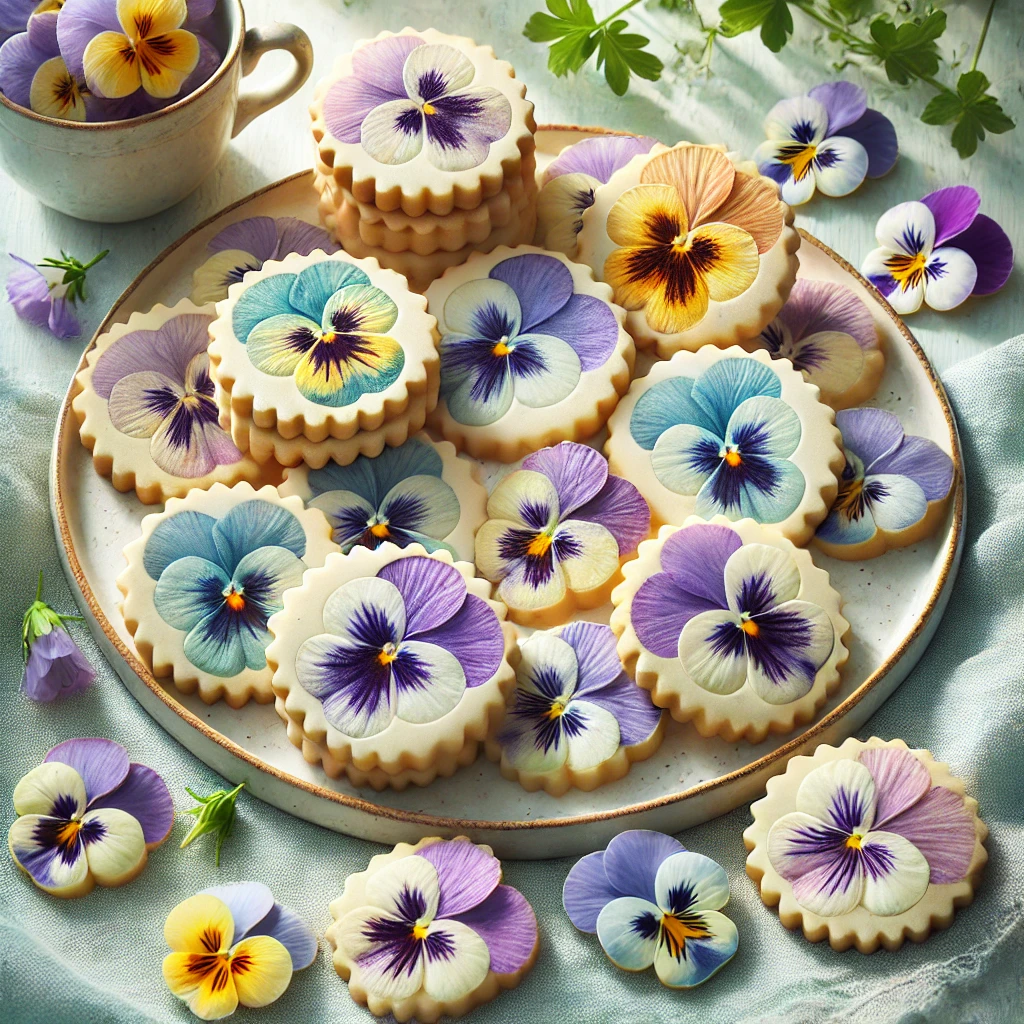
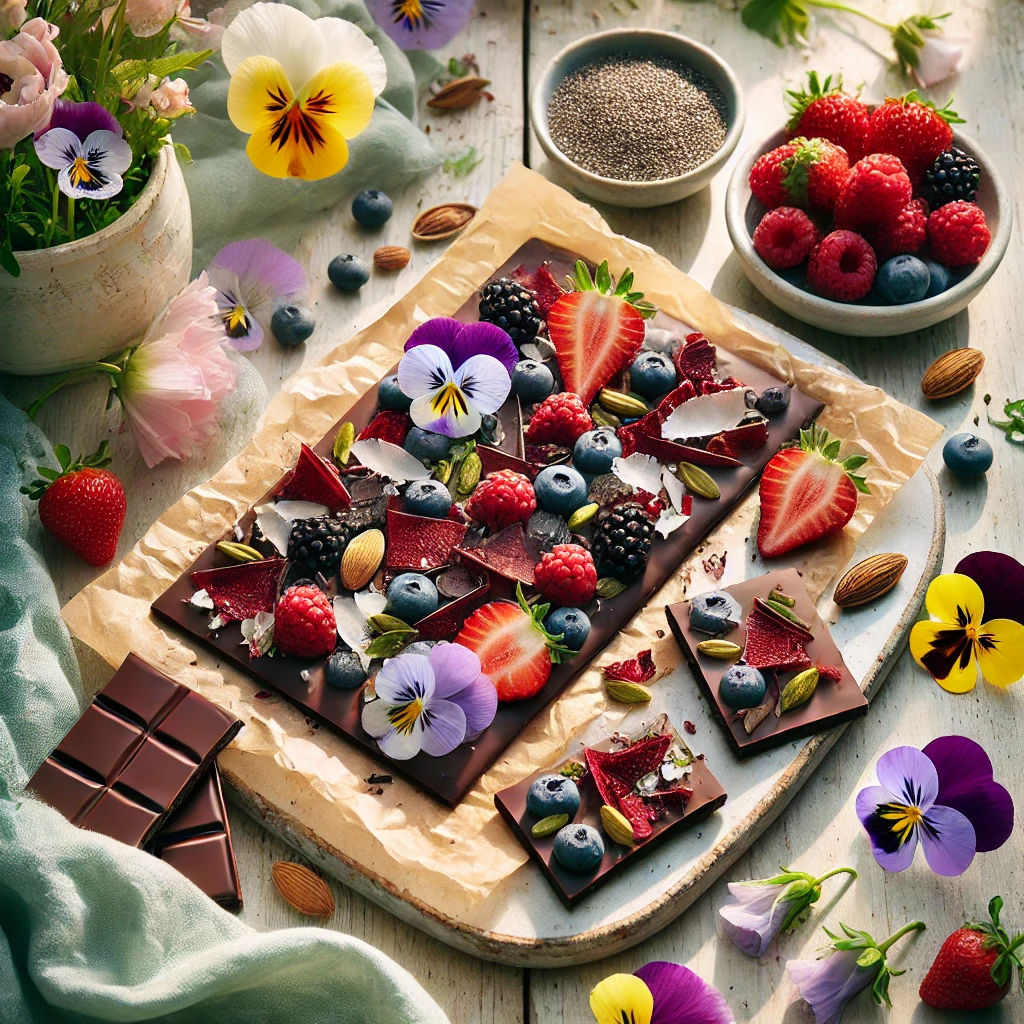
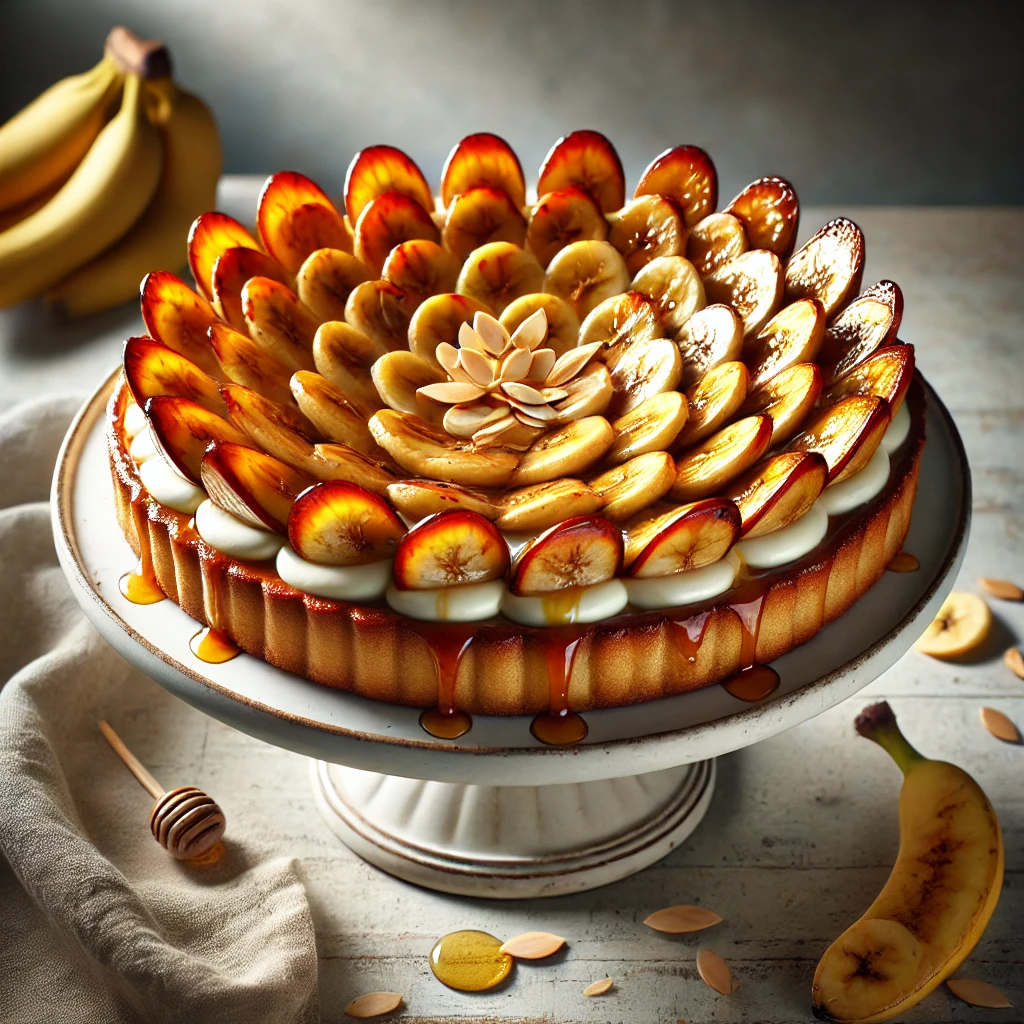
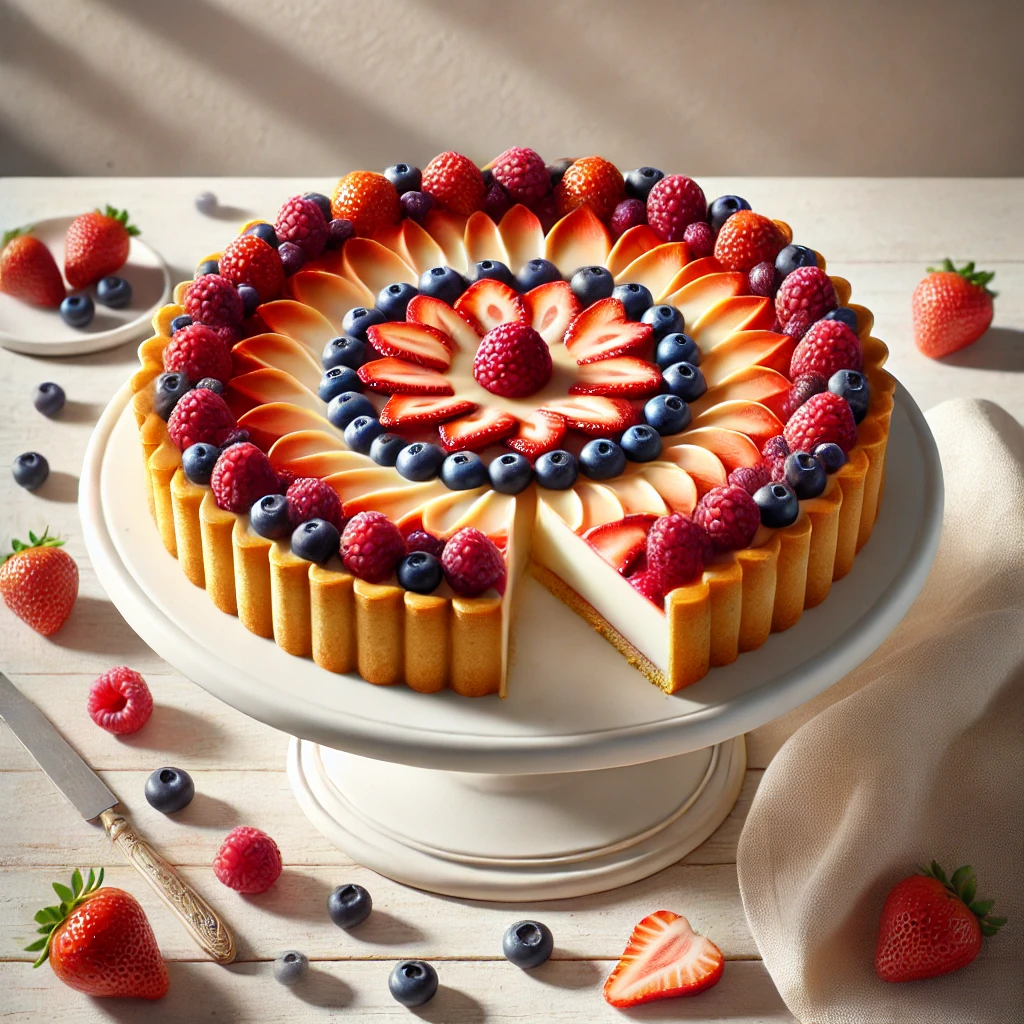
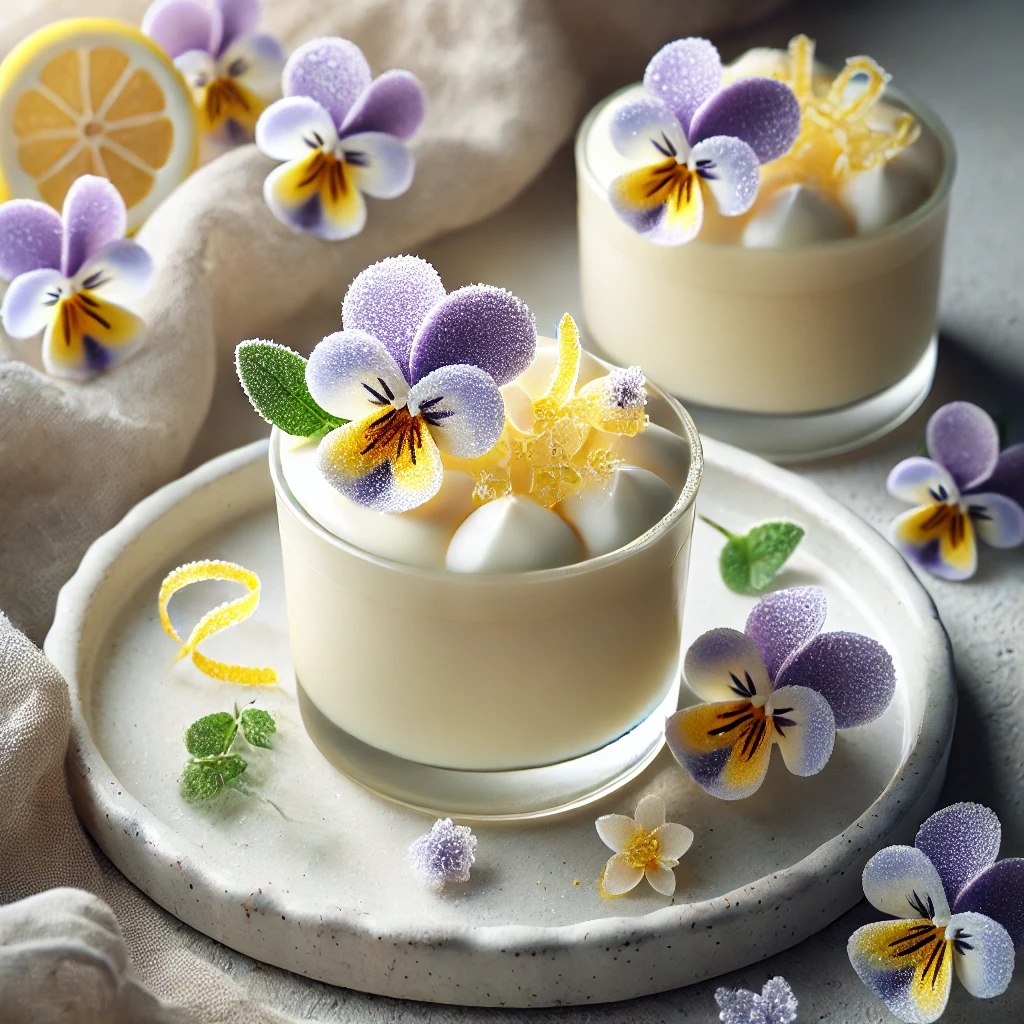
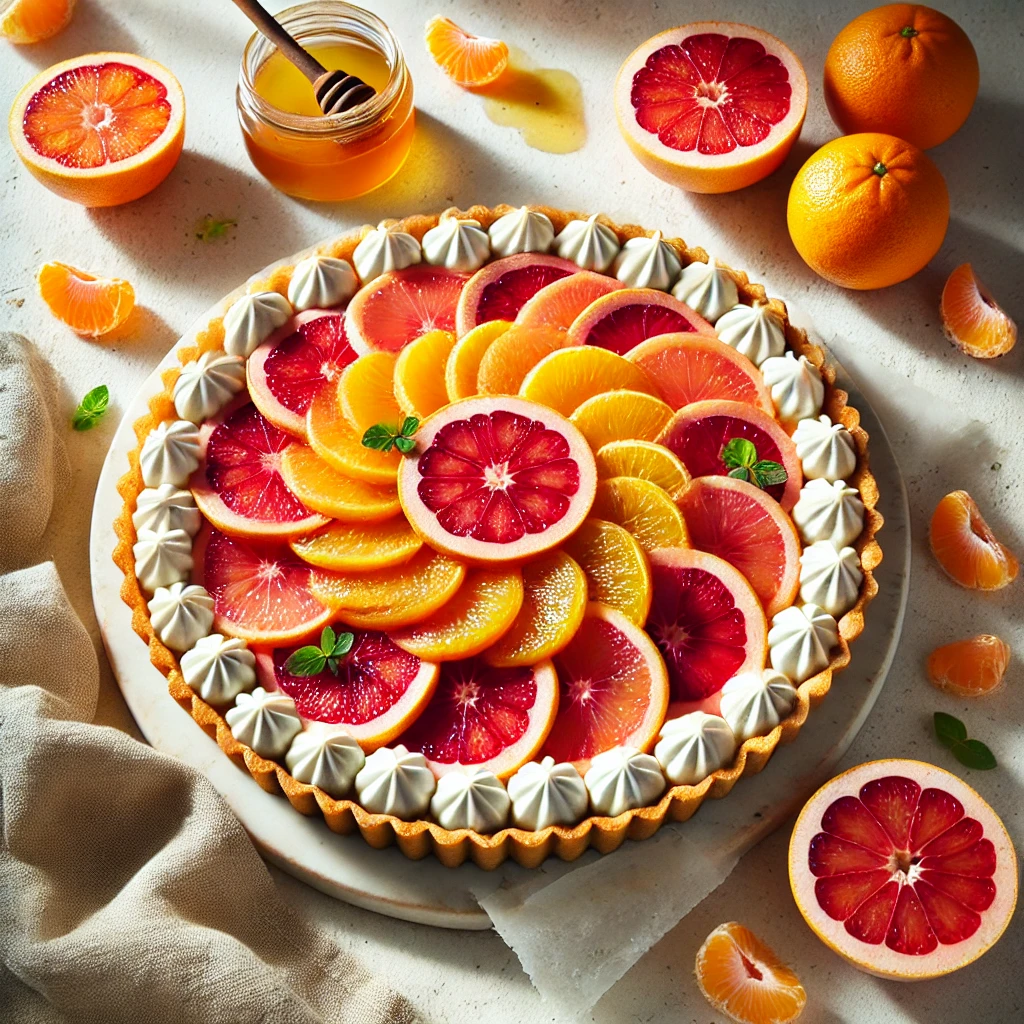
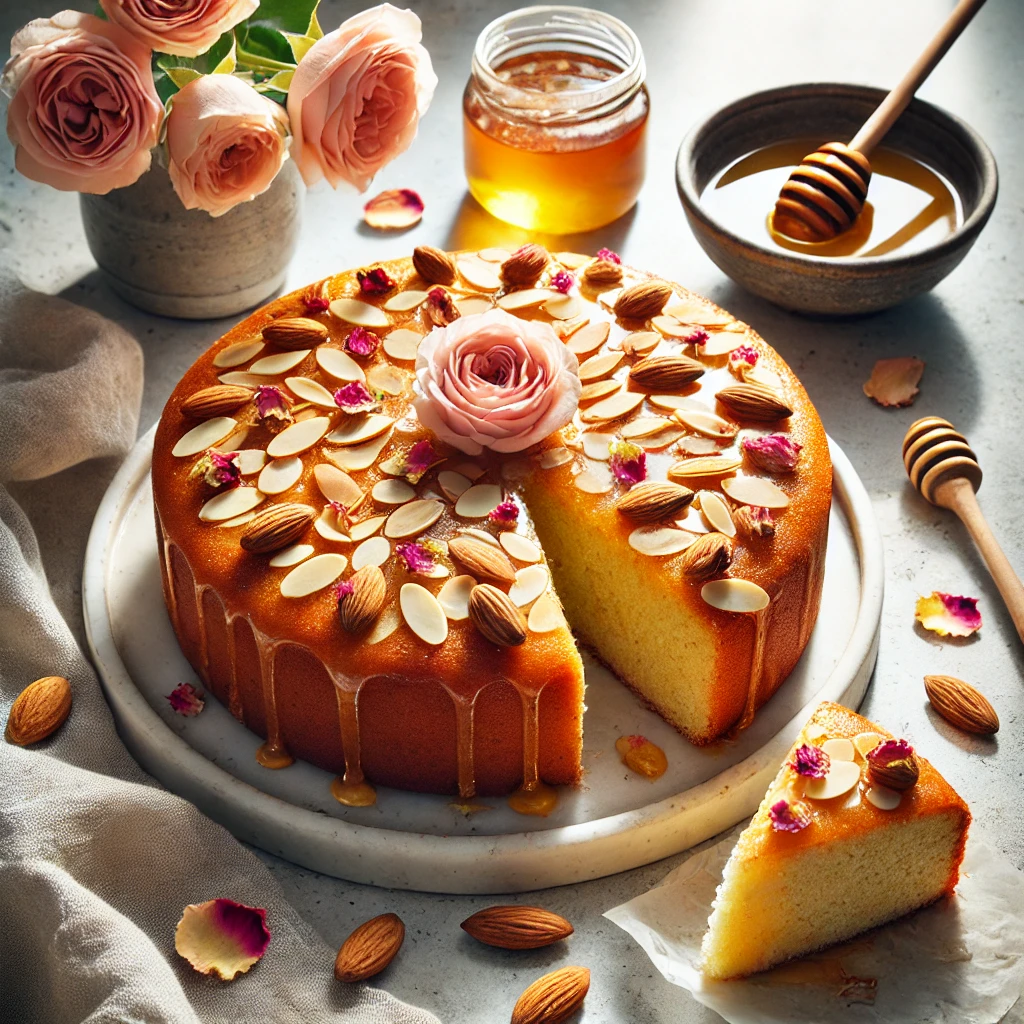
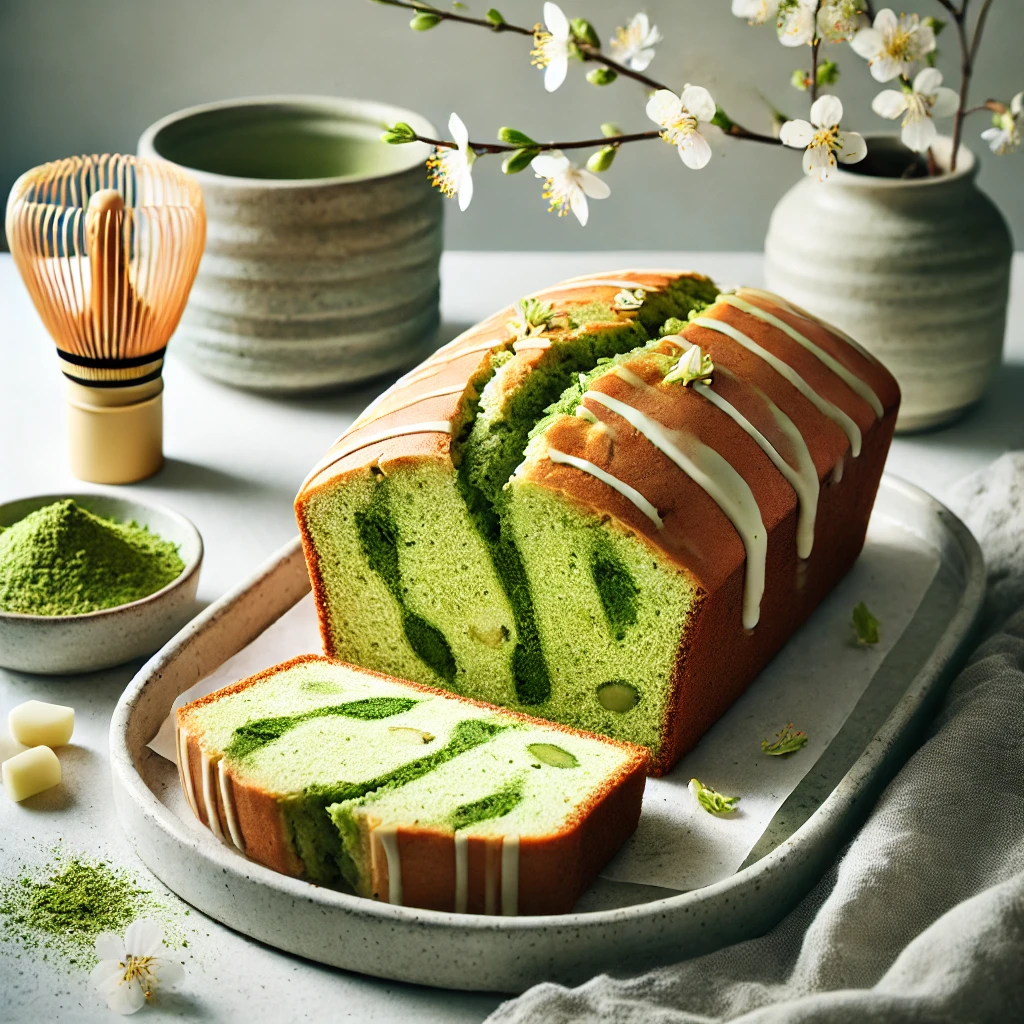
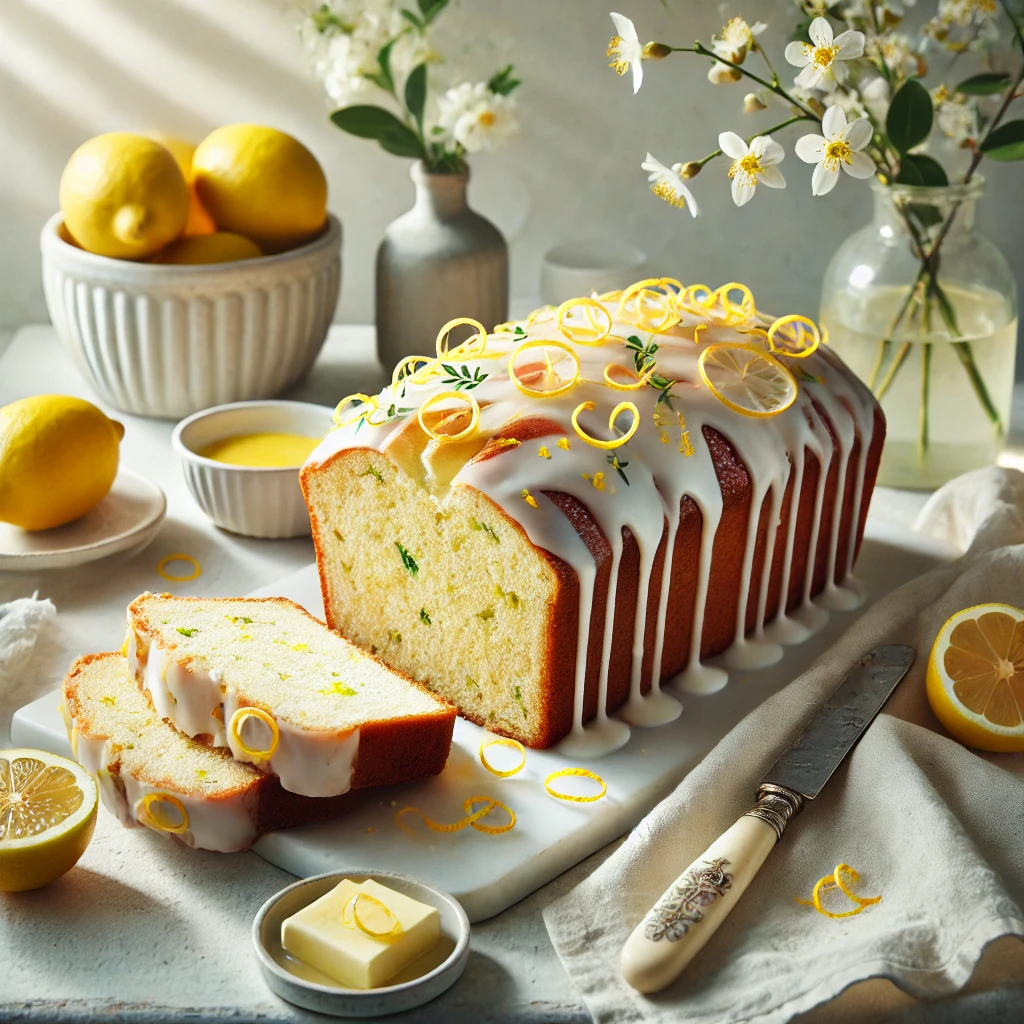
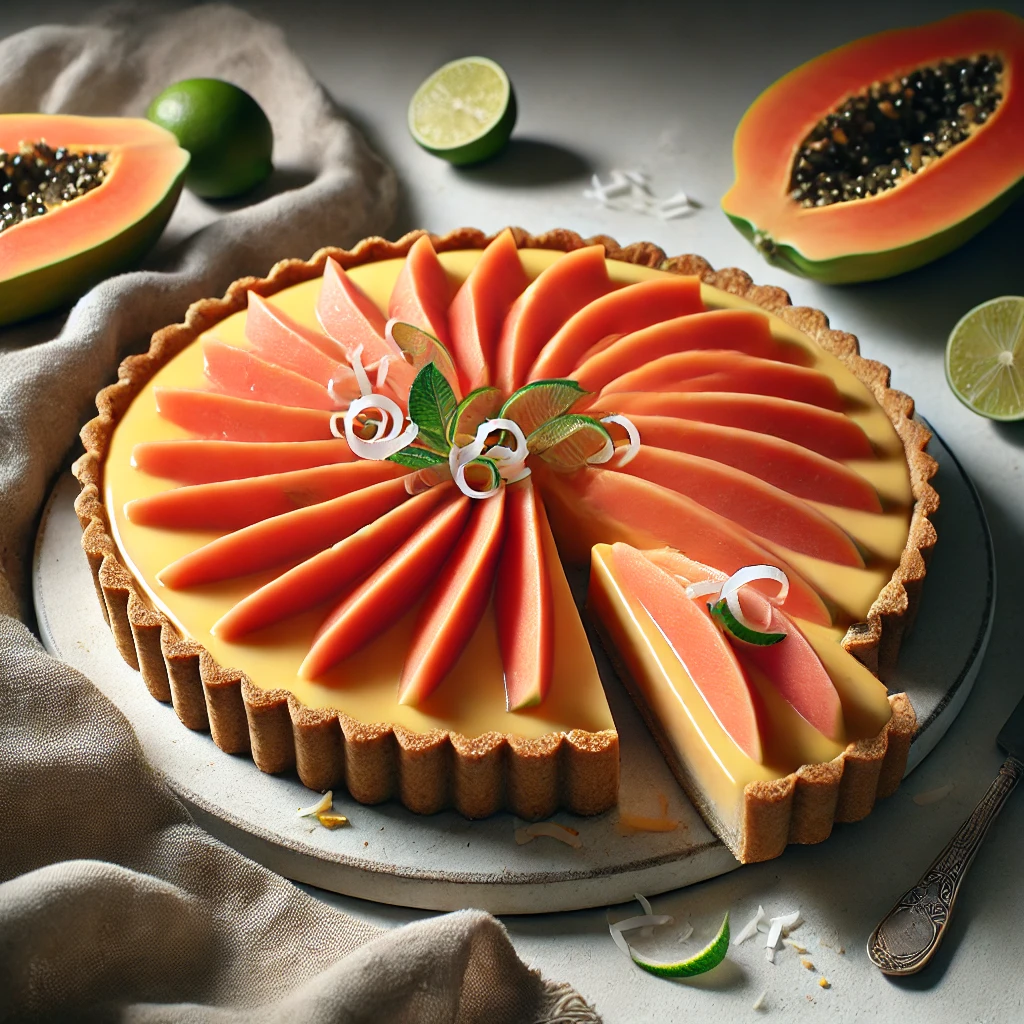
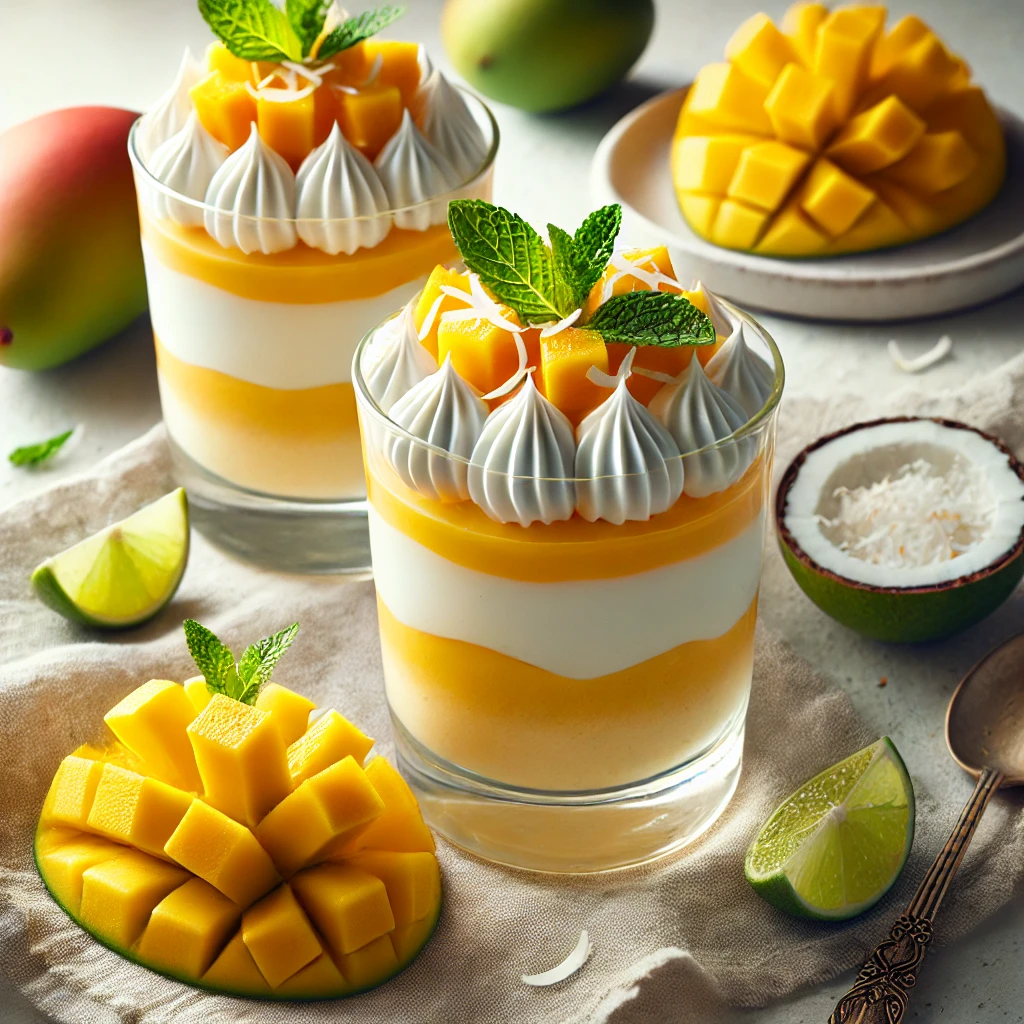
  • Baked goods and desserts, especially cakes, cupcakes, shortbread, fruit tarts, or chocolate treats made or chosen in her honor
  • Afternoon tea, with finger sandwiches, cookies, cakes, and floral teas, particularly in families influenced by British traditions
  • Home-cooked family meals, where children or partners prepare the mother’s favorite dishes as an act of gratitude
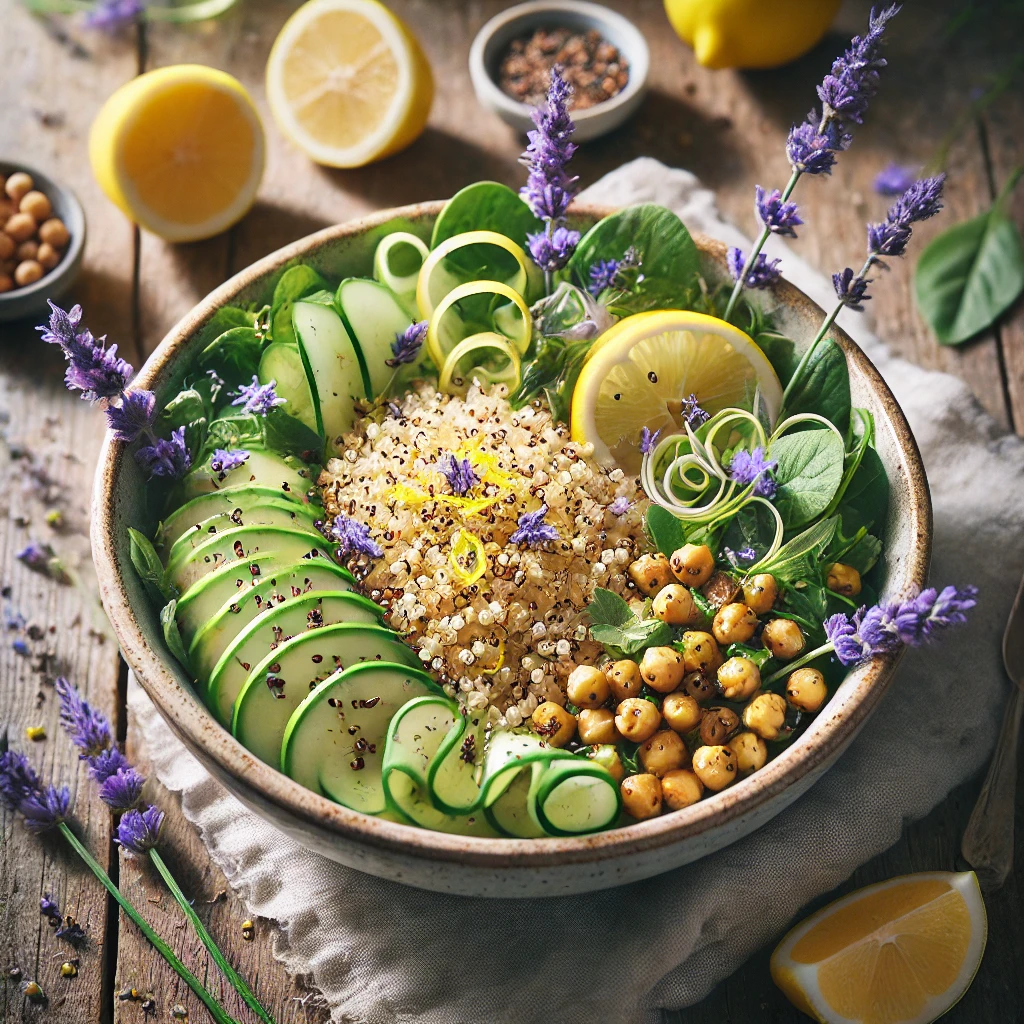
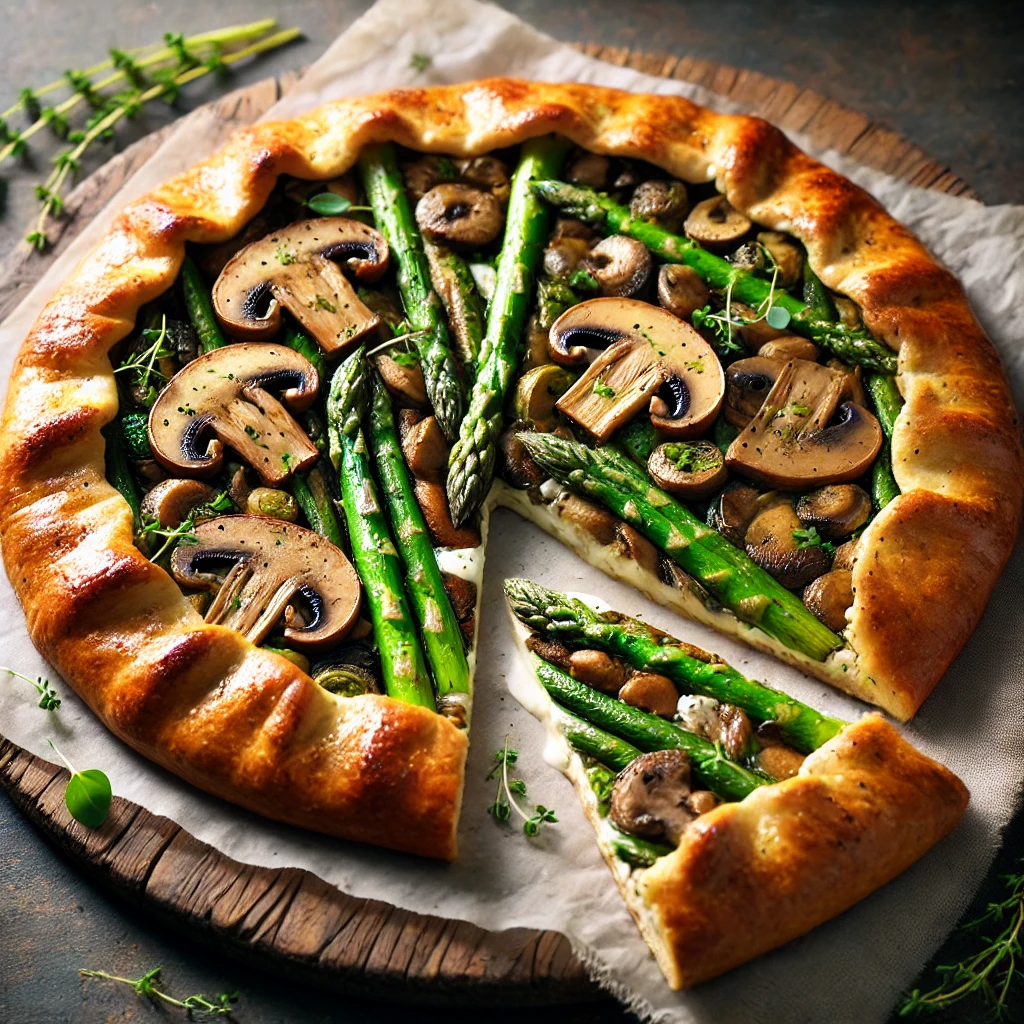
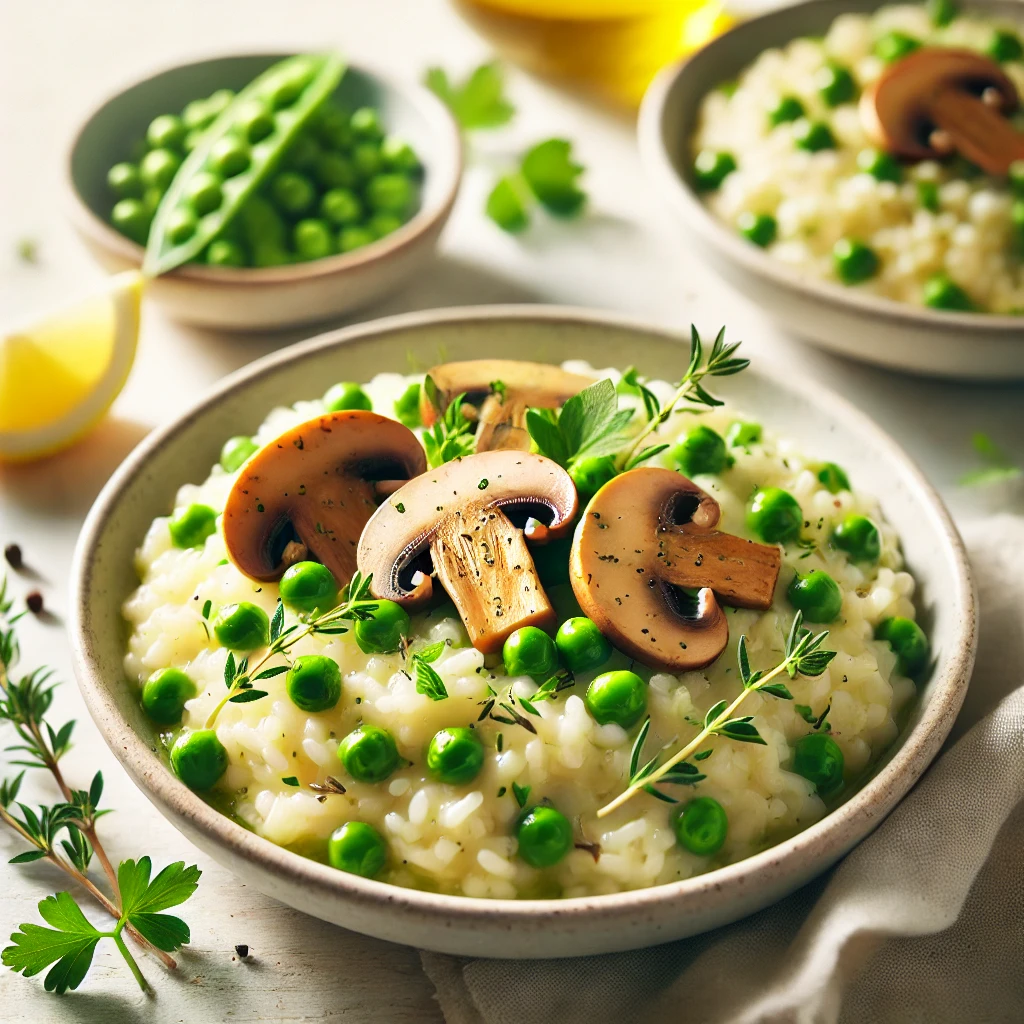
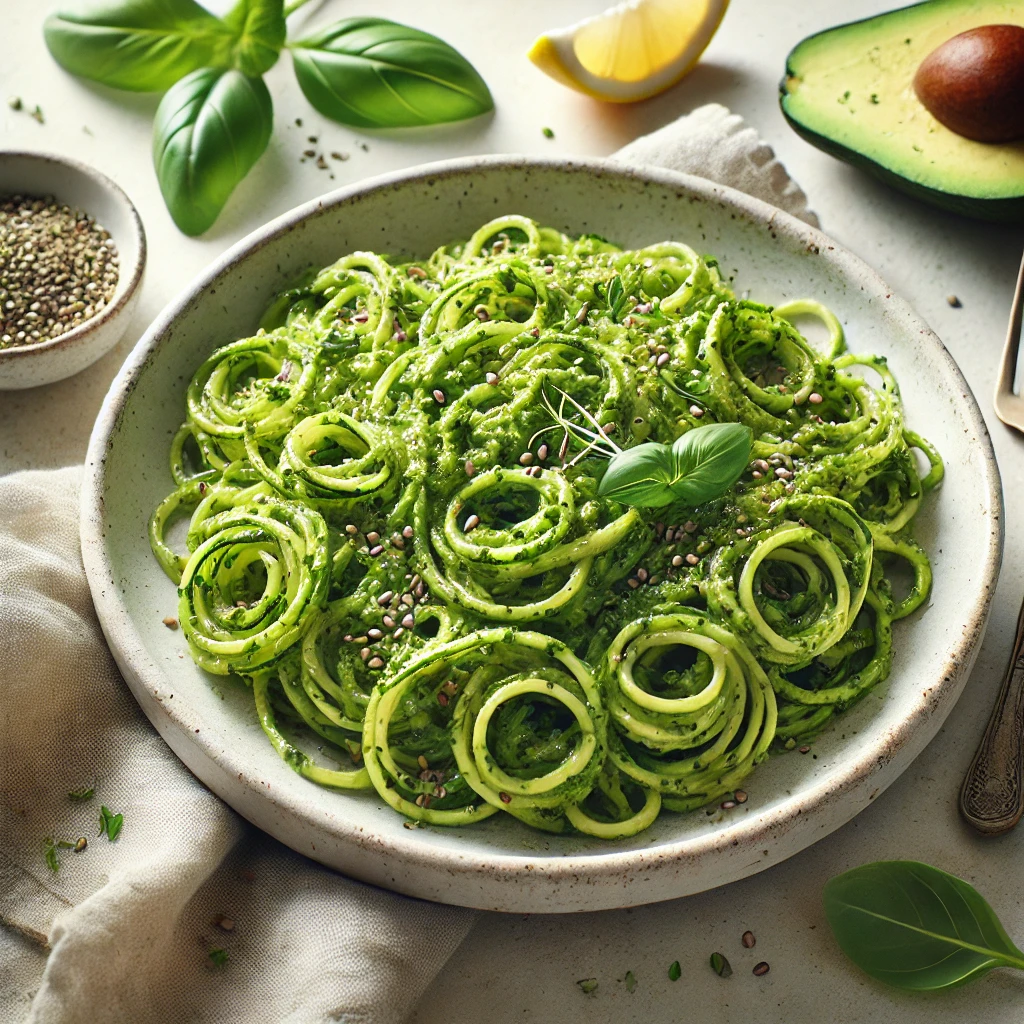
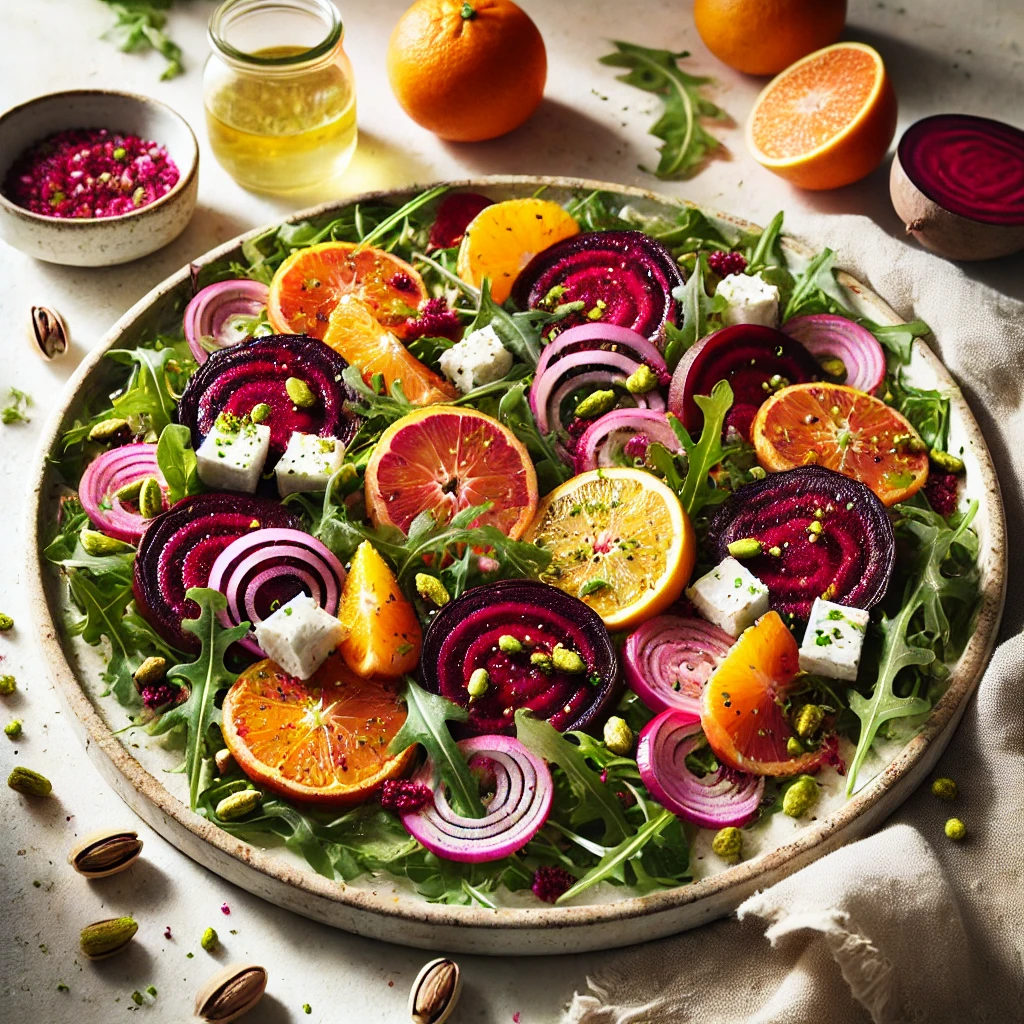
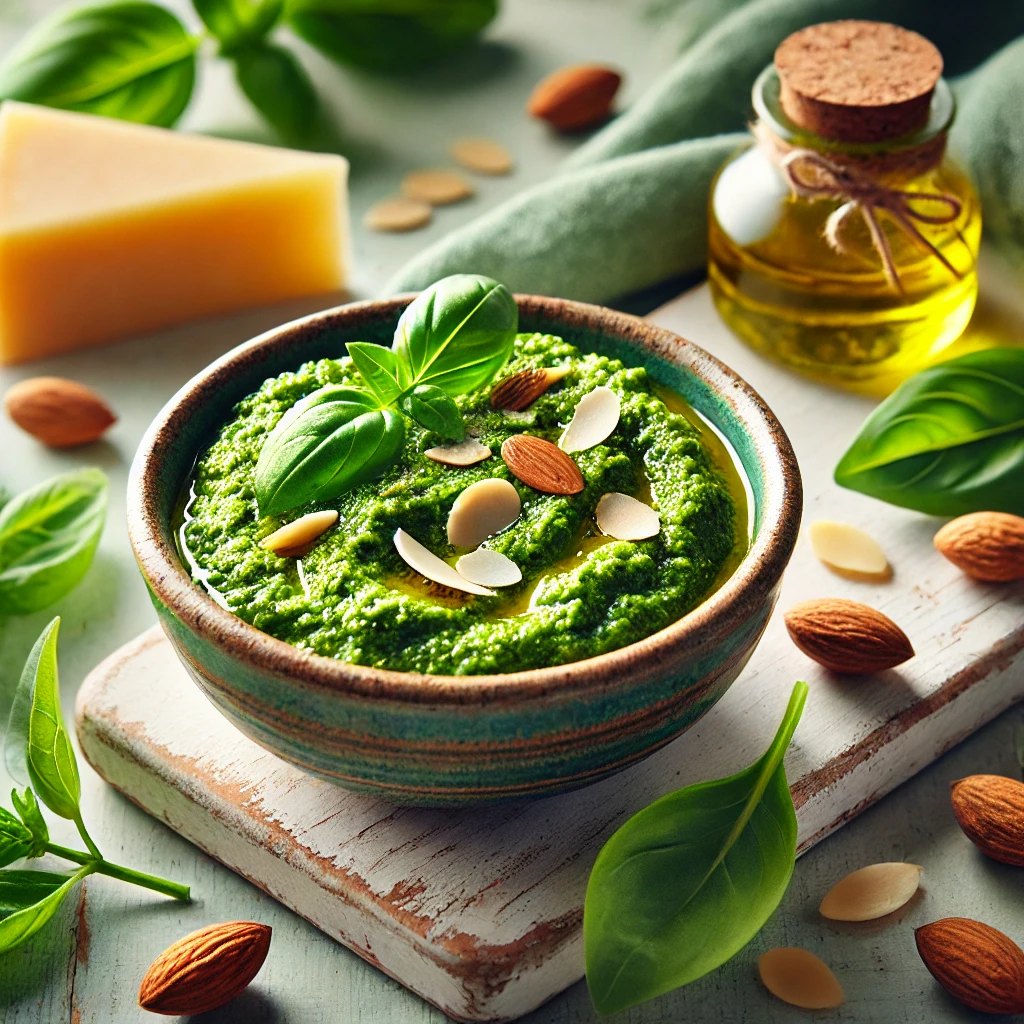
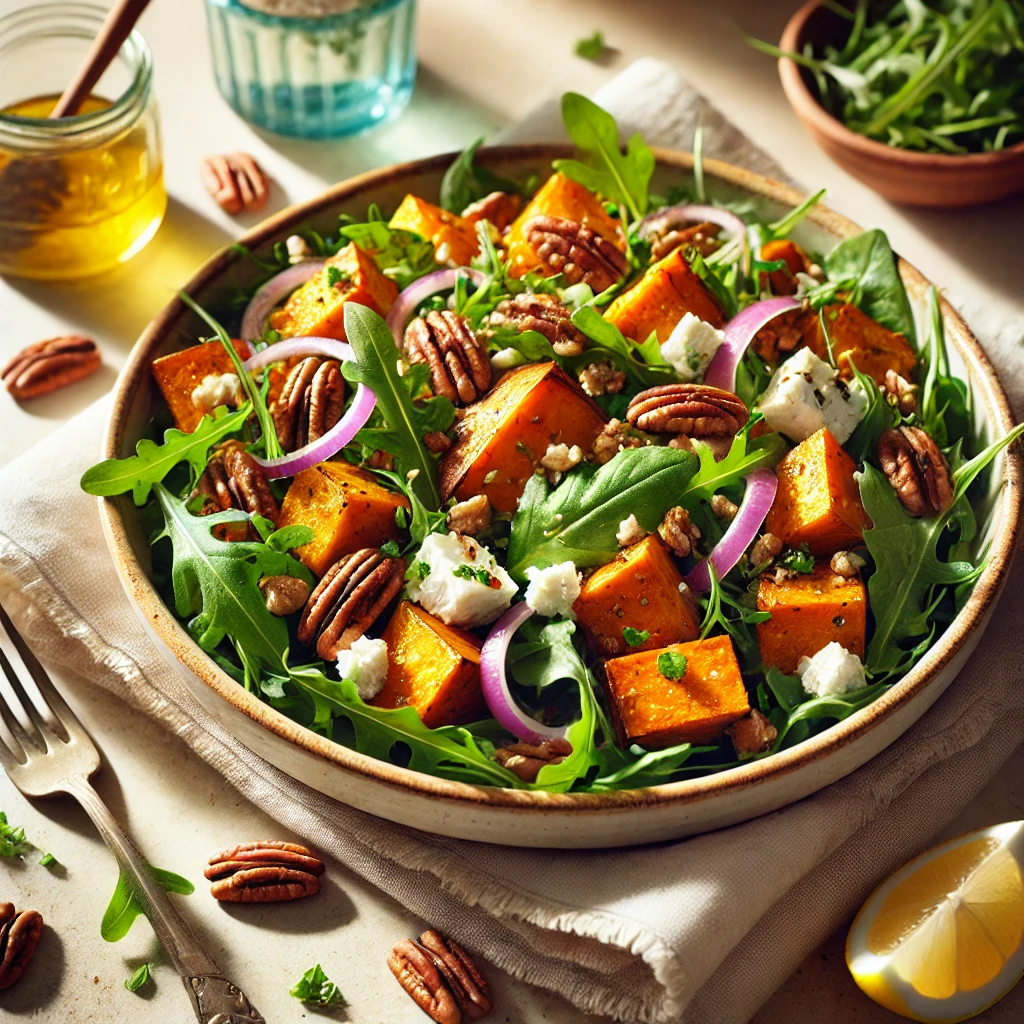
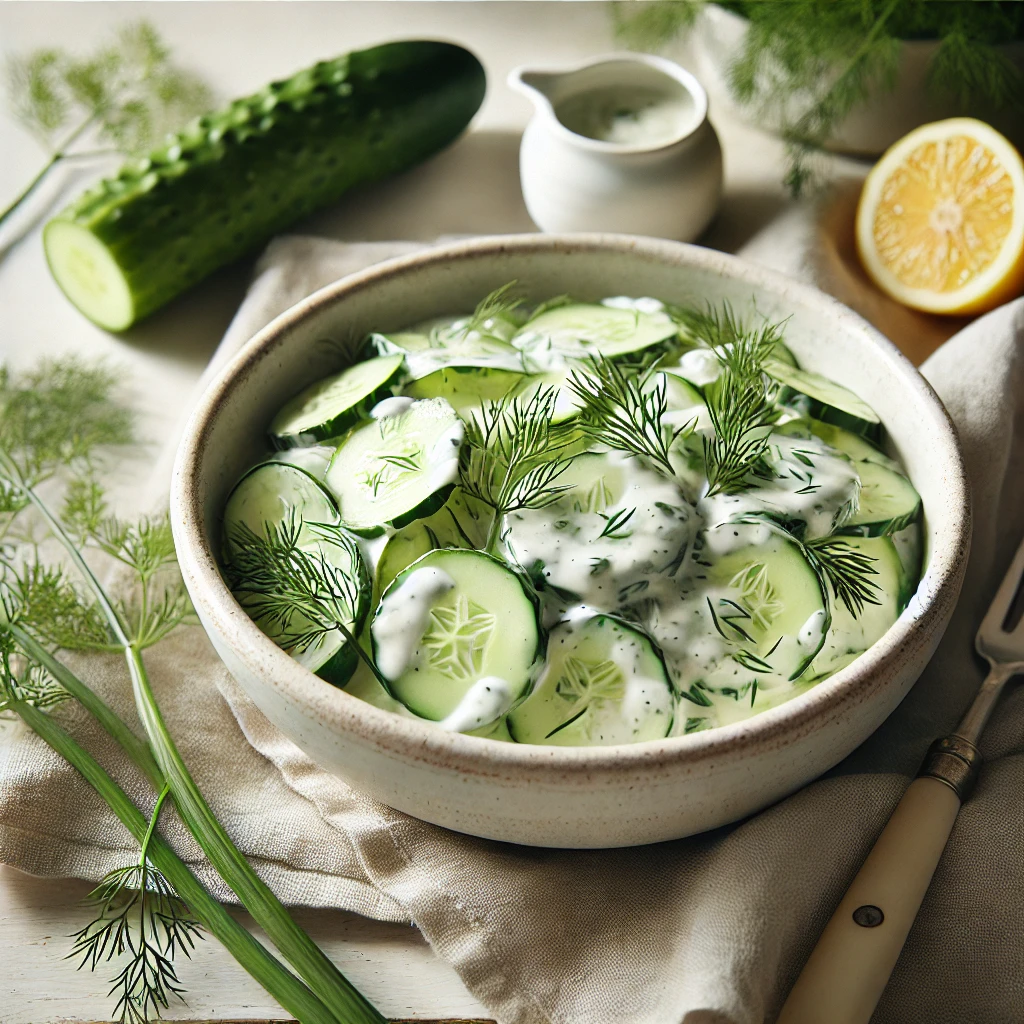
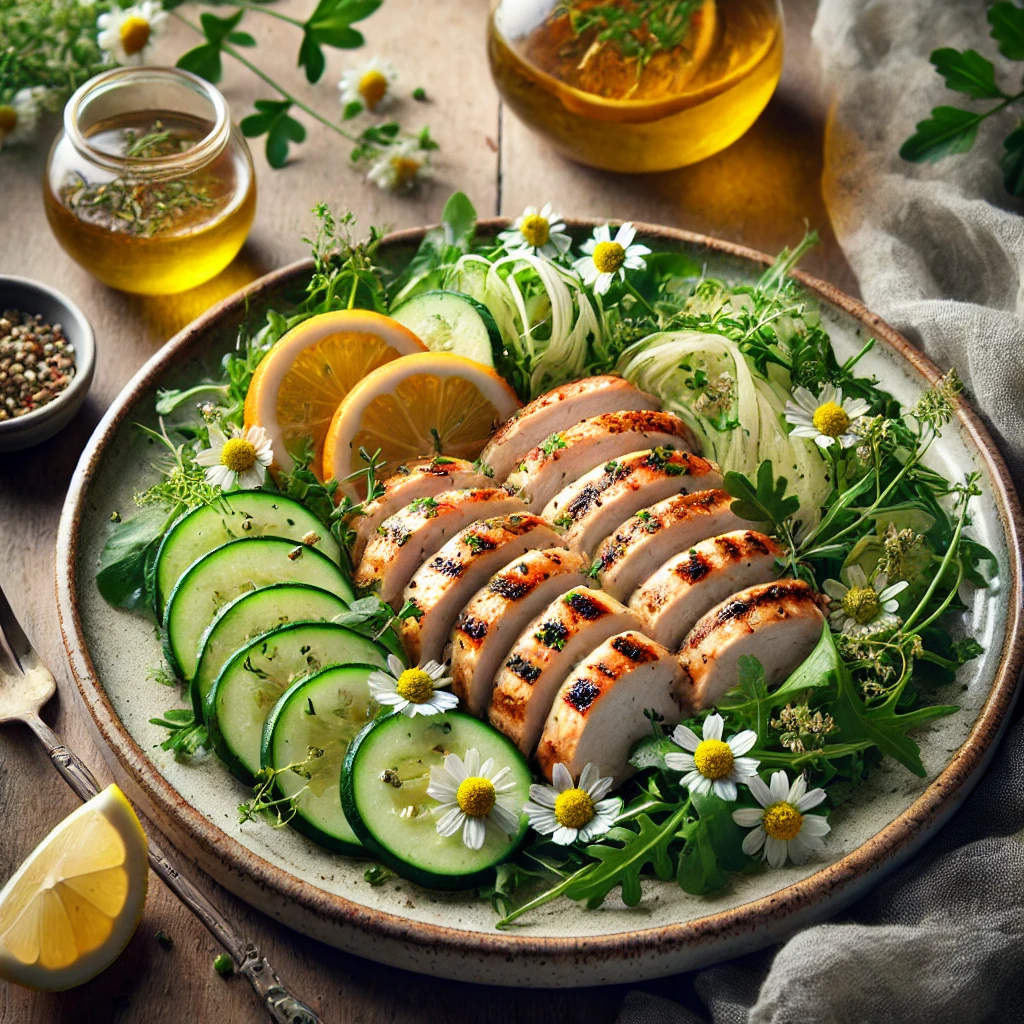
  • Spring-inspired foods, including salads, berries, light pastas, and dishes that reflect freshness and renewal
  • Celebratory sweets, often personalized—custom cakes, handwritten notes paired with desserts, or family recipes passed down through generations

Winter Recipes