Weddings

with ORO VALENTIO

A Celebration of Love

To approach Christian marriage casually is to misunderstand what it is. Marriage is not simply a celebration of affection, nor a beautiful cultural tradition, nor a legal arrangement that can be adjusted when circumstances change. It is a sacrament — a decisive act in which God binds a man and a woman into a real, enduring communion. What begins at the altar is meant to shape every tomorrow that follows. When Scripture speaks of the two becoming “one flesh,” it is describing something far deeper than partnership or compatibility. A new reality comes into being. Two lives, two histories, two futures are joined in a unity that is spiritual, emotional, physical, and vocational. The couple remains two persons, yet they no longer live as separate stories. Their joys, wounds, sacrifices, and hopes become shared ground. Because of this, reverence is essential. Reverence means recognizing that something holy is happening — something greater than personal preference or romantic intensity. It means understanding that vows are not poetic lines but binding promises spoken before God, promises intended to endure in faithfulness even when feelings fluctuate. It means seeing that love, in its fullest form, will demand patience, forgiveness, self-denial, and daily generosity. To enter such a covenant without reflection is like stepping onto a lifelong road without knowing where it leads. Preparation protects freedom. The more clearly a couple understands what they are choosing, the more powerfully they are able to choose it. This seriousness should not create fear; it should create awe. For the same God who calls a man and woman into this union also offers grace to sustain it. Marriage becomes a path of transformation where two people are gradually shaped into deeper charity, deeper humility, deeper strength. The promise is large because the help is real. Reverence, then, is simply honesty about magnitude. Something irreversible, creative, and sacred is taking place. A family may be born. Lives will be influenced for generations. The love lived here will preach a sermon long after the wedding day has passed. To stand before the altar is to say, with clear eyes and willing hearts: I understand that this gift is immense, and I receive it with care. And in that humility, love finds the solid foundation it needs to endure.
A wedding is one of the rare moments in human life where time seems to slow, the ordinary becomes luminous, and two individual histories are gently gathered into a single unfolding future. It is not merely an event, nor simply a celebration. It is a threshold — a deliberate crossing from I into we.
Across centuries and civilizations, the joining of lives has stood as a public declaration that love is not only a feeling but a promise, not only passion but covenant. Families assemble, friends bear witness, and a community silently agrees to support the fragile, magnificent architecture that two hearts are building together. Vows are spoken because words, when offered freely and faithfully, become the scaffolding of trust. Rings are exchanged because circles have no end. A table is set because love must be nourished again and again.
Yet beneath the music, the flowers, the attire, and the beauty, something deeper is happening. Two people stand before one another in radical vulnerability and say: I choose you — not only for who you are today, but for who you are becoming. It is an act of courage. It is an act of faith in growth, in forgiveness, in patience, in joy that survives seasons of trial.
A wedding therefore becomes more than a memory; it becomes an origin point. In years to come, when life grows loud or complicated, the couple can look back to that sacred day and remember the clarity of their decision. They can remember the faces gathered around them, the gravity of their promises, the hope that filled the air. That remembrance has power. It steadies them. It calls them higher.
To witness a wedding is to be reminded that commitment is still possible in a restless world. That tenderness is strength. That building a life together is among the most noble undertakings we are given.
And perhaps this is why weddings move us so deeply: they reveal, if only for a moment, what humanity can be at its best — faithful, hopeful, and bound together in love that dares to endure.
 

Selfless Sacramental Love

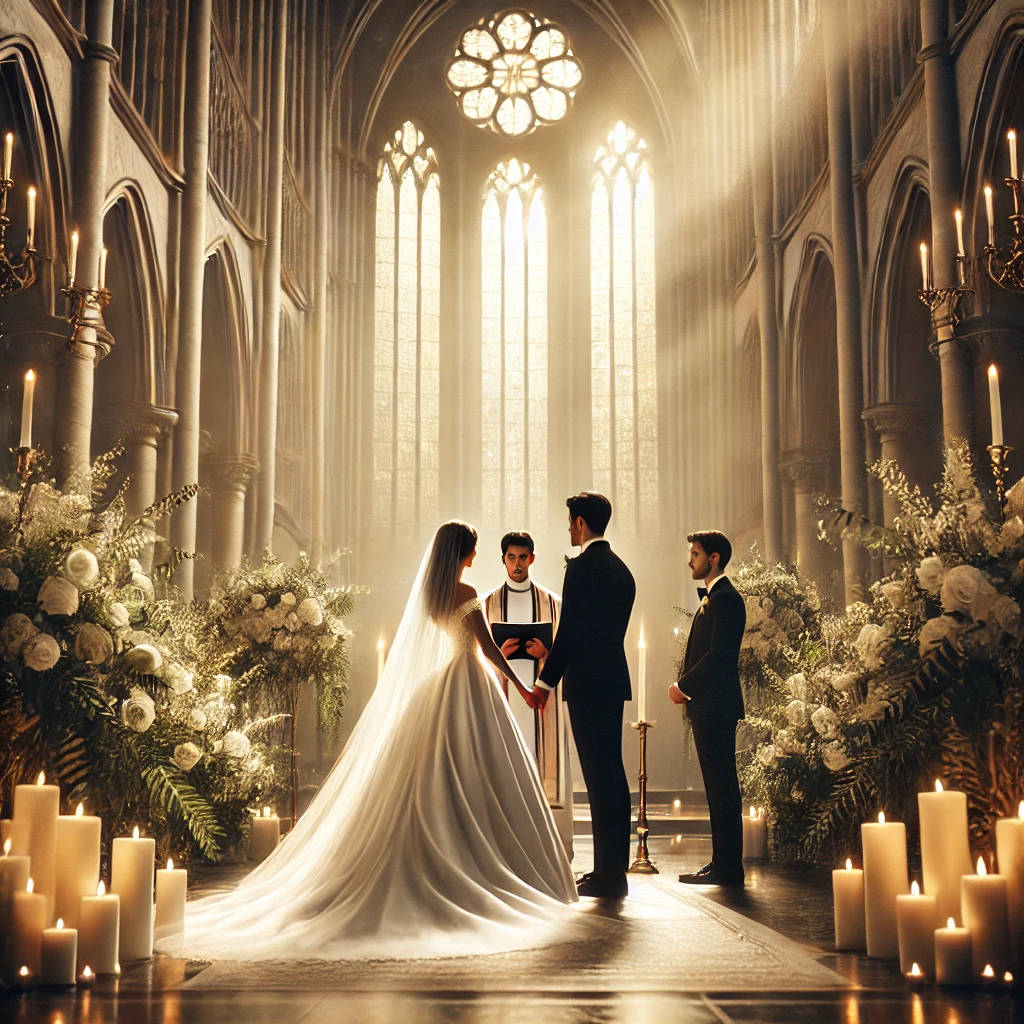
A wedding, in the Christian understanding, is far more than a ceremony. It is a sacred covenant in which heaven and earth quietly meet. What appears outwardly as a bride and groom standing before an altar is, in truth, a mystery of grace unfolding — God Himself drawing two lives into a communion meant to reflect His own faithful love.
From the beginning of Scripture to its final pages, the language of marriage is the language God uses to describe His relationship with His people. Covenant. Fidelity. Mercy. Joy. When a man and a woman approach the altar, they step into that greater story. Their vows become an echo of divine promise: a love that does not abandon, a commitment that endures beyond emotion, a unity that welcomes sacrifice and transformation.
The church gathers as witness not merely to observe, but to support and pray. For Christian marriage is not sustained by romance alone; it is upheld by grace. The couple offers themselves to one another freely and completely, and God, who called them together, strengthens what they begin. In this exchange, ordinary words become sacred bonds. Human love is lifted into participation with something eternal.
The rings they place upon each other’s hands preach a quiet sermon — unbroken, enduring, without end. The joining of hands speaks of partnership in every season: in abundance and in want, in health and in suffering, in clarity and in confusion. And when they depart the altar, they leave not simply as two individuals celebrating affection, but as a new domestic church, entrusted with revealing Christ’s love to the world.
Every Christian wedding therefore carries both beauty and weight. Beauty, because joy is holy. Weight, because love that mirrors Christ will inevitably ask for patience, forgiveness, and self-gift. Yet in that giving, the couple discovers something extraordinary: they do not lose themselves. They become more fully who they were created to be.
To attend such a wedding is to be reminded that faithful love is still possible, that God remains present in human promises, and that the path to holiness often begins with the simple, courageous words: I give myself to you.
In Christian life, the sacraments are where heaven chooses to touch earth in ways we can see, hear, and receive. They are not symbols invented by human beings to express spiritual feelings. They are actions given by Christ through which God truly does something. Grace is not merely spoken about — it is delivered. This is what makes them powerful. Human beings are not pure spirits. We live through bodies, through water and touch, through bread and wine, through spoken words and gestures. The sacraments meet us exactly there. They take the ordinary materials of creation and make them carriers of divine life. The visible becomes the doorway to the invisible. Water washes in Baptism, but more than skin is cleansed; a person is reborn as a child of God. Bread is received in Eucharist, yet the Church believes it is communion with Christ Himself. Words of absolution are spoken in Penance, and the burden of sin is truly lifted. In Matrimony, a man and woman exchange vows, and their human promise becomes a channel of divine grace for a lifetime. The power, then, does not come from emotional intensity or personal worthiness. It comes from God’s faithfulness to act. The sacraments work because He has promised to be present in them. They are steady anchors in changing seasons, objective gifts we can return to when feelings rise or fall. They also shape an entire way of seeing the world. If God uses water, oil, touch, and spoken language to communicate His life, then creation itself is not empty or accidental. Matter can bear glory. Daily life can become holy ground. Again and again, the sacraments draw believers out of isolation. They are received within a community, reminding each person that faith is never solitary. We are joined to a body, a history, a people being formed across centuries. Most beautifully, the sacraments do not simply comfort; they transform. They strengthen the weak, forgive the fallen, unite the divided, and send people back into the world marked by grace. They are encounters, not reminders — meetings with the living God who continues to heal and build His people. This is their power: what they signify, they make real.

Wedding Traditions to Make Your Own

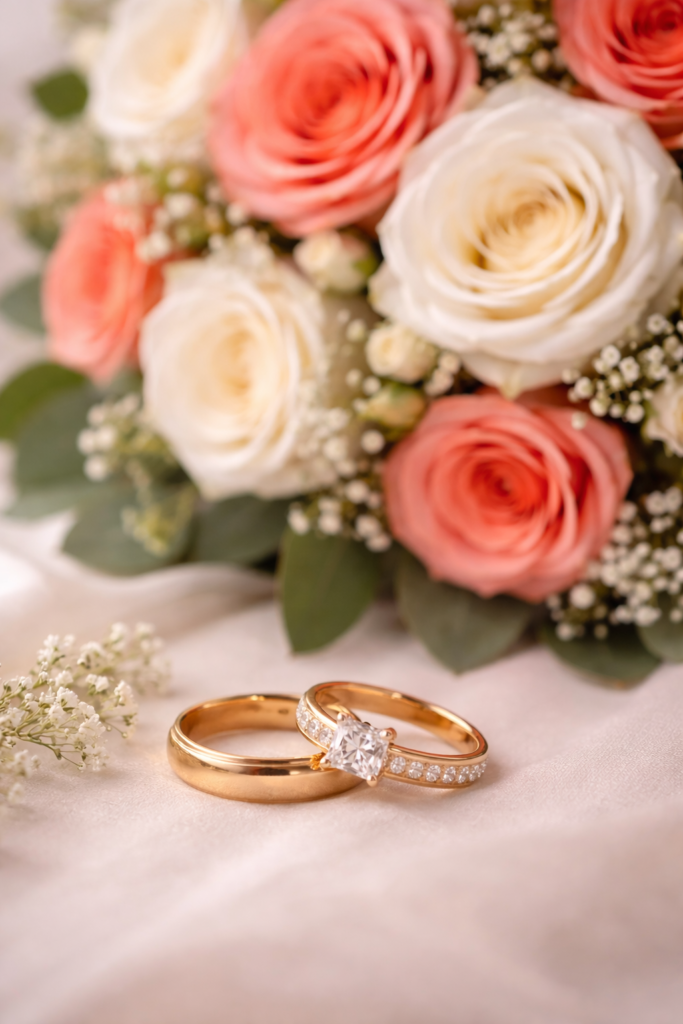
In a Christian wedding, even the smallest objects are drawn into the mystery of grace. Among them, none is more visible or more enduring than the rings. Simple bands of metal, formed by human hands, are brought forward to the altar — and there, through prayer, they are set apart for a sacred purpose. Before they are worn, the Church asks God to bless them. This blessing is not superstition, nor is it decoration added to the ceremony. It is a solemn petition that the Lord pour His grace upon those who will wear the rings and upon the life they are beginning together. The priest prays that the rings may be signs of fidelity, reminders of love, and instruments of peace within the marriage. What had been ordinary becomes dedicated. What had been material becomes meaningful in a new and spiritual way. Through this act, the rings become sacramentals. Unlike the Sacrament of Matrimony itself — which is conferred by the bride and groom upon one another — sacramentals are sacred signs instituted by the Church to prepare hearts to receive grace and to dispose believers toward deeper cooperation with it. They do not replace the sacrament; they point to it, support it, and continually call the couple back to it. From that moment forward, the ring is never merely jewelry again. It becomes a daily, physical reminder of invisible realities: of vows spoken freely, of promises that endure when emotions fluctuate, of a union strengthened by God. In times of joy, the ring shines as celebration. In moments of trial, it becomes an anchor. Even in silence, resting upon the hand, it speaks — You are not alone. You belong to another. Remain faithful to love. Its circular form, without beginning or end, quietly proclaims permanence. Its precious metal reflects the value of the bond it signifies. Worn publicly, it is a testimony before the world that a covenant exists, witnessed by heaven. Years may pass. The surface may scratch or dull. Yet those marks often become part of its beauty, telling the story of a love lived in real time — persevering, maturing, sanctified through sacrifice. Thus the blessing at the altar continues long after the wedding day. Each glance at the ring becomes an invitation to renew the “yes” first spoken before God. And so, what began as metal becomes memory, mission, and promise — a sacramental companion on the road to holiness walked together.
“Something old, new, borrowed, blue” – Tokens representing continuity, hope, shared happiness, and faithfulness.
Bridal veil – Historically symbolized modesty, purity, and sometimes protection.
White wedding dress – Popularized in the 19th century; associated with joy and celebration.

The Procession
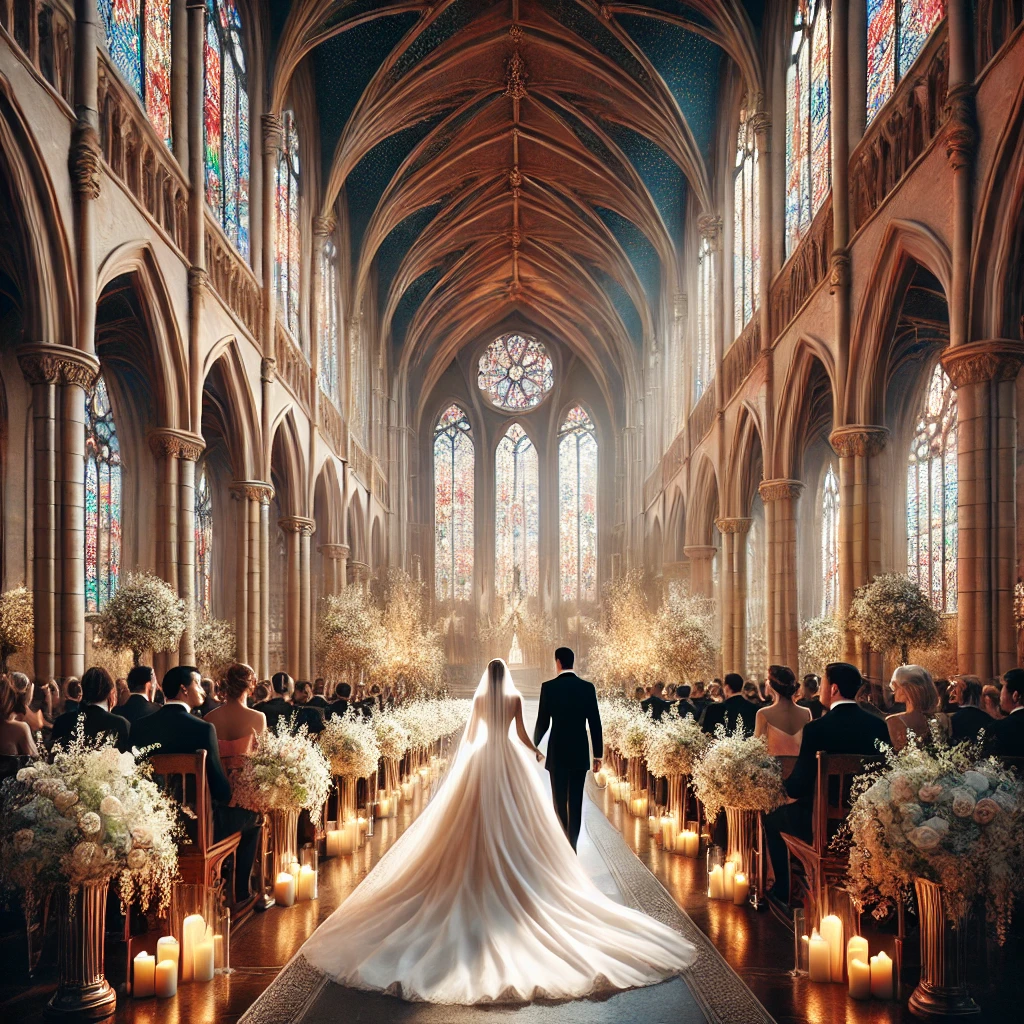
Walking down the aisle – Represents moving from one stage of life into another.
Giving away of the bride – Once reflected family authority; now often expresses blessing and support.
Processional order – Shows the importance of witnesses and community.
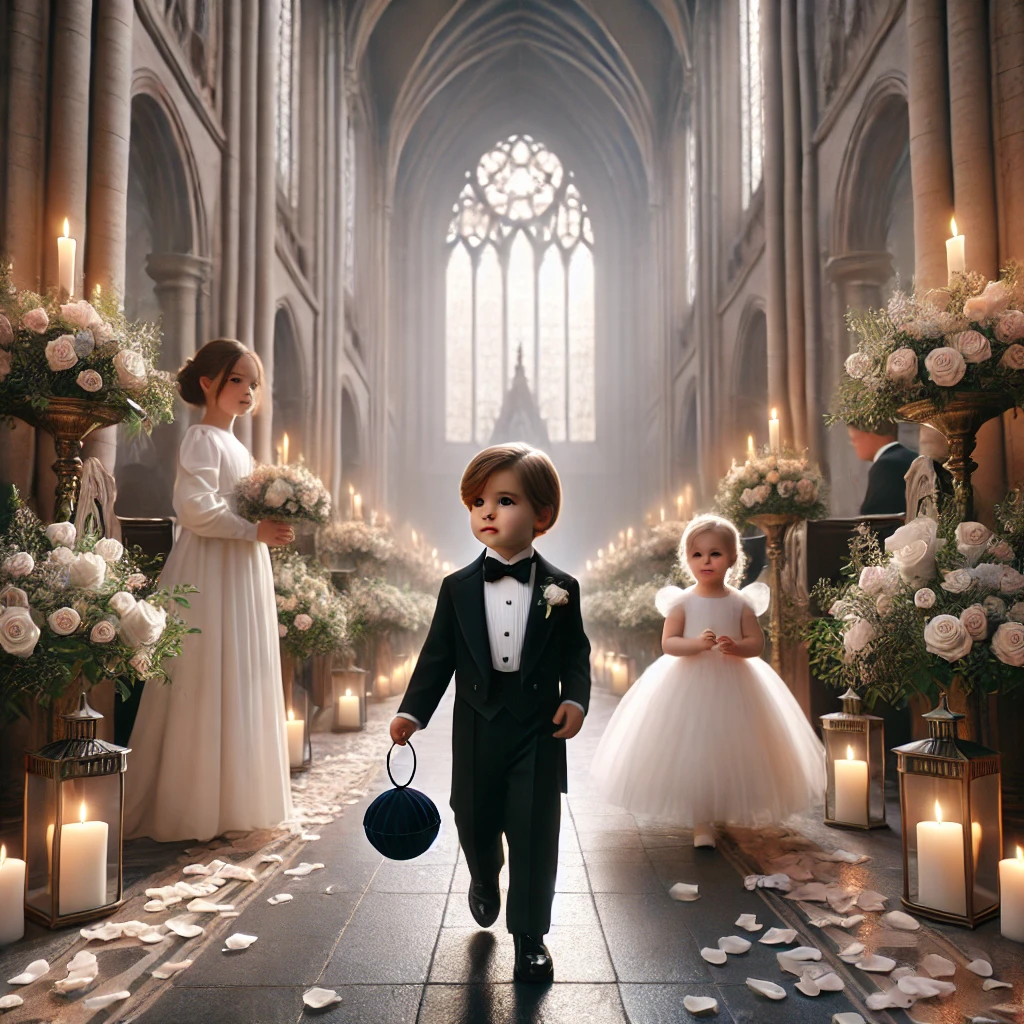
Flower girl – Symbolizes innocence, beauty, and hopes for new life.
Ring bearer – Entrusted with the rings as symbols of the coming covenant.
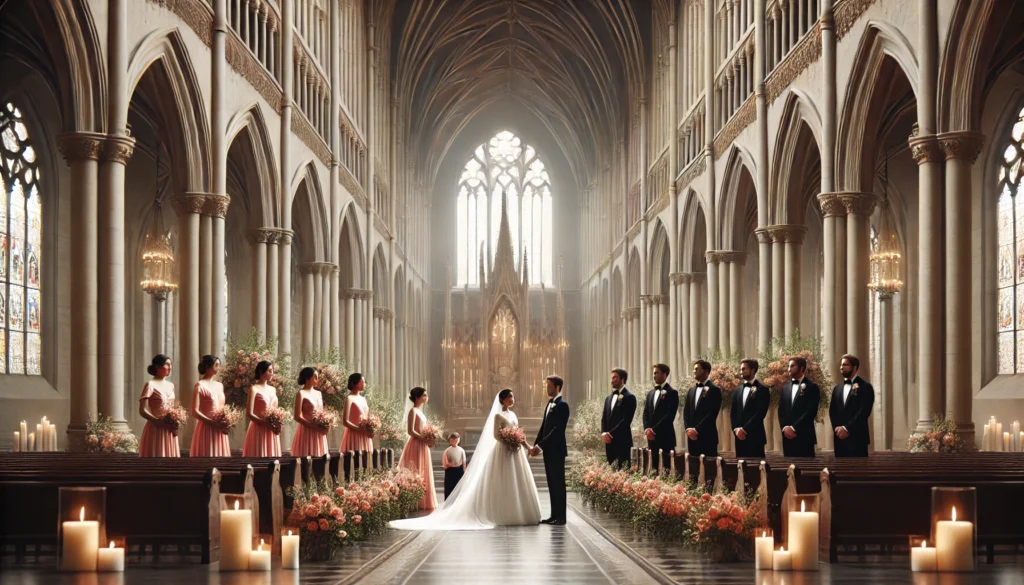
Bridesmaids & groomsmen – Friends who stand as supporters and witnesses.

During the Ceremony
Opening words – Welcome and recognition of the seriousness of marriage.
Readings or prayers – Invite wisdom, blessing, or sacred meaning.
Exchange of vows – The core promises that establish the marriage.
Exchange of rings – Physical signs of lifelong commitment.
Unity rituals – Candle, sand, cord, etc., symbolizing two becoming one.
The kiss – Public confirmation of the union.
Signing the license – Legal recognition of the marriage.

Reception & Celebration
Wedding feast – A communal expression of joy.
Toasts – Words of honor, humor, and blessing.
First dance – The couple’s first shared act of celebration.
Parent dances – Honoring family relationships.
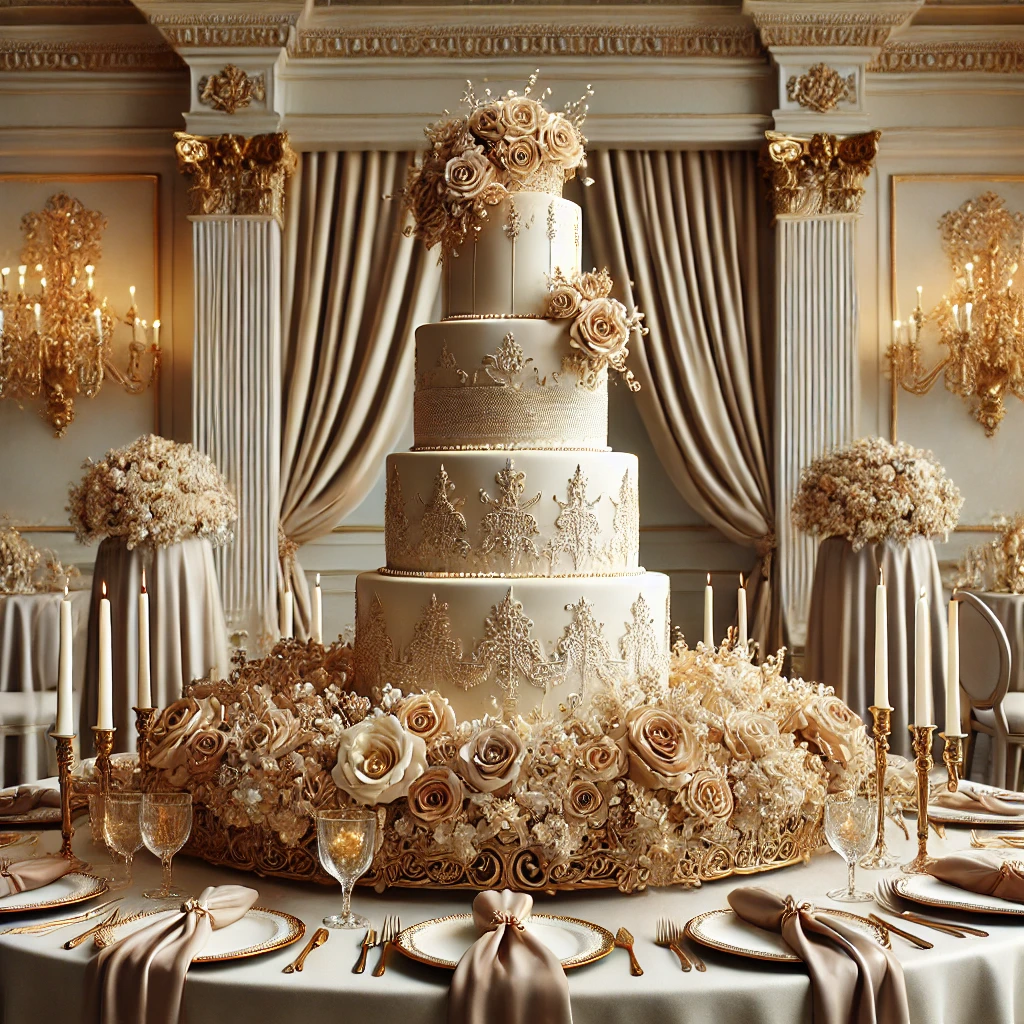
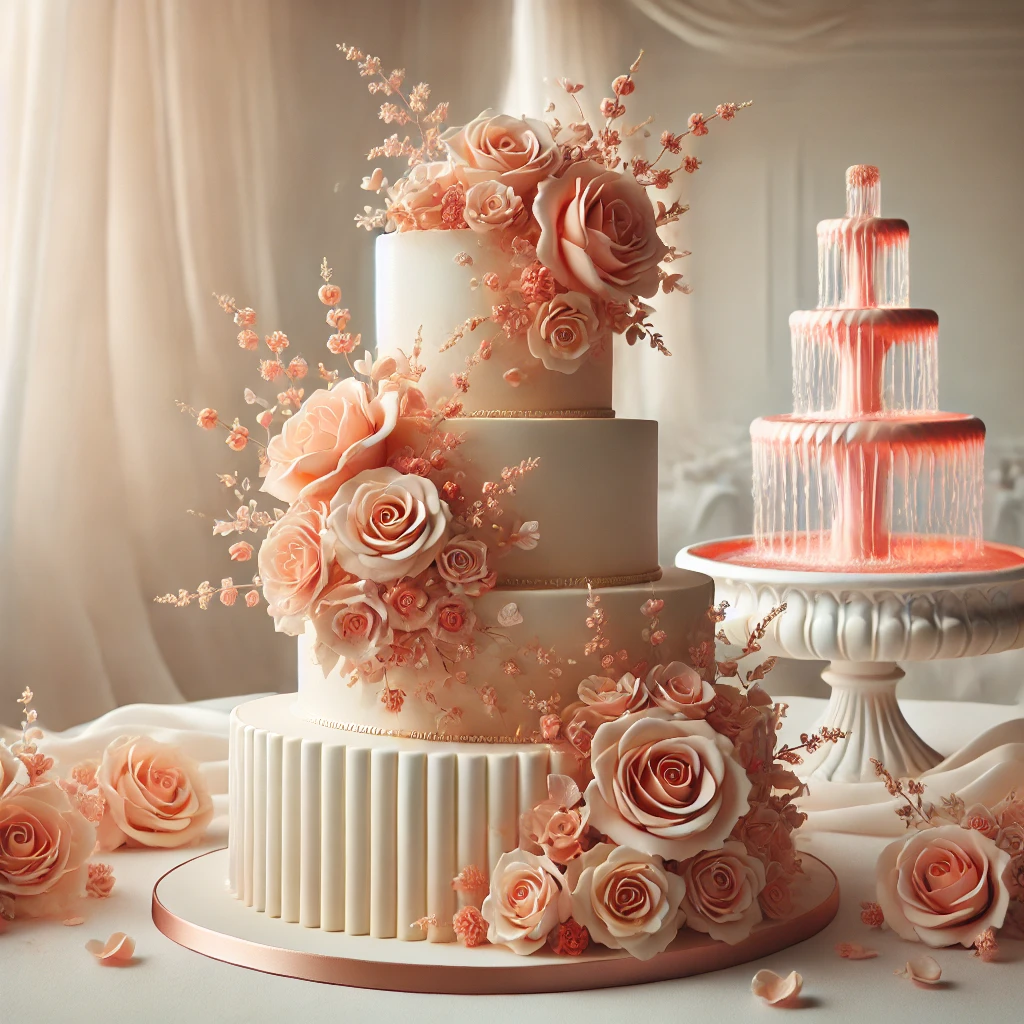
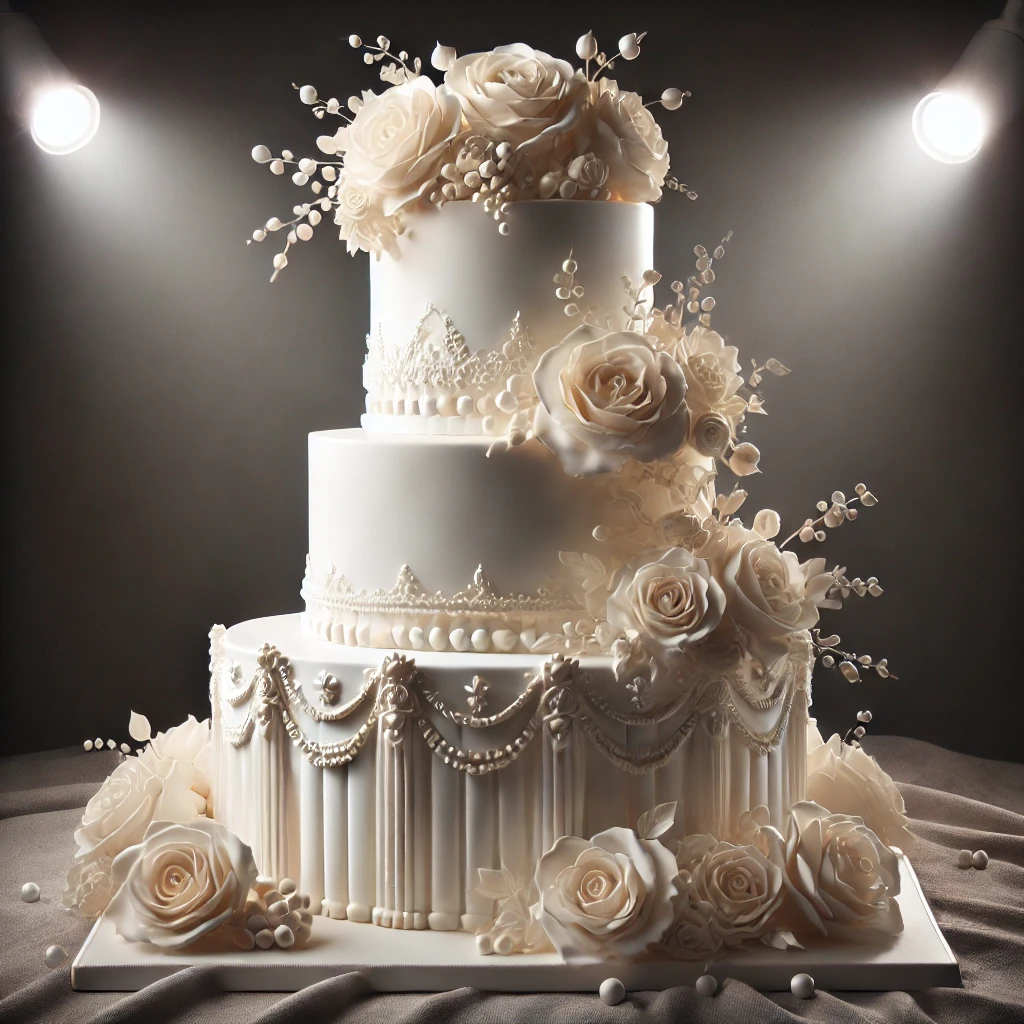
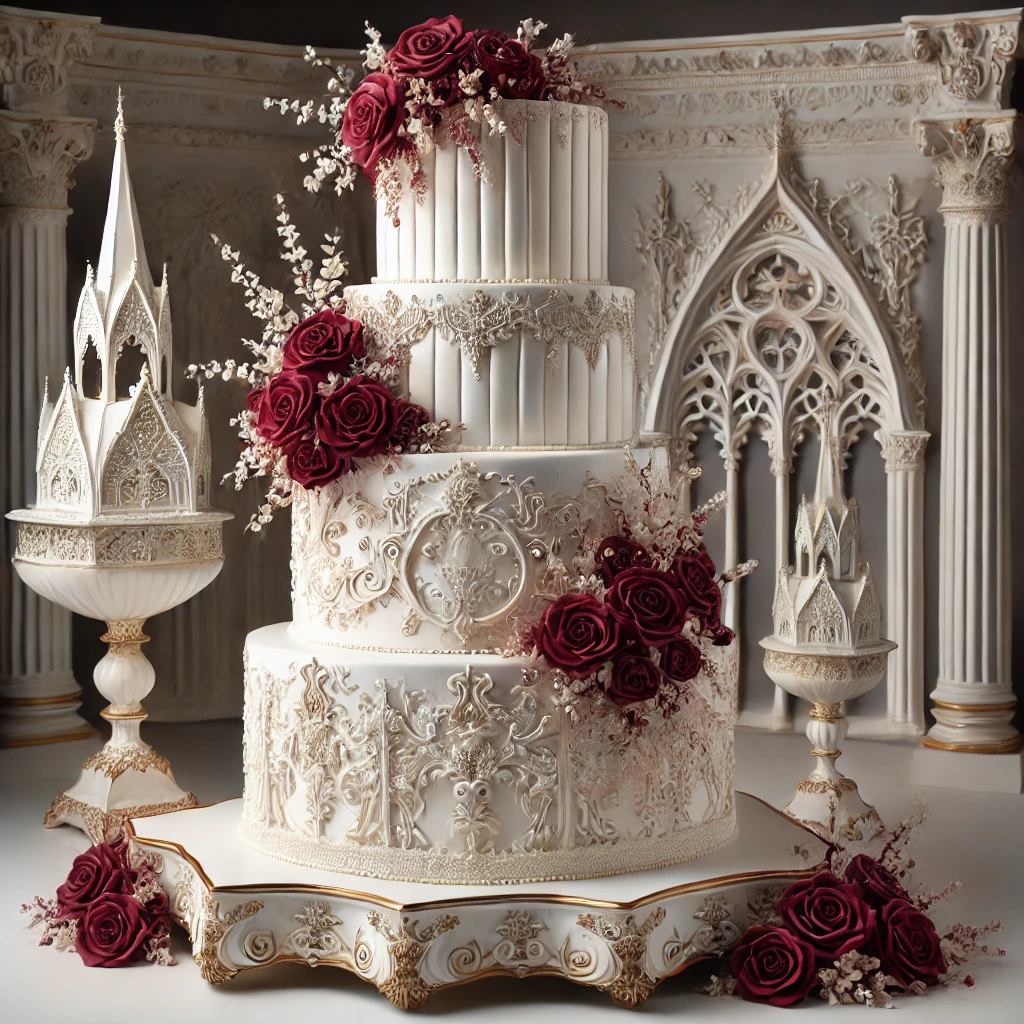
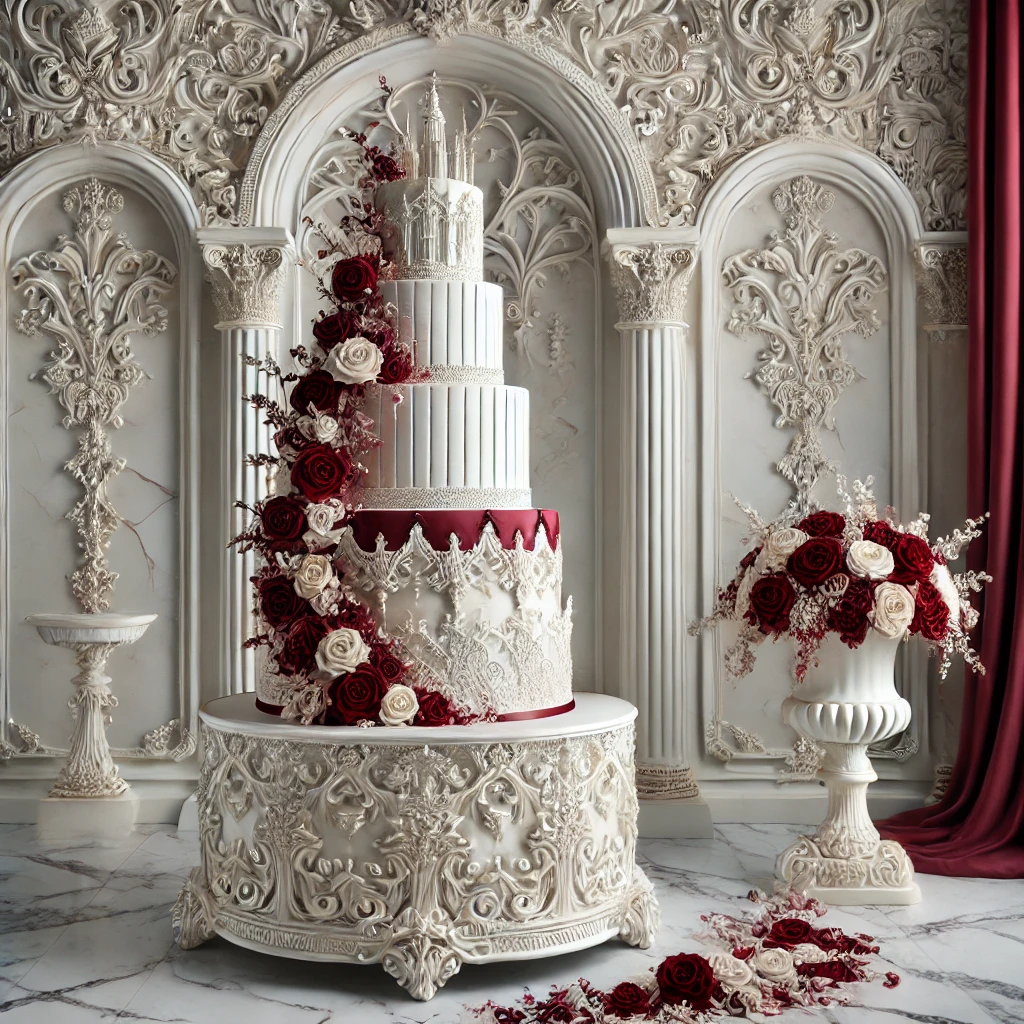
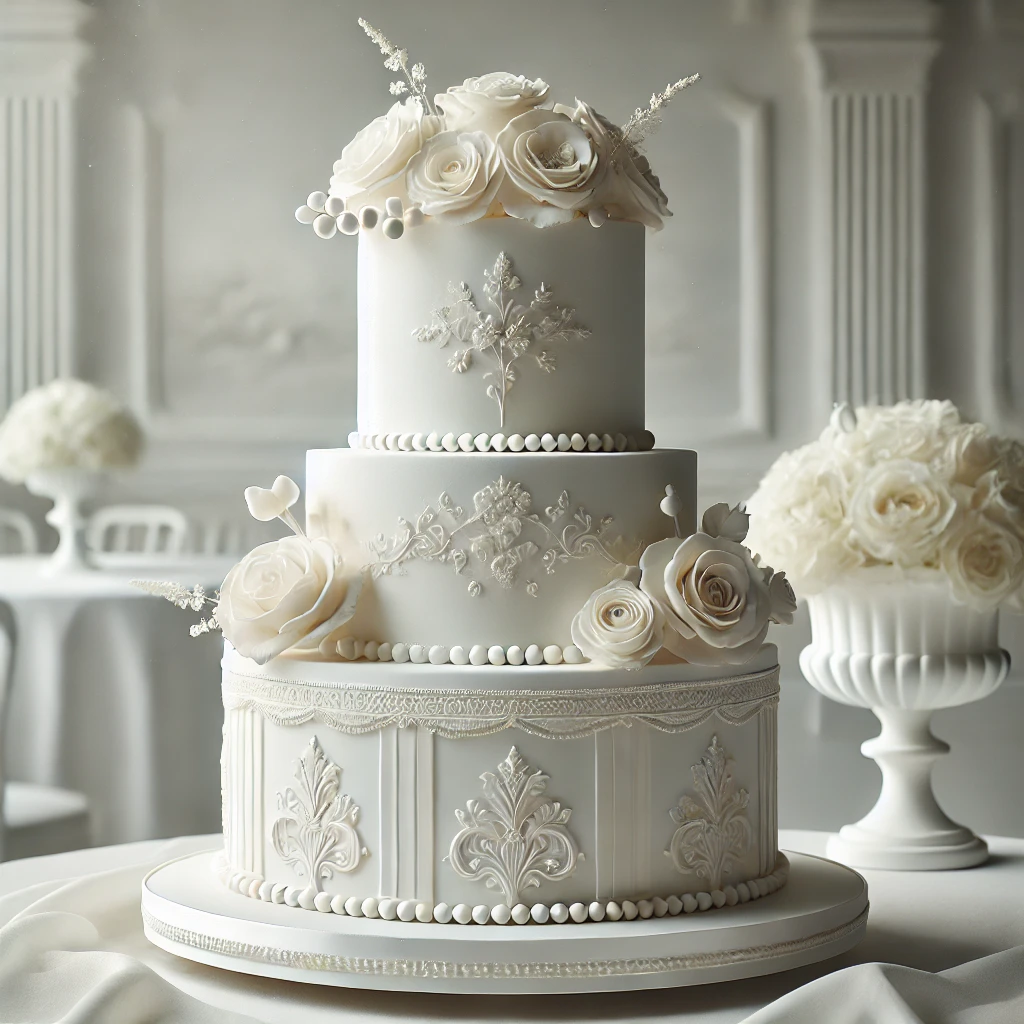
Cake cutting – Symbolizes shared provision and cooperation.
Bouquet / garter toss – Playful traditions wishing future marriages.
Send-off – Guests bless the couple as they depart into married life.

Faithful, Permanent, and Fruitful Love

Woven through the pageantry of a wedding procession are roles whose sweetness today often hides their powerful origins. In earlier centuries, when marriages could involve tense negotiations, rival claims, or genuine danger, a bride and groom did not approach the ceremony alone. Bridesmaids dressed similarly to the bride in part to confuse jealous onlookers or ward off perceived threats, gradually becoming a sign of loyal friendship and shared joy. The flower girl, descending from ancient customs in which young attendants carried wheat or blossoms, walked ahead as a living prayer for beauty, innocence, and the hope of new life. Beside the groom stood the best man — once chosen for proven strength and courage — accompanied by groomsmen who formed a visible circle of solidarity, ready to defend, assist, and witness the covenant. Though modern weddings have exchanged swords for bouquets and logistics for laughter, the meaning remains remarkably consistent: love is precious, and it deserves protection, support, and community. No couple steps into marriage by themselves; they are surrounded by people who steady their resolve, safeguard their promises, and pledge, by their presence, to help that union endure long after the ceremony ends.
Within Christian marriage, love is not measured only by intensity of feeling, but by the qualities that allow it to endure and give life. The tradition often speaks of love as faithful, permanent, and fruitful — three pillars that reveal its depth, its stability, and its creative power in the world.
Faithful love means more than avoiding betrayal. It is the daily decision to remain turned toward one another. It is loyalty in thought, in action, and in intention. Faithfulness says, I am still here; I am still yours. It survives misunderstandings, fatigue, seasons of change, and the quiet erosion that routine can bring. This kind of love builds trust slowly, like stone laid upon stone, until two people find that they can rest their full weight upon the promise of the other. In faithfulness, security is born. A husband and wife no longer need to wonder if they are chosen — they know.
Permanent love stretches that promise across time. At the altar, the couple dares to speak words that reach into an unknown future: tomorrow, next year, in sickness, in aging, in loss, in joy. Permanence transforms love from preference into covenant. It frees the couple from the constant anxiety of renegotiation. Because leaving is not the plan, energy can be poured into building, healing, forgiving, and growing. What might seem restrictive from the outside becomes, from within, a profound stability. Roots go deeper when they are not continually pulled up for inspection.
And then there is fruitful love — the beautiful truth that real love expands beyond itself. This fruitfulness may be seen in the gift of children, the most visible expression of a union that has become life-giving. But it is wider than biology. A fruitful marriage generates hospitality, service, creativity, generosity, and blessing for others. It nourishes extended family, strengthens communities, and becomes a refuge where weary people find welcome. Love that is genuine always multiplies; it cannot remain closed in on itself.
Together, these three qualities form a vision both demanding and radiant. Faithfulness gives love its reliability. Permanence gives it its horizon. Fruitfulness gives it its mission.
They remind us that marriage is not simply about two individuals achieving happiness side by side. It is about becoming a living sign that steadfast love is possible, that promises can last, and that a union grounded in commitment can become a source of life for many.
Such love is not built in a single day. It is forged slowly, choice by choice, grace upon grace. Yet when it takes root, it becomes one of the most powerful witnesses in the world — a quiet but luminous testimony that enduring, life-giving communion is still within reach.
The fear of commitment is one of the quiet paradoxes of modern life. Human beings are made for attachment, for belonging, for enduring partnership — and yet many experience a deep anxiety when faced with the permanence those desires require. We long to be chosen, and at the same time we tremble at the cost of choosing. Where does this fear come from? Part of it is ancient and human. To commit is to become vulnerable. When a person promises fidelity, they surrender the illusion of endless options. They risk being hurt, misunderstood, or disappointed. Commitment removes the escape hatch of “maybe something better will come along,” and replaces it with the courageous statement, this is my path. For hearts accustomed to self-protection, that can feel terrifying. But modern culture has intensified this anxiety. We are formed in an age of constant alternatives — infinite profiles, upgrades, exits, curated identities. We are trained to keep doors open, to optimize, to compare. Permanence can begin to feel like loss rather than gift. The freedom to remain unattached is mistaken for safety, even if it quietly produces isolation. Past wounds also play their part. Divorce, betrayal, abandonment, instability in childhood — these experiences teach people, often unconsciously, that love may not last. The heart builds defenses. It whispers, do not lean too hard, do not trust too much, be ready to leave. What once may have been a survival strategy becomes a barrier to intimacy. And what does this do in people’s lives? At first, it can feel empowering. There is a sense of control, of independence, of avoiding risk. Yet over time, many discover an unexpected emptiness. Without commitment, relationships can remain perpetually provisional. Depth is sacrificed for flexibility. The soul, built for rootedness, begins to drift. Opportunities for profound growth are also delayed. It is within enduring promises that patience is learned, forgiveness is practiced, and self-giving love matures. Without staying, there is little chance to become. Avoiding commitment may spare someone certain pains, but it can also prevent the deepest joys. Ironically, the very thing people fear — losing themselves — is often what finally allows them to find themselves. To give one’s life in faithful love draws out strength, resilience, tenderness, and meaning in ways casual attachment rarely can. None of this makes commitment easy. It remains an act of bravery. But it is precisely this courage that transforms love from a passing emotion into a life-building force. In the end, the question is not whether commitment carries risk. It always will. The question is whether a guarded heart is truly safer than a given one.
Heavenly Father,
Author of life and Giver of every good gift,
look with love upon these your servants,
whom You have joined in the sacred bond of Holy Matrimony.
Bless them with a love that is faithful
a love that mirrors Your own steadfast covenant,
unshaken by time, trial, or temptation;
a love that clings in grace, forgives with mercy,
and endures in the shadow of the Cross.
Bless them with a love that is permanent
sealed by their vows, sustained by Your grace,
united not by emotion alone but by the sacrament they now bear;
let no fear, no burden, no passing storm
ever break the unity You have consecrated.
Bless them with a love that is fruitful
open to life, generous in giving,
bearing not only children of the body but of the Spirit:
works of charity, hospitality, and joy
that give glory to You and hope to the world.
Sanctify their home as You sanctified the house of Nazareth.
Let their marriage be a witness in a world of broken promises—
a beacon of Your fidelity, strength, and abundant goodness.
And in the end, grant that they may rejoice forever
in the Wedding Feast of the Lamb.
Through Christ our Lord.
Amen.
“Something old, something new, something borrowed, something blue.” (Older versions often added a final line: “and a sixpence in her shoe.”) Though it feels timeless, the custom most likely took shape in Victorian England, a period deeply attentive to symbolism, sentiment, and ritual. Weddings were seen not only as celebrations but as moments filled with meaning, protection, hope, and continuity. Each item the bride wore became a small prayer stitched into fabric and memory. Something Old This represented continuity. A link to family, heritage, and the life that formed the bride before this day. Often it might be a piece of jewelry from a grandmother, a veil passed through generations, or lace sewn from a mother’s gown. The message was simple and grounding: you come from somewhere, and you carry that love forward. Something New This symbolized optimism for the future. The new marriage, the new home, the new chapter of identity. It was a sign of hope and confidence that joy lay ahead. Something Borrowed Borrowing from a happily married friend or relative was thought to pass along good fortune. More deeply, it reminded the bride that she did not step into marriage alone — she was supported by a community whose love surrounded her. Something Blue Blue has long been associated with fidelity, purity, and loyalty. In medieval art it was often linked with faithfulness and with the virtue of constancy. Wearing blue quietly declared the bride’s intention to remain true to her vows. And the Sixpence In England, placing a coin in the shoe was a wish for prosperity and stability in the couple’s life together. What makes this tradition endure is not superstition but tenderness. These objects helped brides feel held within a network of memory, friendship, virtue, and hope. They gave physical form to invisible desires: may love last, may joy increase, may we be supported, may we remain faithful. Even today, couples who include the rhyme often discover that it slows the day down. It invites gratitude for the past and courage for the future. It transforms accessories into reminders that marriage is larger than a single moment.

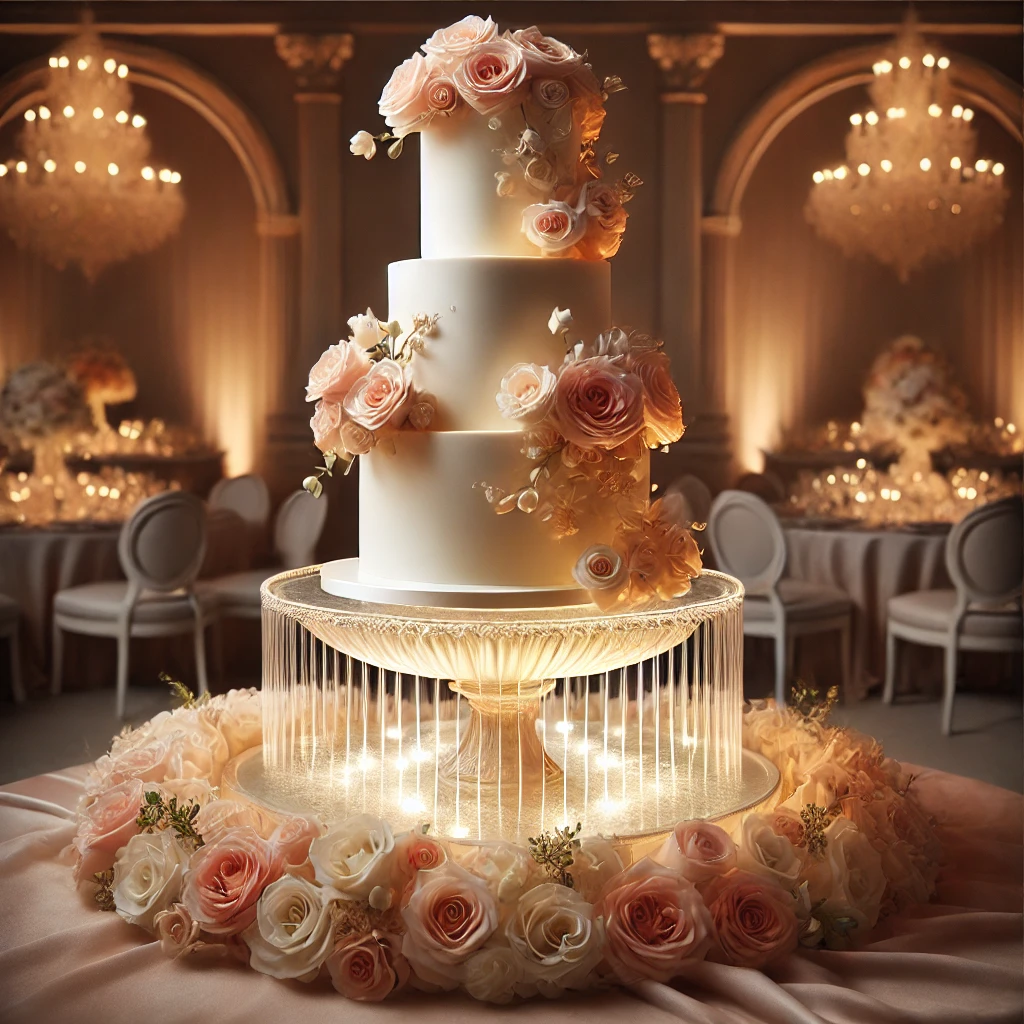
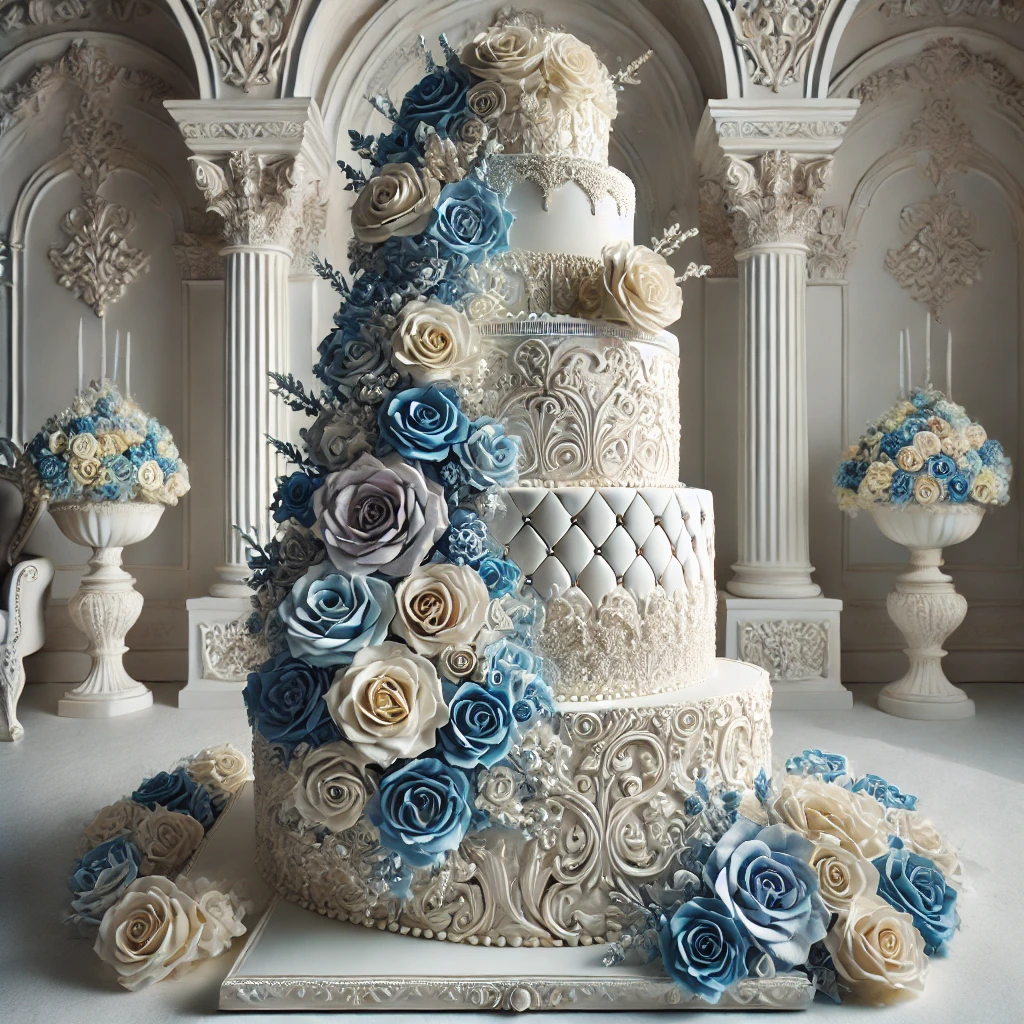
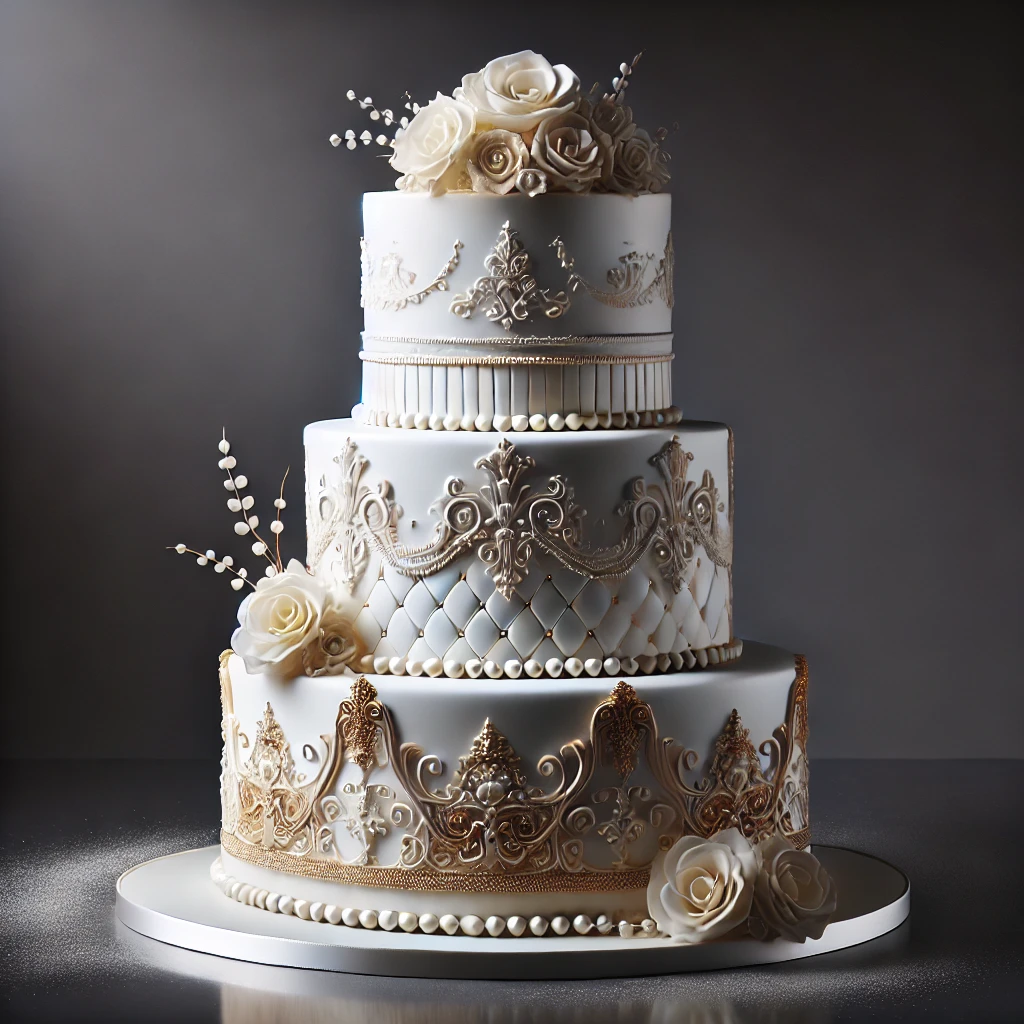
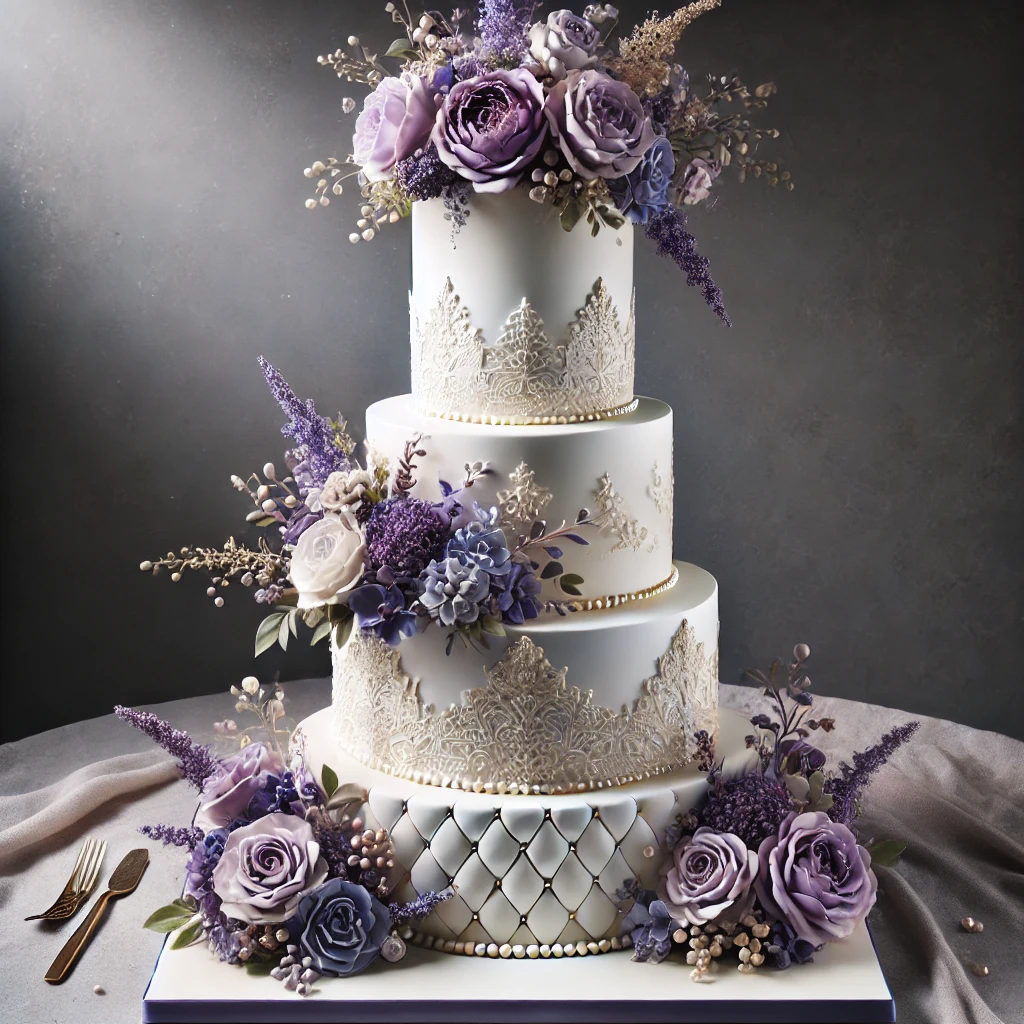
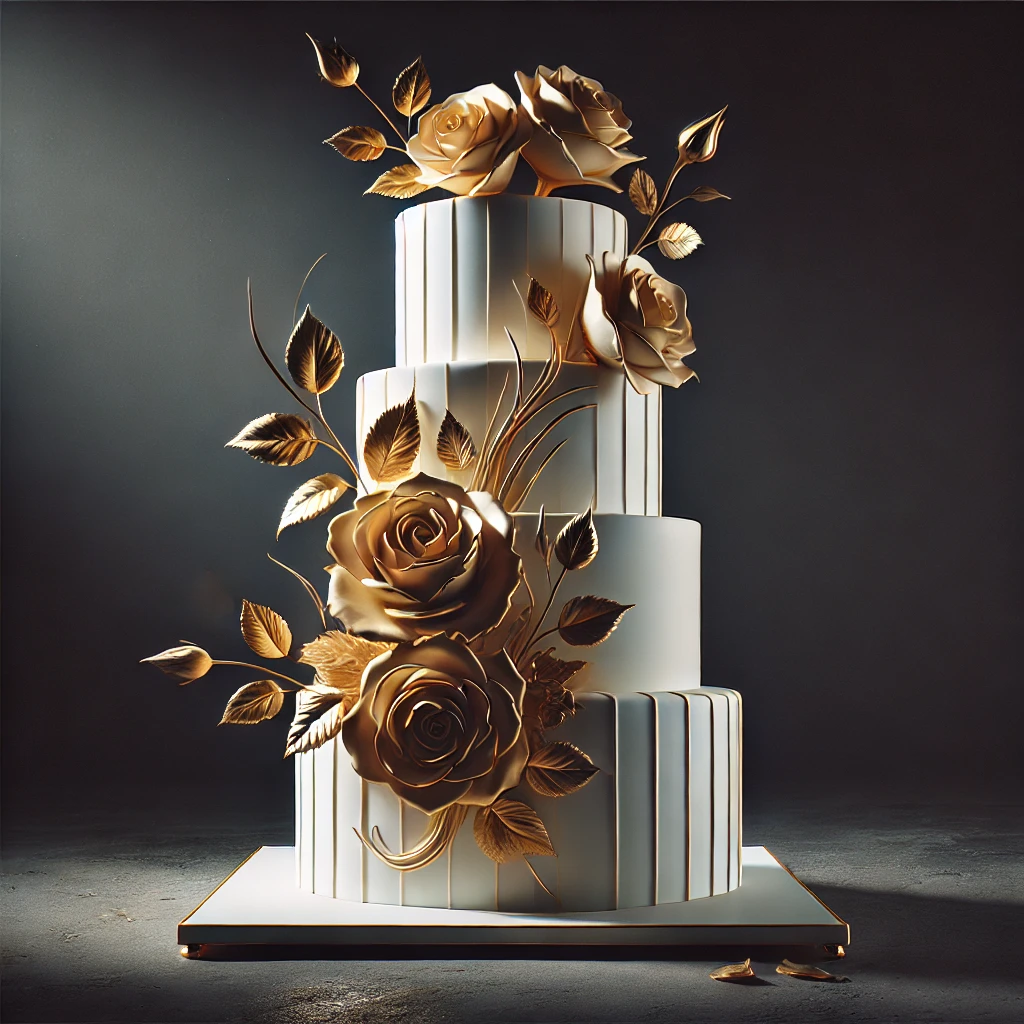
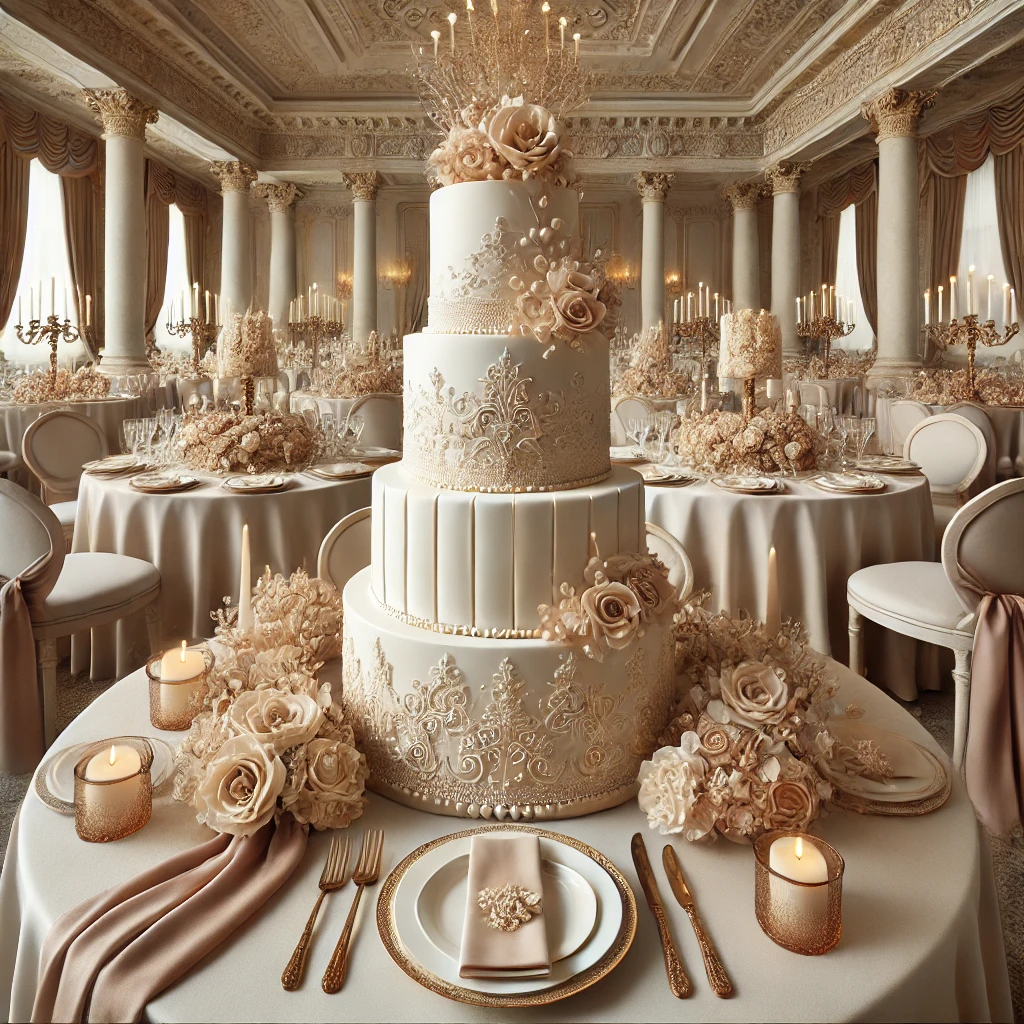
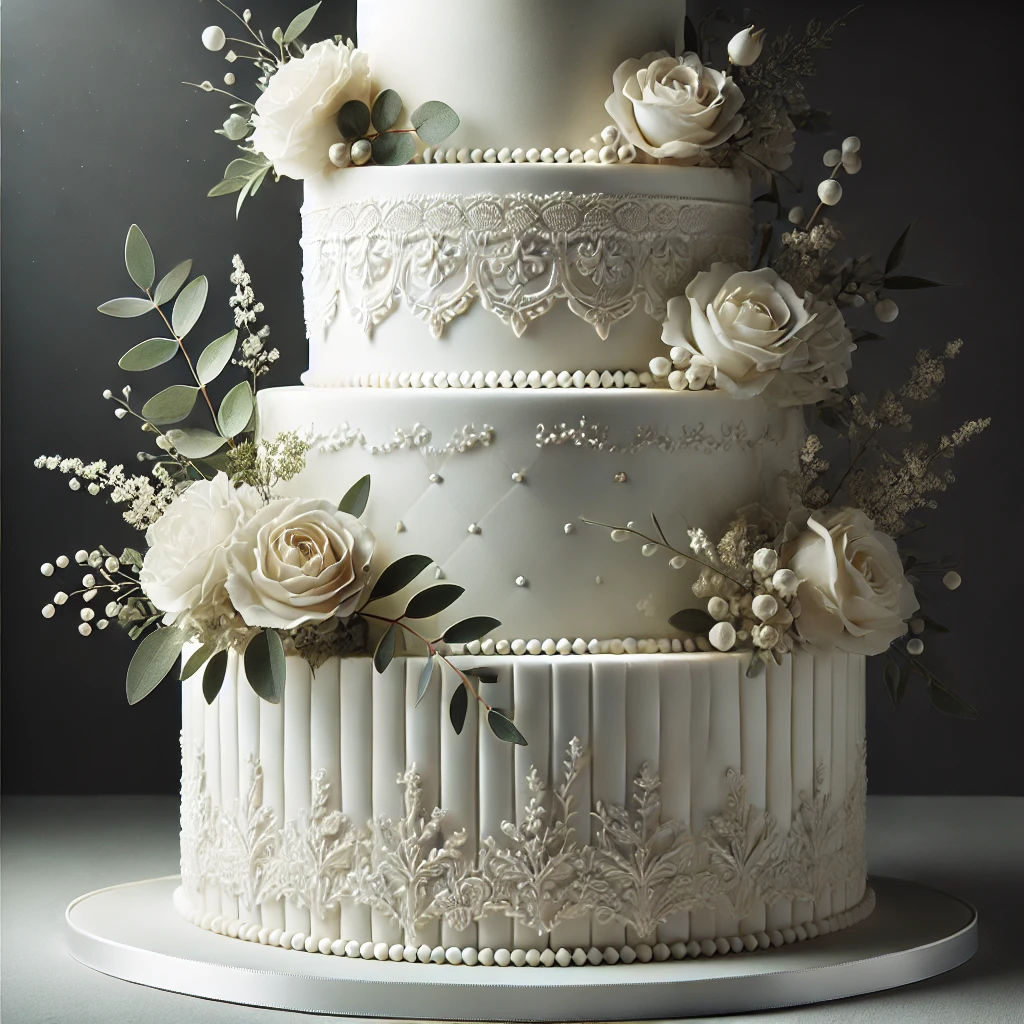
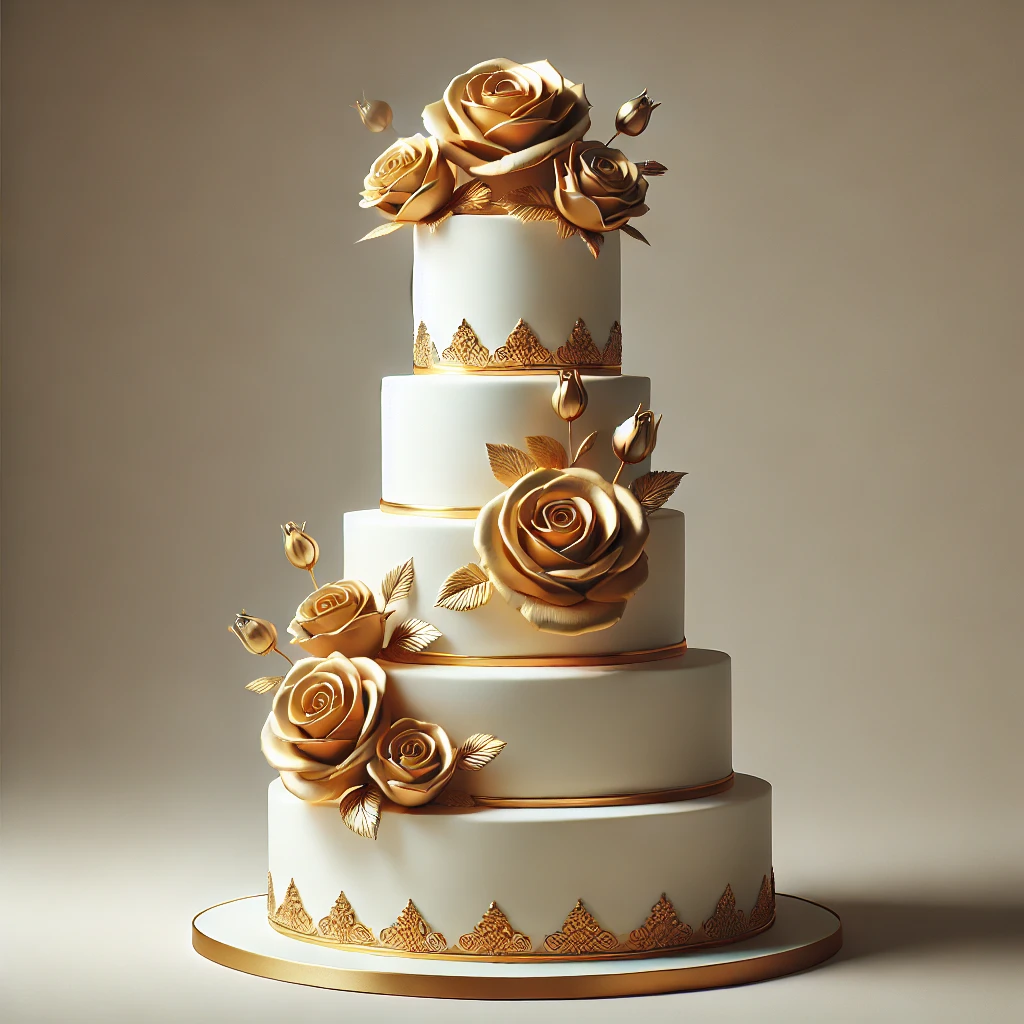
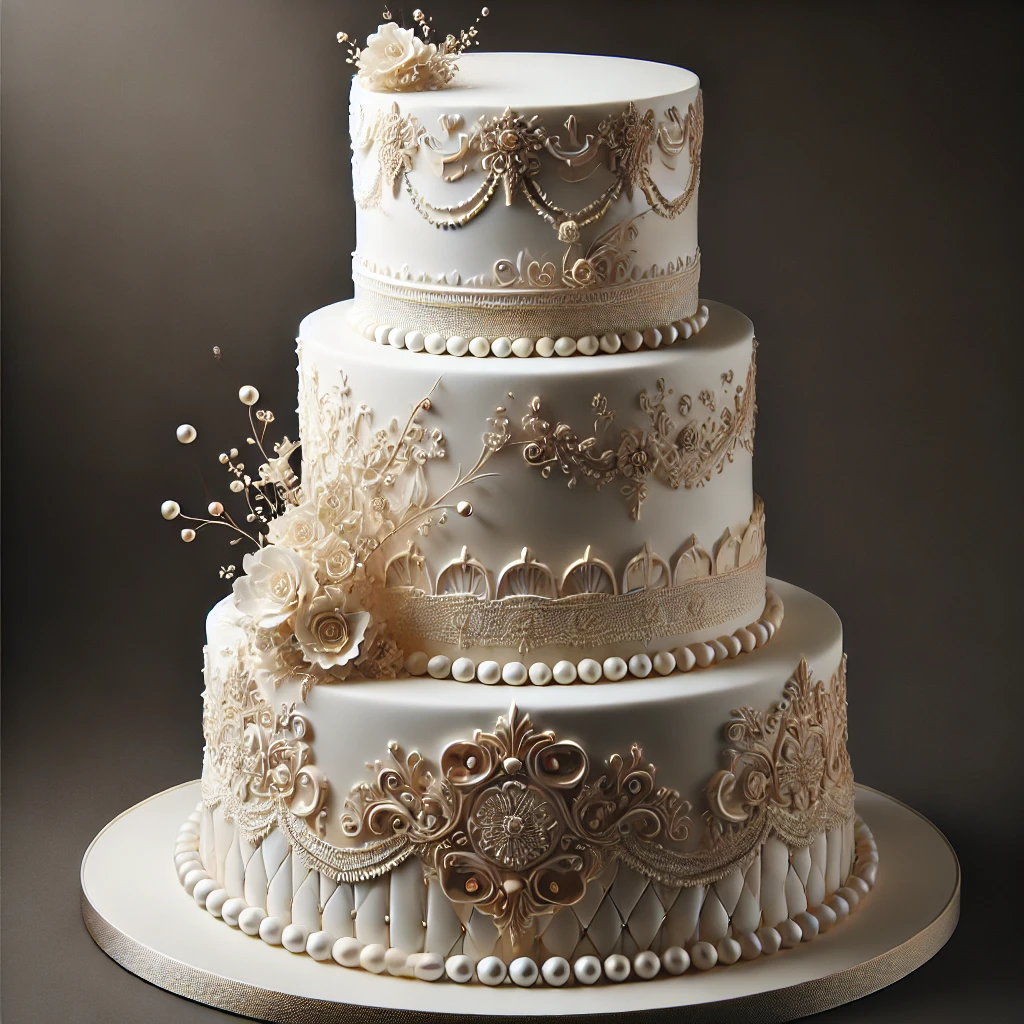
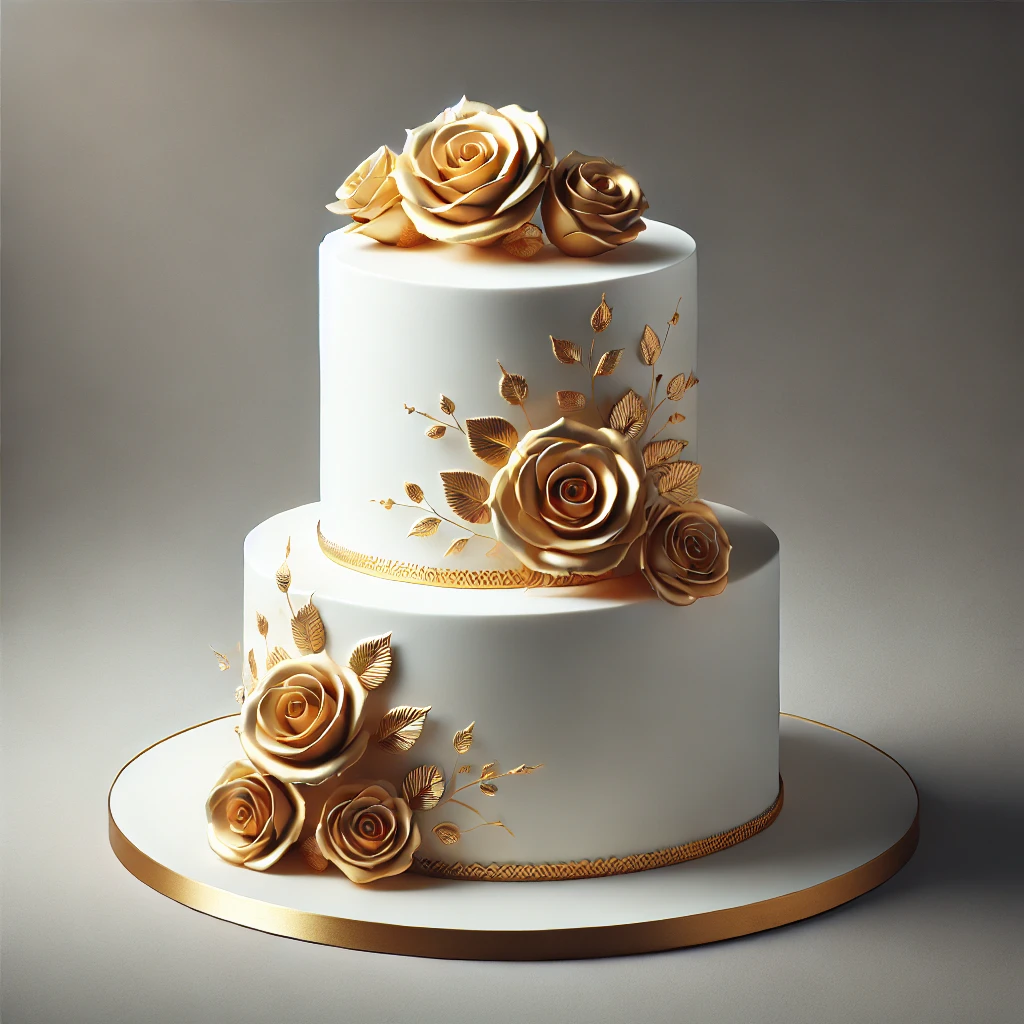
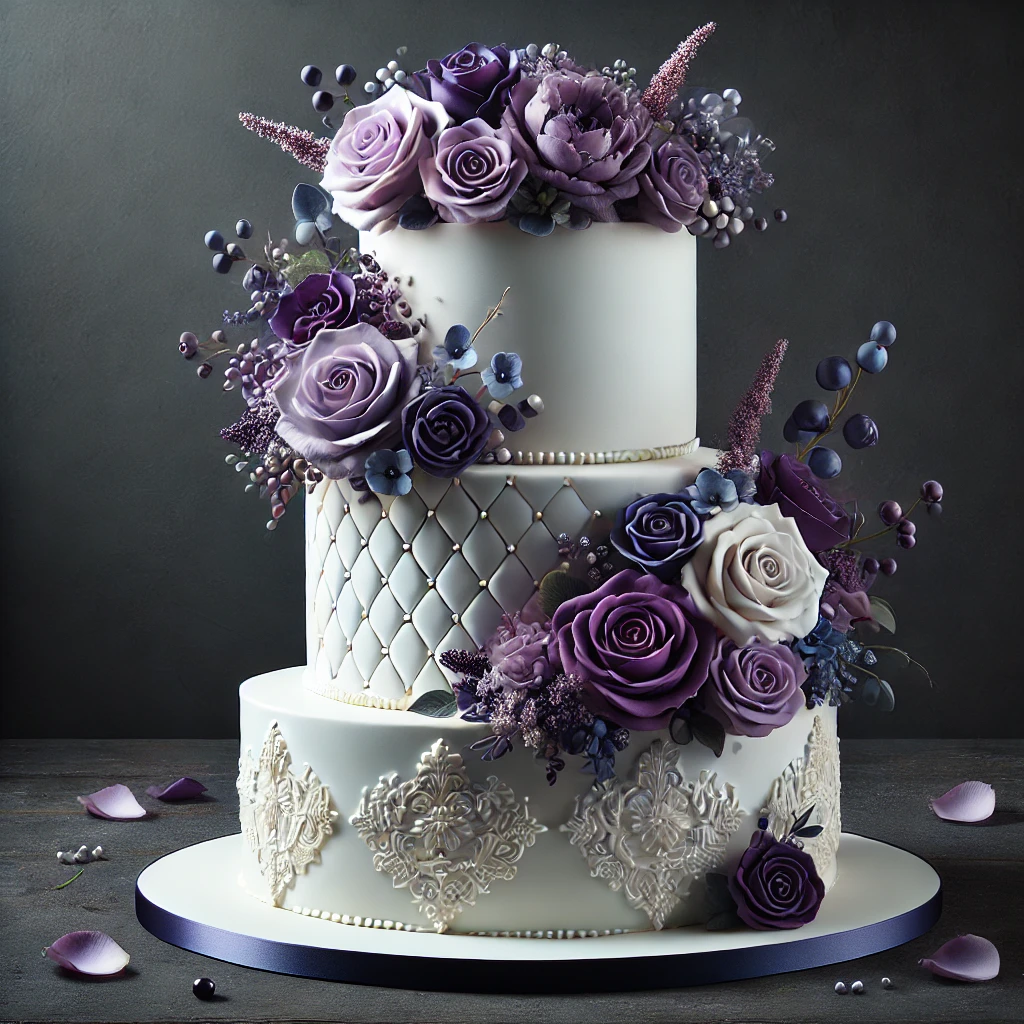
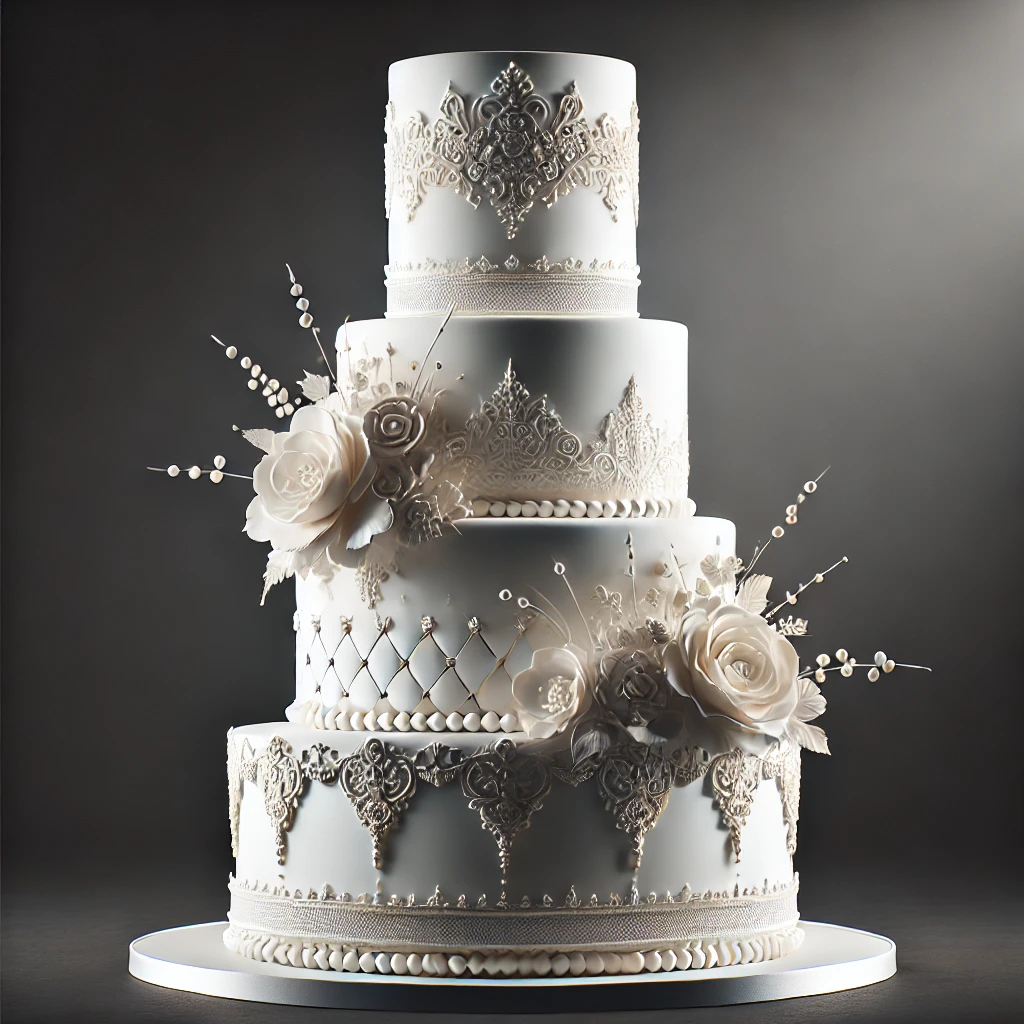
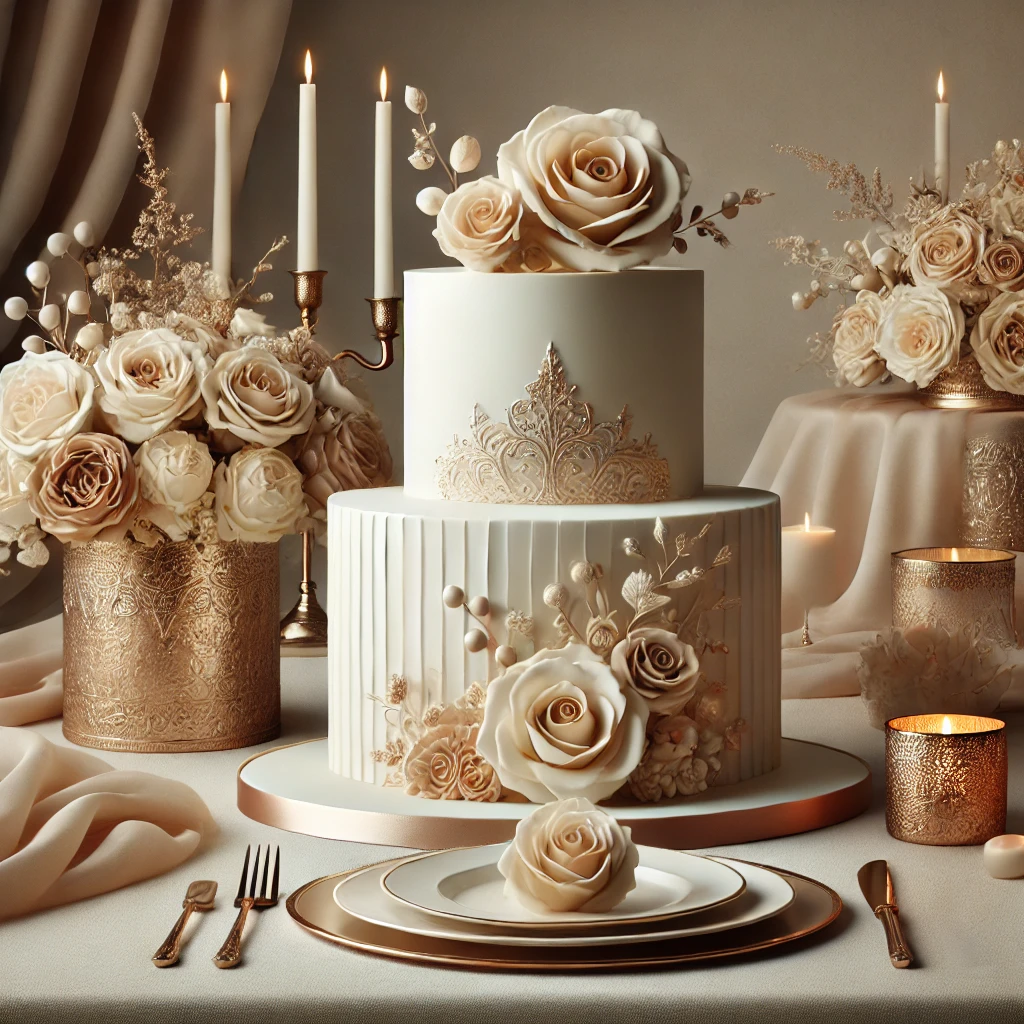
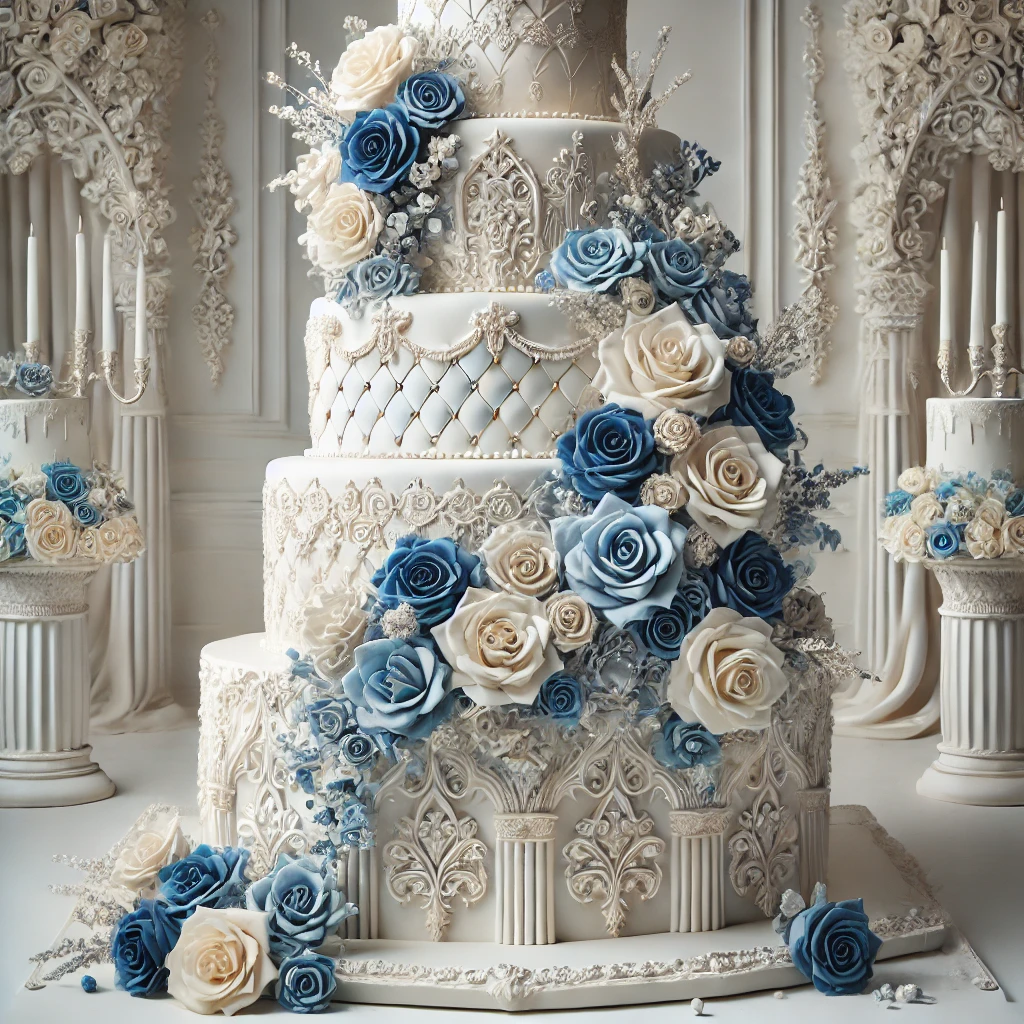
Wedding Cake & Atmosphere Ideas

Where style, memory, and celebration meet.

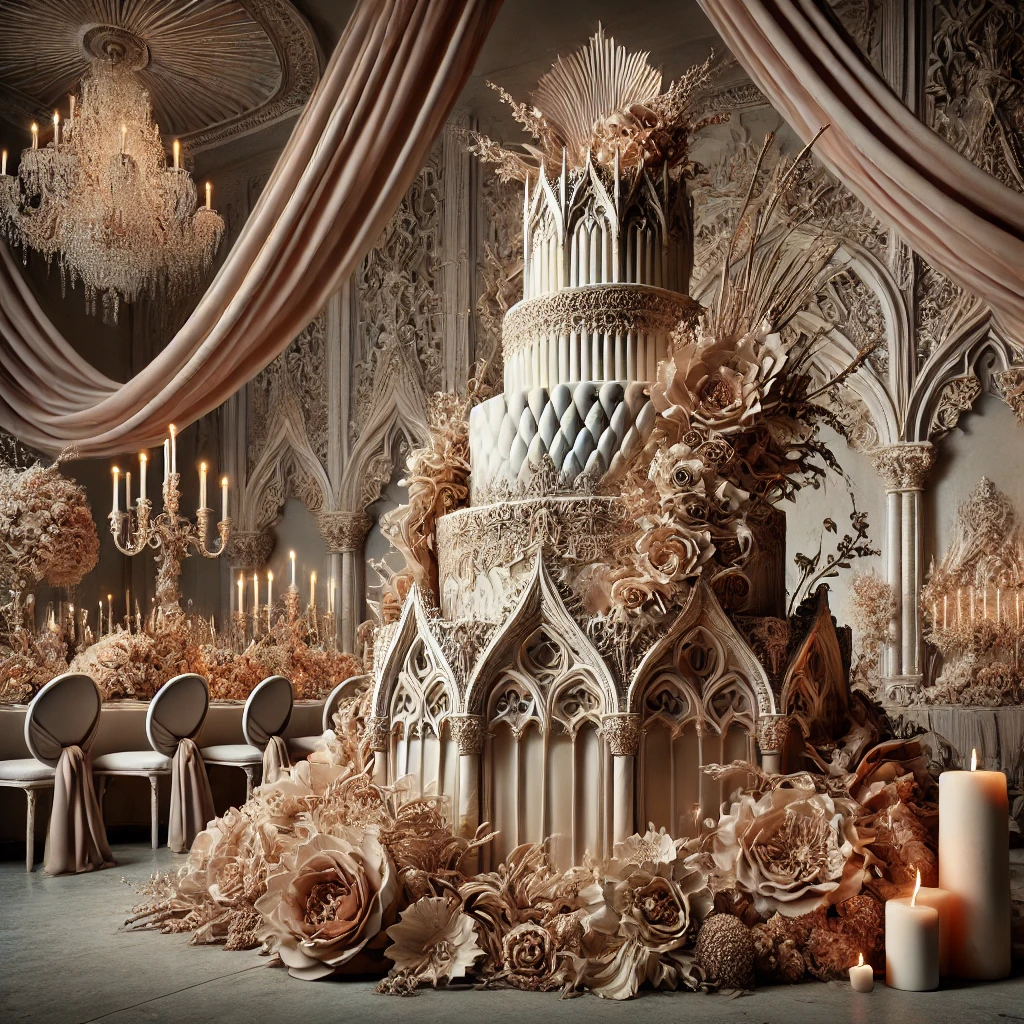
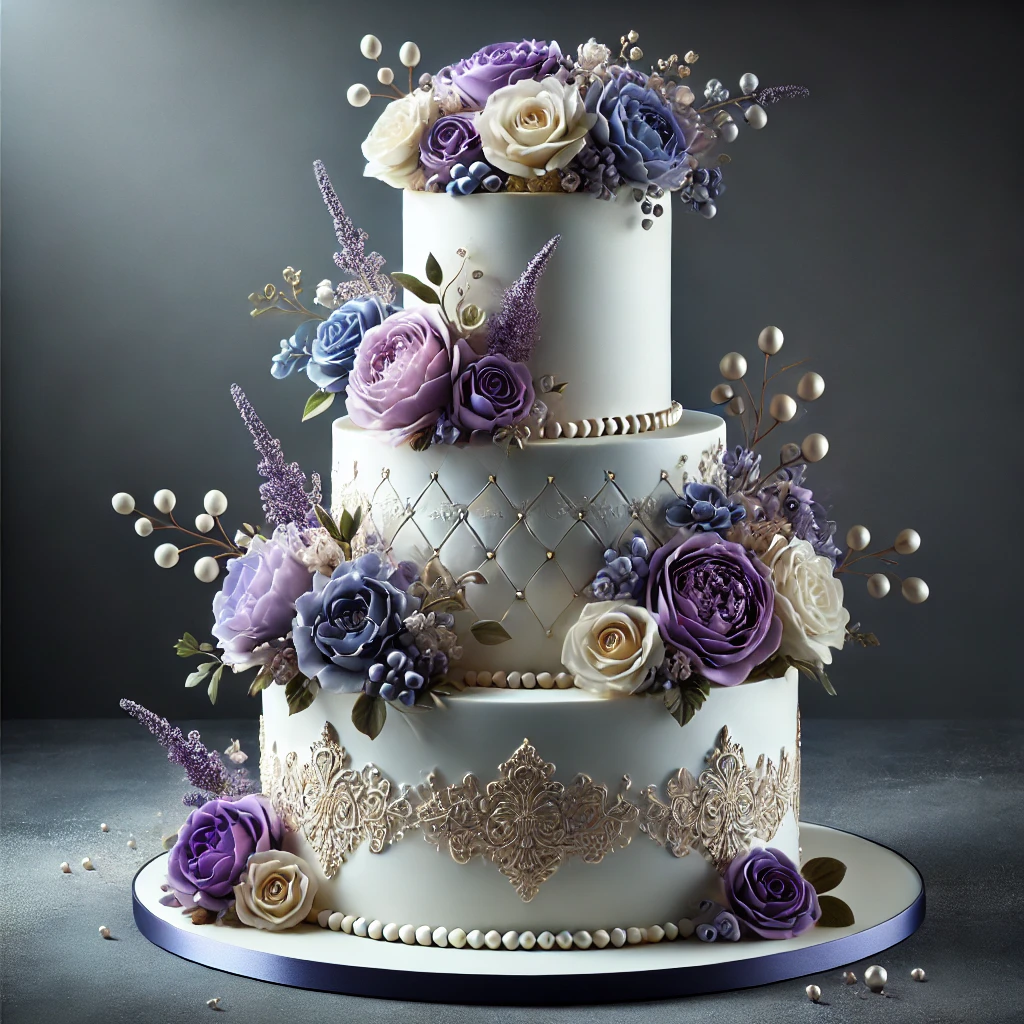
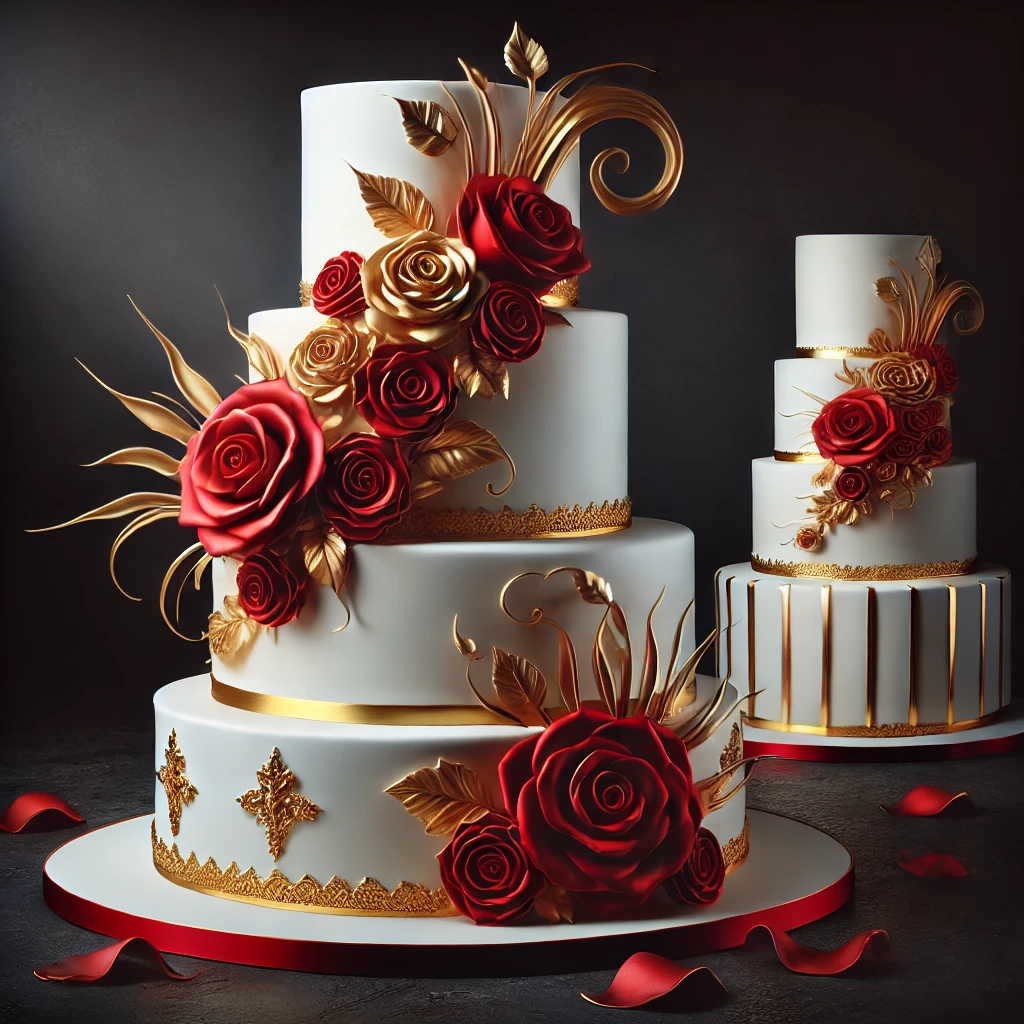
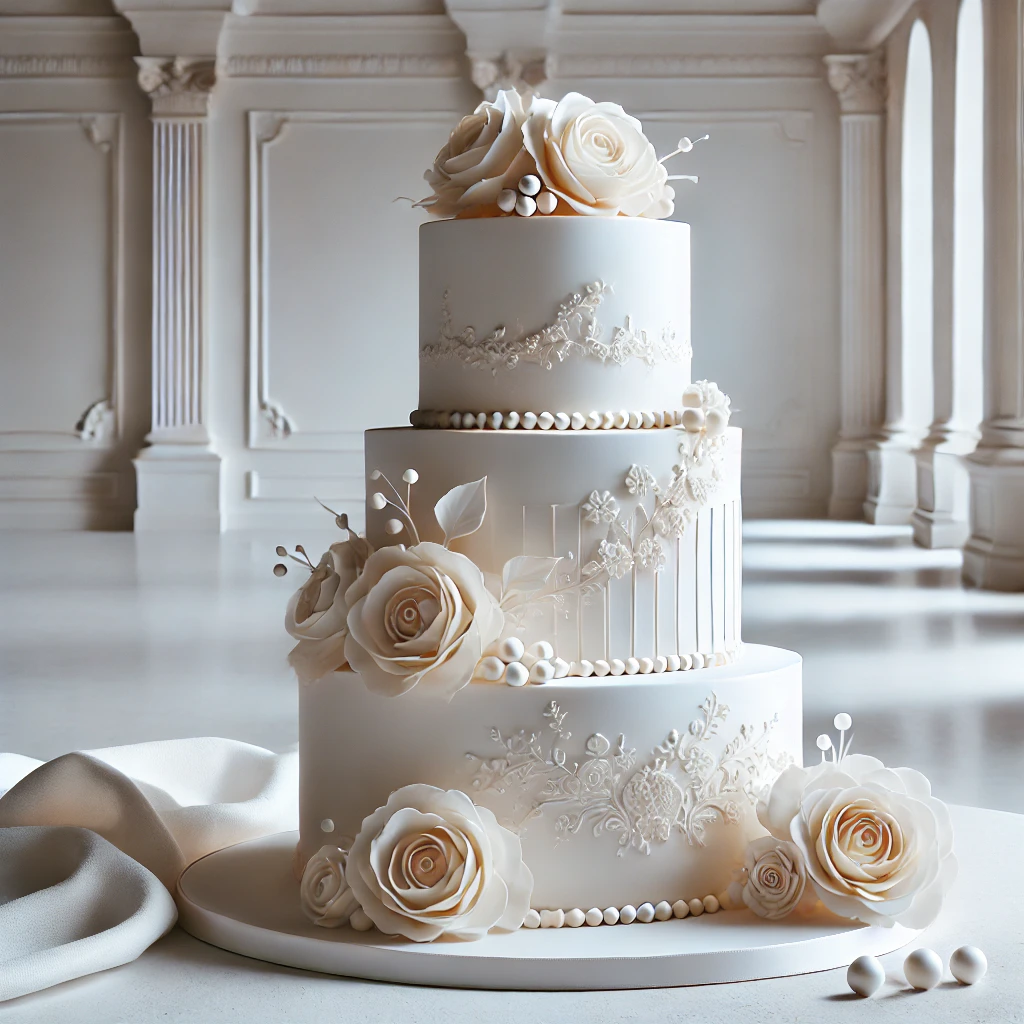
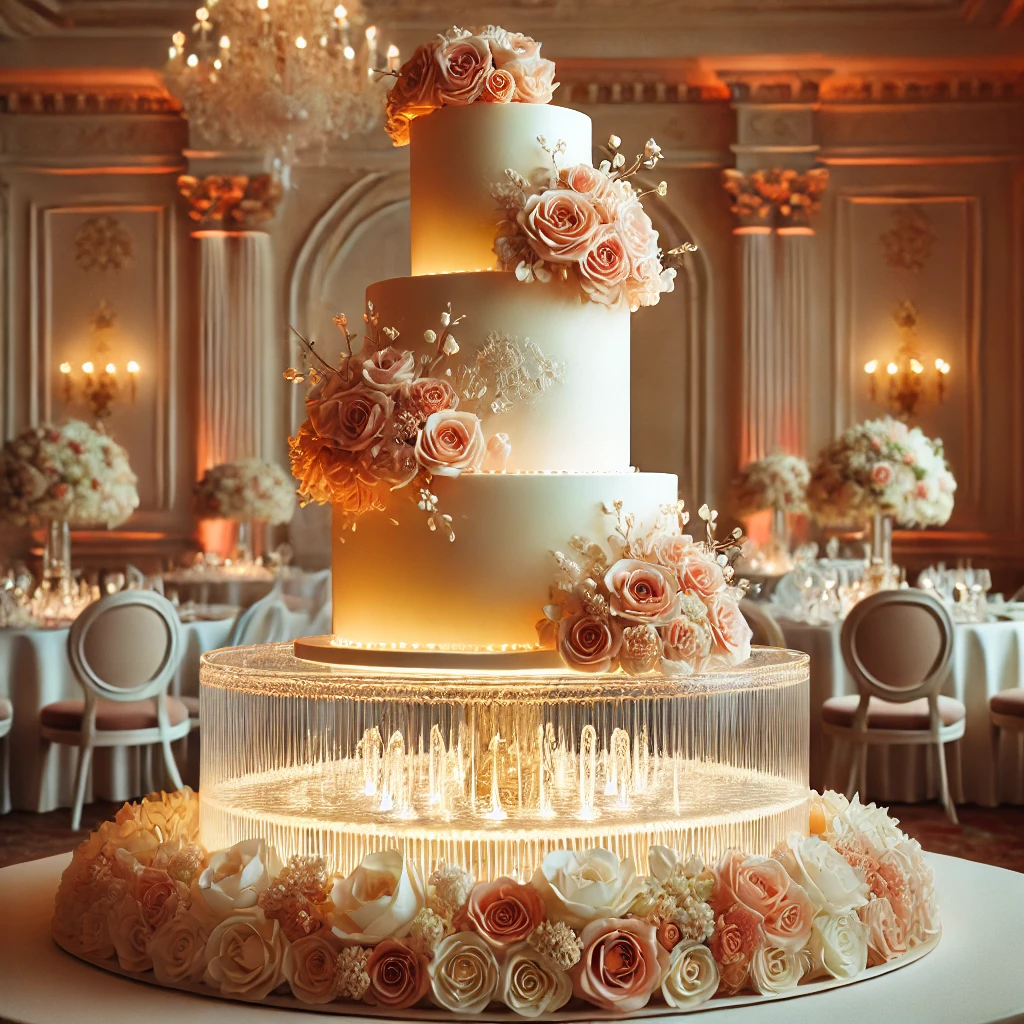
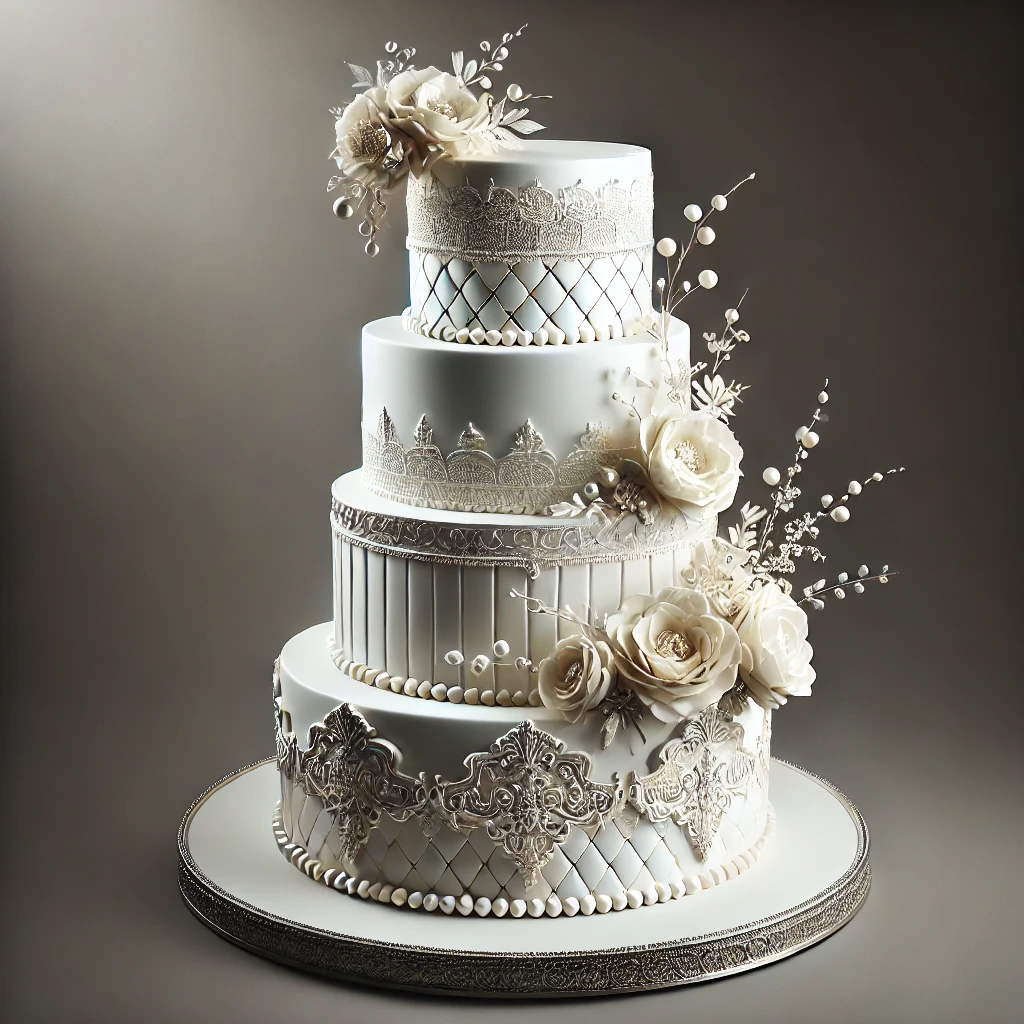
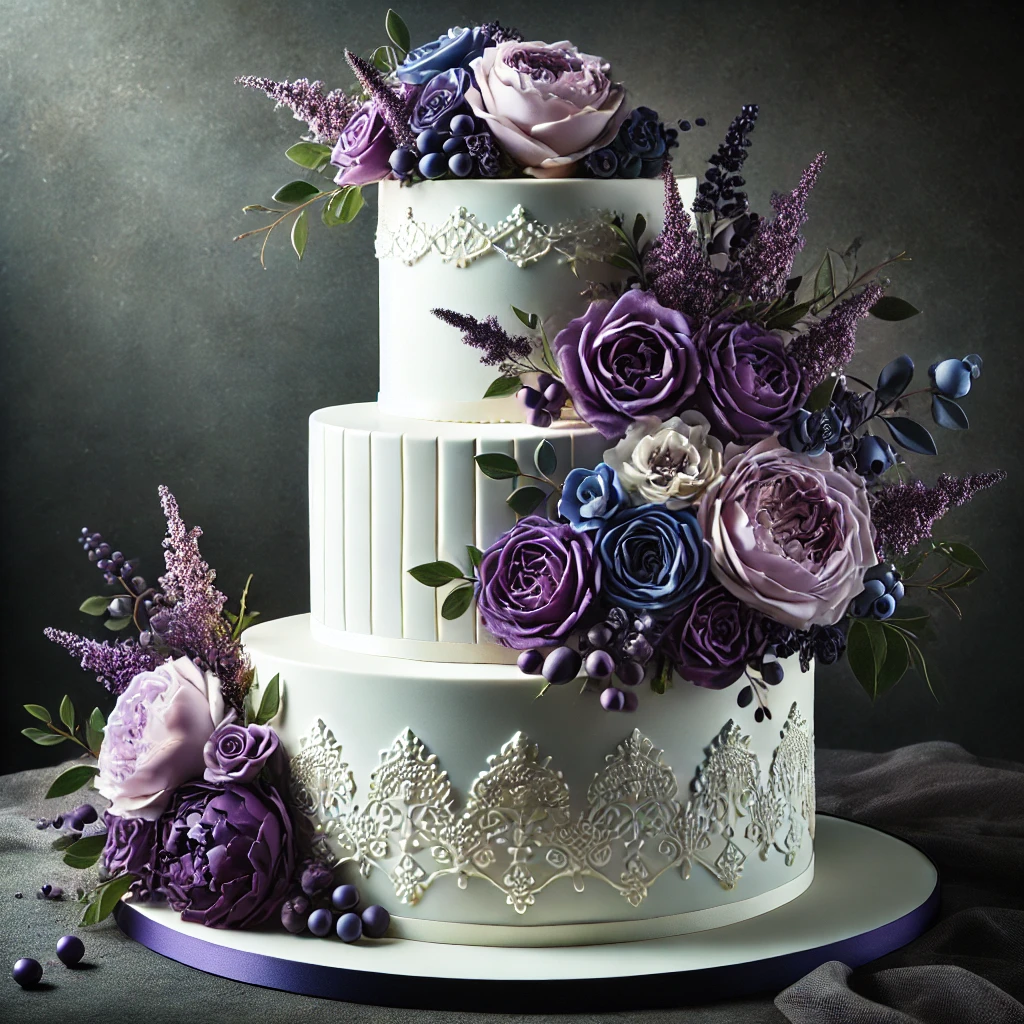
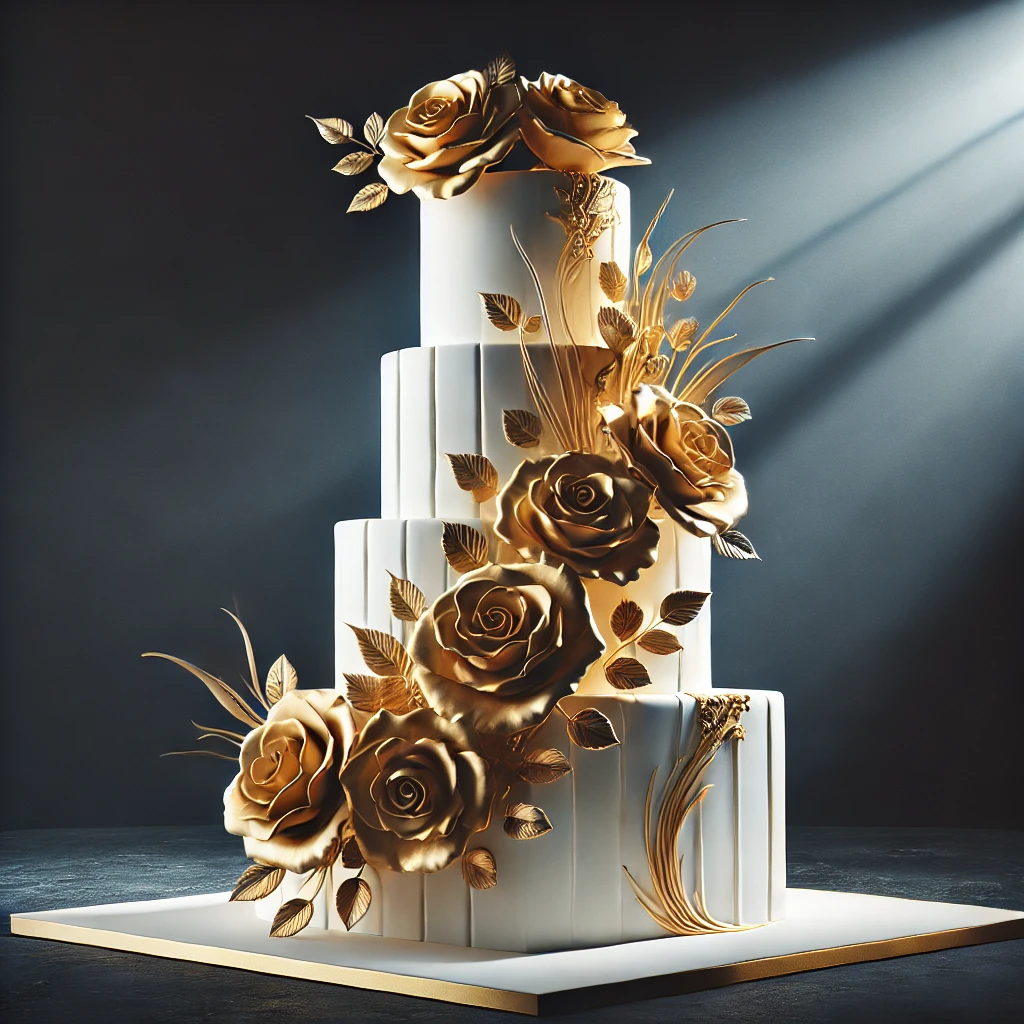
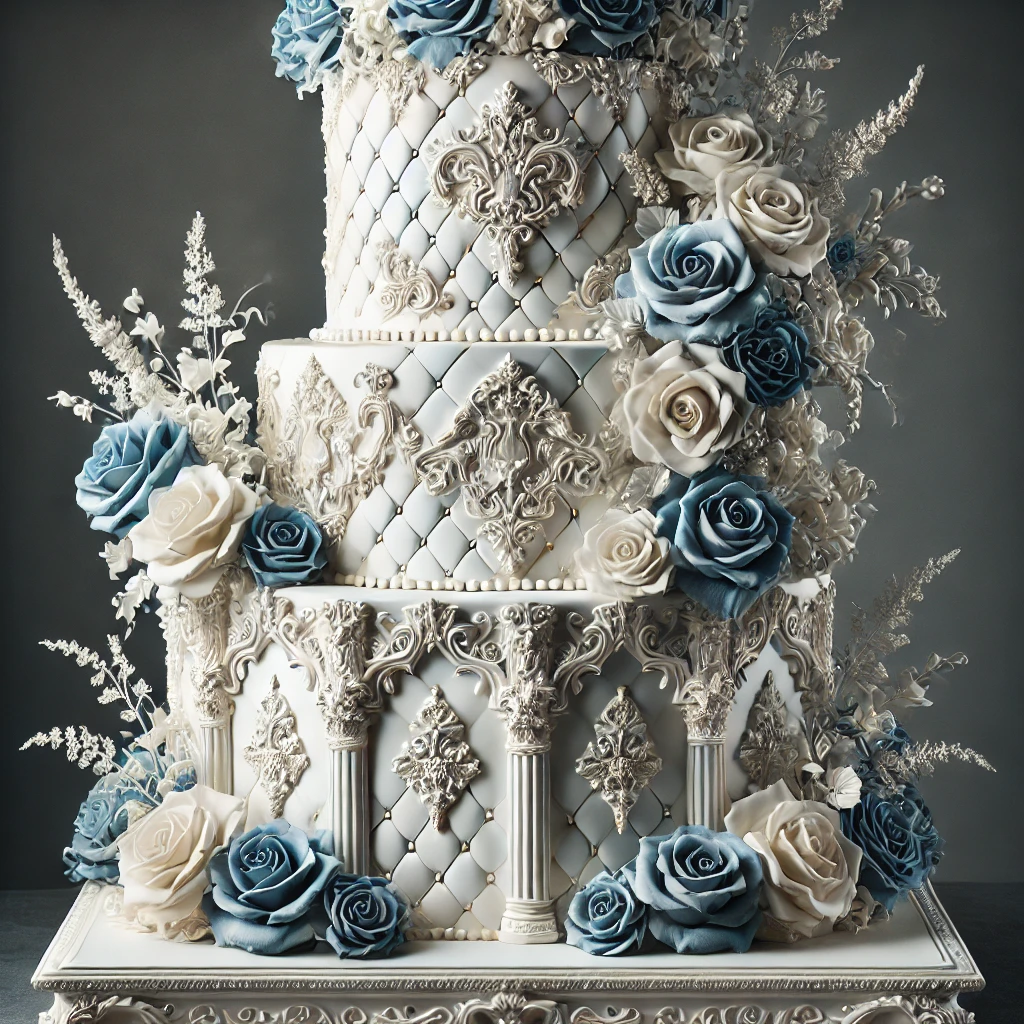
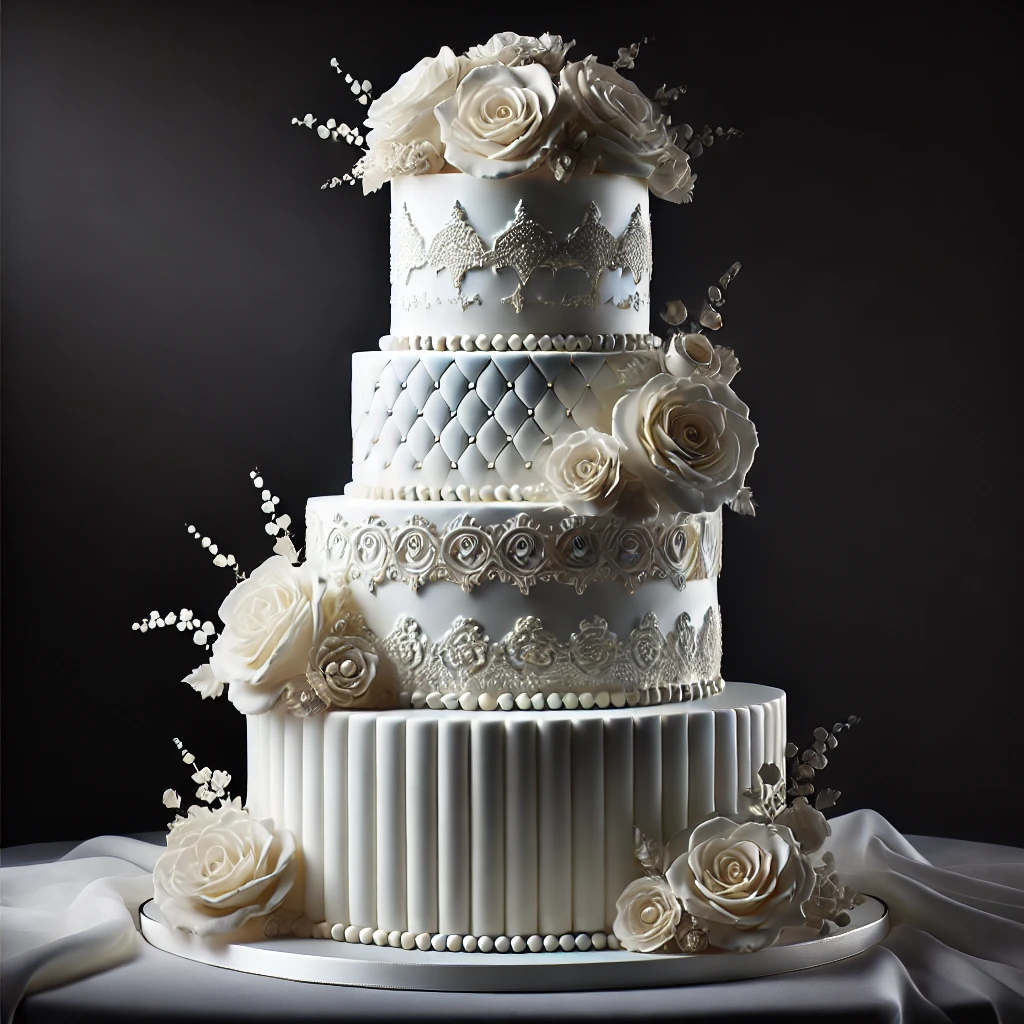
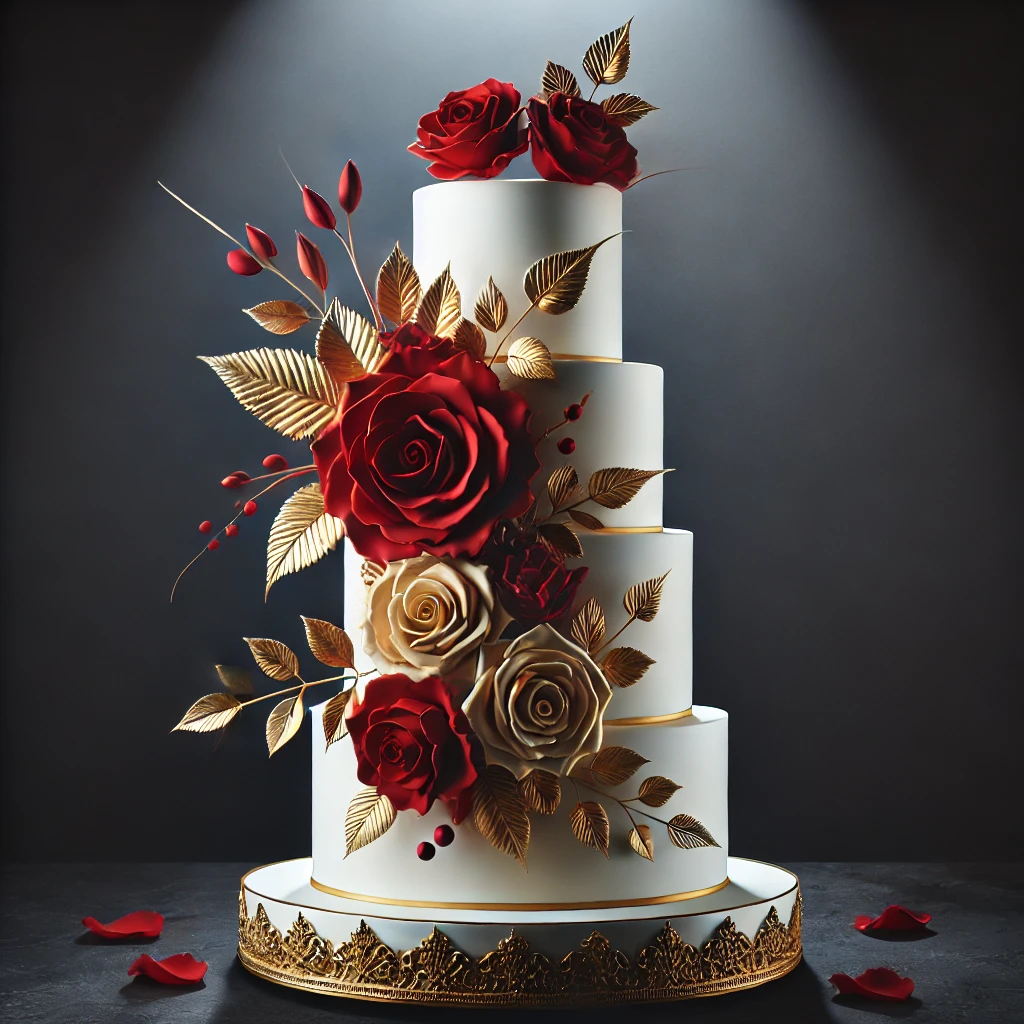
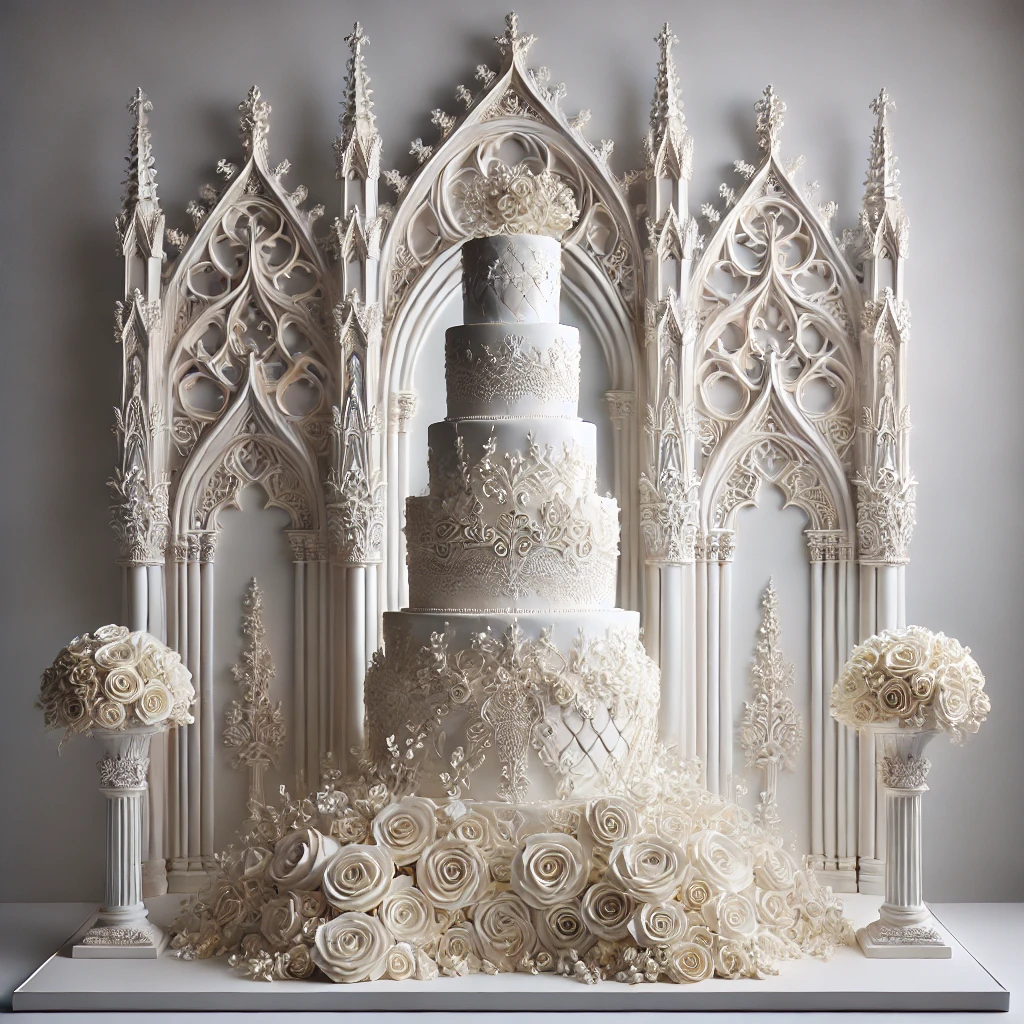
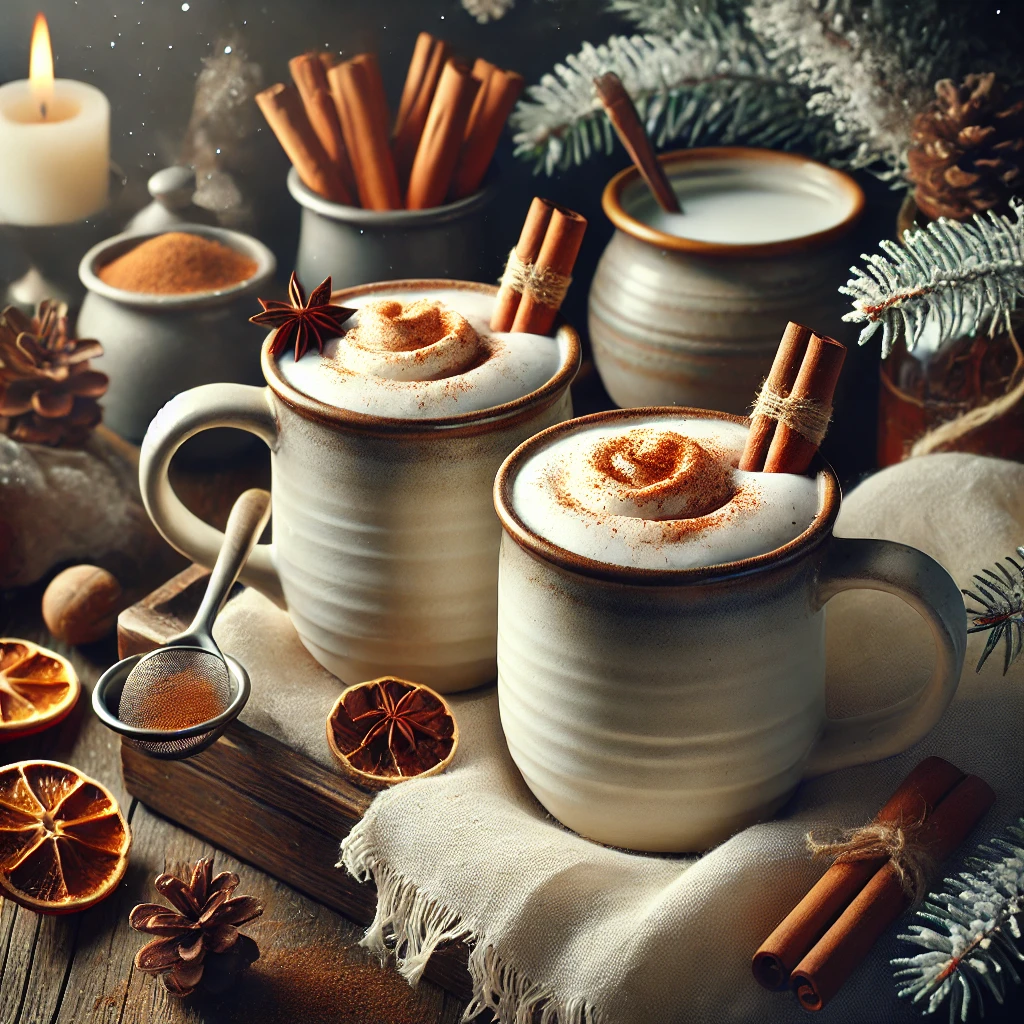
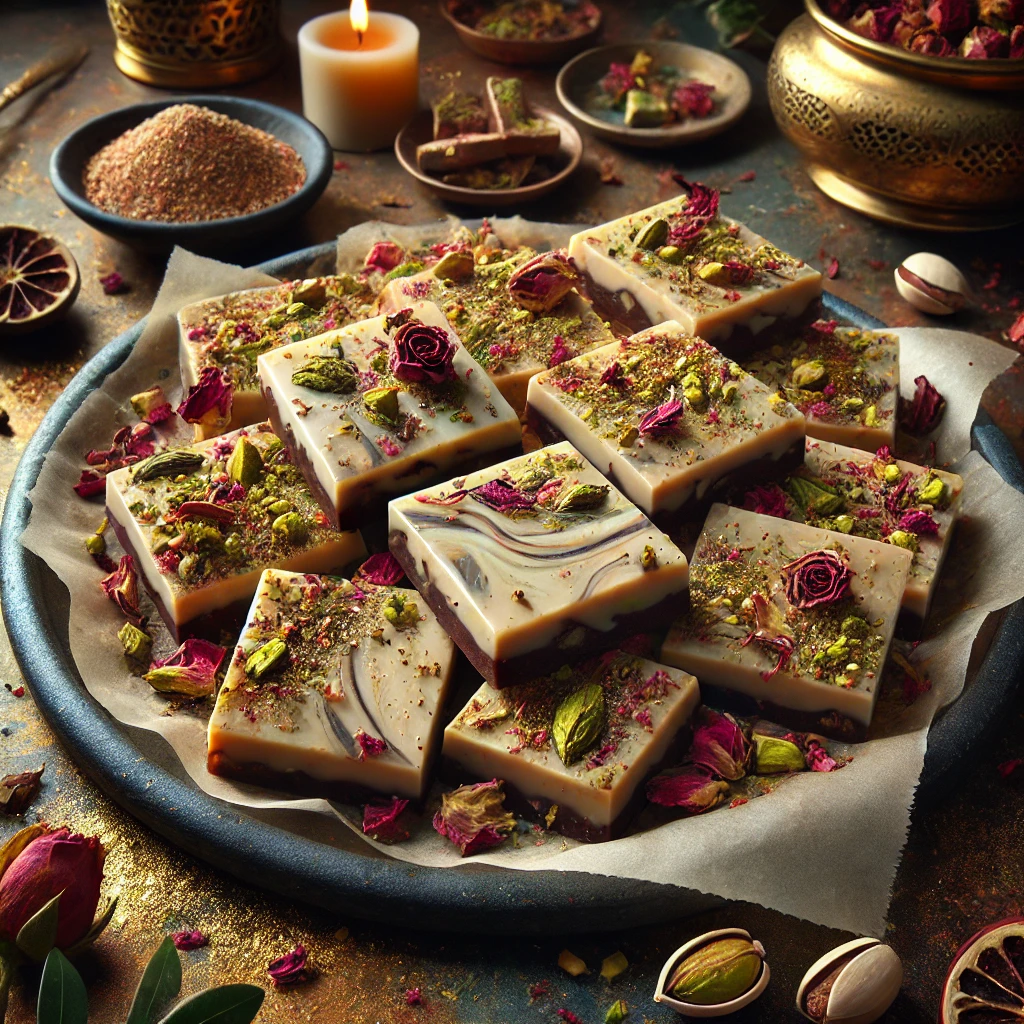
This section is meant to be more than Cake Decorating Ideas… it’s designed to spark inspiration and creativity, awaken tradition, and infuse your special occasions with style, identity, and atmosphere. A color palette becomes a theme. A design becomes a mood. Simple details—like sugared holly leaves or shimmering stars—can set the tone for a gathering and become part of cherished traditions and lasting memories melded with personal touch and love.

Traditional Wedding Dishes

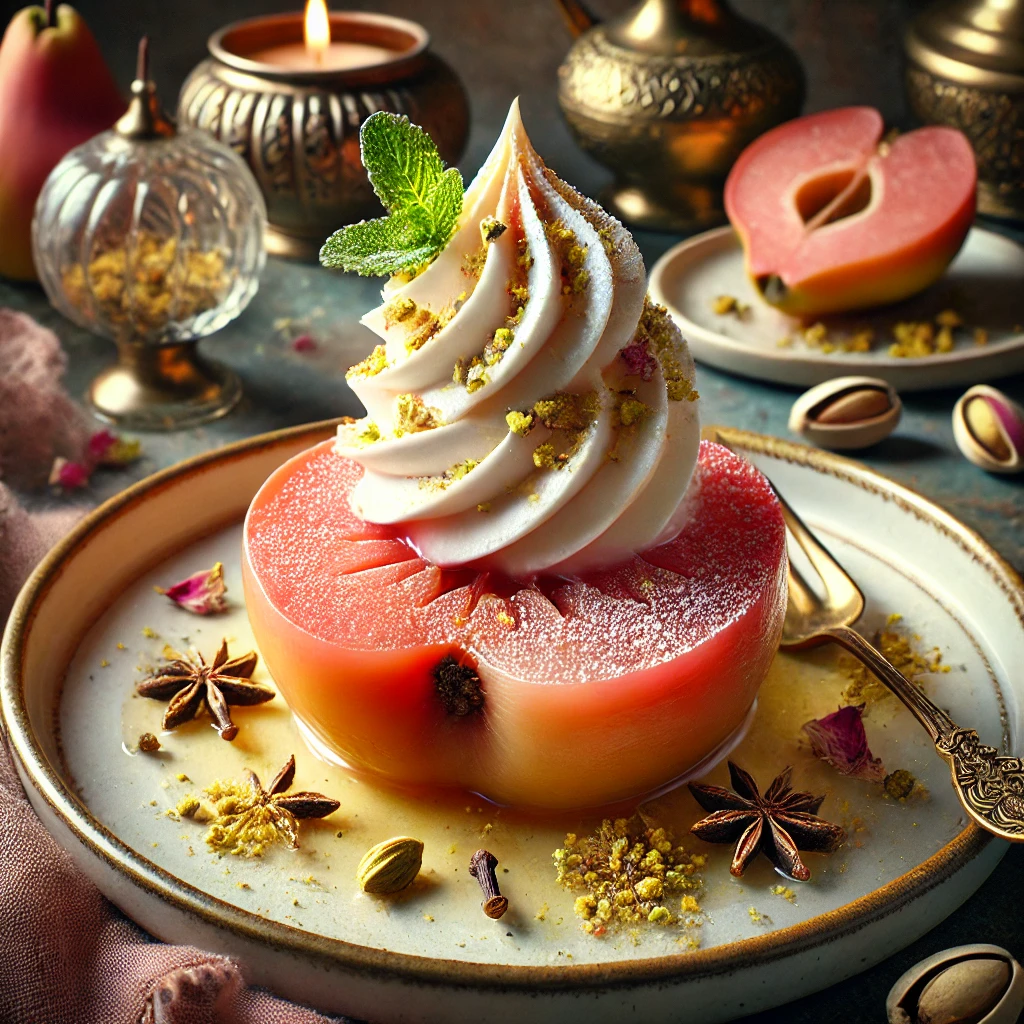
🍰 Wedding Cakes & Sweets
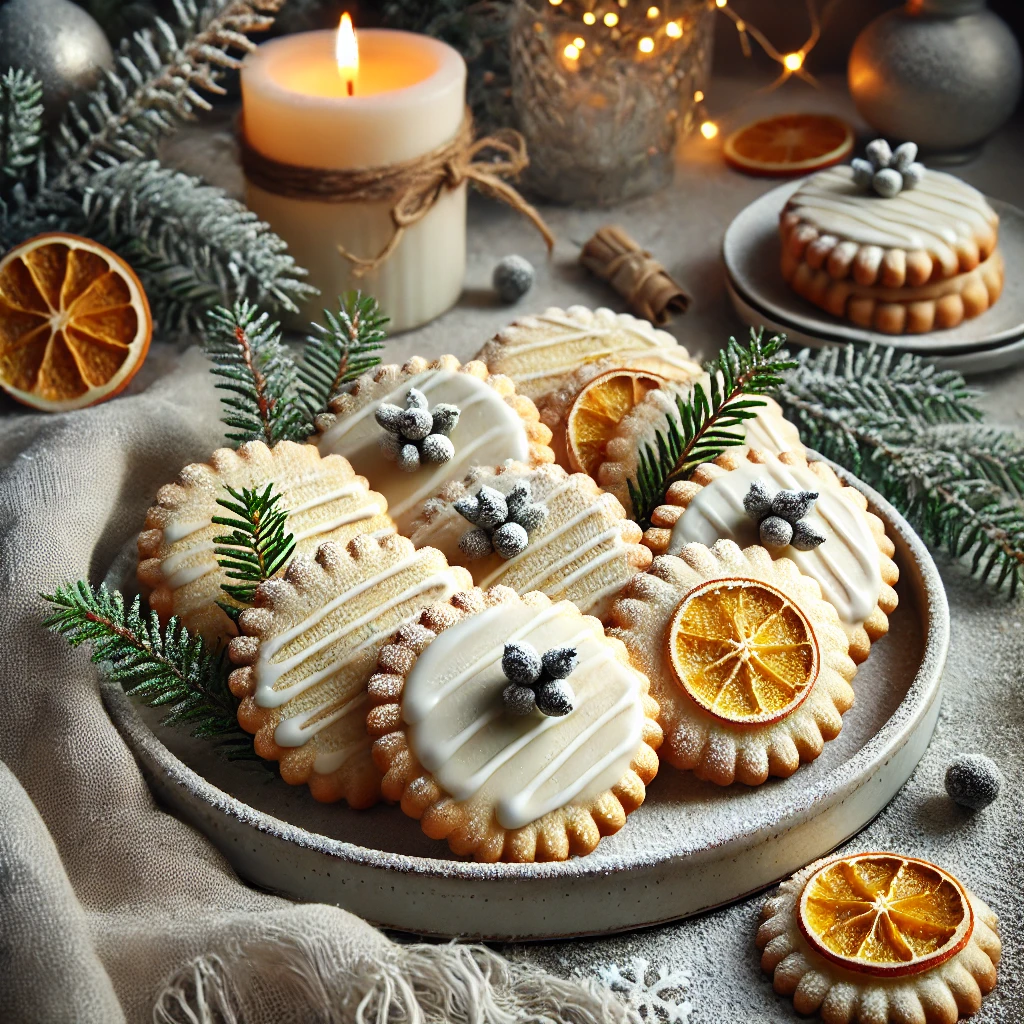
Wedding cake – Once a symbol of prosperity and good fortune; today it represents celebration and the couple’s first shared act of hospitality when they cut it together.
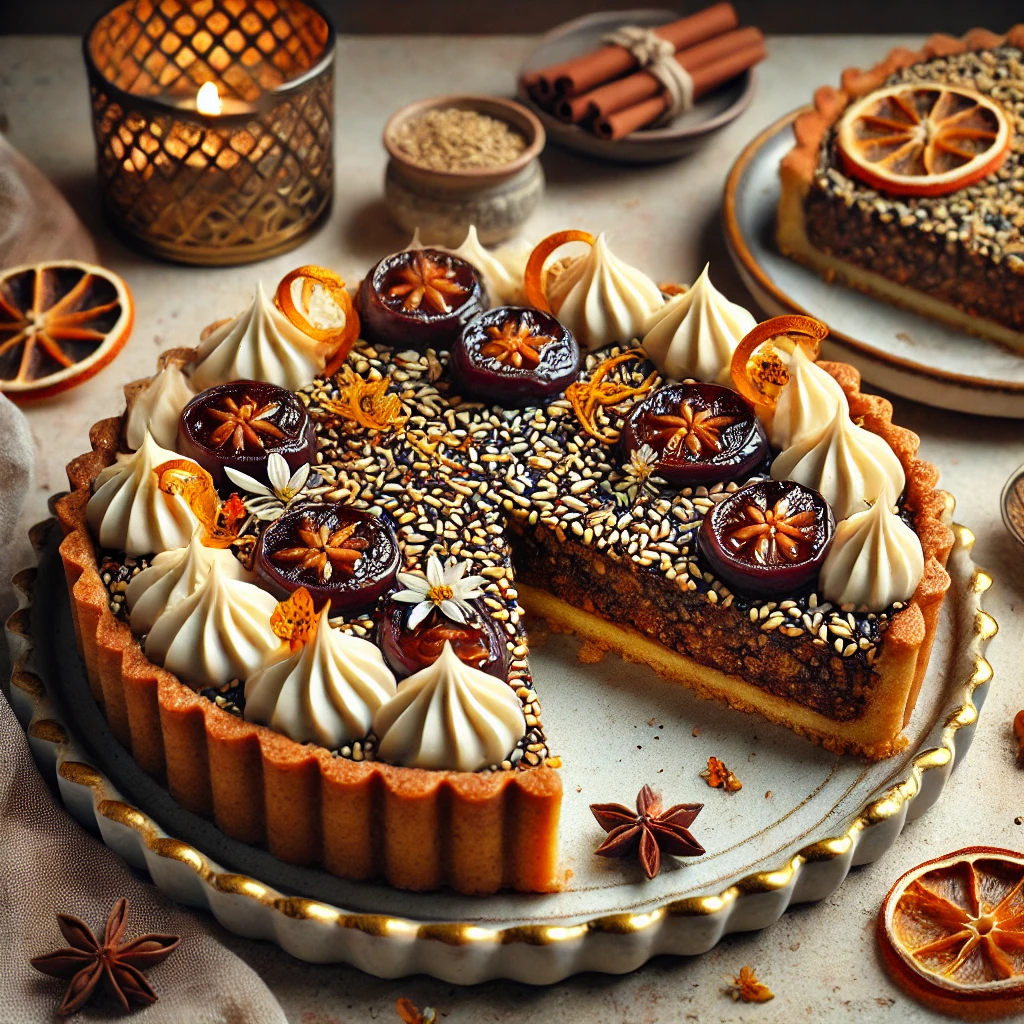
Fruitcake – In older European traditions, dense with preserved fruits and nuts, symbolizing wealth and endurance.
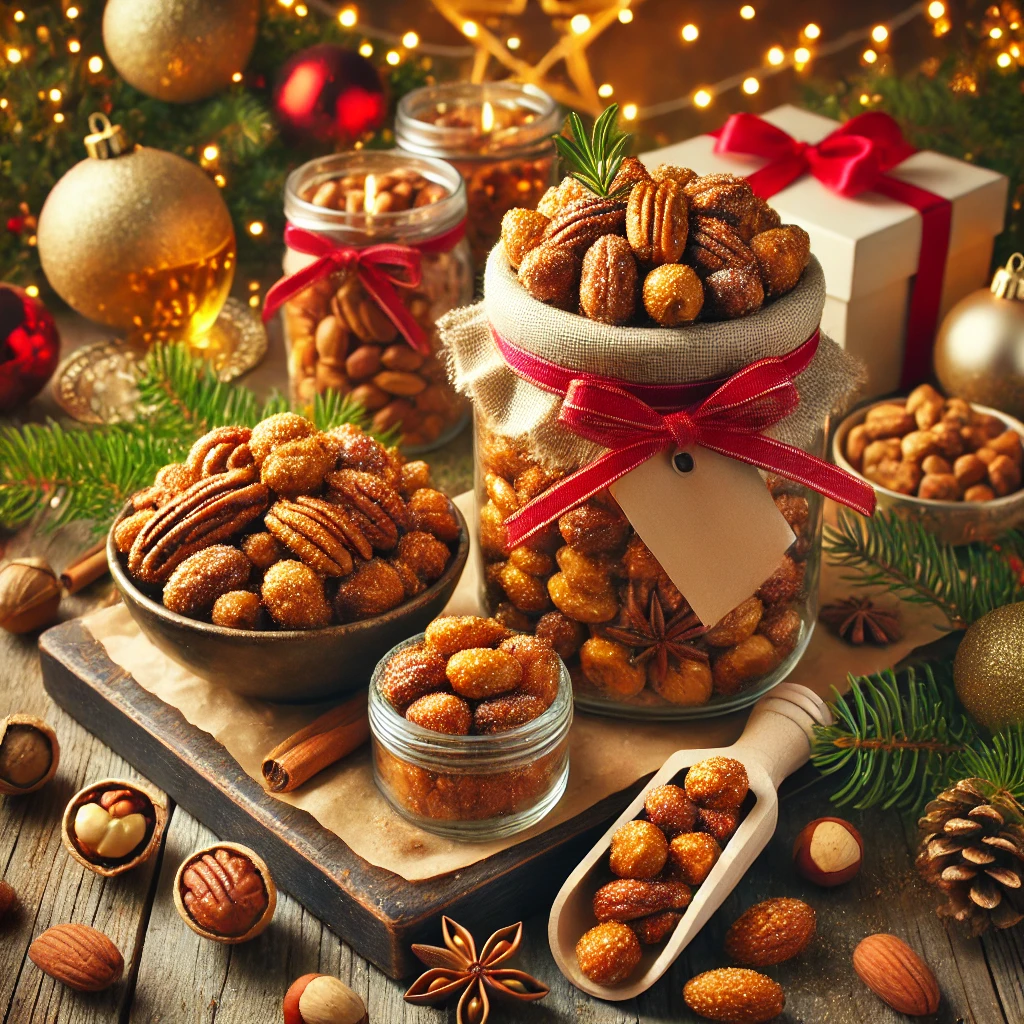
Jordan almonds (sugared almonds) – Often given as favors; represent both the sweetness and bitterness of life.
Honey desserts – Honey has long symbolized sweetness and the hope for a gentle married life.

🍞 Breads & Grains
Wedding bread – Many cultures feature a special loaf symbolizing daily provision and unity.
Wheat-based dishes – Grain has ancient associations with fertility and abundance.

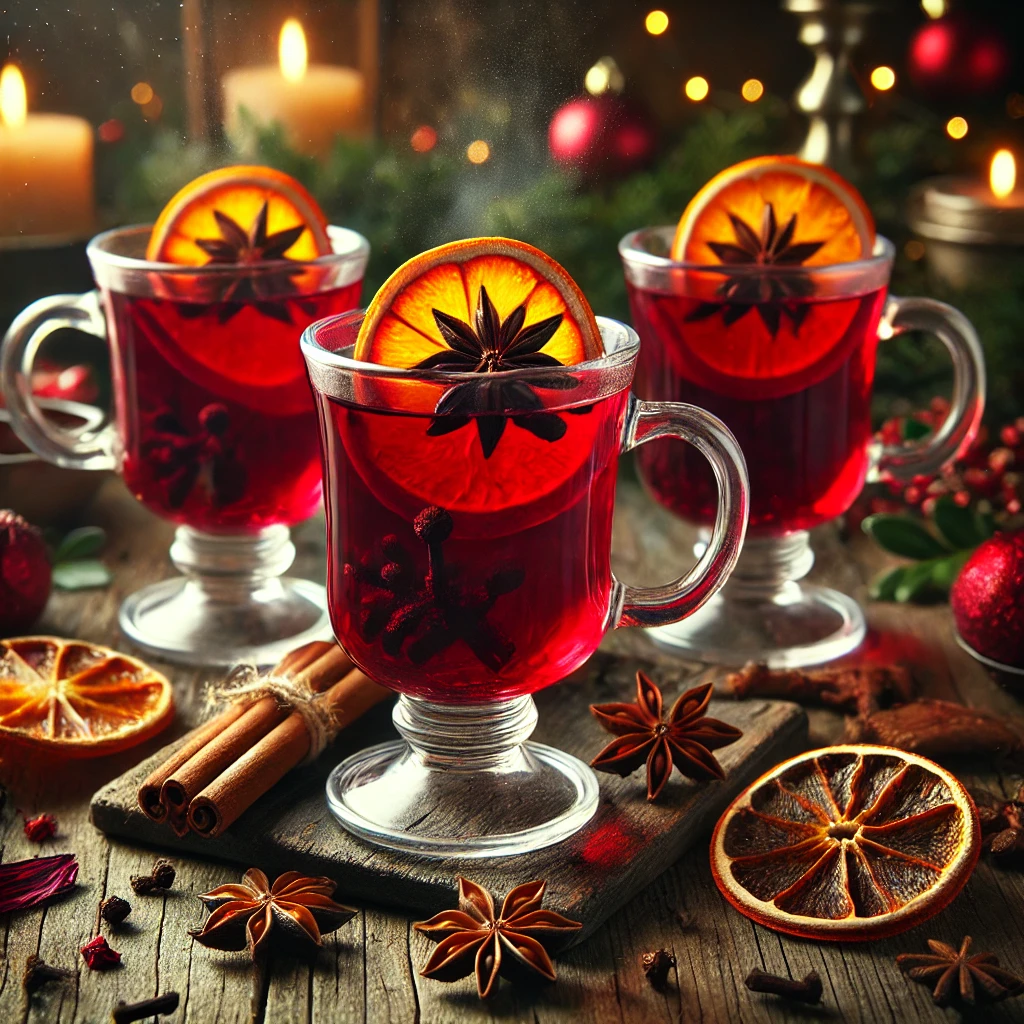
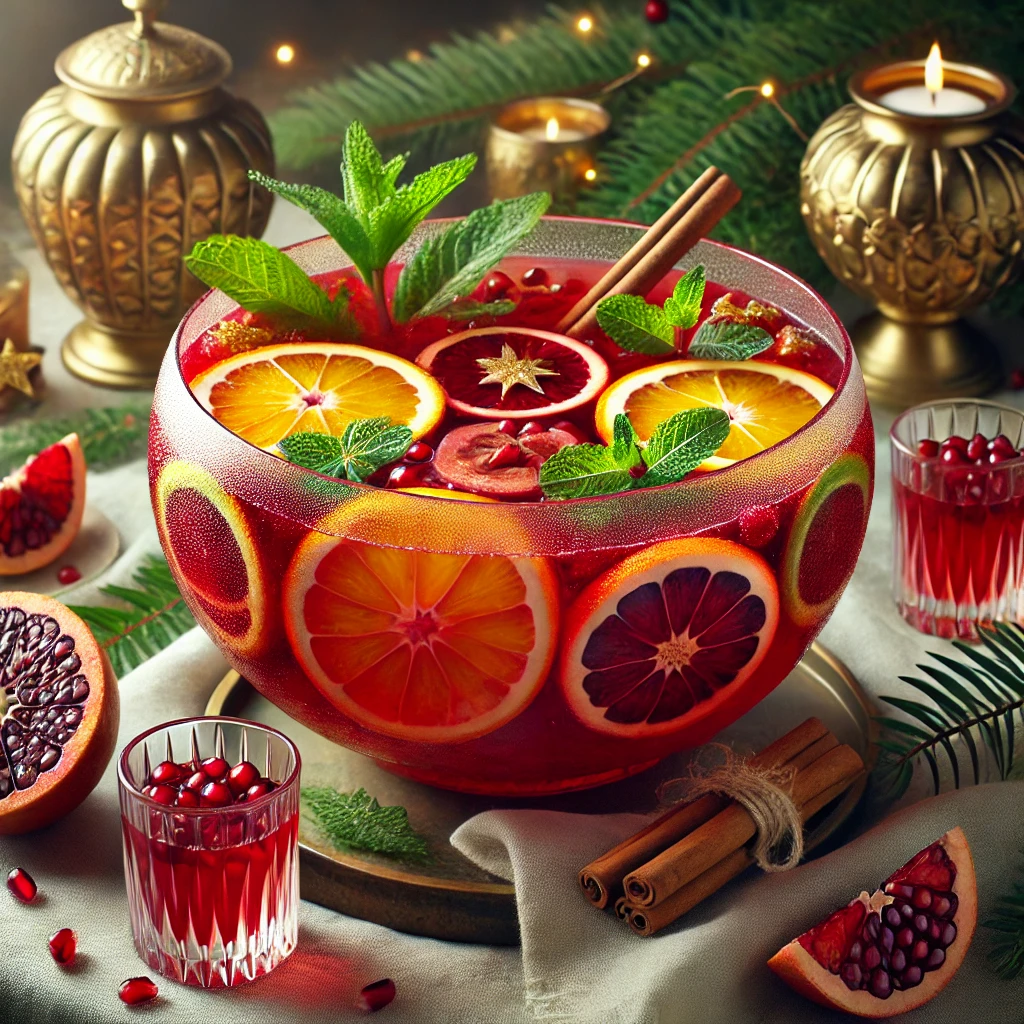
🥂 Drinks
Champagne or sparkling wine – Celebration, joy, and festivity.
Shared cup traditions – In some ceremonies, the couple drinks from the same cup to show unity.

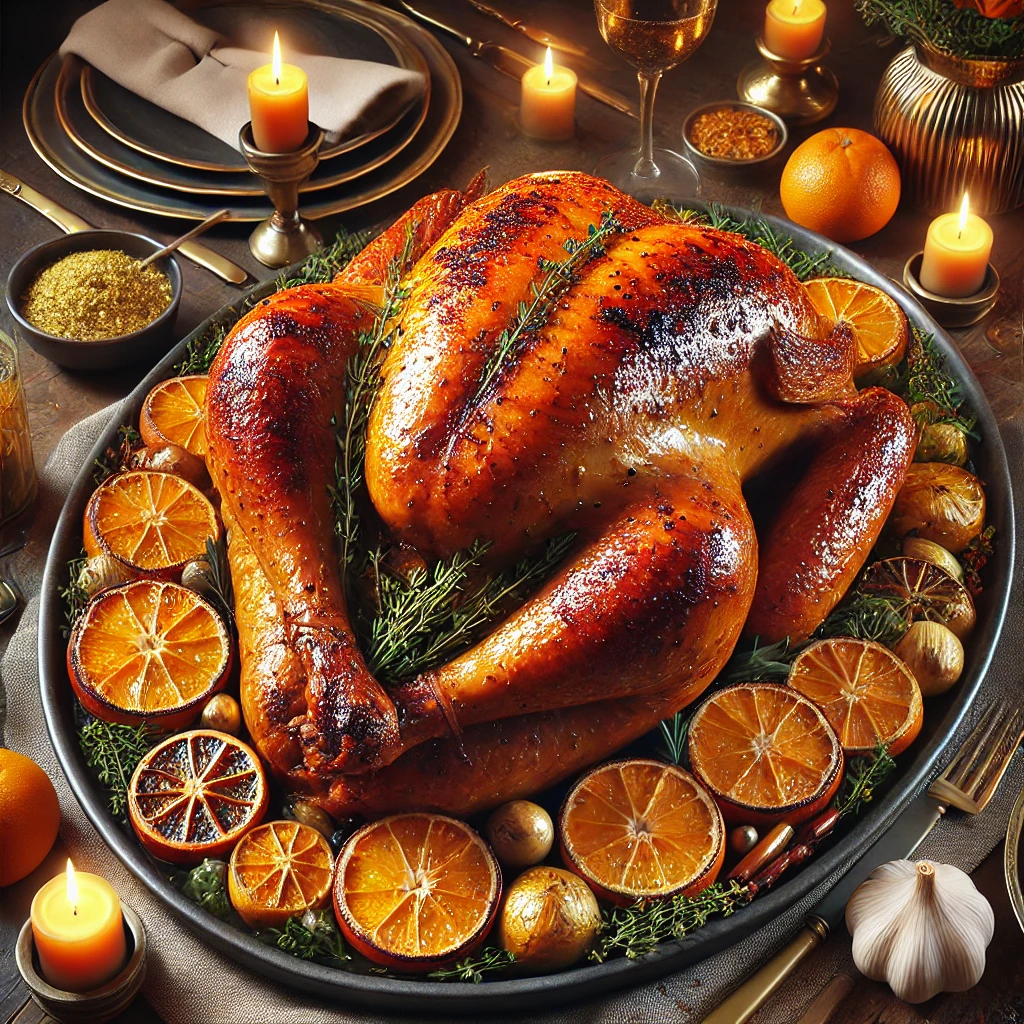
🍖 Main Dishes
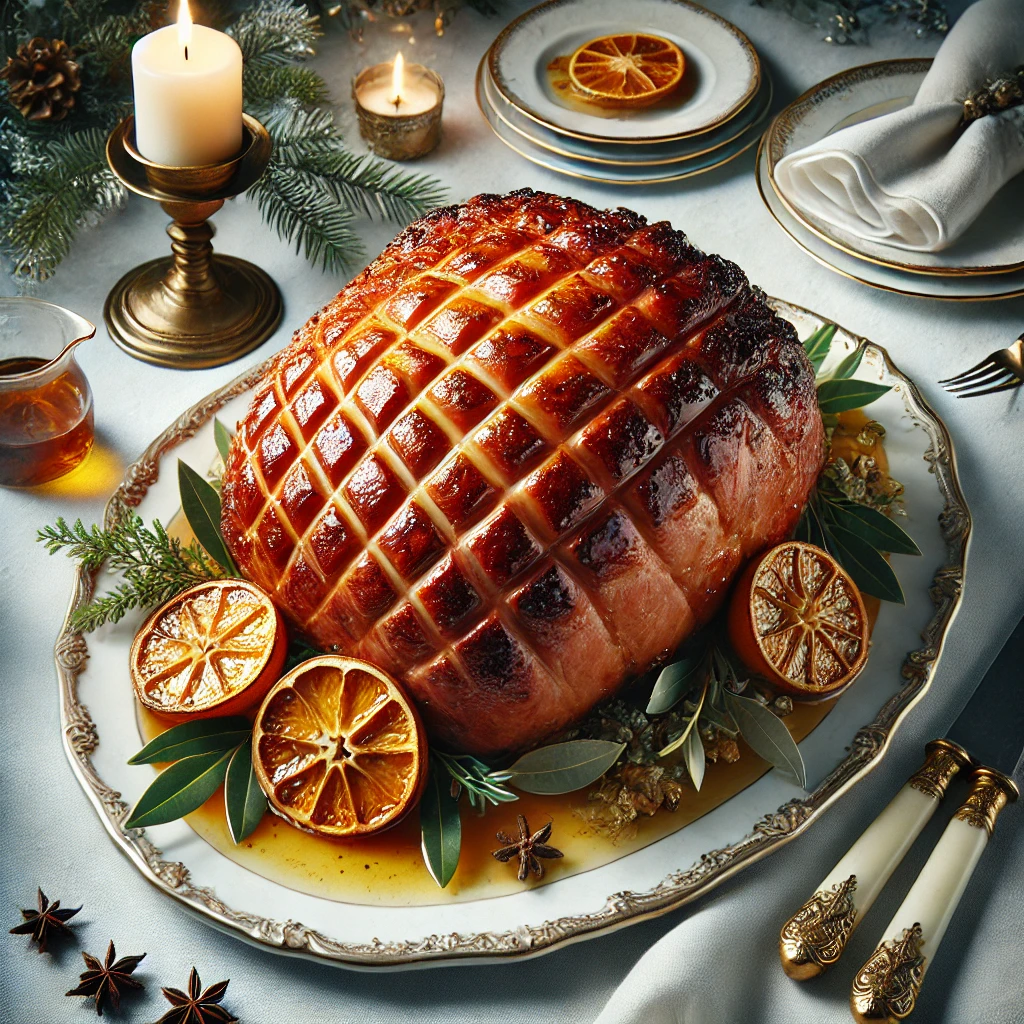
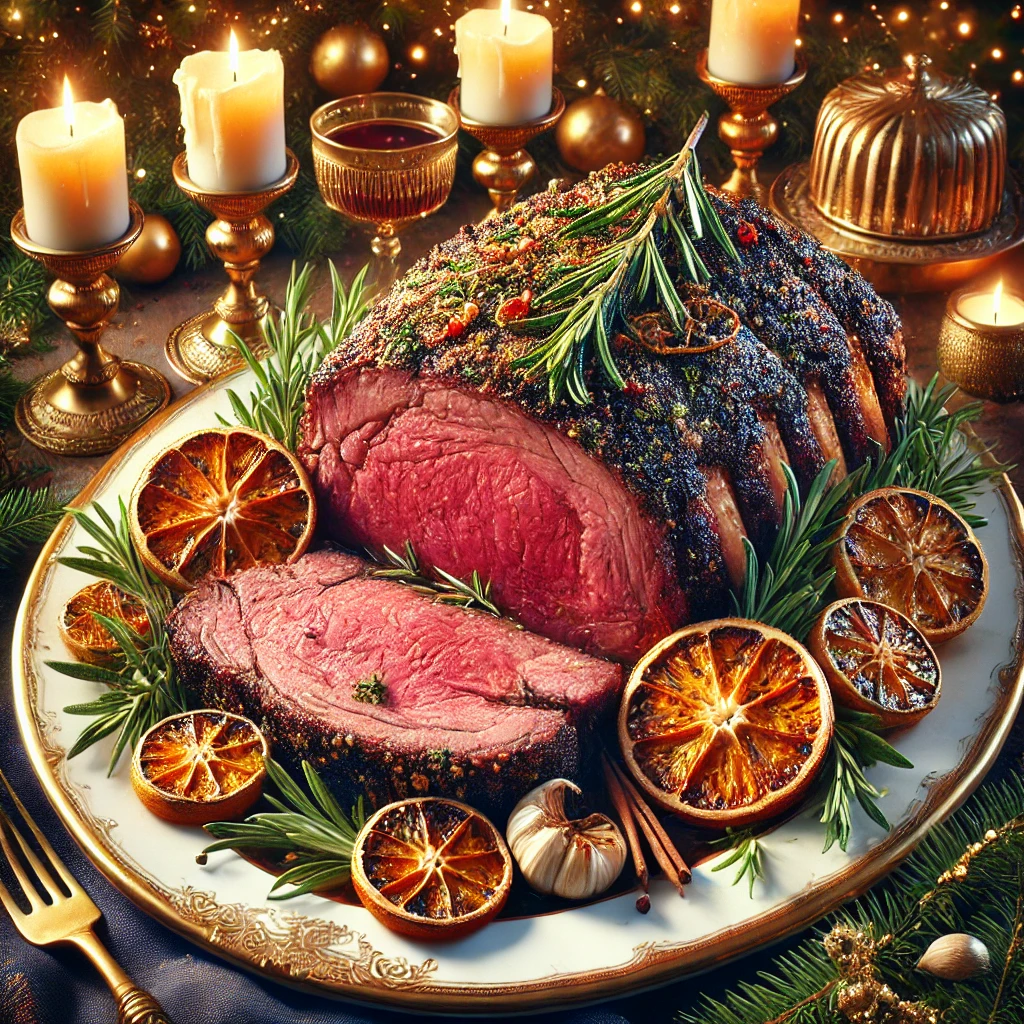
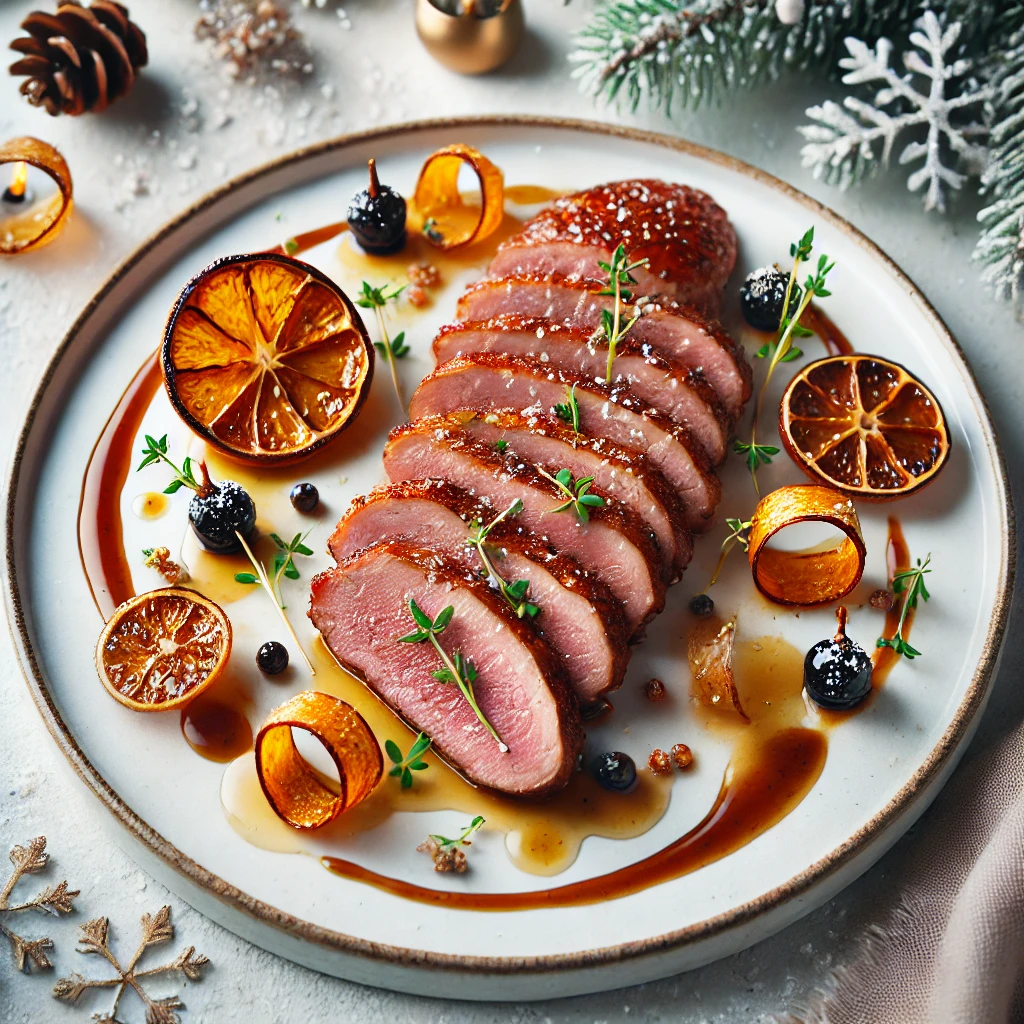
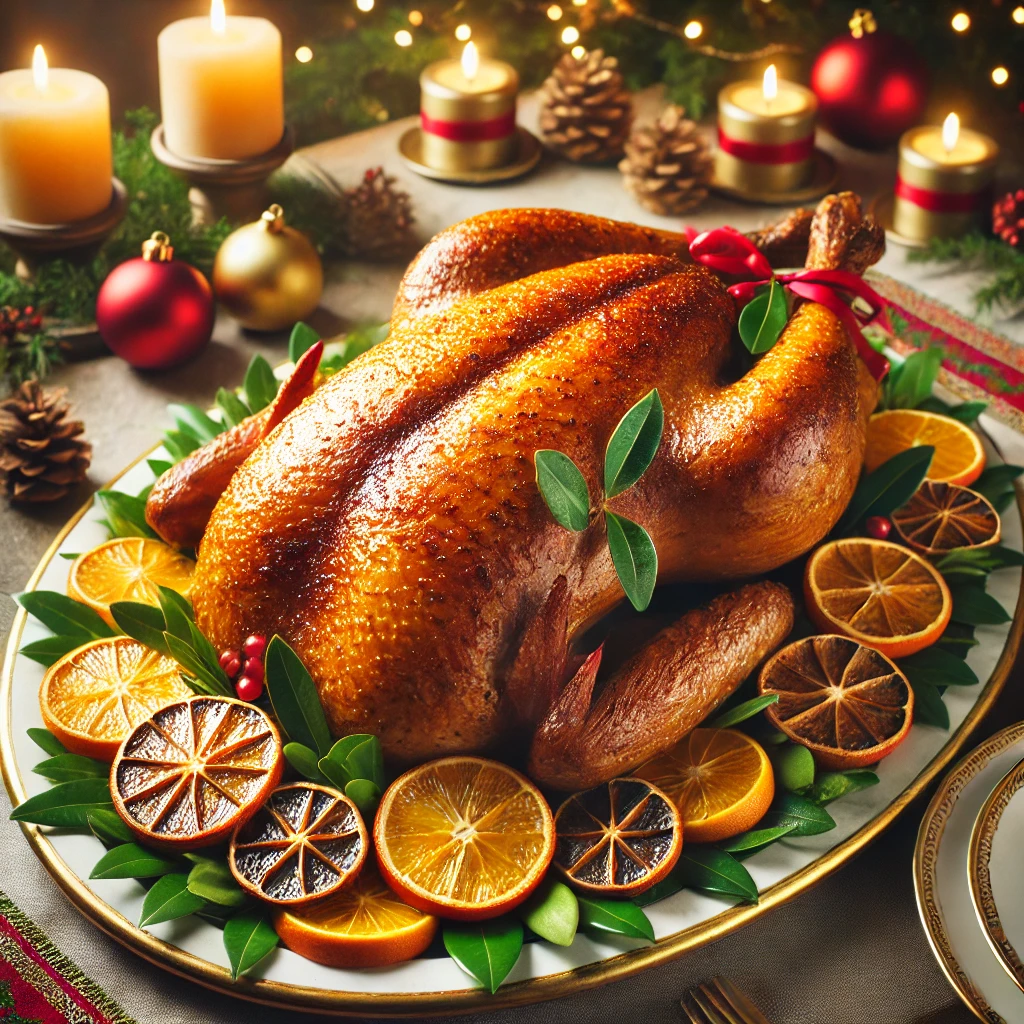
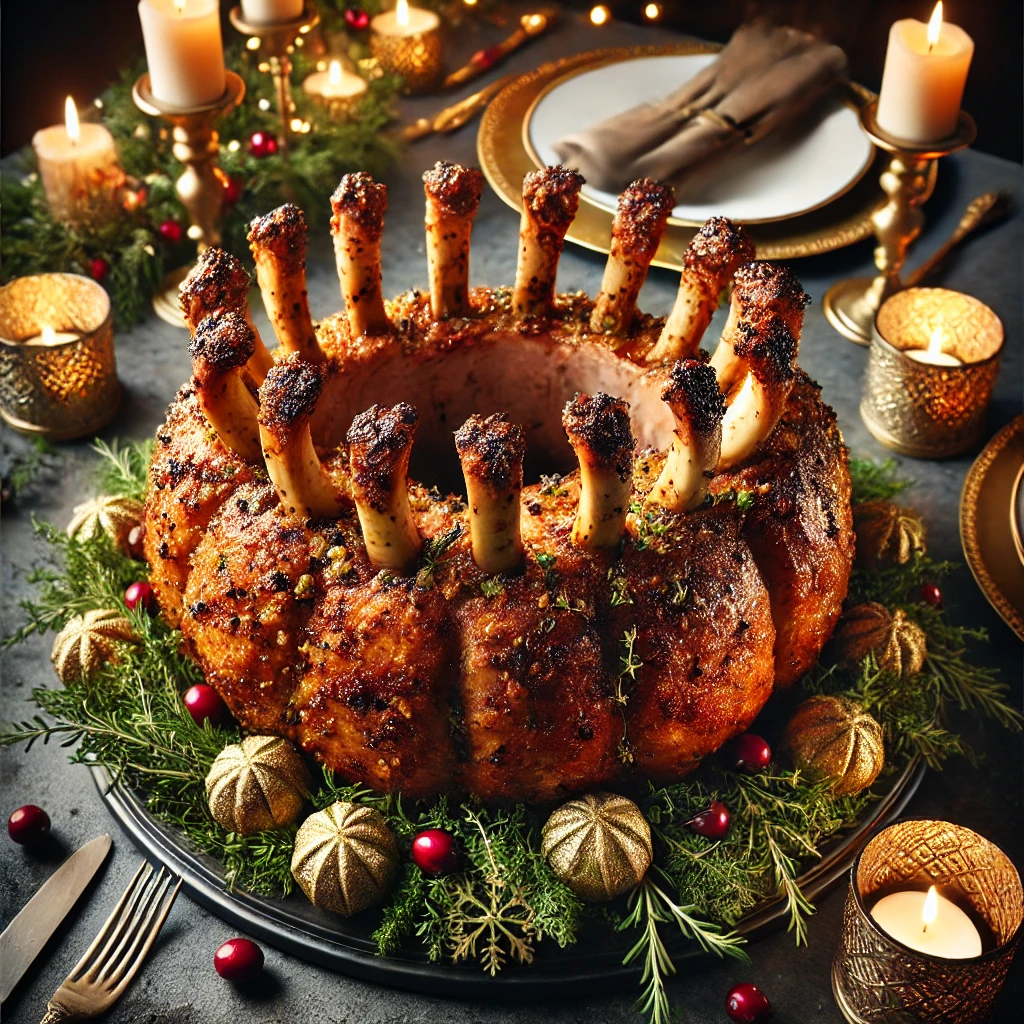
Roasted meats – Historically a sign of wealth and generosity toward guests.
Chicken dishes – In some cultures, poultry symbolizes prosperity and family life.
Fish – Often connected to blessing, abundance, or faith.

🌍 A Few Cultural Examples
Italian weddings – Multi-course meals, pastries, sugared nuts.
Eastern European weddings – Decorated breads, stews, vodka or wine.
Middle Eastern weddings – Lamb, rice dishes, sweets soaked in syrup or honey.
American weddings – Cake, catered dinners, buffets reflecting family heritage.

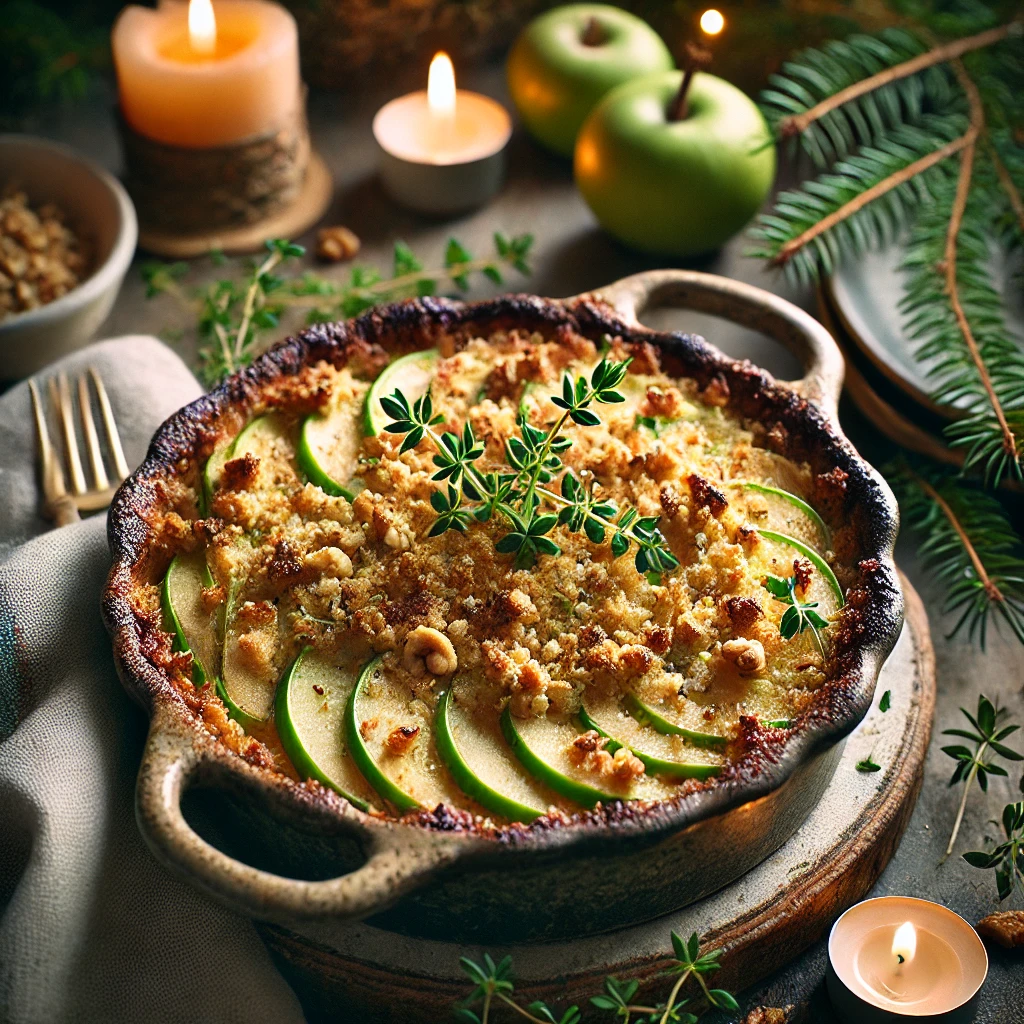
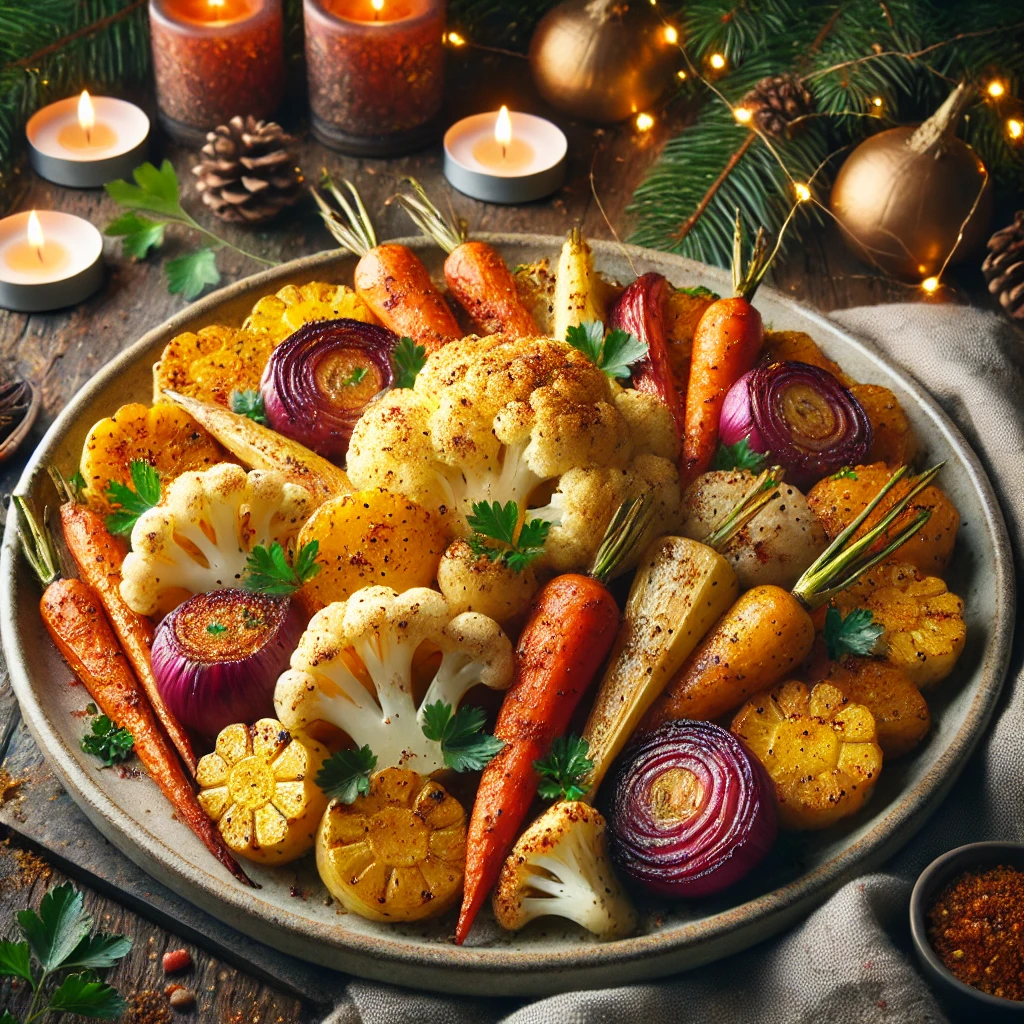
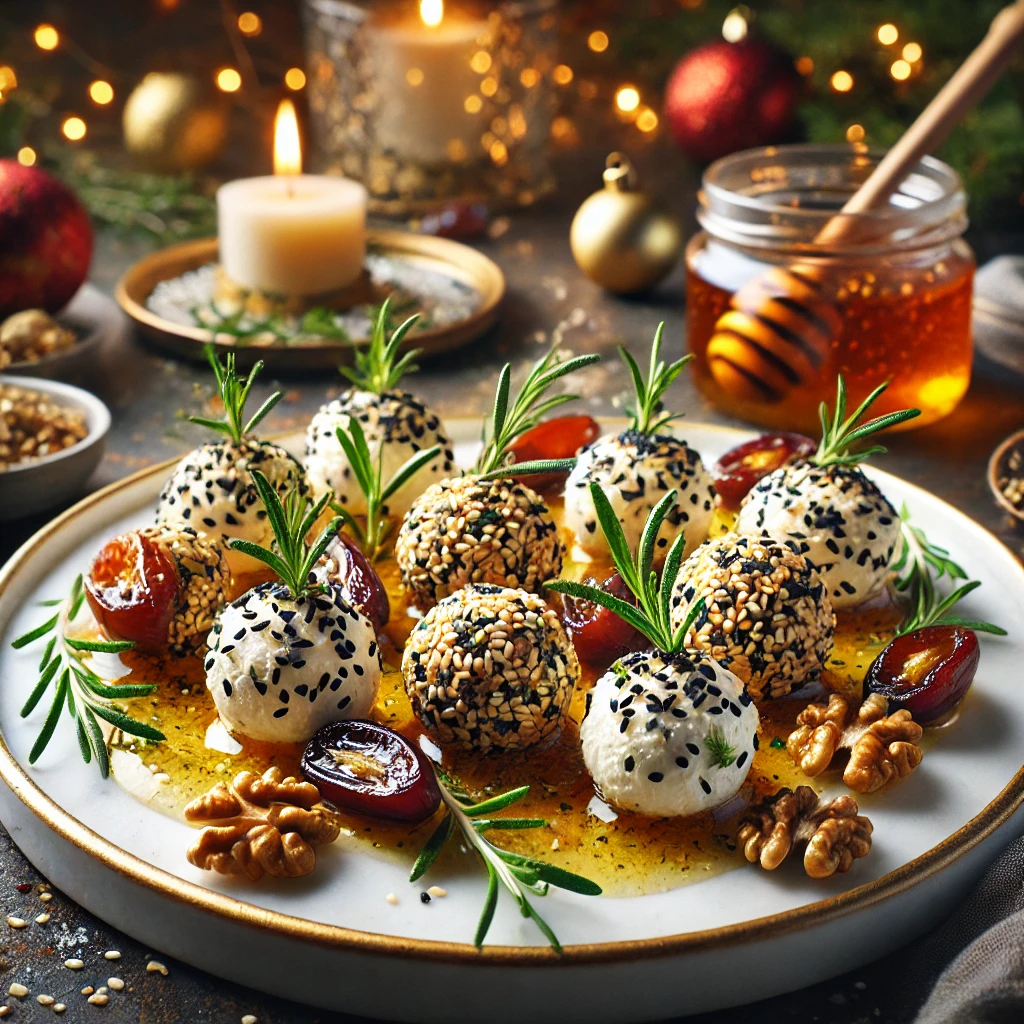
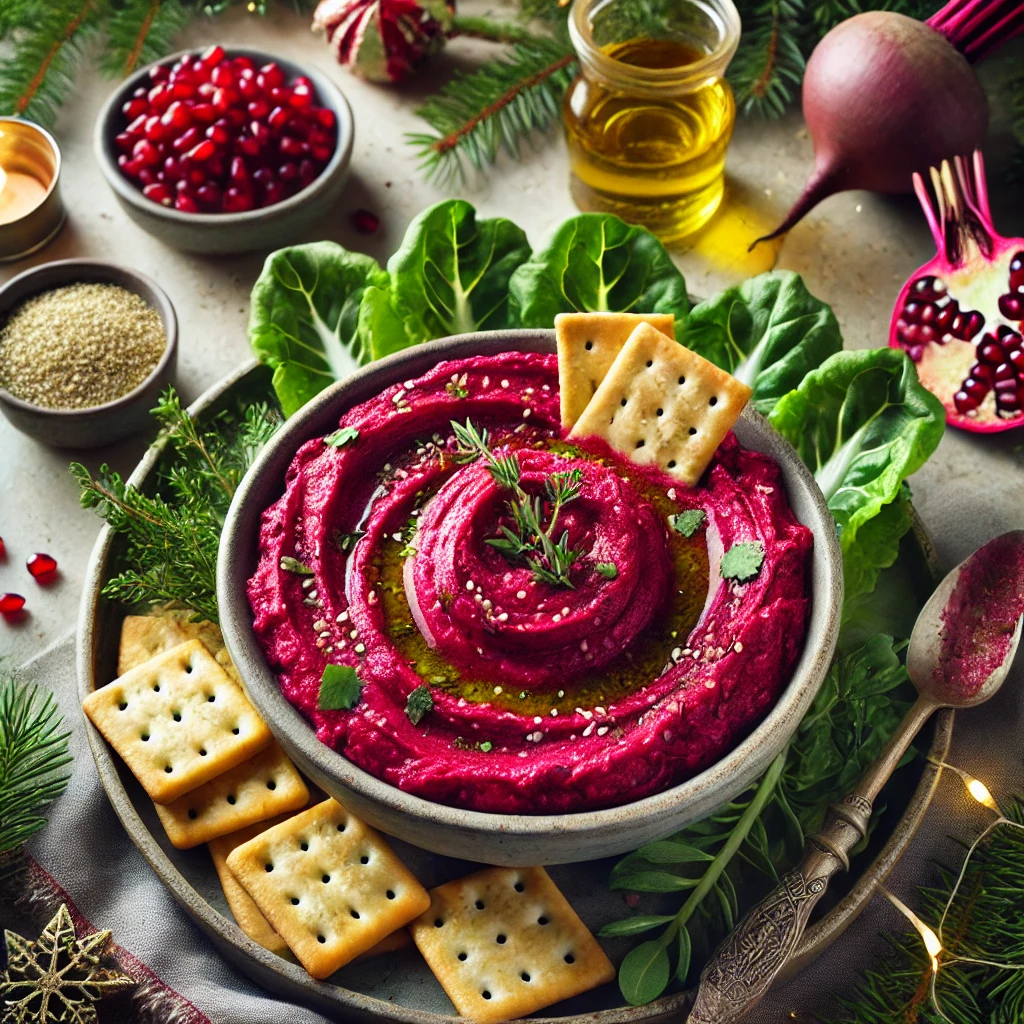
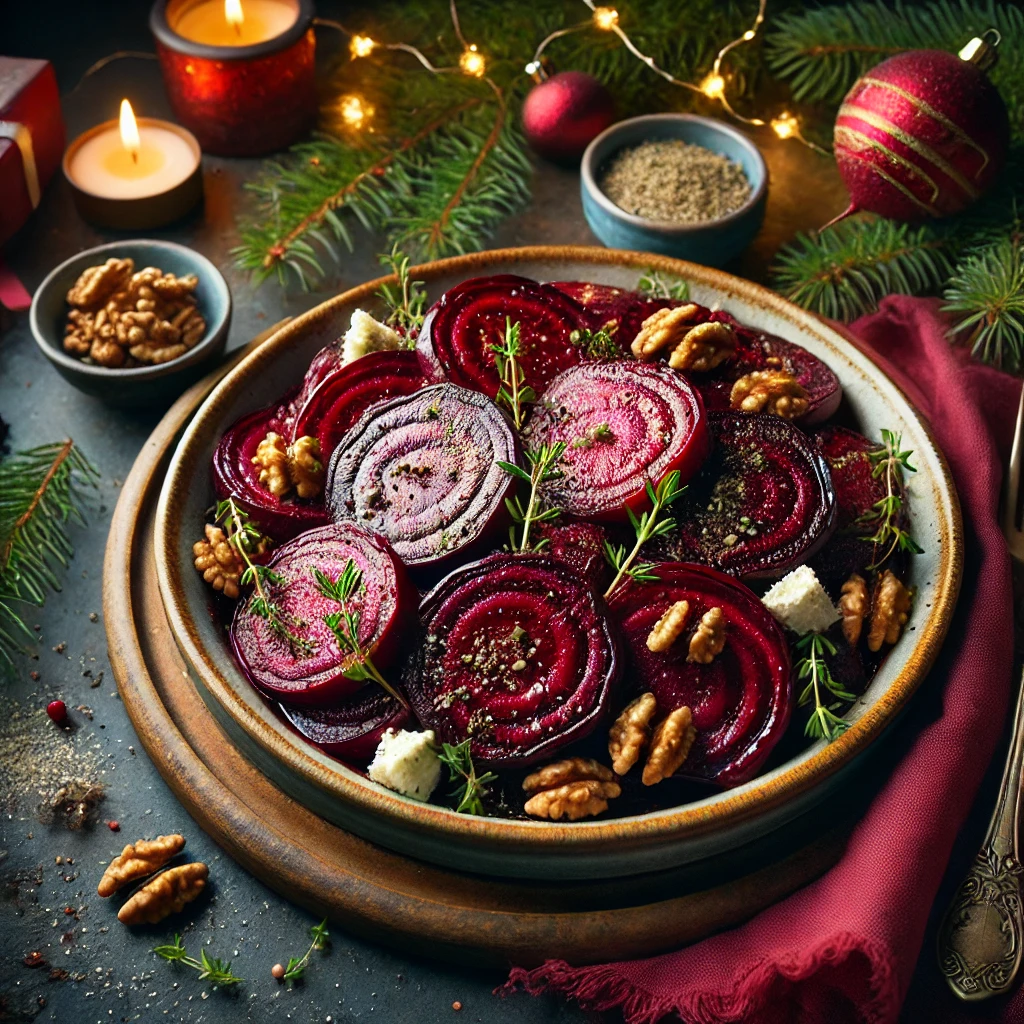
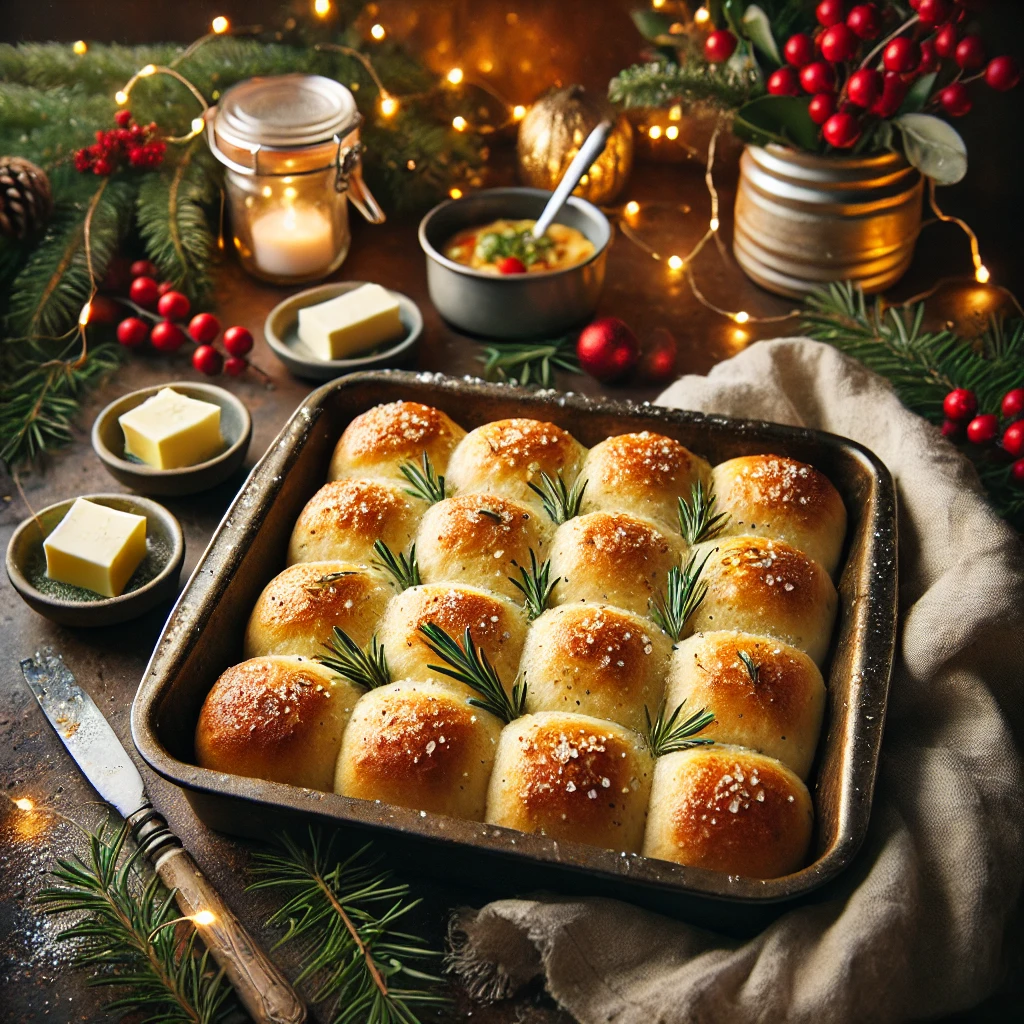
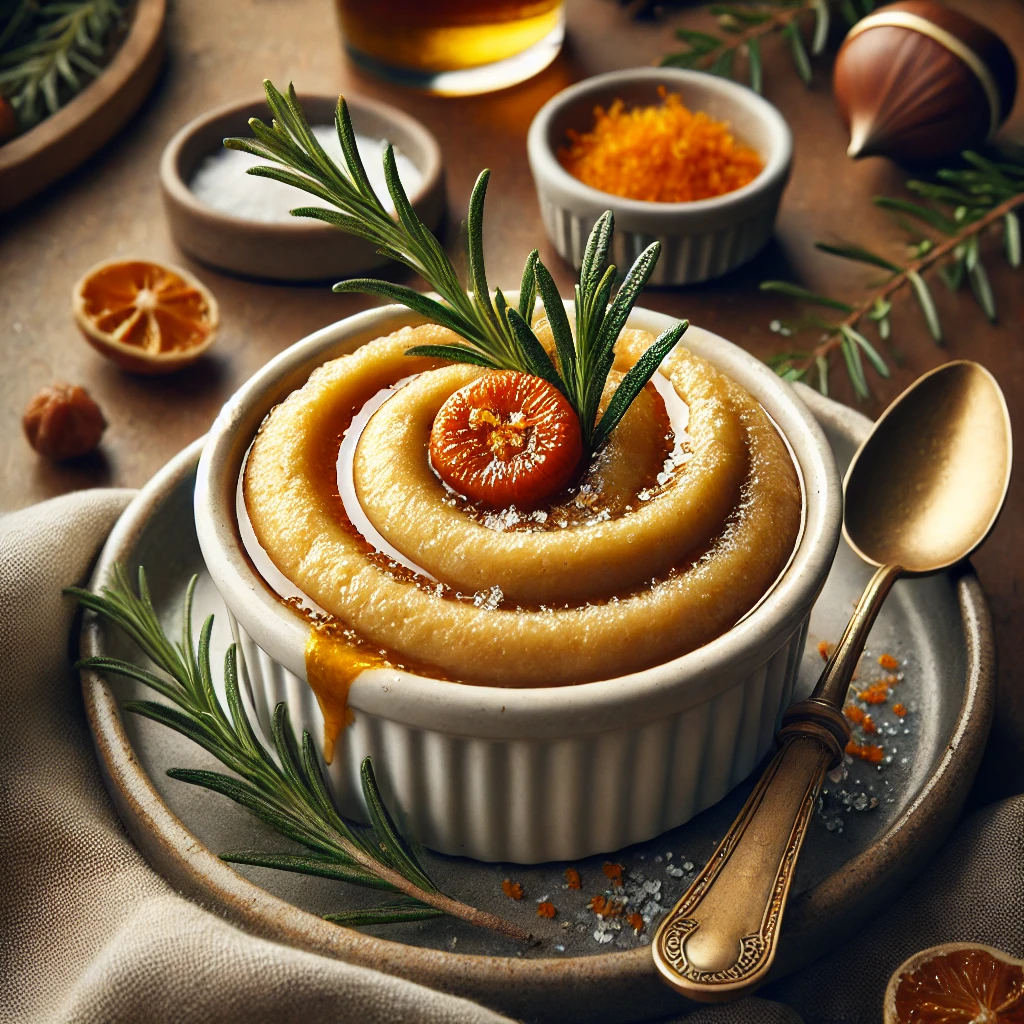
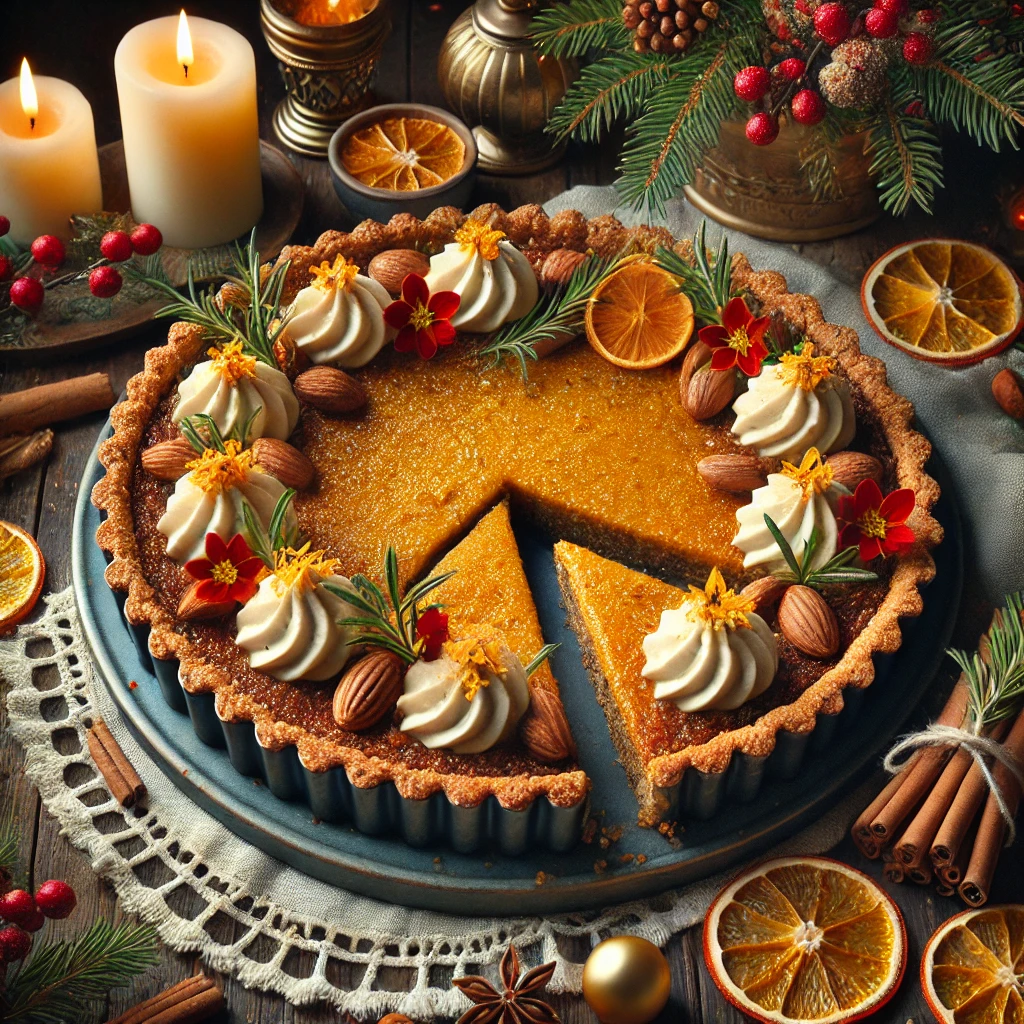
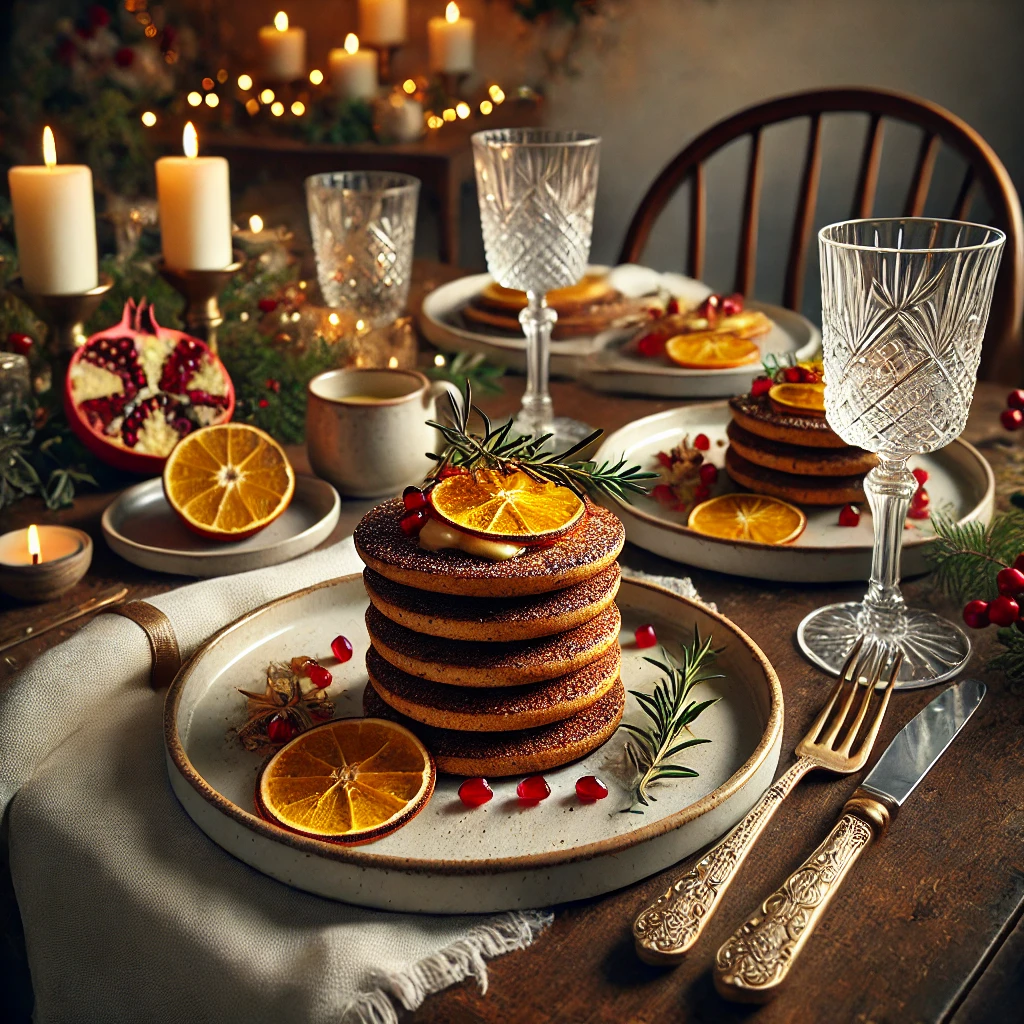
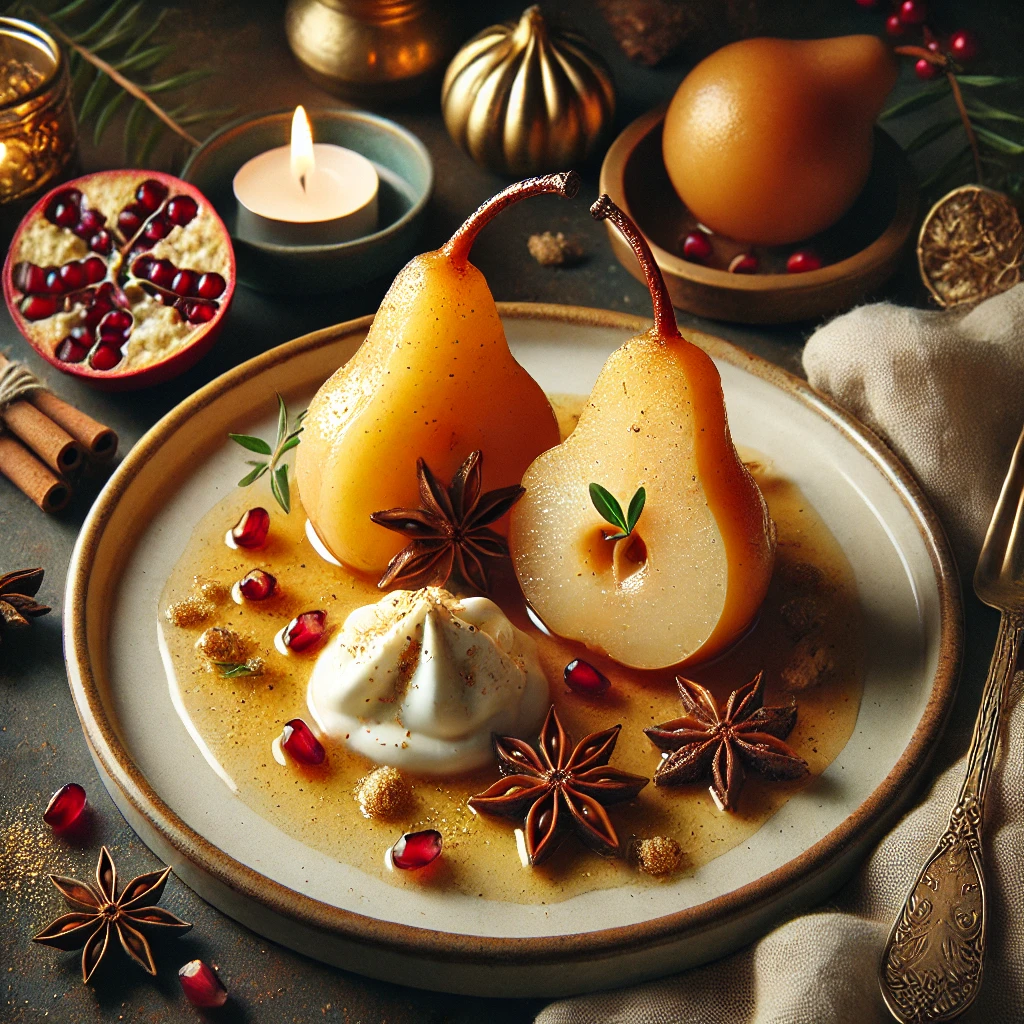
Recipes Engineered for Lasting Love