












May Day

with ORO VALENTIO

The First Day of May

May Day, observed each year on May 1, is a date rich with layered meaning. Across centuries it has carried both the joy of springtime renewal and the dignity of working people standing together in solidarity. Today it remains a powerful symbol of community, growth, and human contribution.
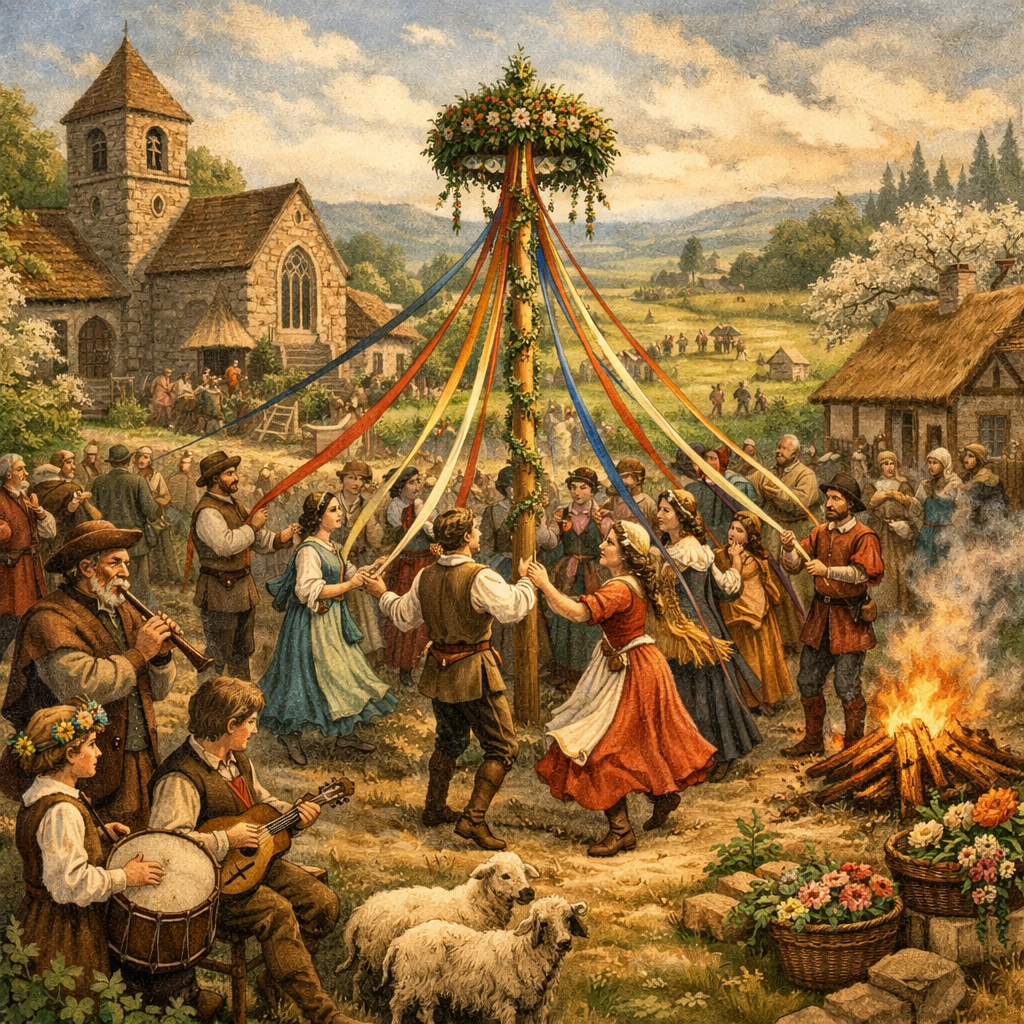
In older European traditions, May Day welcomed the arrival of warmer days, blossoming fields, and new beginnings. Villages gathered for music, dancing, and the weaving of ribbons around the maypole — a shared act representing unity and the interconnection of individuals within a thriving society. The spirit of celebration emphasized vitality, cooperation, and gratitude for the promise of abundance.
By the late nineteenth century, May 1 also became associated with the labor movement. Demonstrations advocating fair wages, reasonable hours, and safe conditions brought workers together in peaceful calls for justice. Over time, International Workers’ Day grew into a worldwide observance honoring the essential role that labor plays in building families, communities, and nations.
For much of European history, May Day marked a genuine turning point in the year, and communities treated it accordingly. In agrarian societies the arrival of early May meant animals could be driven out to pasture, planting was underway, and the risk of winter scarcity was finally loosening its grip. Parish records and local accounts from the medieval and early modern periods describe villages suspending ordinary labor, erecting a freshly cut pole in the commons, decorating homes with green branches, and gathering for games, music, and processions. The celebration was not aimed at a completed harvest but at the fragile promise of one; people were acknowledging dependence on favorable weather, healthy livestock, and social cooperation in the months ahead. By stepping away from daily work, the community publicly affirmed that survival and prosperity required unity, gratitude, and hope as much as effort.

Based on the Season and Ancient Rituals

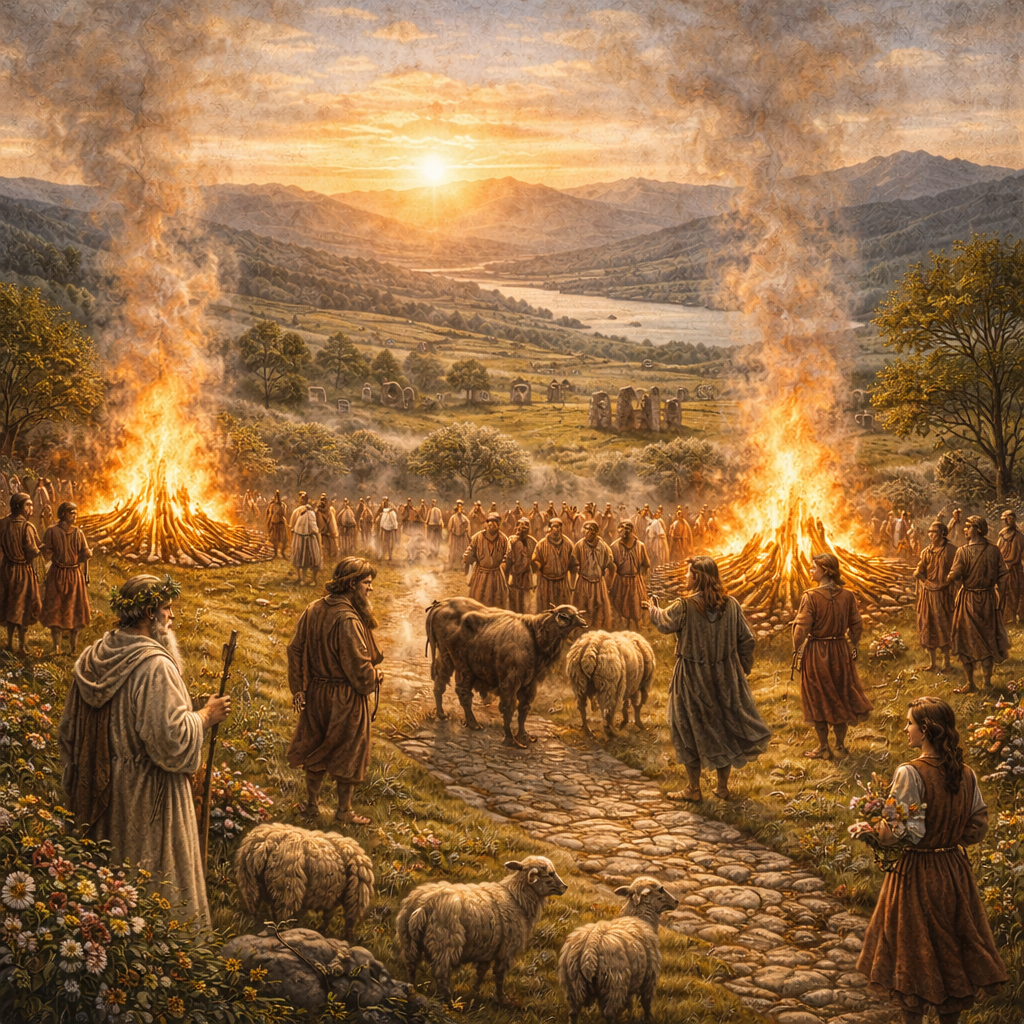
By the early medieval period, long before standardized civil calendars regulated civic life, communities across Europe already treated the first of May as the practical beginning of summer. Irish legal materials and narrative traditions referencing Beltane show that by at least the 8th–10th centuries AD, herds were being driven to upland pasture and protective rites were performed at this seasonal hinge. After months of winter scarcity, the greening of fields signaled both relief and uncertainty; the success of crops and livestock in the coming weeks would determine whether a community prospered or suffered. It is within this context that the custom of raising a newly cut tree took shape. Later medieval town records — especially from the 14th through 16th centuries in parts of England and Germany — describe villagers felling a fresh trunk each year, setting it in the common, and decorating it with greenery and ribbons. The choice of a living, temporary pole rather than a permanent structure mirrored agricultural reality itself: life had to return, blessing had to be sought anew, and abundance could never be assumed but gratefully welcomed as something reborn with each spring.
Modern May Day often blends both traditions. Festivals, educational events, and public gatherings can highlight heritage, workers’ rights, and the value of collective effort. Whether marked by flowers and dancing or speeches and marches, the day ultimately points toward a simple truth: societies flourish when people support one another and recognize the worth of every honest contribution.
For many organizations and businesses, May Day offers an opportunity to affirm respect for craftsmanship, perseverance, and collaboration — the qualities that transform vision into reality and sustain progress for generations.

May Day Traditions to Make Your Own

Raising the Maypole – A tall tree or pole, often freshly cut, was set up in a public space and decorated with greenery or ribbons. Dancing around it symbolized unity and shared life.
Maypole Dancing – Participants wove ribbons in patterns as they circled the pole, representing cooperation and the interconnection of the community.
Choosing a May Queen – A local girl, not nobility, was selected to represent youth, beauty, and hope for the coming season.
Gathering Flowers and Green Branches – People collected blossoms at dawn to decorate homes, barns, and streets as a sign of renewal and gratitude.
Making Flower Crowns – Worn especially by children and young women, these celebrated springtime and vitality.
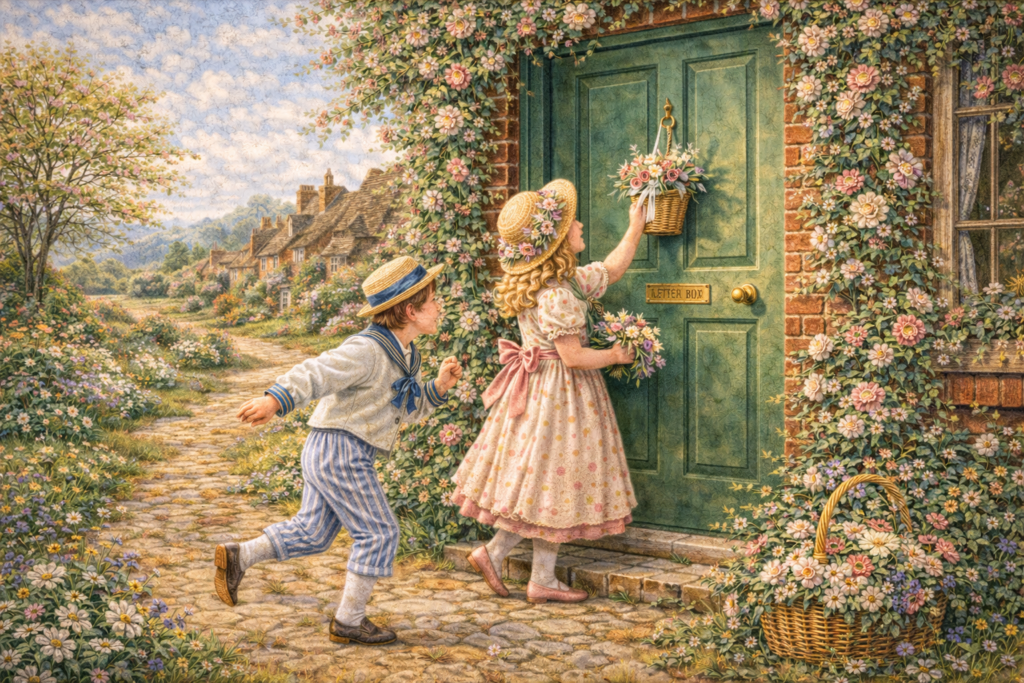
May Baskets – Small baskets or cones of flowers or treats were left secretly on neighbors’ doors as acts of kindness and friendship.
Bonfires – In some regions, fires marked purification, protection, or blessing at the start of the agricultural season.
Music and Dancing – Fiddles, pipes, and communal dancing replaced normal labor for the day.
Games and Contests – Foot races, strength competitions, and playful events built camaraderie.
Feasting – Families and neighbors shared food together to mark the turning of the season.
Processions – Groups might move through the village carrying greenery, banners, or symbolic figures.
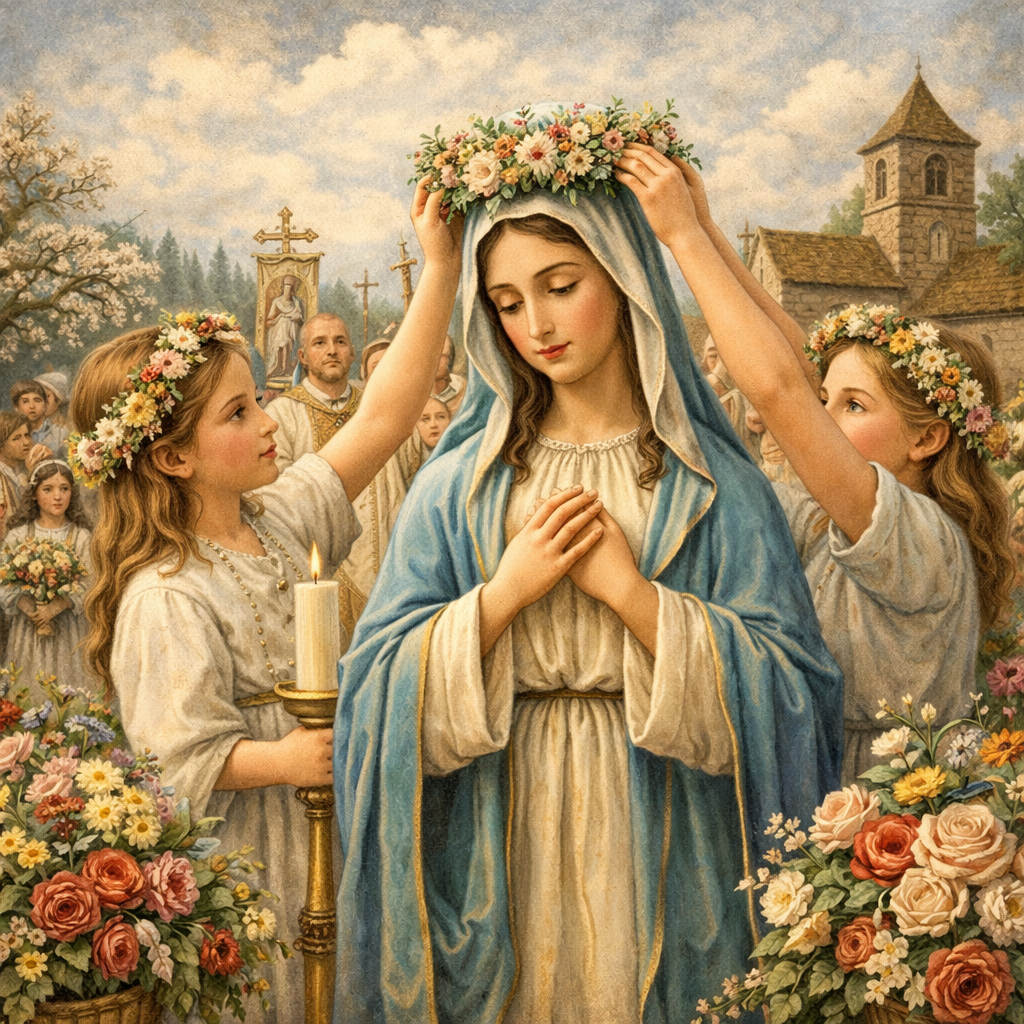
Marian Devotions (in Catholic regions) – Hymns, flowers, and the crowning of Mary honored her during the month associated with new life.
Across the centuries, the instinct to honor spring with a crown did not disappear, but was gradually given new direction. In many villages the May Queen had been an ordinary local girl — chosen not for noble birth but for her character, her reputation, or the simple radiance of youth — a sign that dignity lived among the people themselves. As May became especially dedicated to Mary, this familiar gesture of communal honor was lifted toward a spiritual meaning. The crown of flowers was no longer placed upon a seasonal representative of village hope, but offered to the one Christians revere as mother and model of faithful obedience. Through the tradition of May Crowning, processions, hymns, and blossoms preserved the language of beauty and celebration while directing it toward gratitude for grace, purity, and the promise of new life in Christ.

May Hope Rise with the Morning Light

In parts of Britain and later in North America, May Day developed a charming custom sometimes called the “May basket.” Children or young people would fill small cones or baskets with spring flowers, greenery, or sweets, hang them quietly on a neighbor’s door, knock, and then run off before being recognized. If the giver was caught, playful traditions in some regions called for a thank-you kiss or greeting, but the heart of the practice was simple generosity. The gift appeared without claim of credit, turning the arrival of spring into an opportunity for anonymous kindness and strengthening bonds within the community.
 
May the Lord who turns winter into spring
awaken in us fresh courage and faithful joy.
As the earth brings forth new life,
may our hands be strengthened for good work,
our homes be filled with gratitude,
and our communities be woven together in peace.
May hope rise with the morning light
and remain with us through the season to come.
Amen.

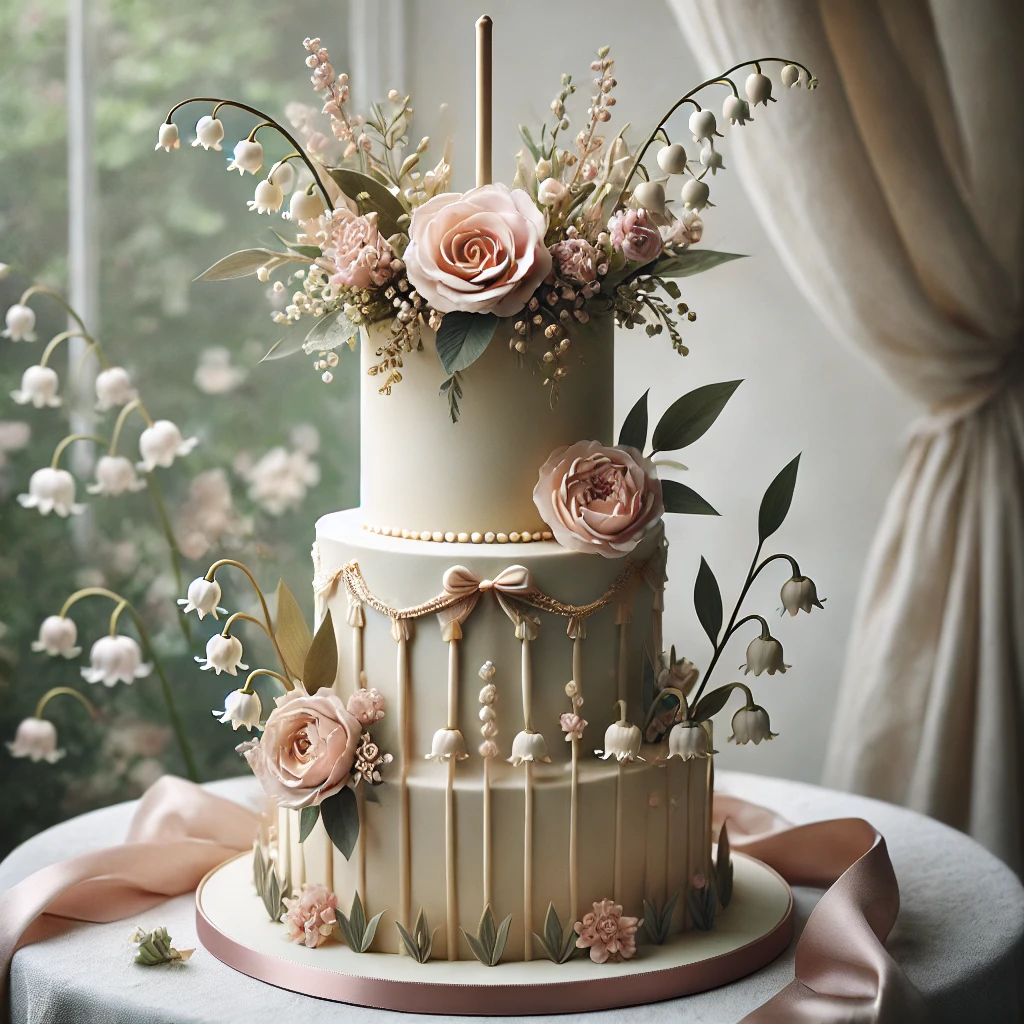
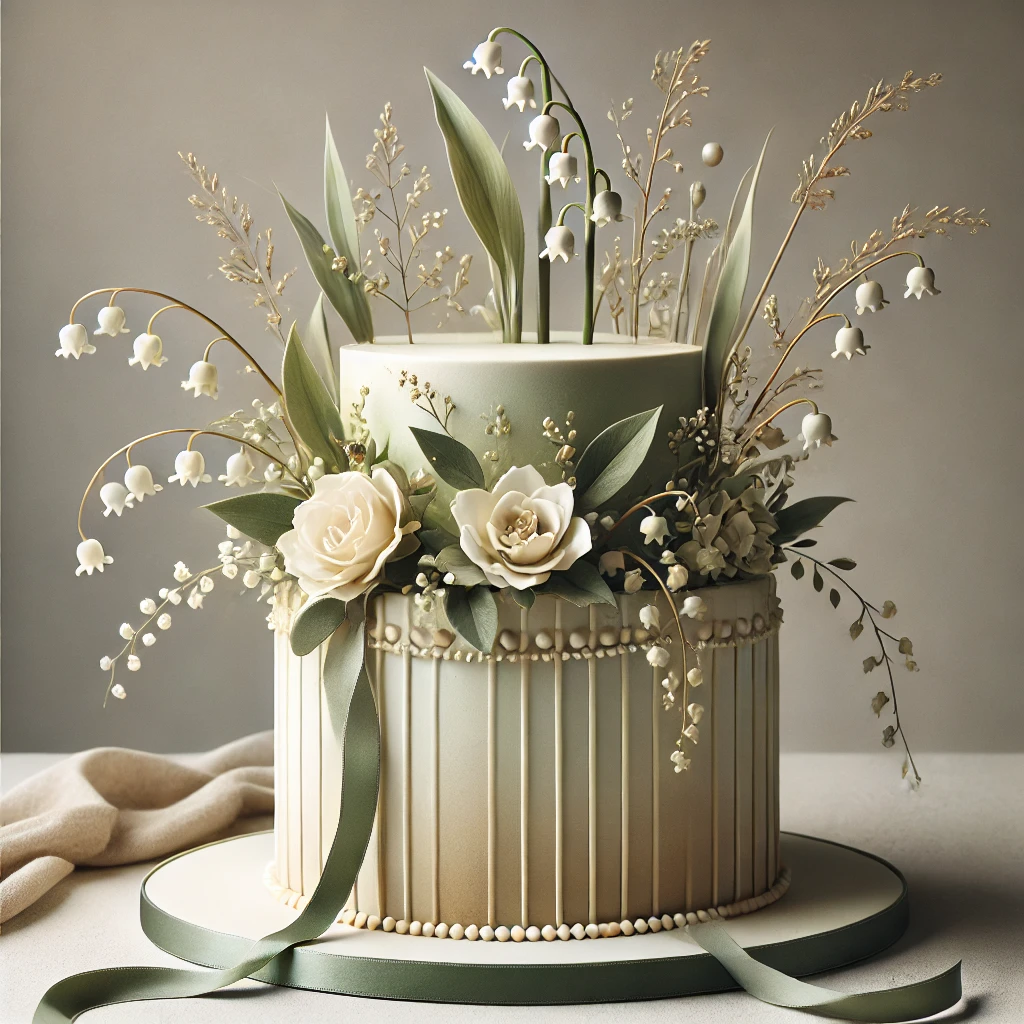
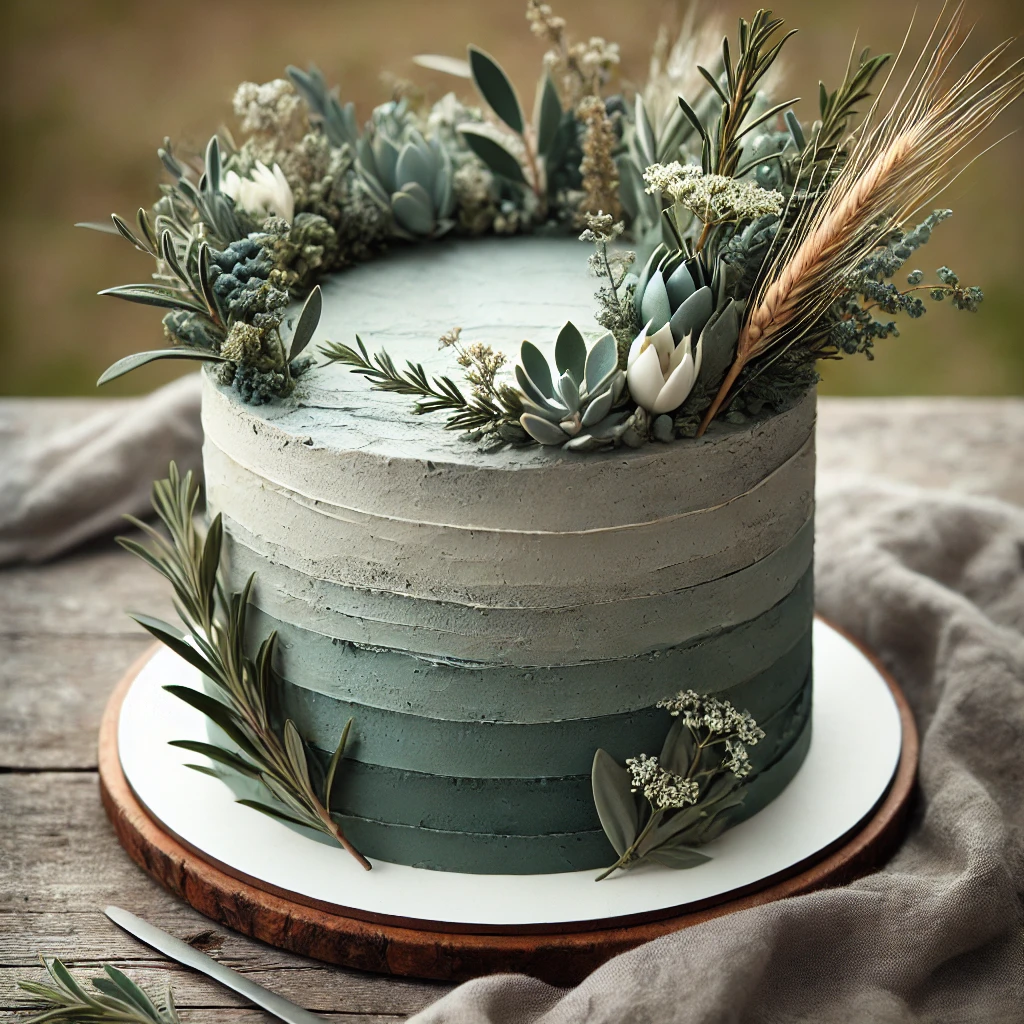
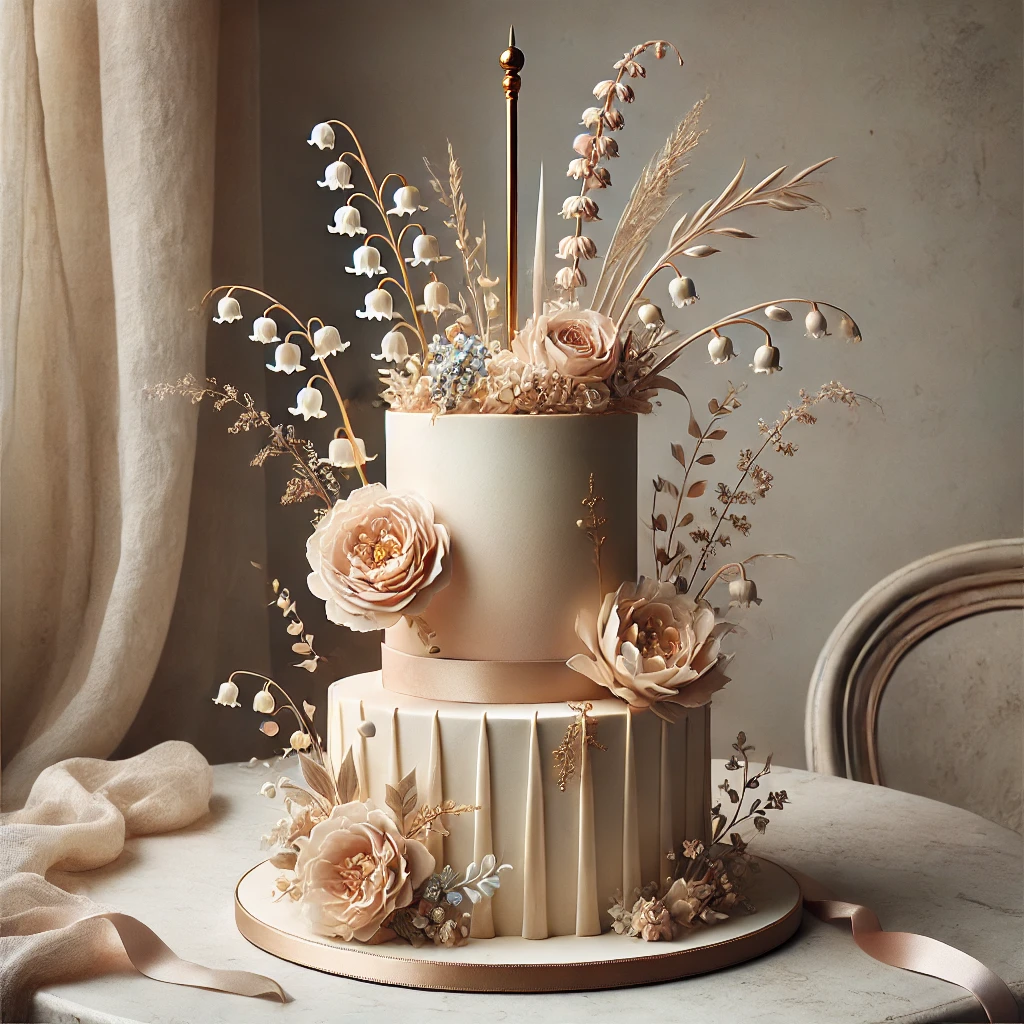
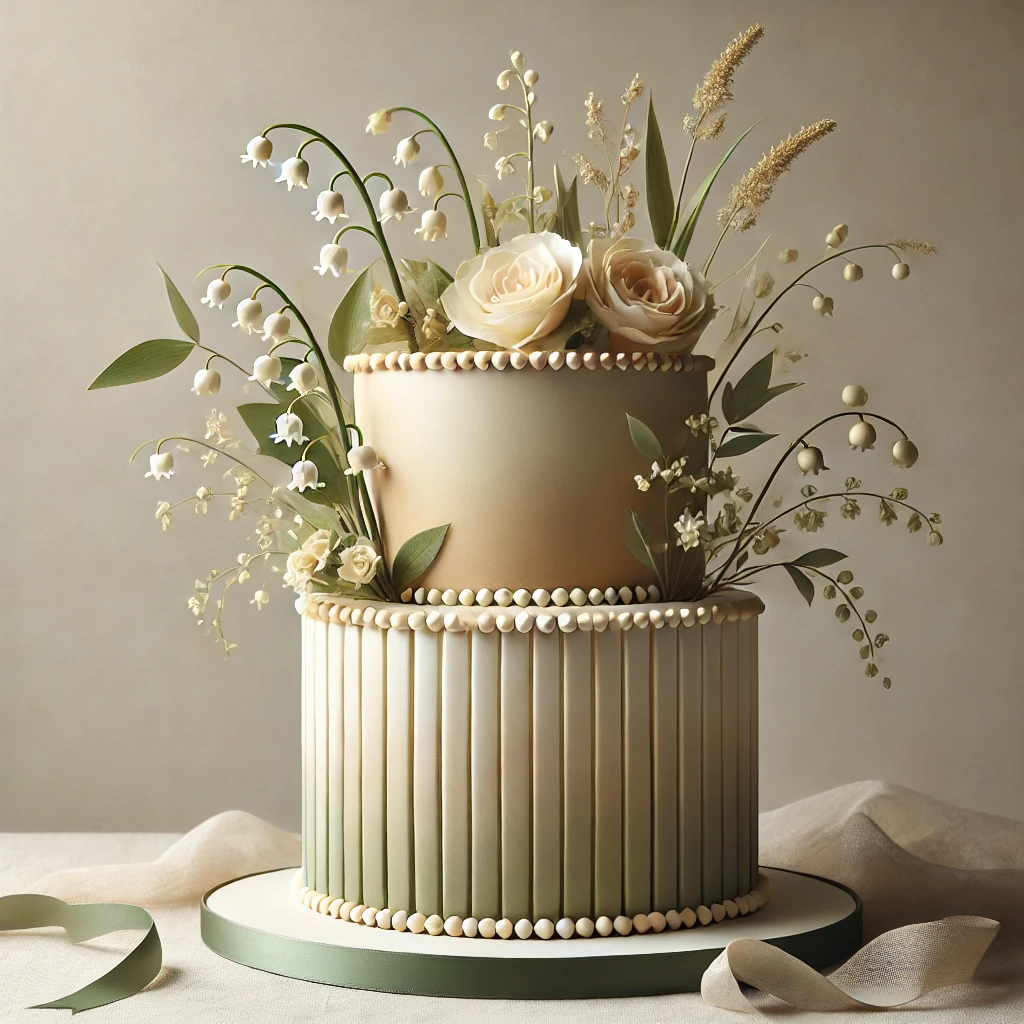
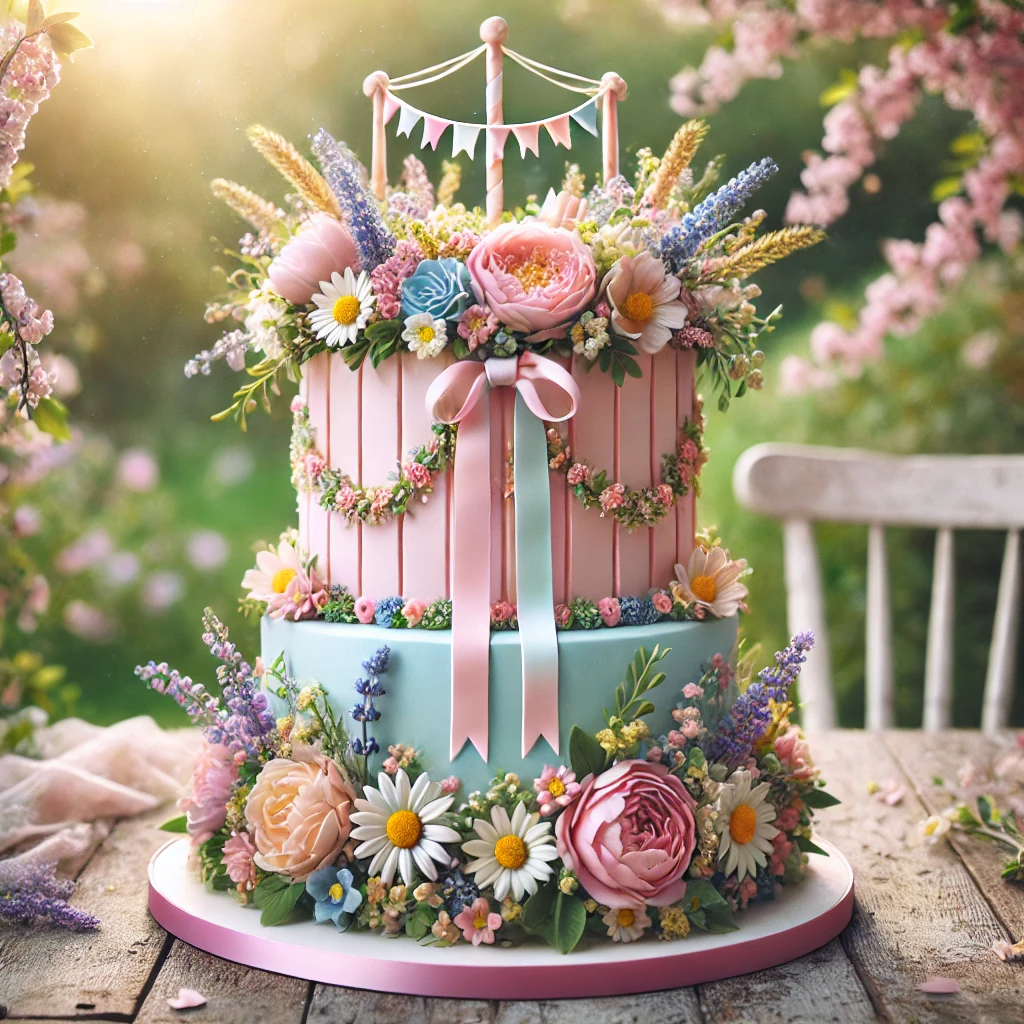
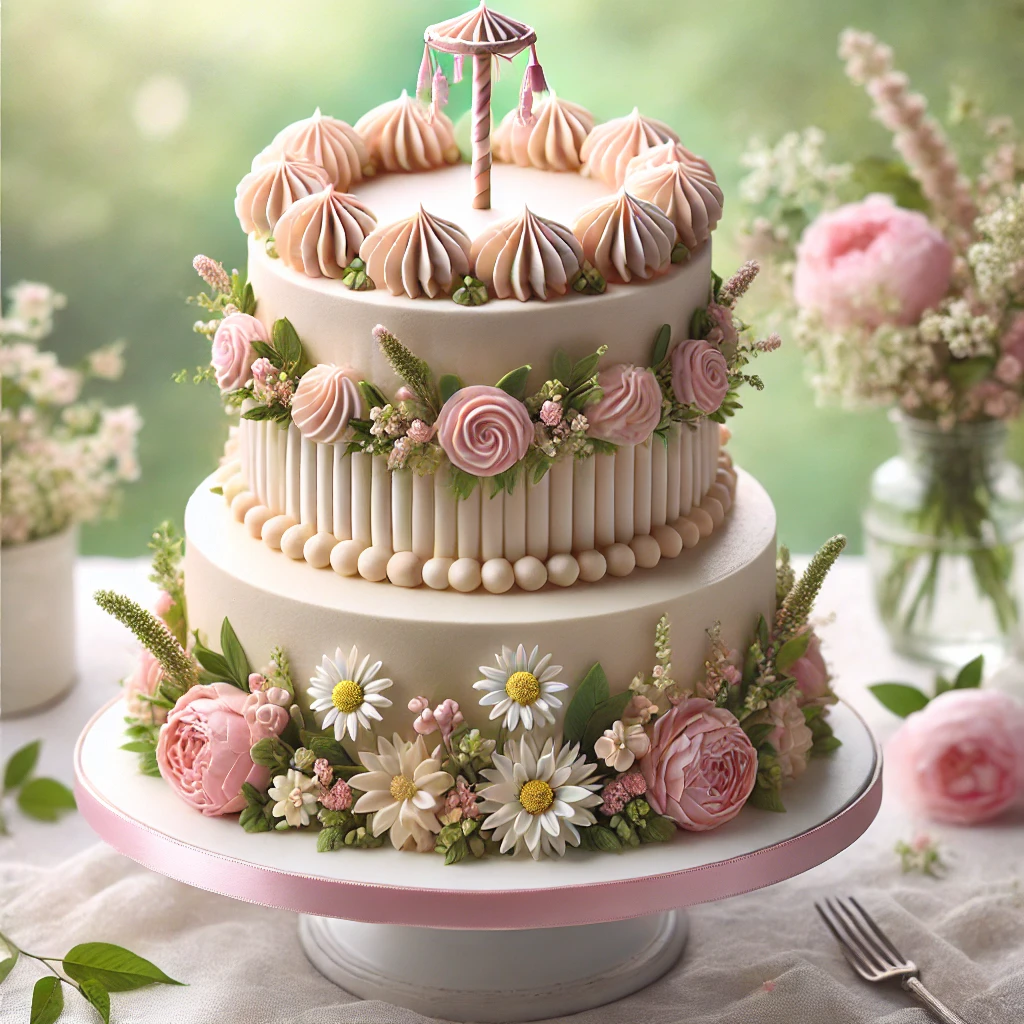
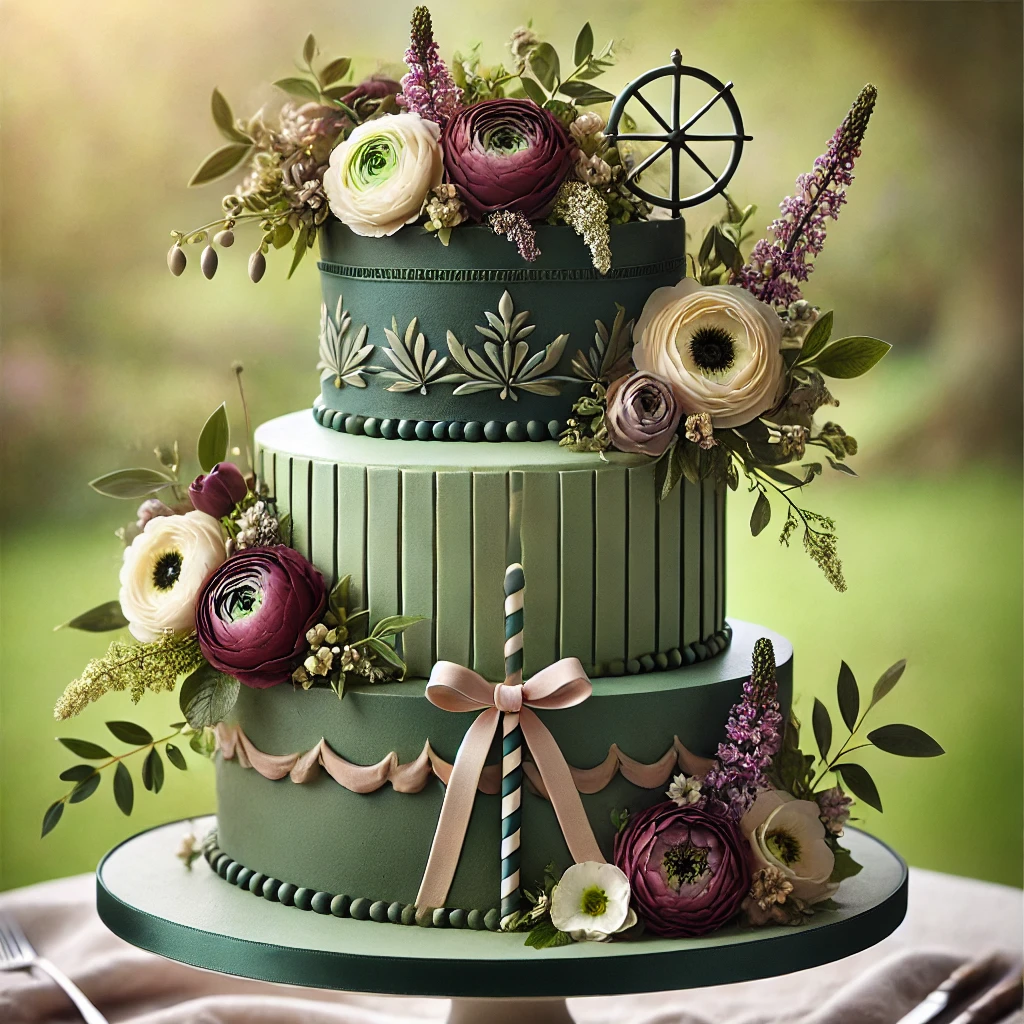
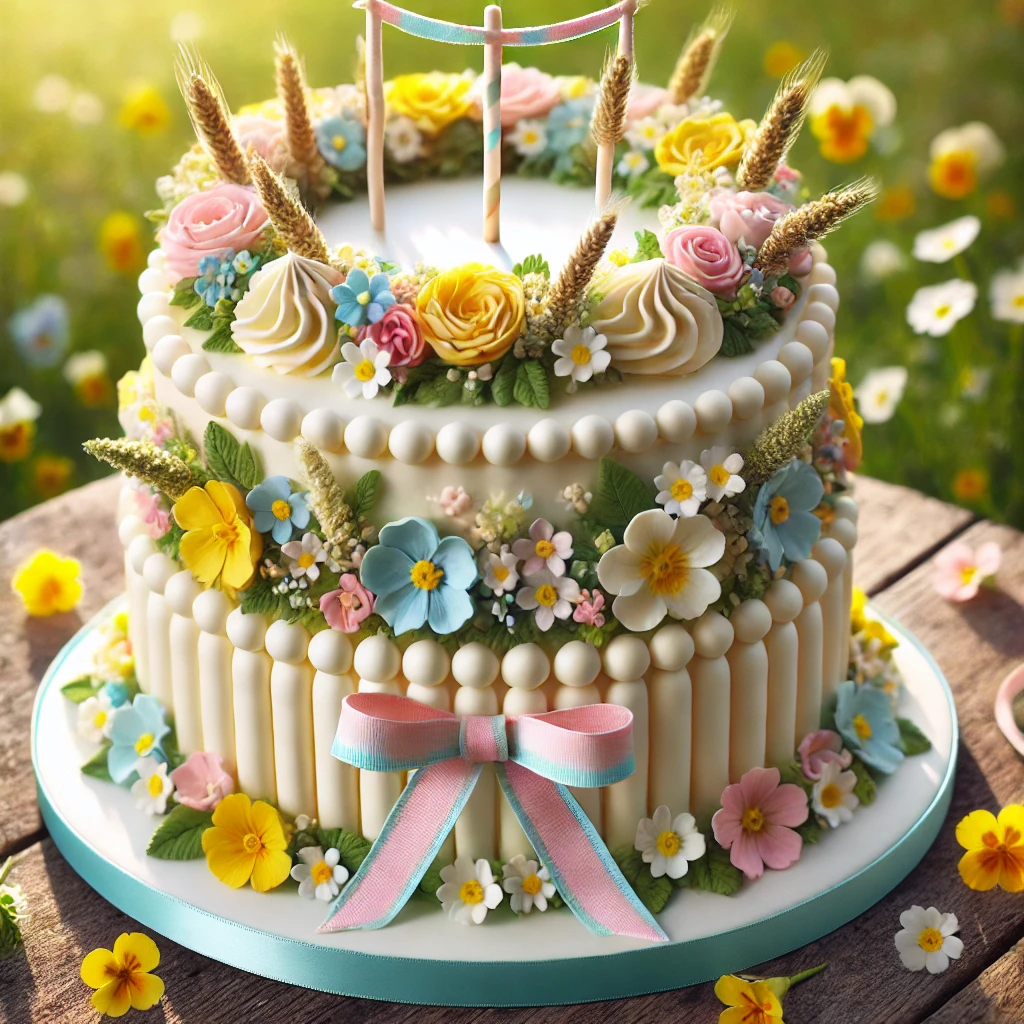
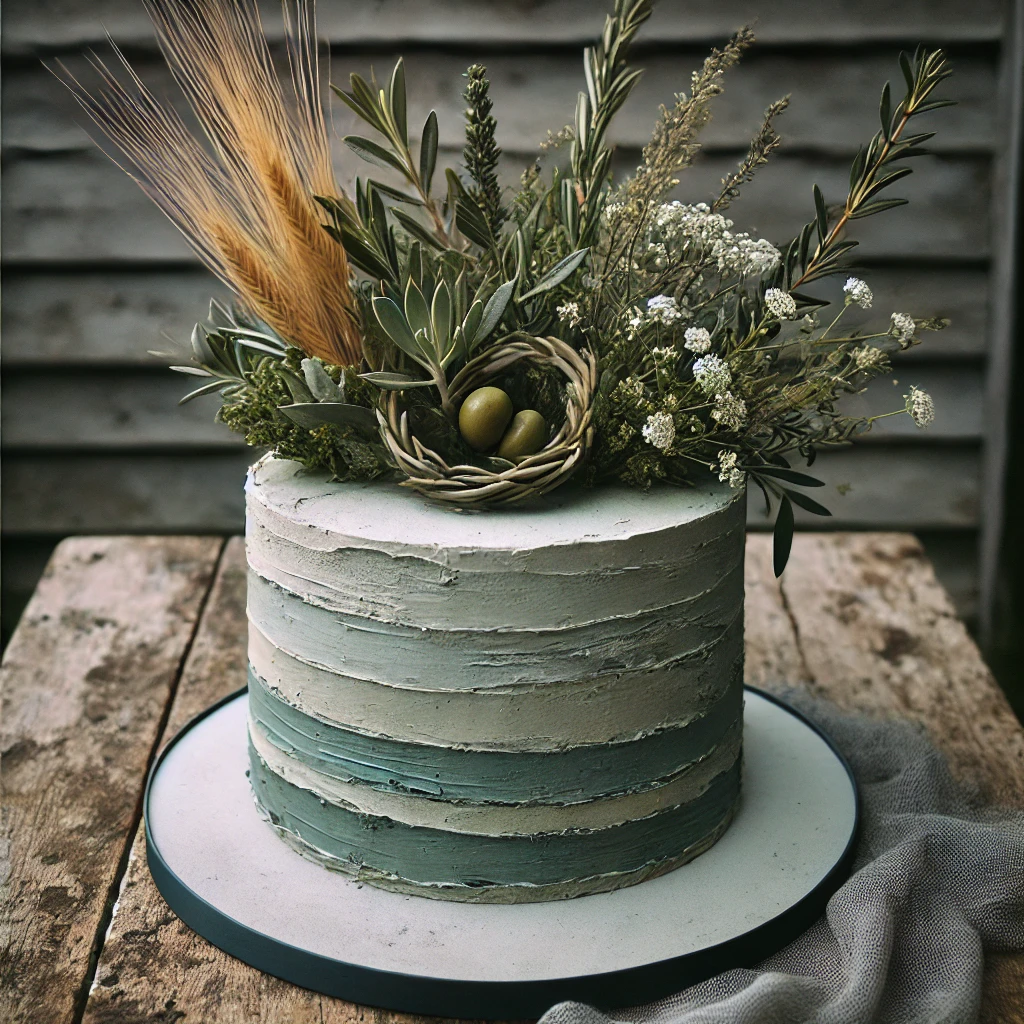
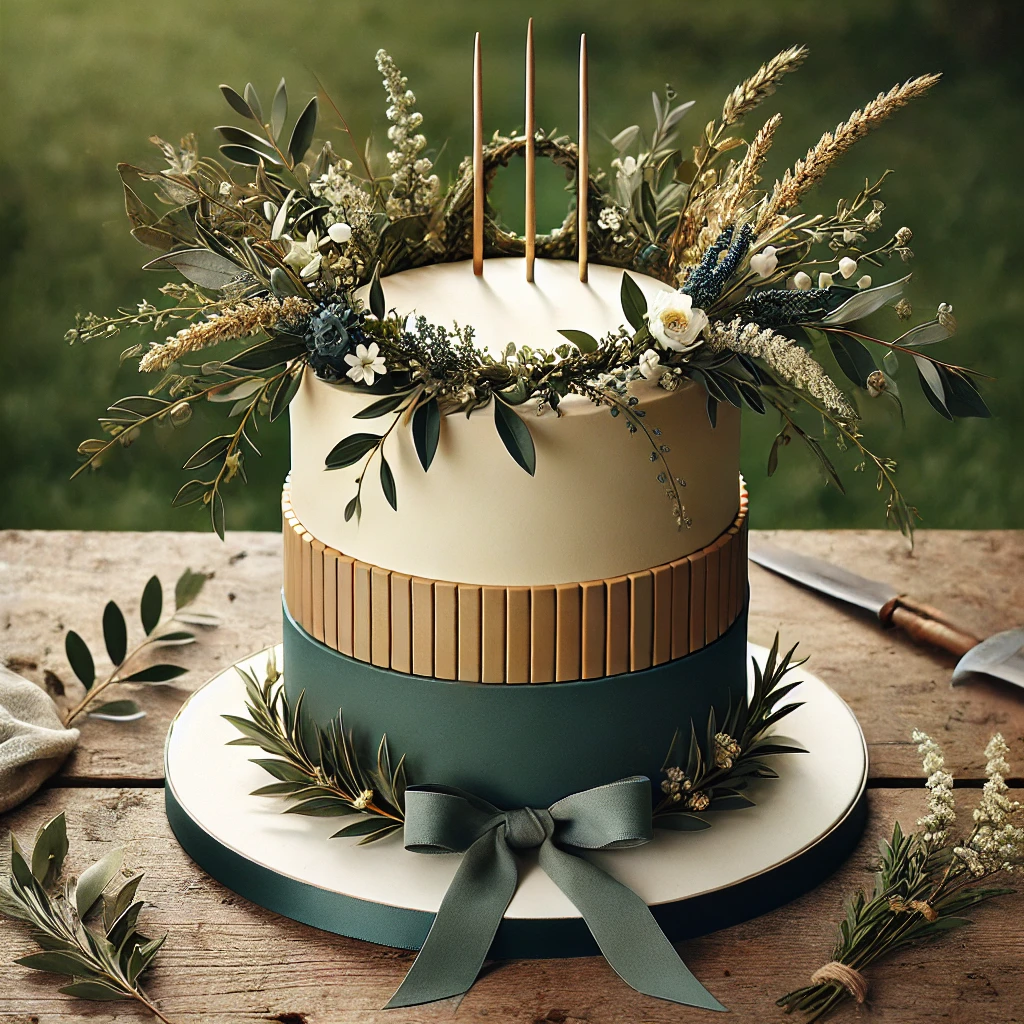
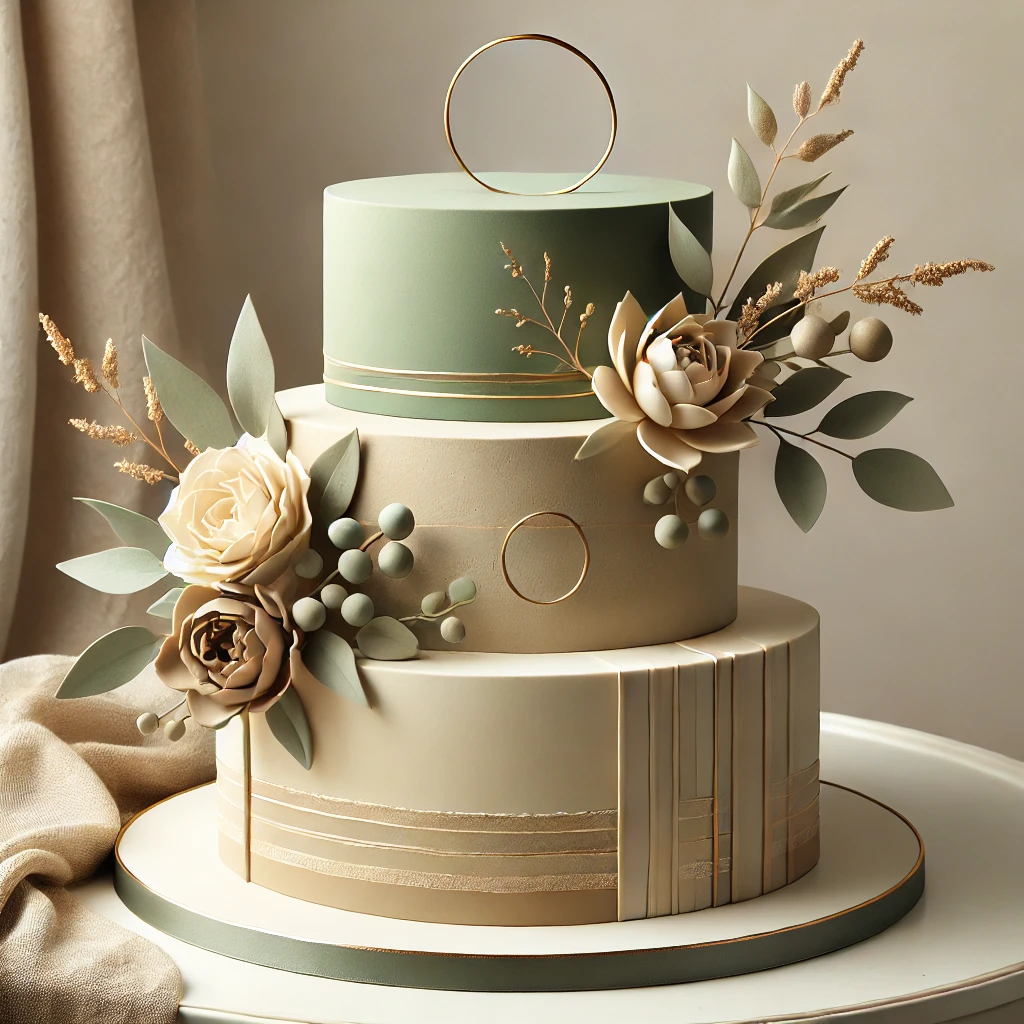
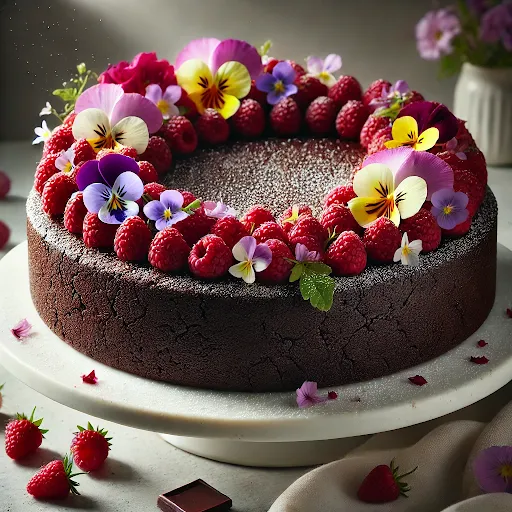
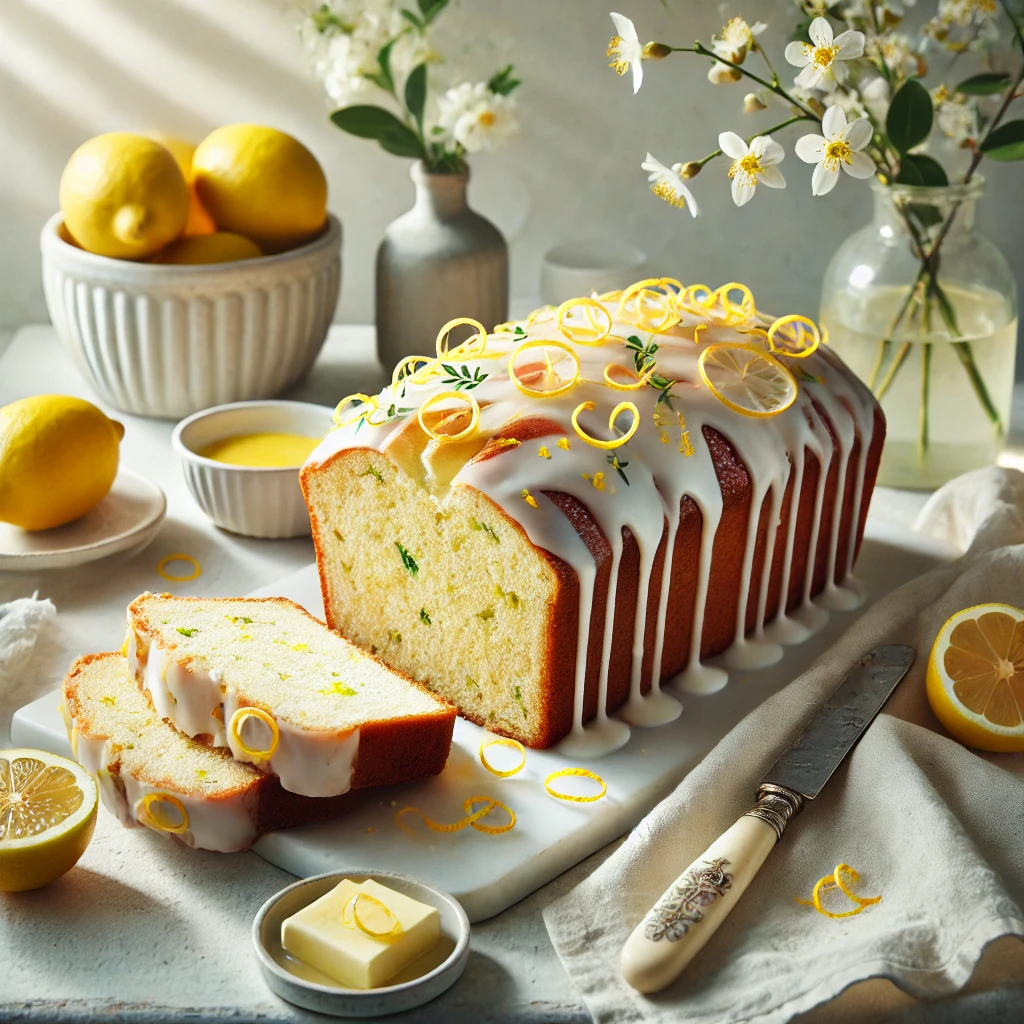
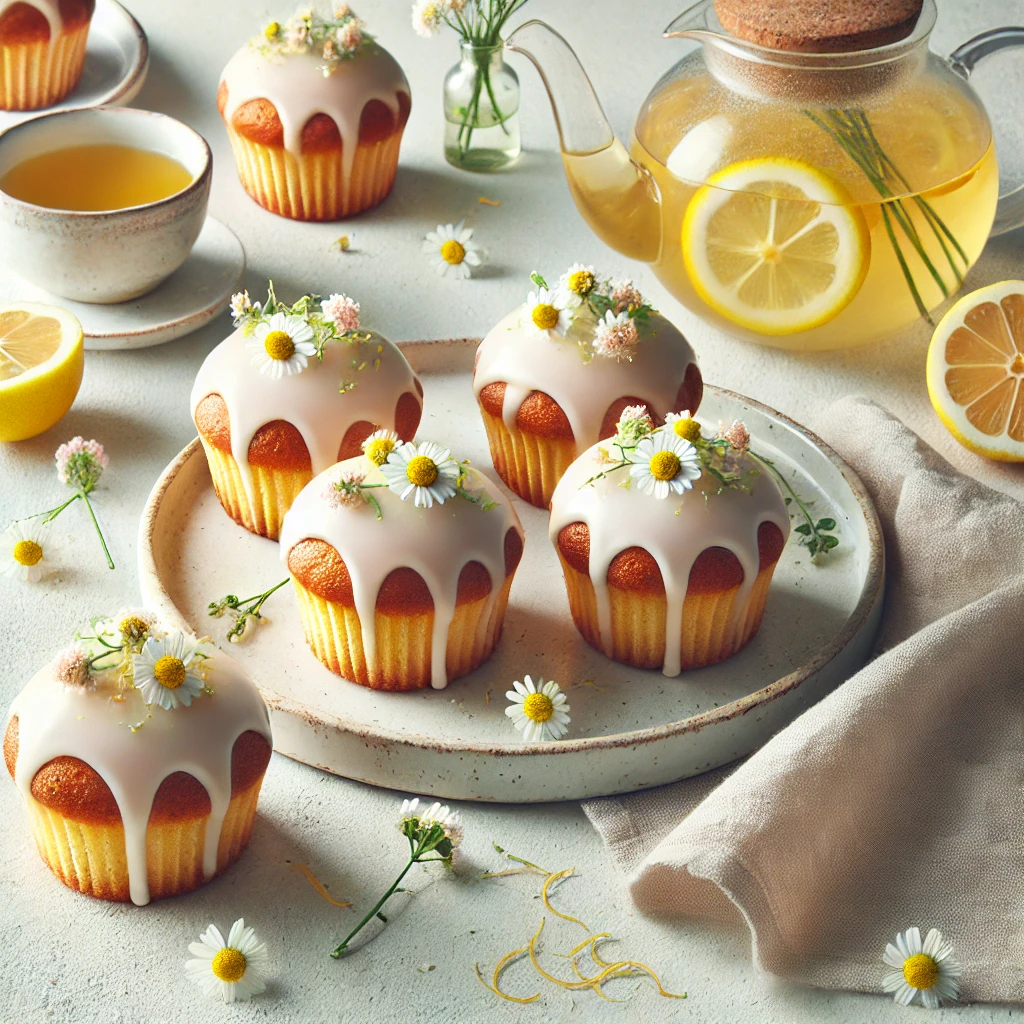
May Day Cake & Atmosphere Ideas

Where style, memory, and celebration meet.

This section is meant to be more than Cake Decorating Ideas… it’s designed to spark inspiration and creativity, awaken tradition, and infuse your special occasions with style, identity, and atmosphere. A color palette becomes a theme. A design becomes a mood. Simple details—like sugared holly leaves or shimmering stars—can set the tone for a gathering and become part of cherished traditions and lasting memories melded with personal touch and love.

Traditional May Day Dishes

Foods Traditionally Associated with Presidents’ Day
1. Cherry Dishes
  • Cherry pie is the most iconic Presidents’ Day food
  • Linked to George Washington through the famous (though apocryphal) cherry tree story
  • Symbolizes honesty, virtue, and moral character

2. Colonial-Era American Foods
These reflect what early presidents would actually have eaten:
  • Roast meats (beef, pork, or turkey)
  • Root vegetables (potatoes, carrots, parsnips)
  • Cornbread or hearth-baked breads
  • Apple dishes (apple pie, baked apples, cider)

3. Corned Beef & Cabbage
  • Often associated with Abraham Lincoln and 19th-century American fare
  • Common in February and sometimes overlaps with early Irish-American traditions
  • Represents hearty, practical nourishment during winter

4. New England & Mid-Atlantic Classics
Reflecting early presidential regions:
  • Clam chowder
  • Baked beans
  • Brown bread
  • Fish and shellfish dishes

5. Presidential Favorites (Often Featured)
  • Peanut soup (associated with Thomas Jefferson)
  • Spoonbread and Southern dishes (Jefferson & Madison era)
  • Simple farmhouse-style meals highlighting American agriculture

6. Patriotic Desserts
  • Red, white, and blue cakes or cupcakes
  • Berry shortcakes
  • Flag-themed cookies or sugar cookies
  • Vanilla and chocolate combinations symbolizing simplicity and unity

7. Simple, Shared Meals
  • Family-style dinners
  • Potluck meals at schools or civic events
  • Foods meant to emphasize unity, humility, and shared national heritage

Winter Recipes