





The Immaculate Conception

with ORO VALENTIO

December 8th

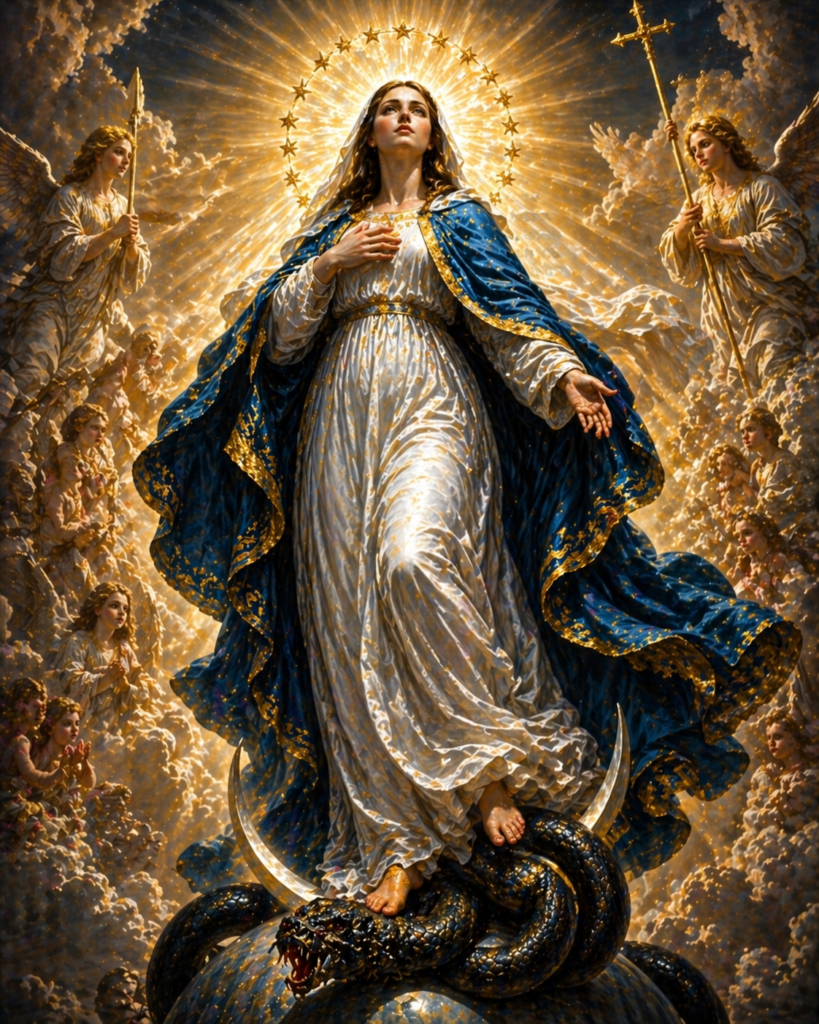
Another way to understand the **Immaculate Conception** is to see it as the decisive beginning of God’s victory over Satan, established in hiddenness long before the visible triumph of Christ on the Cross, for in preserving the Virgin Mary from all stain of sin from the first moment of her existence, God created not only a pure and willing vessel for the Incarnation, but a soul completely outside the dominion of the enemy, untouched by his influence and wholly subject to divine grace; in this way, Mary stands as the fulfillment of the promise in Genesis that the woman would be in total enmity with the serpent, her very being opposed to him without compromise, so that her life unfolds as a continual victory over his power, not through struggle against sin as in others, but through an unbroken union with God that leaves no foothold for evil; thus, her Immaculate Conception is not merely a preparation but an act of spiritual warfare already won in principle, establishing her as the living Ark and sanctuary of God, before whom the forces of darkness have no claim, and from whom Christ would take flesh to accomplish the redemption of the world, and therefore this mystery reveals both a beginning and a promise: a beginning in that it marks the first moment of a creature entirely free from Satan’s grasp, and a promise in that it foreshadows the complete and universal victory over sin and the devil that Christ would bring to fulfillment for all humanity.

The Immaculate Conception proclaims a unique and profound truth about the Virgin Mary: from the very first moment of her existence, she was preserved free from original sin by a singular grace of God, granted not through her own merit but entirely as a gift, in view of the merits of Jesus Christ, whose redemptive work was applied to her in a most perfect and anticipatory way; contrary to a common misunderstanding, this doctrine does not refer to the conception of Christ, but to Mary’s own conception in the womb of her mother, Saint Anne, at which moment she was filled with sanctifying grace and remained throughout her life untouched by the stain of original sin that affects all other members of humanity, a truth solemnly defined as dogma in 1854 by Pope Pius IX in the apostolic constitution Ineffabilis Deus, and celebrated each year on December 8 as a holy day of obligation in many parts of the world; this mystery reveals a profound harmony between divine grace and human freedom, for in preserving Mary from sin, God did not diminish her freedom but perfected it, enabling her to respond to Him with a fullness of love unimpeded by disordered inclination, so that her “yes” at the Annunciation emerges from a heart entirely aligned with the divine will, and in this way Mary stands not only as uniquely privileged but also as the perfect realization of what humanity is meant to be when wholly receptive to grace—restored, elevated, and fully alive in God—thereby offering not merely an isolated exception, but a luminous sign of God’s ultimate plan for all people: the healing and transformation of human nature through grace, drawing every soul toward unity with Him through invitation, cooperation, and love.

The Immaculate Conception: A Work of Divine Grace

Beginning with Sts. Joachim & Anne, the Parents of Mary, Mother of God

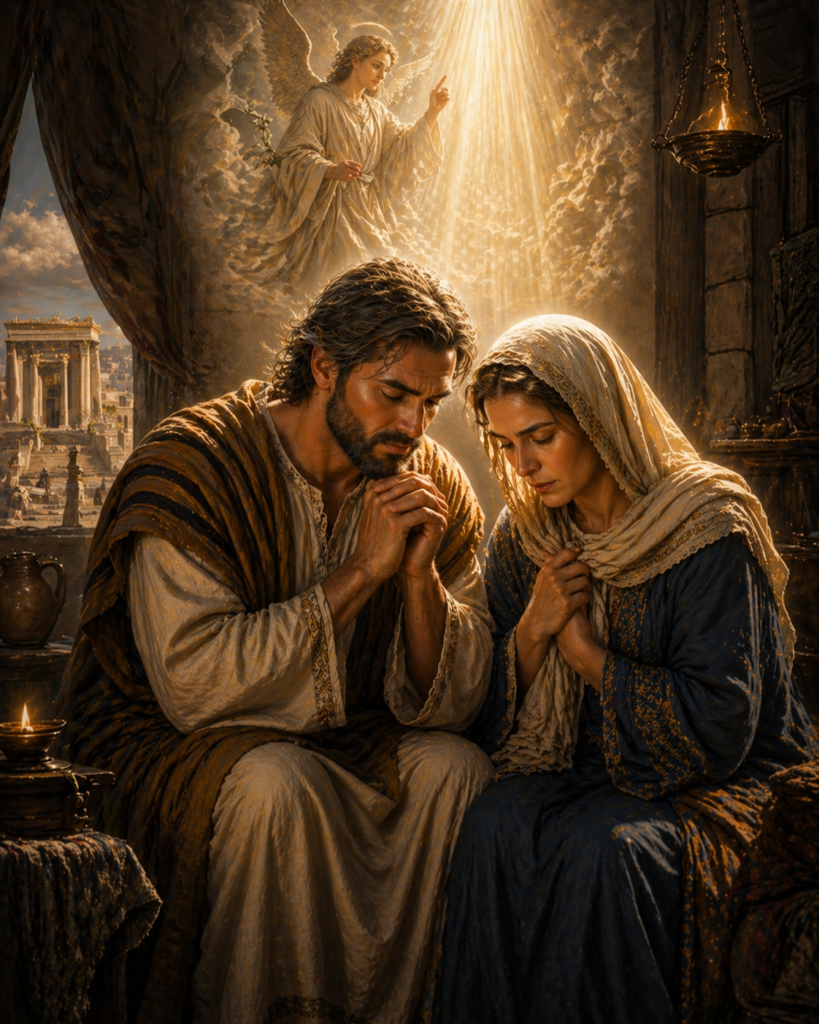
The Immaculate Conception reveals a profound truth about the way God works in the human soul—not through force or interruption, but through a quiet, perfecting grace that prepares a person for a divine purpose, and this mystery is already foreshadowed in the lives of Saint Joachim and Saint Anne, whose long years of barrenness were marked not only by interior sorrow but by intense and humiliating suffering, including public rejection, misunderstanding, and even the quiet scorn of those around them, a trial permitted by God not as abandonment but as a means of purification and preparation for an extraordinary grace; thus, when Mary was conceived, preserved from original sin from the first moment of her existence, it was not an isolated miracle detached from human experience, but the culmination of a hidden work of grace already unfolding through the fidelity, humility, and perseverance of her parents, revealing that God’s providence operates with perfect wisdom, often allowing suffering to refine souls and dispose them for greater gifts, while at the same time demonstrating in Mary the fullness of His redemptive power, for rather than merely repairing the damage of sin, He preserved her entirely by applying in advance the merits of Christ, showing that He stands beyond time and acts within it with deliberate and loving intention; in this way, Mary becomes the living image of humanity as it was meant to be—restored, elevated, and wholly receptive to God—her freedom not diminished but perfected by grace, so that her life unfolds as a continuous and unimpeded movement toward Him, and her “yes” at the Annunciation arises from a heart fully aligned with the divine will, and thus the Immaculate Conception is not only a singular privilege granted to one person, but a revelation of God’s ultimate plan for all humanity, offering a profound sign of hope that the same grace which preserved, purified, and elevated in advance is even now at work in every soul, inviting each person, through cooperation and trust, into a life that is gradually transformed, renewed, and brought into perfect union with Him.
The mystical tradition of the Church deepens our understanding of the hidden life of **Saint Joachim** and **Saint Anne**, portraying their suffering as not merely external hardship but as a prolonged, intense, and profoundly spiritual purification permitted by God in preparation for an extraordinary mission, for their humiliation—endured through barrenness, rejection, and misunderstanding—was not a sign of abandonment but a deliberate work of divine providence, shaping their souls to receive a grace beyond all expectation, while their prayers, though seemingly unanswered for a time, were in fact being perfectly ordered and timed according to God’s wisdom; in this, their story reflects a consistent pattern throughout salvation history, seen in figures such as Abraham and Sarah, who received Isaac in their old age, Hannah, who bore Samuel after years of anguish, and Elizabeth, who conceived John the Baptist after long barrenness, demonstrating that God often allows extended periods of trial and apparent sterility before bringing forth a child destined for a unique role in His saving plan, and thus, as **Saint John Damascene** teaches, the **Immaculate Conception** was not an ordinary event but one carefully prepared through suffering, prayer, and grace, wherein from the first moment of her existence the Blessed Virgin Mary was preserved from all stain of original sin by a singular grace of God; from this we draw a profound spiritual insight, namely that God permits humiliation to purify and deepen trust, that apparent rejection can be the very threshold of divine favor, and that the holiness of Mary herself, though entirely a gift of God and uniquely granted, is also mysteriously rooted in the fidelity, perseverance, and sanctified suffering of her parents, whose steadfast faith became the fertile ground from which so great and perfect a grace would enter the world.

Immaculate Conception Traditions to Make Your Own

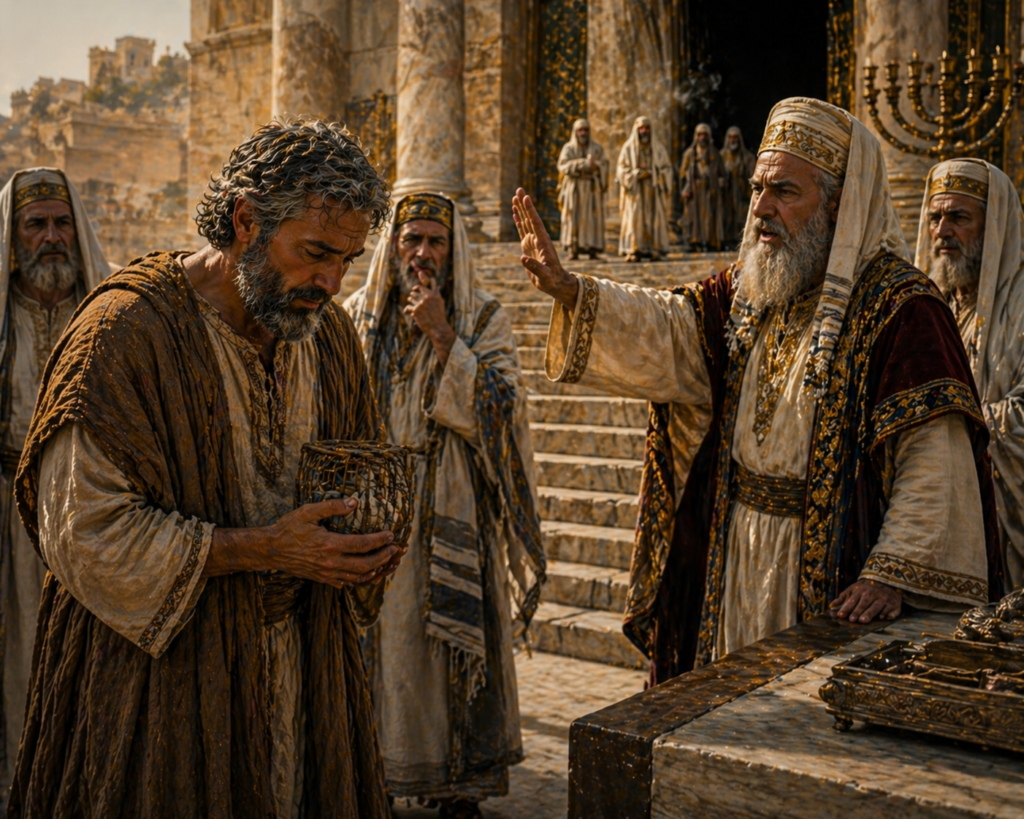
According to early Christian tradition, especially as preserved in the *Protoevangelium of James*, **Saint Joachim**, when he came to the Temple to offer sacrifice, was publicly rejected because of his childlessness—a rejection that implicitly carried a far deeper accusation, for within the cultural and religious mindset of the time, barrenness was often interpreted as a sign of divine displeasure, suggesting that he was somehow guilty of hidden sin and therefore unworthy in the sight of God—so that this humiliation was not merely social but profoundly moral in its weight, exposing him to suspicion, judgment, and the quiet condemnation of others; in this way, both Joachim and **Saint Anne** endured not only the sorrow of their condition but the burden of being perceived as unjust before God, a reality echoed and deepened in the reflections of mystics such as **Venerable Mary of Agreda** and **Saint Bridget of Sweden**, and more generally affirmed within the theological tradition by figures like **Saint Alphonsus Liguori**, all of whom recognize that their trial involved not only deprivation but also unjust reproach permitted by divine providence for their purification; yet Joachim, rather than defending himself or yielding to bitterness, withdrew into the wilderness in humility to fast and pray, entrusting his cause entirely to God, while Anne, remaining in her sorrow, poured out her heart in tears and steadfast supplication, clinging to faith despite the apparent silence of heaven, and through this prolonged and hidden trial their souls were transformed, strengthened by fidelity under unjust judgment and made radiant through grace, so that when at last the promise was fulfilled, they stood not merely as parents receiving a long-awaited child, but as souls refined in the crucible of humiliation and trust, rendered capable—through patience, humility, and unwavering faith—of receiving and nurturing one of the greatest gifts ever entrusted to humanity.
Attend Mass
One of the most central traditions is attending Mass on this holy day. In many places, it is a Holy Day of Obligation, meaning the faithful are called to participate just as they would on a Sunday. The liturgy focuses on the purity and mission of the Virgin Mary, drawing attention to God’s grace at work from the very beginning.
Marian Devotions & Prayer
Many people spend time in prayer honoring Mary, often through the Rosary, especially the Joyful Mysteries, Marian hymns and litanies, and personal prayers of gratitude and dedication. This day is often seen as a moment to renew one’s own commitment to living a life open to grace.
Flowers
It is common to decorate with white flowers (like lilies or roses), symbolizing purity. Some families create small Marian altars in their homes with candles, statues, or images of Mary to reflect on her role and invite a peaceful, sacred atmosphere.
Cultural Celebrations (Especially Italian Traditions)
In places like Italy, the day is widely celebrated with public processions honoring Mary, lighting candles at shrines, and special meals shared with family. It’s also considered the beginning of the Christmas season in many Italian households.
Beginning Christmas Preparations
For many families, the Immaculate Conception marks the official start of decorating for Christmas: setting up the Christmas tree, arranging nativity scenes, and preparing the home in a spirit of anticipation and reverence.
Special Meals & Simple Feasting
While not always extravagant, families often share a meaningful meal together. In some cultures, dishes are simple and symbolic, reflecting purity, celebration, and togetherness.
Acts of Purity & Renewal
Spiritually, this day is also about personal reflection: Going to confession, Making resolutions to grow in virtue, and practicing charity and kindness.

Strength in Virtue

O most pure Virgin Mary,
conceived without sin and filled with the fullness of grace,
you were chosen from the very beginning
to bear the light of the world, Jesus Christ. With humility and perfect trust,
you received the will of God without hesitation,
becoming a living witness
to the beauty of a soul fully united with Him. Intercede for us, O gentle Mother,
that we may grow in purity of heart,
strength in virtue,
and openness to the grace that transforms all things. Help us to walk in faith with courage,
to surrender our lives more completely each day,
and to reflect, even in small ways,
the light that you carried so perfectly. May we be renewed in spirit,
freed from all that distances us from God,
and drawn ever closer to His divine will,
through your loving guidance and care.
Amen.


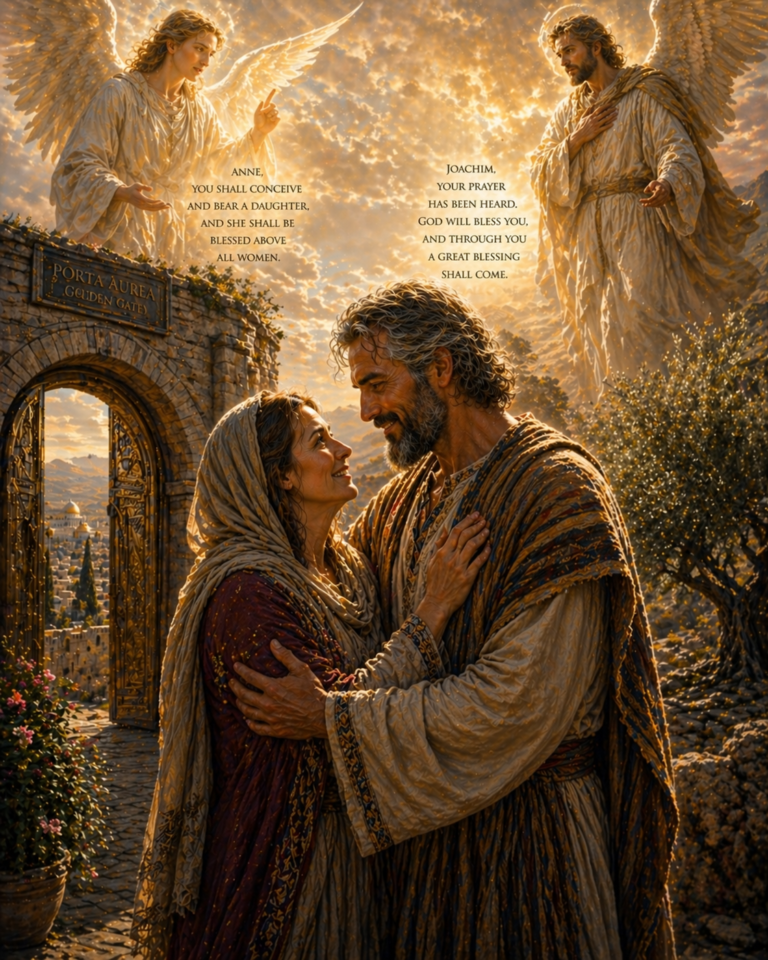
After this prolonged period of suffering, humiliation, and unwavering prayer, divine mercy broke forth with a tenderness that revealed God had never abandoned them, for an angel appeared to **Saint Anne**, announcing that she would conceive a child who would be **blessed above all women**, a promise so great that it echoed the mighty interventions of God throughout salvation history; at the same time, **Saint Joachim**, in his solitude and penance, received a corresponding heavenly message, confirming that their prayers had been heard and that their suffering had not been in vain, and thus, drawn together by divine providence, they reunited in profound joy and reverence—an encounter traditionally depicted at the Golden Gate of Jerusalem—not merely as husband and wife, but as souls transformed and illumined by grace, and it was in this sacred reunion, born out of trial, purified by humility, and sealed by obedience to God’s will, that the **Immaculate Conception** took place, wherein the Blessed Virgin Mary, from the very first moment of her existence, was preserved by a singular grace of God from all stain of original sin, marking not only the conception of a child, but the quiet and decisive beginning of the fulfillment of God’s plan for the redemption of the world.

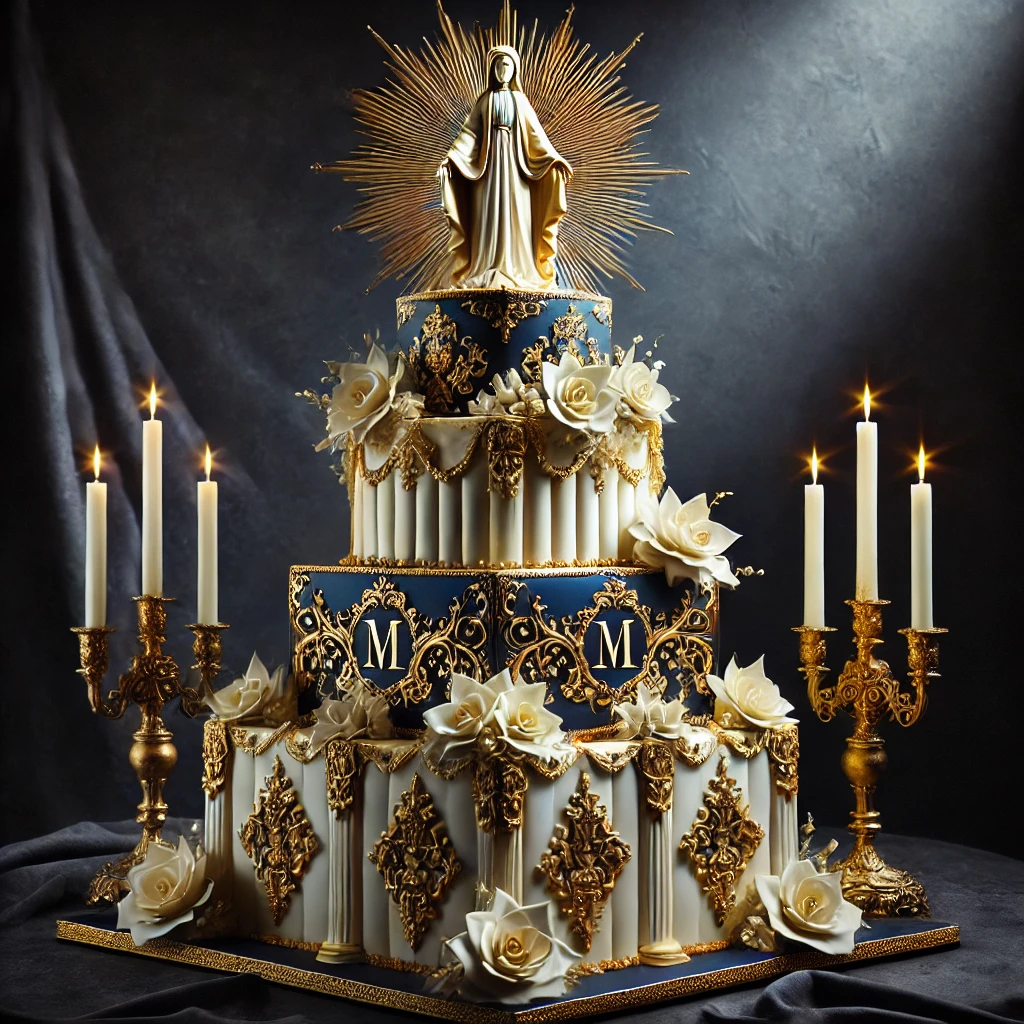
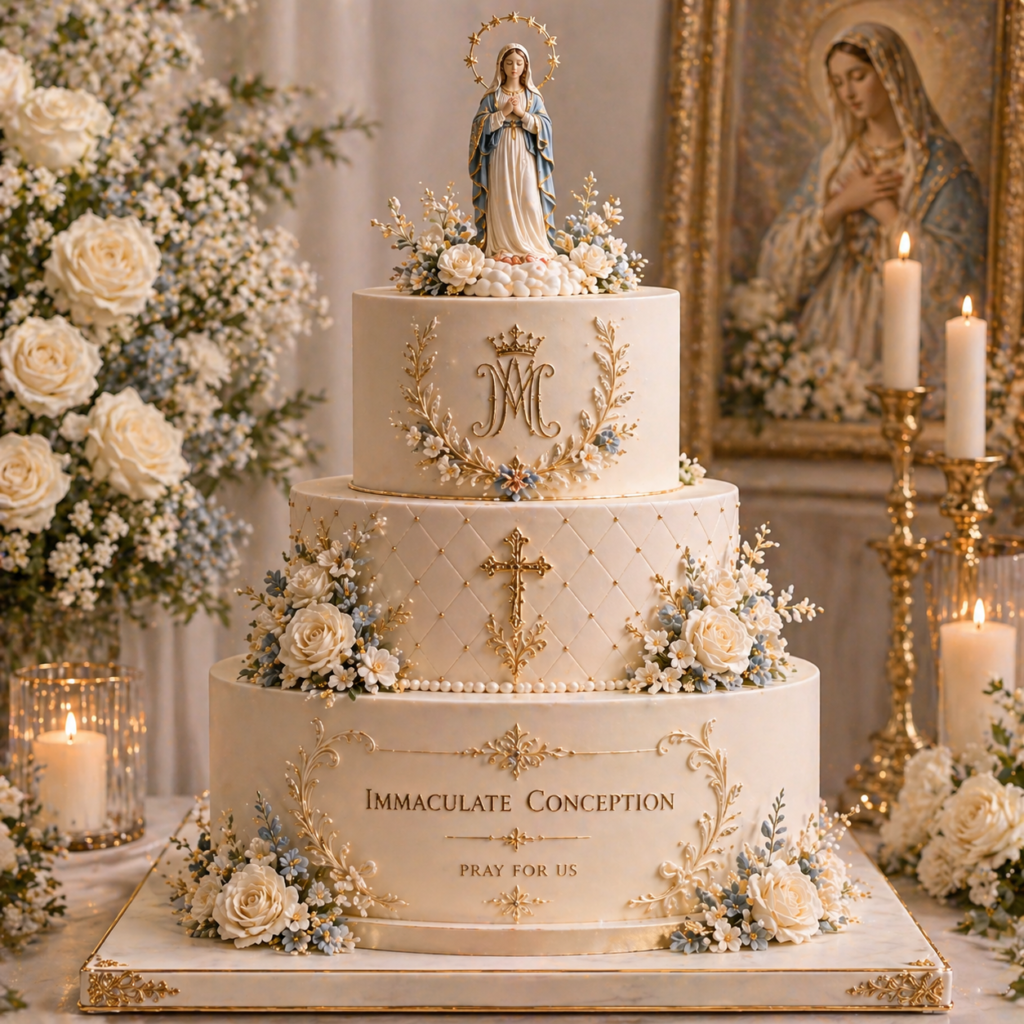
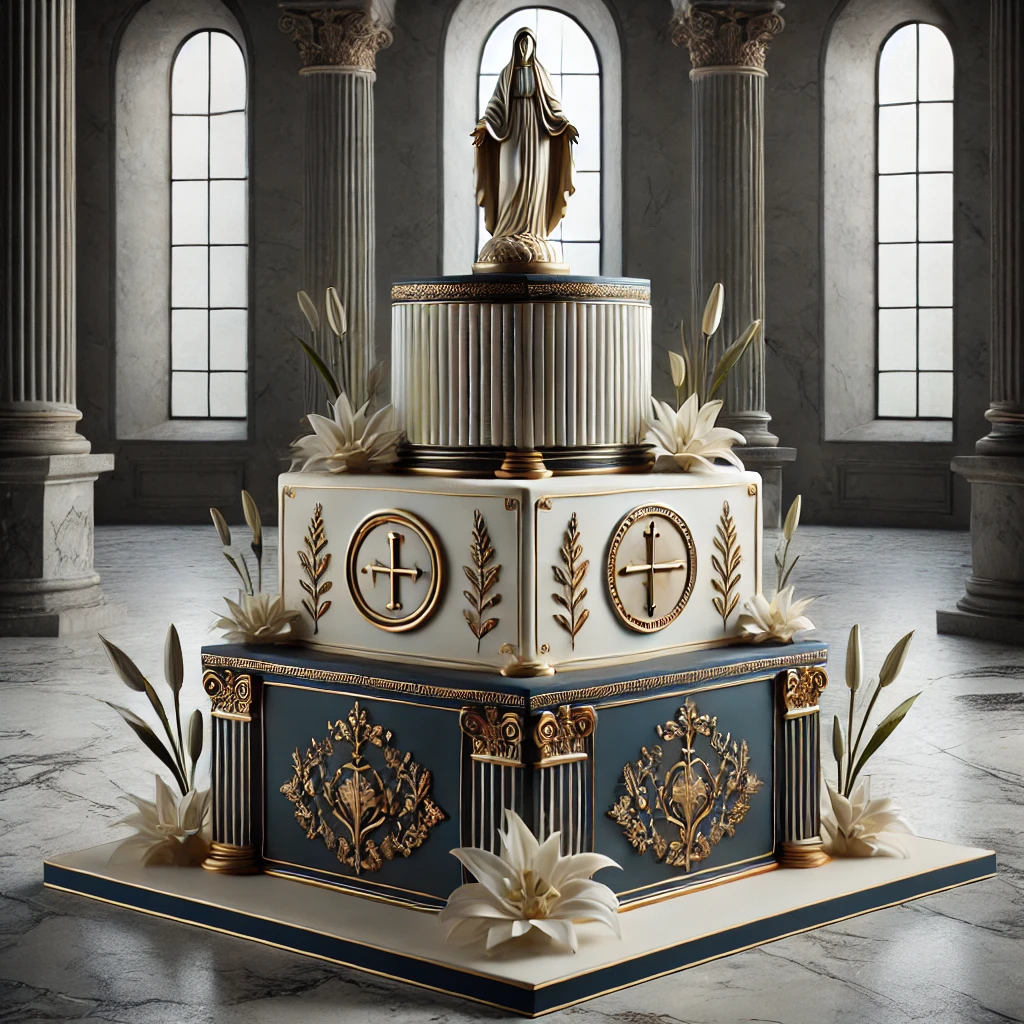
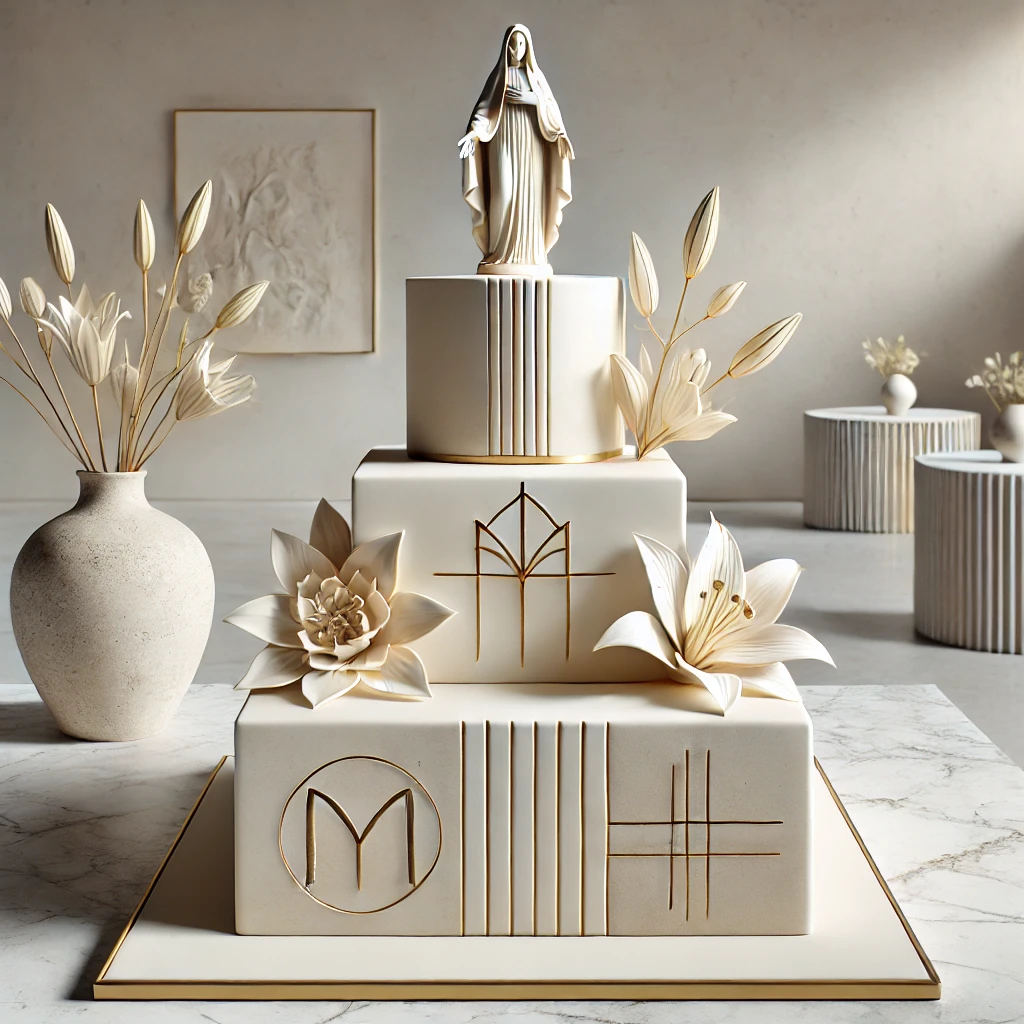
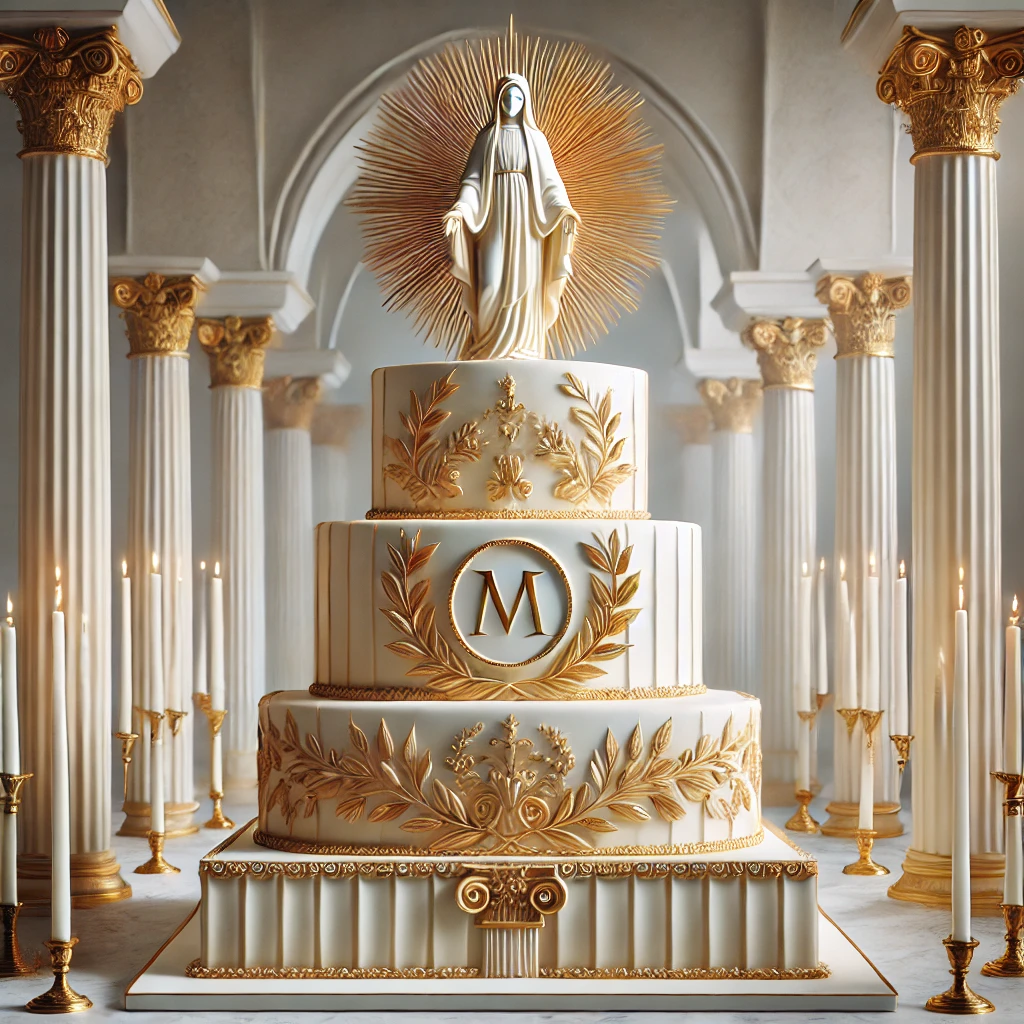
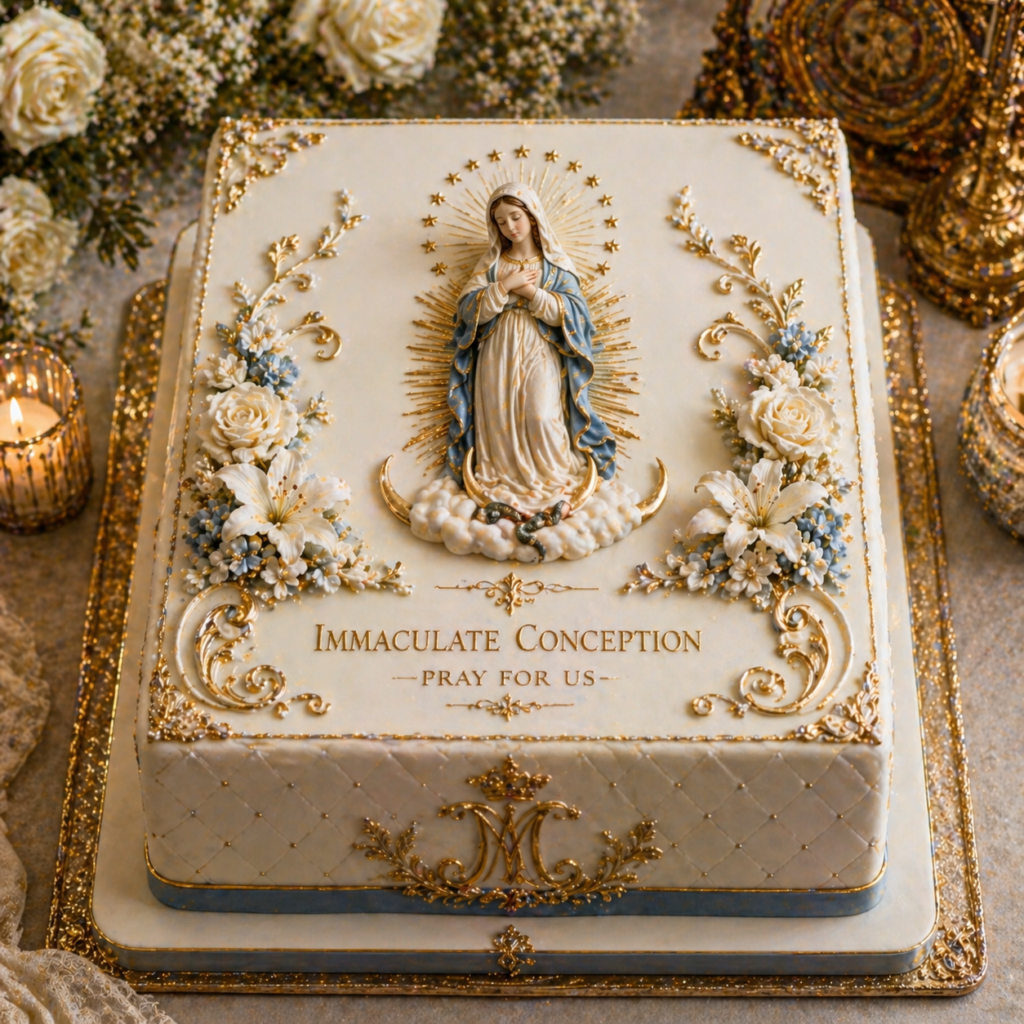
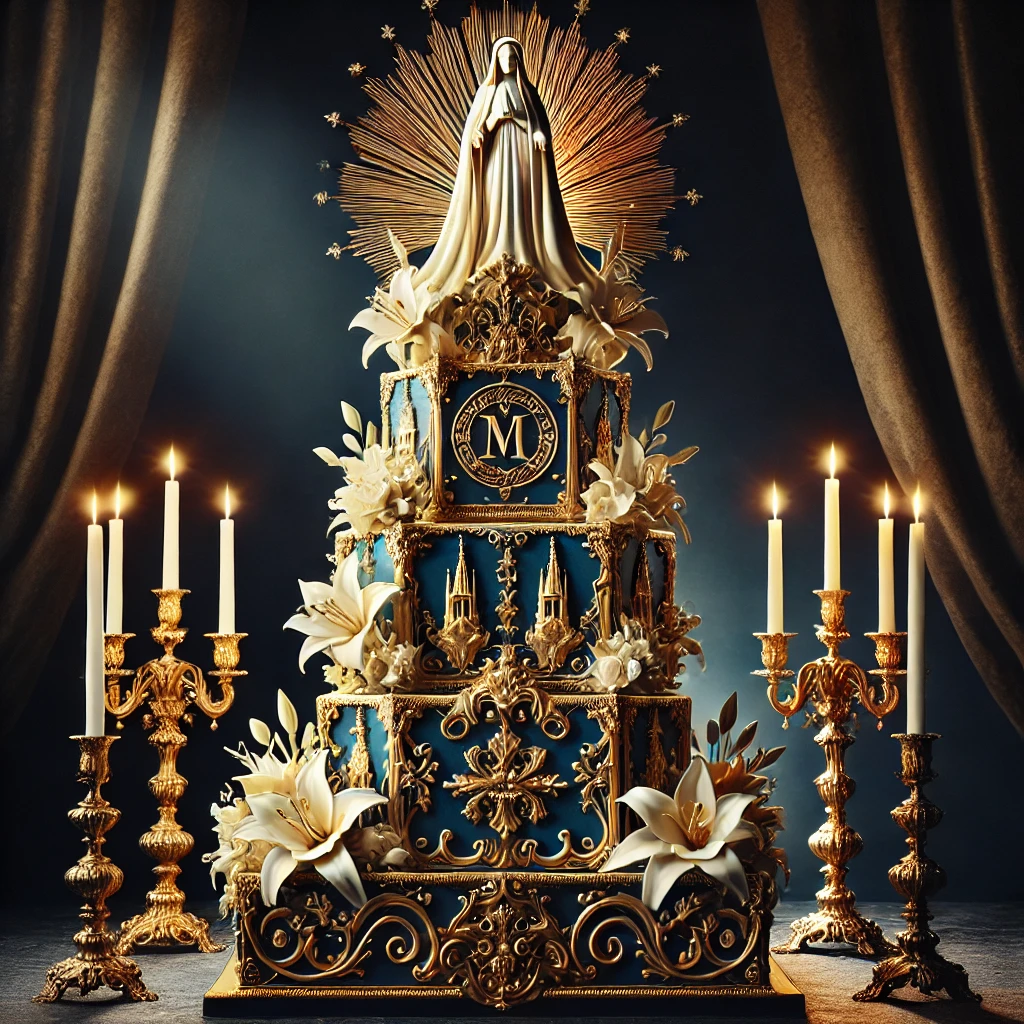
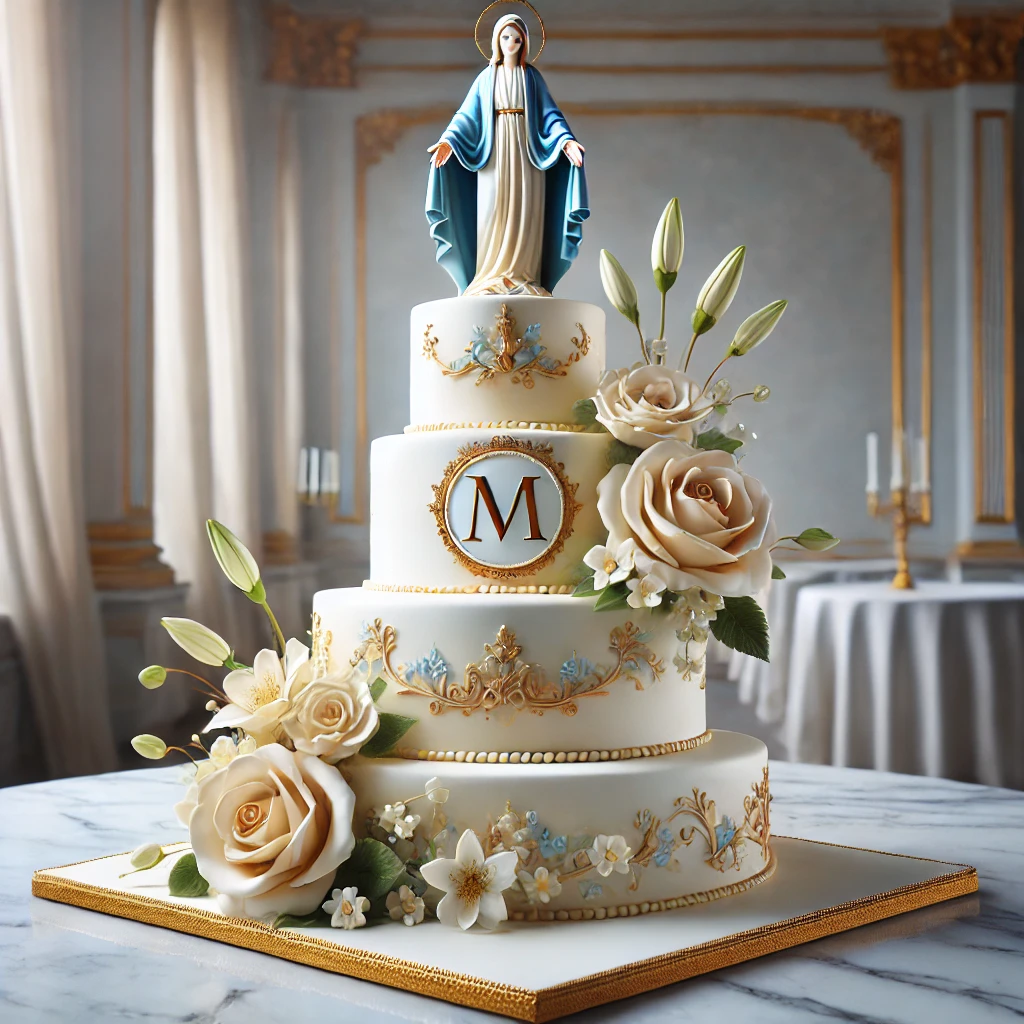
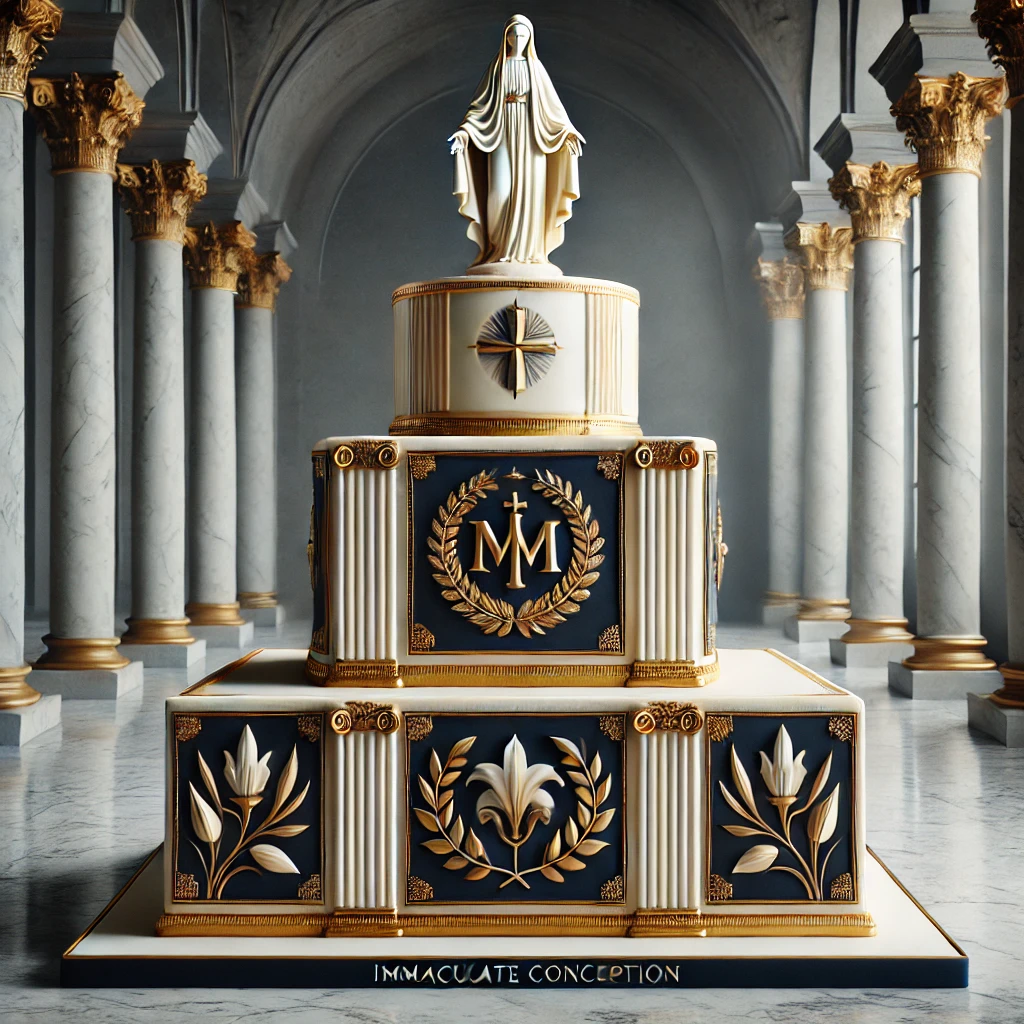
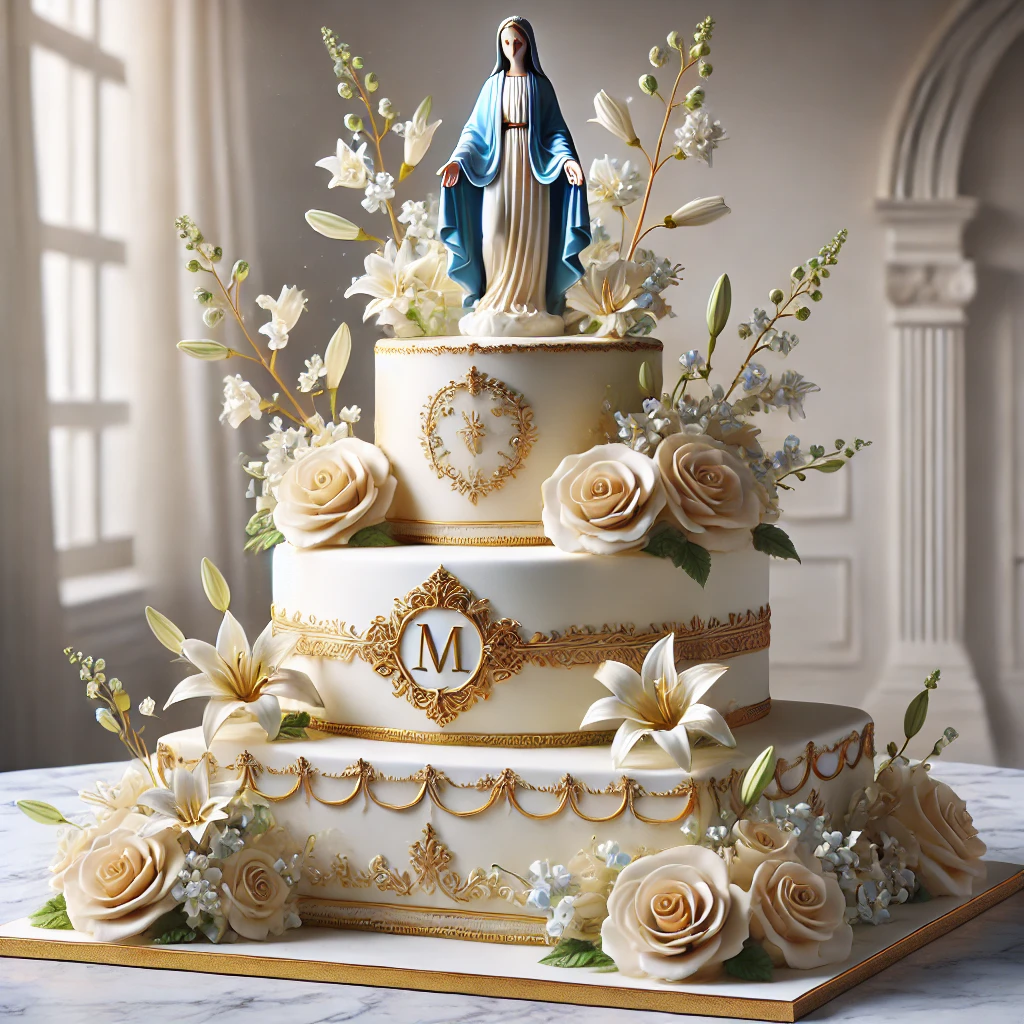
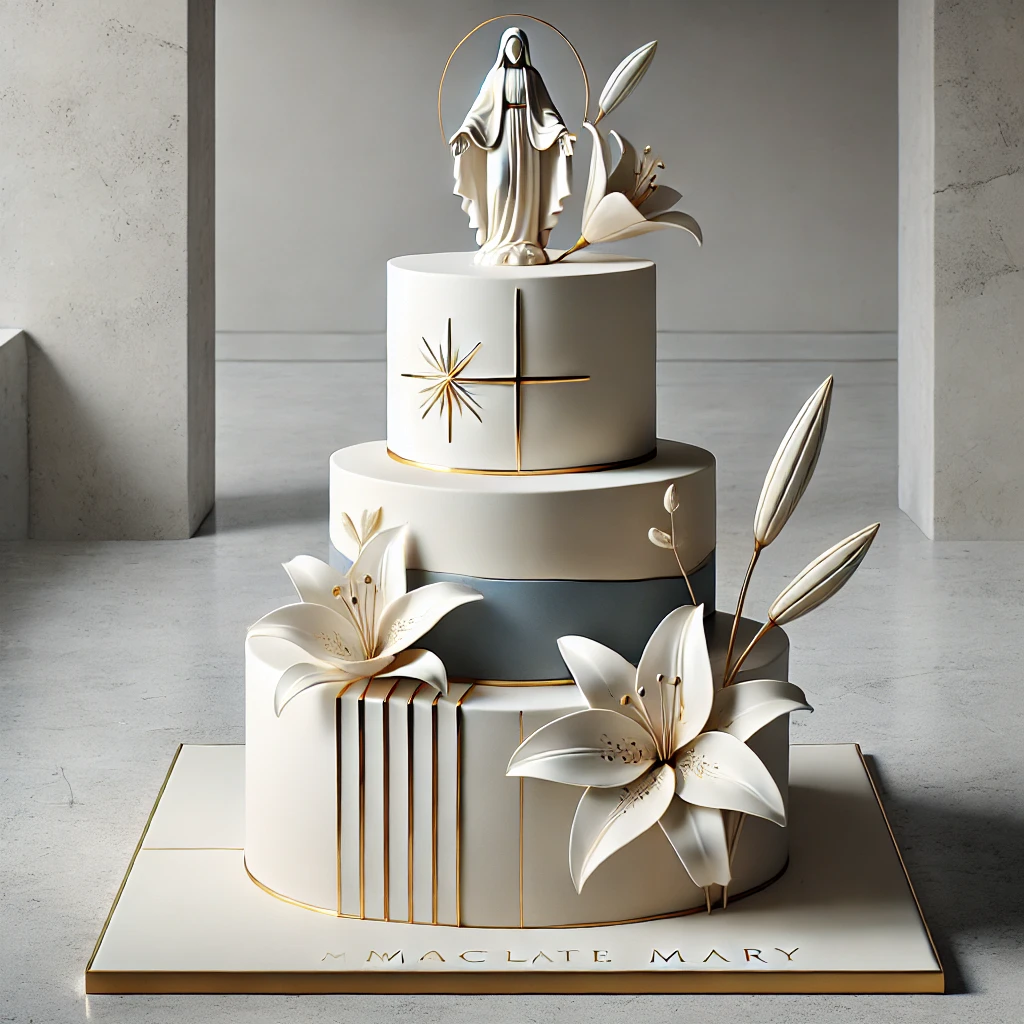
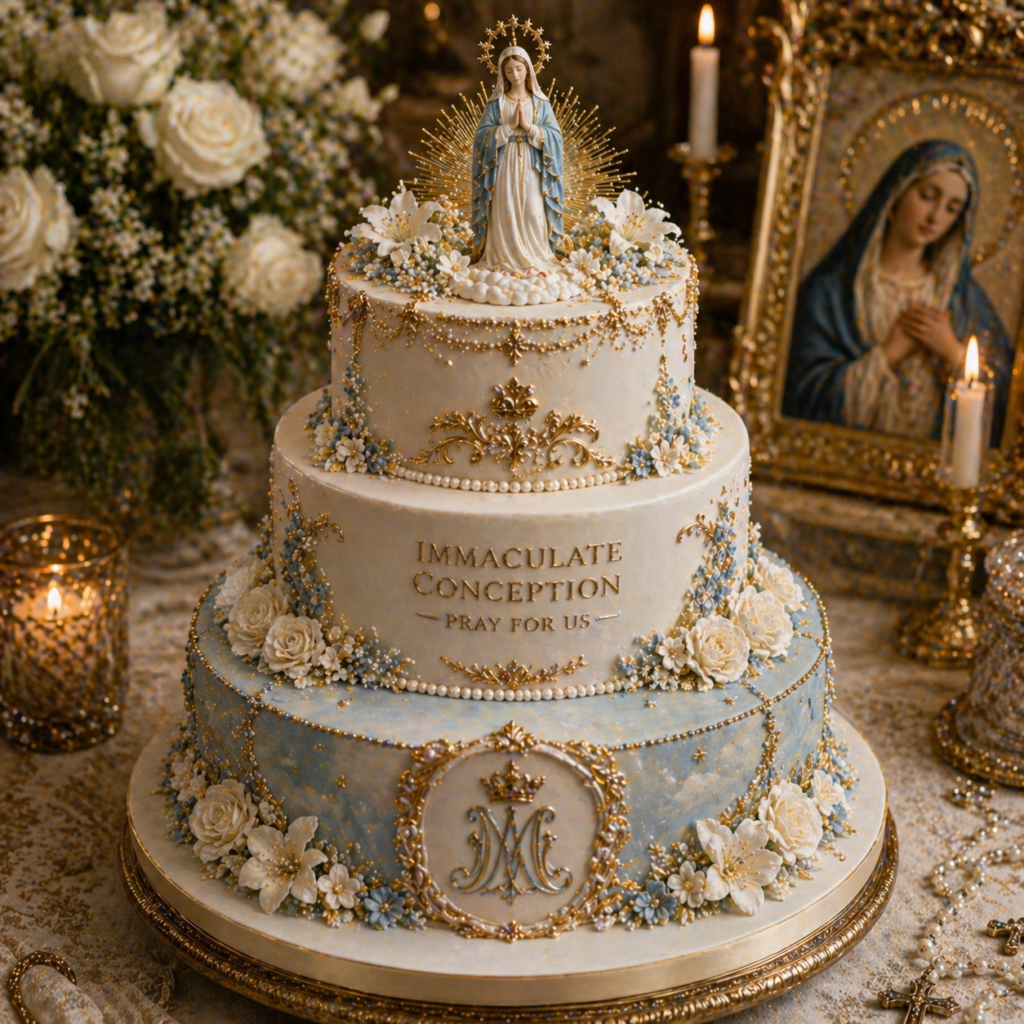
Immaculate Conception Cake and Atmosphere Ideas

Where style, memory, and celebration meet.

This section is meant to be more than Cake Decorating Ideas… it’s designed to spark inspiration and creativity, awaken tradition, and infuse your special occasions with style, identity, and atmosphere. A color palette becomes a theme. A design becomes a mood. Simple details—like sugared holly leaves or shimmering stars—can set the tone for a gathering and become part of cherished traditions and lasting memories melded with personal touch and love.

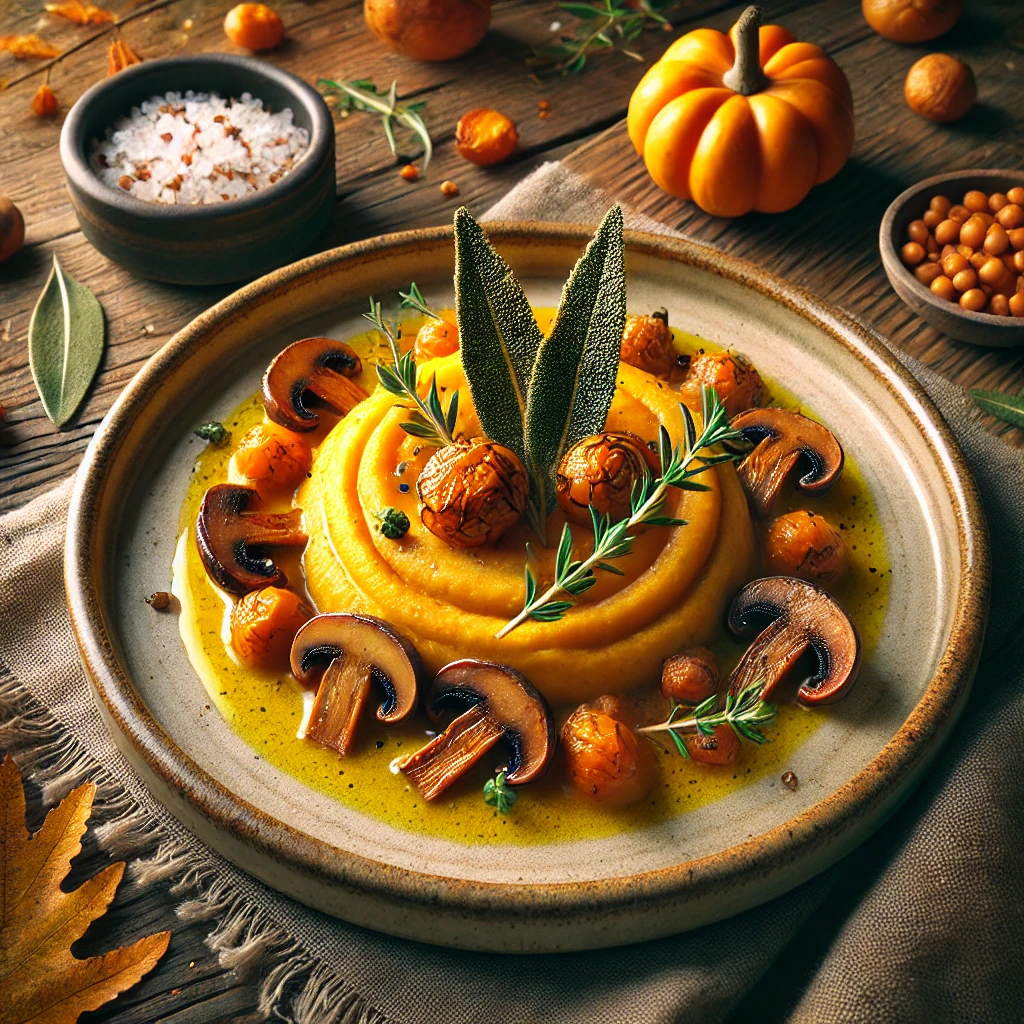
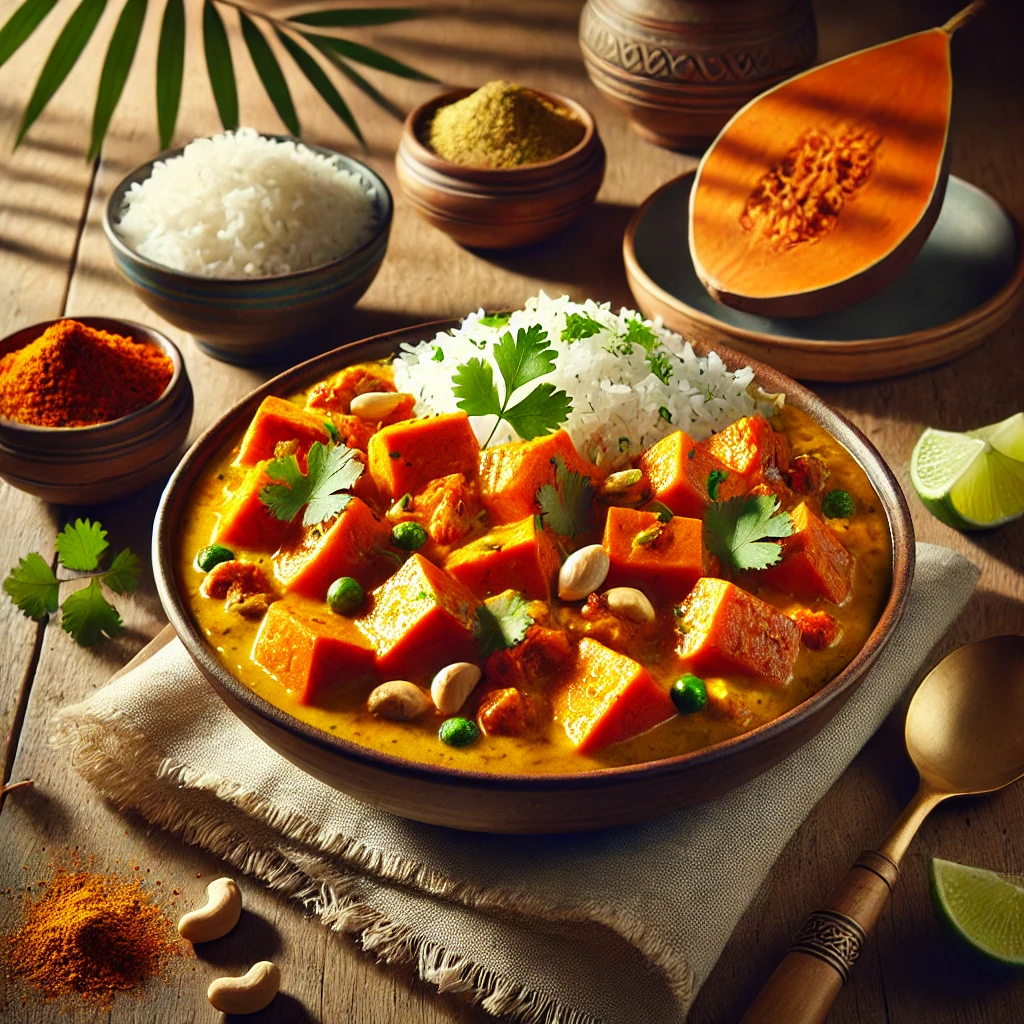
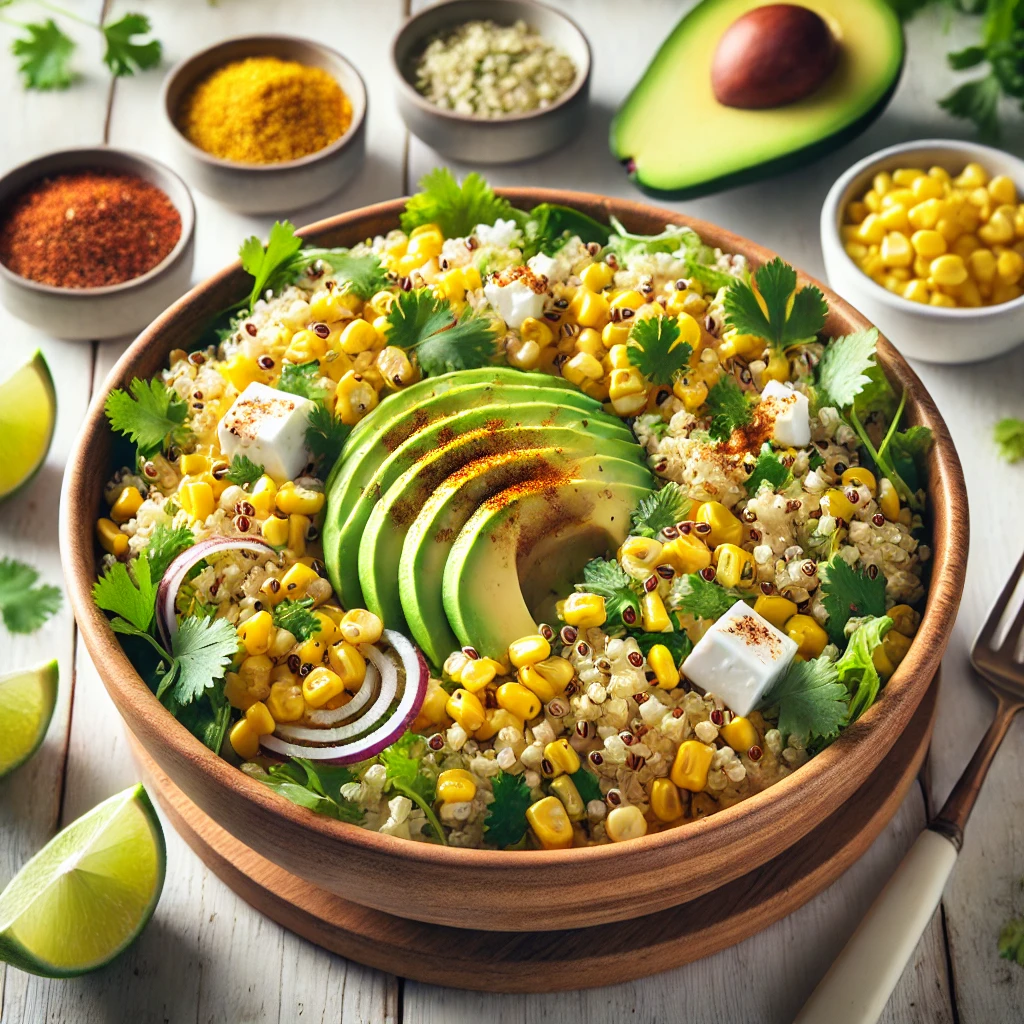
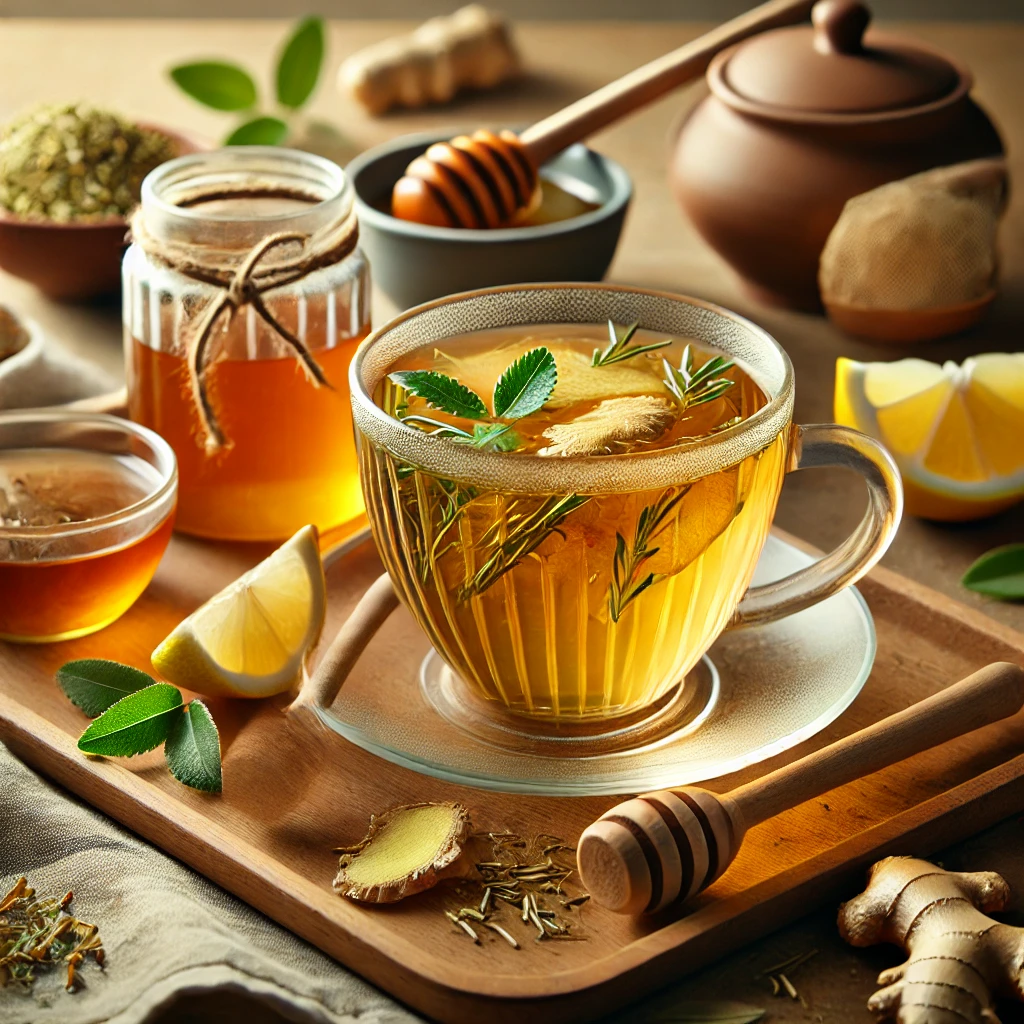
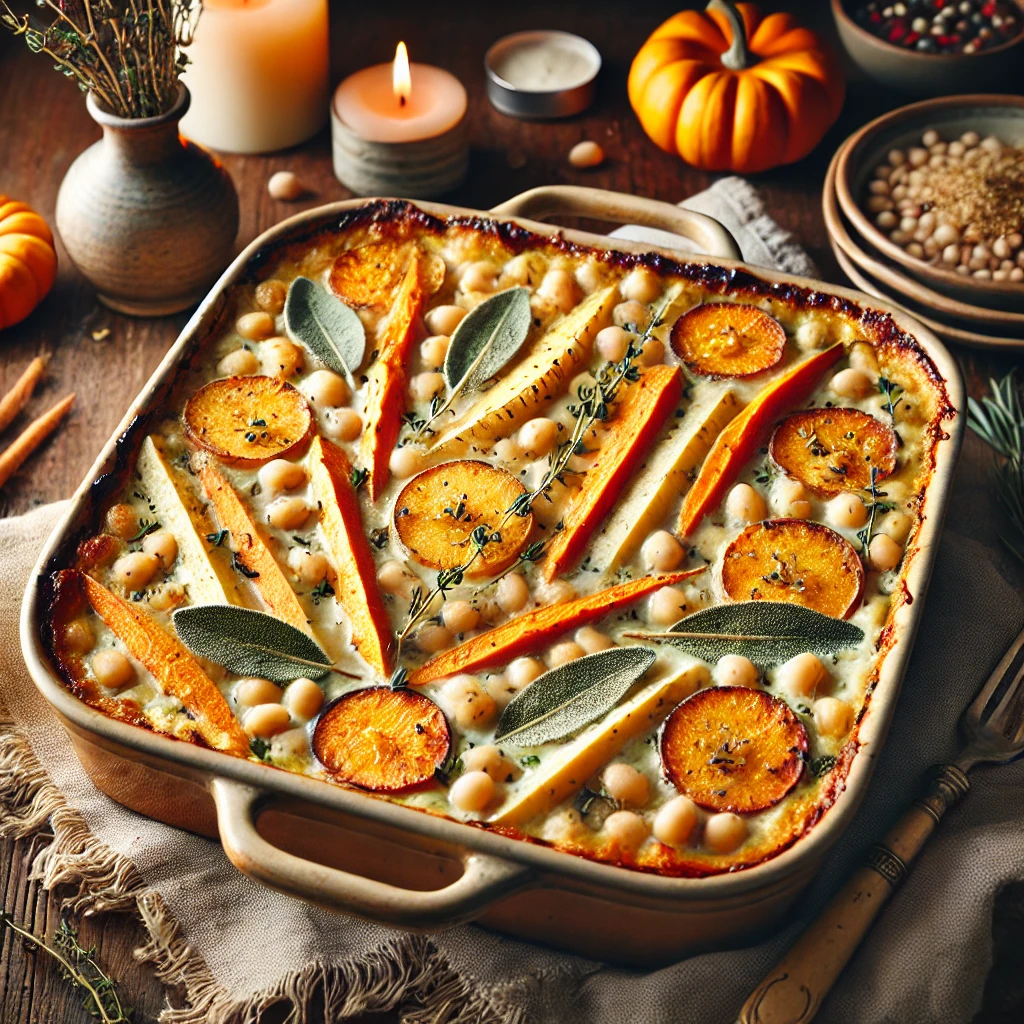
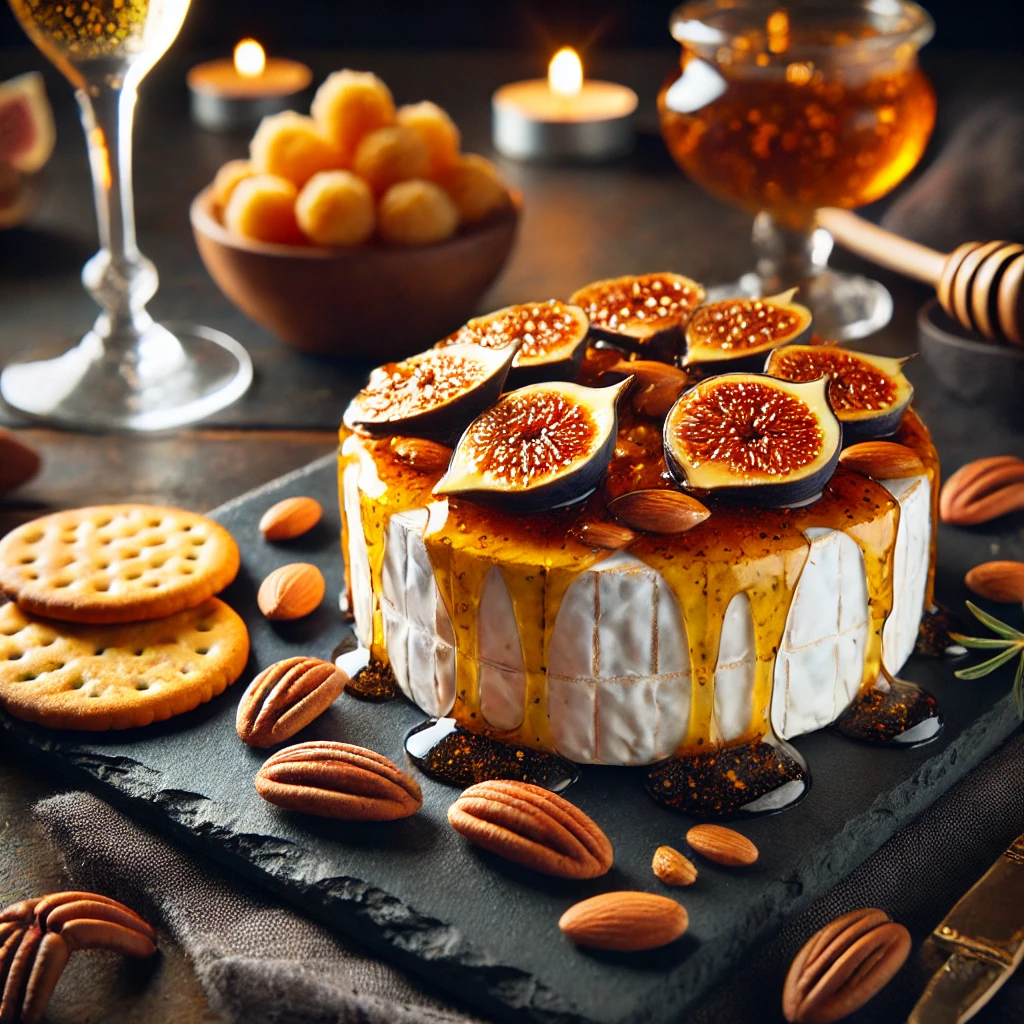
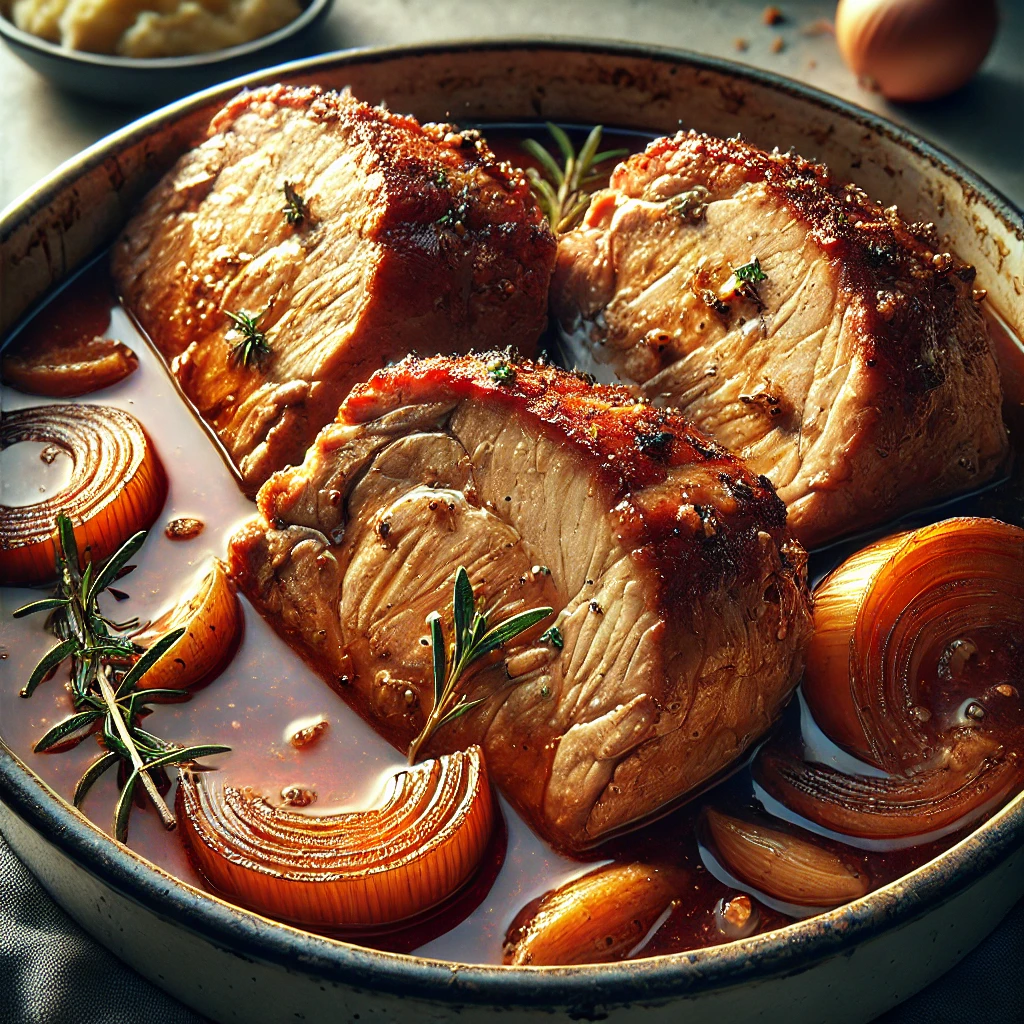
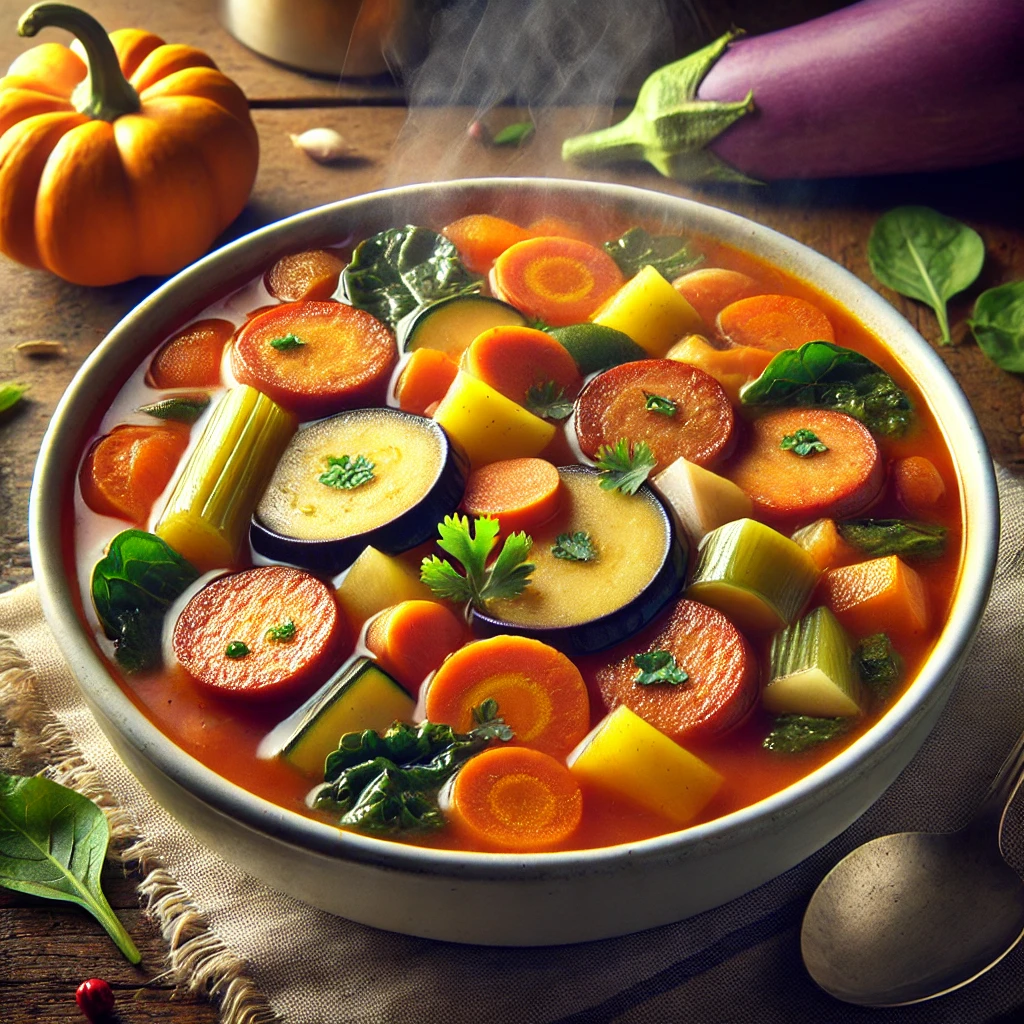
Traditional Immaculate Conception Dishes

  • Zeppole
    Light, airy fried dough dusted with powdered sugar—simple, joyful, and celebratory.
  • Sfincione
    A soft, focaccia-like bread topped with tomato, onions, and herbs—rich but still humble.
  • Baccalà (often fried or stewed)
    A deeply traditional dish, especially tied to Marian feast days in southern Italy.
    • Rustic Artisan Bread with olive oil
    • Rosemary Focaccia
    • Simple Olive Oil & Herb Dip
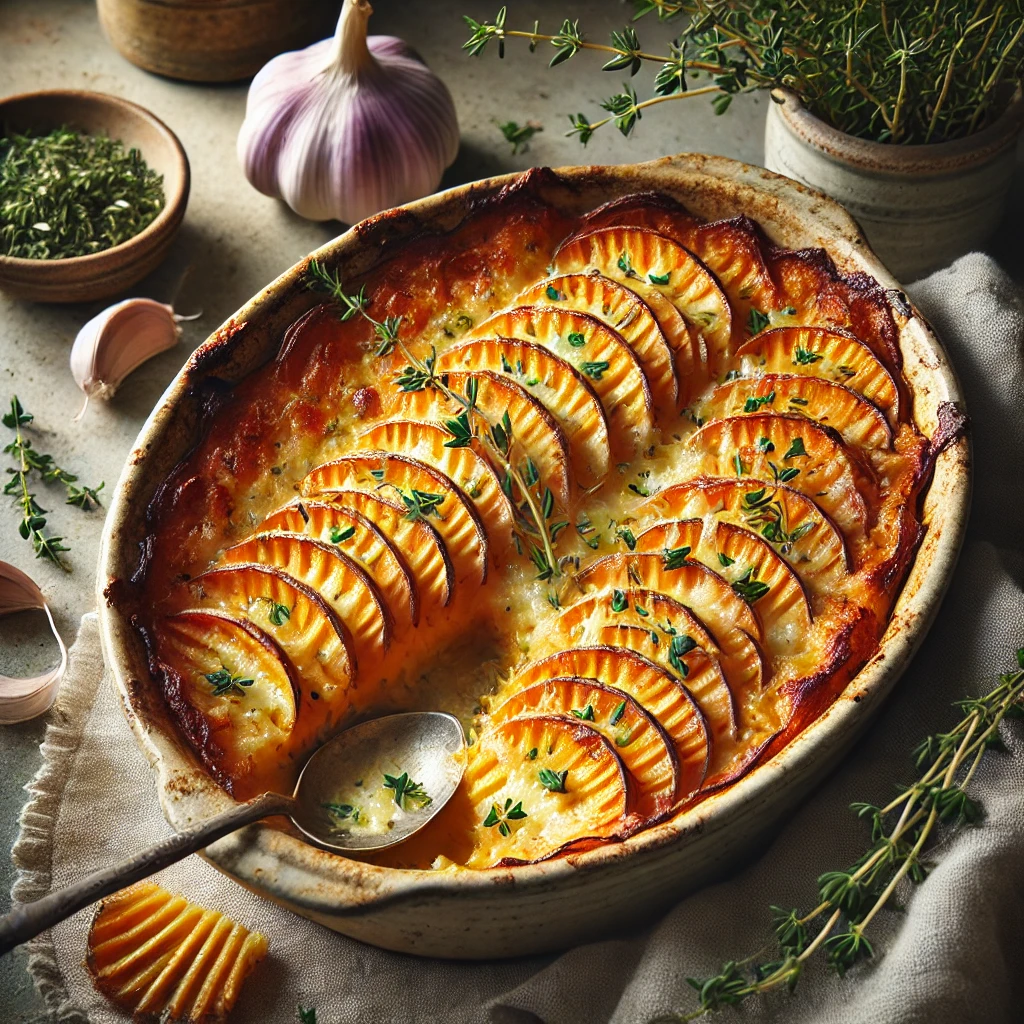
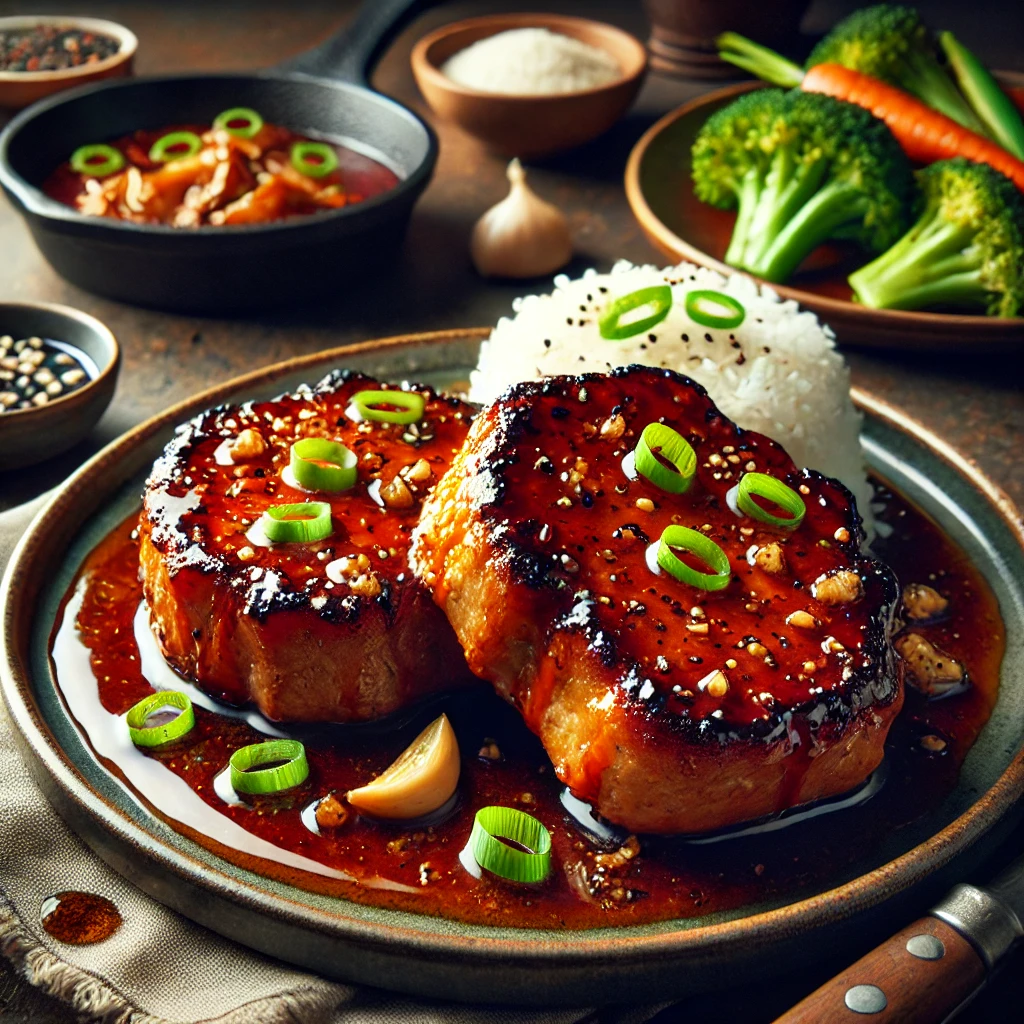
    These emphasize community, nourishment, and simplicity. Lemon Herb Roasted Chicken
  • White Fish with Olive Oil & Lemon
    Light, pure, and refreshing—beautifully aligned with the theme.
  • Fresh Mozzarella & Basil (Caprese)
    Bright, clean, and elegant.
  • Parmesan Risotto
    Creamy, white-toned, and refined—subtle but rich.

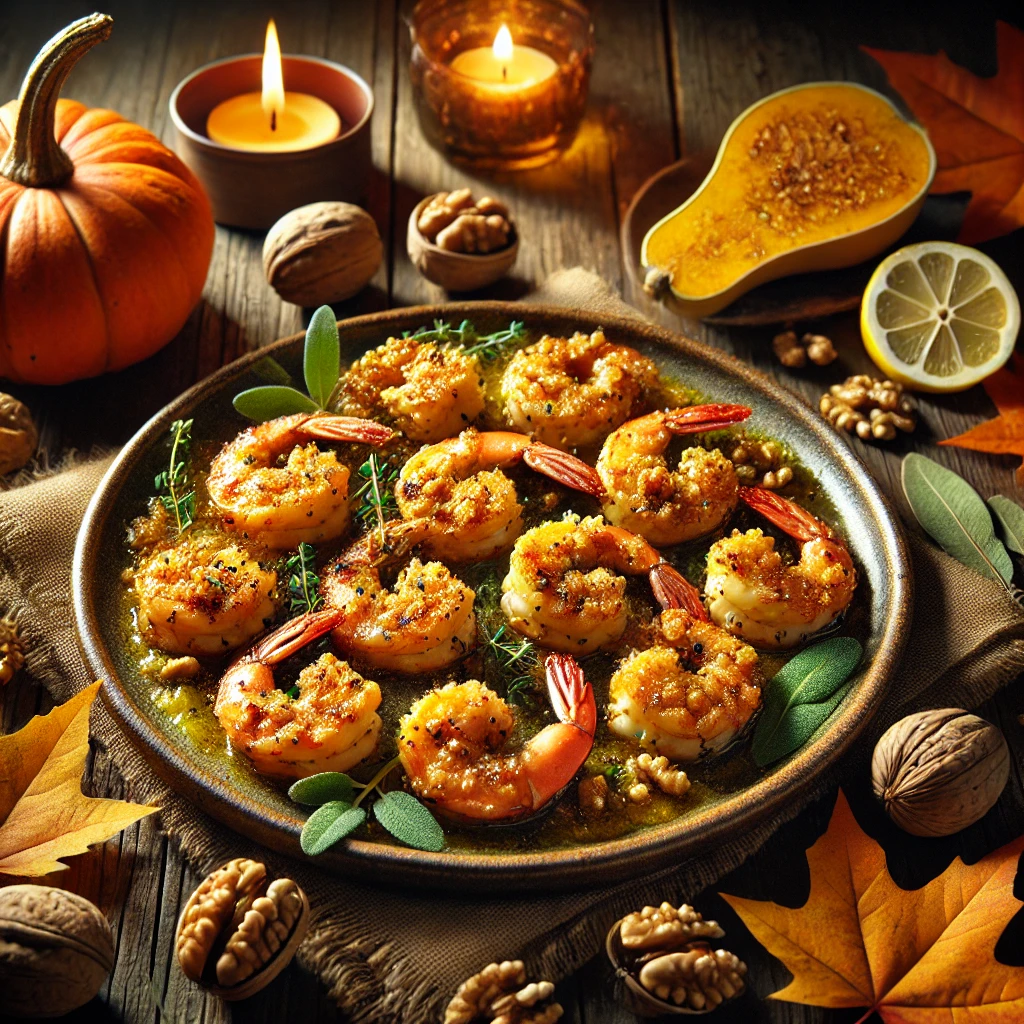
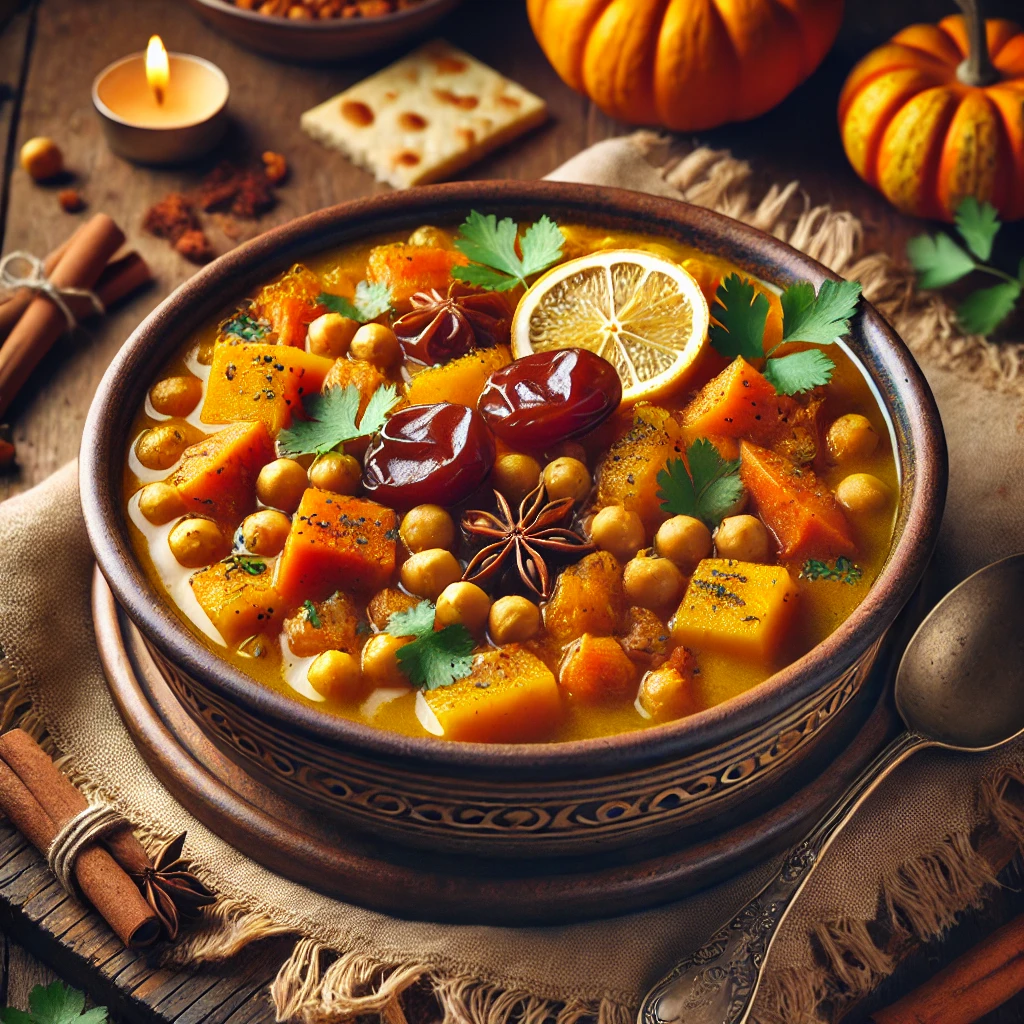
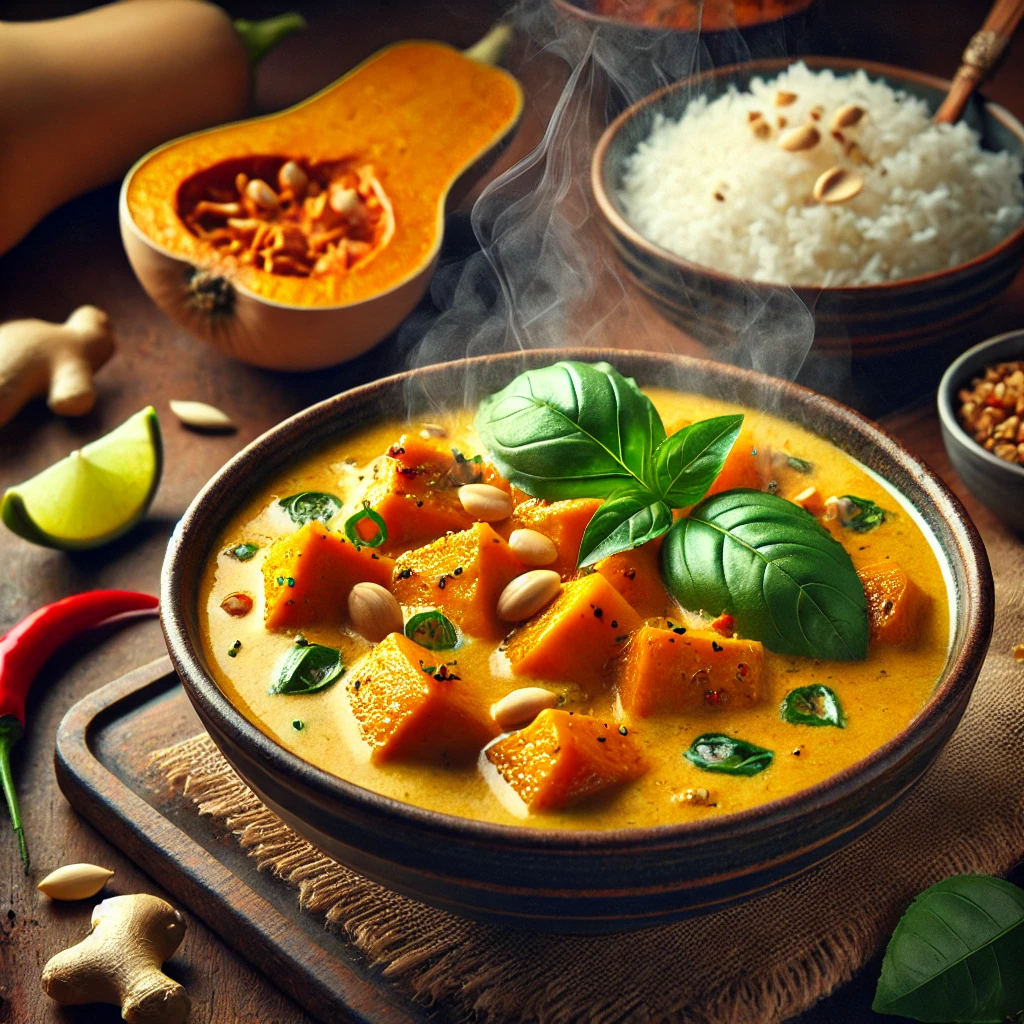
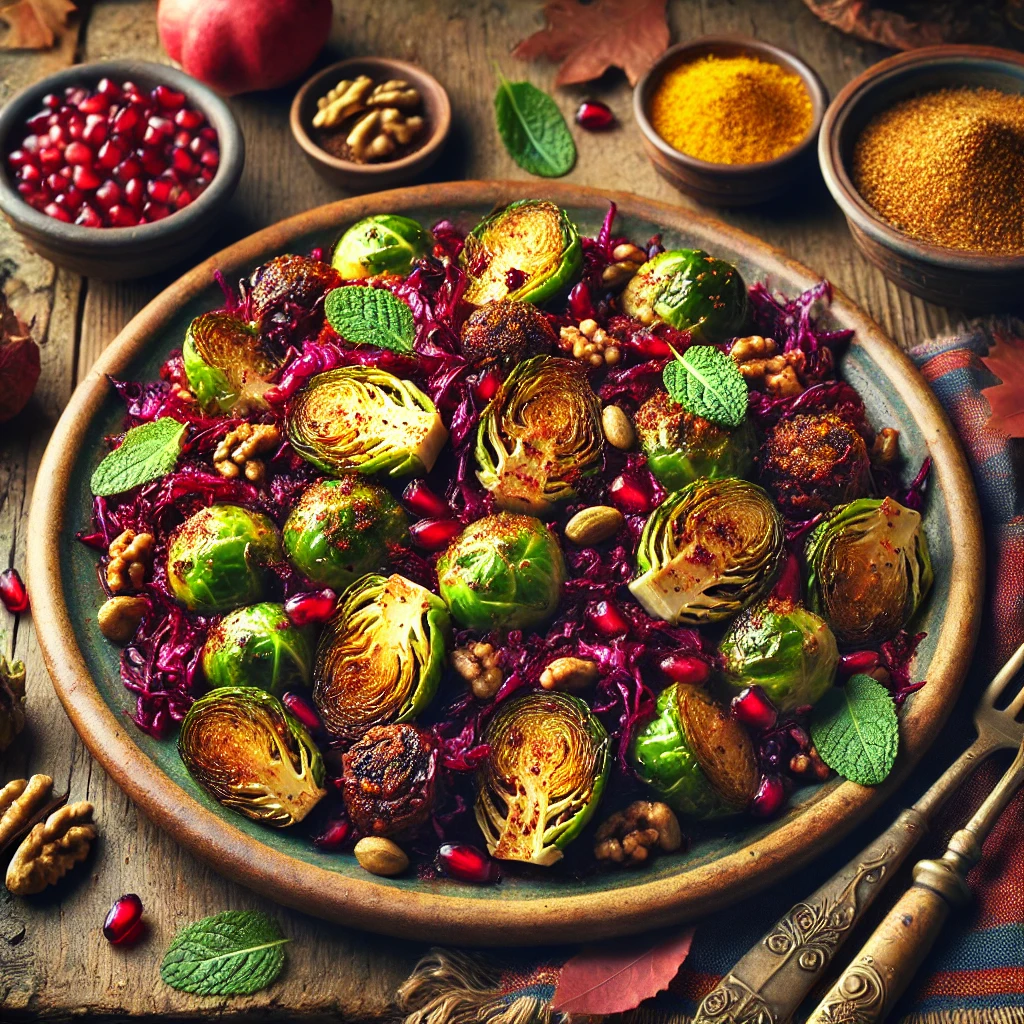
Recipes Engineered for Warmth