

















April Fools' Day

with ORO VALENTIO

April 1st

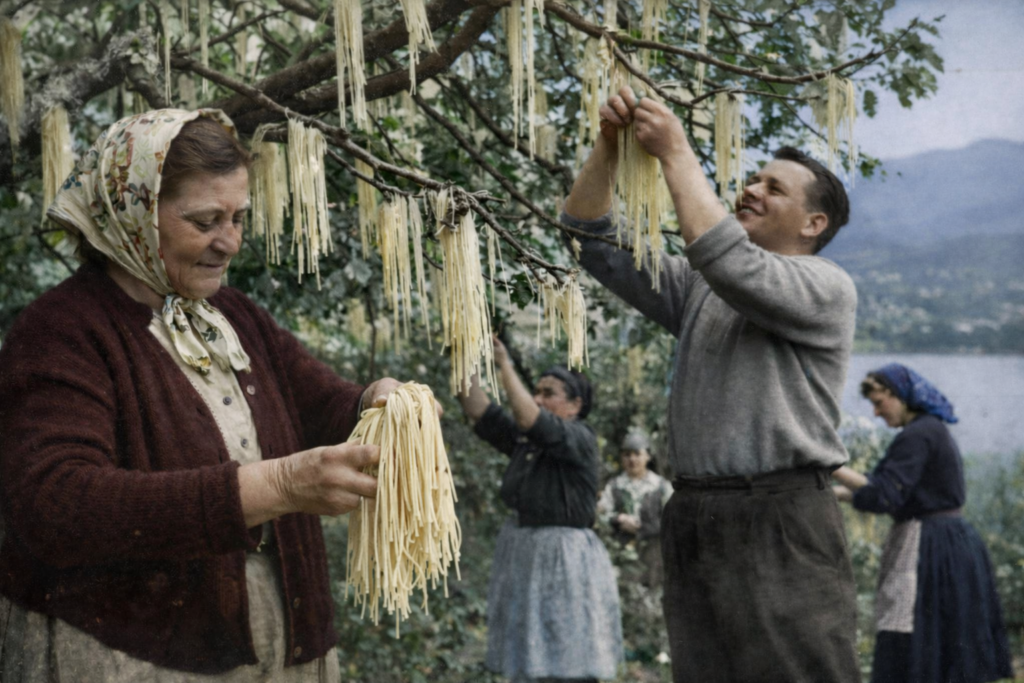
Some pranks have gone down in history for their creativity and scale: The Spaghetti Tree Hoax (1957): The BBC aired a segment showing spaghetti growing on trees in Switzerland, convincing many viewers it was real. Taco Liberty Bell (1996): Taco Bell claimed to have purchased the Liberty Bell—sparking nationwide confusion before revealing the joke. Google Pranks: Tech giant Google has become famous for its elaborate annual April Fools’ announcements.
April Fools’ Day, celebrated each year on April 1st, is a global tradition dedicated to humor, harmless pranks, and playful deception. From simple jokes between friends to elaborate hoaxes orchestrated by major media outlets, the day serves as a cultural reminder not to take life too seriously—even if only for a moment. Though widely embraced today, the origins of April Fools’ Day are layered with mystery, folklore, and evolving traditions across centuries.
The exact beginnings of April Fools’ Day are uncertain, but several historical theories offer compelling insight: One of the most popular explanations traces back to 16th-century France. In 1582, the adoption of the Gregorian calendar shifted New Year’s Day from late March/early April to January 1. Those who continued celebrating the old New Year around April 1 were mocked and labeled “April fools,” often becoming the target of pranks. 

Some historians connect the tradition to ancient festivals like
Hilaria, celebrated in late March in ancient Rome, where people dressed in disguises and mocked others freely. Similarly, medieval European festivals such as the “Feast of Fools” embraced role reversal, humor, and absurdity.
April Fools’ Day is celebrated around the world, often with unique regional twists: France & Italy: Known as Poisson d’Avril (“April Fish”), where children tape paper fish to others’ backs as a prank.

United Kingdom: Pranks are traditionally played only until noon—after which the joker may become the fool.

Scotland: Historically celebrated as “Hunt the Gowk Day,” involving sending people on foolish errands.
Modern Global Culture: Social media and corporations now participate, launching fake product announcements or humorous campaigns.

A Note on Responsible Humor

While pranks are central to the tradition, modern perspectives emphasize keeping humor respectful and harmless. The best April Fools’ jokes are those that leave everyone laughing—without embarrassment, harm, or lasting consequences.
April Fools’ Day is more than just a day of jokes—it is a celebration of human creativity, humor, and connection. Rooted in centuries-old traditions yet constantly evolving, it continues to bring lightness into everyday life. Whether through a simple trick or an elaborate hoax, April 1st invites us all to step outside the ordinary and embrace the joy of laughter.
April Fools’ Day, has evolved into a globally recognized celebration of humor—but its origins are far more layered than a simple day of jokes. At its core, the tradition reflects a recurring theme in human culture: the tension between order and chaos.
One of the most widely accepted origin stories points to the adoption of the Gregorian calendar in 1582 under Pope Gregory XIII. Prior to this, many regions in Europe celebrated the New Year during the spring—around late March through April 1st. When the official New Year shifted to January 1st, those who continued celebrating the old date became the subject of ridicule. They were labeled “fools,” often tricked with false invitations or sent on meaningless errands.
Yet this explanation may only scratch the surface.
Long before calendar reforms, societies across the world celebrated festivals that temporarily overturned social norms. In ancient Rome, the festival of Hilaria encouraged disguises, mockery, and uninhibited laughter. Medieval Europe embraced similar traditions through events like the Feast of Fools, where hierarchy dissolved and absurdity ruled—if only for a day.
These traditions suggest that April Fools’ Day is not merely about pranks—it is about releasing pressure, resetting perspective, and allowing a controlled moment of disorder in an otherwise structured world.
From a systems engineering perspective—especially one focused on human optimization—April Fools’ Day can be viewed as a controlled disruption within a structured system. It introduces temporary unpredictability into routine environments. It tests perception, awareness, and adaptability. It creates a feedback loop between assumption and reality. In this way, April 1st mirrors a kind of “stress test” for human cognition and social interaction. Those who navigate it well demonstrate flexibility, awareness, and emotional control—traits essential for high-functioning systems, whether individual or collective.

April Fools' Day Traditions to Make Your Own

With the rise of the internet, new traditions have emerged: Fake social media posts or announcements Edited images or videos Website “easter eggs” and hidden jokes The digital world has made April Fools’ Day more creative—and more far-reaching—than ever before.
The heart of April Fools’ Day lies in harmless pranks. These can range from quick, simple tricks to carefully planned setups:
Whoopee cushions & fake spills – timeless, lighthearted gags
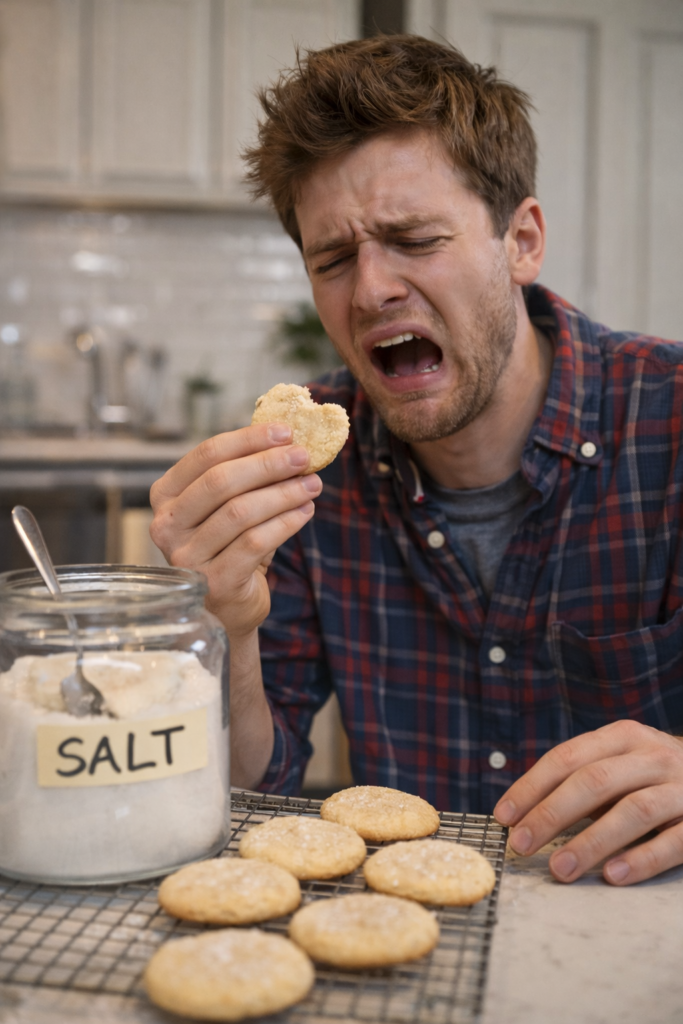
Switching sugar and salt – a classic kitchen trick
Fake bugs or creatures – designed to startle (but not scare too far!)
Office pranks – wrapping desks, switching keyboards, or humorous notes
The key tradition here is harmless fun—the best pranks end with everyone laughing.
In France and Italy, April Fools’ Day takes on a uniquely charming twist:
Children secretly tape paper fish onto people’s backs
When discovered, the prank is revealed by shouting “April Fish!”
The fish symbolizes a gullible person—easy to “catch”
This tradition is especially popular among kids and families, making it one of the most wholesome versions of the holiday.
In the UK, there’s a long-standing rule:
Pranks must be played before noon
Anyone who plays a prank after noon becomes the “April Fool” themselves
This creates a fun sense of urgency and structure to the day’s chaos.
Scotland historically turned April Fools’ into a two-day event:
Day one involved sending people on foolish errands (the “gowk” means fool)
Messages would often say: “Dinna laugh, dinna smile. Hunt the gowk another mile.”
Day two focused on pranks involving the backside—leading to traditions like “kick me” signs

A Prayer for April Fools’ Day

Heavenly Father,
On this day of laughter and lightheartedness,
we come before You with humble hearts.
Teach us to walk in truth,
even when the world is filled with illusion.
Help us to discern wisely,
to see clearly, and to act with integrity.
Guard our hearts from foolishness that leads us away from You,
but bless us with the kind of joy
that brings light, connection, and peace.
Let our laughter be pure,
our intentions be kind,
and our actions reflect Your goodness.
Remind us that while we may be fooled by the world,
we are never lost in Your sight.
Grant us wisdom to recognize truth,
strength to stand in it,
and humility to laugh at ourselves along the way.
In Your truth and grace we trust, Amen.
April Fools’ Day traditions may vary across cultures and generations, but they all reflect something deeply human—the joy of surprise, the power of laughter, and the ability to momentarily step outside the seriousness of everyday life. Whether it’s a simple joke between friends or an elaborate global hoax, April 1st continues to unite people through humor in one of the most universal traditions in the world.

April Fools' Day Cake & Atmosphere Ideas

Where style, memory, and celebration meet.

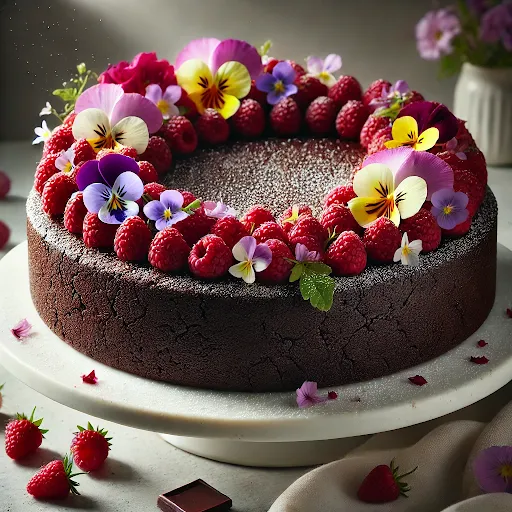
This section is meant to be more than Cake Decorating Ideas… it’s designed to spark inspiration and creativity, awaken tradition, and infuse your special occasions with style, identity, and atmosphere. A color palette becomes a theme. A design becomes a mood. Simple details—like sugared holly leaves or shimmering stars—can set the tone for a gathering and become part of cherished traditions and lasting memories melded with personal touch and love.

Traditional April Fools' Day Dishes

  1. Meatloaf Cake – Chocolate cake with mashed potato frosting & gravy drizzle
  2. Spaghetti & Meatballs Cake – Frosting noodles + cake “meatballs”
  3. Cheeseburger Cake – Layers of cake dyed to look like meat, cheese, lettuce
  4. Pizza Cake – Fruit “pepperoni,” frosting cheese
  5. Steak Dinner Cake – Chocolate steak + frosting potatoes
  6. Fried Chicken Cake – Cornflakes make it look legit
  7. Hot Dog Cake – Pound cake bun + frosting condiments
  8. Grilled Cheese Dessert – Cake + melted frosting illusion
  9. Ramen Cake – White chocolate “noodles”
  10. Taco Dessert – Sweet filling inside a cake shell
  11. Burger Cupcakes – Cupcakes disguised as mini burgers
  12. “Soap” Cake – Looks like a sponge + soap bar
  13. Dessert Sushi – Rice Krispies + fruit strips
  14. Fried Egg Dessert – Yogurt + peach/apricot center
  15. Moldy Cake – Colored frosting made to look spoiled (but safe!)
  16. Salted “Sugar” Cookies – Swap salt for sugar 
  17. Toothpaste Oreos – Classic but legendary prank
  18. Caramel Onion “Apple” – Looks like a treat… surprise
  19. Jell-O Juice Drink – Looks drinkable but solid
  20. Mashed Potato “Ice Cream” – With gravy as “caramel”
  21. Salted “Sugar” Cookies – Swap salt for sugar 
  22. Toothpaste Oreos – Classic but legendary prank
  23. Caramel Onion “Apple” – Looks like a treat… surprise
  24. Jell-O Juice Drink – Looks drinkable but solid
  25. Mashed Potato “Ice Cream” – With gravy as “caramel”

Recipes Engineered for that Spring Feeling