




























The Ascension

with ORO VALENTIO

40 Days After Easter

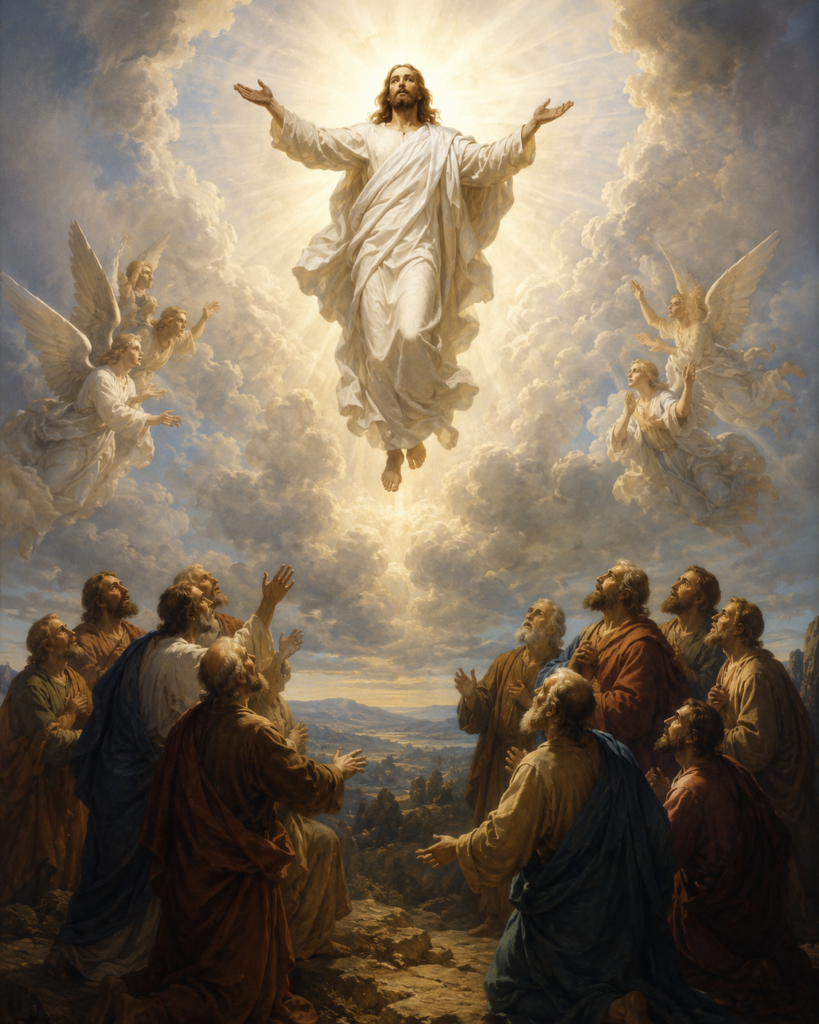
As the disciples stood upon the Mount of Olives, they witnessed one of the most awe-inspiring moments in sacred history. After spending forty days appearing to them following His Resurrection — teaching, comforting, and strengthening their faith — Jesus lifted His hands in blessing and began to ascend into heaven. The disciples gazed upward in wonder as clouds of glory surrounded Him and the heavenly realm received the risen Christ. In that moment, the sorrow of the Cross was fully transformed into triumph. Angels appeared beside the disciples, proclaiming that just as Christ ascended, He would one day return in glory. The Ascension became not a farewell of abandonment, but a promise of eternal hope — that humanity, through Christ, was now opened to heaven itself.
The Ascension stands as one of the great triumphant mysteries of the Christian faith — a moment not of departure into absence, but of exaltation into eternal kingship. Forty days after the Resurrection, Christ gathered His disciples upon the Mount of Olives, blessing them as heaven itself opened before their eyes. The One who had walked among fishermen, healed the sick, calmed storms, carried the Cross, and conquered death now ascended in glory, returning to the Father while still forever united to humanity.
The Ascension is not merely a conclusion to the earthly ministry of Christ; it is the enthronement of the Redeemer. The scars of the Passion, once marks of suffering, became eternal signs of victorious love carried into heaven itself. Humanity, through Christ, entered the heavenly sanctuary. In this mystery, the faithful behold not abandonment, but elevation — the assurance that mankind was created not merely for earth, but for eternal communion with God.
Throughout Christian tradition, the Ascension has been honored with solemn liturgies, candlelight processions, sacred hymns, and the ringing of church bells that echo the joy of heaven receiving its King. Golden vestments, white banners, incense rising toward vaulted ceilings, and sunlight pouring through stained glass all symbolize the upward movement of glory, hope, and divine triumph. It is a feast marked not by mourning, but by radiant expectation.
Spiritually, the Ascension calls believers upward. It reminds the soul that life is not meant to remain bound solely to the temporary or earthly, but to be continually elevated through truth, discipline, charity, sacrifice, and divine grace. Just as Christ ascended, the Christian life is understood as a continual ascent — a striving toward holiness, integrity, wisdom, and eternal purpose.
The imagery surrounding the Ascension has inspired sacred art for centuries: Christ clothed in radiant white and gold, clouds parting beneath His feet, angels standing beside astonished disciples, and heaven illuminated with immeasurable light. The scene captures both majesty and tenderness — the King ascending in glory while promising, “I am with you always.”
Even today, churches throughout the world continue to celebrate the Ascension with reverence and splendor. In monasteries, cathedrals, villages, and great cities alike, the feast remains a proclamation of hope: that heaven is real, that redemption is complete, and that humanity is called not downward into despair, but upward into glory.

A Feast of Victory, Kingship, and Hope

The Ascension is celebrated because it marks the glorious completion of Christ’s earthly mission and His triumphant return to the Father after conquering sin and death through the Cross and Resurrection. It is a feast of victory, kingship, and hope — the moment when Jesus, fully God and fully man, entered heaven in glory, opening the path of eternal life to humanity. Christians celebrate the Ascension because it affirms that earthly suffering is not the end, and that mankind was created for something infinitely greater than the temporary world alone.
The feast also commemorates Christ’s promise to remain spiritually present with His people through the Holy Spirit and the Church. Though He ascended bodily into heaven, He did not abandon His followers. Instead, the Ascension became the beginning of the Church’s mission to carry His truth, mercy, and light throughout the world.
For believers, the Ascension is both a celebration and a calling. It reminds the soul to lift its eyes upward — toward holiness, eternal purpose, and divine communion. It is a feast of radiant expectation, proclaiming that heaven has been opened, redemption has been fulfilled, and humanity is invited into the glory of God.
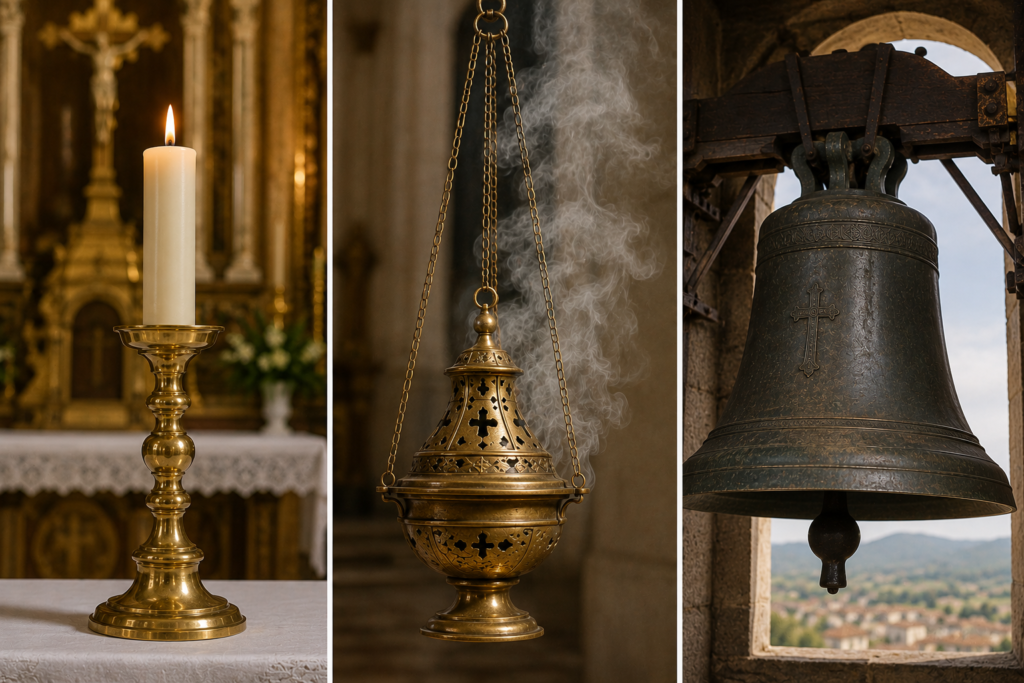
Candles, incense, and church bells hold deep spiritual and symbolic importance within Christian worship because they help create an atmosphere of reverence, prayer, and sacred awareness directed toward God. Candles symbolize Christ as the Light of the World. Their steady flame represents purity, hope, divine presence, and the victory of light over darkness. Throughout Christian history, candles have been used during Mass, prayer, processions, and sacred celebrations to remind the faithful of God’s guidance and eternal truth. The burning flame also reflects the soul’s desire to remain spiritually awake and devoted to God. Incense symbolizes prayer rising toward heaven. As the fragrant smoke ascends upward, it reflects the prayers, worship, and petitions of the faithful being lifted before God. Incense has been used since ancient biblical times in both Jewish and Christian worship as a sign of reverence, purification, holiness, and divine mystery. The rich aroma and drifting smoke also help create a sense of transcendence, reminding worshippers that the liturgy participates in something heavenly and eternal. Church bells serve as sacred calls to attention and worship. Their ringing announces prayer, Mass, celebration, feast days, and important moments within the liturgy. Historically, bells united entire communities, calling people toward God and reminding them throughout the day to pause for prayer and reflection. The sound of bells also symbolizes proclamation — announcing joy, triumph, solemnity, and the presence of sacred worship within the world. Together, these sacred elements engage sight, sound, and scent, helping worshippers enter more deeply into prayer and reverence. They transform ordinary spaces into reminders of heaven, drawing the heart and mind toward the beauty, majesty, and holiness of God.

Ascension Traditions to Make Your Own

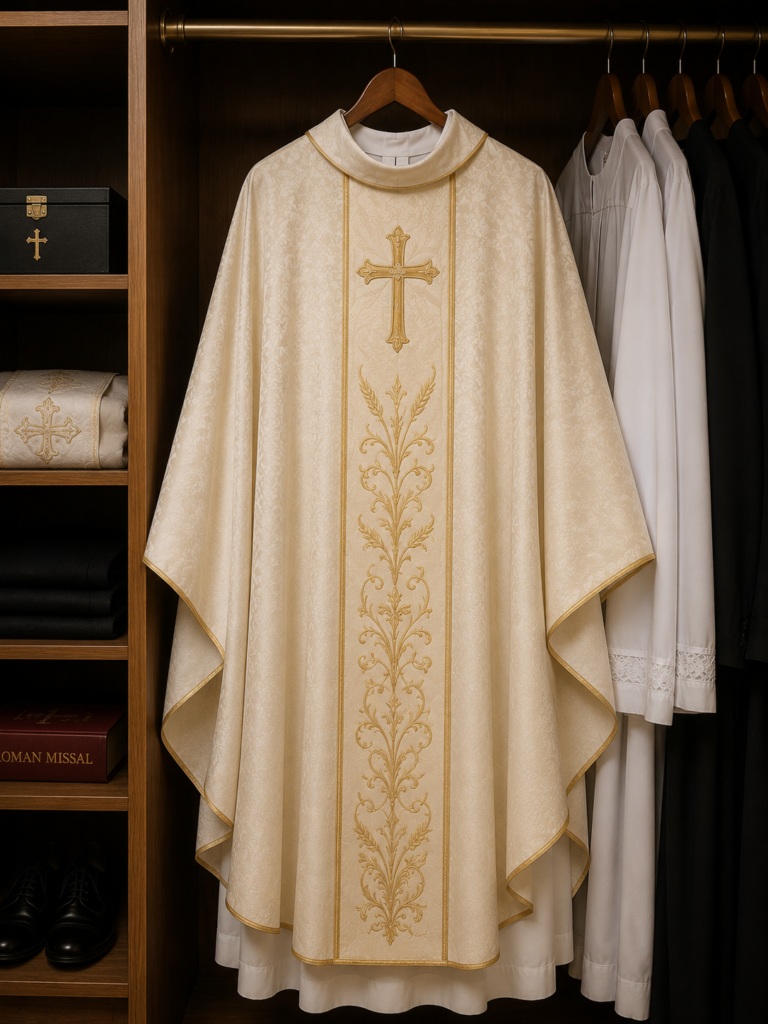
Priests wear sacred vestments during Mass because the garments symbolize the holiness, dignity, and sacred purpose of the liturgy being celebrated. These vestments are not intended primarily as displays of personal style or status, but as visible signs that the priest is acting in service to God and the Church during the sacred mysteries. Each garment carries centuries of spiritual meaning, reminding both the priest and the faithful that the Mass is something set apart from ordinary daily life. The white garments often symbolize purity, resurrection, light, and heavenly glory — themes deeply connected to Christ Himself. Other liturgical colors used throughout the Church year reflect different spiritual seasons: white for joy and triumph, red for martyrdom and the Holy Spirit, purple for repentance, green for hope and growth, and gold for great solemn celebrations. Vestments also represent humility and self-sacrifice. When a priest puts on the sacred garments, he symbolically sets aside personal identity in order to serve Christ and His people. The flowing robes visually reflect reverence, continuity with ancient Christian tradition, and the beauty of worship directed toward heaven. Throughout history, these garments have been crafted with fine fabrics, embroidery, crosses, and sacred symbols to express the glory of God and the solemnity of the Eucharist. In many ways, the vestments serve as visual theology — teaching through beauty, symbolism, and sacred tradition.
Processions and Outdoor Prayer Gatherings
In many Christian communities, the Ascension is honored with solemn processions that symbolize Christ’s journey into heavenly glory. Clergy, choirs, and congregations gather outdoors carrying crosses, banners, candles, and incense while hymns of triumph and praise fill the air. Hilltops and elevated places are sometimes chosen for prayer services to reflect the Mount of Olives where the Ascension occurred.
The Ringing of Church Bells
Church bells are traditionally rung with joy on the Feast of the Ascension, proclaiming the victory of Christ and the opening of heaven to humanity. The pealing bells symbolize heavenly rejoicing and serve as a public reminder of hope, resurrection, and eternal glory.
Sacred Liturgies and White Vestments
Priests commonly wear white or gold vestments during Ascension celebrations to signify purity, triumph, kingship, and divine glory. Special readings from Scripture recount the final moments of Christ with His disciples, and many churches incorporate majestic hymns centered on heaven, exaltation, and the reign of Christ.
Prayer and Reflection on Heaven
The Ascension often becomes a time for believers to meditate deeply on eternal life and humanity’s divine calling. Families and communities may spend time in prayer, Scripture reading, and reflection upon the hope of heaven and the promise that Christ remains spiritually present with His people.
Lighting Candles and Incense
Candles and incense are frequently used during Ascension observances. Rising incense symbolizes prayers ascending toward heaven, while candlelight represents Christ as the eternal light reigning in glory. In grand cathedrals and quiet chapels alike, these traditions create an atmosphere of reverence and transcendence.
Sacred Music and Hymns of Triumph
Choirs often sing powerful hymns celebrating Christ’s kingship and heavenly reign. Organ music, chant, and orchestral arrangements elevate the sense of majesty surrounding the feast, emphasizing both the joy of the Resurrection and the glory of the Ascension.
Feasting and Fellowship
Families and parish communities sometimes gather for festive meals following liturgical celebrations. Bread, wine, roasted meats, spring vegetables, pastries, and celebratory desserts are commonly shared as symbols of joy, thanksgiving, and unity within the Christian community.
Art and Sacred Imagery
Throughout history, artists have commemorated the Ascension through paintings, stained glass, mosaics, and illuminated manuscripts depicting Christ rising amid radiant clouds and heavenly light. Churches often display these sacred works prominently during the feast as visual meditations on divine glory and eternal hope.

Lift Our Hearts Toward what is Holy, True, & Everlasting

Heavenly Father,
through the glorious Ascension of Your Son,
You opened the gates of heaven
and filled the world with the promise of eternal hope.
Lift our hearts toward what is holy, true, and everlasting,
that we may walk through this life with faith, courage, and devotion.
Lord Jesus Christ,
King of Heaven and Earth,
as You ascended in glory before Your disciples,
teach us to seek the things above
and to live with integrity, humility, and love.
Strengthen us in times of weakness,
guide us through uncertainty,
and keep our eyes fixed upon Your eternal light.
May the flame of faith burn brightly within us like sacred candles,
may our prayers rise before You like incense,
and may our lives proclaim Your truth
as church bells proclaim joy across the earth.
Send Your Holy Spirit upon us,
that we may become instruments of peace, wisdom, and hope,
serving You faithfully until the day
we are called into the glory of Your heavenly kingdom.
Amen.
This prayer helps draw the heart and mind closer to God while reflecting upon the meaning of the Ascension and the hope of eternal life. We can pray these words to express gratitude for Christ’s victory over sin and death, to seek spiritual strength, and to remember that humanity is called toward heaven and holiness rather than despair or darkness. The prayer also serves as a way of surrendering one’s life, struggles, hopes, and desires to God. By asking Christ to guide, strengthen, and elevate the soul, believers acknowledge their dependence upon divine grace and their desire to live according to truth, love, and faithfulness. References to candles, incense, and church bells within the prayer carry symbolic meaning as well. The candle represents faith and divine light, incense represents prayers rising to heaven, and bells symbolize the proclamation of God’s glory and presence. Together, these images help deepen meditation upon sacred worship and the beauty of the Christian faith. Most importantly, the prayer is said because it reminds believers that Christ did not abandon humanity in the Ascension, but instead opened the path to eternal communion with God. It becomes both a prayer of worship and a declaration of hope — lifting the soul toward heaven while seeking the grace to live faithfully on earth.

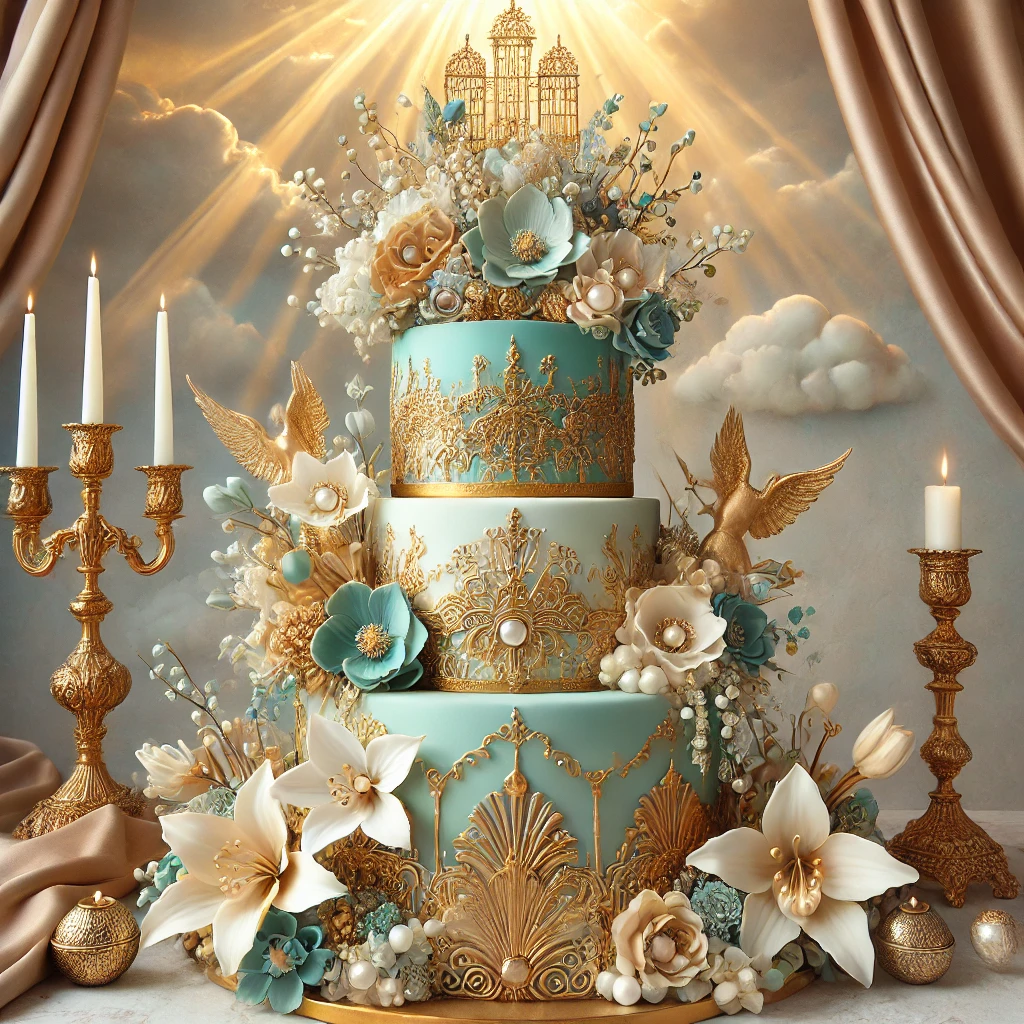
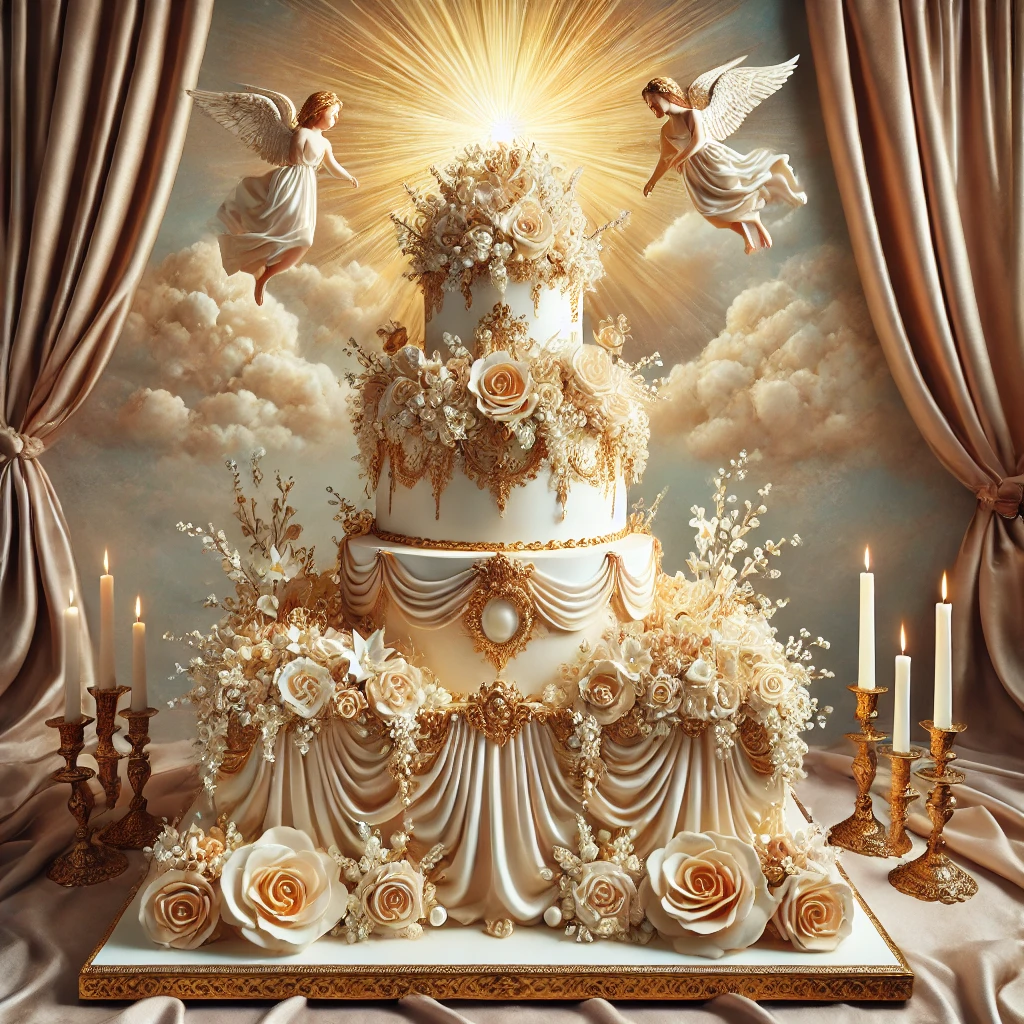
Ascension Cake and Atmosphere Ideas

Where style, memory, and celebration meet.

This section is meant to be more than Cake Decorating Ideas… it’s designed to spark inspiration and creativity, awaken tradition, and infuse your special occasions with style, identity, and atmosphere. A color palette becomes a theme. A design becomes a mood. Simple details—like sugared holly leaves or shimmering stars—can set the tone for a gathering and become part of cherished traditions and lasting memories melded with personal touch and love.

Traditional Ascension Dishes

Roasted Lamb with Rosemary and Garlic
A traditional celebratory dish symbolizing Christ as the Lamb of God. Slow-roasted with herbs, garlic, olive oil, and rich seasonings, this centerpiece meal reflects triumph, sacred celebration, and joyful gathering after worship.
Heavenly White Cake with Gold Accents
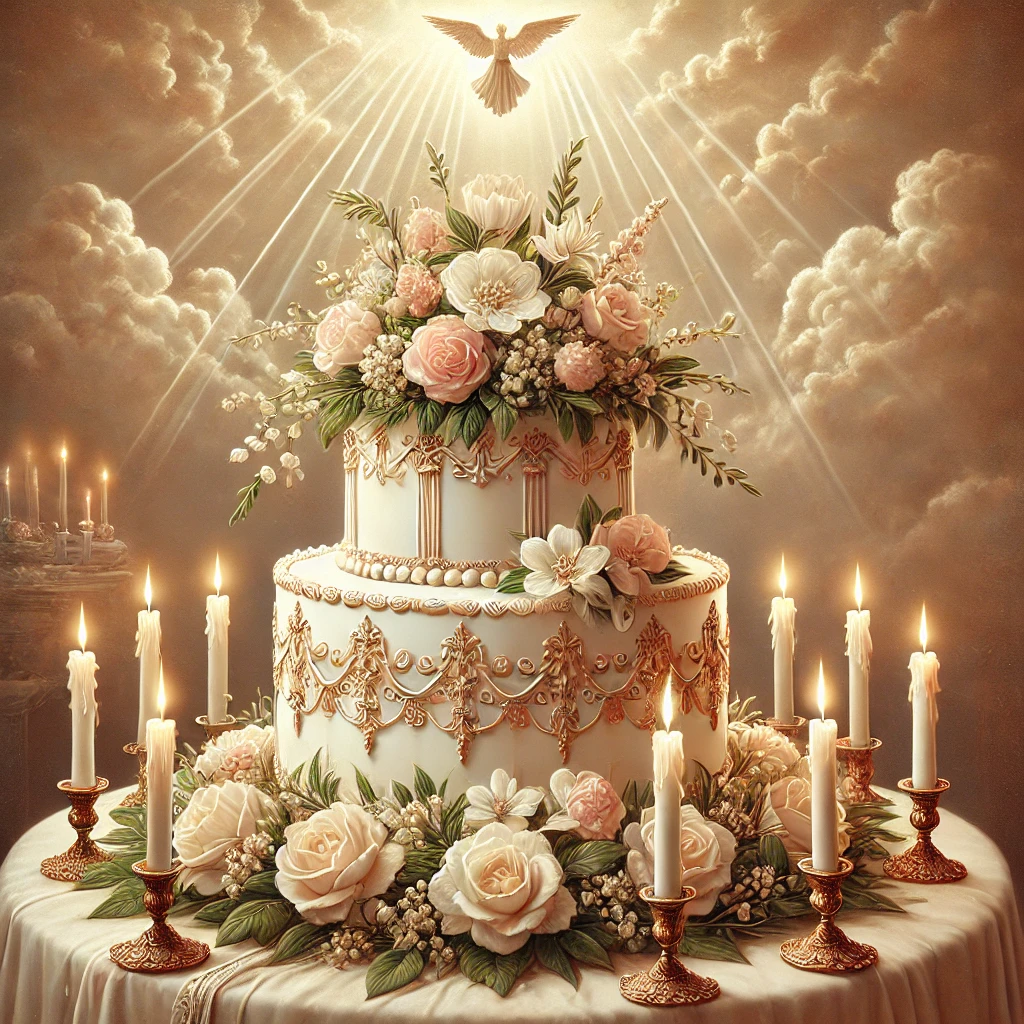
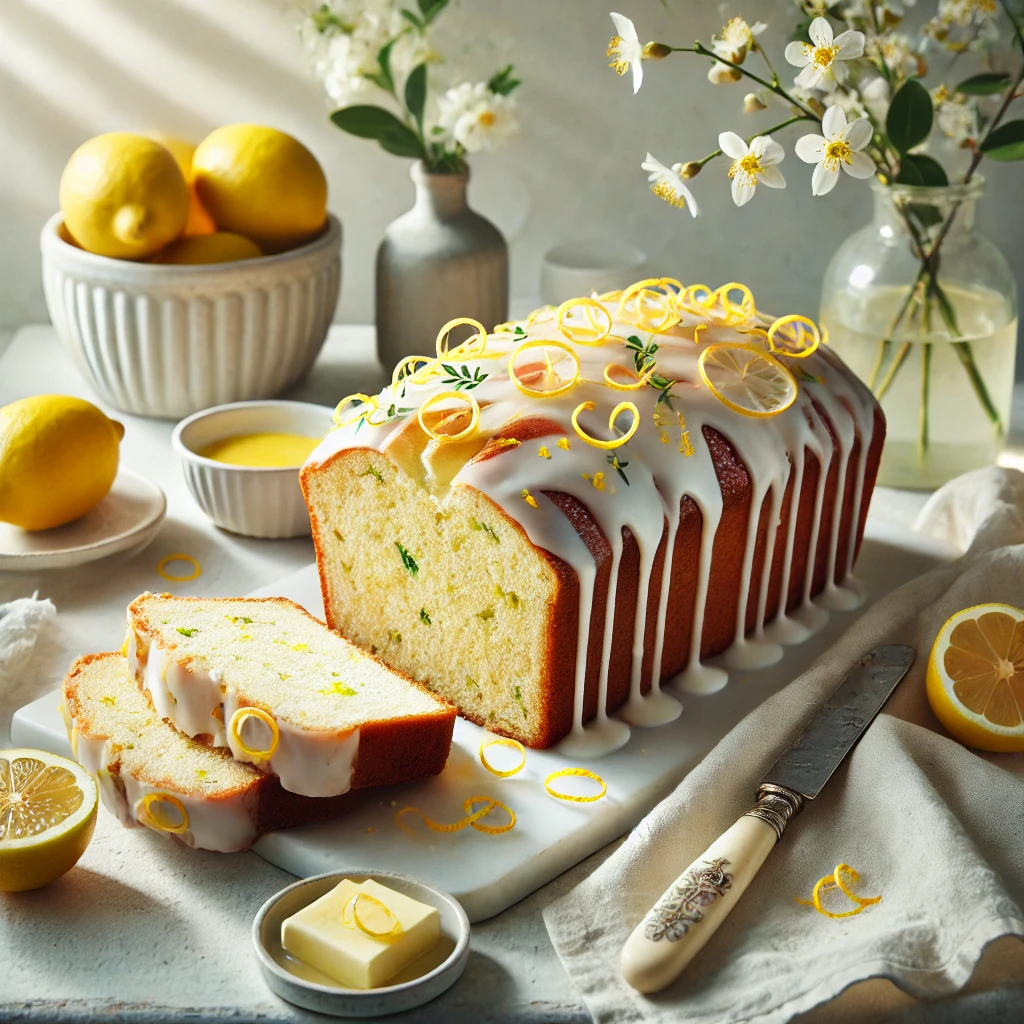
Elegant white cakes decorated with gold leaf, white frosting, pearls, or light floral accents are often associated with Ascension celebrations because white and gold symbolize heavenly glory, resurrection, purity, and divine kingship.
Fresh Spring Bread and Honey Butter
Warm artisan breads served with whipped honey butter reflect hospitality, unity, and thanksgiving. Bread also carries profound spiritual symbolism within Christian tradition, recalling fellowship and the Eucharistic meal.
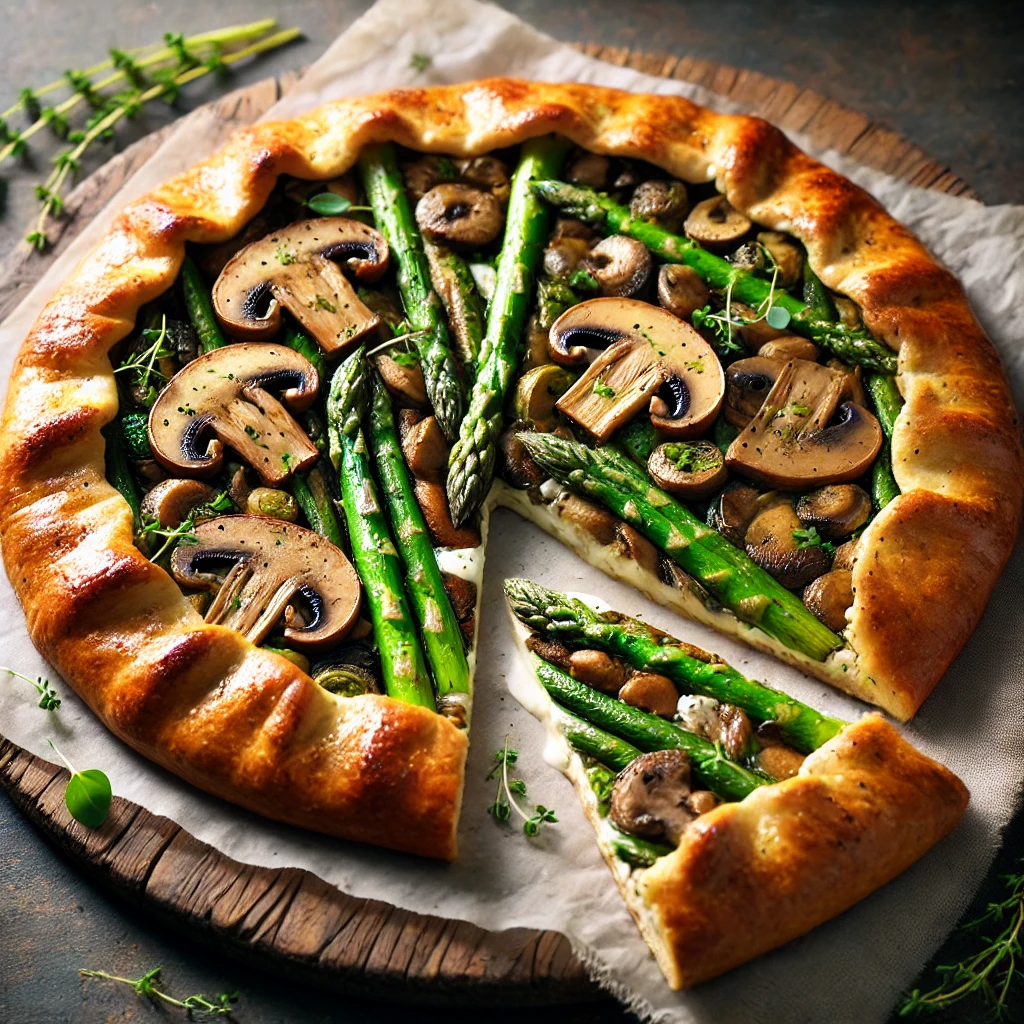
Roasted Spring Vegetables
Asparagus, carrots, potatoes, onions, and herbs roasted in olive oil are common seasonal dishes that celebrate renewal, growth, and the beauty of creation during the spring Ascension season.
Incense-Spiced Rice and Herb Dishes
Some celebratory meals include fragrant herbs and spices such as rosemary, thyme, cinnamon, clove, or cardamom to evoke warmth, reverence, and the richness often associated with sacred celebrations.
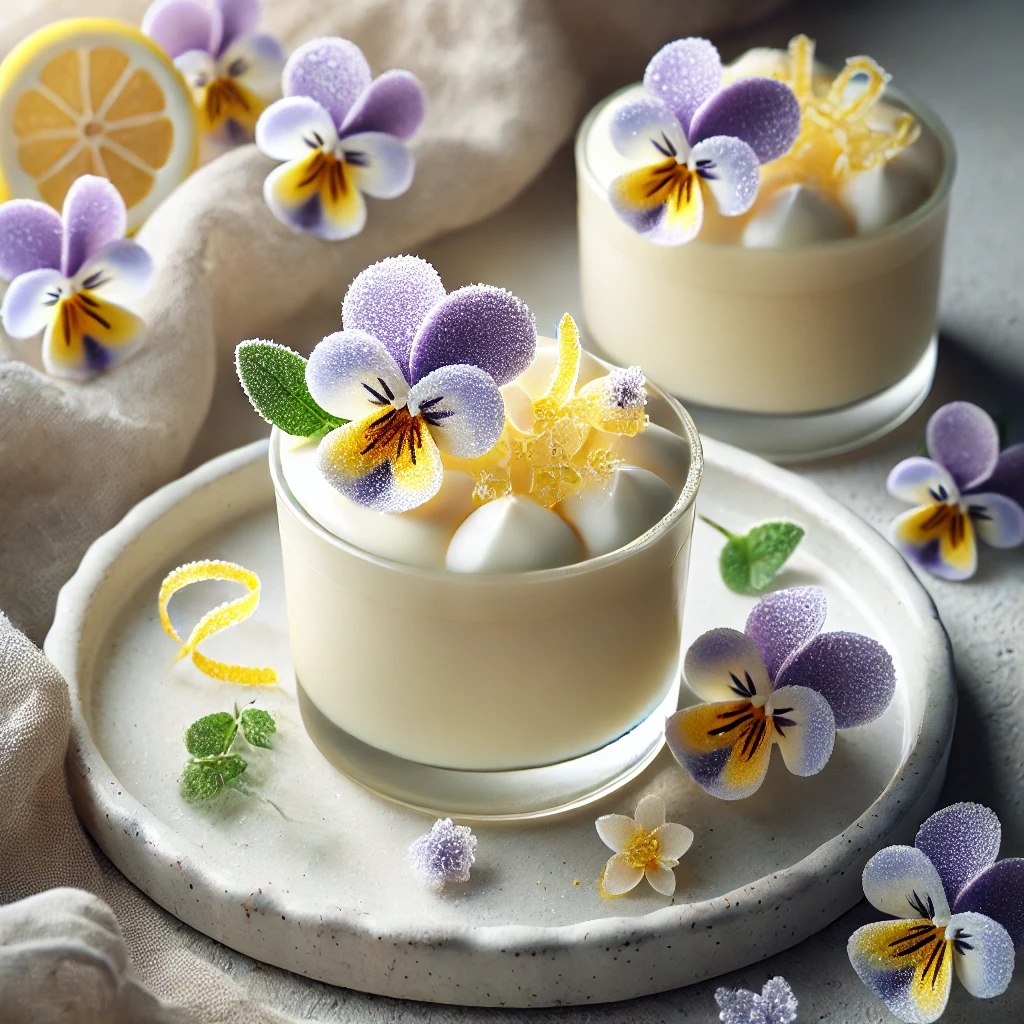
Golden Custards and Cream Desserts
Rich custards, vanilla creams, pastries, and golden desserts symbolize joy, abundance, and heavenly radiance. Light-colored desserts especially reflect the themes of purity and ascension into glory.
Fish and Mediterranean-Style Meals
In some Christian traditions, fish dishes are served in remembrance of Christ’s ministry among fishermen and the early Church. Olive oil, herbs, citrus, and fresh ingredients create meals centered on simplicity and sacred fellowship.
Grapes, Wine, and Fruit Tables
Fruit displays and wine are often included during feast gatherings as symbols of blessing, celebration, spiritual abundance, and thanksgiving. Grapes in particular carry Eucharistic symbolism deeply rooted in Christian worship.
Cloud-Like Pastries and Whipped Desserts
Light pastries, cream-filled desserts, and airy confections are sometimes prepared to reflect the imagery of clouds and heaven associated with the Ascension narrative.
Festive Family Meals After Worship
Perhaps the most important tradition is the shared gathering itself — families and communities coming together after prayer and liturgy to celebrate hope, fellowship, and the promise of eternal life opened through Christ’s Ascension.

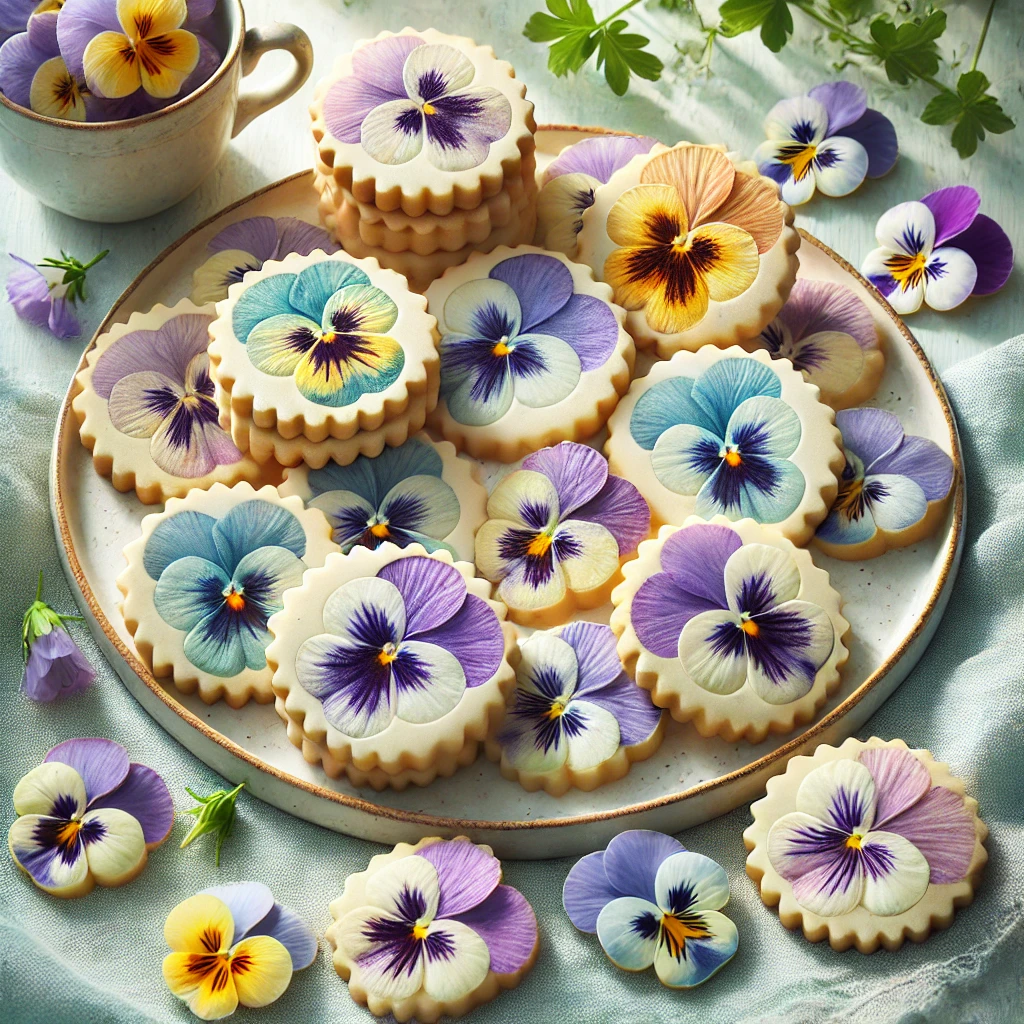
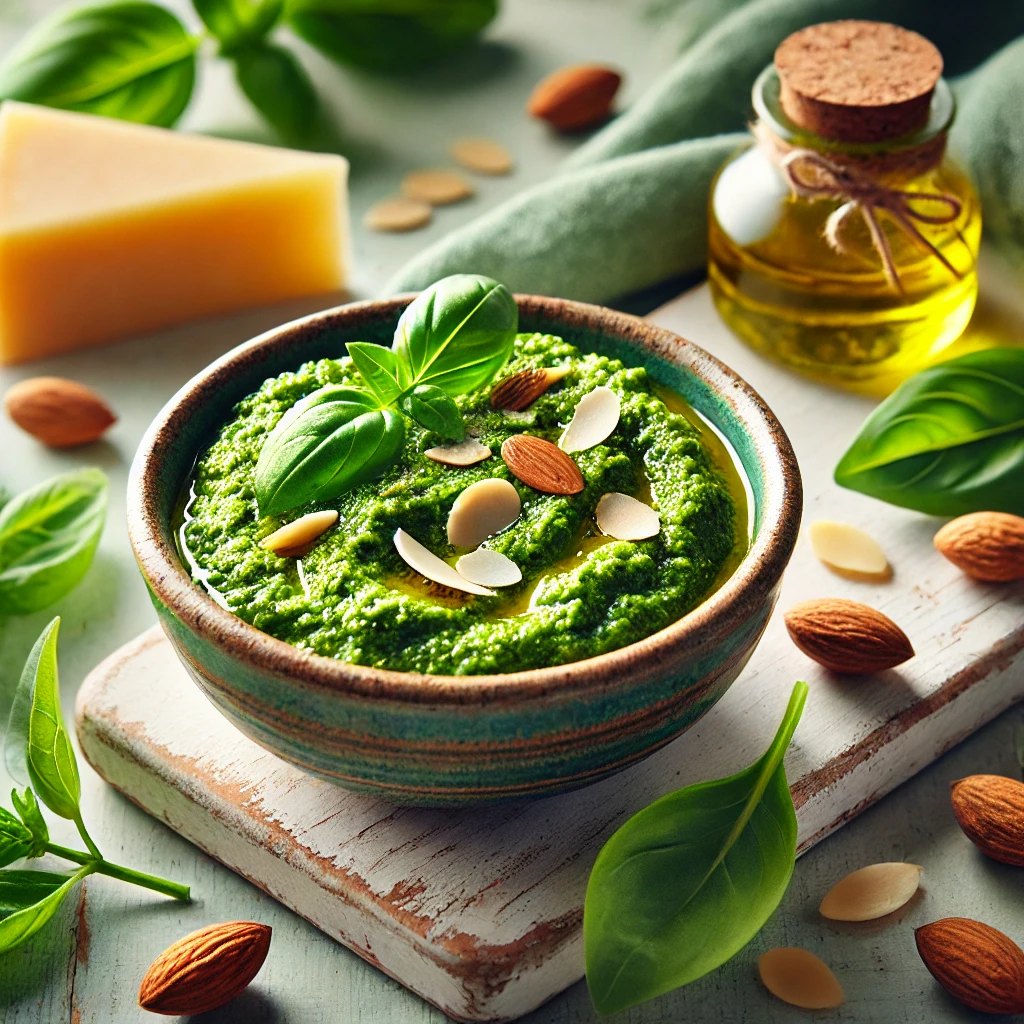
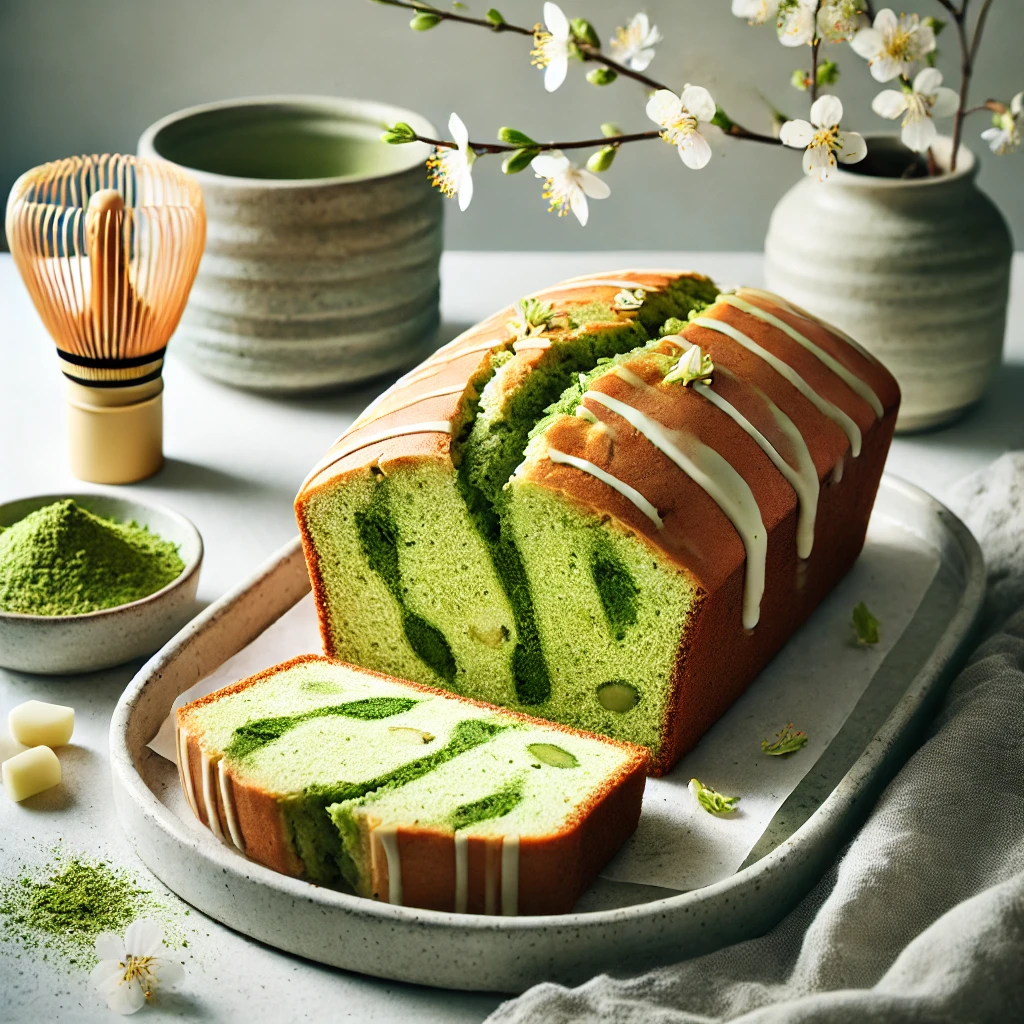
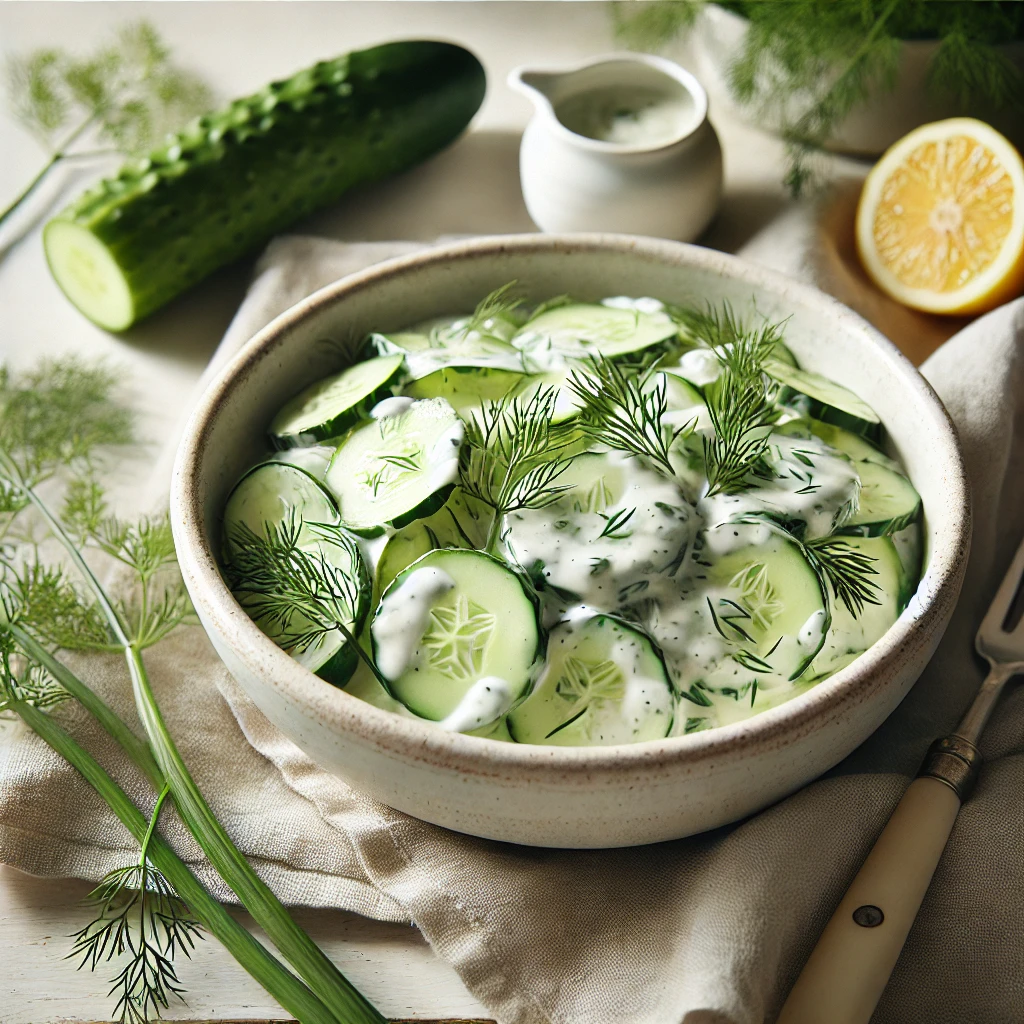
Recipes Engineered for Spring