

The Birth of the Queen of Heaven
with ORO VALENTIO
September 8
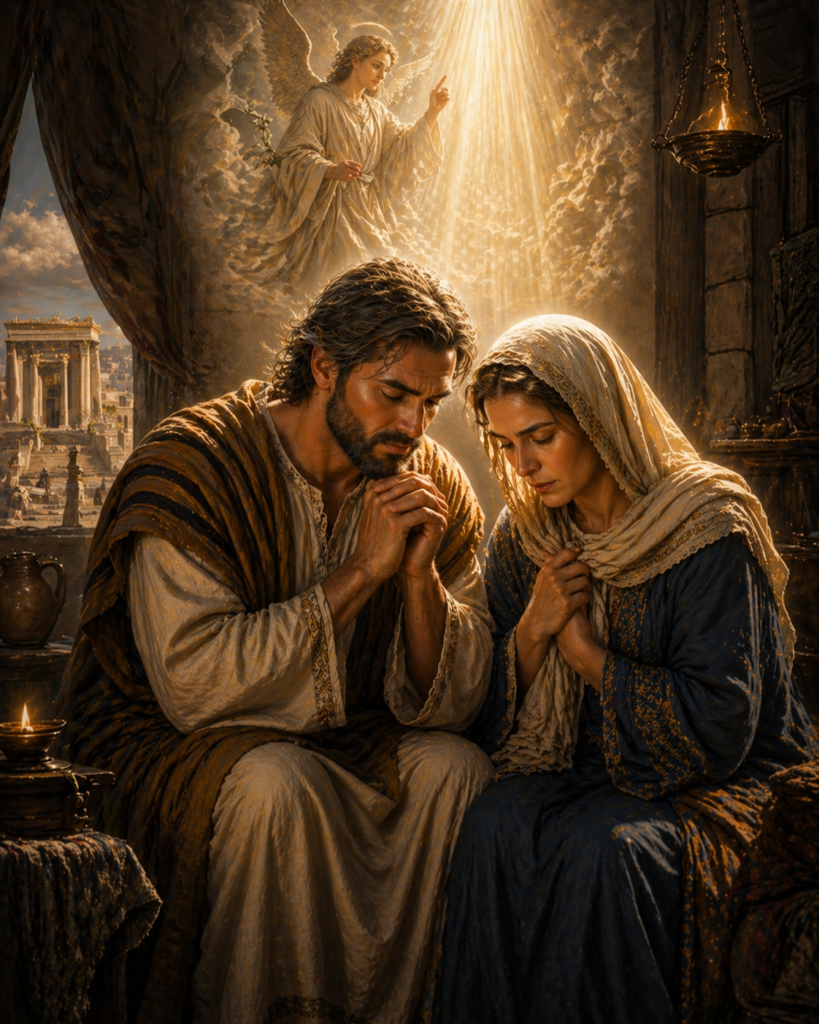
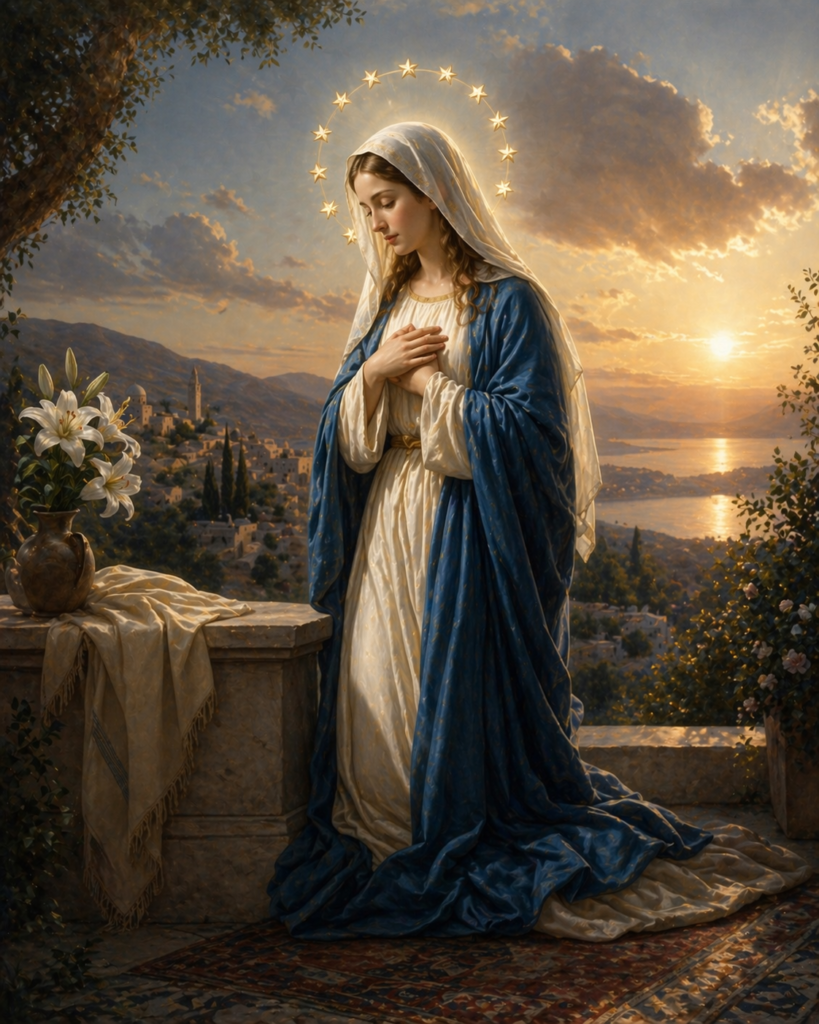
The birth of the Blessed Virgin Mary is enveloped in a quiet, sacred obscurity that already reveals the pattern of her entire life: God accomplishes His greatest works not through worldly greatness, but through profound humility. According to ancient Christian tradition, especially preserved in early sources and reflected upon by saints, Mary was born to St. Joachim and St. Anne, a couple who themselves had been deeply humbled before her conception. They endured the sorrow and social reproach of childlessness, which in their time was often seen as a sign of divine disfavor; yet rather than turning to bitterness, they responded with prayer, penance, and trust in God. Their humiliation purified them, making them fitting instruments to receive so great a gift, and thus Mary’s very beginning in the world is already rooted in a lineage of humility born from suffering and surrender.
From the first moment of her existence—her Immaculate Conception—Mary possessed perfect sanctifying grace, yet this unparalleled holiness did not manifest outwardly in any display of grandeur. Rather, as saints such as St. Alphonsus Liguori reflect, the greater the grace given to her, the deeper her humility became; she saw herself always as entirely dependent on God, never attributing anything to herself. Even as a child, whether raised in the temple according to tradition or within the hidden life of her family, she lived in silence, obedience, and recollection, choosing always what was lowly and unnoticed. This is the paradox at the heart of her vocation: she who was the greatest of all creatures lived as though she were the least, not out of ignorance of God’s gifts, but out of perfect awareness that every gift came from Him alone.
This radical humility was not incidental—it was absolutely necessary for her mission. As St. Thomas Aquinas explains in principle, God fills only what is empty; therefore, for Mary to receive within her the fullness of the Word made flesh, her soul had to be utterly free of self-exaltation. Her humility created, so to speak, the “space” for the Incarnation. This is why, at the Annunciation, her response is not merely obedience but self-identification as a servant: “Behold the handmaid of the Lord.” In that moment, her lifelong interior disposition is revealed outwardly—she had already been living this surrender from the beginning. God did not impose this humility upon her; she continually chose it, deepening it at every stage of her life.
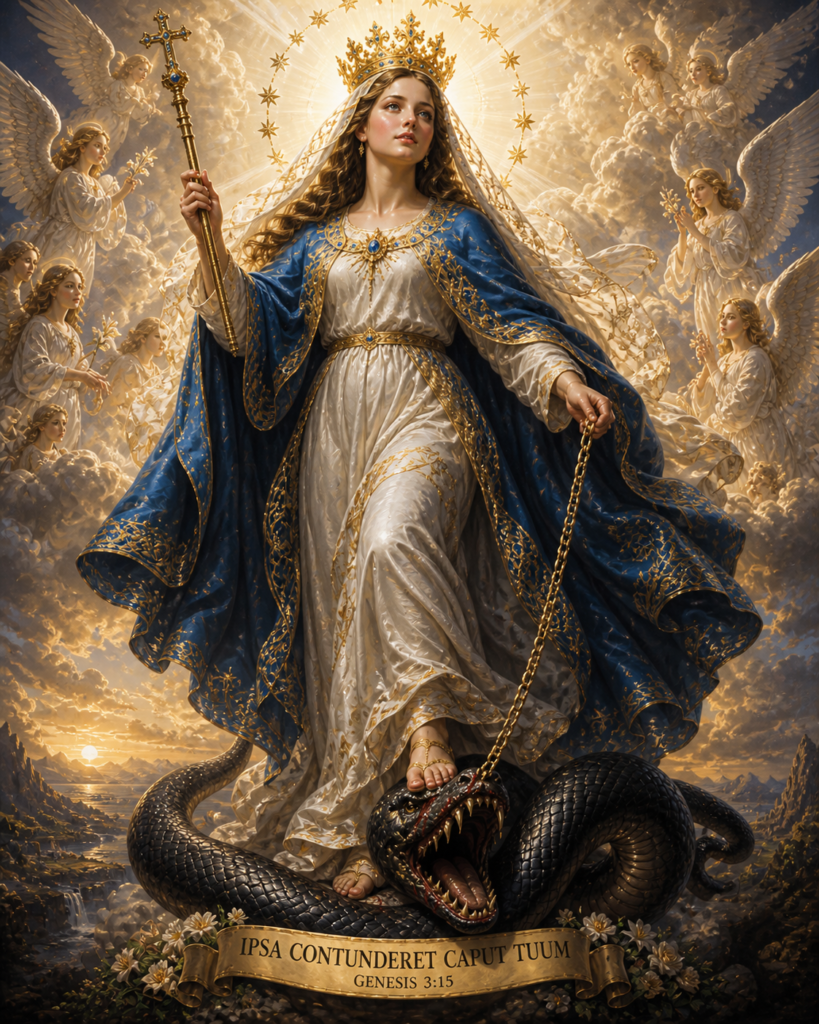
A Sweet Baby Girl: Queen of the Angels
God could have crushed Satan by sheer force—but instead, He chose to defeat him through the humility of a woman.
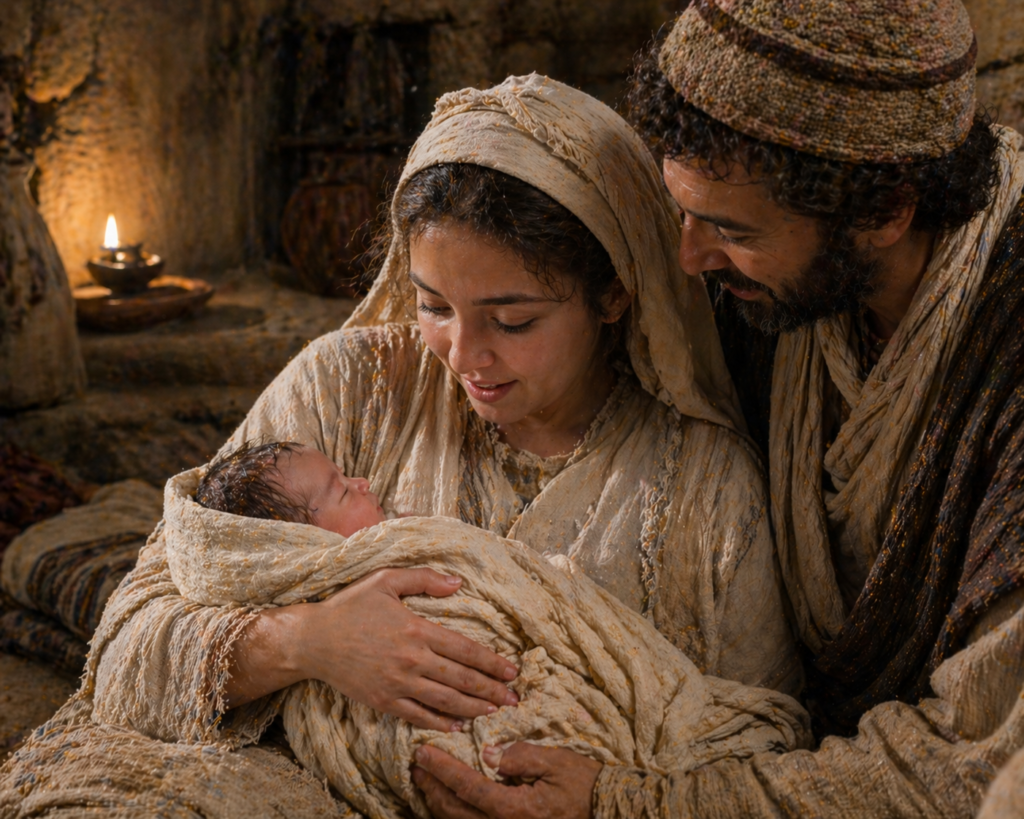
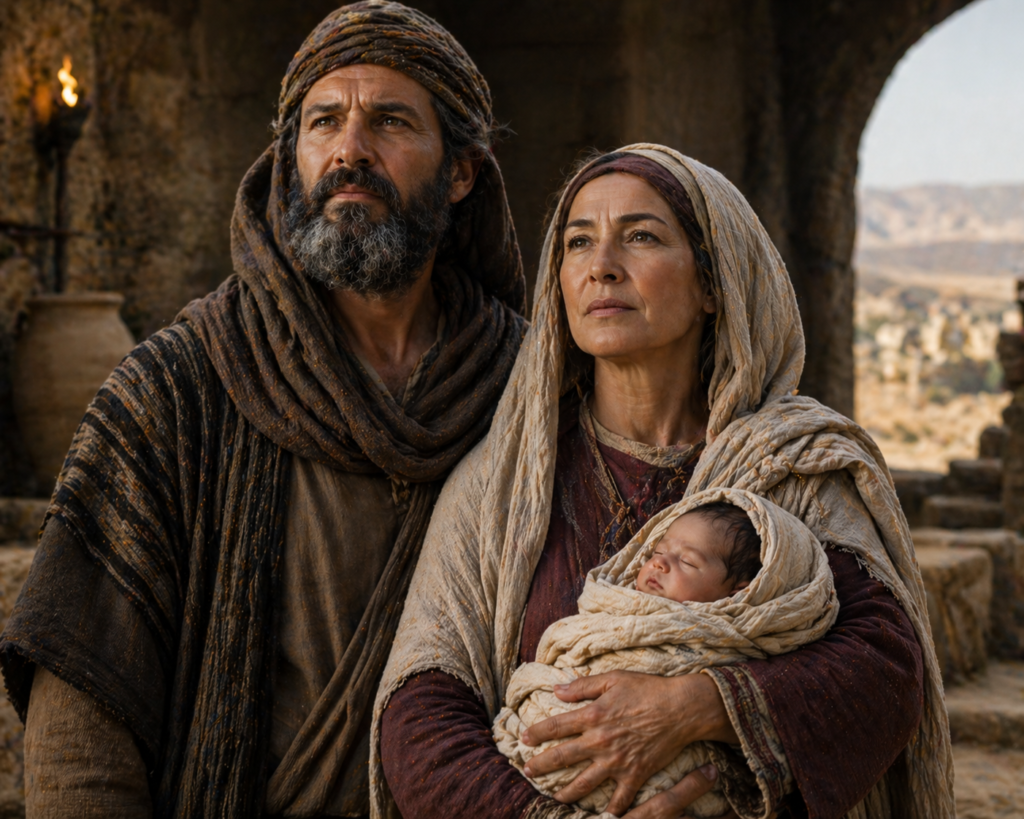
The earliest written account of Mary’s birth comes from the Protoevangelium of James, an ancient Christian text that, while not part of Scripture, has deeply influenced devotion. Mary was born in Jerusalem, amid great joy. Her birth was recognized as a singular gift from God. From the beginning, she was dedicated entirely to the Lord.
Mystical Insight and Contemplation
The visions of Anne Catherine Emmerich offer a contemplative glimpse into this mystery. She describes the birth of Mary as surrounded by a profound atmosphere of peace, purity, and divine favor.
Mary, preserved from original sin from the first moment of her conception, entered the world already full of grace, wholly belonging to God. Her birth was marked not by worldly grandeur, but by a quiet holiness that signaled the beginning of something extraordinary: the dawn of redemption.
The Nativity of Mary is not merely a remembrance of her birth—it is a celebration of God’s preparation for the Incarnation. Mary is the “dawn before the Sun,” who is Christ. She is the Ark of the New Covenant, fashioned in purity to bear the Word made flesh. Her coming into the world marks the beginning of the fulfillment of salvation history. As Saint Augustine of Hippo teaches, Mary’s holiness is entirely rooted in Christ, for she was preserved from sin in view of His merits.
A Mystery of Hope
The birth of the Blessed Virgin Mary reminds us that God often prepares His greatest works in hiddenness. Before the coming of Christ, there is Mary—quiet, pure, and entirely receptive to grace. Her nativity is a sign of: hope that God is already at work, even when unseen; that suffering can be transformed into joy; and that through humility and trust, His plan unfolds in perfect wisdom.
Birth of the Queen of Heaven Traditions to Make Your Own
- Liturgical Celebration (Mass):
A joyful feast day in the Church with special prayers honoring Mary as the beginning of salvation. - Marian Devotions (Rosary & Hymns):
The Rosary and traditional Marian hymns are prayed in thanksgiving for her birth. - Blessing of Seeds and Crops:
In farming regions, seeds are blessed, symbolizing Mary as the “seed” from which redemption would come. - Floral Offerings:
Churches and homes are decorated with flowers, especially roses and lilies, representing Mary’s purity and beauty. - Children’s Blessings:
Some traditions include special blessings for children, honoring the birth of Mary and the gift of life. - Eastern Christian Vigil & Icons:
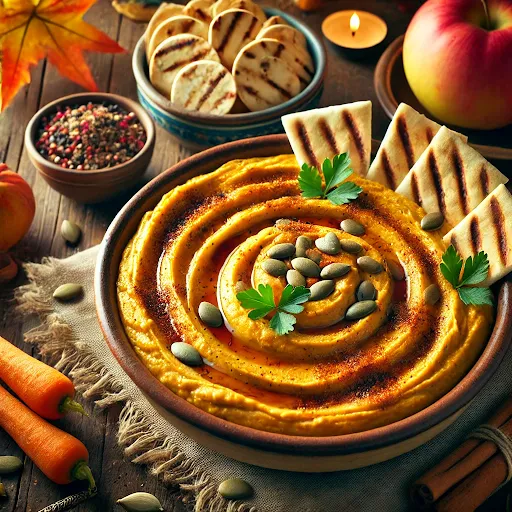
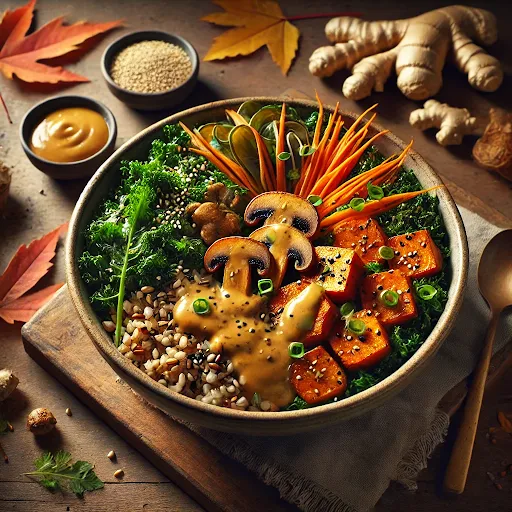
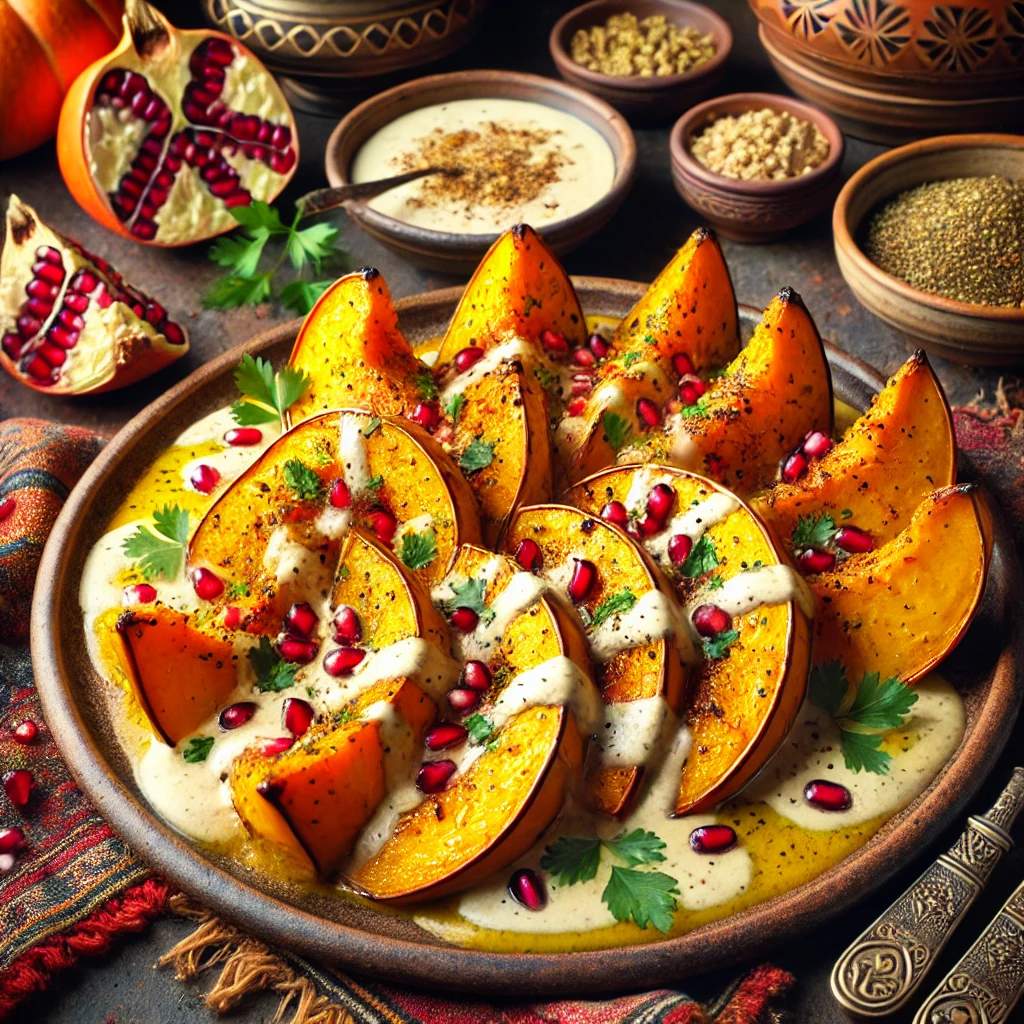
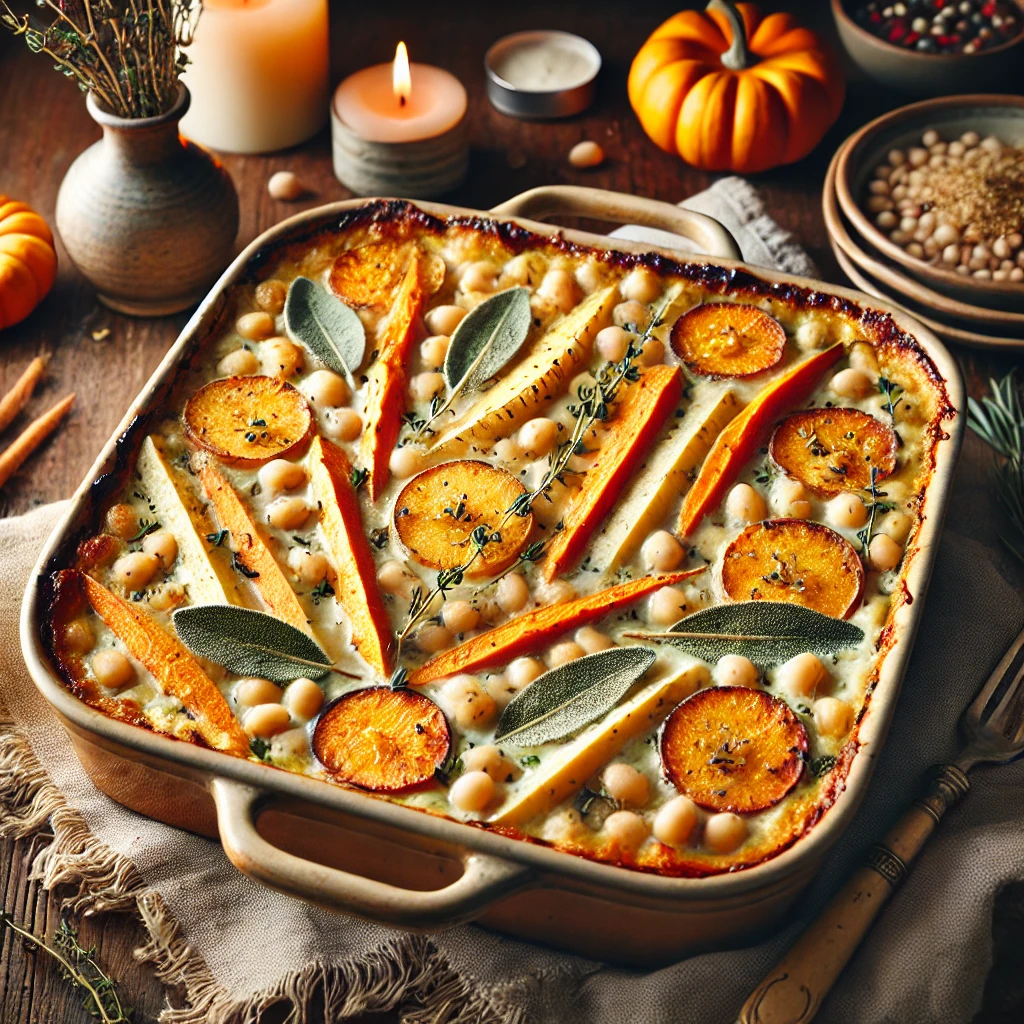
Celebrated as the Nativity of the Theotokos with vigils, processions, and veneration of icons. - Festive Meals:
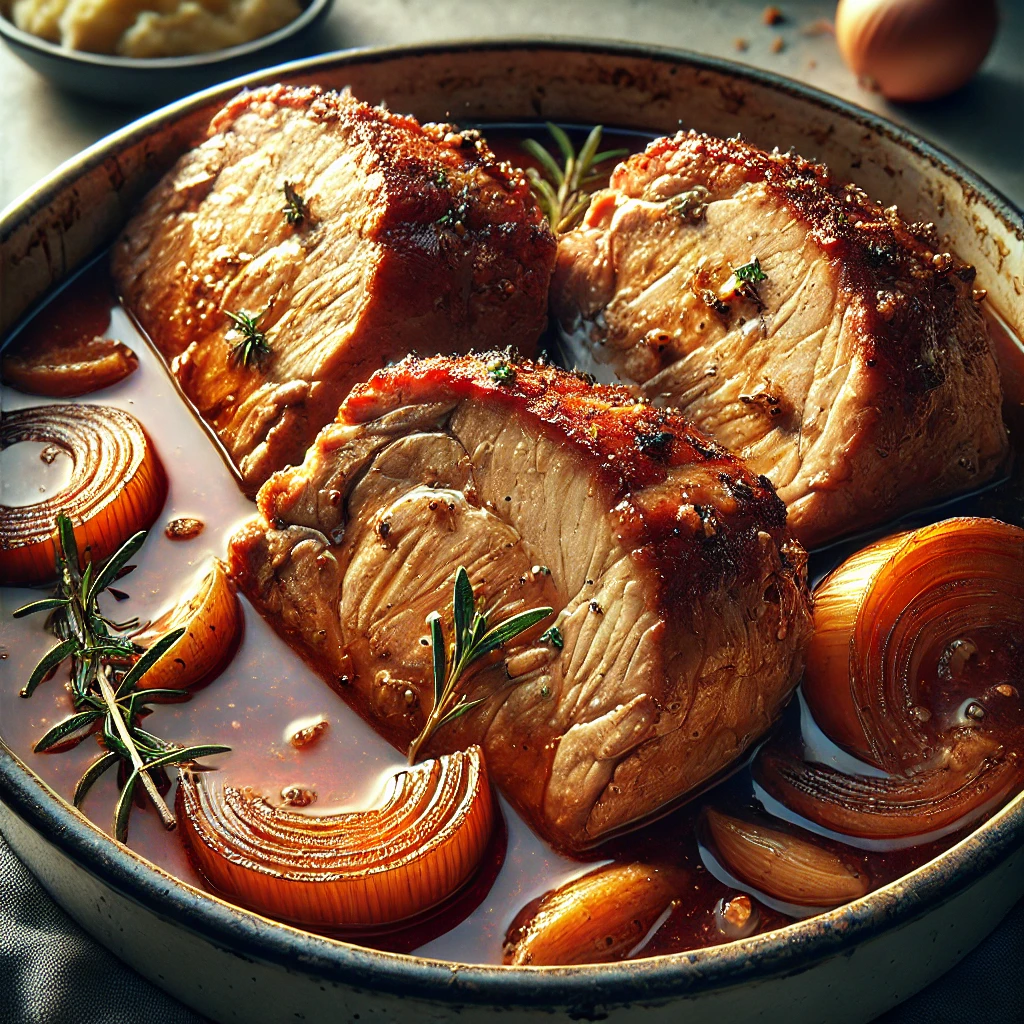
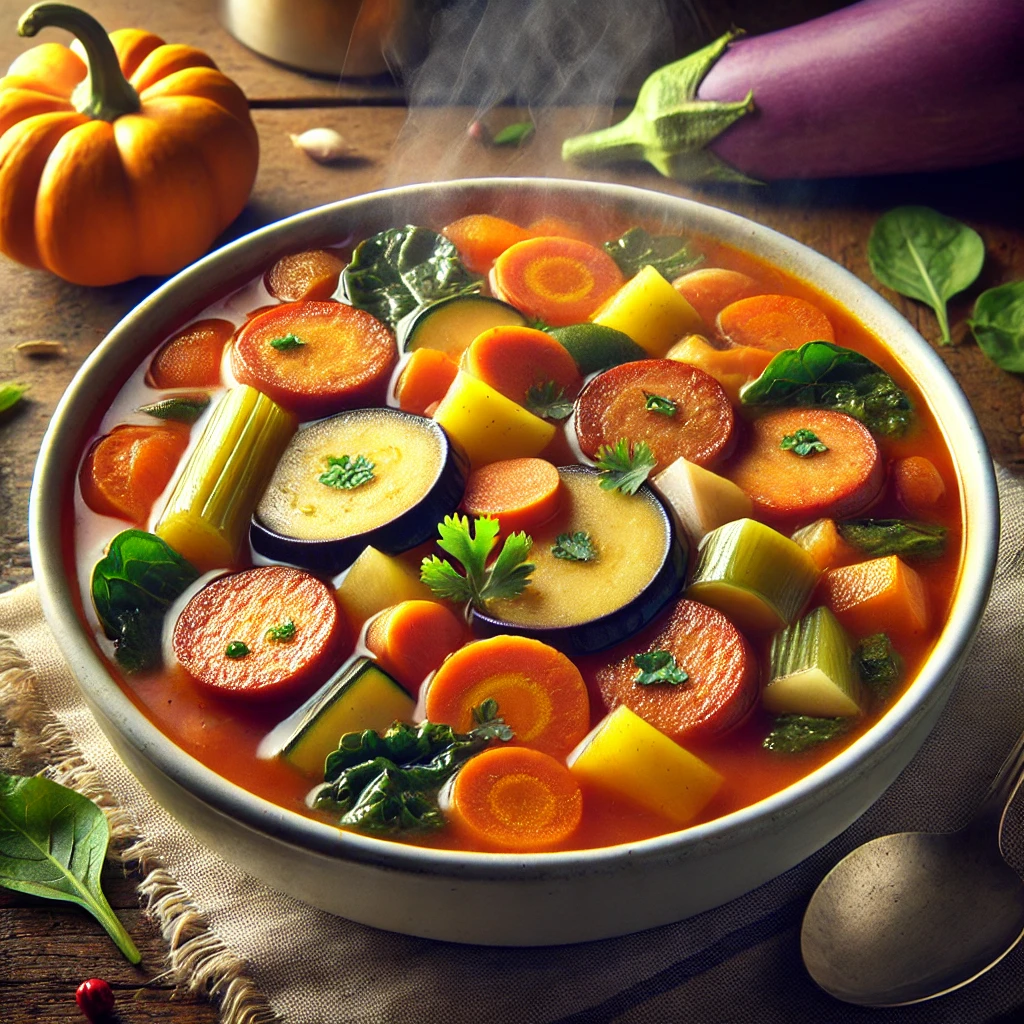
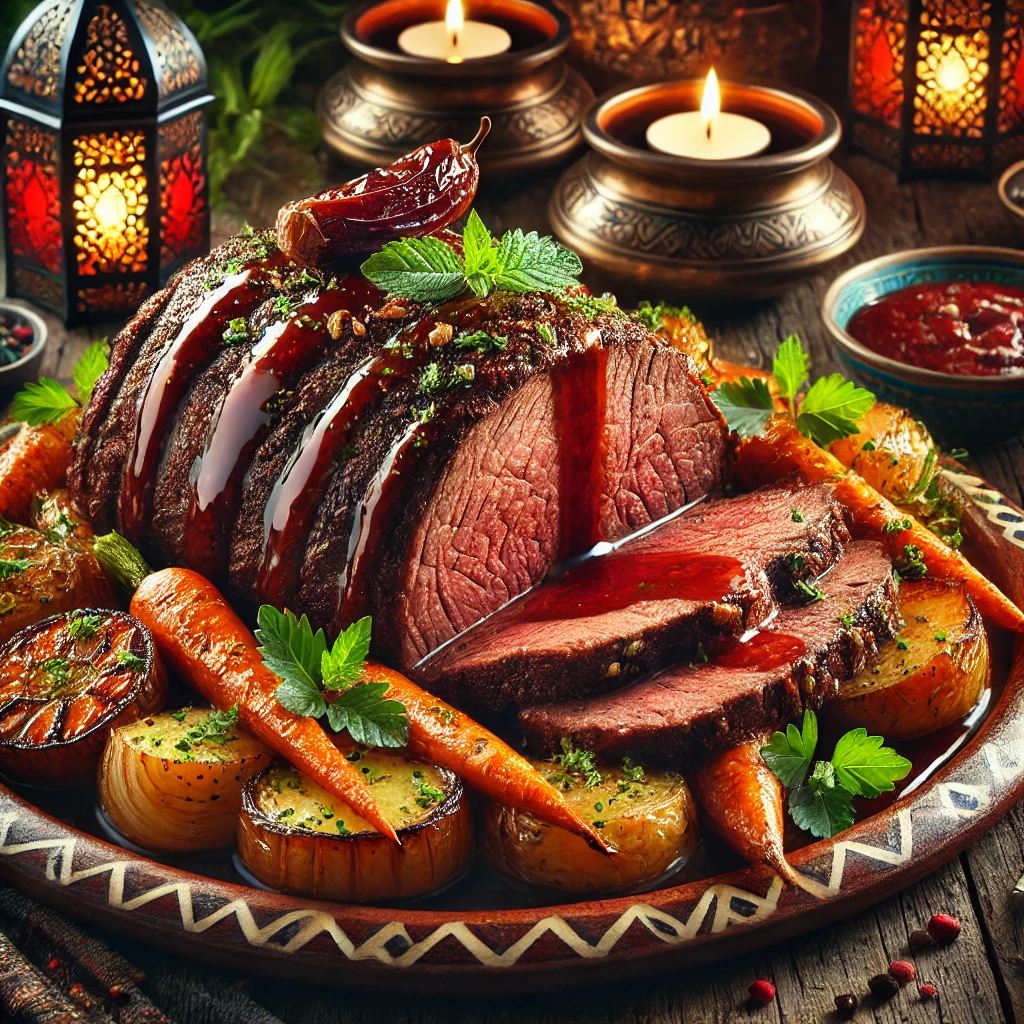
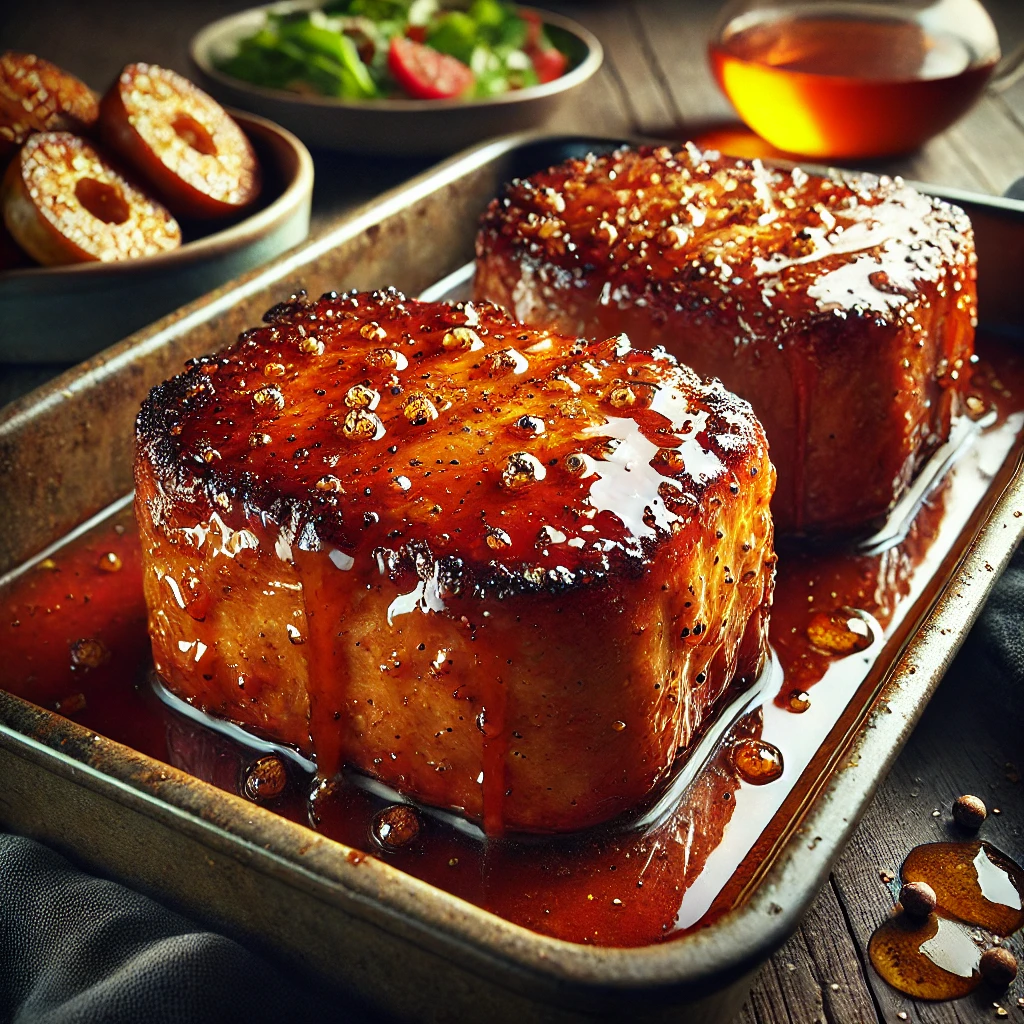
Families gather for meals to celebrate the joy of Mary’s birth and God’s providence. - Acts of Charity:
Giving to the poor or helping others in honor of Mary’s humility and love. - Meditation on Joachim and Anne:
Reflecting on the suffering and faith of Saint Joachim and Saint Anne before her birth.
Mary, the Dawn before Christ
May the birth of the Queen of Heaven fill your heart with quiet joy and renewed hope; may the God who prepared her in purity and grace also prepare your soul, gently shaping it through every trial and hidden moment; and may Mary, the dawn before Christ, lead you ever closer to her Son, that your life too may become a dwelling place of His peace, His light, and His love. Amen.
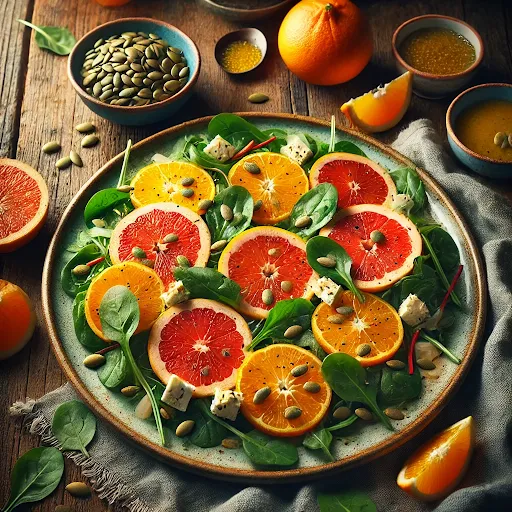
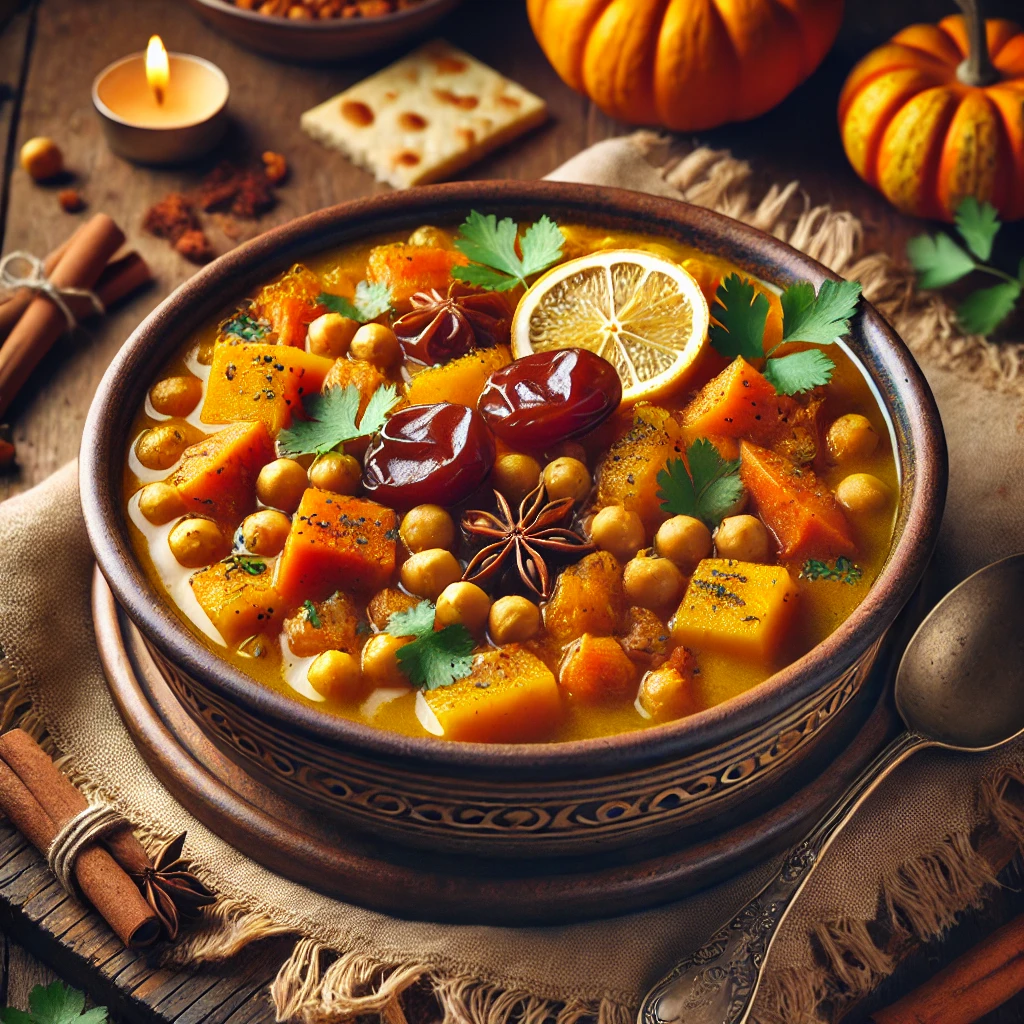
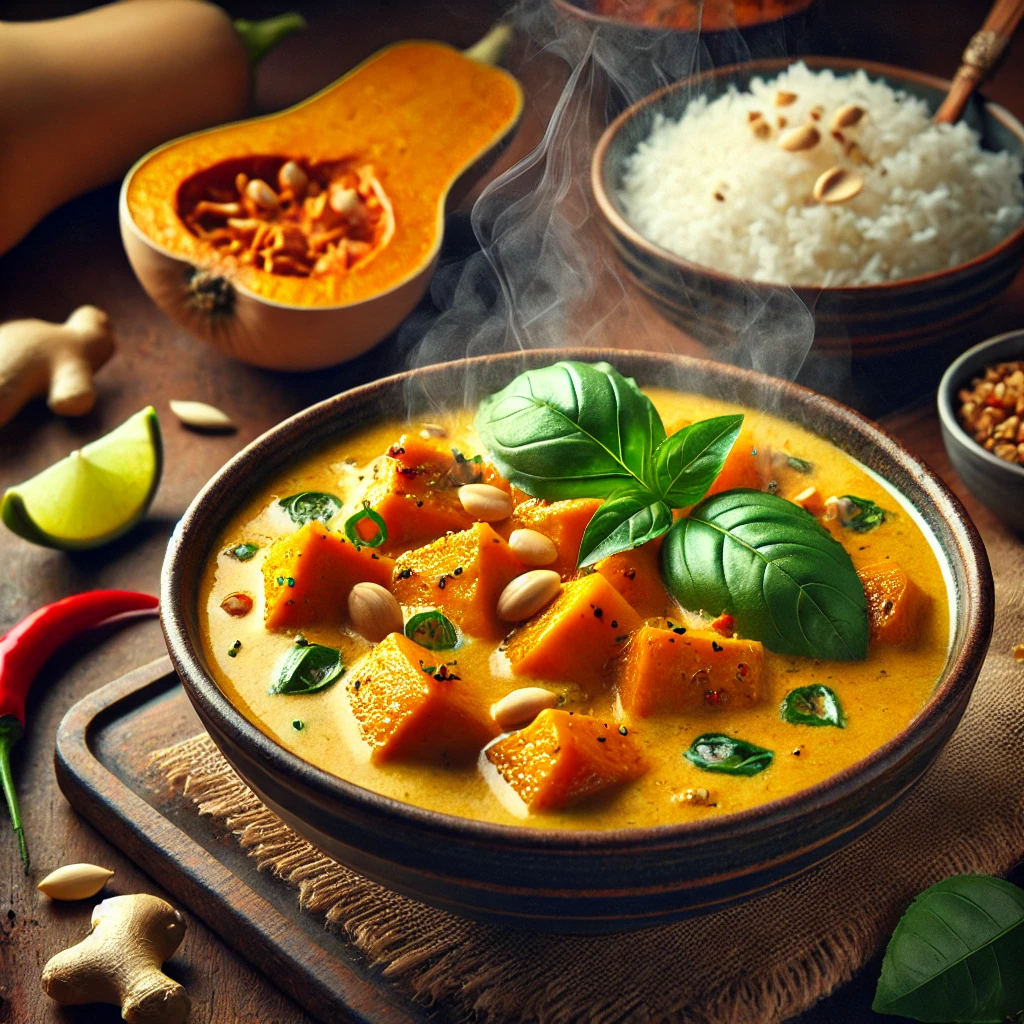
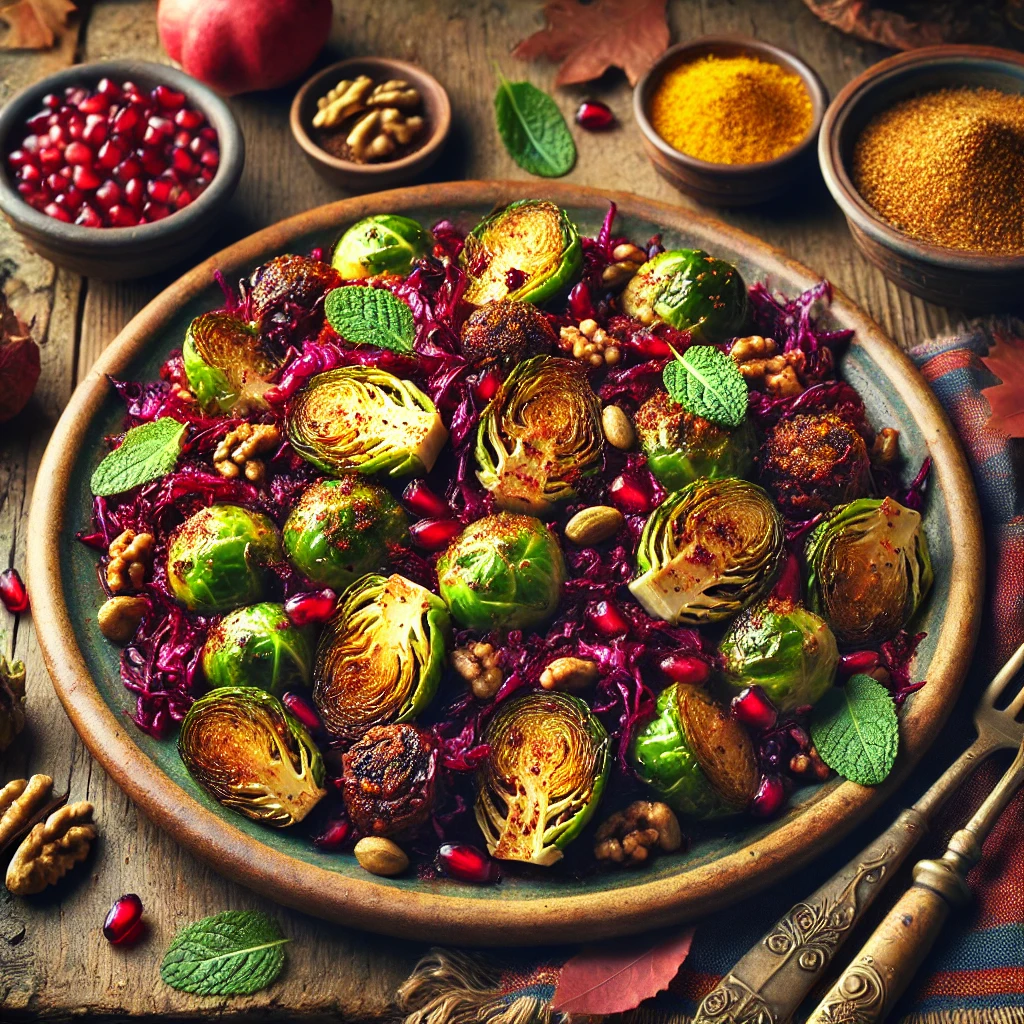
Traditional Dishes for the Birth of the Queen of Heaven
- Grapes:
Often blessed and eaten on this day, symbolizing abundance and the coming harvest of grace through Mary. - Bread (especially fresh or rustic loaves):
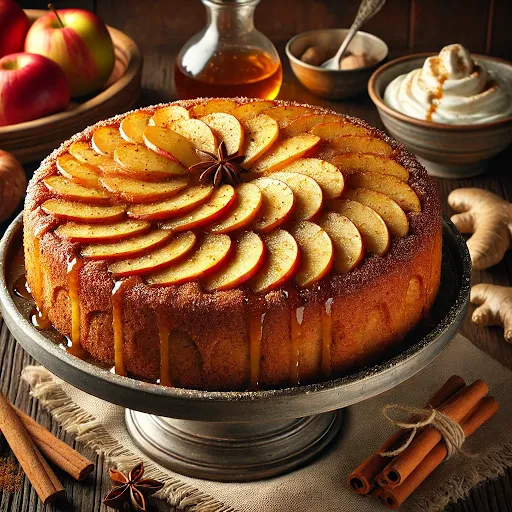
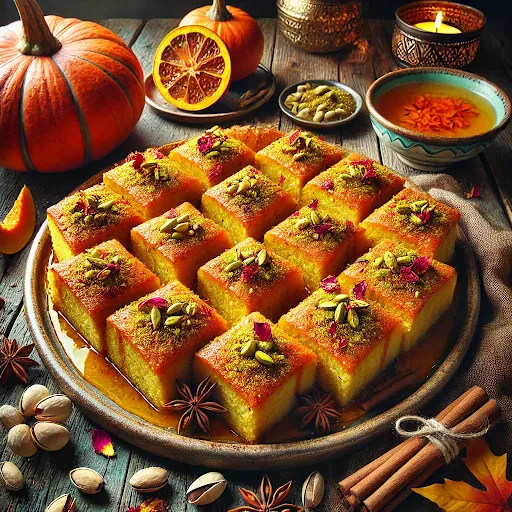
Represents life, nourishment, and the simplicity of Mary’s humble beginnings. - Honey Cakes or Sweet Breads:
Symbolize the sweetness of Mary’s birth and the joy it brings to the world. - Milk and Dairy Foods:
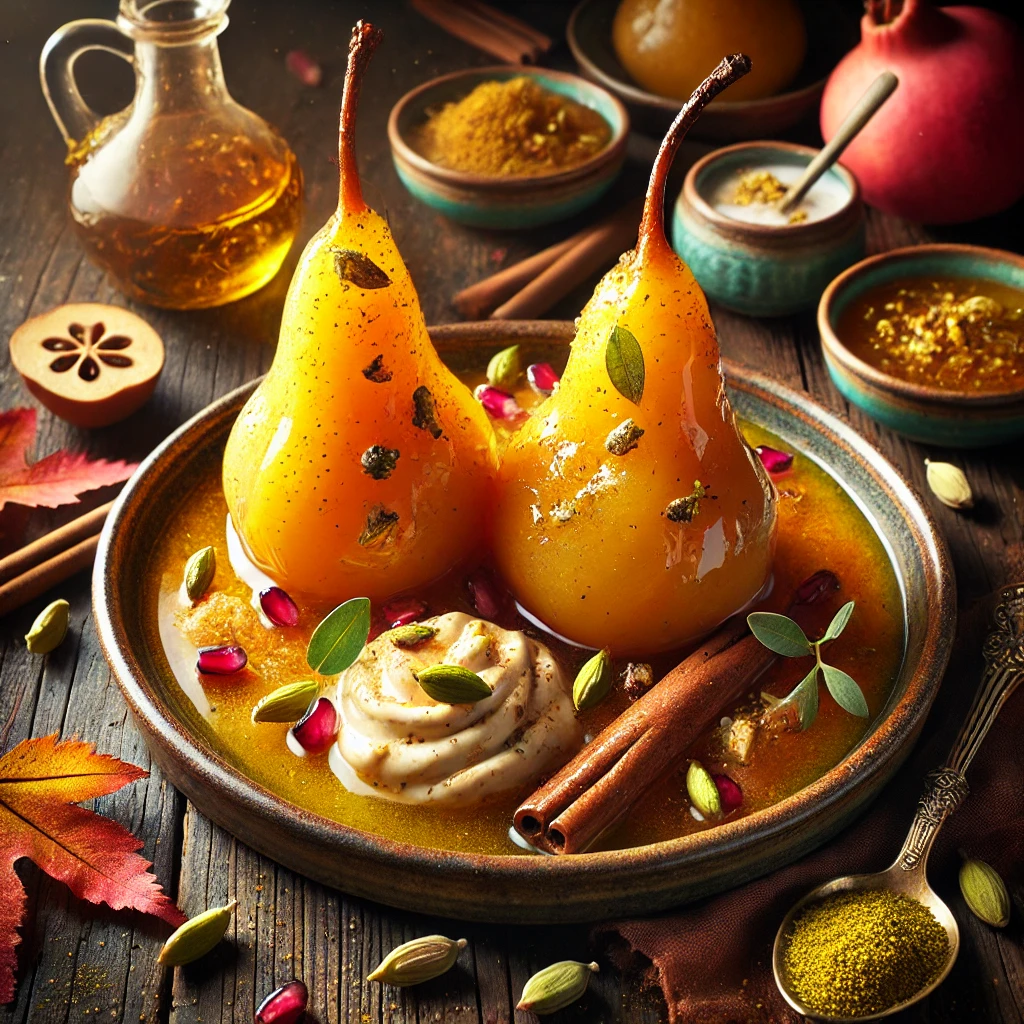
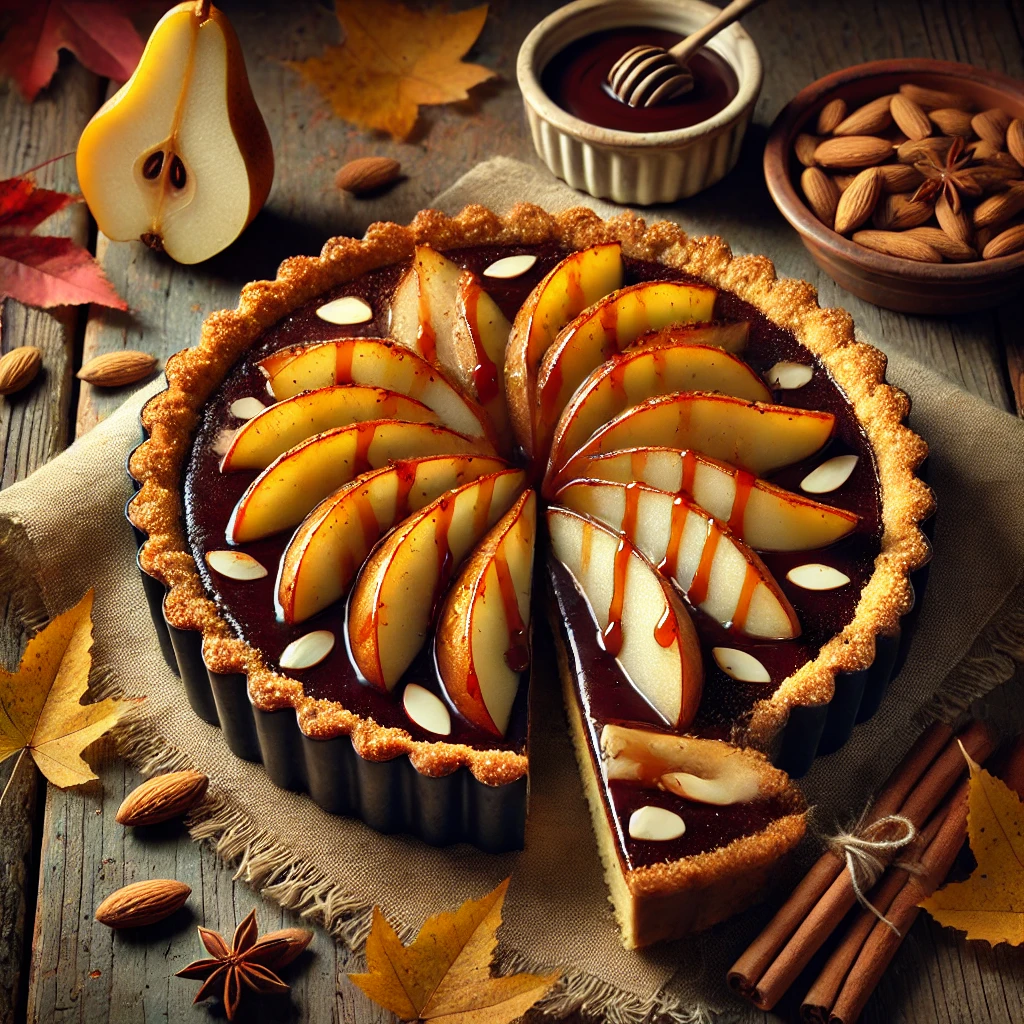
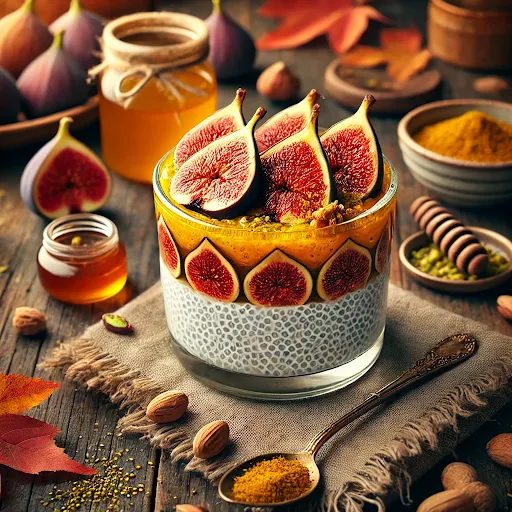
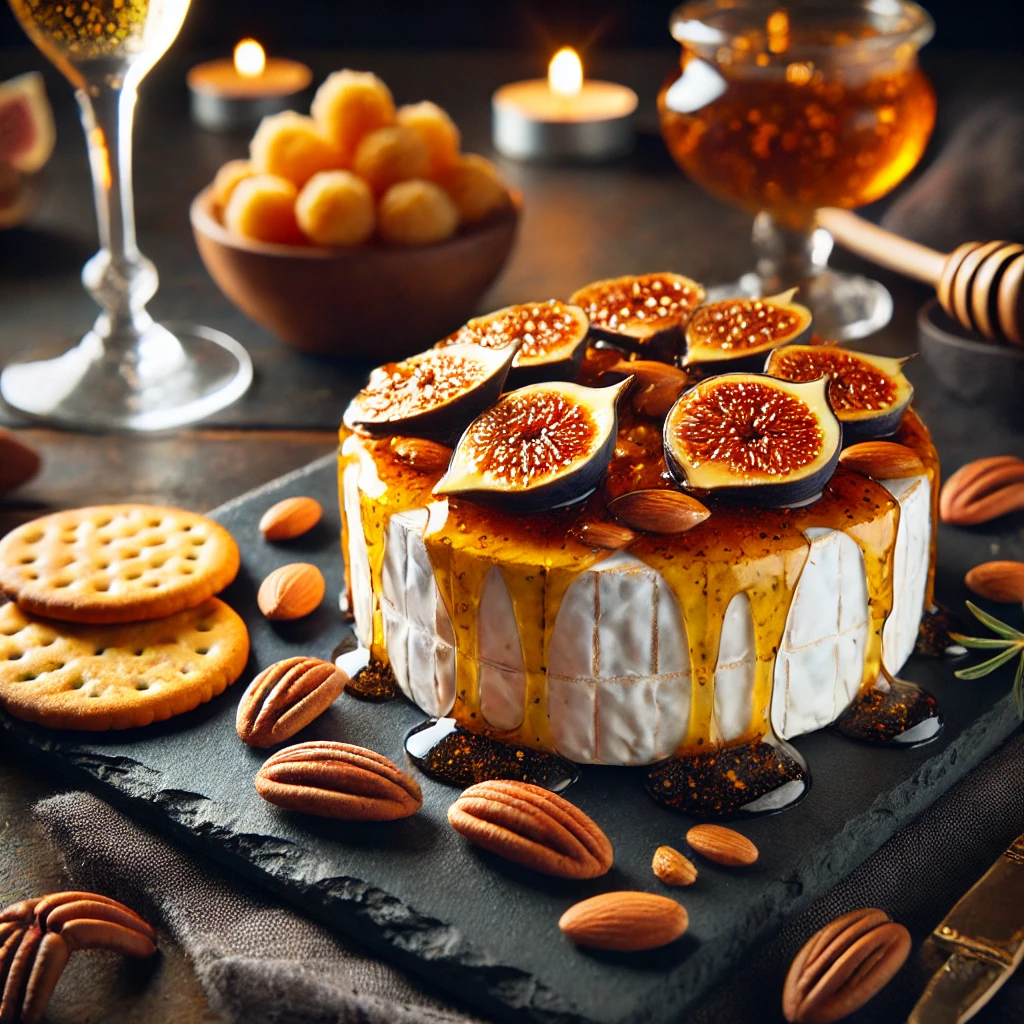
Associated with purity and nurturing, reflecting Mary’s maternal role. - Harvest Fruits (apples, figs, pears):
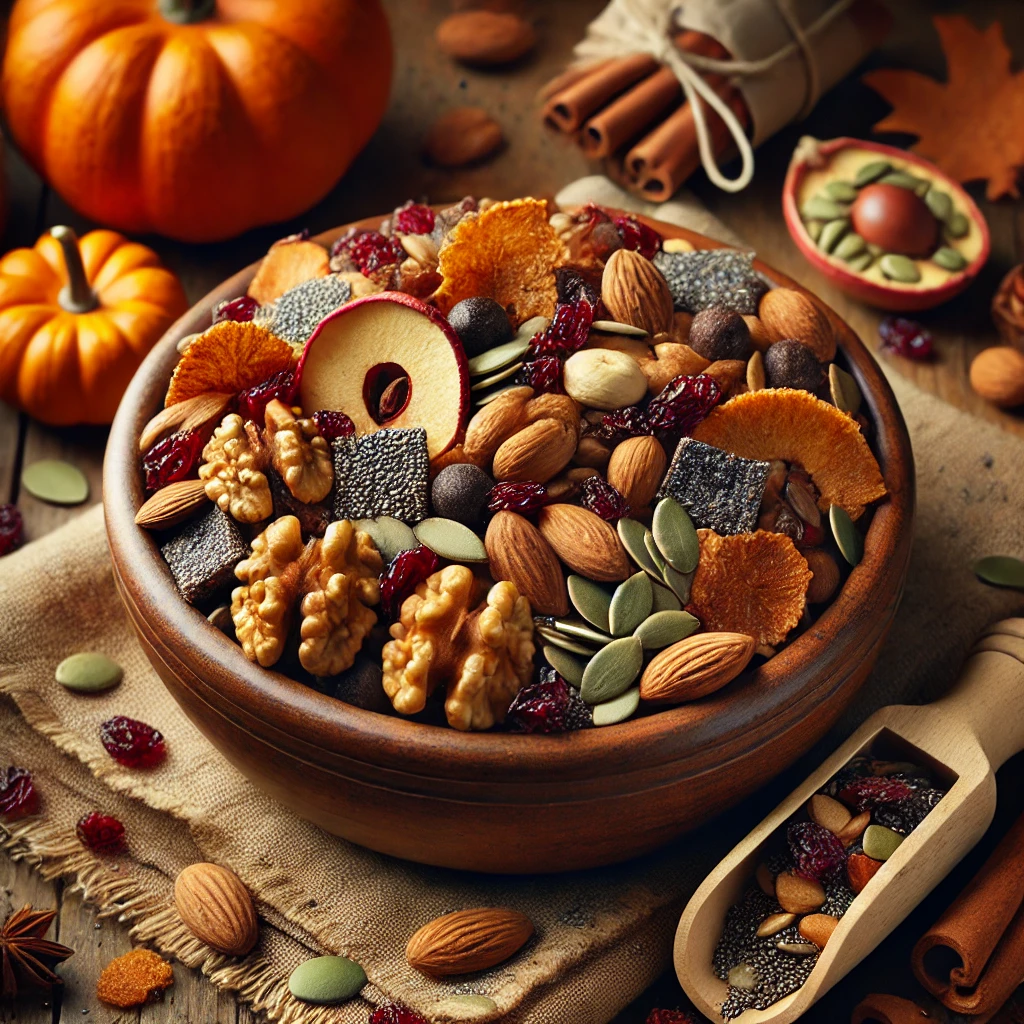
Seasonal fruits celebrate the connection between Mary’s birth and the harvest season. - Grain-based dishes (porridge, pastries):
Linked to the blessing of seeds and the beginning of a new agricultural cycle. - Wine (in moderation):
Especially in European traditions, symbolizing joy and future Eucharistic meaning. - Simple family meals:
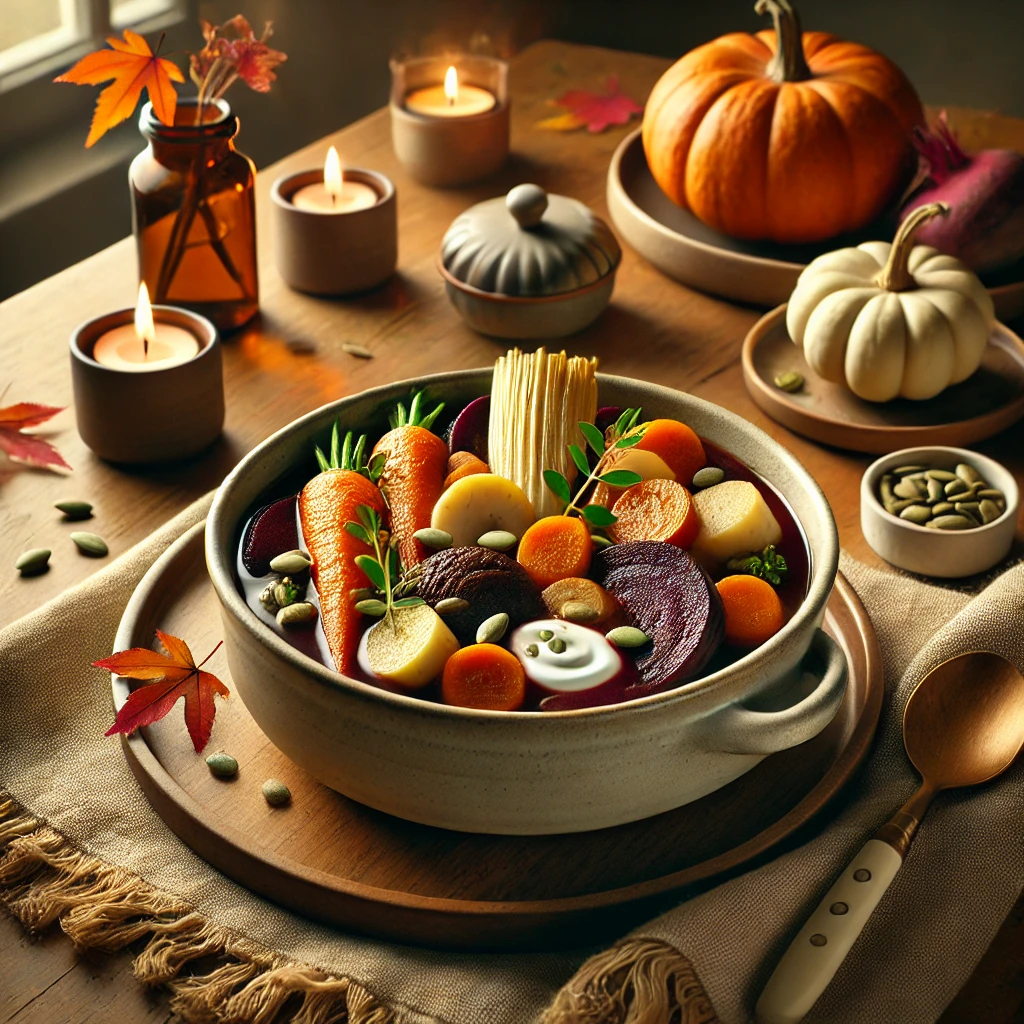
Modest but joyful meals reflecting the humility of Saint Joachim and Saint Anne.