In the Still of Winter
Winter is a Season of Endurance. A Time to Nourish, Restore, and Fortify.
Winter invites us to draw inward, to quiet the pace, and to settle into what endures. As light shortens and the world grows still, the season calls for warmth, depth, and deliberate nourishment—an invitation to tend to mind, body, and spirit with care and restraint.
Winter is not a season of abundance, but of preservation and strength. It is a time when the body naturally seeks grounding foods, deeper rest, and steady rituals that support resilience and continuity. This is the season to simplify, to focus on what sustains, and to allow stillness to become a source of clarity rather than absence.
Rather than expansion, winter favors containment. It encourages conservation of energy, measured intention, and nourishment that offers lasting substance rather than immediacy. Slowing down becomes an act of discipline, and warmth—whether through food, ritual, or environment—becomes essential.
On this page, you’ll find thoughtfully curated ingredients, seasonal practices, and winter rituals designed to support steadiness, comfort, and alignment during the cold months. Each element reflects the character of winter itself—quiet, purposeful, and enduring—offering tools to move through the season with strength and intention.
A Season of Depth & Warmth
As cold settles in and the world grows still, the body naturally seeks warmth, substance, and grounding nourishment—foods that offer steadiness, comfort, and lasting presence through the darkest months of the year.
Seasonal winter ingredients, valued for their structure, richness, and warming character, help sustain energy, support balance, and maintain a sense of vitality when light and movement are reduced. These foods favor slow preparation and intentional use, aligning nourishment with the quiet strength required to move through winter with composure and resilience.
Roasted Apple & Juniper
Apples take on a deeper, more concentrated character when roasted, making them a natural choice for winter cooking. Their mellow sweetness provides comfort and substance, whether used in sweet or savory preparations.
A small amount of juniper adds a subtle forest-like aroma that complements winter dishes beautifully, lending complexity without dominating the plate.
Note: Culinary-grade juniper berries (Juniperus communis) are the only species considered safe for food use. Do not substitute with wild or ornamental juniper, which may be toxic. Not recommended during pregnancy. Use only food-grade berries from reputable culinary suppliers.
Winter Tip:
Roast apple wedges with cinnamon, olive oil or butter, and a lightly crushed juniper berry. Serve alongside rs, or as a simple dessert finished with honey.oasted vegetables, meat
Roasted Root Vegetables & Cinnamon
Root vegetables come into their own during winter, offering depth, warmth, and grounding substance. Slowly roasted, they develop natural sweetness and a satisfying density that feels sustaining in cold weather.
A touch of cinnamon enhances their warmth and aroma, adding subtle complexity without overpowering their earthy character.
Winter Tip:
Roast carrots, parsnips, or sweet potatoes with olive oil, cinnamon, and sea salt until caramelized. Finish with a drizzle of honey or cultured butter for a simple, comforting winter side.
🍫 Cacao Nibs
Cacao nibs offer depth and restraint, bringing a rich, bittersweet character well suited to winter’s quieter rhythm. Less sweet than chocolate and more structural in flavor, they add complexity and grounding to both sweet and savory preparations.
Used sparingly, cacao nibs lend warmth and sophistication, favoring slow enjoyment over indulgence.
Winter Tip:
Sprinkle cacao nibs over roasted root vegetables, stir into warm grains, or infuse gently into hot beverages for a subtle, grounding note. They also pair beautifully with citrus zest or a drizzle of honey in simple winter desserts.
🍐 Quince & Clove
Quince transforms through slow cooking, shifting from firm and tart to soft and fragrant. Its winter appeal lies in patience and depth rather than immediacy.
Clove adds aromatic warmth and a sense of ceremony, elevating quince without excess.
Winter Tip:
Poach quince slices gently with whole cloves and honey until tender. Serve warm as a dessert or alongside savory dishes.
A Time to Nourish, Strengthen, and Preserve.
As winter settles in, it calls for nourishment that strengthens and preserves. Colder days invite foods with substance—root vegetables, roasted nuts, and seeds prepared with care and intention—chosen for their warmth, density, and enduring character.
These winter staples offer steady, lasting sustenance without excess or urgency. Through slow roasting and gentle seasoning, they provide comfort and continuity, helping you remain grounded, nourished, and quietly radiant throughout the stillness of the season.
🍋 Citrus & Bay Laurel
Citrus brings brightness to winter kitchens, offering contrast to the season’s richer flavors. Its fresh, clean aroma helps lift heavier dishes while maintaining balance and restraint.
Bay laurel adds quiet structure, infusing citrus preparations with a subtle evergreen depth that feels composed and enduring.
Bay laurel (Laurus nobilis) — the culinary bay leaf — is Generally Recognized As Safe (GRAS) when used in food as traditionally intended, meaning:
Used whole or crushed to flavor foods
Infused during cooking and removed before serving
Used in normal culinary amounts
This is the bay leaf recognized in classical European, Mediterranean, and global cuisines.
Winter Tip:
Simmer citrus peels gently with a bay laurel leaf and cinnamon stick to create a fragrant infusion for teas, syrups, or warm water rituals.
🌾 Buckwheat & Butter
Buckwheat has a long history in colder climates, prized for its hearty texture and earthy character. Prepared simply, it offers substance and comfort well suited to winter’s slower pace.
Butter adds roundness and warmth, turning this pairing into a quiet staple.
Winter Tip:
Cook buckwheat groats until tender, then finish with butter and sea salt. Serve warm as a base for roasted vegetables or simple stews.
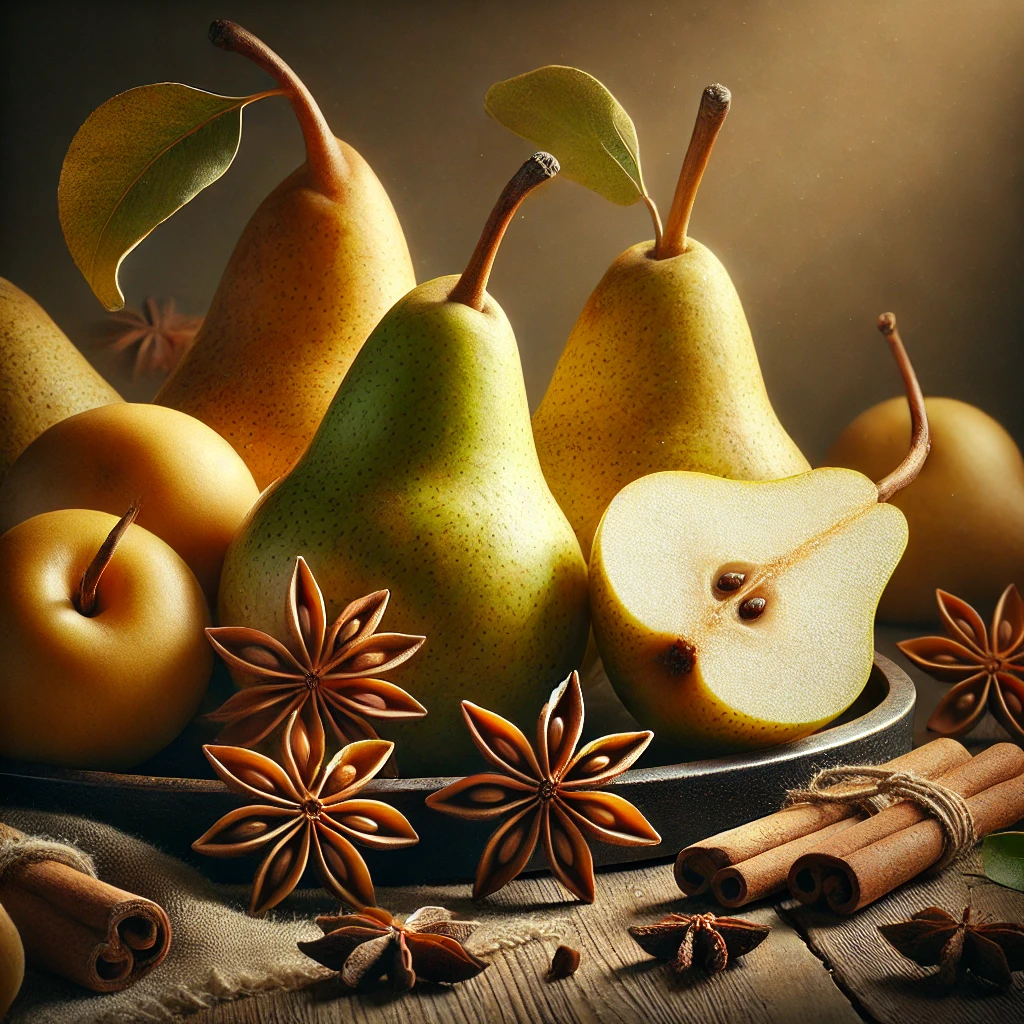
Pear & Star Anise
Pears offer soft sweetness and a tender texture that suits winter’s slower pace. Star anise contributes quiet warmth and depth.
Together, they create a layered flavor profile that feels refined and seasonal.
Winter Tip:
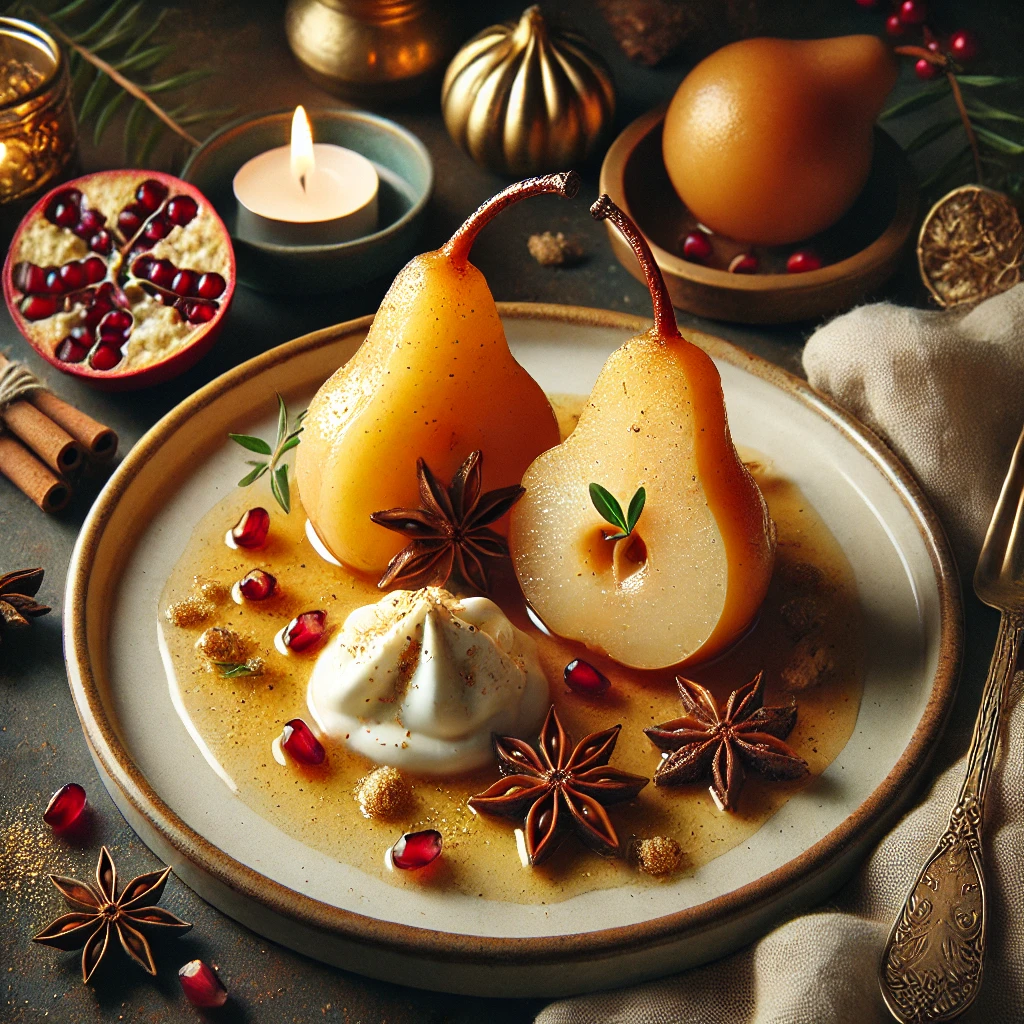
Poach pears gently with a small amount of star anise and honey. Serve warm as a restrained dessert or alongside winter grains.
Roasted Nuts & Allspice
Roasted nuts offer richness and texture that suit winter’s slower pace. Their natural oils carry spice beautifully, making them an ideal canvas for warm seasoning.
Allspice enhances their toasty character, adding subtle complexity without sweetness.
Winter Tip:
Roast almonds or walnuts with a pinch of allspice and sea salt. Enjoy warm as a simple snack or sprinkle over roasted vegetables or grain bowls.
In the Stillness...
As winter settles in and the world grows still, the skin responds to colder air and reduced moisture by seeking greater care and protection. This season calls for deeper nourishment and thoughtful attention—rituals and ingredients that help preserve softness, comfort, and a sense of balance amid winter’s restraint.
Winter favors richness and intention. Moisture-conscious foods, gentle warmth, and slow, sustaining preparations align with the season’s inward rhythm, supporting a feeling of steadiness and continuity. In this stillness, care becomes less about correction and more about preservation—honoring the skin as part of the body’s natural response to winter’s quiet demands.
Quince & Black Cardamom
Quietly radiant and delicately fragrant, quince brings a subtle floral sharpness that deepens when gently poached. Once too firm to eat raw, it transforms with time and warmth, becoming tender, rose-hued, and softly spiced — a fruit that rewards patience.
Black cardamom offers a smoky, grounding counterpoint — its resinous depth anchoring quince’s perfumed brightness with winter steadiness. Together, they evoke stillness, warmth, and the grace of slow preparation.
Winter Tip:
Simmer peeled quince wedges slowly with black cardamom pods, bay laurel, and a trace of winter honey or allulose. Serve warm in its own syrup, or chilled with crème fraîche — a reflective, unhurried offering for cold-season mornings or candlelit endings.
Sesame & Date
Sesame seeds bring a toasted, nutty richness to winter dishes, while dates offer concentrated sweetness and density. Together, they create balance—rich but restrained.
This pairing appears across many traditional winter cuisines, valued for its simplicity and depth.
Winter Tip:
Toast sesame seeds lightly and sprinkle over chopped dates. Serve with cheese, grains, or warm flatbreads for a simple winter accompaniment.
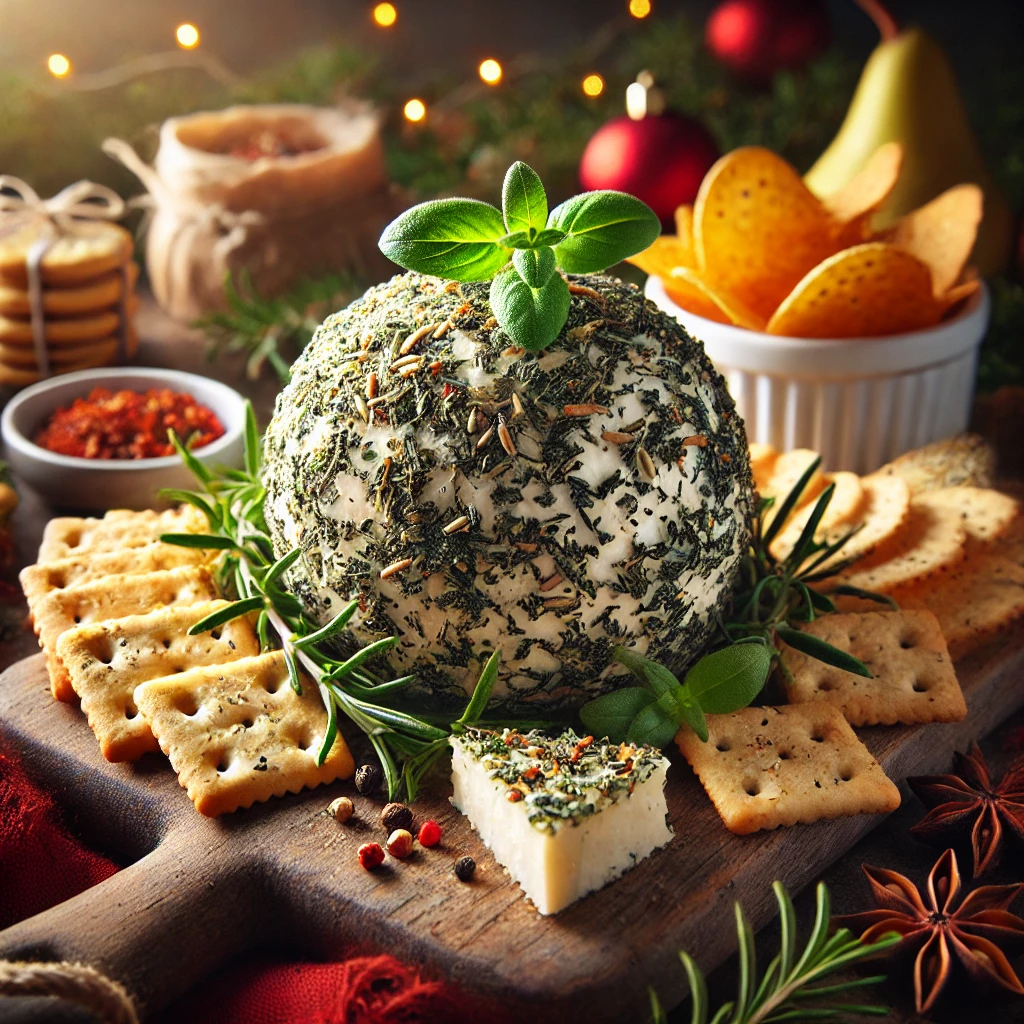
🌿 Rosemary
Evergreen and aromatic, rosemary carries a clean, resinous warmth that feels especially appropriate in winter. Its sturdy character and pine-like aroma bring clarity and balance to the season’s richer foods.
Rosemary performs best when used with intention, offering structure and lift without excess.
Winter Tip:
Infuse rosemary into olive oil or butter for roasting vegetables, meats, or bread. Add a sprig to soups or stews during simmering, then remove before serving to impart gentle depth and warmth.

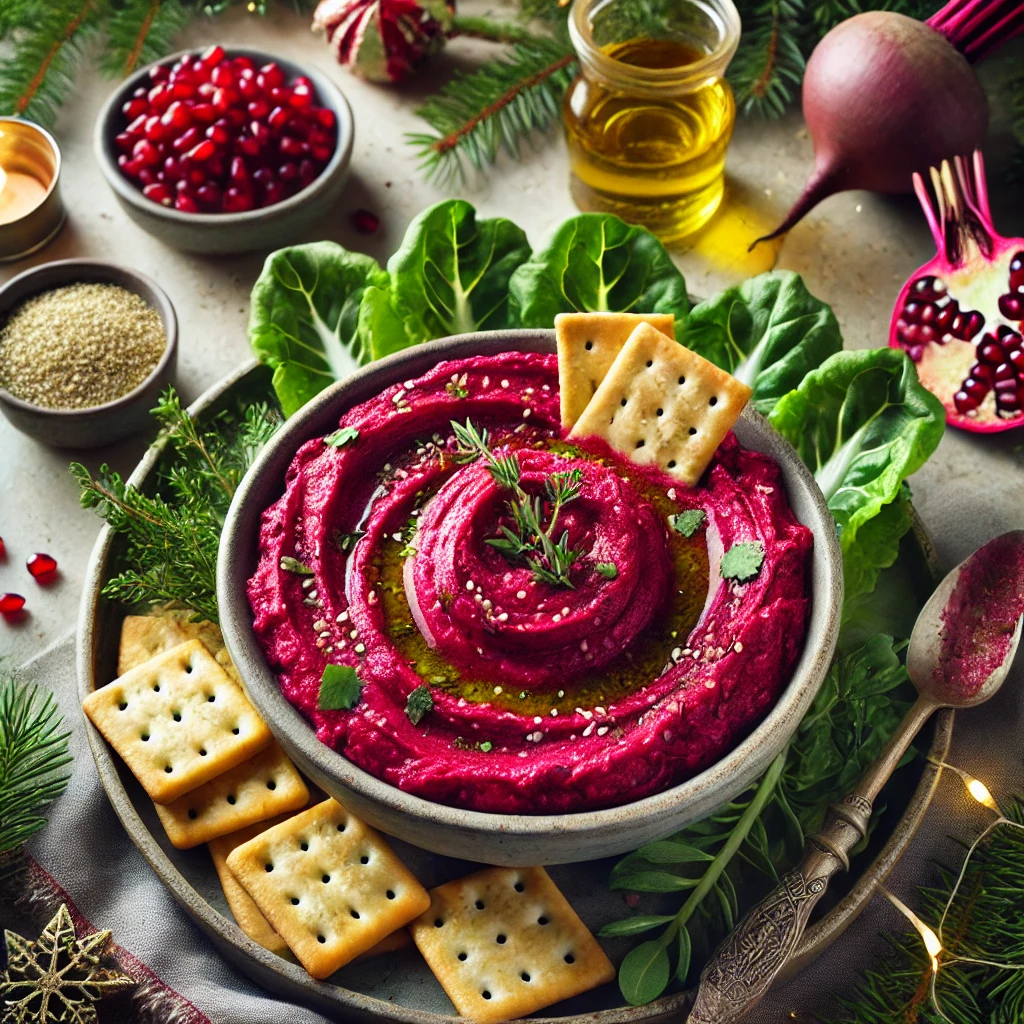
🍠 Roasted Beet & Black Pepper
Beets offer dense, earthy sweetness well suited to winter’s need for substance. Roasting deepens their flavor, creating warmth and richness without heaviness.
A touch of black pepper adds gentle heat and contrast, enhancing depth while keeping the dish grounded.
Winter Tip:
Roast beet wedges with olive oil, cracked black pepper, and sea salt until tender. Serve warm on their own or paired with grains or greens.
A Time to Gather, Ground, and Sustain.
Winter is a season to gather, ground, and sustain. As the landscape quiets and movement slows, the season invites us to draw closer—to hearth, table, and tradition. It is a time to rely on what is stored, what endures, and what offers steady presence rather than excess.
Grounded foods, warming preparations, and familiar rituals take on greater meaning in winter. Through thoughtful selection and simple methods—simmering, roasting, and preserving—nourishment becomes an act of continuity, helping carry us through the stillness with composure and strength.
🍒 Cranberry
Cranberries are defined by their vivid tartness and striking color, offering clarity and contrast that feel especially at home in winter. Their sharp brightness brings lift to the season’s richer flavors, adding depth through balance rather than sweetness alone. In cold months, cranberries serve as a counterpoint—fresh against heavy, vibrant against stillness.
Traditionally transformed through simmering, sweetening, or preservation, cranberries align naturally with winter’s slower, more intentional pace. Their presence encourages thoughtful preparation, making them well suited to a season centered on gathering, grounding, and sustaining rather than excess.
Winter Tip:
Gently simmer fresh or dried cranberries with water, citrus peel, and a touch of honey to create a bright, ruby-red infusion. Enjoy warm on its own, blend into festive winter punches, or use sparingly to add contrast and color to sauces and preserves.
🌾 Nutmeg & Warm Grains
Nutmeg adds soft, rounded warmth to winter dishes, especially when used with restraint. Paired with warm grains such as oats, barley, or rice, it enhances comfort and depth without overpowering.
This pairing feels especially suited to mornings and quiet evenings.
Winter Tip:
Finish warm grains with a light grating of nutmeg and a touch of butter or honey for a simple, sustaining winter ritual.
Chestnuts
Raw chestnuts are a quiet emblem of winter—earthy, grounding, and deeply tied to cold-season traditions. Unlike other nuts, chestnuts are naturally mild and subtly sweet, offering substance without heaviness and comfort without excess. Their character feels inherently communal, recalling shared meals, hearth cooking, and long-established rhythms of winter life.
Chestnuts transform through heat and patience. Roasting, simmering, or puréeing reveals their soft, starchy interior and gentle sweetness, making them well suited to winter dishes that favor warmth, depth, and endurance. They bring structure to meals while remaining approachable and versatile.
Winter Tip:
Score raw chestnuts and roast until tender, or simmer and purée them into soups, stews, or simple spreads. Use chestnuts to add body and warmth to winter preparations meant to be enjoyed slowly and shared generously.
Roasted Fennel & Root Vegetables
Fennel offers a gentle, natural sweetness with an aromatic quality that feels clean and refreshing amid winter’s richer fare. When roasted alongside root vegetables, it brings balance and clarity to the plate.
This pairing favors slow roasting and simple seasoning.
Winter Tip:
Roast fennel wedges with carrots or parsnips, olive oil, and sea salt until caramelized. Finish with citrus zest or butter for warmth and depth.
The Five-Flavor Festive Christmas Feature
Notice: Schisandra berry (Schisandra chinensis), is a botanical ingredient traditionally used in herbal teas and supplements. Not recommended for use during pregnancy or while nursing. Consult a qualified healthcare professional before using if you are on medication or have a health condition. This ingredient is not intended to diagnose, treat, cure, or prevent any disease.

🍷 Schisandra Berry: The Jewel of Winter Gatherings
As winter deepens and candlelight replaces daylight, meet Schisandra—a luminous berry long treasured for its complexity and ceremonial presence. With its deep crimson hue and layered flavor, schisandra feels perfectly at home in the heart of the holiday season.
Often described as containing all five tastes—sweet, tart, bitter, warm, and subtly saline—schisandra brings depth and intrigue to winter beverages, transforming a simple punch into something memorable and intentional. Its vivid color alone evokes ruby ornaments, mulled wine, and the richness of Christmas tables set for long evenings together.
Schisandra’s story is as captivating as its flavor. Used for centuries in winter infusions and celebratory drinks, it was valued not for sweetness alone, but for balance—an ingredient that brings harmony when richness runs high and nights grow long. In this way, schisandra becomes a symbol of winter itself: layered, restrained, and quietly powerful.
❄️ Winter Tip:
Simmer dried schisandra berries gently with citrus peel, warming spices, and honey to create a deep ruby concentrate. Blend into a festive Christmas punch with sparkling water or wine, garnished with orange slices, rosemary sprigs, or frozen berries for a dramatic winter presentation.
Serve warm by the fire or chilled in crystal glasses—either way, schisandra brings elegance, mystery, and seasonal depth to your holiday gathering.
Enduring Self-Care Rituals for Winter