









The Holy Innocents
with ORO VALENTIO
December 28
Within the luminous splendor of the Christmas octave exists a remembrance unlike any other—a feast where the joy of Christ’s birth is contemplated through the solemn mystery of innocent suffering. It draws the soul toward Bethlehem not merely as a scene of peace and wonder, but as the place where the Light of the World entered a fallen world already resisting His coming. Even as angels proclaimed peace and shepherds hastened to adore the newborn King, the powers of this age began to tremble before Him.
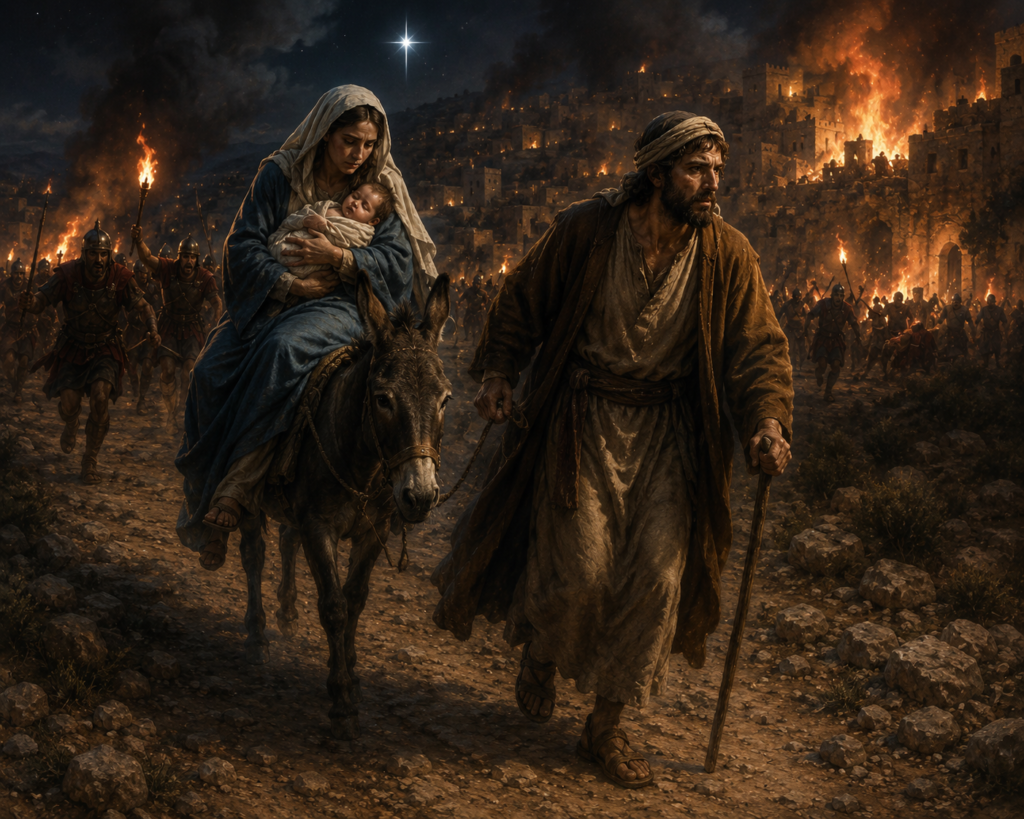
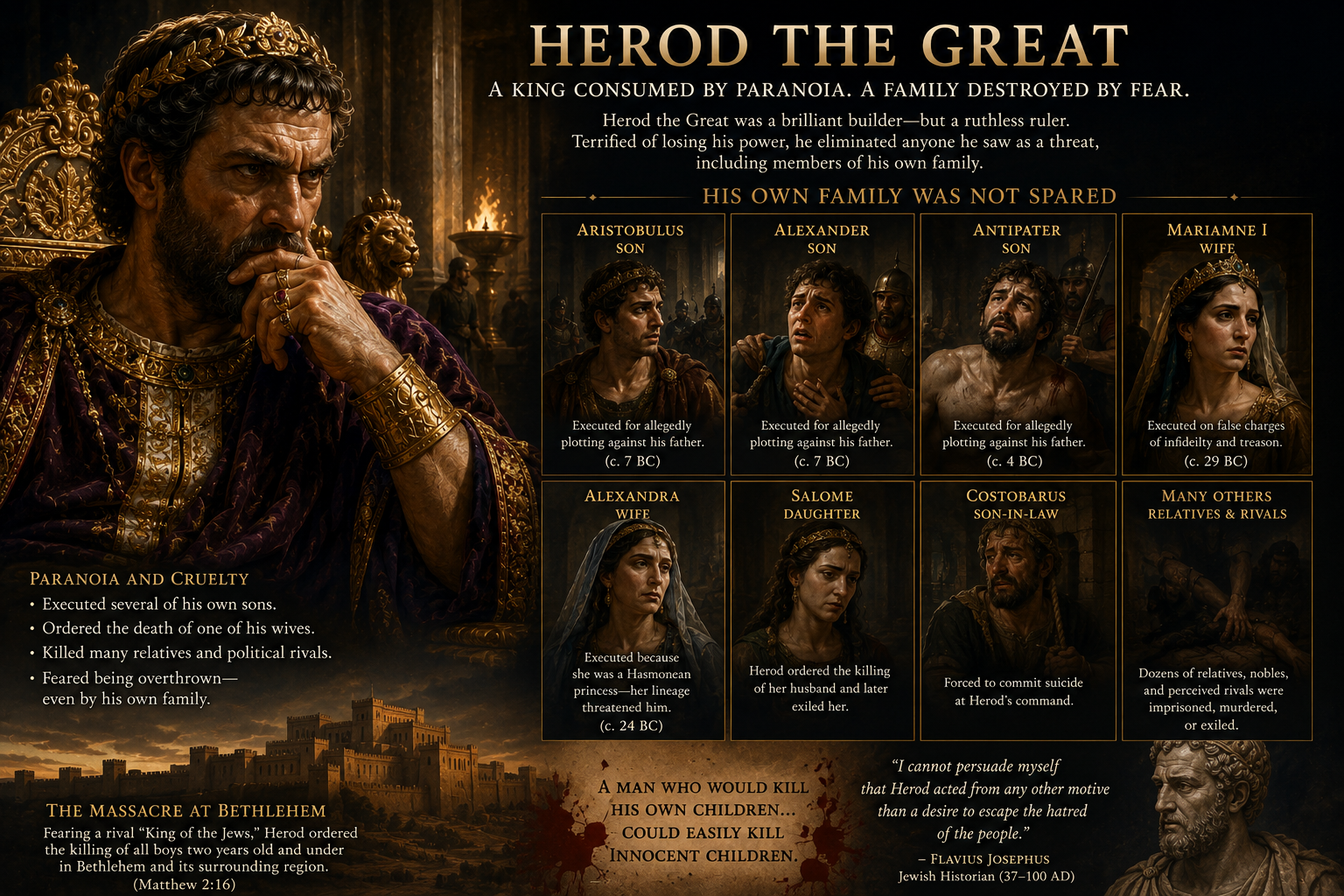
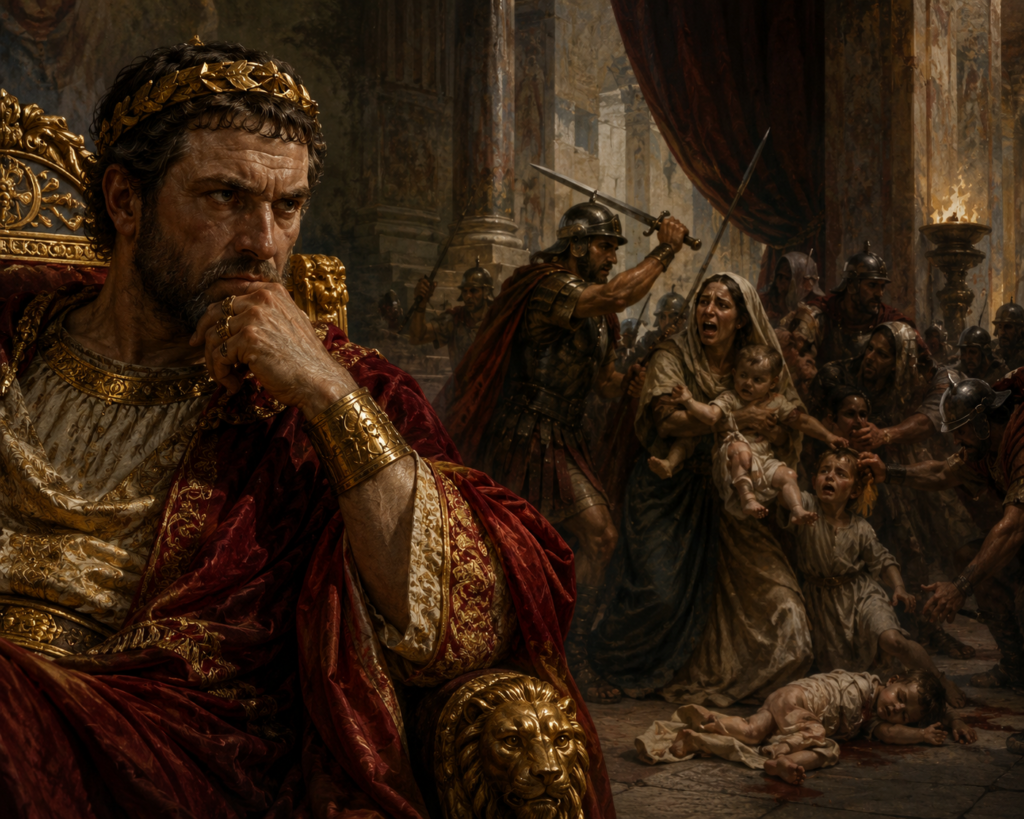
Herod, consumed by fear and the desire to preserve his earthly throne, perceived in the Christ Child a threat to his authority. Unable to comprehend a kingdom founded not upon force but upon truth, he responded with violence. In an attempt to destroy the promised Messiah, he ordered the slaughter of the young children of Bethlehem and its surrounding region. The sword fell not upon soldiers, rulers, or revolutionaries, but upon the smallest and most vulnerable—children who possessed neither power nor defense against the cruelty of the world.
Yet within this tragedy lies one of the most profound mysteries of redemption. These children became the first to shed their blood because of Christ. Though incapable of consciously professing faith, they nevertheless suffered on account of the One whose coming had stirred the fear of a tyrant. In this way, they are honored as the first martyrs associated with the coming of the Messiah, silent witnesses whose testimony was offered not through words but through their very lives. Long before the Apostles preached the Gospel and long before the martyrs stood before earthly tribunals, the Holy Innocents became the first fruits of the redemption Christ had come to accomplish.
Their remembrance reveals a truth that challenges every age. Holiness is not measured according to worldly achievement, influence, intelligence, or visible success. These children built no monuments, governed no kingdoms, and left behind no writings. Yet they are remembered with honor because heaven sees value where the world often sees weakness. Their witness stands as a perpetual reminder that human dignity does not arise from accomplishment or utility, but from being created in the image of God.
The feast also reveals a pattern that echoes throughout history. Evil has often opposed innocence because genuine innocence reflects the holiness and order of God, exposing darkness simply by its presence. Bethlehem therefore becomes more than a historical event; it becomes a reflection of a recurring human reality whenever the vulnerable are sacrificed to preserve power, ambition, ideology, or self-interest. The lament of Rachel weeping for her children continues to resonate wherever innocence suffers at the hands of corruption and injustice.
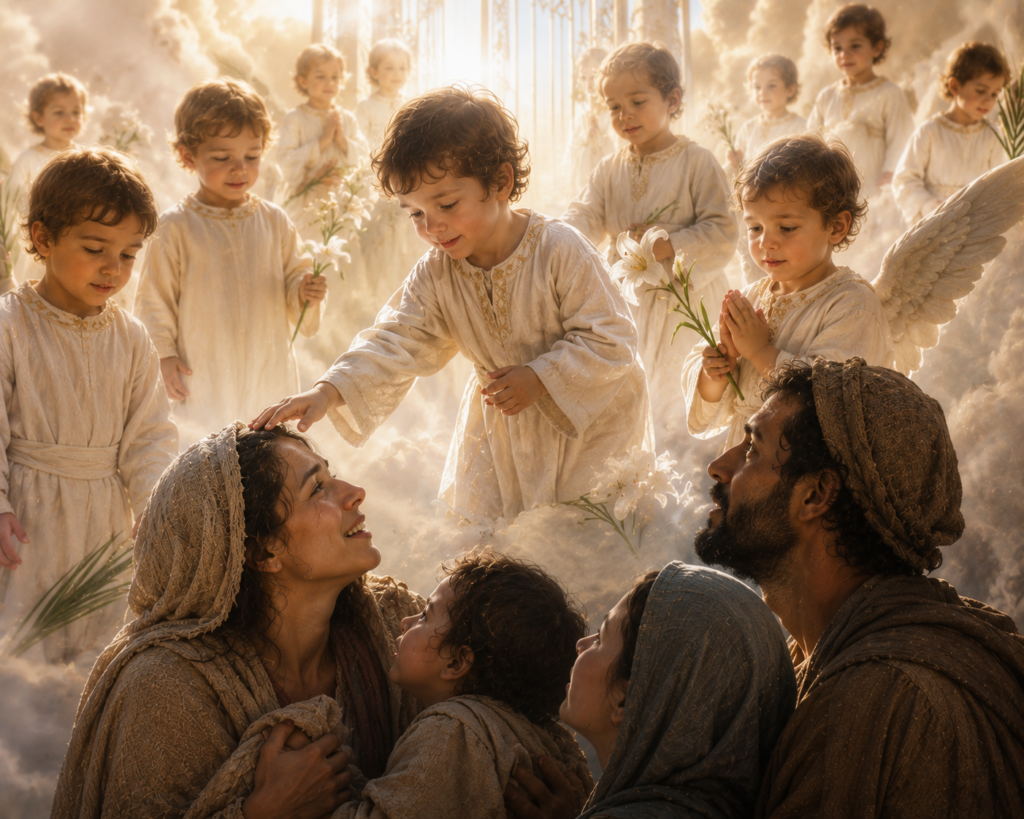
Yet this remembrance does not end in sorrow. The Holy Innocents are not honored merely as victims of cruelty, but as souls received into eternal glory by the mercy of God. Their suffering is not viewed in isolation from redemption. What appeared to be defeat was transformed into triumph. What seemed to be loss became everlasting gain. Their blood, shed in the darkness of human violence, became forever united to the saving work of Christ, whose coming ultimately conquers both sin and death.
There is therefore a unique atmosphere surrounding this feast—one marked by both reverence and hope. The joy of Christmas remains, but it is now tempered by contemplation. The faithful are reminded that the Incarnation is not simply the arrival of comfort and consolation, but the beginning of God’s decisive confrontation with the powers of darkness. Even beside the manger, the shadow of the Cross already appears upon the horizon.
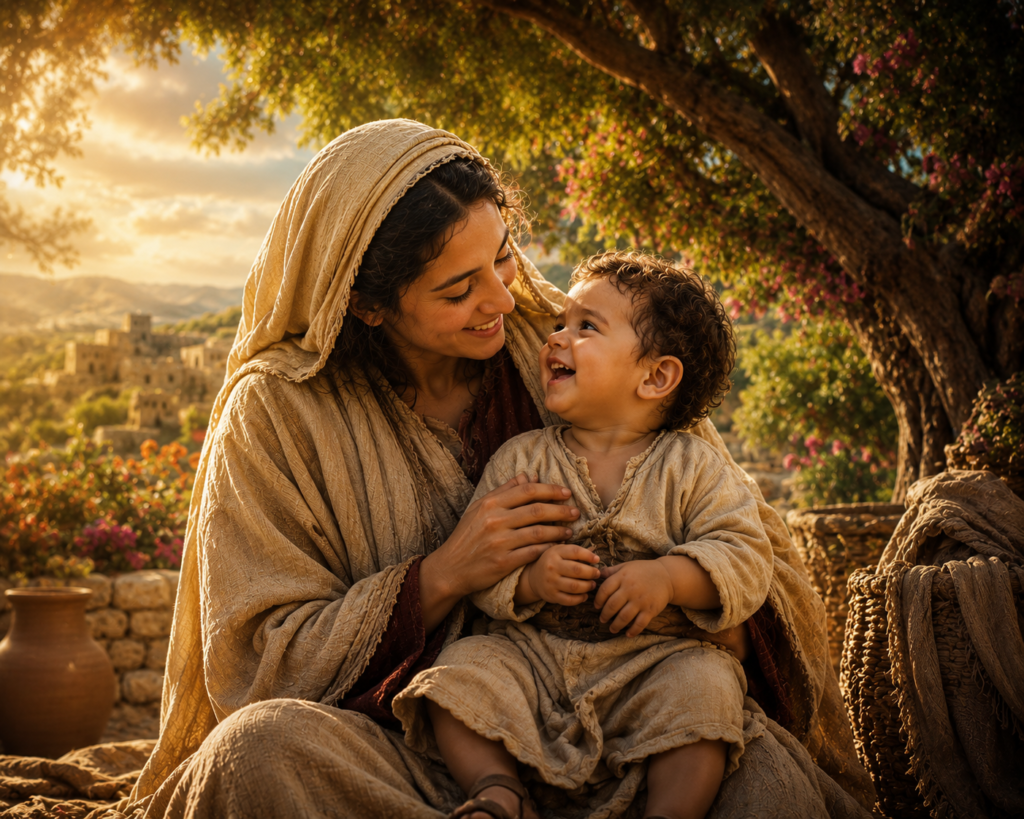
And yet extraordinary tenderness remains at the heart of this observance. The Holy Innocents stand forever beside the Christ Child as witnesses to God’s immeasurable love for the defenseless, the forgotten, and the pure of heart. Their remembrance calls humanity to protect what is innocent, to honor what is sacred, and to recognize the immeasurable worth of every human life.
Thus this feast endures as one of Christianity’s most beautiful paradoxes: grief intertwined with glory, sorrow transformed into sanctification, and apparent helplessness crowned with eternal victory. In contemplating the Holy Innocents, the soul is invited to reflect upon both the tragedy of human sin and the tenderness of divine justice—a justice in which no innocent suffering is ever forgotten, unseen, or without meaning beneath the eternal gaze of God.
The Value that God Places Upon Every Human Life
The Feast of the Holy Innocents is celebrated because it bears witness to one of the earliest and most sobering consequences of Christ’s coming into the world. In seeking to destroy the newborn Messiah, King Herod unleashed violence against the children of Bethlehem, revealing how quickly earthly power can turn against truth when it feels threatened. These young children became the first to shed their blood because of Christ, and their memory stands as a lasting testimony that the arrival of God’s kingdom immediately provoked opposition from the forces of fear, pride, and corruption.
The feast also offers a profound reflection on the value that God places upon every human life. In a world that often measures worth according to strength, achievement, influence, or productivity, the Holy Innocents proclaim a radically different truth. Their significance was not found in what they accomplished, but in who they were. Their remembrance affirms that every human life possesses inherent dignity and sacred worth, regardless of age, status, ability, or worldly importance.
At the same time, this observance serves as a warning against the destructive nature of unchecked power. Herod’s actions demonstrate how fear, when joined to ambition and self-preservation, can blind the human heart and lead to grave injustice. The feast therefore invites believers to examine their own lives, rejecting pride, selfishness, and indifference while cultivating humility, compassion, and reverence for others.
Yet the final message of the Holy Innocents is not one of tragedy, but of hope. Their story proclaims that evil never has the last word. What appeared to be a victory for darkness became, in God’s providence, a testimony to His justice and mercy. Their brief lives point toward a central truth of the Gospel: that God sees every act of suffering, remembers every innocent victim, and ultimately brings light out of darkness. For this reason, the Feast of the Holy Innocents remains a powerful reminder that innocence is precious in the sight of God, that human dignity must always be defended, and that divine justice will one day make all things right.
The Holy Innocents Traditions to Make Your Own
Solemn Liturgical Atmosphere
Churches traditionally observed this feast with a quieter and more contemplative tone, reflecting both mourning and martyrdom within the joy of Christmastide.
Blessings and Prayers for Children
Families often brought children for special prayers and blessings, entrusting them to God’s protection and honoring the sacredness of innocence.
Lighting Candles Before Sacred Images
Candles were lit before images of the Christ Child and the Holy Innocents as symbols of remembrance, purity, and eternal light.
Acts of Charity and Mercy
Many Christians marked the feast through acts of charity toward children, orphans, and the poor, transforming remembrance into compassion.
Sacred Hymns and Lamentations
Solemn hymns recalling the sorrow of Bethlehem were sung to reflect upon innocence wounded by earthly cruelty.
Quiet Prayer and Reflection
The feast often encouraged silence, prayer, and contemplation rather than outward celebration.
Nativity Contemplation
Families reflected more deeply upon the Nativity, recognizing that Christ entered a world already marked by suffering and conflict.
Honoring Innocence as Sacred
The traditions of the feast ultimately center upon reverence for innocence and the protection of the vulnerable.
Grant Us Hearts that Cherish the Gift of Life
Heavenly Father,
On this sacred day, we remember the Holy Innocents of Bethlehem, whose lives were taken because of Your Son, our Lord Jesus Christ. Though they were small in years and silent in voice, they stand forever before Your throne as witnesses to the coming of the Savior.
Grant us hearts that cherish the gift of life, protect the vulnerable, and honor the dignity of every person created in Your image. Teach us to defend innocence wherever it is threatened and to show compassion toward all who suffer from loss, injustice, or sorrow.
We pray especially for children throughout the world. Surround them with Your protection, guide them in truth, and fill their lives with Your grace. Strengthen parents, families, teachers, and all who are entrusted with their care, that they may nurture wisdom, virtue, and faith in the generations to come.
Through the intercession of the Holy Innocents, help us to grow in purity of heart, steadfastness in faith, and trust in Your divine providence. May their witness remind us that no innocent suffering is forgotten before You and that Your mercy triumphs over every darkness.
We ask this through Christ our Lord.
Amen.
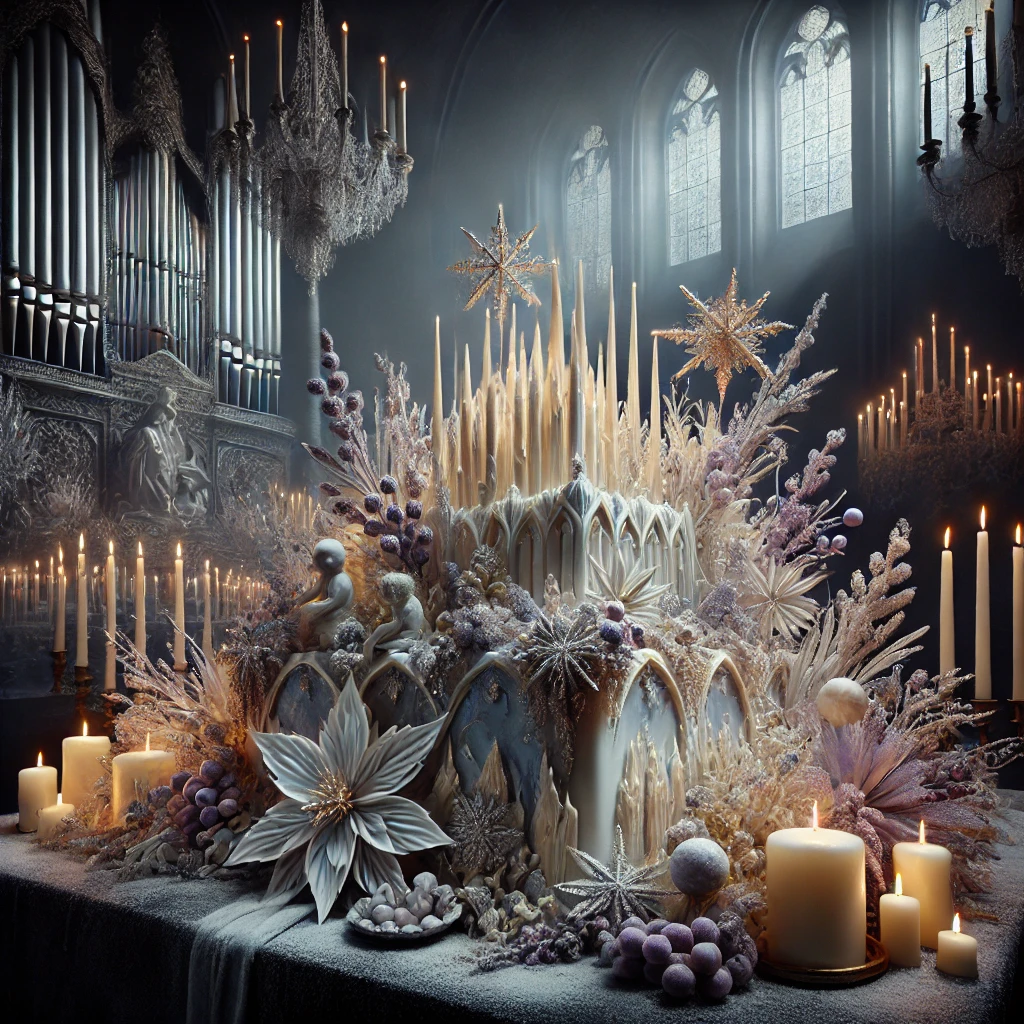
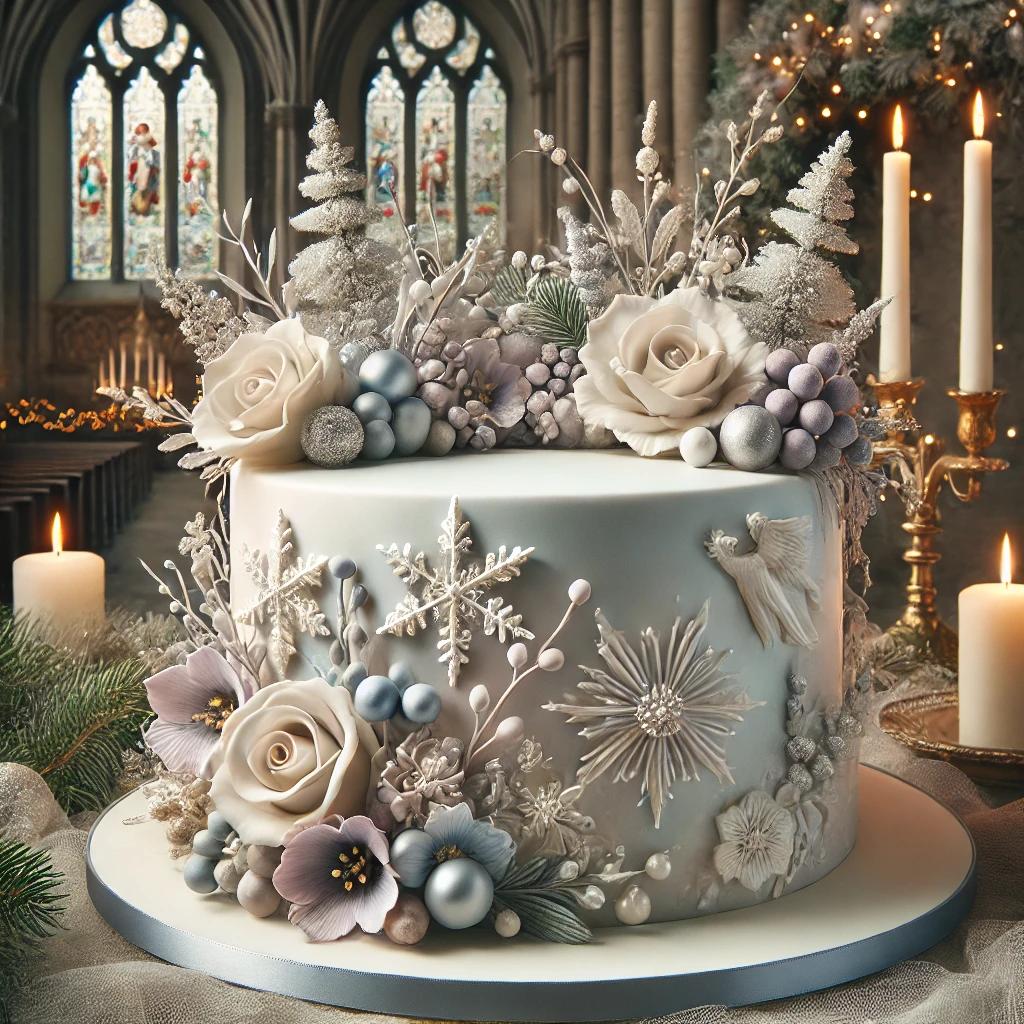
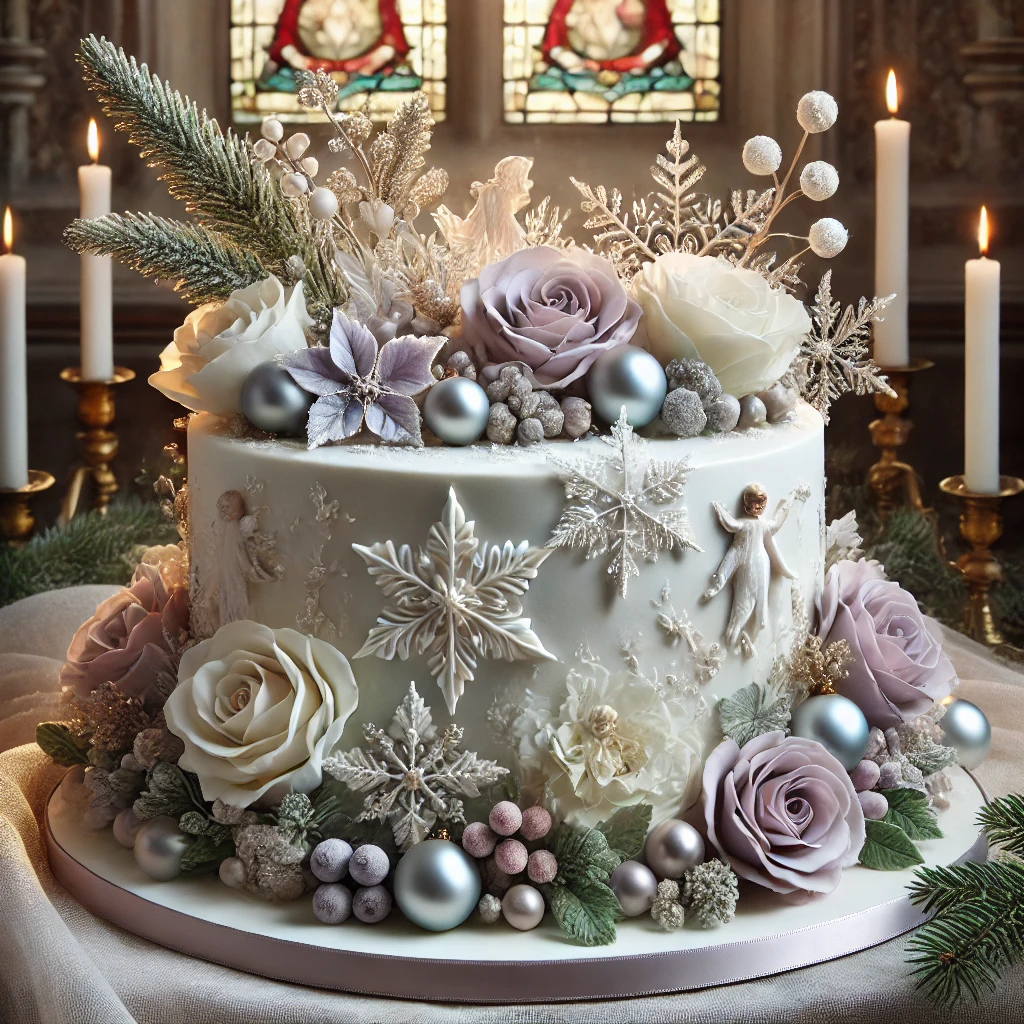
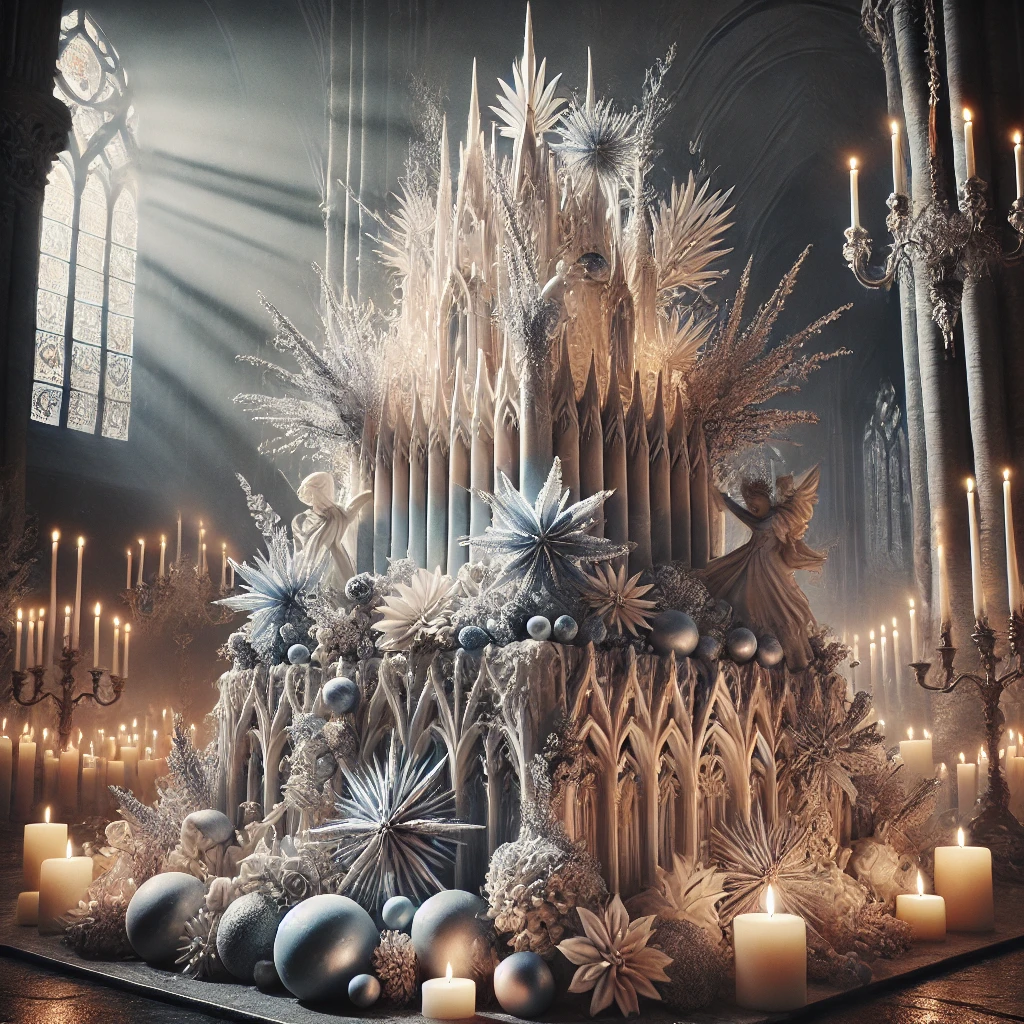
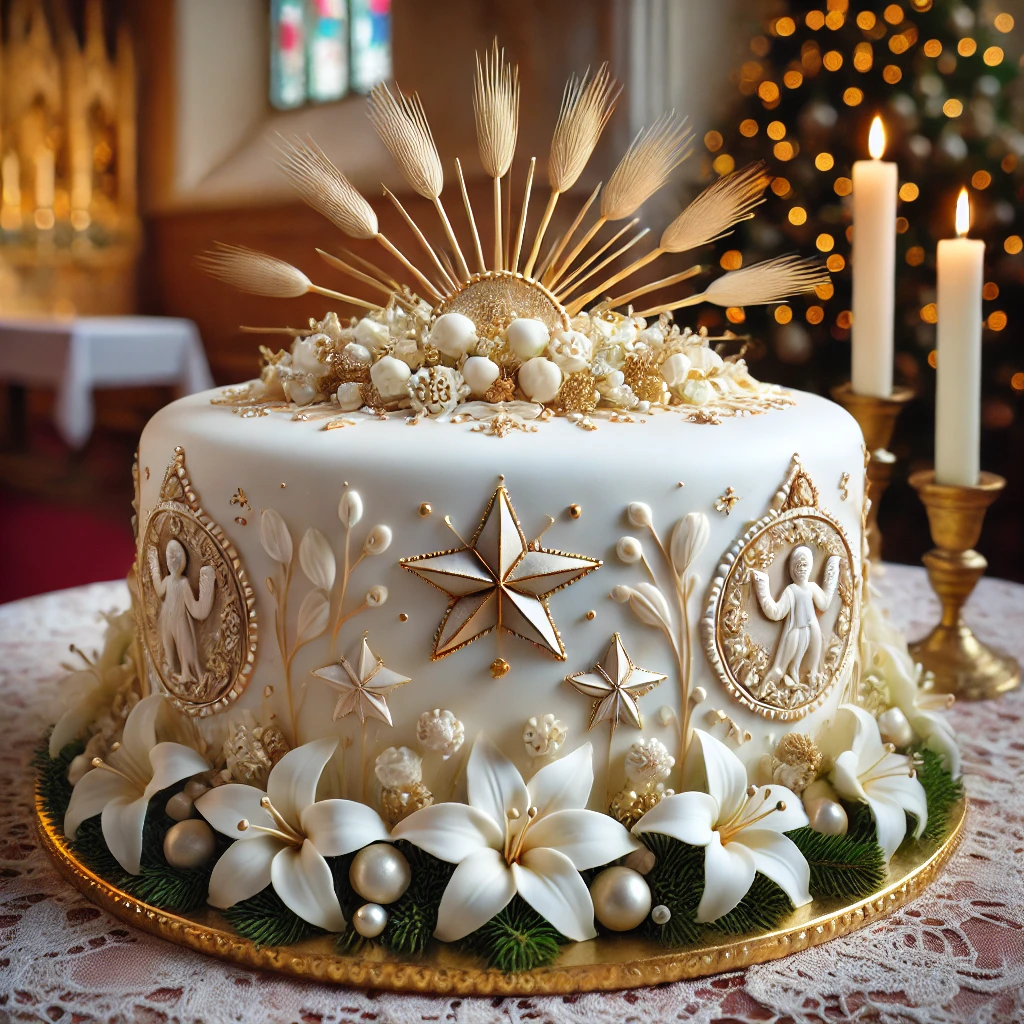
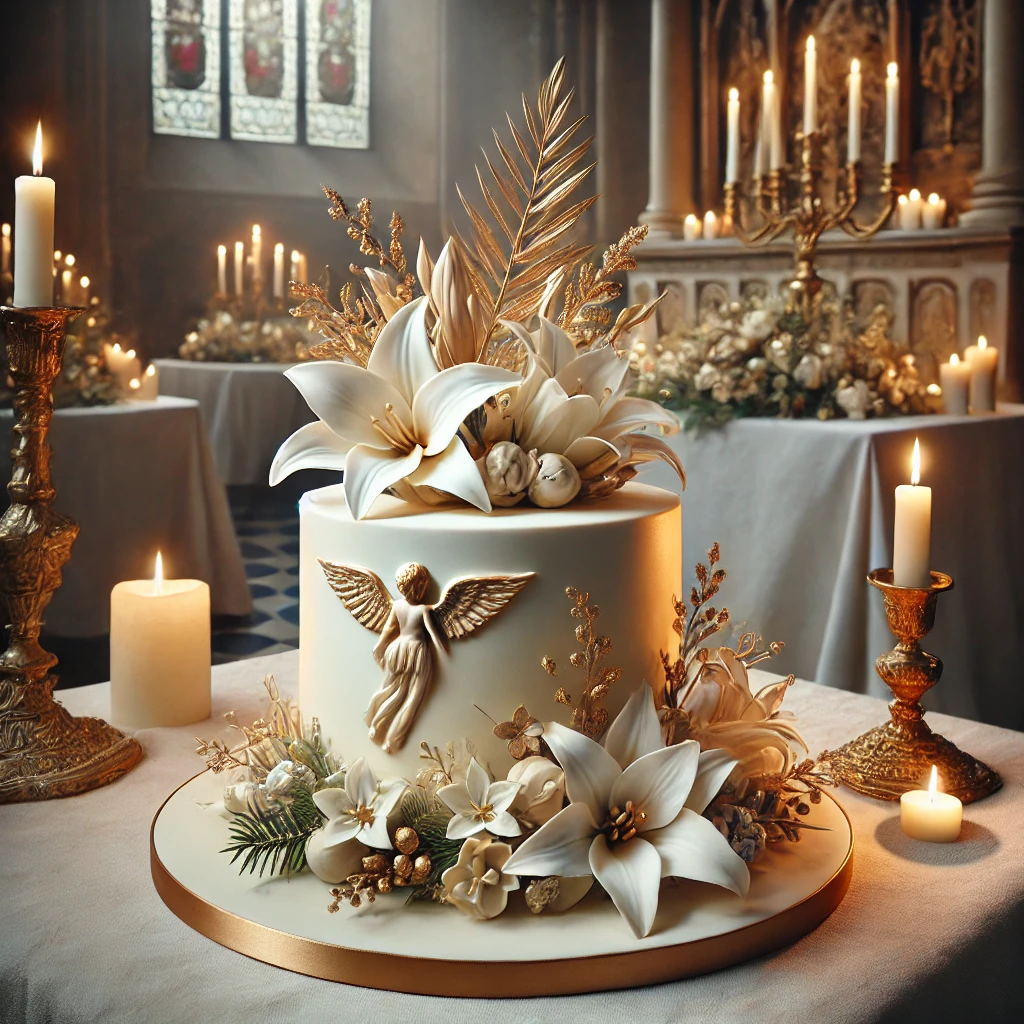
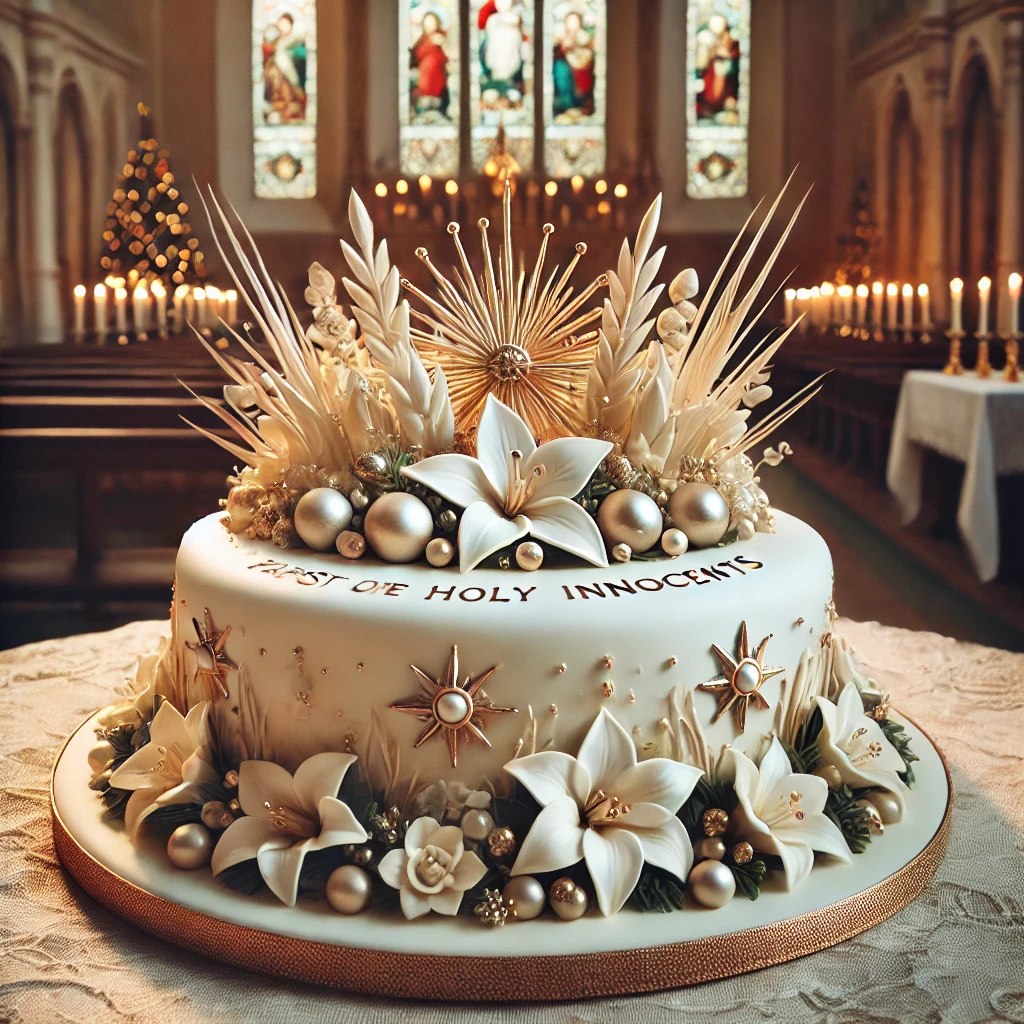
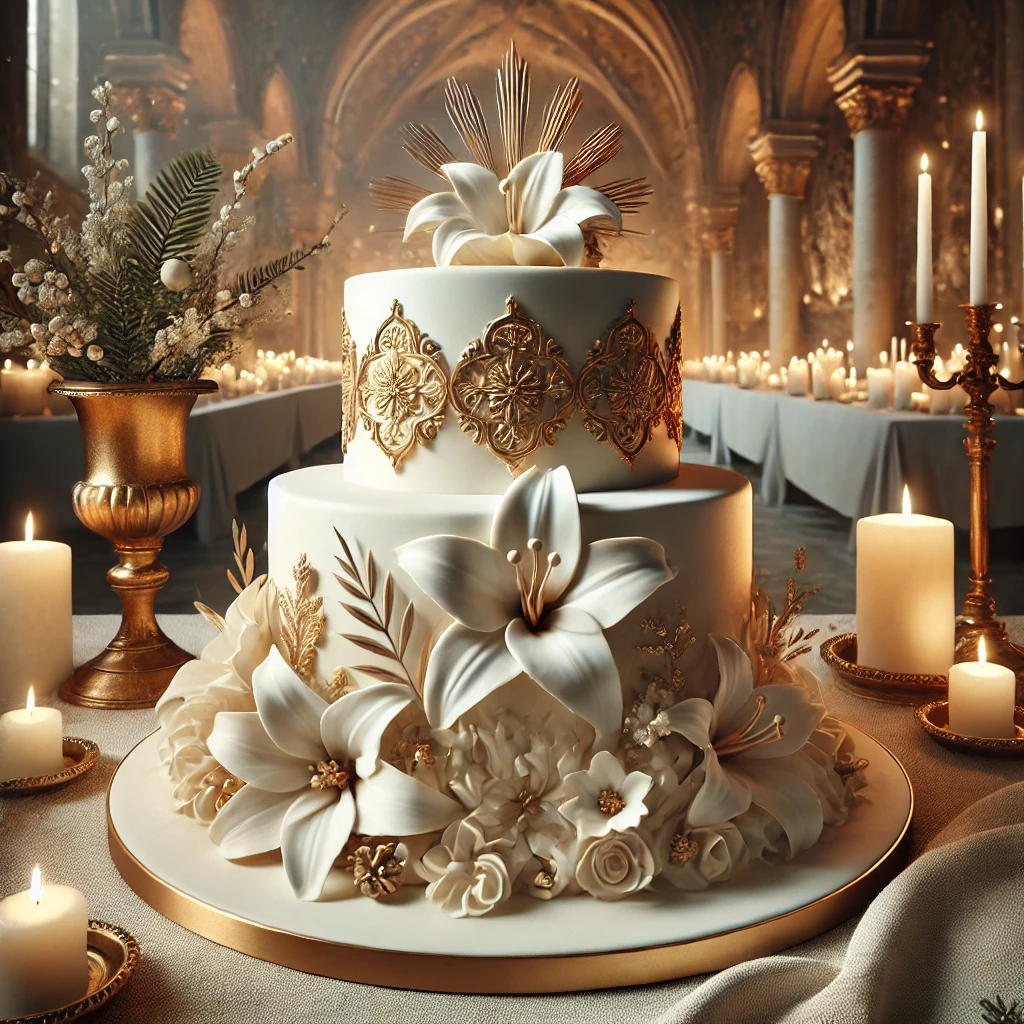
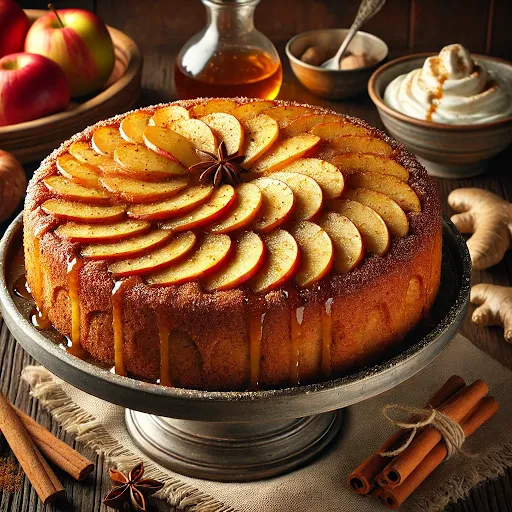
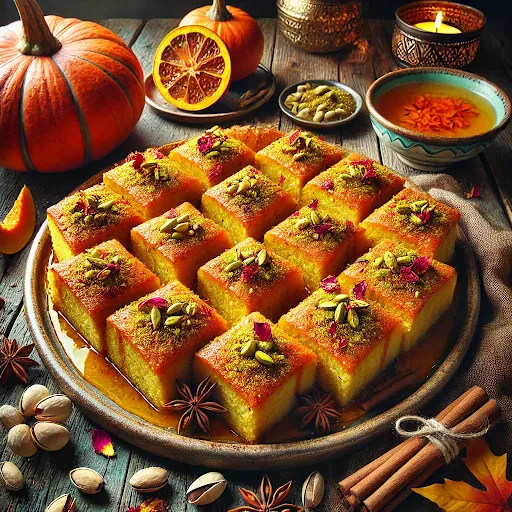
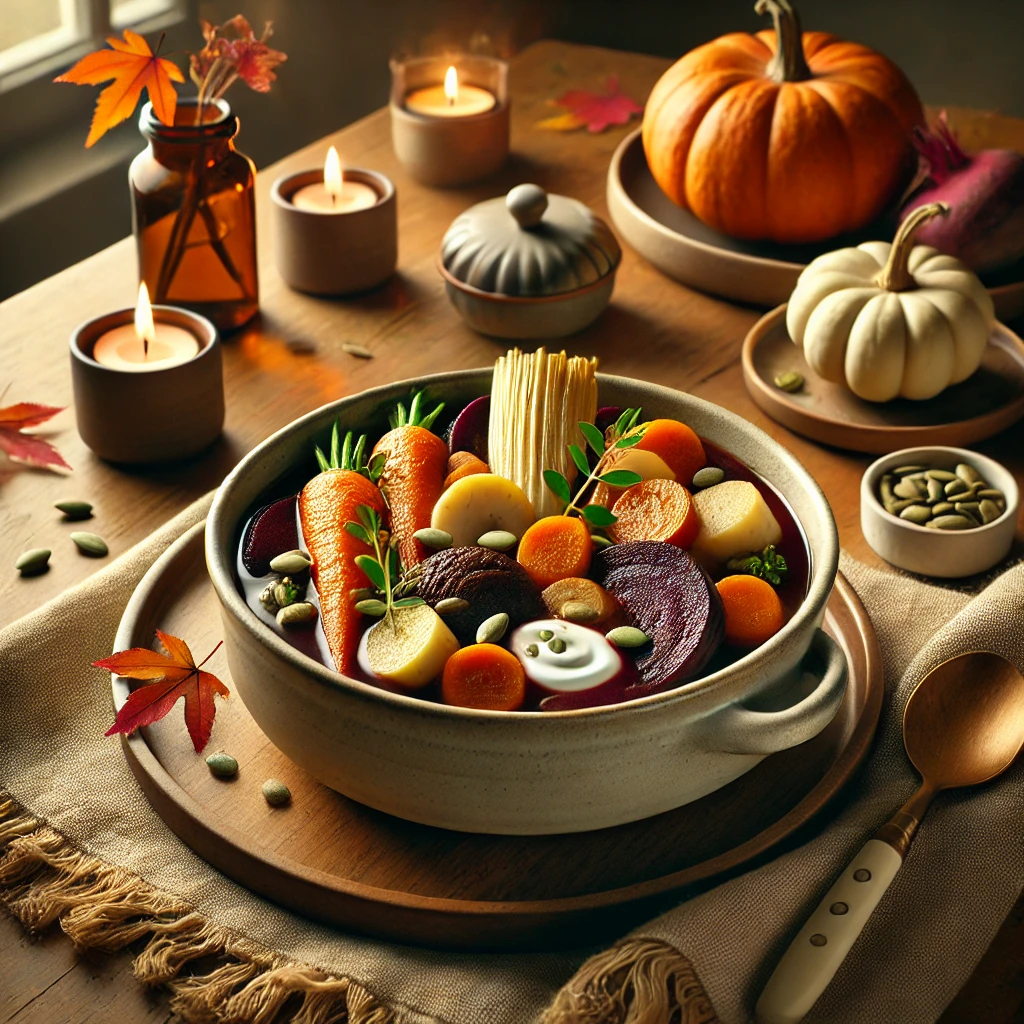
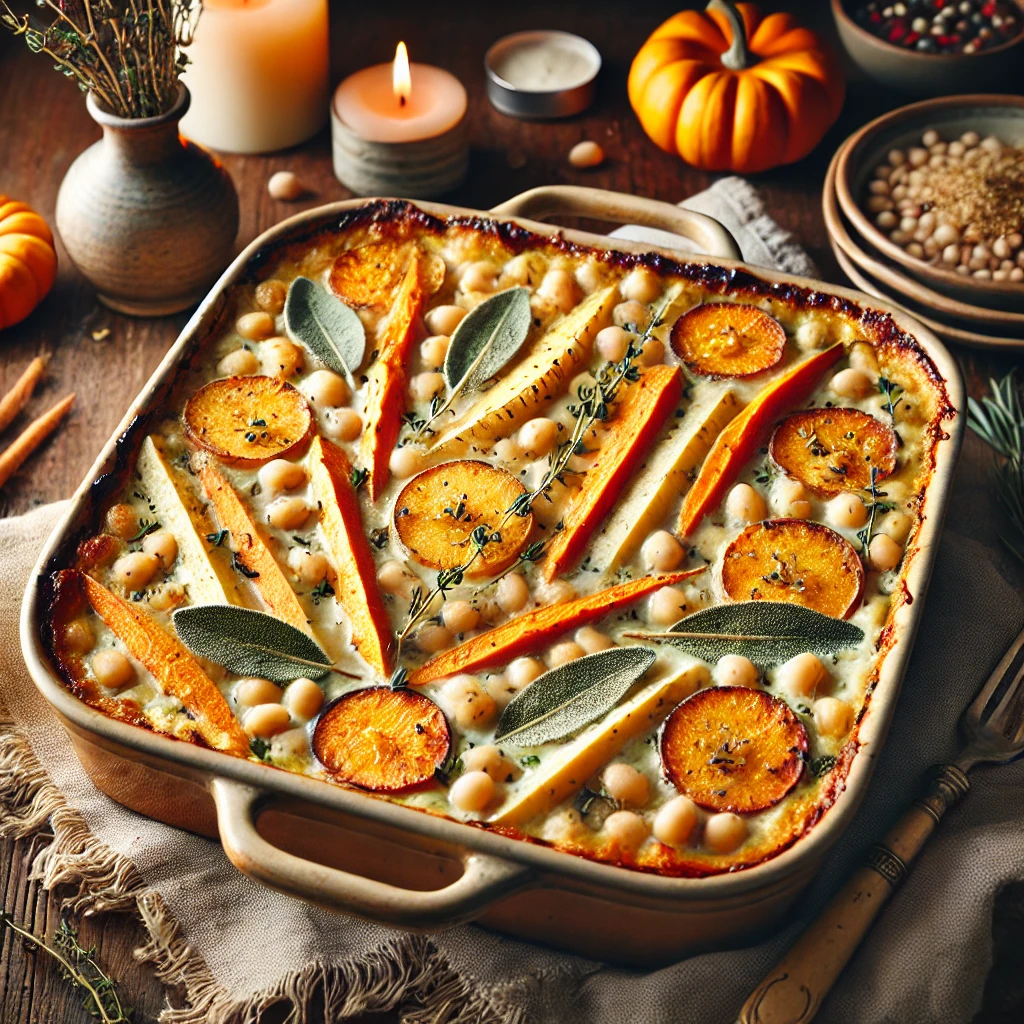
Feast of the Holy Innocents Cake & Atmosphere Ideas
Where style, memory, and celebration meet.
This section is meant to be more than Cake Decorating Ideas… it’s designed to spark inspiration and creativity, awaken tradition, and infuse your special occasions with style, identity, and atmosphere. A color palette becomes a theme. A design becomes a mood. Simple details—like sugared holly leaves or shimmering stars—can set the tone for a gathering and become part of cherished traditions and lasting memories melded with personal touch and love.