












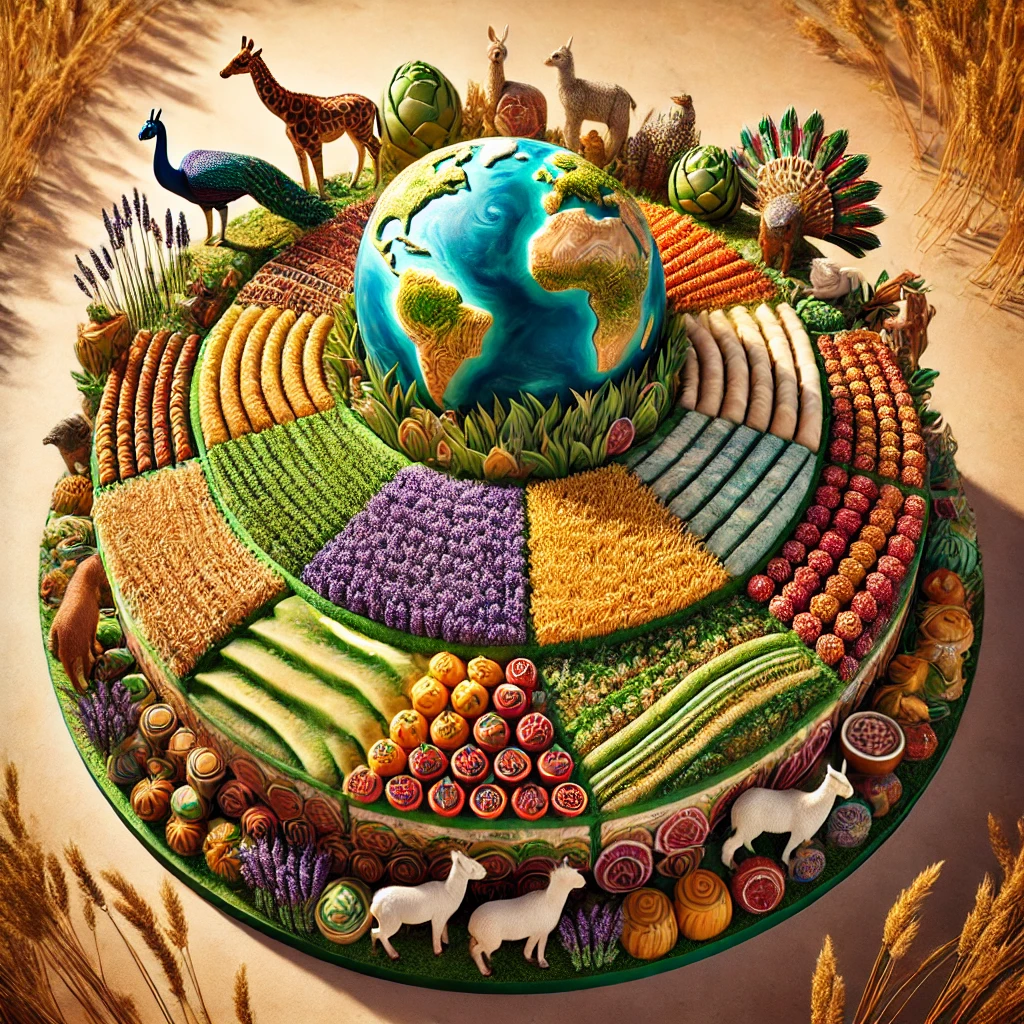




































Earth Day
with ORO VALENTIO
April 22
Every year on April 22, people across the globe pause to recognize something both powerful and often overlooked: the Earth itself. Earth Day is more than a date on the calendar—it is a reminder of responsibility, stewardship, and the profound connection between humanity and the environment that sustains it.
Earth Day was first celebrated on April 22, 1970, in the United States during a time of rising public concern about environmental issues. In the decades leading up to its creation, industrial growth had brought prosperity—but also visible consequences: polluted air, contaminated water, and environmental neglect.
The movement was spearheaded by U.S. Senator Gaylord Nelson, who envisioned a nationwide demonstration to raise awareness about environmental challenges. Inspired by the energy of student-led activism at the time, he organized what became one of the largest civic events in American history.
On that first Earth Day, approximately 20 million Americans—nearly 10% of the U.S. population at the time—participated in rallies, teach-ins, and community events. This collective action helped propel environmental issues into the national spotlight.
The result was lasting impact. In the years that followed, the United States established key environmental protections, including the creation of the Environmental Protection Agency (EPA) and the passage of major legislation such as the Clean Air Act and Clean Water Act.
What began as a national initiative quickly evolved into a global movement. By 1990, Earth Day had expanded worldwide, mobilizing over 200 million people across more than 140 countries. Today, it is recognized in over 190 countries, making it one of the largest civic observances on Earth.
Earth Day now serves as a platform for environmental education, community engagement, and global awareness. From tree planting and conservation efforts to sustainability initiatives and policy discussions, it continues to inspire action at both individual and collective levels.
In a modern world defined by speed, technology, and constant movement, it can be easy to overlook the foundational systems that support life itself. Earth Day invites us to pause—to “take time”—and reflect on the environment not as a backdrop, but as an essential, living system. The Earth provides the air we breathe, the water we depend on, and the resources that sustain daily life. Recognizing this connection encourages more mindful choices, whether through reducing waste, conserving energy, or simply becoming more aware of our surroundings. At its core, Earth Day is not about perfection—it is about awareness and intention.
Earth Day is ultimately a beginning—not an endpoint. It is an invitation to look beyond convenience and toward conscious living. To recognize that even small, consistent actions contribute to a larger system. And to understand that the health of our environment is directly connected to the quality of life we experience. In a world where time is one of the greatest luxuries, choosing to spend even a moment in appreciation, reflection, and intentional action is powerful. Because when we take time to care for the Earth, we are also investing in the future of everything that depends on it—including ourselves.
Restoring the Land and Water Through Natural Systems
Regenerative farming is an approach to agriculture that focuses on working with natural systems rather than against them. Instead of depleting the soil over time, this method emphasizes restoring soil structure, improving water retention, and supporting long-term land productivity through intentional, system-based practices.
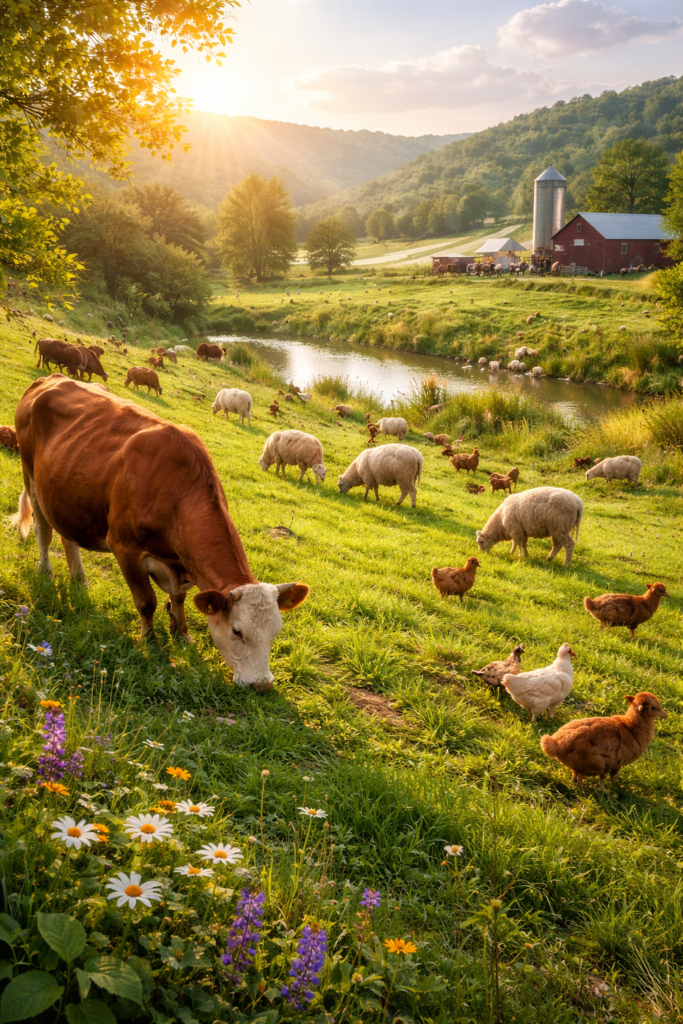
One of the most fascinating and lesser-known aspects of regenerative farming is the role that properly managed grazing animals can play—particularly in arid and semi-arid regions.
At first glance, it may seem counterintuitive that grazing animals could improve dry or degraded land. However, when managed strategically—often referred to as planned or rotational grazing—animals can contribute to restoring ecosystem balance.
As herds move across the land in controlled patterns, they lightly disturb the soil surface with their hooves, naturally fertilize the ground with organic matter, and stimulate plant growth by grazing vegetation at optimal levels. This process mimics the natural movement of wild herbivores that historically shaped grassland ecosystems.
Healthy soil plays a critical role in how water moves through the environment. Overgrazed or degraded land often becomes compacted and dry, making it difficult for water to penetrate the surface. Instead of soaking in, rainfall may run off quickly, contributing to erosion and reduced moisture availability. In contrast, regenerative grazing practices have been associated with improved soil structure and porosity, increased organic matter in the soil, and greater ability of the land to absorb and retain water.
As soil health improves, landscapes may gradually support more plant life, which can further contribute to moisture retention and a more stable local environment.
From Dry Ground to Thriving Ecosystems
In some documented cases, land that was once dry and sparsely vegetated has shown measurable improvements in plant density and soil condition after the implementation of regenerative grazing systems.
As vegetation returns root systems help stabilize soil, ground cover reduces evaporation, and organic matter supports ongoing soil development. Over time, these changes can contribute to a more resilient ecosystem—one that is better equipped to handle variations in rainfall and environmental stress.
A Systems-Based Perspective on Sustainability
From a systems perspective, regenerative farming highlights an important principle: when natural cycles are supported, systems tend to become more stable and efficient over time.
Rather than relying solely on external inputs, this approach leverages biological processes, natural grazing patterns, and soil and water cycle restoration. These interconnected elements work together to support long-term land productivity and environmental balance.
Earth Day Traditions to Make Your Own
Community Cleanups
People come together to remove litter from parks, roadsides, rivers, and neighborhoods, helping restore natural beauty while fostering a shared sense of responsibility for the environment.
Tree and Flower Planting
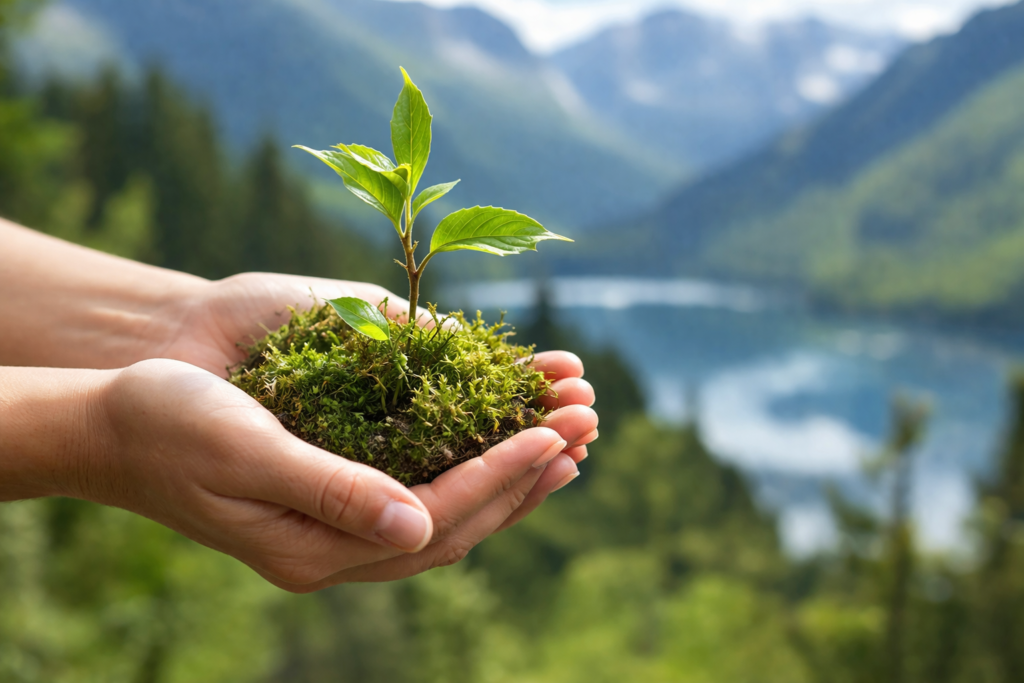
Individuals, families, and organizations plant trees, flowers, and gardens to support ecosystems, improve air quality, and create lasting natural spaces for future generations.
Recycling and Waste Reduction Efforts
Communities organize recycling drives and encourage reducing, reusing, and repurposing materials to minimize environmental impact and promote sustainable habits.
Eco-Friendly Transportation Choices
Many choose to walk, bike, or carpool instead of driving alone, highlighting the importance of reducing emissions and embracing more sustainable ways of moving through daily life.
Environmental Education and Awareness
Schools, groups, and families use the day to learn about conservation, sustainability, and the importance of protecting natural resources, inspiring long-term environmental stewardship.
Sustainable Living Practices
People take time to adopt or reinforce habits such as conserving water, reducing energy use, and choosing environmentally conscious products, extending the spirit of Earth Day into everyday life.
A Prayer for Earth Day
Heavenly Father,
Creator of all that is seen and unseen, we thank You for the beauty and abundance of the earth You have entrusted to us. Teach us to be faithful stewards of Your creation, to care for the land, the waters, the air, and all living things with wisdom and humility. Help us to live with gratitude and responsibility, making choices that honor the balance and life You have designed. Guide our hands to protect and restore what has been harmed, and strengthen our hearts to act with integrity and purpose. May we walk gently upon this earth, reflecting Your goodness in the way we care for the world and one another. Amen.
Earth Day Cake & Atmosphere Ideas
Where style, memory, and celebration meet.
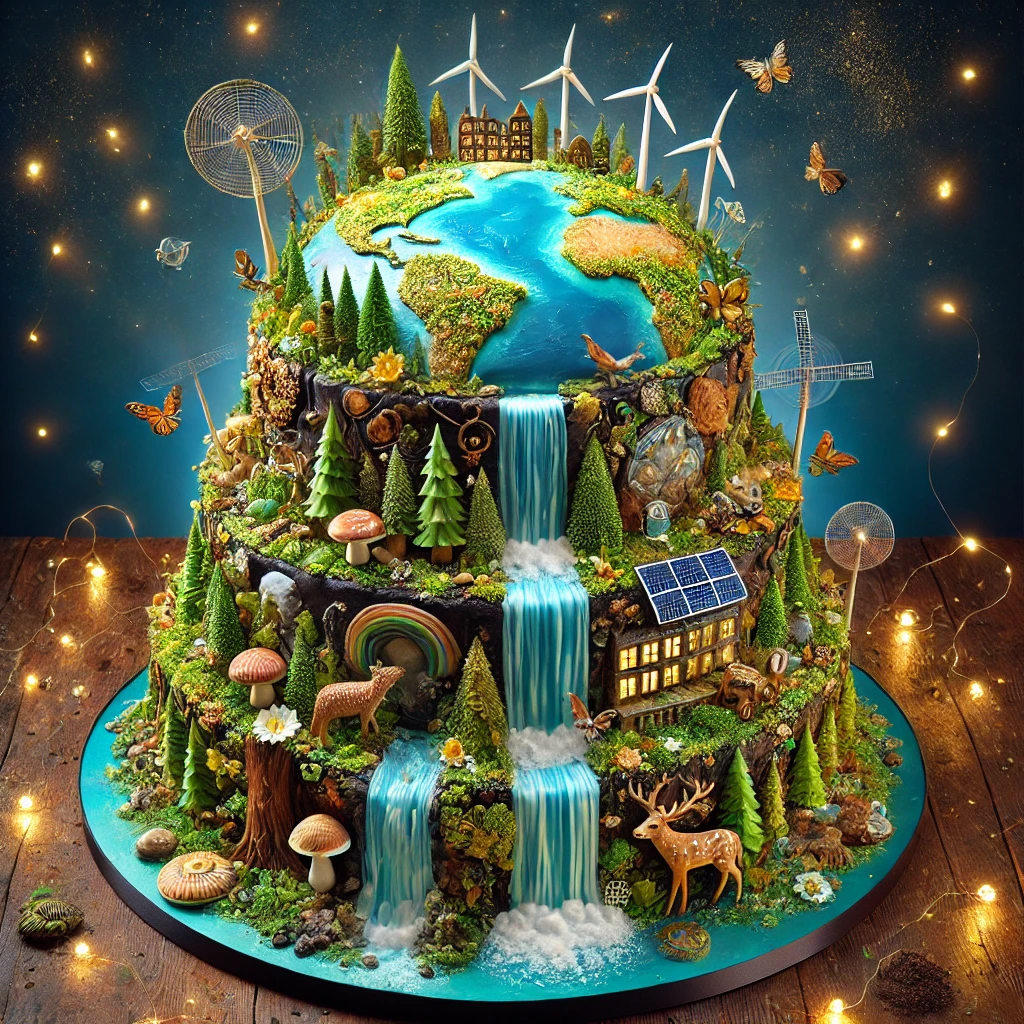
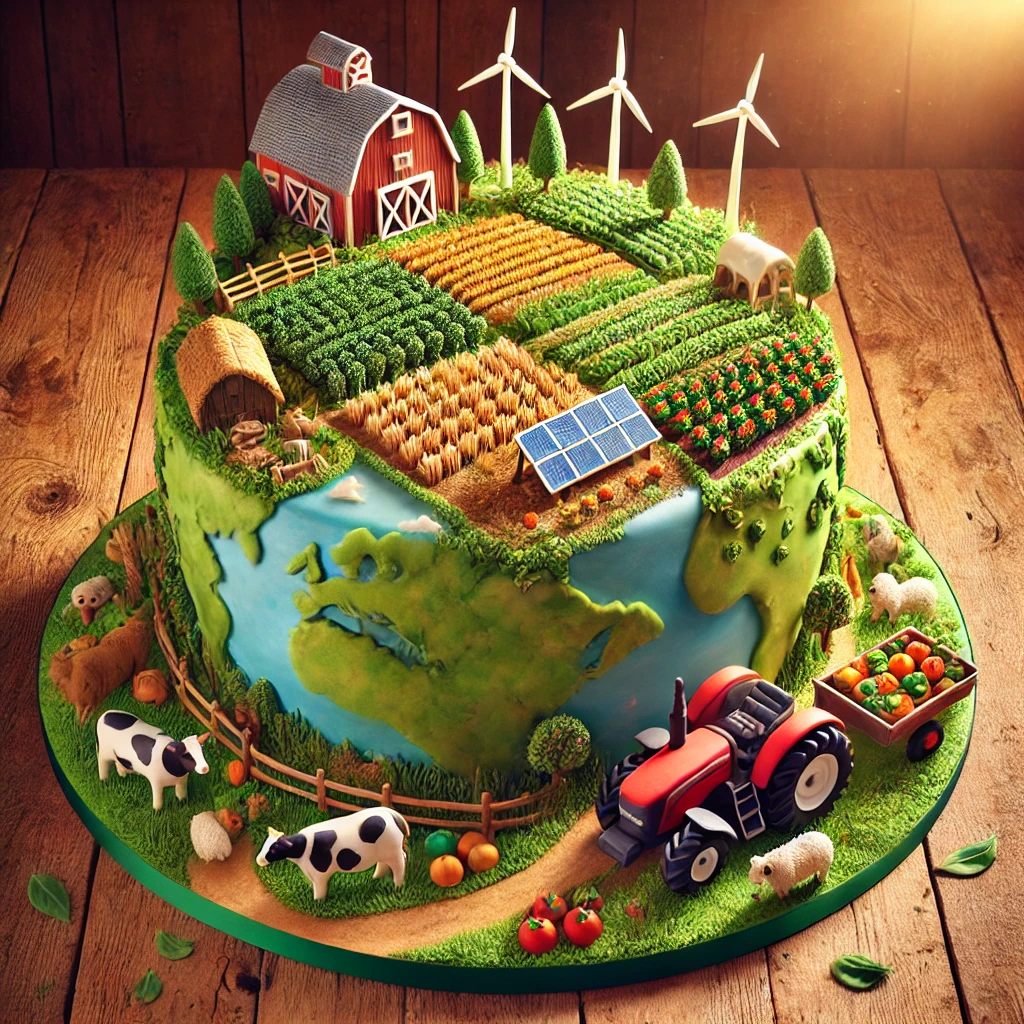
This section is meant to be more than Cake Decorating Ideas… it’s designed to spark inspiration and creativity, awaken tradition, and infuse your special occasions with style, identity, and atmosphere. A color palette becomes a theme. A design becomes a mood. Simple details—like sugared holly leaves or shimmering stars—can set the tone for a gathering and become part of cherished traditions and lasting memories melded with personal touch and love.