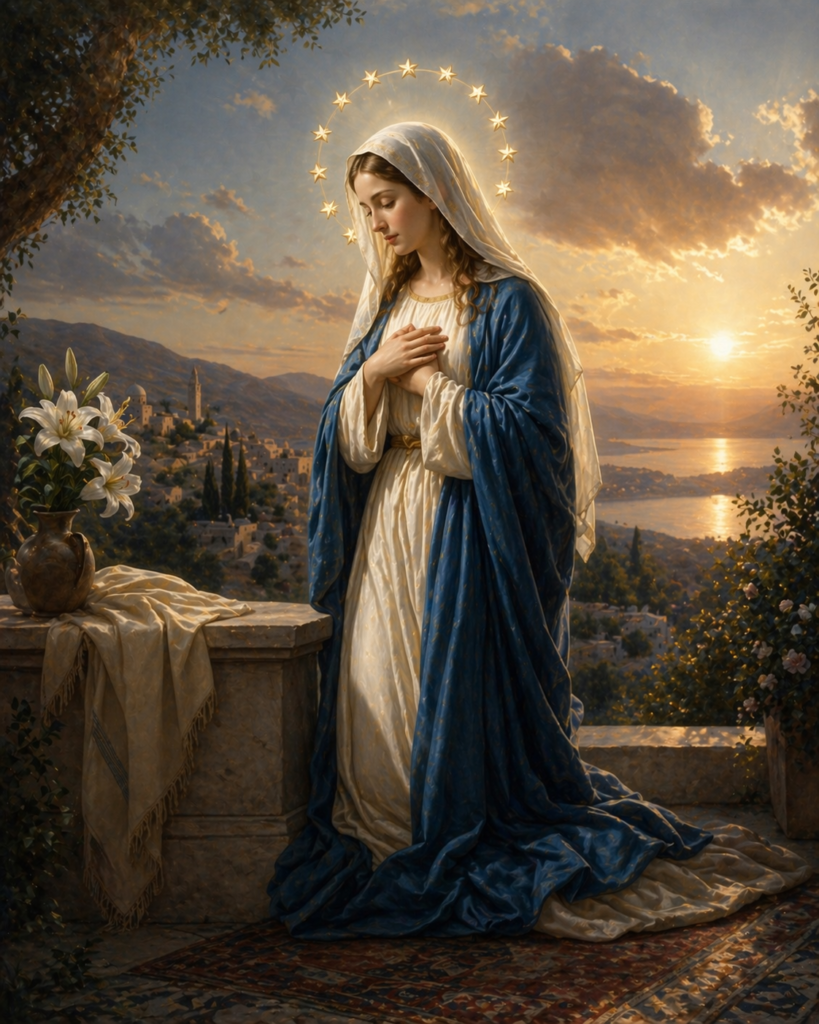
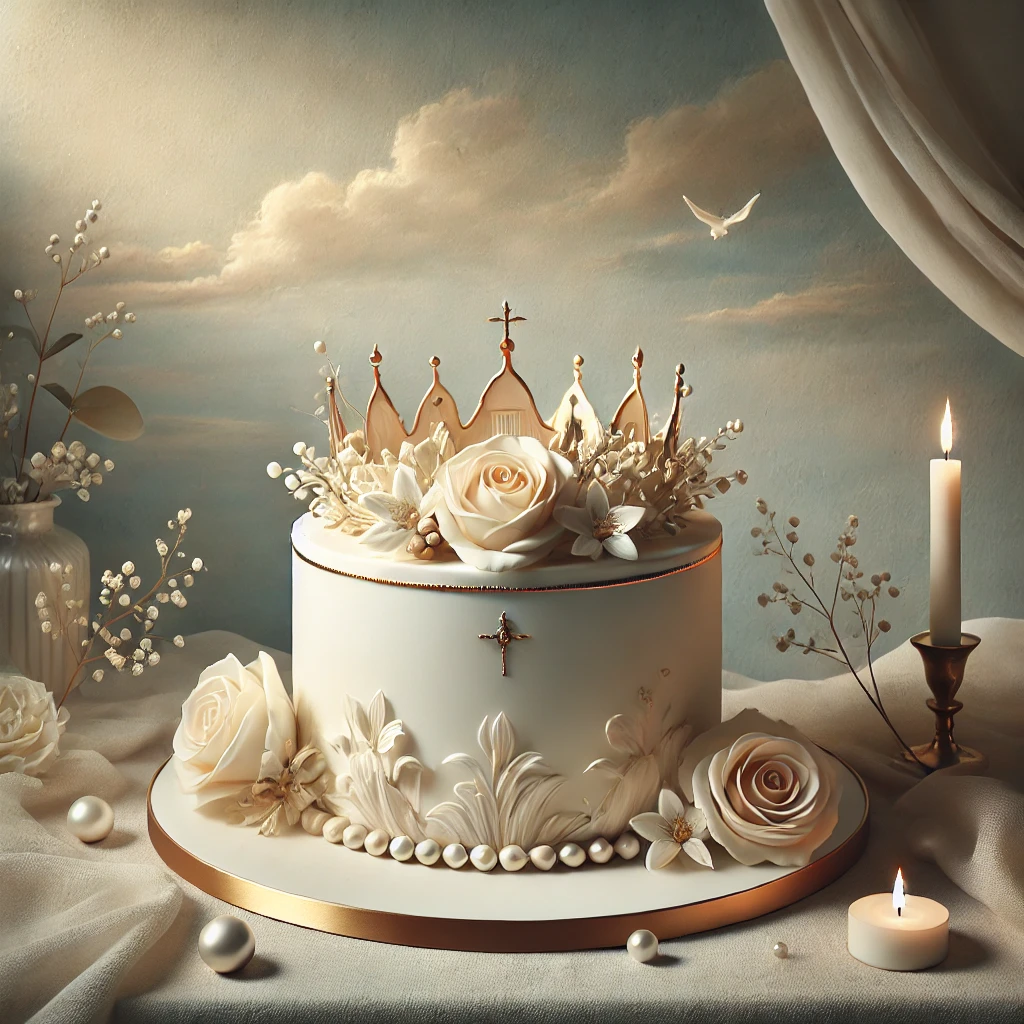







The Birth of the Queen of Heaven

with ORO VALENTIO

September 8

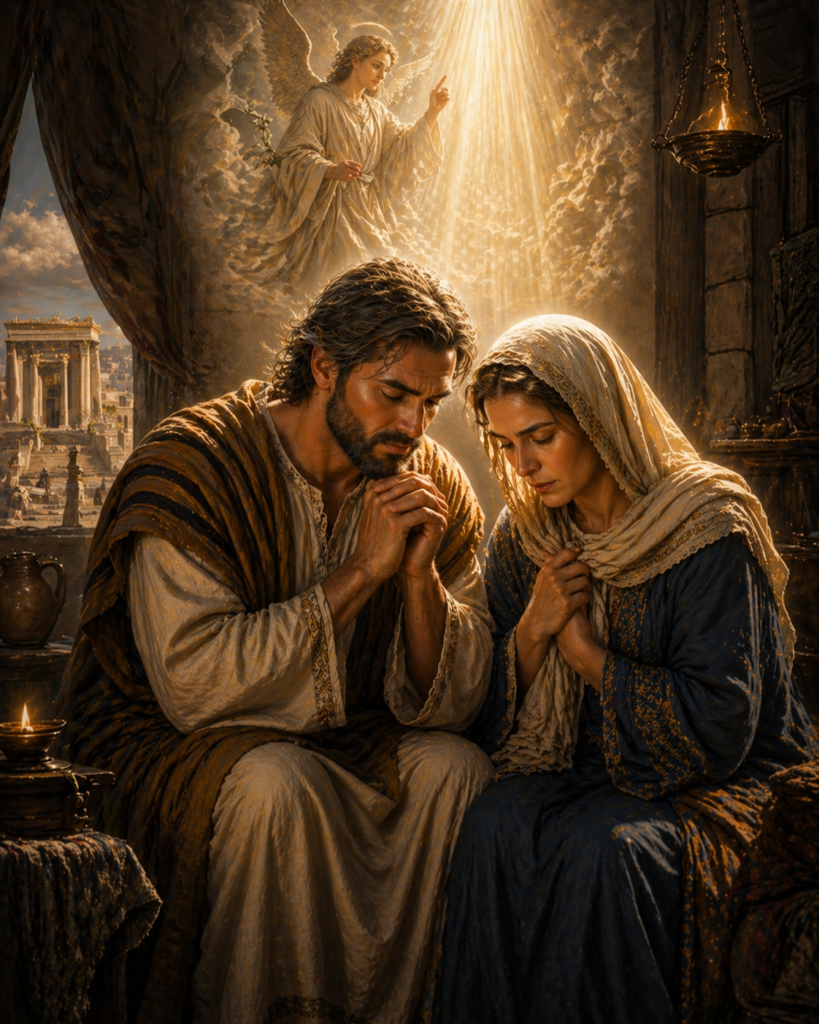
The Nativity of the Blessed Virgin Mary celebrates the birth of the one chosen from all eternity to be the Mother of God. Though Sacred Scripture does not record this event, it has been faithfully preserved through Sacred Tradition, the liturgy of the Church, and the reflections of saints and holy mystics. According to ancient tradition, the parents of Mary were Saint Joachim and Saint Anne, a just and devout couple who endured years of childlessness. This trial brought them not only sorrow but also public humiliation, as barrenness was often misunderstood as a sign of divine disfavor. Yet through perseverance in prayer and trust in God, their suffering became a means of preparation. An angel appeared to Anne, announcing that she would conceive a child who would be blessed above all women. In this, their story mirrors other miraculous births in salvation history, revealing God’s pattern of bringing forth great grace through apparent desolation.
The birth of the Blessed Virgin Mary is enveloped in a quiet, sacred obscurity that already reveals the pattern of her entire life: God accomplishes His greatest works not through worldly greatness, but through profound humility. According to ancient Christian tradition, especially preserved in early sources and reflected upon by saints, Mary was born to St. Joachim and St. Anne, a couple who themselves had been deeply humbled before her conception. They endured the sorrow and social reproach of childlessness, which in their time was often seen as a sign of divine disfavor; yet rather than turning to bitterness, they responded with prayer, penance, and trust in God. Their humiliation purified them, making them fitting instruments to receive so great a gift, and thus Mary’s very beginning in the world is already rooted in a lineage of humility born from suffering and surrender.
From the first moment of her existence—her Immaculate Conception—Mary possessed perfect sanctifying grace, yet this unparalleled holiness did not manifest outwardly in any display of grandeur. Rather, as saints such as St. Alphonsus Liguori reflect, the greater the grace given to her, the deeper her humility became; she saw herself always as entirely dependent on God, never attributing anything to herself. Even as a child, whether raised in the temple according to tradition or within the hidden life of her family, she lived in silence, obedience, and recollection, choosing always what was lowly and unnoticed. This is the paradox at the heart of her vocation: she who was the greatest of all creatures lived as though she were the least, not out of ignorance of God’s gifts, but out of perfect awareness that every gift came from Him alone.
This radical humility was not incidental—it was absolutely necessary for her mission. As St. Thomas Aquinas explains in principle, God fills only what is empty; therefore, for Mary to receive within her the fullness of the Word made flesh, her soul had to be utterly free of self-exaltation. Her humility created, so to speak, the “space” for the Incarnation. This is why, at the Annunciation, her response is not merely obedience but self-identification as a servant: “Behold the handmaid of the Lord.” In that moment, her lifelong interior disposition is revealed outwardly—she had already been living this surrender from the beginning. God did not impose this humility upon her; she continually chose it, deepening it at every stage of her life.

A Sweet Baby Girl: Queen of the Angels

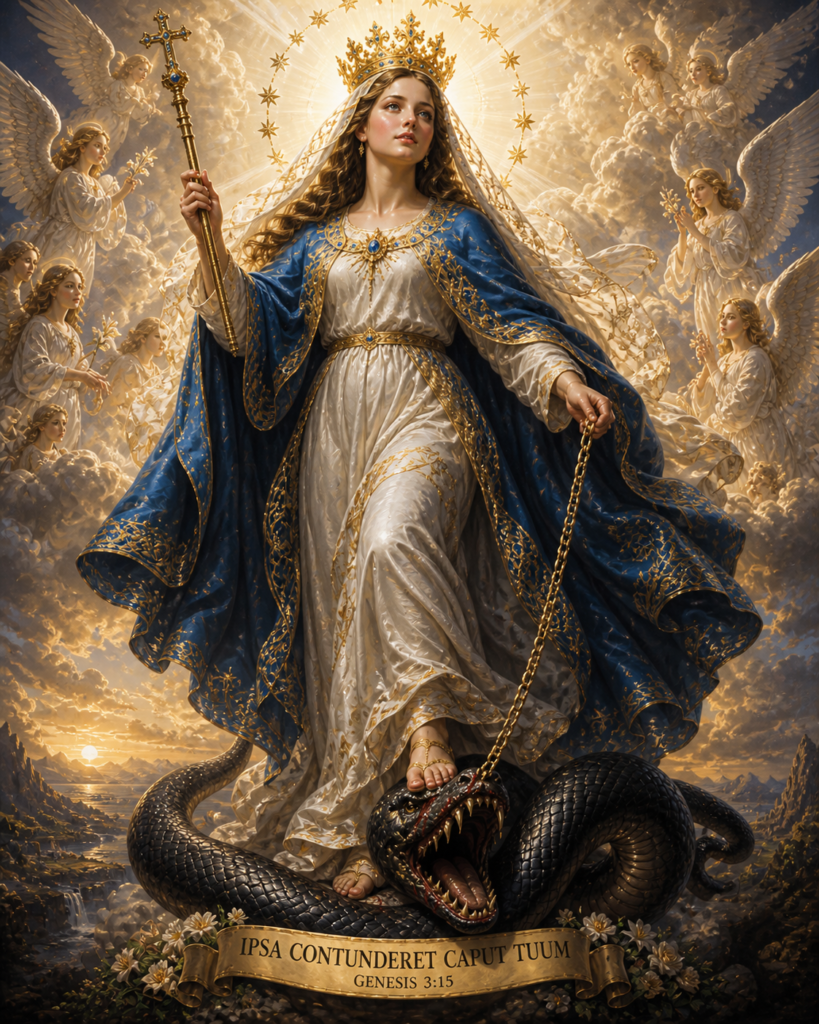
God could have crushed Satan by sheer force—but instead, He chose to defeat him through the humility of a woman.

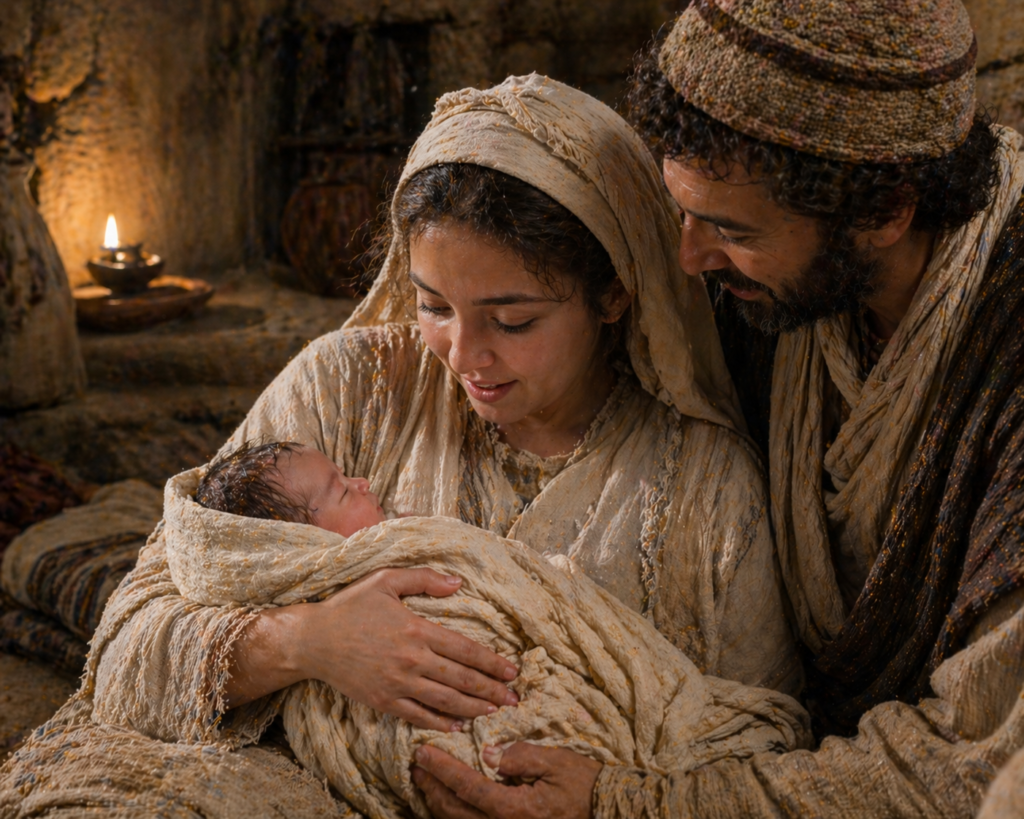
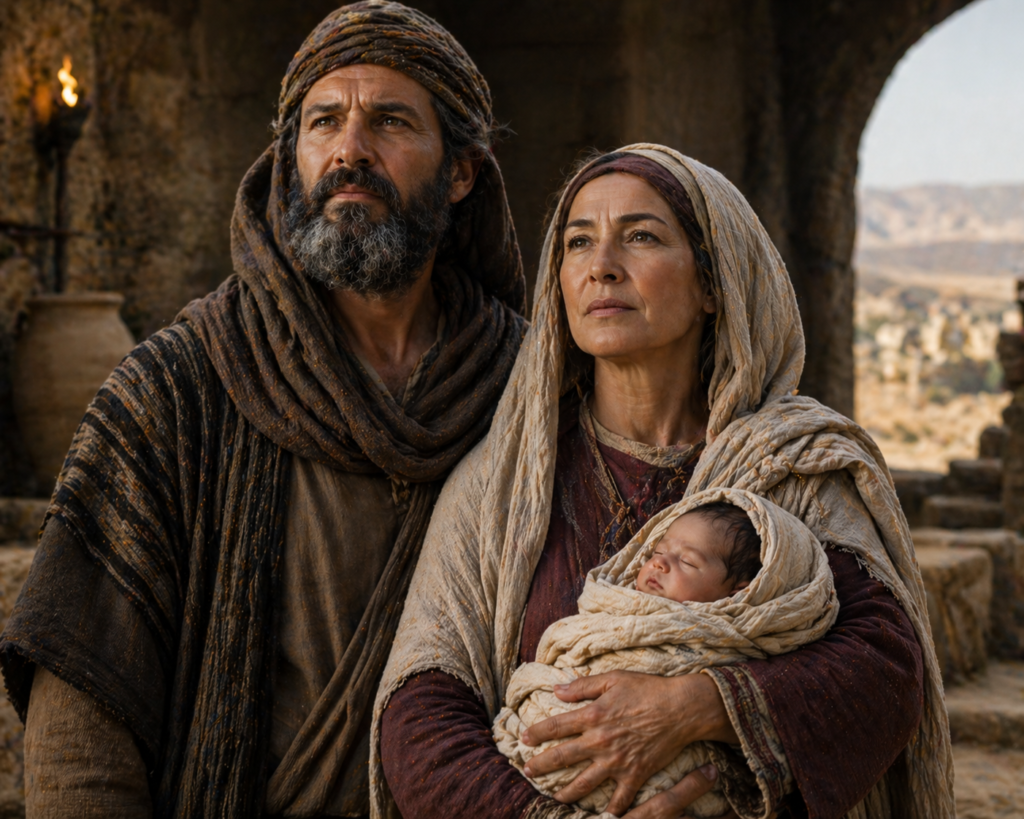
The earliest written account of Mary’s birth comes from the Protoevangelium of James, an ancient Christian text that, while not part of Scripture, has deeply influenced devotion. Mary was born in Jerusalem, amid great joy. Her birth was recognized as a singular gift from God. From the beginning, she was dedicated entirely to the Lord.  
Mystical Insight and Contemplation
The visions of Anne Catherine Emmerich offer a contemplative glimpse into this mystery. She describes the birth of Mary as surrounded by a profound atmosphere of peace, purity, and divine favor.
Mary, preserved from original sin from the first moment of her conception, entered the world already full of grace, wholly belonging to God. Her birth was marked not by worldly grandeur, but by a quiet holiness that signaled the beginning of something extraordinary: the dawn of redemption.
The Nativity of Mary is not merely a remembrance of her birth—it is a celebration of God’s preparation for the Incarnation. Mary is the “dawn before the Sun,” who is Christ. She is the Ark of the New Covenant, fashioned in purity to bear the Word made flesh. Her coming into the world marks the beginning of the fulfillment of salvation history. As Saint Augustine of Hippo teaches, Mary’s holiness is entirely rooted in Christ, for she was preserved from sin in view of His merits.

A Mystery of Hope
The birth of the Blessed Virgin Mary reminds us that God often prepares His greatest works in hiddenness. Before the coming of Christ, there is Mary—quiet, pure, and entirely receptive to grace. Her nativity is a sign of: hope that God is already at work, even when unseen; that suffering can be transformed into joy; and that through humility and trust, His plan unfolds in perfect wisdom.
According to early tradition, **Saint Joachim**, when he came to the Temple to offer sacrifice, was publicly rejected because of his childlessness, a humiliation that did not arise in isolation but reflected the broader judgment of those around him, for in that culture barrenness was often seen as a sign of divine disfavor, and thus he and **Saint Anne** likely endured not only interior sorrow but also the quiet scorn, whispered reproach, and even open disrespect of others—even, as described in the contemplations of **Anne Catherine Emmerich**, from members of their own household and servants who failed to understand their hidden righteousness—so that this trial was not merely one of deprivation but of deeply personal and unjust suffering; yet Joachim, rather than responding with bitterness, withdrew into the wilderness in humility to fast and pray, entrusting himself entirely to God, while Anne, left behind in her grief, poured out her heart in tears and steadfast supplication, clinging to hope despite the weight of humiliation and apparent abandonment, and through this prolonged and hidden purification their souls were transformed, strengthened by fidelity under trial and made radiant through grace, so that by the time the promise was fulfilled in the birth of Mary, they stood not simply as joyful parents receiving a long-awaited child, but as souls refined in the crucible of suffering, rendered capable—through patience, humility, and unwavering trust—of receiving and nurturing one of the greatest gifts ever entrusted to humanity.

Birth of the Queen of Heaven Traditions to Make Your Own

  • Liturgical Celebration (Mass):
    A joyful feast day in the Church with special prayers honoring Mary as the beginning of salvation.
  • Marian Devotions (Rosary & Hymns):
    The Rosary and traditional Marian hymns are prayed in thanksgiving for her birth.
  • Blessing of Seeds and Crops:
    In farming regions, seeds are blessed, symbolizing Mary as the “seed” from which redemption would come.
  • Floral Offerings:
    Churches and homes are decorated with flowers, especially roses and lilies, representing Mary’s purity and beauty.
  • Children’s Blessings:
    Some traditions include special blessings for children, honoring the birth of Mary and the gift of life.
  • Eastern Christian Vigil & Icons:
    Celebrated as the Nativity of the Theotokos with vigils, processions, and veneration of icons.
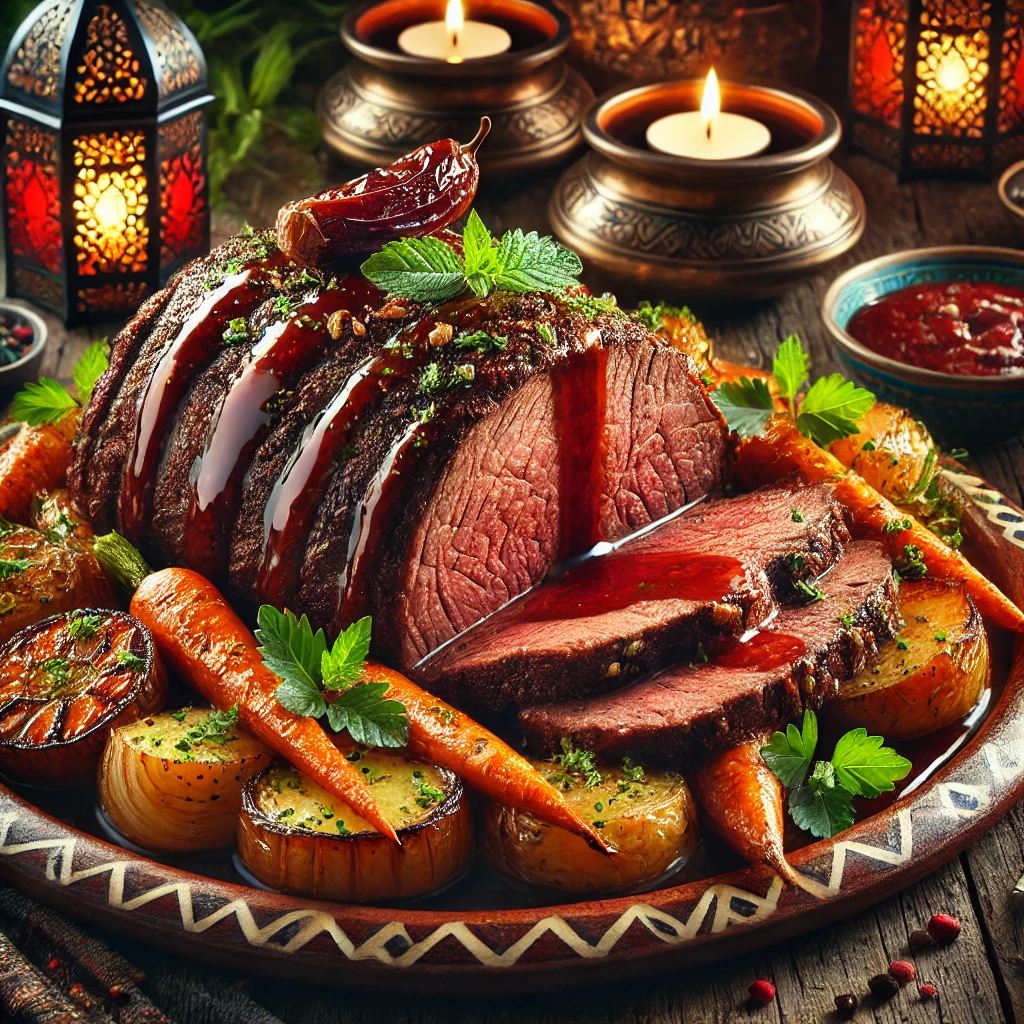
  • Festive Meals:
    Families gather for meals to celebrate the joy of Mary’s birth and God’s providence.
  • Acts of Charity:
    Giving to the poor or helping others in honor of Mary’s humility and love.
  • Meditation on Joachim and Anne:
    Reflecting on the suffering and faith of Saint Joachim and Saint Anne before her birth.
Spiritual masters consistently emphasize that this humility is the very source of her spiritual power. St. Louis de Montfort teaches that Mary’s littleness is what drew the infinite God to her, while modern exorcists like Fr. Gabriel Amorth and Fr. Chad Ripperger explain that her complete lack of pride gives demons no hold over her whatsoever. In Dominion, Ripperger notes that authority in the spiritual realm comes from conformity to God’s order; because Mary is perfectly aligned with God through humility, she possesses unparalleled authority—not as domination, but as participation in divine truth. Thus, the same humility that made her receptive to God also makes her terrible to the enemies of God. Her entire earthly life—from her hidden childhood, to her silent years in Nazareth, to her presence at the foot of the Cross—unfolds as a continuous deepening of this humility. She does not seek recognition, defend her dignity, or assert her role, even though she is the Mother of God. Instead, she remains hidden, allowing God’s will to be accomplished through her without resistance. This humility does not diminish her—it exalts her, precisely because it unites her perfectly to God’s own action. As Scripture reveals in her Magnificat, God “has looked upon the lowliness of His handmaid,” and it is this lowliness that becomes the foundation of her exaltation. In eternity, this same principle remains: Mary is crowned Queen of Heaven and Earth not despite her humility, but because of it. Her power is the flowering of her self-emptying; her glory is the radiance of her total dependence on God. In her, we see that humility is not weakness or self-negation, but the fullest alignment with reality—the recognition that God is all, and we are entirely His. From the humiliation of her parents, to her immaculate beginning, to her freely embraced hiddenness, Mary’s life demonstrates that humility is both the condition and the means of God’s greatest works, and that through it, He raises what is low to participate in His own divine life forever.

Mary, the Dawn before Christ

Mary’s humility is not merely one virtue among others but stands, in the spiritual order, as the direct and decisive opposite of the pride of Satan; where he, a being of great natural excellence, refused to serve and rejected dependence on God—as explained by St. Thomas Aquinas—Mary, by contrast, perfectly accepted her place within God’s plan, even when that plan elevated her above all creatures, responding at the Annunciation not with self-assertion but with total surrender: “Behold the handmaid of the Lord.” In this way, her Fiat becomes the exact reversal of Satan’s “non serviam,” fulfilling the prophecy that she would crush the serpent’s head, not by force but through humility, which uproots pride at its source; as emphasized by spiritual authorities like Fr. Gabriel Amorth and Fr. Chad Ripperger, demons—being fixed in pride—have no hold on one who is perfectly humble, and thus Mary’s complete conformity to God grants her profound spiritual authority, since, as Ripperger explains in Dominion, true authority flows from alignment with divine order rather than power in itself. This reveals the great paradox of the spiritual life: humility, though appearing as weakness to the world, is in fact the channel of God’s omnipotence, whereas pride leads only to separation and ruin; thus Satan fell by exalting himself, while Mary was exalted precisely because she humbled herself, embodying the enmity described by St. Louis de Montfort between herself and the devil. For the faithful, this mystery is not abstract but practical: one enters into Christ’s victory by imitating Mary—accepting total dependence on God, embracing hiddenness without seeking recognition, submitting one’s will even in difficulty, and rejecting interior movements of pride by remembering that all is gift—so that, just as God chose to overcome Satan not by overwhelming force but through the humility of a woman, that same humility may become the means by which His victory is extended into the soul.

May the birth of the Queen of Heaven fill your heart with quiet joy and renewed hope; may the God who prepared her in purity and grace also prepare your soul, gently shaping it through every trial and hidden moment; and may Mary, the dawn before Christ, lead you ever closer to her Son, that your life too may become a dwelling place of His peace, His light, and His love. Amen.

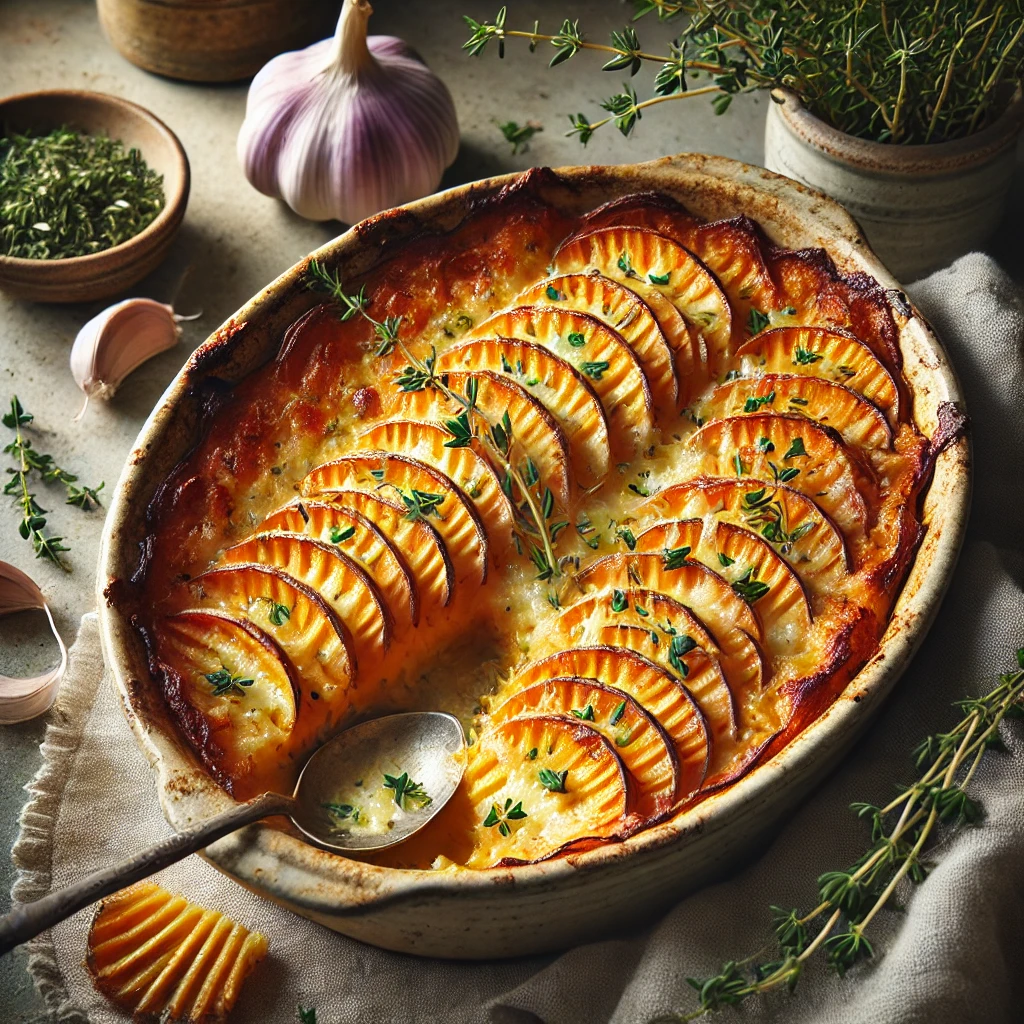
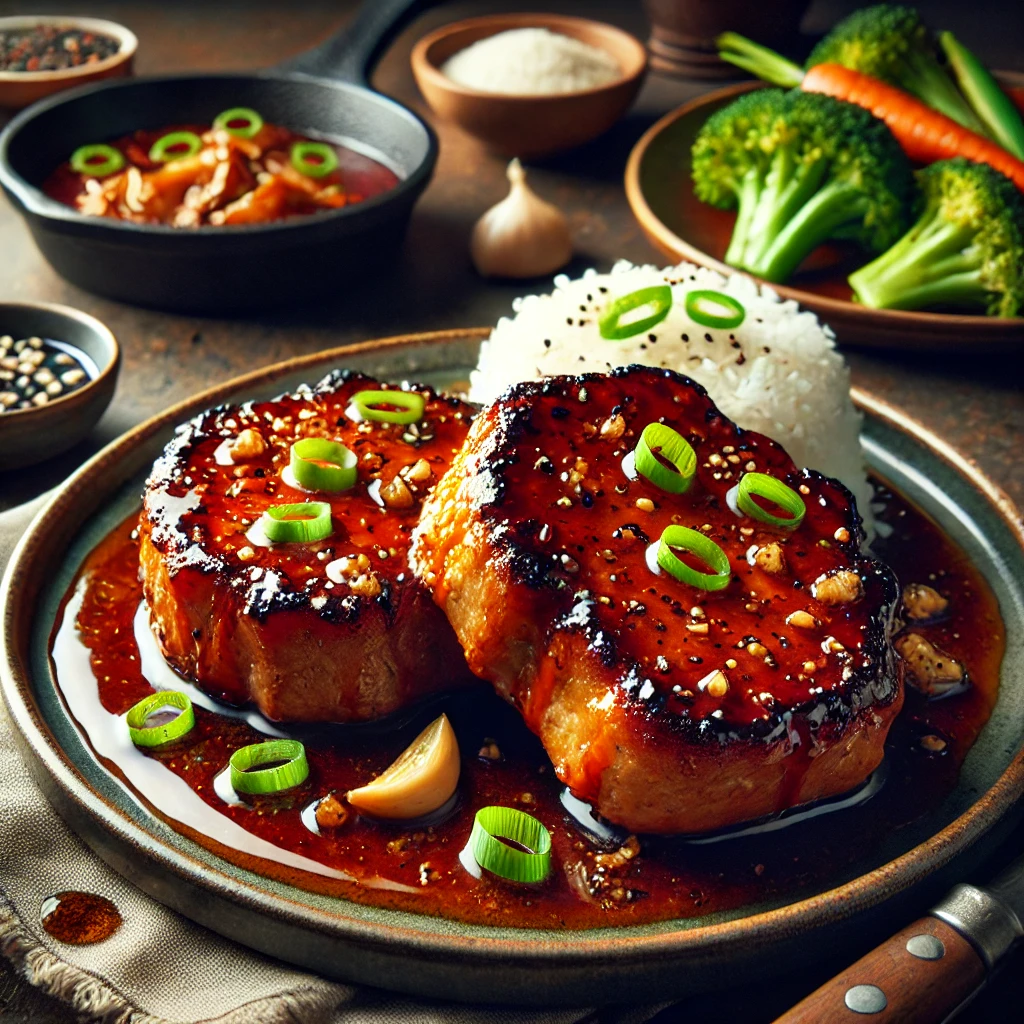
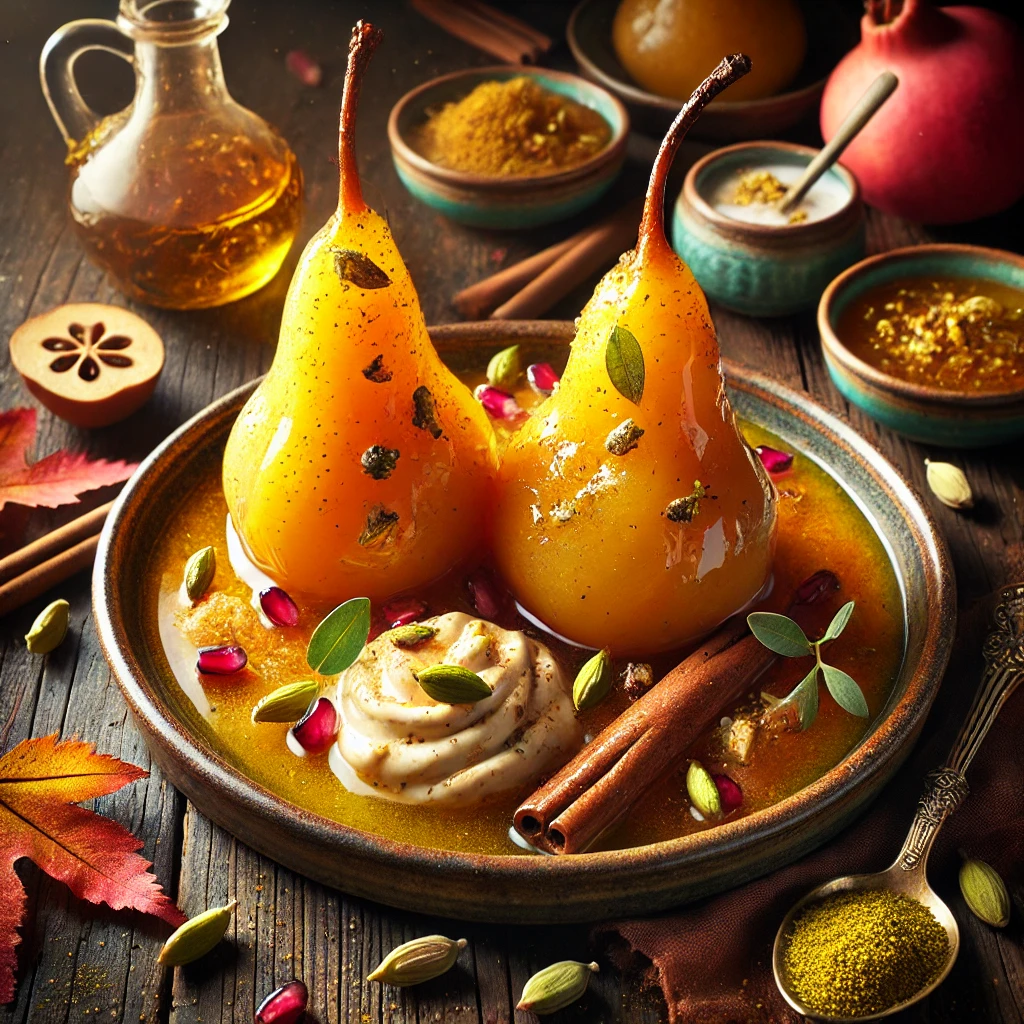
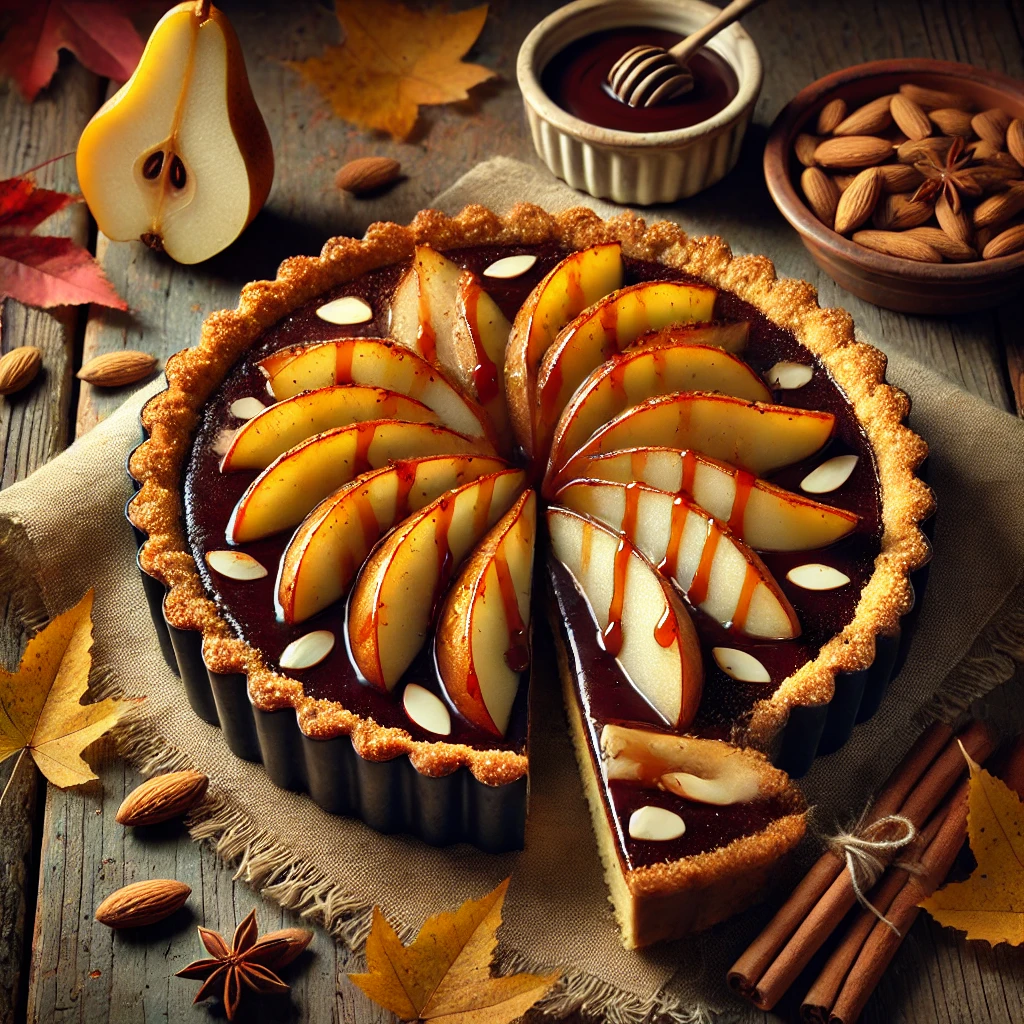
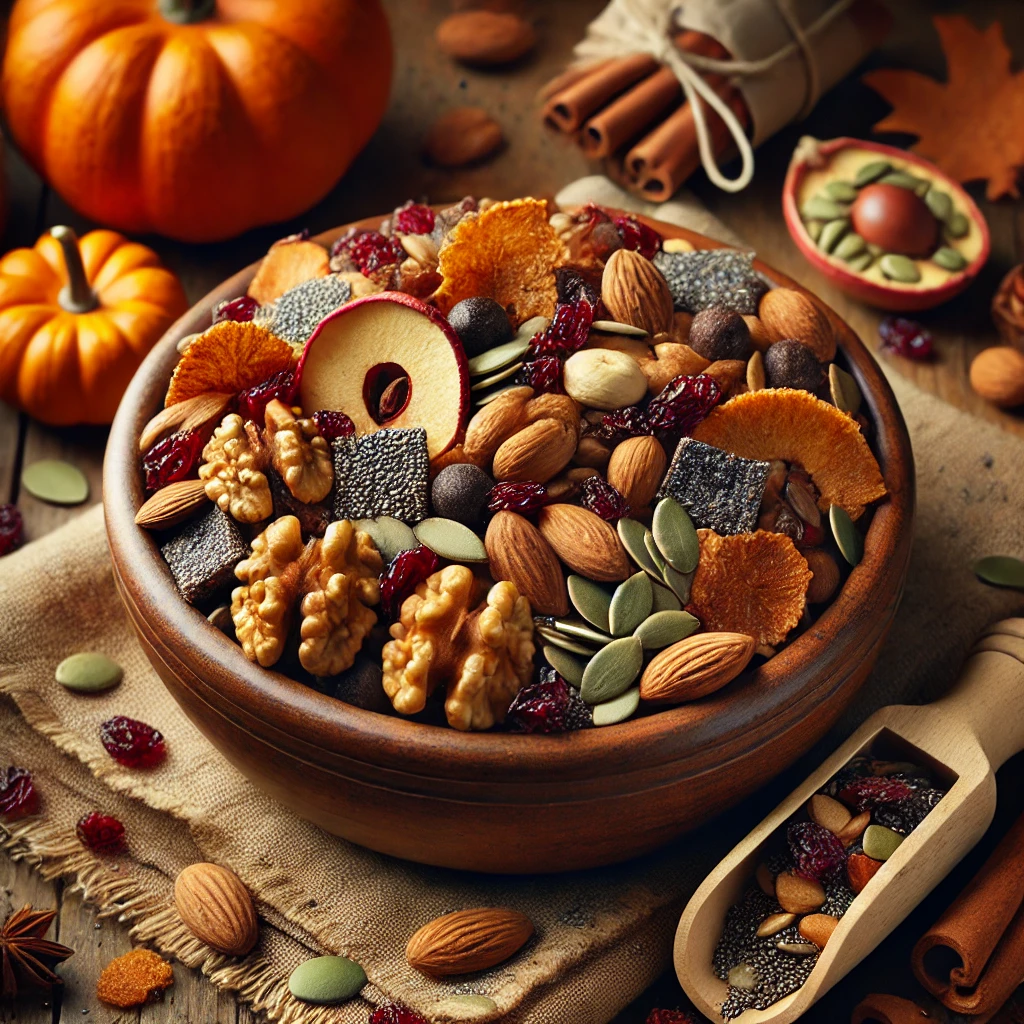
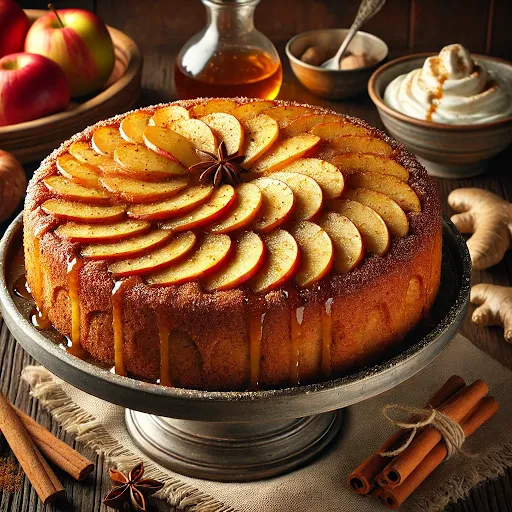
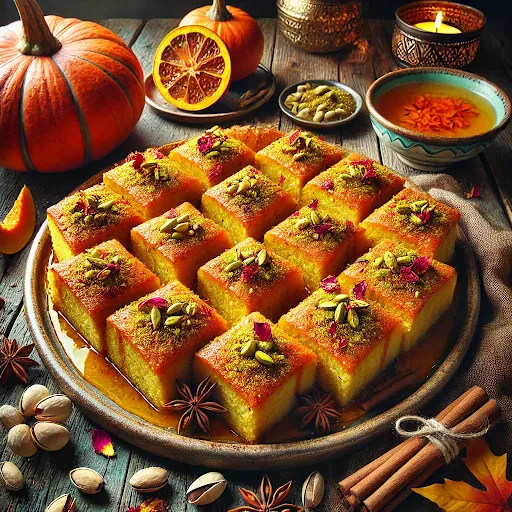
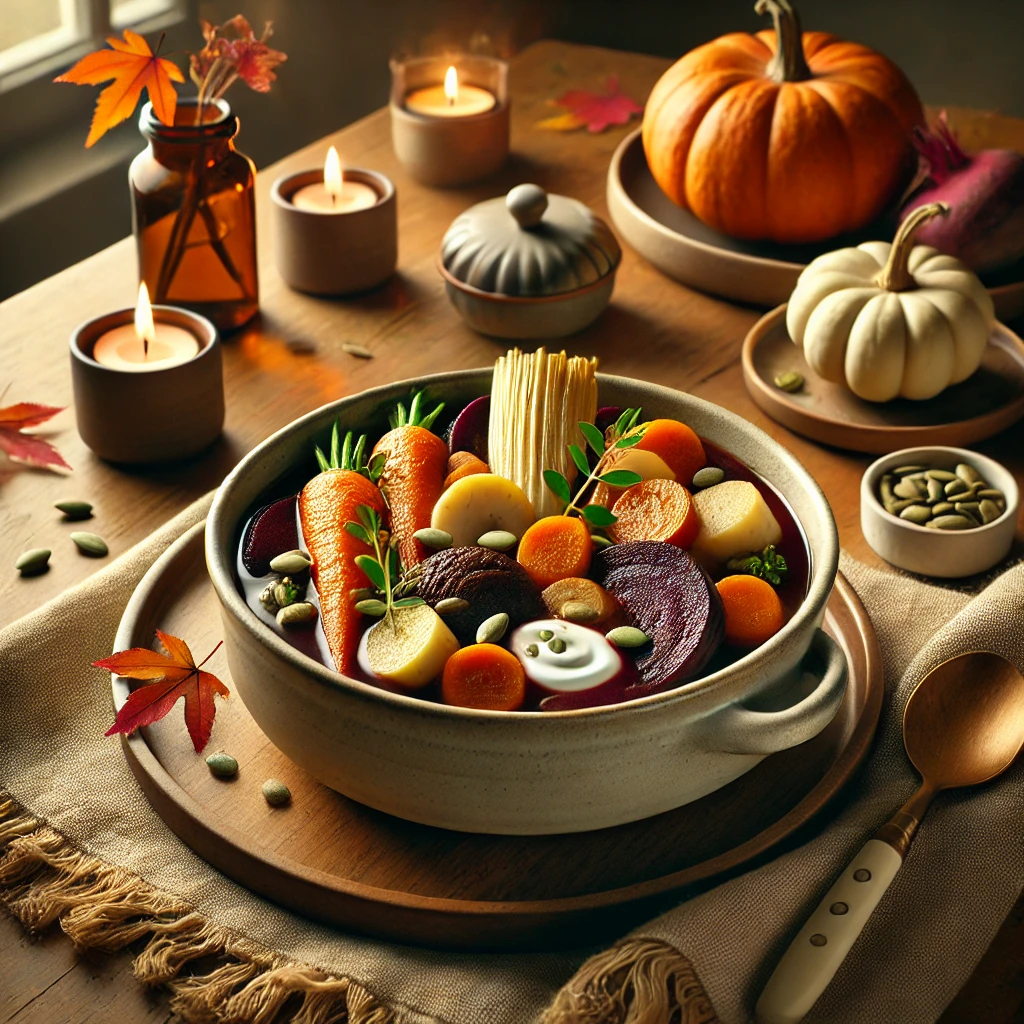
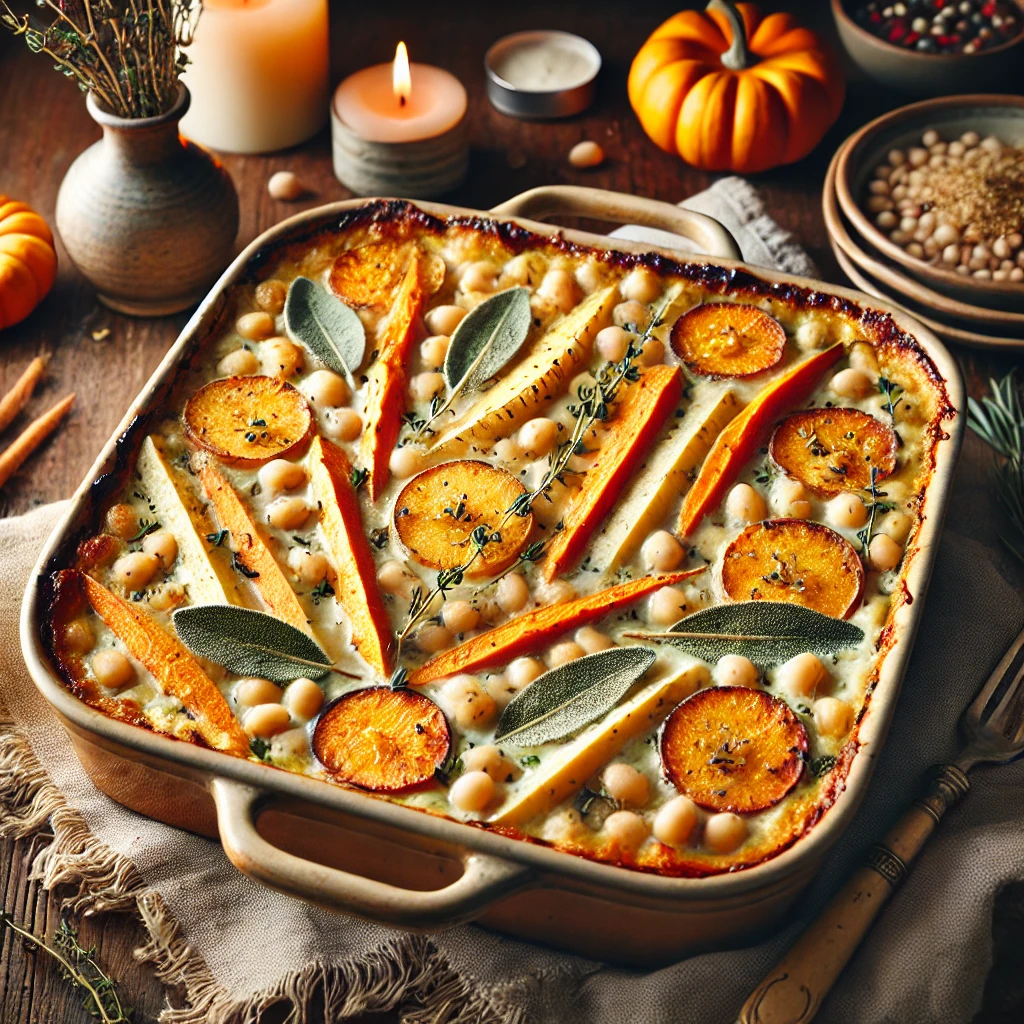
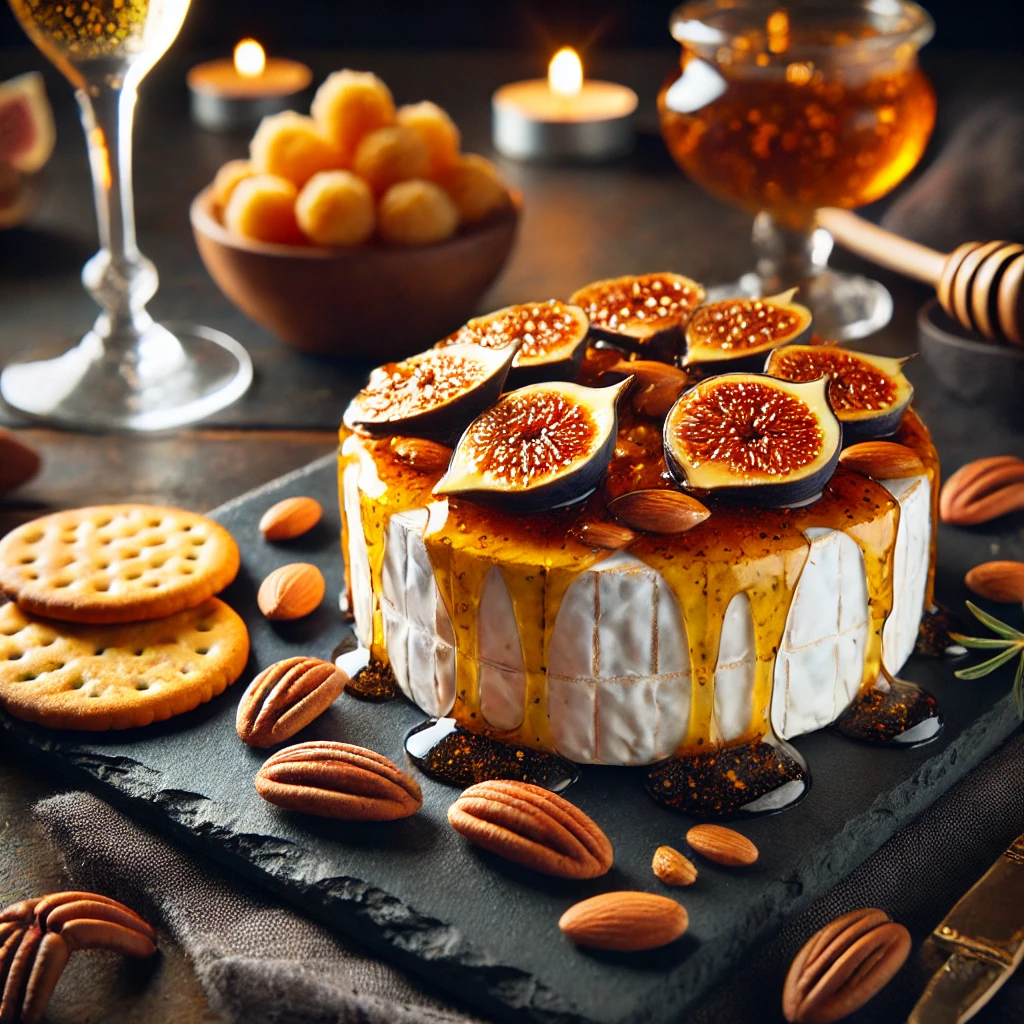
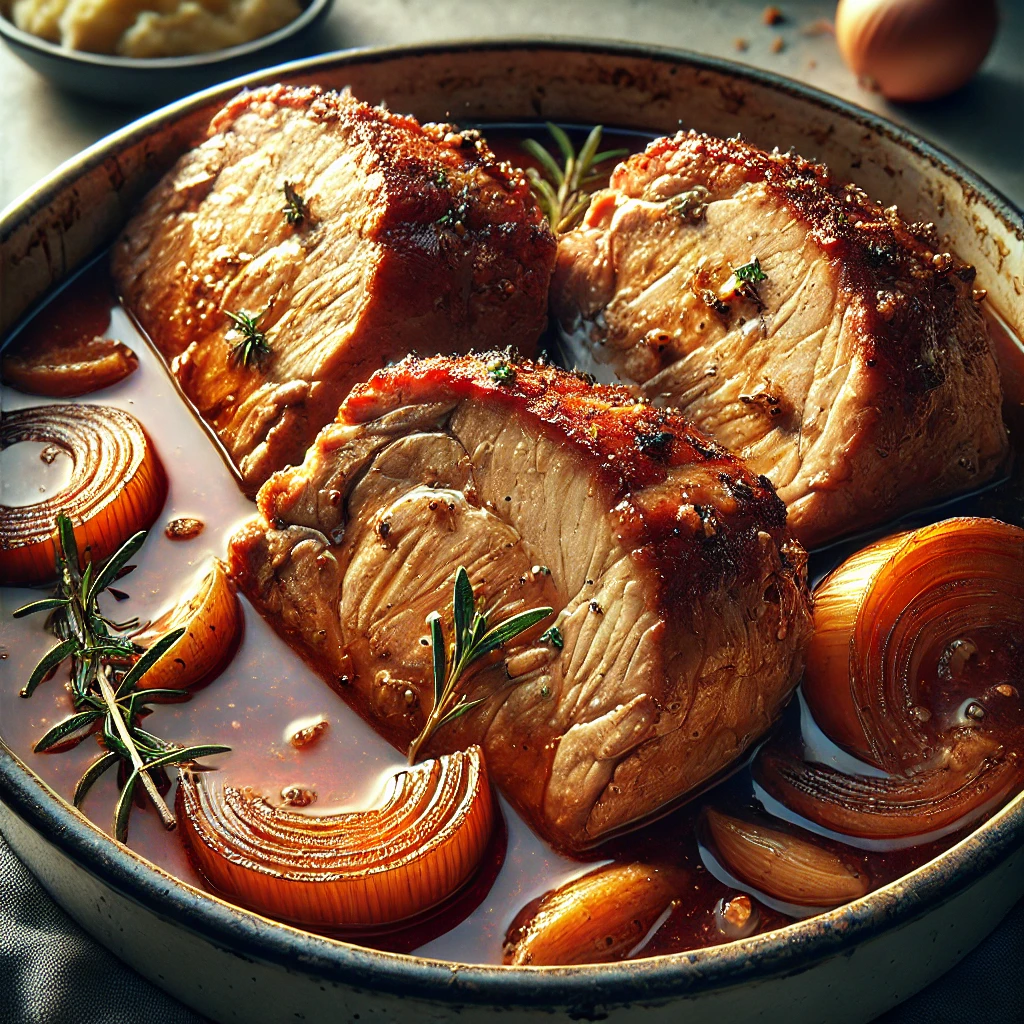
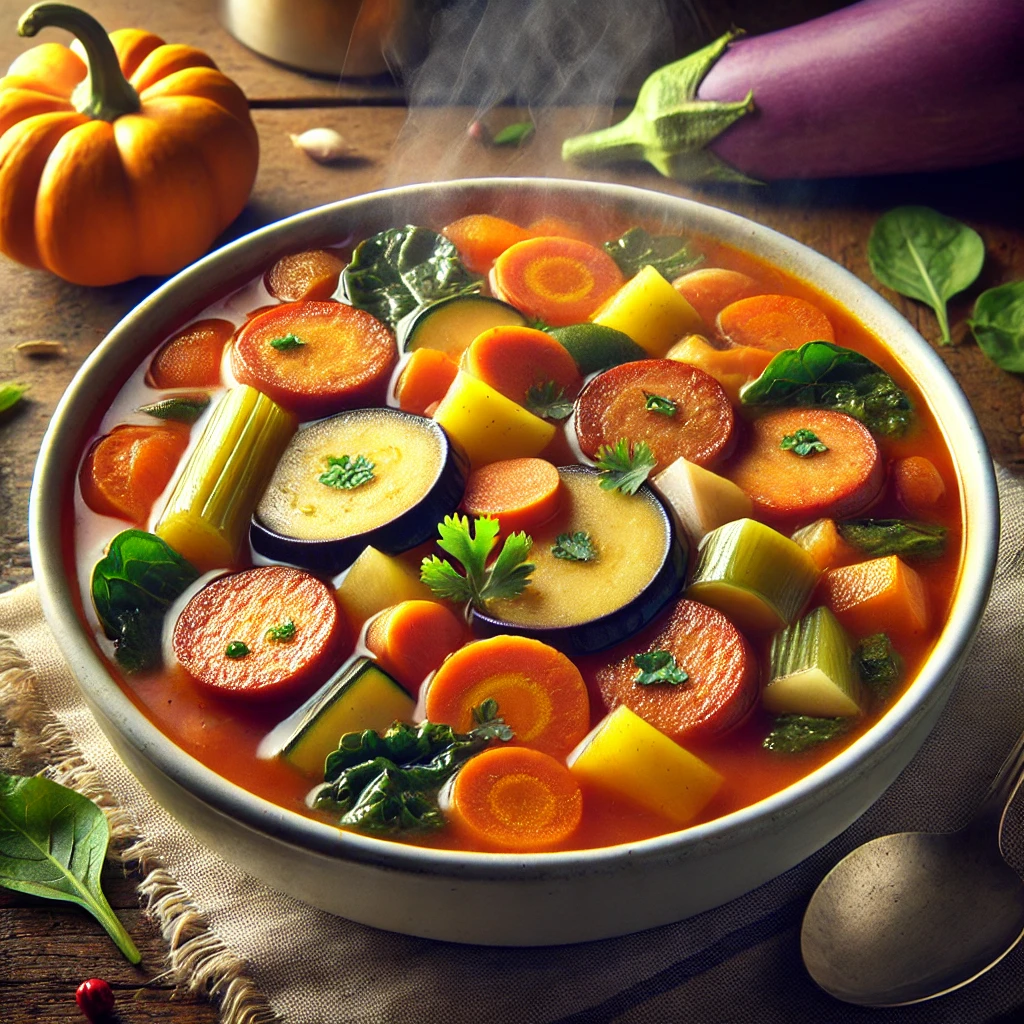
Traditional Dishes for the Birth of the Queen of Heaven

  • Grapes:
    Often blessed and eaten on this day, symbolizing abundance and the coming harvest of grace through Mary.
  • Bread (especially fresh or rustic loaves):
    Represents life, nourishment, and the simplicity of Mary’s humble beginnings.
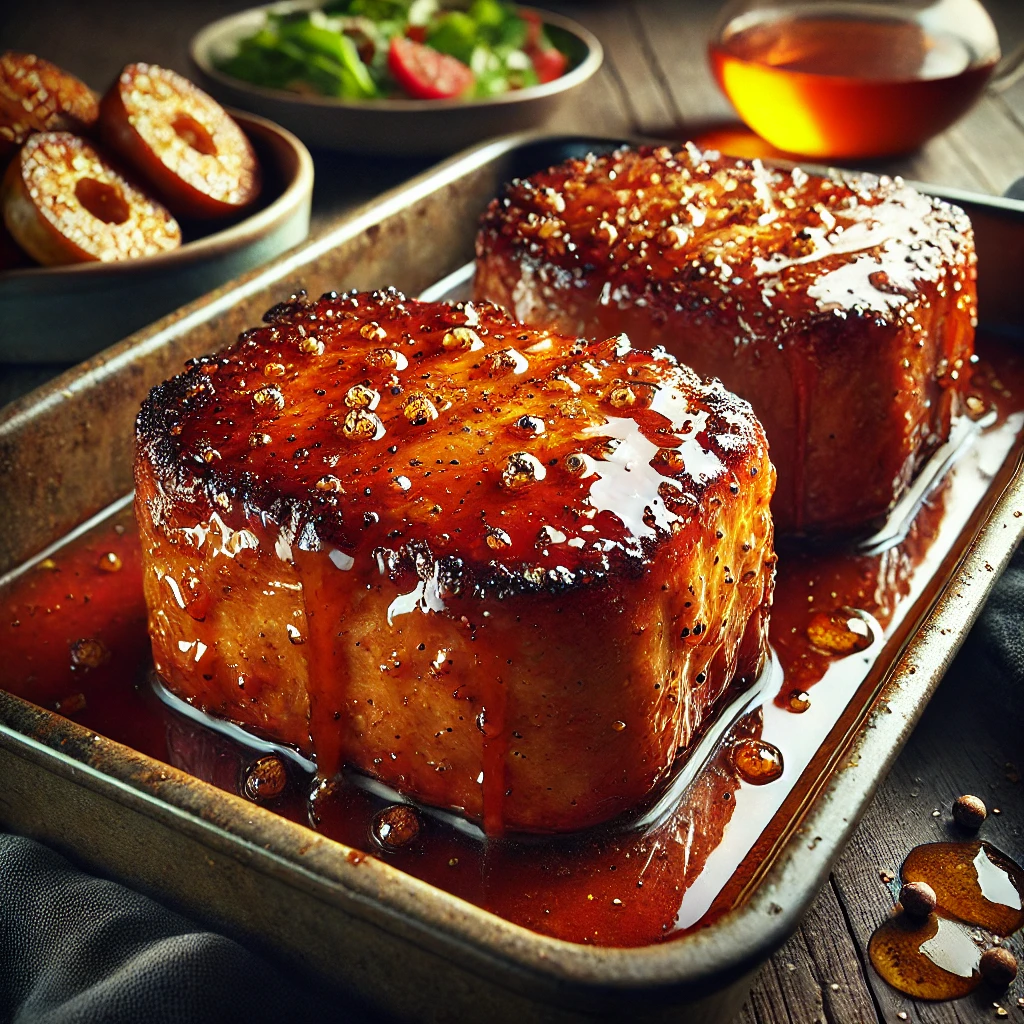
  • Honey Cakes or Sweet Breads:
    Symbolize the sweetness of Mary’s birth and the joy it brings to the world.
  • Milk and Dairy Foods:
    Associated with purity and nurturing, reflecting Mary’s maternal role.
  • Harvest Fruits (apples, figs, pears):
    Seasonal fruits celebrate the connection between Mary’s birth and the harvest season.
  • Grain-based dishes (porridge, pastries):
    Linked to the blessing of seeds and the beginning of a new agricultural cycle.
  • Wine (in moderation):
    Especially in European traditions, symbolizing joy and future Eucharistic meaning.
  • Simple family meals:
    Modest but joyful meals reflecting the humility of Saint Joachim and Saint Anne.

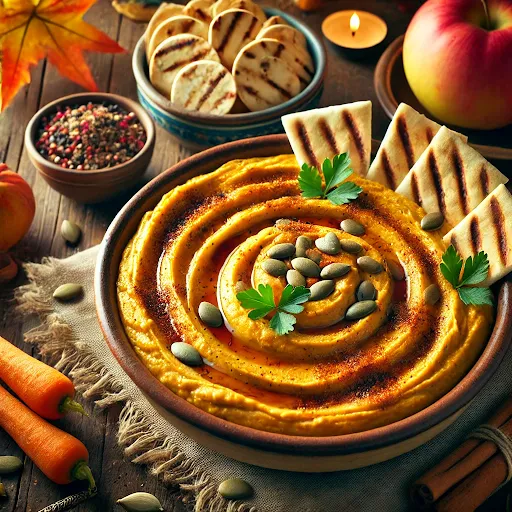
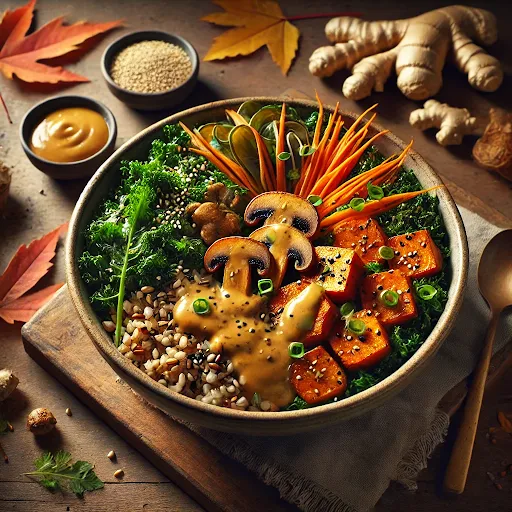
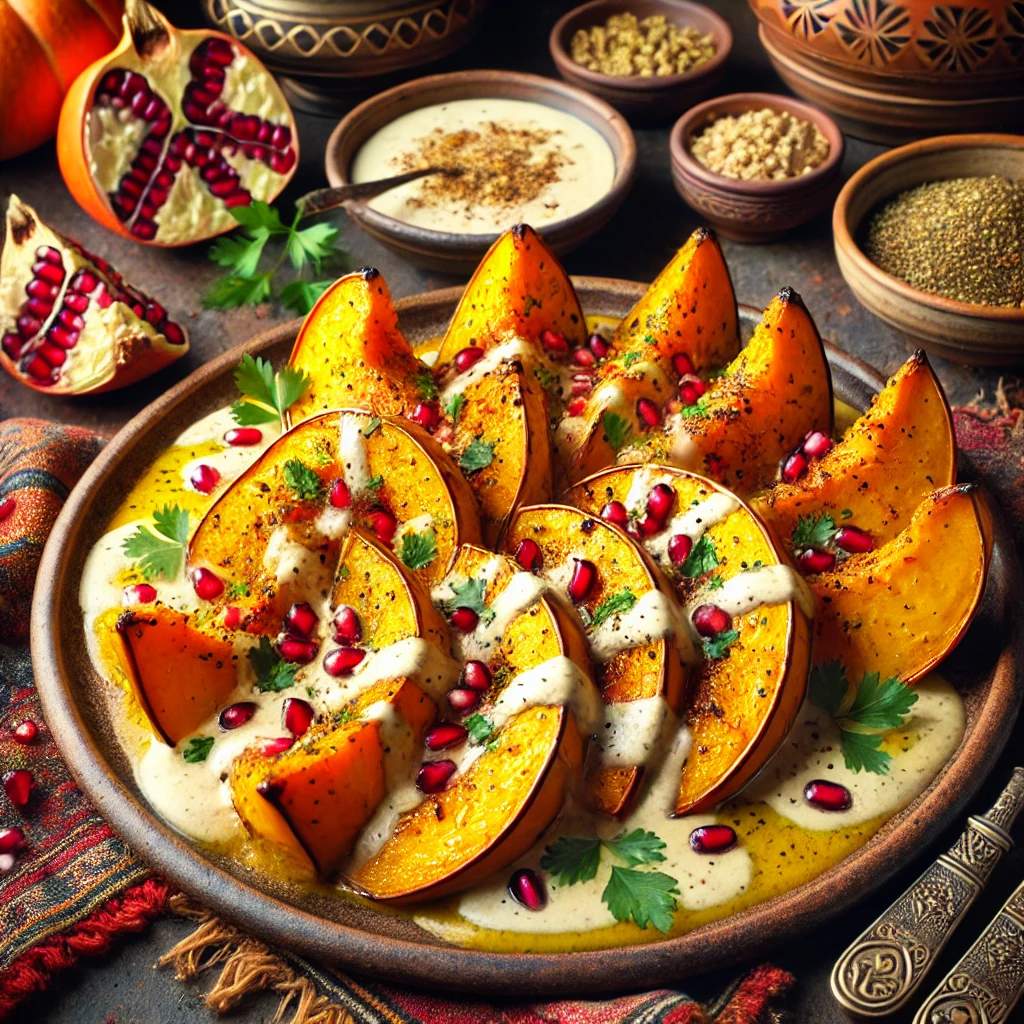
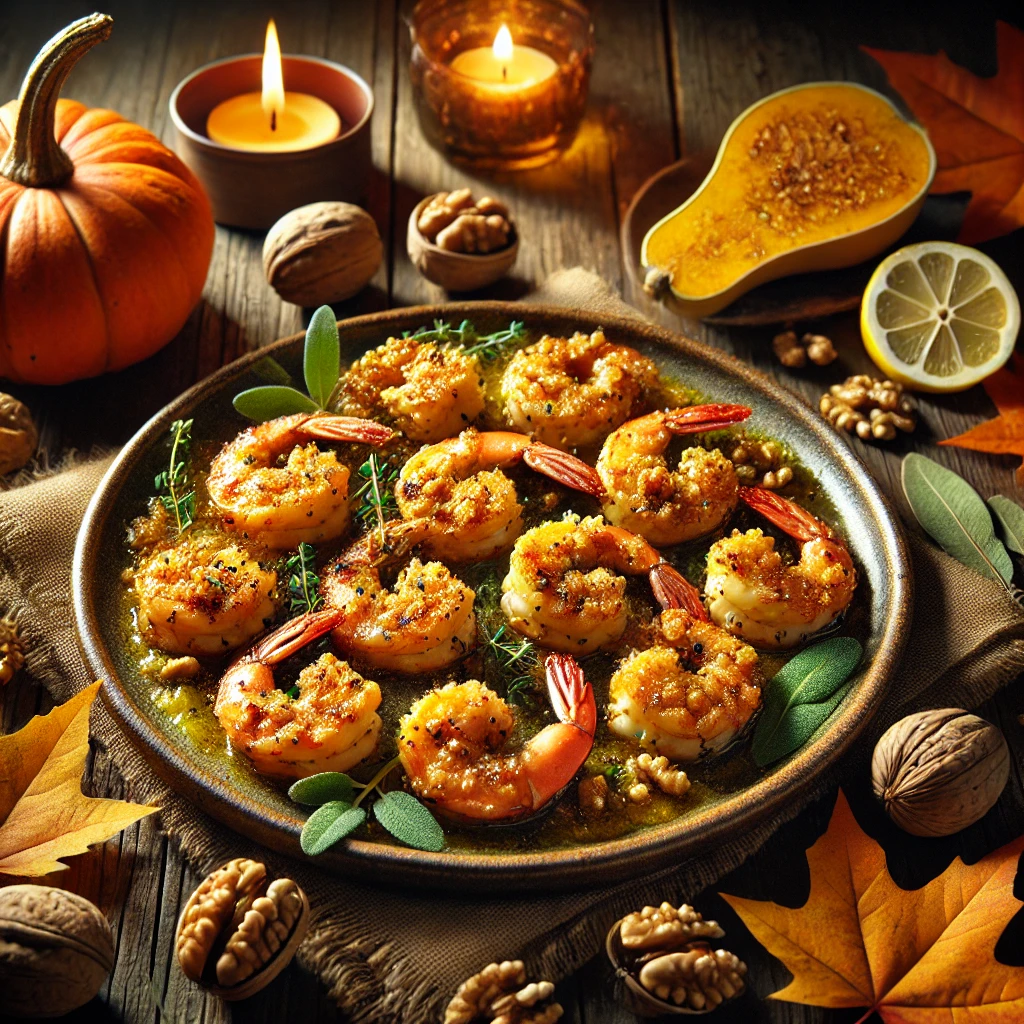
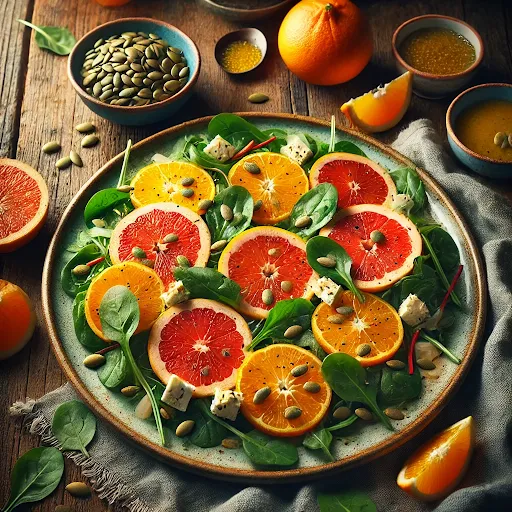
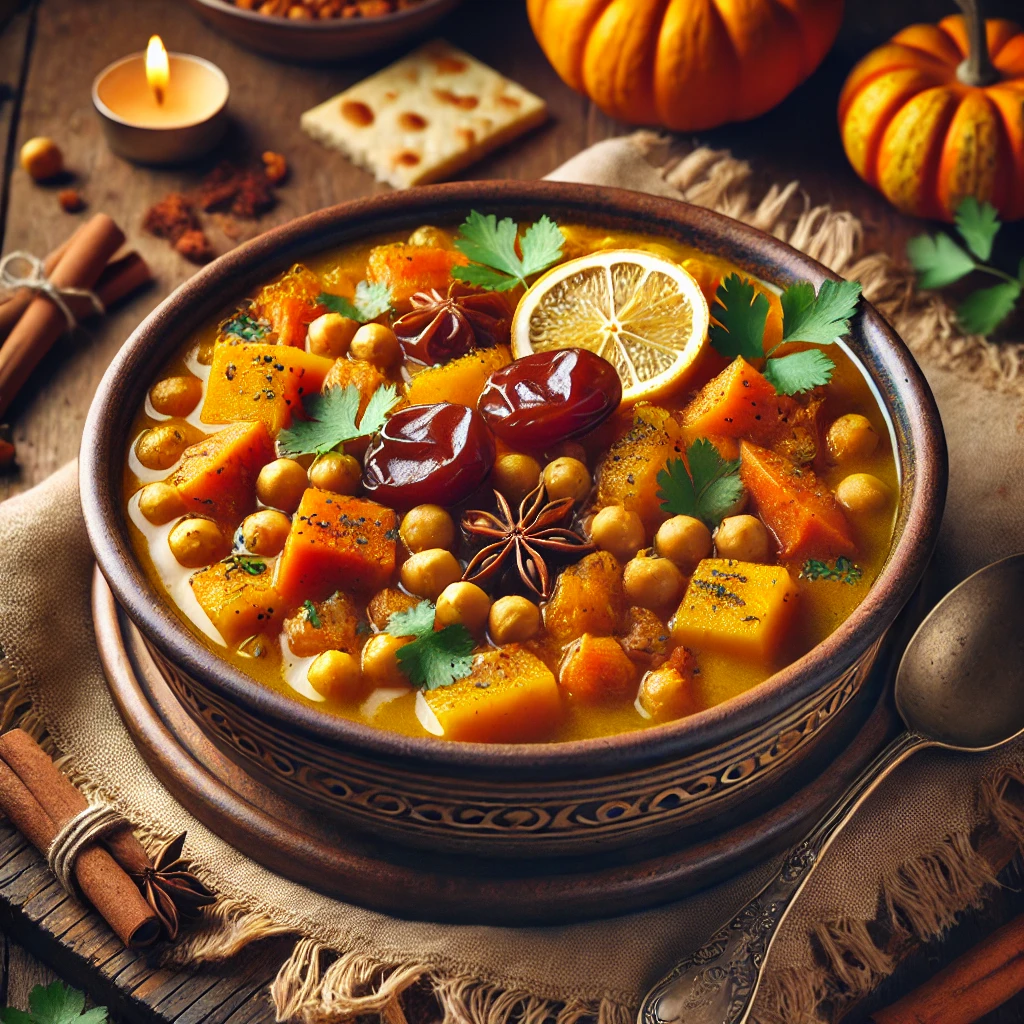
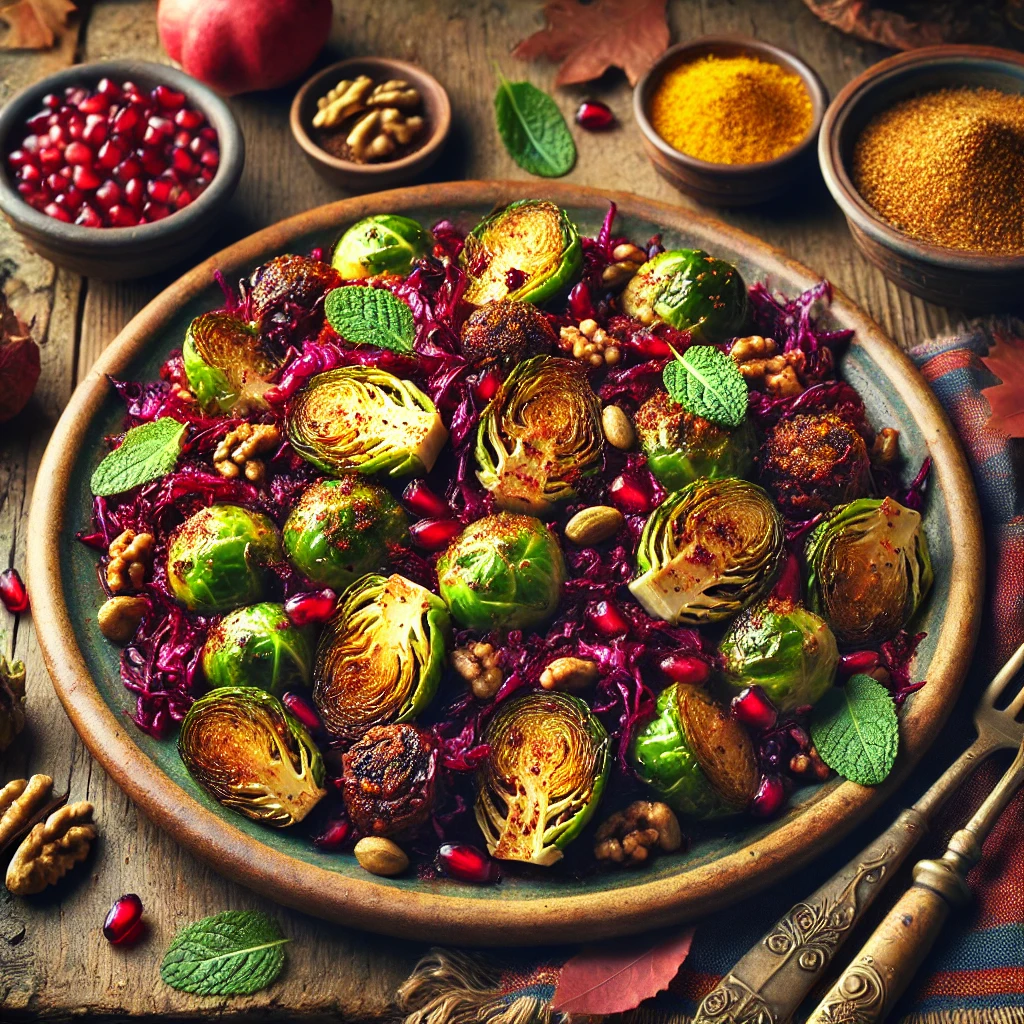
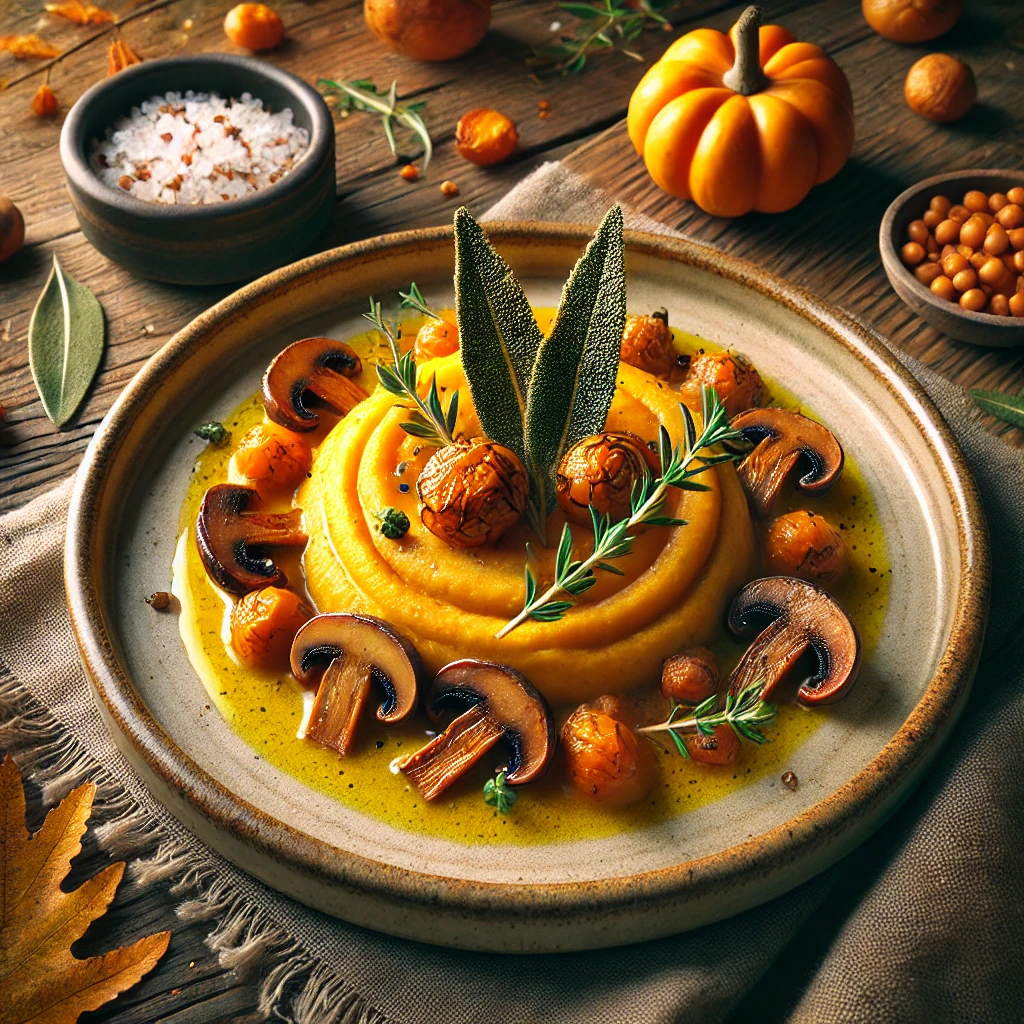
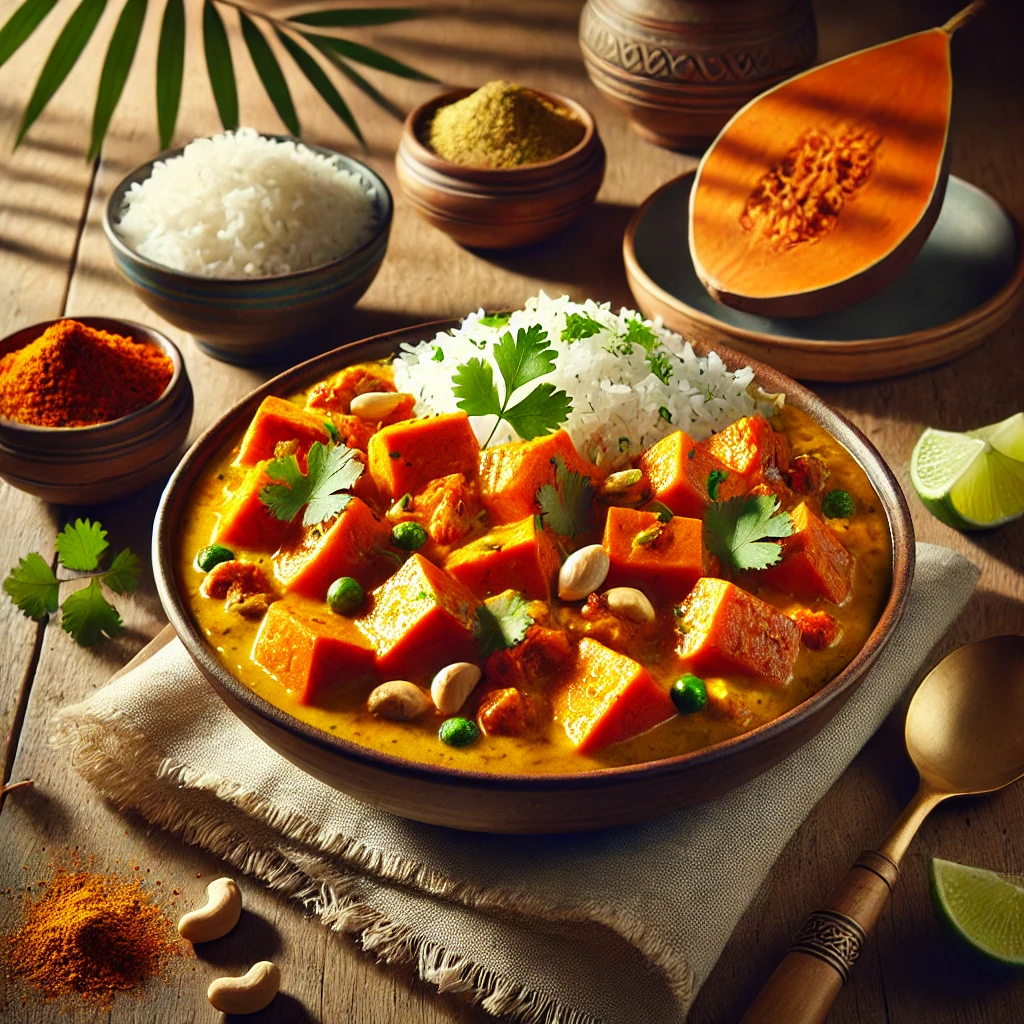
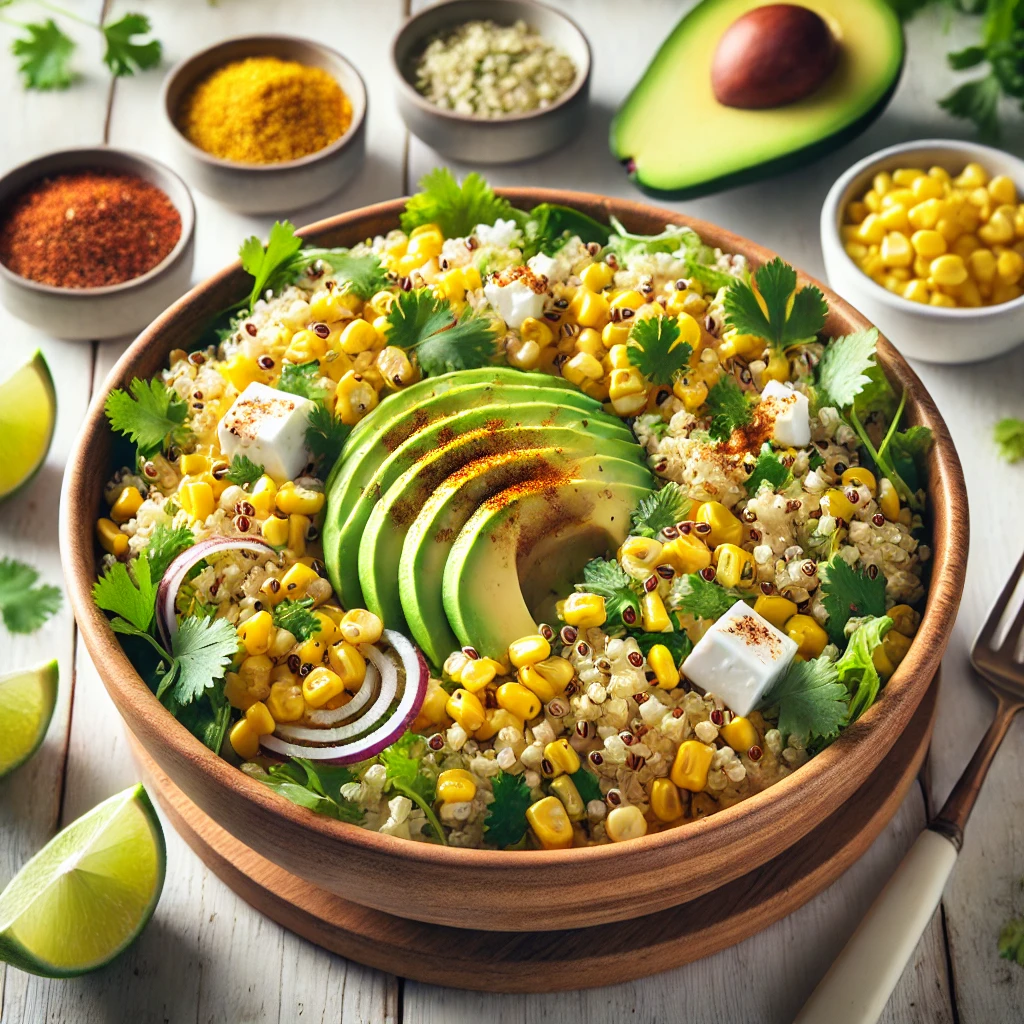
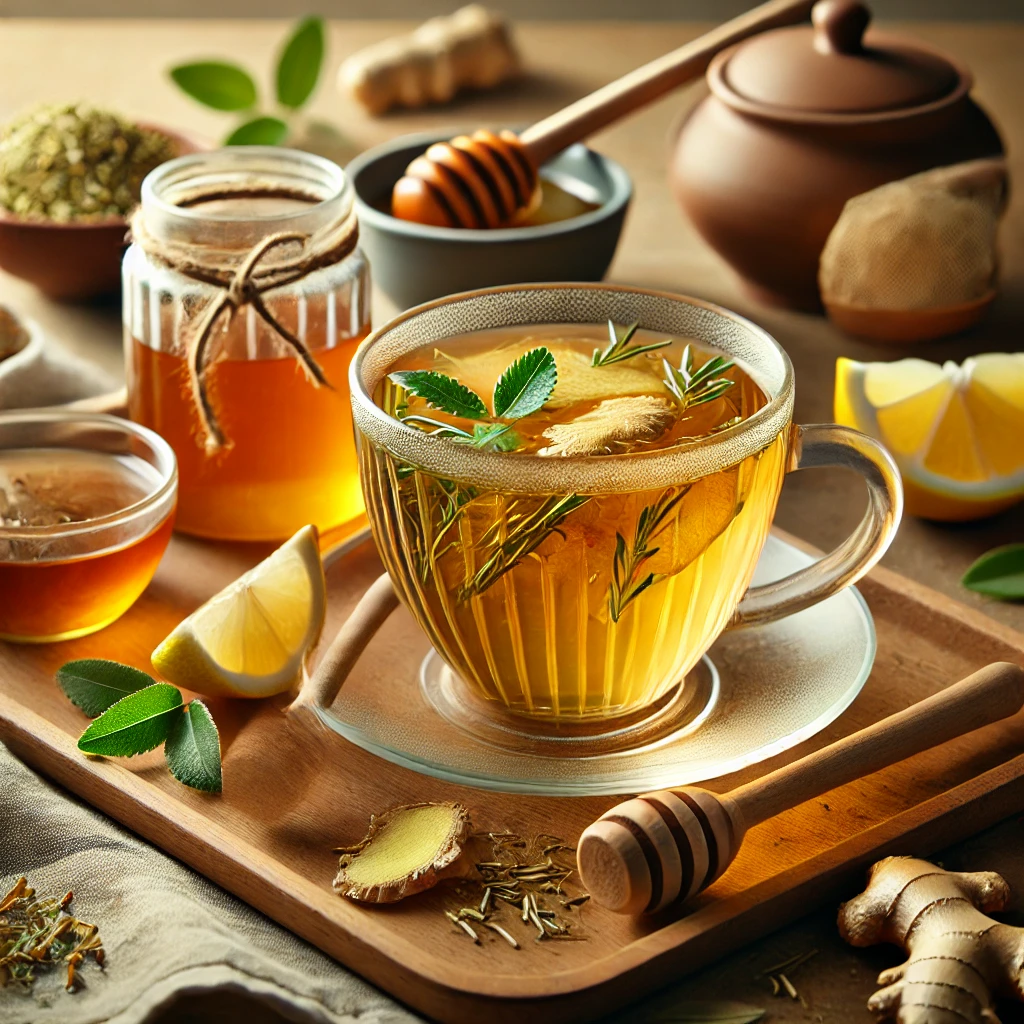
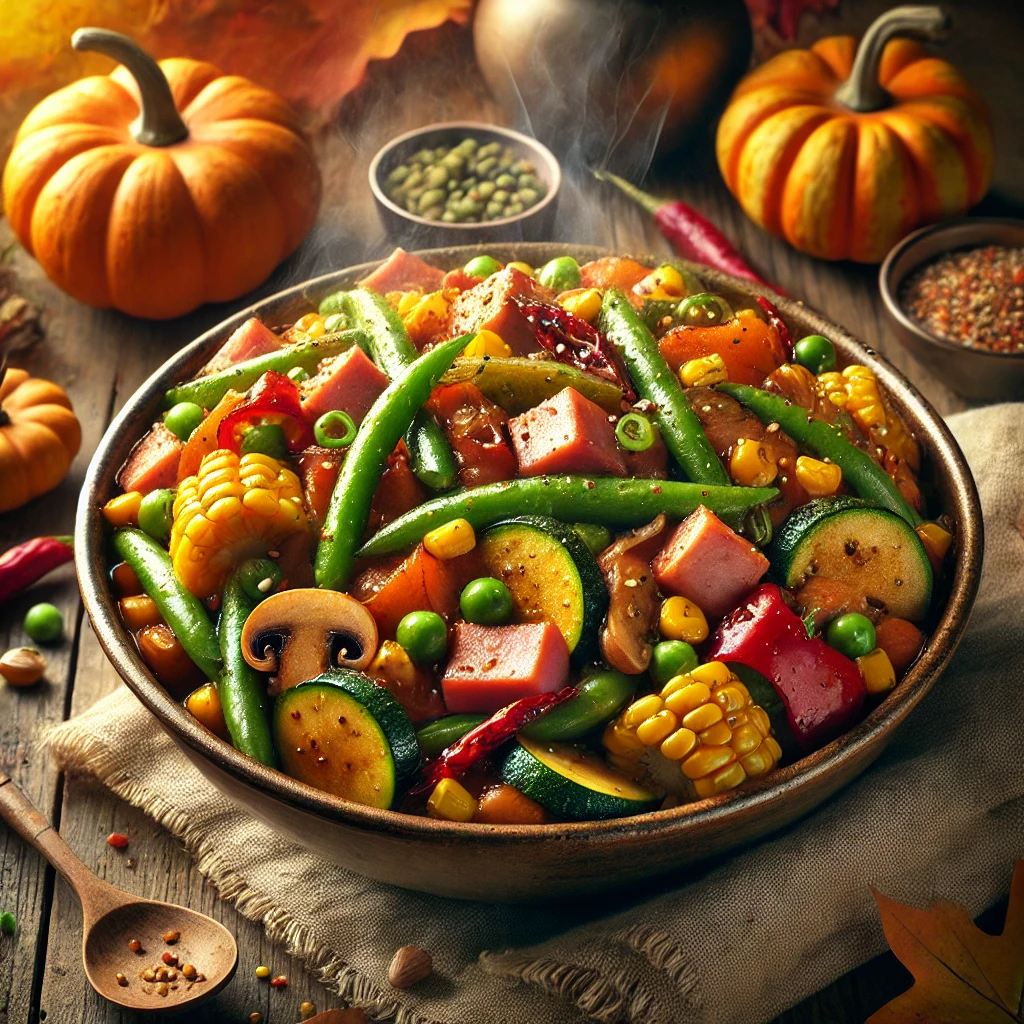
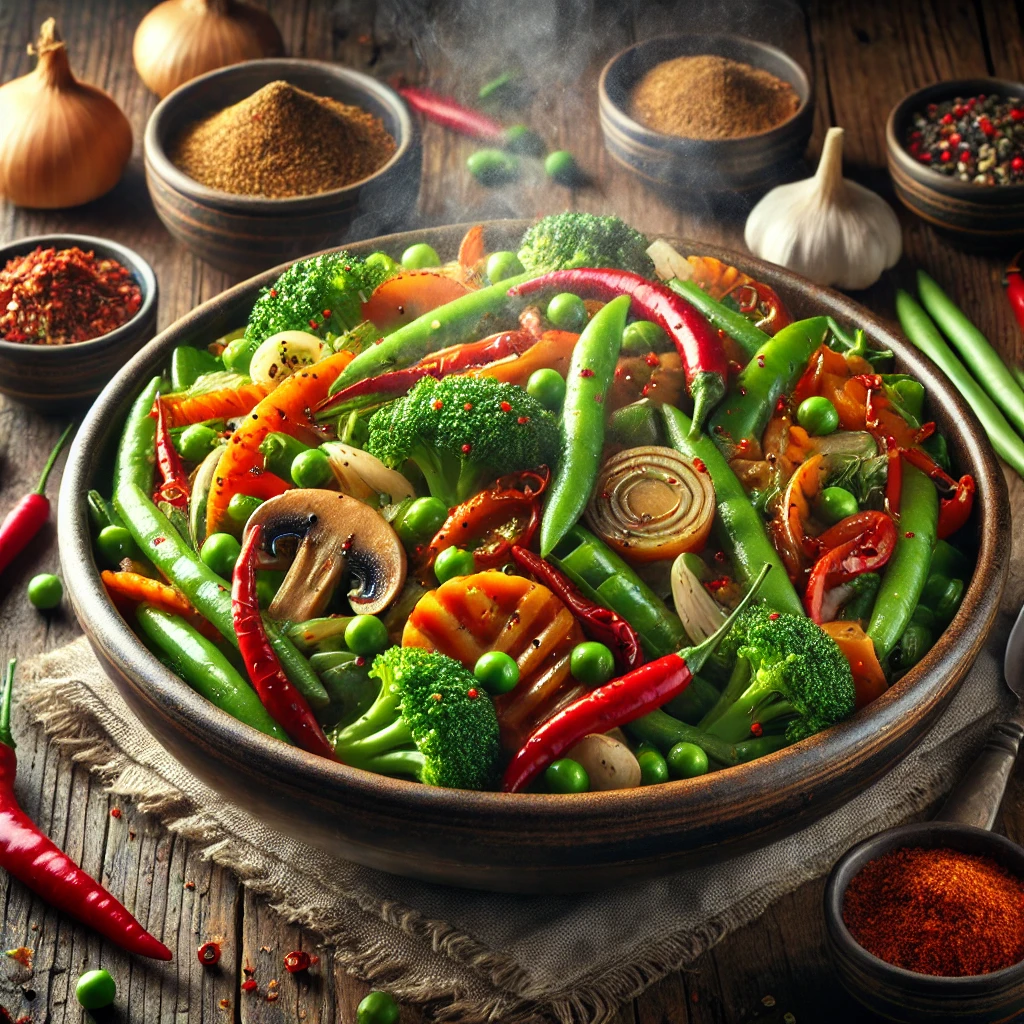
Recipes Engineered for Autumn Glory