















Trinity Sunday

with ORO VALENTIO

The First Sunday After Pentecost

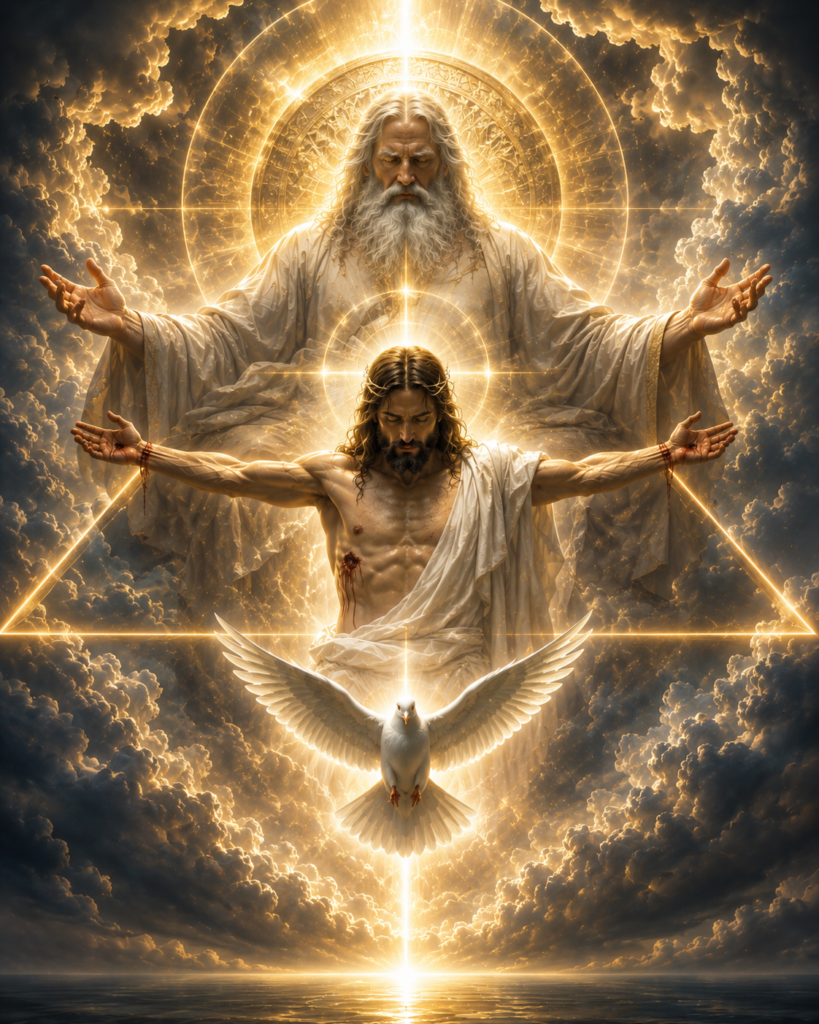
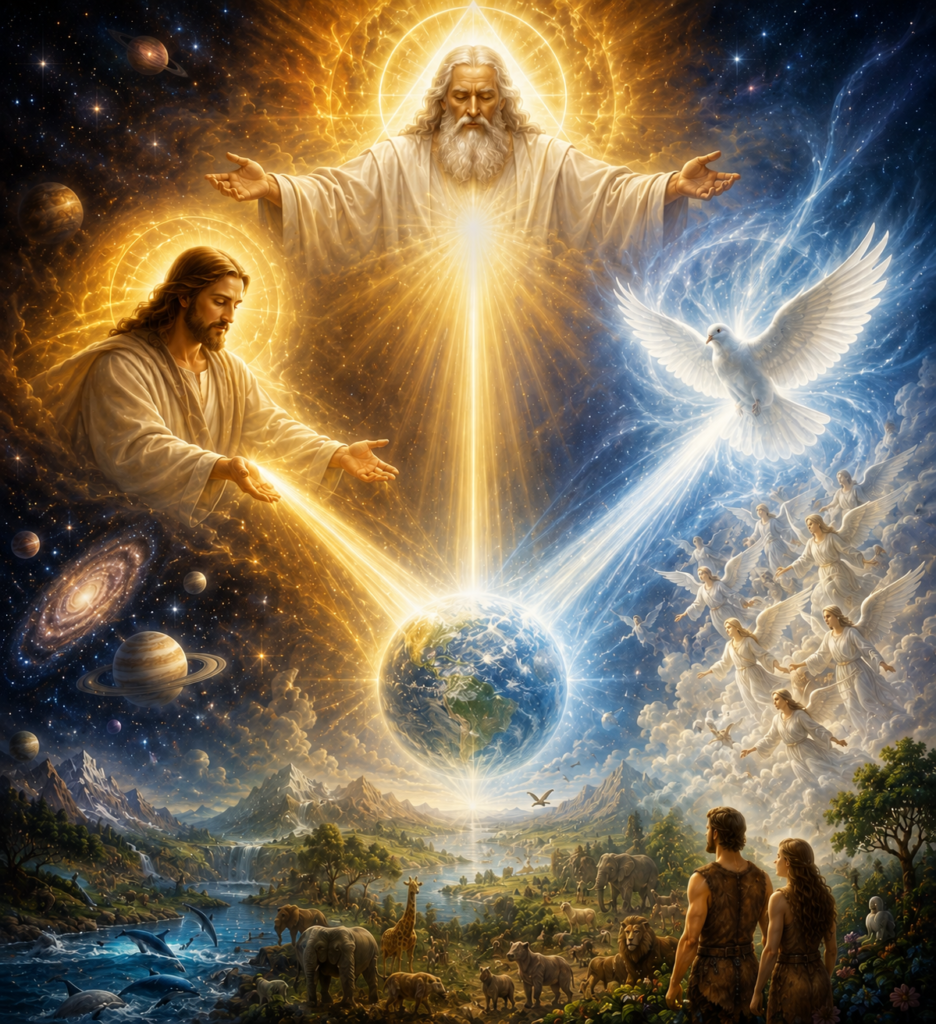
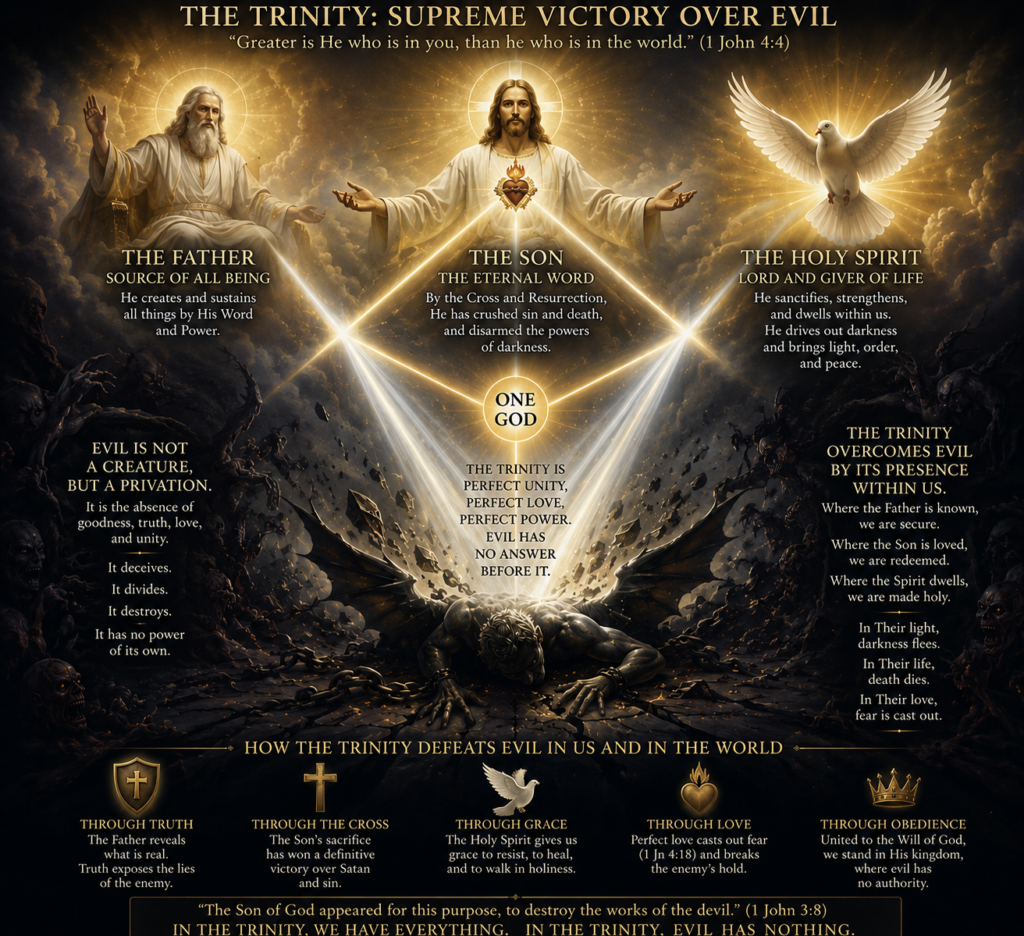
The Holy Trinity is the central mystery of the Christian faith, revealing that there is one God in three distinct and eternal Persons: the Father, the Son, and the Holy Spirit. The Father is the unoriginate source within the Trinity, the Son—Jesus Christ—is eternally begotten of the Father and became incarnate for our salvation, and the Holy Spirit proceeds from the Father and the Son as the divine Person of Love. As taught by the Church and explained by theologians such as St. Thomas Aquinas, these three Persons are not separate gods but one divine essence, possessing one divine intellect and one divine will. The Persons are distinguished only by their relations of origin: the Father begets, the Son is begotten, and the Holy Spirit proceeds. This mystery, though beyond full human understanding, has been revealed by God and invites the faithful into a living relationship with Him, who is an eternal communion of love into which we are drawn through grace.

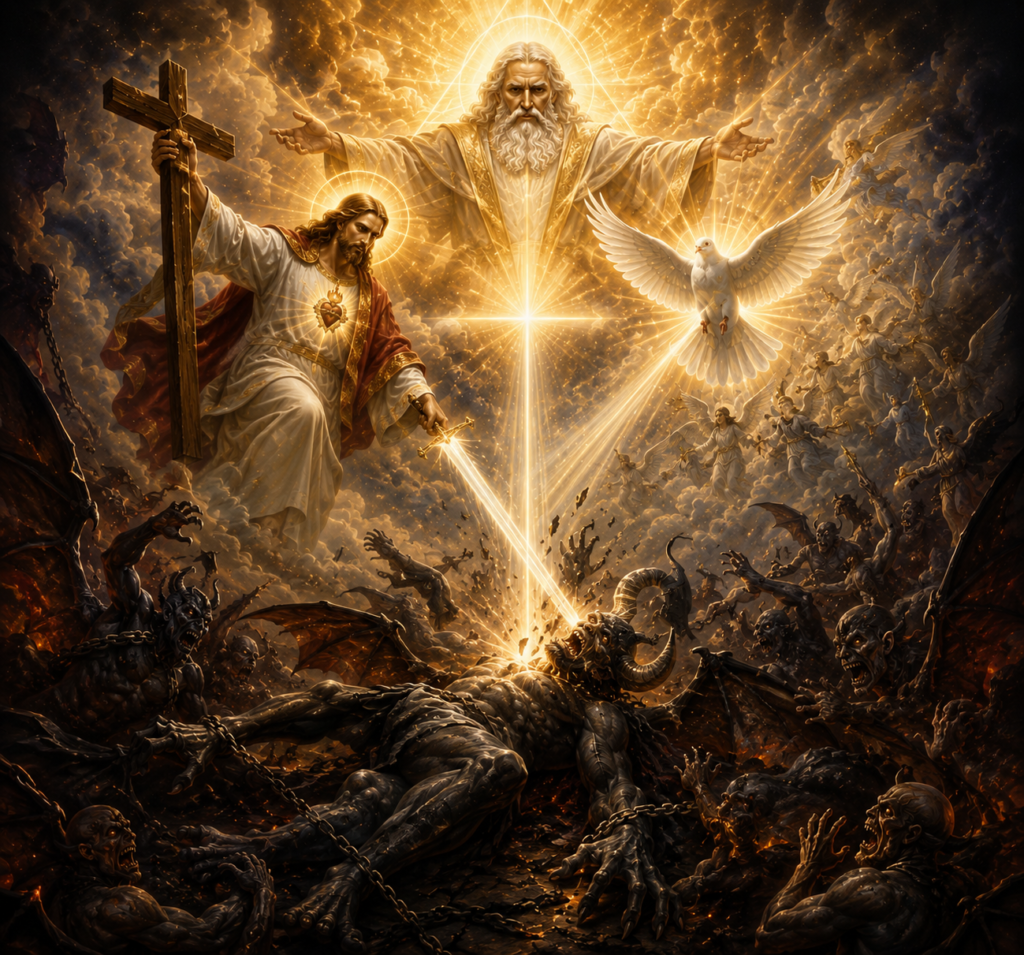
Trinity Sunday is celebrated on the Sunday after Pentecost and is dedicated to the central mystery of the Christian faith: that God is one in essence and three distinct Persons—Father, Son, and Holy Spirit—who are co-equal and co-eternal. Rather than focusing on a single event in salvation history, this feast invites the faithful to contemplate the inner life of God Himself, a mystery revealed by Christ and articulated by the Church, especially in the Catechism (CCC 232–267). Scripture points to this truth in moments such as the baptism of Jesus and the command to baptize all nations in the name of the three divine Persons. The great Doctors of the Church, including St. Thomas Aquinas, teach that while human reason cannot fully comprehend the Trinity, it can help clarify what has been revealed, describing the Son as the eternal Word of the Father and the Holy Spirit as the eternal Love proceeding from both. This mystery is not abstract but deeply personal, since through baptism we are brought into participation in the very life of the Trinity, called to live in communion, love, and unity. Spiritual authorities such as Fr. Chad Ripperger and Fr. Gabriel Amorth emphasize that the Trinity is also the source of all spiritual order and authority, and that invoking the Triune God has real power in the spiritual life, especially against evil. Trinity Sunday therefore serves as both a theological summit and a practical reminder that every aspect of Christian life—from prayer to the sacraments—is rooted in and directed toward the life of the Triune God.

Glory to the Father, and to the Son, and to the Holy Spirit—one God, living & reigning forever


We learn about the Holy Trinity because it is the deepest truth about who God is and the foundation of everything we believe as Christians. Understanding the Trinity helps us know that God is not solitary, but an eternal communion of love between the Father, the Son, and the Holy Spirit, and that we are created to share in that love. As taught by the Church and explained by theologians like St. Thomas Aquinas, all of salvation—creation, redemption, and sanctification—flows from the Trinity, so to know God rightly, we must know Him as Triune. Learning about the Trinity also deepens our prayer and spiritual life, since every prayer is directed to the Father, through the Son, in the Holy Spirit. Spiritual writers such as Fr. Chad Ripperger emphasize that understanding and invoking the Trinity brings order to the soul and strengthens us against evil, making this knowledge not only theological, but essential for living a faithful and holy life.

Trinity Sunday Traditions to Make Your Own

White liturgical vestments, such as the chasuble worn by priests during Mass, symbolize purity, holiness, joy, and the glory of God. In the tradition of the Church, white is associated with the highest feasts, especially those that celebrate Christ, the Blessed Virgin Mary, and the great mysteries of the faith. On Trinity Sunday, priests wear white vestments because the feast honors the Most Holy Trinity, the central mystery of the Christian faith and the source of all light, truth, and holiness. The brightness of white reflects the divine glory, holiness, and heavenly light associated with the Father, Son, and Holy Spirit, while also expressing the joy of being called into communion with God through grace. As explained by St. Thomas Aquinas and the Church's theological tradition, all sanctification is the work of the one Triune God and is communicated to the faithful through grace. The use of white therefore serves as a visible reminder of the divine life to which Christians are called. In a spiritual sense, as noted by writers such as Fr. Chad Ripperger, the order, symbolism, and beauty of the liturgy help elevate the mind and heart toward divine realities. Thus, the wearing of white on Trinity Sunday is not merely symbolic, but a sacred liturgical sign that directs the faithful toward contemplation of the beauty, holiness, and order of the Triune God.
Reverent Sign of the Cross
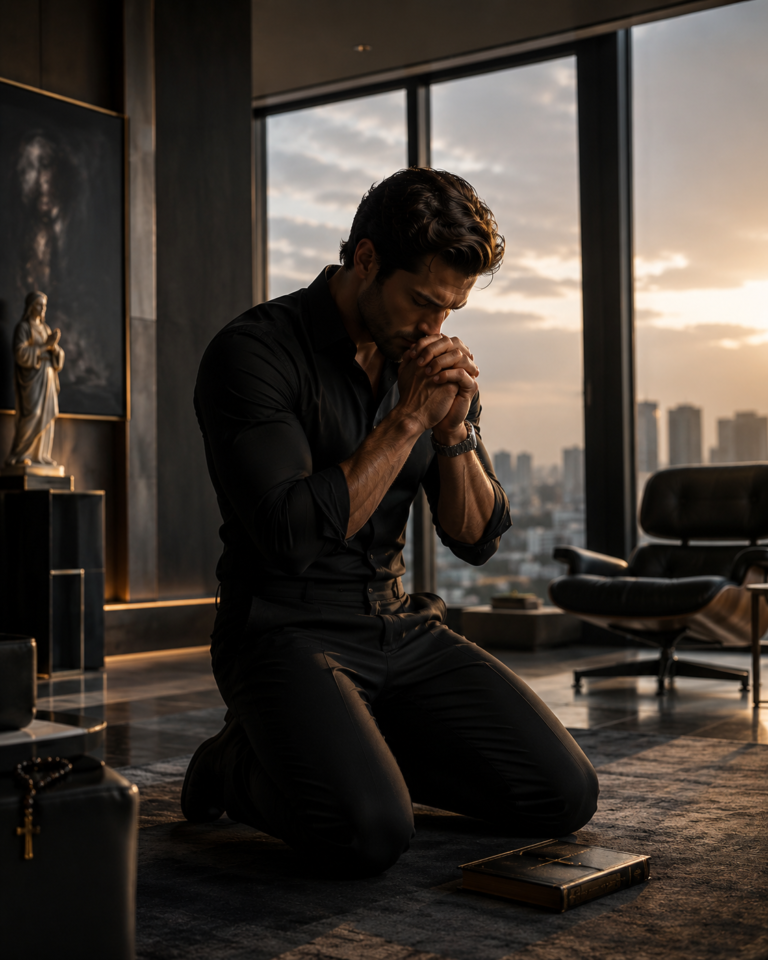
The faithful are encouraged to make the Sign of the Cross slowly and intentionally, recognizing it as a profession of faith in the Father, Son, and Holy Spirit and a reminder that all of life begins and ends in the Trinity.
Glory Be (Doxology)
Special attention is given to praying the “Glory Be,” a short but powerful prayer of praise to the Trinity, often said more deliberately on this feast.
White Liturgical Vestments
Priests wear white vestments at Mass to symbolize the glory, purity, and unity of the Triune God, emphasizing the solemnity of the feast.
Catechesis on the Trinity
Homilies and teaching often focus on explaining the mystery of the Trinity, drawing from saints like St. Augustine and St. Thomas Aquinas to deepen understanding.
Eucharistic Adoration and Prayer
Many spend time in adoration or personal prayer, reflecting on how they are called into communion with the Trinity through grace.
Invocation of the Trinity in Spiritual Life
Following insights from spiritual writers like Fr. Chad Ripperger, invoking the Trinity in prayer is seen as a way to align with divine order and grow in spiritual strength.

A Prayer for Trinity Sunday

O Most Holy Trinity,
Father, Son, and Holy Spirit, I adore You with all my heart.
I thank You for revealing Yourself to us and for calling me to share in Your divine life through grace.
Father, source of all goodness, guide my steps this day.
Jesus, my Savior and Redeemer, draw me ever closer to Your Sacred Heart.
Holy Spirit, sanctify my soul and fill me with Your light, wisdom, and truth.
Help me to live in faith, hope, and charity, reflecting the love and unity of the Blessed Trinity in my thoughts, words, and actions. May all that I do today give glory to You, who live and reign, one God, forever and ever.
Amen.
We pray this prayer because it helps us enter into a living relationship with the Holy Trinity, not merely understand this mystery intellectually. Prayer lifts our minds and hearts to God, enabling us to offer Him the worship, thanksgiving, and love that are due to Him as Father, Son, and Holy Spirit. As taught by the Church and explained by saints such as St. Thomas Aquinas, prayer is an act of the virtue of religion by which we rightly order ourselves toward God, acknowledging Him as our Creator, source, and ultimate end. This particular prayer also helps us consciously relate to each Person of the Trinity according to His revealed mission: looking to the Father as the source of all good gifts, to the Son as our Redeemer, and to the Holy Spirit as the One who sanctifies and strengthens us in grace. By directing our hearts toward the Triune God, we grow in faith, hope, and charity and deepen our awareness of God's presence in our daily lives. Spiritual writers such as Fr. Chad Ripperger emphasize that structured and intentional prayer helps bring order to the soul and strengthens the Christian in the spiritual life. Thus, praying in honor of the Most Holy Trinity not only gives glory to God but also draws us more deeply into His divine life and helps us remain faithful under His loving providence and care.

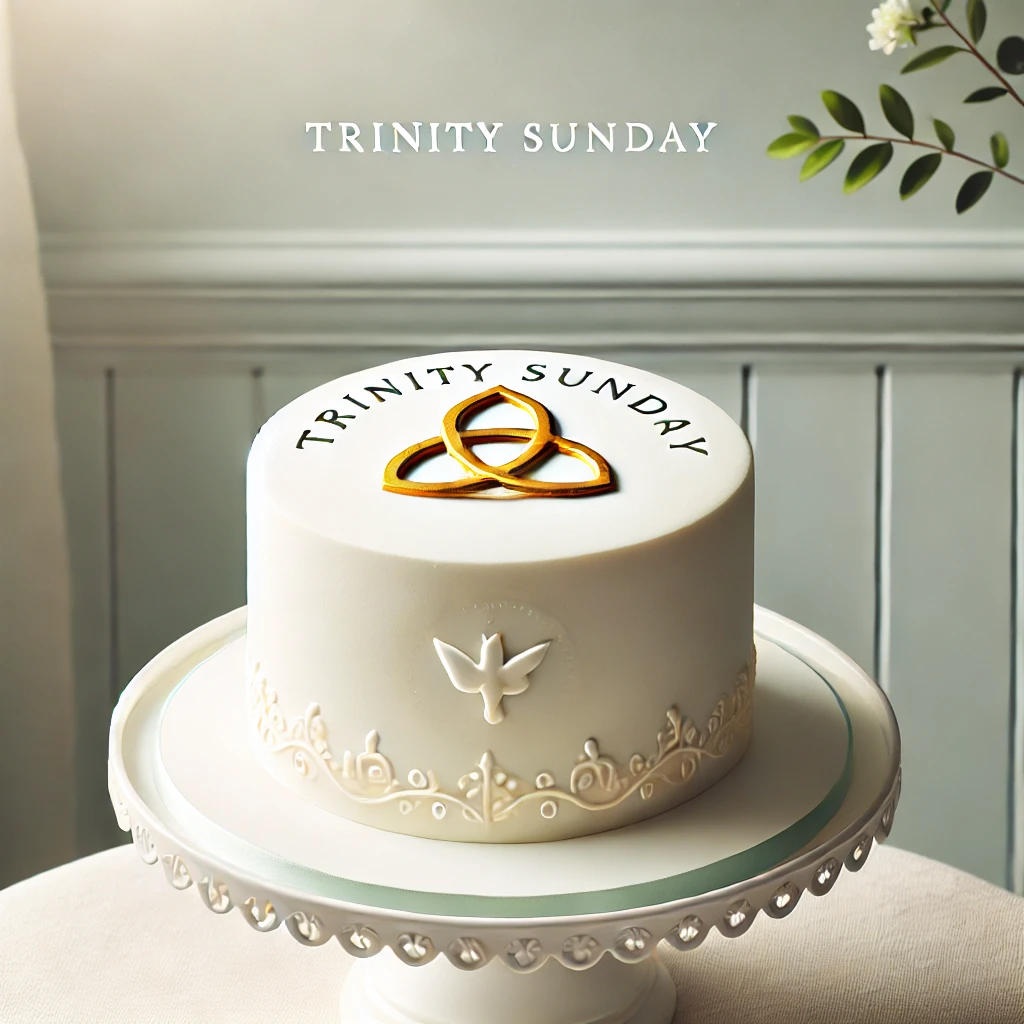
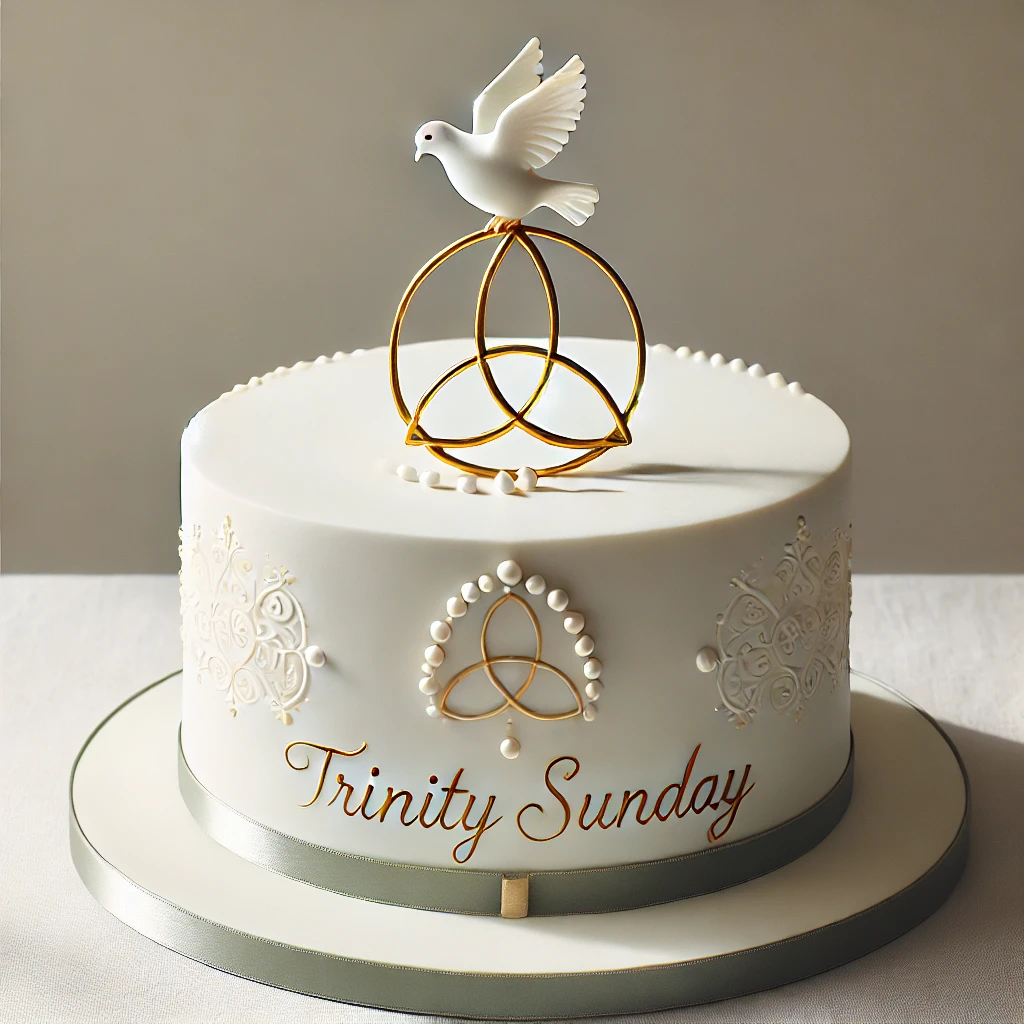
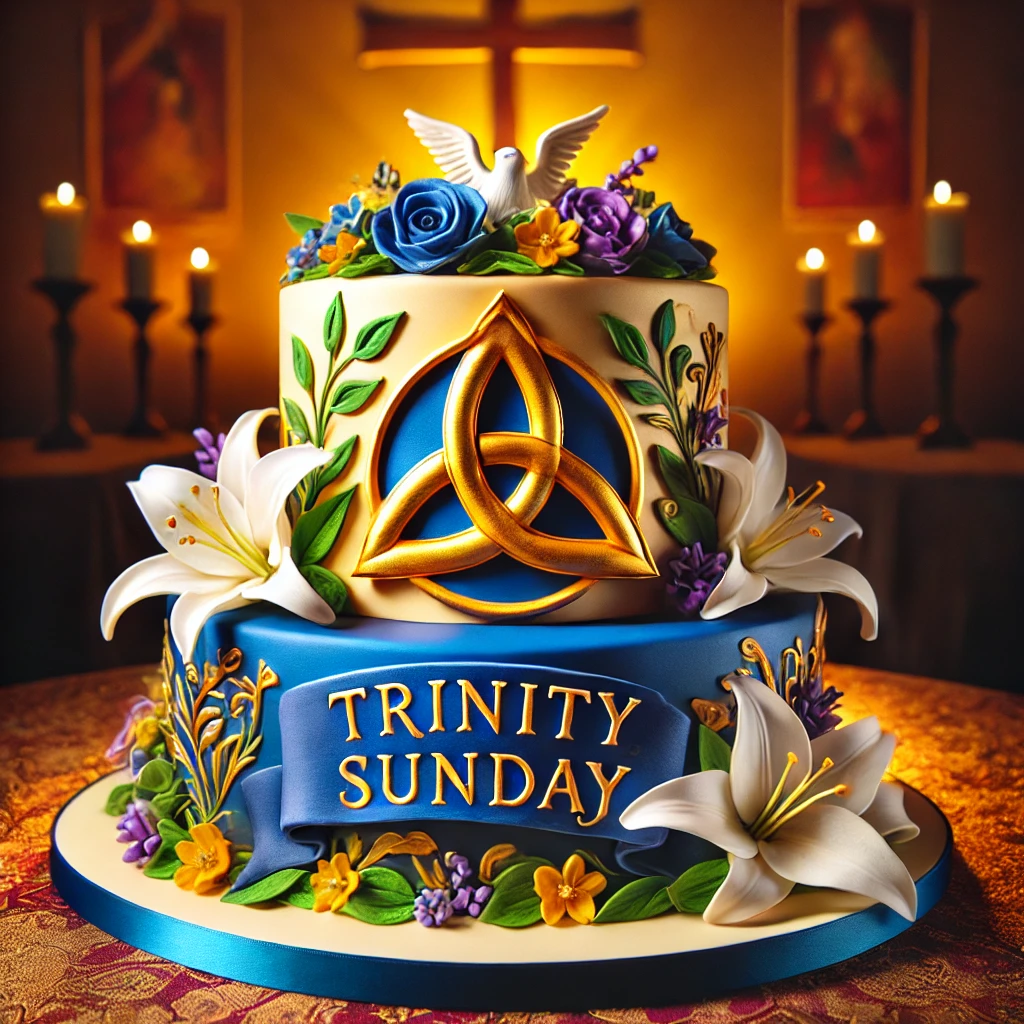
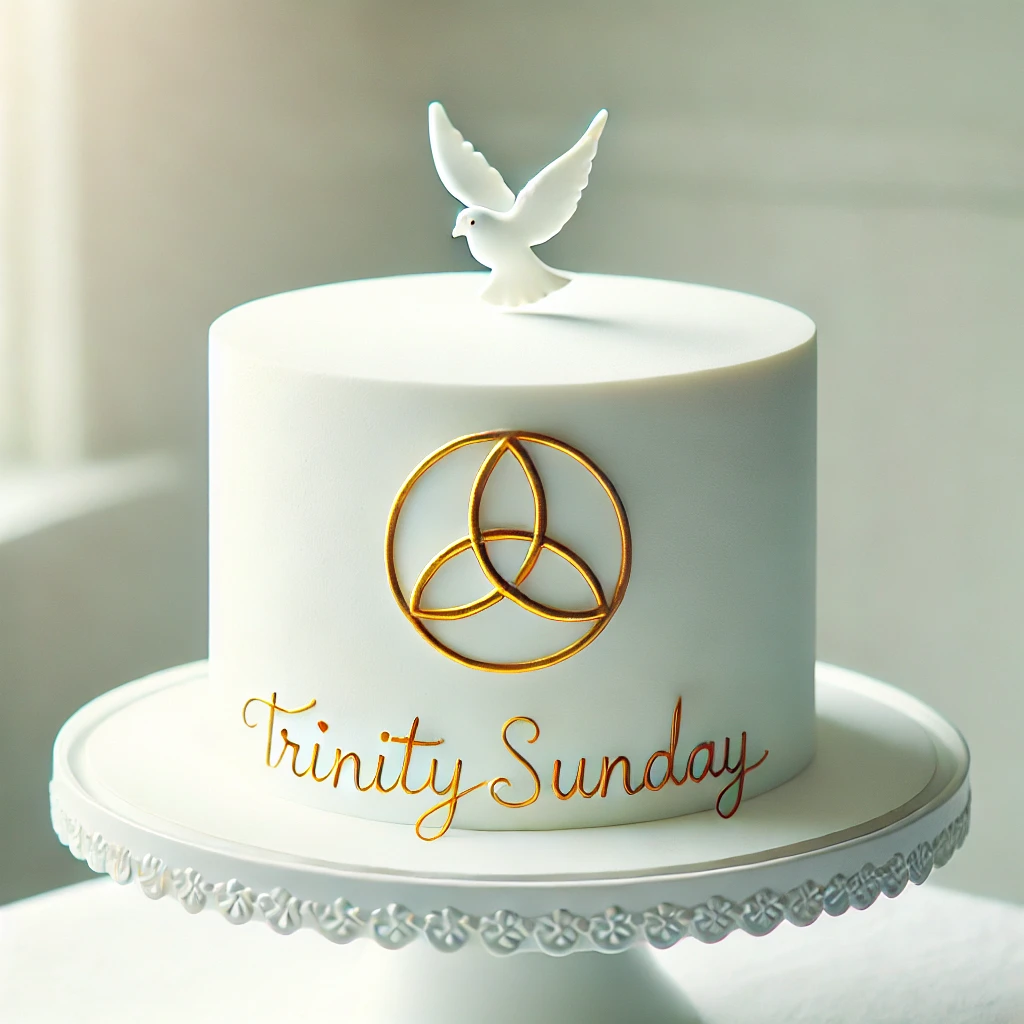
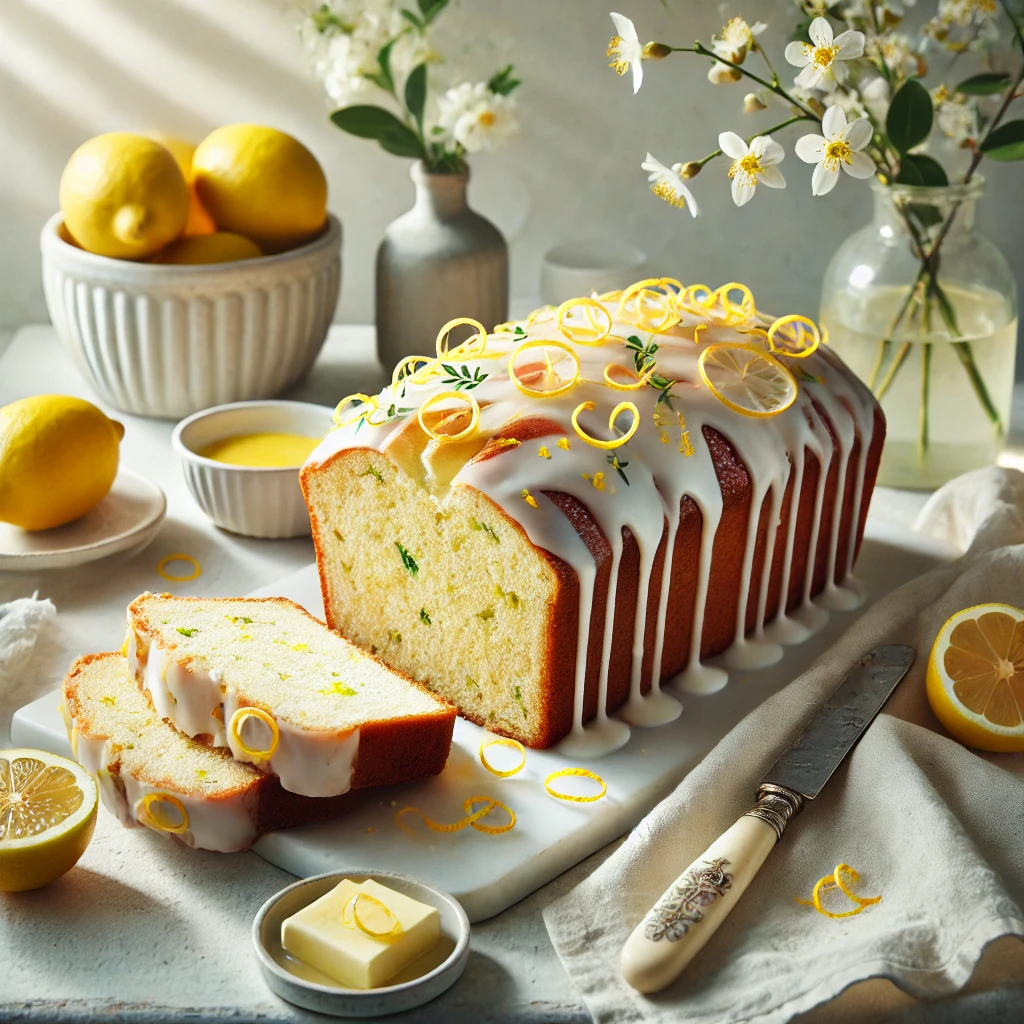
Trinity Sunday Cake & Atmosphere Ideas

Where style, memory, and celebration meet.

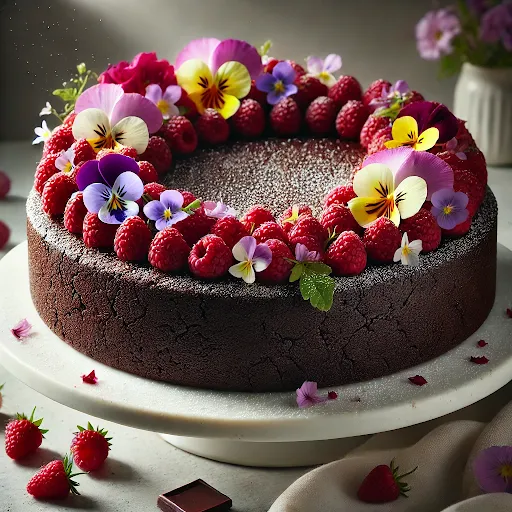
This section is meant to be more than Cake Decorating Ideas… it’s designed to spark inspiration and creativity, awaken tradition, and infuse your special occasions with style, identity, and atmosphere. A color palette becomes a theme. A design becomes a mood. Simple details—like sugared holly leaves or shimmering stars—can set the tone for a gathering and become part of cherished traditions and lasting memories melded with personal touch and love.

Traditional Trinity Sunday Dishes

Trinity Bread (Braided Bread)
A braided loaf made with three strands of dough, symbolizing the unity of the Father, Son, and Holy Spirit in one God; it is often slightly sweet and served as a centerpiece for the meal.
Three-Ingredient Cake
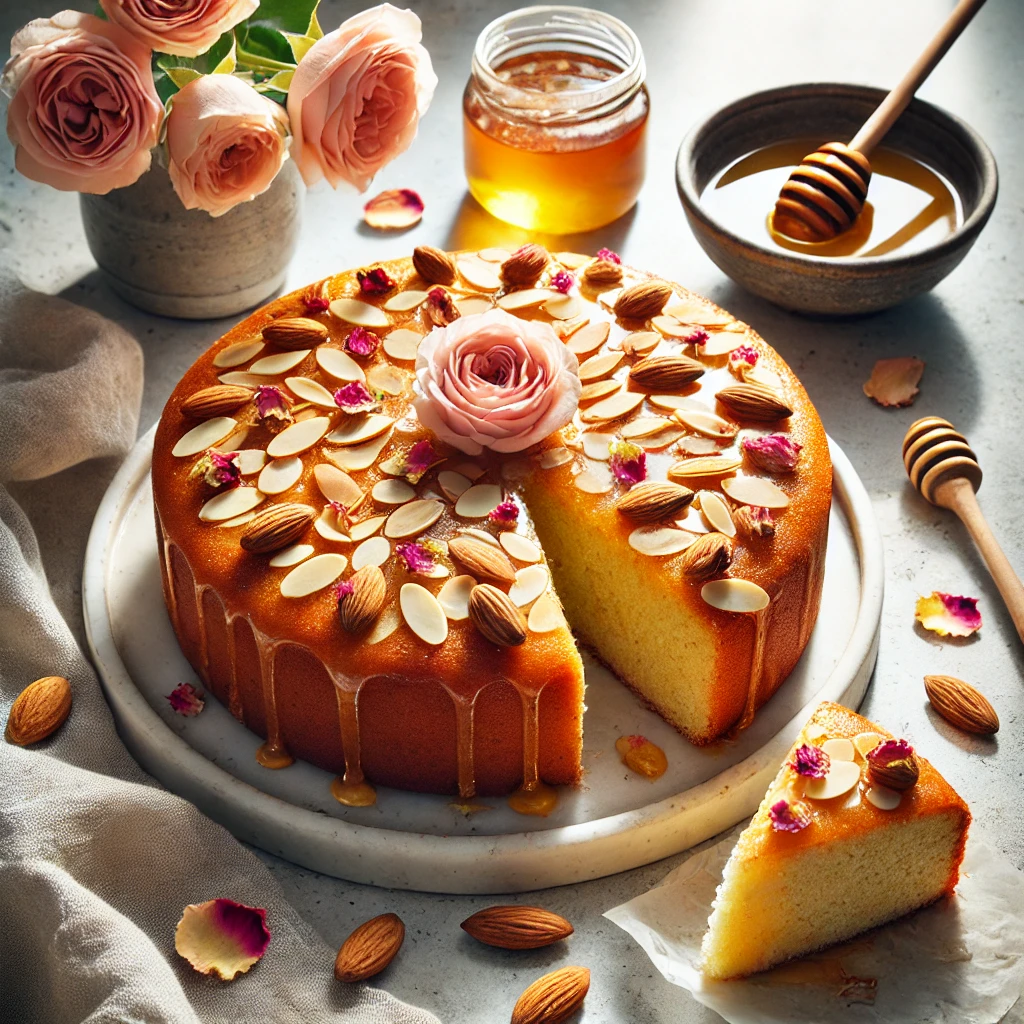
A simple cake made with three main ingredients, representing the Trinity, reminding the faithful that even in simplicity there is unity and harmony.
Tri-Colored Salad
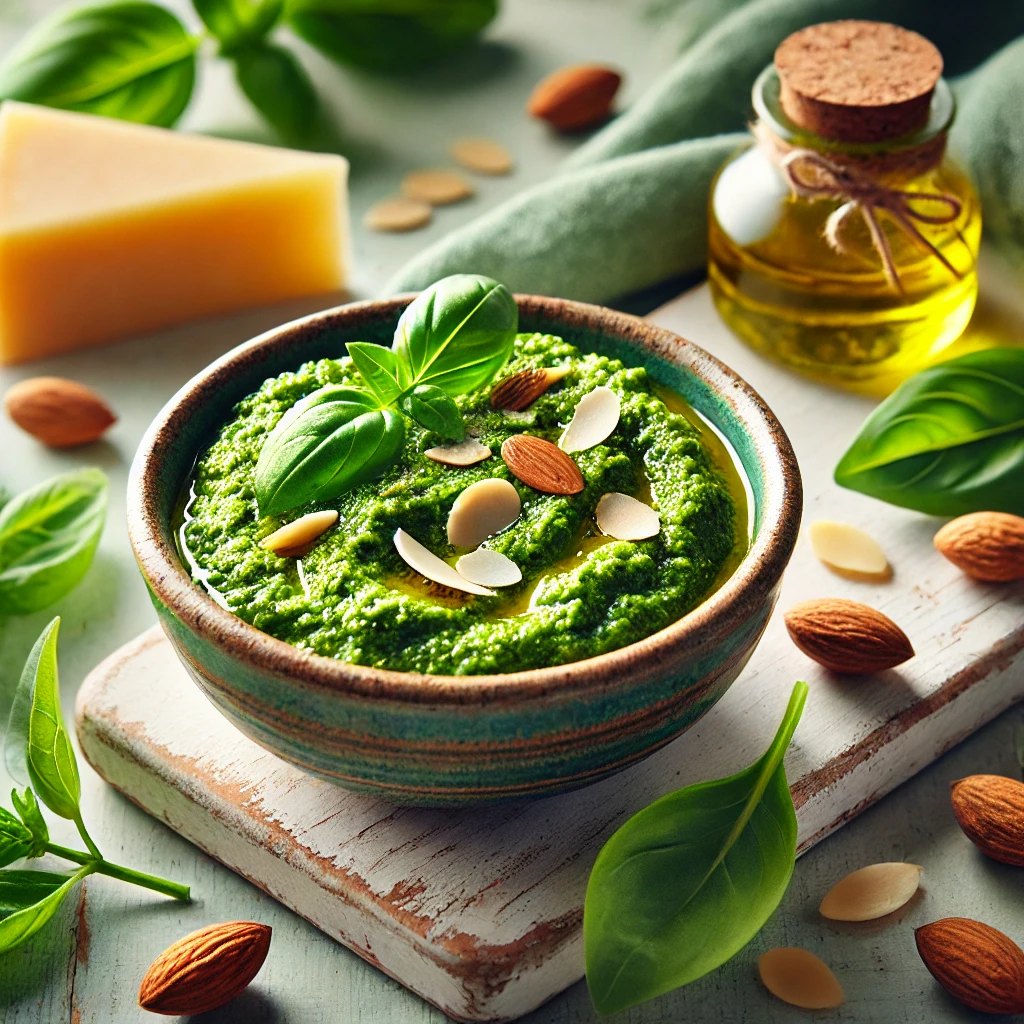
A fresh salad using three different colored ingredients (such as tomatoes, mozzarella, and basil), symbolizing the distinct Persons of the Trinity united in one dish.
Roast Feast Meal
A celebratory main dish, such as roast beef or chicken, served as part of a joyful family gathering, reflecting the unity and communion of the Trinity shared in fellowship.
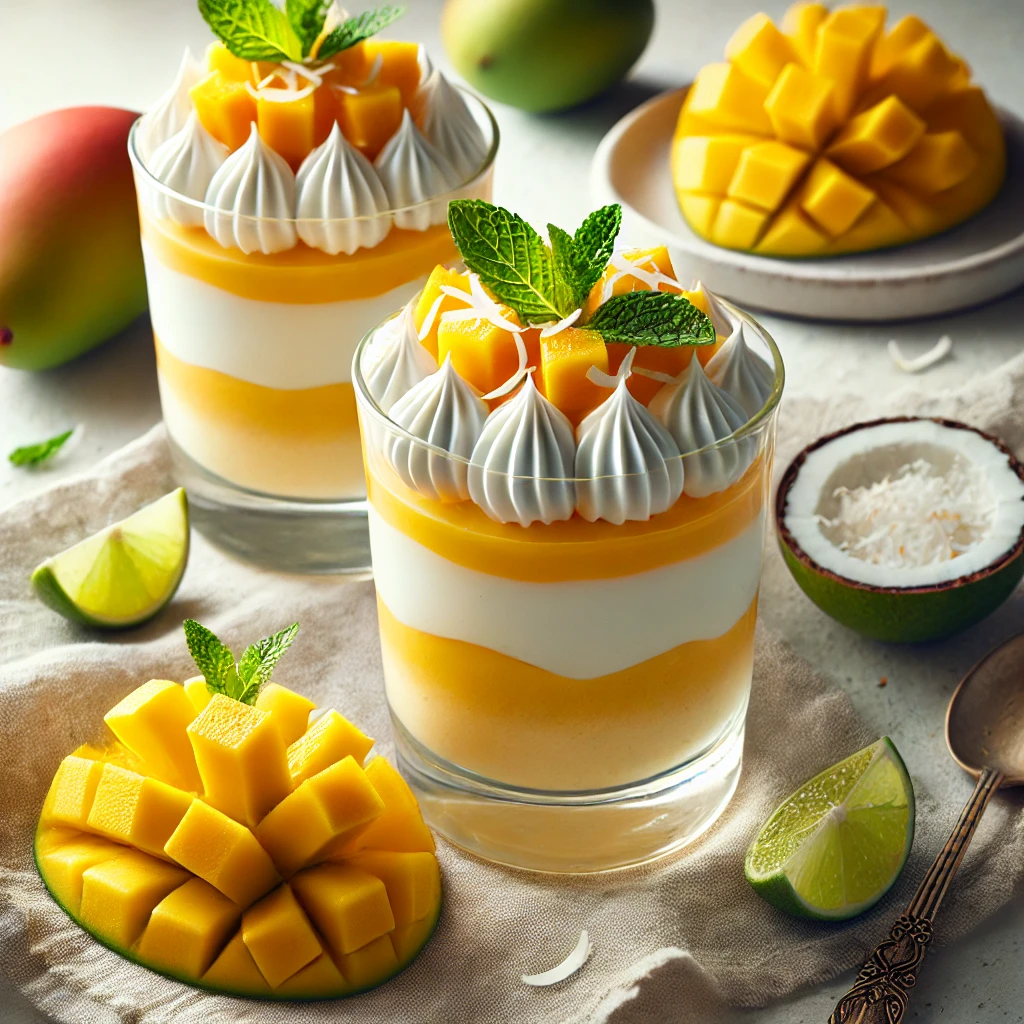
Three-Flavored Dessert
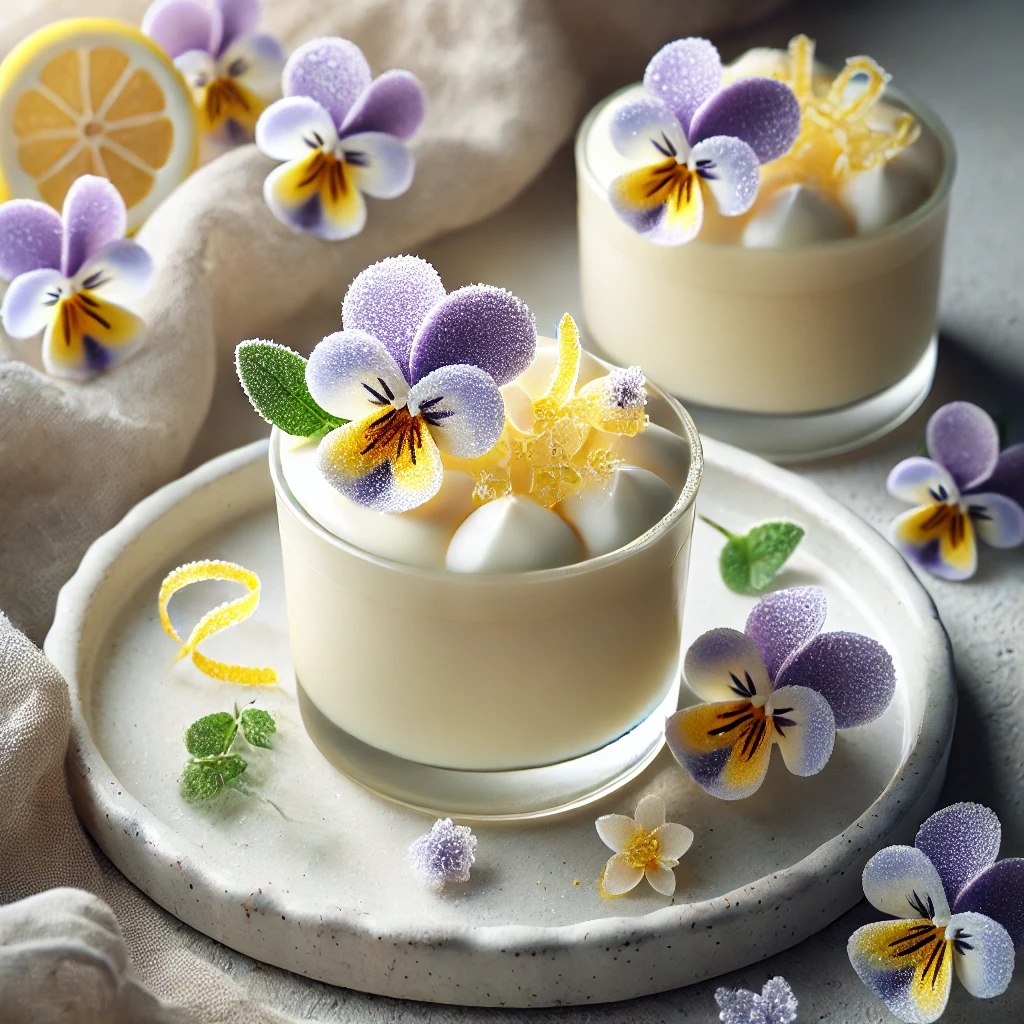
Desserts like Neapolitan-style treats or layered trifles with three flavors, representing the three divine Persons while maintaining one unified dish.

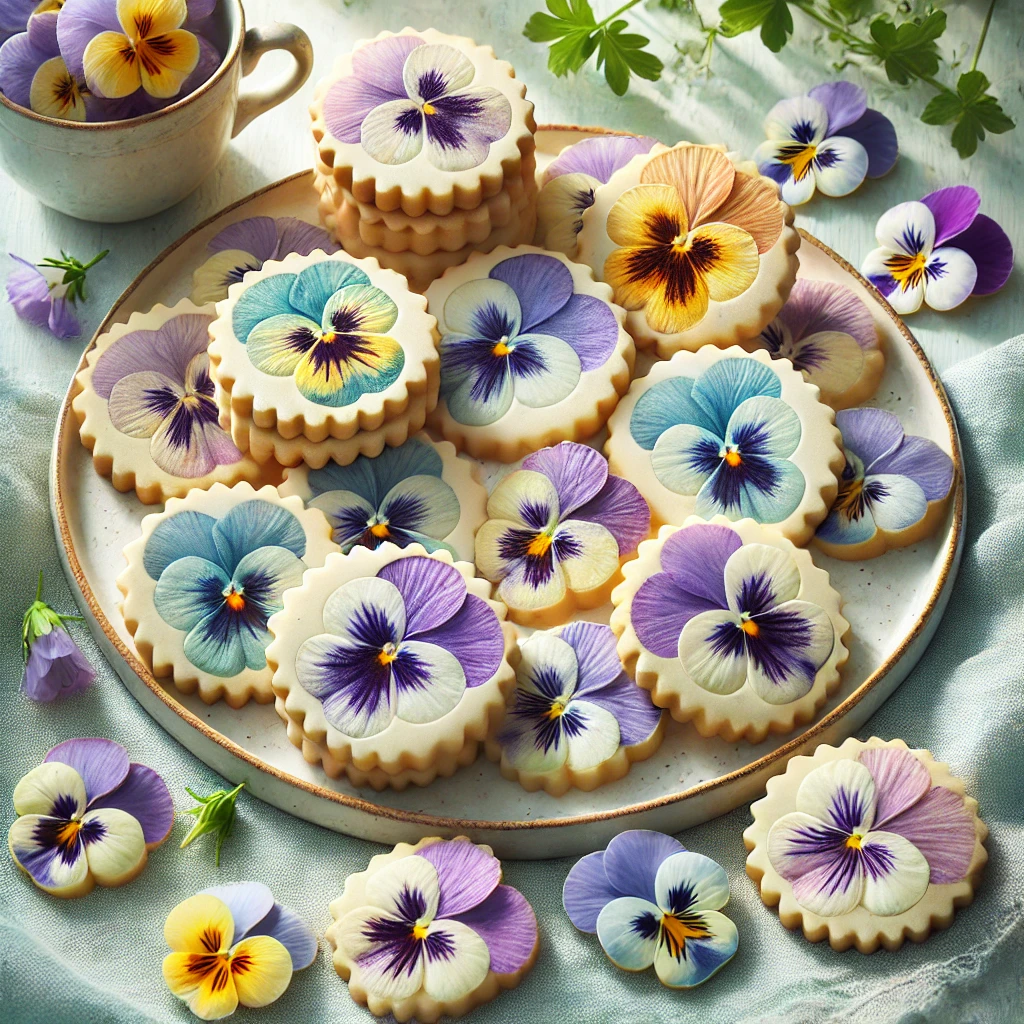
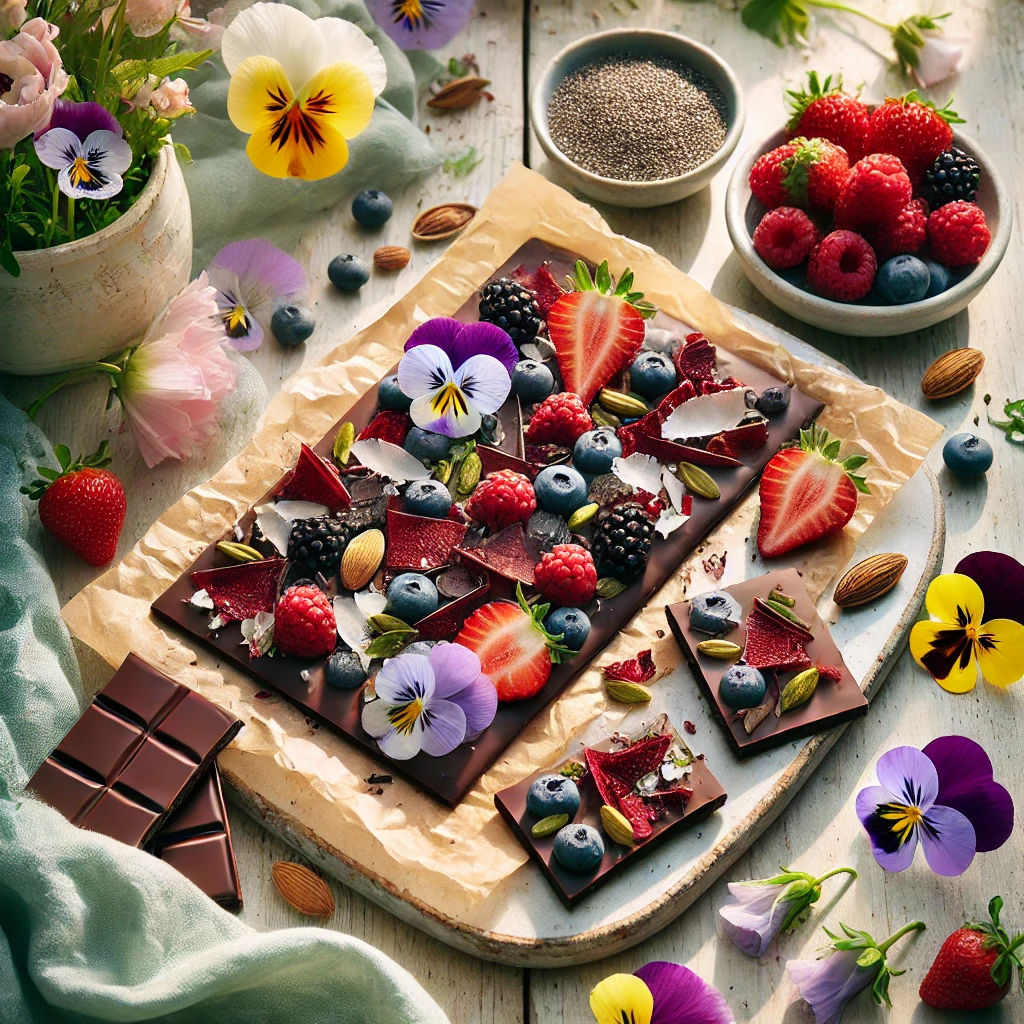
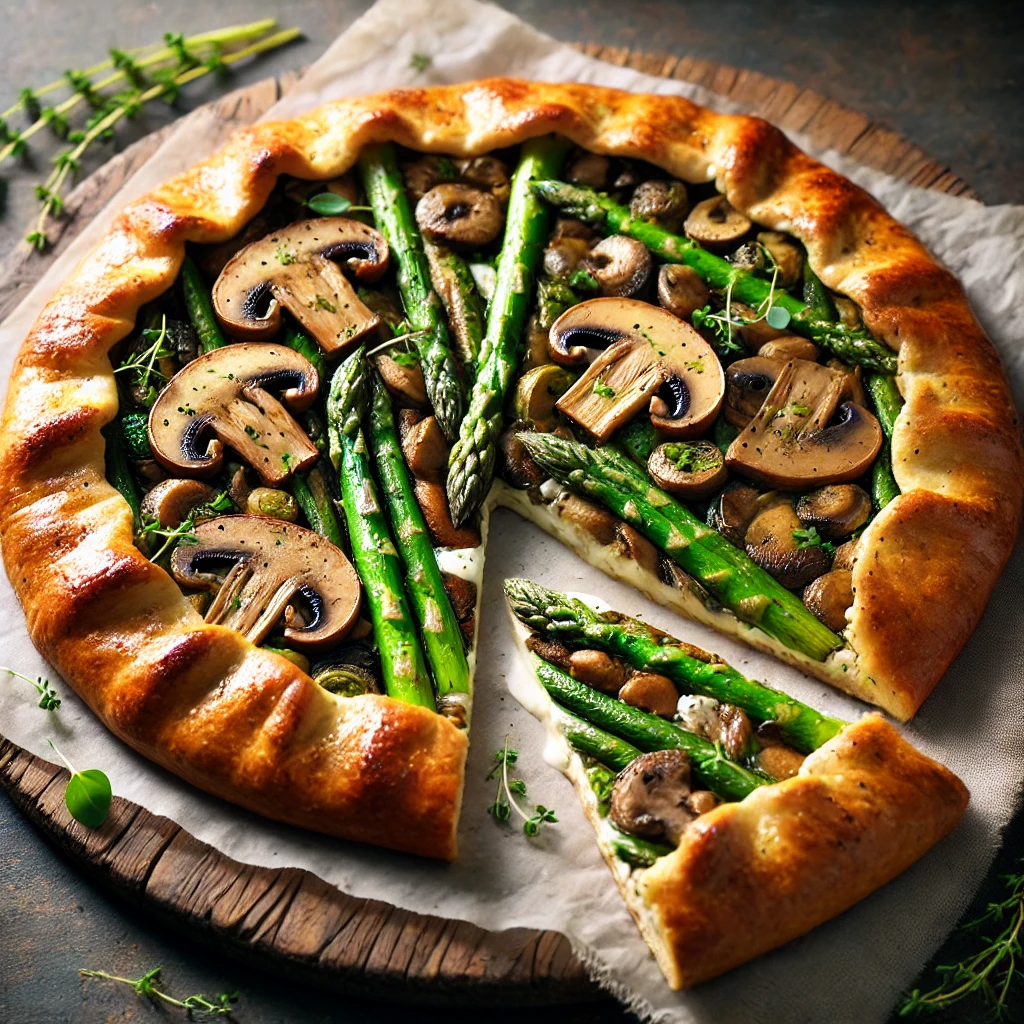
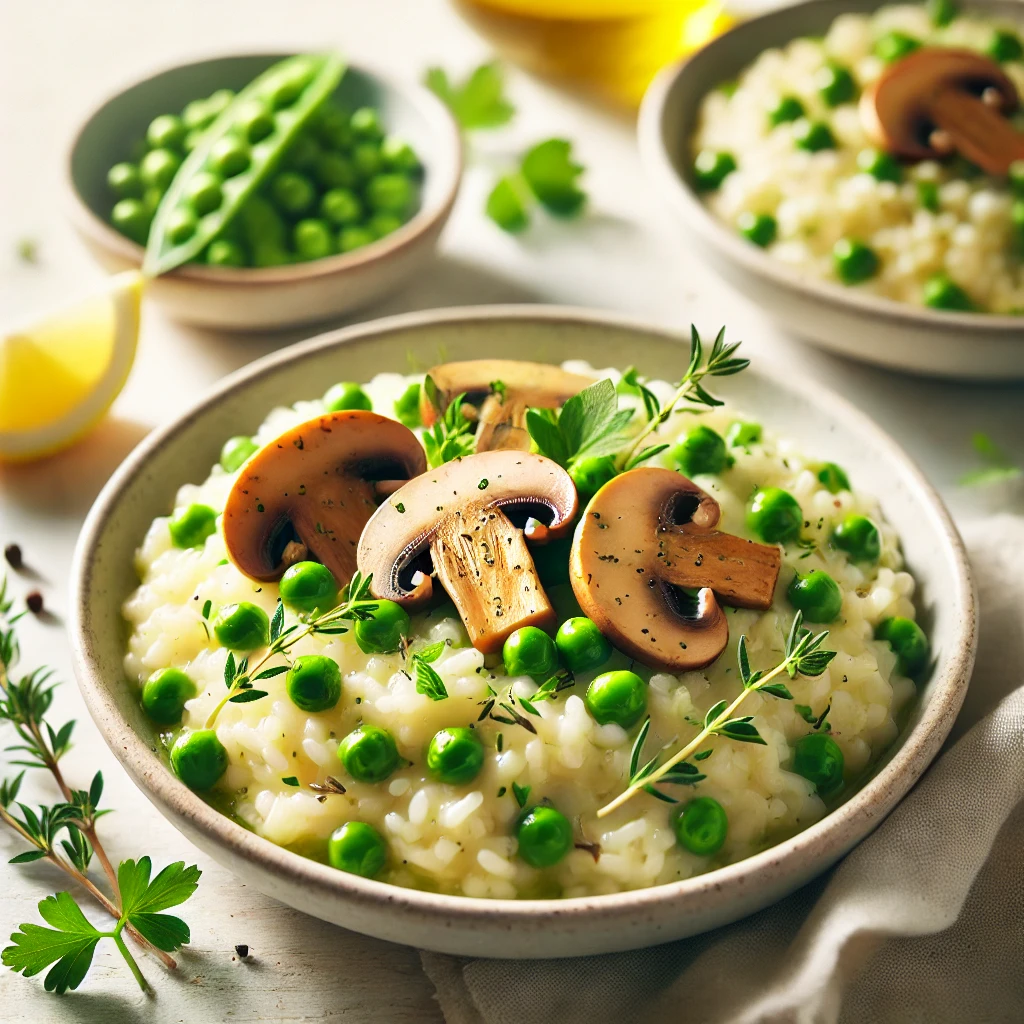
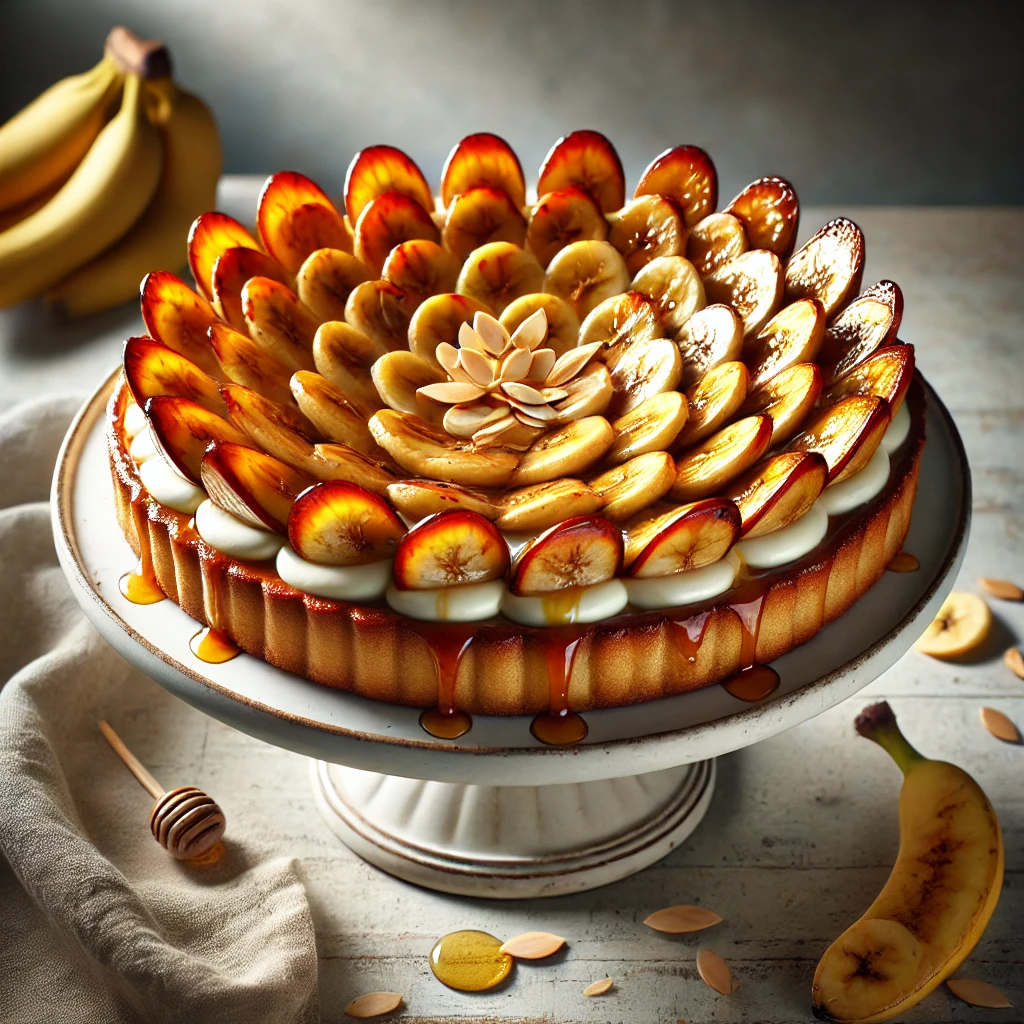
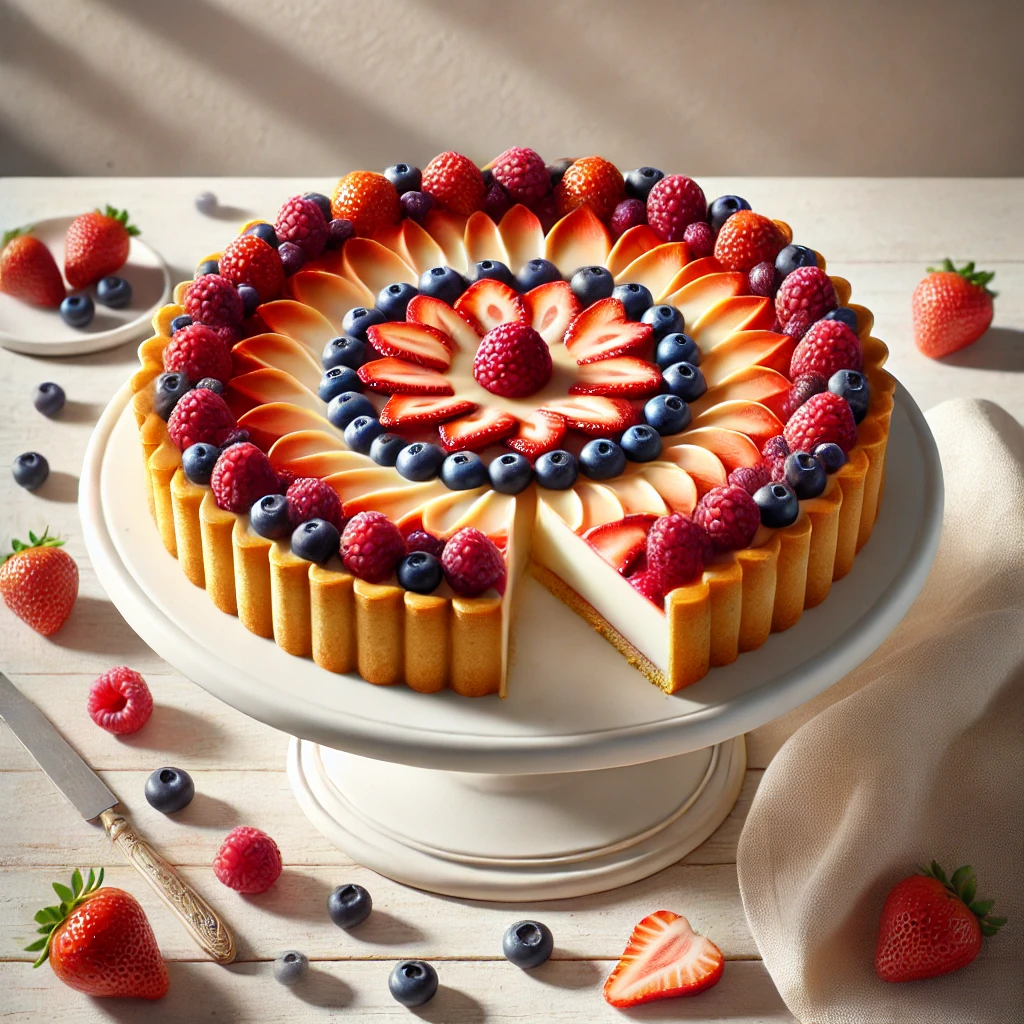
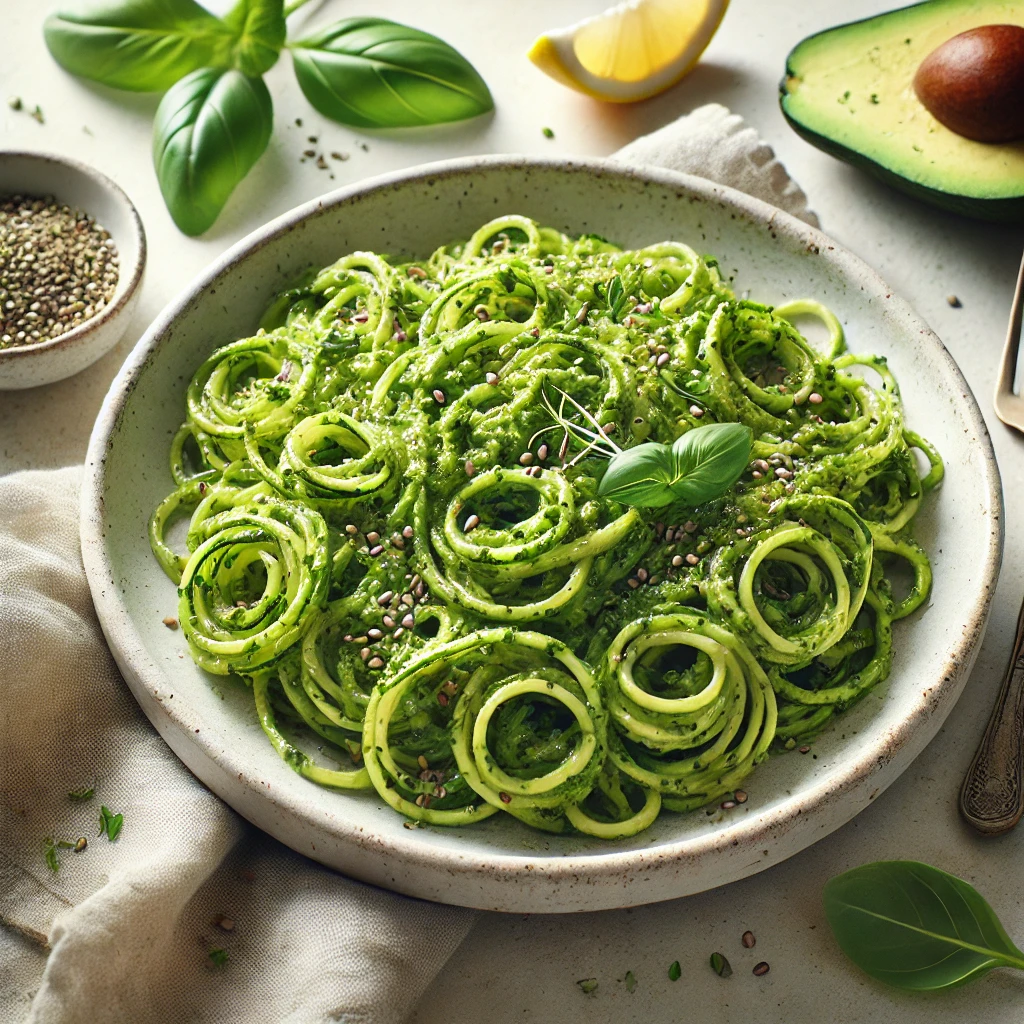
Recipes Engineered for that Spring Feeling