










































The Guardian Angels

with ORO VALENTIO

October 2nd

Modern spiritual writers have frequently emphasized the importance of cultivating a conscious relationship with one's guardian angel. Fr. Gabriel Amorth, the renowned exorcist of Rome, often taught that many people neglect one of the greatest spiritual helps God has provided for them. He encouraged frequent invocation of one's guardian angel, especially during moments of temptation, fear, confusion, or spiritual struggle. Drawing from decades of experience in spiritual warfare, he observed that those who actively sought the assistance of their guardian angel often grew in confidence, discernment, and trust in God's protection. Similarly, Fr. Chad Ripperger, a renowned exorcist and author of *Dominion*, explains that angels operate within a hierarchy of authority established by God. According to this understanding, human beings possess a certain delegated authority within their proper sphere because they are created in the image of God and entrusted with stewardship over aspects of creation and their own spiritual lives. As a result, individuals may legitimately ask for and direct the assistance of the angels assigned to them, always within the framework of God's will and divine order. Fr. Ripperger emphasizes that the effectiveness of this relationship is closely connected to a person's spiritual life. Obedience to God, humility, prayer, virtue, and remaining in a state of grace dispose a person to cooperate more fully with the assistance God provides through the angels. Conversely, habitual sin, attachment to vice, and disobedience do not diminish the power of the angels themselves, for angels act according to God's will and are never weakened by human actions. Rather, sin diminishes our cooperation with their assistance and can reduce the spiritual authority or jurisdiction that we ourselves possess, particularly in relation to resisting demonic influence. In this view, the guardian angel remains perfectly faithful to his mission regardless of a person's spiritual state. The question is not whether the angel's power is restricted, but whether the individual is receptive to the graces, inspirations, and protections God offers through that angelic ministry. The more a person lives in conformity with God's will and properly exercises the authority entrusted to him, the more fully he can benefit from the help of his guardian angel and the protection God provides through the heavenly hierarchy. This understanding highlights an important spiritual principle: guardian angels are not passive observers in the Christian life. They are active participants in God's providential care, assisting, protecting, enlightening, and guiding those entrusted to them. By cooperating with grace and remaining faithful to God, believers place themselves in a position to receive more fully the help that Heaven continually offers through these faithful servants of God.
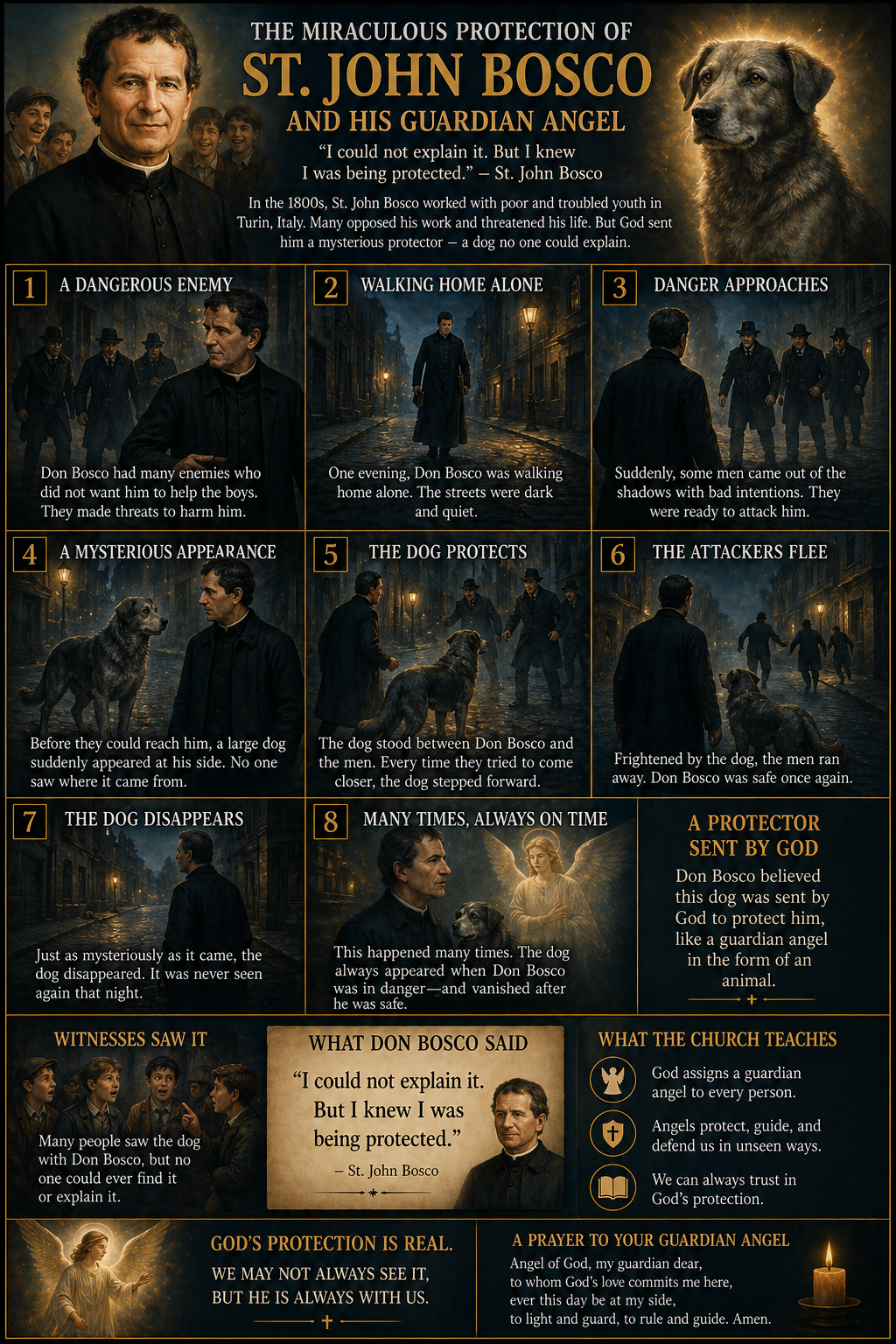
Each year on October 2, Christians commemorate the Holy Guardian Angels, giving thanks for the unseen spiritual companions whom God, in His providence, appoints to watch over His people. Few teachings offer greater consolation than the belief that no person journeys through life alone. From the beginning of life until its end, God surrounds each soul with angelic care, guidance, and protection.
This belief is not merely a devotional sentiment or a pious legend. It is deeply rooted in Sacred Scripture and has been embraced throughout the centuries by theologians, saints, and ordinary believers alike.
The words of Christ Himself provide one of the clearest foundations for this doctrine. Speaking of the little ones, He declares:
“See that you do not despise one of these little ones; for I tell you that their angels in heaven always behold the face of my Father who is in heaven” (Matthew 18:10).
In this brief statement, Our Lord reveals both the personal nature of angelic guardianship and the exalted dignity of the angels themselves. They are entrusted with the care of human beings while continually beholding the face of God. Their service to mankind is therefore not independent of God but flows directly from His will and providence.
The Psalmist likewise proclaims God’s protective care through His angels:
“For He will give His angels charge over you, to guard you in all your ways” (Psalm 91:11).
Throughout Scripture, angels appear repeatedly as God’s messengers, protectors, and guides. The Archangel Raphael accompanies Tobias on his journey, preserving him from danger and leading him safely to the fulfillment of God’s plan. Angels deliver the apostles from prison, strengthen the faithful, and carry out divine missions at decisive moments in salvation history.
The consistent tradition of Christianity teaches that human beings are entrusted to angelic guardians. The common teaching of saints and theologians is that each person receives a particular guardian angel appointed by God for his or her spiritual welfare. Reflecting on this truth, St. Jerome wrote:
“How great the dignity of the soul, since each one has from birth an angel commissioned to guard it.”
Theologians have discussed the precise moment at which this guardianship begins. St. Thomas Aquinas held that guardian angels are assigned at birth, while other theologians have argued that such protection begins from conception. Whatever the precise moment, the central truth remains unchanged: God lovingly provides angelic assistance to accompany every human soul on its journey toward Him.
Guardian angels are pure spiritual beings. They possess intellect and will but do not have physical bodies by nature. Their knowledge and power exceed human capacities, yet they remain creatures who act entirely under God’s authority. Far from drawing attention to themselves, their mission is to lead souls more perfectly to God.
Their work is both profound and often hidden. They protect us from spiritual dangers, particularly the attacks and deceptions of evil spirits. This protection does not guarantee a life free from suffering or temptation. Rather, it serves the higher purpose of preserving and strengthening the soul amid life’s trials. Even the saints endured severe spiritual battles, yet they often testified to the powerful assistance of their angelic guardians.
The tradition also teaches that guardian angels illuminate the mind. According to the classical understanding developed by theologians such as St. Thomas Aquinas, angels assist human beings by presenting truths to the intellect and encouraging thoughts that lead toward virtue. These inspirations are usually gentle and unobtrusive. They do not overwhelm human freedom but quietly encourage what is good, true, and pleasing to God.
In a similar way, guardian angels assist the will. They strengthen holy resolutions, encourage perseverance in virtue, and help us resist temptation. Their influence is never coercive. God created human beings with freedom, and neither angels nor demons can override that gift. Instead, guardian angels act as wise counselors, constantly directing us toward the path that leads to holiness.
Their ministry also includes intercession. Christian tradition teaches that guardian angels pray for those entrusted to their care and present their petitions before God. Because they see God’s will with greater clarity, their intercession is perfectly united to divine wisdom and charity.
Perhaps one of their most important roles is their assistance in spiritual warfare. Throughout Christian history, believers have understood that the spiritual life involves a real struggle against the powers of darkness. Guardian angels stand beside the faithful in this battle, defending, strengthening, and encouraging them in their pursuit of virtue and fidelity to God.
The feast of the Holy Guardian Angels ultimately reminds us of a profound truth about divine providence. God’s care for humanity is not distant or impersonal. He governs His creation with wisdom and love, employing even the angels as ministers of His mercy. In moments of loneliness, confusion, temptation, or suffering, the faithful can take comfort in knowing that God has not left them unattended. Hidden from earthly sight, their guardian angels accompany them day by day, helping them navigate the difficulties of this life and guiding them toward their eternal homeland.
To reflect on the ministry of the guardian angels is to recognize anew the tenderness of God’s care. Every soul is precious in His sight, and in His generosity He provides heavenly companions to watch over His children until they reach their final destiny in Him.

Relationship with Your Guardian Angel

Beyond simply acknowledging the existence of guardian angels, Christian tradition encourages a personal and active relationship with these heavenly protectors. Such devotion is not an end in itself but a means of growing closer to God, whose providence is manifested through their ministry. A healthy devotion to one’s guardian angel is marked by humility, gratitude, and a willingness to cooperate with divine grace.
The first step is awareness. In a world filled with distractions, remembering the presence of one’s guardian angel can foster greater recollection and attentiveness to the spiritual life. The knowledge that we are accompanied by a heavenly guardian encourages vigilance in times of temptation and confidence in moments of uncertainty.
Invocation naturally follows this awareness. Throughout the centuries, believers have sought the assistance of their guardian angels in both ordinary and extraordinary circumstances. Whether facing important decisions, spiritual struggles, dangers, or daily responsibilities, many have found comfort in asking for the guidance and protection of the angel entrusted to their care.
Gratitude is another essential aspect of this relationship. Though their work is often hidden from human sight, guardian angels faithfully carry out their mission without ceasing. Offering thanks for their continual assistance cultivates a deeper appreciation for God’s providential care and strengthens one’s awareness of the spiritual realities that surround us.
Equally important is docility. Guardian angels guide not by force but through gentle inspirations that encourage virtue and direct the soul toward God. Learning to recognize and promptly follow these good inspirations is an important part of spiritual growth. The more attentive a person becomes to God’s grace, the more readily he can cooperate with the assistance God provides through His angels.
One of the most beloved expressions of devotion to guardian angels is the traditional prayer taught to generations of Christians:
Angel of God, my guardian dear,
to whom God’s love commits me here,
ever this day be at my side,
to light and guard, to rule and guide. Amen.
The annual celebration honoring the Holy Guardian Angels developed gradually over the centuries. Devotion to guardian angels can be traced to the earliest centuries of Christianity, but the feast itself was added to the Roman Calendar during the seventeenth century. Its establishment reflected a growing appreciation for the role of angels in God’s providential care and a deeper theological reflection on their place within the divine plan.
The feast’s placement on October 2 is also significant. Occurring shortly after the celebration of St. Michael and the angelic hosts on September 29, it highlights the broader reality of angelic ministry throughout salvation history. Together these observances remind the faithful that God’s governance of the world includes the unseen service of His holy angels, who continually worship Him while assisting those entrusted to their care.
The Feast of the Holy Guardian Angels therefore serves as more than a commemoration of a theological truth. It is an invitation to renewed trust in God’s providence and a reminder that, throughout every stage of life, His loving care extends far beyond what can be seen. Hidden from earthly eyes yet ever present by God’s command, the guardian angels accompany souls on their pilgrimage, helping to lead them safely toward their eternal home.
The Feast of the Holy Guardian Angels ultimately directs our attention to God's personal care for every human soul. That God entrusts each person to the care of a guardian angel reveals both the dignity of the human person and the seriousness of our eternal destiny. No one is forgotten, abandoned, or left to walk alone. Through His providence, God provides heavenly companions to guide, protect, and assist us on our journey toward Him. To neglect the ministry of one's guardian angel is to overlook a remarkable gift of divine love. To cultivate devotion to one's guardian angel, on the other hand, is to cooperate more fully with the means God has provided for our spiritual growth and perseverance. Even a simple daily practice—greeting your guardian angel, asking for assistance in moments of temptation or decision, expressing gratitude for their protection, and remaining attentive to good inspirations—can deepen your awareness of God's presence and strengthen your spiritual life. In learning to walk with the guardian God has given us, we learn more fully to walk with God Himself.

Guardian Angel Traditions to Make Your Own

The Guardian Angel Prayer (Daily Practice)
One of the most beloved traditions is praying the Angel of God prayer each day, often in the morning, before bed, or during moments of need. This simple prayer helps cultivate awareness of God’s providence and the presence of the guardian angel entrusted to one’s care.
Angel of God, my guardian dear,
to whom God’s love commits me here,
ever this day be at my side,
to light and guard, to rule and guide. Amen.
Praying for Others Through the Ministry of Angels
A devotional practice associated with saints such as Padre Pio is entrusting loved ones to God’s care through the ministry of the angels. When someone is far away or beyond our ability to help directly, we can ask God to watch over them and assist them according to His will.
Pausing for Guidance Before Important Decisions
Many Christians make a habit of pausing briefly before significant decisions and asking for guidance. A simple prayer such as, “Guide me according to Your will,” encourages recollection, humility, and openness to God’s grace.
Lighting a Candle During Prayer
Lighting a candle while praying is a longstanding Christian custom. The candle serves as a visible reminder of God’s presence, the light of Christ, spiritual vigilance, and trust in divine guidance and protection.
Teaching Children About Guardian Angels
For generations, families have taught children about guardian angels as a way of fostering trust in God’s loving care. Simple practices such as praying before sleep or asking for protection throughout the day can help children develop confidence in God’s providence and awareness of spiritual realities.
Giving Thanks for God’s Protection
After receiving help, avoiding danger, or experiencing an unexpected blessing, many people offer a brief prayer of thanksgiving. This practice keeps the focus on gratitude and reminds us that all protection and assistance ultimately come from God.
The Feast of the Holy Guardian Angels
Celebrated each year on October 2, this feast honors the guardian angels whom God appoints to watch over His people. Many observe the day by attending Mass, praying more intentionally, reflecting on God’s providential care, and giving thanks for the angelic assistance they have received throughout their lives.

Guardian Angel Day Cake & Atmosphere Ideas

Where style, memory, and celebration meet.

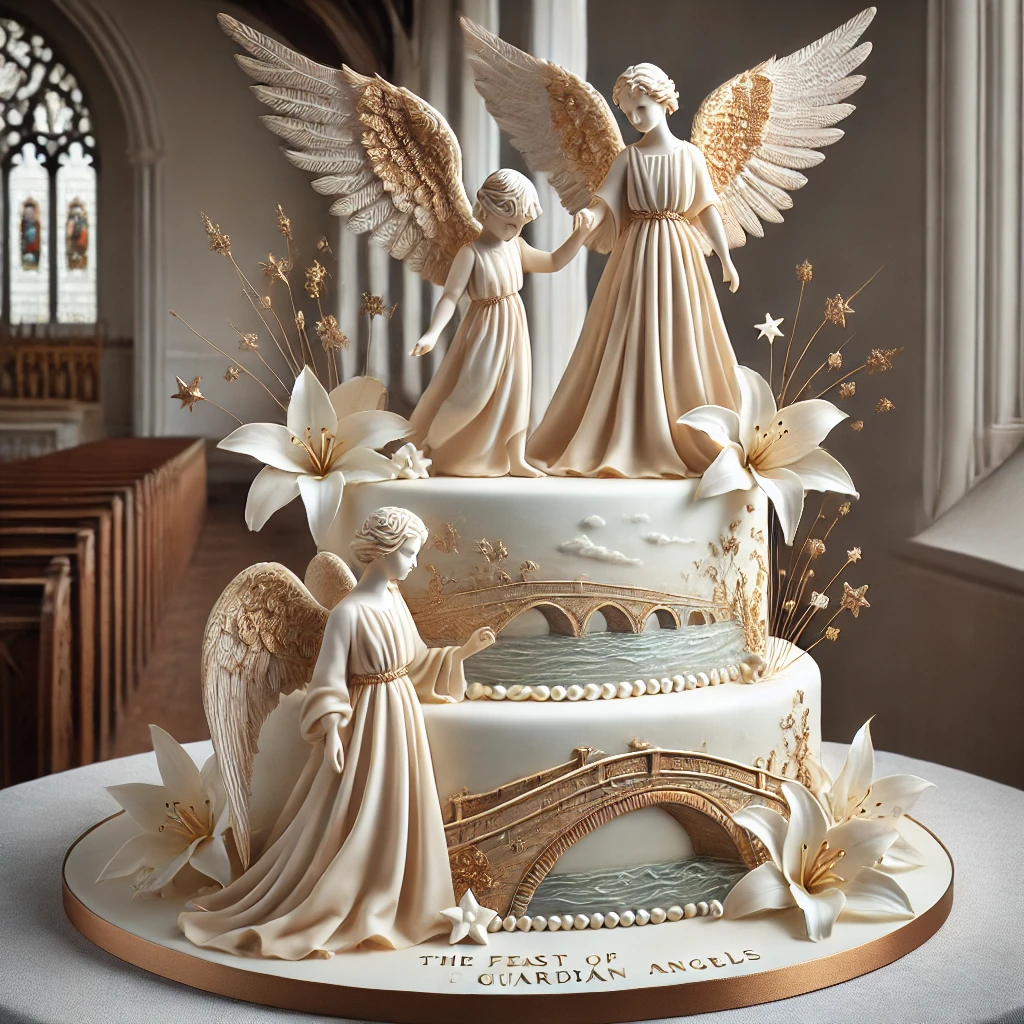
This section is meant to be more than Cake Decorating Ideas… it’s designed to spark inspiration and creativity, awaken tradition, and infuse your special occasions with style, identity, and atmosphere. A color palette becomes a theme. A design becomes a mood. Simple details—like sugared holly leaves or shimmering stars—can set the tone for a gathering and become part of cherished traditions and lasting memories melded with personal touch and love.

Traditional Dishes for Guardian Angels Day

Main dishes:
  • Roast chicken with herbs (simple, comforting, widely loved)
  • Baked salmon with lemon and butter
  • Creamy pasta (alfredo or mushroom)
  • Vegetable lasagna
Sides:
  • Garlic bread or dinner rolls
  • Mixed green salad with light vinaigrette
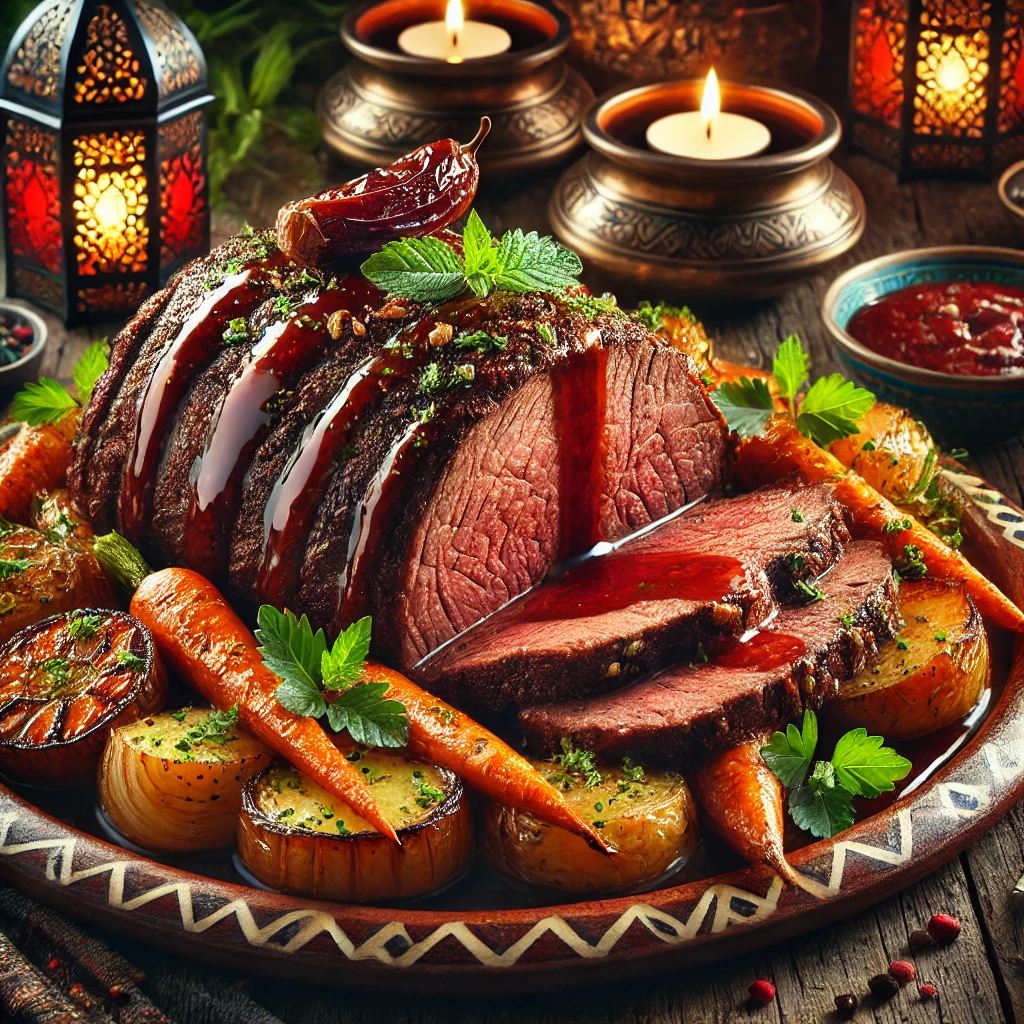
  • Roasted vegetables (carrots, potatoes, broccoli)
  • Rice pilaf or plain steamed rice
Light / symbolic options:
  • White soup (like chicken soup or cream of cauliflower)
  • Angel hair pasta (fits the theme nicely)
  • Deviled eggs or stuffed eggs
Desserts:
  • Vanilla or coconut cake (light colors = “angelic” theme)
  • Cupcakes with white frosting
  • Fruit salad with berries and cream
  • Sugar cookies shaped like wings or hearts
Drinks:
  • Lemonade or citrus punch
  • White grape juice or sparkling water
  • Tea or light coffee

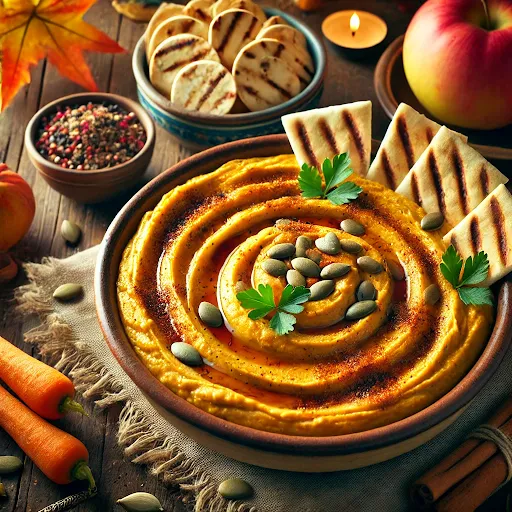
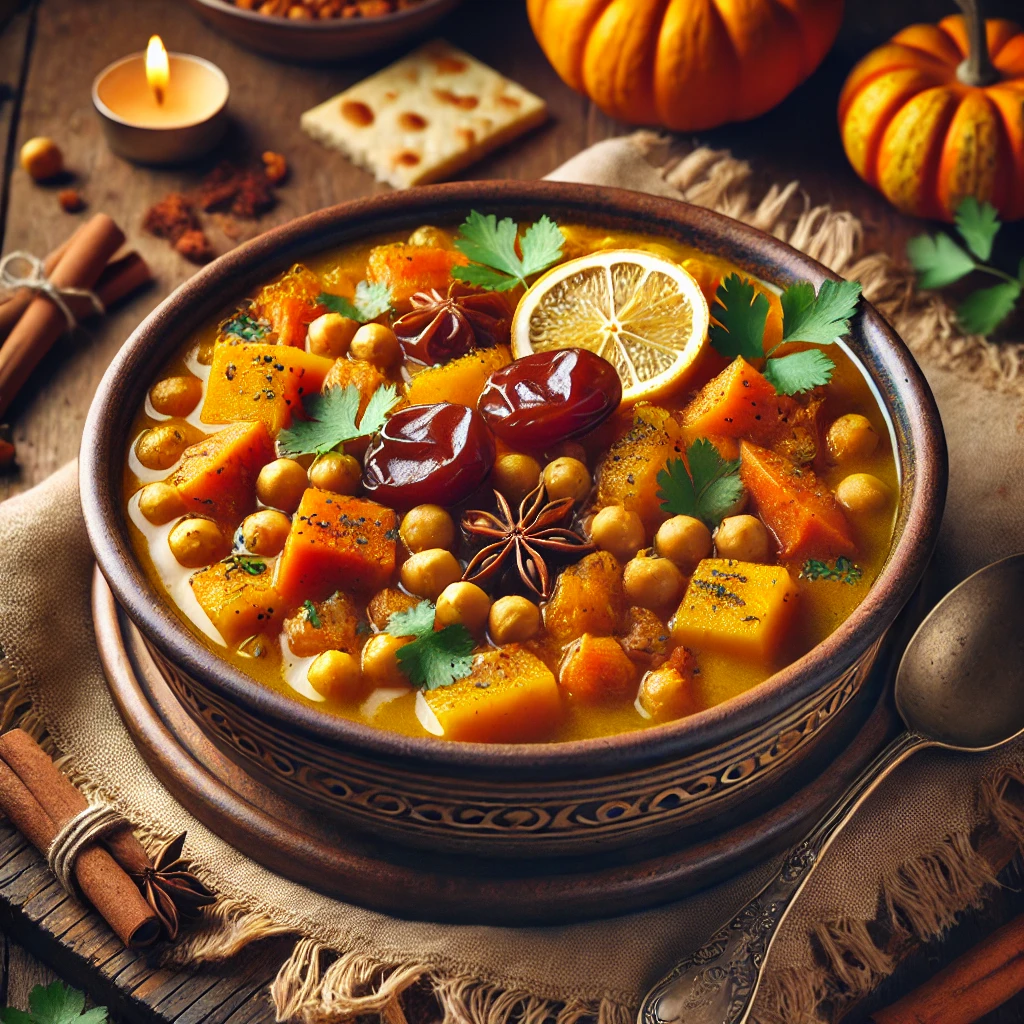
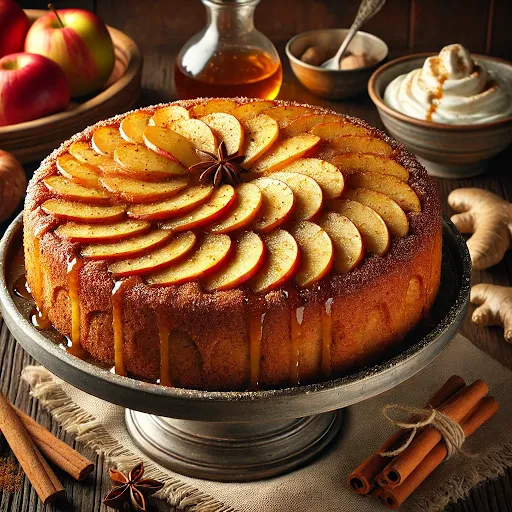
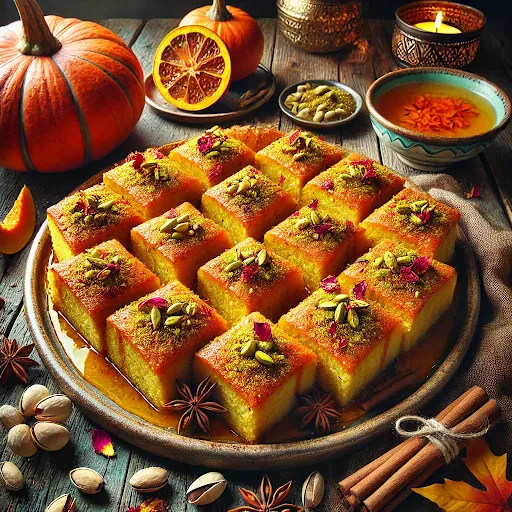
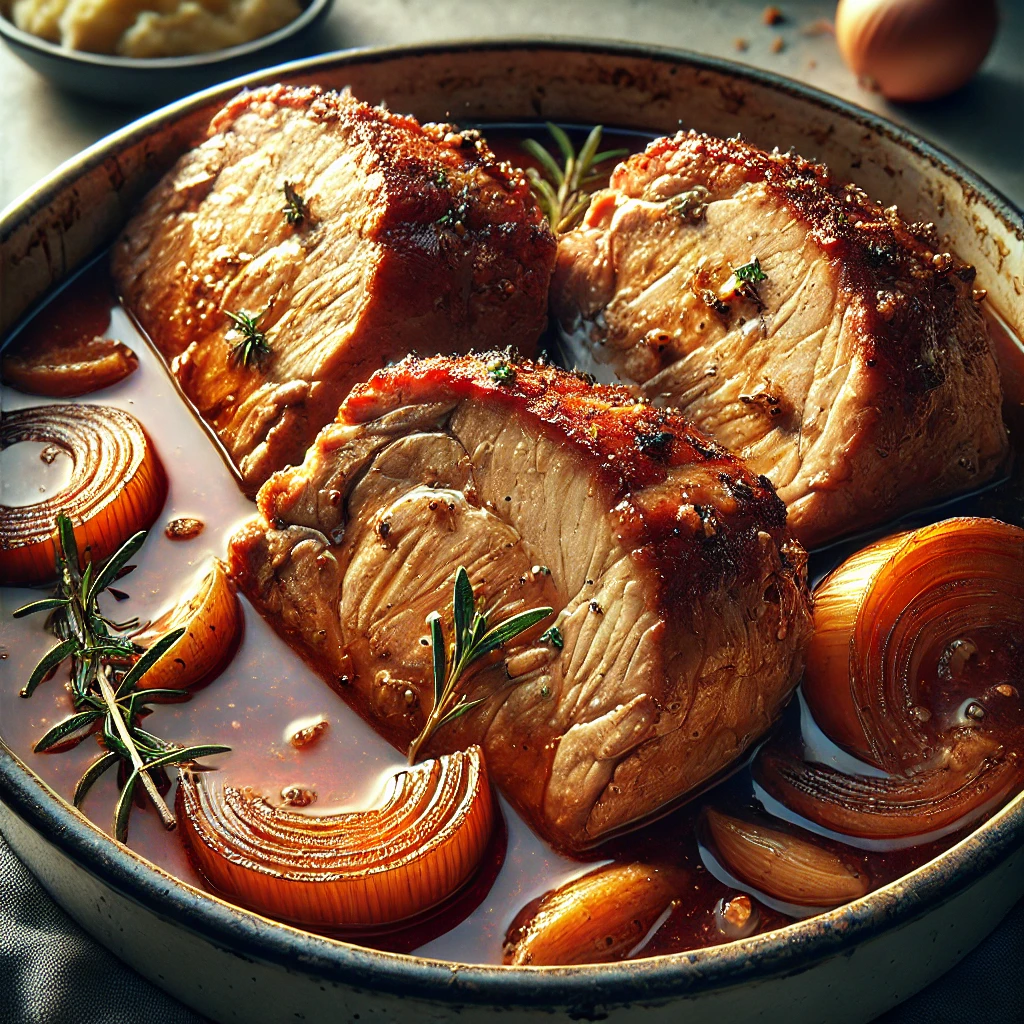
Recipes Engineered for that Autumn Glow