





































The Birth of Saint John the Baptist

with ORO VALENTIO

June 24th

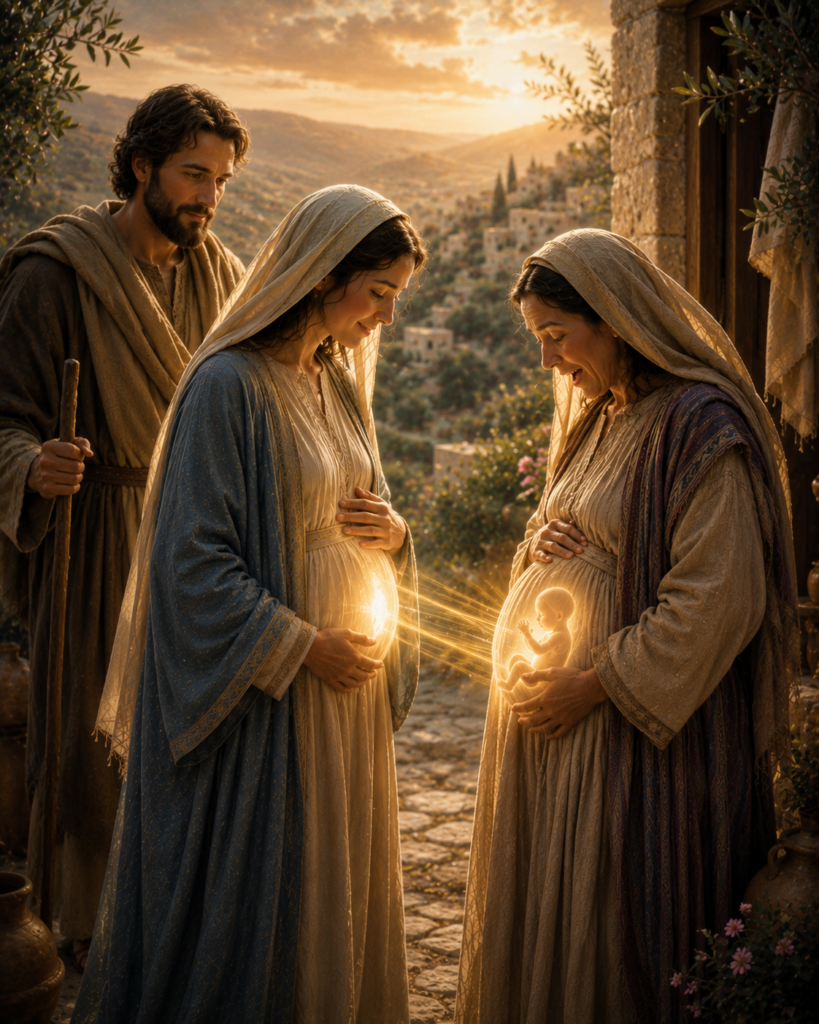
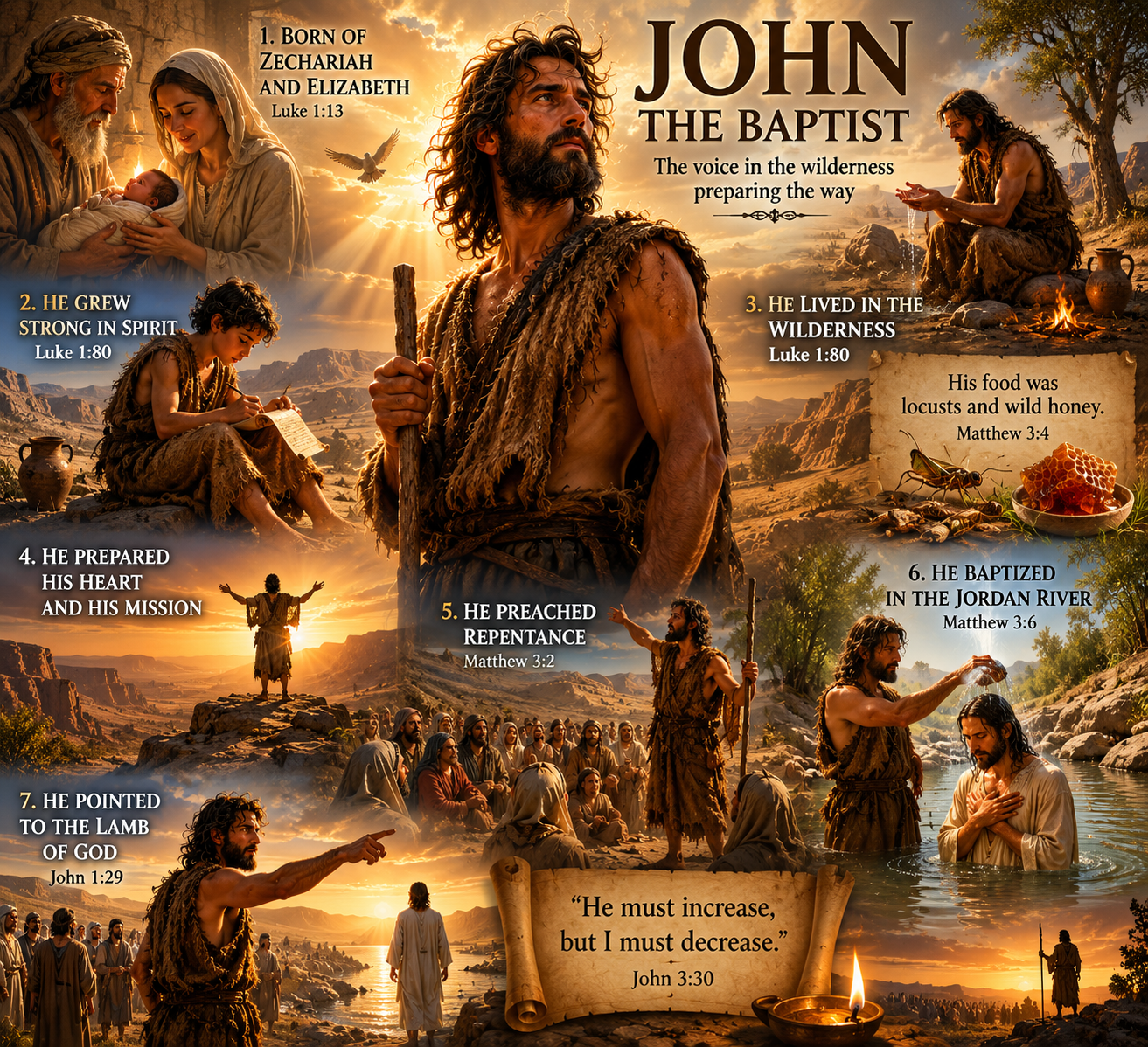
The early life of Saint John the Baptist was marked by simplicity, discipline, and quiet preparation. Born through miraculous circumstances to Zechariah and Elizabeth, John’s life carried a sense of purpose from the very beginning. Scripture tells us that even before his birth, he recognized the presence of Jesus Christ when he leapt within Elizabeth’s womb during Mary’s visit. Though little is recorded about his childhood, the Gospel of Luke says: “And the child grew and became strong in spirit; and he was in the wilderness until the day of his public appearance to Israel.” John’s early years were likely spent in solitude, prayer, reflection, and spiritual formation far from the distractions of society. The wilderness shaped him into a man of humility, integrity, courage, and unwavering devotion to truth. Before he became the voice crying out in the wilderness, his own life was first refined in silence and preparation — strengthening him for the mission of preparing hearts for the coming of the Lord.
The Nativity of Saint John the Baptist is celebrated on June 24th, a day rich with symbolism, light, and spiritual meaning. Placed near the height of summer, when daylight begins its gradual decrease, the feast beautifully reflects the words John later spoke concerning Jesus Christ: “He must increase, but I must decrease.” (John 3:30)
The date of John’s birth is rooted in the biblical account found in the Gospel of Luke. Since John was born approximately six months before Jesus, his feast falls six months before Christmas. Over the centuries, many have also recognized the striking harmony between this biblical chronology and the rhythms of the natural world. As the days slowly shorten after John’s feast, they move toward the celebration of Christ’s birth. Near the darkest days of winter, Christmas arrives just as the daylight begins to increase once again.
The Nativity of Saint John the Baptist is therefore more than a remembrance of a birth long ago. It is a celebration of preparation, awakening, and renewal. It honors the voice that called people out of spiritual complacency. The voice that urged humanity toward repentance, integrity, purification, and readiness for something greater.
John’s birth reminds us that transformation often begins quietly—through preparation of the heart, refinement of character, and the courage to pursue truth in a distracted world. His life remains a timeless example of humility, conviction, discipline, and unwavering devotion to what is good, right, and true.
Traditionally, the feast has also been associated with bonfires, candles, gatherings, and joyful celebration—symbols of illumination and the coming dawn. Across many cultures, midsummer fires became reminders of the burning zeal and radiant witness of the one sent to prepare the way.
The Nativity of Saint John the Baptist stands as a celebration of hope before fulfillment, preparation before mission, and the quiet strengthening of the soul before great purpose unfolds.

The Voice Who Prepared the Way

Among all the figures in Scripture, few occupy a role as unique and significant as Saint John the Baptist. He stands at the very threshold of a new era in salvation history—the final prophet of anticipation and the first witness of fulfillment. His life was wholly dedicated to one purpose: preparing humanity to receive Jesus Christ.
John’s mission was ordained long before his birth. The angel Gabriel appeared to his father, Zechariah, announcing that the child would be “great before the Lord” and would be filled with the Holy Spirit even from his mother’s womb (Luke 1:15). His birth was itself miraculous, for his parents, Zechariah and Elizabeth, were advanced in age and had long been unable to have children. Through this extraordinary beginning, God revealed that John’s life would serve a special purpose in His divine plan.
The prophets of Israel had long foretold the coming of a messenger who would prepare the way for the Messiah. Centuries earlier, Isaiah had proclaimed: “A voice cries in the wilderness: Prepare the way of the Lord; make straight in the desert a highway for our God.” (Isaiah 40:3) John was that voice.
Significantly, he never claimed to be the Messiah himself. He understood his role with remarkable humility. He was not the Light, but one sent to bear witness to the Light. He was not the Word of God made flesh, but the voice announcing the arrival of the Word. His entire identity was centered not on himself, but on pointing others toward Christ.
Luke’s Gospel tells us that John “grew and became strong in spirit, and he was in the wilderness until the day of his manifestation to Israel” (Luke 1:80). In the solitude of the desert, he lived a life of prayer, sacrifice, and preparation. Clothed simply and detached from worldly comforts, John became a living sign of repentance and dependence upon God. When the time came, John emerged from the wilderness with a powerful message: “Repent, for the kingdom of heaven is at hand.” (Matthew 3:2)
His call was direct and urgent. He summoned people to turn away from sin, renew their hearts, and prepare for the One who was to come. Crowds from Jerusalem and throughout Judea traveled to hear him preach and to receive his baptism of repentance in the Jordan River. Yet John’s greatest mission was not merely to preach repentance—it was to reveal the Messiah.
One day, seeing Jesus approach, John proclaimed: “Behold, the Lamb of God, who takes away the sin of the world.” (John 1:29) With these words, John identified Jesus as the long-awaited Savior. While generations of prophets had spoken of the Messiah from afar, John had the unique privilege of pointing to Him directly. He witnessed the fulfillment of centuries of promise and expectation.
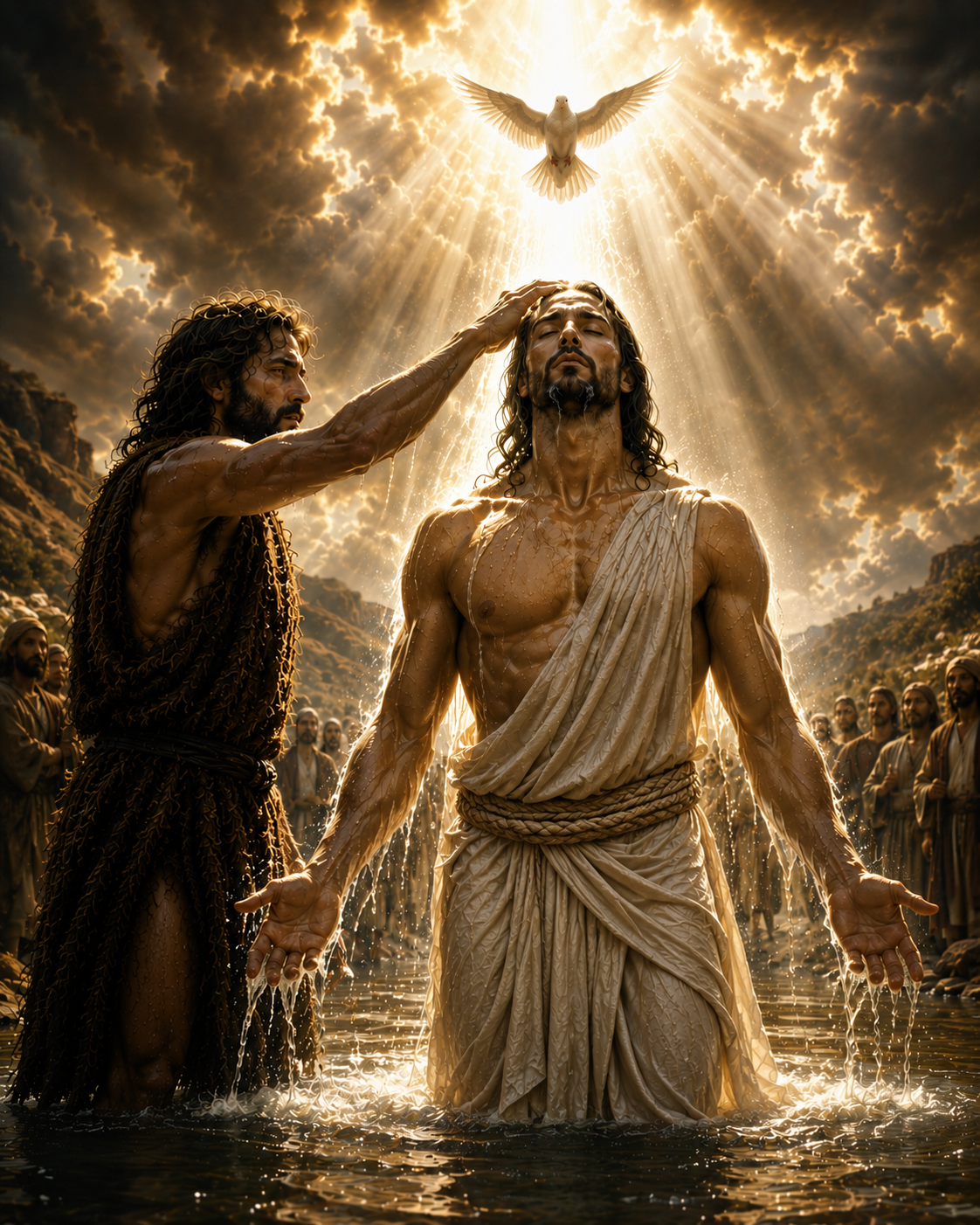
At the baptism of Jesus, John became the eyewitness to one of the most profound moments in Scripture. As Jesus emerged from the waters of the Jordan, the Holy Spirit descended like a dove, and a voice from heaven declared: “This is my beloved Son, with whom I am well pleased.” (Matthew 3:17) Through this event, John’s testimony confirmed the divine identity of Christ and marked the beginning of Jesus’ public ministry.
Perhaps no words better summarize John’s life than his simple declaration: “He must increase, but I must decrease.” (John 3:30) These words reveal the depth of his humility. While many seek recognition and influence, John willingly stepped aside once his mission was fulfilled. He rejoiced when people left him to follow Christ, understanding that his purpose had always been to lead others to the Savior.
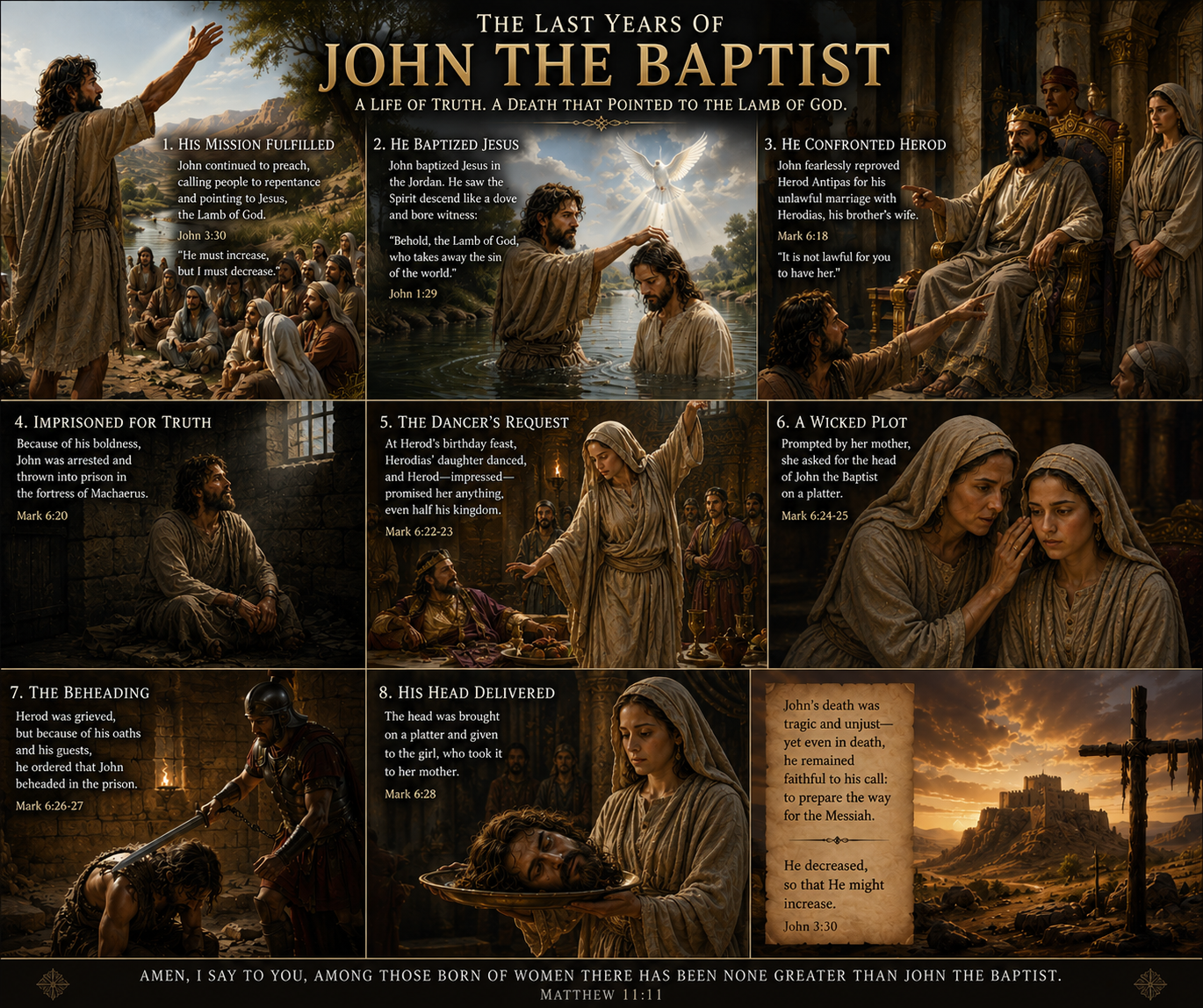
John’s faithfulness ultimately led him into conflict with earthly power. Fearlessly speaking the truth, he confronted King Herod over his unlawful conduct. For this, John was imprisoned and eventually executed. Even in death, John remained faithful to his calling.
His martyrdom serves as a powerful witness to courage, integrity, and unwavering devotion to truth. In many ways, his imprisonment and death foreshadowed the suffering of Christ Himself. Both proclaimed repentance, both challenged corruption, both were rejected by political authorities, and both remained faithful to their mission unto the end. Jesus would later say: “Among those born of women there has arisen no one greater than John the Baptist.” (Matthew 11:11) John’s greatness was not found in miracles, wealth, or earthly success. It was found in his complete surrender to the will of God and his unwavering commitment to preparing the way for Christ.
The life of Saint John the Baptist continues to speak powerfully to every generation. His example reminds us that genuine renewal begins with repentance, that humility opens the heart to God’s work, and that true greatness is found not in drawing attention to ourselves, but in pointing others toward what is good, true, and eternal.
Like the dawn that precedes the sunrise, John appeared before the coming of Christ. His voice awakened a sleeping world, prepared hearts for the Savior, and announced the arrival of the One for whom humanity had been waiting. His mission was simple, yet profound: prepare the way of the Lord. And through his faithfulness, he helped change the course of history.
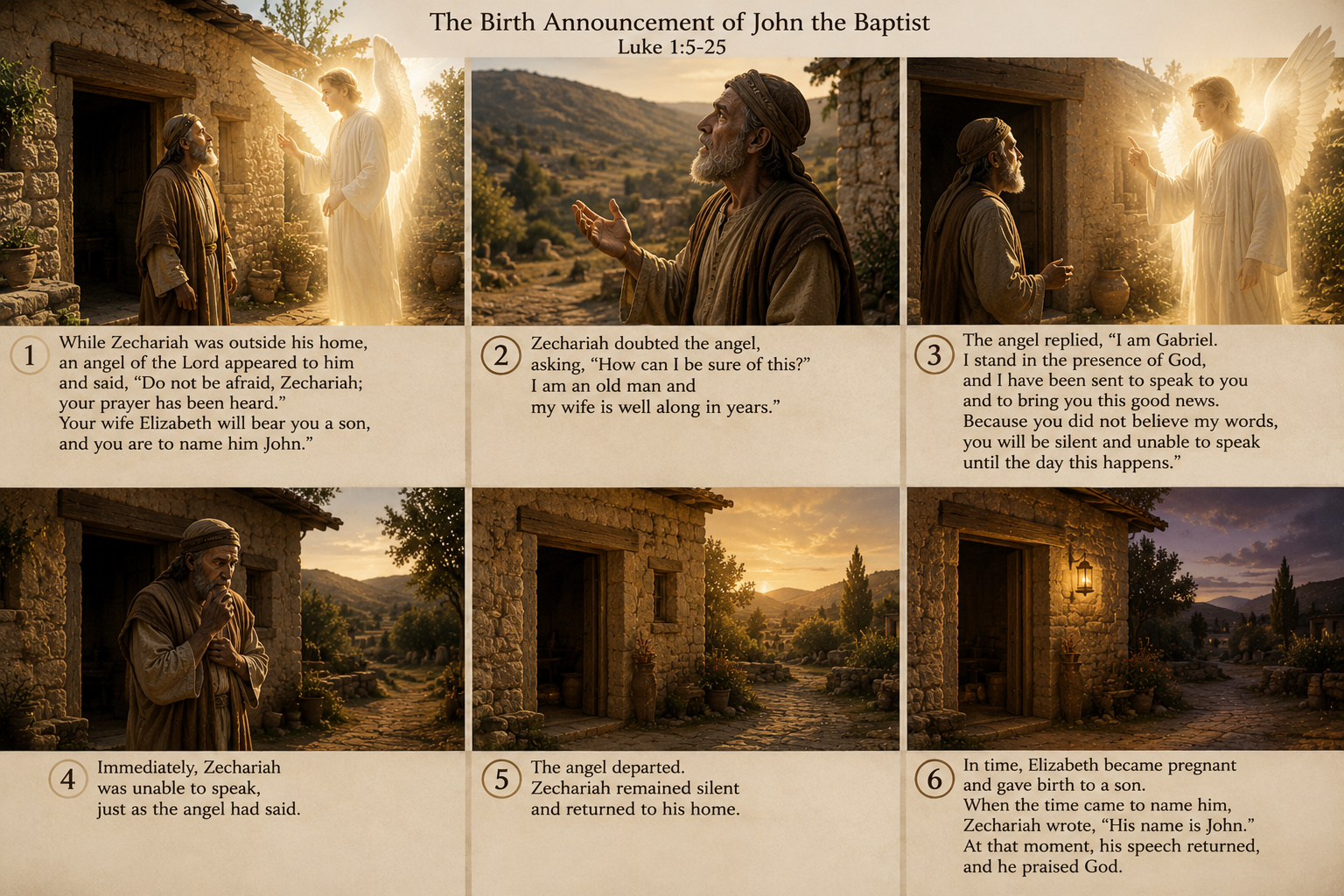
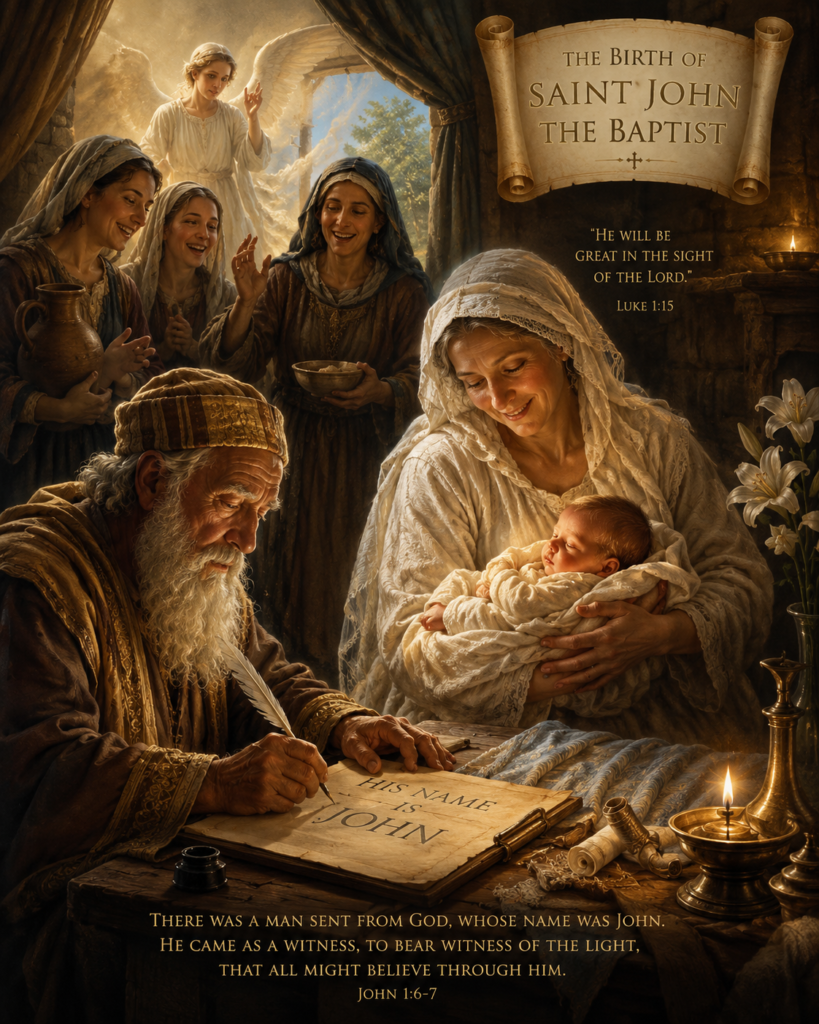
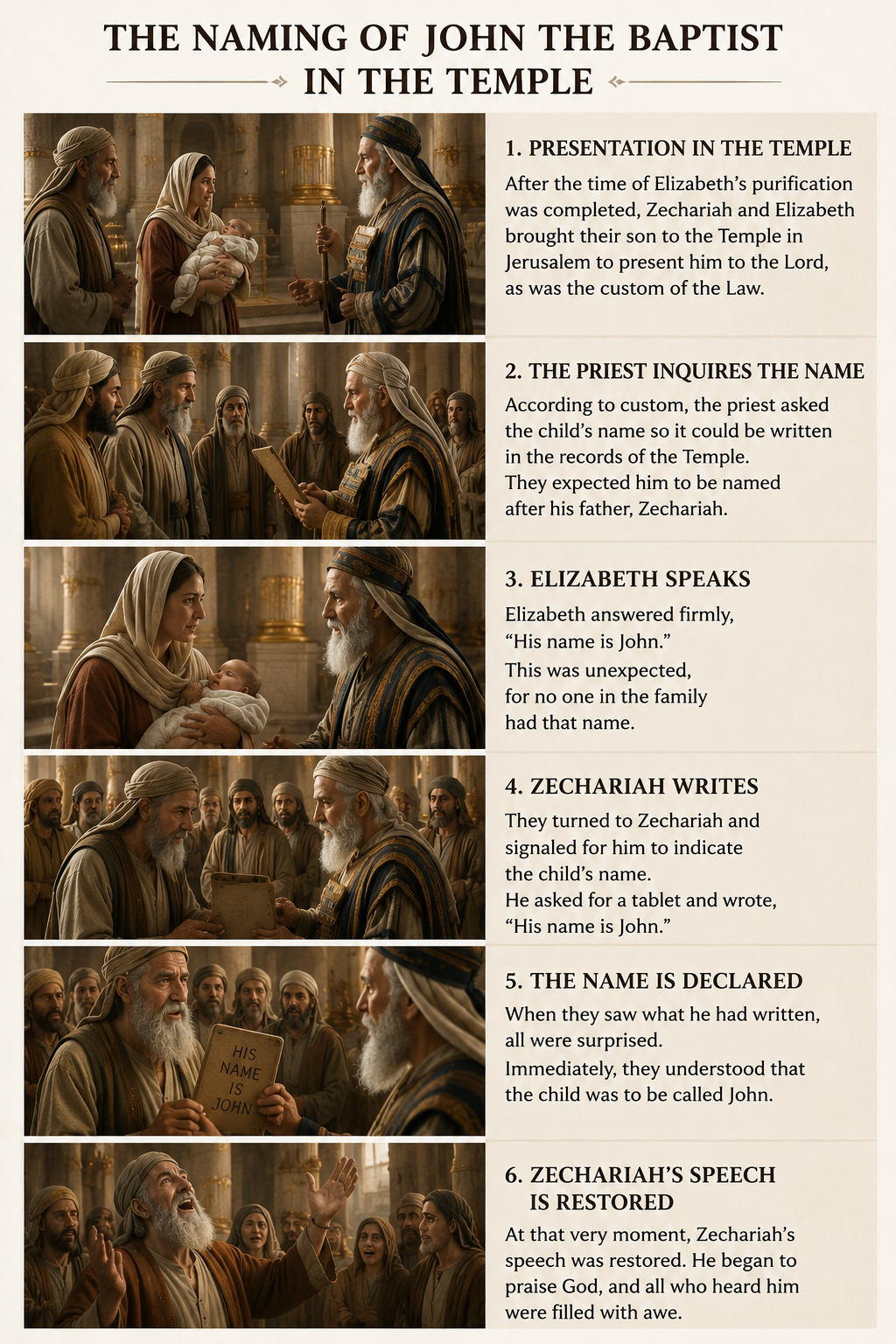
One of the most intriguing moments surrounding the birth of John the Baptist is the temporary loss of speech experienced by his father, Zechariah. At first glance, it appears to be a simple consequence of doubt. Yet upon closer reflection, it reveals a profound theological lesson about faith, preparation, and God's unfolding plan of salvation. While serving in the Temple, Zechariah received an extraordinary visitation from the angel Gabriel. The angel announced that despite their advanced age, Zechariah and his wife Elizabeth would have a son who would play a pivotal role in God's plan. This child would be filled with the Holy Spirit from the womb and would prepare the way for the coming Messiah. Faced with such an astonishing promise, Zechariah struggled to believe. He asked Gabriel, "How shall I know this? For I am an old man, and my wife is advanced in years" (Luke 1:18). In response, Gabriel declared that Zechariah would be unable to speak until the child was born because he had not fully trusted the message that had been given to him. On one level, Zechariah's silence was a consequence of unbelief. Yet the deeper significance extends far beyond a personal correction. Throughout Scripture, God often uses visible signs to reveal spiritual realities, and Zechariah's silence becomes a powerful symbol within salvation history. Many have seen in his muteness a reflection of the long period of prophetic silence that preceded the coming of Christ. For centuries, Israel had awaited the fulfillment of God's promises. The voices of the prophets had fallen silent, and the people longed for the arrival of the Messiah. Zechariah's inability to speak mirrors this period of waiting and expectation. The old era was drawing to a close, and a new chapter was about to begin. His silence also teaches an important lesson about the relationship between faith and witness. Zechariah was a priest whose vocation was to proclaim God's works and lead His people in worship. Yet before he could become a herald of God's fulfillment, he first had to learn deeper trust. There is a profound spiritual truth here: before we can speak effectively about God, we must first listen to Him. For nine months, Zechariah watched in silence as God's promise unfolded before his eyes. He witnessed Elizabeth's miraculous pregnancy and the steady realization of everything Gabriel had foretold. During this time, God was not merely withholding his speech; He was preparing his heart. In the absence of words, Zechariah learned patience, surrender, and trust. The climax of the story comes at the circumcision of the child. Friends and relatives assumed the boy would be named after his father, but Zechariah insisted otherwise. Writing on a tablet, he declared, "His name is John" (Luke 1:63). This moment was significant. The name John means "God is gracious." By accepting the name given by God rather than following convention, Zechariah demonstrated his complete submission to the divine plan. Immediately, his tongue was loosed, and his speech returned. Yet the first words that emerged were not ordinary conversation. Zechariah did not speak about himself, his months of silence, or even the wonder of finally having a son. Instead, he burst forth in praise and prophecy. Filled with the Holy Spirit, he proclaimed the hymn known as the Benedictus: *"Blessed be the Lord God of Israel, for He has visited and redeemed His people."* (Luke 1:68) He recognized that God was fulfilling the promises made throughout the centuries and that his son would play a vital role in preparing the way for the Lord. Addressing John, he declared: *"And you, child, will be called the prophet of the Most High; for you will go before the Lord to prepare His ways."* (Luke 1:76) In this beautiful sequence, silence gives way to proclamation, waiting gives way to fulfillment, and expectation gives way to joy. The story of Zechariah speaks not only to a moment in biblical history but to the spiritual journey of every believer. We all experience seasons of uncertainty, waiting, and unanswered questions. Like Zechariah, we may struggle to trust God's promises when they seem impossible. Yet God often uses these periods of silence to deepen our faith and prepare us for what He intends to accomplish. Zechariah lost his voice until the one who would prepare the way for Christ was born. Then, at the appointed time, his speech was restored and immediately became a proclamation of redemption. In this way, his story beautifully symbolizes the transition from the silence of expectation to the joyful announcement that God's promises were being fulfilled. The silence was never the end of the story. It was the preparation for a greater word—a word of praise, prophecy, and hope that would announce the dawn of salvation.

Birth of Saint John the Baptist Traditions to Make Your Own

One of the most remarkable moments in Scripture is the baptism of Jesus by John the Baptist. At first glance, the event seems surprising. If Jesus was without sin, why would He receive a baptism associated with repentance? And if Jesus is greater than John, why would God choose to have His own Son baptized by a prophet? The answer reveals something profound about God's way of working throughout salvation history. God rarely acts in isolation. Instead, He prepares, announces, reveals, and fulfills. Long before Jesus began His public ministry, God raised up John the Baptist to prepare the hearts of the people for His arrival. John's entire life had one purpose: to point others toward the coming Messiah. The prophets of Israel had spoken of a messenger who would prepare the way for the Lord. John was that messenger. He emerged from the wilderness calling people to repentance and awakening a nation that had long been waiting for God's promises to be fulfilled. Through his preaching, people began to recognize their need for redemption and to anticipate the arrival of the One whom God would send. For this reason, it was fitting that the public ministry of Jesus would begin not in isolation, but through the ministry of the very man God had appointed to announce Him. John stood at a unique point in history. He was the last of the great prophets and the bridge between promise and fulfillment. Everything that came before him pointed forward to the Messiah. Everything that came after him would flow from the Messiah's arrival. God chose John to baptize Jesus because John was the one appointed to publicly identify Him before the world. This was the moment toward which John's entire life had been directed. When Jesus approached the Jordan River, John immediately recognized that something extraordinary was taking place. He protested, saying, "I need to be baptized by You." Yet Jesus insisted. The event was not about Jesus receiving cleansing; it was about revelation. Until that moment, John had prepared the way. At that moment, he would reveal the One for whom the way had been prepared. God had given John a sign: the Messiah would be the one upon whom the Spirit descended and remained. At the baptism, that sign was fulfilled. The heavens opened, the Spirit descended like a dove, and the Father's voice declared His pleasure in His Son. The baptism therefore became far more than a simple religious act. It became a public unveiling. The people who had listened to John's preaching could now see where John's message had been leading all along. The prophet who had drawn crowds into the wilderness now directed their attention away from himself and toward Christ. This reveals another reason God chose John for this role. Throughout his life, John embodied humility. He never sought to gather followers for himself. He never claimed greatness. Instead, he consistently pointed beyond himself. His famous words capture the essence of his mission: *"He must increase, but I must decrease."* By allowing John to baptize Jesus, God demonstrated that true greatness is found not in self-exaltation but in faithful service. John's highest honor was not building his own ministry but introducing the world to the Savior. There is also a deeper symbolism in the event. John represents the long line of prophets, patriarchs, and faithful servants who spent centuries preparing for the coming of the Messiah. In a sense, all of that expectation converges at the Jordan River. Through John, the hopes, prophecies, and promises of generations are handed over to their fulfillment in Christ. The voice that cried out in the wilderness finally meets the One whose coming it announced. The herald introduces the King. The messenger presents the Message. The servant points to the Master. This is why God chose John to baptize Jesus. The baptism marks the moment when preparation gives way to fulfillment, expectation gives way to revelation, and the final prophet publicly identifies the One for whom the world had been waiting. From that day forward, John's mission was complete. He had prepared the way, revealed the Messiah, and directed the attention of humanity toward Christ. At the Jordan River, God's plan unfolds with remarkable beauty and purpose. The one who spent his life saying, "Prepare the way of the Lord," is given the privilege of standing beside that Lord and presenting Him to the world.
Saint John’s Fires
Large bonfires were traditionally lit on the eve of the Nativity of Saint John the Baptist. These fires symbolized illumination, purification, vigilance, and the burning zeal of the prophet who prepared the way for Jesus Christ. Families and communities gathered around the flames singing, praying, celebrating, and sharing meals beneath the midsummer sky.
Candles & Lanterns
Candles and lanterns became symbols of the coming dawn before the arrival of the “Light of the World.” Homes, pathways, and gathering places were illuminated with warm light to represent spiritual awakening, preparation, and hope.
Blessing of Herbs & Flowers
Because the feast falls near the height of summer growth, traditions developed around gathering herbs and flowers such as lavender, rosemary, chamomile, and wildflowers. These were often brought for blessing as symbols of renewal, healing, gratitude, and the beauty of creation.
Water Traditions
Since Saint John is known as “The Baptist,” rivers, springs, lakes, and wells became closely associated with the feast. In some cultures, people washed in rivers at sunrise or held outdoor gatherings near water as symbols of cleansing, renewal, repentance, and spiritual preparation.
Outdoor Feasts & Gatherings
Communities often celebrated outdoors with shared meals, music, dancing, and joyful gatherings during the long summer evenings. These celebrations reflected gratitude for life, family, community, and the beauty of creation.
Flower Crowns & Greenery
In various regions, children and young women wore flower crowns while homes and villages were decorated with greenery and summer flowers. These traditions symbolized life, flourishing, joy, and the fullness of the season.
Processions & Songs
Many communities held candlelit processions, hymns, and festive songs honoring Saint John the Baptist. These processions reflected the idea of carrying light forward and preparing the path for truth and goodness.
Preparation of the Heart
Beneath all the traditions remained the deeper spiritual meaning of the feast: preparation before transformation. The Nativity of Saint John the Baptist became a reminder to pursue humility, purification, integrity, repentance, and readiness to receive truth and light.

Devotion to what is Good, Right, and True

O God,
who prepared the way for Jesus Christ through the birth and witness of Saint John the Baptist,
grant us hearts willing to be refined, awakened, and guided toward truth.
As Saint John lived with humility, courage, discipline, and devotion to what is good, right, and true, help us also to prepare the way for light within our own lives.
Strengthen us to turn away from distraction, pride, and fear,
and lead us toward integrity, clarity, repentance, and peace.
May this day remind us that great purpose is often formed quietly — through faithfulness, perseverance, prayer, and trust in Your plan even when we cannot yet see the outcome.
Like Saint John,
may we decrease in selfishness so that goodness, truth, and love may increase within us.
Fill our homes with gratitude, our hearts with peace, and our lives with the courage to faithfully fulfill the purpose for which we were created.
Amen.
The Nativity of Saint John the Baptist celebrates the birth of a man who dedicated his life to preparing others for Christ. John was the "voice crying out in the wilderness"—a voice that called people out of complacency, distraction, and spiritual indifference. He challenged men and women to examine their hearts, turn away from sin, and prepare themselves for the coming of the Savior. His message was not one of comfort, popularity, or self-promotion. It was a call to repentance, integrity, courage, and wholehearted devotion to God. The wilderness in which John preached was more than a physical desert. It symbolized the spiritual barrenness, confusion, and longing of a people waiting for redemption. Into that wilderness, John brought clarity, conviction, and hope. In every generation, that mission continues. Whenever men gather in prayer, encourage one another in faith, speak truth with humility, and lead with courage and purpose, the voice in the wilderness echoes once again. In a world filled with noise, distraction, and competing priorities, faithful men are still called to prepare the way—first in their own hearts, then in their families, communities, and friendships. The voice that once cried out along the banks of the Jordan still speaks wherever men seek God together and help one another grow in holiness, strength, and faithfulness. "He must increase, but I must decrease."

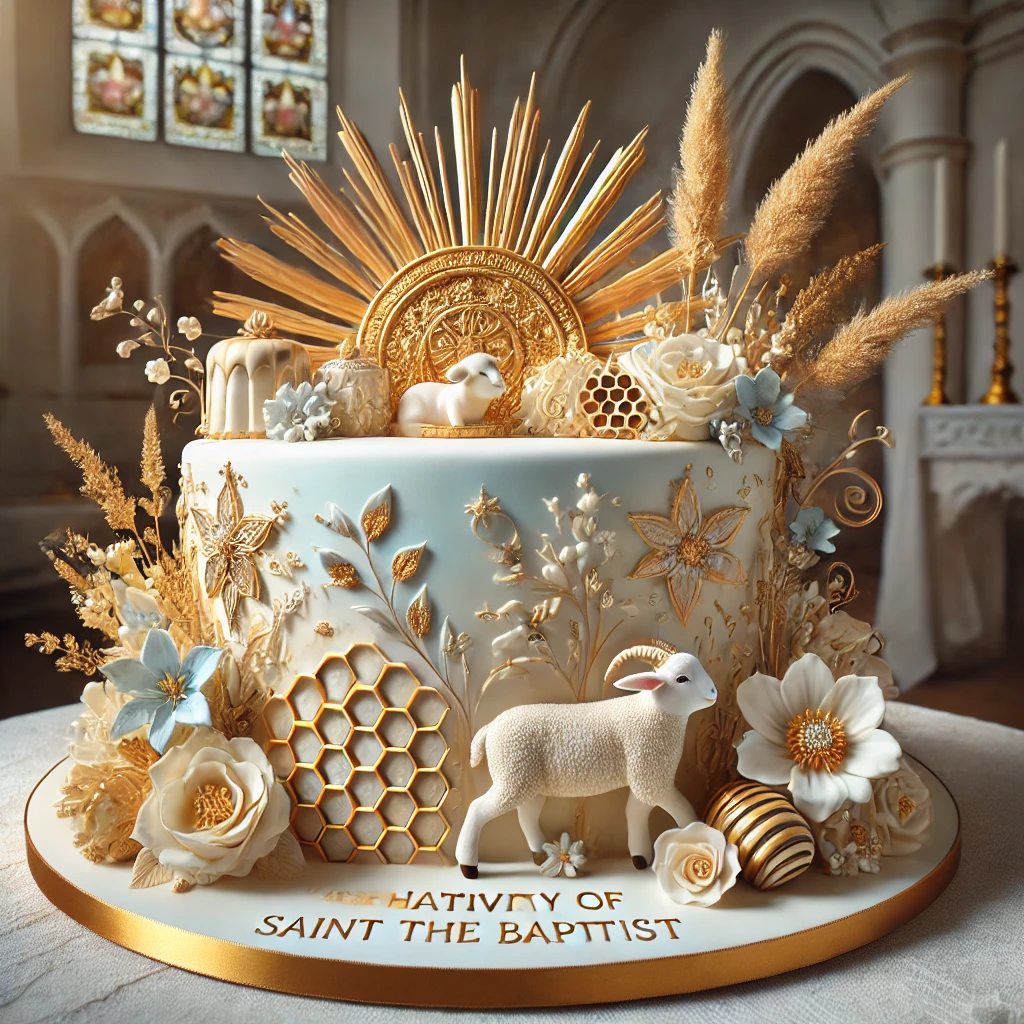
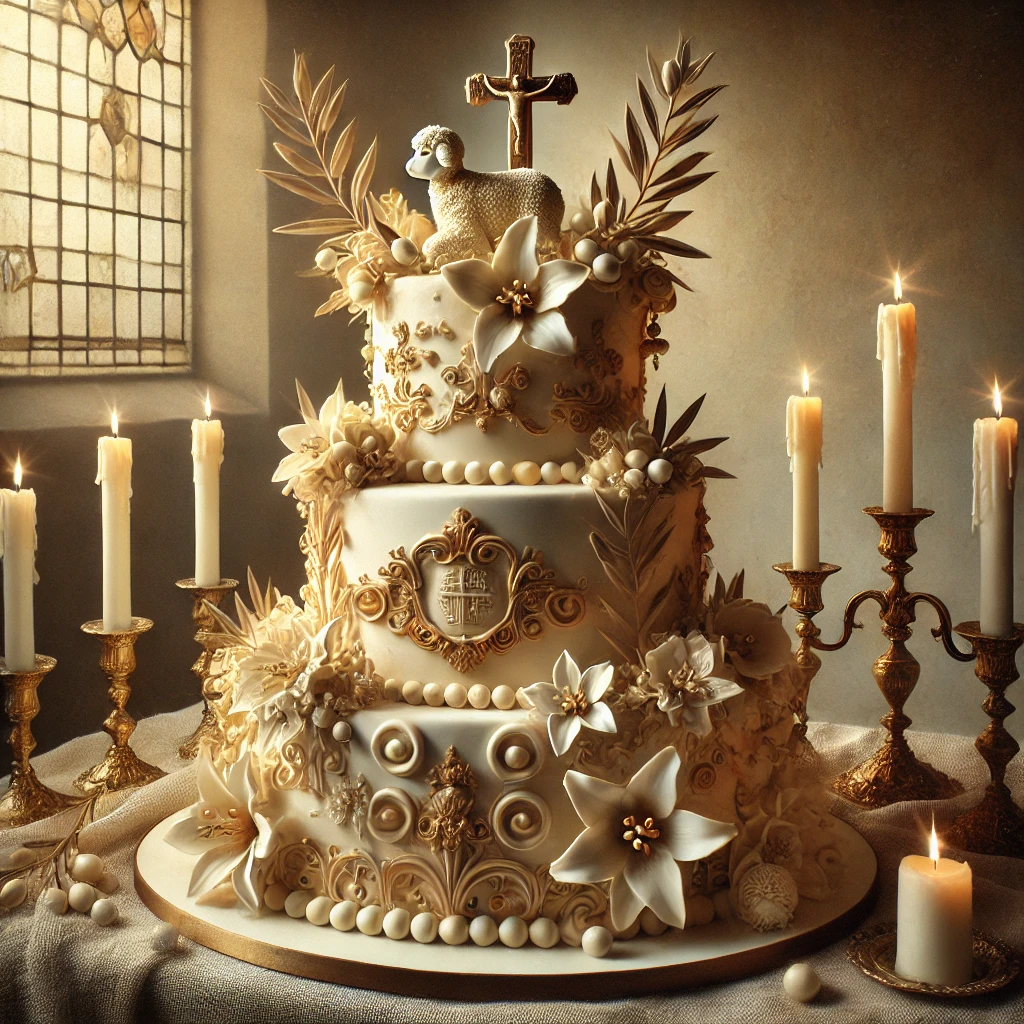
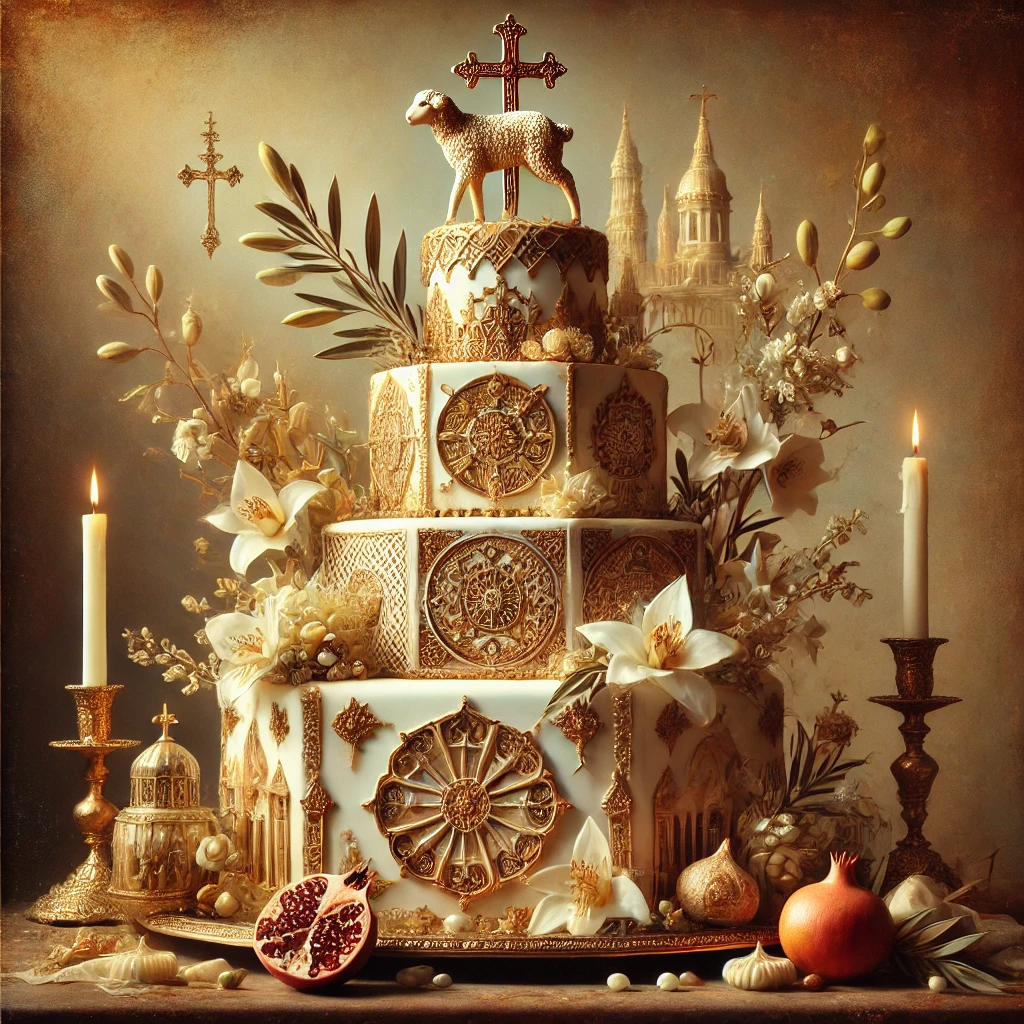
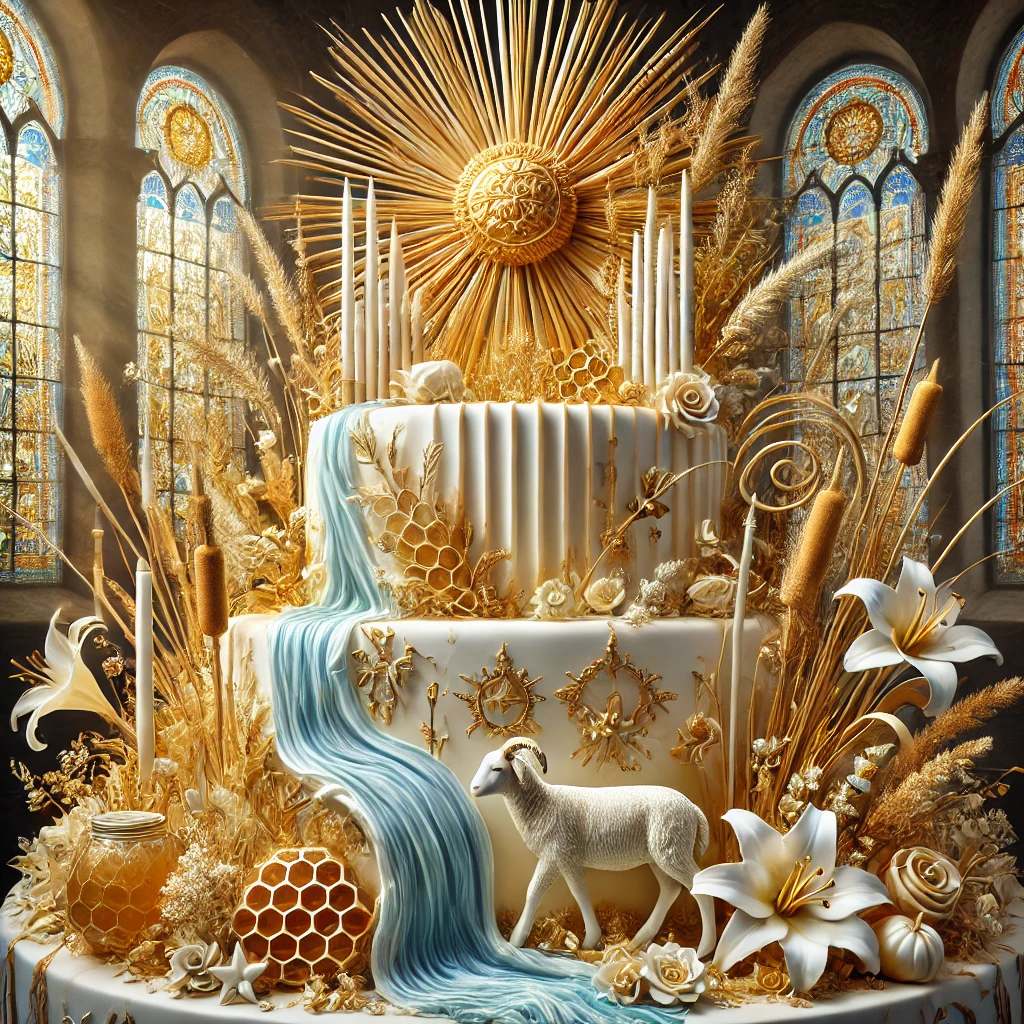
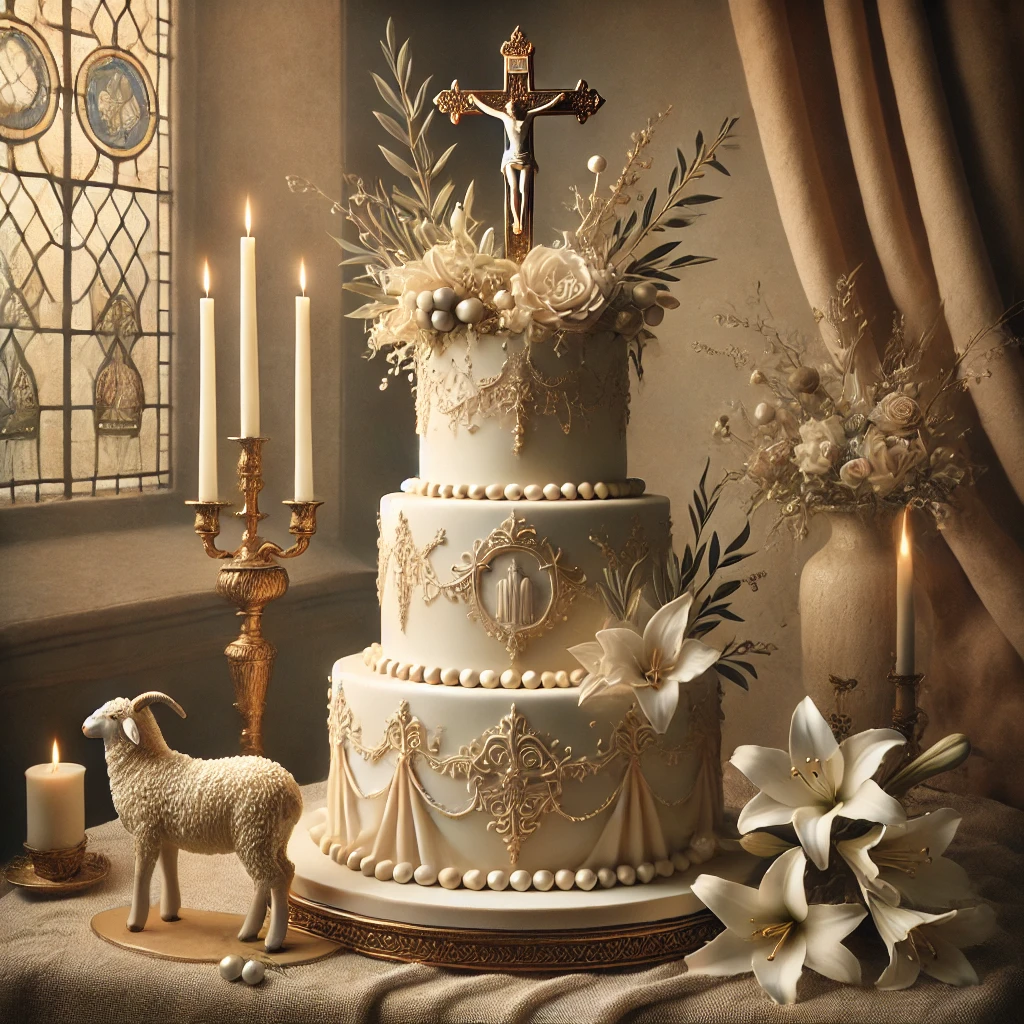
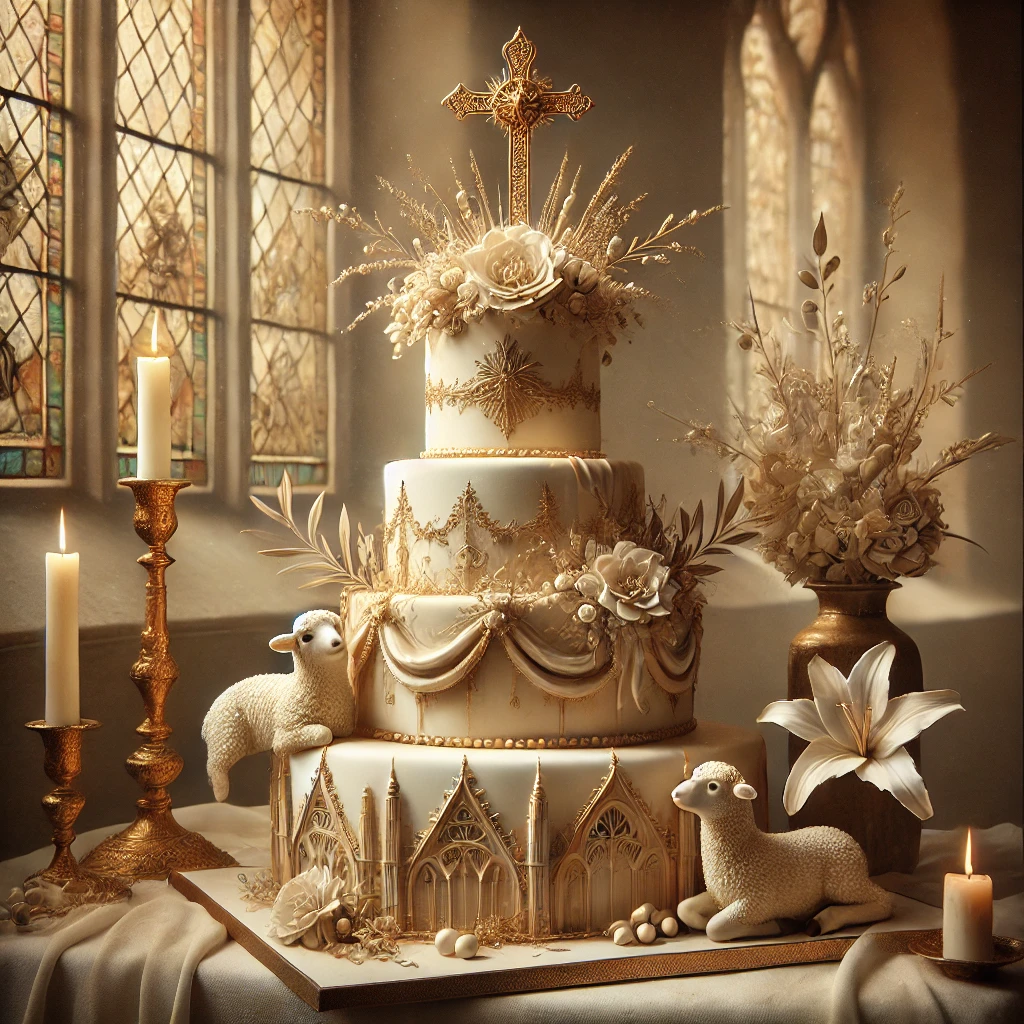
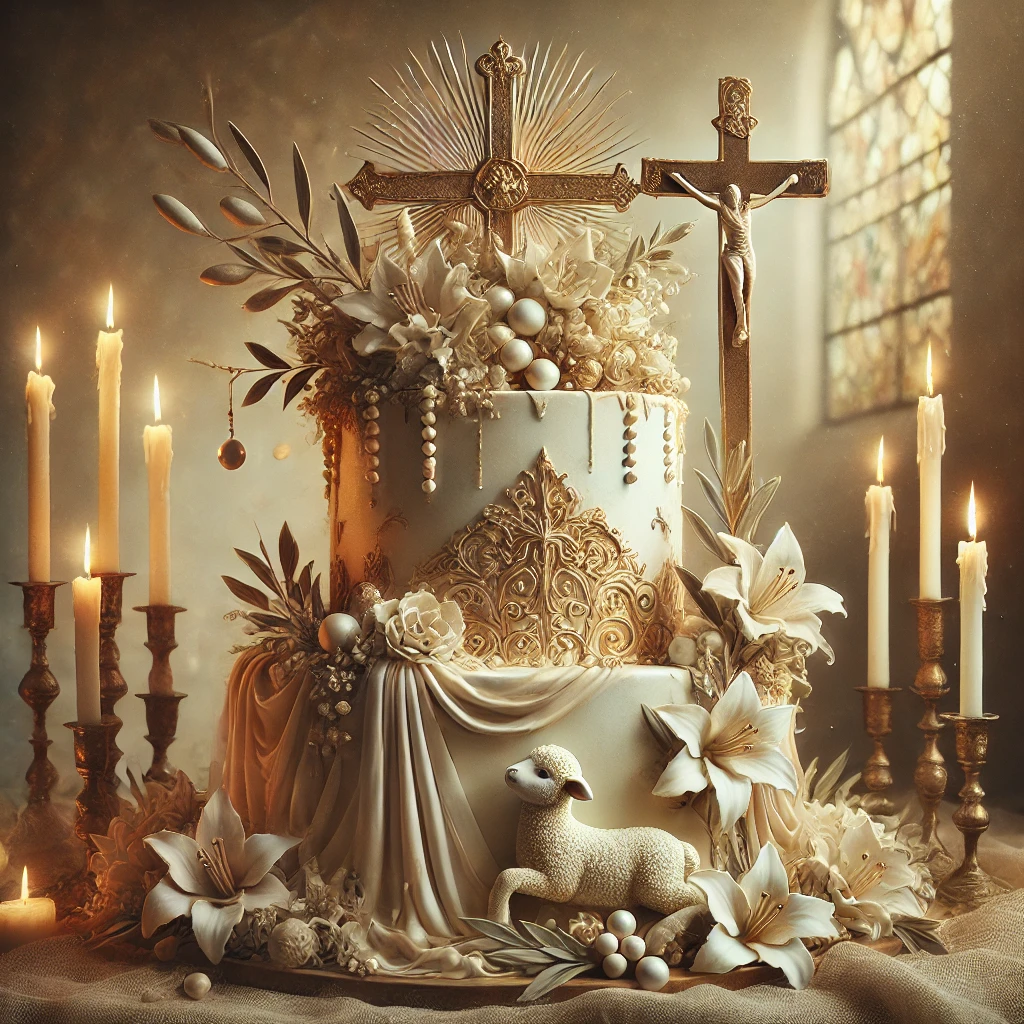
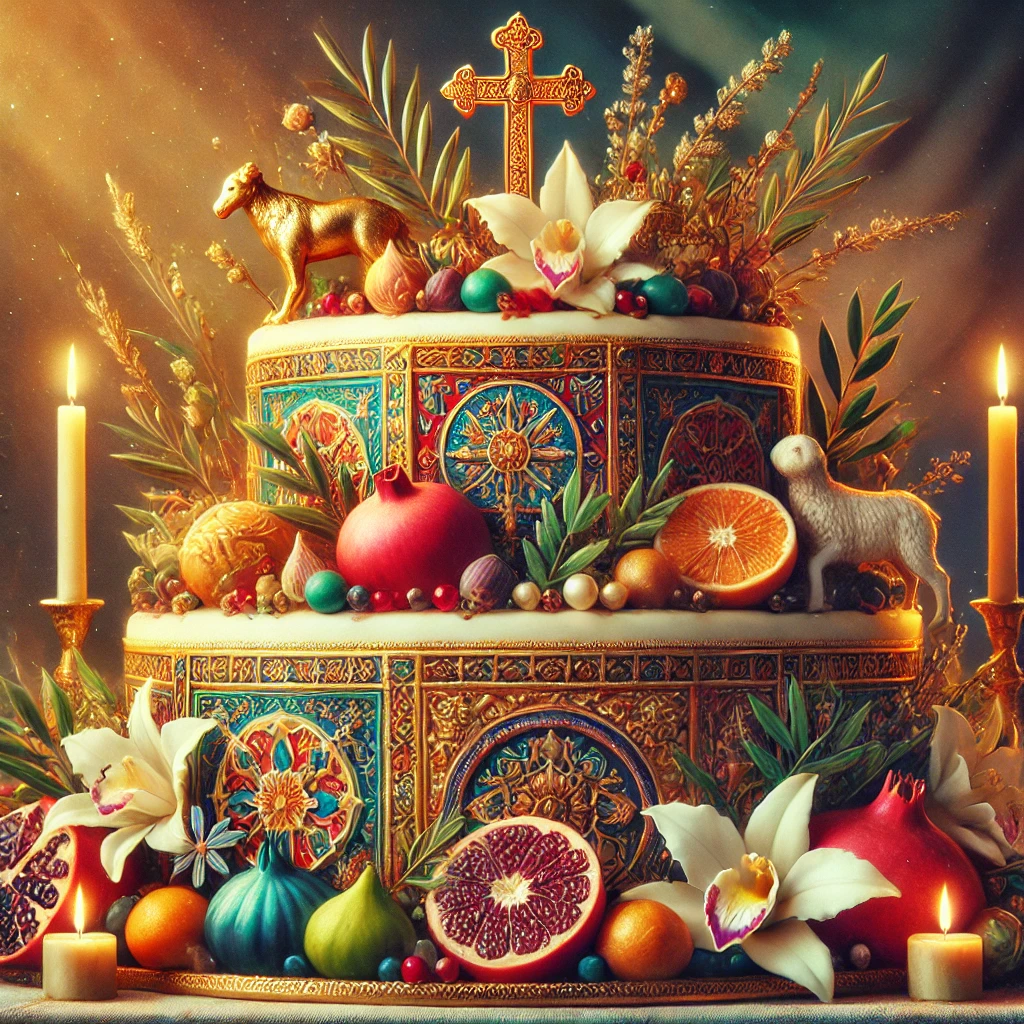
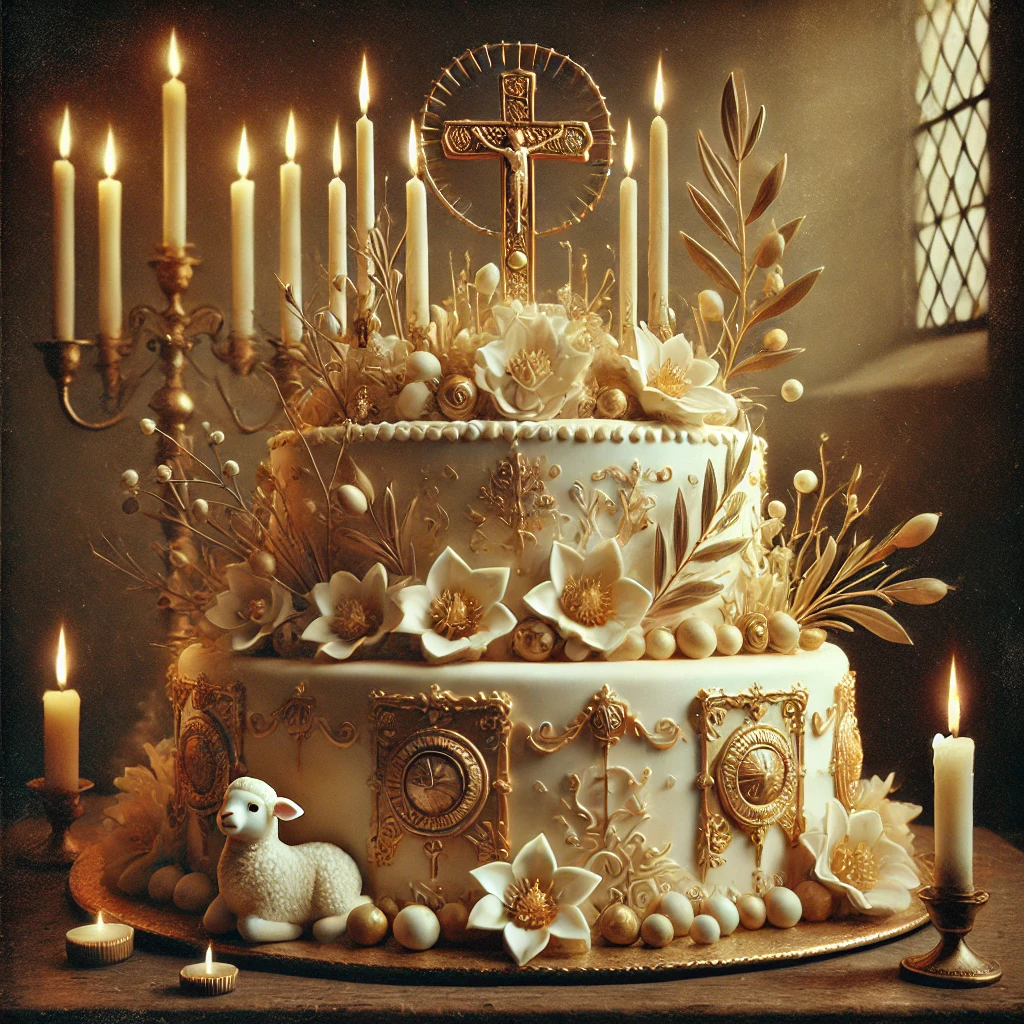
Birth of Saint John the Baptist Cake & Atmosphere Ideas

Where style, memory, and celebration meet.

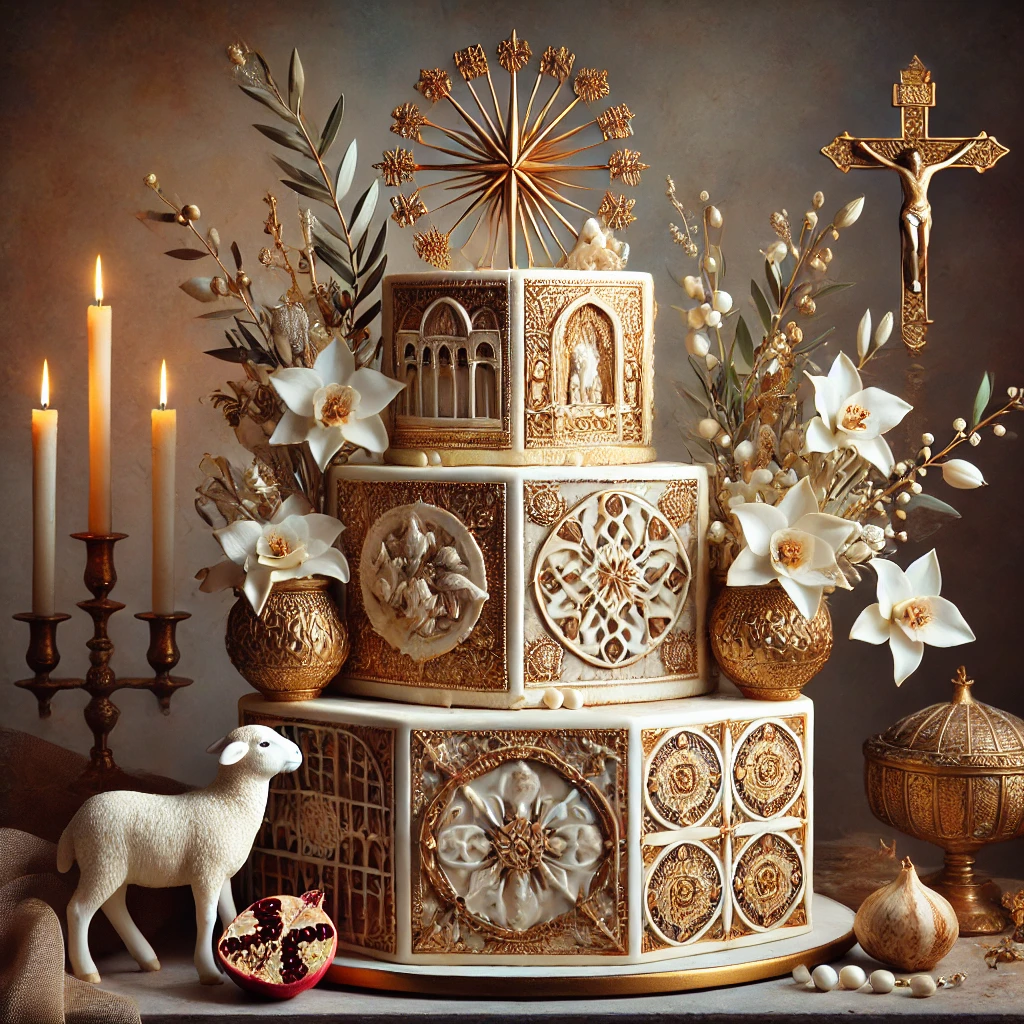
This section is meant to be more than Cake Decorating Ideas… it’s designed to spark inspiration and creativity, awaken tradition, and infuse your special occasions with style, identity, and atmosphere. A color palette becomes a theme. A design becomes a mood. Simple details—like sugared holly leaves or shimmering stars—can set the tone for a gathering and become part of cherished traditions and lasting memories melded with personal touch and love.

Traditional Dishes for the Birth of Saint John the Baptist

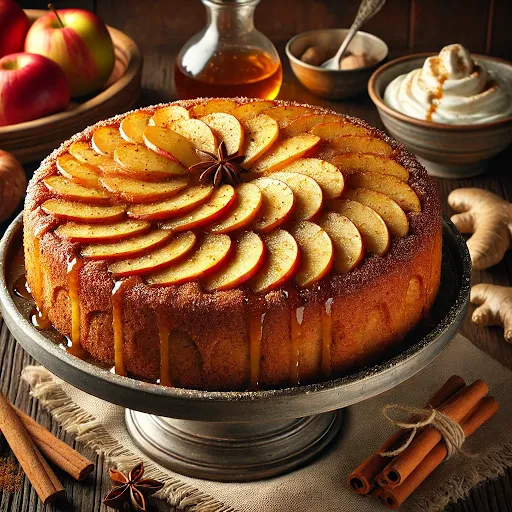
Honey Cakes & Sweet Breads
Sweet breads and honey cakes are traditional foods connected to the feast of Saint John the Baptist. Honey symbolizes both the “wild honey” associated with John’s life in the wilderness and the sweetness of spiritual renewal, gratitude, and summer abundance.
Herb-Roasted Lamb or Goat
In many older traditions, roasted meats seasoned with rosemary, thyme, garlic, and olive oil were prepared for midsummer feast gatherings. These dishes reflected hospitality, celebration, and the joy surrounding Saint John’s feast day.
Fresh Summer Fruits
Cherries, figs, grapes, berries, apricots, and citrus were commonly enjoyed because the feast falls during the richness of early summer harvests. Fruit symbolized flourishing life, blessing, and the fullness of the season.
Rustic Hearth Bread
Freshly baked rustic bread often accompanied feast meals and symbolized simplicity, nourishment, fellowship, and gratitude. Bread remained central to many family and community gatherings celebrating the Nativity of Saint John the Baptist.
Herb & Garden Salads
Meals frequently included fresh herbs, greens, cucumbers, onions, mint, parsley, and garden vegetables gathered during midsummer. These dishes reflected freshness, vitality, purification, and connection to creation.
Olives, Cheese & Olive Oil Dishes
Simple Mediterranean-style foods such as olives, cheeses, olive oil, nuts, and roasted vegetables became common feast table additions, emphasizing humble nourishment and traditional village-style hospitality.
Fire-Roasted Foods
Because Saint John’s Eve became associated with bonfires, many communities prepared foods over open flames including roasted fish, vegetables, flatbreads, and meats. The fire symbolized illumination, purification, and joyful celebration.
Lavender & Herbal Drinks
Herbal teas, infused waters, berry drinks, and floral beverages using ingredients like lavender, chamomile, mint, and lemon were often enjoyed during summer gatherings, symbolizing refreshment, peace, and renewal.
Shared Outdoor Feasts
Above all, the meal traditions centered around community, gratitude, joy, and gathering together outdoors beneath the warmth of midsummer light — celebrating preparation, renewal, and the hope carried through the life of Saint John the Baptist.

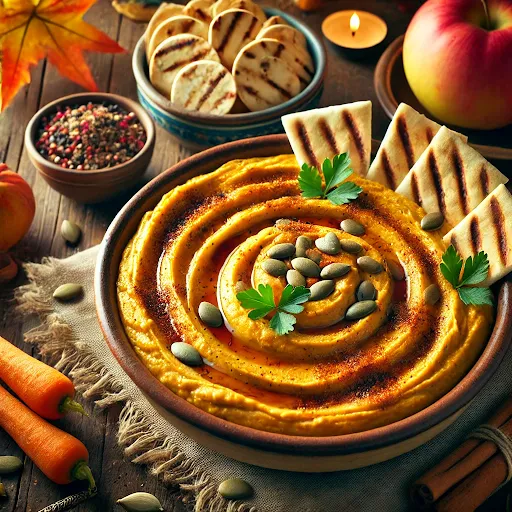
Recipes Engineered for that Summer Glow