



Wimbledon Championships

with ORO VALENTIO

Begins Last Monday in June

The Wimbledon Championships are deeply connected to the identity and history of tennis itself, representing one of the sport’s highest levels of achievement, tradition, and prestige. As the oldest tennis tournament in the world and one of the four Grand Slam events, Wimbledon has become a global symbol of excellence within the game. The championship showcases the skill, endurance, strategy, and discipline that define professional tennis, while its iconic grass courts preserve one of the sport’s original playing surfaces. Generations of legendary athletes have competed there, turning Wimbledon into a stage where the greatest moments in tennis history unfold before the world. The tournament’s traditions — from the all-white dress code to the elegance of Centre Court — reflect the refined heritage of tennis while continuing to inspire millions of players and fans across the globe.
The Wimbledon Championships stand as one of the most revered and enduring traditions in the world of sport — a tournament where elegance, discipline, endurance, and history converge upon perfectly kept grass courts beneath the summer skies of England. Held at the legendary All England Lawn Tennis and Croquet Club, Wimbledon is more than a tennis tournament; it is a living symbol of heritage, prestige, and excellence carried through generations.
Since its beginnings in 1877, Wimbledon has preserved an atmosphere unlike any other sporting event on earth. While the modern world races toward constant change, Wimbledon retains many of its timeless customs: the immaculate white attire worn by players, the carefully maintained grass courts, the royal patronage, and the profound respect for tradition that surrounds every match. The tournament feels less like a spectacle of noise and more like a cathedral of competition, where greatness is measured not only by victory, but by composure, honor, and mastery under pressure.
The grass courts themselves define the soul of Wimbledon. Faster and more unpredictable than clay or hard courts, grass rewards precision, reflexes, elegance, and strategic brilliance. Legends are not merely crowned here — they are tested in an environment where every movement matters and every rally feels sharpened by history. The sound of the tennis ball striking fresh grass has become one of the most recognizable rhythms in sport.
Throughout the decades, Wimbledon has witnessed some of the greatest champions ever to walk onto a court. Icons such as Roger Federer, Serena Williams, Rafael Nadal, Novak Djokovic, and Martina Navratilova transformed Centre Court into a stage of endurance, artistry, and relentless will. Their triumphs became woven into Wimbledon’s mythology, inspiring generations of athletes and spectators alike.
Yet Wimbledon’s beauty extends beyond trophies and records. The tournament carries an atmosphere of refinement and ceremony rarely found elsewhere in athletics. Strawberries and cream, ivy-covered architecture, quiet anticipation before serves, and the presence of royalty all contribute to its unmistakable identity. Even the smallest traditions feel intentional, preserving the dignity and grandeur that define the championship.
At its heart, Wimbledon represents the pursuit of excellence through discipline and resilience. Every player who steps onto Centre Court enters not only a competition against an opponent, but also a dialogue with history itself. Beneath the applause, the pressure, and the global attention lies a deeper reality: greatness is forged through patience, sacrifice, precision, and unwavering focus.
For millions around the world, Wimbledon remains a celebration of timeless athletic beauty — where tradition and modern greatness meet upon sacred grass, and where moments of human determination are elevated into sporting legend.

Speed, Precision, Endurance, and Strategy

During the Wimbledon Championships, many of the world’s greatest tennis players compete against one another in a series of elimination matches on grass courts. Players from across the globe enter the tournament hoping to advance through each round — from the opening matches all the way to the finals on the legendary Centre Court.
The tournament includes men’s singles, women’s singles, doubles, mixed doubles, junior events, and wheelchair competitions. Matches are played over several days, with athletes using speed, precision, endurance, and strategy to defeat their opponents. Because Wimbledon is played on grass, the matches are often faster and require quick reflexes and controlled movement.
Crowds gather from around the world to watch the matches both in person and through international broadcasts. Spectators witness dramatic rallies, powerful serves, tense tie-breaks, and emotional victories as players battle for one of the most prestigious titles in tennis. The atmosphere combines excitement with elegance, preserving the tournament’s historic traditions and refined character.
Throughout the championship, players wear primarily white attire in accordance with Wimbledon tradition. Royal guests, celebrities, former champions, and tennis fans often attend the matches, adding to the event’s prestige and cultural significance.
At the conclusion of the tournament, the champions receive trophies and worldwide recognition for their achievement. Winning Wimbledon is considered one of the highest honors in all of tennis, symbolizing not only athletic greatness, but also composure, discipline, and mastery of the sport’s most iconic stage.
 
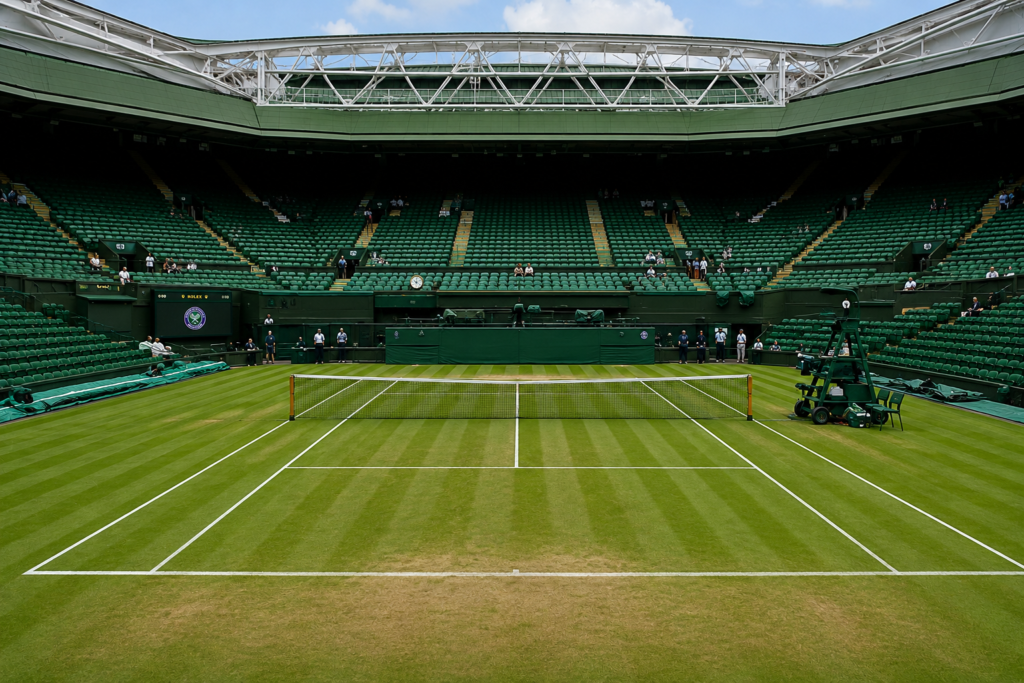
The grass court used at the Wimbledon Championships is one of the most iconic playing surfaces in all of sports. Unlike hard courts or clay courts used in many other tournaments, Wimbledon is played entirely on carefully maintained natural grass, giving the championship its distinctive speed, elegance, and tradition. The surface is trimmed with extraordinary precision and cared for daily so that it remains smooth, resilient, and consistent throughout the tournament. Grass courts create a faster style of tennis because the ball tends to skid and stay lower after bouncing. This requires players to react quickly, move with balance and precision, and rely heavily on timing, strategy, and control. Powerful serves, quick volleys, and fast reflexes become especially important on grass, making Wimbledon one of the most technically demanding tournaments in the world. The most famous court at Wimbledon is Centre Court at the All England Lawn Tennis and Croquet Club. Surrounded by dark green seating, elegant architecture, and royal tradition, Centre Court has hosted some of the greatest matches in tennis history. It also features a retractable roof that protects matches from rain while preserving the atmosphere and integrity of the event. The appearance of the court itself has become symbolic of Wimbledon’s identity. The alternating stripes created by mowing patterns, the bright white boundary lines, and the rich green grass contribute to the tournament’s refined and timeless visual style. Even as modern technology has advanced the sport, Wimbledon’s grass courts continue to preserve a direct connection to the early history of tennis. Because the grass gradually wears down during the championship, especially near the baseline where players move constantly, the courts visually change over the course of the tournament. This evolving surface adds another layer of challenge, forcing players to adapt as conditions become more difficult with each passing round. More than simply a field of play, the Wimbledon court represents tradition, discipline, precision, and excellence — a stage where generations of athletes have pursued greatness upon one of the most respected surfaces in sporting history.

Wimbledon Chamionships Traditions to Make Your Own

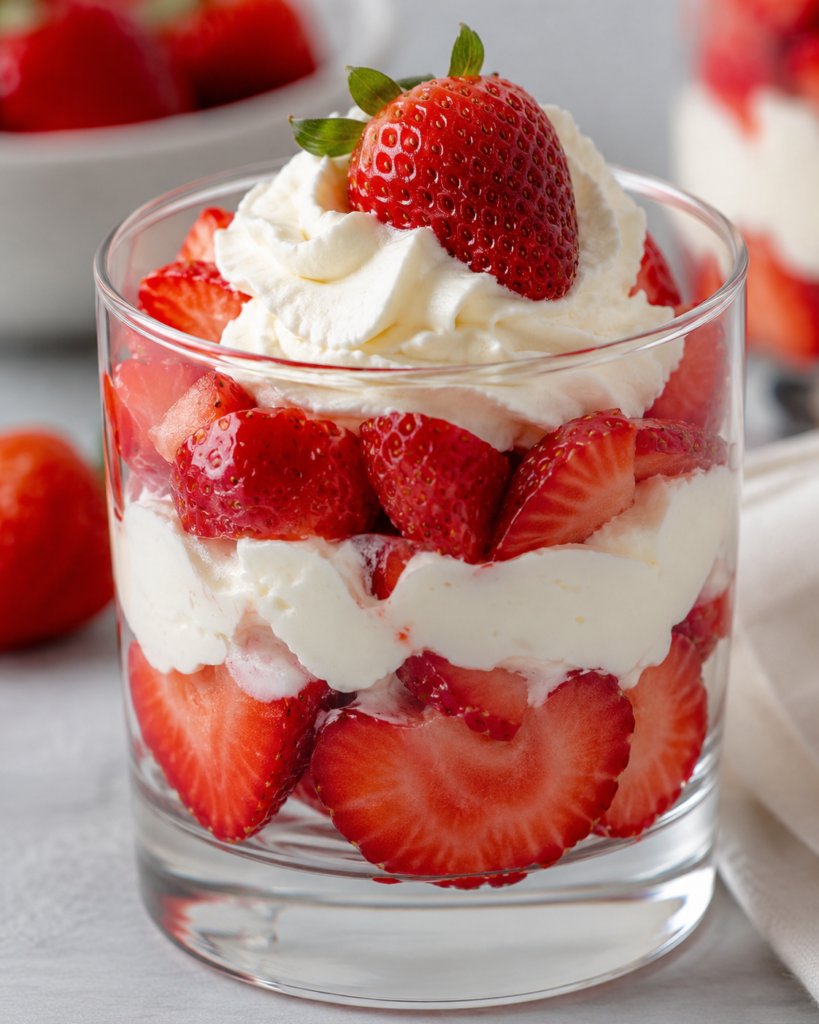
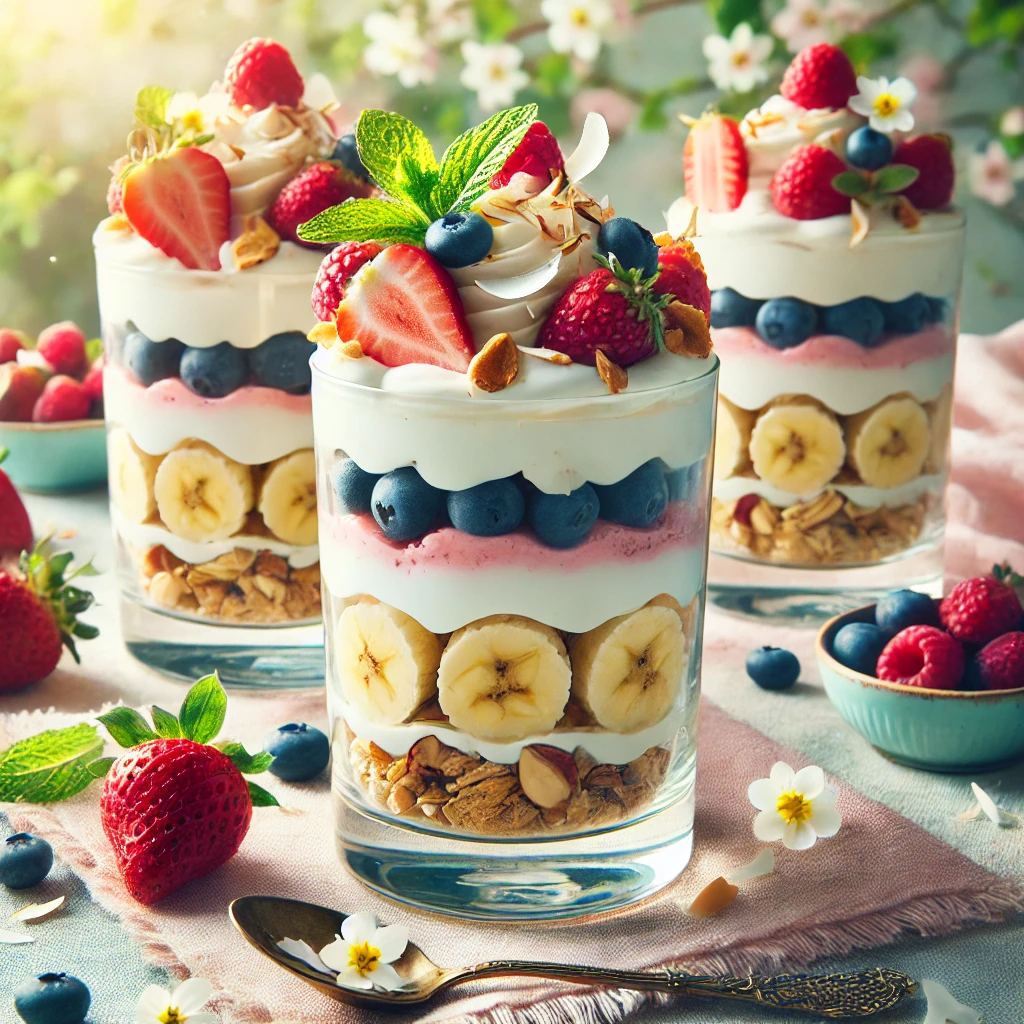
Strawberries and cream are traditionally eaten during the Wimbledon Championships because the dish became associated with English summertime, elegance, and the historic atmosphere of the tournament. The tradition dates back centuries and reflects the seasonal timing of Wimbledon, which takes place during the peak strawberry harvest in England. The combination itself is simple yet refined: fresh strawberries paired with rich cream create a light, refreshing dessert that fits the sophisticated character of the championship. Over time, it became one of Wimbledon’s most recognizable customs, enjoyed by spectators while watching matches on the grass courts. The tradition is also connected to British culture and hospitality. Strawberries and cream were long considered a luxurious seasonal treat among English society, especially during outdoor summer events and garden gatherings. As Wimbledon grew into one of the world’s most prestigious sporting events, the dish naturally became woven into the experience and identity of the tournament. Today, eating strawberries and cream at Wimbledon is more than simply having dessert — it is part of participating in the atmosphere and heritage of the championship itself. The bright red strawberries and white cream have even become symbolic of Wimbledon’s elegant summer identity, much like the green grass courts and white player attire.
All-White Dress Code
One of Wimbledon’s most famous traditions is the requirement that players wear predominantly white clothing while competing. This rule dates back to the Victorian era and reflects the tournament’s emphasis on elegance, discipline, and tradition.
Strawberries and Cream
Spectators traditionally enjoy strawberries and cream during the tournament. This simple dish has become one of Wimbledon’s most recognizable customs and symbolizes the refined summer atmosphere of the championship.
Royal Attendance
Members of the British royal family have long attended Wimbledon matches, especially on Centre Court. Royal guests often sit in the prestigious Royal Box, adding to the tournament’s historic prestige and ceremonial character.
Grass Courts
Wimbledon remains the only Grand Slam tournament still played on natural grass courts. Preserving grass as the playing surface honors the early history of tennis and gives the championship its unique style and identity.
Queueing Tradition
Many fans participate in “The Queue,” where spectators line up — sometimes overnight — for the chance to purchase tickets on the day of matches. The orderly and respectful nature of the queue has become a celebrated part of Wimbledon culture.
Centre Court Ceremony
Players traditionally enter Centre Court with a sense of formality and respect for the history surrounding it. Winning on Centre Court is viewed as one of the greatest honors in tennis.
Quiet Respect During Play
Unlike many sporting events, Wimbledon crowds are known for maintaining silence during points and rallies. This respectful atmosphere allows players to concentrate and preserves the refined tone of the tournament.
Trophy Presentations
Champions receive elegant trophies following the finals, often presented in the presence of royal figures or distinguished guests. These ceremonies emphasize sportsmanship, achievement, and the honor associated with winning Wimbledon.
Carefully Maintained Grounds
The courts, gardens, ivy-covered walls, and grounds are maintained with extraordinary precision throughout the tournament. Wimbledon’s visual beauty and immaculate presentation are central to its identity and global reputation.
Championship Towels and Traditions of Prestige
Even small details — from official towels to scoreboards and uniforms of event staff — are treated with consistency and care. Wimbledon preserves an atmosphere where heritage, excellence, and timeless sporting tradition remain at the forefront.

Teach All Competitors to Pursue Excellence with Honor

Lord God,
giver of strength, discipline, and perseverance,
we thank You for the joy of sport, the beauty of competition, and the unity that events like the Wimbledon Championships can inspire among people across the world.
Bless the athletes who train with dedication and sacrifice, granting them integrity, humility, and endurance both in victory and defeat. Teach all competitors to pursue excellence with honor, respect, and self-control, remembering that true greatness is measured not only by achievement, but by character.
May the spirit of sportsmanship overcome pride, bitterness, and division. Let moments of competition become opportunities for friendship, inspiration, and mutual respect among nations and peoples.
We also thank You for the traditions, beauty, and history that surround the championship — for the green courts, the cheering crowds, the peaceful summer atmosphere, and the simple joys shared among families and friends.
Grant that all who watch or participate may find joy, balance, discipline, and gratitude in the gifts You have given. Help us to use our talents wisely, to encourage one another, and to strive always toward what is good, noble, and true.
Through Your guidance,
may both sport and life be pursued with courage, wisdom, and grace.
Amen.
 
People pray this prayer because sport — especially an event as historic and respected as the Wimbledon Championships — can reflect deeper values such as discipline, perseverance, humility, excellence, and respect for others. The prayer asks God to guide athletes, spectators, and all who participate so that competition remains honorable and uplifting rather than driven by pride or selfishness. Many pray it to seek strength, focus, and endurance, recognizing that athletic achievement requires sacrifice, patience, and self-control. Just as players train diligently to refine their abilities, the prayer reminds believers that life itself also requires perseverance, integrity, and steady growth in character. The prayer is also said to encourage sportsmanship and unity. Wimbledon brings together people from many nations and backgrounds, and the prayer asks that competition become a source of mutual respect and inspiration rather than division or hostility. It reflects the hope that human talents can be used in ways that honor both others and God. Some pray it out of gratitude for the beauty and joy surrounding the championship itself — the traditions, the grass courts, the summer atmosphere, and the shared experience of watching great athletes perform with skill and composure. The prayer becomes a way of thanking God for the gifts of recreation, fellowship, and human creativity. Ultimately, people pray this prayer because it places achievement, talent, and competition within a greater perspective. It reminds the faithful that while trophies and victories are temporary, virtues such as humility, perseverance, honor, and gratitude carry lasting value far beyond the court.

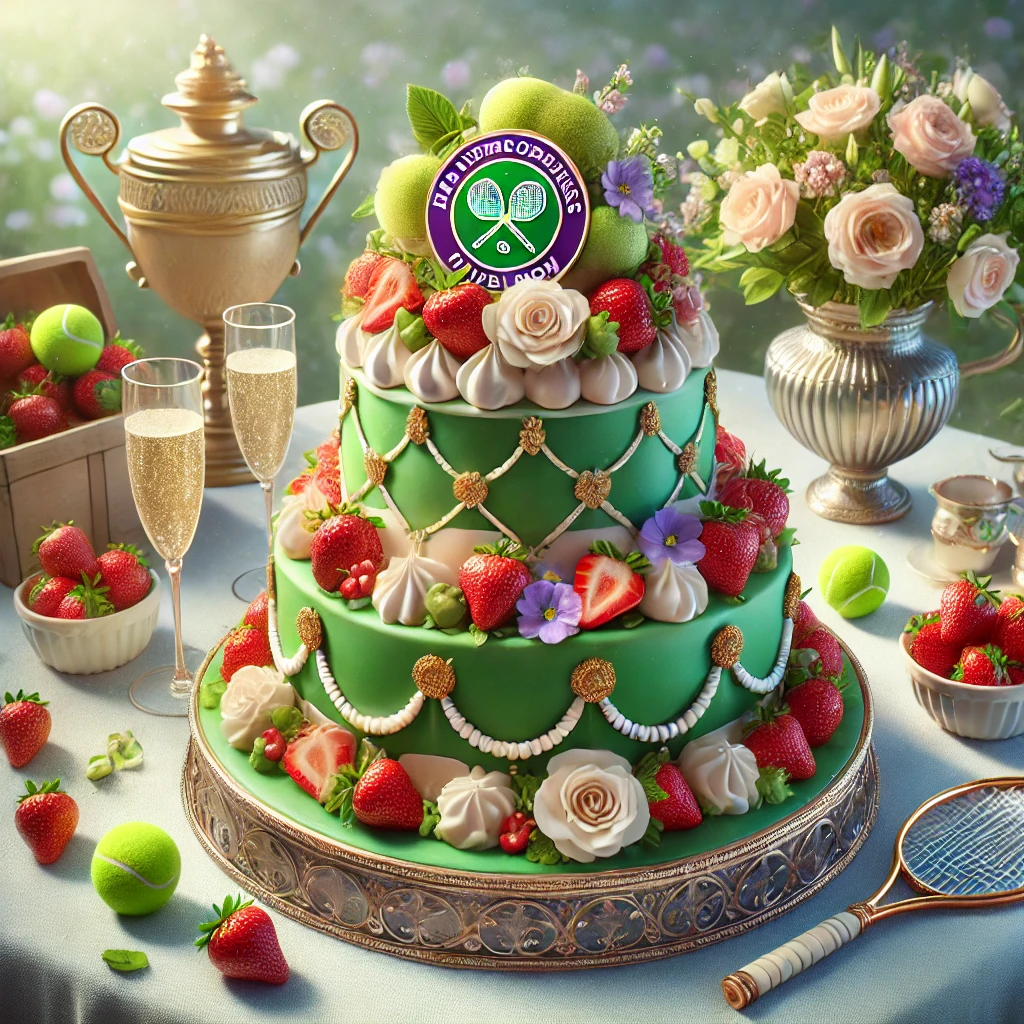
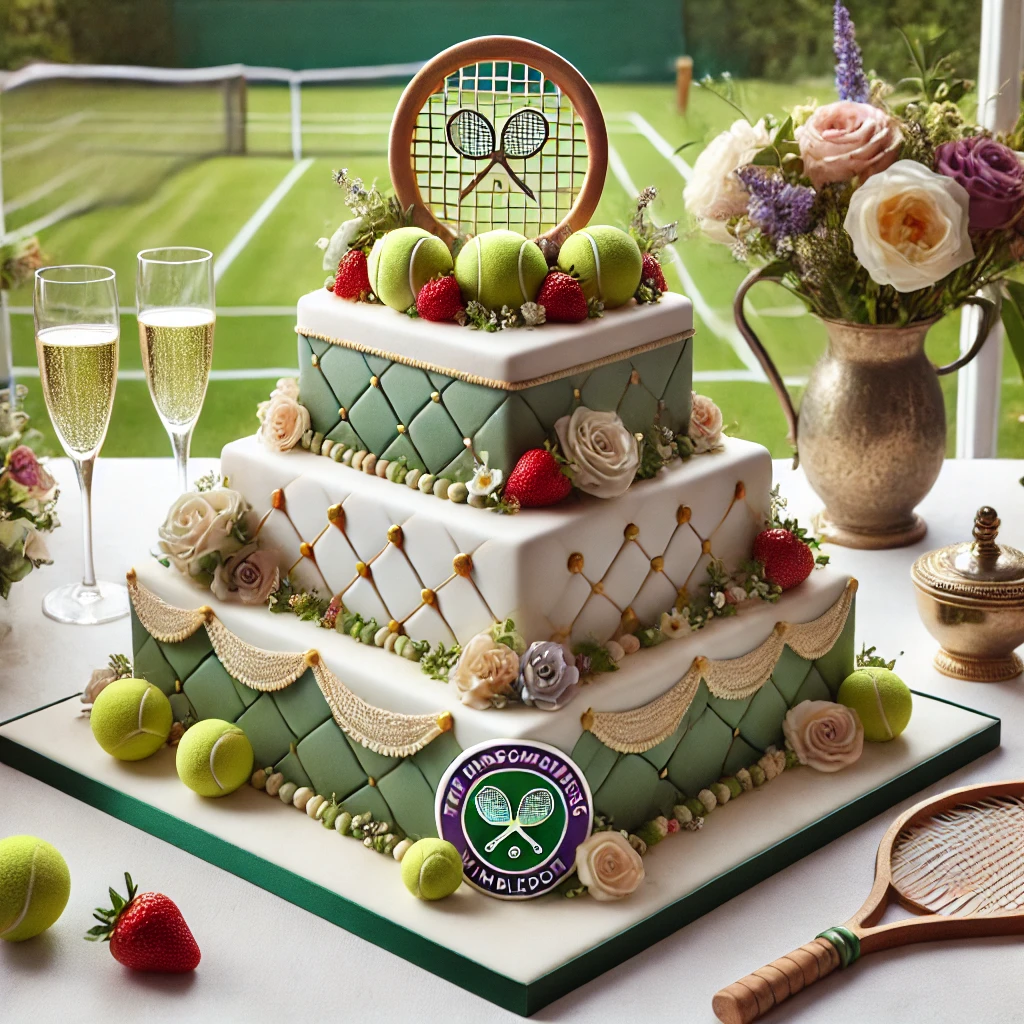
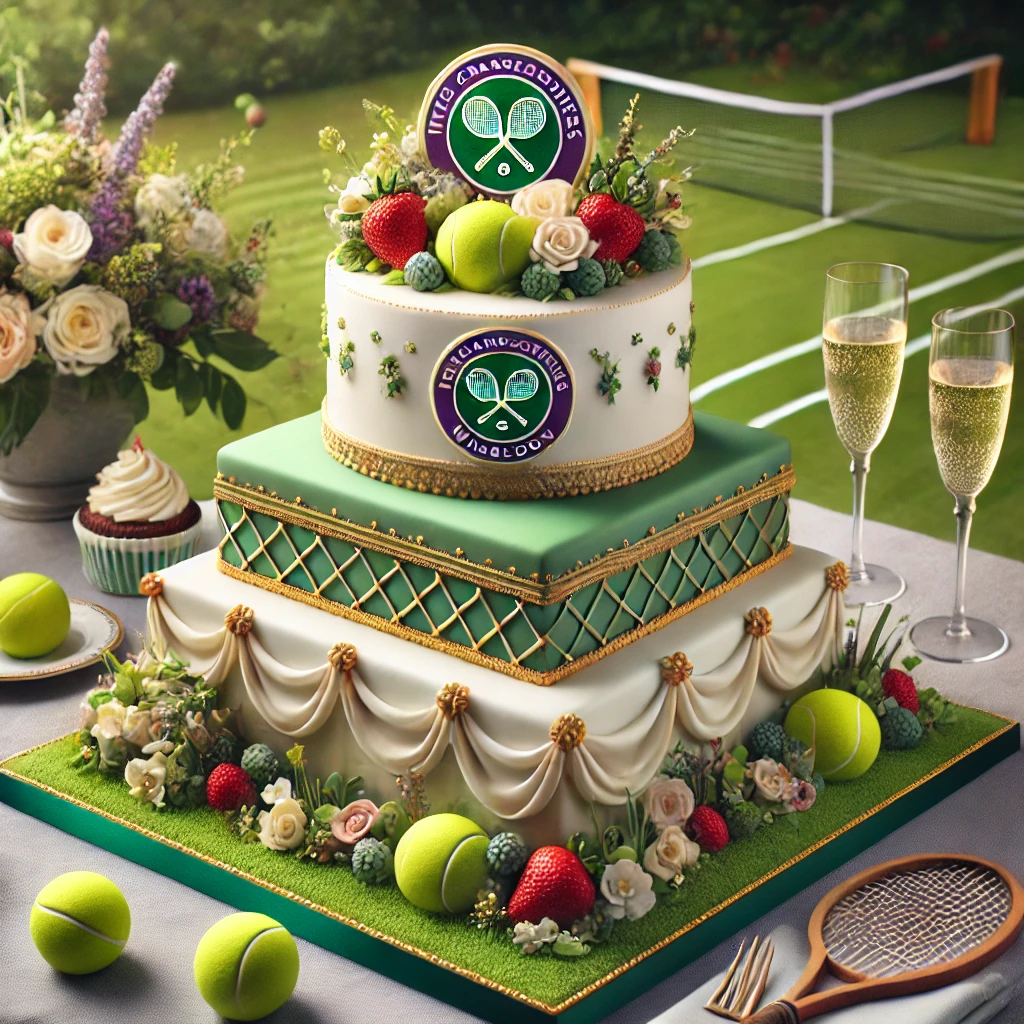
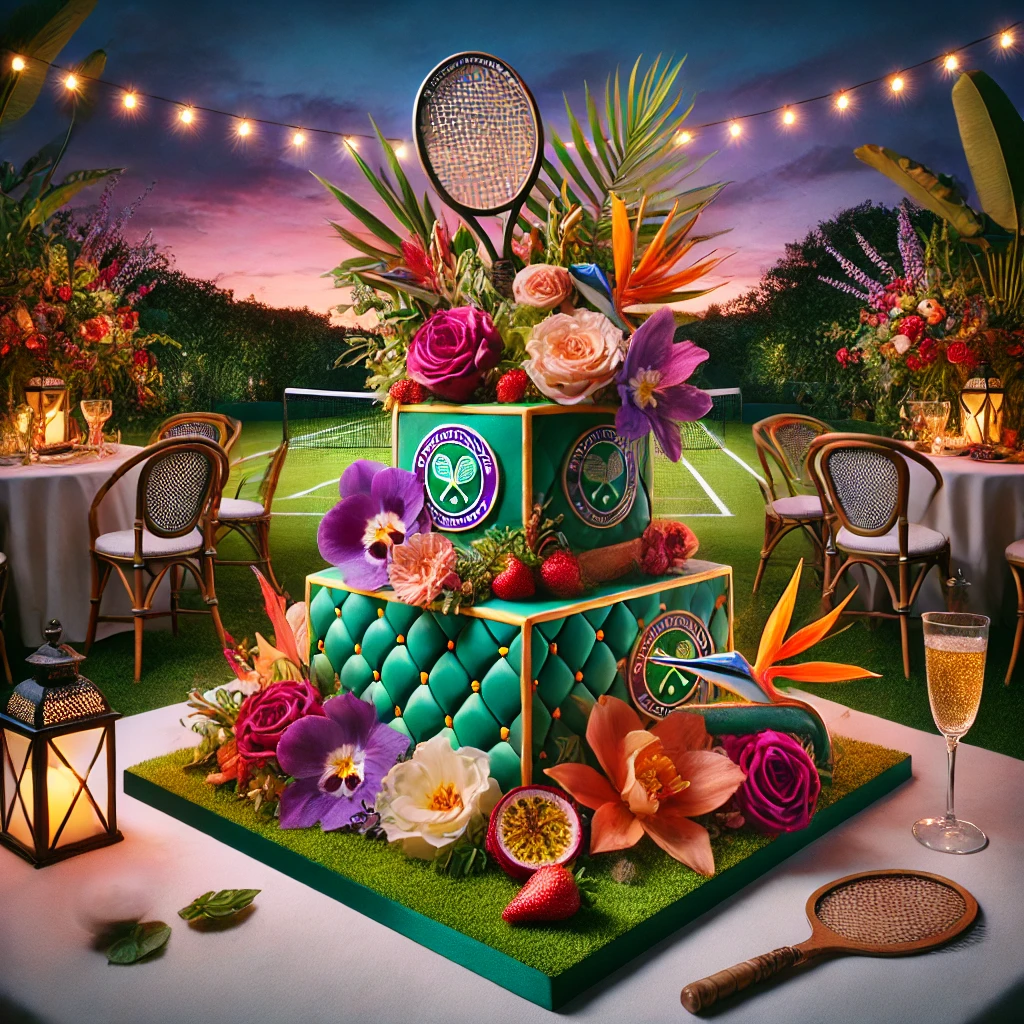
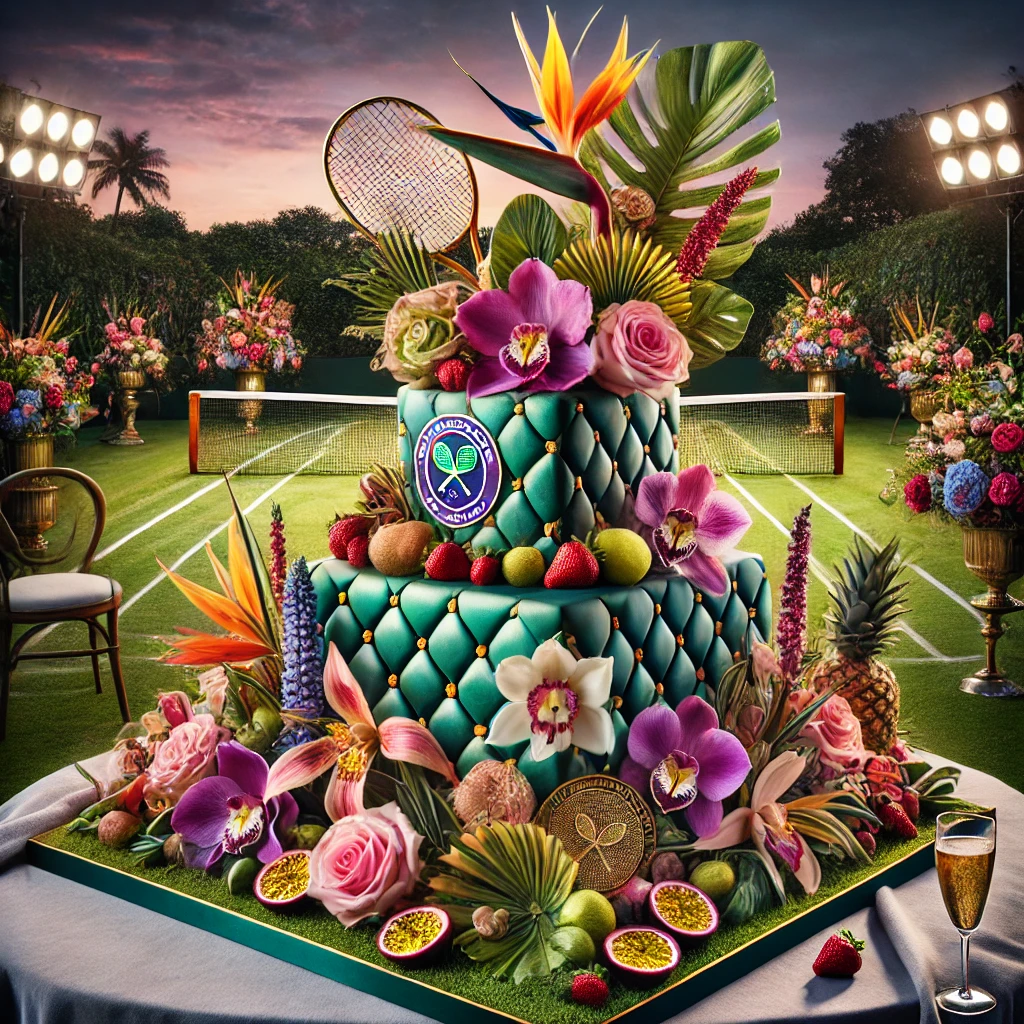
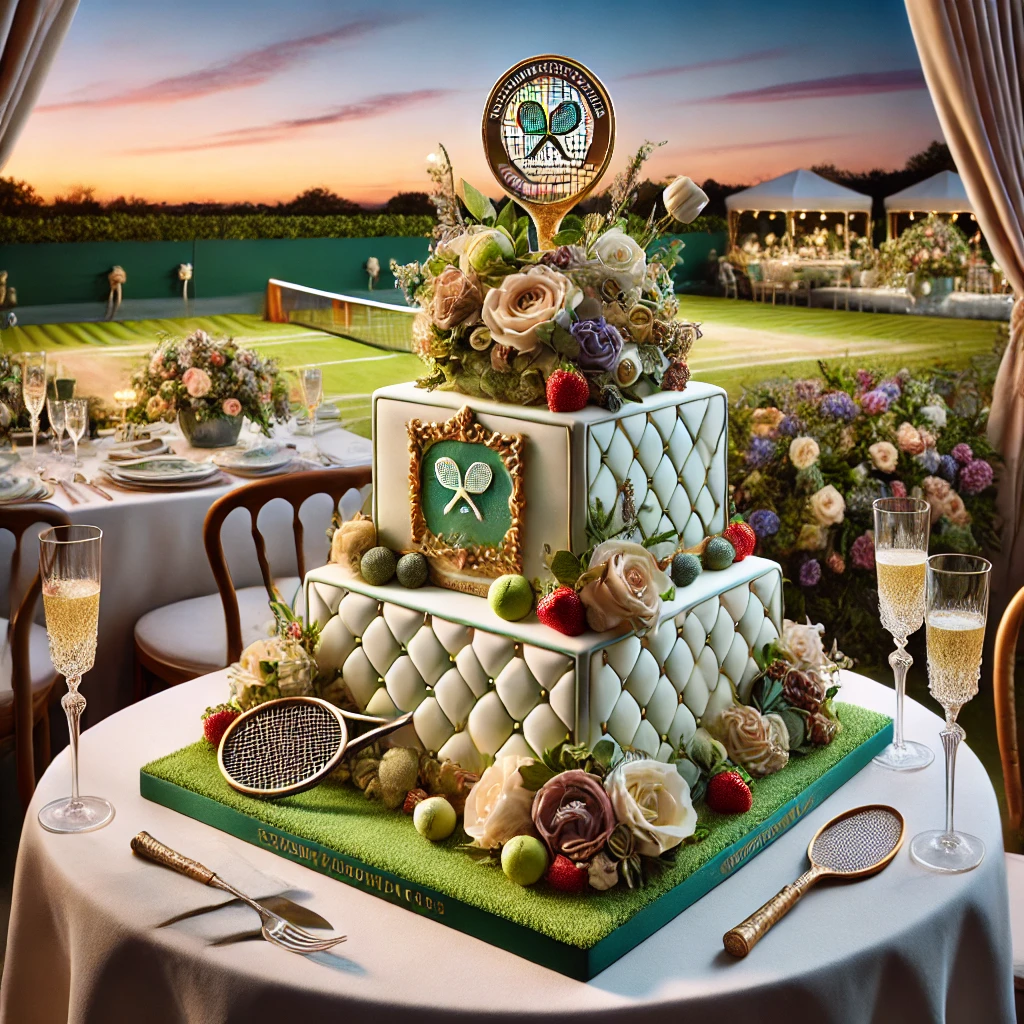
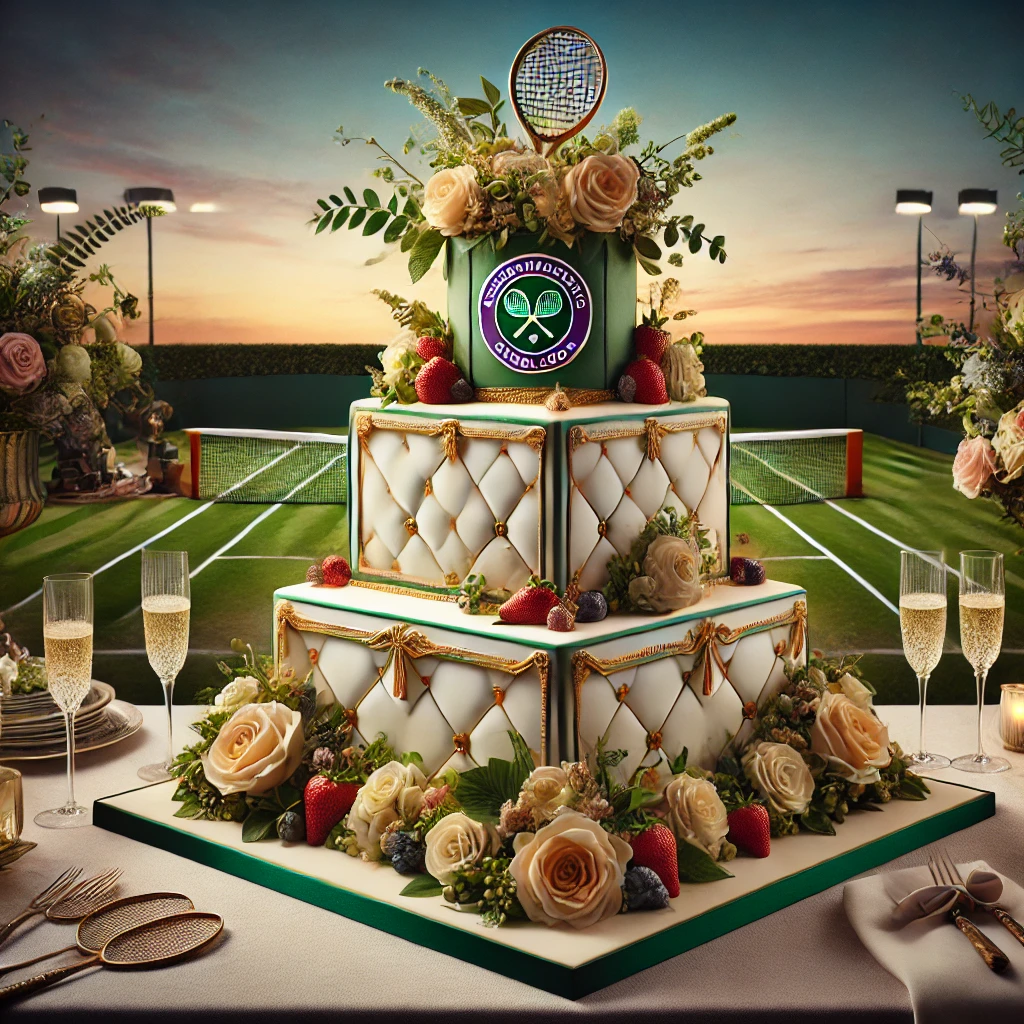
Wimbledon Championships Cake & Atmosphere Ideas

Where style, memory, and celebration meet.

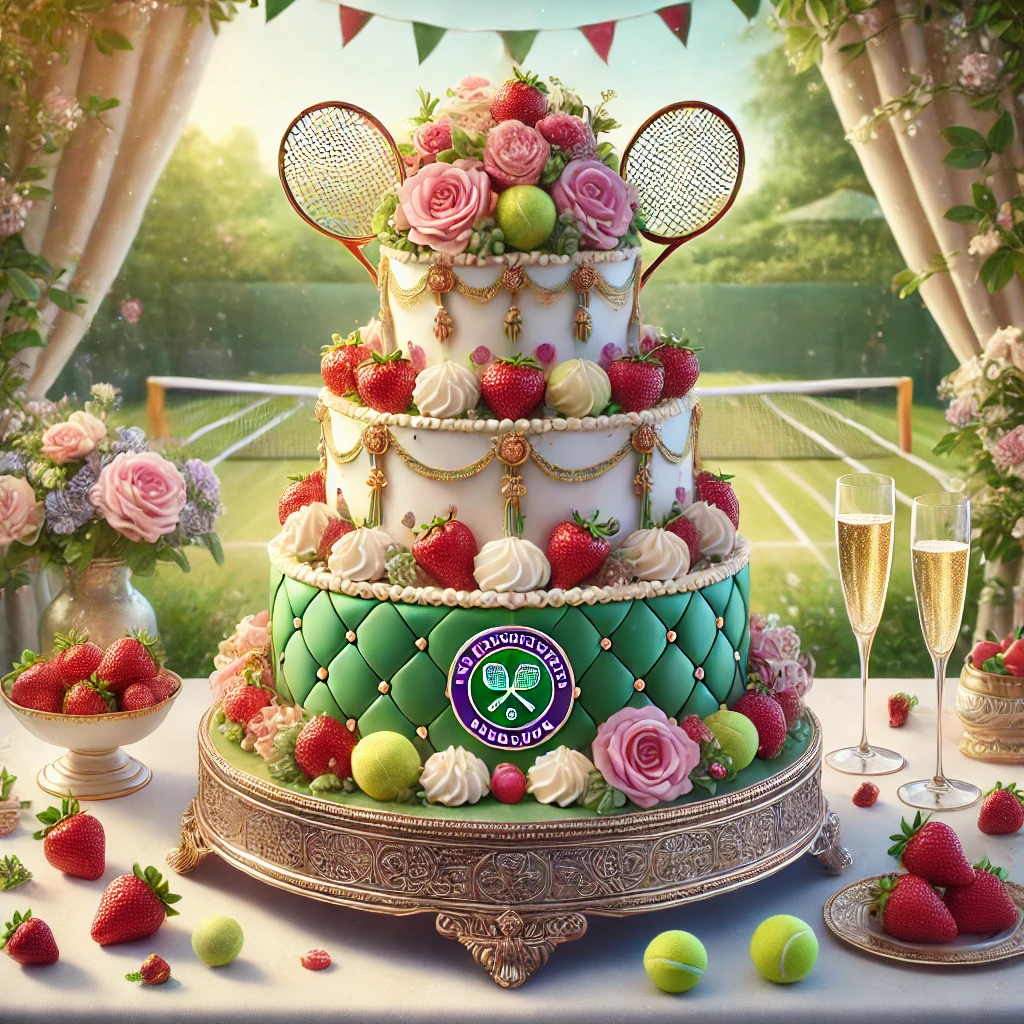
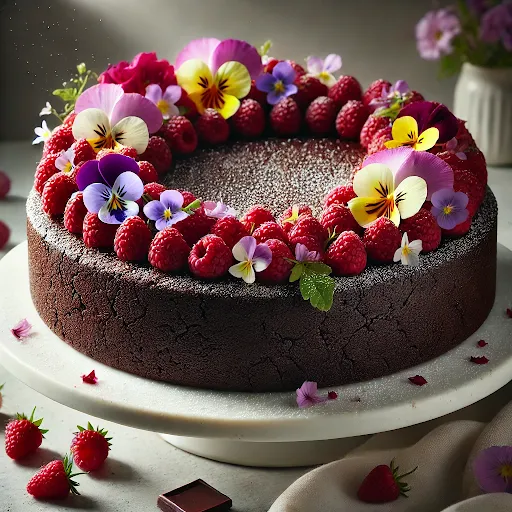
This section is meant to be more than Cake Decorating Ideas… it’s designed to spark inspiration and creativity, awaken tradition, and infuse your special occasions with style, identity, and atmosphere. A color palette becomes a theme. A design becomes a mood. Simple details—like sugared holly leaves or shimmering stars—can set the tone for a gathering and become part of cherished traditions and lasting memories melded with personal touch and love.

Traditional Wimbledon Championships Dishes

Strawberries and Cream
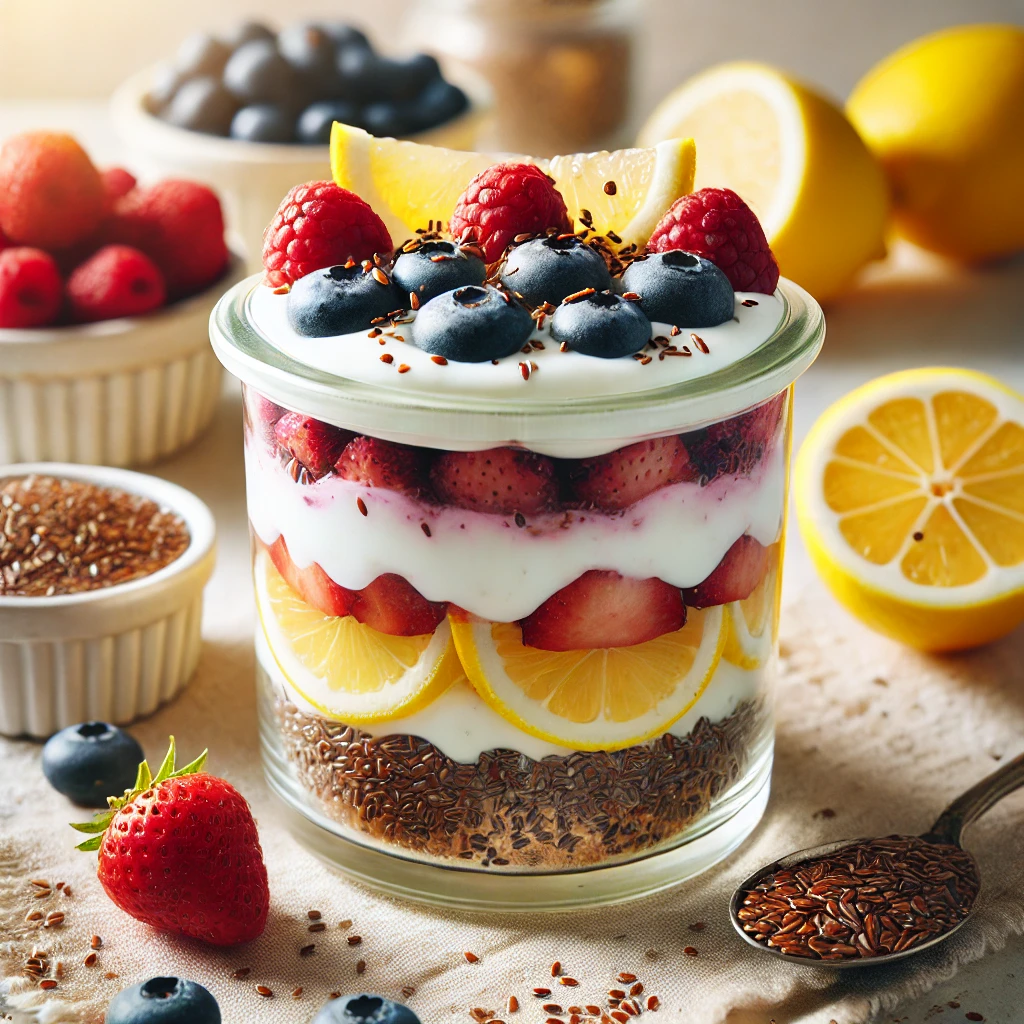
The most iconic Wimbledon dish, fresh strawberries served with rich cream, has become inseparable from the championship itself. Light, refreshing, and elegant, it reflects the atmosphere of English summer and the refined traditions of the tournament.
Cucumber Tea Sandwiches
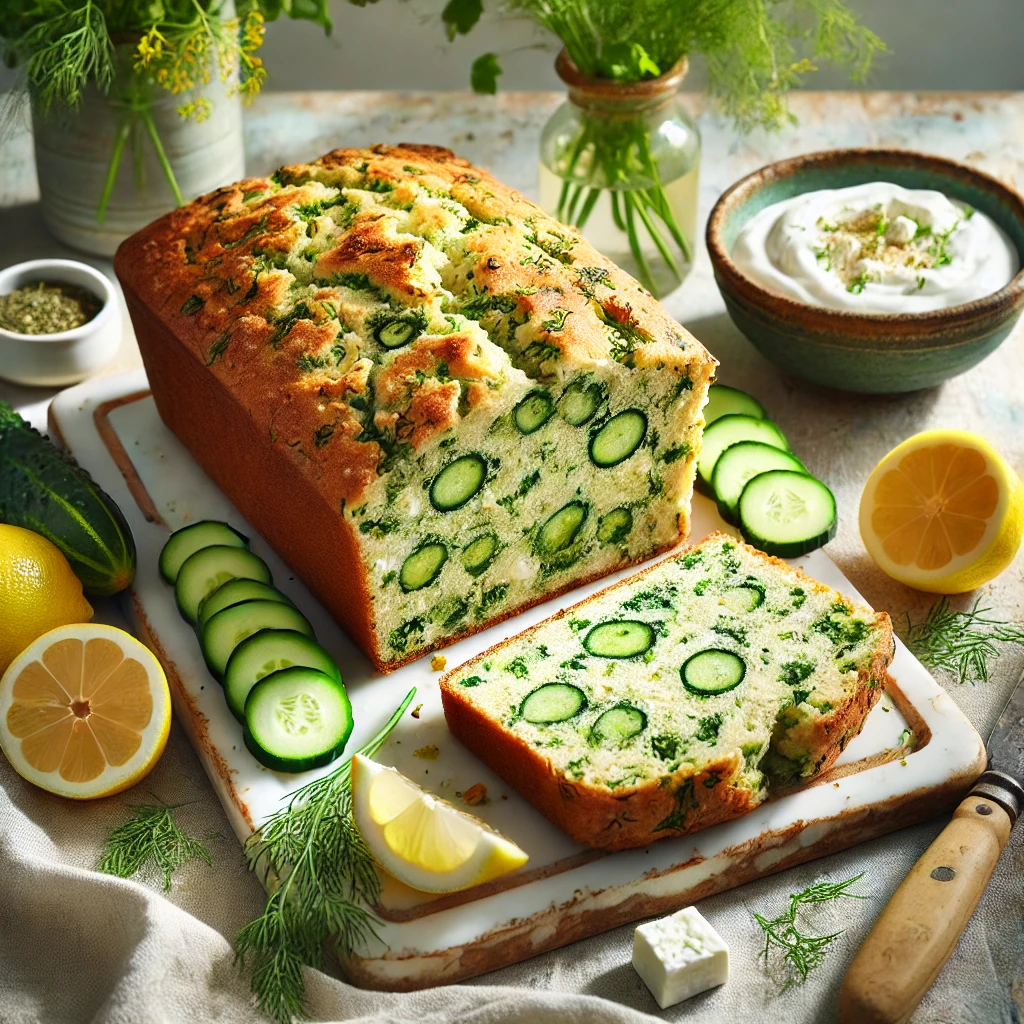
Classic cucumber sandwiches served on soft bread are commonly enjoyed during Wimbledon gatherings and afternoon tea events. Their simplicity and freshness align with traditional British hospitality and summertime dining.
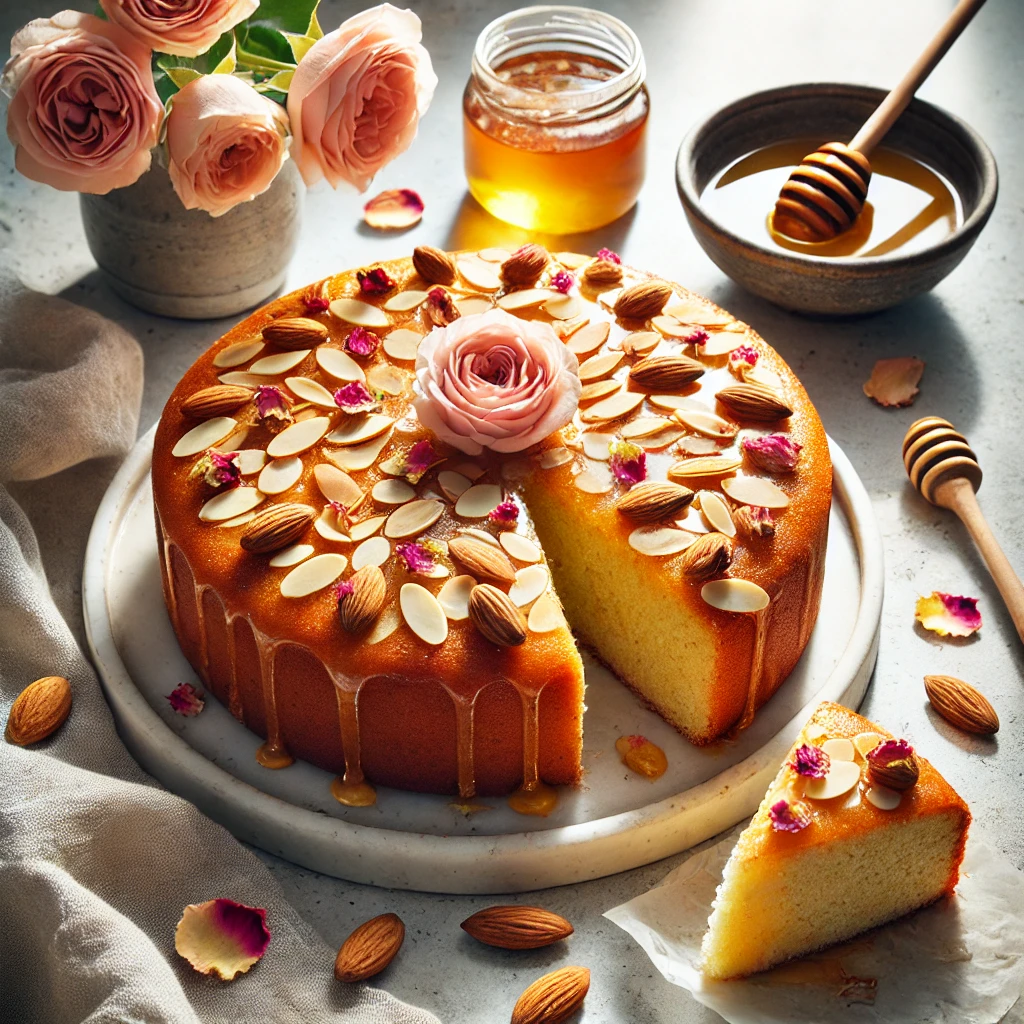
Victoria Sponge Cake
This traditional English sponge cake layered with jam and cream is often associated with Wimbledon celebrations. Its light texture and elegant appearance fit the championship’s timeless character.
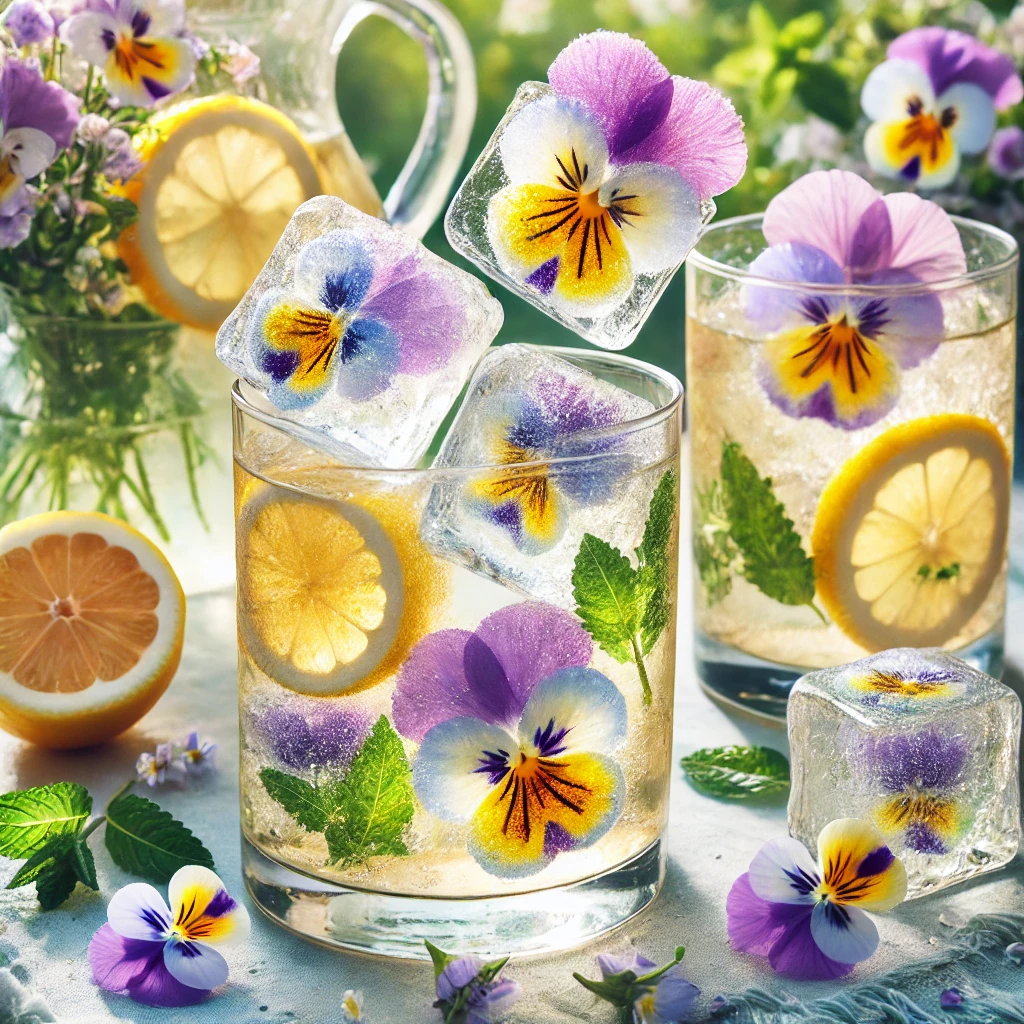
Pimm’s Fruit Cup
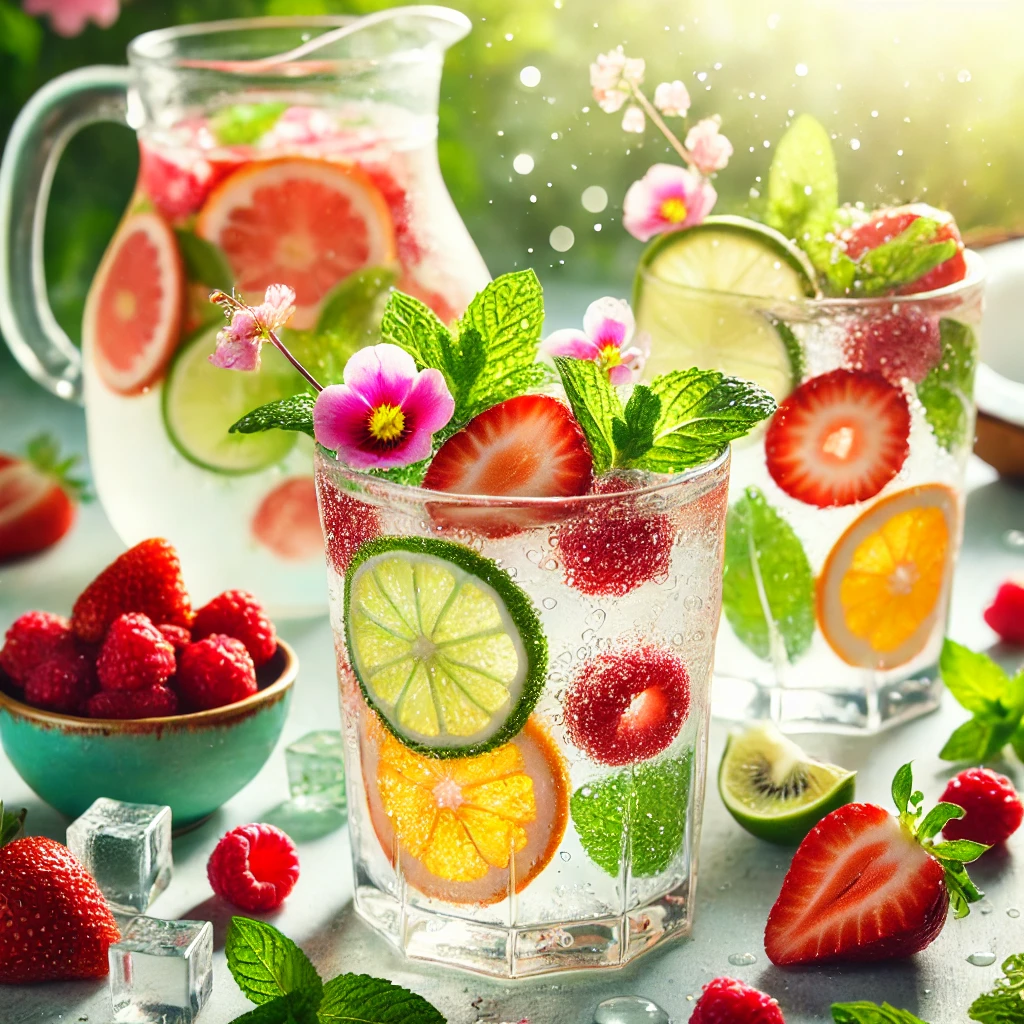
A traditional British summer drink often enjoyed during Wimbledon, Pimm’s is served with fruit, cucumber, and mint. It has become a signature refreshment associated with watching matches on warm summer days.
Scones with Clotted Cream and Jam
Freshly baked scones are a staple of English tea culture and are frequently served during Wimbledon-themed gatherings. Paired with tea, they contribute to the sophisticated atmosphere surrounding the event.
Grilled Salmon with Herbs
Elegant yet light seafood dishes are popular during Wimbledon season. Herb-seasoned salmon reflects the balance of refinement and freshness associated with summer dining in England.
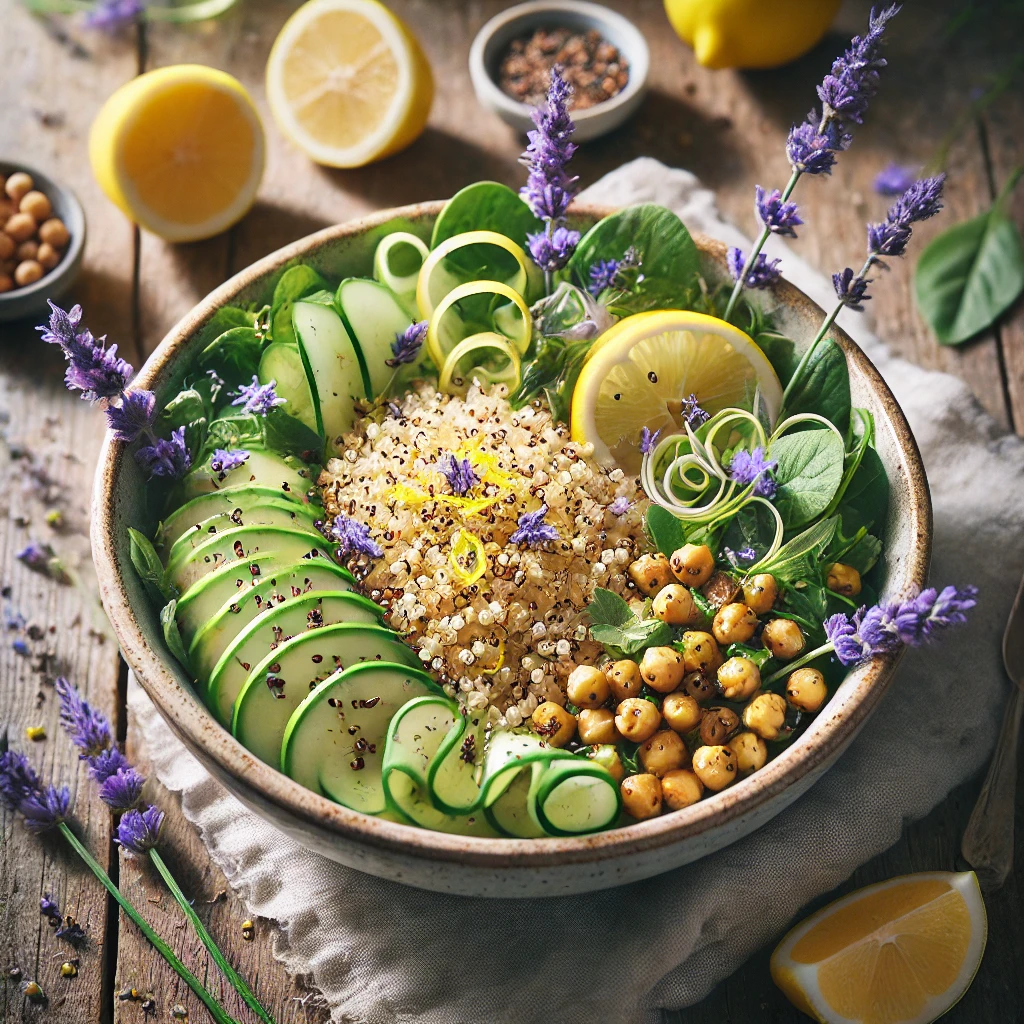
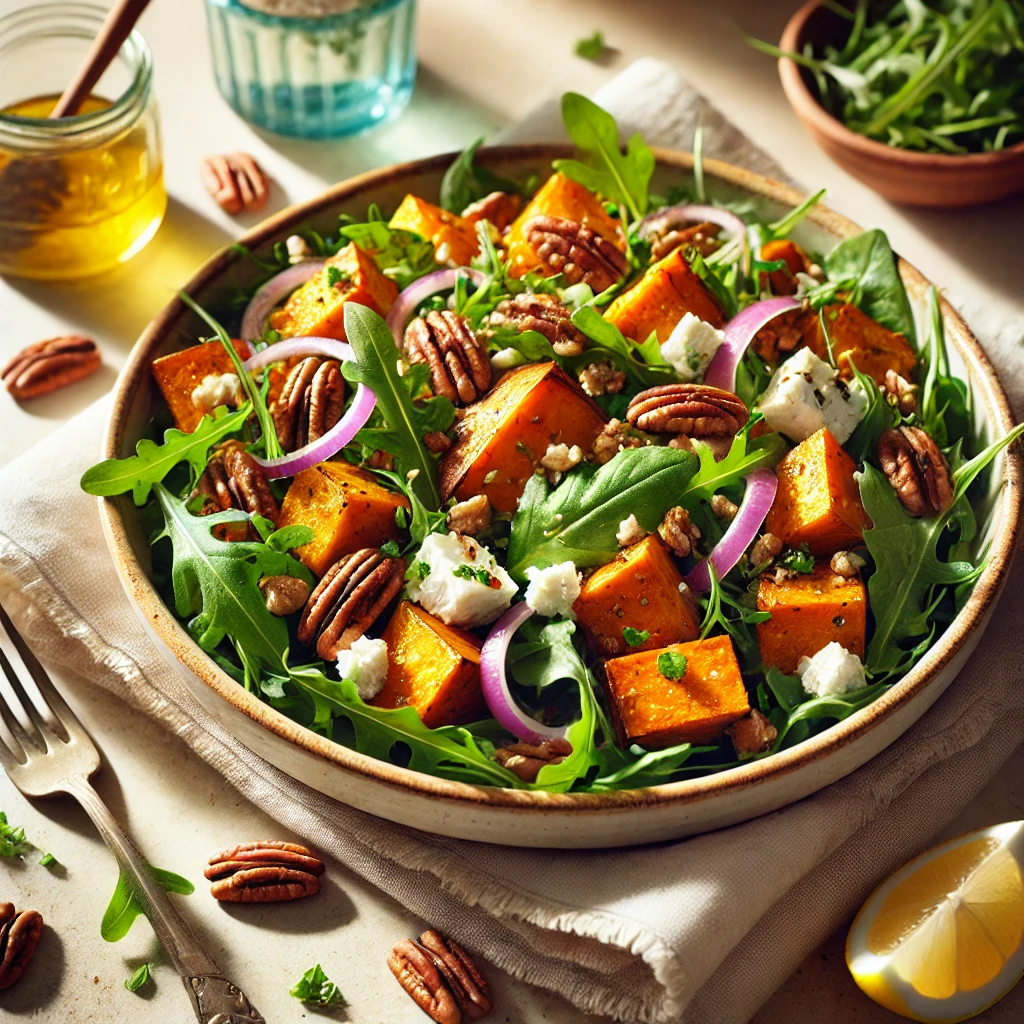
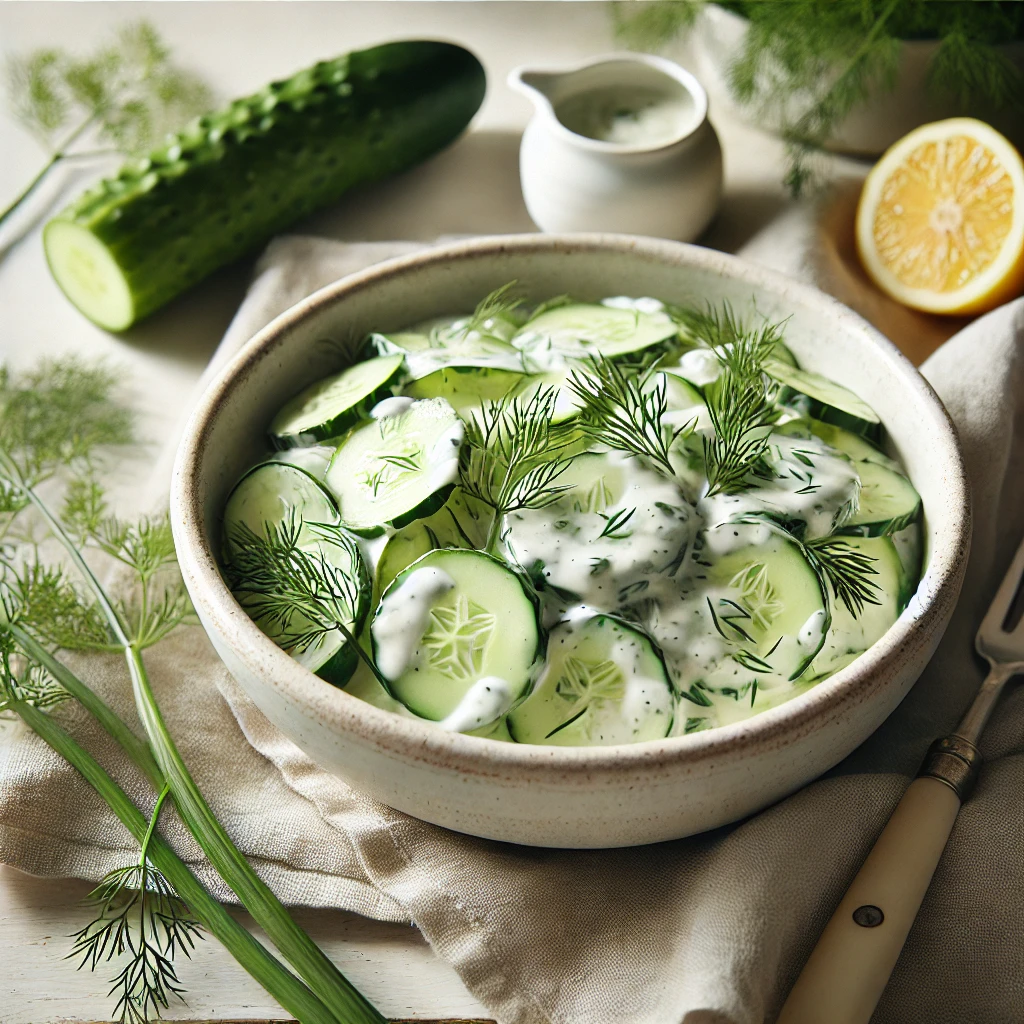
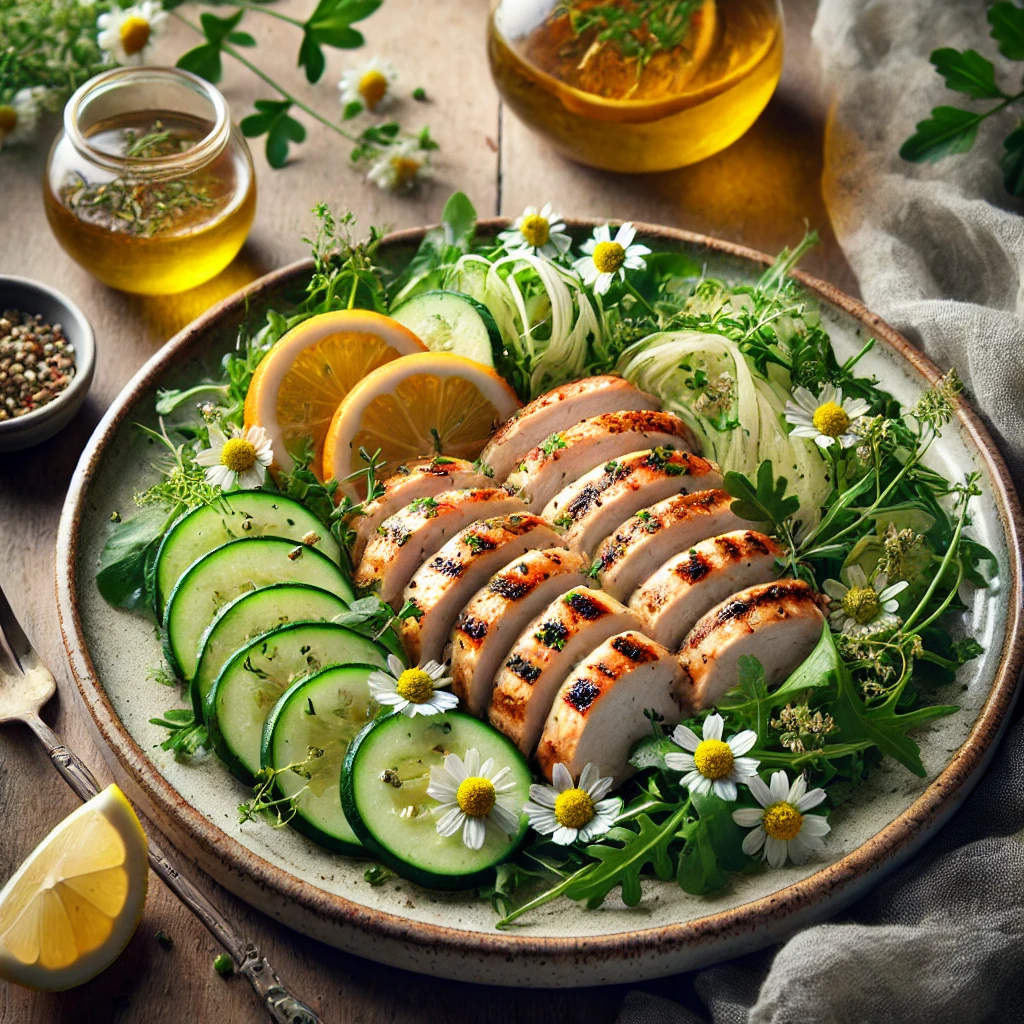
English Garden Salads
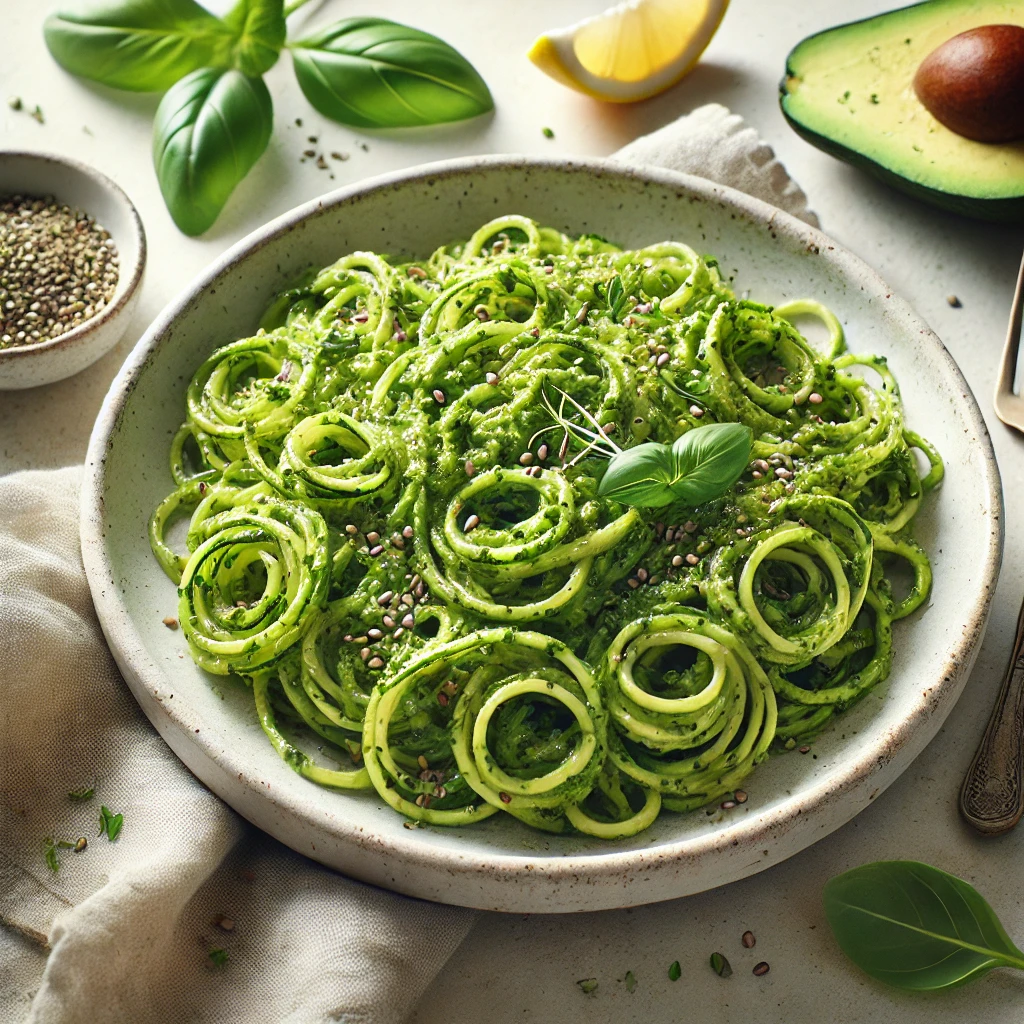
Fresh salads featuring greens, berries, cucumbers, herbs, and light vinaigrettes are commonly served during Wimbledon gatherings. Their vibrant appearance reflects the lush green beauty of the tournament grounds.
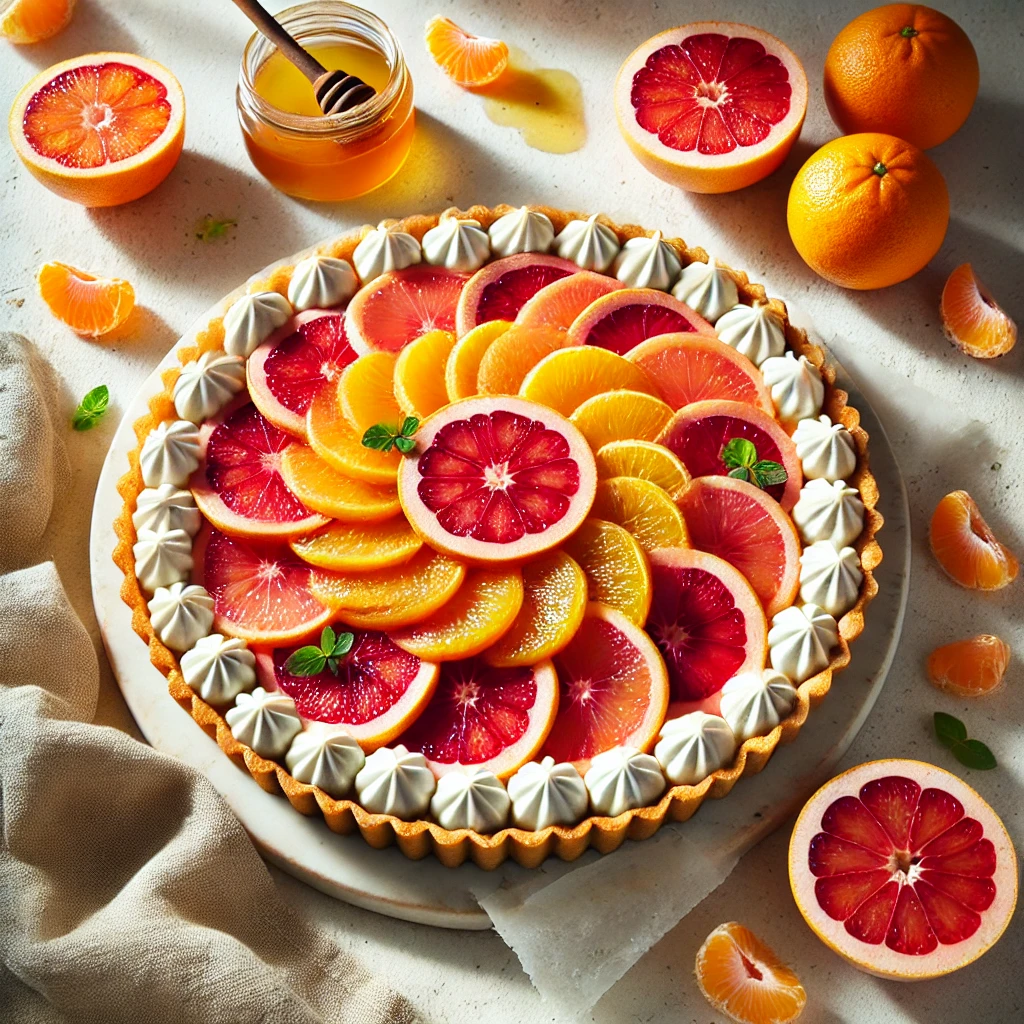
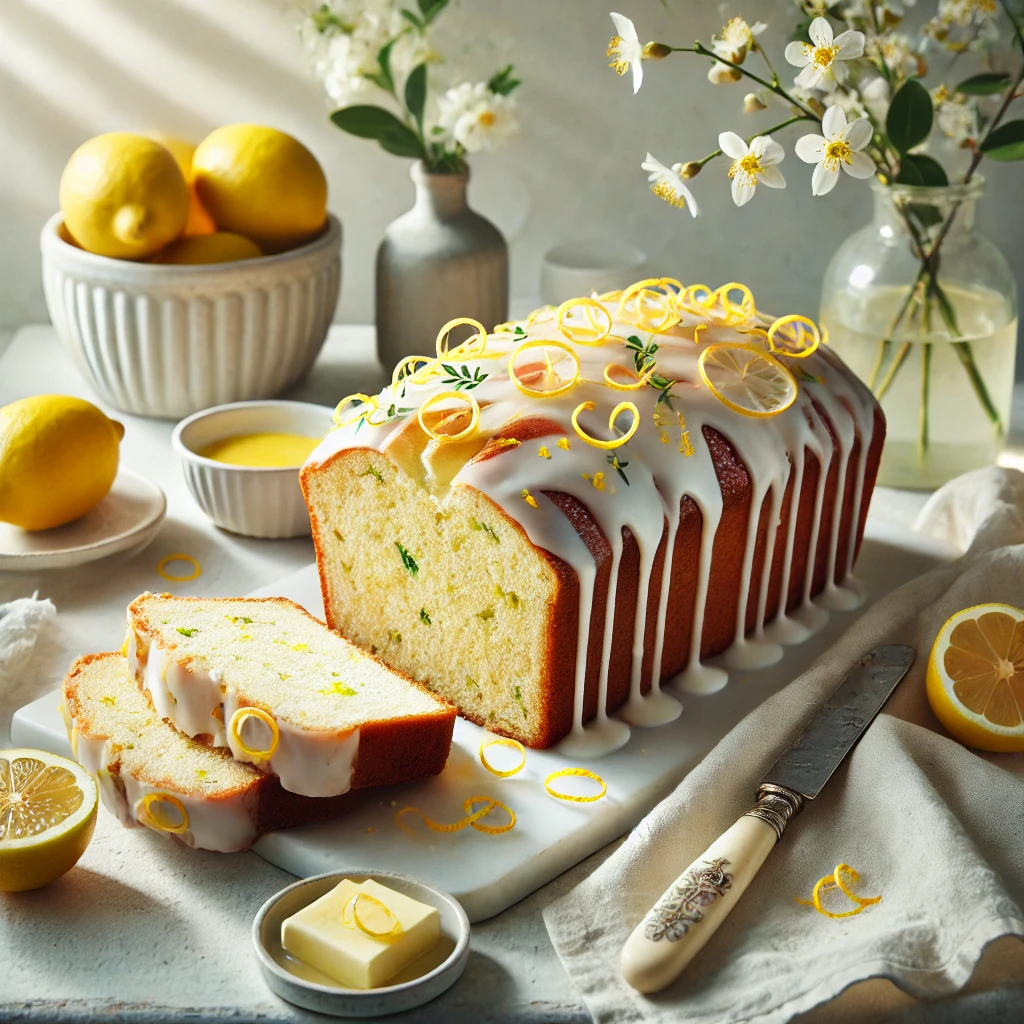
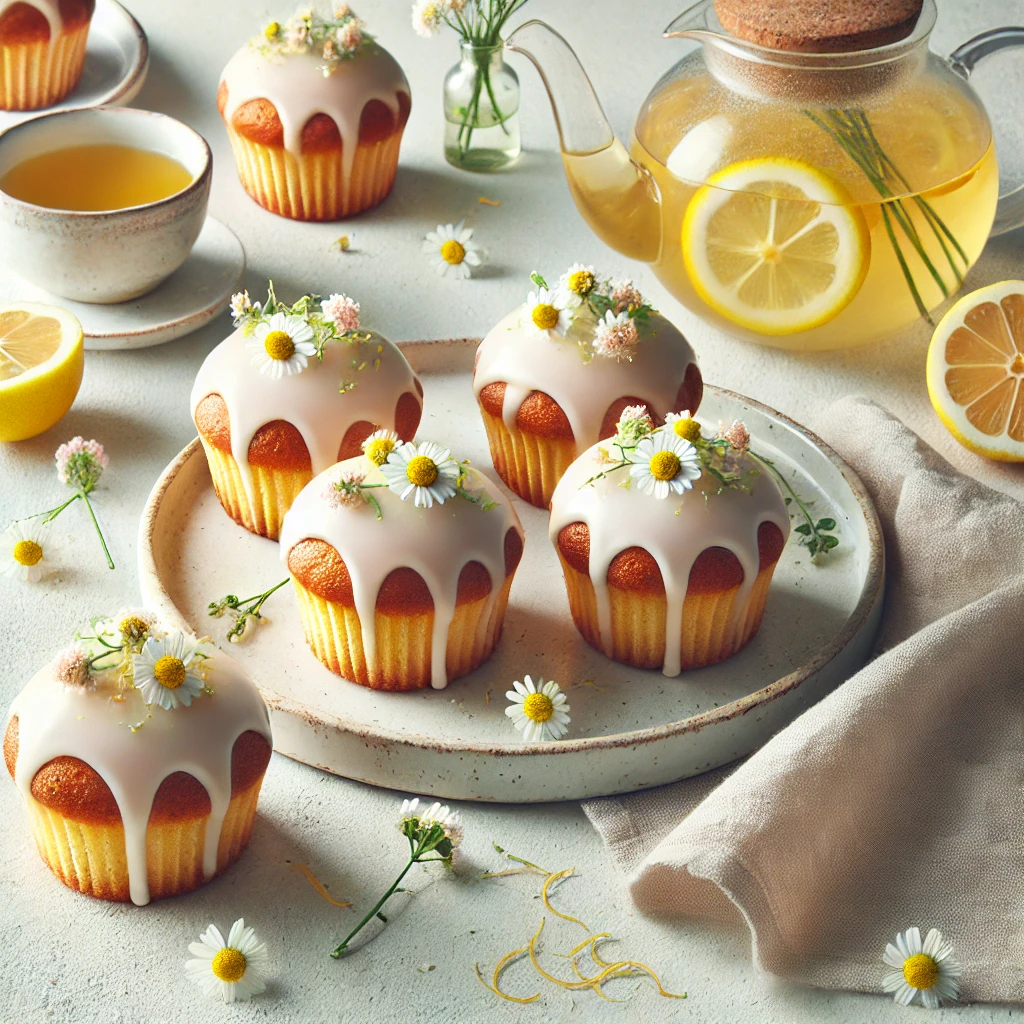
Lemon Tarts and Citrus Desserts
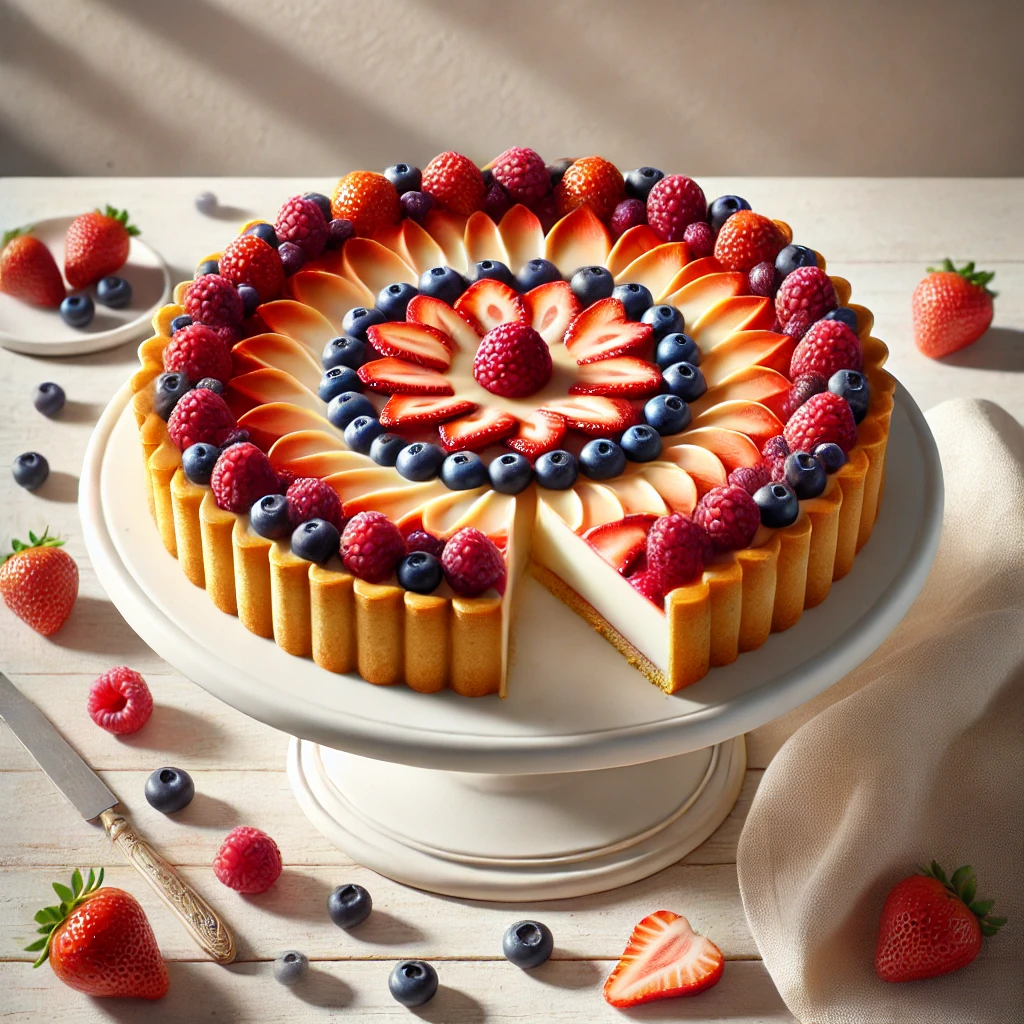
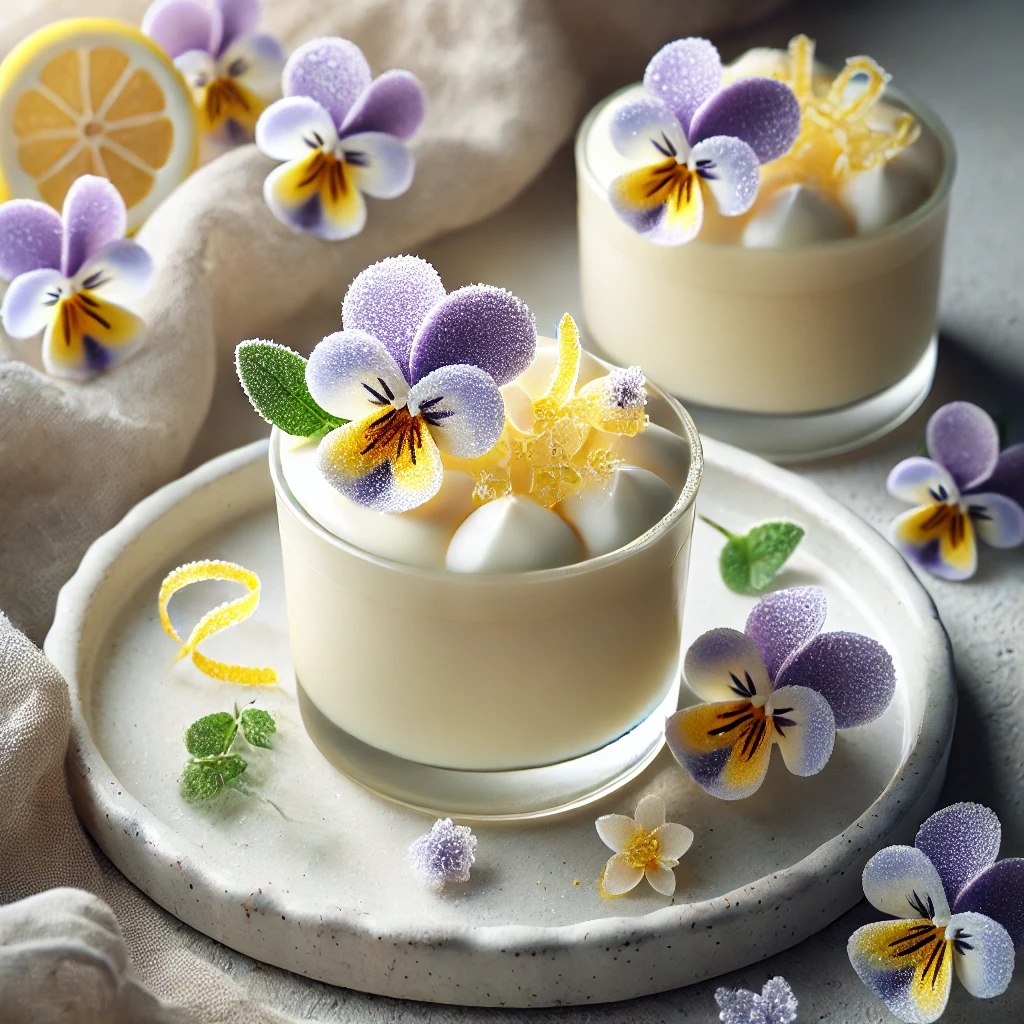
Bright citrus desserts complement the warm summer atmosphere of Wimbledon. Lemon pastries, tartlets, and custards provide a refreshing finish to meals enjoyed during the tournament.
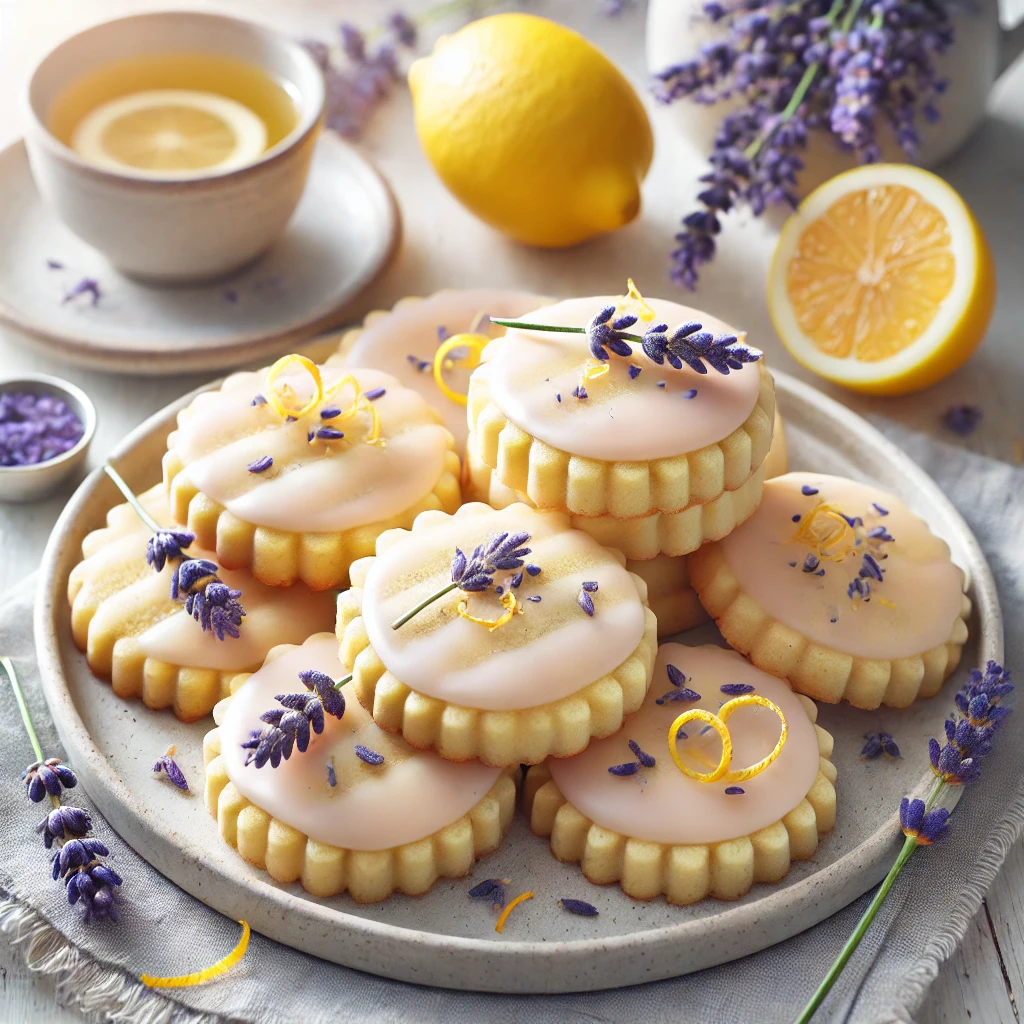
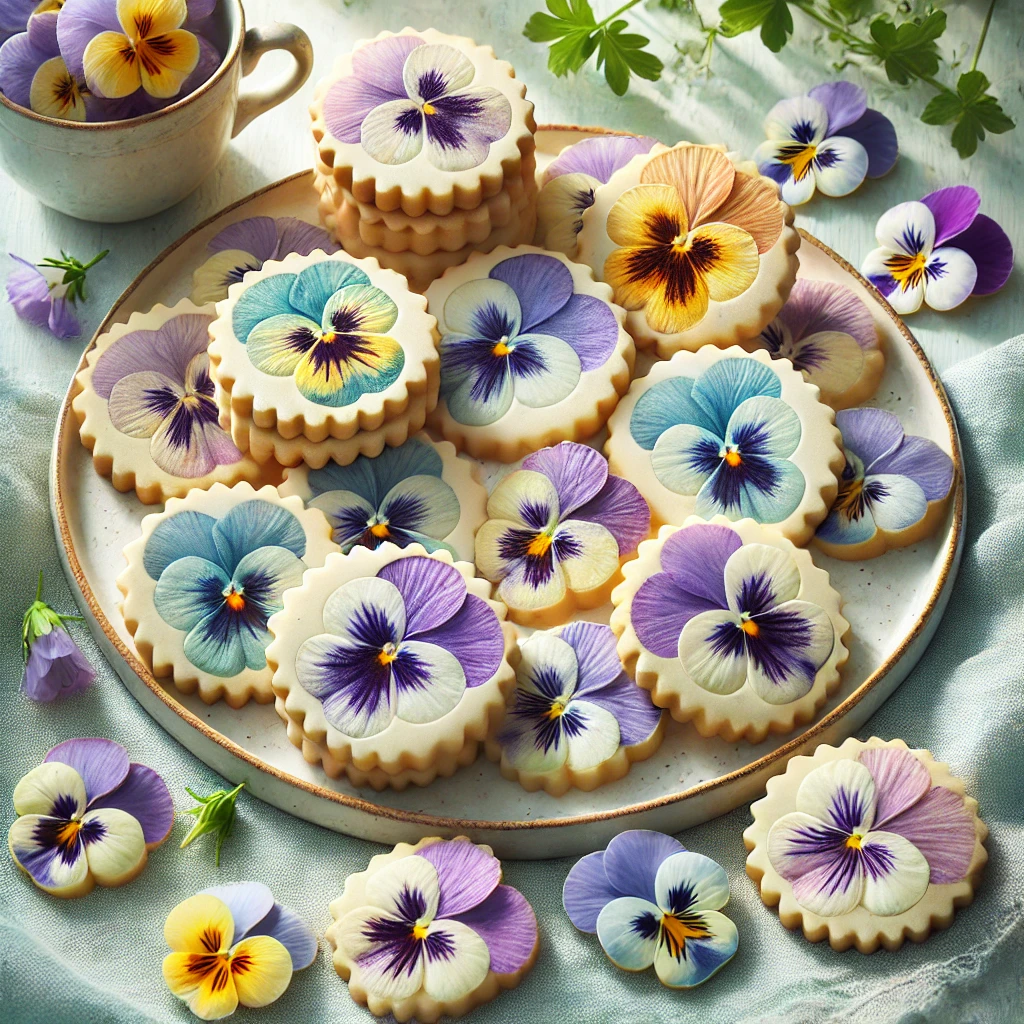
Shortbread Cookies and Tea Biscuits
Traditional English biscuits and shortbread are often served alongside tea while watching matches. These simple treats connect Wimbledon to longstanding British culinary traditions.
Afternoon Tea Platters
Elegant tea spreads featuring sandwiches, pastries, fruit, cakes, and fine teas are closely tied to Wimbledon culture. The tradition reflects the championship’s reputation for refinement, hospitality, and timeless elegance.

Recipes Engineered for that Spring Feeling