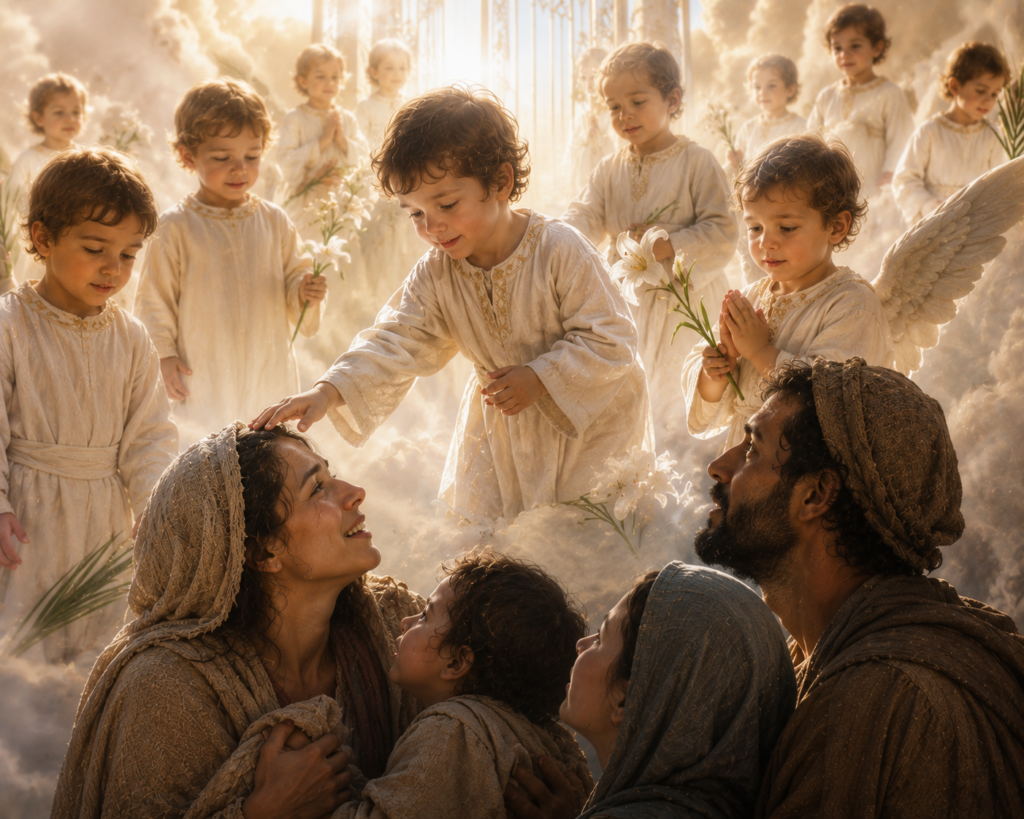























The Holy Innocents

with ORO VALENTIO

December 28

Within the luminous splendor of the Christmas octave exists a remembrance unlike any other—a feast where the joy of Christ’s birth is contemplated through the solemn mystery of innocent suffering. It draws the soul toward Bethlehem not merely as a scene of peace and wonder, but as the place where the Light of the World entered a fallen world already resisting His coming. Even as angels proclaimed peace and shepherds hastened to adore the newborn King, the powers of this age began to tremble before Him.
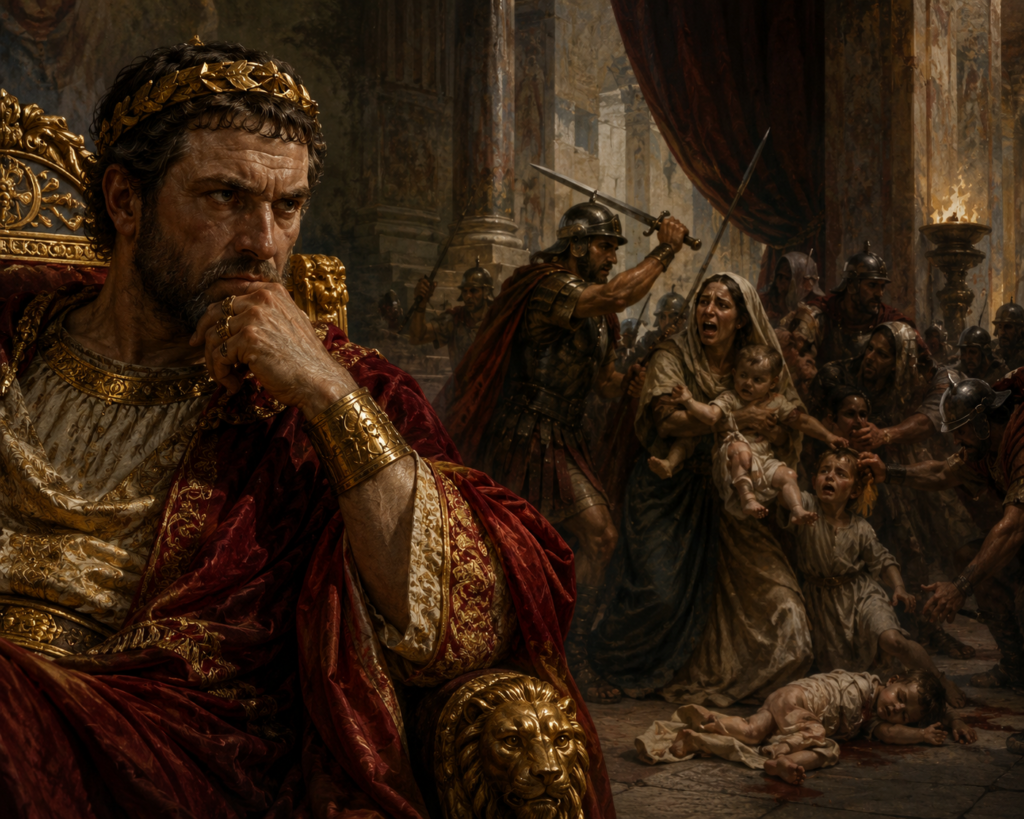
Herod, consumed by fear and the desire to preserve his earthly throne, perceived in the Christ Child a threat to his authority. Unable to comprehend a kingdom founded not upon force but upon truth, he responded with violence. In an attempt to destroy the promised Messiah, he ordered the slaughter of the young children of Bethlehem and its surrounding region. The sword fell not upon soldiers, rulers, or revolutionaries, but upon the smallest and most vulnerable—children who possessed neither power nor defense against the cruelty of the world.
Yet within this tragedy lies one of the most profound mysteries of redemption. These children became the first to shed their blood because of Christ. Though incapable of consciously professing faith, they nevertheless suffered on account of the One whose coming had stirred the fear of a tyrant. In this way, they are honored as the first martyrs associated with the coming of the Messiah, silent witnesses whose testimony was offered not through words but through their very lives. Long before the Apostles preached the Gospel and long before the martyrs stood before earthly tribunals, the Holy Innocents became the first fruits of the redemption Christ had come to accomplish.
Their remembrance reveals a truth that challenges every age. Holiness is not measured according to worldly achievement, influence, intelligence, or visible success. These children built no monuments, governed no kingdoms, and left behind no writings. Yet they are remembered with honor because heaven sees value where the world often sees weakness. Their witness stands as a perpetual reminder that human dignity does not arise from accomplishment or utility, but from being created in the image of God.
The remembrance of the Holy Innocents carries with it a profound moral responsibility for every generation. Their story is not merely a reflection upon a tragedy of the past; it is a call to recognize and defend the vulnerable wherever they are found. Children, by their very nature, enter the world completely dependent upon the protection, guidance, and sacrifice of others. They cannot provide for themselves, defend themselves, or navigate life's dangers alone. Their well-being rests largely in the hands of parents, families, communities, and society as a whole. The same principle extends beyond childhood to all who are vulnerable—the elderly, the disabled, the sick, the poor, the forgotten, and those whose voices are easily ignored. Scripture consistently teaches that the measure of a society is found not in how it treats the powerful, but in how it cares for those who depend upon the protection of others. Throughout the Bible, God repeatedly reveals His special concern for the weak and defenseless. The Psalms describe Him as "a father to the fatherless" and a defender of the vulnerable. The prophets continually rebuke those who exploit the weak while calling God's people to uphold justice and mercy. In Proverbs, believers are commanded to "speak up for those who cannot speak for themselves" and to defend the rights of the poor and needy. These teachings reveal that protecting the vulnerable is not merely an act of charity; it is a matter of justice and a reflection of God's own character. Jesus Himself elevated this responsibility to an extraordinary level. He welcomed children when others dismissed them and declared, "Let the little children come to me." He embraced them, blessed them, and presented their humility and trust as examples for all believers. Even more striking are His warnings concerning those who would harm the innocent. Speaking of little ones, He declared that whoever causes one of them to stumble would face severe judgment. Such words reveal the immense value God places upon those who depend upon the care and protection of others. The responsibility to protect innocence therefore extends far beyond preventing physical harm. It includes nurturing truth, virtue, faith, and moral formation. It requires creating homes where children are loved, communities where they are safe, and cultures that honor their dignity rather than exploit their vulnerability. Every parent, teacher, mentor, leader, and adult entrusted with influence bears a sacred duty to use that influence for the good of those placed in their care. The Holy Innocents stand as a perpetual reminder of what can happen when power abandons responsibility and fear triumphs over love. Yet they also point toward a higher calling. Their witness challenges every generation to become guardians of the vulnerable, defenders of the defenseless, and protectors of those who cannot protect themselves. In doing so, believers participate in the very heart of God's work, reflecting the love of the Good Shepherd who seeks the lost, carries the weak, and watches over the smallest members of His flock. To protect the innocent is not merely a social obligation—it is a sacred trust, one woven into the very fabric of biblical faith and human responsibility.
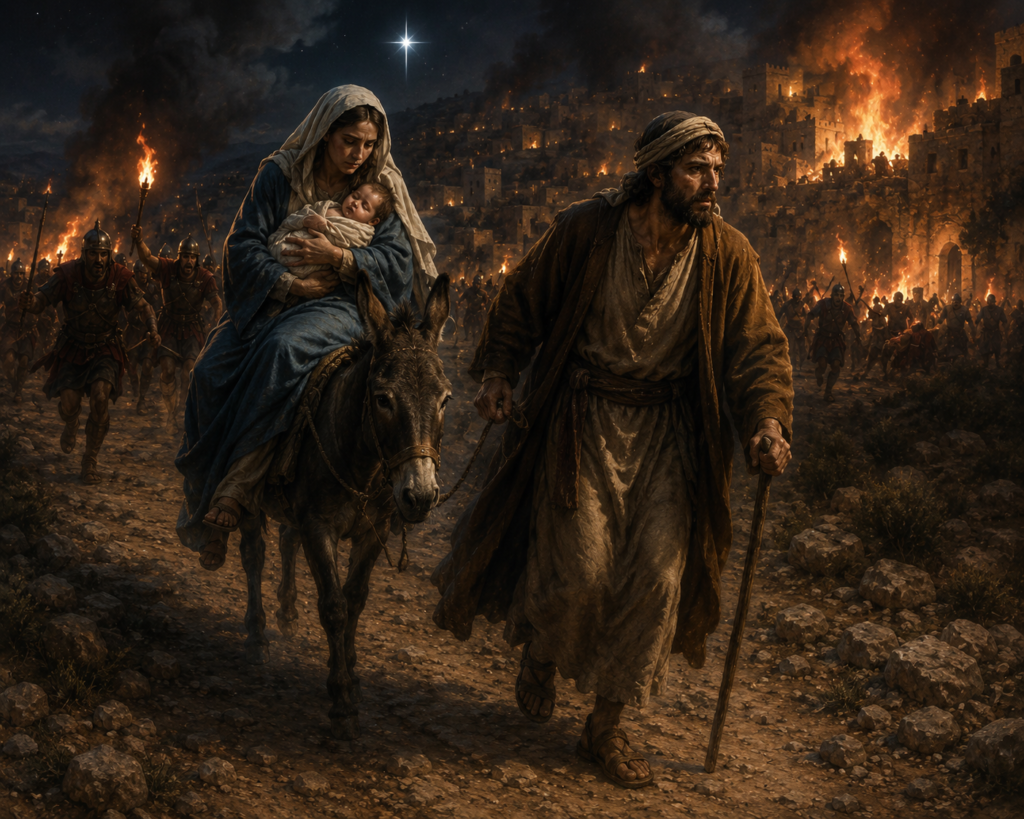
The remembrance of the Holy Innocents naturally draws the mind not only to the children of Bethlehem, but also to the silent courage of Mary and Joseph as they fled into Egypt under the cover of darkness. Warned in a dream that Herod sought the life of the Christ Child, Joseph rose immediately and departed without hesitation, taking Mary and Jesus far from their homeland into an uncertain future. There was no time to prepare, no assurance of safety beyond God's command, and no clear knowledge of what lay ahead. The Holy Family became refugees, leaving behind familiarity, security, and comfort in order to protect the life entrusted to their care. This journey reveals the remarkable faith and obedience that characterized both Mary and Joseph. Faced with danger, they did not succumb to fear or despair. Instead, they entrusted themselves completely to God's providence, taking one faithful step at a time through the darkness. Joseph fulfilled his vocation as protector with extraordinary courage, leading his family through unfamiliar lands and unforeseen hardships. Mary carried within her arms the Savior of the world, yet she experienced the same anxieties, uncertainties, and sacrifices known to countless parents throughout history. Together they demonstrate that true holiness is often found not in dramatic displays of power, but in steadfast fidelity amid life's trials. The flight into Egypt also reveals a profound truth about the mystery of the Incarnation. The Son of God did not enter a world free from suffering, danger, or injustice. From the earliest days of His earthly life, Christ experienced exile, persecution, and the threat of violence. In doing so, He united Himself to all who have been displaced, oppressed, or forced to flee from hardship. The Holy Family's journey stands as a powerful reminder that God is not distant from human suffering but has entered fully into the realities of life in a fallen world. Yet amid the uncertainty of that night, divine providence remained at work. What appeared to be a desperate escape was in fact part of God's unfolding plan. Every step taken through the desert, every mile traveled beneath the stars, and every hardship endured became a testimony to the truth that God guides those who trust Him, even when the path ahead cannot be seen. The flight into Egypt therefore stands as a story not merely of danger and exile, but of faith, protection, and hope. For believers, this sacred journey offers enduring lessons. It teaches trust when the future is uncertain, courage when circumstances are difficult, and perseverance when God's plan is not immediately understood. Above all, it reveals the quiet strength of Mary and Joseph, whose unwavering obedience helped safeguard the greatest treasure ever entrusted to humanity. As the Holy Innocents remind us of the cost of evil, the flight into Egypt reminds us of the power of faith—a faith that moves forward even in darkness, confident that God remains present and faithful through every trial.
The feast also reveals a pattern that echoes throughout history. Evil has often opposed innocence because genuine innocence reflects the holiness and order of God, exposing darkness simply by its presence. Bethlehem therefore becomes more than a historical event; it becomes a reflection of a recurring human reality whenever the vulnerable are sacrificed to preserve power, ambition, ideology, or self-interest. The lament of Rachel weeping for her children continues to resonate wherever innocence suffers at the hands of corruption and injustice.
Yet this remembrance does not end in sorrow. The Holy Innocents are not honored merely as victims of cruelty, but as souls received into eternal glory by the mercy of God. Their suffering is not viewed in isolation from redemption. What appeared to be defeat was transformed into triumph. What seemed to be loss became everlasting gain. Their blood, shed in the darkness of human violence, became forever united to the saving work of Christ, whose coming ultimately conquers both sin and death.
There is therefore a unique atmosphere surrounding this feast—one marked by both reverence and hope. The joy of Christmas remains, but it is now tempered by contemplation. The faithful are reminded that the Incarnation is not simply the arrival of comfort and consolation, but the beginning of God’s decisive confrontation with the powers of darkness. Even beside the manger, the shadow of the Cross already appears upon the horizon.
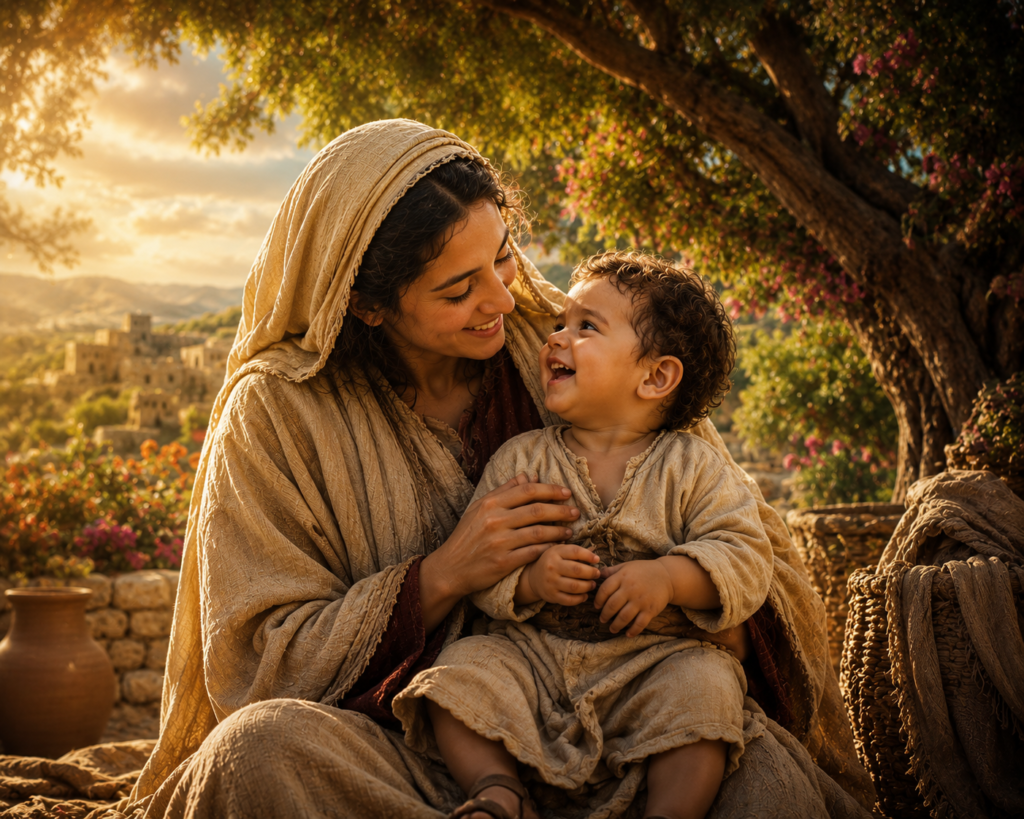
And yet extraordinary tenderness remains at the heart of this observance. The Holy Innocents stand forever beside the Christ Child as witnesses to God’s immeasurable love for the defenseless, the forgotten, and the pure of heart. Their remembrance calls humanity to protect what is innocent, to honor what is sacred, and to recognize the immeasurable worth of every human life.
Thus this feast endures as one of Christianity’s most beautiful paradoxes: grief intertwined with glory, sorrow transformed into sanctification, and apparent helplessness crowned with eternal victory. In contemplating the Holy Innocents, the soul is invited to reflect upon both the tragedy of human sin and the tenderness of divine justice—a justice in which no innocent suffering is ever forgotten, unseen, or without meaning beneath the eternal gaze of God.

The Value that God Places Upon Every Human Life

The Feast of the Holy Innocents is celebrated because it bears witness to one of the earliest and most sobering consequences of Christ’s coming into the world. In seeking to destroy the newborn Messiah, King Herod unleashed violence against the children of Bethlehem, revealing how quickly earthly power can turn against truth when it feels threatened. These young children became the first to shed their blood because of Christ, and their memory stands as a lasting testimony that the arrival of God’s kingdom immediately provoked opposition from the forces of fear, pride, and corruption.
The feast also offers a profound reflection on the value that God places upon every human life. In a world that often measures worth according to strength, achievement, influence, or productivity, the Holy Innocents proclaim a radically different truth. Their significance was not found in what they accomplished, but in who they were. Their remembrance affirms that every human life possesses inherent dignity and sacred worth, regardless of age, status, ability, or worldly importance.
At the same time, this observance serves as a warning against the destructive nature of unchecked power. Herod’s actions demonstrate how fear, when joined to ambition and self-preservation, can blind the human heart and lead to grave injustice. The feast therefore invites believers to examine their own lives, rejecting pride, selfishness, and indifference while cultivating humility, compassion, and reverence for others.
Yet the final message of the Holy Innocents is not one of tragedy, but of hope. Their story proclaims that evil never has the last word. What appeared to be a victory for darkness became, in God’s providence, a testimony to His justice and mercy. Their brief lives point toward a central truth of the Gospel: that God sees every act of suffering, remembers every innocent victim, and ultimately brings light out of darkness. For this reason, the Feast of the Holy Innocents remains a powerful reminder that innocence is precious in the sight of God, that human dignity must always be defended, and that divine justice will one day make all things right.
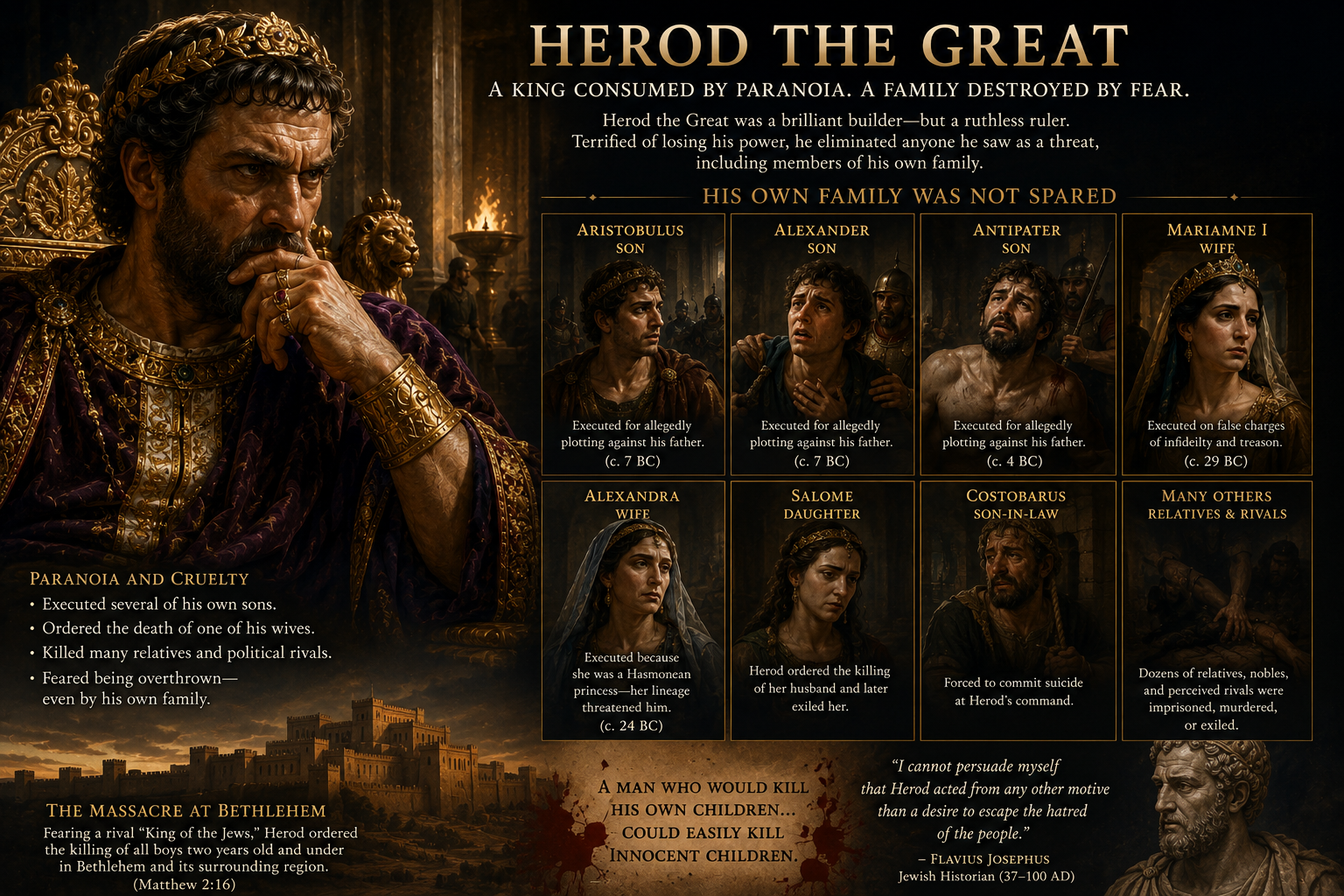
Ancient historian Flavius Josephus portrays Herod as a ruler consumed by suspicion, insecurity, and an obsessive fear of losing power. Though politically gifted and responsible for impressive building projects, including the expansion of the Temple in Jerusalem, he was also notorious for eliminating anyone he perceived as a threat to his throne. His paranoia became so severe that he ordered the execution of several of his own sons, believing they might one day challenge his authority, and even had one of his wives put to death despite having deeply loved her. Numerous political rivals, relatives, and suspected opponents met similar fates. Against this backdrop, Matthew's account of Herod ordering the deaths of young children in Bethlehem is entirely consistent with the behavior already documented by history. To a ruler willing to kill members of his own family to secure his position, the report of a newborn "King of the Jews" would have been perceived not as a theological curiosity but as a direct threat. Furthermore, Bethlehem at the time was a small village, likely home to only a few hundred residents. As a result, the number of male children two years old and under may have been relatively small by ancient standards. In an era marked by wars, political purges, and large-scale violence throughout the Roman world, such a localized atrocity may not have attracted widespread attention outside the region. For Josephus, who chronicled far larger political events and who already recorded numerous acts of Herod's brutality, the killing of a small number of village children may not have seemed significant enough to mention separately. Thus, the absence of additional historical records does not undermine the Gospel account; rather, when viewed within the historical context of Herod's documented cruelty and the small size of Bethlehem, the event fits naturally within what is already known about both the ruler and the period in which he lived.

The Holy Innocents Traditions to Make Your Own

Among the saints honored throughout Christian tradition, the Holy Innocents occupy a uniquely tender place. Their lives were brief, hidden, and seemingly insignificant by earthly standards, yet they now stand before the throne of God as living witnesses to His justice, mercy, and love. Because they were united to Christ in so profound a way from the very beginning of His earthly life, many believers throughout the centuries have looked to them as powerful intercessors, especially for children, families, expectant mothers, grieving parents, and all those who suffer from injustice or vulnerability. There is something particularly moving about seeking the prayers of the Holy Innocents. Unlike many saints who endured long struggles, preached the Gospel, or performed heroic works, the Innocents remind us that holiness is ultimately a gift of God's grace rather than a human achievement. Their witness reveals that God treasures the humble, the hidden, and the seemingly powerless. In heaven, they stand as a perpetual testimony that every human life possesses immeasurable dignity and worth in the sight of God. Many spiritual writers have reflected upon the unique compassion that these holy children may exercise toward those who suffer. Having experienced the effects of human cruelty while entirely innocent, they are often invoked for those who have been wounded by circumstances beyond their control. Parents praying for their children, families facing difficult trials, and those carrying hidden sorrows frequently find comfort in entrusting their petitions to these heavenly intercessors. Their innocence, once targeted by earthly violence, now shines with eternal glory before God. Their intercession also serves as a reminder of the power of childlike trust. Throughout the Gospels, Christ repeatedly points to the simplicity, humility, and openness of children as models for those who seek the Kingdom of God. The Holy Innocents embody these qualities in a unique way. Their presence in heaven calls believers to approach God with greater confidence, surrender, and dependence upon divine providence. Perhaps most profoundly, the Holy Innocents reveal that no life is too small to matter and no suffering is forgotten by God. Their earthly story lasted only a brief moment, yet their witness endures through the centuries. From heaven they continue to proclaim a timeless truth: that God sees the overlooked, remembers the forgotten, and crowns innocence with everlasting glory. For this reason, countless believers have found strength and consolation in asking the Holy Innocents to pray for them, trusting that those who stood so near to Christ at the dawn of His earthly life remain close to Him now in the splendor of heaven.
Solemn Liturgical Atmosphere
Churches traditionally observed this feast with a quieter and more contemplative tone, reflecting both mourning and martyrdom within the joy of Christmastide.
Blessings and Prayers for Children
Families often brought children for special prayers and blessings, entrusting them to God’s protection and honoring the sacredness of innocence.
Lighting Candles Before Sacred Images
Candles were lit before images of the Christ Child and the Holy Innocents as symbols of remembrance, purity, and eternal light.
Acts of Charity and Mercy
Many Christians marked the feast through acts of charity toward children, orphans, and the poor, transforming remembrance into compassion.
Sacred Hymns and Lamentations
Solemn hymns recalling the sorrow of Bethlehem were sung to reflect upon innocence wounded by earthly cruelty.
Quiet Prayer and Reflection
The feast often encouraged silence, prayer, and contemplation rather than outward celebration.
Nativity Contemplation
Families reflected more deeply upon the Nativity, recognizing that Christ entered a world already marked by suffering and conflict.
Honoring Innocence as Sacred
The traditions of the feast ultimately center upon reverence for innocence and the protection of the vulnerable.

Grant Us Hearts that Cherish the Gift of Life

Heavenly Father,
On this sacred day, we remember the Holy Innocents of Bethlehem, whose lives were taken because of Your Son, our Lord Jesus Christ. Though they were small in years and silent in voice, they stand forever before Your throne as witnesses to the coming of the Savior.
Grant us hearts that cherish the gift of life, protect the vulnerable, and honor the dignity of every person created in Your image. Teach us to defend innocence wherever it is threatened and to show compassion toward all who suffer from loss, injustice, or sorrow.
We pray especially for children throughout the world. Surround them with Your protection, guide them in truth, and fill their lives with Your grace. Strengthen parents, families, teachers, and all who are entrusted with their care, that they may nurture wisdom, virtue, and faith in the generations to come.
Through the intercession of the Holy Innocents, help us to grow in purity of heart, steadfastness in faith, and trust in Your divine providence. May their witness remind us that no innocent suffering is forgotten before You and that Your mercy triumphs over every darkness.
We ask this through Christ our Lord.
Amen.
Prayer is central to this feast because it allows the faithful to enter into the deeper spiritual meaning of the Holy Innocents' witness. Through prayer, Christians honor those children who suffered because of Christ, give thanks for God's mercy toward the innocent, and reflect upon the sacred value of every human life. It is also an opportunity to pray for children, families, and all who are vulnerable or in need of protection. More profoundly, prayer on this day reminds believers that the story of Bethlehem is not merely a historical event, but a living spiritual reality. The faithful pray for the courage to stand with truth in a world often marked by injustice, to cultivate purity of heart amid corruption, and to trust in God's providence even when confronted by suffering. In remembering the Holy Innocents before God, Christians are reminded that no innocent tear is unseen, no act of love is forgotten, and no darkness can overcome the eternal light of Christ.

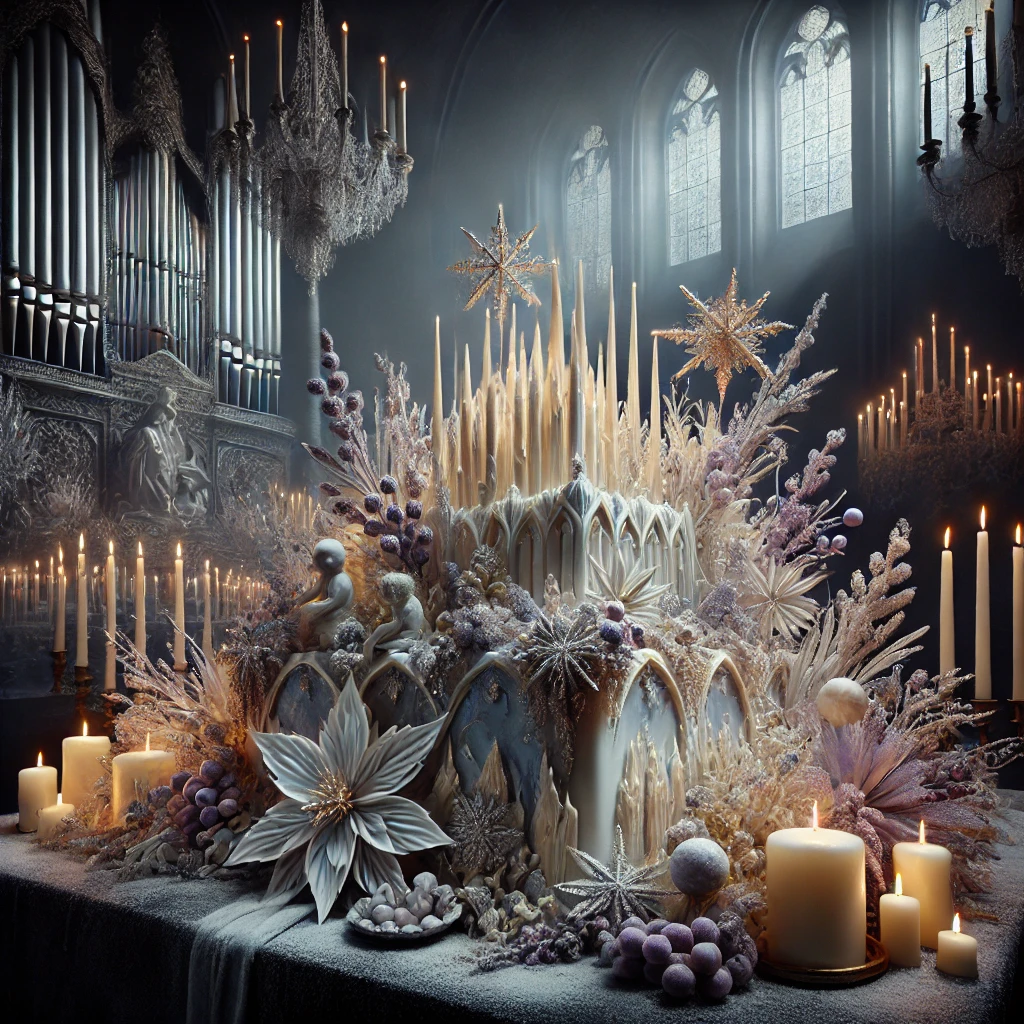
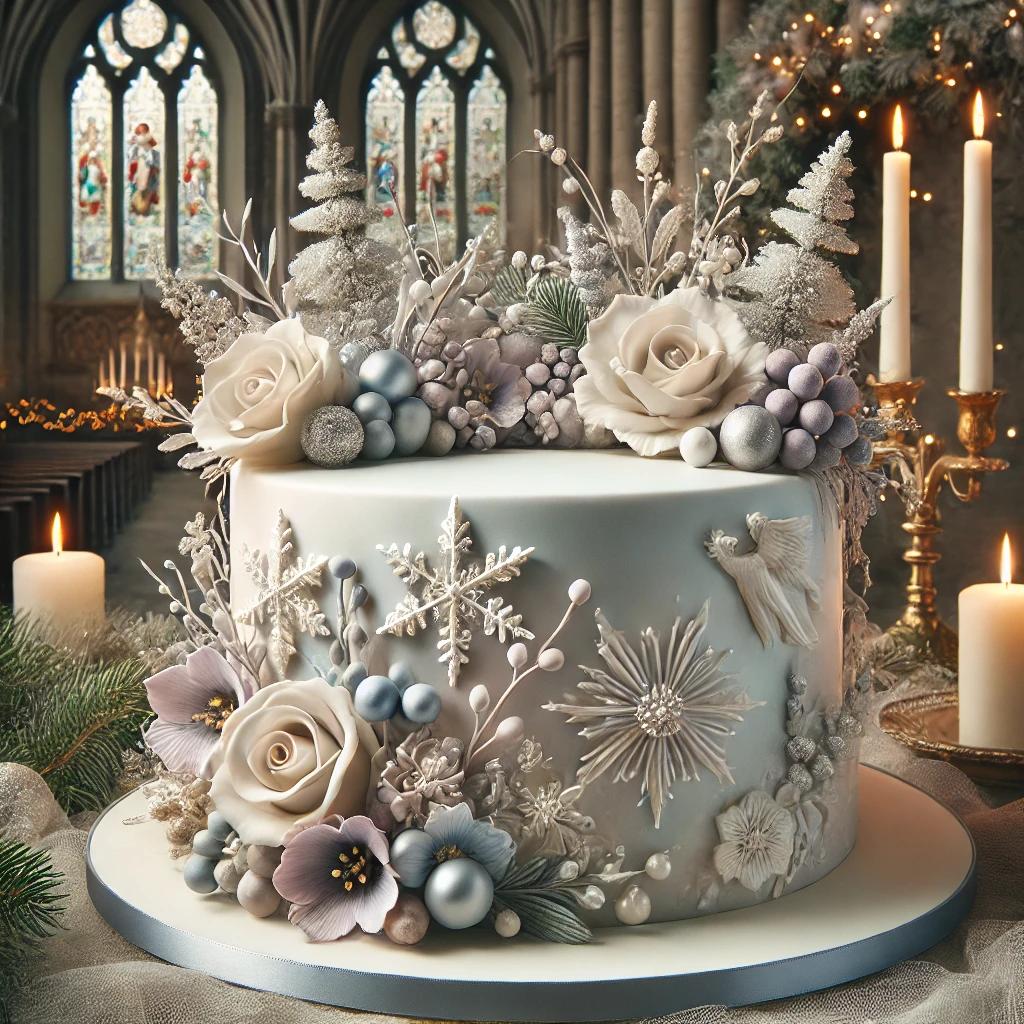
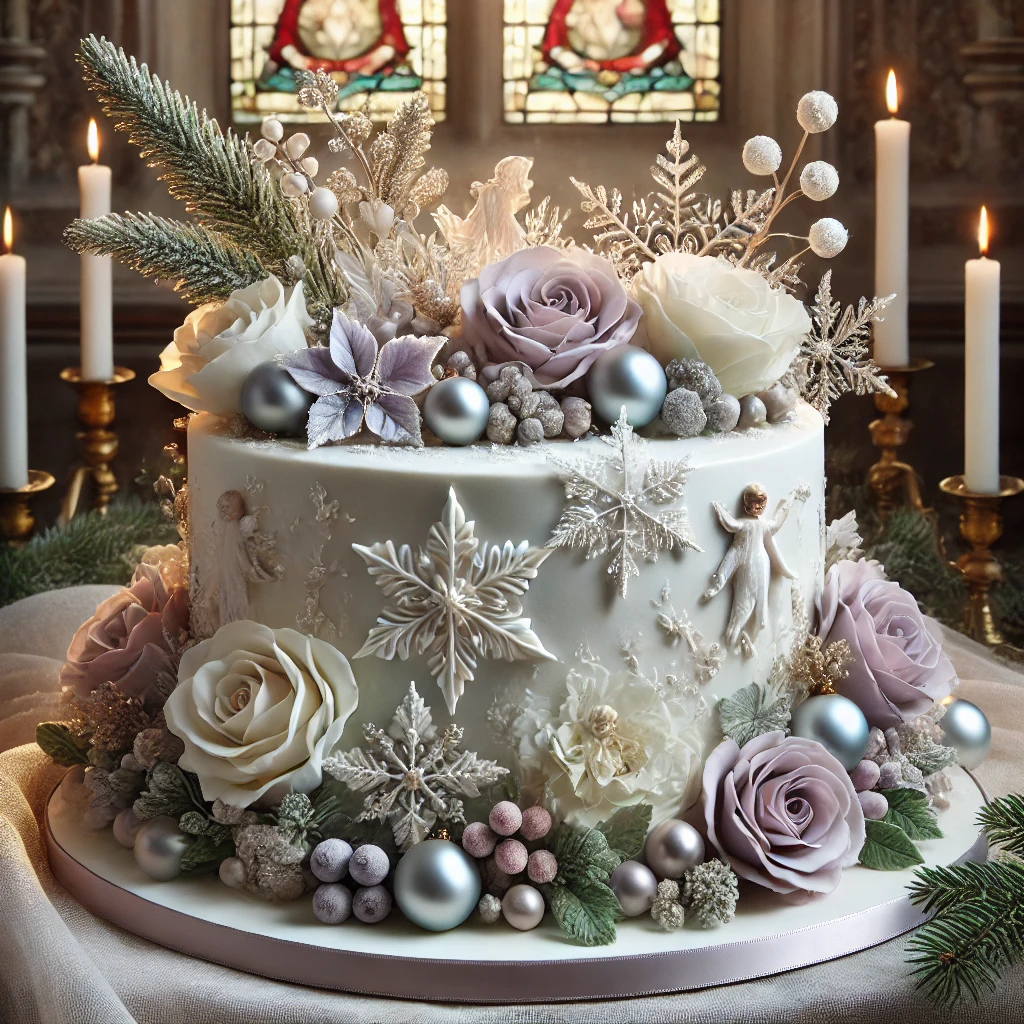
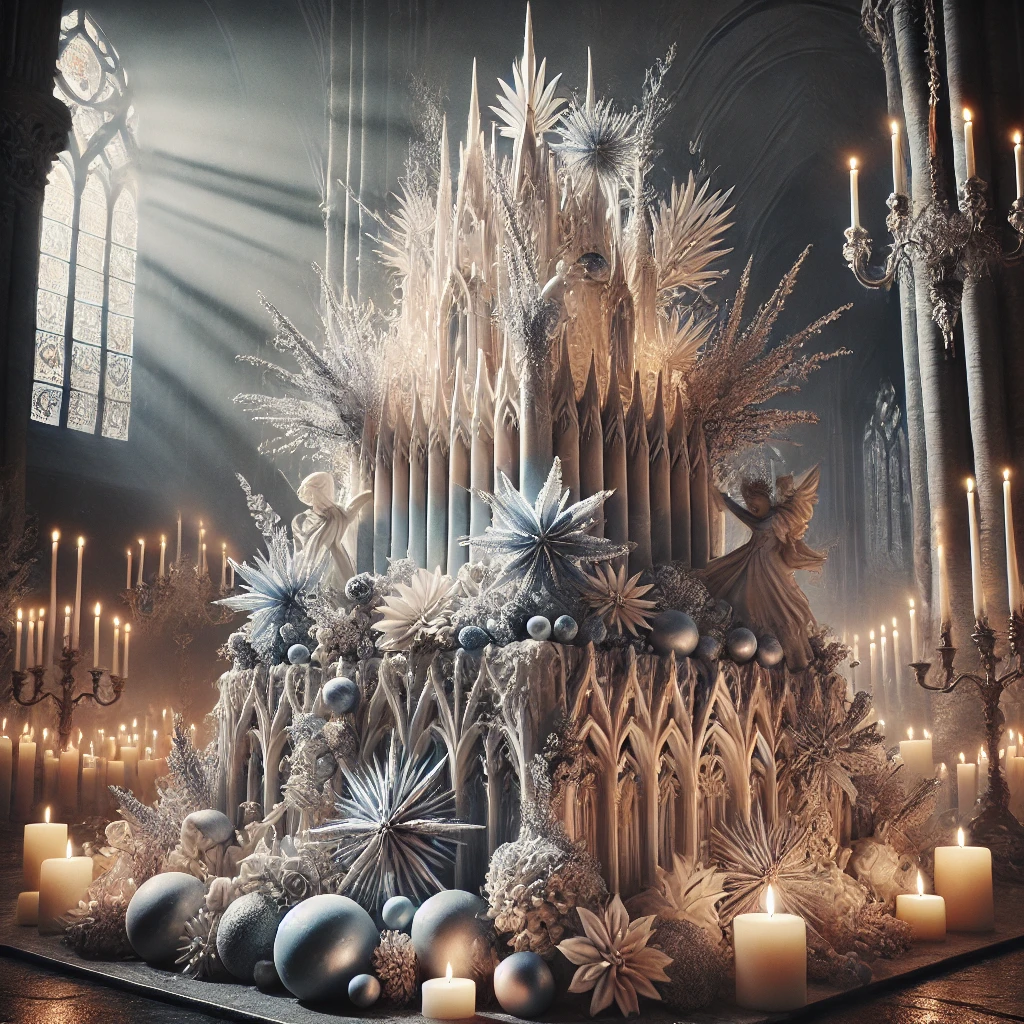
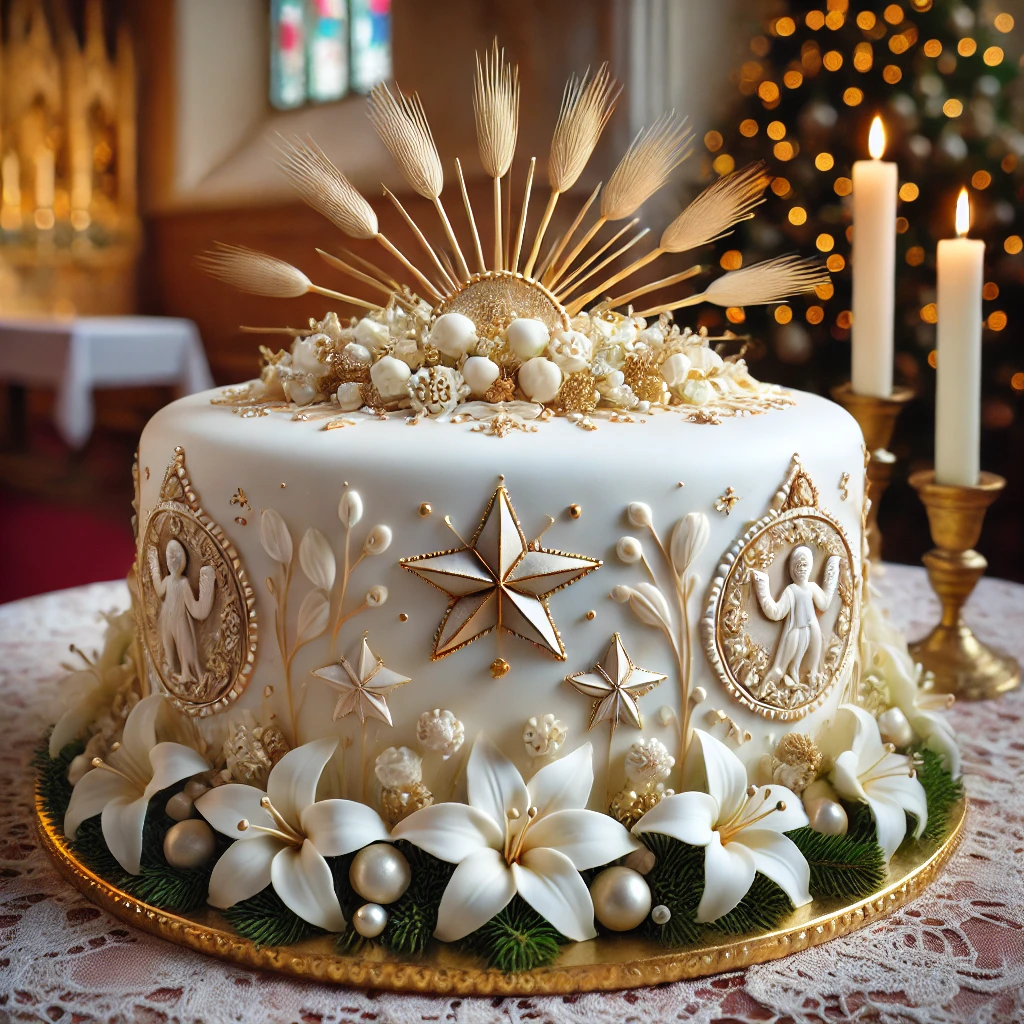
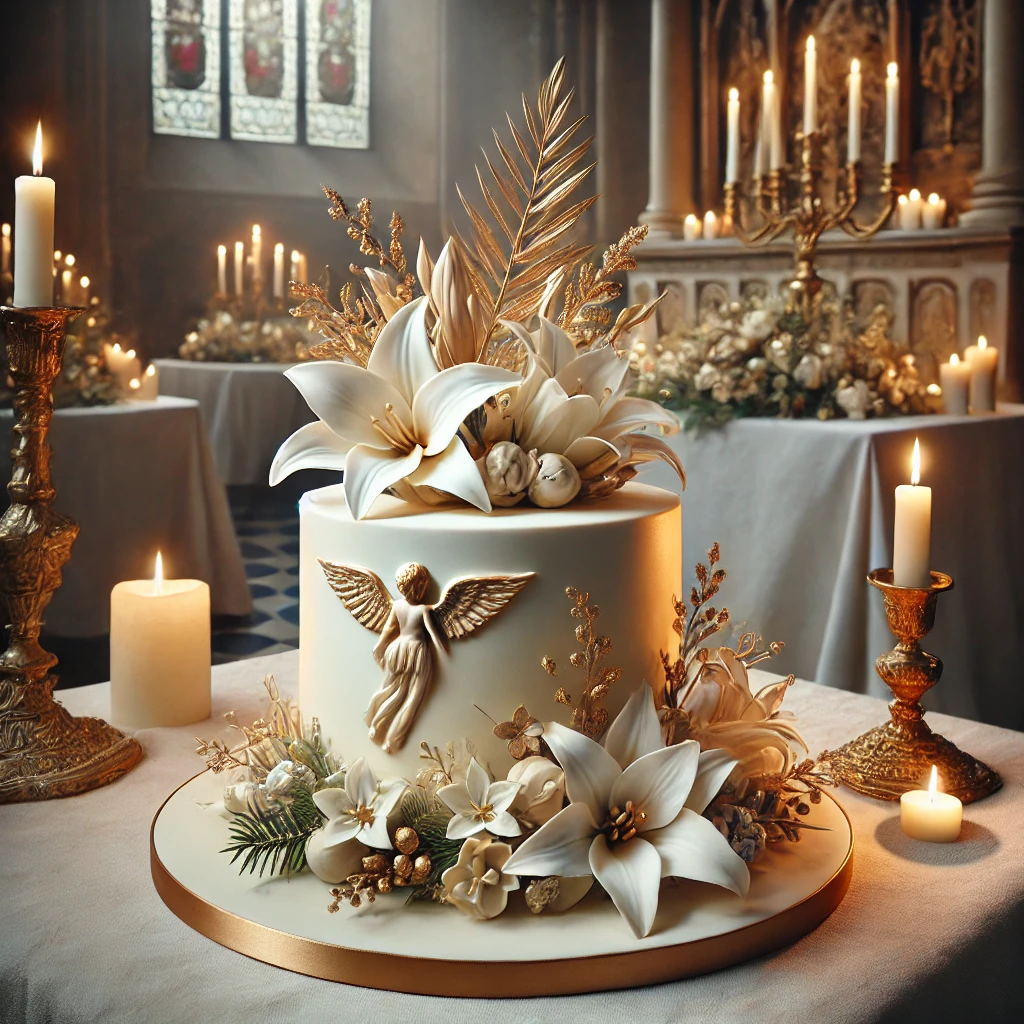
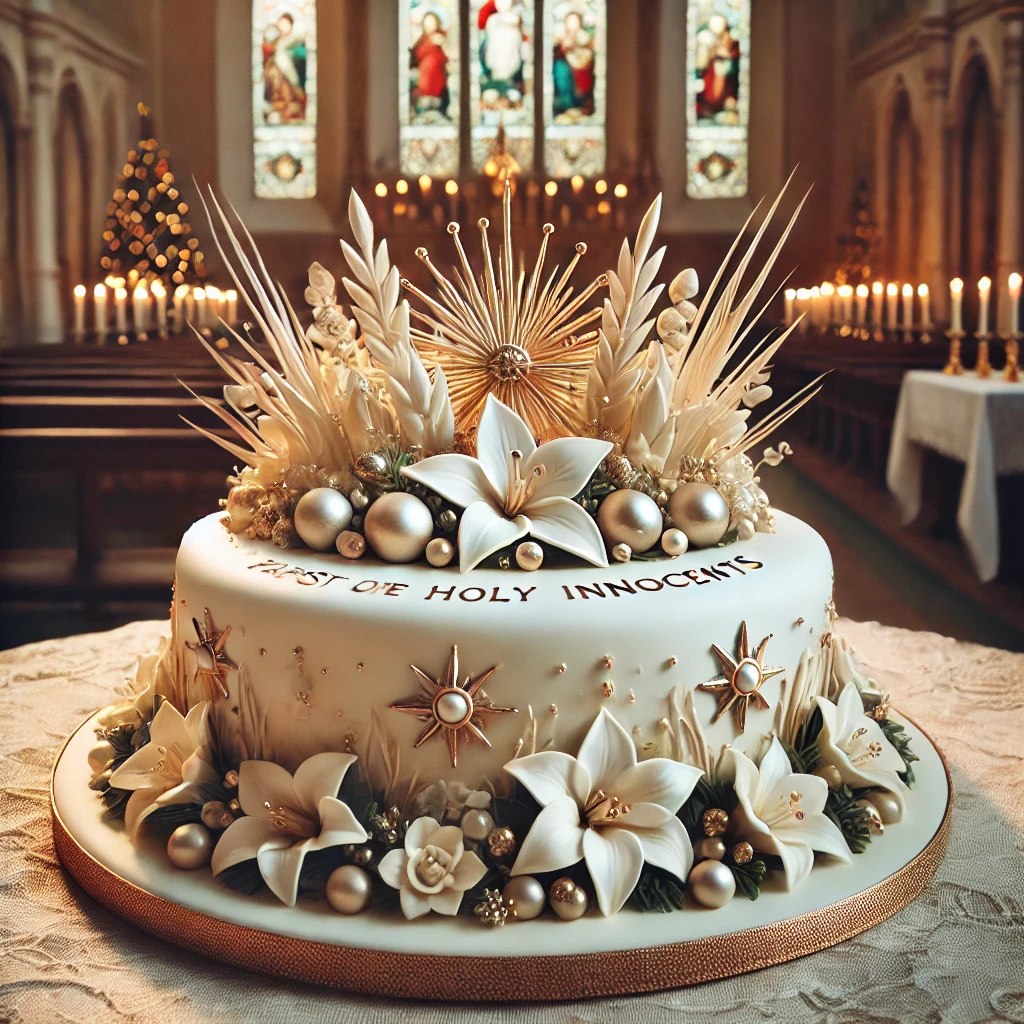
Feast of the Holy Innocents Cake & Atmosphere Ideas

Where style, memory, and celebration meet.

This section is meant to be more than Cake Decorating Ideas… it’s designed to spark inspiration and creativity, awaken tradition, and infuse your special occasions with style, identity, and atmosphere. A color palette becomes a theme. A design becomes a mood. Simple details—like sugared holly leaves or shimmering stars—can set the tone for a gathering and become part of cherished traditions and lasting memories melded with personal touch and love.

Traditional Dishes for the Feast of the Holy Innocents

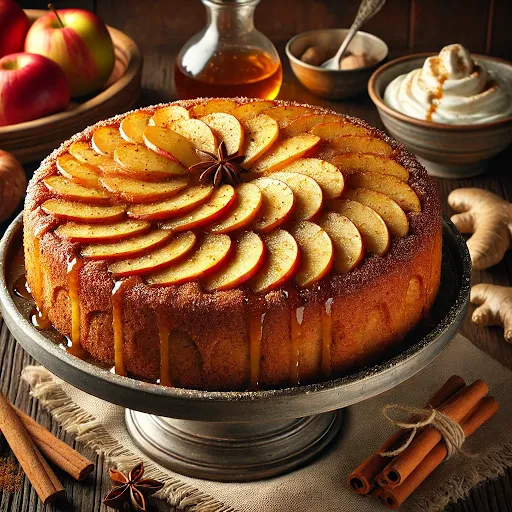
Christmas Spice Cake
Rich with warm spices such as cinnamon, nutmeg, and cloves, this traditional cake reflects the season in which the feast is observed. Its comforting flavors make it a fitting dessert for family gatherings following prayer and remembrance.
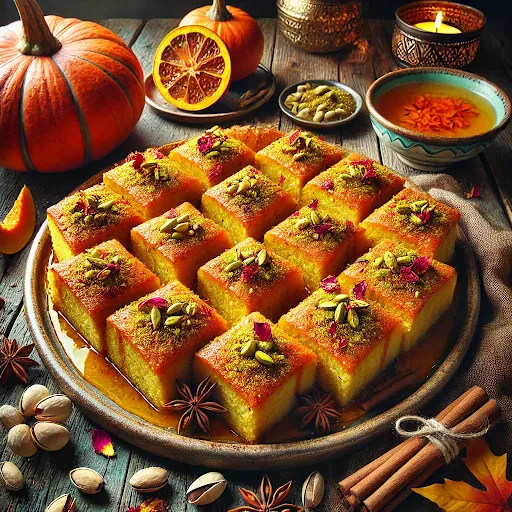
Honey Cakes of Bethlehem
Simple honey-sweetened cakes evoke the ancient flavors of the Holy Land and symbolize the sweetness of God’s promises amidst the sorrow remembered on this day.
White Almond Cookies
Their bright white color serves as a traditional symbol of purity and innocence, making them a meaningful addition to the table in honor of the Holy Innocents.
Sweet Milk Bread
A soft, enriched bread often shared during Christmastide, representing nourishment, hospitality, and the care that every child deserves.
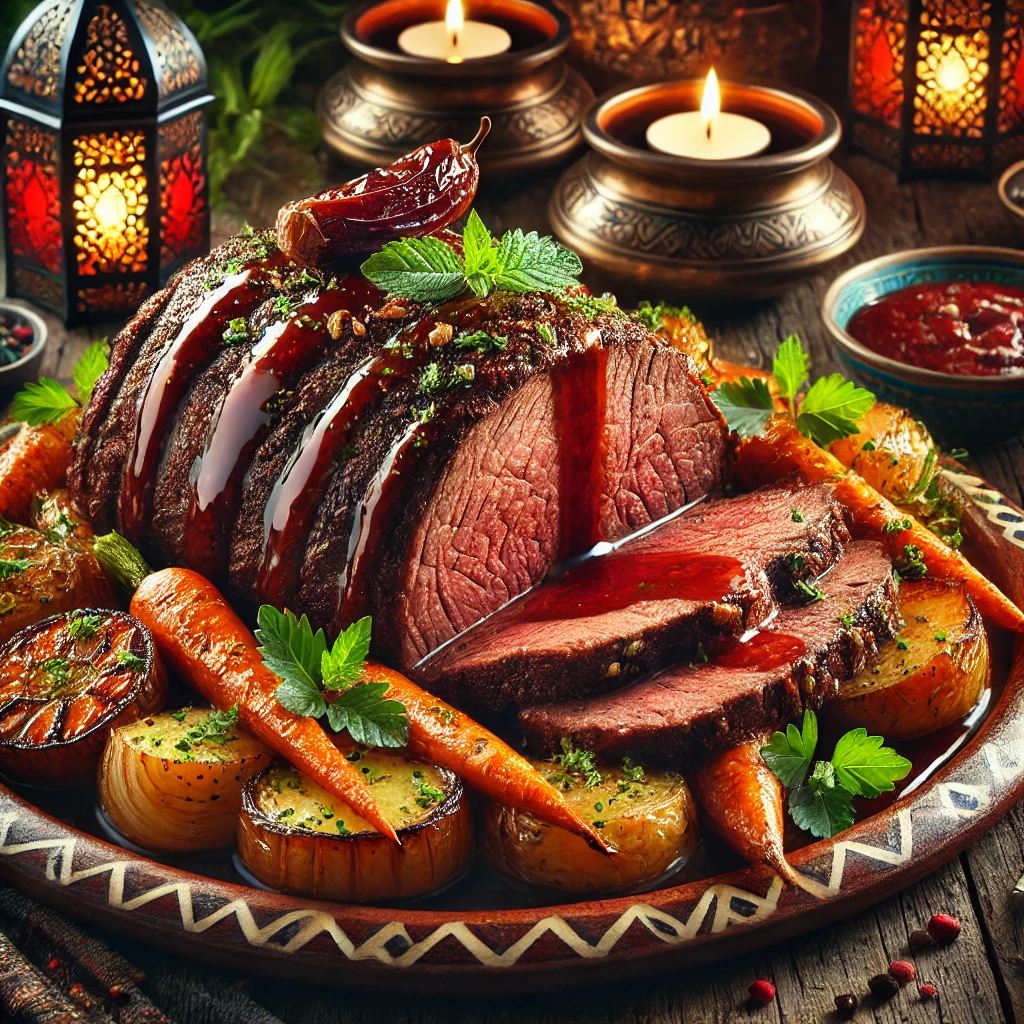
Roasted Lamb with Herbs
Lamb has long held significance in Christian tradition as a symbol of innocence and sacrifice. A beautifully roasted lamb serves as a reverent centerpiece for a feast-day meal.
Winter Root Vegetable Medley
Roasted carrots, parsnips, potatoes, and onions provide a humble yet elegant side dish, reflecting the simplicity of life in the ancient world.
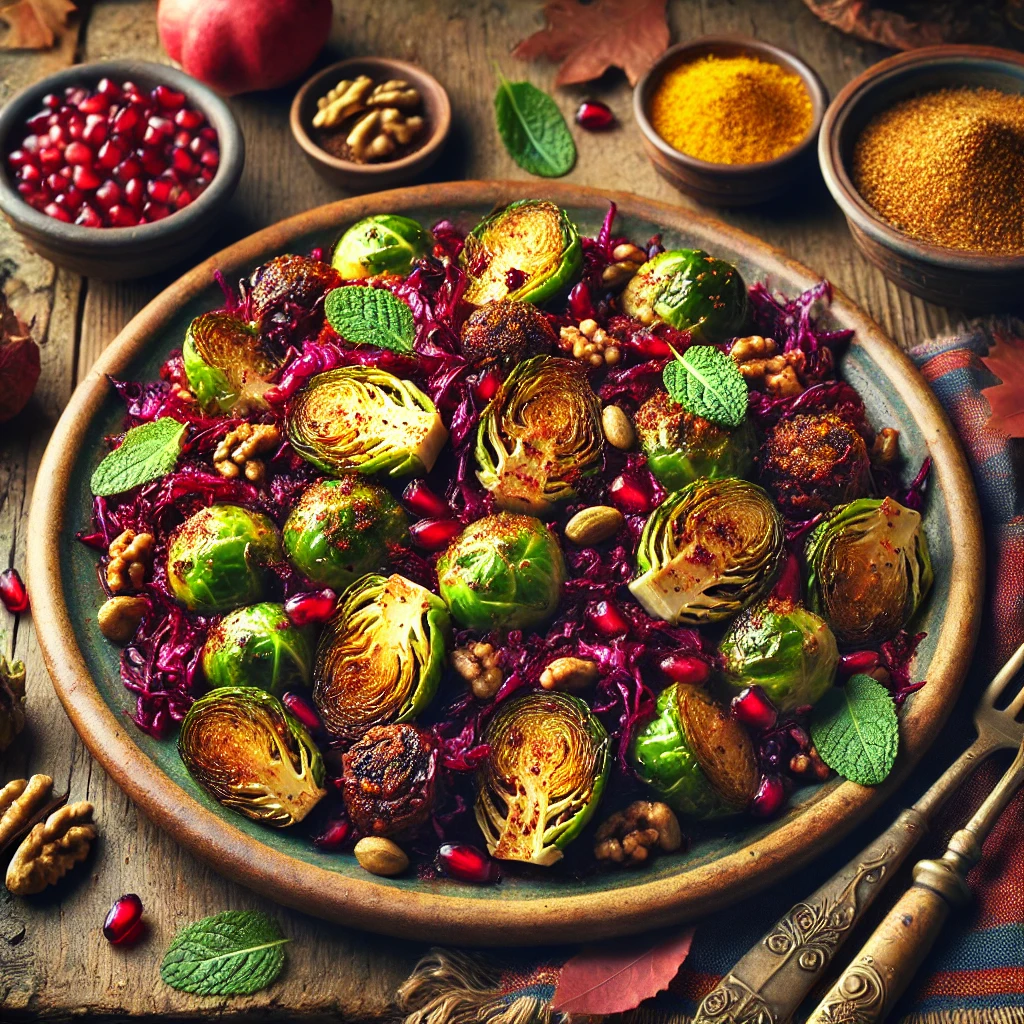
Pomegranate and Walnut Salad
Pomegranates have long symbolized eternal life and divine abundance. Combined with walnuts and winter greens, they create a dish rich in both symbolism and seasonal beauty.
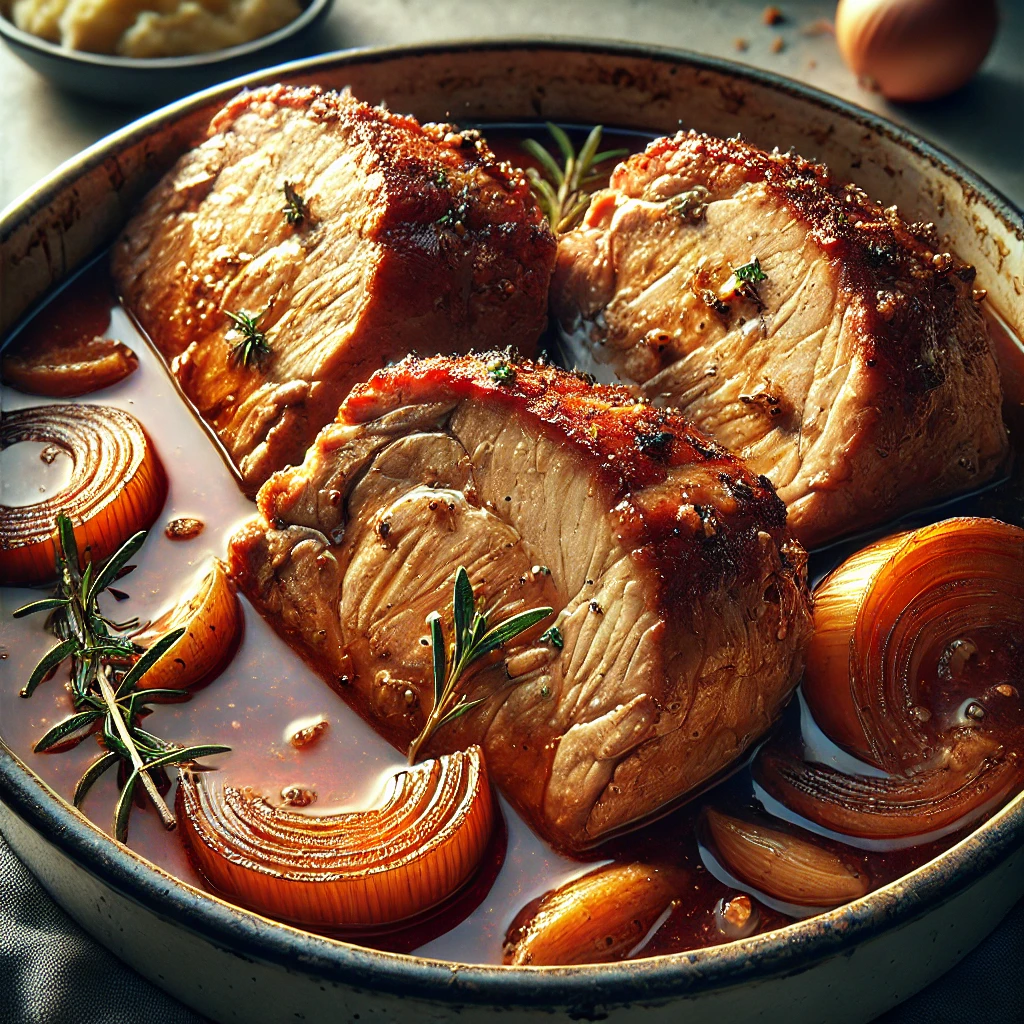
Golden Chicken with Rosemary
A comforting main course suitable for family gatherings, featuring herbs traditionally associated with remembrance and faithfulness.
Mulled Apple Cider
Served warm and fragrant with cinnamon, cloves, and citrus, this festive beverage brings warmth and fellowship to the observance.
Vanilla Custard with Berries
A simple dessert whose white custard symbolizes purity, while the berries provide a reminder that even amidst sorrow, God’s grace brings beauty and hope.
Holiday Fruit Tart
Filled with winter fruits and arranged with elegance, this dessert celebrates the abundance of God’s blessings during the Christmas season.
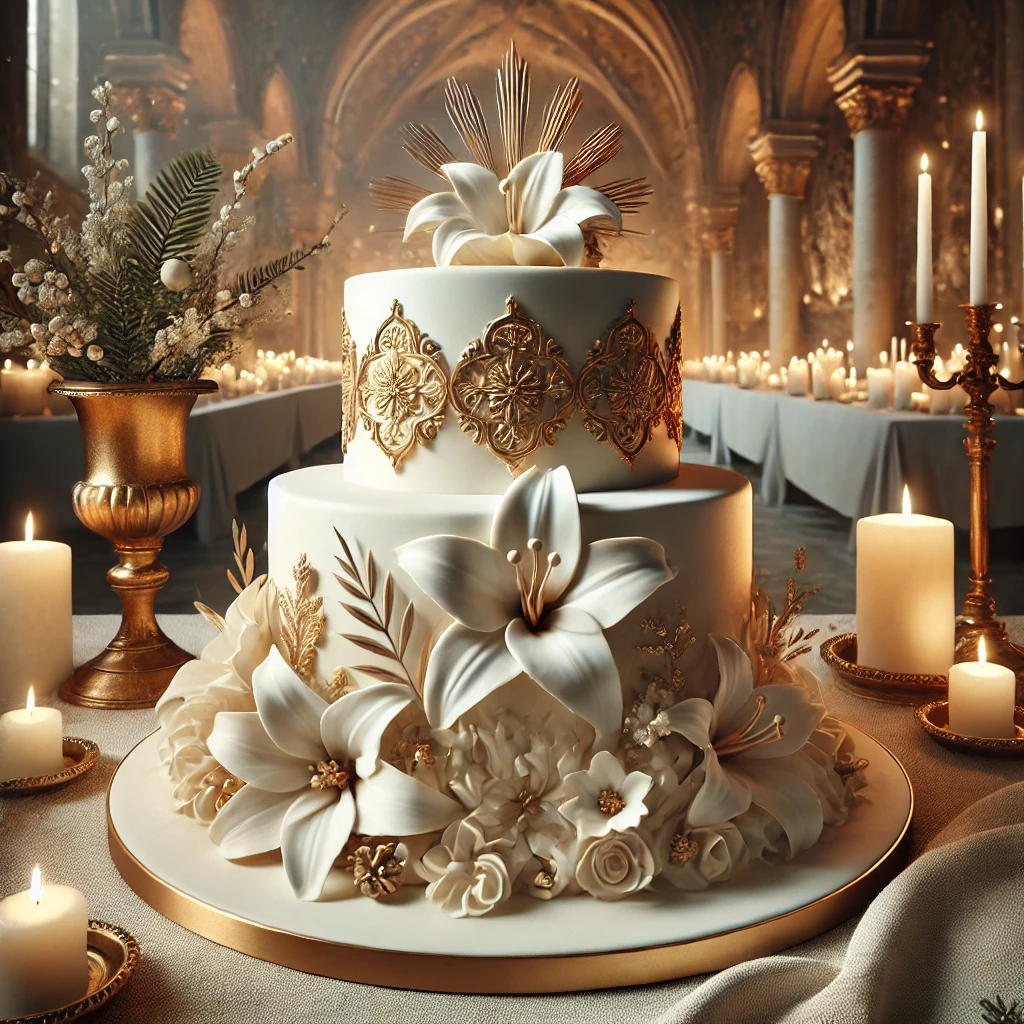
White Lily Celebration Cake
A modest white cake decorated with lilies or delicate floral motifs can symbolize innocence, purity, and heavenly glory. When served in a spirit of reverence and gratitude, it becomes a fitting conclusion to a feast shared among family and friends.

Recipes Engineered for that Winter Warmth