Chinese New Year

with ORO VALENTIO

On the Day of the Full Moon Between January 21 and February 20

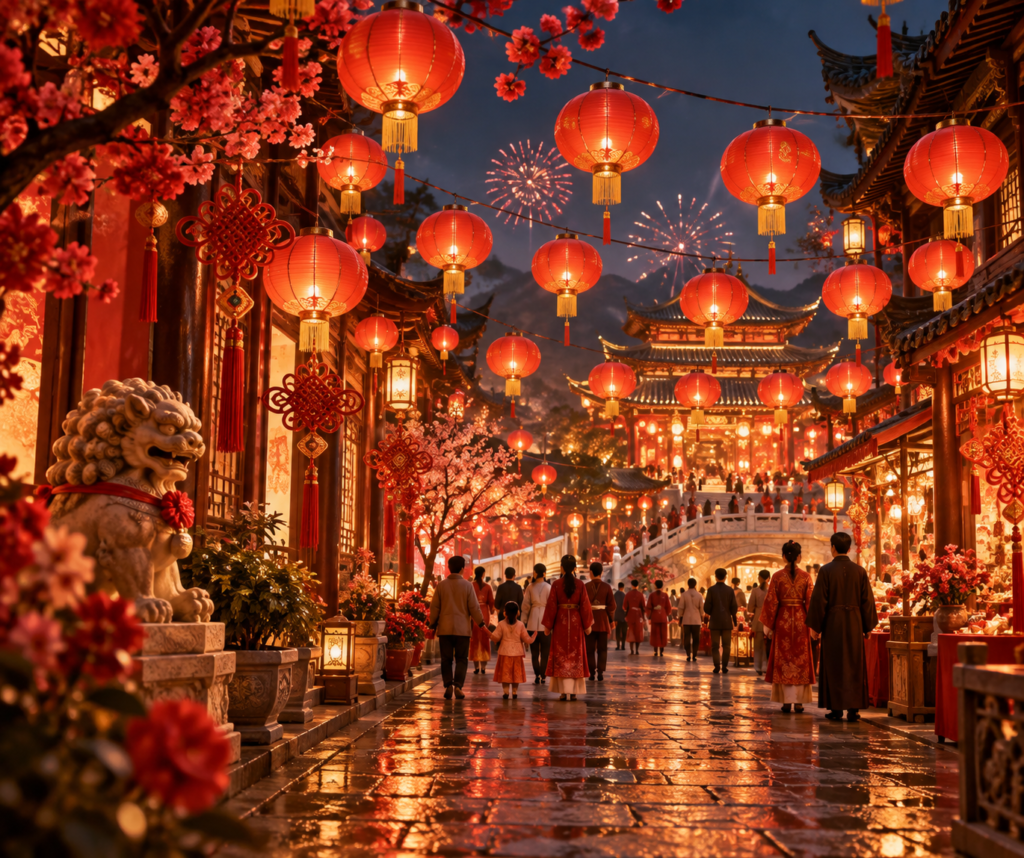
Red lanterns are hung on strings during Chinese New Year because the color red symbolizes good luck, happiness, prosperity, and protection from misfortune. The glowing lanterns also represent hope and a bright beginning for the new year. Hanging them together across streets, homes, and courtyards creates a festive atmosphere and brings communities together in celebration. Each Chinese New Year is also associated with one of the 12 animals of the Chinese zodiac: the Rat, Ox, Tiger, Rabbit, Dragon, Snake, Horse, Goat, Monkey, Rooster, Dog, and Pig. The zodiac follows a repeating twelve-year cycle, and traditional beliefs associate each animal with particular characteristics and meanings.
Chinese New Year, also known as the Lunar New Year or Spring Festival, is one of the most important and widely celebrated holidays in Chinese culture. Rather than occurring on a fixed date each year, it follows the traditional lunisolar calendar and usually falls sometime between late January and mid-February. The celebration marks the beginning of a new year and is traditionally associated with renewal, family unity, good fortune, and hopes for prosperity in the year ahead.
Preparations often begin before New Year’s Day with families thoroughly cleaning their homes, decorating with red banners and lanterns, and preparing special foods. The color red is especially important because it is traditionally associated with happiness, good luck, and protection. Families commonly gather for a large reunion dinner on New Year’s Eve, which may include foods chosen for their symbolic meanings, such as dumplings for wealth, fish for abundance, noodles for long life, and sweet foods for a pleasant year ahead.

Welcoming A New Year Of Hope And Good Fortune

The Spring Festival traditionally extends for about 15 days, concluding with the Lantern Festival. On this final evening, communities may display glowing lanterns, enjoy traditional foods, solve lantern riddles, and gather for public celebrations. More than simply the beginning of another calendar year, Chinese New Year is a celebration of family, heritage, gratitude, renewal, and hope. Across generations, its customs help preserve cultural traditions while bringing families and communities together to welcome the possibilities of a new year.
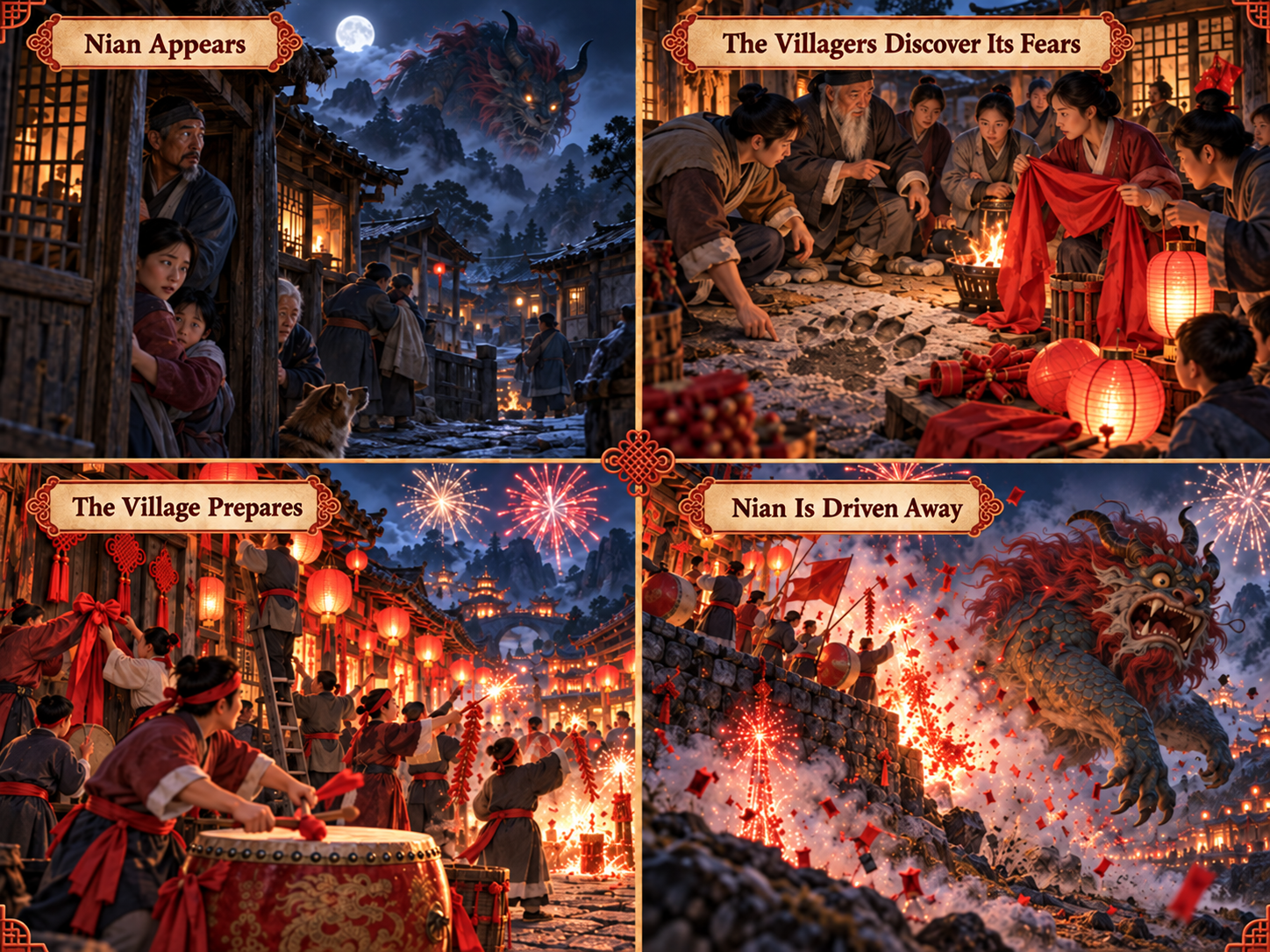
According to Chinese tradition, Nian was a fierce monster that would come at the start of the new year and frighten people, damage homes, and threaten villages. The people later discovered that Nian was afraid of loud noises, bright lights, and the color red. To scare it away, they used firecrackers, drums, red decorations, and glowing lanterns. This legend is often used to explain why red is an important color during Chinese New Year and why people celebrate with lanterns and fireworks.

Chinese New Year Traditions to Make Your Own

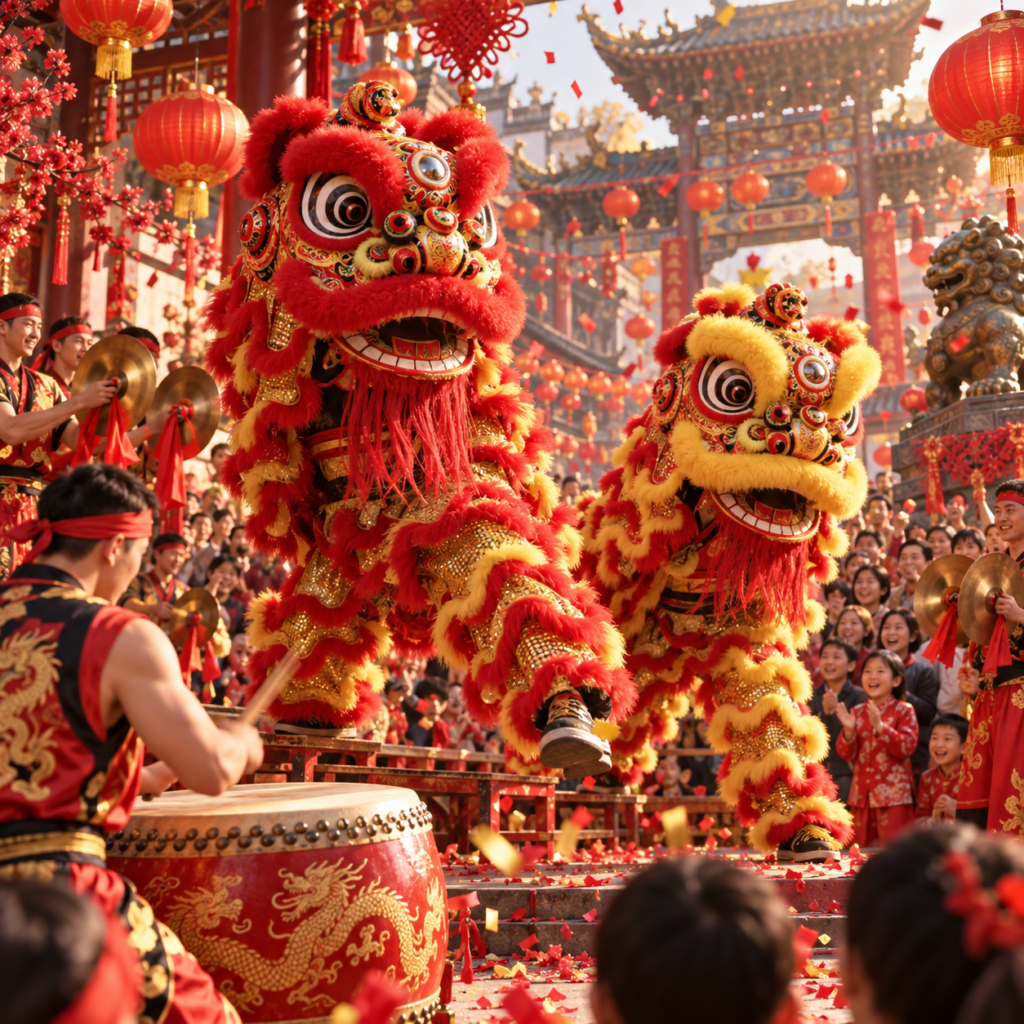
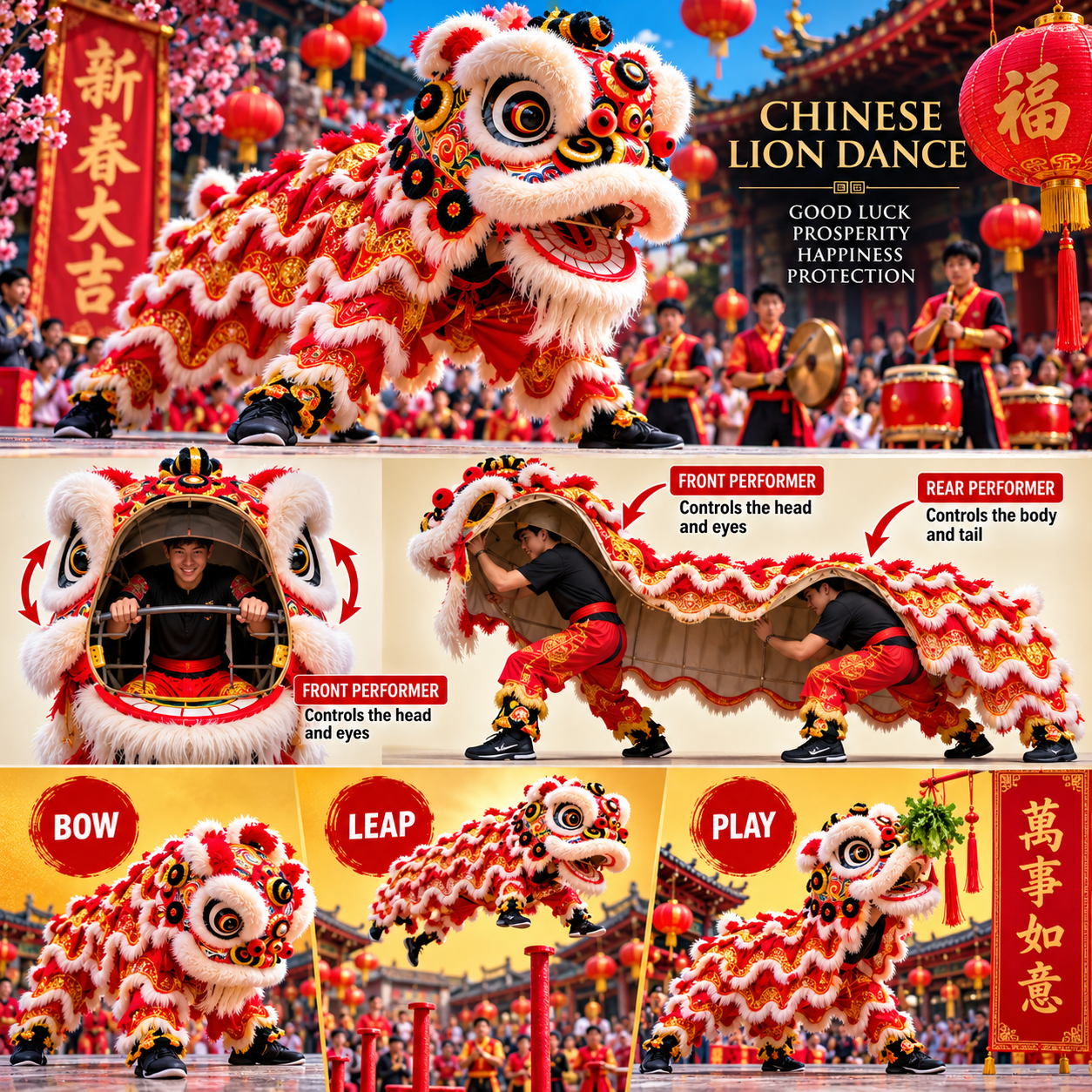
The lion dance is one of the most vibrant traditions of Chinese New Year, performed to bring good luck, prosperity, happiness, and protection for the year ahead. Dancers work together inside an elaborately decorated lion costume, bringing it to life with energetic movements, leaps, bows, and playful expressions while drums, cymbals, and gongs provide a powerful rhythm. Traditionally, the loud music and lively lion are believed to drive away evil spirits and negative influences, while welcoming fortune and success. Lion dances are often performed at homes, businesses, temples, and community celebrations, where the lion may also “eat” lettuce or a red envelope before dramatically tossing or presenting it as a symbol of abundance and blessing.
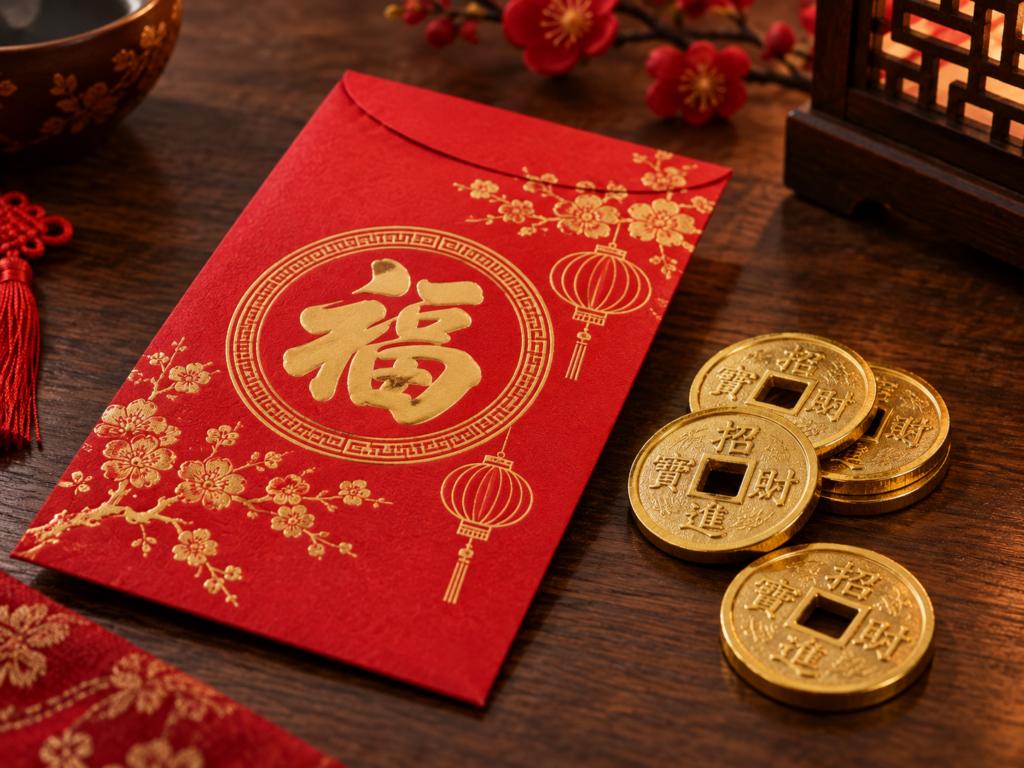
People give red envelopes during Chinese New Year as a way of sharing good wishes for luck, happiness, health, and prosperity. The money inside is meant to symbolize a blessing for the year ahead, while the red envelope itself represents good fortune and protection. They are especially often given to children and younger family members by parents, grandparents, and other relatives.
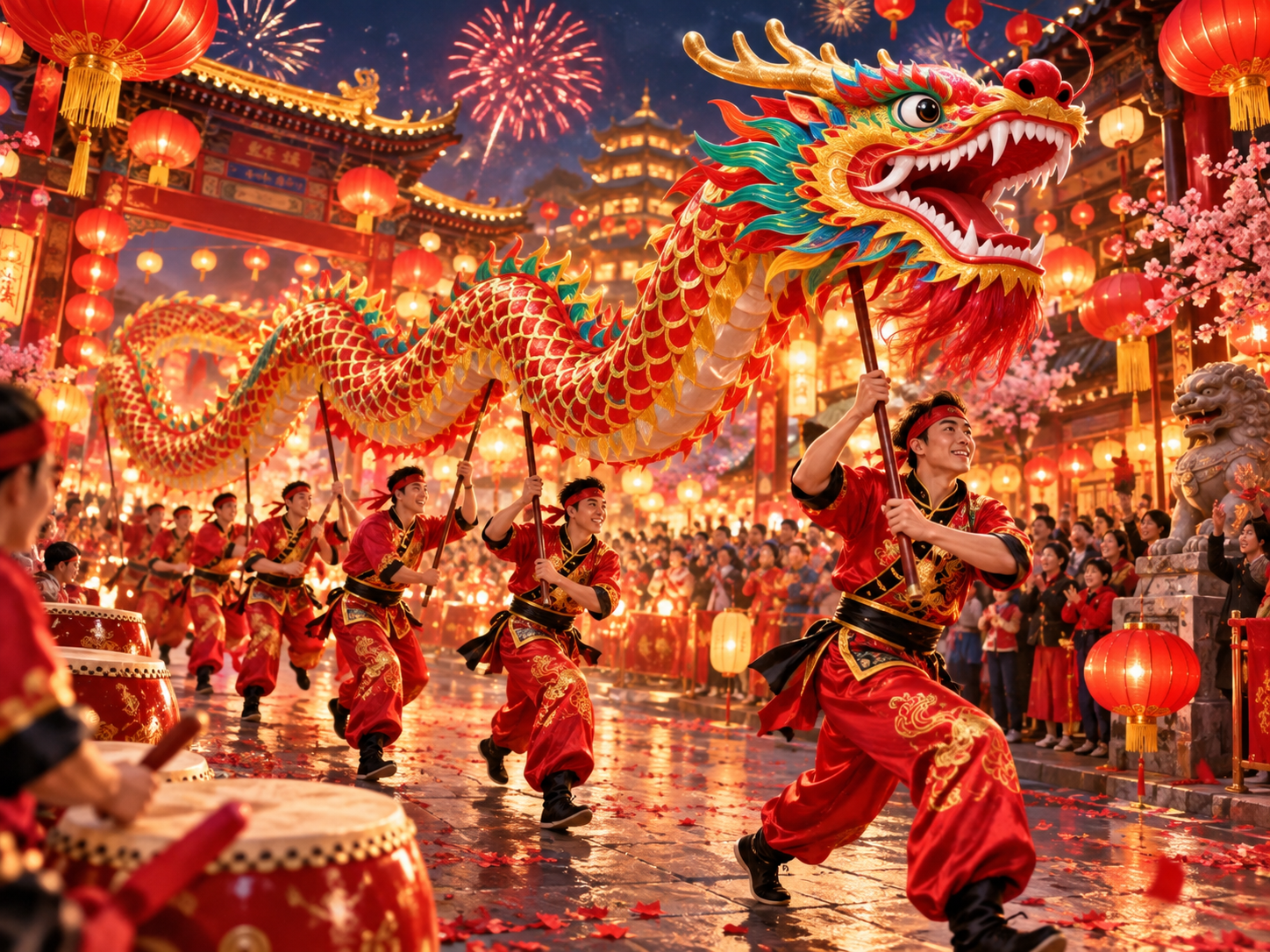
People perform the dragon dance during Chinese New Year because the dragon is a traditional symbol of strength, wisdom, good fortune, and prosperity. The dance is believed to bring luck to the community and help drive away misfortune. The long dragon is carried by a team of performers who move together to make it twist, rise, and flow through the streets. Drums, cymbals, and gongs usually accompany the dance, creating an energetic celebration that brings people together and welcomes the new year with joy and hope.
Red Lanterns – Red lanterns are hung in homes, streets, temples, and marketplaces to symbolize good fortune, happiness, and a bright future. Their warm glow also helps create the festive atmosphere associated with Chinese New Year.
Red Decorations – Red banners, paper cuttings, knots, and other decorations are placed around homes and businesses because red is considered a lucky and protective color. According to tradition, red was also believed to frighten away the mythical creature Nian.
Firecrackers and Fireworks – Firecrackers and fireworks are traditionally set off to create loud noises and bright flashes. The custom is connected with the legend of Nian and is also believed to drive away evil or bad luck while welcoming the new year.
Cleaning the House – Before Chinese New Year begins, families often thoroughly clean their homes. The cleaning symbolizes sweeping away the bad luck and troubles of the old year so the household can welcome a fresh and fortunate beginning.
The Reunion Dinner – On Chinese New Year’s Eve, families gather for a special reunion dinner. It is one of the most important traditions of the holiday and represents family unity, gratitude, and togetherness.
Giving Red Envelopes – Red envelopes, called hongbao, contain money and are commonly given to children and younger relatives. They symbolize wishes for good luck, happiness, health, and prosperity in the coming year.
Dragon Dances – During festivals and parades, teams of performers carry a long colorful dragon through the streets. Chinese dragons traditionally symbolize strength, wisdom, prosperity, and good fortune.
Lion Dances – Lion dances are performed to bring good luck and prosperity while driving away negative influences. Performers operate brightly decorated lion costumes while moving to the sound of drums, cymbals, and gongs.
Special New Year Foods – Families prepare foods that symbolize good wishes for the coming year. Fish may represent abundance, dumplings can symbolize wealth, long noodles represent longevity, and sweet foods can symbolize a sweet and happy year.
Visiting Family – Chinese New Year is an important time for visiting parents, grandparents, relatives, and friends. These visits help strengthen family relationships and allow people to exchange greetings and wishes for the new year.
Honoring Ancestors – Some families honor their ancestors during the New Year celebrations by making offerings, visiting ancestral graves or shrines, or remembering deceased relatives. The tradition expresses respect, gratitude, and connection between generations.
Wearing New Clothes – People may wear new clothing, particularly clothing in bright or red colors, to symbolize a fresh beginning. New clothes represent leaving the old year behind and entering the new year with optimism.
New Year Greetings – Family members, friends, and neighbors exchange greetings wishing one another happiness, health, prosperity, and good fortune. These greetings are an important part of welcoming the new year positively.
The Lantern Festival – Chinese New Year celebrations traditionally conclude with the Lantern Festival on the fifteenth day of the first lunar month. People display beautiful lanterns, gather with family and friends, enjoy special foods, and sometimes solve riddles attached to lanterns.
Chinese Zodiac Traditions – Each Chinese New Year begins a new zodiac year represented by one of twelve animals. People may display decorations connected with that year’s animal and learn about the traditional qualities associated with it.

The Strength to Live with Integrity

May this new year be filled with peace in the home, joy in the family, wisdom in every decision, and strength for every challenge ahead. May we be grateful for the blessings we have received, faithful in our responsibilities, generous toward others, and hopeful for the days to come.
May families be drawn closer together, may old burdens be left behind, and may the year ahead bring opportunities for growth, kindness, and renewed purpose. Above all, may God guide our steps, protect those we love, and grant us the grace to use each new beginning well.
May the coming year be one of peace, gratitude, courage, and abundant blessing.

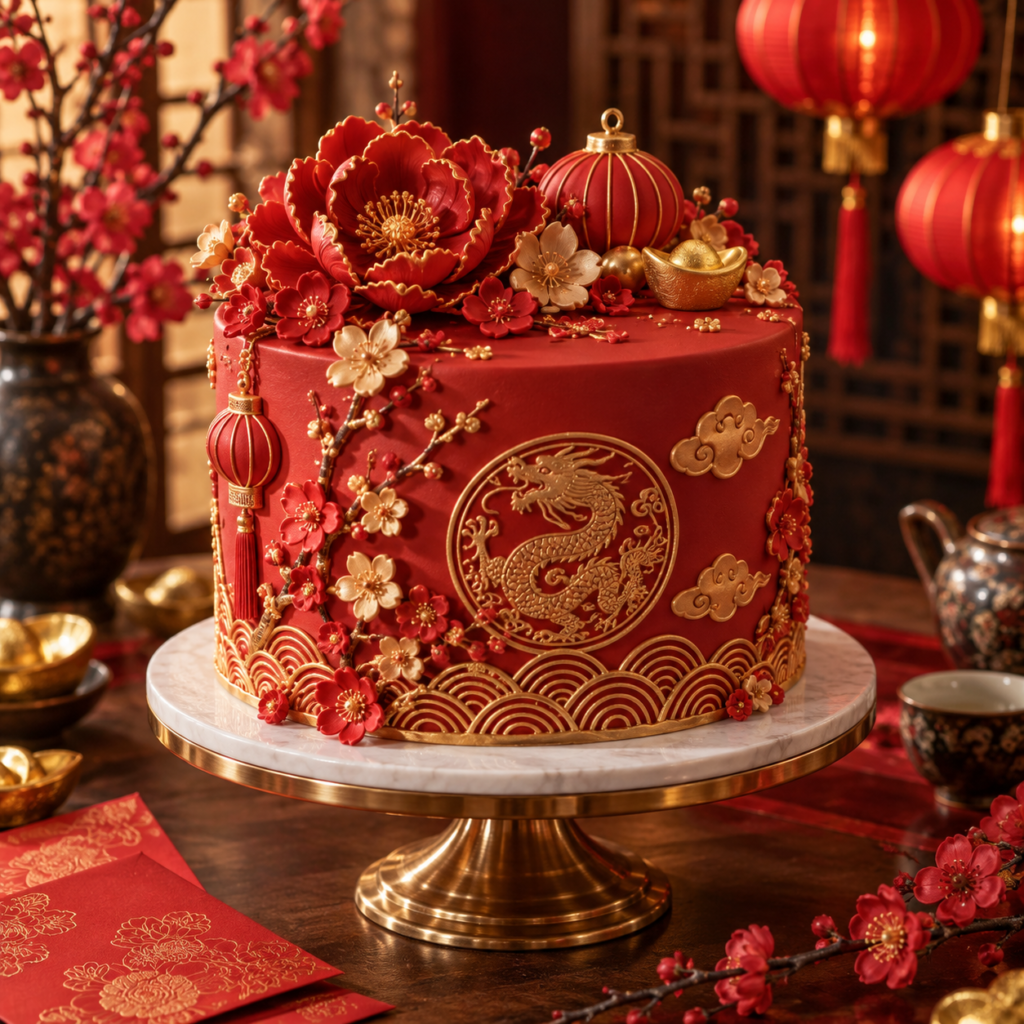
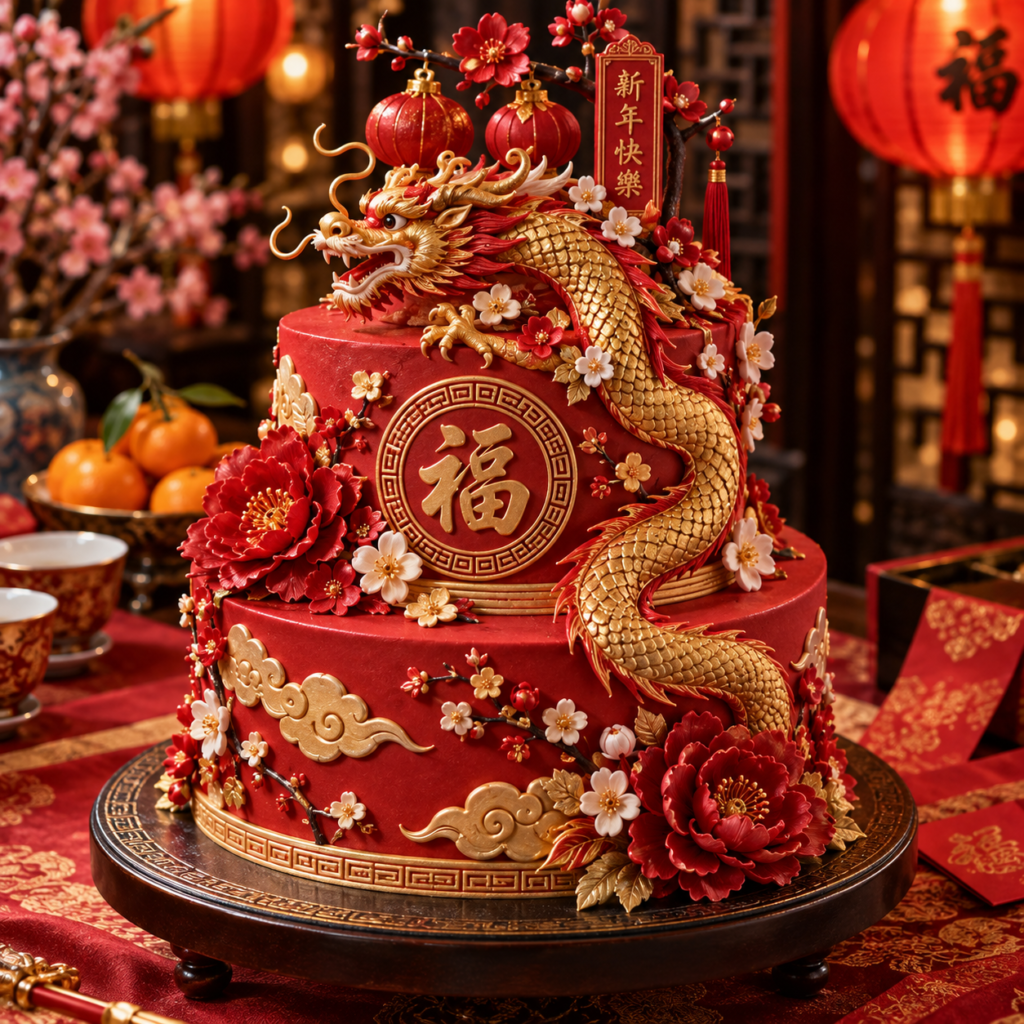
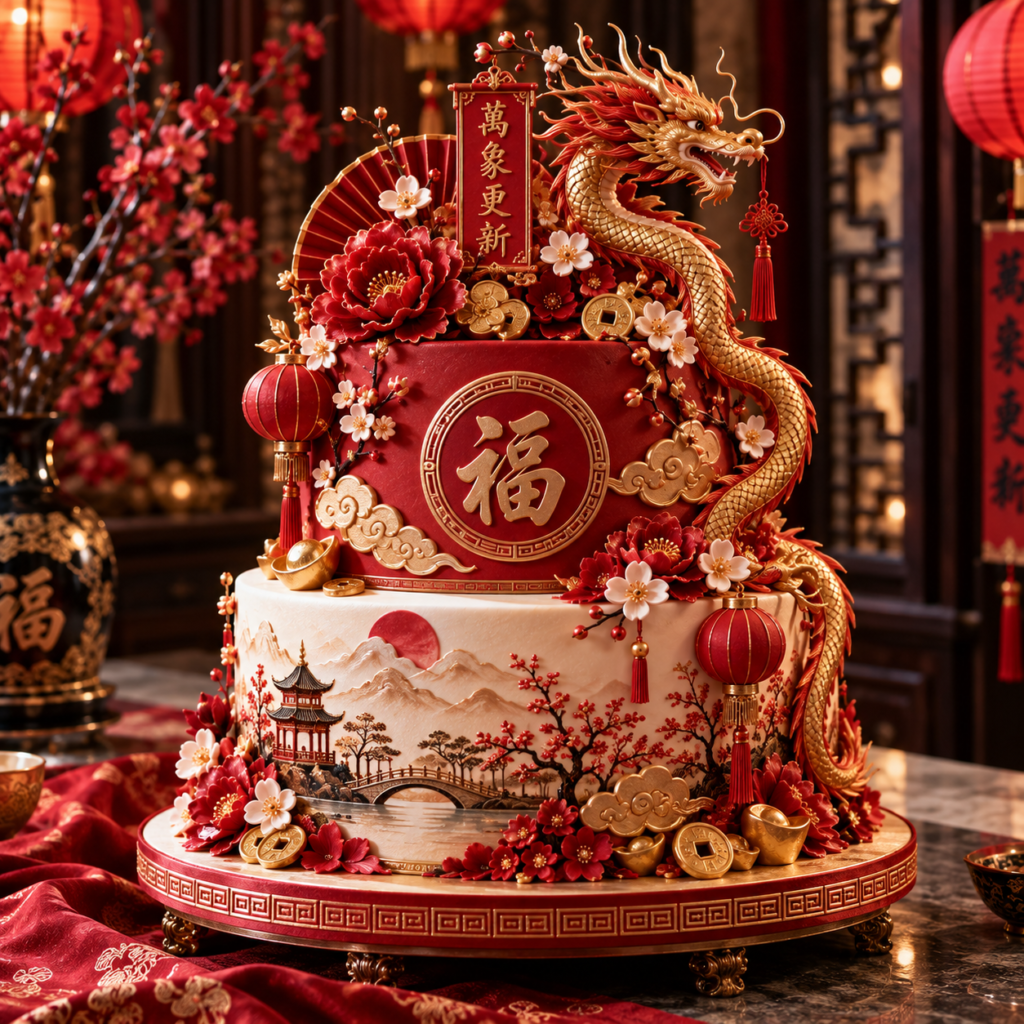
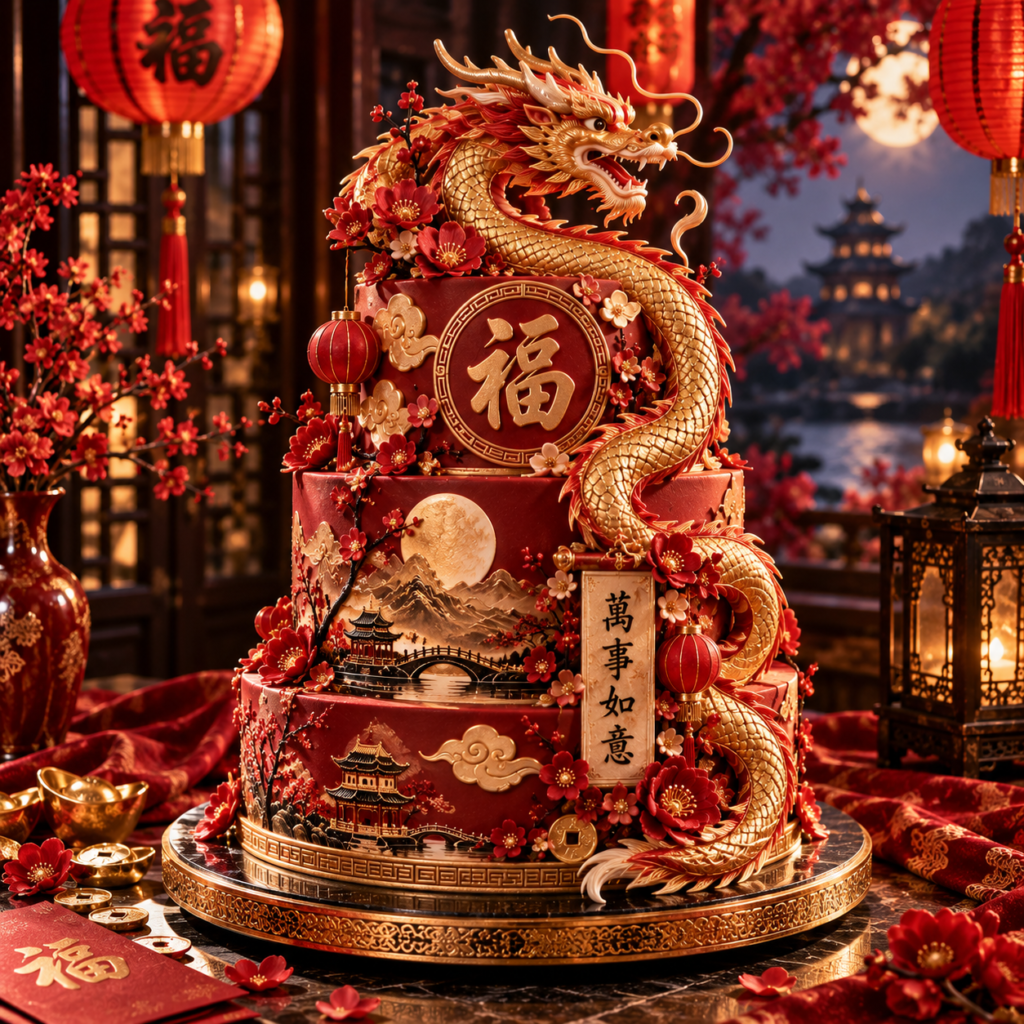
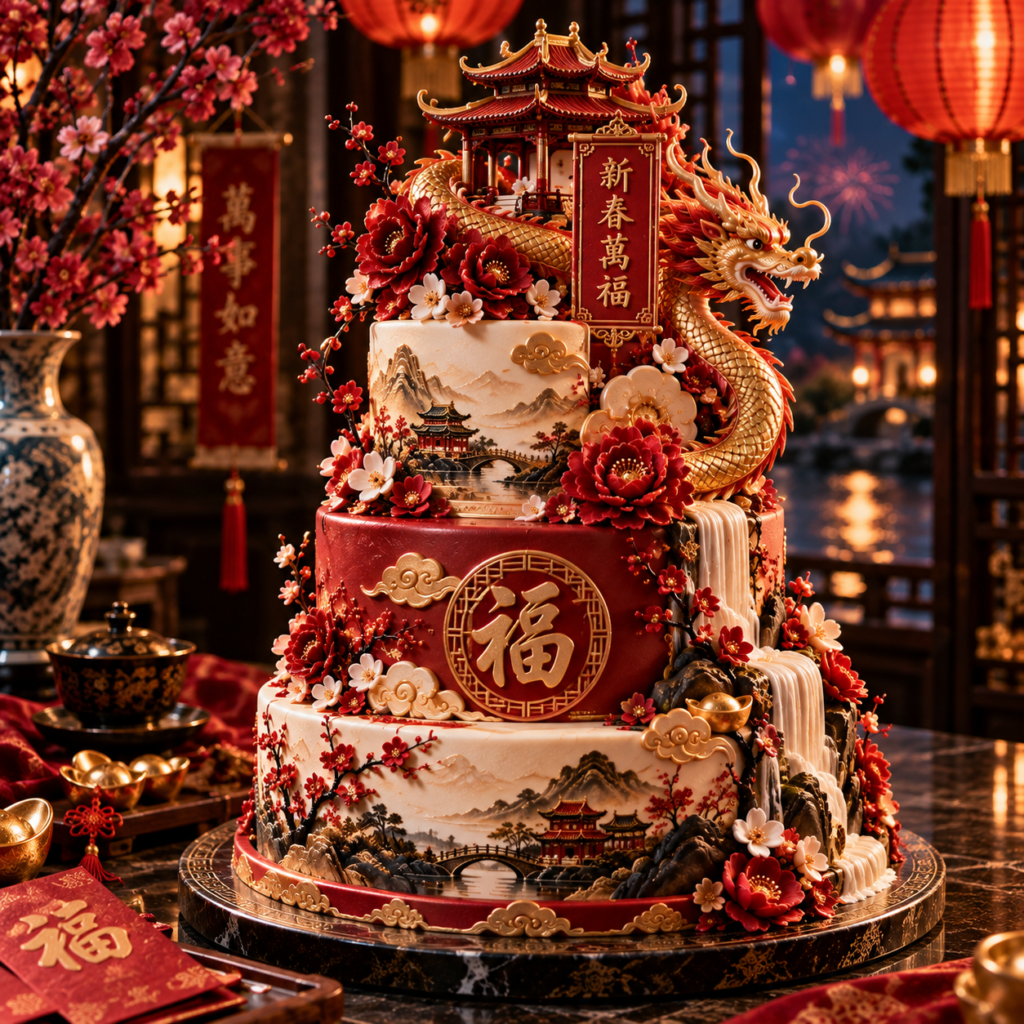
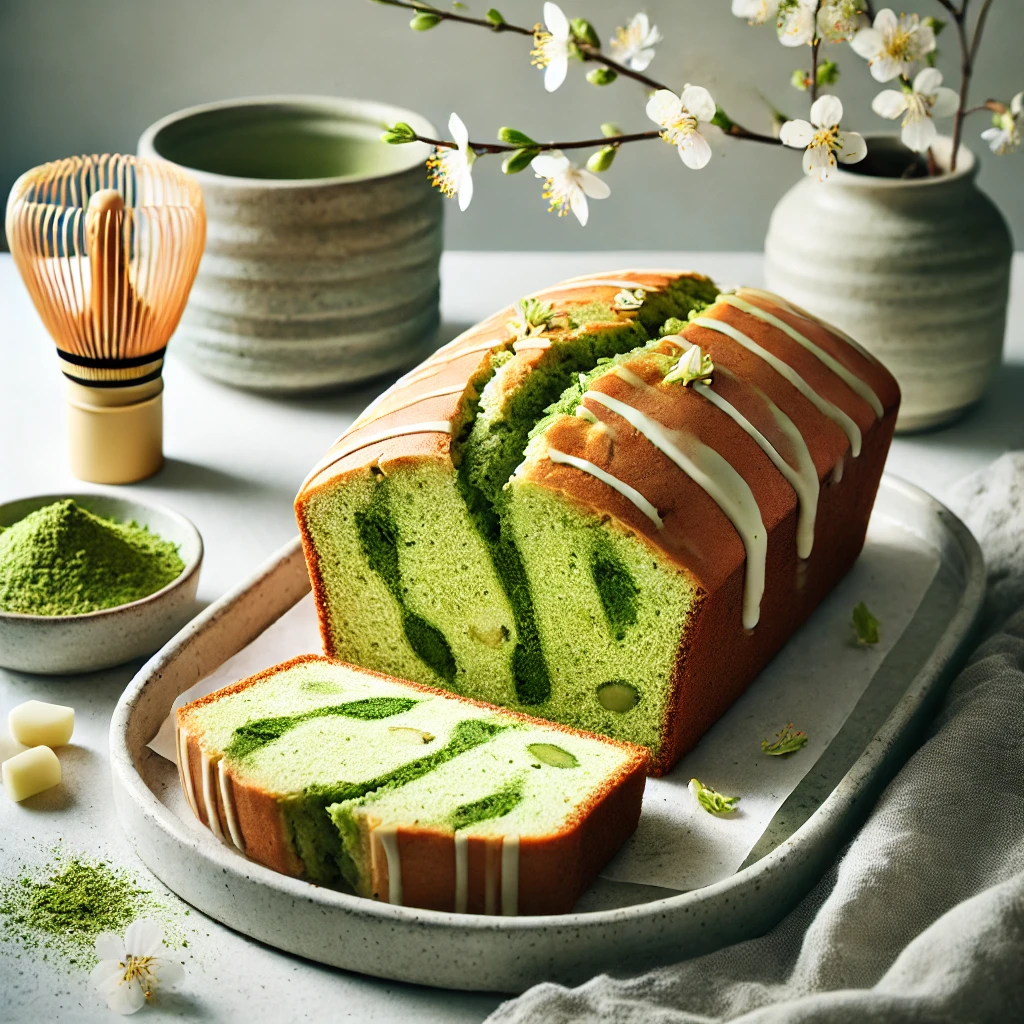
Chinese New Year Cake & Atmosphere Ideas

Where style, memory, and celebration meet.

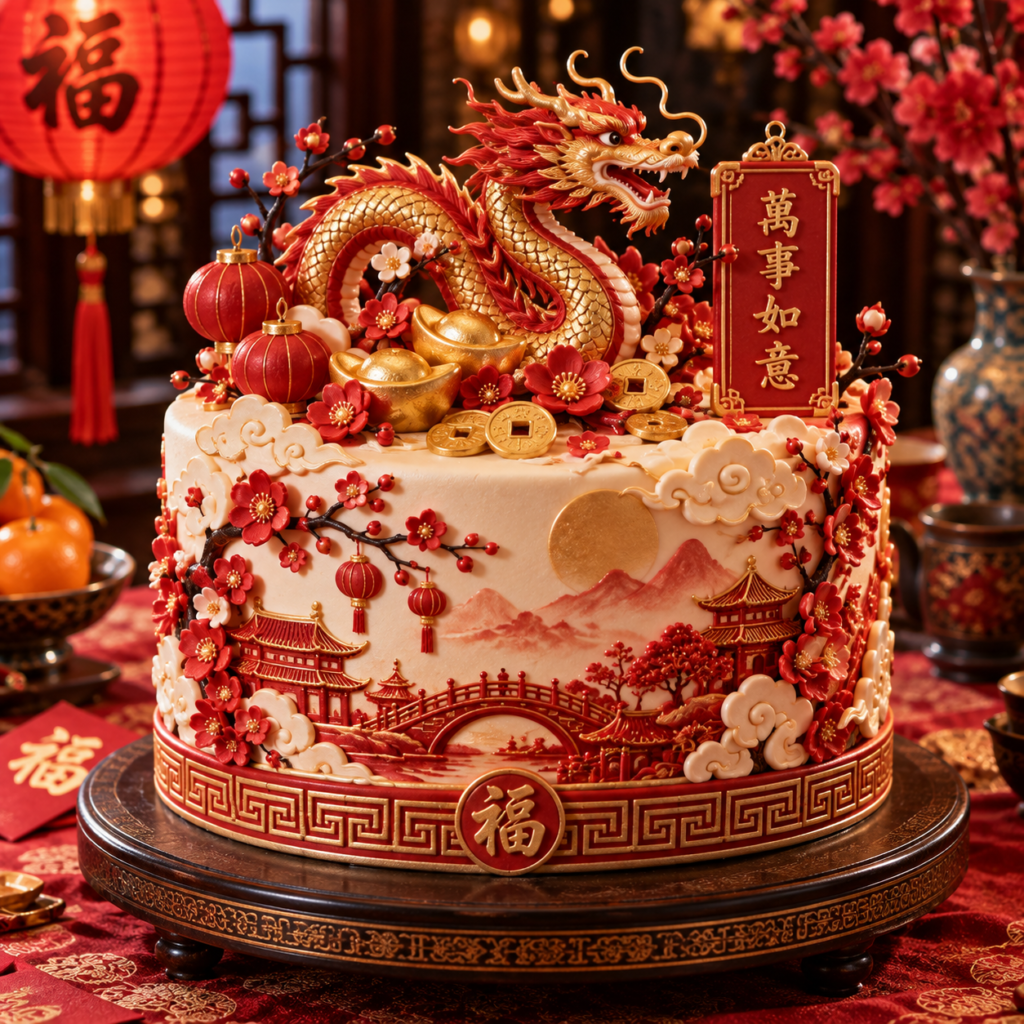
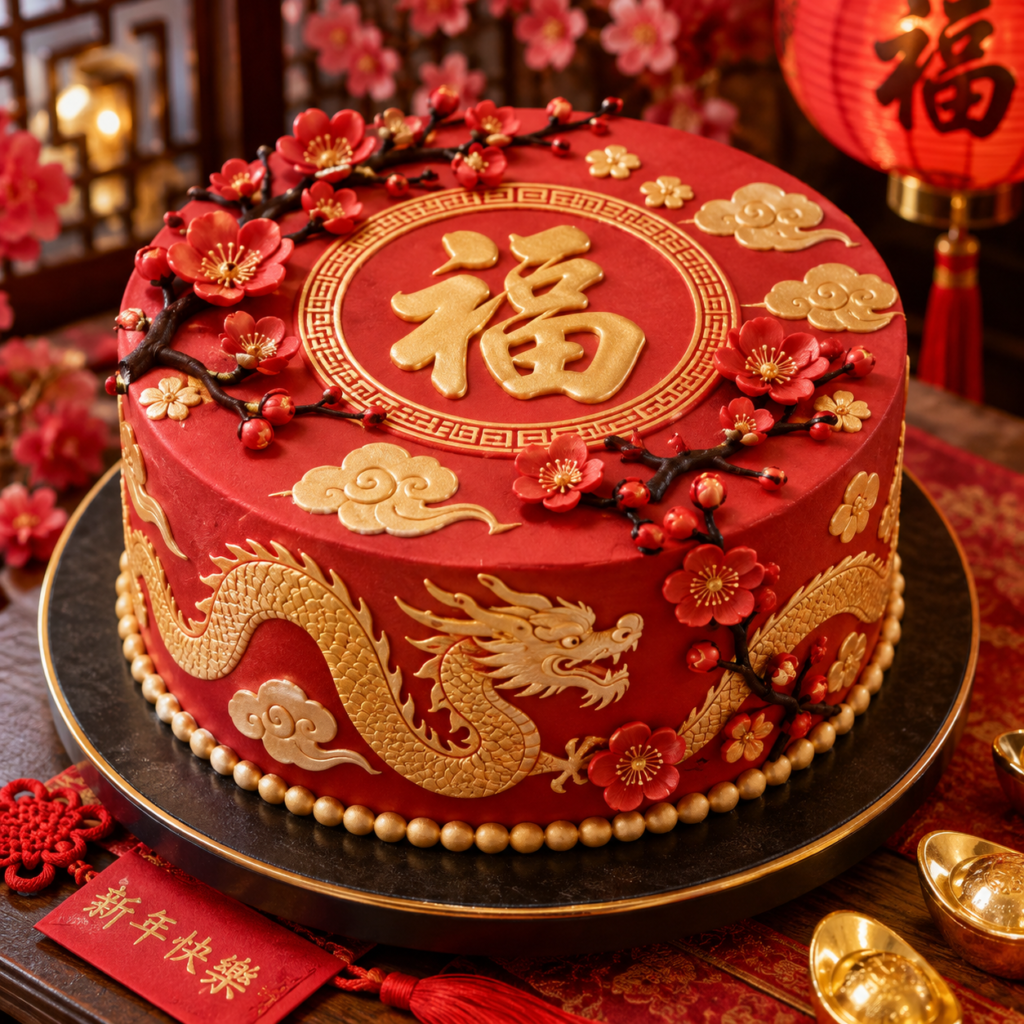
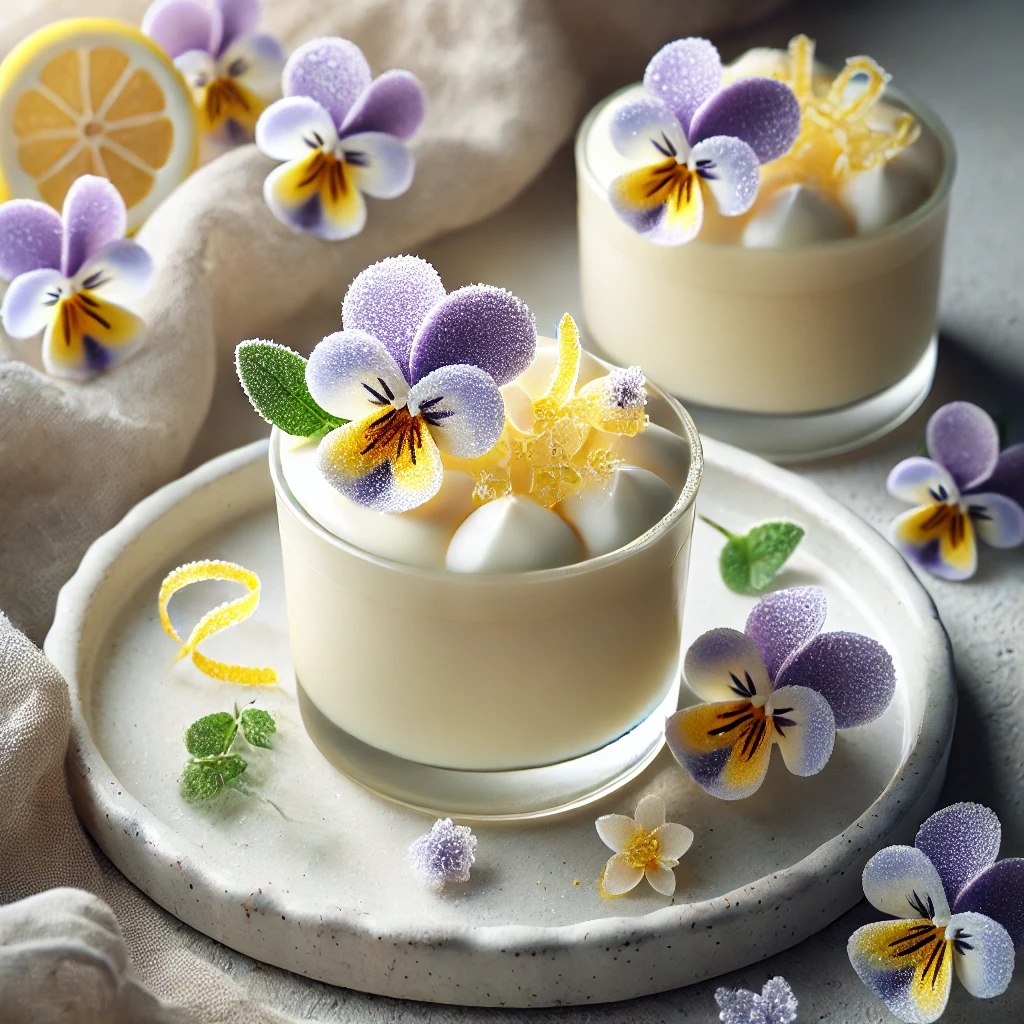
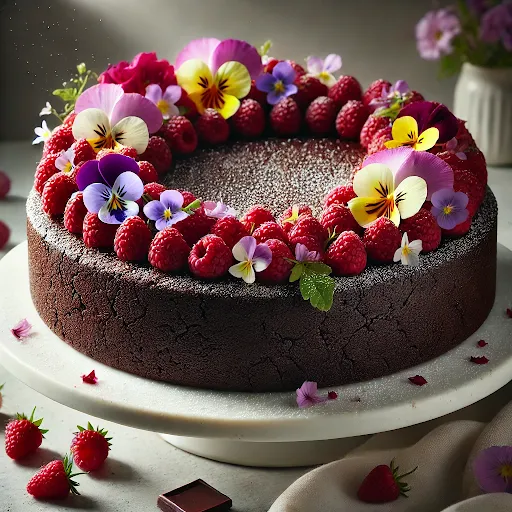
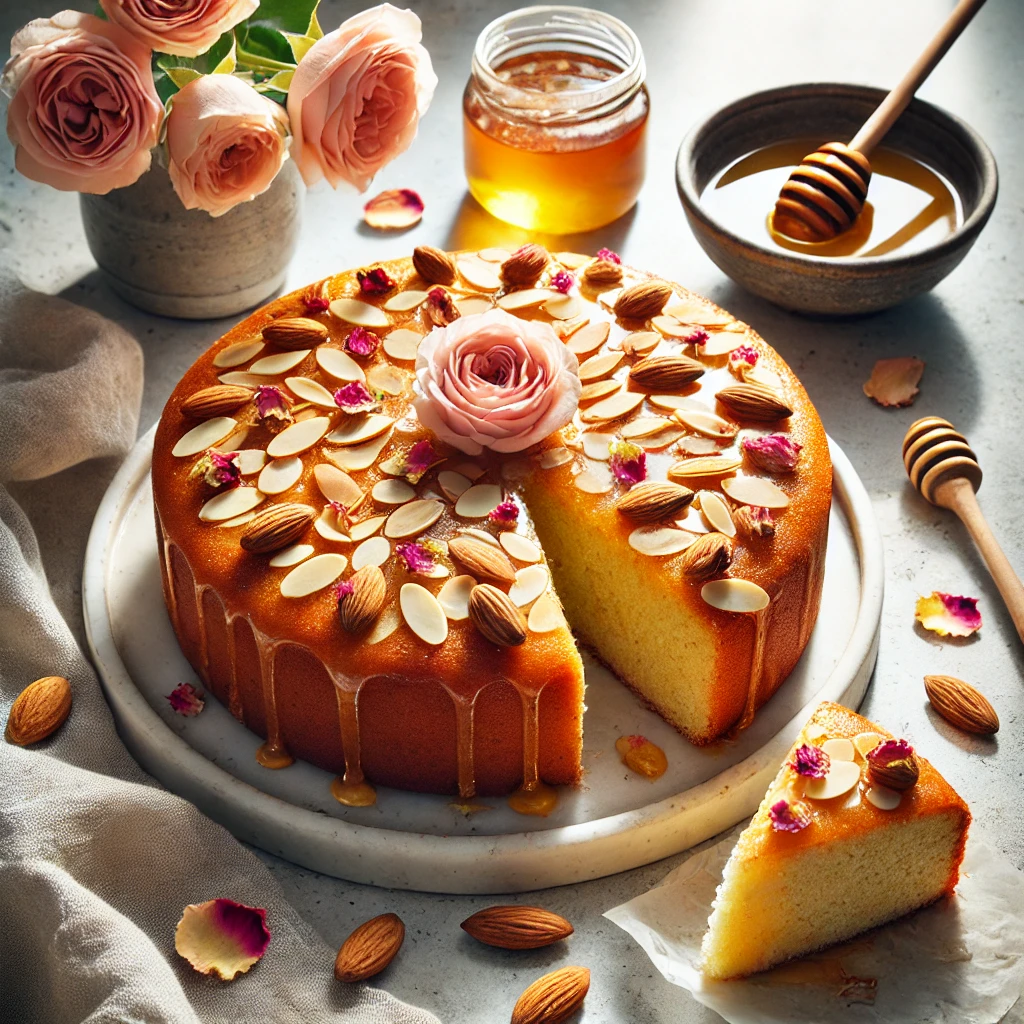
This section is meant to be more than Cake Decorating Ideas… it’s designed to spark inspiration and creativity, awaken tradition, and infuse your special occasions with style, identity, and atmosphere. A color palette becomes a theme. A design becomes a mood. Simple details—like sugared holly leaves or shimmering stars—can set the tone for a gathering and become part of cherished traditions and lasting memories melded with personal touch and love.

Traditional Chinese New Year Dishes

Dumplings
Dumplings are one of the most popular Chinese New Year foods, especially in northern China. Their shape resembles ancient Chinese gold ingots, so they are traditionally eaten as a symbol of wealth and prosperity.
Whole Fish
Fish is commonly served whole during the New Year meal because the Chinese word for fish sounds similar to the word for surplus or abundance. Serving the fish whole can also symbolize unity and completeness.
Longevity Noodles
Long noodles represent a wish for a long and healthy life. They are often served without being cut, because their length is part of their symbolic meaning.
Spring Rolls
Spring rolls are golden and cylindrical, giving them an appearance similar to gold bars. Because of this, they are associated with wealth, prosperity, and good fortune.
Glutinous Rice Cake
Known as nian gao, this sticky rice cake is traditionally associated with progress and improvement. Its name sounds like a phrase meaning “higher year,” making it a wish for greater success in the coming year.
Sweet Rice Balls
Tangyuan are round, chewy rice balls often served in a sweet soup. Their round shape symbolizes family togetherness, harmony, and reunion.
Whole Chicken
A whole chicken may be served to represent family unity, completeness, and prosperity. Keeping the chicken whole emphasizes the idea of togetherness.
Mandarins and Oranges
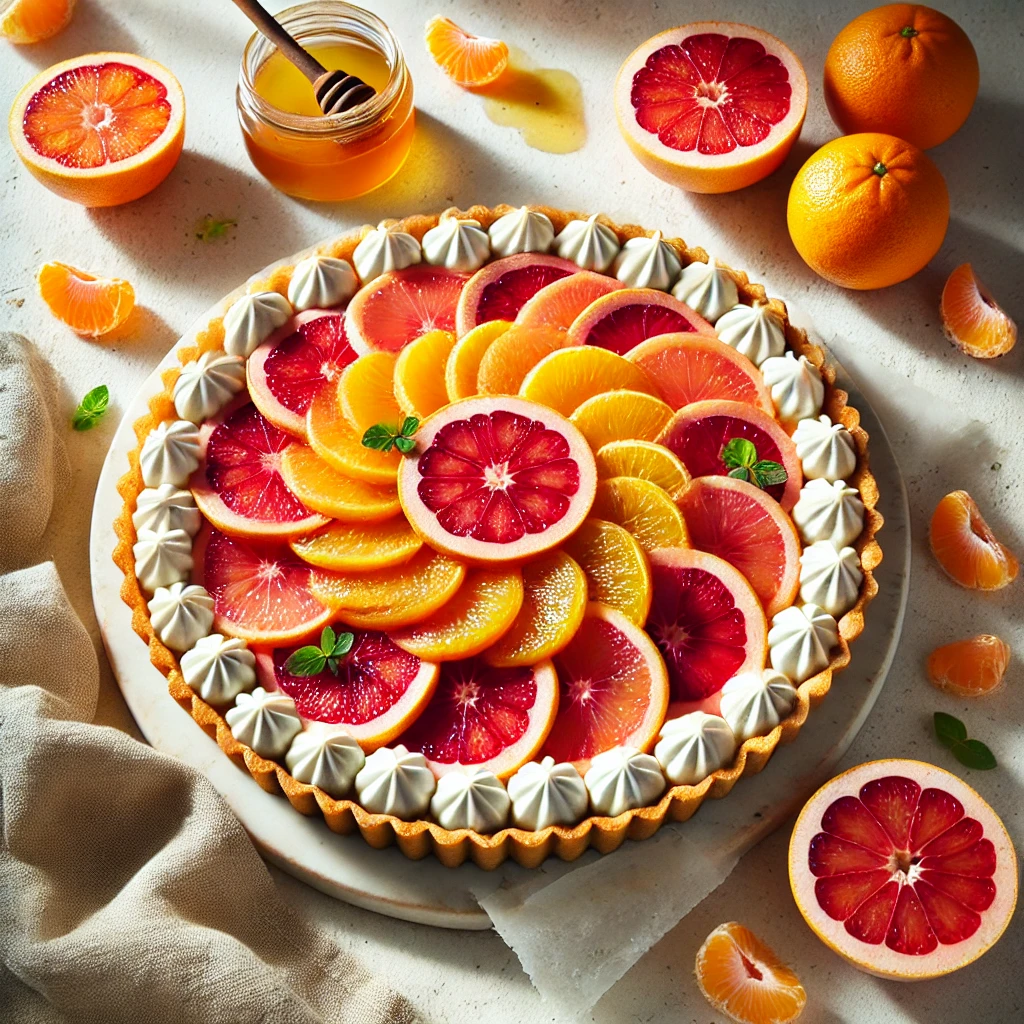
Mandarins and oranges are popular during Chinese New Year because their bright golden color is associated with wealth and good fortune. They are often given as gifts or displayed in homes.
Buddha’s Delight
This traditional vegetarian dish combines vegetables and other plant-based ingredients. It is often eaten at the beginning of the new year and can symbolize purity, peace, and a fresh start.
Eight Treasure Rice
Eight Treasure Rice is a festive sweet rice dish made with glutinous rice, dried fruits, nuts, and other colorful ingredients. The number eight is considered especially lucky and is strongly associated with prosperity and success.

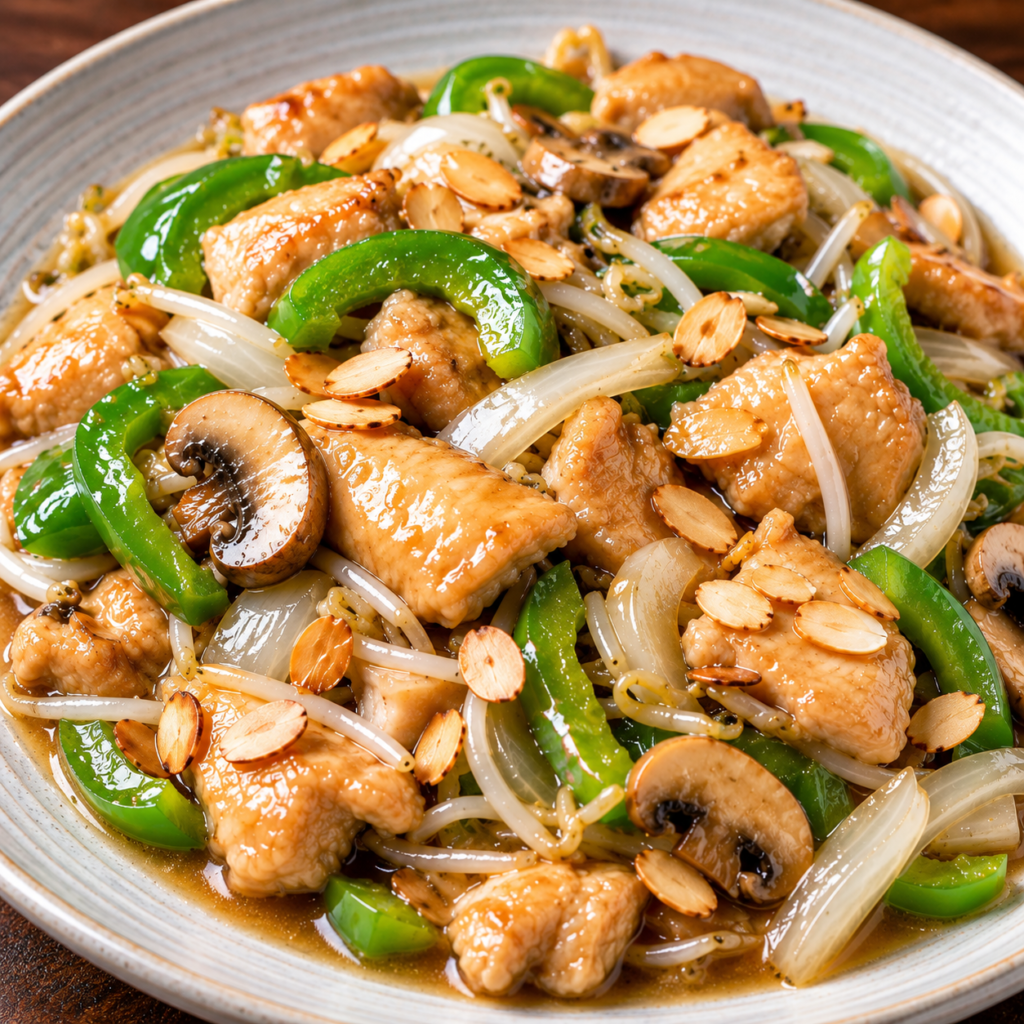
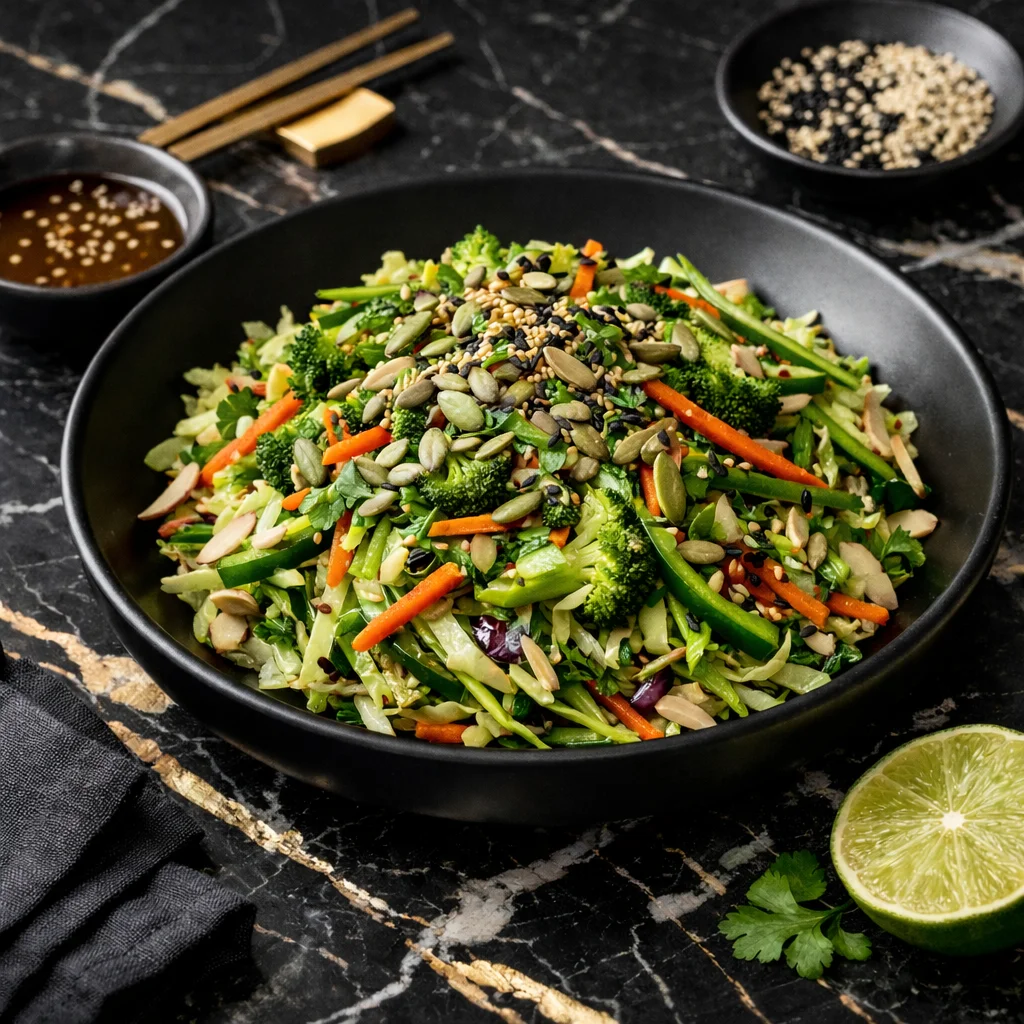
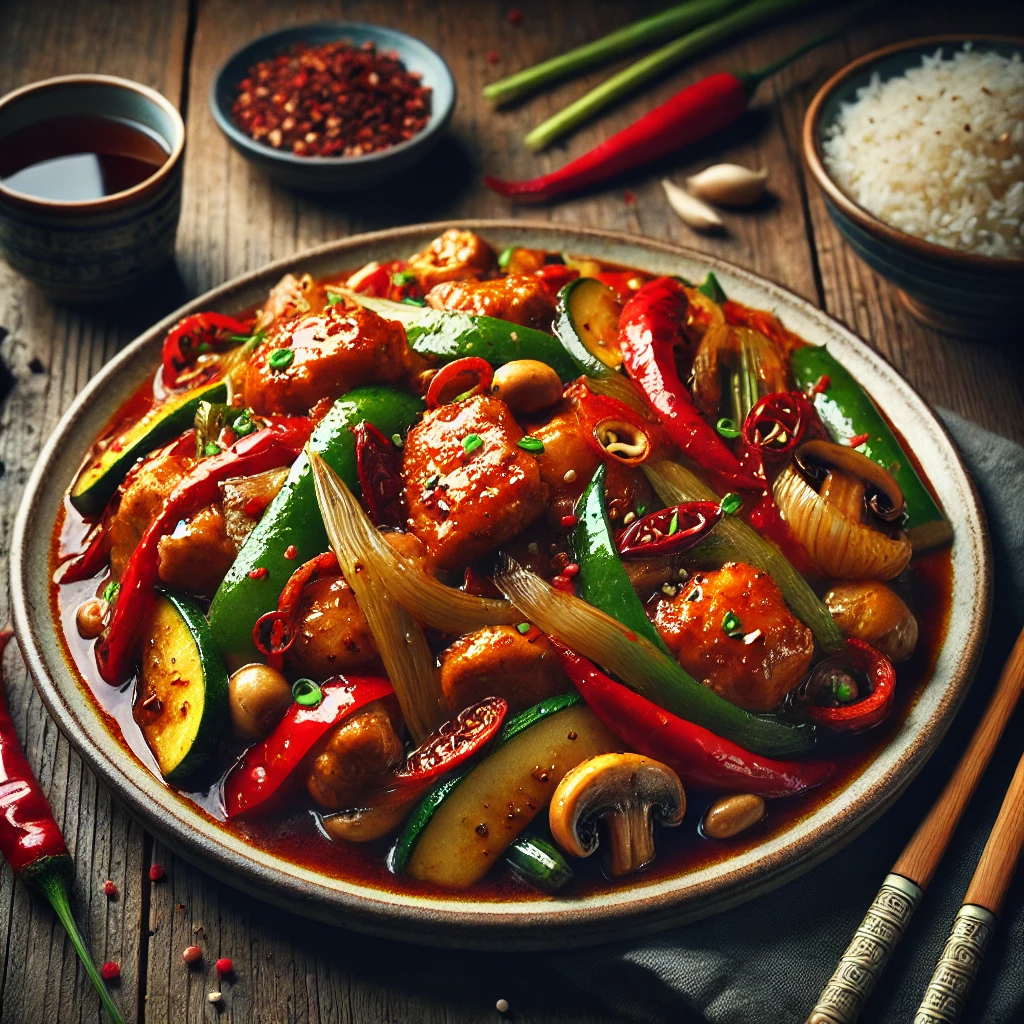
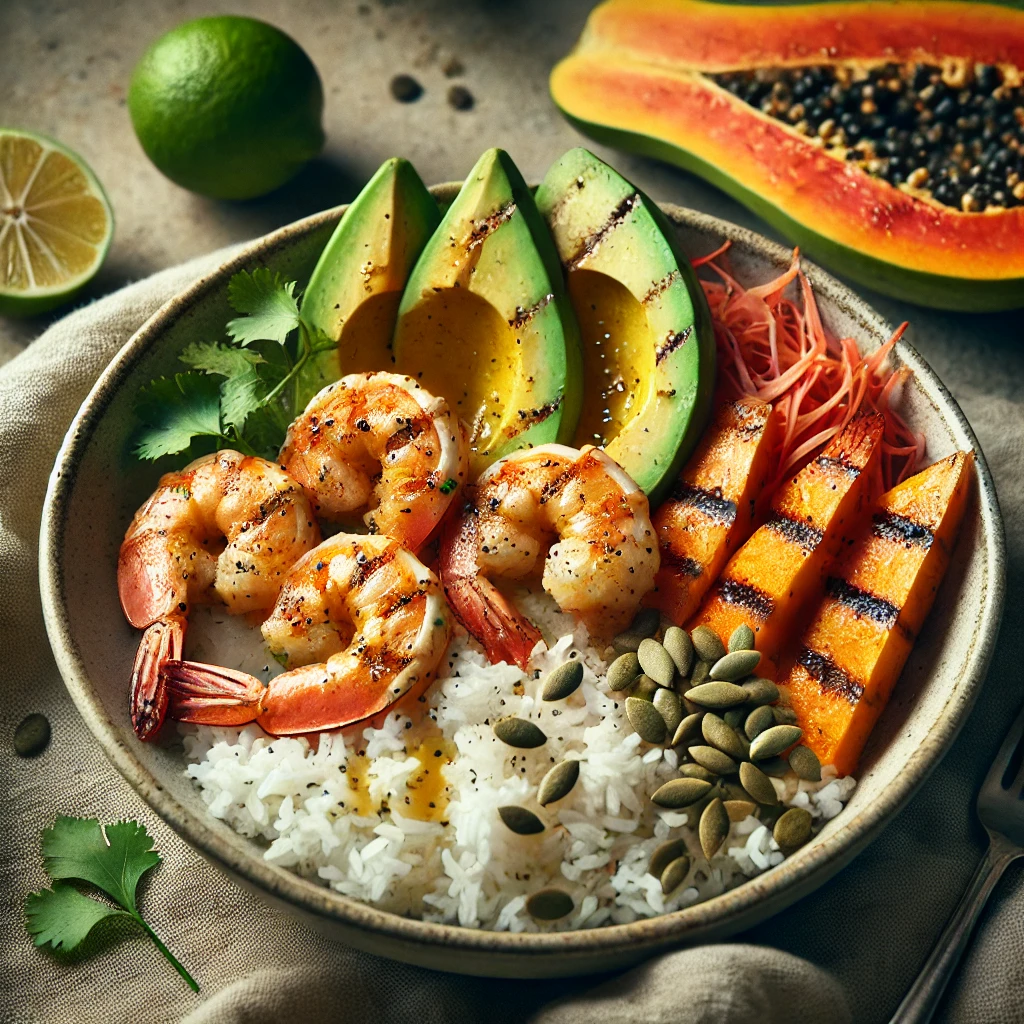
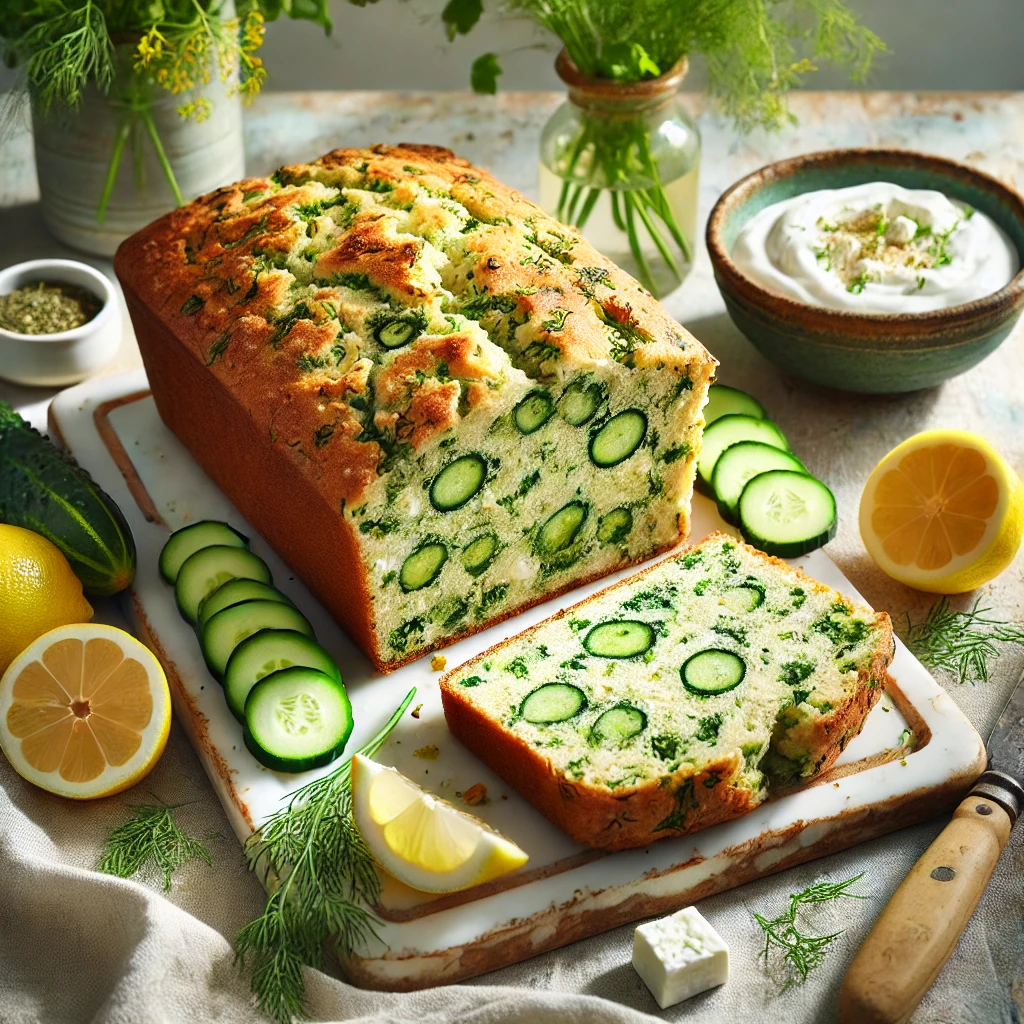
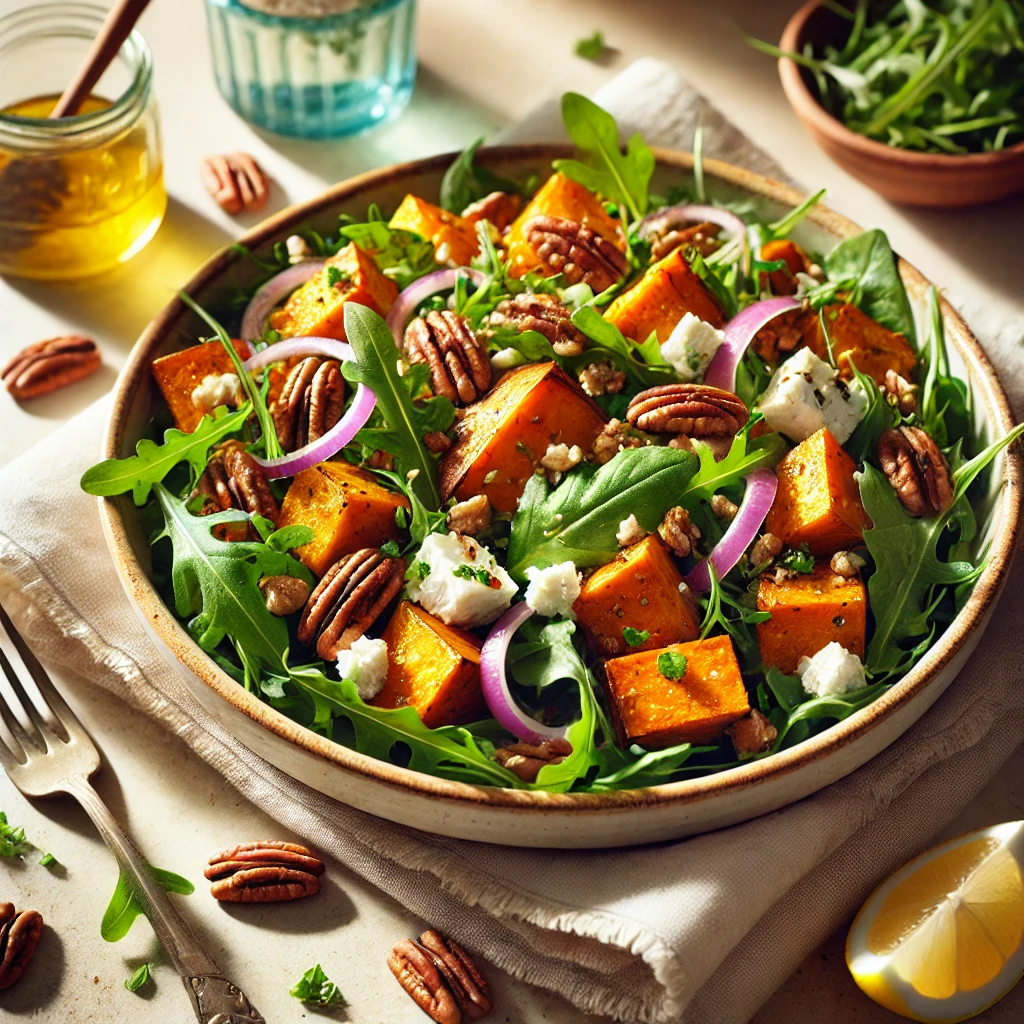
Golden Recipes