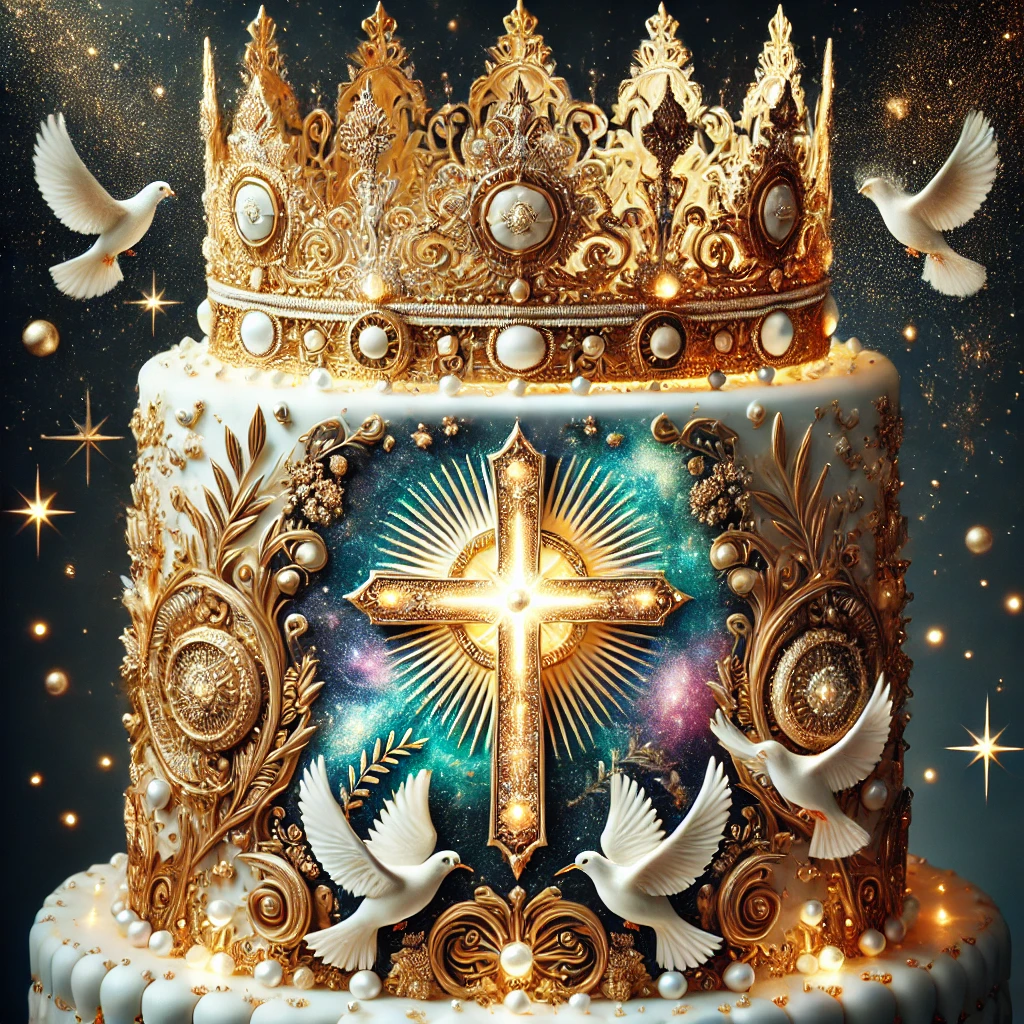
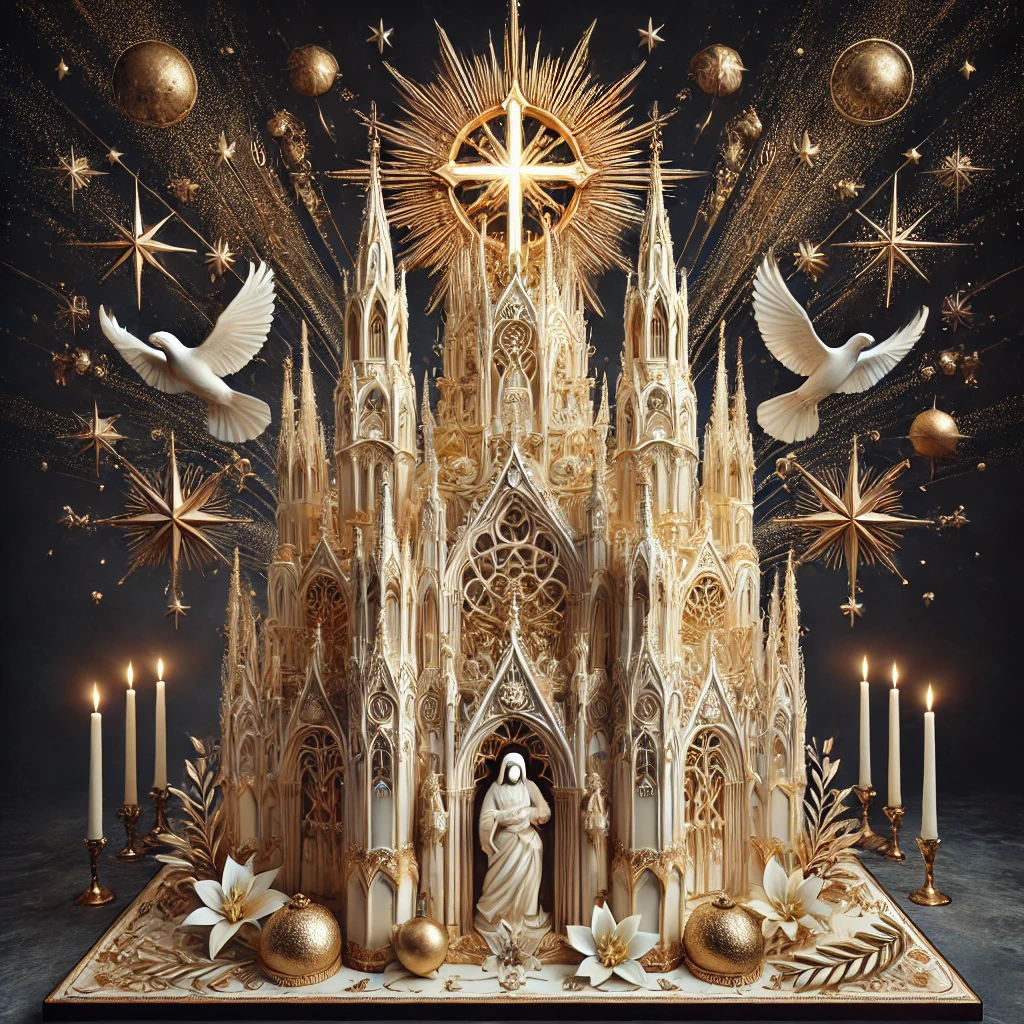
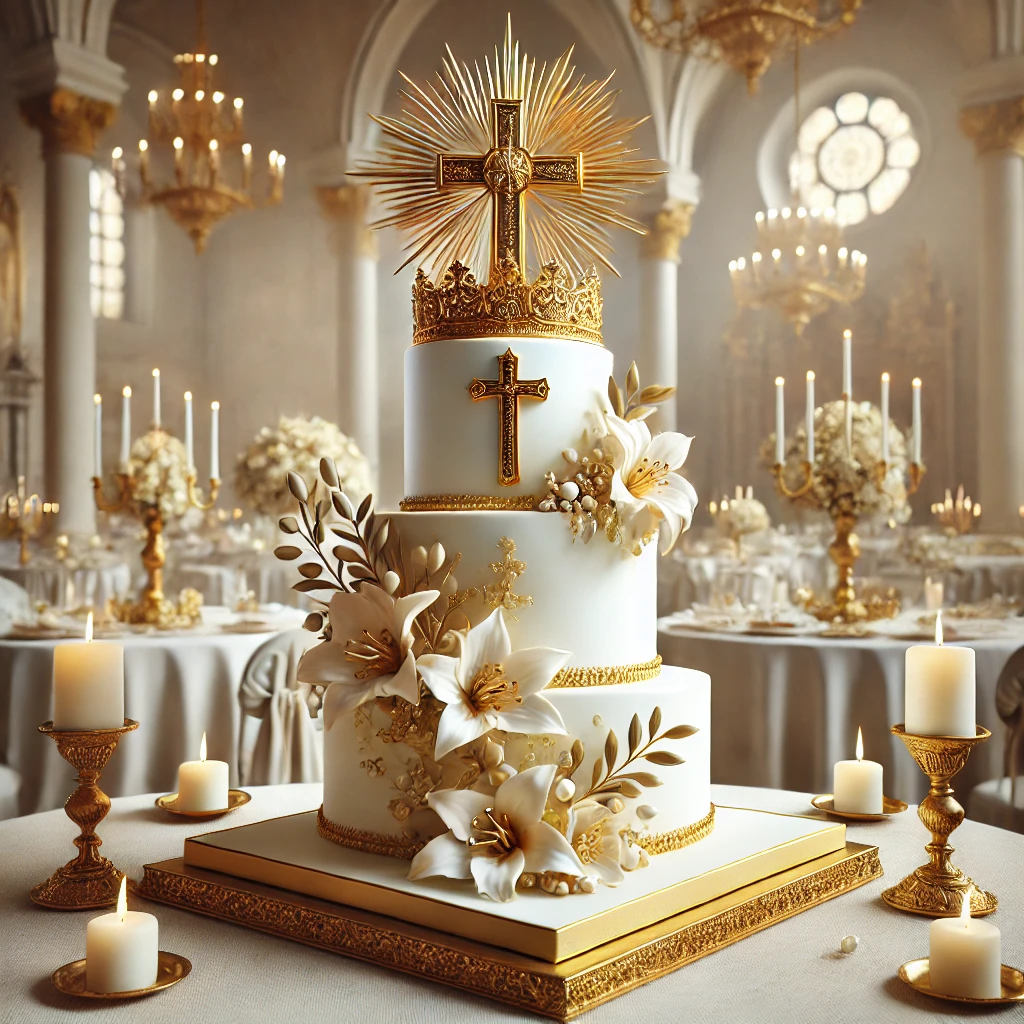




Jesus Christ, King of the Universe

with ORO VALENTIO

The Sunday Before Advent

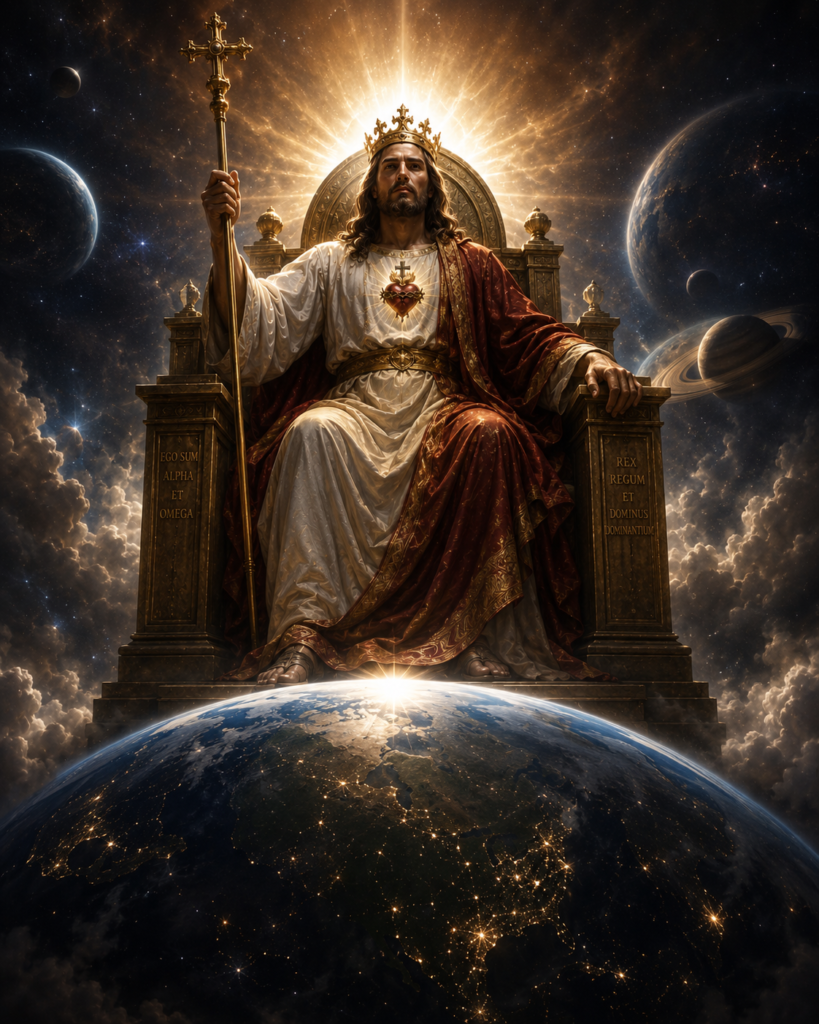
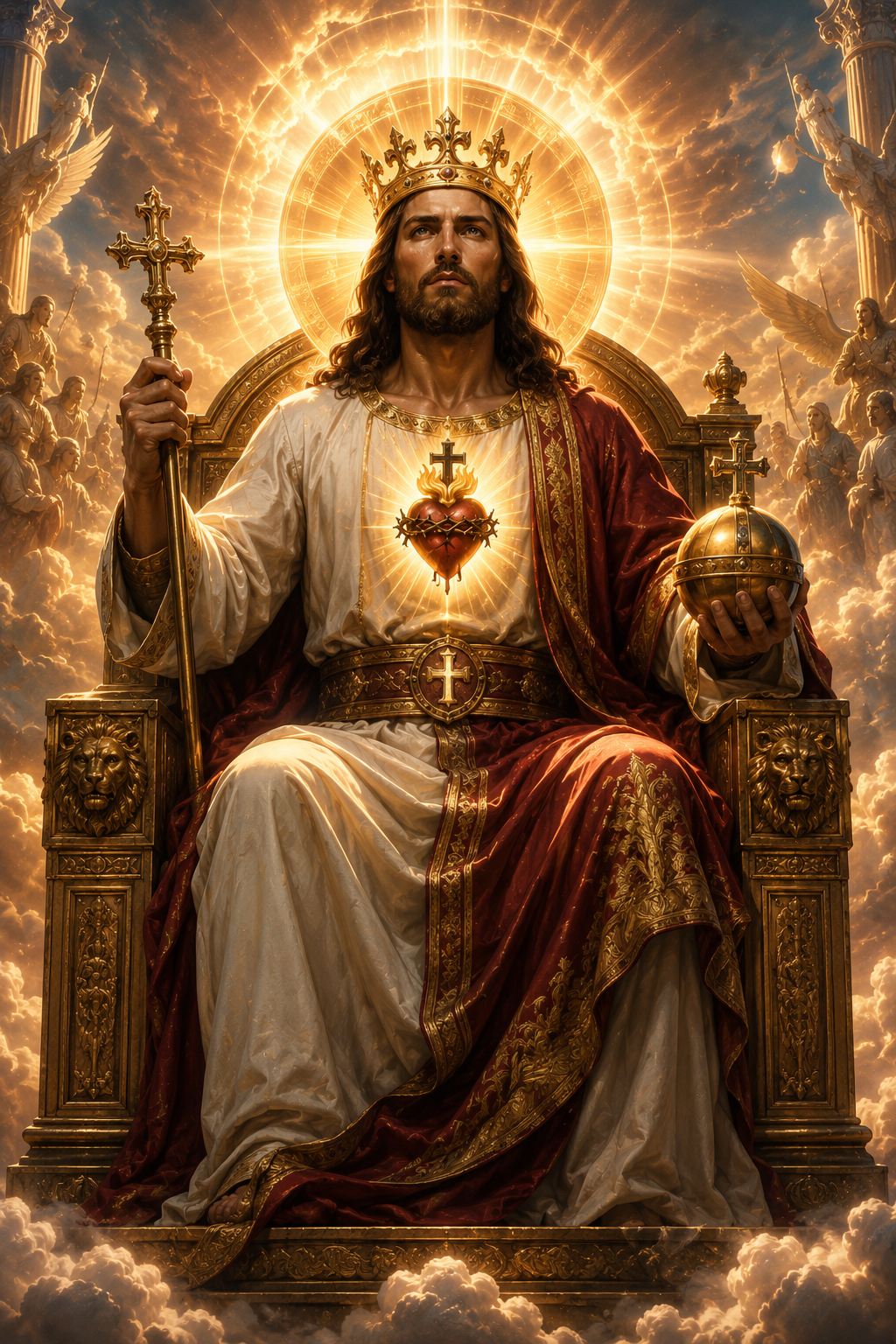
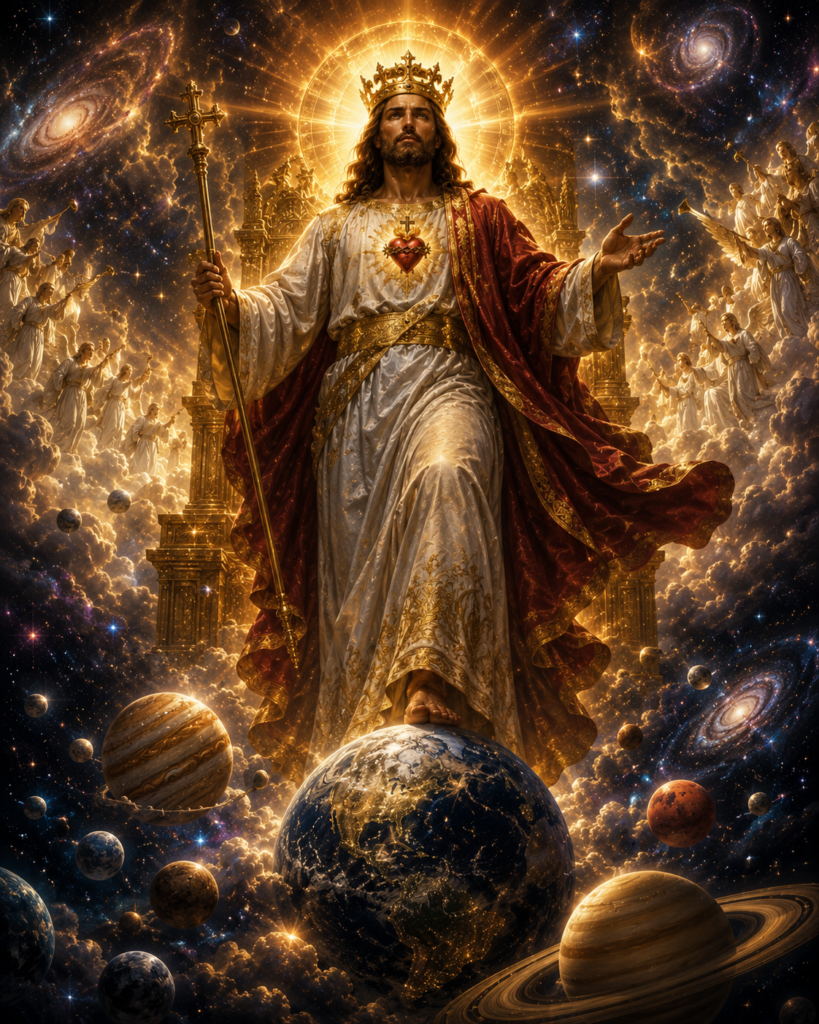
The Feast of Christ the King stands as one of the most profound and triumphant celebrations in the Christian liturgical year, drawing believers into a deeper contemplation of the kingship of Jesus Christ—not as an earthly ruler whose authority depends upon armies, territory, or political power, but as the eternal King whose dominion is founded upon truth, love, sacrifice, and divine authority. Instituted in 1925 by Pope Pius XI through the encyclical Quas Primas, the feast emerged during a period marked by increasing secularism, political unrest, and the growing tendency of societies to exclude God from both public and private life. In response, the Christian world was reminded with renewed clarity that Jesus Christ is not merely a revered teacher, historical figure, or object of personal devotion, but the sovereign Lord of all creation, all nations, and every human heart.
Celebrated on the final Sunday of the liturgical year, just before the beginning of Advent, the feast serves as a fitting culmination of the entire story of salvation. Throughout the year, believers journey with Christ through His birth, ministry, miracles, Passion, Death, and Resurrection. At the close of the liturgical cycle, they behold Him in His glory as King of the Universe. The feast is therefore both reflective and forward-looking: a time to consider how faithfully one has lived under His reign and to anticipate the day when His kingdom will be fully revealed in power and glory.
Christ’s kingship is not merely symbolic or honorary. He reigns by right. As the eternal Word through whom all things were made, all creation belongs to Him. As the Redeemer who purchased humanity through His suffering, Death, and Resurrection, He possesses a unique claim upon every human heart. His authority arises not from human recognition but from who He is—the Creator, Savior, and Lord of all things visible and invisible.
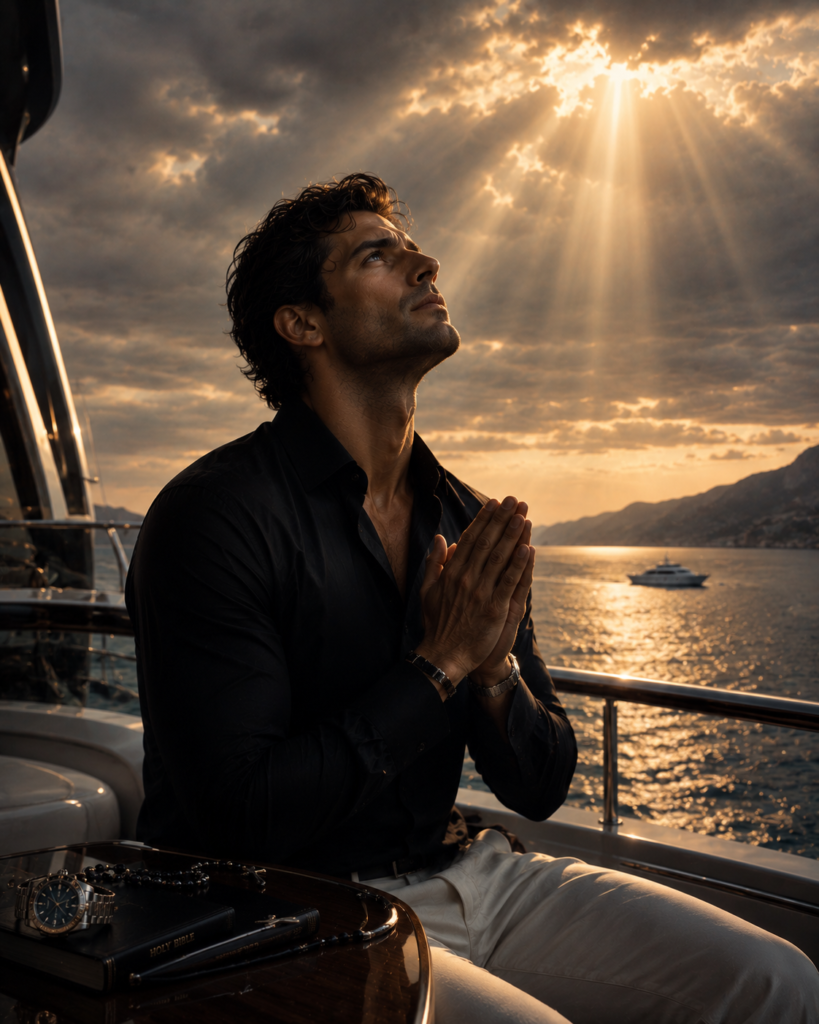
The Feast of Feast of Christ the King ultimately draws the soul into a vision of reality that is both higher and more ordered than what is often perceived in daily life, revealing that the reign of Jesus Christ is not distant or abstract, but actively unfolding wherever truth is chosen and lived. His kingship reaches into the hidden places—into intention, discipline, sacrifice, and perseverance—quietly shaping a life that reflects strength and integrity. It calls a person to rise above impulse and disorder, to live with purpose, and to recognize that true authority begins within, where one either submits to what is fleeting or aligns with what is eternal. In this way, His reign establishes a foundation that cannot be shaken by circumstance, offering not only direction, but a steady confidence that life, when ordered under Him, is moving toward something lasting, refined, and ultimately victorious.
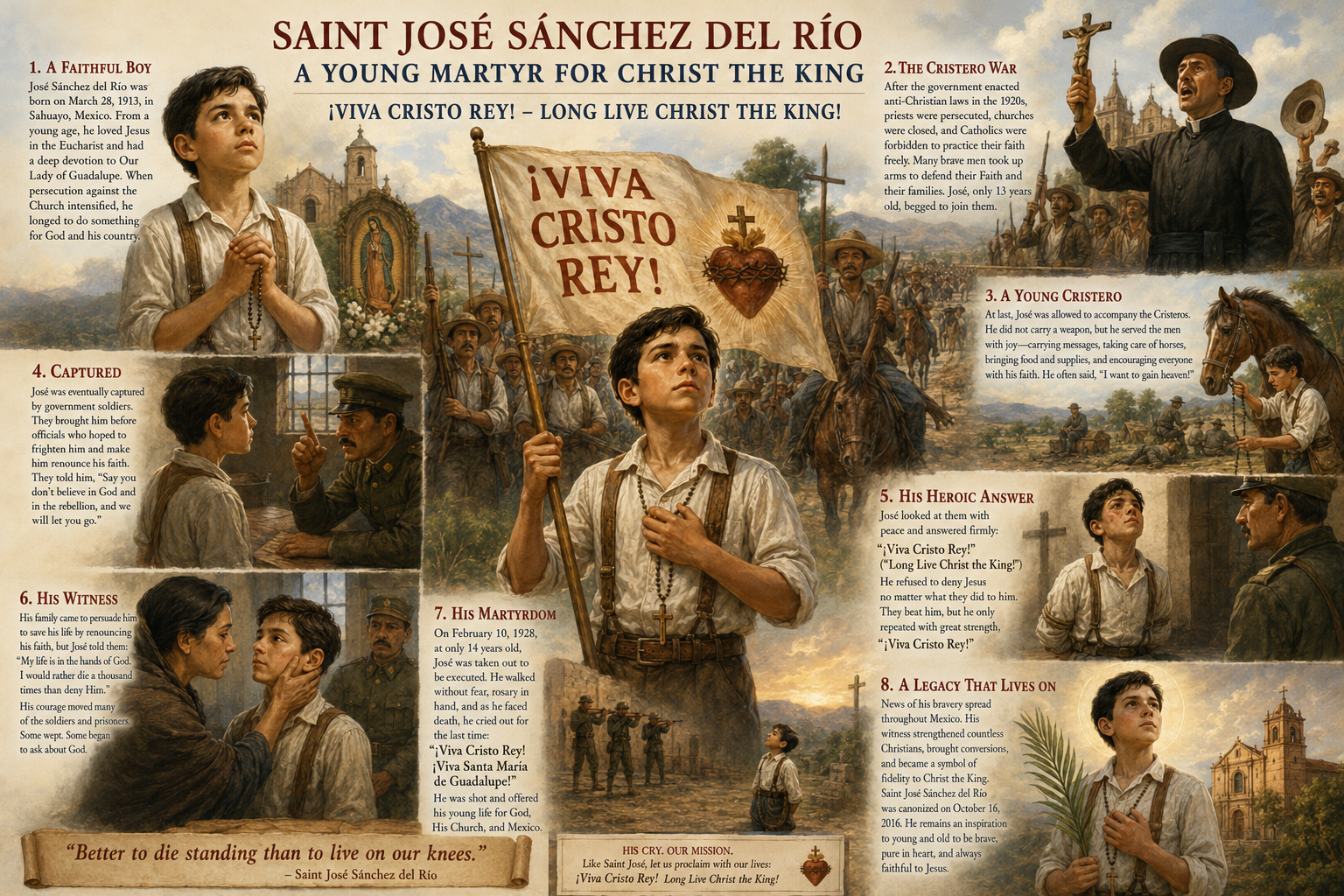
The story of Saint José Sánchez del Río stands as one of the most moving testimonies to faith, courage, and devotion to Christ the King in modern history. Born in 1913 in Mexico, José was only fourteen years old when his country was engulfed in the violent persecution known as the Cristero War. Following the Mexican government's increasingly restrictive anti-Christian laws, churches were closed, priests were driven into hiding, public worship was suppressed, and countless believers were pressured to abandon their faith. Yet rather than weakening the resolve of the faithful, the persecution inspired extraordinary acts of courage. Across Mexico, men, women, priests, religious, and even children proclaimed a simple rallying cry: **"¡Viva Cristo Rey!" — "Long Live Christ the King!"** Though still a young boy, José was deeply moved by the sacrifices being made by those defending their faith. He repeatedly asked to join the Cristeros, believing that if he could not fight, he could at least serve. Eventually he was permitted to accompany them, caring for horses, carrying supplies, and assisting the men in whatever ways he could. Those who knew him recalled his deep prayer life, his love for Christ, and his conviction that no earthly authority could take the place of God. José was eventually captured by government forces and imprisoned. His captors hoped that because of his youth he could be persuaded to renounce his faith and publicly reject the cause of Christ the King. Instead, the young boy remained steadfast. He refused offers of freedom in exchange for denying Christ. Family members and local officials pleaded with him to save himself by abandoning his beliefs, but José remained unwavering. Throughout his imprisonment he prayed, encouraged fellow prisoners, and repeatedly declared his loyalty to Jesus Christ. Eyewitness accounts describe his remarkable composure in the face of suffering. Rather than expressing fear or bitterness, he displayed a peace that deeply impressed those around him. Some guards reportedly became troubled by the courage of the boy they had expected to break. His final hours became a powerful witness to the reality of faith lived without compromise. As he faced death, José continued to proclaim the words that had become the cry of the persecuted faithful throughout Mexico: **"¡Viva Cristo Rey!"** and **"¡Viva Santa María de Guadalupe!"** His testimony became a symbol of fidelity to Christ even in the most difficult circumstances. News of his courage spread quickly among the faithful. For many believers, the extraordinary peace, fortitude, and unwavering conviction displayed by a fourteen-year-old boy were seen as evidence of God's grace at work. His witness inspired conversions, strengthened persecuted Christians, and became one of the most enduring stories of the Cristero era. Decades later, the Church recognized the heroic nature of his sacrifice, and he was canonized as a saint. Today, Saint José Sánchez del Río is remembered not primarily for how he died, but for how he lived. His story continues to inspire Christians around the world to remain faithful amid trials, to place Christ above all earthly powers, and to remember that true courage comes not from physical strength alone but from a heart wholly devoted to God. His cry of **"¡Viva Cristo Rey!"** remains one of the most powerful declarations of faith in modern Christian history—a proclamation that Christ reigns as King not only over nations and history, but over every faithful soul.

The Reign of Jesus Christ

One of the most powerful—and surprisingly little-known—facts about the title Christ the King is that it was formally established only a few years before some of the greatest Christian persecutions of the twentieth century. When Pope Pius XI established the feast in 1925, many people viewed it primarily as a response to secularism and political ideologies that were increasingly pushing God out of public life. Yet within just a few years, Christians across the world would face unprecedented persecution under communist, fascist, and atheistic regimes. What seemed at first to be a theological proclamation soon became a rallying cry for countless believers who were forced to choose between loyalty to Christ and loyalty to the state. Perhaps nowhere was this more evident than during the Cristero persecution in Mexico. Thousands of ordinary men, women, priests, and even children went to their deaths proclaiming a simple phrase: "¡Viva Cristo Rey!" "Long Live Christ the King!" What makes this so moving is that they were not dying for a political cause or earthly kingdom. They were declaring that no government, ruler, ideology, or earthly power could claim ultimate authority over the human soul. For them, the title "Christ the King" was not devotional poetry—it was a truth worth suffering and dying for. Even more profound is the irony at the heart of the title itself. Throughout history, kings have demonstrated their authority by demanding sacrifice from their subjects. Christ the King reveals a completely different kind of kingship. He establishes His reign not by requiring others to die for Him, but by willingly dying for them. His throne was first revealed on the Cross. His crown was woven from thorns. His royal procession led not through a palace but to Calvary. The title therefore contains one of the greatest paradoxes in Christianity: the King of the Universe conquers not through force, wealth, or military power, but through humility, mercy, and self-sacrificing love. Many saints have reflected on this mystery, but perhaps the most moving aspect is that Christ's kingship remains largely hidden in the present age. Earthly rulers can point to armies, borders, monuments, and governments. Christ's kingdom often advances quietly—in a soul that forgives an enemy, in a martyr who remains faithful, in a sinner who repents, in a family that perseveres through suffering, or in a believer who chooses truth over convenience. The Feast of Christ the King therefore celebrates not merely a future reality but a present one: the hidden reign of Christ already at work in the world, preparing for the day when, as Scripture declares, every knee shall bow and every tongue confess that Jesus Christ is Lord.
Unlike earthly rulers who often govern through force or political structures, the kingship of Christ is both paradoxical and transformative. The Cross reveals the character of His reign. He conquers not through domination but through sacrificial love. His crown was first woven from thorns, His throne was revealed upon Calvary, and His victory was manifested through humility, obedience, mercy, and self-giving love. Yet the One who suffered and died now reigns in glory, and His kingdom continues to advance wherever hearts are transformed by grace.
One of the principal Gospel passages associated with this feast presents Christ at the final judgment, identifying Himself with the hungry, the thirsty, the stranger, the naked, the sick, and the imprisoned. In doing so, He reveals that service offered to others in love is ultimately service offered to the King Himself. His kingdom is therefore not merely external or institutional; it is a kingdom that transforms hearts, forms consciences, and calls every person into a life of truth, compassion, holiness, and integrity.
The feast also carries a profound message regarding order, authority, and the purpose of human life. It reminds believers that true freedom is not found in rejecting authority, but in rightly ordering one’s life beneath the authority of God. Christ’s kingship brings unity where there is division, clarity where there is confusion, and purpose where there is emptiness. It calls individuals to align their thoughts, desires, and actions with eternal truth, recognizing that all legitimate earthly authority ultimately derives from and finds its fulfillment in Him.
The celebration itself is marked by a sense of majesty and reverence. Churches are often adorned in white or gold, colors symbolizing victory, glory, and kingship. Sacred hymns and prayers proclaim Christ’s eternal reign, frequently drawing upon the imagery of the Book of Revelation, where He is proclaimed as “King of kings and Lord of lords.” The faithful are invited not merely to profess allegiance to Christ with their words, but to renew that allegiance through the total offering of their lives.
Spiritually, the feast is both a comfort and a challenge. It offers comfort in the assurance that Christ reigns above every form of chaos, injustice, suffering, and uncertainty. No earthly power, no empire, and no force of darkness can ultimately overcome His authority. At the same time, the feast challenges every believer to examine whether Christ truly reigns within their own life—in their decisions, relationships, priorities, ambitions, and daily conduct. It asks a question of enduring importance: Who is your king?
In a world often marked by shifting values, competing loyalties, and uncertainty about truth itself, the Feast of Christ the King remains a bold and unwavering proclamation that there is one ultimate authority and one true source of life, meaning, and hope. His kingdom is already present, growing quietly within hearts that are open to grace, yet it awaits its full manifestation when He returns in glory. To celebrate this feast is to enter more deeply into that reality—to acknowledge Jesus Christ not only as Savior, but as King, and to willingly place one’s life beneath His loving, righteous, and eternal rule.

Jesus Christ, King of the Universe Traditions to Make Your Own

Eucharistic Adoration
Many parishes hold extended adoration of the Blessed Sacrament, honoring the kingship of Jesus Christ present in the Eucharist. This time of prayer emphasizes reverence, surrender, and recognition of His spiritual reign.
Processions Honoring Christ the King
In some regions, especially in Europe and Latin America, public processions are held. The faithful carry images or statues of Christ, sometimes accompanied by banners, hymns, and incense, symbolizing His kingship over the world.
Act of Consecration to Christ the King
Individuals, families, and even entire communities may formally consecrate themselves to Christ, declaring their intention to live under His authority and align their lives with His teachings.
Special Liturgical Music and Hymns
Churches often incorporate powerful hymns that emphasize Christ’s sovereignty, such as “Crown Him with Many Crowns” or “To Jesus Christ, Our Sovereign King,” creating a tone of majesty and reverence.
Renewal of Personal Commitment
Many take this day as an opportunity for personal reflection, asking whether Christ truly reigns in their daily life—decisions, habits, and priorities—and making intentional changes.
Use of Regal Symbols
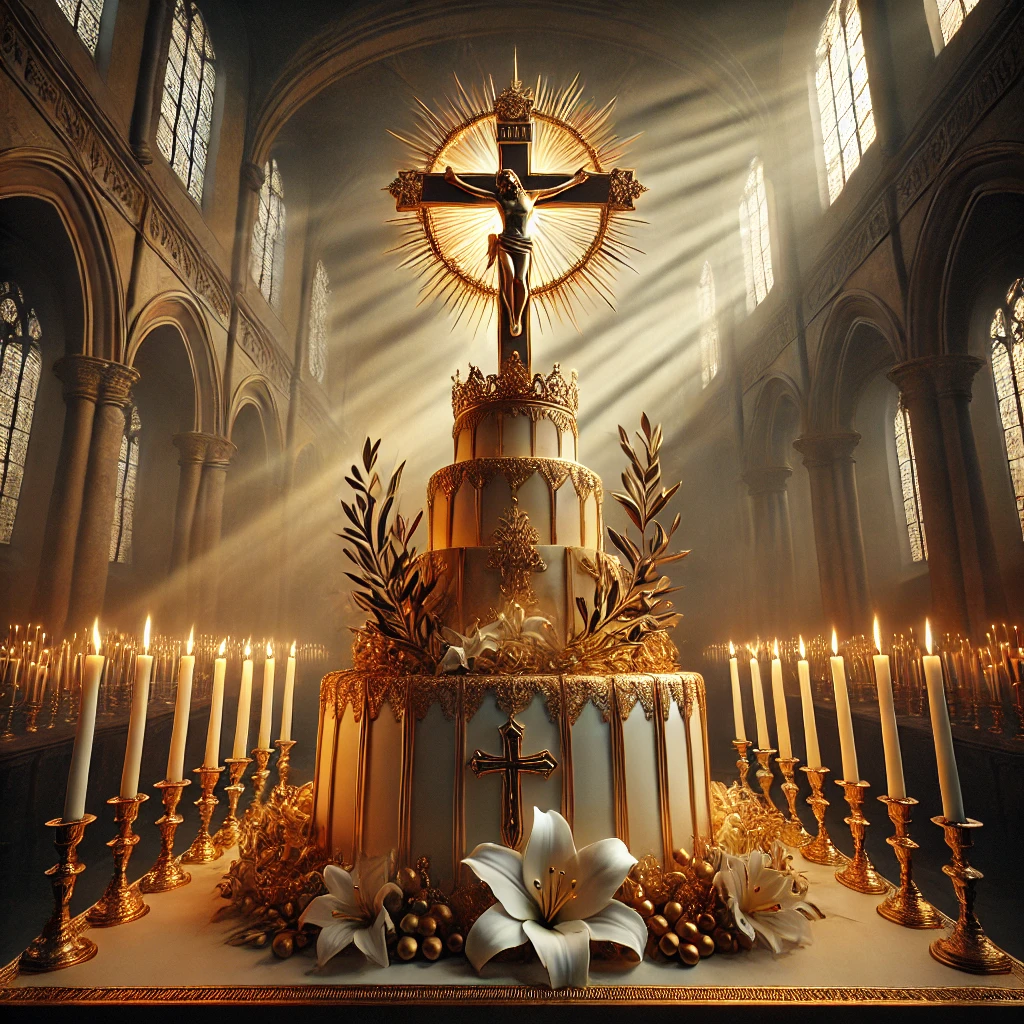
Altars and sanctuaries may be adorned with gold, white, and royal imagery—crowns, scepters, and rich fabrics—to visually represent Christ’s kingship and glory.
Scripture Reflection on the Final Judgment
Readings often focus on Christ as judge and king, especially passages that emphasize serving others as serving Him, reinforcing the idea that His kingdom is lived through action.
Among the most compelling testimonies to the kingship of Christ are the mystical visions recorded by Saint Faustina Kowalska. Throughout her spiritual diary, she describes encounters with Jesus not only as the Merciful Savior, but also as the glorious King whose authority extends over heaven, earth, and all creation. In one particularly striking vision, she beheld Christ enthroned in indescribable majesty, surrounded by heavenly splendor and honored by all creation as its rightful Lord. These visions reinforced a profound truth found throughout Scripture: that Christ's kingship is not merely a future hope or symbolic title, but a present reality. Though His reign is often hidden from worldly eyes, He remains the sovereign ruler of history, guiding all things according to His divine wisdom and providence. Saint Faustina's experiences helped illuminate the intimate connection between Christ's mercy and His kingship. The One who reigns over the universe is the same King who seeks the conversion of sinners, heals wounded hearts, and invites every soul into His kingdom of grace. Her visions remind believers that Christ's authority is unlike any earthly power; it is exercised not through coercion or domination, but through truth, love, mercy, and self-giving sacrifice. They offer a glimpse of the ultimate destiny of creation itself, when every knee shall bow and every tongue confess that Jesus Christ is Lord, and when His kingdom, already present within faithful hearts, will be revealed in all its glory at the end of time.
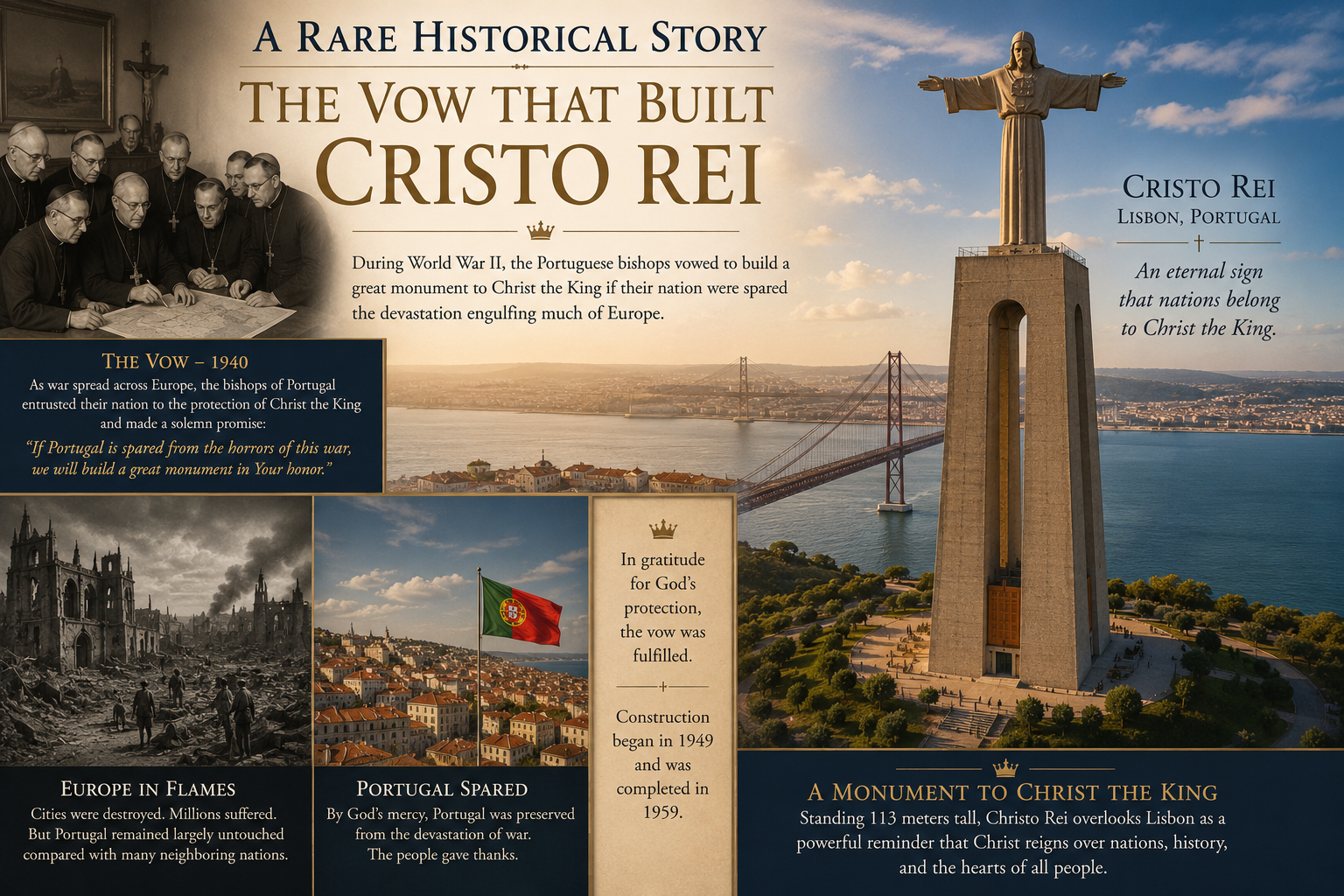
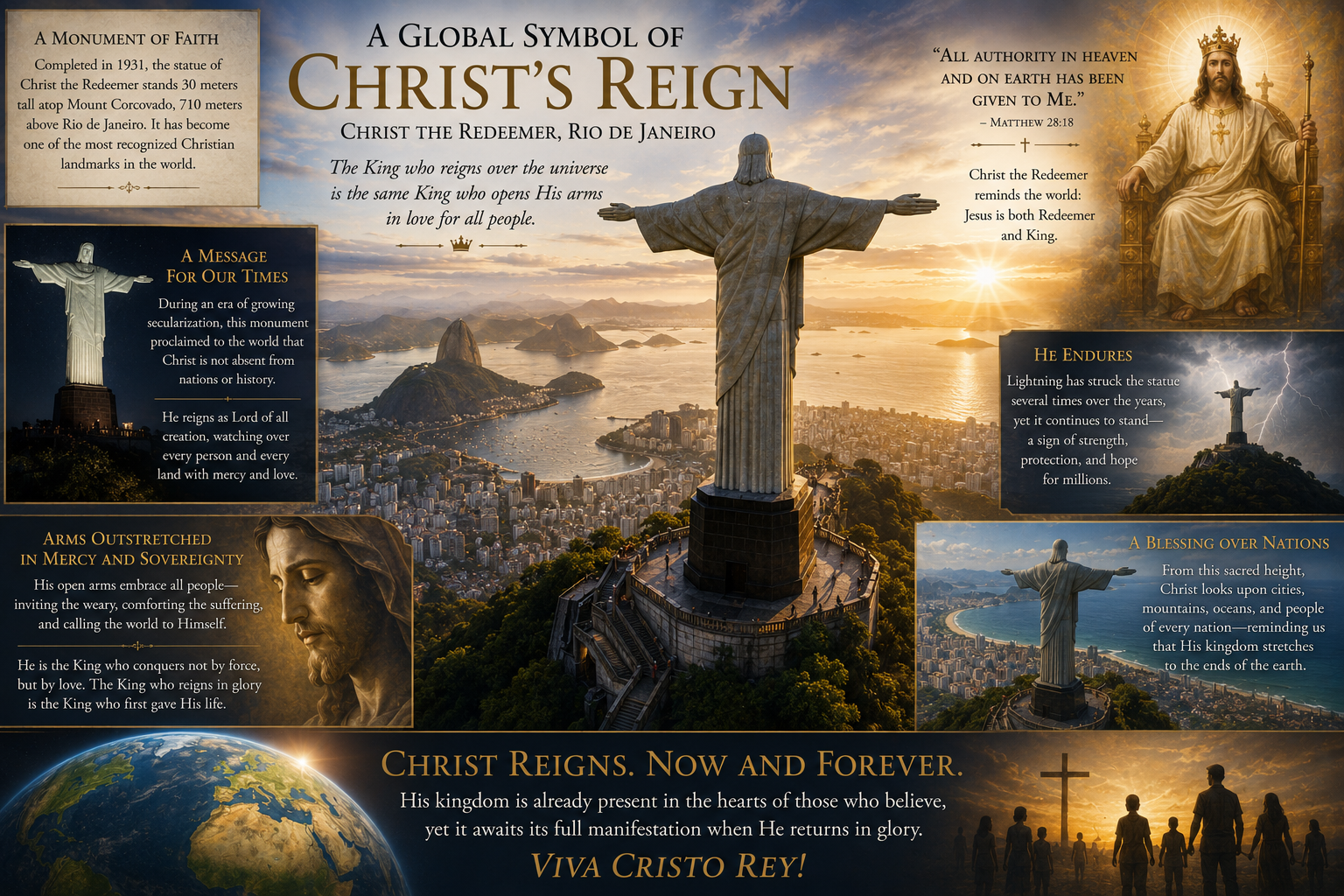
Few images in the modern world capture the majesty of Christ's kingship more powerfully than the monumental statue of Christ the Redeemer overlooking Rio de Janeiro. Completed in 1931 and standing high above the city with outstretched arms, the monument has become one of the most recognizable Christian landmarks on earth. Though built under the title "Christ the Redeemer," the statue also serves as a striking visual reminder of Christ's universal reign. Rising above mountains, cities, nations, and oceans, it reflects the truth proclaimed by the Feast of Christ the King: that Jesus Christ is not merely the Savior of individual souls, but the Lord of all creation and the rightful King of every nation and people. For millions of believers, the image of Christ extending His arms over the world symbolizes both His mercy and His sovereignty—the King who reigns over the universe is the same King who invites all people into the embrace of His love. Over the decades, the monument has also become associated with numerous remarkable stories of preservation and endurance. Despite standing exposed atop Corcovado Mountain, where it is regularly subjected to powerful storms, high winds, and repeated lightning strikes, the statue has remained standing as a steadfast symbol of faith and hope. On several occasions lightning has struck the monument directly, causing damage to portions of the structure, yet each time it has been restored and continues to overlook the city below. For many believers, these events have become powerful reminders of the endurance of Christ's kingdom amid the storms of history. While such occurrences are not recognized as formal miracles, they have inspired countless people who see in the monument a visible sign that the message of Christ cannot be extinguished by the forces of nature or the turbulence of the world. The statue has likewise witnessed some of the most significant moments of modern history. Through wars, economic crises, natural disasters, political upheavals, and global uncertainty, its image has remained a source of comfort and inspiration for millions. During times of hardship, photographs of Christ the Redeemer standing above the clouds, illuminated against dark skies, or gazing over the city at dawn have often been embraced as symbols of divine protection, hope, and perseverance. In this way, the monument has become more than an architectural achievement; it has become a global testimony to the enduring truth that Christ reigns above every nation, every age, and every circumstance. For those who celebrate Christ the King, the monument serves as a vivid reminder that His kingship extends far beyond church walls or private devotion. His kingdom reaches into every corner of creation and every sphere of human life. With arms stretched wide as though embracing the world, Christ the Redeemer stands as a powerful visual proclamation that the King who reigns over the universe is also the Savior who calls every soul to Himself. His authority is not exercised through fear or domination, but through truth, mercy, sacrifice, and love—a reign that continues now and will one day be revealed in all its fullness when every knee shall bow and every tongue confess that Jesus Christ is Lord.

Reign Over My Heart

This prayer offered to Jesus Christ, King of Heaven and Earth, is an act of both recognition and surrender. It acknowledges His authority not only over the world, but over the interior life—where thoughts, desires, and decisions are formed. Rather than remaining a distant declaration, the prayer draws His kingship into the personal and practical, inviting His order into the places where life is often most disordered or uncertain. At its core, the prayer is a movement toward alignment. It asks that what is fragmented be made whole, that what is weak be strengthened, and that what is misdirected be brought back into truth. In doing so, it reflects the deeper purpose of the feast itself: not simply to honor Christ as King in word, but to allow His reign to shape how one lives. It calls for a shift from self-direction to divine direction, where choices are guided by what is lasting rather than what is temporary. Ultimately, this prayer serves as a foundation for daily living. It is not meant to remain a single moment of devotion, but to become a pattern—a way of continually returning to Christ as the center and authority of life. Through it, the soul is steadily formed, gaining clarity, strength, and peace as it grows more fully aligned under His just and life-giving reign.
O Lord Jesus Christ, King of Kings and Lord of Lords, before whom every nation, every kingdom, and every heart must one day stand, I come before You in humility and adoration. You are the eternal Word through whom all things were made, the Savior who redeemed the world through Your Precious Blood, and the glorious King whose dominion shall never pass away. All authority in heaven and on earth belongs to You, and yet You revealed the greatness of Your kingship not through force or earthly power, but through humility, mercy, sacrifice, and perfect love.
Reign, O Christ the King, over my mind, that I may seek what is true. Reign over my heart, that I may love what is good. Reign over my will, that I may choose what is holy. Cast down every false king that seeks to claim my allegiance—every pride, fear, selfish desire, distraction, and attachment that would draw me away from Your service. Establish within me the order, peace, and freedom that come only from living beneath Your loving rule.
When the world is filled with confusion, remind me that You are Truth. When darkness seems to prevail, remind me that You are Light. When suffering, uncertainty, and trials arise, remind me that You remain enthroned above every power and every circumstance. Grant me the courage to remain faithful to You in all things, whether in moments of joy or hardship, prosperity or adversity. May I never be ashamed to acknowledge You before the world, but always bear witness to Your kingdom through faith, integrity, charity, and perseverance.
O Christ the King, extend Your reign over families, communities, nations, and all peoples. Bring unity where there is division, healing where there is brokenness, and hope where there is despair. Draw all hearts to Yourself, that the world may come to know the peace that can only be found in Your Sacred Heart.
And when my earthly journey is complete, receive me into Your eternal kingdom, where with the angels and saints I may behold Your glory forever and join in the everlasting hymn of praise: Holy, Holy, Holy is the Lord God Almighty. To You be all honor, all glory, and all dominion, now and forever. Amen.

Jesus Christ, King of the Universe Traditional Dishes

Roast Lamb with Garlic & Herbs
A deeply traditional and symbolic dish, lamb reflects both kingship and sacrifice, making it especially fitting for a feast honoring Jesus Christ. Slow-roasted with rosemary, garlic, and olive oil, it presents beautifully as a centerpiece meal.

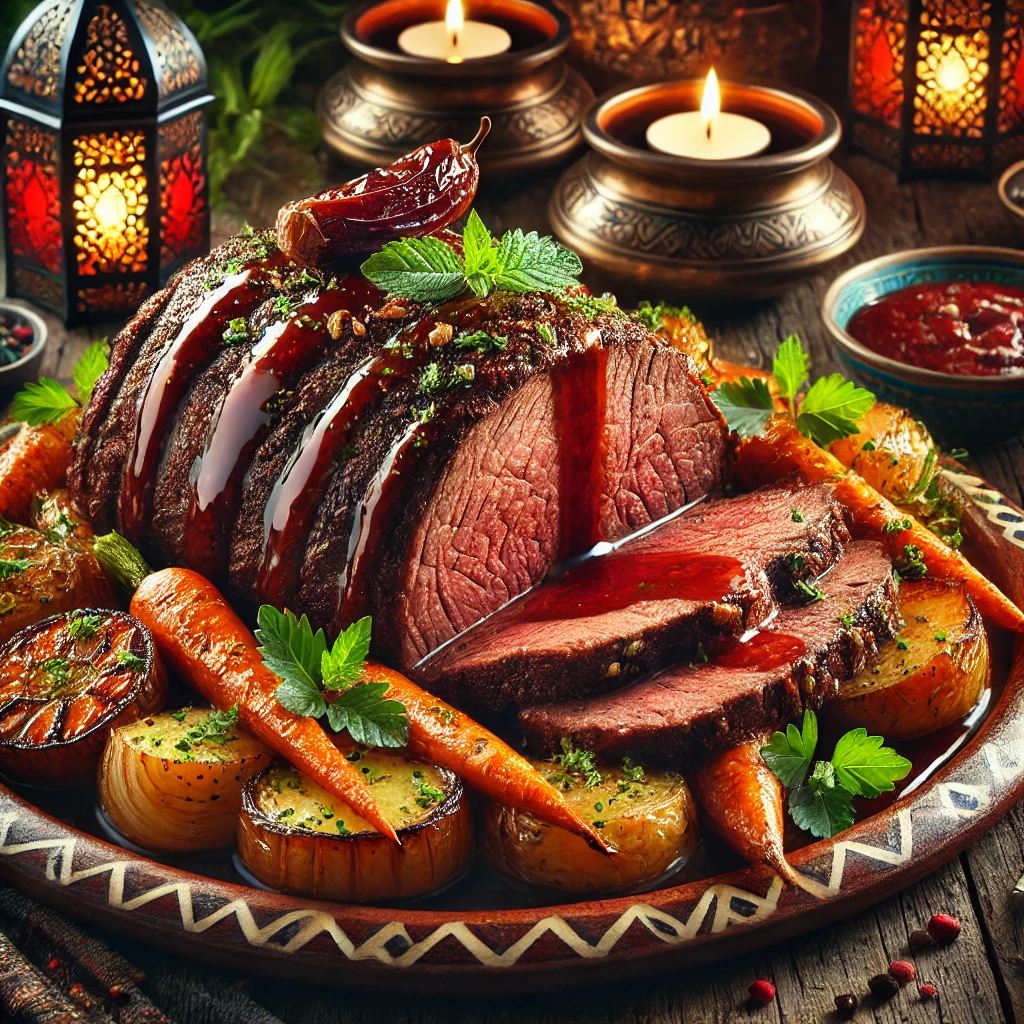
Beef Tenderloin with Red Wine Reduction
Refined and luxurious, this dish carries a sense of nobility. The richness of the beef paired with a smooth, reduced sauce creates a meal that feels worthy of a royal table.

Golden Roasted Potatoes
Crisp on the outside and soft within, these potatoes—roasted in olive oil or butter—bring warmth and balance. Their golden color subtly reflects the majesty and glory associated with Christ’s kingship.

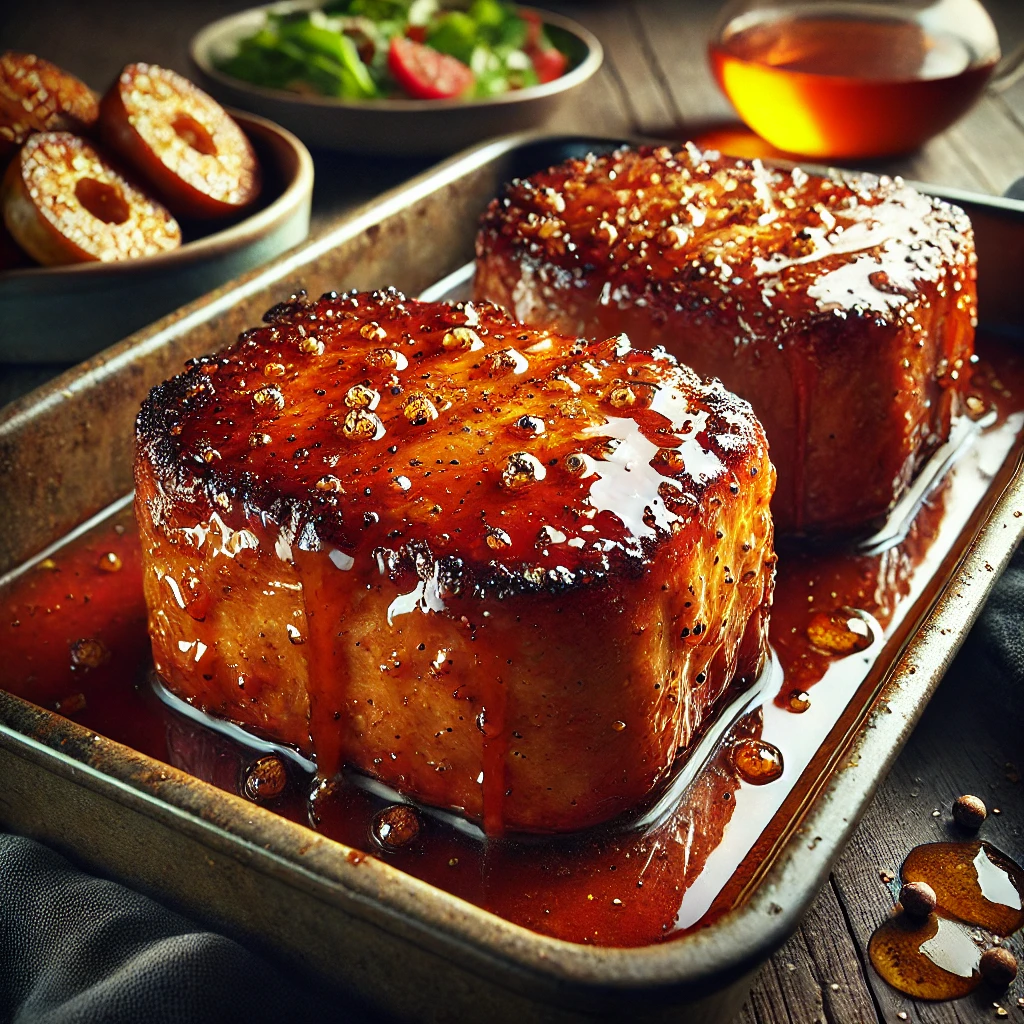
Honey-Glazed Carrots
Naturally sweet and vibrant, these carrots add both color and brightness to the table. The honey glaze gives a gentle richness that complements heavier main dishes.

Artisan Bread with Butter or Olive Oil
Simple yet foundational, bread carries deep symbolic meaning. Served warm with high-quality butter or olive oil, it anchors the meal with both tradition and substance.

Pomegranate & Arugula Salad
Light and refreshing, this salad introduces contrast. Pomegranate seeds—often associated with royalty and abundance—add a visual and thematic connection to the feast.

Red Velvet Cake or Berry Layer Cake
A striking dessert with rich color and depth, red tones can symbolize both kingship and sacrifice. A layered cake adds a sense of celebration and occasion.

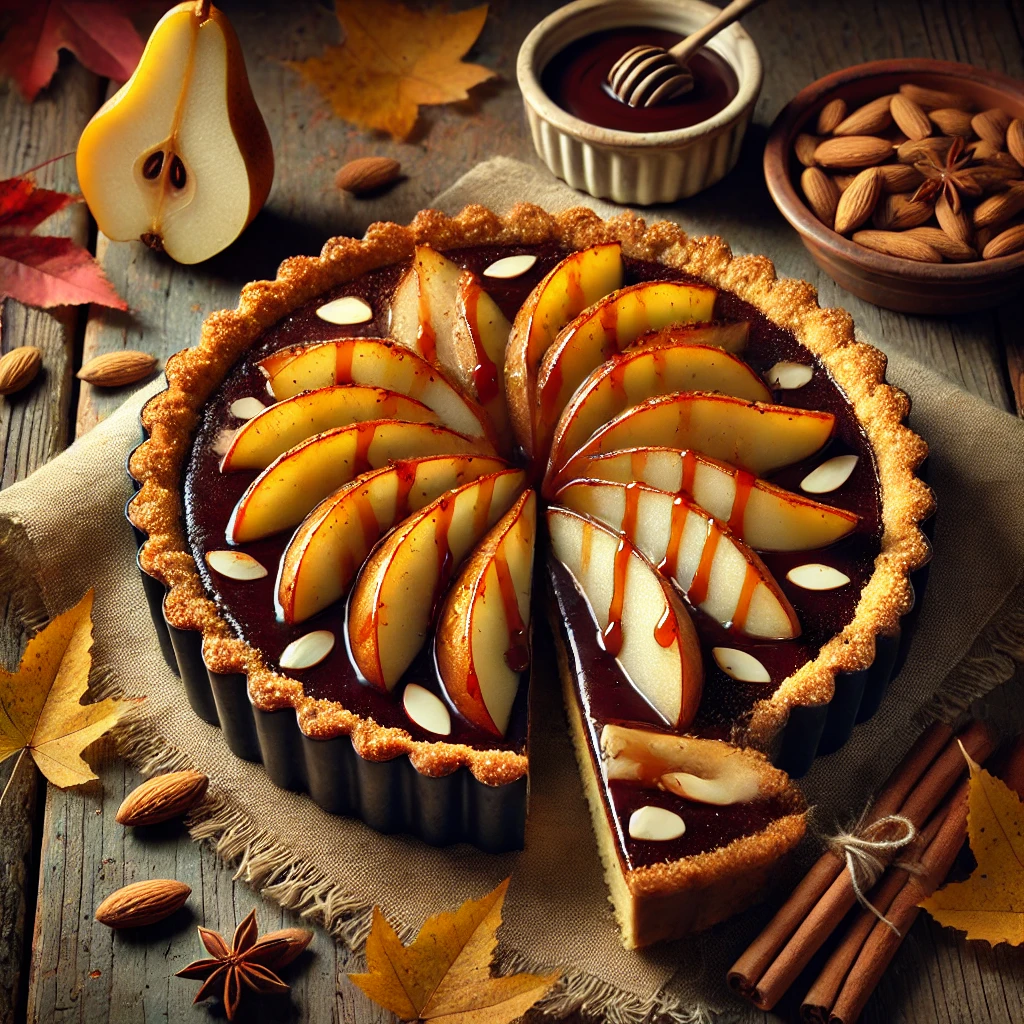
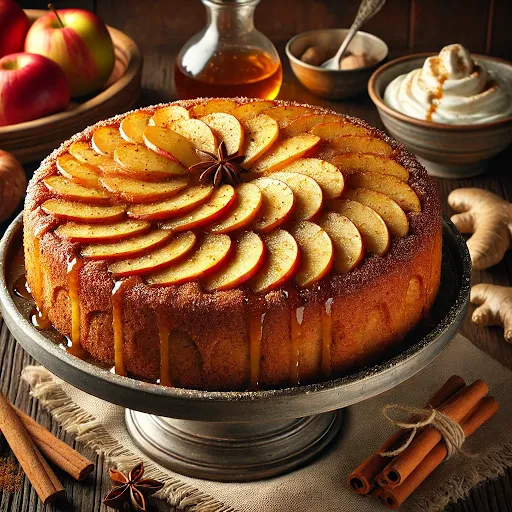
Spiced Apple or Pear Tart
Warm, fragrant, and comforting, this dessert brings a seasonal touch. The spices add depth and richness, rounding out the meal in a grounded yet elegant way.

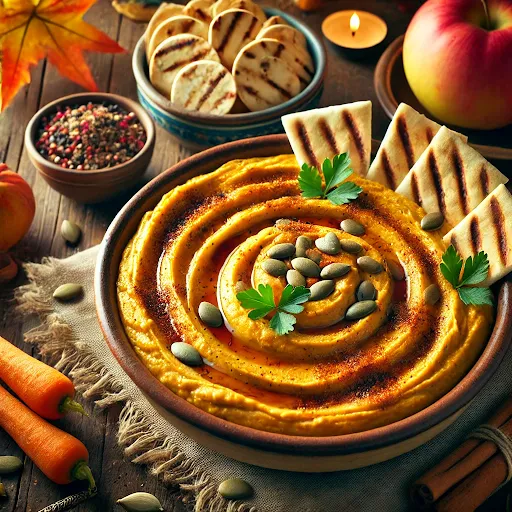
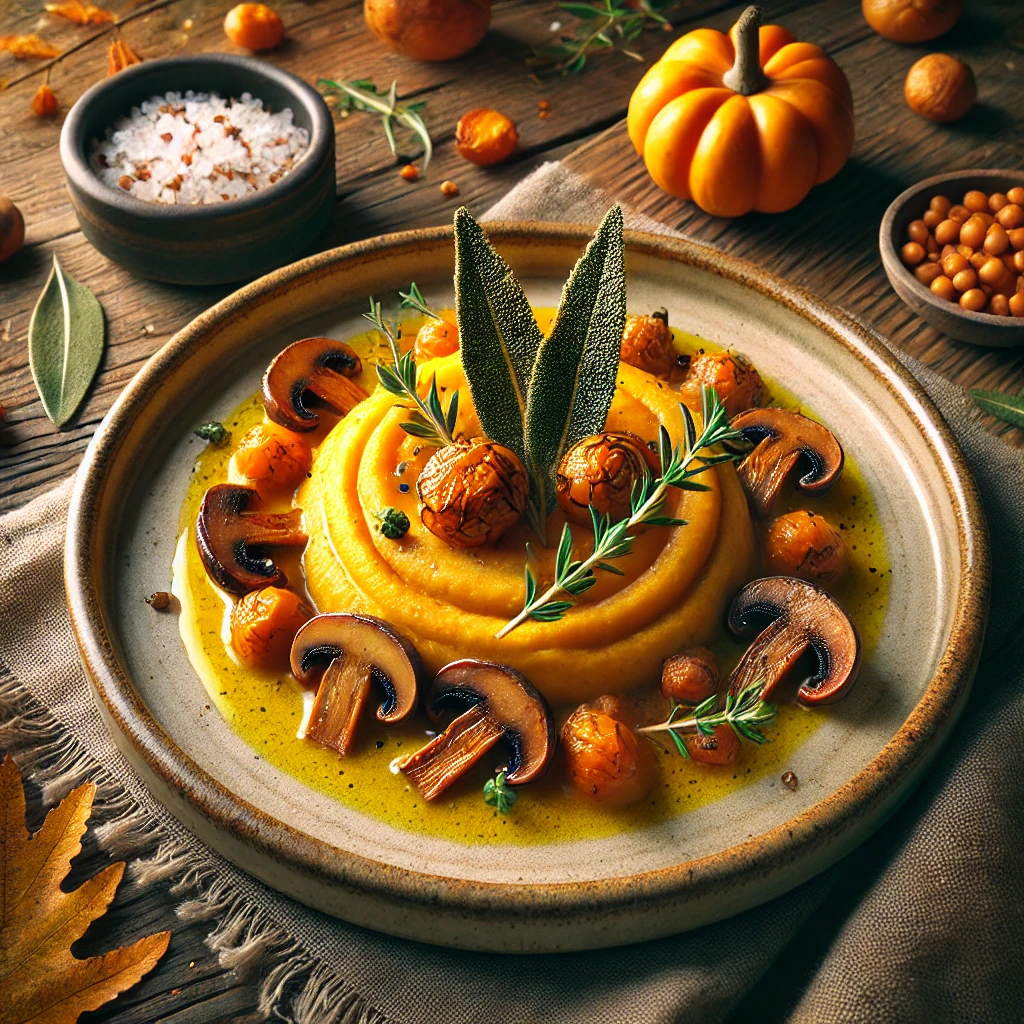
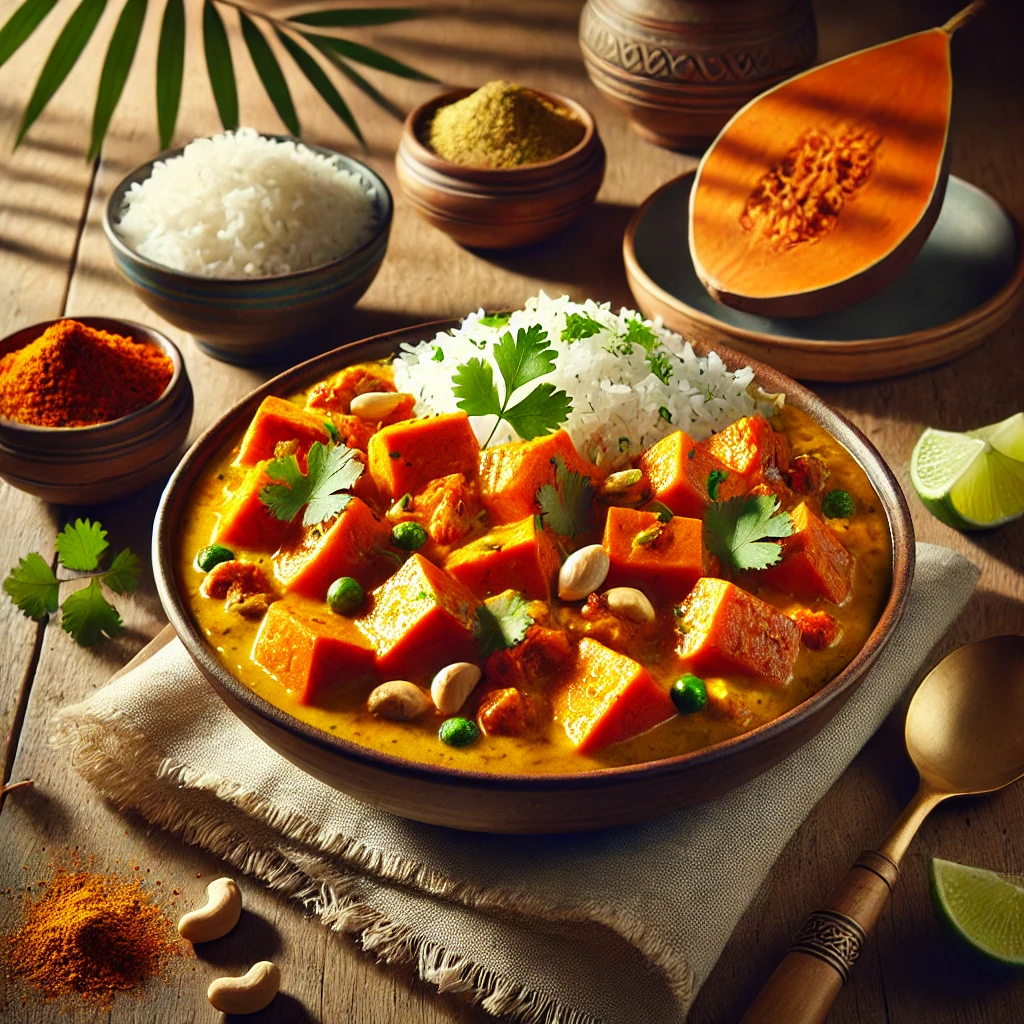
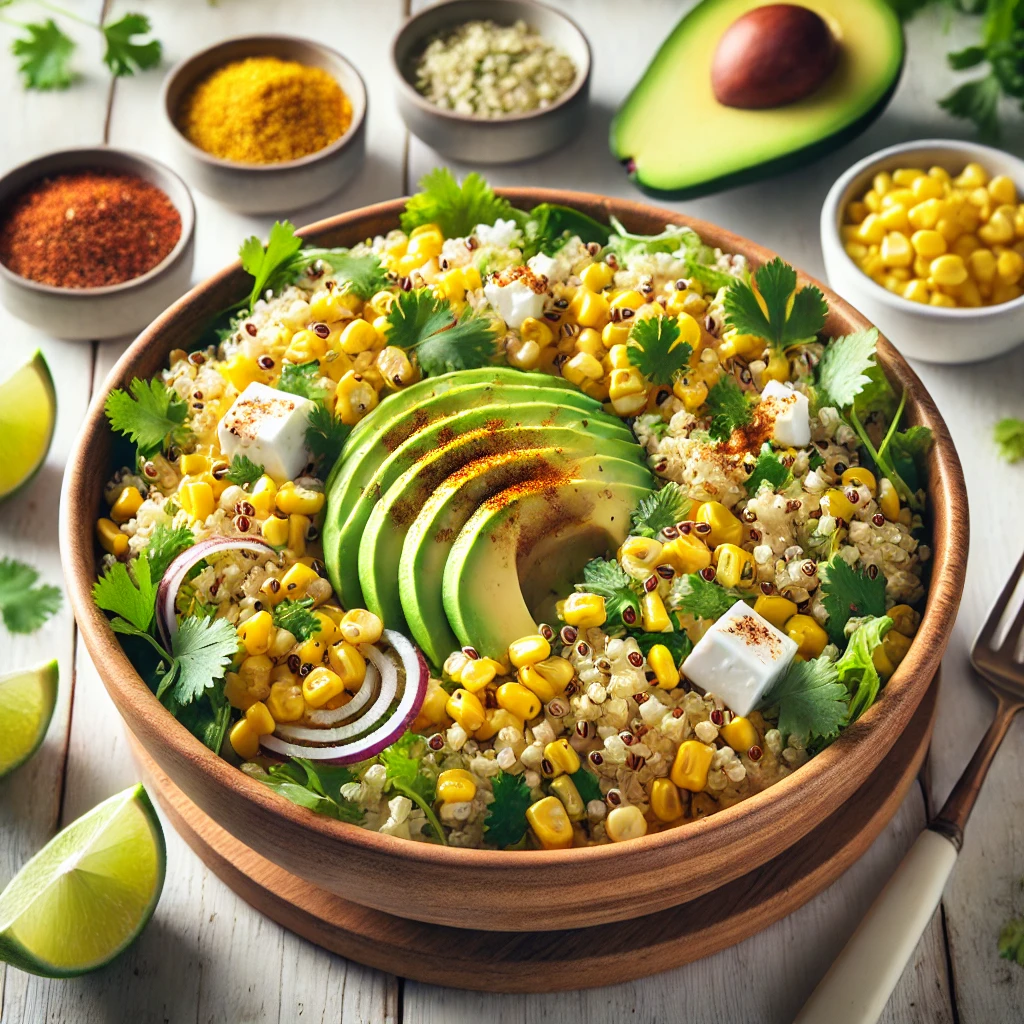
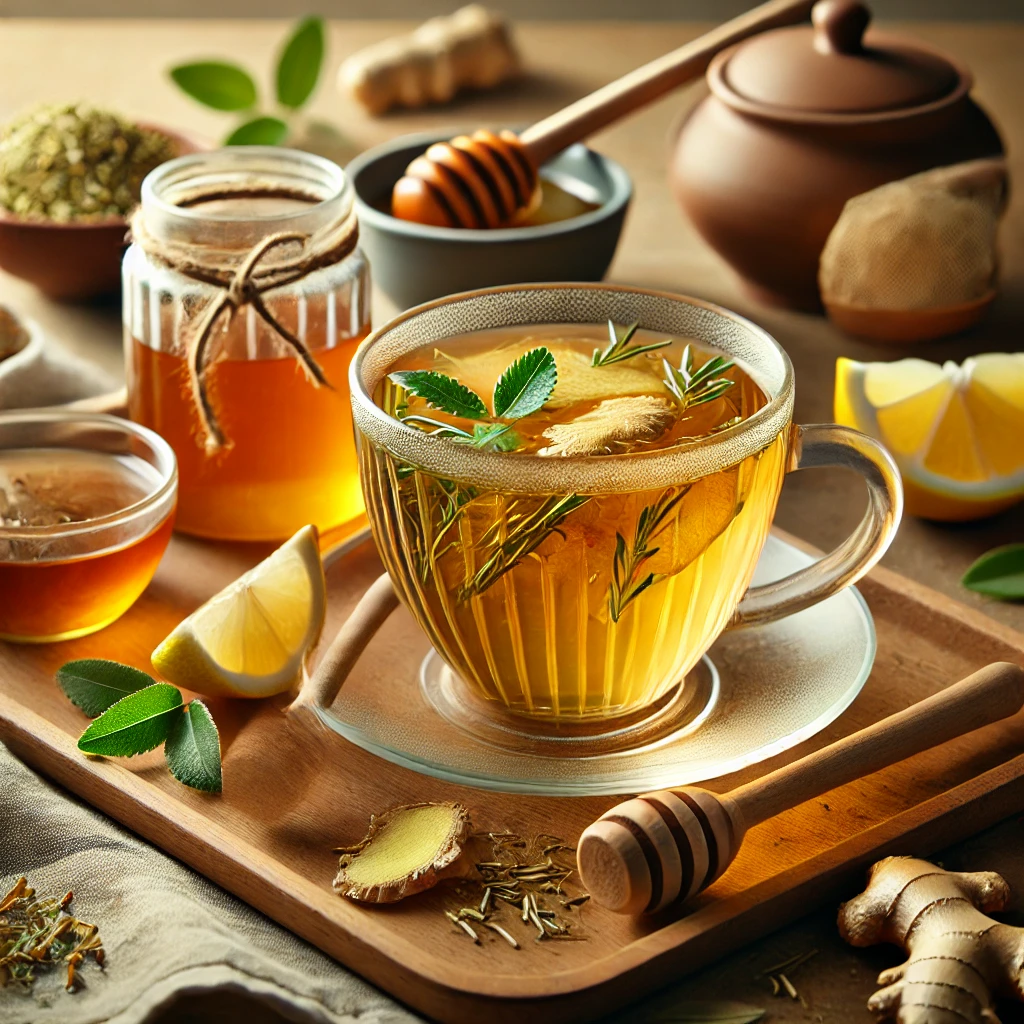
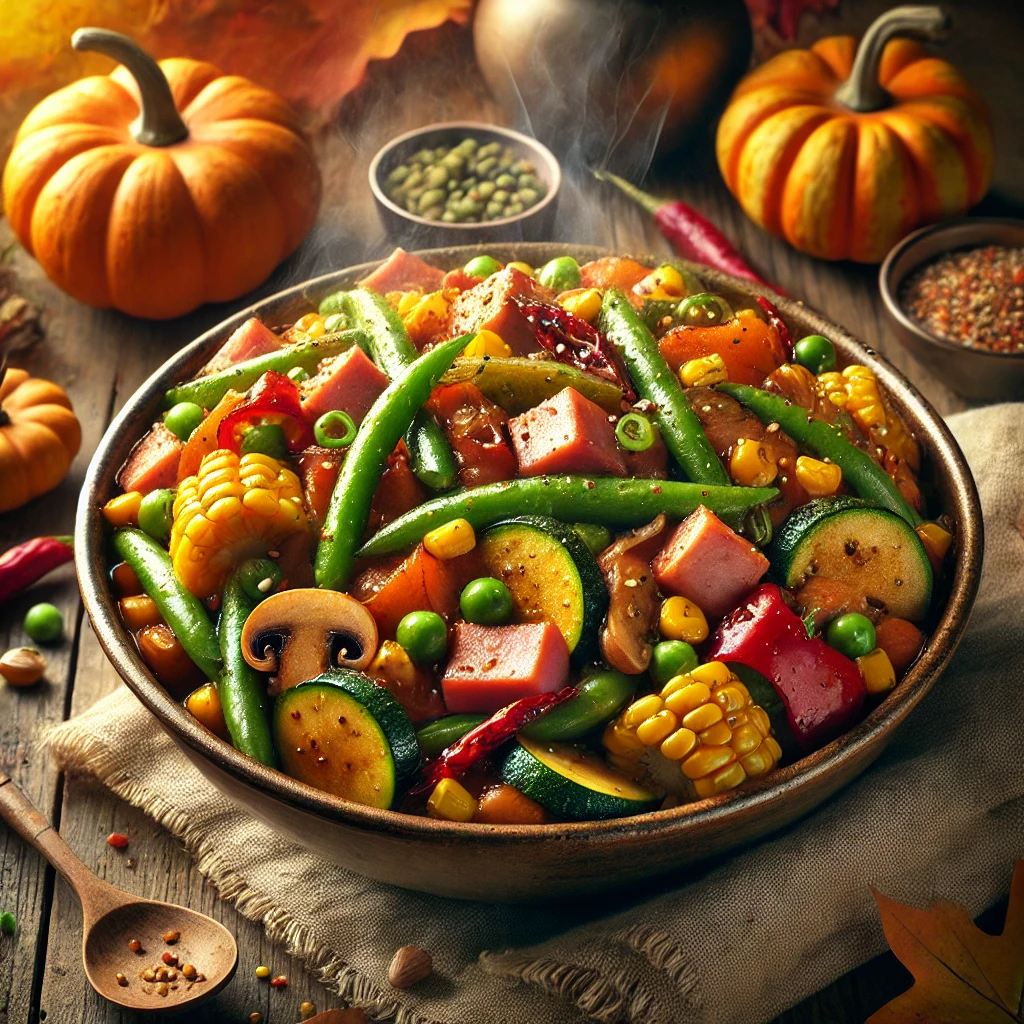
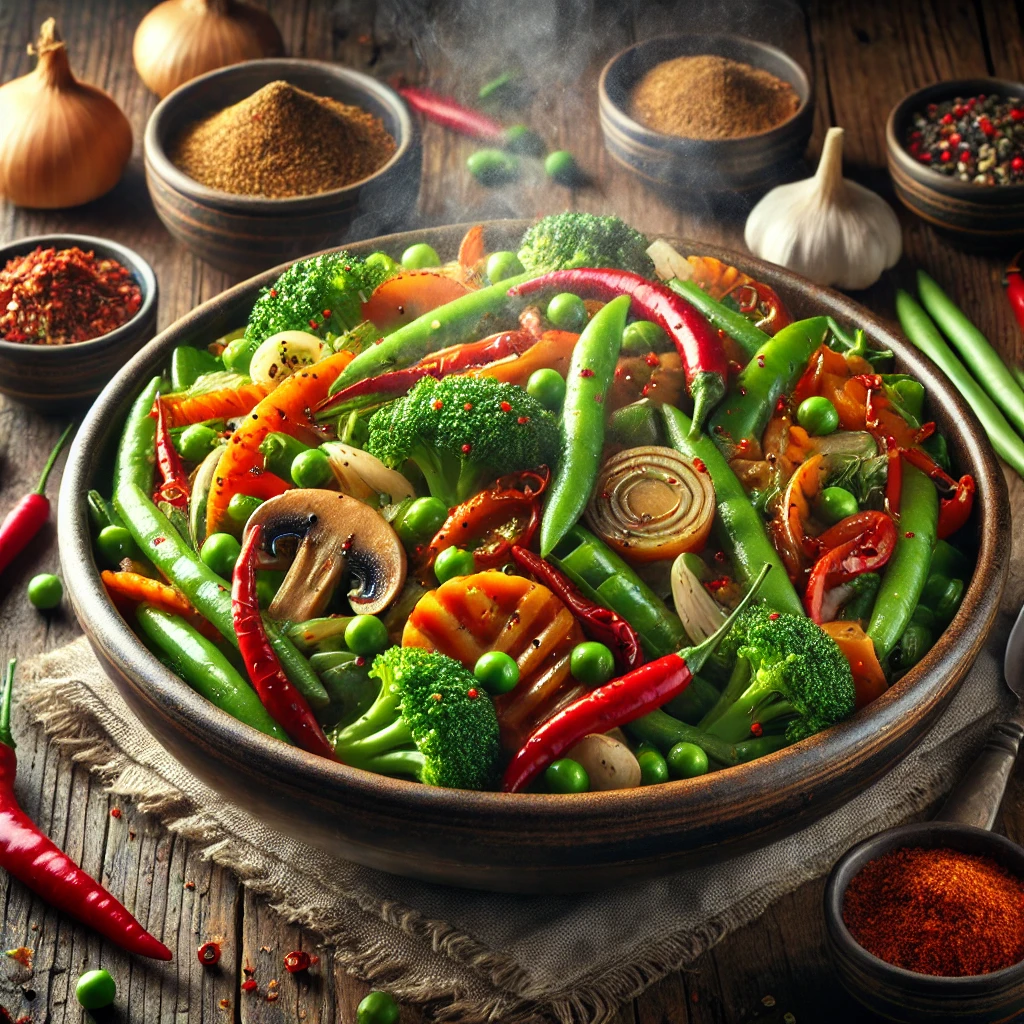
Recipes Engineered for Autumn Glory