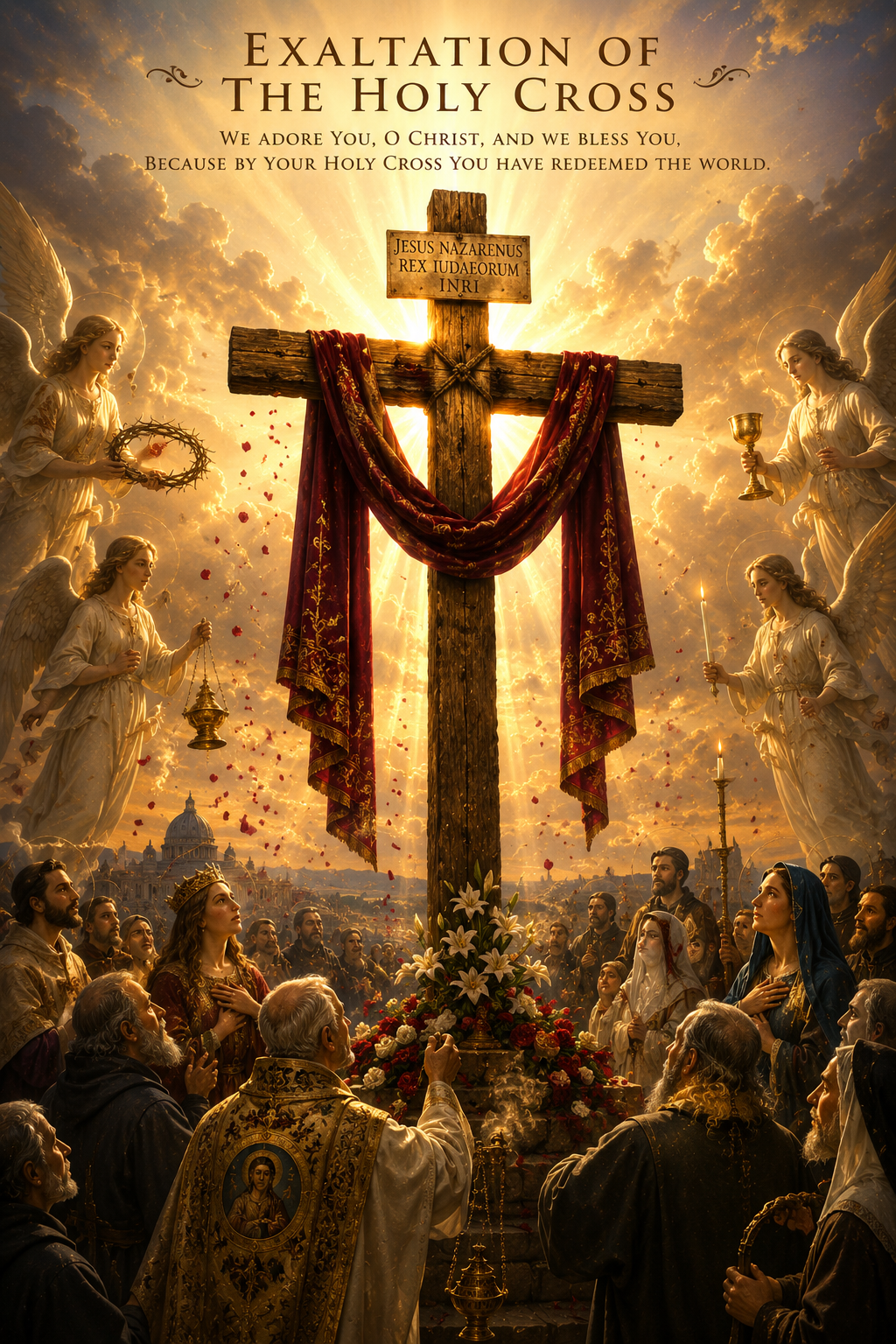
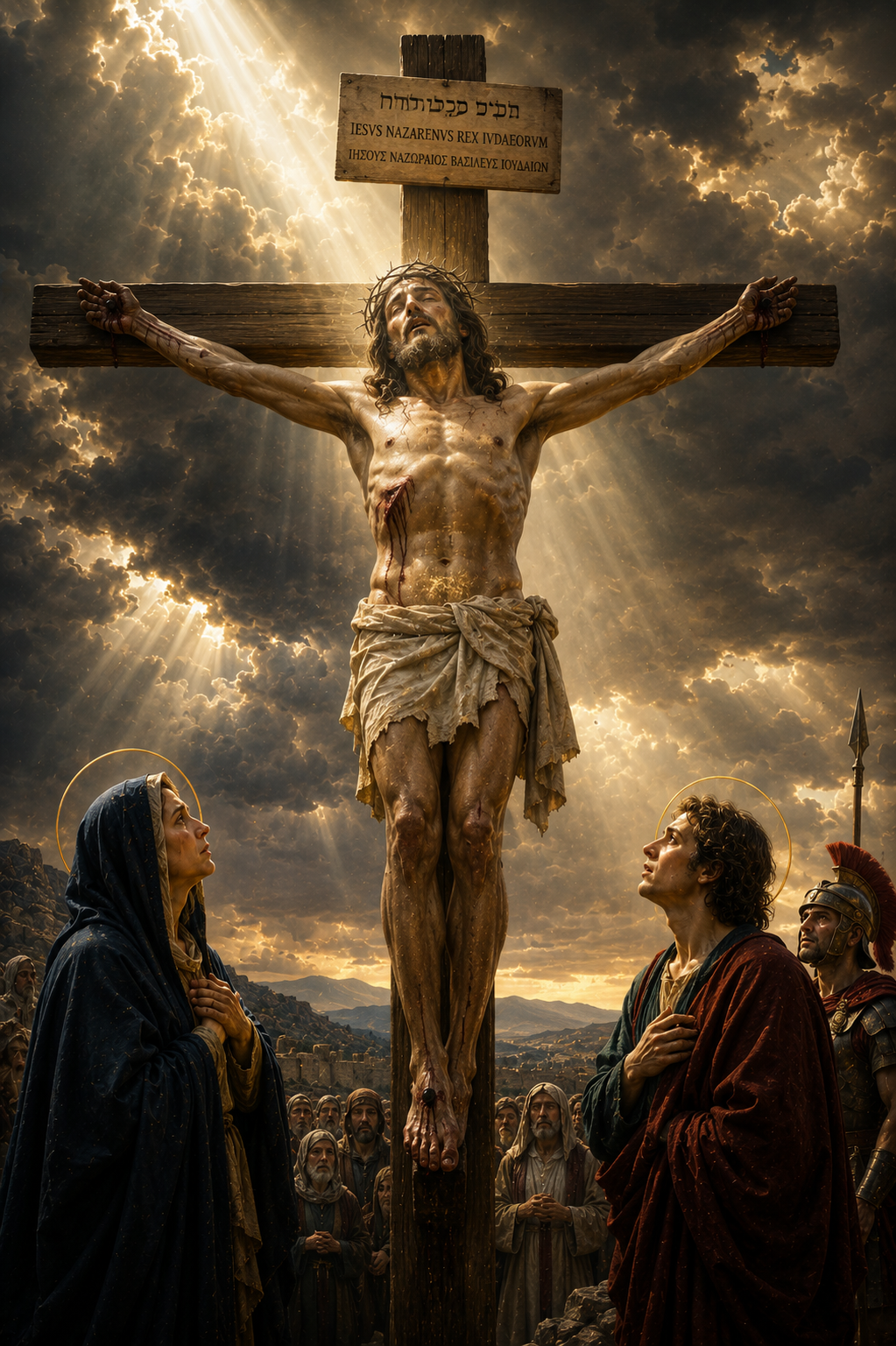
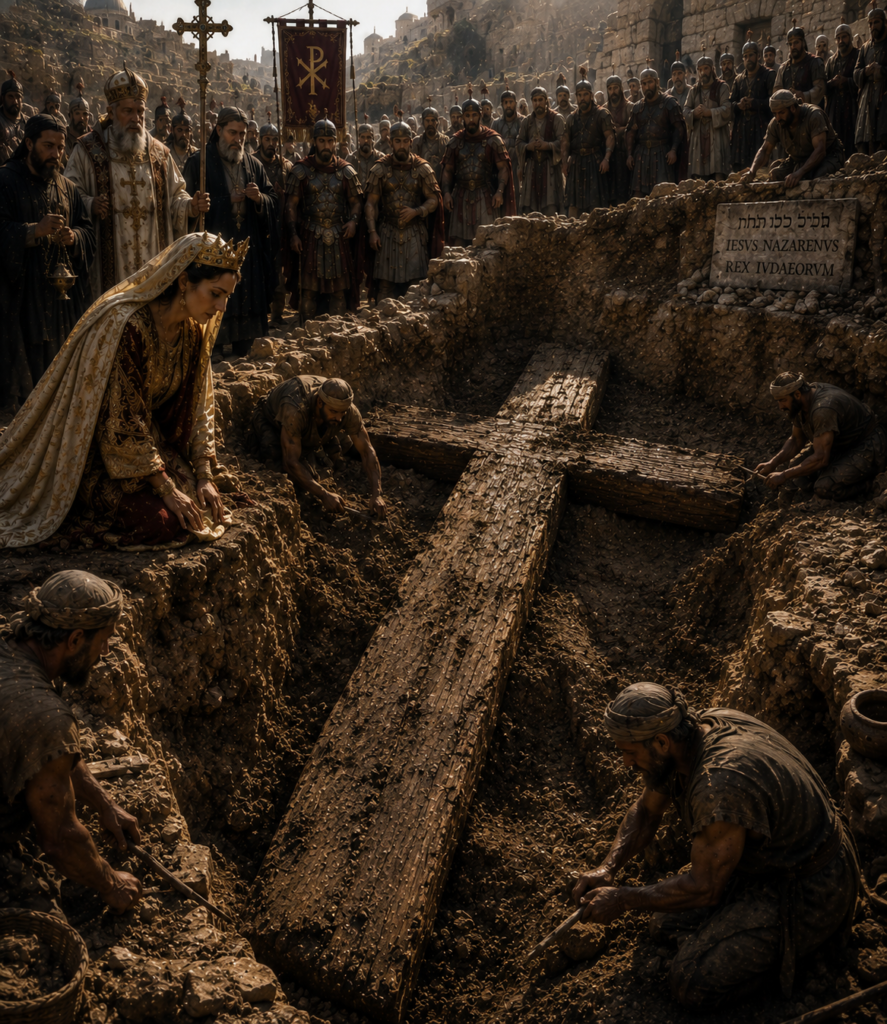
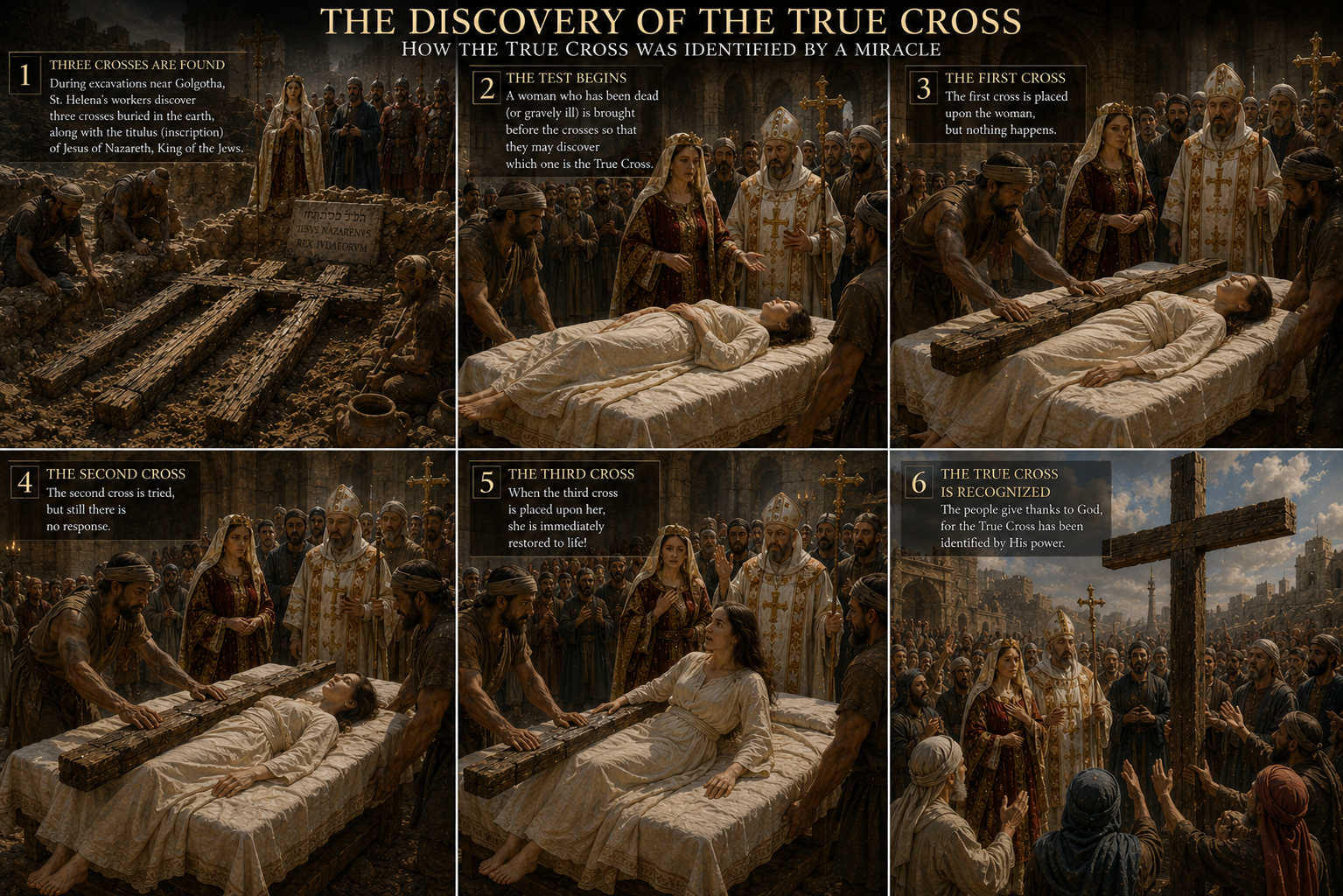



















Exaltation of the Holy Cross
with ORO VALENTIO
September 14th
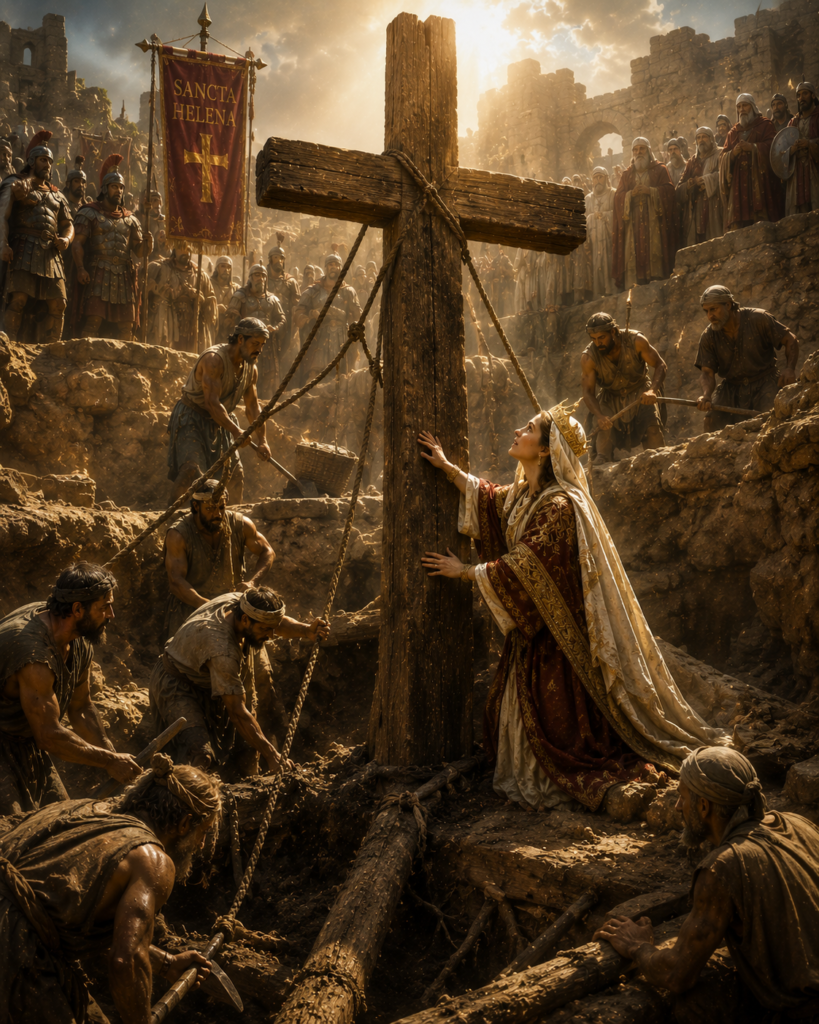
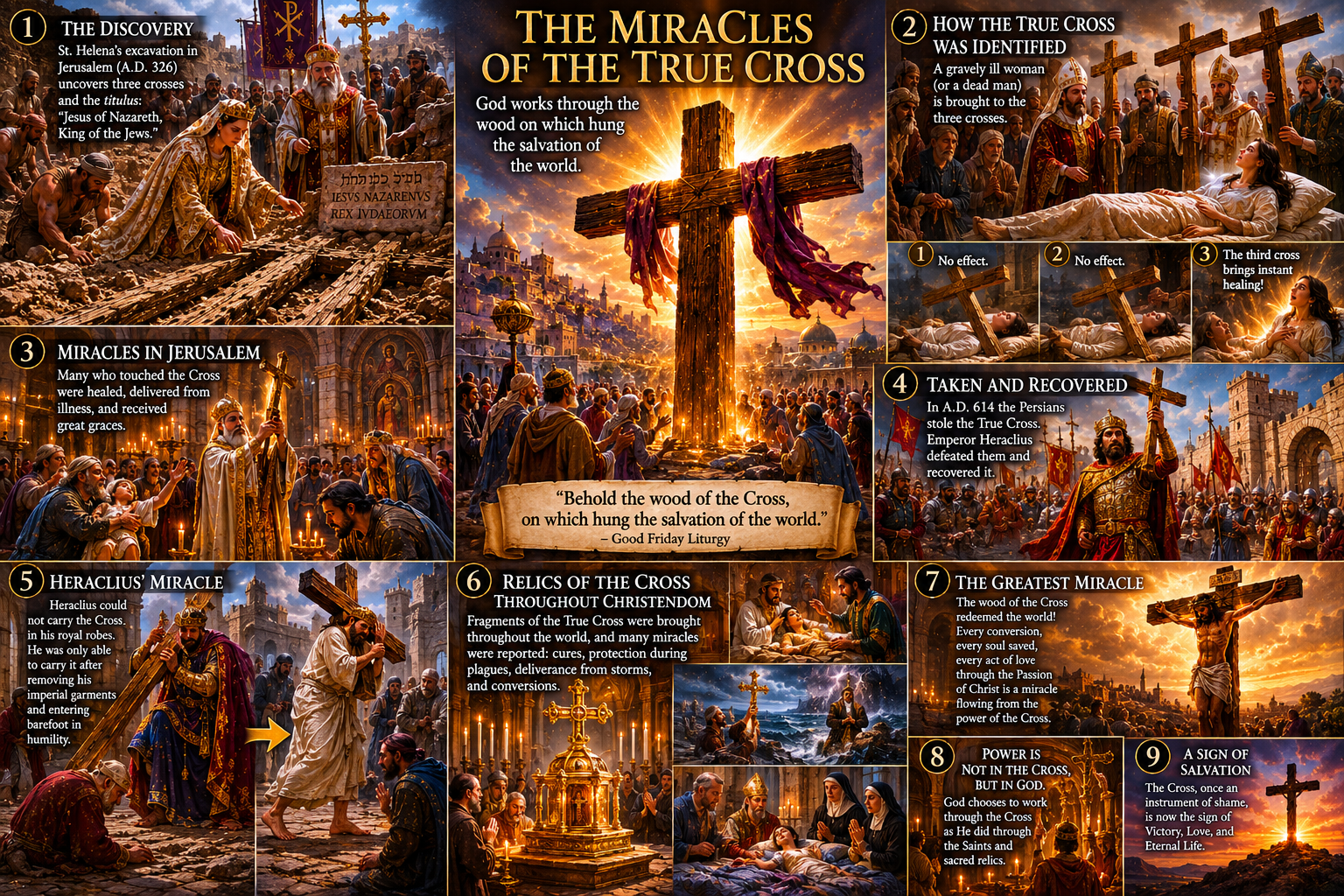
The Exaltation of the Holy Cross is one of the most profound celebrations in the Christian year, observed each September 14 as a commemoration of the instrument through which God accomplished the redemption of the world. While the feast recalls historical events associated with the discovery and veneration of the True Cross, its deepest meaning lies far beyond history. At its heart, the Exaltation of the Holy Cross invites believers to contemplate the mystery of God’s love revealed through the Passion of Jesus Christ. The Cross is not honored merely because it was the wood upon which Christ was crucified, but because it became the place where divine mercy met human sin, where justice and love embraced, and where the Son of God freely offered Himself for the salvation of mankind.
In the ancient world, the cross was a symbol of shame, suffering, humiliation, and death. It represented the worst that humanity could inflict upon another person. Yet through the sacrifice of Jesus, its meaning was transformed forever. What was once an instrument of torture became the sign of victory. What appeared to be defeat became the moment of God’s greatest triumph. Upon the Cross, Christ conquered sin through obedience, overcame hatred through love, and destroyed death by His Resurrection. For this reason, Christians do not look upon the Cross with despair, but with hope. It stands as the enduring proclamation that no darkness is so great that God cannot overcome it, no suffering is without purpose when united to Him, and no sin is beyond the reach of His mercy.
The feast carries a powerful message for every generation because it reveals that God did not remain distant from human suffering. In Jesus Christ, God entered fully into the brokenness of the human condition. He experienced rejection, betrayal, injustice, pain, loneliness, and death itself. The Cross reveals a love willing to hold nothing back—a love that sacrifices itself entirely for the beloved. This self-giving love remains the model and source of Christian life. The Cross teaches humility in a world obsessed with power, forgiveness in a world marked by division, and hope in a world often overshadowed by fear and uncertainty.
The Exaltation of the Holy Cross is therefore not merely a remembrance of an event long past; it is a celebration of a living reality. The Cross continues to speak to every human heart. It reminds us that suffering does not have the final word, that sacrifice is never wasted when offered in love, and that God can bring unimaginable good even from the darkest moments of life. Above all, the Cross points beyond itself to the Resurrection. Christians honor the Cross not as a symbol of death alone, but as the sign of Christ’s victory and the promise of eternal life. This is why crosses adorn churches, homes, altars, and sacred spaces throughout the world: they proclaim that evil and death have been defeated, that hope endures, and that through Jesus Christ the path of the Cross leads ultimately to the glory of the Resurrection.
Where Redemption Pierced the Darkness
Throughout the centuries, the mystery of Christ’s Cross has accompanied believers through every season of human history. In times of persecution, war, illness, uncertainty, and renewal, Christians have looked to the Cross as a reminder of God’s presence amid suffering and His victory over every form of evil. Saints, missionaries, clergy, and ordinary faithful carried the sign of the Cross into prisons, hospitals, battlefields, and places of hardship, not as a talisman, but as a public witness to their faith in Jesus Christ. The Cross became a visible proclamation that love is stronger than hatred, truth is stronger than falsehood, and self-sacrificing faithfulness is stronger than fear. Inspired by the mystery of Christ Crucified and Risen, generations of believers shaped their prayer, worship, art, architecture, music, and culture around the saving work accomplished on Calvary.
The Exaltation of the Holy Cross also invites every believer to reflect upon the personal crosses encountered throughout life. Christianity does not promise a life free from suffering, disappointment, sacrifice, or struggle. Rather, it teaches that Christ has entered into human suffering and transformed it from within. Because of His Passion and Resurrection, suffering need not lead to despair or meaninglessness. When united to Christ, life’s trials can become occasions of spiritual growth, purification, deeper compassion, and greater trust in God. The Cross reminds believers that God often accomplishes His greatest works through humility, perseverance, and sacrificial love. It teaches that even in moments of darkness, grace remains at work, and that no suffering offered in union with Christ is ever wasted.
The liturgical celebration of this feast reflects these profound truths with reverence and beauty. Sacred hymns, prayers, and Scripture readings proclaim the mystery of Christ’s Passion, Death, and Resurrection, while the faithful gather to give thanks for the redemption won through His sacrifice. In many traditions, the Cross is solemnly presented for veneration, and believers approach with gestures of reverence such as kneeling, bowing, touching, or kissing the crucifix. These acts are not directed toward wood or metal, but toward Jesus Christ, whose love was revealed upon the Cross and whose victory transformed it into the sign of salvation. Through these sacred celebrations, the Church proclaims that the Cross is not merely a reminder of a past event, but an enduring witness to God’s mercy, the promise of redemption, and the hope of eternal life found in the Crucified and Risen Lord.
Exaltation of the Holy Cross Traditions to Make Your Own
Veneration of the Cross
One of the most meaningful traditions connected to the Exaltation of the Holy Cross is the veneration of the crucifix. During liturgical celebrations, the faithful may approach the Cross in reverence through kneeling, bowing, touching, or kissing it as a sign of gratitude for Christ’s sacrifice and redemption.
Processions and Elevated Crosses
Many churches hold solemn processions in which a large cross is carried through the church or outdoors while hymns and prayers are offered. In some traditions, the Cross is lifted high before the congregation to symbolize the triumph of Christ over sin and death.
Lighting Candles and Incense
Candles and incense are often used during the feast to honor the sacredness of the Cross. The rising incense symbolizes prayer ascending to Heaven, while candlelight reflects Christ as the Light who overcame darkness through His Passion and Resurrection.
Prayer and Reflection on Sacrifice
The faithful commonly spend time meditating upon Christ’s suffering and the meaning of sacrificial love. Many pray the Stations of the Cross, read the Passion narratives from Scripture, or reflect silently before a crucifix in gratitude and devotion.
Decorating Churches and Altars
Churches may adorn altars and crucifixes with flowers, rich cloths, and special vestments for the feast day. Purple, gold, red, and white are commonly used colors, symbolizing royalty, sacrifice, victory, and resurrection.
Acts of Charity and Self-Denial
Some Christians observe the feast through fasting, acts of mercy, or personal sacrifices offered in union with Christ. Helping the poor, forgiving others, and carrying out hidden acts of kindness are seen as ways of spiritually embracing the Cross in daily life.
Sacred Hymns and Chants
Traditional hymns celebrating the Holy Cross are often sung during the feast. Ancient chants and solemn music emphasize themes of redemption, victory, mercy, and eternal hope, filling churches with a spirit of reverence and triumph.
Displaying the Cross in Homes
Families may place crucifixes in prominent places within the home, light candles before them, or gather together in prayer on the feast day. These traditions serve as reminders that the Cross is not only a symbol within churches, but also a source of strength and hope within everyday life.
Throne of Divine Mercy
O Jesus Christ, our Crucified and Risen Lord, we adore You and glorify You for the mystery of Your Holy Cross. Upon the wood of the Cross You conquered sin, defeated death, and opened the gates of Heaven for all who believe in You.
O Precious Cross, once an instrument of suffering and shame, you have become the throne of divine mercy and the sign of our salvation. Through you, the love of God was revealed to the world; through you, mankind was redeemed by the Precious Blood of the Lamb.
Lord Jesus, grant us the grace to embrace our own crosses with faith, courage, and trust. Teach us to unite our sufferings to Your Passion, knowing that no trial endured in love is ever wasted. When we are weak, strengthen us. When we are burdened, sustain us. When we are tempted to despair, remind us that the Cross always leads to the glory of the Resurrection.
May the Holy Cross be our refuge in times of temptation, our comfort in times of sorrow, and our banner in the spiritual battle against the powers of darkness. Let its sacred sign remind us daily that we belong to You and that Your victory is already won.
Through the intercession of the Blessed Virgin Mary, who stood faithfully at the foot of the Cross, grant that we may grow in holiness, persevere in grace, and one day share in the eternal joy purchased by Your sacrifice.
We exalt and honor Your Holy Cross, O Lord, for by it You have redeemed the world.
We adore You, O Christ, and we bless You, because by Your Holy Cross You have redeemed the world.
Amen.
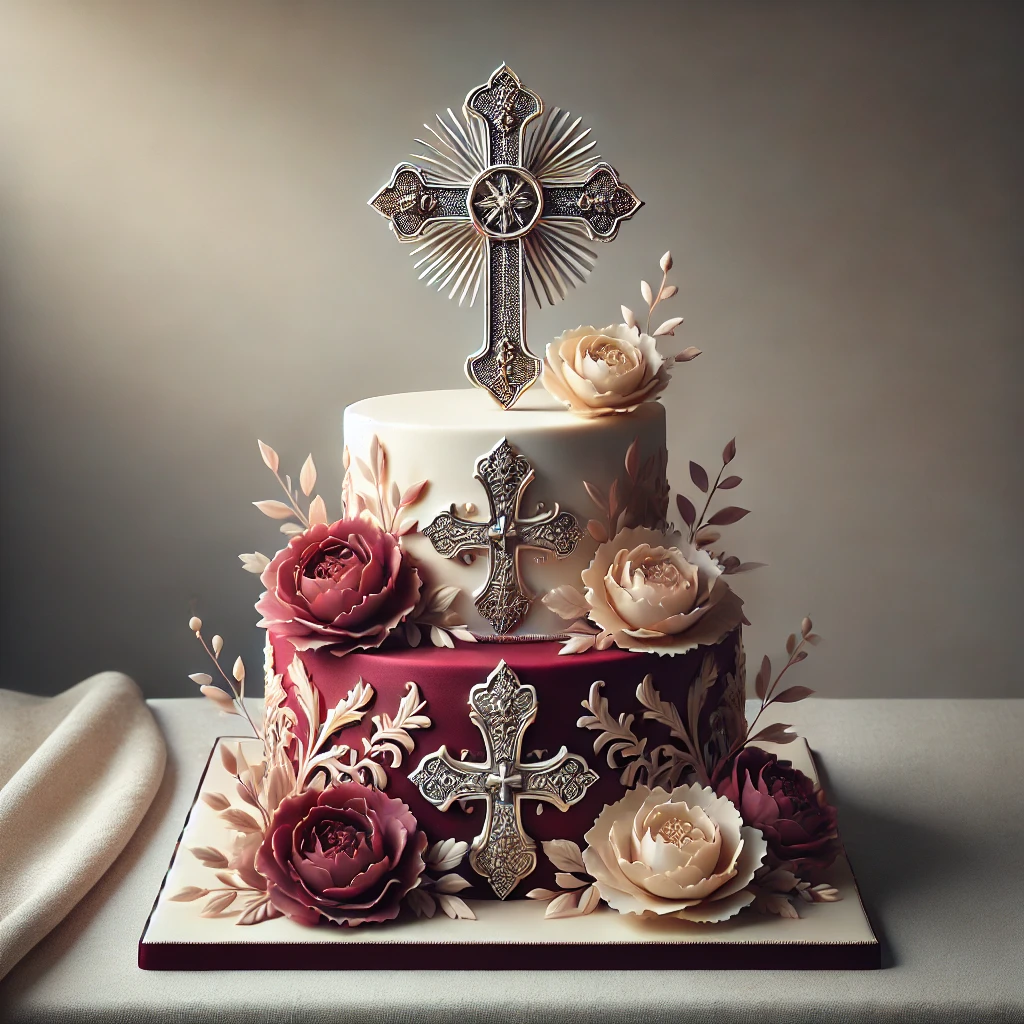
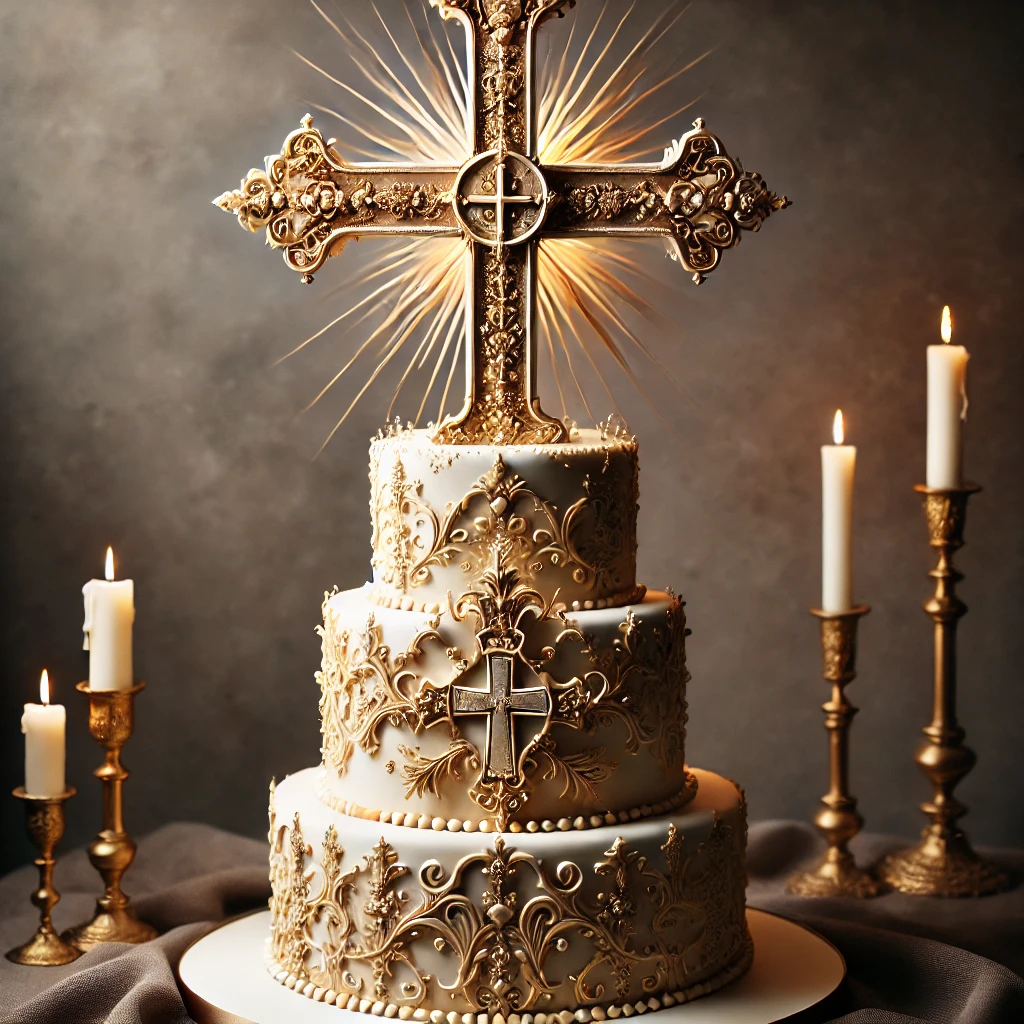
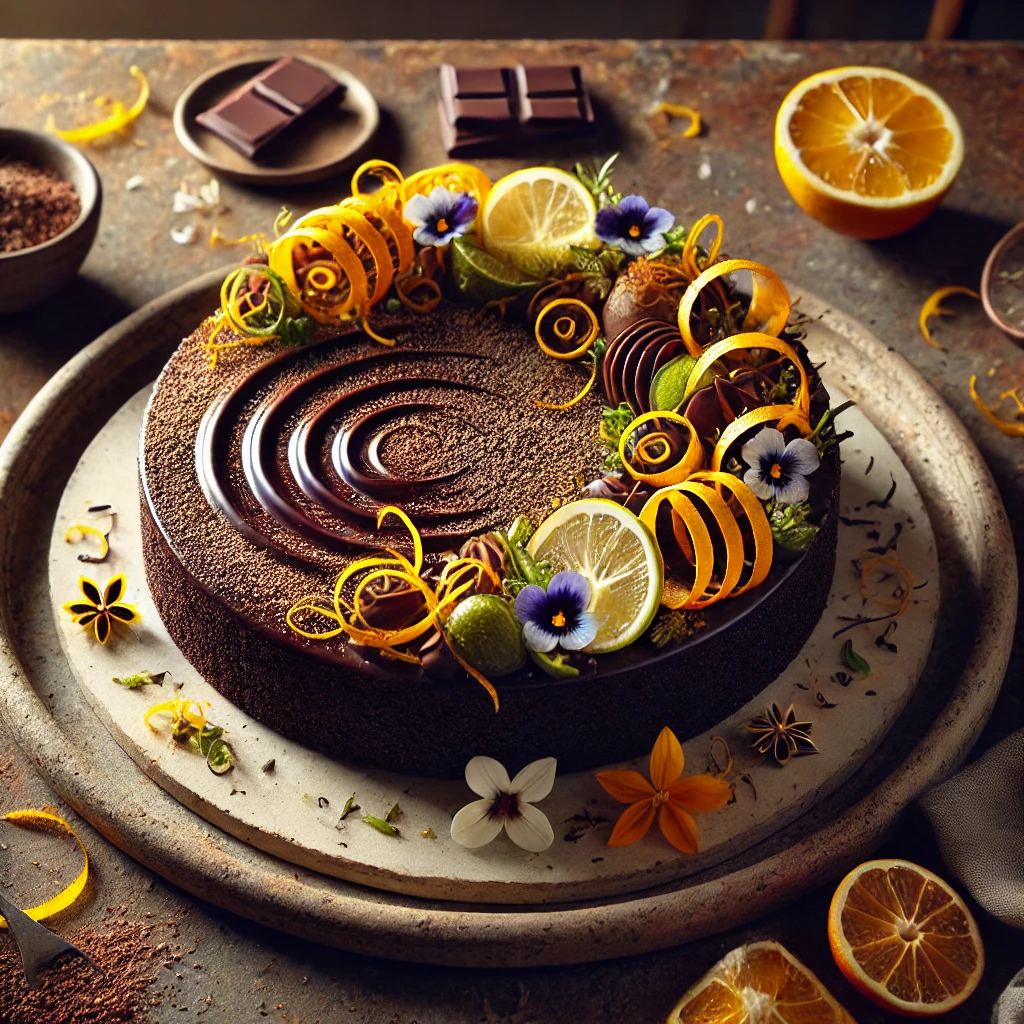
Exaltation of the Holy Cross Cake and Atmosphere Ideas
Where style, memory, and celebration meet.
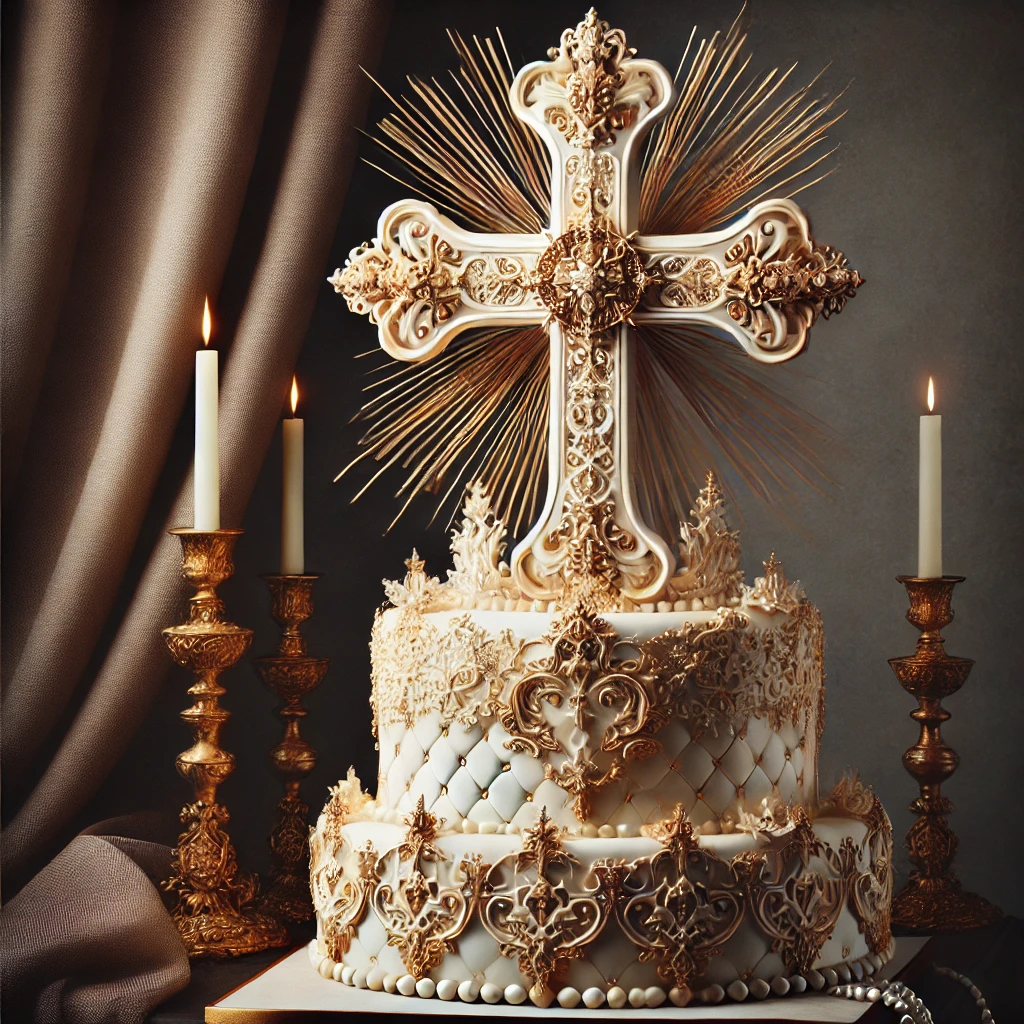
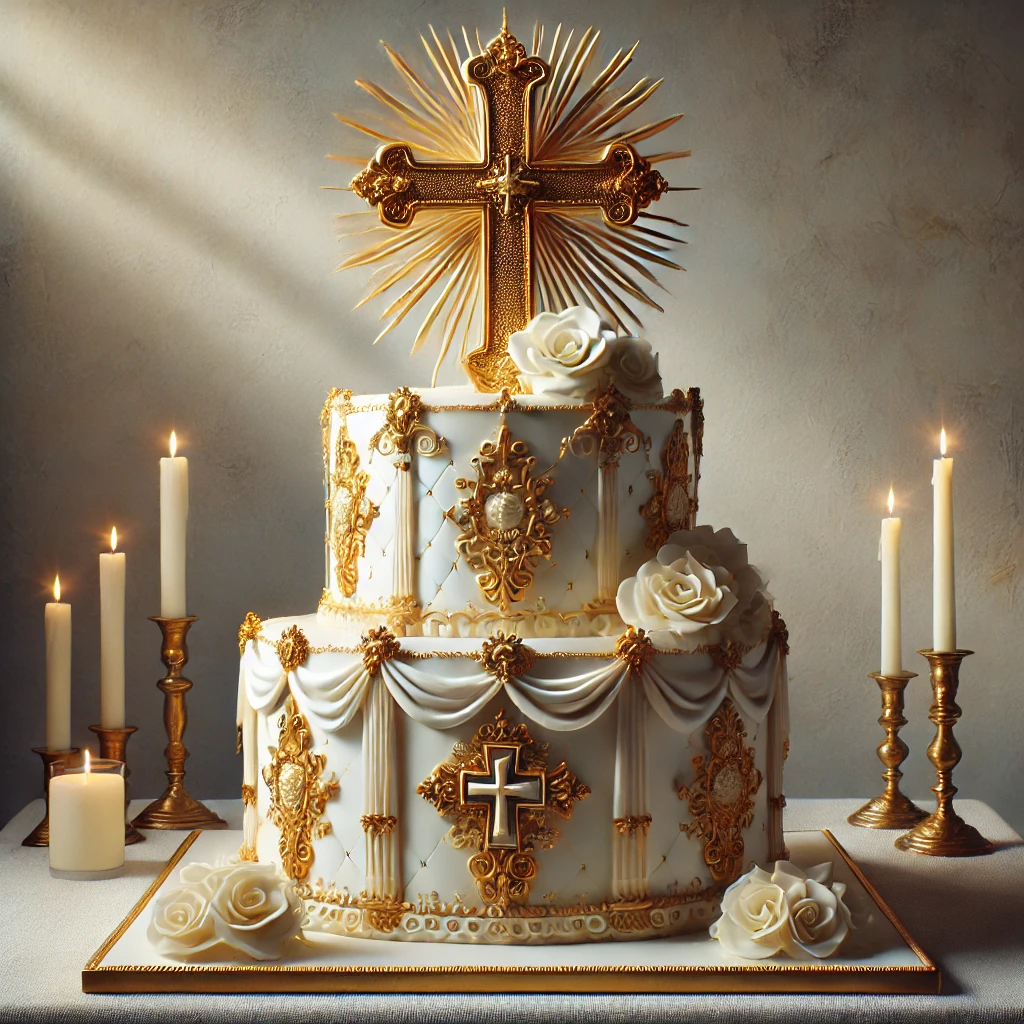
This section is meant to be more than Cake Decorating Ideas… it’s designed to spark inspiration and creativity, awaken tradition, and infuse your special occasions with style, identity, and atmosphere. A color palette becomes a theme. A design becomes a mood. Simple details—like sugared holly leaves or shimmering stars—can set the tone for a gathering and become part of cherished traditions and lasting memories melded with personal touch and love.
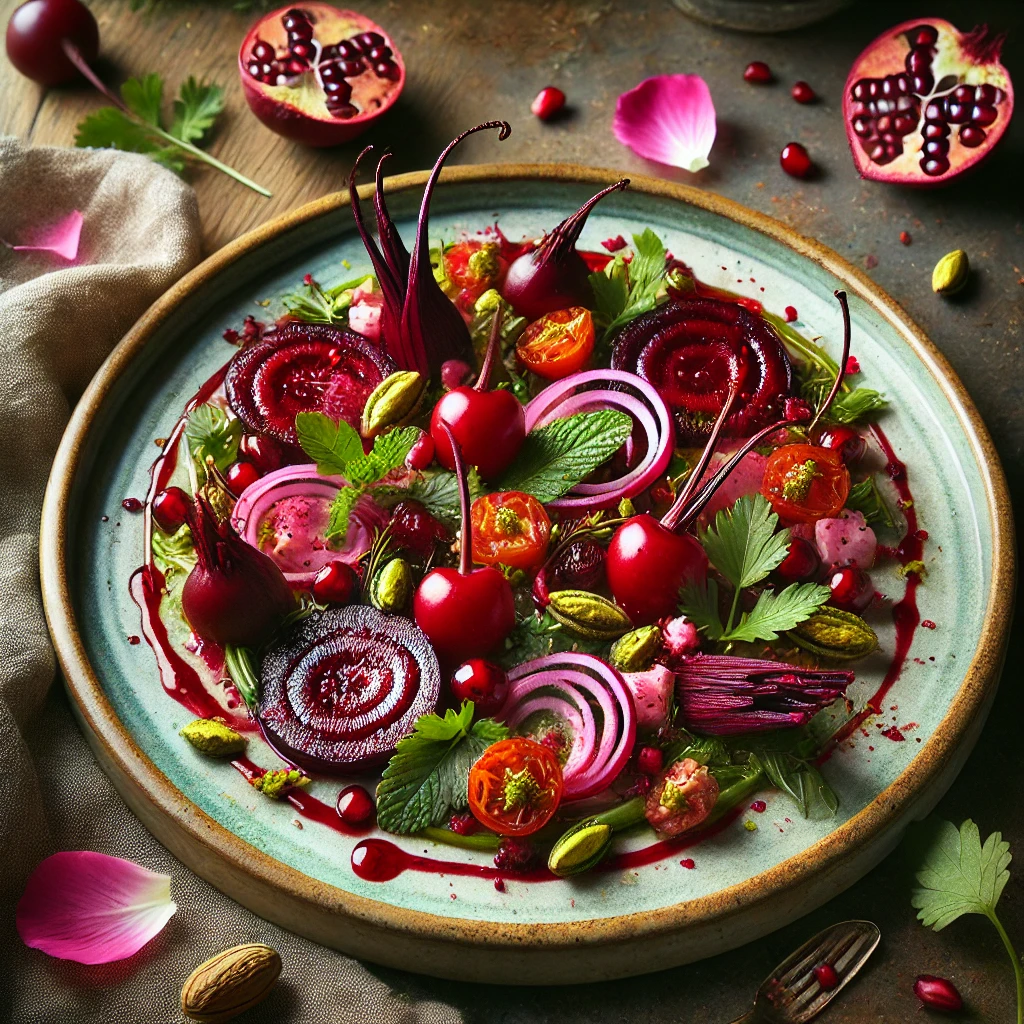
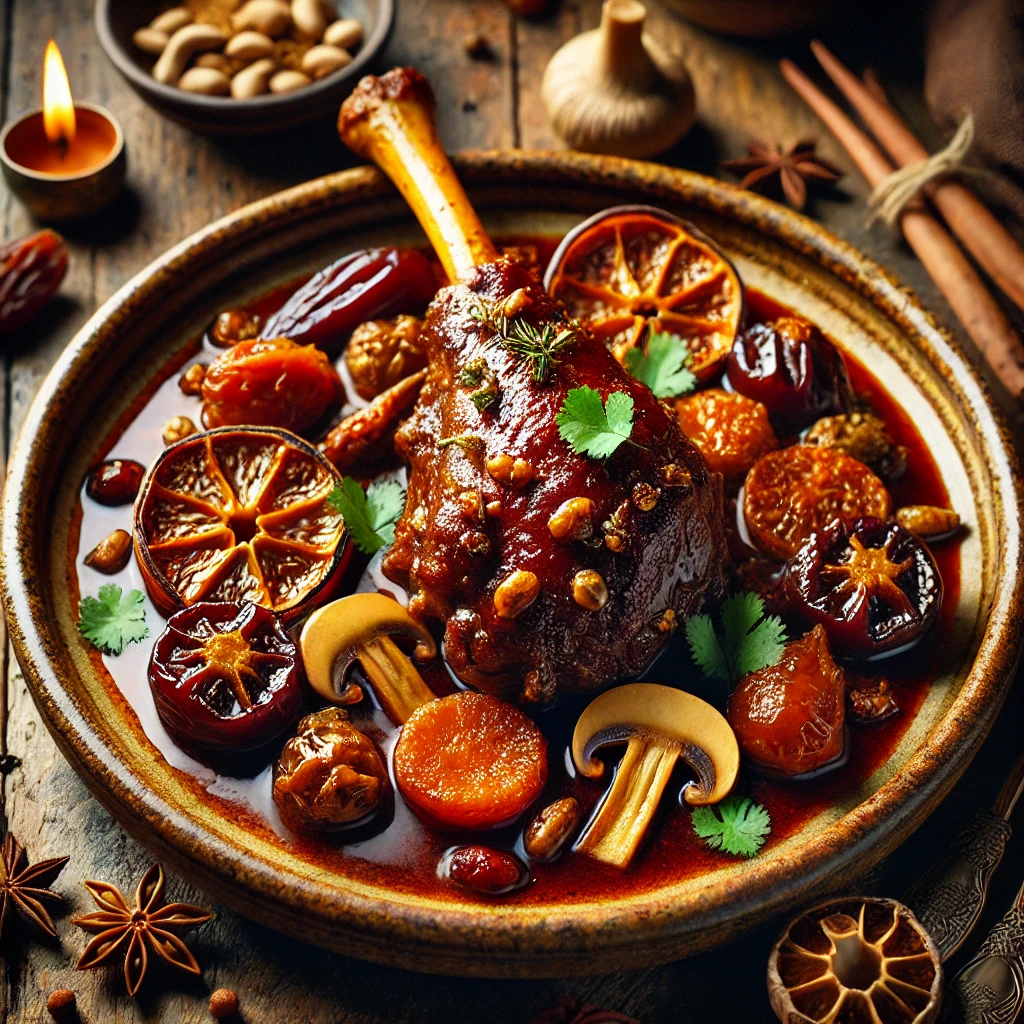
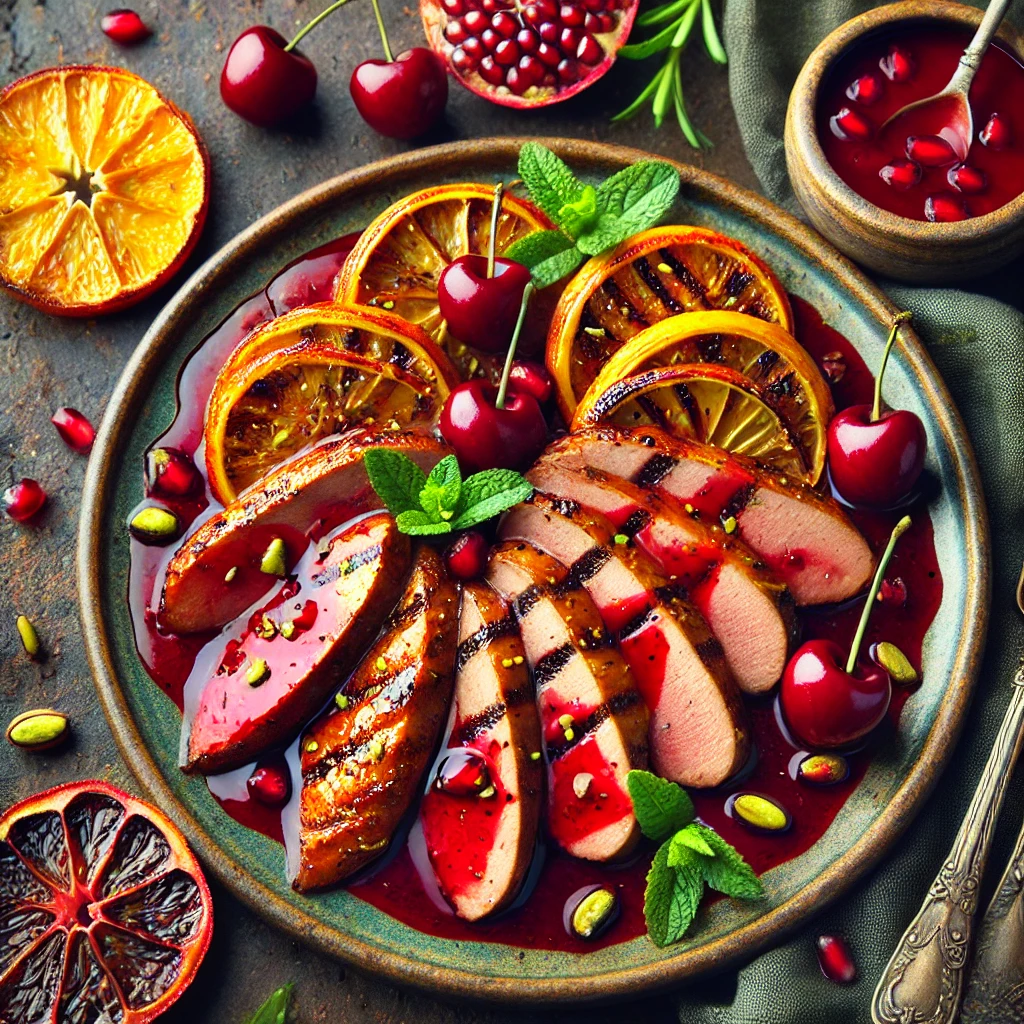
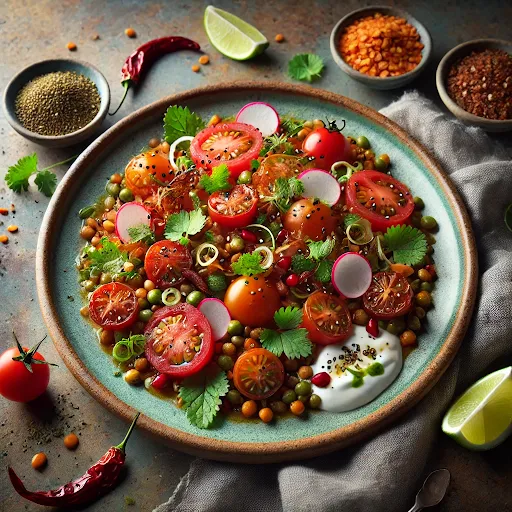
Traditional Exaltation of the Holy Cross Dishes
1. Spanish Tortilla (Tortilla Española)
A classic dish made with eggs, potatoes, and olive oil.
Simple, nourishing, and grounded—reflecting the disciplined and humble beginnings of Ignatius’ journey.
2. Rustic Lentil Stew (Lentejas)
A hearty lentil stew with vegetables and sometimes chorizo.
Lentils symbolize humility and sustenance—perfect for a day rooted in reflection and inner strength.
3. Pan con Tomate
Toasted bread rubbed with garlic, tomato, and olive oil.
A minimalist yet flavorful dish that represents doing simple things well.
4. Grilled Fish with Olive Oil and Herbs
Light, clean, and intentional.
Fish has long been associated with Christian tradition and offers a refined, purposeful meal.
5. Manchego Cheese with Olives
A traditional Spanish pairing.
Balanced, elegant, and communal—ideal for sharing and reflection.
6. Roasted Chicken with Garlic and Lemon
A classic, grounding main dish.
It brings warmth and substance while remaining rooted in traditional preparation.
7. Almond Cake (Tarta de Santiago)
A traditional Spanish dessert made with almonds, often marked with a cross.
This dish carries symbolic meaning—faith, heritage, and quiet beauty.
8. Simple Red Wine or Sparkling Water
Red wine (in moderation) reflects Spanish culture and celebration
Sparkling water offers a clean, refreshing alternative aligned with simplicity